Philadelphia police on Monday released images of a distinctive vehicle that injured a 9-year-old boy in a hit-and-run that happened over the weekend in Southwest Philadelphia.
Just after 12:20 p.m. Saturday, the boy was struck by a midsized crossover SUV on the 2200 block of South 56th Street, police said.
The boy was transported to Children’s Hospital of Philadelphia, where he was listed in stable condition.
Police described the vehicle as a 2010 to 2013 Honda Crosstour, mostly burgundy in color, but with a green front passenger-side door, a white rear passenger-side door, and a black passenger-side fender. The Honda also had a bicycle rack on the roof.
.@Phillypolice is seeking the public’s help in identifying the driver involved in a critical injury hit & run involving a 9-year-old boy. 2200 block of S. 56th St. 2/14 at 12:22PM Vehicle: 2010–13 Honda Crosstour (burgundy w/mismatched panels) Call 911 or 215-686-TIPS w/ info pic.twitter.com/PPjW93rZbt
The driver was described as a Black man around 25 to 35 years old, with short hair and a beard.
The boy suffered a broken leg, according to 6abc, which showed video from a doorbell camera of the boy trying to cross the street and then falling before being hit by the fast-moving Honda.
Police said anyone with information about the vehicle or driver can call 215-686-TIPS or dial 911.
CLEARWATER, Fla. — Four innings before Orion Kerkering’s error sealed the Phillies’ fate in Game 4 of the 2025 National League Division Series, home plate umpire Mark Wegner made a call that may have helped tilt the game.
Cristopher Sánchez’s 2-2 pitch to Alex Call in the seventh, which caught the inside edge of the plate, was called a ball. What could have been a strikeout ultimately became a walk, and Justin Dean, who pinch ran for Call, went on to score the tying run in a game the Los Angeles Dodgers won, 2-1, in 11 innings.
In the quiet clubhouse after the Phillies were eliminated, Sánchez said that Wegner actually apologized to him for missing the strike.
“He knows he missed it,” Sánchez said through a team interpreter. “He knows he missed it because he told me, and he apologized to me. But a lot of pressure, important game, important situation, you can’t miss those things. You can’t miss those calls.”
With the automated ball-strike challenge system arriving to MLB in 2026, it’s possible those impactful misses could be a thing of the past. Under the system, each team starts with two challenges, which can be used by the pitcher, catcher, or batter to challenge a pitch call. If a challenge is unsuccessful, the team loses it.
According to the rules, challenges must be made immediately after the umpire’s call, and no input from the bench or manager is allowed. A team without challenges in extra innings will receive an additional one.
The Phillies piloted the system during spring training last year, and they will use this spring as a chance to get further acclimated.
“I think it will change the game a lot late, just making sure those calls are right in the biggest moments,” shortstop Trea Turner said. “Even if a team challenges and they’re wrong, at least you know the call is right. So I think that’s going to be big later on.”
Some critics of the system think that ABS removes the “human element” of baseball in the umpire’s strike zone.
“It’s kind of now that human element’s back on the players,” Turner said. “So that’s kind of interesting. It’s going to be fun to watch.”
The Phillies will eventually develop a strategy for using ABS as the regular season begins. Some teams only allow catchers to challenge, rather than pitchers, since they have a better vantage point. Teams also might prefer to save their challenges for after a certain inning of the game.
But for the first few weeks of spring training, Phillies manager Rob Thomson will have no rules.
“We need to push them to use it, so that they can learn,” Thomson said. “And as the situations come up, we just talk them through it. ‘This might be a situation where you should use it,’ even if they didn’t. ‘No, maybe that’s not the situation.’ But we still want them to try and get some experience with it.”
The Seattle Mariners’ Julio Rodriguez challenges a pitch call, initiating a review with the automated ball-strike challenge system during a spring training game last February in Peoria, Ariz.
Turner said that typically, when he has disagreed with umpires’ calls at the plate and then reviewed the footage later, he is often right about pitches he thought were inside or outside, but has been wrong about pitches high or low.
“I think that’s part of this. You’ve got to know what you’re good at, and where you’re good at,” he said. “I don’t plan on challenging too much, but if I do, I’ll probably be on the corners more so than up and down. And I think some guys are good at some things, and you’re going to have to learn.”
Extra bases
Zack Wheeler threw out to 120 feet for the first time Monday as he continues his rehab from thoracic outlet decompression surgery. Thomson said he did not have a date for when Wheeler will get on a mound, but “he’s getting there.” … Kerkering (mild hamstring strain) is running and doing agility drills and threw on flat ground. The next step is a light bullpen session, possibly on Wednesday, according to Thomson. … Brandon Marsh cut his foot off the field and did not fully participate in the workout, although he did glove work and played catch. “It’s minor,” Thomson said. “I wouldn’t be surprised if he was out there hitting [Tuesday].”
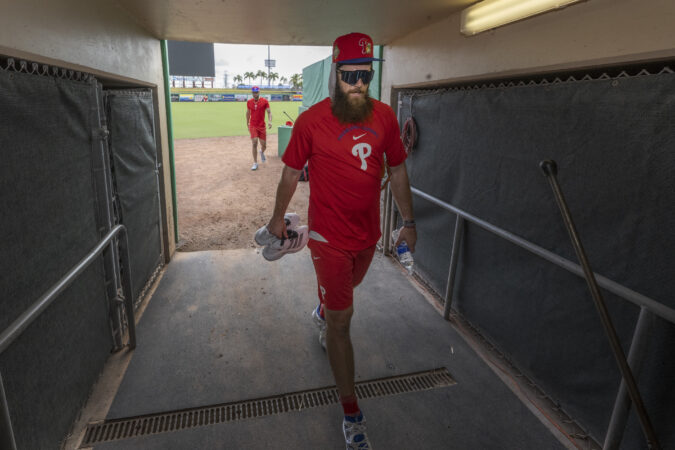
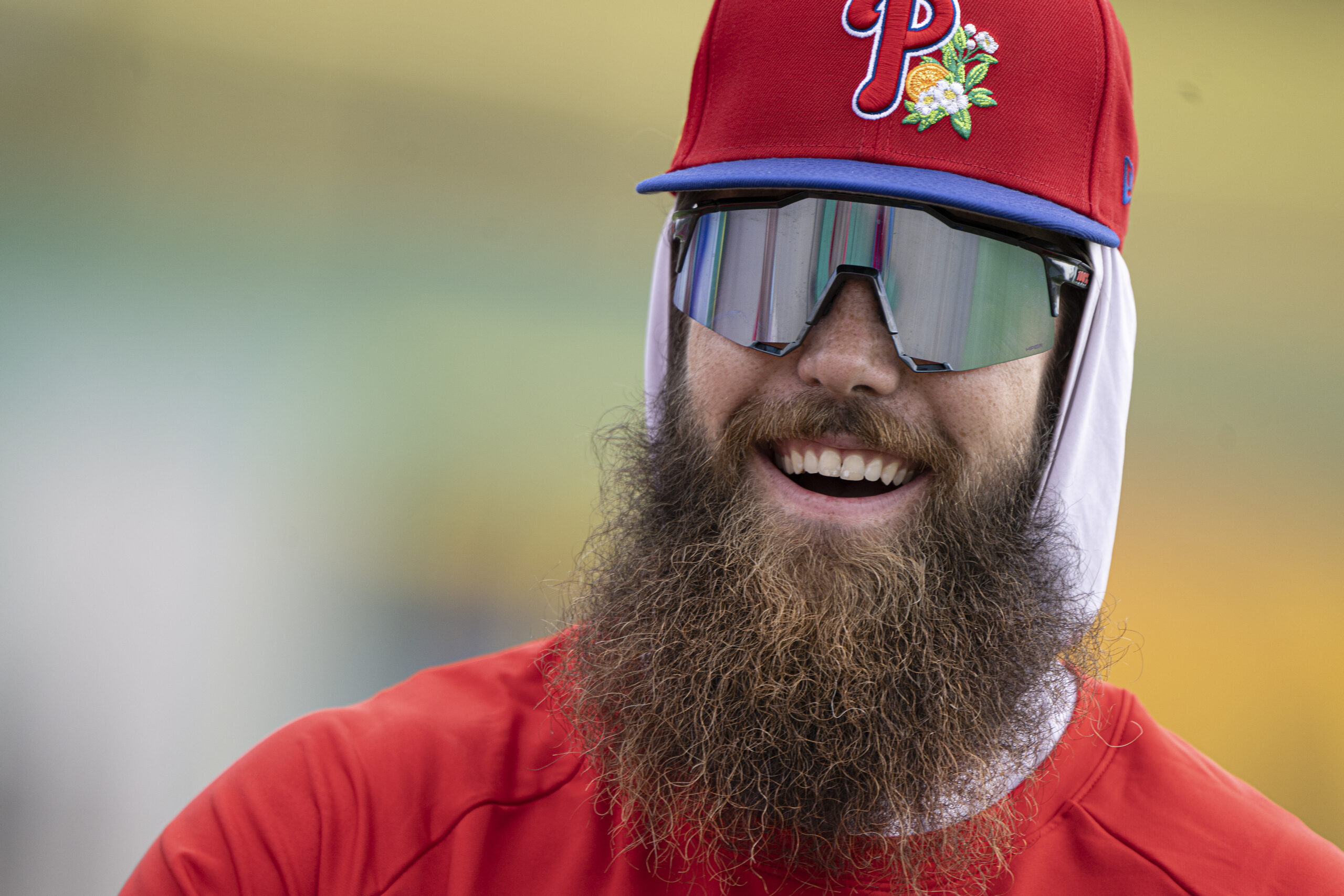
CLEARWATER, Fla. — Brandon Marsh stood in the outfield of the main stadium here the other day alongside a half-dozen teammates when it dawned on him.
“I was the oldest guy out there,” he said, a toothy smile forming above his lumberjack beard, “and I was like, ‘What the heck?’ I’ve never, ever in my life been in this position.”
Don’t tell Marsh, then, that these are the Same Old Phillies.
Other changes: A 22-year-old rookie (Justin Crawford) in center field, and a righty-hitting utility man (Otto Kemp) who might see most of his playing time in left field whenever the Phillies face left-handed pitching.
And — voila! — Marsh is the new dean of an outfield that critics believe will be among the worst in the majors.
Brandon Marsh didn’t have a hit in April but batted .303 over the final five months of the season.
“It’s going to be almost a complete different outfield, I know that,” said Marsh, limited in the Phillies’ first full-squad workout Monday because of a cut on his foot that Thomson didn’t consider serious. “But we have some incredible guys here that are going to step up. As humans, we always want to challenge ourselves. It’s going to be a fun challenge for us, and nothing that we’re not capable of doing.”
Maybe. Crawford did bat .300 at every level of the minors despite hitting a high rate of balls on the ground. García, a two-time All-Star, is three years removed from 39 homers and a dominant postseason for the World Series-champion Texas Rangers. Kemp impressed team officials with his grit last season while playing through shoulder and knee injuries.
But any improvement over last season, when the Phillies ranked 19th in the majors in outfield OPS (.710) and 21st in wins above replacement (3.2, measured by Fangraphs) must involve Marsh.
It has been nearly four years since the Phillies traded for Marsh. With Bryson Stott and Alec Bohm, he comprised a group of young, often goofy players dubbed by teammates as the “Daycare” along the way to the 2022 World Series. He has been a supporting cast member ever since.
Marsh is 28 now. He has two seasons before free agency. And still, there are questions about his ceiling as a player.
Take last season, for instance. Marsh was 4-for-42 — and hitless in April (0-for-29) — when he strained his right hamstring. The injury was mild. Physically, he was ready to return after the minimum 10-day term on the injured list. Mentally, he was a wreck.
“Honestly, I’ve never been on a baseball field and felt that low before,” Marsh said. “Not low as in depression or anything, but just like self-belief and just realizing like, ‘Dang, am I really cut out for this?’
“But I think the second half of last year really proved — not to anyone else but just to myself — that I can get through the thick of it. You know?”
Indeed, upon returning May 3, Marsh batted .303 with 25 doubles, 10 homers, and a .358 on-base percentage for the rest of the season. Among 96 National League players with at least 350 plate appearances after May 1, Marsh ranked 17th with an .836 OPS.
Brandon Marsh’s .836 OPS from May 3 through the rest of the season ranked 17th in the National League among players with at least 350 plate appearances.
Never mind, then, that Marsh continued to struggle to hit left-handed pitching. The Phillies would sign up for his post-April production from last season and install him as the strong (lefty-hitting) half of a left-field platoon.
But can they count on Marsh being that player?
“I’ve got to go off what the last five months looked like,” Thomson said. “All our analytics and what we see with our eyes has told us that that’s who he is. Now, maybe he’s becoming that. Hopefully he has a full year of that type of performance.”
If anything, the depths of Marsh’s struggle were surprising because of when it occurred.
Given the length of the season, with a game almost every day for six months, most players, especially veterans, downplay April slumps. It’s early, they insist, while falling back on clichés about the numbers on the back of their baseball card.
But Marsh — Bohm, too, his roommate and close friend who started in a 9-for-60 tailspin — was drowning.
“You play in Philadelphia and you’re hitting .090,” Marsh said. “… And I deserved every bit of boos I got and every bit of bashing that I got, and I just had to wear it the best I could. Some days were harder than others, for sure.
“I remember saying that to someone, like, ‘It’s April.’ But it’s easy to get overwhelmed, and there were days where I was like, ‘Oh my gosh, this mountain might be too steep to climb.’ I might be too low, fighting for keeping a job and stuff like that. There was a whole bunch of stuff going on.
“Me and Bohmer, I remember us just driving home and we were like, ‘Bro, it can’t get any worse.’”
The Phillies signed Adolis García this offseason to replace Nick Castellanos in right field.
It helped that the Phillies gave Marsh a few extra days on his injury rehab assignment at triple-A Lehigh Valley. He credited catcher Garrett Stubbs for changing his perspective.
“Show up and smile,” Stubbs said.
“When Brandon Marsh was with us, we had some epic wins, a couple walk-off home runs, and he was just as happy as anybody on our team,” triple-A hitting coach Adam Lind said. “Maybe that’s just what it was. Sometimes a rehab assignment can just reignite that joy in the game. You can take a deep breath.”
In any case, Marsh salvaged his season. He batted .280 overall, “but it felt like I hit .800.” And the Phillies chose to remake their outfield around him.
Garcia represents “a very big bounce-back candidate,” as Bryce Harper put it.
“I think he’s going to have a lot more fun hitting in Philly than he did in a big Texas stadium,” Harper said. “But also, you’re not really sure until it happens.”
Ditto for Crawford, whom the Phillies expect to bring speed and energy to the bottom of the lineup. But he also would be the youngest player in a Phillies’ opening-day lineup since Freddy Galvis in 2012.
So, Marsh looked around the outfield the other day as the constant at the one spot on the Phillies’ roster that has undergone massive change. Last April, he never would’ve guessed it.
“I’m glad that bad stretch happened because it showed just to myself what I could crawl out of,” Marsh said. “I have that self-confidence now of feeling like you’re a dude, like you’re supposed to be here. That’s kind of where I’m at.”
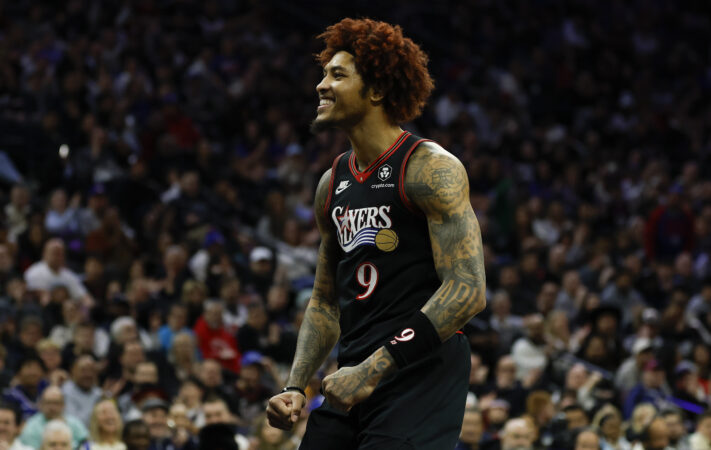
Kelly Oubre Jr. appears to be spending his All-Star break in the recording studio.
On Monday, the Sixers forward posted a clip of his newest single, “Fast & Furious,” on Instagram under the stage name t$unami, which he has been using since 2020 on Soundcloud. Oubre also uploaded the song to Spotify and Apple Music.
The rap song is the first Oubre has released since “A prayer for you” in 2023. He also released “Flipped the Game” in 2022, which is currently his most-streamed song on Spotify, with over 300,000 streams.
Oubre is just the latest in a series of Philly athletes who have tried their hands at music, including Allen Iverson, Brett Myers, Lou Williams, DeSean Jackson, and more recently Terrell Edmunds. Jason Kelce, Lane Johnson, and Jordan Mailata — better known as The Philly Specials — also released a few original songs on their three Eagles Christmas albums.
The Sixers return from the All-Star break on Feb. 19, against the Miami Heat.
CLEARWATER, Fla. — Next month will mark three years since Trea Turner made history with one swing at Miami’s LoanDepot Park.
During the 2023 World Baseball Classic, Turner became the first Team USA player in a decade to hit a grand slam in the tournament. It propelled his team to a come-from-behind win over then-undefeated Venezuela in the quarterfinals, and it was just one of many big moments for Turner that March.
He finished with five home runs to tie a WBC record, helping his team to a silver medal.
But this year, when Bryce Harper, Kyle Schwarber, and Brad Keller leave Phillies spring training to join Team USA for the 2026 iteration of the international tournament, Turner will not join them.
“The phone never rang,” Turner said. “I wish those guys the best. I think it’s so much fun. I gladly would have done it again. I said the last time, if they ever asked, I would say yes. They’ve got a great roster this year, stacked.”
Team USA manager Mark DeRosa included Kansas City Royals star Bobby Witt Jr. and the Baltimore Orioles’ Gunnar Henderson as shortstops on his roster. Milwaukee’s Brice Turang is the second baseman for the American team, while Toronto’s Ernie Clement is listed as a utility infielder.
Turner won the National League batting title in 2025 with a .304 average and also had one of the best seasons of his career defensively. He posted +17 outs above average at shortstop, ranking in the 99th percentile at his position according to StatCast data.
“I think we’re in a good spot to win,” Turner said of Team USA. “I’ll definitely be watching it, and I wish Kyle and Bryce and all these guys, [Edmundo] Sosa, everyone playing, I hope they perform well for their countries, and it’s a lot of fun.”
Other WBC participants from the Phillies’ major league roster are Sosa (Panama); Cristopher Sánchez and Johan Rojas (Dominican Republic); Taijuan Walker (Mexico); José Alvarado (Venezuela); Garrett Stubbs and 21-year-old (Israel); and Aaron Nola (Italy).
Turner knows that Harper, in particular, is excited to play in the WBC. He had planned to join the team alongside Turner in 2023 but was unable to participate after undergoing Tommy John elbow surgery the previous winter.
The Phillies jog during the first full-squad workout of spring training on Monday.
“You have to prepare a little bit differently in spring training for that,” Turner said. “You’ve got to kind of get out there earlier, and get your at-bats earlier. So it seems like he’s working harder. But at the same time, he’s just got to get ready, because he’s going to have live at-bats. But he’s competitive.”
Turner’s own offseason was about the same as usual for him, he said. His main priority this year is maintaining his health, which also happened to be the main theme of manager Rob Thomson’s speech to the team Monday morning ahead of the first official full-squad workout of the spring.
Turner, 32, missed time in each of the last two seasons with hamstring strains, and he is aiming to prevent that from happening again primarily through nutrition and hydration.
“Body feels good. Still feel young, although when I have to play with guys like this and Aidan and whatnot, makes me feel old,” Turner said, gesturing to the nearby lockers of 22-year-old Justin Crawford and 21-year-old Aidan Miller. “But I feel 25. I feel ready.”
Turner is looking forward to how Crawford and his speed could help lengthen the bottom half of the Phillies’ lineup. He said he hadn’t seen much of Miller before Monday, when they did infield work together.
“Glove looks good,” Turner said. “Got a chance to talk to him, just trying to get to know him a little bit more. Seems like a great kid, had a good season last year, and excited for him to be around much more and contribute. Because we need guys like that.
“We need to build depth. We need some younger guys. And I think that’s really important for a good organization.”
Before 1751, sick Pennsylvanians had few healthcare options other than often expensive home visits from doctors. That changed when Benjamin Franklin and physician Thomas Bond established a medical institution to treat the physically and mentally ill for free.
The result was the Pennsylvania Hospital on Spruce Street. The 275-year-old institution became home to the country’s first surgical amphitheater to teach students, the oldest medical library, and a nursing museum, among other historic firsts. It continues to advancemedical research as part of Penn Medicine.
Now the nation’s oldest charteredhospital will become Philadelphia’s newest museum.
The hospital’s Pine Building, which started construction in 1755, will be converted to the Pennsylvania Hospital Museum, Penn announced on Monday. The museum in the majestic Georgian architecture building at Eighth and Pine Streets, designed by architect Samuel Rhoads, is scheduled to open to the public on May8.
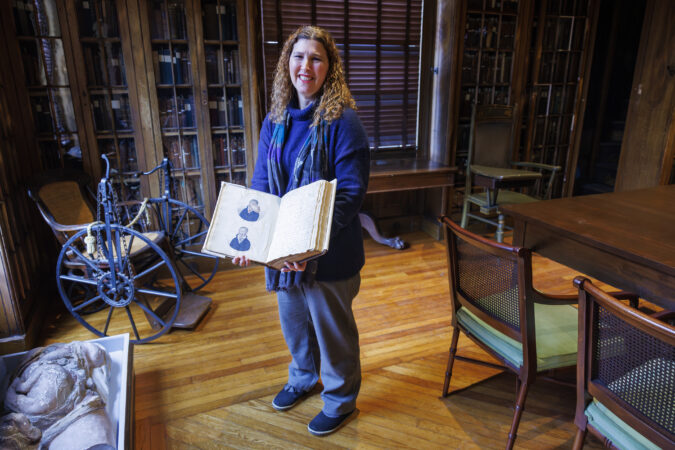
“It’s a very Philadelphia story to hear the history of the hospital because it really is about caring for other people,” said Stacey Peeples, lead archivist at Pennsylvania Hospital.
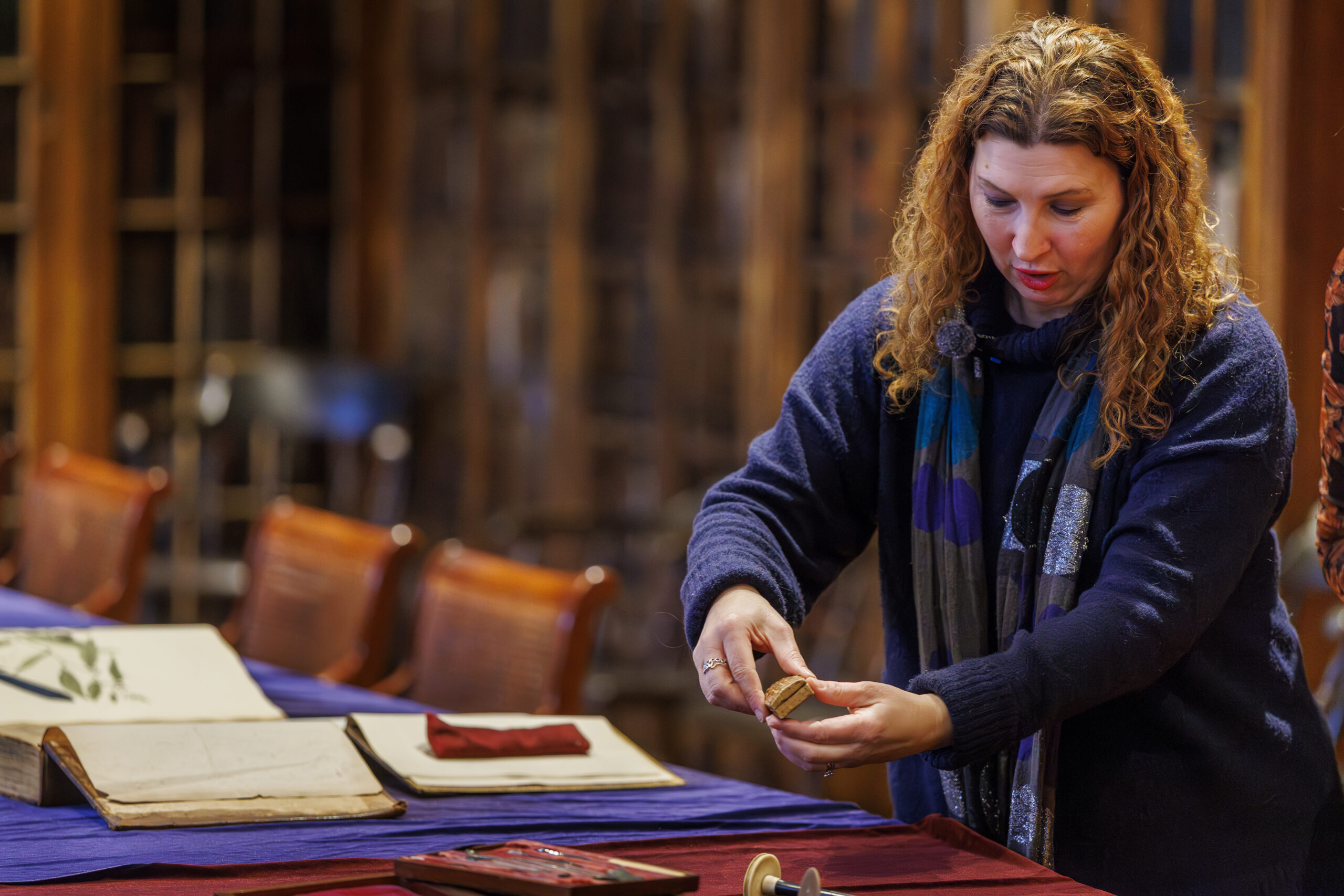
Stacey Peeples, lead archivist at Pennsylvania Hospital, described artifacts in the hospital’s new museum.
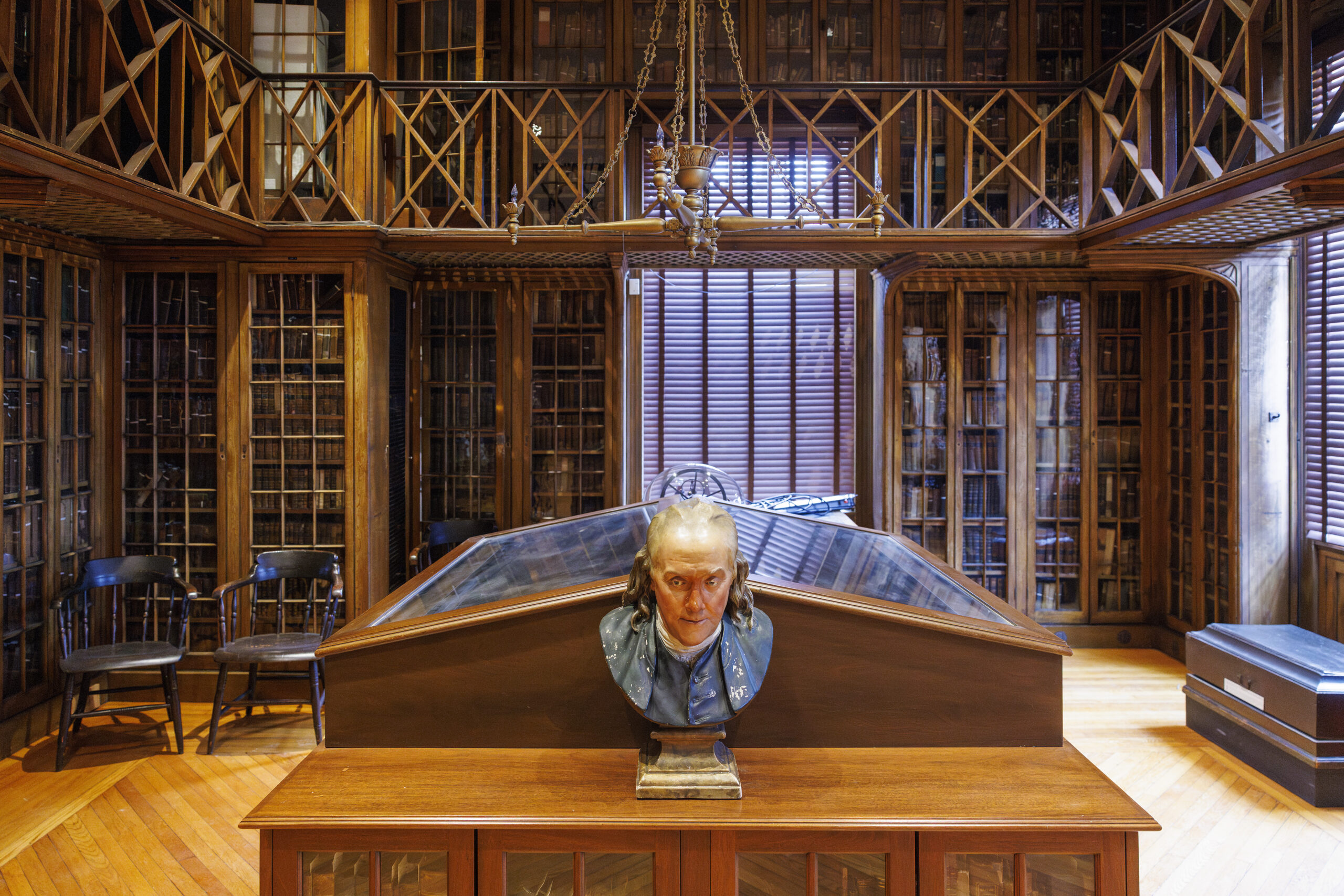
The medical library, surgical amphitheater, and apothecary have all been restored for the museum. Eight galleries will feature videos, hands-on activities, and archival objects describing the history of the hospital and the care it delivered.
The opening of the museum in the hospital’s 275th year coincides with America’s Semiquincentennial celebrations. (The University of Pennsylvania Health System, which merged with the hospital in October 1997, will run the museum.)
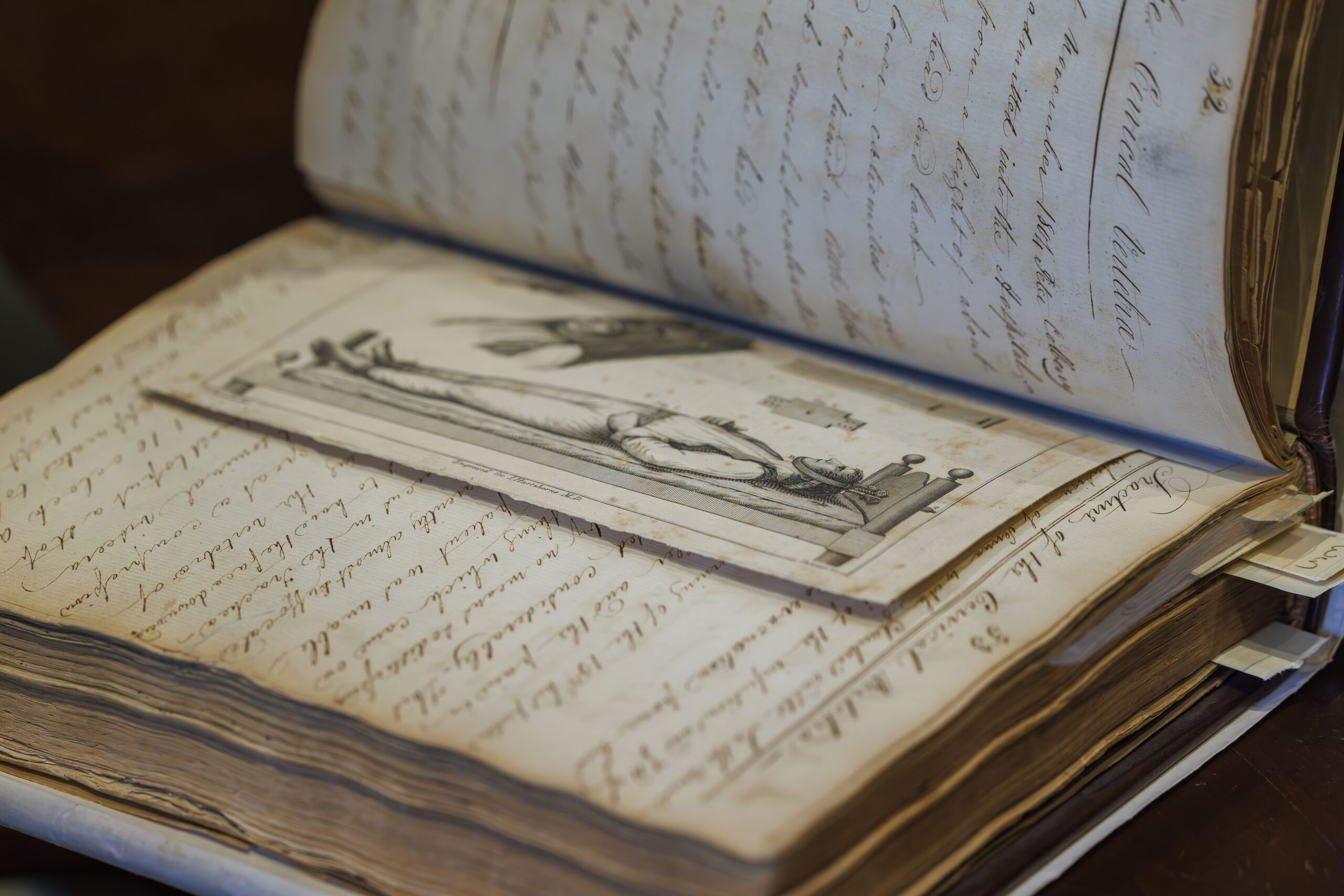
One of Peeples’ favorite items on display is a collection of medical cases compiled by the hospital’s doctors in the early 19th century.
Housed in the historic library, the book is flipped to a page showing a man with a seven-pound tumor in his cheek and neck area. Visitors can also find the actual preserved tumor from 1805 on display in the back of the room.
A historic medical book compiling interesting cases at Pennsylvania Hospital shows an image of Pete Colberry, a patient who fell from ship rigging and was stabilized on a bed to hold him in place, circa 1804.
A look at early medicine
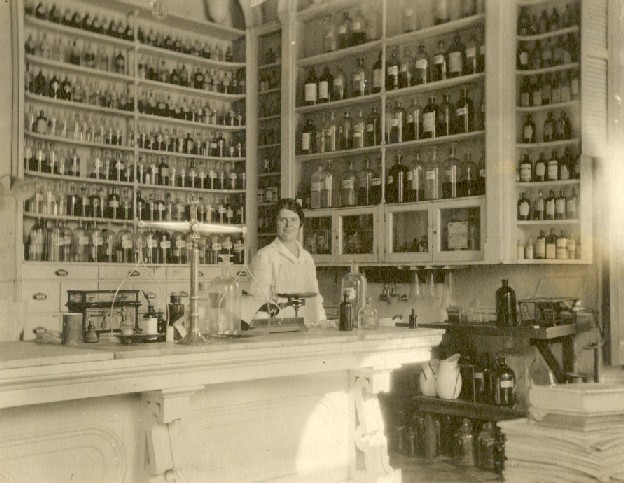
Pennsylvania Hospital’s apothecary — where medicines were mixed and sold — was last used for that purpose in the early 1900s.
Most recently, it served as a conference room.
It’ll now be restored to its original layout, based on historic images from the 19th century. That includes bringing back alcoves filled with shelves of bottles, the scale used to weigh ingredients, as well as a giant counter where the apothecary could mix medications, Peeples said.
An archival image of Mildred Carlisle working in the Pennsylvania Hospital apothecary, circa 1920s.
In the historic library, the only room ready for news media to view this week, the artifacts remained scattered around.
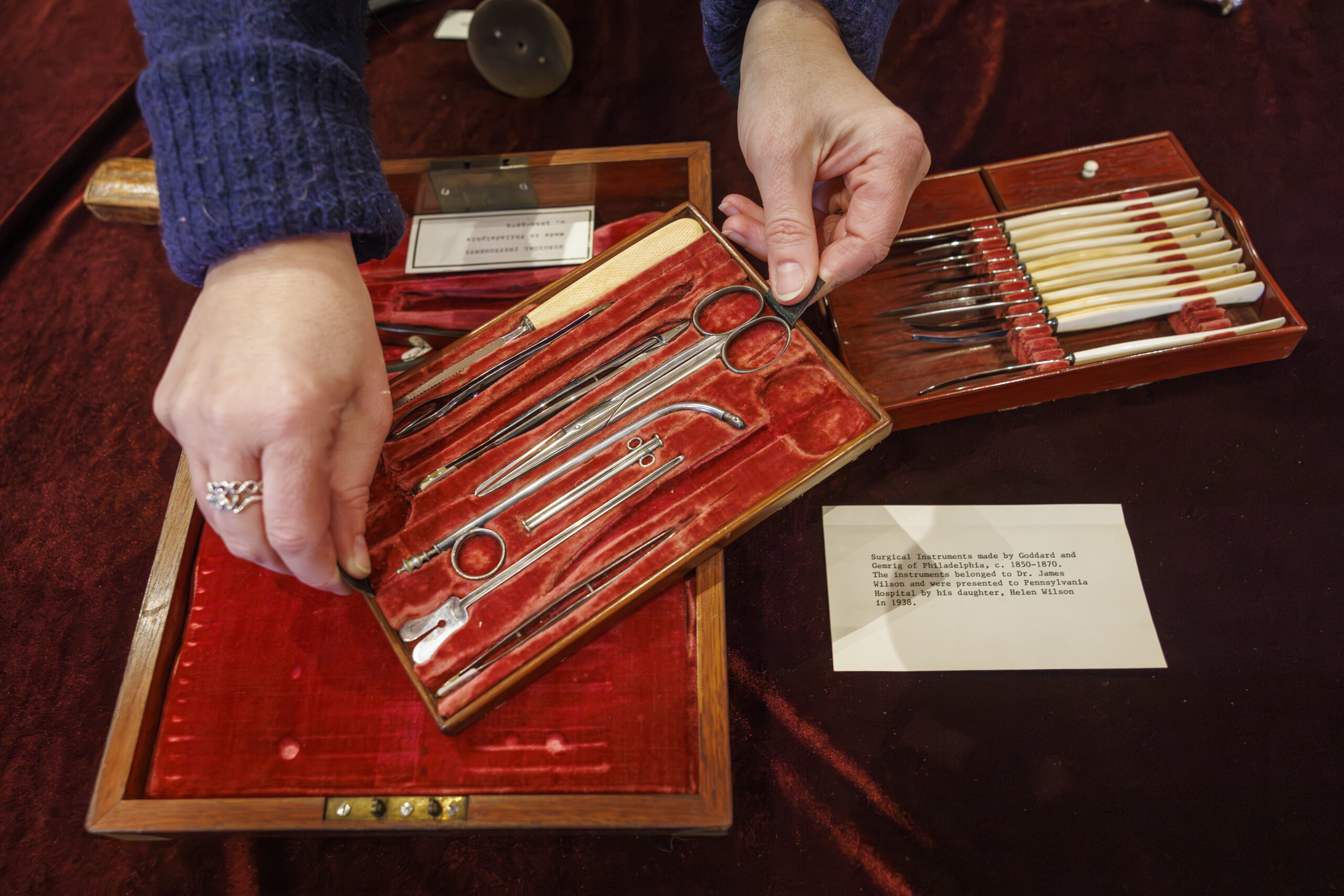
A tonsil guillotine, designed to remove tonsils using a blade, sat next to early surgical tools and stethoscopes. Some objects, such as the scalpel, have not changed significantly in form through the years.
“But how we treat those objects certainly is very, very different. We want to make sure everything’s sanitized now,” Peeplessaid.
Surgical instruments belonging to Dr. James Wilson from the 1800s.
Other artifacts included old tools of medical education.Like three anatomical casts of women who died during childbirth in the mid-1700s that were used for anatomical study in lieu of cadavers.
The museum’s exhibits will showcase the hospital’s history of delivering care related to behavioral health and women’s health, as well as its role treating patients during times of conflicts, beginning with the Seven Years’ War, and through pandemics.
“People would always talk about us being able to do something on a larger scale like this, and I honestly wasn’t sure that was ever going to happen,” said Peeples, who has been at the hospital for 25 years.
Tickets will go on sale at the end of the month and cost $12 per person, with discounts for those 12 and under, 65 and over, and the military.
The plan is for the museum to be a permanent fixture, open Wednesdays to Sundays. The rest of the hospital will keep operating as normal.
Interior of the Historic Library of Pennsylvania Hospital, located at Eighth and Pine Streets.
The hospital, older than the nation, houses 517 licensed inpatient beds, and saw 19,759 adult admissions, 54,023 emergency department visits, and 5,163 births in fiscal year 2025, per Penn Medicine’s statement.
“Pennsylvania Hospital is a jewel in the crown that is Penn Medicine, where our staff draw energy from our rich history to shape the future of medicine,” Alicia Gresham, CEO of Pennsylvania Hospital, said in a statement.
U.S. District Judge Cynthia M. Rufe issued a ruling Monday requiring the federal government to “restore the President’s House Site to its physical status as of January 21, 2026,” which is the day before the exhibits were removed.
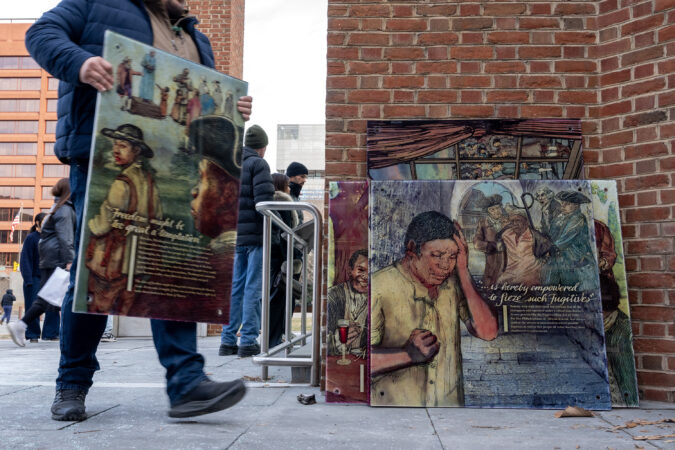
The order does not give the government a deadline for the restoration of the site. It does require that the National Park Service take steps to maintain the site and ensure the safety of the exhibits, which memorialize the enslaved people who lived in George Washington’s Philadelphia home during his presidency. The exhibits were abruptly removed in January following months of scrutiny by the Trump administration.
Rufe, a George W. Bush appointee, compares the federal government’s argument that it can unilaterally control the exhibits in national parks to the Ministry of Truth in George Orwell’s 1984, a novel about a dystopian totalitarian regime.
“As if the Ministry of Truth in George Orwell’s 1984 now existed … this Court is now asked to determine whether the federal government has the power it claims — to dissemble and disassemble historical truths when it has some domain over historical facts,” Rufe wrote. “It does not.”
Mayor Cherelle L. Parker’s administration filed a federal lawsuit against Interior Secretary Doug Burgum and acting National Park Service Director Jessica Bowron, and their respective agencies, the day the exhibits were dismantled. The complaint argued dismantling the exhibits was an “arbitrary and capricious” act that violated a 2006 cooperative agreement between the city and the federal government.
The federal government has the option to appeal the judge’s order. The Interior Department and National Park Service did not immediately comment on the ruling, which fell on Presidents’ Day, a federal holiday. The U.S. Attorney’s Office for the Eastern District of Pennsylvania declined to comment.
During a hearing last month, Rufe called the federal government’s argument that a president could unilaterally change the exhibits displayed in national parks “horrifying” and “dangerous.” She ordered the federal government to ensure the panels’ safekeeping after an inspection and a visit to the President’s House earlier this month.
Monday’s ruling follows an updated injunction request from the city that asked for the full restoration of the site — not merely that the exhibits be maintained safely — and a brief from the federal government arguing the National Park Service has discretion over the exhibits and that the city’s lawsuit should be dismissed on procedural grounds.
The federal government’s brief also argued there could be no irreparable harm from the removal of the exhibits because they are documented online and replacement panels would cost $20,000.
But the judge found the city is likely to prove its case that the removal was unlawful, and the panels should be restored while the litigation continues.
“If the President’s House is left dismembered throughout this dispute, so too is the history it recounts, and the City’s relationship to that history,” Rufe wrote.
The judge also found that the cooperative agreement between Philadelphia and the National Park Service remains in “full force,” even though the contract is technically expired.
Rufe’s memo named the nine enslaved Africans owned by Washington, and noted that two — Oney Judge and Hercules Posey — escaped. The removed displays recognize their struggles and the nation’s “progress away from the horrors of slavery,” the judge wrote.
“Each person who visits the President’s House and does not learn of the realities of founding-era slavery receives a false account of this country’s history,” the judge wrote.
The injunction does not resolve the underlying lawsuit, and is in effect for the duration of the litigation. In a January hearing, Rufe said she wouldn’t let the case drag into the summer, recognizing the 250th anniversary celebration being planned for Independence Mall.
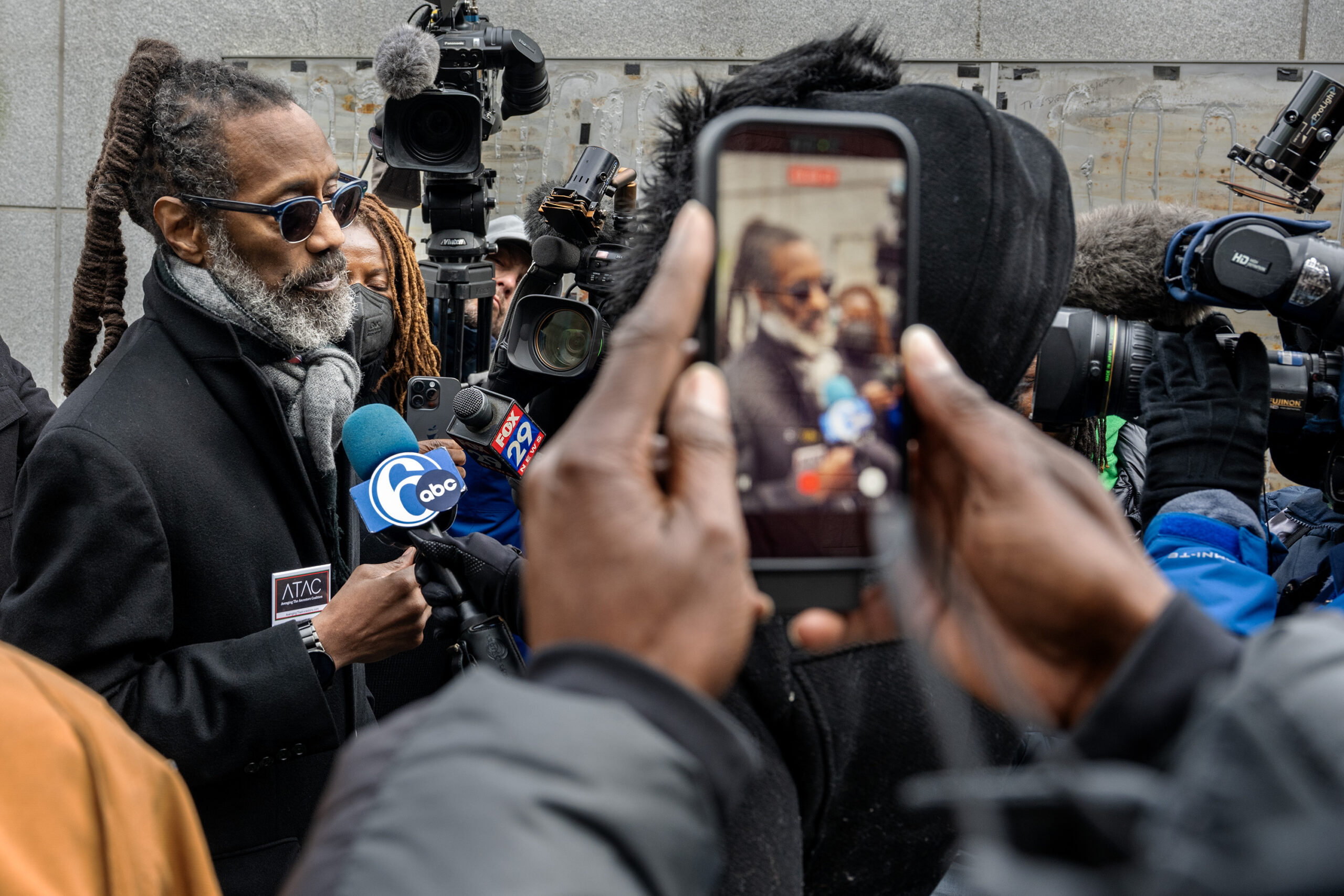
Attorney Michael Coard, leader of the Avenging the Ancestors Coalition, speaks with the news media Monday after a federal judge ordered the Trump administration to restore the slavery exhibits that the National Park Service removed from the President’s House last month. The group was on the site for an annual gathering for a Presidents’ Day observance when they learned of the order.
Avenging the Ancestors Coalition, the main advocacy organization leading the fight to protect the President’s House, was less than an hour into its Presidents’ Day event at the site when leaders got wind of their victory.
The group’s leaders, excited and completely in shock, congregated behind the site’s Memorial Wall to soak in the news before announcing it.
Moments later, Michael Coard, an attorney and the coalition’s leader, emerged before the crowd of about 100 people and told them: “Thanks to you all, your presence and your activism, I have great news: We just won in federal court.”
The crowd erupted in cheers and chants of “When we fight, we win!” and “We have won!”
Coard told reporters there was “no other blessing that we could have gotten today.”
The coalition has led dozens of rallies and town halls meant to energize the public in opposing the Trump administration’s ongoing scrutiny of the President’s House. The Black-led advocacy group helped develop the site in the early 2000s before it opened in 2010.
Dana Carter, the group’s head organizer, said she was in disbelief when she heard about the ruling.
“After we figured out that it really was the truth, I am just moved. My heart is overflowing with love for the judge who made the ruling, as well as the people who have been with us since the beginning … and also the people who have joined us in this fight to restore the President’s House,” Carter said.
But the fight is not over, advocates said, with Coard expecting the Trump administration to appeal or ignore rulings.
“This is a lawless administration. The people are going to have to take over to force them to do the right thing,” Coard said.
The Trump administration’s attempt to alter the President’s House was part of a wider initiative to remove content from national parks that “inappropriately disparage Americans past or living,” following an executive order from Trump. For instance, Park Service employees removed signage about the mistreatment of Native Americans from the Grand Canyon.
The fate of the President’s House exhibits was in limbo for months until they were removed by Park Service employees with wrenches and crowbars on Jan. 22. Meanwhile, advocacy groups and creatives behind the President’s House cultivated support for their cause to protect the site. Philadelphia City Council issued a resolution condemning the censorship of the exhibit.
“Judge Cynthia Rufe made it clear that historical truth cannot be dismantled or rewritten, and that the federal government does not have the authority to erase or alter facts simply because it has control over a national site. … We can not let President Donald Trump whitewash African-American history. Black history is American history,” City Council President Kenyatta Johnson said in a statement Monday.
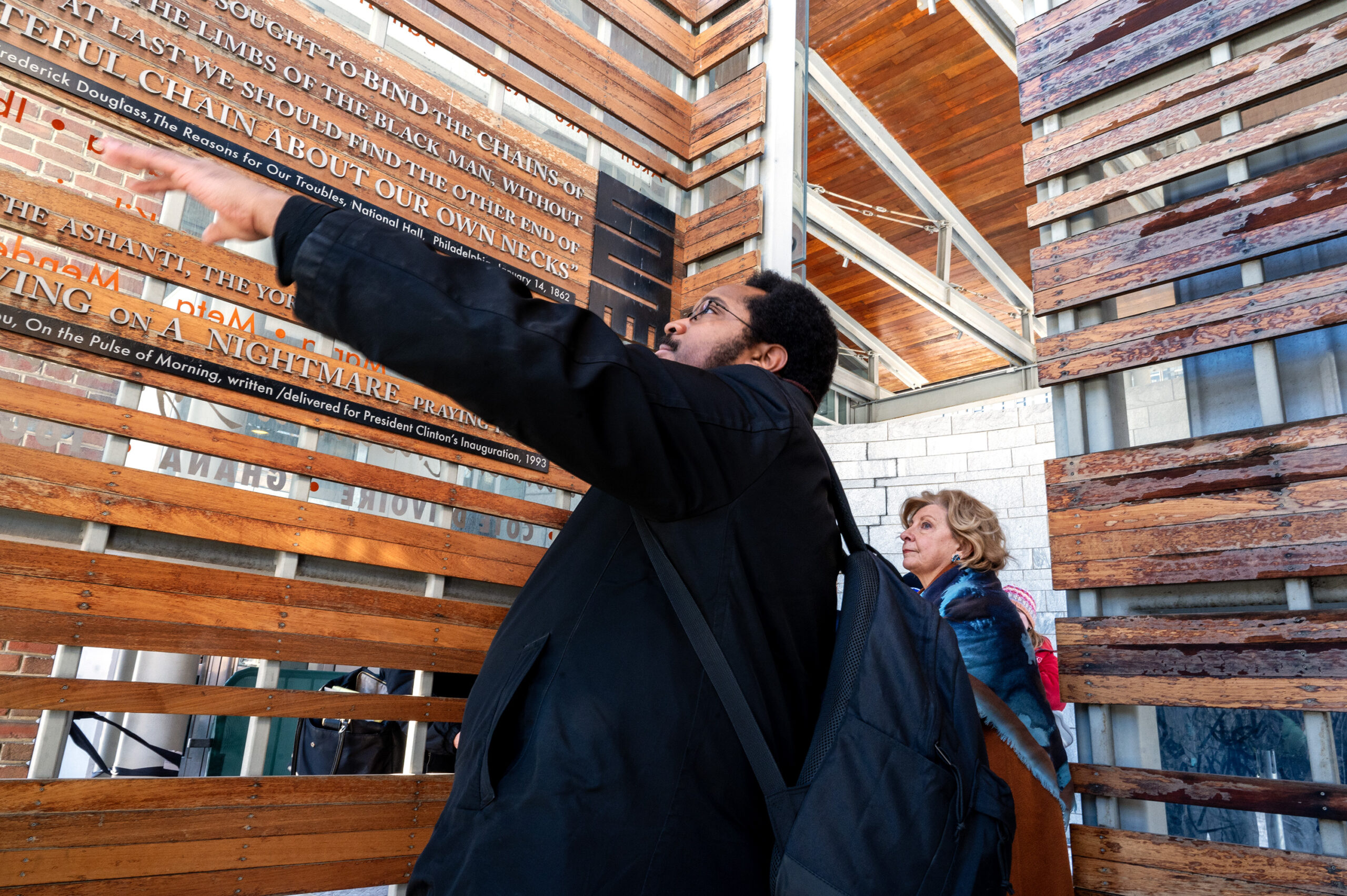
Mijuel Johnson (left), a tour guide with The Black Journey: African-American Walking Tour of Philadelphia, leads Judge Cynthia Rufe (right) as she visits the President’s House in Independence National Historical Park on Feb. 2.
Attendees at Monday’s event were invigorated by the ruling.
Mijuel Johnson, a tour guide leader with the Black Journey who led Rufe through the site earlier this month, said he was “enjoying the moment for now” but then he would be back to work.
“This is a great win for this movement,” Johnson said.
Gluten-free bakery Flakely has opened its doors in Bryn Mawr, bringing its signature pastries to the Main Line after five years of doing business out of a commercial kitchen in Manayunk. The cross-river move marks a major expansion for Flakely, which, for years, has sold most of its pastries in a frozen take-and-bake form because of space constraints.
Now, Flakely is giving Main Line customers a rare opportunity to buy fresh gluten-free baked goods, namely its acclaimed croissants, which are a notoriously difficult item to make without gluten.
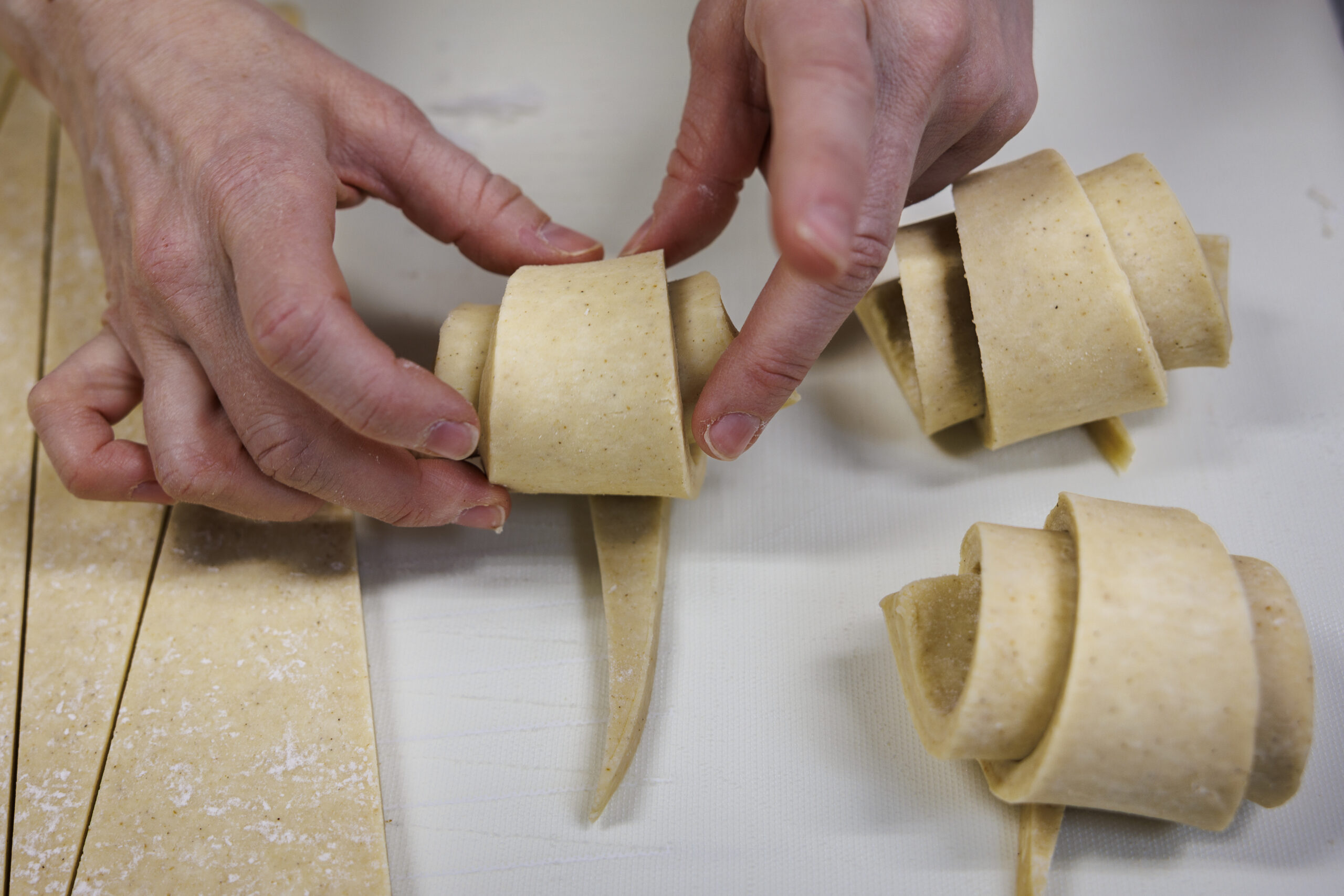
Lila Colello owner of Flakely a gluten free bakery. She is rolling a plain croissant at her new location on Lancaster Avenue, Bryn Mawr, PA, Friday, Feb. 13, 2026.
Flakely’s new Bryn Mawr headquarters is located at 1007 W. Lancaster Ave. in the former Grand Middle East hookah lounge (though one would never guess the storefront’s previous identity given all of the pastel pink decor that now adorns the walls).
On the morning of Flakely’s soft opening last week, bakery staff bustled around the open concept kitchen. A glass display case of treats, including sweet and savory croissants and elegantly decorated cupcakes, shimmered in the early morning light.
The move to the Main Line is “a homecoming” of sorts for owner Lila Colello, who grew up in Ardmore and attended the Shipley School. Colello worked her way up in Philadelphia’s dessert world, staging at the Ritz Carlton and serving as a pastry chef at Wolfgang Puck Catering. When she was diagnosed with celiac disease, an inflammatory autoimmune disorder triggered by eating gluten, in 2010, she feared her days in the pastry world were numbered.
But instead, Colello mastered the art of the gluten-free pastry. She started Flakely in 2017 as a wholesale operation and moved into the commercial kitchen in Manayunk in 2021.
Flakely was voted one of the best gluten-free bakeries in the country in 2024 by USA Today, and Inquirer restaurant critic Craig Laban said Colello had “found the secret” to making laminated pastry, like croissants.
The Manayunk kitchen helped put Flakely on the map, but it also constrained Colello. Because there was so little foot traffic, Flakley couldn’t make fresh goods for fear of having to throw out large quantities at the end of the day.
A box of gluten free pastries from Flakely, Lancaster Avenue, Bryn Mawr, PA, Friday, Feb. 13, 2026. Clockwise, Heart Shaped Twix, Plain Croissant and Vanilla Cupcake with Raspberry Curd and Whipped Honey Lemon Mascarpone Buttercream.
Colello’s new storefront has given her the space to hire a larger staff, expand her fresh pastry offerings, and give patrons a true bakery experience.
“I don’t know another place, maybe outside of New York, that has gluten-free croissants that you can even have fresh,” Colello said.
“It’s a totally different experience,” she added.
Demand for gluten-free goods is high in Lower Merion, Colello said. Many Main Line patrons used to make the trek to Manayunk to buy Colello’s take-and-bake goods and are happy to have a gluten-free option closer to home.
Flakely joins a small contingent of gluten-free bakeries in the Philly suburbs, including The Happy Mixer, which has locations in Wayne, Chalfont, and Newtown, and Laine’s Gluten Free Bakery in Berwyn.
Colello said Flakely is still figuring out its hours, but she plans to be open from 10 a.m. to 3 p.m., Tuesday through Friday, and from 10 a.m. to 2 p.m. on Saturday. For more information, you can visit Flakely’s Facebook or Instagram, where Colello will post weekly hours and menus.
This suburban content is produced with support from the Leslie Miller and Richard Worley Foundation and The Lenfest Institute for Journalism. Editorial content is created independently of the project donors. Gifts to support The Inquirer’s high-impact journalism can be made at inquirer.com/donate. A list of Lenfest Institute donors can be found at lenfestinstitute.org/supporters.
The Circle Theatre in Frankford, built in 1929 for what was once the largest movie theater chain in the country, is now officially recognized as historic.
According to the nomination, the Circle Theatre is “a significant surviving example of a neighborhood theater from a period when many were built” in the 1910s and ‘20s. The theater’s architects, Hoffman-Henon Co., “significantly shaped Philadelphia’s built environment through their commissions for theaters and Catholic institutions,” such as churches and schools.
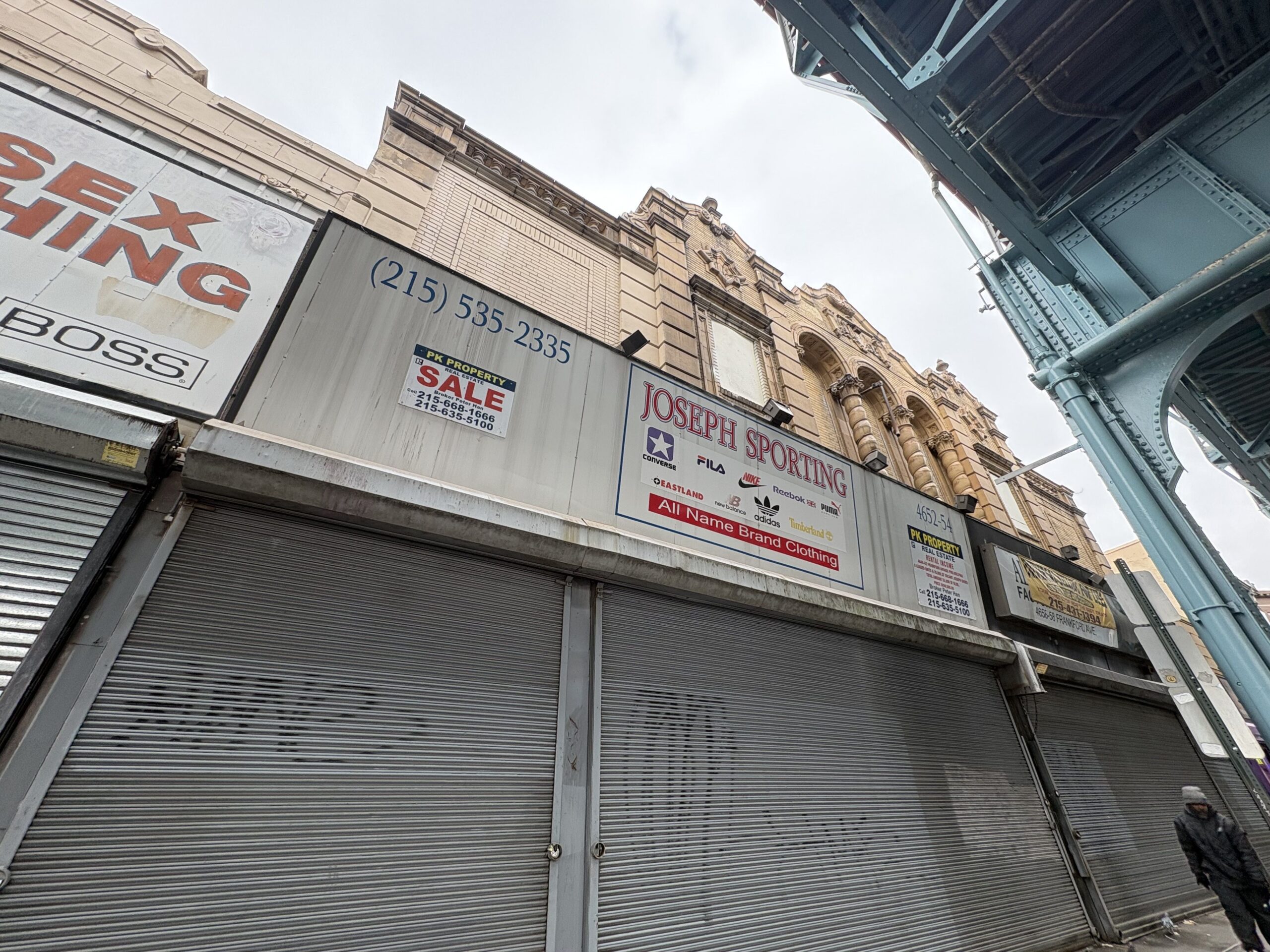
The decorative facade of the Circle Theatre includes architectural terracotta with ornamental details and columns that have been preserved. The structure was a movie theater from the time it opened in 1929 until 1953, according to the nomination. The building, which included some commercial space, was then converted exclusively for commercial use and now includes both occupied and vacant storefronts.
“The Circle Theatre is absolutely a landmark, and there’s still people who remember coming up [Frankford Avenue] to go there,” Ellie Devyatkin, director of economic development and neighborhood planning at the Frankford CDC, said during Friday’s Historical Commission meeting.
According to the nomination, “while Philadelphia once had over 400 movie theaters, the Circle is one of relatively few survivors with significant architectural integrity.”The theater was nominated for designation by Historical Commission staff.
The Hoffman-Henon architectural firm designed the Circle Theatre for the major movie theater chain Stanley Co. of America. The firm designed theaters for the company in Philadelphia, Atlantic City, Baltimore, and smaller municipalities throughout the tri-state area. Hoffman-Henon designed four Stanley theaterson Market Street in Philadelphia that the historic nomination called “movie palaces” that were “characterized by a large seating capacity and opulent interiors.”
The Circle Theatre and the Warner Theatre, also known as the Embassy Theatre, on the Atlantic City boardwalk “included the most flamboyant interiors in the firm’s catalog,” according to the nomination. Both opened in 1929 after Warner Bros. acquired the Stanley Co.
Emily Cooperman, a member of the Historical Commission and chair of its historic designation committee, said the committee was “very enthusiastic about this nomination” and appreciated the creation of an inventory of historical theaters by commission staffer Ted Maust.
The Frankford CDC supported historic designation for the building, which is across from the community development corporation’s office. Through a Philadelphia Department of Commerce program, the organization worked with the owner of a produce market in the building to improve its facade and is working now with the owner of a salon, Devyatkin said.
The Circle Theatre building now includes both vacant and occupied storefronts.
Historic designation protects buildings from demolition but also requires permission for certain exterior changes. Building materials that preserve historic character and adhere to city guidelines can be expensive.
“Particularly in neighborhoods where rents and property values are low, these designations can be difficult… when they do not come with financial assistance,” Devyatkin said. “There are other parts of the city where you can justifiably command a higher rent or a higher sales price for doing the right type of restoration or preservation work. But without subsidy, that’s really difficult… in many neighborhoods in Philly.”
Oscar Beisert, a preservationist with the Keeping Society of Philadelphia, said he agreed and would like the city to show some “leniency, especially in areas where the economic viability is a lot lower.”
He thanked staff at the Historical Commission for nominating the Circle Theatre for inclusion on the city’s historic register.
“Frankford has a lot of great buildings,” Beisert said, “and it’s great to see one of them designated.”
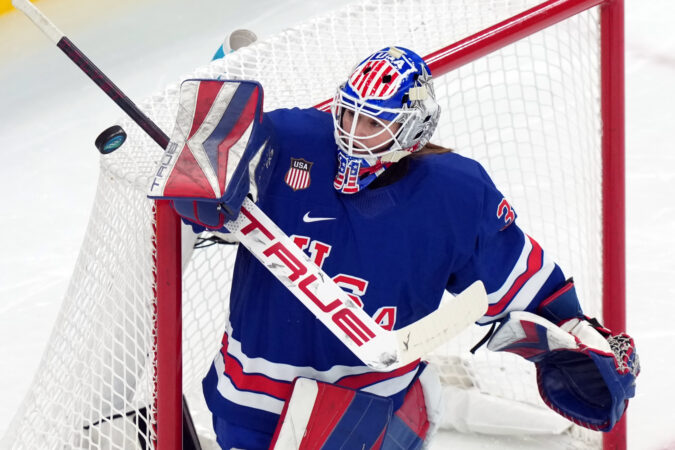
MILAN — Aerin Frankel stopped 21 shots for her third shutout of the Olympic women’s hockey tournament and the favored United States advanced to the gold-medal game by defeating Sweden, 5-0, at the Milan Cortina Games on Monday.
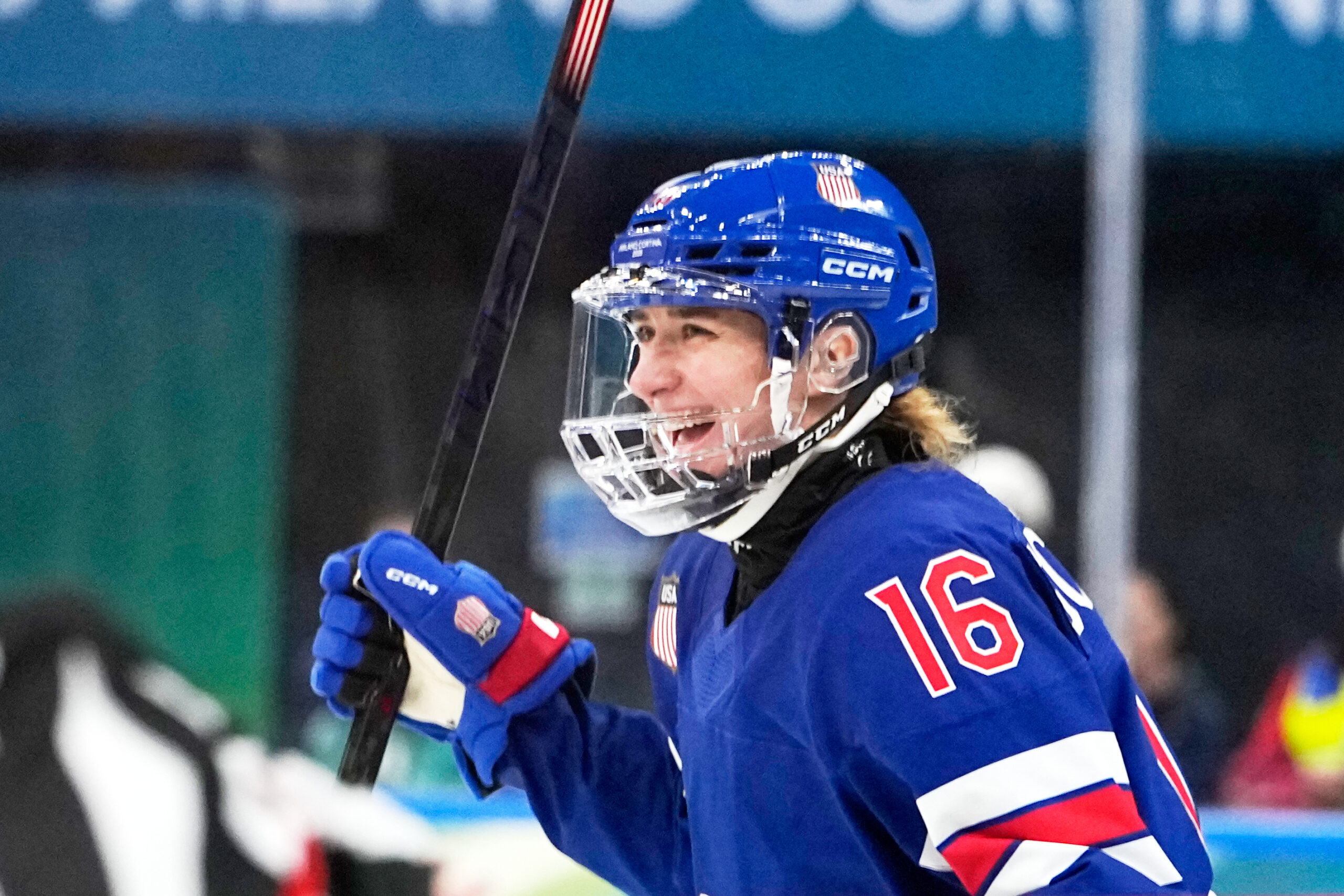
Abbey Murphy, Kendall Coyne Schofield, and Hayley Scamurra scored on consecutive shots over 2 minutes, 47 seconds late in the second period to blow the game open and put the Americans up 5-0. Cayla Barnes opened the scoring and Taylor Heise also scored.
The Americans continued their roll through the tournament by improving to 6-0, outscoring their opponents by a combined 31-1. The U.S. has yet to trail or be tied after 0-0, and is in position to become the third women’s team to do so over the entire tournament, joining Canada in 2006 and 2010.
The U.S. also extended its shutout streak to 331:23, going back to Czechia’s Barbora Jurickova beating Frankel on a breakaway in the second period of a tournament-opening 5-1 win.
The win over Sweden sets up what could well be a seventh gold-medal showdown against Canada on Thursday. The defending Olympic champion Canadians play Switzerland in the day’s other semifinal game.
The U.S. already beat Canada, 5-0, in a preliminary round game last week. The Americans won Olympic gold in 1998 and 2018, with Canada winning the other five tournaments.
The United States’ Hayley Scamurra celebrates after scoring her team’s fifth goal against Sweden.
Sweden will play for bronze on Thursday in an effort to medal for the third time in team history, and first since winning silver at the 2006 Turin Games after upsetting the U.S. in the semifinals.
Ebba Svensson Traff stopped 19 of 23 shots before she was pulled after Schofield tipped in Laila Edwards’ shot from the blue line with 3:50 left in the second period.
Emma Soderberg took over in goal, and was beaten by Scamurra, who tapped in Britta Curl-Salemme’s centering pass 1:49 later. Soderberg finished with 10 saves.
Among those in attendance was former Eagles center Jason Kelce, who was shown on the scoreboard applauding the goal initially credited to Edwards. Kelce is from Edwards’ hometown of Cleveland Heights, Ohio, and he and his brother, Kansas City Chiefs tight end Travis Kelce, contributed to a GoFundMe drive to help pay for Edwards’ family to attend the Milan Cortina Games.
The U.S certainly didn’t resemble a team that didn’t want to play Sweden, as coach Ulf Lundberg suggested after the Swedes beat Czechia in the quarterfinals.
Though the Swedes kept the U.S. mostly to the perimeter in the opening period, they were still outshot 13-2.
Barnes scored with a snap shot from the top of the right circle and beat Svensson Traff high on the short side. Barnes’ goal was her first point of the tournament, leaving seventh defender Rory Guilday as the lone American skater to not yet register a point through six games.
Heise made it 2-0 at the 9:08 mark of the second period by one-timing in Hannah Bilka’s backhand pass through the middle. Svensson Traff got her glove on the shot, but the puck deflected across her body and into the net off the inside of her stick.