Tag: topic-link-auto

  • Treating chronic pain faces obstacles in light of the opioid epidemic

    Treating chronic pain faces obstacles in light of the opioid epidemic

    A woman in her mid-50s was my fifth patient on a long day treating people with severe chronic pain, all with similar stories. An automobile accident 25 years before left her with severe lower back and neck pain.

    At the time of her accident, she was a mother with three small children. Her primary care physician had been treating her for all this time with a relatively high and stable dose of opioid pain medications.

    Prescription painkillers were viewed differently when she first began taking these potent medications. It was a common and legitimate medical practice to offer higher doses of opioid medications — so long as the patients required them for pain relief, didn’t abuse them, and didn’t have any concerning side effects.

    These medications had given this patient significant relief and had allowed her to raise her children and live a relatively normal life.

    With her primary care physician now retiring, she was looking for a doctor willing to allow her to continue her medications, and even slowly taper them under supervision. But she couldn’t find a provider, not even one specializing in pain management, willing to take her on as a new patient.

    Eventually, she found her way to me through a referral. I specialize in carefully treating patients with severe pain with the medications that they require to relieve their suffering.

    I had heard nearly identical stories from the four patients that I had already treated that morning, all suffering from severe chronic pain. They had previously sought relief through surgery or nerve blocks and procedures like spinal cord stimulators, but they still were suffering from unrelenting pain.

    My medical opinion was that the only option available to them at this stage was opioid medication. They had ended up in my clinic, however, because the pain specialists they had been seeing were not willing to increase their doses, even under close supervision.

    Twenty-five million Americans suffer from high impact chronic pain — defined as daily pain that negatively affects their quality of life and ability to work. In the 1990s and early 2000s, improper prescribing of opioids by inadequately trained healthcare providers — along with immoral actions and misleading information from some pharmaceutical and medication-supply companies — led to the “opioid crisis.”

    Many unwitting patients became addicted to these substances and suffered great harm.

    Today, however, I am seeing a new crisis among patients who truly suffer from debilitating, life-limiting, and sometimes life-destroying pain. They cannot get the care they need.

    Chronic pain patients are maligned, misjudged, disrespected, and often treated in a punitive way. The overwhelming majority of patients with chronic pain, who are treated appropriately by highly skilled and empathetic physicians, use these medications to help ameliorate severe pain, not because they are looking to get high or satisfy an addiction.

    When treated with expertise, they obtain great benefit, and many can resume something of a normal life.

    The woman and the four patients whom I had already treated that morning each benefited from higher levels of medication. Each tolerated them without adverse effects, and none abused, diverted, or misused the medications. What had led to our medical system being unwilling to give them the treatment they needed?

    Concern about regulatory oversight and potential civil and criminal legal issues have prompted many physicians, including pain specialists, to stop prescribing opioid pain medications. (I cannot explain this contradiction — how can a pain physician not prescribe effective pain medications?)

    Many pharmacists also tell me that they are reluctant to dispense these medications, even if the patient has an appropriate prescription from a qualified physician. The pharmacists say that they are under scrutiny by the Drug Enforcement Administration and that their suppliers can be threatened with disciplinary actions if they fill even completely proper prescriptions above their quota.

    It’s not unusual for my patients to tell me that they had to call 25 to 50 pharmacies before they found one to fill their prescriptions.

    In Pennsylvania, the recent closure of Rite Aid pharmacies has exacerbated the problem. Patients who had been getting their pain medications from Rite Aid are now searching for alternatives. But most of the remaining pharmacies have reached their quotas of controlled medications such as opioids with established patients and are not able to serve new patients.

    In some particularly egregious situations, pharmacies have had their entire supply of controlled substances suspended for seemingly minor issues.

    I am a pain specialist, caring for many patients with severe pain. Most of my patients have exhausted or failed other potential therapeutic options. Over 90% of my patients who use opioid medications as their last available option get significant pain relief and have improved quality of life.

    Yet due to the current situation, I now have many patients who are struggling to obtain these valuable medications, with many also having to deal with symptoms of withdrawal.

    Many of my patients often wonder to me why they are punished because of others’ misdeeds and say that they have done nothing wrong and have simply been unfortunate to have suffered injuries and illness, that it’s not fair and is cruel.

    It’s time that we begin to correct this travesty. We can treat these patients with expertise. The “opioid crisis” will not worsen by proper and dignified treatment of patients with chronic pain. They certainly deserve our care and their prescribed, helpful medications.

    Ira Cantor, M.D., is an internal medicine physician specializing in pain management at Steiner Medical & Therapeutic Center in Phoenixville.
  • Eli Lilly & Co. is opening a Lilly Gateway Labs biotech incubator in Philadelphia

    Eli Lilly & Co. is opening a Lilly Gateway Labs biotech incubator in Philadelphia

    Philadelphia is the newest destination for Lilly Gateway Labs, an incubator for early-stage biotech companies backed by pharmaceutical giant Eli Lilly & Co., the company announced Wednesday.

    The Center City incubator will be Lilly’s fifth in the United States. Biotech hotbeds Boston, South San Francisco, and San Diego already have them. (South San Francisco has two.) Companies at those locations have raised more than $3 billion from investors since the program started in 2019, Lilly said.

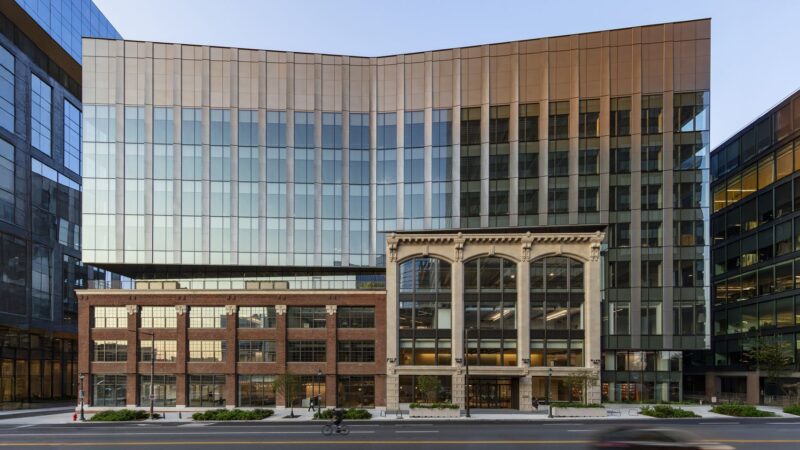
    Lilly’s Philadelphia operation will occupy 44,000 square feet on the first two levels of 2300 Market St. in Center City.

    Lilly expects to house six to eight companies there, aiming to welcome the first startups to the site in the first quarter of next year, said Julie Gilmore, global head of Lilly Gateway Labs. She did not identify prospects.

    Typically, Gateway Labs residents are at the stage of raising their first significant round of capital from investors, called Series A, and are two or three years from clinical testing, she said.

    The arrival of high-profile Lilly, which has seen resounding success with its GLP-1 drugs for diabetes and weight loss, could turn out to be a shot in the arm for a local biotech scene. Philadelphia has a growing biotech sector but has lagged places like Boston, despite the presence of world-class scientists at local research universities. Their work has fueled groundbreaking discoveries in cell and gene therapy, as well as vaccines.

    But Lilly is interested in supporting ideas that go beyond the city’s cell and gene therapy strengths, said Gilmore. Gateway labs is part of Lilly’s Catalyze360 Portfolio Management unit, which provides broad support to fledgling biotech firms, including venture capital.

    “What we like is to go after innovative science. Who are the companies trying to solve really hard problems?” Gilmore said. “And we do know that Philadelphia has had a ton of success in gene therapy and CAR-T and I hope we can find some great companies in that space, but we’re going to be open to other types of innovative science as well.”

    Expanding Philly’s life sciences footprint

    Indianapolis-based Lilly already has a small presence in Philadelphia with Avid Radiopharmaceuticals Inc., a company it acquired in 2010. Avid still operates in University City. Lilly’s chief scientific officer, Daniel Skovronsky, founded Avid in 2004 after receiving a doctorate in neuroscience and a medical degree from the University of Pennsylvania.

    Lilly is interviewing people to lead Philadelphia’s Gateway Labs location. They like to hire people who are familiar with the local universities and venture funds for those jobs, but that’s not all that matters. “We’re also looking for somebody who’s got deep drug development expertise,” Gilmore said.

    Lilly’s incubator adds to the life sciences activity at 23rd and Market Streets.

    Breakthrough Properties, a Los-Angeles-based joint venture of Tishman Speyer and Bellco Capital, announced plans for the eight-story, 225,000 square-foot building in 2022. Last week, Legend Biotech, which is headquartered in Somerset, N.J., celebrated the opening of a new cell therapy research center on the building’s third floor.

    Lilly Gateway Labs companies agree to stay for at least two years, and they can apply for up to another two years, Gilmore said.

    “The goal is, a company moves in and they can just worry about their science, worry about their team, and moving their mission forward, and we try to take care of everything else,” she said.

  • It’s essential that Mayor Parker’s H.O.M.E. plan prioritize resources for ‘people-first’ housing

    It’s essential that Mayor Parker’s H.O.M.E. plan prioritize resources for ‘people-first’ housing

    After months of state and federal budget stalemates that have threatened essential services for Philadelphia’s most vulnerable, we now know those budget outcomes don’t address critical housing needs, and as such, we have an opportunity right now as a city to meet the moment through the first year of spending in Mayor Cherelle L. Parker’s housing affordability plan.

    As a city, we are currently scrambling to decide what to do with $200 million per year for four years to address housing, when just last year we were discussing spending $1.3 billion on a Sixers arena in Chinatown. Clearly, the issue is not a lack of resources, but where we choose to direct them.

    Housing in Philadelphia has rarely been people-first in its approach; rather, it’s been about extraction from communities in one form or another. One could argue that the first great Philadelphia housing plan started with the city’s founding in 1682 and was built on the displacement of the Lenape people, who had inhabited the region for generations.

    In a neighborhood like Kensington — where I live and work — housing was developed at the turn of the 20th century to advance industry, and the profits to be made from it, by putting factories in formerly rural spaces and then surrounding those workplaces with as many homes as possible. This was a housing plan meant to extract as much as possible — rental payments, increased worker productivity, patronage of local businesses — from those who lived and worked here.

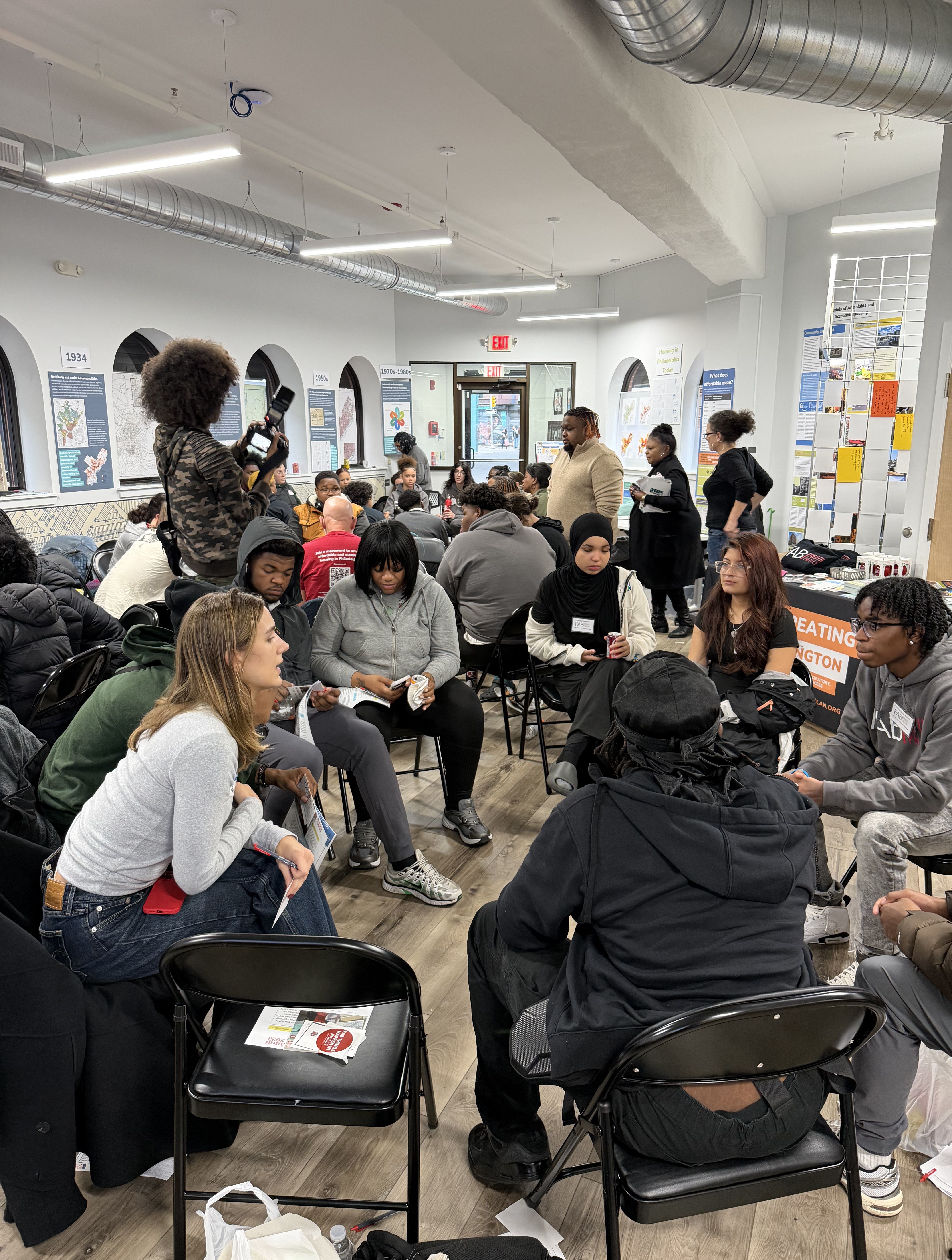
    Fab Youth Philly brings together young people for a teen town hall to discuss housing issues on Nov. 15 at the Kensington Engagement Center.

    Profit-first models aren’t only relegated to the past. Just a few weeks ago, the Reinvestment Fund reported that corporate investors are most active in Black and brown — often intentionally disinvested — neighborhoods, where they are responsible for one in four residential purchases, creating more extraction through landlords rather than creating and maintaining wealth among homeowners.

    Any transformative housing plan must be built on values: to address historical and current misaligned missions that continue to drive exploitative forces in our neighborhoods. The start of the mayor’s H.O.M.E. program is a moment to ensure the plans that we will be paying for over the next 30 years are people-first in their mission, purpose, and function.

    Real change happens when we are collectively grounded in hope, community, facts, and information about where we have been, all of which can serve as a guide to where we’d like to go.

    Over the last few years, New Kensington Community Development Corp. has been facilitating the Co-Creating Kensington planning and implementation process, in which we have received feedback from 700 residents about their priorities. In January, we completed the rehabilitation of a three-story building at 3000 Kensington Ave., converting it into the Kensington Engagement Center, a meeting place and exhibition space that was designed to facilitate conversations with the community on their priorities.

    Conversations with our neighbors and partners revealed that housing is an increasingly pressing issue for Kensington residents (as well as for the rest of Philadelphia). We collectively recognized a moment of alignment with the release of the Philadelphia H.O.M.E. Initiative and the soon-to-be-released Pennsylvania Housing Action Plan.

    We convened several organizations already prioritizing housing affordability across the city, including Philly Boricuas, Green Building United, the Philadelphia Coalition for Affordable Communities, the Women’s Community Revitalization Project, Fab Youth Philly, and the Philadelphia Community Land Trust. Together, we codesigned a 14-part people-first housing workshop series and exhibit.

    This deep-dive approach is based on an understanding that community engagement needs to go beyond pizza parties and setting up tables at events. For a community to truly participate in its future, it needs to be informed, there needs to be shared power, and there needs to be collaboration and collective visioning.

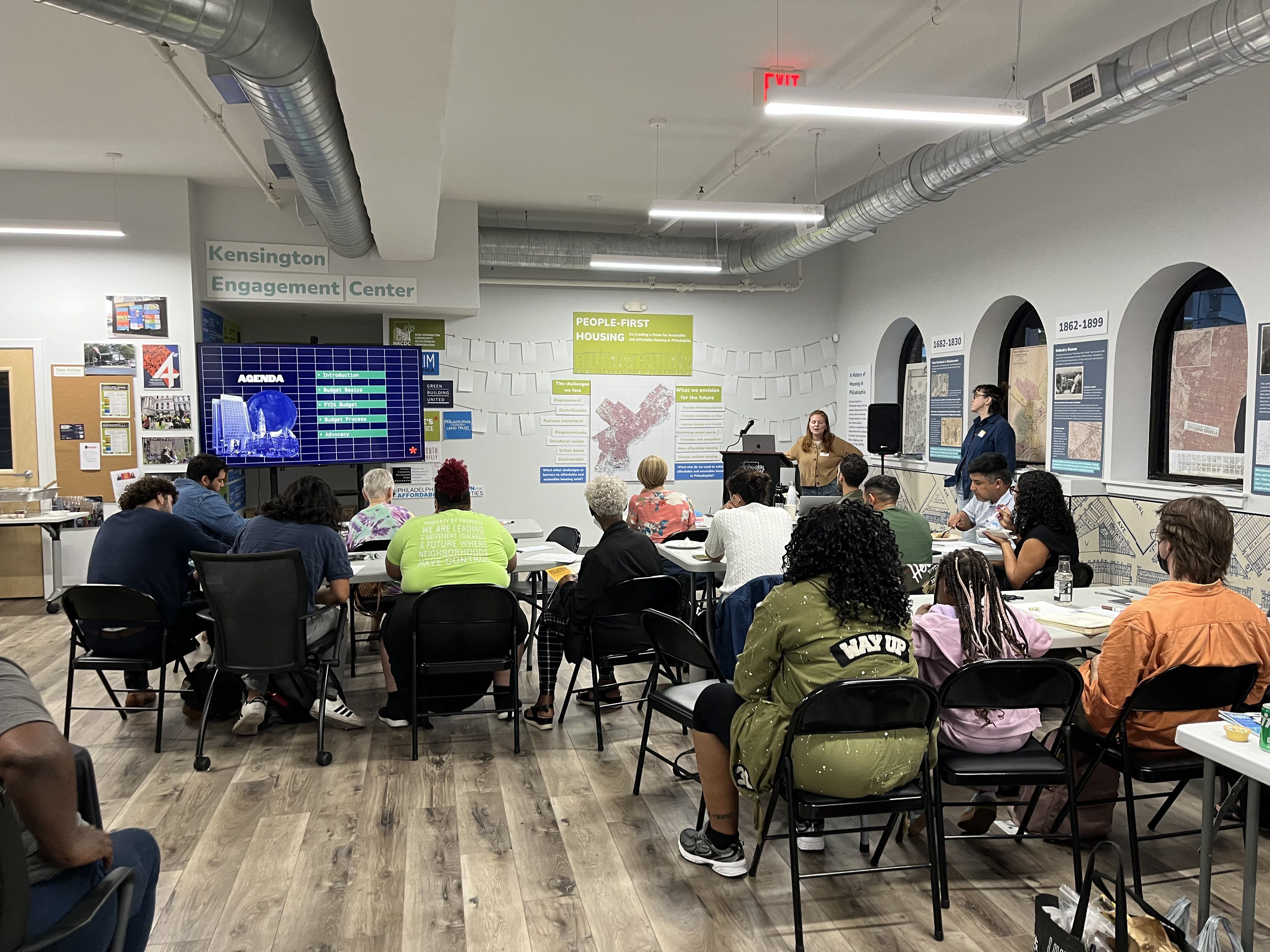
    The People’s Budget Office facilitates a Budget 101 Workshop at the Kensington Engagement Center on Oct. 7.

    The workshop series has engaged more than 175 residents from 15 neighborhoods and has covered topics from housing wins, gentrification and displacement, how municipal resources are directed toward housing, environmental concerns, tenants’ rights, illegal evictions, and more.

    Angela Brooks, Philadelphia’s chief housing and development officer and new chair of the board of the Land Bank, came out for a workshop on the H.O.M.E. plan to help residents understand how the initiative will work and to hear resident feedback.

    Most recently, we hosted a teen town hall facilitated by Fab Youth Philly, in which more than 70 young people came together to share their hopes, dreams, and concerns and gave guidance on how the city can support young people — for example, looking at how the McKinney-Vento Homeless Assistance Act implements programs that serve youth.

    What we’ve learned so far is that the best way to build momentum for change is through informed, collective action and leveraging strategic pressure points by investing in relationships early. Creativity and diversity in leadership and lived experience are critical to ensuring movements are resilient, and we need to question the status quo.

    Communities must be built for the people who live in them, so that they aren’t just about four walls built by colonizers and conquerors, but about communities of choice and relevance so people can thrive.

    Trickle-down approaches do not work. The city’s H.O.M.E. plan needs to concretely prioritize resources for residents whose households earn no more than 30% of the area’s median income. We need to serve those on housing program wait lists before adding more and higher earners. We need to preserve the affordable housing we already have, and we need to invest more deeply in home repair programs like Built to Last.

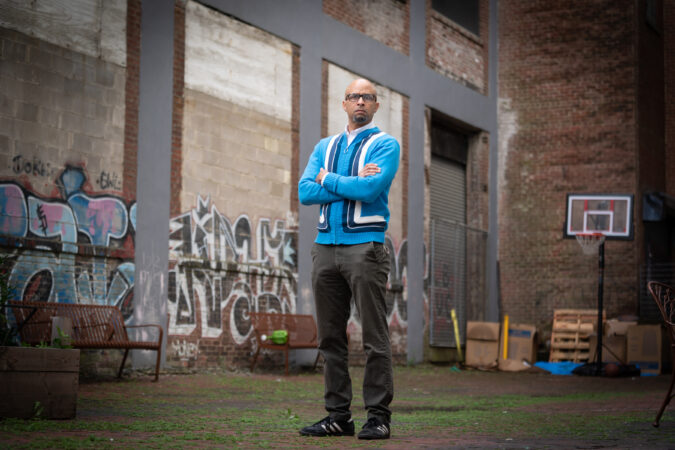
    As someone serving on the H.O.M.E. advisory board and as a nonprofit leader of a community development corporation, I learned there are several housing issues we aren’t addressing at all in the city’s H.O.M.E. plan, such as those affecting young people and individuals impacted by the criminal justice system who have urgent needs but do not meet many of the traditional service categories.

    How do we move forward?

    For those of us who are currently centering housing, learning and being in community is essential. But we also need actionable moments.

    I recommend all these organizations because they put people first in housing plans — countering the notion that housing is just a commodity. Instead, they affirm the fundamental idea that housing is about people — and that people deserve a home.

    Bill McKinney is a Kensington resident and the executive director of the New Kensington Community Development Corp.

  • What makes older residents stay in Cherry Hill? A grant-funded study aims to find out.

    What makes older residents stay in Cherry Hill? A grant-funded study aims to find out.

    While East Coast retirees have a reputation for decamping to places like Florida for warm weather and lower taxes, many of Cherry Hill’s older residents have stuck around.

    One-third of Cherry Hill’s residents are 55 or older.

    “Cherry Hill is a wonderful place to raise a family and to live, so people don’t want to leave,” Mayor Dave Fleisher said.

    Cherry Hill prides itself on its work with older residents — from tax-preparation assistance to social events, Fleisher said. Yet as the township continues to grow, local officials want to zero in on what its older community needs and how they can best deliver it.

    Using a $70,000 grant from the New Jersey Department of Human Services, the township is embarking on a multipronged needs assessment to better understand and serve its older residents.

    Why does Cherry Hill have such a large population of older residents?

    Cherry Hill officials say varied housing options, tax-rebate programs like Stay NJ, and multigenerational ties have helped the township’s older population flourish.

    “For those that have the means, it’s a conscious decision to stay,” Fleisher said. “They want to stay close to their kids, close to their grandkids.”

    “It’s a very multigenerational community,” said Beth Segal, interim executive director of Cherry Hill’s Katz JCC, a watering hole for local older residents.

    The JCC runs regular lunches, fitness classes (think pickleball and water aerobics), and programs on politics, literature, and art. Segal said she works with families who have been involved in the JCC for as many as four generations. Though Cherry Hill kids often leave the nest in search of big cities and new experiences, Segal said, many come back to raise their own kids alongside their parents and grandparents.

    Fleisher said Cherry Hill’s relatively diverse housing stock has allowed residents to stay in the township without being forced to remain in the large — and, at times, expensive — single-family homes they raised their families in.

    Around 20% of homes in Cherry Hill are multiunit. That’s higher than neighboring communities like Haddonfield (13%) and Moorestown (13%). Around 40% of homes in Voorhees are multifamily.

    Two affordable housing complexes with designated units for older residents are set to open in Cherry Hill next year, joining existing communities like Weinberg Commons and the Plaza Grande.

    Fleisher also credits tax-relief programs. Stay NJ, a statewide property tax benefit for New Jerseyans 65 and older, allows eligible homeowners to be reimbursed for up to 50% of their property tax bill, up to $13,000.

    In 2023, Cherry Hill’s property taxes were around $1,600 higher than the county average. That year, Cherry Hill residents paid an average of $8,851, compared with the countywide average of $7,222.

    What will the assessment entail?

    There will be two phases. The qualitative phase, which is ongoing, includes focus groups and listening sessions with facilitators (the township has contracted with market research firm 18 Stones). The first phase will wrap up in December.

    The quantitative phase will involve a survey that residents will be able to complete via email or paper mail, online, or over the phone. The survey, which is currently being formulated, will be translated into Spanish and Simplified Chinese.

    The assessment is funded by a $70,000 grant from the New Jersey Department of Human Services. The department awarded grants to 17 municipal governments in March to “make communities more welcoming and livable for people of all ages” and to implement recommendations from the state’s 2024 Age‐Friendly Blueprint. Cherry Hill was the only municipality in Camden County to receive a grant. The assessment is to be finished by July 1, 2026.

  • Eagles rookie Jihaad Campbell sees ‘opportunity’ and the bigger picture in his new role

    Eagles rookie Jihaad Campbell sees ‘opportunity’ and the bigger picture in his new role

    Jihaad Campbell paused briefly in the middle of answering a question last week inside the Eagles’ locker room at the NovaCare Complex. The linebacker was drinking his post-practice smoothie too quickly and needed to take a beat.

    A few weeks ago, Campbell passed protein-packed gummies to a few reporters near his locker stall, playfully offering a snack in a trade for an interview request.

    It is easy to forget sometimes that Campbell, who is playing pretty high-level football and is 6-foot-3 and 235 pounds, is still so young. The Eagles might go win another Super Bowl, and Campbell could parade down Broad Street before his first year being able to legally buy alcohol in the U.S. is over.

    That Campbell is a 21-year-old rookie is necessary context, considering the topic on the day of his smoothie-induced brain freeze. Since Nakobe Dean has returned to the defense after recovering from a patellar tendon injury, Campbell’s usage has declined.

    On Sunday, Campbell played his lowest number of total snaps (20) and his lowest snap share (34%) of the season. The addition of Jaelan Phillips, too, has meant less need for Campbell, a hybrid inside-outside linebacker, to take snaps along the defensive line. He lined up there just three times Sunday and 17 times in the box as a linebacker, according to Pro Football Focus.

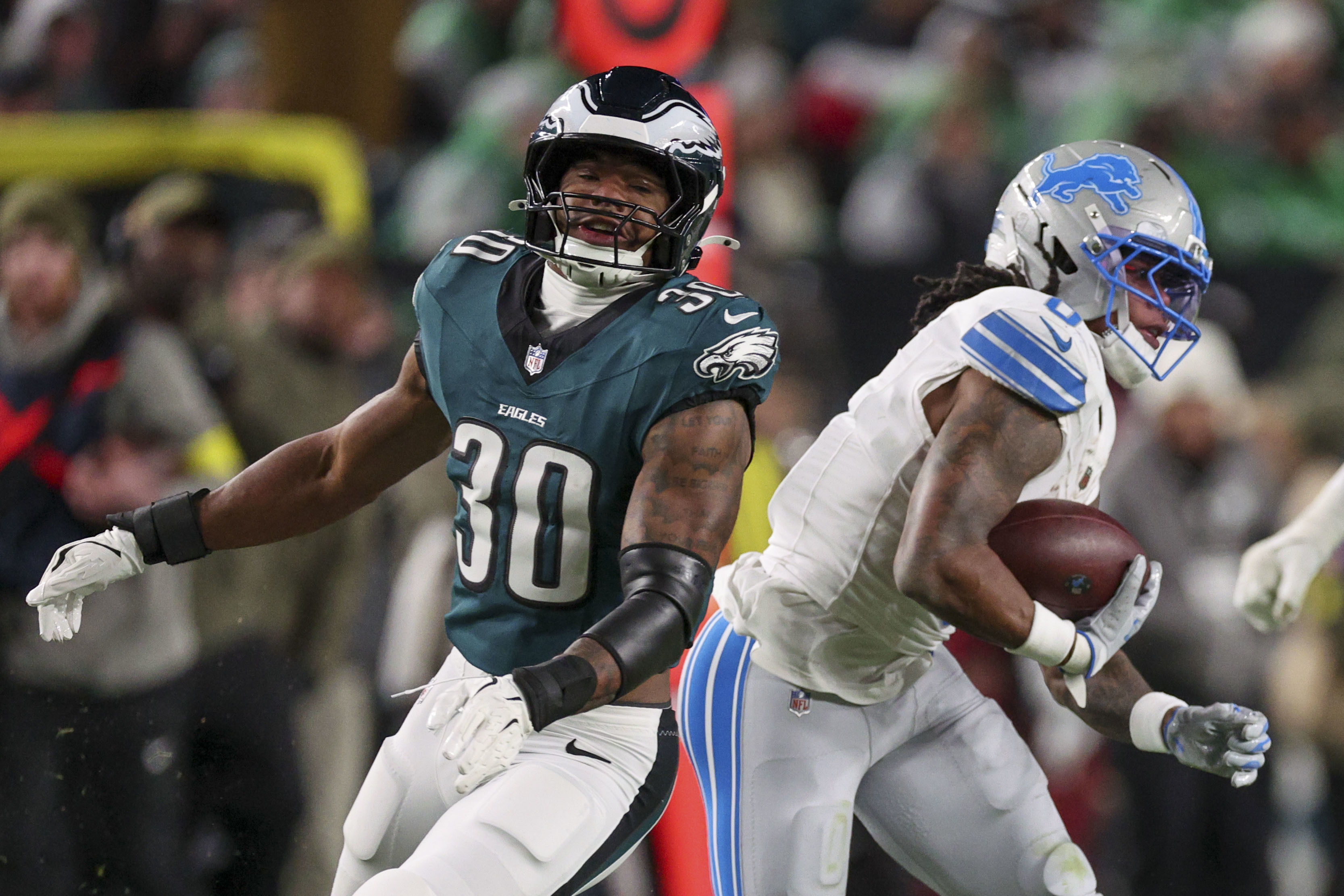
    Lions running back Jahmyr Gibbs slips past Jihaad Campbell of the Eagles on Sunday night.

    Compare that to Week 6 — when Dean returned but only as a special-teamer — and the decline in playing time is pretty drastic. That week, in a Thursday night road loss to the New York Giants, Campbell played 45 snaps from the box, 13 along the line, and four at a corner spot. His 62 defensive reps represented 90% of the possible snaps.

    Campbell has taken it all in stride. If Dean had been healthy at the beginning of the season, perhaps this current rotation, with Campbell being used part time, would have been what happened from the jump.

    Vic Fangio’s defense is new to Campbell, and though he performed well against the run and in coverage during the early weeks, he knows he still has a lot of learning to do.

    “It’s football,” Campbell said. “The opportunity is going to present itself whether I get less snaps or not. It doesn’t matter. What matters is us winning, us executing, us playing together, and, at the end of the day, it’s all about the opportunity.

    “The biggest thing is just staying prepared, not getting down, and just staying prepared, understanding the game plan and what has to happen, so when it is my time to go in the game, I know exactly what I have to do, when I have to do it, with full confidence.”

    The last two weeks, Campbell has been in for about an equal amount of running plays (25) as passing plays (28), and he was in for just one pass-rushing snap in each of the last two games.

    Dean is looking like the player who broke out in a big way in 2024 next to Zack Baun, but Fangio said he wants to continue rotating Campbell in to make sure the rookie is “ready to roll” if he is needed more often. There is a learning curve in all of this, Fangio explained last week, particularly when Campbell is asked to play outside linebacker.

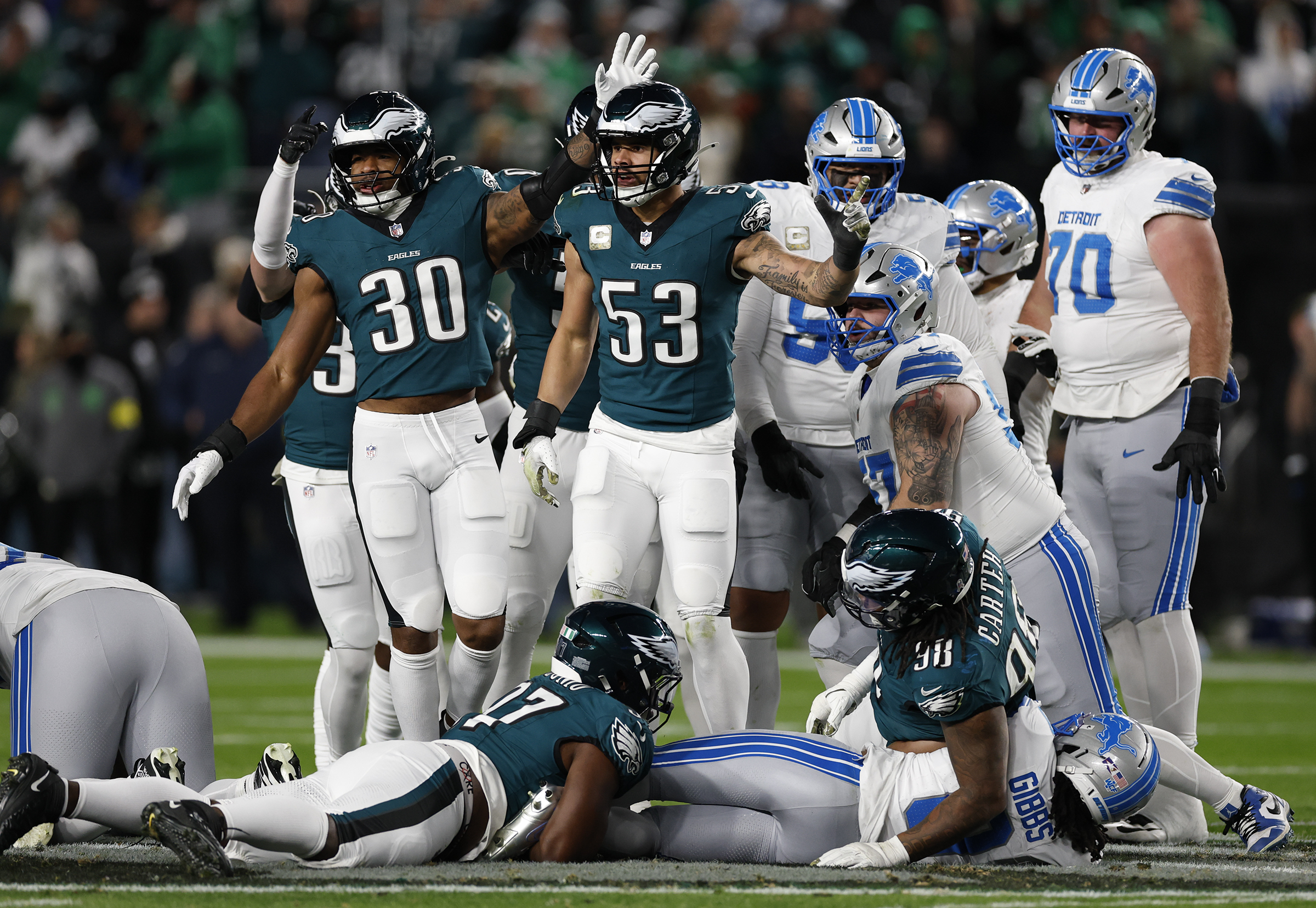
    Linebackers Jihaad Campbell (30) and Zack Baun react after the Eagles stopped the Lions on fourth down in the second quarter Sunday.

    “All camp and everything, he was strictly inside because we knew Nakobe was going to miss seven games or whatever it was,” Fangio said. “For a rookie, that’s tough.”

    Fangio likened it to last season, when the Eagles “messed” with Quinyon Mitchell a little bit during camp. They had the cornerback working at nickel during the early portions of the offseason program and eventually let him settle in as a corner on the right side.

    With Cooper DeJean, they started him as a backup nickel and starting dime cornerback because of the time he missed at the beginning of training camp. Once DeJean was settled in as the starting nickel, he took off.

    “You don’t want to give a rookie too many extra jobs, but sometimes you’re forced to,” Fangio said.

    Fangio said he does whatever is best for the team when asked how he balanced what he puts on Campbell’s plate in a given week. Winning a given game, Fangio said, is more important than taking into consideration Campbell’s long-term development.

    The Eagles traded up a spot to draft Campbell 31st out of Alabama in fear of another team trading into the spot to grab him. They view him as a versatile defender who will be part of the defense for years to come. Dean, it’s worth mentioning, is in the final year of his contract, and it remains to be seen what will happen in the offseason.

    Campbell, a South Jersey native, is so far loving life in the NFL and playing so close to home. Sometimes, he said, he forgets what week on the schedule it is.

    “I’m just like practice, practice, practice, next game,” he said. “Practice, practice, practice, next game.”

    Jihaad Campbell sees his rookie season as “a great opportunity to display my skills and display who I am.”

    Campbell said his confidence keeps “growing and growing” every week, even as his workload during games has changed.

    “A lot of people can view it as a lot,” Campbell said. “But for me it’s like a day-by-day process and understanding what I have to do to attack the day at a high level and execute the plays that I need to and do what I got drafted here for.

    “I truly believe that the situations I’m being put in, it’s a great opportunity to display my skills and display who I am. Of course, there’s learning and growing and different stuff like that, but I think the biggest thing is just me being where my feet are, me getting better with practice and after practice, 500 shots, working on my pass rush, working to continue to be a better linebacker.

    “Just being a complete overachiever, a guy that just loves to work and just loves being around this great group of guys here.

    “At the end of the day, it’s all about getting a win.”

  • The fun ‘Uncle’ | Sports Daily Newsletter

    The fun ‘Uncle’ | Sports Daily Newsletter

    It’s no secret that Temple’s football team has struggled over the last several years, but the coaching position has long been transient.

    The Owls have shuffled through 11 coaches, including interims, in 15 years. Some were fired because they weren’t winning; some were poached to fill higher-paying jobs.

    Remember Manny Diaz? The former Temple coach stayed on North Broad for 17 days before running off to the University of Miami. Another, Geoff Collins, led the Owls to a 15-10 record, only to leave for Georgia Tech after two years.

    Then there was Stan Drayton, who won nine games in parts of three seasons. The dynamic of being a smaller Division I program with less resources has led Temple to a difficult balancing act.

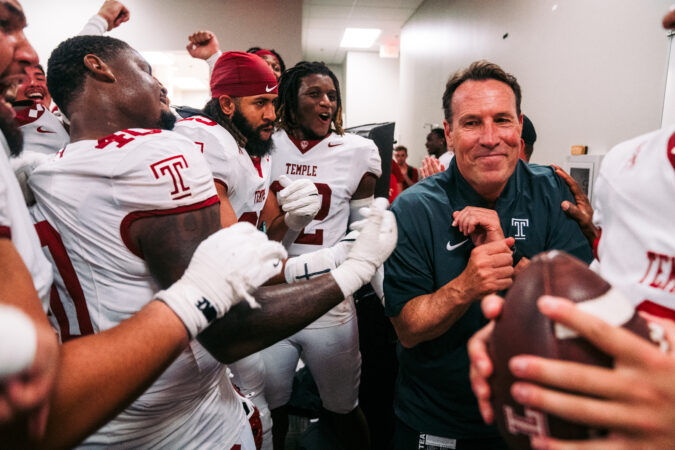
    K.C. Keeler appears to be different. He has an established track record of building winning programs, and the 66-year-old won’t likely use Temple as a stepping stone.

    He’s building a home with his wife in Wilmington. He has ties to this area, and is deeply committed in the Owls. He also can be humorous and serious when he needs to be.

    There are times when practice is not fun, and there are times when he’s dancing in the huddle after a win. Temple quarterback Evan Simon compared it to being around your fun uncle, which may be the exact recipe for what Temple needs in a coach.

    — Isabella DiAmore, @phillysport, sports.daily@inquirer.com.

    If someone forwarded you this email, sign up for free here.

    ❓Can K.C. Keeler bring success back to Temple in football? Email us back for a chance to be featured in the newsletter.

    Patullo’s frustrations

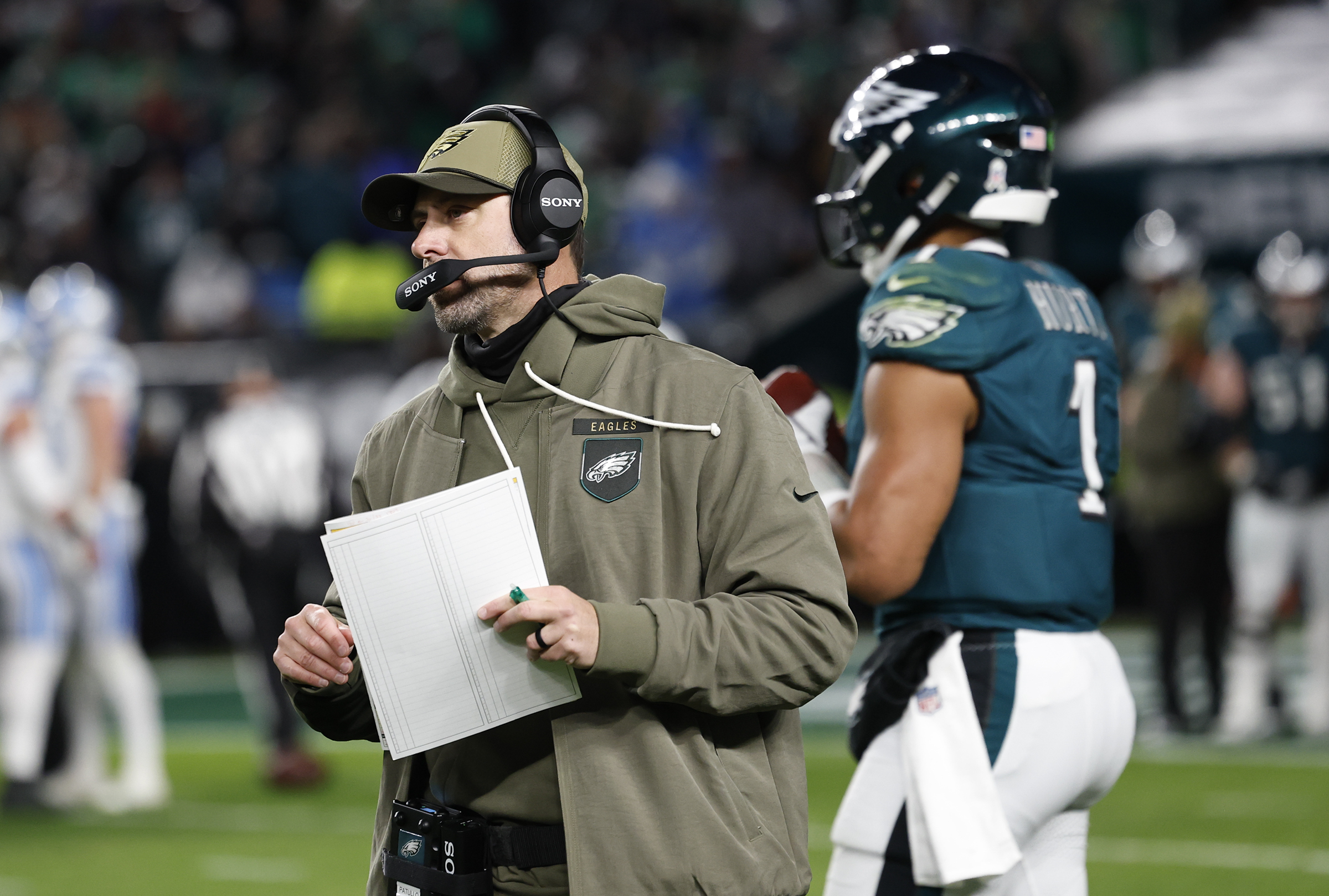
    Eagles offensive coordinator Kevin Patullo with quarterback Jalen Hurts during the Lions game on Sunday night.

    The Eagles defense came up with five fourth-down stops against the Lions — plus Cooper DeJean’s first-quarter interception — while the offense didn’t have much to show for it. The Eagles went 1 of 3 in the red zone and 4 of 15 on third down. When asked about his biggest frustration in Sunday’s game, Eagles offensive coordinator Kevin Patullo pointed to a familiar issue — negative plays.

    Meanwhile, the defense has taken strides with Nakobe Dean back on the field and the addition of Jaelan Phillips. However, Jihaad Campbell has seen his playing time decrease because of this. The rookie linebacker isn’t too concerned about that: “What matters is us winning.”

    What we’re…

    🎉 Celebrating: Randy Garber’s final hurrah as head coach ends with a state soccer title for Abington High School.

    🤔 Wondering: While the Eagles remain atop in the NFC, the offense has yet to show signs of improvement. Can that change in Week 12?

    🎧 Listening: Jeff McLane breaks down the Eagles’ 16-9 win against the Lions on Sunday and what to expect next from the team.

    Following: The Phillies added three prospects to their 40-man roster Tuesday to protect them from December’s Rule 5 draft.

    ‘Andrae deserves to play’

    Flyers defenseman Emil Andrae has featured in the team’s last six games.

    Monday brought good news for Flyers fans clamoring for more Emil Andrae. When Rick Tocchet was asked about the young Swedish defenseman, he answered by saying that “Andrae deserves to play.”

    On Tuesday, the team backed that up by loaning fellow Swede Adam Ginning, who has not played since Oct. 25, to AHL Lehigh Valley on a conditioning stint. The transaction was the latest vote of confidence for Andrae and the team’s belief that he could be here to stay, writes Jackie Spiegel.

    Long journey back

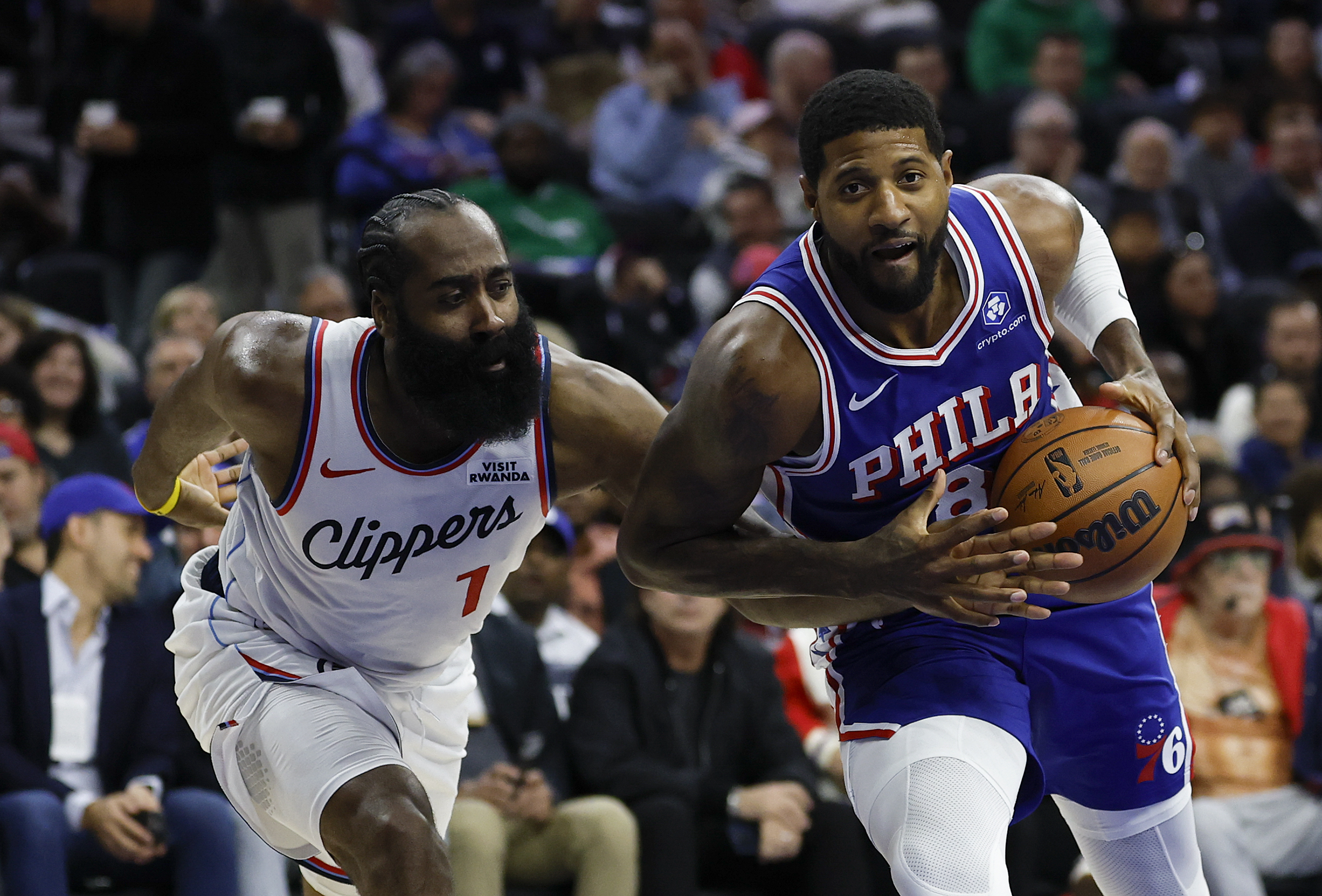
    Sixers forward Paul George drives to the basket past Los Angeles Clippers guard James Harden on Monday.

    After a long injury recovery, Paul George used the words “rusty” and “rewarding” to describe his first NBA game action since early March. In the Sixers’ 110-108 victory over the Los Angeles Clippers on Monday, George finished with nine points, seven rebounds, three assists, and two blocks in about 21 minutes of action. He finished the game on the bench, but making his season debut was a start.

    Nick Nurse assured the media Tuesday that his star forward “feels good,” and George was a full participant in practice.

    Sports snapshot

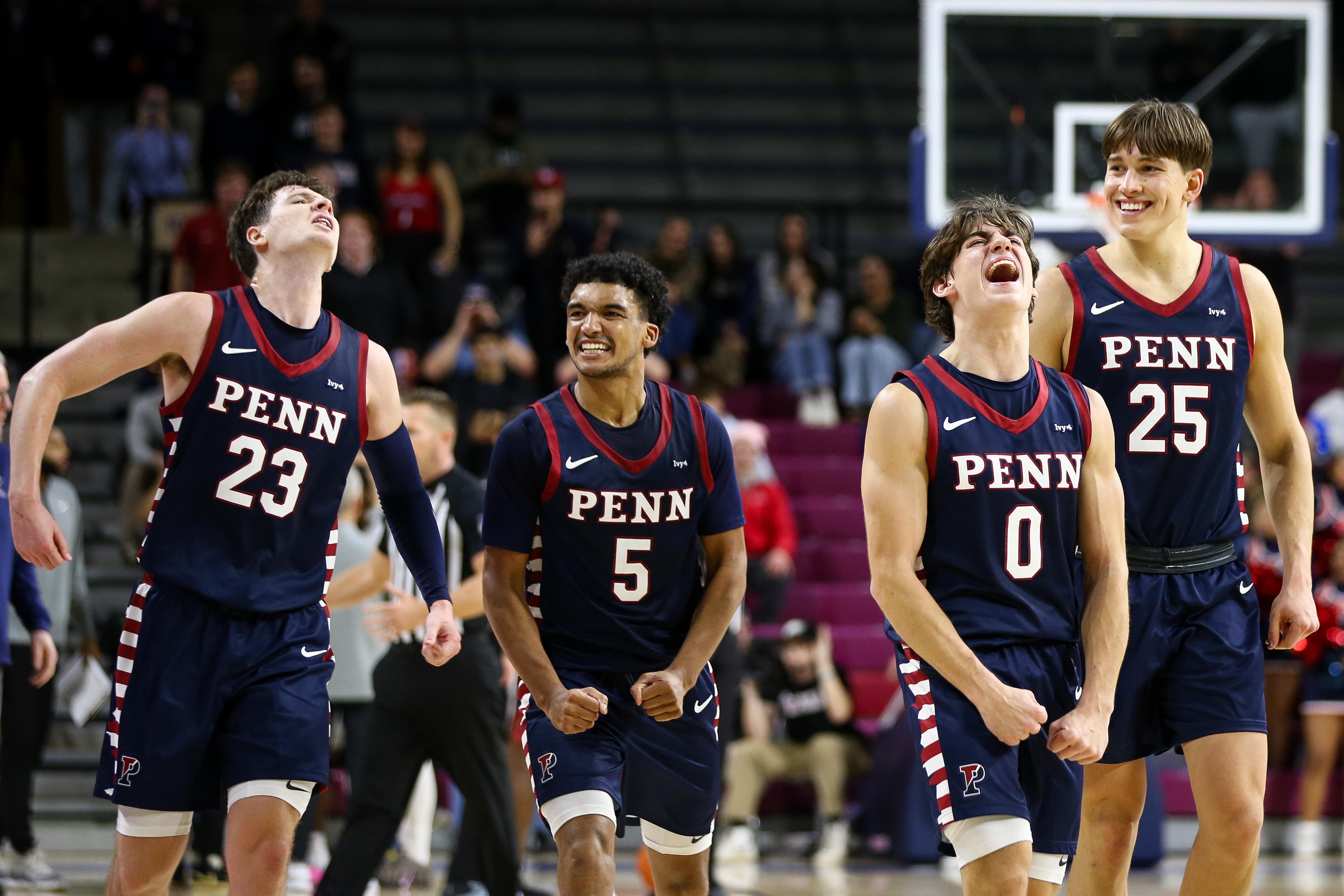
    Penn celebrates its win over St. Joe’s on Monday night.
    • Familiar grouns: Penn spoils former coach Steve Donahue’s return to the Palestra.
    • Making adjustments: Audenried Charter’s Shayla Smith, who’s the city’s all-time scoring leader, is still getting acclimated to college hoops.
    • Looking ahead: Here’s how international fans with 2026 FIFA World Cup tickets can get a priority visa in America next summer.
    • Stunning victory: The U.S. men’s soccer team trounced Uruguay in Tampa as four different players scored.

    Marcus Hayes’ take

    Quinyon Mitchell’s family and friends at the Eagles game against the Lions on Sunday.

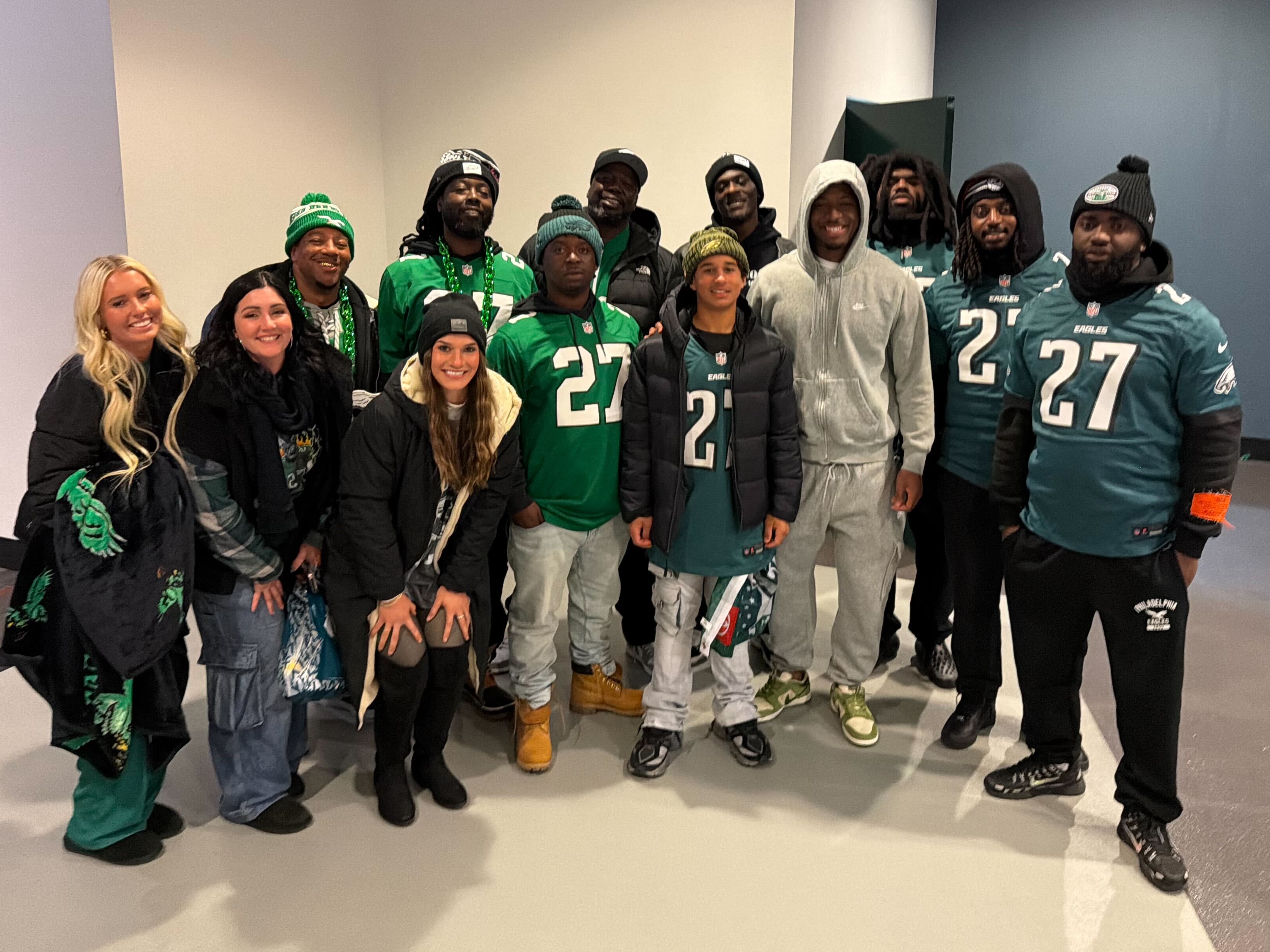
    Quinyon Mitchell is the Eagles’ best candidate for Defensive Player of the Year. On Sunday, with a dozen of his friends and family from Williston, Fla., in attendance, the cornerback had a dominant performance in prime time. He allowed zero catches on six targets. The NFL said that tied for the best performance against at least six targets since the beginning of the 2024 season — and Mitchell is in just his second season. He has not gotten the recognition he deserves, writes columnist Marcus Hayes.

    🧠 Trivia time answer

    Which former Eagles offensive tackle is in the Pro Football Hall of Fame?

    D) Bob Brown — Pete S. was first with the correct answer.

    What you’re saying about the loss of Lane

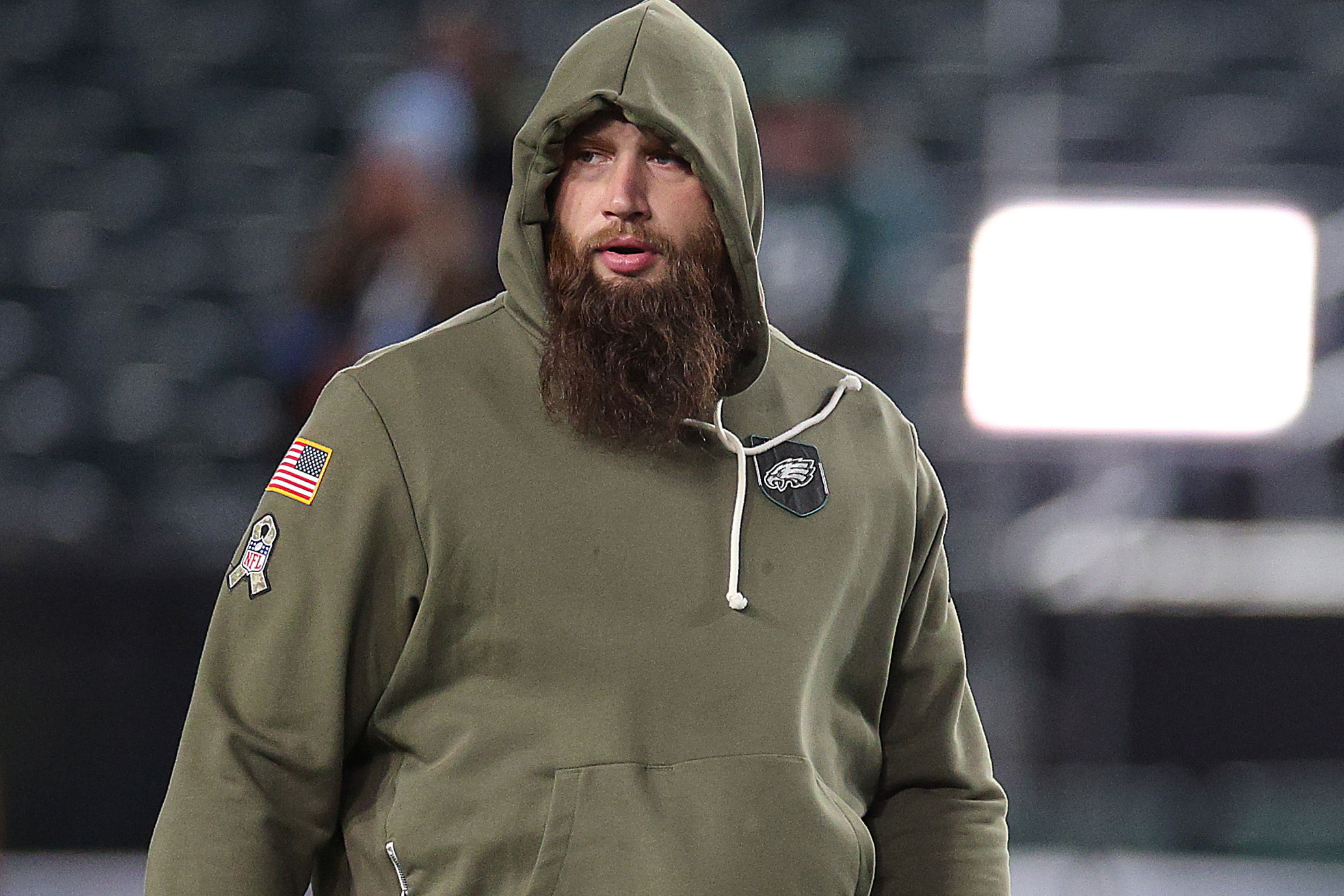
    Lane Johnson walks onto the field before playing the Detroit Lions on Sunday.

    We asked: Can the Eagles make up for the loss of Lane Johnson? Among your responses:

    Better play calling would alleviate the loss of Lane. Kellen Moore got the Eagles in a flow; that is definitely missing this year. Every team has injuries, just need him back for the important games in Jan/Feb. — Carl H.

    The ability of Lane Johnson can’t be directly replaced. But the Eagles can still finish with the best record in the NFC, win through the playoffs and ultimately in the Super Bowl. Football is a team game, and the others on the team can rise to the occasion and remain the best team in the NFC. — John W.

    Any player injury is a loss but this one is a huge loss for the team. We will go on without Lane, but it will be tough. A Lisfranc injury is a tough one with typically a long rehab. All my prayers for Lane as we navigate without him. — Kathy T.

    Pretty much impossible to replace an all-pro 6-6 325 lineman. What’s the old cliche? “It takes a village.” In this case it is going to take a TEAM. Fred and the other guys have to make it their mission to make it seem as if Lane is still there. In defense of Jalen I would offer up that perhaps he is just not happy with Patullo’s offense and has lost heart. If we the fans think the offense is a (bleep) show as AJ says, then maybe Hurts does too. — Everett S.

    We compiled today’s newsletter using reporting from Alex Coffey, Jeff Neiburg, Olivia Reiner, Gina Mizell, Jeff McLane, Lochlahn March, Marcus Hayes, Jackie Spiegel, Jonathan Tannenwald, Gabriela Carroll, Owen Hewitt, Sean McKeown, and Tyler Delpercio.

    By submitting your written, visual, and/or audio contributions, you agree to The Inquirer’s Terms of Use, including the grant of rights in Section 10.

    As always, thanks for reading and have a wonderful Wednesday. Kerith will get your morning started tomorrow. — Bella

  • 3,000 protested conditions for Philly’s Black students in 1967. Here’s how these city kids remembered it.

    3,000 protested conditions for Philly’s Black students in 1967. Here’s how these city kids remembered it.

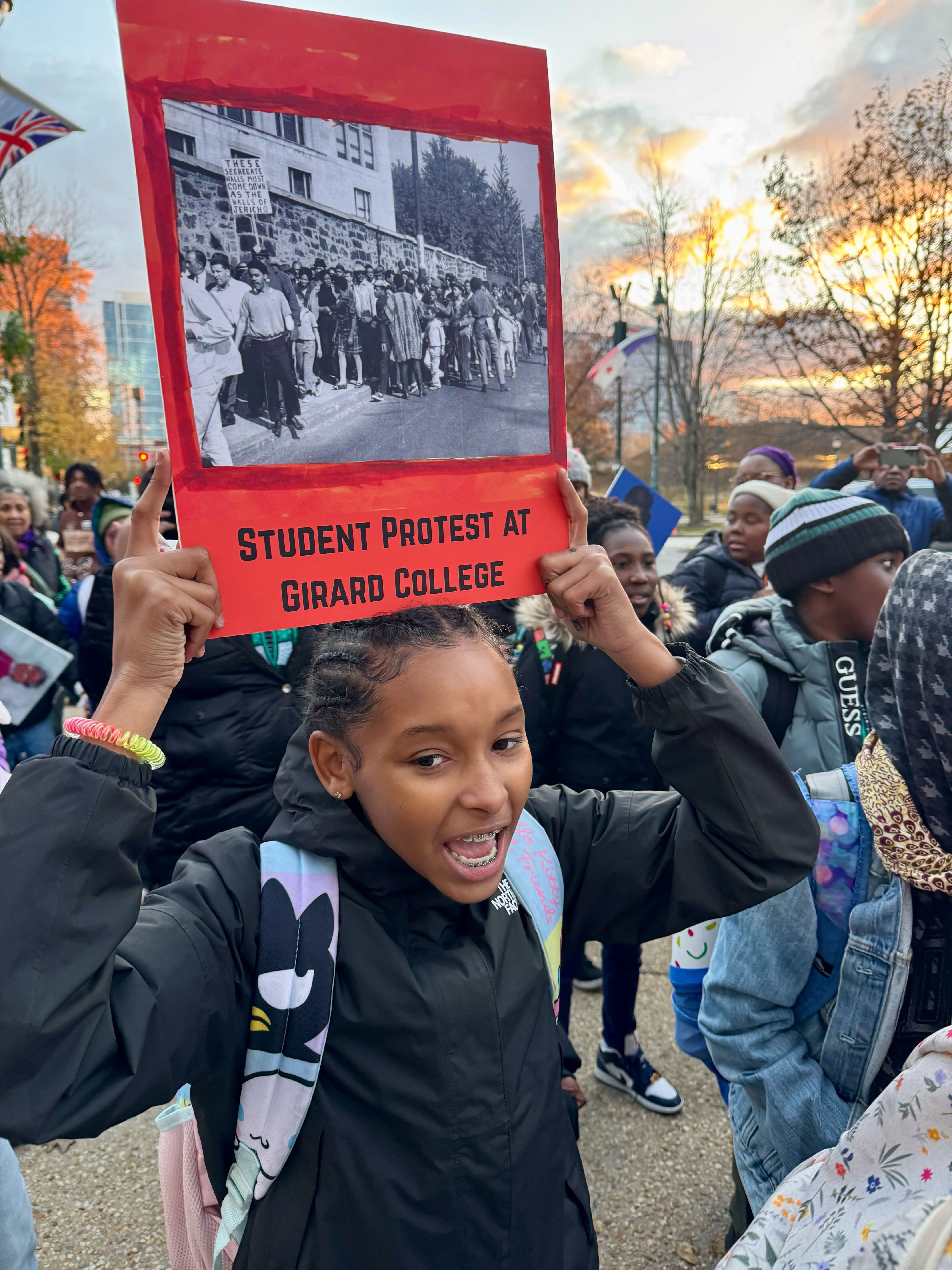
    The students walked together, chanting over the hum of Center City traffic, holding a homemade sign and shouting into a chilly November sky.

    “Hey hey!” they yelled. “Ho ho! Black history will never go!”

    Fifty-eight years to the day after 3,000 youth and their supporters walked out of Philadelphia School District schools to protest conditions for Black students, a clutch of kids from the Jubilee School held a march Monday to commemorate that landmark action, which historians say was a seminal moment both for the city and school integration across the country.

    Miles Matti, a fifth grader at Jubilee, a private school in West Philadelphia, walked with his brother, Theo, a third grader.

    “We’re doing it because those kids had every right to be heard,” said Miles, 10.

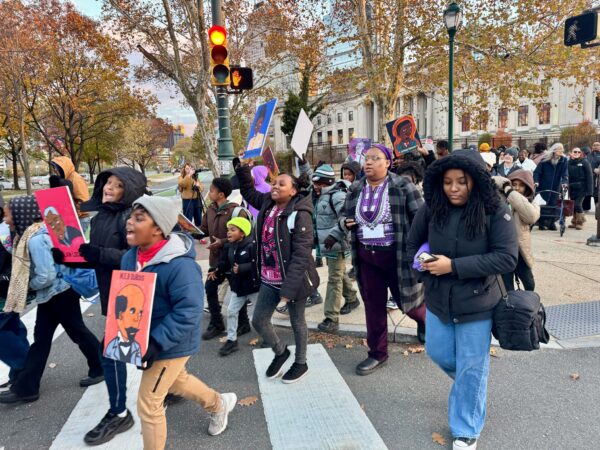
    Students from the Jubilee School walk to commemorate the 1967 Philadelphia student walkout, where thousands of Philadelphia School District students demanded better treatment of Black students.

    The timing of the celebration was important, organizers said — not just on the anniversary of the demonstration, but 20 years after Philadelphia became the first district in the United States to implement African American history as a graduation requirement.

    For months, Jubilee students studied the walkout. They conducted research, wrote poetry, made plans for honoring participants in the demonstration, and mapped a route — from the old School District of Philadelphia headquarters at 21st and the Benjamin Franklin Parkway, to the Free Library’s central branch, where there would be music and stories.

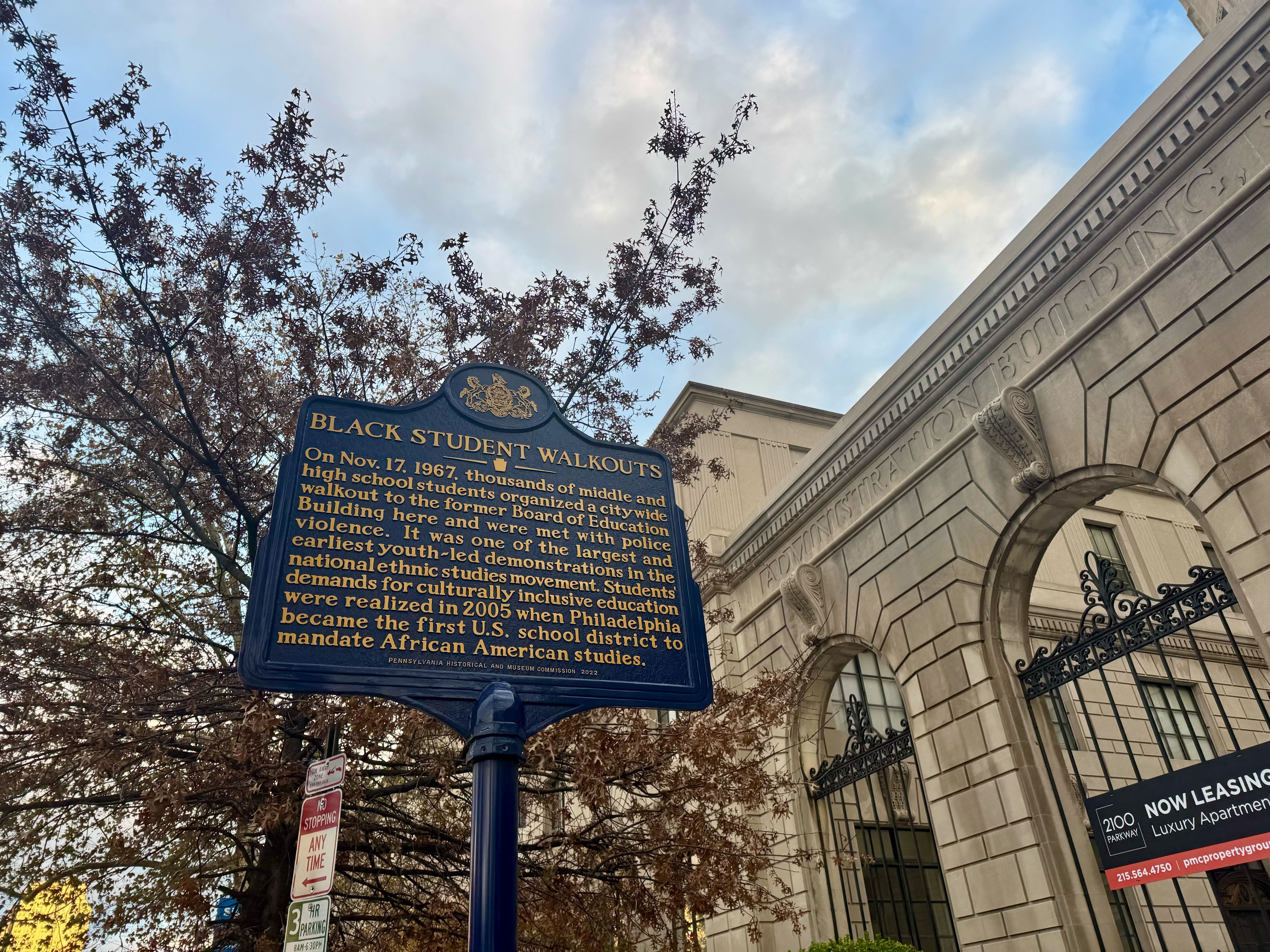
    The group honored four former Masterman students who, in 2020, won approval from the city’s Historical Commission to have a marker permanently erected outside the old district building noting the 1967 walkouts.

    Khaseem Bailey, a sixth grader with a strong voice and energy to spare, led the chants as the group, flanked by teachers, parents, and supporters, made its way down the Parkway.

    It was important to remember, Khaseem said.

    “They were marching for Black rights and student rights,” he said. “And so are we.”

    ‘It was not a flash mob’

    The Nov. 17, 1967, walkout took 10 years to plan, said Walter Palmer, now 91, and one of the chief architects of the event — a decade spent organizing, teaching nonviolent strategies, training students, pairing them with elders.

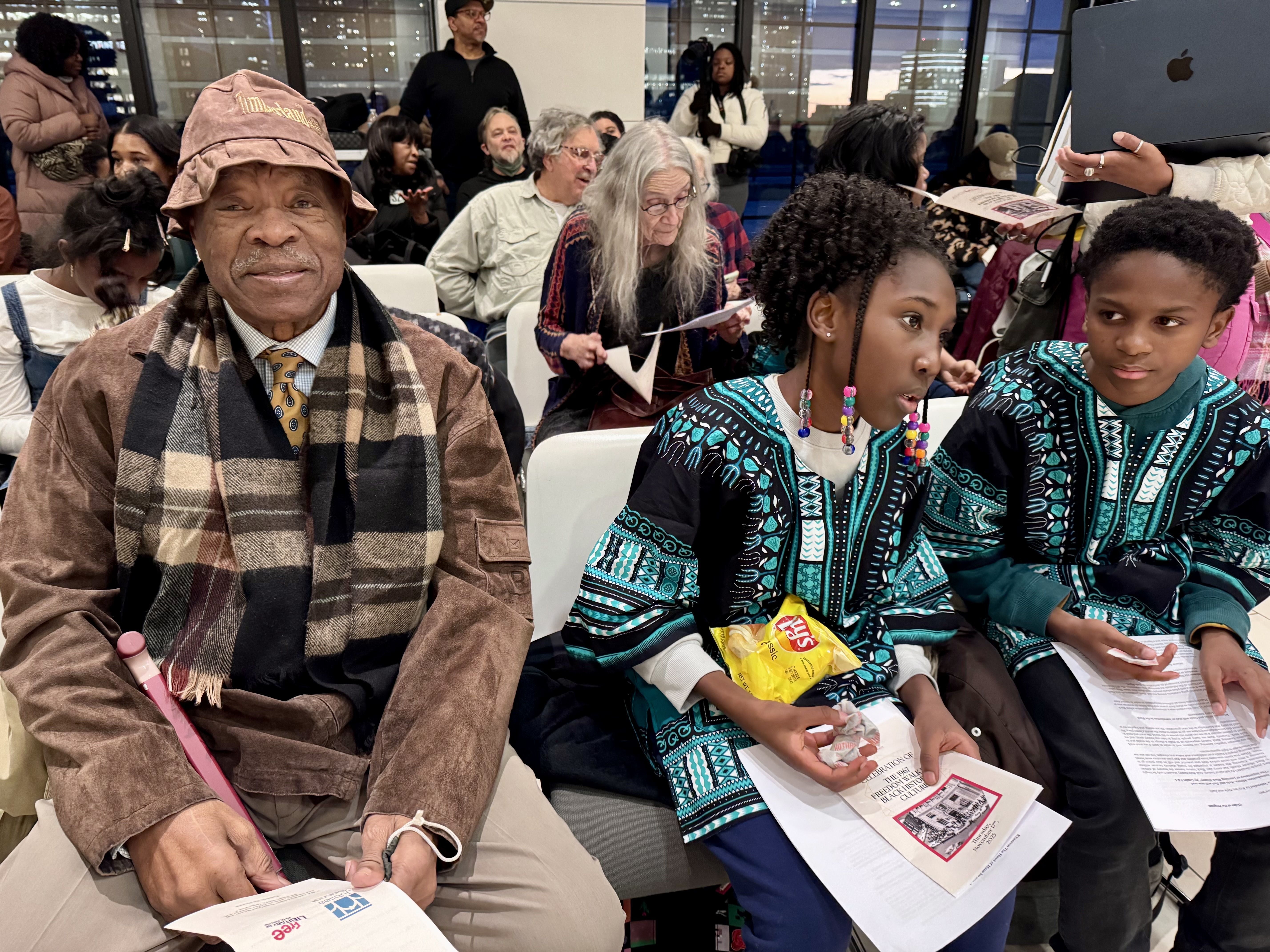
    Walter D. Palmer, who helped organize the 1967 Philadelphia student walkout, was honored at a program by students from the Jubilee School, sitting next to him.

    The time seemed right that November. By that point, Black students made up the majority of the district’s pupils, and they attended integrated schools, but conditions were unequal.

    “Black students were harmed for using African names, wearing African clothing,” said Palmer.

    Organizers came up with a list of 25 demands — from allowing students to wear their hair in Afros to infusing Black history in the district curriculum.

    “It was not a mistake,” said Palmer. “It was not a flash mob. There were no cell phones; there were no microphones. These young people, they were just hungry.”

    A historical marker commemorating the 1967 Philadelphia student walkout stands outside the former offices of the School District of Philadelphia, at 21st and Benjamin Franklin Parkway.

    Students pulled fire alarms and poured out of their schools, with many meeting at the School District of Philadelphia headquarters. Representatives were chosen to speak to then-Superintendent Mark Shedd, who took their requests seriously.

    Newspaper accounts described the demonstration as being like a “picnic,” but then-Police Commissioner Frank Rizzo called in 100 officers in riot gear. They began swinging at students and releasing police dogs.

    Fifty-seven people were arrested, and dozens injured, some seriously. The event made national headlines.

    Marilyn Kai Jewett, another walkout participant, told the students their celebration was especially timely.

    “We cannot let anyone whitewash our history,” Jewett said. “We are under attack. We cannot stop — we’ve got to fight until we die. The evil will not prevail. Goodness always prevails. Just keep doing what you’re doing.”

  • Is Boscov’s selling the most offensively Pennsylvania outfit ever?

    Is Boscov’s selling the most offensively Pennsylvania outfit ever?

    I was lured to the Boscov’s at Granite Run the other weekend by a mailer I’d received advertising a one-day shoe sale — buy any pair, get the second for $1.99.

    I went early to beat the crowds only to find the bounds of polite society had dissipated at the shoe department and it’d become The Hunger Games, but with footwear and senior citizen tributes (who are far more ruthless than their younger counterparts).

    Flustered, I set off to browse the rest of the store. The first thing you might find yourself wondering as you wander around a Boscov’s is: “How does this place even exist?” It’s a full-scale department store that sells everything from perfume to sofas. I even discovered an entire candy counter on the second floor that during a previous visit I’d never noticed before. As it turns out, this Reading-based chain is in the fudge-making business too.

    Legions of other department stores have fallen in the last few decades — Kaufmann’s, Bradlees, Hills, Hess’s — yet Boscov’s abides. The Granite Run Boscov’s is particularly a beast unburdened by the sands of time. It was previously an anchor store for the Granite Run Mall, which was torn down around it in 2016 to make way for the Promenade at Granite Run. Only Boscov’s remains of the once-storied mall. It is a rock that shall not be moved, a pillar to in-person purchasing.

    The outfit

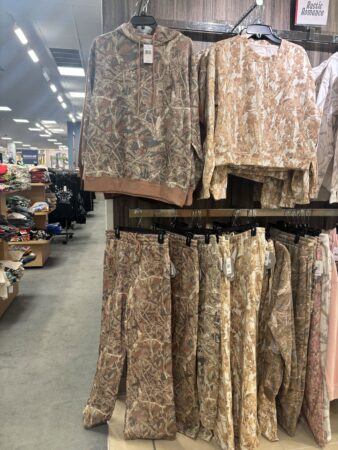
    As I was browsing the brightly-lit aisles that fateful Saturday this month, wondering if the lights might give me a sunburn, my eyes fell upon something I can never unsee: matching camouflage sweat suits.

    Here were outfits that managed to do what no state legislature or psychological expert ever has: They married rural and urban Pennsylvania.

    Boscov’s bills these matching sweat suits as “Rustic Romance.”

    As someone who spent her formative years growing up in Lycoming County — where we had the first day of hunting season off from school — I can attest that camouflage is not just for stalking prey and sitting in tree stands. It’s an entire sartorial color category all its own in rural Pennsylvania.

    Camo is mixed and matched with everything and considered appropriate for all events, from weddings to funerals (think of it like Birds gear during a playoff run). I’ll never forget looking at photos from my wedding and realizing a guest from Central Pennsylvania wore a camo baseball hat to our reception.

    Now, a matching tracksuit is something you rarely see in rural Pennsylvania, but it’s practically a closet-staple around Philly. You’ll see at least one person wearing one at every Wawa, Acme, or outdoor event you visit in the region.

    Typically paired with sunglasses, these outfits are not only comfortable but incredibly stress-free. No need to worry about what to pair your sweatshirt with because there’s only one answer, the matching sweatpants you bought with it.

    Standing stunned before these camouflage sweatsuits, which came in both his and hers, I wondered if Boscov’s had thrown back a few beverages before deciding to sell these things.

    As a Pennsylvanian, I was highly offended. We the people of this fine commonwealth are more than camo and sweat suits! We are camo OR sweat suits.

    But maybe, just maybe, by blending these two wildly different fashions together as the holidays approach, Boscov’s will also blend us. No more Philly, Pittsburgh, and the T in between. No more red counties and blue counties. This could be the one outfit to unite us all, while also helping us blend into woodland scenes.

    When I posted a picture of the camo sweatsuits on Threads, several users pointed out that Eagles quarterback Jalen Hurts recently wore a matching camouflage suit when the Birds traveled to Green Bay. I was surprised, as Hurts is typically a very stylish dude who wears Kangol hats and carries a man bag, but people suggested his outfit could have been a fashion statement indicating he was on the hunt.

    Who better though to serve as the ambassador of the camouflage sweat suit and unite our state than Hurts? He’s cool under pressure, so he could take the heat of promoting an undeniably terrible outfit for the greater good, and he grew up in Texas, so it’s safe to assume he’s familiar with camo (and we already know he’s not afraid to wear it).

    It wasn’t until I got home and looked at my photo of the sweat suits that I noticed there was a sign at the top of the store display billing these outfits as “Rustic Romance.”

    Listen, I know that Pennsylvanians’ reputation for romance does not precede us, but that’s just insulting. There’s nothing romantic about letting your partner know you want them to look more like fall foliage.

    I guarantee if you get your lady a matching camo sweat suit for Christmas, she’s not going to fawn all over you — she will hunt you down.

  • Three Nick Castellanos trades that show how little the Phillies should expect in return

    Three Nick Castellanos trades that show how little the Phillies should expect in return

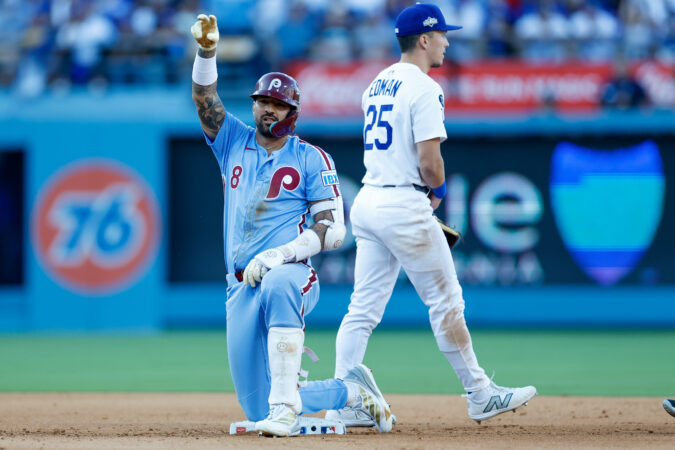
    The most important variable in any negotiation is what the other side thinks you are willing to pay. Right now, the other 29 teams in Major League Baseball have every reason to think the Phillies aren’t willing to pay Nick Castellanos anything. That’s a tough starting point for Dave Dombrowski as he tries to find someone interested in trading for the veteran right fielder.

    Fact is, Castellanos is due to make $20 million this season, which is at least $18 million more than he could reasonably expect to make if he were a free agent. Even if the Phillies eat most of that money, why would a team trade anything of value for Castellanos rather than signing this year’s version of Mark Canha for a couple of million bucks?

    The only realistic option for the Phillies is to find a team that is looking to shed a similarly overpriced contract. Even then, Dombrowski may have to further incentivize an interested party. That quickly leads to a point where the Phillies are better off simply releasing Castellanos. Or walking a lot of things back before he reports for spring training.

    Here are three examples of deals that maybe, kinda, sorta, if you squint could potentially make a fraction of a smidgen of sense for both parties.

    Get excited!

    Andrew Benintendi is slashing just .245/.309/.391 in his first three years with the White Sox.

    1. Andrew Benintendi plus cash to the Phillies, Castellanos to the White Sox

    This is the baseball equivalent of one of those NBA trades in which a couple of overpriced veterans and 16 second-round draft picks change hands but nobody ends up with more than they started with. You only live once, baby.

    Benintendi has been a sunk cost the moment he signed a five-year, $75 million contract in Chicago in 2023. Was it only three years ago that the White Sox were trying? Apparently, it was.

    Benintendi hit free agency as the rare hitter still in his prime, having broken into the big leagues at 21 years old on the watch of none other than Dombrowski. He hasn’t come close to the .782 OPS he posted in his first seven seasons in the majors, hitting just .245/.309/.391 in his first three years with the White Sox. He showed a little life in the second half of last season and finished with a .738 OPS that was slightly above league average. But he didn’t show nearly enough life to warrant salaries of $17.1 million this season and $15.1 million in 2027.

    Swapping Castellanos for Benintendi would make some sense from an accounting perspective. The Phillies would be taking on an additional $12.2 million in “dead” money over two years. More importantly from a competitive standpoint, they’d be tacking on $15 million in average annual value to next year’s payroll rather than paying Castellanos $20 million up front and then being free and clear.

    But what if the White Sox included $10 million in cash to pay Benintendi’s 2027 salary? That would essentially enable the Phillies to split up Castellanos’ money over two years, saving them $10 million this year while adding $10 million next year. And, hey, maybe Benintendi gives them a little something in the outfield rotation as a Max Kepler replacement. At 31 years old, the chances of that aren’t zero.

    What’s in it for the White Sox? Well, they’d save $5 million in cash in 2027 at the expense of an extra $3 million this year. I’m not sure whether this trade makes sense for both sides or makes sense for neither side. But that’s where we’re at.

    The Orioles’ Tyler O’Neill had just 209 plate appearances and nine home runs in 2025.

    2. Tyler O’Neill to the Phillies, Castellanos to the Orioles

    Truthfully, I’m not sure how much sense this makes for either side. O’Neill signed a three-year, $49.5 million contract last offseason after a big year with the Red Sox (.847 OPS, 31 home runs). He was a major disappointment, posting a .684 OPS and nine home runs in 209 plate appearances in a season marred by injuries.

    The argument from the Phillies’ perspective goes like this. They’d essentially be signing O’Neill to a two-year, $13 million deal, given the $20 million they are saving on Castellanos. That’s pretty close to fair market value for O’Neill, who has mostly been a league-average hitter outside of his two spike years (2021 with the Cardinals and 2024 in Boston).

    The Phillies get a right-handed hitter who still might have another big season in him. Even if he doesn’t, maybe he is an adequate enough rotational corner outfielder for two years (O’Neill is heading into his 31-year-old season). They also save $3.5 million on this year’s official payroll.

    Is all of that worth $16.5 million less in spending power next offseason? Probably not.

    Likewise, what are the Orioles really gaining? Saving $13 million over two years isn’t nothing. But it’s probably not worth sacrificing the chance that O’Neill bounces back.

    Kyle Freeland, 32, has spent his entire career with the Rockies and has been better away from Coors Field.

    3. Kyle Freeland to the Phillies, Castellanos plus cash to the Rockies.

    Freeland, who has spent his entire career with the Rockies, has one year and $16 million left on his deal. That’s a lot to pay a guy who has a 5.07 ERA over the last three seasons. Castellanos has hit well at Coors Field with a .914 career OPS in 88 plate appearances. The Phillies get another piece of rotation depth in the form of a guy who has had some decent years on the road in his career. The Rockies get a guy who at least has chance of regaining some value between now and next year’s trade deadline.

  • Epstein’s victims are forgotten amid political frenzy over files

    Epstein’s victims are forgotten amid political frenzy over files

    There is a glaring omission in the wall-to-wall coverage of the Jeffrey Epstein case. Even as new headlines roar with fresh allegations, the facts of the crimes and the trauma inflicted on the innocent children continue to fall to the wayside.

    The current focus on the rich and powerful and the political backstory surrounding fights over lists, transcripts, and depositions does little if anything for the still-young women who were trapped in Epstein’s depravity. Accountability and transparency are what will support them.

    One thing is not in dispute: What happened to those children was no hoax. Those horrific crimes were the result of years of grooming and entrapment of young teenage girls. These crimes sadly happen at an alarming rate, often right under our noses.

    Why? One major reason is that society fails to talk about them openly and honestly, leaving the public with the perception that it is a “them” rather than a “we” issue.

    Forgetting the victims

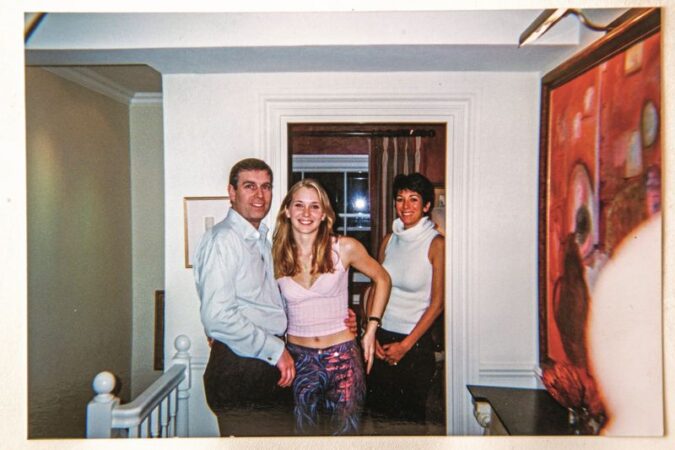
    The victims of Epstein and Ghislaine Maxwell have been pushed from the spotlight. Headlines about the nation’s most notorious case of child abuse and sex trafficking are no longer about the victims, but sound like a promotion for a bizarre remake of Lifestyles of the Rich and Famous.

    Forgetting about the abuse these young women and girls endured is a tragedy. Here is a glimpse into their reality:

    Virginia Giuffre was 17 when Maxwell recruited her from Mar-a-Lago for a job as Epstein’s masseuse. They groomed and lured her into years of sexual abuse by trafficking her internationally. Sadly, she took her own life earlier this year. Her friends and family are robbed of sharing her life.

    Maria Farmer was an aspiring artist who met Epstein and Maxwell during her studies. Under the pretext of supporting her career, they sexually abused her while security prevented her from leaving. Her pleas to authorities were ignored, allowing the abuse to continue for years. This is trauma she will never escape.

    Farmer’s sister, Annie, also became a victim of Epstein and Maxwell’s perversion. At 16, she was lured to their New Mexico ranch under the false pretense of a trip for high-achieving students. Epstein and Maxwell forced themselves on her.

    Sarah Ransome, 22, was pursuing a fashion career when Maxwell offered her mentorship. Instead, she was lured into Epstein’s circle, sexually abused, and trafficked to wealthy international rapists on “Epstein Island,” a captivity she couldn’t escape, even by trying to swim away.

    Courtney Wild was just 14 when a friend convinced her to go to Palm Beach, Fla., for a job giving massages to Epstein. “Massage” as a code word for abuse and rape. Not once, but hundreds of times. Epstein made her recruit other girls in an operation that ensnared children in cycles of abuse and coercion.

    Uncomfortable? Now put yourself in the victims’ shoes.

    An epidemic of evil

    An estimated 48,000 U.S. minors are trafficked into sexual abuse annually, leaving nearly 60 million adult survivors of child sexual abuse. That’s about one out of every five Americans. With society unwilling to even talk about their reality, it shouldn’t come as a big surprise that less than 30% of sex crimes are even reported.

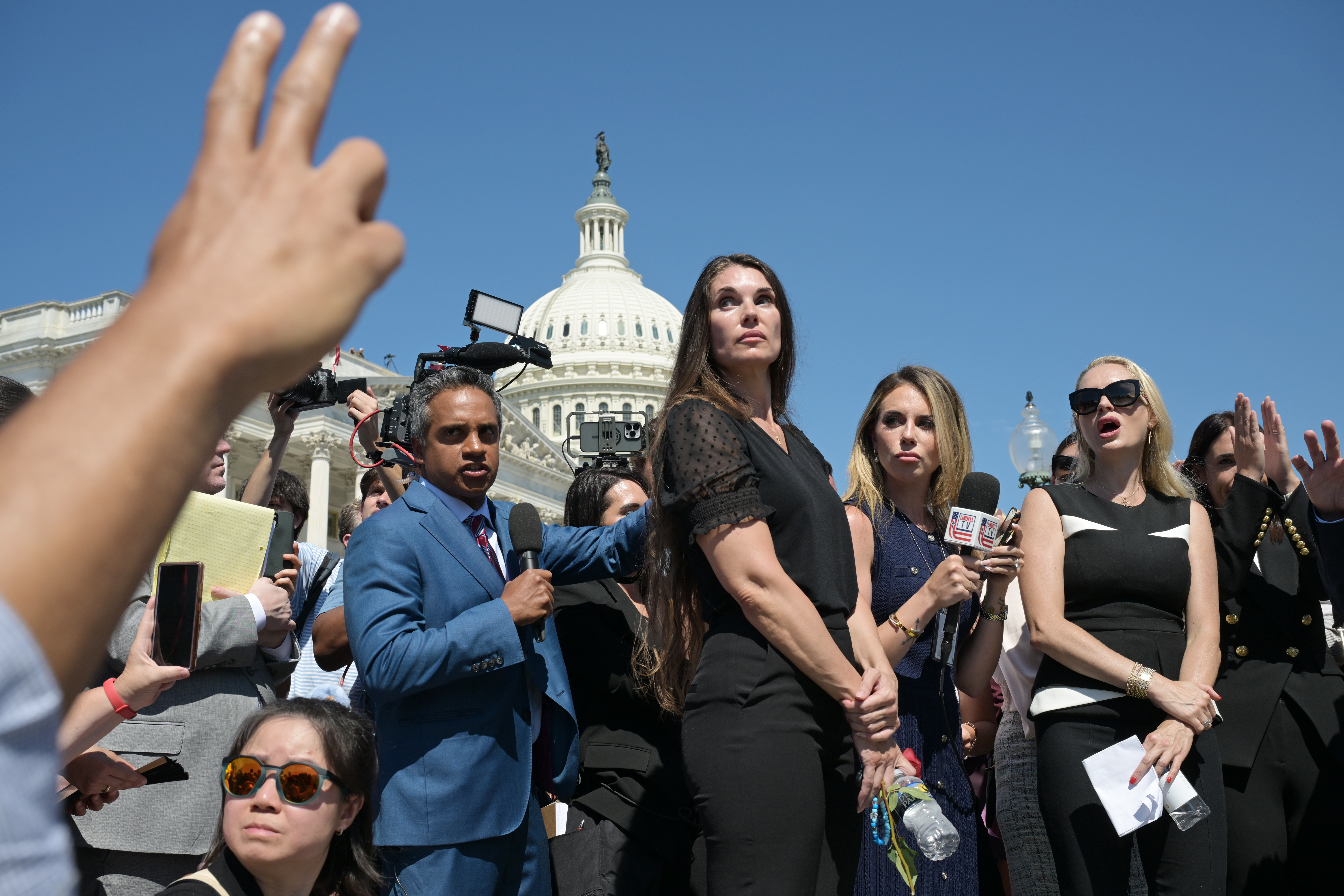
    Anouska De Georgiou (right) gathers with other Jeffrey Epstein accusers at a news conference outside the U.S. Capitol on Sept. 3.

    Epstein’s name might be the most famous, but there are thousands more like him who count on silence, confusion, and distraction. Those creatures have something else in common: They continue to hunt for prey and inflict horrible abuse on the next victim.

    Lack of accountability is a blueprint for “Epstein Islands” popping up in every community. Shying away from the uncomfortable details doesn’t soften the crime. Secrets don’t help victims heal. Epstein and Maxwell kept secrets, and other abusers hope you do, too.

    Victims of sexual abuse are forced to keep secrets. Keeping documents sealed under the pretext of protecting victims is the real hoax.

    If you’re serious about wanting to prevent these crimes from happening again, release all the Epstein files.

    Paul DelPonte is executive director and CEO of the National Crime Prevention Council. Aaron Hanson has served as the sheriff of Douglas County, Neb., since 2023, and has nearly 30 years of law enforcement experience.