Tag: Weekend Reads

  • How the Philly suburbs are celebrating the 250th, from a Revolutionary War trail map to a critter from a Montco zoo

    How the Philly suburbs are celebrating the 250th, from a Revolutionary War trail map to a critter from a Montco zoo

    From George Washington crossing the Delaware and the Continental Army lodging at Valley Forge to the so-called real Penn’s Landing and the Battle of Brandywine, the Philadelphia suburbs played a crucial role in the early development of the United States.

    And though Philadelphia — the birthplace of American democracy — has taken center stage for this year’s Semiquincenntenial celebrations, Bucks, Montgomery, Delaware, and Chester Counties have spent years preparing for 2026 and have curated an extensive list of activities for residents and visitors alike who are looking to honor the United States’ 250th birthday outside the city.

    Here is what the Philly suburbs have in store for the 250th:
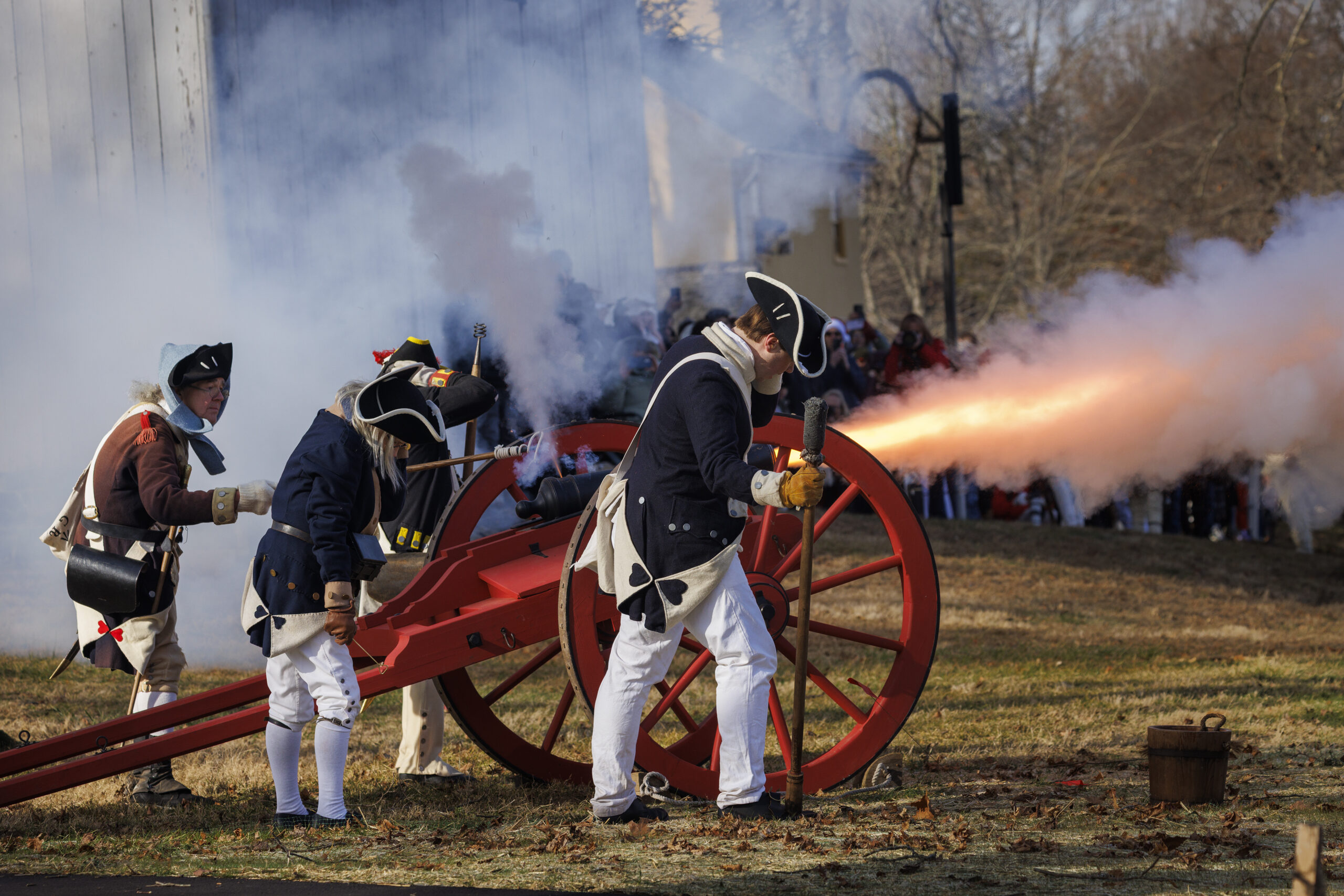
    Reenactors fire off a Galloper gun during a reenactment of George Washington’s river crossing, Washington Crossing Historic Park, Washington Crossing, Pa., Thursday, December 25, 2025.

    Bucks County’s history-packed celebrations

    For Bucks County — established by William Penn in 1682 — 2026 is set to be chock-full of celebratory events tied to the founding of the U.S.

    Bucks’ commission in charge of planning 250th celebrations has partnered with numerous nonprofits to promote their events on a shared calendar on a dedicated county America 250 website.

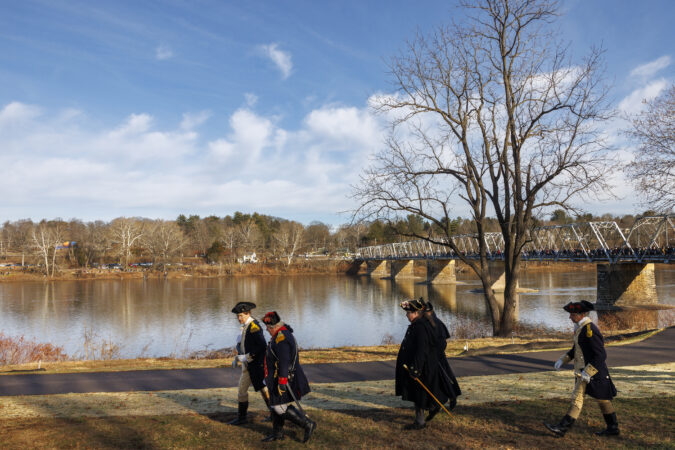
    Forthcoming activities include art exhibitions, a Doylestown bash featuring big-band music and the reading of the Declaration of Independence, tours of a Revolution-era exhibit at the Mercer Museum, and fireworks at Washington Crossing Historic Park on July Fourth. Not to mention the annual reenactment of Washington crossing the Delaware River on Christmas Day.

    The group also worked with the Bucks County Planning Commission and the Bucks County Herald to release a Revolutionary War trail map that takes participants throughout the county to visit historical sites.

    Bucks gave $7,500 to the 250th commission in July 2024 in support of the celebrations, a county spokesperson said. Other financial support has come from sponsors, including several companies that have dished out at least $10,000 apiece.

    Bucks County Commissioner Bob Harvie, who chairs the county’s 250th commission, said these events underscore the pride that communities have in their rich history.

    “It’s also a chance for us to think back, I think, and remind ourselves about the foundation of this country, and the values that united us, because especially now we’re seeing a lot of attempts, unfortunately, within our country to divide us,” said Harvie, a Democrat who is running for U.S. Congress.

    It is difficult to predict how this year’s 250th celebrations will affect the county’s tourism numbers, but Bucks typically hosts about 8 million visitors a year, Harvie said.

    “We’ve been pitching ourselves sort of — no pun intended — for people who are coming here for the World Cup,” Harvie said. “We’re right between Philadelphia and New York, where you happen to have a place that’s sort of a central hub.”

    The Valley Creek Trail at Valley Forge National Historical Park in Valley Forge, Pa., on Tuesday, Feb. 20, 2024.

    A ‘birthday bash’ and celebrating Valley Forge

    Montgomery County’s 250th commission has curated months of events to commemorate the Semiquincentennial, but a free “birthday bash” on Monday at the county courthouse will kick off the height of the July Fourth celebrations.

    Attendees can graze food trucks, take pictures, and meet an animal from the Elmwood Park Zoo.

    Other programs this year include fireworks and live readings of the Declaration of Independence over July Fourth weekend, exhibits to commemorate the 50th anniversary of Valley Forge becoming a national park, and a gathering (with food and drink, of course) at a Skippack farmstead to honor Washington and his troops’ encampment in the town in 1777.

    The 250th events have been planned by the county and local municipalities, said Jamila Winder, chair of the county commissioners, as an “opportunity to create meaningful, inclusive celebrations” and cultivate “civic pride.”

    Montgomery County typically gets about 8 million visitors a year and are projecting an additional 1 million to the region for the 250th, said Winder, a Democrat.

    To help fund this year’s festivities, the county started a grant program through which municipalities can apply to receive up to $500 to support their 250th events between now and Dec. 1.

    The county has allotted a $35,000 budget for 250th celebrations, including the grant program, which 22 of 62 municipalities are a part of, a spokesperson said.

    “It’s an opportunity for visitors to see how Montgomery County played a unique role in America’s founding, including our deep ties to Valley Forge in the Revolutionary area,” Winder said. “You know, people always think about Philadelphia, right? Philadelphia is a big piece of this story, but Montgomery County plays a huge role in that.”
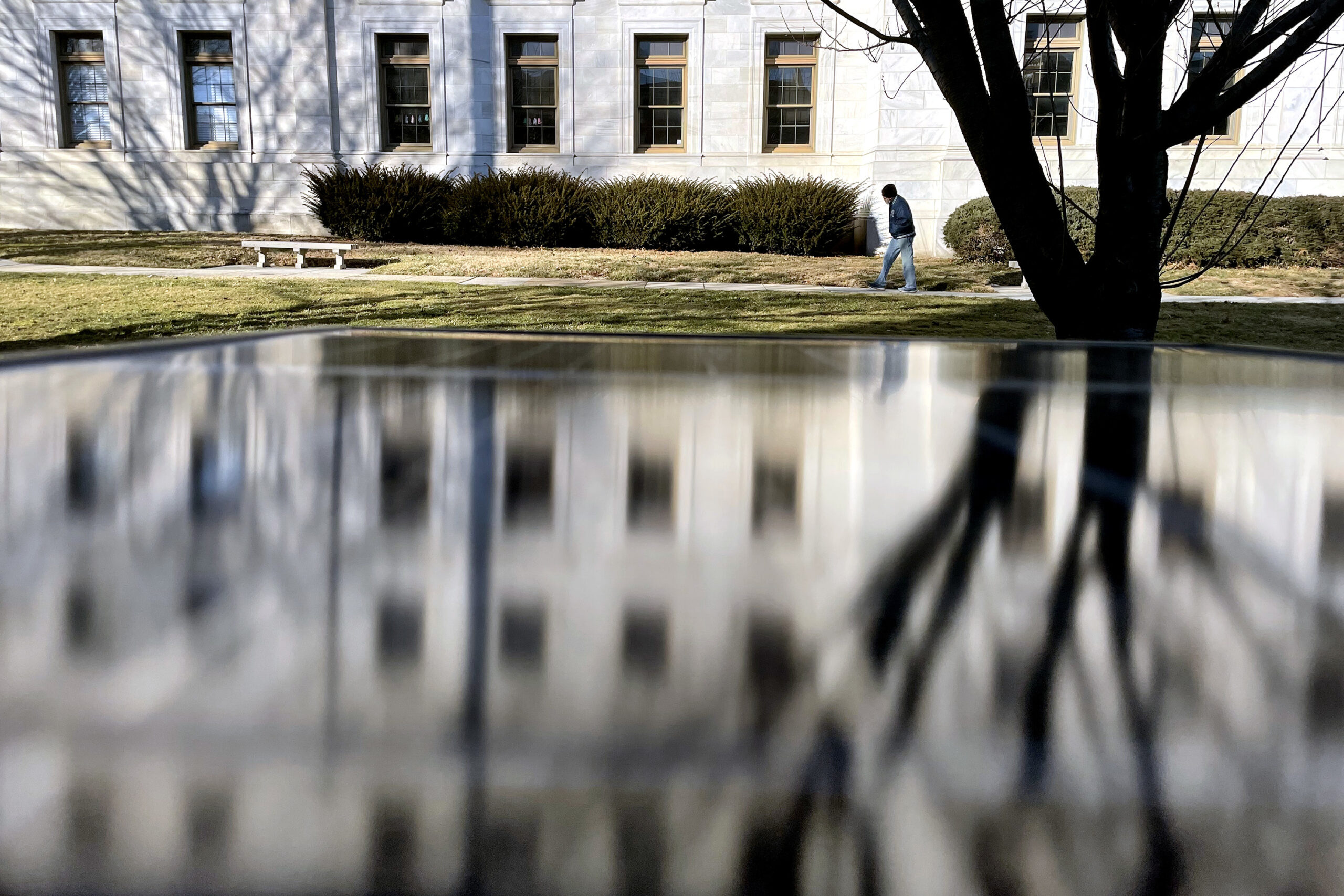
    The Delaware County Courthouse in Media is reflected in a solar panel atop one of the borough’s on-street parking kiosks along Front Street.

    Delco is ‘pretty lit’ about its 250th celebrations

    “If you thought Delaware County residents were proud of being Delco before America 250 — you’re just, like, next-leveling it now.”

    That’s what Delaware County Council member Elaine Paul Schaefer said about Delco’s excitement leading up to the 250th, making sure to set the record straight that William Penn’s storied first steps in the New World hundreds of years ago were actually in Chester, not at Penn’s Landing in Philadelphia.

    The county — through its America250PADelco commission — is promoting over 100 county, town, or nonprofit events through November, from art exhibits, concerts, and fireworks to “dining under the stars” in Media, a late-summer drone show, and a reading of the Declaration of Independence on the county courthouse steps.

    “Delco is pretty lit about this,” said Schaefer, a Democrat.

    The county’s 250th commission has disbursed more than $650,000 in grants for various initiatives. That grant money comes from a mix of funds from the American Rescue Plan Act and from different county agencies.

    Delco also has numerous sponsors, according to the county’s 250th website.

    Schaefer said she hopes the events encourage residents to harness a connection to their communities, particularly through the county’s 250th volunteer program.

    “You can do something small, do something big. … It’s a really great way to get people involved and connected, and I think that kind of volunteerism and increasing connection to the community will carry on after this big celebration,” Schaefer said.
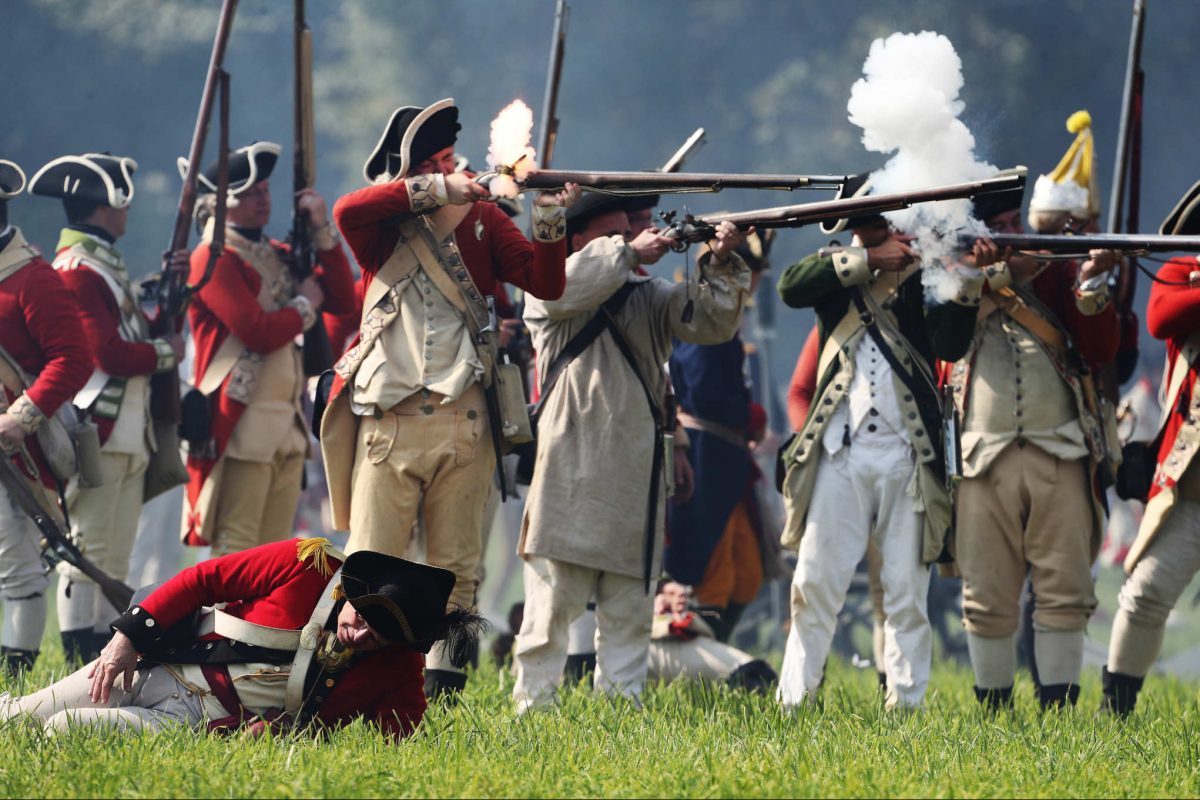
    About 800 Battle of Brandywine reenactors in Chester County.

    For Chester County, the party will last through next year

    Chester County joins Bucks and Philadelphia as one of the three original counties of Pennsylvania, created in 1682.

    And the events planned for this year (and next year, as it honors various Revolutionary War-era battles, including the Battle of Brandywine) are key to celebrating the county’s role in the founding of the United States.

    Residents and visitors have a wide array of activities to choose from outlined on the commission’s website, including driving tours of historical sites and Declaration of Independence readings. On the evening of July Fourth, the Chester County Concert Band will be playing patriotic music as a precursor to the fireworks show.

    As opposed to hosting tons of large-scale events, Chesco is more focused on local events that can foster community building, said David Blackburn, heritage preservation coordinator at the Chester County Planning Commission. The commission is working with the county’s 250th commission to carry out plans.

    “We’re really oriented to supporting the communities of the county to share their stories,” Blackburn said.

    The county has invested over $170,000 in educational materials and programming related to the 250th, in addition to a more than $330,000 grant from the state, a spokesperson said.

    But once the clock strikes midnight on New Year’s Eve, the celebrations won’t end for Chester County, said Matthew J. Edmond, executive director of the planning commission.

    In 1777, many significant Revolutionary War battles took place in the collar counties, and Chester is planning to pour a lot of resources into commemorating those historical events next year.

    “We are actively talking with our commission board about ways to celebrate, ways to fundraise for it, and ways that we can make maybe 2027 to be even better than celebrations in 2026,” Edmond said.

  • Could bees help relieve stress? A Temple researcher thinks so.

    Could bees help relieve stress? A Temple researcher thinks so.

    Dozens of bees crawled along the frame in Frances Ratay’s hands as she looked down at the colony in awe.

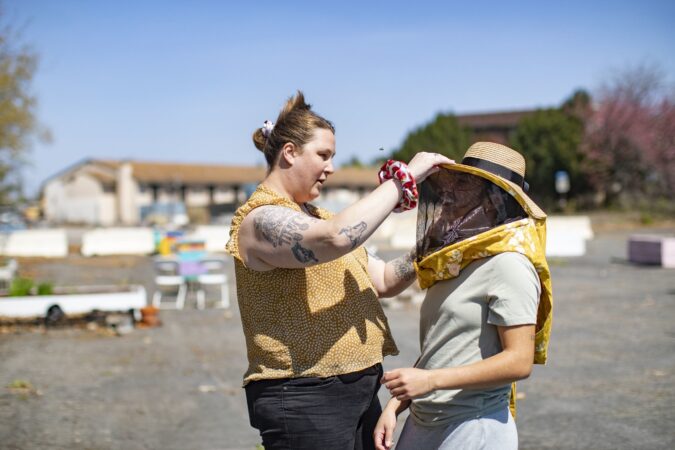
    The 70-year-old retiree from South Philadelphia ordinarily would avoid bees out of fear, but this spring she suited up for a study on therapeutic beekeeping at the Half Mad Honey apiary in the Navy Yard. Led by Temple University occupational therapy student Meghan Robertson, the project tested if beekeeping could improve mental health and well-being in older adults.

    Research has shown that exposure to nature can reduce stress and anxiety; however, less is known about the effects of beekeeping. Previous studies connecting the practice to improved well-being have been small and lacked quantitative data.

    Seeking to fill that gap, Robertson measured the mental health of 13 older adults (average age of 73) before and after a six-week beekeeping study. She found significant improvements in the average well-being, depression, and stress levels of the cohort immediately following the intervention.

    Her research is unpublished and has not yet been peer-reviewed. The limitations include the small sample size and lack of a control group or long-term data.

    The six sessions of the program taught participants about the structure of a beehive and the different roles in a colony.

    Ratay was among those who saw improvements in well-being, as her fear of bees transformed into a greater appreciation for nature.

    “It was really life-giving to me,” she said. “It makes me feel worthwhile.”

    Lessons from the bees

    Half Mad Honey founder Amelia Mraz started beekeeping as an undergraduate at Temple in 2016.

    At the time, she was at a low point in her own mental health, dealing with anxiety and depression. Beekeeping became a meditative practice.

    “Your worries just kind of melt away because you’re so immersed in the community of the bees,” Mraz said.

    She founded her Navy Yard-based apiary with the goal of bringing therapeutic experiences outside of the clinic into nature.

    Mraz offers beehive tours at Half Mad Honey that are designed to help participants practice stress reduction skills and mindfulness techniques.

    Partnering with Robertson for her research in senior citizens was a natural extension of that work.

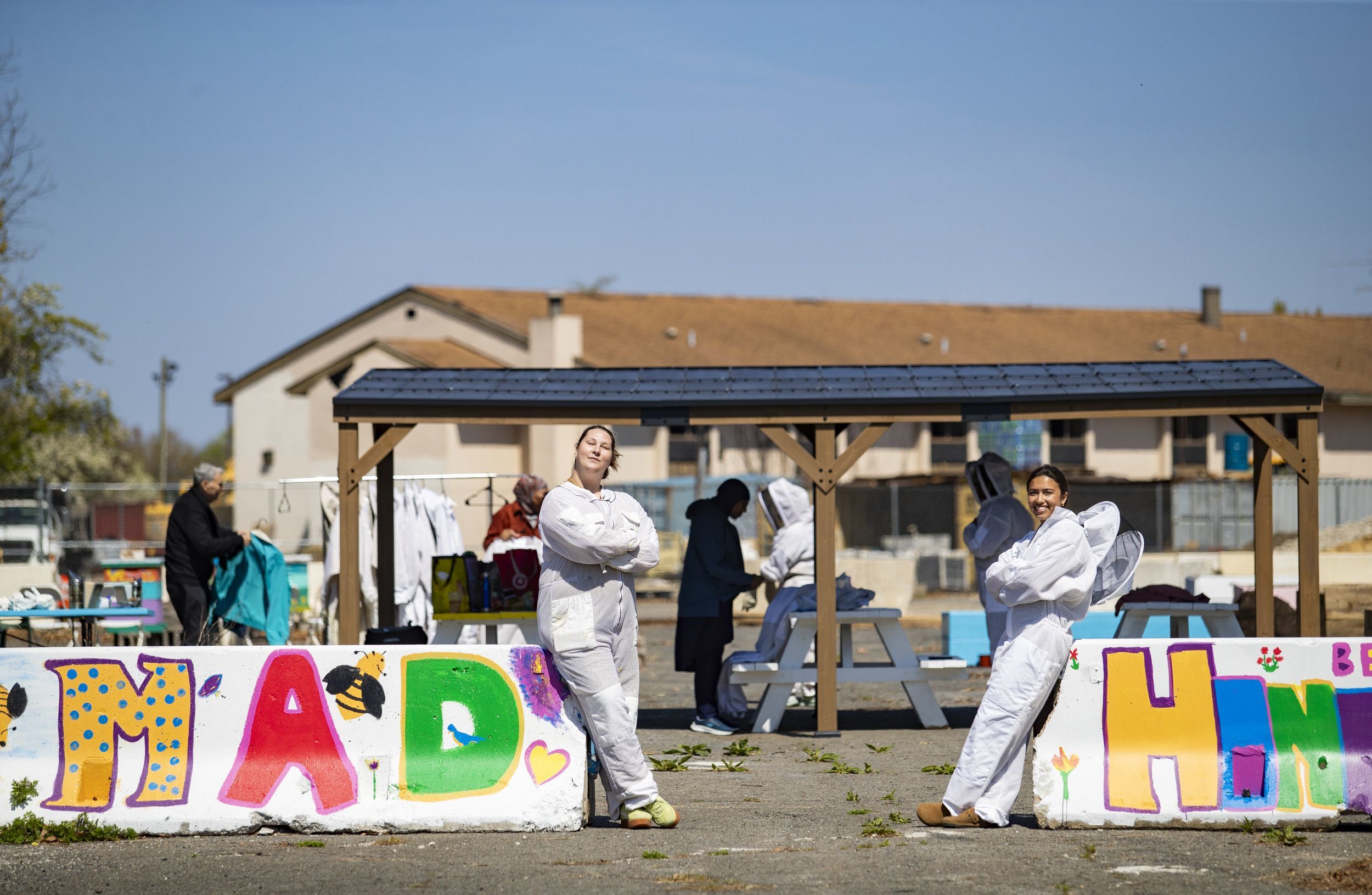
    The study occurred at the Navy Yard-based Half Mad Honey.

    Together, they designed six weekly sessions where participants learned about the structure of a beehive, painted boxes for the bees, opened the hives to identify different roles in the colony, and tasted the honey.

    “They saw bees being born, they saw bees coming back with pollen on their legs, they saw the queen,” Mraz said.

    Ratay, who retired from her career as a biology teacher last year, enjoyed learning about how bees work together to maintain the well-being of the hive.

    Witnessing their interdependent nature boosted her own self-worth and feeling of belonging.

    “It made me realize that no role is less important than another,” she said.

    Robertson chose to study older adults specifically because they’re at an increased risk of experiencing mental health challenges due to loneliness, retirement, and major life changes, she said.

    She assessed the participants’ well-being on a scale of 0 to 100 using the World Health Organization-Five Well-Being Index. The mean score increased from 66.15 before the program to 75.38 after.

    The participants’ average depression score improved from mild to normal, while their average stress score decreased from moderate to normal.

    The study included 13 older adults.

    Ratay said the experience touched on her spirit of adventure and reminded her it’s never too late to try new things. She’s since returned to Half Mad Honey to help Mraz with the hives.

    “It not only buoys you up and gives you confidence, but it allows you to tackle the next fear,” she said.

    A small step forward

    Robertson’s next step, having recently graduated from her occupational therapy program, is to finish writing a paper detailing the research.

    Meanwhile, Mraz aims to continue developing therapeutic beekeeping programming, with the goal of bringing it to mental health organizations and expanding it beyond six weeks.

    Though the data is still preliminary and too small in scale to generalize beyond the study participants, Mraz is excited to have more quantitative evidence behind the practice.

    “It’s really my personal mission to share the joy, the relaxation, and the lessons of pollinators with folks,” she said.

    Amelia Mraz (left), Amanda Geraci (center), and chef Natasha Pham are near their Half Mad Honey’s hives in Philadelphia. They use their beehives for mental health therapy.

    Another participant, Deborah Rosan, struggled to find purpose outside of the house since she stopped working as a schoolteacher two years ago.

    The 70-year-old from Ardmore had felt isolated and anxious adjusting to life outside the classroom.

    Participating in the program reminded her that, “with conscious effort, I really do not need to experience the feelings of being superfluous and sidelined in culture just because I’m older,” she said.

  • Urban Outfitters’ Navy Yard headquarters is growing as the company adds employees

    Urban Outfitters’ Navy Yard headquarters is growing as the company adds employees

    The Navy Yard got a new boat this month. It isn’t a military ship and won’t be setting sail.

    The decommissioned 1977 tugboat, now painted in Urban’s signature yellow and marked by its logo, is now permanently stationed outside the company’s headquarters — as a sort of mascot, to company cofounder and CEO Dick Hayne.

    The tugboat’s arrival coincides with a momentous anniversary for Urban: the company’s 20th year at the Navy Yard. Urban staff started relocating 500 employees there in 2004, and the headquarters was fully operational by 2006. Now it has 15 buildings and just over 2,500 employees.

    And the company is continuing to grow.

    Urban Outfitters chief development officer Dave Ziel stands with a retired tugboat the company acquired for display at its Navy Yard headquarters.

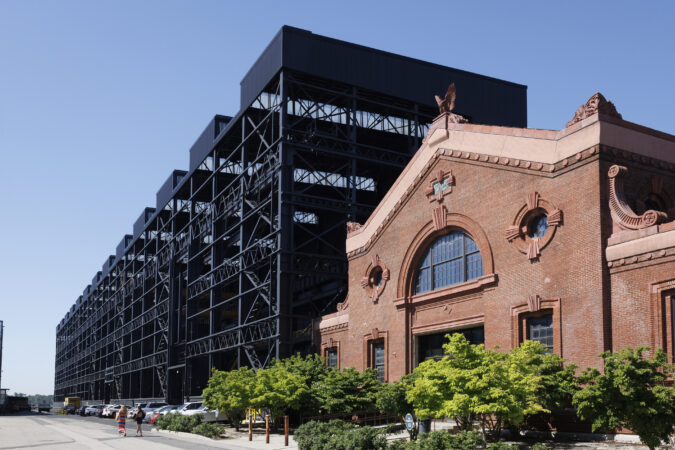
    Urban’s newest addition at the Navy Yard is a 117,000-square-foot photo studio building, which opened in April.

    Urban announced earlier this month that it plans to hire at least 450 workers at the Navy Yard and at least 600 at a new Bucks County facility, which is set to open by 2028. Gov. Josh Shapiro joined Hayne for the news conference, and lauded the business as a home-grown global company bringing jobs to Pennsylvania.

    “We intend to stay here,” said CEO Hayne. “We have no thought of leaving.”

    How Urban grew from Philly roots to global retailer

    Urban was founded in 1970. The company’s roots are in West Philadelphia, where it opened its first store, a Free People. It now has almost 800 stores across the globe under the brand names Urban Outfitters, Free People, FP Movement, and Anthropologie.

    Walking into an Urban store doesn’t feel like stepping into a Macy’s where there are racks of clothes and bright fluorescent lighting, said senior analyst Gerard Machado at RetailStat.

    “It’s not like you’re running an errand to get something,” said Machado. “You might want to spend a little time looking at things. That’s a unique feature of Urban Outfitters.”

    Similarly, customers who wander into Anthropologie find artfully arranged dinner plates and glassware amid scented candles — not just items stacked in rows on shelves.

    Analysts say Urban is one of the more successful names in retail today, with strong sales numbers, loyal customers, and the ability to market to different audiences with its multiple brands. The company competes with the likes of J.Crew, Abercrombie & Fitch, Uniqlo, Ralph Lauren, Zara, and H&M.

    The company grew profits by more than 15% in its most recent fiscal year, with nearly $465 million in net income in the year ending Jan. 31.

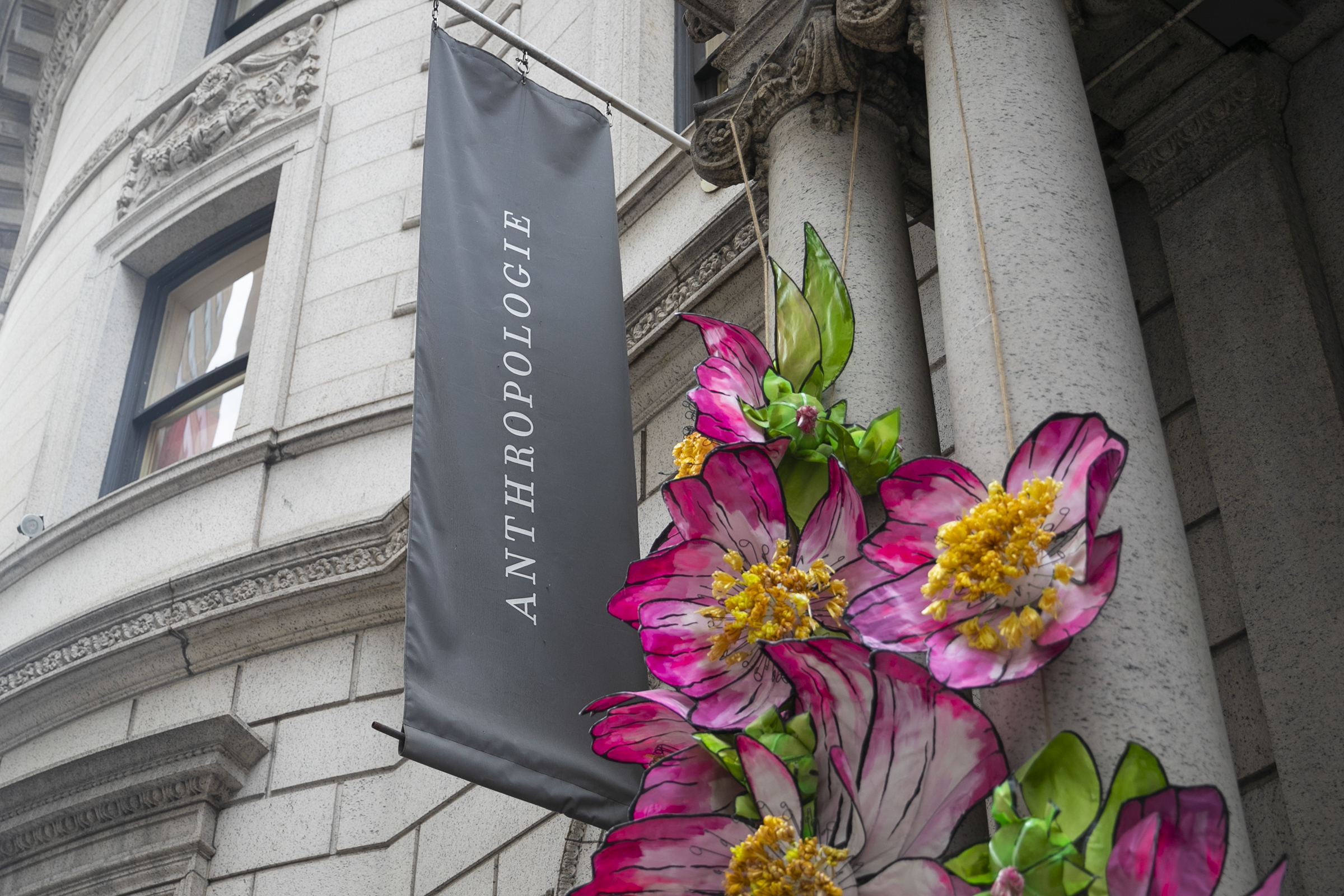
    The Anthropologie store at 18th and Walnut Streets in Center City is shown in this 2020 file photo.
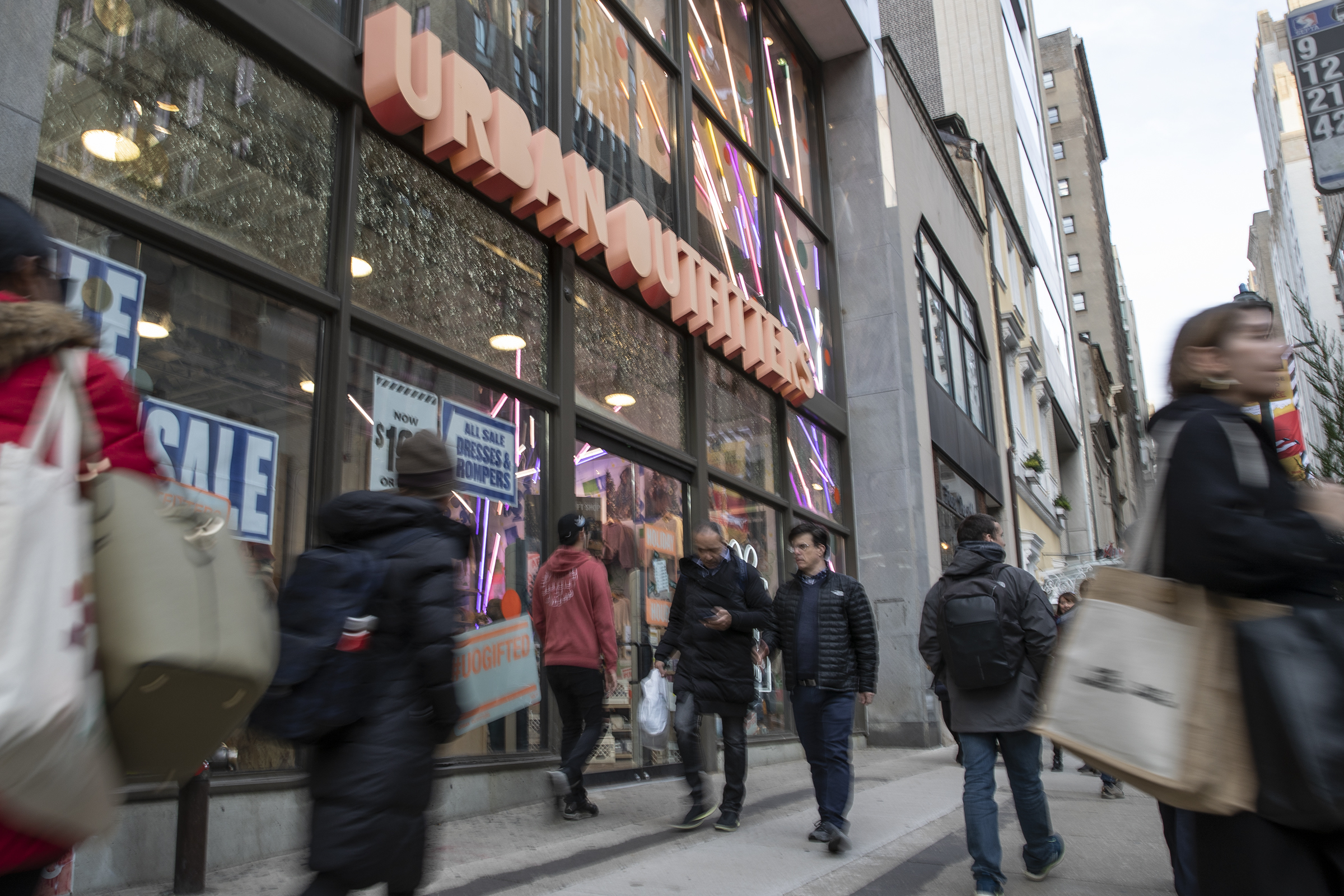
    People walk outside the Urban Outfitters store near 16th and Walnut Streets in Center City in November 2019.

    One key feature of Urban is that it’s experimental and innovative, said Neil Saunders, a retail analyst and managing director at GlobalData. Nuuly, the company’s clothing rental platform, which launched in 2019, is one of the “very few players that’s really successful” in that industry, he said. For $98 a month, subscribers get six fashionable items delivered to their door, which they can wear for a month and then ship back.

    But there have been financial hurdles, too.

    The Urban Outfitters brand struggled with declining sales in recent years. Gen Z consumers migrated “heavily into ultra fast fashion,” said Machado, and the brand didn’t adapt quickly enough. As merchandise piled up in inventory, Urban cut prices, which consumers grew to expect.

    To turn the brand around, the company set out to rebuild relationships with customers, bring on more items attractive to Gen Z, and engage with customers on platforms they were already on, like TikTok and YouTube, The Inquirer reported in 2023. The company hired a new president to helm the brand in 2024, and it returned to profitability last year.

    (function(){function e(){window.addEventListener(`message`,function(e){if(e.data[`datawrapper-height`]!==void 0){var t=document.querySelectorAll(`iframe`);for(var n in e.data[`datawrapper-height`])for(var r=0,i;i=t[r];r++)if(i.contentWindow===e.source){var a=e.data[`datawrapper-height`][n]+`px`;i.style.height=a}}})}e()})();

    Tariffs have also pushed the company to adapt in part by negotiating better terms with vendors, shipping items by sea instead of air, and slightly adjusting pricing.

    There have been workforce challenges too. In 2020, when a racial reckoning erupted in the country and seeped into corporate offices following the killing of George Floyd, Urban saw criticism from within its own workplace. Reports emerged of employees allegedly racially profiling customers as potential shoplifters, and some employees said people of color faced challenges to advancing their careers at the company, or reporting discrimination.

    “Since 2020, we have prioritized creating a culture of inclusion and belonging at our home office, in our stores, and at our facilities,” said Meaghan Condon, Urban’s director of communications and impact, in an emailed statement this month. She said that includes training for new hires and managers focused on inclusivity.

    Another key ingredient in the company’s culture: the Hayne family.

    Pennsylvania Gov. Josh Shapiro (left) with Urban Outfitters CEO Dick Hayne at the company’s newest building, which houses photo studios. They held a press conference in June to announce Urban Outfitters’ plans to hire over 1,000 new employees.

    Cofounder and CEO Dick Hayne’s son, Dave, is chief technology officer and president of Nuuly, and his nephew, Azeez Hayne, is chief administrative officer. His wife, Meg, is Urban’s co-president and chief creative officer.

    Together, Meg and Dick Hayne own roughly a quarter of the company shares, according to recent company filings.

    Frank Conforti, chief operating officer and co-president at Urban, said the family ties are an asset and part of the culture.

    Having a cofounder still at the helm has allowed Urban to focus on long-term strategy and take calculated risks, said Conforti, such as launching Nuuly. Investors weren’t all in on the idea to begin with.

    Now Nuuly has over 450,000 active subscribers — more than doubling that number since 2023.

    “We sort of don’t rest on what we did yesterday,” said Conforti. “It’s not about yesterday’s bestsellers.”

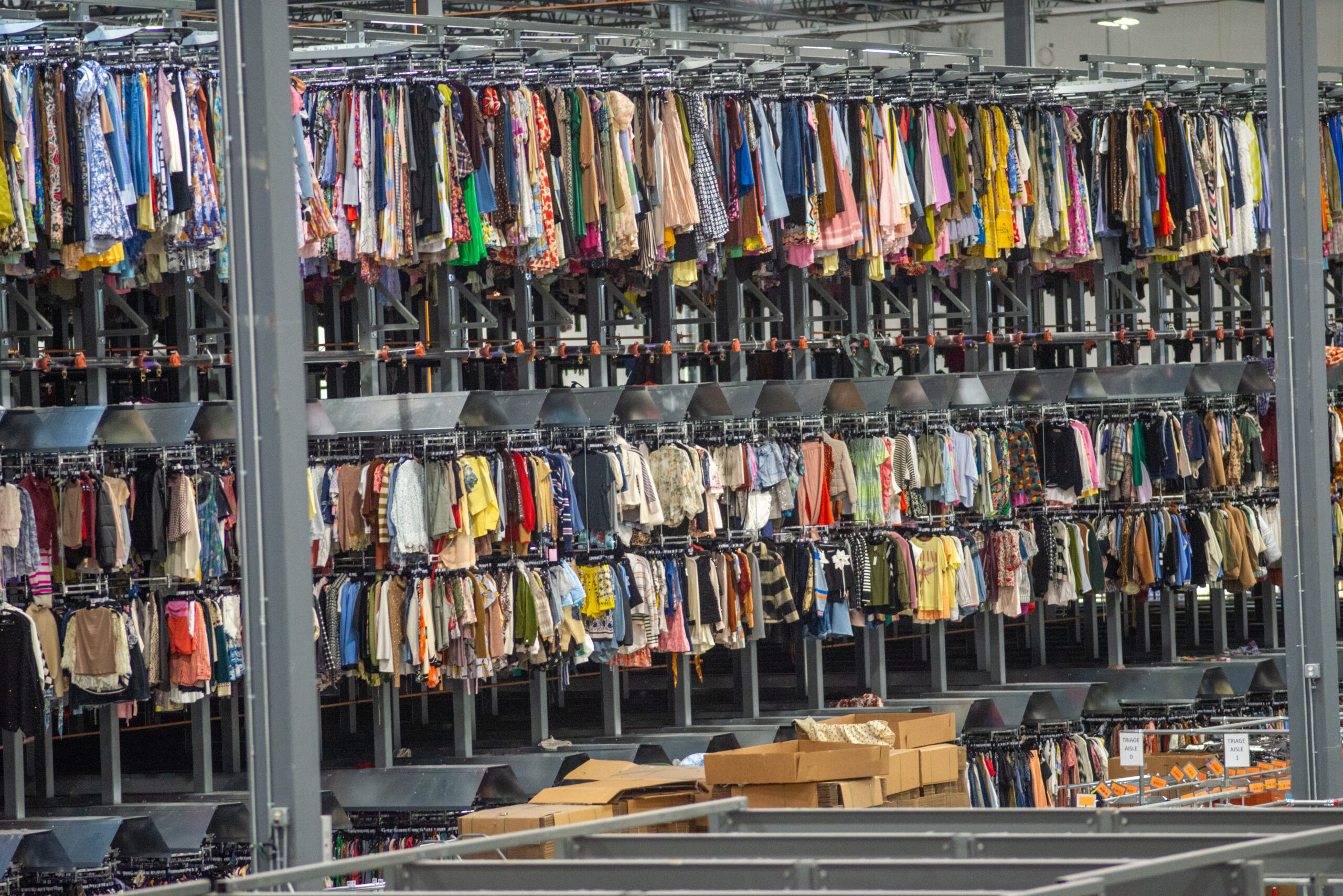
    Racks of clothing inside the Nuuly warehouse in Levittown, Pa., last year. Nuuly is a clothing rental subscription service that offers a variety of styles, sizes, and brands.

    A more efficient process

    In Urban’s newest building at the Navy Yard, rows and rows of wheeled clothing racks are spread across several rooms. Industrial metal shelves are filled with sneakers, sandals, and handbags. Lamps and armchairs wait to be photographed for e-commerce.

    The space was once used for building and housing ship components, noted Jennifer Calliagas, Urban’s North America director of planning, who led the new building’s development. Urban bought it from Rhoads Industries in 2016 for an undisclosed sum.

    Urban spent about $40 million to fit the space for its needs, which included stripping the building down to its structure, said chief development officer Dave Ziel. Construction started last year, and Urban employees began working in the space by mid-April.

    Inside the new building are adjoining rooms to seamlessly carry out the photography process: Clothing, shoes, and accessories are received in one room, then moved into the next room to be styled, and finally to the studio where they’re photographed. Staging areas are set up to portray bedrooms and bathrooms, functioning kitchens were built for cooking food to show in photos, and plants are on hand to finish off the staged living spaces.

    The Inquirer was not permitted to photograph the studios because the merchandise had not yet been released publicly.

    Not long ago, the company’s photo work was done in rented studios in New York City, Calliagas said, or scattered across the company headquarters.

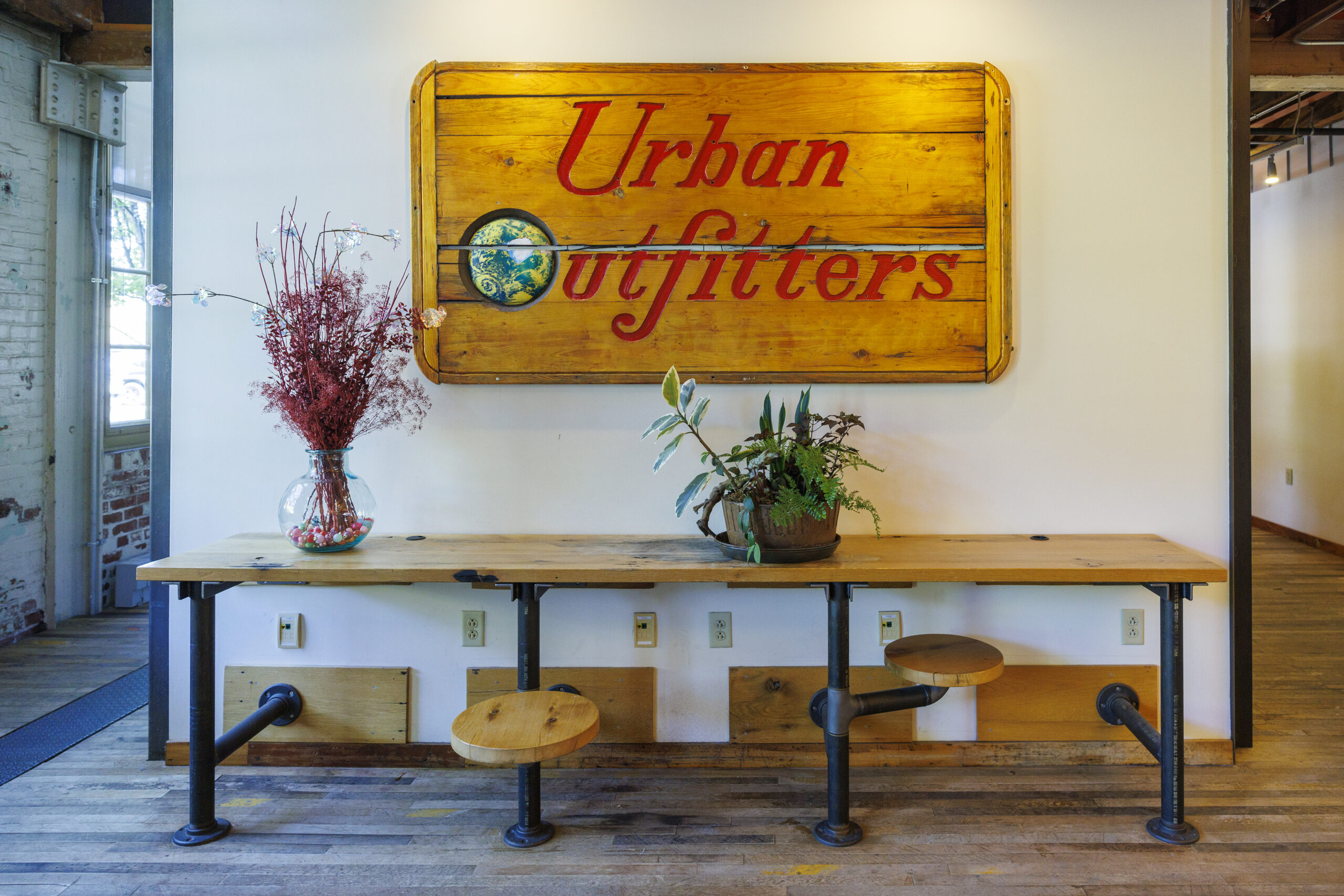
    Vintage signage from the early days of Urban Outfitters, now displayed in the company’s Navy Yard headquarters.
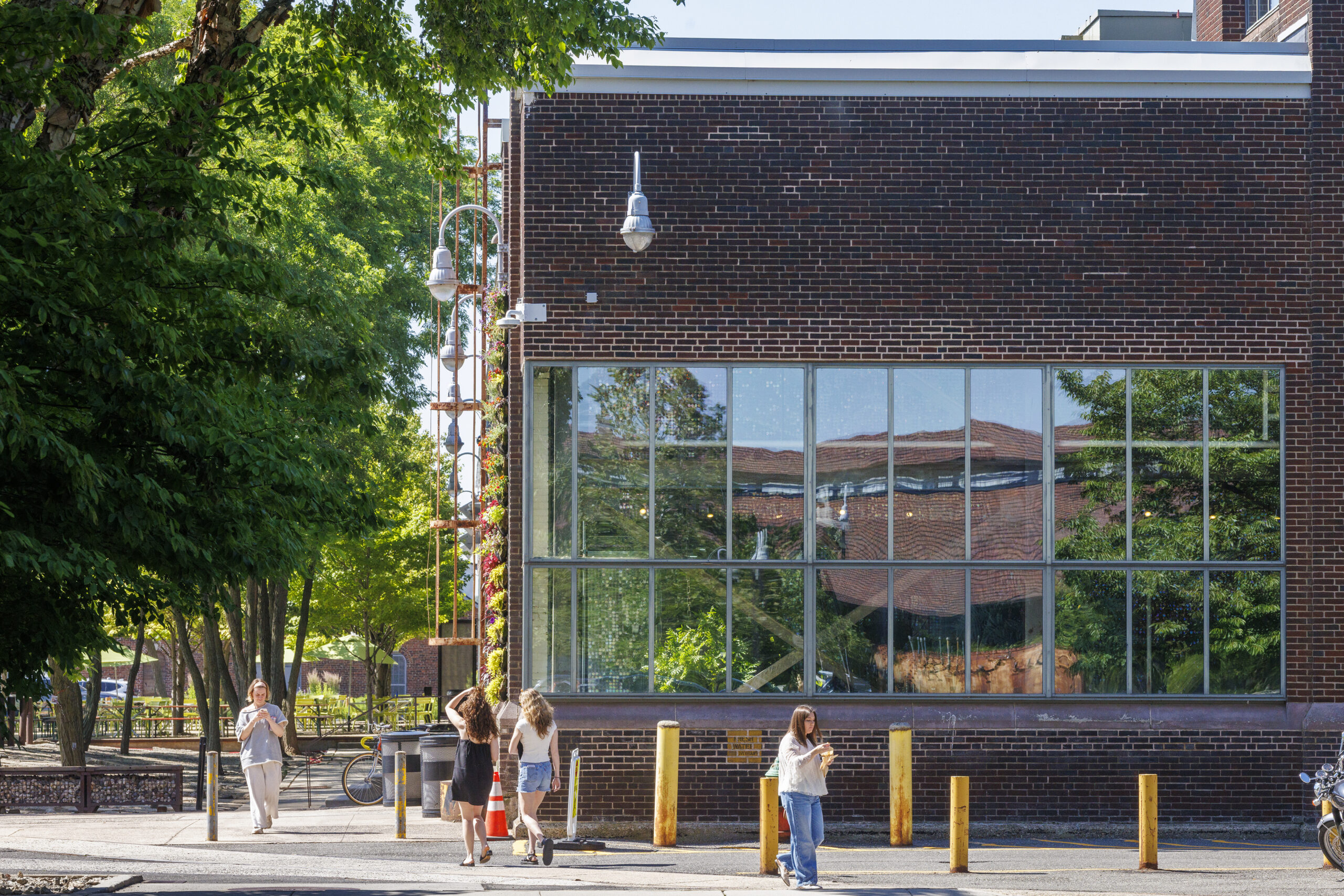
    Massive outdoor signage marks Urban Outfitters’ presence at the Navy Yard.

    “Anthropologie, for instance … would be receiving in one area and then going to another building for style-outs, and then sometimes going back into another building for shooting,” Calliagas said. “It was a really inefficient process.”

    At the Navy Yard, the company’s brands are housed in separate buildings, in part because they each “speak to their customer” in a different way, said Oona McCullough, executive director of investor relations. She called this kind of separation “states’ rights.”

    Consolidating the photo work under one roof has freed up space in other buildings, said Ziel, which is helpful for the continued growth of brands.

    “The brands are still growing pretty aggressively,” said Calliagas.

    Jennifer Calliagas, director of planning for North America, discusses how the company will use its photo studios at its newest building in the Navy Yard.

    A campus with more possibilities

    Conforti refers to the headquarters as a “campus,” with a “youthful” and “very collegiate” atmosphere. When bankers or investors visit the headquarters, “we tell them to dress down casual,” he said. “They drop their tie.”

    In keeping with standards set long ago by Google and other Silicon Valley tech companies, the campus is full of amenities. The newer ones include pickleball courts, a basketball court, and a walking track. And there’s plenty of green space for employees to walk their dogs, which are welcome in the workplace.

    Most people work in the office at least three days a week, said Conforti.

    “We’re not the most red-tape, bureaucratic company,” he said. “There’s just nothing like being here on campus getting things done. There’s an efficiency to it — and there’s a community.”

    People walk to and from the building that houses Urban Outfitters’ cafeteria, which is open to employees and the public.

    On a recent Monday, Urban’s cafeteria was just about to start serving warm lunches, and a few dozen people waited in line, while others roamed the large building with its decorative pools. Some wore U.S. Navy uniforms — the cafeteria is open to the public. Options included pizza, Teriyaki beef rice bowls, and grab-and-go items like ice cream bars and boxed sushi.

    CEO Hayne stopped in for a bag of chips and a wrap, seemingly unnoticed.

    At the June news conference, he recalled his first impression of the Navy Yard over 20 years ago: “I drove down Broad Street, came in Kitty Hawk [Avenue], looked at all these beautiful old brick buildings from the turn of the 20th century, and I said ‘sold!’”

    When Ziel, Urban’s chief development officer, first came to the Navy Yard with Hayne, he said, “there was nobody here.”

    “There was a raccoon — that was who I saw when we looked at the first buildings,” said Ziel, who has led the company’s real estate development.

    Decades later, Ziel still sees more opportunities for growth. “I have a couple excess buildings up my sleeve.”

  • Three years ago, the school choice debate shut down Harrisburg. Now Democrats are ready to engage.

    Three years ago, the school choice debate shut down Harrisburg. Now Democrats are ready to engage.

    HARRISBURG — Three years after a bitter budget standoff over allowing state funding to be used for private school tuition, top Democrats in Harrisburg are ready to engage on school choice.

    Legislative action and comments from a top House Democrat this week expressing openness to a federal school-choice program marked a notable change from 2023, when a fight over school vouchers put Democratic lawmakers at odds with both Republicans and Gov. Josh Shapiro, a member of their own party.

    The shift comes as Shapiro, who has embraced school choice and is a likely 2028 presidential contender, faces a deadline to opt in to President Donald Trump’s new federal tax credit program.

    House Majority Leader Matt Bradford (D., Montgomery) said this week that some of the uses of Trump’s tax credits, which are opposed by the country’s largest teachers unions, are “intriguing.” And he noted he is proud of some money the state now pours into one of the tax credits to fund private-school scholarships for low-income families in low-achieving districts. Those comments from Bradford, a top leader in Harrisburg, suggested a public softening on an issue that was previously a non-starter for his party — and signaled the school-choice debate may once again factor into state budget negotiations.

    “For our members of our caucus who want to see alternatives for the poorest kids in the poorest schools, we’re being responsive to the needs of those constituents,” he said in an interview, referencing growing support for school choice among some House Democrats, particularly those from Philadelphia.

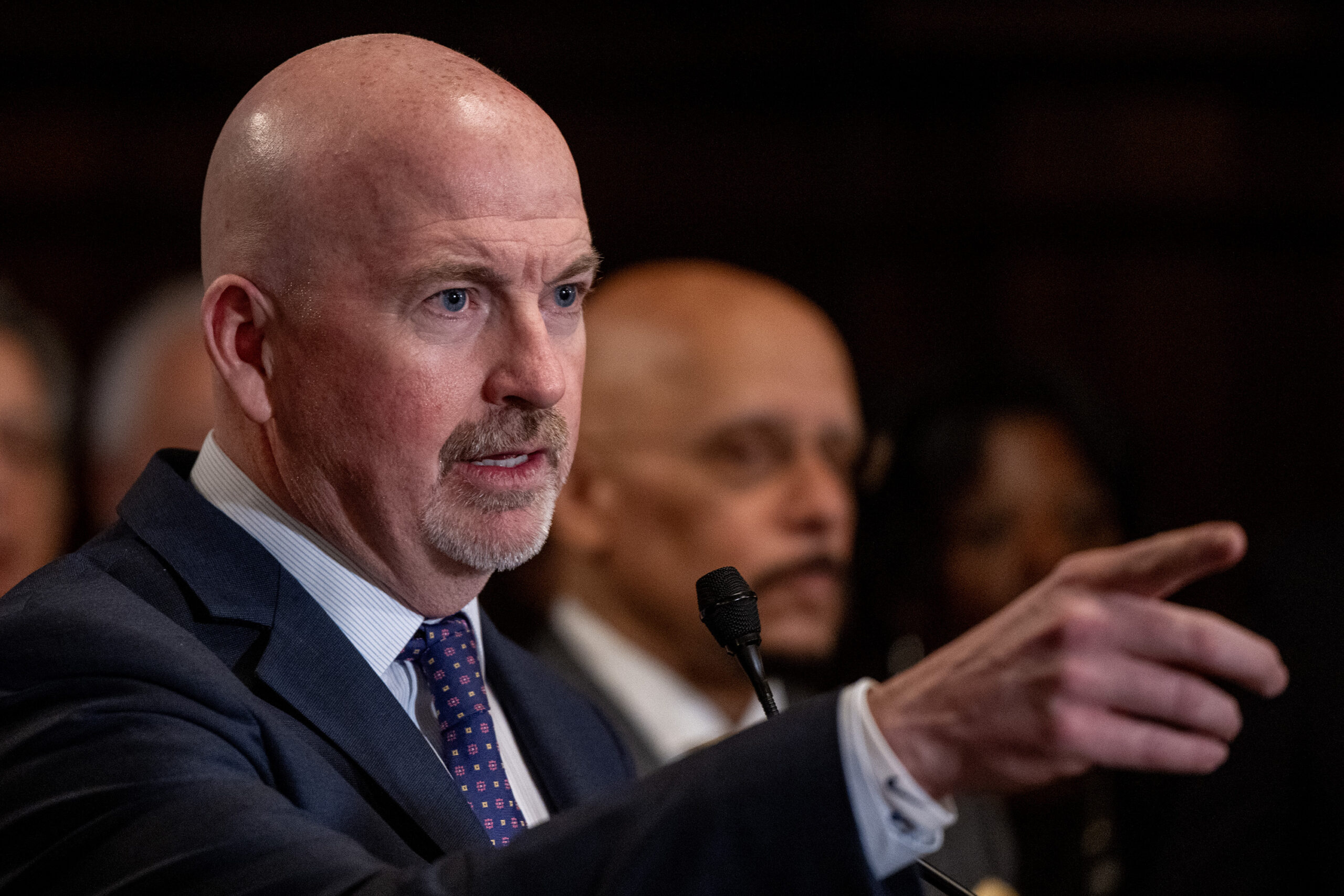
    State Rep. Matt Bradford (D., Montgomery County) during a press conference at the Capitol in Harrisburg Feb. 3, 2026.

    The school-choice movement, a largely Republican-backed effort to allow public dollars to go to private schools, faces strong opposition from education advocates who say such programs can take money from public schools.

    And that debate is sure to continue. Bradford said more oversight — and an overall reform of the current tax credits — is needed to make sure the state tax dollars are actually reaching poor students.

    Earlier this week, House Democrats fast-tracked an overhaul to the state’s current $680 million school-choice tax-credit programs to require additional reporting from private schools in order to secure funding. The legislation is likely to face opposition in the GOP-led Senate, where Republicans on Thursday advanced a $25 million increase to the programs ahead of a June 30 deadline to pass a state budget.

    Senate Republicans called the tax credits a “priority for empowering parents,” while the Archdiocese of Philadelphia said the House bill would be “devastating” to local Catholic schools and lead to fewer scholarships for students.

    A spokesperson for Shapiro said his office is reviewing the House bill, and declined to comment on whether his position on school choice has changed. Shapiro, who has sent his own children to private school in Montgomery County, has previously said he supports school choice, including school vouchers.

    Shapiro has until the end of the year to decide whether to opt in to the federal program. But the signal of openness from Bradford, who is close with the governor, offers potential insight into his path forward.

    That program, enacted last year under Trump’s “One Big Beautiful Bill Act,” would offer federal tax credits to donors for giving to organizations that grant private school scholarships. Many GOP-led states have already signed on, while some Democratic governors have declined to participate.

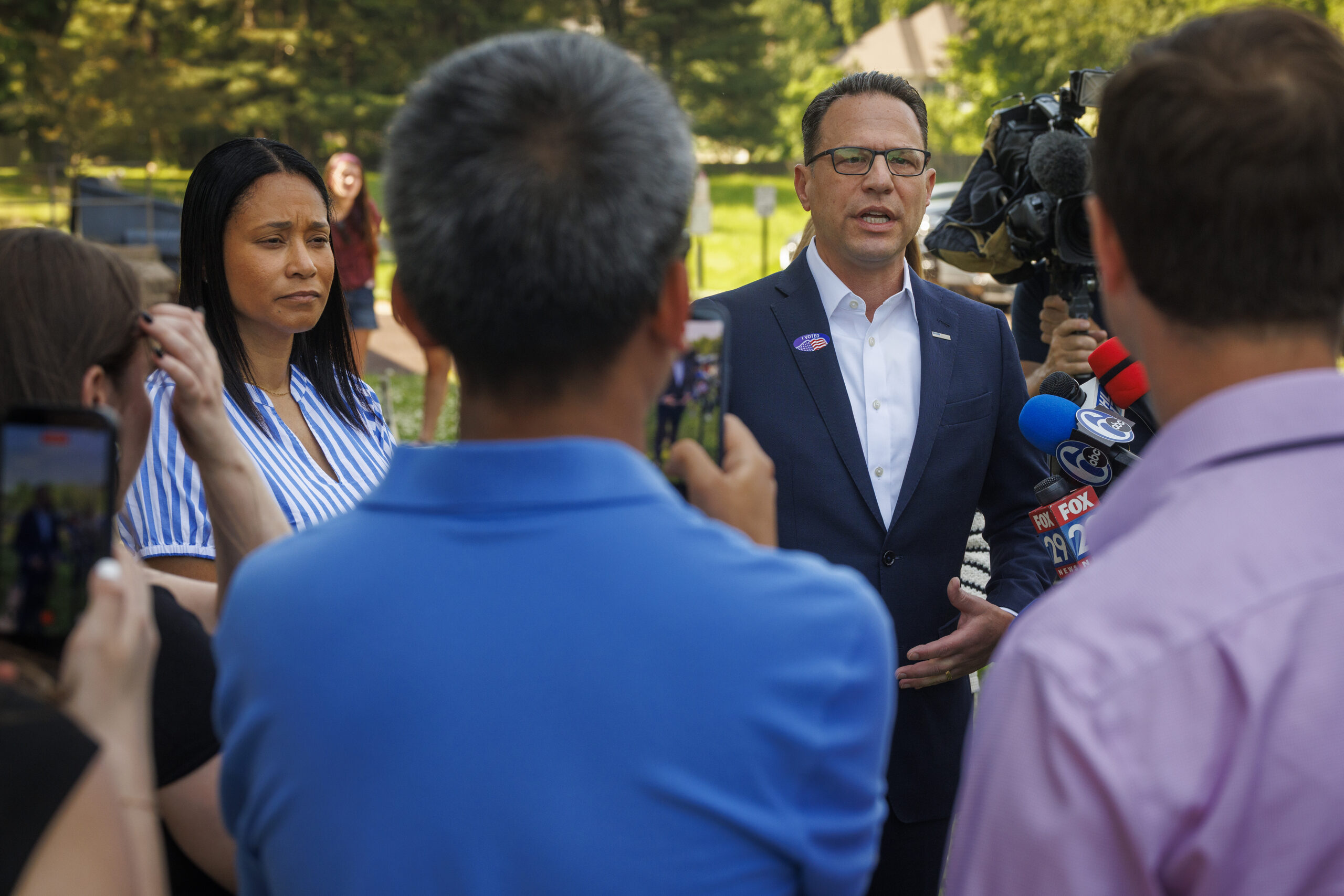
    Pennsylvania Governor Josh Shapiro taking questions from media on election day, Tuesday, May 19, 2026. He voted today at Rydal Elementary (West) 1231 Meetinghouse Road Rydal, PA. At left is Jamila H. Winder, Chair, Montgomery County Commissioners.

    Shapiro will also likely face questions about school choice on the campaign trail.

    He is running for reelection in November against Republican Treasurer Stacy Garrity. Garrity’s platform focuses, in part, on expanding school-choice options in Pennsylvania and she has the support of Commonwealth Partners, a political action committee largely funded by Pennsylvania’s richest man, Jeff Yass, which has poured money into supporting school choice.

    The issue will also likely surface a national stage if Shapiro enters the 2028 Democratic presidential primary race. His support for vouchers drew criticism from fellow Democrats in 2024, when he was a potential vice presidential nominee.

    Debate over state tax credits

    Pennsylvania does not have a direct school voucher program. Instead, the state sets aside $680 million each year for tax credits that allow businesses and individuals to write off charitable giving that supports private school scholarships.

    House Democratic support for those credits has quietly grown in recent years. In a June 2025 letter recently obtained by The Inquirer, 10 House Democrats, including five from Philadelphia and the head of the Pennsylvania Legislative Black Caucus, asked their leadership to expand a portion of the tax credits for students in the lowest-achieving school districts — revealing more Democratic support for the programs than was previously known.

    Public education advocates who oppose voucher programs say the state is funneling money to private schools with little accountability.

    “It’s just a pot of money that a bunch of people get, and nobody really knows where it goes or what happens to it,” said Susan Spicka, executive director of Education Voters PA.

    New requirements approved by the state legislature last year are set to take effect in November and will require scholarship organizations to report the dollar amount of each award, the recipient’s district of residence, and where they attend private school.

    The bill advanced by the House in a 105-97 vote this week would also require organizations to report each scholarship recipient’s income level — reducing the current limit to $144,000 for a family of four — and the amount of remaining tuition charged to a student. Advocates, including Spicka, called that information key to gauging whether scholarships are going to families who otherwise could afford private school.

    Bradford said he’s proud of the $110 million earmarked in existing state tax credits to provide additional money to kids attending schools where a majority of students are getting scholarships. House Democrats say their newest proposal would steer more money toward those students.

    But the proposed legislation — which would also reduce the tax credit donors could claim for some contributions, and require scholarship organizations to set 2% of funding aside for state oversight of the programs — drew swift backlash from private school advocates.

    Philadelphia Archbishop Nelson J. Pérez is “deeply concerned that this legislation would have a devastating impact,” said spokesperson Ken Gavin. “The clear intent is to lead to the dilution or elimination of the programs, which are vital.”

    Schools affiliated with the Philadelphia archdiocese educate nearly 44,000 students across 117 schools in the region, according to its website.

    Bradford, who is Catholic, said the Archdiocese’s response “missed the mark,” arguing that this legislative effort is trying to achieve a similar goal of serving students from poor families who attend the roughest schools.

    “I’m proud of my own Catholic faith. I love when my Catholic Church stands for those communities,” Bradford added. “No one should ever fear transparency, especially when you’re talking about three-quarters of a billion dollars of state tax dollars.”

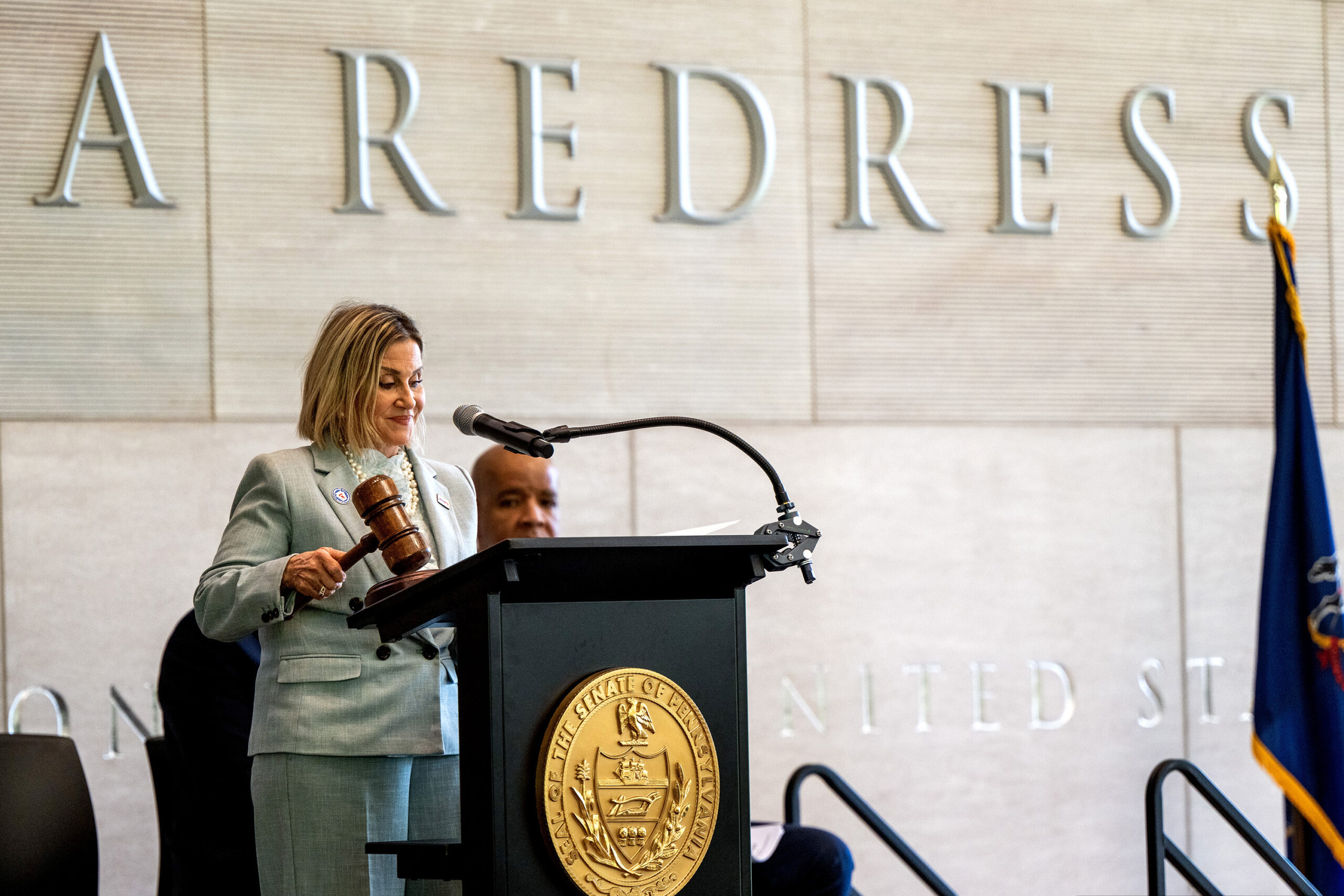
    President Pro Tempore Kim Ward gavels the opening as the Pennsylvania Senate hosts a ceremonial meeting at the National Constitution Center Tuesday, May 5, 2026.

    Meanwhile, Senate Republicans on Thursday amended another House bill to increase the state’s current tax credit programs to $705 million.

    President Pro Tempore Kim Ward (R., Westmoreland), a staunch supporter of school vouchers, said in a statement that Bradford‘s attention to school choice is disingenuous, criticizing the House Democrats’ bill as “overly burdensome auditing requirements disguised as ‘transparency.’”

    The 2023 budget breakdown, where Shapiro ultimately vetoed the school voucher program he‘d helped draft with Senate Republicans because it couldn’t pass the Democratic-controlled House, continues to tarnish his relationships with top GOP leaders, including Ward. He and Ward have hardly spoken since.

    “While Senate Republicans have consistently advanced legislation to provide scholarships to disadvantaged students, the track record for Gov. Josh Shapiro and House Democrats has been nothing more than a case of whiplash as their words and actions rarely align,” Ward said. “To me, it seems like the support for school choice by the House Democrat Leadership is more of a façade as they continue to cater to political special interests.”
    Ward has also called for changes to Pennsylvania’s new public school funding system, which includes an adequacy formula that directs more money to the state’s poorest school districts, including Philadelphia.

    Bradford, in response, said he is open to conversation about accountability and transparency, but that debate needs to include private schools benefiting from taxpayer dollars.

    “We shouldn’t carve out any portion of our K-to-12 education,” Bradford added. “That conversation needs to be uniform.”

    A choice for states on Trump’s tax credits

    Shapiro has previously said he would wait for more details before making a decision on whether to participate in the new federal tax credit program. The U.S. Department of the Treasury earlier this month released additional details, including that it will allow individuals to receive up to $1,700 in credits for making donations to private school scholarships that can cover tuition, tutoring, and more. In Philadelphia, families making $368,100 annually, or 300% of the county’s gross median income, would be eligible to receive the scholarship.

    School-choice advocates say Pennsylvania taxpayers will be able to claim the credit regardless of whether Shapiro opts in. But in order for Pennsylvania schools and students to benefit, the governor needs to join.

    Shapiro’s press secretary Rosie Lapowsky said the governor appreciates the guidance, but continues to await information on “how this will affect use of our existing tax credits, how states will be expected to administer the program, and how eligibility will be determined.”

    Twenty-eight states have opted in to the program, most of which are led by Republicans. And Democrats are facing pressure to stay out of the program.

    In a letter sent to Democratic governors this week, American Federation of Teachers President Randi Weingarten and National Education Association President Becky Pringle called the program “a Trojan horse carrying near-universal K-12 private school vouchers into every state that participates.”

    So far, Democratic governors elsewhere have taken differing approaches to the program. New York Gov. Kathy Hochul has said her state will participate but is waiting for final guidance before officially signing on. Other governors like Minnesota Gov. Tim Walz and Oregon Gov. Tina Kotek have announced that their states will not participate. Democratic governors in Arizona and Wisconsin have vetoed legislative efforts to force their states to opt in, while governors’ similar vetoes in North Carolina and Kentucky were overridden by legislators.

    Bradford said it’s “an abomination” that funding for Trump’s program came from Republicans making other cuts to the federal budget, and emphasized that state Democrats remain committed to increasing public education funding.

    “Here in Pennsylvania,” he said, “we are a humble 102 [Democrats] in the Pennsylvania House and we are nimble and pragmatic.”

  • Center City snack shop Nuts To You tries TikTok Shop as it pivots toward its next 50 years

    Center City snack shop Nuts To You tries TikTok Shop as it pivots toward its next 50 years

    On 20th Street between Market and Chestnut, much has changed in the past 50 years. One tenant that hasn’t: Nuts To You. The snack shop, wrapped in yellow wallpaper speckled with walnuts, remains packed with shelves of nuts, candy, and dried fruit galore.

    Nuts To You, a snack haven owned by the same family for three generations, is celebrating 50 years in Center City. Since its first location opened in 1976, Nuts To You has survived the rise of the internet, and the emptying of the business district in a post-pandemic Philadelphia, building decades-long customer relationships on the way.

    Pulling off such a feat is “rare, and it’s really hard,” according to Erika Tapp Duran, director of Temple University’s Small Business Development Center.

    Nuts To You freshly roasts their nut products at a warehouse in Frankford. Over the years they have broadened their inventory to include freshly popped popcorn (also made in-house), as well as chocolates, candy, dried fruit, and almost anything else one could find in a kitchen pantry.

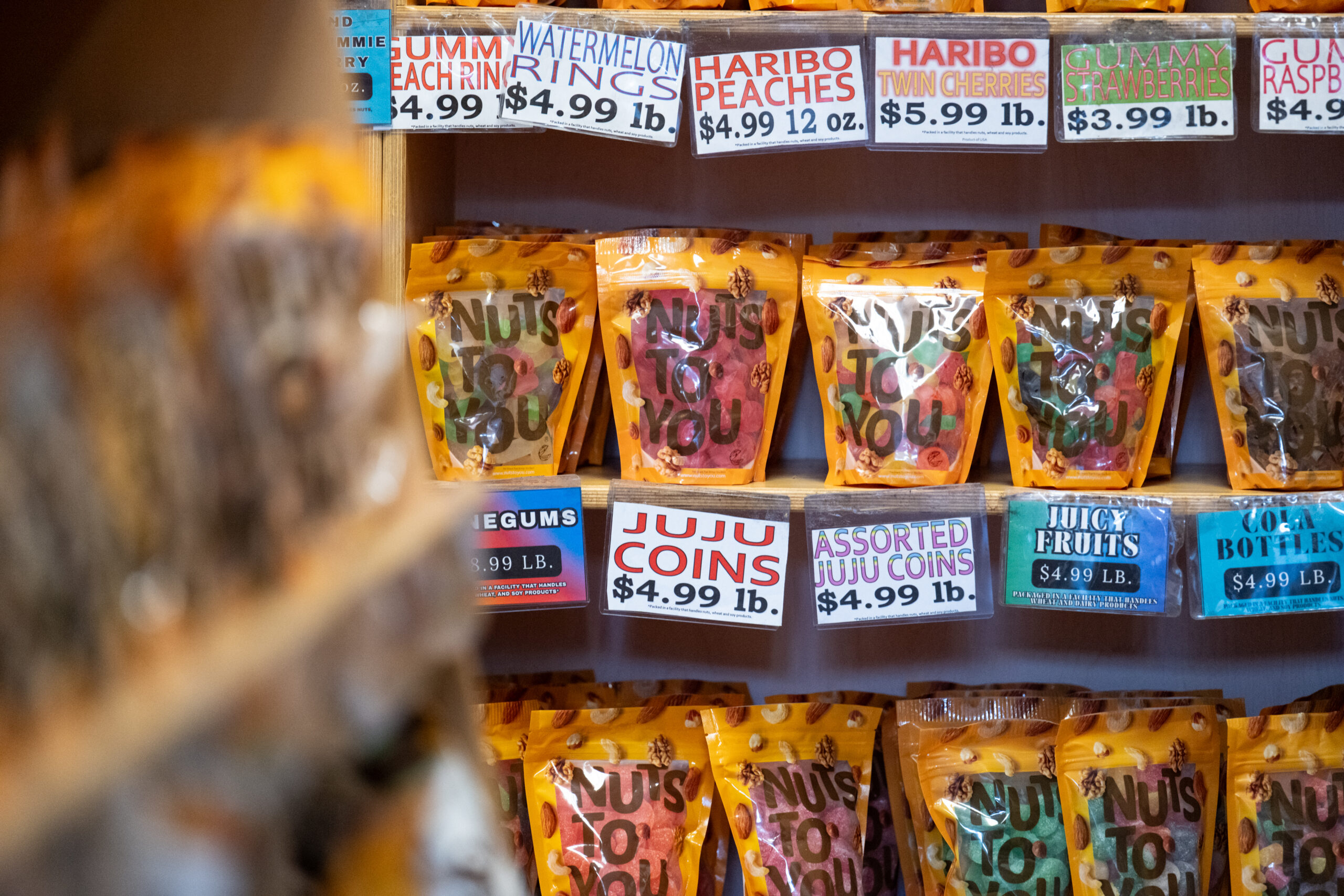
    Gummy candies sold at Nuts To You, a family-owned and operated snack store.

    They sell those products out of three city storefronts: on 20th Street near Rittenhouse Square, 16th and Market Streets on the ground floor of Centre Square; and Seventh and Walnut Streets in Washington Square West.

    But the brick-and-mortar business has changed. In 2018, Nuts To You had six physical stores, and its leaders were considering expanding into Washington, D.C.

    “We used to have lines during lunch rush,” said Justin Bernstein, who co-owns the business with his father, Howard Bernstein. “That just doesn’t exist anymore.”

    The location beneath Centre Square has a front-row seat to the evolution. At the end of 2025, the office building had the highest vacancy rate in Center City. Developers are now planning to convert it into a mixed-use complex with apartments and luxury hotel rooms. With three years left on that lease, Nuts To You is uncertain about the 16th and Market store’s future.

    But for now, “We’re still here,” said Justin, who has spent most of his life as part of Nuts To You. “We’re still going.”

    Fewer walk-ins and a digital pivot

    James Troutman, 77, a regular at the Seventh and Walnut Street location, piled bags of rolled oats, cashews, peanuts, walnuts, and sunflower seeds into his gray backpack as he left the store on a Tuesday morning. He’ll later combine those ingredients into his daily homemade cereal, which he has been making from Nuts To You products for decades.

    “That’s why I’m so young looking!” Troutman joked.

    Employees said this location, the company’s most popular, draws an estimated 100 customers a day. But Nuts To You is not immune to the struggles facing brick-and-mortar businesses. In-person sales are down 30% to 40% from pre-pandemic levels, which the owners attribute to less foot traffic as more people have remote or hybrid work arrangements.

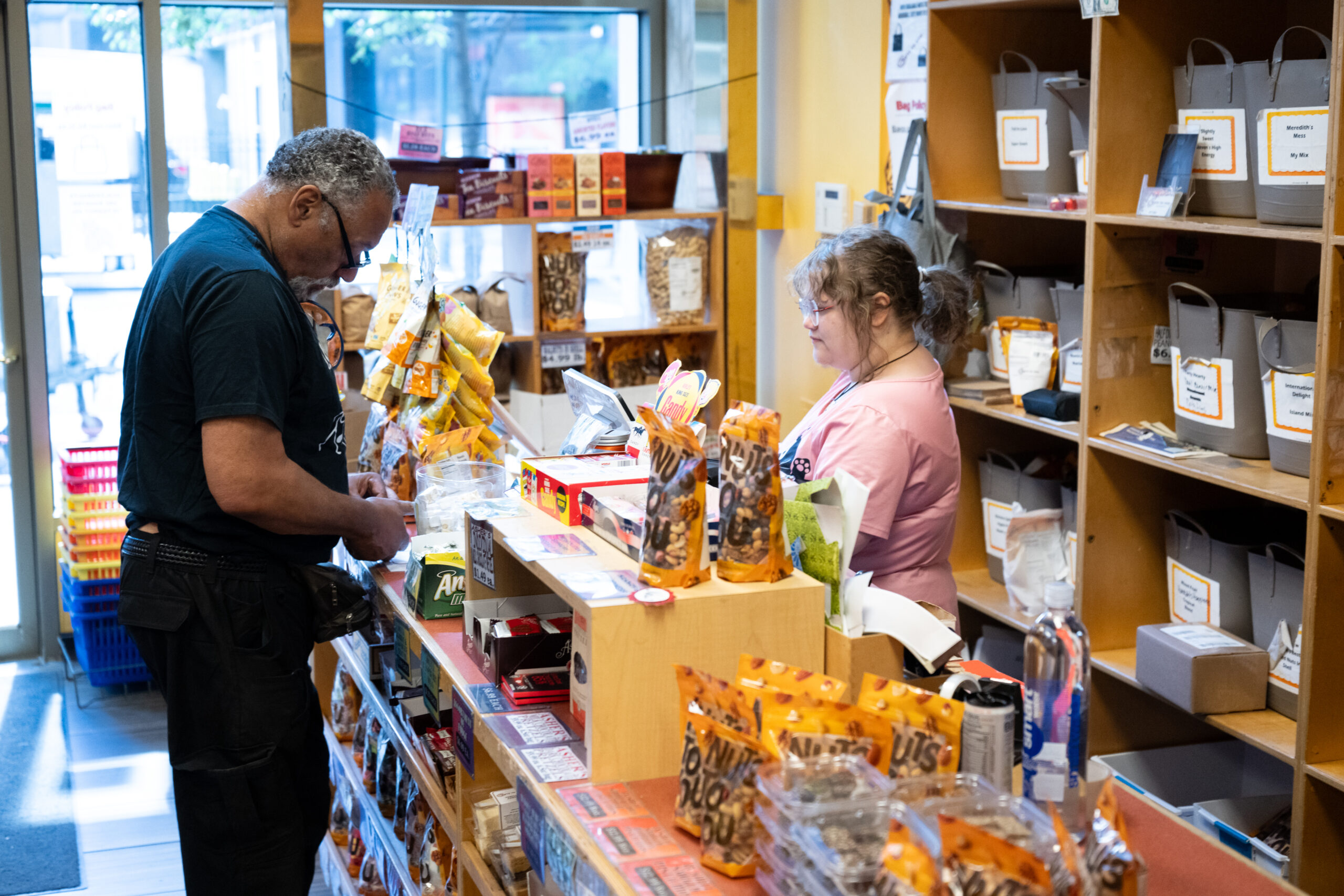
    Anthony Feaster (left) makes a purchase with the help of employee Brianna Boyko at the 16th and Market Streets Nuts To You.

    The entry of big retail competitors into Center City has also changed the business.

    “Fifty years ago, there was nobody selling this product,” said Howard. “CVS and all those drug stores didn’t have full lines of nuts and candy.”

    For Nuts To You, the decline in foot traffic has been offset by an increase in online sales. The company launched its website in 2010, but was only making about $100 to $200 a day online before the pandemic. Within two days of COVID-19-related lockdowns taking effect, sales increased to $3,000 a day.

    Now, 40% of Nuts To You’s sales come from its website, and the company has forayed into selling on TikTok. As of June, only about 1% of their sales come from TikTok Shop, but Justin said that’s already more than expected.

    In lieu of the nuts and oats that traditional walk-in customers buy, online customers tend to purchase sugar-free products or nostalgic novelties like wax bottles or Sugar Daddies.

    “Think about all the things that have changed for consumers in the last five or six years, and then multiply that out over 50 years,” said Temple’s Tapp Duran. “You have to be able to pivot.”

    Howard says that Nuts To You’s popularity has stemmed from its business strategy, which he defines as “largest variety, lowest prices, highest quality.” This may have been true for many years. Though, with larger retailers’ entry into Center City — Justin cited Trader Joe’s in 2003 and Target in 2016 — it has been difficult to beat corporate giants on prices.

    However, the owners say what they can still ensure is quality — “That’s what our customers expect,” Justin said. They source their walnuts and pistachios from small growers in California, with whom they’ve maintained yearslong connections.
    “We don’t want to switch to another brand, even though I could save a dollar,” said Howard. “Most customers appreciate that.”

    In addition to greater competition and a changing retail landscape, Nuts To You has faced challenges common among small businesses in 2026.

    Within the past few months, they’ve joined the ranks of small businesses who were sued for violating the Americans With Disabilities Act, based on allegations that the Nuts To You website relied on a visual interface that was inaccessible to individuals who are blind or use screen readers. Another lawsuit came out of a Proposition 65 claim — a law that requires products sold in California to warn consumers for potential exposure to dangerous chemicals — leading Nuts To You to adopt a disclaimer on its website.

    “You think you’re OK, we’re running smooth, we know our expenses, then all of a sudden you get served papers,” said Justin. “And it’s like, what?”

    Generations of work

    For years, Basheer Ali, 65, has been traveling from Southwest Philly to the Center City Nuts To You stores for his fresh nuts and candy. Employees there have helped him navigate a diabetic diet, introducing him to sugar-free chocolate pretzels.

    “The people need these kinds of stores,” Ali said.
    The company sees very little employee turnover, Justin said. At least half its 19 employees worked at the company for more than a decade.
    Regina DeLeon, manager of the Washington Square West location, has been with the company for 26 years. When prompted by a customer, she recalled Nuts To You’s founder and first-generation owner, Manny Radbill.

    Radbill predicted in 1975 that nuts were going to be the next health craze. He wasn’t wrong: In 1992, a study found an association between nut consumption and a lower risk of coronary heart disease, which kicked off decades of research on the health benefits of eating nuts.

    With the help of Radbill’s daughter, Caryn, and her then-husband Howard, they opened that first store on South 20th Street, which is still in operation today.

    Justin first entered the family business when he was 2 years old, pushing buttons on the cash register. Howard required him to gain outside experience first, but Justin said, “I always kind of knew this is what I wanted to do.”

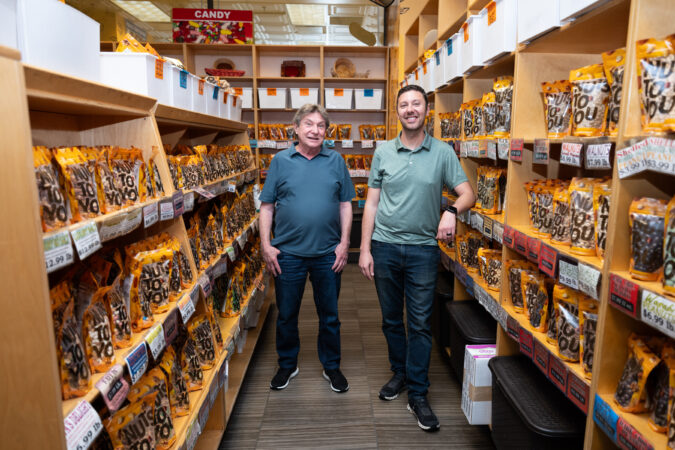
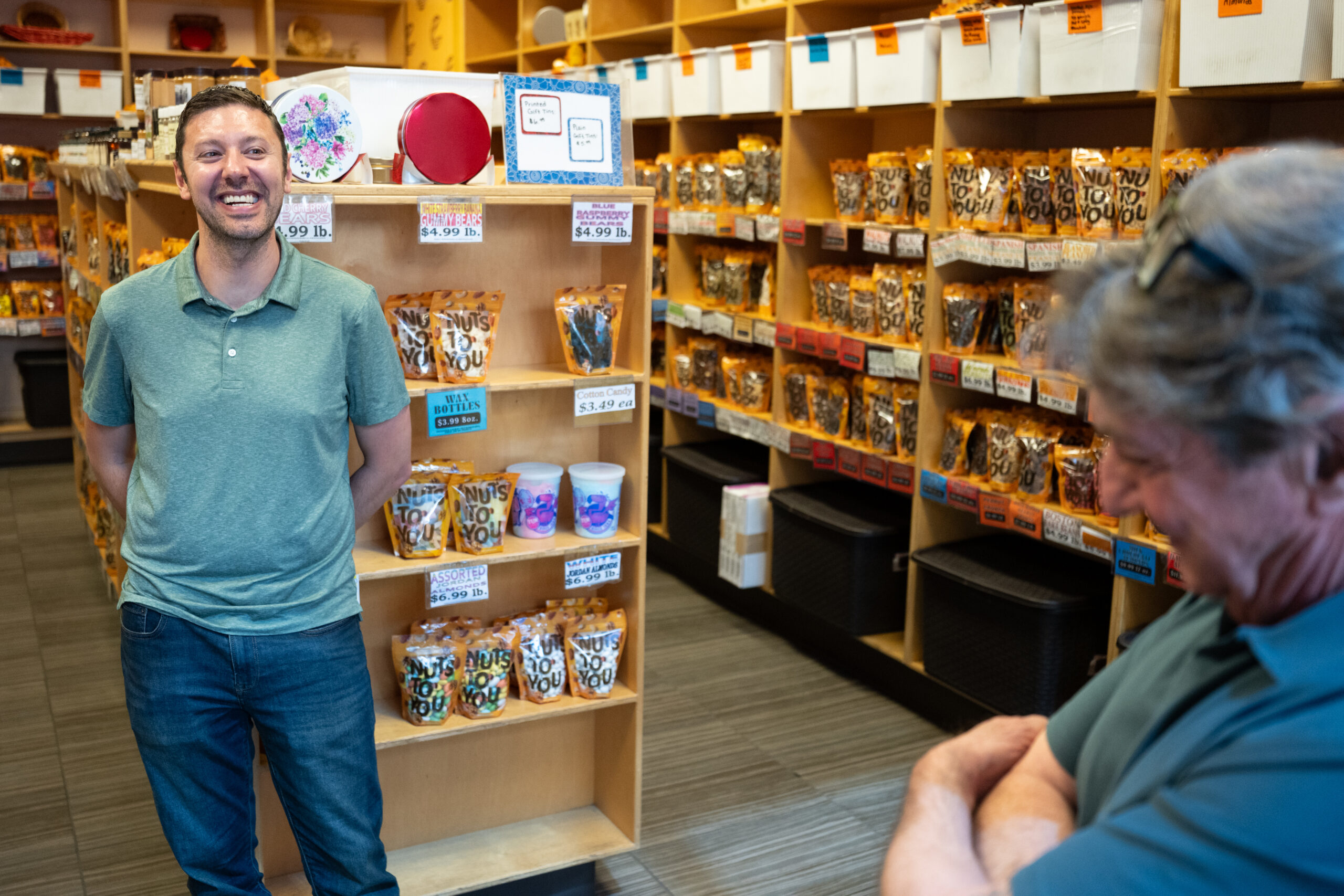
    Justin Bernstein smiles at his father, Howard Bernstein, inside one of their three Center City Nuts To You stores.

    So, after his college graduation and a brief stint at Boscov’s, about 20 years ago Justin joined Nuts To You and has since become co-owner.

    As iconic family businesses like Di Bruno Bros. have been acquired, buyers have approached the Bernsteins, but Howard and Justin decided against it. They entertained one offer, but the deal-breaker was a requirement to close all of the physical stores — the owners refused to put their staff out of jobs.

    Over their 50 years in business, Justin said he is most proud of staying family owned.

    “We’ll see what happens, what the future holds,” said Justin. “At least another 20 years, call it.”

  • Philly’s queen of Gay Bingo hangs up her heels after 30 years and $5 million raised for AIDS research

    Philly’s queen of Gay Bingo hangs up her heels after 30 years and $5 million raised for AIDS research

    The legendary redheaded drag queen Carlota Ttendant donned a baby-blue Eva Gabor-inspired gown — its plunging neckline revealing tasteful chest hair — and sensible black heels.

    At 65, arthritis stifles her strut in stilettos.

    “Drag is a young girl’s game,” she said.
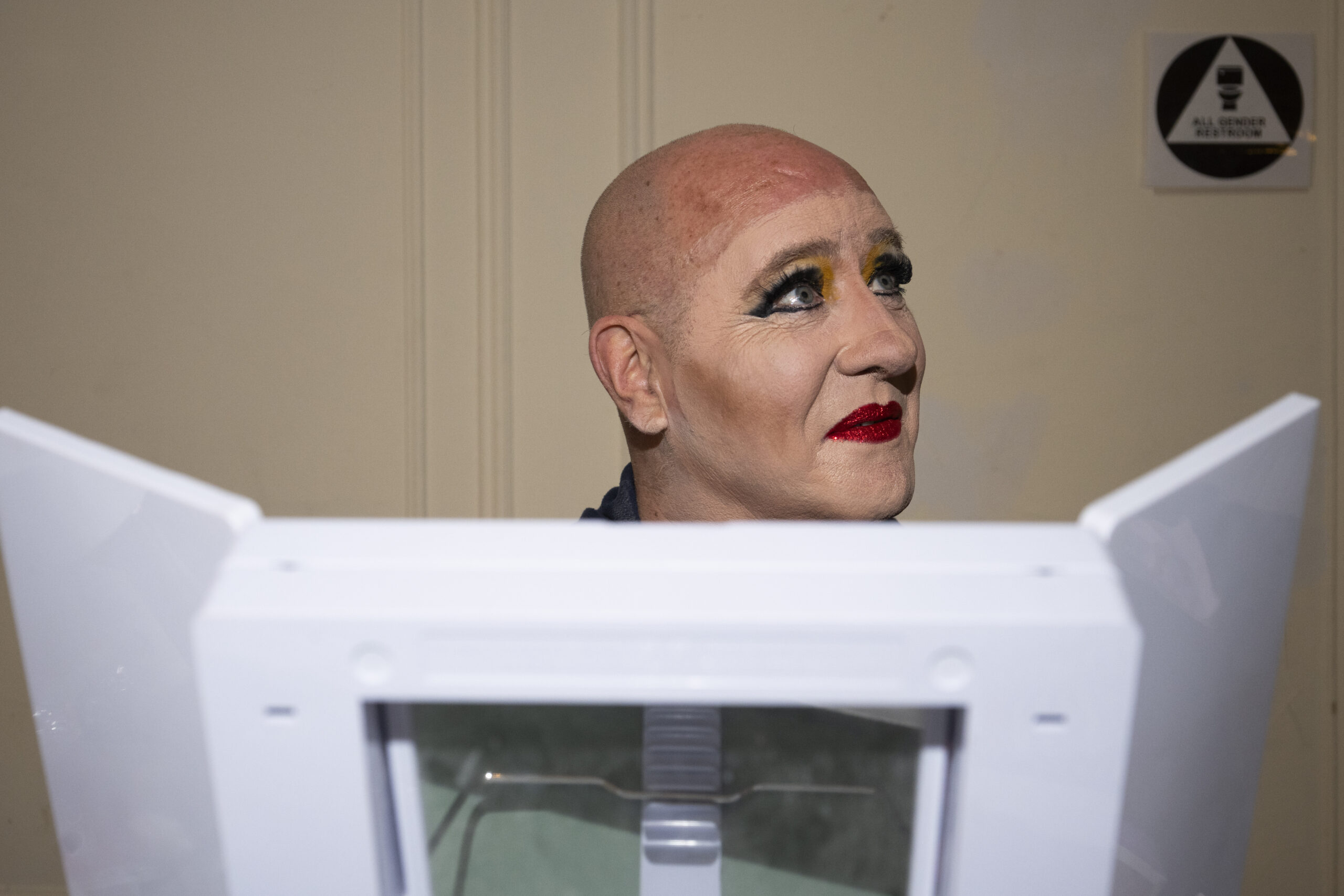
    This was her swan song. At the close of its 30th season this Pride Month, the man behind the makeup, Michael Byrne, hung up his heels and bid adieu to his drag persona and his longtime gig hosting Gay Bingo, the camp, irreverent, slightly profane, and undoubtedly silly monthly HIV/AIDS fundraiser.

    “I know it’s time,” Byrne said. And, “I’m excited to never wear Spanx ever again.”
    Across three decades, Carlota Ttendant has called hundreds of games and elicited endless laughs, all while raising millions for people living with HIV/AIDS across the Delaware Valley. She helped steer a community through crisis, providing a respite to those experiencing immense loss and stigma. Even as medicine has advanced and HIV/AIDS has become manageable, she’s crafted a safe space for queer Philadelphians. For one night each month, she’s been an entertainer and an equalizer, responsible for uniting people — gay and straight, from Haddonfield to Phoenixville — around a common goal.
    And since Carlota came into Byrne’s life, she’s taught him to lead with courage, practice gratitude, and be unabashedly unafraid. He’s gone from being the “worst waiter ever” and selling cosmetics, to being a performer, licensed clinical social worker counseling older LGBTQ+ folks through their own next phases of life, and president of Philly AIDS Thrift’s board.

    “None of it would have been possible without all of you,” Carlota told the 400-person crowd — the biggest turnout in years — at her last Gay Bingo on June 13 in the basement ballroom at Congregation Rodeph Shalom. “In the ’90s there was horror happening, and today there is horror happening.

    “But please, let’s do some laughing,” Carlota said.

    “Let’s play bingo!”

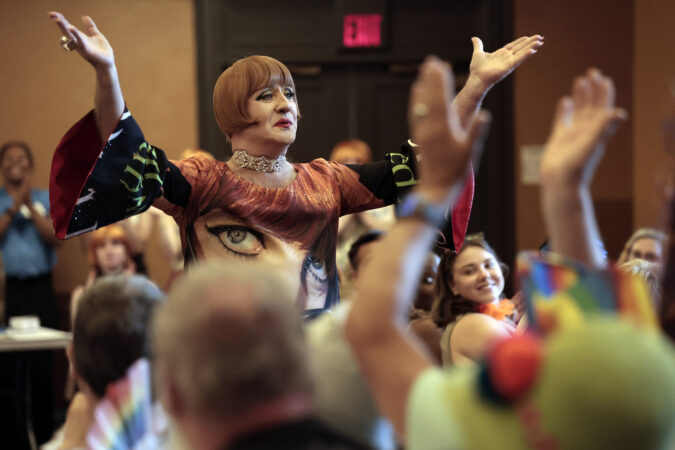
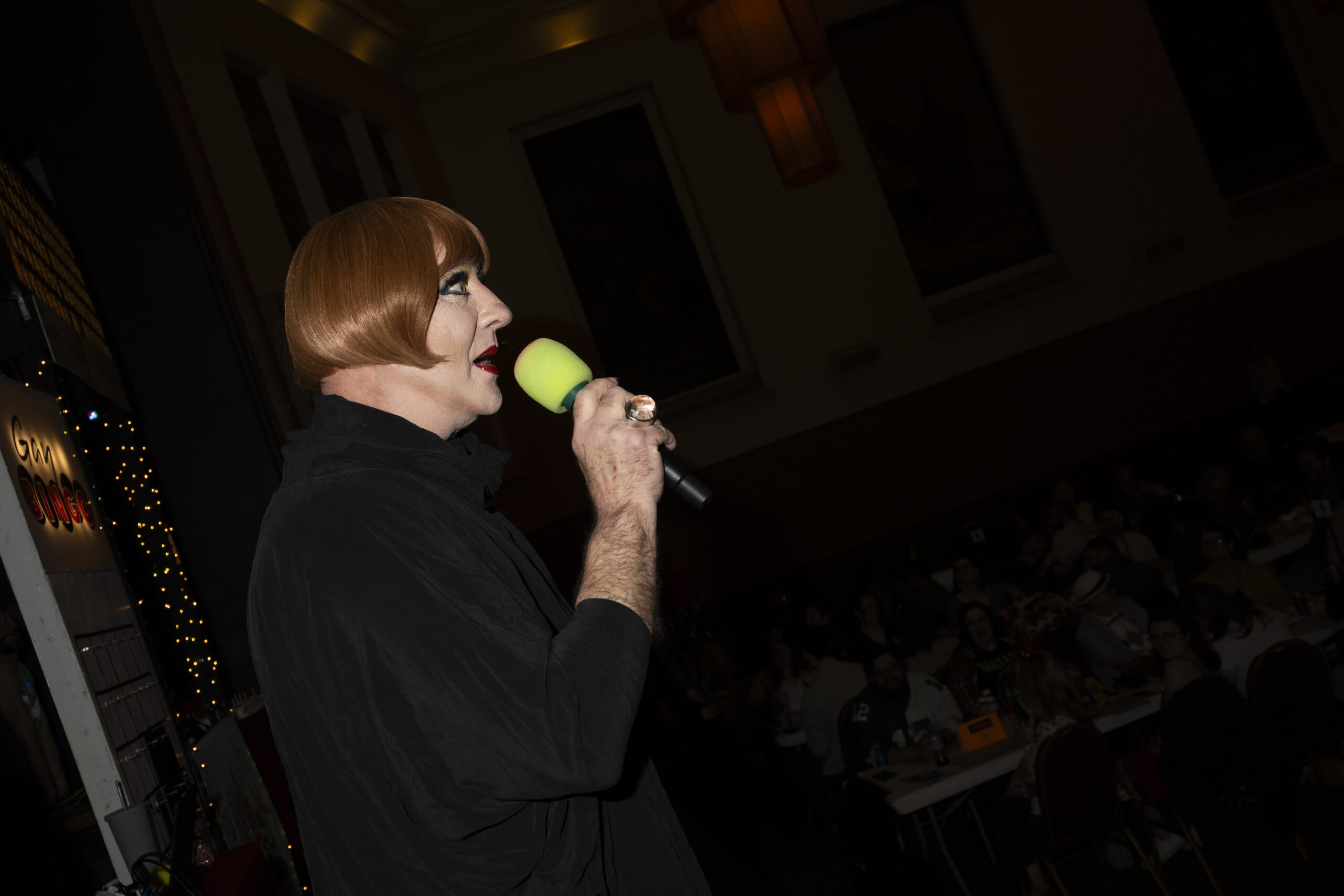
    Michael Byrne, as his drag persona Carlota Ttendant, during Gay Bingo on Saturday, May 9, 2026, at Congregation Rodeph Shalom in Philadelphia.

    Act I

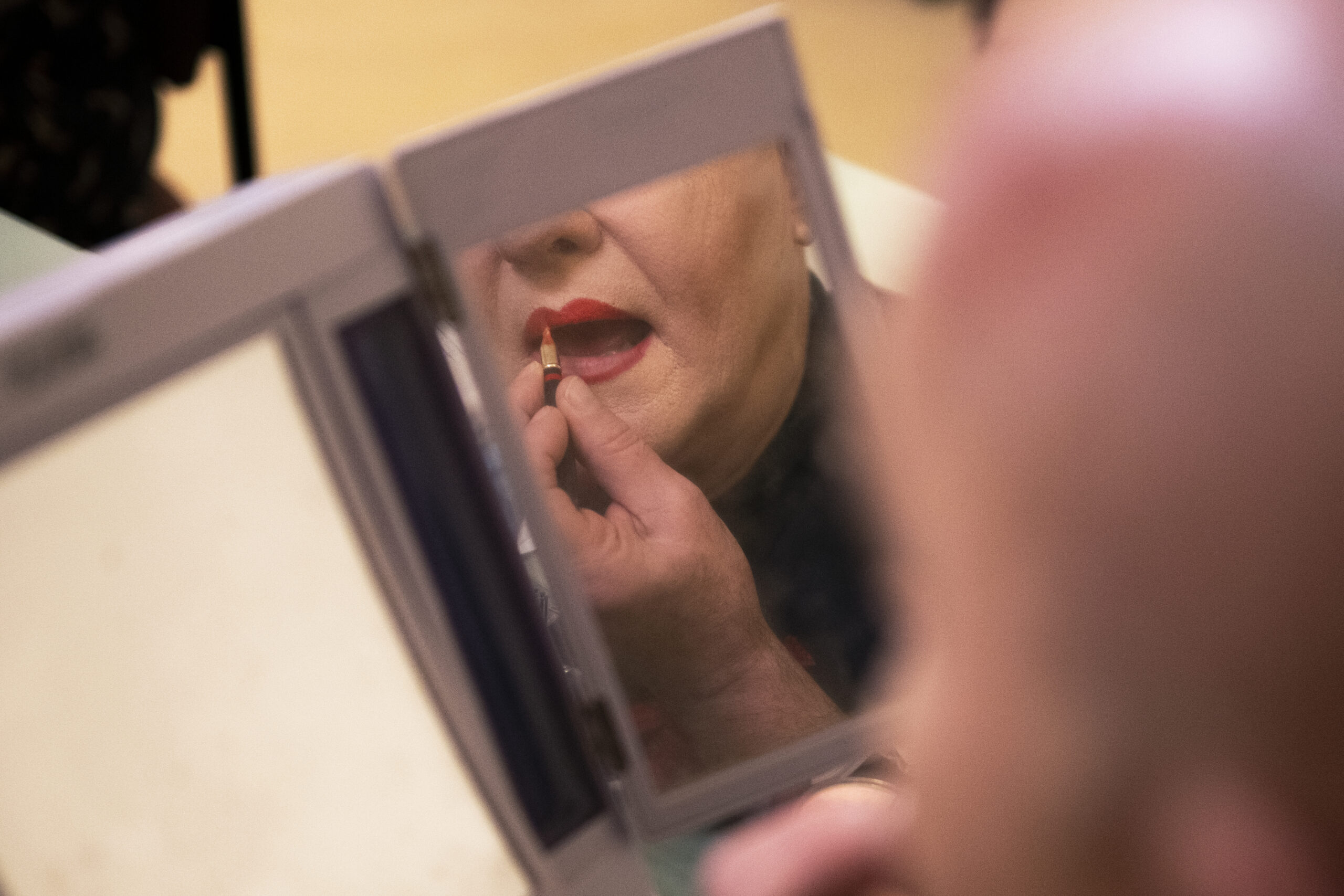
    Like so many Saturdays before, Byrne, on June 13, slathered his face with foundation, carved out his cheeks, deepened his eyes, and painted on his red lip. There was haze — from the dusting of loose setting powder, bronzer, and blush — and musk — from sweat and heat and hairspray — in a Rodeph Shalom classroom, which moonlights as a bridal suite and a boudoir for the Bingo Verifying Divas or BVDs. At 10 minutes till curtain, he futzed with his press-on nails, shimmied into a mod swing dress, straightened the back seams of his tights, and dabbed on some glitter. With each gender-bending step, he transformed into his “twin sister,” Carlota.

    Michael Byrne transforms into his drag persona Carlota Tendant ahead of Gay Bingo on May 9 at Congregation Rodeph Shalom in Philadelphia.

    Like all classy ladies, Carlota’s exact age is lost to time. In the 1990s, Byrne was organizing a fundraiser for Big Mess Theatre, an avant-garde troupe that he helped establish as the spinning axis of Philadelphia’s alternative performance scene, complete with vaudeville acts, an oompah orchestra, and live auction with a striptease routine. Byrne was to host and make his drag debut, and Carlota Ttendant (read as car lot attendant) was conjured up over bourbon and blackjack. (He learned, years later, that there was a ’60s stripper at the famed Trocadero Theatre with the same name.)

    Byrne never aimed to create a perfect, feminine illusion with Carlota. He left his chest unshaven and unstuffed, but short, thrifted dresses showed off his long and feminine legs. Carlota’s makeup was an extension of the exaggerated theater paint Byrne, who has been on stages since he was 10, knew; cheap wigs hid his sideburns. Nothing could mask his deep, raspy, anything-but-ladylike voice.

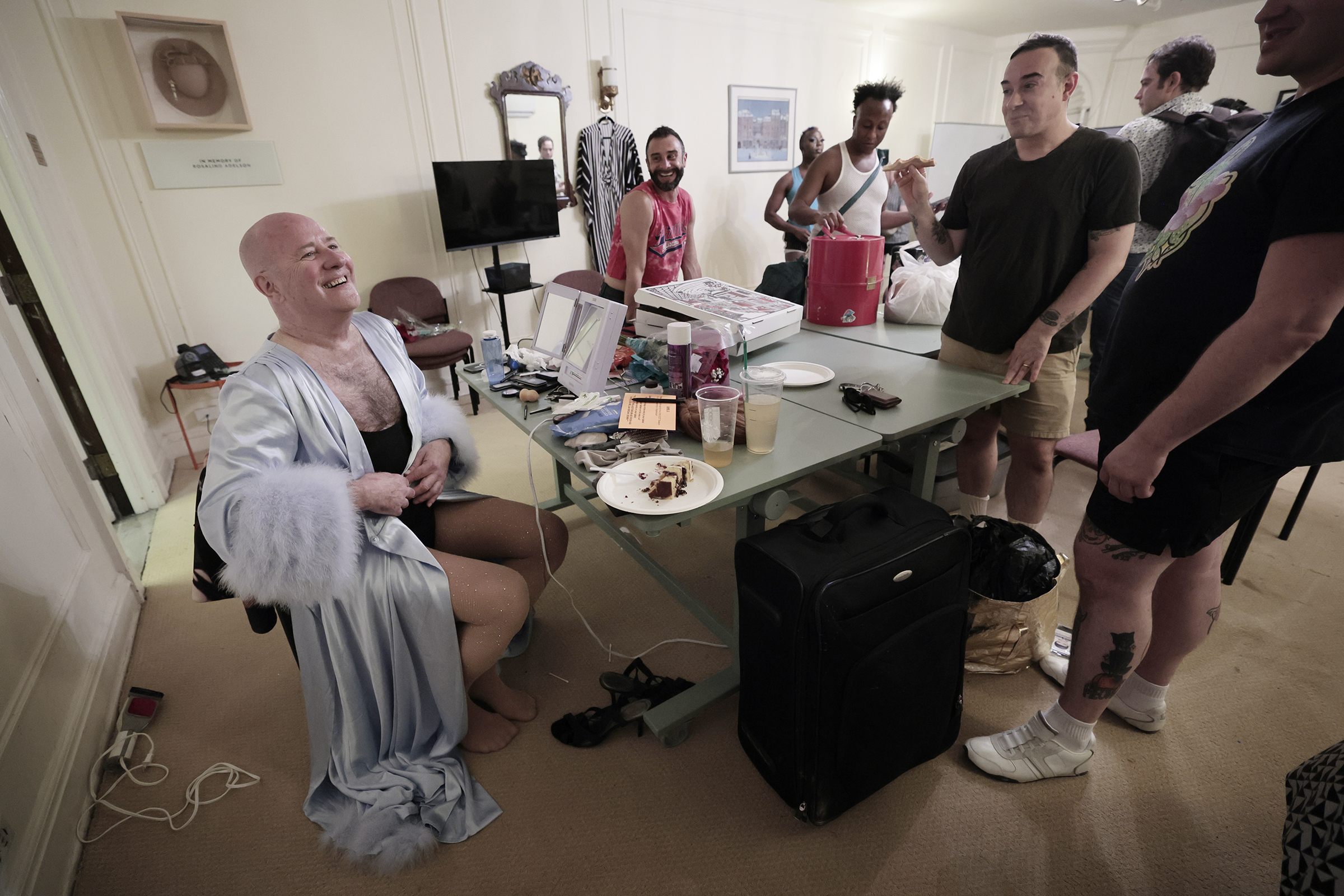
    Carlota Ttendant (Michael Byrne) (at left) laughs with friends and fellow performers after Carlota’s final evening cohosting Gay Bingo at Congregation Rodeph Shalom in Philadelphia on June 13.
    Michael Byrne transforms into his drag persona Carlota Ttendant ahead of Gay Bingo on May 9 at Congregation Rodeph Shalom in Philadelphia.

    Carlota could be bossy and profane but never vulgar; she could poke fun at audiences without being cruel. She became the “drag queen you could bring your grandma to,” Byrne said.

    Around the time Carlota came to be, the number of new AIDS diagnoses and deaths peaked in Philadelphia. In 1992, new AIDS cases surpassed 1,500; in 1994, AIDS deaths topped 900, according to city data.

    (function(){function e(){window.addEventListener(`message`,function(e){if(e.data[`datawrapper-height`]!==void 0){var t=document.querySelectorAll(`iframe`);for(var n in e.data[`datawrapper-height`])for(var r=0,i;i=t[r];r++)if(i.contentWindow===e.source){var a=e.data[`datawrapper-height`][n]+`px`;i.style.height=a}}})}e()})();

    Misinformation about the disease, which strips the body of its natural defenses and leaves it vulnerable to life-threatening infections and ailments, was rampant. People alienated gay men, wrongly fearing HIV/AIDS could be transmitted through a handshake, a hug, or across a dinner table, The Inquirer and Philadelphia Daily News wrote. Diagnostic testing took weeks; what rudimentary treatments were available sometimes made people sicker; and HIV often progressed to AIDS within a few years.

    “It was not unusual to have people dying every month,” said Kevin Burns, who as a case manager with the nonprofit ActionAIDS (now called Action Wellness) connected clients to hospice care. Burns later served as Action Wellness’ executive director.

    The need for resources was rife, and in 1996, Philly’s nonprofit AIDS Fund set out to supplement the money it made from its annual AIDS Walk, according to Sandra Thompson, former chair of its board of directors. An article in City Paper about an irreverent bingo-drag night sweeping Seattle — which, by one report in the Seattle Times, raised $10,000 a night — caught the attention of Mark “Chumley” Singer, then a fledgling events producer, who pitched the idea to the AIDS Fund. (The fund folded in 2024 due to the decrease in new AIDS cases, and turned ownership of Gay Bingo over to Action Wellness.)

    Singer recalled thinking at the time: “I’ve been doing sad, mopey, candlelight vigil fundraisers. … Why can’t we raise money and have fun?”

    Singer and Byrne had never met before the latter was tapped to host Gay Bingo, but their chemistry was kismet.

    “There was never a show where we weren’t having more fun than everybody,” said Singer, who cohosted until the early aughts. Byrne and Singer left Gay Bingo around that time, but Byrne later returned.

    Byrne remembers the magic of those early years of Gay Bingo. He remembers when 600 seats would sell out in 10 minutes, and he remembers doing his glittered red lip from the floor of the Gershman Y’s mirrored dance studio. He remembers two-show Saturdays and how six hours in heels would make him catatonic on Sunday. He remembers riffing with and ribbing Singer and the laughs their off-color jokes and mild profanity elicited. He remembers the constant movement of the bold and bawdy BVDs, on Rollerblades, or the electricity when O-69 was called and hundreds stood up, shaking and shouting with the fervor of their libidos.

    But Byrne also remembers the solemn moments: the steelworker who told a documentarian about watching his bodybuilder son become emaciated; the families who sponsored games on the anniversary of their loved one’s death; the pharmacist who learned all he could about HIV drugs; Byrne’s own friends who were infected.

    “Our community was in crisis,” Byrne said, “while we focused on it, we also focused on being fun and laughing.

    “And we all needed that at that point.”

    Act II

    The “Rainbow Bombshell” Gay Bingo on June 13 doubled as a Pride extravaganza and an homage to all things Carlota. Her first outfit of the night was crafted from a promotional banner from her years hosting the Philadelphia Orchestra’s Halloween Concert. Alongside her, the BVDs dressed as Big Mess-era Carlota, Norma Kamali-inspired Carlota, Phillies Carlota, and fuzzy caftan-wearing Carlota. Attendees, ushers, volunteers, and even the American Sign Language interpreter wore that signature red bob — wigs that Action Wellness bought in bulk. One wore a T-shirt that read, “Dibs on the ginger.”

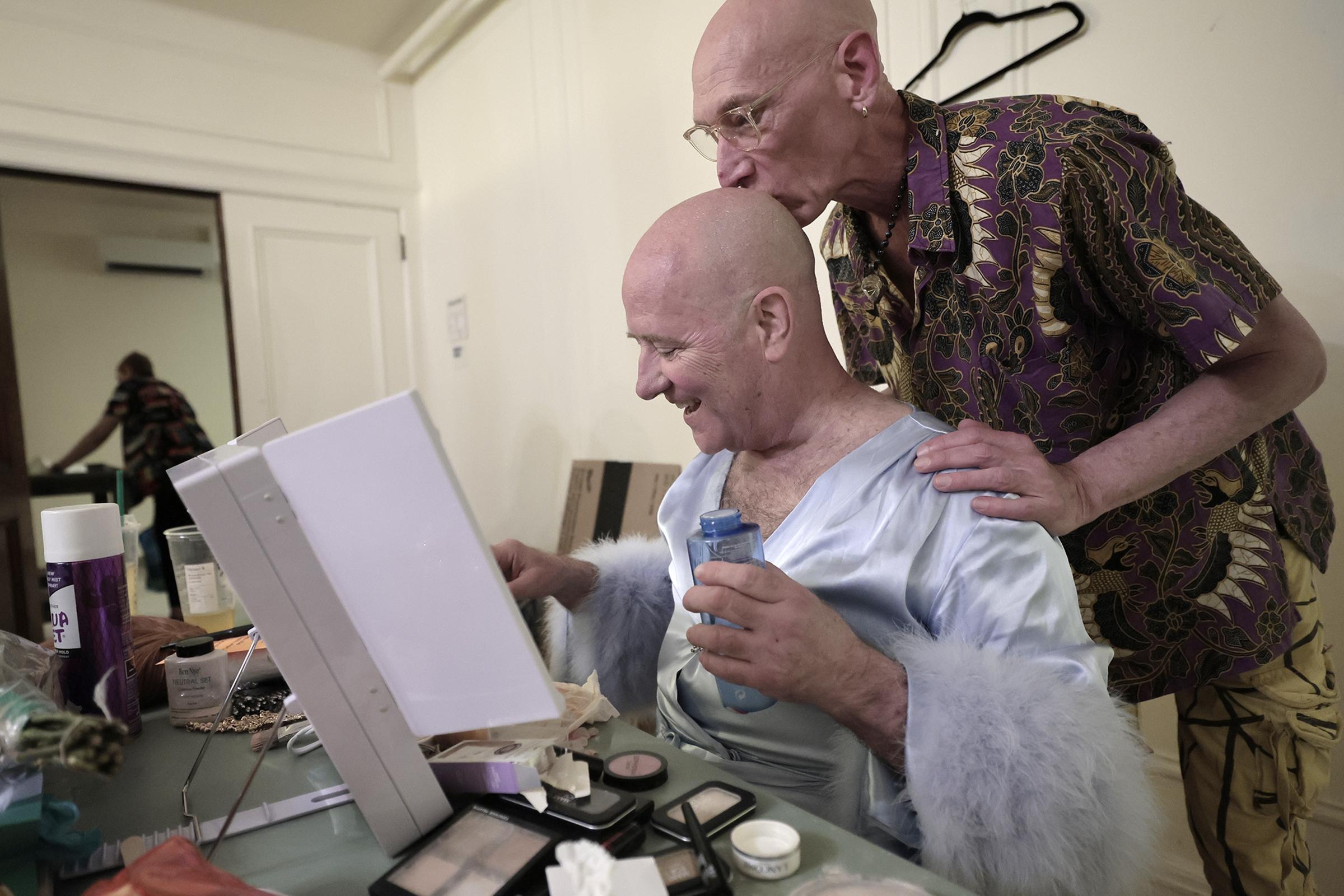
    In the dressing room, Tess Tickle (Paul Struck) kisses Carlota Ttendant (Michael Byrne) on the head after Rainbow Bombshell Gay Bingo at Congregation Rodeph Shalom in Philadelphia on Saturday, June 13, 2026. “I love him” said Struck as he walked out of the dressing room.
    Carlota Ttendant (Michael Byrne) puts on a favorite crystal ring and fake nails before cohosting Rainbow Bombshell Gay Bingo on June 13.

    “Are we ready to win some money?” Carlota said, hyping up the crowd before the first of 12 rounds of bingo. Councilmember Rue Landau, the Philadelphia City Council’s first openly LGBTQ+ member, called the first game:

    I-28.

    I-26.

    G-52.

    B-14.

    O-63.

    B-3.

    “Bingo!” someone cried out, as the audience let out an audible wave of disappointment, exasperation, and defeat, and the BVDs rushed over to authenticate.

    “Did you just get bingo, girl?” Carlota wisecracked.

    For 30 years, these Gay Bingo players have pledged each month to “keep on playing Gay Bingo until this crisis is over.” And today, HIV/AIDS deaths and new diagnoses have stagnated, according to the most recently available health department data, and drug cocktails have made it so people with HIV can live long, healthy lives and may never pass the disease onto others or have their illness advance to AIDS. Preventative medications, like PrEP, can also dramatically decrease the risk of becoming infected.

    Michael Byrne, as his drag persona Carlota Ttendant, on May 9 at Congregation Rodeph Shalom in Philadelphia.

    But there are still obstacles to ending the epidemic. HIV/AIDS disproportionately affects Black and brown communities and low-income people who experience barriers to healthcare, according to Action Wellness executive director Mary Evelyn Torres. The geographic disparities are also stark: Current drug regimens may be readily available in well-resourced countries, like the United States, but access is scarce in the world’s vulnerable pockets. These problems have only been exacerbated by President Donald Trump’s proposed cuts to domestic and foreign HIV/AIDS programs. The withdrawal of American dollars overseas, United Nations officials warned, could lead to more than 4 million AIDS-related deaths and 6 million more HIV infections by 2029.

    (function(){function e(){window.addEventListener(`message`,function(e){if(e.data[`datawrapper-height`]!==void 0){var t=document.querySelectorAll(`iframe`);for(var n in e.data[`datawrapper-height`])for(var r=0,i;i=t[r];r++)if(i.contentWindow===e.source){var a=e.data[`datawrapper-height`][n]+`px`;i.style.height=a}}})}e()})();

    Meanwhile, the Trump administration and state legislatures are attempting to roll back protections for LGBTQ+ people. In Philadelphia, Pride celebrations this month in the Gayborhood were disrupted after Philadelphia police pushed and confronted revelers using what some have called outsized and aggressive crowd-control tactics, although Police Commissioner Kevin Bethel said his department’s actions had nothing to do with Pride. City Council has since announced it will hold public hearings to examine the police response.

    “We’ve come a long way, but there’s still work to be done,” Torres said, “and that work is being threatened by this administration.”

    As the epidemic has changed, so has Gay Bingo: The money raised — more than $5 million since its inception — now goes toward Action Wellness’ social services and programming. The BVDs ditched their roller skates at the Gershman Y (because of the new, carpeted venue). Tickets cost $50-$60, compared to $10-$12 in May 1996, and these days, attendance averages between 150 and 200 a month.

    Drag has evolved, too. Spending centuries on the periphery as proto-punk-beatniks and after-midnight acts, queens disrupted and challenged the mainstream with wit and wonder. Then, the exploding popularity of RuPaul’s Drag Race, a drag reality-TV competition, seismically changed the culture, snubbing scrappiness for silicon and kitsch for couture. The show ushered drag into the zeitgeist: Its lingo became commonplace and its contestants turned into social media stars, with businesses, makeup brands, books, and podcasts, as the art form continues to face political bans and threats nationwide.

    The show “has taken everything to a whole other planet,” Byrne said, “and that’s amazing and that’s really great.

    “That’s also not what I do.”

    Carlota was never concerned with “affecting female mannerisms” or “trying to be this woman or this drag queen,” Singer said. To Byrne, she’s come to embody the fiercest, most unafraid, and righteous versions of himself. But “Michael was never far from Carlota,” Singer said.

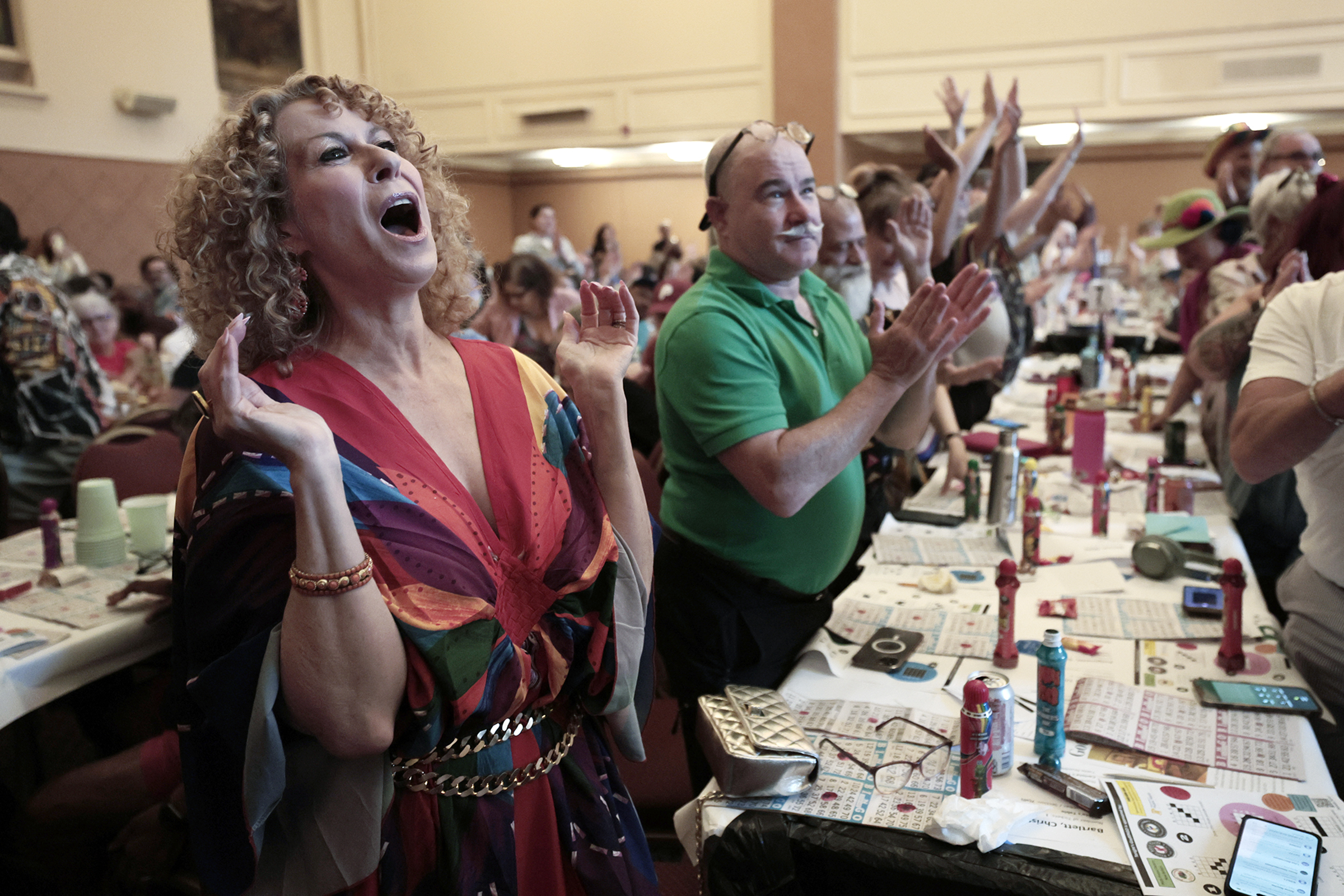
    Janie Lopez of Philadelphia cheers for her friend Carlota Ttendant during Gay Bingo at Congregation Rodeph Shalom.

    To those who know Byrne, Carlota’s come to represent someone purer and more singular, a testament to what joyful resistance and defiant resilience can achieve amid tragedy. Her ingenuity and authenticity have made her synonymous with Gay Bingo, according to Action Wellness event planner and cohost Tim Johnson (otherwise known as Stella D’Oro); her playfulness is what’s engaging, Burns said; the safe space she’s cultivated for the queer community is what keeps people coming back season after season, said regulars Cat Johnson, 47, and Katie Dickerson, 38, of Roxborough.

    “It’s going to be really different without Carlota,” Johnson said. “No one’s going to fill her shoes, but I think that the vibe and the energy is going to live on.”

    “It’s a lot easier to raise money when everyone is having fun,” said Amber Schlesman, 38, of Point Breeze, who’s been coming to Gay Bingo since its Gershman Y days. “And for the shoes, I’m guessing it’s a size 12.”

    All those shoes will be donated to Philly AIDS Thrift soon enough, Byrne said.

    Epilogue

    Byrne’s voice cracked as he thought of the people who made Carlota’s run possible: the AIDS Fund organizers, Singer, the original cast of BVDs, the volunteers, those who came back monthly, the victims, their families. Many sent her off June 13 with a trove of well wishes, notes that read, “thanks for the memories,” and “so proud of all you’ve done.” They told her, “I love you,” and “hang up those high heels, baby.”

    At the end of the night, Byrne’s best friend gifted him a throw pillow.

    “Don’t be a lady,” it said. “Be a legend.”

    Michael Byrne transforms into his drag persona Carlota Ttendant ahead of Gay Bingo on Saturday, May 9, 2026, at Congregation Rodeph Shalom in Philadelphia.
  • Boston thinks its Revolutionary history might be better than Philly’s. We think that’s pretty cute.

    Boston thinks its Revolutionary history might be better than Philly’s. We think that’s pretty cute.

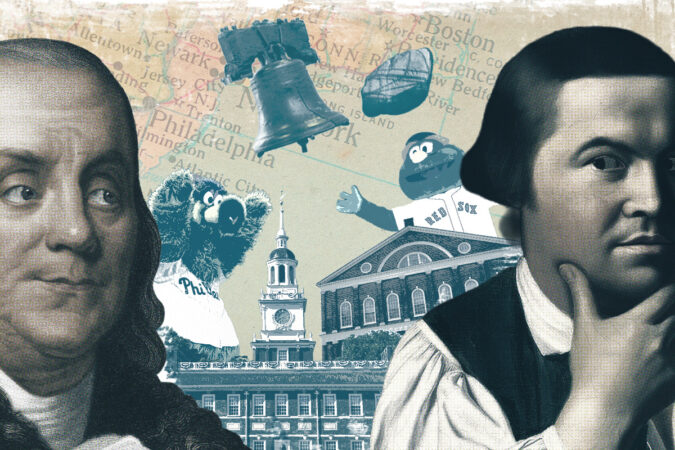
    BOSTON — Not long ago, the folks over at the Boston Globe turned their spotlight on, of all places, Philadelphia. With the nation’s 250th birthday fast approaching, the newspaper dispatched a reporter to our fair city to determine how it stacks up, historically speaking, to Boston.

    The story revealed that — despite being primarily known for bad weather and baked beans — Boston apparently fancies itself a city with a robust and impressive history. In fact, some seemed to be of the opinion that Boston’s Revolutionary history might even be better than Philadelphia’s.

    “As the old saw goes,” one Massachusetts historian told the paper, “Boston did the hard work of making the Revolution, while Philadelphia did the paperwork.”

    Admittedly, this came as a bit of a surprise to us here at The Inquirer. What we had assumed is that when your city lays claim to the Liberty Bell, the Declaration of Independence, the U.S. Constitution, and a starring role in the 2004 Nicolas Cage film National Treasure, any debate over historical prominence is bound to be a little one-sided.

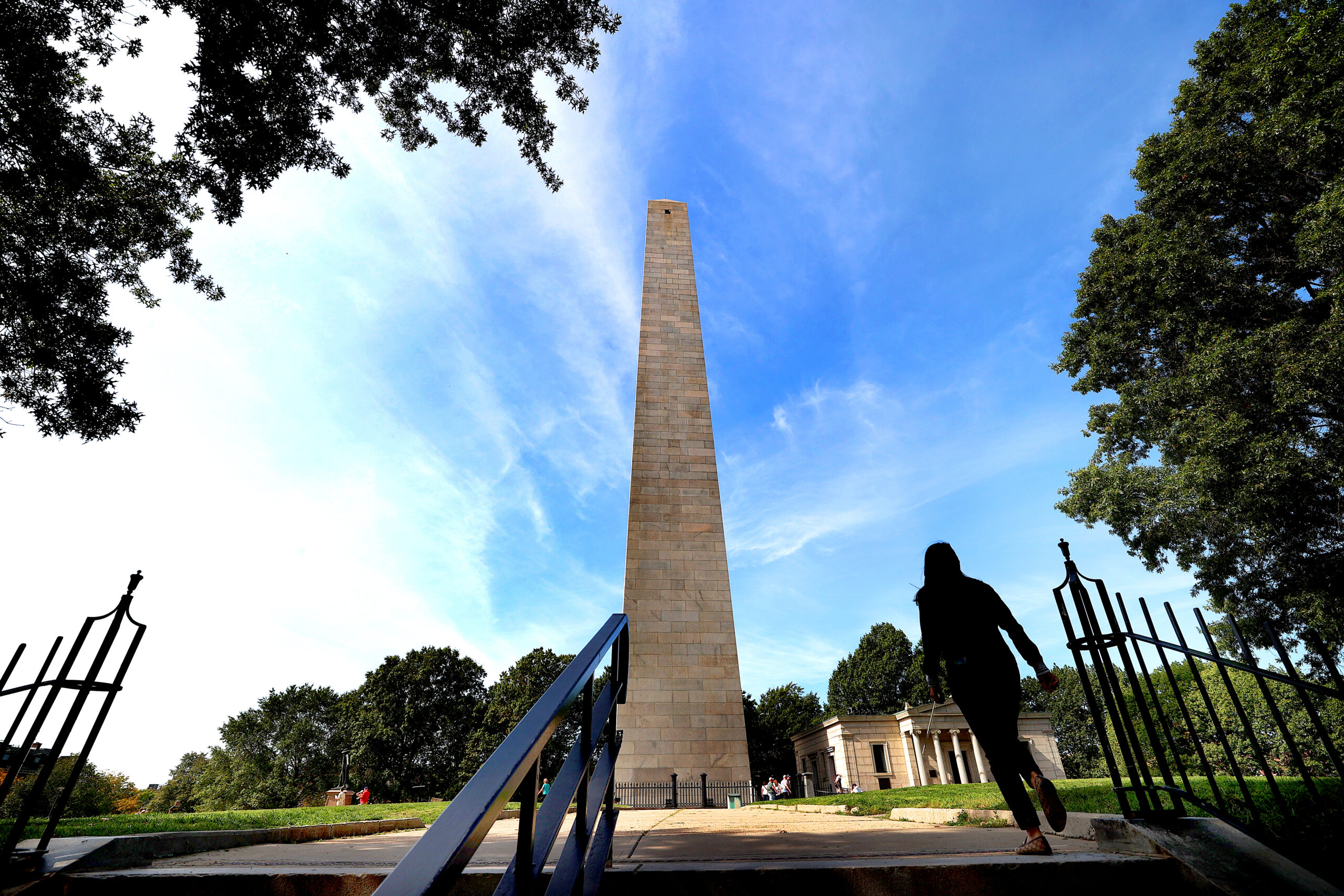
    The 221-foot Bunker Hill Monument – which actually sits atop Breed’s Hill – seen here on Sept. 30, 2025.

    Having myself once lived in Boston, I, too, was a bit miffed, as it had always been my understanding that the city’s history amounted to little more than drunken shenanigans and historical fan-fiction — a bizarre collection of half-truths and falsehoods.

    But like the Founding Fathers themselves (at least five of whom are buried at Philadelphia’s Christ Church, though who’s counting?), I remain open to new ideas.

    And so I set off recently for that little New England burg to the north, eager to experience firsthand the rich and vibrant history that we Philadelphians had apparently been missing out on.

    A trail of freedom and fabrication

    It was mid-June when I arrived in Boston, which meant that winter would be wrapping up in just a few short weeks, and the city was abuzz.

    Hollywood might have you believe that Boston is a grim, gray place where residents spend all their time robbing banks and inquiring about one another’s fondness for fruit, but in truth, the city is a lively hub of art, education, technology, and — as I’d recently learned — history.

    And how better to delve into that history than by joining a walking tour of Boston’s famed Freedom Trail, a 2.5-mile path featuring several of the city’s most significant historical landmarks?

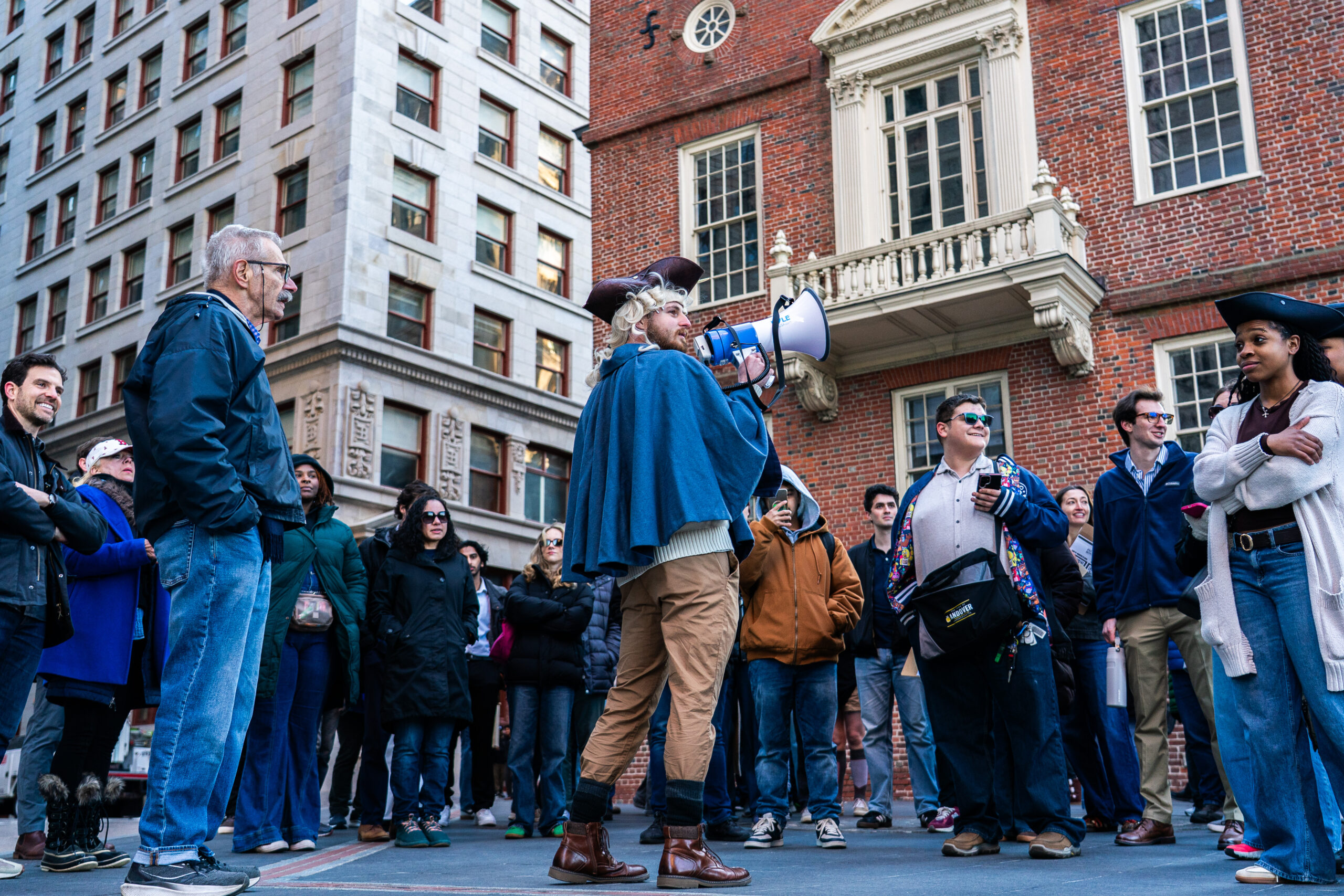
    As a dozen or so of us set off with our guide, Kenneth — a friendly fellow dressed in authentic Revolutionary garb consisting of a polo shirt that said “Boston History Company” — it was hard not to feel a swell of patriotic pride.

    What quickly became apparent, however, is that — when it comes to its history — Boston has spent the past 250 years playing a little loose and fast with the facts.

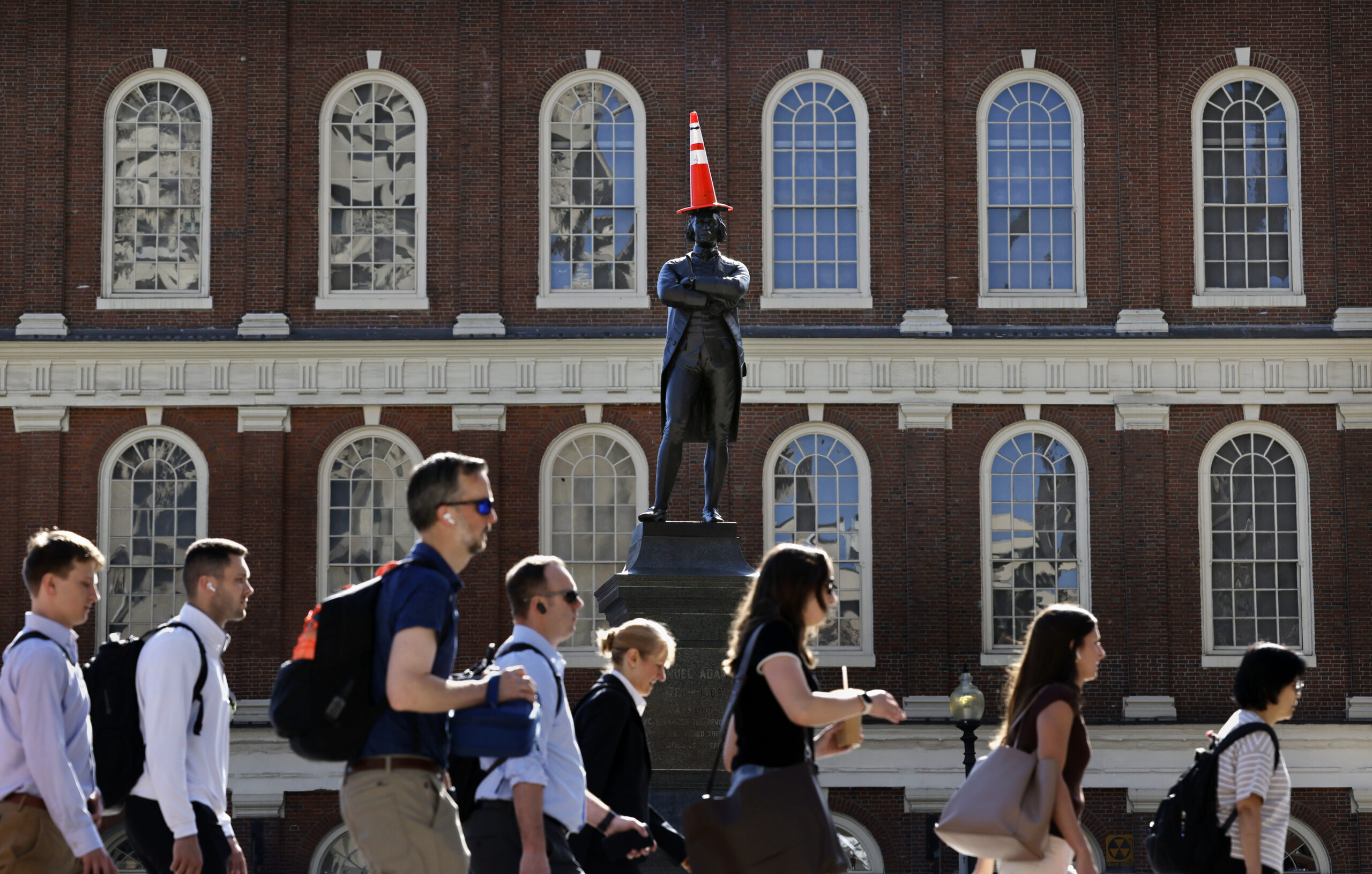
    A traffic cone sits atop the statue of Samuel Adams as morning commuters pass Faneuil Hall in Boston on June 17, 2026.

    Take Paul Revere, arguably the city’s best-known historical figure.

    You might recall Revere from his famous “midnight ride,” detailed in Henry Wadsworth Longfellow’s iconic poem, during which Revere successfully alerts fellow colonists of a coming British invasion.

    In reality, Kenneth explained, Revere had pulled on his boots, set off on horseback into the New England night — and been promptly captured by British soldiers.

    In fact, of the three riders sent out that night, our guide said, Revere was the only one who’d failed to complete the mission.

    There was also the matter of the city’s most famous Revolutionary battle, the Battle of Bunker Hill — namely, that it was fought not on Bunker Hill but at a completely different location, called Breed’s Hill.

    Rather than correct the record, Boston in 1843 built a massive 221-foot monument atop Breed’s Hill, labeled it “The Bunker Hill Monument,” and marketed it as a major civic attraction — though, luckily, there was a perfectly reasonable explanation for this bit of misdirection:

    “[Bunker Hill’s] got the better name,” Kenneth explained. “So that’s what we went with.”

    But a city’s history, of course, is about more than just names and dates and stories — it’s about monetizing those stories through a carefully curated local tourism industry.

    The tourist experience

    Proponents will tell you that, much like Philadelphia, Boston has done a terrific job preserving the city’s historical aesthetic, and this certainly seemed to be the case.

    For instance, if you ignored the Chipotle, the CVS, the Walgreens, the Sweetgreen, the TJ Maxx, the Shake Shack, the cell phone repair shop, the Falafel King, and the 47 or so Dunkin’ locations lining the Freedom Trail, it was pretty much impossible not to feel like you’d been transported right back to the 1700s.

    Trey Fuccillo, 23, of Boston leads attendees during a “Democracy Walk” with David Hogg, co-founder of Leaders We Deserve, and Patrick Roath, candidate for Congress, outside of the Old State House in Boston on Wednesday, April 8, 2026.

    The crown jewel of the city’s historical district is the bustling Faneuil Hall Markeplace — which once served as a prominent meetinghouse for the Sons of Liberty and today is a very good place to get, say, a $23 bowl of chowder and a key chain with a shamrock on it.

    Like Philadelphia’s Independence Hall, which remains a meticulously maintained ode to Philadelphia’s Revolutionary history, Boston’s Faneuil Hall — and nearby Quincy Market — is also a site that shows great reverence to the city’s past.

    For instance, when you walk past the Sephora and take a left at Jimmy Buffett’s Margaritaville — if you reach the Sunglass Hut, you’ve gone too far — you will eventually arrive at a small shop selling tasteful tributes to the city’s storied history, such as:

    • A T-shirt featuring three cartoon men in wigs, chugging beers below the words, “The ‘Pounding’ Fathers.”
    • A T-shirt featuring an image of Benjamin Franklin wearing sunglasses and holding a red Solo cup, along with the words, “Ben Dranklin.”

    Despite such thoughtful offerings, it turns out that Boston’s quest to attract history-focused tourists in the lead-up to America’s 250th birthday hasn’t always been easy.

    “Philadelphia’s been cleaning our clock in terms of getting people to come to Philadelphia to see history,” says Robert Allison, president of the Colonial Society of Massachusetts and co-chair of Revolution 250, a consortium of New England organizations dedicated to honoring the nation’s Semiquincentennial.

    But back to Ben Dranklin for a moment…

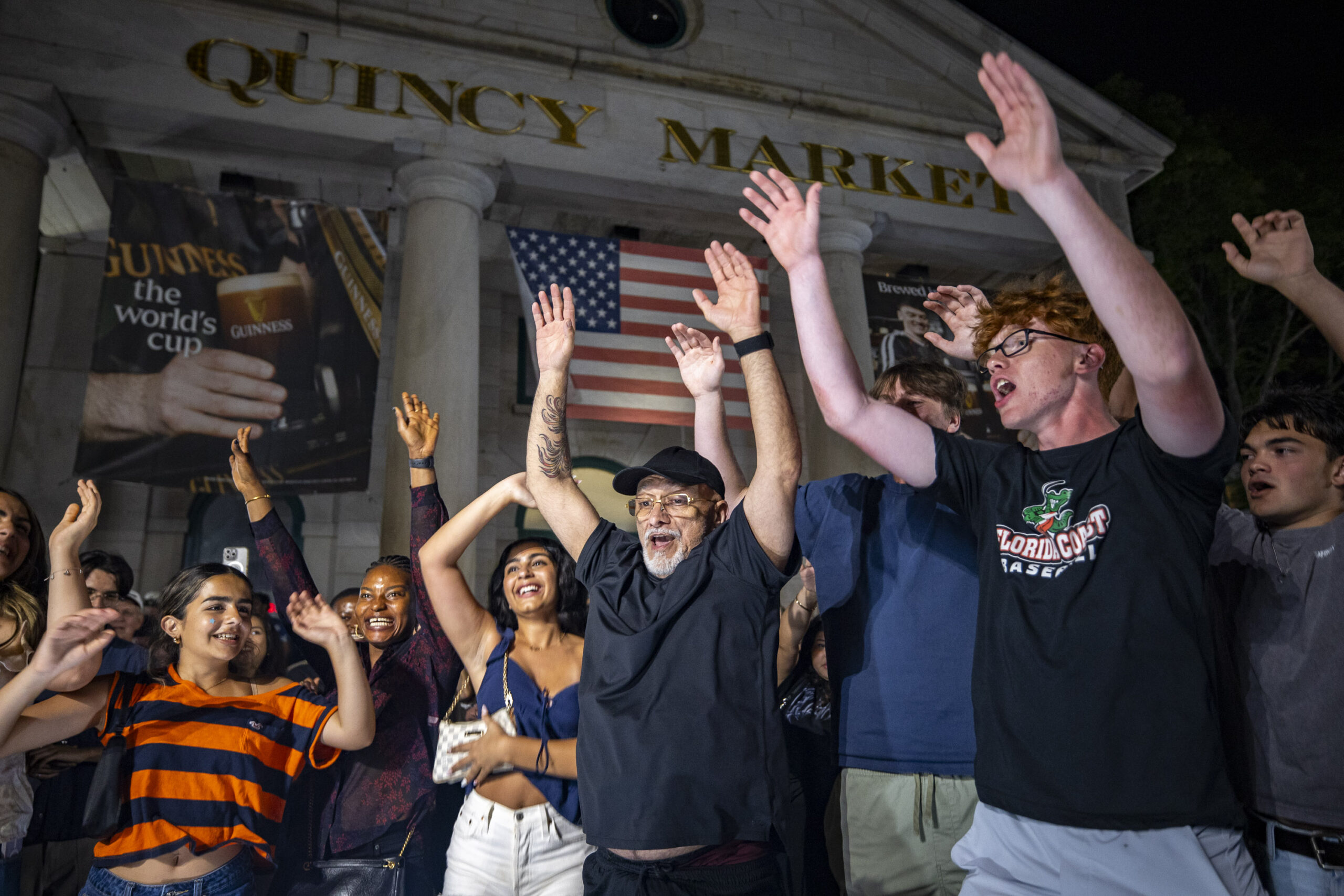
    Rambod Hashemi, center, leads dances as Cory Allen Staats performs outside Faneuil Hall in Boston on Saturday, June 20, 2026.

    The Franklin conundrum

    One issue that tends to get a little sticky between Boston and Philly is which city possesses a stronger claim to Benjamin Franklin, the wacky, kite-flying Founding Father.

    Franklin’s story is a tale as old as time: Child is born in a small town (Boston), longs for something more, and, as a teen, eventually works up the courage to set off for the big city (Philadelphia), whereby, suddenly surrounded by other brilliant minds, he blossoms.

    Despite this, Bostonians have struggled to relinquish their ties to Franklin, whose name and likeness are plastered across the city.

    One afternoon, for instance, I found myself at the Mount Auburn Cemetery in nearby Cambridge, staring up at an enormous monument marking Franklin’s burial spot.

    This was notable only in the sense that Franklin is very much buried 300 miles away, at the Christ Church Burial Ground in Philadelphia.

    During our tour, Kenneth, the guide, had shared an improbable story. Apparently, an eccentric rich man named Thomas Dowse — in an effort to get more people to visit Dowse’s own grave site — had arranged to have a false burial monument to Franklin constructed nearby.

    “A psych-out,” Kenneth called it.

    Certain Kenneth must be mistaken — that not even in Massachusetts could someone be so arrogant and status-obsessed as to erect a fake burial monument — I called the cemetery in question and sheepishly recounted the story I’d heard.

    “That’s absolutely true,” replied Meg Winslow, the senior curator of historical collections and archives at Mount Auburn — and a Philly native.

    “It’s pretty big,” she added of the monument. “In the cemetery world, we call it a ‘cenotaph’ — which is a memorial without a body.”

    As my first day in Boston drew to a close, I tried to take stock of what I’d learned. In truth, after 24 hours in the city, I’d yet to uncover the kind of historical magic I’d hoped to find.

    But maybe, I realized, I’d been setting my sights too narrow.

    To fully appreciate the local history, maybe I needed to go a bit further back in time.

    Plymouth Crock

    The next morning, I awoke early and — with a renewed sense of optimism — headed south on I-93, toward the one historical landmark that was guaranteed to impress: Plymouth Rock.

    Like every American child, I’d grown up learning about this vaunted slab of stone — the very rock where the Mayflower Pilgrims had made landfall back in 1620.

    Today, the rock is featured in a prominent seaside park 30 miles outside of Boston, and though some Yelp reviews have been lukewarm — “This rock is smaller than my dog’s bed.” … “How can a rock be so famous and [yet] such a let down at the same time?” … “I am so glad I am dying of a terminal disease so I don’t have to ever visit here again.” — I was not going to let a few naysayers dampen my spirit.

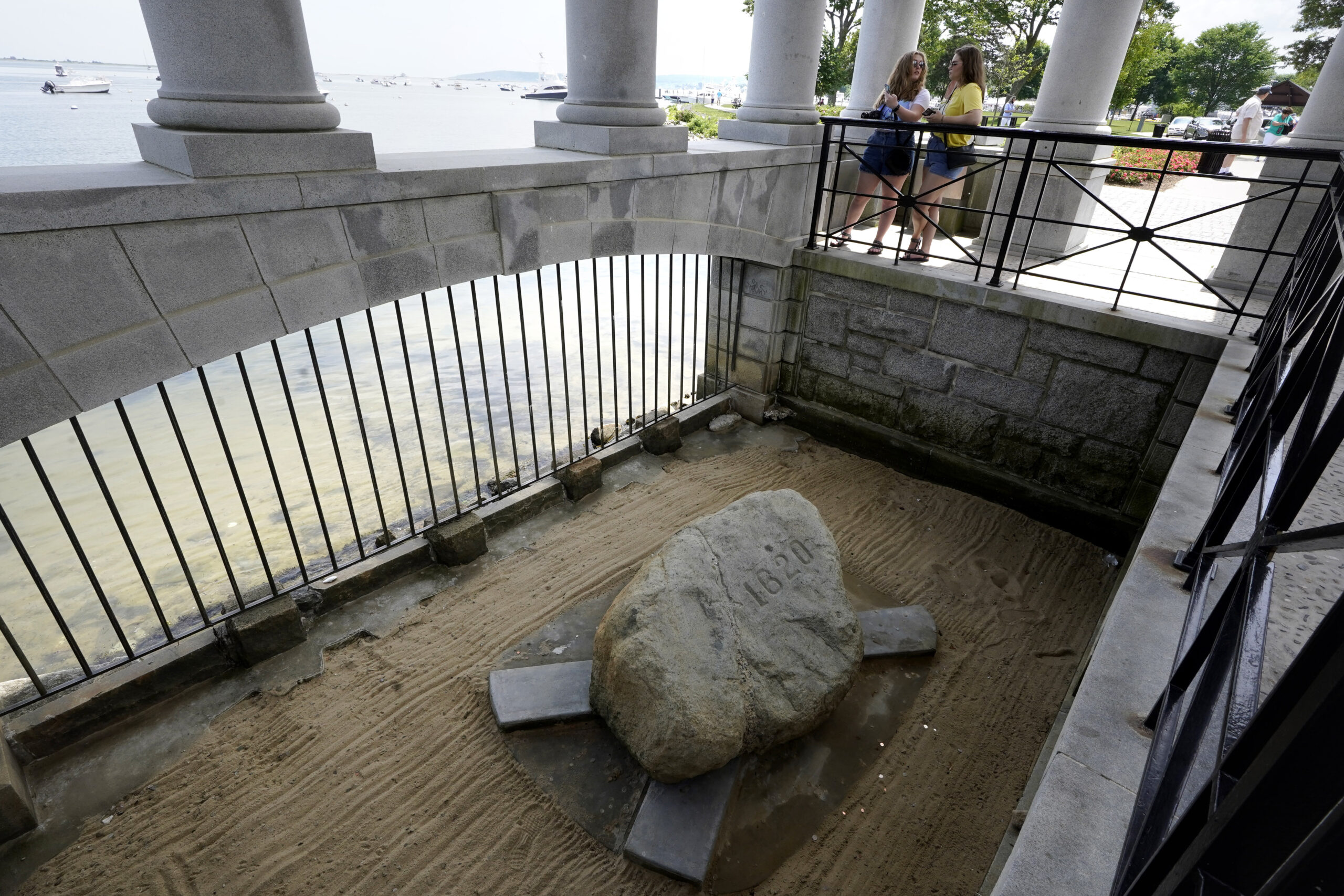
    Visitors stand in a pavilion that shelters Plymouth Rock, below, in Plymouth, Mass., in June 2021. (AP Photo/Steven Senne)

    While it’s true that the rock is on the smaller side, and that the vast majority of tourists who’d made the pilgrimage did not immediately appear blown away (“Corny-ass rock,” grumbled one teenager in headphones), none of that took away from the rock’s significance — or the sense of awe I felt while gazing upon it.

    This — right here in front of me — was the actual rock that the Pilgrims first set foot upon when they disembarked from the Mayflower more than 400 years ago.

    “Actually, that’s a little bit of a myth,” explained a nearby park ranger, a skinny fellow with a wily white beard. “They arrived in winter, so there was snow and ice. No one’s stepping onto rocks with snow and ice.”

    OK. But still: This — right here in front of me — was the very spot where the Mayflower had come ashore…

    “The Mayflower didn’t come in,” corrected the ranger. “It was anchored a mile and a half out. A smaller vessel came in.”

    Fine. But what was indisputable was that the town of Plymouth — the town in which I now stood, the town that has staked its entire identity to Plymouth Rock — was absolutely, positively the very first place the Mayflower Pilgrims landed when they arrived…

    I looked at the ranger.

    “They stopped first at the tip of [Cape Cod],” he said, “in a place called Provincetown.”

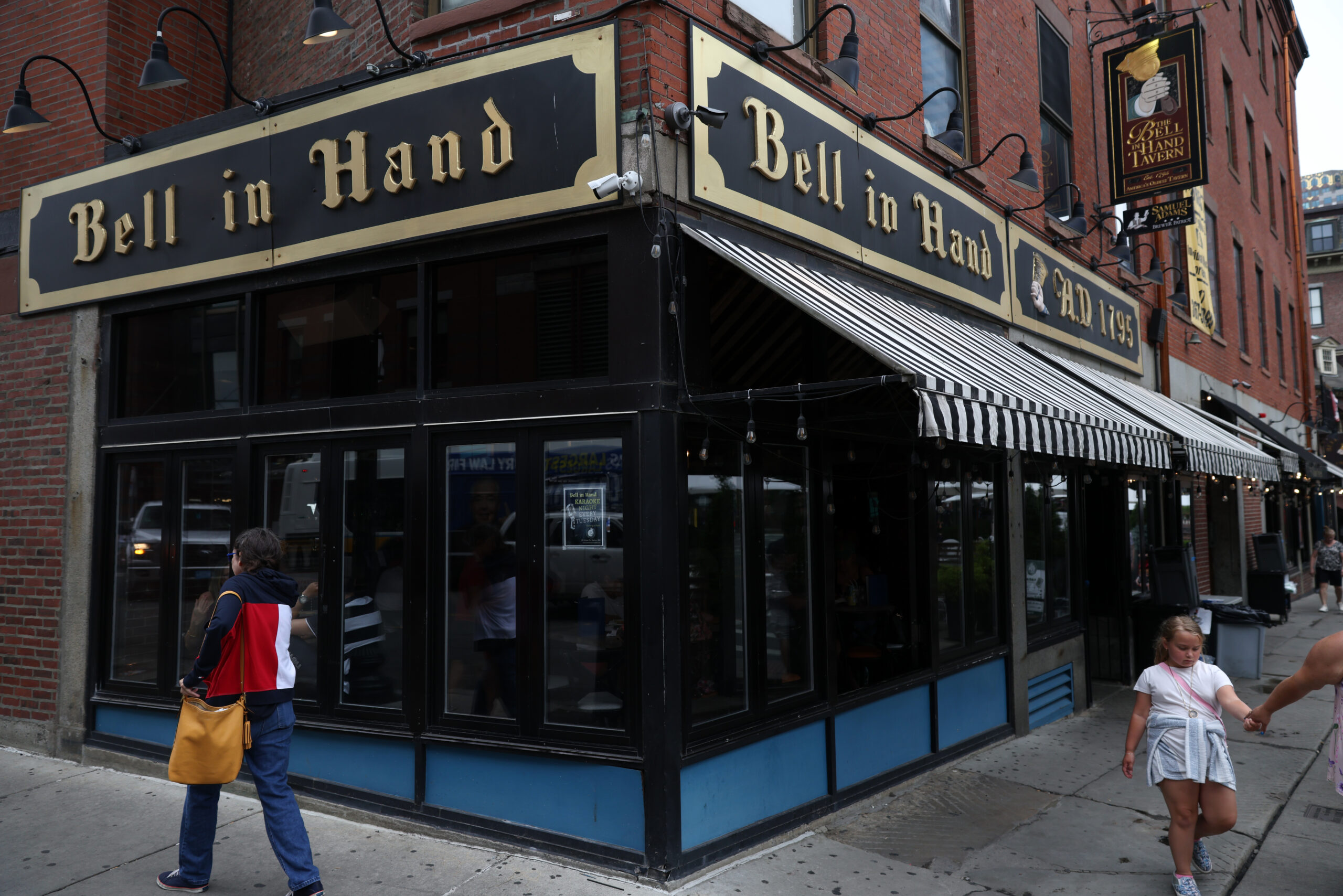
    The Bell in Hand Tavern on Tuesday, July 9, 2025.

    The verdict

    Back in Boston later that day, it was hard not to feel a bit dejected.

    I’d arrived in the city two days earlier with high hopes and an open mind, ready to immerse myself in its history; now, it seemed I’d be leaving with little more than some blisters and moderate-to-severe sun damage.

    On my last afternoon in town, I was wandering glumly through the city’s streets, wondering if the trip had been for naught, when I stumbled upon an old business.

    The Bell In Hand Tavern, a sign out front read. Oldest Tavern in America.

    I walked in and took a seat at the bar.

    Maybe it was the cool breeze flowing in from the open windows. Maybe it was the middle-aged finance guys flirting unsuccessfully with their server at a nearby table.

    But sitting there, in the oldest tavern in America — trying to decide, like so many great patriots before me, between the loaded nachos and the steak-and-cheese spring rolls — I suddenly realized that I’d been looking at things all wrong.

    In the end, history isn’t some gaudy competition. We all play a role in this great nation. Sometimes, as in the case of Philadelphia, that role includes having the Liberty Bell, the U.S. Constitution, the Declaration of Independence, and being the literal birthplace of democracy. And sometimes, as in the case of Boston, it means erecting fake burial monuments and celebrating small rocks of dubious historical significance.

    Does that make one city “better” than the other?

    Yes.

    Obviously.

    But the point is, it all matters.

    For the first time since my arrival, I felt a pang of appreciation for this scrappy New England city, with its cute little history tours and incorrectly placed monuments.

    And though my train back to Philadelphia would soon be departing, I was overcome by the urge to mark this moment in the only way that seemed right.

    “Excuse me,” I called to the bartender, brimming with a newfound sense of patriotism. “I’ll have a Samuel Adams lager.”

    “Unfortunately,” came the reply, “we’re out.”

  • Haverford parents are worried about chatbots in classrooms after a vote to buy AI tools

    Haverford parents are worried about chatbots in classrooms after a vote to buy AI tools

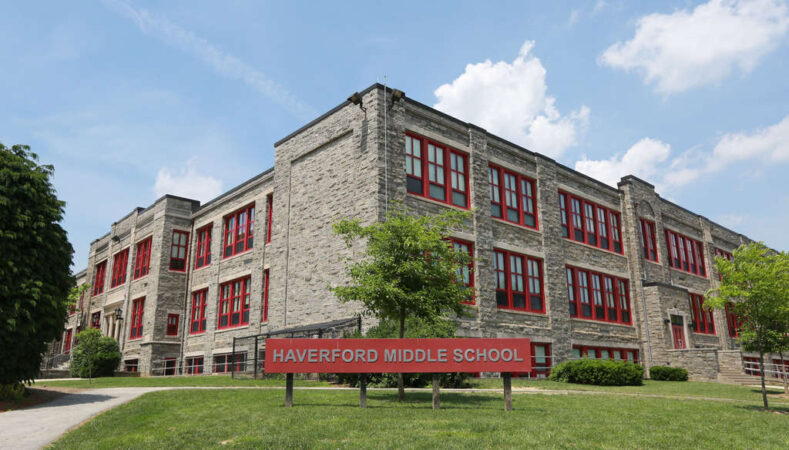
    A move by the Haverford Township School District to buy artificial intelligence tools for students and teachers has been met with protest from parents who fear the technology will erode learning.

    At a meeting last week, the Haverford school board voted 5-3 to approve contracts with School AI, which features AI “tutors,” and Brisk, which automates tasks for teachers, like developing quizzes and giving students feedback.

    While administrators said the tools wouldn’t supplant teaching and learning, critics said it was inevitable that AI would be used inappropriately — making it easier for kids to avoid work.

    “The idea of putting chatbots on computers — I don’t even care what age. I’m pretty disgusted by that,” said Christine Seewagen, a district parent of rising 12th and 7th graders.

    The district already struggles to manage technology in the classroom, said Seewagen, who said her older child has observed students run math questions through an AI tool on their phones. Her younger child, meanwhile, had a teacher who directed students to upload essays to an AI tool to get feedback, Seewagen said.

    “They’re just using AI, and not really being instructed on how to do it,” Seewagen said in an interview.

    Administrators said they were recommending buying AI tools in part because teachers are already using freely available versions, and they want to “eliminate free roaming around platforms,” Robert Anderson, the district’s technology director, said at the June 18 board meeting.

    Haverford’s superintendent, Matthew Hayes, said the School AI contract would “allow us to have a resource so that as we go through the process of the strategic plan and looking at all the implications down the line,” the district could begin teaching AI “thoughtfully, responsibly, ethically.”

    He added: “And also reducing screen time,” without providing further details.

    The controversy around AI in Haverford is the latest example of area parents pushing back on what they see as excessive and unchecked technology use in schools.

    In Lower Merion, parents have pushed to opt their kids out of district-assigned laptops or tablets; the district is planning changes to reduce usage for younger students, but has told parents they cannot opt out entirely. Parents in other districts are also raising concerns about too much Chromebook use.

    In Haverford, some parents said they were caught off guard by the proposal to adopt technology they felt posed risks to their kids.

    Patrick Burland, the parent of an incoming 10th grader and 6th grader, noted he’d had to sign numerous permission slips for his younger child to participate in end-of-year celebrations.

    “Apparently, sugar requires a signature, but cognitively rewiring her brain does not,” Burland told the board.

    Anderson said Haverford had been considering how to incorporate AI for years. He said the district sought feedback from teachers, including through an AI working group, before proposing the contracts.

    Board members who voted for the AI tools, meanwhile, said kids needed to learn how to use the technology responsibly.

    “Not acknowledging that it’s here … we don’t gain anything, right? We actually lose and we put ourselves farther behind because it’s not going anywhere,” said board member LaTonia Lee.

    But some raised questions about what the district was planning to do with the tools.

    Dave Schwartz, another board member, said he would support teaching kids about AI. But the district hasn’t said how it plans to do that, he said.

    “We’ve been talking very much in vague terms, and I can’t vote for something that I don’t understand,” Schwartz said.

    A district spokesperson did not respond to a question this week about examples of how School AI might be used.

    Board member Chris Shelton asked Anderson about criticism that the tool’s “historical figure” chatbots were giving students inaccurate information. (Last year, School AI acknowledged that responses from an Anne Frank character “didn’t provide critical historical details about the Nazis’ role in the Holocaust.”)

    Anderson called it “unfortunate” that the company had promoted the historical figures feature, but said the district “would have the option to potentially not use something like that.”

    John Flagler, a board member and English teacher, said he understood the burdens placed on teachers, “but I also believe there are lines that should not be crossed.”

    The suggestion that grading papers is a “menial task” that could be offloaded to AI “is an insult to both the teacher and the student,” Flagler said, calling grading essential to teachers learning about students.

    Administrators said Brisk wouldn’t be used for grading, but would provide “first-level feedback” — informing students they’re missing a topic sentence, for instance, said Meridith Herne, the district’s technology integration coordinator.

    “We insist that our teachers read it over and modify it so it’s in their own voice,” Herne said of Brisk’s feedback. Hayes said that 97 district teachers already use a free version of the tool.

    He said the tool was not meant to replace teachers.

    “That’s not my intent at all,” Hayes said, describing Brisk as “an option for individuals who want exposure to it.”

    He noted that the contracts with Brisk, for $22,260, and School AI, for $12,999, were each limited to one year.

    Teachers will be trained on the School AI platform, Anderson said; it will be up to them to decide whether they want to use it. He said the district envisions the platform being used in high school and “potentially” middle school, but isn’t planning for it to be used in elementary schools.

    Parents like Burland and Seewagen, who said like-minded parents have been organizing on social media, weren’t persuaded.

    “It does not feel like to me they have put any guardrails on,” Burland said in an interview. He questioned whether the district would have considered turning off School AI chatbots, for instance, had it not been asked at the board meeting.

    Seewagen said many parents who have learned about the AI plans aren’t happy.

    “It did not go under the radar,” she said.

  • A Chester County lake is planned for draining as a dam is decommissioned. Residents are worried about what it’ll become.

    A Chester County lake is planned for draining as a dam is decommissioned. Residents are worried about what it’ll become.

    Dorothy Verdon had a history of moving around every few years. But when she found her lakefront — or, technically, lake-back — home in the Arbours of West Goshen in Chester County 12 years ago, she just really liked it.

    Her loudest neighbors are the geese, who live at the banks of Fernhill Lake, a 64-acre impoundment formed from Aqua’s Township Line Dam. But under a plan from the public water company to partially decommission the dam and draw down the reservoir, returning the natural flow of Chester Creek, Verdon and her neighbors’ backyards would be subject to great ecological change in the coming years.

    It’s a change environmentalists generally support, as dams greatly affect the ecosystem around them: increasing water temperature, generating algae growth, and fragmenting habitats. But residents, some of whom paid up to $20,000 for their lake-facing yards, worry what their backyards, and the developed habitat, could become.

    “My immediate concern, and that of several residents and the township, is what’s going to happen to the ecosystem, because it is a water-based ecosystem,” Verdon said. “There’s that. It’s really financial. And it’s aesthetic. What are we going to have behind us as the lake gets drained?”

    A view of Fernhill Lake from the Arbours at West Goshen in West Goshen, Pa., on Monday, June 22, 2026.

    The planned decommissioning

    Built in 1935, Township Line Dam once supplied drinking water for surrounding customers. But, as with a number of dams before it, that has not been the case for decades. Aqua acquired the dam in 1998 and does not use it for daily operations.

    Township Line requires “extensive investment” to satisfy requirements from the Pennsylvania Department of Environmental Protection, which outweighs the benefits of a dam that no longer serves its purpose, Michael Fili, the company’s vice president of planning, design, and construction, wrote in a letter to the township’s board of supervisors in May.

    Under its plan, the company will begin drawing down the water in the reservoir by eight to 10 feet, leaving the water at that reduced level until it begins construction for partial dam removal in early 2028 through 2029, Fili wrote. At that time, the entire lake would be drained. (The company originally planned to begin the process in July, but pushed the timeline back to fall following concerns from residents.)

    A view of the Township Line Dam along Airport Road in West Goshen, Pa., on Monday, June 22, 2026.

    Following decommissioning, Aqua proposed transferring ownership of the 114 acres to West Goshen Township, making the municipality “stewards of the land” that could “utilize the land for the benefit of its residents,” Fili wrote.

    “We understand the reservoir and surrounding area is enjoyed by the community, and we do not take this action lightly,” Fili wrote.

    The announcement drew concerns during a May board meeting from residents, who questioned why it had to be drawn down so quickly, and worried about what would become of the land — fearing further development, or lack of adequate care to keep it from becoming an eyesore. Some wondered if there might be a path to maintaining the lake.

    “With all due respect to my fellow supervisors’ opinion, I don’t think we have an option here,” said Shaun Walsh, chairman of the township’s board. “If you keep it as a dam, you need to spend millions of dollars to fix it.”

    Walsh said the township would keep it as an open space, possibly turning it into a mixture of wetlands, meadow, woodlands with walking trails — an “ultimately real beautiful amenity for people in the area to use,” he said.

    “I think there are so many advantages in it becoming a publicly owned asset, given that the township is so built out,” he added. “I personally believe in 10 years’ time we should have an attractive amenity there for the community.”

    (“When we’re all dead,” someone in the meeting responded.)

    West Chester appears to have a right of first refusal to purchase the property at low cost, based on old agreements, officials for the borough said. West Goshen Township Manager Chris Bashore said that town was waiting to see what West Chester decides.

    In a message, Aqua said it is communicating with both municipalities and “no determination has yet been made as to whether the 114 acres of property will be conveyed and to whom.”

    Birds rest on the Township Line Dam along Airport Road in West Goshen, Pa., on Monday, June 22, 2026.

    Dams and wildlife

    Residents also worry about what will become of the waterfowl, turtles, fish, and a bald eagle who have begun to call it home over nearly a century.

    Largely, environmental activists believe that “the positives of dam removal outweigh any kind of negatives” said Faith Zerbe, advocacy and science community action coordinator with the Delaware Riverkeeper Network, which has sought the decommissioning of multiple dams over the last two decades.

    The Chester Creek, a tributary of the Delaware River, is steeped with “impairments” — situations when a waterway does not meet environmental or regulatory quality — along much of its length. Removing the dam would help chip away at some of those larger issues.

    “Removing a dam, allowing the natural stream to find its pattern over time as that dam removal takes place, and then restoring the stream banks with natural native indigenous species is kind of a critical piece to getting ecology back to the river,” she said.

    Aqua said it is coordinating with the Pennsylvania Fish and Boat Commission and Department of Conservation and Natural Resources, and the federal Fish and Wildlife Services, as it prepares for its drawdown.

    It is essential for the dam decommissioning to be done right, environmentalists said. But when done “thoughtfully and with the proper permissions, dam removal can have remarkable benefits for local ecosystems, allowing these areas to return to their original landscape,” said Carly Lare, executive director of Chester Ridley Crum Watersheds Association.

    Her organization has been communicating with Aqua to better understand the project’s goals and timelines, she said.

    “Since colonization of the area, this landscape has greatly changed, which in turn alters which native species can survive throughout our region,” Lare said. “When habitats are fragmented, our creeks experience diminished migration of native fish populations, which in turn influences the health and diversity of other native organisms, ranging from freshwater mussels to river otters.”

    This suburban content is produced with support from the Leslie Miller and Richard Worley Foundation and The Lenfest Institute for Journalism. Editorial content is created independently of the project donors. Gifts to support The Inquirer’s high-impact journalism can be made at inquirer.com/donate. A list of Lenfest Institute donors can be found at lenfestinstitute.org/supporters.

  • A time capsule meant to be opened in 250 years will be buried in Philly next week

    A time capsule meant to be opened in 250 years will be buried in Philly next week

    Next week, Philadelphia will begin a centuries-long stint as the host of a time capsule that is not meant to be unearthed for a quarter of a millennium.

    Set to be buried on July Fourth at Independence National Historical Park, the time capsule comes to the city as part of the celebrations surrounding the United States’ Semiquincentennial. After its burial, it is not slated to be seen again until 2276.

    Known officially as “America’s Time Capsule,” it features items from every U.S. state and territory, as well as contributions from the three branches of government. Its creation was led by America250, a national, nonpartisan organization that Congress placed in charge of the 250th birthday celebrations.

    Weighing in at 900 pounds, the time capsule — a massive cylinder emblazoned with an “America250” logo on its side — was sealed shut last week at a ceremony in Gaithersburg, Md. Its unveiling 250 years from now is intended to show future generations “the care, pride, and optimism with which Americans marked our 250th anniversary,” said America250 chair Rosie Rios in a statement.

    Inside the capsule, which is constructed of stainless steel, archival contents sit organized largely in small boxes, with paper documents in a separate compartment. Many states submitted hundreds of letters, postcards, posters, poems, and other printed material for inclusion.

    America250 has posted a detailed list of all the items included in the time capsule. Pennsylvania, for example, contributed a letter from Gov. Josh Shapiro, as well as an archival booklet. New Jersey, meanwhile, ponied up a stainless steel plate inscribed with a greeting for the time capsule’s future openers. And Delaware sent in a set of a dozen notecards from residents detailing their thoughts on what the state means to them.

    There were some guidelines on what states could submit, as items that could degrade or rust were not allowed. Maryland, as a result, was not able to submit Old Bay seasoning, the Associated Press reported.

    Some items were innovative. A “molecular data storage device” from the Library of Congress was included, and it contains synthetic DNA encoded with copies of several items from the library’s collection — including a draft of the Declaration of Independence, handwritten lyrics for “The Star-Spangled Banner,” and a 3-D rendering of President Abraham Lincoln’s hand, America250 said.

    Items were sealed inside at 35% relative humidity to make sure they did not dry out or disintegrate, as well as to keep them from decaying due to moisture issues. The capsule is slated to be buried 10 feet below ground, which should keep it from being damaged by swings in temperature or storms.

    “Philadelphia would have to be six feet underwater in order for this time capsule to even possibly take on water,” Michael Berilla, director of fabrication technology at the National Institute of Standards and Technology, told the AP. ”And if Philly is six feet underwater, you’ve got way bigger problems in the world.”

    Congress dedicated the time capsule in a ceremony Wednesday. Thomas Austin, architect of the Capitol, said it includes a passage from the Declaration of Independence on its front.

    “For those who have the privilege to work here in the Capitol, you get a sense that you are just one chapter in a long history book,” Austin said. “The U.S. Capitol is a symbol of that history. In fact, it is the symbol of that American history.”

    This is not the first time capsule project undertaken by the United States. In 1976, President Gerald Ford opened a “Century Safe” that had been created a century before, and the country that year created a Bicentennial capsule that is to be opened in 2076.

    The time capsule set to be buried in Philadelphia on July Fourth, meanwhile, will be marked with a capstone that includes information about its contents and creation. Additional details about the time capsule’s burial were still forthcoming Friday, according to the America250 website.

    This article contains information from the Associated Press.