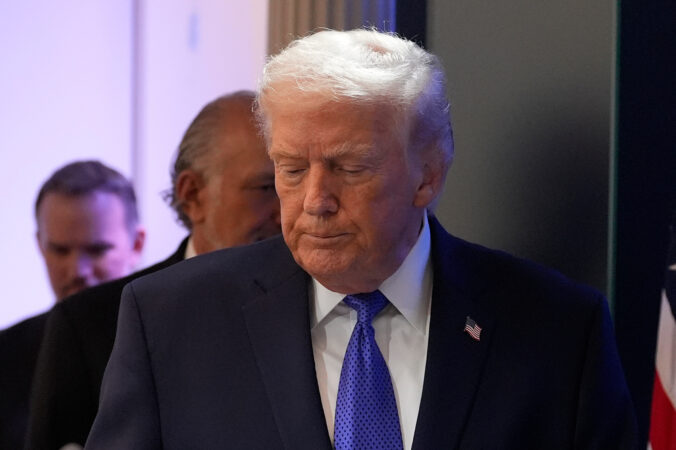
- What you should know
- The Supreme Court struck down President Donald Trump’s tariffs in a sweeping 6-3 ruling. Here are the tariffs impacted by the ruling.
- Justices wrote the Constitution “very clearly” gives Congress the power to impose taxes, which include tariffs, and that Trump could not invoke emergency powers to impose them.
- Pennsylvania lawmakers applauded the Supreme Court’s decision as area businesses brace for uncertainty on refunds.
- Here’s what the Supreme Court’s decision means for you. It’s already created a lot of uncertainty for businesses in Pennsylvania and across the country.
// Timestamp 02/20/26 4:46pm
Philly area lawmakers, area businesses react to Supreme Court ruling
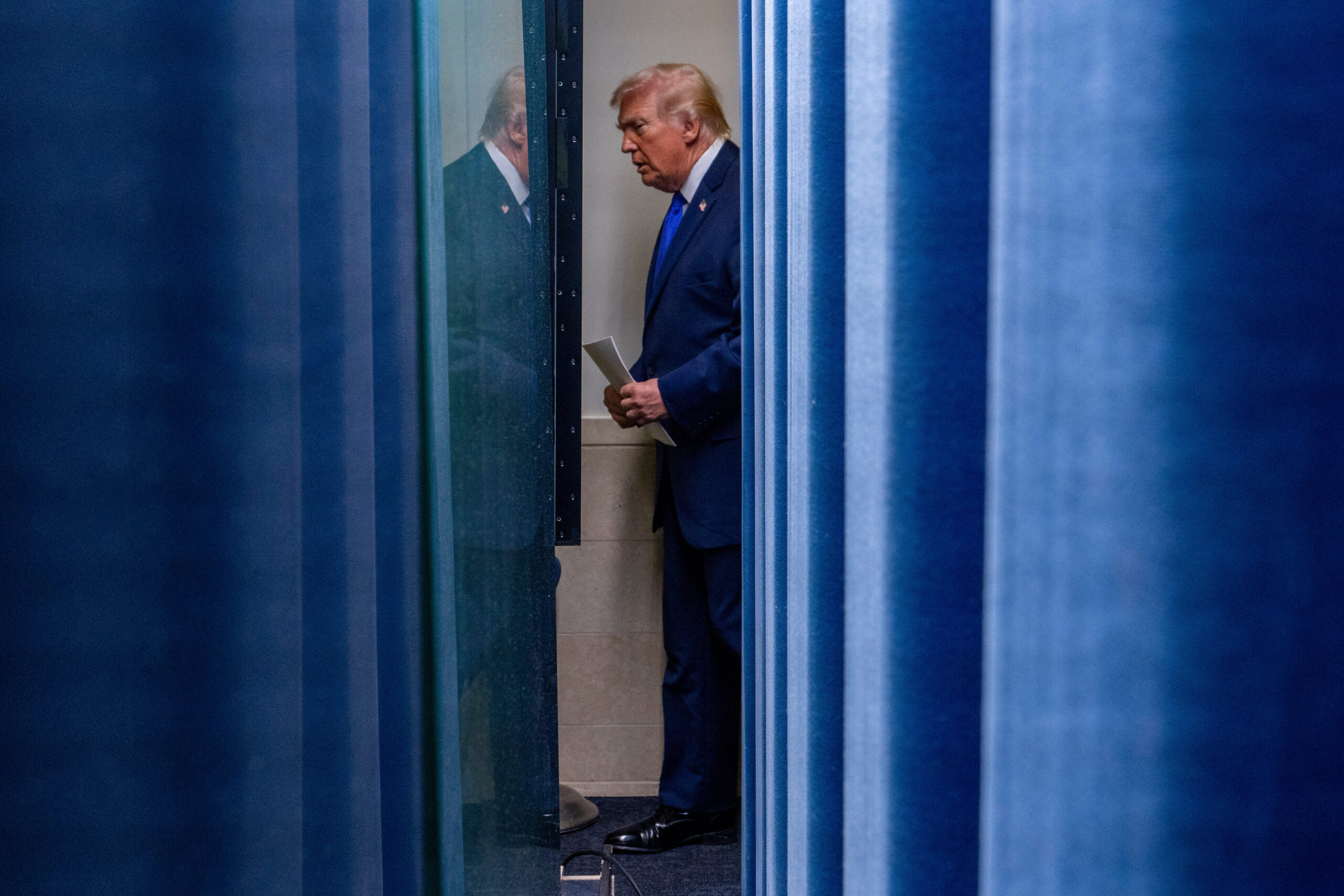
Pennsylvania lawmakers say Congress should reclaim its power over taxes and tariffs after the U.S. Supreme Court quashed President Donald Trump’s controversial global tariffs.
The nation’s high court ruled 6-3 Friday that Trump overstepped with tariffs imposed under an emergency powers law, dealing a significant blow to the president’s economic agenda and reasserting congressional authority.
Chief Justice John Roberts and Justices Neil Gorsuch and Amy Coney Barrett — both Trump nominees — joined liberal justices in the majority. Justices Brett Kavanaugh, Clarence Thomas, and Samuel Alito dissented.
Trump told reporters at the White House Friday that he was “ashamed” of the three Republican-appointed justices for not having “the courage to do what’s right for our country.”
But local lawmakers celebrated the decision as a step toward alleviating inflation exacerbated by Trump’s tariffs.
It’s “the first piece of good news that American consumers have gotten in a very long time,” said U.S. Rep. Brendan Boyle (D., Philadelphia), the ranking member of the House Budget Committee.
The decision is likely not the end of the road for Trump’s efforts to impose tariffs. The court struck down the broad authority Trump had claimed to impose sweeping tariffs but he could still impose additional import and export taxes using powers he employed in his first term.
— Fallon Roth, Andrew Seidman, Brett Sholtis, Katie Bernard
// Timestamp 02/20/26 4:43pm
President of Philly port operator says Supreme Court ruling ‘hard to interpret’
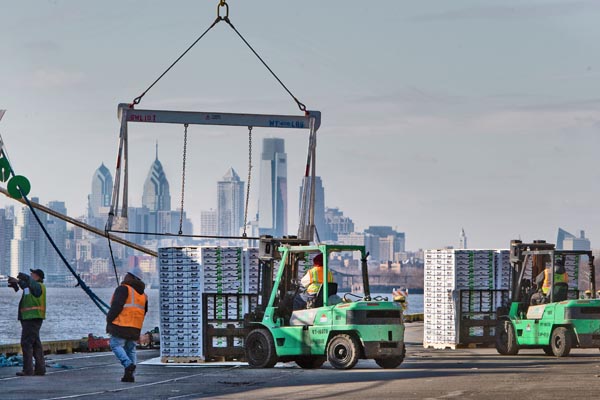
Andrew Sentyz is president of Delaware River Stevedores, which operates the Port of Philadelphia’s publicly owned Tioga Marine Terminal in Port Richmond.
“It’s kind of hard to interpret,” he said of the Supreme Court ruling. “…I don’t know if I have a handle on what exactly it’s going to impact, and what it’s not. Some [tariffs] are still there, some are not.”
“Our business is a lot like a public utility in that there’s a demand and there’s a supply and we’re like the conduit the goods pass through,” he said. “…Trade policy massively affects how much moves or how much doesn’t move and in which direction.”
Sentyz said he’s cautiously optimistic about a normalization in trade.
“From the perspective that people have more certainty, I think it is welcome,” he said of the court ruling. “People receiving the cargo, they like a market that’s predictable. When it’s unpredictable it makes their business much harder. We’re impacted by how much they buy or sell.”
// Timestamp 02/20/26 4:28pm
Treasury secretary says businesses shouldn’t expect tariff refunds
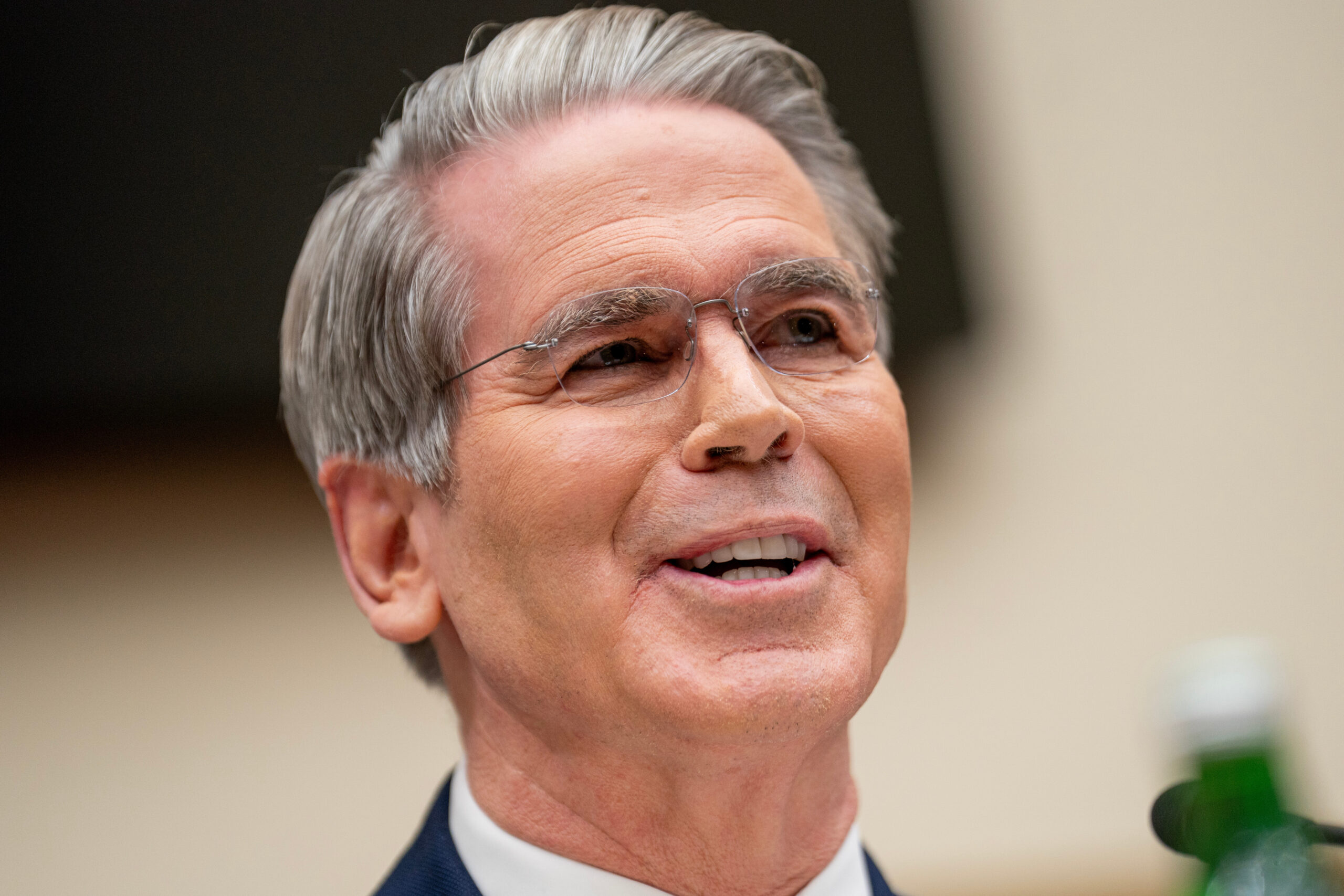
Will companies get refunds for paying tariffs the Supreme Court has now ruled were illegally imposed?
Treasury secretary Scott Bessent doesn’t think it’s likely.
“I got a feeling the American people won’t see it,” Bessent said during an interview at the Economic Club of Dallas Friday,
Bessent said he expects tariff revenue to be “virtually unchanged” in 2026 because the administration plans to turn to alternate methods to collect the levies.
Trump has already announced he plans to impose a 10% global tariff using an untested section of the 1974 Trade Act meant to address issues with international payments.
// Timestamp 02/20/26 4:16pm
Reaction from Europe focuses on renewed upheaval, confusion
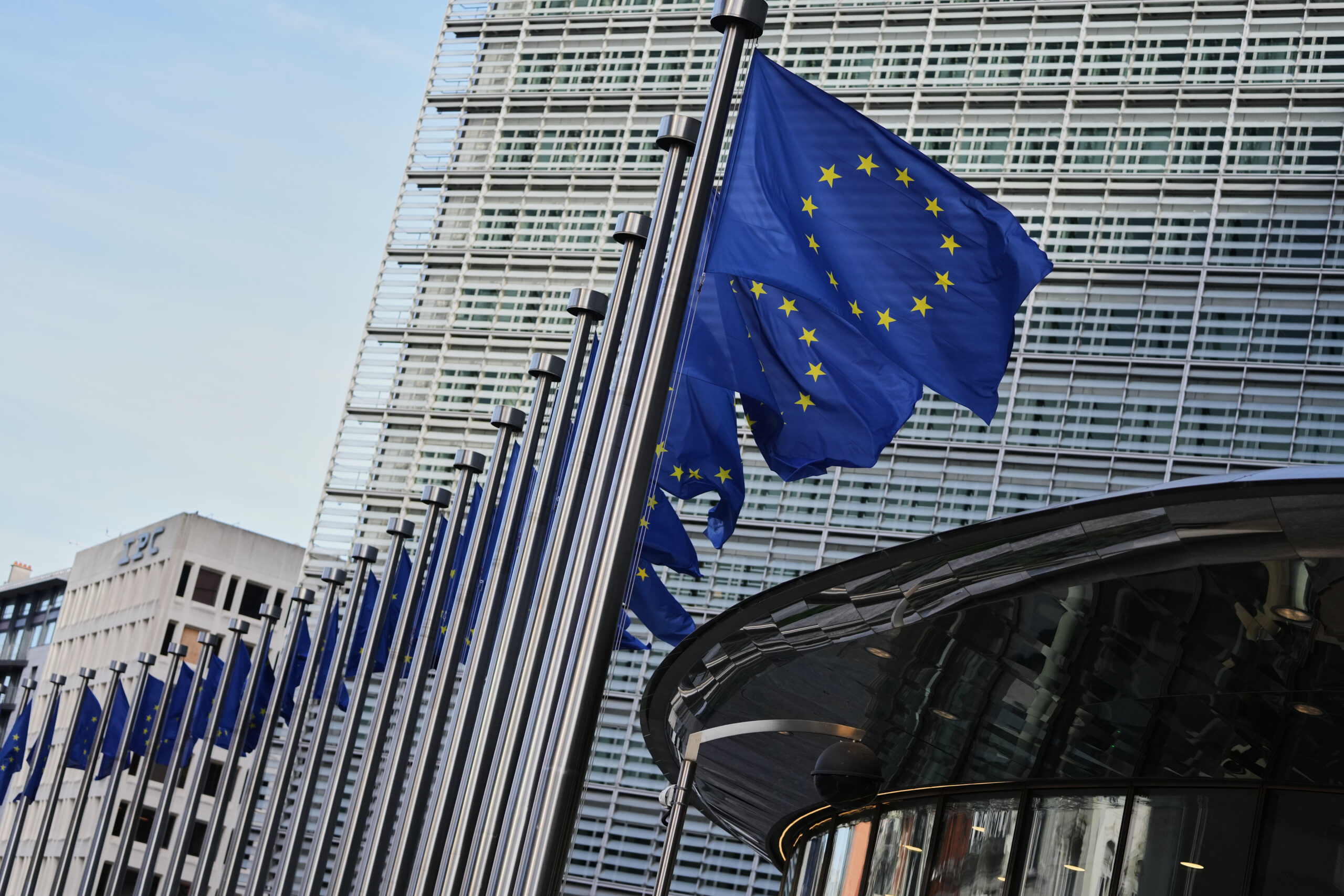
The initial reaction from Europe focused on renewed upheaval and confusion regarding costs facing businesses exporting to the US.
The European Commission had reached a deal with the Trump administration capping tariffs on European imports at 15%. The deal gave businesses certainty that helped them plan, a factor credited with helping the 21 countries that use the euro currency skirt a recession last year.
“Uncertainty remains high for German enterprises doing business in the US,” said the German Chamber of Commerce and Industry. “Because there are other instruments for trade limitations in the hands of the US administration that German companies must prepare themselves for.”
Trump could resort to laws permitting more targeted tariffs that could hit pharmaceuticals, chemicals and auto parts, said Carsten Brzeski, global head of macro at ING bank: “Europe should not be mistaken, this ruling will not bring relief. … The legal authority may be different, but the economic impact could be identical or worse.”
— Associated Press
// Timestamp 02/20/26 3:08pm
Supreme Court ruling the beginning of a long legal battle
Among those following the issue, the Supreme Court ruling was “widely expected,” said Villanova University professor of international business Jonathan Doh.
In oral hearings, the Trump administration had argued that the tariffs were necessary due to trade disputes that constituted an emergency, said Doh, who had served as a trade policy negotiator during the 1990s.
However, the administration then touted the tariffs’ revenue-generating capacity — saying they’ve raised about $175 billion, Doh said. Supreme Court justices took notice of this when they weighed whether this was really an emergency.
“The justices spent as much time arguing about whether the remedy [for the trade dispute] was tariffs,” Doh said.
The 6-3 decision is having immediate effects, Doh said. Importers can no longer collect tariffs through this act. Companies are already looking for ways to recoup what they paid from the federal government. And the Trump administration has already announced it plans to implement “temporary” tariffs through another legal mechanism.
This “shifting playing field” only adds uncertainty to a business community that’s been watching tariffs closely since the start of Trump’s second term, Doh said. All of this will play out in legal battles in the lower courts.
“The decision was extremely significant, but it’s not the end of the story,” Doh said. “In some ways it’s just the beginning.”
// Timestamp 02/20/26 2:57pm
Shapiro calls on Trump to ‘listen’ to the Supreme Court
Speaking to reporters on Friday, Gov. Josh Shapiro said he agreed with the Supreme Court’s decision to strike down Trump’s tariffs.
“I have made no bones about the fact that these tariffs are really harming,” the governor said. “I spend a lot of time on farmlands in our commonwealth. Farmers are getting killed by this.”
Shapiro cited 30% price increases for potato farmers because of tariffs, as well as hikes within the hardwood and lumber industry.
“We are hearing from folks in our rural communities sort of questioning why would the president do this,” Shapiro continued. “At the same time we’re seeing grocery prices go up, consumer goods go up, and there is a direct line connecting those price increases to the president pushing the tariff.”
Inflation reports show Trump’s tariffs inflated prices across household consumer items by as much as 5% at times.
Shapiro concluded by taking a jab at the president.
“I think the Supreme Court got it right. I say that as a former attorney general, and I say that as someone who actually follows the law,” he said. “And I think the president needs to actually listen to the Supreme Court and drop this and stop the pain for Pennsylvania and stop the pains for the Americans who are dealing with rising prices directly as a result of his tariffs.”
// Timestamp 02/20/26 2:13pm
Bucks County Republican Rep. Brian Fitzpatrick ‘applauds’ Supreme Court decision
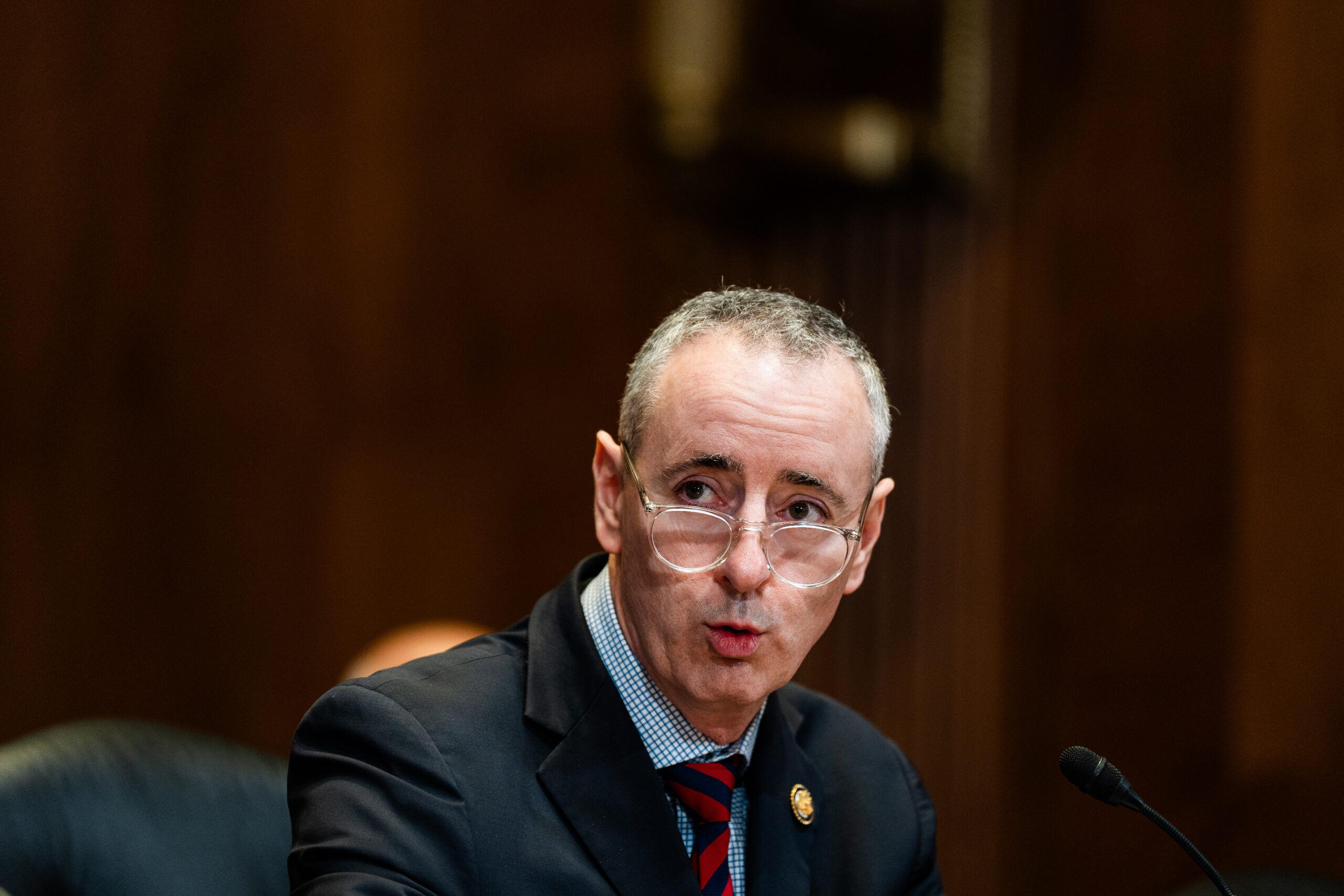
Casey-Lee Waldron, a spokesperson for U.S. Rep. Brian Fitzpatrick (R., Bucks), said in a statement Friday the lawmaker “applauds” the high court’s decision, “which validates the Congressman’s opposition to blanket and indiscriminate tariffs that are not narrowly tailored, and that do not lower costs for the American consumer.”
Waldron added that Fitzpatrick, a moderate who represents purple Bucks County, supports enforcing trade laws but that “This should always be done in a collaborative manner with a bipartisan, bicameral majority in Congress.”
Rep. Mary Gay Scanlon, a Delaware County Democrat, joined the chorus of lawmakers applauding the decision Friday afternoon.
In a post to X she called the decision a “win for the American people.”
“If the President stands by his disastrous tariff policy, it’s because he doesn’t care about lowering costs for American families,” Scanlon wrote.
// Pinned
// Timestamp 02/20/26 1:55pm
Trump says he’ll impose a 10% tariff on all countries using untested statute
President Donald Trump told reporters he plans to sign an executive order enacting 10% global tariffs following the Supreme Court’s decision.
“Today, I will sign an order to impose a 10% global tariff under Section 122, over and above our normal tariffs already being charged,” Trump said Friday. “And we’re also initiating several section 301, and other investigations to protect our country from unfair trading practices of other countries and companies.”
Section 122, a statute created by the 1974 Trade Act, allows the president to impose temporary tariffs on countries to address issues with international payments. The statute, which has never been invoked by a president, limits tariffs to 150 days.
// Timestamp 02/20/26 1:49pm
National Association of Manufacturers president: U.S. trade policy needs ‘clarity and durability’
Jay Timmons, president of the National Association of Manufacturers, said he and other leaders of the 14,000-member manufacturers’ group share President Trump’s goal of “ushering in the greatest manufacturing era.” But, he added, the court decision “underscores the importance of clarity and durability in U.S. trade policy.”
Timmons was in Philadelphia Friday morning to meet with leaders from the port, shipyard, Chamber of Commerce, and others in industry.
Stable tariffs and policies boost investment and hiring, but “legal and policy uncertainty make it more difficult” for American companies to compete, Timmons added in a statement. Since the court has ruled, “now is the time for policymakers to work together to provide a clear and consistent framework for trade.”
In the future, tariffs should be limited, according to the NAM leader. Timmons said punitive tariffs should target “specific unfair trade practices,” especially in “nonmarket” nations where government controls production.
NAM has pledged to work with Congress and the Trump administration on “durable” solutions to boost U.S. manufacturing and factory workers, he concluded.
// Timestamp 02/20/26 1:30pm
‘Fools and lapdogs’: Trump says Republican-appointed Supreme Court justices lacked loyalty in tariff ruling
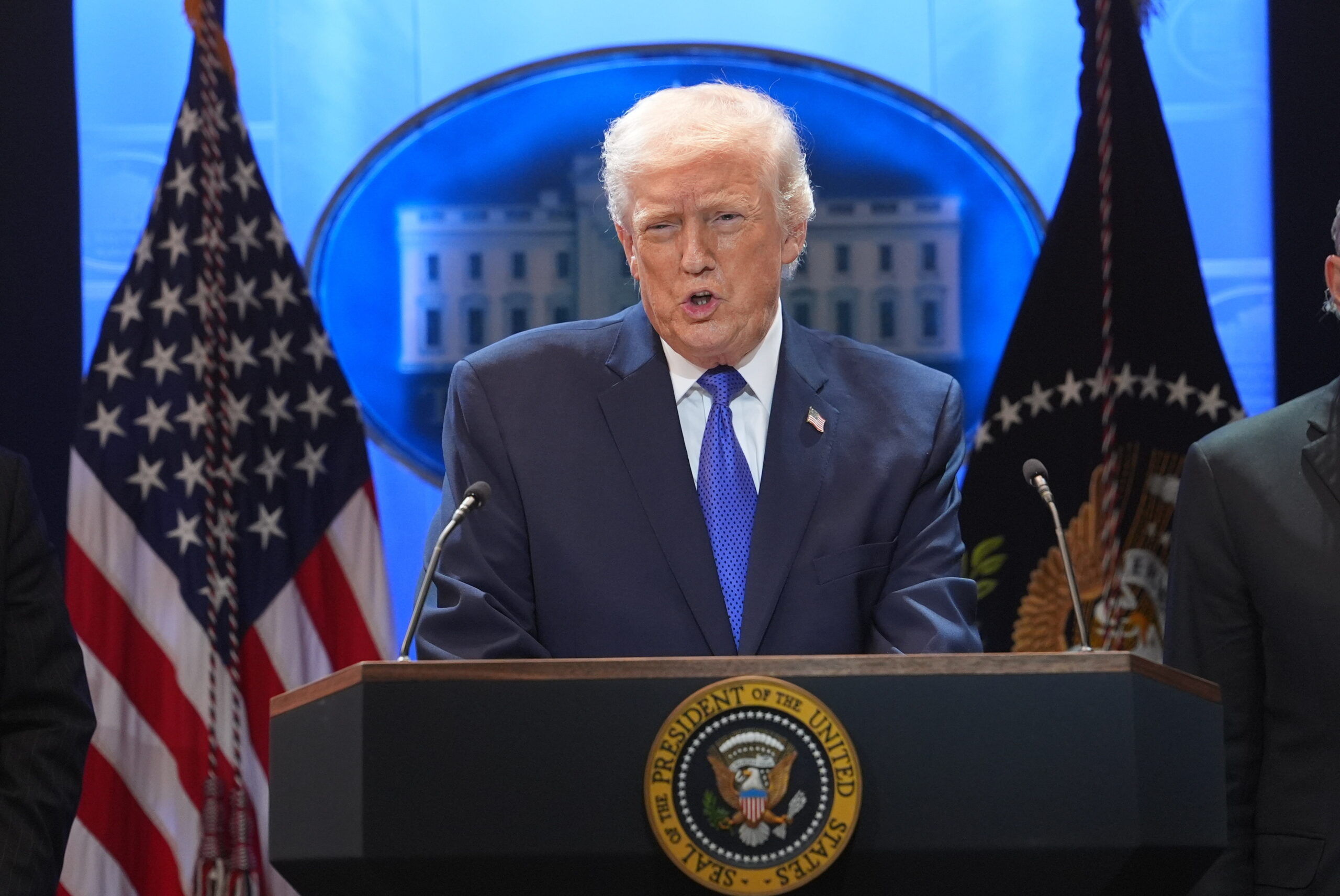
President Donald Trump slammed three Republican-appointed Supreme Court justices for voting in favor of striking down his tariffs on foreign goods.
Two justices Trump nominated — Neil Gorsuch and Amy Coney Barrett — joined with chief justice John Roberts in ending Trump’s central economic policy.
Speaking to reporters at the White House Friday, Trump said he was “ashamed” the three justices — two of whom he nominated — didn’t have “the courage to do what’s right for our country.”
Trump also went after the court’s three Democratic appointees, calling them “automatic no” votes on any of his policies that make their way to the Supreme Court.
“You can’t knock their loyalty,” Trump said. “It’s one thing you can do with some of our people … They’re just being fools and lapdogs for the RINOs and radical-left Democrats.”
// Timestamp 02/20/26 1:24pm
‘Trump’s tariffs are FAR from over’
“Trump’s tariffs are FAR from over,” says Gene Marks, small business columnist for The Inquirer and founder of small-business consulting firm Marks Group in Bala Cynwyd.
Marks notes, “As Karoline Leavitt said back in June ‘we can walk and chew gum at the same time’ and as Scott Bessent said in December: ‘The administration will be able to replicate tariffs even if the SCOTUS rules against.’”
Some ways it could do so, Marks added, include:
- The 1930 Smoot Hawley Act allows the U.S. to impose tariffs up to 50% on imports from countries that “discriminate” against U.S. goods through unfair duties, taxes, or regulations. But it requires congressional approval.
- Section 122 of the Trade Act of 1974 gives the president “balance-of-payments” authority. This has a 150-day limit unless extended by Congress, and a 15% maximum rate.
- Section 232 of the Trade Expansion Act of 1962/Section 301 of the Trade Act of 1974 allow tariffs on sectors or industries. These would require investigations and public comment.
“The only thing certain about tariffs in 2026 is that there will be a lot of uncertainty,” Marks said.
// Timestamp 02/20/26 1:16pm
Tariffs had been impacting business at the Port of Philadelphia

Tariffs have slowed business at the Port of Philadelphia lately, with cargo volume down across the board — containers, steel, automobiles, and other commodities.
Philly is a major gateway for produce, bringing in more fresh fruit than any other U.S. port, largely from Central and South America. The port saw record container volume last year, handling almost 900,000 units, up 6% over 2024. About two-thirds of that cargo was refrigerated — fruit and meat, for example.
But the year got off to a slow start. “The story is increased competition and tariffs,” Sean Mahoney, marketing director at the Philadelphia Regional Port Authority (PhilaPort), said during the agency’s board meeting on Wednesday.
Container volume in January was down 14% over the year-earlier period. Auto imports fell 17%, and breakbulk cargoes (steel, paper, lumber) fell too. (Tariffs weren’t the only factor; Mahoney noted that ports in early 2025 happened to see more cargo than usual in part because shippers ordered more goods amid labor negotiations between employers and unions representing dockworkers.)
// Timestamp 02/20/26 12:57pm
Shapiro hails Supreme Court decision to stop Trump’s ‘reckless approach’

Gov. Josh Shapiro, who has been a frequent critic of the tariffs, posted to X Friday applauding the Supreme Court’s decision.
“Donald Trump’s tariffs have been a disaster — wreaking havoc on Pennsylvania farmers, small business owners, and families who are just trying to make ends meet,” Shapiro wrote.
He urged Trump to follow the court’s ruling and “drop this reckless approach to economic policy that has done nothing but screw over Americans.”
// Timestamp 02/20/26 12:42pm
New Jersey import-export company doesn’t expect it will be easy to get refunds
Now that the Supreme Court has made its decision, one big question for companies is whether they’ll be able to get refunds for the additional tariffs they’ve paid since “liberation day” 10 months ago, said Tim Avanzato, vice president of international sales at Lanca Sales Inc.
The New Jersey-based import-export company should be eligible for as much as $4 million in tariff refunds, Avanzato said. But getting that money is far from guaranteed.
“It’s going to create a paperwork nightmare for importers,” he said, and he doesn’t expect the Trump administration to make it easy.
He’ll also be on the lookout for other ways the Trump administration may implement tariffs, further complicating the matter.
Avanzato said President Trump was right when he said that other countries have been taking advantage of the U.S. with their tariffs — and in principle, the president was right to apply his own.
“He should have done more with a scalpel than with a bomb,” Avanzato said.
Though companies may be able to recoup some of what they lost, the same won’t go for consumers, he noted.
“Companies are not very good at passing on savings,” Avanzato said. “Nobody is going to rush to drop their prices.”
// Timestamp 02/20/26 12:32pm
Supreme Court ruling brings uncertainty to Pennsylvania businesses
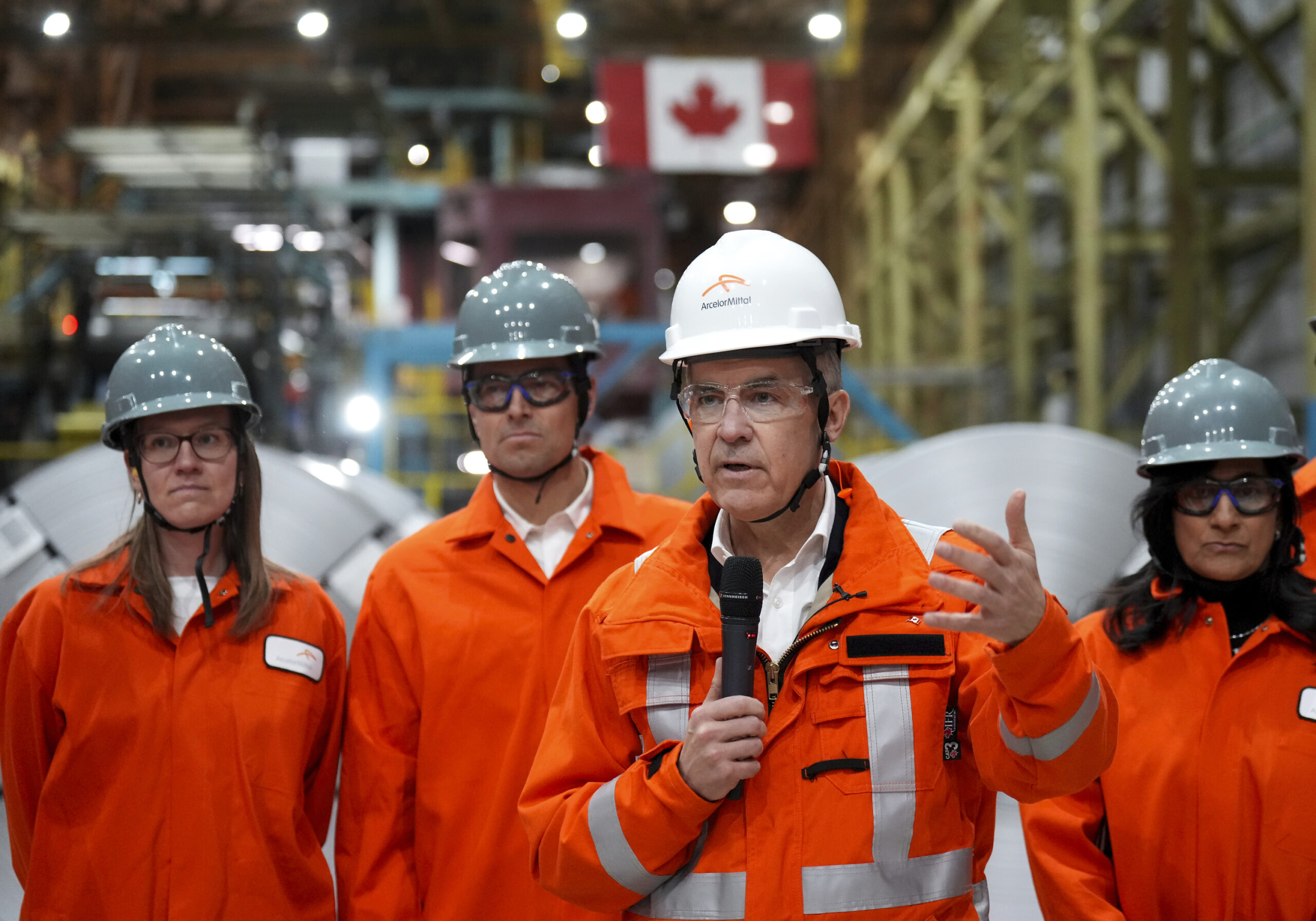
The Supreme Court’s decision may be welcome news for U.S. businesses that pay the import taxes, but one immediate effect is more uncertainty as firms weigh whether to hire and make investments.
Not all of President Donald Trump’s tariff increases came through the use of the International Emergency Economic Powers Act and therefore some will remain in place, said Julie Park, a partner at London-based tax and business advisory firm Blick Rothenberg.
“This decision brings further uncertainty for businesses,” she said in a statement. That’s in part because Trump could seek to reimpose tariffs through other legal tools, leaving “businesses in limbo about if they will get refunded.”
U.S. exporters will also be closely following what happens next, since the fate of Trump’s tariffs will likely affect whether other countries like Canada keep their retaliatory measures in place. Canada is Pennsylvania’s biggest export market, with the state sending more than $14 billion in goods there in 2024. Top exports included machinery, cocoa, iron, and steel.
Pennsylvania’s dairy industry has also been caught in the middle of the global trade war, as China and Canada imposed extra taxes on those goods in response to U.S. tariffs.
// Timestamp 02/20/26 12:19pm
Watch live: Trump to address Supreme Court ruling
President Donald Trump will hold a news briefing at 12:45 p.m. to address the Supreme Court’s ruling, White House Press Secretary Karoline Leavitt announced on social media.
// Timestamp 02/20/26 12:17pm
Gov. Mikie Sherrill, other New Jersey officials celebrate Supreme Court ruling
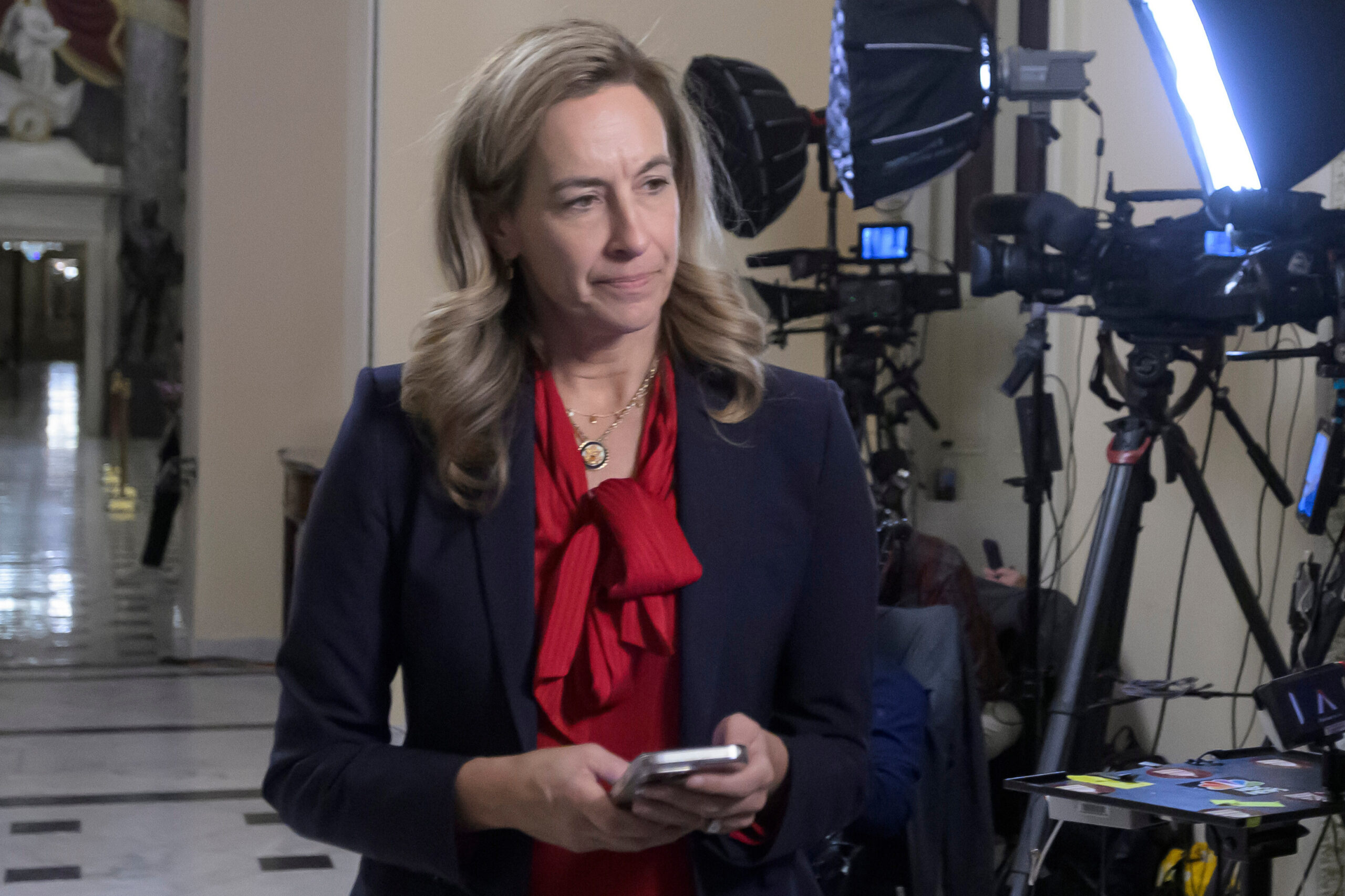
New Jersey Gov. Mikie Sherrill celebrated the court ruling on President Donald Trump’s tariffs, which she said have raised costs by $1,700 per New Jersey family and had a negative impact on small businesses and jobs.
“I’m thrilled that folks and businesses will start to see the relief they deserve – with no thanks to the president,” she added.
The new governor ran on a message combining affordability and fighting Trump. She took particular aim at his tariffs and visited small businesses in South Jersey to discuss their impact on local economies in the state.
Sen. Andy Kim, a South Jersey Democrat, said the Supreme Court’s decision is “a step” in righting wrongs by Trump’s administration, but that there’s “so much more to go.”
Calling the tariffs “unpopular and illegal,” the senator said the president cost Americans “a lot of money.”
“Trump 2.0: You pay for his tariffs, tax breaks for his billionaire donors, & insane corruption for his friends and family,” he added in a social media post.
Sen. Cory Booker, a North Jersey Democrat, lauded the Supreme Court for ruling “what we’ve all known: this administration cannot ignore the rule of law and Congress’ role to protect America’s economy from reckless and chaotic tariffs.”
“For nearly a year, Trump abused our trade tools to curry favors with foreign officials and exact revenge on his rivals, all while America’s working families and small businesses paid the price,” Booker said on social media. “Trump raised the cost on everything from the food we eat to the clothes we wear, and also failed to bring back good-paying jobs or fix our broken economy.”
// Timestamp 02/20/26 11:56am
Philly Rep. Dwight Evans calls on Congress to reassert its constitutional power
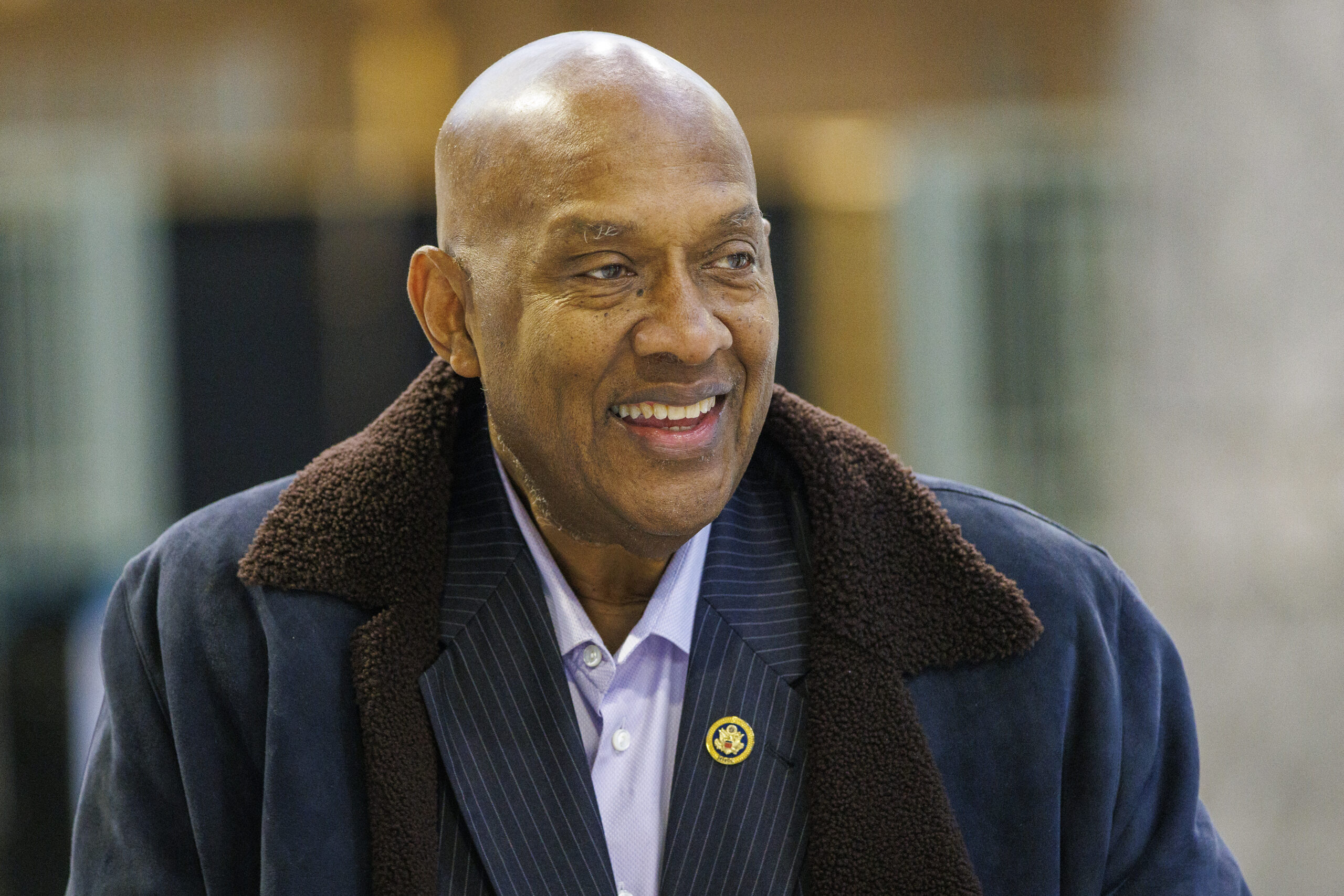
U.S. Rep. Dwight Evans (D., Pa.), who represents parts of Philadelphia, called the ruling a win for the wallets of Americans and called on Congress to reassert its power over the country’s economy.
“The Constitution is clear — only Congress has the power to levy tariffs and other taxes,” Evans wrote on social media. “I’m a co-sponsor of legislation to return this power to Congress — it’s long past time Republicans work with Democrats to pass it!”
The bill, which has no chance of passing in the Republican-controlled House, would require congressional approval for all new tariffs and the reversal of tariffs imposed on Mexico and Canada enacted through the United States-Mexico-Canada Agreement.
His call was echoed by Sen. Chuck Grassley, an Iowa Republican who serves as the chairman of the Senate Judiciary Committee.
In a statement, Grassley wrote, “I’ve made clear Congress needs to reassert its constitutional role over commerce, which is why I introduced prospective legislation that would give Congress a say when tariffs are levied in the future.”
// Timestamp 02/20/26 11:09am
Trump calls Supreme Court’s decision ‘a disgrace’
President Trump described the Supreme Court decision as “a disgrace” when he was notified in real time during his morning meeting with several governors.
That’s according to someone with direct knowledge of the president’s reaction, who spoke on the condition of anonymity to discuss the private conversation. Trump was meeting privately with nearly two dozen governors from both parties when the decision was released.
— Associated Press
// Timestamp 02/20/26 11:03am
Brendan Boyle celebrates Supreme Court ruling as ‘good news’ for consumers
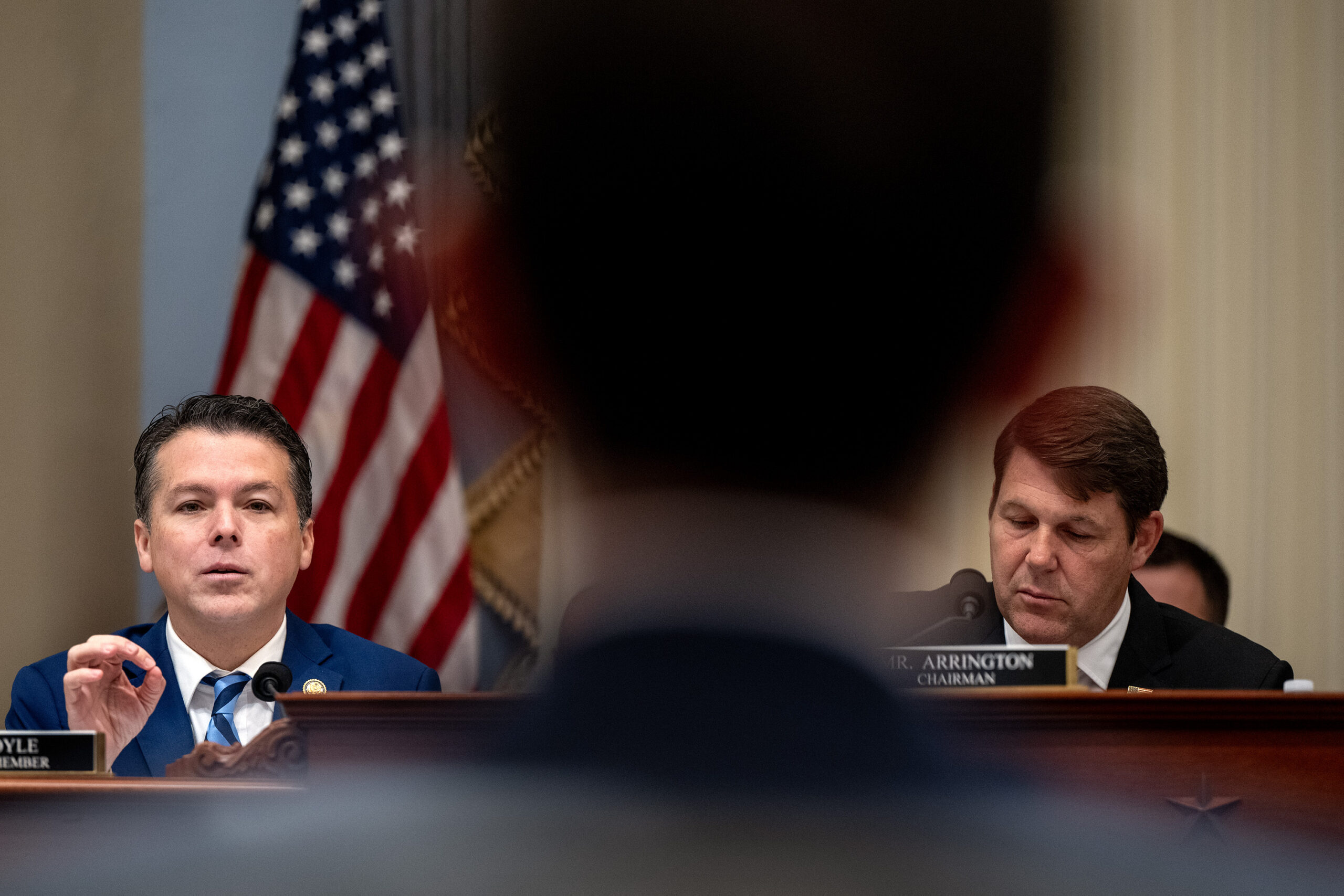
The decision is “the first piece of good news that American consumers have gotten in a very long time,” said U.S. Rep. Brendan Boyle (D., Philadelphia), the ranking member of the House Budget Committee, said in an interview Friday.
Boyle noted that the public will eventually see prices go down, but it remains unclear what will happen to tariff revenue that’s already been collected. But Pennsylvania lawmakers, including Boyle, are pushing for Congress to reassert its power to control the country’s purse strings.
“As the Supreme Court validated this morning, Congress has the authority to levy taxes and tariffs,” Boyle said. “It’s time now for us to finally reclaim that authority and bring some certainty and rationality to our tariff policy, which under Donald Trump has been all over the map and changes day by day, even hour by hour.”
Boyle and U.S. Rep. Dwight Evans (D., Philadelphia) have cosponsored a bill that would require congressional approval for all new tariffs and the reversal of tariffs imposed on Mexico and Canada enacted through the United States-Mexico-Canada Agreement. It’s unlikely that it will pass the Republican-controlled U.S. House.
// Timestamp 02/20/26 10:49am
Will businesses get refunds? One Supreme Court justice says the process will be a ‘mess’
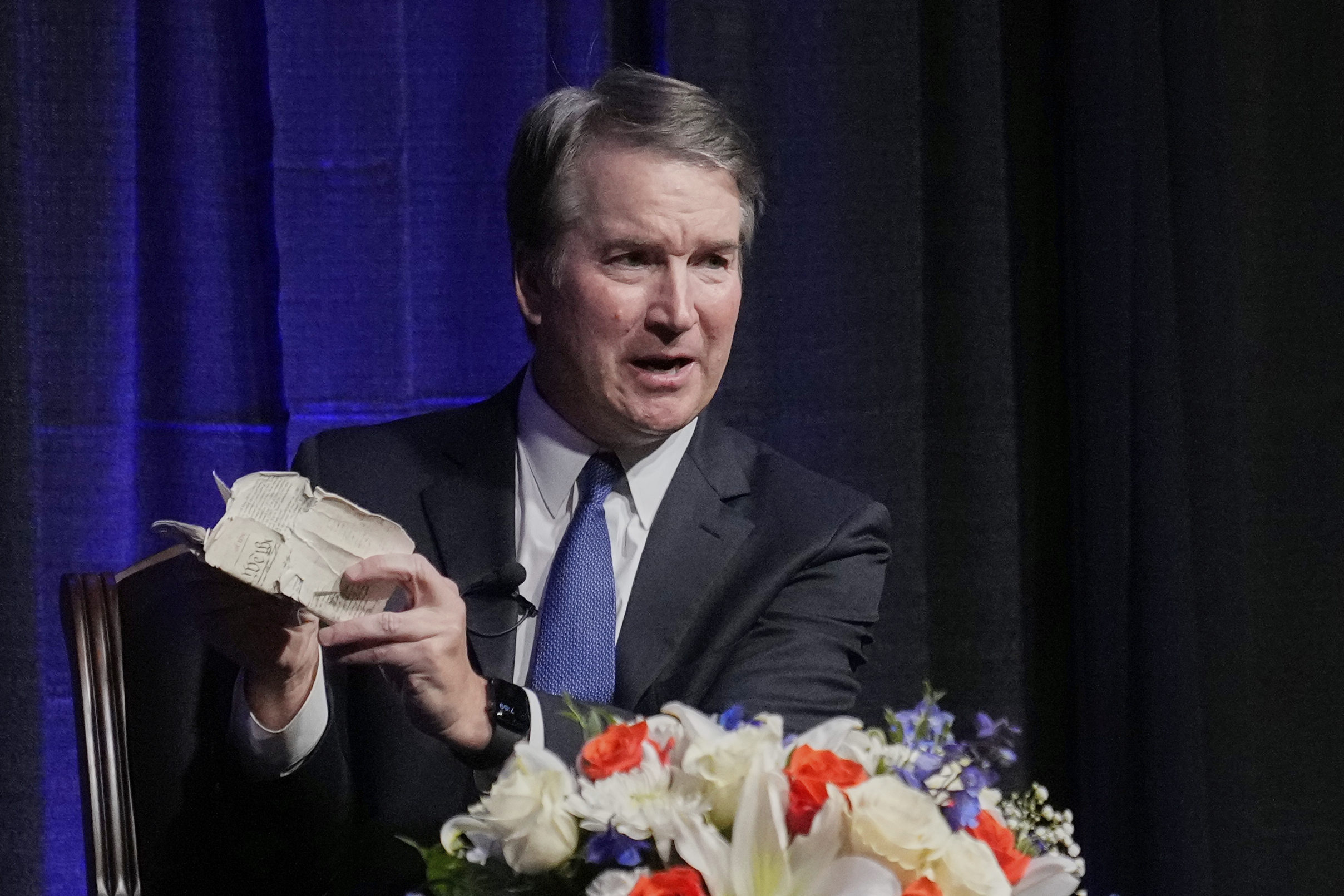
Companies have collectively paid billions in tariffs. Many companies, including the big-box warehouse chain Costco, have already lined up for refunds in court, and Justice Brett Kavanaugh noted the process could be complicated.
“The Court says nothing today about whether, and if so how, the Government should go about returning the billions of dollars that it has collected from importers. But that process is likely to be a ‘mess,’ as was acknowledged at oral argument,” Kavanaugh wrote in the dissent.
We Pay the Tariffs, a coalition of more than 800 small businesses that has been advocating against the tariffs, said a process for refunding the tariffs is imperative.
“A legal victory is meaningless without actual relief for the businesses that paid these tariffs,” executive director Dan Anthony said in a statement. “The administration’s only responsible course of action now is to establish a fast, efficient, and automatic refund process that returns tariff money to the businesses that paid it.”
— Associated Press
// Timestamp 02/20/26 10:36am
The Supreme Court strikes down Trump’s tariffs
The Supreme Court struck down President Donald Trump’s far-reaching global tariffs on Friday, handing him a significant loss on an issue crucial to his economic agenda.
The 6-3 decision centers on tariffs imposed under an emergency powers law, including the sweeping “reciprocal” tariffs he levied on nearly every other country.
It’s the first major piece of Trump’s broad agenda to come squarely before the nation’s highest court, which he helped shape with the appointments of three conservative jurists in his first term.
The majority found that the Constitution “very clearly” gives Congress the power to impose taxes, which include tariffs. “The Framers did not vest any part of the taxing power in the Executive Branch,” Chief Justice John Roberts wrote.
Justices Samuel Alito, Clarence Thomas, and Brett Kavanaugh dissented.
“The tariffs at issue here may or may not be wise policy. But as a matter of text, history, and precedent, they are clearly lawful,” Kavanaugh wrote in the dissent.
The economic impact of Trump’s tariffs has been estimated at some $3 trillion over the next decade, according to the Congressional Budget Office. The Treasury has collected more than $133 billion from the import taxes the president has imposed under the emergency powers law, federal data from December shows. Many companies, including the big-box warehouse chain Costco, have already lined up in court to demand refunds.
— Associated Press
// Timestamp 02/20/26 10:34am
Trump could still impose tariffs under other laws
The Supreme Court’s tariffs decision doesn’t stop President Donald Trump from imposing duties under other laws.
While those have more limitations on the speed and severity of Trump’s actions, top administration officials have said they expect to keep the tariff framework in place under other authorities.
“It’s hard to see any pathway here where tariffs end,” said Georgetown trade law professor Kathleen Claussen. “I am pretty convinced he could rebuild the tariff landscape he has now using other authorities.”
The Constitution gives Congress the power to levy tariffs. But the Trump administration argued that a 1977 law allowing the president to regulate importation during emergencies also allows him to set tariffs. Other presidents have used the law dozens of times, often to impose sanctions, but Trump was the first president to invoke it for import taxes.
Trump set what he called “reciprocal” tariffs on most countries in April 2025 to address trade deficits that he declared a national emergency. Those came after he imposed duties on Canada, China, and Mexico, ostensibly to address a drug trafficking emergency.
A series of lawsuits followed, including a case from a dozen largely Democratic-leaning states and others from small businesses selling everything from plumbing supplies to educational toys to women’s cycling apparel.
The challengers argued the emergency powers law doesn’t even mention tariffs and Trump’s use of it fails several legal tests, including one that doomed then-President Joe Biden’s $500 billion student loan forgiveness program.
— Associated Press
Two Trump Supreme Court appointees ruled against his tariffs
Chief Justice John Roberts wrote the court’s majority opinion, joined by Justices Neil Gorsuch and Amy Coney Barrett, two of Trump’s three Supreme Court picks. The three liberal justices were also part of the majority.
Justice Brett Kavanaugh, Trump’s other appointee, wrote the main dissent, joined by Justices Clarence Thomas and Samuel Alito.
— Associated Press
// Timestamp 02/20/26 10:30am
Leave a Reply