Category: Business

Business news and market updates

  • U.S. Mint releases new nickels, dimes, quarters, and half-dollar for 250th

    U.S. Mint releases new nickels, dimes, quarters, and half-dollar for 250th

    Check your change: You might have one of the U.S. Mint’s special-edition coins celebrating the nation’s 250th birthday.

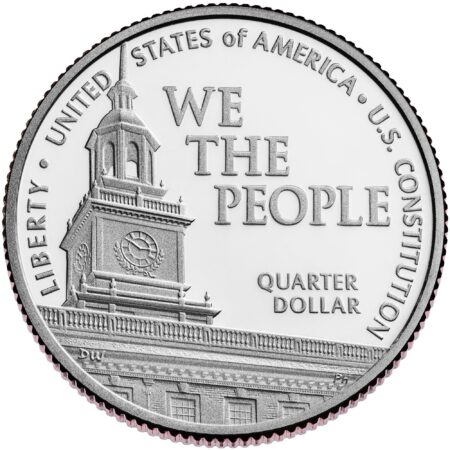
    For one year only, circulating nickels, dimes, quarters, and half-dollars will feature new historical designs. Part of the U.S. Mint’s Semiquincentennial program, many of the coins entered circulation at the beginning of the year.

    “The program is the most significant redesign of the nation’s circulating coins in the past century,” said Jill Westeyn, acting chief of public affairs at the U.S. Mint. “These coins commemorate 250 years of American Liberty by reflecting our country’s founding principles and honoring our nation’s history.”

    What’s on the coins

    The quarter is a star of the program, boasting five different designs that highlight pivotal moments in American history.

    The Mayflower Compact, signed in 1620 as one of the New World’s earliest documents establishing self-government, inspired one of the quarter’s designs, which features the iconic ship.

    Motifs from the Declaration of Independence, the Revolutionary War, and the U.S. Constitution appear on three of the other quarters. Images include Philadelphia landmarks like the Liberty Bell and Independence Hall.

    The fifth quarter honors President Abraham Lincoln’s Gettysburg Address. Meant to highlight the Civil War-era speech’s commitment to equality, the quarter depicts Lincoln on one side and clasped hands on the other.

    The quarters are scheduled for circulation in separate intervals throughout the year. So far, the Mayflower Compact Quarter, the Revolutionary War Quarter, and the Declaration of Independence Quarter have been released. The remaining two designs will enter circulation later in the year.

    The dime and half-dollar feature Liberty, an American allegorical figure of a mythical goddess. The dime includes her cap, a symbol of freedom in ancient Rome, and the half-dollar depicts Liberty gazing to her right, meant to convey looking toward the future.

    The nickel may look familiar with its portrait of President Thomas Jefferson, but an addition of the dual date, “1776 ~ 2026,” updates the coin for the anniversary.

    A collectible penny with the dual date is also available for purchase in annual sets sold on the mint’s website. The mint discontinued the copper cent in 2025 because it cost more to produce than it’s worth.

    The bipartisan Citizens Coinage Advisory Committee had reportedly proposed designs for the 250th that will not see the light of day, including coins that would have commemorated the end of slavery, the women’s suffrage movement, and the civil rights movement. But Treasury Secretary Scott Bessent, tasked with making the final design choices, did not pick any of those.

    Other coins

    President Donald Trump’s 24-karat gold coins, which feature his portrait and were also intended to highlight the country’s 250th anniversary, are not among the program. The U.S. Commission of Fine Arts voted unanimously to approve the design in March, but the coins are not slated for production until after July 4.

    The U.S. Mint has approximately 1,400 employees across four production facilities (one of which is in Philadelphia), a bullion depository, and its headquarters in Washington, D.C. It produced 8 billion coins during fiscal year 2025, per the organization’s annual report.
  • 2026 Chevrolet Trax: What you can get for under $30,000, Part 1

    2026 Chevrolet Trax: What you can get for under $30,000, Part 1

    2026 Chevrolet Trax 1LT vs. 2026 Kia K4 Hatchback GT-Line Turbo: Battle of the low(ish)-payment models.

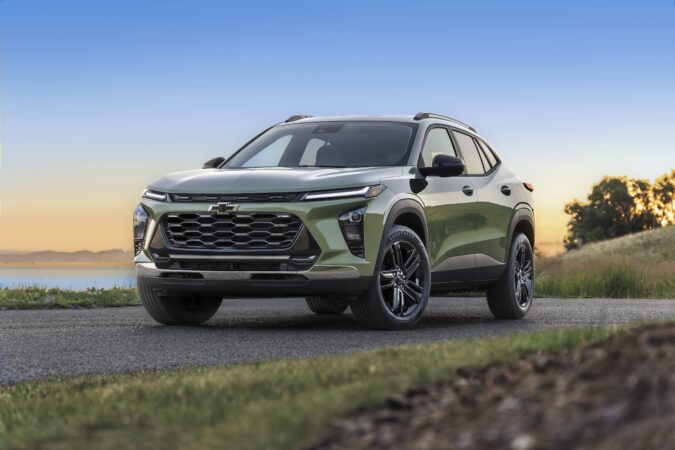
    This week: 2026 Chevrolet Trax

    Price: $26,280 as tested. Options include $795 for rear cross-traffic alert, lane change alert, adaptive cruise, and rear park assist, and $595 heated steering wheel, front seats, mirrors, and more.

    What others are saying: “Highs: Rides and handles well, hushed cabin, cavernous cargo area. Lows: Lackluster acceleration, some scratchy interior plastics, no all-wheel drive,” says Car and Driver.

    What Chevrolet is saying: “Bold style that’s in your range.”

    Reality: Some real bright spots for the price point.

    What’s new: The little crossover gets some new colors for 2026, and that’s it. It received the sharp new Chevrolet looks in 2024.

    Competition: Though it’s a dwindling category, there are still several contenders in the small car club, like Buick Envista, Honda Civic, Hyundai Elantra, Kia K4, Kia Niro, Mazda3, Nissan Versa, Subaru Impreza, Toyota Corolla, and Toyota Prius.

    Safety equipment: I rarely note safety features even after several reader requests because it’s easily searchable, correction-risky information that’s generally matched among models. But at this price point, it’s worth noting standard features include forward collision alert, lane keeper with departure warning, automatic emergency braking, and following distance indicator.

    Up to speed: The 1.2-liter, three-cylinder turbocharged engine creates 137 horsepower and gets to 60 mph in 8.8 seconds, according to Car and Driver. The strain to get from 40 to 60 mph is real in the Trax.

    In spite of those issues, it’s fairly peppy in everyday use, and I found travel along back roads not bad at all. You’re not going to win any races, but wise philosophers say you really should only compete against yourself. (Mr. Driver’s Seat notes this wisdom while writing a comparison between two vehicles. He is a wiseguy, though, so maybe that counts.) If you have never owned a real car — and this was definitely Mr. Driver’s Seat once upon a time — you might not mind this.

    Shifty: The 6-speed automatic transmission is a sad unit to have attached to a small vehicle like the Trax. There’s only shiftability via a button on the shift lever, and it really just allows you to select a top gear. Nice for going down hills, but zero joy is added, in a vehicle where every drop of joy must be savored.

    On the road: At first turn, the Trax steering felt so loose and power-assisted that I was ready to weep for the man I would become over the next week. A man who once reviewed a 2011 Corolla and earlier piloted a 1964 Rambler Ambassador.

    Surprisingly, though, over test week I found the Trax grew on me. The country road triumphs were not lessened by the little vehicle’s handling, and I liked how it zipped here and there. The Trax only comes in front-wheel drive; all-wheel drive could only brighten the shine on this facet.

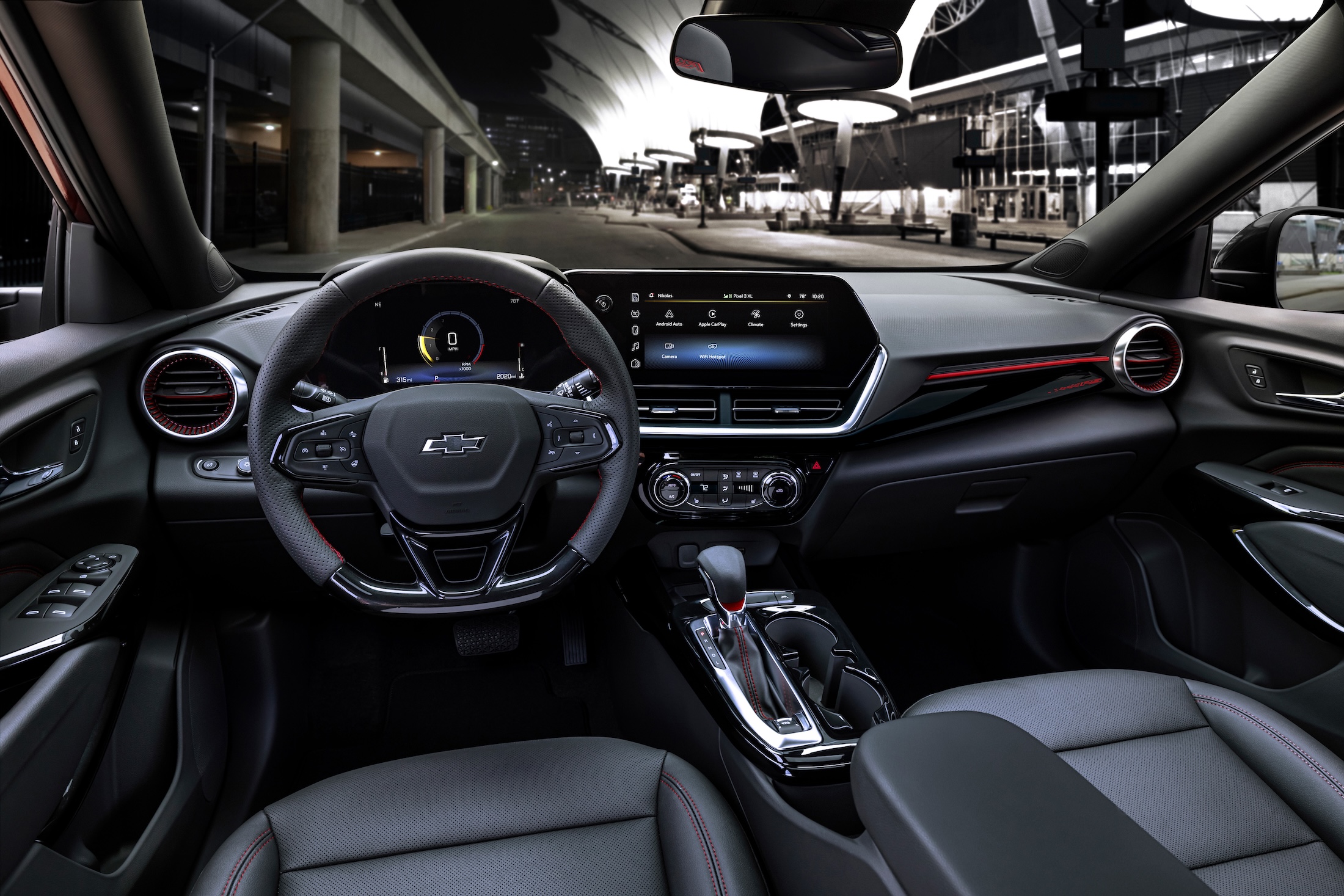
    The interior of the 2026 Chevrolet Trax doesn’t necessarily look or feel cheap, but the touchscreen appears smaller than in real life.

    Driver’s Seat: Part of what keeps the Trax more sporty than more expensive cars could be its profile. The seats sit quite low for something that appears to be a tall box, and the entry is simple.

    The logic of the gauge screen could really use some explaining. Off in the upper right corner and cleverly concealed by the steering wheel are two bits of potentially collision-avoiding pieces of information — whether the high beams are on and the distance to the vehicle in front of you. The Trax even helpfully tells you how many seconds in front of you that car is.

    Having to explain to the nice patrol officer that your high beams caused a sideswipe collision or you rear-ended a vehicle while craning your neck to find out if you were at risk of hitting someone probably won’t reduce your fine.

    Friends and stuff: Legroom and foot room are good. Headroom is OK; my head reached to about an inch from the ceiling.

    The seat feels kind of cheap but not uncomfortable, it’s just a little small in the bottom, so it’s better if you are, as well. The Trax offers no adjustments for recline.

    Cargo space goes from 25.6 to 54.1 cubic feet.

    Play some tunes: The stereo features a volume button and then everything else is touchscreen time. The Trax features CarPlay, so it’s a tick above the GM vehicles that don’t anymore, although the 11-inch home screen looks straight out of a base-model 2016 Toyota.

    Sound from the system is surprising, about an A-.

    Keeping warm and cool: A dial controls temperature, another fan speed, and then some smallish buttons in between handle the rest. Hooray for simplicity.

    Fuel economy: The Trax averaged around 25 mpg for me and fellow drivers, which is tragic for such a small, underpowered vehicle.

    Where it’s built: Changwon, South Korea

    How it’s built: The Trax has improved its Consumer Reports reliability score, up to a 4 out of 5 from its previous 2.

    In the end: The Trax is cheap. For better and for worse.

    Next week: Let’s see how the Kia K4 Hatchback compares.

  • Goodwill opens new medical equipment store in South Jersey

    Goodwill opens new medical equipment store in South Jersey

    The young woman with muscular dystrophy wanted a motorized scooter, but her health insurance would only cover a wheelchair.

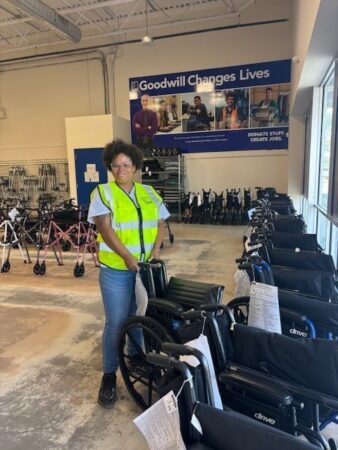
    So she went to Goodwill’s only medical equipment store in South Jersey, where she found a dozen scooters to choose from. She test drove one she liked and bought it at a steep discount.

    “She burst into tears and said, `You have no idea what a difference this is going to make in my life,’” recalled Mark Boyd, Goodwill’s president and CEO.

    Goodwill Home Medical Equipment on Wednesday opened the region’s second location. The new store is located in Gloucester County, while its flagship, 16,000-square-foot retail store and warehouse is in Camden County.

    Both sell sanitized and refurbished medical equipment, including power and manual wheelchairs, hospital beds, canes, walkers, and lift and shower chairs. The stores also offer unopened medical supplies, like adult diapers and colostomy bags.

    “When people go to a Goodwill store, they don’t really know what they are looking for — they’re on a treasure hunt,” Boyd said. “But when you get sick or somebody in your family gets sick, all of the sudden you need a specific piece of equipment, and it can be quite daunting.”

    The nonprofit thrift organization began offering used medical equipment at roughly one-third the retail price about 15 years ago, Boyd said.

    “Financially, it’s a break-even operation, but it’s such a great service to the community,” he said, adding they cater to people with no or limited insurance, or high deductibles.

    The new store on Mantua Pike in Woodbury Heights will be open Monday through Saturday from 9 a.m. to 6 p.m., and Sundays from 10 a.m. to 6 p.m. The location on Benigno Boulevard in Bellmawr is open Monday through Saturday from 9 a.m. to 3 p.m., and Sundays from 9 a.m. to 1 p.m.

    The two South Jersey stores are the only Goodwill Home Medical Equipment retail locations in the country, according to spokesperson Juli Lundberg.

    “The savings are so great that people do travel to us from New York City, the Philly burbs, and Jersey Shore,” Lundberg said. “We have had many other Goodwills across the country inquire about the concept.”

    People can donate their medical equipment and unopened supplies at any Goodwill location in New Jersey and Pennsylvania. Donation sites and regular thrift stores can be found at https://www.goodwillhomemedical.org/store-locator. Goodwill staff also will pick up home medical equipment that is too large for a car, according to Lundberg.

  • Alexander Hamilton believed in Philadelphia’s prosperity and insisted the Federal Bank be headquartered in the city

    Alexander Hamilton believed in Philadelphia’s prosperity and insisted the Federal Bank be headquartered in the city

    The Revolutionary War ended in 1783, but when the 1790s rolled in, America was in an economic spiral. Citizens were broke. Businesses were going under. The government had little money.

    So the first United States Treasurer Alexander Hamilton came up with a plan to create a national bank to serve as the primary fiscal agent for the federal government. It would issue paper money, pay America’s bills, provide loans to private citizens, and collect taxes so the country could fund itself.

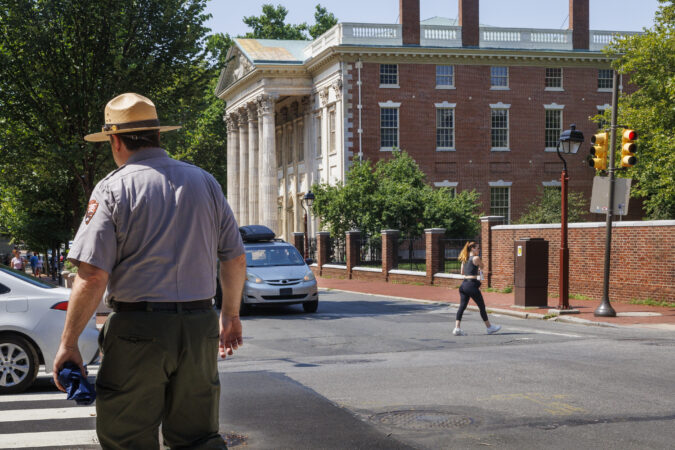
    “Hamilton had been studying the British banking system for decades,” said Lynn Nash, a park ranger at Philadelphia’s First National Bank that is managed by the U.S. National Park Service. “He did a deep dive and decided America needed a similar system to build more fiscal authority.”

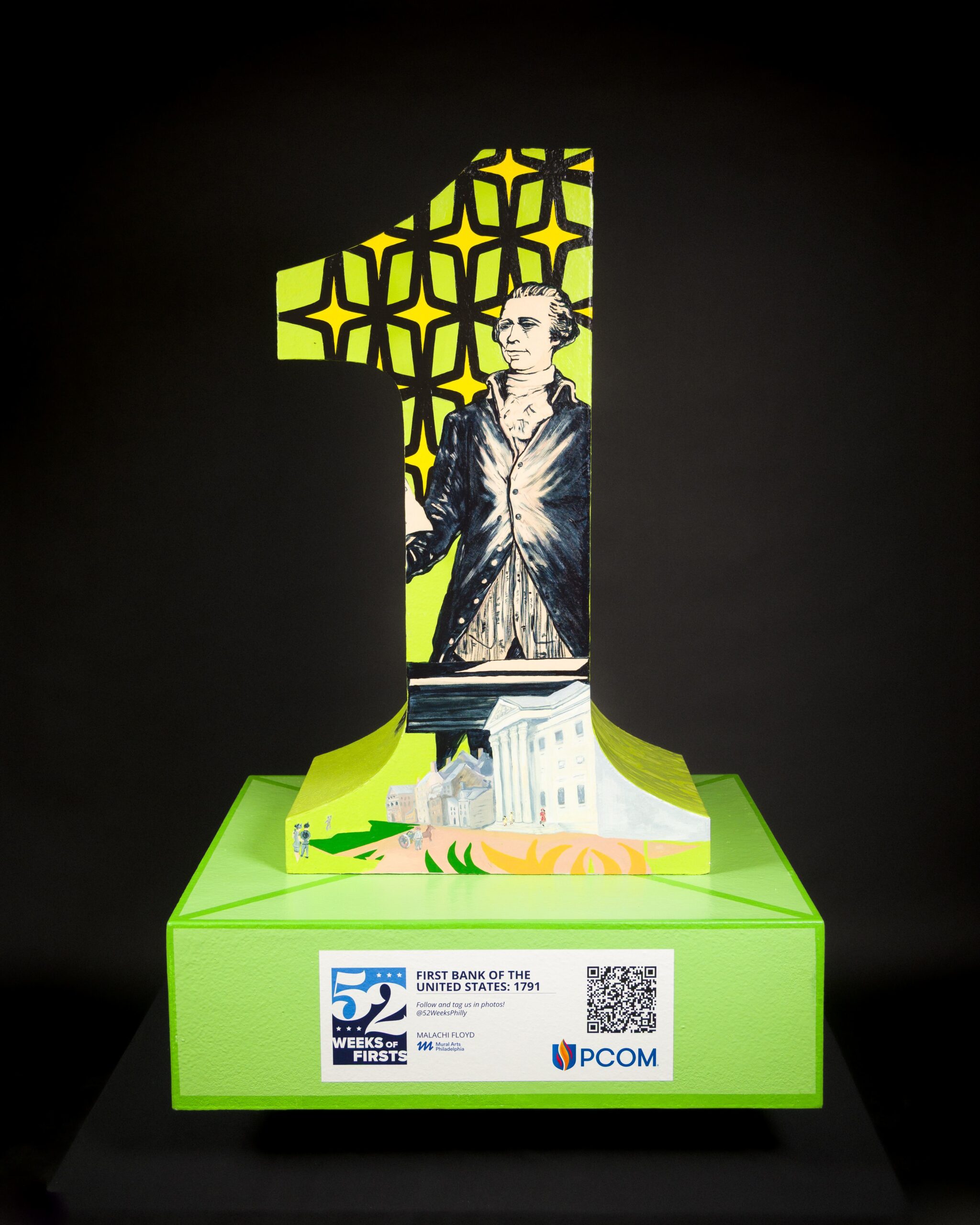
    Malachi Floyd’s image of Alexander Hamilton, stacks of money, and the original First Bank of the United States’ building honors Philadelphia’s history as the seat of the federal banking system.

    On Feb. 8, 1791, Congress passed a law establishing America’s first federally backed bank, which was located inside Philadelphia’s Carpenter’s Hall.

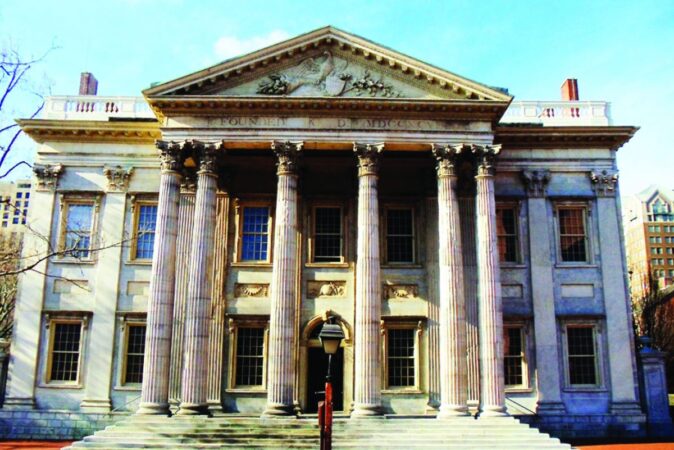
    The city will celebrate America’s First National Bank Saturday, July 4, at the First Bank of the United States, 120 S. 3rd St., where it moved in 1797. The Independence Day fete is part of the Philadelphia Historic District’s 52 Weeks of Firsts program.

    In honor of the Semiquincentennial, the National Park Service will reopen the First Bank to the public on July 1, following a multiyear $43 million rehabilitation. The gleaming Greek Revival-style building will feature exhibits centering on the history of American banking.

    America’s first commercial bank, the Bank of North America, was charted by the Continental Congress in 1781 to provide loans to colonists and fund the Revolutionary War. And some lawmakers, especially Thomas Jefferson, thought that was sufficient and that the Federal Bank overstepped the Constitution.

    While lawmakers settled into their capital digs in Washington, D.C., in 1800, Hamilton argued that the Federal Bank should be kept in Philadelphia through the end of its charter.

    “He writes a letter to George Washington telling him how the bank needs to be housed in a large commercial seat,” Nash said. ”And that he knows Philadelphia will remain prosperous.”

    The First Bank of the United States’ charter ended in 1811. Hamilton had died by then and President James Madison did not renew the charter. The next year, the building was purchased by Stephen Girard, who opened a private bank in the space.

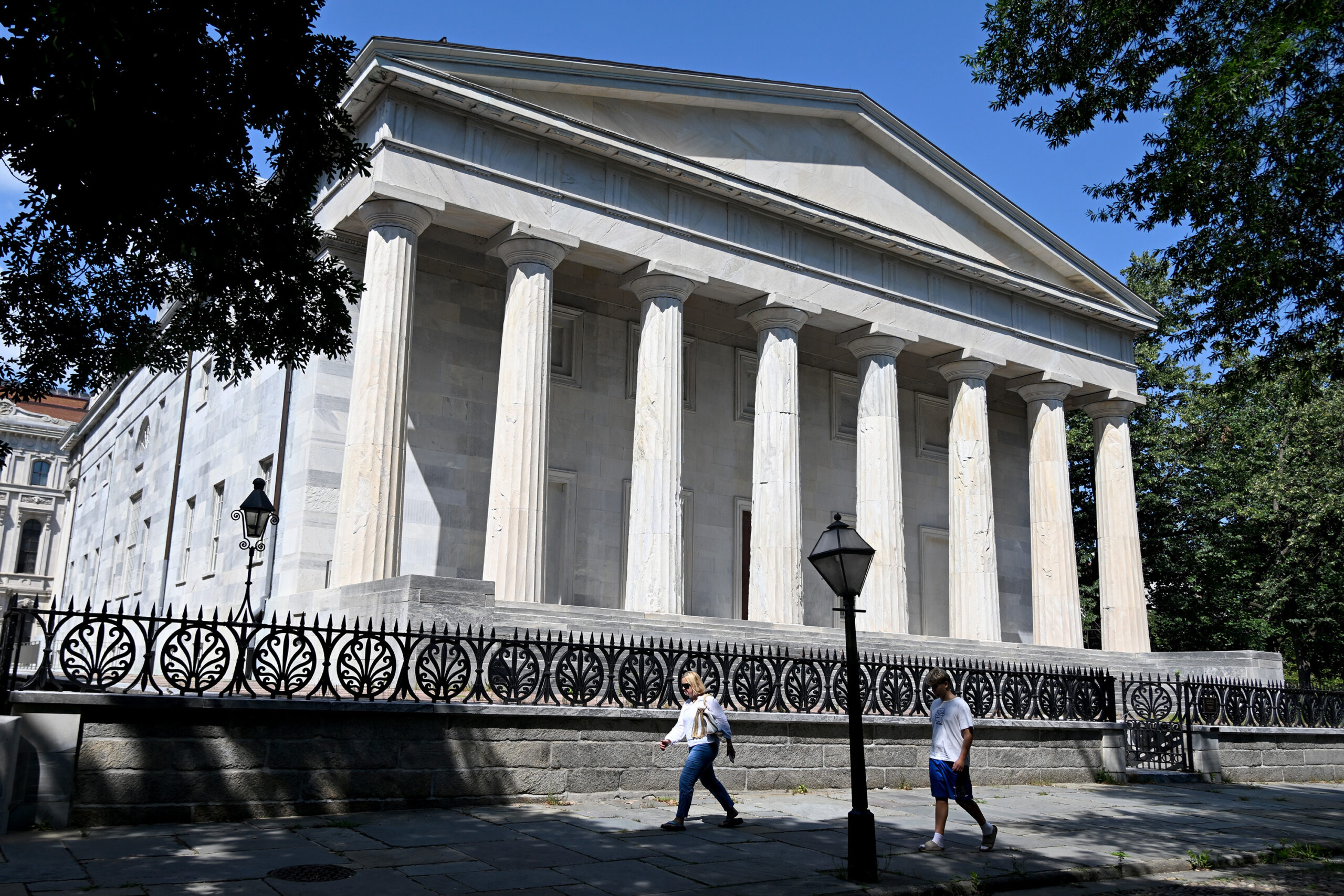
    “But the War of 1812 was hard on the economy again,” Nash said. On April 10, 1816, Madison signed legislation establishing the Second Bank of the United States at 420 Chestnut St., Nash said.

    (Today that building is the Second Bank of the United States Portrait Gallery.)

    Second Bank of the United States at 420 Chestnut Street. Today it is the Second Bank of the United States Portrait Gallery.

    Its charter expired in 1832; Andrew Jackson was president, and he, too, opposed the idea of a federal bank. The charter was not renewed and America didn’t have a federal banking system for 77 years.

    In 1907, New York financier J.P. Morgan and a consortium of bankers stopped the American banking system from collapsing by extending a line of credit to banking institutions. Without a federal banking system, the government could not bail these institutions out, so government officials began discussing the establishment of yet another national bank.

    Finally, President Woodrow Wilson signed the Federal Reserve Act in 1913, setting up the federal banking system we know today.

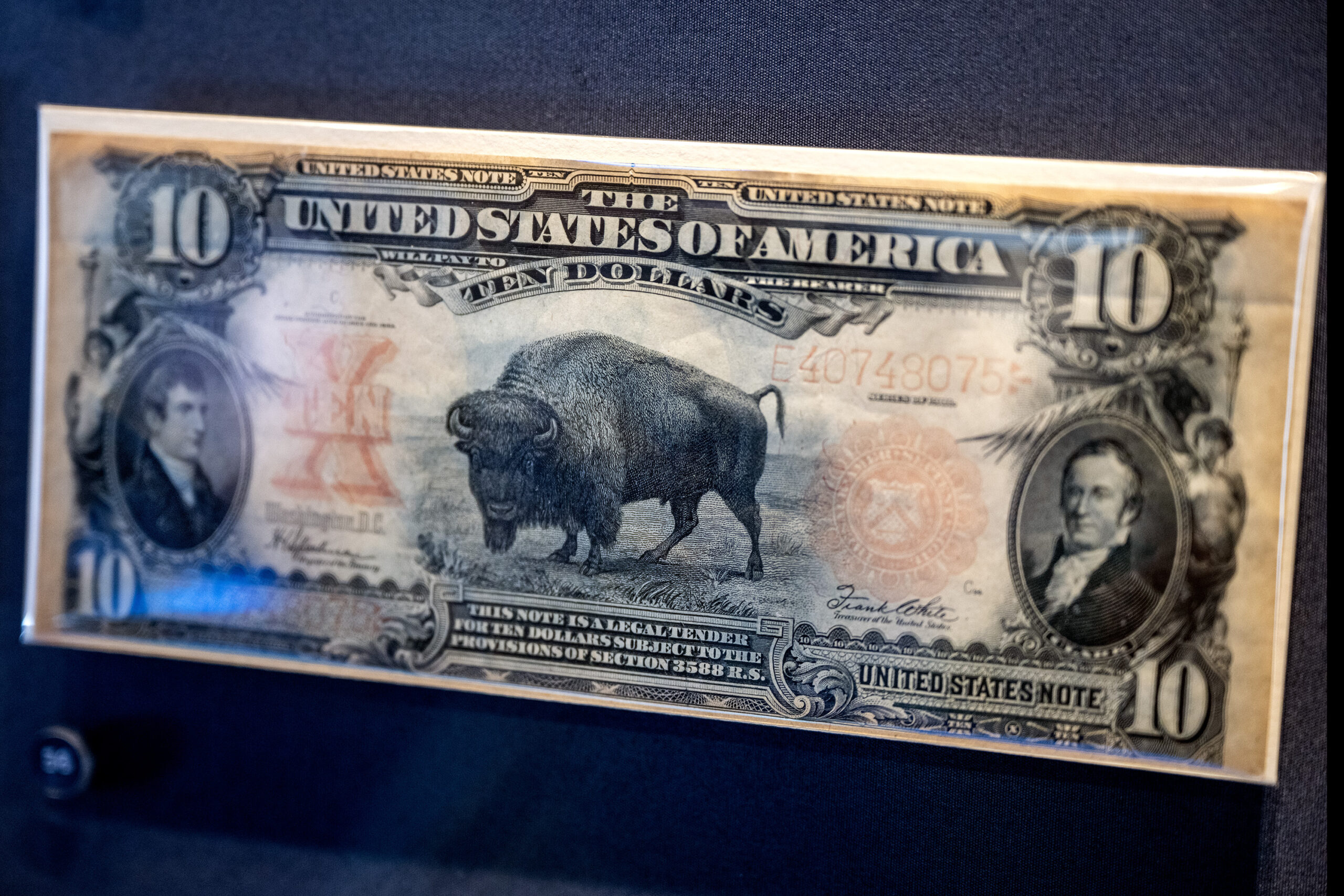
    A 1901 $10 Bison Note on display at the Federal Reserve Bank of Philadelphia’s newly redesigned “Money in Motion” exhibit Thursday, May 7, 2026. The bill was issued during the 100 year anniversary of the Lewis and Clark expedition. The exhibit features nearly 400 historic artifacts and interactive installations that explore currency and the Federal Reserve’s mission.

    The Federal Reserve is headquartered in D.C., but there are 12 branches across the country; Philadelphia is home to one of them.

    Today, the Federal Reserve acts as a fiscal agent for the U.S. Treasury, which issues paper money, collects taxes, and pays America’s bills. It does not offer private loans to businesses or individuals.

    Like the national banks, the Federal Reserve also began with a 20-year-charter. But in 1927, Congress passed the McFadden Act, granting the Federal Reserve Bank perpetual succession.

    “The government finally agreed that a federal banking system was something America needed,” Nash said. “It just took them more than 100 years to agree.”

    America’s First National Bank Firstival will be celebrated on Saturday, July 4, from 11 a.m. to 1 p.m., the First Bank of the United States, 120 S. Third St.

    The Inquirer is highlighting a “first” from the Philadelphia Historic District’s 52 Weeks of Firsts program each week. A “52 Weeks of Firsts” podcast, produced by All That’s Good Productions, drops every Tuesday.

  • Never-opened Amazon Fresh in Havertown set to become a Sprouts Farmers Market

    Never-opened Amazon Fresh in Havertown set to become a Sprouts Farmers Market

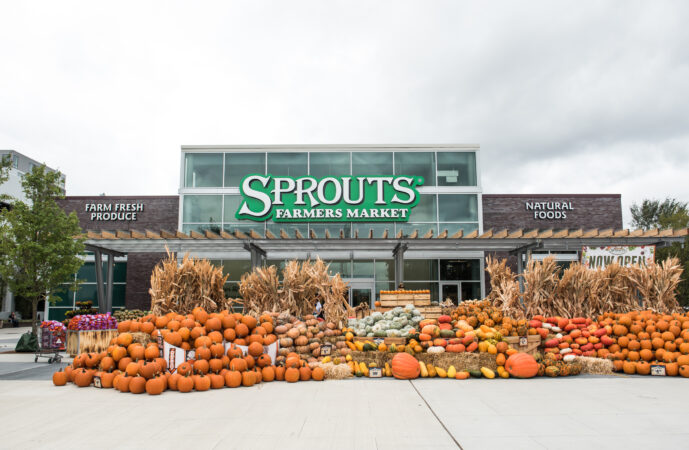
    A long-empty retail space in Havertown is set to become a Sprouts Farmers Market.

    The organic grocery chain has signed a lease for a 29,500-square-foot store in the Llanerch Shopping Center on the 400 block of West Chester Pike, according to Fred Snow, president of Brandolini Cos., which owns the complex.

    David McGlinchey, chief development officer of Sprouts, confirmed in a statement that the chain signed a lease at the site and is planning for an early 2027 opening.

    Sprouts is taking over a parcel that Amazon Fresh had rented for the past six years but never opened as a grocery store, Snow said. In February, the tech conglomerate abruptly closed all its physical Amazon Fresh locations, providing an opportunity for the landlord to terminate its lease in Havertown, Snow said.

    “It’s never really been vacant very long, but it’s looked vacant,” Snow said of the space, which was previously occupied by an LA Fitness that relocated before the pandemic.

    Once the property became available earlier this year, Snow said, Sprouts was “very aggressive,” and showed great interest in moving into such a densely populated, well-to-do area of Delaware County.

    In 10 square miles, Haverford Township has nearly 51,000 residents, with a median household income of more than $130,000, according to U.S. Census data. The township is surrounded by other populous, affluent suburbs, including Lower Merion and Radnor.

    The Havertown store is primed to be Sprouts’ first location in Philadelphia’s Western suburbs.

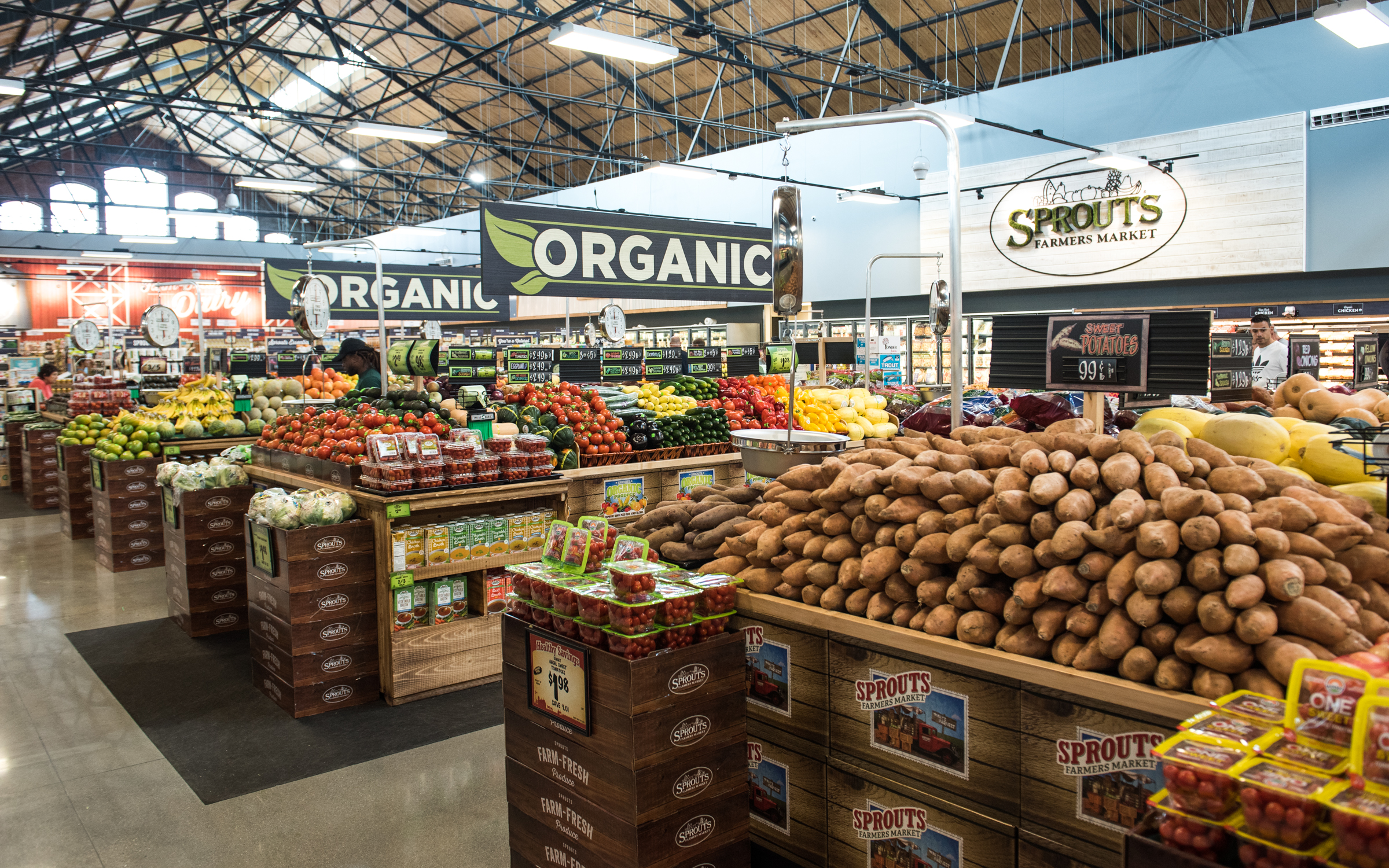
    A view inside the Sprouts in South Philadelphia, as seen in 2018.

    “We’re just excited that they are going to provide offerings that aren’t in the area right now,” Snow said.

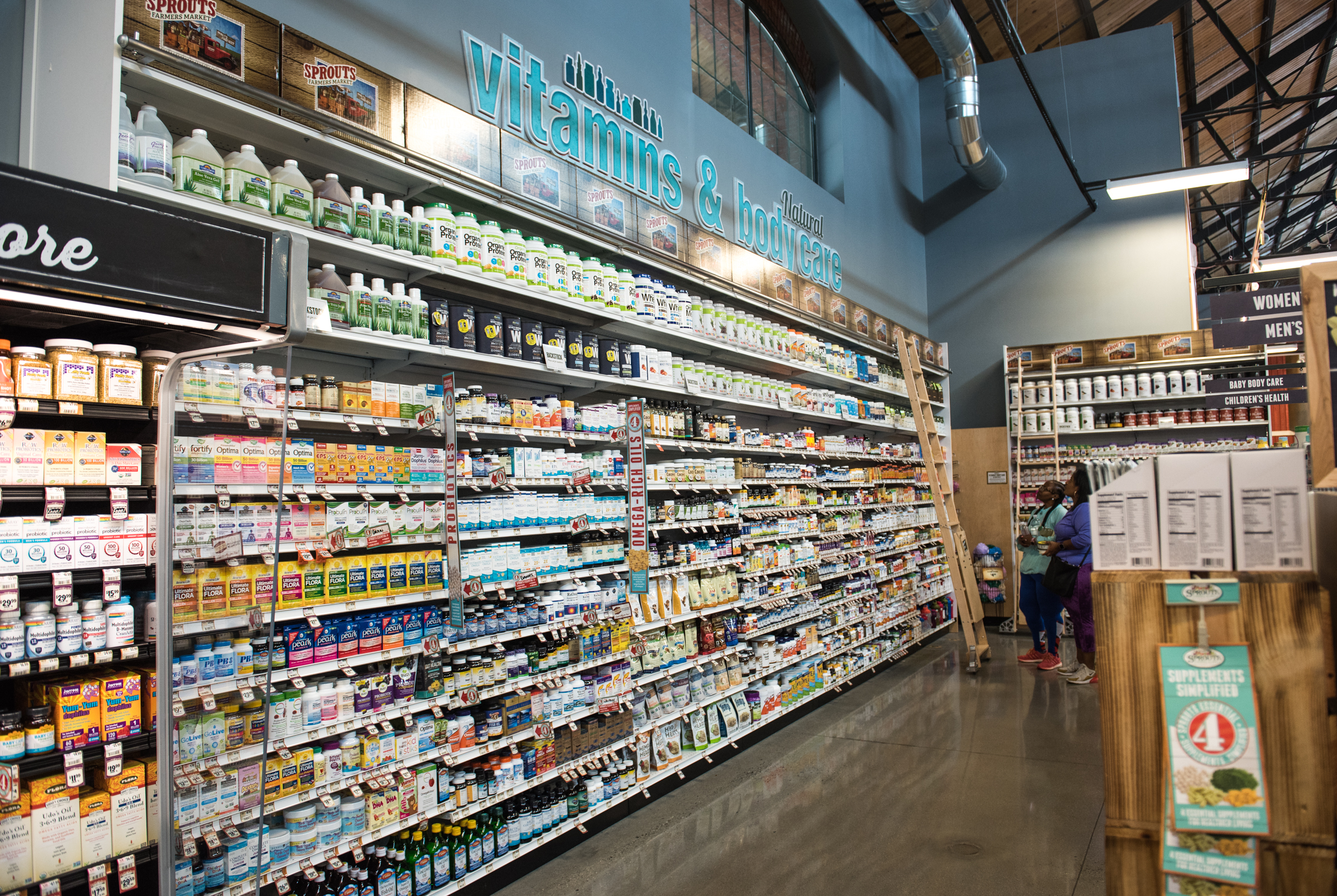
    Sprouts markets sell organic, gluten-free, and plant-based products, including private-label items, as well as vitamins, supplements, natural toiletries, and bulk nuts, coffee, and baking ingredients.

    Based in Phoenix, Sprouts opened its first Pennsylvania location in South Philadelphia in 2018, and has been expanding in the region.

    Sprouts now operates two Montgomery County stores in Upper Dublin and Montgomeryville; three South Jersey outposts in Haddon Township, Marlton, and West Deptford; and four city locations, including Roosevelt Mall in the Northeast and the new Rivermark complex in Northern Liberties.

    Sprouts has more local spots in the works, too, with stores under construction in Limerick and Washington Township.

    The extensive supplement section at Sprouts in South Philadelphia, as seen in 2018

    Sprouts reported $163.7 million in net income in the first quarter of 2026, beating analysts expectations. While profits were down year-over-year, sales increased slightly, and the company opened six new stores.

    Sprouts plans to open at least 40 stores by the end of 2026, for a total of more than 500 markets nationwide, according to the report.

    “We’re seeing a great reaction as we enter new communities,” CEO Jack Sinclair said on the recent earnings call. “We’re sharpening site selection as we scale, expanding access to healthy foods.”

    Sprouts’ expansion comes amid uncertainty in the larger grocery industry. The market has appeared relatively resilient despite tariff pressure, continued inflation, and more competition.

    Yet some stores have struggled. After the Amazon Fresh shutdown in February, Grocery Outlet bargain market closed dozens of stores, including eight in the Philadelphia area.

    Sprouts executives said on the earnings call that they’re aware of customers’ financial pressures and are taking steps to make their products more affordable. They mentioned store promotions like $5 Sushi Wednesday, and said they recently reduced prices on some basics like coffee, which has become exorbitantly expensive amid extreme weather and global conflict.

    “We take the responsibility for affordability really seriously,” Sinclair said. “There’s a real opportunity for us to help people live and eat better.”

  • Peco strike deadline looms as IBEW 614 and the company return to the bargaining table

    Peco strike deadline looms as IBEW 614 and the company return to the bargaining table

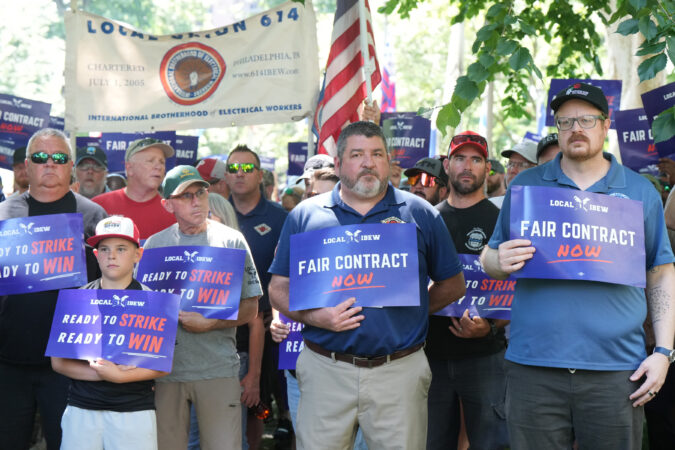
    Peco and its worker union, IBEW Local 614, resumed bargaining for a new contract Wednesday morning, with three days to go before a strike deadline and amid a heat wave that threatens to bring storms over the holiday weekend.

    It’s their first time back at the table since June 19 and since the union announced plans to strike on the Fourth of July if a contract had not been reached by then. They’ve now scheduled back-to-back bargaining sessions Wednesday, Thursday, and Friday, as time runs out.

    Meanwhile, the Philadelphia region is under an extreme heat warning, with possible thunderstorms on Saturday. Many of the union’s members work to repair outages, such as those that can happen during extreme weather.

    “The temperature and the sustained heat generally causes a lot of issues, and the thunderstorms as well,” said IBEW Local 614 president Larry Anastasi, adding that Peco needs “the trained workforce that they have to take care of it, and they’re not going to have that on July 4.”

    Weather conditions are not a factor in the bargaining process, Peco spokesperson Candice Womer said, and the company “continuously monitors weather conditions and prepares to respond to impacts on the electric system as part of normal operations.”

    The union, which represents roughly 1,500 field workers, call center staff, and other Peco employees, is seeking better wages and healthcare benefits, as well as a uniform retirement plan for all members. Their most recent five-year contract expired on March 31. Wages and benefits have become sticking points in negotiations.

    This strike would be a first for Peco.

    “We’ve exhausted every avenue to reach a deal,” Anastasi said in a statement last week. “If Peco won’t invest in the workers who keep the lights on, we’ve got no choice but to stand together and demand the respect we’ve earned.”

    Womer said Tuesday morning that the company’s goal remains “reaching a fair and equitable agreement that supports our employees while maintaining affordability and reliability for customers.”

    Peco has proposed a nearly 20% increase in wages over five years, as well as improvements to retirement and medical benefits, Womer said.

    “We remain committed to bargaining in good faith and hope continued discussions will lead to a successful resolution,” said Womer.

    If union workers do walk off the job, customers should not expect any delays or interruptions in service, Peco has said. “Our customers can be assured that we have comprehensive contingency plans in place to maintain safe and reliable service under any circumstance,” Womer said.

    Gov. Josh Shapiro’s office has been in communication with the union and Peco, spokesperson Rosie Lapowsky said in a statement Wednesday.

    “The Shapiro administration’s focus in these negotiations is a fair outcome for the hardworking women and men of Local 614 and safe, reliable energy infrastructure in Southeastern Pennsylvania over the holiday weekend and throughout the summer,” said Lapowsky.

    Mayor Cherelle L. Parker urged Peco and IBEW Local 614, to work together to reach a deal on Wednesday.

    In a letter addressed to Peco president and CEO Michael Innocenzo, and IBEW local 614 president Anastasi, Parker advised “both parties to remain fully engaged at the bargaining table day and night and to pursue every reasonable avenue toward a mutually acceptable agreement.”

    She cautioned that “any disruption to PECO service and support would pose real risks to public health, safety, and economic activity,” adding that Philadelphia is welcoming visitors for the Fourth of July and in the midst of extreme weather.

  • With a new $400M investor, FMC says it can remain independent and boost pesticide sales

    With a new $400M investor, FMC says it can remain independent and boost pesticide sales

    FMC Corp., the world’s fifth-largest farm pesticide maker, said Wednesday that it has received a $400 million investment from Belgium’s Tessenderlo investment group, ending a “strategic review” and concluding inquiries into the potential sale of the company, based in the FMC high-rise tower on Philadelphia’s Schuylkill riverfront.

    Tessenderlo agreed to pay $13.30 a share for a 20% stake in publicly traded FMC. That’s a modest premium to FMC’s recent trading price but less than the share value as recently as June 1. As if unimpressed with FMC’s prospects even with the new cash, traders drove the share price down almost 5% Wednesday to close at $10.95.

    FMC traded at over $120 a share in early 2022 but has since lost most of its value, with crop-protection sales growth slowing worldwide amid slow progress on regulatory approval and marketing for new products to offset last year’s expiration of patent protection on the company’s best-selling Rynaxypyr insecticide.

    The buyer expressed faith in FMC’s next-generation fungicides, herbicides, and insecticides.

    “FMC offers an attractive opportunity to invest in a business with meaningful long-term potential, driven by a new generation of proprietary molecules that are renewing its portfolio and strengthening its competitive position,” Luc Tack, chief executive of publicly traded Tessenderlo Group, said in a statement.

    That includes products developed at the company’s Stine research labs in Newark, Del., which FMC acquired from DuPont Co. in 2017 as DuPont spun off its farm chemicals and seed business into Corteva.

    FMC “perfectly aligns” with Tessenderlo’s farm businesses, Tack added. Tessenderlo gets a seat on FMC’s board as part of the deal.

    Those businesses include Kerley, an Arizona-based farm fertilizer maker and niche pesticide distributor; sulfur-based fertilizer maker Tiger-Sul, based in Connecticut; and French organic fertilizer developer Violleau.

    Other Tessenderlo investments include plastics, chemicals, industrial machinery, electronics, and animal-byproduct (“bio-valorization”) businesses.

    FMC’s board approved Tessenderlo’s investment after a “comprehensive and deliberate” process, which the company started in February with its investment bankers and lawyers, as the best way forward for the company and its shareholders, said Pierre Brondeau, FMC board chairman and chief executive.

    The $400 million inflow is the last piece in FMC’s efforts to reach Brondeau’s debt-reduction and cash-boosting targets, so the company can more easily remain independent until its new products get to market.

    Other recent steps by FMC included renegotiating its credit agreements; raising $1.2 billion in a junk-rated bond offering; selling its India commercial business for around $250 million; a $200 million deal to supply key products to its larger rival, Corteva, which is moving its headquarters from Wilmington to Indiana; and selling the 250-acre Stine Research Center to a unit of New York-based real estate investor Broadstone Net Lease Inc., while leasing back part of the property for continued research.

    These actions, plus reduced debt and increased cash, put FMC “on a path to growth,” Brondeau said.

    FMC employs around 5,500 worldwide, including around 300 at its headquarters and 330 at the Stine research and development center.

    Editor’s note: This article has been updated with FMC’s closing share price.

  • Philadelphia’s First Bank cited in Supreme Court ruling limiting Trump’s power

    Philadelphia’s First Bank cited in Supreme Court ruling limiting Trump’s power

    The First Bank of the United States shut in 1811, but the U.S. Supreme Court just ratified the enduring relevance of the Philadelphia-based central bank, whose marble-faced home on Third Street reopened Wednesday as a museum.

    First Bank’s independence from presidential authority was cited as precedent on the first page of Monday’s’s 5-4 Supreme Court decision that backed the independence of the Federal Reserve.

    The long-departed central bank also remains a center of controversy: A dissenting opinion challenged the First Bank’s actual role, as did hostile Democrats back in its day.

    The First Bank — along with the partly government-owned original Bank of the United States and the Second Bank of the United States — was cited by Chief Justice John Roberts and a bare majority in the decision that blocked President Donald Trump from firing Fed governor Lisa Cook.

    “The United States has a long tradition of independent central banking,” Roberts wrote, noting that Philadelphia-based central banking enjoyed “independence from the federal government,” even though its job was maintaining a sound U.S. dollar.

    After President Thomas Jefferson ended the First Bank and President Andrew Jackson refused to recharter the Second Bank, 80 years of “ruinous financial panics” convinced Congress to protect “public and private interests at times when they were imperiled” by setting up today’s Federal Reserve, Roberts wrote for the majority.

    The resulting system of independent Federal Reserve Banks in Philadelphia and 11 other cities shares control of the system with the presidentially appointed Federal Reserve Board of Governors. The governors are appointed to 14-year terms, stretching across three or four presidential terms. They can be fired only “for cause.”

    Calling the court’s ruling an early Independence Day for the Fed, Michael Reynolds, vice president at Glenmede, a $50 billion investment firm based in Center City, said the court majority “are carving out a special place for the Fed,” and it’s not by accident.

    The Fed “is a distinct case,” and its “unique historical lineage” tracing back to the First and Second Banks of the United States in Philadelphia provided legal justification to the court for preserving its independence, he said in an interview.

    The Cook decision contrasts with the court’s 6-3 Slaughter opinion, posted the same day, which allows Trump freer rein to fire staff at the Federal Trade Commission and other “independent” federal agencies.

    First Bank’s independence echoes in Fed

    Trump tried to fire Cook, a Fed governor appointed by President Joe Biden in 2024, alleging falsehoods in her mortgage application. Lower courts said Trump lacked the power to fire her that way. As Roberts put it, the president can fire a Fed governor “for cause” but subject to court review as to whether the president’s target has committed a fireable offense.

    “The Federal Reserve operates at a deliberate remove from the ordinary political process, including a budget free of congressional control and policies set not only by governors, but also by representatives of the private regional banks,” Roberts wrote.

    If a president could cite or make up any reason for firing a Fed official, “any perceived or alleged misstep, past or present, could provide a ready pretext for a governor’s removal,” Roberts wrote — and “nothing could be more corrosive of the independence that Congress sought” than for Fed leaders to know the president could fire them on any pretext, while pushing them to ratify his favored policies.

    Trump didn’t allow Cook to challenge her firing. She “was entitled notice and some opportunity to respond,” which Trump denied her, Roberts wrote.

    Liberal-leaning Justices Sonia Sotomayor, Elena Kagan, and Ketanji Brown Jackson concurred, along with Roberts’ fellow conservative Brett Kavanaugh.

    Kavanaugh added that letting a president fire Fed leaders at will would “expose the Federal Reserve to political influences and jeopardize the efficacy of U.S. monetary policy,” sparking “political upheaval” and “turmoil in the U.S. and world economies. I would not go down that road. I would not risk destabilizing the U.S. economy.”

    Justice Clarence Thomas in his solo dissent disparaged Philadelphia’s First and Second Banks as “short-lived corporations.” He noted that Paul Warburg, one of the bankers who helped found the current Federal Reserve System in 1913, had sought to distance the planned Fed from the Philadelphia central banks, “ridiculing” them as no more advanced than banks of medieval Italy or even ancient Mesopotamia.

    Justices Samuel Alito, Neil Gorsuch, and Amy Coney Barrett in separate dissents argued that Roberts wrote too sweeping an opinion in a case that should have been reviewed at greater length in the lower courts.

    The Fed’s Independence Day

    “Central bank independence is not an abstraction,” Glenmede’s Reynolds wrote in a letter to investors Tuesday. “The premise that monetary policy is set by long-term price stability, rather than near-term political pressure, underpins the credibility of the dollar, the anchoring of inflation expectations,” and the yield on Treasury debt.

    “A Fed perceived as subject to political direction” would hurt the dollar’s value, he added. Removing that risk “is a quiet but meaningful positive for the stability” of U.S. interest rates.

    Reynolds said in an interview that the court’s Slaughter decision, allowing the president wider powers to fire leaders of other agencies, is pro-business — even though its conclusion freeing Trump to fire Federal Trade Commissioners seems at odds with the Cook case.

    Greater presidential control of regulatory agencies should “accelerate deregulation efforts, which is a priority of both the president and his Treasury secretary,” Reynolds added.

    But Reynolds predicted that it will be a few years until such changes are likely to significantly reshape U.S. business rules.

    For now, he’s more interested in the Fed’s next jobs report, due Thursday.

    Editor’s note: This story has been updated to correct the day of the Supreme Court’s decision.

  • Danny’s Guitar Shop, a destination for Main Line musicians, has closed after 17 years

    Danny’s Guitar Shop, a destination for Main Line musicians, has closed after 17 years

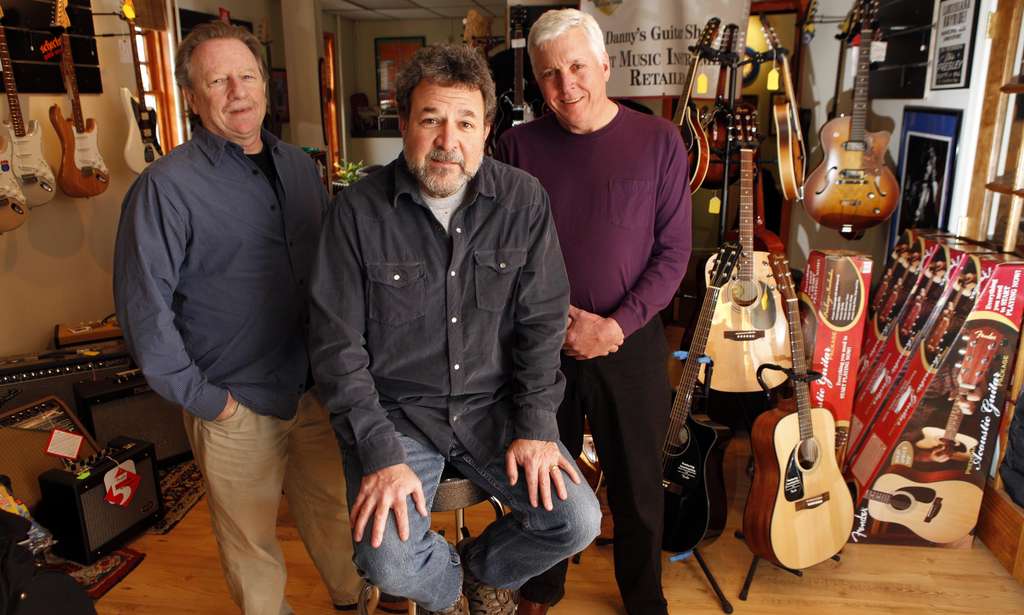
    Danny’s Guitar Shop, an independent guitar store and lesson center run by musician Dan Gold, closed its doors after 17 years in downtown Narberth.

    Over nearly two decades, Gold forged connections along the Main Line, sold guitars to celebrities, brought outdoor music to Narberth’s streets, and, briefly, starred in a TV show that drew on his talents as a self-proclaimed “kibitzer.”

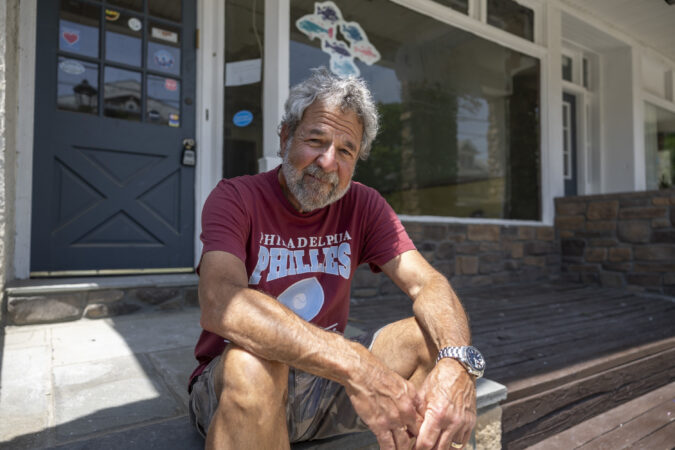
    Gold, 72, said retirement was already on his mind when his landlord raised the rent beyond what Gold could pay. Danny’s officially closed at the end of May. As Gold prepares for the next chapter, which will be filled with swimming, traveling, and playing bass in Broken Arrow, his Neil Young cover band, he said his time in Narberth was “just perfect.”

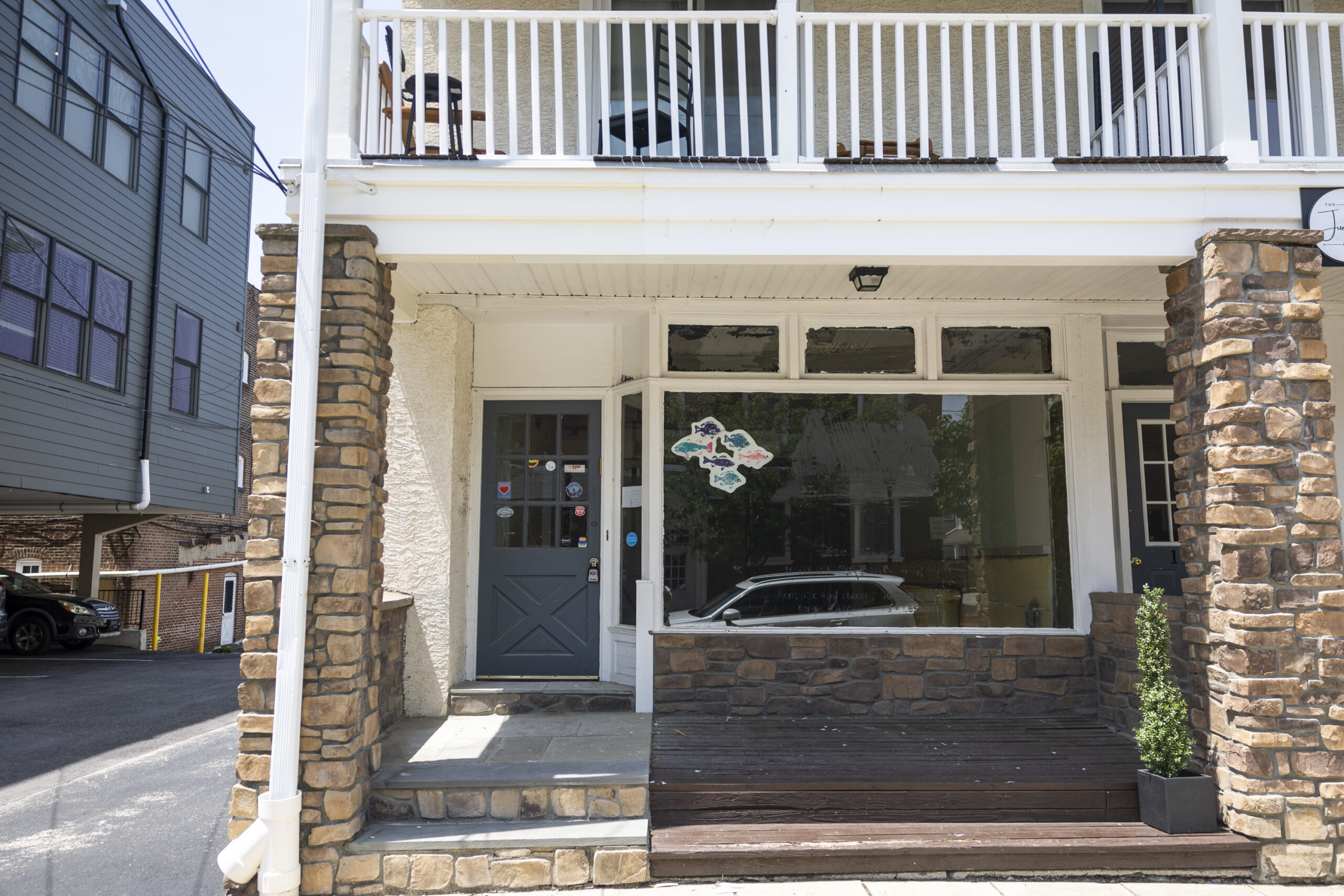
    The former storefront of Danny’s Guitar Shop in Narberth.

    Gold opened Danny’s Guitar Shop in June 2009, right as the country had begun to dig itself out of the Great Recession. Guitar store Medley Music of Bryn Mawr had closed the year prior, and Center City’s 8th Street Music had moved across the bridge to New Jersey, leaving a vacuum for guitar lovers in Philly’s western suburbs.

    Gold, a Newtown Square resident, grew up in Havertown and graduated from Haverford High School and Temple University. He started his career as a schoolteacher before taking a gig as a district sales manager for Fender Guitars, traveling across the region, from rural Pennsylvania to North Jersey, selling instruments and accoutrements.

    Though it was risky to open a brick-and-mortar store at the heels of the financial crisis, Gold was bullish on the prospect. His mentors told him that as long as he ran guitar lessons, he’d be able to pay the rent. Gold had always loved Narberth’s “very distinct, charming personality” and was smitten with the Forrest Avenue storefront right away, with its ample natural light and welcoming front porch.

    When Danny’s opened in 2009, the Main Line Times described it as having promptly “established itself as that rare kind of clubhouse — the kind where everybody’s allowed in.”

    Over the years, the storefront’s shaded porch became the site of dozens of guitar recitals and summer evening jam sessions. Narberth residents gathered outside of Danny’s to talk about the news and the neighborhood gossip, and Gold always had treats for local dogs. Gold helped bring live music to Narberth during First Fridays and the annual July Fourth celebration. Ahead of a recital last fall, Gold posted on Facebook: “Students playin’ on the porch this Sunday 3:00! Bring a chair and come hang out!”

    “Danny is loved around here and for good reason,” said Ed Ridgway, president of the Narberth Business Association, who took guitar lessons at Danny’s.

    Ridgway described Danny’s as resembling an “old-timey barbershop.” If you asked Ridgway to make a list of 10 things that define Narberth’s downtown, he said Danny‘s would be on the list.

    “He was just such a good presence in Narberth,” said Tracy Tumolo, owner of Narberth art and gift shop Sweet Mabel Store.

    “This place,” Gold said. “It just fit me like a glove.”

    Danny Gold (center) pictured at Danny’s Guitar Shop in Narberth in 2018 with partners Larry Freedman (left) and Ron Stanford.

    Every once in a while, a star or two would stop into Danny’s Guitar Shop while visiting the area or prepping for a show at Ardmore Music Hall. The Eagles’ Timothy B. Schmit bought a few guitars and gave Gold backstage passes when the band played Atlantic City. Wilco’s John Stirratt stopped by, as did Dweezil Zappa, Frank Zappa’s son. Tumolo said Gold always encouraged them to shop at Narberth’s other businesses.

    In 2014, Gold starred in a 13-episode series on WHYY-TV’s YArts cable channel, which aimed “to do for guitars what Anthony Bourdain has done” for international cuisine or ”Mike Rowe for the art of cleaning septic tanks,” according to an Inquirer story from the time. In the series, Gold explored the origins of Klezmer music, interviewed the scholar who wrote the definitive book on the history of the accordion, and spent quality time with electric guitar giant Paul Reed Smith.

    Lessons were the biggest part of Gold’s business model at Danny’s, as his mentors predicted. He did a large consignment and secondhand business, as well, as he was mostly selling to first-time and beginner players.

    “The lessons made me a destination store. It’s never like I carried away wheelbarrows full of money, but we were able to make a modest living and enjoy doing what we were doing,” Gold said.

    Like many brick-and-mortar merchants, Gold said it became more difficult over time to keep up with the ubiquitous online marketplace. Consumers can now buy any model of guitar, in any color, at any time. Music stores across the country have shuttered in recent years, pointing to online shopping as a factor in their decline.

    On one hand, Gold feels somewhat liberated from the day-to-day responsibilities of running his namesake storefront. On the other hand, there’s a lot he’ll miss — the people, the borough, watching the neighborhood kids grow up.

    At the end of the day, Gold said, “It’s been a great run.”

    This suburban content is produced with support from the Leslie Miller and Richard Worley Foundation and The Lenfest Institute for Journalism. Editorial content is created independently of the project donors. Gifts to support The Inquirer’s high-impact journalism can be made at inquirer.com/donate. A list of Lenfest Institute donors can be found at lenfestinstitute.org/supporters.

  • International Paper is closing its Barrington facility, laying off 126 workers

    International Paper is closing its Barrington facility, laying off 126 workers

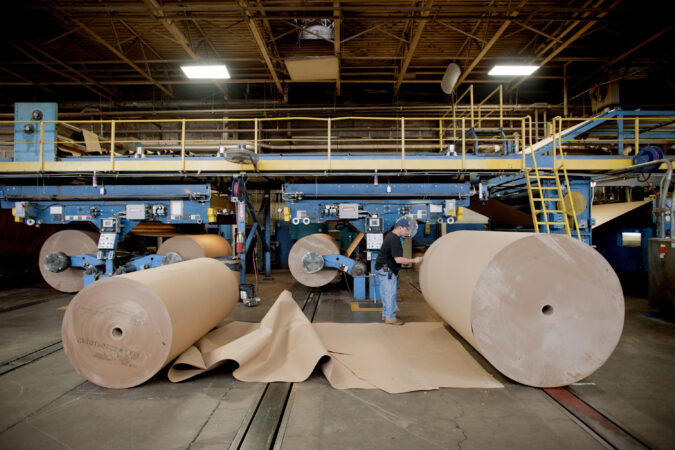
    A Tennessee-based packaging company is closing its plant in Barrington, Camden County, laying off 126 employees amid the business’ larger restructuring plan.

    Workers at International Paper’s Barrington facility, who convert containerboard into boxes, are expected to be laid off on Sept. 24. The site is expected to close at the end of August, company spokesperson Jessica Seidner said.

    The closure follows “a strategic assessment” of the Barrington facility, and International Paper’s larger regional footprint, according to a layoff notice filed with the New Jersey Department of Labor and Workforce Development.

    “Based on the results of that assessment, and in order to operate our packaging business effectively to support our customer needs now, and in the future, we made the difficult decision to cease operations at our Barrington location,” the notice reads.

    International Paper, headquartered in Memphis, was incorporated in 1941. As of December, the company had 62,602 employees — nearly half of which are based in the United States — and roughly 190 packaging mills, as well as converting and packaging plants, and recycling facilities across the country.

    The company has several locations in Pennsylvania and New Jersey, including in Kennett Square, Lancaster, Reading, Bellmawr, Thorofare, and Vineland, according to a recent U.S. Securities and Exchange Commission filing.

    As part of its restructuring, the company announced this month the closure of four facilities, including the Barrington site, to “focus investments on the highest-value opportunities.” The company announced several more facility closures last year.

    “These are difficult but necessary decisions that strengthen our network, focus investments where they create the greatest value and position International Paper to better serve customers and compete for the long term,” Tom Hamic, president for packaging solutions in North America, said in a statement.

    In an April earnings call company leaders said the business had recently been facing financial pressure from inflation, the conflict in the Middle-East, and weather disruptions. The business brought in $23.63 billion in net sales last year.

    International Paper announced in 2025 that it had acquired DS Smith, a U.K. packaging business, in a deal that was valued at $7.1 billion. Earlier this year, the company announced it would split into two separate businesses: one dedicated to the North American market and another for Europe, Africa, and the Middle East. The process is expected to be complete by the end of 2026 or early 2027, according to a U.S. Securities and Exchange Commission filing.