Jefferson Health had an operating loss of $201 million in the six months that ended Dec. 31, compared to a $55 million loss the year before, the nonprofit health system said in a notice to bondholders Friday.
The $201 million loss included a $64.7 million restructuring charge related to severance for 600 to 700 people laid off in October and other changes designed to improve efficiency in the 32-hospital system that stretches from South Jersey to Scranton.
Excluding the restructuring expenses, Jefferson’s operating loss was $136.3 million in the first half of fiscal 2026.
Jefferson said in a statement that it continues facing significant financial headwinds, like health systems nationwide, citing rising pharmaceutical costs.
“We remain focused on driving efficiency, advocating for reimbursement rates that better reflect the true cost of care in Pennsylvania, and advancing the long-term stability of our academic health system,” the health system’s chief financial officer Michael Harrington said.
Here are some details:
Revenue: Patient revenue reached nearly $6 billion in the first half of fiscal 2026. The figure for the previous year is not comparable because it does not include Lehigh Valley Health Network for the full six months. Jefferson acquired the system on Aug. 1, 2024.
Jefferson’s total revenue of $8.6 billion included $145.9 million of investment income that directly boosted operating income. Competitors who use heath-system reporting rules do not include investment income in revenue. Jefferson, by contrast, follows rules for higher-education reporting.
Insurance business: Jefferson noted improvement in its health insurance arm. Jefferson Health Plans’ loss in the six months ended Dec. 31 was $90.7 million, compared to a $118.5 million loss in the same period the year before. The number of people insured in the plans climbed to 371,005 from 359,662. Medicaid recipients account for most of that enrollment.
Notable: Both Moody’s Ratings and Standard & Poor’s Ratings Service in December and January revised their outlooks on Jefferson to negative, which means the agencies could downgrade the organization’s credit rating if Jefferson’s finances don’t improve over the next two years.
“The negative outlook reflects the magnitude of current operating losses as well as anticipated difficulties in returning to or near operating profitability for several years,” Standard & Poor’s said.
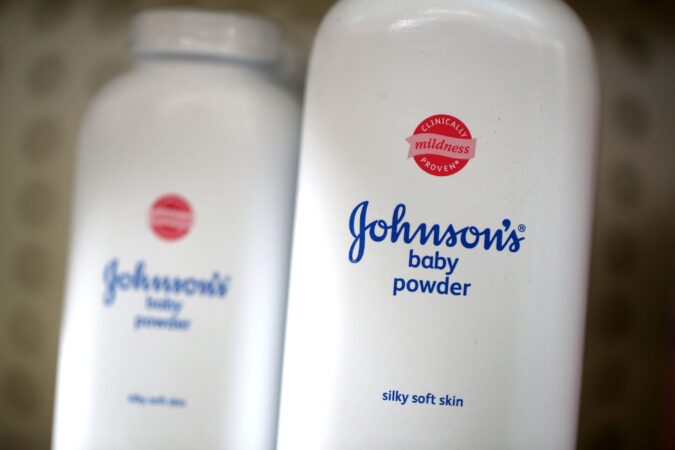
A Philadelphia jury ordered pharmaceutical and cosmetics giant Johnson & Johnson to pay $250,000 to the family of a York County woman after finding the company’s baby powder product led her to develop cancer.
Gayle Emerson sued Johnson & Johnson in 2019 as part of a nationwide wave of litigation accusing the company’s talc-based baby powder of causing ovarian cancer. Emerson, who was diagnosed with cancer in 2015, died at age 68, months after filing the complaint.
The complaint accused the New Jersey-based company of selling a defective product and failing to warn about its risks.
After a three-week trial, which Common Pleas Judge Sean F. Kennedy presided over,the jury began deliberating Tuesday afternoon and reached its verdict Friday around 2 p.m. During deliberations, jurors asked the judge questions that suggested they grappled with how strongly the evidence showed that external use of baby powder could allow a cancer-causing substance to reach the ovaries.
The verdict was comprised of $50,000 in compensatory damages and $200,000 in punitive damages.
“This token verdict reflects the jury’s appreciation that the claims were meritless and divorced from the science,” Erik Haas, Johnson & Johnson’s worldwide vice president of litigation, said in a statement.
The company plans to appeal the verdict, Haas said.
Johnson & Johnson specifically advertised the product for women, the suit says, stating on the bottle: “For you, use every day to help feel soft, fresh, and comfortable.”
Studies haveconnected talc to ovarian cancer since the early 1970s, according to the complaint. The mineral is excavated from the mines that also contain asbestos, riskingcontamination from the cancer-causing substance.
The Federal Drug Administration asked condom manufacturers in the 1990s to stop dusting their product with talc because of the risk to women.
The company was aware of the research about the increased risk of cancer for women who use the powder on their genital area, the suit says, based on internal documents and public statements.
“Gayle Emerson trusted Johnson & Johnson, and Johnson & Johnson betrayed that trust,” Leigh O’Dell, a Beasley Allen attorney representing Emerson’s family, said in her opening statement.
Attorneys in Pennsylvania aren’t allowed to advise jurors on how much to award in damages, but O’Dell noted in her closing argument that Johnson & Johnson’s net worth is $72.3 billion and a verdict should be “enough” to get the attention of the company’s boardroom.
During the trial, attorneys for Johnson & Johnson said the baby powder, which Emerson used externally, wasn’t responsible for the cancer. Other parts of her feminine care routine, such as douching, are also associated with increased risk of ovarian cancer, the attorneys said, and Emerson had other risk factors such as family history, obesity, and age.
Emerson’s attorneys ignored those risk factors because they have “talc blinders” on, Shaila Diwan, a Kirkland Ellis attorney representing the company, said to the jurors at the outset of the trial.
“Ms. Emerson would have still developed cancer if she never used Johnson’s baby powder,” Diwan said in closing.
It’s important that the jury found that Johnson & Johnson was directly responsibe for Emerson’s cancer but the award is “significantly less than the amount necessary to punish J&J,” O’Dell said in a statement.
While the Philadelphia trial was proceeding, a three-judge panel of a New Jersey appeals court disqualified Beasley Allen from the baby powder litigation in the state for ethical violations. The Alabama-based firm has been accused of receiving privileged information from an attorney who previously represented Johnson & Johnson. The firm said it would appeal the decision.
It’s unclear if the ruling will impact the Pennsylvania verdict, or future Beasley Allen cases outside New Jersey.
Emerson’s is the second talc-related lawsuit to reach a verdict in Philadelphia, after a 2021 trial concluded with the jury siding with Johnson & Johnson.
There are 176 lawsuits similar to Emerson’s pending in the Philadelphia court, and thousands across the nation. Another trial against Johnson & Johnson in a City Hall courtroom is scheduled for April.
NEW YORK — Goldman Sachs general counsel Kathy Ruemmler has had a storied legal career. As a federal prosecutor, she helped successfully prosecute Enron executives including Ken Lay and Jeffrey Skilling. She was part of President Barack Obama’s administration, working in various roles for much of his two terms in office, including as White House counsel.
She was even briefly considered by President Obama as a candidate for attorney general.
On Thursday, Ruemmler, 54, announced that she plans to resign from the top legal post at Goldman after a trove of emails and correspondence between her and disgraced financier Jeffrey Epstein showed the two individuals were especially close, years after Epstein’s 2008 conviction on sex crimes charges, when he became a registered sex offender.
Ruemmler previously downplayed her relationship with Epstein. She called him a “monster” and said she regretted ever knowing him. Ruemmler has repeatedly described their relationship as professional, citing her job as a private defense attorney before she ever joined Goldman Sachs.
But documents released in recent weeks and reviewed by the Associated Press depict a deeper relationship than had previously been characterized by Ruemmler and Goldman Sachs. These included intimate email exchanges, social plans and gifts that went beyond formal legal work.
Roughly 8,400 documents involved Ruemmler or referenced her. Some correspondence shows that Ruemmler was aware of the extent of the allegations that Epstein had faced involving underage girls in Florida. In some instances, she advised Epstein on how he might go about trying to repair his image and defend himself publicly against new claims of misconduct.
The gifts Epstein gave to Ruemmler have been documented in news reports: the spa treatments, the handbags from Hermes, an Apple Watch, a Fendi coat, among many others. But some of the interactions between Epstein and Ruemmler described throughout their correspondence indicates that Epstein and Ruemmler did not simply have a lawyer-client transactional relationship, as Ruemmler previously attested to.
“It makes him happy to see you happy,” Epstein’s assistant wrote to Ruemmler in 2016, after Epstein prepaid for a spa treatment for her.
In October 2018, Epstein directed one of his assistants to send flowers and chicken soup to Ruemmler because she has “not been feeling well.” It would not be the first time that Epstein would send her a small token of appreciation when she was sick. They talked about dating issues, made jokes about both the wealthy and everyday people, and shared laments about their careers and dating lives.
They would message each other about mundane things like their mutual distaste for seeing babies in business class on flights and would repeatedly plan to have dinner or drinks in various places. Epstein even had Ruemmler as a backup executor of his will at one point.
Setting aside the immense wealth and privilege and Epstein’s legal troubles, many of the emails between the two would look no different from the banter that many Americans would share to in their own text messages, emails, or group chats.
“Well, I adore him. It’s like having another older brother!” she wrote in an email in 2015.
During her time in private practice after she left the White House in 2014, Ruemmler received several expensive gifts from Epstein, including luxury handbags and a fur coat. The gifts were given after Epstein had already been convicted of sex crimes in 2008 and was registered as a sex offender. Ruemmler was also involved in Epstein’s legal defense efforts after he was arrested a second time for sex crimes in 2019 and later killed himself in a Manhattan jail.
“So lovely and thoughtful! Thank you to Uncle Jeffrey!!!” Ruemmler wrote to Epstein in 2018.
She later joined Goldman Sachs in 2020 and became the investment bank’s top lawyer in 2021.
The firm’s leadership backed her publicly amid the revelations. But the embarrassing emails raised questions about Ruemmler’s judgment. Historically, Wall Street frowns on gift-giving between clients and bankers or Wall Street lawyers, particularly high-end gifts that could pose a conflict of interest. Goldman Sachs requires its employees to get pre-approval before receiving gifts from or giving them to clients, according to the company’s code of conduct, partly in order to not run afoul of anti-bribery laws.
Bloomberg News, the Wall Street Journal, and other media outlets reported that Goldman’s partners, who are the firm’s most senior and well-regarded members going back to when the investment bank was privately held, had begun to question why the firm was holding Ruemmler in such high regard when other lawyers were just as qualified to hold the top legal job.
In her statement Thursday, Ruemmler said: “Since I joined Goldman Sachs six years ago, it has been my privilege to help oversee the firm’s legal, reputational, and regulatory matters; to enhance our strong risk management processes; and to ensure that we live by our core value of integrity in everything we do. My responsibility is to put Goldman Sachs’ interests first.”
Goldman CEO David Solomon said he respected Ruemmler’s decision to resign. The firm isn’t rushing Ruemmler out the door, saying in a statement that she would wind down her work at the bank “to ensure a smooth transition,” before her last day on June 30.
Tower Health had an operating loss of $16 million in the first six month of fiscal 2026, according to its report to bondholders Friday. In the same period a year ago, the Berks County nonprofit’s loss was $16.1 million.
Here are some details:
Revenue: Revenue from patient care rose less than 1% to $889.3 million, while total revenue climbed 4.3% to $1.03 billion, thanks to a 34% increase in other revenue.
Cash reserves: Tower reported $244 million in cash reserves on Dec. 31. That translates into enough money to keep operating for 44 days without any new revenue. Both of those figures were at their highest levels since 2022.
The quarterly low was in March 2024, when Tower reported $153 million in cash. That amounted to 30 days of cash on hand. Financially strong systems often have 200 days in reserve.
Family Practice & Counseling Services Network won a $3.4 million federal health center grant that will allow the nonprofit to continue providing medical and mental healthcare in Southwest Philadelphia and other low-income Philadelphia neighborhoods, officials confirmed this week.
The clinic had been part of Resources for Human Development, a Philadelphia human services agency that a fast-growing Reading nonprofit called Inperium Inc. acquired in late 2024. As a federally qualified health clinic since 1992, the clinic had received an annual federal grant, higher Medicaid rates, and other benefits.
Federal rules prohibited the clinic from continuing to retain that status and those benefits under a parent company. That meant Family Practice & Counseling Network had two options: close or spin out into a new entity that would reapply to be a federally qualified clinic.
With financial and operational help from the University of Pennsylvania Health System, Family Practice & Counseling formed a new legal entity last July and reapplied for the grant. Last week, the organization’s CEO Emily Nichols learned that the federal agency that oversees federal health centers awarded it the grant.
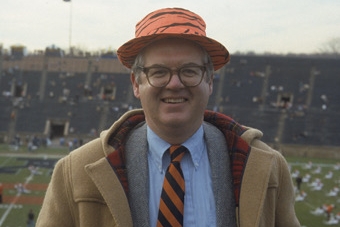
David M. Jordan, 91, formerly of Jenkintown, prolific author, eclectic historian, retired lawyer, former president of the Jenkintown Borough Council, veteran, and lifelong baseball fan, died Saturday, Jan. 24, of sepsis at Bryn Mawr Hospital.
Born in Philadelphia, Mr. Jordan grew up in Wyncote, Abington, and Huntingdon Valley in Montgomery County. He played high school baseball, graduated from William Penn Charter School, and earned his law degree at what is now the University of Pennsylvania’s Carey School of Law.
He was fanatical about the old Philadelphia Athletics baseball team that moved to Kansas City in 1954 and later, a bit reluctantly, followed the Phillies. He attended the Phillies’ last home game at long-gone Connie Mack Stadium in 1970, their first and last home games at long-gone Veterans Stadium in 1971 and 2003, and their first home game at Citizens Bank Park in 2004.
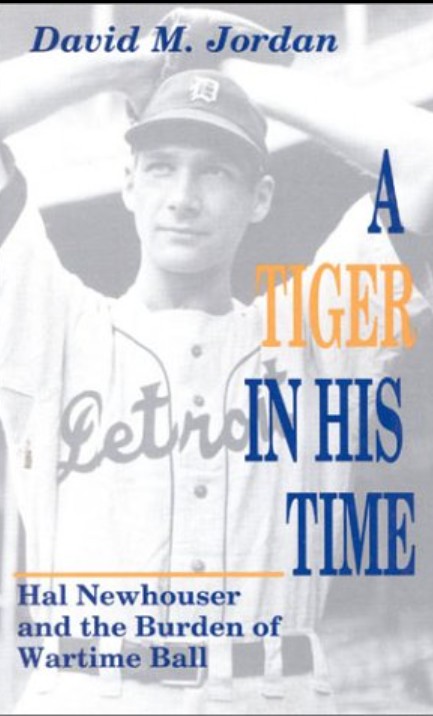
He shared his fascination with baseball by writing books about the Athletics and Phillies, iconic stadiums around the country, and star players Pete Rose and Hal Newhouser. Newhouser even credited Mr. Jordan’s 1990 book, A Tiger in His Time: Hal Newhouser and the Burden of Wartime Ball, with helping him get elected into the National Baseball Hall of Fame in 1992.
Writing “seemed to come naturally,” Mr. Jordan told the Princeton University Alumni Weekly in 2017. “I enjoy the creative part, to put my thoughts down on paper on a subject I have picked out for particular reasons.”
The 477-page book was considered for a Pulitzer Prize, and a reviewer for the journal Pennsylvania History called it “readable and well-balanced” in a review. He said Mr. Jordan’s “treatment of Conkling is judicious, avoiding the pitfalls of hero worship or cynicism.”
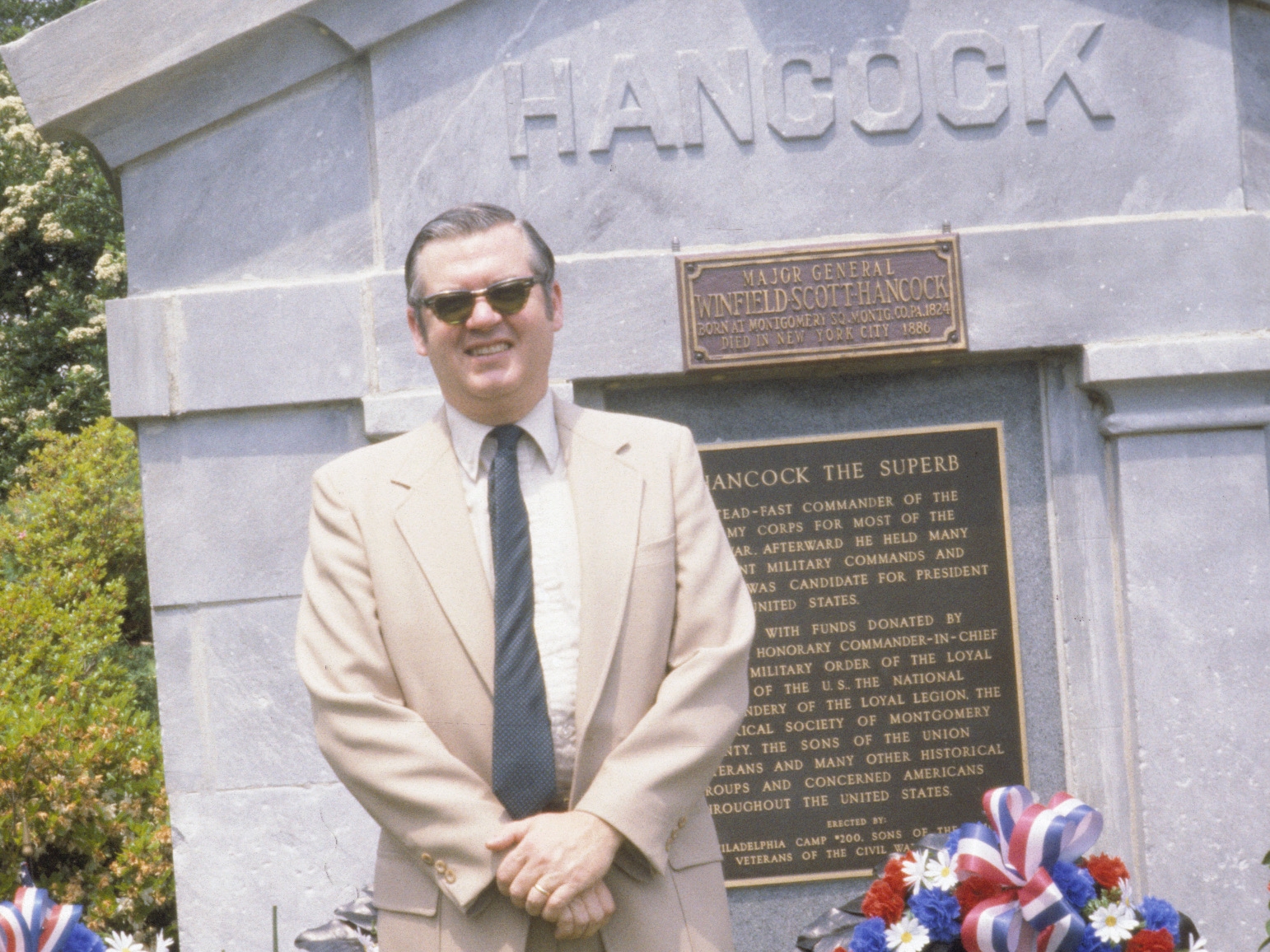
He also wrote history books about Civil War generals Winfield Scott Hancock and Gouverneur K. Warren,formerSecretary of Defense Robert A. Lovett, and the 1944 presidential election. In 1989, a book reviewer for The Inquirer called Mr. Jordan’s Winfield Scott Hancock: A Soldier’s Life “a complete life of Montgomery County’s greatest son, and it, too, is superb.”
Mr. Jordan, shown here at General Winfield Scott Hancock’s tomb in Montgomery County, did deep research on his book subjects.
“These people are sort of lost in history,” Mr. Jordan told The Inquirer in 2000. “But with people who are fairly well known, it’s hard to find something new to say about them.”
Mr. Jordan earned his law degree at Penn in 1959 and specialized in trust, estate, and municipal issues for 40 years in Philadelphia and later as a partner at Wisler Pearlstine in Montgomery County. He said in 2000 that he usually worked on his books every night after work from 7:30 to 10:30 p.m. and on weekends. “I don’t watch much television,” he said.
He traveled to New York, Missouri, California, and elsewhere to visit historical sites and research his subjects. He was a member of the Society for American Baseball Research and president of the Philadelphia Athletics Historical Society for 12 years in the 2000s.
He lectured often about baseball at symposiums and conventions, and was featured in The Inquirer and on podcasts. “He had a passion for knowledge,” his daughter Diana said. “He was a consumer of information.”
This 1990 book by Mr. Jordan was said to have helped Hal Newhouser get into the National Baseball Hall of Fame in 1992.
Mr. Jordan became active in Democratic politics after college in the 1960s and served as president of the Jenkintown Borough Council, Democratic state committeeman, and state platform committeeman. As Montgomery County Democratic chair in the 1970s, he told The Inquirer that he disliked gerrymandering and favored giving county executives extensive staff appointment powers.
He enlisted in the Army after law school. “He was absolutely the most congenial person,” his daughter Diana said. “He was kind and caring.”
David Malcolm Jordan was born Jan. 5, 1935. He earned a bachelor’s degree in history at Princeton, was secretary and president of the Class of 1956, and returned to the campus often for reunions and other events.
He married Barbara James in 1960, and they had daughters Diana, Laura, and Sarah, and lived in Jenkintown. His wife died in 2006. He married Jean Missimer Liddell in 2007, and they lived in Wayne and Haverford.
His daughter Diana said Mr. Jordan “never stopped. He was passionate about everything.”
Mr. Jordan enjoyed college basketball games at Penn’s Palestra, especially if Princeton was in town. He went to the Metropolitan Opera House in New York often and collected baseball cards and stamps. He was an avid reader and on the board at the Jenkintown Library.
“I guess I just had a lot of available energy to practice law, write books, and help run Jenkintown,” he told the Princeton Alumni Weekly. “It didn’t seem so hard at the time, though looking back makes me wonder.”
His daughter Diana said: “He never stopped. He was passionate about everything.”
In addition to his wife and daughters, Mr. Jordan is survived by three grandchildren, a sister, and other relatives. A brother died earlier.
This 1971 book by Mr. Jordan was based on his interest in politics and history.
A private celebration of his life is to be held later.
Donations in his name may be made to the Jenkintown Library, 460 York Rd., Jenkintown, Pa., 19046.
Unions representing tens of thousands of pilots and flight attendants at American Airlines are openly questioning the competence of the company’s CEO, citing weak performance and poor customer satisfaction.
Employees have been raising concerns for months about the company’s direction, and on Monday, the directors of the union that represents 28,000 flight attendants issued a vote of no confidence in chief executive Robert Isom.
On Thursday, workers protested outside the company’s Fort Worth, Texas, headquarters, demanding a leadership change and a “credible turnaround strategy.”
The brewing employee revolt comes amid a rough start to 2026. American canceled about 10,000 flights during Winter Storm Fern last month. That was the most of any carrier, though that particular problem was largely due to the fact that American hubs in Charlotte, Dallas, and Philadelphia were hit hard by the storm.
American is by far the largest carrier at Philadelphia International Airport — the airline’s gateway to Europe — accounting for about 70% of its nearly 29 million total passengers in 2024. The next biggest carrier, Frontier, transported 3.6 million passengers. American is also one of the 10 biggest employers in the city, according to state data, with some 10,000 employees in the area.
Here’s what to know about the troubles at American.
87% drop in profit
American has been lagging its competitors’ financial performance. Its $111 million in net profit last year marked an 87% decline from the prior year and just a fraction of Delta’s $5 billion, according to CNBC.
Uncertainty over the economy reduced demand for travel, and the government shutdown last fall didn’t help.
“Reclaiming American’s reputation as the world’s premium global airline is our mission, and we are relentless in that pursuit,” the company said in a statement to The Inquirer on Thursday. “The foundation is set, and the plan is in place for us to deliver for our customers, shareholders and each other — and we will do that as one team.”
Low rankings from customers
Critics say the company’s problems run deep.
American ranked near the bottom of every category in the Wall Street Journal’s annual airline rankings published last month, including on-time arrivals, canceled flights, two-hour tarmac delays, and mishandled baggage.
About 73% of American flights arrived on time through the first 11 months of 2025, ranking eighth out of 10 major airlines, according to U.S. Department of Transportation data.
The Association of Professional Flight Attendants noted that a May J.D. Power survey ranked American last in overall customer satisfaction among passengers flying first and business class.
Every day, flight attendants see “eroding service standards, chaotic operational meltdowns, and a brand hemorrhaging customer trust have become the norm under Isom’s leadership,” the union’s board of directors said Monday.
Betting on improvement in 2026
Those remarks came days after a union representing 16,000 American Airlines pilots sent a letter to the company’s board saying the airline is on an “underperforming path” and has failed to correct course. The Feb. 6 letter cited “persistent patterns of operational, cultural, and strategic shortcomings.”
Isom, 59, became CEO in 2022 after serving several years in senior positions including president and chief operating officer, a role in which he helped integrate American and US Airways following their 2013 merger.
Isom says American is trying to elevate the customer experience by offering premium seating on long-haul flights, expanding high-speed Wi-Fi, and building out its network of lounges, including a new one opened in Philadelphia last year.
To improve reliability, the company is restructuring its schedule at Dallas Fort Worth International Airport, its biggest hub, the Wall Street Journal reported.
“Our strategy to deliver on American’s revenue potential centers on four key areas: delivering a consistent, elevated customer experience; maximizing the power of our network and fleet; building partnerships that deepen loyalty and lifetime value; and continuing to advance our sales, distribution, and revenue management efforts,” Isom said on an earnings call this month.
“While this has been a multiyear effort, 2026 will be the year these efforts start to bear fruit,” he said.
CLAIRTON, Pa. — For Don Furko, Aug. 11, 2025, was a normal shift. Until it became the shift he would never forget.
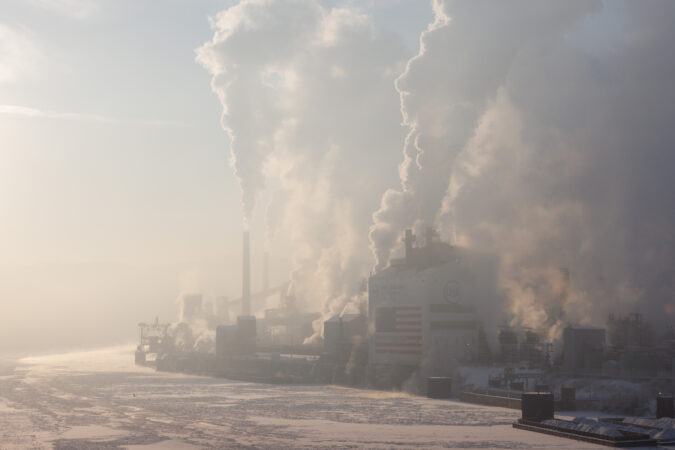
At 10:47 a.m., U.S. Steel’s Clairton Coke Works outside Pittsburgh — a sprawling riverside industrial facility and the largest of its kind in the Western Hemisphere — erupted in an ear-piercing boom.
A steelworker for 25 years and former Clairton local union president, Furko pulled on flame-retardant jacket and pants, a hard hat and safety glasses, left his post and rushed to the black plume of smoke rising from the facility’s batteries — the massive arrangements of industrial ovens that heat coal to some 2,000 degrees, turning it into carbon-rich coke.
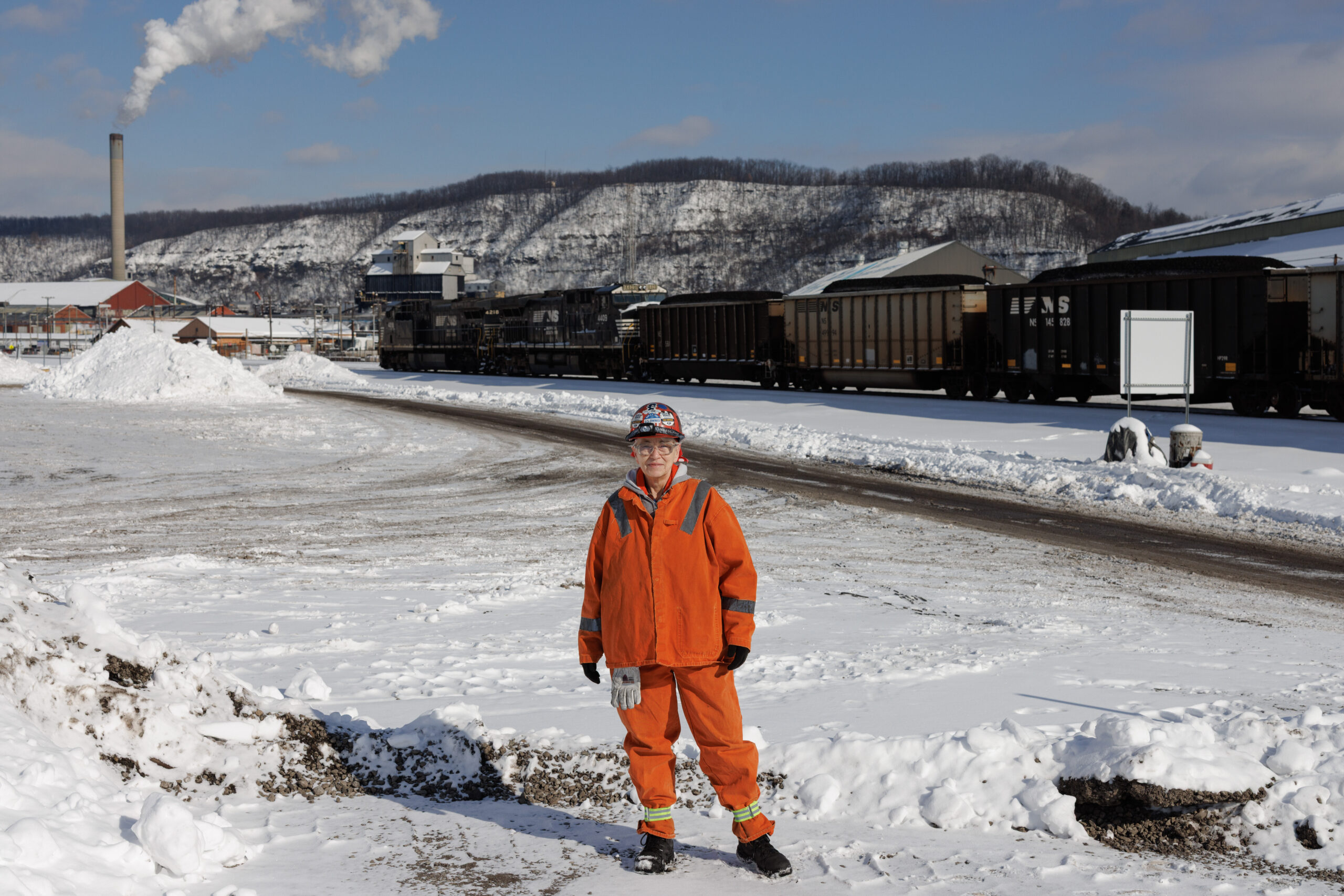
Steelworker Renee Hough stands at U.S. Steel’s Clairton Coke Works in Clairton, Pa., on Jan. 29. (Quinn Glabicki/Pittsburgh’s Public Source via AP)
Near the wharf, Renee Hough, a utility technician in charge of loading coke, sat in the cab of the plant’s screening station when the explosion ripped through the air, blinding her in black dust. “My first thought was I was dead,” Hough recalls. Flames emerged as the dust settled, and a voice crackled through the radio: Battery 13 had just exploded.
“I can’t even explain how mangled everything was,” Furko recalls. “There were flames everywhere.” Workers shuttled the injured to the helipad for evacuation. Through the chaos, Furko heard a fellow steelworker screaming, buried beneath the rubble.
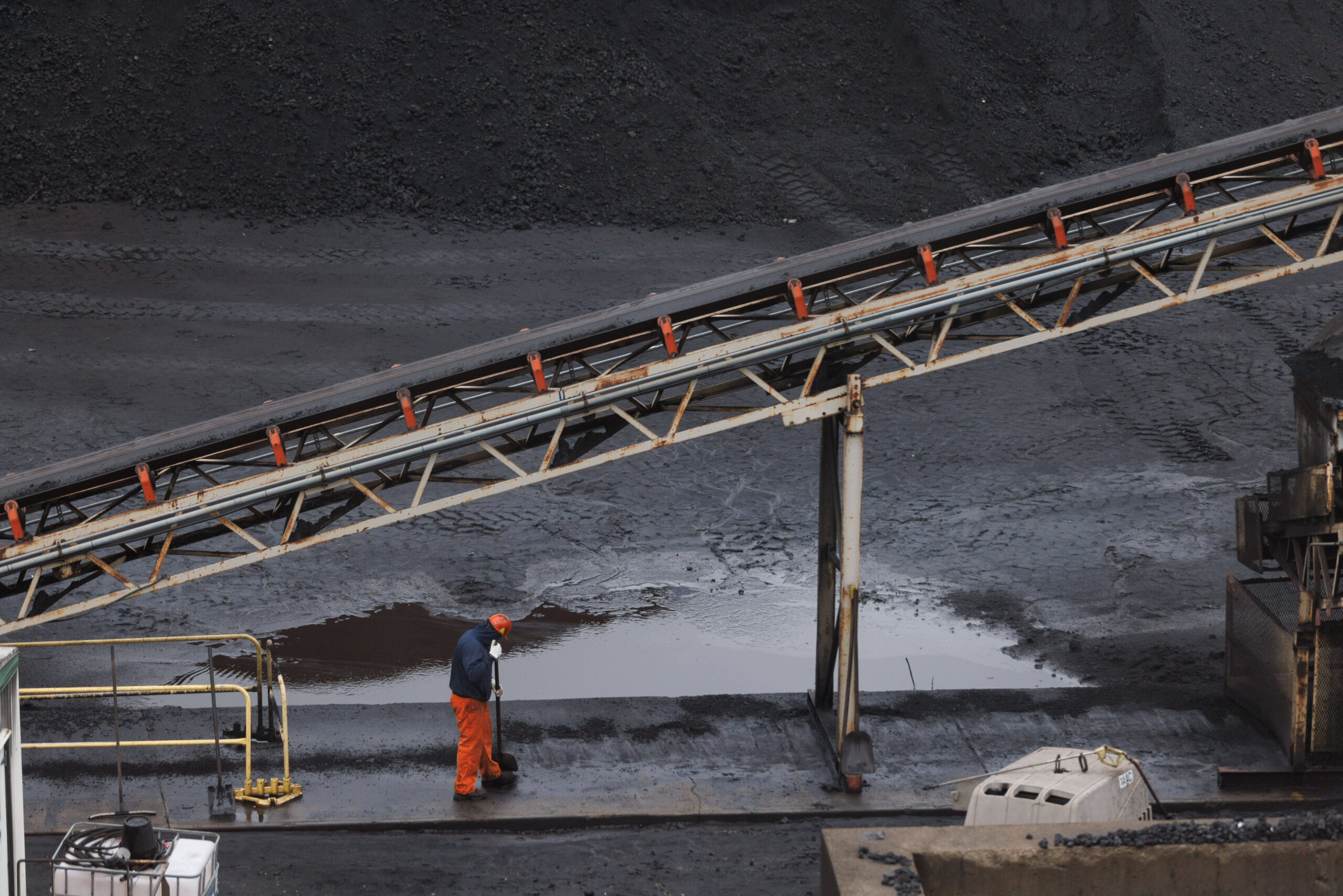
A worker in the coal fields at U.S. Steel’s Clairton Coke Works in Clairton, Pa., on Nov. 19, 2025. (Quinn Glabicki/Pittsburgh’s Public Source via AP)
The blast killed two U.S. Steel workers and injured 11 others, including contractors, according to the Chemical Safety Board, a federal agency investigating the incident.
Six months later, workers remain rattled and community concerns about air pollution from the plant are heightened.
The blast comes on top of a string of other accidents at the Clairton plant over time as well as a long history of legal battles between U.S. Steel and Allegheny County regulators, who regularly accuse the company of flouting environmental rules at the facility. As recently as Jan. 27, pollution control equipment at the Clairton plant temporarily broke down and nearby air monitors recorded elevated air pollution, according to the Allegheny County Health Department.
To U.S. Steel’s critics, the August blast highlighted chronic problems at the facility. And some current and former workers at Clairton Coke Works say poor management and underinvestment have exacerbated air pollution and undermined workplace safety at the plant where operators already have little margin for error, Pittsburgh’s Public Source and the Associated Press have found.
The August explosion also came after Nippon Steel’s $15 billion acquisition of U.S. Steel in June 2025. It’s an open question whether the Japanese steel company will invest significantly in Clairton Coke Works and address issues raised by workers, government officials and environmental watchdogs.
The Chemical Safety Board has said that the August explosion occurred while workers were preparing to replace a damaged valve that was detected in July, as well as other valves. The agency’s investigation continues; it said in December that it has identified “potentially unmitigated hazards for workers at Clairton Coke Works that warrant immediate attention.”
“They try to say ‘safety first, safety first,’” said Brian Pavlack, a current worker at Clairton Coke Works. “Safety is not the first priority for them.”
Nippon Steel did not provide a response to written questions. In a written statement responding to detailed questions, U.S. Steel stressed its commitment to safety.
“Safety is our core value and shapes our culture, influences how we lead, and anchors our responsibility to ensure that every employee returns home safely, every single day,” the company said.
Dangerous work
The 392-acre Clairton Coke Works opened more than a century ago, 20 miles south of Pittsburgh along the west bank of the Monongahela River. The ovens at the plant heat coal at high temperatures for hours to make coke, a key component in steelmaking. Its ovens produce 3.6 million tons of coke annually, which is shipped to the company’s operations farther up the river at the Edgar Thomson Works in Braddock, and to U.S. Steel’s Gary Works in Indiana.
But making coke isn’t a clean process or without risk. The heat removes impurities, producing a flammable byproduct called coke oven gas. Coke oven gas includes hydrogen, methane, nitrogen and carbon monoxide, and some of it is used as fuel to heat the coke ovens. Coke oven gas is explosive due to high hydrogen content, said Fred Rorick, a former operations manager at Bethlehem Steel and steel industry consultant.
“At a coke works, when you have that, you have to be very, very, very careful,” Rorick said.
According to the Chemical Safety Board, the August explosion happened while workers were closing and opening a gas isolation valve in a basement after pumping water into the valve. U.S. Steel’s written procedure did not mention the use of water and a U.S. Steel supervisor directed workers to pump the water, the agency said. Kurt Barshick, U.S. Steel’s vice president of the Mon Valley Works, said during an October presentation to residents in the wake of the August explosion that workers trapped “3,000 PSI water inside of a valve that’s rated for 50 PSI.” The valve cracked and gas filled the area, Barshick added.
Drew Sahli, the Chemical Safety Board’s investigator in charge, said there was a “release of coke oven gas” and that the gas “contacted an ignition source” and exploded. The agency is still investigating how the gas was released, Sahli said.
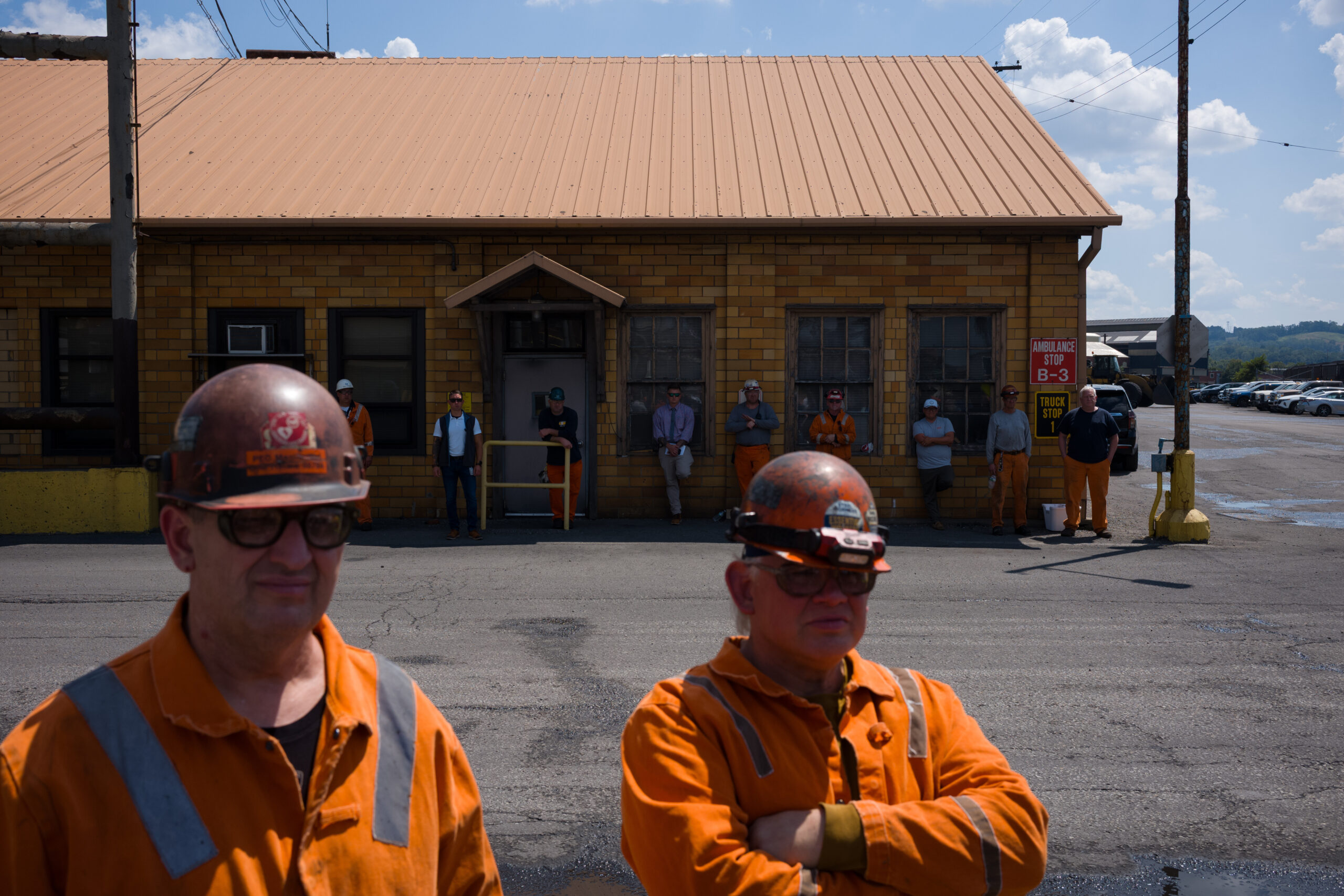
Steelworkers stand at U.S. Steel’s Clairton Coke Works in Clairton, Pa., on Aug. 12, 2025, a day after an explosion at the facility killed two workers. (Quinn Glabicki/Pittsburgh’s Public Source via AP)
U.S. Steel said it has “strengthened several safety protocols” based on its own ongoing investigation, including prohibiting the use of high-pressure water for valve cleaning and reviewing their “Management of Change program, which assesses proposed changes in procedures and evaluates risk.”
Before the August blast, Clairton Coke Works already had a history of accidents and explosions.
In 2009, a maintenance worker was killed in a blast.
In 2010, an explosion injured 14 employees and six contractors.
In 2014, a worker was burned and died after falling into a trench.
In February 2025, a problem at a battery led to a “buildup of combustible material” that ignited, injuring two people, according to the Allegheny County Health Department.
After the 2010 explosion, the Occupational Safety and Health Administration fined U.S. Steel and a subcontractor $175,000 for safety violations. U.S. Steel appealed its citations and fines, which were later reduced to $78,500 under a settlement agreement. U.S. Steel admitted no wrongdoing as part of the settlement.
While there’s “a lot of ways that you can get yourself hurt or killed” at Clairton Coke Works, explosions are the biggest hazard, said Calvin Croftcheck, who previously worked at the plant and served as the United Steelworkers safety coordinator for U.S. Steel.
“Since 2009, there have been three accidents that have resulted in fatalities and that is just not common in today’s age of safety,” said Phillip Kondrot, a workers’ compensation attorney who represents workers injured at Clairton Coke Works. “That is a dangerous place to work.”
“We have intensive procedures that are currently in place at Clairton and our other facilities, and our employees are charged with following them,” U.S. Steel said. “We will not respond to comments from for-profit lawyers and stand behind the safety professionals who tirelessly work at U. S. Steel.”
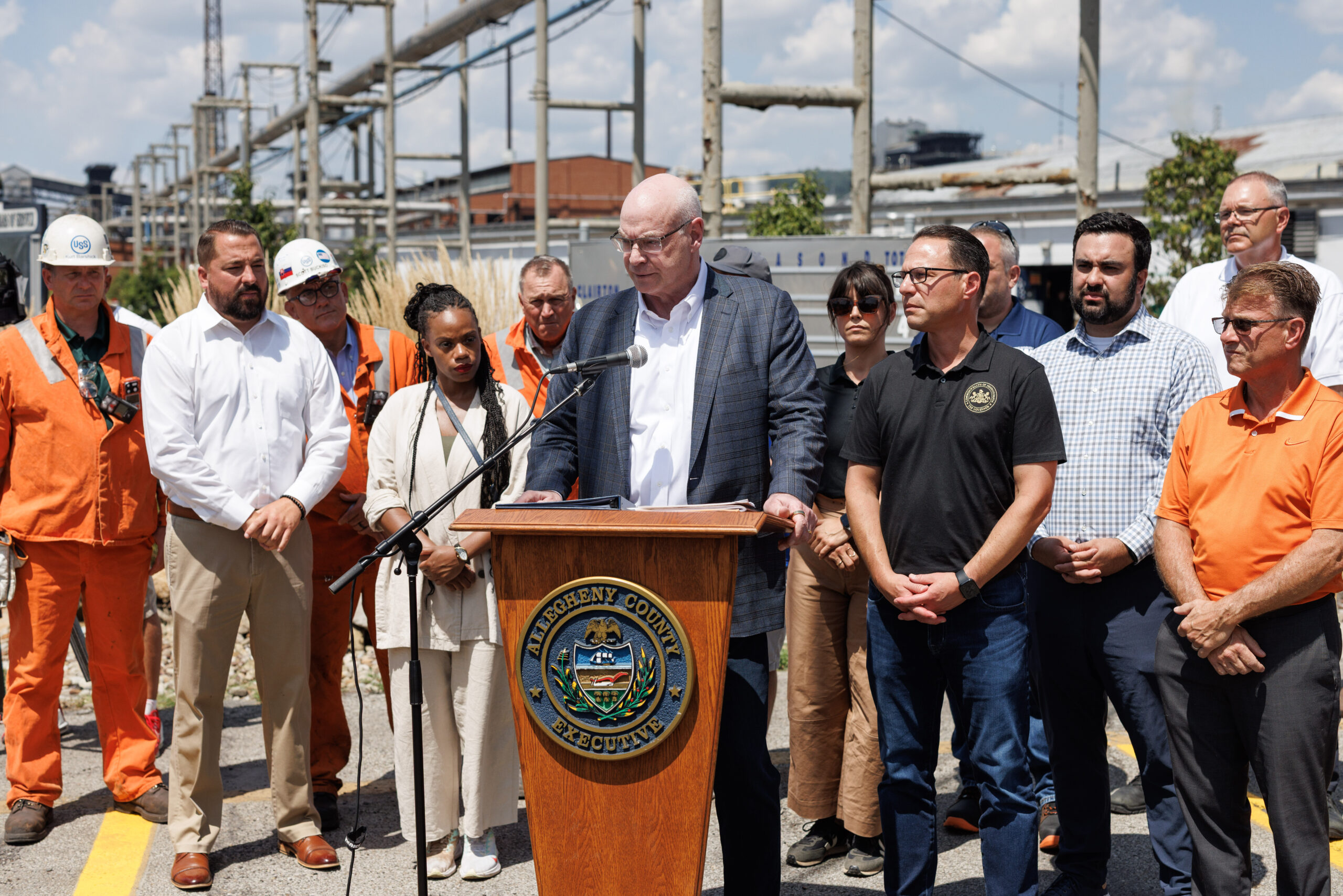
U.S. Steel president and CEO David B. Burritt, accompanied by Pennsylvania Gov. Josh Shapiro (center right) and other officials, speaks during a news conference at U.S. Steel’s Clairton Coke Works in Clairton, Pa., on Aug. 12, 2025, a day after an explosion at the facility killed two workers. (Quinn Glabicki/Pittsburgh’s Public Source via AP)
Management questioned
Some current and former workers at the Clairton plant fault U.S. Steel’s management of the aging facility, saying that it has caused a range of operational problems.
“A lot of things that have happened there, where they needed something fixed and something went wrong, it was because corporate wouldn’t approve them ordering the parts,” said Jonathan Ledwich, who worked at Clairton Coke Works between 2011 and 2022 trying to prevent emission leaks from the coke ovens. “We did the best we could with what we had.”
Ledwich points to a fire at the Clairton plant on Christmas Eve 2018. It shut down pollution control equipment and led to repeated releases of sulfur dioxide and hydrogen sulfide, according to a lawsuit filed by environmental groups after the incident. In the wake of the fire, Allegheny County warned residents to limit outdoor activities, with residents saying for weeks afterward that the air smelled like rotten eggs and was hard to breathe.
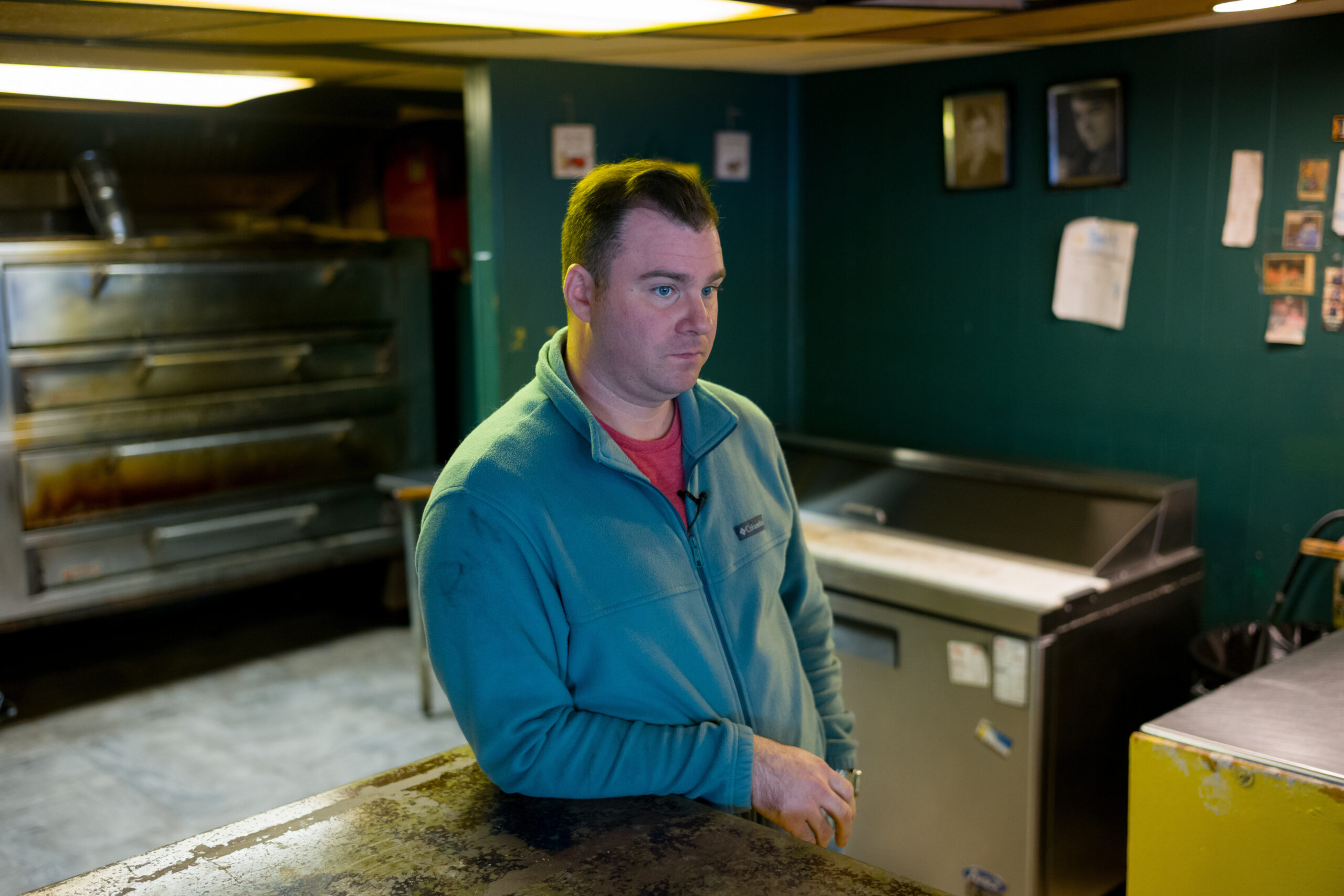
Former U.S. Steel worker Jonathan Ledwich stands at the pizza shop he now owns in Trafford, Pa., on Dec. 15, 2025. (Quinn Glabicki/Pittsburgh’s Public Source via AP)
Ranajit Sahu, an engineer hired by the plaintiffs, wrote in a report filed in the case that he found “no indication” that U.S. Steel “has an effective, comprehensive maintenance program for the Clairton plant.” Sahu also wrote that the 2018 accident, which was precipitated by piping falling due to corrosion, was “preventable by a robust inspection and preventive maintenance program and by better plant design.”
In a 2024 consent decree settling the lawsuit, U.S. Steel agreed to measures including investing close to $20 million in facility upgrades and permanently idling a battery of coke ovens at the plant. As part of the consent decree, U.S. Steel admitted no liability.
Hough, the utility technician in charge of loading coke, said that the lack of proactive maintenance at Clairton Coke Works makes her feel unsafe at times.
“There’s a lot of things that need to be repaired that they’re not prioritizing because you can’t stop production,” Hough said of U.S. Steel.
Some current and former plant workers also describe difficulty getting coke oven doors replaced. Ledwich, the former Clairton steel worker, said some doors that needed to be replaced would leak emissions.
In a 2020 deposition for the lawsuit related to the 2018 Christmas Eve fire, James Kelly, former deputy director of the environmental health bureau at the Allegheny County Health Department — the agency that oversees emissions at the plant — said the facility is “one of the most decrepit facilities” that he’d ever seen.
The litigation surrounding the Christmas Eve fire wasn’t the first time U.S. Steel was accused in court of skimping on maintenance. In a 2017 amended federal class action lawsuit alleging violations of federal securities laws, U.S. Steel shareholders said that the company CEO hired the consulting firm McKinsey & Company in 2014 after multiple unprofitable years and “implemented extreme cost-cutting measures” in 2015 involving layoffs and deferrals of “desperately-needed maintenance and repairs.” The lawsuit was eventually settled and the U.S. Steel defendants admitted no wrongdoing.
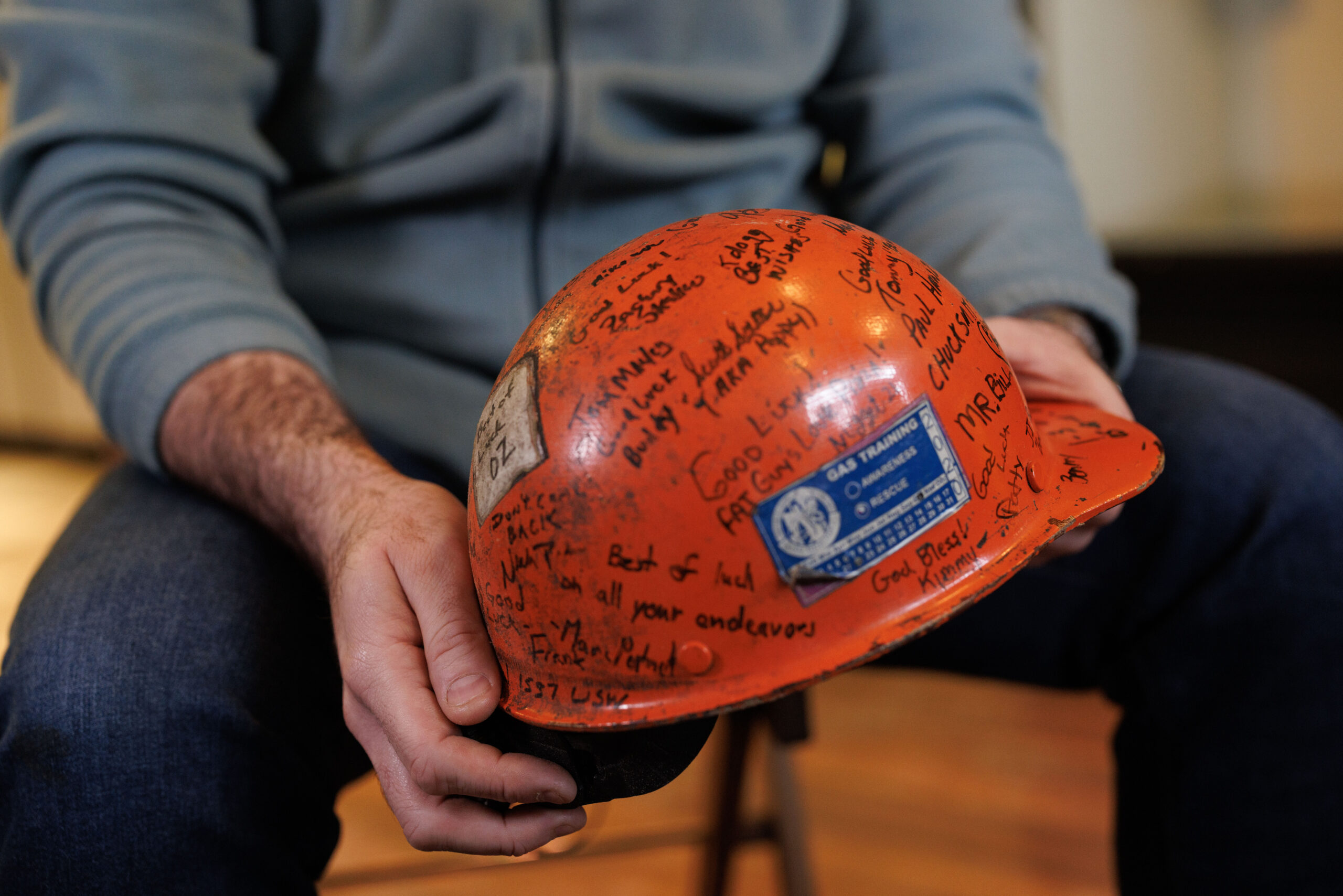
Former U.S. Steel worker Jonathan Ledwich holds his old hard hat at the pizza shop he now owns in Trafford, Pa., on Dec. 15, 2025. (Quinn Glabicki/Pittsburgh’s Public Source via AP)
U.S. Steel had “one of the best safety staffs in the country,” said Mike Wright, former director of the health, safety, and environment department at the United Steelworkers. But key safety department leaders were fired, according to Wright and Croftcheck, the former union safety coordinator. Wright said the dismissals occurred in 2016.
Ed Mazurkiewicz, former director of safety and industrial hygiene at U.S. Steel, said that he was let go by the company in 2016. While he knew at the time that McKinsey had been “evaluating all of U.S. Steel” and that there would be downsizing, it was still a shock when his job was eliminated, Mazurkiewicz said.
U.S. Steel said it has “worked with many advisers and partners” over the years and that the company’s “overall transformation efforts have improved our company’s performance, created a robust maintenance program, and improved employee safety over time.” In response to questions about U.S. Steel’s safety department and the firing of department leaders, the company said: “We cannot comment on personnel matters.”
“They brought in McKinsey to tell them really how to run things,” Wright said of U.S. Steel. “We were a little outraged by that.”
McKinsey said in a statement that the company is one of “many advisers that have served U.S. Steel in support of its efforts to keep manufacturing jobs in the United States, improve operational resiliency, and invest in and support the communities in which it operates.”
“As with all our work for the company — and with all our clients — safety is always a top priority,” the company added.
Maintenance practices have changed over time, some current and former workers say.
“I used to see a lot more maintenance and taking care of things and fixing things before they broke, or replacing things that were worn out,” said Hough, who has worked at the plant for 29 years. “That used to happen back when I was first hired there, and that hasn’t happened in the last 10 or so years.”
Battles over air pollution
For years, Clairton Coke Works has drawn the ire of government regulators, environmental advocates and community members concerned about air pollution originating from the plant. Air quality in the region has improved over time, but the Clairton plant has been the largest local source of air pollution — such as sulfur oxides and particulate matter — in recent years, according to the Allegheny County Health Department. Particulate matter, for instance, is linked to various health issues, including heart attacks and aggravated asthma. The plant also emits carcinogenic benzene.
While the Clairton plant is allowed to emit some air pollution, county Health Department regulators routinely clash with U.S. Steel over alleged violations of the plant’s operating permit, such as excessive emissions or failing to use pollution control equipment. In 2023, for instance, the Allegheny County Health Department fined U.S. Steel more than $2 million for violations at Clairton Coke Works.
“You’re sort of in this cycle of patching, monitoring, fining, patching, monitoring, fining, and it’s never really good enough,” said Karen Hacker, director of the Allegheny County Health Department between 2013 and 2019. “You can’t say it hasn’t improved. Just look at the sky in Pittsburgh, right? But it hasn’t removed a source of pollution.”
In response to questions from Public Source and AP, the Allegheny County Health Department said in a written statement that the agency “inspects coking operations daily” and “addresses violations as discovered during inspections” with a full compliance evaluation every two years.
The department also said that air monitoring stations near the Clairton plant “have measured a 15-25% reduction in annual average particle pollution concentrations compared to ten years ago.” The department declined to comment on “open investigations, enforcement orders, or pending litigation.”
Nationally, Clairton Coke Works’ environmental compliance track record is an outlier, according to a Public Source and AP analysis of federal Clean Air Act data from about 14,000 facilities. The analysis found that Clairton Coke Works is classified by the EPA as a “high-priority violator” — only about 11% of major emitters fall into that category. It’s even rarer for facilities to garner financial penalties on the magnitude that Clairton Coke Works has faced in the last five years, the analysis shows. Just 11 facilities, including Clairton Coke Works, have faced $10 million in penalties or more in the last five years.
“It’s a massive facility. It’s a complex facility and it’s an underfunded facility,” said Adam Ortiz, former EPA regional administrator of the Mid-Atlantic region during the Biden administration. “All those things make it tough.”
Clairton resident and environmental advocate Melanie Meade stands at the entrance of the Clairton Coke Works in Clairton, Pa., on Aug. 12, 2025, a day after an explosion at the facility killed two workers. (Quinn Glabicki/Pittsburgh’s Public Source via AP)
U.S. Steel said in its statement that the company spends “$100 million annually on environmental compliance at Clairton alone and has consistently achieved an environmental compliance rate exceeding 99% for regulated activities per year at our Clairton Plant, the largest coke-making facility in North America.”
The company said that it has “invested more than $750 million in environmental improvement projects in the Mon Valley” and that preliminary data shows that a county air monitor located downwind of the Clairton plant has met the Environmental Protection Agency’s national ambient air quality standard for particulate matter since 2024.
“Our steadfast pursuit of environmental excellence will continue,” the company said. “We maintain a productive relationship with the ACHD and other regulators, with a commitment to regulation grounded in science and law.”
Some environmental advocates have argued that the Allegheny County Health Department is outgunned against U.S. Steel. The department’s air quality program, which handles oversight of Clairton Coke Works, is funded by fees paid by industrial polluters. But the program has struggled financially in recent years. In a 2018 report, the EPA asserted that revenue from emissions-based fees was “diminishing as a result of emissions reductions” and that the existing fee structure could potentially “undermine long-term program sustainability.” The Allegheny County Council approved raising the fees in 2021 and again in November.
Meanwhile, the Trump administration has signaled that it is taking a more hands-off approach with polluters. In November, President Donald Trump temporarily exempted Clairton Coke Works and other coking plants from provisions of a Biden-era rule that, for instance, required fence line monitoring for benzene emissions. U.S. Steel previously requested an exemption.
U.S. Steel said that the rule “imposed significant compliance costs while setting technically unachievable standards and providing little or no environmental benefit.” Its Mon Valley facilities have “never been fined” for exceeding benzene emission standards, the company said.
New ownership arrives
Before the August explosion, workers and outside observers were already watching Nippon Steel closely for clues about their plans for Clairton Coke Works and the Mon Valley. Now, questions about Nippon’s intentions have become even more pressing.
In the nearly $15 billion deal to buy U.S. Steel, Nippon Steel pledged to invest $14 billion in domestic steelmaking operations, including building a new electric arc furnace somewhere in the U.S. Much of that money remains publicly uncommitted, and U.S. Steel has been firm that it wants to keep the Clairton plant operating.
“The Clairton Coke Plant is an important part of our North American Flat-Rolled integrated operations,” the company said in November. The company added that a “steady coke supply remains critical” and that the “Clairton Coke Plant will be maintained for the next generation of steelmaking.”
Since Nippon Steel acquired the company, things have started to change, according to Hough. The company has invested more in repairs and preventive maintenance, she said.
“Nippon is putting the money into the plant, and let me tell you, they’ve got a long way to go,” Hough said. “U.S. Steel let it go so bad for so long.”
However, U.S. Steel has not publicly committed to spending money at the Clairton plant to expand production, extend its life, improve efficiency, upgrade safety or reduce its polluting air emissions.
In response to questions about its investment plans for Clairton Coke Works, U.S. Steel said the company plans to invest “more than $2 billion at Mon Valley Works.”
Furko served as Clairton local union president in 2021 when U.S. Steel canceled a pledged $1 billion investment in the Mon Valley Works. He remains wary of Nippon’s promises.
“Until I see shovels start to hit dirt,” Furko said, “then I don’t believe it until I see it.”
Of the $14 billion, U.S. Steel has said $2.4 billion will go toward its Pittsburgh-area plants. A portion of that money will be spent on building a new hot strip mill to replace the one at its Irvin plant, just down the Monongahela River from Clairton, that processes steel into massive sheet rolls, primarily for the automotive, appliance and construction industries.
It’s unclear how Nippon and U.S. Steel will address recent findings from federal investigators. In December, the Chemical Safety Board recommended that U.S. Steel conduct a siting evaluation of all buildings at the Clairton plant that are occupied or could be occupied to identify and assess potential hazards for workers. The agency said that the company has not conducted a facility siting evaluation as part of efforts to rebuild and relocate its “personnel facilities” after the blast.
U.S. Steel continues to cooperate with the Chemical Safety Board and the Occupational Safety and Health Administration and “evaluate their recommendations,” the company said.
Even with Nippon’s promise of revitalizing U.S. Steel with billions of dollars of investment, the August explosion is still darkening the minds of workers. Furko said he struggles to motivate himself to go to work on some days.
“I’ve been there 25 years. There’s been guys who have lost legs from rail equipment running over them. Bad falls and stuff like that,” Furko said. “Nothing has affected me like this has.”
This story is a collaboration between Pittsburgh’s Public Source and the Associated Press.
It came in second in the site’s Pennsylvania rankings after the Nemacolin in Farmington, about 70 minutes outside Pittsburgh. The wooded 2,200-acre golf resort ranked No. 28 on U.S. News’ national list.
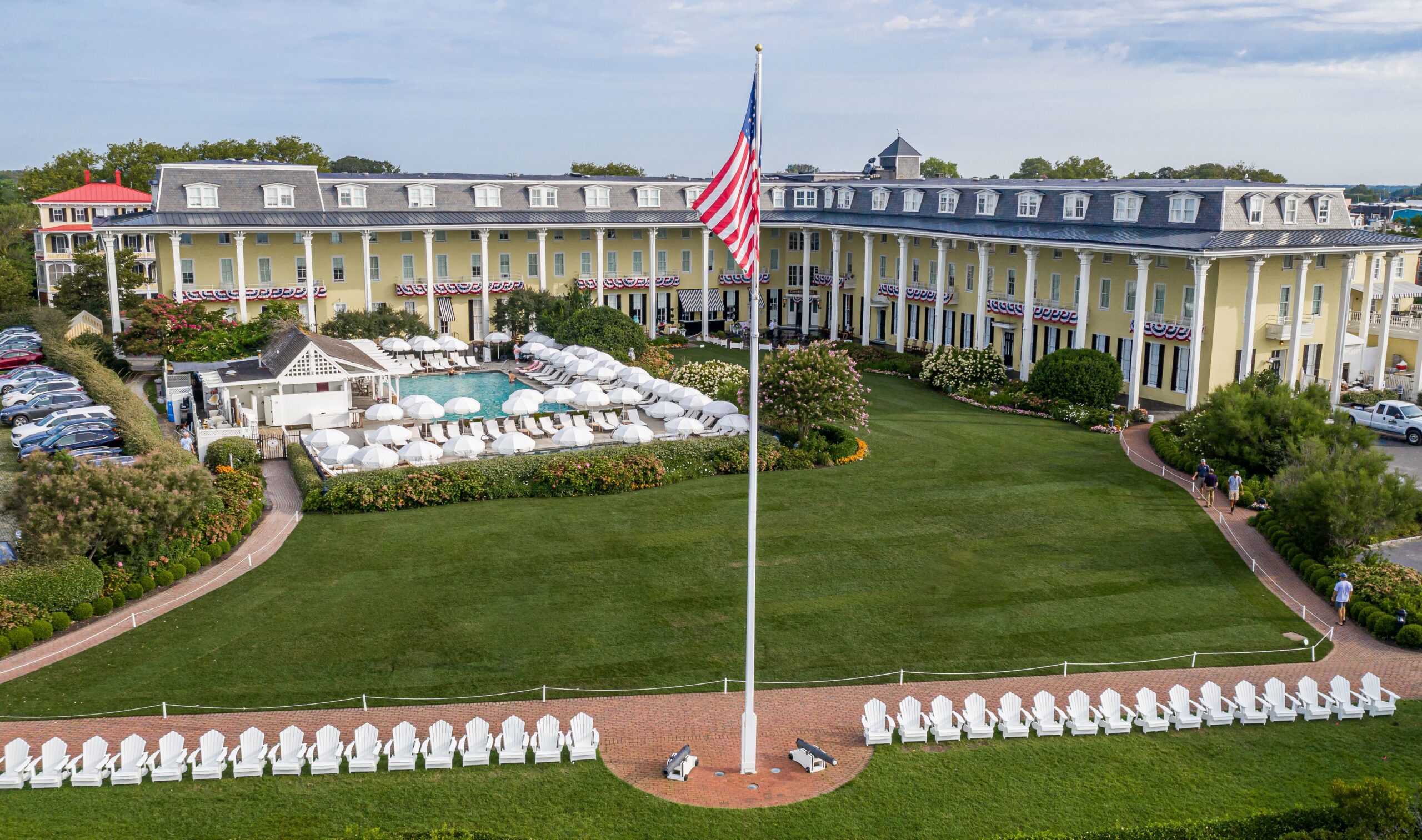
Weddings at The Reeds at Shelter Haven, ranked New Jersey’s seventh best hotel by U.S. News, can take place on the hotel’s bayside lawn.
Hotels were ranked based on their past awards and recognitions, including star ratings, as well as guest reviews, according to the U.S. News website.
“U.S. News predominantly ranks luxury lodgings, as these are the type of accommodations travelers seek when researching the best hotels and resorts in a given destination,” company analysts write, noting that luxury options typically receive 4- and 5-star ratings from multiple expert sources.
The Philly-area hotels on the 2026 lists were no exception.
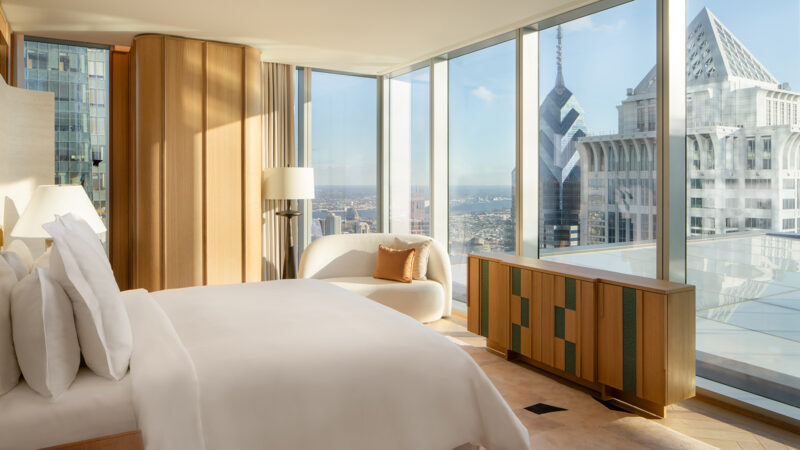
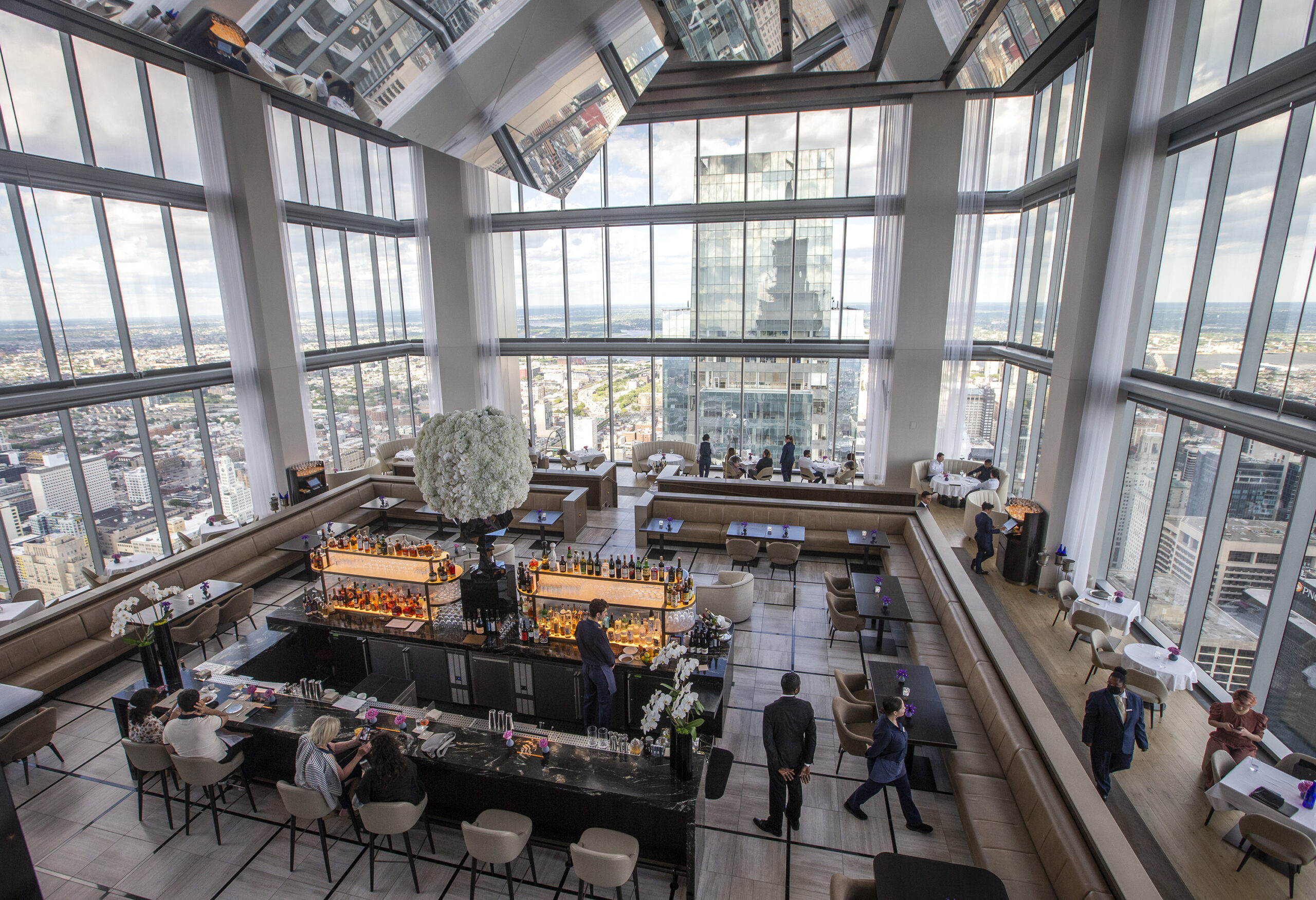
The Four Seasons Philadelphia recently unveiled an ultraluxe floor that includes a 4,000-square-foot penthouse suite costing around $25,000 a night. Other rooms at the hotel start at more than $1,200 a night.
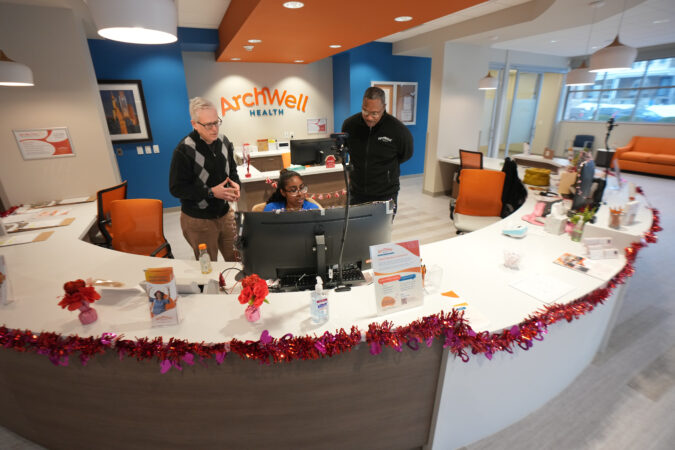
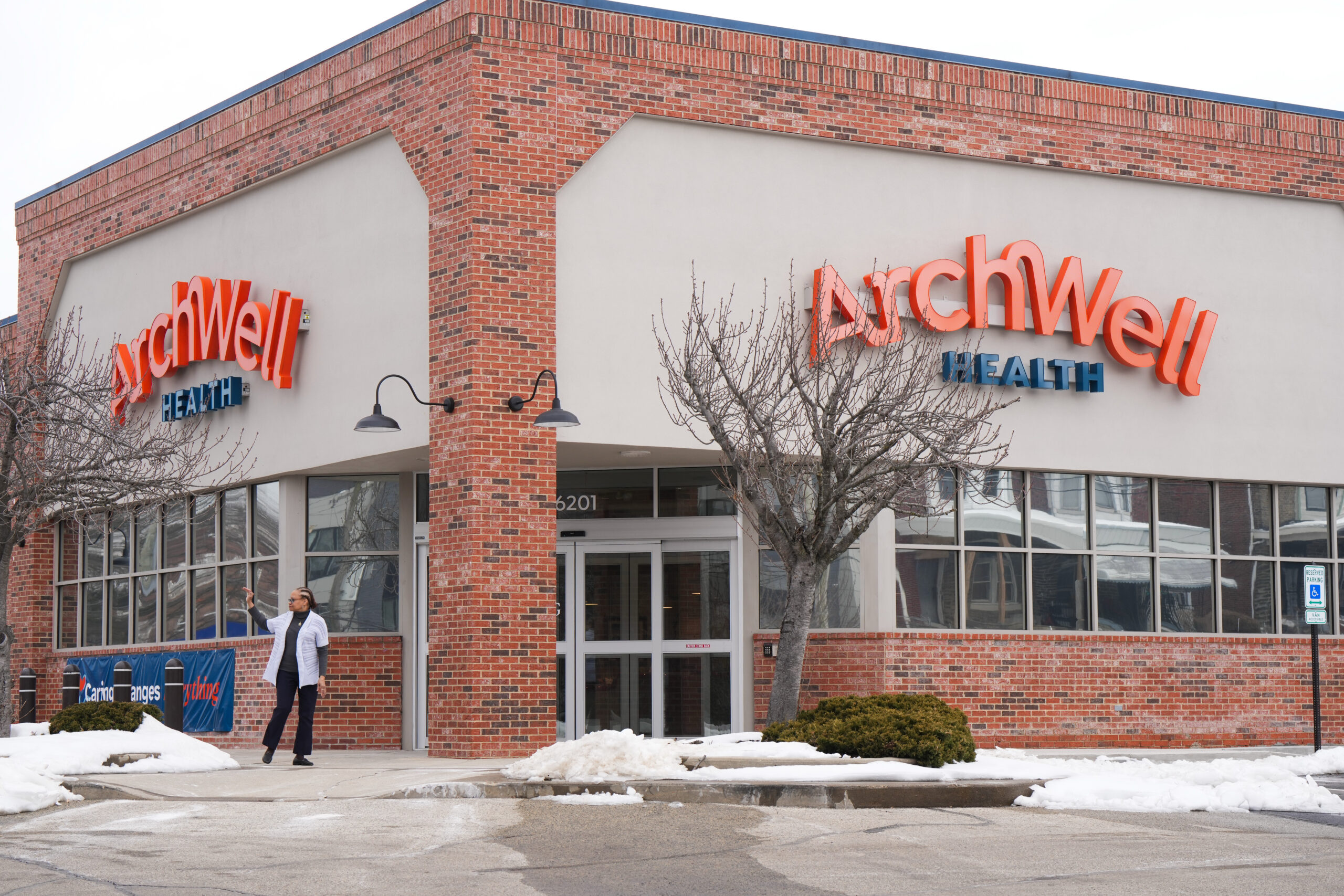
A new sign with orange letters outside a former Rite Aid in Germantown announces the arrival of a primary care model new to the Philadelphia region.
ArchWell Health recently opened its first three of eight planned primary care centers here for people with Medicare Advantage, promising convenient and personalized care in neighborhoods with a relative lack of doctors.
Two others have opened on North Broad Street, near Stenton and Susquehanna Avenues, also in former Rite Aid stores.
A privately held company based in Nashville, Tenn., ArchWell says it can offer patients greater access to healthcare throughlower patient-provider ratios.
Itplans to limit each of itsphysicians to no more than 500 patients — about a fifth of the patient load for typical primary care doctors. Nurse practitioners working under the doctors will manage a maximum of 250 patients,officials said.
The approach is built around a financial model that differentiates ArchWell from Medicare-focused competitors already in Philadelphia like Oak Street Health and ChenMed’s Dedicated Senior Medical Centers. ArchWell only accepts patients who have private Medicare or are willing to switch to it. Oak Street and ChenMed also accept traditional Medicare.
Privately run Medicare Advantage plans are increasingly popular among people ages 65 and older who qualify for government-funded Medicare coverage. Advantage plans appeal to people bycovering services, such as dental and vision care, left out of traditional Medicare, but have come under scrutiny for exaggerating how sick patients are to rack up more revenue.
ArchWell sees exclusively working with Medicare Advantage plans as helping doctors to focus solely on the best outcomes for patients, rather than on providing more services to bring in more revenue, a criticism of traditional Medicare, said Doron Schneider, its medical director for the Philadelphia market.
Melissa A. Herd, community relations specialist for ArchWell Health in Philadelphia, is shown outside the company’s Germantown location, which is in a former Rite Aid building.
“You have different incentives, you have different care models, you have different case management models, you have different ways to treat one person versus the other,” Schneider said.
Before starting at ArchWell in late 2024, Schneider worked at Tandigm Health, an Independence Health Group company founded in 2014 with the goal of helping primary care doctors manage costs and improve care for their patients. He learned there how hard it is for doctors to work with different types of insurers and the varied incentives that go with them.
How ArchWell conducts business
ArchWell, which opened its first clinic in 2021 in Birmingham, Ala., operates under contracts with Medicare Advantage plans. The plans give ArchWell a portion of the monthly payment they get from Medicare for each patient. That money is supposed to cover all of the person’s medical costs.
Aetna, UnitedHealthcare, and Devoted Health have contracts with ArchWell to cover the Philadelphia market. ArchWell is close to getting contracts with HealthSpring and Humana, Schneider said. Those five companies had more than 90,000 people in their plans in December, according to federal data.
Aetna and UnitedHealthcare said they work with clinics like ArchWell’s around the country to improve health outcomes and leave patients more satisfied with their experience.
“We are pleased that they are now an option for Aetna Medicare Advantage members in the Philadelphia area,” Aetna said in a statement.
ArchWell declined to provide financial details, such as annual revenue from the more than 80 clinics it had in a dozen states before coming to Philadelphia or how much it spends to open each center. ArchWell representatives also did not disclose who its owners are.
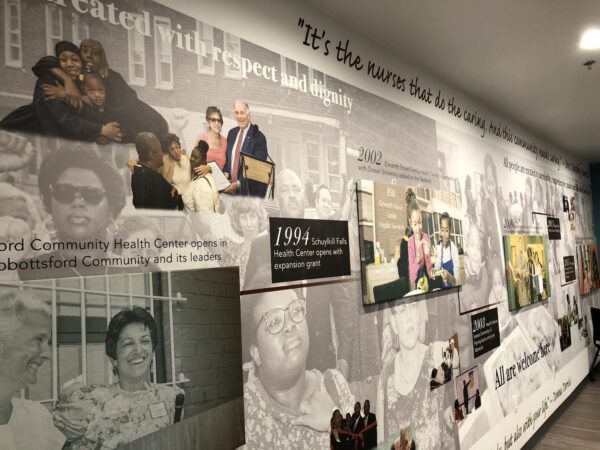
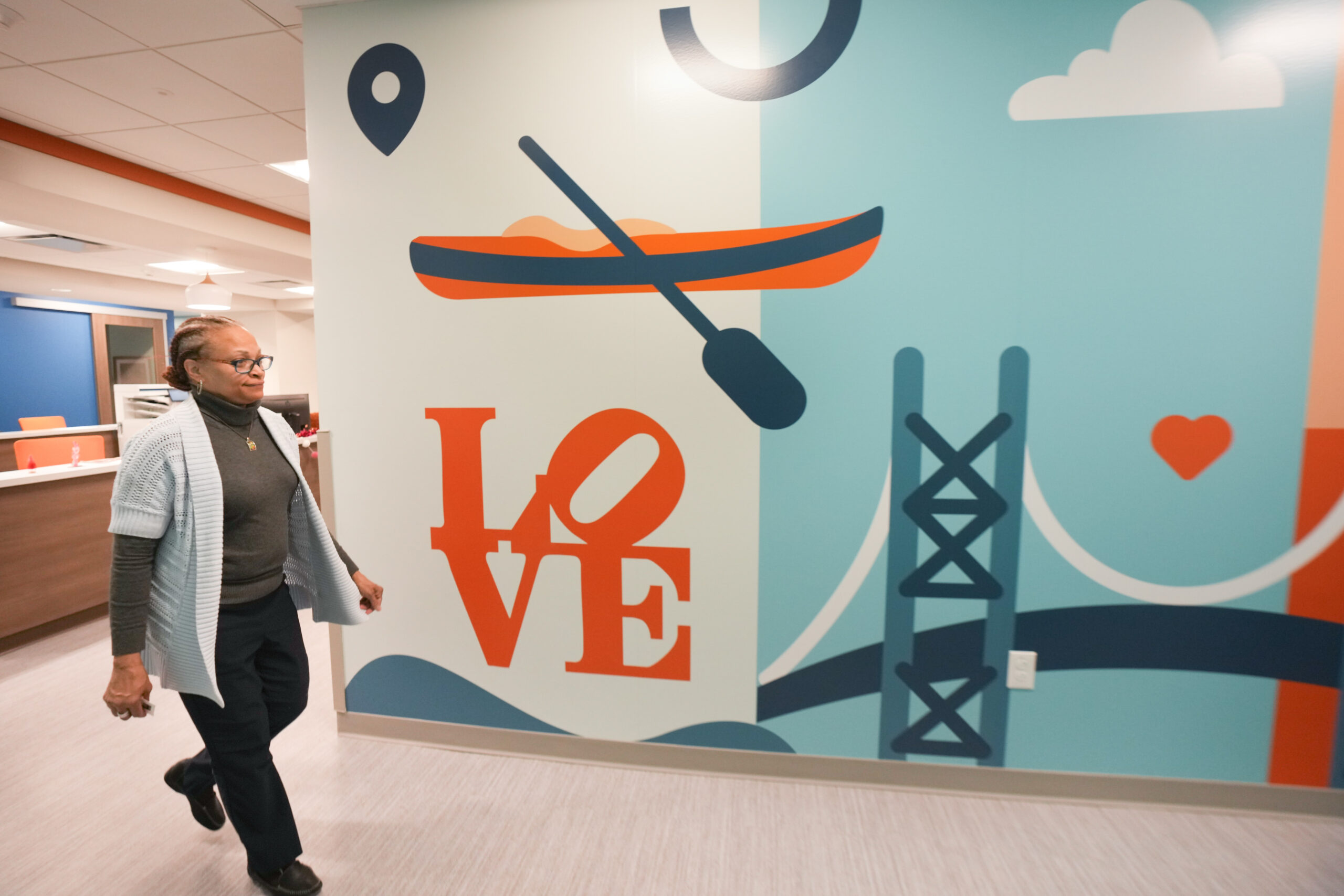
The interior of Archwell Health’s Germantown primary care clinic has Philadelphia-centric images painted on the walls.
Company founder Carl Whitmer worked at Clayton, Dubilier & Rice, a global private equity firm, before founding ArchWell.
“We have partners that are focused on our sustainability and growth,” said Christina Cober, ArchWell’s vice president of marketing.
But companies focused on primary care for seniors haven’t always been as successful as anticipated.
Oak Street, founded in Chicago in 2012, grew rapidly and now services 450,000 patients at 230 centers across the country. It declined to say how many patients it has in Philadelphia. Oak Street arrived here in 2018.
CVS Health bought Oak Street in 2023 for $10.6 billion, anticipating that it would expand to more than 300 centers by this year. Last fall, CVS announced it was closing 16 centers and taking a $5.7 billion write-down on its health-services business, largely because of slower anticipated growth at Oak Street.
ArchWell says itslowerpatient-provider ratios allow more frequent interactions with patients. If a patient is diagnosed with high blood pressure, Schneider said, the message to the patient is: “We’ll see you back in a week. We’ll see you back in two weeks.”
The repeat visits happen with no cost to the member and no extra revenue to ArchWell because all care is supposed to be covered by a monthly payment per member.
ArchWell expects to add about 300 patients per year at each center, said Cober. Staffing at the centers starts out with a physician, a nurse-practitioner, two care navigators, two medical assistants, and a center manager.
Among the early patients at ArchWell’s center on Germantown Avenue is Marcella James, 69, who lives across the street from the clinic and watched as the building was transformed from a shuttered Rite Aid.
“I walked over there one day just to see what it was like and what they offer, and I signed up right away,” James said. James likes her doctor at Temple Health, but ArchWell was irresistibly convenient.
“If I can get the same help or better help from ArchWell is to be seen because I just started with them,” she said.