Category: Business

Business news and market updates

  • World Cup fans are spending money in Philly. How much will actually stay in the city?

    World Cup fans are spending money in Philly. How much will actually stay in the city?

    The World Cup has arrived in Philadelphia and out of town visitors are flocking to the games, and learning about Rocky’s curse.

    But how much of the money they’re spending will actually stay in Philadelphia?

    The World Cup games were originally expected to generate a $770 million economic impact in the Philadelphia region, Axios reported in 2024. But just $30 million to $90 million is likely to stay in the region and benefit the local economy, according to estimates in a new report by the Economy League of Greater Philadelphia.

    Thousands have visited the Lemon Hill FIFA Fan Festival since it kicked off on June 11, and used SEPTA after the first Philly-hosted match earlier this month. Philadelphia International Airport also estimated a bump in travel through the airport around the June 19 game between Brazil and Haiti.

    But not all spending is equal.

    U.S. cities are spending hundreds of millions of dollars to host World Cup matches, but are limited in how much revenue they can amass from the events, according to a ProPublica analysis of host city contracts, including Philadelphia’s.

    Some of the money coming into the city during the World Cup would have been spent in Philadelphia anyway, but perhaps differently, the Economy League report indicates.

    While the city is gaining World Cup visitors, it may be losing out on regular business travelers and others that would have come to Philadelphia if not for the World Cup, the report said. Meanwhile, some who are spending money to enjoy the tournament in Philadelphia are residents, who would be spending money in the city anyway. And some fan spending is flowing directly to FIFA and other platforms, rather than to the city’s economy.

    The report highlights three areas seeing most of that spending: The stadium district, Center City hotels and restaurants, and the Fan Festival at Lemon Hill.

    “The commercial corridors beyond this core, which make up most of the city, are unlikely to see much benefit without deliberate effort, because visitor spending follows the path of least friction — toward where people sleep, arrive, or already intend to go,” the report says.
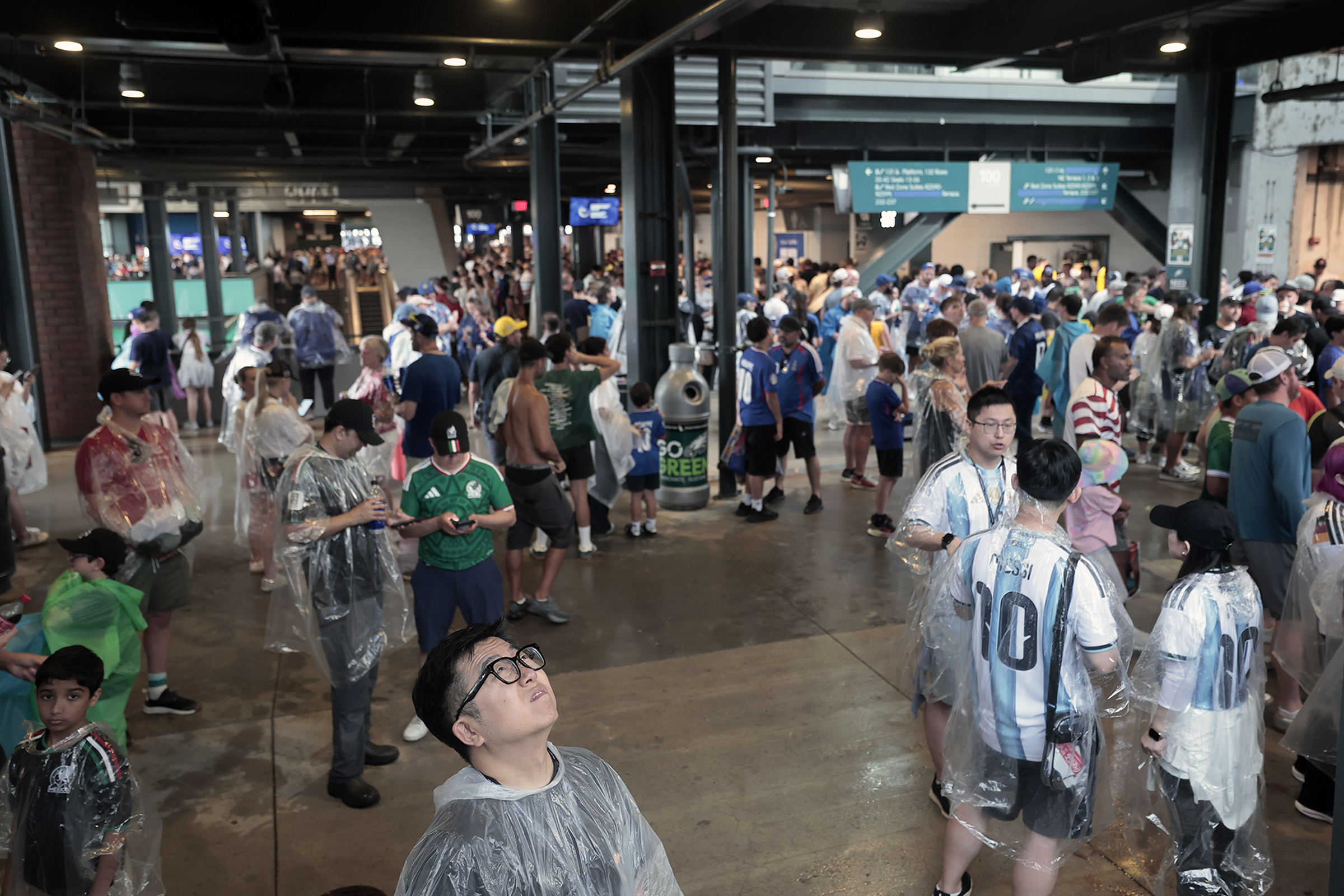
    A man looks to the skies during the rain delay of the France vs. Iraq 2026 FIFA World Cup Group 1 soccer match at Philadelphia Stadium on Monday.

    In the stadium district, where customers have bought tickets to attend games, they’re spending on merchandise and concessions — but few of those dollars trickle down to local independent businesses.

    In Center City, hotels and restaurants are benefiting most, but it’s not as though they wouldn’t be getting business without the games, the report notes.

    Some local food trucks and independent vendors can make money at the FIFA Fan Festival at Lemon Hill. But because the venue is gated, surrounding businesses only profit if visitors leave the festival site.

    And locals are paying the price of hosting the World Cup in other ways.

    Residents who live around the Fan Festival at Lemon Hill are unable to catch a Lyft or Uber from home because of festival restrictions, and parking in the area requires applying for a special permit. The Philadelphia Parking Authority dolled out thousands of tickets in the first few days of the festival.

    Still, the report outlines, much can be gained locally through the World Cup. Lemon Hill is set to receive $4 million in improvements, and some other benefits are harder to quantify.

    “Philadelphia has shown it can move large crowds and stage a global event capably, and the reputational and civic returns, while hard to value, are real,” the report outlines.
  • Merakey USA, a large Montco-based human services provider, is expanding with Ohio acquisition

    Merakey USA, a large Montco-based human services provider, is expanding with Ohio acquisition

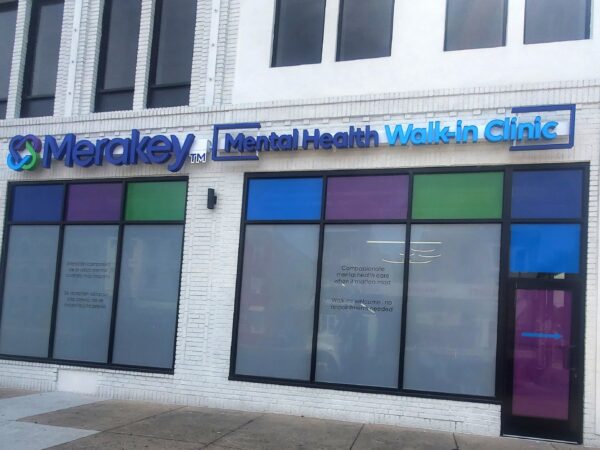
    Merakey USA, based in Lafayette Hill, is acquiring Boundless, an Ohio nonprofit that provides services for people with intellectual and developmental disabilities and behavioral health needs, in a deal that leaders of both organizations described this week as a model for their industry.

    “It’s the marriage of two financially stable organizations” that are preparing for turbulence in the human services sector, said Merakey CEO Joseph S. Martz. More typically human services deals happen because one nonprofit needs a financial rescue, as happened with Philadelphia’s Resources for Human Development in 2024.

    Merakey and Boundless planned to announce the news Thursday.

    Martz and the CEO of Boundless, Patrick Maynard, both said the size of the combined organization — more than $1 billion in revenue — would enable it to invest in the systems, technology, training, and workforce development needed to be financially sustainable.

    The deal, expected to close in July, will create an organization that supports 50,000 individuals and families annually in 12 states and employs 11,000 people.

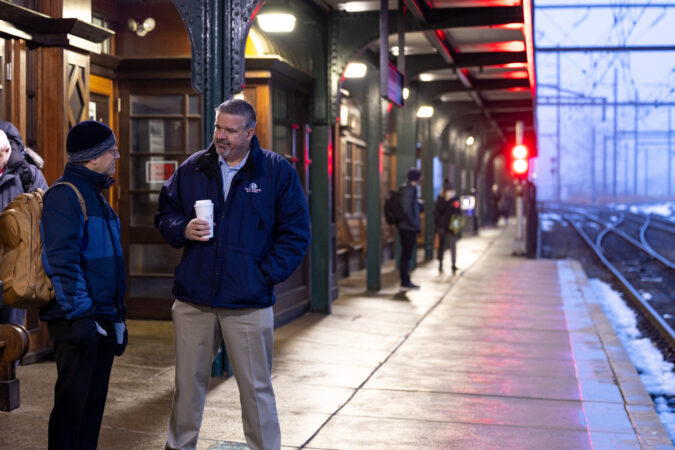
    Joseph S. Martz is CEO of Merakey USA, which is acquiring Boundless, a human services provider based in Columbus, Ohio.

    The executives cited pressures from an expected change in how their organizations get paid. A shift is underway to payment for results rather than for straight volumes of services. Looming cuts to Medicaid over the next decade are also forcing human services providers to rethink how they operate.

    “We’re entering a time when resources are going to be a lot tighter, and I think organizations need to be thinking differently about how they approach that. We’re seeing some other pretty large consolidations,” said Chuck Ingoglia, CEO of the National Council for Mental Wellbeing, a Washington nonprofit advocacy group.

    Origins of the Merakey-Boundless deal

    Stacy DiStefano, CEO of Consulting for Human Services, a Philadelphia-based adviser firm, introduced Martz and Maynard to each other in July 2024.

    That led to a series of conversations about issues the two organizations were spending money to solve and the realization: “Why don’t we just come together and use the combined resources of our organizations to solve that problem,” Martz said.

    Merakey and Boundless had already been growing through acquisitions, though Boundless has grown more dramatically. In the last seven years, the nonprofit made five acquisitions that helped increase its annual revenue to an expected $200 million this year from $20 million, Maynard said.

    “My goal was to create sustainability in a broken system where most of us are living off of Medicaid, which comes nowhere close to providing the resources that cover the costs,” Maynard said.

    Patrick Maynard is CEO of Boundless, a Ohio human services provider that is merging into Merakey USA, of Lafayette Hill.

    The added scale enabled Boundless to add healthcare and dentistry for its clients, but the Medicaid shortfall for those dental services is $75,000 a month, Maynard said. That kept Maynard looking for even bigger partners, like Merakey.

    Maynard cited Merakey’s expenditure of $18 million for Workday software, a system for human resources and financial management as an example of something Boundless could never afford. At $200 million in annual revenue, Boundless struggled to spend $2 million on a system for electronic health records, he said.

    A new structure

    Merakey, which started as the Northwest Center in the Mount Airy section of Philadelphia in 1969, remains firmly rooted in Pennsylvania. The state is expected to account for more than half its $850 million in revenue for the fiscal year that ends this month, Martz said.

    In 2023, Merakey and Elwyn, a similar nonprofit based in Delaware County, announced a preliminary merger agreement, but a final deal did not happen.

    States where Merakey operates include Indiana, Kentucky, Ohio, Michigan, and Wisconsin. A new division called Boundless Midwest, led by Maynard, will assume responsibility for Merakey’s operations in that region when the deal is done.

    Both boards have approved the transaction, which remains under review by the Ohio Attorney General.

    Martz said he expect Boundless to continue growing though acquisitions and the development of new programs with the support of Merakey.

    “We are going to be a big organization, but it’s really about being a better organization, about the quality of care that we provide,” Martz said. “If you’re not culturally aligned, bigger for bigger sake, just doesn’t make any sense to me.”

  • Engineer accused of using insider information on Three Mile Island nuclear plans to make $1.5 million

    Engineer accused of using insider information on Three Mile Island nuclear plans to make $1.5 million

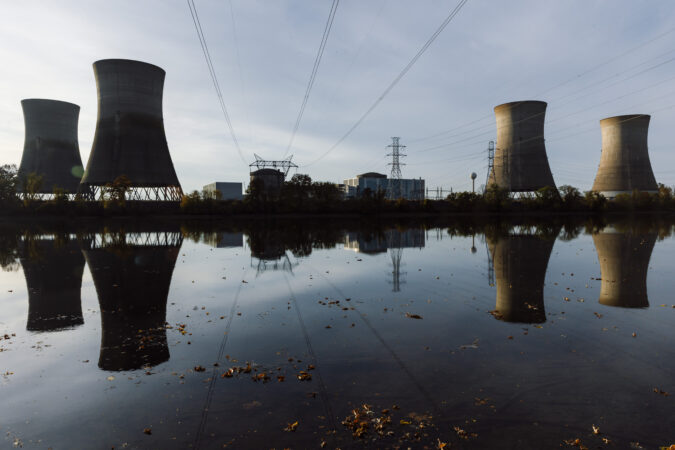
    A nuclear power plant engineering manager for Constellation Energy has been indicted on federal insider trading charges of using advance knowledge that his company planned to reopen a uranium-powered electric plant at Three Mile Island to collect illegal profits on the stock options market.

    Casey Muggleston, of Marshallton, Del., worked on the license renewal team applying to the Nuclear Regulatory Commission for permits to restart the plant. According to a Delaware grand jury indictment, Muggleston made $1.48 million from his “scheme to obtain illegal profits” using “material nonpublic information” before Constellation announced its decision.

    Following an investigation by FBI agents in Maryland and Delaware, Muggleston was charged Wednesday by the U.S. Attorney’s Office for Delaware with securities fraud and four counts of insider trading.

    The charges carry a maximum sentence of 105 years, if he is convicted. However, white-collar sentences are typically a fraction of guideline terms. The government also wants Muggleston to forfeit the $1.48 million.

    Neither Muggleston, who worked for Constellation or its former owner Exelon Corp. from 2008 until 2025, according to a related SEC complaint, or his attorney returned a call seeking comment.

    “Constellation is aware of the government’s indictment,” company spokesperson Paul Adams said in an email. “As Mr. Muggleston is no longer an employee, we have no further comment.”

    According to the indictment, Muggleston bought call options on the company’s shares, a cheap way to collect gains in a stock’s share value, without having to pay the shares’ entire trading cost.

    Three relatives also bought options but have not been charged, according to the indictment.

    In a separate civil complaint, the Securities & Exchange Commission alleged Muggleston also shared information on other confidential Constellation deals as late as June 2025. He left the company that year, according to the SEC.

    Here’s what the indictment alleges:

    As early as April 2024, Constellation had said publicly that it was looking at restarting the reactor but hadn’t made a decision. Before going public with the news, Constellation had employees such as Muggleston refer to the restart as “Project Tetris.”

    A May 21 email to staff, including Muggleston, which was part of correspondence cited by both federal prosecutors and the SEC in their complaints, told employees to keep the licensing team’s progress “very confidential.”

    Three days later, Muggleston sent his cousin, who lives near the plant, an email noting “the restart is building steam. I’m trying to think of how to profit off this …” He added that there were “no guarantees.”

    Eight days later, on June 1, he gave the cousin a heads-up that a decision would likely be made later that month.

    By June 8, Muggleston had begun buying Constellation options in his Delaware brokerage account, betting the stock would rise, mostly by dates in July or August. By Aug. 14, he had accumulated 195 options contracts.

    But Constellation hadn’t announced the reopening. The share price for a time drifted lower, and some of his initial options expired and became unprofitable.

    Then on Aug. 15, two colleagues told Muggleston the restart was approved, and he was summoned to a restart planning meeting.

    Starting the next day, he bought another 150 options, then another 360. In early September the stock rose to over $200, making more of his options profitable.

    On Sept. 20, when Constellation made its announcement, the stock closed at $255, and he sold his 550 remaining options for a total profit of $1.48 million.

    Muggleston had taken Constellation’s annual training reminding employees, board members, and contractors that they and their family members are barred from trading on insider information and from “tipping” outsiders with that information, the indictment says. Insider trading is also illegal under federal securities law.

    The nuclear restart would help Constellation, a Baltimore-based power plant operator, supply data centers under a contract with Microsoft, among other customers. The plan is supported by President Donald Trump, Gov. Josh Shapiro, and other government officials. Environmental critics say the process is being rushed and could raise the likelihood of contamination.

    Constellation’s plan focuses on Three Mile Island’s reactor that closed in 2019 for economic reasons. It was not damaged in the 1979 partial nuclear meltdown.

    Constellation says it’s on track to load uranium into the reactor next spring and begin to supply electric power later in 2027.

  • Main Line Health and UnitedHealthcare have an ‘agreement in principle’ on new contract

    Main Line Health and UnitedHealthcare have an ‘agreement in principle’ on new contract

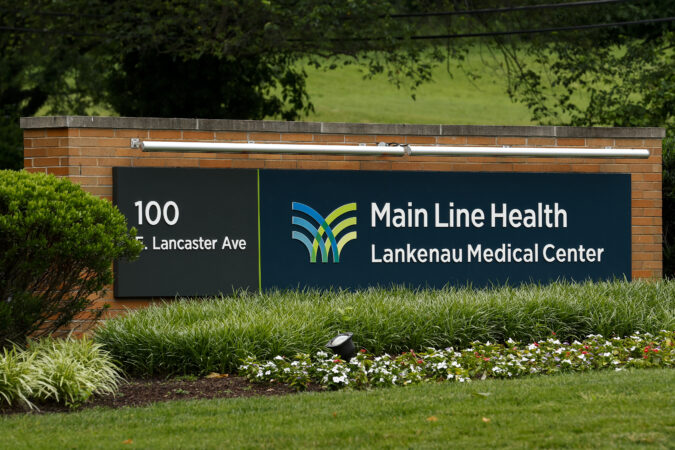
    Main Line Health and UnitedHealthcare have an “agreement in principle” on new contract and will extend the current contract until the new deal is completed, Main Line Health said Wednesday.

    Main Line’s contract with United was set to expire Tuesday, potentially disrupting care for 32,000 people who rely on Main Line doctors and have health insurance through United. The negotiations covered employer-sponsored plans and Medicare Advantage plans.

    “For nearly a year, Main Line Health worked diligently and in good faith to reach a responsible agreement — one that reflects the true cost and complexity of the high-quality care we deliver to this community every day. We are pleased to have reached this milestone, and our patients will experience no disruption to their care,“ Main Line said in an email.

    Main Line said the preliminary agreement relieves some of the administrative burden for doctors and patients. They include prior authorization delays, claim denials, and excessive audit activity, Main Line said.

    United, the nation’s largest health insurer, did not immediately provide a comment.

    The company based in Eden Prairie, Minn., this year failed to reach a new agreement with Jefferson Health’s Lehigh Valley Health Network for Medicare Advantage and employer plans. That outcome added to the worry for some patients that the same thing would happen in Philadelphia’s western suburbs, where Main Line is the leading provider of healthcare services.

  • Exton Square Mall will close next week

    Exton Square Mall will close next week

    Chester County’s only enclosed mall will soon shut its doors for good.

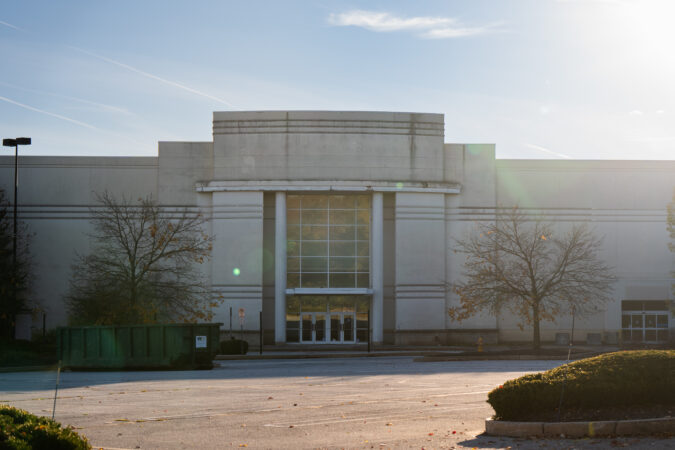
    After five decades as a retail hub, the nearly 1-million-square-foot Exton Square Mall is set to close Tuesday, June 30, according to mall owner Abrams Realty & Development. The Elkins Park-based company has been mired in a legal dispute with local officials over its redevelopment.

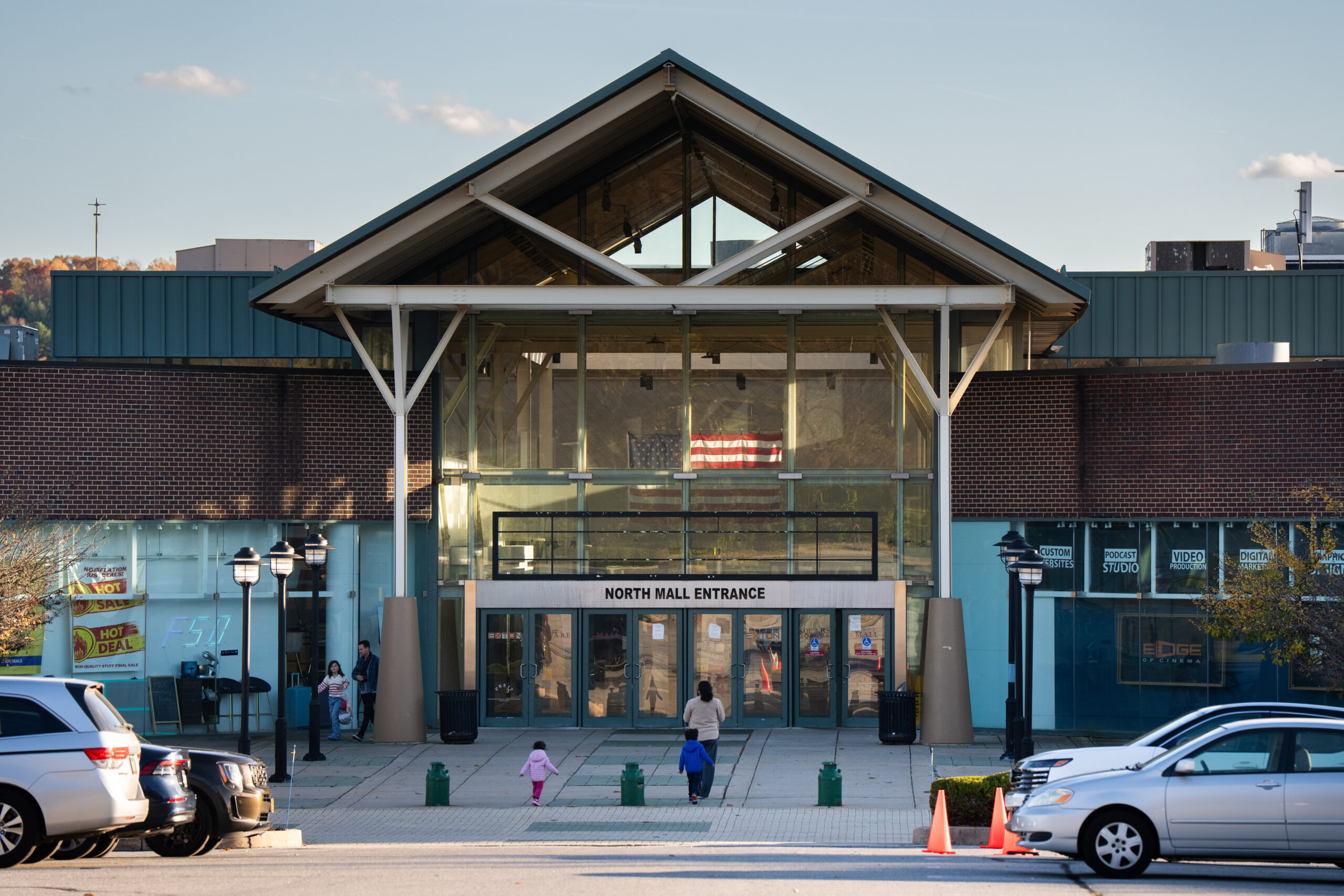
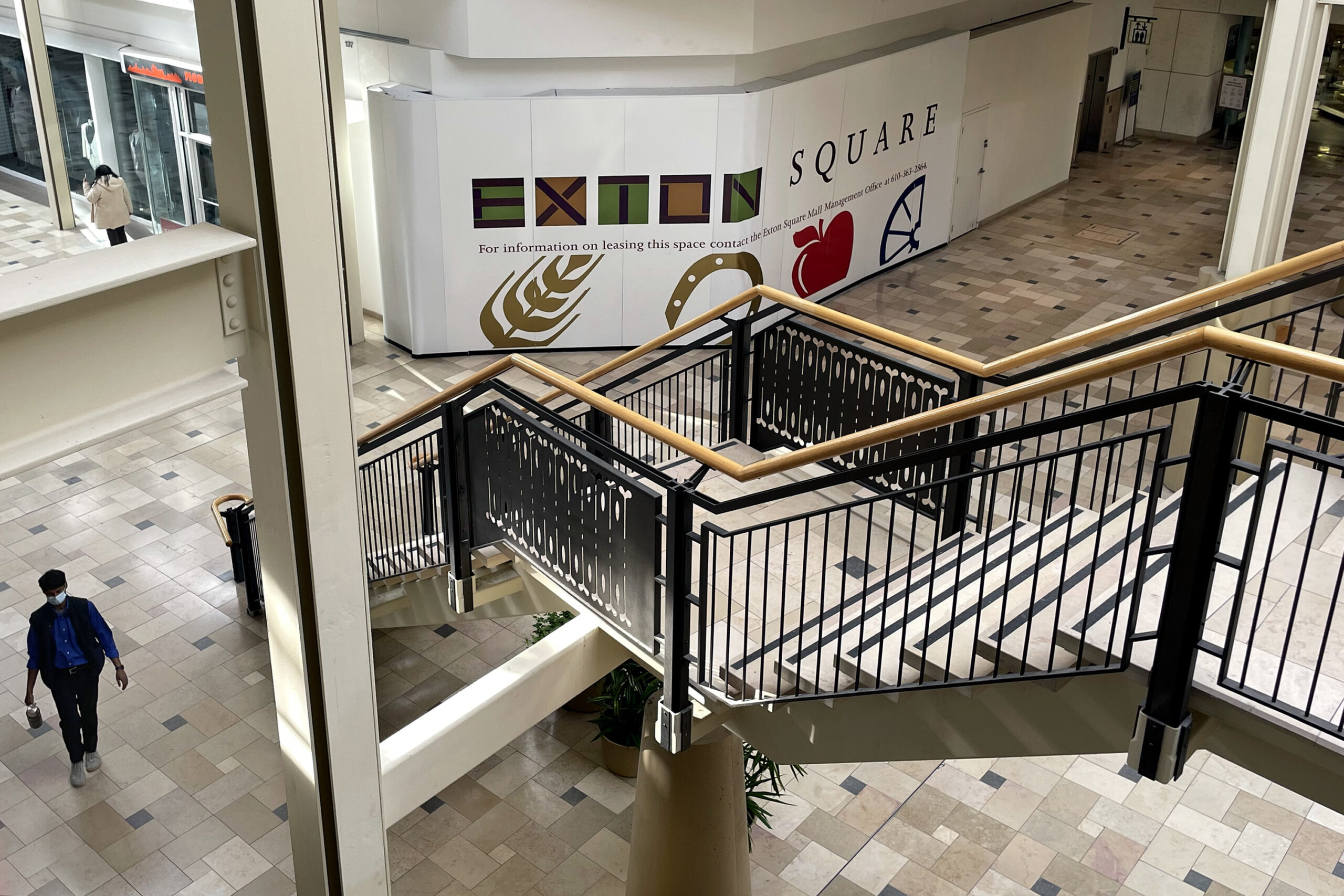
    Once a bustling destination that sparked a commercial boom in Exton, the complex has been languishing for years with a desolate interior and only a handful of stores.

    Peter Abrams said his firm had no choice but to shutter the mall.

    “Operating the interior of the property has become untenable due to deteriorating conditions and rising utility costs,” he said in a statement.

    A handful of shoppers walk into the Exton Square Mall in November.

    The Boscov’s, Main Line Health offices, and Round 1 entertainment venue will remain open.

    Brian Dunn, chair of the West Whiteland Township Board of Supervisors, declined to comment on the mall’s closure, citing the ongoing litigation.

    Abrams, who bought the mall from PREIT for more than $34 million, wants to transform the site into a mixed-use complex with hundreds of townhouses, rental apartments, a 55+ community, and a town center with shops, restaurants, medical offices, and green space.

    Last year, John Weller, West Whiteland’s director of planning and zoning, called the proposed redevelopment of the 75-acre site a “generation-defining project for the township.”

    This fall, despite the planning commission’s recommendation, Dunn and fellow Township Supervisor Rajesh Kumbhardare rejected Abrams’ proposal over sewer, traffic, and density concerns. Abrams then sued the supervisors in an attempt to reverse their decision, saying the plan meets the township’s zoning requirements.

    Litigation between Abrams and the supervisors was ongoing as of Wednesday, according to the company, which wants to complete the project by 2028.

    The Exton Square Mall opened in 1973 with more than 100 stores, including a Strawbridge & Clothier.

    The mall’s construction would prove a harbinger of Exton’s commercialization. “Developers seem bent on heaving this lazy rural area into the mainstream of metropolitan Philadelphia,” The Inquirer reported in 1973.

    In the 1990s, the Exton Bypass made the area easier to access from the city and other suburbs. And by the 2000s, more retail complexes, including the Main Street at Exton town center, had opened near Exton Square Mall, which also underwent an expansion.

    The Exton Square Mall is shown in 2022, when tenants were already starting to dwindle.

    The community has seen a subsequent rise in residential development, with millennials and baby boomers fueling demand for high-end, low-maintenance living. In the past five years, about 3,000 luxury apartments and townhouses have been built in the 13-square-mile township, supervisor Kumbhardare said this fall, and each new complex is at least 90% occupied.

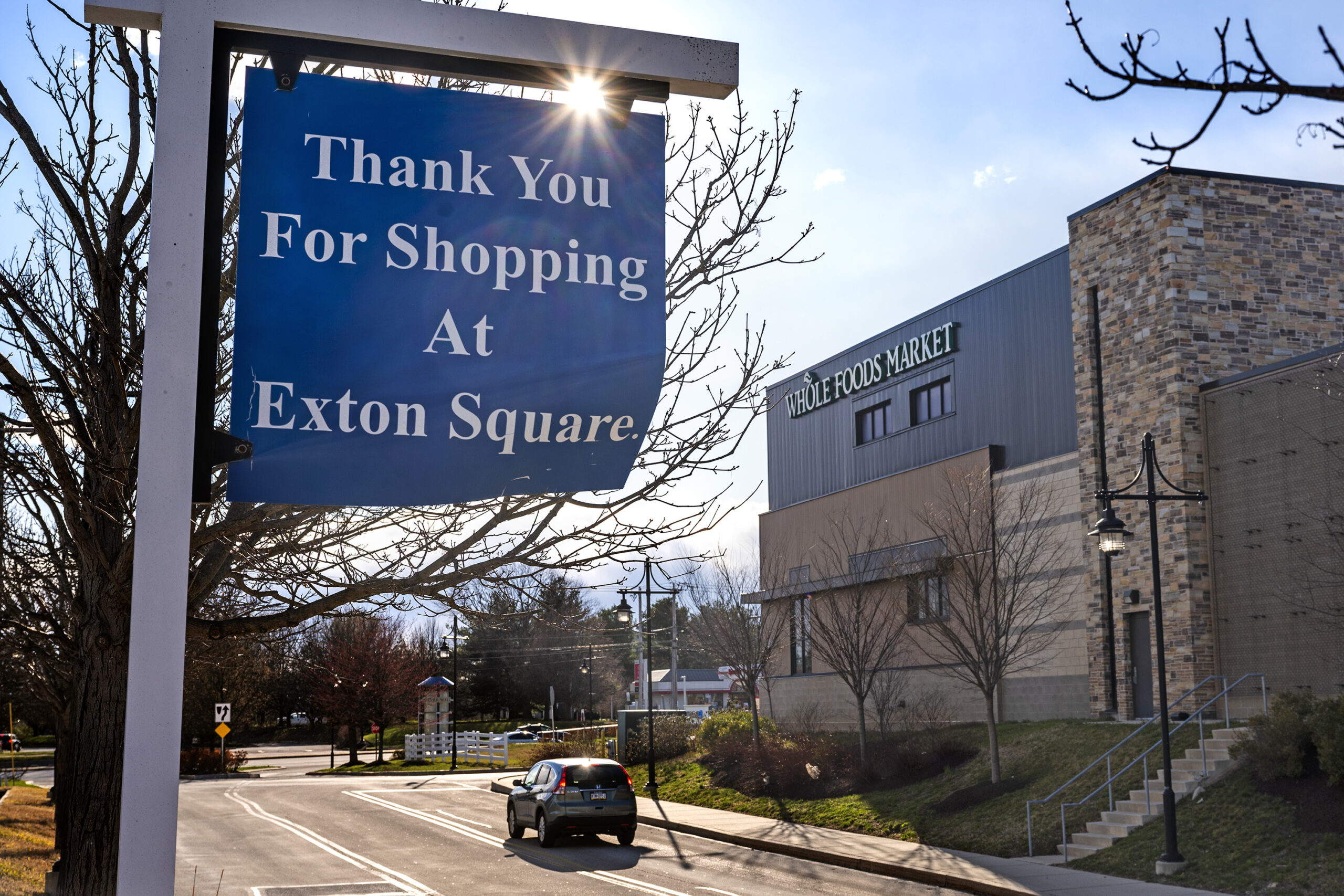
    The residential developments include the Point at Exton apartments, which were constructed on a four-acre parcel of former Exton Square Mall property. The complex is across the street from a Whole Foods that opened in the mall’s former Kmart in 2017.

    The Whole Foods at the Exton Square is shown in 2022.

    Abrams has said his proposed town center would connect to those apartments and the Whole Foods with pedestrian walkways.

    The developer plans to demolish the enclosed mall, one of several local shopping centers that has become the subject of sad social-media videos that mourn dead malls.

    On Tuesday, as word spread about the mall’s closing date, one user posted a video on Facebook with the caption: “It’s official. They’re tearing down the Exton Square Mall, and with it, my entire childhood.”

    “They can tear the building down, but they can’t take away the memories of buying graphic tees at Wet Seal and CD shopping at FYE. RIP.”

  • Iran war has cost your household $1,000 — and counting | Expert Opinion

    Iran war has cost your household $1,000 — and counting | Expert Opinion

    One thousand dollars. By my calculation, that’s the effective cost of the Iran war to the typical American household so far. While the U.S. and Iran have agreed to a ceasefire and are talking to end the war, the costs are still mounting.

    The cost of a gallon of regular unleaded is the most obvious example. Before the war, the national average price per gallon was comfortably below $3. Gasoline was about the only thing we buy regularly that hadn’t become much more expensive since the pandemic.

    Not anymore. While gas prices are down from their peak when Iran shut down oil tanker traffic through the Strait of Hormuz, they’ve only recently dropped back below $4 per gallon. And the road back to prewar prices will be long. The insurance that oil tankers require to operate will be much more expensive given that the Iranian regime can seemingly shut down the strait at will.

    There is also the prospect that Iran will charge a fee to tankers passing through the strait, which will ultimately be reflected in the price we pay at the pump. And then there is the damage to the Middle East’s extensive oil production infrastructure caused by Iranian reprisals, which will slow the full resumption of production.

    Since the war started four months ago, American households have shelled out an additional $300 due to higher gas prices. This is particularly irksome because there’s no easy way to drive less. We still have to get to work, take the kids to school, and shop for groceries.

    Speaking of groceries, they cost a lot more now, too. That’s because of higher diesel prices, which are up even more than gas prices. This has pushed up the cost of trucking products from farms, factories, and seaports (we import a lot of food) to store shelves. Higher diesel prices also mean that anything delivered to our homes on an Amazon or UPS truck is more expensive. And if your household is anything like mine, that’s a lot of stuff. In total, the higher diesel prices have cost households approximately $200.

    Then there is the cost of jet fuel, which has surged due to the war, prompting airlines to jack up their fares. With airlines operating near capacity, they’ve been able to quickly pass their higher costs on to travelers. That represents $100 in added costs for the typical household.

    Higher energy, food, and travel costs are fueling inflation and complicating the Federal Reserve’s task of keeping inflation low. At 4%, the inflation rate is twice the Fed’s 2% target.

    This means higher interest rates. Before the Iran war began, investors widely expected the Fed to cut rates by half a percentage point this year. Now, they expect the Fed to raise rates by about the same amount to slow the economy further and bring inflation back down.

    This is a big deal if you have any credit card debt, as you are already paying a near record 20% interest rate. You will also pay more in interest if you have a home equity line of credit, or if you are a small-business owner with prime-rate bank loans. Getting an auto loan is also more expensive.

    But rates have increased most for mortgage loans. Refinancing a mortgage or purchasing a home was a significant stretch for most households before the war; it is now completely out of reach. The higher interest rates resulting from the war have cost households $150.

    There is also the cost we bear as taxpayers, namely, what our military is spending in the Middle East. Prosecuting such a complex war so far from home is expensive, particularly given the considerable volume of sophisticated munitions used. While the military costs have moderated with the ceasefire, they still amount to nearly $50 million more per day. All told, the war’s military cost has reached $250 per household.

    The war has other economic costs, but they are difficult to measure and are not included in these numbers. Consider the higher cost of fertilizer, which is critical to global crop production and will ultimately be reflected in higher food prices. The Middle East has historically been a powerhouse fertilizer producer.

    There is also the higher cost of helium, which is produced in quantity in the Middle East and is a critical input in semiconductor production. Chips go into just about all consumer products and are the lifeblood of the artificial intelligence boom.

    My estimate that the Iran war has cost the typical American household $1,000 and counting is, if anything, conservative. The true cost is likely higher — meaningfully higher. It’s fair to ask whether it was worth it.

  • There are plans for an 86-unit apartment complex next to SEPTA’s Jenkintown station

    There are plans for an 86-unit apartment complex next to SEPTA’s Jenkintown station

    Eighty-six new apartments are planned for Wyncote in Cheltenham Township as part of a development project that would also include an office and a commercial space.

    The building at the center of the 165 Township Line Rd. property would remain an office, while the project would convert a second existing structure into a 36-unit apartment building, and add a third, 50-unit apartment complex to the site with a parking garage and a retail space on the ground floor, according to a May review letter from the Montgomery County Planning Commission.

    The higher-density development would sit about 1,000 feet from SEPTA’s Jenkintown-Wyncote Regional Rail station, which SEPTA plans to rebuild with a pedestrian overpass and other features by 2027.

    The lot is zoned for multi-use development, but only the new 50-unit building meets that criteria. Cheltenham Township grandfathered the existing office building into the current zoning ordinances, and the planned 36-unit complex was granted an exemption in 2024.

    In addition to the 79-car garage, the plans include a repainted parking lot to boost spaces from 135 to more than 160.

    The project is expected to net about half a million dollars annually for the township and Cheltenham School District, according to a February fiscal analysis, and house an estimated six school-aged children.

    SEPTA, which aims to boost ridership by encouraging higher density, pedestrian-friendly housing along Regional Rail lines, said Tuesday that they’re glad projects like these are moving forward.

    “Transit-oriented communities reinforce the public’s investment in SEPTA,” spokesperson Kelly Greene said.

    JOSS Realty Partners, which had owned the entire property, held a joint open house with SEPTA in 2019 about a project that would’ve allowed SEPTA to use a parking lot on the site.

    JOSS still owns the office building that’s excluded from the proposal. The new development is planned to be built on about an acre of the site that was sold off to 165 Town Line Holdings LLC in 2025.

    The mailing address for the LLC is a property co-owned by real estate investor Edward Topolewski.

    In their review of the proposal, the Montgomery County Planning Commission called for more pedestrian and cyclist access.

    “We are glad to see new development proposed in the area of the Jenkintown-Wyncote Station,” principal county planner Chloe Mohr wrote.

    “For this to be a successful development, pedestrians need to easily and safely travel throughout the site, to the train station, and to other destinations.”

    That includes access to future walking trails, the planners wrote, and neighboring Wyncote House.

    County officials also suggested that Cheltenham consider improvements to the stormwater management plan.

    “It appears that there may currently be erosion and drainage issues here,” Mohr wrote. “With the steep slopes on this site, more may need to be done to remediate stormwater runoff.”

    The project was slated for review by the town’s Shade Tree Advisory Commission this month, Cheltenham Commissioner Jeff Chirico said, but the developer requested an extension.

    The proposal would then head to the township commissioner board.

    This suburban content is produced with support from the Leslie Miller and Richard Worley Foundation and The Lenfest Institute for Journalism. Editorial content is created independently of the project donors. Gifts to support The Inquirer’s high-impact journalism can be made at inquirer.com/donate. A list of Lenfest Institute donors can be found at lenfestinstitute.org/supporters.

  • U.S. says chemical maker Chemours to pay $450M to settle ‘forever chemicals’ case

    U.S. says chemical maker Chemours to pay $450M to settle ‘forever chemicals’ case

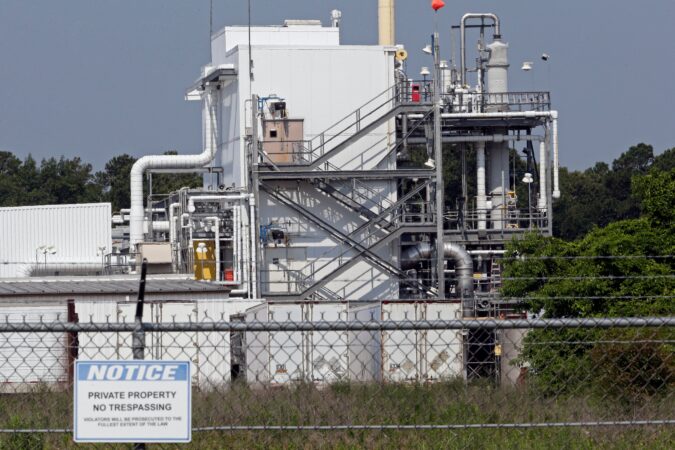
    WASHINGTON — The Trump administration on Wednesday reached a multistate settlement with chemical giant Chemours Co. over yearslong, illegal discharges of synthetic “forever chemicals” used to make products resistant to water, grease, and stains. The settlement is the first by the federal government to resolve enforcement claims against a manufacturer of harmful chemicals known as PFAS.

    Under the agreement, filed in federal court in West Virginia, Chemours will pay a civil penalty of $22.5 million for alleged violations and spend $90 million over 15 years to mitigate PFAS discharges in three states: West Virginia, North Carolina, and New Jersey.

    Wilmington-based Chemours, a spin-off of chemical maker DuPont, also agreed to install PFAS pollution controls for surface water discharges and air emissions at a West Virginia facility at an estimated cost of $60 million, supply clean drinking water to communities near its West Virginia and New Jersey sites at an estimated cost of $280 million, and implement controls to reduce releases of PFAS and other toxic chemicals from its facility in North Carolina.

    Combined, the penalties and relief programs are estimated to cost about $450 million, the Justice Department said.

    The settlement allows Chemours to continue manufacturing PFAS for commercial and military applications while preventing future contamination and protecting communities from existing pollution, said Adam Gustafson, principal deputy assistant attorney general for the Environment and Natural Resources Division.

    Justice Dept. says settlement protects public health

    “The Trump administration recognizes the important role of Chemours for its commercial and military obligations,” Gustafson said in an interview. “The settlement protects public health while preserving that important balance.”

    The settlement against a major PFAS manufacturer “delivers on the Trump administration’s promise to make polluters pay and stop PFAS contamination at the source,” said Jeffrey Hall, assistant EPA administrator for enforcement and compliance assurance.

    The agreement will greatly reduce PFAS contamination of water, land, and air and even begin to mitigate past harm, Hall said. “This settlement brings Chemours into compliance with the law and holds it fully accountable,” he said.

    In a statement Wednesday, Chemours said it has already begun planning and implementing operational improvements at its facilities and will take steps to mitigate future emissions and enhance existing programs.

    “This settlement provides Chemours with greater clarity on future compliance requirements and actions to support long-term responsible manufacturing,” spokesperson Jess Loizeaux said.

    The settlement comes as the Trump administration is expected to propose softening Biden-era limits on “forever chemicals” in drinking water, while delaying but keeping tough standards for two common types of the substance.

    The proposal will start the formal process of rolling back parts of the first-ever limits on PFAS in drinking water finalized during former President Joe Biden’s administration. Officials at the time found they increased the risk of cardiovascular disease, certain cancers, and babies being born with low birth weight.

    The agency is committed to addressing per- and polyfluoroalkyl substances (PFAS) in drinking water while following the law and ensuring that regulatory compliance is achievable for drinking water systems, EPA Administrator Lee Zeldin said.

    Chemours discharged PFAS into rivers in three states

    The settlement determined that facilities Chemours operates in the three states have discharged PFAS into the Ohio River, Cape Fear River, and Delaware River in violation of permits required by the Clean Water Act and state laws. Chemours also violated legal requirements under the federal Toxic Substances Control Act at all three facilities.

    As a result of the alleged violations, people living near the facilities were exposed to illegal PFAS, officials said. PFAS are widely used and found around the world, with scientific studies showing that exposure to some PFAS in the environment may be linked to harmful health effects in humans and animals.

    The violations continued for over a decade, the Justice Department said. The facilities were previously owned for many decades by DuPont. The settlement announced Wednesday does not resolve DuPont’s liability for past PFAS violations, officials said.

    A federal judge last year ordered Chemours to stop discharging unlawful levels of cancer-causing chemicals into the Ohio River from the company’s Washington Works plant in West Virginia. The pollutants endanger the environment, aquatic life, and human health, U.S. District Judge Joseph Goodwin wrote in the August 2025 order.

    The West Virginia Rivers Coalition had asked Goodwin to require the company to immediately comply with its permit limits after violating them for more than five years.

    DuPont, Chemours, and another company, Corteva, agreed to pay New Jersey up to $2 billion last year to settle environmental claims stemming from PFAS. The federal settlement does not affect the state case.

    N.C. AG blasts settlement

    North Carolina Attorney General Jeff Jackson called the settlement “an insult to the people of eastern North Carolina.”

    His state is “ground zero for GenX contamination, but this deal does practically nothing to clean up our water,” said Jackson, a Democrat. GenX is a trade name for a synthetic chemical developed by Chemours as an alternative to PFAS but which has raised significant health and environmental concerns in its own right.

    “Chemours made this mess, and Chemours should clean it up,” Jackson said in a statement.

    The federal consent decree calls for 14 specific treatment systems to reduce PFAS in wastewater, stormwater, and groundwater from the West Virginia plant. Chemours will test drinking water near the West Virginia and New Jersey sites and provide treated or alternative clean water.

    Editor’s note: This article has been updated to include statements from Chemours and the North Carolina attorney general.

  • Top auto regulator opens special probe after a Tesla slams into a Texas home, killing a woman

    Top auto regulator opens special probe after a Tesla slams into a Texas home, killing a woman

    NEW YORK — The top U.S. auto regulator opened an investigation Monday after a Tesla using an automated driving feature slammed into a Texas home at high speed and killed a 76-year-old woman standing inside.

    The National Highway Traffic Safety Administration said it’s opening a special investigation into the Tesla Model 3 crash on Friday near Houston, a significant probe because the car was using technology that Elon Musk considers key to the company’s future.

    The Tesla CEO is rolling out robotaxis using automated software in several U.S. cities this year and plans to invite Tesla owners to put their cars into the fleet using the same system across the country.

    The driver told the Harris County Sheriff’s Office that he was using the technology, according to a police report on the crash, but it’s not clear what role, if any, it played in the incident.

    Tesla did not respond to a request for comment but the head of the company’s artificial intelligence efforts suggested on social media later Monday that the self-driving feature was not to blame.

    “In this case, the driver manually overrode self-driving by pressing the accelerator all the way to 100% of the accel pedal in this residential area,” wrote Ashok Elluswamy on X, the platform that is now part of Musk’s rocket company, SpaceX. “They reached a speed of 73 mph during the crash, and had the accelerator pressed even after the crash.”

    The police report noted that the driver was not drunk and is cooperating. It identified the woman killed as Martha Avila.

    Video obtained by KHOU-TV shows the car traveling at top speed over the front lawn of a brick home in Katy, then ramming into a front room. The next shot shows the car encased in the home amid piles of crumbling plaster, split beams, and bits of furniture.

    The auto safety regulator, known as NHTSA, has launched several investigations into Tesla, including one late last year into 58 incidents in which Teslas reportedly violated traffic safety laws while using self-driving technology, leading to more than a dozen crashes and fires and nearly two dozen injuries.

    A few months earlier, the NHTSA opened an investigation into why Tesla apparently had not been reporting crashes promptly as required.

    As for special crash investigations, the NHTSA has opened 46 involving Teslas using self-driving or driver-assistance technology over the past decade, according to the agency’s records. In more than a dozen of those crashes, at least one person — a driver, passenger, or pedestrian — was killed.

    Tesla stock fell sharply early last year as car sales plunged amid a boycott of Musk after he waded into politics, leading President Donald Trump’s budget-cutting Department of Government Efficiency initiative and embracing European extremist candidates.

    Musk has since shifted the Tesla story to one less about car sales and more about AI and robotaxis, and done so successfully. The stock is up 16% in the past year. It closed down 5.8% Tuesday.

  • Philly has the cheapest office space of any Northeast city, report says

    Philly has the cheapest office space of any Northeast city, report says

    In the post-pandemic hybrid-work environment, Philadelphia office space remains cheaper than most other major metro areas, according to a new report from the online real estate platform Commercial Cafe.

    Asking rents for Philly offices were $31.26 per square foot on average as of May, the report found. That makes Philadelphia the only major market in the Northeast below the national average of $33.61 per square foot.

    Relative to other major U.S. markets, only Chicago, Houston, and Phoenix recorded lower average asking rents.

    Elsewhere in the Northeast, Manhattan averaged the most expensive asking rents at more than $69 per square foot, according to the report. Boston’s asking rents were around $44 and New Jersey’s were more than $35.

    Philadelphia’s 18.4% office vacancy rate, meanwhile, was slightly higher than the other Northeast markets, as well as the national average of 17.6%, according to the report.

    The analysis, released last week, reflected the broader challenges that all office markets are up against. In Philadelphia and elsewhere, the office landscape has shrunk since the pandemic, with many employers downsizing their space amid the rise of hybrid work.

    Some Center City office buildings have plummeted in value and are now becoming apartment complexes. Among them: The iconic Wanamaker Building and Centre Square, better known as the “Clothespin building” for the sculpture outside it.

    Chubb’s new 18-story tower at 2000 Arch St. may be Center City’s last new office building for a while, local industry experts say.

    Between January and May, $220 million in office sales were recorded in Philadelphia, according to the Commercial Cafe report, and $387 million in New Jersey. In the Garden State, 630,000 square feet of offices were under construction, found the report, which did not have under-construction data for Philadelphia.

    Peter Kolaczynski, the director of Yardi Research, helped compile the report, and noted the trend toward office reuse.

    “The destruction of value that we have discussed for years is showing through in the sales data,” Kolaczynski said in a statement. “With this decrease cost in acquisition comes opportunity — whether that is conversions to apartments, repositioning to best-in-class office and coworking, or full-on redevelopment and revitalization projects.”