Category: Health

  • Trump administration slashes funding for substance abuse and mental health programs nationwide

    Trump administration slashes funding for substance abuse and mental health programs nationwide

    NEW YORK — The Trump administration has made abrupt and sweeping cuts to substance abuse and mental health programs across the country in a move that advocates said will jeopardize the lives of some of the country’s most vulnerable.

    The Substance Abuse and Mental Health Services Administration on Tuesday night canceled some 2,000 grants representing nearly $2 billion in funding, according to an administration official with knowledge of the cuts who was not authorized to discuss them publicly.

    The move pulls back funding for a wide swath of discretionary grants and represents about a quarter of SAMHSA’s overall budget. It builds on other, wide-ranging cuts that have been made at the Department of Health and Human Services, including the elimination of thousands of jobs and the freezing or canceling of billions of dollars for scientific research.

    The latest funding cuts immediately jeopardize programs that give direct mental health services, opioid treatment, drug prevention resources, peer support and more to communities affected by addiction, mental illness and homelessness.

    “Without that funding, people are going to lose access to lifesaving services,” said Yngvild Olsen, former director of SAMHSA’s Center for Substance Abuse Treatment and a national adviser at Manatt Health. “Providers are going to really need to look at potentially laying off staff and not being able to continue.”

    Funding tied to agency’s priorities

    SAMHSA, a sub-agency of HHS, notified grant recipients that their funding would be canceled effective immediately in emailed letters on Tuesday evening, according to several copies received by organizations and reviewed by The Associated Press.

    The letters, signed by SAMHSA Principal Deputy Assistant Secretary Christopher Carroll, justified the terminations using a regulation that says the agency may terminate any federal award that “no longer effectuates the program goals or agency priorities.”

    Grant recipients who were notified of the cancellations said they were confused by that explanation and didn’t get any further detail about why the agency felt their work didn’t match up with SAMHSA’s priorities.

    “The goal of our grants is entirely in line with the priorities listed in that letter,” said Jamie Ross, CEO of the Las Vegas-based PACT Coalition, a community organization focused on substance use issues that lost funding from three grants totaling $560,000.

    HHS didn’t respond to a request for comment on the funding cancellations, which were first reported by NPR. Two sources within SAMHSA who were not authorized to speak to media said staff weren’t widely notified of the agency’s action.

    Programs at risk after funding is slashed

    Organizations reeling from the news on Wednesday told the AP they had already been forced to cut staff and cancel trainings. In the long term, many were considering whether they could keep programs alive by shuffling them to different funding sources or whether they’d need to stop the services altogether.

    Robert Franks, CEO of the Boston-based mental health provider the Baker Center for Children and Families, which lost two federal grants totaling $1 million, said the loss of funding will force his organization to lay off staff and put care in jeopardy for some 600 families receiving it. One of the canceled grants had been awarded through the National Child Traumatic Stress Initiative, a more than 20-year-old program supporting specialized care for children who have been through traumatic events ranging from sexual abuse to school violence.

    Franks said his organization’s work directly advances SAMHSA’s goals to address mental illness. He said trauma care provided to children through his organization helps people from all walks of life and reduces burdens on other parts of society.

    “The reality is these programs are probably our most effective tool in addressing the issues that they identify as being critical to them,” he said. “Honestly, I don’t understand it.”

    The National Association of County Behavioral Health and Developmental Disability Directors, a group that represents local organizations that deliver safety net services, sent a letter to its members on Wednesday noting that many of its partners estimated the funding pullbacks were focused on grants classified as Programs of Regional and National Significance. They also said the grants totaled around 2,000 and likely amounted to some $2 billion.

    The group said it believed certain block grants, 988 suicide and crisis lifeline funding and Certified Community Behavioral Health Clinics were spared from the cuts.

    For Honesty Liller, CEO of the peer support organization the McShin Foundation in Richmond, Va., the loss of about $1.4 million in funding is personal. She said the foundation she leads saved her life 18 years ago when she was struggling with a heroin addiction.

    The terminated grant has already forced Liller to lay off five staff members. It will mean fewer peers are available to go into local jails and visit incarcerated people who are recovering from substance abuse disorder.

    “They need hope dealers like us, they need people that have lived experience in recovery and they need this funding,” Liller said. “I’ve just never felt so gut punched.”
  • Riddle EMS rebranded as Main Line Health EMS

    Riddle EMS rebranded as Main Line Health EMS

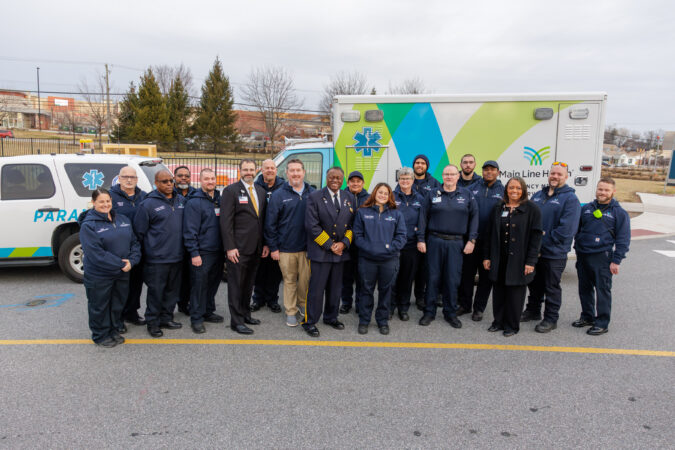
    Main Line Health on Wednesday announced that emergency medical services at Riddle Hospital in Media would be rebranded as Main Line Health EMS.

    The seven-ambulance fleet has been known as Riddle EMS for the past 40 years. It employs 77 paramedics and EMTs and provides emergency response services for Main Line’s four-hospital system.

    In addition to Riddle Hospital, Main Line Health includes Paoli Hospital, Lankenau Medical Center, and Bryn Mawr Hospital.

    The rebranding gives Main Line’s emergency services team a name that matches its system-wide mission, and “strengthens the team’s ability to meet the expanding needs of the community, while preserving the trusted service delivered for decades,” according to a statement from Main Line.

    Main Line’s hospitals, and in particular Riddle, have been strained by the closure of Crozer Health, which operated the largest emergency department and highest level trauma center in Delaware County.

    Riddle and Mercy Fitzgerald Hospital, in Darby, are the next closest hospitals for people who would previously have turned to Crozer for emergency care.

  • St. Christopher’s Hospital for Children announced its third leadership change in less than two years

    St. Christopher’s Hospital for Children announced its third leadership change in less than two years

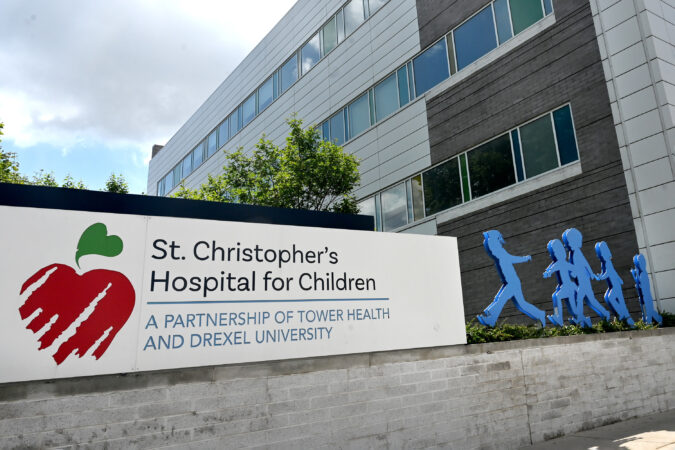
    St. Christopher’s Hospital for Children, a key safety-net provider in North Philadelphia, on Wednesday announced its third leadership change in less than two years.

    Claire Alminde, the hospital’s chief nursing officer and a 37-year veteran of the institution, is St. Chris’ new acting president.

    She is the third interim or acting executive appointed to the top management position at the nonprofit hospital since February 2024 and its fourth leader since 2020. Drexel University and Tower Health have owned St. Chris in a 50-50 joint venture since 2019.

    “Claire is firmly committed to St. Christopher’s mission and exemplifies the compassion, expertise and steadfast commitment that define this hospital and the care we provide to children and families across our region,” St. Chris said in an e-mailed statement.

    St. Chris’ chief nursing officer Claire Alminde has been named acting president of the North Philadelphia safety-net provider.

    There are no immediate plans for a national CEO search. “Right now, Tower’s focus is on helping Claire onboard successfully and lead the organization forward. We are grateful that Claire has committed to serving in this position as long as necessary,” Tower said.

    Alminde is replacing Jodi Coombs, who was appointed interim president and CEO last April. Coombs’ previous position was executive vice president at Children’s Mercy Kansas City, in Missouri. Before that, she worked in Massachusetts.

    Coombs replaced Robert Brooks, who was named president and interim CEO in February 2024 following the announcement that the institution’s last permanent CEO, Don Mueller, was departing for a job in Chattanooga, Tenn., closer to his family.

    Mueller took the job at St. Christopher’s in the summer of 2020, about seven months after Tower and Drexel University bought the facility, but did not permanently move to Philadelphia.

    State health officials in 2023 blamed safety lapses at the hospital on Mueller’s absence and ordered him to be in Philadelphia five days a week.

    Tower oversees day-to-day management of the facility, where about 85% of patients have Medicaid insurance for low-income people. That’s an extremely high rate.

    St. Chris, which has received significant financial support from other local healthcare institutions in recent years, has not published its financial results for the year that ended June 30, 2025. In fiscal 2024, St. Chris had a $31.6 million operating loss.

  • Scientists are inventing treatments for devastating diseases. There’s just one problem.

    Scientists are inventing treatments for devastating diseases. There’s just one problem.

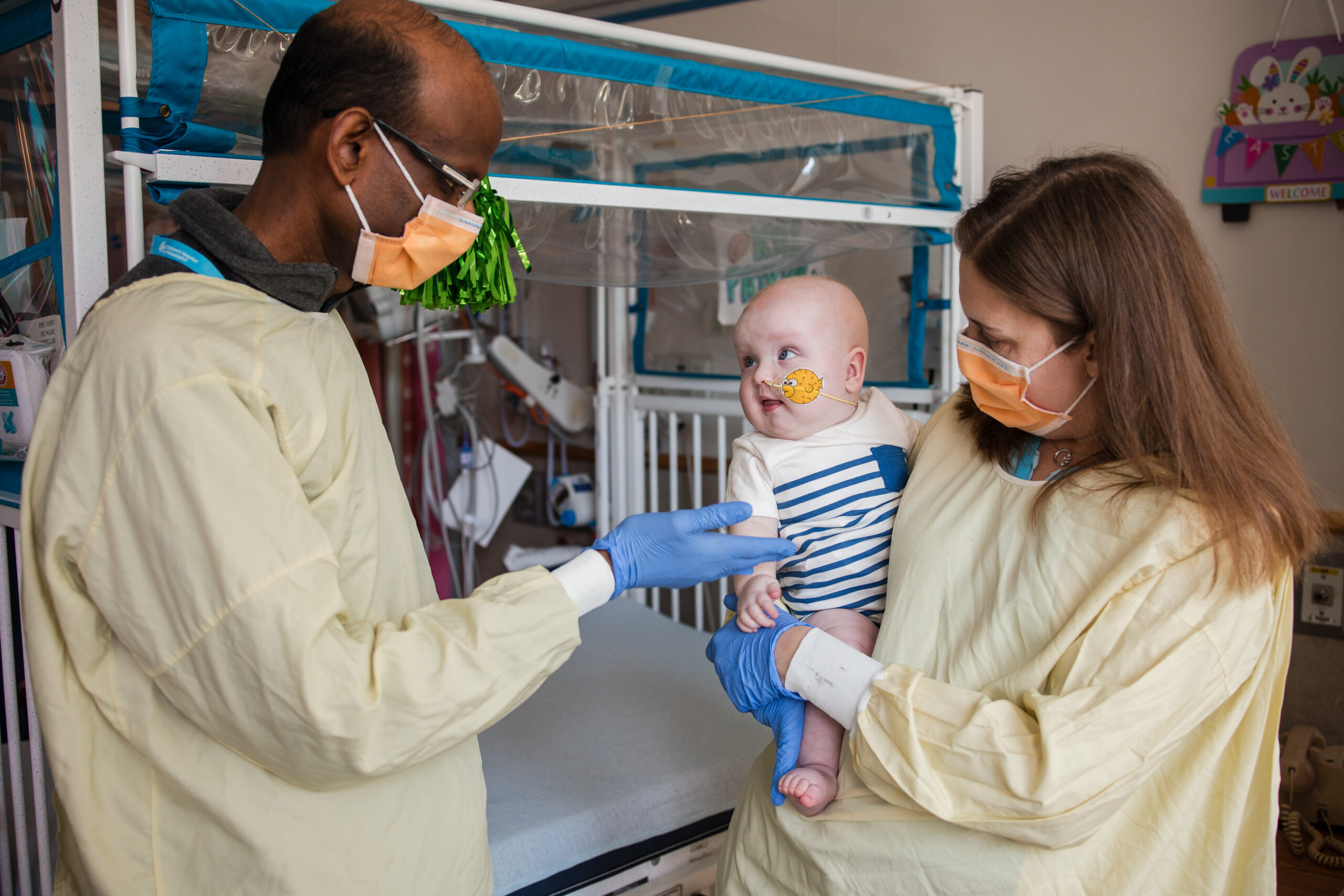
    This past spring, a biotech company announced the first use of a new gene-editing technology in people to fix an errant gene that causes a severe immune disorder. In June, a baby born with a life-threatening metabolic disorder was allowed to leave the hospital after a six-month sprint by scientists to create a bespoke treatment for him. And increasingly, a generation of “bubble babies” born without immune defenses are nearing their teenage years after receiving a one-time experimental gene therapy in early childhood.

    Therapies that target genetic illnesses at their root are no longer on the horizon. They are here. More are coming. But even as a growing suite of gene therapy tools are changing individual patients’ lives, many are getting stuck in a medical purgatory because they don’t fit the model for turning breakthroughs into accessible treatments.

    Donald Kohn, a pediatric bone marrow transplant physician at the University of California at Los Angeles, has successfully rebuilt children’s immune systems with gene therapy in the clinic for over a decade, but it has not yet become a medicine.

    “There are several dozen rare diseases in a similar situation, where there is a therapy that looks good in academic clinical trials. But getting to the end zone of an approved drug is very challenging,” Kohn said.

    The potential public health impact may appear small individually, but it is massive collectively. Rare diseases are estimated to afflict 300 million people globally, and around 70% of them trace to genetic causes.

    Typically, drug development is a relay race. Academic labs, backed by federal funding, often do the early, basic research. Companies run the next leg to turn those insights into drugs. While scientists can now utilize an expanding arsenal of gene therapy technologies to start the race against potentially thousands of diseases, finding someone to pick up the baton is challenging when any individual therapy may help a handful of patients ― or even just one.

    That limbo has led scientists to experiment with new business models and more efficient ways of testing new therapies to fill a market gap. They are building biotech companies that don’t rely on maximizing profits, launching nonprofits, and fashioning new kinds of clinical trials. The Trump administration has also weighed in to help.

    In November, the Food and Drug Administration outlined a path forward for getting certain treatments of rare diseases with a clear biological cause to market.

    “Unfortunately, FDA has heard from patients, parents, researchers, clinicians, and developers, that current regulations are onerous, unnecessarily demanding, provide unclear patient protection, and stifle innovation. We share this view,” top FDA officials wrote in the New England Journal of Medicine. “Nearly 30 years after the sequencing of the human genome, bespoke therapies are close to reality.”

    Lifesaving cures that ‘ebb and flow’

    For several decades, scientists have tried to use cell and gene therapies to fix illnesses at their roots. A few dozen have been approved for diseases, such as sickle cell anemia and spinal muscular atrophy. Even as new tools have expanded this potential over the last decade, risks also exist. Patients have died after receiving gene therapies, showing the tension between encouraging innovation and guarding patient safety.

    Perhaps no case highlights the opportunity — and the challenge — better than an experimental gene therapy designed to rebuild the immune systems of babies who were born without one. The disease, called severe combined immunodeficiency (SCID), has more than a dozen different genetic causes, but the same result: Babies are born without immune defenses.

    The condition is rare, affecting 40 to 80 children in the United States each year, but was popularized by the story of David Vetter, featured in the 1976 movie The Boy in the Plastic Bubble.

    In 2014, Jeffrey and Caroline Nachem’s newborn daughter, Eliana, developed a cough that wouldn’t go away. A blood test delivered a shocking result — a white blood cell count so low that the doctor ordered it to be run again, thinking it might be a fluke.

    It wasn’t. The Nachems learned their daughter had a subtype called adenosine deaminase deficiency-SCID (ADA-SCID). They lived in Fredericksburg, Va., near the woods, but couldn’t open the windows because mold spores could float in. They found new homes for their pets. They wiped down every surface and changed clothes after coming home from the outside world, to protect Eliana from germs.

    With a matched bone marrow transplant, the disease can be effectively treated, but the best option is from a sibling, and Eliana was the Nachem’s first child. Scientists had been developing gene therapies that turn a patient’s own cells into a possible cure, requiring a lower dose of chemotherapy and fewer immune-related complications.

    Researchers remove bone marrow cells, use a harmless virus to insert a corrected version of the ADA gene, and then reinfuse the cells. At 10 months old, Eliana received an experimental gene therapy — and it worked. As her immune system rebuilt itself, doctors gave her parents the clearance to give her a kiss or bring her outside. When she was 18 months, the Nachems pushed her around in a shopping cart at the grocery store.

    In a recent study in the New England Journal of Medicine, Kohn and colleagues reported the long-term follow-up of 62 children with ADA-SCID who were treated with a one-time gene therapy, including Eliana. Nearly all of them have had their immune systems fully rebuilt, going strong after an average of nearly eight years.

    Eliana is now in sixth grade. “She is incredible. She has attitude, she is artistic, she is the commander of the world. Nothing gets in her way,” Caroline Nachem said.

    The therapy, however, has been stuck.

    A biotechnology company, Orchard Therapeutics launched a plan to develop the therapy in 2016, but stopped investing in it a few years later. Orchard returned the therapy to its academic inventors in 2022.

    Researchers in Kohn’s lab spun out Rarity Public Benefit Corporation to turn it into a medicine. Now the bottleneck is developing the commercial manufacturing.

    “I saw the ebb and flow of this therapy,” said Paul Ayoub, chief executive of Rarity. “The therapies work, but they stop at this academic stage … We wanted to put it in our own hands — take the proven science to the finish line.”

    Meanwhile, families are waiting. Maria Thianthong, who lives in Los Angeles, is one of them. Her 3-year-old daughter, Eliyah, has been on the waiting list for the therapy since birth. Children with this form of SCID can live with injections of a replacement enzyme therapy, though it is considered a stopgap.

    “Three years is a lot of time for them to figure out something with the funding,” Maria said. “We’re just a little impatient.”

    A new era of ‘genetic surgery’

    For scientists, the SCID example is a gold standard, but also a cautionary tale.

    Cardiologist Kiran Musunuru and pediatric geneticist Rebecca Ahrens-Nicklas hold KJ Muldoon after he received an infusion of a drug custom-made for him. MUST CREDIT: Children’s Hospital of Philadelphia

    Running a trial with dozens of patients for a decade is a “Herculean effort” said Kiran Musunuru, a cardiologist at the University of Pennsylvania’s Perelman School of Medicine. He hopes that federal rules can be streamlined to speed up the process. Otherwise, many cures may never be made.

    The beauty of modern gene-editing tools, many of which build off the Nobel Prize-winning CRISPR technology, is that cures become programmable. Instead of inventing a new medicine for each disease, scientists in theory can write a bit of code to address a patient’s unique mutation for multiple diseases.

    David Liu, a biochemist at the Broad Institute and one of the field’s leaders, recently showed that a one-size-fits-all therapy could, with a single edit, treat multiple diseases in human cell and mouse models of disease. He’s also working with colleagues to create a nonprofit Center for Genetic Surgery to advance cures “that are not likely to be served by industry anytime soon, because their disease is so rare.”

    A company he co-founded, Prime Medicine, announced promising early results last year in treating two patients with a rare, inherited immune deficiency called chronic granulomatous disease. But it announced that it would deprioritize the program to focus on other diseases.

    The company is continuing to explore possible paths to federal approval with the current data set, rather than treating more patients.

    Paving the way for the future is the case of “Baby KJ” Muldoon, an infant who received a custom gene-editing therapy for a rare metabolic disorder last year at Children’s Hospital of Philadelphia.

    KJ celebrated his first birthday at home this summer, is learning to walk and is meeting developmental milestones. But he is one patient. Other children also suffer from similar disorders, called urea cycle disorders, that are caused by different mutations in multiple different genes. KJ’s treatment team is working on an “umbrella” clinical trial, in which five other children will be treated. They’ll use the same basic approach they used for KJ, but tailor the treatment to different genes and mutations.

    The hope is the evidence, pooled together, could be used to support the treatment’s approval. Musunuru’s team recently published a step-by-step guide to their interactions with regulators in the American Journal of Human Genetics. He and other researchers, who have been encouraged by the FDA’s recent announcement about a new pathway, await more specific guidance on how it would operate.

    “We’re kind of taking the stance, there are many patients like KJ who need therapies now,” Musunuru said. “The clock is ticking and we know we can do it now.”

  • More Americans are surviving cancer — even the deadliest ones

    More Americans are surviving cancer — even the deadliest ones

    More Americans diagnosed with cancer are now surviving the disease — marking a positive trend that experts say reflects the effectiveness of early prevention and detection strategies, and advancements in treatment and care.

    New findings from the American Cancer Society’s annual report released Tuesday show for the first time that the five-year survival rate for all cancers has reached 70%, with the most notable survival gains occurring among people diagnosed with more fatal cancers such as myeloma (a blood cancer), liver cancer, and lung cancer.

    “Seven in 10 people now survive their cancer five years or more, up from only half in the mid-70s,” Rebecca Siegel, senior scientific director of surveillance research at ACS and lead author of the report, said in a news release. “This stunning victory is largely the result of decades of cancer research that provided clinicians with the tools to treat the disease more effectively, turning many cancers from a death sentence into a chronic disease.”

    Living longer

    The cancer mortality rate has continued to decline through 2023, averting 4.8 million deaths since 1991, according to the report. In 2026, the United States is expected to see upward of 2 million new cancer cases and more than 626,000 deaths related to the disease. Cancer incidence and mortality generally appears to be higher among men than women, the report found.

    Improvements in survival rates can largely be attributed to less tobacco use, better ways to detect cancers early, and the development of more effective treatments, said William Dahut, chief scientific officer for ACS. Importantly, he noted, advancements in cancer care, such as novel therapies, that have led to people living longer would not have been possible without funding research.

    In early 2025, the Trump administration slashed millions in health research grants, including money that had been earmarked for cancer studies.

    “The thing to focus on is really the importance of scientific funding and scientific discovery to really drive improvements in five-year survival,” said Dahut, who added that the trends being observed in patients with metastatic cancer, in which the disease has spread to other parts of the body, are “particularly striking.”

    The survival rate for people with metastatic rectal cancer, for instance, increased from 8% in the mid-1990s to 18%. Meanwhile, the percentage of patients who survive a diagnosis of metastatic lung cancer is up to 10% from 2%.

    “Overall, the findings in this report are highly encouraging and demonstrate that meaningful progress has been made in the fight against cancer,” said Sharon Giordano, chair of breast medical oncology at the University of Texas MD Anderson Cancer Center, who was not involved in the research.

    More to learn

    Experts emphasized that there is still work to be done to better understand different types of cancers and how to treat them.

    “Decades of research and work in this area have led to longer, better lives for millions of Americans with cancer,” said Cardinale Smith, chief medical officer at Memorial Sloan Kettering Cancer Center, who was not involved in the report. “This continued progress also depends on the sustained investment that we’ve had in the research that has gotten us here.”

    Despite reductions in smoking, the report found that lung cancer is expected to cause the most cancer deaths in 2026. While smoking continues to be the main driver of lung cancer cases, more people who have never smoked are also being diagnosed, and scientists are working to understand why. Some experts have called for changes to lung cancer screening guidelines that would increase the number of people who can be screened.

    The report also highlighted that racial disparities continue to exist.

    Native American people have the highest cancer mortality and are two times more likely than white people to die of kidney, liver, stomach, and uterine cervix cancers. Young people who are Alaskan Natives are most likely to be diagnosed with colorectal cancer, Dahut said, adding that rates of the disease in this population are “the highest in the world.”

    Cancer survival is lower among Black people than white people for nearly every cancer type, the report notes. Researchers largely attributed the gap to less access to high-quality care from prevention to diagnosis and treatment.

    Supporting survivors

    While better survival rates should inspire hope in people, Dahut said there is a critical need to improve care for the growing number of survivors.

    As of January last year, there were more than 18.6 million cancer survivors in the United States — a figure that is projected to exceed 22 million by 2035, according to ACS.

    “In our current medical system, we don’t really have a great model for who’s best to follow cancer survivors,” Dahut said. Many primary care providers don’t have expertise in survivorship and cancer recurrence, he added.

    “Having more and more survivors is great,” he said. “But I think we’re going to have to come up with strategies in order to ensure that they’re cared for in a way that’s consistent across the country.”

  • A $2,500 full body scan said he was healthy. Then he had a catastrophic stroke.

    A $2,500 full body scan said he was healthy. Then he had a catastrophic stroke.

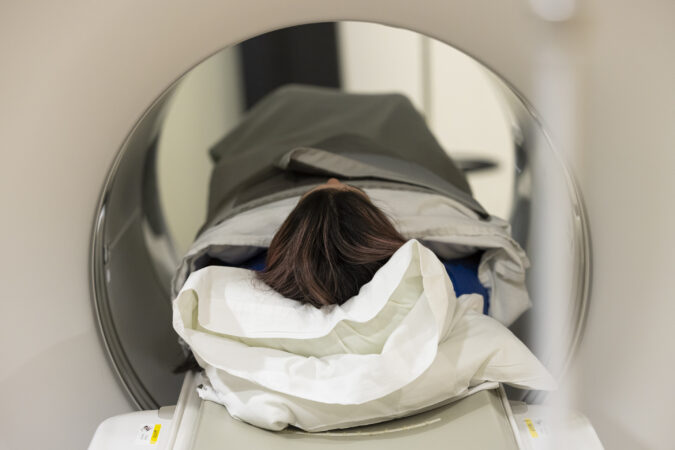
    In July 2023, a 35-year-old Manhattan man decided to undergo a full-body health scan, a celebrity-endorsed trend aimed at people anxious about their body’s secrets and moneyed enough to afford the knowledge.

    The industry advertises that the MRI scans can detect hundreds of treacherous health conditions such as cancers and aneurysms before they become catastrophic. While the scans have been criticized as an extravagance within U.S. healthcare, proponents say they can offer peace of mind.

    Sean Clifford had his scan done by Prenuvo, one of the most prominent companies in the field. Kim Kardashian has described its screenings as “life saving.” The company’s website says a 45-minute whole-body scan, now priced at $2,500, “can detect subtle changes early” and “spot potential issues before they become serious.”

    The report based on Clifford’s scan indicated no major problems, according to a copy sent to him. But eight months later, he suffered a debilitating stroke, leaving him with paralysis in his left hand and left leg, according to a lawsuit he filed against Prenuvo and the doctor contracted to interpret the scan. He alleges that the company overlooked signs of trouble that appeared in the scans of his cerebral arteries.

    The Prenuvo defendants “should have reasonably known about the safety hazards or risks of injury presented by the misinterpretation of the Prenuvo MRI scans by its machines,” according to Clifford’s lawsuit filed in September 2024. According to a radiologist cited in the lawsuit, Clifford’s health report “was an obvious miss. His cerebral and cerebellar vasculature were incorrectly described as normal.”

    Clifford’s attorney, Neal Bhushan, said the family asked for privacy and declined further comment. The court records include a copy of Clifford’s Prenuvo report and other documentation, but his allegations, which the company has denied in court filings, have not been fully litigated. A judge’s decision last month allowed the case to move forward.

    Prenuvo declined to comment on the litigation, but it said in a company statement that “we take any allegation seriously and are committed to addressing it through the appropriate legal process. Our focus remains on delivering safe, high quality, proactive care to the patients who place their trust in us every day.”

    The lawsuit represents another aspect of the controversy over full-body scans, which have been criticized for detecting minor abnormalities that provoke unnecessary follow-up testing and for being overly broad. The use of MRI to conduct a full-body scan on healthy patients is a departure from its more common uses for targeted diagnoses and monitoring.

    Amid burgeoning interest in personal health data, these concerns are sometimes overwhelmed by publicity from the technology’s high-profile advocates. Prenuvo has drawn a slate of investors including supermodel Cindy Crawford; the CEO of 23andMe Anne Wojcicki; and the investment firm Steel Perlot, whose chairman is Eric Schmidt, the former Google chief executive.

    On her Instagram account, Crawford has posted a picture of herself and her husband with one of the Prenuvo scanners. “The couple that scans together, stays together,” she wrote.

    Paris Hilton also endorsed the company, writing on Instagram she was “impressed” with her fast results. “I encourage every single one of you to go get a scan and make sure you are taking care of yourselves,” she wrote.

    Among the skeptics are experts at the American College of Radiology, which warns in a statement on its website that “there is no documented evidence that total body screening is cost-efficient or effective in prolonging life.” The group said it is concerned that the scans could “lead to the identification of numerous nonspecific findings that will not ultimately improve patients’ health but will result in unnecessary follow-up testing and procedures, as well as significant expense.” Insurance rarely pays for the scans.

    While much of the criticism of the scans has focused on the potential for false alarms, the Clifford lawsuit focuses on the converse ― the possibility that the scans may miss critical problems.

    The company suggests as much in the patient consent agreement that Clifford signed, noting “as with any medical test … there are limitations which make it impossible to detect all malignancies and conditions,” according to court documents.

    Clifford’s legal complaint argued that a doctor contracted to review his Prenuvo scan missed clues to an imminent stroke.

    An image of Clifford’s brain by Prenuvo shows that one of his cerebral arteries had dangerously narrowed, according to the lawsuit. Another image, taken after his stroke, shows a blockage at that point.

    Clifford “sustained a catastrophic stroke on March 7, 2024, in the same exact area of the brain where he had the Prenuvo scan on July 15, 2023,” according to a radiologist’s report submitted by the plaintiffs. Had he known of the potential for a stroke, Clifford might have been treated with drugs, lifestyle changes, stents, or “other minimally invasive measures, thereby eliminating and preventing the catastrophic stroke,” according to the lawsuit.

    Mirza Rahman, a former president of the American College of Preventive Medicine, has been one of the foremost critics of the scans, arguing that the service exemplifies a problem in American healthcare: “The wealthy get too much of it and the poor do not get enough.”

    Even the wealthy ought to be wary of what they are getting from the scans, Rahman said, questioning whether the service may overlook some conditions because of the time and attention needed to review them.

    “Do the radiologists have sufficient time to carefully look at the bones, the vessels, the organs, and all the other information that is generated by such scans?” Rahman said. “That is a question that needs to be answered.”

    Just as troubling, Rahman said, is that the possibility of missing a dangerous condition could provide a patient with a “false sense of reassurance and that they continue with lifestyle choices that may be detrimental.”

    The company’s chief executive Andrew Lacy has boasted of its focus on accuracy.

    “This is the only thing that we do ― it’s not a side business,” Lacy said in a 2024 interview with Faces of Digital Health. “We are 100% focused on making sure that we have the best hardware, best software, best [artificial intelligence], and best radiologists so these exams are as accurate as they can be.”

    Doctors typically use MRIs to focus on just one area of the body where a problem is suspected ― not the entire body, said Max Wintermark, a doctor who is past president of the American Society of Neuroradiology and editor-in-chief of the American Journal of Neuroradiology.

    “MRI is not generally recommended for patients without symptoms,” he said. “When I have a patient, I tailor the MRI to answer specific questions. You can’t image all body parts together in great detail without making the MRI scan more than 60 minutes.”

  • U.S. plane used in boat strike was made to look like civilian aircraft

    U.S. plane used in boat strike was made to look like civilian aircraft

    The Trump administration’s first deadly strike on an alleged drug smuggling boat, in early September, was conducted by a secretive military aircraft painted to look like a civilian plane, multiple officials confirmed to The Washington Post on Monday.

    The crewed aircraft did not have any weapons showing when the attack occurred, two officials said, speaking, like some others, on the condition of anonymity to discuss a sensitive matter. Instead, the munitions were fired from a launch tube that allows them to be carried inside the plane, not mounted outside on the wing.

    Use of the plane prompted legal debate after the Sept. 2 operation over whether the concealment of its military status amounted to a ruse that violated international law, said current and former officials familiar with the matter. Eleven people were killed, including two who survived the initial attack by U.S. forces but died in a controversial follow-on strike.

    Feigning civilian status and then carrying out an attack with explicit intent to kill or wound the target is known as “perfidy” under the law of armed conflict, a war crime, according to legal experts.

    “If you arm these aircraft for self-defense purposes, that would not be a violation” of the law of war, said Todd Huntley, a former military lawyer who advised U.S. Special Operations forces for seven years at the height of the Pentagon’s counterterrorism campaign that followed 9/11. “But using it as an offensive platform and relying on its civilian appearance to gain the confidence of the enemy is.”

    The Trump administration has claimed that its lethal strikes on alleged drug boats in the waters around Latin America are lawful because President Donald Trump has determined the United States is in an “armed conflict” with drug cartels. That contention is widely disputed by legal experts, who say the U.S. is not at war with drug traffickers and that killing suspected criminals in international waters is tantamount to murder. Several analysts and former national security officials have said the entire campaign is, at its foundation, unlawful.

    “This isn’t an armed conflict,” said Huntley, director of the national security law program at Georgetown Law. “But what makes this so surprising is that even if you buy their argument, it’s a violation of international law.”

    The Pentagon did not immediately respond to requests for comment. A spokesperson for U.S. Special Operations Command, which carried out the Sept. 2 operation, declined to comment.

    The New York Times first reported the plane’s civilian paint scheme earlier Monday.

    The Sept. 2 military strike was the first of almost three dozen to date. The attacks have killed more than 100 people.

    The initial strike raised questions — among Democrats and law of war experts, principally — about whether a crime was committed when U.S. forces returned to the boat wreckage after the first strike to fire again and kill the two survivors as they clung to the hull.

    While the “double tap” to kill the survivors has drawn scrutiny on Capitol Hill, the military has closely guarded specifics of the aircraft involved in the operation.

    According to multiple officials, the plane is part of a fleet of crewed U.S. Air Force aircraft painted in civilian schemes and used in situations where it would not be advantageous for the military’s typical gray paint scheme to be seen. One official said the plane was already painted to look like a civilian aircraft before the Sept. 2 operation — it was not painted specifically for the boat strike, this person said.

    Firing on the alleged drug boat from an aircraft that looked like a civilian plane and had no visible weapons on it raised debate among some Pentagon officials after the strike, as well as concern that a classified capability was being “burned” in an operation targeting “civilians in a boat who pose no threat,” a former official said.

    “It’s not like they’re infiltrating downtown Tehran to kill some IRGC leader or something,” said the former official, referring to Iran’s military, the Islamic Revolutionary Guard Corps.

    Those familiar with the matter said the aircraft was broadcasting as a military aircraft. However, unless the men on the boat had technology on board to receive those transmissions, they would not have known it was a U.S. military plane.

    The Post reported late last year that Defense Secretary Pete Hegseth gave his approval ahead of the Sept. 2 operation to kill the passengers, sink the boat and destroy the drugs it was suspected of carrying. As the two survivors clung to the wreckage, Adm. Frank M. Bradley, the strike commander, determined they were still viable targets and, after consulting with a military lawyer, ordered a second strike that killed them, people familiar with the matter said.

    Shortly before the second strike, real-time surveillance video showed the two men waving their arms and looking skyward, people who saw the footage told The Post in December. But Bradley explained to lawmakers scrutinizing the operation that it was unclear why they were doing so, people familiar with his account said then.

    During multiple meetings with lawmakers after news of the double tap surfaced, Bradley said he looked for signs the men were surrendering, such as waving a cloth or holding up their arms, people familiar with his account have said. The admiral noted that he saw no such gesture, and did not interpret their wave as a surrender, people familiar with his interviews have said.

  • Fewer Americans sign up for Affordable Care Act health insurance as costs spike

    Fewer Americans sign up for Affordable Care Act health insurance as costs spike

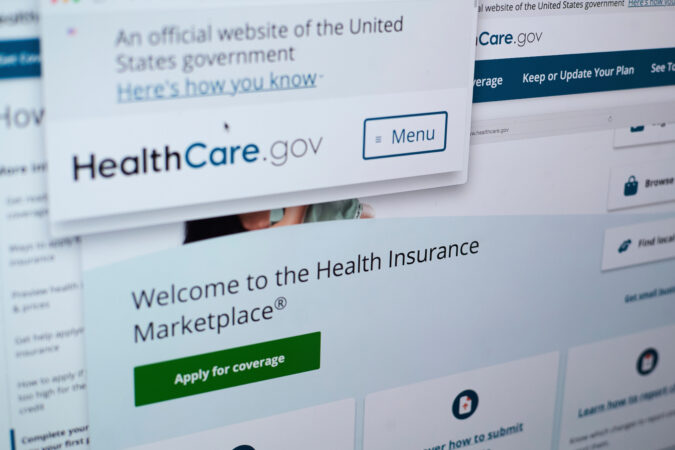
    NEW YORK — Fewer Americans are signing up for Affordable Care Act health insurance plans this year, new federal data shows, as expiring subsidies and other factors push health expenses too high for many to manage.

    Nationally, around 800,000 fewer people have selected plans compared to a similar time last year, marking a 3.5% drop in total enrollment so far. That includes a decrease in both new consumers signing up for ACA plans and existing enrollees re-upping them.

    The new data released Monday evening by the Centers for Medicare and Medicaid Services is only a snapshot of a continuously changing pool of enrollees. It includes sign-ups through Jan. 3 in states that use Healthcare.gov for ACA plans and through Dec. 27 for states that have their own ACA marketplaces. In most states, the period for shopping for plans continues through Jan. 15 for plans that start in February.

    But even though it’s early, the data builds on fears that expiring enhanced tax credits could cause a dip in enrollment and force many Americans to make tough decisions to delay buying health insurance, look for alternatives or forgo it entirely.

    Experts warn that the number of people who have signed up for plans may still drop even further, as enrollees get their first bill in January and some choose to cancel.

    Healthcare costs at the center of a fight in Congress

    The declining enrollment comes as Congress has been locked in a partisan battle over what to do about the subsidies that expired at the start of the new year. For months, Democrats have fought for a straight extension of the tax credits, while Republicans have insisted larger reforms are a better way to root out fraud and abuse and keep costs down overall. Last week, in a remarkable rebuke of Republican leadership, the House passed legislation to extend the subsidies for three years. The bill now sits in the Senate, where pressure is building for a bipartisan compromise.

    Up until this year, President Barack Obama’s landmark health insurance program had been an increasingly popular option for Americans who don’t get health coverage through their jobs, including small business owners, gig workers, farmers, ranchers and others.

    For the 2021 plan year, about 12 million people selected an Affordable Care Act plan. Enhanced tax credits were introduced the following year and four years later enrollment had doubled to over 24 million.

    This year’s sinking sign-ups — sitting at about 22.8 million so far — mark the first time in the past four years that enrollment has been down from the previous year at this point in the shopping window.

    The loss of enhanced subsidies means annual premium costs will more than double for the average ACA enrollee who had them, according to the healthcare research nonprofit KFF. But extending the subsidies would also be expensive for the country. Ahead of last week’s House vote, the nonpartisan Congressional Budget Office estimated that extending the subsidies for three years would increase the nation’s deficit by about $80.6 billion over the decade.

    Americans begin looking for other options

    Robert Kaestner, a health economist at the University of Chicago, said some of those who abandon ACA plans may have other options, such as going on a partner’s employer health plan or changing their income to qualify for Medicaid. Others will go without insurance at least temporarily while they look for alternatives.

    “My prediction is 2 million more people will lack health insurance for a while,” Kaestner said. ”That’s a serious issue, but Republicans would argue we’re using government money more efficiently, we’re targeting people who really need it and we’re saving $35 billion a year.”

    Several Americans interviewed by The Associated Press have said they’re dropping coverage altogether for 2026 and will pay out of pocket for needed appointments. Many said they are crossing their fingers that they aren’t affected by a costly injury or diagnosis.

    “I’m pretty much going to be going without health insurance unless they do something,” said 52-year-old Felicia Persaud, a Florida entrepreneur who dropped coverage when she saw her monthly ACA costs were set to increase by about $200 per month. “It’s sort of like playing poker and hoping the chips fall and try the best that you can.”

  • Jefferson and Temple join wide-ranging litigation over high insulin pricing

    Jefferson and Temple join wide-ranging litigation over high insulin pricing

    Temple University Health System and Jefferson Health are the latest area health systems to sue pharmaceutical companies and pharmacy benefit managers over high insulin pricing.

    The move follows similar lawsuits filed in recent years by the University of Pennsylvania, the city of Philadelphia, Philadelphia District Attorney Larry Krasner, and Bucks County, as well as hundreds of other municipalities, companies, and unions around the country.

    Temple filed its suit last week, and Jefferson sued just before the new year.

    Eli Lilly, CVS Caremark, and Sanofi are among the major companies named in the suits, which accuse drugmakers and pharmacy benefit managers, or PBMs, of conspiring to drive up profits on diabetes drugs.

    PBMs work with drug manufacturers, insurers, and pharmacies, negotiating prices and developing formularies — lists of prescription drugs that are available on a given insurance plan.

    The health systems and other plaintiffs say drugmakers inflate prices for their insulin products in order to secure lucrative placements on formularies. Then, they pay a portion of the resulting profits back to PBMs, according to the lawsuits.

    Jefferson and Temple officials said they are paying more for employees’ insulin as a result, impacting the health systems’ budgets and hurting their ability to “provide necessary services […] to the larger Philadelphia community.”

    Representatives from both health systems declined to comment.

    Eli Lilly has worked for years to reduce out-of-pocket costs for insulin, the company said in a statement, noting that some plaintiffs filing the lawsuits are choosing higher-priced medications over more affordable options.

    Lilly capped insulin prices at $35 per month, the statement said, and in 2024 the average monthly out-of-pocket cost for its insulin was less than $15.

    CVS Caremark said pharmaceutical companies “alone are responsible” for pricing their drugs in its latest statement, released after Philadelphia officials joined the litigation last month. The company said it would welcome lower prices on insulin.

    “Allegations that we play any role in determining the prices charged by manufacturers for their products are false, and we intend to vigorously defend against this baseless suit,” they wrote in an email.

    A statement from Sanofi said that the company has always complied with the law when it comes to drug prices and works to lower prices. PBMs and insurers sometimes negotiate savings on drugs, but those are “not consistently passed through to patients in the form of lower co-pays or coinsurance,” the statement read.

    “As a result, patients’ out-of-pocket costs continue to rise while the average net price of our insulins declines.”

  • Philly health officials warn of a potential measles exposure at the airport and 30th Street Station

    Philly health officials warn of a potential measles exposure at the airport and 30th Street Station

    Health officials are warning that a person infected with measles traveled through Philadelphia last week, potentially exposing people who passed through several transit hubs last Wednesday to the highly contagious virus.

    Officials believe there’s no threat to the general public, Philadelphia Health Commissioner Palak Raval-Nelson said in a statement on Monday.

    People who were in the following locations at the following times last Wednesday should check their vaccination status and watch for measles symptoms, officials said:

    • Philadelphia International Airport, Terminal A East, from 7:50 p.m. to 11 p.m.
    • 30th Street Station from 8:15 p.m. to 11:25 p.m.
    • Amtrak Northeast Regional Train Southbound #175, which traveled from Boston to Washington, D.C., and stopped in Philadelphia at 9:23 p.m. People on the train between 9:23 and 11:30 p.m. may have been exposed to the virus.

    After traveling through Philadelphia, the person with measles also may have exposed people on parking shuttles at Baltimore’s airport and Amtrak station, according to Maryland’s state health department.

    Measles, which spreads through the air when infected people cough, sneeze, or talk, can linger in the air for up to two hours after an infected person leaves an area.

    People are considered immune to measles if they are born before 1957, have already had measles, or received two doses of the measles, mumps, and rubella vaccine.

    People with immunity don’t have to do anything if they were exposed in Philadelphia last week, health officials said.

    People who are not considered immune and were potentially exposed to the virus last week should talk to their doctor about getting an MMR vaccine as soon as possible.

    Among them, children under a year old, pregnant people who are not immune, and people with a weakened immune system should call their doctor as soon as possible.

    Health officials said that early measles symptoms include a runny nose, a cough, and puffy, red eyes, followed by a rash. The disease is contagious for about four days before a rash develops, and four days after that.

    That means that people without immunity who were exposed to the virus could infect others without knowing it. In such cases, they should wear masks in indoor public spaces and around anyone unvaccinated until three weeks pass from the exposure, health officials said.

    Anyone who is not immune and believes they were exposed to the virus should contact a doctor immediately if they develop measles symptoms through Jan. 28.

    They should also notify the Philadelphia Department of Public Health at 215-685-6740. Pennsylvania residents outside Philadelphia should call the state health department at 877-724-3258.

    Health officials noted that measles can lead to pneumonia, brain infection, and death in serious cases.

    Area health officials have identified a handful of measles cases in the city in the last year, and warned travelers of another possible measles exposure in the airport in November.

    Raval-Nelson noted that many countries, including popular international travel destinations, are seeing measles outbreaks.

    Measles has also been spreading in the United States. The CDC reported 49 outbreaks — a cluster of three or more measles cases — in 2025, with 88% of the 2,144 cases nationwide linked to those outbreaks.

    In 2024, the U.S. saw 16 outbreaks and 285 cases of measles, with 69% of those cases linked to outbreaks.

    Raval-Nelson urged parents to vaccinate young children. While children under a year old are not routinely vaccinated with MMR, she noted, people who are planning to travel outside the country should get the vaccine for infants as young as 6 months to protect them from the virus.

    Editor’s note: This story has been updated to correct the age at which a person is considered immune to measles.