Category: Health

  • FDA is removing the ‘black box’ warning on hormone treatments for women in menopause. Here’s what you need to know.

    FDA is removing the ‘black box’ warning on hormone treatments for women in menopause. Here’s what you need to know.

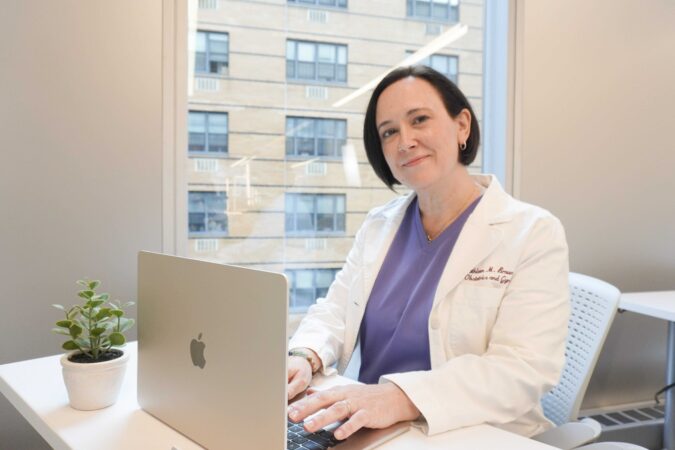
    For years, Cathleen “Cat” Brown, a Philadelphia obstetrician and gynecologist, would listen to patients complaining of hot flashes, brain fog, and painful sex and prescribe estrogen as a safe option for easing their menopausal symptoms.

    But when the women read the drug label and pharmacy package insert, they’d recoil at a “black box” warning, Brown said. The bold, black-bordered alert warned women that estrogen may put them at higher risk of breast cancer, cardiovascular disease, stroke, and dementia.

    “It was making liars out of doctors,” Brown said. “It frankly scared the crap out of patients, and it really caused distrust between the patients and the providers.”

    A black box warning is the highest safety alert that the U.S. Food and Drug Administration requires drug manufacturers to include on medications in which clinical data shows the drug can cause death or serious health risks.

    But the warning label placed on all estrogen-based treatments since 2003 was based on an outdated and flawed government-funded study, known as the Women’s Health Initiative.

    Newer scientific research shows that the benefits of hormone replacement therapy, or HRT, far outweigh the risks for most women, experts say, particularly those who are younger than 60 or within 10 years of menopause.

    More recent evidence also suggests that estrogen can reduce the risk of breast cancer, cardiovascular disease, Alzheimer’s, bone fractures, and cognitive decline, extending women’s lives by about 10 years.

    In November, FDA Commissioner Martin Makary announced that the agency was taking steps to remove the black box warning on hormone treatments for women.

    “We are going to stop the fear machine steering women away from this life-changing, even life-saving treatment,” Makary said at a news conference.

    Brown, an ob-gyn at Jefferson Abington Hospital, said the FDA’s reversal will lead to more medical schools teaching doctors how to treat menopause and provide women with more access to hormone therapies.

    “It’s causing kind of a tidal wave in the medical community,” Brown said. “It was a relief to see the FDA catching up with the science.”

    The Inquirer spoke with Brown, who also serves as the medical director for a national menopause telehealth provider called Winona, about the FDA’s shift on HRT and what that means for aging women. This conversation has been edited for length and clarity.

    What prompted the FDA warning on estrogen treatments?

    The black box warning was one of the aftereffects of the whole Women’s Health Initiative study released in 2002. They basically published the results before they really had a chance to have it peer-reviewed and really analyze the data, and it went all over the news, and suddenly there was this widespread panic. Doctors across America got scared. Patients got scared, and everyone was taken off their HRT.

    Why was the 2002 study misleading?

    In that study, they were giving HRT to much older women, like in their late 60s, who weren’t great candidates to start it. They were also using different forms of HRT than we’re using now, so a lot of more synthetic hormones. The most popular one back then was Premarin, which came from a pregnant mare’s urine, so horse estrogens.

    We were also giving these women higher doses of hormones, and it was causing more medical problems.

    What has changed since?

    Now we really lean toward giving you bioidentical hormones, like the same compounds that your ovaries were making on their own. It’s much safer. Our body processes it better, and we’re able to use lower doses to have the same effectiveness than those old synthetic hormones that they had to do at higher doses before. We also learned from that study that there’s a magic window — the safest time to initiate hormone replacement therapy is within 10 years of a woman going through menopause.

    What led to the FDA’s reversal?

    So the FDA held an expert panel last July. They invited all these experts on hormone therapy to speak and basically give their justification for why that black box warning needs to be removed. It’s really been a disservice to women, because all the women who were taken off HRT ended up with bad osteoporosis, weak bones, and more medical problems from the loss of estrogen from their bodies.

    They also talked about the fact that we should not have this black box warning on estrogen products, especially estrogen vaginal cream, which is so safe that it really could be over the counter. For women in nursing homes, a little bit of vaginal estrogen could have prevented recurrent urinary tract infections. So many women die of urinary sepsis and bacteremia that has come from a UTI. Topical vaginal products also significantly improve sex life for women.

    What is HRT?

    We’re actually starting to call it hormone therapy, because we’re not trying to replace your levels back to what you were making on your own in your 20s or 30s. It’s about giving you enough dosage of hormone to give you the health benefits and mitigate bothersome symptoms and help women with that menopausal transition.

    When we are aging, within our 40s and into our 50s, we lose estrogen at a dramatic rate. We also have testosterone in our bodies as women and that drops, too. That fluctuation of hormones causes this whole litany of symptoms, like hot flashes, night sweats, brain fog, joint pain, dry skin, brittle hair, hair loss, so many things.

    Estrogen is a powerhouse hormone that keeps all the tissues in our body healthy.

    Why is this a win for women’s health?

    More women are demanding better and not wanting to go gently into old age and suffer anymore. This is also pushing more medical education institutions to start infusing menopause into the curriculum. Women’s health has never been in the forefront.

    It’s always been something we do secretly and quietly, which I think is kind of a parallel to the gender disparities in the world, like once we’re done childbearing and we’re no longer in our fertile peak, it’s like we’re less important to the world, and nobody wants to focus on it. This is causing a trend where more women are going to get educated and more doctors are going to start learning.
  • Temple Health reported a $50.5 million operating loss in the first half of fiscal 2026

    Temple Health reported a $50.5 million operating loss in the first half of fiscal 2026

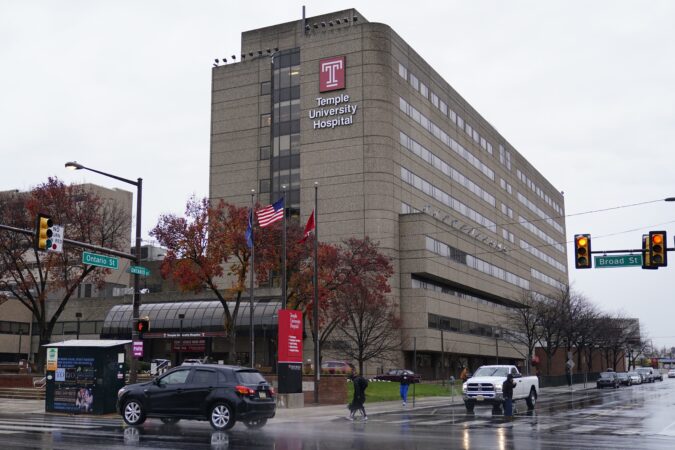
    Temple University Health System had a $50.5 million operating loss in the six months that ended Dec. 31, the Philadelphia nonprofit told bond investors Monday. In the same period the year before, Temple reported a $13.5 million operating gain.

    Here are some details on Temple results:

    Revenue: Total revenue reached $1.64 billion, up 7.3% from the year before. Patient revenue rose 8% due mostly to increased outpatient revenue from Temple’s pharmacy business, infusions, and same-day surgeries. Two hits to revenue were a $14.3 million decrease in state funding and decline in the number of transplants, which bring in large amounts of revenue. Temple said it expects both of them to rebound in the remainer of fiscal 2026.

    Expenses: Temple attributed some of its loss in the first six months of fiscal 2026 to $20 million in extra expenses associated with the opening of its new Woman & Families Hospital, a $7.2 million increase in medical liability expenses, and a $6.4 million increase in losses under its Medicaid contract with Health Partners Plans.

    Notable: Despite its operating loss, even on a cash basis, Temple financial reserves increased to more than $1 billion as of Dec. 31. Most of the gain came from investments. The reserves equal the amount of money needed to keep the health system operating for 119 days if no more revenue came in. At the end of 2024, that figure was 113 days.

  • Penn expert says whether to take antidepressants during pregnancy is a ‘risk-risk conversation’

    Penn expert says whether to take antidepressants during pregnancy is a ‘risk-risk conversation’

    When Sarah Bynum was pregnant with her first child in 2017, her primary care doctor suggested she stop taking her antidepressant.

    He told her there wasn’t enough research to justify staying on the medication.

    By the time she delivered her daughter, the Delaware County woman’s anxiety was so bad that she decided never again to go through a pregnancy without her antidepressant.

    Bynum, who has taken medication for anxiety since she was a teenager, is one of the nearly 18% of women in the U.S. on an antidepressant. She takes a drug known as an SSRI, the most common class of antidepressants, which medical societies generally consider safe to use during pregnancy.

    Still, roughly half of women taking an antidepressant discontinue their use of the medication while pregnant, according to a 2025 study in the medical journal JAMA Network Open.

    Kelly Zafman, an OB-GYN at the Hospital of the University of Pennsylvania, decided to research the issue that has also recently been under discussion on the federal level. She’s observed that patients often get mixed-messaging from providers.

    “The other side of the conversation that gets missed is this risk of not continuing medications,” said Zafman, who is in her final year of fellowship training in maternal-fetal medicine.

    Preliminary findings from her research showed the risk of a mental health emergency nearly doubled in women who discontinued SSRIs or SNRIs (another popular type of antidepressant), compared to those who stayed on their medication. She presented the unpublished results this month at the meeting of the Society for Maternal-Fetal Medicine.

    The analysis used data from 1,462 privately insured Pennsylvania women with active antidepressant prescriptions who gave birth between 2023 and 2024. While pregnant, 81% of them stopped or interrupted usage.

    Zafman said the highly personal decision comes down to factors such as the patient’s prior pregnancies, mental health history, and how well-controlled their symptoms are.

    Ultimately, the potential risks have to be weighed against those of untreated depression or anxiety.

    “It’s really a risk‑risk conversation,” Zafman said.

    Evolving research

    The American College of Obstetrics and Gynecologists discourages discontinuing antidepressants based on pregnancy alone, highlighting the risks of untreated mental health conditions. Studies have linked uncontrolled depression during pregnancy with preterm birth, low birth weight, higher suicide risk, and impaired mother-infant attachment.

    Research on the safety of antidepressants in pregnancy continues to evolve. Some potential risks identified in older research appear overstated when compared with more recent, better-designed studies, Zafman said.

    She cited as an example a rare but serious condition called persistent pulmonary hypertension — which causes a breathing issue — for which scientific evidence remains conflicting.

    “There’s definitely an association, but it’s not totally clear how causative it is,” Zafman said.

    Another concern, neonatal adaptation syndrome, tends to involve mild difficulties with feeding and breathing that resolve within days. Medical intervention is rarely required, and the treatment essentially is to cuddle and feed your baby, Zafman said.

    While antidepressants potentially pose risks in pregnancy, she said, overall, the risks of long lasting effects are “extraordinarily low.”

    A personal decision

    Bynum, a patient at Penn Medicine, was not on antidepressants during her first pregnancy. (She was not part of this particular study but has participated in other research with Zafman.)

    Five months into the pregnancy, she learned her daughter would be born with a congenital heart defect that would require monitoring, and later, surgery.

    Family and friends tried to help her, but they weren’t able to calm her heightened anxiety the way her medication usually would.

    When she became pregnant with her second child, she knew she wanted to have a “more mentally healthy pregnancy.”

    “I needed to be mentally and physically present not just for myself, but my daughter,” she said.

    She asked her OB-GYNs if she could continue on her antidepressant, Paxil. They weren’t sure.

    She turned to the fetal heart experts at Children’s Hospital of Philadelphia, who looked into the medical evidence and told her it was fine to continue taking her antidepressant.

    Sarah Bynum decided she would not go without her antidepressant for future pregnancies.

    Bynum has since had three healthy pregnancies while taking the antidepressant.

    She felt it was the right decision.

    “I need to focus on having a healthy pregnancy with as minimal stress as possible,” Bynum said. “And if that means taking a medication, that’s what’s gonna work.”

    Editor’s note: This story has been updated to clarify a quote by the researcher.

  • Nearly a year after Crozer-Chester Medical Center closed, Chester residents still struggle to access healthcare

    Nearly a year after Crozer-Chester Medical Center closed, Chester residents still struggle to access healthcare

    Dawn Pierce felt heartbroken last spring when she learned that Crozer-Chester Medical Center was closing.

    The hospital had long been a lifeline in a city with limited healthcare services. Many Chester residents, like Pierce, were unsure where to turn for care when the hospital’s for-profit owner, California-based Prospect Medical Holdings, declared bankruptcy and shut down Crozer and Taylor Hospital in Ridley Park last spring.

    “I don’t think of myself as one that will sit around and watch things happen, but I felt hopeless,” Pierce said.

    Nearly a year later, Pierce and other residents say the community was left with major healthcare gaps: There are no primary care doctors or pediatricians in town. Locals who received routine care at the hospital had to switch to doctors outside the city, dealing with long drives or rides on public transportation. Some are going without care.

    And many worry about whether they can make it to another hospital in time during a medical emergency.

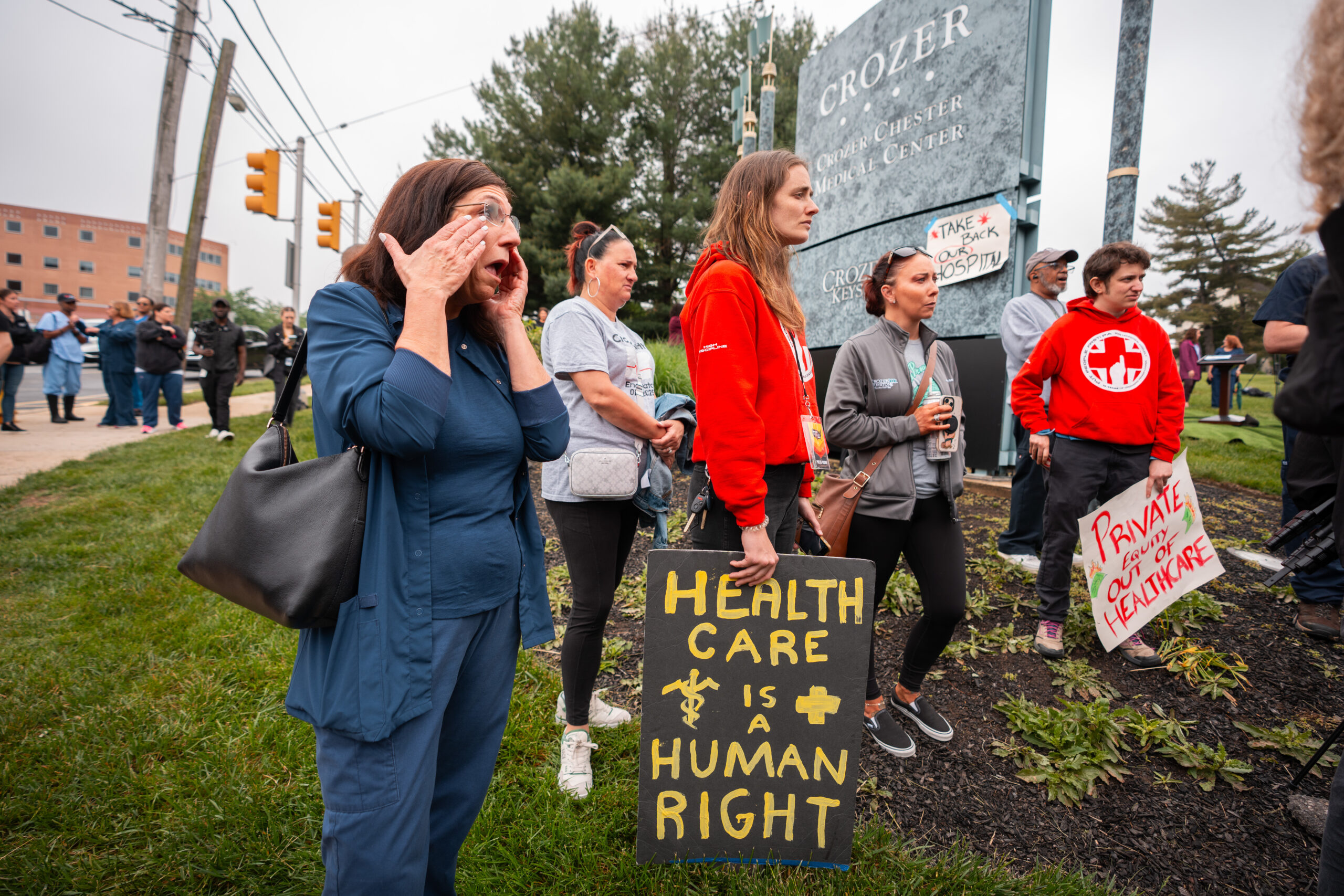
    Janice Cimabue, left, and Jamie Blair, center, with Put People First PA, after a news conference outside of the recently closed Crozer Medical Center in Delco, in Philadelphia, May 15, 2025.

    These concerns have emerged through grassroots canvassing by One Pennsylvania, which shared its findings at a news conference this month. In recent months in Chester, organizers have knocked on 4,300 doors to gauge residents’ thoughts on Crozer’s closure and encourage them to advocate for better healthcare options in the city.

    The membership group focuses on issues including housing rights and environmental justice. Originally founded as part of a 2011 Pittsburgh campaign by the labor union SEIU, it became an independent organization in 2015 and expanded into the Philadelphia area in 2016.

    Pierce, who heads its Chester chapter, counts herself relatively lucky: While she saw specialists at Crozer, her primary care physician was at a different health system. But her brother and his significant other spent most of last year looking for a new doctor after Crozer closed.

    “I do think they finally found someone, but at this point those visits are not near Chester. They’re 20 to 30-plus minutes away,” Pierce said.

    Residents told One Pennsylvania organizers they felt relief that Chester officials did find a solution for EMS services lost in the closure. The city contracted with VSMC, an ambulance company, for higher-level care on the go, including blood transfusions.

    “The restoration of EMS services and ambulance for our city — this matters,” Pierce said at the event held outside a downtown church on a recent Saturday. “However, EMS is a bridge. It’s not the final destination.”

    (function() {
    var l2 = function() {
    new pym.Parent(‘he_chester’,
    ‘https://media.inquirer.com/storage/inquirer/projects/innovation/arcgis_iframe/he_chester.html’);
    };
    if (typeof(pym) === ‘undefined’) {
    var h = document.getElementsByTagName(‘head’)[0],
    s = document.createElement(‘script’);
    s.type = ‘text/javascript’;
    s.src = ‘https://pym.nprapps.org/pym.v1.min.js’;
    s.onload = l2;
    h.appendChild(s);
    } else {
    l2();
    }
    })();

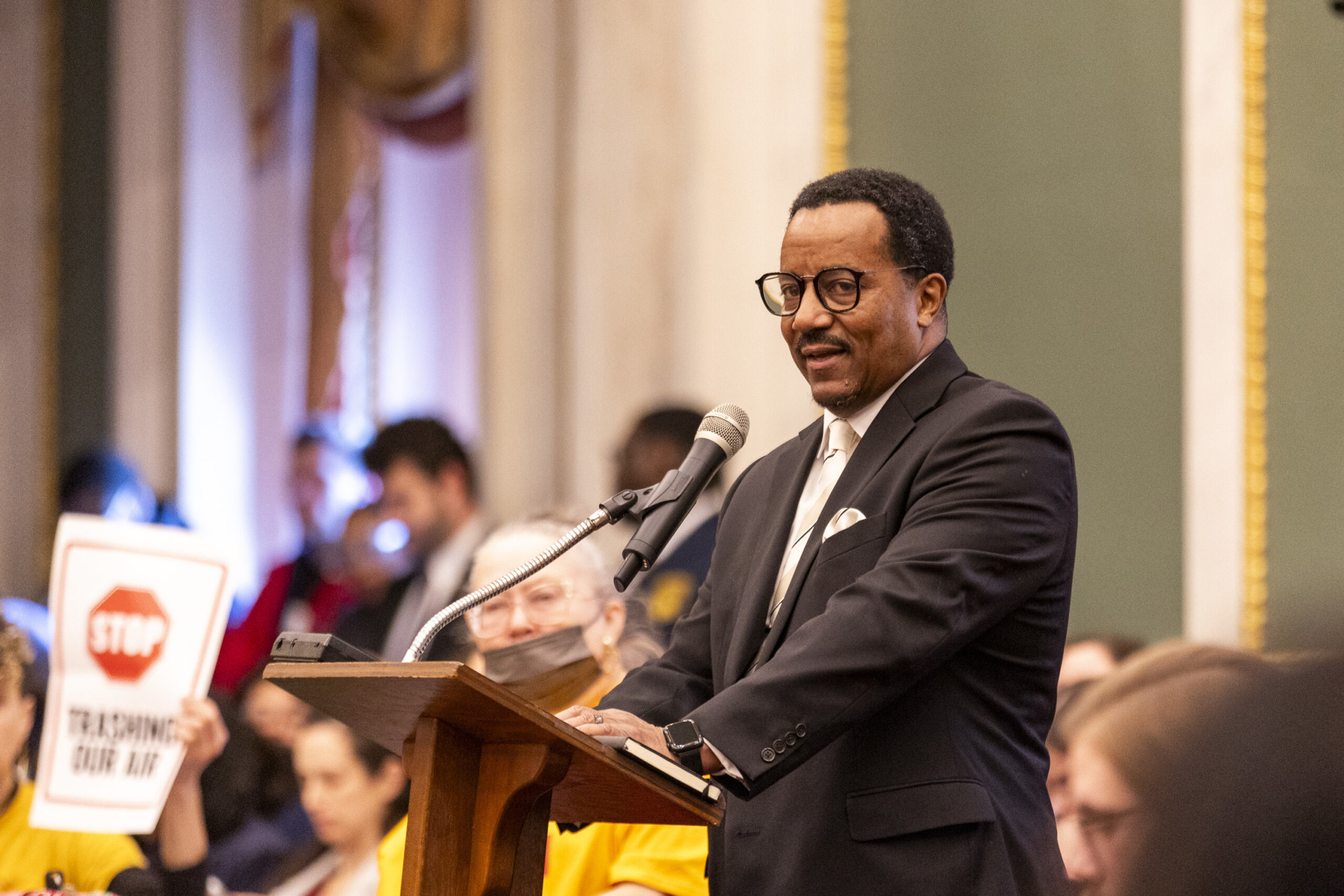
    Chester Mayor Stefan Roots told residents at the news conference that he met recently with representatives from the Crozer property’s new owner, for-profit Chariot Equities, which says it wants to restore medical services to the campus.

    Roots said he couldn’t provide many details about a plan for the 64-acre campus that straddles Chester and Upland Township in Delaware County, which Chariot purchased last month for $10 million. Chariot said at the time it planned to operate a “right-sized” hospital and emergency department at the facility.

    The new ownership comes after government-supported efforts failed to convince other local health systems last year to form a new nonprofit to run Crozer-Chester and other Crozer Health facilities.

    Chester Mayor Stefan Roots told city residents that he met recently with representatives from the Crozer property’s new owner, for-profit Chariot Equities, which says it wants to restore medical services to the campus.

    Roots said the new owner has impressive plans, but it could take years to bring back medical services, if successful. “It’s going to take some time, it’s going to take some money, and all we can do right here is to readjust,” he said.

    Delaware County Council voted Wednesday to end a disaster declaration over lost EMS services in the wake of Crozer’s closure, since communities left without services, like Chester, had been able to contract with other EMS providers, WHYY reported.

    Chester resident Andrea Robinson say she’s still feeling the impact of the lost medical services.

    Robinson had to find new doctors after the closure, and a family member is now traveling farther to receive care for a mental health condition once treated at Crozer. And while other area hospitals are taking patients from Chester, the influx of new patients has at times led to long wait times elsewhere.

    “We are truly in need of medical services now,” she said.

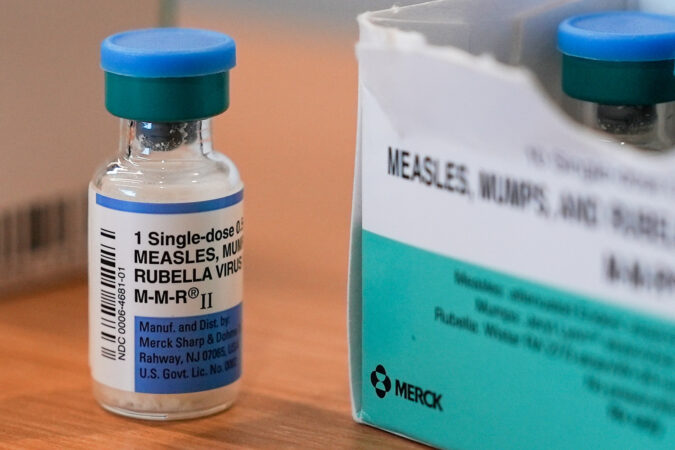
  • Measles case confirmed in a person who visited a Montgomery County car dealership and a Wawa

    Measles case confirmed in a person who visited a Montgomery County car dealership and a Wawa

    Montgomery County health officials on Saturday warned residents of a possible measles exposure at two locations in the county, after confirming another case of the highly contagious disease.

    A person infected with measles visited a car dealership and a convenience store in Royersford and Limerick earlier this week, officials said.

    The case is connected to another in the county that was confirmed earlier this month, said Richard Lorraine, the medical director of the Montgomery County Health Department.

    The original measles case was linked to a larger outbreak centered on a college in Florida, Lorraine said. A person infected with measles connected to that outbreak then traveled to Montgomery County and visited an urgent care center in Collegeville on Jan. 29, he said.

    Later, two people in their household, who live in Montgomery County, contracted measles; they were already quarantining by the time they developed symptoms, Lorraine said.

    The latest case, announced on Saturday, was in an adult who had visited the Collegeville urgent care clinic at the same time as the original patient, Lorraine said. That person developed symptoms about 20 days after exposure to the virus, Lorraine said. The virus can incubate for up to 21 days before symptoms appear.

    All of the Pennsylvania residents who have contracted measles so far this year, including the Montgomery County cases, were not vaccinated against the disease.

    What to do if you were exposed to measles

    People who were at the following Montgomery County locations during the following time periods may have been exposed to the virus, which can linger in the air for up to two hours, officials said.

    • Nissan 422 of Limerick at 55 Autopark Blvd. in Royersford:
    • Wawa at 579 N. Lewis Rd. in Limerick:

    People are generally considered protected from measles if they were born in 1957 or earlier or have had two doses of the measles, mumps, and rubella (MMR) vaccine, or the recommended number of doses based on their age, health officials said.

    People are also considered protected if they have undergone lab testing that confirms they have already had the disease or have immunity to it.

    People who are not fully vaccinated or do not have immunity to measles and were exposed to the virus should call their doctor or the county public health office. The office can be reached at 610-278-5117 or after hours at 610-635-4300.

    Lorraine said that county health officials are working to track anyone who worked at or visited the Wawa and the car dealership earlier this week.

    Once health officials identify people who passed through those locations, he said, they check to ensure they are vaccinated for measles. People with two doses of the MMR vaccine are of little concern, since the vaccine is about 98% effective at preventing disease, Lorraine said.

    The county can also test residents without documentation of vaccination for measles immunity. People without immunity can get an MMR vaccine within about 72 hours of exposure to the virus that can prevent them from contracting measles, Lorraine said.

    “For those folks who don’t have an immune status, and don’t get the MMR, they do need to quarantine for up to 21 days afterward, because that’s how long the incubation period is,” he said.

    People without immunity who were potentially exposed to the virus should observe themselves for symptoms during that period. Symptoms include fever, an unexplained rash, a cough, congestion or a runny nose, and red, watery eyes.

    Health officials said people who develop measles symptoms should stay home and call a doctor immediately. They should also call ahead to any healthcare providers they plan to visit to protect staff and other patients from the disease.

    Measles in the Philadelphia area

    As of Saturday, Pennsylvania health officials said they have confirmed 11 cases of measles in state residents, a Pennsylvania Department of Health spokesperson wrote in an e-mail.

    Seven Lancaster County residents had been infected, as well as three in Montgomery County and one in Chester County. Two more cases were identified in out-of-state residents who visited the area: one in Montgomery County and one in Chester County.

    Chester County health officials did not immediately return a request for comment Saturday.

    On Friday, Delaware health officials said they had identified a case in a patient who visited a Wilmington emergency room.

    Lorraine said it is imperative for area residents to get vaccinated against measles, which can cause severe complications including pneumonia and brain infections. About 1 to 3 of every 1,000 children who contract measles will die, according to the Centers for Disease Control and Prevention.

    Infants and children under 5 years old, adults over 20, pregnant women, and people with weakened immune systems, including patients with leukemia or HIV, are at particular risk for complications from the disease, according to the CDC.

    “Like every other illness, measles can be mild, it can be severe. But that’s the reason why we want to immunize: We want to mitigate the possibility of severe illness. We really don’t want to even take a small chance on that,” Lorraine said.

  • After a year of RFK Jr.’s policies, vaccination rates are down, measles cases are up, and public health hangs in the balance | Editorial

    After a year of RFK Jr.’s policies, vaccination rates are down, measles cases are up, and public health hangs in the balance | Editorial

    Almost 250 years ago, George Washington created America’s first mass immunization mandate, relying on science to protect public health.

    Oh, how times have changed.

    Back then, smallpox had just helped end the Continental Army’s invasion of Canada. Despite making it all the way to Quebec, thousands of soldiers contracted the disease. Washington feared the same would happen to his own troops, fresh from their surprise victories at Trenton and Princeton. As Washington wrote at the time, “Necessity not only authorizes but seems to require the measure, for should the disorder infect the Army, in the natural way, and rage with its usual Virulence, we should have more to dread from it, than from the sword of the enemy.”

    The inoculation methods of Washington’s time were crude. No genuine vaccine existed. Instead, scabs or pus were taken from someone infected with smallpox and then placed into scratches or small wounds. Another option was to inhale it. Either way, those who experienced variolation inevitably developed fevers, rashes, and other symptoms of smallpox. At least 1% of those who received it died. Still, without his tough choice, the Continental Army might have failed entirely, and America with it.

    These days, safe vaccines are available for diseases that ravaged our ancestors. Forms of influenza, hepatitis, chickenpox, polio, rubella, mumps, measles, and many other diseases can now be prevented. The smallpox virus that Washington dreaded has been eradicated.

    The quality and availability of vaccines are a modern miracle, one that all humanity should be proud of.

    Yet, according to data from the Centers for Disease Control and Prevention, vaccination rates for measles in the U.S. are declining, and the number of cases is climbing. More and more parents are opting against vaccination for their children, which gives these diseases room to spread.

    Last year, two children in Texas died of the completely preventable disease. An outbreak in South Carolina has so far sickened almost 1,000 people, most of them children.

    Pennsylvania, New Jersey, and Delaware have all slipped below the 95% vaccination rate the CDC says is necessary to keep measles outbreaks at bay. Despite being nearly eliminated in 2000, rates have reached their highest levels in decades.

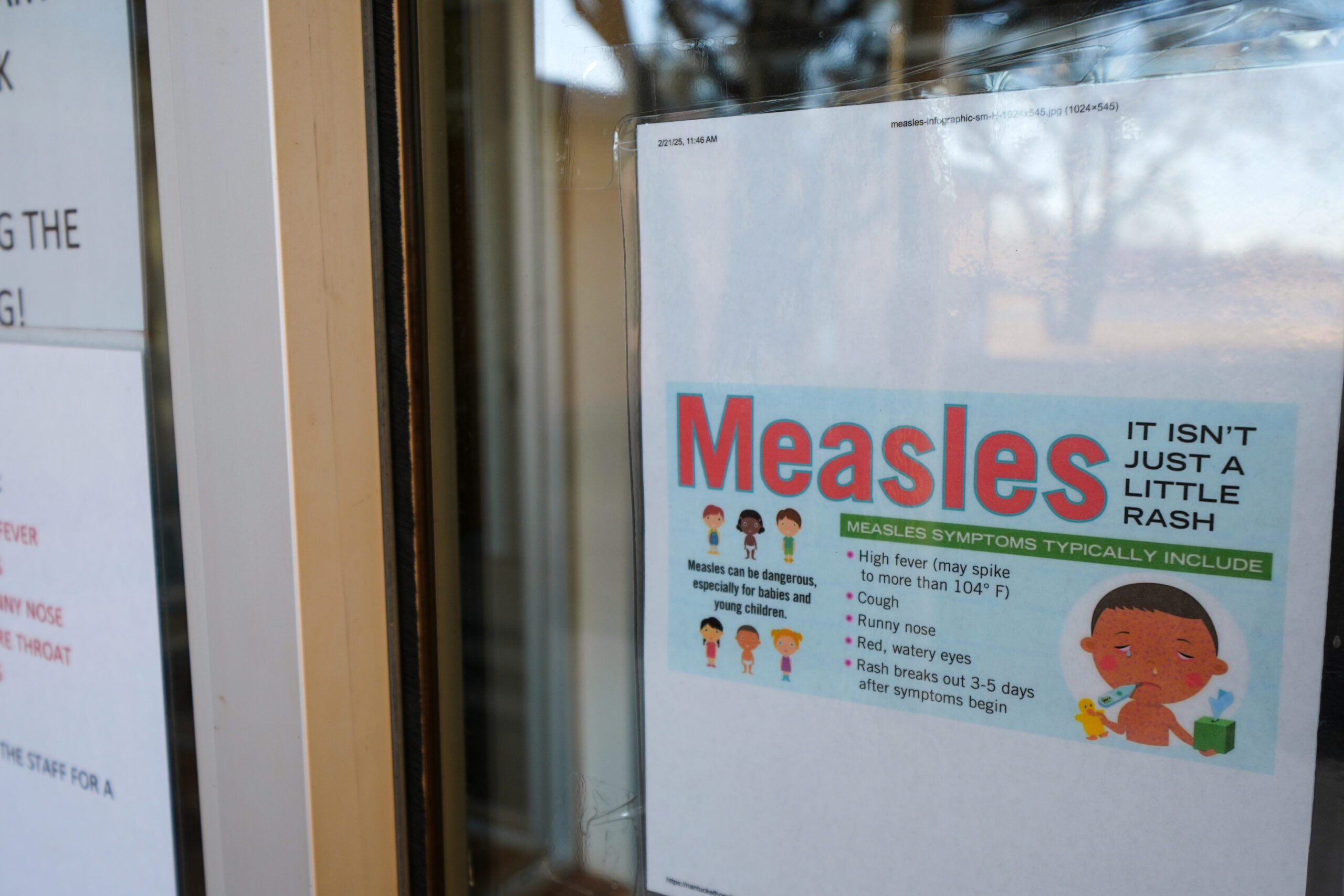
    A sign is seen outside a clinic with the South Plains Public Health District in February 2025, in Brownfield, Texas.

    According to CDC data, more than 90% of infections occur in people who are either unvaccinated or have unknown inoculation status. Given this group makes up less than 10% of the overall population, that’s a staggering concentration of sickness. It also isn’t a surprise — the vaccines work.

    Parents offer a range of justifications for refusing vaccinations. Some cite religious faiths that discourage inoculation. Others feel that the schedule of shots is too concentrated. A number of them mention debunked fears of shots “causing autism.”

    In some cases, existing health issues may lead to medical professionals advising against vaccination. (These children rely on what scientists call herd immunity for protection, and are endangered by rising rates of voluntary refusal.)

    It doesn’t help matters that Health and Human Services Secretary Robert F. Kennedy Jr. is a leading skeptic of both vaccines and modern medicine. Kennedy has strong opinions about public health based on no formal medical training.

    Under RFK Jr., the CDC has reduced the number of recommended vaccinations for children, and groups aligned with the secretary are working to overturn state vaccine mandates.

    This is the kind of privileged ignorance that can only thrive in a post-vaccine world, where mass immunization has dramatically changed life for the better.

    In 1900, 30% of all U.S. deaths occurred in children under the age of 5. In 1915, the infant mortality rate was 100 out of every 1,000 live births. As late as 1952, a polio outbreak killed more than 3,000 people.

    Unfortunately, rising vaccine refusal rates may bring some of this suffering back. While city health officials urge calm in the wake of a possible exposure at Philadelphia International Airport earlier this month, these events will only increase as vaccination rates continue to fall. So will unnecessary deaths among children.

    Instead of turning back the clock, our leaders and parents must learn from Washington’s example. Necessity requires that we vaccinate our children.

  • Measles exposure in a Delaware children’s hospital emergency room

    Measles exposure in a Delaware children’s hospital emergency room

    People visiting the emergency room at Nemours Children’s Hospital in Wilmington on Wednesday might have been exposed to measles, according to the Delaware Division of Public Health.

    Officials are working on contact tracing to notify those who could be affected, and to verify their vaccination status, provide educational resources, and recommend quarantine if needed.

    A highly contagious illness, measles can infect 90% of exposed unvaccinated people. Delaware residents can check their vaccine status at the DelVAX Public Portal or through their healthcare provider.

    The Delaware Division of Public Health recommends a dose of the measles, mumps, and rubella vaccine within 72 hours of exposure. Pharmacies and primary care providers can help access the vaccine.

    As an airborne virus, measles can be spread through coughs, sneezes, and saliva particles. Those particles can linger in the air and nearby surfaces for more than two hours, exposing anyone who might have been in the room.

    Officials urge people to keep a 21-day watch on their symptoms — which could include high fever, cough, runny nose, and a red rash — until March 11.

    Measles can be particularly dangerous for immunocompromised people, such as organ-transplant and chemotherapy patients, people living with HIV/AIDS, and children under 5.

    No matter their vaccination status, pregnant people who might have been exposed are encouraged to go to the emergency room as soon as possible for a checkup and possible treatment.

    Delaware is not the only state dealing with a measles comeback.

    Last week, a possible measles exposure was detected at Philadelphia International Airport. And on Feb. 5, five cases were confirmed in Lancaster County, according to the Pennsylvania Department of Health. All patients were young adults and school-age children, marking the first outbreak of the year.

    Meanwhile, South Carolina is currently dealing with a large outbreak that doctors call the worst in 30 years, Reuters reported.

    The illness can lead to pneumonia, brain infection, and death. Of every 1,000 children infected with measles, between one and three will die, according to the Philadelphia Department of Public Health.

    People who have been vaccinated, those who have already had measles, or were born before 1957 are considered immune.

  • Penn Medicine had a $189 million operating profit in the first half of fiscal 2026

    Penn Medicine had a $189 million operating profit in the first half of fiscal 2026

    The University of Pennsylvania Health System had an operating profit of $189 million in the first six months of fiscal 2026, up from $117 million in the same period a year ago, the nonprofit reported to bond investors Friday.

    Operating income increased, even after Penn put $43 million put into reserves for medical malpractice claims. Two years ago, Penn had recorded charges totaling $90 million for the same purpose.

    Here are more details on Penn’s results:

    Revenue: Penn had $6.76 billion in total revenue, up nearly 12% even adjusting for the inclusion of Doylestown Health in fiscal 2026. Penn acquired Doylestown last April.

    “We’ve had good volume growth over the prior year, particularly in our outpatient activity,” the health system’s chief financial officer, Julia Puchtler, said in an interview.

    The system has also had an increase in the acuity level on the inpatient side, she said. That translated into more revenue.

    Expenses: The $43 million malpractice charge boosted overall malpractice expenses through December to $125 million, from $69 million in the same period a year ago.

    It’s not that Penn is seeing more claims, Puchtler said. “It’s really the average reserve per claim that we’re seeing accelerate,” she said.

    Notable: Excluding Doylestown, Penn saw a 5.9% increase in patient volumes, Puchtler said. “That’s mostly outpatient,” she said. “Outpatient surgery, endoscopy, and some of our other infusion therapy are all increased over the prior year.”

    Editor’s note: This article has been updated to reflect an additional medical malpractice charge in 2024, bring the total to $90 million.

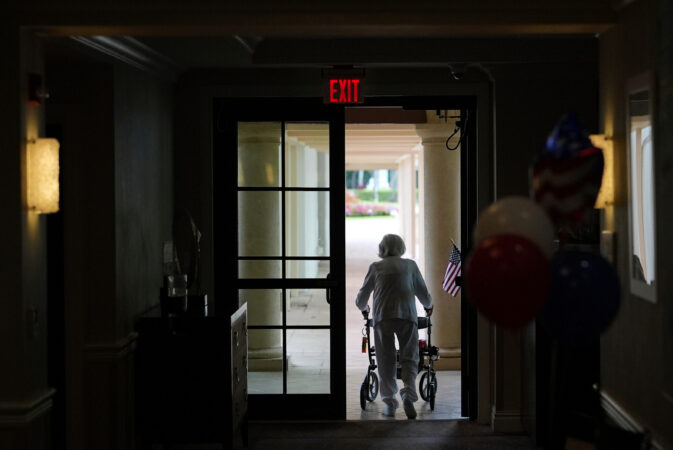
  • How to choose the best nursing home or assisted living facility

    How to choose the best nursing home or assisted living facility

    Sometimes it’s a fall that brings a broken hip and a loss of mobility. Or memory problems that bubble into danger. Or the death of the partner who was relied upon for care.

    The need to move to a nursing home, assisted living facility, or another type of care setting often comes suddenly, setting off an abrupt, daunting search. It’s likely something no one ever wanted, but knowing what to look for and what to ask can make a big difference.

    Here’s what to do when looking for a long-term care facility:

    Start with government ratings

    Regulation of assisted living facilities varies greatly from state to state, meaning there’s no centralized standards or source for information. If you’re looking for a nursing home, though, they are monitored by the federal government.

    The Centers for Medicare and Medicaid Services maintains records on nursing homes, including data on who owns the facility, how robust its staffing is, and what types of violations it might have been fined for. It assigns homes a star rating, from one to five.

    Sam Brooks, director of public policy for the National Consumer Voice for Quality Long-Term Care, says while the star rating “can be notoriously unreliable,” due to its reliance on self-reported data, it can still provide some clues about a home.

    “One or two stars, expect it to be bad,” Brooks says.

    Ratings can be a resource to rule out the worst options, but not necessarily to find the best. Still, Brooks suggests taking a closer look at four- and five-star facilities and to consider a home’s ownership, too. Nonprofit homes are often better staffed.

    You could scour inspection reports and online reviews for clues, too, but eventually you’ll need to make a list of potential candidates and start making visits.

    “The data,” Brooks says, “only goes so far.”

    Look past the lobby

    When visiting a home on your list, be careful not to be too swayed by decorative touches that might be designed to lure you in, like a lobby’s furniture, dangling chandeliers, or vases of flowers.

    “When I tour a building, I listen first. Is it loud? Are call bells ringing nonstop?” says Mark Sanchez, CEO of United Hebrew, a nursing home in New Rochelle, N.Y.

    After that, Sanchez says, switch your senses. Do you detect an odor? Do you see residents clustered around the nurses’ station, perhaps clamoring for help? Are staffers speaking respectfully to residents? Are they making eye contact? Are they rushed?

    “Culture shows up in small moments,” Sanchez says, “and it matters.”

    Seeking input from families of current residents can be insightful. Another resource may be your local long-term care ombudsman. Ombudsmen, funded by the federal Older Americans Act and present in every state, investigate long-term care residents’ complaints.

    With all the available information on each home, it can be easy to feel like you’re drowning in data. So pay attention to how a place feels, too, and pair that with concrete facts.

    When Jennifer Fink was making the “stressful, grief-inducing, hard, and scary” decision on what memory care community was right for her mother, she didn’t consult state databases or Google ratings. She went with her gut reaction and luckily, it was right.

    “Trust your gut. Keep top of mind that the salesperson wants your loved one’s money,” says Fink, of Auburn, Calif. “If it’s giving you the ‘ick,’ then move on.”

    Staffing matters most

    More than any other single thing, experts on long-term care stress that a facility’s staffing is most important. That means both the quality of the care you witness workers giving residents during your visit and the average staffing levels shown in the reported data.

    A home providing an average of three hours of nursing care to each resident each day may not look all that different on paper from one providing three-and-a-half hours. But those minutes matter dearly, meaning the difference between a person getting a shower, having help at mealtime, or being discovered if they’ve fallen.

    During a visit, pay attention to how quickly call bells are answered and whether it seems like residents are engaged in activities. Ask staff how long they’ve worked there. A home that holds on to its workers for years may offer your loved one more continuity.

    Evan Farr, an elder law attorney in Lorton, Va., who wrote The Nursing Home Survival Guide, says visiting a facility at night or on the weekend can be particularly revealing.

    “These are the times when staffing is reduced and the true operation of the facility becomes apparent,” Farr says. “It is entirely possible to have a five-star rated facility that is woefully understaffed from 5 p.m. Friday until 8 a.m. Monday morning.”

    Keep a long-range view

    When faced with an urgent decision, it can be difficult to focus on anything beyond the factors in front of you. But it’s important to choose a home with a long-range view.

    At the start, many long-term care residents are able to pay for the cost of their bill. But what happens if their money runs out? If it’s a nursing home that accepts Medicaid, how many beds are allocated to such residents? Would your loved one get that slot? If it’s an assisted living facility, do they even accept people on Medicaid?

    Assisted living facilities often have complicated billing structures that require a bevy of questions to understand. Ask how costs may change as a person’s needs increase. Some places tack on separate charges for tasks like helping a person to the bathroom.

    “Four-thousand dollars a month can become $8,000 overnight,” says Geoff Hoatson, founder of the elder law practice Family First Firm in Winter Park, Florida.

    Another fact of long-term care that few understand is how often facilities seek to remove residents seen as undesirable, often due to a change in their financial circumstances or in their health. Dementia patients in particular — with challenging care needs and symptoms that can sometimes bring aggression — are targeted with orders to leave.

    “Ask specifically what conditions would require transfer,” Hoatson says.

  • A nearly 250-year-old hospital’s closure was announced on this week in Philly history

    A nearly 250-year-old hospital’s closure was announced on this week in Philly history

    In the wake of the U.S. Bicentennial, in which Philadelphia was at the center of a yearlong celebration of the country’s 200th birthday, one of the city’s contributions to public health was put on the chopping block.

    On Feb. 15, 1977, city officials confirmed that Mayor Frank Rizzo was closing Philadelphia General Hospital.

    The poorhouse

    Philadelphia General Hospital traced its lineage back to 1729, predating even the revered Pennsylvania Hospital, which was founded in 1751 and is generally considered the nation’s first chartered hospital.

    Philadelphia General Hospital was originally established at 10th and Spruce Streets as an almshouse, also known as an English poorhouse.

    “The institution reflected the idea that communities assume some responsibility for those unable to do so themselves,” Jean Whelan, former president of the American Association for the History of Nursing, wrote in 2014.

    The almshouse was used as housing for the poor and elderly, as well as a workhouse. It also provided some psychiatric and medical care.

    It moved in the mid-1800s into what was then Blockley Township, at what is now 34th Street and Civic Center Boulevard, and began offering more traditional medical services. The Blockley Almshouse’s barrage of patients and their variety of maladies helped it naturally grow into a teaching tool for nursing and medical students.

    And by turn of the 20th century, it had become a full-blown medical center, made official by its new name: Philadelphia General Hospital.

    But it held onto its spirit.

    Its doors were open to anyone who needed care, no matter that person’s race, ethnicity, class, or income.

    Healthcare was a given. Workers saw it as a responsibility.

    Even if it wasn’t always the best care.

    Poor health

    The hospital relied on tax dollars, and as a result was often short on staffing and low on supplies. It was a source of political corruption, scandal, and discord among its melting pot of patients.

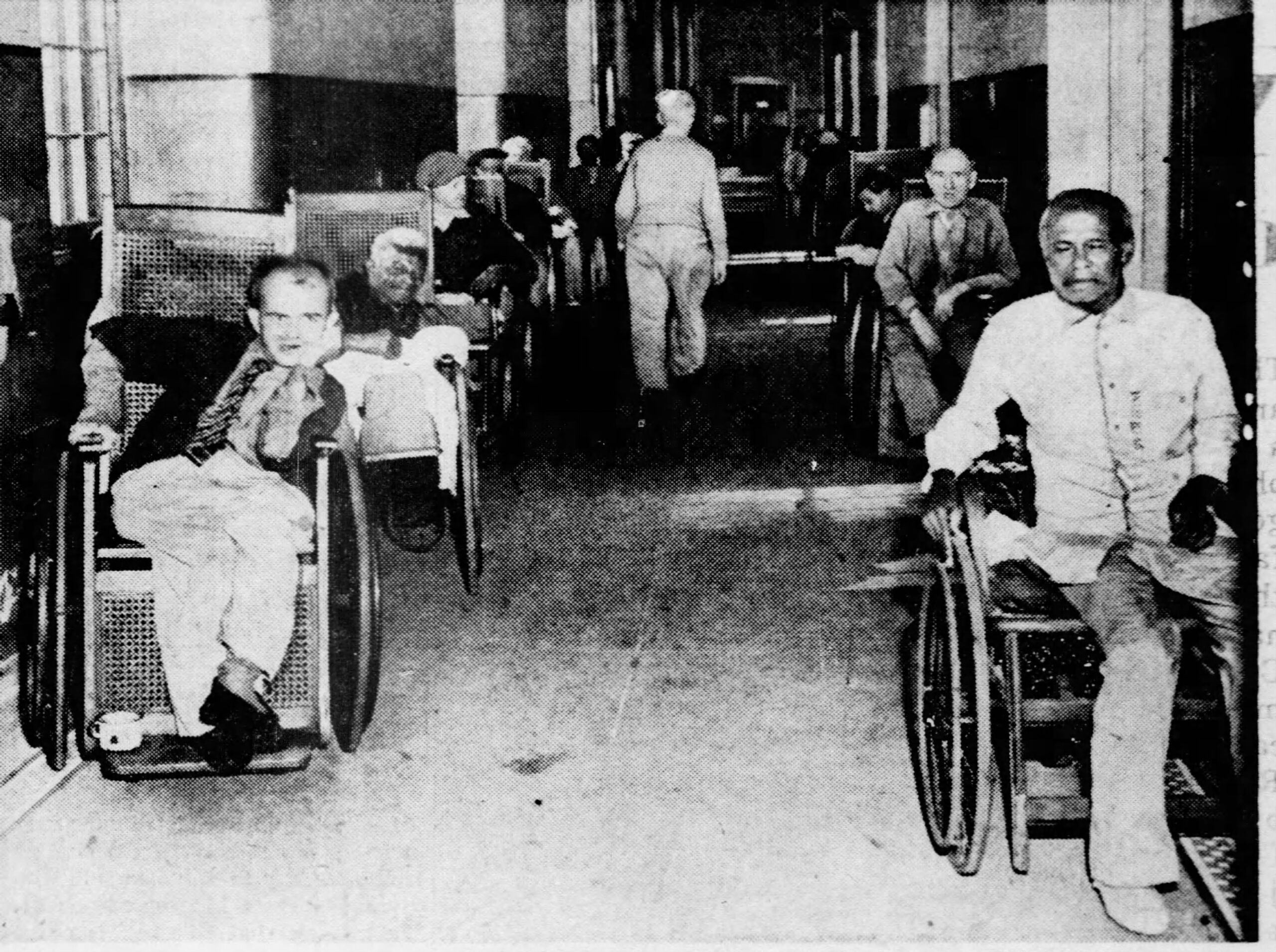
    Patients in the hallways of Philadelphia General Hospital in the 1940s.

    Eventually, it collapsed under the weight of its mission.

    Its facilities became outdated, its services could not keep up, and its role as educator was outsourced to colleges and universities.

    Philadelphia General Hospital’s closure left a gaping hole in available services in West Philadelphia. It was no longer there to help support the uninsured.

    Before it officially closed in June 1977, it was considered the oldest tax-supported municipal hospital in the United States.

    “There’s a common misunderstanding that PGH recently has become a poor people’s hospital,” said Lewis Polk, acting city health commissioner, in 1977. “It’s always been a poor people’s hospital. The wealthy never chose to go there.”

    Its old grounds are now occupied by several top-rated facilities, including Children’s Hospital of Philadelphia and the University of Pennsylvania medical campus.

    A historical marker there notes Philadelphia General Hospital’s nearly 250 years of service to the community.