Category: Health

  • House passes bill to extend health care subsidies in defiance of GOP leaders

    House passes bill to extend health care subsidies in defiance of GOP leaders

    WASHINGTON — In a remarkable rebuke of Republican leadership, the House passed legislation Thursday, 230-196, that would extend expired healthcare subsidies for those who get coverage through the Affordable Care Act as 17 renegade GOP lawmakers joined every Democrat in voting for the measure.

    Forcing the issue to a vote came about after a handful of Republicans signed on to a so-called “discharge petition” to unlock debate, bypassing objections from House Speaker Mike Johnson. The bill now goes to the Senate, where pressure is building for a bipartisan compromise.

    Together, the rare political coalitions are rushing to resolve the standoff over the enhanced tax credits that were put in place during the COVID-19 crisis but expired late last year after no agreement was reached during the government shutdown.

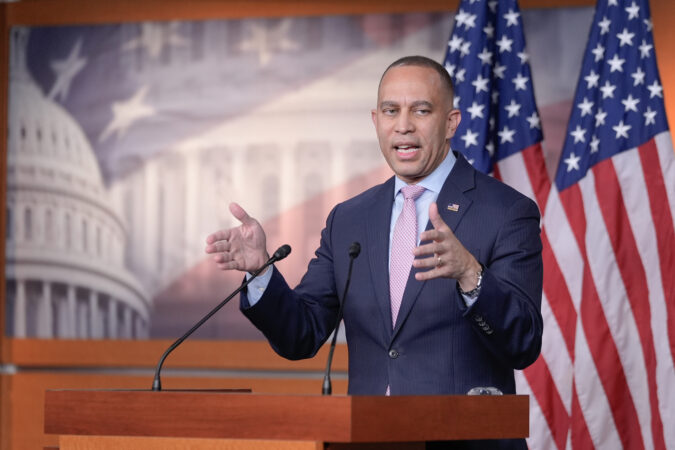
    “The affordability crisis is not a ‘hoax,’ it is very real — despite what Donald Trump has had to say,” said House Democratic Leader Hakeem Jeffries, invoking the president’s remarks.

    “Democrats made clear before the government was shut down that we were in this affordability fight until we win this affordability fight,” he said. “Today we have an opportunity to take a meaningful step forward.”

    Ahead of voting, the nonpartisan Congressional Budget Office estimated that the bill, which would provide a three-year extension of the subsidy, would increase the nation’s deficit by about $80.6 billion over the decade. At the same time, it would increase the number of people with health insurance by 100,000 this year, 3 million in 2027, 4 million in 2028 and 1.1 million in 2029, the CBO said.

    Growing support for extending ACA subsidies

    Johnson (R., La.) worked for months to prevent this situation. His office argued Thursday that the federal healthcare funding from the COVID-19 era is rife with fraud and urged a no vote.

    On the floor, Republicans also argued that the lawmakers should be focused on lowering health insurance costs for the broader population, not just those enrolled in ACA plans.

    “Only 7% of the population relies on Obamacare marketplace plans. This chamber should be about helping 100% of Americans,” said Rep. Jason Smith, the Republican chairman of the House Ways and Means Committee.

    While the momentum from the vote shows the growing support for the tax breaks that have helped some 22 million Americans have access to health insurance, the Senate would be under no requirement to take up the House bill and has already rejected it once before.

    Instead, a small group of senators from both parties has been working on an alternative plan that could find support in both chambers and become law. Senate Majority Leader John Thune, (R., S.D.) said that for any plan to find support in his chamber, it will need to have income limits to ensure that the financial aid is focused on those who most need the help. He and other Republicans also want to ensure that beneficiaries would have to at least pay a nominal amount for their coverage.

    Finally, Thune said there would need to be some expansion of health savings accounts, which allow people to save money and withdraw it tax-free as long as the money is spent on qualified medical expenses.

    Sen. Jeanne Shaheen (D., N.H.), who is part of the negotiations on reforms and subsidies for the Affordable Care Act, said there is agreement on addressing fraud in healthcare.

    “We recognize that we have millions of people in this country who are going to lose — are losing, have lost — their health insurance because they can’t afford the premiums,” Shaheen said. “And so we’re trying to see if we can’t get to some agreement that’s going to help, and the sooner we can do that, the better.”

    Trump has pushed Republicans to send money directly to Americans for health savings accounts so they can bypass the federal government and handle insurance on their own. Democrats largely reject this idea as insufficient for covering the high costs of healthcare.

    Republicans go around their leaders

    The action by Republicans to force a vote has been an affront to Johnson and his leadership team, who essentially lost control of what comes to the House floor as the Republican lawmakers joined Democrats for the workaround.

    After last year’s government shutdown failed to resolve the issue, Johnson had discussed allowing more politically vulnerable GOP lawmakers a chance to vote on another healthcare bill that would temporarily extend the subsidies while also adding changes.

    But after days of discussions, Johnson and the GOP leadership sided with the more conservative wing, which has assailed the subsidies as propping up ACA, which they consider a failed government program. He offered a modest proposal of healthcare reforms that was approved, but has stalled.

    It was then that rank-and-file lawmakers took matters into their own hands, as many of their constituents faced soaring health insurance premiums beginning this month.

    Republican Reps. Brian Fitzpatrick, Robert Bresnahan and Ryan Mackenzie, all from Pennsylvania, and Mike Lawler of New York, signed the Democrats’ petition, pushing it to the magic number of 218 needed to force a House vote. All four represent key swing districts whose races will help determine which party takes charge of the House next year.

    Jeffries said in a celebratory press conference after the vote that Thune should bring the Democratic bill to the Senate floor for an immediate vote.

    “Stop playing procedural games that are jeopardizing the health and safety and well-being of the American people,” Jeffries said.

    Trump encourages GOP to take on healthcare issue

    What started as a long shot effort by Democrats to offer a discharge petition has become a political vindication of the Democrats’ government shutdown strategy as they fought to preserve the healthcare funds.

    Democrats are making clear that the higher health insurance costs many Americans are facing will be a political centerpiece of their efforts to retake the majority in the House and Senate in the fall elections.

    Trump, during a lengthy speech this week to House GOP lawmakers, encouraged his party to take control of the healthcare debate — an issue that has stymied Republicans since he tried, and failed, to repeal Obamacare during his first term.

  • NASA, in a rare move, cuts space station mission short after an astronaut’s medical issue

    NASA, in a rare move, cuts space station mission short after an astronaut’s medical issue

    NEW YORK — In a rare move, NASA is cutting a mission aboard the International Space Station short after an astronaut had a medical issue.

    The space agency said Thursday the U.S.-Japanese-Russian crew of four will return to Earth in the coming days, earlier than planned.

    NASA canceled its first spacewalk of the year because of the health issue. The space agency did not identify the astronaut or the medical issue, citing patient privacy. The crew member is now stable.

    NASA officials stressed that it was not an onboard emergency, but are “erring on the side of caution for the crew member,” said Dr. James Polk, NASA’s chief health and medical officer.

    Polk said this was the NASA’s first medical evacuation from the space station although astronauts have been treated aboard for things like toothaches and ear pain.

    The crew of four returning home arrived at the orbiting lab via SpaceX in August for a stay of at least six months. The crew included NASA’s Zena Cardman and Mike Fincke along with Japan’s Kimiya Yui and Russia’s Oleg Platonov.

    Fincke and Cardman were supposed to carry out the spacewalk to make preparations for a future rollout of solar panels to provide additional power for the space station.

    It was Fincke’s fourth visit to the space station and Yui’s second, according to NASA. This was the first spaceflight for Cardman and Platonov.

    “I’m proud of the swift effort across the agency thus far to ensure the safety of our astronauts,” NASA administrator Jared Isaacman said.

    Three other astronauts are currently living and working aboard the space station including NASA’s Chris Williams and Russia’s Sergei Mikaev and Sergei Kud-Sverchkov, who launched in November aboard a Soyuz rocket for an eight-month stay. They’re due to return home in the summer.

    NASA has tapped SpaceX to eventually bring the space station out of orbit by late 2030 or early 2031. Plans called for a safe reentry over ocean.

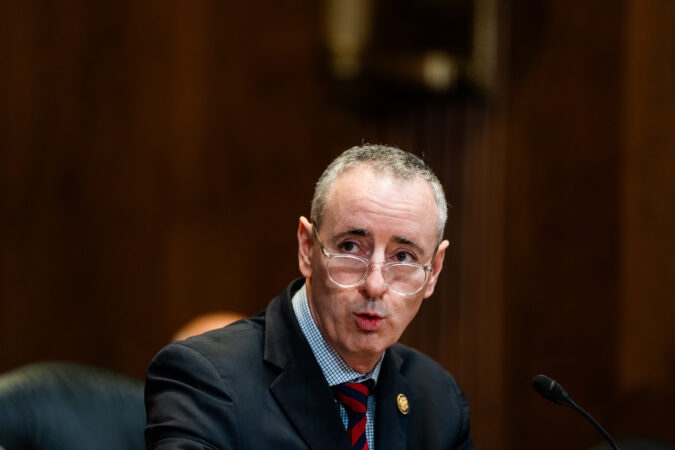
  • Brian Fitzpatrick criticizes House Speaker Johnson as Pa. swing-district Republicans join Democrats in ACA subsidies vote

    Brian Fitzpatrick criticizes House Speaker Johnson as Pa. swing-district Republicans join Democrats in ACA subsidies vote

    U.S. Rep. Brian Fitzpatrick accused some of his Republican colleagues of being “intellectually dishonest” about the Affordable Care Act, hours before he and other Republicans broke party lines to pass a bill to restore recently expired healthcare subsidies.

    The Democratic-led bill passed the House by a vote of 230 to 196 after Fitzpatrick and eight other Republicans backed a discharge petition the previous day, in the latest rebuke of Republican House Speaker Mike Johnson.

    The bill now heads to the Senate, where its fate is uncertain.

    Fitzpatrick, a moderate Republican who represents purple Bucks County, was one of 17 Republicans to cross the aisle Thursday to back the legislation that will restore healthcare subsidies after insurance premiums spiked this month, following their expiration at the end of last year. The bill would extend the subsidies, enacted in 2021, for another three years.

    He said some of the pushback “unfortunately, is ideological” as he explained frustration with other members of his party, including Johnson.

    “I’ve made the point to them many times over,” he said. “You are entitled to criticize something, provided that you have a better alternative. … I’ve been hearing a lot of talk out of my colleagues for a long period of time without any concrete plans.”

    He noted that the expiration of the subsidies could lead to a rate increase for everyone if fewer people have coverage as a result, not just the approximately 8-10% who qualify for the subsidy, for whom the credit is “everything,” he said.

    The issue could be an important one in congressional races later this year if lawmakers don’t resolve the matter, which was also one of the main sticking points during last year’s government shutdown.

    Fitzpatrick is one of three swing-district Republicans in Pennsylvania who backed the effort, along with freshman GOP Reps. Ryan Mackenzie and Rob Bresnahan. All three are being targeted by Democrats in the fall election.

    A fourth swing-district Republican in the state, U.S. Rep. Scott Perry, was among the legislation’s detractors.

    Perry shared a video Wednesday to social media of President Donald Trump accusing Democrats of being “owned” by insurance companies.

    “These companies are thriving, not hurting,” Perry said in a post accompanying the video. “Subsidies are direct cash transfers from the Treasury (YOU) to their bank accounts. But they’re worried that their money tree is going to be chopped down, so now they’re threatening to pass off higher costs to consumers to keep their profits high.”

    Janelle Stelson, a Democrat who is seeking a rematch against Perry after narrowly losing to him in 2024, criticized the GOP incumbent’s opposition to the bill.

    “Forcing Pennsylvanians to pay an average of 102% more on insurance premiums is unacceptable,” Stelson said, noting the average increase to plan costs on Pennie, the state’s insurance marketplace. “Some Republicans in Pennsylvania are working across party lines to try to help their constituents, but Congressman Perry is again refusing to do anything.”

    About 90% of people who bought insurance through Pennie for 2025 qualified for some amount of tax credit, but with the expiration of the enhanced tax credits this year the cost of health insurance through Pennie and other ACA marketplaces has skyrocketed.

    About 1,000 people a day are dropping their Pennie health plans, deciding the coverage is too expensive, according to Pennie administrators. A total of about 70,000 people who bought Pennie plans in 2025 have dropped their coverage as of the end of December, said Devon Trolley, Pennie’s executive director.

    Philadelphia area residents are expected to pay, on average, more than twice as much in 2026. Philadelphia’s collar counties are seeing more moderate cost increases, ranging from an average 46% price hike in Chester County to a 70% average increase in Delaware County.

    Fitzpatrick had released his own legislation last month, but he chose to support the Democratic bill after his proposal failed to get traction. He said he expects some of his ideas, including income caps and anti-fraud provisions, to be amended into the legislation in the Senate.

    Fitzpatrick said he met with several Senate Republicans on Thursday who said that the successful discharge petition “really breathed new life into their negotiations” after the upper chamber failed on its own compromise attempts.

    “They just said, short-term, try to rack the number up as high as you can get, because the more crossover votes we can get, the stronger message it’ll send to the Senate majority leader that they need to move something quickly,” he said.

    Fitzpatrick warned that more discharge petitions could be coming in the House if Johnson doesn’t change his leadership approach.

    The healthcare vote comes just weeks after the House voted to discharge and then pass a bill to release files related to Jeffrey Epstein, after Johnson had slow-walked the legislation.

    “It’ll keep happening if bills that have the support of 218 members of the House are not given floor time,” Fitzpatrick said.

  • China played big role in reducing opioid deaths, research suggests

    China played big role in reducing opioid deaths, research suggests

    Chinese crackdowns on chemicals used to make illicit fentanyl may have played a significant role in the sharp reduction of U.S. overdose deaths, according to research published Thursday.

    The paper suggests that the illicit fentanyl trade — which drove a historic surge in drug deaths during the past decade — experienced a large-scale decline in supply. Overdose deaths had surpassed 100,000 annually during the Biden administration, but began to decline in mid-2023 and plunged further in its final year. They have kept falling under President Donald Trump, who invokes drug trafficking as he imposes steep tariffs on other countries and unleashes missile strikes on suspected drug boats in the Caribbean.

    The research, published Thursday in the journal Science, adds to debates among government officials, public health researchers, and addiction experts over the complex reasons for the precipitous drop in deaths.

    They have also pointed to billions spent on addiction treatment, the overdose reversal drug naloxone and law-enforcement actions that disrupted traffickers domestically and abroad. Researchers in the Science paper stressed that those factors have been crucial in saving lives but emphasized the importance of efforts to prevent fentanyl from even being manufactured.

    In suggesting a major disruption in the fentanyl trade “possibly tied to Chinese government actions,” researchers also analyzed death trends in Canada, the purity of seized fentanyl and online posts about shortages of the drugs.

    “This demonstrates how influential China can be and how much they can help us — or hurt us,” said Keith Humphreys, a co-author of the paper and former White House drug policy adviser under President Barack Obama.

    U.S. government and law enforcement agencies have long scrutinized the role China’s chemical and pharmaceutical industries played in the international fentanyl trade.

    China agreed to internal restrictions on fentanyl-related substances during the first Trump administration. But that led to Mexican criminal groups synthesizing illicit fentanyl in secret labs in Mexico with precursor chemicals bought from companies in China. Since 2023, the Chinese government has shut down some of those companies as part of a broader crackdown.

    The Drug Enforcement Administration, in its latest annual drug intelligence report, noted that some China-based chemical suppliers are wary of supplying them to international customers, “demonstrating an awareness on their part that the government of China is controlling more fentanyl precursors.”

    According to state data compiled by the Centers for Disease Control and Prevention, estimated drug deaths plummeted in 2024 to about 81,711, of which 49,241 involved synthetic opioids such as fentanyl. Estimates for 2025 won’t be published for several months, but researchers believe the decline is continuing.

    The Science researchers caution that the precise scope of China’s crackdown is difficult to assess, given the opacity of enforcement in the country. China’s cooperation with U.S. drug authorities on fentanyl has long been fragile, often collapsing when broader tensions flare.

    That changed ahead of a November 2023 summit between President Joe Biden and Chinese leader Xi Jinping, when the two governments agreed to launch a multiagency crackdown on Chinese chemical suppliers tied to the fentanyl trade. Chinese authorities subsequently arrested about 300 people and moved to restrict roughly 55 additional synthetic substances — steps Beijing had previously resisted.

    The summit, however, happened months after overdose deaths had already begun to fall — a timing mismatch the researchers acknowledge. Humphreys theorizes China may have begun crackdowns months earlier before the agreements were announced.

    Other researchers are skeptical. Vanda Felbab-Brown, a senior fellow at the Brookings Institution specializing in security and counternarcotics, noted that when overdoses began to fall, tensions between Washington and Beijing remained high over issues of trade, technology and security. Beijing would want to trumpet its enforcement, she said.

    In a statement, the Chinese embassy said the country’s broad efforts to combat the spread of deadly synthetic drugs has achieved “remarkable results.”

    The embassy said that between October 2023 and August 2025, the Chinese government has shut down 286 companies and forced more than 500 to delete information on chemical sales. About 160,000 ads have been removed in that time, the statement said.

    “China has been helping the U.S. tackle the fentanyl issue and is willing to continue the cooperation on the basis of equality and mutual respect,” the embassy said.

    The Science paper does not account for how overdose death rates fell in parts of the U.S. first, or how fatalities in more populous states can skew national statistics, said Nabarun Dasgupta, an epidemiologist at the University of North Carolina at Chapel Hill. He said fentanyl habits have been changing as fewer people start using it, and many users are cutting back or no longer using alone.

    “It’s not a straight line between drug supply and overdose deaths because of protective behaviors that have been adopted in between,” Dasgupta said.

    In trying to determine reasons for the sharp decrease in deaths, researchers pointed out that purity of fentanyl seizures tested by the DEA dropped around the same time U.S. deaths were falling. Seizures fell too, an indication of reduced supply, they said.

    Researchers also analyzed posts on Reddit, the online forum where users often post about the illicit drug market. They noted a spike in mentions of fentanyl shortages in the middle of 2023, “roughly coinciding with the beginning of the decline in fatal overdoses,” researchers wrote.

    Researchers also analyzed fentanyl trends in Canada, where criminal groups also secure precursor chemicals from China.

    Canada has typically embraced a more public-health-centered approach to combating the opioid epidemic than the U.S. — for example, authorizing numerous centers where users can consume drugs under supervision. Still, deaths began falling around the same time, researchers said. Chinese crackdowns may explain the “parallel mortality declines,” the authors of the Science paper said.

    “What’s really striking is that parallel across the two countries, even though the two countries have very different domestic policies,” Jonathan Caulkins, a Carnegie Mellon University professor who researches the criminal drug trade and was a study co-author.

    Inside China, sellers of chemicals have offered mixed message on the impacts of the 2023 measures. They said there is heightened oversight of scheduled substances and online advertising but enforcement varies widely by locality.

    Some companies left the business after 2023, said one Hubei-based employee at a chemical manufacturer, whose products can be used to make fentanyl and who spoke on the condition of anonymity to talk candidly about the industry.

    Asked whether the company is still able to sell controlled chemicals to customers, including those in Mexico, the employee said those sales persist.

    “We don’t sell much anymore because the company focus has changed,” the person said, but “it’s not much trouble to do that.”

  • These clever dogs rival toddlers when it comes to learning words

    These clever dogs rival toddlers when it comes to learning words

    In many households, it’s a forbidden four-letter word. It can’t be uttered aloud, only spelled, so those within earshot don’t get too worked up.

    “Can you take the dog for a W-A-L-K?”

    Many dog owners know their pets excel at learning words such as “walk,” “sit,” “stay,” and even their own names. But researchers have discovered the word-acquisition ability of certain canines can rival that of toddlers.

    A study published in the journal Science on Thursday found that some dogs can learn words simply by overhearing conversations, even when the pets are not directly addressed, an ability humans begin to acquire at about 18 months old.

    “This can really give us more appreciation to how exceptional dogs can be,” said lead author Shany Dror, a comparative cognition researcher at the University of Veterinary Medicine in Vienna and Eötvös Loránd University in Budapest.

    For their experiments, Dror and her team recruited 10 dogs and their owners from around the world. The breeds included a miniature Australian shepherd, a German shepherd, a Labrador retriever, and several border collies — all herding or sporting breeds known for their trainability.

    Dogs tend to be better at learning words for actions — think “fetch” or “roll over” — than at retaining the names of objects. So Dror sought out what she called “gifted” dogs that had previously demonstrated an ability to learn the names of their toys.

    Basket, a 7-year-old border collie in New York, was among them.

    “I noticed she started to actually know the names of her toys without me giving her assistance when she was about 8 months old,” said one of her owners, Elle Baumgartel-Austin.

    The researchers instructed the dog owners to discuss two toys that their dogs had never seen before. The dogs were present for those conversations. But the owners never directly addressed their pets.

    “It was very funny watching the video after the fact, just to see what she was doing,” Baumgartel-Austin said. Basket had followed the toy with her eyes as they talked. “She got a little frustrated. It was not very fun to see two humans play with a toy that she wanted.”

    To assess what the dogs learned by eavesdropping, a day or more later the owners were guided to place the toys in a different room among other plushies and then ask their dog to retrieve one of the two new toys by name. Seven of the 10 dogs, including Basket, regularly fetched the correct toy. Although the sample size was small, the results were statistically significant.

    The discovery not only reveals a previously unknown cognitive ability of canines, but it could also offer clues to how human language may have evolved.

    Overhearing the conversations of parents and other adults is part of how toddlers learn to talk. That some dogs are able to do so as well suggests that an ability to read social cues needed to follow a conversation predates language itself.

    “This is something that came before language,” Dror said. “Because dogs don’t have language, and yet they do have these abilities.”

    Gabriella Lakatos, a researcher at Britain’s University of Hertfordshire who also has studied human-dog interactions, said the findings “extend the list of behaviors and abilities previously described in dogs as analogous to those of young children.”

    Among other animals, the ability to eavesdrop has also been documented in bonobos. Canine researchers have known since the early 2000s that some dogs can recognize more than 200 items by name and can even infer the names of new toys by excluding ones they already know.

    But Juliane Kaminski, a comparative psychology associate professor at Britain’s University of Portsmouth who conducted that early research, cautioned against overinterpreting the results to say dogs can deeply learn language the same way people do. “The interpretation in terms of ‘word learning’ in the linguistic sense seems a little too strong for me,” she said. “What the study shows is that dogs can learn labels without being explicitly directed toward” an object.

    She added it is still unclear why only a handful of dogs are able to learn the names of their toys. Her own work with label-learning dogs suggests they are more curious and focused than their less-gifted canine counterparts.

    “However, what we do not know is what comes first,” Kaminski said. Are some dogs born better learners? Or do they simply get used to fetching objects when asked?

    “It’s a chicken-and-egg problem, and we need further research to explore this,” she said.

    Dror tried for years in vain to train other less gifted but still very good dogs — including her own German shepherd, Mitos — to associate names with toys. “Nothing worked. It was very frustrating.”

    Still, Mitos nuzzled his way into the new paper. He died last year at 15, just as Dror was submitting the research for publication, and she dedicated the paper to him. “It’s definitely hard to lose someone that’s been such a huge part of your life for so long,” she said.

    Now, Dror has a new puppy — a schipperke named Flea. She is introducing her to toys and hoping she can learn.

  • Alveus Therapeutics, a Philadelphia start-up treating obesity, debuted with $160M in funding

    Alveus Therapeutics, a Philadelphia start-up treating obesity, debuted with $160M in funding

    Alveus Therapeutics, a Philadelphia start-up specializing in obesity therapies with top staff from Novo Nordisk and Eli Lilly, made its public debut Thursday with $159.8 million in venture capital funding.

    The announcement comes on the heels of a banner year for investment and acquisition activity in the weight loss arena, as venture capitalists and big pharmaceutical firms try to catch up to the enormous successes Eli Lilly and Novo Nordisk have had in recent years with their GLP-1 treatments.

    New Rhein Healthcare Investors, based in Philadelphia and Belgium, founded Alveus in early 2024 to develop obesity treatments that are more tolerable and have greater durability. Andera Partners, based in Paris, and Omega Funds in Boston joined New Rhein in leading the Series A investment round.

    “Obesity is one of the fastest-growing global healthcare challenges, and today’s therapies leave patients struggling to maintain weight loss over time,” Raj Kannan, CEO of Alveus, said. Kannan is based in Boston, according to LinkedIn.

    Alveus is headquartered in Philadelphia, the company said. Most research and development is in Copenhagen, Denmark. The company has fewer than 50 employee, split about evenly between Philadelphia and Copenhagen.

    The company’s chief scientific officer and head of R&D, Jacob Jeppesen, is a former vice president at Novo Nordisk in the areas of type 2 diabetes and cardiovascular disease.

    Brian Bloomquist, a former Eli Lilly vice president with responsibility in the diabetes and obesity treatment area, is Alveus’ chief business and strategy officer. The company’s chief technical officer is Xiao-Ping Dai, who spent some time working at the former WuXi Advanced Therapies in Philadelphia.

    Alveus’ lead drug candidate was licensed from a Chinese company called Gmax Pharma, an Alveus spokesperson said. Alveus also has treatments in development that it developed internally.

  • Health officials urge vaccination as flu cases surge in Pennsylvania

    Health officials urge vaccination as flu cases surge in Pennsylvania

    More Philadelphians are visiting emergency departments with the flu than a year ago, as cases are surging across Pennsylvania.

    Flu cases in late December hit higher counts locally and statewide than at this time last year, according to city and state data. It’s too early to say whether flu has peaked for the season, or whether cases will continue to rise, health officials say.

    window.addEventListener(“message”,function(a){if(void 0!==a.data[“datawrapper-height”]){var e=document.querySelectorAll(“iframe”);for(var t in a.data[“datawrapper-height”])for(var r,i=0;r=e[i];i++)if(r.contentWindow===a.source){var d=a.data[“datawrapper-height”][t]+”px”;r.style.height=d}}});

    Philadelphia-area physicians say they’re dealing with an increased flu caseload, including patients suffering from severe complications.

    COVID-19 and respiratory syncytial virus (RSV) cases are also rising, but flu is the biggest concern right now, said Brett Gilbert, Main Line Health’s infectious disease chief.

    “We’ve been fighting COVID for the last five years, while flu took a back seat,” he said. “But flu is in the driver’s seat this year.”

    One reason for the high number of flu cases this early in the flu season, which runs from winter to early spring and typically peaks in December to February, is a new flu variant that emerged this summer.

    World health experts meet twice a year to determine which flu variants are circulating and recommend seasonal flu shots to target them.

    The variant causing the most cases right now, subclade K, was detected after flu shots for the Northern Hemisphere had already been selected this year, Gilbert said. “There is some degree of vaccine-disease mismatch,” he said.

    window.addEventListener(“message”,function(a){if(void 0!==a.data[“datawrapper-height”]){var e=document.querySelectorAll(“iframe”);for(var t in a.data[“datawrapper-height”])for(var r,i=0;r=e[i];i++)if(r.contentWindow===a.source){var d=a.data[“datawrapper-height”][t]+”px”;r.style.height=d}}});

    But that doesn’t mean that the current flu vaccine is not effective, especially in preventing hospitalizations and deaths.

    “It may not be so great at preventing the illness itself, but [with a vaccine], it may be a mild illness, easily treatable with antivirals or supportive care,” Gilbert said.

    Flu in children

    Just over half of Pennsylvania children were vaccinated for the flu this season, according to federal surveys, slightly up from last year’s rates.

    Childhood flu vaccination rates in Philadelphia were even higher than the statewide rate, with about 56% of children vaccinated this season.

    Some of the most serious cases of flu that pediatrician Daniel Taylor sees are among unvaccinated children.

    At St. Christopher’s Hospital for Children, where Taylor sees patients, the outpatient sick clinic is filled with children with severe cases of flu and RSV.

    Some are suffering from dehydration and require care in the ER at the North Philadelphia hospital.

    Taylor stresses the risk of serious complications from the flu in conversations with parents about vaccination. (Taylor also regularly writes about his experiences as a physician for The Inquirer.)

    The flu can trigger severe health crises that can cause brain damage or temporary paralysis from inflammation of the spinal cord. Taylor has seen two children this flu season with benign acute childhood myositis, a rare complication of an upper respiratory infection that causes swelling and muscle damage in the legs, and in even rarer cases can lead to kidney failure.

    “They’re not able to walk, and in so much pain from the swelling of the legs,” he said.

    Nine children have died nationwide from the flu this season. The season before, flu deaths among children were the highest since 2004, when the Centers for Disease Control and Prevention began tracking them, the American Academy of Pediatrics noted. Among Americans of all ages, the CDC has estimated 5,000 total flu deaths so far this season.

    Taylor said that President Donald Trump’s chaotic upheaval of longstanding vaccine policy — with the CDC changing recommendations around flu vaccines and slashing six vaccines from the routine childhood immunization list — makes it harder for physicians to help patients.

    He said he had recently met with a mother who told him she’d previously vaccinated her children, but now was avoiding vaccines because she was “scared of giving her kid vaccines with everything going on in the government.”

    “They hear something different from the government and the CDC, and they question the relationship” with their doctor, Taylor said.

    He said parents can find trustworthy information about vaccination at websites run by the American Academy of Pediatrics and the Children’s Hospital of Philadelphia.

    ‘It’s never too late to get a flu vaccine’

    Anyone who hasn’t been vaccinated for the flu still has time to get immunized. Flu season runs through May, and cases can occur year-round.

    About 40% of Pennsylvanian adults and about 42% of New Jersey adults have been vaccinated for the flu so far this season, lower than in previous years and slightly below the national rate for the first time.

    About 47% of Philadelphians have been vaccinated so far this season, above the national rate.

    Patients who are feeling sick can get tested for the flu at a hospital or a doctor’s office, and home tests are also available. Antiviral treatments can help ease symptoms. Wearing a mask can also protect others from contracting the flu.

    window.addEventListener(“message”,function(a){if(void 0!==a.data[“datawrapper-height”]){var e=document.querySelectorAll(“iframe”);for(var t in a.data[“datawrapper-height”])for(var r,i=0;r=e[i];i++)if(r.contentWindow===a.source){var d=a.data[“datawrapper-height”][t]+”px”;r.style.height=d}}});

    In Philadelphia, residents can get free flu and COVID vaccines at five health centers, and the health department regularly conducts vaccine outreach in the city, said Gayle Mendoza, a spokesperson for the Philadelphia Department of Public Health.

    “People might say ‘We’re past the holidays, what’s the point in getting vaccinated?’” she said. “Sure, winter break is behind us, but the influenza virus is still forging ahead.”

  • U.S. reverses course on limiting alcohol to one or two drinks a day

    U.S. reverses course on limiting alcohol to one or two drinks a day

    Thousands of people pause their cocktail consumption and embrace Dry January every year. The percentage of Americans who say they drink alcohol has hit new lows. And more and more, researchers warn we should stay away from drinking all together.

    But the ongoing debate over the health harms of alcohol took a turn Wednesday after the United States dropped its long-standing guidance to consume no more than one or two drinks per day. It marks a pull back in messaging for the federal government — under President Joe Biden, the U.S. surgeon general recommended adding cancer warnings to alcohol products, and reassessing limits on alcohol consumption.

    During a news conference rolling out new U.S. dietary guidelines on Wednesday, Mehmet Oz, the administrator of the Centers for Medicare & Medicaid Services, said people should drink judiciously. Then he added it is a “social lubricant that brings people together” and “there’s probably nothing healthier than having a good time with friends in a safe way.”

    Critics scoffed at the characterization, saying Oz was echoing talking points from the alcohol industry. Mike Marshall, CEO of the U.S. Alcohol Policy Alliance, called the statement irresponsible and said the pared-down guidelines fly in the face of Health Secretary Robert F. Kennedy Jr.’s Make American Healthy Again movement.

    “Alcohol is a toxic, addictive carcinogen,” Marshall said. “The fact the guidelines are going backward is disappointing and alarming.”

    The new guidelines call for people to “consume less alcohol for better overall health” while cautioning pregnant women, those recovering from alcohol use disorder and patients taking certain medications to avoid alcohol all together.

    Previous U.S. Department of Agriculture guidelines were significantly more detailed, defining moderate consumption as no more than two drinks a day for men, and one drink for women — while explaining the risks associated with heavy drinking, such as heart disease, liver disease, and some types of cancer. They also defined binge drinking as five drinks within two hours for men, and four for women.

    Public health advocates said the government’s new messaging was vague and glossed over the harms of alcohol.

    The new guidelines do not allow “Americans to really have any sort of sense of where the risks begin,” said Marissa Esser, a public health consultant who headed the Centers for Disease Control and Prevention Alcohol Program until it was disbanded by the Trump administration in April. “Americans deserve to be informed about this information in order for them to be able to make their own decisions about their drinking and their health.”

    The language on alcohol was included as part of broader overhaul of dietary guidelines under Kennedy, which included calls for Americans to limit intake of processed foods while endorsing products such as whole milk, butter, and red meat.

    The release of the new guidelines comes as Americans have become increasingly wary of the well-studied harms of drinking, which apart from diseases can include violence, domestic strife, and car crashes. Last year, a Gallup poll found that 53% of Americans say drinking in moderation is bad for health, the first time the polling company found a majority who feel that way.

    Americans’ alcohol consumption surged during the worst of the coronavirus pandemic, causing even more deaths. The number of adult drinkers also grew: Gallup found in 2022 that 67% of Americans reported drinking, the highest number in decades. Rates have since decreased, as researchers have noted a steep decline in drinking among young people.

    The industry and some Republican lawmakers had pushed back against federally funded studies, including the one published in January 2025 that concluded even moderate drinking could carry health risks.

    Tim Naimi, one of the co-authors of that report, noted that males who consume two drinks per week have a 1 in 25 chance of dying prematurely from alcohol. Naimi said he had hoped that guidelines would be tighter, calling for no more than a few drinks per week, or no more than one per day for men and women.

    But Naimi said he appreciated that the guidelines still espouse limiting alcohol for better health. “I think that’s what the public now understands — when it comes to alcohol, the less is better,” said Naimi, director of the University of Victoria’s Canadian Institute for Substance Use Research.

    Countries such as Canada and the United Kingdom have pushed citizens to drink less, reflecting the broader scientific consensus about the harms of alcohol, said David H. Jernigan, a Boston University professor of health law and a critic of alcohol industry marketing.

    “The human body is the same no matter what country you’re in,” Jernigan said, adding: “With these vague guidelines, the alcohol industry got a really nice New Year’s present.”

    The alcohol industry has struggled amid tariffs and Americans prioritizing wellness, drinking less, or embracing nonalcoholic options. Nearly 30% of U.S. consumers said they planned to spend less money on alcoholic drinks during the next three months amid tighter budgets and economic unease, McKinsey & Company reported in December.

    A coalition of alcohol industry groups on Wednesday issued a cautious statement, emphasizing that guidelines have long stressed moderation and that the new version is “underpinned by the preponderance of scientific evidence.” The Beer Institute, a trade group, added that the nation’s beer industry has “championed responsible consumption for decades” and encourages moderation in drinking.

    The alcohol industry worried that under Kennedy and Trump — who famously doesn’t drink — guidelines could have been stricter, said Dave Williams, president of Bump Williams Consulting, an analytics research firm that specializes in the alcoholic beverage industry.

    “The latest guidelines came as more of a relief, but aren’t necessarily a fix” for the industry’s troubles, he said.

  • Why are malnutrition deaths soaring in America?

    Why are malnutrition deaths soaring in America?

    Something strange is happening with malnutrition.

    It’s by far the fastest-growing cause of death in America, soaring sixfold over the past decade or so, according to our analysis of death certificate data from the Centers for Disease Control and Prevention.

    To be sure, we wouldn’t yet call it commonplace. But while it accounts for fewer than 1 in 100 deaths, its toll is rising so fast that it’s now in the same league as arterial disease, mental disorders, and deaths from assault.

    But when you dig into the data, it doesn’t look like our mental image of malnutrition, one which revolves around food banks and famine. For starters, it doesn’t quite map to economic hardship.

    It tends to kill somewhat more people in lower-income states, and among folks with less education in general. But the relationship isn’t as strong as you’d think, and it bears surprisingly little relation to state measures of food insecurity or food stamp use.

    More important, we’re worried here about the meteoric rise in deaths, not the level. And the rise is much harder to explain with demographics. We see it across the board. Every state, every education level, every race, every gender.

    When we split the numbers every which way, only one metric showed clear differences: age. Americans 85 or older die of malnutrition at around 60 times the rate of the rest of the population, and such deaths are rising about twice as fast among that group.

    What’s going on? Are older Americans struggling to eat?

    Yes (but). Uche Akobundu, a dietitian who directs nutrition strategy at Meals on Wheels America, told us the program’s local providers “consistently report serving seniors who struggle to afford or access nutritious food while living on fixed incomes and facing rising costs for housing, utilities, and healthcare.”

    Indeed, the share of Americans 65 or older who report some level of food insecurity hit a high in 2023. The rate among the 85-plus crowd was lower, but still near record levels.

    And those records may not be broken, at least after 2024. The source we used, a supplement to the Census Bureau’s Current Population Survey, has been canceled by the Agriculture Department. The forthcoming release could be the last.

    But before we declared this a closed case, we stepped back and put the numbers in context. Food insecurity among older Americans has risen 5% from 2011 to 2023. That’s not a good number, or one you can just wave off. But at the same time, it can’t explain a 746% increase in malnutrition deaths over that period. (And, yes, we adjusted for the aging population.)

    So, we called the American Society for Parenteral and Enteral Nutrition — also known as ASPEN or, more descriptively, the nation’s intravenous-nutrition and feeding-tube experts. If there’d been a sudden surge of malnutrition among older Americans, ASPEN would have noticed.

    Peggi Guenter led clinical practice, quality, and advocacy at ASPEN for two decades. Her best guess is simple: Malnutrition “has always been there. … We’re just identifying and documenting it better than we ever have in the past.”

    What happened in the past? Well, it has never been unusual for someone with a serious condition to lose weight. Watching a loved one waste away isn’t a modern phenomenon. But physicians used to see malnutrition as part of the patient’s overall decline.

    But around 2010, researchers started accumulating evidence that showed what they had long assumed: The lack of nutrients was, itself, a risk factor. A pile of papers now tell that malnourished people have more emergency room visits, spend longer in the hospital, and need more healthcare.

    Doctors weren’t trained to diagnose it separately, especially since research has shown it wasn’t as easy as lab-testing for a single indicator, according to Alison Steiber, chief research, impact, and strategy officer at the Academy of Nutrition and Dietetics.

    That started to change in 2012. That’s when, prompted partly by new research finding malnutrition could be driven by inflammation as well as lack of calories, ASPEN and the nutrition academy released the Consensus Statement on “Characteristics Recommended for the Identification and Documentation of Adult Malnutrition (Undernutrition).”

    Not long after, in 2014, we saw the first big jump in death certificates labeled with malnutrition as the underlying cause of death. Nobody’s willing to say the declaration caused the rise in diagnoses. “Cause” is a sacred, hard-earned word in medicine. But it’s also true that the nutrition academy, ASPEN, and friends went all out to ensure that the statement caused physicians to be aware that they needed to diagnose malnutrition more often.

    The Academy of Nutrition and Dietetics, ASPEN, and their allies taught clinicians from all over the country to diagnose malnutrition by looking not just for weight loss, but also for factors such as muscle loss, loss of under-the-skin fat pads, fluid retention, and simply not eating enough. They held awareness weeks, tons of trainings and — perhaps most notably — launched an ambitious Malnutrition Quality Improvement Initiative, which worked with hundreds of hospitals starting in 2013.

    All those efforts paid off.

    “I started practicing in 2010, and I was not trained to identify malnutrition in my education program, like in my internship,” said Michelle Schneider, ASPEN’s manager of clinical practice. And the 2012 paper and awareness push “is when I myself started … really evaluating the set of clinical characteristics that can identify and diagnose malnutrition.”

    When she and her colleagues started looking for malnutrition, their hospital’s related case numbers went up. It happened all over the country. As a rule of thumb, multiple experts told us that at least 1 in 5 hospital patients probably suffer from some kind of malnutrition. In 2010, about 3% were diagnosed with it. By 2018, it hit 9%, Guenter and her colleagues found.

    “As with other conditions, such as celiac disease, increased prevalence rates do not necessarily reflect more cases, but rather improved detection, diagnosis, and intervention,” Steiber told us.

    But what about older patients specifically? We called on the American Academy of Hospice and Palliative Medicine and got ludicrously lucky: They put us in touch with their chief medical officer, Kristina Newport.

    Newport runs palliative medicine at Penn State Health, speaks in fully formed paragraphs, and probably could have dictated a better version of this column over breakfast before she’d had her first coffee. She confirmed everything we’d heard — then added another variable.

    “The other thing that happened around this timeline is that CMS, the Center for Medicare and Medicaid Services, changed the impact of the diagnosis of some of these diagnoses that fall under malnutrition,” she said.

    “When hospitals are measured on their mortality, the calculation includes a comparison of how many people actually die compared to how many people are expected to die. And that expected number is determined by the complexity of documented illnesses as reflected in diagnosis codes. So when there was more weight given to malnutrition as a diagnosis code — when it was better defined, based on the understanding that nutrition often correlates with severity of illness — all of a sudden, it changed the calculation.”

    So, hospitals and other providers were given a strong incentive to look out for malnutrition, because now official statistics (correctly) recognized it increases the odds that someone will have an awful outcome, which means you’re not penalized as much if said outcome occurs.

    “Long-term care facilities have also started paying very close attention to weight loss and are held accountable for folks having abnormal weight loss,” she added. In fact, nursing homes must have a dietitian or nutrition specialist on staff.

    And hospice, which can be part of many medical or at-home settings, has its own incentives.

    “You’re only eligible for hospice enrollment if you’re expected to die within six months and if you’re not pursuing life-prolonging treatments,” she told us. “The hospice clinicians have to regularly demonstrate that somebody is progressing toward death, which is crazy, right? And so one of the ways that they have to routinely demonstrate that there’s evidence that this person is dying is to routinely assess different aspects of nutrition.”

    It might not be weight loss, since people in failing health might retain water, but you can still look at arm circumference and other metrics. It helps demonstrate the decline needed to maintain eligibility (and payment) for hospice services, she said, and it can be an indirect way to measure the progress of a patient’s disease, particularly for folks who might not have a clear terminal illness.

    “So your 85-year-old woman who has a little bit of cognitive impairment but has never been diagnosed with dementia — she gets a urinary tract infection every once in a while, but she doesn’t have one right now. She had mild diabetes. None of those things are explicitly taking her life,” Newport said. “The most objective thing you can say is she continues to lose weight.”

    “Somebody like that may end up with a diagnosis of malnutrition on her death certificate because none of those other things obviously took her life. Right? But it wasn’t because she didn’t have access to food.”

    In fact, regardless of your condition, weight loss and loss of appetite are one of the most common pathways toward death as the body shuts down.

    So, malnutrition is often a normal part of dying. It hints at the presence of other underlying conditions. So how did it end up as the underlying cause of death on almost 25,000 death certificates last year?

    Newport had a hint for us on that one, too. We cherish death certificates as one of the most authoritative data sources out there — and they are, since they cover pretty much the entire population and are certified by professionals. But those professionals are human.

    “Despite the importance of the cause of death and filling out this form, there’s very little education or standardization of doing it,” she told us. “So that’s just something to keep in mind.”

    And we did. So we set out to learn about death certificates.

    We started with the folks who quarterback the entire certification process and make sure the families and doctors get what they need. We called the funeral directors.

    Chris Robinson just finished his term as president of the National Funeral Directors Association. He also runs Robinson Funeral Homes at the foot of South Carolina’s sliver of the Blue Ridge.

    When someone dies, Robinson gets a report from the hospital, hospice, or coroner. It tells him their next of kin and date of birth. He meets with the family to fill in vital statistics. But he’s not allowed to fill in the cause of death.

    “We submit it electronically to the certifying physician or coroner, whoever’s going to certify the death,” Robinson told us. “And then they send it back to us with the cause of death.” Robinson then sends the certificate to the health department to be finalized, so he can get official paper death certificates for the family.

    That pointed us to the next step in following the certificate on its journey. That step was Reade Quinton. Quinton is president of the National Association of Medical Examiners. He also runs the pathology residency at the Mayo Clinic. Filling out the cause of death on certificates — and teaching others to do so — is a large part of his career.

    “There’s a science and an art to filling out a death certificate,” he told us. It’s a forensic pathologist’s job to ask why, to get to the root of the problem. Ideally, he said, you’ll rarely see malnourishment on a death certificate by itself — the document should also define the underlying cause.

    You see, under cause of death, a typical certificate has four blanks. You start with what Quinton would call the “final insult,” and then tease out the causal chain until, by the fourth blank — if you need that many — you’ve listed the underlying cause.

    So, the chain might go something like: gastrointestinal bleeding due to swollen veins in the esophagus due to cirrhosis due to alcohol use disorder. In that case, the alcohol abuse would be the underlying cause.

    Malnutrition could play a role in that four-step mortality chain. But why are people listing it as the ultimate cause? Quinton’s not sure, but death certification isn’t really taught in depth outside of pathology residencies, and most deaths aren’t certified by pathologists.

    “There’s a large number of people … who fill out death certificates,” Quinton explained. “So you may have forensic pathologists filling them out in certain cases, you may have hospitalists filling them out, residents on service who are still in training, coroners. It’s incredibly variable depending on whose jurisdiction the death occurred in.”

    And looking at the data, we see clues that most of these malnutrition deaths probably weren’t certified by medical examiners.

    For example, we’ve seen very little growth in malnutrition deaths in hospitals in recent years. The increase has been sharpest at nursing homes and long-term care facilities, where some residents may arrive with nutrition issues, followed by deaths at home or hospice. Similarly, almost no patients who had an autopsy got malnutrition listed as a cause of death.

    Is it a perfect smoking gun? No. Malnutrition is a routine part of death. And unless someone suspects neglect, routine deaths often don’t cross the desk of specialists such as Quinton and his protégés.

    But we reckon it’s a hint, especially when paired with something else we heard from Quinton and several others.

    “Electronic records are so accessible now,” he told us. “We have a lot more information at our fingertips than we had 10 or 20 years ago. So is it possible that now they’re getting a better list of underlying conditions and saying, ‘Oh, he’s got malnutrition,’ and so they put that on there as well.”

    And that’s our best guess. A better understanding of malnutrition means it has appeared on more medical charts. And from there, it occasionally makes its way onto a death certificate, perhaps helped by a harried physician.

    But does that mean rising malnutrition deaths are a mirage?

    We didn’t really expect Kurt Soffe to answer that question. The fine folks at the National Funeral Directors Association put us in touch with Soffe, the director of Jenkins-Soffe Funeral Home south of Salt Lake City, to answer questions about death certificates in Utah, the state with the highest rate of malnutrition deaths.

    But when he logged on to Zoom, we saw Soffe was on his phone. He was in the driver’s seat of his vehicle, parked outside the retirement facility where he’d just dropped off his wife. Her 93-year-old father had just entered hospice.

    He said he’d seen diagnoses like malnutrition on more and more death certificates. But all the time he spent with grieving families still didn’t prepare him for the reality.

    “He was a robust healthy man just a few months ago,” Soffe said. “And he basically is 120 pounds of nothing now.”

    His father-in-law suffered a stroke. Doctors removed the blockage, but away from his beloved home and even-more-beloved yard, he lost the desire to eat. He told them everything tasted like “sand.”

    “We tried Boost protein drinks, we tried protein bars, we tried steak and potatoes, we tried everything,” Soffe told us.

    It reminded us of something we heard from Newport, the palliative care physician.

    “One of the main ways we take care of people we love is we feed them, right? And so it’s very distressing for caregivers to look at their loved ones and to see that they don’t want to eat. … We have to understand that in some situations, it’s not something we can fix.”

    We watched Soffe struggle with that conflict in real time.

    “You watch his mental change, his physical change, his capacity to communicate change, and then just watch him decline by the millimeter,” Soffe said, his voice breaking.

    “I’ve been in funeral service all my life and have been a caregiver all my life. Born and raised in the building, and I found myself absent of words because I didn’t know what to even say to my own father-in-law, who I knew was dying.”

    “There really isn’t anything to say other than ‘I love you’ and ‘thank you.’”

    Soffe’s father-in-law died about 12 hours later.
  • Older Americans quitting weight-loss drugs in droves

    Older Americans quitting weight-loss drugs in droves

    Year after year, Mary Bucklew strategized with a nurse-practitioner about losing weight. “We tried exercise,” like walking 35 minutes a day, she recalled. “And 39,000 different diets.”

    But 5 pounds would come off and then invariably reappear, said Bucklew, 75, a public transit retiree in Ocean View, Del. Nothing seemed to make much difference — until 2023, when her body mass index slightly exceeded 40, the threshold for severe obesity.

    “There’s this new drug I’d like you to try, if your insurance will pay for it,” the nurse-practitioner advised. She was talking about Ozempic.

    Medicare covered it for treating Type 2 diabetes but not for weight loss, and it cost more than $1,000 a month out-of-pocket. But to Bucklew’s surprise, her Medicare Advantage plan covered it even though she wasn’t diabetic, charging just a $25 monthly co-pay.

    Pizza, pasta, and red wine suddenly became unappealing. The drug “changed what I wanted to eat,” she said. As 25 pounds slid away over six months, she felt less tired and found herself walking and biking more.

    Then her Medicare plan notified her that it would no longer cover the drug. Calls and letters from her healthcare team, arguing that Ozempic was necessary for her health, had no effect.

    With coverage denied, Bucklew became part of an unsettlingly large group: older adults who begin taking GLP-1s and related drugs — highly effective for diabetes, obesity, and several other serious health problems — and then stop taking them within months.

    That usually means regaining weight and losing the associated health benefits, including lower blood pressure, cholesterol, and A1c, a measure of blood sugar levels over time.

    Widely portrayed as wonder drugs, semaglutide (Ozempic, Wegovy, Rybelsus), tirzepatide (Zepbound, Mounjaro), and related medications have transformed the treatment of diabetes and obesity.

    The FDA has approved several GLP-1s for additional uses, too — including to treat kidney disease and sleep apnea, and prevent heart attacks and strokes.

    “They’re being studied for every purpose you can conceive of,” said Timothy Anderson, a health services researcher at the University of Pittsburgh and author of a recent JAMA Internal Medicine editorial about anti-obesity medications.

    (Drug trials have found no impact on dementia, however.)

    People 65 and older represent prime targets for such medications. “The prevalence of obesity hovers around 40%” in older adults, as measured by body mass index, said John Batsis, a geriatrician and obesity specialist at the University of North Carolina School of Medicine.

    The proportion of people with Type 2 diabetes rises with age, too, to nearly 30% at age 65 and older. Yet a recent JAMA Cardiology study found that among Americans 65 and up with diabetes, about 60% discontinued semaglutide within a year.

    Another study of 125,474 people with obesity or who are overweight found that almost 47% of those with Type 2 diabetes and nearly 65% of those without diabetes stopped taking GLP-1s within a year — a high rate, said Ezekiel Emanuel, a health services researcher at the University of Pennsylvania and senior author of the study.

    Patients 65 and older were 20% to 30% more likely than younger ones to discontinue the drugs and less likely to return to them.

    What explains this pattern? As many as 20% of patients may experience gastrointestinal problems. “Nausea, sometimes vomiting, bloating, diarrhea,” Anderson said, ticking off the most common side effects.

    Linda Burghardt, a researcher in Great Neck, N.Y., started taking Wegovy because her doctor thought it might reduce arthritis pain in her knees and hips. “It was an experiment,” said Burghardt, 79, who couldn’t walk far and had stopped playing pickleball.

    Within a month, she suffered several bouts of stomach upset that “went on for hours,” she said. “I was crying on the bathroom floor.” She stopped the drug.

    Some patients find that medication-induced weight loss lessens rather than improves fitness, because another side effect is muscle loss. Several trials have reported that 35% to 45% of GLP-1 weight loss is not fat, but “lean mass” including muscle and bone.

    Bill Colbert’s cherished hobby for 50 years, reenacting medieval combat, involves “putting on 90 pounds of steel-plate armor and fighting with broadswords.” A retired computer systems analyst in Churchill, Pa., he started on Mounjaro, successfully lowered his blood glucose, and lost 18 pounds in two months.

    But “you could almost see the muscles melting away,” he recalled. Feeling too weak to fight well at age 78, he also discontinued the drug and now relies on other diabetes medications.

    “During the aging process, we begin to lose muscle,” typically half a percent to 1% of muscle weight per year, said Zhenqi Liu, an endocrinologist at the University of Virginia who studies the effects of weight loss drugs. “For people on these medications, the process is much more accelerated.”

    Losing muscle can lead to frailty, falls, and fractures, so doctors advise GLP-1 users to exercise, including strength training, and to eat enough protein.

    The high rate of GLP-1 discontinuation may also reflect shortages; from 2022 to 2024, these drugs temporarily became hard to find. Further, patients may not grasp that they will most likely need the medications indefinitely, even after they meet their blood glucose or weight goals.

    Reinitiating treatment involves its own hazards, Batsis cautioned. “If weight goes up and down, up and down, metabolically it sets people up for functional decline down the road.”

    Of course, in considering why patients discontinue, “a large part of it is money,” Emanuel said. “Expensive drugs, not necessarily covered” by insurers. Indeed, in a Cleveland Clinic study of patients who discontinued semaglutide or tirzepatide, nearly half cited cost or insurance issues as the reason.

    Some moderation in price has already occurred. The Biden administration capped out-of-pocket payments for all prescriptions that a Medicare beneficiary receives ($2,100 is the 2026 limit), and authorized annual price negotiations with manufacturers.

    The reductions include Ozempic, Wegovy, and Rybelsus, though not until 2027. Medicare Part D drug plans will then pay $274, and since most beneficiaries pay 25% in coinsurance, their out-of-pocket monthly cost will sink to $68.50.

    Perhaps even lower, if agreements announced in November between the Trump administration and drugmakers Eli Lilly and Novo Nordisk pan out.

    The bigger question is whether Medicare will amend its original 2003 regulations, which prohibit Part D coverage for weight loss drugs. “An archaic policy,” said Stacie Dusetzina, a health policy researcher at the Vanderbilt University School of Medicine.

    The Trump administration’s November announcement would expand Medicare eligibility for GLP-1s and related medications to include obesity, perhaps as early as spring. But key details remain unclear, Dusetzina said.

    Medicare should cover anti-obesity drugs, many doctors argue. Americans still tend to think that “diabetes is a disease and obesity is a personal problem,” Emanuel said. “Wrong. Obesity is a disease, and it reduces life span and compromises health.”

    But given the expense to insurers, Dusetzina warned, “if you expand the indications and extent of coverage, you’ll see premiums go up.”

    For older patients, often underrepresented in clinical trials, questions about GLP-1s remain. Might a lower maintenance dose stabilize their weight? Can doses be spaced out? Could nutritional counseling and physical therapy offset muscle loss?

    Bucklew, whose coverage was denied, would still like to resume Ozempic. But because of a recent sleep apnea diagnosis, she now qualifies for Zepbound with a $50 monthly co-pay.

    She has seen no weight loss after three months. But as the dose increases, she said, “I’ll stay the course and give it a shot.”

    The New Old Age is produced through a partnership with The New York Times.

    KFF Health News is a national newsroom that produces in-depth journalism about health issues and is one of the core operating programs at KFF — the independent source for health policy research, polling, and journalism.