Category: Health

  • Penn is testing beanies for NICU babies that block harmful noise and play parents’ messages

    Penn is testing beanies for NICU babies that block harmful noise and play parents’ messages

    When Pamela Collins was pregnant, she would talk and sing to her son through her belly, telling him he was loved.

    He was the “miracle” that the 32-year-old mother had been waiting for, after four miscarriages and an ectopic pregnancy.

    She never expected that her son, John, would arrive early at 29 weeks in September and have to spend his first months in the intensive care nursery at the Hospital of the University of Pennsylvania.

    Her family has relocated from Mount Pocono to stay at the nearby Ronald McDonald House, a charity, so they can visit John every day. Even still, she wishes she could be with him all the time, to sing to him and tell him that he is strong and loved — just as she did when he was in her womb.

    A new medical device being tested at HUP could help her do just that.

    Collins’ son is one of five babies so far to try out the Sonura Beanie, a device that aims to connect NICU babies with their parents and block out harmful noises in the hospital environment.

    Invented by five undergraduates at the University of Pennsylvania, the beanie is designed to mimic the womb, by filtering out high-frequency sounds like alarms — which frequently plague the NICU — while allowing human voices at low frequencies to be heard.

    The device can also deliver audio messages recorded by parents for their babies.

    “It’s as if they were laying on your chest [or] as if they were in the womb,” said Sophie Ishiwari, one of the founders.

    Their idea won Penn’s 2023 President’s Innovation Prize, which provided a $100,000 cash award and living stipends for the team to pursue their commercial project after graduation. Three of the original members went onto medical school, leaving two — Gabby Daltoso and Ishiwari — to continue working on the product full-time.

    In the two years since graduating, they’ve tested the device in the lab and pitched it to hospitals around the country, earning accolades along the way. Now, they’re putting the beanie on infants in the hospital for the first time.

    Over the next several months, Ishiwari and Daltoso will be testing the beanie on 30 infants in HUP’s intensive care nursery. They’ll be looking to see whether the beanie can reduce stress, based on changes in heart rate, respiratory rate, and oxygen saturation.

    They will also evaluate how easy it is for nurses to use, and how parents feel about the experience.

    Collins joined the study hoping the beanie could help her son feel calmer by hearing her voice, as well as that of his father and teenage sister.

    “I know my baby can listen more than he can see, and I’m excited to know he’s listening to our voices instead of this beeping,” she said, gesturing to the noisy NICU machines.
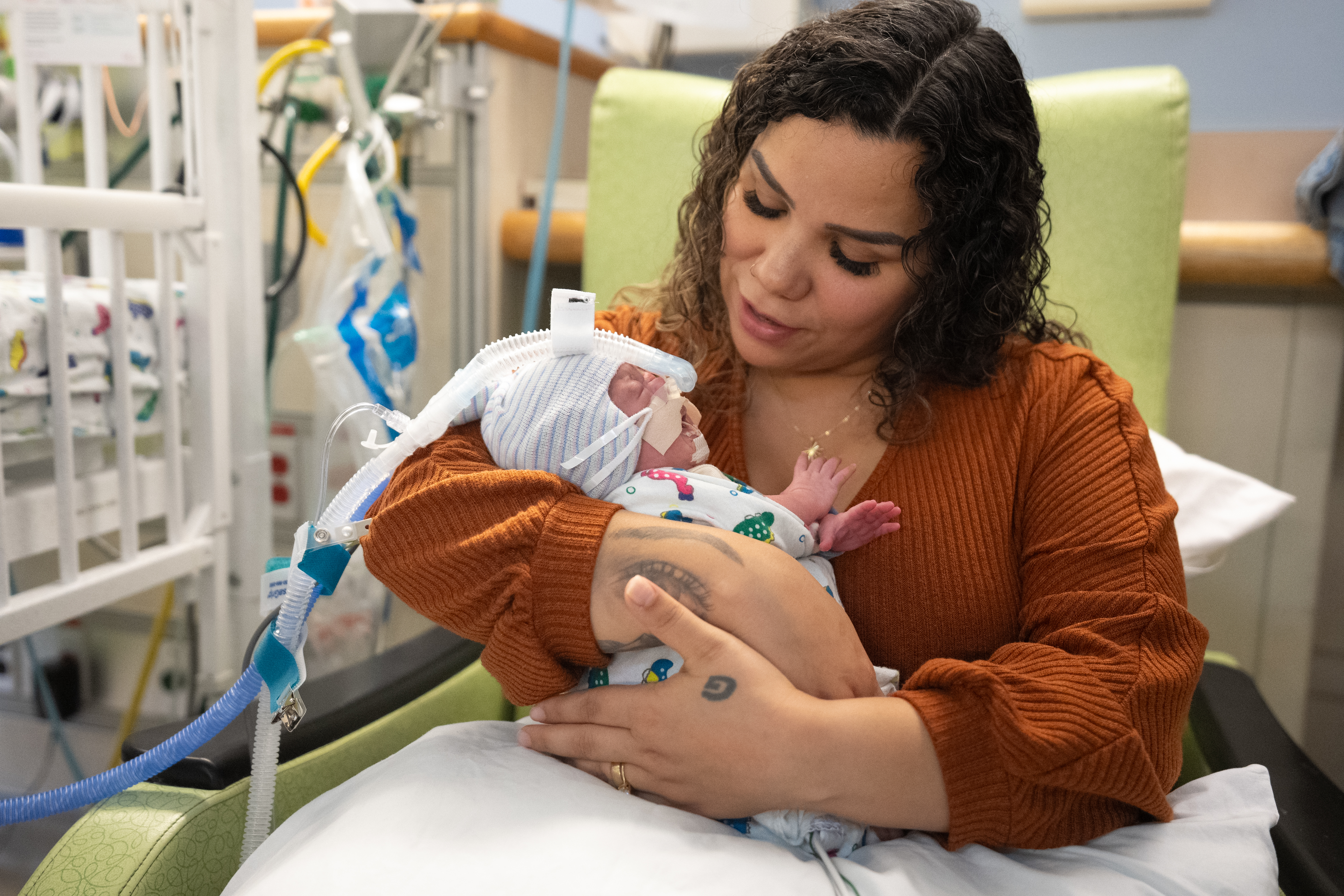
    Pamela Collins suffered four miscarriages and an ectopic pregnancy before giving birth to John.

    The origin

    The first thing Daltoso and Ishiwari noticed when shadowing in the NICU was how loud it was. Between beeping from machines to hospital alarms going off, it felt overwhelming even for adults.

    “They can’t turn the alarms off because it’s their job to keep patients alive,” Daltoso said.

    In the womb, a fetus would primarily be exposed to low frequency sounds under 500 Hertz. Alarms in the NICU can hit 2,000 Hertz and higher, Daltoso said. Imagine having to hear a fire alarm go off continuously throughout the day.

    A 2014 study found that babies in a NICU in Massachusetts were exposed to frequencies over 500 Hertz 57% of the time.

    Some medical equipment also emit high frequencies of sounds. Babies on a ventilator, for example, are exposed to sounds in the 8,000 Hertz range of frequencies, Daltoso said.

    “They’re in a room of 20, so if one baby’s on it, they’re all exposed,” she added.

    In the short term, this noise can stress babies out to the point of not being able to sleep or eat, Daltoso said. Babies may experience trouble gaining weight as a result and show unstable signs such as heart rates that are faster than normal.

    Babies in the NICU could also suffer long-term impacts from what is known as “language deprivation,” Ishiwari said.

    Normally, an infant would be exposed to language early in life, which is important for the infant’s neurodevelopment. But a baby in the NICU has less exposure to their parents’ speech.

    Studies have shown that preterm babies are generally at higher risk of language delays and deficits.

    Daltoso and Ishiwari, alongside those three other seniors majoring in bioengineering at Penn, were inspired to create the beanie for their senior capstone project in 2023.

    Through a sound-engineering class and interviews with hundreds of clinicians and parents, they devised the technology inside the beanie to cancel out high-frequency noises, particularly above the 2,000 Hertz range, while allowing lower frequencies through.

    A mobile app connects to the hat to enable parents to send songs, stories, audio messages, and recordings of their heartbeat to the baby remotely through a speaker in the hat.

    The babies wear the beanies during feeding so that it mimics a real-life interaction, where the baby would normally be lying against their mother’s chest.

    Ishiwari said she has teared up listening to some of the messages parents were leaving for their babies. They’ve so far included bedtime stories, songs, and shorter messages like “I love you” and “good night.”

    “A lot of them don’t know where to put that love and joy and excitement,” Daltoso said. “This is a place that they can.”

    Gabby Daltoso and Sophie Ishiwari are testing the beanie at the Hospital of the University of Pennsylvania.

    Sending love from afar

    When Collins and her husband, Franqlin, prepared to record messages for John, they turned off the lights in the room and prayed.

    Then they started recording.

    Collins, who is originally from Brazil, sang a Brazilian song to tell him that he is perfect the way he is. Her husband made up a story about John, and her 15-year-old daughter narrated another with the message that he is enough.

    A nurse told Collins that John was laughing when he wore the beanie.

    “I can tell he loved that,” Collins recalled the nurse telling her.

    Babies in the study wear the beanies for three 45-minute sessions a day, but Collins wishes her son could wear his the whole day.

    “I feel babies can be more calm now and [won’t] be crying all the time,” she said.
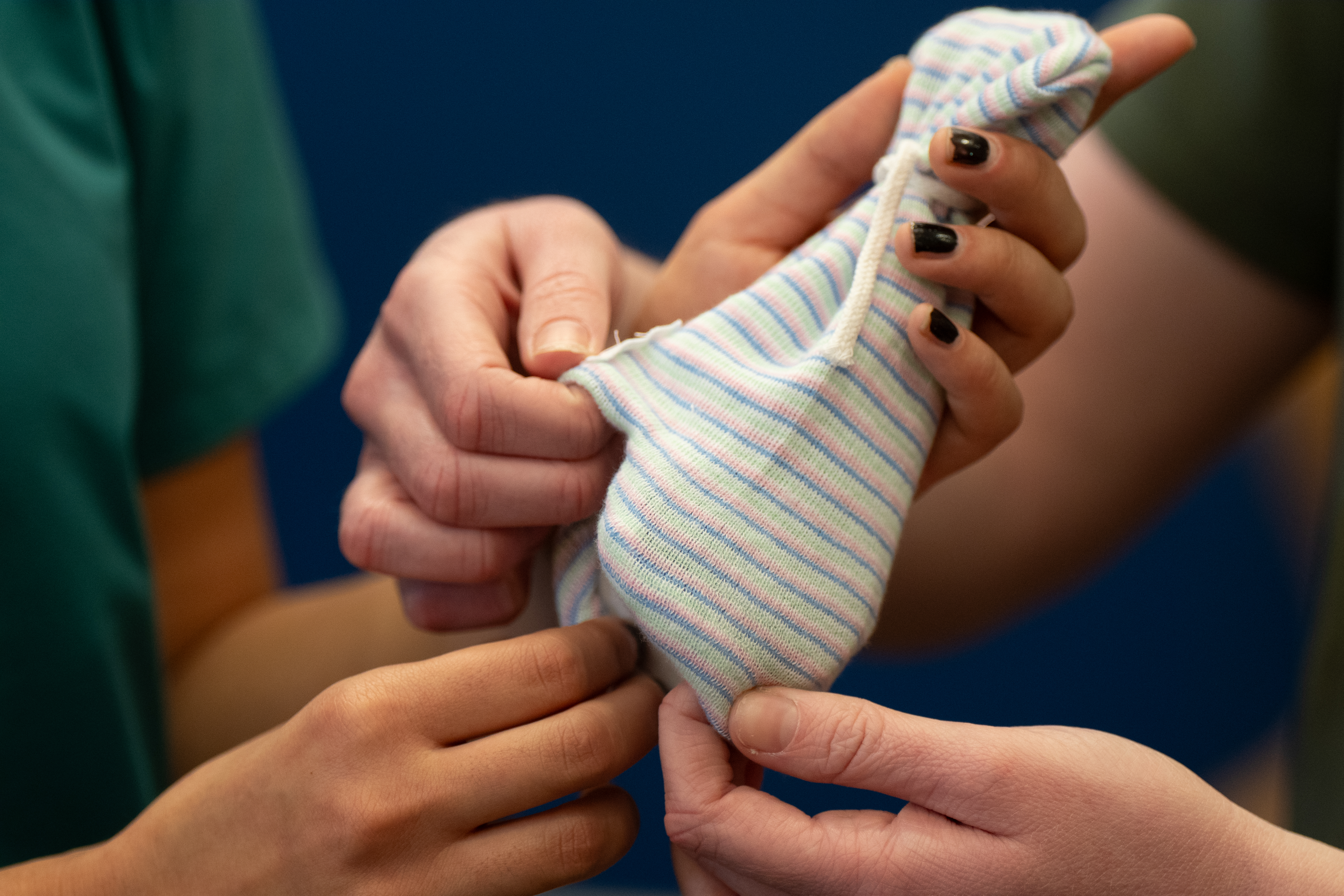
    The beanie designed by Gabby Daltoso and Sophie Ishiwari cancels out high-frequency sounds while allowing low-frequency sounds through.

    Michelle Ferrant, a clinical nurse specialist in HUP’s intensive care nursery, was excited that its NICU was chosen as a pilot site.

    Her team has done projects to try to reduce noise levels in the NICU, including putting signs up to remind people to use hushed voices, and closing doors and trash can lids as softly as possible.

    “There are a lot of things that might not seem very loud to us, but [if] you’re a small baby and it’s so close to [you], it sounds much louder,” Ferrant said.

    However, until the beanie study came along, they didn’t have a way of filtering which noises babies heard.

    The Sonura Beanie team is next looking to launch a multi-center trial that will evaluate whether wearing the beanie could help promote weight gain.

    Exposure to their mother’s voice and reduced noise levels can help preterm infants with weight gain and feeding, studies have shown.

    “We will be looking to prove that our hat is able to soothe the babies to the point where they are taking in more food, gaining more calories, growing faster, and hopefully going home faster,” Daltoso said.

    They also plan to launch in other hospitals, including Stanford Medicine Children’s Health, affiliated with Stanford Medicine and Stanford University in California, so that clinicians can test out the product and see how it fits into their workflow. These pilots would function like “a trial for a pre-purchase,” Daltoso said.

    They are currently working on submitting their medical device for clearance by the Food and Drug Administration so they can begin selling it.

    Because the product is deemed low-risk in terms of safety, they are eligible for fast-track approval, which they expect to get within the next year, Daltoso said.

    The team is still working on setting a price and declined to disclose details.

    They would eventually hope to get the product covered by insurance as a sensory-integrative technique. For that, they would need their larger clinical study to show that the beanie has functional outcomes.

    ‘Holding the miracle’
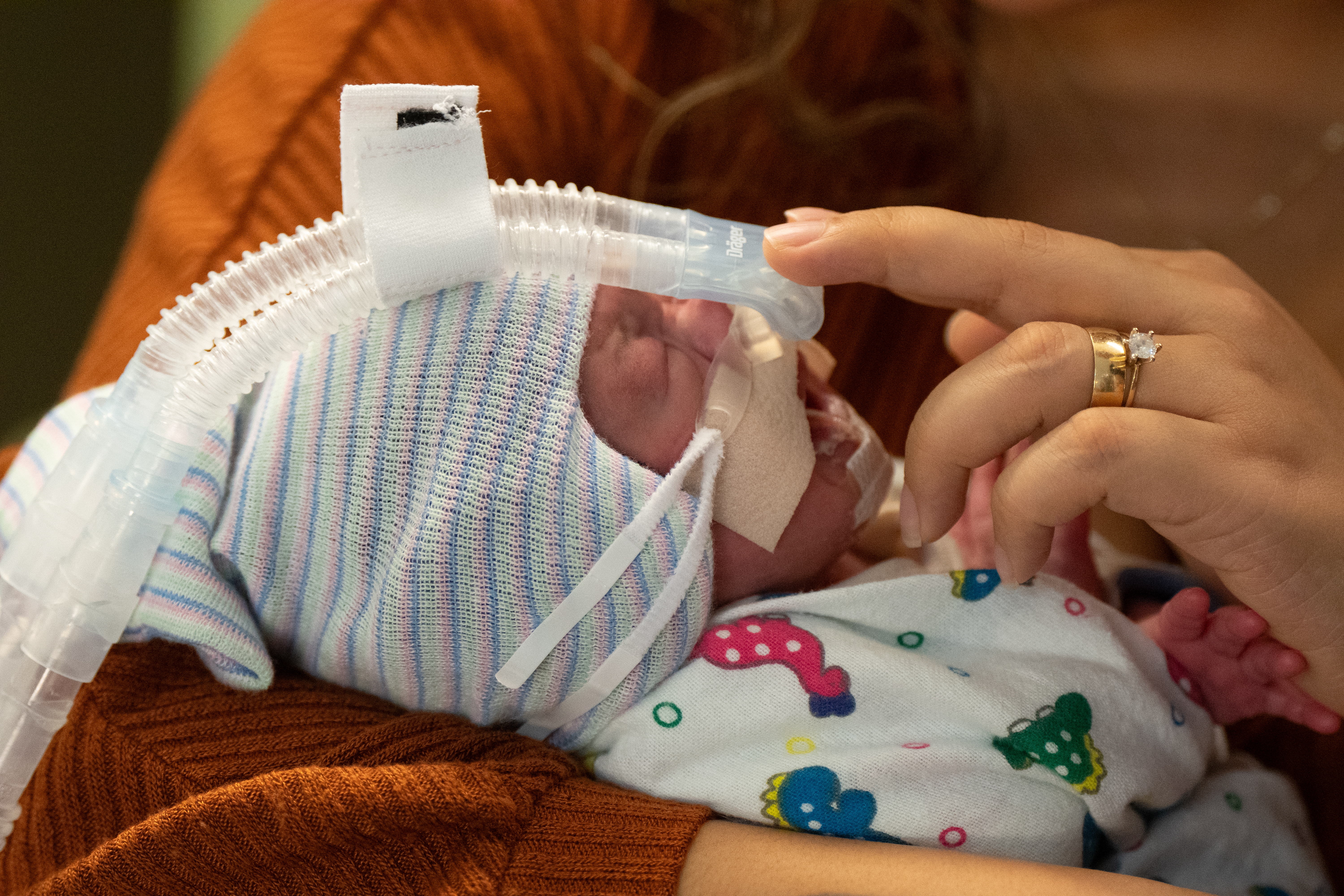
    John weighed only one pound and 14 ounces at birth.

    John doesn’t have a specific release date from the NICU. The timeline will depend on when he is able to breathe on his own and put on weight.

    At birth, he weighed only 1 pound, 14 ounces. Today, he weighs more than 4 pounds and no longer requires a feeding tube.

    Collins was 20 weeks pregnant when she found out that John had a heart defect that doctors said may one day require surgery. A few weeks after that, doctors found an issue with the placenta that ultimately led to his preterm birth.

    Now, when she holds her son in her arms, she feels like “I am holding the miracle,” she said.

  • ‘The White Lotus’ sparked online interest in risky anxiety pills, study says

    ‘The White Lotus’ sparked online interest in risky anxiety pills, study says

    The latest season of “The White Lotus” delivered big ratings for HBO — and fueled a surge of Google searches for a risky antianxiety prescription drug featured on the show, according to research published this month.

    The paper, published in JAMA Health Forum, highlights Hollywood’s outsize cultural influence and the common use of benzodiazepines, a class of anxiety-relieving medications that can cause physical dependence and agonizing withdrawal symptoms.

    The third season of the show, which depicts well-heeled guests at a luxury resort in Thailand, includes a storyline of a mother hooked on lorazepam pills and her husband who starts to steal and take them as he faces financial ruin and criminal charges.

    Researchers from the University of California at San Diego found that Google searches for lorazepam and two benzodiazepines with different names remained stable for years before the release of the show’s third season in February. Searches for lorazepam skyrocketed for the next 12 weeks, nearly 99% higher than expected — representing 1.6 million additional searches. During that time, searches for similar drugs, alprazolam and clonazepam, remained at expected levels, the study showed.

    Many of the queries asked how to get lorazepam, although that doesn’t mean viewers bought them, said Kevin Yang, the study’s lead author and a psychiatrist specializing in addiction at the UC-San Diego School of Medicine. “But it’s at least a good indicator of public interest in that medication,” he said.

    Yang got the idea for the study on his couch while watching “The White Lotus” with his now-wife. “It almost felt as if it was being glorified,” Yang said.

    A long history

    Benzodiazepines — which include drugs such as Xanax and Valium — are commonly prescribed for anxiety, bouts of panic, and insomnia.

    The sedative drugs are highly effective but should not be used longer than two to four weeks because of the risk of dependence, said Alexis Ritvo, assistant professor of psychiatry at the University of Colorado School of Medicine and a member of the nonprofit Alliance for Benzodiazepine Best Practices.

    “Very rarely are people adequately educated about that before they’re given a prescription for these meds,” Ritvo said.

    The medical community has long known about the dangers of prolonged use of benzodiazepines, or benzos, as they are often called.

    In 2020, the Food and Drug Administration issued stronger warnings for benzodiazepines, detailing the risk of abuse, addiction, and withdrawal symptoms. The updated boxed warning came amid rising concerns about benzodiazepine abuse, with the agency estimating half of prescriptions were for longer than two months.

    Stopping the drugs abruptly after prolonged use can worsen anxiety and insomnia, leading some patients to start again on higher doses. Withdrawals can last months or even years. Nicole Lamberson, a physician assistant who began taking prescription Xanax for anxiety in her early 20s, spent eight years battling withdrawal symptoms. During that time, she became gaunt and bedridden, afflicted by bedsores.

    “I was crippled with panic, anxiety, terror, racing thoughts, suicidality. I was fully dissociated,” said Lamberson, medical director of the Benzodiazepine Information Coalition, a nonprofit aimed at raising awareness about the dangers of the medications.

    Patients have access to other pharmaceutical anxiety medication, including SSRIs and buspirone. Earlier this year, the American Society of Addiction Medicine published new guidelines for reducing doses for patients who have been regularly taking benzodiazepines.

    Long-term benzodiazepine use poses other risks such as memory loss, difficulty concentrating, and brain fog — particularly dangerous for elderly patients susceptible to falls.

    Benzodiazepines can also amplify the effects of other prescription drugs or alcohol. “If you have an opioid problem or alcohol problem, adding benzos to the equation is like pouring gasoline onto a fire,” said Wayne Kepner, a Stanford University addiction researcher involved in the “White Lotus” study.

    (Victoria, the mother taking lorazepam in “The White Lotus,” slurs at dinner while drinking wine.)

    Researchers have also noted cases of “designer” benzos — which are not approved for medical use but can be purchased online — creeping into the illicit drug supply, an added wrinkle to the nation’s drug crisis. Sometimes known as “benzo dope,” the mix of opioids such as fentanyl and benzodiazepines slows breathing and heart rate and lowers blood pressure, increasing the possibility of an overdose.

    Cultural imprint

    Benzodiazepines have long made appearances in popular culture, reflecting their common use as a prescription and recreational drug.

    Books, TV shows, and movies have depicted or hinted at housewives grappling with suburban malaise by taking Valium. The hard-partying stockbroker in “The Wolf of Wall Street” mentions taking Xanax to “take the edge off.” Hip-hop artists rap about them, and not always to glorify — Future’s “XanaX Damage” is about the drug’s harms.

    “We have a culture of, ‘You work hard, keep going, you shouldn’t feel pain, you shouldn’t feel distress,’” said Ritvo, the addiction psychiatrist. “If you feel anxious, if you feel overwhelmed, then you should do something to take that feeling away.”

    An HBO spokesperson did not return a request for comment.

    The visibility of benzodiazepines on “The White Lotus” could serve as a learning moment, the study researchers said.

    In the paper, they noted the surge in Google searches showed “a level of engagement that few public health interventions achieve in such a short time frame.”

    Yang and Kepner, in an interview, suggested that such shows could include disclaimers on benzodiazepine misuse or steer viewers to help lines or websites, as is often done when media touches on suicide, child abuse, or gambling. “There needs to be some discussion on guardrails,” Kepner said.

    On “The White Lotus” (spoilers ahead), Victoria Ratliff appears to be spared excruciating withdrawal as her husband, Timothy, raids her lorazepam supply and descends into a detached, drugged haze. He considers killing himself and his family but eventually runs out of the drug and finds peace.

  • ‘It feels like deliberate gaslighting’: A Drexel autism expert discusses the CDC’s new website on vaccines and autism

    ‘It feels like deliberate gaslighting’: A Drexel autism expert discusses the CDC’s new website on vaccines and autism

    On Nov. 19, a webpage at the Centers for Disease Control and Prevention was updated with a stunning reversal of the agency’s long-held — and scientifically backed — position on vaccines and autism.

    Previously, the CDC has noted on its website that decades of research show no link between receiving vaccines and developing autism.

    Now, the site reads: “The claim ‘vaccines do not cause autism’ is not an evidence-based claim because studies have not ruled out the possibility that infant vaccines cause autism.”

    A header on the webpage still reads “Vaccines do not cause autism.”

    But the phrase is followed by an asterisk leading to another statement explaining the header remains “due to an agreement with the chair of the U.S. Senate Health, Education, Labor, and Pensions Committee that it would remain on the CDC website.”

    The chair is Sen. Bill Cassidy (R., La.), who made his confirmation vote for Health and Human Services Secretary Robert F. Kennedy Jr. contingent on that agreement.

    The move was met with outrage from public health experts who say that Kennedy, a longtime anti-vaccine advocate, is risking lives by calling vaccines’ safety into question. The New York Times reported two days later that he had personally ordered the website changed.

    Diana Robins, the director of the A.J. Drexel Autism Institute at Drexel University, which studies autism from a public health perspective, spoke with The Inquirer about the update and what it means for public health.

    This interview has been lightly edited for clarity and brevity.

    Question: Take us through the update on the CDC’s website about vaccines and autism.

    Answer: The frightening thing, to me, is if a person who is not really familiar with the science reads this website, there is a lot of convincing-sounding language. It feels like deliberate gaslighting.

    It’s using terms they’ve learned from scientists over the last several months — “gold-standard science” and “evidence-based claims” — and using them in directly inaccurate ways.

    The very first key point at the top of the page says, “The claim ‘vaccines do not cause autism’ is not an evidence-based claim because studies have not ruled out the possibility that infant vaccines cause autism.”

    Part of what makes that so egregious is that scientists believe in the scientific process. Unfortunately, the federal administration is weaponizing the fact that scientists won’t come out and say it has been proven. A scientist will never say we have 100% ruled out all possibilities. Something we think we know could change tomorrow when we learn something new.

    But there are dozens of studies over many, many years that fail to show a link between vaccines and autism. All the studies that are rigorous and methodologically sound fail to show a link between vaccines and autism. That is unequivocal.

    Q: What’s the danger in changing the CDC’s language around vaccines?

    A: Vaccines save lives. Vaccines are one of the frontline public health strategies to support health in the population. We’re already seeing what happens when vaccine compliance goes down, when there’s an erosion of the public confidence in vaccines.

    There have been measles outbreaks in the last year in the United States. Some kids just get sick and they get better, but some kids have serious illnesses and occasionally die. And it’s not just measles. We’re vaccinated against a lot of life-threatening diseases.

    The cost is a huge shift in public health, and the protective factor that vaccines give us against life-threatening illness.

    If you told me that reading books past 10 p.m. might cause autism, I would say there’s probably not a lot of cost if you stop reading books at 9:59. But not vaccinating children? The costs are huge. Even one death that’s preventable is a tragedy.

    And there will be a lot of preventable serious illness and death if parents don’t vaccinate their children.

    Q: How does this affect the public’s view of federal health agencies?

    A: I think it makes it very difficult for people to know what to trust. And there is already decreased trust in the medical community, scientific community, higher education broadly.

    If pages like this are intermingled with legitimate pages, how will people know which ones are the accurate pages and which are the ones with gaslighting and anti-science? I think people will likely lose their faith in the CDC altogether, which is a terrible blow to the public health of the whole country. If we can’t trust our Centers for Disease Control, who can we trust?

    Q: How can scientists communicate accurate medical information with the public?

    A: One thing I think is slightly heartening in the face of this devastation is that professional societies and organizations that are medical or scientific are all aligned. There have been so many statements that came out within the first day of this, and they are fully aligned in agreement. The only differences are in which words they yell the loudest.

    You can usually not get scientists to agree to anything in a day. That means a lot. It’s the responsibility of all the legitimate scientists and public health experts to try to combat that misinformation every which way we can.

    [At the A.J. Drexel Autism Institute], we’re trying to do more outreach to the public. We actually developed some vaccine info sheets just a couple months ago that are posted on our website. We have a new website … that brings together all of the information.

    Vaccines are one of our biggest public health successes. If we roll those back, we have stepped back decades in the health of our country. It’s that big. It’s that serious.

  • Federal judge hands CHOP victory in its fight to protect medical records of transgender children

    Federal judge hands CHOP victory in its fight to protect medical records of transgender children

    A federal judge in Philadelphia has blocked President Donald Trump’s administration from obtaining the private medical records of youth who sought gender-affirming care at Children’s Hospital of Philadelphia.

    The decision, issued Friday by U.S. District Court Judge Mark A. Kearney, was a victory for patients’ privacy rights and for CHOP, which had waged a legal battle to limit the scope of a sweeping federal subpoena that sought the names, dates of birth, Social Security numbers, addresses, and parent/guardian information of patients who had been prescribed puberty blockers or hormone therapy.

    In a 54-page opinion, Kearney found that the medical records sought by the U.S. Department of Justice were “beyond the authority granted by Congress” under the Food, Drug and Cosmetic Act, and that “the heightened privacy interests of children and their families substantially outweighs the Department’s need to know” such confidential and sensitive information.

    Neither CHOP nor the DOJ responded to a request for comment late Friday.

    In addition to protecting the identities of patients, Kearney also denied the part of the DOJ subpoena seeking documents related to how doctors make decisions in prescribing medications that help patients to have a body that matches their gender identity, including details such as “clinical indications, diagnoses, or assessments.” Kearney also blocked federal investigators from obtaining documents related to “informed consent, patient intake, and parent or guardian authorization for minor patients.”

    CHOP runs one of the nation’s largest clinics providing medical care and mental health support for transgender and gender-nonbinary children and teens and their families. Each year, hundreds of new families seek care at CHOP’s Gender and Sexuality Development Program, created in 2014.

    Along with CHOP, five parents of transgender children also filed a motion asking the federal court to intervene on their behalf. Kearney’s ruling rendered that motion moot since it sought similar legal relief as CHOP. The motion was filed by the Public Interest Law Center, a Philadelphia-based nonprofit that advocates for the civil, social, and economic rights of marginalized communities.

    Mimi McKenzie, the center’s legal director, said the judge’s ruling was “a complete rebuke” to the DOJ and an affirmation that the federal government has “no authority to root through” private medical records.

    “The court recognized that the Department of Justice is using its subpoena power not as a tool for legitimate inquiry, but as a tool for intrusion, and it’s not allowing that,“ McKenzie said late Friday. ”This is an important victory. Under this court’s ruling their privacy is protected, their medical records are not going to be turned over, and this court is just not going to condone this type of government overreach.”

    The CHOP case against the DOJ has become part of a broader legal battle playing out across the country. As part of an investigation into possible healthcare fraud or potential misconduct, the DOJ had issued subpoenas to CHOP and at least 19 other hospitals nationally that treat transgender youth. In September, a federal judge in Boston blocked the Trump administration’s attempt to subpoena medical records of patients who received gender-affirming care at Boston Children’s Hospital, ruling it was “motivated only by bad faith.” The DOJ has appealed the Boston ruling.

    The Trump administration has said doctors who prescribe to children and teens medications commonly used for gender-affirming care, such as puberty blockers and hormones, are engaging in chemical mutilation, likening it to child abuse. Teenagers are not mature enough to make such major decisions, the administration has argued.

    The American Academy of Pediatrics and other major medical associations, citing research, widely accept such use of these medications as safe, effective, and medically necessary for the patients’ mental health.

    In his ruling, Kearney said the DOJ subpoena was part of the Trump administration’s strategy to end gender-affirming care for minors. Kearney noted a “charged political environment” in which the federal government views “their medical treatment to [be] a radicalized warped ideology.” He concluded that the state and not the federal government has the authority to regulate medical care, and gender-affirming care for minors is legal in Pennsylvania.

  • What to expect for the Philadelphia Marathon weekend weather forecast

    What to expect for the Philadelphia Marathon weekend weather forecast

    Assuming the sports scientists have it right, the temperatures should be near the performance sweet spots for the runners participating in the Philadelphia Marathon Weekend races on both Saturday and Sunday morning.

    At showtimes, 6:55 a.m., just moments after daybreak, temperatures Saturday are expected to be in the upper 40s to near 50 degrees for the half-marathoners, and in the upper 30s to around 40 for Sunday’s main event.

    Light rain is expected through the early-morning hours Saturday, and forecasters have been on the fence about when it will shut off. Nick Guzzo, a meteorologist at the National Weather Service said Friday afternoon that rain was likely at the start of the race, but that probabilities would drop precipitously once the event was underway.

    AccuWeather Inc. and weather.com were posting about a 50-50 shot that the rain would continue through the morning. The hedging isn’t surprising; timing the onset and end of precipitation has been a longstanding forecast problem.

    Nor would it be surprising for those running the 13.1-mile race to experience conditions different from those logging 26.2 miles the following day, points out Kathleen Titus, the race director and runner who has been involved with the marathon for 20 years.

    This time of year is a busy one for frontal passages, this being a transition period when the atmosphere isn’t quite sure what season it wants to be. The temperature has reached 74 degrees on Nov. 22 (1883), and plunged to 14 (1880), and snowed 4.6 inches on Nov. 22-23, 1989.

    However, nothing momentous is expected this weekend.

    Like the rains, winds are forecast to be light, under 10 mph, from the north on Saturday, and northwest on Sunday, although runners allow that on the course, the wind can be way more capricious than the temperatures.

    Why runners like these temperatures

    Various studies have concluded that temperature is the most important weather variable in runner performance and that the ideal range for marathoning is 39 to 50 degrees Fahrenheit — give or take a few degrees.

    “Your body is always competing between a couple of different things,” said Philip Skiba, sports medicine specialist at Thomas Jefferson University Hospital, who helped train Eliud Kipchoge, the Kenyan who became the world’s first runner to complete a marathon in under two hours.

    During exercise, muscles demand blood to work, while for the body to stay cool, blood has to flow to the skin. If it’s too hot, more blood flows to the skin. When it’s cold, blood is diverted to heat the body’s core.

    With temperates in that 39-to-50 range, the blood flow can more easily serve both the muscles and skin. Said Titus, racers love that temperature range because, “It regulates your body. It just works.”

    Skiba said the temperature ranged from 51 to 55 degrees on the October 2019 day Kipchoge broke the two-hour barrier in a Vienna event that wasn’t held under record-eligible conditions.

    Had the temperatures been lower, Kipchoge could have shaved a few more seconds off his time, Skiba said.

    The wind also is a player in marathons

    While not as dominant as temperature, “wind resistance … is worth a few seconds per mile,” said Skiba, a former triathlete.

    “The more you stay out of the wind, you can save considerable energy,” he said.

    “It’s really important to learn how to draft,” that is, get behind a group running close to your pace and using them for wind-breakers, he said. (Not sure how the wind-breakers feel about that.)

    On the Philly course, the winds can be wild cards, especially on Kelly Drive, Titus said.

    One instant, the wind “hits in your face. Now it’s at my back!”

    Titus said she actually likes running uphill into the wind — and she is believed to be a member of a distinct minority — but agrees that “it is nice to have it at your back when you’re coming into the home stretch. Because it does give you a little boost.”

    The Philly Marathon is holding out hope for a record

    Titus said she is hoping for a record this year, unrelated to race times.

    She encourages people to overdress to stay warm before the running gets underway, and to be liberal about peeling off layers during the race.

    The shed garments are collected and given to the Salvation Army.

    “We’d love to break some record in the clothing donation,” she said.

  • Virginia A. Smith, retired award-winning Inquirer reporter and editor, has died at 75

    Virginia A. Smith, retired award-winning Inquirer reporter and editor, has died at 75

    Virginia A. Smith, 75, of Philadelphia, longtime reporter and editor for The Inquirer, the Philadelphia Bulletin, the Akron Beacon Journal, and other newspapers, mentor and working-mother role model to many, and avid gardener, died Friday, Nov. 14, of interstitial lung disease at Roxborough Memorial Hospital.

    Born in Philadelphia, Ms. Smith joined her hometown Inquirer in 1985 after three years at the Beacon Journal in Ohio, six months at the Bulletin in Philadelphia, and earlier stints at other papers in New York and Connecticut. Until her retirement in 2015, she covered news, health, and gardens as a reporter for The Inquirer, and served as city and Pennsylvania editor.

    In her official Inquirer profile, she described her final assignment as “happily writing — and learning — about gardening full time since 2006.” Her son, Josh Wiegand, said: “She was a curious person and interested in so many different things.”

    Former colleagues praised the depth and variety of her reporting, especially the detailed long-form stories she wrote about Sister Mary Scullion in 1992, the Iraq War in 2004, her own extensive garden in 2006, and the other interesting people and significant events she encountered. “She was open to reporting a story until she was confident she had all of its shadings,” Inquirer investigations editor Daniel Rubin said. “She had a gift for the stories people would talk about.”

    For Ms. Smith, there was no better place than her own garden.

    Ms. Smith was named The Inquirer’s garden writer in 2006, and, of course, wrote detailed previews and reviews of the annual Philadelphia Flower Show. But her favorite stories, she told colleagues, were the hundreds of others about climate change, garden gnomes, community gardens, butterflies, pruning techniques, seed banks, edible weeds, how blind people enjoy gardens, and other topics.

    Her winter holiday story in 2006 was not about poinsettias or Christmas tree farms. Instead, she profiled an author who discovered a treasure trove of old black-and-white photos of gardeners tending plots in prisons, war zones, and concentration camps.

    “It was her idea,” said Joanne McLaughlin, her editor then. “She wanted to write about gardens nurturing the soul under the worst of circumstances, giving hope under the worst of circumstances.”

    She wrote often about her own garden in East Falls and ended one story in 2006 with: “When winter arrives, maybe I’ll settle down. Oh, what are the chances? New years are for confessions, so here’s mine: Come first snow, I’ll be out there shoveling the garden pathways, hoping to sneak another peek.”

    Ms. Smith wrote this two-part series in 2012.

    Her column was called “Garden Scoop,” and she blogged at “Kiss the Earth” on Inquirer.com. She won two achievement awards from what used to be called the National Garden Writers Association and the 2011 Green Exemplar Award from Bartram’s Garden.

    “She understood how important the topic was to this area,” said Reid Tuvim, a longtime editor at The Inquirer.

    As a health reporter in the early 2000s, Ms. Smith wrote about bottled water, flu medicine, Lyme disease, organ donation, mental illness, children’s healthcare, and other issues. In 2004, she wrote a story about the Medical Mission Sisters, a progressive religious order that offered healthcare advice and full-body massages as well as spiritual guidance. In the third paragraph, she said: “But this is no spa. And that woman doing the hands-on — are you kidding me? — is a nun!”

    She covered Scullion’s acceptance speech of the 1992 Philadelphia Award for community service and described it as “fiery and heartfelt, troubling and joyful.” Inquirer staff writer Amy Rosenberg said Ms. Smith “always drilled down to such emotional depths with her subjects. She defined so much of what The Inquirer meant back then.”

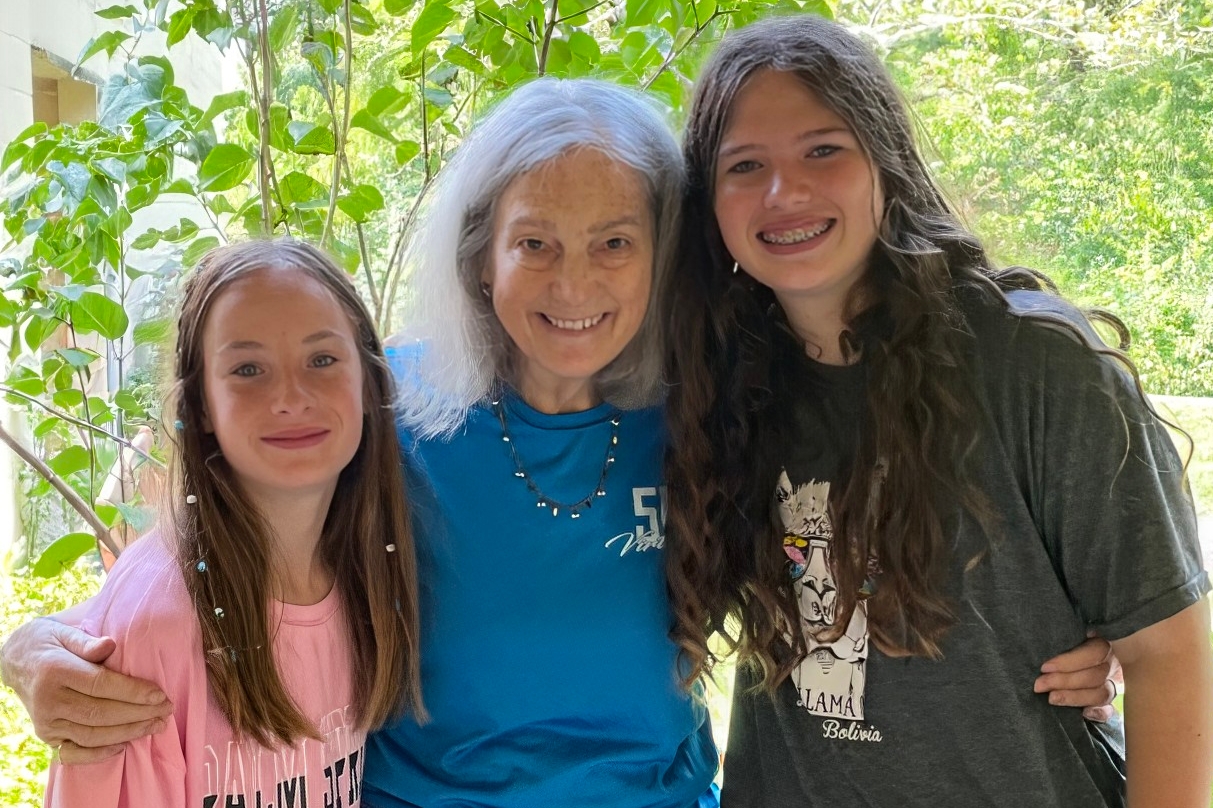
    Ms. Smith doted on her granddaughters.

    She mentored colleagues as she had been mentored and was a role model for fellow working mothers. “I watched her over and over again get up at 5 p.m. and walk out of the newsroom to get her son when he was young,” Rosenberg said. “Never mind what any of the boys in the room thought.”

    Virginia Ann Smith was born Oct. 26, 1950. She graduated from the old Eden Hall high school in Philadelphia and earned a bachelor’s degree in English at Manhattanville University in New York in 1972. In 1981, she earned a master of legal studies degree at Yale University Law School through a Ford Foundation fellowship for journalists.

    She married Alan Wiegand, and they had a son, Josh, and lived in East Falls. After a divorce, she married Randy Smith in 1985. He died in 2020, and she moved to Cathedral Village Retirement Community a few years ago.

    Ms. Smith was a great cook, friends said. They said she was funny, stubborn, and opinionated. She was so into gardens, her son said, that she visited him in Colorado specifically to renovate his garden.

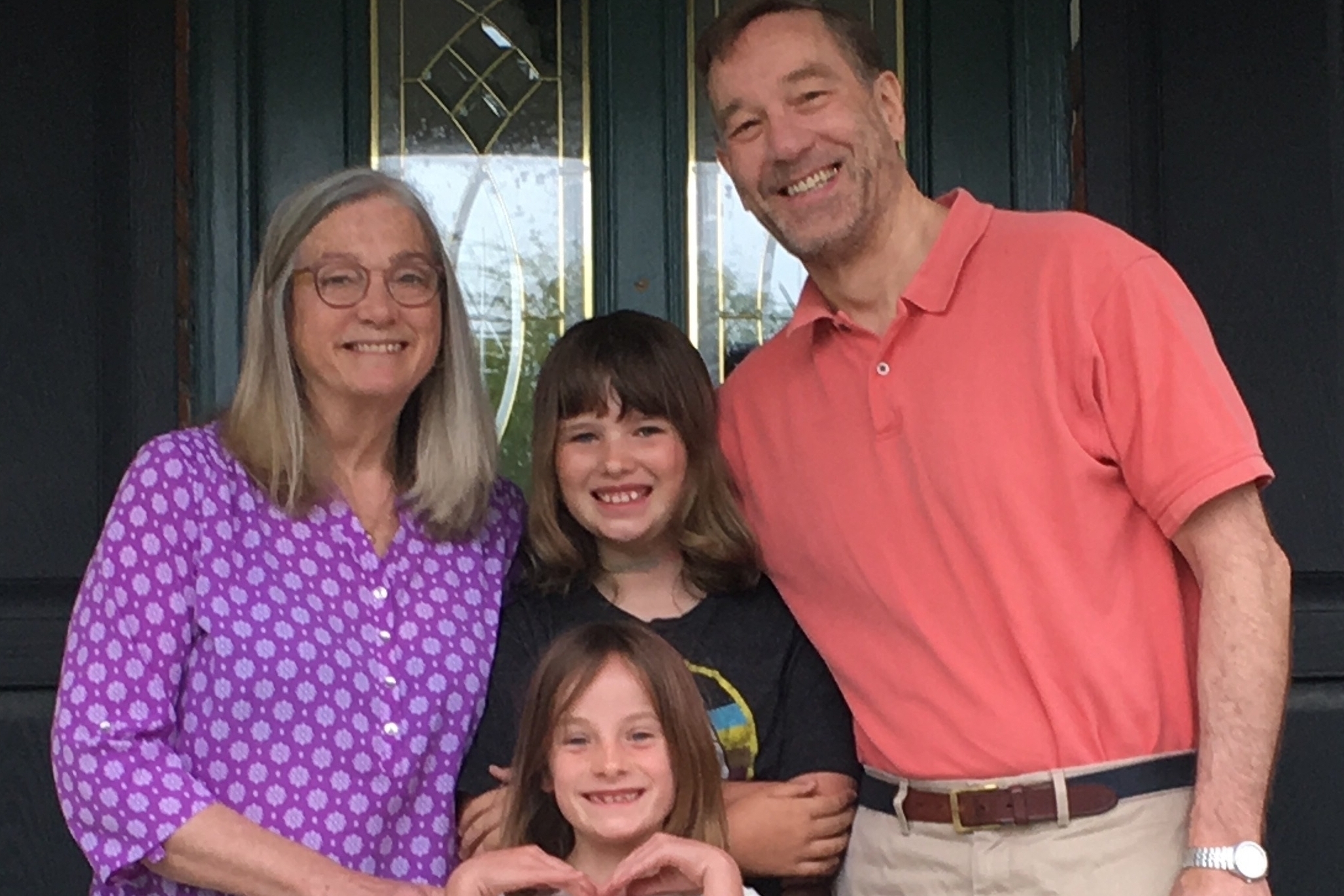
    Ms. Smith poses with her husband, Randy, and her two granddaughters.

    She listened to classical music and danced at blues festivals. Everyone said she made them feel as if she was their best friend.

    “She was one of the most genuine people I’ve ever known,” said friend and former colleague Mari Schaefer. Friend and former colleague Mary Flannery said: “She was so creative and so brave.”

    Her son said: “She was the best. I don’t know how she did it. She wanted to do it all, and she did.”

    In addition to her son and her former husband, Ms. Smith is survived by two granddaughters, two brothers, and other relatives.

    A celebration of her life is to be held later.

    Donations in her name may be made to the Schuylkill Center, 8480 Hagys Mill Rd., Philadelphia, Pa. 19128.

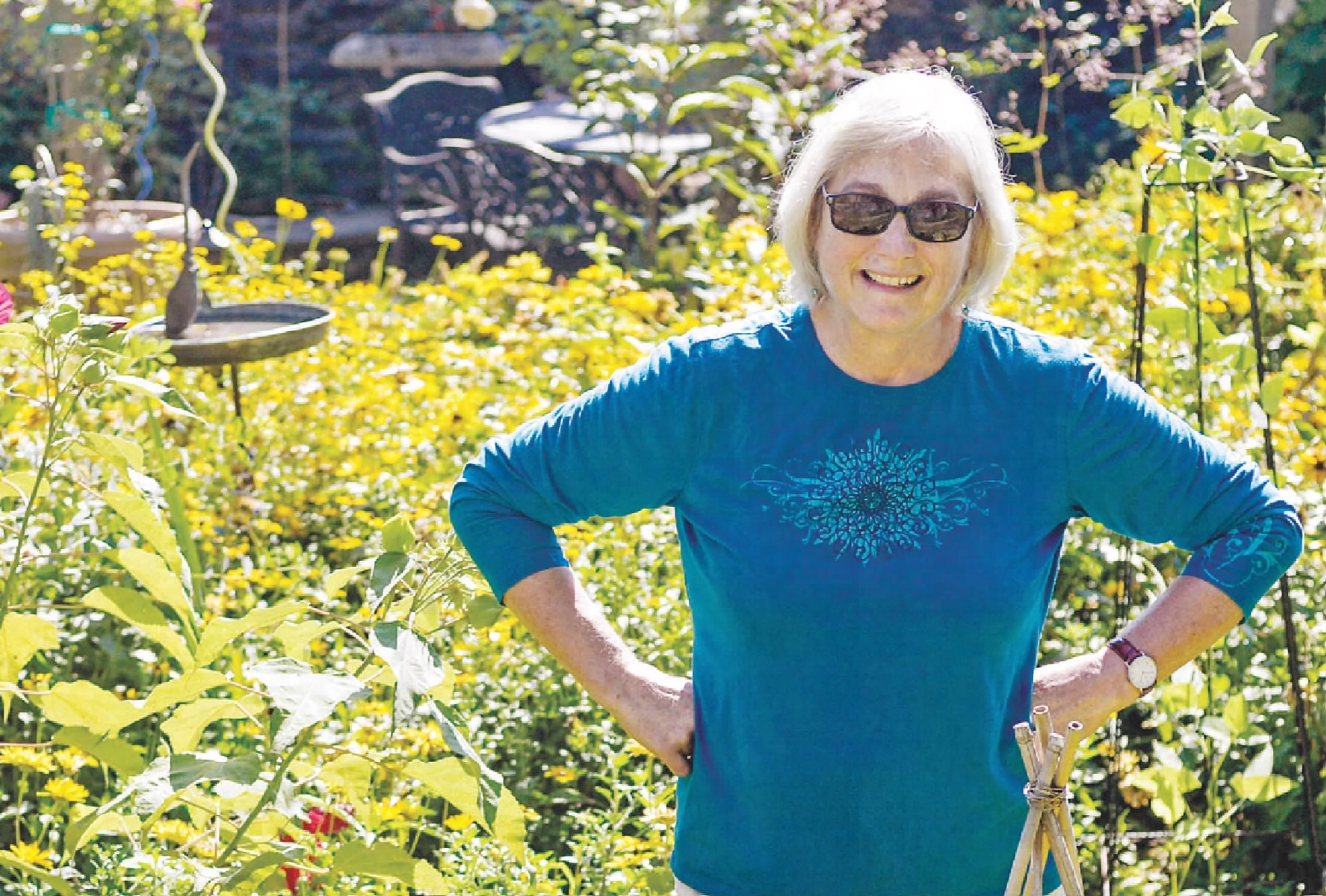
    Ms. Smith tends to her garden’s black-eyed Susans in this photo.
  • Patients’ use of AI chatbots makes sense, but tread carefully

    Patients’ use of AI chatbots makes sense, but tread carefully

    It finally happened this week.

    One of my patients, a woman in her 40s with chronic abdominal pain, told me that she had a new companion named Astrid joining her during an office visit. But she was alone in the exam room. It took me a few awkward seconds to realize that Astrid was a chatbot.

    She went on to explain that Astrid helps her remember what to ask me about and alerts her to worrisome causes of her symptoms. She often has difficulty scheduling an office appointment and gets a quicker response to simple questions from Astrid than from our patient portal. I felt an odd combination of humbled, curious, and dismayed. And I was relieved that my patient still showed up for her visit, albeit with Astrid’s advice visible on her iPhone screen.

    Many of my patients have long consulted the internet about their symptoms; some even apologize for doing it. I reassure them that Googling is normal these days, and often preempt their fears by asking up front, “Is there anything you researched about your symptoms that has you worried?” But Astrid seemed different, like I was in a brave new world of truly sharing my space in a medical clinic with something (or someone) that I am not sure if I can trust.

    And this is only the beginning. Companies like Counsel Health have developed “AI-first” platforms that promise to take the first run at triaging a patient’s medical needs, then escalate cases needing further review to a human clinician. Similarly, Massachusetts General Hospital has launched “Care Connect,” an AI chatbot app for patients without a primary care doctor.

    I’ve been reading everything I am able to find about AI chatbots, but I still felt unprepared to face this in my own clinic. I think part of the reason is that doctors generally assume that bedside skills are squarely in our wheelhouse. In fact, it is these abilities — rather than medical diagnostic and therapeutic capabilities — that many of us cite when discussing the most profound moments in our careers. In my specialty of primary care, relational skills — empathy, presence, communication, patient education — are quintessential, almost like what performing an operation is to a surgeon. As much as personal connection is a high priority for patients, it is also a vital source of meaning and purpose for many doctors.

    So it stands to reason that the idea of AI chatbots at the bedside provokes a variety of emotions in doctors like me, including disbelief, worry, anger, anxiety, sadness, or outright denial. Many of us prefer to dismiss the idea that they could be our competition for patients’ loyalty. We prefer to discuss ways in which we can define how AI tools streamline processes, improve efficiency, and relieve task overload.

    That said, what are patients with a time-sensitive medical concern supposed to do if they are told there are no appointments available for two weeks? People lead busy and complex lives. They may get in quickly at Urgent Care or on a telemedicine service, but will likely receive a transactional visit with a clinician who does not know them, with no continuity if things don’t go as expected.

    Even for those fortunate enough to get an appointment at the office for a new concern, these visits can be quite short, and a patient may find that their true concerns compete with your primary care doctor’s agenda to address preventive health, and other issues for which they have a financial incentive through healthcare’s complex payment systems.

    And patients see doctors’ human limitations. We get tired and impatient; we are biased; we interrupt; we take cognitive short cuts; it takes time for us to learn. The rates of harmful human medical errors and inaccurate diagnoses is still intolerably high.

    So now there is Astrid and her brethren — tireless, always available, prepared to share vast knowledge in seconds, apparently non-judgmental, and even empathic. There are studies that describe how patients often lie to their doctors and are sometimes more at ease being vulnerable and sharing emotionally difficult matters with chatbots.

    Generative AI is truly remarkable, and maybe someday chatbots will best doctors at our craft. But before you fully give over to AI temptation, consider a few words of caution.

    Technology developers do not uphold any long-held tradition, or take an oath to act in your best interest. They simply aspire to create the most useful and marketable tools possible. Chatbots can “hallucinate,” and provide information that is false or unsubstantiated. They are designed to please you and can be seductively sycophantic. They cannot form long-term, honest, collaborative relationships with you — like committed primary care doctors can — nor can they coordinate the complex, overlapping array of concurrent medical, social, emotional, and financial issues that characterize a journey through illness.

    The promise of AI chatbots speaks loudly, and the message is being received with interest and concern. Many physicians and healthcare leaders are replacing our apprehension with curiosity, endeavoring to better understand the allure. It implores us to overcome decades-long inertia and deliver primary care that is accessible, efficient, and prioritizes patients’ stories, needs and concerns above all else. Practicing this version of primary care also stands a better chance of keeping more primary care doctors in the workforce and attracting more new medical graduates to the specialty.

    Doctors are working with developers to help make medical AI better, safer, equitable, and ethically sound. Chatbots have far greater potential as doctor-patient partners, rather than as alternatives. My request of my patients: Use them carefully, keep your appointments. And share your learnings — my colleagues and I need to hear what Astrid is recommending.

    Jeffrey Millstein is an internist and regional medical director for Penn Primary and Specialty Care.

  • The surprising new use for GLP-1s: Alcohol and drug addiction

    The surprising new use for GLP-1s: Alcohol and drug addiction

    When Susan Akin first started injecting a coveted weight-loss drug early this year, the chaos in her brain quieted. The relentless cravings subsided — only they’d never been for food.

    The medication instead dulled her urges for the cocaine and alcohol that caused her to plow her car into a tree, spiral into psychosis, and wind up admitted to a high-end addiction treatment center in Delray Beach, Fla.

    Doctors at Caron Treatment Centers tried a novel approach for the slender 41-year-old by prescribing her Zepbound, part of a blockbuster class of obesity and diabetes medications known as GLP-1s. Federal regulators have not approved the drugs for behavioral health, but doctors are already prescribing them off-label, encouraged by studies suggesting that they could reshape addiction treatment.

    Scientists caution that the research remains nascent. Health insurers do not cover the pricey drugs for that purpose. Addiction specialists say the medications might not be a cure but may work as a tool to quell addictive behaviors.

    For Akin, the weekly shot helps her endure a world full of triggers. She can visit a gas station without wanting to buy beer or see sugar without dialing a cocaine dealer. The cravings linger but are muted, she said.

    “I know when I’m due for my shot because I get a little antsy or irritable, or just kind of off,” Akin said. “But it has changed my life.”

    Emerging science

    As GLP-1 drugs for weight loss generate billions for pharmaceutical companies, researchers are exploring their potential for other purposes. Clinical trials have already shown that semaglutide, the active ingredient in Ozempic and Wegovy, can reduce the risk of heart attacks and treat liver disease.

    These drugs appear to reduce cravings for food because they mimic a natural hormone that boosts insulin production, curbs appetite, and slows stomach emptying to create a feeling of fullness. Tirzepatide, the active ingredient in Zepbound, imitates a related hormone that enhances insulin release and amplifies appetite suppression.

    The mechanism of how GLP-1s could also curb alcohol and drug cravings is not entirely understood. The medication may block release of dopamine, the chemical associated with reinforcing pleasurable activities, said Kyle Simmons, a professor of pharmacology and physiology at Oklahoma State University. The medications appear to be “turning down the gain on the reward circuitry in the brain,” Simmons said, possibly explaining why they have a broad effect on behavior.

    The potential has ushered in a wave of research that includes whether the drugs help veterans with moderate to severe drinking problems, diabetic patients who smoke, and people addicted to opioids, among others.

    Federally backed studies of patient records released since early 2024 have shown GLP-1 use in some patients who are diabetic or obese is associated with lower risks of alcohol abuse, cannabis use disorder, and opioid overdoses.

    Associations alone do not prove that the weight-loss drugs are causing those changes, but small early clinical trials have shown promise. In one study published in February in JAMA Psychiatry, researchers found that problem drinkers who received a weekly semaglutide injection drank less and had fewer cravings for alcohol and cigarettes compared with those given a placebo.

    Researchers at the National Institute on Drug Abuse and Simmons are running separate but similar double-blind clinical trials to measure whether the drugs curb alcohol cravings in patients with drinking problems. Researchers are charting brain activity to see how participants respond when exposed to alcohol cues and using virtual-reality headsets to measure how they respond to images of food. In the NIDA study, scientists have built a mock bar to observe how patients react to being near alcohol.

    A spokeswoman for Eli Lilly, which manufactures Zepbound, said the company is considering clinical trials to assess the drug as a treatment for substance use disorders, including for alcohol and tobacco. Novo Nordisk, the maker of Wegovy and Ozempic, declined to say whether it would study the drugs’ effectiveness for addiction.

    Medical treatments lacking

    The use of GLP-1s for unapproved purposes is surging, including micro-dosing to promote longevity and wellness, despite little evidence supporting these lower doses. Researchers also caution that long-term use of the drugs — which can cause unpleasant stomach side effects — remain understudied.

    Still, if GLP-1s prove effective at curbing cravings of different substances — and include behavioral addictions such as gambling and shopping — it “really opens up a whole new sort of therapeutic avenue that’s not been available before,” said Joji Suzuki, an addiction researcher at Brigham and Women’s Hospital in Boston.

    An estimated 48 million Americans had a substance use disorder last year, according to federal researchers. More than 80,000 died of drug overdoses last year while more than 47,000 died from alcohol complications, according to federal estimates.

    There are no approved medications to reduce cravings for other substances including cannabis, cocaine, or methamphetamine. For opioid addiction, medications such as buprenorphine or methadone are considered effective at staving off withdrawal and cravings, but carry stigma.

    While the FDA has approved three drugs to reduce alcohol consumption, only 2 to 4% with alcohol-use disorder get any medication treatment, said Lisa Clemans-Cope, a researcher at the Urban Institute, a nonpartisan economic and social policy research group.

    An affordability problem

    Early research and anecdotal evidence proved enough for Steven Klein, a physician who specializes in addiction at Caron, to begin prescribing GLP-1s to his patients.

    For Klein, the project is more than a professional curiosity: He is a recovering alcoholic who has long struggled with his weight. Three years ago, while in recovery and working as a pediatrician, Klein was prescribed the anti-diabetes drug Mounjaro for weight loss. He found the drug calmed his mind. “The voice that was talking to me about food was very similar to the voice that used to talk to me on drugs and alcohol,” Klein said.

    Moved by his experience, Klein switched to addiction care and joined Caron, a high-end rehab center with facilities near Reading and in Atlanta, Washington, and Delray Beach.

    He spearheads a pilot program that has prescribed GLP-1s to more than 130 patients in Pennsylvania and South Florida, most diagnosed with alcohol-use disorder and some who took stimulants.

    Klein has also partnered with Open Doors, a nonprofit in Rhode Island that helps formerly incarcerated women reenter society, to begin offering GLP-1s through its recovery program.

    “We see how hard it is for people to maintain their recovery long-term after they leave the support of our housing,” Open Doors Co-Executive Director Nick Horton said. “But with this medicine, I’m hopeful.”

    Regina Roberts, a 41-year-old alcoholic in recovery, is living at an Open Doors facility after stints in rehab and a family court program after she lost custody of her teenage son. She has been sober since 2023 with the help of 12-step programs, therapy, and life-skills classes. But she faced frequent reminders of her past: walking past a liquor store, smelling alcohol on someone’s breath, cigarette smoke wafting in the air. When Open Doors told her about the promise of GLP-1s several months ago, she agreed.

    “I figured, why not try it?” Roberts said. “I’ll take anything to help me stay on my road to sobriety.”

    With her cravings dialed back, Roberts hopes to reunite with her teenage son and move out of Open Doors in a few months. But she’s unsure whether she can keep taking the medication; she can’t afford to pay out of pocket and Medicaid might not cover it.

    At Caron’s Wernersville location, staff reduce costs by receiving semaglutides from compounding pharmacies, which can legally produce cheaper versions of name-brand mediations.

    In the Delray Beach facility, most patients receive Zepbound through their insurance by “piggybacking” under FDA-approved uses, or by paying out of pocket with manufacturer discounts, said medical director Mohammad Sarhan. Those costs add to the price of rehab programs that can cost up to $100,000.

    Akin, the Caron patient who is approaching one year sober, said she relies on her inheritance to pay nearly $1,000 every month for prefilled Zepbound shots. Akin could receive a modest discount in the coming months now that Eli Lilly, along with Novo Nordisk, announced they could lower direct-to-consumer prices as part of a deal struck with the Trump administration.

    She considers Zepbound an essential drug like insulin.

    “It’s not a cure. We have to do the work,” Akin said. “But it helps. It slows things down enough to the point where you don’t feel like you have to jump off a bridge or put your head in a cocaine plant to survive.”

  • One year of inspections at Temple University Hospital: September 2024 – August 2025

    One year of inspections at Temple University Hospital: September 2024 – August 2025

    Temple University Hospital’s Episcopal campus was cited by the Pennsylvania Department of Health for failing to maintain cleaning logs for the crisis center in May.

    The incident was among more than a dozen times inspectors visited Temple’s main campus, Jeanes campus, or Episcopal campus to investigate potential safety problems between September 2024 and August. The three campuses operate under a shared license, and inspection reports do not always distinguish which campus inspectors visited.

    Here’s a look at the publicly available details:

    • Sept. 27, 2024: Inspectors came to investigate a complaint but found the hospital was in compliance. Complaint details are not made public when inspectors determine it was unfounded.
    • Oct. 1: Inspectors followed up on a January 2024 citation and found the hospital was in compliance. The Episcopal campus had been cited for failing to properly update and document mental health patients’ records and treatment plans every 30 days.
    • Jan. 6, 2025: The Joint Commission, a nonprofit hospital accreditation agency, renewed the hospital’s accreditation, effective May 2024, for 36 months.
    • Jan. 11: Inspectors came to investigate three separate complaints but found the hospital was in compliance.
    • Jan. 16: Inspectors came to investigate a complaint but found the hospital was in compliance.
    • Jan. 21: Inspectors came to investigate a complaint but found the hospital was in compliance.
    • Jan. 29: Inspectors came to investigate a complaint but found the hospital was in compliance.
    • Feb. 5: Inspectors came to investigate a complaint but found the hospital was in compliance.
    • Feb. 11: Inspectors came to investigate a complaint but found the hospital was in compliance.
    • Feb. 21: Inspectors came to investigate a complaint but found the hospital was in compliance.
    • March 4: Inspectors came to investigate a complaint but found the hospital was in compliance.
    • March 10: Inspectors came to investigate a complaint but found the hospital was in compliance.
    • March 12: Inspectors visited for a monitoring survey and found the hospital had violated rules related to patients’ rights to care by competent personnel. Details of the problem were not made public because the issue was fixed before inspectors arrived. The hospital’s correction plan included educating staff about how to protect vulnerable patients from leaving the hospital against medical advice. Administrators also established a system to review patients at risk and an environmental safety checklist.
    • March 31: Inspectors came to investigate a complaint but found the hospital was in compliance.
    • April 4: Inspectors came to investigate a complaint but found the hospital was in compliance.
    • May 6: Inspectors cited Temple’s Episcopal campus for not having sanitation documentation and cleaning logs for the crisis response center. Administrators retrained staff on the hospital’s sanitation policies and record-keeping requirements.
    • May 8: Inspectors came to investigate a complaint but found the hospital was in compliance.
    • June 10: Inspectors came to investigate a complaint but found the hospital was in compliance.
    • July 14: Inspectors came to investigate a complaint at the Jeanes campus but found the hospital was in compliance.
  • CDC website changed to contradict scientific conclusion that vaccines don’t cause autism

    CDC website changed to contradict scientific conclusion that vaccines don’t cause autism

    NEW YORK — A Centers for Disease Control and Prevention website has been changed to contradict the longtime scientific conclusion that vaccines do not cause autism, spurring outrage among a number of public health and autism experts.

    The CDC “vaccine safety” webpage was updated Wednesday, saying “the statement ‘Vaccines do not cause autism’ is not an evidence-based claim.”

    The change is the latest move by the U.S. Department of Health and Human Services to revisit — and foster uncertainty about — long-held scientific consensus about the safety of vaccines and other pharmaceutical products.

    It was immediately decried by scientists and advocates who have long been focused on finding the causes of autism.

    “We are appalled to find that the content on the CDC webpage ‘Autism and Vaccines’ has been changed and distorted, and is now filled with anti-vaccine rhetoric and outright lies about vaccines and autism,” the Autism Science Foundation said in a statement Thursday.

    Widespread scientific consensus and decades of studies have firmly concluded there is no link between vaccines and autism. “The conclusion is clear and unambiguous,” said Dr. Susan Kressly, president of the American Academy of Pediatrics, in a statement Thursday.

    “We call on the CDC to stop wasting government resources to amplify false claims that sow doubt in one of the best tools we have to keep children healthy and thriving: routine immunizations,” she said.

    The CDC has, until now, echoed the absence of a link in promoting Food and Drug Administration-licensed vaccines.

    But anti-vaccines activists — including Robert F. Kennedy Jr., who this year became secretary of Health and Human Services — have long claimed there is one.

    It’s unclear if anyone at CDC was actually involved in the change, or whether it was done by Kennedy’s HHS, which oversees the CDC.

    Many at CDC were surprised.

    “I spoke with several scientists at CDC yesterday and none were aware of this change in content,” said Dr. Debra Houry, who was part of a group of CDC top officials who resigned from the agency in August. “When scientists are cut out of scientific reviews, then inaccurate and ideologic information results.”

    The updated page does not cite any new research. It instead argues that past studies supporting a link have been ignored by health authorities.

    “HHS has launched a comprehensive assessment of the causes of autism, including investigations on plausible biologic mechanisms and potential causal links. Additionally, we are updating the CDC’s website to reflect gold standard, evidence-based science,” said HHS spokesman Andrew Nixon, in an email Thursday.

    A number of former CDC officials have said that what CDC posts about certain subjects — including vaccine safety — can no longer be trusted.

    Dr. Daniel Jernigan, who also resigned from the agency in August, told reporters Wednesday that Kennedy seems to be “going from evidence-based decision making to decision-based evidence making.”

    U.S. Sen. Bill Cassidy, a Louisiana Republican, earlier this year played a decisive role in approving Kennedy’s nomination for HHS secretary. Cassidy initially voiced misgivings about Kennedy, but in February said Kennedy had pledged — among other things — not to remove language from the CDC website pointing out that vaccines do not cause autism.

    The new site continues to have a headline that says “Vaccines do not cause autism,” but HHS officials put an asterisk next to it. A note at the bottom of the page says the phrasing “has not been removed due to an agreement with the chair of the U.S. Senate Health, Education, Labor, and Pensions Committee that it would remain on the CDC website.”

    Cassidy’s spokespersons did not immediately respond to a request for comment.