Category: Health

  • Patients’ use of AI chatbots makes sense, but tread carefully

    Patients’ use of AI chatbots makes sense, but tread carefully

    It finally happened this week.

    One of my patients, a woman in her 40s with chronic abdominal pain, told me that she had a new companion named Astrid joining her during an office visit. But she was alone in the exam room. It took me a few awkward seconds to realize that Astrid was a chatbot.

    She went on to explain that Astrid helps her remember what to ask me about and alerts her to worrisome causes of her symptoms. She often has difficulty scheduling an office appointment and gets a quicker response to simple questions from Astrid than from our patient portal. I felt an odd combination of humbled, curious, and dismayed. And I was relieved that my patient still showed up for her visit, albeit with Astrid’s advice visible on her iPhone screen.

    Many of my patients have long consulted the internet about their symptoms; some even apologize for doing it. I reassure them that Googling is normal these days, and often preempt their fears by asking up front, “Is there anything you researched about your symptoms that has you worried?” But Astrid seemed different, like I was in a brave new world of truly sharing my space in a medical clinic with something (or someone) that I am not sure if I can trust.

    And this is only the beginning. Companies like Counsel Health have developed “AI-first” platforms that promise to take the first run at triaging a patient’s medical needs, then escalate cases needing further review to a human clinician. Similarly, Massachusetts General Hospital has launched “Care Connect,” an AI chatbot app for patients without a primary care doctor.

    I’ve been reading everything I am able to find about AI chatbots, but I still felt unprepared to face this in my own clinic. I think part of the reason is that doctors generally assume that bedside skills are squarely in our wheelhouse. In fact, it is these abilities — rather than medical diagnostic and therapeutic capabilities — that many of us cite when discussing the most profound moments in our careers. In my specialty of primary care, relational skills — empathy, presence, communication, patient education — are quintessential, almost like what performing an operation is to a surgeon. As much as personal connection is a high priority for patients, it is also a vital source of meaning and purpose for many doctors.

    So it stands to reason that the idea of AI chatbots at the bedside provokes a variety of emotions in doctors like me, including disbelief, worry, anger, anxiety, sadness, or outright denial. Many of us prefer to dismiss the idea that they could be our competition for patients’ loyalty. We prefer to discuss ways in which we can define how AI tools streamline processes, improve efficiency, and relieve task overload.

    That said, what are patients with a time-sensitive medical concern supposed to do if they are told there are no appointments available for two weeks? People lead busy and complex lives. They may get in quickly at Urgent Care or on a telemedicine service, but will likely receive a transactional visit with a clinician who does not know them, with no continuity if things don’t go as expected.

    Even for those fortunate enough to get an appointment at the office for a new concern, these visits can be quite short, and a patient may find that their true concerns compete with your primary care doctor’s agenda to address preventive health, and other issues for which they have a financial incentive through healthcare’s complex payment systems.

    And patients see doctors’ human limitations. We get tired and impatient; we are biased; we interrupt; we take cognitive short cuts; it takes time for us to learn. The rates of harmful human medical errors and inaccurate diagnoses is still intolerably high.

    So now there is Astrid and her brethren — tireless, always available, prepared to share vast knowledge in seconds, apparently non-judgmental, and even empathic. There are studies that describe how patients often lie to their doctors and are sometimes more at ease being vulnerable and sharing emotionally difficult matters with chatbots.

    Generative AI is truly remarkable, and maybe someday chatbots will best doctors at our craft. But before you fully give over to AI temptation, consider a few words of caution.

    Technology developers do not uphold any long-held tradition, or take an oath to act in your best interest. They simply aspire to create the most useful and marketable tools possible. Chatbots can “hallucinate,” and provide information that is false or unsubstantiated. They are designed to please you and can be seductively sycophantic. They cannot form long-term, honest, collaborative relationships with you — like committed primary care doctors can — nor can they coordinate the complex, overlapping array of concurrent medical, social, emotional, and financial issues that characterize a journey through illness.

    The promise of AI chatbots speaks loudly, and the message is being received with interest and concern. Many physicians and healthcare leaders are replacing our apprehension with curiosity, endeavoring to better understand the allure. It implores us to overcome decades-long inertia and deliver primary care that is accessible, efficient, and prioritizes patients’ stories, needs and concerns above all else. Practicing this version of primary care also stands a better chance of keeping more primary care doctors in the workforce and attracting more new medical graduates to the specialty.

    Doctors are working with developers to help make medical AI better, safer, equitable, and ethically sound. Chatbots have far greater potential as doctor-patient partners, rather than as alternatives. My request of my patients: Use them carefully, keep your appointments. And share your learnings — my colleagues and I need to hear what Astrid is recommending.

    Jeffrey Millstein is an internist and regional medical director for Penn Primary and Specialty Care.
  • The surprising new use for GLP-1s: Alcohol and drug addiction

    The surprising new use for GLP-1s: Alcohol and drug addiction

    When Susan Akin first started injecting a coveted weight-loss drug early this year, the chaos in her brain quieted. The relentless cravings subsided — only they’d never been for food.

    The medication instead dulled her urges for the cocaine and alcohol that caused her to plow her car into a tree, spiral into psychosis, and wind up admitted to a high-end addiction treatment center in Delray Beach, Fla.

    Doctors at Caron Treatment Centers tried a novel approach for the slender 41-year-old by prescribing her Zepbound, part of a blockbuster class of obesity and diabetes medications known as GLP-1s. Federal regulators have not approved the drugs for behavioral health, but doctors are already prescribing them off-label, encouraged by studies suggesting that they could reshape addiction treatment.

    Scientists caution that the research remains nascent. Health insurers do not cover the pricey drugs for that purpose. Addiction specialists say the medications might not be a cure but may work as a tool to quell addictive behaviors.

    For Akin, the weekly shot helps her endure a world full of triggers. She can visit a gas station without wanting to buy beer or see sugar without dialing a cocaine dealer. The cravings linger but are muted, she said.

    “I know when I’m due for my shot because I get a little antsy or irritable, or just kind of off,” Akin said. “But it has changed my life.”

    Emerging science

    As GLP-1 drugs for weight loss generate billions for pharmaceutical companies, researchers are exploring their potential for other purposes. Clinical trials have already shown that semaglutide, the active ingredient in Ozempic and Wegovy, can reduce the risk of heart attacks and treat liver disease.

    These drugs appear to reduce cravings for food because they mimic a natural hormone that boosts insulin production, curbs appetite, and slows stomach emptying to create a feeling of fullness. Tirzepatide, the active ingredient in Zepbound, imitates a related hormone that enhances insulin release and amplifies appetite suppression.

    The mechanism of how GLP-1s could also curb alcohol and drug cravings is not entirely understood. The medication may block release of dopamine, the chemical associated with reinforcing pleasurable activities, said Kyle Simmons, a professor of pharmacology and physiology at Oklahoma State University. The medications appear to be “turning down the gain on the reward circuitry in the brain,” Simmons said, possibly explaining why they have a broad effect on behavior.

    The potential has ushered in a wave of research that includes whether the drugs help veterans with moderate to severe drinking problems, diabetic patients who smoke, and people addicted to opioids, among others.

    Federally backed studies of patient records released since early 2024 have shown GLP-1 use in some patients who are diabetic or obese is associated with lower risks of alcohol abuse, cannabis use disorder, and opioid overdoses.

    Associations alone do not prove that the weight-loss drugs are causing those changes, but small early clinical trials have shown promise. In one study published in February in JAMA Psychiatry, researchers found that problem drinkers who received a weekly semaglutide injection drank less and had fewer cravings for alcohol and cigarettes compared with those given a placebo.

    Researchers at the National Institute on Drug Abuse and Simmons are running separate but similar double-blind clinical trials to measure whether the drugs curb alcohol cravings in patients with drinking problems. Researchers are charting brain activity to see how participants respond when exposed to alcohol cues and using virtual-reality headsets to measure how they respond to images of food. In the NIDA study, scientists have built a mock bar to observe how patients react to being near alcohol.

    A spokeswoman for Eli Lilly, which manufactures Zepbound, said the company is considering clinical trials to assess the drug as a treatment for substance use disorders, including for alcohol and tobacco. Novo Nordisk, the maker of Wegovy and Ozempic, declined to say whether it would study the drugs’ effectiveness for addiction.

    Medical treatments lacking

    The use of GLP-1s for unapproved purposes is surging, including micro-dosing to promote longevity and wellness, despite little evidence supporting these lower doses. Researchers also caution that long-term use of the drugs — which can cause unpleasant stomach side effects — remain understudied.

    Still, if GLP-1s prove effective at curbing cravings of different substances — and include behavioral addictions such as gambling and shopping — it “really opens up a whole new sort of therapeutic avenue that’s not been available before,” said Joji Suzuki, an addiction researcher at Brigham and Women’s Hospital in Boston.

    An estimated 48 million Americans had a substance use disorder last year, according to federal researchers. More than 80,000 died of drug overdoses last year while more than 47,000 died from alcohol complications, according to federal estimates.

    There are no approved medications to reduce cravings for other substances including cannabis, cocaine, or methamphetamine. For opioid addiction, medications such as buprenorphine or methadone are considered effective at staving off withdrawal and cravings, but carry stigma.

    While the FDA has approved three drugs to reduce alcohol consumption, only 2 to 4% with alcohol-use disorder get any medication treatment, said Lisa Clemans-Cope, a researcher at the Urban Institute, a nonpartisan economic and social policy research group.

    An affordability problem

    Early research and anecdotal evidence proved enough for Steven Klein, a physician who specializes in addiction at Caron, to begin prescribing GLP-1s to his patients.

    For Klein, the project is more than a professional curiosity: He is a recovering alcoholic who has long struggled with his weight. Three years ago, while in recovery and working as a pediatrician, Klein was prescribed the anti-diabetes drug Mounjaro for weight loss. He found the drug calmed his mind. “The voice that was talking to me about food was very similar to the voice that used to talk to me on drugs and alcohol,” Klein said.

    Moved by his experience, Klein switched to addiction care and joined Caron, a high-end rehab center with facilities near Reading and in Atlanta, Washington, and Delray Beach.

    He spearheads a pilot program that has prescribed GLP-1s to more than 130 patients in Pennsylvania and South Florida, most diagnosed with alcohol-use disorder and some who took stimulants.

    Klein has also partnered with Open Doors, a nonprofit in Rhode Island that helps formerly incarcerated women reenter society, to begin offering GLP-1s through its recovery program.

    “We see how hard it is for people to maintain their recovery long-term after they leave the support of our housing,” Open Doors Co-Executive Director Nick Horton said. “But with this medicine, I’m hopeful.”

    Regina Roberts, a 41-year-old alcoholic in recovery, is living at an Open Doors facility after stints in rehab and a family court program after she lost custody of her teenage son. She has been sober since 2023 with the help of 12-step programs, therapy, and life-skills classes. But she faced frequent reminders of her past: walking past a liquor store, smelling alcohol on someone’s breath, cigarette smoke wafting in the air. When Open Doors told her about the promise of GLP-1s several months ago, she agreed.

    “I figured, why not try it?” Roberts said. “I’ll take anything to help me stay on my road to sobriety.”

    With her cravings dialed back, Roberts hopes to reunite with her teenage son and move out of Open Doors in a few months. But she’s unsure whether she can keep taking the medication; she can’t afford to pay out of pocket and Medicaid might not cover it.

    At Caron’s Wernersville location, staff reduce costs by receiving semaglutides from compounding pharmacies, which can legally produce cheaper versions of name-brand mediations.

    In the Delray Beach facility, most patients receive Zepbound through their insurance by “piggybacking” under FDA-approved uses, or by paying out of pocket with manufacturer discounts, said medical director Mohammad Sarhan. Those costs add to the price of rehab programs that can cost up to $100,000.

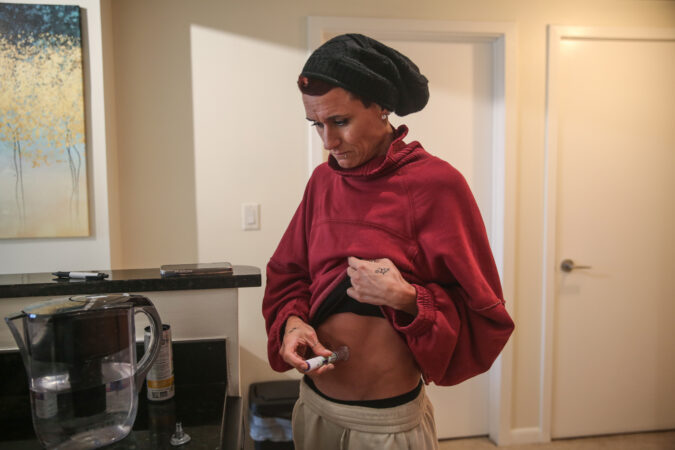
    Akin, the Caron patient who is approaching one year sober, said she relies on her inheritance to pay nearly $1,000 every month for prefilled Zepbound shots. Akin could receive a modest discount in the coming months now that Eli Lilly, along with Novo Nordisk, announced they could lower direct-to-consumer prices as part of a deal struck with the Trump administration.

    She considers Zepbound an essential drug like insulin.

    “It’s not a cure. We have to do the work,” Akin said. “But it helps. It slows things down enough to the point where you don’t feel like you have to jump off a bridge or put your head in a cocaine plant to survive.”

  • One year of inspections at Temple University Hospital: September 2024 – August 2025

    One year of inspections at Temple University Hospital: September 2024 – August 2025

    Temple University Hospital’s Episcopal campus was cited by the Pennsylvania Department of Health for failing to maintain cleaning logs for the crisis center in May.

    The incident was among more than a dozen times inspectors visited Temple’s main campus, Jeanes campus, or Episcopal campus to investigate potential safety problems between September 2024 and August. The three campuses operate under a shared license, and inspection reports do not always distinguish which campus inspectors visited.

    Here’s a look at the publicly available details:

    • Sept. 27, 2024: Inspectors came to investigate a complaint but found the hospital was in compliance. Complaint details are not made public when inspectors determine it was unfounded.
    • Oct. 1: Inspectors followed up on a January 2024 citation and found the hospital was in compliance. The Episcopal campus had been cited for failing to properly update and document mental health patients’ records and treatment plans every 30 days.
    • Jan. 6, 2025: The Joint Commission, a nonprofit hospital accreditation agency, renewed the hospital’s accreditation, effective May 2024, for 36 months.
    • Jan. 11: Inspectors came to investigate three separate complaints but found the hospital was in compliance.
    • Jan. 16: Inspectors came to investigate a complaint but found the hospital was in compliance.
    • Jan. 21: Inspectors came to investigate a complaint but found the hospital was in compliance.
    • Jan. 29: Inspectors came to investigate a complaint but found the hospital was in compliance.
    • Feb. 5: Inspectors came to investigate a complaint but found the hospital was in compliance.
    • Feb. 11: Inspectors came to investigate a complaint but found the hospital was in compliance.
    • Feb. 21: Inspectors came to investigate a complaint but found the hospital was in compliance.
    • March 4: Inspectors came to investigate a complaint but found the hospital was in compliance.
    • March 10: Inspectors came to investigate a complaint but found the hospital was in compliance.
    • March 12: Inspectors visited for a monitoring survey and found the hospital had violated rules related to patients’ rights to care by competent personnel. Details of the problem were not made public because the issue was fixed before inspectors arrived. The hospital’s correction plan included educating staff about how to protect vulnerable patients from leaving the hospital against medical advice. Administrators also established a system to review patients at risk and an environmental safety checklist.
    • March 31: Inspectors came to investigate a complaint but found the hospital was in compliance.
    • April 4: Inspectors came to investigate a complaint but found the hospital was in compliance.
    • May 6: Inspectors cited Temple’s Episcopal campus for not having sanitation documentation and cleaning logs for the crisis response center. Administrators retrained staff on the hospital’s sanitation policies and record-keeping requirements.
    • May 8: Inspectors came to investigate a complaint but found the hospital was in compliance.
    • June 10: Inspectors came to investigate a complaint but found the hospital was in compliance.
    • July 14: Inspectors came to investigate a complaint at the Jeanes campus but found the hospital was in compliance.
  • CDC website changed to contradict scientific conclusion that vaccines don’t cause autism

    CDC website changed to contradict scientific conclusion that vaccines don’t cause autism

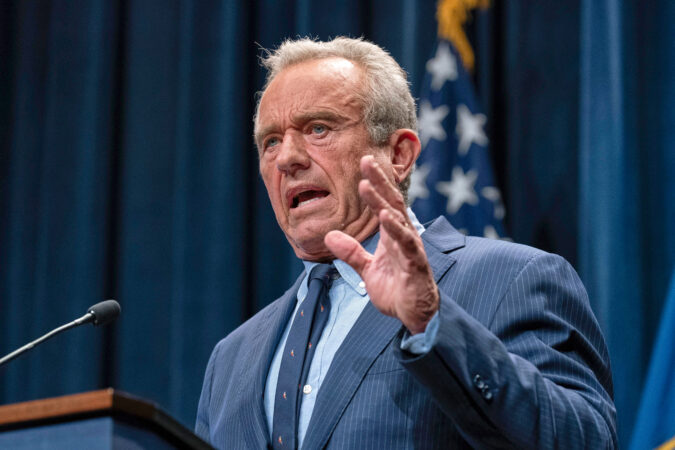
    NEW YORK — A Centers for Disease Control and Prevention website has been changed to contradict the longtime scientific conclusion that vaccines do not cause autism, spurring outrage among a number of public health and autism experts.

    The CDC “vaccine safety” webpage was updated Wednesday, saying “the statement ‘Vaccines do not cause autism’ is not an evidence-based claim.”

    The change is the latest move by the U.S. Department of Health and Human Services to revisit — and foster uncertainty about — long-held scientific consensus about the safety of vaccines and other pharmaceutical products.

    It was immediately decried by scientists and advocates who have long been focused on finding the causes of autism.

    “We are appalled to find that the content on the CDC webpage ‘Autism and Vaccines’ has been changed and distorted, and is now filled with anti-vaccine rhetoric and outright lies about vaccines and autism,” the Autism Science Foundation said in a statement Thursday.

    Widespread scientific consensus and decades of studies have firmly concluded there is no link between vaccines and autism. “The conclusion is clear and unambiguous,” said Dr. Susan Kressly, president of the American Academy of Pediatrics, in a statement Thursday.

    “We call on the CDC to stop wasting government resources to amplify false claims that sow doubt in one of the best tools we have to keep children healthy and thriving: routine immunizations,” she said.

    The CDC has, until now, echoed the absence of a link in promoting Food and Drug Administration-licensed vaccines.

    But anti-vaccines activists — including Robert F. Kennedy Jr., who this year became secretary of Health and Human Services — have long claimed there is one.

    It’s unclear if anyone at CDC was actually involved in the change, or whether it was done by Kennedy’s HHS, which oversees the CDC.

    Many at CDC were surprised.

    “I spoke with several scientists at CDC yesterday and none were aware of this change in content,” said Dr. Debra Houry, who was part of a group of CDC top officials who resigned from the agency in August. “When scientists are cut out of scientific reviews, then inaccurate and ideologic information results.”

    The updated page does not cite any new research. It instead argues that past studies supporting a link have been ignored by health authorities.

    “HHS has launched a comprehensive assessment of the causes of autism, including investigations on plausible biologic mechanisms and potential causal links. Additionally, we are updating the CDC’s website to reflect gold standard, evidence-based science,” said HHS spokesman Andrew Nixon, in an email Thursday.

    A number of former CDC officials have said that what CDC posts about certain subjects — including vaccine safety — can no longer be trusted.

    Dr. Daniel Jernigan, who also resigned from the agency in August, told reporters Wednesday that Kennedy seems to be “going from evidence-based decision making to decision-based evidence making.”

    U.S. Sen. Bill Cassidy, a Louisiana Republican, earlier this year played a decisive role in approving Kennedy’s nomination for HHS secretary. Cassidy initially voiced misgivings about Kennedy, but in February said Kennedy had pledged — among other things — not to remove language from the CDC website pointing out that vaccines do not cause autism.

    The new site continues to have a headline that says “Vaccines do not cause autism,” but HHS officials put an asterisk next to it. A note at the bottom of the page says the phrasing “has not been removed due to an agreement with the chair of the U.S. Senate Health, Education, Labor, and Pensions Committee that it would remain on the CDC website.”

    Cassidy’s spokespersons did not immediately respond to a request for comment.

  • Bayada Home Health Care has appointed Bryony Winn as next CEO

    Bayada Home Health Care has appointed Bryony Winn as next CEO

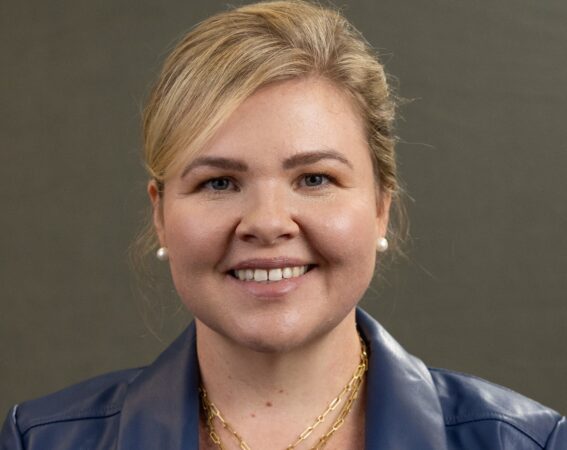
    Bayada Home Health Care, a Moorestown nonprofit that is one of the nation’s largest providers of home health and related services, appointed Bryony Winn as its next CEO, Bayada announced Thursday.

    When she takes over March 2, Winn will be the first outside CEO of the organization that was founded in 1975 by entrepreneur J. Mark Baiada. He turned the company into a nonprofit in 2019.

    Winn will succeed the founder’s son, David, who has been CEO for eight years.

    Until this month, Winn was president of Caralon, a unit of health insurer Elevance that provides assorted services, including prior authorizations, to other health plans. Before that, she worked at Blue Cross Blue Shield of North Carolina and as a consultant at McKinsey & Co.

    “Leading an organization like Bayada is the opportunity of a lifetime,” Winn said. “It’s a special organization that makes a real, tangible impact on people and health worldwide. I can’t wait to get started.”

    Until Winn arrives, David Baiada will remain CEO, and then will join the organization’s board of directors and act as an adviser to Winn.

    Bayada had roughly $2 billion in annual revenue last year, the organization said. In addition to traditional home healthcare, Bayada offers private-duty nursing and hospice care.

    In June, Bayada laid off about 10% of the staff in its Pennsauken offices, where back-office and other services are provided for the entire company. Bayada employs more than 30,000 people.

  • Bryn Mawr birth center Lifecycle Wellness to close in early 2026

    Bryn Mawr birth center Lifecycle Wellness to close in early 2026

    Lifecycle Wellness, a birth center in Bryn Mawr that offered an alternative to hospital delivery for Philadelphia-area parents, is shutting down operations amid growing financial pressure, the nonprofit announced Thursday.

    The nonprofit, which provides “homelike” births for low-risk pregnancies at its birth center and at Bryn Mawr Hospital, will stop delivering babies on Feb. 15. Patients who are due on Feb. 1 or later will need to transition to a different provider.

    In an open letter posted on its website Thursday, Lifecycle leaders said the organization was strained by rising operations and medical malpractice costs that outpaced insurance reimbursement rates — industrywide challenges that have plagued small and large health organizations alike.

    “From the beginning, Lifecycle Wellness has been dedicated to providing evidence-based, family-centered care that empowers clients to make informed choices and experience birth in a supportive, homelike environment,” Jessi Schwarz, executive and clinical director, and Lauren Harrington, board president, wrote. But, they added, “growing challenges have made it increasingly difficult for small, independent, and non-profit maternal health providers to exist.”

    Lifecycle reported a profit of $135,303 last year, down from $221,578 in 2023, according to its most recent tax filings.

    The organization provided prenatal and birthing services to about 600 patients a year, according to its 2024 tax filings. It employed 73 people that year.

    But in their letter announcing the closure, Schwarz and Harrington said that “shifts in public health and rising rates of medical complications have reduced the number of families eligible for this model of care.”

    Medical malpractice strain

    The number of malpractice cases rose in Philadelphia after a 2023 rule change allowed patients to sue outside the county in which they received medical treatment.

    Medical malpractice lawsuits are common in obstetrics, and Philadelphia’s court is known for verdicts with high awards.

    In 2023, a Philadelphia jury awarded a record-setting $180 million to the family of a child who was born with severe brain injuries at the Hospital of the University of Pennsylvania.

    The Birth Center is currently facing seven lawsuits in Philadelphia.

    The industry’s financial headwinds can be harder for independent, specialized healthcare organizations to face.

    Last year, Rothman Orthopaedic Institute ended a decades-long run as the official team physicians for the Philadelphia Eagles, citing the risk of medical malpractice liability. A year earlier, a Philadelphia jury awarded $43.5 million to former Eagles safety Chris Maragos, who sued Rothman over the treatment he received for a career-ending knee injury.

    Birth resources outside Philadelphia

    Lifecycle said it would continue to work with families who are expected to give birth by the end of January.

    The organization will work with families due after Feb. 1 to identify a new provider and transition their care.

    Lifecycle plans to continue offering limited prenatal, postnatal, and gynecological care through the end of March. The organization will also phase out its mental health and lactation services in February and March.

    “Access to respectful, equitable, community-based care is shrinking for many, particularly for marginalized communities who need it most,” Schwarz said in a statement to The Inquirer. “Our situation reflects a broader reality that the health, safety, and well-being of pregnant people and families is not prioritized within our current payment structures.”

    They did not offer specifics about where existing patients may be able to transfer their care.

    Birth centers are designed as alternatives to hospitals, offering a more natural, “homelike” setting. They have limited pain medications, and patients are typically not connected to fetal monitoring devices, allowing them to move more freely.

    This type of care is only an option for low-risk pregnancies, as birth centers are not licensed to perform c-section operations, and will need to transfer patients to a hospital if there is a serious complication during birth.

    “I felt very much in the arms of a beloved community of people who were really on your side,” said Monica Moran, who delivered her children with the support of Lifecycle midwives in 2007 and 2009.

    Moran, who lives in Havertown, has continued to go to Lifecycle for routine gynecological services and isn’t sure where she will go instead.

    She said she worries for families who were counting on Lifecycle’s providers for a nonhospital delivery.

    Nearby hospitals with labor and delivery services include Bryn Mawr Hospital and Lankenau Medical Center, both of which are owned by Main Line Health.

    The system is “well-positioned and prepared to manage increased patient volume while maintaining our high standards of care,” a spokesperson said in a statement.

    It has already seen an influx of patients since Crozer Health closed earlier this year. Crozer delivered 960 babies in 2024, according to health department records.

  • A New Jersey organ donation nonprofit is accused of ordering an organ recovery to go forward after a patient ‘reanimated’

    A New Jersey organ donation nonprofit is accused of ordering an organ recovery to go forward after a patient ‘reanimated’

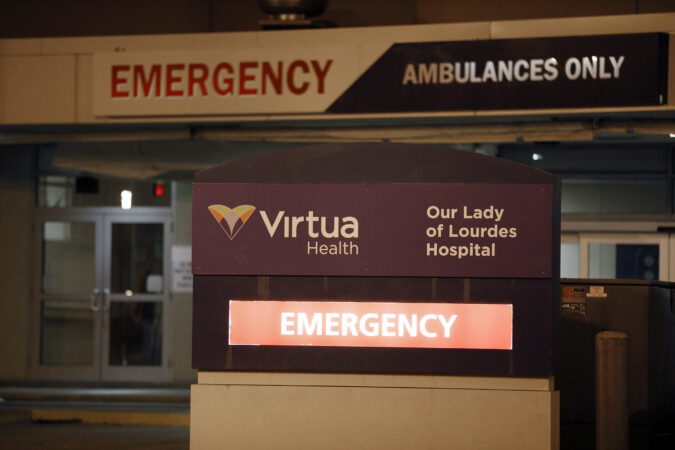
    The president of a major New Jersey organ donation nonprofit told a subordinate at a Camden hospital to continue procuring organs from a patient thought to be dead — after that person “reanimated” during the organ recovery process, federal lawmakers alleged in a letter made public Wednesday.

    Instead, hospital staff at Virtua Our Lady of Lourdes Hospital intervened to stop the procedure, members of the House Committee on Ways and Means said in the letter, dated Nov. 19.

    The committee, which has been investigating malpractice among organ donation nonprofits, said it was probing allegations that the New Jersey Organ and Tissue Sharing Network, or NJ Sharing Network, engaged in a number of questionable practices.

    The letter said whistleblowers accused the organization of disposing of organs meant for research, pressuring families to donate organs from patients who had revoked their organ donor status, and skipping over patients on a waiting list for donated organs.

    The committee said that, in some cases, NJ Sharing Network could be violating federal law.

    NJ Sharing Network and Virtua Health did not immediately return requests for comment Thursday.

    The House’s probe into NJ Sharing Network’s practices comes after years of scrutiny for the nation’s organ donation system and amid investigations into several other organ donation organizations by the committee. The Washington Post reported that as early as 2022, Senate investigators found 70 people had died after organ donation organizations failed to screen donated organs for cancer and other diseases.

    This year, the federal Department of Health and Human Services said it had found evidence that an organ donation organization in Kentucky, West Virginia, and Ohio had initiated organ procurement procedures on at least 28 patients who might not have been dead. The organ donations ultimately did not continue.

    In September, the Post reported, a former NJ Sharing Network staffer named Patrek Chase filed a lawsuit against the nonprofit and two other organ donation organizations, alleging that they had collected organs that weren’t appropriate for transplants in order to pull in more Medicaid reimbursements.

    Organ donation organizations are under intense pressure to find healthy organs for a growing population of people who need them, said Arthur Caplan, a bioethics professor at New York University who previously worked at the University of Pennsylvania.

    “A lot of these pressures may lead to some bad behavior,” he said.

    He advised Congress as it set up the nation’s organ donation system in the 1980s, but said certain aspects of the system need to be examined now. For one, it may be too big — fewer organ procurement organizations might result in a more efficient system with better-trained staff, he said.

    Some organizations do not obtain enough organs to serve patients in need, he said.

    “It’s been tolerated for a while, and it needs to be explained,” he said. “And for the ones that are doing well, what are they doing well? Are any of them pushing too hard? We want to protect grieving families and make sure people who want to be donors have their wishes honored.”

    Still, he said, Congress’ scrutiny of malpractice in the industry comes alongside a reluctance to spend more money to improve the system.

    “There are also congressional inquiries saying, ‘Why aren’t you getting more organs? And we’re not giving you any more money for training or anything else,’” he said. “The pressure is coming in both directions.”

    Given the need for organs, he said, he was concerned that news of malpractice could turn people away from donating organs.

    “We need more organ donors. It sounds bananas, in context,” he said. But, he said, if more people donated their organs — and the donation system undergoes necessary reforms — pressures to procure organs might ease.

    Allegations of malpractice

    The House committee wrote in its letter to NJ Sharing Network that the organ procurement case at Our Lady of Lourdes took place in summer 2025, about two weeks before the committee informed the organization it was investigating allegations of malpractice there.

    The patient was on “life-sustaining” therapy, the committee wrote, and NJ Sharing Network asked the person’s family for consent to remove the organs for donation. Though pronounced dead before the “organ recovery process” began, the patient “reanimated” during the process, the committee wrote.

    The committee did not specify at what point the person reanimated, what signs of life were exhibited, or whether the patient was injured during the process.

    The NJ Sharing Network administrator on call contacted the nonprofit’s president, Carolyn Welsh, and asked what to do, the committee wrote.

    The committee said it had “obtained information” that Welsh told her staff to go ahead with the organ recovery process. Hospital staff, however, stepped in and stopped the process, the committee said — though, afterward, Welsh’s staff kept pressuring hospital staff to continue.

    Whistleblowers also told the House panel that emails linked to the donation case were deleted and that the donor’s record may have been tampered with, the committee wrote.

    Caplan said it was difficult to comment on the case without more information on the patient or the person’s condition.

    Patients who are candidates for organ donation are seriously ill or injured, and “reanimation” does not necessarily mean that a person instantly regained consciousness, he said. It could mean that a person’s heart regained some electrical activity and pumped for several more hours, he said.

    It is crucial for doctors to be properly trained on when and how to declare a patient dead, Caplan said, and sometimes making that call can be difficult. Conditions like a drug overdose or a drowning in very cold water can make it difficult to gauge brain death or heart stoppage.

    Allocating organs

    Citing public records from federal health agencies, the committee said that, about a quarter of the time, NJ Sharing Network allocated organs for transplant “out of sequence” — skipping over people on waiting lists for organ transplants, and doing so more often than some peer organizations.

    Sometimes, allocating organs out of sequence is necessary, the committee wrote, such as when an organ is reaching the maximum amount of time that it can be preserved outside a person’s body and must be implanted as soon as possible. But a staffer at the New Jersey organization allegedly sent organs to “friends in the industry” at a list of “aggressive centers,” the committee wrote.

    It was unclear what was meant by “aggressive centers.”

    The committee said that it had received information that skirting typical allocation procedures for just one case meant that “several individuals” waiting for organs had died, several had been removed from the organ wait list because their medical conditions worsened, and more than 100 people who were skipped over are still on the list.

    The committee said that it was also concerned NJ Sharing Network had kept information from the panel after an earlier request for documents. The committee asked for more documents and communications from the organization and requested interviews with more than two dozen staff.

  • Is my husband a narcissist? He’s self-centered and lacks empathy. | Expert Opinion

    Is my husband a narcissist? He’s self-centered and lacks empathy. | Expert Opinion

    Q: I’ve been married for only two years, and I’m already wondering if I made a bad decision. When we were dating, my husband was incredibly charming and thoughtful, and in many ways, much more sensitive and dialed in than most of the men I had dated. And since my track record hasn’t been great, I dated him for at least a year before getting engaged so I had time to really get to know him. Or so I thought, because the warm and charming man he once was started going away almost as soon as our wedding was over. And far from being the considerate person who charmed me, he’s incredibly self-centered, moody and angry most of the time. When the topic is on him, it’s all good; but as soon as I want to talk about what’s going on in my life, he gets bored, annoyed, or downright mean. Did I marry a narcissist?

    A: It’s not uncommon for people to wonder whether a partner’s self-centeredness, emotional volatility, or lack of empathy points to narcissism. The term gets thrown around so often that it can lose meaning — but for those who live with a truly narcissistic partner, the experience is anything but trivial.

    Recent research shows that while full narcissistic personality disorder (NPD) is relatively rare, its impact on intimate relationships can be profound. People with NPD share a cluster of traits centered on grandiosity (believing they’re superior or above the rules), entitlement, and impaired empathy, expressed through an exaggerated need for admiration, a fragile and easily threatened sense of self, and a tendency to exploit or dismiss others’ needs. They often oscillate between inflated self-importance and deep insecurity, react poorly to criticism, and rely on defenses such as blame-shifting, minimization, or rage to protect a vulnerable self-image.

    Studies of couples in which one partner has elevated narcissistic traits or NPD have found patterns of low empathy, high conflict, and poor responsiveness to a partner’s needs, often driven by the narcissistic partner’s fragile self-esteem and heightened sensitivity to criticism.

    This means that the distress you feel is not imagined — NPD reliably predicts greater marital dissatisfaction, more emotional volatility, and higher rates of separation.

    Researchers today also distinguish between grandiose and vulnerable narcissism. Grandiose narcissists tend to be dominant, entitled, and attention seeking. They’re also more likely to be difficult in romantic relationships, less empathic, and more prone to infidelity.

    Vulnerable narcissists, on the other hand, tend more toward hypersensitivity and fears of being shamed. Like grandiose narcissists, vulnerable narcissists crave validation, but withdraw or attack when criticized. Both forms undermine romantic relationships, but in different ways: one through arrogance, the other through insecurity.

    However, whether he is narcissistic doesn’t necessarily mean that you should leave him. Research suggests that narcissistic traits can soften over time, particularly when life experiences challenge the person’s grandiosity.

    Therapy can also help partners by getting them to focus less on “fixing” the narcissist and more on clarifying boundaries, recognizing manipulation, and reclaiming one’s own sense of reality.

    Psychotherapy can also help if he is motivated, but genuine change requires confronting shame, entitlement, and fear of dependency — tasks many with NPD tend to resist.

    It may not be just narcissism

    In addition to narcissism, there are other potential diagnoses and dynamics that could be operating. Perhaps your husband is depressed. Research shows that men often externalize depression through irritability, defensiveness, or emotional shutdown rather than sadness. This occurs in part because of cultural expectations that discourage vulnerability in men. What can look like indifference or hostility may, in some cases, be a form of masked distress — an effort to manage feelings that are too threatening to acknowledge directly.

    On the other hand, he may have issues with drugs or alcohol, which can also lead to moodiness, self-centered behavior and, in the case of stimulants, grandiosity.

    Perhaps he has intense fears of losing you and that causes him to defend against how weak or vulnerable it makes him feel. Instead, he diminishes your value so you’re not as important in his heart or mind.

    None of these make him easy to live with, but they all suggest a different response from you or a different treatment strategy if he or you were to enter therapy.

    The pull of the familiar

    Since you said that your track record with choosing men isn’t great, it may be useful to do some reflection or therapy around why you’re drawn to certain types. Sometimes we have blind spots in who we’re attracted to because they have much in common with parental figures who made us feel unloved or unseen. Familiarity can be a serious attractor because of the kind of predictability it seems to offer.

    In addition, someone who appears to “have it all” may promise to heal all the broken or wounded places inside us and blind us to the reality that they’re a little too good to be true.

    We don’t fall for people at random — we choose those who make us feel like ourselves. The trouble is, if our self-view isn’t great, we’re vulnerable to choosing partners, even friends, who bruise us in familiar ways. Psychologists call this self-verification: the drive to confirm what we already believe about ourselves, however irrational or negative that self-image.

    Whatever the diagnosis, you’ll need additional support to navigate what you’re facing. A good couples therapist can be particularly helpful because they can assess what’s driving his behavior and identify whether referrals to other therapists or agencies are warranted.

    Meanwhile, regardless of the diagnosis, your needs for empathy, care, and reflection are just as important as his. If he does carry the diagnosis of NPD, the following principles can help:

    1. Stop arguing with reality. People with NPD often distort facts to preserve their self-image. Trying to prove your version of events can leave you frustrated and drained. Instead of debating every detail, focus on what’s true for you: your boundaries, feelings, and choices.

    2. Set limits early and consistently. Boundaries aren’t punishments; they’re forms of self-respect. If he’s responding to you with hostility, try saying the following: “I won’t be talked to in that way. If you have something you’d like to tell me, I’m happy to listen, but I won’t tolerate being criticized or demeaned by you or anyone else.” If you find yourself close to the edge of divorce, tell him before it’s too late. His self-centeredness may blind him to the possibility of losing you. You can say, “If this doesn’t change, I’m not sure I can stay married to you.” Narcissistic partners may test limits repeatedly, so consistency matters more than explanation. Calm, brief, and predictable responses are more effective than emotional appeals.

    3. Don’t take the bait. Narcissistic partners often escalate conflict to reassert dominance or control. When you stay centered and refuse to match their reactivity, you deprive the dynamic of its usual fuel. This isn’t submission — it’s strategy. Use the technique of “gray rocking.” If he begins provoking you with criticism or baiting you into an argument, try responding in a neutral, minimally reactive way, such as: “I understand that you’re upset.” No counteraccusations, defending, or emotional escalation. You keep your tone flat and your answers brief, and you avoid being pulled into the cycle. The goal isn’t to be cold; it’s to not reward the behavior with the intensity or engagement it’s designed to elicit, which often helps de-escalate the interaction.

    4. Protect your self-esteem. Over time, living with a narcissistic partner can make you question your value. Remind yourself that their inability to empathize isn’t proof that you’re unworthy — it’s evidence of their disorder. Surround yourself with people who mirror your strengths and kindness, not your partner’s distortions.

    5. Plan for safety — emotional and physical. If manipulation turns to threats, intimidation, or physical aggression, take it seriously. Reach out to trusted friends, a therapist, or a domestic violence hotline. Protecting yourself isn’t betrayal; it’s survival.

    You didn’t cause your husband’s behavior, nor can you cure it — but you can respond with clarity and care. Whether the problem is narcissism, depression, or something else, healthy relationships require mutual accountability, empathy, and respect. If he’s willing to work on those qualities, change is possible. If not, your task isn’t to fix him — it’s to protect your own stability and make choices that restore safety and dignity. Sometimes the healthiest outcome is renewed and deepened understanding; other times, it’s learning to let go without bitterness. Either way, your safety and sanity are nonnegotiable.

    Joshua Coleman, PhD, is a clinical psychologist in the Bay Area, keynote speaker and senior fellow with the Council on Contemporary Families. His newest book is “Rules of Estrangement: Why Adult Children Cut Ties and How to Heal the Conflict.” His Substack is Family Troubles.

  • ‘They don’t return home’: Cities across U.S. fail to curb traffic deaths

    ‘They don’t return home’: Cities across U.S. fail to curb traffic deaths

    Kris Edwards waited at home with friends for his wife, Erika “Tilly” Edwards, to go out to dinner, but she never made it back to the house they had purchased only four days earlier. Around 9 p.m. on June 29, a hit-and-run driver killed Tilly as she walked to her car after a fundraiser performance in Hollywood.

    “I’ve just got to figure out how to keep living. And the hard part with that is not knowing why,” Edwards said of his wife’s death.

    Despite local, state, and federal safety campaigns, such as the global Vision Zero initiative to eliminate traffic fatalities, such deaths are up 20% in the U.S. from a decade ago, from 32,744 in 2014 to an estimated 39,345 in 2024, according to data from the Department of Transportation’s National Highway Traffic Safety Administration. Although traffic deaths have declined since peaking at 43,230 in 2021, the number of deaths remains higher than a decade ago.

    Since the COVID-19 pandemic, the Pew Research Center found, Americans’ driving habits have worsened across multiple measures, from reckless driving to drunken driving, which road safety advocates call a public health failure. They say technology could dramatically reduce traffic deaths, but proposals often run up against industry resistance, and the Trump administration is focusing on driverless cars to both innovate and improve public safety.

    “Every day, 20 people go out for a walk, and they don’t return home,” said Adam Snider, a spokesperson for the Governors Highway Safety Association, which represents state road safety offices.

    American roads have become more dangerous than violent crimes in some cities: Los Angeles, San Francisco, and Houston are among the major cities that now report more traffic fatalities than homicides. In 2024, the Los Angeles Police Department reported an estimated 268 homicides and 302 traffic deaths, the second consecutive year that the number of people killed in collisions exceeded the number of homicide victims, according to Crosstown LA, a nonprofit community news outlet.

    San Francisco reported more than 40 traffic deaths and 35 homicides in 2024. In Houston, approximately 345 people died in crashes and 322 from homicide.

    Philadelphia had 134 traffic deaths last year, 59 of which involved pedestrians hit by vehicles.

    “Simply put, the United States is in the middle of a road safety emergency,” David Harkey, president of the Insurance Institute for Highway Safety, testified during a House Energy and Commerce subcommittee hearing this summer. Out of 29 high-income countries, America ranks at the bottom in road safety, Harkey said. “This spike is not — I repeat, is not — a global trend. The U.S. is an outlier.”

    In January 2017, then-Mayor Eric Garcetti joined 13 other L.A. city leaders in pledging to implement the Vision Zero action plan and eliminate traffic deaths in the city by 2025.

    Instead, deaths have increased.

    An audit released in April that was commissioned by the city’s administrative officer found that the level of enthusiasm for the program at City Hall has diminished and that it suffered because of “the pandemic, conflicts of personality, lack of total buy-in for implementation, disagreements over how the program should be administered, and scaling issues.” The report also cited competing interests among city departments and inconsistent investment in the city’s most dangerous traffic corridors.

    Mayor Karen Bass’ office did not immediately respond to requests for comment.

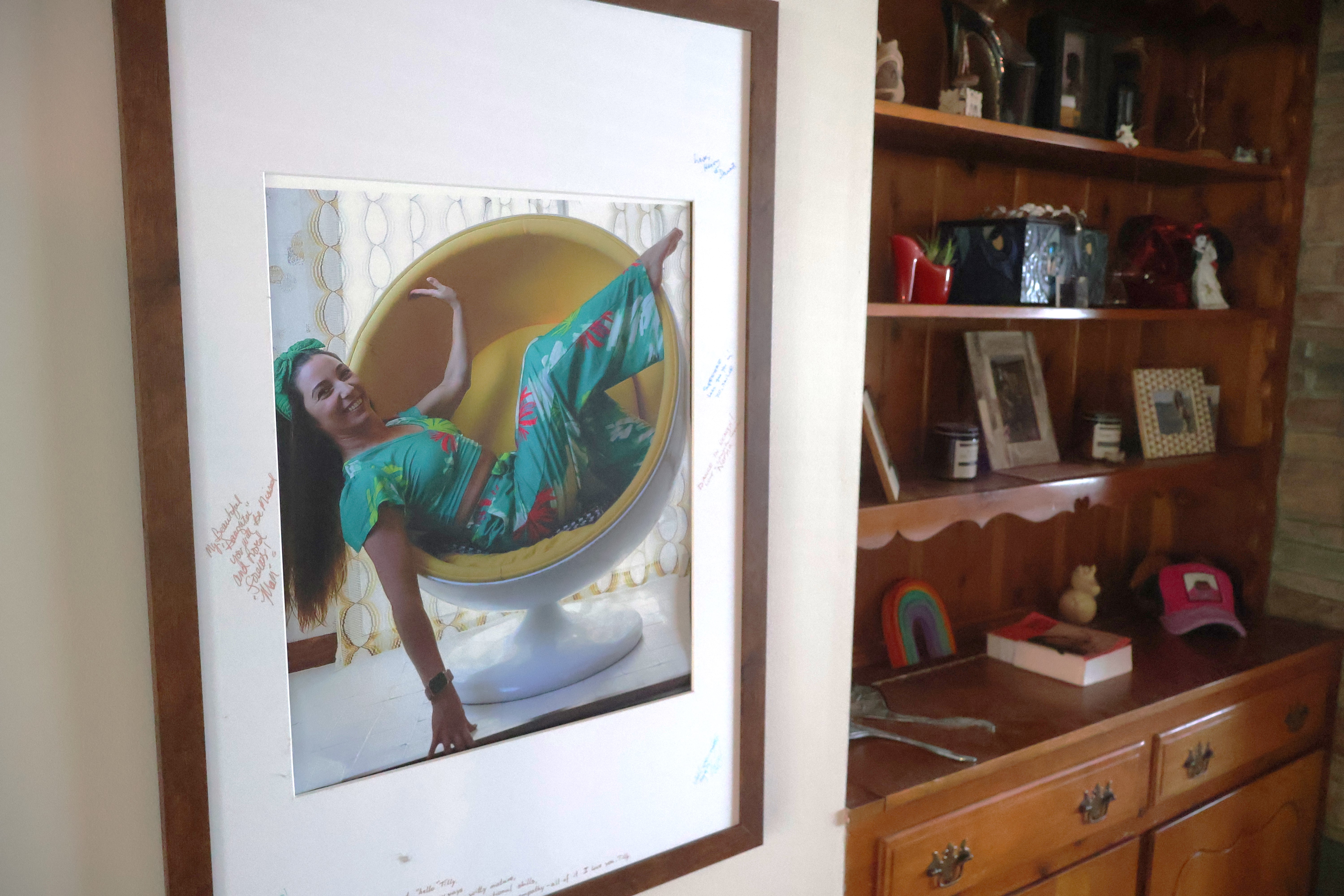
    A hit-and-run driver killed Erika “Tilly” Edwards as she walked to her car after a fundraiser performance in Los Angeles’ Hollywood neighborhood in June 2025. Despite safety campaigns, U.S. traffic deaths are up 20% from a decade ago, according to the Department of Transportation. (Chaseedaw Giles/KFF Health News)

    Last year, California state Sen. Scott Wiener proposed a bill that would have required new cars sold in the state to include “intelligent speed assistance,” software that could prevent vehicles from exceeding the speed limit by more than 10 mph. But the bill was watered down following pushback from the auto industry and opposition from some legislators who called it government overreach. It was ultimately vetoed by Democratic Gov. Gavin Newsom, who said a state mandate would disrupt ongoing federal safety assessments.

    Meanwhile, the Alliance for Automotive Innovation, an influential automotive lobby, this year sued the federal government over an automatic emergency braking rule adopted during the Biden administration. The lawsuit is pending in federal court while the Department of Transportation completes a review. Even before Donald Trump was sworn in for his second term, the alliance appealed to the president-elect in a letter to support consumer choice.

    Under Trump, Transportation Secretary Sean Duffy is prioritizing the development of autonomous vehicles by proposing sweeping regulatory changes to test and deploy driverless cars. “Federal Motor Vehicle Safety Standards were written for vehicles with human drivers and need to be updated for autonomous vehicles,” NHTSA Chief Counsel Peter Simshauser said in September in announcing the modernization effort, which includes repealing some safety rules. “Removing these requirements will reduce costs and enhance safety.”

    Some Democratic lawmakers, however, have criticized the administration’s repeal of safety rules as misguided since new rules can be implemented without undoing existing safeguards. NHTSA officials did not respond to requests for comment about Democrats’ concerns.

    Advocates worry that without continued adoption of road safety regulations for conventional vehicles, factors such as excessive speed and human error will continue to drive fatalities despite the push for driverless cars.

    “We need to continue to have strong collaboration from the federal, state, local sectors, public sector, private sector, the everyday public,” Snider, of the Governors Highway Safety Association, said. “We need everyday drivers to get involved.”

    It took nearly a month for police to track down the driver of a Mercedes-Benz G-Wagen allegedly involved in Tilly’s death. Authorities have charged Davontay Robins with vehicular manslaughter with gross negligence, felony hit-and-run driving, and driving with a suspended license due to a previous DUI. He has pleaded not guilty to all charges and is out on bail.

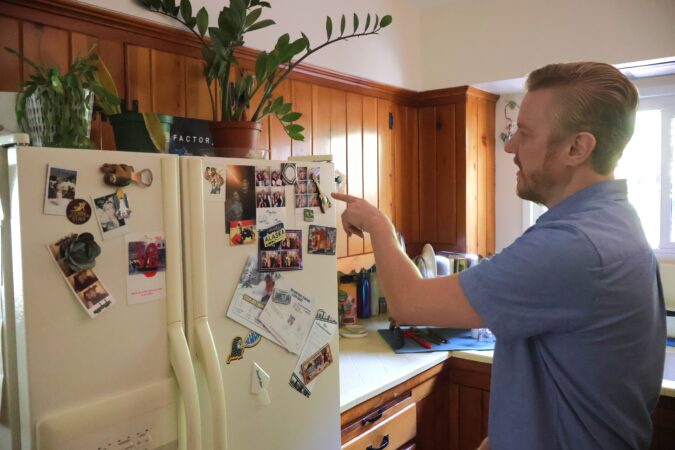
    Kris Edwards now tends to the couple’s backyard garden by himself. Since his wife’s death, he has experienced sleep deprivation, fatigue, and trouble eating, and he relies on a cane to walk. His doctors attribute his ailments to the brain’s response to grief.

    “I’m not alone,” he said. “But I am lonely, in this big, empty house without my partner.”

    Edwards hopes for justice for his wife, though he said he’s unsure if prosecutors will get a conviction. He wants her death to mean something: safer streets, slower driving, and for pedestrians to be cautious when getting in and out of cars parked on busy streets.

    “I want my wife’s death to be a warning to others who get too comfortable and let their guard down even for a moment,” he said. “That moment is all it takes.”

  • Jefferson Abington closes behavioral health unit to accommodate emergency department overflow

    Jefferson Abington closes behavioral health unit to accommodate emergency department overflow

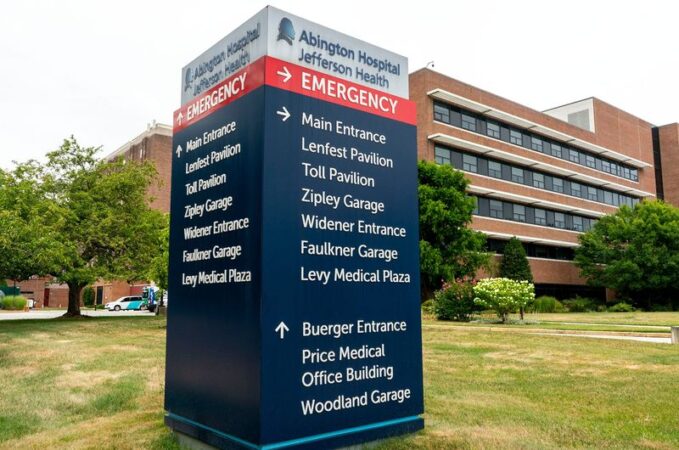
    Jefferson Abington Hospital has closed its inpatient behavioral health unit and will use the 23 beds to accommodate extra patients in its emergency department, the health system said this week.

    Abington will continue to provide crisis services to stabilize patients who are experiencing a mental health emergency when they arrive at the hospital, and will provide psychiatric evaluations needed to transfer them to specialized facilities. The hospital will also continue to provide outpatient behavioral health services.

    The shift “will better serve our emergency department patients both with and without behavioral health needs,” Jefferson Health said in a statement.

    A spokesperson confirmed the change on Tuesday but declined to say when the hospital had transitioned the 23 behavioral health beds into an emergency department “surge unit” or whether any staff members were laid off.

    Jefferson Health announced in October that it had laid off between 600 and 700 of its 65,000 employees. The system reported an operating loss of $104 million in the first quarter of fiscal 2026, which ended in September, driven largely by its struggling insurance business.

    The spokesperson also declined to say whether the hospital had plans to reopen the psychiatric unit in the future, or whether the change was part of ongoing restructuring across the sprawling 32-hospital system. Jefferson leaders have said they plan to streamline services across the Jefferson network, which has grown significantly through acquisitions since 2015.

    The hospital’s inpatient psychiatric unit treated 350 patients in 2024, according to the most recent data from the Pennsylvania Department of Health.

    Patients experiencing severe mental and behavioral health emergencies often need to be admitted to a specialized psychiatric hospital. General hospitals like Abington are critical entry points, helping to stabilize these patients and providing psychiatric evaluations, said Carla Sofronski, executive director of the PA Harm Reduction Network, a nonprofit organization that advocates for people with mental and behavioral health needs.

    Patients must be evaluated by a psychiatrist or psychologist before being transferred to a specialized facility.

    Sofronski said she worries that being in the emergency department could become even more stressful and scary for patients in a mental health crisis if they do not have dedicated rooms to decompress.

    “It’s a very busy emergency department — what does that experience look like for people who are suffering?” she said.

    Last year, an Abington security guard was accused by the Pennsylvania Department of Health of using excessive force against a patient being treated in the hospital’s psychiatric unit. Video footage of the hallway encounter obtained by The Inquirer showed the guard bringing the patient — who was naked beneath a hospital-bed blanket wrapped around her body — to the floor after she ignored his orders to stop walking. Jefferson has said the guard followed protocol.

    Jefferson declined to say where it planned to transfer patients.

    Other options nearby for patients in need of these services include Holy Redeemer Hospital’s 24 inpatient psychiatric beds, according to health department data from 2024, the most recent year available.

    Elsewhere in the Jefferson network, Jefferson Einstein Philadelphia has 37 inpatient psychiatric beds and the system’s flagship hospital has 16.