Category: Health

  • A charity offered free MRIs to screen for brain cancer. Doctors worry they’re not worth the risks.

    A charity offered free MRIs to screen for brain cancer. Doctors worry they’re not worth the risks.

    Sherri Horsey Darden has no family history of brain cancer, nor has she been having persistent headaches, seizures, or any other symptoms that could suggest a tumor.

    But when she heard the Brain Tumor Foundation, a New York-based charity, was offering free magnetic resonance imaging (MRI) brain scans in Philadelphia, she made sure to get an appointment.

    “A lot of times people have things and don’t know,” she said.

    She received her scan at Triumph Baptist Church of Philadelphia in North Philadelphia, where the foundation was offering scans last week to the general public. She’ll receive her results within a couple weeks.

    The foundation has hosted these screening events for more than a decade, with the goal of promoting early detection of brain tumors.

    Using MRI scans for preventive health screening has grown increasingly popular in recent years, with celebrities like Kim Kardashian touting expensive whole-body scans on social media.

    But many doctors worry that the risks outweigh the benefits. They say that screening MRIs of the brain could lead to unnecessary surgeries and anxiety, and that catching a brain tumor early wouldn’t always change a person’s outcomes. These scans are not typically covered by insurance if not ordered by a doctor, and can cost anywhere from $1,000 to $10,000.

    “There, to date, is no data available at all that would suggest that this is a useful approach,” said Stephen Bagley, a neuro-oncologist at Penn Medicine’s Abramson Cancer Center.

    In the best scenarios, preventive medical screening can help catch diseases early when they are most treatable, and give people peace of mind. But they can also lead to overdiagnosis, false positives, unnecessary stress, and costly follow-up procedures.

    This is why expert panels carefully evaluate which screening tools should be recommended to the general public. Decisions by the U.S. Preventive Services Task Force, considered the gold standard for evidence-based preventive care, weigh the potential harms involved against the likelihood of improving outcomes.

    Even the most common screenings for cancer, like mammograms for breast cancer and PSA tests for prostate cancer, have faced controversy and shifting guidelines regarding who should get them and how frequently they should be administered.

    There is no medical evidence showing that mass MRI screening is helpful. Still, all spots for the foundation’s multiday screening event at Triumph Baptist Church were claimed. Zeesy Schnur, executive director of the foundation, said they aim to scan 100 to 150 people in each city.

    Juanita Young, her husband, and her friend all booked consecutive appointments last week. Though she hasn’t had any symptoms that would make her think she had brain cancer, she signed up “just wanting to know,” she said.
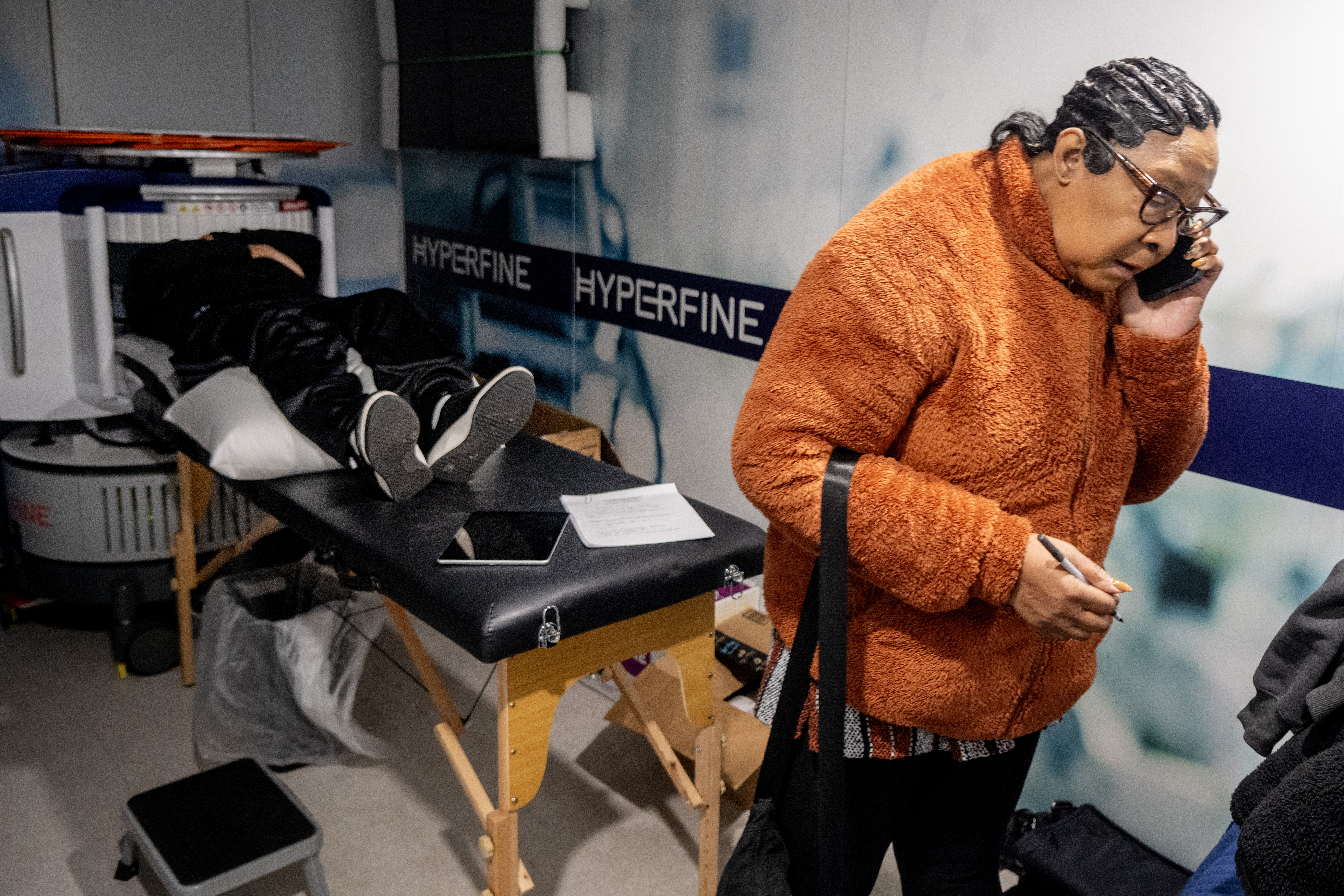
    Juanita Young, her husband, and her friend all booked consecutive appointments to get screened.

    Philadelphia visit

    The idea for the early detection campaign came from Patrick Kelly, a now retired neurosurgeon who started the foundation in 1998.

    He was frustrated to see the majority of his brain cancer patients die from the disease, and felt that treatment would be more effective if the tumors were found earlier, explained Schnur, who has been at the foundation since 2000.

    Kelly envisioned a future where, similar to going through the scanners at an airport security checkpoint, people could get a full scan of their body, “and then this piece of paper would pop out and say, ‘Hey, you have a problem here,’” Schnur recalled.

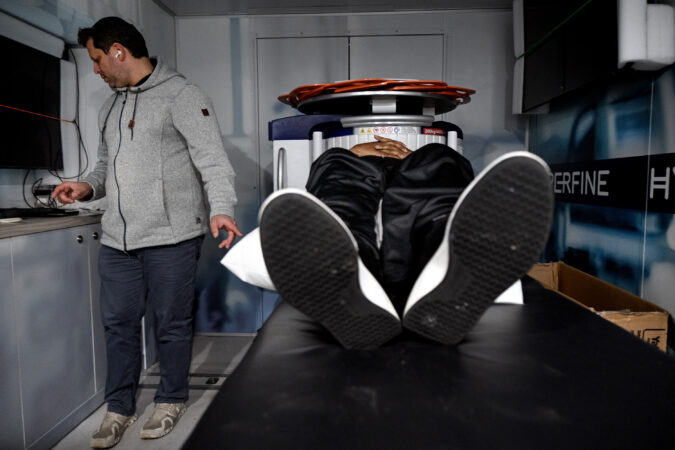
    The foundation offers brain MRIs for free at their events, covering the cost of administering the scan and having a radiologist read it. They use a portable MRI machine that only scans the brain and takes approximately 15 minutes.

    The foundation has chauffeured its machine all over the country through its “Sponsor-A-City” program, which allows people to donate the funds needed to bring the unit to a city of their choice. They usually pick cities that are demographically diverse.

    The event in Philadelphia was sponsored by Alexandra Schreiber Ferman, who lives in the area, through the more than $50,000 she raised from running the New York City Marathon.

    Schreiber Ferman’s paternal grandfather died from glioblastoma and was a patient of Kelly’s. Her family has been involved with the foundation since its inception.

    Schreiber Ferman got her first scan five or six years ago, after she had been having headaches. She pressured her parents to get her in for an MRI when the foundation’s unit was in Brooklyn.

    “Thankfully, everything was OK. I just was stressed out,” she said.

    Having a family history of the cancer makes her and her family more alert when it comes to headaches and other symptoms. Schreiber Ferman received her second scan Tuesday morning at the screening event.
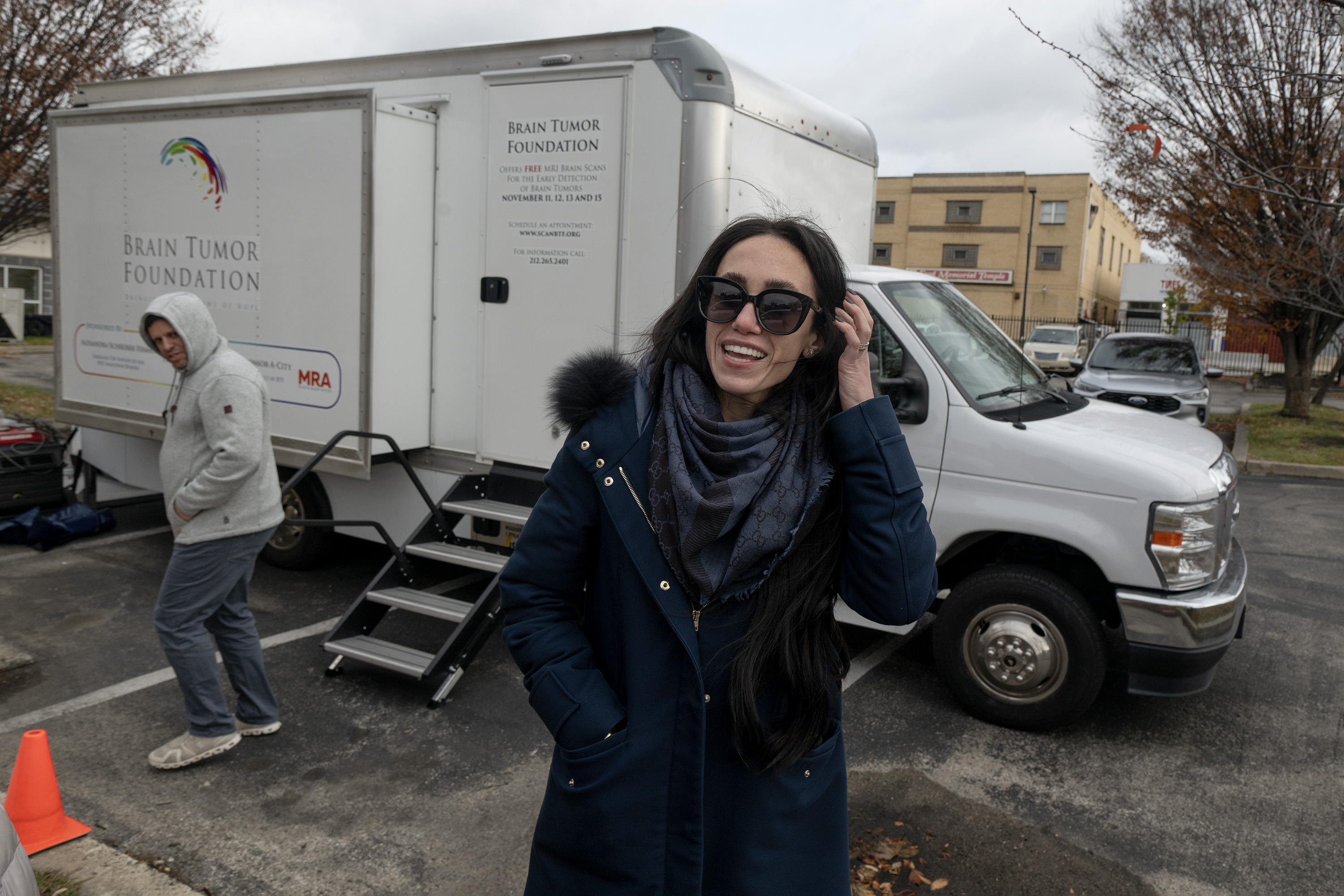
    Alexandra Schreiber Ferman sponsored the Brain Tumor Foundation’s event in Philadelphia.

    She said her family and people at the foundation feel that these scans should be “something that’s routine,” like mammograms and skin checks.

    “My goal would be that getting a brain scan becomes just a routine part of aging,” she said.

    Her father, who serves as chairman of the foundation, wants other people to have the chance to get screened and has helped sponsor past city visits.

    However, he himself has only gotten one screening since the program first started, and no longer wants any more.

    “My dad is adamant that he does not want to get a scan. I think for him, ‘ignorance is bliss,’” she said.

    What doctors say

    Screening tests have to meet certain criteria in order to become standard practice, explained Richard Wender, chair of family medicine and community health at Penn and former chief cancer control officer for the American Cancer Society.

    A national leader in cancer screening, he would not recommend that people undergo MRIs to screen for brain cancer.

    The first criteria for a screening tool to be recommended for the general population is that the disease is common, he said. The disease must also come with a high risk of harm or death and must have stages, so that it can be found before it causes symptoms.

    Lastly, available treatments for the disease have to be able to reduce the risk of serious outcomes.

    Brain cancer is unlikely to ever meet that criteria, Wender said, mainly because it isn’t common enough. There also isn’t sufficient evidence that finding a brain cancer earlier reduces the risk of a person dying from it.

    For example, the most common malignant brain tumor, glioblastoma, is so aggressive and invasive from the start, it is always considered a grade four tumor, noted Bagley, who serves as section chief of neuro-oncology at Penn.

    These cancers grow so quickly that the time between the tumor developing and someone showing up to the emergency room with symptoms is typically on the order of months, he said.

    “You cannot cure it, no matter when you find it,” Bagley said.

    A subset of brain tumors called grade two gliomas are slow-growing enough that catching them earlier could give a patient a better outcome. However, “it’s so rare, you’d have to do so many of these MRIs to find those tumors,” he said.

    Another issue with screening the general population is that there will inevitably be false positives.

    Some abnormalities in the brain might look like possible tumors on MRIs but turn out to be harmless.

    Yet, the person would have to undergo a medical procedure, such as a brain biopsy, to prove that it isn’t cancer.

    “You end up putting the patient through invasive brain procedures, lots of anxiety, and existential distress for what ends up to be nothing,” Bagley said.

    The same goes for benign brain tumors like meningioma, the most common type of brain tumor in adults. Roughly 39,000 cases are reported each year in the United States. A “very tiny percentage” of these ever become malignant, and it’s unknown if catching them early would help the patient in the long run, Bagley said.

    It might just mean the patient has to get MRIs every year for the rest of their life, or get surgery to remove a tumor that probably never would have been become a problem.

    Some of these patients have ended up seeking follow-up care from Ricardo Komotar, a neurosurgeon who directs the University of Miami Brain Tumor Initiative in Florida, after finding out they had benign tumors from screening MRIs. He tells these “super nervous” patients that it’s nothing to worry about, but now that they’ve found it, he has to follow it.

    As of right now, there is no good screening mechanism when it comes to the brain, Komotar said. He recommends only imaging a person’s brain if there’s a reason, such as a seizure, weakness, or migraines, or an injury, such as in a car accident.

    “Brain MRIs as screening have not been proven to help and, in my experience, they only hurt,” Komotar said.

    More research needed
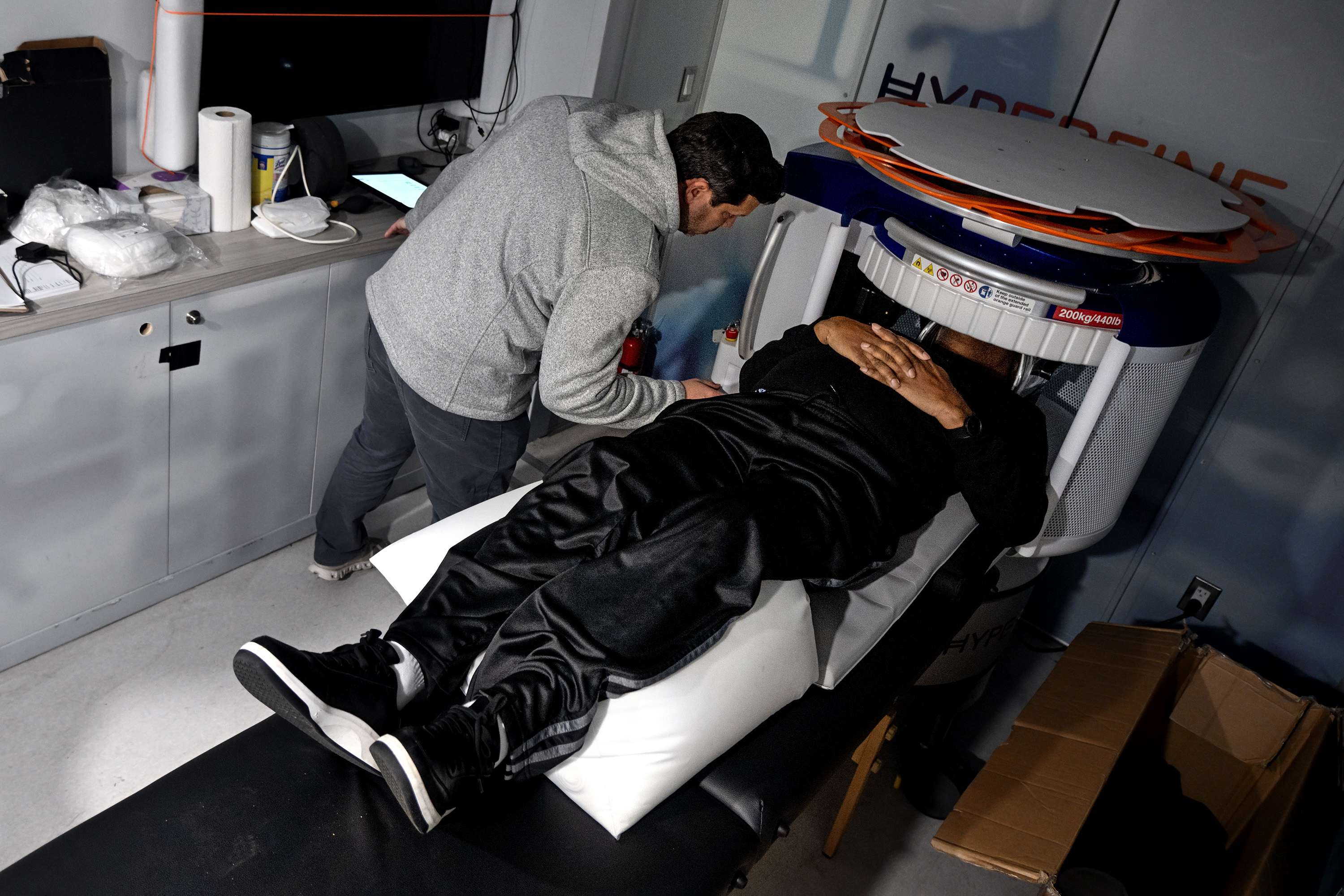
    Ethan Schnur checks on James Brown as he has his early detection brain tumor screening at the Brain Tumor Foundation event in Philadelphia.

    When the foundation first started offering scans, they were finding potential abnormalities in one out of every 100 people they screened. Those included anything from a brain tumor, to silent stroke, to an aneurysm.

    One example was a man from Staten Island who had no symptoms, but through the scan, found out he had a nonmalignant brain tumor. He got surgery to remove it.

    “He called us afterward to thank us,” Schnur said.

    Their stance is that these MRIs should be part of standard of care, so that anyone who wants one has the option.

    The foundation has partnered with Weill Cornell Medicine and NewYork-Presbyterian in New York City for a formal research study using data from their screening events.

    John Park, the lead researcher and chief of neurosurgery at NewYork-Presbyterian Queens Hospital, said the study will help assess whether screening MRIs for a general population could be useful. They aim to screen up to thousands of patients.

    “We don’t know if it will be effective or not,” Park said.

    If the study were to suggest the scans are effective, there would still need to be a large randomized trial to validate those conclusions, Wender said.

    Park’s team will also look at demographic information in an effort to identify risk factors for brain tumors and other abnormalities.

    Research into risk factors could help justify whether certain populations should get routine screening MRIs, Bagley said. He noted that patients with Li-Fraumeni syndrome, a rare genetic disease that predisposes people to developing cancer, are already recommended to get whole-body MRI scans yearly because they’re known to be at such high risk.

    Other than those patients, “we don’t really have any way to say this large group of patients is at high risk for this type of brain tumor,” Bagley said.

    A handful of patients have ended up seeking care at Penn from Bagley after paying for a whole-body MRI from a private company. These are people who were “completely fine” before happening to find a brain tumor on their scans, he said.

    One of them was diagnosed with glioblastoma.

    He isn’t sure yet whether being diagnosed earlier will actually extend the patient’s survival time. It might just mean the patient gets a few months’ head start on treating the tumor.

    “It’s totally unclear if he did himself any justice by finding this terrible brain cancer any earlier. It’s incurable either way,” Bagley said.

  • N.J. man is first documented death from tick-related red meat allergy

    N.J. man is first documented death from tick-related red meat allergy

    A 47-year-old man from New Jersey died within hours of eating a hamburger at a barbecue in the summer of 2024.

    He had no major medical problems prior, nor did his autopsy find a cause of death.

    But several months later, researchers at the University of Virginia pieced together a diagnosis: severe anaphylaxis linked to alpha-gal syndrome. It was a tick-related red meat allergy the man didn’t know he had.

    He would turn out to be the first documented death from anaphylaxis related to the red meat allergy, according to a study published Wednesday in the Journal of Allergy and Clinical Immunology: in Practice.

    In most cases of alpha-gal syndrome, the culprit is a Lone Star tick, which can transmit a sugar molecule called alpha-gal to a person during a bite. This can trigger the person’s immune system to react to the molecule, also found in meat from mammals, including beef, pork, and lamb, and in dairy and gelatin products.

    The man had received 12 to 13 bites around his ankles earlier that summer from what his wife had thought were “chiggers.”

    However, the bites were likely from the larvae of Lone Star ticks, which look similar to chiggers.

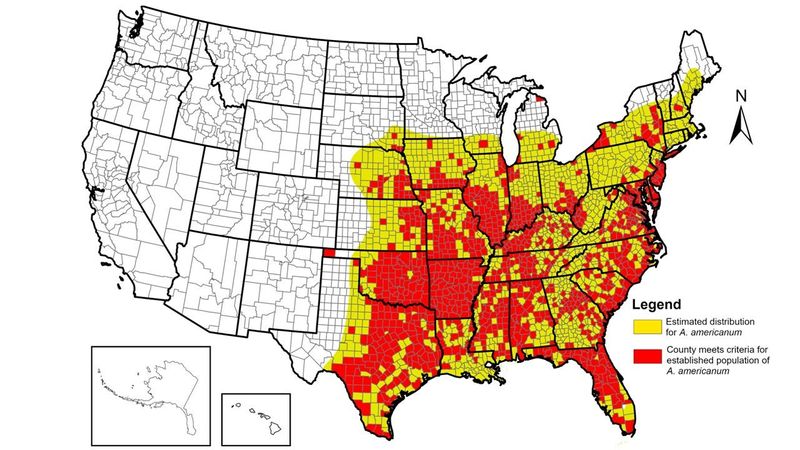
    Lone star ticks are native to the eastern United States, but were traditionally limited to southern states because of deforestation in early America. Forest regrowth and climate change have helped the ticks reclaim their territory and expand.

    Lone star ticks have been found in Pennsylvania since 2011, including in Bucks, Chester, Delaware, and Philadelphia Counties. A 2008 Rutgers study found them in every South Jersey county.

    The man who died was not identified in the newly published case study, nor was it revealed where he lived in New Jersey.

    The Centers for Disease Control and Prevention says nearly a half-million people are suffering from alpha-gal syndrome nationwide.

    Although this is the first deadly case documented that’s linked to the red meat allergy, reactions to the alpha-gal sugar in the targeted cancer therapy cetuximab have led to other deaths, however this is rare.

    Researchers say the man’s case calls for increased awareness of the symptoms of anaphylaxis, which go beyond hives and trouble breathing.

    “If you get the worst abdominal pain in your life, you need to consider the possibility of an allergic reaction,” said Thomas Platts-Mills, an allergist and immunologist at the University of Virginia and lead author on the study.

    A map shows the estimated area in which Lone star ticks are found in America.

    What happened

    The 47-year-old airline pilot had gone on a camping trip in an unidentified location with his wife and children back in summer 2024. They spent the whole day outside, followed by a meal of beef steak at 10 p.m. It was an unusual choice for the family, who normally ate chicken.

    Four hours later, the man woke up with abdominal pain that became so severe that he “was writhing in pain,” according to the study’s recount of the events. That was paired with diarrhea and vomiting.

    After a couple of hours, his symptoms improved, and he fell back asleep.

    The next morning, he rose feeling well enough to get a five-mile walk in before breakfast.

    He thought about consulting a doctor, but ultimately decided against it, unsure what he would say happened. Separately, he told one of his sons that he thought he was going to die during the episode.

    Two weeks passed, and the family, now home in New Jersey, attended a barbecue where the man ate a hamburger at around 3 p.m. He went home and spent an hour mowing the lawn.

    A few hours later, his son found him unconscious on the bathroom floor, surrounded by vomit.

    His son called 911 at 7:37 p.m. and initiated resuscitation until the paramedics arrived, but even after his father was transferred to the hospital, doctors could not save the man.

    An autopsy found no obvious problems with his heart, lungs, brain, or abdomen, and concluded it was a “sudden unexplained death.”

    The man’s wife, however, asked her friend, a pediatrician, to review the autopsy report. Suspecting the man could have had alpha-gal syndrome, the pediatrician contacted Platts-Mills, who first identified the syndrome back in 2007.

    Solving the mystery

    When Platts-Mills heard that the postmortem report gave no cause of death, he thought, “You can’t leave this lady losing her 47-year-old husband for no reason. That’s impossible.”

    He arranged for a sample of the man’s blood to be sent to his lab for testing.

    When they received it in April, their first move was to screen for a protein called immunoglobulin E, which the immune system releases during allergic reactions. They wanted to know whether his body was sensitive to anything it shouldn’t have been.

    Unsurprisingly, the test came back positive for rye grass and ragweed, two common seasonal allergens.

    But so did two other substances: alpha-gal and beef.

    While this helped establish his allergy to alpha-gal, their next step was to confirm whether he had anaphylaxis when he died. They sent the sample to be tested for an enzyme called tryptase, which the body releases during severe allergic reactions. High levels could indicate that he died from severe anaphylaxis.

    Not long after, a scientist called Platts-Mills to apologize and tell him they had to redo the test.

    Platts-Mills thought, “Oh my god, was it negative?”

    Instead, the scientist would tell him the levels of tryptase were bafflingly high.

    At over 2,000 nanograms per milliliter, there was so much tryptase in his system that they needed to dilute the sample and retake the value. That number astonished Platts-Mills, who himself had never seen levels surpass 200 nanograms per milliliter.

    “It absolutely says that he died of anaphylaxis,” Platts-Mills said.

    It is unclear why he had such a severe case of anaphylaxis. While the study listed some factors, such as his drinking beer with his burger and being exposed to ragweed pollen, that potentially could have influenced his outcome, Platts-Mills said these “probably weren’t really the reasons why his anaphylaxis was more severe.”

    Anaphylaxis very rarely causes death. One study found only 0.3% of cases in the emergency room are fatal.

    One of the takeaways from the man’s experience is not to ignore abdominal pain, Platts-Mills said. While many people know to look out for more common signs of anaphylaxis, such as hives and difficulty breathing, having abdominal pain without other symptoms can be a dangerous form of the reaction.

    In most cases, this pain takes three to five hours to show up after eating red meat. Had the man known his previous episode of abdominal pain was anaphylaxis, he could’ve avoided eating the burger.

    “That’s the tragedy from my point of view,” Platts-Mills added.

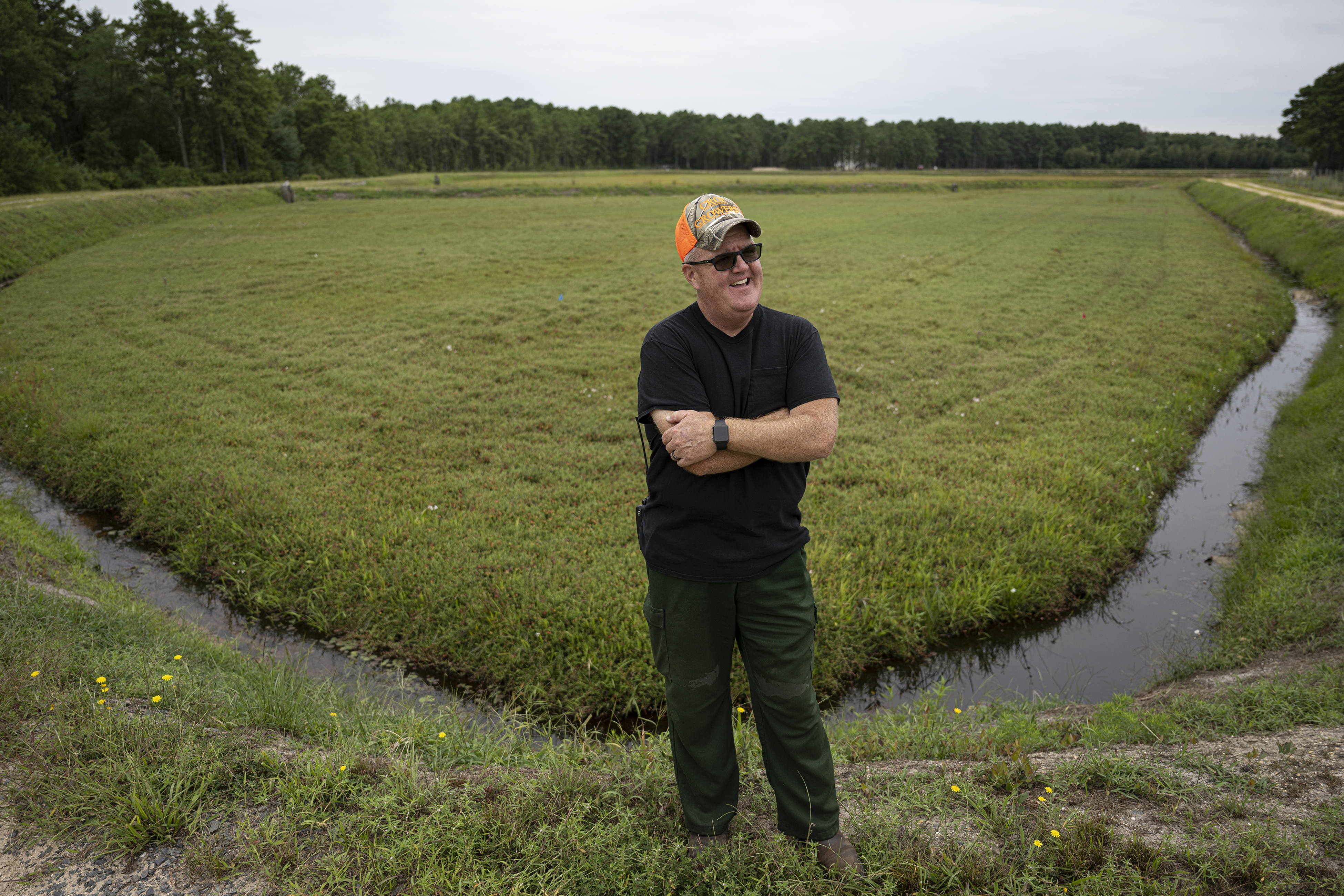
    Sam Moore suffers from Alpha-gal syndrome, which is brought on by an invasive tick bite. He is shown here at his cranberry farm in Tabernacle, N.J. in August 2023.

    Living with alpha-gal syndrome

    Samuel Moore, a cranberry farmer in Shamong, deep in the New Jersey Pinelands in Burlington County, has had many close calls and a handful of hospital visits due to alpha-gal. He was diagnosed several years ago and knows a handful of other locals who’ve been bitten and diagnosed.

    So far, Moore said there’s been no treatment that’s helped.

    “The only treatment,” he said,” is vigilance.”

    That means exhaustive label reading at the grocery store, rarely, if ever, dining out, and getting to know local deli owners personally. Moore said he could have a flare-up due to proteins left over on a lunchmeat slicer.

    “I’ve come to the point where I’ve felt anaphylaxis coming on and my throat closing up,” he said. “It’s not just breaking out in hives.”

    Moore recently celebrated his 52nd birthday at a plant-based restaurant in Haddonfield, where he was able to eat anything on the menu.

    “And I’ll tell you, I was still a little nervous,” he said.

    One of Moore’s friends, Albertus “Chippy” Pepper, also contracted alpha-gal syndrome. Like Moore, he’s a cranberry farmer, often outside in the bogs or clearing brush. His new diet has become a little bland.

    “I eat chicken, chicken, chicken, and more chicken,” he told The Inquirer in 2023.

    Editor’s note: The story has been updated to clarify that cetuximab is a targeted cancer therapy.

  • Pa.’s new budget has financial help for Delco’s Riddle and Mercy Fitzgerald Hospitals

    Pa.’s new budget has financial help for Delco’s Riddle and Mercy Fitzgerald Hospitals

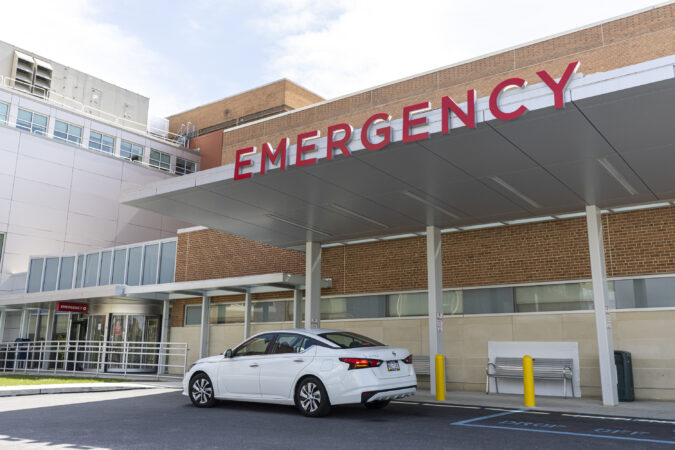
    Pennsylvania’s new budget has $5 million in supplemental payments for the two Delaware County Hospitals that have seen significant increases in patient volumes since Crozer-Chester Medical Center and Taylor Hospital closed in the spring.

    Main Line Health’s Riddle Hospital, near Media, is getting $3 million. The amount for Trinity Health Mid-Atlantic’s Mercy Fitzgerald Hospital, in Darby, is $2 million, according to budget documents.

    The $5 million will be doubled by a federal match, said Democratic State Sen. Tim Kearney, who represents part of Delaware County. The $5 million is from a fund used to help hospitals the serve a large number of patients with Medicaid and used to go to Crozer Health, Kearney said Friday.

    Main Line said in a statement Thursday that the money will help it maintain services in the county.

    “Since Crozer’s shutdown in April, Riddle’s Emergency Department has experienced an unprecedented surge — 46% more patients than the same period last year, an increase of nearly 4,000 overall,“ the nonprofit said.

    Main Line, which also owns Lankenau Medical Center, Bryn Mawr Hospital, and Paoli Hospital, said it has seen 55,000 patients from the Crozer market — a 15% increase over the same time period last year. That figure includes 8,000 patients who went to a Main Line facility for the first time, the health system said.

    Trinity Health did not respond to a request for comment.

    Shuttered hospitals in limbo

    While Riddle and Mercy Fitzgerald have scrambled to accommodate patients who used to rely on Crozer Health, efforts are underway to bring healthcare services back to at least Taylor Hospital in Ridley.

    Local investors bought that facility in September for $1 million and are trying to entice one of the region’s nonprofit health systems to bring it back as a hospital.

    A group from New Jersey called Chariot Allaire Partners LLC has agreed to pay $10 million for the former Crozer-Chester Medical Center in Upland but has not disclosed its plans. That facility served as a key safety provider for a low-income area of Delaware County.

    A partnership of Restorative Health Foundation and Syan Investments won an auction for Springfield Hospital for $3 million, but it does not have support from township officials.

    Delaware County legislators also obtained $1 million from the state to buy emergency department equipment if one of the closed hospitals, such as Taylor, reopens, Kearney said.

    Editor’s note: This story has been updated with additional detail on the funding.

    This suburban content is produced with support from the Leslie Miller and Richard Worley Foundation and The Lenfest Institute for Journalism. Editorial content is created independently of the project donors. Gifts to support The Inquirer’s high-impact journalism can be made at inquirer.com/donate. A list of Lenfest Institute donors can be found at lenfestinstitute.org/supporters.

  • Everything you need to know about the 2025 Philadelphia Marathon

    Everything you need to know about the 2025 Philadelphia Marathon

    Philadelphia will host its largest marathon yet this year, as about 15,000 runners take on the 26.2-mile race through the city’s scenic and historic neighborhoods.

    The Philadelphia Marathon Weekend runs Nov. 21-23 and includes a half marathon (13.1 miles) and an 8K race. The first marathon was held in 1994 with just 1,500 participants; this year, organizers expect roughly 30,000 athletes across all races.

    With that many runners and spectators, expect road closures, parking restrictions, and heavy traffic.

    “We want to make sure people give themselves ample time to get there,” said race director Kathleen Titus. “We have new security screenings that will speed things up, but if you’re waiting until 15 minutes before the race, you might be standing in a line for about an hour.”

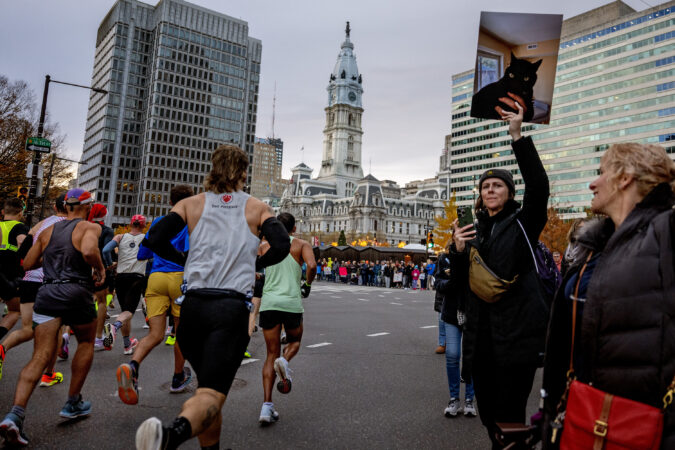
    Runners on Walnut Street in Center City during the 2024 Philadelphia Marathon on Sunday, Nov. 24, 2024.

    Titus said the marathon has a new website and updated app. The app allows runners to schedule packet-pickup times at the expo to cut down on lines, track live race results, and receive weather and safety alerts.

    Race start times and locations for the Philadelphia Marathon

    All races follow the same course layout as in previous years and — except for the Nemours Children’s Run — start at 22nd Street and Benjamin Franklin Parkway, near the Philadelphia Museum of Art. The Nemours Children’s Run begins at Von Colln Memorial Field, 2276 Pennsylvania Ave., adjacent to Eakins Oval.

    • Dietz & Watson Philadelphia Half Marathon: Saturday, Nov. 22, 6:55 a.m. (wheelchairs) | 7 a.m. (runners/walkers)
    • Rothman Orthopaedics 8K: Saturday, Nov. 22, 10:55 a.m. (wheelchairs); 11 a.m. (runners/walkers)
    • AACR Philadelphia Marathon: Sunday, Nov. 23, 6:55 a.m. (wheelchairs); 7 a.m. (runners/walkers)
    • Nemours Children’s Run: Sunday, Nov. 23, 10 a.m.

    Race routes for the Philadelphia Marathon

    Each race follows a unique route, with the marathon and half-marathon winding through Center City, Chinatown, Old City, Queen Village, Rittenhouse, and University City, with significant portions covering Fairmount Park, Kelly Drive, and the Benjamin Franklin Parkway.

    Health & Fitness Expo

    The Philadelphia Marathon Expo returns to the Pennsylvania Convention Center, Hall F (12th & Arch Sts.)

    • Friday, Nov. 21: Noon — 9 p.m.
    • Saturday, Nov. 22: 9 a.m. — 5 p.m.

    The Expo is filled with vendors showcasing apparel, shoes, gear, free product samples, and educational booths on health and fitness. Friday and Saturday bring a speaker series to the Expo and meet-and-greets with some of the country’s top runners. On Friday evening, there will be activities for children.

    For spectators of the Philadelphia Marathon

    Spectators are welcome to line the race routes to cheer on runners but will be restricted from the starting lines and in secure running areas until after 8 a.m. on Saturday and Sunday to ensure smooth race starts.

    The Philadelphia Marathon has a list of prohibited and discouraged items for spectators, available in full on its website.

    • Large umbrellas, coolers, and animals (except ADA service dogs) are not allowed. The marathon also discourages bringing large blankets, backpacks, or cameras.
    William Loevner of Pittsburgh is embraced by his wife, Emma Loevner, after finishing first in the mens in the 2024 Philadelphia Marathon on Sunday, Nov. 24, 2024.

    Road closures

    All-weekend closures

    Saturday, Nov. 22, through 5 p.m. Sunday, Nov. 23

    • Benjamin Franklin Parkway (all lanes) between 22nd Street and Eakins Oval
    • Kelly Drive (inbound) closed at 25th Street, with local traffic permitted to Anne d’Harnoncourt Drive
    • Spring Garden Street Bridge and MLK Drive (inbound) traffic detoured onto 24th Street
    • Spring Garden Street

    Saturday, Nov. 22

    2 a.m. closures

    • 2000—2400 Benjamin Franklin Parkway (inner and setup areas as posted)
    • Spring Garden Street, from Pennsylvania Avenue to Benjamin Franklin Parkway
    • 23rd Street, from Pennsylvania Avenue to Benjamin Franklin Parkway
    • 22nd Street, from Winter Street to Park Towne Place (local access to Park Towne Place maintained)
    • 21st Street, from Pennsylvania Avenue to Winter Street

    4 a.m. closures

    • Interstate 676 off-ramp at 22nd Street (westbound)
    • Interstate 76 off-ramp at Spring Garden Street (eastbound)

    6 a.m. closures

    • 17th Street, from Arch Street to Vine Street
    • 18th Street, from Arch Street to Callowhill Street
    • 19th Street, from Arch Street to Callowhill Street
    • 20th Street, from Arch Street to Callowhill Street
    • 21st Street, from Arch Street to Spring Garden Street
    • 22nd Street, from Arch Street to Spring Garden Street
    • Benjamin Franklin Parkway, from 16th Street to 20th Street
    • Market Street, from Sixth Street to 16th Street
    • Chestnut Street, from Fifth Street to Eighth Street
    • Sixth Street, from Market Street to Chestnut Street
    • Fifth Street, from Chestnut Street to Race Street
    • South Penn Square
    • Juniper Street, from Chestnut Street to Market Street
    • John F. Kennedy Boulevard, from Juniper Street to 17th Street
    • 15th Street, from Race Street to Chestnut Street
    • 16th Street, from Chestnut Street to Race Street
    • Race Street, from Sixth Street to Columbus Boulevard
    • Columbus Boulevard (southbound lanes), from Vine Street to Washington Avenue
    • Interstate 95 southbound off-ramp at Washington Avenue
    • Washington Avenue, from Columbus Boulevard to Front Street
    • Front Street, from Washington Avenue to South Street
    • South Street, from Front Street to Seventh Street
    • Sixth Street, from Bainbridge Street to Locust Street
    • Lombard Street, from Fifth Street to Broad Street
    • 13th Street, from Bainbridge Street to Chestnut Street
    • Walnut Street, from 12th Street to 34th Street
    • 34th Street, from Chestnut Street to Girard Avenue
    • Spring Garden Street, from 32nd Street to 34th Street
    • Girard Avenue, from 33rd Street to 38th Street
    • 33rd Street, from Girard Avenue to Cecil B. Moore Avenue
    • Reservoir Drive, from 33rd Street to Diamond Drive
    • Mt. Pleasant Drive
    • Fountain Green Drive
    • Kelly Drive

    Access and reopening

    • Local access for residents and businesses will be maintained at police-controlled points.
    • Access to the Philadelphia Museum of Art will be available via Spring Garden Street (Bridge and Tunnel) to Anne d’Harnoncourt Drive.
    • Police will allow traffic through intersections when possible, depending on runner flow.
    • All streets (except Eakins Oval and the Parkway) are scheduled to reopen by 2 p.m. Saturday; many Center City roads will reopen earlier as they are cleared and serviced.

    Sunday, Nov. 23

    As part of enhanced security for the AACR Philadelphia Marathon, “No Parking” regulations will be strictly enforced. Vehicles on the race route will be relocated beginning at 1 a.m. Sunday.

    2 a.m. closures

    • 2000—2400 Benjamin Franklin Parkway
    • Spring Garden Street, from Pennsylvania Avenue to Benjamin Franklin Parkway
    • 23rd Street, from Pennsylvania Avenue to Benjamin Franklin Parkway
    • 22nd Street, from Winter Street to Park Towne Place (local access maintained)
    • 21st Street, from Pennsylvania Avenue to Winter Street

    4 a.m. closures

    • Interstate 676 off-ramp at 22nd Street (westbound)
    • Interstate 76 off-ramp at Spring Garden Street (eastbound)

    6 a.m. closures

    • 17th Street, from Arch Street to Vine Street
    • 18th Street, from Arch Street to Callowhill Street
    • 19th Street, from Arch Street to Callowhill Street
    • 20th Street, from Arch Street to Callowhill Street
    • 21st Street, from Arch Street to Spring Garden Street
    • 22nd Street, from Arch Street to Spring Garden Street
    • Benjamin Franklin Parkway, from 16th Street to 20th Street
    • Arch Street, from Third Street to 16th Street
    • Fourth Street, from Arch Street to Vine Street
    • Race Street, from Sixth Street to Columbus Boulevard
    • Columbus Boulevard (southbound lanes), from Vine Street to Washington Avenue
    • Interstate 95 southbound off-ramp at Washington Avenue
    • Washington Avenue, from Columbus Boulevard to Front Street
    • Front Street, from Washington Avenue to South Street
    • South Street, from Front Street to Seventh Street
    • Sixth Street, from Bainbridge Street to Market Street
    • Chestnut Street, from Sixth Street to 15th Street
    • 15th Street, from Chestnut Street to Walnut Street
    • Walnut Street, from Broad Street to 34th Street
    • 34th Street, from Chestnut Street to Girard Avenue
    • Lansdowne Drive, from Girard Avenue to South Concourse Drive
    • South Concourse Drive, from Lansdowne Drive to West Memorial Hall Drive
    • East Memorial Hall Drive, from South Concourse Drive to Avenue of the Republic
    • Avenue of the Republic, from East Memorial Hall Drive to Catholic Fountain
    • Belmont Avenue, from Montgomery Drive to Parkside Avenue
    • States Drive, from Lansdowne Drive to Girard Avenue
    • Girard Avenue Bridge, from Lansdowne Drive to 33rd Street
    • 33rd Street, from Girard Avenue to Reservoir Drive
    • Reservoir Drive, from 33rd Street to Edgley Drive
    • Edgley Drive, from Reservoir Drive to Fountain Green Drive
    • Fountain Green Drive, from Edgley Drive to Kelly Drive
    • Kelly Drive
    • Falls Bridge
    • Ridge Avenue, from Schoolhouse Lane to Manayunk Avenue
    • Main Street (Manayunk), from Ridge Avenue to Conarroe Street

    Access and reopening

    • Local access for residents and businesses will be maintained at police-controlled points.
    • Access to the Philadelphia Museum of Art will be available via Spring Garden Street (Bridge and Tunnel) to Anne d’Harnoncourt Drive.
    • Expect delays at crossings along the course; police will allow traffic through when possible.
    • All streets (except Eakins Oval and the Parkway) are scheduled to reopen by 3 p.m. Sunday; many Center City roads will reopen earlier as they are cleared and serviced.

    Transportation to the races

    🚌 Bus

    Lines 7, 32, 38, 43, 48, and 49 drop riders within a two-minute walk from the Art Museum. But, due to the race, there will most likely be detours. Check SEPTA’s system status for the latest schedules.

    Information will be posted to SEPTA’s system status before the event.

    🚴‍♀️ Bicycle

    The race’s starting line is within a 10-minute ride from the City Hall area and subway stop and other locations. Check the map of Indego bike share stations to rent bikes and return them at a station near the Art Museum.

    Where to park

    • 22nd & Walden Sts., SP+ Parking, (215) 568-4025
    • 222 N. 20th St., Standard Parking, (215) 448-1391
    • 1815 Cherry St., Logan Square Parking, (215) 567-3744
    • 16th & Race St. (Sheraton Hotel), Standard Parking, (215) 196-0293
    • 1815 JFK Boulevard, Central Parking System, (215) 568-8030 (Entrance on 1850 Cuthbert St.)
    • 1901 JFK Boulevard, Central Parking System, (215) 557-3821 (Entrance on 19th Street)
    • 1700 Benjamin Franklin Parkway, the Windsor Suites, (215) 569-0899
    • 36 S. 19th St., Central Parking System, (215) 561-1187

    Where does the money go?

    Revenue earned and money raised from the Philadelphia Marathon goes to various charities and nonprofits, including local ones like B Inspired Philadelphia and the Mazzoni Center.

    See a full list of partnering nonprofits on the Philadelphia Marathon website.

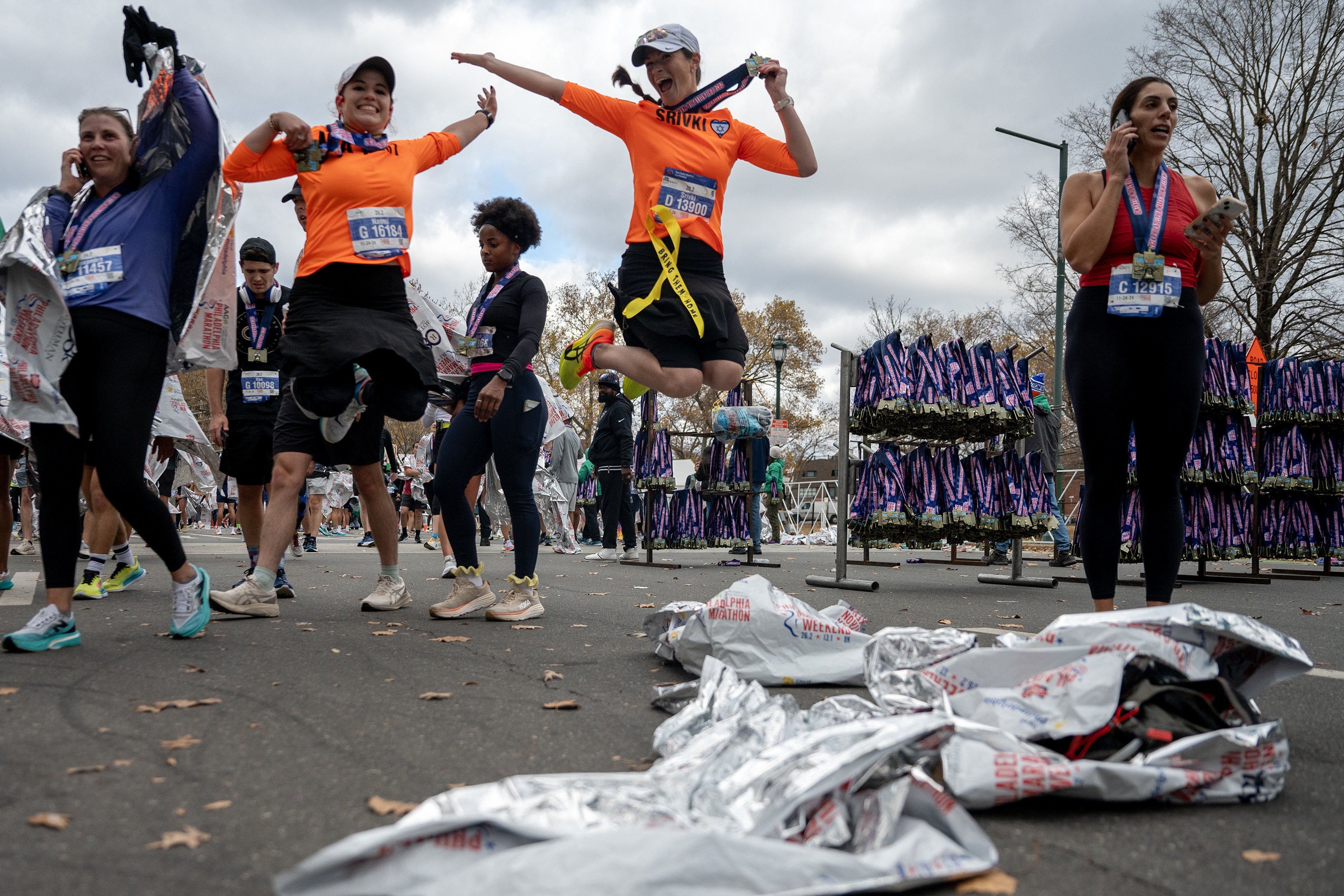
    Naomi Peker (left) and Srivki Weisberg (right) jump to celebrate their finish in the 2024 Philadelphia Marathon on Sunday, Nov. 24, 2024. They run with a club in Suffern, N.Y., and this was Peker’s first marathon.

    Awards & prize money

    Monetary prizes range from $225 to $10,000 depending on the race, with the Philadelphia Marathon’s Elite Division being the most competitive.

    See a full list of awards and prize money on the Philadelphia Marathon website.

  • Jefferson Health says it will terminate Lehigh Valley Health Network’s contracts with UnitedHealthcare

    Jefferson Health says it will terminate Lehigh Valley Health Network’s contracts with UnitedHealthcare

    Jefferson Health says it will terminate Lehigh Valley Health Network’s contracts with UnitedHealthcare next year, stating United, the nation’s largest health insurer, is paying less than their negotiated rates, Jefferson said Monday.

    The contracts will remain in effect until Jan. 26 for Medicare Advantage patients and until April 25 for patients with commercial insurance through their employer. In the last 18 months, Lehigh Valley Health facilities treated 70,000 people with United insurance, Jefferson said.

    “Like all health systems, we are facing significant headwinds as costs rise faster than reimbursement,” Mark Whalen, Jefferson’s chief strategy and transformation officer, said in an email.

    “When reimbursement falls substantially below negotiated levels, it threatens our ability to fulfill our mission of providing exceptional care to all patients.”

    Whalen said Jefferson will continue working to secure a better deal with United, as it has for more than two years.

    United said in a statement that its most recent proposal went to Lehigh Valley in April. “We have yet to receive a counter proposal from the health system, whose last proposal was provided in December 2024 and included a near 30% price hike in the first year of our contract,” the statement said.

    Jefferson countered with a statement saying that its dealings with United are not part of a normal contract renegotiation. “This ongoing dispute is caused by United Healthcare’s implementation of a multiyear 30% price decrease that was not agreed to, not accepted and is not sustainable, Whalen said.

    The timing of the United announcement is noteworthy. Medicare Advantage open enrollment is underway until Dec. 7 for plans that take effect Jan. 1.

    The potential termination of United’s Medicare plans on Jan. 26 puts United’s customers who depend on Lehigh Valley for health services in a quandary. Should they stick with United or switch to another plan, such as those offered by Jefferson’s insurance arm?

    United said Jefferson’s decision to make its announcement during open enrollment looked like “a negotiating tactic.”

    The Minnesota company has about 27,500 Medicare Advantage enrollees in the main counties served by Lehigh Valley Health doctors, according to federal data from September.

    The impasse does not affect Philadelphia-area Jefferson patients with insurance from UnitedHealthcare.

    Insurance regulations require notice to patients before contracts end.

    In March, Jefferson went out-of-network with Cigna Health for a few weeks during a similar impasse in negotiations. Jefferson and Cigna quickly reached a deal after the termination.

  • Tracking the sharp drop in Philadelphia health systems’ operating margins after COVID-19

    Tracking the sharp drop in Philadelphia health systems’ operating margins after COVID-19

    The worst of the coronavirus pandemic that started nearly six years ago is well in the past, but Philadelphia’s biggest nonprofit health systems are still contending with the financial disruption unleashed by the virus that led to thousands of deaths in the area.

    Operating conditions for hospitals started improving in 2023, but “the slope of the recovery is a bit more shallow than a lot of health systems had planned for,” said Mark Pascaris, a senior director at Fitch Ratings, one of three major credit ratings agencies.

    Patients have returned, but the pandemic led to a resetting of expenses for labor and supplies at a higher level, Pascaris said. “That’s been the challenge over the last two or three or four years now, trying to manage through a very challenging expense situation,” he said.

    To show how the financial landscape has changed, The Inquirer compiled financial data for the region’s six biggest health systems that have fiscal years ending June 30 each year. The analysis compared average operating profits in three years before the pandemic (fiscal years 2017-19) to the results in most recent three years (fiscal years 2023-25).

    All six systems showed a substantial drop in a measure of earnings that excludes certain accounting expenses and interest costs. This slice of financial results is known as earnings before interest, depreciation, and amortization. Abbreviated as EBIDA, it’s a primary indicator watched by influential credit ratings agencies.

    window.addEventListener(“message”,function(a){if(void 0!==a.data[“datawrapper-height”]){var e=document.querySelectorAll(“iframe”);for(var t in a.data[“datawrapper-height”])for(var r,i=0;r=e[i];i++)if(r.contentWindow===a.source){var d=a.data[“datawrapper-height”][t]+”px”;r.style.height=d}}});

    The experience of Children’s Hospital of Philadelphia clearly illustrates what has happened: The organization’s aggregate revenue in the most recent three fiscal years was 58% higher than it was in the three years that ended June 30, 2019, but its EBIDA climbed only by half a percentage point.

    “Hospitals and healthcare systems across the country continue to face significant headwinds, driven by reimbursement challenges, increased supply and labor costs, uncertain governmental pressures, and the continued ripple effect of the pandemic,” CHOP said in a statement.

    Officials at ChristianaCare, Main Line Health, and Temple University Health System echoed CHOP’s remark.

    “Margins were far better prior to the pandemic, largely due to lower supply and labor costs,” Main Line’s chief financial officer Leigh Ehrlich said. “Those costs rose sharply during the pandemic and continue to rise.”

    ChristianaCare’s CFO Rob McMurray noted: Not only have Medicare and Medicaid rates not kept up with inflation, but more people have those government forms of insurance for people 65 and older and for low-income people.

    The nonprofit is expanding from its base in northern Delaware to Southeastern Pennsylvania and is expanding alternative formats, such as hospital-care-at-home and micro hospitals, to reduce costs, McMurray said.

    A significant worry for Temple University Health System is the impact of the 2025 budget reconciliation bill, sometimes called the One Big Beautiful Bill Act. The North Philadelphia nonprofit estimates that Medicaid cuts in that law will cost it $519 million over the next 10 years, said Jerry Oetzel, the system’s CFO.

  • Does the full moon make us sleepless? A neurologist explains the science behind sleep, mood, and lunar myths

    Does the full moon make us sleepless? A neurologist explains the science behind sleep, mood, and lunar myths

    Have you ever tossed and turned under a full moon and wondered if its glow was keeping you awake? For generations, people have believed that the Moon has the power to stir up sleepless nights and strange behavior — even madness itself. The word “lunacy” comes directly from luna, Latin for Moon.

    Police officers, hospital staff, and emergency workers often swear that their nights get busier under a full moon. But does science back that up?

    The answer is, of course, more nuanced than folklore suggests. Research shows a full moon can modestly affect sleep, but its influence on mental health is much less certain.

    I’m a neurologist specializing in sleep medicine who studies how sleep affects brain health. I find it captivating that an ancient myth about moonlight and madness might trace back to something far more ordinary: our restless, moonlit sleep.

    What the full moon really does to sleep

    Several studies show that people really do sleep differently in the days leading up to the full moon, when moonlight shines brightest in the evening sky. During this period, people sleep about 20 minutes less, take longer to fall asleep, and spend less time in deep, restorative sleep. Large population studies confirm the pattern, finding that people across different cultures tend to go to bed later and sleep for shorter periods in the nights before a full moon.

    The most likely reason is light. A bright moon in the evening can delay the body’s internal clock, reduce melatonin — the hormone that signals bedtime — and keep the brain more alert.

    The changes are modest. Most people lose only 15 to 30 minutes of sleep, but the effect is measurable. It is strongest in places without artificial light, such as rural areas or while camping. Some research also suggests that men and women may be affected differently. For instance, men seem to lose more sleep during the waxing phase, while women experience slightly less deep and restful sleep around the full moon.

    The link with mental health

    For centuries, people have blamed the full moon for stirring up madness. Folklore suggested that its glow could spark mania in bipolar disorder, provoke seizures in people with epilepsy, or trigger psychosis in those with schizophrenia. The theory was simple: lose sleep under a bright moon and vulnerable minds might unravel.

    Modern science adds an important twist. Research is clear that sleep loss itself is a powerful driver of mental health problems. Even one rough night can heighten anxiety and drag down mood. Ongoing sleep disruption raises the risk of depression, suicidal thoughts, and flare-ups of conditions like bipolar disorder and schizophrenia.

    That means even the modest sleep loss seen around a full moon could matter more for people who are already at risk. Someone with bipolar disorder, for example, may be far more sensitive to shortened or fragmented sleep than the average person.

    But here’s the catch: When researchers step back and look at large groups of people, the evidence that lunar phases trigger psychiatric crises is weak. No reliable pattern has been found between the Moon and hospital admissions, discharges, or lengths of stay.

    But a few other studies suggest there may be small effects. In India, psychiatric hospitals recorded more use of restraints during full moons, based on data collected between 2016 and 2017. In China, researchers noted a slight rise in schizophrenia admissions around the full moon, using hospital records from 2012 to 2017. Still, these findings are not consistent worldwide and may reflect cultural factors or local hospital practices as much as biology.

    In the end, the Moon may shave a little time off our sleep, and sleep loss can certainly influence mental health, especially for people who are more vulnerable. That includes those with conditions like depression, bipolar disorder, schizophrenia, or epilepsy, and teenagers who are especially sensitive to sleep disruption. But the idea that the full moon directly drives waves of psychiatric illness remains more myth than reality.

    Other theories fall short

    Over the years, scientists have explored other explanations for supposed lunar effects, from gravitational “tidal” pulls on the body to subtle geomagnetic changes and shifts in barometric pressure. Yet, none of these mechanisms hold up under scrutiny.

    The gravitational forces that move oceans are far too weak to affect human physiology, and studies of geomagnetic and atmospheric changes during lunar phases have yielded inconsistent or negligible results. This makes sleep disruption from nighttime light exposure the most plausible link between the Moon and human behavior.

    Why the myth lingers

    If the science is so inconclusive, why do so many people believe in the “full moon effect”? Psychologists point to a concept called illusory correlation. We notice and remember the unusual nights that coincide with a full moon but forget the many nights when nothing happened.

    The Moon is also highly visible. Unlike hidden sleep disruptors such as stress, caffeine, or scrolling on a phone, the Moon is right there in the sky, easy to blame.

    Lessons from the Moon for modern sleep

    Even if the Moon does not drive us “mad,” its small influence on sleep highlights something important: Light at night matters.

    Our bodies are designed to follow the natural cycle of light and dark. Extra light in the evening, whether from moonlight, streetlights, or phone screens, can delay circadian rhythms, reduce melatonin, and lead to lighter, more fragmented sleep.

    This same biology helps explain the health risks of daylight saving time. When clocks “spring forward,” evenings stay artificially brighter. That shift delays sleep and disrupts circadian timing on a much larger scale than the Moon, contributing to increased accidents and cardiovascular risks, as well as reduced workplace safety.

    In our modern world, artificial light has a much bigger impact on sleep than the Moon ever will. That is why many sleep experts argue for permanent standard time, which better matches our biological rhythms.

    So if you find yourself restless on a full moon night – and you’ll have a chance to test this come Nov. 5 – you may not be imagining things, because the Moon can tug at your sleep. But if sleeplessness happens often, look closer to home. It is likely a culprit of the light in your hand rather than the one in the sky.

    Joanna Fong-Isariyawongse is an associate professor of neurology at the University of Pittsburgh.

    Reprinted from The Conversation.

  • I was an AI scribe-skeptical doctor. And then I actually tried it.

    I was an AI scribe-skeptical doctor. And then I actually tried it.

    It was magical. I clicked the record button on my cell phone, placed it on the exam room desk, turned away from the computer, and began a conversation with my patient. After we completed the visit, I went back to my office and opened her electronic record — and found a clear, concise narrative description of our encounter, complete with my physical exam findings and a numbered problem list, plus assessments and follow up plans.

    I did not write these medical notes — an artificial intelligence scribe called DAX (Dragon Ambient eXperience) Copilot did. And it was nearly perfect.

    AI scribes are new, but not brand new. I am actually a little late to the game. You may have already noticed that some of your own doctors are using this technology during office visits. DAX was developed by an AI and speech recognition company called Nuance that was acquired by Microsoft in 2022. First, clinical conversations are recorded using a cell phone mobile app. AI then processes the recording and generates a progress note, minimizing computer distraction and allowing clinicians to focus more attention on our patients.

    In the last couple of years, I have read everything I can find about AI, a new frontier that will be a growing presence in clinical medicine. Until now, I’ve also done a great job convincing myself not to use an AI scribe — one of the most accessible current AI tools.

    By typing brief notes with lots of abbreviations, I worked hard to make sure chart documentation was not interfering with my ability to develop rapport and engage with patients. I also thought any time saved with DAX would be erased by time that I would have to spend reviewing and editing the AI generated notes. Not so. The AI notes are concise and amazingly accurate. They are a truer representation of what actually occurred during the visit. My truncated notes, or those written or dictated hours after the visit, often missed essential information, patient perspective, or did not capture the nuanced rationale for my medical decisions.

    The scribe notes are not word-for-word transcriptions. This AI has been trained using millions of hours of real-world clinical encounters and medical dictation. The program then takes recorded conversations and converts them into clinical notes, based on what it has learned about how these notes are structured.

    Patients and clinicians have raised some concerns: Where does this data go? Are there privacy concerns? In fact, the data is sent securely from the clinician’s cell phone app to a Nuance company server for processing. Once a note is created, sent to, and stored permanently in the patient’s electronic health record, the data is deleted from the mobile app and servers to comply with privacy standards. Of course, your clinician should always obtain your consent before using DAX or other comparable tools.

    AI scribes are a game changer — in my view, an all-around win. They free clinicians to engage more with patients in the exam room, capture a real-time, accurate synopsis of the visit, and create something cogent and readable. They help your doctor, while better honoring your medical story.

    DAX was an opportunity that stood in front of me for some time before I recognized it as such. Like University of Pennsylvania Wharton School professor Adam Grant writes in his insightful book, Think Again, “anchor your sense of self in flexibility rather than consistency.” How ironic that an AI tool — algorithmic and predictable — taught me a lesson in changing my ways.

    Jeffrey Millstein is an internist and regional medical director for Penn Primary and Specialty Care.

  • One year of inspections at Phoenixville Hospital: August 2024 – July 2025

    One year of inspections at Phoenixville Hospital: August 2024 – July 2025

    Phoenixville Hospital was not cited by the Pennsylvania Department of Health for any safety violations between August 2024 and July of this year.

    The hospital, located in Phoenixville, is owned by Tower Health.

    Here’s a look at the publicly available details:

    • Sept. 12, 2024: Inspectors followed up on two citations from May and June, and found the hospital was in compliance. In May, the hospital had been cited for discharging a patient to another facility without proper transfer orders. In June, the hospital was cited for using physical restraints on two patients without documenting that staff had first tried less restrictive ways to subdue them.
    • Feb. 18, 2025: Inspectors came to investigate two complaints but found the hospital was in compliance. Complaint details are not made public when inspectors determine it was unfounded.
    • April 17: The Joint Commission, a nonprofit hospital accreditation agency, renewed the hospital’s accreditation, effective February 2025, for 36 months.
  • Carousel House will be Philly’s ‘flagship’ rec center. But people with disabilities will have to wait until 2028 to reunite.

    Carousel House will be Philly’s ‘flagship’ rec center. But people with disabilities will have to wait until 2028 to reunite.

    In March 2023, Kathryn Ott Lovell, then Philadelphia’s parks and recreation commissioner, announced that the plan to build a new Carousel House in West Philly was finally coming together.

    The city’s only recreation center dedicated to people with disabilities had closed its doors temporarily in 2020 during the coronavirus pandemic, then permanently in 2021. City officials said years of deferred maintenance had made it unsafe.

    “I’m excited to stop talking and start doing,” Ott Lovell said during the 2023 presentation at the Please Touch Museum.

    The city’s disability community was also excited to reunite at Carousel House. To many, the rec center on Belmont Avenue had become like a second home, with dances, movies, swimming, arts and crafts, and summer camp.

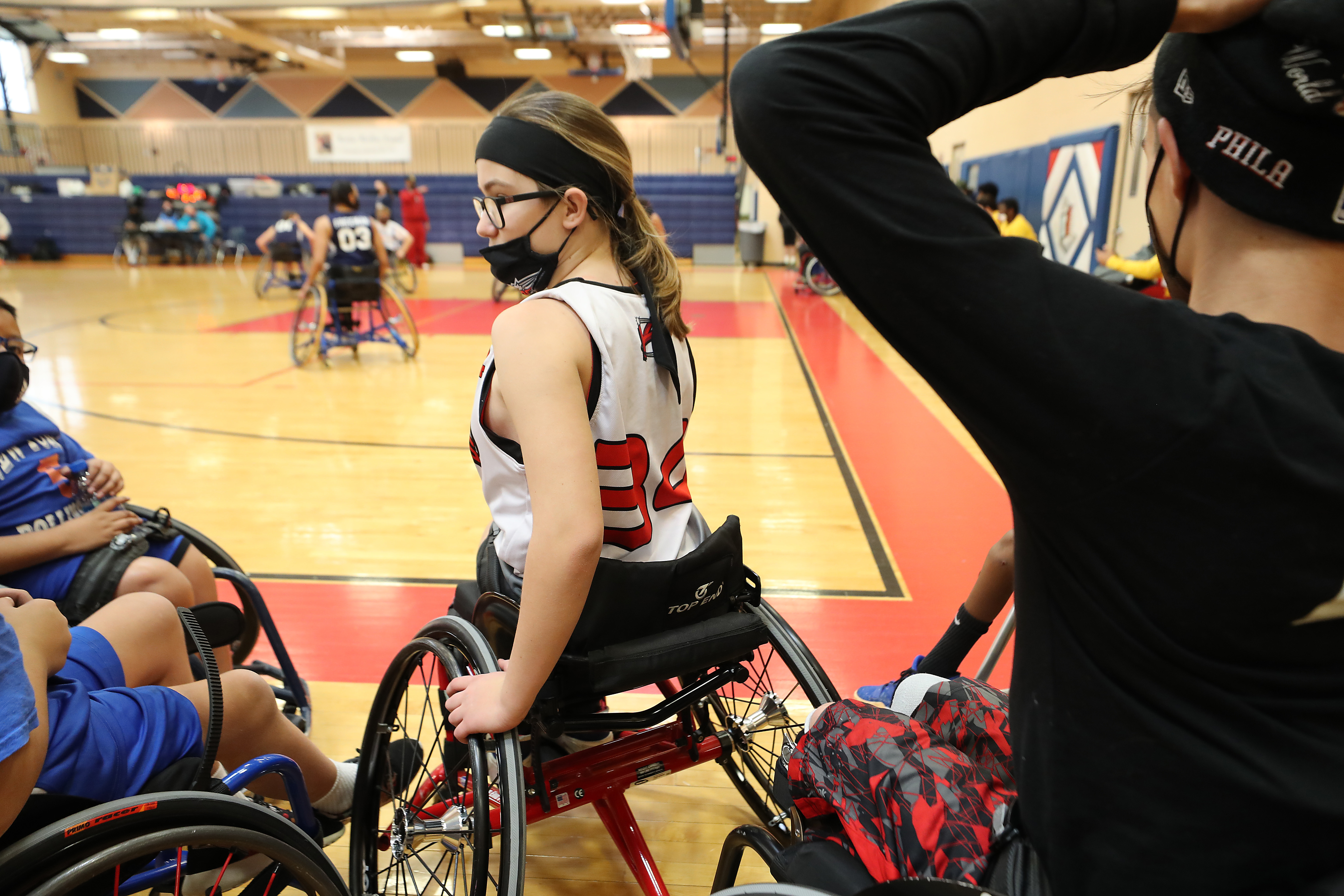
    The city’s youth wheelchair basketball team was looking forward to returning to its home base. Since the rec center closed, the squad has been practicing in New Jersey.

    Two and a half years later, however, Ott Lovell has moved on to a new job, Mayor Cherelle L. Parker has replaced Jim Kenney, and the Carousel House plan is still in the design phase.

    The new ribbon-cutting date: summer 2028.

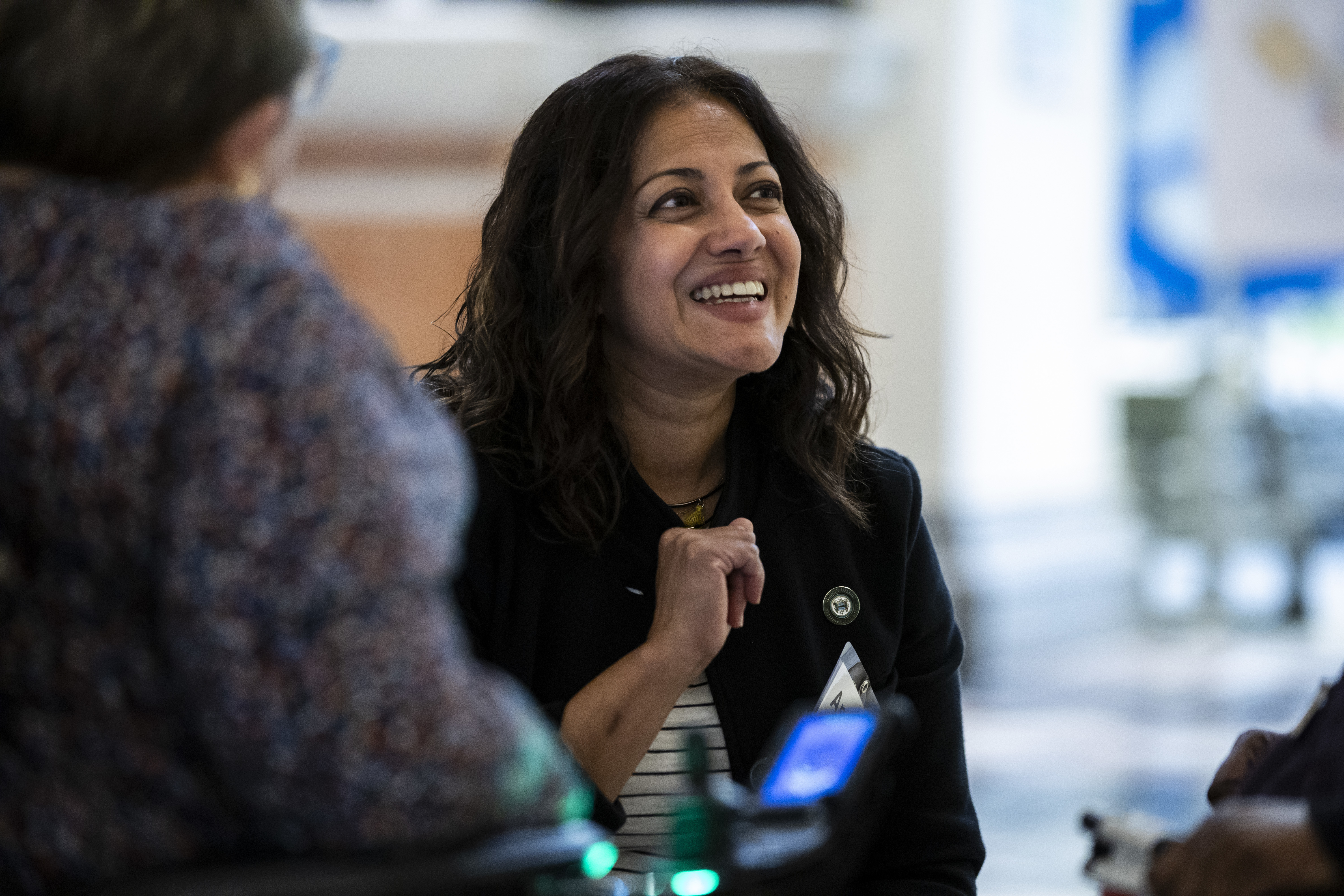
    “I know this is a point of pain for many people, the timeline associated with this project,” Aparna Palantino, a deputy city managing director, acknowledged at a meeting Tuesday night announcing the “relaunch” of the project.

    The previous plan called for Carousel House to reopen this year.

    Palantino, who heads the city’s capital program office, said the expected cost of the project had risen from $35 million to $40 million. The work will still be funded primarily with beverage-tax proceeds, but the city had to line up grants to cover the difference, as well as conduct additional environmental and structural analyses.

    “The result of all that is this amazing space that will provide so many more opportunities than the former one did,” Palantino told an audience of several dozen.

    Aparna Palantino, deputy managing director of Capital Program Office, speaks with attendees during the Carousel House Rebuild Community Relaunch at the Please Touch Museum on Tuesday, Oct. 21, 2025, in Philadelphia. The Carousel House project is estimated to be completed in Summer 2028.

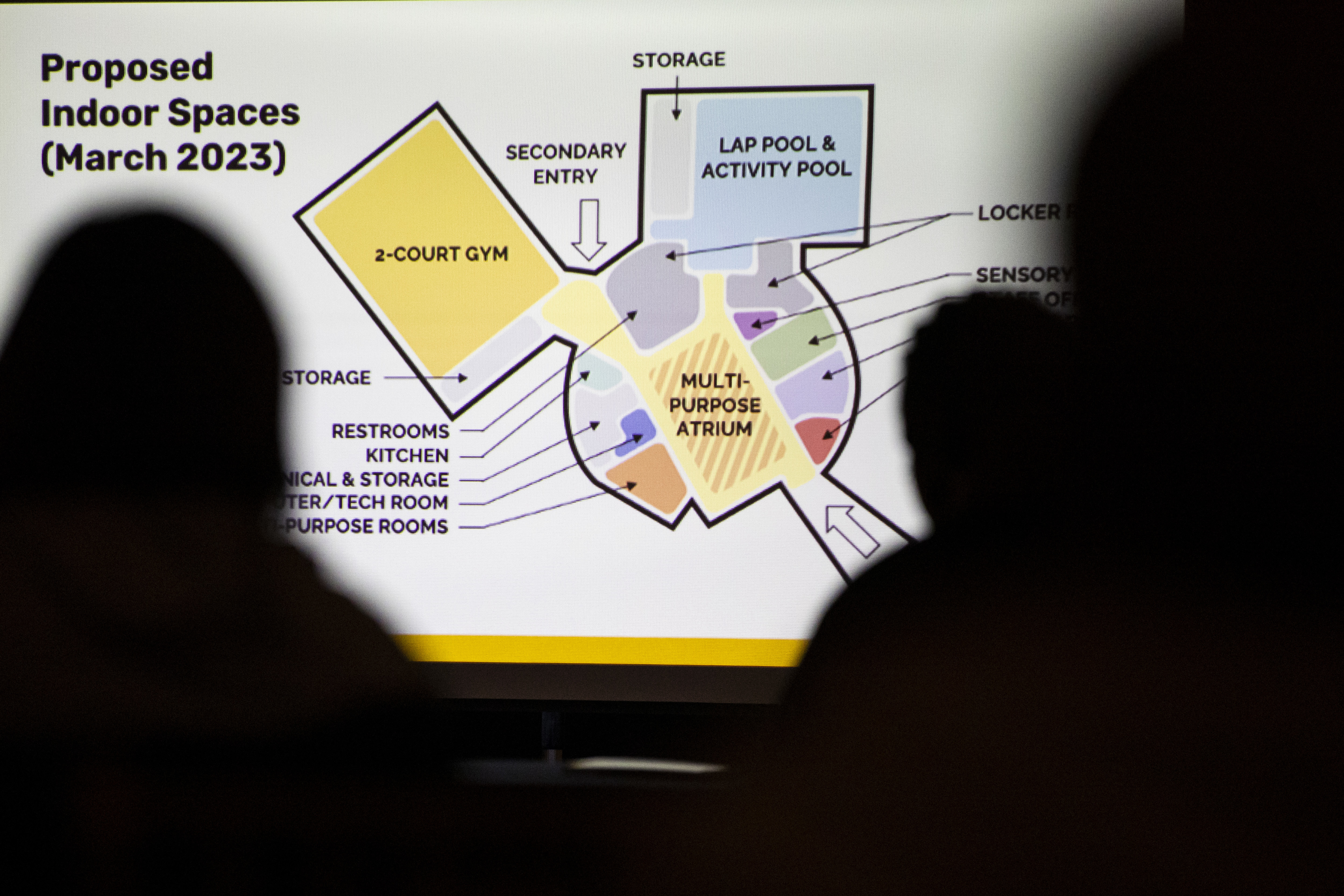
    The state-of-the-art rec center will preserve some parts of the iconic Carousel House building and include two basketball courts, a heated lap pool and an activity pool with a zero-entry sloping entrance, a computer lab, a gym, a sensory room, and other amenities.

    That all sounds great to people like Mike Martin, who has used a wheelchair for the last 30 years and has been going to Carousel House since the late 1990s. Such a place is needed in Philadelphia, where an estimated 17% of residents have a disability.

    But the lengthy delays in the project have Martin, 74, questioning whether he will ever see the vision become a reality.

    Martin and others would have preferred for the city to fix the existing building four years ago, when rec centers were reopening after the COVID-19 shutdown. A 2021 “Save the Carousel House” protest failed to sway city leaders.

    “The design is way more than I think we expected, not that we’re complaining at all,” said Martin, who serves on the Carousel House advisory committee. “We’ll see what kind of political will there is to push this through. I just don’t want to get my hopes up is what it comes down to.”

    Once a model

    Carousel House was considered a milestone when it opened in 1987: a city-funded rec center, specifically for people with physical and cognitive limitations, three years before the Americans with Disabilities Act would be signed into law.

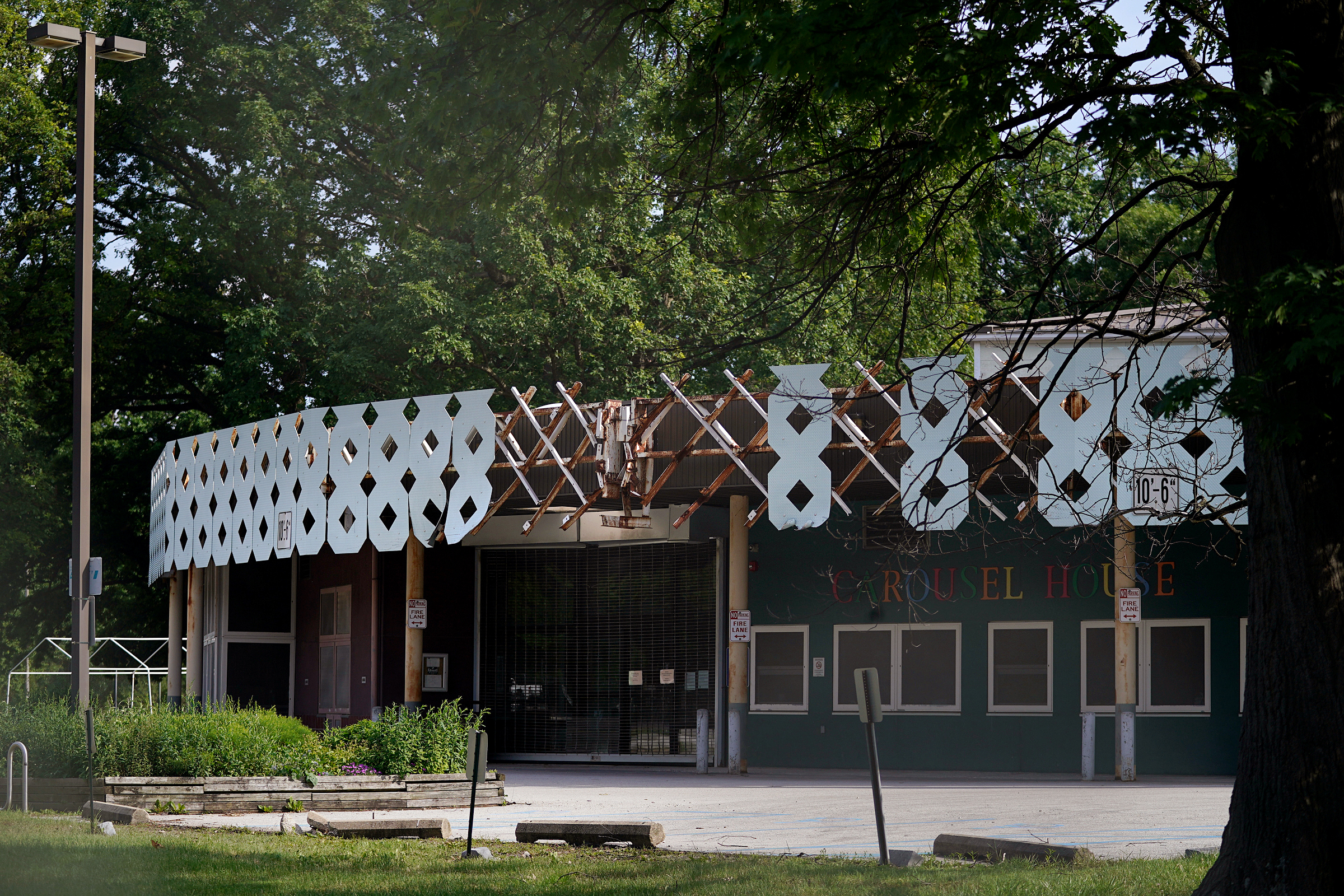
    The Carousel House is pictured in Philadelphia’s West Fairmount Park on Wednesday, June 2, 2021. The city said it was permanently closing the recreation center for disabled people due to the facility’s deterioration.

    But in recent years, disability-rights advocates, both locally and nationally, have come to view that approach as outdated and even discriminatory. How is telling people with disabilities to go to one center, they ask, any different from designating centers for Black people, LGBTQ+ people, or other identity groups?

    “People with disabilities shouldn’t have to go to one place. That’s segregation, no matter how you look at it,” Fran Fulton, the late Philadelphia disability-rights activist, told The Inquirer in 2022. “There is no doubt having people who know how to work with children and adults with different types of disabilities is an advantage. But it doesn’t have to be just Carousel House.”

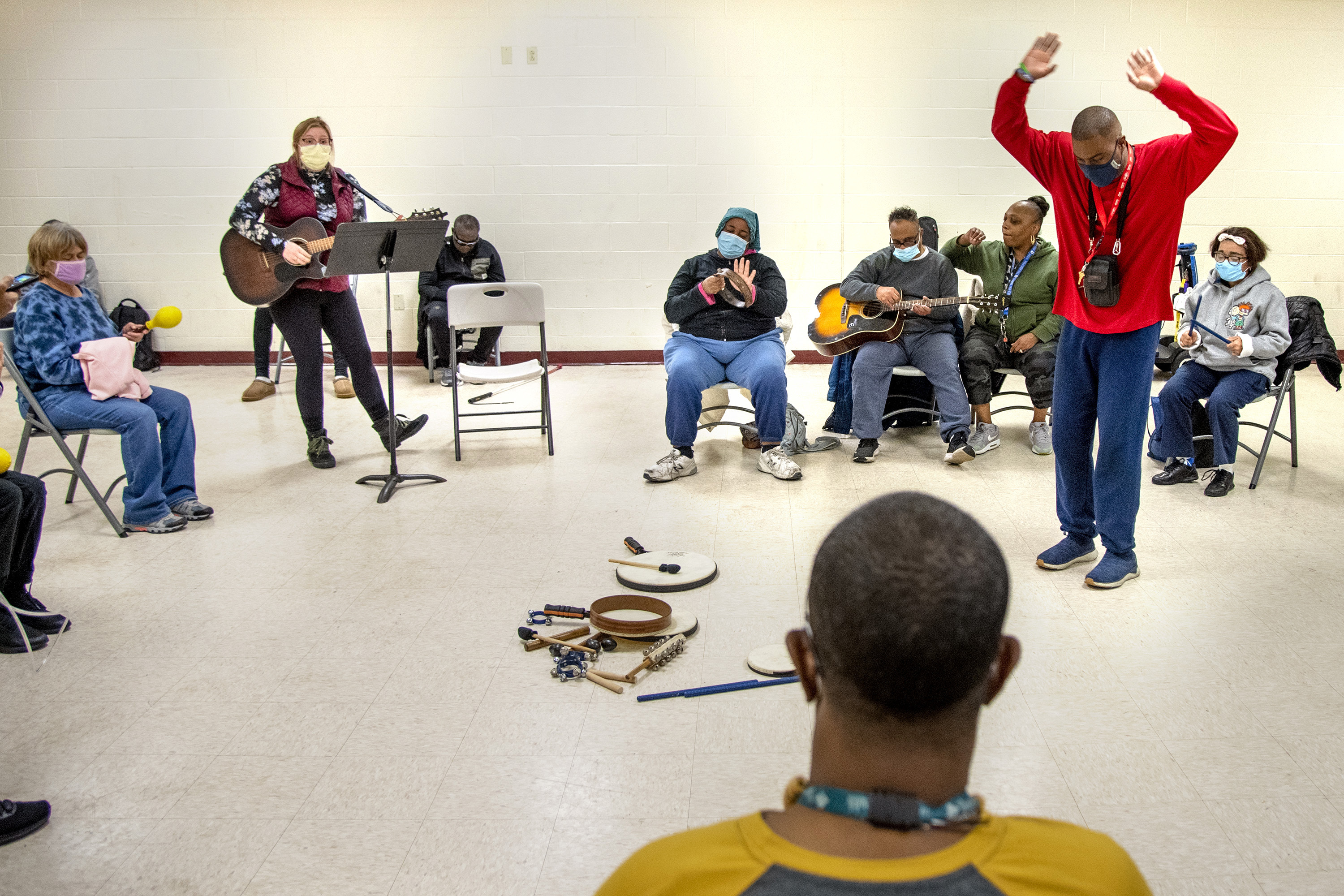
    Sadiki Smith (right) stands to dance as music therapist Madison Frank (left) with her guitar leads a music therapy session at Gustine Recreation Center Tuesday, November 29, 2022. Since the closing of the Carousel House, the city’s only rec center for people with physical and intellectual disabilities, many of the programs have moved to Gustine.

    The city was already moving in that direction before the pandemic with its long-term Rec for All inclusion plan. The goal is to eventually make the city’s 150 rec centers accessible to all residents. The new Carousel House will be open to all people in the surrounding neighborhoods, not just those with disabilities.

    That is welcome news for Lucinda Hudson, president of the Parkside Association of Philadelphia, who attended Tuesday’s meeting.

    “It’s well needed, and I think the community is pleased with how it’s coming together,” Hudson said. “We need a facility to be inclusive for all, and to support the handicapped community.”

    Worth the wait?

    Palantino said that while the Carousel House project has faced significant delays, city officials have continued to work behind the scenes. It is the largest project in the city’s beverage-tax funded Rebuild program, which has so far committed or spent $470 million.

    She believes the new building will be worth the wait.

    “It will be a universal space, so an entire family can come here and enjoy the amenities. The former Carousel House was a little more restrictive in the population it served,” Palantino said in an interview. “This will be the flagship rec center in the city when it’s completed.”

    Attendees look at blueprints during the Carousel House Rebuild Community Relaunch at the Please Touch Museum on Oct. 21.

    Families that frequented the Carousel House, however, are running out of patience.

    The Gustine Recreation Center in East Falls has continued some of the programs for people with disabilities, including music therapy, basketball, and social groups. But that center doesn’t have the space and amenities that Carousel House provided.

    “It’s just not the same,” said Tamar Riley, whose 43-year-old son had been going to Carousel House since he was 12.

    “Hopefully we can get this off the ground,” Riley, president of the advisory council for Carousel House, said of the plans presented this week. “It’s been a really long time. I know it’s going to be a beautiful place once the city gets it up and running.”

    The closure of Carousel House also forced Katie’s Komets, Philadelphia’s team in the National Wheelchair Basketball Association, to move its weekly practices to RiverWinds Community Center in West Deptford, Gloucester County.

    As a result, there is only one Philly player on the team, according to Joe Kirlin, who with his wife, Roseann, created a fund to support the team. The team is named after their late daughter.

    “The problem is city kids just can’t get over there,” Joe Kirlin said.

    Caroline Fitzpatrick (right), 14, of South Jersey, talks with friends during the Philadelphia Parks & Recreation’s 24th Annual Katie Kirlin Junior Wheelchair Basketball Tournament in Philadelphia on Sunday, Jan. 23, 2022. Fitzpatrick plays on Katie’s Komets team from Philadelphia.

    He said wheelchair athletes in the city are missing out on potential college opportunities. This year, all three high school graduates on Katie’s Komets received scholarships to play college wheelchair basketball.

    “That wouldn’t have happened if they didn’t start as kids playing wheelchair basketball,” Roseann Kirlin said.

    Lorraine Gomez, a community activist and president of the Viola Street Residents Association in East Parkside, said after Tuesday’s meeting that she appreciated the city’s efforts to keep the surrounding neighborhoods informed about the project.

    Gomez is looking forward to being able to use the indoor pool and walking track in the winter, and said people with disabilities also deserve “to have their space back.”

    “This is what the community needs,” Gomez said. “It’ll be a place where we can stay in touch with each other.”

    For Hudson, of the Parkside association, the most important thing now is to break ground.

    “So many things get put on the books, but don’t happen,” Hudson said. “This has got to be built.”