
Category: Health

  • CHOP names Joseph Mitchell to succeed Madeline Bell as CEO

    CHOP names Joseph Mitchell to succeed Madeline Bell as CEO

    The Children’s Hospital of Philadelphia announced Tuesday that Joseph Mitchell will succeed Madeline Bell as CEO, when Bell retires Oct. 1 after a nearly 40-year career at the University City nonprofit.

    Bell, 65, became CHOP’s CEO in July 2015 following eight years as chief operating officer. During Bell’s tenure as CEO, CHOP more than doubled its annual revenue to more than $5 billion, added a hospital in King of Prussia, and started building a $2.6 billion patient tower on its main campus.

    Mitchell, 51, joined CHOP as president in April 2025 following a national search by CHOP’s board for Bell’s successor. In 2024, Bell had notified the board of her intention to retire, CHOP said.

    Before coming to Philadelphia, Mitchell was an executive vice president at Boston Children’s Hospital and president of Franciscan Children’s, a specialty hospital that Boston Children’s acquired in 2023.

    “The opportunity to lead an institution that is so iconic, impactful, and relevant, and has the opportunity to impact pediatrics and have an indelible imprint on kids and families was just irresistible,” Mitchell said in an interview this week. “It was an easy decision to move my family from Boston to Philadelphia.”

    CHOP is financially strong as Mitchell assumes the top job, but like other health systems it will face financial pressure from Medicaid cuts starting next year. The nonprofit has also been under fire from the Trump administration for its program that serves transgender youth.

    Mitchell trained as a urologist and worked at McKinsey & Co. as a consultant for 14 years before becoming CEO of Franciscan Children’s in 2021. He led a financial turnaround effort there and planned for a dramatic expansion of its campus in Boston’s Brighton neighborhood.

    “Joe brings a fresh perspective, a patient-first approach, and a strong strategic mindset,” Greg Davis, CHOP’s board chair, said in a news release. “We are confident he will guide CHOP into its next chapter with continued excellence and impact.”

    Bell’s tenure as CEO

    Bell, who started at CHOP as a nurse, oversaw substantial growth of CHOP’s footprint in West Philadelphia and on the eastern side of the Schuylkill with two research towers on Schuylkill Avenue near the South Street Bridge. CHOP also expanded its specialty-care network in the suburbs.

    CHOP became the pediatric partner for Main Line Health, Lehigh Valley Health Network, and ChristianaCare under Bell’s leadership. Such relationships with systems focused on adults help steer patients needing advanced specialties to CHOP. CHOP has long been Penn Medicine’s pediatric partner.

    Madeline Bell sat next to Philadelphia Eagles owner Jeffrey Lurie last year during a ceremonial signing of documents for the Lurie family’s $50 million donation to create the Lurie Autism Institute at the University of Pennsylvania and CHOP.

    In a prerecorded statement for staff and others viewed by The Inquirer in advance of the transitional announcement, Bell highlighted medical breakthroughs in cell and gene therapy during the past decade, as well as an expansion of behavioral health services. The Lurie Autism Institute, a partnership between the University of Pennsylvania and CHOP, launched last year thanks to a $50 million gift from Philadelphia Eagles owner Jeffrey Lurie and his family.

    Also last year, CHOP received its largest gift ever, $125 million from Comcast CEO Brian Roberts and his wife, Aileen. The new patient tower expected to open in 2028 will bear their name. In 2024, real estate investor Mitchell L. Morgan and his family donated $50 million toward the cost of one of the two research towers near the South Street Bridge.

    After retiring, Bell plans to continue as honorary consul of Spain for the Philadelphia region, a position she started last July, and hopes to remain on the board of Comcast-NBCUniversal, she said. Also, she will continue to support CHOP philanthropically and will remain a resource for Mitchell.

    CHOP is among the nation’s largest pediatric systems. It has 774 licensed hospital beds and employs 31,000 people. In the nine months that ended March 31, CHOP had 27,643 inpatient admissions and 1.3 million outpatient visits.

    Joe Mitchell’s priorities

    Since arriving in Philadelphia, Mitchell has immersed himself in getting to know CHOP, visiting primary care and specialty sites, as well as the hospitals, he said. The next step was broadening his responsibilities to the point where most of CHOP’s senior executives are now reporting to him.

    He said it’s too soon for him to address specific strategic moves, but emphasized that his priority is expanding access to care for children and families.
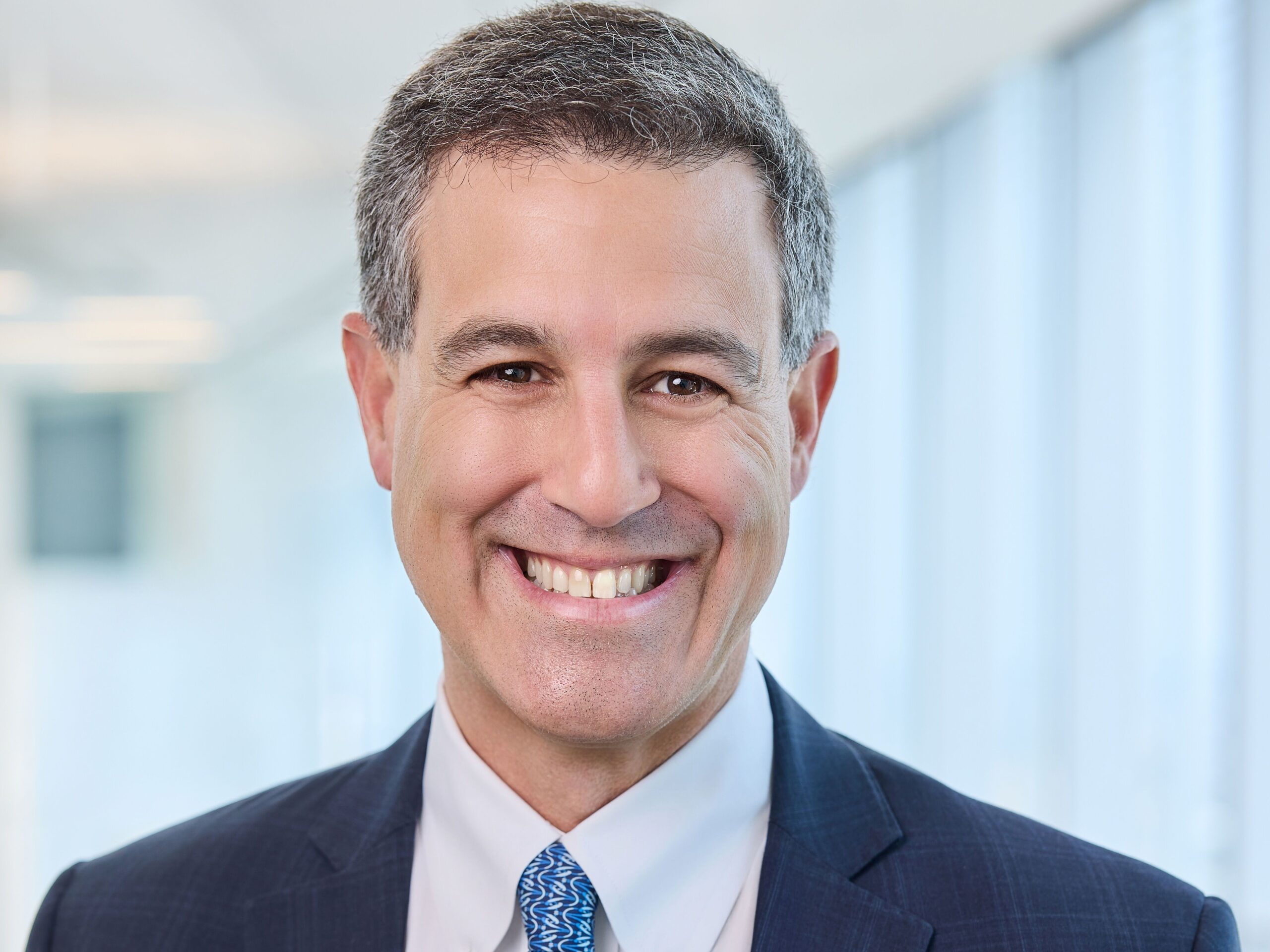
    Joseph Mitchell will succeed Madeline Bell as CHOP’s CEO this fall.

    That could get harder with Medicaid cuts looming next year. Nearly 50% of CHOP’s patients have the insurance for low-income families.

    “We’re doing everything we can to preserve access for families, to advocate for funding and resources at the state and federal level,” said Mitchell, who grew up in St. Louis in a family “that was deep into healthcare.”

    He moved to Boston for a residency at Brigham and Women’s Hospital. That’s where he met his wife, Vivian. They have two children, 17 and 14, and the entire family has fallen in love with Philadelphia, he said.

    “CHOP has embraced me, but Philadelphia as a community has really embraced us,” he said.

  • Yardley family is suing an infant formula company after their baby developed botulism

    Yardley family is suing an infant formula company after their baby developed botulism

    Erica and Micky Goldfin’s 2-month-old son wasn’t eating and seemed to be having trouble swallowing. His cries were weak, and his eyelids were droopy.

    Within weeks, the Yardley parents were rushing their baby to Children’s Hospital of Philadelphia, where he was admitted June 1 to the intensive care unit and treated for infant botulism, a rare, potentially deadly infection that affects the nervous system and can lead to paralysis, according to court records.

    The couple are now suing Nara Organics, the maker of the whole milk infant formula they began feeding their son days after his birth in March, and Target, where they bought it. New York-based Nara Organics voluntarily recalled all of its infant formula on June 13, after the U.S. Food and Drug Administration and Centers for Disease Control and Prevention reported three cases of infant botulism in babies who had consumed Nara formula in Pennsylvania, California, and Washington.

    In the lawsuit, filed Monday in the U.S. District Court for the Eastern District of Pennsylvania, the family alleges that Nara Organics did not do enough to protect customers after federal regulators cautioned that whole milk powder can carry the bacteria that cause botulism.

    “Parents trusted a label that told them this was the safest, most premium thing they could feed their child,” said Bill Marler, a foodborne illness lawyer and a managing partner at Washington-based Marler Clark, who is representing the family.

    The Goldfins, who declined an interview through their lawyer, are also represented by Cherry Hill’s Ferrara & Gable.

    Nara Organics did not respond to a request for comment, but said on its website that it had issued the recall “in an abundance of caution,” and that none of its formulas had tested positive for the botulism-causing bacterium C botulinum. Tests are ongoing, according to the lawsuit.

    “We believe in taking the strongest possible measure to protect the safety of babies,” the company wrote in its recall. “Your family deserves to have complete confidence in the safety of your baby’s food.”

    Target did not respond for a request for comment.

    This is the second recent botulism outbreak linked to powdered whole milk infant formula. An infant botulism outbreak associated with ByHeart formula that began in November sickened at least 28 babies.

    What is botulism?

    Infant botulism is caused when babies ingest C botulinum in foods or dust and dirt particles. The bacteria’s spores colonize in the large intestine and release a toxin that affects the nervous system.

    Symptoms include changes in facial expressions, such as smiling less; slow feeding; constipation; and low energy.

    Untreated, the toxin can spread and cause paralysis, making it hard for babies to breathe and eat.

    Infants are at greatest risk of illness because their digestive systems are still developing and less able to fight off infection. Nationally, there were 181 cases of infant botulism in 2021, the most recent year for which CDC data are available.

    The Goldfin infant, who was identified only by the initials W.G., spent two nights in the intensive care unit at CHOP, where he was treated with BabyBIG, the botulism antitoxin that is manufactured by the California Department of Public Health and must be flown to hospitals overnight. The medication’s antibodies bind to the toxin and neutralize it, and symptoms improve within 48 hours.

    On June 6 he returned home, where he is feeding well again, and regaining movement in his arms and legs. He is receiving weekly physical therapy for head lag and delays in his gross and fine motor skills, according to the lawsuit.

  • AristaCare at Meadow Springs is keeping patients in-house for a lung procedure that used to require a transfer to a hospital

    AristaCare at Meadow Springs is keeping patients in-house for a lung procedure that used to require a transfer to a hospital

    AristaCare at Meadow Springs, a Plymouth Meeting nursing home that specializes in patients who need ventilators to help them breathe, has started doing a key lung procedure in-house that used to require patients to be transferred to a hospital.

    The effort is part of a broad trend in healthcare to provide more care outside of hospitals, which are the most expensive sites of care.

    Meadow Springs’ goal in doing the lung-clearing procedures in-house is reducing the number of times its residents are hospitalized, the facility’s administrator Rob Nealon said.

    Keeping residents in the facility benefits Meadow Springs financially even though it doesn’t charge for the treatment because it doesn’t lose revenue to hospitals, Nealon said. It’s also better for residents to avoid difficult transitions and long hospital stays, he said.

    The treatment, called a bronchoscopy, uses suction tubing with video to go deep inside a patient’s lungs to clear out secretions and mucus plugs that make it hard for ventilator patients to breath, said Lejoy Mathew, respiratory director for the facility.

    The nursing home with 153 licensed beds has the capacity to care for 72 people on ventilators.

    AristaCare did its first bronchoscopy in February and has done four more since then, Mathew said.

    Patients who are dependent on ventilators often have a chronic respiratory disease, neuromuscular or neurodegenerative diseases, or traumatic brain injuries.

    The company, based in Cranford, N.J., also owns AristaCare at East Falls, another ventilator facility it acquired in 2024, and plans to start doing bronchoscopies there as well. The East Falls facility has 66 beds.

  • Virtua Mount Holly nurses approve contract after threatening to strike

    Virtua Mount Holly nurses approve contract after threatening to strike

    Nurses at Virtua Mount Holly Hospital have voted in favor of a new contract ensuring raises and safety enhancements under a deal reached with employers at the South Jersey hospital after their union threatened to strike last week.

    Under the contract approved Friday, the hospital will enforce minimum staffing ratios to ensure a certain number of nurses are caring for a given patient at all times, and hire new staff in some areas.

    Nurses will receive pay raises at an average of 16.5% through June 2028.

    The three-year contract also includes provisions for new safety measures at the hospital, including panic buttons and wearable devices for staff, and increased visitor screening for weapons, the union said. The hospital will also implement a visitor ID system. Protocols will be improved to notify nurses when they have been exposed to an infectious disease.

    “HPAE nurses are not willing to tolerate the status quo anymore so we are proud that we have won strong language to ensure nurses can care for their patients the way they were trained,” HPAE president Debbie White said in a statement.

    The contract ratification comes after Mount Holly nurses, a local chapter of the Health Professionals and Allied Employees union, voted earlier this month to strike on June 16 if they could not come to an agreement with Virtua officials.

    Both sides had been negotiating for two months, including in a 21-hour session the night before the strike vote. More than 700 unionized nurses work at the Burlington County hospital.

    Staffing levels, a concern raised by nursing unions across the country, were a particular sticking point in bargaining. Many nurses say that the number of nurses assigned to care for a given patient is a safety issue.

    Nurses last week said the strike vote — in which 92% of nurses threatened to walk off the job — helped the union reached a tentative contract agreement with Virtua.

    In a statement Monday, Chrisie Scott, senior vice president and chief marketing officer, said the three-year contract “will enable Virtua Mount Holly to continue delivering safe, high-quality care for our patients, while providing wage increases, enhanced safety measures, and updated staffing levels for our nurses.”

    “We look forward to moving ahead together,” she said.

  • For these military veterans, Brazilian jiujitsu is a path to healing and finding a new community

    For these military veterans, Brazilian jiujitsu is a path to healing and finding a new community

    As a U.S. Army soldier in Afghanistan in 2013, Dan Kovalik got used to the adrenaline rush of bullets whizzing by while on patrol. Risking his life was part of his job as he radioed in Apache helicopters to protect other soldiers.

    But by the time he retired from the Army in 2018, his 23 years of military service had taken their toll. He had been diagnosed with post-traumatic stress disorder and was rated 80% disabled by the U.S. Department of Veterans Affairs. Kovalik moved back to his hometown of Johnstown, Pa., where he struggled to find the sense of purpose and camaraderie that had come so easily in the military.

    “I was looking for ways to be part of the community,” Kovalik said. “Church. The VFW. Then I tried jiujitsu.”

    Kovalik, 49, shared his story Saturday from the deck of the USS New Jersey, the decommissioned Navy battleship in Camden. The battleship was host to dozens of fans of and participants in Brazilian jiujitsu — a martial art that uses grappling and leverage to subdue opponents — for a day of competition.

    It was part of a two-day jiujitsu seminar and fundraiser put on by the We Defy Foundation, a Texas-based nonprofit that provides qualified combat veterans with free local jiujitsu classes and mentors who help them reintegrate into civilian life. Veterans must have been honorably discharged and have a VA disability rating of at least 80%.

    “The physical execution and mental chess game helps me to focus,” Kovalik said. “That, and just going out for a beer or dinner with friends afterwards.”

    Omar Feliciano, a 33-year-old Marine Corps veteran from Brooklyn, wins his match against Matthew Castillo, with Prodigy BJJ, at the We Defy Foundation jiujitsu event at the USS New Jersey in Camden on Saturday, June 20, 2026.

    The program has over 500 veterans currently enrolled, We Defy Foundation executive director Kevin Linderman said. About 70% of those who enroll complete the one-year program.

    “What makes it so different is, you have to do it with someone else,” Linderman said of jiujitsu. “When you’re grappling, you’re connecting with someone deeply. You’re both getting better through the process. It’s physical, and you’re learning how to operate under stress.”

    It’s also one more way to fight an ongoing crisis, Linderman said. Though military veterans made up 7.6% of the U.S. population in 2020, they accounted for 14% of suicides, according to research published in the National Library of Medicine. The suicide rate among veterans is 1.5 times higher than that of the overall population, after adjusting for age and sex, researchers noted.

    Though prevention efforts have shown some success, nearly 6,400 veterans died by suicide in 2023 — the most recent year for which data were available — according to the Department of Veterans Affairs.

    Omar Feliciano of Brooklyn, N.Y., said he found Brazilian jiujitsu after struggling to process a traumatic event he witnessed while in the Marines.

    “It really affected my sleep, my relationships with people,” Feliciano said. “I was irritable for no particular reason.”

    After another Marine recommended the We Defy Foundation, Feliciano applied. Now, Feliciano benefits from the structure of attending jiujitsu class twice a week, keeping him physically active and building camaraderie with other people in his community.

    The 33-year-old mechanical engineer said jiujitsu is helping him be a better father. He fought — and won — a jiujitsu match Saturday.

    “We’ve seen that it has a significant impact in reducing PTSD, depression, and anxiety,” said Linderman, 52, who came to the sport in 2015 while dealing with multiple deaths among his family and friends. Much like the veterans he helps, Linderman said, he was caught in a “rumination cycle,” and he quickly learned that an evening of grappling with opponents was a great way to break that cycle.

    Ethan Wanner, 21, of Williamsport, Pa. and Tried and True Gym, celebrates after winning his match against Josh Newhart, with 10P Bethlehem, at the We Defy Foundation jiujitsu event at the USS New Jersey in Camden on Saturday, June 20, 2026.

    The foundation was formed in 2015 by Army veterans Alan Shebaro and Joey Bozik. Though Bozik lost part of one arm and both legs from the blast of a roadside bomb in Iraq, he learned how to adapt his body to the martial art. In the process, Bozik regained much of the community he had been missing, Linderman said.

    As the COVID-19 pandemic waned, interest in the group accelerated, Linderman said. The organization has gotten $250,000 a year in financial backing from Facebook head Tom Alison. With 2,000 people moving through the program so far, interest is only growing. Linderman estimated that there are hundreds of thousands of Iraq or Afghanistan veterans who qualify for the program — including some who are struggling to find connection in civilian life.

    “I think that a way for people to stay connected to each other is one of the most important things right now,” Linderman said.

  • Safe sleep tips for babies to avoid SIDS and other injuries

    Safe sleep tips for babies to avoid SIDS and other injuries

    I remember the four-month-old boy, unmoving in his hospital bed, who had suffered severe brain damage from a sleep accident. This four-month-old boy had slept on the couch with a parent. When morning came, he was lying between couch cushions and not breathing.

    Paramedics revived the baby and took him to a hospital. The baby survived, but his brain went so long without oxygen that he would likely never grow up to walk or talk. He was the first of too many babies that I have seen who sustained severe injuries, or have died, from suffocation or Sudden Infant Death Syndrome (SIDS).

    Parents visiting in pediatrician’s offices in the last 30 years have probably heard us talk about “safe sleep.” We see a lot of misinformation and confusion about sleep practices these days, with social media rife with images of sleeping babies in hazardous conditions. Serene captions misleadingly encourage improper positioning and unsafe environments.

    Many people who get their health information online are unaware of what “safe sleep” means.

    The American Academy of Pediatrics (AAP) defines safe sleep as having babies sleep solo on their backs on a firm, flat mattress. Loose blankets, pillows, toys, or other soft objects should be kept out of the sleep space. In pediatric clinics, we call these recommendations the “ABCs” of safe sleep: Alone, on their Back, in a Crib.

    We know this advice saves lives. After the AAP recommended that babies be placed on their backs to sleep in 1992 rates of SIDS plummeted by over 50% in 10 years. Yet this progress has plateaued. SIDS remains the leading cause of death in children under 1.

    Frances Avila-Soto is a physician in her second year of residency training at the Children’s Hospital of Philadelphia.

    As pediatricians, we still have work to do to prevent SIDS deaths. For starters, we must address persistent racial and ethnic disparities.

    Black and American Indian/Alaska Native infants throughout the 2010s were more than double or triple as likely to die of SIDS, compared with white infants. The reasons are complex. Low socio-economic status, unemployment, and housing instability are associated with higher risk for SIDS. These issues often stem from systemic racism.

    We can’t trace how many SIDS deaths result from online misinformation. That makes me all the more committed to talking about the importance of safe sleep practices.

    At my primary care clinic in South Philadelphia, I see patients from a wide range of cultural and ethnic backgrounds. I often hear questions about babies sleeping from families flooded with conflicting information from social media or their peers.

    Here are some common concerns, and what I share to educate families:

    “I’m worried that if they’re not next to me, I won’t notice if something is wrong.”

    Avoiding bedsharing doesn’t mean your baby can’t be near you. The AAP recommends sleeping in the same room as your baby for at least the first six months. This means you can keep an eye on them and comfort them easily, but they still have their own space where they can sleep safely.

    “Our babies have always slept in bed with us. It’s part of our culture.”

    It is true that cultures have different sleep practices. But the sleep environment can also be different in many countries — including bedding/mattresses, the house, environmental exposures, and other factors. Here in the U.S., we know from decades of research that following the ABCs is what’s safest for your baby. 

    “My baby will only sleep in my arms. They won’t sleep when I put them in the crib.”

    Babies are constantly learning new skills, such as rolling, eating, and babbling. They can learn to sleep on a new surface. It’s all about establishing a routine. You can still comfort and hold your baby until they fall asleep, then move them to their own sleep surface. If you must share a bed with your baby — or worry that you may fall asleep while your baby is in your bed — make sure to remove any pillows, sheets, blankets, or any objects that could cover your baby’s face.

    Your pediatrician is not judging you by asking how your baby is sleeping. We know how challenging sleep is with infants. We want your baby to be safe and to minimize harm from confusing or misleading advice.

    Discuss questions about safe sleep with your pediatrician. You can also visit CHOP’s Pediatric Health Chat for more information on safe sleep and children’s health.

    The views expressed in this article are those of the authors and not necessarily those of CHOP. This information is not intended to provide medical advice, diagnosis, or treatment. Always consult a qualified healthcare professional regarding any health or medical concerns.

    Frances Avila-Soto is a physician in her second year of residency training at the Children’s Hospital of Philadelphia, with a focus on leadership development in issues involving equity, advocacy, and policy.

  • One year of inspections at Shriners Children’s Philadelphia: April 2025 – March 2026

    One year of inspections at Shriners Children’s Philadelphia: April 2025 – March 2026

    Shriners Children’s Philadelphia was not cited by the Pennsylvania Department of Health for any safety violations between April 2025 and March of this year.

    The specialty children’s hospital is part of Shriners Hospitals for Children, a Florida-based nonprofit that operates health facilities across the country.

    Here’s a look at the publicly available details:

    • July 15, 2025: Inspectors came to investigate a complaint but found the hospital was in compliance. Complaint details are not made public when inspectors determine it was unfounded.
  • Trump FDA chief is leaving after angering pharma CEOs, vaping lobbyists, and anti-abortion groups

    WASHINGTON — The head of the Food and Drug Administration, Marty Makary, is resigning after a rocky tenure that drew months of complaints from health industry executives, anti-abortion activists, vaping lobbyists, and other allies of President Donald Trump.

    News of Makary’s departure Tuesday came just 13 months after he was confirmed to lead the powerful regulatory agency.

    A surgeon and health researcher, Makary came to prominence among Republicans as an outspoken critic of COVID-19 health measures during the pandemic, when he frequently appeared on Fox News Channel. But he struggled to manage the FDA’s bureaucracy and failed to win the confidence of its staff after mass layoffs, leadership upheavals, and a series of controversies in which the agency’s scientific principles appeared to be overridden by political interests, including those of Health Secretary Robert F. Kennedy Jr.

    “He’s a great doctor, and he was having some difficulty,” Trump told reporters outside the White House. “But he’s going to go on and he’s going to do well.”

    Trump later confirmed in a social media post that Kyle Diamantas, the agency’s chief for foods, is expected to take over as acting commissioner. Diamantas is an attorney with personal ties to Donald Trump Jr.

    In that post, the president included what appeared to be a text message from Makary submitting his resignation. In it, he noted that “I announced 50 major FDA reforms. Joe Biden’s FDA had none,” and thanked Trump for the chance to serve.

    The FDA commissioner, as the leader of an agency that regulates billions of dollars in consumer goods and medicines, is often required to juggle competing priorities that straddle science and politics.

    Makary faced a unique challenge in balancing calls by Trump and other Republicans to cut red tape at the FDA, while also tending to Kennedy’s interest in scrutinizing the safety of vaccines, drugs, and food additives. The decision to get rid of Makary was made by Kennedy, and then the White House signed off on it, according to an administration official who was granted anonymity because they were not authorized to describe internal dynamics.

    Virtually all of the FDA’s senior career officials resigned, retired or were forced out in the first year of the second-term Trump administration, leading to a steady stream of leaks and negative stories in the media cataloging low morale, dysfunction and frustration among staff.

    Makary’s handpicked deputy, Vinay Prasad, was pushed out of the agency twice in less than a year for running afoul of specialty drugmakers and groups for patients with rare diseases. Makary appeared poised to weather the controversy, despite an ongoing pressure campaign calling on Trump to fire him.

    Recent weeks brought fresh criticisms from other interest groups that the White House considers key to Republican chances in November elections.

    Anti-abortion groups have accused Makary of slow-walking an internal review of the abortion pill mifepristone, which has been on the market for 25 years but remains a target for conservative activists. They are seeking to roll back FDA rules that currently allow the pill to be sent through the mail.

    “We look forward to a new FDA commissioner who will put an end to the mail-order abortion drug regime,” said Marjorie Dannenfelser, president of Susan B. Anthony Pro-Life America.

    Vaping executives told Trump that Makary was blocking approval of their products, including new flavored e-cigarettes seen as crucial to the industry’s survival.

    Last week, the agency abruptly changed course, authorizing the first fruit-flavored e-cigarettes and issuing guidelines that loosened marketing for major manufacturers. But it wasn’t enough to keep Makary in the job.

    A permanent replacement for the FDA job will need to be nominated by Trump and confirmed by the Senate.

    Faster drug reviews are overshadowed

    As a former regular on Fox News, Makary was aggressive about promoting his accomplishments on cable television and podcasts and in online opinion pieces.

    A string of initiatives from Makary aimed to speed up or streamline FDA drug reviews, including dropping certain study requirements, incorporating artificial intelligence into drug evaluations and offering expedited reviews to medicines that support “national interests.”

    But pharmaceutical executives rely on the predictability and consistency of FDA decisions, even more than speedy reviews. Makary’s efforts on drug reviews were overshadowed by internal conflicts and disputes that created headaches for drugmakers, investors and patients.

    More than a half-dozen drugmakers studying therapies for rare or hard-to-treat diseases said they received rejection letters or requests to run additional studies for drugs that had previously been given the go-ahead by FDA staff. Those drugs were primarily overseen by Prasad, who stepped down for a second time from his role as the FDA’s vaccine and biotech chief in April.

    Vaccine moves denounced

    Prasad repeatedly overruled vaccine staffers to restrict eligibility for new coronavirus shots. In February, Prasad initially refused to even consider Moderna’s mRNA shot for flu. The FDA was forced to reverse itself after Moderna pledged to formally challenge the decision and called for intervention by the White House.

    Some of Makary and Prasad’s most controversial vaccine proposals never came to fruition, despite stoking confusion and anxiety within the FDA and beyond.

    In an internal memo in November, Prasad claimed — without publishing evidence — that the FDA had linked COVID-19 shots to the deaths of 10 children. Prasad used that to justify a planned overhaul of the agency’s approach to approving vaccines.

    A dozen former FDA commissioners issued a scathing denunciation of the plan, warning it would “undermine the public interest” and decimate vaccine development. The FDA has not released its analysis of the deaths or its plan for the vaccine overhaul.

    FDA’s drug center had a revolving door

    In the FDA’s drug center, which is the agency’s largest division, Makary oversaw a revolving door of leadership changes. Six people served as director over the course of one year.

    Makary’s initial pick for the job, George Tidmarsh, was forced to resign after allegations that he used his FDA position to pursue a personal vendetta against a former business partner.

    His replacement, longtime FDA cancer specialist Rick Pazdur, announced he would retire after just three weeks on the job, after clashing with Makary on multiple issues surrounding drug reviews.

    With Makary’s departure, the fate of many of his fledgling initiatives is uncertain.

    Most of the programs Makary introduced have not gone through federal rulemaking required to enshrine them in U.S. law. Democrats in Congress have questioned the legality of some of those efforts, including a program that offers drugmakers expedited reviews for innovative medicines.

  • Philadelphia asks Pa. judges to approve opioid settlement spending on Kensington revitalization projects

    Philadelphia asks Pa. judges to approve opioid settlement spending on Kensington revitalization projects

    More than three years ago, Philadelphia officials decided to direct part of a multimillion-dollar settlement with opioid drug makers toward fixing harm done in Kensington. They developed projects to repair homes and help small businesses in the neighborhood long at the center of the city’s overdose crisis.

    After the money was spent, the state trust overseeing the settlement said it was not an appropriate use of the funds. Philadelphia appealed, and the dispute landed before a panel of three Commonwealth Court judges on Tuesday.

    The panel also heard appeals from three other counties, including Chester County, which appealed the trust’s rejection of its plan to spend settlement money on a prosecutor in its drug treatment court.

    The hearing was the latest step in a yearslong debate over how Philadelphia and other counties chose to spend opioid settlement money. The Pennsylvania Opioid Trust was created to oversee their spending decisions for more than $2 billion in settlement funds from lawsuits against opioid painkiller manufacturers and distributors accused of fueling a deadly addiction crisis.

    At times on Tuesday, the panel of judges questioned the trust’s decision-making process, which has been criticized for a lack of transparency. Work groups meet privately to discuss spending priorities before the trust delivers a decision.

    “Apparently, the procedure you’ve adopted is, ‘If we like it, we’ll say yes, and if we don’t, we’ll say no,’” said President Judge Emerita Bonnie Brigance Leadbetter. “How can we review that?”

    Jayson Wolfgang, a lawyer representing the trust, said the group’s members joked at times that “we were building the plane as we were flying it.”

    He noted that the trust has approved hundreds of programs, and that many counties have accepted the trust’s decision to reject some spending priorities.

    Counties do not have to return money already spent, but the trust can reduce or withhold future opioid settlement payments if it determines that a county is spending funds outside the settlement’s purview.

    Philadelphia’s appeal centered on portions of the $7.5 million “Kensington Project,” a package of community improvement plans that included a home repair program, supports for small businesses, and park and school improvements.

    In 2024, the trust ruled it was not an appropriate use of the funds.

    The city appealed, and the trust partially reversed the decision, approving park and school improvements but continuing to reject spending on the home repair program and small business supports.

    Ryan Smith, a lawyer representing Philadelphia, said the city did not receive detailed communications about why its spending was being rejected during the trust’s review process.

    The city appealed to the Commonwealth Court in December to approve funding for the remaining projects, arguing that the trust’s idea of permissible spending was too narrow and that research shows efforts to improve blighted lots and abandoned buildings decrease fatal overdoses.

    Lawyers for the trust countered that the city failed to convince the trust that its plans fall under the parameters of a document from the opioid settlement lawsuits that outlines how counties can spend the money, including on overdose prevention strategies — referred to in court as “Exhibit E.”

    Lawyers for other counties also argued that the trust had erred in rejecting their spending.

    In Somerset County, on the western side of the state, it rejected spending on an outdoor program for young people aimed at improving mental health. County officials argued that the program was permitted funding under Exhibit E’s provisions for youth-focused prevention programs.

    But a lawyer for the county said that six of seven members of a trust committee that rejected the spending “had no background in drug or alcohol anything.” The seventh was the only member who voted to fund the program, she said.

  • For many patients leaving the ICU, the struggle has only begun

    For many patients leaving the ICU, the struggle has only begun

    The accident happened in Pittsburgh on Nov. 16. Joseph Masterson, a lawyer who was just days from retiring at age 63, suffered cardiac arrest while driving, plowed into a guardrail, and lost consciousness.

    Other drivers stopped, broke the car window, and pulled him to safety. A passing volunteer firefighter performed CPR until an ambulance arrived to take Masterson to UPMC Mercy hospital.

    He spent 18 days in the medical intensive care unit there, 14 of them on a ventilator. He developed delirium, a common ICU condition, and needed antipsychotic drugs. Despite a feeding tube, he lost weight. “We honestly weren’t confident that he would pull through,” said Ron Dedes, his brother-in-law.

    But he did. Masterson was discharged Feb. 1 and returned home with near-constant family support. Working diligently with several kinds of therapists, he has regained his ability to walk, despite lingering weakness, and to manage his personal care. His once-garbled speech has markedly improved. He can make himself a sandwich.

    Now, “our biggest concern is his memory,” Dedes said. Masterson, who so recently handled complex legal matters, forgets conversations and events that happened a few hours earlier, said Patti Dedes, his sister. He can’t yet operate a microwave or place a phone call.

    In an interview, he described himself, accurately, as “much, much better than I was” — but misstated his age. Screening tests after his discharge indicated cognitive impairment and depression.

    Among critical-care doctors, prolonged symptoms like his are known as “post-intensive care syndrome,” or PICS. The fallout can be physical or psychological, as well as cognitive, and can persist for months or years.

    More than 5 million people annually are admitted to intensive care across about 5,000 American hospitals, and research shows that more than half experience such aftereffects. Older age increases the odds.

    Patients and families are often startled by these continuing difficulties. “The belief is that they’ll be discharged from the hospital and in two or three weeks, they’ll be back to normal,” said Brad Butcher, who was Masterson’s doctor and wrote about PICS recently in the medical journal JAMA. “That doesn’t comport with reality.”

    In fact, with greater ICU use and improved treatments — the Society of Critical Care Medicine estimates that 70% to 90% of adults now survive their stays — the population likely to encounter the syndrome is growing.

    “Everyone is grateful that the patient has survived,” said Lauren Ferrante, a pulmonary critical-care doctor and researcher at the Yale School of Medicine. “But that’s just the start of a long road to recovery.” In a study of patients 70 and older that she co-authored, within six months after discharge only about half had returned to their pre-ICU functional ability.

    Intensive care patients face a long list of challenges. PICS symptoms range from the physical — weakness, pain, neuropathy (tingling in arms and legs), and malnutrition — to mental health concerns, primarily anxiety and depression. Cognitive difficulties like Masterson’s are commonplace, including problems with memory, attention and concentration, and language.

    “For many people, surviving a critical illness is a life-altering experience,” Butcher said. Patients in intensive care after emergency or elective surgery also have high rates of new physical, mental, and cognitive problems a year later.

    The same aggressive treatments that save lives contribute to the syndrome. Intensive care patients “have some sort of dramatic organ failure that requires immediate attention” and constant monitoring, explained Carla Sevin, a pulmonary critical-care doctor who directs the ICU Recovery Center at Vanderbilt University Medical Center.

    That could mean a breathing tube attached to a ventilator, which in turn often requires sedating drugs. Sedation “can precipitate delirium, and delirium is the key factor in cognitive symptoms,” Butcher said.

    It doesn’t help that constant beeps and alarms from monitors and round-the-clock bright lighting disrupt sleep, and that restrictive family visiting hours deprive patients of reassuring faces and voices.

    Gregory Matthews, a retired accountant in St. Petersburg, Fla., spent nearly a month in an ICU after a lung transplant in 2014. He still vividly remembers his hallucinations, including mice running across the wall and someone trying to frame him for drug running.

    “One day, I thought a doctor was an assassin — I could see the rifle,” said Matthews, now 80. “So I jumped out of bed,” he said, and yanked out his IVs. The staff put his arms in restraints for days.

    But immobilization exacts its own toll as patients quickly lose muscle mass and strength. “Our bodies were not meant to lie in bed all day,” Ferrante said.

    Psychologically, “PTSD is pretty common, similar to what’s seen in combat veterans or sexual assault survivors,” Sevin said, referring to post-traumatic stress disorder. Families can suffer anxiety and depression along with the patients.

    Alarmed by such discoveries, doctors and administrators at about 35 U.S. hospitals have established post-ICU clinics, where teams of doctors, nurses, pharmacists, therapists (physical, occupational, cognitive, speech), and social workers screen for a host of conditions and help guide patients through them.

    Vanderbilt’s clinic saw its first patient in 2012. The Critical Illness Recovery Center at the University of Pittsburgh Medical Center, which Butcher founded in 2018, works with about 100 patients a year, including Masterson. Yale opened its clinic in 2022.

    They rely on six practices recommended by the Society of Critical Care Medicine that are shown to significantly reduce post-ICU symptoms. The measures call for changes such as using lighter sedation, getting patients up and moving earlier, testing their breathing daily to wean them from ventilators sooner, and removing restrictions on family visiting.

    Clinics often offer support groups for patients and families. There’s evidence that keeping an ICU diary, in which patients and caregivers record their experiences, and engaging in exercise and physical rehabilitation improve mental health after discharge.

    Also on the clinics’ agenda: discussions of what other options patients might prefer if they face another critical illness, as many do. Would they agree to undergo intensive care and risk its aftereffects again? Or choose palliative care, which emphasizes comfort rather than cure? Some post-ICU patients remain permanently impaired.

    Butcher, although he said that the use of the new practices needed to expand dramatically, sounded optimistic about the future of critical care. “We’re going to find better diagnostic tools, better preventive strategies, and better therapies,” he said.

    For now, though, the ICU experience remains disorienting and sometimes traumatic. When Butcher asked 117 patients in his post-ICU clinic those next-time questions, many wanted to place limits on further medical interventions.

    About a third would want to lower the level of aggressive care. Of those, about a quarter would want “do not resuscitate” and “do not intubate” orders, and almost 7% said they never wanted to return to an ICU.

    Masterson is working hard to further his recovery. “I haven’t been out and about much,” he said. “I’ve been kind of homebound.” He hopes to get strong enough to resume running — he used to log 3 to 4 miles several times a week.

    The future for patients contending with post-ICU syndrome often depends on their physical, mental, and cognitive health before their admission. Masterson’s previous fitness and cognitively demanding work bode well for his further progress, Butcher said.

    His family remains alternatively hopeful and worried. “Down the road, what’s it going to be like?” Dedes, his brother-in-law, wondered. “We just take it day by day.”

    The New Old Age is produced through a partnership with The New York Times.

    KFF Health News is a national newsroom that produces in-depth journalism about health issues and is one of the core operating programs at KFF — the independent source for health policy research, polling, and journalism.