Category: Nation & World

  • Judge orders Trump to end California National Guard troop deployment in Los Angeles

    Judge orders Trump to end California National Guard troop deployment in Los Angeles

    The Trump administration must stop deploying the California National Guard in Los Angeles and return control of the troops to the state, a federal judge ordered Wednesday in an emphatic ruling.

    U.S. District Judge Charles Breyer in San Francisco granted a preliminary injunction sought by California officials, but also put the decision on hold until Monday, presumably to give the administration a chance to appeal.

    In an extraordinary move, President Donald Trump called up more than 4,000 California National Guard troops in June without Gov. Gavin Newsom’s approval to further the Trump administration’s immigration enforcement efforts. The number had dropped to several hundred by late October, but California remained steadfast in its opposition to Trump’s command of the troops.

    White House spokeswoman Abigail Jackson suggested in a statement that the administration would appeal Breyer’s ruling, saying it looked forward to “ultimate victory on the issue.”

    “President Trump exercised his lawful authority to deploy National Guard troops to support federal officers and assets following violent riots that local leaders like Newscum refused to stop,” she said, using a pejorative moniker Trump has used to refer to the Democratic governor.

    California Attorney General Rob Bonta said the ruling was a victory for democracy and the rule of law, and he accused the administration of playing “political games” with the troops.

    “But the President is not king,” he said in a statement. “And he cannot federalize the National Guard whenever, wherever, and for however long he wants, without justification.”

    Breyer rejected the administration’s arguments that he could not review extensions of a Guard deployment and that it still needed Guard troops in Los Angeles to protect federal personnel and property, saying the first claim was “shocking” and the second one bordered on “misrepresentation.”

    “The Founders designed our government to be a system of checks and balances,” added Breyer, a nominee of President Bill Clinton, a Democrat. “Defendants, however, make clear that the only check they want is a blank one.”

    The 100 or so California troops that remain in Los Angeles are guarding federal buildings or staying at a nearby base and are not on the streets with immigration enforcement officers, according to U.S. Northern Command.

    California argued that conditions in Los Angeles had changed since Trump first deployed the troops following clashes between federal immigration officers and people protesting his stepped-up enforcement of immigration laws. During one demonstration, protesters threw rocks at Border Patrol vehicles. One man later pleaded guilty to throwing a Molotov cocktail.

    The Republican administration has extended the deployment until February while also trying to use California Guard members in Portland, Ore. as part of its effort to send the military into Democratic-run cities over the objections of mayors and governors. It also sent some California National Guard troops to Illinois.

    In his ruling, Breyer accused the Trump administration of “effectively creating a national police force made up of state troops.”

    The idea that risks from demonstrations in the Los Angeles area could not be managed today without the National Guard defied “common sense,” the judge wrote.

    “After all, local law enforcement like the LAPD, the LASD, and the California Highway Patrol (“CHP”) have not only been willing to manage the protests, but have capably done so since June,” he wrote.

    The June call-up was the first time in decades that a state’s national guard was activated without a request from its governor and marked a significant escalation in the administration’s efforts to carry out its mass deportation policy. The troops were stationed outside a federal detention center in downtown Los Angeles where protesters gathered and later sent on the streets to protect immigration officers as they made arrests.

    California sued, arguing that the president was using Guard members as his personal police force in violation of a law limiting the use of the military in domestic affairs. The administration said courts could not second-guess the president’s decision that violence during the protests made it impossible for him to execute U.S. laws with regular forces and reflected a rebellion, or danger of rebellion.

    Breyer said in Wednesday’s decision the suggestion there was danger of rebellion was even more “farfetched” when the administration extended the deployment than it was in June.

    Breyer initally issued a temporary restraining order that required the administration to return control of the Guard members to California, but an appeals court panel put that decision on hold.

    After a trial, Breyer ruled in September that the deployment violated the law.

    Other judges have blocked the administration from deploying National Guard troops to Portland, Oregon, and Chicago.

  • Justice Department can unseal records from Epstein’s 2019 sex trafficking case, judge says

    Justice Department can unseal records from Epstein’s 2019 sex trafficking case, judge says

    NEW YORK — Secret grand jury transcripts from Jeffrey Epstein’s 2019 sex trafficking case can be made public, a judge ruled Wednesday, joining two other judges in granting the Justice Department’s requests to unseal material from investigations into the late financier’s sexual abuse.

    U.S. District Judge Richard Berman reversed his earlier decision to keep the material under wraps, citing a new law that requires the government to open its files on Epstein and his longtime confidant Ghislaine Maxwell. The judge previously cautioned that the 70 or so pages of grand jury materials slated for release are hardly revelatory and “merely a hearsay snippet” of Epstein’s conduct.

    On Tuesday, another Manhattan federal judge ordered the release of records from Maxwell’s 2021 sex trafficking case. Last week, a judge in Florida approved the unsealing of transcripts from an abandoned Epstein federal grand jury investigation in the 2000s.

    The Justice Department asked the judges to lift secrecy orders after the Epstein Files Transparency Act, passed by Congress and signed into law by President Donald Trump last month, created a narrow exception to rules that normally keep grand jury proceedings confidential. The law requires that the Justice Department disclose Epstein-related material to the public by Dec. 19.

    The court records cleared for release are just a sliver of the government’s trove — a collection of potentially tens of thousands of pages of documents including FBI notes and reports; transcripts of witness interviews, photographs, videos and other evidence; Epstein’s autopsy report; flight logs and travel records.

    While lawyers for Epstein’s estate told Berman in a letter last week that the estate took no position on the Justice Department’s unsealing request, some Epstein victims backed it.

    “Release to the public of Epstein-related materials is good, so long as the victims are protected in the process,” said Brad Edwards, a lawyer for some victims. “With that said, the grand jury receives only the most basic information, so, relatively speaking, these particular materials are insignificant.”

    Questions about the government’s Epstein files have dominated the first year of Trump’s second term, with pressure on the Republican intensifying after he reneged on a campaign promise to release the files. His administration released some material, most of it already public, disappointing critics and some allies.

    Berman was matter of fact in his ruling Wednesday, writing that the transparency law “unequivocally intends to make public Epstein grand jury materials and discovery materials” that had previously been covered by secrecy orders. The law “supersedes the otherwise secret grand jury materials,” he wrote.

    The judge, who was appointed by President Bill Clinton, a Democrat, implored the Justice Department to carefully follow the law’s privacy provisions to ensure that victims’ names and identifying information are redacted, or blacked out. Victim safety and privacy “are paramount,” he wrote.

    In court filings, the Justice Department informed Berman that the only witness to testify before the Epstein grand jury was an FBI agent who, the judge noted, “had no direct knowledge of the facts of the case and whose testimony was mostly hearsay.”

    The agent testified over two days, on June 18, 2019, and July 2, 2019. The rest of the grand jury presentation consisted of a PowerPoint slideshow and four pages of call logs. The July 2 session ended with grand jurors voting to indict Epstein.

    Epstein, a millionaire money manager known for socializing with celebrities, politicians, billionaires and the academic elite, killed himself in jail a month after his 2019 arrest. Maxwell was convicted in 2021 by a federal jury of sex trafficking for helping recruit some of Epstein’s underage victims and participating in some of the abuse. She is serving a 20-year prison sentence.

    Maxwell’s lawyer told a judge last week that unsealing records from her case “would create undue prejudice” and could spoil her plans to file a habeas petition, a legal filing seeking to overturn her conviction. The Supreme Court in October declined to hear Maxwell’s appeal.

    Maxwell’s grand jury records include testimony from the same FBI agent and a New York Police Department detective.

    Judge Paul A. Engelmayer sought to temper expectations as he approved their release on Tuesday, writing that the materials “do not identify any person other than Epstein and Maxwell as having had sexual contact with a minor.”

    “They do not discuss or identify any client of Epstein’s or Maxwell’s,” wrote Engelmayer, an appointee of President Barack Obama, a Democrat. “They do not reveal any heretofore unknown means or methods of Epstein’s or Maxwell’s crimes.”

  • Sophie Kinsella, the author of the ‘Confessions of a Shopaholic’ novels, has died at 55

    Sophie Kinsella, the author of the ‘Confessions of a Shopaholic’ novels, has died at 55

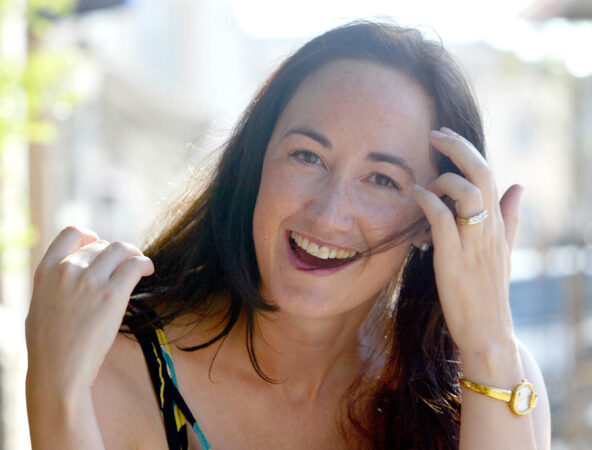
    LONDON — Sophie Kinsella, the author of Confessions of a Shopaholic and a series of millions-selling sequels died Monday, her family said. She was 55 and had been diagnosed with brain cancer.

    The family said in a statement on Ms. Kinsella’s Instagram account: “We are heartbroken to announce the passing this morning of our beloved Sophie (aka Maddy, aka Mummy). She died peacefully, with her final days filled with her true loves: family and music and warmth and Christmas and joy.

    “We can’t imagine what life will be like without her radiance and love of life.”

    Ms. Kinsella, who also published under her real name, Madeleine Wickham, announced in April 2024 that she had been diagnosed in late 2022 with glioblastoma, an aggressive form of brain cancer.

    “I did not share this before because I wanted to make sure that my children were able to hear and process the news in privacy and adapt to our ’new normal,’” she said at the time.

    Starting in 2000 with The Secret Dreamworld of a Shopaholic,(titled Confessions of a Shopaholic in the United States), about a financial journalist who writes about money matters but fails miserably at managing her own, Ms. Kinsella published 10 “Shopaholic” novels, along with other fiction. Her books have sold more than 45 million copies worldwide and have been translated into dozens of languages.

    The first two “Shopaholic” books were adapted into the 2009 film Confessions of a Shopaholic, starring Isla Fisher.

    From journalism to fiction

    Ms. Kinsella did not grow up intending to be a writer. One of three girls born to teachers in London, she played piano and violin as a child and also composed music.

    She told author-publisher Zibby Owens on her podcast, Moms Don’t Have Time to Read Books, that the idea of writing never crossed her mind. “It wasn’t my childhood ambition. I wasn’t the child walking around saying, ‘I’m going to write a novel one day.’”

    Ms. Kinsella enrolled at Oxford University to study music but switched to the politics, philosophy and economics program after one year.

    While at college, she met musician Henry Wickham and fell in love. The couple had four sons and a daughter.

    After graduating, Ms. Kinsella began working as a financial journalist and spent her commute reading. The idea to write fiction herself began to take shape on the train, and she worked on her first novel during her lunch hours.

    She published her first novel, The Tennis Party, in 1995, as Madeleine Wickham. Soon after, she left her journalism job to focus on writing. Six other books, including The Gatecrasher and Sleeping Arrangements, followed.

    ‘Shopaholic’ success

    An otherwise normal shopping excursion sparked the idea for writing her first “Shopaholic” novel

    “I remember looking around me and thinking… “We all shop… We talk about it. We do it. We rejoice in it. We make bad decisions. Why hasn’t anybody written about this?” Ms. Kinsella said in 2019 on The Sunday Salon with Alice-Azania Jarvis podcast.

    Ms. Kinsella created a story about Becky Bloomwood, a 20-something financial journalist in debt from a shopping habit she can’t (or won’t) kick. The novel contained hilarious back-and-forth correspondence with bill collectors and banks, where she would make excuses for late payments. Ms. Kinsella said those letters were one of the most fun bits to write.

    There was also a love story with a handsome businessman whom Becky met while on assignment. She went on to marry and have a mini-shopaholic daughter in future books.

    The humorous tone of Confessions of a Shopaholic was a change from her earlier books, so she decided to submit it to her publishers under a pen name. Her middle name was Sophie and Ms. Kinsella was her mother’s maiden name.

    The publishers said yes, and “Shopaholic” was published in 2000 under her pseudonym. The novel, blending humor with a cautionary tale about getting in over your head with debt, was an immediate success.

    Ms. Kinsella said Becky was a modern everywoman whose behavior was “what you wouldn’t do yourself, but maybe you would if you were in absolute extreme circumstances. And that’s what she finds herself in all the time.”

    Bloomwood’s further adventures followed in books including Shopaholic Takes Manhattan, Shopaholic Ties the Knot, and Shopaholic & Sister.

    Along with Bridget Jones author Helen Fielding and others, Ms. Kinsella’s work was often branded “chick lit” by the media. She told the AP in 2004 she didn’t mind the label, interpreting it as signaling a book that is “fun, entertaining and might just have a happy ending.”

    “Just because you are interested in frivolous things doesn’t mean that you can’t be bright and have great ideas and the rest of it,” she said.

    The first two “Shopaholic” books were adapted into the 2009 film “Confessions of a Shopaholic,” starring Isla Fisher and Hugh Dancy.

    Her novel Can You Keep a Secret? was adapted into a 2019 film starring Alexandra Daddario and Tyler Hoechlin. Her last novel was The Burnout, released in 2023.

    Illness and hope

    In November 2022, after experiencing symptoms including memory loss, headaches and balance troubles, Ms. Kinsella was diagnosed with glioblastoma, for which there is no cure. She kept the news private until April 2024. In an interview with TV personality Robin Roberts aired a few months later, Ms. Kinsella said she was focused on living in the moment.

    “I’ve already lasted more than the average. That’s how we get through. We hope,” she said.

    After her diagnosis, she wrote a novella, What Does It Feel Like, about a woman with five children who has brain cancer.

    “I thought people might be curious to know what it’s like to go through this,” Ms. Kinsella told Roberts. “I hope it’s full of optimism and love most of all.”

    Araminta Whitley and Marina de Pass, Ms. Kinsella’s agents at The Soho Agency, said the writer “had a rare gift for creating emotionally resonant protagonists and stories that spoke to, and entertained, readers wherever they were in the world and whatever challenges they faced.”

    Bill Scott-Kerr, her publisher at Transworld, said Ms. Kinsella leaves behind “a unique voice, an unquenchable spirit, a goodness of intent and a body of work that will continue to inspire us to reach higher and be better, just like so many of her characters.”

  • A Democrat won Miami mayor’s race for the first time in nearly 30 years

    A Democrat won Miami mayor’s race for the first time in nearly 30 years

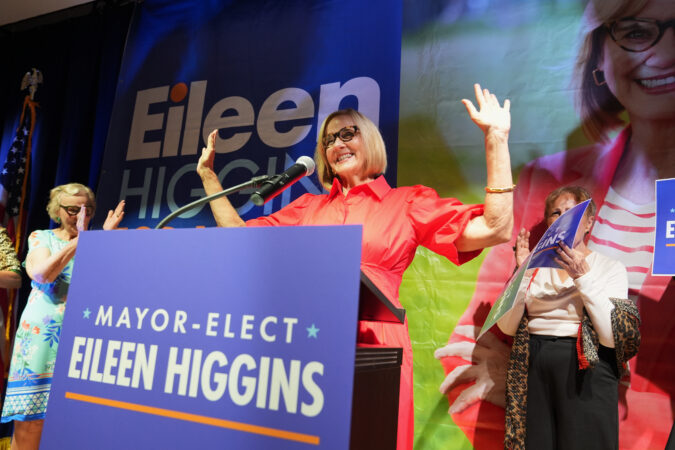
    MIAMI — Democrat Eileen Higgins won the Miami mayor’s race on Tuesday, defeating a Republican endorsed by President Donald Trump to end her party’s nearly three-decade losing streak and give Democrats a boost in one of the last electoral battles ahead of the 2026 midterms.

    Higgins, 61, will be the first woman to lead the city of Miami. She spoke frequently in the Hispanic-majority city about Trump’s immigration crackdown, saying she has heard of many people in Miami who were worried about family members being detained. She campaigned as a proud Democrat despite the race being officially nonpartisan and beat Trump-backed candidate Emilio Gonzalez, a former city manager, who said he called Higgins to congratulate her.

    “We are facing rhetoric from elected officials that is so dehumanizing and cruel, especially against immigrant populations,” Higgins told The Associated Press after her victory speech. “The residents of Miami were ready to be done with that.”

    With nearly all votes counted Tuesday, Higgins led the Republican by about 19 percentage points.

    The local race is not predictive of what may happen at the polls next year. But it drew attention from the two major national political parties and their leaders. The victory provides Democrats with some momentum heading into a high-stakes midterm election when the GOP is looking to keep its grip in Florida, including in a Hispanic-majority district in Miami-Dade County. The area has shifted increasingly rightward politically in recent years, and the city may become the home of Trump’s presidential library.

    “Tonight’s result is yet another warning sign to Republicans that voters are fed up with their out-of-touch agenda that is raising costs,” said Ken Martin, the chair of the Democratic National Committee, in a statement.

    Some nationally recognized Democrats supported Higgins, including former Transportation Secretary Pete Buttigieg. U.S. Sen. Ruben Gallego and former Chicago Mayor Rahm Emanuel traveled to Miami on Sunday and Monday to rally voters for the Democrat who served as a Miami-Dade county commissioner for seven years.

    Higgins, who speaks Spanish, represented a district that leans conservative and includes the Cuban neighborhood of Little Havana. When she first entered politics in 2018, she chose to present herself to voters as “La Gringa,” a term Spanish speakers use for white Americans, because many people did not known how to pronounce her name.

    “It just helps people understand who I am, and you know what? I am a ‘gringa,’ so, what am I going to do, deny it?” she told the AP.

    Republicans’ anxiety grows

    Republicans in Florida have found strong support from voters with heritage from Cuba, Venezuela and Nicaragua, because they likened some members of the Democratic party’s progressive wing with politicians from the governments they fled. Trump and other GOP members have tapped into those sentiments over the past eight years.

    However, some local Republicans are growing increasingly frustrated since November’s elections when Democrats scored wins in New Jersey and Virginia, where both winning gubernatorial candidates performed strongly with nonwhite voters.

    The results from those races were perceived as a reflection of concerns over rising prices and the Trump administration’s aggressive immigration policies.

    U.S. Rep. Maria Elvira Salazar, a Republican whose district is being targeted by Democrats and includes the city of Miami, called the elections elsewhere a “wake-up call.” She said Hispanics also want a secure border and a healthy economy but some relief for “those who have been here for years and do not have a criminal record.”

    “The Hispanic vote is not guaranteed,” Salazar said in a video posted on X last month. “Hispanics married President Trump, but they are only dating the GOP.”

    David Jolly, who is running to represent Democrats in the Florida governor’s race next year, said the mayoral election was good news for Democrats in what used to be a battleground state.

    “Change is here. It’s sweeping the nation, and it’s sweeping Florida,” Jolly said.

    Miami mayor-elect gains national platform

    The mayoral position in Miami is more ceremonial, but Higgins promised to execute it like a full-time job.

    The city is part of Miami-Dade County, which Trump flipped last year, a dramatic improvement from his 30 percentage point loss to Democrat Hillary Clinton in 2016.

    As Florida’s second-largest city, Miami is considered the gateway to Latin America and attracts millions of tourists. Its global prominence gives Higgins a significant stage as mayor.

    Her pitch to voters included finding city-owned land that could be turned into affordable housing and cutting unnecessary spending.

  • Trump strays from script at Poconos rally, calling affordability a ‘hoax’ and Pa. a ‘dumping ground’ for immigrants

    Trump strays from script at Poconos rally, calling affordability a ‘hoax’ and Pa. a ‘dumping ground’ for immigrants

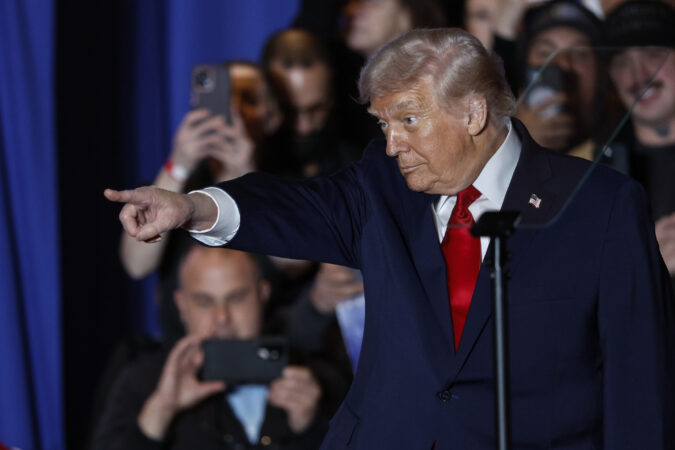
    President Donald Trump’s raucous rally Tuesday night in Pennsylvania was billed as the launch of a national tour focused on easing voters’ economic anxieties that threaten Republicans’ hold in Washington with the 2026 midterms looming.

    But the economy couldn’t maintain the president’s interest for the duration of the speech.

    Instead, he rallied the crowd at the Mount Airy Casino Resort in Mount Pocono by fomenting anger at Democratic U.S. Rep. Ilhan Omar and other Somali immigrants who live in Minnesota and teasing a 2028 run, despite constitutional limits on a third term.

    Employing a method he calls “the weave,” Trump darted back and forth between cost-of-living issues and entirely unrelated material, such as claiming credit for the use of the phrase “Merry Christmas” during the holiday season.

    “If I read what’s on the teleprompter, you’d all be falling asleep right now,” Trump said.

    It was Trump’s third trip to Pennsylvania since he began his second term, following a campaign in which he spent a considerable amount of time in the Keystone State, winning it back in part by promising to cure a beleaguered economy. It’s the president’s first return to Northeast Pennsylvania, where he saw his biggest gains in the region during the last election, and which will be a crucial battleground in next year’s election, when the GOP’s razor-thin House majority is on the line.

    “America is winning again. Pennsylvania is prospering again. And I will not rest until this commonwealth is wealthier and stronger than ever before,” Trump proclaimed at the large casino and hotel complex tucked in between ski resorts in the Pocono Mountains.

    The speech comes as many Americans lament the cost of living, workers have lost power in the job market and with their employers, and people are bracing for Affordable Care Act tax credits to expire at the end of the year.

    The casino stayed open Tuesday and gamblers played slots and card games on the floor upstairs as Trump spoke in the ballroom below.

    Trump, in a speech that stretched over an hour, blamed high prices on his Democratic predecessor, former President Joe Biden. He argued gas prices are down and car prices are dropping thanks to relaxed fuel-efficiency standards. The stock market is up this year and overall growth for the third quarter is strong. Trump also has signed agreements to reduce list prices on prescription drugs.

    While Trump again called concerns about affordability a “hoax,” the event itself was at least an acknowledgment that frustrations with the economy are damaging the Republican brand ahead of the midterms. He spoke in front of a large “lower prices, bigger paychecks,” banner.

    “Democrats talking about affordability is like Bonnie and Clyde preaching about public safety,” he said.

    The most compelling part of the evening came more than an hour in, when the president called up members of the local community, including a waiter and an EMT to share personal stories about how no taxes on tips or overtime would benefit their families when tax returns are filed next year.

    Trump played to the Pennsylvania crowd, noting his connections to the state as a graduate of the University of Pennsylvania’s Wharton School. “I love Philadelphia. It’s gotten a little rougher, but we will take it,” he quipped.

    He then reminisced about hosting the Philadelphia Eagles at the White House earlier this year following their Super Bowl win. He hailed coach Nick Sirianni as a “real leader” and marveled at running back Saquon Barkley’s muscles.

    “It’s like I hit a piece of steel. … He’s so strong,” Trump said about patting the Eagles player on the back.

    But despite these light-hearted moments, Trump repeatedly went after Omar and the Somali immigrant community.

    Trump asked if anyone from the crowd was from Somalia and asked them to raise their hands before tearing into Omar, the progressive Minnesota Democrat who left the African country as a refugee.

    “She comes from a country where, I mean, it’s considered about the worst country in the world, right?”

    Later in the speech, Trump complained about immigration from Somalia, Afghanistan and Haiti — instead of countries like Norway and Denmark — as he recounted and affirmed his use of the phrase “shithole countries” during his first term, something he denied at the time.

    He also accused Democrats of making Pennsylvania a “dumping ground” for immigrants.

    Despite this incendiary rhetoric, Trump also celebrated his performance with Black and Latino voters in the last election. He put up the strongest Republican performance with these demographic groups in decades, though a majority both went for Vice President Kamala Harris.

    “Black people love Trump,” Trump said. “I got the biggest vote with Black people. They know a scam better than anybody. They know what it is to be scammed.”

    ‘Everyone’s paying a lot more’

    Nationwide, prices and inflation have increased this year — with many experts saying that the president’s tariff policies have contributed.

    In his speech, Trump touted his tariffs as bringing in “hundreds of billions of dollars,” and noted his administration would be steering $12 billion to farmers through that revenue. The money is meant to help agriculture producers cope with retaliatory measures taken by China and other trading partners in response to Trump’s tariffs, which Trump did not mention in his remarks.

    “We gave the farmers a little help … and they are so happy.” Trump said.

    Poll after poll shows Americans see rising home prices, groceries, education, and electricity costing more. Gallup’s Economic Confidence Index found a 17-month low in terms of trust in the economy, and the survey found Americans’ views of the job market are at their most negative since the end of Trump’s first term during the height of the pandemic.

    For the average Pennsylvanian, there is a “financial struggle” with higher prices on food, childcare, healthcare, and electricity, among other expenses, said Mark Zandi, chief economist at Moody’s Analytics.

    He attributes it to Trump’s tariffs and immigration policies, including deportation, which he said limits the number of people working and has “hurt growth and raised inflation.”

    “Everyone’s paying a lot more for basic necessities, most everything,” Zandi said.

    Zandi noted Trump’s economic policies include a few positives for workers and employers, including tax breaks for businesses from Trump’s Big Beautiful Bill Act, as well as the tax cuts on tips and overtime.

    “But net, I think the policies have contributed to the financial hardship of the typical Pennsylvanian,” Zandi said.

    Pennsylvania, however, is the only growing economy in the Northeast, according to Moody’s Analytics. The state has secured $31.6 billion in private-sector investments since Democratic Gov. Josh Shapiro took office in 2023, according to his administration.

    Shapiro has been quick to argue the state’s relative fiscal health has come in spite of federal policies he argued are hurting Pennsylvanians. He called Trump “a president who seems to want to blame everybody else, whose economic policies are failing,” in an interview Monday night on MS NOW.

    “I mean, if he comes to Pennsylvania and spews more B.S. … I think what you’re ultimately going to find are people tuning him out,” Shapiro, a potential contender for the presidency in 2028, said ahead of Trump’s visit.

    Sen. John Fetterman (D., Pa.) told MS NOW in a separate interview on Tuesday that polling shows the president, “he’s really kind of losing the plot with a part of his own voters now front and center.”

    A key battleground

    The setting for Trump’s speech is also one of the most closely watched battlegrounds in the state, home to freshman Republican U.S. Rep. Rob Bresnahan’s district, which Democrats are targeting to flip. Bresnahan won by 1.5 percentage points last year.

    Bresnahan was more on message in brief remarks. He said he and Trump have heard the call for relief.

    “The message is the same everywhere we go: Lower the cost, higher-paying jobs, keep our community safe, and listen to the people during the work,” he told the crowd in Mount Pocono.

    He argued policies authored by Trump and passed by the Republican-led Congress, like tax credits for working families and seniors, are already helping people.

    The Democratic Congressional Campaign Committee seized on the visit to blast Bresnahan in ads on the Wilkes-Barre Times Leader website, highlighting his penchant for stock trading. And Scranton Mayor Paige Cognetti, a Democrat running to unseat Bresnahan, took the moment to call him “the exact kind of self-serving politician that Northeastern Pennsylvanians … all agree we need to get rid of.”

    Whether Trump’s message resonates in this part of the country will be telling. Monroe County, home to Mount Pocono, flipped to Trump in the 2024 election after backing Biden in 2020.

    The region is home to a large number of New York City transplants who have moved here seeking more-affordable housing in a region that largely relies on Pocono Mountains tourism as the main source of jobs.

    While views on the economy were mixed on the casino floor, attendees in the ballroom gave the president a warm welcome back to the state. The Secret Service had to turn people away, and many who got in had waited more than four hours outside on an 18-degree day.

    Trump’s ongoing response to affordability woes could have major implications for other vulnerable Republicans hoping to be reelected in the state. In last month’s election, Democrats successfully ran on affordability in the New Jersey and Virginia gubernatorial races — and picked up a slew of local seats in Pennsylvania.

    The DCCC has its sights on the seats of three other Pennsylvania Republicans, along with Bresnahan: U.S. Rep. Brian Fitzpatrick of Bucks County; U.S. Rep. Ryan Mackenzie of Lehigh County; and U.S. Rep. Scott Perry of York County.

    Attendees in the crowd Tuesday night held “Keep the House, Keep the Country,” posters.

    Trump told the crowd he’d be back on the trail for Republicans in the midterms, and reflected, that like his off-the-cuff speech, he enjoys stumping.

    Whether the current state of the economy affects Republicans’ chances in 2026 could depend on how those future appearances go and how willing the party will be to keep acknowledging that many Americans are struggling.

    Marc Stier, executive director of the Pennsylvania Policy Center, who was a leading advocate for the establishment of the ACA, argued that “voters are not fools, particularly when it comes to their pocketbook.”

    “How they talk about it will determine in some ways how badly they get hurt,” Stier said. “If they acknowledge a problem and, say, come up with ideas to deal with it, they will probably be hurt less. If they followed Trump’s line … I think they’re gonna get clobbered.”

  • Your next chance to get FIFA World Cup tickets starts Thursday

    Your next chance to get FIFA World Cup tickets starts Thursday

    The 2026 FIFA World Cup is officially six months away, and Philadelphians’ next chance to buy general admission tickets starts Thursday.

    From Dec. 11 to Jan. 13, fans can enter a lottery for the chance to buy World Cup match tickets, like the two previous lottery phases. The “random selection draw” is the third of several ticket sale phases leading up to the World Cup’s first match on June 11, 2026, in Mexico City.

    During the first two ticket phases, the United States, Canada, and Mexico (in that order) drove the bulk of ticket sales, according to FIFA. Fans in 212 countries have bought tickets.

    However, since the final draw on Friday, the World Cup matchups and schedule have been finalized. This will be the first ticket sale phase in which fans can apply for single-game tickets for exact matchups and teams.

    Next year’s World Cup will take place in 16 cities across the United States, Canada, and Mexico, including in Philadelphia, where six matches will be played. Powerhouses Brazil and France, home to some of the world’s best players, are confirmed to be playing in the City of Brotherly Love.

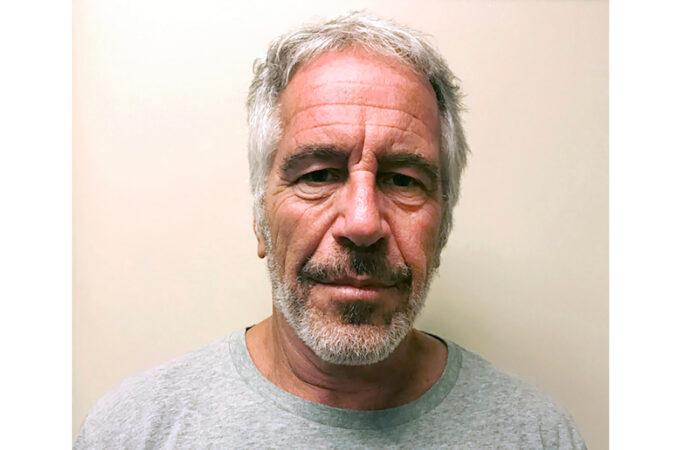
    Brazil’s Raphinha (center) celebrates with teammate Vinícius Júnior after scoring his side’s opening goal against Venezuela during a World Cup qualifying match.

    How to enter the random selection draw for FIFA World Cup tickets

    To enter the ticket lottery, applicants must first create a FIFA ID at FIFA.com/tickets.

    The lottery application form will become available on FIFA’s website starting at 11 a.m. Thursday and will close at 11 a.m. on Jan. 13.

    Log in during the application window and complete the random selection draw application form.

    Winners will be selected in a random draw, with notifications starting soon after Jan. 13. Those selected will receive an assigned date and time to purchase tickets, subject to availability.

    Single-match tickets to all 104 games, plus venue-specific and team-specific options, will be made available to choose from. That means fans in the Philadelphia area could buy tickets for matches at Lincoln Financial Field — if selected.

    Fans who have applied to previous ticket sale lotteries must submit a new application form.

  • The Justice Department can unseal Ghislaine Maxwell’s sex trafficking case records, a federal judge said

    The Justice Department can unseal Ghislaine Maxwell’s sex trafficking case records, a federal judge said

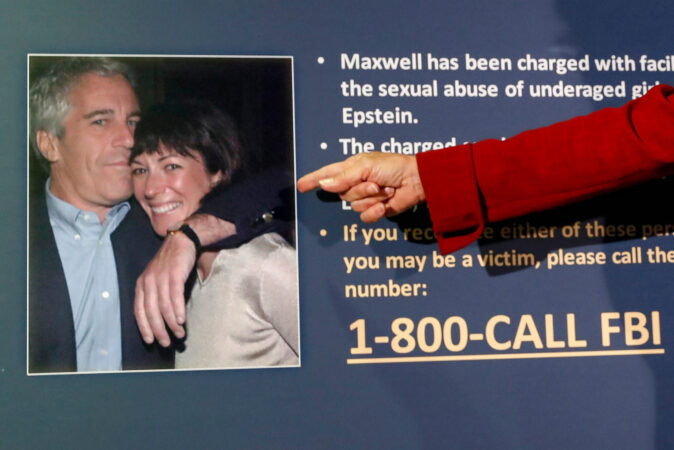
    NEW YORK — The Justice Department can publicly release investigative materials from a sex trafficking case against Ghislaine Maxwell, the longtime confidant of Jeffrey Epstein, a federal judge said on Tuesday.

    Judge Paul A. Engelmayer ruled after the Justice Department in November asked two judges in New York to unseal grand jury transcripts and exhibits from Maxwell and Epstein’s cases, along with investigative materials that could amount to hundreds or thousands of previously unreleased documents.

    The ruling, in the wake of the passage last month of the Epstein Files Transparency Act, means the records could be made public within 10 days. The law requires the Justice Department provide Epstein-related records to the public in a searchable format by Dec. 19.

    Engelmayer is the second judge to allow the Justice Department to publicly disclose previously secret Epstein court records. Last week, a judge in Florida granted the department’s request to release transcripts from an abandoned federal grand jury investigation into Epstein in the 2000s.

    A request to release records from Epstein’s 2019 sex trafficking case is still pending.

    The Justice Department said Congress intended the unsealing when it passed the transparency act, which President Donald Trump signed into law last month.

    Three judges — two in New York and one in Florida — had previously refused an unusual department request to unseal grand jury transcripts.

    The latest request, though, dramatically enlarged the files that the department said it planned to release to encompass 18 categories of investigative materials gathered in the massive sex trafficking probe.

    Epstein, a financier, was arrested in July 2019 on sex trafficking charges, a month before he was found dead in a federal jail cell. The death was ruled a suicide. Maxwell was convicted of sex trafficking charges in December 2021. She is serving a 20-year prison sentence. Maxwell, a British socialite, was moved over the summer from a federal prison in Florida to a prison camp in Texas as her criminal case generated renewed public attention.

    In response to a request by the New York judges for more specifics on what it would release, the department said in recent submissions in Manhattan federal court that the materials would include 18 categories including search warrants, financial records, survivor interview notes, electronic device data and material from earlier Epstein investigations in Florida.

    The government said it was conferring with survivors and their lawyers and planned to redact records to ensure protection of survivors’ identities and prevent the dissemination of sexualized images.

    After the request to unseal investigative files last month, two judges in New York invited Maxwell, the Epstein estate and accusers to provide opinions about the request.

    Maxwell’s lawyer said his client took no position about the requested unsealing, except to note that her plans to file a habeas petition could be spoiled because the public release of materials “would create undue prejudice so severe that it would foreclose the possibility of a fair retrial” if the habeas request succeeded.

    Lawyers for the Epstein estate took no position. At least one outspoken Epstein accuser, Annie Farmer, said through her lawyer, Sigrid S. McCawley, that Farmer “is wary of the possibility that any denial of the motions may be used by others as a pretext or excuse for continuing to withhold crucial information concerning Epstein’s crimes.”

    In August, Judges Richard M. Berman and Paul A. Engelmayer in Manhattan denied the department’s requests to unseal grand jury transcripts and other material from Epstein and Maxwell’s cases, ruling that such disclosures are rarely, if ever, allowed.

    Tens of thousands of pages of records pertaining to Epstein and Maxwell have already been released through lawsuits, public disclosures and Freedom of Information Act requests.

    Many of the materials the Justice Department plans to release stem from reports, photographs, videos and other materials gathered by police in Palm Beach, Florida, and the U.S. attorney’s office there, both of which investigated Epstein in the mid-2000s.

    Last year, a Florida judge ordered the release of about 150 pages of transcripts from a state grand jury that investigated Epstein in 2006. On Dec. 5, at the Justice Department’s request, a Florida judge ordered the unsealing of transcripts from a federal grand jury there that also investigated Epstein.

    That investigation ended in 2008 with a then-secret arrangement that allowed Epstein to avoid federal charges by pleading guilty to a state prostitution charge. He served 13 months in a jail work-release program. The reques

  • Magnitude 7.6 quake triggers a tsunami on Japan’s northern coast

    TOKYO — A powerful 7. 6-magnitude earthquake struck late Monday off northern Japan, triggering a tsunami of up to 27 inches in Pacific coast communities and warnings of potentially higher surges, the Japanese Meteorological Agency said.

    Several people were injured, media reports said.

    The quake struck at about 11:15 p.m. (1415 GMT) in the Pacific Ocean about 50 miles off the coast of Aomori, the northernmost prefecture of Japan’s main Honshu island, the agency said.

    A tsunami of 27 inches was measured in Kuji port in Iwate prefecture, just south of Aomori, and tsunami levels of up to 20 inches struck other coastal communities in the region, the agency said.

    The agency issued an alert for potential tsunami surges of up to 10 feet in some areas, and chief cabinet secretary Minoru Kihara urged residents to immediately head to higher ground or take shelter inside buildings or evacuation centers until the alert is lifted.

    Several people were injured at a hotel in the Aomori town of Hachinohe and a man in the town of Tohoku was slightly hurt when his car fell into a hole, public broadcaster NHK reported.

    Kihara said nuclear power plants in the region were conducting safety checks and that so far no problems were detected.

    Several cases of fires were reported in Aomori, and about 90,000 residents were advised to take shelter at evacuation centers, the Fire and Disaster Management Agency said.

    Satoshi Kato, a vice principal of a public high school in Hachinohe, told NHK that he was at home when the quake struck, and that glasses and bowls fell and smashed into shards on the floor.

    Kato said he drove to the school because it was designated an evacuation center, and on the way he encountered traffic jams and car accidents as panicked people tried to flee. Nobody had yet come to the school to take shelter, he said.

    Prime Minister Sanae Takaichi, in brief comment to reporters, said the government set up an emergency task force to urgently assess the extent of damage. “We are putting people’s lives first and doing everything we can,” she said.

    The quake struck about 50 miles northeast of Hachinohe, below the sea surface, the meteorological agency said.

    It was just north of the Japanese coast that suffered the magnitude 9.0 quake and tsunami in 2011 that killed nearly 20,000 people.

  • Paramount goes hostile in bid for Warner Bros., challenging a $72 billion bid by Netflix

    Paramount goes hostile in bid for Warner Bros., challenging a $72 billion bid by Netflix

    NEW YORK — Paramount has gone hostile bid for Warner Bros. Discovery, challenging Netflix which reached a $72 billion takeover deal with the company just days ago.

    Paramount said Monday that it is going straight to Warner Bros. shareholders with a $30 per share cash bid for the entirety of the company including its Global Networks business, asking them to reject the deal with Netflix.

    That is the same bid that Warner Brothers rejected in favor of the offer from Netflix in a merger that would alter the U.S. entertainment landscape.

    Paramount criticized the Netflix offer, saying it “exposes WBD shareholders to a protracted multi-jurisdictional regulatory clearance process with an uncertain outcome along with a complex and volatile mix of equity and cash.”

    Paramount said it had submitted six proposals to Warner Bros. Discovery over a 12 week period.

    “We believe our offer will create a stronger Hollywood. It is in the best interests of the creative community, consumers and the movie theater industry,” Paramount Chairman and CEO David Ellison said in a statement. ”We believe they will benefit from the enhanced competition, higher content spend and theatrical release output, and a greater number of movies in theaters as a result of our proposed transaction,”

    On Friday Netflix struck a deal to buy Warner Bros. Discovery, the Hollywood giant behind “Harry Potter” and HBO Max. The cash and stock deal is valued at $27.75 per Warner share, giving it a total enterprise value of $82.7 billion, including debt. The transaction is expected to close in the next 12 to 18 months, after Warner completes its previously announced separation of its cable operations. Not included in the deal are networks such as CNN and Discovery.

    But President Donald Trump said Sunday that the deal struck by Netflix to buy Warner Bros. Discovery “could be a problem” because of the size of the combined market share.

    The Republican president said he will be involved in the decision about whether the federal government should approve the $72 billion deal.

    Paramount’s tender offer is set to expire on Jan. 8, 2026, unless it’s extended.

    Shares of Warner Bros. and Paramount jumped between 5% and 6% at the opening bell Monday. Shares of Netflix edged lower.

  • In Philadelphia, Frank Gehry’s legacy lives on at the Art Museum

    In Philadelphia, Frank Gehry’s legacy lives on at the Art Museum

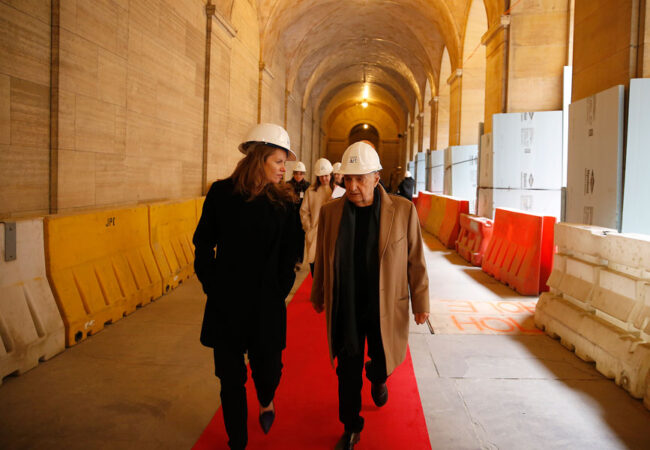
    Famed architect Frank Gehry died Friday in his home in Santa Monica at 96 after a brief respiratory illness. And while he is gone, cities all over the world will continue to hold a piece of him — including Philadelphia.

    Though he is known for the striking, rambunctious architecture of buildings like the Guggenheim Museum in Bilbao, Spain, and the Walt Disney Concert Hall in Los Angeles, around here, Gehry will perhaps be best remembered as the man behind the Philadelphia Art Museum as we know it today. Gehry in 2006 was selected from a slate of more than 20 renowned architects to oversee what would become a $233 million renovation of the Art Museum.

    Known as the Core Project, the effort — completed in 2021 — was designed to open up the museum’s floor plans, reclaim a ground level that had been closed to the public for decades, and add some 20,000 square feet of new gallery space. Completed in phases over more than a decade, Gehry’s planned renovations were designed to make the building more accessible, revitalize its aging infrastructure, and give the space more flow — all while not disrupting the museum’s iconic look.

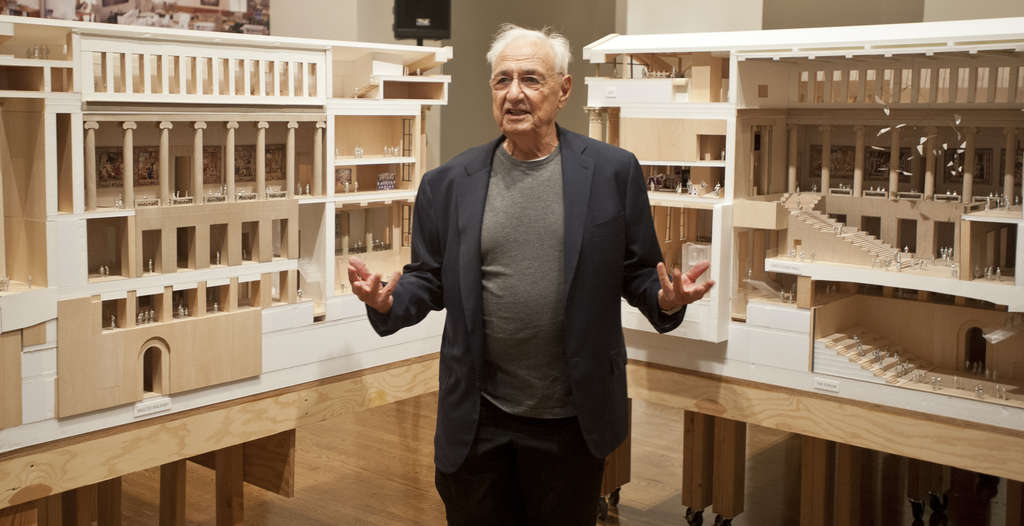
    Frank Gehry with a model of his design for the museum’s expansion, to be on display in the exhibit “Making a Classic Modern: Frank Gehry’s Master Plan for the Philadelphia Museum of Art.”

    “Frank always felt in the design of the core project that he was collaborating with the original architects,” said retired Philadelphia Art Museum chief operating officer Gail Harrity Friday. “He often said he was following the bread crumbs left by the original architects to revitalize a building that needed a flow, needed the restoration of the east-west access, the north-south access.”

    Gehry’s work on the Art Museum created “views toward a work of art that pull you like a magnet into the galleries,” Harrity said. And in a 2021 Inquirer review of the revamp, architecture critic Inga Saffron found that the redesign gave “museum officials precisely what they wanted: clarity, light, and space.”

    A contentious choice

    But when he was selected to lead the effort, Gehry was something of a controversial choice. At the time, Gehry was known for flamboyant architecture dotted with playful, tumbling forms — much different from the Greek Revival and Neoclassical design that made the Art Museum an icon on the Benjamin Franklin Parkway. Some museum lovers worried he would desecrate Philly’s art museum, while others pondered why museum officials would pick such a high-profile architect to design features that largely would not be seen from the outside.

    “Nothing [Gehry] has done gives me a good feeling,” one reader wrote to The Inquirer in 2006. “Please rethink using this man to destroy the Philadelphia Museum of Art.”

    Gehry himself did little to quell his detractor’s worries. As he put it to The Inquirer at one point: “We will set off a bomb. But I can’t tell what kind till the fat lady sings. I think we’ll make it memorable.”

    A $233 million Frank Gehry-designed renovation of the Art Museum focusing on the building’s bottom two floors. The Core Project’s goals were to open up the museum’s floor plans, reclaim a ground level that had been closed to the public for decades, and add 20,000 square feet of new gallery space.

    Ultimately, Gehry’s design would be understated and in line with the museum’s existing structure. In fact, it was Gehry’s work on the ’60s-era Norton Simon Museum in Pasadena — which he transformed into a series of serene, classically arranged galleries in the 1990s — that convinced Art Museum officials to go with him for their redesign, so there was perhaps little to be concerned about all along.

    Museumgoers got their first taste of the revamp in the fall of 2012, when work on an art-handling facility was completed. That project moved a loading dock and backstage area from the building’s northeast side near Kelly Drive to the Schuylkill side, and would allow for Gehry’s redesign project to progress.

    And, at least to Gehry, big plans were afoot.

    “I wonder if people in Philadelphia know what a big deal this is,” he told The Inquirer in 2014. “Bilbao was a sleepy little town before the Guggenheim came along. This is going to change Philadelphia.”

    The unveiling

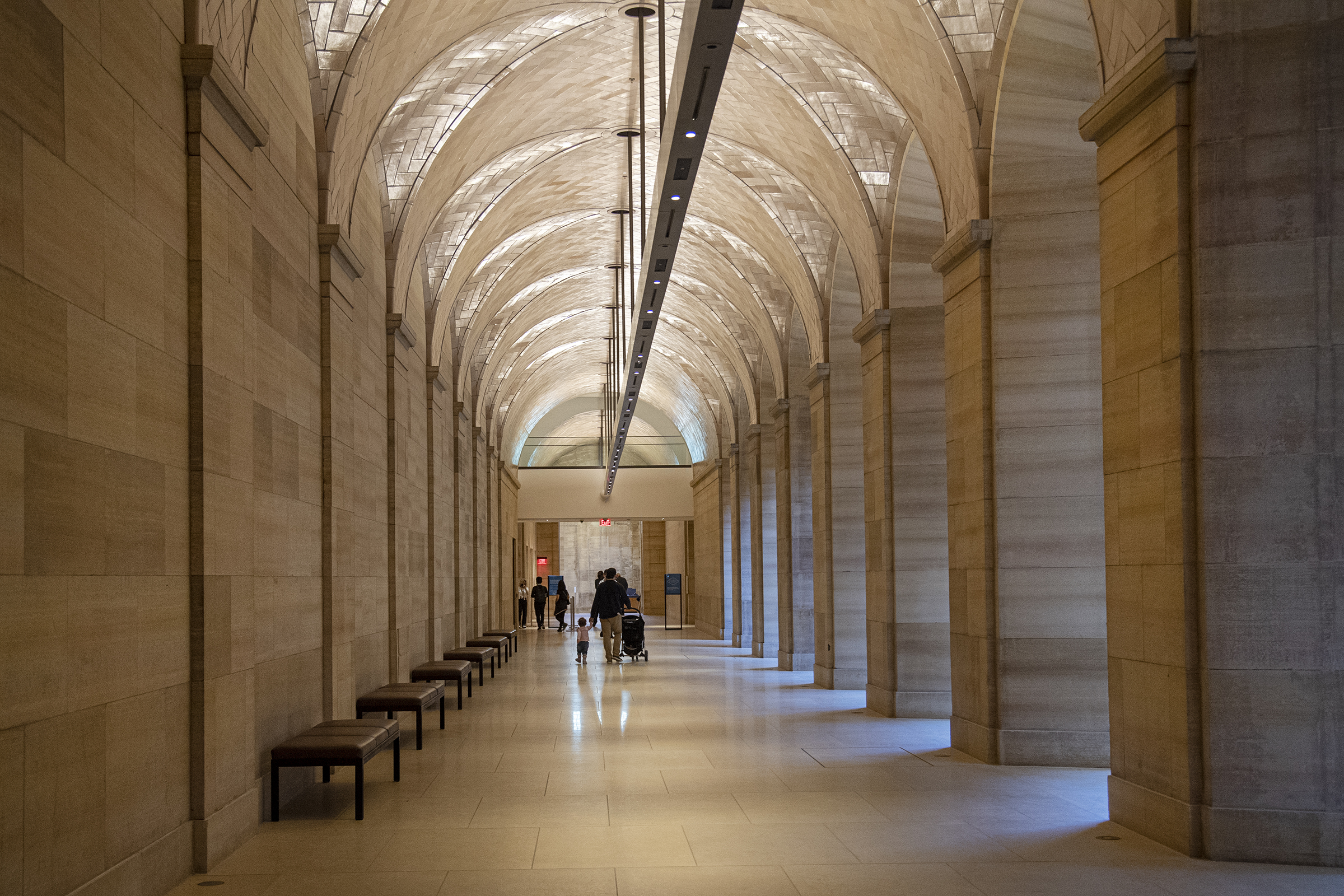
    By 2017, the Art Museum officially broke ground on the Core Project phase of its redesign. Two years later, in 2019, it reopened a long-shut entryway on the building’s north side, leading to a vaulted walkway more than 600 feet long, running the width of the museum. An auditorium was demolished, being replaced by the area today known as the Williams Forum.

    Its removal opened up the interior of the museum, allowing visitors to see through the entire building, bringing in light and street vistas through windows, and “possibly ending that feeling of being lost amid proliferating galleries of art,” The Inquirer reported at the time.

    In 2021, the Art Museum officially unveiled Gehry’s work, showing off the result of 15 years of planning, design, and reconstruction. The Daniel W. Dietrich II Galleries and Robert L. McNeil Jr. Galleries made their debut, housing contemporary and American art, respectively.

    “Gehry has provided the canvas,” Saffron wrote of the redesign. “Now it’s up to the museum to make the most of it.”

    View of the vaulted walkway at the Art Museum.

    But the design wasn’t exactly completely finished. Gehry also created the Philadelphia’s museum’s master plan that includes a proposed next phase: building more gallery space beneath the museum’s east steps. The project has been on hold for a number of years, and its status remains undetermined, a museum spokesperson said Friday.

    The museum had also had informal discussions recently with Gehry about designing a learning and engagement center, but that project‘s status is also undetermined, the spokesperson said.

    “The building is a landmark that is iconic in Philadelphia, that’s difficult to change the exterior of, and in many respects is on a site that is hard to expand,” said Harrity. “So in looking at previous ideas and designs I think Frank’s solution for further increasing gallery space while responding to the architectural integrity of a landmark that is beloved in Philadelphia is brilliant.”

    This article contains information from the Associated Press.