The Minneapolis-based artist can’t unsee the impact ICE and directives from President Donald Trump’s administration’s have had on her hometown in recent months.
“I don’t really know anyone whose life hasn’t been affected by the occupation in a tangible way,” she said. “Many people I know are volunteering to deliver meals, patrol schools, drive folks to work, and serve as peaceful observers — which is what both Renee Good and Alex Pretti were doing when they lost their lives at the hands of ICE agents.”
The independent graphic designer thought about ways she could get involved when it hit her. She’s joining a larger tradition of subversive font design.
Haddican, whose work focuses on typography, branding, and packaging, thought back to Moontype, a font created by designer Olli Meier that autocorrects “bad words,” like hate, into “good words,” like love.
Then she thought about language and its use today.
“It’s become impossible to ignore how blatantly the Trump administration is misusing language in order to control and distort the narrative,” she said. It clicked.
“Wouldn’t it be cool if you could change someone else’s words?” Haddican said. “I decided that the best practical use of this font feature would be a practical joke.”
This month, she launched Times New Resistance, a parody of the commonly used Times New Roman font, which autocorrects a slew of specific words as they’re typed. Notably, Times New Roman is the new (and old) official font of the State Department.
Using Times New Resistance, the term ICE autocorrects to “the Goon Squad.” Trump autocorrects to “Donald Trump is a felon.” Gay becomes “gay rights are human rights.” Illegal alien becomes “human being.”
Kingsley Spencer, a creative director and designer based in Jacksonville, Fla., says using the State Department’s own font is part of what makes Haddican’s font so powerful.
“Using technology as a form of commentary against a political regime that decided to weaponize Times New Roman as a form of culture shaping is sharp for a designer,” he said. “I love how direct and comical it is.”
The font is free, “just like America used to be,” Haddican‘s website says. She said Monday that it has been downloaded about 600 times so far. She describes it as a “social commentary meant to autocorrect the autocrats.”
The hope is that some users might secretly install the font onto the computers of “an ICE apologist,” or “morally bankrupt American” as a way of unleashing mischief.
To the untrained eye, the typeface looks like Times New Roman in the font menu — there’s just a sneaky extra space between the words Times and New. But it’s likely many downloads are by like-minded supporters who want to enjoy the font for themselves.
The technology behind the font is simple.
Haddican modified an existing open-source typeface that resembles Times New Roman and programmed the substitutions. She said the hardest part was deciding which autocorrections to make.
“I know I’ve done an imperfect job. The corrections are a mixture of serious stuff (for example, the word ‘good’ autocorrects to ‘Renee Good was murdered by ICE’) and things that I find funny, like changing ‘Stephen Miller’ to ‘Nosferatu,’” she said.
“The first draft was significantly more profane, but I toned it down. I wanted to offend people by speaking truth to power, not for swearing like a sailor.”
Spencer said the font uses something in the typography world called ligatures, which replaces a set of recognized characters with a single character phrase. An example of this is when you type a fraction or date in a document and it’s automatically formatted.
Haddican joins a group of other typography artists who have made jokes, social commentary, or both through text.
Times Newer Roman is a typeface created by the Brooklyn-based art collective MSCHF (pronounced mischief) in 2018 that looks identical to Times New Roman, except each character is 5% to 10% longer, making essays appear slightly longer without changing formatting rules.
It was billed as a font that could help students cheat on term papers. The font takes jabs at academic productivity culture, using typographic invisibility that’s undetected by the untrained eye.
Sang Mun, a designer and former National Security Agency contractor, created a subversive “surveillance proof” font called ZXX in 2013. The fonts were created to be legible to the human eye, but difficult for surveillance software used by Google and other companies to scan text to read.
More mainstream examples include Shepard Fairey, the artist behind OBEY and President Barack Obama’s iconic HOPE graphic, who is known for his use of single phrases and high-contrast graphics to make political propaganda-style art. In the 2024 presidential election, Fairey made a Kamala Harris poster that said FORWARD in the same style as his Obama art.
On social media, reception for Haddican’s font has been strong, garnering over 6,000 likes on Instagram and hat tips from fellow designers.
“I think just about anything can be a form of resistance, and I believe that humor and playfulness are powerful tools for pushing back against oppression and authoritarianism,” Haddican said. “The trickster (e.g. Bugs Bunny) always beats the martyr (e.g. Elmer Fudd) in the end.”
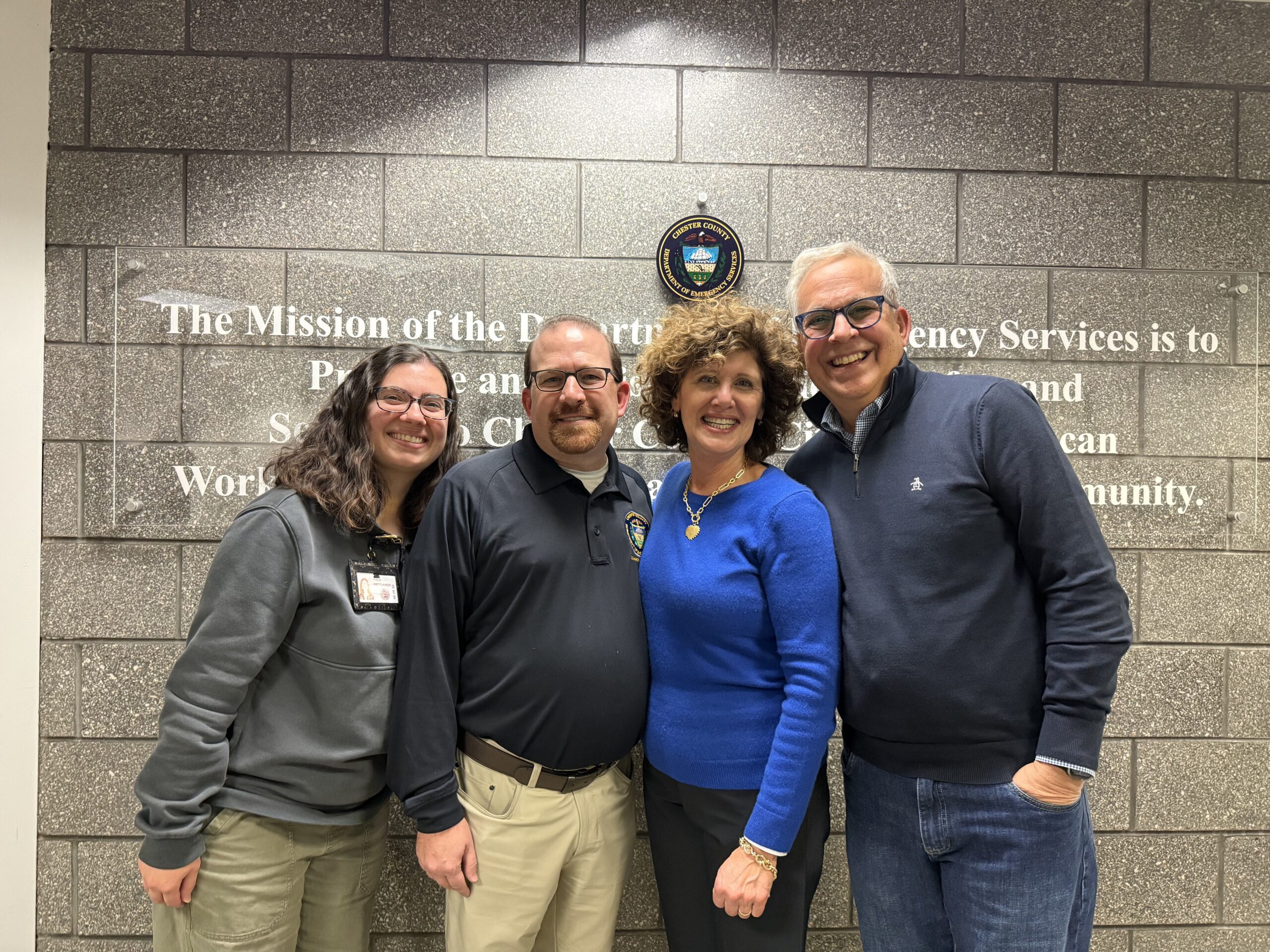
Chester County 911 dispatcher Kayla Wettlaufer (left) guided Terri Borzillo (center right) through CPR on the phone when Bob Borzillo (right) went into cardiac arrest in November.
When Willistown residents Terri and Bob Borzillo returned from a trip to Barcelona last fall, neither had expected that Terri would soon be holding “the balance of his life” in her hands.
But that’s what happened one November evening when Bob, 65, went into cardiac arrest. With guidance from county dispatcher Kayla Wettlaufer, Terri, also 65, was able to perform compressions on her husband of more than 40 years years while she waited for EMTs to arrive.
Wettlaufer’s direction helped saved Bob’s life in an often fatal situation, earning her honors from the county this month.
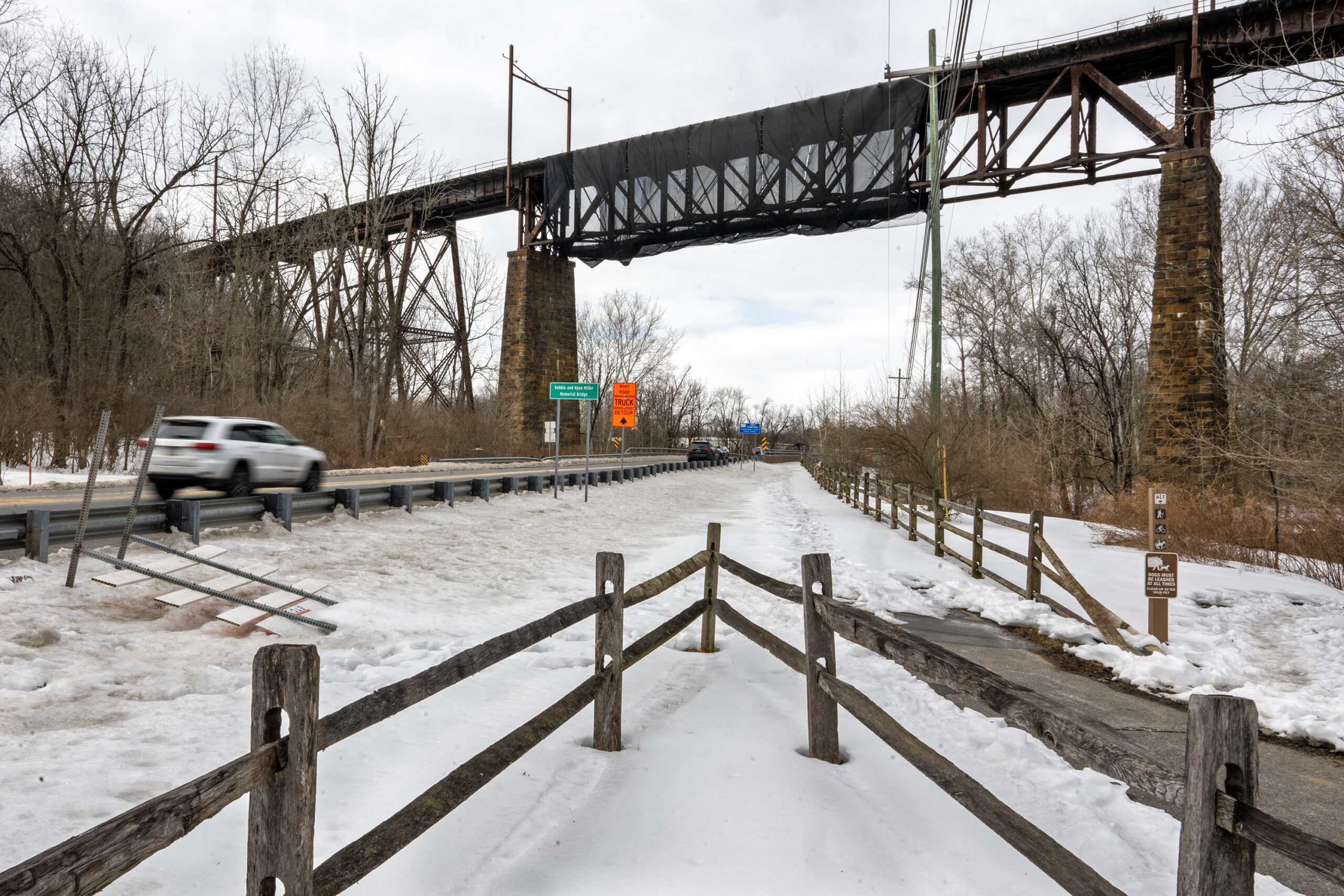
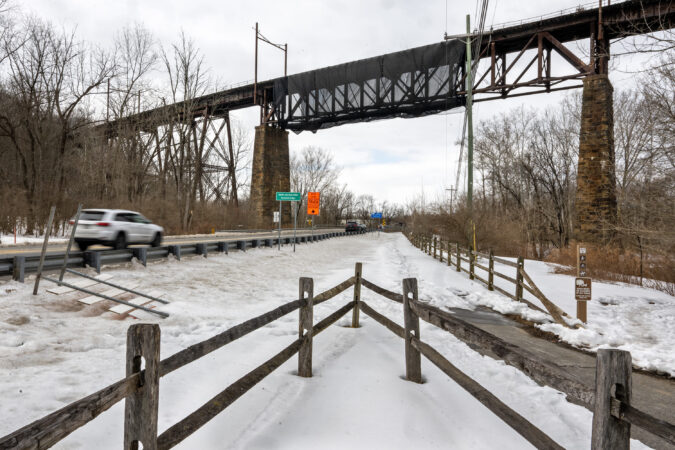
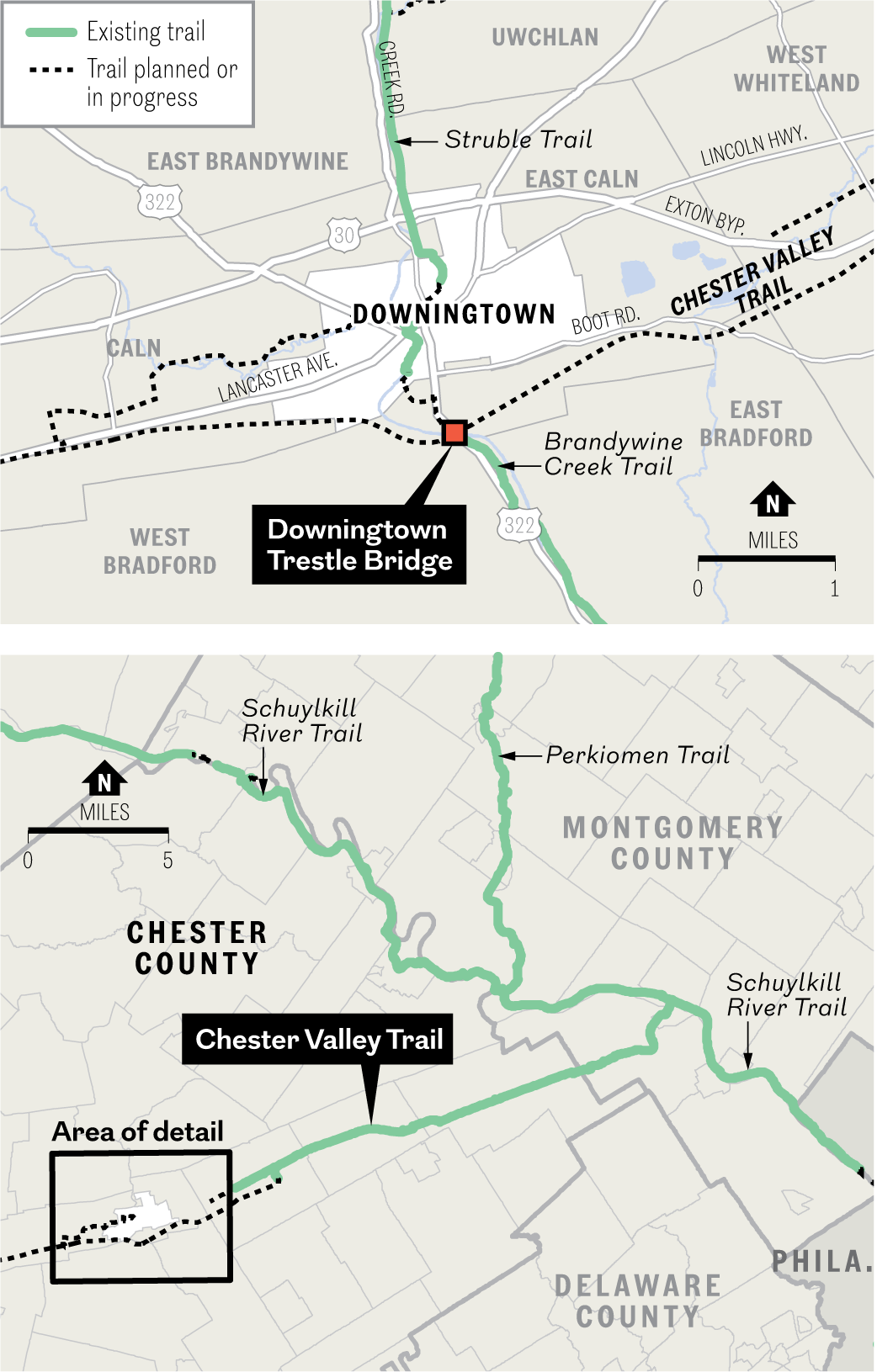
The Brandywine Valley Viaduct, better known as the Downingtown Trestle Bridge, will eventually help extend the Chester Valley Trail.
The more than century-old bridge known as the Downingtown Trestle is set to be rehabilitated, a move that will eventually help extend the Chester Valley Trail. Work on the overall extension project is estimated to take five to seven years, with the design phase starting next year.
The nearly 19-mile multi-use trail currently runs from Atglen to Exton and the trestle bridge is a “keystone” of the extension project, said Chester County’s director of facilities and parks department.
In case you missed it, an unknown number of annual mail ballot applications went out to county residents with the first and last names reversed earlier this month. Officials said the error won’t affect processing of the forms, but it comes at a time when some voters have expressed concerns after tens of thousands of independent and unaffiliated voters were left off November’s poll books.
In an address to the Senate floor, Sen. Dave McCormick used the county’s recent poll book blunder as an example of why there should be nationwide rules mandating proof of citizenship and photo identification for voters, like those outlined in the proposed SAVE Act. But the senator painted an incomplete and inaccurate picture of what happened in November and the SAVE Act wouldn’t have solved those problems, The Inquirer’s Katie Bernard reports.
💡 Community News
Michael Phillips, a 44-year-old Coatesville man, was taken into custody last week after allegedly stabbing his 3-month-old son and then throwing him into the snow. The infant was taken to Children’s Hospital of Philadelphia for surgery and was later listed in critical but stable condition. Phillips faces charges of attempted homicide and aggravated assault.
Tredyffrin Township officials have responded to community concerns after the Department of Homeland Security, which oversees ICE, leased about 10,000 square feet of space at the Westlakes Office Complex. In a statement, they reiterated that local law enforcement agents don’t enforce immigration orders or work with ICE. The space “will not house ICE agents or support their operations. It is strictly for back-office officials, such as lawyers and analysts,” a spokesperson for the property told Wired.
There have been recent leadership changes at two area police departments. Brian Barber, who previously spent over 26 years with the Pennsylvania State Police, is the new deputy police chief of Caln Township. In Uwchlan Township, James Fisher has been appointed as the department’s new head following Chief of Police Scott Alexander and Lieutenant Maureen P. Evans’ recent retirements.
The Netflix comedy show Tires has been awarded $6 million in tax credits for production of its third season. The Shane Gillis-led show takes place in a fictional West Chester auto shop and is expected to generate $24 million in the local economy.
Alisan Road Mercantile, a new general store stocking Pennsylvania-made goods, is now open at 89 N. Main St. in Spring City.
A new bookstore opened over the weekend in Kennett Square. Located at 121 W. State St., Forage Books also offers a selection of gifts.
Heads up for drivers: There are several construction projects causing delays around the county. In Uwchlan Township, there will be traffic restrictions on Route 113 between Gordon Drive and Lionville Station Road today from 9 a.m. to 3 p.m. for utility work. In East Pikeland Township, Rapps Dam Bridge will be closed today for maintenance. In West Whiteland Township, there’s a temporary new traffic pattern in effect for the next three weeks on Valley Creek Boulevard between Swedesford Road and the entrance of the Church Farm School. The southbound lanes will be closed from 7 a.m. to 5 p.m. for sewer line construction. In Easttown Township, Chester Road between South Fairfield and South Waterloo Roads is expected to be closed to non-local traffic from 9 a.m. to 3 p.m. through Friday for sewer improvements. And in and around East Marlborough Township, there may be delays on U.S. 1 between Schoolhouse Road and the Kennett Oxford Bypass tomorrow from 7 p.m. until 5 a.m. Friday as PennDot installs overhead signage.
After multiple power outages in East Marlborough and Pocopson Townships,Peco will be upgrading and installing new equipment as well as trimming treesover the next month. The $1.5 million project includes work along Folly Hill Road, East Doe Run Road, East Street Road, Brooks Road, Huntsman Lane, Schilling Drive, Windovr Way, Gideon Drive, and Valley Road.
🏫 Schools Briefing
Kennett Consolidated School District’s finance committeeis considering a 4.17% real estate tax hike in its 2026-27 preliminary budget, which would cost homeowners of the average assessed home an extra $268 annually. The hike would help to fund special education and student services, according to the finance committee. The proposed hike requires a referendum exception and could change between now and June when the board is expected to approve the final budget.
A WesttownSchool teenager is balancing being a kid with a burgeoning collegiate athletic career. As Jordyn Palmer looks ahead to college ball, the 6-foot-2 junior guard who’s averaged 23 points and 12 rebounds this season, “has not even scratched her full potential,” one coach said. Joseph Santoliquito recently profiled Palmer for The Inquirer.
Palmer scored 19 points in Westtown’s victory over Friends’ Central on Friday, clinching the team’s sixth Friends Schools League title. Westtown’s boys’ team similarly won its game against Academy of the New Church, giving the Moose its first league title in four years.
🍽️ On our Plate
The Original Hot Bagels, a Delaware eatery specializing in bagels, breakfast sandwiches, and omelets, is opening its first Pennsylvania location in Landenberg. It will take over the former home of The Landenberg Store, at 100 Landenberg Rd., which closed in September.
West Chester Restaurant Week kicks off on Sunday and runs through March 1. Over two dozen restaurants will offer $40 to $60 specials during the eight-day event. See the full list of participating restaurants and their menus here.
🎳 Things to Do
🏠 Cabin Fever: This family-friendly event includes arts and crafts as well as a mobile zoo, where you can get up close to animals. Registration is requested. ⏰ Saturday, Feb. 21, 1-4 p.m. 💵 Free 📍 Malvern Borough Hall
🎤 The Best of Carole King and James Taylor: Listen and sing along to hits from these iconic musicians at this benefit for Marvin’s Home, an organization that supports youth after foster care. ⏰ Saturday, Feb. 21, 7 p.m. 💵 $15 📍 Steel City Coffeehouse and Brewery
🎶 Mad Dogs and Englishmen: A 20-piece band will recreate Joe Cocker’s live album and tour, Mad Dogs and Englishmen. ⏰ Saturday, Feb. 21, 8 p.m. 💵 $41.78-$83.18 📍 The Colonial Theatre, Phoenixville
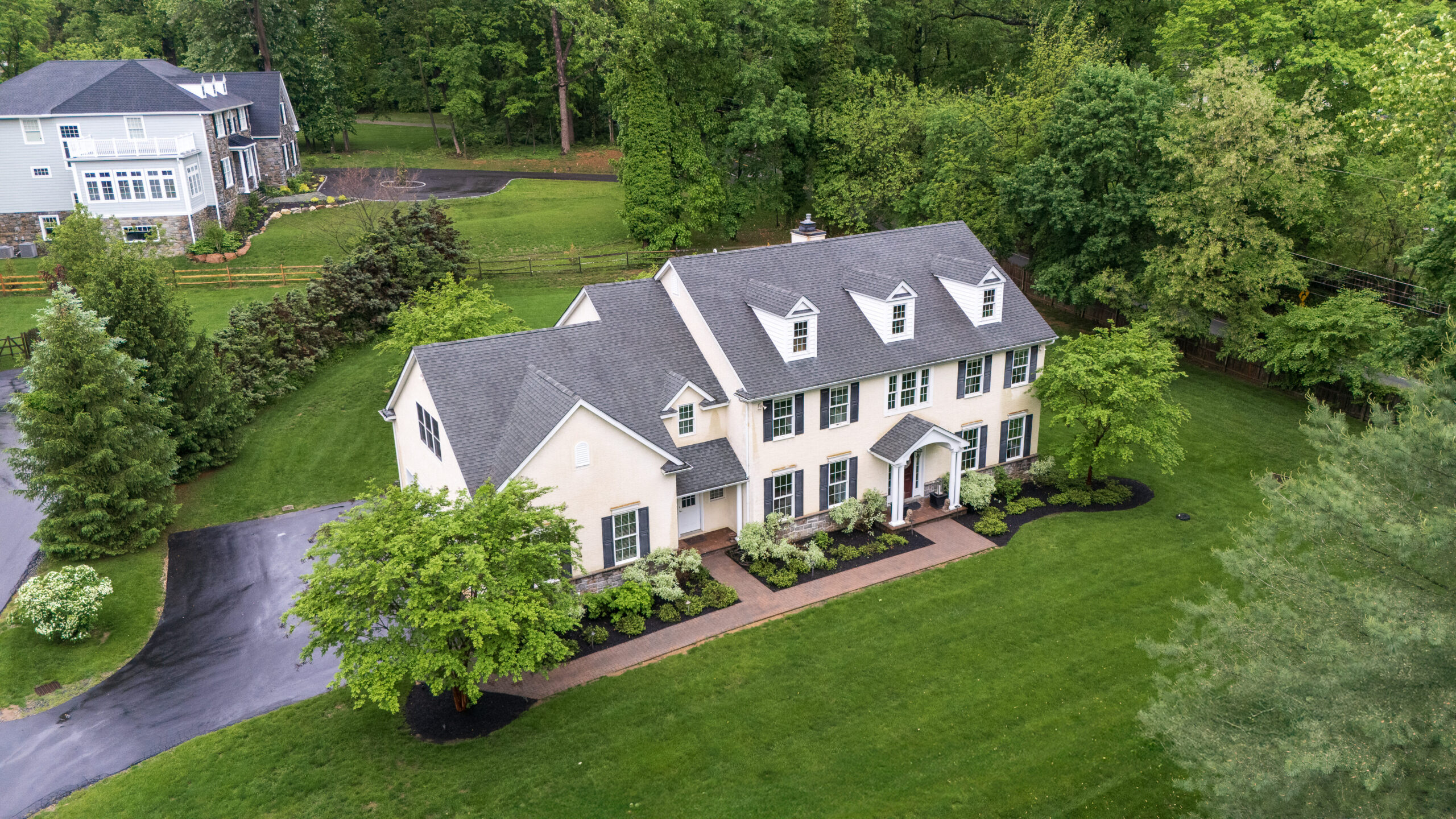
This spacious five-bedroom Paoli home is a blend of classic details and modern amenities. Its first floor features a two-story foyer flanked by dining and living rooms; an office; an eat-in kitchen with cherry cabinetry, an island, and a butler’s pantry; and a family room with vaulted ceilings and a gas fireplace. There are four bedrooms upstairs, including the primary suite, which has a sitting area, two walk-in closets, and a bathroom with a soaking tub. Other features include a finished basement with a wet bar, wine storage, a full bathroom, a fifth bedroom, and another office. Outside, there’s a fenced yard and a brick patio with a firepit. There’s an open house Saturday from noon to 2 p.m.
By submitting your written, visual, and/or audio contributions, you agree to The Inquirer’s Terms of Use, including the grant of rights in Section 10.
This suburban content is produced with support from the Leslie Miller and Richard Worley Foundation and The Lenfest Institute for Journalism. Editorial content is created independently of the project donors. Gifts to support The Inquirer’s high-impact journalism can be made at inquirer.com/donate. A list of Lenfest Institute donors can be found at lenfestinstitute.org/supporters.
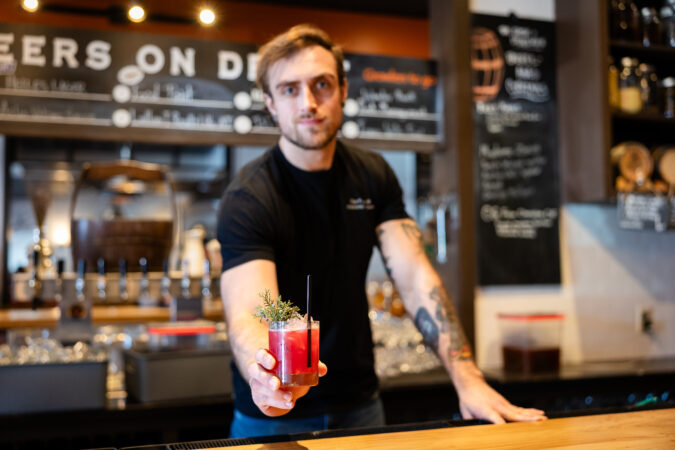
The Farm and Fisherman Tavern has a happy hour special.
Looking for a spot to score $3 tacos or $7 martinis? Luckily you don’t have to go very far, thanks to these eight restaurants’ happy hour deals.
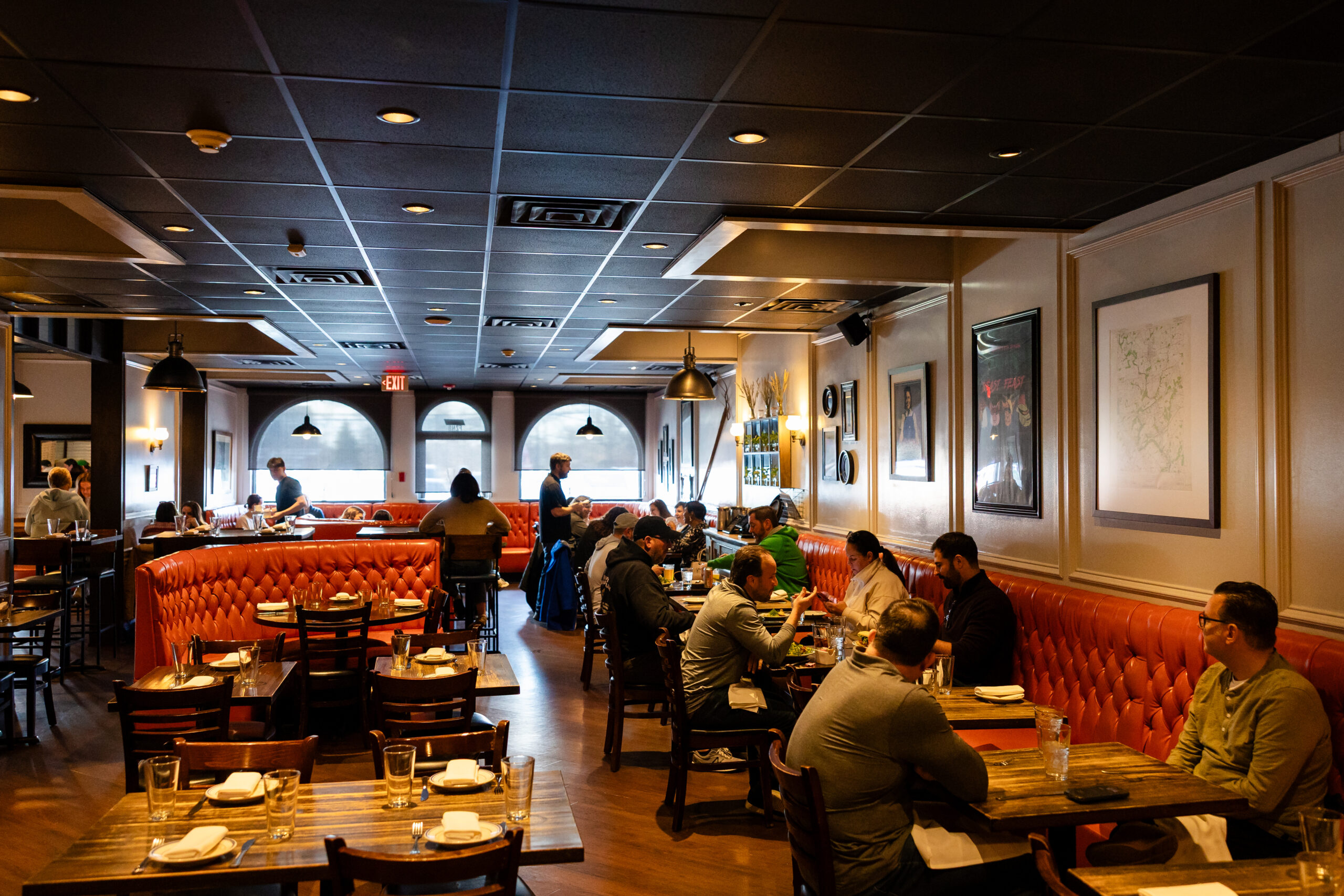
The Inquirer’s Denali Sagner has rounded up eight spots in and around Cherry Hill with happy hour offerings, including the nostalgia-inducing Steak 38, neighborhood bar Kaminski’s, and farm-to-table eatery Farm and Fisherman ($8 P.E.I. Mussels, anyone?).
Cherry Hill residential property taxes rose 5.23% from 2024 to 2025, according to new data from the state, outpacing the statewide average hike of 4.7%. The average household paid $9,874 in residential property taxes, which is slightly less than the statewide average of $10,570. The average Cherry Hill residence was valued at $227,125 in 2025, a 0.03% increase from 2024. (NJ.com)
Speaking of taxes, today is the extended deadline for residents to pay their tax bills for the first half of 2026.
The landmark former Cherry Hill Diner could soon be demolished after construction permits were recently filed for the site, which will make way for a new Tidal Wave Auto Spa. A second Tidal Wave is planned for 2301–2311 Route 70 West. Yet another carwash is in the works at 1507 Kings Highway North, where Speeders Car Wash is taking over the former Route 41 Car Wash. (42 Freeway and A View From Evesham)
Archaeologists working at Croft Farm have discovered evidence that the historic property was an active part of the Underground Railroad. A dig to assess the property ahead of planned drainage improvements has turned up cuts of meat and crockerypossibly used by people who moved through there. Residents can see the work up close this weekend (more on that below). (70 and 73)
The township is seeking feedback from residents 55 and older for its senior needs assessment. The survey, which is open through March 31, is part of a grant-funded study about how Cherry Hill can better support older residents, who make up about a third of the township’s population. Find the survey, which is available in English, Spanish, and Chinese, here.
Registration for the township’s spring programs is now open. Programs include yoga, cardio kickboxing, golf, painting, and dancing.
🏫 Schools Briefing
In case you missed it, the school district has decided against redrawing its elementary school boundaries to head off expected overcrowding in the coming years and instead is planning additions to Clara Barton Elementary School and Rosa International Middle School, which are anticipated to be the most impacted. The school board still has to approve the additions.
East’s boys’ and girls’ swim teams have advanced to the state semifinals after capturing their respective New Jersey State Interscholastic Athletic Association sectional titles for South Jersey last week. The boys’ team defeated Gloucester County Institute of Technology 111-59, a victory that led to its 17th consecutive title. The girls’ team defeated Egg Harbor Township High School 91-79, marking the team’s second consecutive title. The boys’ semifinals take place today, with the girls’ slated for tomorrow. (NJ.com)
Mikado will ask the town zoning board this week for permission to turn its roughly 500-square-foot outdoor patio into an enclosed 10-seat bar and waiting area.
Indian Villa Restaurant reopened earlier this month in the Woodcrest Shopping Center, and introduced an updated menu featuring classic Indian dishes.
Looking for a great cup of soup? Hen Vietnamese Eatery has one of the best in the state, according to a new list from NJ.com.
🎳 Things to Do
Unearthing History: Archaeologists will be excavating part of the Croft Farm property, where 18th and 19th century artifacts, as well as earlier pieces of Native American history, have previously been found. The public can view the dig and ask questions at designated times. ⏰ Saturday, Feb. 21 and Sunday, Feb. 22, 10 a.m.-4 p.m. 💵 Free 📍Croft Farm
🎹 A Time for Love: Vocalist and pianist Jay Daniels will perform some iconic love songs. Registration is required. ⏰ Saturday, Feb. 21, 2-3 p.m. 💵 Free 📍Cherry Hill Public Library
❤️ Healthy Heart Big Fitness Event: Part of the JCC’s heart health programming for February, this event will take attendees through pilates and fitness dancing demonstrations, followed by snacks. The event is open to anyone 12 and older. ⏰ Sunday, Feb. 22, 10 a.m.-12:30 p.m. 💵 $20 for members, $25 for non-members 📍Katz JCC
🥐 Black Girl Magic Drag Brunch: VinChelle is hosting this drag brunch, which features performances by Mz Peaches, Cyrus K. Stratton, and Samara LaNegrá. ⏰ Sunday, Feb. 22, 2:30-5 p.m. 💵 $19.03 📍Vera
⛸️ LGBTQ+ Skate Night: Head to WinterFest Cottage at Cooper River Park for skating, a DJ, food, drinks, and access to local resources for the LGBTQ+ community. Registration is encouraged. ⏰ Monday, Feb. 23, 6-8 p.m. 💵 Free 📍Cooper River Park
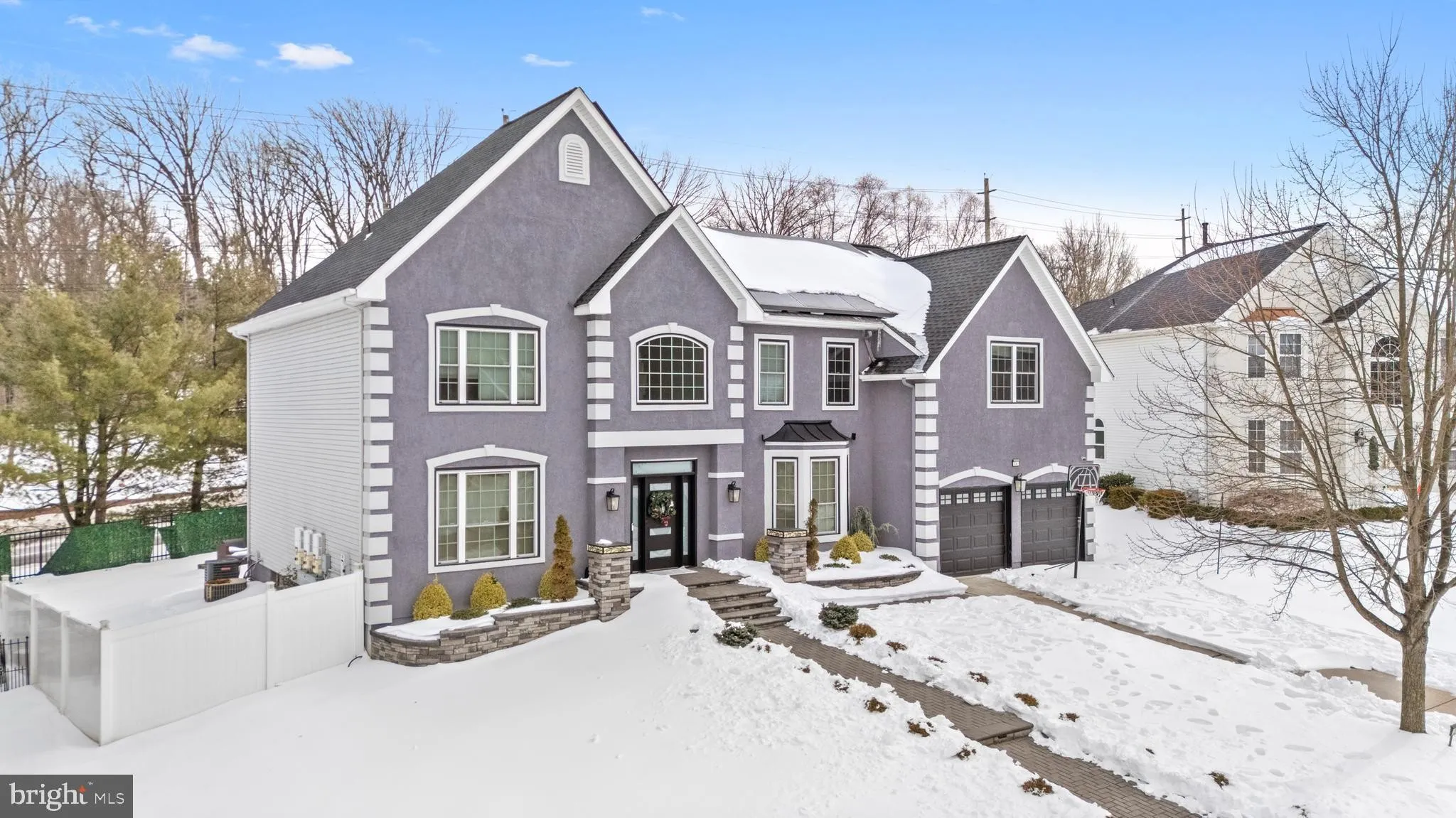
Located in the Springdale Crossing neighborhood, this four-bedroom home has a modern interior, including new flooring. It features a two-tone, two-story foyer, a dining room, an eat-in kitchen with a waterfall island and stainless steel appliances, plus living and family rooms. The family room has vaulted ceilings and a floor-to-ceiling stone fireplace. All four bedrooms are upstairs, including the primary suite, which has a jacuzzi tub with a built-in sound system, and a walk-in closet. Other features include a finished basement and a fenced backyard. There are open houses Saturday and Sunday from 11 a.m. to 1 p.m.
By submitting your written, visual, and/or audio contributions, you agree to The Inquirer’s Terms of Use, including the grant of rights in Section 10.
This suburban content is produced with support from the Leslie Miller and Richard Worley Foundation and The Lenfest Institute for Journalism. Editorial content is created independently of the project donors. Gifts to support The Inquirer’s high-impact journalism can be made at inquirer.com/donate. A list of Lenfest Institute donors can be found at lenfestinstitute.org/supporters.
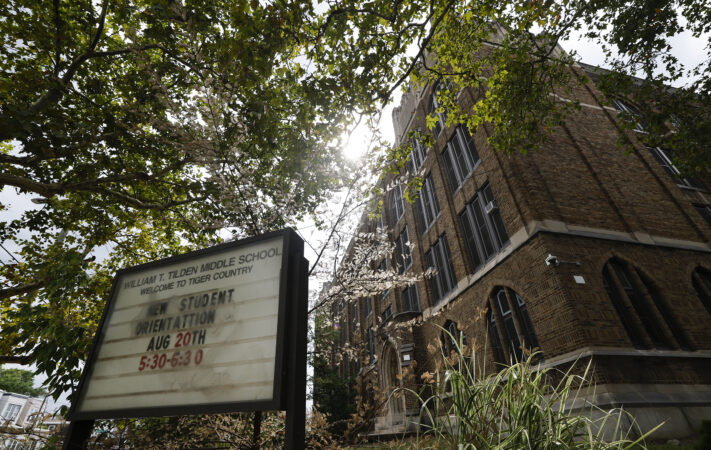
Students streamed out the front doors of William T. Tilden Middle School on a recent Friday afternoon, past the “Welcome to Tiger Country” sign at the corner. As they shouted to friends and threw snowballs to celebrate the weekend, they were dwarfed by the massive brick school building behind them.
That building, which spans half a city block in Southwest Philadelphia, is a primary reason the Philadelphia School District has proposed closing Tilden alongside19 other schools.
Capable of holding roughly 1,400 students, Tilden had only 266 enrolled last year, the district said. That means it is at just 18.5% capacity — the second-lowest of all the schools tapped to close, according to an Inquirer analysis. While enrollment in the school district overall has increased in the last four years, it has declined at Tilden, with just 24 students in this year’s fifth-grade class, district data shows.
The district has rated Tilden’s building as “poor” when it comes to being safe and accessible, meeting environmental standards, and having modern technology. Tilden is also one of six middle schools that Superintendent Tony B. Watlington Sr. has proposed closing in an effort to shift the district’s focus to the K-8 model.
Unlike some of the otherschools on the chopping block, the Tilden community so far has not mounted an organized fight against its closure as the school board prepares to vote this winter on Watlington’s recommendations. Just a dozen employees and residents showed up to an in-person meeting on a frigid Saturday morning earlier this month to discuss the school’s possible closure, according to Chalkbeat Philadelphia, and about 30 attended a virtual meeting about Tilden a few days later. There is no online petition to keep it open, as there are for manyother schools slated for closure.
Students who were set to graduate before the proposed changes would take effect said in interviews outside the school that they did not care much about the possible closure, though some adults expressed more concern.
“This school has had, and still does have, excellent community programs,” said Tilden teacher Cheryl Padgett through tears at the virtual meeting.
The district’s draft facilities plan recommends that in the fall of 2027, Tilden stop accepting new fifth graders, and then gradually phase out its remaining classes, closing for good in 2030.
All of Tilden’s current students would be able to graduate from the school under the proposal; new students who would have attended Tilden for middle school will instead stay at Patterson, Catherine, and Morton — the elementary schools that currently feed into Tilden. The district said all three of those schools would receive increased investment as they add grades and become K-8 schools.
Tilden is in a neighborhood deemed especially vulnerable by the district, which ranked it as “high risk” to account for its experience with previous school closures, as well as its high poverty rate, lack of publictransportation, and language barriers. (The district’s top vulnerability ranking is “very high risk.”)
Tilden’s building would eventually be repurposed as a sports facility for Bartram High and the broader neighborhood under the plan.
At the virtual meeting, community members worried that the buildings slated to become K-8 schools are not equipped for older children, and that younger students would be exposed to problematic behavior from older kids.
Some community members said they feared that changes resulting from the district’s plan, which spans a 10-year period, would not come soon enough.
“Do something now,” said Mama Gail Clouden, a longtime community activist. “While you’re talking about ‘in two years,’ and what you’re planning to do — right now, children and parents and staff are suffering in these schools.”
Tilden also has received additional support and funding from the city’s tax on sweetened beverages through the community schools program pioneered by former Mayor Jim Kenney.
“Our kids can succeed,” Kenney said at a 2017 news conference at Tilden announcing funding for the first group of schools. “They can meet their potential if we give them the resources.”
Asa community school, Tilden’s building serves as a center for such resources: The school hosts a food pantry every Friday, and families can access case management and utility and housing assistance and other supports through a partnership with Methodist Services.
“These kids, they have a way of growing on your heart,” said Wanellie Cummings, an attendance case manager with Methodist Services assigned to Tilden.
Cummings works with kids who have three or more absences to try to address any barriers at home that might prevent them from getting to school. She said she has not heard much from her clients about the potential school closure, though she did worry about Tilden’s food pantry closing.
“When you take that away from a community, what’s left? If those grandmoms and grandpops have to go somewhere else to get food …,” she said.
The district has said it would spend the 2026-27 year planning for how to maintain the resources now offered at Tilden.
As the Main Line contends with the recent abrupt closure of Di Bruno Bros. markets in Ardmore and Wayne, ahomegrown Italian-specialties purveyor — just as storied as its South Philly-rooted counterparts — remains open for business.
On the day before Valentine’s Day, shoppers at Carlino’s Market on County Line Road tucked heart-shaped macarons and chocolate-dipped cannoli into baskets already full with marinara sauce, freshly packed chicken cutlets, and imported cheese. Regulars stopped by for their pre-weekend deli orders, and shoppers took refuge from the cold amid aisles of driedpasta and prepared foods.
Carlino’s is an Ardmore institution, founded in 1983 as a small, family-owned pasta shop serving Lower Merion’s Italian community. In the decadessince, the market has grown into a suburban powerhouse, supplying Ardmore, West Chester, and the surrounding towns with prepared foods, baked goods, and high-end groceries seven days a week.
The Carlino’s brand has started to transcend its Ardmore roots: In recent years, the family-run operation has expanded its wholesale business to hundreds of grocery stores, from New York to Delaware and as far as Texas. Even as the company grows, its second- and third-generation leaders remain grounded in its origins as a mom-and-pop shop.
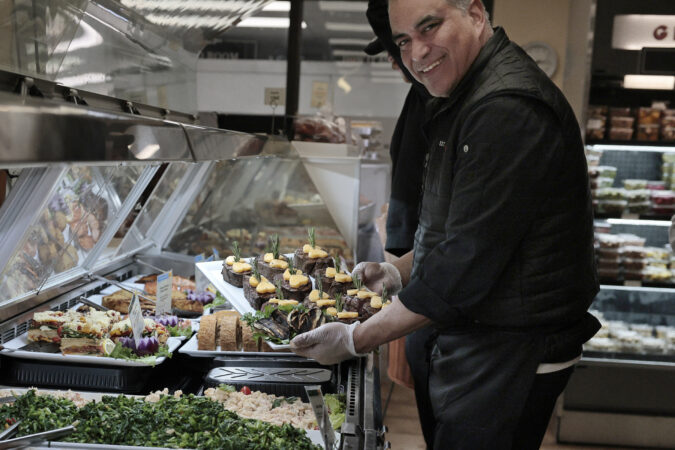
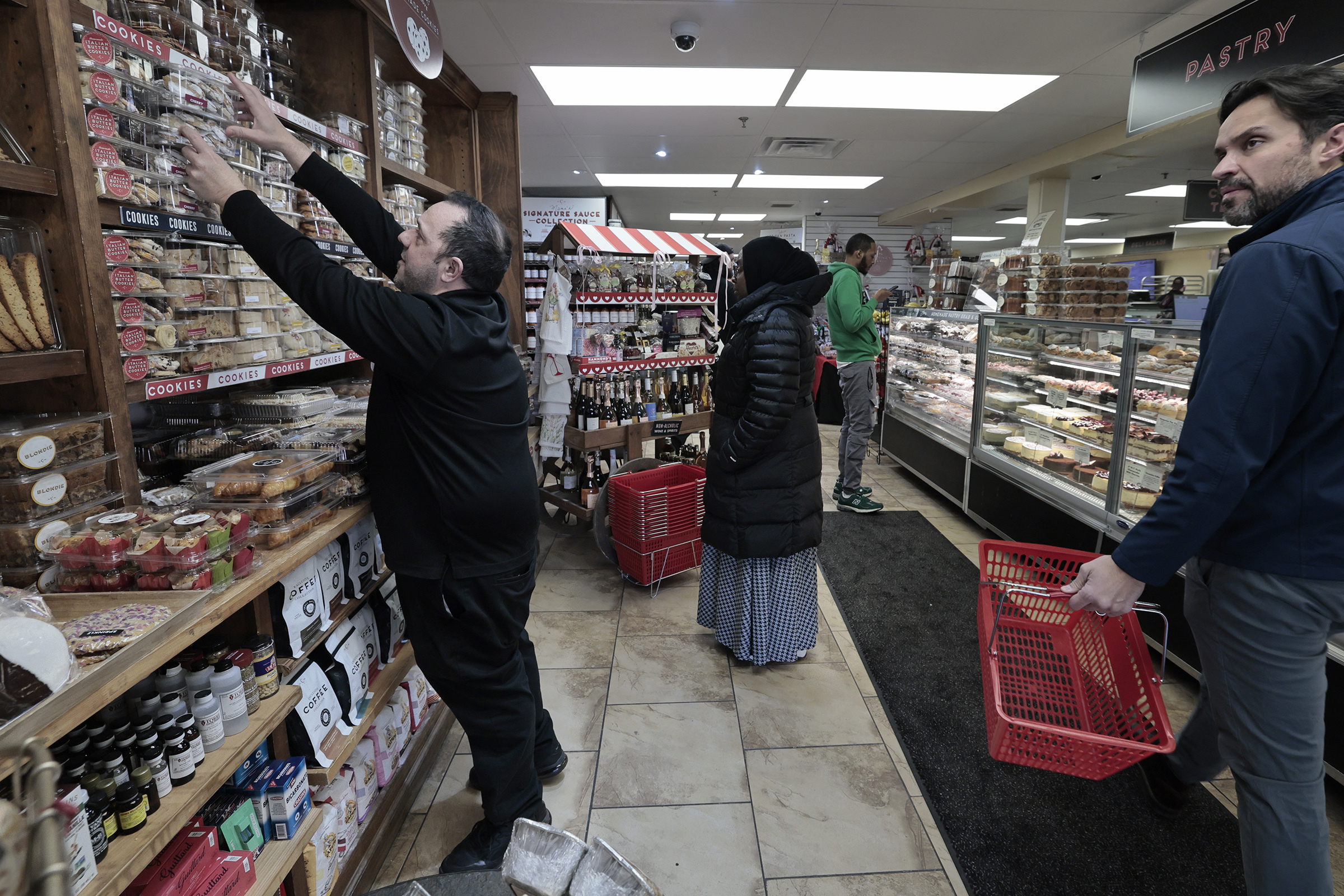
Carlino’s Market general manger Bruno DiNardo (left) restocks cookies, pastries and treats, all homemade, at Carlino’s Market in Ardmore on Friday, Feb. 13, 2026.
From Abruzzo to Ardmore
Carlino’s was founded by Nicola and Angela Carlino, who left Abruzzo in 1968 to move to the United States with their two sons, Pasquale (“Pat”) and Carmen. In Abruzzo, the Carlinos tended to olive groves and grape vineyards and raised livestock on Nicola’s family farm. They left in search of better opportunities for their sons, landing in Ardmore, where Nicola initiallyworked as a bus driver and groundskeeper at Mitchell Prep, a private school, while Angela sold cookies, fresh pastas, and sauces out of their home.
When Mitchell Prep closed in the early 1980s, Nicola and Angela decided to take a chance on a family business. They opened Carlino’s Homemade Pasta in a former barbershop on East County Line Road in South Ardmore — at the time, an Italian American enclave. Residents in search of a taste of home regularly patronized Carlino’s, and the family started wholesaling some products to local restaurants and casinos.
According to Pat Carlino, 63, now the company’s CEO, it’s easy to take the Philly area’s formidable Italian-food scene for granted. But when his parents opened Carlino’s in the 1980s, Pat said, you could barely find marinara sauce in the grocery store. No one knew what tiramisu was, or how to tell the difference between high-quality Parmigiano Reggiano and grocery-store sprinkle cheese. Mention of ciabatta would prompt blank stares.
Carlino’s was “an education to the public,” he said.
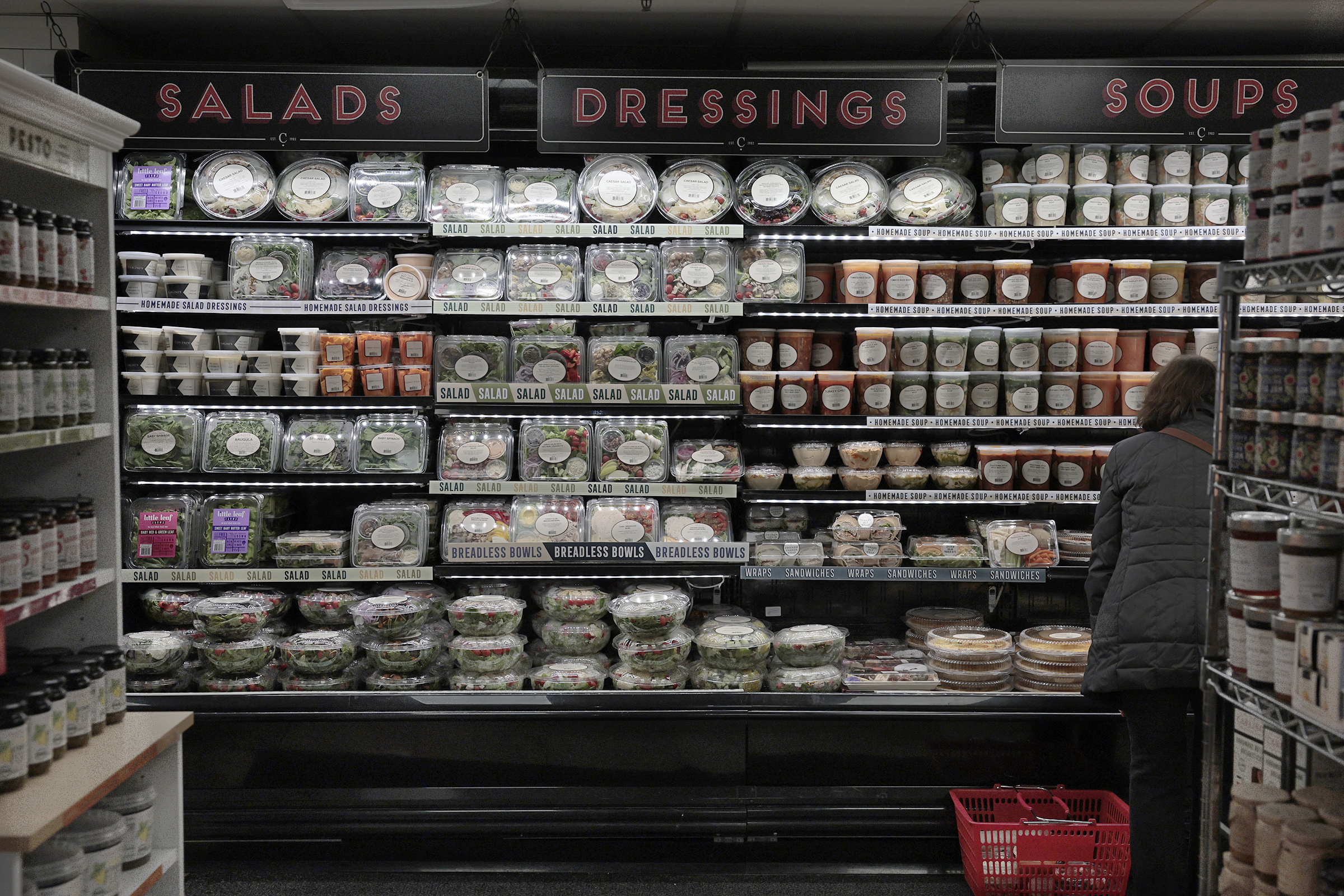
Customers look over some of the homemade soups, salads and ready to go meals available at Carlino’s Market in Ardmore on Friday, Feb. 13, 2026.
As time went on, the store expanded, subsuming other houses on its block, and shifted to a retail focus. The family renamed it Carlino’s Market andexpandedofferings to include baked goods, pizza, sandwiches and wraps, imported meats and cheeses, and groceries like sauces, olive oils, and coffee. By the mid-1990s, Carlino’s selection and specialties — handmade ravioli, freshly stuffed sausage, garden-grown bruschetta on house-baked bread, tiramisu cake, and more — attracted savvy customers from as far as New York City and Washington, D.C.
In 2022,Carlino’s began wholesaling its sauces, dry pastas, and pestos — which you can now find at other small, local retailers like Riverwards Produce and Kimberton Whole Foods, as well as large grocery chains like Wegmans and Giant. Carlino’s products are available in parts of Pennsylvania, Delaware, New Jersey, Maryland, Virginia, Washington, D.C., Florida, Texas, New York, and Massachusetts, and will soon be on shelves in California and the Chicago area.
While Carlino’s business is growing, Pat said his core customers are still people he knows—“people that I grew up with.”
Carlino’s also remains a family operation. Pat and his wife, Laura, are the company’s top executives, and their children — now the third generation of Main Line Carlinos — help manage marketing, wholesaling, importing, and manufacturing.
Talking about Carlino’s products, a word Pat comes back to regularly is “clean.”
Before influencers and foodies popularized the idea of “clean eating,” Carlino’s was doing it, Pat said. Nicola cooked with fresh tomatoes, cucumbers, and herbs he grew in his Ardmore garden. Pat said Carlino’s continues to rely on fresh produce, organic flour, and high-quality olive oil and French butter.
“Things that are trending now, we were doing 40 years ago,” Pat said.
“You can pick up anything and it’s clean,” he added, just like how your grandma would make it (or at least how a Carlino grandma would).
This suburban content is produced with support from the Leslie Miller and Richard Worley Foundation and The Lenfest Institute for Journalism. Editorial content is created independently of the project donors. Gifts to support The Inquirer’s high-impact journalism can be made at inquirer.com/donate. A list of Lenfest Institute donors can be found at lenfestinstitute.org/supporters.
A project to expand the Chester Valley Trail and repair the historic Downingtown Trestle Bridge, which has spent decades largely untouched, will kick off soon, Chester County officials said.
It’s part of a larger effort to expand the sprawling Chester Valley Trail, a 19-mile rail trail that runs through Chester and Montgomery Counties, from Exton to Atglen.
“The bridge is a really key part of it, because it’s multimodal,” said George Martynick, director of Chester County’s facilities and parks department. “Without that bridge, I really don’t know what we’d do with this project. It is the keystone of that project. It’s a big job.”
As the county kicks off the project, people can expect to see inspections taking place on the bridge in the coming months. The trestle will get a full inspection to make sure it meets federal standards, Martynick said. Design is slated to begin in the next year, and the rehabilitation and extension should be completed in five to seven years, he said.
The bridge stretches 1,450 feet long and more than 130 feet high over the east Brandywine River. Known as the “Brandywine Valley Viaduct,” “Downingtown High Bridge,” or “Pennsylvania Railroad Freight Bridge”— but colloquially called the Downingtown Trestle Bridge — it was constructed in the early 1900s, according to the Downingtown Area Historical Society.
“This is taking on something much bigger than I think a lot of people understand,” Martynick said.
Map of the Downingtown Trestle Bridge and the Chester Valley Trail in Chester County.
The Trestle Bridge has been out of commission since the 1980s, with the track removed. Since then, the bridge has sat abandoned, and has had atroubled history. Security measures were added to prevent people fromaccessing it, and netting was put on it to keep debris from falling off it.
The county completed a drone inspection before it took ownership of the bridge last year.
In May, the county commissioners voted to purchase a portion of the former Philadelphia and Thorndale railroad corridor from the Pennsylvania Department of Transportation for $1.
Other than some growth and weeds, “it’s in fairly good shape,” Martynick said.
The county has received three grants for the project — two from the state department of conservation and natural resources, each for $500,000, and a Delaware Valley Regional Planning Commission grant for $200,000, said Brian Styche, the multimodal transportation planning director for the county’s planning commission.
The county is matching both of the conservation and natural resources grants, for a total of $2.2 million in funding toward the bridge’s design.
“It’s a good project. It’s going to take a lot of time and effort and a lot of patience, but it will be a pretty impressive project for the community,” Martynick said.
It’s a personally important project, too: Martynick applied to work in the county’s parks department because of his love of the trail.
“I love it,” he said. “It’s a very, very special trail.”
Within the serpentine halls and stairways of Olivet Covenant Presbyterian Church, congregants have established several private, off-limits rooms ― each a potential last-stand space where members would try to shield immigrants from ICE, should agents breach the sanctuary.
Church leaders call them Fourth Amendment areas, named for the constitutional protection against unreasonable search and seizure. The plan would be to stop ICE officers at the thresholds and demand proof that they carry legal authority to make an arrest, such as a signed judicial warrant.
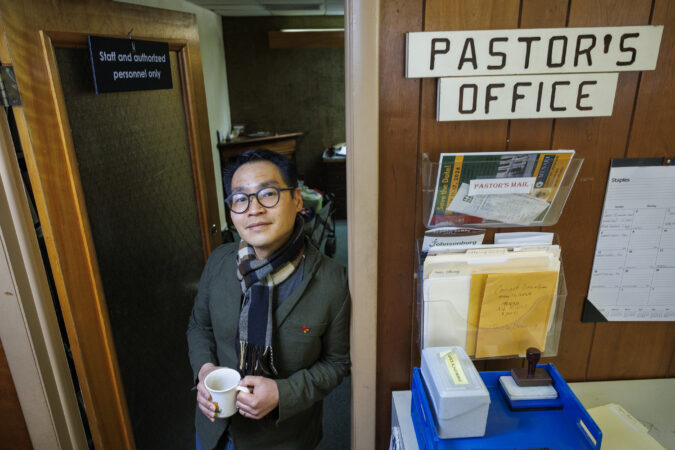
“It’s a protective space,” said the Rev. Peter Ahn, pastor of the Spring Garden church. “While you’re here, you’re safe, is what we want to assert.”
Could it come to that? A pastor confronting armed Immigration and Customs Enforcement agents in the hallway of a church?
It’s impossible to know. But across Philadelphia, churches, community groups, immigration advocates, and block leaders are actively preparing for the time ― maybe soon, maybe later, maybe never ― that the Trump administration deploys thousands of federal agents. People say they must be ready if the president tries to turn Philadelphia into Minneapolis ― or Los Angeles, Chicago, or Washington, D.C.
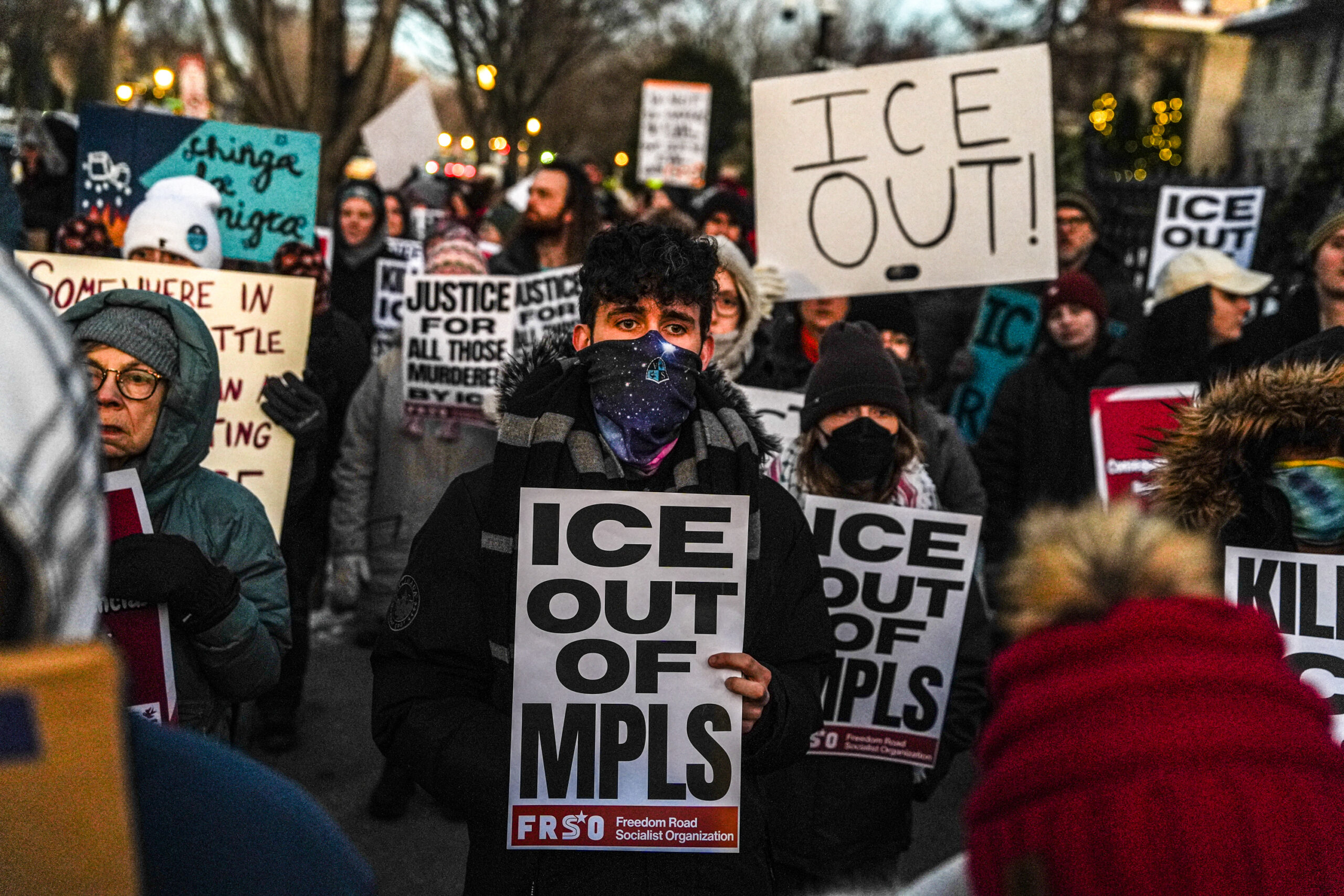
People participate in an anti-ICE protest outside of the Governors Residence on Feb. 6, in St. Paul, Minn.
Know-your-rights trainings are popping up everywhere, often to standing-room-only attendance, and ICE-watch groups are abuzz on social media.
The First United Methodist Church of Germantown held a seminar last week to learn about nonviolent resistance, “so that we will be ready for whatever comes,” said senior pastor Alisa Lasater Wailoo.
“That may mean putting our bodies in the path to protect other vulnerable bodies,” she said. “We’re seeing that in Minnesota.”
In Center City, Temple Beth Zion-Beth Israel has ordered 300 whistles ― portable and efficient tools to immediately alert neighbors to ICE presence and warn immigrants to seek safety.
“There was a sense of needing to support our neighbors if it comes down to it,” said Rabbi Abi Weber. “God forbid, should there start to be ICE raids in our neighborhood, people will be prepared.”
In other places around the country, immigrant allies have similarly readied themselves for ICE’s arrival, and organized to react in concert when agents show up.
In Washington state, the group WA Whistles has distributed more than 100,000 free whistles to create what it calls “an immediate first line of community defense.” Chicago residents set up volunteer street patrols to warn immigrants of ICE and to contact family members of those detained. In Los Angeles, people raised money to support food-cart vendors, and organized an “adopt a corner” program to protect day laborers who seek work outside Home Depot stores.
A small sign at the Olivet Covenant Presbyterian Church, where the Rev. Peter Ahn is creating space to shield immigrants if necessary.
The agency’s Philadelphia office serves as headquarters not just for the city but for all of Pennsylvania and for Delaware and West Virginia as well. Arrests take place every day in the Philadelphia region.
“You all seem to be ‘preparing’ for something that’s already happened,” veteran activist Miguel Andrade wrote on Facebook.
What has changed, however, is the dramatic escalation in ICE enforcement, particularly visible in Democratic-run cities like Minneapolis, where agents fatally shot two U.S. citizens in January.
ICE detained 307,713 people across the country in 2025, a 230% increase over the 93,342 in 2024. What federal immigration agencies record as detentions closely mirror arrests.
For immigrants who have no legal permission to be in the U.S. ― an estimated 14 million people ― the rising ICE presence steals sleep and peace of mind. They know not just that they could be arrested and deported at any moment, which has always been true, but also that the U.S. government is expending vast resources to try to make that happen.
A woman who came to Philadelphia from Jamaica last year, and who asked not to be identified because she is undocumented, said she rarely leaves her home. She said she steps outside only to go to the grocery store, a doctor, or an attorney.
She recently asked her daughter to check something on the computer, and the girl balked ― afraid to even touch the machine, worried that ICE could track her keystrokes and identify their location, the woman said.
“How can I tell her it’s going to be OK when I don’t know it’s going to be OK?”asked the woman, who came to the U.S. to escape potential violence in Jamaica. “You come here expecting freedom, but here it’s like you’re in jail except for the [physical] barriers of the four walls.”
Some say President Donald Trump doesn’t want to ruin the summer celebration of the nation’s 250th birthday, or spoil the grandeur of the World Cup or Major League Baseball’s All-Star Game. Others suggest that he might be timing an ICE deployment to do exactly that.
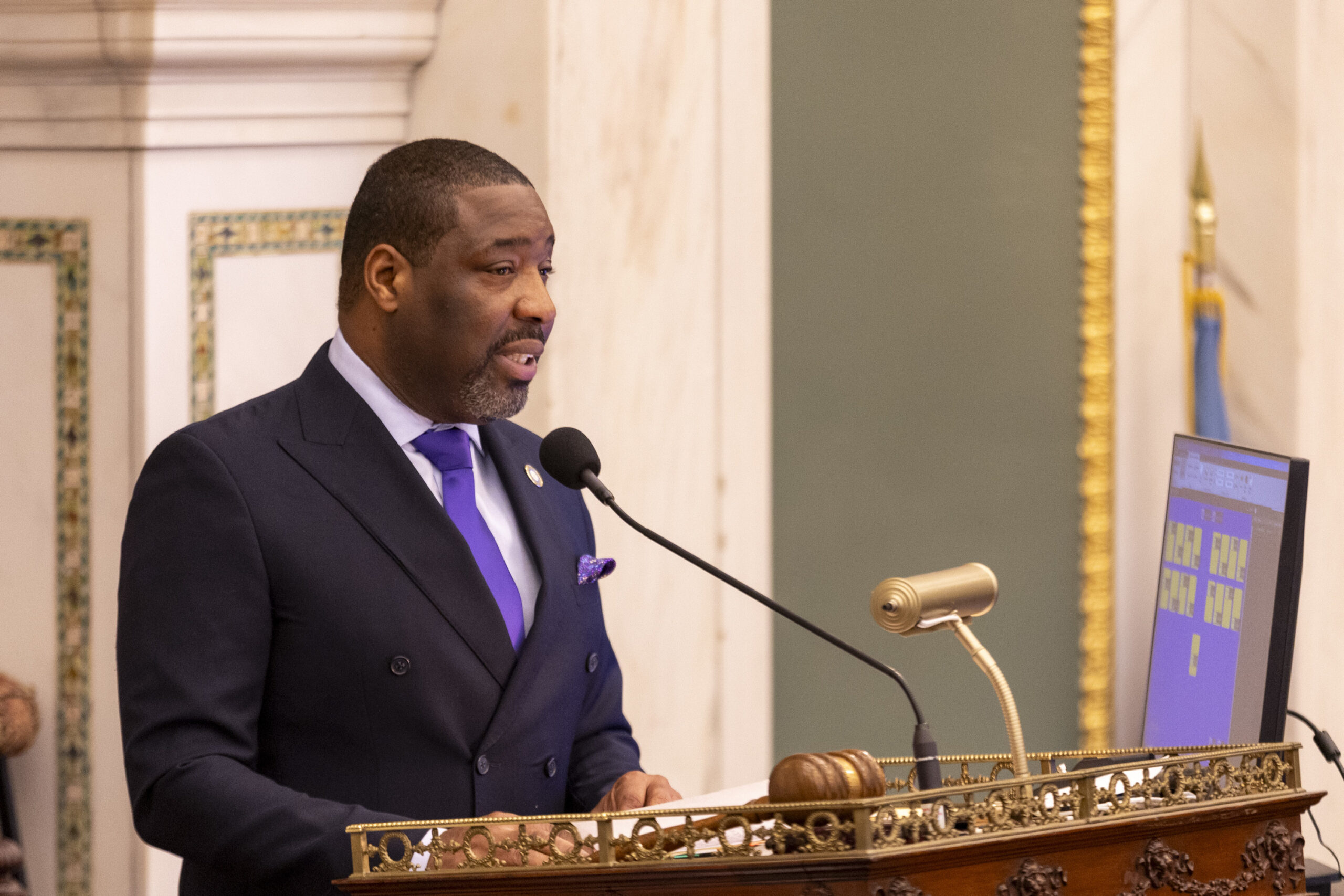
City Council President Kenyatta Johnson speaking at the City Council’s first session of the year Jan. 22. He said this month that it’s time to stand up for immigrants in Philadelphia. “It’s my responsibility to step up in this space and be more vocal,” he said.
Trump told NBC News this month that he is “very strongly” looking at five new cities.
Some people are not waiting to see if Philadelphia is on the list.
The monthly Zoom meeting of the Cresheim VillageNeighbors usually draws about 20 people. But a hundred logged on in January to hear a presentation: What to do if/when ICE comes to our neighborhood.
The short advice: If it happens, get out your phone and hit “record.”
“If I see ICE agents, I will film,” said neighbors group coordinator Steve Stroiman, a retired teacher and rabbi. “I have a constitutional right to do that.”
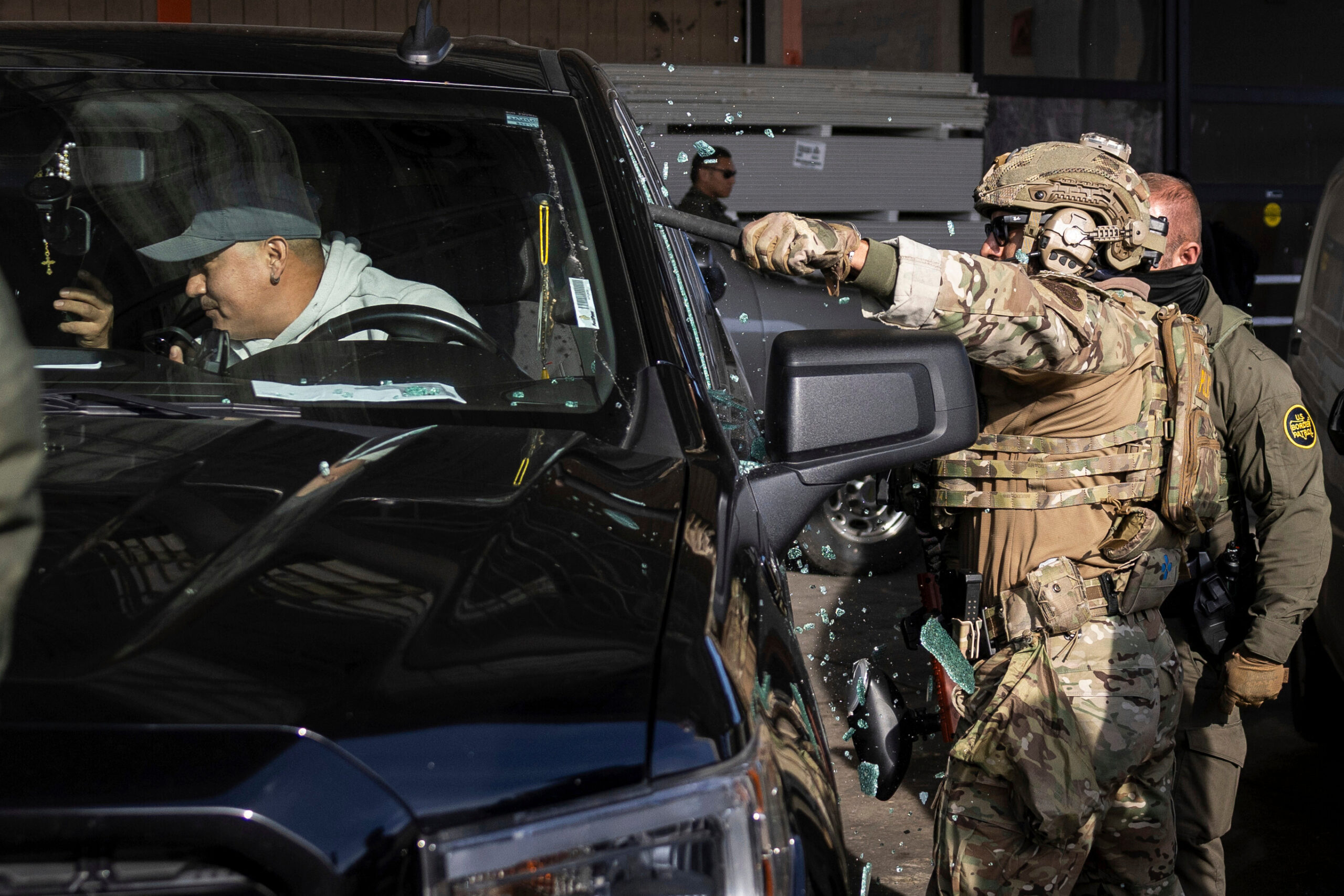
Federal immigration enforcement agents shatter a truck window and detain two men outside a Home Depot in Evanston, Ill., on Dec. 17, 2025.
In a sliver of University City, Miriam Oppenheimer has helped lead three block meetings where neighbors gathered to discuss how they would respond.
They set up a Signal channel so people can communicate. And they formulated a loose plan of action: People will come outside their homes and take video recordings ― and try to get the names and birth dates of anyone taken into custody, so they can be located later.
“Courage is contagious,” Oppenheimer said. “Everybody is waiting for somebody else to do something, but we have to be the ones.”
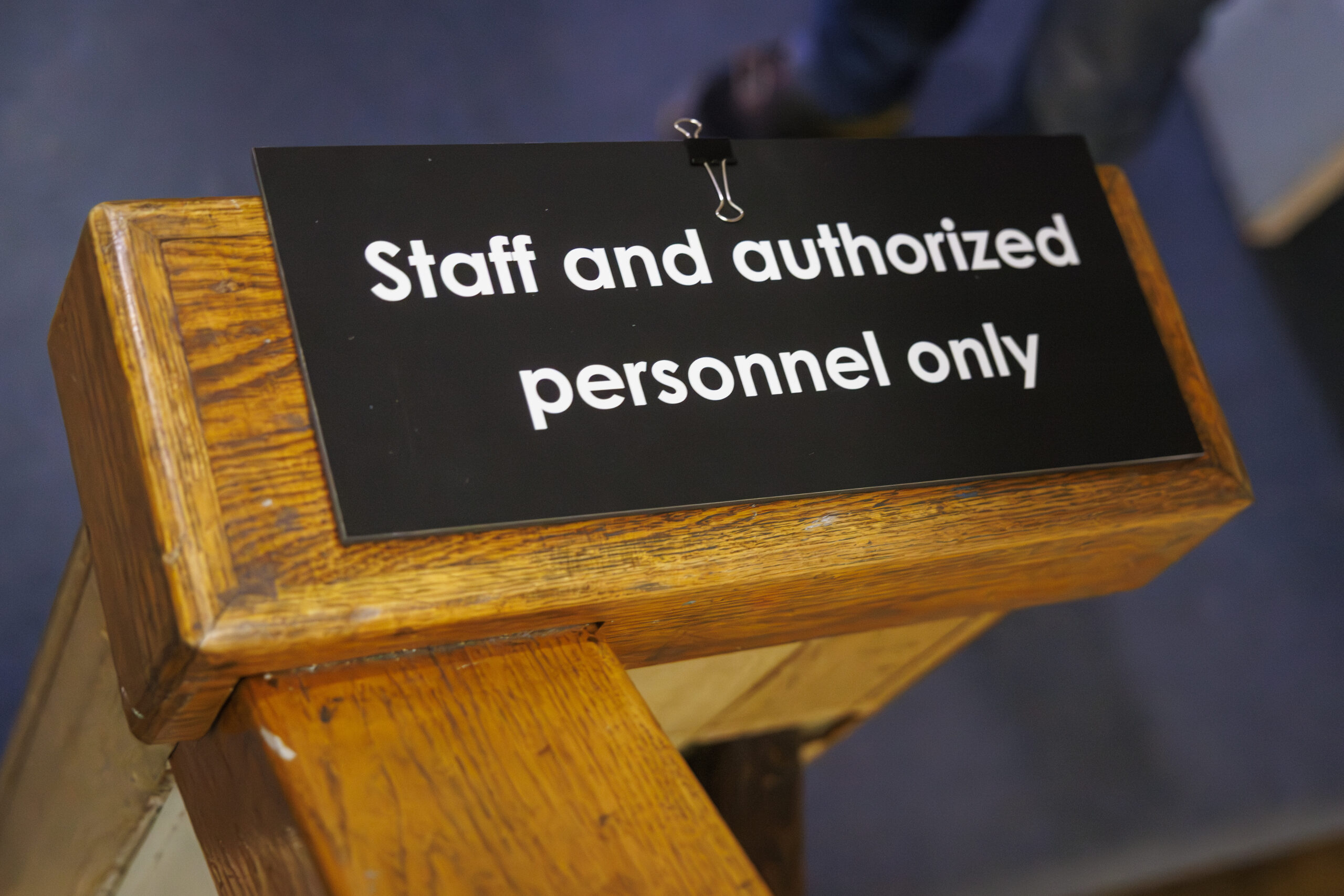
Inside Olivet Covenant Presbyterian Church, doorways to some rooms now bear black-and-white signs that say, “Staff and authorized personnel only.”
Issues around ICE access to churches have become more urgent since Trump rescinded the agency policy on “sensitive locations,” which had generally barred enforcement at schools, hospitals, and houses of worship.
Legal advocates such as the ACLU say ICE agents can lawfully enter the public areas of churches, including the sanctuaries where people gather to worship. But to go into private spaces they must present a warrant signed by a judge.
“There are many front lines right now,” said Ahn, the Olivet pastor. “We’re not trying to be simply anti-ICE, or anti-anybody. We’re just trying to be for the rights of the Fourth Amendment.”
Staff writer Joe Yerardi contributed to this article.
A 19-year-old man has been charged with murder in the death of another teen last summer in the East Germantown section of Philadelphia, police said Tuesday.
Tayvone Bibbs was taken into custody on Tuesday by a fugitive task force in connection with the shooting death of 19-year-old Michael Allen on July 3, 2025, police said.
Just after 5:30 a.m. that day, police responded to a report of a person with a gun on the 200 block of East Rittenhouse Street and found Allen lying in the street with a gunshot wound to his face. Medics pronounced him dead at the scene.
Police did not offer a possible motive for the killing or mention any other arrests.
Two weeks after Allen’s death, police released surveillance video of the minivan used in the shooting. Police noted in the video that the vehicle had at least three occupants.
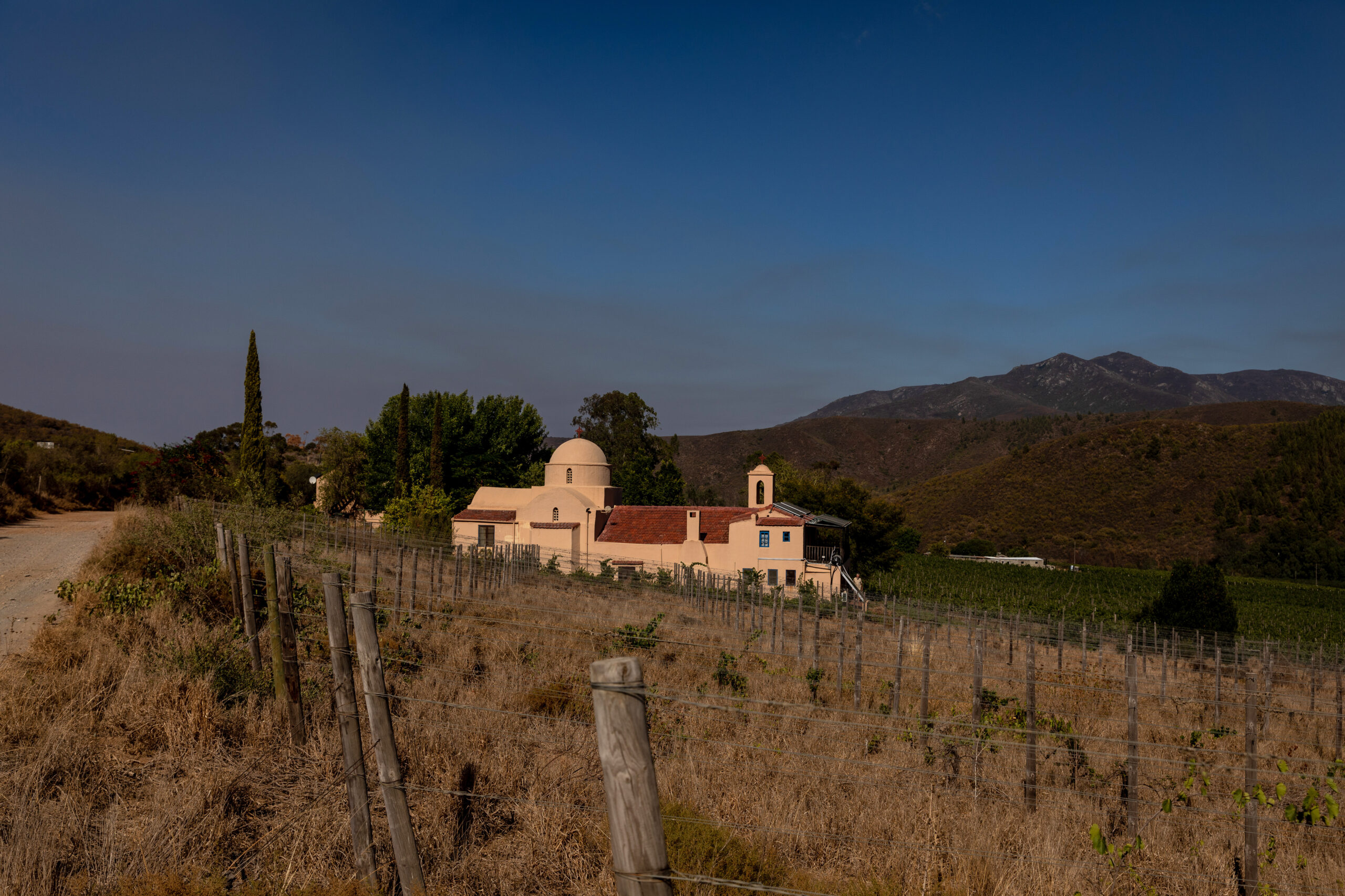
Deep in South Africa’s wine country near the town of Robertson, past rows of tin shacks and up a gravel road where barefoot children play, sits a little piece of Russia.
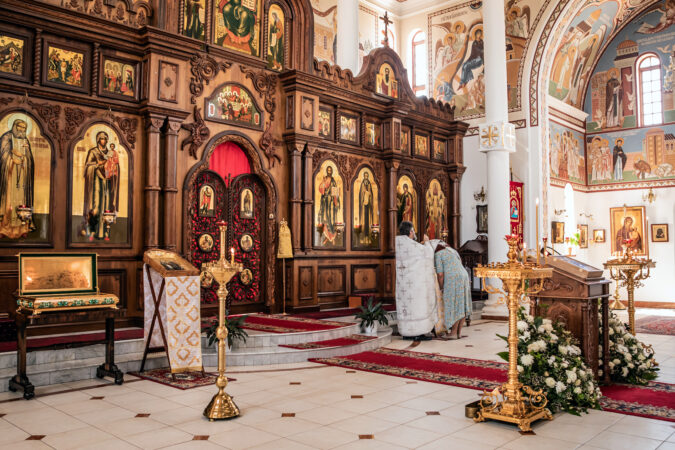
The apricot-hued building with its curved dome proclaims its affiliation with the Moscow Patriarchate of the Russian Orthodox Church on a sign in Afrikaans. The interior is adorned with icons, rugs, and candle stands, things more familiar to a place of worship in, say, St. Petersburg than South Africa’s Western Cape. But the outpost is just one of hundreds of similar churches that have spawned across Africa.
The continent has long been a target for Russia. The Soviet Union supported decolonialization and aided new independent states during the Cold War while the West engendered mistrust with policies such as doing little to oppose apartheid in South Africa.
Now, faced with more sanctions over its war in Ukraine and a new geopolitical era, Moscow is trying to leverage its old, soft power ties again in the absence of any significant economic hard power.
Recent years have seen China dominate, becoming Africa’s biggest trading partner and investing in roads, railways, and ports. The broader aim might be diplomatic, to garner international support from a continent with 54 votes at the United Nations. The Kremlin and its proxies, though, are also leaning on African countries for recruits to bolster its army and the workforce making munitions it uses in Ukraine.
“Russia is trying to develop its policy of influence in all African countries,” said Thierry Vircoulon, coordinator of the Observatory of Central and Southern Africa at the French Institute of International Relations, known as IFRI. “They want to project the image of a great country that is friendly to all Africans.”
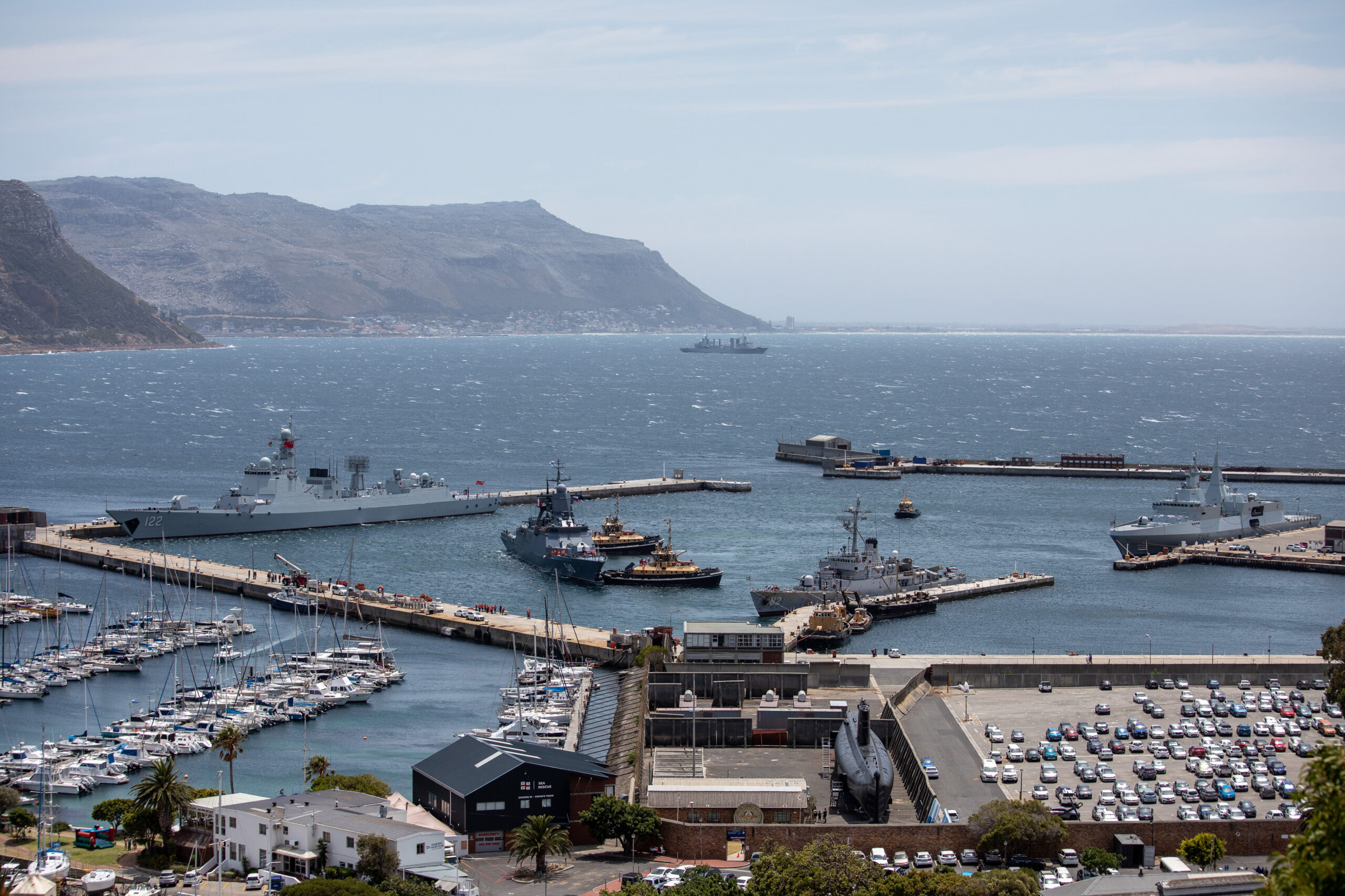
A Chinese destroyer and Russian and Iranian corvettes at Simon’s Town harbor in Cape Town on Jan. 9 ahead of multinational naval exercises.
President Vladimir Putin recently created a Kremlin department to coordinate Russia’s interactions and policies with nations personally selected by him. There will be a special team to look after Africa policy, two people familiar with the situation said.
Early on in its war against Ukraine, there were donations of a small amount of fertilizer and grains to African nations to help alleviate shortages caused by the full-scale invasion in February 2022. More recently, Putin ordered ships to sail around Africa, ostensibly to help countries such as Morocco and Senegal map out their stocks of fish.
What’s increasingly visible is the linguistic and cultural push. Russia has opened seven centers known as Russian Houses across the continent and plans more, holding talks over a new site in Namibia in early December. Russian, meanwhile, is being introduced at universities in cities including Abidjan in Ivory Coast and Harare in Zimbabwe.
In 2024, the foundation led by Putin’s daughter Katerina Tikhonova opened a lecture hall at Cheikh Anta Diop University in Dakar, Senegal, to facilitate the teaching of the language.
More than 32,000 students from Africa are currently studying at Russian universities, Russian Foreign Minister Sergey Lavrov said in December. Since 2020, the number of scholarships allocated to the African continent in Russia has nearly tripled, reaching more than 5,300 places. They are following in the footsteps of African leaders, many of whom had military or academic training in the USSR.
The Russian embassy in South Africa posted an advertisement for them in December and a politician in Lesotho facilitated sending students to Moscow-based Synergy University earlier in the year.
And, of course, there’s religion — a way of wielding influence going back to Christian missionaries in colonial times. In less than three years, the Russian Orthodox Church expanded to at least 34 countries in Africa from four, grew the number of clergy to 270 and registered 350 parishes and communities as of June 2024, the latest figures available from the church.
The geographical expansion might be the most significant in the Russian Orthodox Church’s history, Yuri Maksimov, chairman of the Africa Exarchate’s mission department, wrote in a 2025 academic paper.
The Russians attracted priests with better salaries, promises of church construction and rapid promotion, according to a study by Father Evangelos Thiani, an academic and Kenyan priest in the Greek Orthodox Church.
Russian orthodoxy welcomed Alexey Herizo, a Madagascan priest in the capital, Antananarivo, with “open arms.” He did online training with a seminary in Moscow, then practical training on site in 2023 for three months before being ordained as a deacon and then a priest within a few days.
That was after years of waiting for the Greek Orthodox Church to accept him, said Alexey, his religious name. The salaries provided by the Russian church allow us “to live decently, take care of our family’s health, and provide for our children’s education,” he said.
The church in Robertson affiliated with the Moscow Patriarchate of the Russian Orthodox Church.
Expanding outreach
It’s hard to estimate the number of worshipers the church has now in communities where religion and social conservatism play a large role in everyday life. The church on the outskirts of Robertson, a town named after a Scottish protestant, switched to the Russian branch of the Orthodox faith in 2022. It’s now home to a small congregation of largely white, Afrikaans-speaking South Africans.
While Russian Orthodox churches in South Africa have mainly recruited from Afrikaans communities, with its conservative values appealing to elements of that group, they have also been seeking to add to their numbers with outreach programs to rural, Black communities.
The expansion is aimed at “trying to pull more countries into their orbit,” said Tom Southern, director of special projects at the Centre for Information Resilience, who has looked at the growth. “It’s like spiritual colonialism.”
Russia’s longstanding ties with Africa loosened following the collapse of communism as the country turned to the West. The continent came back into focus after Putin annexed Crimea in 2014 and relations with the United States and Europe soured.
A report by the European Parliament said Moscow has military cooperation agreements with 43 African countries and is a key supplier of arms. Wagner Group paramilitaries were active trying to fight rebels in places like Mali, though the group has since been disbanded and folded into the government’s Africa Corps. Companies linked with Wagner, meanwhile, had contracts across the continent in security, oil services, and gold mining.
African countries have vast economic and human potential and are playing an increasingly significant role in global politics, Putin said in a written address to the plenary session of the Russia-Africa Partnership Forum conference in Cairo in December. Lavrov, his foreign minister, told the event that Russia plans to have trade missions operating in 15 African countries by the end of 2026.
A Russian warship in January joined naval exercises held off the coast of South Africa along with vessels from China, Iran, and the United Arab Emirates. The Russian embassy said they focused on maritime security.
Russia’s renewed push into Africa lacks the financial resources of its geopolitical rivals, though. While China is sub-Saharan Africa’s biggest trade partner, Russia ranks 33rd and is superseded by the UAE, U.S., Japan, and eight European nations.
China has built infrastructure in nations from Cameroon to Kenya while the UAE and other wealthy gulf states have become major sources of foreign money in recent years. The European Union is the biggest investor in South Africa and 600 American companies operate in the country.
Putin hosted a Russia-Africa summit in 2019 attended by 43 heads of state, while the second one in 2023 attracted just 17. The Kremlin blamed the low attendance on “unprecedented pressure” from the U.S. and its allies.
There’s an increasing effort to counter that. With President Donald Trump upending the world order with trade tariffs, rivalry with China and more recently the capture of Venezuela’s president, Russia is trying to assert its narratives in Africa.
The state-owned Sputnik news service is hiring South African journalists and in 2026 plans to open a bureau in the country. It would be the second in Africa, following Ethiopia in early 2025, said Viktor Anokhin, who will run the operation. “Our main goal, as it always has been, is to provide an alternative source of news,” Anokhin said when called by Bloomberg. “A balanced offering.”
Recruiting manpower
Russia has sponsored disinformation campaigns and stoked instability in conflict-ridden nations, according to research groups including the European Council on Foreign Relations. The country is also accused of using Africans to aid its war effort in Ukraine.
One of them was Alabuga Start, a recruitment arm of Russia’s Alabuga Special Economic Zone in Tatarstan. It set itself a target of hiring thousands of African women between the ages of 18 and 22, saying they will work in fields such as hospitality and construction.
Most of the young women end up in a military equipment factory, according to the authors of three reports from organizations including the Institute for Science and International Security.
“African women typically don’t have access to as many opportunities in life, opportunities to get a well-paying job, opportunities to get an education, opportunities to travel,” said Spencer Faragasso, a senior research fellow at Washington-based ISIS. “The Alabuga Start program really provides on the surface all those benefits. But in reality, they’re working in a drone production factory.”
Alabuga didn’t respond to requests for comment, while the Russian embassy in South Africa said in August it had no evidence that the rights of those recruited by Alabuga were being violated, describing reports as “biased.”
On the battlefield, Ukraine estimates that more than 1,400 Africans are fighting for Russia. Kenya’s foreign minister said in November at least 200 Kenyans had been recruited to Russia’s military, often after being told they would work as security guards or drivers.
A report this month by All Eyes on Wagner, a nonprofit research group, said Russia has recruited from about 35 African countries and provided the names of about 300 Africans killed while fighting for Russia.
In South Africa, where fighting for a foreign military or assisting it is a crime, a daughter of former President Jacob Zuma is being investigated by the police for allegedly helping to recruit about 20 men for Russia’s military. She told them they were going on a bodyguard training course.
Separately, South Africa arrested and charged state radio presenter Nonkululeko Mantula and four men she allegedly recruited for the Russian military. Her trial is due to start in April. Bloomberg reported on Jan. 7 that Russia targeted South African video gamers as part of the recruitment drive, according to documents involving two men who left to fight.
South Africa, Kenya, and Botswana have announced investigations into how their nationals became involved in fighting for Russia. South Africa and Lesotho have publicly warned against accepting some job opportunities and scholarships in Russia.
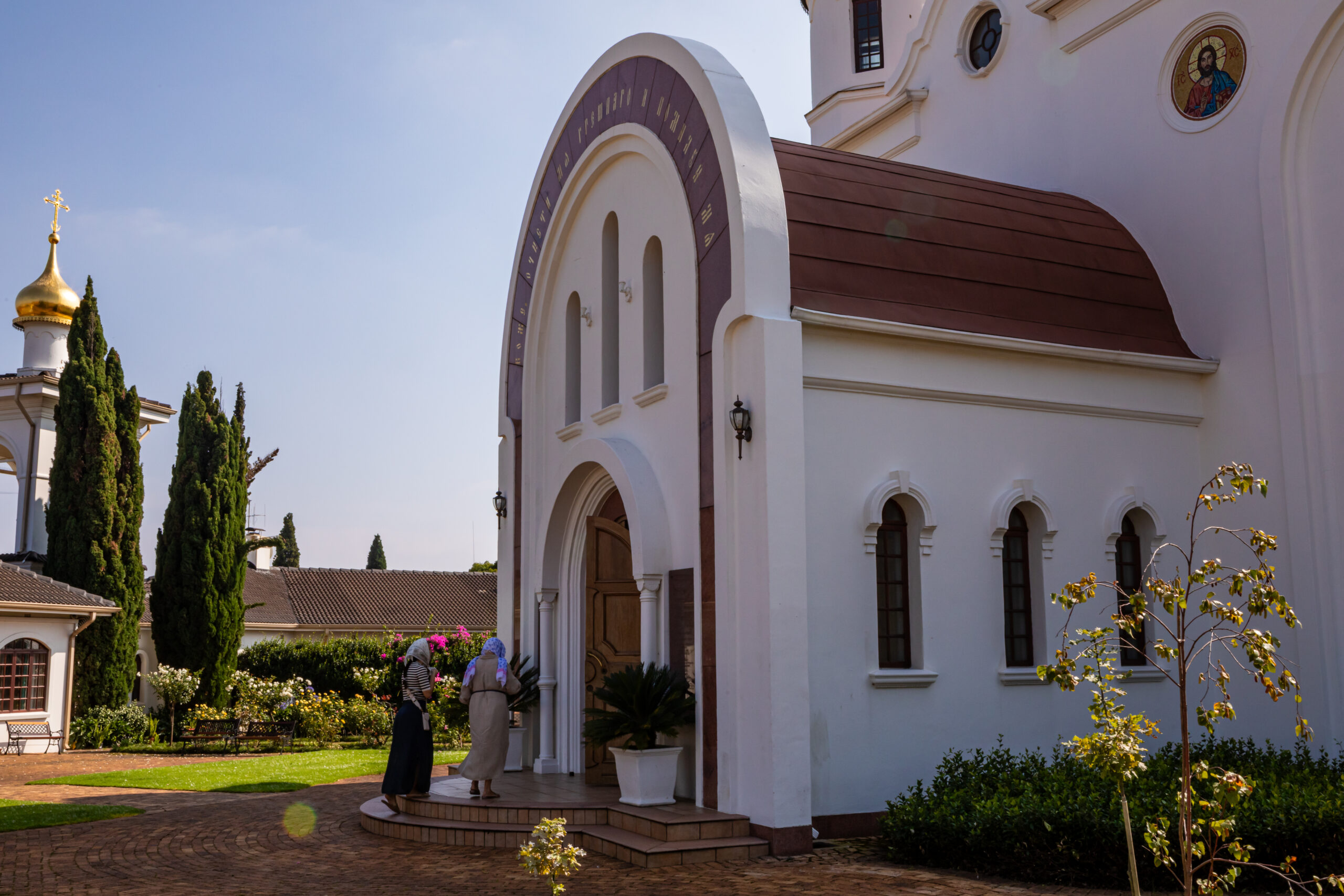
Worshipers enter the Cathedral of St. Sergius of Radonezh on the outskirts of Johannesburg.
Religious leaders
The widening footprint of the church is symbolic of Russia’s desire to sway Africans to its cause.
In a 2022 news conference to celebrate the first year of work in Africa, Leonid Gorbachov, the then Patriarchal Exarch of Africa, said the church works with Russian government agencies and was in talks with the government about the exarchate’s needs.
“It is religious leaders in Africa who remain the most trusted and respected, with religion taking center stage in politics, elections and developmental concerns,” Father Thiani, the Kenyan priest and academic, wrote in the July 2024 paper published by Studies in World Christianity. “The use of religion for entering Africa is therefore an ideal form of Russian soft power.”
Churches now range from rural outposts in Kenya, Madagascar and the one in Robertson to the St. Sergius of Radonezh cathedral on the outskirts of Johannesburg, which is adorned with grand golden cupolas. Founded in 2003, it was — until the establishment of the Africa Exarchate — the only Russian Orthodox Church in sub-Saharan Africa.
The activities of the Russian Orthodox Church have raised concerns in a number of countries outside Africa.
The Czech government placed Patriarch Kirill of Moscow on its sanctions list in April 2023. It cited his support for the invasion of Ukraine, a country who’s church declared full independence from the Moscow patriarchate in 2022.
In Moldova, a former Soviet state with eyes on EU membership, the government has described the Moscow-linked church as a tool of Russian influence aimed at spreading propaganda and causing instability.
Priests spoken to by Bloomberg denied the church expansion in Africa was related to Russia’s political objectives.
Nicholas Esterhuizen, who runs the Saint John of The Ladder Church above a café in Cape Town, said ties with Russia were spiritual and “transcend the current political climate.”
“If the state is the problem, if the state is at war, why do you need to draw the church into the state? The president is not a leader of the church,” said Daniel Agbaza, a Russian Orthodox priest in Nigeria, where a new church is being built in Benue State. “Because it is called Russian does not mean that it is a Russian government church.”
DNA from gloves found a few miles from the Arizona home of Nancy Guthrie did not match any entries in a national database, authorities said Tuesday, the 17th day of her disappearance.
“There were no DNA hits in CODIS,” the Pima County Sheriff’s Department said, referring to the national Combined DNA Index System.
“At this point, there have been no confirmed CODIS matches in this investigation,” the department said, suggesting that other DNA samples had been put through the system.
CODIS is a storehouse of DNA taken from crime suspects or people with convictions. Any hits could identify possible suspects in Guthrie’s disappearance.
The sheriff’s department said it’s looking to feed DNA evidence into other “genetic genealogy” databases. It did not elaborate.
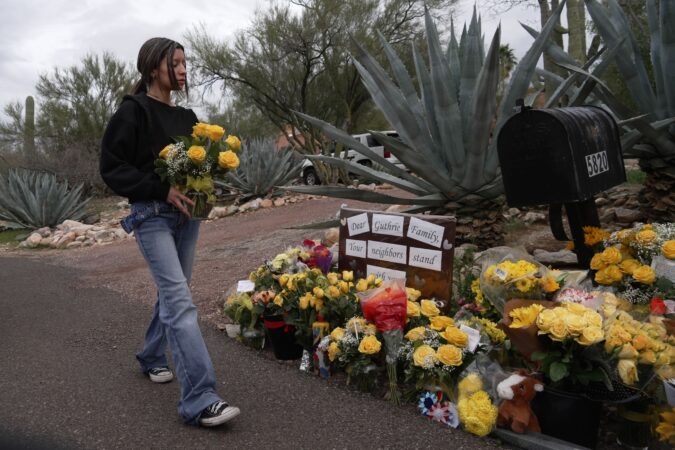
Investigators, meanwhile, were seen inspecting exterior cameras at a neighbor’s house Tuesday. Vehicles were also arriving and departing from Guthrie’s Tucson-area home while a thick line of news media watched from the street.
The 84-year-old mother of NBC Today co-anchor Savannah Guthrie was reported missing from her home on Feb. 1 after spending the previous night with family, police said. Her blood was detected on the porch.
A porch camera recorded video of a man with a backpack who was wearing a ski mask, long pants, a jacket and gloves. The FBI said the suspect is about 5 feet, 9 inches tall with a medium build.
Gloves were found about 2 miles from Guthrie’s home. The FBI has said that the gloves appeared to match those worn by the man in the video.
“There is additional DNA evidence that was found at the residence, and that is also being analyzed,” the sheriff’s department said.
In addition, the department said it’s working with experts to try to locate Guthrie by detecting her heart pacemaker.
Parsons Corp. said its BlueFly device, which weighs less than a pound and has a range of up to 218 yards, can detect signals from wearable electronics and medical devices. The company said the technology has been used from the air and on the ground in Arizona. It declined further comment about the search.
The sheriff’s department released numbers to show how the public is reacting to Guthrie’s disappearance and the appeal for any information. There were 28,000 phone calls from Feb. 1-16, a 54% increase over the same period a year ago. Not all calls were tips.
Savannah Guthrie posted an Instagram video Sunday in which she issued an appeal to anyone with information about what happened to her mother.
“It is never too late to do the right thing,” she said. “And we are here. And we believe in the essential goodness of every human being, that it’s never too late.”