Category: News

Latest breaking news and updates

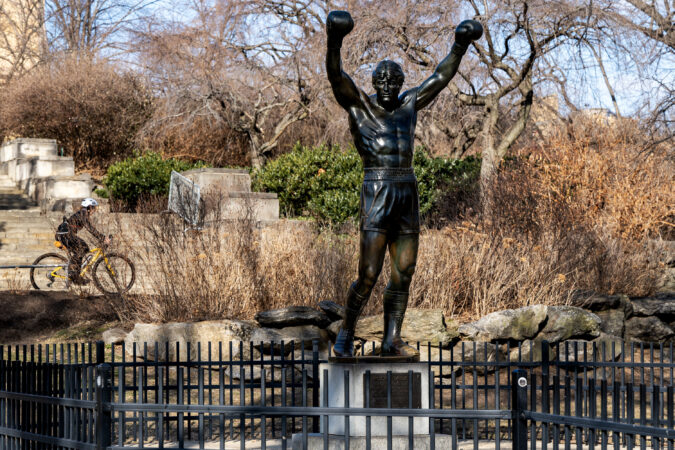
  • The Art Commission is weighing the fate of the Rocky statue. It’s been controversial for decades.

    The Art Commission is weighing the fate of the Rocky statue. It’s been controversial for decades.

    Our famed Rocky statue could soon be a permanent fixture atop the steps of the Philadelphia Art Museum — again.

    The Philadelphia Art Commission on Wednesday is slated to vote on a plan that, if approved, would affix the original statue — commissioned by Sylvester Stallone for 1982’s Rocky III — at the top of the museum’s East entrance steps later this year. Recently proposed by Creative Philadelphia, the city’s office for the creative sector, the move stands to place the iconic statue in one of the city’s most prominent locations for the umpteenth time since it arrived here more than 40 years ago.

    In fact, Philly’s original Rocky statue has been shuttled back and forth between the museum and the stadium complex in South Philly — another site that was pitched as its permanent home — at least six times, according to Inquirer and Daily News reports. But since 2006, it has sat at the base of the museum’s famed stair set, its most permanent location to date.

    Somehow, though, it always seems to end up overlooking the Benjamin Franklin Parkway from on high, however temporarily. And every so often, debate over the statue seems to reignite, regardless of where the statue sits — a cycle that has been repeating itself since the dawn of the 1980s.

    Here is how The Inquirer and Daily News covered the early days of Philly’s famed Rocky statue:

    https://www.newspapers.com/article/philadelphia-daily-news/188853911/

    Article from Dec 11, 1980 Philadelphia Daily News (Philadelphia, Pennsylvania) <!— –>

    An ‘unnecessarily strident’ monument

    The statue’s roots can be traced back to December 1980, when Stallone proposed the temporary installation of his own bronze visage atop the museum steps for the filming of Rocky III. From the start, the star proposed giving the statue to the city following filming as a “way of reaching the common man and perhaps beginning an interest in fine art,” production manager Jim Brubaker told the Daily News.

    In Budapest, you don’t always see generals and politicians,” Brubaker said. “You see working men with picks and shovels and that relates to the working class.”

    That month, Brubaker and sculptor A. Thomas Schomberg presented a model of the proposed statue to the Art Commission, the Fairmount Park Commission, and the museum’s board. The commission voted 6-2 in favor of letting the statue stay at the museum for the duration of filming, with the two “no” votes indicating that they didn’t want the statue near the museum ever, for any reason, The Inquirer reported.

    “There is a difference between size and greatness,” said local artist and commission member Joseph Brown. “This is unnecessarily strident. I appreciated Rocky, but I don’t think it put our museum and our city on the map.”

    https://www.newspapers.com/article/philadelphia-daily-news/188853847/

    Article from May 9, 1981 Philadelphia Daily News (Philadelphia, Pennsylvania) <!— –>

    Rocky arrives

    The Rocky statue that Philly knows today officially arrived on May 8, 1981, and was unveiled in front of the Philadelphia Art Museum that afternoon — three hours later than expected because the truck that was carrying it got stuck in traffic on the way from West Philly, according to a Daily News report.

    The plan was for the statue to return to California following filming, but Stallone himself was already admittedly embarrassed by the controversy that had quickly cropped up.

    “I’m sorry that got blown out of proportion,” Stallone said, according to a Daily News report. “It’s essentially a prop for the movie. I really don’t want to ruffle anyone’s feathers.”

    After a few days, the Rocky statue was dismantled with the conclusion of filming, and was set to be on its way back to the Golden State. City Representative Dick Doran, however, urged Stallone to reconsider the statue’s relocation, noting that it could be relocated to the Spectrum in South Philly, or placed outside the Philadelphia Tourist Center on JFK Plaza.

    https://www.newspapers.com/article/the-philadelphia-inquirer/188854136/

    Article from May 25, 1982 The Philadelphia Inquirer (Philadelphia, Pennsylvania) <!— –>

    Philly’s ‘Rocky III’ premiere

    In May 1982, Rocky III made its premiere in Philadelphia with a screening at the Sameric Theater at 19th and Chestnut in a star-studded affair that began with a reception at the Art Museum in which Stallone himself presented the Rocky statue to Philadelphia, almost exactly a year to the day that it first arrived in town. It was, The Inquirer reported, a 300th birthday gift to the city.

    On May 24, 1982, the statue was officially unveiled to the city, with Stallone himself pulling the cord on a canvas cover to reveal the sculpture at the top of the museum’s steps as the Lincoln High School band played the Rocky theme, The Inquirer reported. Stallone had “done more for this city than anyone since Benjamin Franklin,” said Doran, then the city’s commerce director.

    “I owe everything to the city of Philadelphia,” Stallone said at the unveiling. “If you could cut up the character of Rocky into a million pieces, each of you would be a part of it.”

    https://www.newspapers.com/article/the-philadelphia-inquirer/188854084/

    Article from May 24, 1982 The Philadelphia Inquirer (Philadelphia, Pennsylvania) <!— –>

    ‘Schlock, chutzpah, and mediocrity’

    Though the statue was displayed prominently, it was not exactly well-received. The Daily News’ Kitty Caparella, for example, called it “only a movie prop.”

    Inquirer columnist Tom Fox, meanwhile, called the statue a “monument to schlock, chutzpah, and mediocrity.” Art Commission member Joe Brown, a local painter, meanwhile, told Fox the statue “violates the spirit of the museum and its environment,” and that the city would be better served by the creation of a statue depicting Tug McGraw, Pete Rose, or Dr. J instead.

    Still, a museum spokesperson said, attendance had increased since the statue’s installation, though they believed it was because of a new exhibit featuring the work of artist Thomas Eakins. Those arriving at the museum to see Rocky, the spokesperson told the Daily News, “don’t even come inside.”

    https://www.newspapers.com/article/philadelphia-daily-news/188854219/

    Article from Aug 3, 1982 Philadelphia Daily News (Philadelphia, Pennsylvania) <!— –>

    Goodbye, Rocky

    Though the statue was only supposed to initially be installed at the Art Museum through mid-July 1982, it remained there through early August that year, Daily News reports from the time indicate. In fact, it wasn’t moved to the Spectrum until Aug. 3, 1982.

    At the time, no one was willing to foot a reported $25,000 bill to get the statue to the Spectrum, and the issue was only settled after negotiations led to splitting the cost between the Spectrum and distributor United Artists, according to a Daily News report from the time. The city, a Commerce Department staffer told The Inquirer, flatly refused to pay.

    But on a hot day, the statue’s run atop the Art Museum’s steps came to an end. Despite encountering difficulties with removal due to the concrete base upon which it had been installed, workers were ultimately able to send the statue on its way to the Spectrum — the spot where it would largely remain until it saw a high-profile move back to the Art Museum for the filming of Rocky V.

    “People are going to miss him,” said onlooker Marcy Landesburg, of Wyncote, amid the statue’s 1982 removal. “They’re having a hard time dislodging him. He doesn’t want to go.”
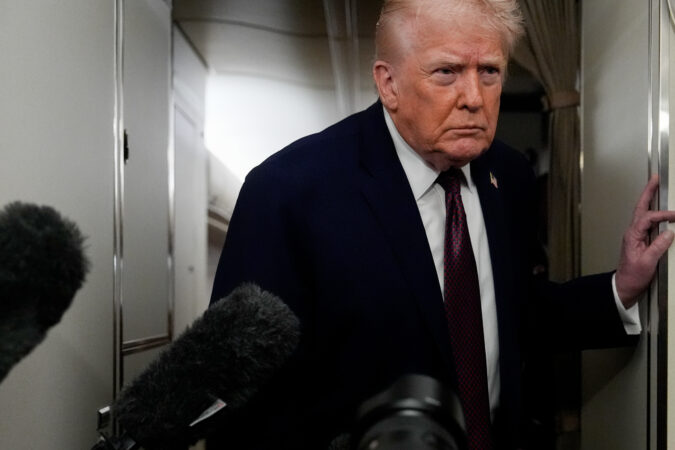
  • Trump administration labels 3 Muslim Brotherhood branches as terrorist organizations

    Trump administration labels 3 Muslim Brotherhood branches as terrorist organizations

    WASHINGTON — President Donald Trump’s administration has made good on its pledge to label three Middle Eastern branches of the Muslim Brotherhood as terrorist organizations, imposing sanctions on them and their members in a decision that could have implications for U.S. relationships with allies in the region.

    The Treasury and State departments announced the actions Tuesday against the Lebanese, Jordanian and Egyptian chapters of the Muslim Brotherhood, which they said pose a risk to the United States and American interests.

    The State Department designated the Lebanese branch a foreign terrorist organization, the most severe of the labels, which makes it a criminal offense to provide material support to the group. The Jordanian and Egyptian branches were listed by Treasury as specially designated global terrorists for providing support to Hamas.

    “These designations reflect the opening actions of an ongoing, sustained effort to thwart Muslim Brotherhood chapters’ violence and destabilization wherever it occurs,” Secretary of State Marco Rubio said in a statement. “The United States will use all available tools to deprive these Muslim Brotherhood chapters of the resources to engage in or support terrorism.”

    Rubio and Treasury Secretary Scott Bessent were mandated last year under an executive order signed by Trump to determine the most appropriate way to impose sanctions on the groups, which U.S. officials say engage in or support violence and destabilization campaigns that harm the United States and other regions.

    Bessent wrote in a post on X that the Muslim Brotherhood “has a longstanding record of perpetrating acts of terror, and we are working aggressively to cut them off from the financial system.” He added that the Trump administration will “deploy the full scope of its authorities to disrupt, dismantle, and defeat terrorist networks wherever they operate in order to keep Americans safe.”

    Muslim Brotherhood leaders have said they renounce violence, and the Muslim Brotherhood branches in Egypt and Lebanon denounced their inclusion.

    “The Egyptian Muslim Brotherhood categorically rejects this designation and will pursue all legal avenues to challenge this decision which harms millions of Muslims worldwide,” it said in a statement, denying any involvement in or support for terrorism.

    The Lebanese branch of the Muslim Brotherhood, known as al-Jamaa al-Islamiya (the Islamic Group), said in a statement that it is “a licensed Lebanese political and social entity that operates openly and within the bounds of the law” and that the U.S. decision “has no legal effect within Lebanon.”

    Trump’s executive order had singled out the chapters in Lebanon, Jordan and Egypt, noting that a wing of the Lebanese chapter had launched rockets on Israel after Hamas’ Oct. 7, 2023, attack in Israel that set off the war in Gaza. Leaders of the group in Jordan have provided support to Hamas, the order said.

    The Muslim Brotherhood was founded in Egypt in 1928 but was banned in that country in 2013. Jordan announced a sweeping ban on the Muslim Brotherhood in April.

    Nathan Brown, a professor of political science and international affairs at George Washington University, said some allies of the U.S., including the United Arab Emirates and Egypt, would likely be pleased with the designation.

    “For other governments where the brotherhood is tolerated, it would be a thorn in bilateral relations,” including in Qatar and Turkey, he said. While the Turkish ruling party has been associated with members of the Muslim Brotherhood in the past, the government of Qatar has denied any relationship with it.

    Brown also said a designation on the chapters may have effects on visa and asylum claims for people entering not just the U.S. but also Western European countries and Canada.

    “I think this would give immigration officials a stronger basis for suspicion, and it might make courts less likely to question any kind of official action against Brotherhood members who are seeking to stay in this country, seeking political asylum,” he said.

    Trump, a Republican, weighed whether to designate the Muslim Brotherhood a terrorist organization in 2019 during his first term in office. Some prominent Trump supporters, including right-wing influencer Laura Loomer, have pushed his administration to take aggressive action against the group.

    Two Republican-led state governments — Florida and Texas — designated the group as a terrorist organization this year.

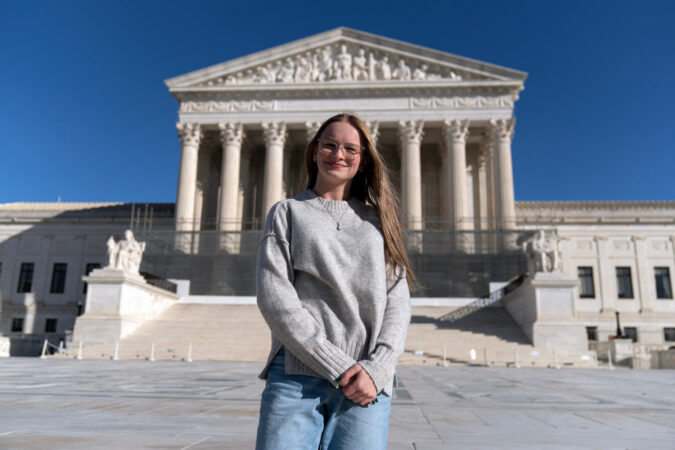
  • Supreme Court seems likely to uphold state bans on transgender athletes in girls and women’s sports

    Supreme Court seems likely to uphold state bans on transgender athletes in girls and women’s sports

    WASHINGTON — The Supreme Court on Tuesday appeared ready to deal another setback to transgender people and uphold state laws barring transgender girls and women from playing on school athletic teams.

    The court’s conservative majority, which has repeatedly ruled against transgender Americans in the past year, signaled during more than three hours of arguments it would rule the state bans don’t violate either the Constitution or the federal law known as Title IX, which prohibits sex discrimination in education.

    More than two dozen Republican-led states have adopted bans on female transgender athletes. Lower courts had ruled for the transgender athletes who challenged laws in Idaho and West Virginia.

    The legal fight is playing out against the backdrop of a broad effort by President Donald Trump to target transgender Americans, beginning on the first day of his second term and including the ouster of transgender people from the military and declaring that gender is immutable and determined at birth.

    The justices are evaluating claims of sex discrimination lodged by transgender people versus the need for fair competition for women and girls, the main argument made by the states.

    Justice Brett Kavanaugh, who coached his daughters in girls basketball, seemed concerned about a ruling that might undo the effects of Title IX, which has produced dramatic growth in girls and women’s sports. Kavanaugh called Title IX an “amazing” and “inspiring” success.

    Some girls and women might lose a medal in a competition with transgender athletes, which Kavanaugh called a harm “we can’t sweep aside.”

    The three liberal justices seemed focused on trying to marshal a court majority in support of a narrow ruling that would allow the individual transgender athletes involved in the cases to prevail.

    A ruling for West Virginia and Idaho would effectively apply to the other two dozen Republican-led states with similar laws.

    But the justices soon might be asked to decide about the laws in an additional roughly two dozen states, led by Democrats, that allow transgender athletes to compete on the teams that match their gender identity.

    The outcome also could influence separate legal efforts by the Trump administration and others seeking to bar transgender athletes in states that have continued to allow them to compete.

    The transgender athletes’ cases

    In the Idaho case, Lindsay Hecox, 25, sued over the state’s first-in-the-nation ban for the chance to try out for the women’s track and cross-country teams at Boise State University in Idaho. She didn’t make either squad because “she was too slow,” her lawyer, Kathleen Hartnett, told the court Tuesday, but she competed in club-level soccer and running.

    Becky Pepper-Jackson, a 15-year-old high school sophomore, was in the courtroom Tuesday. She has been taking puberty-blocking medication, has publicly identified as a girl since age 8 and has been issued a West Virginia birth certificate recognizing her as female. She is the only transgender person who has sought to compete in girls sports in West Virginia.

    Pepper-Jackson has progressed from a back-of-the-pack cross-country runner in middle school to a statewide third-place finish in the discus in just her first year of high school.

    Prominent women in sports have weighed in on both sides. Tennis champion Martina Navratilova, swimmers Summer Sanders and Donna de Varona and beach volleyball player Kerri Walsh-Jennings are supporting the state bans. Soccer stars Megan Rapinoe and Becky Sauerbrunn and basketball players Sue Bird and Breanna Stewart back the transgender athletes.

    In 2020, the Supreme Court ruled LGBTQ people are protected by a landmark federal civil rights law that prohibits sex discrimination in the workplace, finding that “sex plays an unmistakable role” in employers’ decisions to punish transgender people for traits and behavior they otherwise tolerate.

    But last year, the six conservative justices declined to apply the same sort of analysis when they upheld state bans on gender-affirming care for transgender minors.

    Chief Justice John Roberts signaled Tuesday he sees differences between the 2020 case, in which he supported the claims of discrimination, and the current dispute.

    The states supporting the prohibitions on transgender athletes argue there is no reason to extend the ruling barring workplace discrimination to Title IX.

    Idaho’s law, state Solicitor General Alan Hurst, said, is “necessary for fair competition because, where sports are concerned, men and women are obviously not the same.”

    Lawyers for Pepper-Jackson argue that such distinctions generally make sense, but that their client has none of those advantages because of the unique circumstances of her early transition. In Hecox’s case, her lawyers want the court to dismiss the case because she has forsworn trying to play on women’s teams.

    NCAA president Charlie Baker told Congress in 2024 that he was aware of only 10 transgender athletes out of more than a half-million students on college teams. But despite the small numbers, the issue has taken on outsize importance.

    Baker’s NCAA and the U.S. Olympic and Paralympic Committees banned transgender women from women’s sports after Trump, a Republican, signed an executive order aimed at barring their participation.

    The public generally is supportive of the limits. An Associated Press-NORC Center for Public Affairs Research poll conducted in October 2025 found that about 6 in 10 U.S. adults “strongly” or “somewhat” favored requiring transgender children and teenagers to only compete on sports teams that match the sex they were assigned at birth, not the gender they identify with, while about 2 in 10 were “strongly” or “somewhat” opposed and about one-quarter did not have an opinion.

    About 2.1 million adults, or 0.8%, and 724,000 people age 13 to 17, or 3.3%, identify as transgender in the U.S., according to the Williams Institute at the UCLA School of Law.

    A decision is expected by early summer.

  • Actor-director Timothy Busfield turns himself in to face child sex abuse charges in New Mexico

    Actor-director Timothy Busfield turns himself in to face child sex abuse charges in New Mexico

    ALBUQUERQUE, N.M. — Director and Emmy Award-winning actor Timothy Busfield turned himself to authorities on Tuesday to face child sex abuse charges in New Mexico.

    His apprehension comes after authorities in Albuquerque issued a warrant for his arrest on Jan. 9 on two counts of criminal sexual contact of a minor and one count of child abuse. The charges stem from allegations that Busfield inappropriately touched a young boy on the set of the TV series The Cleaning Lady that he was directing.

    Busfield was being booked by Albuquerque police on the charges, said Gilbert Gallegos, spokesperson for the city police department.

    A criminal complaint filed by an investigator with the Albuquerque Police Department says the boy reported that he was 7 years old when Busfield touched him three or four times on private areas over his clothing. Busfield allegedly touched him five or six times on another occasion when he was 8, the complaint said.

    The child was reportedly afraid to tell anyone because Busfield was the director and he feared he would get mad at him, the complaint said.

    The boy’s twin brother told authorities he was touched by Busfield but did not specify where. He said he didn’t say anything because he didn’t want to get in trouble.

    Busfield denied the allegations last fall when interviewed by authorities as part of the investigation, the complaint said. He suggested that the boys’ mother was seeking revenge for her children being replaced on the series. He also said he likely would have picked up and tickled the boys, saying the set was a playful environment.

    Busfield’s attorney did not immediately return a message seeking comment Tuesday. A video obtained by TMZ showed Busfield in front of a window with the Albuquerque skyline in the backdrop. He said he arrived in the city after driving 2,000 miles.

    “I’m going to confront these lies. They’re horrible. They’re all lies,” Busfield said.

    The mother of the twins — who are identified only by their initials in court records — reported to Child Protective Services that the abuse occurred between November 2022 and spring 2024, the complaint said.

    The investigation began in November 2024, when the investigator responded to a call from a doctor at the University of New Mexico Hospital in Albuquerque. The boys’ parents had gone there at the recommendation of a law firm, the complaint said.

    According to the complaint, one of the boys has been diagnosed with post-traumatic stress disorder and anxiety. A social worker documented him saying he has had nightmares about Busfield touching him.

    The Cleaning Lady aired for four seasons on Fox, ending in 2025. The show was produced by Warner Bros., which according to the complaint conducted its own investigation into the abuse allegations but was unable to corroborate them.

    Busfield, who is married to actor Melissa Gilbert, is known for appearances in The West Wing, Field of Dreams, and Thirtysomething, the latter of which won him an Emmy for outstanding supporting actor in a drama series in 1991.

  • U.S. plane used in boat strike was made to look like civilian aircraft

    U.S. plane used in boat strike was made to look like civilian aircraft

    The Trump administration’s first deadly strike on an alleged drug smuggling boat, in early September, was conducted by a secretive military aircraft painted to look like a civilian plane, multiple officials confirmed to The Washington Post on Monday.

    The crewed aircraft did not have any weapons showing when the attack occurred, two officials said, speaking, like some others, on the condition of anonymity to discuss a sensitive matter. Instead, the munitions were fired from a launch tube that allows them to be carried inside the plane, not mounted outside on the wing.

    Use of the plane prompted legal debate after the Sept. 2 operation over whether the concealment of its military status amounted to a ruse that violated international law, said current and former officials familiar with the matter. Eleven people were killed, including two who survived the initial attack by U.S. forces but died in a controversial follow-on strike.

    Feigning civilian status and then carrying out an attack with explicit intent to kill or wound the target is known as “perfidy” under the law of armed conflict, a war crime, according to legal experts.

    “If you arm these aircraft for self-defense purposes, that would not be a violation” of the law of war, said Todd Huntley, a former military lawyer who advised U.S. Special Operations forces for seven years at the height of the Pentagon’s counterterrorism campaign that followed 9/11. “But using it as an offensive platform and relying on its civilian appearance to gain the confidence of the enemy is.”

    The Trump administration has claimed that its lethal strikes on alleged drug boats in the waters around Latin America are lawful because President Donald Trump has determined the United States is in an “armed conflict” with drug cartels. That contention is widely disputed by legal experts, who say the U.S. is not at war with drug traffickers and that killing suspected criminals in international waters is tantamount to murder. Several analysts and former national security officials have said the entire campaign is, at its foundation, unlawful.

    “This isn’t an armed conflict,” said Huntley, director of the national security law program at Georgetown Law. “But what makes this so surprising is that even if you buy their argument, it’s a violation of international law.”

    The Pentagon did not immediately respond to requests for comment. A spokesperson for U.S. Special Operations Command, which carried out the Sept. 2 operation, declined to comment.

    The New York Times first reported the plane’s civilian paint scheme earlier Monday.

    The Sept. 2 military strike was the first of almost three dozen to date. The attacks have killed more than 100 people.

    The initial strike raised questions — among Democrats and law of war experts, principally — about whether a crime was committed when U.S. forces returned to the boat wreckage after the first strike to fire again and kill the two survivors as they clung to the hull.

    While the “double tap” to kill the survivors has drawn scrutiny on Capitol Hill, the military has closely guarded specifics of the aircraft involved in the operation.

    According to multiple officials, the plane is part of a fleet of crewed U.S. Air Force aircraft painted in civilian schemes and used in situations where it would not be advantageous for the military’s typical gray paint scheme to be seen. One official said the plane was already painted to look like a civilian aircraft before the Sept. 2 operation — it was not painted specifically for the boat strike, this person said.

    Firing on the alleged drug boat from an aircraft that looked like a civilian plane and had no visible weapons on it raised debate among some Pentagon officials after the strike, as well as concern that a classified capability was being “burned” in an operation targeting “civilians in a boat who pose no threat,” a former official said.

    “It’s not like they’re infiltrating downtown Tehran to kill some IRGC leader or something,” said the former official, referring to Iran’s military, the Islamic Revolutionary Guard Corps.

    Those familiar with the matter said the aircraft was broadcasting as a military aircraft. However, unless the men on the boat had technology on board to receive those transmissions, they would not have known it was a U.S. military plane.

    The Post reported late last year that Defense Secretary Pete Hegseth gave his approval ahead of the Sept. 2 operation to kill the passengers, sink the boat and destroy the drugs it was suspected of carrying. As the two survivors clung to the wreckage, Adm. Frank M. Bradley, the strike commander, determined they were still viable targets and, after consulting with a military lawyer, ordered a second strike that killed them, people familiar with the matter said.

    Shortly before the second strike, real-time surveillance video showed the two men waving their arms and looking skyward, people who saw the footage told The Post in December. But Bradley explained to lawmakers scrutinizing the operation that it was unclear why they were doing so, people familiar with his account said then.

    During multiple meetings with lawmakers after news of the double tap surfaced, Bradley said he looked for signs the men were surrendering, such as waving a cloth or holding up their arms, people familiar with his account have said. The admiral noted that he saw no such gesture, and did not interpret their wave as a surrender, people familiar with his interviews have said.

  • Ena Widjojo, owner and longtime celebrated chef at Hardena in South Philadelphia, has died at 73

    Ena Widjojo, owner and longtime celebrated chef at Hardena in South Philadelphia, has died at 73

    Ena Widjojo, 73, of Philadelphia, owner and longtime celebrated chef at the Hardena restaurant in South Philadelphia, mentor, and mother, died Wednesday, Dec. 24, of cancer at her home.

    Born and reared in Java, Indonesia, Mrs. Widjojo came to the United States in 1969 when she was 17. She opened a cantina at the Indonesian Consulate in New York in 1977, worked as a caterer in the 1990s after the cantina closed in 1989, and moved to Philadelphia in 2000 to open Hardena with her husband, Harry.

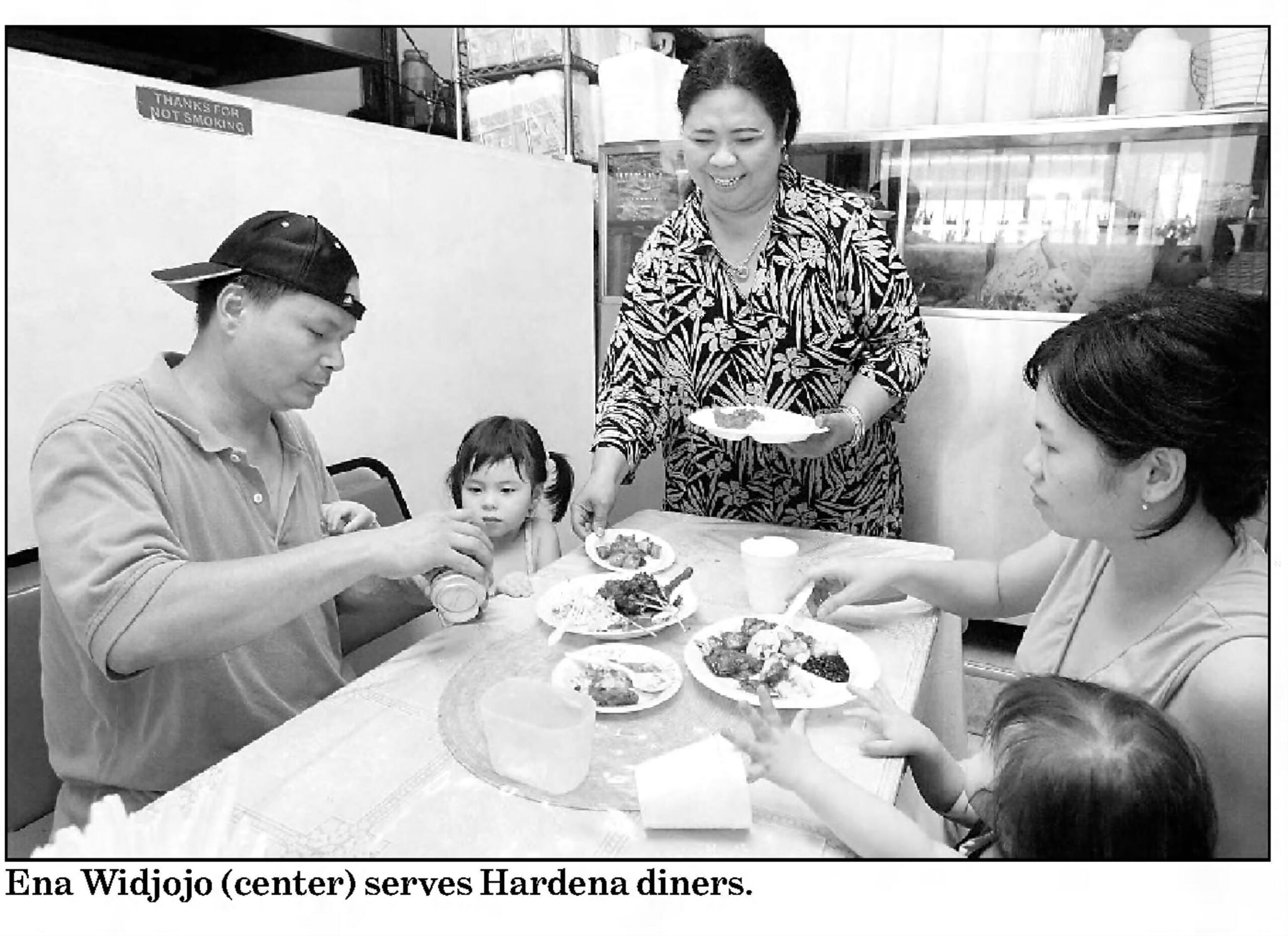
    Over the next decade and a half, until she retired in 2017, Mrs. Widjojo grew Hardena, described by the Daily News in 2007 as “a postage-stamp-size luncheonette at Hicks and Moore Streets in a gritty section of South Philly,” into a culinary and cultural connection for thousands of local Indonesians and other diners who enjoyed her homemade Southeast Asia cuisine.

    The corner restaurant’s name is a blend of their names, Harry and Ena, and features Indonesian specialties such as golden tofu, goat curry, saté chicken, beef rendang, and tempeh. “It’s the best Indonesian food in Philadelphia, a great mix of Indian and Chinese flavors,” elementary schoolteacher Aaron MacLennan told the Daily News in 2007.

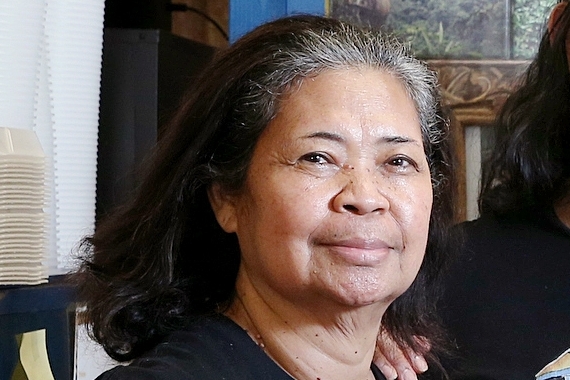
    This photo of Mrs. Widjojo appeared in the Daily News in 2007

    In 2012, Philadelphia Magazine named Hardena one of its Best of Philly Indonesian restaurants, calling it a “no-frills, high-flavor buffet.” In February 2018, Mrs. Widjojo and two of her three daughters were named semifinalists for the James Beard Foundation’s best chef award for the Mid-Atlantic states. In October 2018, Inquirer food critic Craig LaBan praised the restaurant’s “aromatic steam table of homestyle cooking that’s been a well-priced anchor of Indonesian comfort for 18 years.”

    Friendly and ever present at the lunch and dinner rushes, Mrs. Widjojo was known as Mama to many of her customers and friends. She learned how to bake and cook from her mother, a culinary teacher in Java, and later incorporated many of her mother’s recipes into her own memorable melting pot of Indian, Chinese, Arab, Portuguese, Spanish, English, and Dutch dishes at Hardena.

    “She served me greens once, and I felt like I was at home,” a friend said on Instagram.

    She and her husband traveled weekly between Philadelphia and Queens while their daughters — Diana, Maylia, and Stephanie — finished school in New York. Maylia and Diana assumed control of Hardena when Mrs. Widjojo retired, and Diana opened the restaurant Rice & Sambal on East Passyunk Avenue in 2024.

    Earlier, at the consulate in New York, Mrs. Widjojo made meals for former Secretary of State Henry Kissinger and former Indonesian President Suharto and his large entourage. “I cooked for all the diplomats.” she told The Inquirer in 2018.

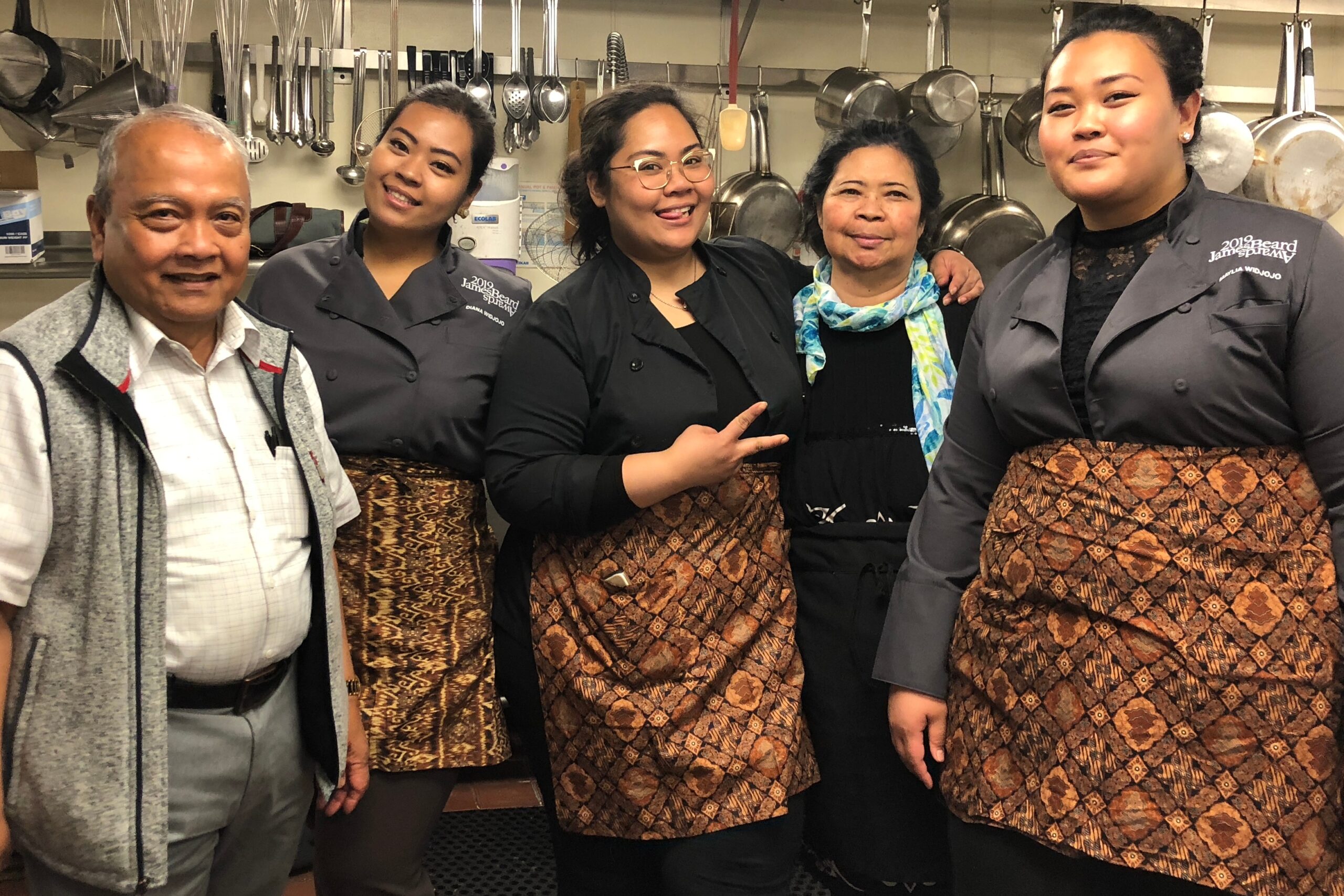
    Mrs. Widjojo (second from right) smiles with her husband and three daughters.

    She grew chili peppers and lime trees in her South Philly backyard, was happy to share kitchen tips and cultural traditions with visitors and cooking classes, and helped her daughters cater the 2019 James Beard Foundation’s annual Media Awards in New York.

    She worked six days a week for years and told edible Philly in 2017 that her retirement was good for her daughters. “If I’m cooking all the time,” she said, “they’re not learning.”

    Ena Djuneidi Juniarsah was born April 24, 1952. She baked cakes in a charcoal oven for her mother in Java and sold cookies and pastries after school when she was young. “

    Her mother was strict about cooking, Mrs. Widjojo said in 2018, and discarded any and all imperfect creations. “Like me, with my kids’ cooking,” she said, “if you’re not good, that’s no good.”

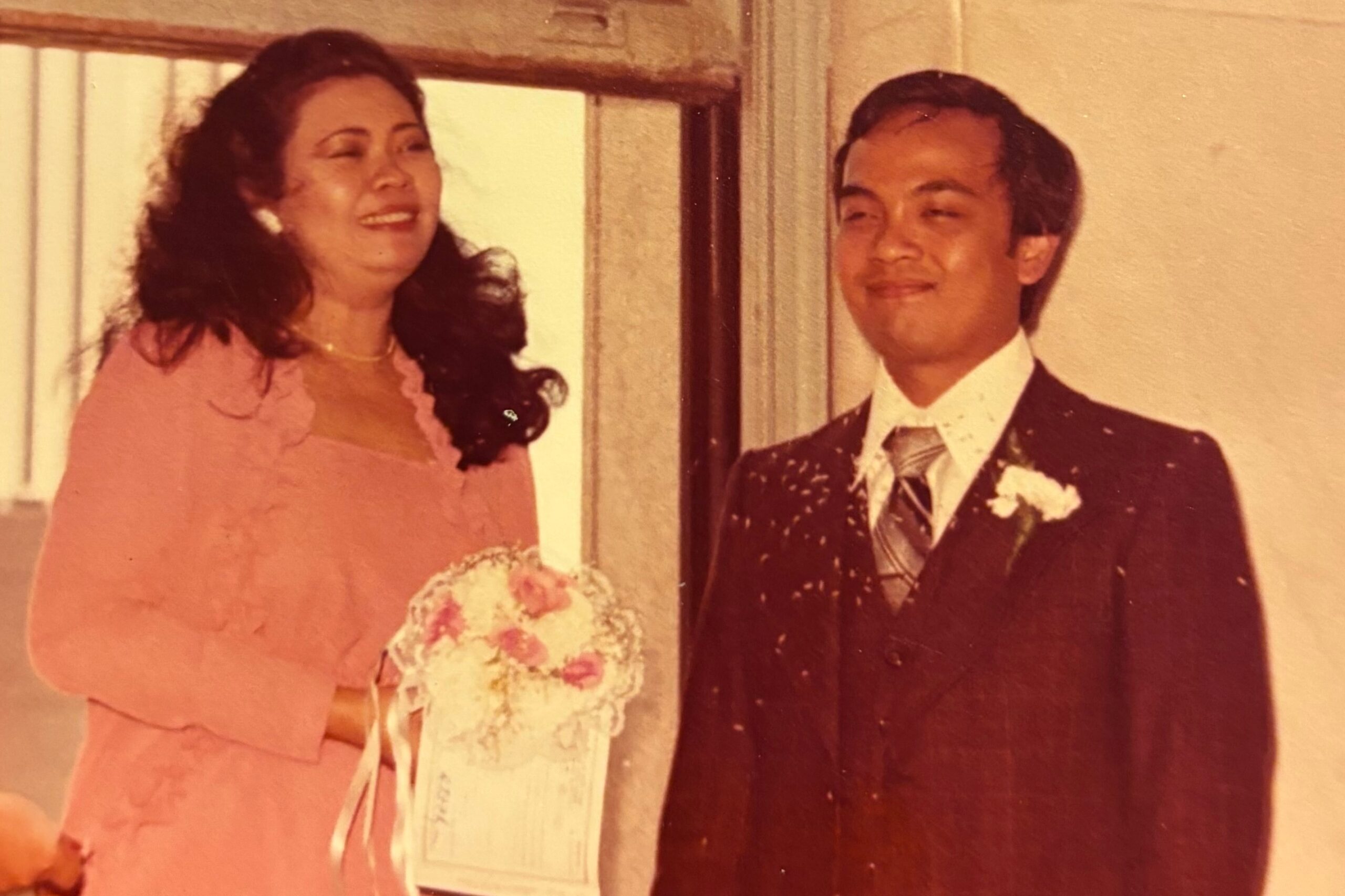
    She married fellow restaurateur Harry Widjojo in New York and spent time as a singer, beautician, florist, and nanny before cooking full time. Away from the restaurant, she enjoyed drawing, painting, crocheting, and family strolls in the park.

    Mrs. Widjojo and her husband, Harry, were married in New York.

    She could be goofy, her daughters said. She sang “You Are My Sunshine” when they were young and served as their lifelong mentor and teacher.

    Friends called her “sweet,” “amazing,” “a beautiful soul,” and “warm and welcoming” on Instagram. She was diagnosed with cancer in 2015.

    “Her life, generosity, and talent enriched the hearts of all who met her,” her family said in a tribute. “She taught us that feeding people is one of the purest ways to show love, have pride in our culture, and support our family.”

    Maylia said: “She was always giving.”

    Stephanie said: “She was always there for me.”

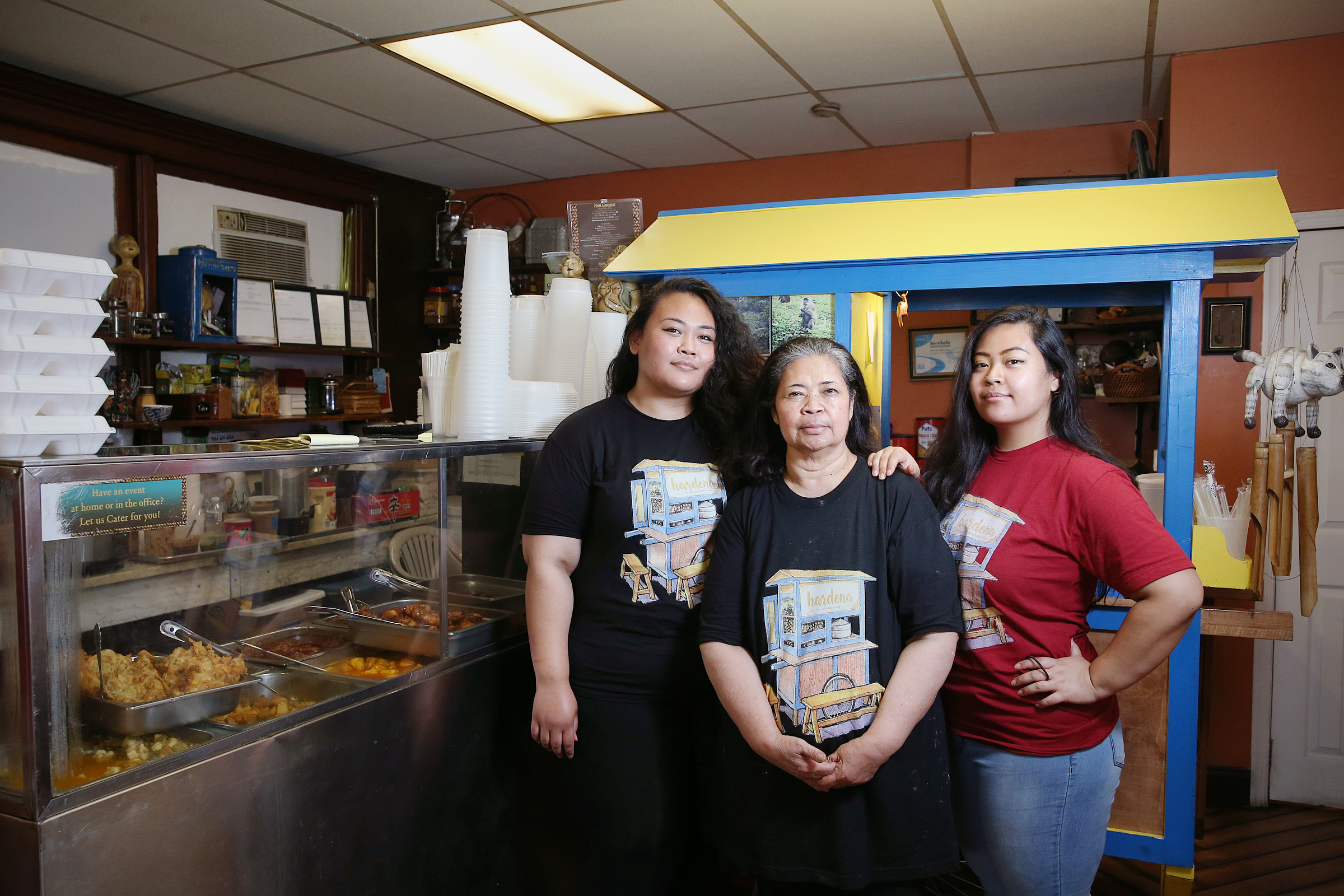
    Mrs. Widjojo (center) stands in Hardena with her daughters Maylia (left) and Diana in 2020.

    Diana said: “She saw the world with open arms and an open heart. She was a wonder woman.”

    In addition to her husband and daughters, Mrs. Widjojo is survived by two grandchildren, a sister, two brothers, and other relatives. A sister and two brothers died earlier.

    A celebration of her life was held Dec. 27.

    Donations in her name may be made to Masjid Al Falah Mosque, 1603 S. 17th St. Philadelphia, Pa. 19145.

    Mrs. Widjojo came to the United States from Java when she was 17.
  • Trump cancels meetings with Iranian officials and tells protesters ‘help is on its way’

    Trump cancels meetings with Iranian officials and tells protesters ‘help is on its way’

    WASHINGTON — President Donald Trump said on Tuesday that he’s cutting off the prospect of talks with Iranian officials amid a protest crackdown, telling Iranian citizens “help is on its way.”

    Trump did not offer any details about what the help would entail, but it comes after the Republican president just days ago said Iran wants to negotiate with Washington after his threat to strike the Islamic Republic, where the death toll from nationwide protests has spiked to more than 2,000, according to human rights monitors.

    But Trump, with his latest message on social media, appeared to make an abrupt shift about his willingness to engage with the Iranian government.

    “Iranian Patriots, KEEP PROTESTING – TAKE OVER YOUR INSTITUTIONS!!!” Trump wrote in a morning post on Truth Social, which he later amplified during a speech at an auto factory in Michigan. “Save the names of the killers and abusers. They will pay a big price. I have cancelled all meetings with Iranian Officials until the senseless killing of protesters STOPS. HELP IS ON ITS WAY.”

    Trump, in an exchange with reporters during the factory visit, demurred when asked what kind of help he would provide.

    “You’re going to have to figure that one out,” he said.

    He also said he didn’t have accurate numbers on the death toll in Iran but added: “I think it’s a lot. It’s too many, whatever it is.”

    The president has repeatedly threatened Tehran with military action if his administration found the Islamic Republic was using deadly force against antigovernment protesters. Trump on Sunday told reporters he believed Iran is “starting to cross” that line and has left him and his national security team weighing “very strong options” even as he said the Iranians had made outreach efforts to the U.S.

    And on Monday, the president’s team offered guarded hope that a diplomatic solution could be found.

    “What you’re hearing publicly from the Iranian regime is quite different from the messages the administration is receiving privately, and I think the president has an interest in exploring those messages,” White House press secretary Karoline Leavitt told reporters Monday. “However, with that said, the president has shown he’s unafraid to use military options if and when he deems necessary, and nobody knows that better than Iran.”

    Also on Monday, Trump said he would slap 25% tariffs on countries doing business with Tehran “effective immediately,” but the White House has not provided details on that move. China, the United Arab Emirates, Turkey, Brazil and Russia are among economies that do business with Tehran.

    Vice President JD Vance, Secretary of State Marco Rubio and key White House National Security Council officials began meeting Friday to develop options for Trump, ranging from a diplomatic approach to military strikes.

    Iran, through the country’s parliamentary speaker, has warned that the U.S. military and Israel would be “legitimate targets” if Washington uses force to protect demonstrators.

    More than 600 protests have taken place across all of Iran’s 31 provinces, the Human Rights Activists News Agency reported Tuesday. The activist group said about 1,850 of the dead were protesters and 135 were government-affiliated. It said more than 16,700 people had been detained.

    Understanding the scale of the protests has been difficult. Iranian state media has provided little information about the demonstrations. Online videos offer only brief, shaky glimpses of people in the streets or the sound of gunfire.

    Iranian state television appeared to acknowledge the high death toll on Tuesday. A TV report said the country had ‘a lot of martyrs’ in the nationwide protests and quoted Ahmad Mousavi, the head of the Martyrs Foundation.

    The anchor read a statement that laid blame on “armed and terrorist groups, which led the country to present a lot of martyrs to God.”

    Trump’s push on the Iranian government to end the crackdown comes as he is dealing with a series of other foreign policy emergencies around the globe.

    It’s been just over a week since the U.S. military launched a successful raid to arrest Venezuela’s Nicolás Maduro and remove him from power. The U.S. continues to mass an unusually large number of troops in the Caribbean Sea.

    Trump is also focused on trying to get Israel and Hamas onto the second phase of a peace deal in Gaza and broker an agreement between Russia and Ukraine to end the nearly four-year war in Eastern Europe.

    But advocates urging Trump to take strong action against Iran say this moment offers an opportunity to further diminish the theocratic government that’s ruled the country since the Islamic revolution in 1979.

    Russia’s Foreign Ministry on Tuesday called the threats “categorically unacceptable.”

    The ministry warned in a statement that any such strikes would have “disastrous consequences” for the situation in the Middle East and global security. It also criticized what it called “brazen attempts to blackmail Iran’s foreign partners by raising trade tariffs.”

    The statement noted that the protests in Iran had been triggered by social and economic problems resulting from Western sanctions. It also denounced “hostile external forces” for trying to “exploit the resulting growing social tension to destabilize and destroy the Iranian state” and charged that “specially trained and armed provocateurs acting on instructions from abroad” sought to provoke violence.

    The ministry voiced hope that the situation in Iran will gradually stabilize and advised Russian citizens in the Islamic Republic not to visit crowded places.

    The demonstrations are the biggest Iran has seen in years — protests spurred by the collapse of Iranian currency that have morphed into a larger test of supreme leader Ayatollah Ali Khamenei’s repressive rule.

    Iran appeared to ease some restrictions on its people and, for the first time in days, allowed them to make phone calls abroad via their mobile phones on Tuesday. It did not ease restrictions on the internet or permit texting services to be restored as the death toll from days of bloody protests against the state rose to at least 2,000 people, according to activists.

    Although Iranians were able to call abroad, people outside the country could not call them, several people in the capital told The Associated Press.

    The witnesses, who spoke on condition of anonymity, said SMS text messaging still was down and internet users inside Iran could not access anything abroad, although there were local connections to government-approved websites.

    It was unclear if restrictions would ease further after authorities cut off all communications inside the country and to the outside world late Thursday.

    United Nations officials said Tuesday that the more than 500 U.N. staff members in Iran are safe and accounted for as of Monday.

    Stephane Dujarric, the U.N. spokesperson, told reporters that many staff were working from home given the unrest that has spread throughout the country and killed hundreds of protesters.

    The U.N. country team in Iran has 46 international staff and 448 national staff.

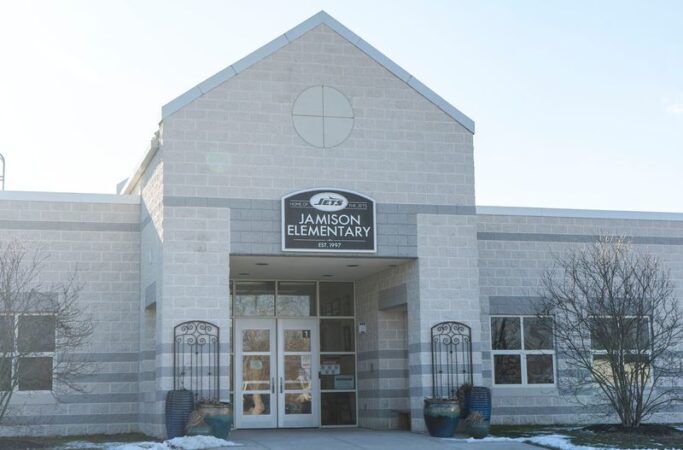
  • A disability rights watchdog group closes investigation into child abuse at Jamison Elementary, citing improvements

    A disability rights watchdog group closes investigation into child abuse at Jamison Elementary, citing improvements

    A disability watchdog group has closed its investigation into child abuse in the autistic support program at a Central Bucks elementary school.

    The group, Disability Rights PA, published an April 2025 report finding that students were abused at Jamison Elementary School and administrators failed to adequately investigate, setting off a firestorm of district investigations, terminations, and lawsuits. The group visited the elementary school in November and noticed improvements to district practices, policies, and personnel, according to a Dec. 19 letter from Andrew Favini, the organization’s staff attorney, to Central Bucks officials. They then closed the investigation.

    In the wake of the initial Disability Rights report, Central Bucks fired former Superintendent Steven Yanni and former Jamison principal David Heineman. Gabrielle McDaniel and Rachel Aussprung, the teacher and education assistant in the classroom who allegedly abused students, have also been terminated, the district said.

    During the November visit, Disability Rights PA found “no new reports of abuse and neglect” after conducting interviews with district staff that teach in or provide support to autistic support classrooms, according to the letter.

    The organization also interviewed new Jamison principal Lauren Dowd and assistant principal Dave Filson, who, according to Favini, appeared “earnest and sincere.” The administrators shared that they spent “significant time” in the autistic support classrooms and that there is new training on mandatory reporting for child abuse and using restraints in classrooms.

    “The changes presented to DRP during the November 21, 2025, visit were substantial and emphasized a focus and dedication to improving the autistic support programs,” Favini wrote in the letter.

    A spokesperson for Central Bucks also said the district’s pupil services program will be audited by the Center for Applied Research and Educational Improvement at the University of Minnesota.

    The evaluation will, among other things, identify areas for improvement and will focus on staffing, student outcomes, and conformity with state regulations, the spokesperson said.

    “The district and school board are committed to continuous improvement and pursuing and implementing multiple strategies to support this effort in all areas,” interim Superintendent Charles Malone said in a statement Monday.

    The April Disability Rights PA report found that McDaniel and Aussprung illegally restrained students in an autistic support classroom and did not report the use of restraints to the Pennsylvania Department of Education. They noted that students also observed or experienced demeaning treatment, nudity, and neglect.

    Room 119, the center of Disability Rights PA’s investigation, is no longer being used as an autistic support classroom at Jamison, Favini wrote in his letter. The class that would typically be in 119 has been relocated to another nearby room that administrators can more directly access.

    While the disability rights watchdog has closed its investigation, Favini noted in the letter that the district must continue to amend necessary policies and “support its staff with heightened awareness of the District’s history.”

    “As always, even though the investigation is closed, DRP will remain vigilant regarding reports of abuse within Central Bucks School District; we anticipate the District will do the same,” Favini wrote.

    Both Yanni and Heineman have appealed their terminations. Alyssa Wright, the district’s former director of pupil services whom Yanni and Heineman pointed fingers at during their public termination hearing in August, has sued the district and eight school board members, alleging that she was a whistleblower who was scapegoated.

    Yanni’s appeal in Bucks County Court of Common Pleas and Wright’s federal lawsuit are still pending, while the state Department of Education has not yet made a decision in Heineman’s appeal.

    Staff writer Abraham Gutman contributed to this report.

  • A New Jersey town wants to import out-of-state woodchucks for Groundhog Day celebrations. Gov. Phil Murphy vetoed it.

    A New Jersey town wants to import out-of-state woodchucks for Groundhog Day celebrations. Gov. Phil Murphy vetoed it.

    A New Jersey town’s hopes of celebrating Groundhog Day their way may have been dashed once again.

    For years, Milltown, a borough in central New Jersey with about 7,000 residents, did its own version of the classic Punxsutawney festivities with a live groundhog front and center.

    But their access to the hero rodent is dwindling, leaving organizers groundhog-less in the town’s most crucial hour.

    State laws ban importing wild animals that could potentially carry rabies.

    A bill first introduced in 2024 and later passed by New Jersey legislators, intended to carve out an exception to the rule, allowing out-of-state woodchucks (yes, woodchuck and groundhog are interchangeable terms) to be brought in for the sake of the holiday tradition.

    But on Monday, Gov. Phil Murphy vetoed that bill, citing public safety, sending the Groundhog Day enthusiasts of Milltown back to the drawing board.

    It wasn’t always this way.

    Milltown’s Groundhog Day and the beginning of Milltown Mel

    Milltown’s Groundhog Day dates back to 2009 (much more recent than Punxsutawney‘s, which started in the 1880s).

    Jerry and Cathy Guthlein, who owned a funeral home together in Milltown, were inspired by the official celebrations one state over after they made the five-hour drive to see the hubbub for themselves.

    They were hooked.

    “Jeez, if they can do it,” Jerry Guthlein recalled to NJ Advance Media, “I can do it.” He paid about $300 for a baby groundhog from a Sunbury, Pa., breeder and raised him.

    That little groundhog grew into the role of Milltown Mel, a beloved local icon who made Groundhog Day predictions for the small town for five years before dying in 2015. That’s when Mel 2.0 stepped up to the plate in 2016; a younger, larger, and “friskier” groundhog, according to Jerry Guthlein at the time. And then, you guessed it, he was succeeded by Mel 3.0 until he died in 2021 at the age of about 3.

    The average life span of groundhogs varies. Wild groundhogs live an average of two to three years, but can get up to six years, according to PBS. In captivity, they can live as long as 14 years.

    In the years since founding Milltown’s Groundhog Day celebrations, the Guthleins stepped back, and the event would go on to be organized by a group of volunteers known as the Milltown Wranglers, who would tend to the sitting groundhog. During their version of events, they’ll hoist an iteration of Mel into the air, while doughnuts and coffee are served to attendees and local bands play.

    After Mel 3.0’s death in 2021, Russell Einbinder, one of the Milltown Wranglers, drove to Tennessee to pick up a newborn replacement groundhog. But state officials seized the chuckling (the real and adorable phrase baby woodchucks/groundhogs are called) months later, the New York Times reported. Officials cited concerns for public health and wildlife disease, including rabies.

    Those concerns aren’t just groundhog-focused.

    Importing groundhogs and other wild animals is part of a longstanding state ban dating back decades to help prevent rabies and other diseases. Notably, you can’t test an animal for rabies unless it’s dead, according to the CDC.

    Still, the seizure rubbed Einbinder and other groundhog enthusiasts the wrong way.

    “He never actually got to be the Mel,” Einbinder told the Times. The Inquirer reached out to Einbinder for comment but did not hear back as of publication time.

    Wranglers attempted for years to find a legal groundhog, but the original Pennsylvania breeder who brought on Mel the first had died. Other reputable breeders were gone. Einbinder’s calls to zoos and wildlife rescues were fruitless.

    And just like that, Milltown’s Groundhog Day went dormant.

    Local lawmakers seek a carveout

    In 2024, legislators worked on and passed a bill that would create a special exception to New Jersey’s general ban on importing wild animals. The carveout would allow towns and counties to import woodchucks for their Groundhog Day celebrations if their local groundhog died.

    The bill included guardrails, including that the municipality would need to prioritize finding a New Jersey groundhog before looking elsewhere. There was also a provision that the Division of Fish and Wildlife would be involved and set up a procedure to help relocate and import woodchucks, and create rules for how they should be housed and cared for.

    Sterley S. Stanley (D., Middlesex) was a primary sponsor of the bill. He’s better known for his work on healthcare reform, but got involved with the local bill after meeting Einbinder and becoming “fascinated by the backstory,” according to NJ Advance Media.

    “While I am disappointed that we could not establish a new pathway for Milltown to procure a new groundhog, I look forward to continuing to work with state and community partners to find a creative solution to this issue that allows Milltown to resume this cherished tradition within the current regulatory framework set forth by relevant authorities,” Stanley told The Inquirer on Tuesday.

    Initially, the bill earned a lot of giggles at meetings, but received near-unanimous lawmaker support and moved through both legislative houses between 2024 and 2025 with ultimate approval. The legislature ultimately passed the bill, but too late for a Milltown Groundhog Day to be organized for 2025.

    “We have been working very hard to get that statute changed, but it has not happened yet,” the wranglers wrote on their Facebook page at the time last January. “Until that change occurs, we cannot continue our annual celebration. Hopefully the necessary legislation will be done in time for us to resume Groundhog Day next year.”

    Now, with less than a month until Groundhog Day 2026, Murphy has vetoed the bill entirely, leaving Milltown’s Groundhog Day at risk of being canceled for the sixth year in a row.

    “Defending these State interests can pose obstacles to obtaining a permit to import wildlife from outside New Jersey, which may understandably frustrate communities that engage in celebrations traditionally involving wildlife,” Gov. Murphy said in a statement included in his veto notice. “However, the State must uphold its obligation to protect the people and animals of New Jersey.”

    The Governor’s Office declined to comment further.

    It’s unclear what’s next for Milltown’s Groundhog Day.

    In his statement, Gov. Murphy said he didn’t think vetoing the loophole meant Milltown should abandon its festivities. Instead, he encouraged organizers to work with the New Jersey Division of Fish and Wildlife to find some sort of alternative opportunity, though he didn’t elaborate on what that might look like.

    Years back, after one of the Mel’s deaths, People for the Ethical Treatment of Animals (PETA) wrote to Milltown organizers, encouraging them to opt for an animatronic groundhog or a costume instead of a live animal. But organizers brushed off concerns and continued to buy the chucklings when they could source them.

    Organizers haven’t posted an update on their Facebook page since last February and could not be reached for comment as of publication time.

  • ‘He snapped’: Lawyers offer differing accounts of fatal stabbing of Bucks woman

    ‘He snapped’: Lawyers offer differing accounts of fatal stabbing of Bucks woman

    The trial of a 25-year-old Bucks County man charged with stabbing his former girlfriend to death in front of a police officer last year began Tuesday with differing accounts from lawyers about what happened on that February day.

    Prosecutors say Trevor Christopher Weigel, of Churchville, broke into the Yardley home of 19-year-old Jaden Battista in February 2024 with the goal of stabbing the young woman to death.

    The couple had broken up months before, prosecutors said, and Weigel became enraged after learning that Battista had blocked his phone number.

    In all, prosecutors say Weigel stabbed Battista 13 times throughout her upper body, leaving her bleeding outside the home just as police arrived.

    “If he couldn’t have her, nobody was going to have her — and he made sure of it,” Assistant District Attorney A.J. Garabedian told jurors Tuesday in a Bucks County courtroom.

    Garabedian said prosecutors have a variety of evidence showing Weigel broke into the house, where Battista was on a FaceTime call with her friend at the time. The friend called 911, spurring Lower Makefield police to respond while Weigel led Battista to his car, prosecutors said. With the passenger door open, prosecutors said, Weigel began chasing Battista and stabbed her repeatedly.

    A police officer captured Battista’s final breaths on a body-worn camera, they said.

    Meanwhile, Weigel ran away, and another officer chased him on foot to the nearby Interstate 295 freeway as the young man repeatedly stabbed himself in the neck. Police used a Taser to subdue and apprehend him.

    Prosecutors later charged Weigel with first-degree murder, burglary, attempted kidnapping, and related crimes.

    Weigel’s defense lawyers, meanwhile, disputed the prosecution contention that the couple had split. Lead defense attorney Brian McBeth told jurors Weigel had not left his house that morning planning to kill Battista. Rather, he said, Weigel had acted in response to the “soul-crushing” realization that the young woman had cheated on him.

    McBeth said that did not excuse Weigel’s actions. But he urged jurors to question prosecutors’ suggestion that the crime was premeditated and consider whether Weigel had committed involuntary manslaughter, a lesser crime that does not carry the same penalties as first-degree murder.

    In prosecutors’ telling, Weigel had left his job at a Warminster manufacturing plant that afternoon with a clear intent to kill.

    They said Battista, still on a video call with her friend when Weigel arrived, became distressed as he banged on the door and demanded to be let inside. The friend told Battista to run and hide, prosecutors said.

    Weigel lied to Battista, prosecutors continued, telling her he wanted to come inside to collect belongings he had left there after their two-month relationship ended late in 2023.

    Once inside, Weigel forcefully led Battista outside to his red Ford Mustang, prosecutors said. Garabedian told jurors they would hear from a neighbor who described Battista as barefoot and not wearing clothing suited for winter.

    “She’s not going willingly,” Garabedian said.

    Defense attorneys strongly disputed that account.

    McBeth said Weigel and Battista had gotten back together in early February, even going out to dinner together on Valentine’s Day.

    Over the following days, however, Battista stopped responding to Weigel’s calls and texts in which he asked whether she was OK, McBeth said.

    McBeth said Weigel left work early because he was worried about Battista, who he said had previously struggled with depression and self-harm. The young woman let Weigel inside the home willingly, he said, and an argument began when Weigel noticed hickeys on the girl’s neck.

    “She told him she cheated, and he snapped,” McBeth said.

    Proceedings are set to continue in the courtroom of Bucks County Judge Charissa J. Liller over the next week.