Category: News

Latest breaking news and updates

  • Josh Shapiro’s clergy abuse investigation boosted his reputation. Years later, some survivors feel he abandoned them.

    Josh Shapiro’s clergy abuse investigation boosted his reputation. Years later, some survivors feel he abandoned them.

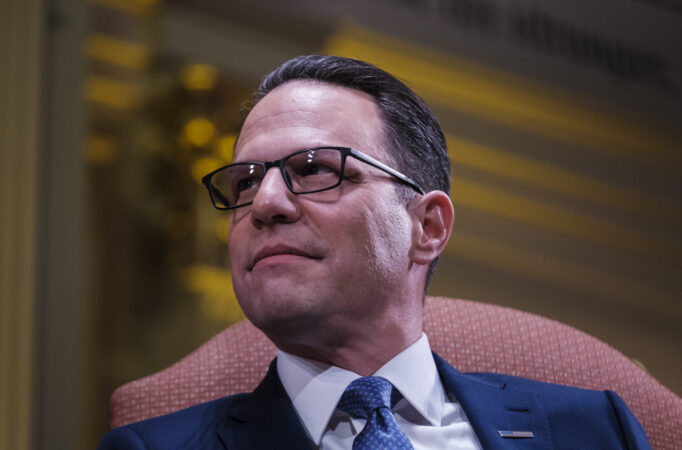
    Sitting onstage in an echoey historic synagogue, next to a U.S. senator and a cardboard cutout of his newly released memoir, Gov. Josh Shapiro reflected on the Pennsylvanians who give him hope.

    As he had in other stops on his book tour up and down the East Coast, Shapiro often referred to his book’s title, Where We Keep The Light, and the ways he finds hope in the “extraordinary impact” of Pennsylvanians. Among them, he said, were those who were sexually abused by Catholic priests in crimes covered up by the church until they were illuminated by the victims’ unrelenting quest for justice.

    In his book, Shapiro details his work as Pennsylvania attorney general to compile and release a bombshell grand jury report that in 2018 revealed thousands of cases of abuse by priests across the state.

    “I find hope in the people I met who were abused over years and years and years,” Shapiro told U.S. Sen. Raphael Warnock (D., Ga.) last month at an event at Sixth and I, a synagogue in Washington, “who still had the courage to show up in a grand jury room to testify and to challenge me to do something to make sure we righted a wrong and brought justice to them.”

    The nearly 900-page report was lauded as the most comprehensive review of clergy abuse across a single state and prompted new laws clarifying penalties for failure to report abuse and allowing survivors more time to pursue criminal or civil cases against their abusers.

    But a key step in delivering justice to those survivors — establishing a two-year window for the filing of lawsuits over decades-old abuse that falls outside the statute of limitations under existing law — remains unfinished.

    The proposal has become one of the most fraught issues in Harrisburg. After a devastating clerical error by Gov. Tom Wolf’s administration killed a proposed constitutional amendment in 2021, lawmakers have been unable to come together on a new path forward. Republicans who control the state Senate have tied the proposal to policies Democrats will not support. All the while, the Catholic Church and the insurance industry have lobbied hard against it.

    Nearly a dozen interviews with survivors, their family members, and advocates reveal a deep frustration with the inaction in Harrisburg. Even as Shapiro renews calls for the Senate to act, survivors are divided over whether he has done enough to use his power as governor to advocate for them.

    A key pledge in Shapiro’s bid for reelection — and his pitch to a national audience — is that he can “get stuff done” by working across the aisle. But some abuse survivors in Pennsylvania say the unfinished business in getting justice for them brings that record into question.

    “He got to where he’s at on the back of victims and survivors, and now he’s forgotten,” said Mike McIlmail, the father of a clergy abuse victim, Sean McIlmail, who died of an overdose shortly before he was supposed to testify in a criminal case against his alleged abuser.

    Shapiro, his spokesperson Will Simons said, has fought for survivors “publicly and in legislative negotiations” since 2018. He has promised to sign any bill that reaches his desk establishing the window.

    With a reelection campaign underway and his eyes on flipping the state Senate, the governor renewed that fight earlier this month. He used his budget address to blame Senate Republicans for the inaction thus far.

    “Stop cowering to the special interests, like insurance companies and lobbyists for the Catholic Church,” he said, his voice thundering in the House chamber. “Stop tying justice for abused kids to your pet political projects. And start listening to victims.”
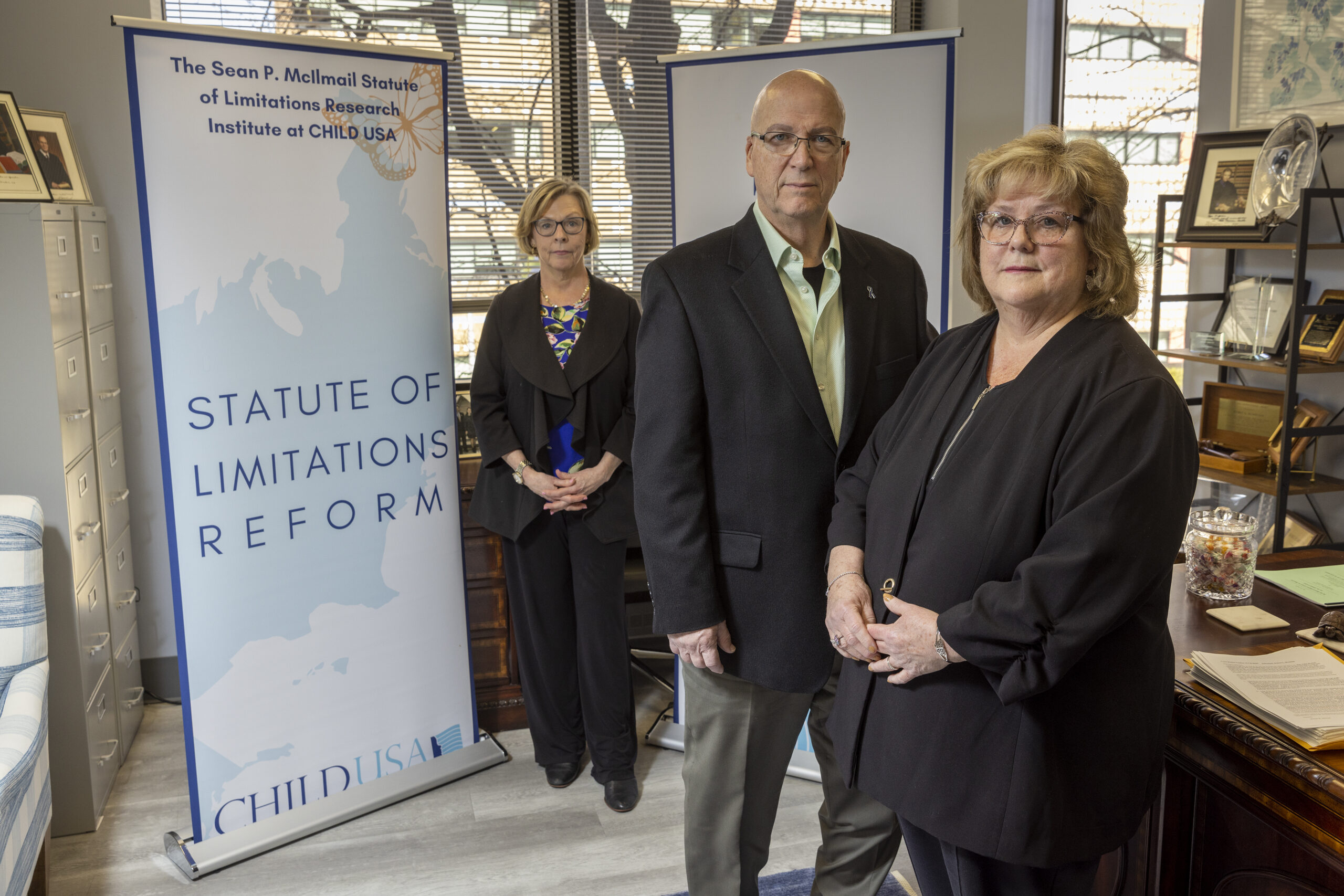
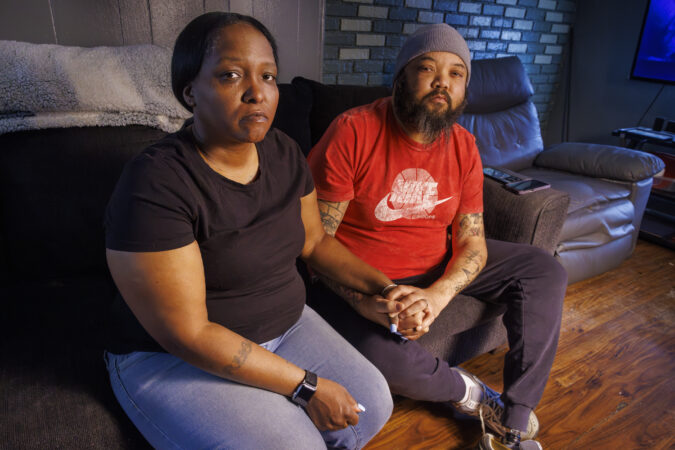
    Mike and Debbie McIlmail, parents of Sean McIlmail, in the office of (left) Marci Hamilton, in Philadelphia on March 29, 2022.

    Years of delay

    Pennsylvania’s extensive investigation, which Shapiro inherited when he became attorney general in 2017, chronicled more than 1,000 cases of abuse by more than 300 priests across the state dating back to the 1940s.

    For most of the cases in the report, the statute of limitations had passed, leaving no legal recourse for survivors.

    The report proposed that lawmakers create a two-year window to allow the filing of civil suits over cases that happened years, if not decades, ago. Despite Shapiro’s advocacy since releasing the grand jury report, the proposal has been trapped in a stalemate for years.

    Pennsylvania trails more than 30 other states that have approved similar legislation.
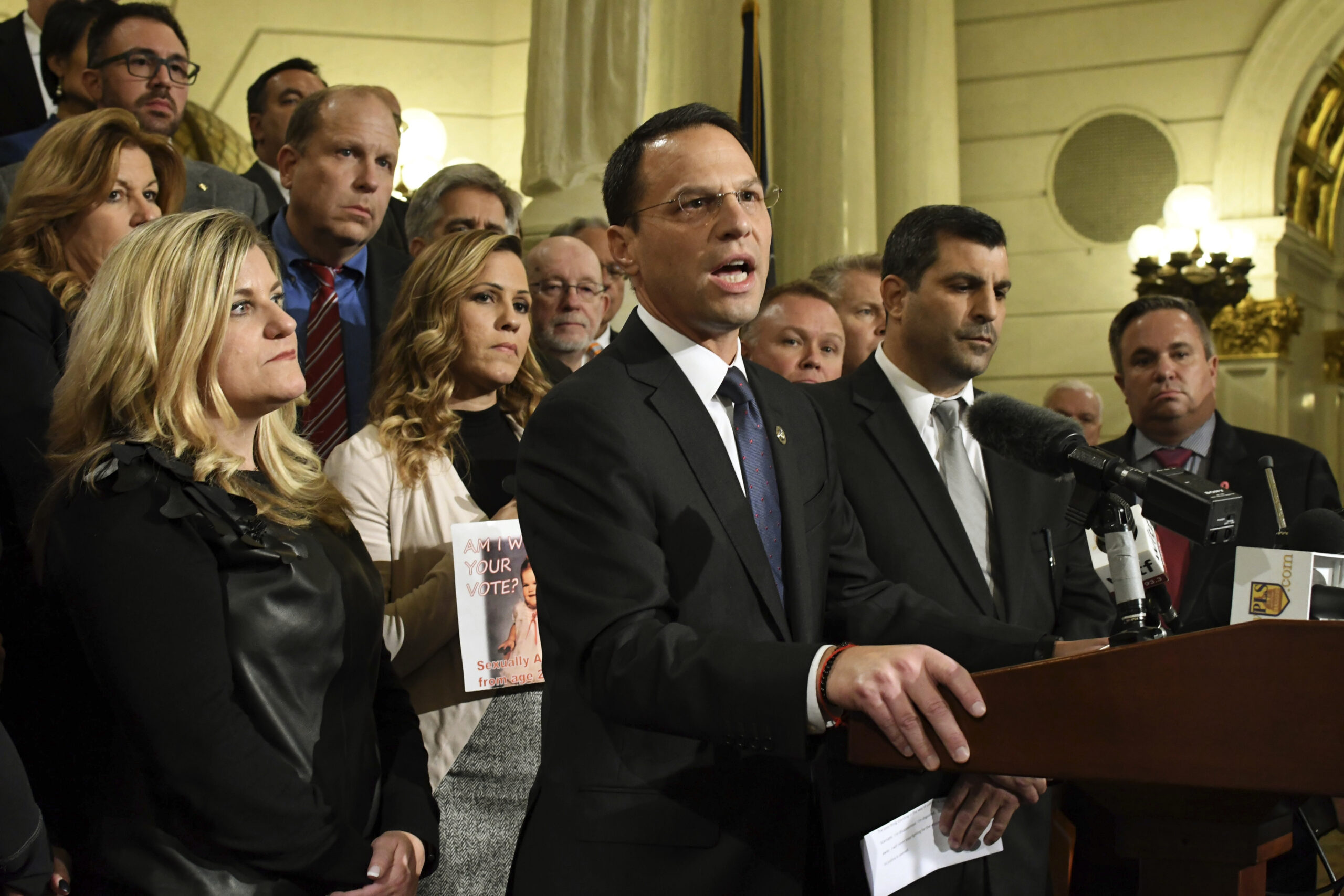
    Then-Attorney General Josh Shapiro speaks at a news conference in the state Capitol in 2018 about legislation to respond to a landmark grand jury report accusing hundreds of priests of sexually abusing children over decades stalled in the legislature.

    “It’s maddening to have people say, ‘We’re committed to this, this is going to happen, we’re committed to it,’ from both sides of the political spectrum and nothing ever gets done,” said Jay Sefton, who says he was abused by a priest in Havertown as a middle schooler in the 1980s. “It does start to feel like these are lives being used as its own sort of theater.”
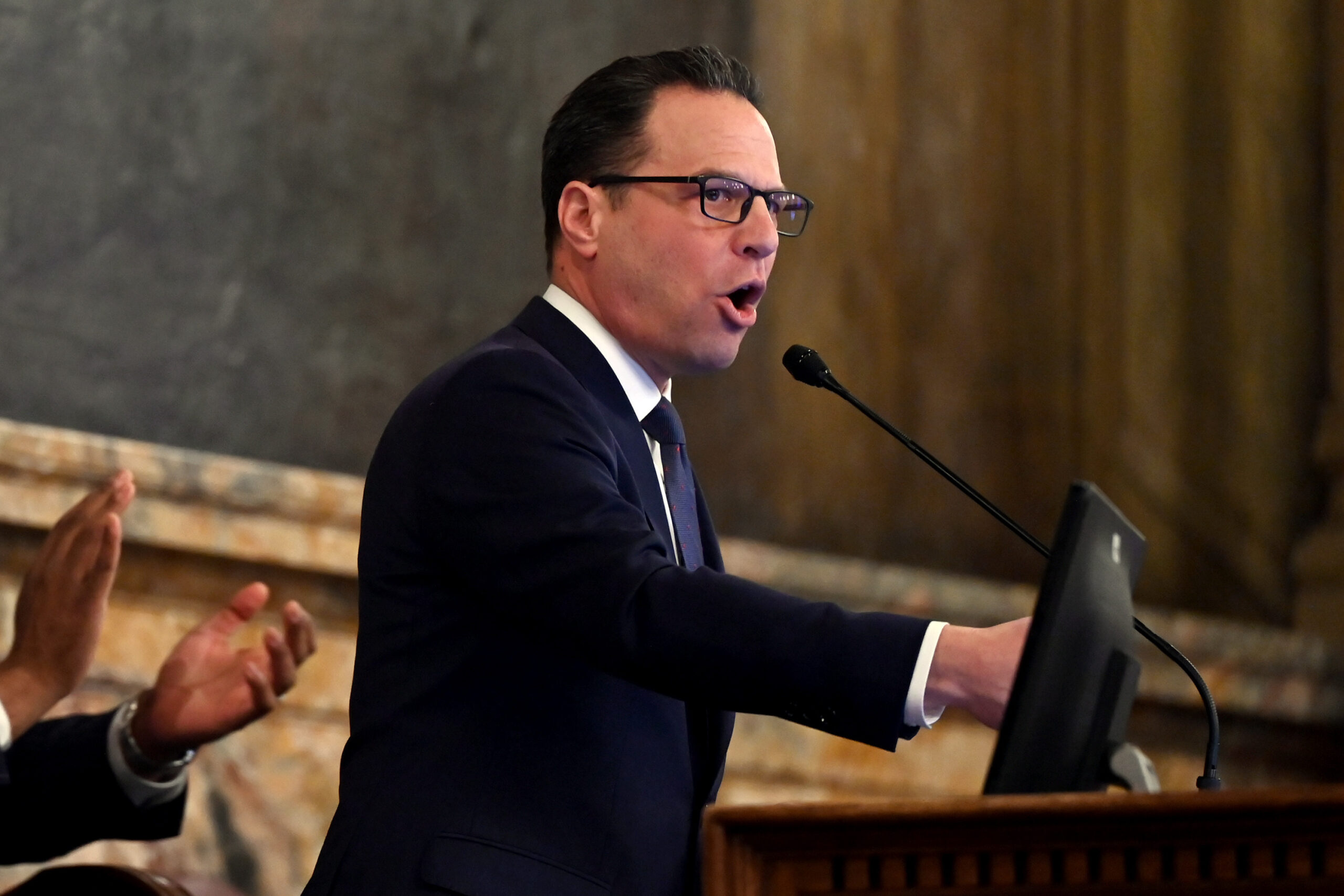
    Gov. Josh Shapiro makes his annual budget proposal in the state House chamber Tuesday, Feb. 3, 2026.

    Speaking to journalists in Washington days before he targeted Republicans in his budget address, Shapiro tied the window’s prospects to Democrats’ ability to win the state Senate for the first time in more than three decades.

    “I’m confident with a Democratic Senate that will be one of the first bills they put on my desk,” Shapiro said.
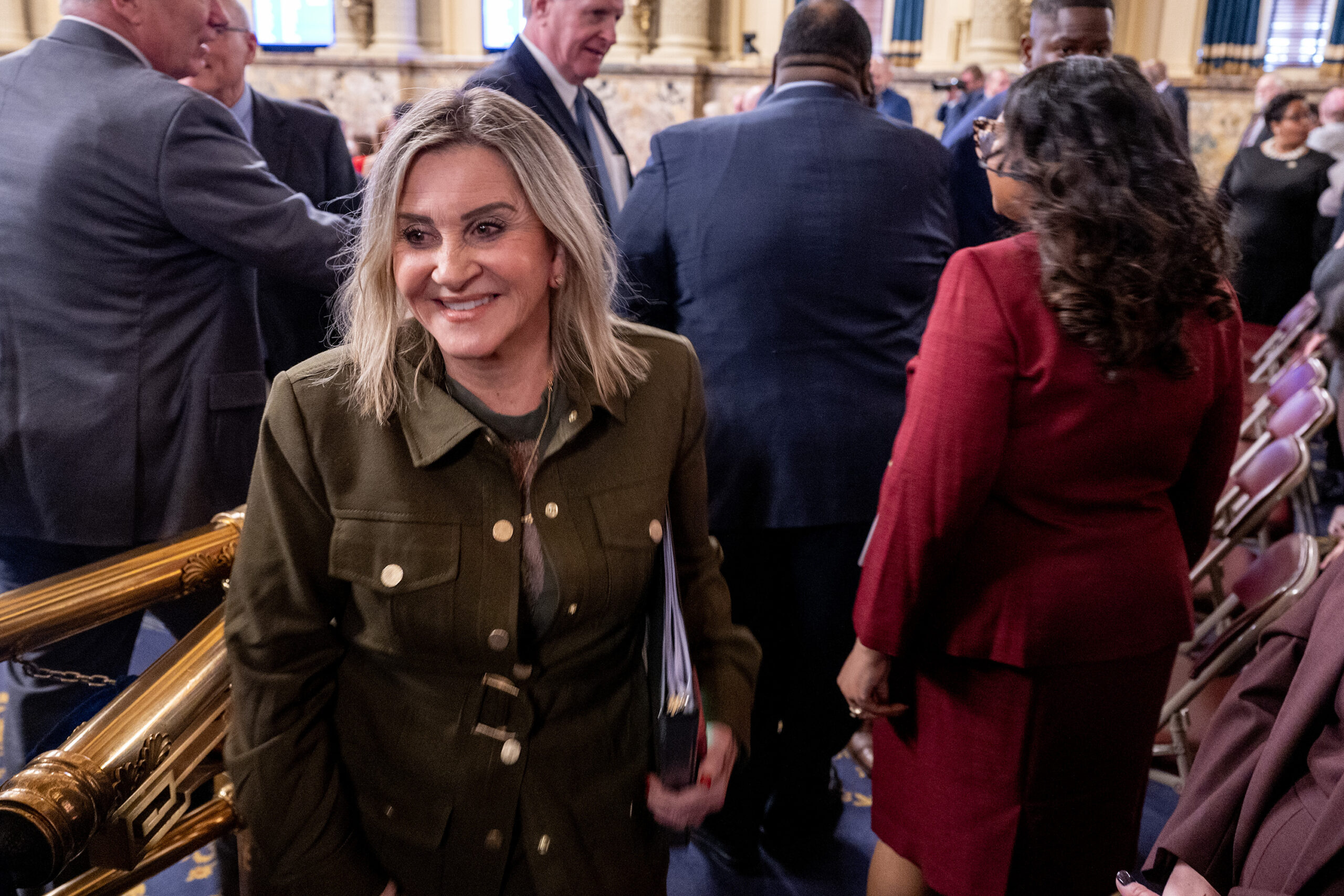
    Senate President Pro Tempore Kim Ward, a Republican, leaves the House chamber following Democratic Gov. Josh Shapiro’s annual budget proposal speech in Harrisburg on Feb. 3.

    In an interview, Senate President Pro Tempore Kim Ward (R., Westmoreland) noted that the GOP-controlled Senate had approved a constitutional amendment to establish the window several times before, although it ultimately failed to ever reach the voters.

    She declined to say whether the state Senate would take up the amendment up this year but said creating the window through legislation, as Shapiro requested, would be unconstitutional.

    She accused the governor of using survivors to score political points as he tries to raise his profile for his reelection this year and rumored 2028 presidential ambitions.

    “He has decided that he’s going to be moral instead of follow the law. Look at his record in his own office,” Ward said, arguing Shapiro has a track record of fighting for some survivors but not others. She pointed to his office’s handling of sexual harassment allegations brought against a former top staffer and close ally. Documents showed that complaints about the staffer were made months before his abrupt resignation.

    For some clergy abuse survivors, the blame lands squarely on Ward and her Republican allies as they insist on a constitutional amendment, which requires two votes by both the House and Senate along with a ballot measure.

    “It’s the Republicans that are blocking it, and I think they’re blocking it because of the church,” said Julianne Bortz, a survivor who testified before the grand jury and whose experience was featured in the report.
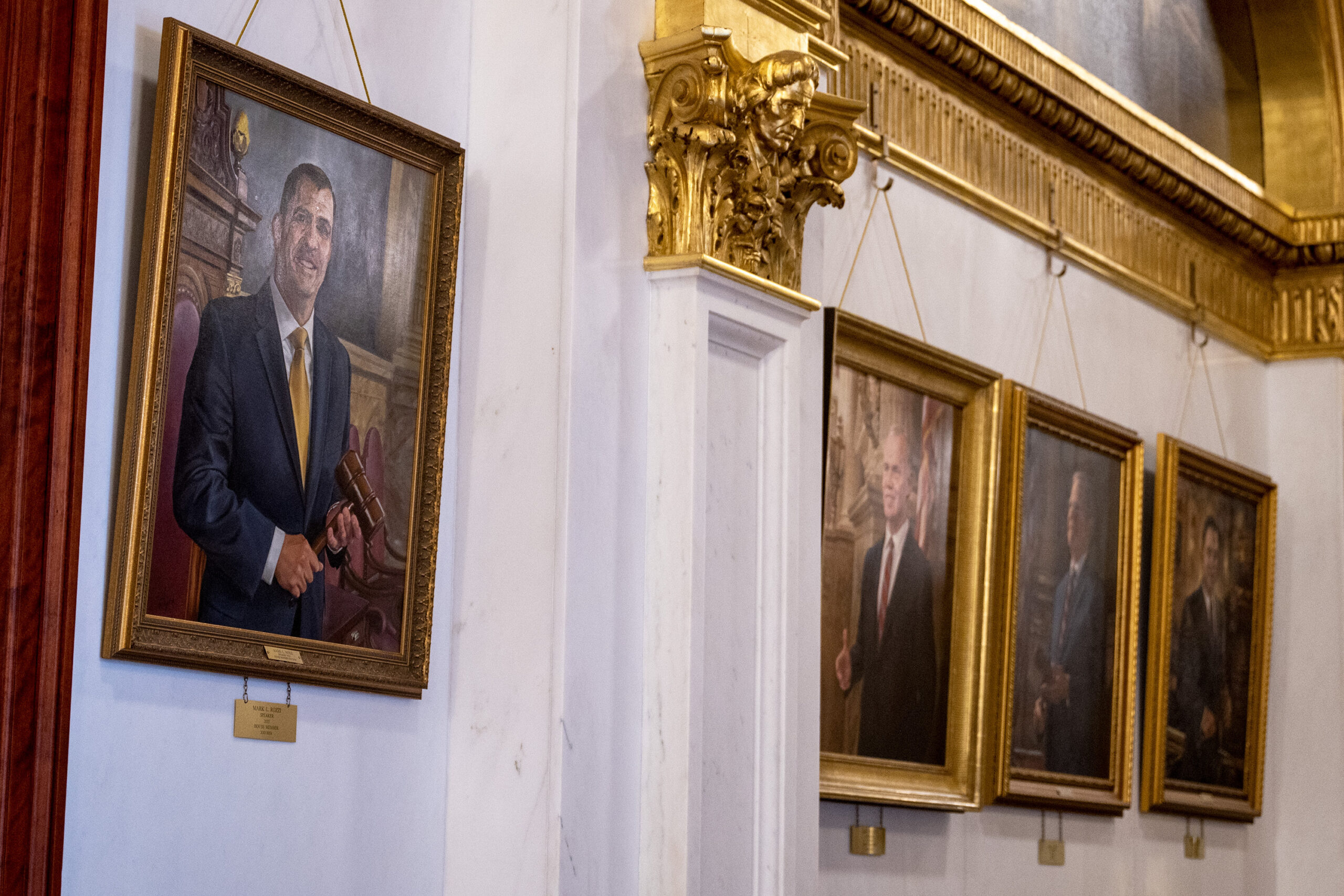
    A portrait of former Pa. House Speaker Mark Rozzi hangs alongside painting of other former speakers in hallway at the state Capitol.

    Debate among survivors

    Despite Shapiro’s recent statements, there is a sense among some survivors that lawmakers, and Shapiro, have forgotten about them.

    Former state House Speaker Mark Rozzi, a Berks County Democrat and clergy abuse survivor, said Shapiro “betrayed” survivors and should be playing “hardball” with the Senate to ensure that the bill makes it to his desk.

    “Talk is cheap. Unless you come to the table and cut a deal, nothing else gets done,” Rozzi said.
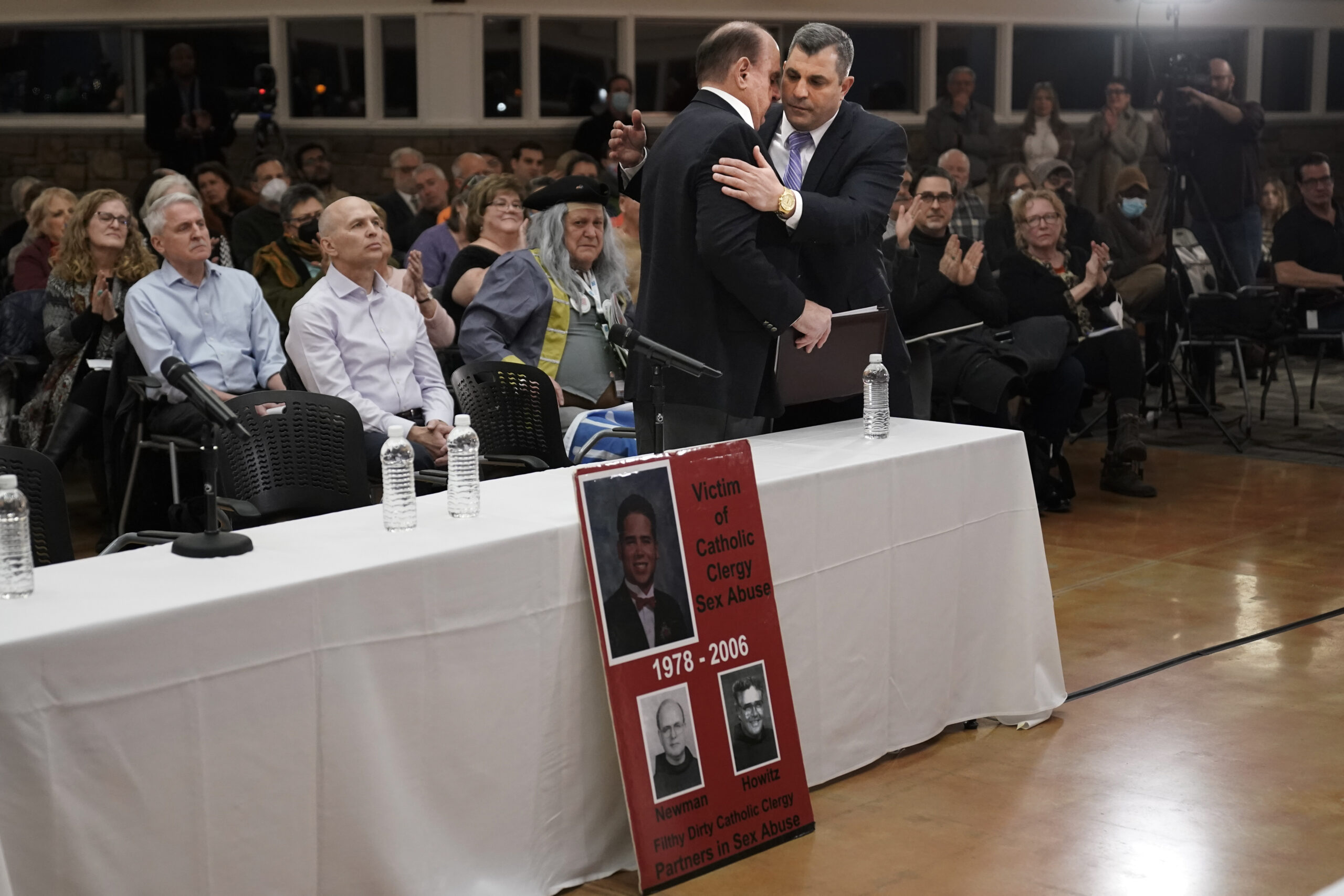
    Then-Pennsylvania House Speaker Mark Rozzi, center right, embraces Arthur Baselice, the father of Arthur Baselice III, after he testified at a hearing in Philadelphia on Jan. 27, 2023.

    Advocates have spent years pushing lawmakers in Harrisburg and have grown increasingly frustrated with the lack of movement.

    “We, being the victims, have always held our end of the bargain. Always. We’ve always shown up when we’ve asked to, we’ve testified when we were asked to, we interviewed, we discussed the worst moments of our lives when asked,” said Shaun Dougherty, who said he was abused by an Altoona-Johnstown priest.

    Now, he said, it’s the governor’s turn to get the work done.

    Former State Rep. Bill Wachob, a Democrat who worked in politics after leaving elected office in the 1980s, is convinced the governor could make it happen through negotiations if he wanted.

    “He and his team have made a calculated political decision that they have gotten as much mileage out of this issue as they’re going to get and they’re not doing anything more,” Wachob said.

    In Shapiro’s memoir, however, he wrote he expected that going up against the Catholic Church in pursuing the 2018 report “was likely the end of the road for me politically.”

    “I’d made my peace with being a one term Attorney General, if it meant that I could put my head on the pillow at night knowing I did my job and made good for these victims,” he wrote.

    Since Shapiro became governor in 2023, his efforts to fight for survivors have been waylaid by an increasingly tense relationship with the GOP-controlled Senate, as evidenced by last year’s nearly five-month bitter budget impasse.

    “I have no doubt that the governor has been doing what he can,” said Marci Hamilton, the founder of Child USA, which advocates for child sex abuse victims. She blamed the challenges in reaching a deal on Harrisburg’s partisan dynamics.

    Recent criticism of Shapiro has driven division within the survivor community in recent weeks, said Mary McHale, a survivor who was featured in a 2022 Shapiro campaign ad.

    “He cares. But he also has a state to run. This can’t be the No. 1 issue,” she said.

    Diana Vojtasek, who said she was abused by the same Allentown priest as McHale, said she worries frustration is being misdirected at Shapiro instead of Republicans.

    “I just don’t see the value in attacking the one who has vowed publicly that he will sign this legislation for us as soon as it’s across his desk,” she said.
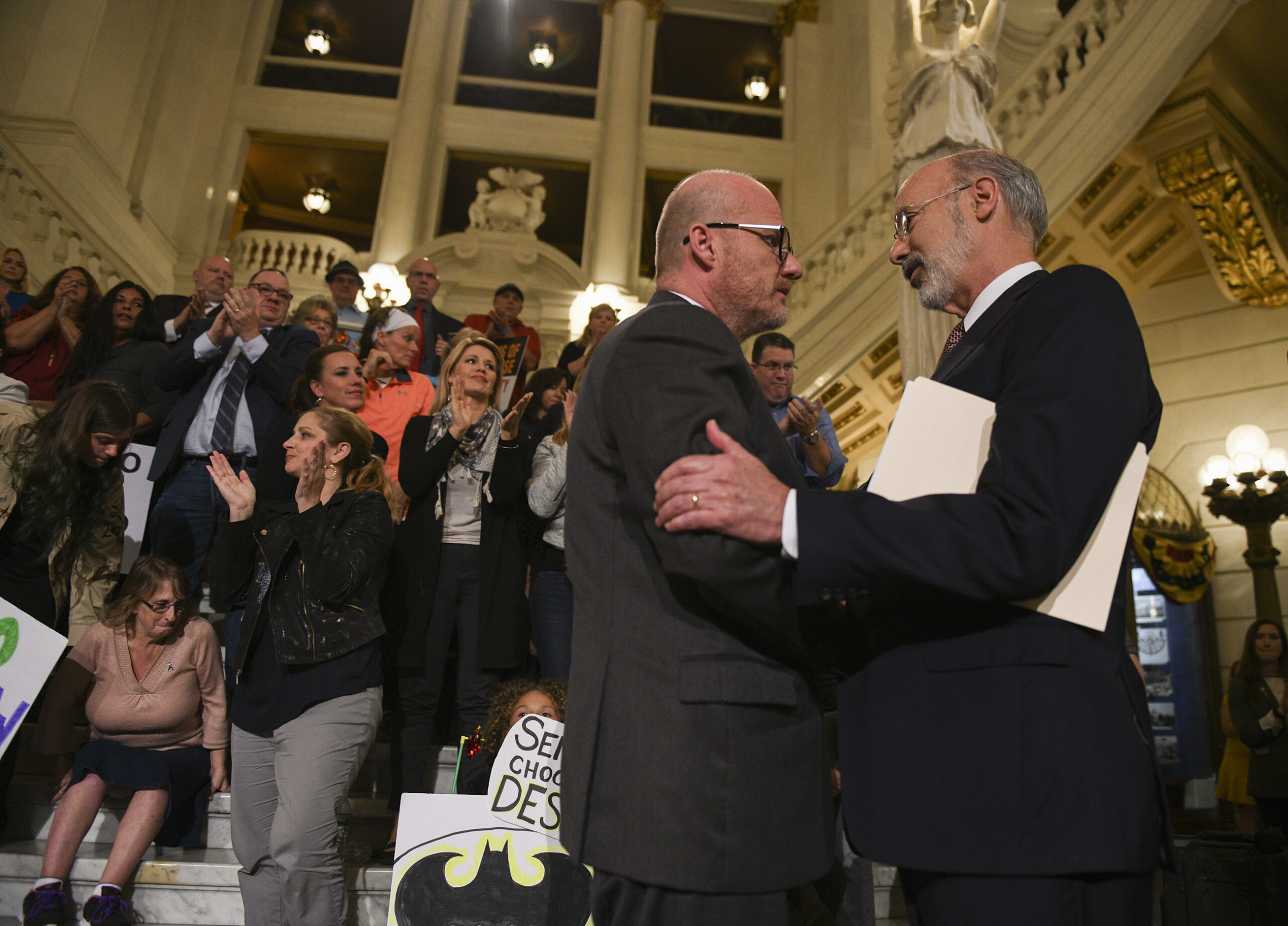
    Abuse survivor Shaun Dougherty (left) greets then-Gov. Tom Wolf in the State Capitol on Sept. 24, 2018.

    Could progress come this year?

    Advocates are hopeful that the national bipartisan effort to force President Donald Trump’s administration to release FBI files related to serial abuser and trafficker Jeffrey Epstein may spur new motivation to protect abuse victims in the state.

    “What the Epstein transparency act showed us is we are finally at a point where the protection of sexual abuse victims is nonpartisan,” Hamilton said. “I fully expect to see that that understanding for victims will happen in Harrisburg.”

    Rep. Nathan Davidson, a Dauphin County Democrat who introduced the House legislation to create the window, has scheduled hearings in April to bring renewed attention to the issue.

    Sefton, who said he was abused as a middle schooler in Havertown in the 1980s, will perform a one-man show about his experience in a theater just steps from the state Capitol the week of the hearings.

    He is done hoping lawmakers will establish the window but said it would make the state safer if they did.

    “Nobody is going to give anyone their childhood back. It can’t happen,” Sefton said.

    “There’s always going to be a part of me that’s filled with some rage about people blocking the energy here. If that were to go through, it’s a piece of energy that gets finally freed up.”
  • Lincoln Drive and dozens of other Philly roads get $13 million from PennDot

    Philadelphia is getting $13 million to support six traffic-safety projects in Philadelphia, courtesy of speeders caught and fined by automated enforcement cameras.

    The Pennsylvania Department of Transportation announced the grants Wednesday for an array of city projects, including $2 million for traffic-calming measures on Lincoln Drive between Kelly Drive and Wayne Avenue.

    Some of that money will help pay for speed humps at 100 additional public, parochial, and private schools in the city, PennDot said.

    Since taking office in 2023, the Shapiro administration has invested $49.7 million in city traffic-safety projects, all from revenues raised by speed cameras.

    Calming speeders

    Under the automated speed-enforcement program, grants are plowed back into the communities that generated the revenue. Philadelphia is so far the only municipality in the state where speed cameras are authorized.

    Next week, the Philadelphia Parking Authority is activating speed-enforcement cameras in five school zones under an expansion of the program.

    Pennsylvania also has automated speed enforcement in highway work zones, but that revenue goes to the Pennsylvania State Police for extra patrols and more troopers, the turnpike for safety projects and speeding counter-measures, and the general treasury.

    Lincoln Drive improvements

    Fed-up West Mount Airy residents pushed state and local officials for years to reduce speeding, aggressive driving, and near-daily crashes on and near Lincoln Drive, which has hairpin curves and a posted speed limit of 25 mph, and thick commuter traffic zipping through dense neighborhoods.

    It was a high-profile instance of Philadelphians rallying around and demanding projects from the city’s Complete Streets program, a road-design approach that seeks to make roadways safer for all users, including pedestrians and cyclists, as well as drivers of motor vehicles.

    The new grant is meant to continue traffic-safety work on Lincoln Drive that began a couple of years ago.

    That includes speed humps, speed slots, new phosphorescent paint, flexible lane delineators, a smoother merge point where the road narrows, and marked left-turn lanes.

    “It’s made a huge difference,” said Josephine Winter, executive director of the West Mount Airy Neighbors civic group, which organized residents.

    “People that live along Lincoln Drive are feeling positive,” she said — though there is a split between people who are angry at what speed bumps have done to their cars’ undercarriages and those who support what they say are life-saving improvements.

    “The city was wonderful, very responsive,” Winter said. “We’re been fortunate to get something done here.” Next up: working with other Northwest residents to get improvements on side streets, Wissahickon Avenue, and others.

    Other grants

    • $1.5 million for planning work to upgrade traffic signals, better lane and crosswalk markings, and intersection modifications.
    • $5 million for design and construction of safety improvements along commercial and transit corridors. Those include curb extensions, concrete medians, bus boarding bump-outs, and new crosswalks. Locations include: Frankford Avenue (Tyson Avenue to Sheffield Avenue); 52nd Street (Arch Street to Pine Street); Hunting Park Avenue (Old York Road to 15th Street); and Germantown Avenue (Indiana Avenue to Venango Street).
  • How patronage in a Philly row office has cost taxpayers more than $900,000 … and counting

    How patronage in a Philly row office has cost taxpayers more than $900,000 … and counting

    Tracey Gordon couldn’t extract enough campaign cash from her office staff to fund her bid for a second term as Philadelphia’s register of wills.

    But two years after she left office, taxpayers are still paying for Gordon’s alleged misconduct.

    On Tuesday, the city agreed to pay $250,000 to a former clerk who, like several other register of wills employees, said he was fired after he refused to contribute to Gordon’s campaign.

    Nicholas Barone alleged in a 2023 federal lawsuit that Gordon, through an intermediary, had first requested a $150 contribution in late 2021.

    When Barone told his supervisor he could not afford to contribute, Gordon asked for $75, according to the lawsuit. Barone balked again.

    Then, in January 2022, Barone received a termination letter, effective immediately. The letter came four days after a performance review found he was exceeding expectations, according to his suit.

    “She pressured everyone to make a donation and sort of made it known, if you’re not donating, you’re not going to be employed,” said Barone’s lawyer, James Goslee.

    In addition to the Barone settlement, the city has paid $400,000 to settle four other federal lawsuits brought by former Gordon staffers. They alleged that Gordon, who was elected in 2019, had essentially turned the register of wills office into an arm of her unsuccessful reelection campaign.

    Patrick Parkinson, a former administrative deputy in the office, claimed in his lawsuit that Gordon “continually and relentlessly badgered” him for campaign money, then fired him in 2022 when he refused. His suit was settled in 2024 for $120,000.

    Barone’s case was unusual in that it was the only one that got as far as a trial, which began Monday. Several former employees testified about how Gordon had politicized the office. Gordon testified last.

    The city then agreed to settle before the jury began deliberating. Goslee said her testimony was a “disaster” for the defense.

    “She just wasn’t a good witness, I’ll put it to you that way,” Goslee said. “She should not be in politics or be allowed anywhere near public office.”

    Reached by phone Thursday, Gordon initially declined to comment. She called back five minutes later.

    “In connection with the allegations brought against me, I maintain I did nothing wrong,” Gordon said. “Any decision to settle the case was a decision made by the City of Philadelphia.”

    A spokesperson for the city’s law department declined to comment.

    The register of wills office is a somewhat obscure row office in City Hall that employees approximately 100 people with an annual budget of about $5.2 million. It issues marriage licenses, processes inheritance-related records, and does other nonpolitical work.

    But it also has a reputation as a Democratic patronage operation going back at least to the 1980s, with jobs being doled out to people with political connections.

    Goslee said he was hoping that Barone’s case might lead to some “structural change.”

    “This is a very important public interest case,” he said. “That system of entrenched, compelled patronage really needs to come to an end.”

    That does not appear to be happening yet.

    Gordon was defeated in the 2023 Democratic primary by John Sabatina Sr., an estate attorney and Northeast Philadelphia ward leader. He took office in January 2024.

    The city has since paid out $256,000 in settlements to nine former register of wills employees who filed lawsuits alleging that Sabatina fired them to make way for his own patronage hires. Five cases are still pending.

    Legal discovery in those cases has produced an internal list that the incoming Sabatina administration appears to have used to determined who would be fired.

    “It was a hit list,” lawyer Timothy Creech, who is representing most of those ex-employees, said in September, comparing Sabatina to a “Tammany Hall”-style party boss, a reference to the former New York City political machine.

    “It wasn’t to save money,” Creech said. “It was specifically to hire their own people.”

    Register of Wills John Sabatina

    Several of the 30 office employees on the list are described by their connections to Gordon, including “Tracey niece,” “Tracey’s friend, 7th Ward committee person,” “Last Tracey hire.” The suggested action for most of those employees was immediate termination.

    “We have enough immediate terminations to allow us several hires in the next two weeks,” reads a note at the bottom of the spreadsheet.

    Another note appears to indicate that some firings were planned before Sabatina had replacements: “We don’t have people lined up for all of these jobs and we need to make sure we use up all of the funds set aside in the budget for salary.”

    Sabatina has declined to comment on those cases.

    Lauren Cristella, president and CEO of the Committee of Seventy good-government group, said it is not acceptable for the city to spend more than $900,000 to settle lawsuits stemming from politics in the register of wills office.

    “We can all think of a thousand better things we could do with these funds,” Cristella said. “The patronage mill better start printing money to keep up with these payouts because taxpayers in this city can no longer foot this bill. When is enough for Council and the mayor to meaningfully reform the row offices?”

    Last year, the Pennsylvania Intergovernmental Cooperation Authority, Philadelphia’s fiscal watchdog, passed a resolution to recommend that City Council and Mayor Cherelle L. Parker abolish the register of wills office, along with the sheriff’s office, another row office with a long history of problems.

    Neither Parker nor Council has shown any interest in taking action.

    Gordon, who ran unsuccessfully for Congress in 2024, now works in the sheriff’s office as a services representative, according to city payroll records.

    Row offices are set up to create jobs for the politically connected, not serve the people of our city,” Cristella said. “It doesn’t matter who is in the office, the taxpayers are always on the hook for their abuse of power.”

    Staff writer Ryan W. Briggs contributed to this article.

  • Her brother was killed in the Kingsessing mass shooting. Now her only son is dead from gun violence, too.

    Her brother was killed in the Kingsessing mass shooting. Now her only son is dead from gun violence, too.

    In December, Katrina Williams watched as the man who killed her brother was sentenced to decades in prison and felt, she said, as if a two-year nightmare was coming to an end.

    But weeks later, another shooting took the life of her only son.

    Williams’ brother, Lashyd Merritt, 21, was one of five people killed in a mass shooting in Kingsessing in July 2023, when Kimbrady Carriker walked through the Southwest Philadelphia neighborhood with an AR-15 rifle and fired at random passersby.

    Then, in January, her 19-year-old son, Russell, was killed by a man who, like the Kingsessing shooter, committed a spree of crimes, police say.

    “I’ll never understand it,” said Williams, 43. “There’s no reason for it.”

    A high school photograph of Russell Williams being held by his father and mother, Katrina and Russell Williams Sr. at their home in Southwest Philadelphia on Feb. 6.

    For Williams, the trauma of Merritt’s violent death never fully dissipated, she said, and the fatal shooting of her son only compounds her pain.

    It’s a cycle of violence that is not unfamiliar in the city.

    For others with relatives killed in the Kingsessing attack, the traumatic impact of gun violence did not end on that July day. Nyshyia Thomas lost her 15-year-old son, DaJuan Brown, to the gunfire and, while she was still mourning, her 21-year-old son, Daquan Brown, was arrested last year in connection with another mass shooting in Grays Ferry.

    Asked about the evening of Jan. 28, when she and her husband, Russell Williams Sr., learned of their son’s death, Williams said two things came to mind:

    “Déjà vu,” she said, and “hell.”

    A seemingly random crime

    Around 10 p.m. near 64th Street and Lindbergh Boulevard, police said, 19-year-old Zaamir Harris stepped off a SEPTA bus and stole a bike from the vehicle.

    He rode up to Russell Williams, who was walking home from night school, where the teen was studying to become a commercial truck driver. Harris then pulled a gun and fired at Williams multiple times, striking him in the throat, police said.

    Williams collapsed near 66th Street and Dicks Avenue, just three blocks from home. After the shooting, Harris ditched the bike and stole an e-scooter before fleeing, according to police.

    Police tracked Harris to a Wawa at 84th Street and Bartram Avenue, where he was arrested. He was charged with murder and gun crimes. Investigators recovered three fired cartridge casings from the scene, as well as a 9mm handgun, according to police.

    A spokesperson for the Philadelphia Police Department declined to say whether investigators have determined a motive for the shooting, citing the ongoing investigation.

    Katrina Williams said her son did not know Harris, and a police detective told her the shooting was random.

    After he was shot, Russell Williams was rushed to Penn Presbyterian Medical Center, where he died from his injuries. It was the same hospital where Williams’ brother, Merritt, was taken after being shot in Kingsessing, she said.

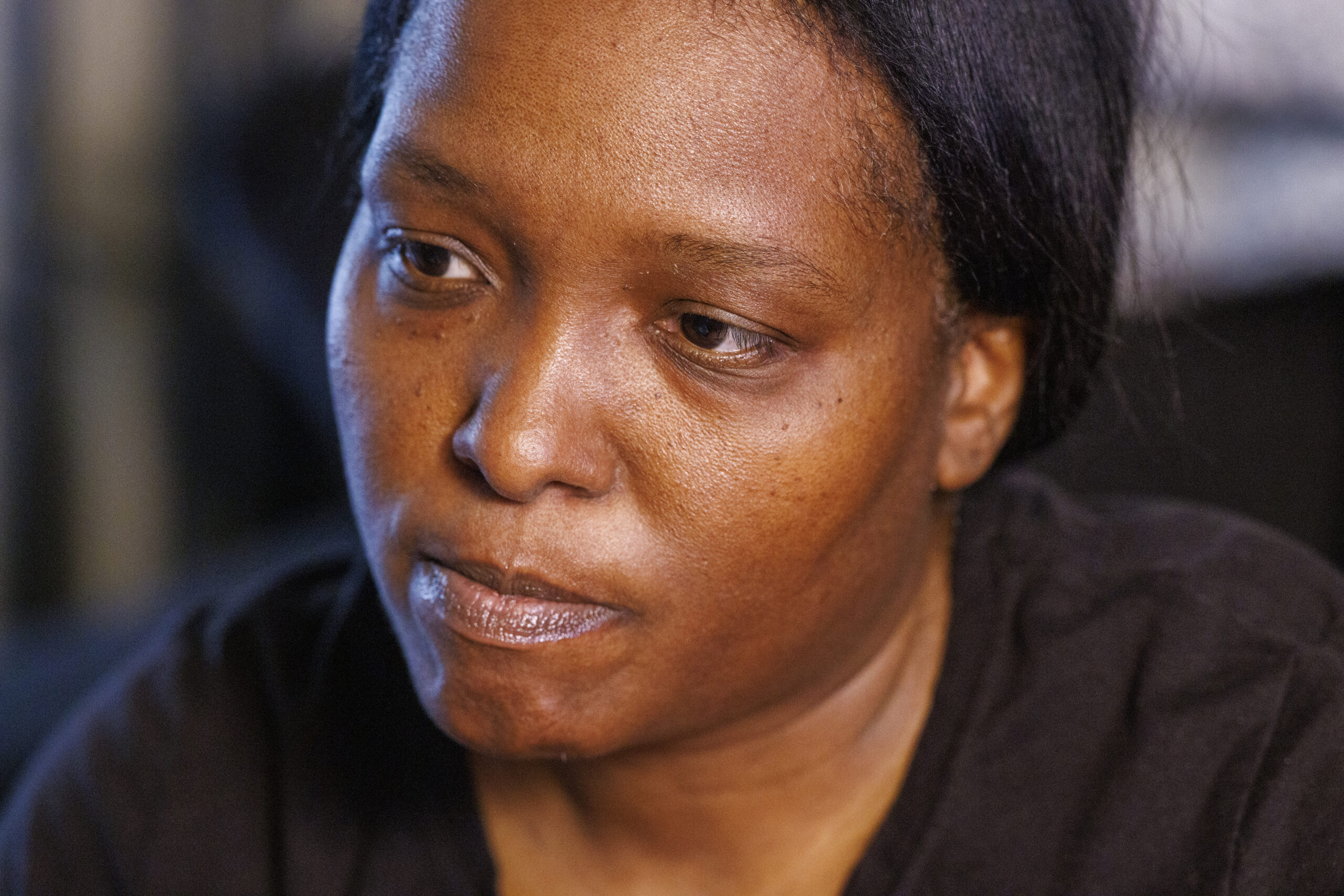
    Katrina Williams, whose son, Russell, 19, was shot and killed not far from family home in Southwest Philadelphia.

    Russell Williams had recently graduated from Philadelphia Electrical and Technology Charter School and dreamed of an entrepreneurial career in stock trading.

    Like her son, Williams said, Merritt was a hard worker who wanted to better his life. He worked for the IRS, had a girlfriend, and wanted to travel the world, she said.

    “We lost two great people,” Williams said. “Two of them.”

    That police made an arrest in the slaying of their son has brought little solace, Williams and her husband said as they sat in their Southwest Philadelphia living room on a recent February day. Family photos filled the space, and a portrait of Russell, smiling and wearing a tuxedo, hung on the wall.

    As the case against her son’s accused killer proceeds, Williams said, she will be in court every step of the way, just as she was when Carriker pleaded guilty in the death of her brother.

    In December, as Carriker faced sentencing, Williams said, she could not bring herself to address the judge and ask for a long prison sentence, as relatives of other victims did. She was so overcome with anger, she said, that she feared she might physically attack her brother’s killer.

    But she was in the room when Common Pleas Court Judge Glenn B. Bronson sentenced him to 37½ to 75 years in prison. In Williams’ view, Carriker should have received a life sentence for each person he killed, she said, even if no punishment could make up for the loss of Merritt.

    Now, Williams is preparing to head back to court as she once again seeks justice.

    Since her son’s death, Williams said, she has taken comfort in the kindness of friends and family. She was touched, she said, to see a “block full of people” gather to honor his life and release balloons in his memory. But the ache of her loss remains.

    “It’s like pain on top of pain — it’s just always gonna be hard,“ Williams said. ”I just gotta deal with it the best way I can.”

  • Search for Nancy Guthrie now seeks nearby security videos from the month before she vanished

    Search for Nancy Guthrie now seeks nearby security videos from the month before she vanished

    TUCSON, Ariz. — Investigators in Arizona want residents near Nancy Guthrie ‘s home to share surveillance camera footage of suspicious cars or people they may have noticed in the month before she disappeared.

    The alert went across a 2-mile (3.2-kilometer) radius in neighborhoods close to where the mother of “Today” show host Savannah Guthrie went missing 12 days ago, the Pima County Sheriff’s Department said Thursday.

    It asked for video of “anything neighbors deem out of the ordinary or important to our investigation” since the beginning of January.

    Federal and local officers have been going door-to-door in Tucson neighborhoods around 84-year-old Nancy Guthrie’s house while also looking for clues around her other daughter’s nearby home, which she had visited just hours before disappearing.

    Investigators have recovered and are analyzing several pieces of evidence, including a pair of gloves, the sheriff’s department said.

    Authorities on Thursday briefly put up a tent in front of Nancy Guthrie’s entryway where her blood was discovered in the early days of the investigation, and where a doorbell camera captured images of a masked person the night she went missing. The FBI released descriptors of that person Thursday, whom it now calls a suspect, in a post on X.

    The post describes the suspect as a 5-foot-9-inch or 5-foot-10-inch male with an average build, and included photos from multiple angles of a black, 25-liter “Ozark Trail Hiker Pack” backpack, which the agency said is the brand and model the suspect was wearing.

    “We hope this updated description will help concentrate the public tips we are receiving,” the FBI said, noting the thousands of tips it has gotten since Nancy Guthrie’s disappearance.

    FBI Phoenix also announced it has hiked its reward to $100,000 for information on Guthrie’s disappearance.

    Authorities have said Guthrie was taken against her will. She’s been missing since Feb. 1, and authorities say she takes several medications and there’s concern she could die without them.

    While much of the nation remains engrossed by the mysterious disappearance, Savannah Guthrie on Thursday shared on Instagram a vintage home video of her mom with two children sharing pink flowers, writing “we will never give up on her. thank you for your prayers and hope.”

    On Wednesday, FBI agents carrying water bottles to beat the desert heat walked among rocks and vegetation at Nancy Guthrie’s home. They also fanned out across a nearby neighborhood, knocking on doors and searching through cactuses, brush and boulders.

    “They were just asking some general questions wondering if there was anything, any information we could shed on the Nancy Guthrie issue. Wanted to look around the property and after that, cameras and such,” Ann Adams, a neighbor of Nancy Guthrie’s oldest daughter, Annie Guthrie, told The Associated Press on Wednesday.

    “They did ask specifically for the 31st of January and the morning of the first of February and then they wanted to know if we saw anything suspicious on cameras since then,” Adams said.

    Several hundred detectives and agents are now assigned to the investigation, which is expanding in the area, the Pima County Sheriff’s Department said.

    Two investigators emerged from daughter Annie Guthrie’s home Wednesday with a paper grocery sack and a white trash bag. One, still wearing blue protective gloves, also took a stack of mail from the roadside mailbox.

    Adams, the neighbor, said she was out walking her dog earlier this week when, “it started to get really busy and then I heard about them searching, looked down the street, I saw them slowly moving this way.”

    Savannah Guthrie and her two siblings have indicated a willingness to pay a ransom. But it’s not known whether ransom notes demanding money with deadlines that have already passed were authentic.

  • Palestinian protester, detained for nearly a year, says ‘inhumane’ jail conditions prompted seizure

    Palestinian protester, detained for nearly a year, says ‘inhumane’ jail conditions prompted seizure

    A Palestinian woman who has been held in an immigration jail for nearly a year after she attended a protest in New York City said she suffered a seizure after fainting and hitting her head last week, an episode she linked to “filthy” and “inhumane” conditions inside the privately run detention facility.

    Leqaa Kordia, 33, was hospitalized for three days following the seizure, which she said was the first of her life. She has since returned to the Prairieland Detention Facility in Texas, where she has been held since March.

    In a statement released through her lawyers on Thursday, Kordia said she was shackled the entire time she was hospitalized and prevented from calling family or meeting with her lawyers.

    “For three days in the emergency room, my hands and legs were weighed down by heavy chains as they drew my blood and gave me medications,” Kordia said. “I felt like an animal. My hands are still full of marks from the heavy metal.”

    Her doctors, she said, told her the seizure may have been the result of poor sleep, inadequate nutrition and stress. Her lawyers previously warned that Kordia, a devout Muslim, had lost 49 pounds and fainted in the shower, in part because the jail had denied her meals that comply with religious requirements.

    “I’ve been here for 11 months, and the food is so bad it makes me sick,” the statement continued. “At Prairieland, your daily life — whether you can have access to the food or medicine you need or even a good night’s sleep — is controlled by the private, for-profit business that runs this facility.”

    Department of Homeland Security spokesperson Tricia McLaughlin didn’t immediately respond to a request for comment from The Associated Press, but said in a statement to The New York Times that Kordia wasn’t being mistreated and was receiving proper medical care.

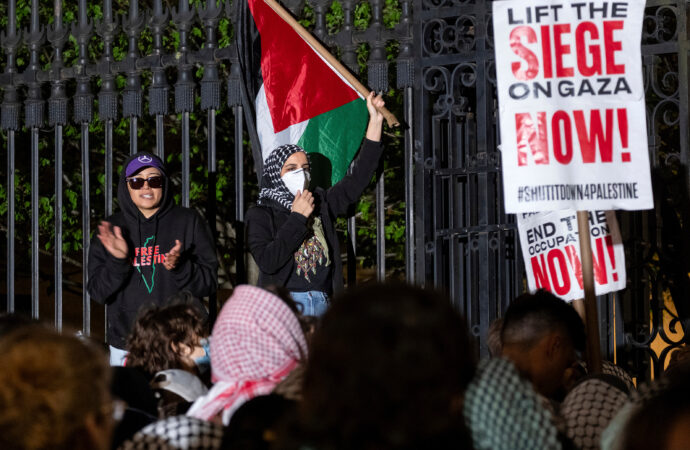
    A resident of New Jersey who grew up in the West Bank, Kordia was among about 100 people arrested outside Columbia University during protests at the school in 2024.

    The charges against her were dismissed and sealed. But information about her arrest was later given to the Trump administration by the New York City police department, which said it was told the records were needed as part of a money laundering investigation.

    Last year, Kordia was among the first pro-Palestinian protesters arrested in the Trump administration’s crackdown on noncitizens who had criticized Israel’s military actions in Gaza. She is the only one who remains jailed.

    She has not been accused of a crime and has twice been ordered released on bond by an immigration judge. The government has challenged both rulings, an unusual step in cases that don’t involve serious crimes, which triggers a lengthy appeals process.

    Kordia was taken into custody during a March 13 check-in with U.S. Immigrations and Customs Enforcement. At the time, federal officials touted her arrest as part of the sweeping crackdown on pro-Palestinian campus activists, pointing to her 2024 arrest outside of Columbia as proof of “pro-Hamas” activities.

    Kordia said she joined the demonstration after Israel killed scores of her relatives in Gaza, where she maintains deep personal ties. “My way of helping my family and my people was to go to the streets,” she told The Associated Press in October.

    Federal officials have accused Kordia of overstaying her visa, while casting scrutiny on payments she sent to relatives in the Middle East. Kordia said the money was meant to help family members whose homes were destroyed in the war or were otherwise suffering.

    An immigration judge later found “overwhelming evidence” that Kordia was telling the truth about the payments. Attorneys for Kordia say she was previously in the U.S. on a student visa, but mistakenly surrendered that status after applying to remain in the country as the relative of a U.S. citizen.

    In her statement on Thursday, Kordia said the detention facility was “built to break people and destroy their health and hope.”

    “The best medicine for me and everyone else here is our freedom,” she added.

  • Jeanine Pirro files a $250,000 negligence suit in New York over a trip-and-fall

    Jeanine Pirro files a $250,000 negligence suit in New York over a trip-and-fall

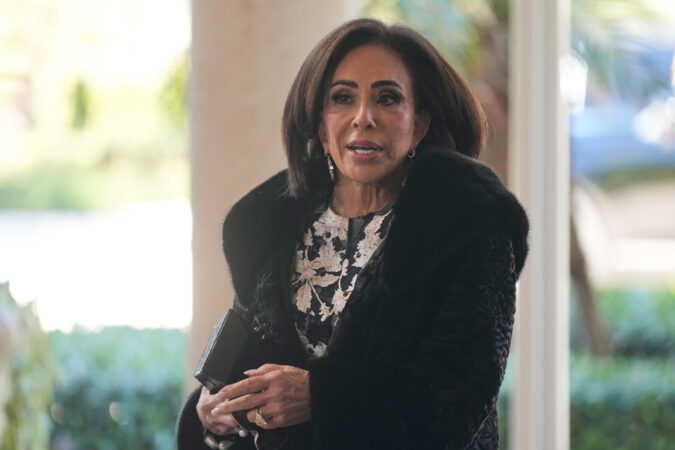
    RYE, N.Y. — Jeanine Pirro, the U.S. Attorney for the District of Columbia, has filed a $250,000 negligence lawsuit against her suburban hometown north of New York City and a power utility after claiming she tripped and fell while out walking.

    Pirro said she tripped over a large wooden block protruding from a steel plate in a roadway on Aug. 28 in the Westchester County city of Rye, just weeks after she was confirmed as the Trump administration’s top prosecutor for the District of Columbia.

    The plate was covering excavation related to gas-main work for Consolidated Edison, according to an amended complaint filed Wednesday in state court.

    “As a result of defendants’ negligence, Ms. Pirro sustained serious personal injuries, including but not limited to bruises and contusions to the head, eye, face, and shoulder areas, together with pain, discomfort, and limitation of movement,” according to the complaint, initially filed last month.

    The 74-year-old former Fox News host was confined to bed, required medical attention and “continues to experience pain and suffering,” according to the filing.

    Representatives for Pirro, Con Ed, and Rye declined to comment on the pending litigation Thursday.

    In a motion to dismiss the claim, an attorney for Rye wrote that it “can hardly be said that the City was negligent in a duty to pedestrians at a location that was not a pedestrian walkway.” An attorney for Con Ed wrote in a separate court filing seeking dismissal that all the dangers and risks related to the incident “were open, obvious and apparent.”

    Pirro has served as both a judge and the district attorney for Westchester County.

  • Health department warns residents in Grays Ferry to avoid smoky air from a trash fire

    Health department warns residents in Grays Ferry to avoid smoky air from a trash fire

    The Philadelphia Health Department on Thursday evening issued a warning for residents in the city’s Grays Ferry section near a trash fire to “avoid unnecessary exposure to smoke.”

    The department said it had dispatched inspectors to collect air samples. “At this time, no specific hazardous substances have been identified, and the Department is taking this action out of an abundance of caution,” the department said.

    The air, however, “may be potentially hazardous for sensitive groups, including children, elderly people, people who are pregnant, and those with respiratory diseases or heart conditions,” the department said.

    The fire was reported around 5:30 p.m. on Grays Ferry Avenue near South 34th Street at the Philadelphia Transfer Station, which is operated by Waste Management. The company could not be reached for comment.

    The fire appeared to be contained to a large open building and no injuries were reported. An aerial image from NBC10 showed firefighters spraying a stream of water on a smoldering mound of trash.

    The health department asked residents to avoid going outdoors “as much as possible.” If they do go outside, avoid excessive physical activity and wear a mask, if available.

    Residents should close all window and doors to minimize air pollution into their homes, the department said.

    “The Health Department and the Office of Emergency Management will continue to monitor the air quality and provide updates as they become available,” the department said.

  • RFK Jr. promised to restore trust in U.S. health agencies. One year later, it’s eroding

    RFK Jr. promised to restore trust in U.S. health agencies. One year later, it’s eroding

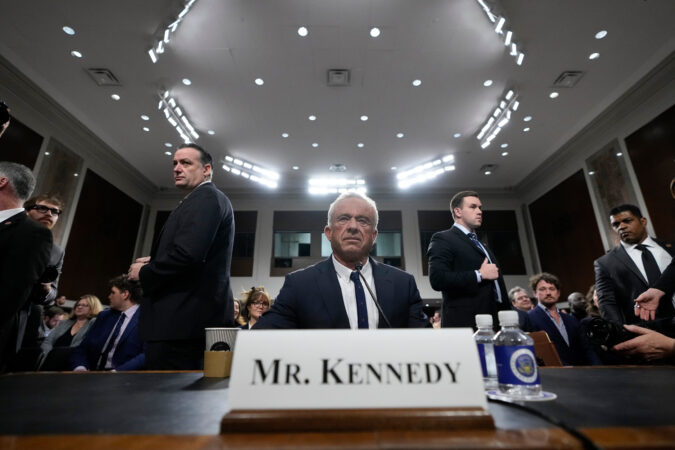
    NEW YORK — Since Robert F. Kennedy Jr. was sworn in to lead the U.S. Department of Health and Human Services one year ago, he has defended his upending of federal health policy by saying the changes will restore trust in America’s public health agencies.

    But as the longtime leader of the anti-vaccine movement scales back immunization guidance and dismisses scientists and advisers, he’s clashed with top medical groups who say he’s not following the science.

    The confrontation is deepening confusion among the public that had already surged during the COVID-19 pandemic. Surveys show trust in the agencies Kennedy leads is falling, rather than rising, as the country’s health landscape undergoes dramatic change.

    Kennedy says he’s aiming to boost transparency to empower Americans to make their own health choices. Doctors counter that the false and unverified information he’s promoting is causing major, perhaps irreversible, damage — and that if enough people forgo vaccination, it will cause a surge of illness and death.

    There was a time when people trusted health agencies regardless of party and the government reported “the best of what science knows at this point,” said Kathleen Hall Jamieson, director of the Annenberg Public Policy Center at the University of Pennsylvania.

    “Now, you cannot confidently go to federal websites and know that,” she said.

    HHS spokesman Andrew Nixon argued that trust had suffered during the Biden administration. “Kennedy’s mandate is to restore transparency, scientific rigor, and accountability,” he said.

    Trust slid during the COVID pandemic

    Historically, federal scientific and public health agencies enjoyed strong ratings in public opinion polls. The U.S. Centers for Disease Control and Prevention for decades scored above many other government agencies in Gallup surveys that asked whether they were doing a “good” or “excellent” job.

    Two decades ago, more than 60% of Americans gave the CDC high marks, according to Gallup. But that number fell dramatically at the beginning of the COVID-19 pandemic, amid agency mistakes and guidance that some people didn’t like.

    In 2020, the percentage of Americans who believed the CDC was doing at least a “good” job fell to 40% and then leveled off for the next few years.

    Alix Ellis, a hairstylist and mom in Madison, Georgia, used to fully trust the CDC and other health agencies but lost that confidence during the COVID-19 pandemic. She said some of the guidance didn’t make sense. At her salon, for example, stylists could work directly on someone’s hair, but others in the room had to be several feet away.

    “I’m not saying that we were lied to, but that is when I was like, OK, ‘Why are we doing this?’” the 35-year-old said.

    Kennedy helped create the trust problem, doctor says

    Part of Kennedy’s pitch as health secretary has been restoring Americans’ trust in public health.

    “We’re going to tell them what we know, we’re going to tell them what we don’t know, and we’re going to tell them what we’re researching and how we’re doing it,” Kennedy told senators last September, while explaining how he intended to make the CDC’s information reliable. “It’s the only way to restore trust in the agency — by making it trustworthy.”

    Before entering politics, Kennedy was one of the loudest voices spreading false information about immunizations. Now, he’s trying to fix a trust problem he helped create, said Dr. Rob Davidson, a Michigan emergency physician.

    “You fed those people false information to create the distrust, and now you’re sweeping into power and you’re going to cure the distrust by promoting the same disinformation,” said Davidson, who runs a doctor group called the Committee to Protect Health Care. “It’s upside-down.”

    Kennedy has wielded the power of his office to take multiple steps that diverge from medical consensus.

    Last May, he announced COVID-19 vaccines were no longer recommended for healthy children and pregnant women, a move doctors called concerning and confusing.

    In November, he directed the CDC to abandon its position that vaccines do not cause autism, without supplying new evidence. And earlier this year, the CDC under his leadership reduced the number of vaccines recommended for every child, a decision medical groups said would undermine protections against a half-dozen diseases.

    Kennedy also has overhauled his department through canceled grants and mass layoffs. Last summer, Kennedy fired his new CDC chief after less than a month over disagreements about vaccine policy.

    Confusion emerges as trust erodes

    Some have applauded the moves. But surveys suggest many Americans have had the opposite reaction.

    “I have much less trust,” said Mark Rasmussen, a 67-year-old retiree walking into a mall in Danbury, Connecticut, one recent morning.

    Shocked by Kennedy’s dismantling of public health norms, professional medical groups have urged Americans not to follow new vaccine recommendations they say were adopted without public input or compelling evidence.

    The American Academy of Pediatrics, along with more than 200 public health and advocacy groups, urged Congress to investigate how and why Kennedy changed the vaccine schedule. The American Medical Association, working with the University of Minnesota’s Vaccine Integrity Project, this week announced a new evidence-based process for reviewing the safety of respiratory virus vaccines — something they say is needed since the government stopped doing that kind of systematic review.

    Many Democratic-led states also have rebuffed Kennedy’s policies, even creating their own alliances to counter his vaccine guidance.

    “We see burgeoning confusion about which sources to trust and about which sources are real. That makes decision-making on an individual level much harder,” said Dr. Megan Ranney, dean of the Yale School of Public Health.

    She said she worried the confusion was contributing to the recent rise in diseases like whooping cough and measles, which were once largely eliminated in the U.S.

    Surveys indicate growing public wavering over support for the measles-mumps-rubella vaccine. Although a large majority of people support giving it to children, the proportion declined significantly in just over nine months, according to Annenberg research. An August 2025 survey finds that 82% would be “very” or “somewhat” likely to recommend that an eligible child in their household get MMR vaccine, compared with 90% in November 2024.

    Surveys show trust is declining again

    New findings from the healthcare research nonprofit KFF in January show that 47% of Americans trust the CDC “a great deal” or “a fair amount” to provide reliable vaccine information, down about 10 percentage points since the beginning of Trump’s second term.

    Trust among Democrats dropped 9 percentage points since September, to 55%, the survey found. Trust among Republicans and independents hasn’t changed since September, but it has declined somewhat among both groups since the beginning of Trump’s term.

    Even among MAHA supporters, the poll shows, fewer than half say they trust agencies like the CDC and FDA “a lot” or “some” to make recommendations about childhood vaccine schedules.

    Gallup surveys also show a drop in Americans who believe the CDC is doing a “good job,” from 40% in 2024 to 31% last year.

    Those results came alongside a decline of trust across the government — not just agencies under Kennedy’s oversight. Yet concerns about Kennedy’s trustworthiness also have emerged in the past year. Documents recently obtained by The Associated Press and The Guardian, for example, undermine his statements that a 2019 trip to Samoa ahead of a measles outbreak had “nothing to do with vaccines.” The documents have prompted senators to assert that Kennedy lied to them over the visit.

    HHS officials say they are promoting independent decision-making by families while working to reduce preventable diseases. They say reducing routine vaccine recommendations was meant to ensure parents vaccinate children against the riskiest diseases.

    HHS did not make Kennedy available for an interview, despite repeated requests. But as he has pledged to restore trust, he’s also urged people to come to their own conclusions.

    “This idea that you should trust the experts,” Kennedy said recently on The Katie Miller Podcast, “a good mother doesn’t do that.”

  • Puerto Rico governor signs law to recognize fetus as human being as critics warn of consequences

    Puerto Rico governor signs law to recognize fetus as human being as critics warn of consequences

    SAN JUAN, Puerto Rico — Puerto Rico’s governor on Thursday signed a bill that amends a law to recognize a fetus as a human being, a move doctors and legal experts warn will have deep ramifications for the U.S. Caribbean territory.

    The amendment was approved without public hearings and amid concerns from opponents who warned it would unleash confusion and affect how doctors and pregnant or potentially pregnant women are treated.

    The new law will lead to “defensive health care,” warned Dr. Carlos Díaz Vélez, president of Puerto Rico’s College of Medical Surgeons.

    “This will bring complex clinical decisions into the realm of criminal law,” he said in a phone interview.

    He said that women with complicated pregnancies will likely be turned away by private doctors and will end up giving birth in the U.S. mainland or at Puerto Rico’s largest public hospital, noting that the island’s crumbling health system isn’t prepared.

    “This will bring disastrous consequences,” he said.

    Díaz noted that the amended law also allows a third person to intervene between a doctor and a pregnant woman, so privacy laws will be violated, adding that new protocols and regulations will have to be implemented.

    “The system is not prepared for this,” he said.

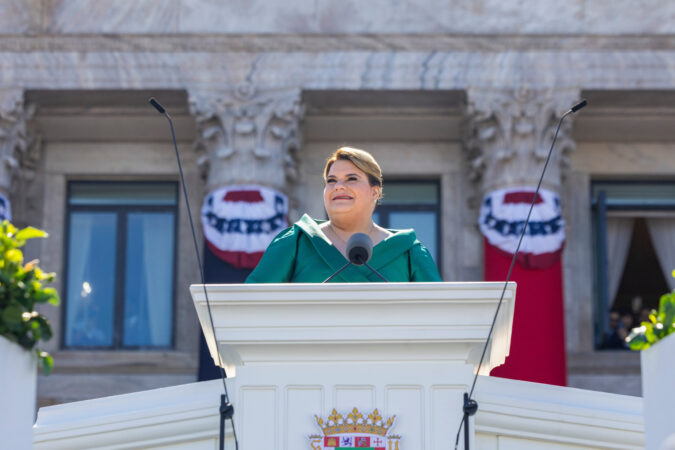
    Gov. Jenniffer González, a Republican and supporter of U.S. President Donald Trump, said in a brief statement that “the legislation aims to maintain consistency between civil and criminal provisions by recognizing the unborn child as a human being.”

    The amendment, in Senate Bill 923, was made to an article within Puerto Rico’s Penal Code that defines murder.

    The government noted that the amendment complements a law that among other things, classifies as first-degree murder when a pregnant woman is killed intentionally and knowingly, resulting in the death of the conceived child at any stage of gestation. The law was named after Keishla Rodríguez, who was pregnant when she was killed in April 2021. Her lover, former Puerto Rican boxer Félix Verdejo, received two life sentences after he was found guilty in the killing.

    Some cheered the amendment signed into law Thursday, while opponents warned that it opens the door to eventually criminalizing abortions in Puerto Rico, which remain legal.

    “A zygote was given legal personality,” said Rosa Seguí Cordero, an attorney and spokesperson for the National Campaign for Free, Safe and Accessible Abortion in Puerto Rico. “We women were stripped of our rights.”

    Seguí rattled off potential scenarios, including whether a zygote, or fertilized egg, would have the right to health insurance and whether a woman who loses a fetus would become a murder suspect.

    Díaz said doctors could even be considered murder suspects and condemned how public hearings were never held and the medical sector never consulted.

    “The problem is that no medical recommendations were followed here,” he said. “This is a serious blow … It puts us in a difficult situation.”

    Among those condemning the measure was Annette Martínez Orabona, executive director for the American Civil Liberties Union in Puerto Rico.

    She noted that no broad discussion of the bill was allowed, which she said is critical because the penal code carries the most severe penalties.

    “There is no doubt that the measure did not undergo adequate analysis before its approval and leaves an unacceptable space for ambiguity regarding civil rights,” she said.

    “The legislative leadership failed to fulfill its responsibility to the people, and so did the governor.”