Category: News

Latest breaking news and updates

  • Philly schools return to in-person learning Thursday

    Philly schools return to in-person learning Thursday

    After three days out of school buildings, Philadelphia public students and staff will be back to in-person learning Thursday.

    Officials announced the call Wednesday afternoon.

    Archdiocesan high schools and city parochial schools will also be back to traditional classes Thursday, officials said.

    In the aftermath of a significant winter storm and sub-freezing temperatures, Superintendent Tony B. Watlington Sr. gave students and staff a full snow day Monday, with no learning or teaching obligations.

    He pivoted the district’s 125,000 students to virtual instruction Tuesday and Wednesday as conditions remained tricky to navigate.

    Temperatures are expected to dip even lower Thursday, and many side streets and sidewalks aren’t clear, but officials have said they prioritize in-person learning when conditions are safe for students and staff.

    “School District and City of Philadelphia officials have been working around the clock to clear snow and ice from roads and walkways to support a safe return to in-person learning,” Watlington wrote in a message to families and staff Thursday.

    Any students arriving late because of weather-related challenges will not have their lateness counted against them, the superintendent said. The same goes for staff not able to make it into work on time because of weather-related commuting challenges.

    Yellow bus service will operate as usual, though delays might occur, Watlington said.

    After school activities are on, the central office will be open, and the school-selection deadline has been extended from Wednesday to Friday so families can confer with school counselors they may have had difficulty reaching because of the snow closures.

    Philadelphia’s school board meeting, also scheduled for Thursday, will also happen in person. Board members and members of the public have the chance to participate virtually, as well.

  • DA Larry Krasner forms coalition of progressive prosecutors committed to charging federal agents who commit crimes

    DA Larry Krasner forms coalition of progressive prosecutors committed to charging federal agents who commit crimes

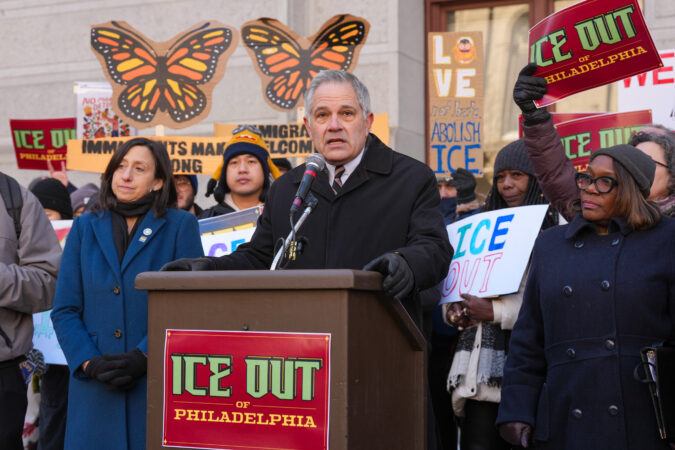
    District Attorney Larry Krasner on Wednesday announced the formation of a new coalition of progressive prosecutors committed to charging federal agents who violate state laws.

    Krasner joined eight other prosecutors from U.S. cities to create the Project for the Fight Against Federal Overreach, a legal fund that local prosecutors can tap if they pursue charges against federal agents.

    The abbreviation for the group, FAFO, is a nod to what has become one of Krasner’s frequent slogans: “F— around and find out.”

    The move places Krasner at the center of a growing national clash between Democrats and the Trump administration over federal immigration enforcement and whether local law enforcement can — or should — charge federal agents for actions they take while carrying out official duties.

    It is also the latest instance in which Krasner, one of the nation’s most prominent progressive prosecutors, has positioned himself as Philadelphia’s most vocal critic of President Donald Trump. He has made opposing the president core to his political identity for a decade, and he said often as he was running for reelection last year that he sees himself as much as a “democracy advocate” as a prosecutor.

    Krasner has used provocative rhetoric to describe the president and his allies, often comparing their agenda to World War II-era fascism. During a news conference Tuesday, he said federal immigration-enforcement agencies are made up of “a small bunch of wannabe Nazis.”

    The coalition announced Wednesday includes prosecutors from Minneapolis; Tucson, Ariz.; and several cities in Texas and Virginia. It was formed to amass resources after two shootings of U.S. citizens by federal law enforcement officials in Minnesota this month.

    Renee Good, 37, was shot and killed in her car by an ICE officer on Jan. 7 as she appeared to attempt to drive away during a confrontation with agents. The FBI said it would not investigate her killing.

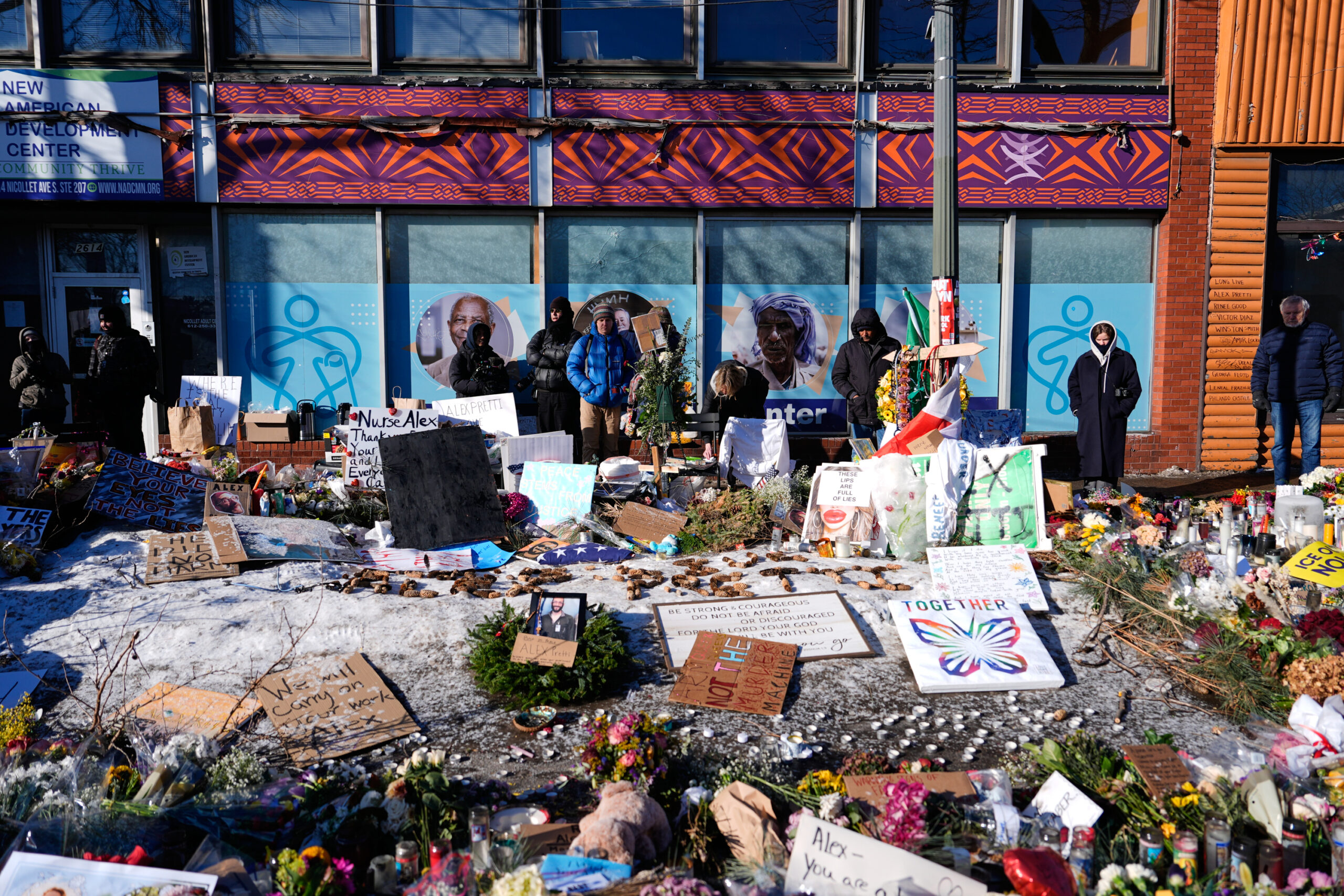
    People visit a memorial for Alex Pretti at the scene in Minneapolis where the 37-year-old was fatally shot by a U.S. Border Patrol officer.

    Then, on Saturday, Alex Pretti, 37, was killed after similarly confronting agents on a Minneapolis street. Video of the shooting, which contradicted federal officials’ accounts, appeared to show Border Patrol agents disarming Pretti, who was carrying a legally owned handgun in a holster. They then shot him multiple times. Federal authorities have attempted to block local law enforcement from investigating the shooting.

    Krasner said that, despite Vice President JD Vance’s recent statement that ICE officers had “absolute immunity” — an assertion the Philadelphia DA called “complete nonsense” — prosecutors in FAFO are prepared to bring charges including murder, obstructing the administration of justice, tampering with evidence, assault, and perjury against agents who commit similar acts in their cities.

    “There is a sliver of immunity that is not going to save people who disarm a suspect and then repeatedly shoot him in the back from facing criminal charges,” Krasner said during a virtual news conference Wednesday. “There is a sliver of immunity that is not going to save people who are shooting young mothers with no criminal record and no weapon in the side or back of the head when it’s very clear the circumstances didn’t require any of that, that it was not reasonable.”

    Philadelphia District Attorney Larry Krasner attends an event at Independence National Historical Park on Dec. 21, 2025.

    How will FAFO work?

    The coalition has created a website, federaloverreach.org, and is soliciting donations.

    Prosecutors who spoke during the news conference said those donations would be toward a legal fund that would allow prosecutors to hire outside litigators, experts, and forensic investigators as they pursue high-profile cases against federal agents.

    “This will function as a common fund,” said Ramin Fatehi, the top prosecutor in Norfolk, Va., “where those of us who find ourselves in the tragic but necessary position of having to indict a federal law enforcement officer will be able to bring on the firepower necessary to make sure that the federal government doesn’t roll us simply through greater resources.”

    The money raised through the organization will not go to the individual prosecutors or their political campaigns, they said Wednesday.

    Scott Goodstein, a spokesperson for the coalition, said the money will be held by a “nonpartisan, nonprofit entity that is to be stood up in the coming days.” He said the prosecutors are “still working through” how the fund will be structured.

    Krasner said it would operate similarly to how district attorneys offices receive grant funding for certain initiatives.

    Most legal defense funds are nonprofit organizations that can receive tax-deductible donations. Those groups are barred from engaging in certain political activities, such as explicitly endorsing or opposing candidates for office.

    Goodstein said the group is also being assisted in its fundraising efforts by Defiance.org, a national clearinghouse for anti-Trump activism. One of that group’s founders is Miles Taylor, a former national security official who, during the first Trump administration, wrote under a pseudonym about being part of the “resistance.”

    Demonstrators from No ICE Philly gathered to protests outside the U.S. Immigration and Customs Enforcement, office at 8th and Cherry Streets, on Jan. 20.

    ‘Who benefits?’

    In forming the coalition, Krasner inserted himself into a national controversy that other city leaders have tried to avoid.

    His approach is starkly different from that of Mayor Cherelle L. Parker, a centrist Democrat who has largely avoided criticizing Trump. She says she is focused on her own agenda, and has not weighed in on the president’s deportation campaign.

    Members of the mayor’s administration say they believe her restraint has kept the city safe. While Philadelphia has policies in place that prohibit local officials from some forms of cooperation with federal immigration enforcement, the Trump administration has not targeted the city with surges of ICE agents as it has in other jurisdictions — such as Chicago and Los Angeles — where Democratic leaders have been more outspoken.

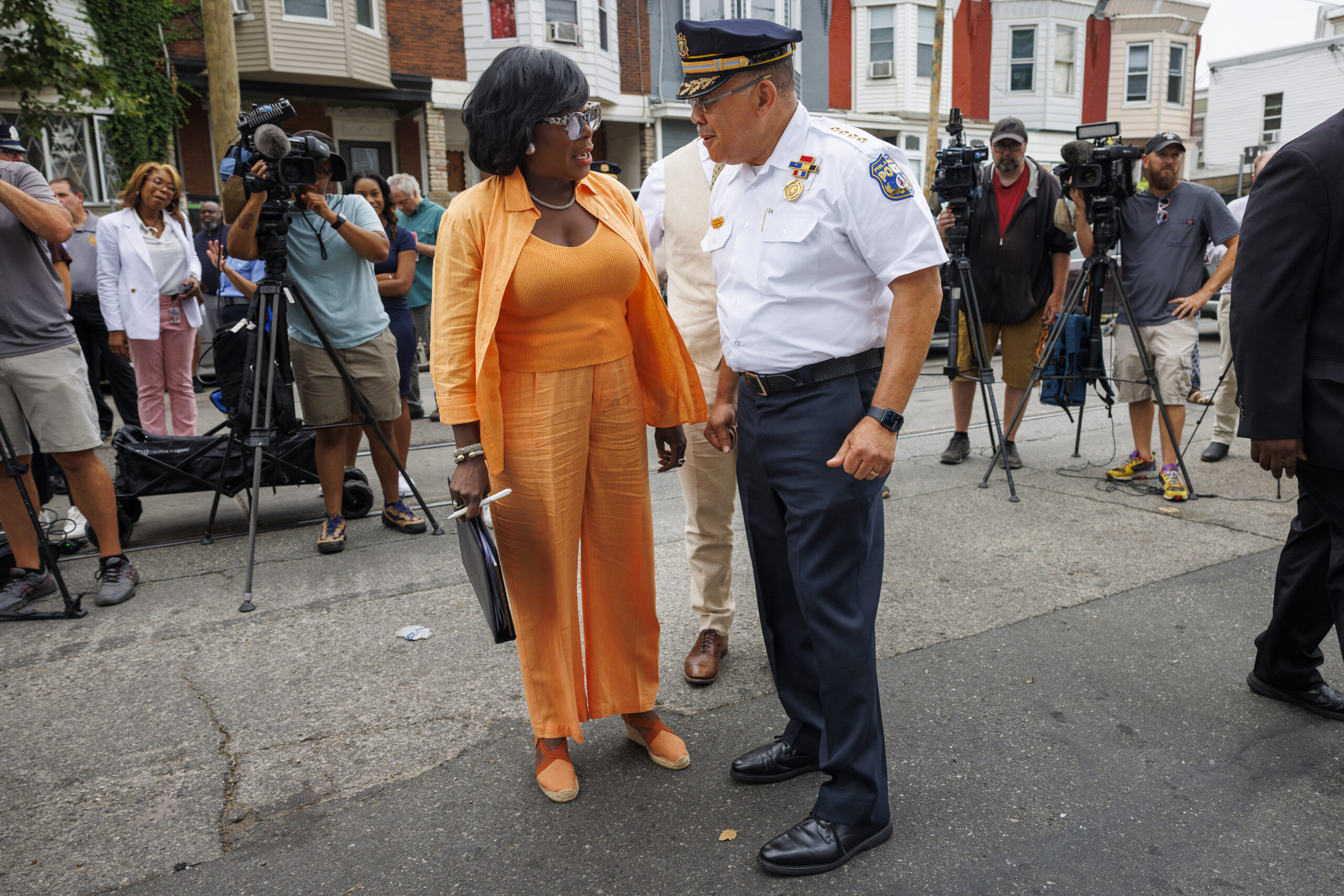
    Parker and Police Commissioner Kevin Bethel have at times been frustrated with Krasner’s rhetoric, according to a source familiar with their thinking who spoke on the condition of anonymity to discuss internal communications.

    Philadelphia Mayor Cherelle Parker and Police Commissioner Kevin Bethel speaking ahead of a July 2024 press conference.

    That was especially true this month when Krasner hosted a news conference alongside Sheriff Rochelle Bilal. The pair made national headlines after Krasner threatened to prosecute federal agents — something he has vowed to do several times — and Bilal called ICE a “fake” law enforcement agency.

    Bethel later released a statement to distance the Police Department from the Sheriff’s Office, saying Bilal’s deputies do not conduct criminal investigations or direct municipal policing.

    The police commissioner recently alluded to Parker’s strategy of avoiding confrontation with the federal government, saying in an interview on the podcast City Cast Philly that the mayor has given the Police Department instruction to “stay focused on the work.”

    “It is not trying to, at times, potentially draw folks to the city,” Bethel said. “Who benefits from that? Who benefits when you’re putting out things and trying to… poke the bear?”

    As for Krasner’s latest strategy, the DA said he has received “zero indication or communication from the mayor or the police commissioner that they’re in a different place.”

    “I feel pretty confident that our mayor and our police commissioner, who are doing a heck of a lot of things right,” he said, “will step up as needed to make sure that this country is not invaded by a bunch of people behaving like the Gestapo.”

  • Huge landslide leaves Sicilian homes teetering on cliff edge as 1,500 people are evacuated

    Huge landslide leaves Sicilian homes teetering on cliff edge as 1,500 people are evacuated

    ROME — Italian Premier Giorgia Meloni visited a southern town in Sicily on Wednesday that has been left teetering on the edge of a cliff after days of heavy rains from a cyclone triggered a huge landslide that brought down properties and forced the evacuation of over 1,500 people.

    The landslide in Niscemi, a town in the southwest of the island, spanned 2.5 miles. Images showed cars and structures that had fallen 20 yards off the newly formed cliff, while many other homes remain perched perilously on the cliff edge.

    Civil protection crews have created a 150-meter wide “no go zone” in the town, which is just inland from the coastal city of Gela.

    “The entire hill is collapsing onto the plain of Gela,” civil protection chief Fabio Ciciliano said. “To be honest, there are houses located on the edge of the landslide that obviously can no longer be inhabited, so we need to work with the mayor to find a permanent relocation for these families.”

    Authorities have warned that residents with homes in the area will have to find long-term alternatives to moving back since the water-soaked ground was still shifting and too unstable to live.

    The federal government included Niscemi in a state of emergency declaration on Monday for three southern regions hard hit by Cyclone Harry and set aside an initial 100 million euros ($120 million) to be divided among them. Sicilian regional officials estimated on Wednesday the overall damage to Sicily stood at 2 billion euros.

    Meloni took a helicopter tour of the landslide area and met with local, regional, and civil protection officials at the town hall. She vowed that the initial emergency funding was just the first step in addressing the immediate financial needs of displaced residents and that more was coming.

    In a statement, her office said the government was committed to helping residents find alternative housing and to restoring road access, utilities and school activities in town.

    “The situation is complicated by the fact that, as long as the landslide remains active, it is impossible to identify the exact area to be treated and therefore to establish the methods of intervention,” it said.

    Niscemi was built on a hill on layers of sand and clay that become particularly permeable in heavy rain and have shifted before, most recently in a major 1997 landslide that forced the evacuation of 400 people, geologists say.

    “Today, the situation is repeating itself with even more significant characteristics: the landslide front extends for about 4 kilometers and directly affects the houses facing the slope,” warned Giovanna Pappalardo, professor of applied geology at the island’s University of Catania.

    The latest landslide, which began on Sunday with Cyclone Harry thrashing southern Italy, has revived political mud-slinging about why construction was allowed on land which, because of its geological makeup, had a known high risk of landslides.

    Renato Schifani, the center-right regional president of Sicily, acknowledged such questions were legitimate. But he noted he had only been in office for a few years and said the main issue was an institutional response to help residents immediately affected.

    Elly Schlein, the opposition center-left Democratic Party leader, called on the government to reallocate 1 billion euros approved for its controversial bridge from Sicily to the Italian mainland and direct it toward storm-hit regions, since the bridge project is currently tied up in court challenges.

  • Safety board releases initial findings in Bristol nursing home explosion that killed three people

    Safety board releases initial findings in Bristol nursing home explosion that killed three people

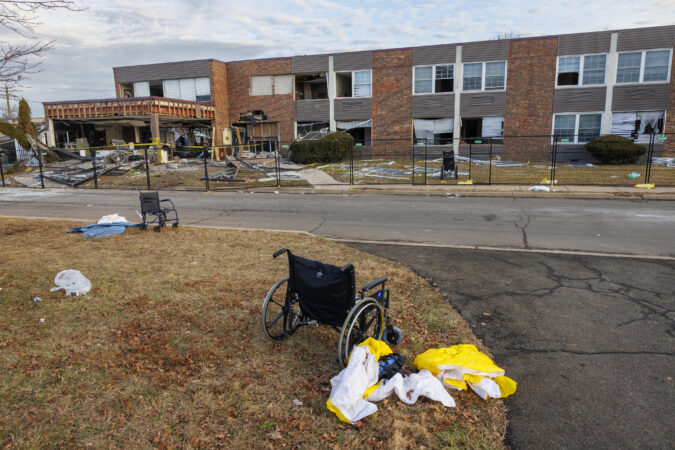
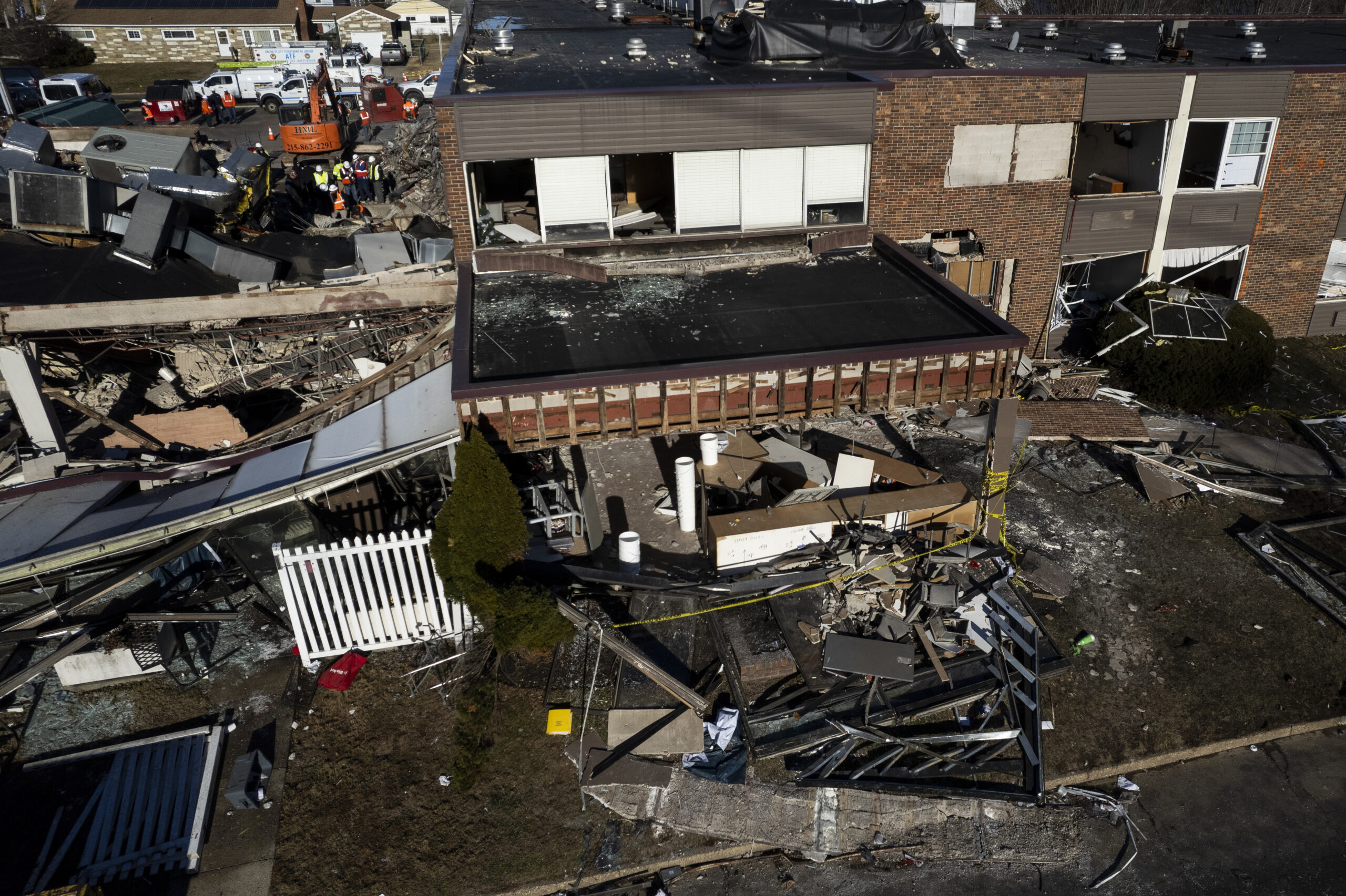
    Peco responded to the smell of gas at the Bristol Health & Rehab Center more than two hours before an explosion that killed three people and injured at least 20 others just days before Christmas. Yet in initial findings released Wednesday, federal investigators said the public utility company did not fully stop the gas flow to the facility until an hour and a half after the catastrophic blast.

    According to an investigative summary released by the National Transportation Safety Board, a maintenance director at the nursing home reported the odor coming from the basement boiler room around 11 a.m. A technician with Peco responded by 11:50 a.m. and identified the source — a leak in the gas meter valve.

    The technician called for backup to assist with the repair, and a meter services technician arrived about 1:20 p.m. The explosion occurred less than an hour later, at 2:15 p.m. A Peco emergency crew fully isolated the gas at 3:50 p.m., as first responders were pulling victims from the rubble.

    The NTSB’s initial findings provide the most concrete timeline yet of what happened in the lead-up to the Dec. 23 tragedy that rattled Lower Bucks County and raised questions about the actions of both the public utility company and the nursing home’s operator.

    Peco spokesperson Candice Womer said in a statement Wednesday that the company has begun reevaluating response protocols and prioritizing the movement of indoor gas meters to the outdoors, in an effort to meet “the highest standards of safety and reliability.”

    The initial findings do not fault or exonerate any parties in the blast, and NTSB officials said the investigation remains ongoing.

    Investigators work the scene at Bristol Health & Rehab Center the day after the explosion

    Carin O’Donnell, an attorney with Stark & Stark who is representing victims in a lawsuit, said the initial findings demonstrated that Peco gambled with everyone’s safety by not shutting off the flow of gas to the facility sooner.

    “Clearly, Peco knew there was a leak, and rather than terminate the gas, they sent their repairmen in while the gas line was still pressurized,” O’Donnell said. “It’s like sending them in with a lit cigarette and a match.”

    At least two separate lawsuits alleging negligence have been filed against Peco and Saber Healthcare Group, the Ohio-based nursing home operator that runs the facility.

    Residents and staff told The Inquirer they had detected a heavy gas odor inside the 174-bed facility early that morning, yet no building-wide evacuation order was given to residents.

    During interviews, NTSB officials heard from people in the facility that the smell could be detected from the basement up to the second floor of the building.

    The safety board did not address whether an evacuation should have been done. Investigators noted the Peco foreman and the meter services technician had “had less than 1 year of experience in their current roles.”

    Zachary Shamberg, chief of government affairs at Saber, cast the NTSB’s initial findings as exculpatory. He said in a statement that facility staff “acted promptly” while “Peco technicians unsuccessfully attempted to repair their gas line.”

    In the aftermath of the tragedy, Peco initially reported arriving at the facility around 2 p.m. and later changed the timeline to “hours” before the blast that occurred just after 2:15 p.m.

    First responders encountered chaos. People ran from the partially collapsed nursing home, many bleeding and injured. Police and firefighters helped others escape from the wreckage while contending with a second blast and fire that ignited after the initial explosion.

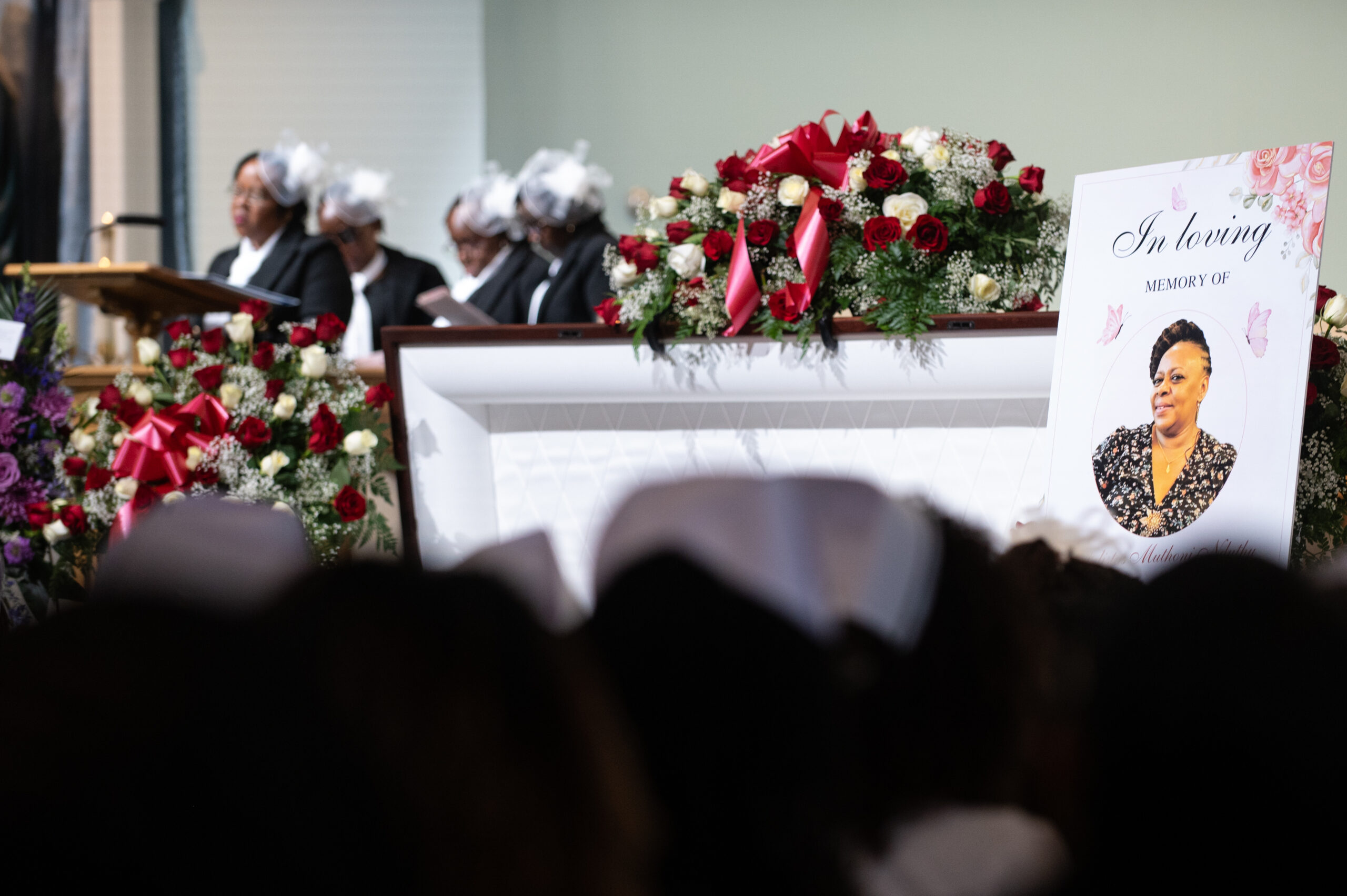
    Two people were pronounced dead in the aftermath of the blast: Muthoni Nduthu, 52, of Bristol, who worked at the facility as a nurse for over a decade, and a resident at the facility whom police identified as Ann Ready. Another resident, 66-year-old Patricia Merro, died two weeks later from her injuries.

    The sisters of Felistus Muthoni Nduthu-Ndegwa speak at her funeral at St. Ephrem Church in Bensalem. The 52-year-old nurse was killed in an explosion at Bristol Health and Rehab.

    The nursing home, previously known as Silver Lake, had been acquired by Saber Healthcare Group and renamed Bristol Health & Rehab Center three weeks before the explosion.

    Under the facility’s previous operator, the Cincinnati-based CommuniCare Health Services, the nursing home had been cited repeatedly for substandard care and facility management.

    Federal regulators gave the facility a one-star rating, and CommuniCare was fined more than $418,000 in 2024, records show, due to ongoing violations. Two months before the explosion, state inspectors cited the facility for lacking a fire safety plan, failing to maintain extinguishers, and having hallways and doors that could not contain smoke.

    A representative for Saber said last month the company had begun addressing those problems after taking over the facility in early December.

    After the blast, Peco tested the ground outside the nursing home and detected gas in the ground. The safety board said it continues to analyze physical evidence gathered from the scene and did not provide a timeline on delivering a final report.

  • Rubio defends Trump on Venezuela while trying to allay fears about Greenland and NATO

    Rubio defends Trump on Venezuela while trying to allay fears about Greenland and NATO

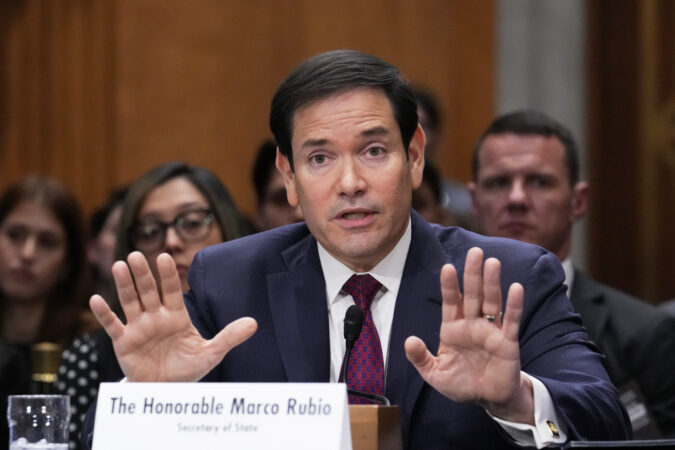
    WASHINGTON — Secretary of State Marco Rubio gave a full-throated defense Wednesday of President Donald Trump’s military operation to capture then-Venezuelan President Nicolás Maduro, while explaining to U.S. lawmakers the administration’s approach to Greenland, NATO, Iran, and China.

    As Republican and Democratic members of the Senate Foreign Relations Committee offered starkly different readings of the administration’s foreign policy, Rubio addressed Trump’s intentions and his often bellicose rhetoric that has alarmed U.S. allies in Europe and elsewhere, including demands to take over Greenland.

    In the first public hearing since the Jan. 3 raid to depose Maduro, Rubio said Trump had acted to take out a major U.S. national security threat in the Western Hemisphere. Trump’s top diplomat said America was safer and more secure as a result and that the administration would work with interim authorities to stabilize the South American country.

    “We’re not going to have this thing turn around overnight, but I think we’re making good and decent progress,” Rubio said. “We are certainly better off today in Venezuela than we were four weeks ago, and I think and hope and expect that we’ll be better off in three months and six months and nine months than we would have been had Maduro still been there.”

    The former Florida senator said Venezuela’s current leaders are cooperating and would soon begin to see benefits. But he backed away from remarks prepared for the hearing that Washington would not hesitate to take further military action should those leaders not fully accept Trump’s demands.

    “I can tell you right now with full certainty, we are not postured to nor do we intend or expect to have to take any military action in Venezuela at any time,” Rubio said. “I think it would require the emergence of an imminent threat of the kind that we do not anticipate at this time.”

    He said Venezuela soon will be allowed to sell oil that is now subject to U.S. sanctions, and the revenue would be set aside to pay for basic government services such as policing and healthealthcare proceeds will be deposited in a U.S. Treasury-controlled account and released after the U.S. approves monthly budgets to be submitted by Venezuela, he said.

    Pushback against skepticism from Democrats

    Republican senators, with few exceptions, praised the operation in Venezuela. Among Democrats, there was deep skepticism.

    They questioned Trump’s policies in Venezuela and their potential for encouraging moves by China against Taiwan and Russia even more so in Ukraine, as well as his threats to take Greenland from NATO ally Denmark and his insults about the alliance’s contributions to U.S. security.

    Rubio played them all down.

    He said the uproar over Greenland within NATO is calming and that talks are underway about how to deal with Trump’s demands. The Republican president insists the U.S. needs Greenland to counter threats from Russia and China, but he recently backed away from a pledge to impose tariffs on several European countries that sent troops to the semiautonomous Danish territory in a show of solidarity.

    “I think we’re going to get something positive done,” Rubio said.

    Rubio dismissed criticism that Trump was undermining the alliance, while repeating the long-running American complaint that member nations need to boost their defense budgets.

    “NATO needs to be reimagined,” Rubio said. “I just think this president complains about it louder than other presidents.”

    He said China’s stated goal to reunify Taiwan with the mainland would not be affected by any other world event, including the Maduro operation.

    “The situation on Taiwan is a legacy project” that Chinese President Xi Jinping has made ”very clear that that’s what he intends to do and that’s going to be irrespective anything that happens in the world,” Rubio said.

    As Trump once more threatens Iran with military action, Rubio said there was no current plan to attack. Asked about the potential for a change of government in Tehran, Rubio said that would require “a lot of careful thinking” because it would be “far more complex” than ousting Maduro.

    He noted that the increased military presence in the Middle East — an aircraft carrier and accompanying warships arrived this week — is “to defend against what could be an Iranian threat against our personnel.”

    More details about the raid in Caracas

    The Republican committee chairman, Idaho Sen. Jim Risch, offered new details on the operation in the Venezuelan capital, saying it involved “only about 200 troops” and a “firefight that lasted less than 27 minutes.”

    “This military action was incredibly brief, targeted and successful,” Risch said, adding that the U.S. and other nations may have to assist Venezuela when it seeks to restore democratic elections.

    ”Venezuela may require U.S. and international oversight to ensure these elections are indeed free and fair,” he said.

    Sen. Jeanne Shaheen of New Hampshire, the committee’s top Democrat, questioned whether that operation was worth it, considering most of Maduro’s top aides and lieutenants still run the Venezuela and the economic situation there remains bleak.

    “We’ve traded one dictator for another, so it’s no wonder that so many of my constituents are asking, why is the president spending so much time focused on Venezuela instead of the cost of living and their kitchen table economic concerns?” she asked. “From Venezuela to Europe, the United States is spending more, risking more and achieving less.”

    Call for eventual democratic elections in Venezuela

    Rubio delivered his strongest statement yet of support for democracy in Venezuela, while concerns persist that the administration’s stabilization efforts are narrowly focused on oil and U.S. national security interests.

    “What’s the end state? We want a Venezuela that has legitimate democratic elections,” said Rubio, who met Venezuelan opposition leader María Corina Machado at the State Department after the hearing.

    Machado reiterated her intention to return to Venezuela. “Dear Venezuelans, we are moving forward with firm steps,” she posted on X. “I will return to Venezuela very soon to work together on the transition and the building of an exceptional country.”

    Before that, Rubio faced tough questioning from Sen. Cory Booker (D., N.J.) about cooperating with interim leaders who had been part of Maduro’s authoritarian government. Maduro’s vice president, Delcy Rodríguez, is now the acting president.

    The U.S. has said its demands for Rodriguez include opening Venezuela’s energy sector to U.S. companies, providing preferential access to production, using oil revenue to purchase American goods, and ending subsidized oil exports to Cuba.

    Neither Rodríguez nor her government’s press office immediately commented on Rubio’s remarks. She said Tuesday that her government and the U.S. “have established respectful and courteous channels of communication.” So far, she has appeared to acquiesce to Trump’s demands and to release prisoners jailed by the government under Maduro and his predecessor, Hugo Chávez.

    In a key step to the restoration of diplomatic relations, the State Department said it intends to begin sending additional diplomatic and support personnel to Caracas to prepare for the possible reopening of the U.S. Embassy, which shuttered in 2019.

    Fully normalizing ties, however, would require the U.S. to revoke its decision recognizing the Venezuelan parliament elected in 2015 as the country’s legitimate government.

  • A Montco woman who defrauded FEMA of $1.5 million in Hurricane Ida relief money was sentenced to 5 years in prison

    A Montco woman who defrauded FEMA of $1.5 million in Hurricane Ida relief money was sentenced to 5 years in prison

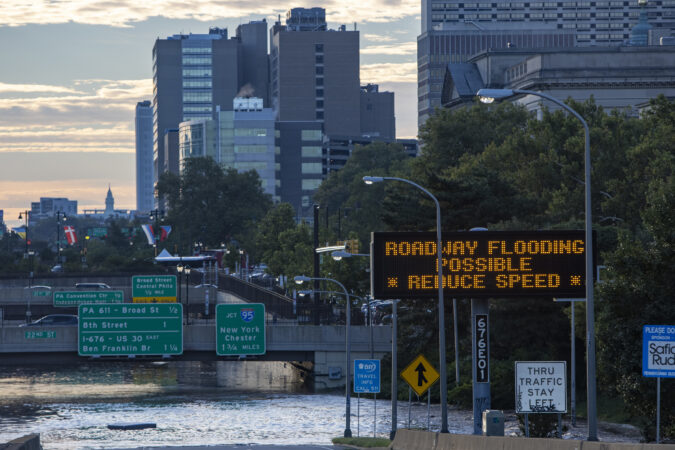
    A Montgomery County woman was sentenced Wednesday to five years in prison for defrauding the government of more than $1.5 million intended to aid victims of Hurricane Ida, the 2021 storm that tore through the region and left thousands of properties damaged and the Vine Street Expressway submerged in murky floodwaters.

    Jasmine Williams, 34, apologized for her conduct, saying in court that she was embarrassed by her actions and would never make similar mistakes again. In the years after her crimes, she said, she gave birth to a daughter, who is now 2, and she said becoming a mother has helped her see the errors of her past.

    “My past is who I was — and who I am today, I’m a different person,” Williams said.

    Still, U.S. District Judge Kelley B. Hodge said Williams made a series of decisions to benefit herself at the expense of others — calling it a “fleecing” of people who were truly in need of government help.

    “Everybody has struggles, everybody has to do something to survive. What you engaged in was driven by greed,” Hodge said. “You may say not 100%. But you got used to it. You liked it. You enjoyed it.”

    In addition to Williams’ prison term, Hodge imposed a four-year term of supervised release.

    Ida made landfall in Louisiana in August 2021 as a Category 4 hurricane, and went on to carve a destructive path over the Appalachians and through the Mid-Atlantic. Federal authorities believe it caused nearly 100 deaths and tens of billions of dollars in damage, and Philadelphia officials estimate that 11,000 properties in the city were damaged.

    The region was hit by tornadoes, significant downpours, power outages, and widespread flooding, including in parts of Center City and on Boathouse Row, Manayunk’s Main Street, and the Vine Street Expressway.

    Months after the storm subsided, then-President Joe Biden freed up funds from the Federal Emergency Management Agency to go toward storm relief. That’s when Williams began her scheme to target those funds, prosecutors said.

    On social media, prosecutors said, Williams posted that she could help people fill out applications for federal aid — even if they had suffered no harm from the storm.

    She helped people complete applications for properties they did not own or that were not damaged, prosecutors said, and drafted fake documents — including false emergency room bills and home repair estimates — to help their paperwork pass through FEMA’s screening process.

    In exchange, prosecutors said, she told applicants they had to pay her half of what they received. And in all, prosecutors said, she helped about 150 people file false registrations, causing FEMA to distribute about $1.5 million in fraudulent reimbursements. She pleaded guilty last year to more than two dozen charges, including wire fraud and mail fraud.

    “These individuals came to her for one reason: to obtain quick and free money,” Assistant U.S. Attorney Stephen Chandler Harris said in court.

    Assistant U.S. Attorney Ruth Mandelbaum said Williams used her illicit profits to pay for a series of extravagant expenses, including vacations to the Bahamas and Thailand, and luxury clothing and jewelry.

    “She wanted to live a lavish lifestyle and she did that on the backs of American taxpayers,” Mandelbaum said.

    Williams’ attorney, Summer McKeivier, acknowledged that Williams had taken advantage of a “get rich quick” scheme. But she said Williams was motivated not solely by greed, but also by a desire to provide financial security for herself and others.

    And she added that Williams, who had no previous criminal record, has now centered her life on being a mother her daughter can admire.

    Williams said: “Being a mother has changed my life in such a dramatic way.”

    Hodge encouraged Williams to continue moving past what she described as a “hustle mentality” and a desire to seek quick cash to fund a glamorous lifestyle.

    “This is not some version of a reality TV show on BET,” Hodge said. “This is real life.”

  • Evonn Wadkins, high school sports star at Simon Gratz and retired Philadelphia Mounted Police Officer, has died at 88

    Evonn Wadkins, high school sports star at Simon Gratz and retired Philadelphia Mounted Police Officer, has died at 88

    Evonn Wadkins, 88, formerly of Philadelphia, retired Philadelphia Mounted Police Officer, basketball and football star at Simon Gratz High School, builder, carpenter, plumber, bus driver, and volunteer, died Sunday, Jan. 11, of complications from a stroke at Bryn Mawr Extended Care Center.

    A gifted athlete with an innate desire to help others and be part of a team, Mr. Wadkins played basketball and football on Philadelphia playgrounds, in youth leagues and high school, and later with adults in semipro leagues and the Charles Baker Memorial Basketball League. He usually scored in double digits for the Gratz basketball team and went head-to-head against the legendary Sonny Hill and Wilt Chamberlain.

    He overcame a severe ankle injury when he was young and retired from the Baker League years later only after age and ailments forced him off the court. He was a “speedy end” on the football team at Gratz, the Daily Journal in Vineland said in 1955.

    His name appeared often in The Inquirer and other local newspapers in 1955 and ‘56, and they noted his 55-yard touchdown catch against Dobbins, 25-yard scoring reception against Vineland, and 44-yard scoring catch-and-run against Northeast in 1955.

    Mr. Wadkins (right) drives with the ball in this photo that was published in The Inquirer in 1956.

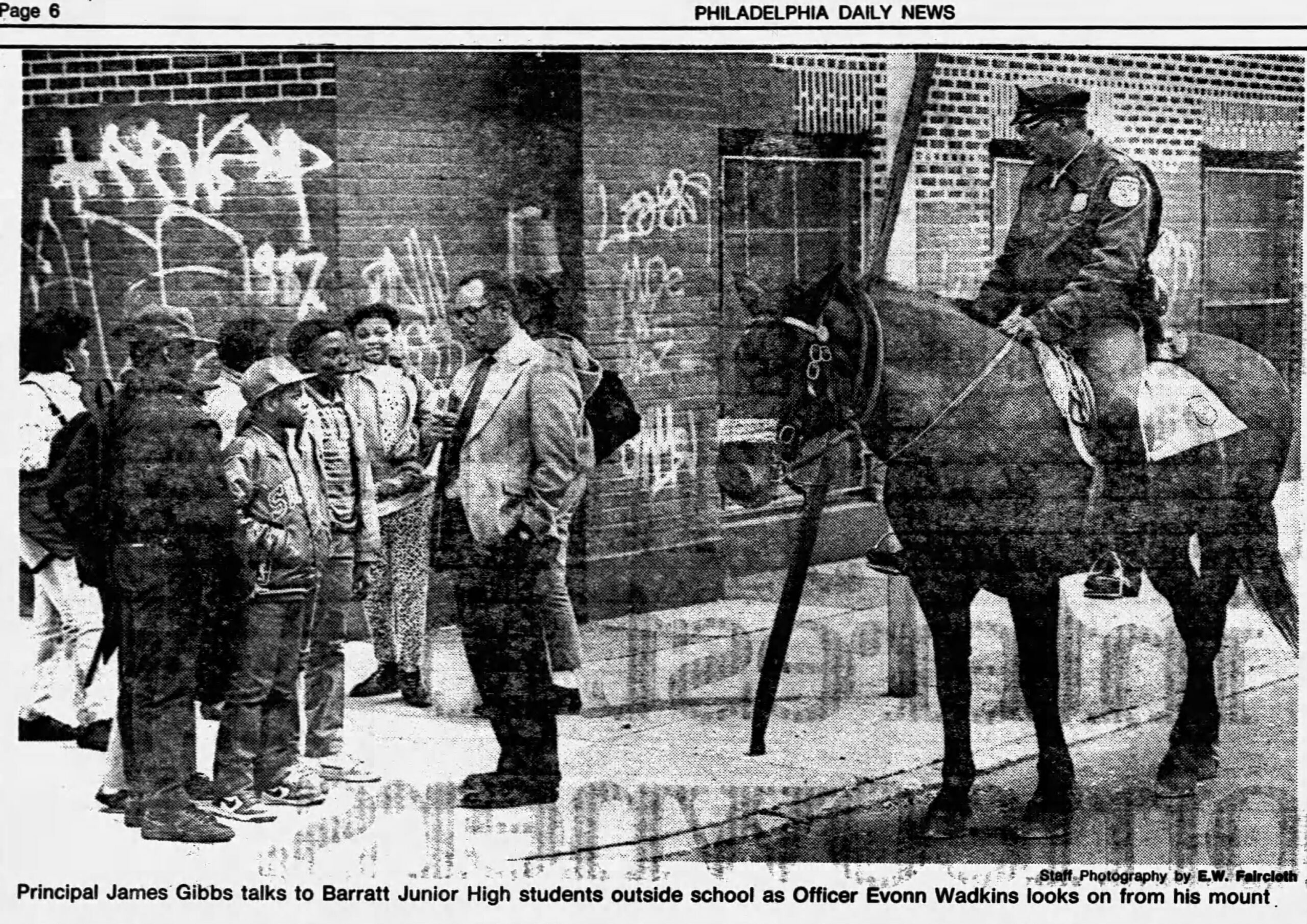
    Mr. Wadkins graduated from the Philadelphia Police Training Center in 1963 and spent 11 years patrolling Fairmount Park and elsewhere in the Traffic Division. He transferred to the Mounted Unit — and met Cracker Jack — in 1974, and officer and horse rode the Philly streets together until they both retired in 1988.

    “When he went on vacation, nobody could ride Cracker Jack,” said Mr. Wadkins’ wife, Elaine. “They could groom him. But Cracker Jack wouldn’t let anyone else ride him.”

    He also worked construction side jobs with neighbors and friends, and learned plumbing, heating, and carpentry skills. “Family and friends are still sleeping comfortably on his one-of-a-kind beds more than 40 years later,” his family said in a tribute.

    He drove a school bus for the School District of Philadelphia for 10 years in the 1980s and ’90s, and made friends with many of the students. He moved with his wife to Goochland, Va., 35 miles northwest of Richmond, in 1998.

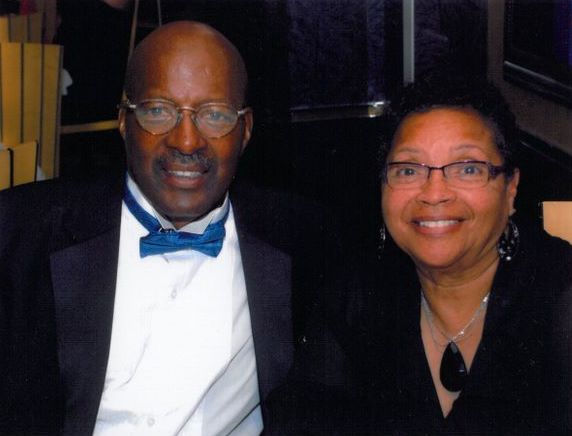
    Mr. Wadkins and his wife, Elaine, married in 1959.

    He joined the Goochland chapter of the NAACP and volunteered at the Second Union Rosenwald School Museum. At the Second Union Baptist Church, he mentored boys and young men, and supervised the media ministry.

    He was serious about community service. “He never met a stranger,” his wife said.

    Evonn LeFrancis Wadkins was born June 4, 1937, in Philadelphia. He was the fifth of six children and earned his high school degree at night school after leaving Gratz early.

    He met Flora Elaine Poole at Gratz in 1954, and they married in 1959. They set up house in West Philadelphia a few years later and had daughters Evette and Elise, and a son, Evonn.

    This photo of Mr. Wadkins on his horse appeared in the Daily News in 1987.

    Mr. Wadkins, familiar with Fairmount Park from his time on police patrol, liked to share historical tidbits when the family drove through. He loved cars and traveled to Canada with his wife and to Germany with his brother to shop for several that caught his eye.

    He and his family traveled to Florida for a New Year’s party and to South Dakota to fly over Mount Rushmore. He and his wife cruised the Caribbean and toured the United States and Europe.

    He even flew with a friend to two Super Bowls. “He was a man on the go,” his family said.

    Mr. Wadkins liked McDonald’s pancakes and coached a few youth league basketball teams, one to a championship. When asked how he was doing, his usual response was: “Livin’ slow.”

    Mr. Wadkins enjoyed time with his family.

    His wife said: “He was a good provider. He was a great husband.”

    In addition to his wife and children, Mr. Wadkins is survived by five grandchildren, five great-grandchildren, a brother, and other relatives. Two brothers and two sisters died earlier.

    Private services were held earlier.

    Donations in his name may be made to the Police Athletic League of Philadelphia, 3068 Belgrade St., Philadelphia, Pa. 19134; and the Second Union Rosenwald School Museum, 2843 Hadensville-Fife Rd., Goochland, Va.

  • ‘I killed my parents in their sleep:’ Bucks County man confesses to killing three family members

    ‘I killed my parents in their sleep:’ Bucks County man confesses to killing three family members

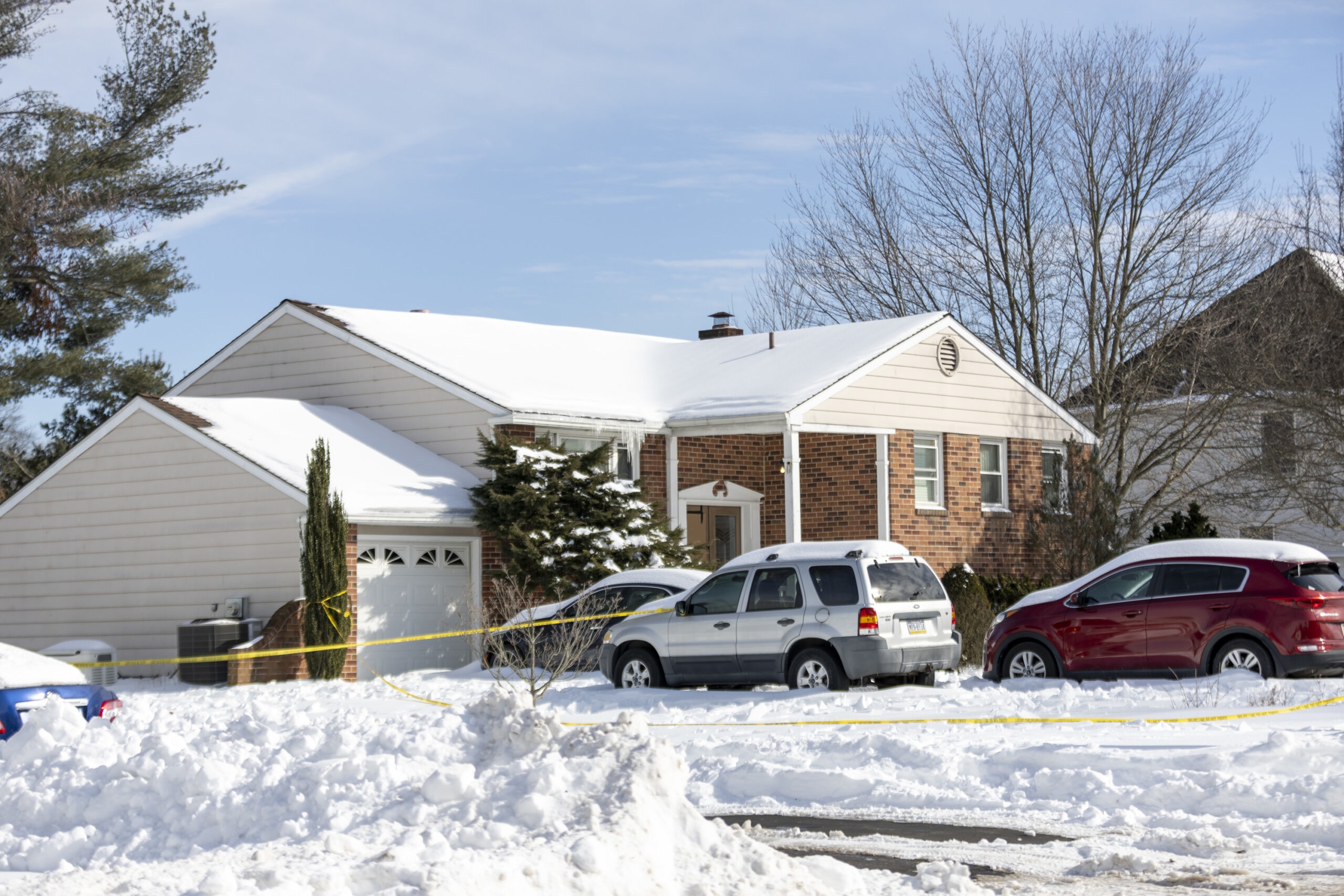
    Hours after authorities discovered three of his relatives dead in a Bucks County home, Kevin Castiglia confessed Monday to killing his parents in their sleep and then fatally stabbing his sister when she discovered their bodies, authorities said.

    Castiglia, 55, is charged with three counts of criminal homicide, abuse of a corpse, and related crimes in the deaths of his father, Frederick, 90, his mother, Judith, 84, and his sister, Deborah, 53.

    Northampton Township police arrested him Monday after he barricaded himself inside his parents’ home on Heather Road for more than five hours with their bodies inside. He was armed with bloody knives as officers surrounded the house and attempted to persuade him to surrender, authorities said.

    After his arrest, Castiglia was taken to a local hospital, where, according to the affidavit of probable cause for his arrest, he told a doctor, “I killed my parents in their sleep.” He also said he killed his sister “when she found them,” the affidavit said.

    Later at police headquarters, investigators said, Castiglia told officers he had stabbed all three relatives to death.

    Castiglia was being held without bail at the Bucks County Correctional Facility.

    Bucks County District Attorney Joe Khan speaks at a press conference.

    At a news conference Wednesday afternoon, Bucks County prosecutors declined to discuss a possible motive for the slayings. Deputy District Attorney Monica Furber, who is prosecuting the case, said investigators believe Castiglia killed his parents on Friday and his sister on Saturday.

    Deborah Castiglia was a longtime teacher in the Centennial School District. She joined the district in 1999, teaching math at Klinger Middle School, according to an email school officials sent to students, parents, staff, and community members. In 2018, she joined the teaching staff of William Tennent High School.

    She taught math students with “dedication, care, and compassion,” Superintendent Abram Lucabaugh wrote in the email. “Her loss is profoundly felt across our school community.”

    The district is offering counseling and support services for students and staff, Lucabaugh added.

    Castiglia’s parents, who had lived in the two-story redbrick home since 1970 and shared it with their son, had recently celebrated a wedding anniversary, Furber said.

    Police were called to the home after Deborah Castiglia’s boyfriend reported that Kevin Castiglia had threatened him when he went to the house looking for her, authorities said. He grew concerned after he saw her vehicle parked in the driveway, but could find no footprints in the snow, District Attorney Joe Khan said at Wednesday’s news conference.

    When officers arrived, Castiglia greeted them at the front door holding two knives, authorities said.

    They used a Taser to try to subdue him — to no avail, according to the affidavit: He pulled the probes from his body and retreated into the house.

    Bucks County Detectives and Police are at the Northampton Township home where three people died.

    Authorities established a perimeter around the home as negotiators worked to bring the situation to a peaceful end. During the standoff, officers repeatedly attempted to communicate with Castiglia, urging him to come out of the house, police said. But he would not engage, the affidavit said.

    A tactical team eventually broke into the house through the front door, as snipers positioned themselves in a nearby house to give on-the-ground officers cover.

    “I had no idea what was happening,” said neighbor Erica Titlow, 35. Snipers used the second story of her home during the standoff, she said, calling them “polite” and “grateful.”

    The standoff ended when officers took Castiglia into custody, authorities said. No officers were injured.

    Police found Deborah Castiglia’s body in the kitchen. The bodies of Frederick and Judith Castiglia were discovered in their bedroom, according to the affidavit, not in the basement as police previously reported.

    Furber said one weapon used in the killings was recovered inside the house. Investigators “don’t believe there was any kind of struggle” during the attacks, she said.

    Khan praised law enforcement’s efforts to take Castiglia into custody. “Bringing him in alive, despite being faced with an armed and eventually barricaded individual, is truly remarkable,” he said.

    Staff writer Jesse Bunch contributed to this article.

  • Homeland Security Secretary Kristi Noem faces rising calls for her firing or impeachment

    Homeland Security Secretary Kristi Noem faces rising calls for her firing or impeachment

    WASHINGTON — A groundswell of voices have come to the same conclusion: Kristi Noem must go.

    From Democratic Party leaders to the nation’s leading advocacy organizations to even the most centrist lawmakers in Congress, the calls are mounting for the Homeland Security secretary to step aside after the shooting deaths in Minneapolis of two people who protested deportation policy. At a defining moment in her tenure, few Republicans are rising to Noem’s defense.

    “The country is disgusted by what the Department of Homeland Security has done,” top House Democratic Reps. Hakeem Jeffries of New York, Katherine Clark of Massachusetts, and Pete Aguilar of California said in a joint statement.

    “Kristi Noem should be fired immediately,” the Democrats said, “or we will commence impeachment proceedings in the House of Representatives.”

    Republicans and Democrats call for Noem to step down

    What started as sharp criticism of the Homeland Security secretary, and a longshot move by Democratic lawmakers signing onto impeachment legislation in the Republican-controlled House, has morphed into an inflection point for Noem, who has been the high-profile face of the Trump administration’s immigration enforcement regime.

    Noem’s brash leadership style and remarks in the aftermath of the shooting deaths of Alex Pretti and Renee Good — in which she suggested Pretti “attacked” officers and portrayed the events leading up to Good’s shooting an “act of domestic terrorism” — have been seen as doing irreparable damage, as events on the ground disputed her account. Her alliance with Border Patrol chief Greg Bovino, who was recalled from the Minnesota operation Monday as border czar Tom Homan took the lead, has left her isolated on Capitol Hill.

    “What she’s done in Minnesota should be disqualifying. She should be out of a job,” Sen. Thom Tillis (R., N.C.) said.

    “I think the President needs to look at who he has in place as a secretary of Homeland Security,” Sen. Lisa Murkowski (R., Alaska) said. ”It probably is time for her to step down.”

    Trump stands by Noem and praises her work

    President Donald Trump defended Noem on Wednesday at multiple junctures, strongly indicating her job does not appear to be in immediate jeopardy.

    Asked by reporters as he left the White House on Tuesday for a trip to Iowa whether Noem is going to step down, Trump had a one-word answer: “No.”

    Pressed later during an interview on Fox News if he had confidence in Noem, the president said, “I do.”

    “Who closed up the border? She did,” Trump said, “with Tom Homan, with the whole group. I mean, they’ve closed up the border. The border is a tremendous success.”

    As Democrats in Congress threaten to shut down the government as they demand restrictions on Trump’s mass deportation agenda, Noem’s future at the department faces serious questions and concerns.

    The Republican leadership of the House and Senate committees that oversee Homeland Security have demanded that department officials appear before their panels to answer for the operations that have stunned the nation with their sheer force — including images of children, including a 5-year-old, being plucked from families.

    “Obviously this is an inflection point and an opportunity to evaluate and to really assess the policies and procedures and how they are being implemented and put into practice,” said Senate Majority Leader John Thune, a Republican from South Dakota, where Noem had been the state’s House representative and governor before joining the administration.

    Asked about his own confidence in Noem’s leadership, Thune said, “That’s the president’s judgment call to make.”

    Senate Democratic Leader Chuck Schumer called Noem a “liar” and said she must be fired.

    The fight over funding

    Assistant Secretary Tricia McLaughlin said in a statement that DHS enforces the laws from Congress, and if lawmakers don’t like those laws, they should change them.

    “Too many politicians would rather defend criminals and attack the men and women who are enforcing our laws,” McLaughlin said. “It’s time they focus on protecting the American people, the work this Department is doing every day under Secretary Noem’s leadership.”

    The ability of Congress to restrict Homeland Security funding is limited, in large part because the GOP majority already essentially doubled department funding under Trump’s big tax breaks and spending cuts law.

    Instead, Democrats are seeking to impose restraints on Border Patrol and U.S. Immigration and Customs Enforcement operations as part of a routine annual funding package for Homeland, Defense, Health, and other departments. Without action this week, those agencies would head toward a shutdown.

    To be sure, Homeland Security still has strong defenders in the Congress.

    The conservative House Freedom Caucus said Tuesday in a letter to Trump that he should invoke the Insurrection Act, if needed, to quell protests. The group said it would be “ready to take all steps necessary” to keep funds flowing for Trump’s immigration enforcement and removal operations.

    On the job for a year, Noem has clashed at times with lawmakers on Capitol Hill, as Republicans and Democrats have sought greater oversight and accounting of the department’s spending and operations.

    Noem has kept a low profile since the Saturday news conference following Pretti’s death, though she appeared Sunday on Fox News. She doubled down in that interview on criticism of Minnesota officials, but also expressed compassion for Pretti’s family.

    “It grieves me to think about what his family is going through but it also grieves me what’s happening to these law enforcement officers every day out in the streets with the violence they face,” she said.

    Once rare, impeachments now more common

    Impeachment, once a far-flung tool brandished against administration officials, has become increasingly commonplace.

    Two years ago, the Republican-led House impeached another Homeland Security secretary, Alejandro Mayorkas, in protest over the then-Biden administration’s border security and immigration policies that allowed millions of immigrants and asylum seekers to enter the U.S. The Senate dismissed the charges.

    On Tuesday, Maryland Rep. Jamie Raskin, the top Democrat on the House Judiciary Committee, said if the Republican chairman of the panel, Rep. Jim Jordan of Ohio, does not launch an impeachment probe, he would.

    Raskin said he would work with the top Democrats on the Homeland Security and Oversight committees to immediately launch an impeachment inquiry related to the Minnesota deaths and other “lawlessness and corruption that may involve treason, bribery or other high crimes and misdemeanors.”

    More than 160 House Democrats have signed on to an impeachment resolution from Rep. Robin Kelly (D., Ill.).

  • The rise and fall of Border Patrol ‘commander at large’ Greg Bovino

    The rise and fall of Border Patrol ‘commander at large’ Greg Bovino

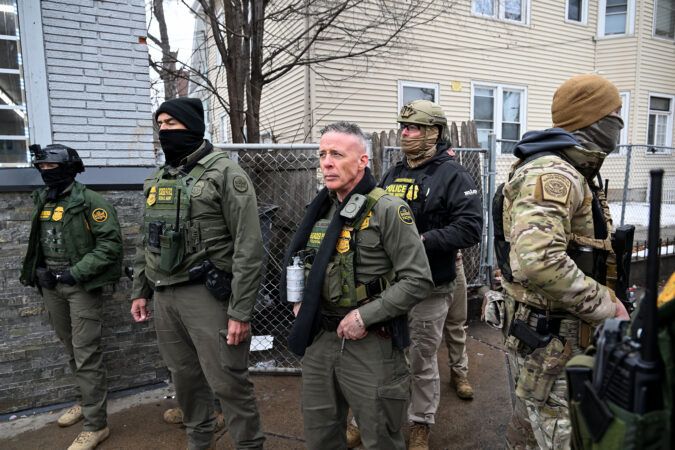
    One year ago, Gregory Bovino was a low-profile Border Patrol chief overseeing a relatively small stretch of the U.S.-Mexico border in California. Just months into President Donald Trump’s second term, however, Bovino emerged as the face of one of the most aggressive immigration crackdowns in U.S. history, leading federal agents as they flooded one predominantly Democratic city after another, making thousands of arrests.

    Now that approach has turned into a political liability for Trump. And Bovino, 55, has been dispatched back to California, days after he declared — despite video evidence to the contrary — that the intensive care nurse fatally shot in Minneapolis on Saturday by federal immigration personnel wanted to “massacre law enforcement.”

    Bovino’s rapid rise and fall reflects the arc of the Trump administration’s combative immigration enforcement tactics and the mounting public backlash it has generated.

    The administration’s enforcement operations in multiple metropolitan areas formed the capstone of Bovino’s three-decade career in U.S. Customs and Border Protection, the nation’s biggest federal law enforcement agency. His visibility also demonstrated the more prominent role that Trump and Homeland Security Secretary Kristi L. Noem has given to the Border Patrol in urban areas, mostly far from its traditional purview over the U.S.-Mexico border.

    Dressed in his signature olive-green uniform and sporting a buzz cut, Bovino led masked agents into American cities like a military commander directing troops into battle. Bovino relished trading insults with critics on social media, posting action videos of his agents’ maneuvers and appearing on the front lines of tear-gas-laced clashes with protesters.

    His leadership drew criticism over time, including an admonishment from a federal judge in Illinois, who said the use of force by federal agents “shocks the conscience.” That criticism mounted this month amid Bovino’s forceful defense of the fatal shootings by federal immigration personnel of two American citizens in Minneapolis, Renée Good and Alex Pretti.

    Even Trump, who has touted the blue-city operations, seemed to acknowledge that in Minneapolis, Bovino had pushed past the boundaries of traditional law enforcement tactics.

    “You know, Bovino is very good, but he’s a pretty out-there kind of a guy,” Trump said in a Fox News interview Tuesday. “And in some cases, that’s good. Maybe it wasn’t good here.”

    Some former officials of the Department of Homeland Security, which oversees CBP, said they welcomed Bovino’s departure from Minneapolis out of concern for the agency’s credibility.

    “I hope it’s a sign that perhaps there is a recalibration going on about how to approach the enforcement of immigration laws,” said Tim Quinn, a longtime CBP official who resigned last year. “I don’t think agents were well represented by his actions, and I fear that the country’s view of the Border Patrol is going to be negatively affected, but hopefully not irreparably damaged.”

    Bovino’s elevated status within the agency was unusual because he didn’t appear to operate within the chain of command, which would require him to answer to senior CBP officials. Instead, he was in direct contact with Noem, said Robert Danley, who retired as CBP head of professional responsibility in December.

    “He has a more direct line to the secretary, and he’s able to do what she wants and what he wants,” Danley said.

    DHS and Bovino did not respond to multiple requests for comment this week. Tricia McLaughlin, a DHS spokesperson, said Monday evening on X that Bovino “has NOT been relieved of his duties” and called him a “key part of the President’s team and a great American.”

    Nick Sortor, a conservative influencer whose arrest at an anti-Immigration and Customs Enforcement protest in Portland won admiration from Trump, has championed Bovino’s leadership and said he hopes the administration keeps him at the center of its crackdown on illegal immigration.

    “His presence on the front lines was a huge morale booster for the Border Patrol, which is obviously under heavy scrutiny,” Sortor said. “Him being there and risking his life beside them every day was sort of like fuel for them … He was becoming a figurehead for the mass deportation effort, somebody who was hell-bent on fulfilling what he believed was a mandate from the 2024 election.”

    Days before Trump took office, Bovino oversaw a Border Patrol raid in Kern County, at the southern end of California’s Central Valley, some 250 miles from the border. Although the agency described the operation as targeted, Border Patrol agents had no knowledge of the criminal or immigration history for 77 of the 78 people arrested, according to CalMatters, a nonprofit news organization.

    The American Civil Liberties Union alleged in a lawsuit that agents were conducting arrests indiscriminately of people of color “who appeared to be farmworkers or day laborers, regardless of their actual immigration status.” A federal judge issued a preliminary injunction last spring barring Border Patrol agents from stopping people in that region without reasonable suspicion that they were violating U.S. immigration law.

    “Looking back on last year, the operation looks like an audition for Greg Bovino, and he got the part,” said Bree Bernwanger, senior staff attorney at the ACLU of Northern California. “That raid was a precursor to the policies and practices that DHS would adopt writ large across the country. … We’ve seen them ignoring proof of immigration status and an utter disregard for the laws on the books that restrict immigration arrests without a warrant.”

    Bovino remained little known nationally until June, when Border Patrol agents began making arrests in Los Angeles. After agents descended on a park in an immigrant-rich neighborhood on horseback and in military vehicles, Bovino told Fox News, “Better get used to us now, because this is going to be normal very soon.”

    Several weeks later, in Chicago, Bovino’s aggressive tactics became more visible, as federal agents deployed tear gas and protesters clashed with law enforcement outside an ICE processing facility west of downtown. The nonprofit Chicago Headline Club filed a lawsuit against administration officials, alleging that the use of rubber bullets and tear gas against reporters and protesters violated their First Amendment rights.

    Bovino, who was among multiple defendants in the lawsuit, claimed in a deposition that the agents’ conduct was “more than exemplary.” But U.S. District Judge Sara Ellis concluded that Bovino’s testimony was “not credible” and wrote in a court opinion that Bovino admitted “he lied multiple times” about the events that led up to his throwing a tear-gas canister toward a crowd. Bovino and DHS said that a rock hit him in the head before he threw the canister, and he said that he was “mistaken” in his deposition.

    “I see little reason for the use of force that the federal agents are currently using,” Ellis said when she issued a preliminary injunction prohibiting immigration officers from using tear gas and pepper spray on those who do not pose a threat. “I would find the use of force shocks the conscience.”

    From Chicago, Bovino continued on to shorter-term operations in New Orleans and Charlotte. Then came his posting to Minneapolis, which has turned out to be an inflection point for his career and, perhaps, for the administration’s immigration crackdown in urban areas.

    On the morning of Jan. 7, an ICE officer, Jonathan Ross, shot and killed 37-year-old Good while she drove her SUV near her home in Minneapolis. A Washington Post analysis of video footage found Good’s car did move toward Ross but that he was able to move out of the way and fire at least two of three shots from the side of the vehicle as it veered past him.

    Bovino, however, did not hesitate to condemn Good’s actions and praise the shooter, saying, “Hats off to that ICE agent” in a Fox News interview.

    Seventeen days later, Bovino would once again defend the use of fatal force as the news broke that Pretti had been shot and killed in an encounter with federal immigration personnel.

    At a news conference just hours after Pretti’s death, Bovino claimed that agents tried to disarm Pretti, but he “violently resisted.” An agent fired “defensive shots,” he said.

    “This looks like a situation where an individual wanted to do maximum damage and massacre law enforcement,” Bovino added.

    Analysis of videos of the scene by several media organizations does not support Bovino’s claims. Federal immigration personnel had already secured Pretti’s handgun by the time they fatally shot him, according to a Post analysis of videos that captured the incident from several angles. As many as eight officers and agents were attempting to detain the 37-year-old ICU nurse, videos show. Federal officials now say that a Border Patrol agent and a CBP officer both shot Pretti, and they no longer claim that he had menaced law enforcement with his gun.

    By Sunday, some Republican members of Congress had begun raising concerns about the shooting and pressing for an independent investigation. And by the following day, both Trump and White House spokeswoman Karoline Leavitt signaled a change, saying that Trump’s border czar, Tom Homan, would be taking over the operation in Minneapolis.

    “Mr. Bovino is a wonderful man, and he is a great professional,” Leavitt said. “He is going to very much continue to lead [Customs and Border Protection] throughout and across the country. Mr. Homan will be the main point of contact on the ground in Minneapolis.”

    The news drew praise from Bovino’s critics.

    “This move by the administration is a political recognition that the violence we’re seeing across our communities, from Minneapolis to cities nationwide, is deeply unpopular, unacceptable, and politically toxic,” said Todd Schulte, president of the immigration advocacy group FWD.us.

    Bovino allies like Sortor registered their disappointment. “Bovino put his life on the line EVERY SINGLE DAY pushing for mass deportations across the country, going head to head with leftists and reminding THEM who’s boss,” he said on X: “DO NOT COWER TO THE DEMOCRATS, PRESIDENT TRUMP! BACK BOVINO!”

    Bovino’s typically busy social media feed has been quiet since then. His most recent post on X came Monday morning before news of his departure spread. “Finding and arresting criminal illegal aliens,” he wrote, “this is why we are deployed across the country.”