Category: News

Latest breaking news and updates

  • After an actual winter in the Philly region, plant life may see the impacts

    After an actual winter in the Philly region, plant life may see the impacts

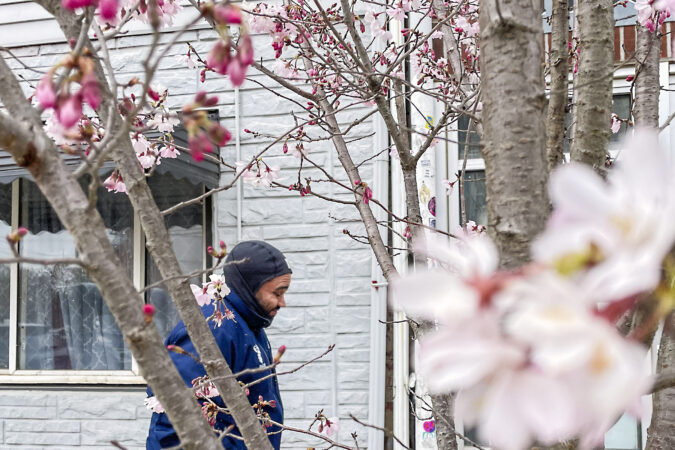
    Temperatures in the Philly region may not visit freezing again until the end of next week, with a run of 70-degree days possible in the interim. And after some substantial winter napping, the region’s plant life is going to notice.

    Horticulturalists offered a variety of perspectives on what effects the surprisingly enduring snow and ice snow cover and Arctic freezes have had on the regional flora and what may be ahead.

    They allow that while it wasn’t exactly a vacation, spending five weeks and change under a glacier and snowpacks hasn’t been all bad for the plant life.

    But as the great thaw accelerates, they have cautionary words for home gardeners: Watch your step.

    And meteorologists warn that if you expect the thaw to be linear, you clearly have wandered into the wrong part of the country. Winter and spring are still in a nasty turf war that can turn ugly in March in the Northeast.

    Five weeks under the covers had benefits for Philly’s plant life

    Officially, Philadelphia has logged 36 days of snow cover of at least one inch, including 23 consecutive days after the Jan. 25 snow-and-ice fest. The timing of that snowpack was fortuitous in that it “insulated the ground, protecting perennials, grasses, and marginally hardy bulbs” from the Arctic freezes that followed, said Lisa Roper, horticulturalist at Chanticleer Garden in Wayne.

    Horticulturist Lisa Roper tends to echinacea Tennesseensis at the Gravel Garden at Chanticleer in this file photo. She says the snow offered a measure of protection for the plants.

    Said Sky Deswert, garden educator with the Norris Square Neighborhood Project in Philly, “Without the snow, there is a greater risk that dormant plants and roots will suffer from the cold.”

    The snow was beneficial “to things like blue hydrangeas, insulating the stems from the cold,” said Bill Cullina, executive director of the University of Pennsylvania’s Morris Arboretum & Gardens in Chestnut Hill.

    Overall, said Roger Davis, a landscape manager at Longwood Gardens in Chester County, “Snow cover does not typically cause any problems for most plants in our home gardens.”

    Unfortunately, it also typically doesn’t cause problems for voles, those plant-nibbling so-called field mice that evidently had a field day.

    But the winter also offered significant challenges

    “Voles have been active underground, eating roots and even the crowns of grasses and perennials,” said Cullina. Snow has given voles ideal cover from an impressive lists of predators, including owls, foxes, raccoons, and cats.

    They can kill shrubs and small trees by chewing at ground level, said Chanticleer’s Roper.

    Deer also have been nuisances. “Heavy snow cover makes it difficult for deer to find food,” she said. “The deer will start to eat plants they typically leave alone.”

    At Morris Arboretum, Cullina said, “They have been browsing needled evergreens that they normally ignore.”

    Bill Cullina shown here in this file photo in front of a a red oak tree at the Morris Arboretum. Beware of “mud time,” he advises.

    He added that frost-heaving, in which soil expands and contracts with fluctuating temperatures, is back after taking off much of this century. “This can force recently planted perennials and even shrubs as well as bulbs out of the ground.”

    Said Roper, “Keep your eye out for plants pushed out of the ground; you can stick them back in if you see them.”

    Some of the broad-leaved evergreens, such as rhododendron and hollies, may have suffered from “the combined effects of sun reflecting off the snow and frozen ground that prevents water uptake,” said Cullina. That can lead to leaf burn and defoliation.

    “Not much you can do at this point except wait until the plants leaf out …and then prune off any dead branches,” he said.

    Shrubs planted near the eaves of houses may have suffered from another hazard — rooftop snow, said Theresa Smith, senior vice president of NaturLawn, a national lawn service company with several outlets in the region. “When you have snow falling off in heavy pieces, it’s definitely going to damage some of those softer plants.”

    And beware of salt damage on lawns, particularly near well-salted roads and driveways, said Smith. Salt can dehydrate vegetation. She also warned that prolonged snow cover can yield bumper crops of “snow mold,” a fungus that thrives in cold, moist conditions.

    If you see those unsightly straw-colored mold patches, rake them out and put down grass seed on the bare spots, Roper said.

    ‘Mud season’ has arrived in Philly. Watch where you step.

    The ground has assumed a certain spongelike quality now that most of the snow is melted, and it’s going to take some time to wring out the sponge.

    Cullina said that reminiscent of his native Maine, it “feels like Philly is getting a little taste of mud season this year.”

    Smith strongly advises gardeners to keep off the mud as much as possible. “You don’t want to add to the compaction that’s already there,” she said.

    The tighter the soil gets, said Longwood’s Davis, the more it reduces the air spaces. “Foot traffic has more effect on wet soil than you might think.”

    And beware the moods of March

    Smith cautions against yielding to an agricultural spring fever, despite the promising temperature forecast for the next several days. Starting Sunday, the high temperatures could reach 70 degrees on four or five days, said Bob Larsen, a senior meteorologist with AccuWeather Inc.

    Smith votes for harnessing planting ambitions during March, a notorious transitional month when the aggressive warm air masses clash with the retreating winter.

    Her birthday is in March, and she recalls receiving snow as a not necessarily welcome birthday present more than once.

    Philadelphia’s last verified blizzard occurred in March, in 1993; in 1958 over 50 inches of snow fell upon Morgantown, Chester County, during the so-called equinox storm, and 20 inches fell in Philly on April 1, 1915.

    Our coverage of the 1958 Equinox Storm.

    “Home gardeners just need to relax a little bit,” she said, “and wait for the weather patterns to become more consistent.”

  • A Camden preschool teaching assistant is the first-ever from the city to win statewide award

    A Camden preschool teaching assistant is the first-ever from the city to win statewide award

    From the moment her rambunctious preschoolers arrive, instructional assistant Angela Feliciano tends to their every need, doling out lessons and discipline.

    Affectionately known as Miss Angie at the Riletta Twyne Cream Early Childhood Center in Camden, Feliciano has been a classroom assistant for nearly 30 years. She is also working to become a teacher soon.

    Feliciano has received accolades for her dedication and was recently recognized by the New Jersey Education Association as its Educational Support Professional of the Year for 2025-26.

    She is the first instructional assistant from Camden schools to get the recognition. She will represent New Jersey later this month at the National Education Association’s ESP conference in Anaheim, Calif.

    “She’s the first from Camden. It’s a proud moment,” said Camden Education Association president Pamela Clark, who represents about 1,050 teachers and support staff, including secretaries, clerks, bus drivers, custodians, and security officers.

    Clark nominated Feliciano, a childhood friend, for the award. Feliciano is well-liked by students and respected by parents in the community, and puts in extra effort to encourage learning, she said.

    Nominees were considered based on professional practices, advocacy and association involvement, community engagement, personal achievement, and how well they advance the image of support professionals.

    “I’m representing Camden. Not just bad things happen in Camden,” Feliciano said.

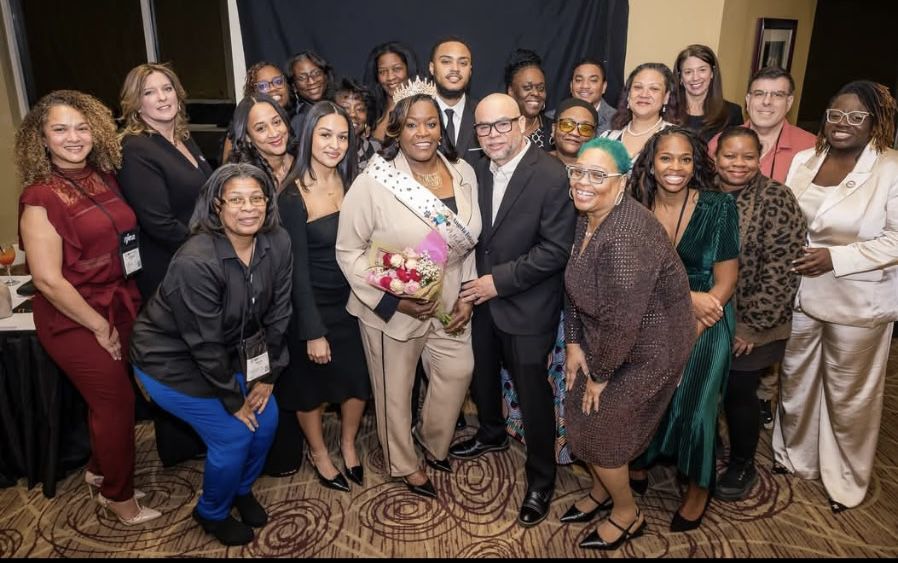
    Angela Felicano (center, third from left) celebrates her award with Camden Education Association members.

    Principal Medinah Dyer credited Feliciano with boosting preschool enrollment at Cream from about 120 students to 350 in three to four years. Feliciano attended weekend events to encourage parents to enroll their children.

    Feliciano purchases toiletries and items for students in need, and has been an advocate for children who experienced trauma or have behavioral issues, Dyer said. She is the first to arrive at school, and the last to leave, she said.

    “She is a role model for both students and staff, and her contributions have made our school a better place for everyone,” Dyer wrote in her nomination letter.

    Teaching assistant Angela Feliciano with students in the pre-K classroom of teacher Carey Hiatt at the Riletta Twyne Cream Early Childhood Center in Camden last month.

    During a recent morning at Cream, located in the city’s Centerville section, Feliciano and teacher Carrie Hiatt were in full swing with 15 preschoolers. The students are 3 to 5 years old.

    Feliciano and Hiatt crisscrossed the room, working with small groups of students for music instruction and reading. Feliciano sat on the floor with her charges or in tiny chairs to talk with them at eye level.

    In one corner, Feliciano played a game with a boy, pretending it was her birthday.

    “How old are you?” he asked.

    “I’m 7 years old,” she replied with a smile.

    Teaching assistant Angela Feliciano “spies” students as they clean up in a pre-K classroom at the Riletta Twyne Cream Early Childhood Center in Camden last month.

    Feliciano moved to different stations, engaging in dramatic play with a student, donning miniature clothes. At one point, she used a puppet for a letter exercise.

    “I just come to work and do what I do,” Feliciano said. “They’re my kids from 8:40 a.m. to 3 o’clock.”

    The entire class stood in place for a lively round of “Head, shoulders, knees and toes,” an exercise song that had the giggling preschoolers and Feliciano huffing and puffing.

    “That was so hard,” a preschooler gasped.

    The preschoolers spend the entire day in the classroom with Feliciano and Hiatt. The pair served lunch — chicken, rice, and plantains — while jazz played softly in the background.

    “She goes out of her way to make this place special for the kids,” Hiatt said. “She is excellent, an amazing teammate.”

    Feliciano was born and raised in Camden. After graduating from Camden County Technical School, she worked for two years as a data processor.

    It was always her dream to become a teacher, and she got a chance in 1989 when she joined the district as a paraprofessional. She has worked with older children, but enjoys the little children the best.

    “I love to see them grow,” she said. “I love when they grasp things, and they look at me and smile.”

    Feliciano, 53, now lives in Pennsauken and has acquired the credentials to become a teacher, earning bachelor’s and master’s degrees from Wilmington University.

    She still needs to pass the New Jersey Praxis exam to obtain her teaching certification, which has been a challenge. She has taken the exam three times and failed — the last time by a single point.

    Feliciano plans to take the exam again this spring. She has been studying vigorously and getting coaching from Hiatt. She hopes to inspire other paraprofessionals.

    “We are the core of the building. If it wasn’t for us, teachers wouldn’t be able to teach,” Feliciano said.

    Hiatt said Feliciano has already demonstrated an ability to prepare lessons, manage the classroom, and reach students. She believes she will be a great teacher, but would miss having her in her classroom.

    Married and the mother of two adult sons, Feliciano said she wants to remain in the classroom for many years, hopefully as a teacher.

    “I’m not ready to go. I don’t want to leave the babies yet,” she said.

    Teaching assistant Angela Feliciano helps students eat lunch in her pre-K classroom at the Riletta Twyne Cream Early Childhood Center in Camden one day last month.
  • Holy mackerel! Fishtown man schools neighborhood on fun fish facts.

    Holy mackerel! Fishtown man schools neighborhood on fun fish facts.

    If you’ve ventured out for a stroll in Fishtown in recent months you may have observed what looks like a page torn out of an oceanography textbook tacked to a lamppost or electrical pole.

    It probably features a clinical-looking photo of a fish, that species’ Latin nomenclature, and a short blurb about the slithering sea dweller.

    However, upon closer inspection, you’ll find these posters are only marginally educational.

    “Striped Bass or Morone saxatilis,” one poster reads, above an image of an open-mouthed, beady-eyed, gray-and-white fish with translucent fins. “Slappadabass mon! Striped Bass live in Philadelphia water slurp slurp. Striped Bass born in saltwater, but live in fresh water. Stripe Bass lay 3,000,000 eggs. not in this economy!!!”

    Disclaimer: Don’t rely on the facts in these posters to ace your next marine biology test. They’re not always accurate. Striped bass actually live in saltwater and spawn in freshwater typically, not the reverse.

    Fishtown fish facts, this series of more than a hundred posters across the area, was never an endeavor to turn a profit or rally support for a cause like some similar lamppost literature. It was just a modest attempt to make his neighbors smile, said 32-year-old Niall Paredes, the brain behind the piscine production.

    The posters contribute to a rich history of both professional and unsanctioned public art across the city. Mural Arts Philadelphia has facilitated more than 4,000 works of public art since its 1984 founding as an anti-graffiti network, while artists and amateurs alike have taken to the streets to plaster their own ephemeral works across Philadelphia.

    Paredes, a native Philadelphian, got the idea for the series about a year ago after moving to Fishtown. As a creative, both professionally producing TV commercials and recreationally working with photo and video, he saw artistic potential in the telephone polls around his new neighborhood.

    They were covered in flyers. Some asked for help. Some asked for attention. Some asked for money.

    None simply asked for a laugh.

    “I just kind of was inspired and started playing around with some funky fish,” he said.

    Because, you know, Fishtown.

    Since then, Paredes estimates he’s created hundreds of Fishtown fish facts posters highlighting dozens of species of fish.

    His write-ups are infused with his own unique brand of humor. The descriptions read like a Mad Libs of Gen Z slang with some 2000s texting lingo sprinkled in the mix.

    He punctuates each poster with the same tagline — “take a moment and realize the moment you took has already passed.”

    The sentiment is intended to encourage the reader to stop, reflect, and “keep pushing” wherever they’re at in life, Paredes said.

    Along the way, Paredes, whose only real relationship with marine biology is through surfing, has boned up on his knowledge of aquatic vertebrates.

    Shad are quickly angling their way to the top of his ranking of most interesting fish, he said. That’s partly due to a legend that asserts that shad saved George Washington’s troops from starvation in 1778 at Valley Forge during the Revolutionary War.

    “When Jeopardy! hits fish, I’m ready to roll,” Paredes said.

    As far as the future of Fishtown fish facts go, Paredes said pedestrians can expect to be enlightened on many more species soon. And he’s planning to expand his fish facts to other neighborhoods; he’s already sprinkled some in Manayunk, Center City, and South Philly.

    “I’m definitely going to be working on it for a bit,” he said. “I mean, there’s a lot of fish in the ocean.”

  • Last 2 names of 6 US soldiers who died in Kuwait attack identified by the Pentagon

    Last 2 names of 6 US soldiers who died in Kuwait attack identified by the Pentagon

    WEST DES MOINES, Iowa — The last two names of the six U.S. soldiers killed in a drone strike at a command center in Kuwait were released Wednesday by the Pentagon, and they are from California and Iowa.

    The soldiers identified Wednesday were Chief Warrant Officer 3 Robert Marzan, 54, of Sacramento, and Maj. Jeffrey O’Brien, 45, of Indianola, Iowa.

    The six members of the Army Reserve, who worked in logistics and kept troops supplied with food and equipment, died Sunday when a drone hit a command center in Port Shuaiba, Kuwait, one day after the U.S. and Israel launched its military campaign against Iran. Iran responded by launching missiles and drones against Israel and several Gulf Arab states that host U.S. armed forces.

    The Pentagon said Marzan was at the scene when a drone strike hit the command center and is “believed to be the individual who perished at the scene,” according to the statement. A medical examiner will confirm identification, the Pentagon said.

    Public records appeared to show Marzan living in Virginia but with family in the Sacramento area. Family members couldn’t immediately be reached or declined to comment.

    The Pentagon listed O’Brien’s hometown as Indianola, a suburb of Des Moines. A person answering the door at a home address in Waukee, another suburb of Des Moines, did not comment, saying the family would release a statement.

    The four soldiers previously identified by the Pentagon were: Sgt. Declan Coady, 20, of West Des Moines, Iowa,; Sgt. 1st Class Nicole Amor, 39, of White Bear Lake, Minnesota; Capt. Cody Khork, 35, of Winter Haven, Florida; and Sgt. 1st Class Noah Tietjens, 42, of Bellevue, Nebraska.

    All were assigned to the 103rd Sustainment Command, which provides food, fuel, water and ammunition, transport equipment and supplies.

    “Sadly, there will likely be more, before it ends. That’s the way it is,” President Donald Trump said of the deaths. Trump will attend the dignified transfers of the soldiers when they arrive in the U.S., the White House said Wednesday. The ritual honors service members killed in action.

    Iowa Gov. Kim Reynolds released a statement Wednesday offering prayers and condolences for the families of the Iowa residents killed.

    “Our hearts are broken by the deaths of Major Jeffrey O’Brien and Sergeant Declan Coady, two brave Iowa soldiers who gave the ultimate sacrifice to secure freedom and peace,” Reynolds said.

    Nearly 15 years of service

    O’Brien was promoted to major in August 2024, according to a Facebook post, which shows him alongside two young children. He served in the Army Reserve for nearly 15 years, according to his LinkedIn.

    The signal officer and information systems engineer in the Army Reserve was a manager of defensive cyber operations at an Iowa-based cybersecurity company, according to his LinkedIn. He had a career spanning two decades in information and cybersecurity.

    O’Brien is survived by a wife and children, according to his aunt, Mary Melchert, who posted on Facebook. Melchert said O’Brien “was the sweetest blue-eyed, blonde farm kid you’d ever know. He is so missed already.”

    Loving husband and father

    Marzan’s sister described him on Facebook as a “strong leader” and loving husband, father and brother.

    “My baby brother, you are loved and I will hold onto all our memories and cherish them always in my heart,” Elizabeth Marzan wrote.

    California Gov. Gavin Newsom and acting Gov. Eleni Kounalakis offered condolences to Robert Marzan’s wife and family in a statement Wednesday, saying flags at the state Capitol will remain at half-staff in his honor.

    They described him as “a courageous Californian whose service to our nation was marked by honor and distinction.”

    A mother of 2 who loved gardening

    Amor was just days away from returning to her husband and children.

    “She was almost home,” her husband, Joey Amor, said Tuesday. “You don’t go to Kuwait thinking something’s going to happen, and for her to be one of the first — it hurts.”

    Amor was an avid gardener who enjoyed making salsa from the peppers and tomatoes she grew with her son, a high school senior. She enjoyed rollerblading and bicycling with her fourth-grade daughter.

    A week before the drone attack, Amor was moved off-base to a shipping container-style building that had no defenses, her husband said.

    “They were in fear that the base they were on was going to get attacked and they felt it was safer in smaller groups in separate places,” he said.

    ‘He loved being a soldier’

    Coady had been checking in with his family from Kuwait every hour or two after the U.S. and Israel launched their military campaign against Iran, even as Iran launched retaliatory strikes.

    When he didn’t respond to messages Sunday, “most of us started to wonder,” Coady’s father, Andrew, told The Associated Press. “Your gut starts to get a feeling.”

    Coady recently told his father he had been recommended for a promotion from specialist to sergeant, a rank he received posthumously.

    He was among the youngest people in his class, trained to troubleshoot military computer systems, but he impressed his instructors, Andrew Coady said Tuesday.

    “He trained hard, he worked hard, his physical fitness was important to him. He loved being a soldier,” Coady said. “He was also one of the most kindest people you would ever meet, and he would do anything and everything for anyone.”

    Declan Coady, an Eagle Scout, was studying cybersecurity at Drake University in Des Moines, and he wanted to become an officer.

    “I still don’t fully think it’s real,” his sister Keira Coady said. “I just remember all of our conversations about what he was going to do when he came back.”

    A calling to serve his country

    Khork was very patriotic and wanted to serve in the military from childhood, his family said in a statement Tuesday.

    He enlisted in the Army Reserve and joined Florida Southern College’s ROTC program.

    “That commitment helped shape the course of his life and reflected the deep sense of duty that was always at the core of who he was,” his mother, Donna Burhans; father, James Khork; and stepmother, Stacey Khork; said in a statement.

    Khork, who loved history, had a degree in political science.

    His family described him as “the life of the party, known for his infectious spirit, generous heart, and deep care for those who served alongside him and for everyone blessed to know him.”

    Abbas Jaffer posted Monday on Facebook about his friend of 16 years.

    “My best friend, best man, and brother gave his life defending our country overseas,” Jaffer said.

    A dedicated instructor and mentor

    Tietjens, who came from a military family, previously served alongside his father in Kuwait. When he returned home in February 2010, he reunited with his overjoyed wife in a local church’s gym.

    Tietjens’ cousin Kaylyn Golike asked for prayers, especially for Tietjens’ 12-year-old son, wife and parents, as they navigate “unimaginable loss.”

    “We lost a brave soldier this weekend and many hearts are broken,” Golike wrote on Facebook Tuesday.

    Tietjens earned a black belt in Philippine Combatives and Taekwondo and was “an instructor who gave his time, discipline, and leadership to others,” the Philippine Martial Arts Alliance said on Facebook.

    Army Staff Sgt. Jeff Coleman said Tietjens was his mentor.

    “You could call him day or night,” Coleman told KETV. “He always took the time, you know, he made you feel important.”

  • Pennsylvania’s minimum wage has been $7.25 since 2009. Who actually earns that much?

    Pennsylvania’s minimum wage has been $7.25 since 2009. Who actually earns that much?

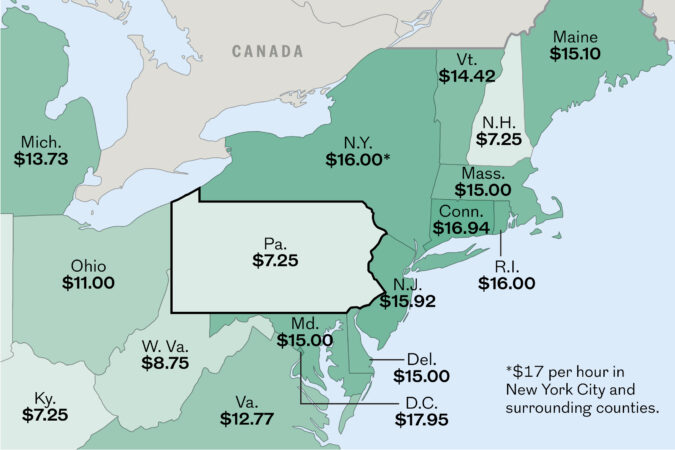
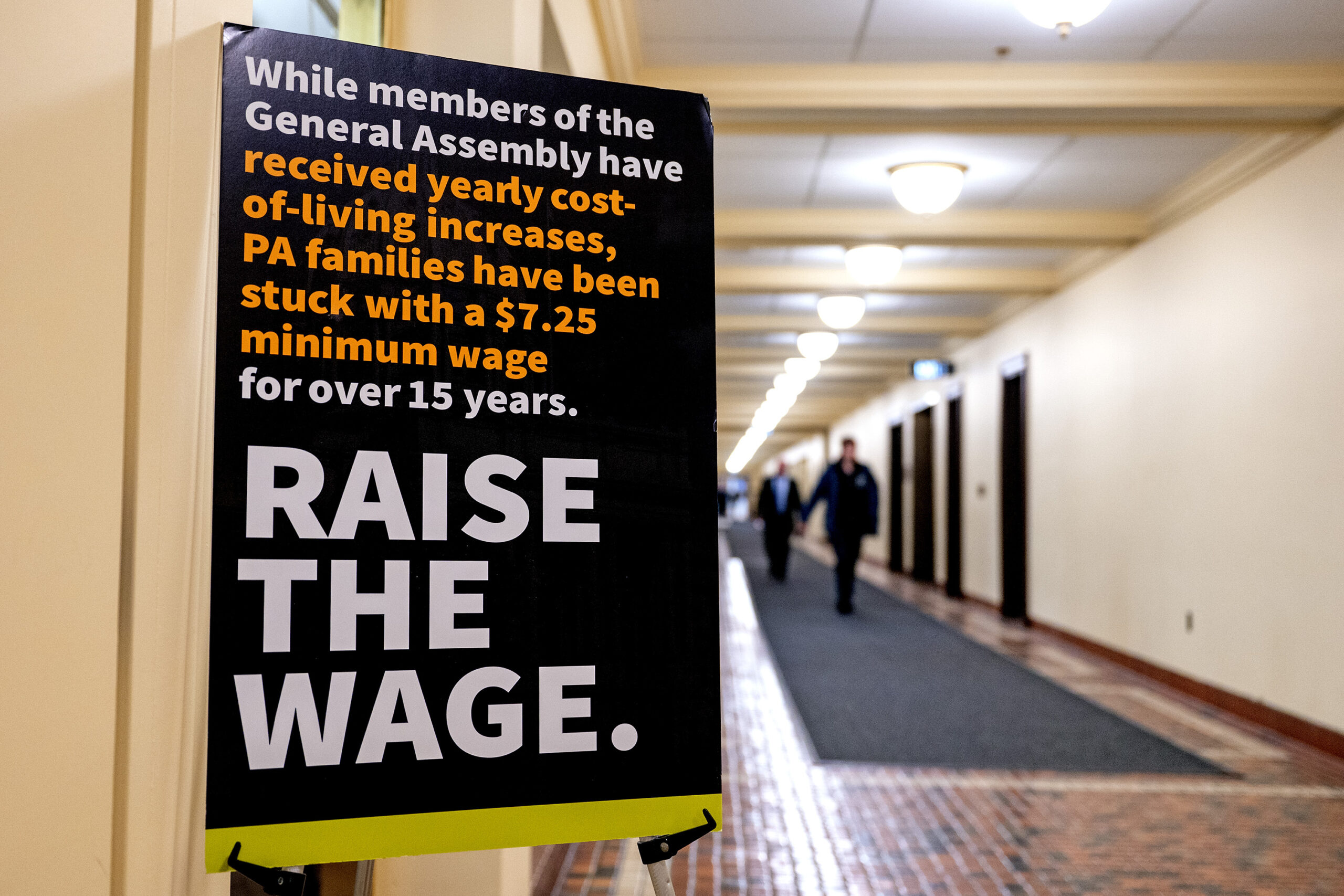
    Pennsylvania’s minimum wage hasn’t budged from the $7.25 federal minimum that was set in 2009. But the number of Pennsylvanians actually making that much per hour is small and shrinking.

    Last year, some 42,900 Pennsylvania workers earned the minimum wage or less, according to the Pennsylvania Department of Labor and Industry’s annual report on the minimum wage, published this month.

    That’s about a 9% decline from 2024. This group makes up less than 1% of all Pennsylvania workers. The state’s population of minimum-wage workers has dropped by roughly 42% in the last five years.

    Still, hundreds of thousands who make more than minimum wage would see their wages rise if the Pennsylvania’s wage floor was set to $15 an hour.

    Last year, 189,900 people in Pennsylvania (6.4% of hourly workers) earned at least $7.26 and up to $12 per hour.

    Another 320,900 (10.8% of hourly workers) earned between $12.01 and $15 per hour.

    Each of these groups making low wages in Pennsylvania — up to $7.25, up to $12, and up to $15 per hour — was smaller in 2025 than the year before.

    That’s due in part to increasing wages across the state, the report said, as well as a lower number of hourly wage earners and a shrinking workforce overall. Pennsylvania’s median wage rose to $20.95 per hour last year — roughly a $1 increase from 2024.

    The report is based on data from a U.S. Census Bureau survey. Last year’s data is missing October figures due to the government shutdown, the report noted.

    Some are exempt from federal and state minimum wage such as farmworkers, some seasonal workers, and newspaper delivery people. Workers who make much of their money in tips have a lower minimum wage. Workers from these categories were not excluded from data in the report.

    Pennsylvania’s minimum wage is not enough money to cover a person’s basic needs, according to a living wage calculator developed at the Massachusetts Institute of Technology. It estimates that the living wage for a single adult without a child in Pennsylvania is $23.32 per hour.

    Mayor Cherelle L. Parker speaks during a rally in support of raising the minimum wage and also freeing the city to set its own minimum wage separate from the state, at City Hall, in Philadelphia, April 29, 2025.

    Who actually made minimum wage last year?

    In 2025, workers who made at or below the minimum wage in Pennsylvania were predominantly women. While they make up roughly 51% of the state’s working population, they represent a disproportionate 81% of workers who earned $7.25 or less last year.

    Nearly 79% of these workers are white, and roughly half have a high school diploma or less education.

    window.addEventListener(“message”,function(a){if(void 0!==a.data[“datawrapper-height”]){var e=document.querySelectorAll(“iframe”);for(var t in a.data[“datawrapper-height”])for(var r,i=0;r=e[i];i++)if(r.contentWindow===a.source){var d=a.data[“datawrapper-height”][t]+”px”;r.style.height=d}}});

    Nearly three-quarters of them work in food preparation and serving jobs. Though it should be noted that tips and overtime for restaurant workers are not accounted for in the report’s data, and tipped restaurant workers’ minimum wage is $2.83 by law.

    Unmarried people and young workers aged 16 to 24 also make up a disproportionately large segment of Pennsylvanians making minimum wage or less, the report says.

    Working full time at the minimum wage, a worker would make $15,080 annually. But 80% of Pennsylvania workers who made minimum wage or less last year worked part-time.

    Other sectors that employ these low-wage workers in Pennsylvania include hotels and lodging, retail, art and entertainment, hospitals, educational services, construction, and manufacturing.

    window.addEventListener(“message”,function(a){if(void 0!==a.data[“datawrapper-height”]){var e=document.querySelectorAll(“iframe”);for(var t in a.data[“datawrapper-height”])for(var r,i=0;r=e[i];i++)if(r.contentWindow===a.source){var d=a.data[“datawrapper-height”][t]+”px”;r.style.height=d}}});

    Pennsylvania’s neighboring states have higher minimum wages

    Despite efforts to raise Pennsylvania’s minimum wage, it lags behind that of neighboring states.

    New Jersey’s minimum wage, which increased in January to $15.92 per hour, is over double that of Pennsylvania’s, and 22 states are soon increasing their minimum wage or have done so already this year. In Delaware, the minimum hourly wage has risen from $9.25 in 2021 to $15 in 2025, thanks to legislation mandating the gradual increase.

    A sign in support of an increase in the state’s minimum wage in the state Capitol Feb. 3, 2026.

    Gov. Josh Shapiro has backed raising the minimum wage at every annual state budget address since he was elected. In February he called on the General Assembly to advance minimum wage legislation, adding that raising it to $15 an hour would save the state millions on entitlement programs like Medicaid.

    “If you aren’t going to do this because it’s the right thing to do, or because it would let more families put food on the table for their kids, then do it because it’s going to save us $300 million, shrink our entitlement budget by growing our workforce and putting more money back in workers’ pockets,” he said.

  • Two Main Line Jewish schools are merging | Inquirer Lower Merion

    Two Main Line Jewish schools are merging | Inquirer Lower Merion

    Hi, Lower Merion! 👋

    Two prominent Jewish day schools are merging. Here’s why. Also this week, the Gladwyne man who duped some of the region’s wealthiest families into investing in his companies has been sentenced to prison, the township is gearing up to present two final plans for Schauffele Plaza’s redesign, and the county has appointed members to its human relations commission.

    We want your feedback! Tell us what you think of the newsletter by taking our survey or emailing us at lowermerion@inquirer.com.

    If someone forwarded you this email, sign up for free here.

    Two Jewish day schools make a ‘proactive’ move to merge

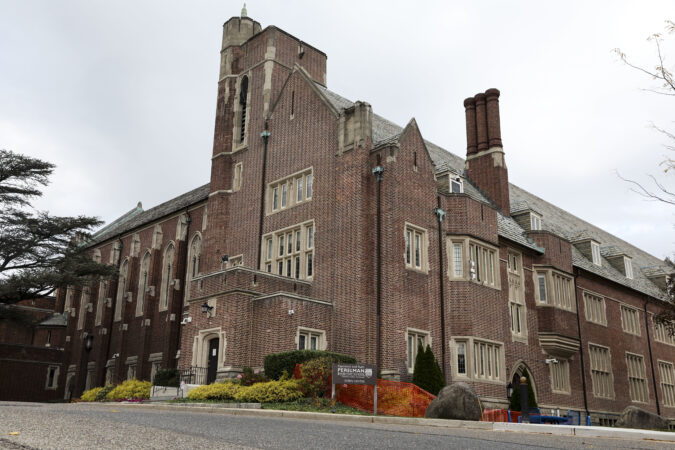
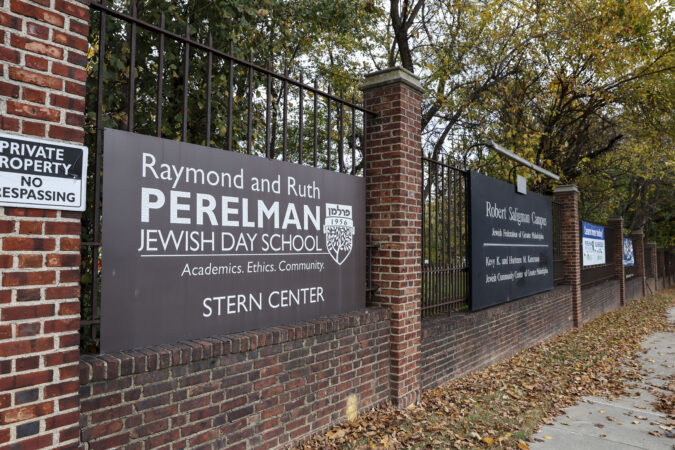
    The Perelman Jewish Day School is merging with the Jack M. Barrack Hebrew Academy.

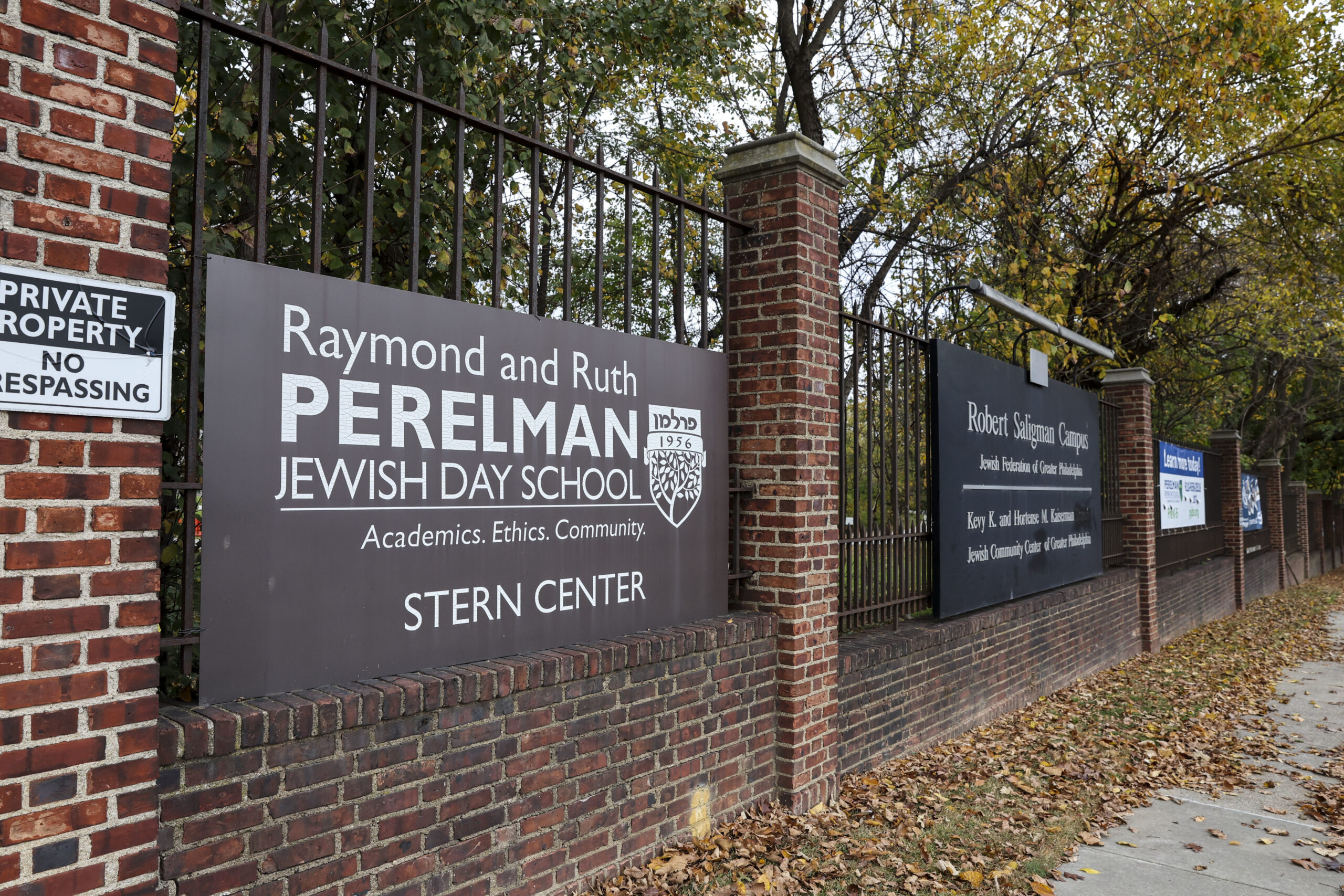
    Perelman Jewish Day School and the Jack M. Barrack Hebrew Academy are merging in a “proactive” move the two Jewish day schools say will keep them competitive.

    The schools plan to keep their geographic footprints, which span Barrack’s Bryn Mawr campus and Perelman’s Melrose Park and Wynnewood facilities.

    While many students currently matriculate from Perelman to Barrack, the merger will allow families to enroll students in a single institution from pre-kindergarten through 12th grade.

    This isn’t the first time the two schools have come together. In 2012, they combined their middle schools to create a sixth-through-eighth-grade program on Barrack’s campus.

    Read more about the merger, which will go into effect in the 2027-28 school year.

    💡 Community News

    • Josh Verne, the Gladwyne man who convinced some of the region’s wealthiest families to invest in his companies only to use the cash to fund a lavish personal lifestyle, was sentenced yesterday to over nine years in federal prison. Verne’s high-profile investors included Sixers co-owner David Adelman, Fanatics CEO Michael Rubin, and real estate developer Bart Blatstein.
    • Ardmore’s Schauffele Plaza is slated for a redesign, and two final options will be presented at the Lower Merion Building and Planning Committee Meeting next Wednesday at 6:30 p.m. The goal of the redesign is to better utilize the public space and make it more of what the township is calling a “vibrant downtown gathering place.” Both plans call for outdoor dining space and central lawns, but the sizes and amount of greenery in each varies, with one plan reducing overall parking spaces by 56 spots, and the other by 38. See the two plans here.
    • Lankenau Medical Center named a new president this week. Anna Michelle Brandt succeeds Katie Galbraith and comes to the Wynnewood institution from University Hospital in New Jersey, where she was most recently its COO.
    • Speaking of Lankenau, it was recently ranked among the best hospitals in the United States by Newsweek, landing at No. 131. Bryn Mawr Hospital is No. 201 in the U.S.
    • Last month, the Montgomery County Board of Commissioners appointed the first members of its new human relations commission. The members are Samuel Coleman IV, Desha Dickson, Fiona Dow, John Han, Rosemary Jenkins, Shahidul Partha, Burt Siegel, and Akilah Williams-Valdez. The commission will allow residents who believe they’ve been discriminated against to mediate their claims. Members will specifically focus on unlawful discrimination in employment, real estate, housing, and public accommodations across the county.
    • Lower Merion Township has installed four new electric vehicle chargers in the municipal lot in Bryn Mawr across from Ludington Library. Two of the spaces are ADA accessible.
    • Services at the Center for Positive Aging in Lower Merion are returning to its main building at 117 Ardmore Ave. in Ardmore after it underwent a renovation.
    • Sugared + Bronzed is opening at Ardmore’s Suburban Square on Monday. Located at 127 Coulter Ave., it will be in the ground floor retail space of the new apartment complex Coulter Place, which opened earlier this year. Sugared + Bronzed offers “sugaring hair removal,” as well as airbrush tanning.
    • Leveaux Pilates in Ardmore has expanded and is now offering heated mat pilates, a hot take on the classic workout.

    🏫 Schools Briefing

    • Registration is open for all new students starting at any LMSD school for the 2026-27 academic year. Learn more about how to register here.
    • Tonight is the Freedom Tournament at Cynwyd Elementary and Taste of Penn Wynne. Tomorrow, Lower Merion High has its jazz festival, Penn Valley is hosting its “PV Idol,” and Welsh Valley’s spring musical, The Music Man Jr., kicks off. There are school board committee meetings on Monday and a fourth and fifth grade transition information session for Black Rock parents. See the district’s full calendar here.
    • The Prom Boutique is open again on Tuesday at Lower Merion High School from 3:30 to 7 p.m.
    • Students from Bala Cynwyd, Black Rock, and Welsh Valley Middle Schools, and Harriton and Lower Merion High Schools raked in a collective 99 awards at this year’s Pennsylvania Technology Student Association Region 5 Conference, held in late January, with 34 first-place finishes. Some will move onto the state conference, which takes place in mid-April.
    • Friends’ Central School’s girls’ basketball team defeated the Westtown School 62-54 last week to claim the Pennsylvania Independent Schools Athletic Association championship.
    • Shipley School sophomore Kate Ulrich took home second place in the U.S. Squash Junior Championship Tournament in the Girls Under 17 division, which was held in January in Philadelphia.

    🍽️ On our Plate

    🎳 Things to Do

    🌋 Science with Food: Kids ages 6 and up can make several science-themed edible crafts, including one inspired by a volcano. ⏰ Saturday, March 7, 4-5:30 p.m. 💵 $37.10 📍The Candy Lab

    🍀 St. Patrick’s Day Crafternoon: Kids can make a leprechaun craft during this drop-in event. ⏰ Wednesday, March 11, 3-5 p.m. 💵 Free 📍Gladwyne Library

    🏡 On the Market

    A 1930s stone manor in Bryn Mawr with a pool

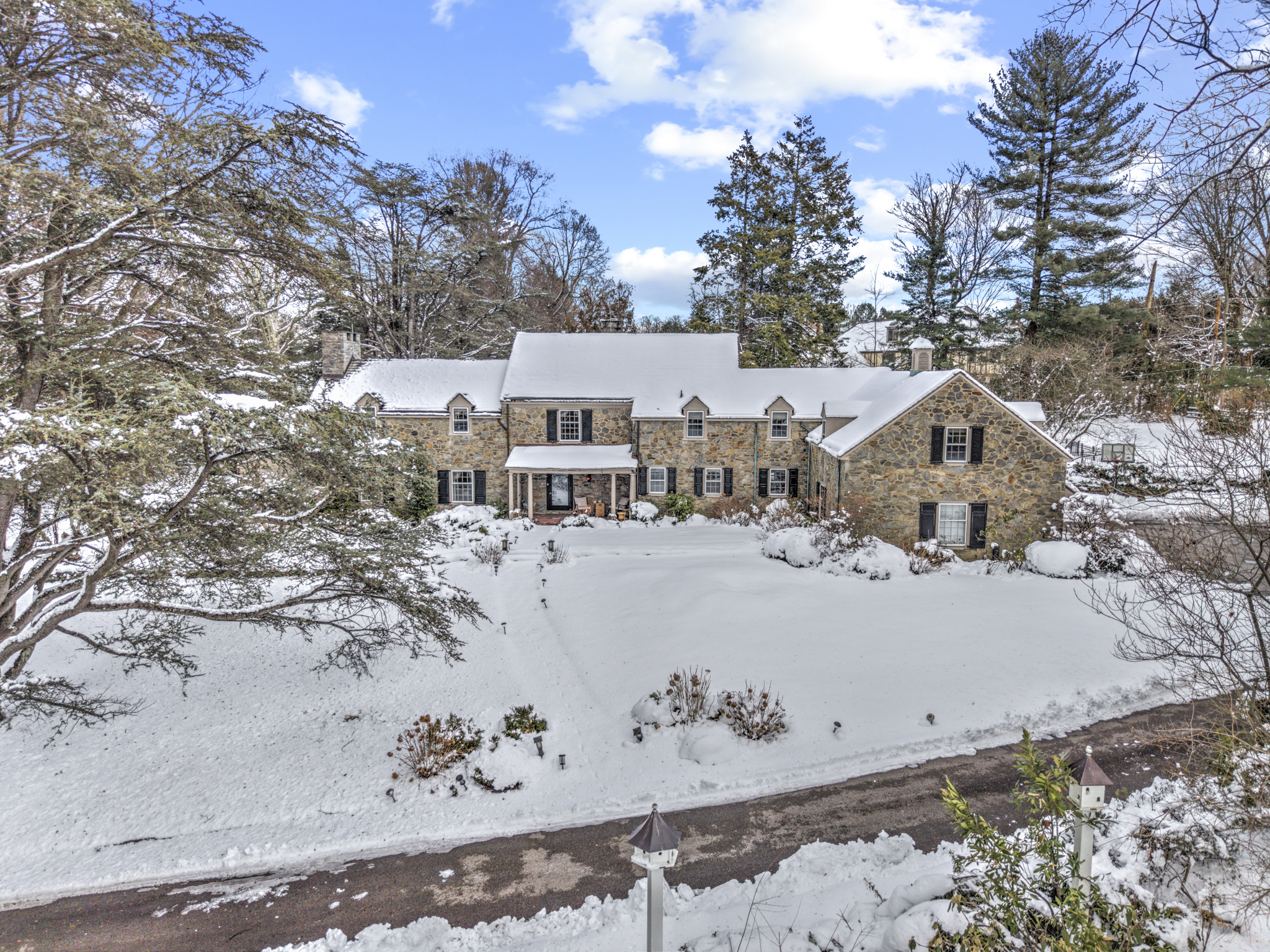
    The home was built in 1939 and sits on over 2 acres.

    Built in 1939, this sprawling stone manor estate blends the past and present. The first floor features a formal living room with a gas fireplace and built-ins, a formal dining room with dedicated china closets and a crystal chandelier, an office with its own fireplace, and a kitchen with two-tone cabinetry, a large center island, high-end appliances, and granite countertops. Near the kitchen, there’s also a butler’s pantry. There are four bedrooms upstairs, including a primary suite with a dressing room and four closets, while the bathroom has a soaking tub and double vanity. Other features include a cedar closet in the attic and a partially finished basement. Outside, there’s a pool, gardens, a covered patio, and a chicken coop. There’s an open house Saturday from noon to 3 p.m.

    See more photos of the property here.

    Price: $3.5M | Size: 5,283 SF | Acreage: 2.04

    🗞️ What other Lower Merion residents are reading this week:

    By submitting your written, visual, and/or audio contributions, you agree to The Inquirer’s Terms of Use, including the grant of rights in Section 10.

    This suburban content is produced with support from the Leslie Miller and Richard Worley Foundation and The Lenfest Institute for Journalism. Editorial content is created independently of the project donors. Gifts to support The Inquirer’s high-impact journalism can be made at inquirer.com/donate. A list of Lenfest Institute donors can be found at lenfestinstitute.org/supporters.

  • How Media became the nation’s first Fair Trade Town | Inquirer Greater Media

    How Media became the nation’s first Fair Trade Town | Inquirer Greater Media

    Hi, Greater Media! 👋

    This year marks the 20th anniversary of Media as a Fair Trade Town. We delve into how it became the first in the U.S. Also this week, Swarthmore’s borough manager has been terminated, Media is home to a competitive Scrabble club, plus a monthslong utility project on Providence Road is set to get started.

    We want your feedback! Tell us what you think of the newsletter by taking our survey or emailing us at greatermedia@inquirer.com.

    If someone forwarded you this email, sign up for free here.

    How Media became the country’s first Fair Trade Town 20 years ago

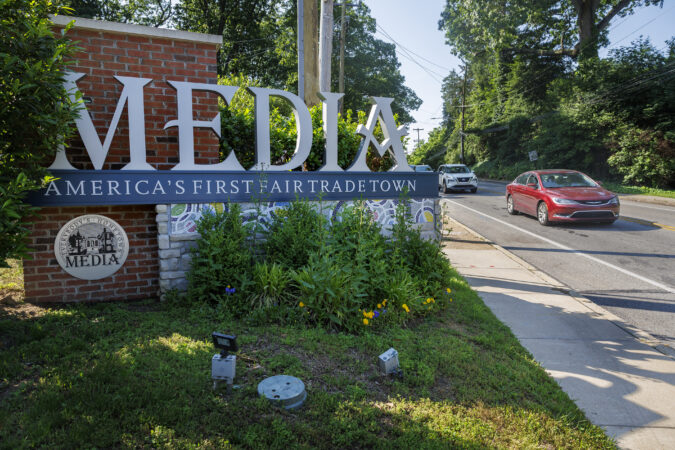
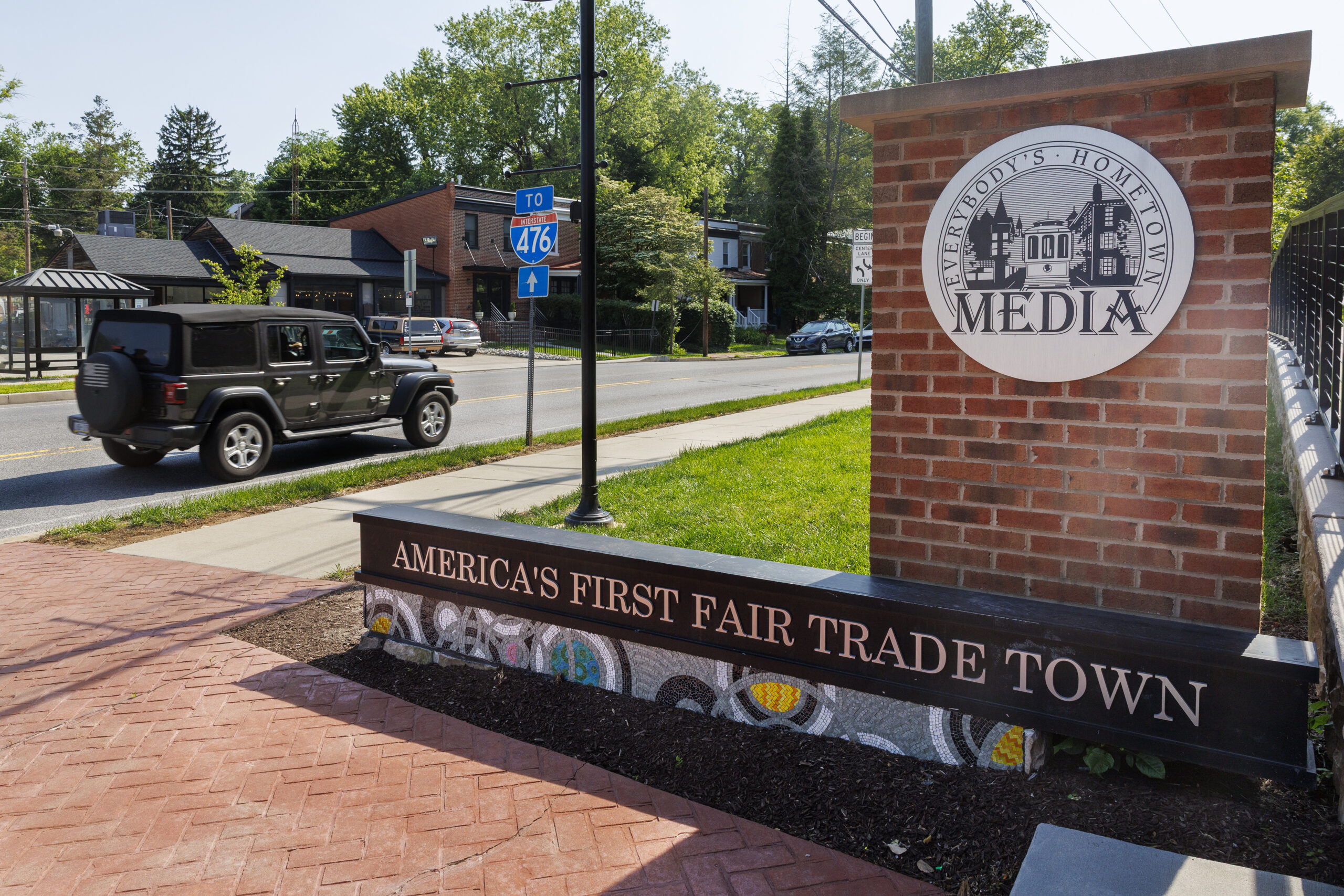
    Media displays its distinction as the country’s first Fair Trade Town on its signage.

    Two decades ago, one man’s vision and one woman’s email set into motion a first for Media as the pair worked to make the borough the nation’s first Fair Trade Town.

    The idea came from Hal Taussig, the late founder of travel company UnTours who wanted to see his hometown prioritize quality products and fair wages for farmers in developing areas. To be part of the global trading agreement, farmers and producers must use eco-friendly practices, invest in their communities, and provide safe working conditions. In exchange, they’re paid higher minimum prices for goods like coffee, chocolate, and produce.

    With a single late-night email to a man in England, Elizabeth Killough, who worked for Taussig, helped start the process. While major cities like New York and Los Angeles were working to establish themselves as Fair Trade hubs, Media beat them to it, and 20 years later, that ethos lives on.

    The Inquirer’s Denali Sagner delves into what it means for the borough today.

    💡 Community News

    • Swarthmore has a new interim borough manager. On Monday, borough council appointed David Unkovic to the role. He takes over for Sean Halbom, who has been terminated, according to Council President Jill Gaieski, The Inquirer learned late Wednesday night. Halbom began in the role less than six months ago, taking over for the outgoing manager Bill Webb in September.
    • Peco is aiming to begin a monthslong natural gas line replacement project on Monday in Media. Work will take place on Providence Road between Meetinghouse Road and Monroe Street on weekdays from 7 a.m. to 4 p.m. through mid-July. While most work will be outdoors, Peco will need access to impacted homes to relight gas appliances. Read more about the project here.
    • In other construction news, the Swarthmore Avenue project is getting closer to completion. Needed parts for the repair project are expected to arrive next week, and once they’re installed, closures on the road are expected to be limited to 7 a.m. to 3 p.m. for “a few weeks.” Construction on the project began in December and was initially anticipated to take eight weeks.
    • Monday is the deadline for Swarthmore residents to order a tree for or near their curb. Here’s how you can get one.
    • Riddle Hospital reported a 36% increase in patients after Crozer-Chester Medical Center closed last spring. With more patients, the hospital’s parent company, Main Line Health, reported an $8.7 million operating profit for the first half of fiscal 2026, which ended Dec. 31.
    • Riddle Village in Middletown Township has become a hub for some of the country’s top Scrabble players. The Delco Scrabble Club’s members range widely in age and come from all over the area, but meet weekly at one of the members’ homes in Media. “I casually hop on SEPTA and then I’m face-to-face with the best Scrabble players in the country. It’s kind of intimidating,” Mark Abadi, 35, said at one of the club’s recent weekly meetings. He and another member of the group, Will Anderson, 41, have competed in national tournaments and are putting their skills to the test on this season of the CW’s game show Scrabble.
    • A pair of sisters recently put their family’s Spanish-style Wallingford home on the market for $699,000. The ranch was built in the 1970s, and their parents purchased it 42 years ago. Take a peek inside.

    🏫 Schools Briefing

    • Two Penncrest High School sports teams are having successful runs. The boys’ ice hockey team shut out Conestoga High School 4-0 last week to claim the Central League championship. And the boys’ basketball team kicks off its PIAA 5A championship efforts on Friday, when the Lions host York Suburban High School. See the full 5A bracket here.
    • Reminder for Rose Tree Media families: There’s no school today or tomorrow for kindergarten through eighth grade students due to parent-teacher conferences. On Saturday, Penncrest High School is hosting Carnival for a Cure from 10 a.m. to 2 p.m. There will be food, games, and prizes, with proceeds benefiting the Foundation Fighting Blindness. See the district’s full calendar here.
    • Wallingford-Swarthmore School District is hosting a community meeting about the high school renovation tonight at 6:30 p.m. at the Strath Haven High School library.
    • Also in WSSD, today is the Elementary Chorus Fest, and performances of Strath Haven High School’s musical, Alice By Heart, continue tomorrow through Sunday. On Monday, there’s a virtual meeting about navigating college admissions tests, and the spring book fair starts Tuesday. See the district’s full calendar here.

    🍽️ On our Plate

    • Fox 29’s Bob Kelly recently visited Bittersweet Kitchen in Media to sample some of its brunch offerings, including crème brûlée pancakes, apple cider fritters, and huevos rancheros. See the segment here.

    🎳 Things to Do

    🏕️ School Day Off Mini-Adventure Camp: Kids in kindergarten through third grade can explore Tyler Arboretum through nature-themed crafts, outdoor play, games, and more. ⏰ Thursday, March 5 and Friday, March 6, 9 a.m.-4 p.m. 💵 Standard daily camp admission is $83.70 for members and $93 for non-members 📍Tyler Arboretum, Media

    🩰 Sleeping Beauty: The classic fairytale gets a modern spin as Ballet of Lights dancers perform in glow-in-the-dark costumes. ⏰ Friday, March 6, 6:30 and 8:30 p.m. 💵 $43-$57 📍The Media Theatre

    🎸 The Biscotti Boys: The Chester County party cover band will make its debut at Martinique Deux. ⏰ Friday, March 6, 8 p.m. 💵 No cover📍Martinique Deux, Media

    🏡 On the Market

    A three-bedroom townhouse in Franklin Station

    The open-concept first floor includes living and dining areas, as well as the kitchen.

    Located in Franklin Station off Route 1, this three-bedroom townhouse spans two floors, plus a finished basement, and has access to amenities including a clubhouse, pool, walking trails, and fitness center. The townhome’s open-concept first floor features living and dining areas, as well as the kitchen, which has an 8-foot quartz island, two-tone cabinetry, a herringbone backsplash, plus a walk-in pantry. The space opens onto a deck with a pergola. All three bedrooms are upstairs, including a primary suite with a walk-in closet, a double vanity, and a tiled shower. There are open houses Saturday from 11 a.m. to 1 p.m. and Sunday from noon to 2 p.m.

    See more photos of the townhouse here.

    Price: $712,900 | Size: 2,727 SF

    🗞️ What other Greater Media residents are reading this week:

    By submitting your written, visual, and/or audio contributions, you agree to The Inquirer’s Terms of Use, including the grant of rights in Section 10.

    This suburban content is produced with support from the Leslie Miller and Richard Worley Foundation and The Lenfest Institute for Journalism. Editorial content is created independently of the project donors. Gifts to support The Inquirer’s high-impact journalism can be made at inquirer.com/donate. A list of Lenfest Institute donors can be found at lenfestinstitute.org/supporters.

  • More than half of Pennsylvanians oppose ICE’s methods under Trump, new poll finds

    More than half of Pennsylvanians oppose ICE’s methods under Trump, new poll finds

    Pennsylvania voters broadly oppose some of President Donald Trump’s immigration enforcement tactics — but there’s a stark partisan split, according to a new statewide poll of registered voters.

    Franklin & Marshall College’s Center for Opinion Research released a wide-ranging poll Thursday that tracked registered Pennsylvania voters’ opinions on America’s 250th anniversary, ICE enforcement tactics, and other issues facing the state and nation ahead of the midterm election.

    Trump’s approval ratings have remained consistently low since returning to office last year, with a majority of Pennsylvanians disapproving of his job as president.

    Democratic Gov. Josh Shapiro maintains a 50% approval rating heading into the midterm elections later this year.

    Pollsters at Franklin & Marshall College surveyed 834 registered Pennsylvania voters, including 353 Democrats, 347 Republicans and 134 independents. The sample error is +/- 4.1 percentage points.

    Here are three takeaways from the poll of registered Pennsylvania voters, conducted Feb. 18 through March 1 by phone or online.

    Trump is consistently unpopular in Pennsylvania

    Trump’s approval ratings among registered Pennsylvania voters remain low, with 61% of voters rating him as doing a “poor” or “fair” job, according to the statewide poll, which also assessed Trump’s performance on immigration, the economy, and other issues.

    Trump maintained a net negative approval rating throughout his first term in 2017-2021 and so far in his second term, according to the poll.

    Despite winning the state in 2024, he remains divisive with 51% of respondents rating him as doing a “poor” job, and only 10% who rate him as doing a “fair” job. Approximately 39% of registered Pennsylvania voters view Trump as doing an “excellent” or “good” job, according to the poll.

    window.addEventListener(“message”,function(a){if(void 0!==a.data[“datawrapper-height”]){var e=document.querySelectorAll(“iframe”);for(var t in a.data[“datawrapper-height”])for(var r,i=0;r=e[i];i++)if(r.contentWindow===a.source){var d=a.data[“datawrapper-height”][t]+”px”;r.style.height=d}}});

    Trump’s low approval numbers could have a drag effect on Republicans’ performance in the midterm election, said Berwood Yost, the director of Franklin & Marshall’s poll.

    “While there’s still a long way to go until November, [Trump has] got to figure out a way and his party has to find a way to prevent that and earn those voters back,” Yost said.

    Trump’s low numbers align with those of former President Barack Obama or George W. Bush’s approvals at the same point in their second term, Yost added. Both of their parties lost seats in the midterms elections those years.

    However, Trump’s approval ratings are not the lowest they have been in the state. His approval ratings dropped to their lowest, 70% disapproval, during his first term in September 2017.

    Josh Shapiro is still popular

    Gov. Josh Shapiro remains popular ahead of his reelection contest this year: 50% of Pennsylvania voters say he is doing an “excellent” or “good job,” while another 44% believe he is doing a “fair” or “poor” job leading the nation’s fifth most populous state.

    Shapiro is the most popular governor since 2000, when comparing his approval ratings to those of other Pennsylvania governors at the same point during their first terms, Yost said.

    Shapiro also maintains a significant lead over his likely GOP challenger, State Treasurer Stacy Garrity. If the midterm elections were to happen today, 48% of voters said they would reelect Shapiro, while 28% said they would vote for Garrity. Another 7% of voters said they would vote for a different candidate, while 17% were undecided or refused to answer the question.

    Shapiro’s approval ratings have remained steadily high since taking office in January 2023. A Quinnipiac University poll released last month found similar public opinion toward Shapiro’s reelection, while some voters said they were unsure whether they wanted the rumored 2028 presidential candidate to run for higher office.

    Pa. voters broadly oppose some of ICE’s enforcement actions, but are split on others

    Approximately three-fourths of Pennsylvania voters believe ICE should not be able to use deadly force against protesters or enter a home without a warrant, in a major pushback to Trump’s immigration enforcement tactics.

    Pennsylvania voters’ opinions on immigration enforcement varies significantly based on a person’s political party: While nine in 10 Republicans support ICE tactics, only two in five independents and one in 10 Democrats support them.

    Protesters march up Eighth Street, towards the immigration offices, during the Philly stands with Minneapolis Ice Out For Good protest at Philadelphia’s City Hall on Friday, Jan. 23, 2026.

    Republicans support ICE’s use of unmarked vehicles to detain people and their use of masks to hide an agent’s identity at much higher rates than Democrats, while independents are split. On the use of masks, 77% of Republican voters believe agents should be able to wear them, while 40% of independents and only 10% of Democrats do.

    “There’s a lot of consensus about the fundamental principles that protect our individual rights like entering a home without a warrant or using force against protesters, whereas there’s a little more partisanship in others,” Yost said.

    window.addEventListener(“message”,function(a){if(void 0!==a.data[“datawrapper-height”]){var e=document.querySelectorAll(“iframe”);for(var t in a.data[“datawrapper-height”])for(var r,i=0;r=e[i];i++)if(r.contentWindow===a.source){var d=a.data[“datawrapper-height”][t]+”px”;r.style.height=d}}});

    There is also overwhelming support among Pennsylvania voters that non-citizens who are in the U.S. legally — whether by visa, green card, asylum or other protected statuses, or in the process of becoming a citizen — should not be targeted by Immigration and Customs Enforcement for deportation, according to the poll.

    However, a majority of Republicans and independent voters believe undocumented immigrants who have been in the United States illegally for any amount of time and have no criminal record should be targeted for deportation, while less than a quarter of Democrats believe they should.

    Pennsylvania voters want the 250th anniversary to acknowledge the positives and negatives from American history

    As Trump tries to reframe American history for the nation’s 250th anniversary, most Pennsylvanians want the celebrations to acknowledge its positive and negative parts.

    Approximately 73% of Pennsylvania voters believe any retelling of American history should include the upsides and downsides of the nation’s founding, while 24% believe only positive aspects should be celebrated.

    “Most people, they want to see historical interpretations that include the whole picture,” Yost said.

    This finding is of particular interest in Pennsylvania, following the Trump administration’s removal of an exhibit that memorialized the enslaved people who lived in George Washington’s home from the historic President’s House site in Independence National Historical Park. A federal judge ordered the restoration of the exhibit, but the Trump administration is appealing the decision.

  • Two Philly-area Jewish schools are merging, a ‘proactive’ push to remain competitive in the region’s strong academic market

    Two Philly-area Jewish schools are merging, a ‘proactive’ push to remain competitive in the region’s strong academic market

    Two prominent Jewish day schools in the Philadelphia suburbs are set to merge, a decision school leaders say will keep the institutions competitive in the region’s strong educational market.

    Perelman Jewish Day School, a private Jewish pre-K and elementary school located in Melrose Park and Wynnewood, and Jack M. Barrack Hebrew Academy, a Jewish middle and high school located in Bryn Mawr, will merge next year to become the only unified pre-K through twelfth-grade Jewish day school in the Philadelphia area.

    Perelman and Barrack will maintain their current operations for the 2026-27 school year, while beginning to combine their admissions and development programs. Faculty, staff, and students will come under the unified school umbrella beginning in fall 2027. Perelman and Barrack will continue to operate on all three campuses.

    School officials say the merger will help streamline curriculum development and strategic planning while bringing more families into the Jewish day school system by offering a consistent, pre-K-through-high-school experience.

    Perelman Jewish Day School was founded in 1956 as the Solomon Schechter Day School of Greater Philadelphia. The school operates across two campuses, one in Melrose Park, which serves parts of Philadelphia County, eastern and northern Montgomery County, and Bucks County, and another in Wynnewood, which serves Center City and Philadelphia’s western suburbs.

    Jack M. Barrack Hebrew Academy, originally Akiba Hebrew Academy, was the nation’s first pluralistic Jewish secondary day school when it opened in Center City in 1946. The school moved to Merion Station in 1956, then Bryn Mawr in 2008. Barrack boasts numerous notable alumni, including Gov. Josh Shapiro and CNN anchor Jake Tapper.

    Perelman and Barrack completed a partial merger in 2012, when the schools combined their middle schools into a single sixth-through-eighth-grade program on Barrack’s campus.

    Tuition at Perelman ranges from $21,500 to $32,300 per year, and tuition at Barrack ranges from $34,900 to $42,700. Both schools offer tuition assistance. Perelman says it awards over $3 million in tuition assistance each year to families earning up to $500,000.

    School leaders say the merger will ensure Perelman and Barrack are an attractive option for families in Philadelphia’s rich educational ecosystem, where parents can choose from dozens of strong public and private schools. Often, families choosing private education are looking for continuity from pre-K through high school, something that Perelman and Barrack have not been able to provide until this point.

    The ability to have students “become part of an educational system from their earliest years and grow within that system” will be academically and socially “deeper and more impactful,” said Rabbi Marshall Lesack, Barrack’s head of school and a Barrack alumnus. Lesack will lead the unified school beginning in 2027.

    Daniel Eisenstadt, a member of the Perelman board of directors who will chair the new, combined board, said the merger will also allow for more cohesive planning. The schools will be able to align their vacation calendars, external messaging, and curriculum plans.

    Though the overwhelming majority of Perelman students already matriculate to Barrack, bringing the schools under one system will allow for more parity in what to teach and when to teach it. Elementary, middle, and high school teachers will be able to sit in the same room and plan best practices for everything from math to art to Jewish studies, considering the arc of a student from ages 5 to 18, Eisenstadt said.

    Both schools’ enrollment has been “stable to growing” in the past few years, said Eisenstadt. Both he and Lesack were clear that the merger is not in response to a souring financial outlook, as can be the case when educational institutions merge.

    “We’re both coming from a place of strength,” Lesack said.

    Barrack reported revenue of $20.9 million in 2024, an increase of $3.4 million over 2023, according to tax records. Perelman reported a revenue of $13.4 million in 2024, up $400,000 from 2023.

    However, Eisenstadt said, “there is a recognition that we operate in an environment where there are excellent other independent schools, and excellent public schools. Rather than waiting for a moment where we see a dip in enrollment or where there are challenges, I think the general feeling from a leadership point of view was, ‘Let’s be proactive.’”

    Amid rising reports of antisemitism, some Jewish day schools have seen a spike in enrollment, as families seek more opportunities for Jewish affiliation for their children.

    When it comes to growing enrollment at Barrack and Perelman, however, Eisenstadt said there’s no one cause. He is “a little bit skeptical about the generic narrative” that the Israel-Hamas war and rising antisemitism have solely driven increased interest in Jewish education. He says Perelman and Barrack can’t rest on the assumption that larger forces will inevitably push families toward the Jewish day school experience. In a “dynamic world,” the schools need to continue to evolve, he said.

    In Eisenstadt’s words, Barrack and Perelman can’t “assume that any one thing that’s occurred, any one event, or any one trend is the future.”

    Lesack and Eisenstadt said many of the merger’s details are still up in the air and will be decided by the board. However they noted that there are plans for major investments across all of Perelman and Barrack’s facilities. Plans have long been in the works to find a new home for Perelman’s Melrose Park campus. School leaders say they are committed to having a continued presence in Philly’s northern suburbs.

    Lesack and Eisenstadt acknowledged the challenges of merging two schools with different campuses and cultures. Yet there’s “an unbelievably strong foundation” upon which to build, Lesack said, citing the many families, values, and traditions that the schools already share.

    This suburban content is produced with support from the Leslie Miller and Richard Worley Foundation and The Lenfest Institute for Journalism. Editorial content is created independently of the project donors. Gifts to support The Inquirer’s high-impact journalism can be made at inquirer.com/donate. A list of Lenfest Institute donors can be found at lenfestinstitute.org/supporters.

  • Two Philly high schools are still fighting their proposed closures, even after officials tweaked plans to appease them

    Two Philly high schools are still fighting their proposed closures, even after officials tweaked plans to appease them

    Superintendent Tony B. Watlington Sr. said he heard the public outcry over his recommendations to close 20 schools.

    The Philadelphia School District leader fine-tuned his facilities plan last week, dropping the closure list down to 18 schools — and changing recommendations for Paul Robeson High School and Lankenau High School.

    Both schools would still close under the plan, which is now in the school board’s hands. Instead of merging into large neighborhood high schools, however, the small, selective-admission schools would be absorbed by magnets.

    Watlington said the tweaks would still allow the district to bring more high-quality academic and extracurricular opportunities into neighborhood schools while acknowledging the need to manage limited resources.

    But students, staff, parents — and some powerful allies at both schools — say Watlington’s counter-proposal isn’t enough. Both communities are still fighting.

    Under the revised plan, Lankenau would merge with Saul, not Roxborough, and Robeson would merge into Motivation, not Sayre.

    State Rep. Morgan Cephas (D., Phila.) recently visited the Philadelphia Flower Show, where she and other officials marveled at Lankenau students’ exhibit, which examines abundance, roots, and connections through culturally important plants. The display won a gold medal and the prestigious Alfred M. Campbell Memorial Trophy.

    The dichotomy struck Cephas, she said. Lankenau students “are at the Flower Show, and [the district] is trying to close the school?”

    On Wednesday, students, parents, lawmakers, and Philadelphia Federation of Teachers officials gathered at Lankenau to drum up support for Gov. Josh Shapiro’s budget proposal. But really, it was another save-our-school rally.

    A ‘prime example of a successful school’

    Lankenau “is a prime example of a successful school,” said Messiah Stokes, an 11th grader at the Upper Roxborough school. The school has a 100% graduation rate, and is Pennsylvania’s only three-year agriculture, food, and natural resources career and technical education program.

    The school itself sits on 17 acres, which district officials have proposed giving to the city — though a 1970s legal agreement could foil that plan. Lankenau is also adjacent to 400 more wooded acres via the Schuylkill Center for Environmental Education. The environmental center shares its land and its opportunities with students, who hold bird-watching clubs on breaks and hold classes outside when weather permits, and have abundant internship opportunities.

    “My school is a prime example of a successful school,” said Stokes.

    Watlington has said that Saul — the city’s agricultural magnet on a working farm on Henry Avenue — has a mission that’s closely aligned with Lankenau’s, but supporters say Lankenau’s success is closely tied with its wooded campus, its streams, and its ecosystems.

    Councilmember Isaiah Thomas speaks at Lankenau High School during a gathering to support the efforts to fight closing recommendations on Wednesday.

    Councilmember Isaiah Thomas, chair of City Council’s education committee, is incredulous that the district is attempting to close the school, which educates mostly Black students.

    “I wonder if Lankenau did everything that it currently does: graduation rate … community involvement, the educators’ participation — I wonder if Lankenau was 98% white, will we be closing Lankenau?” Thomas said.

    Lankenau enrolls 228 students; its enrollment took a hit when the district changed its special-admissions policy. District officials have said that the school system lacks the long-term funding to drive academic improvement while continuing to operate 216 schools that have 70,000 empty seats.

    Still, “small schools are worth the investment,” said Amy Szymanski, a special-education teacher at the school. “Shutting down a school doesn’t just impact one community, it shakes other schools that have to absorb the impact as well.”

    Szymanski urged district officials and decision makers to come up with different plans.

    ‘Culture is not transferable’

    Robeson did everything the district asked it to do and then some, said Elana Evans, a longtime educator at the West Philadelphia school.

    The school was heralded as a model for other Pennsylvania public schools by former Gov. Tom Wolf. It won citywide prizes and sent a student to Harvard University. Its students successfully petitioned district leaders for air-conditioning in their building. And its staff secured donations to have a major cafeteria renovation, though its building is still judged in “poor” condition by district standards.

    “Why can’t Paul Robeson have a new school?” said Evans, who previously taught at University City High, closed by the district in 2013. “Haven’t we proved ourselves, haven’t the kids sacrificed enough? Haven’t they shown what they can do and what they’re willing to do?”

    Students walk outside Paul Robseon High School with Elana Evans, a Robeson teacher (in blue) in this 2025 file photo.

    And though moving to Motivation, in Southwest Philadelphia, may be slightly more palatable for some Robeson parents, for most, it won’t, said Evans.

    “Students would still have to go to 60th Street, traveling a distance,” said Evans. “If those parents wanted them to go to Motivation, they would have picked Motivation.”

    Motivation had initially been on the chopping block as well, but Watlington removed it from the list last week.

    The district has said it wants to preserve the successful Robeson culture, just elsewhere, but Kyana Hopkins, said that won’t work.

    “Culture is not transferable,” Hopkins said. “Make it make sense.”

    Samantha Bromfield, president of Robeson’s Home and School Association, said the district will lose families if Robeson goes away.

    “Understand that a parent like me will send my child back to being homeschooled” if Robeson closes, Bromfield said. “Your choice doesn’t fit my criteria of what I’m looking for my children.”

    Inheritance, and questions

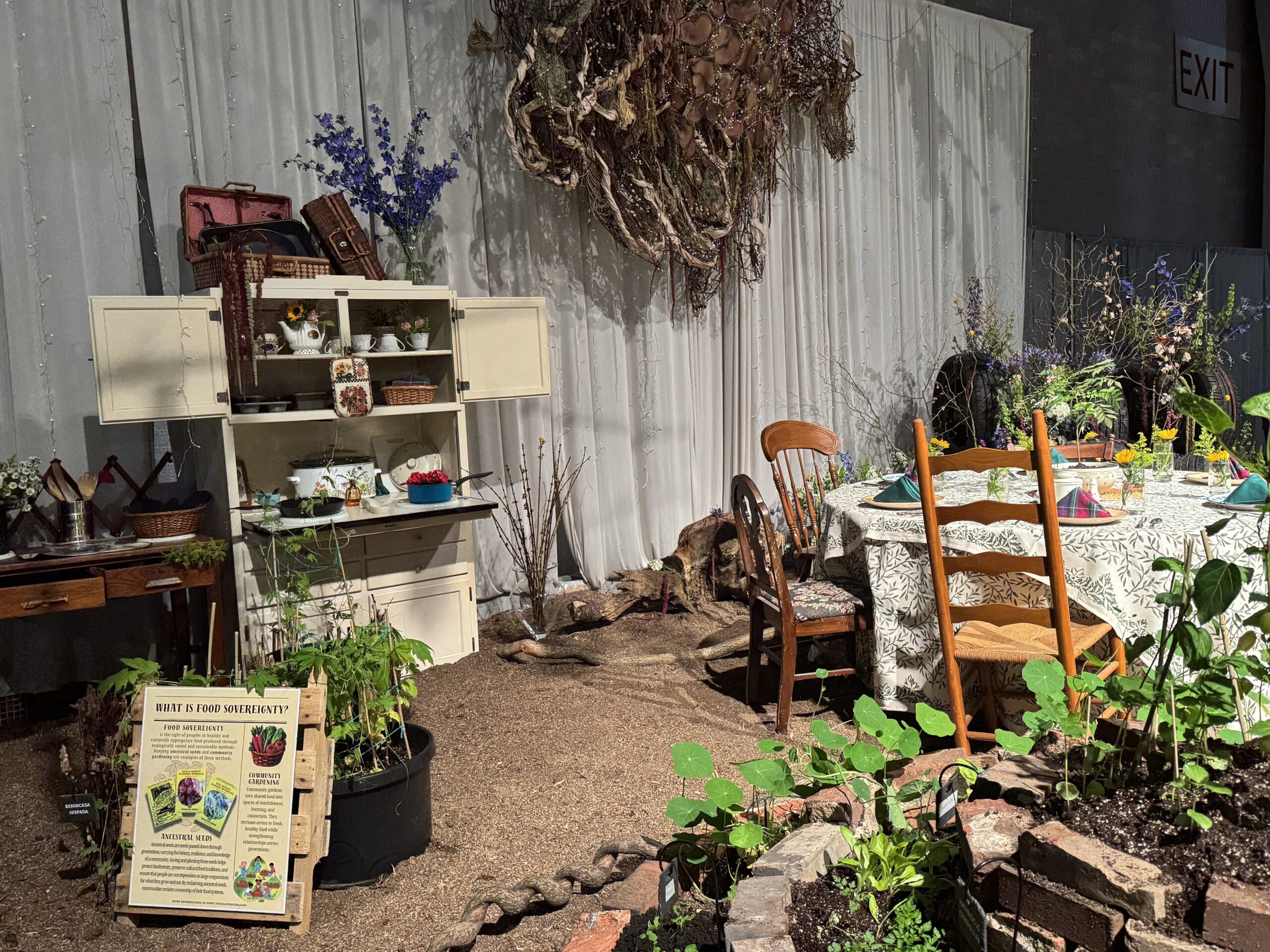
    The Flower Show was abuzz Wednesday, with a crowd hovering around the Lankenau exhibit. “Inheritance” — a verdant wonderland showcasing plants grown from local seeds, set around a weathered wooden table — asked viewers to think of the question, “What tastes like home to you?”

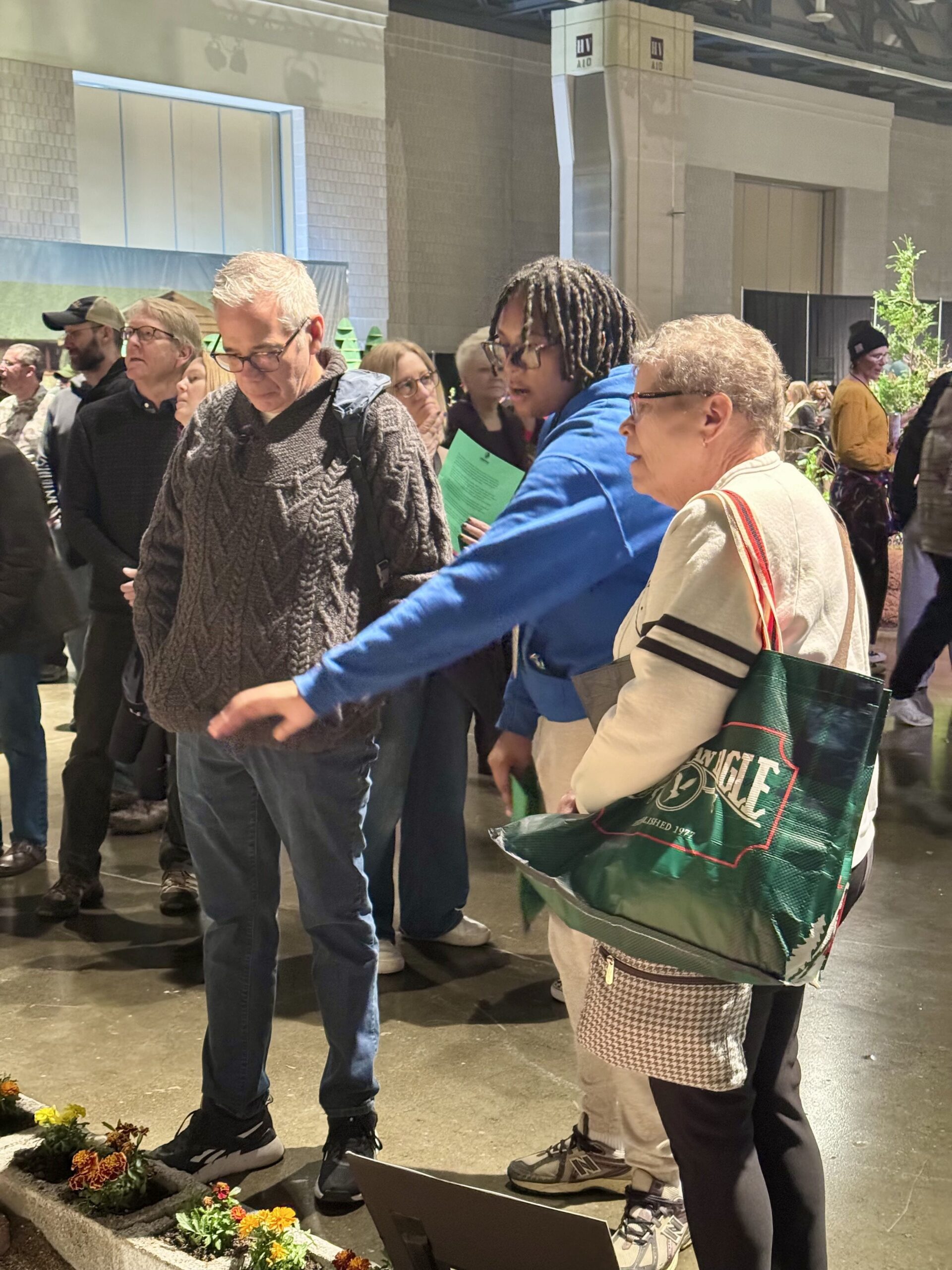
    Lankenau High senior Sasha John (blue hoodie) explains her prize-winning school’s Philadelphia Flower Show exhibit to visitors on Wednesday.

    Several Lankenau students staffed the exhibit, answering questions — and showing visitors green “Keep LANK Open” fliers, encouraging passersby to share words of support for the school with the school board and City Council.

    “It doesn’t make sense to me,” said Amelia Pennycooke, a Lankenau senior, of the proposed closing. “We have so many opportunities at Lank.”

    Lankenau High School’s exhibit, which the school’s eco art class worked on all school year, won a gold medal and the Alfred M. Campbell Memorial Trophy at the Philadelphia Flower Show. “Inheritance” examines the question “what plants taste like home to you?” It was designed and built by Lankenau students.

    Noel Alford, a Lankenau parent, said the school needs to remain open, its land not used for any other purpose. The amendment to Watlington’s plan falls short, she said.

    “Saul is a mistake,” said Alford. “Saul is an agricultural school. They are two different magnet schools.”

    While elected officials have no say in which schools close, Thomas said it’s up to them to keep pressuring the board to rethink some closures, including Lankenau’s.

    “This is a legacy moment for us as elected officials,” said Thomas. No one “wants to add that black mark on their career that says you were the person that was in charge when this injustice took place.”