A project to expand the Chester Valley Trail and repair the historic Downingtown Trestle Bridge, which has spent decades largely untouched, will kick off soon, Chester County officials said.
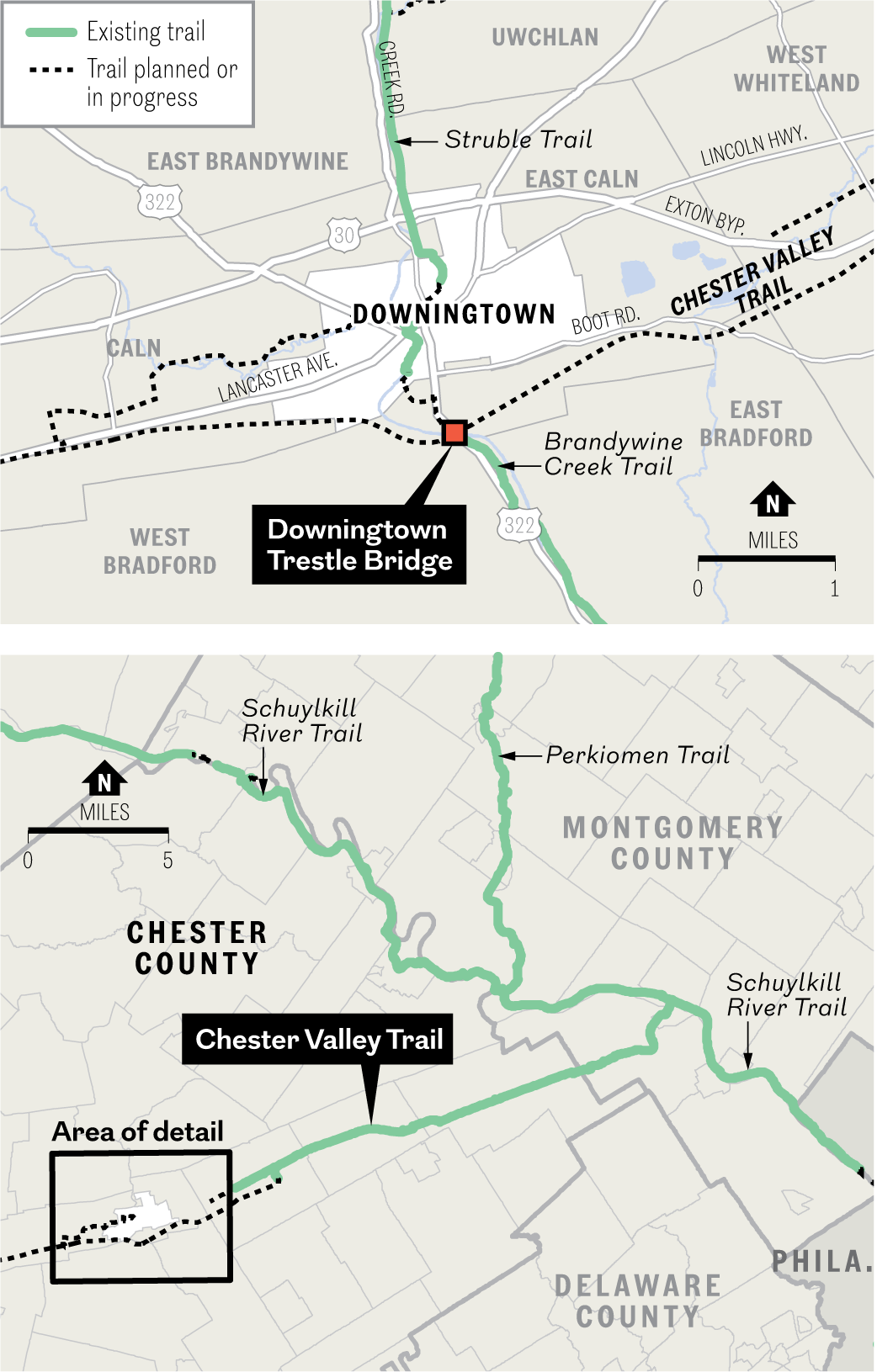
It’s part of a larger effort to expand the sprawling Chester Valley Trail, a 19-mile rail trail that runs through Chester and Montgomery Counties, from Exton to Atglen.
“The bridge is a really key part of it, because it’s multimodal,” said George Martynick, director of Chester County’s facilities and parks department. “Without that bridge, I really don’t know what we’d do with this project. It is the keystone of that project. It’s a big job.”
As the county kicks off the project, people can expect to see inspections taking place on the bridge in the coming months. The trestle will get a full inspection to make sure it meets federal standards, Martynick said. Design is slated to begin in the next year, and the rehabilitation and extension should be completed in five to seven years, he said.
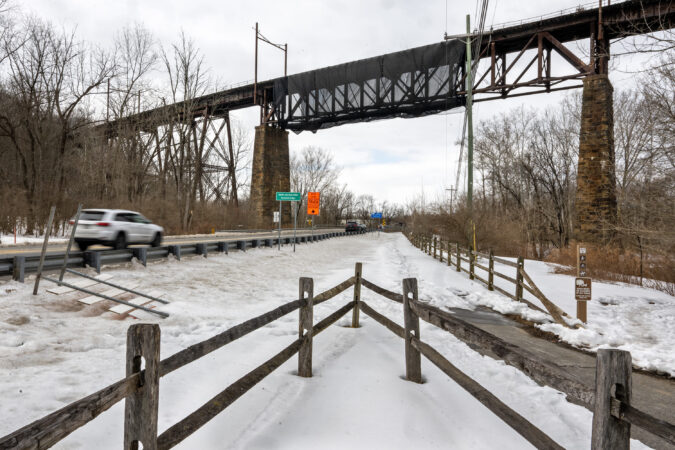
The bridge stretches 1,450 feet long and more than 130 feet high over the east Brandywine River. Known as the “Brandywine Valley Viaduct,” “Downingtown High Bridge,” or “Pennsylvania Railroad Freight Bridge”— but colloquially called the Downingtown Trestle Bridge — it was constructed in the early 1900s, according to the Downingtown Area Historical Society.
“This is taking on something much bigger than I think a lot of people understand,” Martynick said.
Map of the Downingtown Trestle Bridge and the Chester Valley Trail in Chester County.
The Trestle Bridge has been out of commission since the 1980s, with the track removed. Since then, the bridge has sat abandoned, and has had atroubled history. Security measures were added to prevent people fromaccessing it, and netting was put on it to keep debris from falling off it.
The county completed a drone inspection before it took ownership of the bridge last year.
In May, the county commissioners voted to purchase a portion of the former Philadelphia and Thorndale railroad corridor from the Pennsylvania Department of Transportation for $1.
Other than some growth and weeds, “it’s in fairly good shape,” Martynick said.
The county has received three grants for the project — two from the state department of conservation and natural resources, each for $500,000, and a Delaware Valley Regional Planning Commission grant for $200,000, said Brian Styche, the multimodal transportation planning director for the county’s planning commission.
The county is matching both of the conservation and natural resources grants, for a total of $2.2 million in funding toward the bridge’s design.
“It’s a good project. It’s going to take a lot of time and effort and a lot of patience, but it will be a pretty impressive project for the community,” Martynick said.
It’s a personally important project, too: Martynick applied to work in the county’s parks department because of his love of the trail.
“I love it,” he said. “It’s a very, very special trail.”
The Rev. Jesse L. Jackson, a civil rights icon and a regular presence in Philadelphia who energized Black voters both locally and nationally for more than five decades, died Tuesday at his home in Chicago following a prolonged battle with a rare neurological disorder. He was 84.
“Jesse Jackson will be remembered in Philadelphia as a civil rights hero, and a leader in terms of independent Black politics nationwide,” said former Councilmember W. Wilson Goode Jr., the son of Philly’s first Black mayor, W. Wilson Goode Sr. “He loved Philadelphia, and Philadelphia loved him.”
A native of Greenville, S.C., Rev. Jackson initially rose to prominence in the mid-1960s, when he joined the 1965 voting rights march that the Rev. Dr. Martin Luther King Jr. led from Selma to Montgomery, Ala. In the years following King’s assassination in 1968, Rev. Jackson largely came to be considered his successor.
Rev. Jackson would go on to become a prominent Black political and cultural leader in his own right, with his lengthy time in the public eye including presidential runs in 1984 and 1988. His visits to Philadelphia date back to the 1970s, and run the gamut from time in town supporting his own presidential campaigns — though neither of which were successful in the ‘80s — to appearances at the Democratic National Convention in 2016.
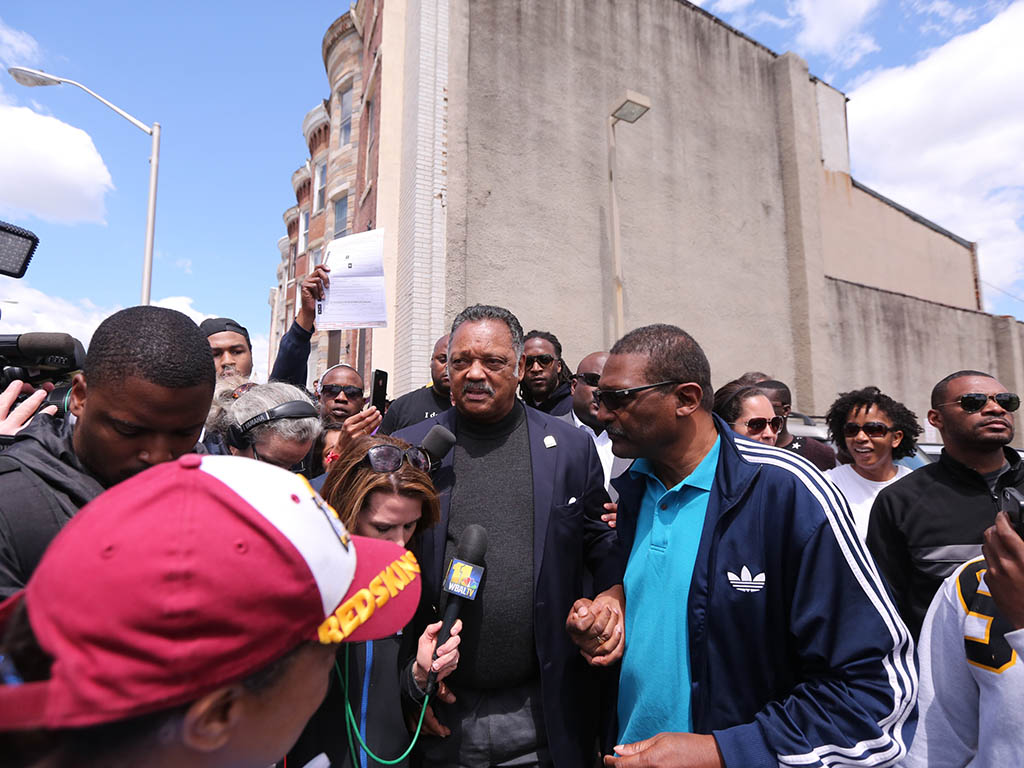
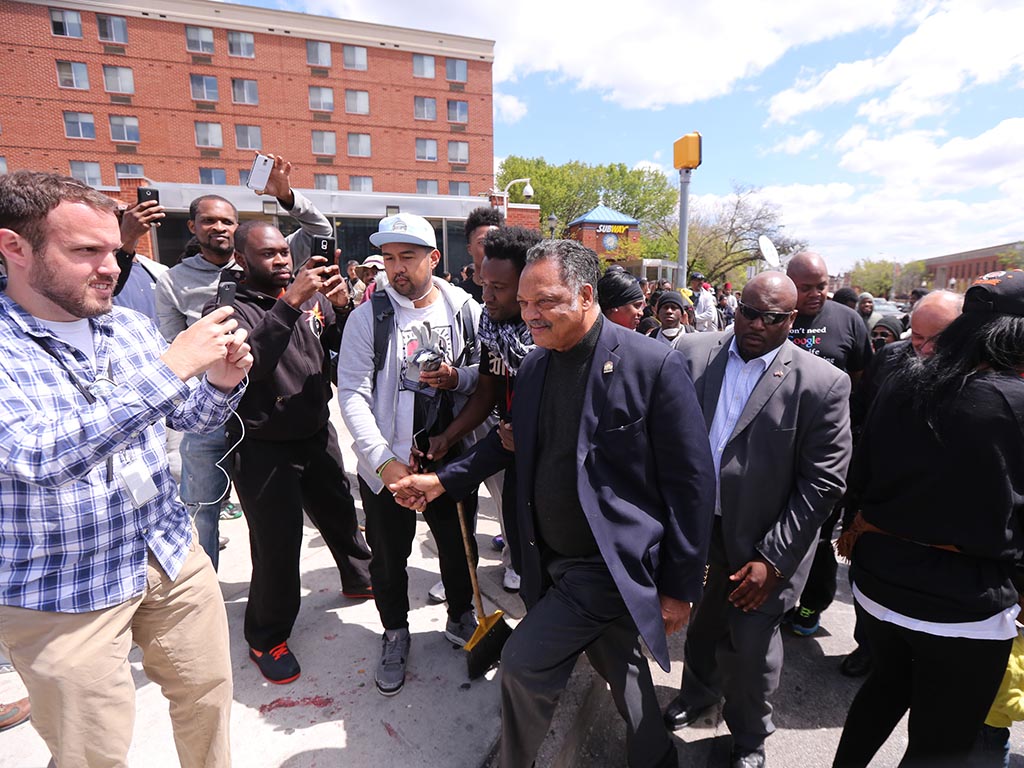
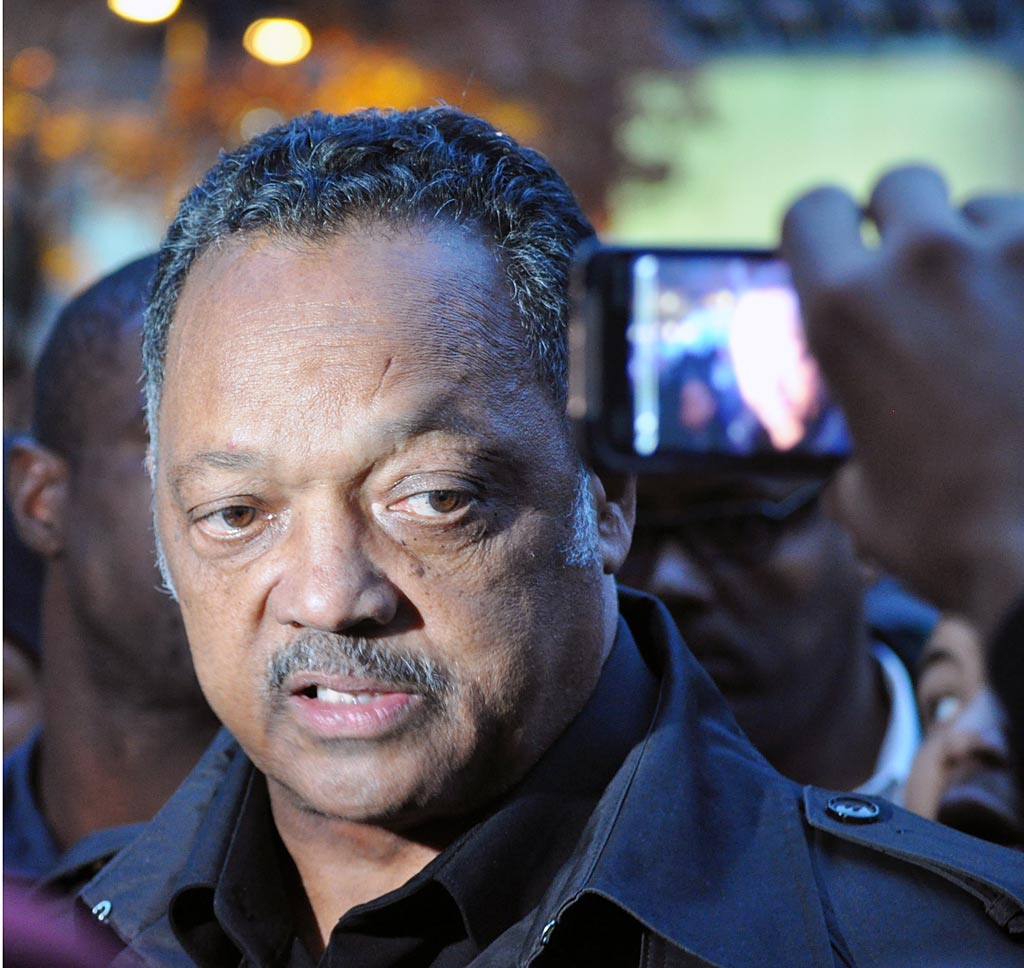
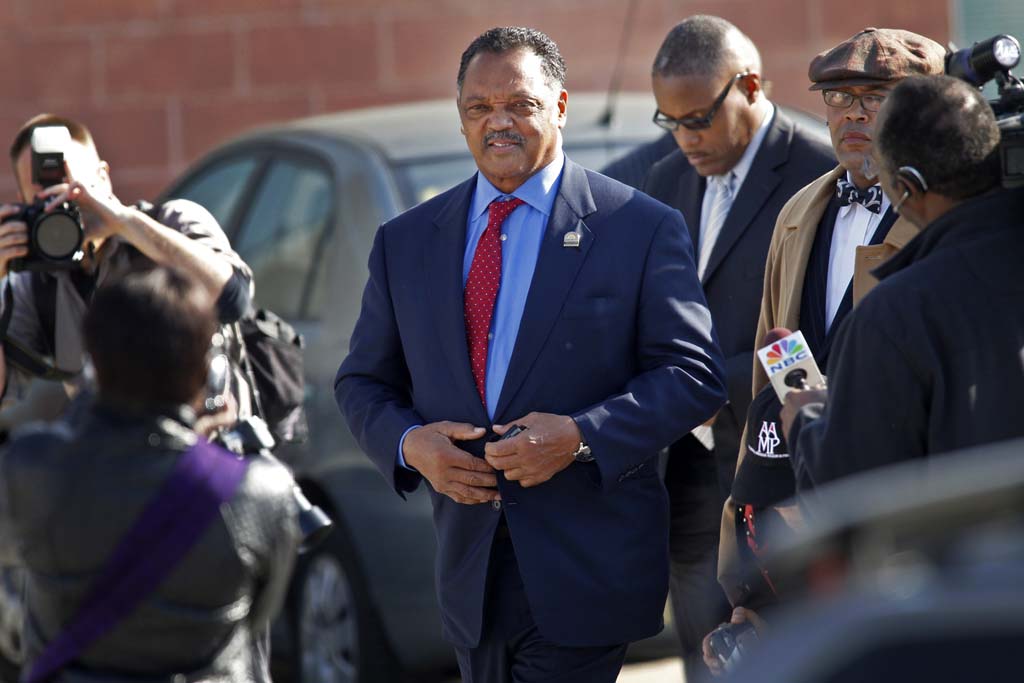
The Rev. Jesse Jackson, founder and president of the Rainbow/PUSH Coalition, acknowledges the cheers of delegates as he walks to the podium to deliver remarks on the third night of the Democratic National Convention in Philadelphia on July 27, 2016.Hillary Clinton supporters and the Rev. Jesse Jackson (right) on the fourth day of the Democratic National Convention at the Wells Fargo Center on July 28, 2016.The Rev. Jesse Jackson visits Baltimore’s turbulent intersection of West North Avenue and Pennsylvania Avenue on April 28, 2015.
Across that time, Rev. Jackson served as a sort of rallying figure for Black Philadelphians at large, who largely supported his candidacy during his presidential runs, despite him failing to secure the Democratic nomination statewide. Still, his impact for Black voters both in Philadelphia and nationally remains everlasting.
“That was the Rosetta stone to everything Jackson was trying to achieve,” said former Daily News scribe Gene Seymour, nephew of legendary People Paper columnist Chuck Stone. “We aren’t to be ignored or dismissed or cast aside — we matter.”
In that sense, Goode Jr. said, Rev. Jackson will remain a political icon who inspired the nationalization of Black political empowerment.
“Jesse Jackson is also a cultural icon in terms of telling people to be proud of being Black, and telling themselves, ‘I am somebody,’” Goode Jr. said, referencing Rev. Jackson’s famed refrain. “That is something that was indelible in the soul of Black people across the nation and world, and in Philadelphia here as well.”
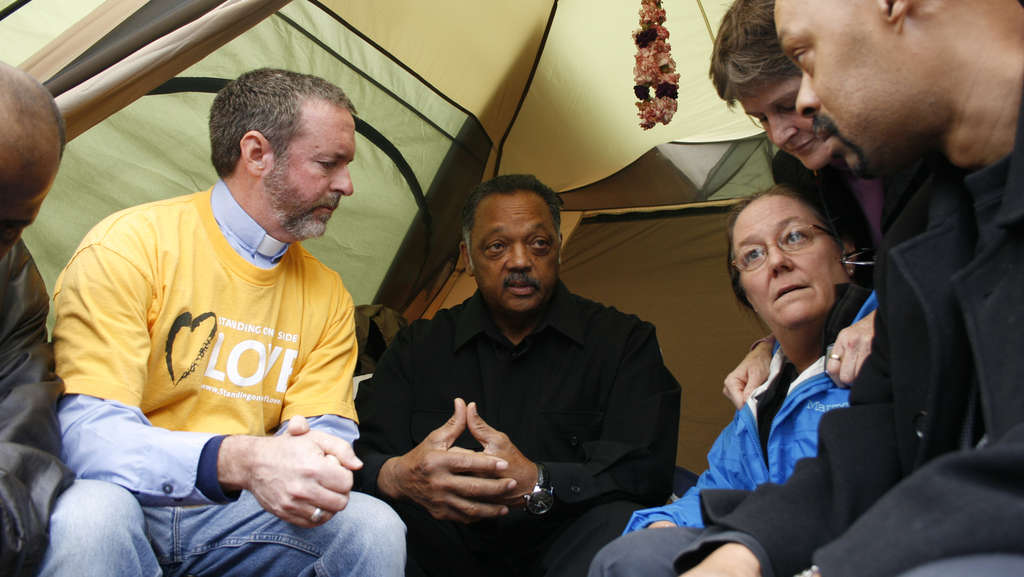
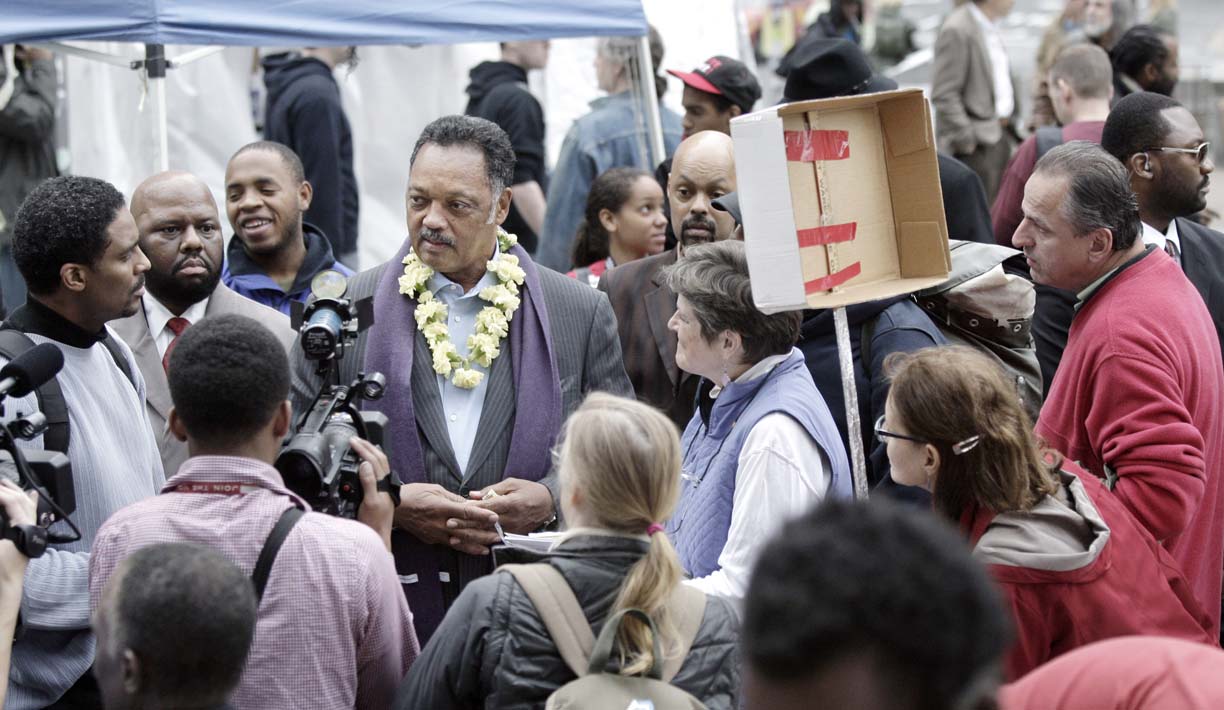
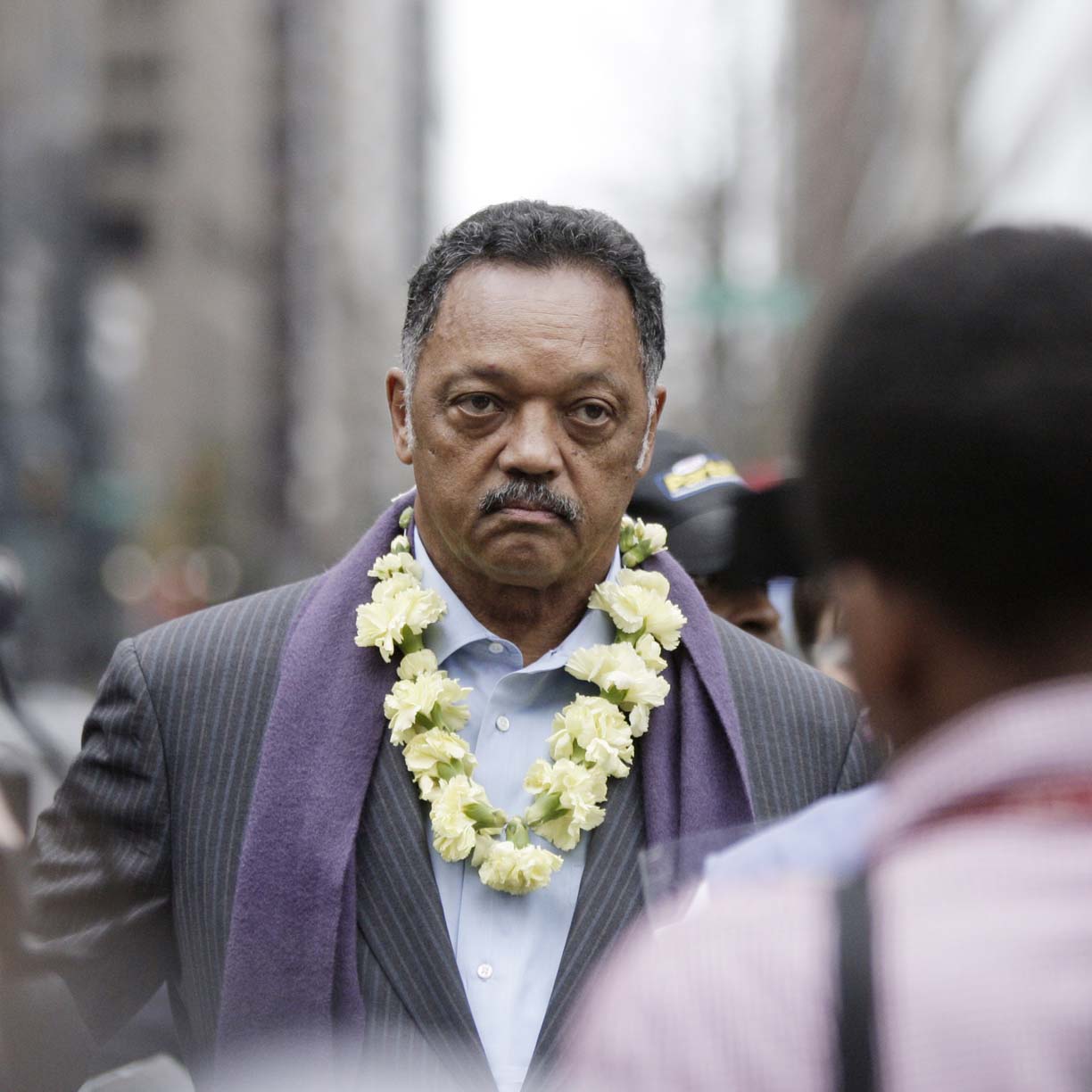
The Rev. Jesse Jackson visits the turbulent intersection of West North Avenue and Pennsylvania Avenue in Baltimore on April 28, 2015.The Rev. Jesse Jackson visited Occupy Philadelphia protesters on Nov. 13, 2011. He told them to “never surrender.”The Rev Jesse Jackson at Joe Frazier’s funeral at Enon Tabernacle Baptist Church on Cheltenham Avenue in Philadelphia on Nov. 14, 2011.The Rev. Jesse Jackson (center) visits the Interfaith tent, donated by Quakers, to talk to the Rev. Peter Friedrich (left) and (from right) Phillip Hall, Hollister Knowlton, and Joyce Moore in 2011.
Though Philadelphia’s Black community generally was supportive of and receptive to Rev. Jackson’s messaging historically, Seymour said, he maintained something of a complicated relationship with the city’s prominent politicians. Wilson Goode Sr., for example, officially supported Walter Mondale and Michael Dukakis for president in the 1980s. At least in 1988, Seymour said, Rev. Jackson likely had “the people’s hearts,” despite lacking the official nomination.
Wilson Goode Sr. was not immediately available for comment.
“His presidential campaigns in 1984 and 1988 reshaped American politics,” said the Rev. Gregory Edwards, of the Philly-based POWER Interfaith, in a statement. “Those campaigns widened the political imagination of this country and helped cultivate a generation of Black elected leaders.”
Rev. Jackson’s relationship with Goode Sr. was somewhat complicated following the 1985 MOVE bombing, which brought the civil rights leader to tour the ruins of the 6200 block of Osage Avenue in its aftermath. Rev. Jackson urged a congressional investigation into the incident, which he called “excessive force,” but avoided criticizing Goode directly in subsequent meetings. Goode, meanwhile, said that the city would cooperate with any groups investigating the incident, The Inquirer reported at the time.
“He was not happy with what happened in ‘85 with MOVE,” Seymour said.
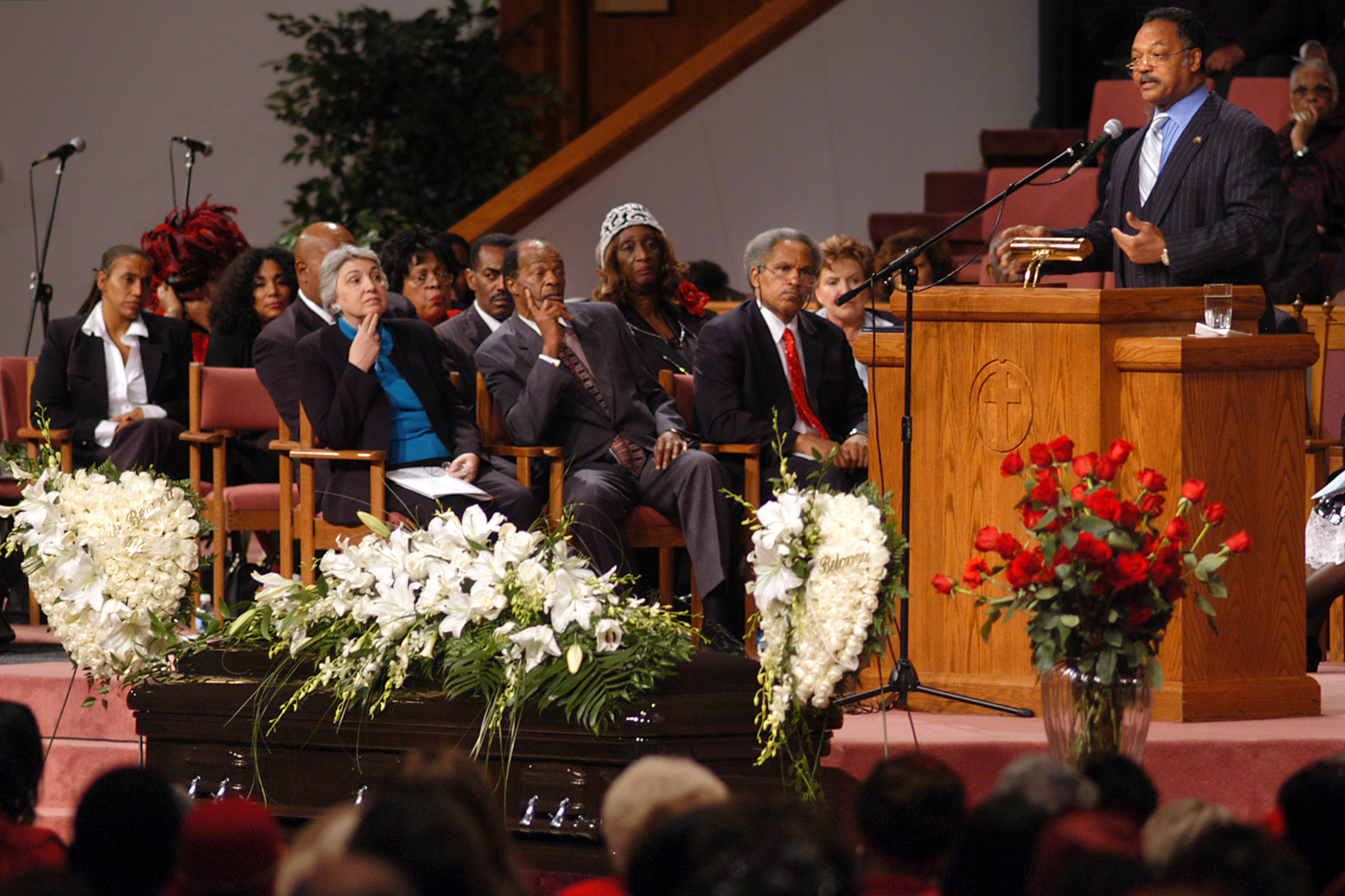
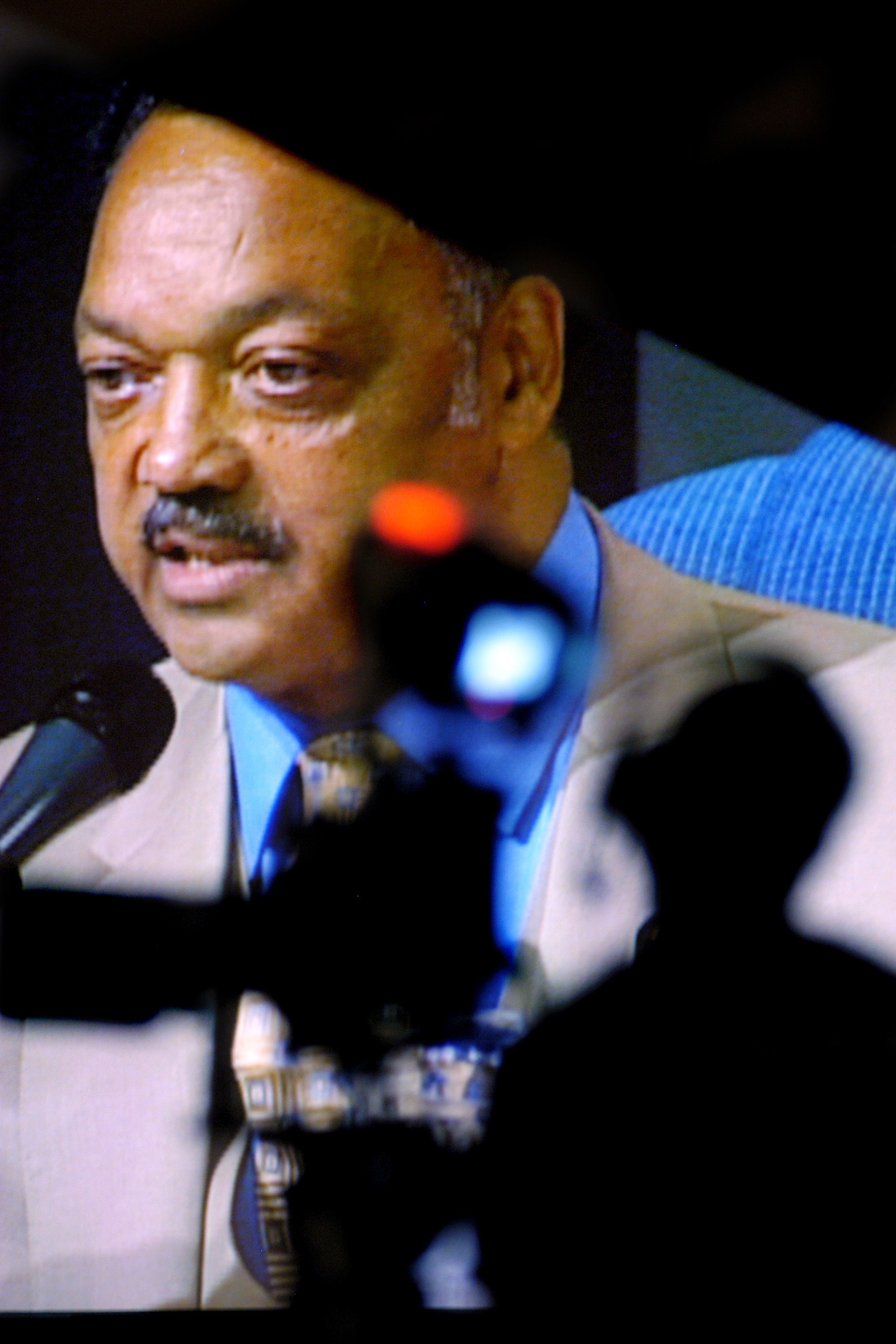
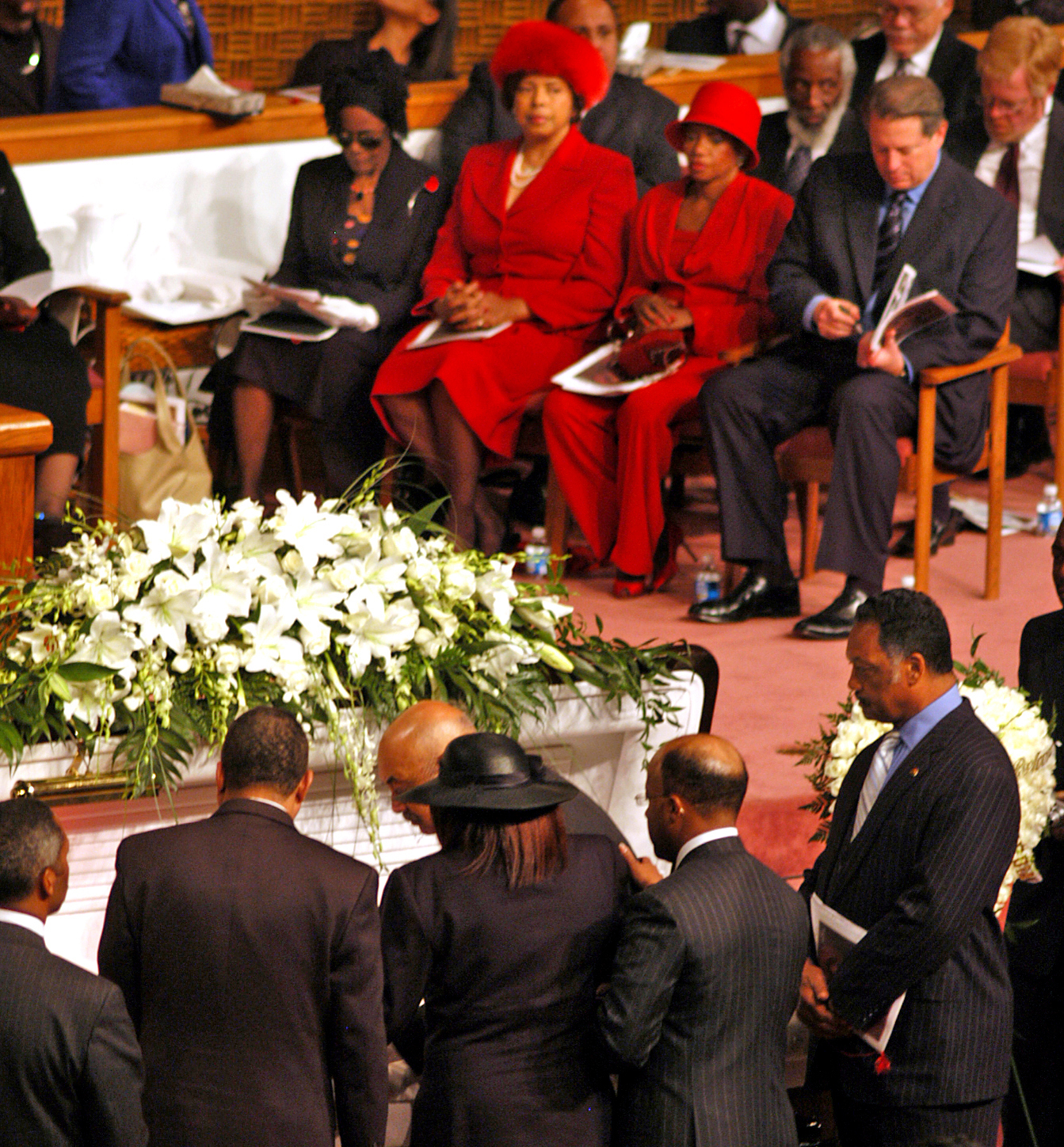
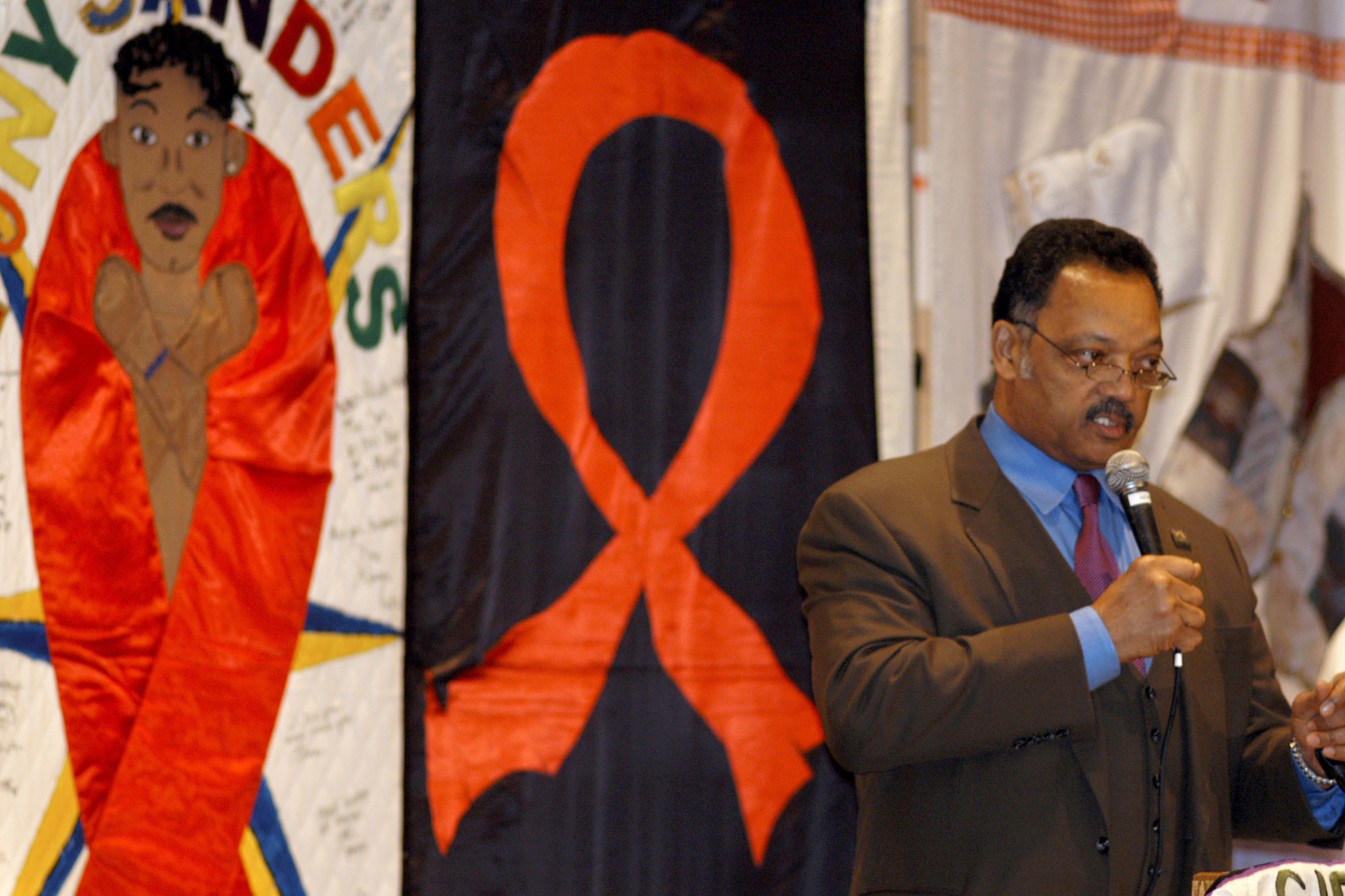
The Rev. Jesse L. Jackson speaks during during funeral services for civil rights activist C. Delores Tucker at Deliverance Evangelistic Church on Oct. 21, 2005. Seated in front row behind him, left to right are Eleanor Smeal, president of the Feminist Majority Foundation; Marion Barry, former mayor of Washington, and Philadelphia Mayor John Street. Rev. Jackson is projected live on a large screen monitor (camera operator in foreground) as he participates in a panel discussion laying out a legal and political strategy for fulfilling Brown v. the Board of Education, at the annual NAACP meeting on July. 14, 2004 at the Convention Center. Her family stands by as husband (partially hidden) William T. Tucker covers the body of civil rights activist C. Delores Tucker in her casket at the beginning of funeral service at Deliverance Evangelistic Church on Oct. 21, 2005. At right is the Rev. Jesse L. Jackson, founder and president of the Rainbow Coalition/PUSH, who later delivered the eulogy. Seated in rear at right is former Vice President Al Gore. AIDS quilt panels flank the podium as the Rev. Jesse Jackson speaks at an African American AIDS conference at the Wyndham Franklin Plaza Hotel on Feb. 28, 2005.
Still, Rev. Jackson often served as a defender of Philadelphia’s famed Black figures. In 2011, for example, Rev. Jackson spoke at the funeral of legendary world heavyweight boxing champion Joe Frazier, who had long competed with the fictional Rocky Balboa for recognition. As Jackson put it at the time, Frazier was the “real champion,” not the “Italian Stallion.”
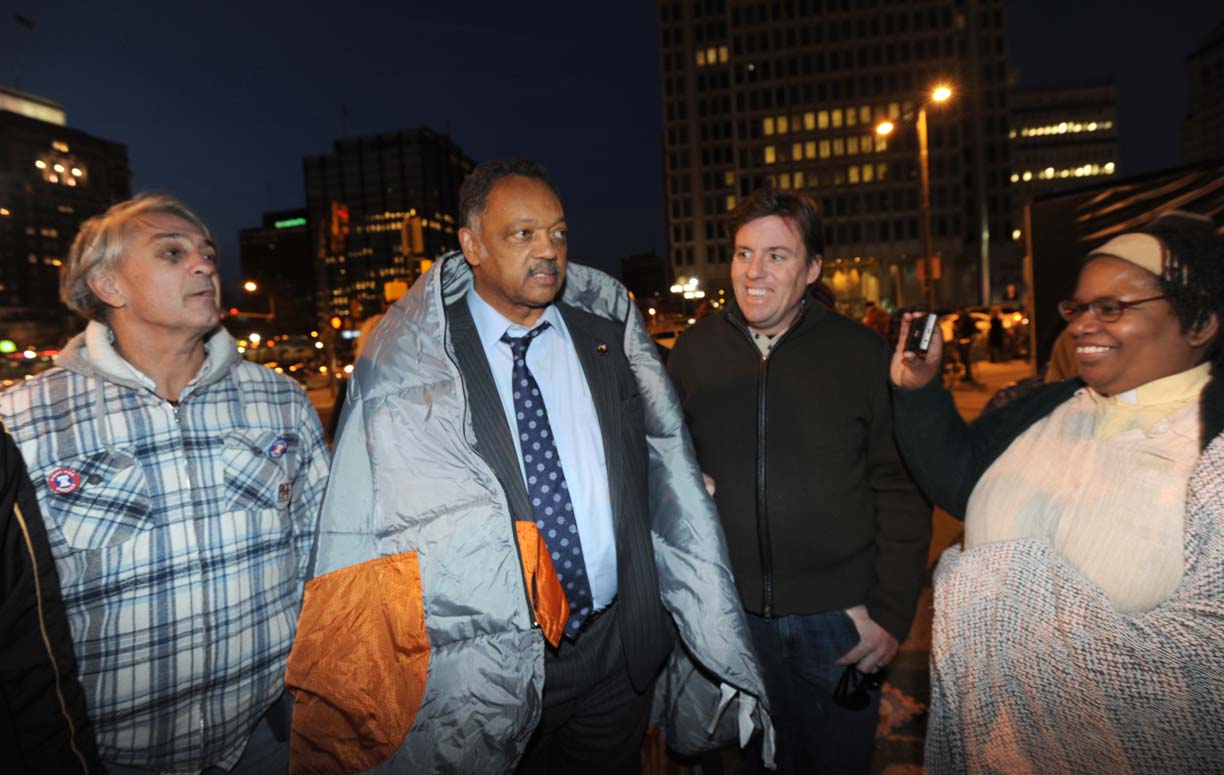
The Rev. Jesse Jackson, who has a sleeping bag draped around his shoulders, is talking and praying with Occupy Philadelphia demonstrators: Brad Wilson (from left); the Rev. Bill Golderer, pastor of Broad Street Ministry; and Donna Jones, pastor of the Cookman Baptist Initiative.
“If you were of importance as a Black person in America during the time [Jackson] was in the public eye,” Seymour said, “he was there to speak on your behalf.”
Goode Jr.’s most prominent memory of Rev. Jackson, meanwhile, dates back to the mid-1980s, when he was a student at the University of Pennsylvania. At the time, he said, Rev. Jackson attended a National Black Student Union conference following an invitation from its organizers, Goode Jr. included. It was, Goode Jr. said, an inspiration.
“It meant a lot to us,” Goode Jr. said. “Not just Black leaders at Penn, but across the nation, who were gathered there.”
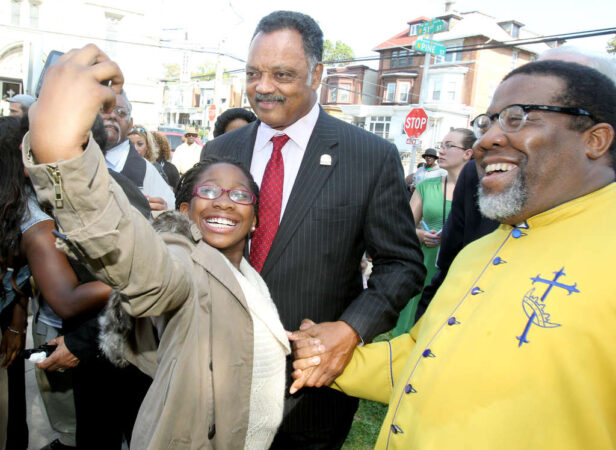
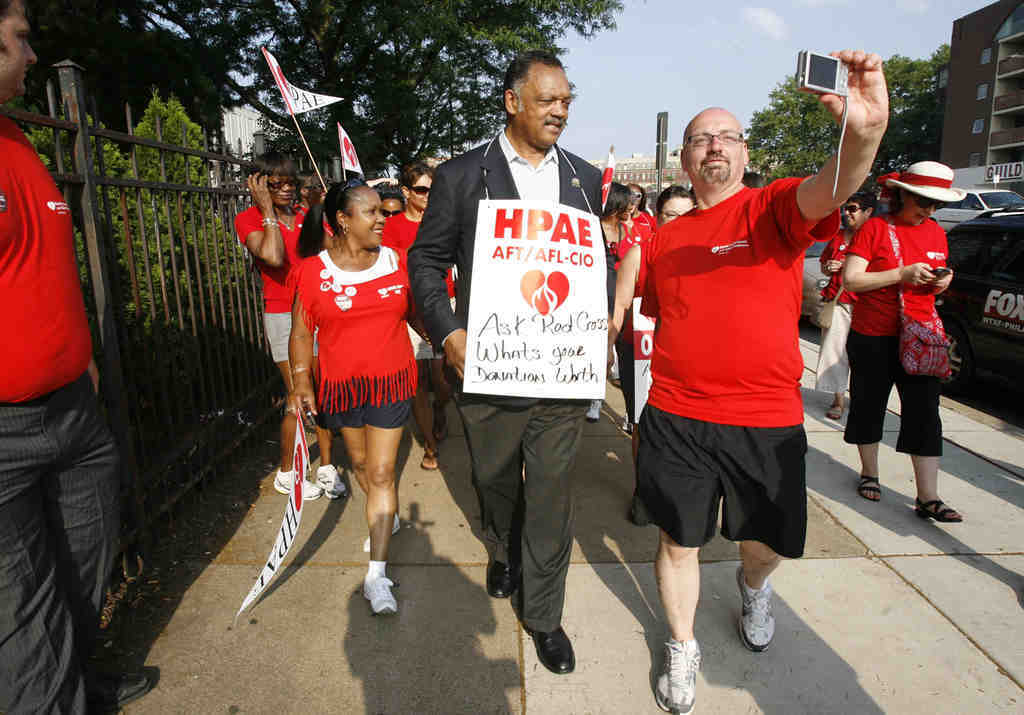
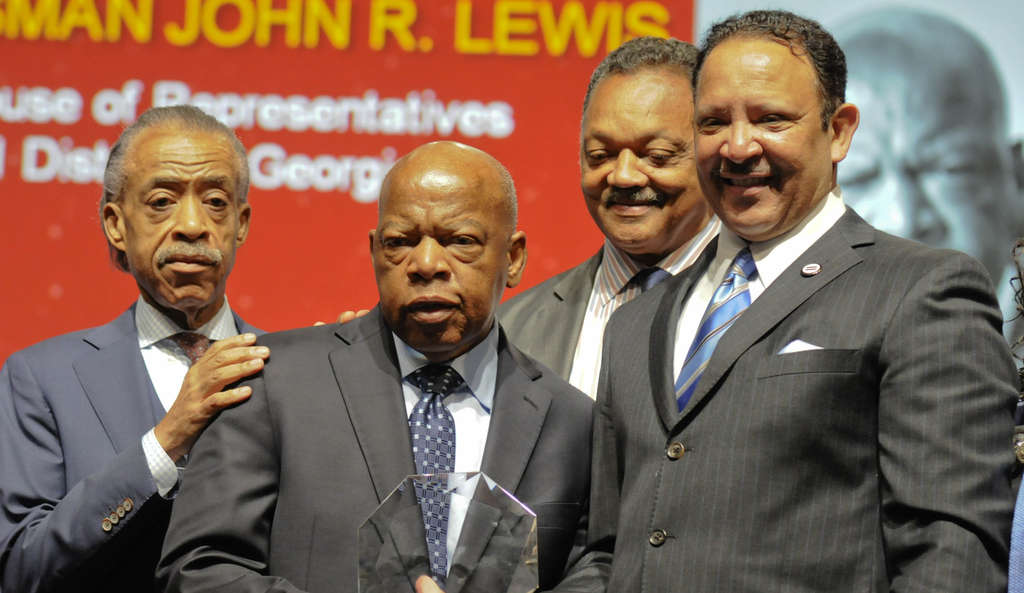
Striking Red Cross worker Lenny Lerro takes a picture of himself with the Rev. Jesse Jackson as they walk the picket line in 2011 on Spring Garden Street in Philadelphia.Rev. Jesse Jackson visits with folks at Occupy Philadelphia, just outside City Hall on Nov. 20, 2011.The Rev. Jesse Jackson visits with folks at Occupy Philadelphia, just outside City Hall on Nov. 20, 2011.U.S. Rep. John Lewis (second from left) is presented with the Civil Rights Champion Award in 2013 by (from left) the Rev. Al Sharpton, the Rev. Jesse Jackson, and Marc Morial, president of the Urban League.
Ann B. Levine, 75, of Philadelphia, expert recruiter, longtime dean of admissions at Franklin Learning Center, business teacher, popular radio host, and community activist, died Saturday, Jan. 31, of age-associated decline at Thomas Jefferson University Hospital.
Bubbly, charismatic, and skillful at engaging with young people about their interests and goals, Ms. Levine worked as dean of admissions at Franklin Learning Center in Philadelphia from 1980 to her retirement in 2010. For 30 years, she recruited thousands of high-performing junior high school students to admission-only Franklin Learning Center, pored over more than 1,000 yearly applications, and helped choose the final 250 for admission.
Every year, she toured the city’s junior high schools, cutting-edge slideshow in tow, and spoke to students and families about the curriculum, activities, staff, and student body at Franklin Learning Center. She interviewed the teenage applicants personally, routinely showed interest in their lives as well as their grades, and made countless lifelong friends.
“You could tell she had their attention when she talked because they asked questions,” said her husband, Bob Bosco. “She was enthusiastic and thorough. She could connect. She found her niche.”
Ms. Levine (center) “was always a friendly, smiling face,” a friend said in a tribute.
Friends described Ms. Levine in online tributes as “happy and joyful,” a “sweet girl,” and “so fun to be with.” One friend said she “shared her views openly and freely.” Another said: “She was always a friendly, smiling face.”
She also founded and was the first director of Franklin Learning Center’s celebrated mock trial team. She persuaded several prominent attorneys and lawyers to mentor her students after school and on weekends, and several of her pupils went on to their own impressive legal careers.
In 2005, her eight-member mock trial team was one of 12, out of 270 overall, to advance to the Pennsylvania Bar Association statewide mock trial championships at the Dauphin County Courthouse in Harrisburg. Before becoming dean of admissions, she taught business and business law at Franklin Learning Center.
After she retired, Ms. Levine joined her husband as a fill-in radio host for a decade. They played oldies on WVLT-FM in Vineland, WRDV-FM in Hatboro, and other stations. Her natural charm, love of music, and ability to entertain made her a hit with listeners.
Ms. Levine married Bob Bosco in 1981.
“First it was the Bob and Ann Show,” Bosco said. ”Then it was the Ann and Bob Show. Then it was Ann and what’s his name.”
Ann Barbara Levine was born April 12, 1950, in Trenton. She worked on the yearbook, graduated from Trenton High School, and earned a bachelor’s degree in business at Drexel University and a master’s degree at the old Marywood business school.
She was taking tennis lessons at the Young Men’s Hebrew Association center in Philadelphia in 1975 when she met Bob Bosco. He was playing basketball.
They married in 1981, lived in Center City, and traveled together on memorable cruises and visits to Europe, Cuba, and Florida. Ms. Levine was an avid reader. She followed current events and enjoyed The Real Housewives TV shows.
Ms. Levine “really influenced the lives of a lot of young women,” her husband said.
For years, she was active with neighborhood groups in Southwest Center City. “She knew everybody,” her husband said. “She really influenced the lives of a lot of young women. She worked with the best of the best.”
In a tribute, a friend since childhood said: “Though we lived far apart, she was always special to me.”
In addition to her husband, Ms. Levine is survived by other relatives. A brother died earlier.
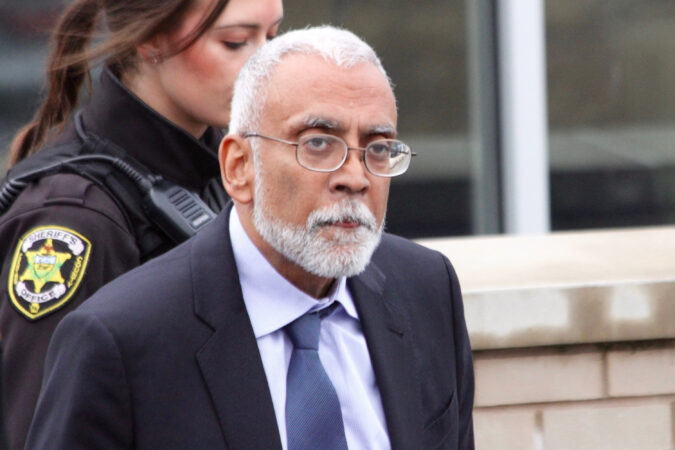
A Pennsylvania man who spent 43 years in prison before his murder conviction was overturned — only to be taken straight into immigration custody — was denied bail Tuesday while he fights deportation.
Subramanyam Vedam, 64, will remain in custody while he appeals a 1999 deportation order. The Board of Immigration Appeals agreed this month to hear his appeal based on what it called exceptional circumstances.
Vedam’s lawyer argued Tuesday that he would have likely been spared deportation and become a citizen if not for the murder case, given immigration laws in place at the time. Vedam would have left prison on a drug charge by 1992, lawyer Ava Benach said.
“It was delivery of LSD on a very small scale. This is not importing tons of cocaine,” Benach said Tuesday. “He is not a danger to the community. We are talking about offenses that occurred over 40 years ago.”
In August, a Pennsylvania judge threw out Vedam’s murder conviction in the 1980 death of a college friend, based on ballistics evidence that prosecutors hadn’t disclosed during his two trials. Supporters listening in remotely to the bail hearing included a Centre County prosecutor and the mayor of State College, where Vedam’s late father was a renowned professor at Pennsylvania State University, Benach said.
Immigration Judge Tamar Wilson, sitting in Elizabeth, N.J., said she believes detention to be mandatory given the felony drug conviction. Alternatively, she agreed with Department of Homeland Security officials who said he remains a safety risk.
“The fact he’s been a ‘model prisoner’ does not suggest that out in the general public he’s going to be safe,” Wilson said.
It’s not yet clear whether Wilson or another judge will hear the merits of the deportation case. No hearings have yet been scheduled.
“Subu is nothing if not resilient, and we’re resolved to emulate the example he sets for us by focusing on the next step in his fight for freedom. We continue to believe his immigration case is strong and look forward to the day we can be together again,” said his sister, Saraswathi Vedam, calling him by a family nickname.
She planned to bring him home when he was released from state prison on Oct. 3, only to see him taken into federal immigration custody. Vedam had come to the U.S. legally from India when he was 9 months old, when his parents returned to State College.
“He was someone who’s suffered a profound injustice,” Benach told the Associated Press last year. “Those 43 years aren’t a blank slate. He lived a remarkable experience in prison.”
Vedam is being held at an 1,800-bed U.S. Immigration and Customs Enforcement facility in central Pennsylvania.
“Criminal illegal aliens are not welcome in the U.S,” a Department of Homeland Security spokesperson said of the case last year.
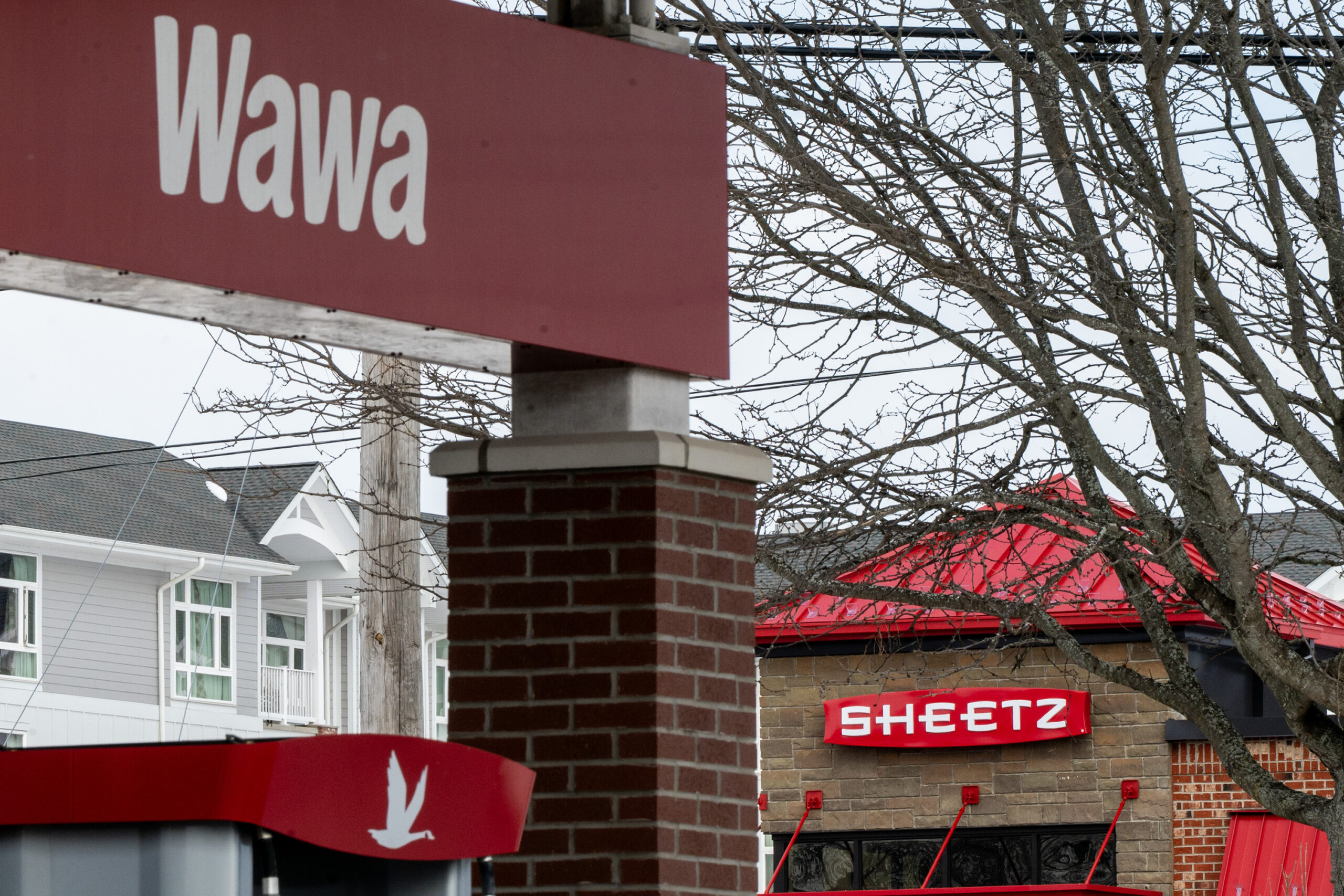
It would be Sheetz’s first outpost in Wawa’s home county.
A Sheetz and Wawa now sit across the street from each other in Limerick Township, Montgomery County.
If approved, the store would be constructed about five miles down the road from Wawa’s corporate headquarters, and across the county from the site of Wawa’s first store, in Folsom.
The Sheetz would be in the Village at Painters’ Crossing shopping center near the intersection of U.S. Routes 1 and 202, according to the application. Sheetz would take over a parcel in the northeast corner of the complex that is currently occupied by a vacant former bank and a closed Carrabba’s Italian restaurant.
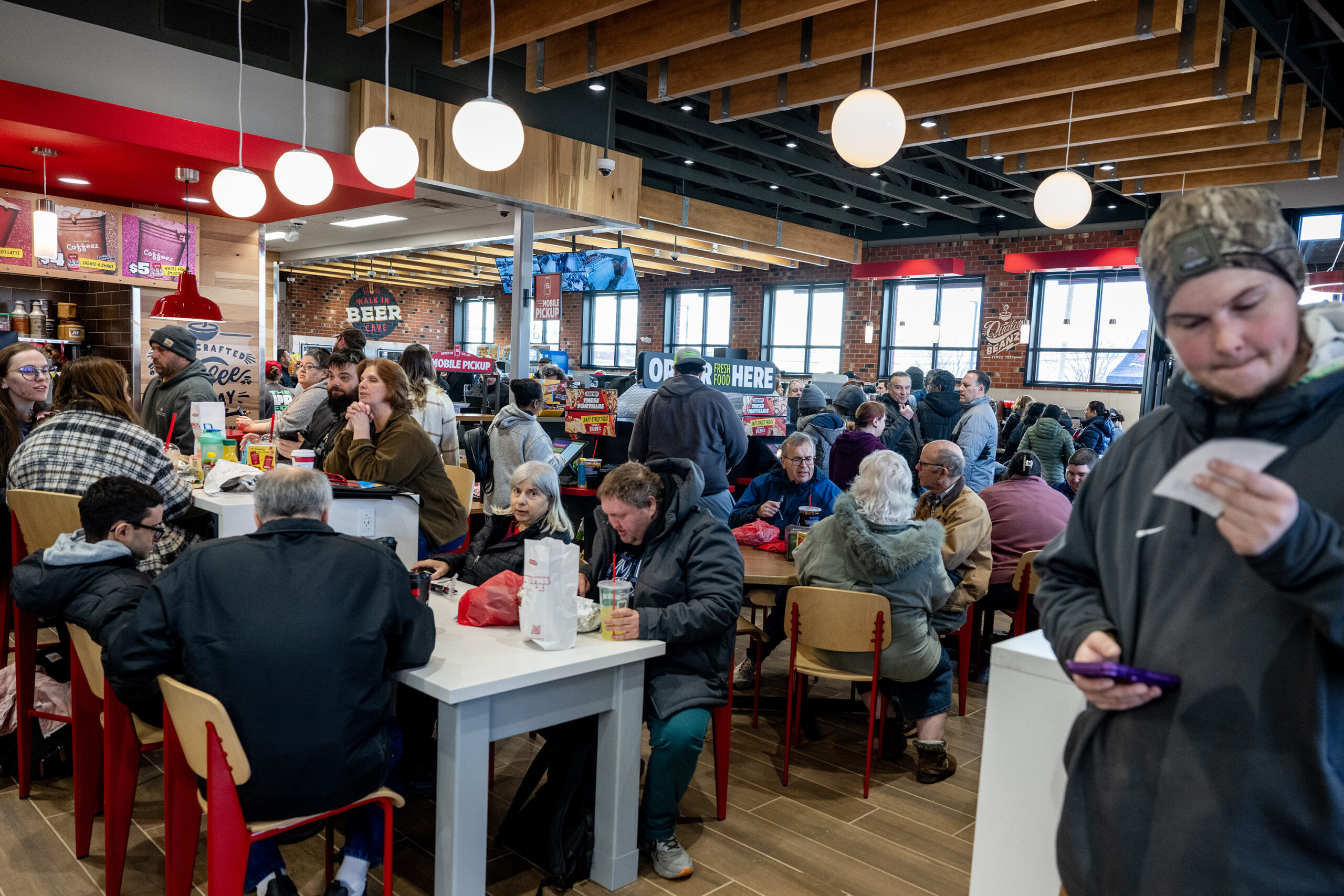
Along with Sheetz’s usual offerings of made-to-order food, grab-and-go snacks, and drinks, the outpost would include indoor and outdoor seating, two mobile-order pickup windows, and six gas pumps, according to the application. It would not include a drive-through.
Customers crowd into the indoor dining area at the new Sheetz in Limerick Township that opened last week.
Nick Ruffner, Sheetz public affairs manager, declined to provide additional information about the proposal, saying in a statement that “it is still very early in the process.”
Zoning changes and other approvals would be required before anything is built, Chadds Ford Township solicitor Michael Maddren said. As of Tuesday, Sheetz had only submitted the sketch plan, which was discussed at a planning commission meeting earlier this month, Maddren said.
At the meeting, township officials did not express strong opinions about the sketch, Maddren said: “We need a little more detail.”
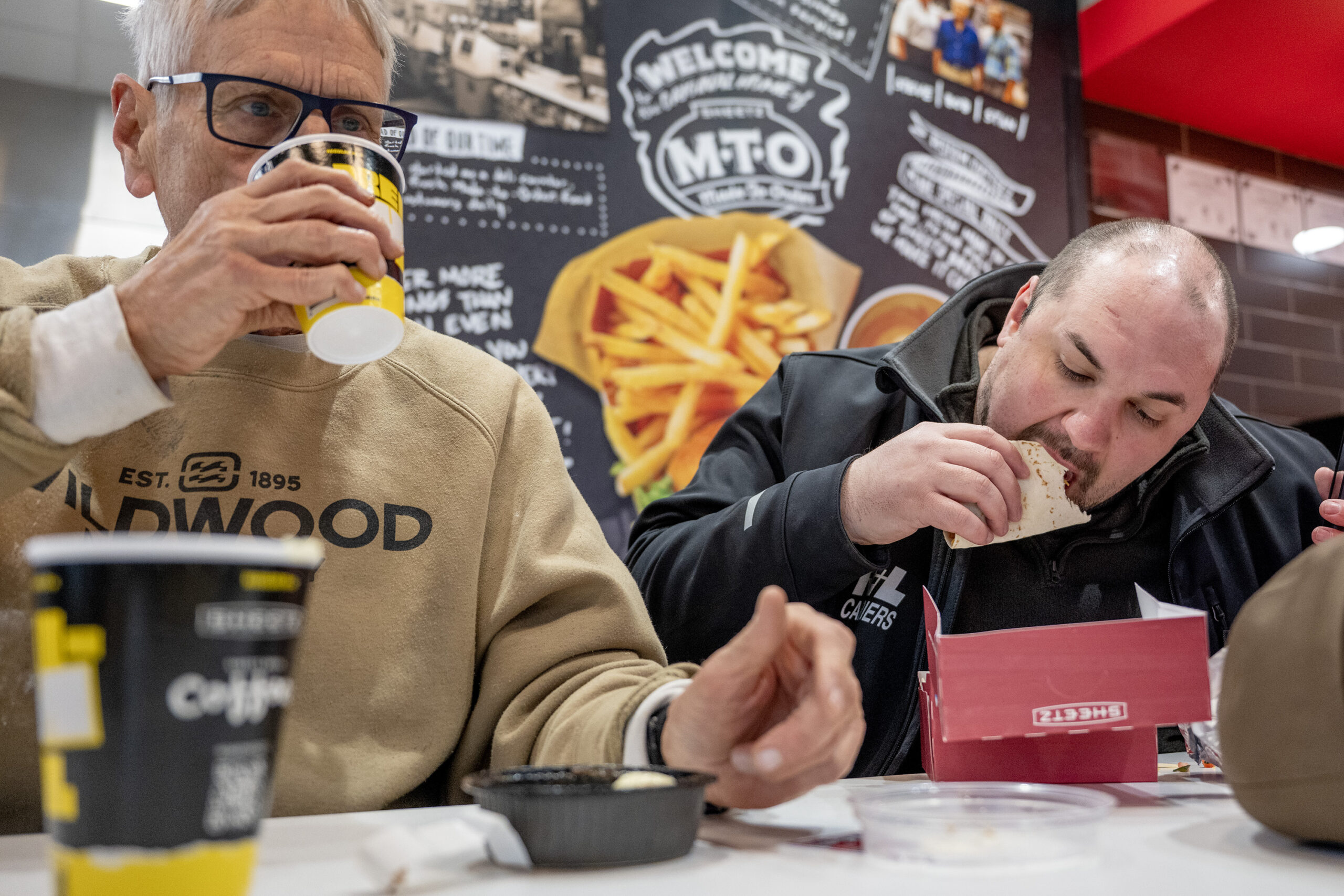
Craig Scott (left) of Wayne and Dave Swartz (right) of Collegeville had breakfast at last week’s grand opening of the first Sheetz in the Philadelphia suburbs.
If the Chadds Ford project moves forward, Sheetz could establish a foothold in three of Philly’s four collar counties: Along with its new Limerick, Montgomery County location, Sheetz also has expressed interest in building a store in Chester County.
In the fall, company officials submitted a sketch plan to Caln Township officials, proposing a location at the site of a shuttered Rite Aid on the 3800 block of Lincoln Highway in Downingtown, according to the township website.
After years of Sheetz opening stores in Western and central Pennsylvania, and Wawa expanding closer to Philly, Sheetz and Wawa’s footprints have increasingly overlapped in recent years.
A Wawa opened outside Harrisburg in 2024, marking the chain’s first central Pennsylvania location. It is down the street from a Sheetz.
Philadelphia-area commuters must prepare for a monthlong disruption on NJ Transit while an upgrade to a century-old bridge is completed.
All NJ Transit lines, except the Atlantic City Rail Line, are operating on modified schedules with fewer trains running, starting Tuesday through March 15, to allow for crews to transfer, or “cut over,” rail service from the 116-year-old Portal Bridge onto the new Portal North Bridge over the Hackensack River.
Tuesday morning’s “Portal Cutover” schedule led to major disruptions on NJ Transit, the New York Times reported, with crowded trains and buses, many running behind schedule.
Commuting on NJ Transit
NJ Transit advises all commuters to work from home if possible and to check the weekday and weekend Portal Cutover schedules at njtransit.com/portalcutover. The agency warns against relying solely on third-party apps, such as Google Maps, because it has received reports of incorrect schedules being shown.
These modified schedules include some train consolidations or cancellations, and others with changed departure times or stopping patterns.
Commuters should travel before 7 a.m. or after 9 a.m. on weekday mornings to avoid major disruptions, or before 4 p.m. or after 7 p.m. on weekday evenings, according to NJ Transit.
Rail service is expected to return to normal on Sunday, March 15, pending a safety inspection.
“We understand that this work will disrupt the way our customers travel during the cutover period, which is why every element of our service plan was designed to keep people moving as safely and efficiently as possible,” said NJ Transit president and CEO Kris Kolluri. “While the disruption is temporary, the benefits, including a far more reliable and resilient commute along the Northeast Corridor, will last for generations.”
Why is NJ Transit upgrading the Portal Bridge?
The 116-year-old steel Portal Bridge has been a source of unreliability for decades as the aging infrastructure requires constant maintenance, an NJ Transit spokesperson said.
The new Portal North Bridge is also higher and will not have to open for marine traffic, providing more reliable service.
Amtrak commuters are also encouraged to check times and possible service disruptions, since the bridge is also used by Amtrak.
“The cutover of the Portal North Bridge represents more than just work to connect railroad infrastructure; it signifies a whole new level of reliability on the Northeast Corridor and New Jersey that has never previously existed,” said Amtrak president Roger Harris.
One night in early December, the phones of Radnor High School students started buzzing. Some freshmen girls were getting disturbing messages: A male classmate, they were told, had made pornographic videos of them.
When one of the girls walked into school the next morning, “she said everyone was staring at her,” said her mother, who requested anonymity to protect her daughter’s identity. “All the kids knew. It spread like wildfire.”
So-called AI deepfakes — pictures of a real person manipulated with artificial intelligence,sometimes with “nudify” features that can convert clothed photos into naked ones — have become the talk of school hallways and Snapchat conversations in some area schools.
As Pennsylvania lawmakers have pushed new restrictions cracking down on deepfakes — defining explicit images as child sexual abuse material, and advancing another measure that would require schools to immediately alert law enforcement about AI incidents — schools say they have no role in criminal investigations, and are limited in their ability to police students off campus.
But some parents say schools should be taking a more proactive stance to prepare for AI abuse — and are failing to protect victims when it happens, further harming students who have been violated by their peers.
In the Council Rock School District, where AI-generated deepfakes were reported last March, parents of targeted girls said administrators waited five days to contact the police about the allegations and never notified the community, even after two boys were charged with crimes.
“They denied everything and kind of shoved it under the rug and failed to acknowledge it,” said a mother in Council Rock, who also requested anonymity to protect her daughter’s identity. “Everybody thought it was a rumor,” rather than real damage done to girls, the mother said.
Council Rock spokesperson Andrea Mangoldsaid that the district “recognizes and understands the deep frustration and concern expressed by parents,” and that a police investigation “began promptly upon the district’s notification.”
Mangold said that current laws were “insufficient to fully prevent or deter these incidents,” and that the district was “limited in what we know and what we can legally share publicly” due to student privacy laws.
In Radnor, parents also said the district minimized the December incident. A district message last month said a student had created images of classmates that “move and dance,” and reported that police had not found evidence of “anything inappropriate” — even though police later saidthey had charged a student with harassment after an investigation into alleged sexualized images of multiple girls.
A Radnor spokesperson said the alleged images were never discovered and the district’s message was cowritten by Radnor police, who declined to comment.
The district “approaches all student-related matters with care and sensitivity for those involved,” said the spokesperson, Theji Brennan. She said the district was limited in what it could share about minors.
In both Radnor and Council Rock, parents said their daughters were offered little support — and were told that if they were uncomfortable, they could go to quiet rooms or leave classes early to avoid crossing paths with boys involved in the incidents.
“She just felt like no one believed her,” the Radnor mother said of her daughter.
How an investigation unfolded in Radnor
In Radnor, five freshman girls first heard they were victims of deepfakes on Dec. 2, according to parents of two of the victims who requested anonymity to protect their daughters’ identities. They said boys told their daughters that a male classmate had made videosdepicting them sexually.
In a Snapchat conversation that night, one boy said, “‘Nobody tell their parents,’” a mother of one of the victims recalled. Reading her daughter’s texts, “it quickly went from high school drama to ‘Wow, this is serious.’”
The girls and their parents never saw the videos. In an email to school officials the next morning, parents asked for an investigation, discipline for the students involved, and efforts to stop any sharing of videos. They also asked for support for their daughters.
Schooladministrators began interviewing students. The mother of one of the victims said her daughter was interviewed alone by the male assistant principal — an uncomfortable dynamic, given the subject matter, she said.
One mother said the principal told her daughter that it was the boys’ word against hers, and that he was “so glad nothing was shared” on social media — even though no one knew at that point where videos had been shared, the mother said.
The principal said the school had no authority over kids’ phones, so the girl and her family would need to call the police if they wanted phones searched, the mother said.
Brennan, the Radnor spokesperson, said that administrators contacted Radnor police and child welfare authorities the same day they spoke with families. “The district’s and the police department’s investigations have found no evidence that the images remain or were shared, posted, or otherwise circulated,” she said.
The male classmate acknowledged making videos of the girls dancing in thong bikinis, the parents said police told them. But the app he used was deleted from his phone, and the videos were not on it, the police told them.
The parents didn’t believe the admission.
“I don’t think a 14-year-boy would report a TikTok video of girls in bikinis,” said one of the mothers, who said her daughter was told she was naked and touching herself in videos.
The police told parents they did not subpoena the app or any social media companies, making it impossible to know what was created.
Radnor Police Chief Chris Flanagan declined to comment, as did the Delaware County District Attorney’s Office.
In a message sent to the district community Jan. 16 announcing the end of the police investigation, officials said a student, outside of school hours, had taken “publicly available” photos of other students and “used an app that animates images, making them appear to move and dance.”
“No evidence shared with law enforcement depicted anything inappropriate or any other related crime,” the message said.
A week later, the police released a statement saying a juvenile was charged with harassment after an investigation into “the possible use of AI to generate non-consensual sexualized imagery of numerous juveniles.”
Asked why the district’s statement had omitted the criminal charge or mention of sexualized imagery, Brennan said the statement was also signed by Flanagan, who declined to comment on the discrepancy.
Brennan said the district had provided ongoing support to students, including access to a counselor and social worker.
Parents said the district had erred in failing to initiate a Title IX sexual harassment investigation, instead telling parents they needed to file their own complaints.
“They kept saying, ‘This is off campus,’” the mother said. But “my daughter could not walk around without crying and feeling ashamed.”
Parents say girls were ‘not supported’ in Council Rock
In Council Rock, a girl came home from Newtown Middle School on March 17 and told her mother a classmate had created naked images of her.
“I’m like, ‘Excuse me? Nobody contacted me,’” said the mother, who requested anonymity to protect her daughter’s identity. She called the school’s principal, who she said told her: “‘Oh, my God, I meant to reach out to you. I have a list of parents, I just have not gotten to it’ — you know, really downplaying it.”
The mother and other victims’parents later learned that administrators were alerted to the images on March 14, when boys reported them to the principal. But instead of calling the police, the principal met with the accused boy and his father, according to parents. Police told parents they were contacted by the school five days later. The Newtown police did not respond to a request for comment.
Mangold, the Council Rock spokesperson, declined to comment on the specific timing of the school’s contact with police.
Police ultimately obtained images after issuing a subpoena to Snapchat; in total, there were 11 victims, the parents said.
Through the Snapchat data, police learned that a second boy was involved, the parents said, which made them question what was created and how far it spread.
Parents said they believe there are more pictures and videos than police saw, based on what their daughters were told — and because the delayed reporting to police could have given boys an opportunity to delete evidence.
“That’s kind of what the fear of our daughters is — like, what was actually out there?” said one mother, who also requested anonymity to protect her child’s identity.
Manuel Gamiz, a spokesperson for the Bucks County district attorney, said Newtown Township police had charged two juveniles with unlawful dissemination of sexually explicit material by a minor. Gamiz said the office could not provide further information because the case involved juveniles.
Juvenile cases are not public, but victims’ parents said both boys were adjudicated delinquent. While the boys had been attending Council Rock North High School with their daughters, the district agreed to transfer both after their cases were resolved, according to a lawyer representing four of the parents, Matthew Faranda-Diedrich.
“How can you let this person be roaming the halls?” said Faranda-Diedrich, who said it took formal demand letters in order for the district to transfer the boys.
He accused the district of mishandling the incident and “protecting the institution” rather than the victimized girls.
“They’re putting themselves above these students,” Faranda-Diedrich said.
Parents said school leaders warned their daughters against spreading rumors, and never sent a districtwide message about the incident.
“These girls were victims,” one of the mothers said, “and they were not supported.”
She and the other mothers who spoke to The Inquirer said the incident has deeply affected their daughters, from anxiety around what images may have been created — and how many people saw them — to a loss of trust in school leaders.
Some of the girls are considering switching schools, one mother said.
State law changes and a debate around education about deepfakes
Those changes came in 2024 and 2025, after a scandal over deepfakes of nearly 50 girls at a Lancaster private school.
Another bill that passed the state Senate unanimously in November would require school staff and other mandated reporters to report AI-generated explicit images of minors as child abuse — closing what prosecutors had cited as a loophole when they declined to bring charges against Lancaster Country Day School for failing to report AI images to the police. That legislation is now pending in the House.
Schools can also do more, said Faranda-Diedrich, who also represented parents of victims in the Lancaster Country Day School incident. He has pressed schools to conduct mandated reporter training for staff. “By and large they refuse,” he said.
In Radnor, parents urged the school board at last week’s committee meeting to make changes.
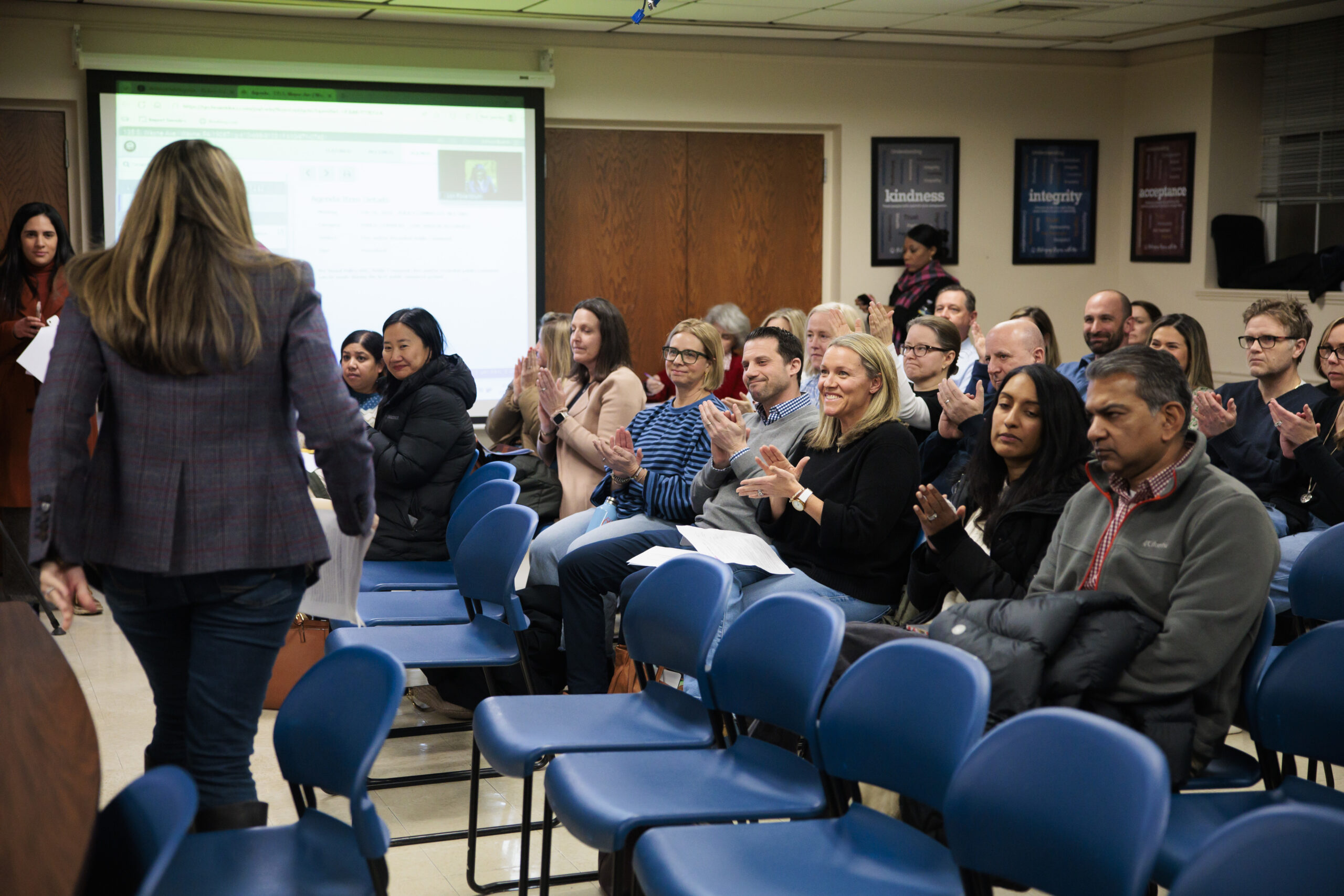
Parent Luciana Librandi walks back to her seat after speaking during a Radnor school board committee meeting last week.
Luciana Librandi, a parent of a freshman who said she had been “directly impacted by the misuse of generative AI,” called for timelines for contacting police following an AI incident, safeguards during student questioning, and annual education for students and parents on AI.
Others called for the district to communicate the criminal charge to families, to enforce existing policies against harassment, and to independently review its response to the recent incident.
Radnor officials said they are planning educational programming on the dangers of making AI images without a person’s consent.
There is somedebate on whether to teach children about “nudify” apps and their dangers, said Riana Pfefferkorn, policy fellow at the Stanford Institute for Human-Centered AI, who has researched the prevalence of AI-generated child sexual abuse material. Alerting kids to the apps’ existence could cause them “to make a beeline for it,” Pfefferkorn said.
While “this isn’t something that is epidemic levels in schools just yet,” Pfefferkorn said, “is this a secret we can keep from children?”
One of the victims’ parents in Radnor said education on the topic is overdue.
“It’s clearly in school,” the mother said. “The fact there’s no video being shown on the big screen in your cafeteria — we don’t live in that world anymore.”
Gluten-free bakery Flakely has opened its doors in Bryn Mawr, bringing its signature pastries to the Main Line after five years of doing business out of a commercial kitchen in Manayunk. The cross-river move marks a major expansion for Flakely, which, for years, has sold most of its pastries in a frozen take-and-bake form because of space constraints.
Now, Flakely is giving Main Line customers a rare opportunity to buy fresh gluten-free baked goods, namely its acclaimed croissants, which are a notoriously difficult item to make without gluten.
Lila Colello owner of Flakely a gluten free bakery. She is rolling a plain croissant at her new location on Lancaster Avenue, Bryn Mawr, PA, Friday, Feb. 13, 2026.
Flakely’s new Bryn Mawr headquarters is located at 1007 W. Lancaster Ave. in the former Grand Middle East hookah lounge (though one would never guess the storefront’s previous identity given all of the pastel pink decor that now adorns the walls).
On the morning of Flakely’s soft opening last week, bakery staff bustled around the open concept kitchen. A glass display case of treats, including sweet and savory croissants and elegantly decorated cupcakes, shimmered in the early morning light.
The move to the Main Line is “a homecoming” of sorts for owner Lila Colello, who grew up in Ardmore and attended the Shipley School. Colello worked her way up in Philadelphia’s dessert world, staging at the Ritz Carlton and serving as a pastry chef at Wolfgang Puck Catering. When she was diagnosed with celiac disease, an inflammatory autoimmune disorder triggered by eating gluten, in 2010, she feared her days in the pastry world were numbered.
But instead, Colello mastered the art of the gluten-free pastry. She started Flakely in 2017 as a wholesale operation and moved into the commercial kitchen in Manayunk in 2021.
Flakely was voted one of the best gluten-free bakeries in the country in 2024 by USA Today, and Inquirer restaurant critic Craig Laban said Colello had “found the secret” to making laminated pastry, like croissants.
The Manayunk kitchen helped put Flakely on the map, but it also constrained Colello. Because there was so little foot traffic, Flakley couldn’t make fresh goods for fear of having to throw out large quantities at the end of the day.
A box of gluten free pastries from Flakely, Lancaster Avenue, Bryn Mawr, PA, Friday, Feb. 13, 2026. Clockwise, Heart Shaped Twix, Plain Croissant and Vanilla Cupcake with Raspberry Curd and Whipped Honey Lemon Mascarpone Buttercream.
Colello’s new storefront has given her the space to hire a larger staff, expand her fresh pastry offerings, and give patrons a true bakery experience.
“I don’t know another place, maybe outside of New York, that has gluten-free croissants that you can even have fresh,” Colello said.
“It’s a totally different experience,” she added.
Demand for gluten-free goods is high in Lower Merion, Colello said. Many Main Line patrons used to make the trek to Manayunk to buy Colello’s take-and-bake goods and are happy to have a gluten-free option closer to home.
Flakely joins a small contingent of gluten-free bakeries in the Philly suburbs, including The Happy Mixer, which has locations in Wayne, Chalfont, and Newtown, and Laine’s Gluten Free Bakery in Berwyn.
Colello said Flakely is still figuring out its hours, but she plans to be open from 10 a.m. to 3 p.m., Tuesday through Friday, and from 10 a.m. to 2 p.m. on Saturday. For more information, you can visit Flakely’s Facebook or Instagram, where Colello will post weekly hours and menus.
This suburban content is produced with support from the Leslie Miller and Richard Worley Foundation and The Lenfest Institute for Journalism. Editorial content is created independently of the project donors. Gifts to support The Inquirer’s high-impact journalism can be made at inquirer.com/donate. A list of Lenfest Institute donors can be found at lenfestinstitute.org/supporters.
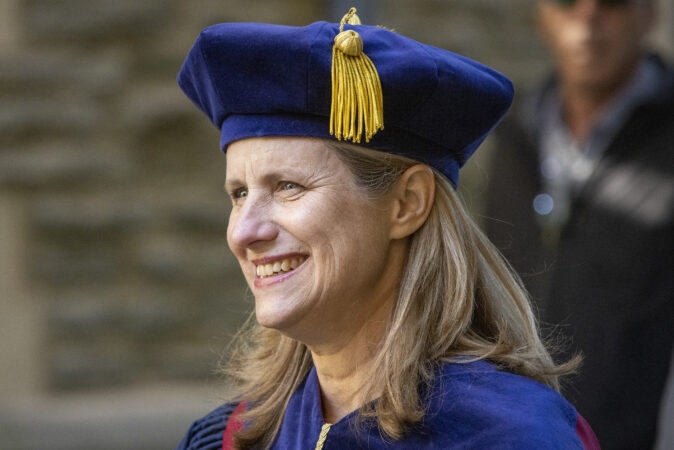
Former University of Pennsylvania president Liz Magill has been named the new executive vice president and dean of Georgetown University’s law school in Washington, D.C.
The move comes a little more than two years after Magill resigned from Penn following a bipartisan backlash over her testimony to a congressional committeeabout the campus’ handling of antisemitism.
“I am honored to join Georgetown Law, one of this country’s great law schools, and the university, an exceptional and distinctive research institution,” Magill said in an announcement posted Friday on the Jesuit institution’s website.
Magill did not immediately return a request for comment.
Magill, a lawyer and academic, previously served as dean of Stanford’s law school from 2012 to 2019 and had been executive vice president and provost of the University of Virginia before joining Penn. She resigned from Penn in December 2023 — just 18 months after she started the job — but has remained a faculty member at Penn Carey Law.
She starts at Georgetown Aug. 1.
“Liz Magill brings the experience and leadership that we need to lead Georgetown Law,” Thomas A. Reynolds, chair of Georgetown’s board of directors, said in the school’s announcement. “Her ability to connect with others, her humility and her unwavering belief in higher education will make her an exceptional next dean.”
Three of Magill’s siblings have degrees from Georgetown Law School, the announcement noted.
Magill became Penn’s president July 1, 2022, following the record-setting 18-year tenure of Amy Gutmann. Tensions began to mount about a year into her tenure, and her departure from Penn followed a tumultuous semester, marked by near-weekly student protests and complaints from deep-pocketed donors over the school’s response to antisemitism following Hamas’ attack on Israel in October 2023. There was also unrest over the school’s allowing the Palestine Writes Literature Festival to be held on campus in September of that year.
Then, during her congressional testimony, U.S. Rep. Elise Stefanik (R., N.Y.) asked her about whether calling for the genocide of Jewish people would violate Penn’s code of conduct. “It is a context-dependent decision,” Magill had answered.
Less than a week later, she stepped down. Scott L. Bok, then chair of the board of trustees, also resigned. And former Harvard president Claudine Gay, who also testified that day, resigned, too, less than a month later.
“I provided this 30-second sound bite that went viral and just swamped everything else about what I’d said and my record at Penn,” Magill said last May when she and Bok talked about their experiences at the New York Public Library following the publication of Bok’s book that discussed the controversy. “And I really regret that. It hurt Penn. It hurt Penn’s reputation, and my job was to protect the institution that I led.”
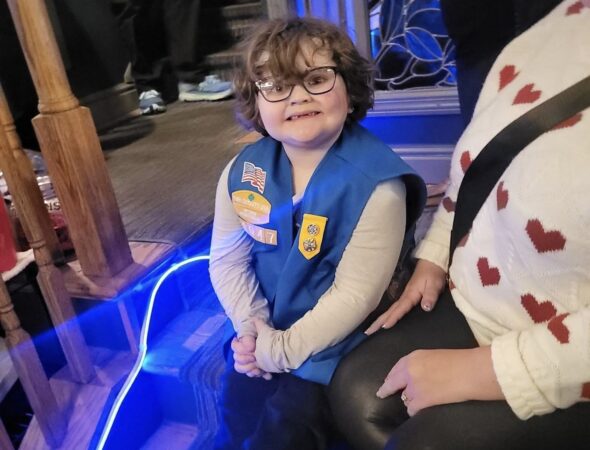
“I want to sell the most Girl Scout cookies,” Pim told her dad, Luke Anorak-Neill early in the cookie-selling season.
Pim, a firecracker in blue glasses, likes a challenge, and her dad was game to help her try. So he took her to knock on doors in their Pittsburgh neighborhood. They handed out fliers and made phone calls. They asked around at church and at local businesses they frequent.
“If people are going to buy cookies, we want them to know that Pimmy’s selling them,” Anorak-Neill said.
By dint of hard work, Pim hit 5,000 boxes a few weeks ago. Anorak-Neill asked her what her ultimate goal was: she said 10,000.
Anorak-Neill shot a quick video of his daughter talking about her goal and uploaded it to TikTok. Social media could only help the cause, he figured.
“Hi, my name is Pim. Do you want to buy some Girl Scout cookies?” the pint-size entrepreneur said.
The video went viral — it’s been viewed more than 5 million times. And Pim’s sales soared.
First, she crushed the single-season sales record. Her new aim is to overtake the lifetime record – 180,000 boxes. (She’s got about a month left.)
On Sunday, moments after she passed the 100,000 boxes mark, Pim was nonchalant.
Why does she like selling cookies?
“It makes people happy,” said Pim.
A record breaker from way back
Pim “has always been a record breaker,” said Anorak-Neill.
She was a Top 10 reader at age 4, and loved selling popcorn for her school last year and collecting gifts for a local toy drive.
Girl Scout cookies seemed like a natural fit, though Pim and her dads had a bit of a rough start. The first troop Anorak-Neill approached for Pim rejected her because of her disabilities, Anorak-Neill said.
“They said, ‘We don’t want that in our troop,’” said Anorak-Neill. “They said, ‘Go find a playgroup for disabled kids.’”
Pim didn’t realize what happened, but Anorak-Neill was disheartened. But he forged on, and found a brand-new troop of Daisy Scouts — the youngest Girl Scouts — that welcomed Pim.
Her cookie-selling prowess has changed the game for the troop, whose initial goal was maybe being able to go on some camping trips. (Individual sales count, but Pim’s sales help her troop, too.) A trip to Niagara Falls — a prize for serious cookie sellers — went from being a lofty goal to being a lock.
At a recent troop meeting, the grown-ups noted that Pim and the other girls never needed to sell another box if they wanted to stop.
“But everybody wants to still do cookie booths and fundraise,” said Anorak-Neill. “This is fun for everybody. It’s a win for Girl Scouts.”
Unstoppable Pim
The online love for Pim has buoyed the family: Pim, Anorak-Neill, and his partner, Don Neill. Neill has had serious health challenges and is awaiting a double lung transplant, Anorak-Neill said.
Pim’s fans adore her.
“SHE IS 6 and 86 AT THE SAME TIME. OH MY GOD I LOVE HER SO MUCH,” someone commented on TikTok.
“Pim gonna sell the most cookies in the history of the Girl Scouts,” another person wrote.
“pim girl don’t worry I just brought 6 boxes,” said another.
Anorak-Neill described the global love for Pim — and appreciation for her sales savvy — as “life changing.”
But while the scope of Pim’s reach has been a surprise, her appeal is not, her dad said.