Category: Pennsylvania News

  • Gov. Shapiro allocated $220 million to SEPTA to get Regional Rail back on track

    Gov. Shapiro allocated $220 million to SEPTA to get Regional Rail back on track

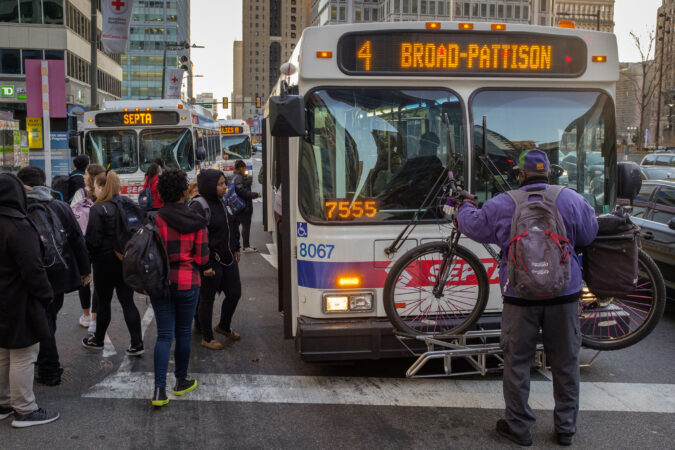
    Gov. Josh Shapiro is sending $220 million to SEPTA as it repairs fire-prone Silverliner IV Regional Rail cars and a damaged overhead power system in the trolley tunnel that together have brought commuting chaos.

    With the new capital funds, SEPTA will be able to restore Regional Rail to its normal capacity within a few weeks.

    Shapiro has directed PennDot to transfer money set aside for emergencies from the Public Transit Trust Fund to SEPTA, his office said.

    SEPTA’s increasing needs

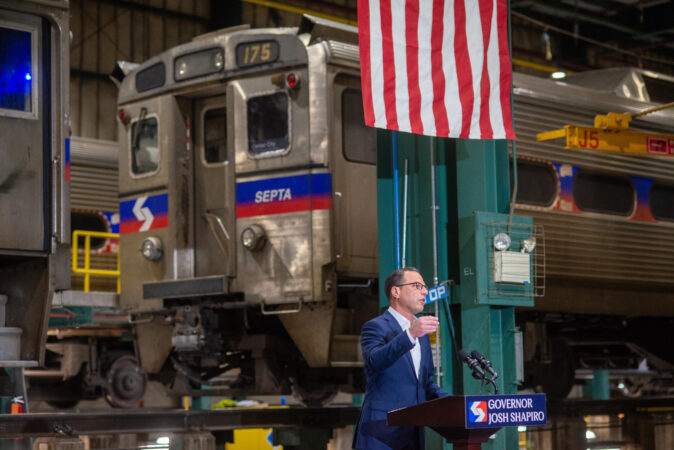
    He announced the aid Monday at the transit agency’s train yard and maintenance shop in Frazer, Chester County.

    Federal regulators on Oct. 1 ordered SEPTA to inspect and repair, as needed, all of its Silverliner IV fleet after five train fires involving the 50-year-old cars.

    Delays, cancellations, station skips, and overcrowded Regional Rail trains running with fewer than the normal number of cars have been regular challenges for riders during six weeks of inspections and repairs focused on electrical components of the 223 Silverliner IVs.

    Earlier this month, the Federal Transit Administration ordered SEPTA to inspect its trolley power system after four incidents, including two times trolleys stalled in the Center City tunnel, requiring 415 passengers to be evacuated.

    The budget impasse

    Shapiro said he was forced to act for the second straight year because Senate Republicans wouldn’t support additional recurring funding for mass transit operations in the state budget.

    “They’ve come up with a ton of excuses, but they haven’t come up with the funding,” Shapiro said.

    Last November, he redirected $153 million in federal highway funding to SEPTA following a similar impasse in passing state transit subsidies.

    After the governor decided in September that no budget agreement on transit funding was possible, PennDot allowed SEPTA to tap $394 million in state money allocated for future capital projects to pay for two years of operating expenses.

    The transit agency was facing a $213 million recurring deficit in its operating budget.

    In late August, SEPTA had canceled 32 bus lines and significantly curtailed other service as part of a “doomsday scenario” the agency said was caused by lack of new state funding.

    Riders were inconvenienced, a lawsuit was filed, and a Philadelphia judge ordered the cuts to be reversed.

    Then the $394 million reprieve arrived.

    Yet the problems with the rail cars and trolleys served to underscore the risks of using capital funds for day-to-day operations.

    “A history of chronic underinvestment has led us to this point,” said Chester County Commissioner Marian D. Moskowitz, who is vice chair of SEPTA’s board.

    She noted that SEPTA has a much smaller capital budget than other large transit agencies.

    What this money will do

    In addition to the repairs, $17 million of the new state money announced Monday is intended to pay for the lease of 10 Silverliner IV rail cars from Maryland’s commuter railroad and the possible purchase of 20 cars from Montreal.

    Highlights of SEPTA’s plans for the $220 million:

    • $95 million for electrical system upgrades, overhauled propulsion motors and more on the Silverliner IV train cars and the newer Silverliner V models.
    • $48.4 million to update the overhead catenary wires in the trolley tunnel, along with three new catenary-maintenance cars for the tunnel and along trolley lines, and on long Regional Rail lines.
    • $51.5 million to upgrade 13 escalators at SEPTA stations, install AI-powered inspection cameras to catch potential problems earlier, and technology improvements at SEPTA’s Control Center
    • $8 million to install replacement parts for Broad Street Line and Norristown High Speed Line cars.

    “These funds are going to make a significant difference in our efforts to overcome the current crises,” SEPTA general manager Scott Sauer said, and to help avoid future ones.

    He thanked the governor and pledged “a comprehensive effort to identify potential problems sooner before they grow and lead to delays, cancellations, or shutdowns.”

    Shapiro had proposed an increase in the share of general sales-tax revenue devoted to transit subsidies over five years.

    Leaders of the GOP-controlled Senate said the $1.5 billion price tag was too high and proposed shifting capital money to operating subsidies for the state’s transit systems and roads — an idea partially reflected in the Shapiro administration’s temporary solution.

    “I am glad the Governor continues to take our advice and use existing resources to support public transit,” Senate Majority Leader Joe Pittman (R., Indiana) said in a statement.

    “It’s unfortunate that just one year ago, he took $153 million of funding from critical [road] infrastructure projects to fund transit, neglecting the needs of those who use our roadways every single day,” Pittman said.

    Republicans also argued that SEPTA had been mismanaged and needs change.

    As the next state budget cycle nears, the debate is likely to continue.

    “I want you to know I’m going to be a continue to be a governor who supports mass transit, who gives a damn about SEPTA, who cares about those 800,000 people that rely on SEPTA every single day,” Shapiro said.
  • John Borodiak, Hall of Fame pro soccer player and longtime dental lab owner, has died at 89

    John Borodiak, Hall of Fame pro soccer player and longtime dental lab owner, has died at 89

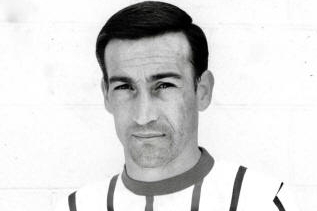
    John Borodiak, 89, of Philadelphia, Hall of Fame Argentine American professional soccer player, popular coach and sports center volunteer, and longtime Center City dental lab owner, died Saturday, Sept. 13, of complications from Alzheimer’s and Parkinson’s diseases at Graduate Post Acute nursing facility.

    Born and reared in Buenos Aires, Argentina, of Ukrainian descent, a young Mr. Borodiak was such a star that, in 1960, at 24, he was invited to leave South America and play soccer in the United States for the Ukrainian Nationals in Philadelphia. So, for seven seasons, through 1966, he played fullback for the Ukrainian Nationals and won four American Soccer League championships and four U.S. Open Cup titles.

    As a 5-foot-8, 160-pound defensive whiz, Mr. Borodiak didn’t score many goals or race down the field on breakaways. But, said his son, Ivan, also a former pro soccer player: “He was smooth, quick, and good up in the air.”

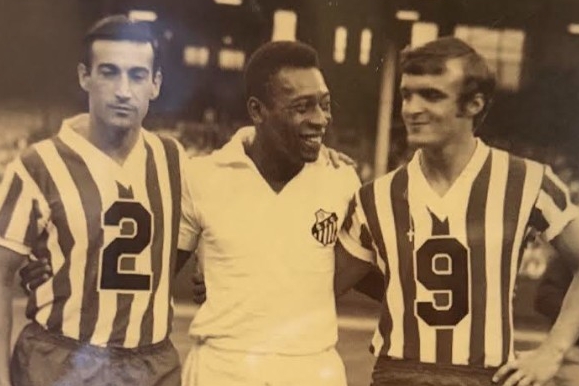
    He played on the 1964 U.S. national team and was inducted into the Horsham-based Ukrainian Sports Museum and Hall of Fame in 2017. Over the years, he played against Brazilian superstar Pele and other international stars, and former colleagues called him “a living legend.”

    Mr. Borodiak (left) played against Pele (center) and other international stars.

    He also played with the Philadelphia Spartans in the National Professional Soccer League and the ASL’s Newark Ukrainian Sitch in 1966 and ’67. He spent the 1968 season with the Cleveland Stokers and 1969 with the Baltimore Bays in the North American Soccer League. He retired after playing a final season with the Spartans in 1970.

    He made headlines after a game in 1967 when he blocked the game-tying goal after his goalie was caught out of position. “After I saw [the goaltender) go out, I expected something to happen in that corner,” he told the Daily News. “I moved up there, and the shot bounced off my chest.”

    Affable and engaging off the field, Mr Borodiak became a favorite of teammates, fans, and sportswriters. He hosted instructional clinics for young players and, after learning English himself, served as a translator for other players and the media. He spoke Ukrainian, English, Spanish, and Italian.

    In 1967, Daily News sports writer Dick Metzgar published his Christmas wish list and asked for “more hustling performers like little fullback John Borodiak.”

    Mr. Borodiak (left) passed his athleticism on to his son and grandson.

    He helped anchor a Spartans defense in 1967 that Metzgar called “impenetrable” and was known for his aggressiveness. He was ejected for fighting in a game against Baltimore that season, and he told the Delaware County Daily Times that his opponent hit him in the back. “Naturally,” he said, “I hit back.”

    He was a team cocaptain in Cleveland and named a NASL all-star in 1968, and his Stokers lost a heartbreaking playoff game to Atlanta in overtime that season. After the game, a disappointed Mr. Borodiak told the Cleveland Plain Dealer: “I’m sorry.”

    He rejoined the Spartans in 1970 when they entered the American Soccer League, and The Inquirer covered their big win over the Syracuse Scorpions. “A strong defensive cog, John Borodiak, was added to the Spartans lineup,” The Inquirer said, “and he played fullback in impressive style.”

    In a 1969 story after the Bays tied the Dallas Tornado, the Baltimore Sun said: “Borodiak made one of the best saves of the day when he blocked a shot after [the goalie] had been pulled out of the net.” In 1966, he played briefly for Roma in the Eastern Canada Pro Soccer League, and a teammate told the Toronto Star: “Borodiak is a fine fullback and fits in well with our style of play.”

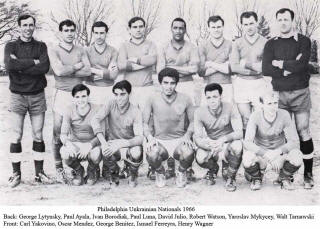
    Mr. Borodiak (rear, third from left) and teammates on the Philadelphia Ukrainian Nationals pose during the 1966 season.

    He coached soccer teams after he retired, played with amateur teams into his 40s, and was active for years at the Ukrainian American Sports Center in North Wales.

    He earned certification at Temple University in dental cosmetics in the 1960s and owned a lab in the Medical Arts Building in Center City until he retired in 2018. At 50 years, Mr. Borodiak was the longest-tenured tenant ever in that building, his son, Ivan, said.

    “He was a wonderful person,” his family said in a tribute, “He was a best friend, a champion, and a legend of his sport and in life.”

    Born July, 13, 1936, Ivan Gregorio Borodiak changed his name to John when he came to the United States. He met Betty Pilari in Argentina, and they married in 1962, and lived in Bensalem and Queen Village.

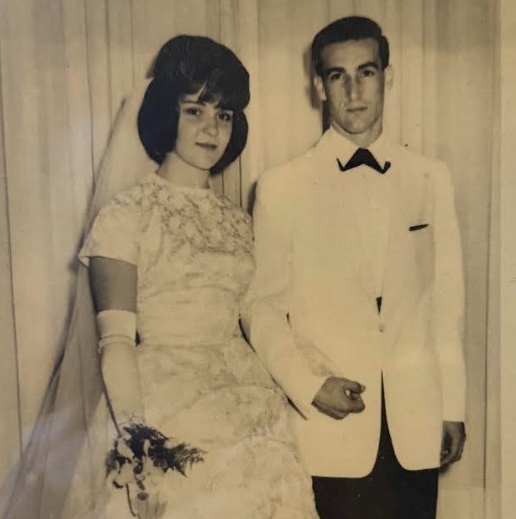
    Mr. Borodiak and his wife, Betty, married in 1962.

    Mr. Borodiak was generous and gentle, his son said. He enjoyed fishing and car shows, and he built his own Mercedes-Benz from the tires up.

    Friends noted his “kindness, gratitude, and warmth” in online tributes. One said: ”He was always a people person, and his smile could light up the darkest room.”

    His son said: “He was a great man. He never had an enemy, and he overcame every adversity.”

    In addition to his wife and son, Mr. Borodiak is survived by four grandchildren, a great-granddaughter, and other relatives. A sister died earlier.

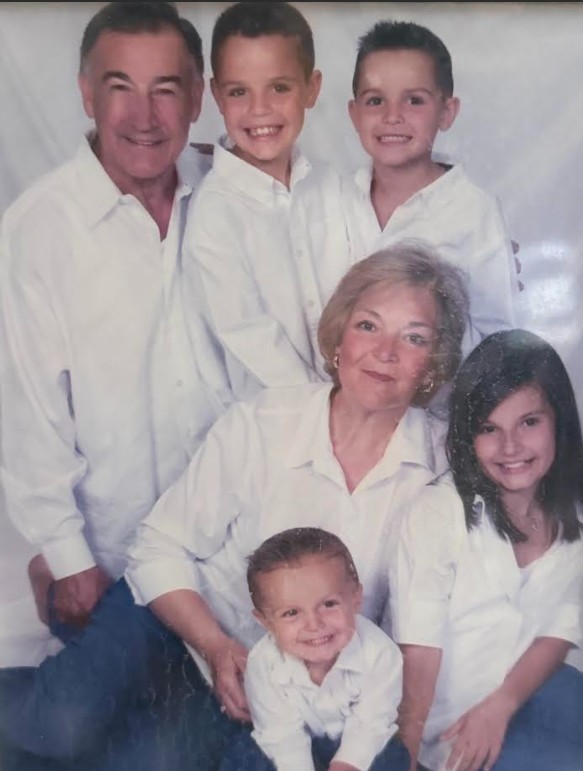
    Mr. Borodiak (left) doted on his grandchildren.

    Private services were held earlier.

    Donations in his name may be made to the Alzheimer’s Association, 225 N. Michigan Ave. Floor 17, Chicago, Ill. 60601.

  • Director of Penn State Cancer Institute resigns after Spotlight PA investigation about chemo errors, ‘toxic’ leadership

    Director of Penn State Cancer Institute resigns after Spotlight PA investigation about chemo errors, ‘toxic’ leadership

    This story was produced by the State College regional bureau of Spotlight PA, an independent, nonpartisan newsroom dedicated to investigative and public-service journalism for Pennsylvania. Sign up for Talk of the Town, a daily newsletter of local stories that dig deep, events, and more from north-central PA, at spotlightpa.org/newsletters/talkofthetown.

    Raymond Hohl, the director of the Penn State Cancer Institute, resigned Friday following a Spotlight PA investigation into his care of patients and leadership of the center.

    Hohl made the decision “thoughtfully and with the best interests of the Institute in mind,” according to an internal email, which was signed by Karen Kim, dean of the Penn State College of Medicine, and Michael Kupferman, CEO of Penn State Health. The email says he will remain a faculty member of the university’s medical college.

    Hohl started as director in 2014 with the goal of achieving National Cancer Institute designation, a prestigious federal recognition, for the center based in the Milton S. Hershey Medical Center. The university invested hundreds of millions of dollars in the cancer center in pursuit of designation, records show.

    A Spotlight PA investigation published Nov. 20 found that Hohl was the subject of a series of damning internal reviews between early 2022 and mid-2023. The reviews found a series of problems with Hohl’s care of at least 10 patients. His sloppy recordkeeping caused multiple errors. Several of Hohl’s patients received extra doses of chemotherapy by accident. Others faced unexplained delays in changing their treatment, or having scans done to check whether their cancer had progressed, according to documents obtained by the newsroom.

    Penn State’s reviews also concluded that Hohl perpetuated a toxic culture of fear and mistrust that chewed up doctors and researchers, who left the organization in droves during this time period. Getting federal designation was Hohl’s top priority, but after nearly a decade under his leadership and some $410 million invested, the cancer institute was “significantly behind where it needs to be,” a December 2022 review found. Records show that Hohl disputed the findings and offered a rosier assessment at the time.

    Penn State Health’s former chief executive officer and former chief operating officer, as well as the hospital’s then-chief medical officer and two medical school deans, including Kim, had extensive knowledge of these problems, records show.

    In 2023, leaders privately considered removing Hohl as director of the cancer institute, internal records show. The doctor kept his position and was placed on a two-month performance improvement plan, under which he was asked to adhere to national guidelines for cancer treatment, demonstrate active listening skills, and show that he was a team player, among other goals.

    In May 2024, Penn State quietly removed Hohl’s oversight of clinical care, a move the Penn State Health spokesperson declined to explain in September 2025. Hohl was still seeing patients as of early 2025.

    Following publication of Spotlight PA’s investigation, Penn State Health said in a statement: “We believe the reporting by this outlet is based almost entirely on materials more than two years old and it does not provide an accurate representation of Penn State Cancer Institute (PSCI) as it exists today. During the last two years — we have made significant changes to PSCI’s leadership, staffing, operations, clinical capabilities and research processes.”

    According to the internal announcement, institute deputy director Jeff Peters will be the interim director of the cancer center.

    SUPPORT THIS JOURNALISM and help us reinvigorate local news in north-central Pennsylvania at spotlightpa.org/donate. Spotlight PA is funded by foundations and readers like you who are committed to accountability and public-service journalism that gets results.

  • An original Air Force One tape from the Kennedy assassination listed for sale at $750,000

    An original Air Force One tape from the Kennedy assassination listed for sale at $750,000

    They are stunned words of men escorting a dead president.

    On Saturday, a Philadelphia historical collection listed for sale an original Air Force One recording from the assassination of President John F. Kennedy.

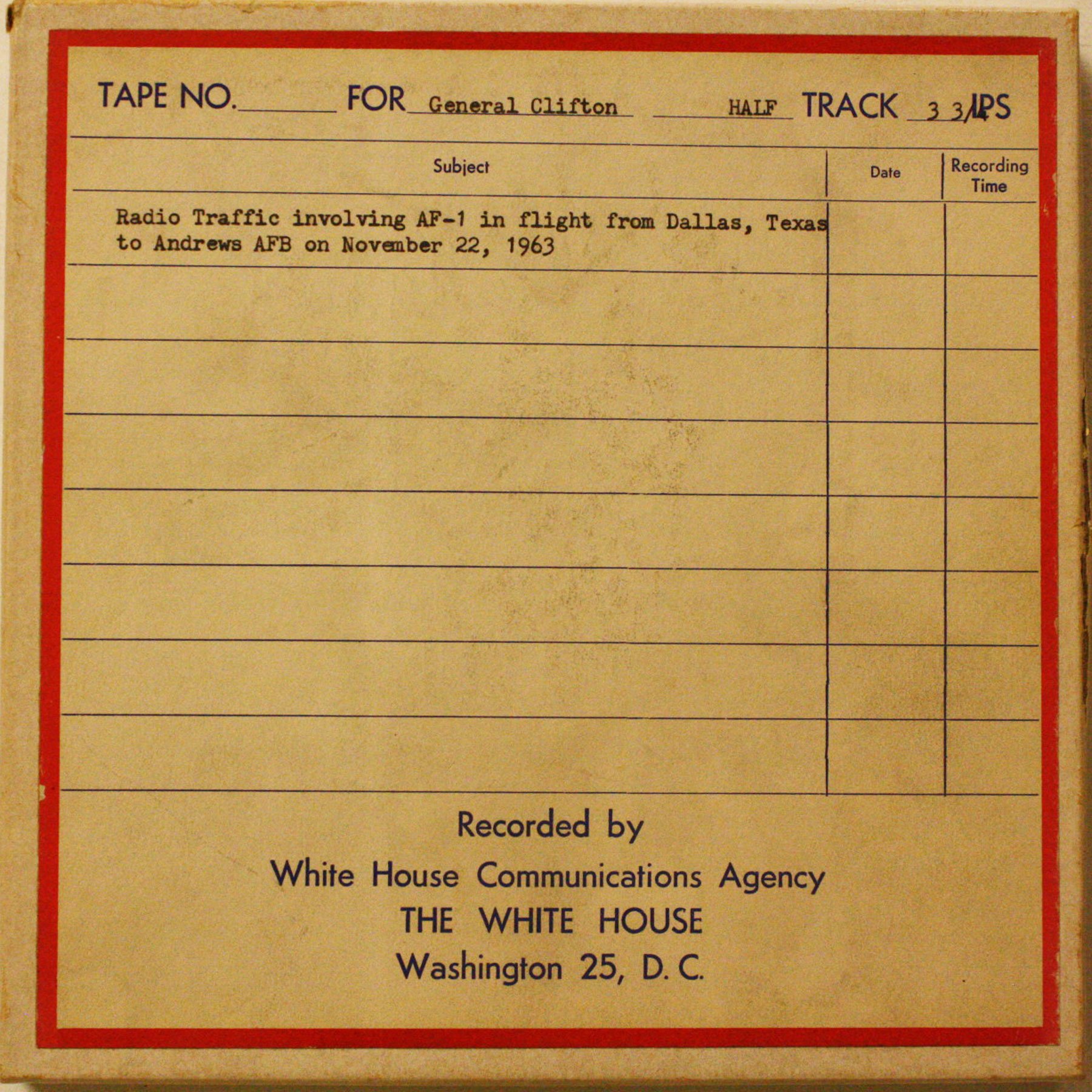
    Listed at $750,000 by the Raab Collection, the tape captures more than two hours of shocked radio conversations between Kennedy aides and military officials during the fateful flight home on Nov. 22, 1963.

    An original recording of Air Force One radio traffic has been listed for sale in Philadelphia for $750,000.

    Discovered at the bottom of a box of JFK memorabilia at a private auction in 2011, the tape represents the earliest and most complete recording of Air Force One radio traffic from the day of the assassination.

    In staticky conversations, Kennedy aides, bearing the casket home to Washington, and White House officials awaiting them discuss grim logistics after a presidential killing — arranging the removal of the coffin; transportation for the blood-soaked first lady, Jacqueline Kennedy, and the new president, Lyndon Johnson; and an autopsy for the slain leader.

    Hours earlier, Kennedy, 46, had been fatally shot in a Dallas motorcade by Lee Harvey Oswald.

    One of a pair of identical tapes, the finding had caused a stir of controversy in JFK assassination research. Snippets from a heavily edited version of the tape had previously been released by President Johnson. No other recordings were thought to exist.

    At the time of their discovery, historian Douglas Brinkley described the tapes as a “serious find” and critical listening for all Kennedy researchers.

    Raab recently donated the other remaining recording to the National Archives as part of a settlement that allowed the collection to keep one.

    The tapes had long belonged to a senior military aide, Gen. Chester Clifton, who rode in the fateful motorcade and was aboard Air Force One. Raab had the tapes digitized from reel-to-reel form.

    “This is a powerful moment in American history,” said Nathan Raab, president of Raab Collection, which has offices in Ardmore and Center City. “It is an incredible object, a unique discovery, and a reminder of our journey as a nation.”

    To see the sale listing, visit www.raabcollection.com/presidential-autographs/jfk-original-tape-air-force-one

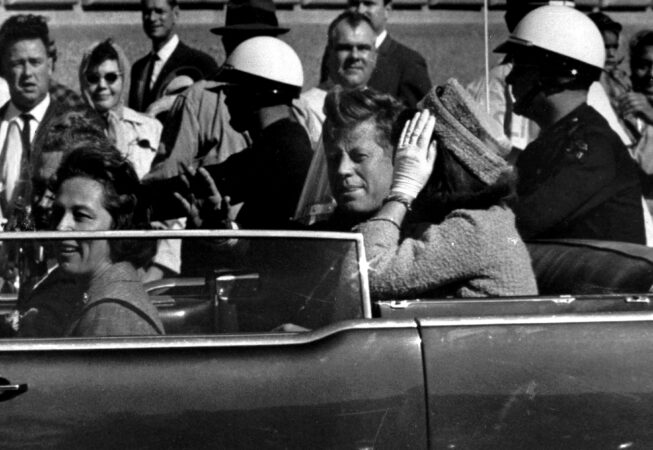
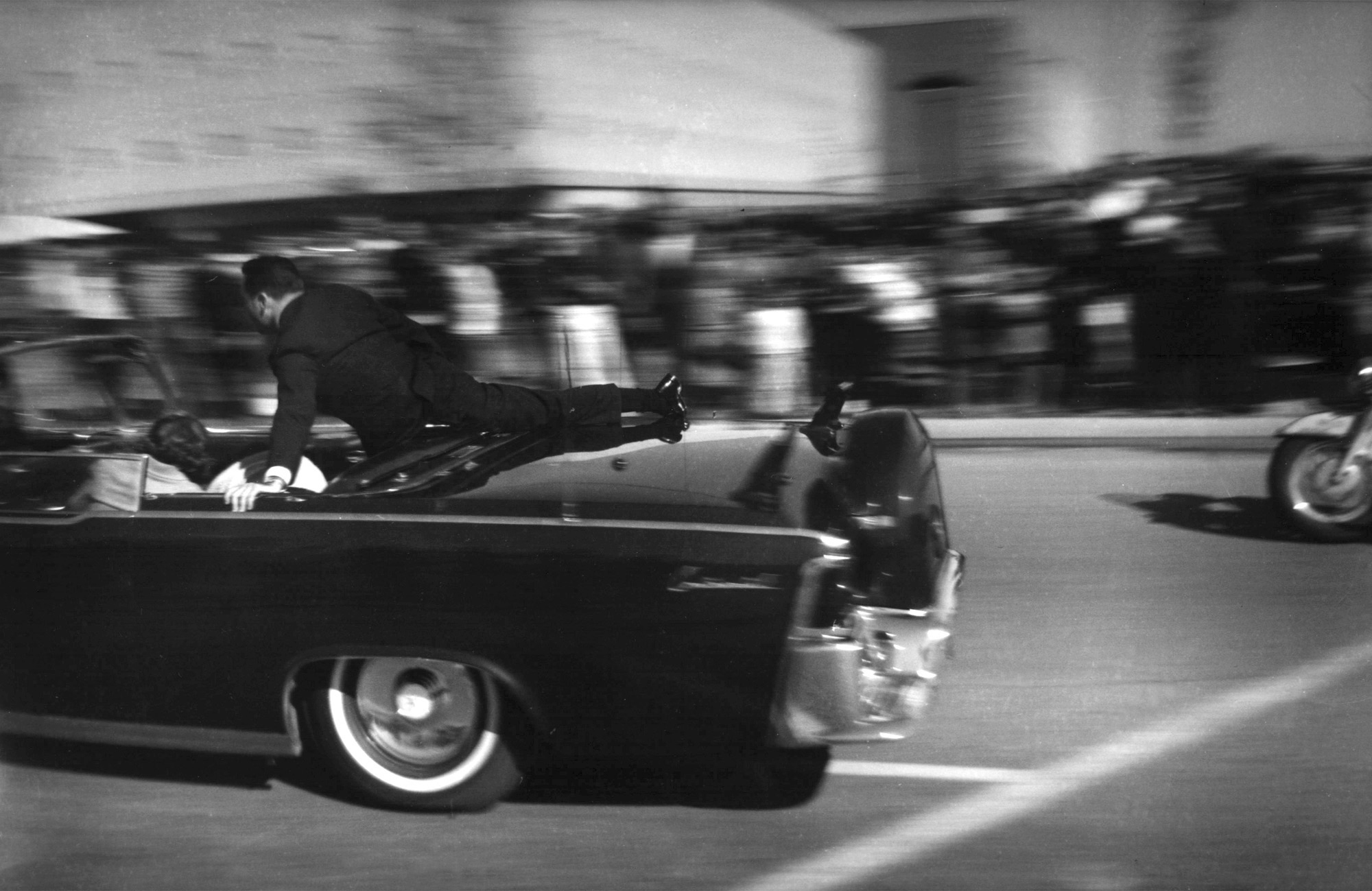
    FILE – The limousine carrying mortally wounded President John F. Kennedy races toward the hospital seconds after he was shot, Nov. 22, 1963, in Dallas. The 60th anniversary of President Kennedy’s assassination, marked on Wednesday, Nov. 22, 2023, finds his family, and the country, at a moment many would not have imagined in JFK’s lifetime. (AP Photo/Justin Newman, File)
  • Former church business manager in Montgomery County charged with $1.1 million theft

    Former church business manager in Montgomery County charged with $1.1 million theft

    The former business manager of St. Matthias Catholic Church in Bala Cynwyd has been charged with theft of more than $1.1 million from the church, Montgomery County District Attorney Kevin R. Steele announced Friday.

    Sean Sweeney, 60, of Mount Pleasant, S.C., served as the church’s business manager from 2017 until his firing in 2024, Steele said.

    Investigators found that from 2018 through 2024, Sweeney was responsible for providing the church’s payroll records processing company, PrimePay, with records for who should be paid and how much. PrimePay paid $1,134,906.35 by direct deposit into bank accounts owned and controlled by Sweeney, Steele said.

    Bank records show that the money Sweeney received was used for his personal expenses, including educational tuition, vehicle-related payments, and vacation costs, Steele said.

    Sweeney surrendered to Montgomery County detectives on Thursday and was arraigned by District Judge Todd N. Barnes, who set bail at $100,000 unsecured, Steele said.

    Sweeney was required to surrender his passport, was ordered not to have contact with employees connected to the case, and is not allowed at or near St. Matthias Church, Steele said.

    Sweeney could not be reached for comment Friday night.

    In December 2024, the Archdiocese of Philadelphia Office of Investigations referred the case to the Montgomery County District Attorney’s Office, Steele said.

    Kenneth A. Gavin, a spokesperson for the archdiocese, said in a statement Friday night: “These charges are serious and disturbing to all of us. The Archdiocese and the parish will continue to cooperate with law enforcement as the criminal matter enters its next phase. The Archdiocese is committed to seeking full restitution to the parish.”

    According to the affidavit of probable cause, a member of the church’s finance council who had been a school classmate of Sweeney’s warned a church official in May 2024 “that Sweeney had personal finance issues and was borrowing money from family members and not paying them back.”

  • Chrissy Houlahan and another Pa. Democrat report bomb threats at their district offices

    Chrissy Houlahan and another Pa. Democrat report bomb threats at their district offices

    Spokespersons for U.S. Rep. Chrissy Houlahan, a Chester County Democrat, and Rep. Chris Deluzio, a Western Pennsylvania Democrat, reported that the legislators’ district offices had been targeted with bomb threats on Friday.

    The threats came a day after President Donald Trump accused Houlahan, Deluzio, and four other Democratic lawmakers of sedition “punishable by DEATH” after they were featured in a video urging members of the military and intelligence community to “refuse illegal orders.”

    All six are military veterans or members of the intelligence community.

    Early Friday evening, a spokesperson for Houlahan posted on the representative’s X account that her district office in West Chester was the target of a bomb threat.

    “Thankfully, the staff there as well as the office in Washington, D.C. are safe. We are grateful for our local law enforcement agencies who reacted quickly and are investigating,” the post said.

    A spokesperson for Deluzio posted on X late Friday afternoon that the representative’s district offices were targeted with bomb threats.

    In response to the video, Trump went after the six congressional Democrats in a string of posts on Truth Social Thursday.

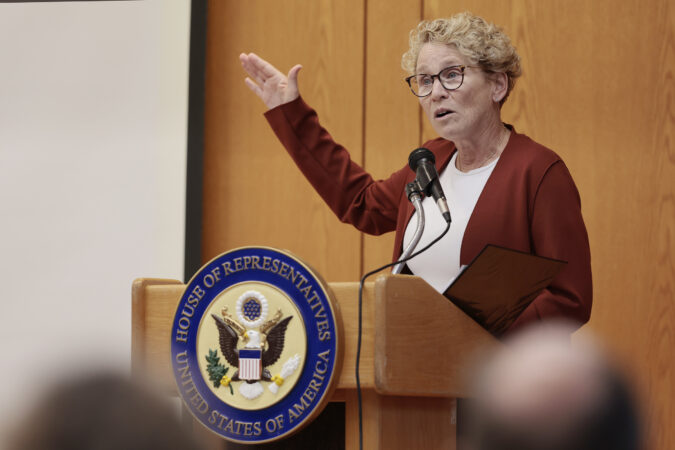
    Houlahan lamented at a Friday news conference in Washington that “not a single” Republican in Congress “has reached out to me, either publicly or privately” since Trump’s posts.

  • No, it’s not going to snow on Thanksgiving in Philly, but a taste of winter is coming

    No, it’s not going to snow on Thanksgiving in Philly, but a taste of winter is coming

    The snow rumors notwithstanding, the Philadelphia region and most of the rest of the Northeast can pretty well rule out a white Thanksgiving, nor will Black Friday turn white.

    However, the upper atmosphere evidently is in a state of upheaval with a potentially rare event unfolding, and forecasters say something resembling winter may arrive around here before the holiday weekend ends.

    The National Oceanic and Atmospheric Administration’s Climate Prediction Center has chances favoring below-normal temperatures and above-normal precipitation from Thanksgiving Day through Dec. 1.

    However, the meteorologists who have grappled with longer-range outlooks are cautioning against taking social media snow forecasting too seriously.

    “The observed snowfall is inversely proportional to the hype,” said Judah Cohen, research scientist with the Massachusetts Institute of Technology. He is among those who have noticed the snow mentions that have popped up on X accounts and popular websites.

    The next week should generally be uneventful save for rain Tuesday night possibly into getaway Wednesday, when highs are forecast to reach the 60s.

    Then a developing pattern change is predicted to import colder air into the Northeast. “I do believe it will get colder as the Thanksgiving week wears on,” said Bob Larson, senior meteorologist with AccuWeather Inc.

    A rare event may chill December

    What has the attention of Cohen and others in the meteorological world is the potential for a “major” stratospheric warming event in the upper atmosphere over the Arctic sometime in the next several days, a disruption that could allow significant cold air to pour into the United States.

    Major events have occurred on average about six times a decade, according to NOAA researchers; however, having one so early would be a rarity.

    If one occurred, it would be only the second time in records dating to the early 1950s that it has happened this early, said NOAA meteorologist Laura M. Ciasto.

    While computer models have been debating over just what is going to happen, Cohen, chief of seasonal forecasting for the Janus Research Group, said that such an early date has given him pause about forecasting it will happen.

    What causes a stratospheric warming event?

    On occasion, upward-moving waves from the troposphere, 5 to 9 miles over the Arctic, crash into the stratosphere, 10 to 30 miles up. That has the effect of compromising the polar vortex, the west-to-east winds that lock cold air in the places where the sun disappears for the winter, Ciasto said.

    When the winds slacken, the vortex can weaken and allow frigid air to spill southward. In some cases it might “stretch,” or split into pieces that deliver cold air to regions of the Northern Hemisphere.

    A major disruption would have longer-lasting impacts, Cohen said.

    The European forecast model has consistently predicted a major event, Ciasto said, while the U.S. model has not been as impressed.

    What is likely to happen if the warming event occurs?

    A major warming in January 2021, when temperatures in the stratosphere suddenly jumped 65 degrees Fahrenheit, resulted in quite a snowy February in the Philadelphia region.

    After a warming event, “there’s a greater chance that the jet stream will become more disrupted and dip down” over the continuous United States, Ciasto said, “bringing cold air with it.”

    As for timing, the effects may show up anywhere from two to several weeks after the event.

    In the meantime, she noted that “several other factors,” including patterns over the North Pacific, favor a chilling for the Northeast.

    Don’t be surprised to see snow appear in an actual forecast, but not necessarily on the ground.

  • Virginia A. Smith, retired award-winning Inquirer reporter and editor, has died at 75

    Virginia A. Smith, retired award-winning Inquirer reporter and editor, has died at 75

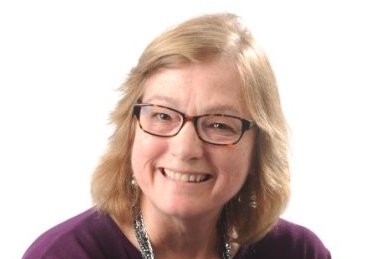
    Virginia A. Smith, 75, of Philadelphia, longtime reporter and editor for The Inquirer, the Philadelphia Bulletin, the Akron Beacon Journal, and other newspapers, mentor and working-mother role model to many, and avid gardener, died Friday, Nov. 14, of interstitial lung disease at Roxborough Memorial Hospital.

    Born in Philadelphia, Ms. Smith joined her hometown Inquirer in 1985 after three years at the Beacon Journal in Ohio, six months at the Bulletin in Philadelphia, and earlier stints at other papers in New York and Connecticut. Until her retirement in 2015, she covered news, health, and gardens as a reporter for The Inquirer, and served as city and Pennsylvania editor.

    In her official Inquirer profile, she described her final assignment as “happily writing — and learning — about gardening full time since 2006.” Her son, Josh Wiegand, said: “She was a curious person and interested in so many different things.”

    Former colleagues praised the depth and variety of her reporting, especially the detailed long-form stories she wrote about Sister Mary Scullion in 1992, the Iraq War in 2004, her own extensive garden in 2006, and the other interesting people and significant events she encountered. “She was open to reporting a story until she was confident she had all of its shadings,” Inquirer investigations editor Daniel Rubin said. “She had a gift for the stories people would talk about.”

    For Ms. Smith, there was no better place than her own garden.

    Ms. Smith was named The Inquirer’s garden writer in 2006, and, of course, wrote detailed previews and reviews of the annual Philadelphia Flower Show. But her favorite stories, she told colleagues, were the hundreds of others about climate change, garden gnomes, community gardens, butterflies, pruning techniques, seed banks, edible weeds, how blind people enjoy gardens, and other topics.

    Her winter holiday story in 2006 was not about poinsettias or Christmas tree farms. Instead, she profiled an author who discovered a treasure trove of old black-and-white photos of gardeners tending plots in prisons, war zones, and concentration camps.

    “It was her idea,” said Joanne McLaughlin, her editor then. “She wanted to write about gardens nurturing the soul under the worst of circumstances, giving hope under the worst of circumstances.”

    She wrote often about her own garden in East Falls and ended one story in 2006 with: “When winter arrives, maybe I’ll settle down. Oh, what are the chances? New years are for confessions, so here’s mine: Come first snow, I’ll be out there shoveling the garden pathways, hoping to sneak another peek.”

    Ms. Smith wrote this two-part series in 2012.

    Her column was called “Garden Scoop,” and she blogged at “Kiss the Earth” on Inquirer.com. She won two achievement awards from what used to be called the National Garden Writers Association and the 2011 Green Exemplar Award from Bartram’s Garden.

    “She understood how important the topic was to this area,” said Reid Tuvim, a longtime editor at The Inquirer.

    As a health reporter in the early 2000s, Ms. Smith wrote about bottled water, flu medicine, Lyme disease, organ donation, mental illness, children’s healthcare, and other issues. In 2004, she wrote a story about the Medical Mission Sisters, a progressive religious order that offered healthcare advice and full-body massages as well as spiritual guidance. In the third paragraph, she said: “But this is no spa. And that woman doing the hands-on — are you kidding me? — is a nun!”

    She covered Scullion’s acceptance speech of the 1992 Philadelphia Award for community service and described it as “fiery and heartfelt, troubling and joyful.” Inquirer staff writer Amy Rosenberg said Ms. Smith “always drilled down to such emotional depths with her subjects. She defined so much of what The Inquirer meant back then.”

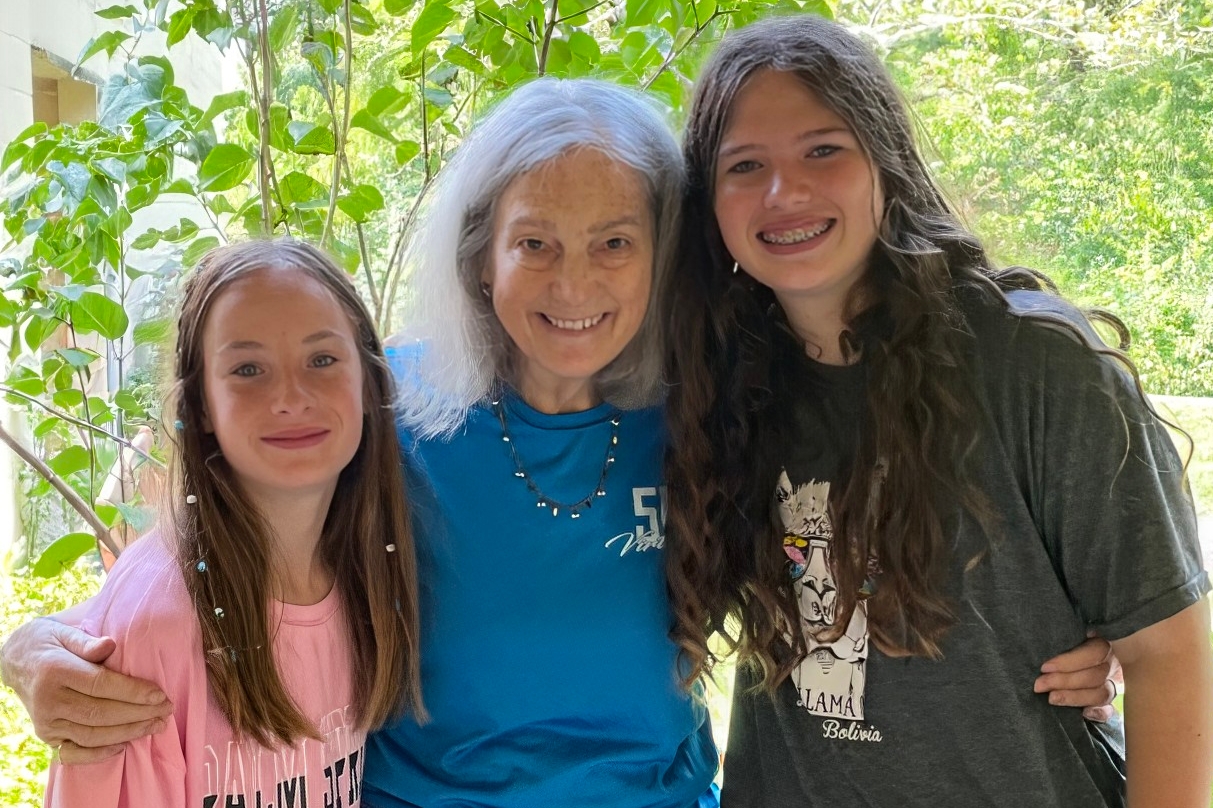
    Ms. Smith doted on her granddaughters.

    She mentored colleagues as she had been mentored and was a role model for fellow working mothers. “I watched her over and over again get up at 5 p.m. and walk out of the newsroom to get her son when he was young,” Rosenberg said. “Never mind what any of the boys in the room thought.”

    Virginia Ann Smith was born Oct. 26, 1950. She graduated from the old Eden Hall high school in Philadelphia and earned a bachelor’s degree in English at Manhattanville University in New York in 1972. In 1981, she earned a master of legal studies degree at Yale University Law School through a Ford Foundation fellowship for journalists.

    She married Alan Wiegand, and they had a son, Josh, and lived in East Falls. After a divorce, she married Randy Smith in 1985. He died in 2020, and she moved to Cathedral Village Retirement Community a few years ago.

    Ms. Smith was a great cook, friends said. They said she was funny, stubborn, and opinionated. She was so into gardens, her son said, that she visited him in Colorado specifically to renovate his garden.

    Ms. Smith poses with her husband, Randy, and her two granddaughters.

    She listened to classical music and danced at blues festivals. Everyone said she made them feel as if she was their best friend.

    “She was one of the most genuine people I’ve ever known,” said friend and former colleague Mari Schaefer. Friend and former colleague Mary Flannery said: “She was so creative and so brave.”

    Her son said: “She was the best. I don’t know how she did it. She wanted to do it all, and she did.”

    In addition to her son and her former husband, Ms. Smith is survived by two granddaughters, two brothers, and other relatives.

    A celebration of her life is to be held later.

    Donations in her name may be made to the Schuylkill Center, 8480 Hagys Mill Rd., Philadelphia, Pa. 19128.

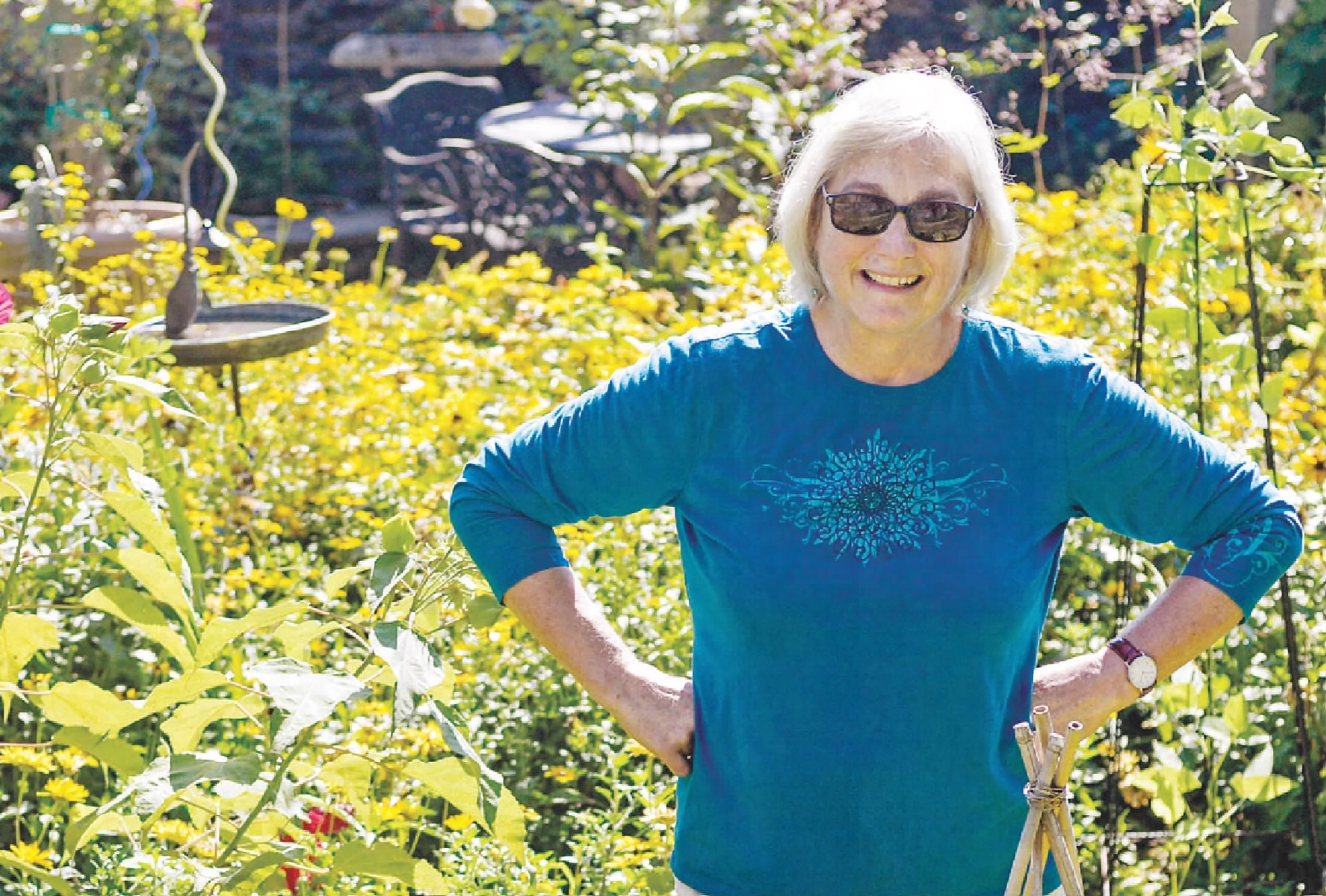
    Ms. Smith tends to her garden’s black-eyed Susans in this photo.
  • Free SEPTA fares for low-income riders could end next year. Advocates are pushing to save it.

    Free SEPTA fares for low-income riders could end next year. Advocates are pushing to save it.

    SEPTA’s 21.5% increase in transit fares and service cuts fell hardest on disadvantaged Philadelphians this year, showing an urgent need to make the city’s Zero Fare program permanent, City Councilmember Nicolas O’Rourke argues.

    He touted his proposal to dedicate 0.5% of the city budget each year to pay for the initiative that provides free SEPTA passes to people living in poverty.

    O’Rourke’s proposed Transit Access Fund would be written into the City Charter “so it can’t be yanked away at a moment’s notice when somebody wants to shift something around in the budget,” he told about 150 people in a town hall at the Friends Center on Cherry Street.

    O’Rourke, Democratic State Sen. Nikil Saval, and the advocacy group Transit Forward Philadelphia called the meeting to push for affordable public transportation and ways to sustainably fund SEPTA after Harrisburg’s failure to provide new state money for mass transit agencies.

    Their affordability agenda is in keeping with the message in Democratic wins for governor in New Jersey and Virginia, as well as Zohran Mamdani’s election as mayor of New York.

    A broad coalition and patience are needed in Pennsylvania, Saval said. ” Every major political win comes from months, years, sometimes decades, of work,” he said.

    Earlier this year, Mayor Cherelle L. Parker’s budget would have eliminated funding for Zero Fare, a two-year pilot program launched in 2023. Money was restored after backlash.

    “We pushed back hard,” said O’Rourke, a member of the Working Families Party. “People with the least income are paying a larger share of their money just to get around. That’s upside down.”

    Funding is not guaranteed after June 30, when the current budget expires, however.

    If enacted, a Transit Access Fund would generate an estimated $34 million in the 2026-2027 fiscal year, O’Rourke’s office calculates.

    That would generate enough money — between $20 million to $25 million, according to managers of the Zero Fare program — to give free SEPTA passes to 60,000 Philadelphians at or below the federal poverty standard.

    O’Rourke and his staff also are considering using the remaining $10 million to $14 million for matching grants to help businesses, landlords and housing developments to join the SEPTA Key Advantage program, which provides subsidized transit passes.

    People living at or below the federal poverty standard are eligible for the Zero Fare SEPTA passes. For 2025, that is $15,650 for an individual and $32,150 for a family of four.

    Philadelphia’s poverty rate was 19.7% in 2024, the latest figure available, according to the U.S. Census.

    To win sustainable state funding for SEPTA, activists need to break through the narrative that urban and rural areas of Pennsylvania are hopelessly divided on transit.

    This year, the Transit for All PA coalition campaigned for more state dollars for transit systems in every county of the state. About 45,000 people representing every legislative district participated.

    “When we’re made to feel like we’re on opposite sides of the fight, our numbers become smaller and we focus on the wrong targets,” said Saval.

    “It’s not the person in Schuylkill County frustrated about potholes and road conditions that’s to blame for lack of transit funding” he said. “That person deserves to get safely where they need to go, too.”

  • Sloomoo Institute, an immersive slime playground, is one of King of Prussia Mall’s new stores this holiday season

    Sloomoo Institute, an immersive slime playground, is one of King of Prussia Mall’s new stores this holiday season

    At the King of Prussia Mall, you can add some slime (the fun kind) to your holiday shopping experience this year.

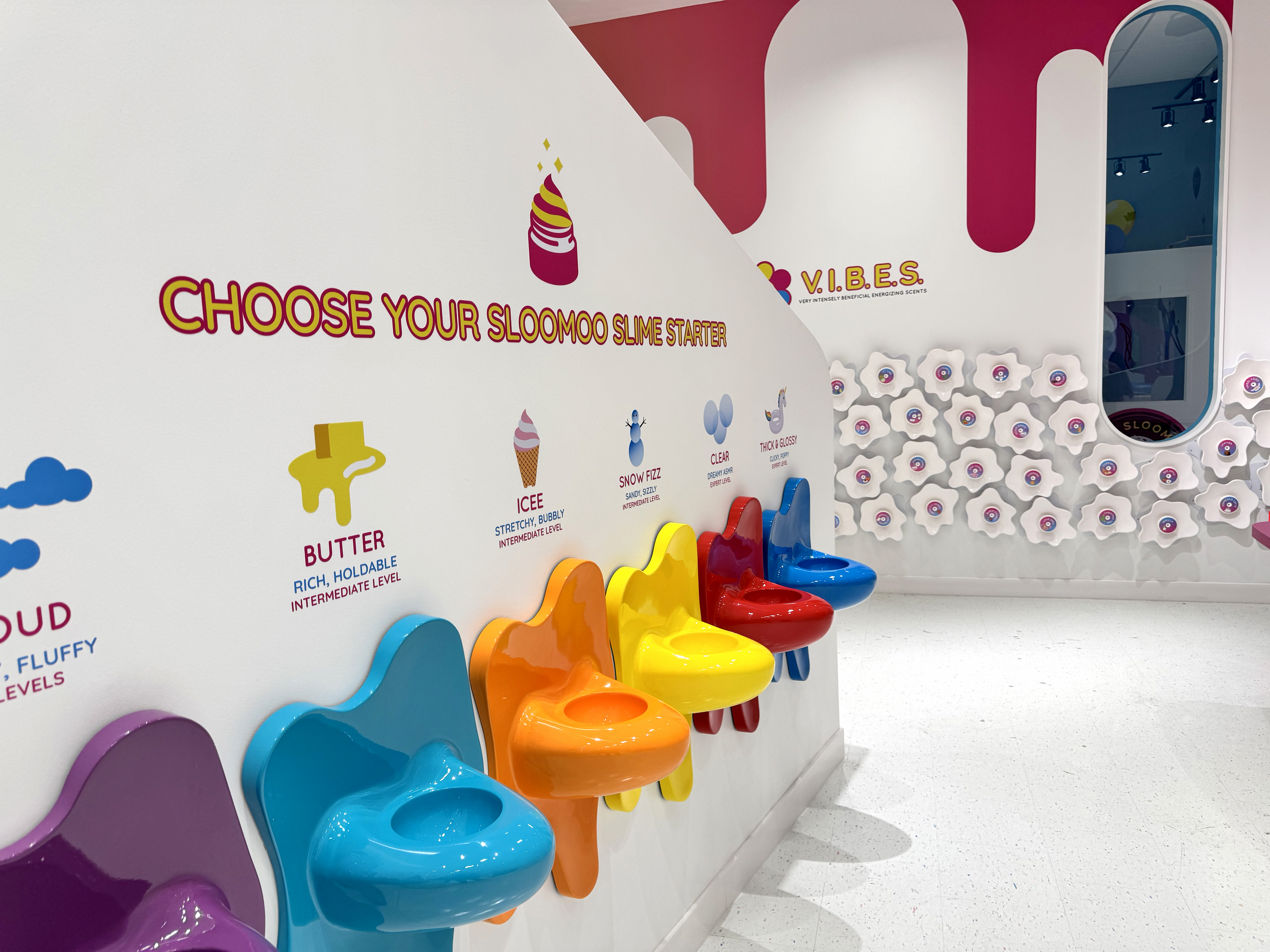
    Fresh off the opening of the first-ever Netflix House, the Montgomery County mall this week welcomed the Sloomoo Institute’s first Philly-area location. The sensory slime experience’s latest outpost is called a Sloomoo MiniMoo, and it’s a scaled-down, 3,000-square-foot version of its flagship stores.

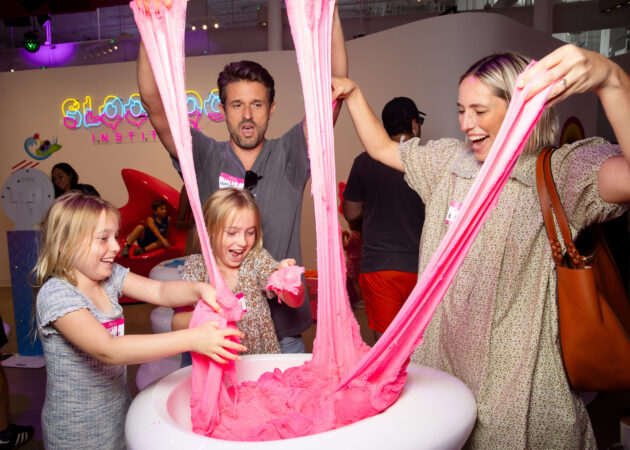
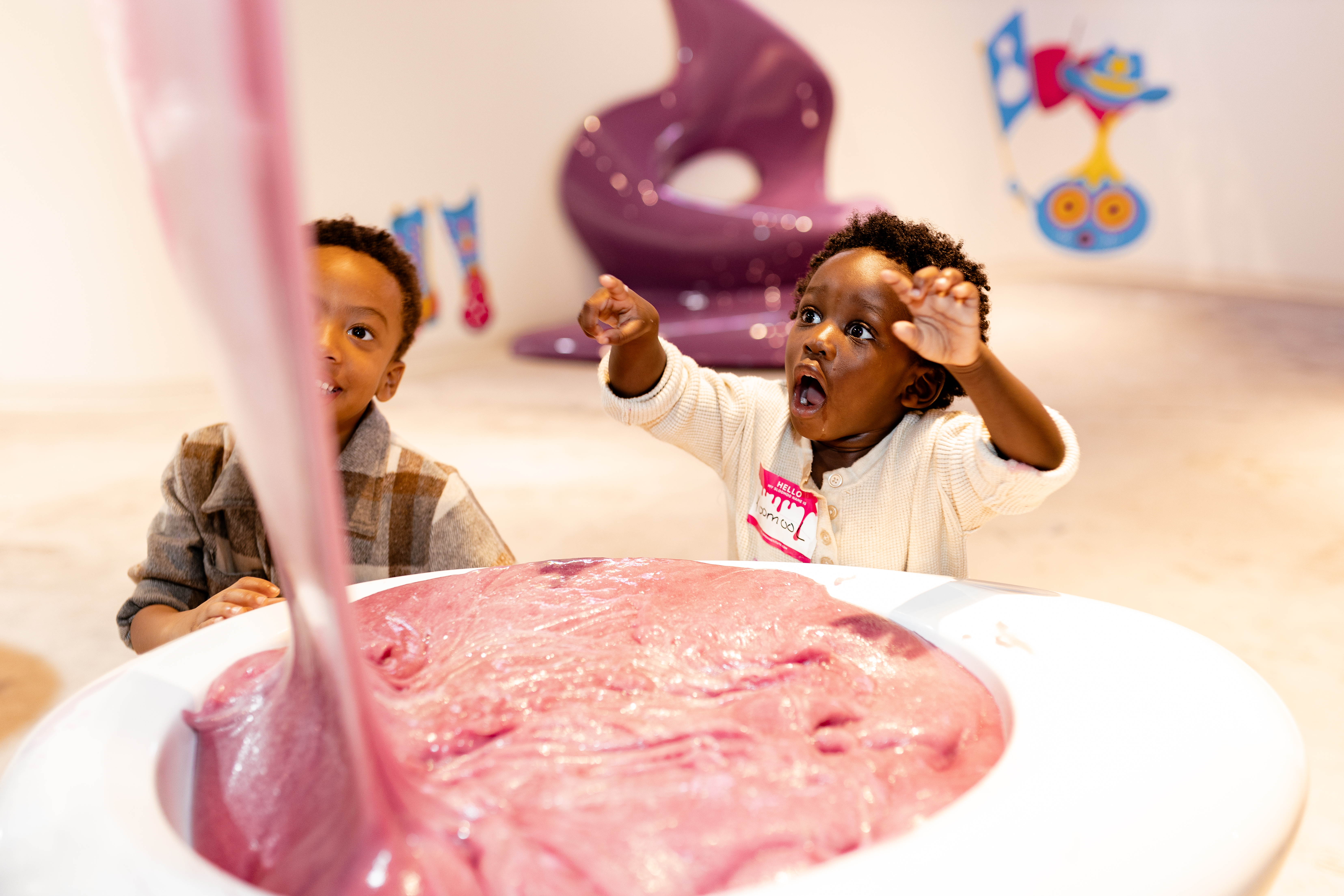
    For between $24 and $26 a person, King of Prussia Sloomoo customers can design their own slime, choosing from different textures, colors, scents, and charms. They can also smush slime onto the wall, send it flying through the air with a slingshot, go elbow-deep in vats of slime, and take slime-making classes.

    Guests can also browse slime toys and other squishy, sensory gifts at the Sloomoo retail store, no ticket required.

    “King of Prussia is a playground for families,” cofounder Sara Schiller said in a statement, “and we’re bringing a world of slime designed to spark curiosity and pure, unfiltered joy.”

    Customers play with slime at another Sloomoo Institute location. The King of Prussia Mall opened a Sloomoo MiniMoo experience this week.

    Sloomoo Institute was founded by Schiller and her friend Karen Robinovitz, who had rediscovered slime as a way to feel joy again after personal losses and hardships.

    They opened their first location in New York in 2019, went viral on TikTok during the pandemic, and then expanded nationwide, opening outposts in Atlanta, Chicago, Houston, and Los Angeles. A Sloomoo MiniMoo also recently opened in Boston.

    Earlier this year, the founders told CNBC that Sloomoo brings in as much as $4.3 million a month in revenue from ticket sales alone.

    A look inside the King of Prussia Mall’s Sloomoo MiniMoo experience, which opened this week ahead of Black Friday and the holiday shopping season.

    At King of Prussia, Sloomoo MiniMoo welcomed its first customers last weekend, but it will celebrate its grand opening this Saturday, when the first 200 ticketed customers will receive a complimentary hot chocolate and “limited-edition Philly Cheesesteak-themed slime,” according to company officials. The first 100 guests on Saturday will get a bag charm.

    Sloomoo is located next to H&M on the upper level of the Plaza by Eataly, the mall’s new Italian culinary experience.

    Other new stores, restaurants, and experiences at the King of Prussia Mall

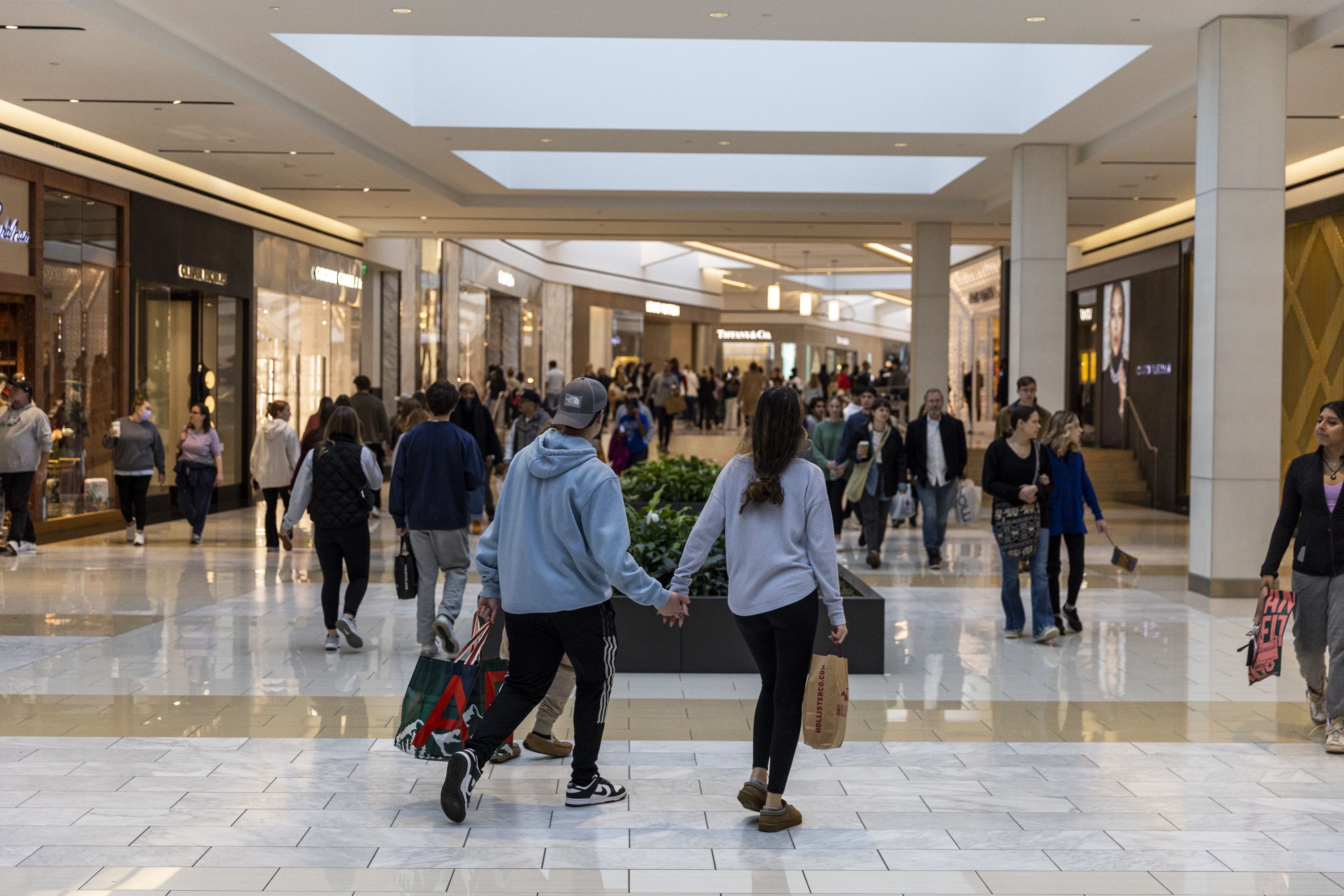
    Crowds shopped at the King of Prussia Mall on Black Friday 2022.

    While some other Philly-area malls have struggled or died — and others are trying to reinvent themselves — King of Prussia Mall seems to be thriving.

    Aside from Sloomoo, the mall has welcomed several other new stores, restaurants, and interactive experiences since August. A few retailers, including Lululemon, Abercrombie & Fitch, and Mejuri, have also expanded or relocated.

    As holiday shopping season kicks into high gear, customers can check out the following new additions:

    The “misery-go-round” inside of “Wednesday: Eve of the Outcasts” at the Netflix House, which opened earlier this month at the King of Prussia Mall.

    Stores coming soon to the King of Prussia Mall

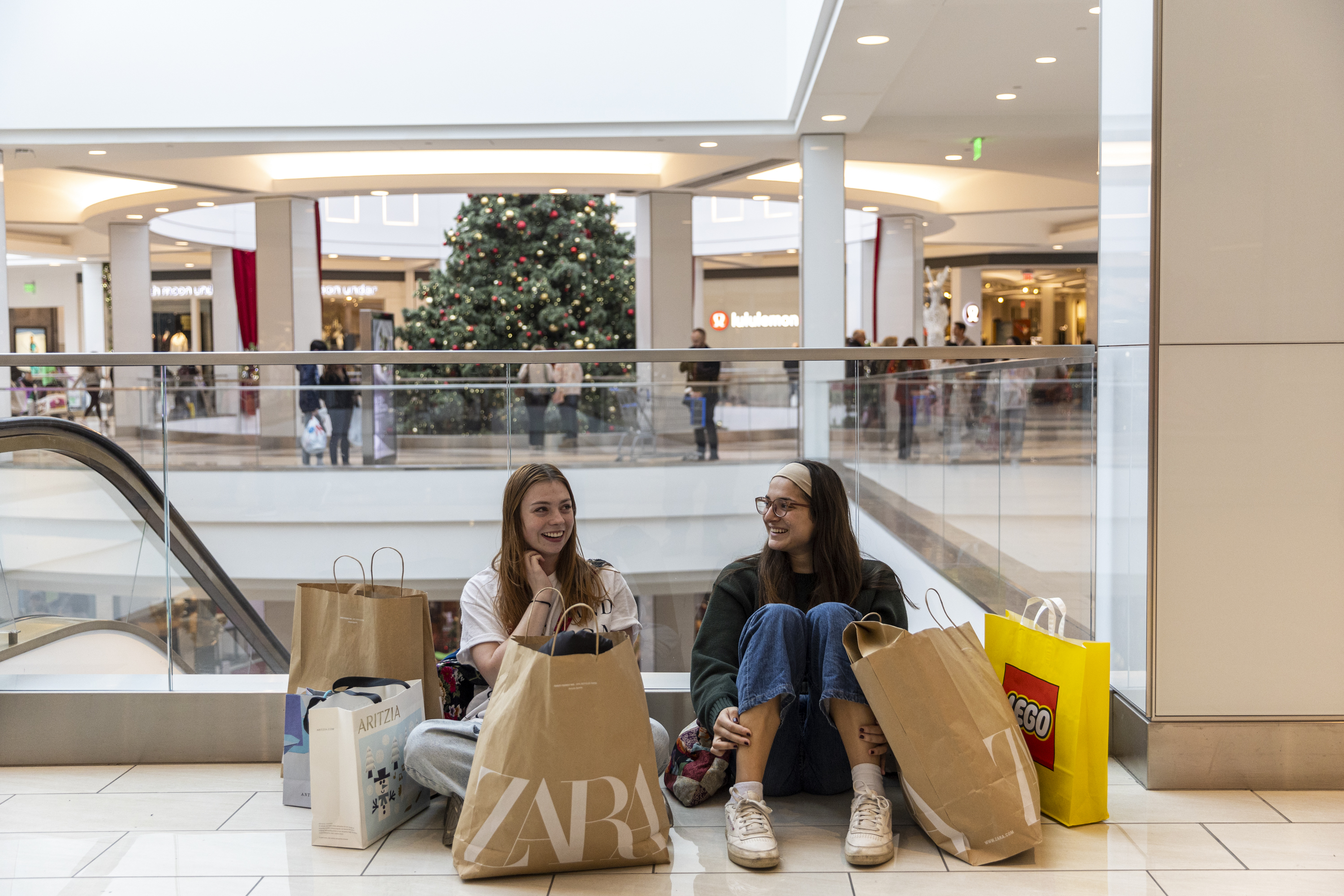
    Shoppers sit with their bags at the King of Prussia Mall on Black Friday 2022.

    If you’re doing holiday shopping later in the season, or taking a trip to the mall between Christmas and New Year’s, you might be able to visit the following stores. All of them are set to open their first Philadelphia-area locations this December:

    In early 2026, Adidas and Columbia Sportswear are set to open stores in the King of Prussia Mall. Exact locations for those stores have yet to be announced.

    Looking even further ahead, Level99 is set to open a 46,000-square-foot live social-gaming venue on the ground floor of the former JCPenney in 2027.