Category: Philadelphia News

  • New Sixers and Flyers partnership with Bank of America will include community initiatives

    New Sixers and Flyers partnership with Bank of America will include community initiatives

    It’s the Bank of America Club Level now.

    The Flyers, Sixers, and Xfinity Mobile Arena on Thursday announced a new partnership with Bank of America, which will serve as the arena and teams’ banking partner this season. In addition to naming rights for the Club Level, the deal includes community efforts aimed at benefiting small businesses and youth sports.

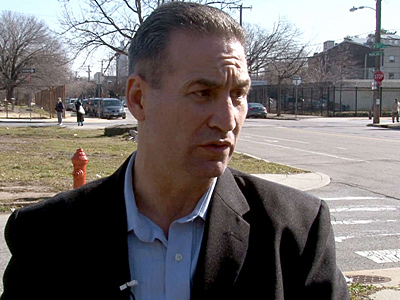
    “It just is historic on many levels, in that we’re three iconic brands coming together,” said Comcast Spectator chairman and CEO Dan Hilferty. “We’re focused on being key players in Xfinity Mobile Arena, and Bank of America will partner with us on doing some really, really fun things in the community.” Comcast Spectacor owns both the arena and the Flyers.

    The deal, for which financial details were not disclosed, is “the most significant partnership” Bank of America has undertaken in its 20-plus years in the Philadelphia market, said Bank of America Greater Philadelphia president Jim Dever. Among its focuses is serving as a presenting partner in the Sixers’ small-business initiatives, such as the Spirit of Small Business Program and the Enrich Program, which benefit independent local businesses with aid and promotion.

    “This is an area that’s a prime focus to us, to be able to drive further economic mobility through small business and amplify their mission, and draw more patronage their way,” Dever said.

    The company will also head a youth-hockey-focused initiative in which it plans to donate up to $250,000 worth of hockey equipment to Philadelphia-area schools. Additional programs aimed at youth development and small business support will also be established, the organizations said in a statement, but details remain forthcoming.

    Tad Brown, CEO of the Sixers and Harris Blitzer Sports & Entertainment, said the partnership would allow the organizations to come together to “amplify all of our resources to benefit our fans and the region.”

    Despite its new banking partner, however, Xfinity Mobile Arena will likely remain cashless, and Dever said the organizations were not envisioning ATMs on the premises. Though, the partnership may create a small change for Hilferty.

    “I’m going to have to go elsewhere to get my cash,” he joked. “But that’s OK.”

  • A vacant South Philly Walgreens is set to become a supermarket

    A vacant South Philly Walgreens is set to become a supermarket

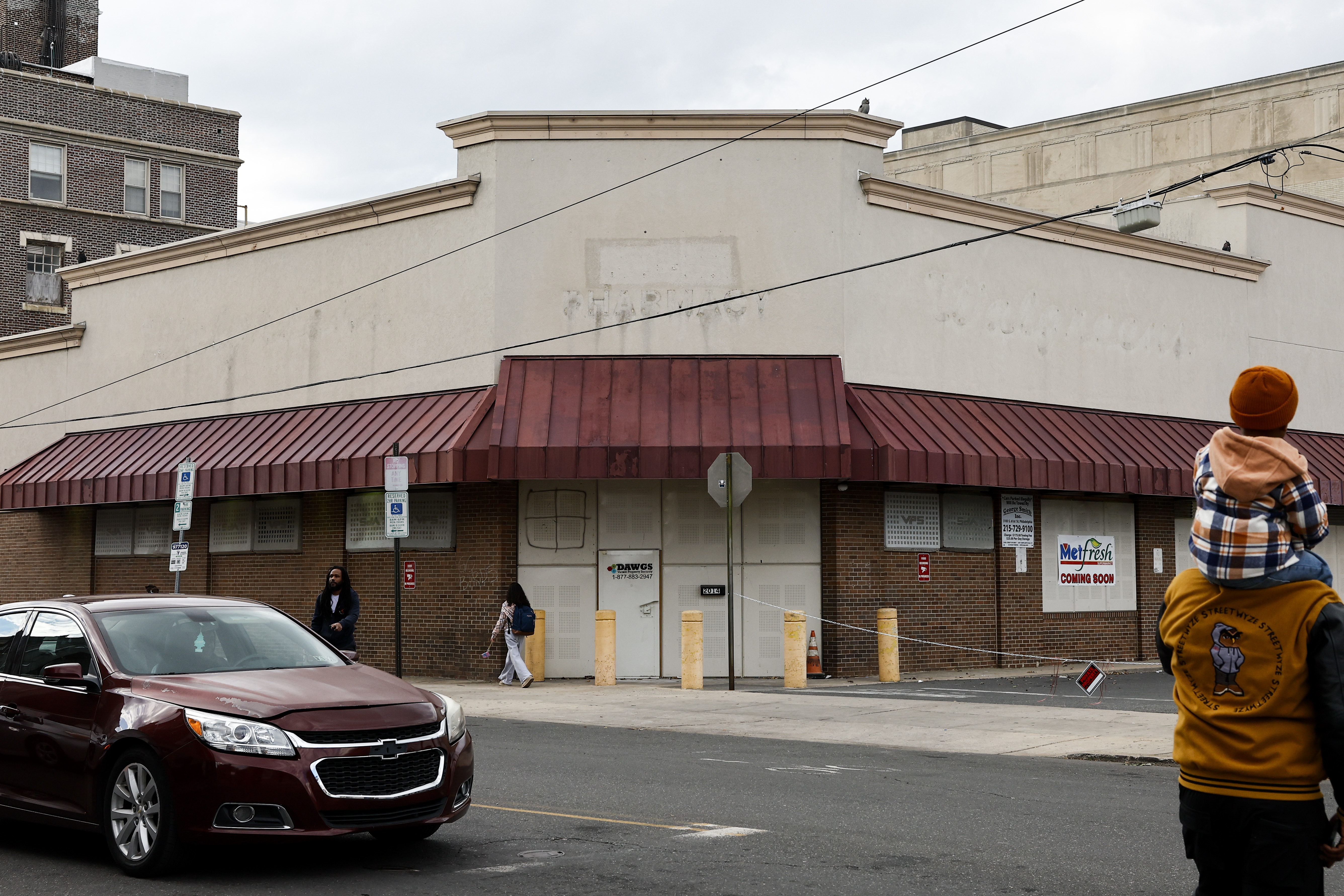
    South Philadelphia is set to get a new supermarket in early 2026.

    New York-based Met Fresh is on track to open its first Philly location in January inside the former Walgreens at Broad and Snyder Streets, said owner Omar Hamdan.

    The 13,000-square-foot supermarket will include a pharmacy, a fresh-cut produce department, and a deli counter, Hamdan said, and will offer free grocery and prescription delivery to area seniors. It is also applying for a license to sell beer and wine.

    The former Walgreens at 2014 S. Broad St., where Met Fresh’s first Philly location is set to open in early 2026, photographed on Wednesday.

    “We try to bring the human factor back into the market,” Hamdan said, adding that the company’s philosophy hearkens back to a simpler time: “That store owner who had the apron and was sweeping outside of his store, who said ‘good morning’ to everyone? That is what we do.”

    Met Foods, a family-owned company, has been operating markets in New York City for 15 years, Hamdan said. It currently has locations in the Bronx, Brooklyn, Queens, Staten Island, and northern New Jersey.

    When the South Philly grocer opens, it will mark Met Fresh’s first location outside the New York City area, Hamdan said.

    In 2019, Met Fresh had been in talks to move into a mixed-use development in Philadelphia’s Mantua section, but Hamdan said those plans fell through.

    Since then, Hamdan said they continued to look for potential Philadelphia locations. The store at 2014 S. Broad Street seemed like “a perfect fit,” he said, due to the area’s walkability, dense population, and a demand for more grocery stores and pharmacies.

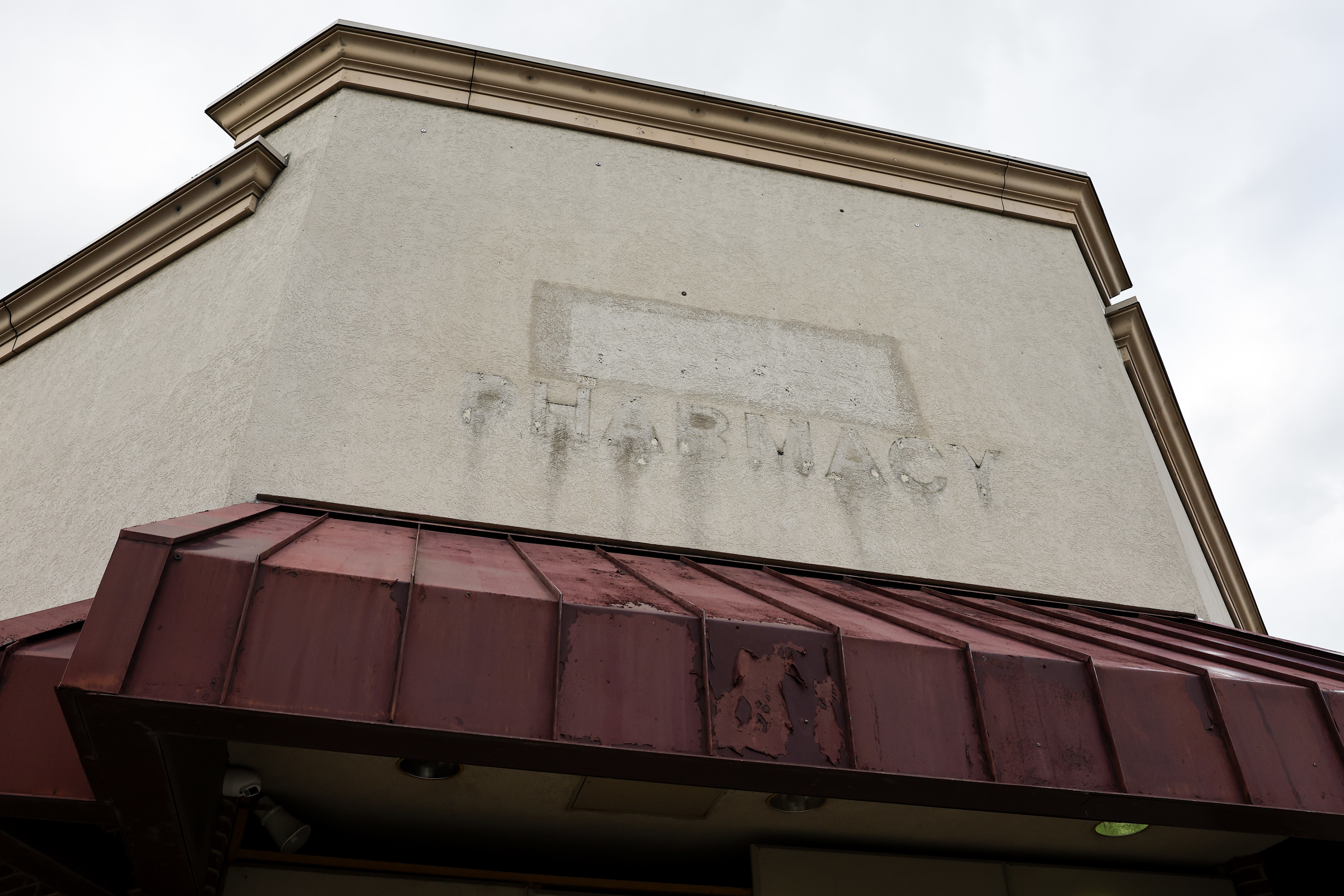
    The “pharmacy” lettering is seen on a former Walgreens on South Broad Street, where Met Fresh plans to open a supermarket in early 2026 after “extensive” renovations, its owner said.

    From the Broad Street store, the nearest supermarket is seven-tenths of a mile away. As for chain pharmacies, the Walgreens closed last year, and a Rite Aid across the street shuttered this summer as the Philly-based company went out of business. So the nearest large drugstore is a CVS off Passyunk Avenue, also seven-tenths of a mile away.

    The Met Fresh will soon start hiring in South Philly, with Hamdan noting that his stores typically need 30 to 40 part- and full-time employees from the surrounding communities. The new location will open after “extensive” renovations, Hamdan said, and once the team gets ahold of refrigeration equipment, which has been impacted by tariffs on steel and aluminum.

    Hamdan said he’s excited for Philly consumers to be introduced to Met Fresh, calling the Broad Street spot “a test pilot to see how we do in the Philly market.”

  • Coalition rallies against Philly’s plan to close schools, and says district should halt the process

    Coalition rallies against Philly’s plan to close schools, and says district should halt the process

    Pause the city’s facilities master planning process, a grassroots coalition said Wednesday, weeks before the Philadelphia School District has said it would release a draft of that plan — which will include school closures.

    Superintendent Tony B. Watlington Sr. and school board president Reginald Streater have said the long-promised planning process would be different than the 2013 incarnation, that they would consider the harm done then, and would use an equity lens.

    Watlington in September said “there are no fixed decisions at this point, and the short answer is we can’t answer any of those questions right now about which schools will close, but we can surely say some will.”

    Officials have also said the document — which they promise is on track for delivery sometime this fall, with a school board vote by the end of the calendar year — would also include major renovations, new school construction, and joining some schools into a single building.

    But Councilmember Kendra Brooks, who was a school activist fighting the closures on the front lines 12 years ago, said this process feels similar, despite officials’ assertions that their aim is to organize city schools in a way that best advantages children.

    Philadelphia has complex facilities needs — 70,000 excess seats in schools across the city, some schools that are more than half-empty, and some bursting at the seams. Its buildings are old, and many have environmental problems.

    “This seems like a school closure process,” Brooks said in an interview. “We’ve been here before, and the conversation should be about the future we want for our children — it should include plans for investment, not just closure.”

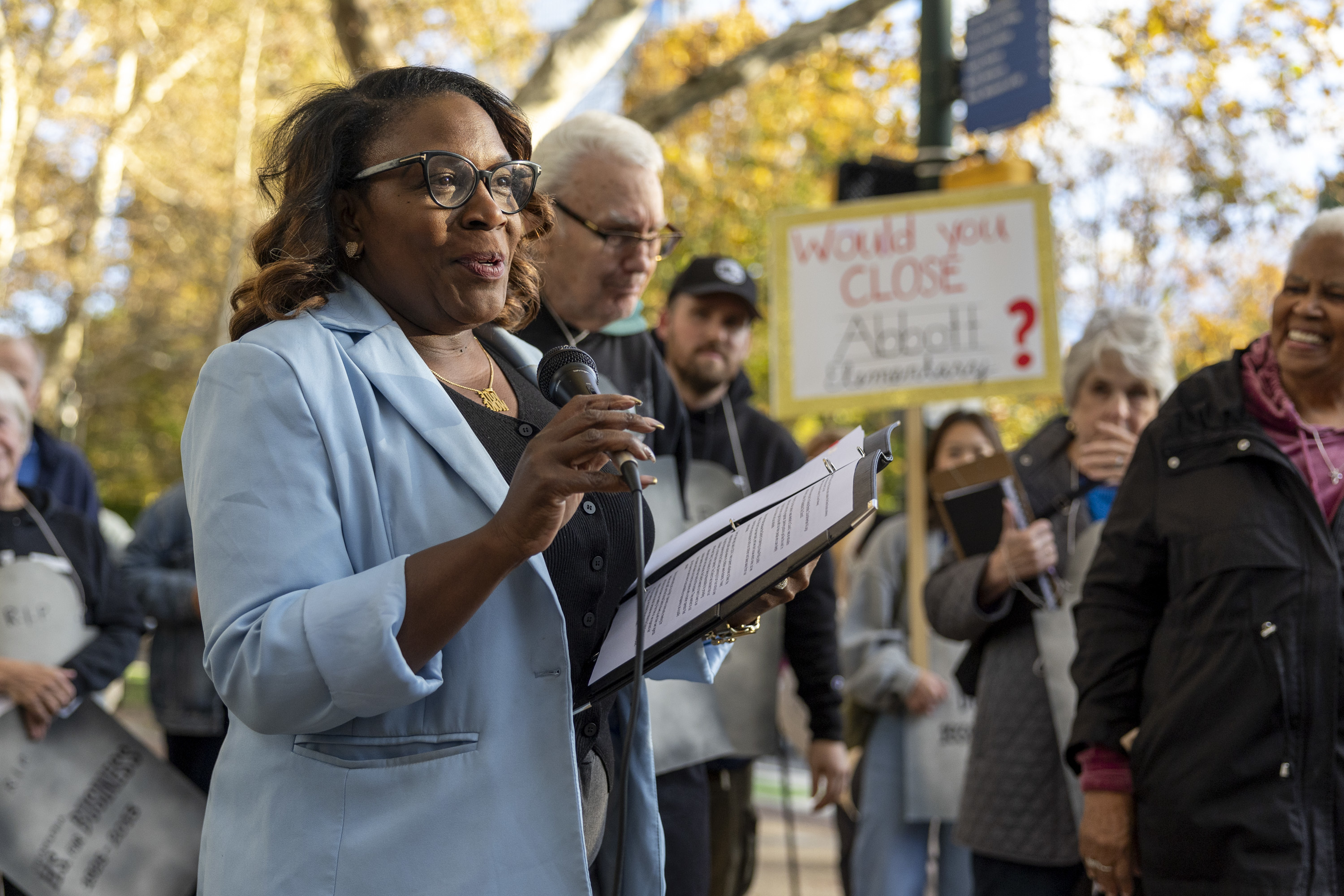
    City Council woman at large Kendra Brooks, speaks in front of parents, teachers, and public school advocates during a Stand Up for Philly Schools event in Philadelphia, on Wednesday, Oct. 22, 2025.

    Brooks joined members of Stand Up for Philly Schools — a coalition of organizations including Parents United for Public Education, the Philadelphia Home and School Council, and Asian Americans United — outside the Barnes Foundation on the Benjamin Franklin Parkway Wednesday night, where members of the Council for Great City Schools met for an opening reception.

    “We are being given an extremely limited set of options about the future of our schools. We are being told that school closures are a foregone conclusion. We’re being told to sign off on a plan that we haven’t even seen,” Brooks said to the crowd of dozens of educators, parents, students and other supporters gathered for the cause.

    “We don’t know how many, we don’t know which ones, but we know that every school closure hurts a community,” she said.

    ‘A big contraction of the school district’

    Those who rallied Wednesday made several demands of the district, which is playing host to the Council for Great City Schools conference. Those asks included pausing the planning process, creating a new strategy for public engagement, and committing at least $250 million annually to keeping district schools well-maintained.

    So far, the process has played out poorly, members of Stand Up for Philly Schools say. There’s been engagement on paper, but many in advisory groups said they felt their work was merely lip service, and community meetings have been sparsely attended.

    The school board has authorized spending over $5 million on contracts for community engagement, the planning process itself, and the construction and hosting of a data warehouse for all facilities information.

    “We feel like we’re not getting the whole picture, we feel like whatever ideas and feedback we gave are not being heeded, and we don’t think there’s enough time in this process,” said Adam Blyweiss, a district parent and teacher who sat on an advisory committee.

    Laurie Mazer, a member of Parents United for Public Education, said the process feels “weird, and rushed.”

    Getting information has ”been a real teeth-pulling exercise,” Mazer said.

    ‘When schools close, communities pay the price’

    It appeared like an early Halloween celebration at the Stand Up for Philly Schools rally.

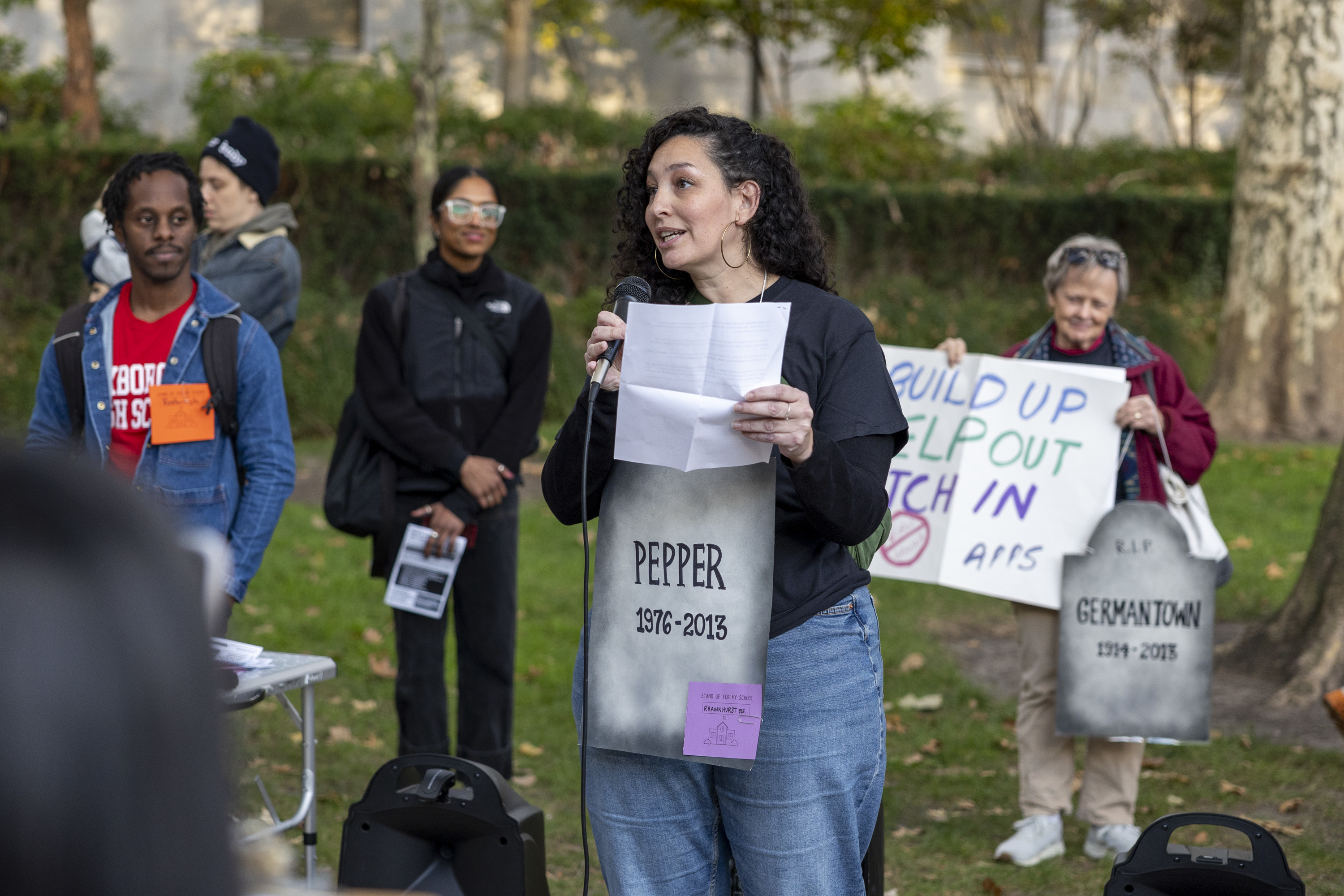
    Coalition members wore tombstone signs around their necks, each representing a Philadelphia public school that was closed during the district’s last closure plan.

    “After months of delays and missing data, it’s clear why so many families don’t trust this process,” said Melanie Silva, the mother to a fourth grader at Rhawnhurst Elementary School in Northeast Philly and a member of 215 People’s Alliance.

    Melanie Silva, mom to a fourth grader at Rhawnhurst Elementary School, speaks during a Stand Up for Philly Schools event in Philadelphia, on Wednesday, Oct. 22, 2025.

    Wearing a tombstone sign around her neck representing George Wharton Pepper Middle School and its closure in 2013, Silva described the overcrowded and under-resourced conditions at her daughter’s school. She said the school’s library was a meeting room, and classrooms were so full there was “no room to breathe.” She said the district ought to invest in its schools rather than close them.

    “We deserve transparency, we deserve trust, and real investment, not excuses,” she said.

    Charles Hudgins, an algebra teacher at Abraham Lincoln High School in Northeast Philly, warned that the district would make problems that schools face today worse by closing more of them. He said that some of his students already travel more than an hour.

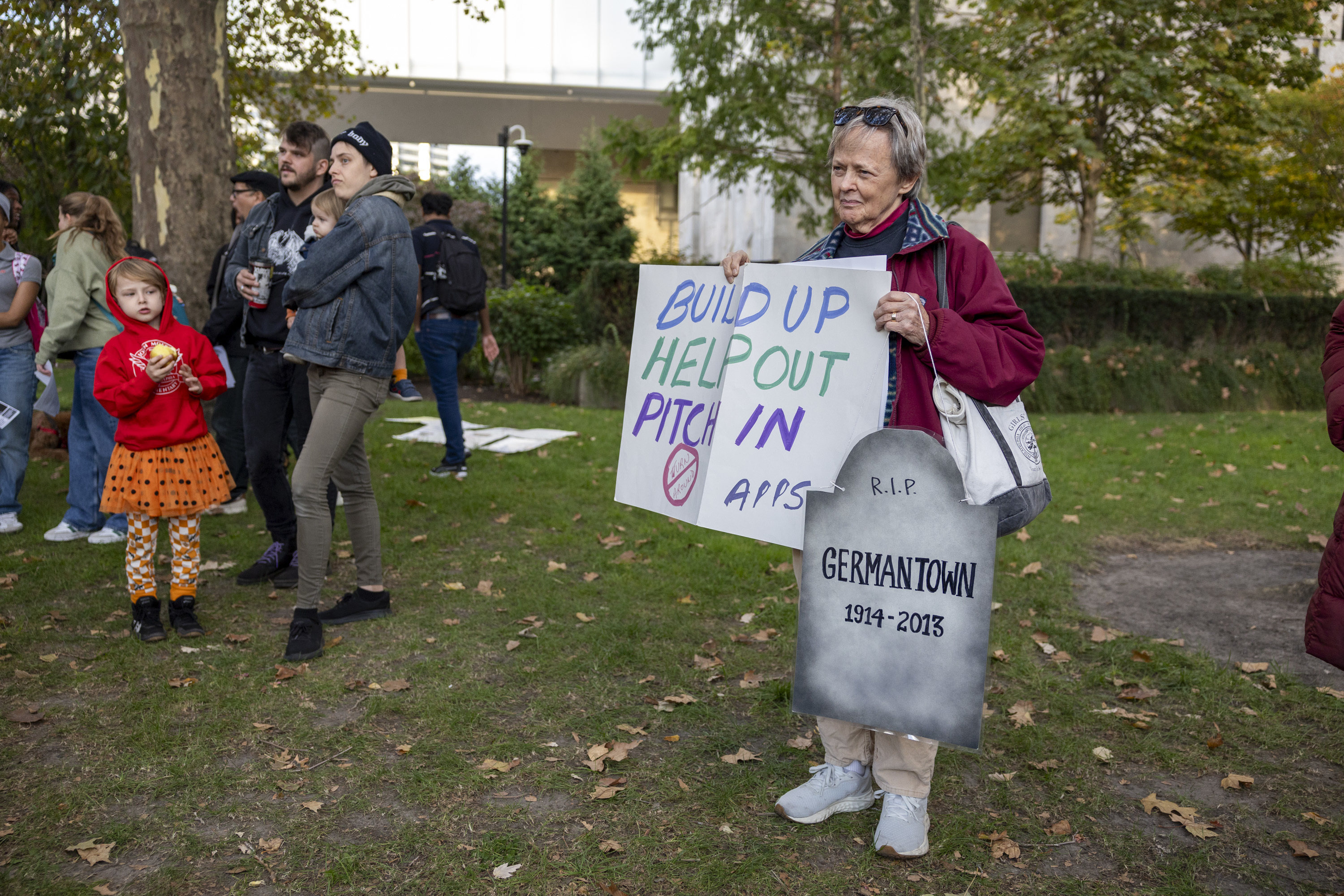
    Barbara Dowdall, of Germantown, Retired teacher of 36 years, holds up a sign to show her support for Philadelphia public schools during a Stand Up for Philly Schools event in Philadelphia, on Wednesday, Oct. 22, 2025.

    “The potential and talent of students is being lost every single day because our school system is focused on quality and numbers. The numbers we care about are the number of excellent schools where our children have opportunities to thrive, to think creatively and to pursue their passions,” said Ruth Kuriloff, 17, a senior at Science Leadership Academy at Beeber.

    She and her classmates said students would only be hurt by closing schools to save money.

    “These obvious inequities will not get better by closing schools,” said Jordyn McGriff-Laduna, 17, also a senior at the school. “Quality education should not be a privilege. It should be a promise for all students in all areas.”

  • Bette E. Landman, award-winning anthropology professor and first female president at Arcadia University, has died at 88

    Bette E. Landman, award-winning anthropology professor and first female president at Arcadia University, has died at 88

    Bette E. Landman, 88, of Glenside, Montgomery County, the first female president of Arcadia University, award-winning professor of anthropology at Arcadia and Temple Universities, longtime board member, lecturer, and volunteer, died Thursday, Oct. 16, at Jefferson Abington Hospital. The cause of her death has not been disclosed.

    An expert in cultural anthropology, Dr. Landman joined Arcadia, known then as Beaver College, from Temple in 1971 as an assistant professor of anthropology. She was promoted to dean of students in 1976 and rose to vice president of academic affairs and then acting president in 1982 before her appointment as president in 1985.

    For the next 19 years, until her retirement in 2004, Dr. Landman doubled the university’s enrollment to more than 3,000 students, increased its endowment from $267,000 to $26 million, supervised construction of seven buildings, and expanded international study programs. She also maneuvered successfully through an eight-month maintenance staff strike in 1993 and initiated the school’s name and academic status change from Beaver College to Arcadia University in 2001.

    She adroitly addressed the school’s thorny financial issues, strengthened its liberal arts program and College of Global Studies, and diversified the student body. “The school has come up from the floor, and it’s because of her,” Joseph Castle 2nd, then chair of Arcadia’s board of trustees, told The Inquirer in 2004.

    When she retired, Arcadia colleague Gene Bucci said: “It’s a sad day. Bette is the college.” Another colleague, Norman Johnston, said: “Without her, there might not even be a college here anymore.”

    In a recent tribute, current Arcadia president Ajay Nair praised Dr. Landman’s “extraordinary vision and unwavering dedication to access and inclusion.” He said: “Her spirit, vision, light, and legacy will forever remain a central part of the university.”

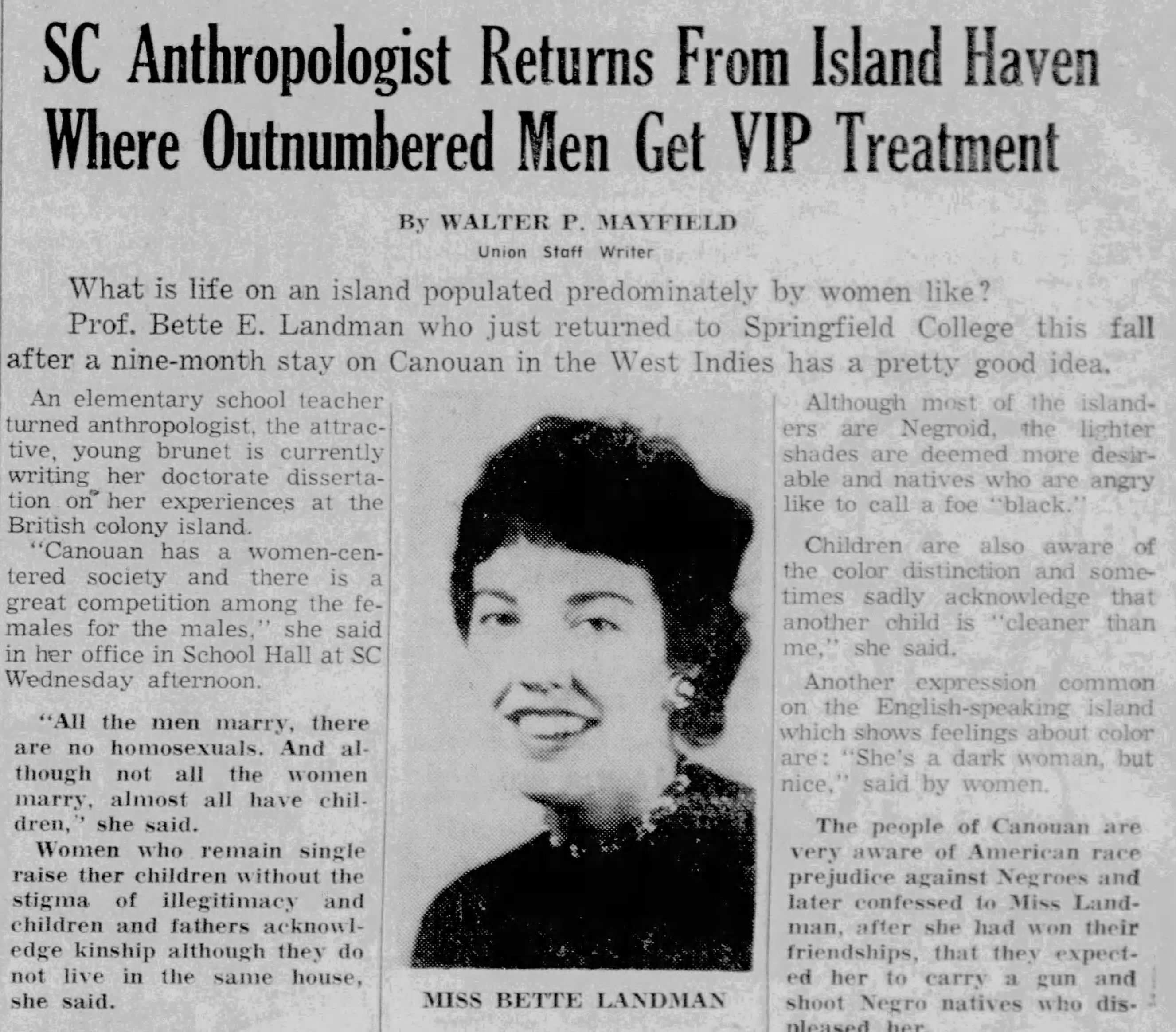
    Dr. Landman studied marriage, child-rearing, and other social constructs for nine months on the remote Caribbean island of Canouan for her doctoral dissertation in 1965 and ’66, and she lectured for decades around the country on evolution and human relationships. She evaluated academic programs and advised colleges around the world, and said often that expansive educations are vital for everyday success.

    “A baccalaureate degree must expose men and women to arts and sciences,” she told The Inquirer in 1992. “It gives breadth to what they do. I realize people work and need job skills, but the really basic skills are critical thinking, problem solving, and the ability to make judgements and effective communication, oral and written.”

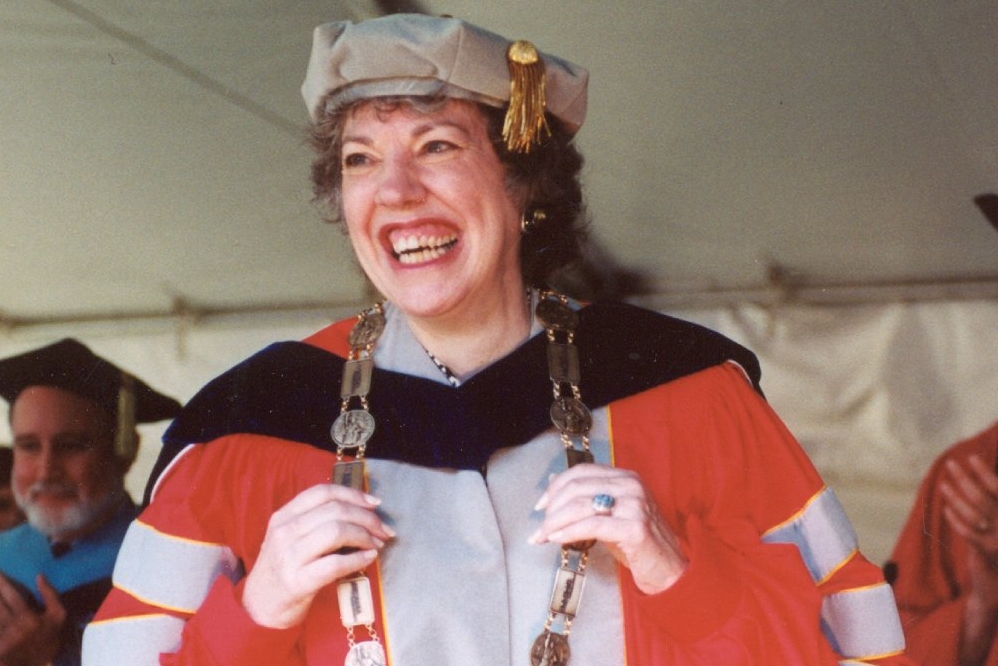
    Dr. Landman became president at Arcadia in 1985.

    She was also effective in improving Arcadia’s athletic program and was inducted into its Hall of Fame in 2009. She held leadership roles in the National Collegiate Athletic Association and Pennsylvania Athletic Conference, and Arcadia officials said on the Hall of Fame website: “Bette Landman put our university on the national map in athletics.”

    Over the years, Arcadia officials named their new Landman Library in her honor, awarded her an honorary doctorate of education, and created the Bette Landman Award for students dedicated to academic success, community service, and global learning. Before Arcadia, she was an assistant professor of anthropology for five years at Springfield College in Massachusetts and then at Temple from 1969 to 1971.

    She earned a bachelor’s degree in elementary education and graduated first in her class of 1959 at Bowling Green State University in Ohio. At Ohio State University, she earned a master’s degree in physical anthropology in 1961 and a doctorate in cultural anthropology in 1972.

    “She treated every student like we were part of her family,” a former student said in a tribute. “She knew us by name. All university presidents should aspire to be like Bette.”

    Dr. Landman taught anthropology at Springfield College and Temple and Arcadia Universities.

    As a volunteer, Dr. Landman was president of the charitable Arcadia Foundation and chair of boards and commissions for the Association of American Colleges, the American Red Cross, and other groups. She was on boards for the National Association of Independent Colleges and Universities, Abington Memorial Hospital, and Wilson College.

    She was named a Distinguished Daughter of Pennsylvania in 1992 by the Foundation for Enhancing Communities and earned a lifetime achievement award in 2003 from the Pennsylvania Council on International Education. In 1992, the Pennsylvania chapter of the American Council on Education created an award in her name to honor a leader in women’s education in Pennsylvania.

    She earned a 1973 Lindback Award at Arcadia for distinguished teaching and other honors from the Boy Scouts of America, the March of Dimes, and the Philadelphia Business Journal. She also is featured in Karen Doyle Walton’s 1996 book, Against the Tide: Career Paths of Women Leaders in American and British Higher Education.

    She never really enjoyed fundraising, colleagues said, so she assembled a formidable staff around her. Her brother, Todd, said: “She was a tremendous team builder.” A former colleague said on Facebook: “Everyone who worked around Bette loved her.”

    The Springfield Union wrote about Dr. Landman’s doctoral dissertation in 1966.

    Bette Emmeline Landman was born July 18, 1937, in Piqua, Ohio. She grew up with an older sister, Patricia, and a younger brother, Todd, and she told memorable bedtime stories to her brother when they were young.

    She worked odd jobs during her high school years, earned a teaching scholarship to Bowling Green, and taught fifth grade in Ohio before joining Springfield College in 1963.

    At Arcadia, she liked to host student gatherings at the president’s residence, and her personal library was filled with books on history, art, and architecture. Friends noted her “infectious smile” and called her “a wonderful woman” and “an incredible lady.”

    Her brother said: “She was a very compassionate person. She was committed to success.”

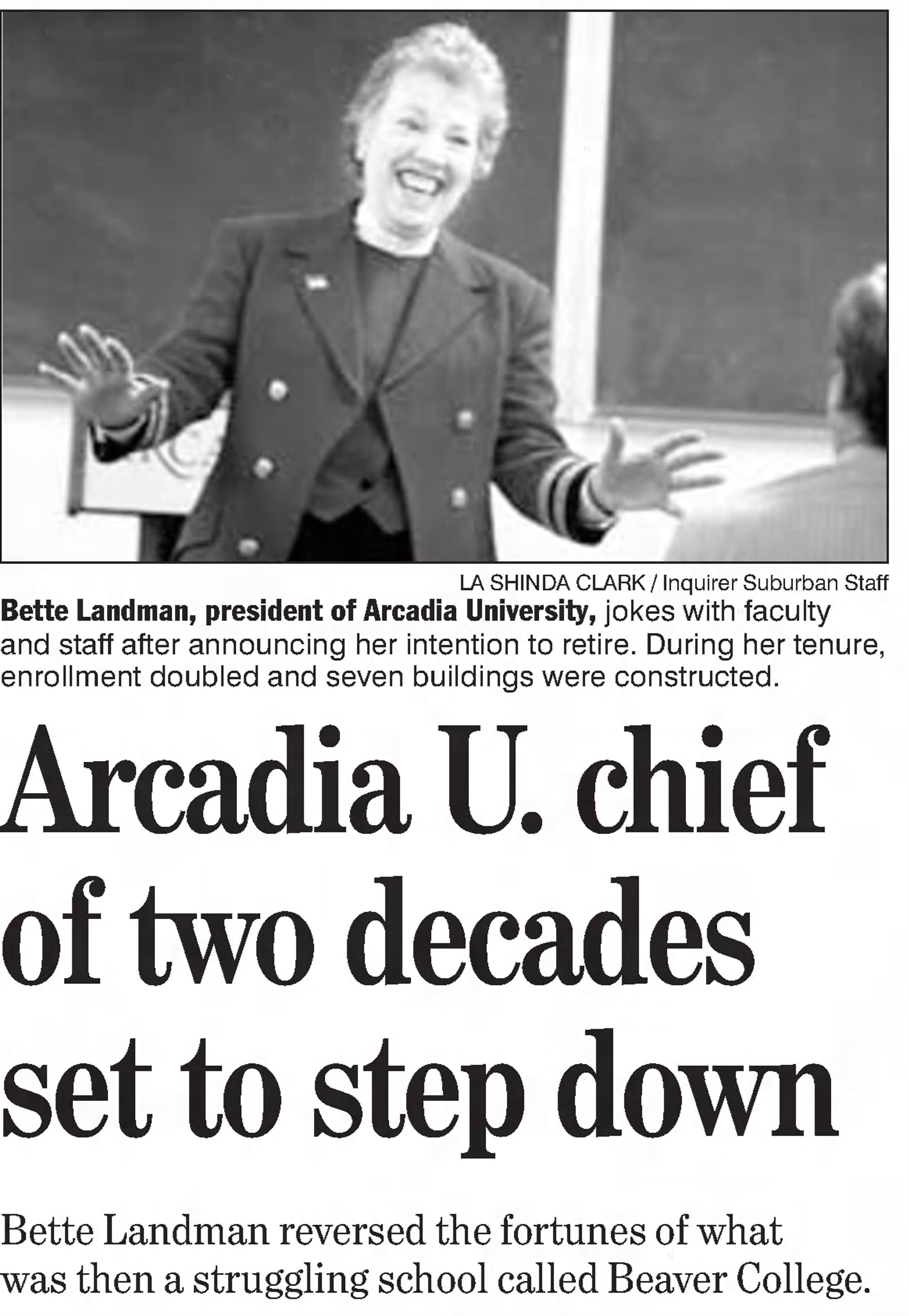
    This article about Dr. Landman appeared in The Inquirer in 2003.

    In addition to her brother, Dr. Landman is survived by other relatives. Her sister died earlier.

    Services are to be held later.

    Donations in her name may be made to the Fund for Arcadia University, 450 S. Easton Rd., Glenside, Pa. 19038.

  • Toddler’s death in the bathtub of a Philly foster home prompts lawsuit

    Toddler’s death in the bathtub of a Philly foster home prompts lawsuit

    The biological mother of a 20-month-old who died in a Harrowgate foster home is suing two Philadelphia child welfare agencies for placing the toddler in a crowded house.

    Syvir Hill died April 15 while taking a bath with two other children, according to the complaint, which was filed last week in Common Pleas Court. The children were unsupervised by their foster mother, who had left the bathroom to cook in the downstairs kitchen.

    The lawsuit accuses the foster mother, Tabor Children’s Services, and Northeast Treatment Centers of negligence that contributed to Syvir’s death.

    Tabor Children’s Services had certified the mother and the Harrowgate rowhouse as eligible to foster Syvir, the suit says. The city had contracted Northeast Treatment Centers to monitor the child’s progress.

    “We are deeply saddened over this tragic loss of life,” Regan Kelly, president and CEO of Northeast Treatment Centers, said in a statement. “In the meantime, we are doing everything possible to support the family as they deal with their grief.”

    Tabor Children’s Services did not respond to a request for comment.

    Syvir entered the city’s foster-care system before he was 6 months old and “eventually” was placed in the Harrowgate home, according to the complaint. By December 2024, the rowhouse was crowded, with three foster children — including Syvir — in addition to young family members of the foster parent living in the house.

    When Syvir’s sister needed a foster home, Northeast Treatment Centers sought to place the girl with her brother despite noting that the foster parent was “at her max with the children in her home,” according to the complaint.

    The foster parent emptied a storage room, which the lawsuit calls a “closet,” to make room for the sister, who was just a few months old.

    In visits to monitor Syvir’s progress, Northeast Treatment Centers staff noted the varying number of children living in the house. The complaint accuses the caseworkers of “failing to remove Syvir Hill and other children in an already overcrowded foster home.”

    The lawsuit details the horrific last moments of Syvir’s young life based on Philadelphia Department of Human Services investigation records obtained by A.J. Thomson, the attorney who filed the lawsuit.

    Three children were splashing in the water, the suit says, when at one point a 2-year-old turned to Syvir and said, “You are not my brother!” The child held Syvir’s head underwater, while a 4-year-old “screamed in terror,” according to the complaint.

    When the foster mother came back to the upstairs bathroom, Syvir was submerged. She called police, who found Syvir nonresponsive upon arrival. He was pronounced dead at St. Christopher’s Hospital for Children.

    No arrest has been made in connection with the death, the lawsuit says. Court records show no criminal charges against the foster mother.

    “All three of these children are victims of the acts of the Defendants in this case and a system that simply piles children into homes without supervision, training, or enforcement of rules,” the lawsuit says.

    A judge had removed Syvir from his parents because that house was deemed unsafe for him, Thomson said. The parents visited Syvir and followed the protocols in an effort to get their children back.

    Thomson accuses the agencies of failing to inform the parents of their son’s death.

    “When he dies, they are the last to find out,” the attorney said.

    Both child welfare nonprofits have been previously involved in cases where children were abused, severely injured, or died.

    Tabor Children’s Services agreed to pay $11 million in 2023 to settle a lawsuit accusing the organization of failing to oversee the care of an infant who was abused by her biological mother. The organization, which provided child-welfare casework for the Northwest region of Philadelphia, declined to renew its contract with the city for 2025 and beyond, citing litigation insurance costs.

    Northeast Treatment Centers settled a lawsuit for $6.5 million in 2022 following the death of 3-year-old Hope Jones, who was beaten to death in foster care. The nonprofit also settled a case involving the death of Su’Layah Williams, a 1-year-old who was allegedly kicked to death in a West Philly foster home. The terms of the settlement were not disclosed.

    “There has to be a better way than to put these kids with people who are killing them,” Thomson said.

  • Protesters rally outside Philly ICE office as Catholics launch ‘One Church, One Family’ campaign for immigrants

    Protesters rally outside Philly ICE office as Catholics launch ‘One Church, One Family’ campaign for immigrants

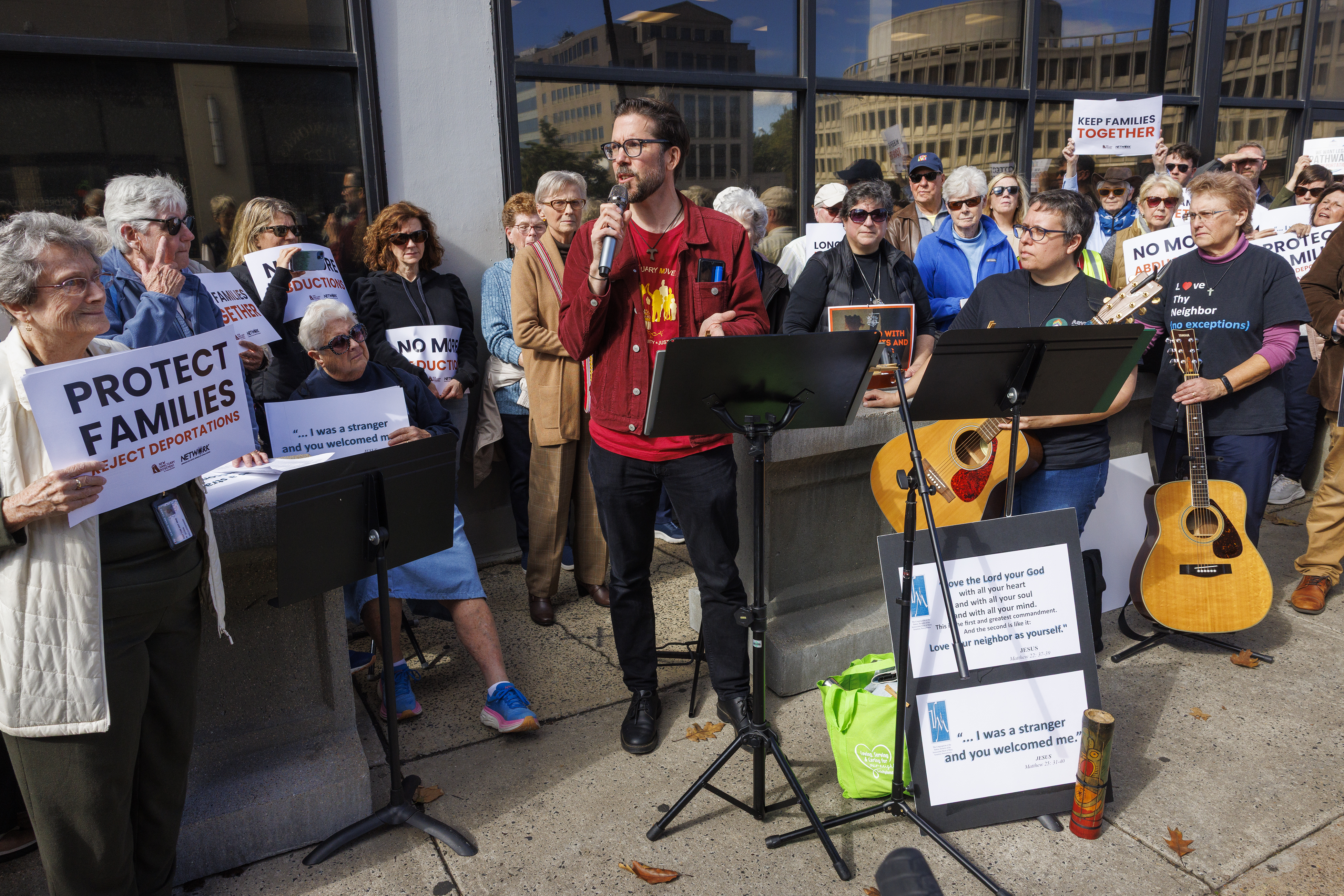
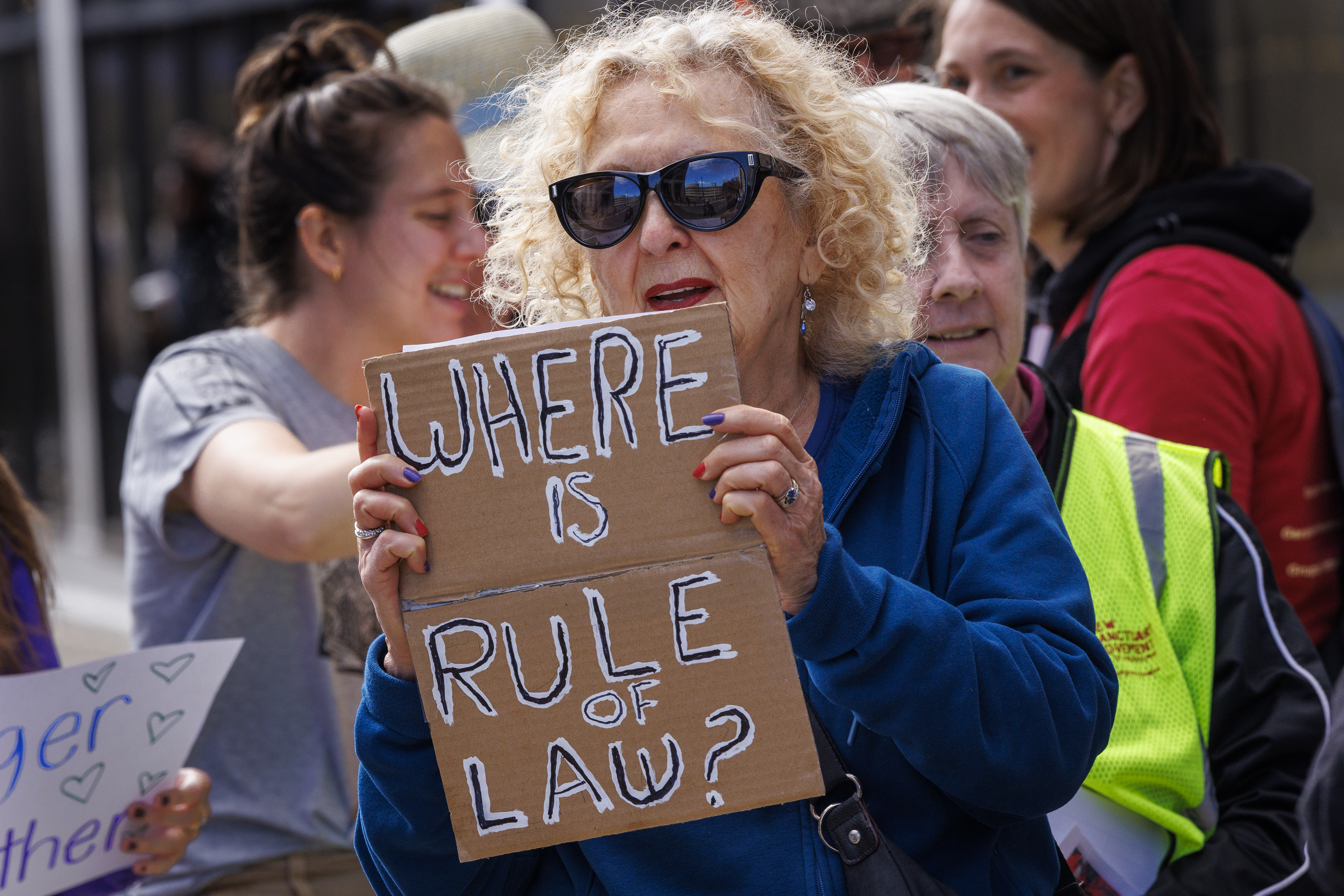
    Lifted by song, prayer, and Scripture, dozens of Philadelphia-area Catholics rallied outside the Center City ICE office on Wednesday, joining a pro-immigrant push undertaken by fellow church groups around the country.

    Catholic priests, nuns, and other supporters prayed and sang outside the field office near Eighth and Cherry Streets, joining a nationwide show of solidarity with migrant families, refugees, and asylum-seekers.

    “We reject the culture of fear that dehumanizes,” Michelle Cimaroli of Handmaids of the Sacred Heart of Jesus, an international community of Catholic women, told the crowd of about 50 people. “As Catholics, we stand with immigrants.”

    Speakers called on people to see the face of God in every human face. And to be as confident as Jesus in sharing the truth.

    Catholic organizations across the country are taking part in a campaign called One Church, One Family: Catholic Public Witness for Immigrants. The movement invites parishes, schools, and faith-based groups to host prayerful public events that proclaim the dignity of every person.

    U.S. Immigration and Customs Enforcement officials said in a statement: “ICE respects the rights of individuals to peacefully protest.”

    A second day of prayer is planned for Nov. 13, timed to coincide with the feast of St. Frances Xavier Cabrini, an Italian immigrant who became the first U.S. citizen to be declared a saint, according to the National Catholic Reporter.

    Peter Pedemonti of the New Sanctuary Movement addressing Catholics gathered outside ICE office at Eighth and Cherry Streets on Wednesday. They are protesting against the detaining and incarceration of immigrants.

    “I want us to take a moment to just let our hearts break,” Peter Pedemonti, codirector of New Sanctuary Movement of Philadelphia, told the crowd in Center City. “That we don’t let the daily barrage of bad news harden us.”

    He and other advocates said they believed ICE arrested four people in Philadelphia on Wednesday, including a man at the Italian Market.

    “We’re trying to get Catholics across the country to listen to Pope Leo’s message: Migrants lead us, they lead us to a true set of values,” said Jerry Zurek, who serves as local co-organizer of NETWORK, the Catholic social-justice group, and who took part in the Philadelphia rally.

    This month the pope described migrants and refugees as “privileged witnesses of hope through their resilience and trust in God,” maintaining their strength while seeking a better future “in spite of the obstacles that they encounter,” Catholic News Service reported.

    Big and small protests continue to take place in the Philadelphia area and around the county in opposition to President Donald Trump’s effort to deport millions of people. The number of people arrested by ICE in Delaware, New Jersey, and Pennsylvania has surged since the agency reportedly implemented a 3,000-arrests-a-day quota in late May.

    Arrests doubled from an average of 26 a day since Trump took office through May 21, to an average of 51 a day between May 22 and June 26 for the three states. At the same time, the proportion of people arrested without a criminal record or pending criminal charges soared, up two-thirds since the directive to ICE was issued.

    “As Catholics and people of deep faith, we reject the culture of fear and silence that dehumanizes, and we choose instead to stand with migrants,” local organizers said in a statement, pledging “to defend the dignity of our neighbors, family members, fellow parishioners, classmates, coworkers, and friends.”

    Vicki Guinta-Abbott, a concerned citizen and a Catholic, gathers with others outside the ICE office at Eighth and Cherry Streets on Wednesday.

    The body of U.S. bishops, individual bishops, and Catholic organizations have been speaking out against what they call inhumane policies that go against church teachings on immigration.

    Local leaders said the campaign is sponsored by the United States Conference of Catholic Bishops Migration and Refugee Services, the Leadership Conference of Women Religious, Jesuit Refugee Service/USA, and many others.

  • Two men who set a building on fire, leading to the death of a Philly fire lieutenant, displayed ‘depraved indifference’ to life, judge says

    Two men who set a building on fire, leading to the death of a Philly fire lieutenant, displayed ‘depraved indifference’ to life, judge says

    Two men who set a Fairhill building on fire in 2022 in hopes of collecting a six-figure insurance payout — but who instead caused the structure to collapse, killing a responding Philadelphia Fire Department lieutenant — were each sentenced Wednesday to decades in federal prison.

    U.S. District Judge Cynthia M. Rufe said the actions by Al-Ashraf Khalil and Isaam Jaghama, which led to the death of Lt. Sean Williamson and left five other first responders injured, were made “out of pure self-interest” and displayed “depraved indifference to human life.”

    “Neither of the defendants considered at all the consequences of their actions, which proved to be far-reaching, devastating, and deadly,” she said.

    She sentenced Khalil — who owned the building on the 300 block of West Indiana Avenue that he set ablaze — to serve 40 years in prison. And she said Jaghama, who participated in the arson alongside Khalil, would serve a term of 25 years behind bars. Both men are 32.

    Both men had faced the potential of life sentences. And both apologized for their actions before being sentenced.

    Jaghama, in a letter read by his attorney, said: “No words can describe the depth of my regret and pain.”

    Khalil, meanwhile, cried as he said he wished he could take back decisions that he called selfish and weak.

    “I was desperate. I was a coward. And the families of the victims are the ones to suffer for a lifetime,” he said. “I am ashamed beyond words. I pray for your forgiveness, although I know I will never deserve it.”

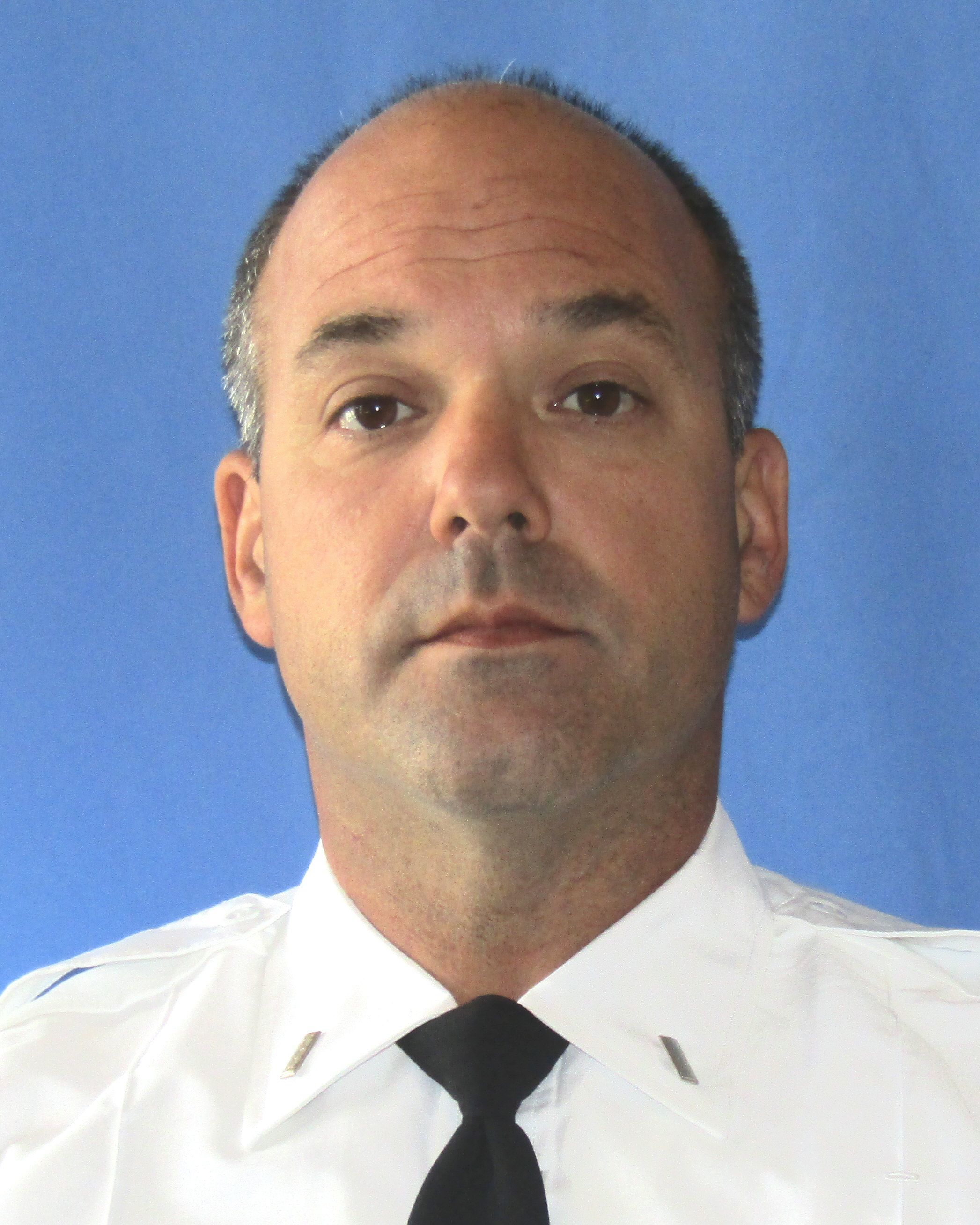
    Lt. Sean Williamson, 51, was killed during a building collapse after a fire in Fairhill in 2022. He was a 27-year veteran of the Fire Department.

    Assistant U.S. Attorney Amanda Reinitz said Khalil and Jaghama were too late in expressing remorse. Both men lied to authorities after the blaze, she said, Khalil tried to flee the country, and both then took their case to trial, where they tried to convince jurors that fire officials shared blame in the disaster for sending first responders into a century-old building shortly after the flames had been extinguished.

    Williamson’s sister, Erin Williamson, said she viewed that as an attempt by Khalil and Jaghama to avoid accountability for causing a tragedy. A second-grade teacher, Williamson said even her 7-year-old students know that fires are dangerous and deadly.

    Khalil and Jaghama “only thought about themselves,” she said, “and what they could gain.”

    The fire was set early in the morning of June 18, 2022. Khalil, who co-owned a pizza shop in Juniata Park, had bought the Indiana Avenue building months earlier and was hoping to renovate it and turn a quick profit.

    But when that plan appeared destined to fail, prosecutors said, he began plotting to set it ablaze, hoping that he could instead collect on an insurance policy worth nearly $500,000.

    Surveillance footage discovered after the crime showed Khalil and Jaghama entering the building’s basement shortly before the blaze began, around 1:30 a.m., then leaving not long after flames erupted.

    Khalil had leased apartments in the upper floors to two employees at his pizza shop, and they were inside with their young children as the fire spread. All of the tenants managed to escape unharmed, prosecutors said, but they lost nearly all of their possessions.

    First responders were not so lucky.

    Philadelphia fire officials honored Lt. Sean Williamson at his funeral in 2022.

    Although firefighters were able to extinguish the blaze, the building was heavily damaged from smoke and water when crews were sent inside to inspect it. The building then collapsed, and Williamson, 51 — a 27-year veteran of the department — died after being trapped under the rubble. Four other firefighters and an inspector from the Philadelphia Department of Licenses and Inspections were also injured but survived.

    The day after the disaster, Khalil filed a claim with his insurance company. In the ensuing days, he also tried to flee for Jordan, prosecutors said, but was arrested at John F. Kennedy Airport in New York City.

    Jaghama was arrested about a year after Khalil. Reinitz, the prosecutor, said Jaghama repeatedly misled authorities while seeking to avoid being prosecuted.

    Jaghama, born in the West Bank, was a legal permanent resident, meaning he is likely to be deported after his prison term.

    Khalil’s wife said in court Wednesday that he was a great husband, a loving father to their three children, and a caring person whose actions in this case were not consistent with how he lived his life.

    Reinitz, however, said the men’s decisions and actions were not only senseless, they were damaging for countless people whose lives were upended by a callous — and illegal — attempt to make money.

    “They had absolutely no need to do this,” she said, “other than pure greed.”

  • Three men convicted of first-degree murder in deadly North Philadelphia playground shooting

    Three men convicted of first-degree murder in deadly North Philadelphia playground shooting

    Three men were convicted of first-degree murder and related crimes for a 2023 shooting at a North Philadelphia playground that left three people dead and one injured, prosecutors said Wednesday.

    Tyyon Bates, 21, Quaza Lopez, 22, and Eric Reid, 23, were all found guilty this week for their roles in the crime, which brought chaos to a basketball court at Eighth and Diamond Streets on a hot summer night as children played outside.

    Nyreese Moore, 22, Nassir Folk, 24, and Isaiah Williams, 22, were killed. A fourth person was shot in the abdomen and survived.

    In addition to murder, Bates, Lopez, and Reid were convicted of conspiracy to commit murder, recklessly endangering others, and firearms offenses, prosecutors said.

    A jury found a fourth suspect, Sufyann Kinslow, not guilty of murder and related charges, court records show. And a jury could not reach a verdict in the trial of a fifth suspect, Tynel Love, on similar charges, though prosecutors say they intend to retry that case.

    Prosecutors said the Aug. 11, 2023, shooting stemmed from “vengeance” over a 2018 shooting that left Bates’ brother, Tyree, dead just several blocks away at Fourth and Diamond Streets.

    “The motivation was for ‘Ree,’ Tyree Bates,” said Assistant District Attorney Cydney Pope. “And Tyyon Bates made sure he got his ‘get-back’ for him — and bragged about it.”

    Investigators recovered more than 100 pieces of ballistic evidence from what prosecutors said was an unusually large crime scene involving six shooters. Surveillance video from the recreation center and a nearby vacant lot helped investigators link the men to the crime, Pope said.

    Bates, Lopez, and Reid were sentenced by Common Pleas Court Judge Glenn Bronson to three consecutive life sentences in prison plus an additional 24 to 48 years in custody.

    Prosecutors said that their work is not finished and that they plan to bring charges against two more people involved in the crime.

  • How the Inquirer and Daily News covered the 1990s mafia power struggle seen in Netflix’s ‘Mob War’

    How the Inquirer and Daily News covered the 1990s mafia power struggle seen in Netflix’s ‘Mob War’

    More than 30 years ago, Philadelphia was the battleground in a brutal mob war as a group of young mafia upstarts challenged the rule of the established La Cosa Nostra leadership.

    Known as the Young Turks, that group consisted mostly of younger men who were the sons, brothers, and nephews of former crime family members who were dead or in prison, and was purportedly led by Joseph “Skinny Joey” Merlino and Michael “Mikey Chang” Ciancaglini. They believed that mob boss John Stanfa, a Sicilian immigrant who preferred to keep a low profile, was an outsider who was not fit to lead. Instead, their bloodlines and connections gave them the right to rule their hometown neighborhoods.

    Now, a new docuseries from Netflix, Mob War: Philadelphia vs. The Mafia, examines that conflict, complete with interviews from the law enforcement agents and former mobsters who were there, vintage 1990s Philly TV news footage, and the perspective of a hitman-turned-informant who made headlines. The goal, said director Raïssa Botterman, is to show the human element behind the violence.

    “They’ve committed crimes, but they’re still humans, and understanding who they were and having their versions of events” is important, she said. “Whether it’s fighting against crime or it’s committing crimes, [we’re] trying to get a more holistic picture of what’s going on.”

    Notably missing from the series is Merlino, who Botterman said declined to participate. Merlino has long denied having been behind a faction of the city’s mob and has never been convicted of mob-related violence.

    Likewise, Merlino declined through a representative to comment about Mob Wars.

    Throughout the ’90s, mob violence regularly dominated Inquirer and Daily News headlines, and resulted in several high-profile deaths and criminal trials, and a new mob leader in the city.

    Here is how we covered it:

    30 Jan 1992, Thu Philadelphia Daily News (Philadelphia, Pennsylvania) Newspapers.com

    The war begins

    By most accounts, the first strike in the brewing mob war happened in January 1992 with the killing of Felix “Tom Mix” Bocchino, a Stanfa loyalist, on the 1200 block of Mifflin Street. Bocchino, 73, was shot four times in his 1977 Buick, and authorities believed he was targeted by members of the Young Turks faction, according to an Inquirer report from the time.

    Retaliation was swift. Two months later, gunmen attempted to assassinate Michael Ciancaglini at his home near 12th and McKean Streets — just steps south of where Bocchino was killed. In that incident, the Daily News reported, Ciancaglini was returning home from a basketball game when two men carrying shotguns began chasing him. He made it inside, and the gunmen fired shotgun blasts through the front door and window.

    Ciancaglini was not injured, and neither were his wife and two children, who were inside the house. Law enforcement sources told the People Paper that Ciancaglini “had something to do with Bocchino’s death,” but Ciancaglini’s attorney maintained his client was in the dark about the attempt on his life.

    “He don’t know why. He don’t know who. And he don’t know what,” attorney Joseph C. Santaguida told The Inquirer following the shooting.

    06 Aug 1993, Fri The Philadelphia Inquirer (Philadelphia, Pennsylvania) Newspapers.com

    All-out war

    In March 1993, almost exactly a year after the attempt on Michael Ciancaglini’s life, older brother Joseph Ciancaglini, 35, was shot at the Warfield Breakfast and Lunch Express in Grays Ferry. The attempted hit on Stanfa’s underboss was captured on FBI surveillance video.

    Though he survived, Joseph Ciancaglini became permanently paralyzed.

    On Aug. 5, 1993, the warfare arrived on the 600 block of Catharine Street with an afternoon shooting that injured Merlino and killed Michael Ciancaglini. The pair were walking down the block when two gunmen began firing, striking Merlino in the leg and buttocks, and Ciancaglini in the heart, reports from the time indicate. Ciancaglini died at Thomas Jefferson University Hospital, while Merlino was placed in stable condition at the Hospital of the University of Pennsylvania.

    window.addEventListener(“message”,function(a){if(void 0!==a.data[“datawrapper-height”]){var e=document.querySelectorAll(“iframe”);for(var t in a.data[“datawrapper-height”])for(var r,i=0;r=e[i];i++)if(r.contentWindow===a.source){var d=a.data[“datawrapper-height”][t]+”px”;r.style.height=d}}});

    The car used in the shooting, meanwhile, was found some 35 blocks away, burned to a crisp. It had been leased to Philip Colletti, a mob associate who later admitted his role in the crime.

    Hundreds attended Ciancaglini’s viewing at the Carto Funeral Home at Broad and Jackson days later; some neighborhood residents were not surprised by his killing, The Inquirer reported.

    “Why’d he get killed? The same reason the rest of these hoods in South Philly do,” said one South Philly hairdresser. “Most Italians are good, hard-working people, and these people give us a bad name.”

    01 Sep 1993, Wed Philadelphia Daily News (Philadelphia, Pennsylvania) Newspapers.com

    An attempt on Stanfa

    By the end of August 1993, the Young Turks struck back — this time with a botched assassination attempt on Stanfa himself that ended up wounding the mob boss’ son, Joseph, who was 23 and not involved with mafia activities.

    That attempt took place during the morning rush hour as Stanfa and his son traveled from their home in Medford to their food importing business in South Philadelphia. As they drove toward the Vare Avenue off-ramp on the Schuylkill Expressway, gunmen ambushed them from a van that had been modified with makeshift gunports, allowing the assailants to fire from concealment.

    The attackers, police later learned, had not cut eye holes in the van, and fired on the Stanfas wildly, missing their intended target. The younger Stanfa, however, was struck in the face, leaving a bullet lodged in his neck though he survived.

    The van was found near 29th and Mifflin Streets as police attempted to reconstruct possible escape routes. It was littered with spent cartridges, and had “a number of punctures in it,” leading police to believe that a shooter lost control of his weapon, tearing bullet holes into the vehicle.

    Stanfa’s vehicle, meanwhile, was heavily damaged, with at least 10 bullet holes running from the front hood to the right rear fender. A tire was shredded, and a window panel in the rear-passenger side — where Joseph had been sitting — was shattered. Stanfa, The Inquirer reported at the time, had his driver hide the car in the garage of the restaurant where Joseph Ciancaglini had been shot, requiring police to obtain a warrant to examine it.

    “You’ve got to understand: This is an all-out mob war,” said Col. Justin J. Dintino, superintendent of the New Jersey State Police. ”They’re going to take their shot whenever the opportunity presents itself.”

    18 Sep 1993, Sat Philadelphia Daily News (Philadelphia, Pennsylvania) Newspapers.com

    Murder at the Melrose

    In September 1993, the opportunity presented itself at the Melrose Diner, where Frank Baldino Sr., a reportedly low-level associate of the Young Turks, was shot to death in his car. His last meal was a $6.95 chopped steak dinner, the Daily News reported.

    Gunmen approached Baldino’s vehicle, investigators said, and “pumped several bullets” through its closed window, striking him in the head and torso. The assailants fled west on Passyunk Avenue in a rainstorm, and Baldino died while en route to the hospital.

    Baldino was not considered to be a major player in the local mob. His killing, friends and investigators said, was something of a shock — even former mobster Nicholas “Nicky Crow” Caramandi, who was in hiding at the time, denounced it.

    “This guy was not a gangster,” Caramandi told The Inquirer. “He wouldn’t hurt anybody. He was not a threat. It should never have happened.”

    19 Jan 1994, Wed Philadelphia Daily News (Philadelphia, Pennsylvania) Newspapers.com

    A mafia hitman turns informant

    Though mob violence cooled as 1993 wore on, it didn’t fully stop, and late one Friday in January 1994, police found John Veasey near Sixth and Sigel Streets, grievously injured.

    He had three bullet wounds to his head, one to his chest, and seven stab wounds, having fought off his attackers in an assassination attempt in the apartment above a nearby meat store. Somehow Veasey, then 28, had survived, and was placed in critical but stable condition at Jefferson Hospital.

    “He’s a tough kid,” one underworld source told The Inquirer. “He knows a lot, and what he knows can hurt a lot of people.”

    Veasey, it turned out, had gone to the FBI days before and copped to the Ciancaglini and Baldino killings at the behest of his brother, William “Billy” Veasey, who had told him there was a contract out on John Veasey’s life.

    His assailants, Veasey told police, were Stanfa loyalists Frank Martines and Vincent “Al Pajamas” Pagano, both of which later surrendered.

    The pair, John Veasey said, had lured him to a mob-run “numbers house” under the guise of protecting him. But once inside, Martines pulled a gun and shot him in the head and chest, telling him, “Bye, John-John.” When that failed to kill Veasey, a battle ensued in which Veasey wrestled a knife away from Pagano, and used it to slash Martines in the eye.

    “I have a real powerful neck, real, real big,” Veasey later said of his survival, according to a Daily News report. “I was not knocked out. It wasn’t sending any messages to the brain.”

    06 Oct 1995, Fri The Philadelphia Inquirer (Philadelphia, Pennsylvania) Newspapers.com

    The killing of Billy Veasey

    Following the attack on Veasey, Stanfa and 23 associates were indicted on federal racketeering charges and imprisoned by March 1994. As the legal proceedings wore on, mob violence in the city trickled almost to a stop — with one notable exception.

    On Oct. 5, 1995, just hours before Veasey was set to take the witness stand against Stanfa and his codefendants, his brother Billy was shot and killed on the 1700 block of Oregon Avenue.

    Veasey was distraught, but his resolve to testify was hardened by the killing, law enforcement sources said. Five days later, he did just that.

    Delivering his testimony in what The Inquirer called “South Philadelphia tough-guy jargon,” Veasey made the federal government’s case clear — in some cases, graphically so — for jurors. Calling himself a triggerman for Stanfa, he testified that the mob boss had given orders in 1993 to kill anyone who was aligned with Merlino and the Young Turks faction, and that a hit list with more than a dozen names had been circulated to mob members.

    “A couple of [defense] lawyers tried to catch him up in semantics,” one federal source told The Inquirer of Veasey. “John doesn’t even know what semantics means.”

    22 Nov 1995, Wed The Philadelphia Inquirer (Philadelphia, Pennsylvania) Newspapers.com

    The war’s end

    By November 1995, Stanfa and his associates were convicted on all counts, including murder, extortion, gambling, and kidnapping. Stanfa received five life sentences, and, at 84, remains in prison.

    With that, the Young Turks had officially won the war. According to Inquirer and Daily News reports from the time, Ralph Natale had been installed as the head of the Philadelphia mob but focused his efforts on South Jersey, allegedly leaving Merlino and his cohorts to run South Philadelphia.

    Following Natale’s arrest on a parole violation in 1998, Daily News and Inquirer reports from the time indicate, Merlino purportedly took over as acting mob boss, and later cut out Natale completely. Merlino himself was arrested on drug conspiracy charges in 1999, and Natale served as a government witness against him.

    Ultimately, Merlino received a 14-year sentence after being convicted of racketeering. He was acquitted of drug trafficking and murder charges, the latter for which prosecutors initially considered pursuing the death penalty. With credit for two and a half years served, he was to spend nine more years in prison.

    “It ain’t bad,” Merlino said of the verdict, according to an Inquirer report. “Nine’s better than a death penalty.”

    “Mob Wars” is a three-part series on Netflix. Its release date is Wednesday, Oct. 22.

  • What to know about John Veasey, the hit man-turned-informant in Netflix’s ‘Mob War’

    What to know about John Veasey, the hit man-turned-informant in Netflix’s ‘Mob War’

    Hit man-turned-government informant John Veasey, whose testimony helped bring down mob boss John Stanfa and a dozen of his top associates in the 1990s, says he’s on the road to redemption.

    The new Netflix docuseries Mob War: Philadelphia vs. The Mafia, now streaming, chronicles a violent 1990s power struggle in the local La Cosa Nostra through the eyes of investigators and former crime family members who were there.

    Veasey, a South Philly native, was a central figure in the ’90s Philly mob, having admitted to participating in two high-profile murders. He went on to serve nearly 11 years in prison after becoming a government witness against Stanfa and other top mob associates in a federal racketeering trial, and was released in 2005. He has since denounced the mob life, and, in the Netflix series, calls joining the mafia the “worst decision” he ever made.

    While he became a feared killer, Veasey was also something of a folk hero after Stanfa’s 1995 trial. The jury, according to Inquirer and Daily News reports from the time, was enamored with his frank and sometimes graphic testimony, which was a key component of federal prosecutors’ case against Stanfa and others.

    Here is what you need to know, based on Inquirer and Daily News coverage from the time:

    13 Jun 1994, Mon Philadelphia Daily News (Philadelphia, Pennsylvania) Newspapers.com

    An admitted hit man

    Veasey agreed to become an FBI informant in January 1994 after his brother, William “Billy” Veasey, told him Stanfa had taken a contract out on his life, reports from the time indicate. In agreeing to work with federal authorities, Veasey admitted to being one of the shooters behind two then-recent mob killings: Michael “Mikey Chang” Ciancaglini and Frank Baldino Sr.

    Ciancaglini was killed in August 1993 in a shooting that also wounded Joseph “Skinny Joey” Merlino. The pair were the purported leaders of the so-called “Young Turks” faction who opposed the rule of Stanfa, reports indicated. Merlino has long denied having been behind a faction of the city’s mob and has never been convicted of mob violence.

    Ahead of that shooting, Veasey testified, Stanfa had given orders to “kill anybody aligned with Merlino” and circulated a list of about a dozen people who were to be killed. Veasey undertook the hit with fellow mob enforcer Philip Colletti in a white Ford Taurus that, shockingly, was leased in Colletti’s name.

    Veasey also admitted to burning the vehicle, badly burning his hand in the process. Knowing he needed an explanation to have his injury treated, Veasey returned to his house and poured lighter fluid into a barbecue grill, and intentionally lit his injured hand on fire.

    “I screamed and told the neighbors I had burned it trying to light the grill,” he told jurors during the Stanfa trial. The cover, he says in the Netflix docuseries, wasn’t a great one — the grill he used was electric, arousing the suspicion of police.

    15 Oct 1995, Sun The Philadelphia Inquirer (Philadelphia, Pennsylvania) Newspapers.com

    The Melrose Diner killing

    Likewise, Veasey was the triggerman in the killing of Frank Baldino Sr., a then-suspected low-level mob associate who was killed outside the Melrose Diner in September 1993.

    Baldino was shot multiple times in his car in the diner’s parking lot, and died en route to Thomas Jefferson University Hospital. Veasey later tipped off authorities to the location of the murder weapons, which divers found in a pond at FDR Park in April 1994, reports from the time indicate.

    The attempted murder of John Veasey

    In January 1994, police found Veasey grievously injured near Sixth and Sigel Streets, having somehow survived a brutal assassination attempt in which he was shot four times and stabbed seven. The attempted murder, he later testified, was undertaken by Stanfa associates Frank Martines and Vincent “Al Pajamas” Pagano in an apartment above a meat store near where Veasey was found.

    “One bullet fragmented in the back of my head. One went in the back and out through my forehead,” Veasey later said of the shooting. ”One hit the back of my head and bounced into my neck. And one is still in my chest, in my rib cage.”

    His assailants, Veasey said, had targeted him because they believed he was working with the FBI — which he had been for a few days by the time the attack happened.

    11 Feb 1994, Fri The Philadelphia Inquirer (Philadelphia, Pennsylvania) Newspapers.com

    The shots failed to kill Veasey, who in the struggle wrestled a knife away from Pagano and used it to stab Martines near the eye. The ordeal lasted about 18 minutes, according to a Daily News report, and ended with Martines and Pagano letting Veasey go in exchange for their lives.

    After he escaped, Veasey attempted to stop a car for help. But because of the way he looked, he said, no one would help him.

    Eventually, police arrived but believed Veasey would die.

    “I could hear them talking, saying I was DOA,” Veasey said. “I’m saying, ‘I’m alive, I’m alive. Everyone is giving up on me tonight.’”

    Veasey later said he left the mob that night, putting his time in the mafia at just over five months, the Daily News reported. He had been recruited in August 1993, days before the Ciancaglini murder, after landing a job at a construction company owned by Stanfa’s brother-in-law.

    “I wouldn’t recommend this life to an enemy,” he later said of the mob.

    06 Oct 1995, Fri The Philadelphia Inquirer (Philadelphia, Pennsylvania) Newspapers.com

    A fallen brother

    Hours before Veasey was set to take the stand for Stanfa’s trial in October 1995, his brother, Billy, was shot and killed on the 1700 block of Oregon Avenue. The killing, authorities speculated, could have been ordered by Stanfa as a way to silence Veasey, or by suspected Young Turks leader Merlino as revenge for the Ciancaglini and Baldino murders.

    Ultimately, it only delayed Veasey’s testimony by five days.

    From the stand, Veasey referred to himself as a triggerman and divulged his involvement with the murders of Ciancaglini and Baldino.

    Veasey’s testimony at trial

    In total, Veasey testified for about two and a half days, which he wrapped up with two pieces of information: That he refused to kill kids, and he did not like gambling. He also mocked Sergio Battaglia, a would-be Stanfa hit man who, despite going on a number of hits, never actually killed anyone, according to an Inquirer report.

    Battaglia “went on a hundred hits and didn’t shoot nobody,” Veasey said.

    He quickly became well-liked by the jury, who seemed to hang on his every word, The Inquirer reported. Among his more graphic accounts from the witness stand was the “drilling” of Joseph “Joe Fudge” DeSimone, a mob associate who had wanted to kill Veasey, to which Veasey took less-than-kindly.

    12 Oct 1995, Thu Philadelphia Daily News (Philadelphia, Pennsylvania) Newspapers.com

    Veasey testified that he had warned Stanfa of a coming altercation with DeSimone, and at one point persuaded another mob associate to bring DeSimone over to Veasey’s house to settle their dispute. Veasey was on house arrest at the time.

    DeSimone arrived, kicking off a violent encounter with an electric drill.

    “I smacked him in the face with the drill. I stuck the drill in his chest and in his legs. I stuck it in his head, and from the rotation of the drill, clumps of hair was going out,” Veasey testified. “Then I hit him in the knee with a baseball bat. I chambered the gun … gave it to him and asked, ‘Do you still want to kill me?’”

    Veasey said that DeSimone declined.

    The testimony was not only well received by jurors, but it was considered a success by prosecutors. Though violent, Veasey appeared relatable to the jury and seemed to have a secret weapon against the defense.

    Former mob hit man John Veasey’s biography details his work for one of the city’s mob organizations, the hits he carried out, the attempt on his life, and more.

    The reformed hit man

    Stanfa was ultimately found guilty and sentenced to five consecutive life terms. Veasey, meanwhile, spent almost 11 years in prison, and was released in 2005. By 2012, he was back in the news, this time for a detailed account of his story in The Hit Man: A True Story of Murder, Redemption and the Melrose Diner, a book by former Inquirer reporter Ralph Cipriano.

    By then, Veasey was working as a car salesman in the Midwest, and claimed to have turned over a new leaf.

    “I never respected the Mafia or what it stood for,” Veasey said in an interview with The Inquirer in 2012. “My only regret was being dumb enough to join … I always said they either rat or kill each other.”