Category: Commentary

  • Will we stand up for immigrants and democracy?

    Will we stand up for immigrants and democracy?

    As a Pennsylvanian who works with immigrants on the U.S.-Mexico border, I urge people of goodwill in the Keystone State and beyond to stand up for immigrants in our country. Our democracy depends on it.

    I am a Sister of Mercy of the Americas, a Catholic order that has accompanied immigrants in Pennsylvania, across the United States, and internationally since 1843. We take seriously the Gospel command to “welcome the stranger.”

    On the border, I am a community worker. Part of my ministry is to help immigrants in the United States apply for citizenship or renew their legal permanent residence and DACA (Deferred Action for Childhood Arrivals) status.
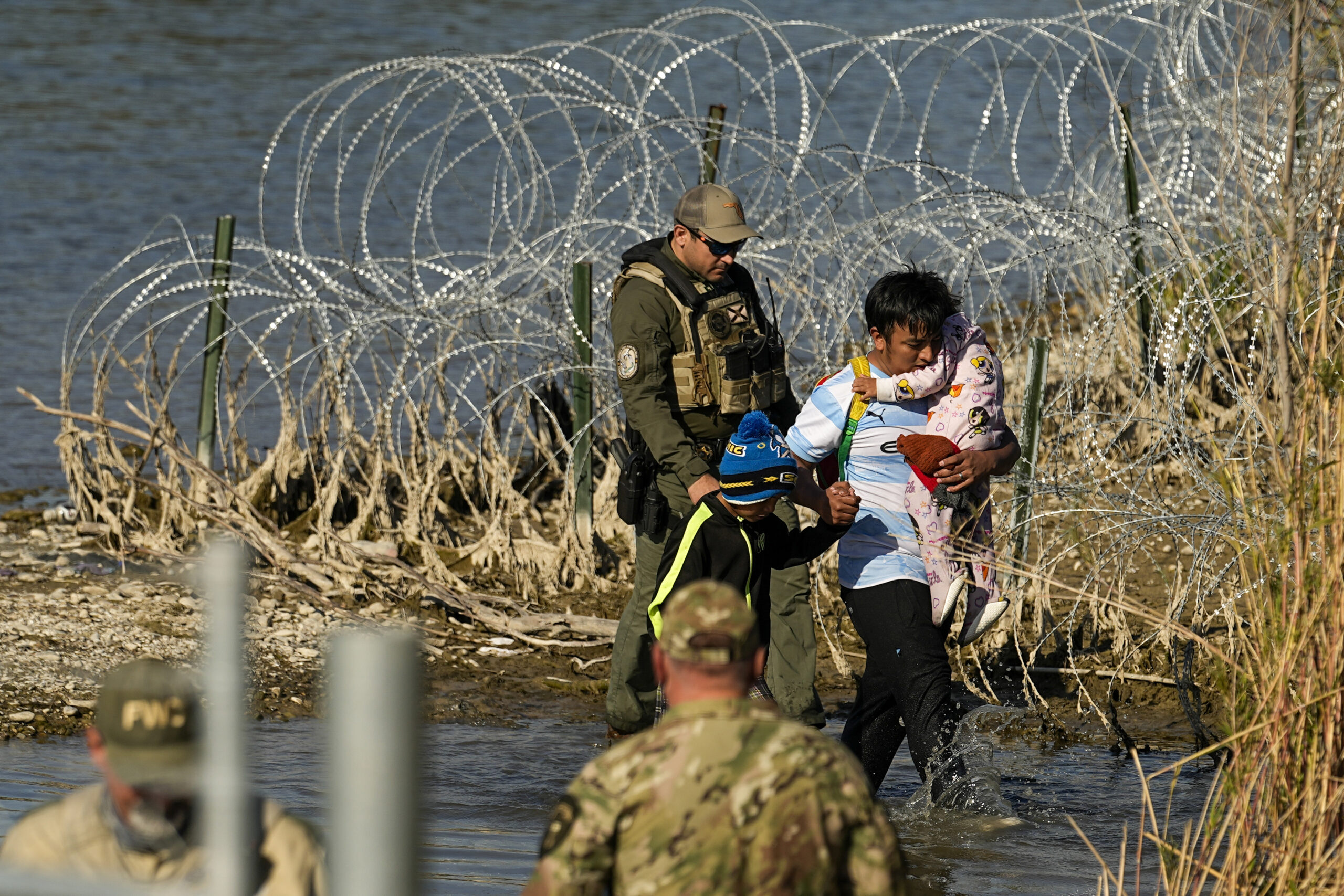
    Migrants are arrested at the Texas-Mexico border in 2024. Migrants’ lives have become a nightmare, writes Sister Patricia Mulderick.

    Most are doing everything they can to follow the rules, to attain or hold on to legal status. But their lives have become a living nightmare, and their plight fills me with anguish.

    Migrant workers in Texas are terrified of being picked up in the fields, where they toil 12 hours a day under the hot sun to pick melons, onions, carrots, and other fresh produce destined for grocery stores and our kitchen tables around the country, anonymous but vital to our economy and way of life.

    The migrants left in Mexico are in limbo, denied hearings by U.S. immigration officials and often unable to return to their home countries.

    “You could send me a limousine with a marching band, and I could not return,” one man said to me. “I would be dead within 24 hours.” And a woman I know sold everything she owned to make the journey north — she has nothing to go back to.

    On the U.S. side of the border, people are being terrorized by masked U.S. Immigration and Customs Enforcement agents stalking our neighborhoods. One elderly woman who has worked in the fields for four decades hid in her bedroom as they pounded on her front door. Neighbors alerted a women’s group I am part of, and members asked to see the agents’ warrant. It turned out ICE was looking for someone else. I shudder to think what would have happened if those brave advocates had not stepped up.

    I first learned about the bonds between democracy and our nation of immigrants at my public school in the coal regions. The brutality and terror inflicted by security forces all around our country are un-American.

    When Pennsylvanians helped unite 13 colonies into one country by inviting new Americans to Philadelphia’s Independence Hall to debate and sign the Declaration of Independence and the U.S. Constitution, they knew their “experiment” in self-governance wasn’t guaranteed. Ben Franklin famously said that Americans had “a republic, if you can keep it.” We must again help lead the way.

    Pennsylvanians take pride in being standard-bearers for liberty. We also value the vital contributions newcomers make in our state, in industries ranging from construction and hospitality to high-tech.

    More than ever, we must stand up for immigrants and democracy together. We must hold our nation to the ideals inscribed on the Statue of Liberty: “Give me your tired, your poor, your huddled masses yearning to breathe free.”

    We must not lose hope. But we cannot sit idle.

    The Sisters of Mercy have spoken out on the cruel treatment of our immigrant brothers and sisters under this administration, as have the U.S. bishops in a powerful statement, and Pope Leo XIV, who emphasized that immigrants arriving in strange lands “must not find the coldness of indifference or the stigma of discrimination!”

    Pope Leo and I met in the 1980s, when he was the young priest Father Robert Prevost, and we both were serving in Peru. His humility and concern for people living in poverty moved me deeply.

    In Mexico recently, I held hands with a woman who wept after her immigration hearing — scheduled for the day after President Donald Trump’s inauguration — was canceled by the president on his first day in office. This woman had lived in a tent for eight months, waiting to cross legally.

    “Your president says we are criminals, but I have never broken a law in my life,” she told me. “They seem to hate us, but I will not hate back. I will not let hate win.”

    Will we?

    Sister Patricia Mulderick is a member of the Sisters of Mercy of the Americas, the largest order of Catholic religious women in the United States. She serves in both Pennsylvania and Texas.
  • The Senate must reject Trump’s extremist nominee for the U.N.

    The Senate must reject Trump’s extremist nominee for the U.N.

    When President Donald Trump and Secretary of State Marco Rubio gutted the U.S. Department of State last year, they said they were doing it to make America “safer, stronger, and more prosperous.” Yet, Trump’s nominee to be assistant secretary of state for international organization affairs, Jeremy Carl, is a white supremacist conspiracy theorist who would undermine the United States’ standing at the United Nations and destroy our relationships with countries around the world.

    As former American diplomats, we’ve worked to promote human rights globally. We know the inner workings of this world and can say unequivocally that Carl would be a grave threat in this post, and his nomination must be resoundingly rejected.

    The assistant secretary of state for international organization affairs is the architect of U.S. policy at the United Nations and across a wide range of multilateral arenas. Few outside diplomatic circles have heard of this position, but it’s one of the central posts through which the U.S. interacts with the world.

    For example, when we stop defending fair labor standards in places like Bangladesh or Vietnam, American workers pay the price as competitors in those countries cut corners and flood markets with cheaper goods. When we look away from corruption and repression in energy-rich regions, instability follows — driving up oil prices and hitting Americans at the pump. When we ignore humanitarian crises until they explode, we spend far more on aid and crisis response than it would have cost to prevent them.

    These aren’t far-off problems. In an interconnected world, they’re immediate issues that impact American jobs, consumer prices, and national security. That’s why this role is so crucial.

    Carl is moving quietly ahead in the Senate Foreign Relations Committee, on which Pennsylvania Sen. Dave McCormick serves, and his nomination hearing is slated for Thursday. The Senate should stand up for American values and the interests of the American people by rejecting this dangerous nominee.

    Carl is not just unqualified for the role — he has no experience working with the U.N. — he represents a dangerous rejection of the ideals of the Universal Declaration of Human Rights: that all humans are born with equal dignity and rights.

    Carl has promoted the racist and antisemitic “great replacement” conspiracy theory — claiming that there is a covert effort led by elites to replace white people in Western countries through mass migration and high birth rates of people of color, Muslims, Jews, and immigrants.

    He has promoted political violence, including calling for the execution of the president of the American Federation of Teachers, a Jewish lesbian. He claimed that identifying as transgender is “somewhere between demonic and laughable.”

    Though he has deleted thousands of his inflammatory tweets, these views are memorialized in his book, The Unprotected Class: How Anti-White Racism is Tearing America Apart. He gave a speech last year titled, “On the Persecution of Whites in America.”

    These are not stray remarks. They reflect who Carl is, and the message the U.S. would send by giving him a senior diplomatic post. They are so alarming that the Global Project Against Hate and Extremism wrote an entire article about his work to champion “anti-white racism.”

    If Carl becomes the face the U.S. presents to the world, we’ll be telling the world that we care about only one group of people. We also will undermine our interests, because in our racially, religiously diverse world, other countries will rightly see Carl’s views as abhorrent.

    A world where human rights are optional and the United States fails to hold abusers accountable is a world where corruption grows, conflicts fester, and authoritarian regimes operate unchecked. The result: increased human suffering at home and abroad, higher prices for Americans, fewer protections for American workers, and greater instability that threatens our own security.

    Last month, the Trump administration issued an executive order withdrawing the U.S. from 66 organizations, including 31 U.N. mechanisms. The U.S. was not a significant political or financial supporter of all of them, so the substantive consequences of withdrawal are debatable.

    Yet, the symbolism is clear: The U.S. is disproportionately targeting mechanisms that serve the most vulnerable and marginalized, like U.N. Women and the Permanent Forum for People of African Descent, or those tackling the climate crisis, like the U.N. Framework Convention on Climate Change. In other words, being unqualified, opposed to universal human rights, and seeking to undermine global governance is the point of Carl’s nomination.

    We know what effective diplomacy looks like. It is steady, principled, and grounded in the belief that America’s power is greatest when guided by its conscience. It also treats the rights and dignity of the most vulnerable as a priority, not an afterthought.

    When we lead with our values, we build coalitions that prevent wars and foster prosperity. When we abandon them, chaos fills the vacuum — and history shows that chaos never stays overseas.

    Desirée Cormier Smith was the inaugural special representative for racial equity and justice. Jessica Stern was the special envoy for the advancement of the human rights of LGBTQI+ persons at the U.S. Department of State. They are now both cofounders and copresidents of the Alliance for Diplomacy and Justice, promoting human rights as a central pillar of U.S. foreign policy.

  • We cannot understand American history without Black history

    We cannot understand American history without Black history

    One cannot truly claim to understand American history without knowing African American history, and without understanding America’s complete history, we’re condemned to repeat past mistakes.

    The recent removal of the slavery exhibit at the President’s House made me realize that there were forces at work actively trying to erase uncomfortable truths about America’s history.

    With that recent obfuscation in mind — and in celebration of Black History Month — I’d like to introduce readers to some little-known history from Philadelphia during World War II.

    Discrimination decades ago in Philadelphia is not to be confused with racial murder in Philadelphia, Miss. However, to understand current race-related issues, we must acknowledge that whatever violence was inflicted on African Americans down south, equally insidious behavior took place in Northern cities like Philadelphia.

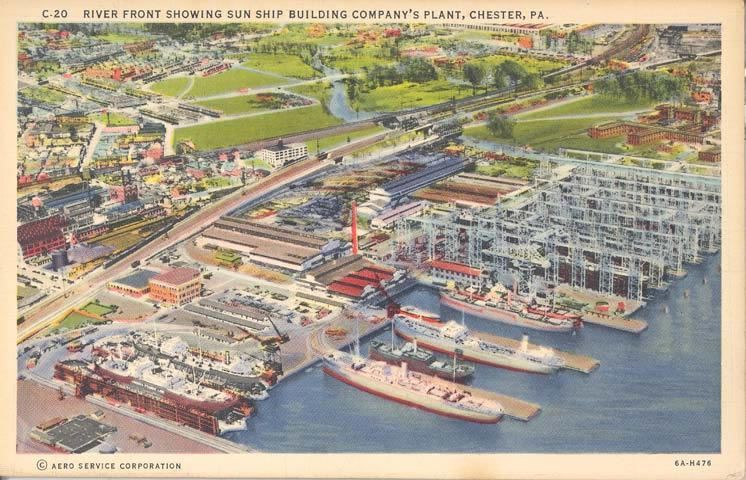
    A postcard depicts an aerial view of the Sun Shipyard in the 1930s.
    • Although the Fair Employment Practices Committee barred racial discrimination during World War II, Chester’s Sun Shipyard maintained a 5,000-plus man segregated shipyard, which company officials claimed was needed to limit racial strife.
    • Philadelphia’s newspapers legally listed nonfederal defense job openings and apartment rentals by race.
    • Newsreels and movies about the iconic battles of Guadalcanal, Saipan, the Bulge, Iwo Jima, and Okinawa almost never featured any Black servicemen, but they were there.
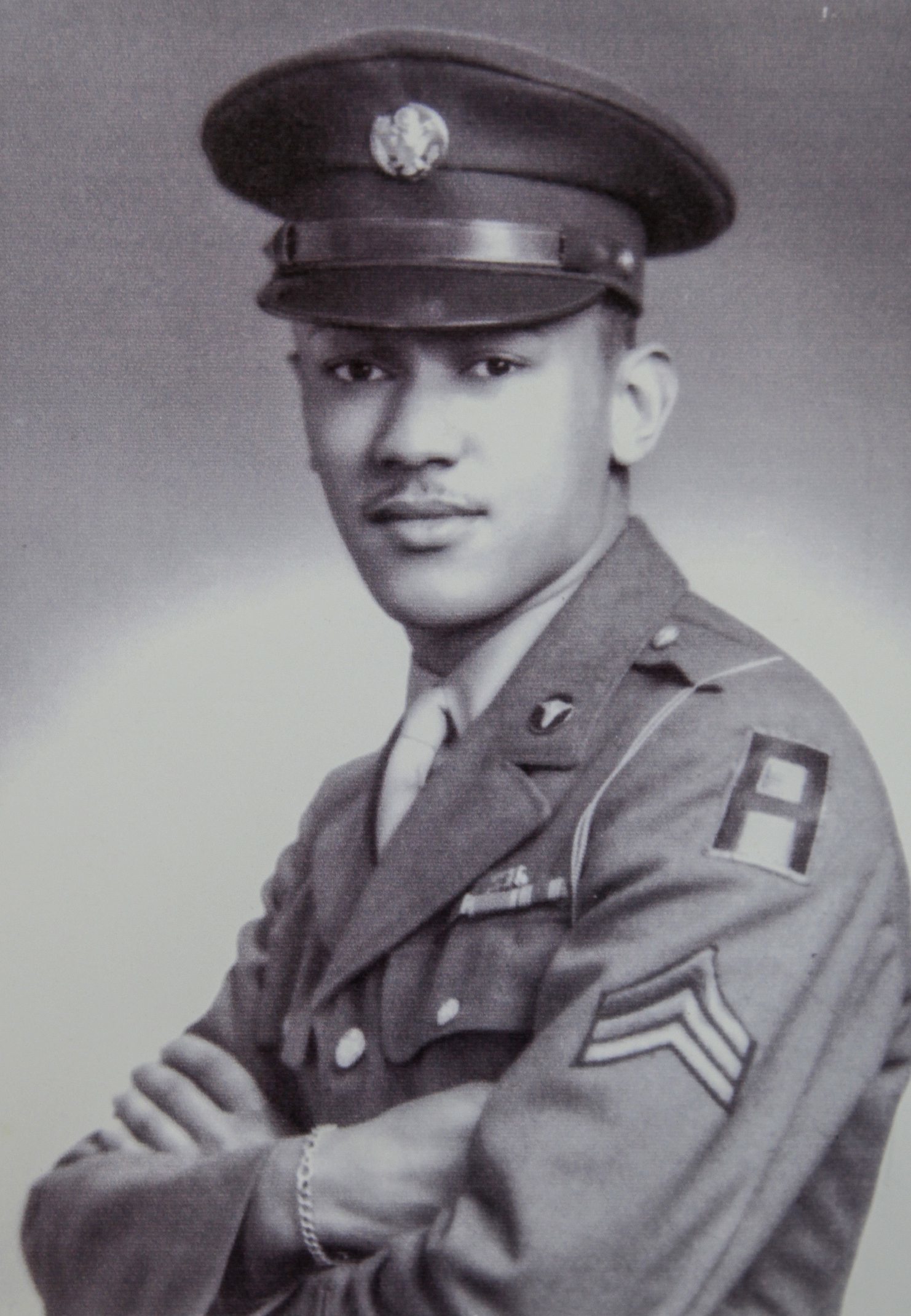
    Cpl. Waverly B. Woodson Jr. was an army medic assigned to the 320th Barrage Balloon Battalion. The battalion’s job was to set up explosive-rigged balloons to deter German planes. At a time when the military was still segregated by race, the balloon battalion was the only African American combat unit to land on Normandy on June 6, 1944.
    • On D-Day, Overbrook High grad Waverly B. Woodson Jr., a Black combat medic who, despite being wounded, treated over 200 soldiers at an Omaha Beach field dressing station. After toiling for over 30 straight hours and being completely exhausted, he resuscitated three soldiers who had nearly drowned in the frigid waters off the English Channel.
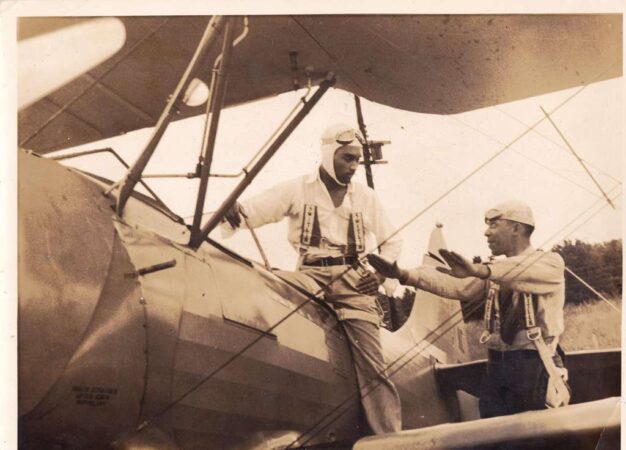
    • In 1943, Milton R. Henry, a Philadelphia Tuskegee pilot, got into a confrontation with an armed white Montgomery, Ala., bus driver over being forced to sit in the back of a bus. Henry might have been murdered if not for the quick intervention of several white English pilots.
    • In 1944, a racist Durham, N.C., bus driver murdered Pvt. Booker T. Spicely in cold blood. They had “had words” over Spicely’s initial choice of a bus seat. The bus driver was tried and quickly acquitted. Spicely lived in Philadelphia with his sister prior to his enlistment.
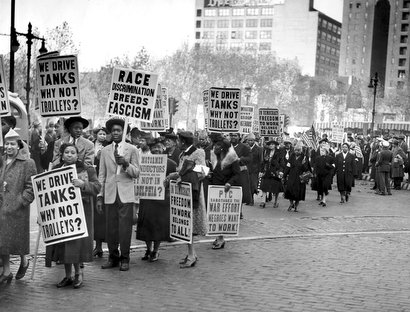
    A Philadelphia Transit Co. (which would eventually become SEPTA) protest supporting Black trolley drivers enters Reyburn Plaza across from City Hall on Nov. 8, 1943.
    • In 1944, racists struck the Philadelphia Transit Co., SEPTA’s predecessor, and prevented workers from using trolleys, buses, and subways for several days. Worker absenteeism caused the loss of a million war matériel production hours. President Franklin Delano Roosevelt ordered 5,000 troops to Philadelphia — instead of to Europe or the Pacific — to restart and guard its transit system.
    • In a top-secret 1945 operation, African American paratroopers fought West Coast forest fires ignited by Japanese balloon bombs. Norristown native Pfc. Malvin L. Brown died during one of the 555th Parachute Infantry Battalion’s firefighting operations.
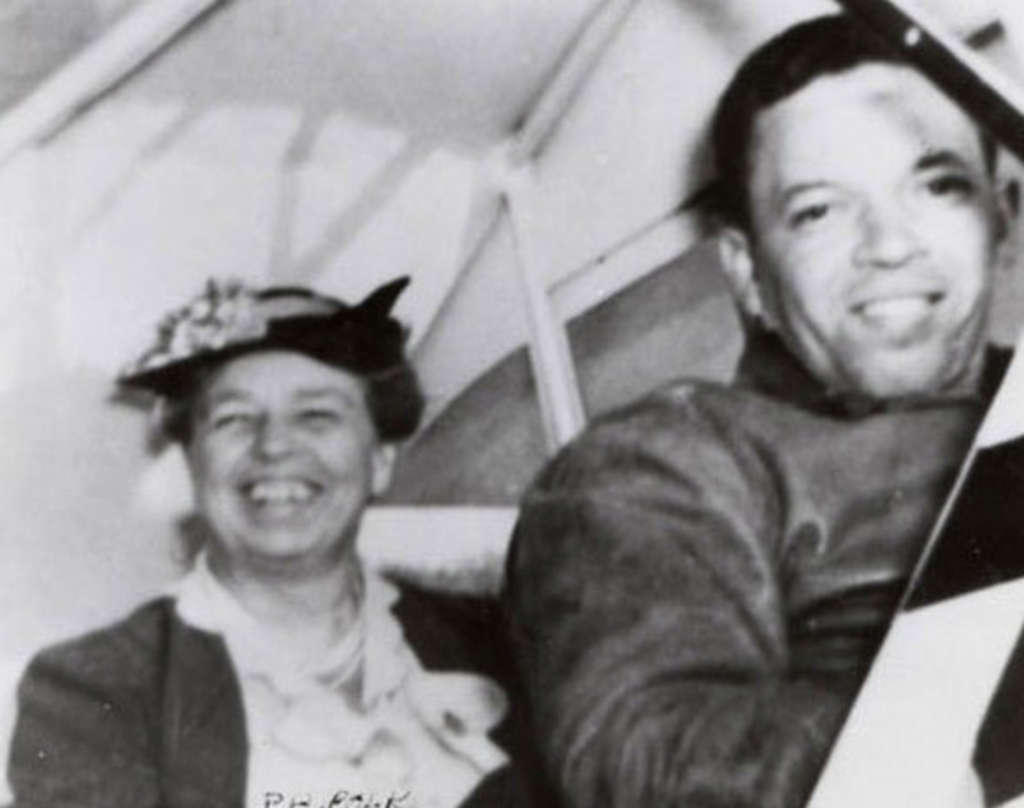
    First lady Eleanor Roosevelt got a flight over the Tuskegee Institute with C. Alfred Anderson at the controls.
    • Irrespective of the Tuskegee Airmen’s flying skills, after the war, none was hired by a commercial airline. Some pilots had received their initial training from Bryn Mawr native C. Alfred “Chief” Anderson. In March 1941, Anderson flew Eleanor Roosevelt around Tuskegee, Ala., which caused some War Department skeptics to reevaluate their initial hesitancy with Black pilot training.
    • In April 1945, 101 Tuskegee Airmen, including several Philadelphians, were arrested for disobeying an unlawful discriminatory order. The charges were quickly dropped, but administrative reprimands were placed in these officers’ 201 files.
    • Philadelphia native William T. Coleman, a summa cum laude University of Pennsylvania graduate, interrupted his Harvard Law School studies to serve as an Army Air Force officer. Honorably discharged, he returned to Harvard, graduated first in his class, and clerked for a federal appeals court judge and a U.S. Supreme Court justice. Armed with his very substantial résumé and glowing recommendations, he initially moved to New York — as no white Philadelphia firm would hire him.
    • Throughout the war, while Philadelphia-based Whitman’s Chocolates was producing millions of pounds of “Samplers,” it was also producing “Pickaninny Peppermints,” despite protests by the NAACP to remove the offensive slur from the product’s name.
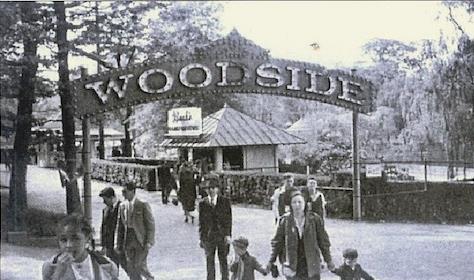
    The Woodside Amusement Park. The Fairmount Park Transit Co.’s trolley stopped at the park until the line closed in 1946.

    Over the last few years, some politicians have claimed that the United States is not a racist country, that slavery didn’t cause the Civil War, and that slavery benefited enslaved people by teaching them useful skills. The ignorance of these 21st-century politicians, who have many followers, makes it imperative that everyone study African American history, not just in February, but all year long.

    Paul L. Newman is an amateur historian specializing in African American history of the first half of the 20th century. He has created a mini-series docudrama that highlights the events in this essay.

  • Preserving Black history must start in the classroom

    Preserving Black history must start in the classroom

    James Baldwin liked to remind us: “History is not the past. It is the present. We carry our history with us. We are our history. If we pretend otherwise, we are literally criminals.”

    Any teaching of our collective story that erases the genius, the contributions, the struggles, and the successes of Black people isn’t history at all. It is indoctrination. Propaganda. The criminal theft of an entire people’s existence.

    Ours is a story that should not — cannot — be confined. Nor segregated within a designated month, select classrooms, or special curricula.

    To build on the words of Malcolm X, America has tried to destroy Black people by denying and obliterating the nation’s collective understanding of Black history through lies and gross omissions, or by flattening the full contours of our story into one of only oppression and resistance. The renewed burial of the previously buried history of the President’s House that the Avenging the Ancestors Coalition and others worked so hard to have mounted is a prime and recent example of these attempts to erase.

    Through multiple generations (up to this very day), students of all backgrounds have missed out on learning and benefiting from the full humanity of the Black experience where they rightfully should have expected it: in their schools.

    That our history has survived and even been enriched over the years is itself a testament to the power of our intergenerational communities. In our grandparents’ living rooms, through family lore and handed-down traditions, photos and treasures, we have resisted the robbing of our past and appropriation of our identity.

    But despite this resistance, there have been lasting impacts of this ongoing, systemic exclusion. One of them is that our teaching force (including Black educators) feels ill-equipped to share the story of Black people, continuing the cycle of misinformation and diminished returns not just for students, but for us all.

    We can change this. As Makinya Sibeko-Kouate once said, “Education should be a maker of a virgin future rather than a slave to an unjust and shopworn past.”

    Living up to this requires not only the creation of temporal and physical space for Black inclusion throughout the school year and across all disciplines, but also the adoption of a new mentality.

    And educators, it starts with us.

    To realize Black history’s potential of shaping the academic experience as a praxis in liberation — where the American story includes everyone and excludes nothing, from the soul-searing to the inspirational — we must be willing to learn along with our students. Embarking on this journey together with our students, however, requires seeing ourselves as students, the lead learners in the classroom.

    Share with your students what you’re curious about. What you’re thinking, feeling, and learning — including what they are teaching you.

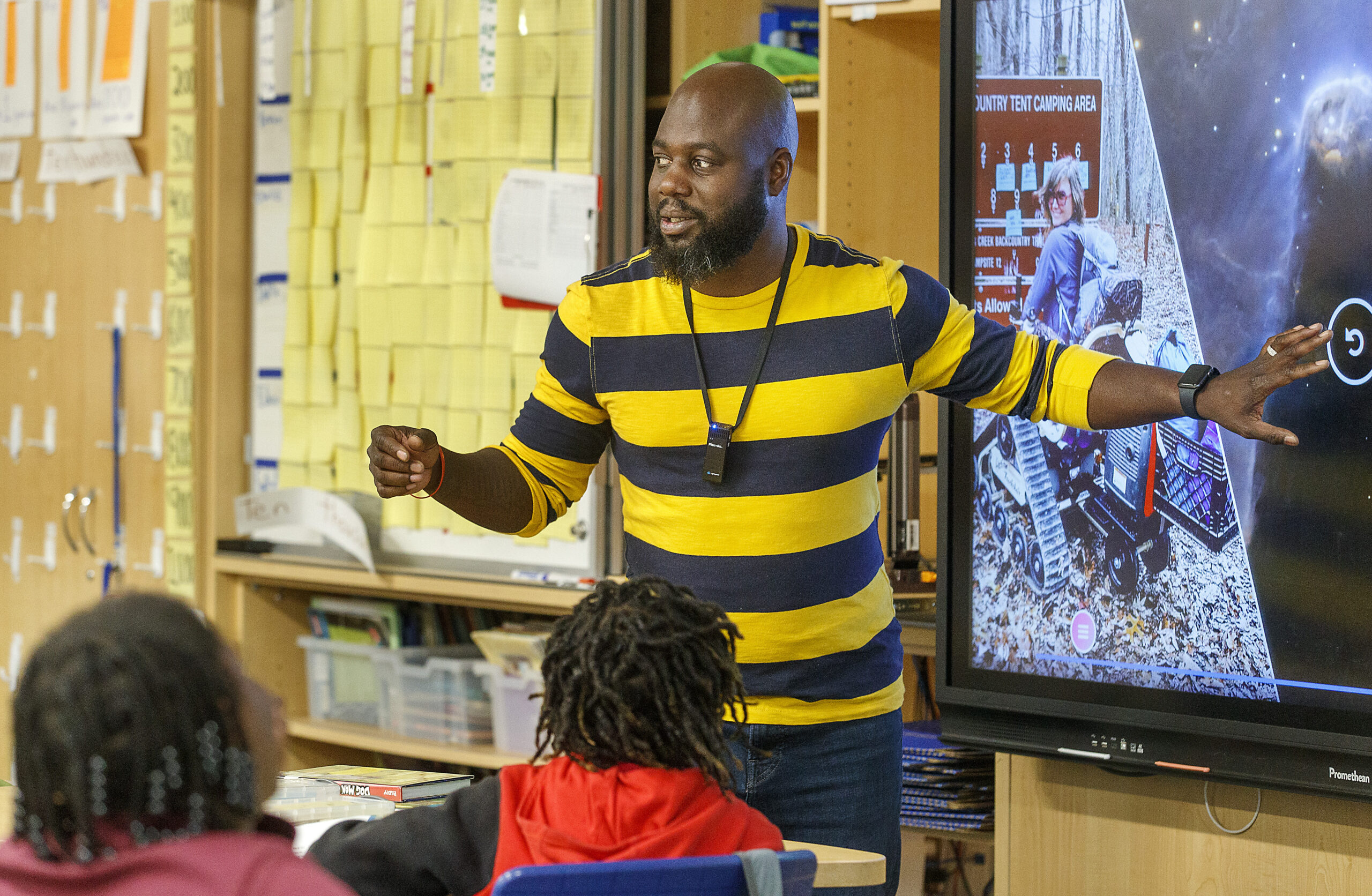
    Tyler Wright teaches fourth grade in Charleston, S.C. Teachers must be willing to learn along with their students, writes Sharif El-Mekki.

    With this kind of demonstrated humility, we educators can present not just windows but mirrors to brighter futures, reflecting for our students the change and growth possible in the learning enterprise that is so essential to a liberatory education.

    Beyond abstractions and idealisms, here is more practical guidance for all educators who strive for excellence.

    Honor your students. Let them know you’re eager to learn about them, where they come from, their intergenerational stories, and their neighborhood champions, along with their dreams and aspirations.

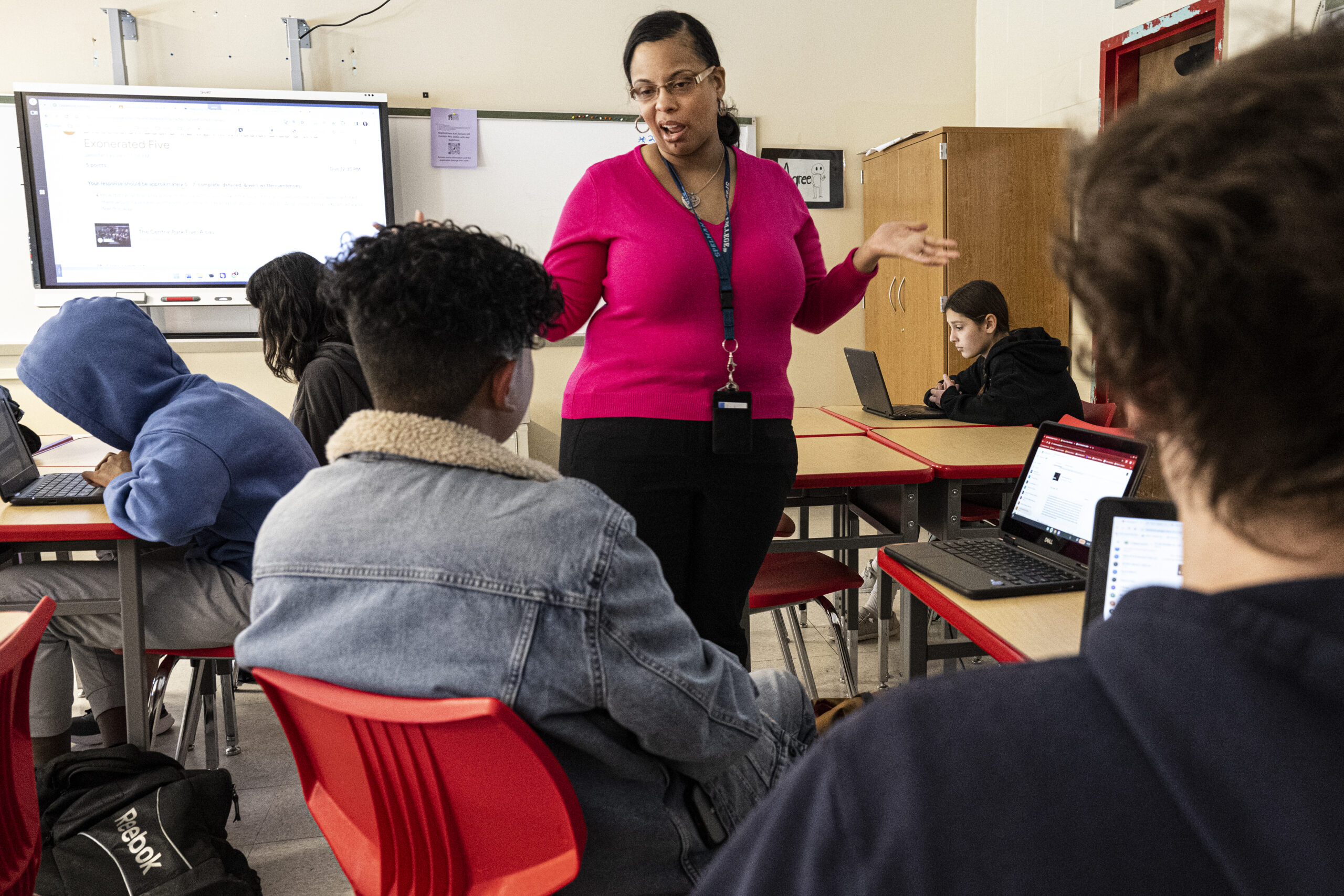
    Jennifer LaSure teaches a Black history course at Cherry Hill High School East in 2024. Learning the full humanity of the Black experience begins in the classroom with inspiring teachers, writes the educator Sharif El-Mekki.

    Show them how their families and communities offer rich entry points to telling the larger American story. Explore how their families got here.

    Are they multigenerational Philadelphians or recent arrivals? Who was the first to migrate from the South or immigrate from overseas? How did they overcome unjust challenges? What were their contributions to community and society? How did they bring joy and love? What broke their hearts, but not their spirits? What type of ancestors and descendants do they strive to be?

    That our students are here is proof that those who came before them persevered. Do more than just tell them that. Expand the idea and reality of history through student agency. The impact is immeasurable, as are the consequences for not doing this.

    Show them images of the Ishango bone, a 25,000-year-old Paleolithic artifact discovered in Congo, considered to be one of humanity’s oldest mathematical tools, carefully engraved for tallying, doubling, prime numbers, even calendaring — giving lie once and for all to the blasphemy that scientific advancement is somehow the province of only one culture or continent.

    By allowing for the learning of Black history in shaping the academic experience as a praxis in liberation for students and educators alike, we can imagine a very different future.

    One where every student would gain the critical thinking skills necessary to avoid the repetition of unjust history. Armed with a more complete context and meaningful perspectives, each of us is better able to recognize patterns and make better decisions for our society.

    All that’s required is for us all to have the humanity to realize that history isn’t truly history unless everyone’s history is included. And for the rest of society not to criminally pretend otherwise.

    Sharif El-Mekki, a former principal and teacher, is the founder/CEO of the Center for Black Educator Development and a co-organizer of the upcoming “Still We Teach. Still We Rise.” summit, a national convening for advancing Black history and the Black teacher pipeline.

  • Democracy, engineered in the Black metropolis

    Democracy, engineered in the Black metropolis

    Public narratives of American democracy often emphasize founding documents, elections, and constitutional milestones while obscuring the long and contested process through which democratic practice was learned, refined, and sustained, particularly by people denied formal power.

    The portrayal of Black civic life in early America is often reduced to suffering, resistance, or individual achievement, but these things conceal a deeper truth.

    In 1840, Philadelphia’s Black community numbered nearly 20,000 people. This population was concentrated in the center of the city, including Society Hill, Queen Village, and Washington Square in the south, 41st and Ludlow in West Philadelphia, and Northern Liberties in the north. With this intensive concentration of people, institutions, and ideas, Black Philadelphia was a metropolitan center in its own right.

    A thriving community

    By 1845, the community sustained more than 17 Black churches, along with 21 public and private schools, two fraternal lodges, more than 80 mutual aid and literary societies, labor organizations, over 600 Black-owned businesses, and a printing press.

    Formal democratic structures grew from these institutions. Churches functioned as civic laboratories, and mutual aid societies were exemplars of rules-based organizations.

    Philadelphia was where Black life cohered into a national political identity. People who had defined themselves as African, Caribbean, Indigenous, enslaved, or free identified themselves collectively as African American.

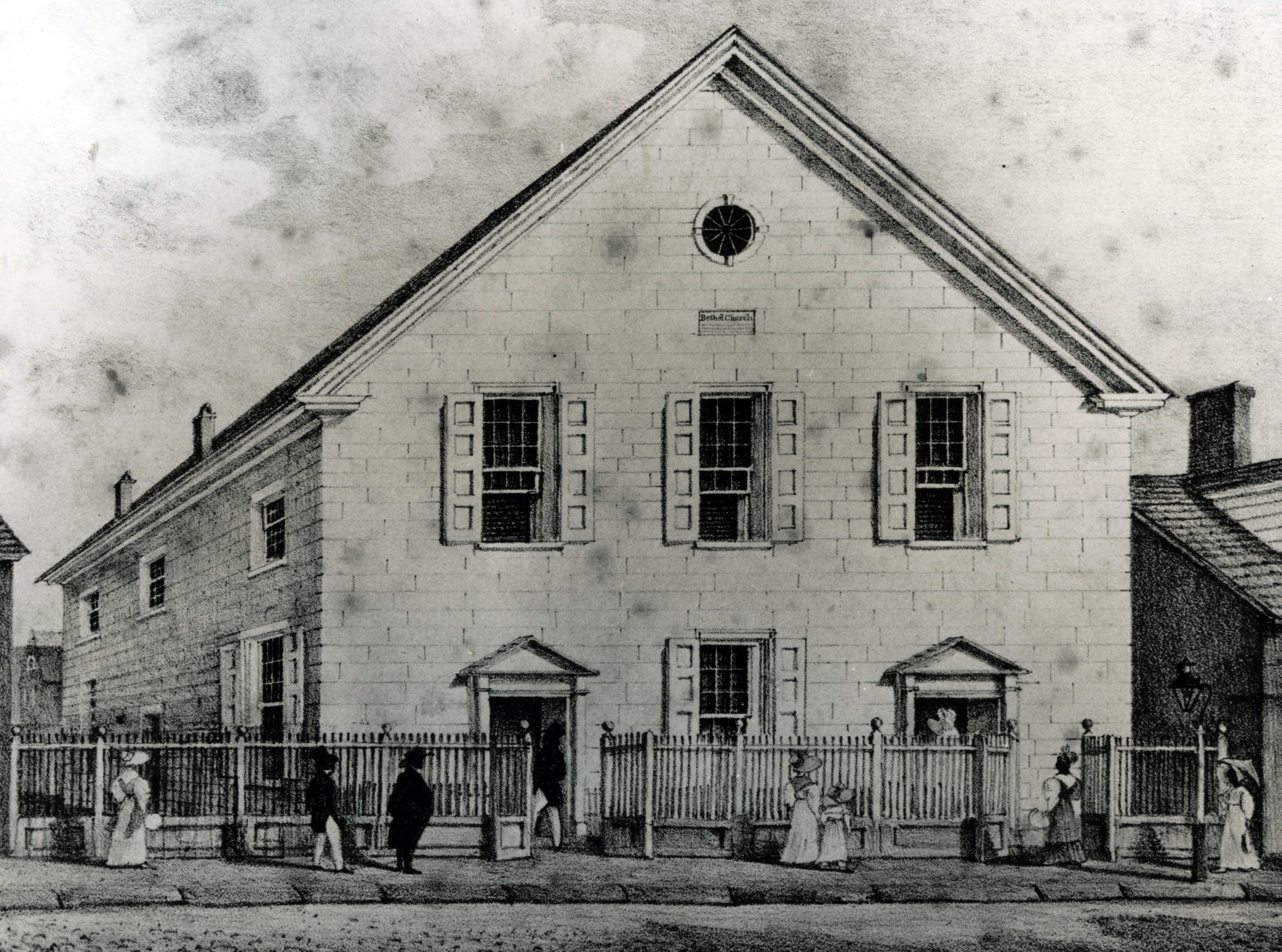
    By 1814, the Black Philadelphians were organized. They defended the city at Gray’s Ferry during the War of 1812. In 1817, they met at Mother Bethel, the country’s first African Methodist Episcopal Church, to decide if they would consider emigration to Haiti or Africa. “No!” was the resounding answer.

    Black organizations in Philadelphia served as national models. Conventions at Mother Bethel spawned the Colored Conventions Movement beginning in 1830, which extended concepts of civic and human rights across the United States. Constitutional scholar James W. Fox Jr. argues that these conventions articulated a national constitutionalism rooted in the Declaration of Independence, asserting that human rights were inherent and not contingent on state or local laws, a concept far ahead of its time that anticipated the post-Civil War ideas of citizenship and rights.

    A melting pot

    Black Philadelphia was its own melting pot, too. People arrived from the Caribbean, including Haiti, bringing revolutionary ideas. These ideas moved outward from Philadelphia nationwide and across the Atlantic through transnational anti-slavery networks. Anti-slavery Black activists Olaudah Equiano and James Somerset moved between London and Philadelphia in the 1760s. A song written by the Philadelphia-based pastor Shadrach Bassett was discovered in the papers of Nat Turner, the enslaved man who led an uprising in the Carolinas in 1831.

    The fight for social justice that grew up in Black Philadelphia demonstrated clear evidence of sustained civic practice. By 1787, the Free African Society had formed, and its leaders, Absalom Jones and Richard Allen, appeared in municipal records demanding religious freedom, the right to proper burial, and the right to assembly. In 1838, Black leaders in Philadelphia and Pittsburgh lobbied in Harrisburg.

    The understanding that there are civic rights within a democracy was a foundational concept for Black Philadelphians. In fact, we see an early use of the term “civil rights” in the records of the Social, Civil, and Statistical Association in 1863, nearly a 100 years before the 20th-century civil rights movement.

    A Nov. 12, 1862, entry from the Social, Civil, and Statistical Association, showing the use of the words “civil rights.” C.S. Statistical Association of Philadelphia, Civil and Social Committee of Superintendence, Constitution, By-Laws, Roll, Minutes [Ams .54, Part 2]

    Other examples: In 1842, after mobs destroyed the newly built Beneficial Hall, Stephen Smith sued the city for not protecting the structure. Smith won his case, setting a very public example of Black Philadelphians’ assertion of rights through the rule of law.

    In 1861, after the Rev. Richard Robinson was forced to ride outside a trolley during a storm and died when it crashed, Black leaders organized legal aid to support his widow and challenge transit segregation.

    In 1867, Caroline LeCount refused to surrender her seat on a streetcar. After being forcibly removed, she obtained a certified copy of the law, returned with a magistrate, and confronted the conductor. He was arrested on the spot.

    Asserting their rights

    All of this civic activism occurred before Black Philadelphians were enfranchised citizens.

    Black Philadelphians boldly asserted their own democratic rights across the 18th and 19th centuries, all within the context of America’s denial of human rights with enslavement and disenfranchisement.

    Yet, even as Black Philadelphians engineered this civic infrastructure, the city refused to acknowledge their achievements. Major historical texts on Philadelphia erased Black institutions entirely. Henry Simpson’s Lives of Eminent Philadelphians Now Deceased, written in 1859, doesn’t even mention Absalom Jones, James Forten, or Richard Allen, or the major religious denomination born here in Philadelphia, the African Methodist Episcopal Church.

    Mother Bethel African Methodist Episcopal Church in Society Hill, founded in 1794 and rebuilt in 1809, has long been the locus of Philadelphia’s Black community, writes Michiko Quinones.

    No Black churches or institutions appear in Moses King’s exhaustive civic visual history, Philadelphia and Notable Philadelphians, from 1902, a purportedly definitive account meant to define the city’s civic identity.

    Arguably, there is a deeper reverence in American public memory for a woman who sewed a flag than for an entire population that defined democracy and held the nation accountable to its own written ideals. That imbalance reveals not just a lack of attention to history, but a refusal to honor people who forced democracy to become real.

    The question facing Philadelphia now is whether it will recognize early Black civic engineering as foundational to its identity, or continue to exist with parallel histories, thriving yet separate. There could be no better time to ask than the 250th anniversary of our country’s founding.

    Michiko Quinones is the lead public historian and cofounder of the 1838 Black Metropolis Collective.

  • African American personal faith and organized traditions have had historic impact

    African American personal faith and organized traditions have had historic impact

    When you hear the word faith in relation to the history of African Americans in the United States, what do you imagine? Do you see a preacher, or a gospel choir, or imagine a church mother in a resplendent hat?

    These images, while valid depictions of the Black church, are not the only measures of how faith informs and shapes the history of African American life.

    For African Americans, faith has not been simply about belief in a deity. By necessity, it has also been about having the faith to fight for freedom, faith in showing the shortcomings of democracy, faith in finding hope during struggle, and protecting the community. It was also the only way, for many years, to organize and establish places of worship or set up businesses.

    In the American context, many equate African American religion with Protestant Christianity. Yet, faith isn’t limited to a particular religious tradition or organized religion. It is an intentional practice of believing. The history of African Americans’ personal faith and organized faith traditions is what has sustained them in their tumultuous history in America.

    It is impossible to speak about the history of faith and African American life without speaking of the brutal realities of the Atlantic slave trade and slaveholding in America. Africans who were captured and sold into slavery from ports in West Africa came to the Americas from rich traditions steeped in different African religious practices, like Vodun.

    Some of the enslaved, like Omar Ibn Said, were Muslim, and still others were from places like Congo and had been introduced to Christianity in Africa. Examples of the longevity of these religious traditions can be seen in the practices of the Gullah people in South Carolina, who have shared their traditions like rice growing, ring shouts, and burial practices from enslavement to the 21st century.

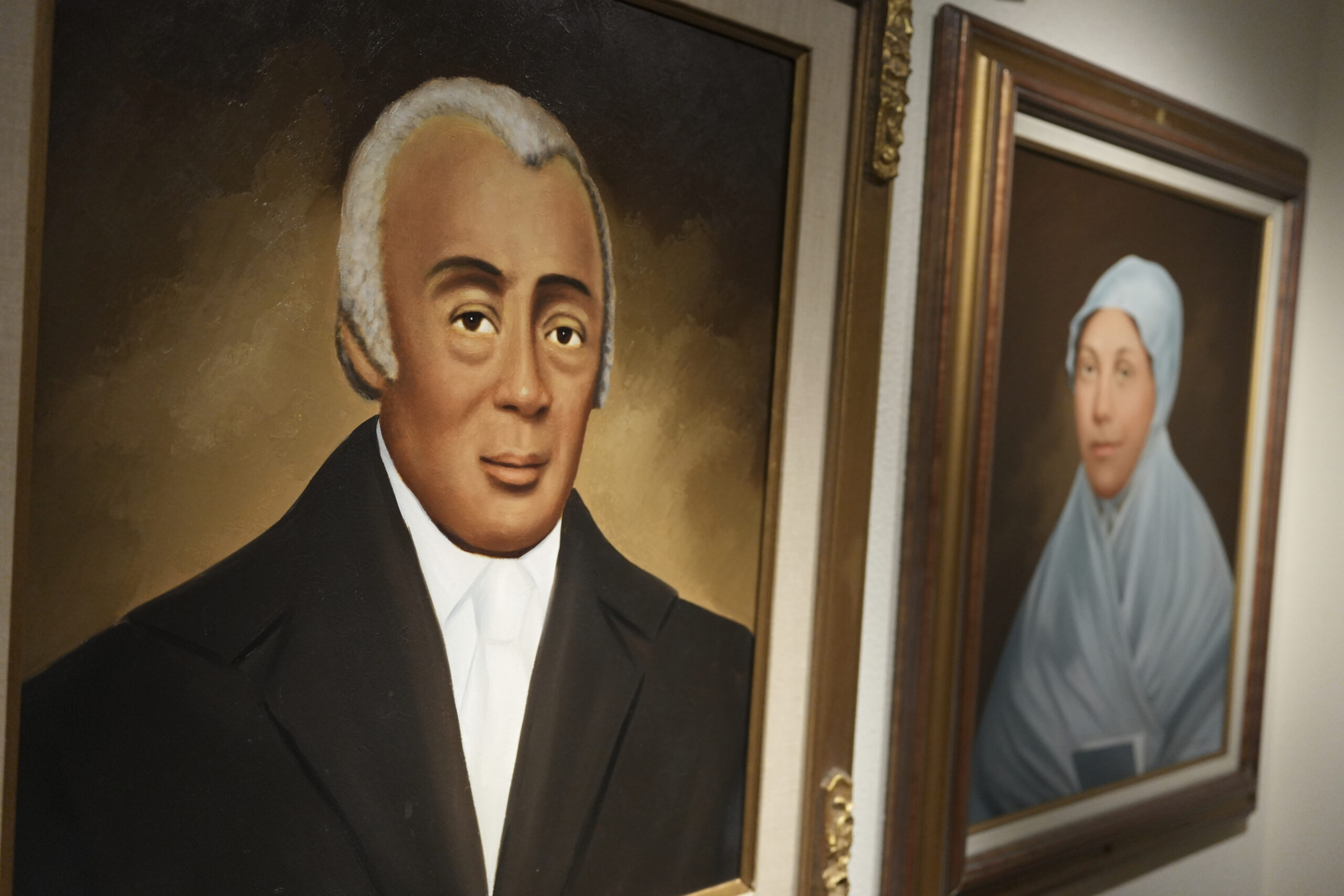
    Portraits of Mother Bethel AME Church founder, the Rev. Richard Allen, and his wife, Sarah, are displayed on a wall at the church’s museum in Philadelphia.

    Faith also defined the involvement and influence of African Americans in the struggle for equality and freedom. Richard Allen and Absalom Jones, both important members of the freed Black community in Philadelphia, left St. George’s United Methodist Church over the racism there. Both Allen and Jones would establish churches: Allen starting Mother Bethel African Methodist Episcopal Church and Jones establishing the African Episcopal Church of St. Thomas.

    The Rev. Absalom Jones was a priest in the African Episcopal Church of St. Thomas.

    To wrest Mother Bethel from the attempts of the white Methodist group to gain control over it, Allen would use the legal system, incorporating the church in 1796 and then fighting to keep control of it from the larger white Methodist denomination. Faith, as well as acumen, would give him the determination to see the legal process through to incorporation in Pennsylvania.

    Today, the AME denomination is a worldwide church, estimated to have more than two million members.

    Faith would also play a role in establishing organizations within the African American community.

    Schools in the 19th and early 20th century found their formation in religious organizations post-Civil War. Clergy would pair with white denominations to form schools such as Spellman and Morehouse. Other organizational structures formed by religious communities would include insurance organizations, funeral homes, fraternities, and sororities. The best-known organization, the National Association for the Advancement of Colored People, would also find pastors and religious figures in the initial call for its formation.

    Faith leaders from various religious communities were also instrumental in reminding and challenging white leadership of the promises of democracy and freedom in our founding documents.

    In the 20th century, new religious movements such as Garveyism, Moorish Science Temple, the Nation of Islam, and Father Divine’s peace movement would all organize as a counternarrative to the harsh conditions of racism and Jim Crow in American life. All these movements offered an alternative narrative of not only uplift but also promoted different visions of race through religion that drew followers who questioned the merits of white Protestantism for African Americans.

    Of course, we cannot forget the role of faith in the civil rights movement. While it is obvious to think of the Rev. Dr. Martin Luther King Jr., it is important to remember that King not only found his voice through Christianity, but through the principle of satyāgraha, soul force, coined by Mohandas Gandhi, the famous Hindu leader who promoted nonviolent struggle that formed the foundations of the civil rights movement. Diane Nash, who was Catholic and considered being a nun before becoming an activist while at Fisk College in Nashville, would become an important part of the movement — along with figures like the late U.S. Rep. John Lewis, who was enrolled in divinity school before joining the movement.

    All of these are very brief examples from a very diverse history of faith in the African American community that was not only about individual belief, but many times served as a counter to the racism of religious communities in America that treated African Americans as second-class citizens.

    Suppressing this history by altering it or calling it DEI does an injustice to the history of faith-based organizing in America.

    African Americans’ faith, and the challenges they brought to bear on the racial issues of America, highlighted the promises of the Declaration of Independence and the Constitution. Now, more than ever, we need that faith to sustain us during the 250th anniversary of America.

    Anthea Butler is the Geraldine R. Segal Professor in American Social Thought at the University of Pennsylvania.

  • Data centers pose big challenge for Pa.’s energy future

    Data centers pose big challenge for Pa.’s energy future

    As we settle into the new year, the idea of “leftovers” might not be quite as appetizing as it was a few weeks ago, while we were relaxing with family and friends during the holidays. But 2026 greets us with a challenge that went unmet last year: securing Pennsylvania’s energy future in a way that benefits our economy, environment, and everyday lives.

    Why is this a challenge? Because we are currently facing difficulties of our own making, or perhaps more accurately, the consequences of our own inaction. Like New Year’s resolutions, the solutions will take more than promises.

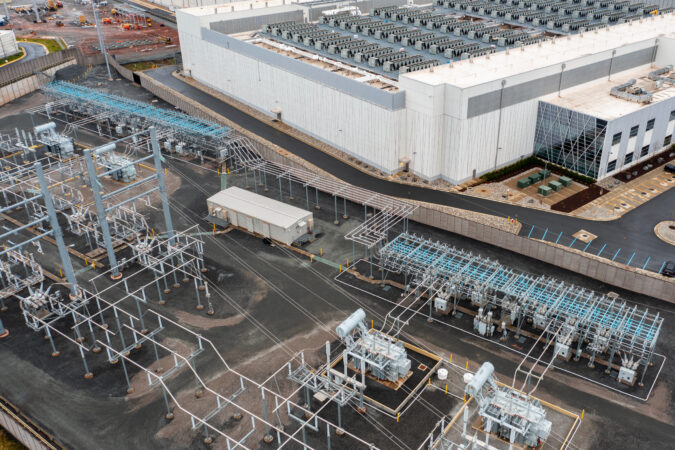
    At the heart of the issue is the remarkable speed and intensity of data center development in Pennsylvania. According to the most recent report from the independent market monitor for the 13-state PJM regional electric grid, data centers have dramatically increased costs for Pennsylvania’s energy consumers by as much as $23 billion across the PJM footprint over the past three years.

    Rising electric costs

    In other words, the primary reason electric costs are going up, and what increasingly worries public officials about grid reliability, is existing and projected future energy demand from data centers. That demand shows no sign of slowing down.

    To be fair, data centers provide vital construction and technology service jobs, can help build local tax bases, and are seen as essential to economic competitiveness and national security. But all this comes at a very real cost borne by citizens — including those who may benefit, and many who do not.

    So, what does this mean for decision-makers?

    First, we need to manage the frenzied rush to build data centers by enacting strong standards to protect communities and energy consumers. These measures include requiring data centers to directly pay for necessary grid connection and expansion costs to accommodate their demand, and securing additional, preferably clean, generation to meet their needs. This is essential to help ensure grid reliability, along with expanding other programs and policies to make our grid more efficient and electrons more abundant.

    Between recent efforts by the state Public Utility Commission to manage large energy user demand and legislation introduced in the General Assembly to address consumer and community concerns, we’re seeing the beginnings of a solution to several of these challenges.

    These are urgently needed and should be advanced as soon as possible. Pennsylvania is not alone in developing these safeguards, so putting reasonable protections in place won’t hinder our competitiveness and will ensure this important industry develops in a sound and sustainable manner.

    Diversifying the grid

    Pennsylvania also needs to do all it can to diversify our electric grid, make it more efficient, and incentivize new, cleaner energy generation. Legislation from Gov. Josh Shapiro’s Lightning Plan (House Bill 501 and Senate Bill 501) to expand our state’s Alternative Energy Portfolio Standards should be front and center, as it would bring new generation technologies like advanced nuclear, renewables, and geothermal to our state and help reduce long-term costs.

    Legislation to modernize existing energy efficiency programs (House Bill 505 and Senate Bill 505) — which have proven to reduce energy demand and save consumers money — should also cross the finish line this year. So should policies that further encourage utilities to deploy advanced transmission technologies to bolster grid resilience.

    Pennsylvania also needs to examine how we can better facilitate project development at the local level, where both a lack of capacity and intentional impediments have stymied the expansion of a clean energy supply. We can have strong protections in concert with fair and efficient review.

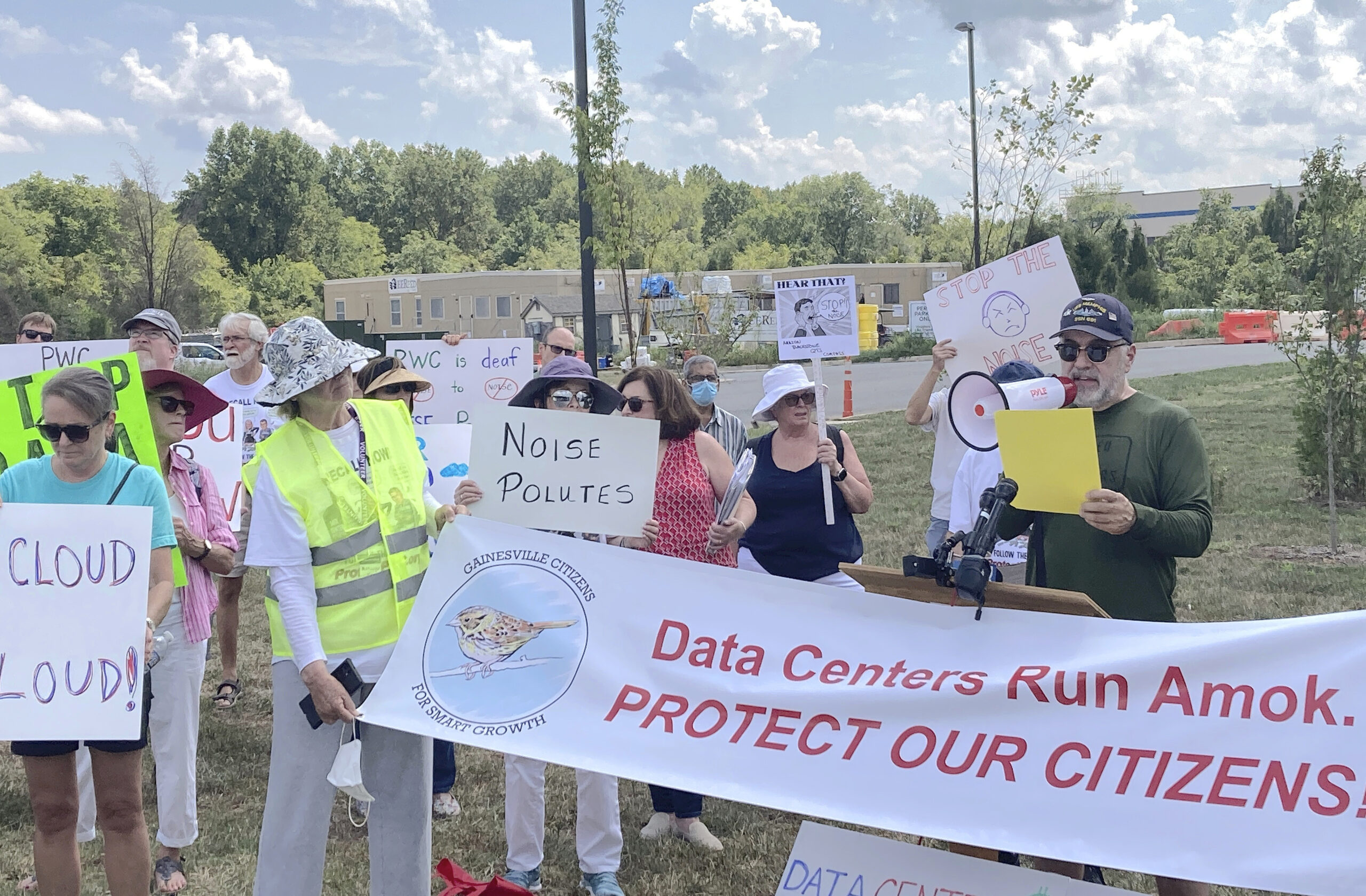
    Protesters rally in Manassas, Va., in 2023 against a newly built data center for Amazon. New data centers are planed nationwide.

    On top of the energy cost considerations, we also need to ensure data centers do not overtax water resources (which could cause similar cost inflation for public water users) or worsen our air quality. On this latter point, data centers should be required to maximize battery storage instead of using polluting backup generators.

    This may sound like a large to-do list, but it’s one Pennsylvania can’t afford to ignore any longer.

    2026 can be the year we move forward together and forge energy solutions that help our communities, economy, and environment. Let’s not lose another moment or any further opportunities to build an affordable, reliable, and prosperous clean energy future.

    Tom Gilbert is president of the Pennsylvania Environmental Council.

  • Despite Trump’s disdain, Black History Month matters

    Despite Trump’s disdain, Black History Month matters

    I doubt Black History Month will be paid any attention this year by a president who no longer feels the need to be so hypocritical that he would stand among Christians with a smile on his face and a Bible in his hand, only to later confess his ever passing through the pearly gates of heaven is highly unlikely.

    Donald Trump no longer feels compelled to go through the motions of pretending to be something he never was. With age 80 rapidly approaching, he knows he’s never going to run for another political office. So why should he put on another performance to cull votes from demographic groups he never really cared about anyway?

    Trump fell only 3% short of winning the Hispanic vote in the 2024 presidential race, a 21% improvement from the 2020 election. I wonder how many of Trump’s Hispanic supporters regret voting for him after having family members or friends detained by U.S. Immigration and Customs Enforcement police and possibly deported?

    President’s disdain

    More Black folks were enticed by Trump’s blarney, too. He nearly doubled his Black support from 8% in 2020 to 15% in 2024. Trump repaid Black voters by signing the One Big Beautiful Bill Act that he pushed through a Republican Congress, which cut taxes for higher-income households by slashing funding for food and medical assistance programs sorely needed by disproportionately poor Black families.

    Trump signaled with his recent criticism of the 1964 Civil Rights Act that he wouldn’t be adding his voice to a chorus of “Lift Every Voice and Sing” during Black History Month. He said the law unfairly discriminated against white people.

    “White people were very badly treated,” he said. “People that deserve to go to a college or deserve to get a job were unable to get a job. So it was, it was a reverse discrimination.”

    Such an uninformed statement being made by a president of the United States is exactly why this country still needs Black History Month. Trump’s comment, however, also underscores the need to change how that 100-year-old celebration has been observed.

    Trump isn’t wrong to call the Civil Rights Act a reversal, but he failed to put that assessment in context. He may drive nothing more powerful than a golf cart these days, but nonetheless, he should know that sometimes you have to put a vehicle in reverse to stop it from going in the wrong direction.

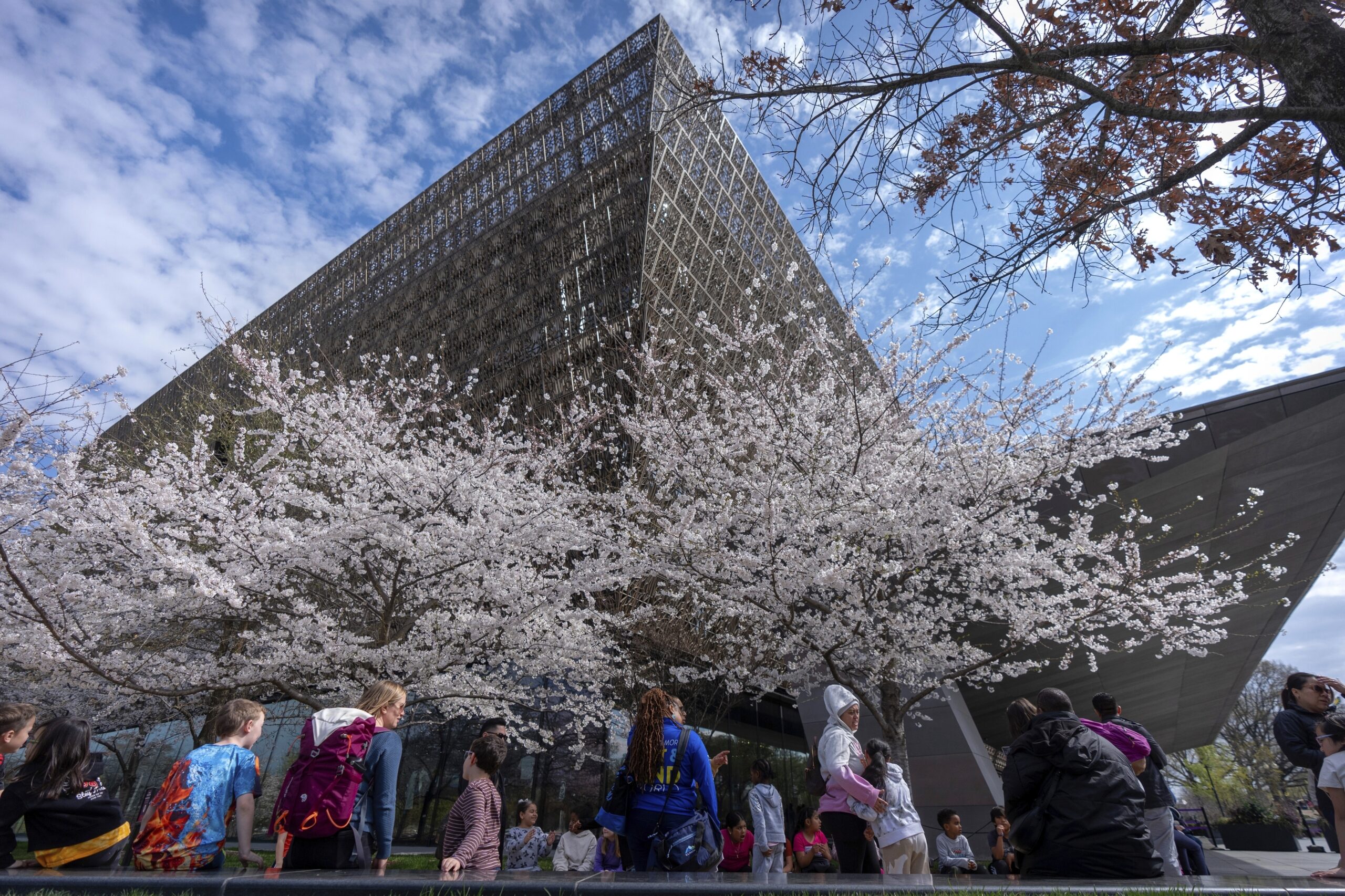
    The National Museum of African American History and Culture on the National Mall in Washington is a repository of Black history.

    The Civil Rights Act was needed to reverse the course of both the legal and traditional segregation that persisted in America decades after the Civil War ended slavery. It was hoped that affirmative action laws would, in time, become unnecessary and could end when all Americans were assured of equal treatment regardless of their race.

    In fact, Justice Sandra Day O’Connor opined in a 2003 college admissions case before the U.S. Supreme Court “that 25 years from now, the use of racial preferences will no longer be necessary.” But in too many respects, the need for policies designed to reverse the significantly diminished but nevertheless enduring racism in this country has not gone away.

    More people might accept that reality if they had a better understanding of American history and realized that laws such as the Civil Rights Act of 1964 and the Voting Rights Act of 1965 were passed by Congress on a bipartisan basis and upheld again and again by a nonpartisan Supreme Court because it was the right thing to do. Context is important, which brings us back to Black History Month.

    Honoring people and ideas

    What began as Negro History Week in 1926 was created by Howard University professor Carter G. Woodson to instill a greater sense of pride among African American students who mostly attended all-Black schools.

    That week saw teachers place greater emphasis on historical figures such as Phillis Wheatley, who, even as an enslaved woman, became one of the best-known poets in colonial America; George Washington Carver, who, after leaving slavery, became an esteemed botanist whose agricultural research improved farming across America; and, of course, the Rev. Martin Luther King Jr., who until his assassination in 1963 led the American civil rights movement.

    Focusing on these and other historically significant African Americans, including Sojourner Truth, Booker T. Washington, W.E.B. Du Bois, Malcolm X, and Mary McLeod Bethune, may have been fine when I attended segregated public schools in Alabama in the 1960s and ‘70s. But now, with white students attending integrated schools also observing Black History Month, it’s time to move beyond Woodson’s effort to instill pride among African American students.

    Instead of celebrating individuals, Black History Month should focus more on the events and ideas that continue to impact how Black and white people coexist in an America that continues to struggle with both covert and subtle racism. Projects and book reports should explore the arguments made when the Civil War began, consider why Reconstruction failed to place African Americans on even footing with whites, and note the similarity of racist rhetoric 60 years ago and now.

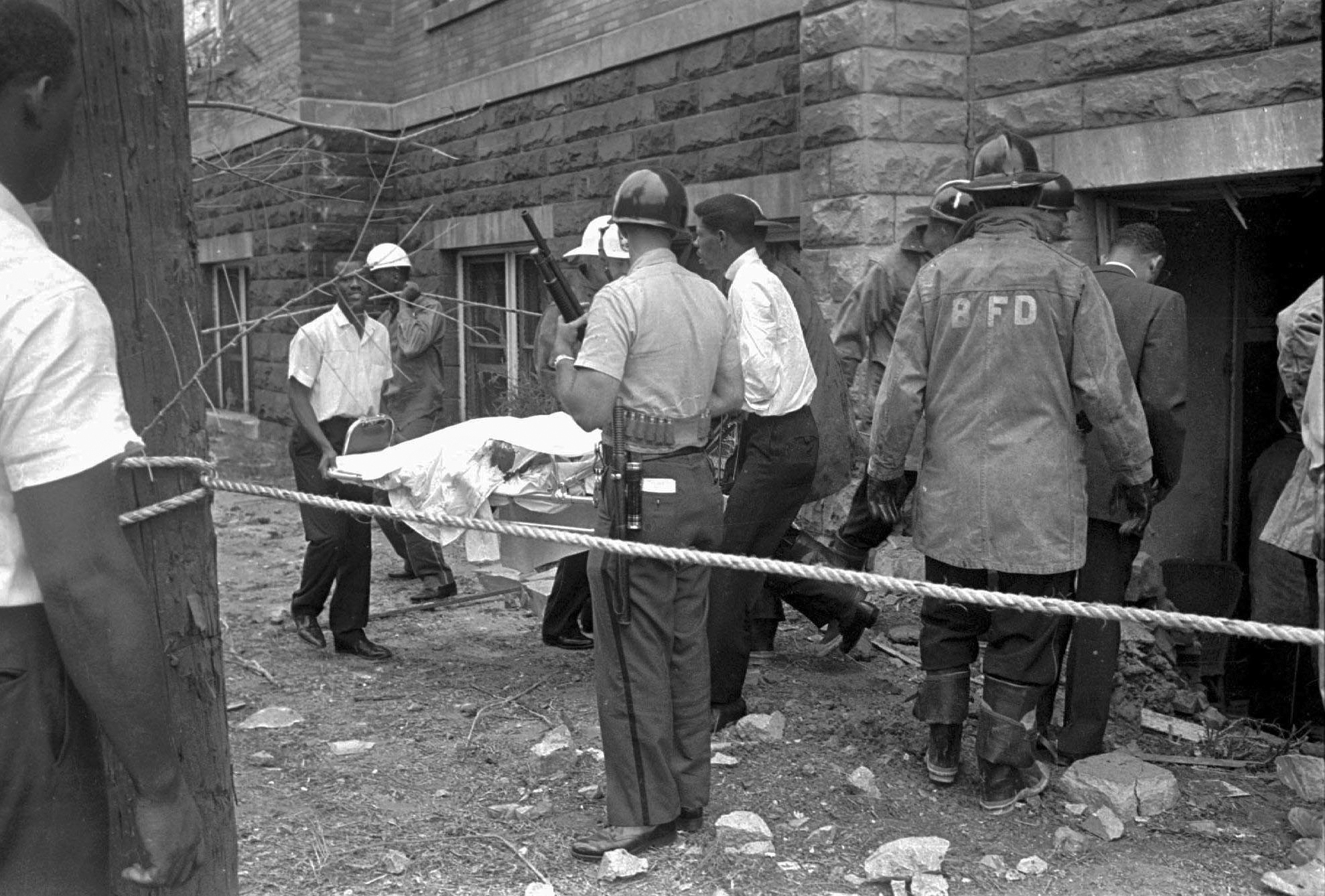
    A body is removed from the 16th Street Baptist Church in Birmingham, Ala., Sept. 15, 1963, after a bomb set by the Ku Klux Klan detonated during services, killing four girls. The author, Harold Jackson, was a child in the city at the time.

    Sixty years ago, I was a 12-year-old attending an all-Black school in Birmingham, Ala. Two years earlier, 16th Street Baptist Church was bombed by Ku Klux Klansmen, and a child who attended my elementary school was one of the four little girls killed. Four years prior to that, I remember my mother walking me to an alley to relieve myself because no white store downtown would let a Black person use its bathrooms.

    Birmingham is so much better than that now. America is better, too. But some days it seems to have prematurely shifted to reverse. Remedies to discrimination are being prematurely discarded even as racist rhetoric rises to levels that are uncomfortable reminders of what America was, and not what we want it to be. Black History Month is a good time to reflect on that reality and take steps to avoid slipping into a past we need to remember but not repeat.

    Harold Jackson, who served as editorial page editor for The Inquirer from 2007 to 2017, was awarded the Pulitzer Prize for editorial writing in 1991 and retired from the Houston Chronicle in 2020. His memoir, “Under the Sun: A Black Journalist’s Journey,” was published in April by the University of Alabama Press.

  • When it comes to school closures, the process matters

    When it comes to school closures, the process matters

    The school closures and consolidations proposal for Philadelphia schools that was announced in January was not surprising. The district, like many districts across the country, has signaled that it is grappling with declining enrollment, underutilized buildings, and tight budgets. The issue is so pervasive that the consulting firm Bellwether published a full report about it last fall called “Systems Under Strain: Warning Signs Pointing Toward a Rise in School Closures,” warning that many districts would soon face similar decisions.

    The process isn’t surprising, either. Seattle similarly wrestled with a school closures plan before it got so complicated that the city simply dropped the issue after intense community backlash, concerns over student well-being, and the realization that there wasn’t a clear plan for how much the closures would chip away at the roughly $100 million budget deficit.

    The situation in both Philadelphia and Seattle has many similarities to Chicago’s school closures in 2013. Chicago Public Schools closed 47 elementary schools — the largest national mass closures up to that point.

    My colleagues and I at the University of Chicago Consortium on School Research studied that process, releasing reports on families’ priorities and choices in finding new schools, and on staff and students’ experiences, including academic outcomes. The findings from our research offer important lessons and considerations for district leaders and community members in Philadelphia today.

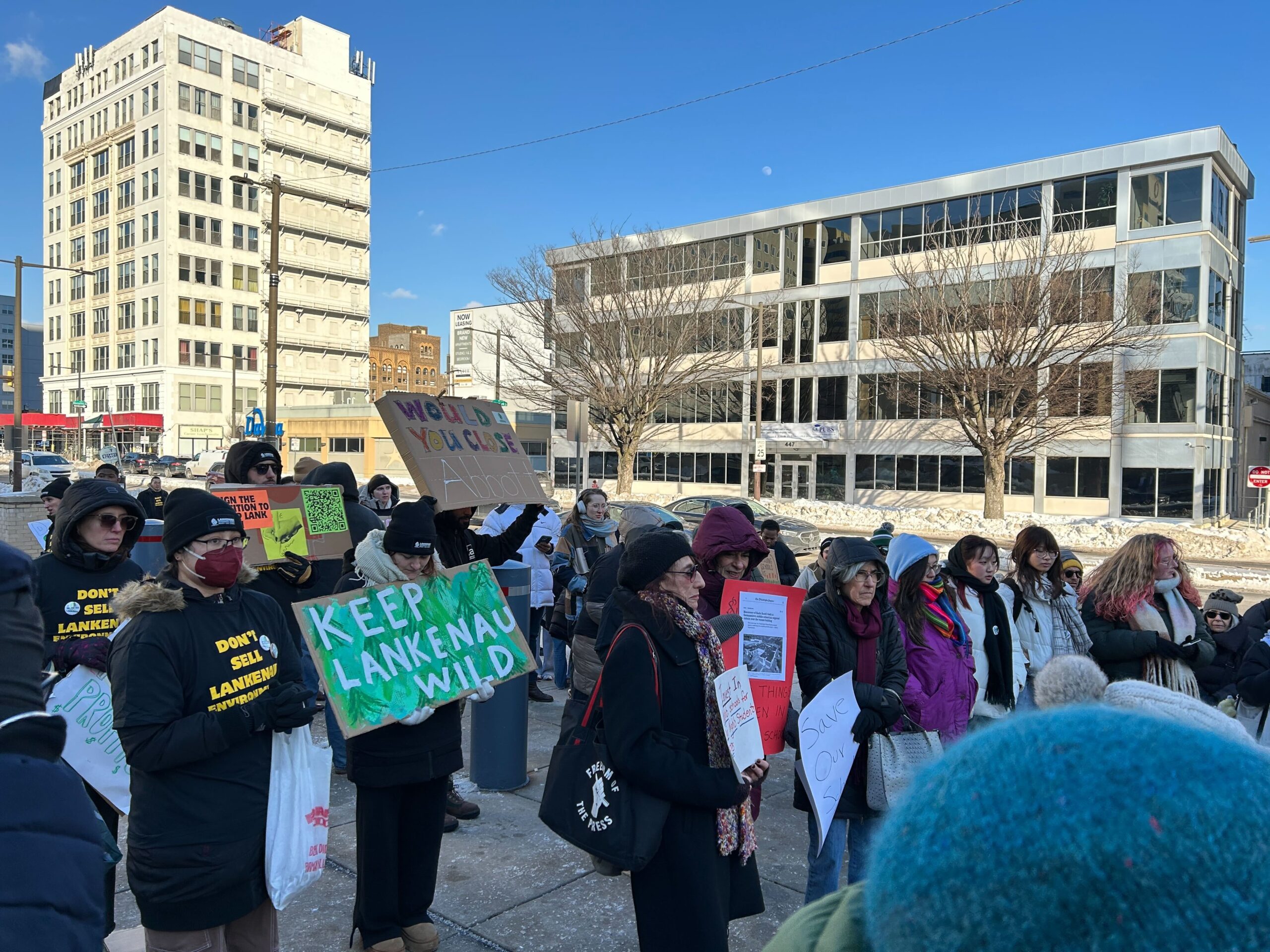
    Demonstrators rallied against school closures outside the School District of Philadelphia headquarters in Center City on Jan. 29.

    First, school is a very personal space and choice for students and families. Families assess the quality of a school in many different ways, from class size to specific course offerings to the availability of specific extracurriculars.

    A school’s reputation, sometimes going back multiple generations, is often a factor. And both safety and accessibility — proximity and available transportation — are always paramount. Closing a school isn’t just an administrative change; it is a profound disruption of community and family life.

    Second, logistics matter enormously and proved more difficult than expected in Chicago. The management of closing some schools and merging into others was a massive pain point in Chicago’s school closures.

    Some teachers could not find their personally purchased furniture, technology, and classroom supplies. Critical details were overlooked, which caused significant challenges for staff and students. Closures require thorough and transparent operational planning.

    But last and most importantly, it is critical to consider the effect of school closures on the people who experience them. In our interviews with both students and staff, we repeatedly heard that they wished their grief and loss had been acknowledged, validated, and addressed.

    When we looked at the data, we found that test scores dropped for students whose schools closed — and the drops started the year potential closures were announced, reflecting the effects of uncertainty and upheaval. Test scores also dropped for students whose schools were “receiving schools,” enrolling many of the affected students.

    Our University of Chicago colleague, professor Eve L. Ewing, wrote in her commentary in our report that “we must ask how and why we continue to close schools in a manner that causes ‘large disruptions without clear benefits for students.’”

    The way this plays out in Philadelphia matters, as young people, families, and educators are already emphasizing. In Chicago, school staff wished for more communication, more transparency, more training on merging school communities, longer-term transitional funding, and more emotional support for adults, whose feelings were still raw three years later when we interviewed them.

    Students wished school actions provided better facilities, from building and green space to sufficient toilet paper and warm water. And they wished they had more counselors and social workers, and general emotional support from all school staff, who were, themselves, grieving. Simple yet powerful reminders of what makes schools feel like places of care, connection, and community.

    In 2023, our fantastic Chicago education reporters covered the 10-year anniversary of Chicago’s massive school closures in Chalkbeat Chicago and in a WBEZ/Chicago Sun-Times collaboration. The students, families, neighbors, and staff shared similar messages in those stories as they had in our research: being told one thing and experiencing another; seeing the process as “hurtful” and without any benefit to young people or the community; wishing they could see the district and the city investing in schools, housing, and community resources where they live.

    Regardless of what final decisions are made, a difficult path lies ahead for school communities across Philadelphia. Chicago’s experience tells us that any district considering school closures needs to plan meticulously, communicate frequently and transparently, and keep the experiences of students, families, and school staff at the center of the process.

    Marisa de la Torre is managing director and senior research associate at the University of Chicago Consortium on School Research, part of the Kersten Institute for Urban Education within the Crown Family School of Social Work, Policy, and Practice.

  • Tony Watlington and Cherelle Parker: Philadelphia’s future is built in our schools

    Tony Watlington and Cherelle Parker: Philadelphia’s future is built in our schools

    Philadelphia is a city of neighborhoods, and at the heart of every neighborhood is a school. Schools are where our children learn, where families gather, and where communities take shape. When our schools thrive, Philadelphia thrives.

    That is why the Philadelphia School District’s recently announced Facilities Master Plan is so important — not just for students and educators, but for the future of our entire city.

    This plan is about more than bricks and mortar. It is about opportunity. It is about ensuring every child, in every zip code, has access to high-quality academic programs, safe and modern learning environments, and the extracurricular experiences that help young people discover their talents and chart their paths forward.

    For too long, inequities in school facilities have mirrored broader inequities across our city. Some students learn in buildings that limit what they can access — advanced coursework, arts and music programs, athletics, career and technical education, and modern technology — while others have more opportunities simply because of where they live. That is not acceptable, and it is not sustainable.

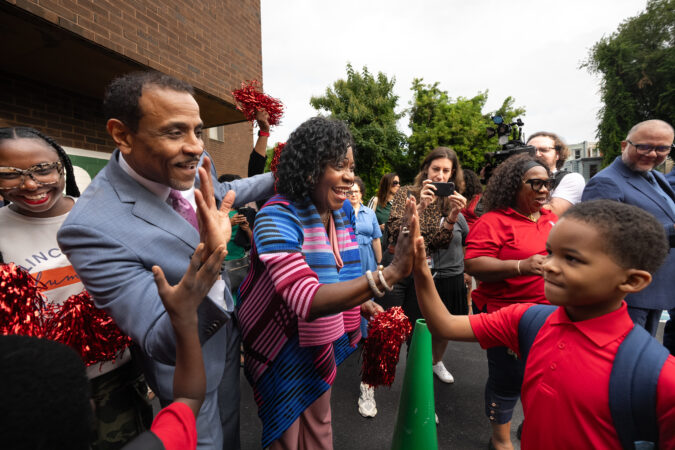
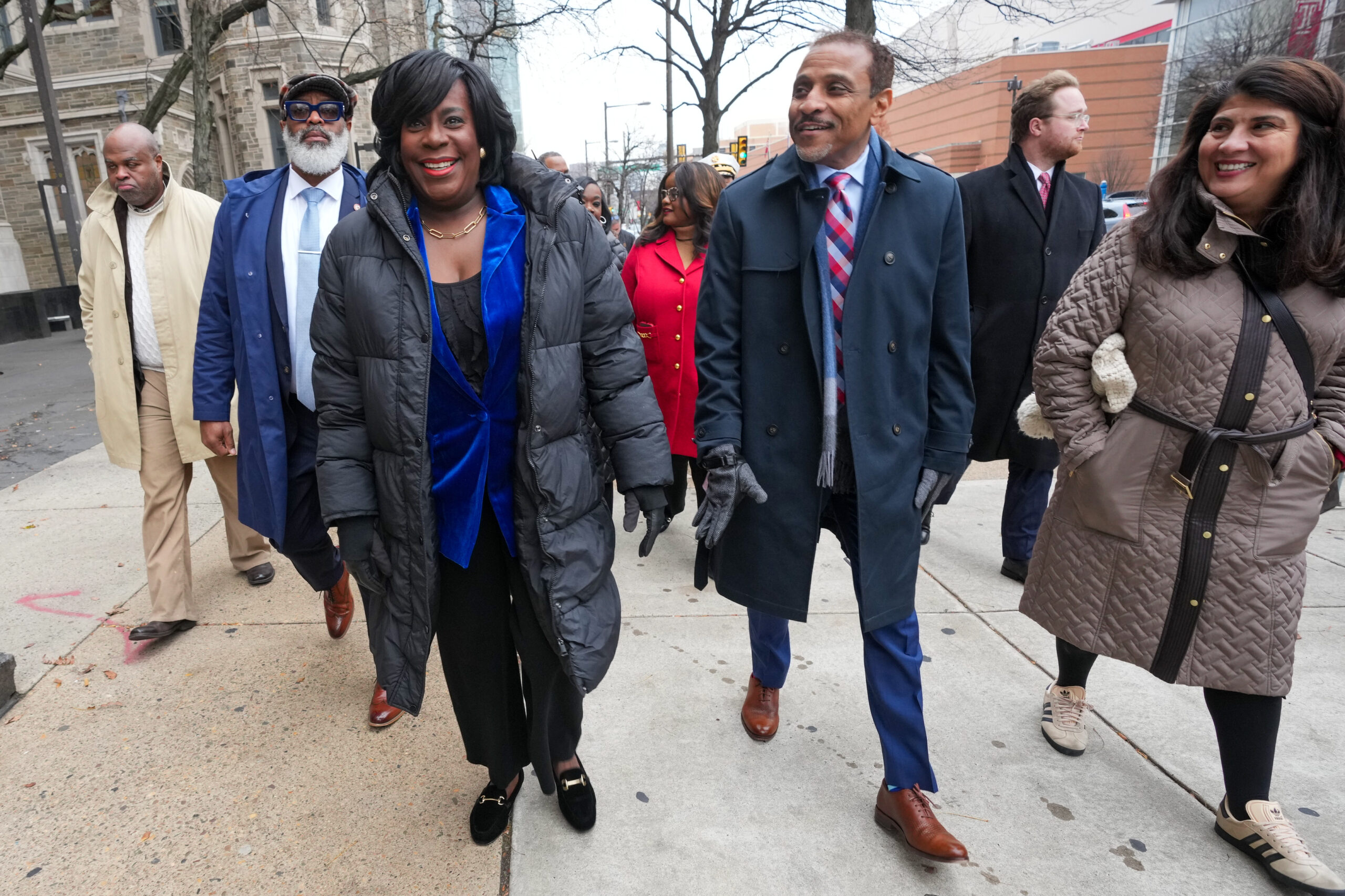
    Mayor Cherelle L. Parker and Superintendent Tony B. Watlington Sr. on Temple University’s campus in December 2024. Inequities in school facilities are unacceptable, the pair write.

    The Facilities Master Plan directly confronts these challenges. It takes a thoughtful, data-driven approach to aligning school buildings with student needs, enrollment trends, and program quality. The goal is clear: to expand access to strong academic offerings and enriching extracurricular programs across neighborhoods, while making smarter use of resources and improving learning conditions citywide.

    Ninety percent of impacted students will be reassigned to schools with comparable or better academic outcomes, and 100% of impacted students will be reassigned to schools with comparable or better academic outcomes and/or comparable or better building conditions.

    When students have access to well-equipped schools with robust programs, outcomes improve. Graduation rates rise. Attendance improves. Students are better prepared for college, careers, and civic life. These are not abstract benefits — they translate into a stronger workforce, safer neighborhoods, and a more vibrant local economy.

    The impact extends well beyond the classroom. Modernized and rightsized school facilities can anchor neighborhood revitalization. They attract families, support local businesses, and create hubs for community use — from recreation and arts to adult education and workforce training. Investments in schools are investments in communities.

    This plan also reflects a commitment to partnership and transparency. It is grounded in community engagement and recognizes that schools do not exist in isolation. The city of Philadelphia and the school district are working together to ensure that planning decisions consider housing, transportation, economic development, and public safety — because when we coordinate our efforts, everyone benefits.

    One of us, Mayor Parker, has made clear that creating a safer, cleaner, and greener city with access to economic opportunity for all is critically important to the success of our young people. Strong schools are foundational to that vision.

    The other one of us, Superintendent Watlington, has, over the past three years, led a series of sweeping improvements in the district: student attendance, teacher attendance, graduation rates, and test scores in grades four through eight have all increased. During the same period, dropout rates have decreased by more than half.

    The Facilities Master Plan brings these priorities together in a way that will drive even stronger and faster progress in an ambitious and responsible manner.

    Change is never easy, and conversations about school facilities can be deeply personal. Families care about their schools because schools are part of their identity.

    That is why continued engagement and listening will remain central as the plan moves forward. The school district and the city are committed to working with students, families, educators, and community members every step of the way.

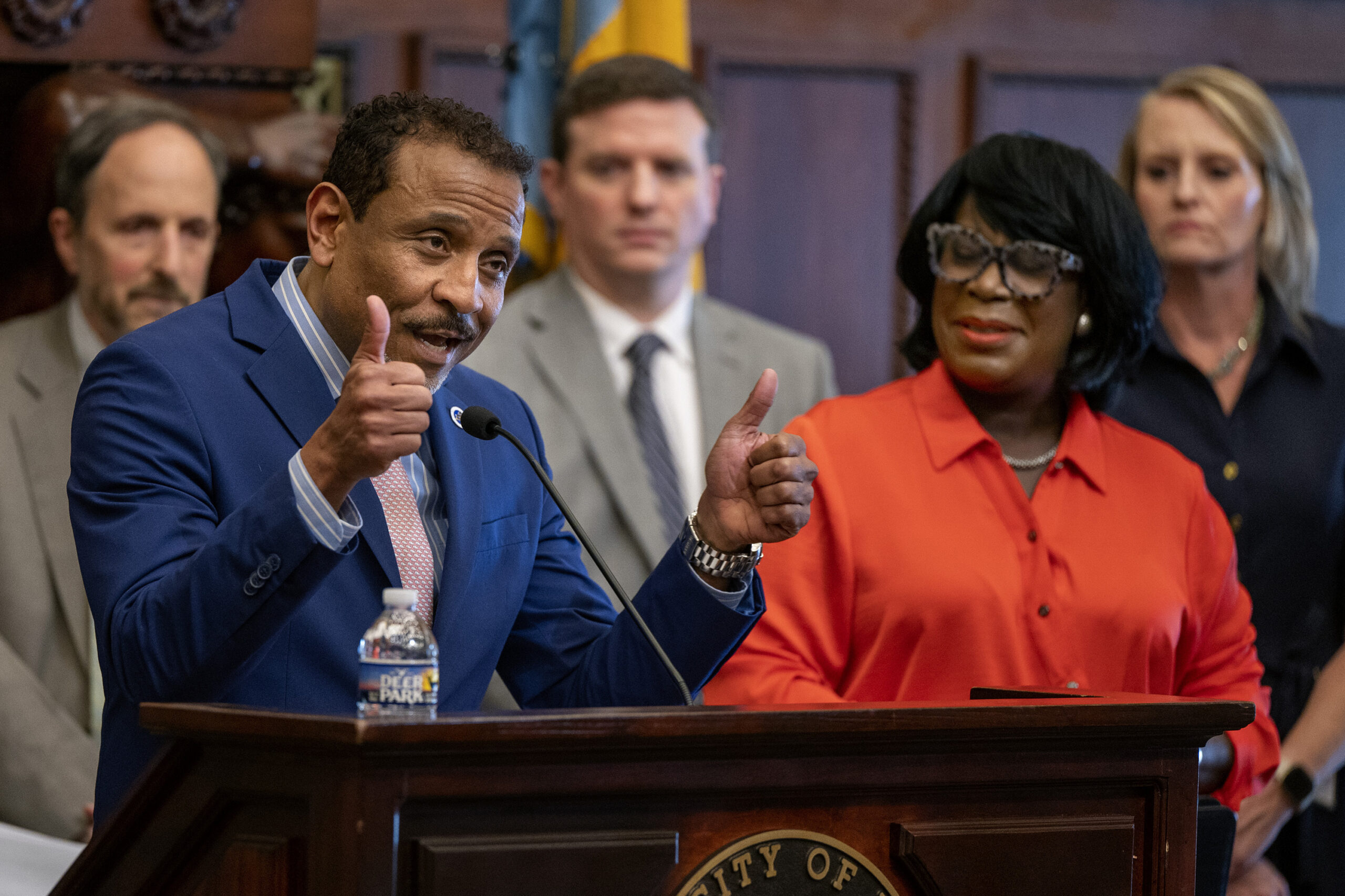
    Superintendent Tony B. Watlington Sr. joins Mayor Cherelle L. Parker at a City Hall news conference in August 2024.

    What unites us is a shared belief that Philadelphia’s children deserve the best we can offer — and that the city’s future depends on how well we prepare them today.

    This Facilities Master Plan is a long-term investment in equity, excellence, and opportunity. It is a commitment to making sure that no matter what zip code a child grows up in in Philadelphia, they have access to high-quality education and enriching experiences that open doors and expand horizons.

    By building better schools, we are building a stronger Philadelphia — for this generation and the next.

    Tony B. Watlington Sr. is the superintendent of the Philadelphia School District. Cherelle L. Parker is the 100th mayor of Philadelphia.