Category: Commentary

  • School closures would gut specialized magnet programs for students

    School closures would gut specialized magnet programs for students

    Philadelphia has been here before.

    In the early 2010s, school closures were presented as unavoidable and data-driven. Families were promised efficiency and reinvestment. What many communities experienced instead was lasting harm that never fully healed. That history matters now as the Philadelphia School District advances a new Facilities Master Plan that again relies on closures as a primary tool.

    This time, the risk extends beyond neighborhood schools to specialized magnet programs with a clear public purpose. Lankenau Environmental Science Magnet High School is among those proposed for closure, with its program folded into Roxborough High School as an honors track. Framing this move as a merger understates what would be lost.

    Lankenau offers a cohesive educational experience built around environmental science. That focus shapes classroom instruction and extracurricular programming, as well as long-standing partnerships outside the school. Students graduate with sustained exposure to climate science and its connections to public health, food systems, and urban sustainability. These experiences reinforce one another and help explain the school’s strong graduation outcomes and high college attendance rates.

    The timing of this proposal is difficult to ignore. Climate change is already shaping life in Philadelphia. Rising temperatures and flooding are becoming routine realities for many neighborhoods. Poor air quality continues to affect how residents live, work, and learn. Environmental inequities remain concentrated in Black and low-income communities. Preparing students to confront these conditions requires immersion over time, not sporadic exposure.

    The district argues that consolidating magnet programs into neighborhood high schools will expand access and strengthen those schools as community anchors. That logic assumes program quality can be preserved through reorganization alone. Experience suggests otherwise.

    A mission-driven school culture depends on sustained focus and institutional priority. Once reduced to a single track, that culture becomes fragile. Through Lankenau, students are participating in an Environmental Rights Amendment curriculum led by the Pennsylvania Bipartisan Climate Initiative, one rooted in civic engagement as much as environmental literacy. That depth of engagement would be hard to replicate in other schools without a dedicated institutional focus on this work.

    Environmental education is especially vulnerable to this kind of dilution. Partnerships with universities and community organizations take years to build. Internship pipelines depend on consistent coordination. Hands-on programs require both space and continuity. When these elements are separated, the whole weakens.
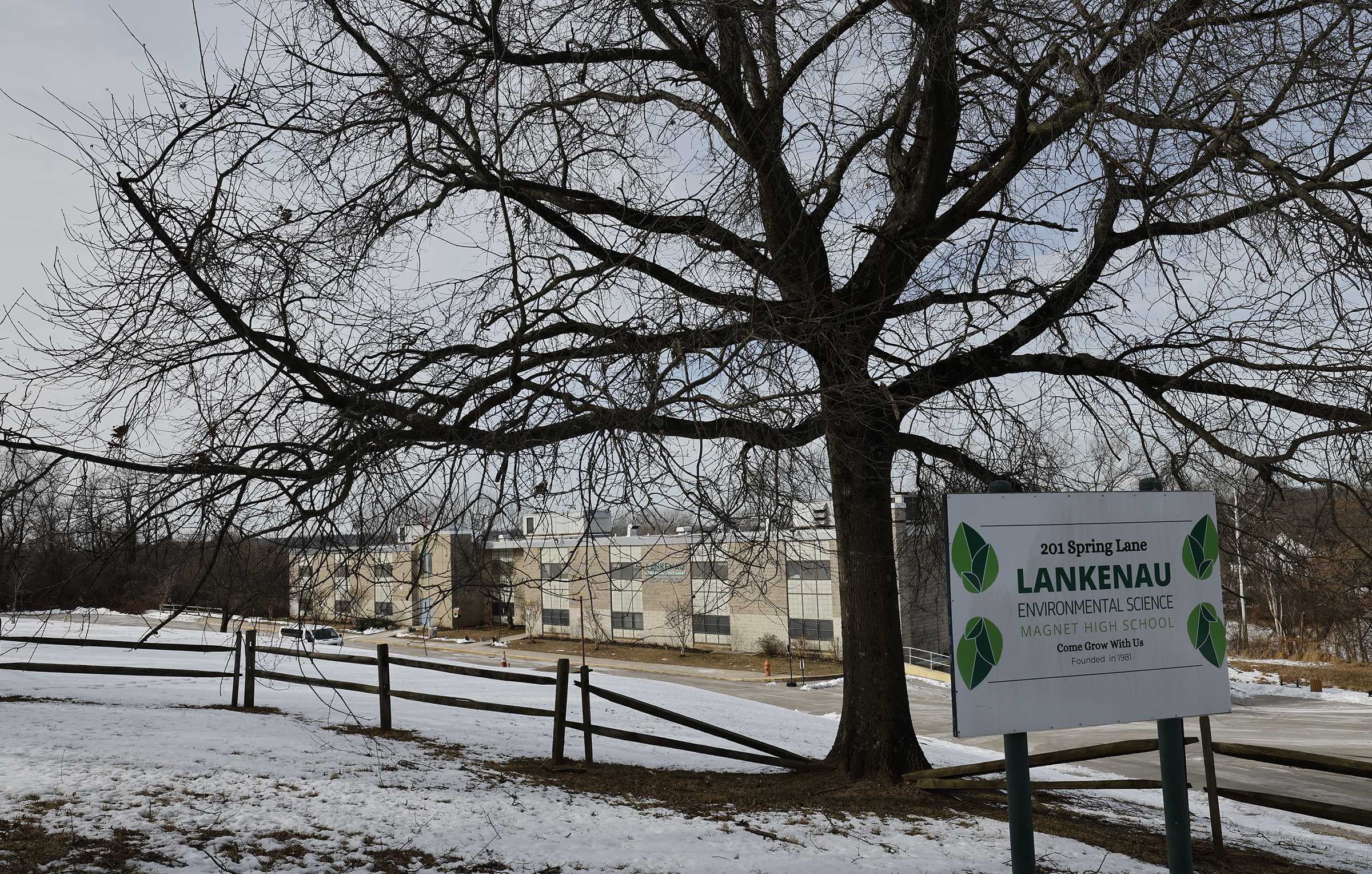
    The Board of Education has recommended closing or merging as many as 20 schools, including Lankenau in Roxborough.

    Equity concerns also deserve closer attention. Lankenau serves students from across North and Northwest Philadelphia who rely on district-provided transportation. For many families, this school represents access to a learning environment aligned with their interests and ambitions. Closing it narrows those options rather than expanding them.

    The Facilities Master Plan emphasizes data analysis, community engagement, and fiscal responsibility. Those factors matter. But they do not capture everything. Some schools provide value that cannot be reduced to enrollment figures or building utilization rates. When a public school consistently prepares students to engage with one of the defining challenges of this century, dismantling it should not be taken lightly.

    Climate literacy is not optional. It shapes workforce readiness and civic decision-making. Philadelphia should be strengthening pathways that cultivate this knowledge early and deeply. Offering environmental science only as an honors option signals a retreat from that responsibility.

    This proposal is not final. The Board of Education still has time to reconsider. Protecting schools like Lankenau would not undermine the broader goals of modernization or equity. It would reinforce them and affirm that preparing young people for a changing world requires more than consolidation.

    Concerned residents should sign up to attend an upcoming community engagement session on Feb. 3 and 4 to show support for our specialized magnet schools.

    Ashlei Tracy is a nonprofit leader with a background in environmental policy and biology. Her work centers around increasing civic engagement, policy literacy, and care for our shared planet.
  • Black media: Our voice is our most potent weapon and our most sacred sanctuary

    Black media: Our voice is our most potent weapon and our most sacred sanctuary

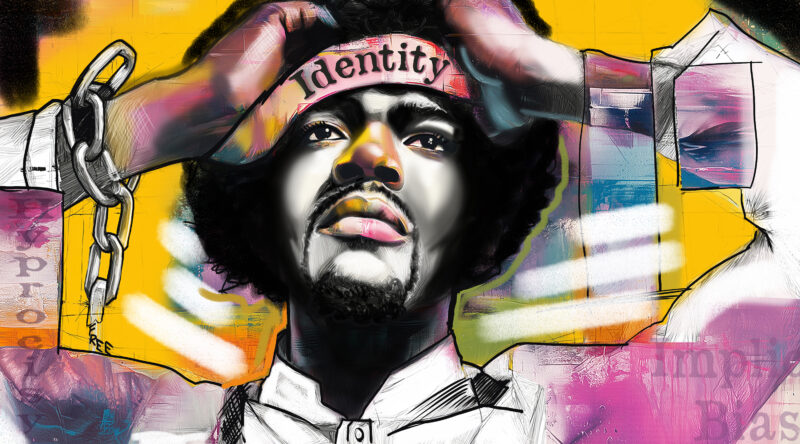
    Black media matters. Right here, right now, and more than ever before. We are the essential workers on the front lines of a growing resistance movement.

    As the owner and operator of WURD Radio, Philadelphia’s only multiplatform Black talk radio station, my team and I are focused on a singular mission: fighting back against this administration’s attempt to destroy Black history, culture, institutions, and people. We provide our communities with our most powerful weapon: trusted, accurate, culturally specific information.

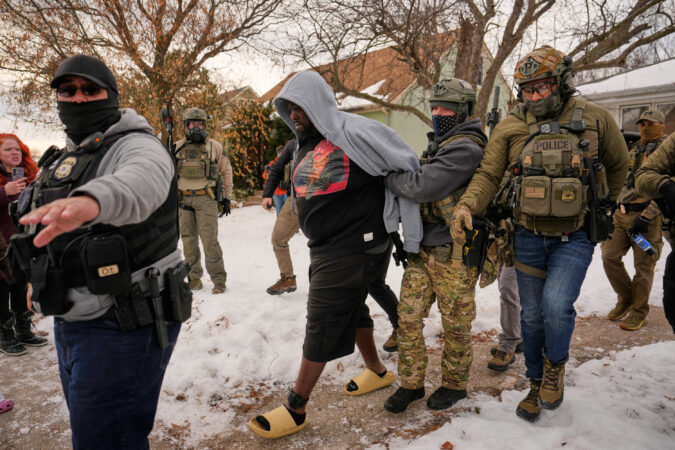
    The recent arrest of Don Lemon and Georgia Fort, two independent Black journalists, underscores the lengths this government will go to silence dissent — which, by the way, is protected by the First Amendment of the U.S. Constitution.

    The Black press has been fighting a system that has sought to weaken our institutions, marginalize our reporting, and underfund our organizations for centuries. And frankly, for too long, mainstream media has been complicit in maintaining that system of devastating racial oppression.

    Throughout history, the mainstream media has been complicit in maintaining the system of racial oppression by focusing on and reinforcing negative narratives about African Americans, writes Sara Lomax.

    In the 1800s, newspapers profited by running ads to capture enslaved Africans, and throughout history, they‘ve reinforced the caricatures and negative narratives used to justify a racial hierarchy.

    In this new era, it feels as though we are slipping back in time, forced to fight battles we thought were won. The quest for newsroom diversity in mainstream media, for example. The brief glimmer of self-awareness that followed the murder of George Floyd — when pledges were made to hire more reporters of color, diversify sources, and commit to nuanced coverage — was tragically short-lived.

    But if you are Black in America, you know the drill: Racial progress is always followed by a wicked backlash. Now is no different.

    Still, we look to our history for the blueprint of our survival.

    We draw strength from Samuel Cornish and John B. Russwurm, who founded Freedom’s Journal, the first Black newspaper, in 1827. They advocated for the full humanity of Black people nearly 40 years before slavery was abolished nationwide. Imagine the courage and tenacity it took for two Black men to start a newspaper in a country that said it was illegal — in some places, punishable by death or maiming — to read and write.

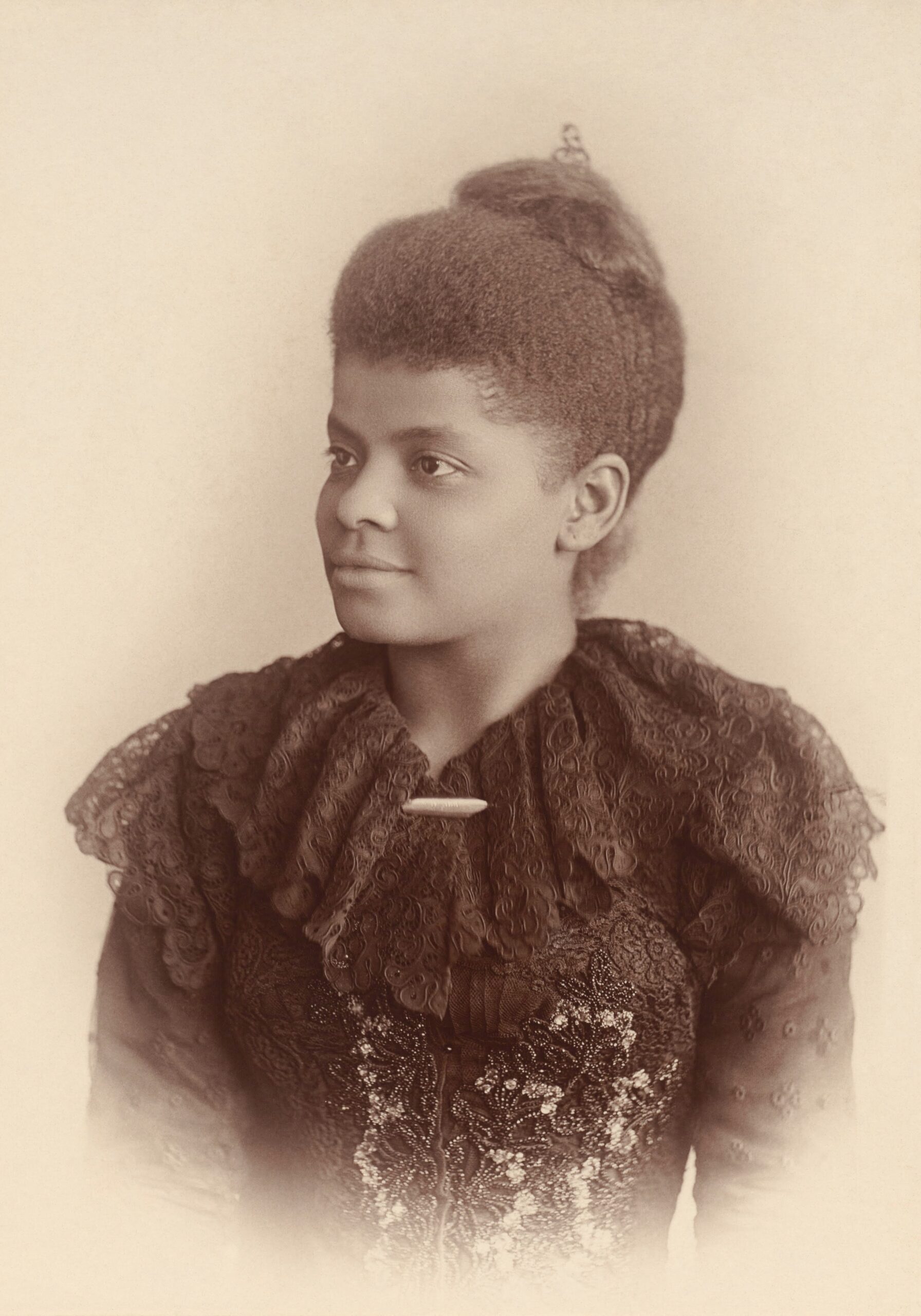
    Ida B. Wells-Barnett, in a photograph by Mary Garrity from c. 1893.

    I am inspired by Ida B. Wells-Barnett, who used the power of her pen to expose the barbaric practice of lynching through the Red Record. She traveled the country with a bounty on her head, determined to move the nation away from its most diabolical instincts.

    I think of Robert Abbott, who launched the Chicago Defender from a landlord’s dining room in 1905. He built a secret network of Black Pullman porters to smuggle his papers into the South, serving as a catalyst for the Great Migration — the movement of roughly six million Black Americans from the rural South to the urban North and West between 1916 and 1970.

    And, of course, there is Christopher Perry, who founded the Philadelphia Tribune in 1884, which remains the longest-running Black newspaper in the nation.

    This history is in our DNA. We call on these ancestors now because we face an overt hostility unlike anything I have seen in my lifetime.

    This moment is clarifying. Statistics highlight the stark disparities in housing, health, and education — but without the historical context of Jim Crow, redlining, and voter suppression, the public is left to believe the administration’s lie: that Black people are “inherently inferior” or merely “unqualified social promotions.”

    This hypocrisy is as old as the nation itself — a country whose “Founding Fathers” codified slavery while declaring all men equal. When your foundational document is based on a lie you refuse to address, it tracks that you would spawn a president who is morally bankrupt. As Malcolm X said, “The chickens are coming home to roost.”

    Yes, our nation has a serious problem. Yet, we persist.

    2025 was the most difficult year of my career. WURD weathered an anti-DEI lawsuit, layoffs after an advertising collapse tied to anti-DEI policies, and the day-to-day exhaustion of covering relentless racial animus in Washington.

    Yet, we did some of our best work, including a special series called Exonerated, which earned us an NAACP Image Award nomination — a rare recognition for local radio. And we’ve launched two new yearlong initiatives to make sure Black voices are centered as part of the 250th birthday festivities.

    Our ancestors didn’t just dream of a free press — they built one. We will continue using all our platforms to tell our stories and center the complexity and diversity of our history, culture, and community.

    We know that in this season of increased tension and hostility, our voice is our most potent weapon and our most sacred sanctuary.

    We don’t just broadcast; we bear witness. And in that witnessing, we find the power to not only endure the present, but to author a future where there is a possibility to be finally and fully free.

    Sara Lomax is the president and CEO of WURD Radio and the cofounder and president of URL Media.

  • At a ‘Melania’ screening, cheers for Trump, snickers at Obama — and a reminder of our nation’s political divide

    At a ‘Melania’ screening, cheers for Trump, snickers at Obama — and a reminder of our nation’s political divide

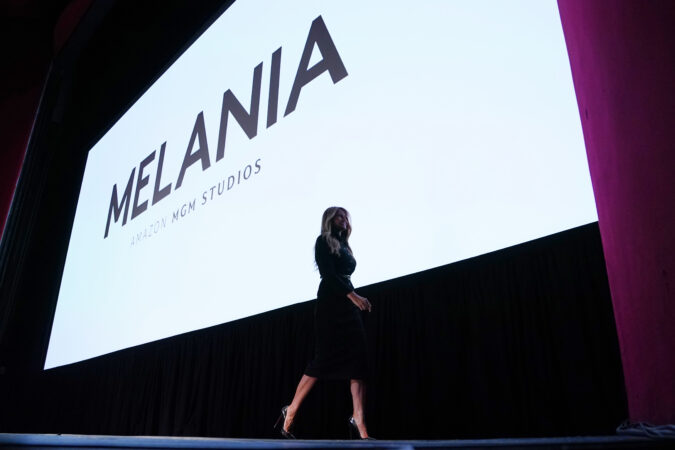
    If you enjoy shows like Project Runway and Martha Stewart Living, then Melania is the movie for you.

    In a bid to see what all the commotion was about, I attended a matinee in a classic New Jersey swing county.

    I worried the audience would reflect the country’s polarization and be at each other’s throats by the time the closing credits rolled.

    I needn’t have worried. At my weekend show, the audience of about 80 people laughed appreciatively at every word the president uttered. Those closing credits were met with robust applause.

    First, however, a bit of housekeeping: I admit to having what the president’s supporters would contemptuously describe as “Trump Derangement Syndrome.” I’m a cancer survivor who literally burst into tears when he appointed Robert F. Kennedy Jr. because I knew they would kneecap cancer research.

    As for Melania, my pre-movie impression was that she’s savvy, very guarded, and focused on being a good mother. Having read a biography of her and learned almost nothing from it, I was looking forward to gaining insights about our first lady.

    An hour and 44 minutes later, I know she’s savvy, very guarded, and her favorite singer is Michael Jackson. And that you can see the George Washington Bridge from their Trump Tower penthouse.

    Beyond that, it’s as riveting as one of those videos you get stuck watching at a Florida time-share. Sappy music. Happy people. Everything is awesome.

    The director made not the slightest attempt to find drama when chronicling the 20 days Melania Trump has to prepare for her husband’s second term. There is a lot of focus on clothes and table settings, but armed with the heft of the U.S. government and the deep pockets of corporate donors, there is almost zero chance of anything going wrong.

    First lady Melania Trump stands for a benediction during the presidential inauguration in January 2025. Her new film documents the 20 days preceding the ceremony.

    That makes for a beautiful inaugural ball, but a lousy story arc.

    As a result, the TikTok laments of your cousin Bethany planning her wedding would be more compelling.

    Nothing in this documentary has a true “behind the scenes” feeling to it. Melania is never shown getting ready for her day. On camera, she appears only in full makeup, with not a hair out of place.

    As a result, the movie is as meticulously curated as she is.

    This all makes perfect sense when you watch Melania at the fitting for the coat she will wear to the swearing-in ceremony. She critiques the lapel with the eye of both a dressmaker’s daughter and a fashion model. Her requests are precise: the collar should be a quarter inch lower; the hat band a half inch narrower.

    There is a funny exchange when Donald Trump is shown practicing his inaugural address. He says he wants to be a peacemaker, and she interjects, “And a unifier.” He orders his aides to ignore the suggestion. She tells them to keep it.

    The movie then cuts to his speech on the U.S. Capitol steps. He includes her phrase, then pointedly turns to her with a look that says: “You win. You were right.” It’s a look every married person understands.

    It’s charming — until you remember that just eight months later, Trump said at Charlie Kirk’s memorial service, “I hate my opponent, and I don’t want the best for them.”

    Toward the movie’s close, when Melania moves back into the White House, her voice-over mentions the historic importance of the mansion. In this, she joins previous first ladies who gave the public an inside look at the White House: Jackie Kennedy’s groundbreaking tour was televised in prime time, and Nancy Reagan’s massive renovation was featured in Architectural Digest.

    The key difference is that those two weren’t paid a reported $28 million by Amazon — more than twice the paycheck Margot Robbie earned as the star of Barbie, by the way — for their participation. By contrast, Melania is a thinly disguised pay-to-play vehicle.

    The movie shows a White House untouched by the changes yet to come. My audience laughed when the official portrait of Barack Obama briefly appeared in the background; it has since been relegated to an off-limits stairwell.

    In fact, the main problem with the movie is that it’s already out of date: It depicts the calm before the storm. It’s from a simpler time that now seems a long, long time ago — before the National Guard troops, before the DOGE cuts, before the whole Tylenol-autism thing, the demolition of the East Wing, the U.S. Immigration and Customs Enforcement raids, the measles outbreaks, the tariffs, and Greenland.

    All of that has happened, yet 80 of my neighbors chose to give up two precious hours of daylight on a short winter’s day to see this movie. And then applaud. It was a discouraging reminder of how deeply divided we remain.

    Kathleen O’Brien is a retired newspaper columnist who lives in northwest New Jersey.

  • The closure of the Bryn Mawr birth center is an inconceivable loss

    The closure of the Bryn Mawr birth center is an inconceivable loss

    Five and a half years ago, I was 41 weeks pregnant and in active labor with my second child, trying to breathe through the pain as my husband sped us to the Bryn Mawr birth center.

    Hobbling up to the birth center door, my husband in tow, I was greeted by the on-call midwife whom I had spoken to right before leaving home. She showed us to a yellow room, a beautiful birthing suite with a queen bed and window shutters that could’ve been in any home, where 15 minutes later, my healthy baby boy came screaming into the world.

    Relief flooded my body. Only days earlier, COVID-19-related policies had locked down maternity and postpartum floors. My heart ached reading stories of mothers laboring alone and being separated from their new babies. Pregnant women around me felt scared and powerless.

    Instead of pandemic-forced isolation, my husband, newborn, and I spent a peaceful night together in that yellow room, quietly being cared for by the nurse and midwife. It’s a night I’ll always cherish as the calm in the storm of an otherwise scary and painful time.

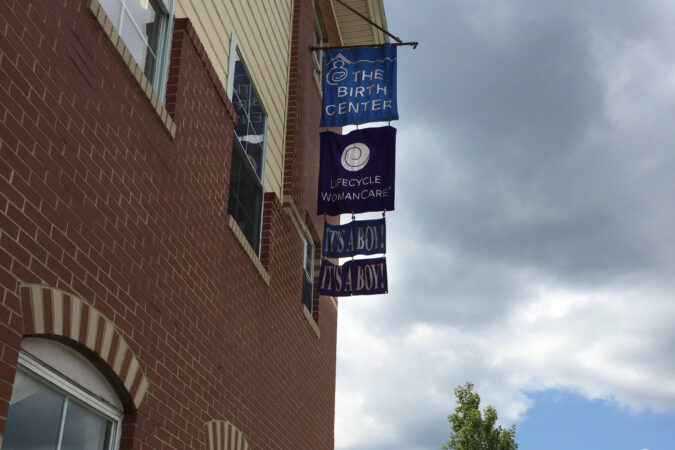
    And it’s that night I thought of when I learned that, after 47 years and over 16,000 deliveries, the Bryn Mawr birth center, also known as the Lifecycle Wellness and Birth Center, will close its doors early this year. The reason is simple and stark: It can no longer afford the rising cost of insurance.

    As a woman, I feel devastated that this choice will no longer be accessible to Philadelphia mothers. As a physician, I am angry at the continued erosion of patient care by a healthcare model that values money over people — an insurance system in which a successful, hugely impactful clinical practice nearly half a century old could dissolve under the threat of massive insurance premium hikes.

    I’ve been practicing medicine for eight years at three different hospitals in the Philadelphia region, first within general internal medicine and now within the subspecialty of cardiology. Despite my decision to work at large academic centers, I’ve come to see the birth center as the gold standard — an antidote to healthcare systems that are so large that patients feel invisible.

    At every stop of my career, I have been mentored by brilliant, dedicated health professionals. But what I’ve learned from the midwives and nurses at the Bryn Mawr birth center has profoundly impacted who I am as a doctor, and what I believe medicine should and can look like.

    In medical training, we’re rewarded for memorizing guidelines, drug mechanisms, trial names, and dates. We are taught to apply a rigid standard of care that too often ignores patient realities. The truth of medicine is that there is a lot that is not under our control.

    We miss the boat as doctors when we focus too much on medications, testing, and interventions, and fail to see the human in front of us who is suffering. Patients suffer alone, confused, bouncing around providers who don’t look up from computers to see the person in front of them for who they are.

    The Bryn Mawr birth center was different: A place where people, including me, felt seen and cared for.

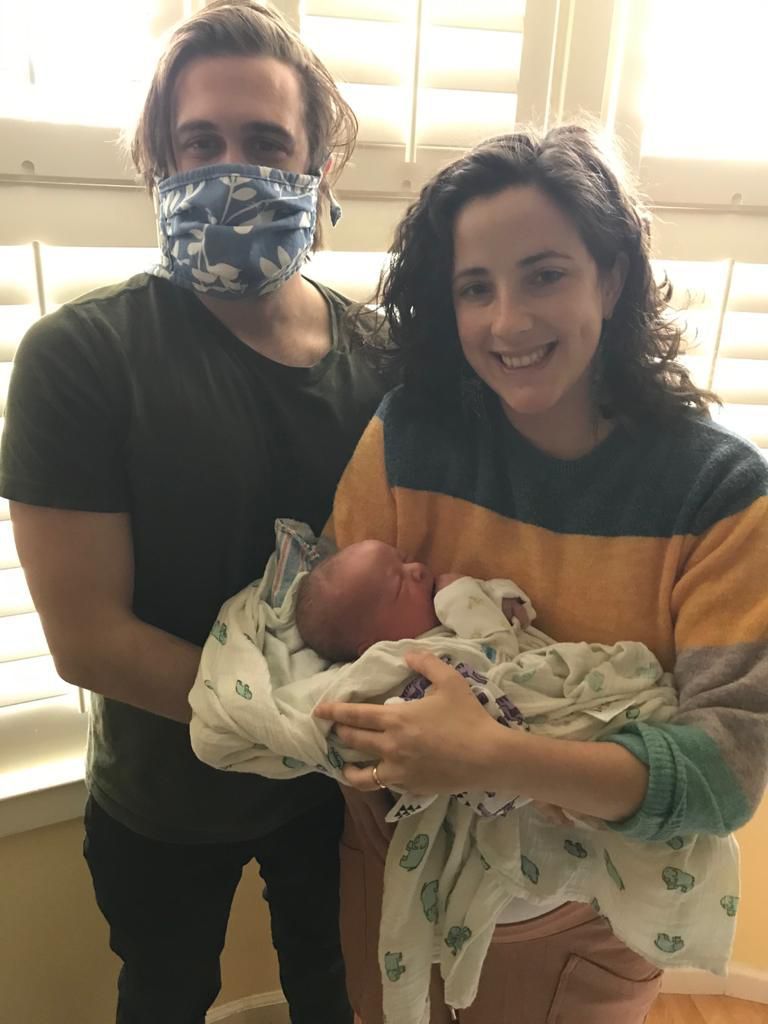
    The author, a physician at Cooper University Hospital, gave birth to her second child at the Bryn Mawr birth center. She is devastated by the anticipated closure of the birth center, slated to happen early this year.

    With the loss of the birth center, Philly mothers are losing that intimate, personalized care I received in the yellow room.

    There has been an outpouring of grief from women and providers who see what a profound loss this is for our larger community. It feels devastating to me that, in a time when so many people feel disappointed by their experiences with healthcare, one of the few clinical models that actually succeeded in making patients feel cared for would be the one to close.

    And still, the birth center will close its doors. My heart is full of sadness for this inconceivable loss. But I’ll hold that alongside gratitude: for the midwives, nurse practitioners, and nurses who have taught this doctor so much about seeing patients for who they are, and respecting our bodies for what they can do.

    Cara Lea Smith is a physician at a local hospital, who was born and raised in West Philadelphia and continues to live there now with her husband and two children.

  • How do you prove you’re American?

    How do you prove you’re American?

    “Oohhh Loorrrd, they sent me the one that don’t speak no English.”

    I was a young doctor in a North Philadelphia emergency department, and I had just stepped into a patient’s room. I had not even had the opportunity to introduce myself with my usual preamble and open-ended questions.

    Instead, I started with: “I speak English. And I’m your doctor. How can I help you today?”

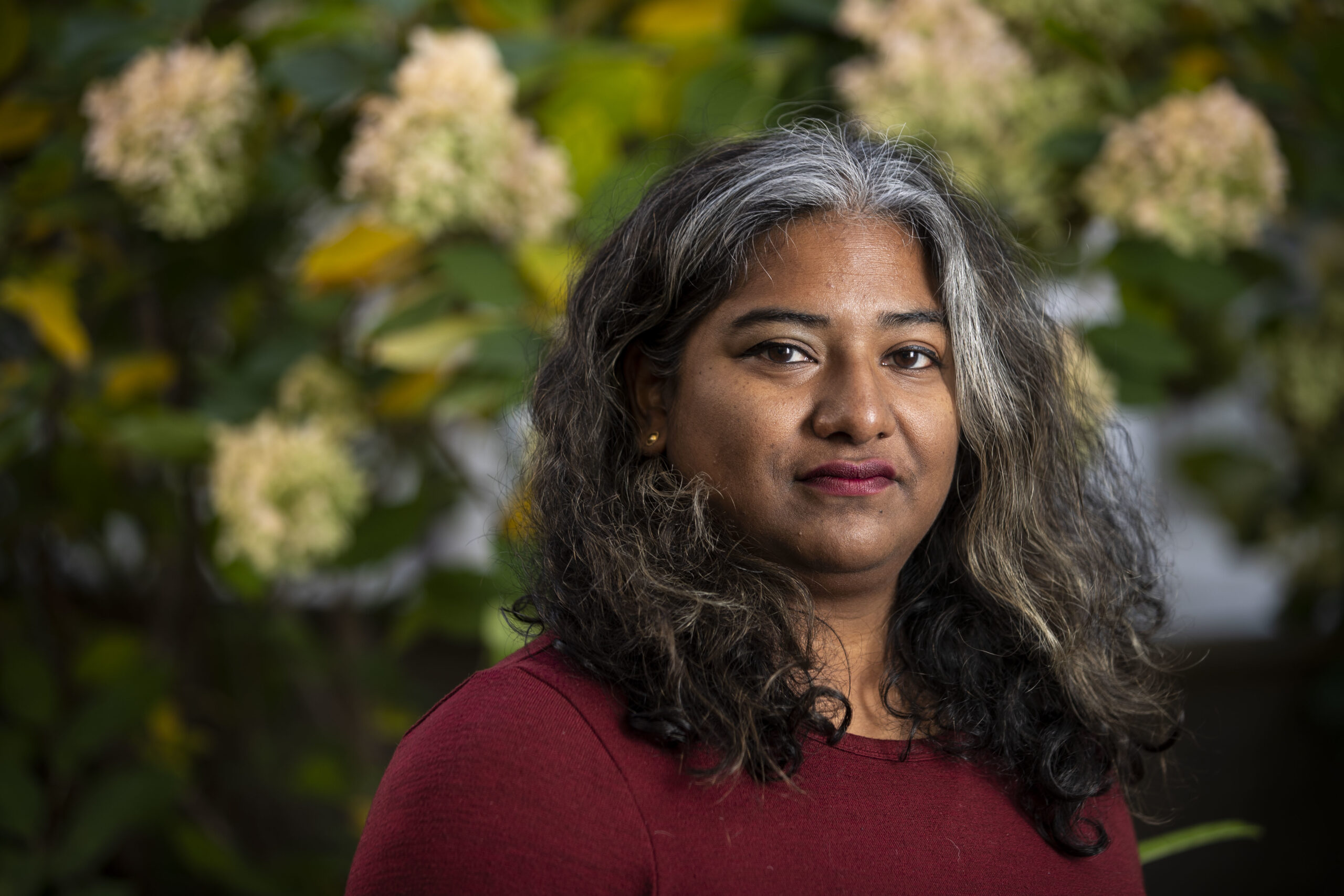
    I am an emergency physician, public health expert, healthcare executive, associate professor, and a South Philly neighbor. I’m also the daughter of naturalized United States citizens from India, was born in Delaware, and have lived in Philadelphia for 25 years — longer than anywhere else in my life.

    The author poses for a portrait near her home in Philadelphia on Thursday, Nov. 11, 2021.

    My whole life is here. I was born in the U.S. I studied and earned several degrees here. I built my career in this country. I created my family here. I am American in every way.

    Yet, I often have to answer the questions:

    Do you speak English?

    Yes, very well.

    Where are you from?

    Philly.

    No, I mean originally?

    Delaware.

    What do they do in your country?

    This is my country.

    My husband is from Italy. He left the Tuscan sun for me — or us — when I was in the midst of my medical education and training in Philadelphia. Every time we went to the immigration office for him to do interviews or paperwork, I was the one who was questioned.

    The underlying question is clear in every instance: Do you belong here?

    In most cases, I shake it off. Disregarding the subtext, I feign a smile in place of rolling my eyes or shaking my head. My inner dialogue is usually a bit more sharp-edged.

    But until the last few months, the questions never really evoked fear or a lack of safety.

    In the America I have known my whole life, belonging wasn’t something you had to prove in real time. Citizenship carried a presumption: that you could move through your day without interrogation and without having to explain your existence to strangers or the state.

    Times are different.

    What changed was not the question itself, but what it now implies. Instead of innocent until proven guilty, the questions precede evidence. Instead of being governed by laws, we are ruled by suspicions. Everything feels backward.

    We are living in the era of the U.S. Immigration and Customs Enforcement militia, where enforcement and fear trump everything. These are the days when a 5-year-old, standing alone with a blue bunny snow hat and Spider-Man backpack, faces the consequences of not being able to prove he belongs.

    Five-year-old Liam Conejo Ramos is taken into custody by federal immigration officers as he returns home from preschool on Tuesday in Columbia Heights, Minn.

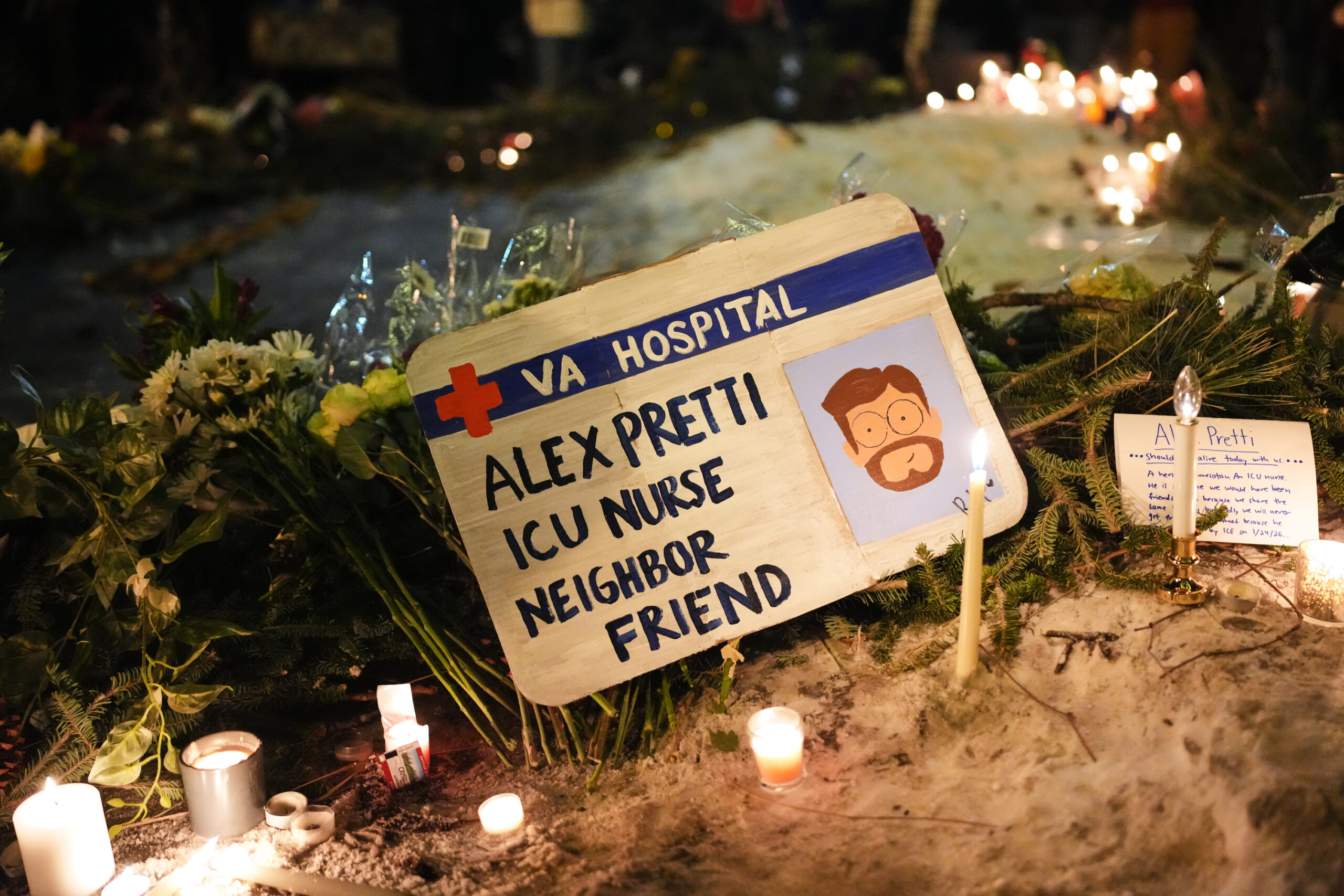
    When an intensive care unit nurse, who cares for the sickest veterans, offering critical care to heal them back to life, is attacked and shot while trying to help someone else. When merely voicing dissent and disagreement, or being called a b—, is enough to risk being shot to death.

    A sign for 37-year-old Alex Pretti, who was fatally shot by a U.S. Border Patrol officer earlier in the day, is displayed during a vigil Saturday, Jan. 24, 2026, in Minneapolis.

    If service, citizenship, and care do not protect you, then it seems we are accepting a hierarchy of who deserves safety — and who does not.

    In movies or on the news, people in other parts of the world or other times in history had to carry their identification documents at all times, but not here. Here, my Americanness was something I carried in my saunter or stroll — the confidence that I can exist in public space without explanation.

    But maybe that was until now.

    I live on the same street where the U.S. Constitution was signed. In my hometown, I am reminded daily about how this country came to be — through determination, courage, intention, and a defiant line in the sand of what would be tolerated.

    I believe in “We the People,” in civil liberties, and in the rule of law. I believe that we all deserve equal protections, regardless of race, origin, or religion. I do not believe power should go unchecked or that authority can reign in isolation or concentration.

    And despite being incessantly fed a narrative of how deeply divided the United States of America has become, I believe in civilian supremacy — that force exists to serve the people, not silence them.

    Being American was never about how you look or sound. It’s about how you demonstrate your beliefs through your actions. We speak, write, protest, and make our voices heard through every avenue.

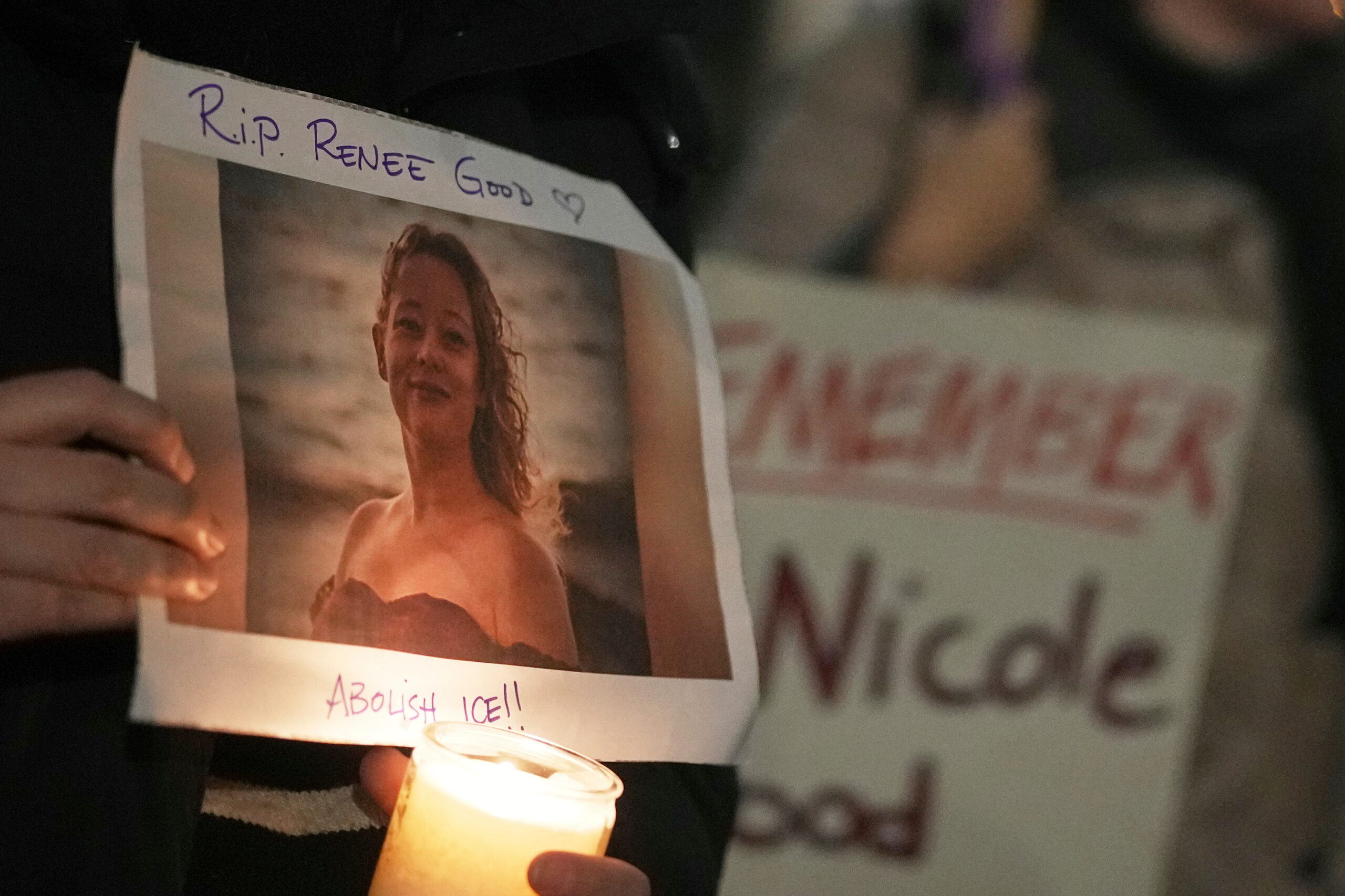
    People attend a candlelight vigil at the U.S. Embassy in London, Monday, Jan. 12, 2026, for U.S. citizen Renee Good, who was shot by ICE in Minneapolis.

    We vote and hold our elected officials accountable for their actions — including their silence and complicity. We show up, socially and morally, for our neighbors. I spend my money in businesses whose owners share my values and beliefs.

    I believe in and honor those who have fought for the freedoms I have always enjoyed. And I am prepared — as I think my city around me is — to defend that freedom and the principles that make us Americans, even when fear might tempt us to look away or cede our power.

    I was born in the land of the free and the home of the brave. And I’m ready to prove it.

    Priya E. Mammen is an emergency physician, healthcare executive, and public health specialist who helps the nation’s most impactful companies integrate clinical integrity at scale.

  • How Black History Month endures

    How Black History Month endures

    I am not a huge fan of comic books and superheroes, but I appreciate the storytelling. In comics, the origin story is just as important as the hero saving the day. The same is true for Black History Month, which originated as Negro History Week.

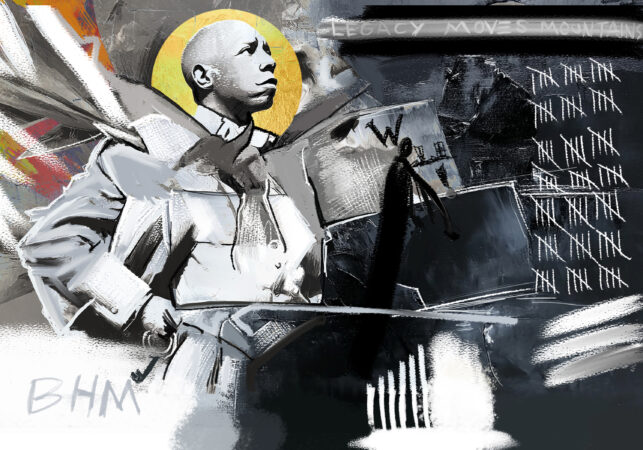
    Negro History Week was created by Carter G. Woodson, the child of two formerly enslaved parents. According to Harvard historian Jarvis R. Givens, Woodson was taught by his two uncles, John and James Riddle, his mother Anne Riddle’s brothers, who had also been enslaved. Both had been educated in a Freedmen School toward the end of Reconstruction, and they became Woodson’s first teachers.

    “As a student, [Woodson] witnessed the shared vulnerability of Black people through the story of his teachers and family,” writes Givens. “These first encounters taught Woodson more than just reading, writing, and arithmetic. He also inherited a political orientation to schooling informed by the lived history of the teachers standing before him … Here, Woodson encountered the project of Black education.”

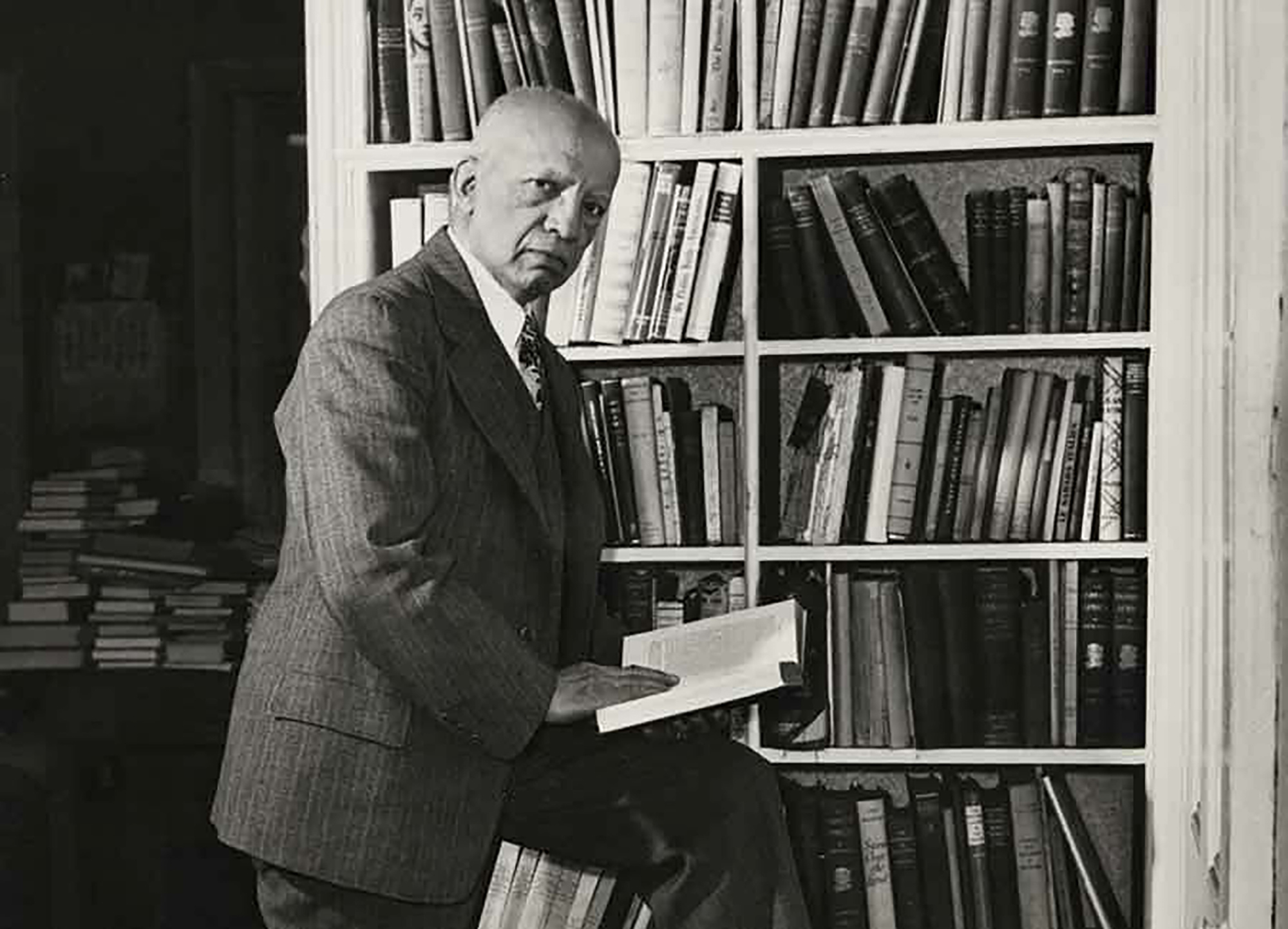
    The historian and author Carter G. Woodson is widely regarded as the father of what has become Black History Month. Much of the observance’s origin can be traced to Philadelphia, writes Rann Miller.

    That project, which continues to this day, was the equipping of Black people with the practical knowledge to do a thing, and the historical memory to understand why they do it. This was the basis with which Woodson founded the Association for the Study of Negro Life and History (ASNLH) in 1915 and created Negro History Week in 1926, as a time for Black people to not only learn about Black history, but to take the time to reflect on it.

    In Woodson’s words: “It is evident from the numerous calls for orators during Negro History Week that schools and their administrators do not take the study of the Negro seriously enough to use Negro History Week as a short period for demonstrating what the students have learned in their study of the Negro during the whole school year.”

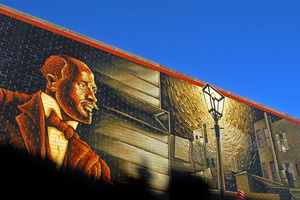
    A mural honoring W.E.B. Du Bois on a firehouse at Sixth and South Streets in Philadelphia. He was an early advocate of Black history events.

    The first Negro History Week took place from Feb. 7 to 13, 1926. The Philadelphia Tribune, in an article published Feb. 6, 1926, said: “It is essential to the future growth of the Negro race that we become acquainted with our past … We have passed the point in our advancement where we can afford to disregard our history.” That sentiment remains true today.

    In April 1928, the Germantown YMCA hosted an event called Negro Achievement Week for the Germantown community, featuring such prominent African Americans as Alain Locke, W.E.B. Du Bois, and James Weldon Johnson. The week’s events received little media attention but were robust, including a mass community meeting, a music night, an art night, and a history lecture, held in both Germantown and Center City, according to David Young, director of the Historical Society of Montgomery County.

    The events were aimed at educating white people, as well, with Du Bois’ pointedly noting that “he reminded the whites too often of their injustice to the Negro.”

    Planning for Negro Achievement Week in Philadelphia began in 1923 at the “Black Branch” of the Germantown YMCA, known as the “Colored Y,” under the guidance of Olivia Yancey Taylor and Eva del Vakia Bowles.

    Members of the Colored Y formed an interracial committee to plan the week’s activities, including a variety of African American heritage events.

    The first Negro Achievement Week, which became Negro History Week, happened in 1925, influenced by a partnership between Woodson and members of the Black fraternity Omega Psi Phi, who created Negro History and Literature Week, first celebrated in April of 1921.

    “Celebrations took the form of public programs in churches, schools, and events partnering with literary societies,” according to Givens. “Given the success of the program, a committee was established in 1923 to outline a strategic plan: to develop plans for fostering the study of Negro History in the schools and colleges of the country.”

    The week subsequently became a shared project between Woodson and Black schoolteachers.

    While Negro Achievement Week in Philadelphia didn’t take place after 1928, Negro History Week continued nationwide because Black people understood that they were past “the point in our advancement where we can afford to disregard our history.”

    Although President Gerald Ford officially expanded Negro History Week to become Black History Month in 1976, Black communities had already done so on their own, believing one week was not sufficient to contain their history.

    Philadelphia stands proudly in that tradition — from the Colored Y to educator Nellie Bright. Thanks to Carter G. Woodson and countless Black educators, their vision endures a century later.

    Rann Miller is an educator and freelance writer based in southern New Jersey. His “Urban Education Mixtape” blog supports urban educators and parents of children attending urban schools. urbanedmixtape.com @RealRannMiller

  • The regime does not make mistakes

    The regime does not make mistakes

    Manuel Contreras, the head of the secret police during Chile’s dictatorship, which reigned from 1973 to 1989, once explained why so many seeming innocents — students, union leaders, local activists — were murdered by the state: “The guerrilla tries to act like a normal citizen, honest and good, and lies even to his family. When discovered, he will always deny the facts.”

    The regime does not make mistakes.

    “The lack of specific information … demonstrates that they are terrorists with regard to whom we lack a complete profile.”

    That last bit wasn’t the head of Chile’s secret police, though. It was a U.S. Immigration and Customs Enforcement field director, Robert Cerna, explaining last March why 75% of Venezuelan deportees to El Salvador’s mega-prisons had no criminal background.

    I am a scholar of authoritarian politics at the University of Pennsylvania. I research and teach about repression and censorship. The Trump administration is engaged in state terror. And, in a page ripped from the autocrat’s playbook, they are trying to convince us that the victims deserve it.

    On Jan. 7, Secretary of Homeland Security Kristi Noem claimed Renee Goodshot in the head by an ICE agent while observing a raid — engaged in an “act of domestic terrorism.” Noem said that Good “weaponized” her car (the same car with a glove compartment overflowing with her child’s stuffed animals and a friendly dog in the back).

    The very next day, federal agents shot two people in Portland, Ore., during a traffic stop. DHS claims the driver “is believed to be a member of the vicious Venezuelan gang Tren de Aragua,” who again “weaponized his vehicle.” The same claim appears again and again: to justify why federal agents killed Silverio Villegas Gonzalez in Chicago, and why they shot Marimar Martinez five times (the U.S. Department of Justice brought, and then dropped, charges against her). After Alex Pretti, a Veterans Affairs nurse, was executed by federal agents in Minneapolis on Jan. 24, White House Deputy Chief of Staff Stephen Miller called him a “would-be-assassin.”

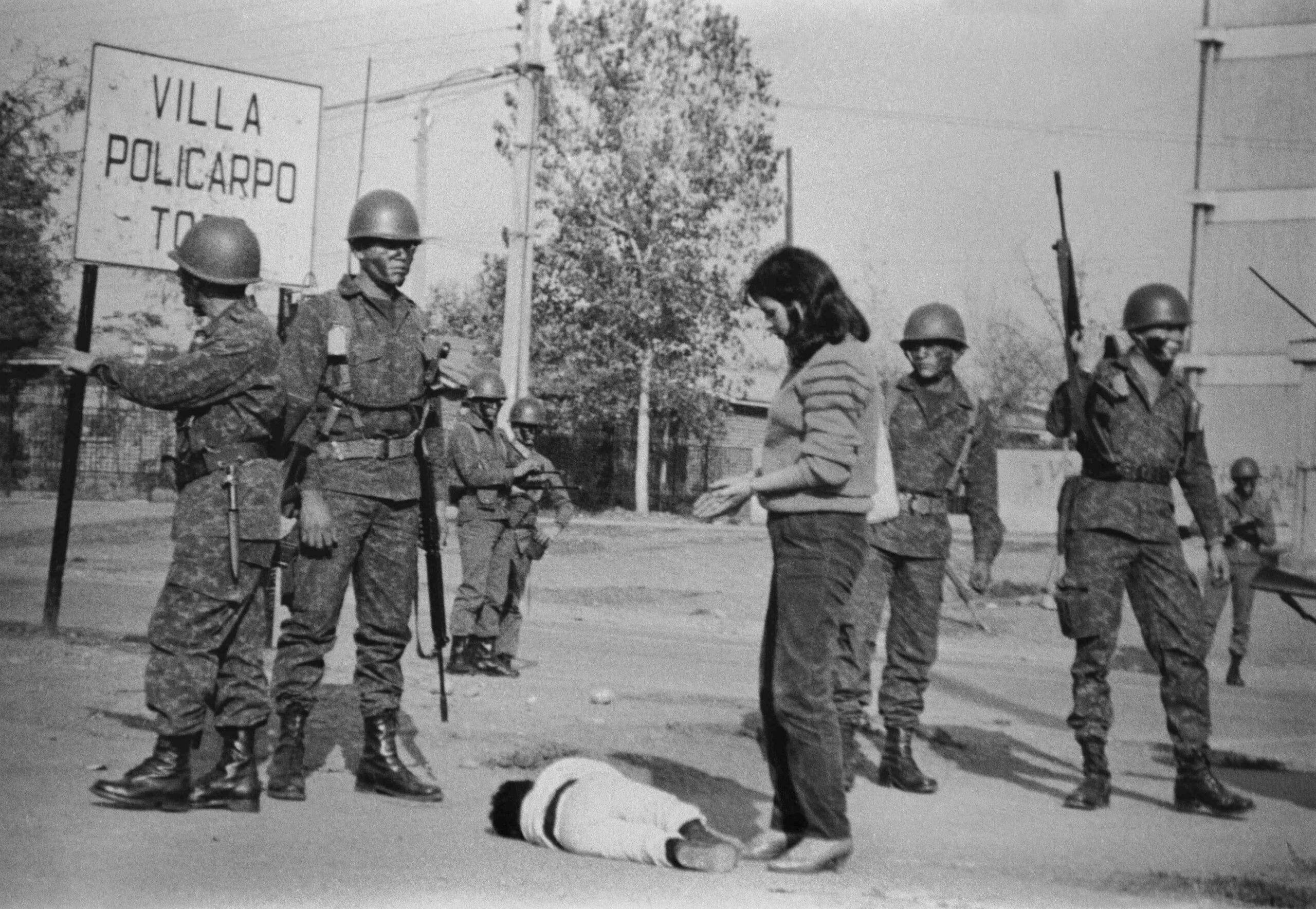
    These are the same lies Augusto Pinochet told in Chile, where the regime frequently falsified reports that blamed the victims for their own deaths. Rather than executions, victims died in “shootouts.” The official government account of the death of one 28-year-old activist was that he was a “subversive” killed while attacking a barracks. But witnesses saw him being arrested two days earlier. A miner with no known political affiliation, the press claimed, “tried to seize a policeman’s weapon … and so he was shot.” Two victims executed by army troops were accused of “criminal or subversive activities.”

    A boy lies weeping by his mother after his father was arrested by soldiers in Santiago, Chile, during the Pinochet reign in 1986.

    Like Pinochet, the Trump administration wants you to believe the people they are terrorizing and killing deserve it. They want us to accept, or even celebrate, their crimes. Because if a victim deserves what happened to them, if there is a reason for it, then perhaps it can be stomached, or excused away, or ignored.

    During Argentina’s brutal 1970s dictatorship, civilians often justified repression using the phrase “Por algo será” — roughly, “There must be a reason for it.”

    Victimization implied that the victims were guilty of something. People are thrown out of planes while drugged. Por algo será. They are taken from their families in the middle of the night. Por algo será. Bodies are dumped in mass graves. Por algo será.

    And if there is a reason for it, then anyone can avoid being a victim by staying home. By not fighting. By letting the administration do whatever it wants, with no pushback.

    Good was a 37-year-old white mother from Colorado, her death filmed at multiple angles, all of which make the government’s lies harder to swallow for an American audience. But who the victim is should not matter: The government is violating fundamental human rights.

    It is our responsibility to refuse to accept these lies. To demand — and to pressure our representatives to demand — accountability for these crimes.

    Jane Esberg is an assistant professor of political science focused on authoritarian repression and censorship, particularly in Latin America, at the University of Pennsylvania.

  • Slavery was central to the presidency. The President’s House should say so.

    Slavery was central to the presidency. The President’s House should say so.

    Last Thursday, the National Park Service removed a series of informational signs about slavery from the President’s House Site at Sixth and Market Streets in Old City Philadelphia.

    Installed when the site opened in 2010, the signs documented the lives of the enslaved people who lived and labored in the home of Presidents George Washington and John Adams. Their removal occurred without consultation with the city, despite a 2006 agreement requiring the parties to meet and confer before any changes were made to the exhibit.

    The City of Philadelphia responded by filing a federal lawsuit seeking to have the signs restored. According to the suit, the National Park Service and the U.S. Department of the Interior made unilateral changes in violation of those long-standing agreements. At stake is not simply a set of panels, but whether the public will continue to confront an essential historical truth: Slavery was central to the American presidency.

    Philadelphia is the wrong place for historical amnesia.

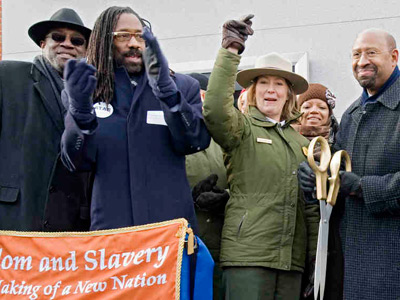
    Dignitaries gather for the opening of a memorial to enslaved people at President’s House in 2010. From left: Municipal Judge Charles Hayden, attorney Michael Coard, Independence National Historical Park’s Cynthia MacLeod, and Mayor Michael Nutter.

    The President’s House stands on ground where the ideals of liberty were articulated alongside the daily practice of human bondage. During Washington’s presidency, the executive mansion functioned simultaneously as a seat of republican government and a site of enslavement, even as Philadelphia emerged as a center of abolitionist thought and Black civic life. The exhibit that opened in 2010 was the result of years of advocacy by historians, community members, and activists who insisted that the enslaved people in Washington’s household not be erased from public memory.

    Slavery was not incidental to Washington’s presidency. It was essential to it.

    Washington enslaved people from childhood, inheriting human property at the age of 11 and expanding his holdings through purchase and marriage. By the time he became president in 1789, he was a Virginia planter whose wealth, household, and public standing depended on enslaved labor. That dependence followed him north.

    When Washington relocated to Philadelphia, he encountered Pennsylvania’s Gradual Abolition Act of 1780, which allowed enslaved people to claim freedom after residing in the state for six months. Rather than comply with the law’s intent, Washington devised a deliberate strategy to evade it.

    Enslaved people in his household were sent out of Pennsylvania just before the deadline and then returned, resetting the clock. He was careful to keep this arrangement private, instructing aides that it should not become public.

    Among the enslaved people living in the President’s House was Ona Judge, who belonged to Martha Washington and served as her personal attendant. As historian Erica Armstrong Dunbar has shown through meticulous research, Judge understood the possibilities and dangers of freedom in a city like Philadelphia. In May 1796, after learning she was to be given away as a wedding gift, Judge fled the President’s House and escaped north.

    Committed to slavery

    Washington’s response reveals the depth of his commitment to slavery.

    Within days, an advertisement appeared on the front page of the Philadelphia Gazette and Universal Daily Advertiser. It announced that Judge had “absconded from the household of the President of the United States.” Placed by the steward of the President’s House, the notice described her appearance in detail, warned ship captains not to assist her escape, and offered a reward for her capture and return.

    The language matters. It explicitly tied the presidency itself to the pursuit of an enslaved woman who claimed her freedom.

    Washington pursued Judge for years, dispatching friends, relatives, and officials to recapture her. He never succeeded, but his actions make clear that slavery was not a peripheral contradiction in his life. It was a system he actively defended while serving as president.

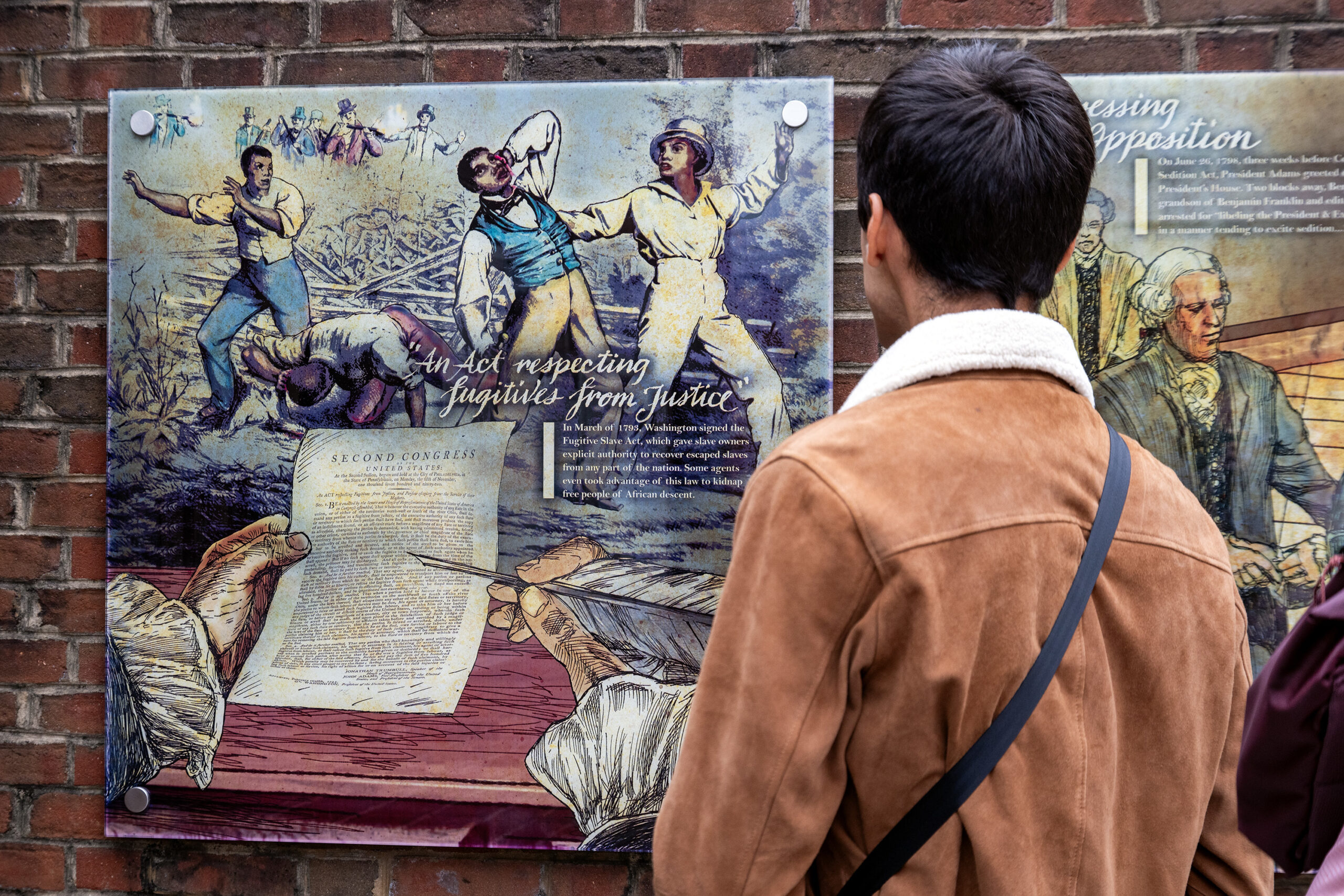
    A visitor views a panel about the Fugitive Slave Act at the President’s House in Independence National Historical Park in 2025.

    At the same time, Black Philadelphians were building institutions that challenged slavery not in theory, but in practice.

    Only a few blocks from the President’s House, Richard Allen and Absalom Jones organized mutual aid through the Free African Society, laying the groundwork for what would become Mother Bethel African Methodist Episcopal Church. Born from the violence of segregation in white churches, Mother Bethel became a cornerstone of Black autonomy in the early republic — a place where abolition was preached, freedom was practiced, and Black civic life flourished.

    The ironies of Philadelphia’s founding moment are unavoidable. The same Washington who pursued Judge and signed the Fugitive Slave Act also contributed financially to Allen’s efforts to build an African church. These contradictions were not hidden from contemporaries. They were preserved.

    More than a century after the American Revolution and Washington’s presidency, the association between presidential authority and enslaved labor had not faded from public memory.

    In 1883, a widely circulated illustrated history depicted Washington walking along a cobblestone street with a Black “servant” following several steps behind him in livery, carrying his coat. For Americans who could not read — or who absorbed history visually — such images conveyed meaning powerfully. Even generations later, Washington was still remembered in proximity to enslaved labor.

    That illustration is not an abstraction. It survives today in the holdings of the Library Company of Philadelphia, where I direct the Program in African American History. Despite contemporary efforts to erase or soften this past, the evidence remains materially present. The Library Company holds the largest collection documenting the Black presence in Philadelphia — more than 13,000 items spanning the 18th through 20th centuries.

    These materials document slavery, but they also trace the Black community’s sustained fight to advance abolition, and the enduring ways Black Philadelphians confronted the afterlives of slavery across the 19th and 20th centuries.

    Preserving memory

    The archive does what removed signage cannot. It insists on memory.

    It shows how Black political thought, religious life, and institutions developed alongside — and in opposition to — slavery. Mother Bethel AME Church, which continues to stand today, hosted abolitionists, organized resistance to colonization schemes, supported the Underground Railroad, and later aided Black migrants during emancipation, Reconstruction, and the Great Migration. This is not peripheral history. It is Philadelphia’s history.

    Removing slavery interpretation from the President’s House is therefore not a neutral curatorial decision. It contradicts the historical record, violates agreements requiring consultation with the city, and risks teaching the public that the presidency can be understood without reckoning with slavery.

    It cannot.

    This moment is especially fraught as the nation approaches the 250th anniversary of 1776. That commemoration will invite renewed storytelling about founding ideals and national origins. If we enter that moment by stripping slavery from public history sites, we will be manufacturing historical amnesia precisely when historical clarity matters most.

    Philadelphia has another choice. In February, the Library Company of Philadelphia, in partnership with the American Philosophical Association, will host a conference titled “Black Declarations of Independence: Before and After 1776.” The premise is straightforward: Black claims to freedom, dignity, and self-determination were not marginal to the founding era. They were central to it — and they continue to shape the nation’s unfinished project.

    Restoring the President’s House signs would be a modest but meaningful step in that direction. It would affirm that Philadelphia will confront its history honestly as it prepares to commemorate 1776 — and that it will not celebrate independence by forgetting those whose bondage, resistance, and perseverance make the meaning of independence intelligible in the first place.

    Jim Downs is a historian and Guggenheim Fellow, a professor of history at Gettysburg College, and director of the Program in African American History at the Library Company of Philadelphia.

  • Tackling gun violence as our shared purpose

    Tackling gun violence as our shared purpose

    As we start the new year, many of the challenges that persisted in 2025 remain on our horizon for 2026. Sadly, gun violence is one such challenge, but our city has demonstrated what the power of working together can do in making progress in such a significant way.

    Philadelphia made history in 2025, recording the fewest homicides in almost 60 years, and it is true that many cities nationwide are also experiencing this trend. But Philadelphia’s gains are noteworthy in that it is seeing these tremendous public safety gains despite continuing to struggle with issues like deeply entrenched poverty.

    There are many factors driving these numbers, and Mayor Cherelle L. Parker’s public safety strategy of prevention, intervention, and enforcement (PIE) has brought vital focus and intention driven by data. Working together — the Philadelphia Police Department and the Office of Public Safety working in tandem, along with organizations like the group I lead, the Civic Coalition to Save Lives — enable the sum to become greater than the parts in their overall effectiveness in bolstering the city’s strategy.

    For our part, we represent nonprofit and private-sector partners by activating resources like subject matter experts, new data infrastructure, and innovative cross-jurisdictional collaborations.

    The results are compelling: One analysis found that Philly had the best community safety infrastructure of any of the nation’s 10 largest cities, and a Pew poll found that public perception of safety is improving. That means the Office of Public Safety — an entity only two years old — is leading other major cities in its comprehensive approach to violence prevention and intervention.

    This is something our city should be proud of and raise up.

    Just a few years ago, the city was struggling with record-high shooting and homicide rates coming out of the pandemic, and while many individuals and organizations from every sector had meaningful tools to address the issue, it lacked one cohesive, well-coordinated approach to save the maximum number of lives from gun violence in the near term.

    From this gap, both the coalition and the Office of Public Safety were derived, the latter via mayoral executive order, and have grown intertwined in expanding the reach and capacity of Philadelphia’s vast network of anti-violence and cognitive behavioral health approaches deployed to reduce shootings.

    The credit for the success of these many violence prevention and intervention strategies lies with our leaders who have the focus and political will, the practitioners and participants in these programs relentlessly choosing to do this hard work, the public and private funders, and informed and engaged nongovernmental partners.

    Looking to the future, maintaining success and remaining focused on Mayor Parker’s and City Council’s goal of being the safest city will require continued vigilance and commitment to what works. Unfortunately, many organizations are already facing historic budget challenges exacerbated by losses of funding at the federal level that had incentivized proven, focused violence intervention practices.

    As we confront this reality, let’s keep in mind the adage that an ounce of prevention is always worth a pound of cure.

    According to a report by the city, every fatal shooting in Philadelphia can cost as much as $1.5 million in related policing, healthcare, job/property loss, and that is not even accounting for the indirect lost tax revenue or economic activity in high crime areas, or the most important cost: the human impact and intergenerational trauma carried through families and communities.

    A report by the City Controller’s Office also estimated that an investment of $43 million over five years could reduce homicides by 35%, which would translate into a more than $70 million return on investment in increased property tax revenue alone.

    Our call to action for Philadelphians when it comes to reducing violence is this: Stay tuned in and keep showing up, however you can. As Mayor Parker often says, don’t just listen to what is said, watch what people do.

    The unified, coordinated effort to reduce gun violence is working (for context, 2025 saw fewer than half of the record-high homicides and shootings seen in 2021). Mayor Parker, Police Commissioner Kevin J. Bethel, and Public Safety Director Adam Geer have said it, too: “We can’t let up off the gas pedal.”

    We agree.

    There is an African proverb that says: “If you want to go fast, go alone. If you want to go far, go together.” Reducing gun violence can only be achieved over time — not overnight. And the only way we’ll be able to solve it is by working together.

    Here’s to the promising journey ahead.

    David W. Brown serves as the executive director of the Civic Coalition to Save Lives.

  • Elizabeth Hughes: There is a viable path for Pittsburgh to save its newspaper. Here’s how we did it with The Inquirer.

    Elizabeth Hughes: There is a viable path for Pittsburgh to save its newspaper. Here’s how we did it with The Inquirer.

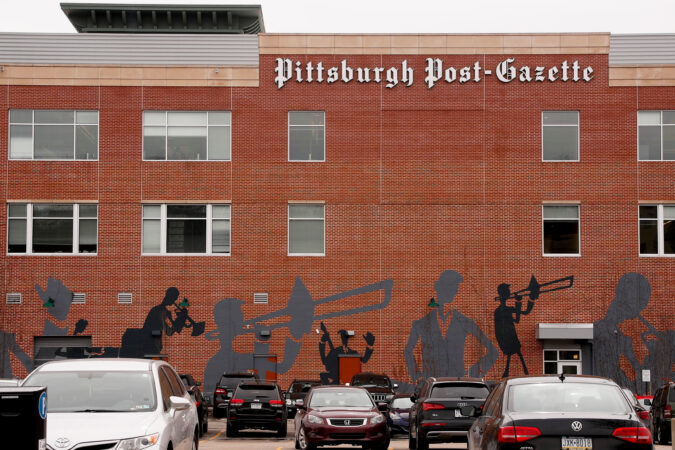
    The news that the Pittsburgh Post-Gazette will soon cease publishing has, justifiably, sounded alarms across the media landscape. The end of a storied organization with deep local roots and a legacy of strong journalism should concern all who believe that a free and thriving press is fundamental to a functioning civic society.

    Among the questions clamoring for answers in light of the news: What will fill the void in Pittsburgh? Will the deep pockets of the city’s many notable philanthropies provide the funds needed to support a new news organization? Will the remaining media outlets — Pittsburgh is not a news desert by any stretch — have the capacity to grow and expand? And the existential question: Will the citizens of the Steel City see the need to support local news now that it is, to an extent, imperiled?

    As publisher of The Philadelphia Inquirer, I believe that our own experience over the past decade offers a template for success. It was only a little more than a decade ago that we were a struggling news organization, with an impressive history of notable journalism, but beset by warring owners, threatened by bankruptcy, and, in May 2014, up for sale on the auction block.

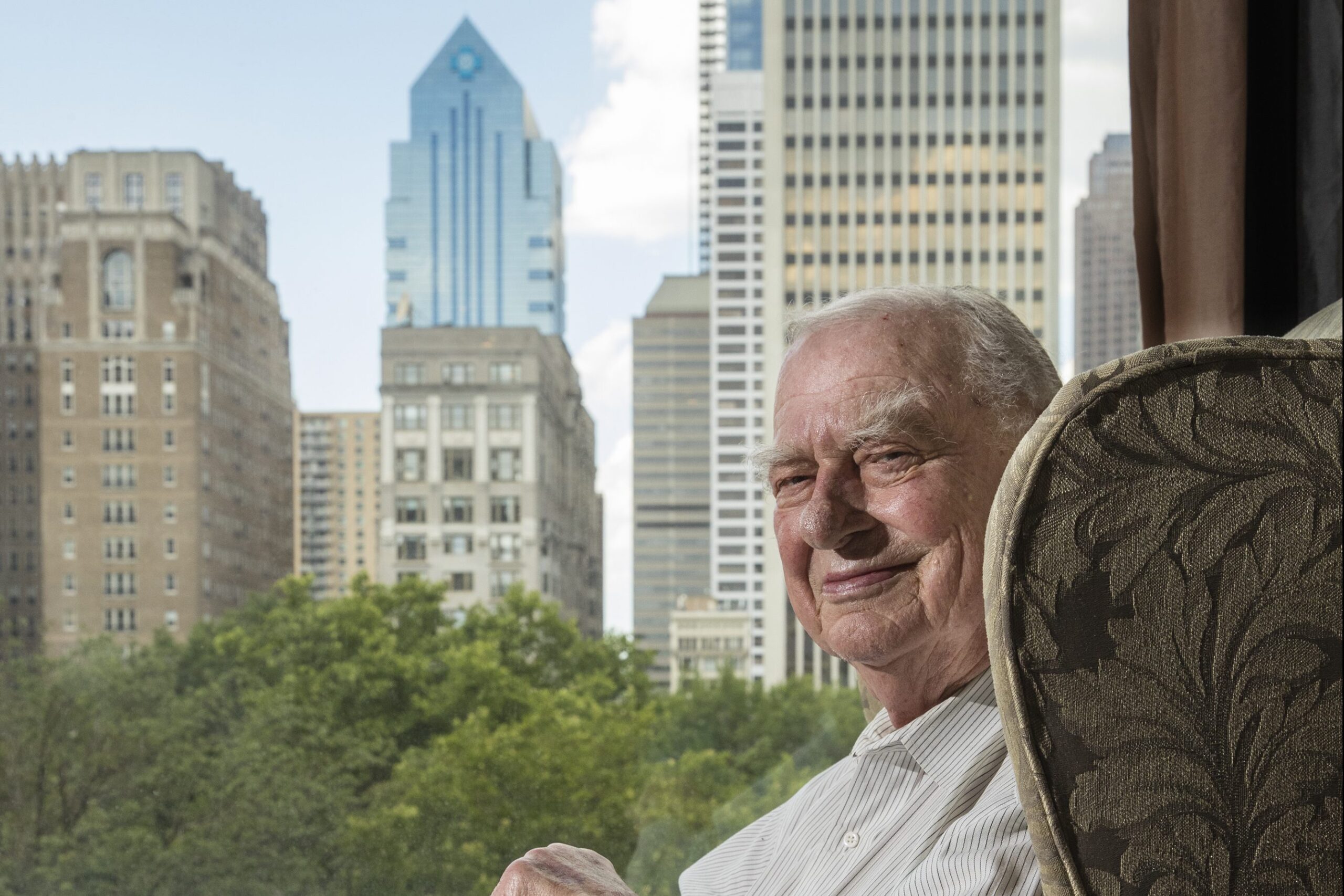
    Redemption began with a visionary philanthropist, H.F. “Gerry” Lenfest, who set out to save The Inquirer and provided the wherewithal to do it. He established the Lenfest Institute for Journalism, our nonprofit owner, and pursued an innovative tax structure that created a for-profit Inquirer with a separate board. Both are the indispensable keys to our stability and success.

    Lenfest’s generosity planted the news philanthropy seed in Philadelphia and, through the institute, established a funding mechanism that supports our journalism. His donation, in cash, allowed The Inquirer to modernize and transform from a legacy print shop to a modern multiplatform news organization.

    The late H.F. “Gerry” Lenfest’s generosity planted the news philanthropy seed in Philadelphia, writes Elizabeth H. Hughes.

    But we have also known that The Inquirer’s long-term stability — and the ability to consistently provide quality journalism — depended on building a successful and integrated business. And that meant forging a new identity through a modern brand campaign, developing a robust marketing strategy, engineering our own path to success by building our own products, and creating new and compelling opportunities for advertisers. Significantly, it also required meeting and convincing civic and business leaders that The Inquirer was a vital asset worth investing in.

    There are 200 journalists in our newsroom, and the journalism produced every day is impressive and innovative, deep and local. In the end, that is what people will pay for. And the business results? The Inquirer in 2025 had its first year-over-year increase in revenue since 2004, and an operating profit of several million.

    The majority of our revenue, 70%, comes from consumer marketing, which means people are paying for our journalism; 19% is from advertising, which signals that local businesses and institutions find merit in supporting us; and 5% from syndication and other partnerships. Philanthropy accounted for 6% of revenue in 2025, and we project donor contributions ranging from 6% to 10% going forward.

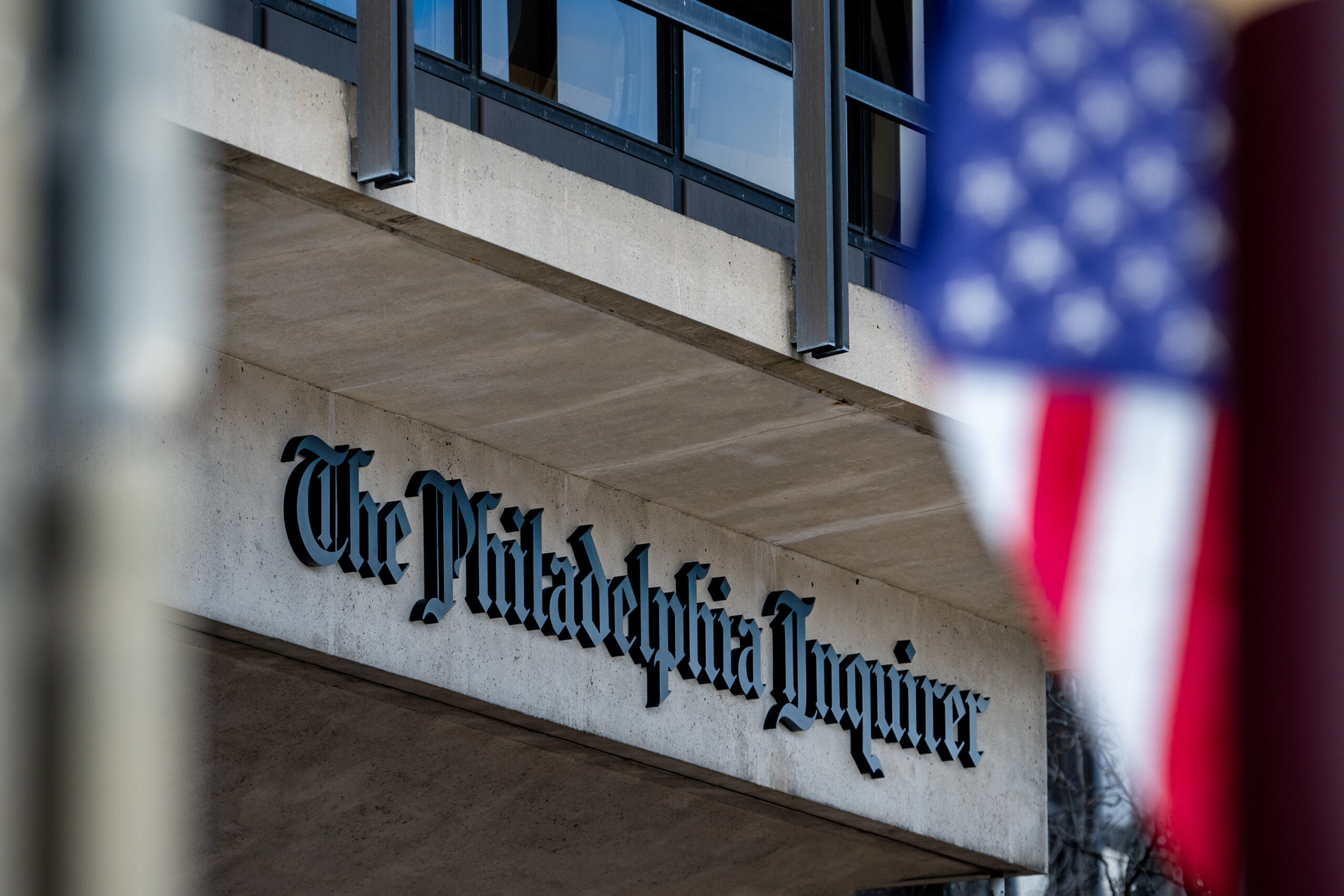
    The facade of The Inquirer’s offices on Independence Mall West. The Inquirer in 2025 had its first year-over-year increase in revenue since 2004.

    Lenfest, who died in 2018, was a successful businessman before he became an influential philanthropist. He left his mark on civic and cultural institutions throughout Philadelphia. But his last great effort was to save The Inquirer — to give it the runway it needed because he believed in the importance of local journalism.

    There is much work to be done, and challenges to be met, but the lasting legacy of H.F. “Gerry” Lenfest is an Inquirer that is stable and succeeding as a business.

    Elizabeth H. Hughes has been the publisher of The Philadelphia Inquirer since 2020.