Category: Commentary

  • Moving beyond supervision: It’s time to rethink juvenile probation

    Moving beyond supervision: It’s time to rethink juvenile probation

    Most people hear the phrase “juvenile probation” and think of second chances. They imagine a young person avoiding detention and getting the support they need to stay on track. It sounds compassionate, reasonable, and like progress. But for thousands of young people in Philadelphia and hundreds of thousands across the country, juvenile probation is not freedom; it’s a trap.

    For many youths, probation is not an opportunity to grow, but feels like walking through life with a countdown clock. Every interaction carries risk. Every mistake, no matter how small, can be interpreted as defiance or as a violation of probation. Instead of stabilizing young people, probation often destabilizes them, pulling them deeper into systems that punish rather than support.

    What is described as a “community-based alternative” becomes a constant reminder that freedom is conditional and fragile.

    Juvenile probation places youth under a long list of conditions that most adults couldn’t realistically follow. There are weekly check-ins, strict curfews, school mandates, drug tests, random home visits, and the constant threat of detention if they mess up.

    Missing an appointment, being late, skipping school during a crisis, or being around a family member who is also under supervision can all be labeled “technical violations.” These violations, while not new crimes, can send a young person straight to juvenile detention or state secure placement.

    The public rarely sees this reality, but young people and their families do.

    We both work at YEAH Philly (Youth Empowerment for Advancement Hangout), which has worked with more than 300 Philadelphia youth involved in the legal system, and we see the harm every single day.

    Probation doesn’t work the way people think

    A common narrative around juvenile probation is that it was designed to divert youth from incarceration and connect them to guidance and resources. The reality is different.

    Instead of being a short-term intervention, probation has become a default response applied broadly, regardless of a young person’s actual risk or needs. What was meant to be rehabilitative has become expansive, punitive, and deeply entangled with punishment.

    Across the country, more than 150,000 kids are on juvenile probation, many for minor or “status” offenses like skipping school or missing curfew, not violence. Black youth are disproportionately targeted, placed on probation more often, kept on longer, and violated more quickly.

    In a large study of over 18,000 youth placed on probation for the first time, about 15% broke a probation rule without committing a new crime. Black youth, who made up just over half of the group, were written up sooner than white youth and were more likely to be violated at any point during supervision.

    The system claims to be rehabilitative, but the numbers tell a different story. In many states, more young people are punished for technical violations than for new offenses.

    Youth on probation often remember only a fraction of the rules they are expected to follow, yet remain under court supervision for months or years after any public safety benefit exists.

    A Pew Charitable Trusts study found that in one state, after the first 10 months of probation supervision, there were more arrests for technical violations than for new offenses, and Black youth were more likely to be placed on probation rather than diverted to non-court services, even when offense severity was comparable.

    This is what researchers describe as “net-widening,” where more youth are pulled into the system, more rules are imposed, more pipelines to jail and prison, and more opportunities for failure without improved outcomes.

    What we see at YEAH Philly
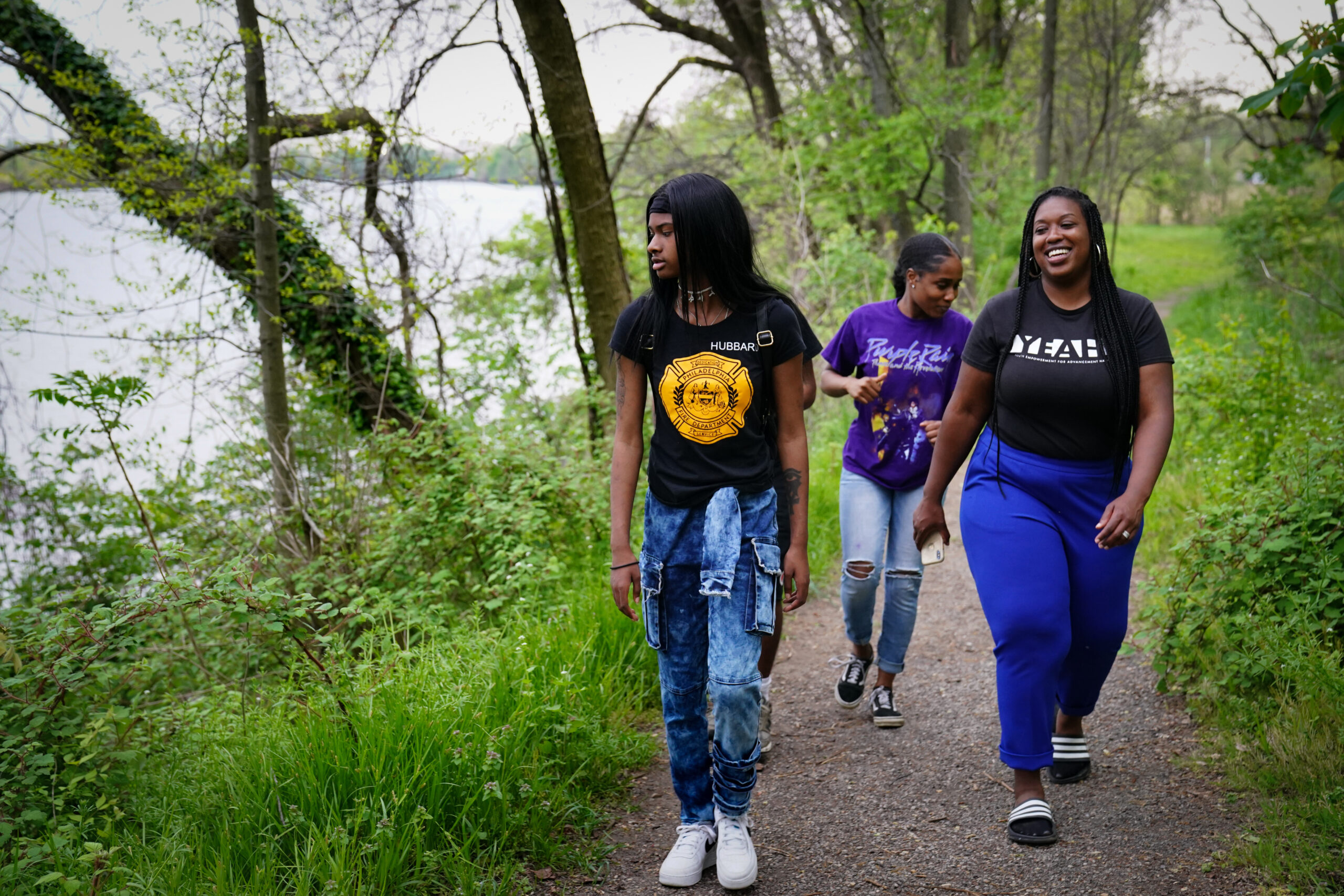
    (From left) Tayanna Hubbard, Jasmine Brown, and Kendra Van de Water walk during a YEAH Philly nature walk at Bartram’s Garden in Philadelphia in April 2021.

    Every week, young people come to us terrified of making a mistake. They are trying to navigate a system built on compliance while also surviving poverty, school instability, community violence, and unmet mental health needs.

    We work with teenagers who miss appointments because SEPTA was delayed, or because they have no reliable way to travel across the city. We see youth violated for missing school when the real issue was a lack of clean clothes, food insecurity, or an unsafe home environment.

    We support young people placed on probation not because they caused harm, but because they needed help; help that juvenile probation was never designed to provide.

    These are not failures of individual responsibility; they are failures of a system that confuses surveillance with support and punishment with accountability. Juvenile probation wears the mask of care, but it operates through control and coercion.

    Why probation can’t be ‘reformed’

    Cities have tried for decades to tweak juvenile probation with fewer conditions, shorter terms, or trauma-informed training. While these reforms may reduce some harm, they do not change the core structure of probation itself.

    Juvenile probation still polices adolescence instead of supporting it. It punishes normal teenage behavior, responds to trauma with surveillance, and relies on the constant threat of incarceration to enforce compliance.

    A system built on control cannot be transformed into one rooted in care through policy tweaks alone. There must be a complete overhaul to create something better.
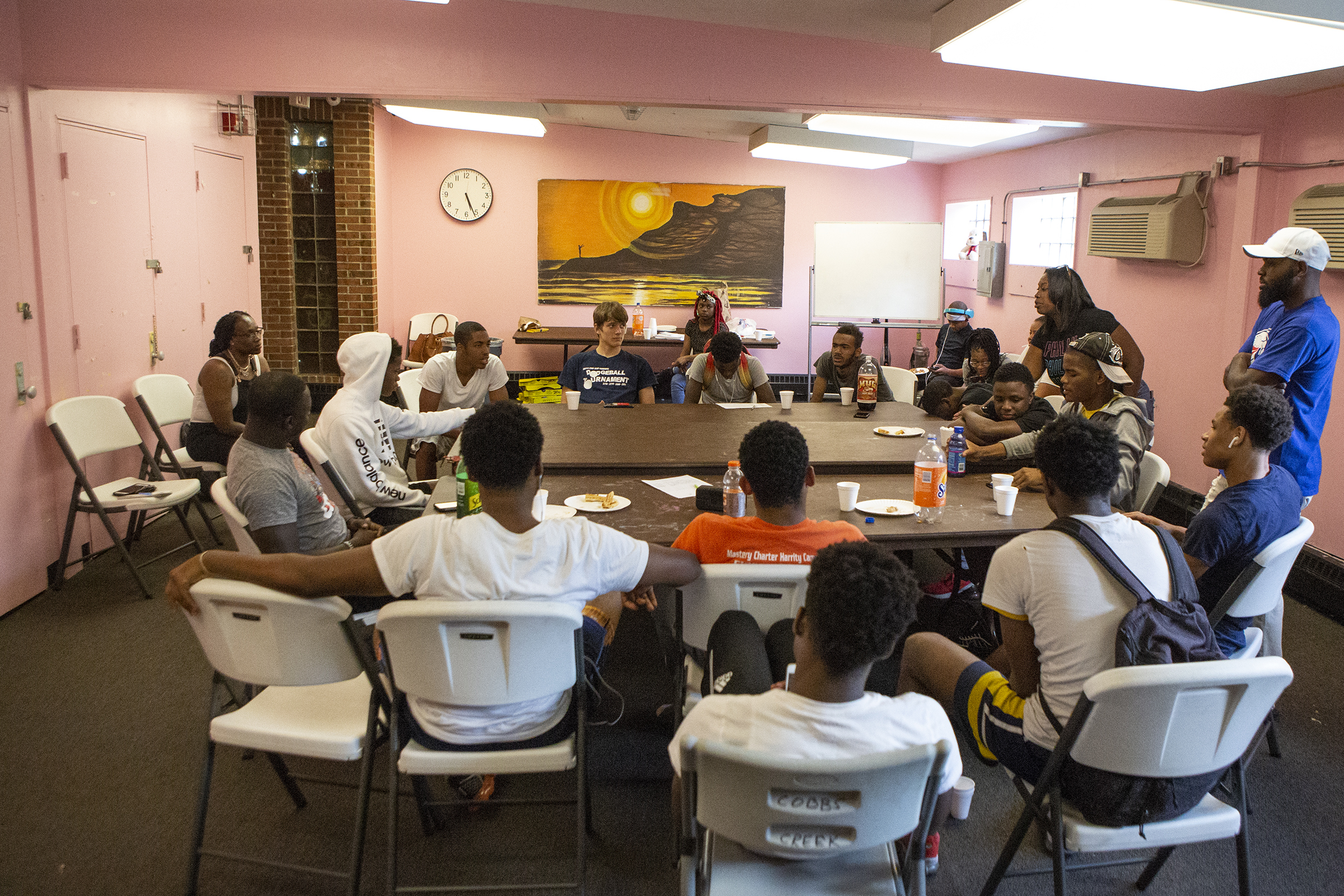
    A group of teens and two police officers meet during the final session of a YEAH Philly pilot program at the Cobbs Creek Recreation Center in June 2019.

    YEAH Philly’s approach through our Violent Crime Initiative and healing-centered youth support model shows what is possible when young people are surrounded by genuine care rather than constant monitoring.

    When youth have trusted adults, access to transportation, meals, basic needs, job opportunities, therapy, mediation, and a safe place to go every day, they grow. They build accountability because they feel connected, not controlled.

    Community-based models across the country show the same results, where healing and restorative approaches reduce reoffending more effectively than supervision ever has.

    People hear “end juvenile probation” and fear it means “end safety.” But abolition does not mean abandoning young people. It means abandoning systems that have consistently failed them.

    Abolition means replacing surveillance with support, punishment with opportunity, control with care, and isolation with belonging.

    Crafting a new vision

    In the coming months, YEAH Philly and the Gault Center, alongside youth, families, and researchers, will launch the Juvenile Probation Accountability Coalition.

    The coalition will expose the harms of juvenile probation through youth-led research, hold systems accountable for the trauma they create, elevate community-based accountability models, and push for policies and models that move us beyond probation.

    Our goal is a national blueprint for real public safety rooted in dignity and care.

    Philadelphia has an opportunity to lead the nation in redefining accountability and safety for young people. We can build systems that help youth grow instead of continuing to invest in systems that wait for them to fail.

    Ending juvenile probation is not a radical idea. It is an overdue commitment to young people’s futures.

    It is time to move from supervision to support, and from punishment to possibility.

    The Juvenile Probation Accountability Coalition is coming — and this is just the beginning.

    Kendra Van de Water is the cofounder and co-CEO and Mona Baishya is the Violent Crime Initiative research director at YEAH Philly. For more information about the Juvenile Probation Accountability Coalition and the forthcoming work, please contact Van de Water (kvandewater@yeahphilly.org) or HyeJi Kim (hkim@defendyouthrights.org).


  • Let’s talk about blagony: What it means to be the only Black person at work

    Let’s talk about blagony: What it means to be the only Black person at work

    There is a word I want us to consider: blagony. It’s a portmanteau of Black and agony, and it captures a specific psychological space.

    It’s not merely being the only Black person in the boardroom. It’s the sustained emotional labor, the relentless vigilance, the pressure of representation and racialized perception — all while trying to meet the explicit performance metrics of any job.

    The only Black engineer in a meeting. The single Black adviser on a team. The only Black teacher, the only Black graduate student. The Black female leader whose presence is always under the magnifying glass.

    This is the daily landscape for many, and it is, in its quiet omnipresence, exhausting.

    To understand blagony is to understand that workplace stress isn’t just about deadlines and deliverables. In the last decade, a significant body of research has reminded us that burnout — the chronic stress response the World Health Organization formally recognizes in the workplace — emerges not only from workload but from identity threat, lack of psychological safety, and perpetual masking of one’s authentic self. Burnout has been with us for decades, yet we are only beginning to grasp its intersecting causes.

    In Burnout: The Secret to Unlocking the Stress Cycle, Emily and Amelia Nagoski explain that stress has a physiological component that often isn’t resolved by self-care alone. Stressors accumulate, and without mechanisms to complete the “stress cycle,” our bodies and minds remain in distress.

    Now imagine experiencing the ordinary stress of overwork while also managing the extraordinary stress of visibility — being watched, categorized, and held up as both token and template for an entire community. That’s blagony. It’s not just about being in the room; it’s about being on stage in every room.

    Organizational research shows this isn’t abstract. Studies probing wellness in underrepresented groups report that women of color — and particularly Black women — face compounded barriers in professional settings.

    The freedom to bring all of who you are to work is one of the major predictors of organizational success. Yet, for Black employees, that safety is often a mirage. They must code-switch, temper their expertise with humility, and constantly evaluate whether being authentic will be rewarded or punished, writes Jack Hill.

    They are both underrepresented and overlooked, which research connects to diminished career progression, reduced well-being, and heightened psychological strain.

    This isn’t about victimhood. It’s about recognition. True psychological safety — the freedom to bring all of who you are to work — is one of the major predictors of organizational success. Yet, for Black employees, that safety is often a mirage. They must code-switch, temper their expertise with humility, and constantly evaluate whether being authentic will be rewarded or punished.

    This labor — unmeasured, unpaid, and deeply internalized — is blagony.

    Of course, we talk about inclusion and equity, about diversity plans and affinity groups. But intention isn’t impact. A reading of workplace wellness literature reveals a troubling tendency: The wellness industry urges individual strategies — meditation, resilience, boundary setting — while often ignoring structural stressors that are built into the workplace.

    Jennifer Moss, in her widely discussed book, The Burnout Epidemic: The Rise of Chronic Stress and How We Can Fix It, argues that organizations must stop treating burnout as an individual failure and instead redesign workplaces to reduce chronic stress.

    Yet, most corporate wellness programs remain superficial: apps, yoga classes, snack bars, mindfulness sessions. None of these treats the root of blagony: the constant cognitive load of being the sole representative of a marginalized group. Psychological research calls this “identity threat,” and it’s real.

    In higher education and STEM settings, scholars highlight how Black professionals must mask parts of themselves — hide cultural cues, soften speech, temper humor — to conform to dominant norms. Every day, they must decide: Be fully me and risk being misunderstood? Or mold myself into the organizational ideal and risk losing touch with my own sense of self, or possibly risk losing my job?

    In a striking parallel, centuries of research on microaggressions show how seemingly small, everyday slights accumulate into a wear and tear on the psyche. One corporate DEI consultant who has developed mindfulness tools for Black workers notes that these workers face not only the standard burnout of their peers, but additional layers — microaggressions, coded language, isolation, and stereotypical assumptions — which add up over the years.

    That is blagony.

    Some might raise the counterargument: Isn’t this just the cost of progress? The pain inherent in entering spaces that were never designed for everyone? But that is precisely the problem. Organizations and societies that value innovation, creativity, and collective intelligence must also value plurality of perspective, and the racial and ethnic components that come along with it. If we ignore the emotional costs paid by minoritized workers, we will degrade our own workplaces and squander human potential.

    Consider the economy’s current preoccupation with “wellness.” Most wellness initiatives are rooted in an individualistic self-care model that assumes stress arises from personal habits. But when stress is born of organizational dynamics, personal adjustment alone isn’t enough.

    Nagoski reminds us: Stress is physiological, yes, but it’s also social. You cannot meditate your way out of an environment that constantly signals that your presence is provisional.

    Blagony demands more than corporate slogans or pulse surveys. It demands structural change. It demands that we rethink hiring, promotion, and evaluation criteria. It demands that we foster climates where people don’t feel the need to mask their identities to fit in. It demands sustained effort to build genuine psychological safety.

    There is also a cultural dimension. We must shift from valuing perfection to valuing wholeness. We must recognize that human beings — especially those carrying the cumulative weight of historical and structural marginalization — cannot compartmentalize identity from performance. Workplaces that expect competence without empathy will find neither.

    In my own conversations with Black professionals, what emerges over and over is not a desire for special treatment, but for authentic belonging. They don’t want to be tokens. They want to be colleagues whose full humanity is recognized and respected.

    So let’s retire the idea that burnout is merely overwork. Let’s broaden our understanding to include blagony: the strain of being seen as a single voice for a whole community, the chronic vigilance against bias, the emotional taxation that is neither acknowledged nor compensated.

    If we want workplaces that are not just more diverse but more human, then we must reckon with this. Because until we address the unique stressors Black employees carry — and redesign institutions to reduce them — we will continue to lose not just talent, but our shared moral coherence.

    Blagony is not a symptom of individual weakness. It is a signal that our workplaces — and our culture — still have far to go.

    Jack Hill is a diversity consultant, child advocate, journalist, and writer.

  • Four of the five Mar-a-Largo-faced women on ‘Members Only’ are from Philly. Why are we watching this?

    Four of the five Mar-a-Largo-faced women on ‘Members Only’ are from Philly. Why are we watching this?

    I’m embarrassed.

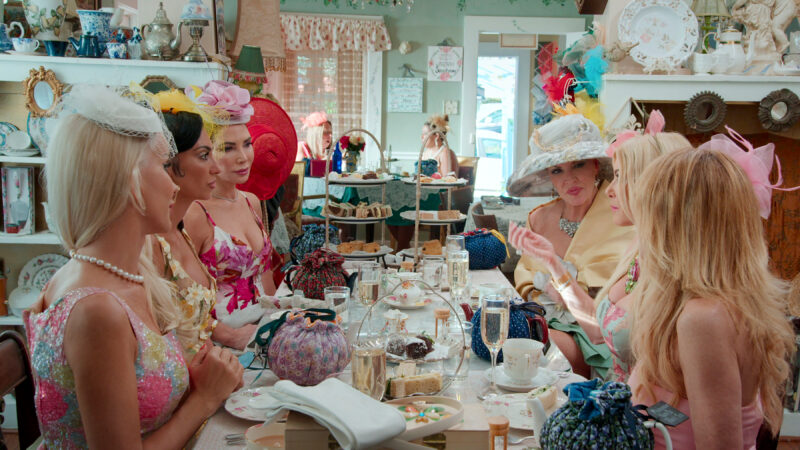
    I drank in the glamorous high-pitched cattiness of Netflix’s soapy reality TV series Members Only: Palm Beach — starring four women with Philadelphia ties — like a bottomless carafe of mimosas, finishing the eight 45-minute episodes in less than two days.

    Members Only debuted in the final days of 2025 on Netflix’s Top 10 list. It gives old-school Housewives vibes and throws a spotlight on the women who live in and around President Donald Trump’s 20-acre oceanfront Mar-a-Largo estate.

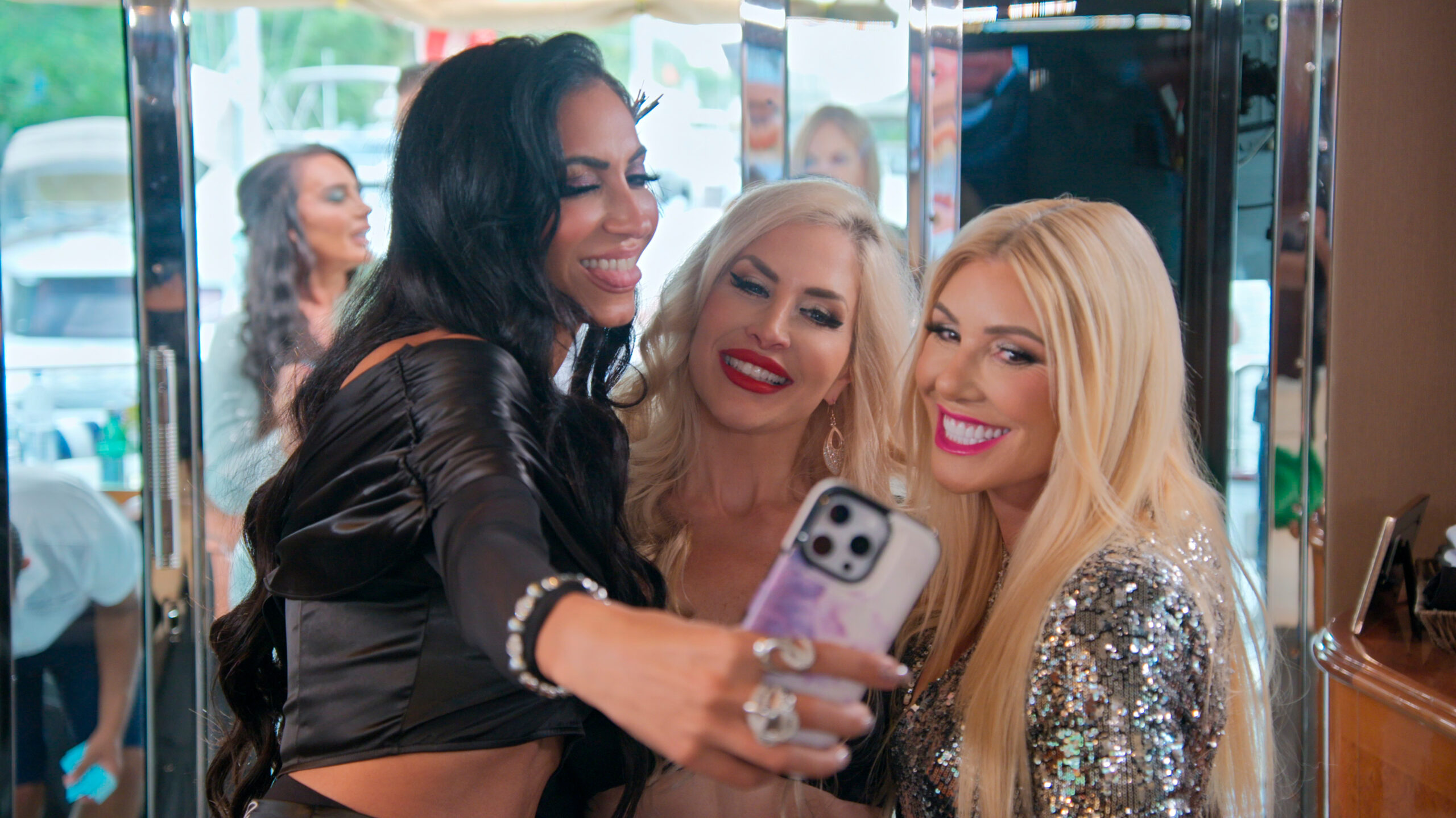
    Maria Cozamanis and Romina Ustayev in episode 101 of “Members Only: Palm Beach.”

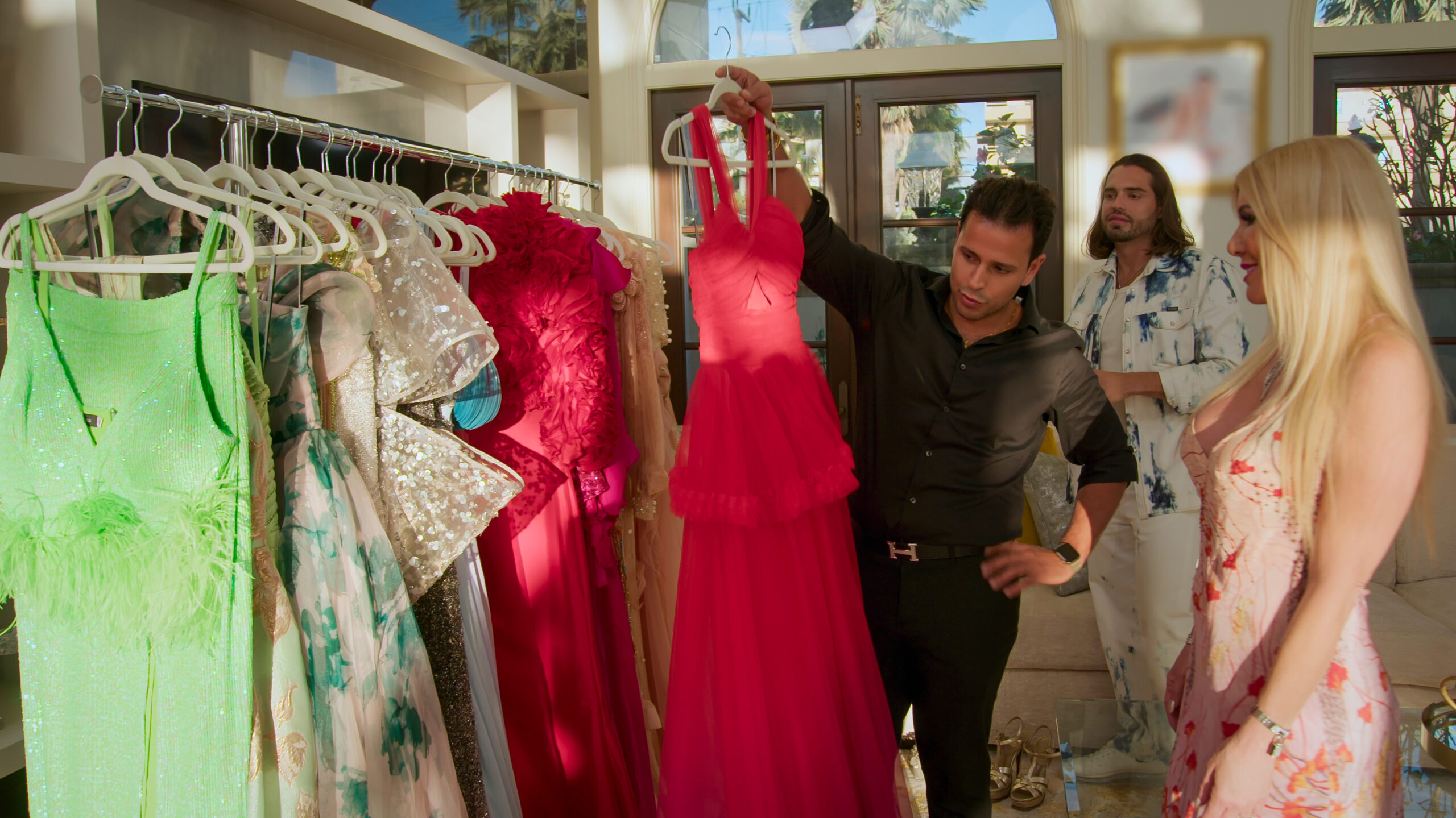
    The gaudy maxi dresses, overfilled lips, horrible lace front wigs, and the backstabbing. It’s all a hot mess.

    Members Only is if Jersey Shore ran into a train wreck. But instead of getting caught up in the mean girl shenanigans of 20-somethings, I was gobsmacked by the ugly behavior of 50+ women acting like petty middle schoolers in the name of preserving high society.

    Former Bryn Mawr interior decorator and real estate mogul Hilary Musser, whose fifth wedding to a doorman is one of the ostentatious affairs featured, is the Queen Bee.

    Philadelphians will remember Musser’s 2005 divorce from late billionaire Pete Musser, whom she married in 1995 when she was 29 and he was pushing 70. (Some people are still talking about it.)

    Musser now sells million-dollar waterfront mansions in Palm Beach and it’s rumored she joined the rest of the relatively unknown cast to help sell her properties.

    Hilary Musser in episode 101 of “Members Only: Palm Beach.”

    She holds steadfastly to Palm Beach’s strict dress codes. (It’s improper to show cleavage and leg in the same ensemble as a Palm Beach rule). Four-letter words offend her. Crying in public is a no-no. She’s nice only to New Yorker-turned-wellness-entrepreneur Taja Abitbol, partner of former MLB pitcher David Cone and the only non-Philly-affiliated woman in this core group.

    The rest of the Philly-connected ladies smile in Musser’s face and grumble behind her haltered and tanned back.

    Maria Cozamanis ad Romina Ustayev in episode 101 of “Members Only: Palm Beach.”

    They are: Maria Cozamanis, a DJ who moved from Philadelphia to Florida. As DJ Tumbles, she worked her way onto the Palm Beach society scene DJing lavish charity events at Mar-a-Largo. Roslyn Yellin is a former Bucks County Zumba teacher and grandmother with Cinderella ambitions. “My morals and values start at home with my family and husband,” she said in the first episode, as if reading from Vice President JD Vance’s family value cue cards.

    And finally, there’s Yellin’s frenemy, Romina Ustayev, an Uzbeki immigrant and former home care business and fashion line owner in Philadelphia. She calls herself the Kim Kardashian of Palm Beach.

    “I love going to Mar-a-Largo and being in the same room as the president and Elon Musk,” she said, near hysterically, in one episode. “You feel like, ‘Oh my God. You’ve made it.’”

    Maria Cozamanis and Romina Ustayev in episode 101 of “Members Only: Palm Beach.”

    I knew going in that Members Only’s garish opulence and prettied up gluttony was a gold-trimmed Trump fever dream, one where he sits at the center of all things tacky, loud, expensive, and hurtful. (He never makes an appearance in the show, but his name is uttered several times in awe and admiration.)

    But the moment Ustayev — an immigrant who is not quite as white as Trump’s favored Norwegian and Danish immigrants — stepped in, I knew I was watching the latest piece of Trump propaganda.

    Romina Ustayev, Maria Cozamanis, and Taja Abitbol in episode 101 of “Members Only: Palm Beach.”

    Members Only is Trump’s ideal vision of America where obscene wealth is valued and the rest of America can eat cake.

    Why is this show in our binging rotation now? Perhaps because Netflix is in the midst of finalizing a merger with Warner Bros. Discovery. The merger, which will give Netflix more than half the streaming market share, needs regulatory approval from the Trump administration.

    Thanks to Members Only, the Mar-a-Largo face doesn’t just appear in the context of the White House. Think Attorney General Pam Bondi, Secretary of Homeland Security Kristi Noem, and White House spokeswoman Karoline Leavitt, their plump lips, and heavily Botoxed and made-up faces.

    Romina Ustayev and Maria Cozamanis in episode 101 of “Members Only: Palm Beach.”

    Now we see these faces as we try to relax and binge-watch trash television. There is no escaping.

    Members Only‘s arrival on Netflix is the next logical step in the White House’s messaging and shaping of America’s image. Trump started dismantling America’s diverse optics immediately after he took office and proceeded to remove photos of President Barack Obama from prominent places in the White House in an effort to erase evidence of the first Black president’s existence.

    In advance of last Thanksgiving’s travel season, Transportation Secretary Sean Duffy unveiled the Golden Age of Travel campaign, urging airline travelers to dress natty when flying. At the center of the campaign are black and white pictures of white travelers gussied up like the fictional Main Liners in Katharine Hepburn’s 1940 film Philadelphia Story.

    Rosalyn Yellin in episode 101 of “Members Only: Palm Beach.”

    And then last summer, Department of Homeland Security used Norman Rockwell paintings in its social media marketing. The images — denounced by Rockwell’s family — show mid-20th-century suburban whites living a blissful white picket fence existence paired with the administration’s anti-immigration slogans “Protect our American way of life” and “DEFEND your culture.”

    During a tense moment on the show, Ustayev shares with Yellin and her mentor, New York socialite and Palm Beach grand dame Gale Brophy, that Palm Beach society did not respect her culture, which includes asking for money at birthday parties and eating with her fingers. (Clutching my pearls.)

    Brophy’s response: “Go back to your country.”

    The inclusion of this kind of xenophobia into pop culture is better than anything Fox News can drum up.

    Johnny Gould, founder and president of Superluna Studios and the executive producer of Members Only, insists his show is not political.

    He admitted Mar-a-Largo is in the zeitgeist. “After all it is the winter White House,” he said. But he made Members 0nly because he was intrigued with Palm Beach society’s social hierarchy, one of the last in America.

    The heart of Members Only, Gould said, is its “private club culture and B & T [Bath & Tennis] Boca Beach Resort, Breakers, and Mar-a-Largo [which] are at the center of social circles and drive societal rules and expectations,” Gould said. “That’s what connects these five ladies.”

    Romina Ustayev, Rosalyn Yellin in episode 103 of “Members Only: Palm Beach.”

    The Philadelphia connection, Gould said, was a coincidence.

    “I didn’t set out to make a show about Palm Beach featuring Philadelphia society women,” Gould said.

    (Good thing, because except for Musser, some of the Philly ladies-who-lunch crowd say they have no idea who these women are, nor do they want to.)

    “It was about the chemistry,” Gould continued. “For example, when I went to Hilary’s house and she came sweeping down the stairs in a beautiful gown on a Tuesday, immediately, I was intrigued.”

    Romina Ustayev and Hilary Musser in episode 101 of “Members Only: Palm Beach.”

    Everything else, Gould said, “fell into place.”

    [Members Only] is not about curing cancer,” he said. “It’s about pouring yourself a glass of wine [and taking] a really fun ride in a place that none of us will ever have access to and a lifestyle none of us will get a chance to experience.”

    That’s true.

    Of course, these women don’t care about curing cancer. (Trump’s secretary of health, Robert F. Kennedy Jr., is shutting down clinical trials that are meant to find cancer treatments.)

    The show sells viewers an “aspirational” lifestyle in Trump’s image. And if Trump has his way, soon we will be living in a society where there will be even more haves and have nots, completely robbing the poor — and the middle class— of upward mobility.

  • Pa. leads in making breast cancer screening more accessible

    Pa. leads in making breast cancer screening more accessible

    Pennsylvania is leading the way on breast cancer screening policy. Thanks to Senate Bill 88, a decisive move from the commonwealth, patients with state-regulated health plans will no longer face high out-of-pocket costs when an abnormal screening requires follow-up breast imaging.

    Many Americans assume this is already the case, given the Affordable Care Act’s promise of no-cost preventive services. With breast cancer, however, that’s not always true.

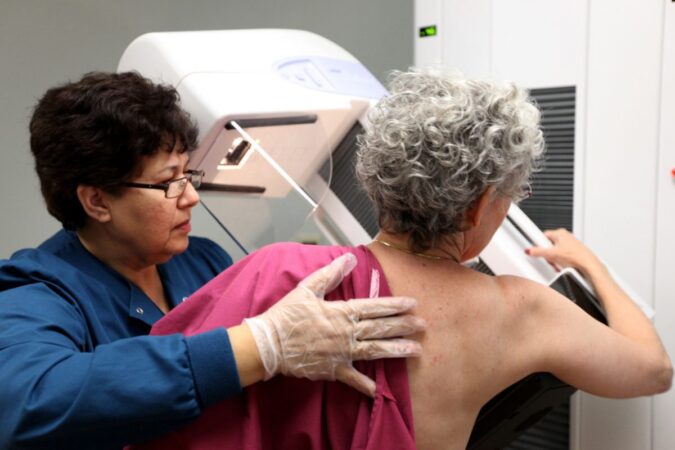
    Patients whose routine screening mammogram reveals an abnormality require additional imaging for a more detailed look. Those who are at high risk due to family history, dense breast tissue, or a genetic abnormality may need an MRI or ultrasound for their routine screening, rather than a standard mammogram.

    Cultural, economic, and other social factors, including access to health care, may influence the lower rate of breast cancer screening.

    Neither meets most health plans’ technical definition of “preventive care.” And, in many parts of the country, both can cost hundreds, even thousands, of dollars out of pocket.

    By eliminating out-of-pocket costs for patients, Pennsylvania is establishing itself as a national leader in breast cancer treatment. But this state legislation can only go so far, and many people still face major gaps in coverage when they need breast imaging beyond a screening mammogram.

    As it turns out, that lack of coverage doesn’t sit well with voters.

    Support for treatment

    In a national poll of 1,000 Republican primary voters commissioned by the Alliance for Breast Cancer Policy, sentiment on the topic was clear: If a patient needs breast imaging, they should get it — with the full cost covered by their health plan.

    A full 95% of polled voters said insurers should cover the full cost of all recommended breast imaging, not just the standard screening mammogram. After all, preventive care means preventive care. Voters recognize that. When health plans split hairs and argue technicalities, they do so at the patients’ risk.

    A bill before Congress would help, covering many in Pennsylvania who will still fall through the cracks even after the passage of SB 88. Known as the Access to Breast Cancer Diagnosis (ABCD) Act (S 1500/HR 3037), the federal legislation would eliminate out-of-pocket costs for patients’ necessary breast imaging.

    And 85% of polled voters responded to the legislation’s primary goal: ensuring women get the answers they need before it’s too late. When breast cancer is caught early, treatment is more effective, less invasive, and far more likely to lead to positive outcomes — with five-year survival rates as high as 98%. Early detection saves both lives and dollars.

    Respondents expressed support for the ABCD Act, especially given the impact the bill would have on those who often can’t get the help they need: rural, lower-income, Black, Hispanic, and younger women.

    With costs for healthcare so high, many, especially younger women who make up 10% of all new breast cancer cases in the U.S., are looking toward high-deductible health plans to lower their monthly costs. But this often comes with less comprehensive coverage before a deductible. Two-thirds of polled voters say the full cost of necessary breast imaging should still be covered for those with high-deductible health plans.

    Pennsylvania is proving that bold, patient-centered policy can save lives and reduce costs. Yet, in more than half the country — and still for some in the Keystone State — outdated insurance rules still force patients to choose between lifesaving breast imaging and paying their bills.

    It’s time for Congress to follow Pennsylvania’s lead and make comprehensive breast cancer imaging a priority.

    Breast cancer doesn’t wait. In 2025, an estimated 43,000 women and men in the U.S. lost their lives to the disease, including 1,800 in Pennsylvania alone. Access to early diagnosis should never hinge on the state you reside in. Congress should take note of Pennsylvania’s recent legislation and ensure lifesaving screenings are within reach for everyone.

    Molly Guthrie is vice president for policy and advocacy at Susan G. Komen and leads the Alliance for Breast Cancer Policy.

  • Love as direct action: Building a new golden age in Philadelphia

    Love as direct action: Building a new golden age in Philadelphia

    As our nation marks Martin Luther King Jr. Day, we return to the teachings of a leader who understood that justice demands more than good intentions. The Rev. Dr. Martin Luther King Jr. once said, “I think of love as something strong, and that organizes itself into powerful, direct action.”

    Today, when hatred and division feel increasingly emboldened, that call to organize love is not just inspiring. It is instructive.

    In recent years, many have embraced what is often called “allyship.” Too often, however, it stops there. Statements replace substance. Solidarity appears online, but disappears when issues become uncomfortable or complex.

    Even the language of allyship is revealing. An ally is, by definition, part of a temporary alliance, formed for a specific battle and dissolved when circumstances change. That framework was never meant to sustain lasting relationships.

    If we want to change culture, not just react to crises, we must move beyond allyship to something deeper and more enduring: genuine friendship.

    Friendship lasts beyond the news cycle. It holds through disagreement and discomfort. It requires showing up not only when harm is visible, but when the spotlight is gone. It is the only foundation strong enough to support a multiracial, multifaith movement capable of confronting hatred in all its forms.

    That belief is why we founded the New Golden Age Coalition: to revive and strengthen the historic connection between Black and Jewish communities in Greater Philadelphia. That connection is rooted in shared experiences, from collaboration during the civil rights movement to everyday moments of partnership in neighborhoods, houses of worship, and civic life.

    History does more than inspire us; it reminds us of what is possible when communities refuse to stand apart.

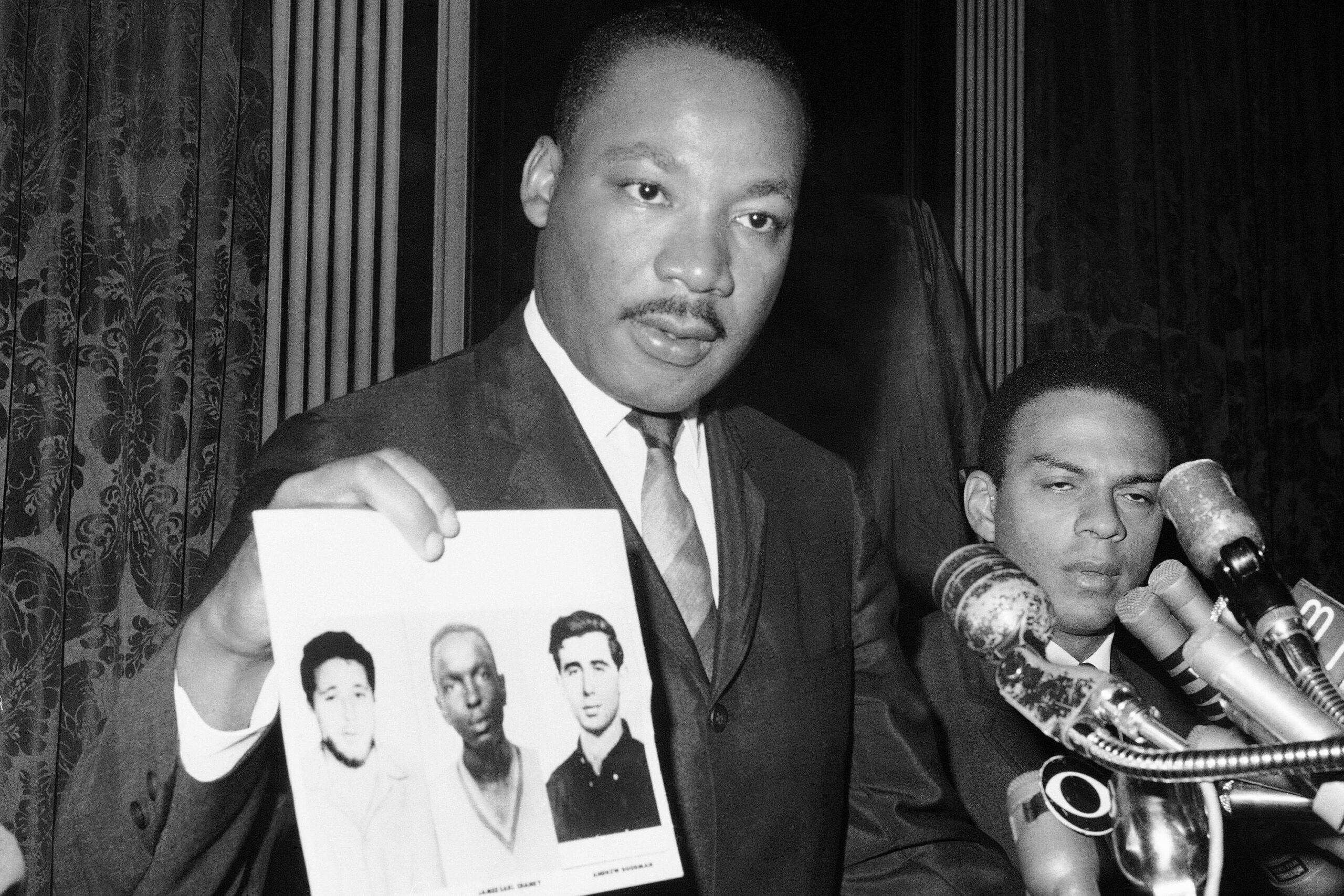
    The Rev. Dr. Martin Luther King Jr. displays pictures of three civil rights workers murdered in Mississippi in 1964.

    But history alone is not enough. Partnership cannot survive on nostalgia. It must be renewed through action, guided by the kind of love King described: love that acts, love that protects, love that builds.

    And the urgency could not be clearer.

    Here in Philadelphia, racist and antisemitic graffiti was discovered at Roxborough High School. Beyond our city, the danger is stark, as well. In Jackson, Miss., Beth Israel Congregation was set on fire in an antisemitic attack. According to the FBI, the suspect confessed to targeting the historic synagogue because of its “Jewish ties.”

    That same synagogue was bombed by members of the Ku Klux Klan in 1967, which also targeted the rabbi’s home months later because of his support for the civil rights movement. The fire echoes an older Southern terror that sought to intimidate Black and Jewish communities during the civil rights era — a reminder that the work Dr. King led remains unfinished.

    Today’s world can feel overwhelmingly dark. Antisemitism is surging. Anti-Black racism remains deeply entrenched. In a moment like this, our response must be grounded in love strong enough to confront hatred, and courageous enough to be expressed publicly, consistently, and collaboratively.

    The New Golden Age Coalition organizes that love through three core pillars:

    Rebuilding the bridge to beat bigotry

    We are cultivating genuine relationships between Black and Jewish Philadelphians — relationships that allow us to confront antisemitism, racism, and all forms of hate.

    Enhancing security and violence prevention

    Our communities face growing threats from extremism, gun violence, and systemic neglect. We are working together to create safer neighborhoods and protect our most vulnerable.

    Amplifying the social safety net in Greater Philadelphia

    We recognize that poverty, hunger, and instability weaken families and fuel despair. Our coalition is committed to supporting and expanding the institutions that give people hope, dignity, and opportunity.

    On this MLK Day, we choose not to offer feel-good slogans. Instead, we recommit ourselves to the labor of love that King demanded: strong, organized, and directed toward justice.

    This means spending time in one another’s neighborhoods, houses of worship, schools, and community spaces. It requires listening before reacting, staying present when conversations are difficult, and approaching one another with love and compassion. It also means standing up for one another’s causes — not because they are convenient or popular, but because injustice anywhere threatens the dignity of us all.

    This MLK Day, we invite Philadelphians to move closer rather than retreat — to share meals, attend one another’s gatherings, stand together in moments of joy and pain, and build relationships that last beyond crisis. This is love in action. Together, it is how we build a new golden age.

    Philadelphia deserves nothing less.

    Jason Holtzman is the chief of the Jewish Community Relations Council of the Jewish Federation of Greater Philadelphia. Pastor Carl Day is the founder of Culture Changing Christians. Together, they are cofounders of the New Golden Age Coalition.

  • Finding a trickle of hope for Pennsylvania’s streams in 2026

    Finding a trickle of hope for Pennsylvania’s streams in 2026

    The Delaware River, the Chesapeake Bay, and other flagship waterbodies make news headlines with stories of the long and costly struggles to restore their fish and other wildlife.

    But while these high-profile efforts grind on, the real story of the Delaware River’s health hits closer to home.

    Beneath the ice on small streams across Pennsylvania, thousands of species of fish, insects, snails, and mussels are waiting quiescently for spring, just as fishers, kayakers, and water lovers wait out the cold winter months, eager for spring.

    Poor report card

    Alarmingly, Pennsylvania’s recent river report card indicates that some of those streams are likely to wake up in the spring more degraded than last year. The tally of impaired streams and rivers in Pennsylvania grew by 852 miles since 2024 (longer than a round-trip drive from Philadelphia to Erie), while only 154 miles of streams (shorter than a round trip to Lancaster) were removed from that list.

    Overall, our rivers are worse off than they were two years ago, and 37% of the state’s waterways remain impaired. If there were a hospital for polluted streams, five patients would have entered for every one patient discharged. And the larger the river and the broader the watershed, the bigger the challenge of bringing back fish and wildlife.

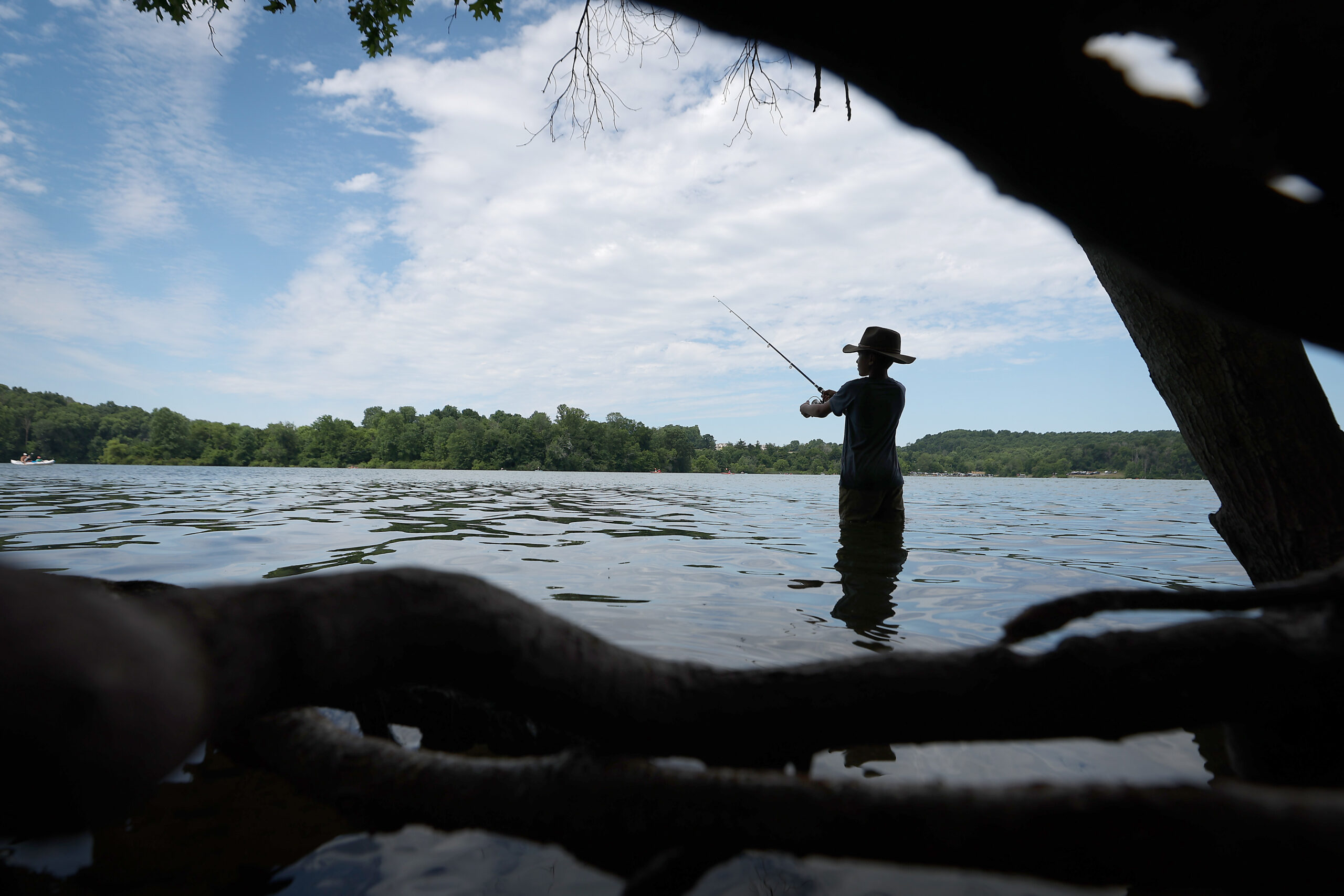
    A boy fishes at Marsh Creek State Park in Chester County. Restoring Pennsylvania’s rivers and streams benefits fish and wildlife.

    While the report isn’t uplifting, we are fortunate that the state Department of Environmental Protection produces a thorough and transparent analysis of the facts on where and why improvement and degradation have occurred. The report shows us that the key to faster success is focusing efforts around small headwater streams.

    These streams, the ones our roads carry us over every day in our communities and that often go unnoticed, are where we find a trickle of hope: Watershed improvements lead to cleaner streams and healthier fish and wildlife populations. They are also the streams that can bring communities together to protect open space, strengthen zoning laws, and form partnerships to target local sources of pollution.

    Restoring health

    Usually, the science shows us that streams don’t need invasive repairs with backhoes and chain saws akin to a surgeon’s curette and bone saw; they need, like many people making New Year’s resolutions, to go on a diet — for streams, one that’s lower in pollution and higher in leaf litter.

    Practically, this means aggressive reduction and treatment of stormwater runoff, eliminating sewer overflows, upgrading sewage treatment, preserving and planting forests, restoring the healthy agricultural soils that benefit farmers, and reducing the use of chemicals on our own properties.

    We expect 2026 will bring news of the important progress being made to the Delaware River, as the Philadelphia Water Department will soon be required to meet new water quality standards. Cheer for the Delaware and other superstar rivers, but remember that progress starts at the source of pollution.

    Therefore, in 2026, we hope to see a new focus on clustering pollution reductions and protections in smaller watersheds, where measurable improvements in fish and wildlife communities are faster, cheaper, and easier to achieve. That will require more DEP staff to make those measurements, more engaged citizens to champion local actions, and more science to guide the rehabilitation of our streams and watersheds.

    Just as evidence-based medicine improves health outcomes and lowers costs, evidence-based restoration improves biological outcomes for our streams and rivers.

    The list of potential pollutants is long, so research is needed, now more than ever, on how to restore fish and wildlife at the lowest cost.

    Scott Ensign is the assistant director and a research scientist at Stroud Water Research Center. David Arscott is the executive director and a research scientist at the Stroud Center.

  • Trump’s message to politically active mothers: Stay home, or your children will suffer the consequences

    Trump’s message to politically active mothers: Stay home, or your children will suffer the consequences

    The first time the police arrested me, in 2011, I expected it. We were Occupy Philadelphia, we were doing a sit-in at the Comcast lobby. Of course, they led us out in cuffs.

    The second time, I didn’t see it coming. Cops stormed the Occupy encampment, driving us into the street. They trapped us with barricades, making their subsequent dispersal orders a physical impossibility.

    Then, they arrested us illegally for our supposed failure to comply, hauling us all to jail. The experience was shocking. Naively, I had thought that attempted compliance would spare us arrest that day.

    My shock at the time seems quaint now. In the decade that followed, Philadelphia police at mass protests showed an increasing disregard for their supposed rules, the law, and our bodies.

    Tear gas is fired at protesters on I-676 on the third day of Philadelphia protests in response to the police-involved death of George Floyd in Minneapolis, in June 2020.

    During the 2018 Abolish ICE protests, they bruised us and destroyed our belongings. In 2020 — as we protested George Floyd’s murder — they tear-gassed nonviolent crowds, often also shooting at us with potentially lethal baton rounds.

    Those 2020 marches were the last mass protest I felt able to take part in, not out of a sense of self-preservation, but because we had begun to try and start a family. There is no proving that the sudden, heavy bleeding I experienced immediately after the gassings was a miscarriage. No proving that my inability to conceive in the following seven months had any relation to the gas. I’ll never know. What I do know: There is ample evidence demonstrating these chemical weapons to be abortifacients and hormonal disruptors.

    When we did finally manage conception, I feared too much for my pregnancy to attend mass protests and risk that gas again. I’d spent my entire adult life organizing and attending political demonstrations; it felt like a major part of my vocational identity had been stolen from me.

    After giving birth in 2021, I knew from my Occupy years that even perfect compliance could not protect me from arrest and detention. I was breastfeeding, and my underweight infant routinely rejected offers of formula. I couldn’t risk the possibility of separation or a tainted milk supply.

    Then another pregnancy, another birth, another child dependent on breast milk. Mass protest faded even farther into the rearview mirror.

    As the second Trump administration implemented textbook fascist practices and dissenting protests became increasingly vital, I agonized about my political responsibilities, but once again stayed home. My children are so young, the youngest still nutritionally breastfeeding. I still don’t feel comfortable risking even a few days’ disappearance in jail, or tear gas-tainted milk supply.

    As the previous week’s events made clear, birthing parents and primary caretakers — a population consisting mostly of women — are increasingly in a position in which we must make impossible decisions about exercising our right to protest.

    Last Wednesday, in Minnesota, U.S. Immigration and Customs Enforcement agents shot Renee Good in the face. Eyewitnesses report that Good — a mother who had just dropped her 6-year-old off at school — received conflicting orders from ICE agents. “Get out of here,” one agent reportedly told Good. When she attempted to comply, another agent fired three shots into her car, ending her life.

    Demonstrators protest outside the White House in Washington, Saturday, Jan. 10, 2026, against the U.S. Immigration and Customs Enforcement agent who fatally shot Renee Good in Minneapolis.

    Let’s be clear: Even if Good had violated officer orders, there would be no excuse for this summary execution. Video clearly shows she posed no physical threat to any of the agents; there can be no justification for this apparent murder by agents of the state.

    I highlight her compliance not to suggest that her life should have depended on it, but to emphasize the reality that neither whiteness nor obedience protects against violent state repression. This has always been true, but we have entered an era where agents of the U.S. Department of Homeland Security and ICE act with a brazen disregard for human life, most especially the lives of not only targeted immigrant minorities but also protesters decrying this Trumpian ethnic cleansing campaign.

    These rogue agencies now treat constitutionally protected, nonviolent political speech as immediately punishable by violence, by chemical weapon, and even by death.

    The risks of protest for birthing parents and primary caretakers of young children are disproportionately high. We must fear not just for our bodies, but for our pregnancies, and the continued physical and emotional safety of our kids.

    Many of us who are politically active are increasingly forced to make impossible choices between the civic action this moment demands and our sense of responsibility to the vulnerable children who depend on us.

    The image of Good’s blood on an airbag next to a glove compartment bursting with children’s stuffed animals is a stark reminder of the reverberating familial impact of a caretaking mother’s death, and the horrors this rogue presidential regime is only too happy to inflict on dissenters — especially dissenting women.

    “Fucking bitch,” mutters one of the agents — very possibly the shooter — as he surveys the deadly wreckage. In their eyes, it seems, unruly women earn themselves an instant death sentence.

    Whatever the Trump regime’s excuses, however, Renee Good acted legally and on principle. She chose to stand up to the fascists, to stand up for her neighbors. Her civic virtue cost her her life, and cost her child a mother.

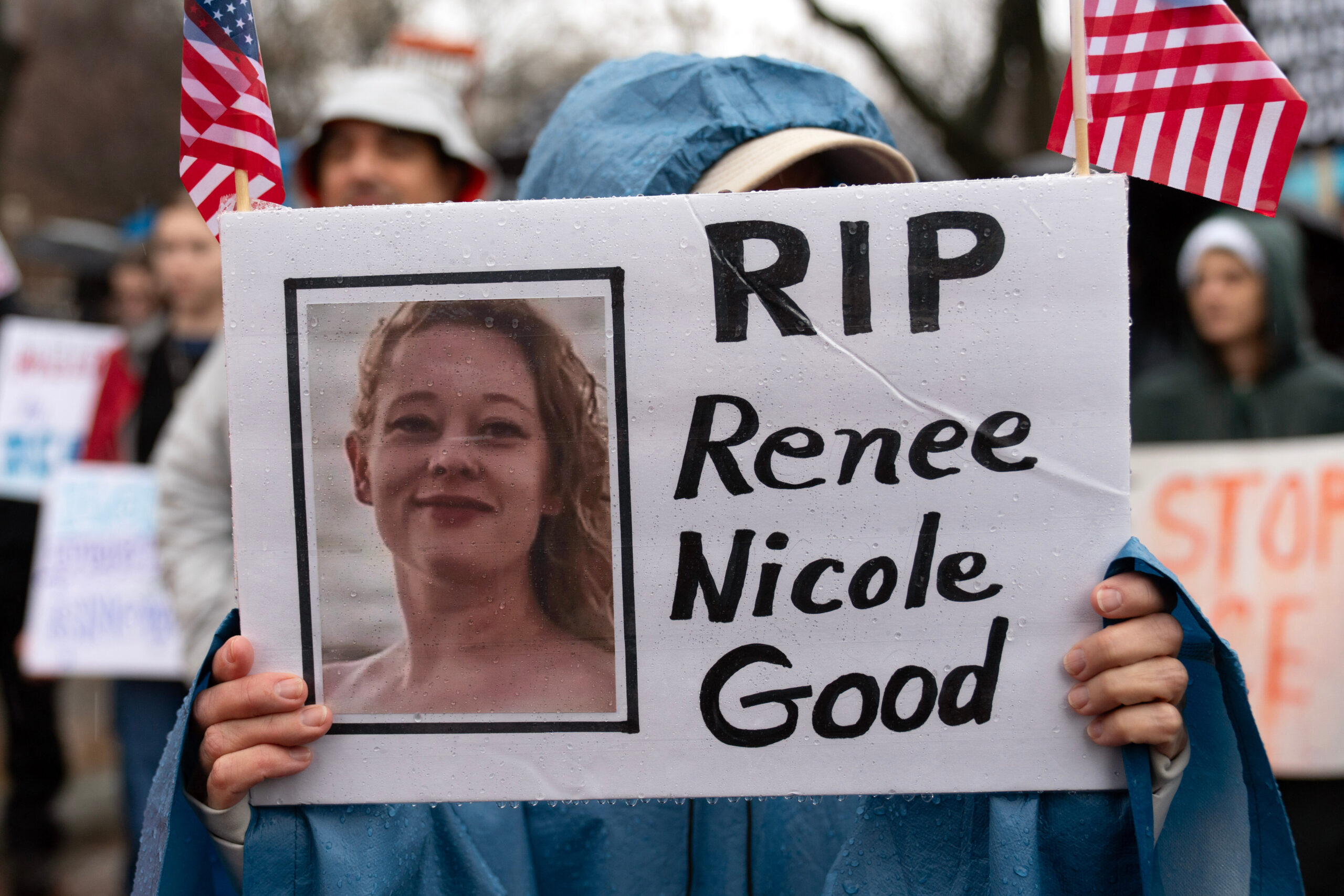
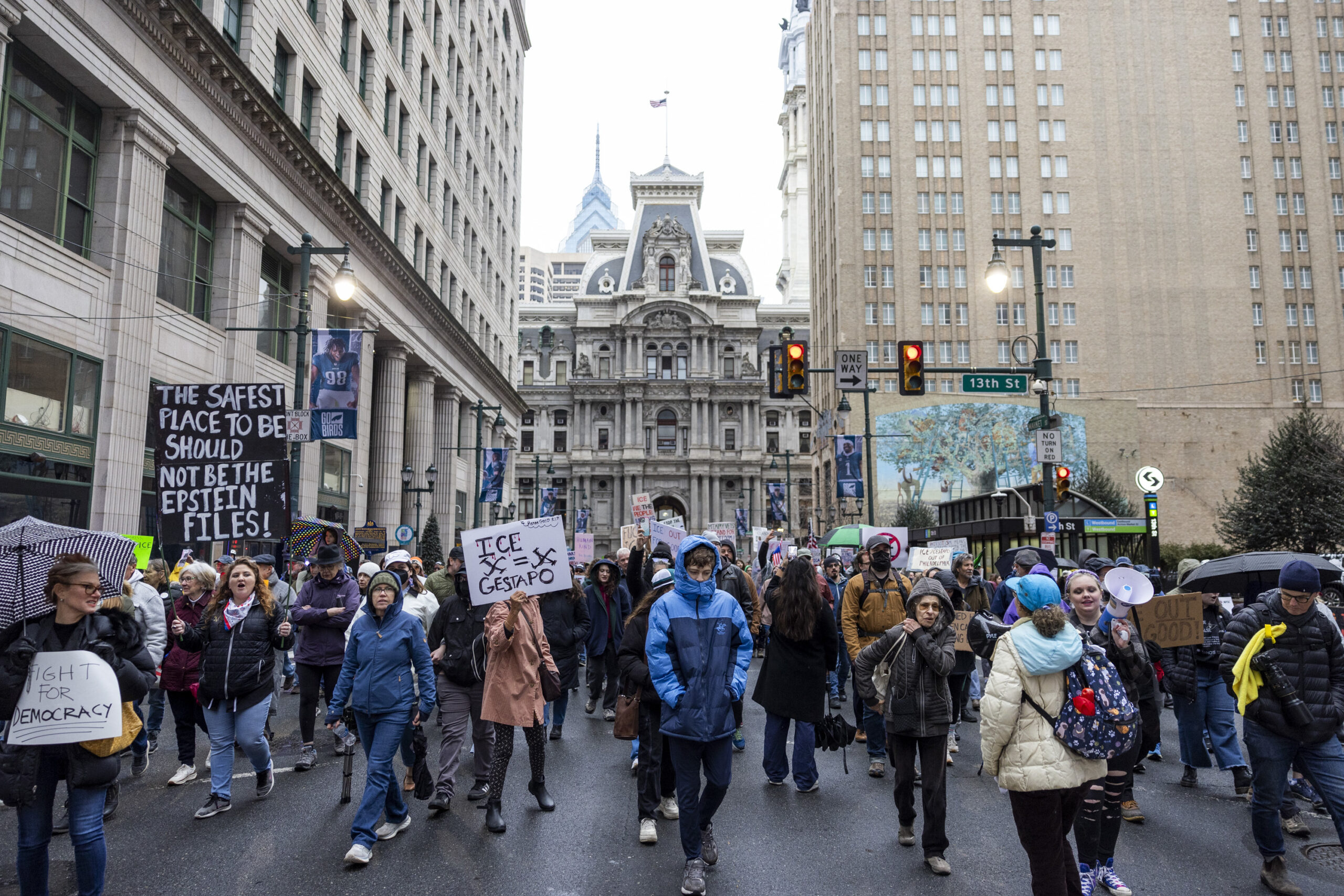
    Many gather along Market Street to show their support for Renee Good and to protest against ICE in Philadelphia, Pa., on Saturday, Jan. 10, 2026.

    Illegal, violent repression of political opposition chills all political opposition speech, of course. When we are responsible for the care of the very young or other extremely vulnerable people, however, the effect compounds. Caretakers fear not just for our lives and freedom, but for how deeply and immediately our children might suffer in our absence. We stay home from the protests we might otherwise attend (and are blamed for our “irresponsibility” when we don’t).

    As a result, more and more childbearing-age women find ourselves having to weigh especially horrific possibilities when considering participation in the critically important speech that is a public political demonstration. And as the tragic killing of Good shows, these fears are not unfounded.

    The Trump regime, meanwhile, has repeatedly affirmed this killing as justified. Their message to politically active mothers like me is clear: Stay home, or your children will suffer the consequences. It is a gendered threat, and they know it.

    At the same time, Trump and Homeland Security Secretary Kristi Noem overplayed their hand. Their draconian approach has backfired, emboldening a wide swath of vulnerable people to take to the streets and militantly resist ICE occupation.

    Fox News now complains of “wine moms” using “antifa tactics.” A Native American mother at home with her baby shelters an immigrant DoorDasher from kidnappers. Somali aunties take to the streets of Minneapolis to hand out sambusas to protesters. DHS weakly complains about parents taking their children along to marches. Moms in Minnesota are guarding their kids’ schools from ICE and organizing mutual aid efforts, like grocery delivery to immigrant families.

    Where the Trump regime sought to frighten a populace into cowering submission, they have succeeded in radicalizing whole communities — even and especially the vulnerable — into militant action. They sought to instill fear; they have instead inspired righteous fury.

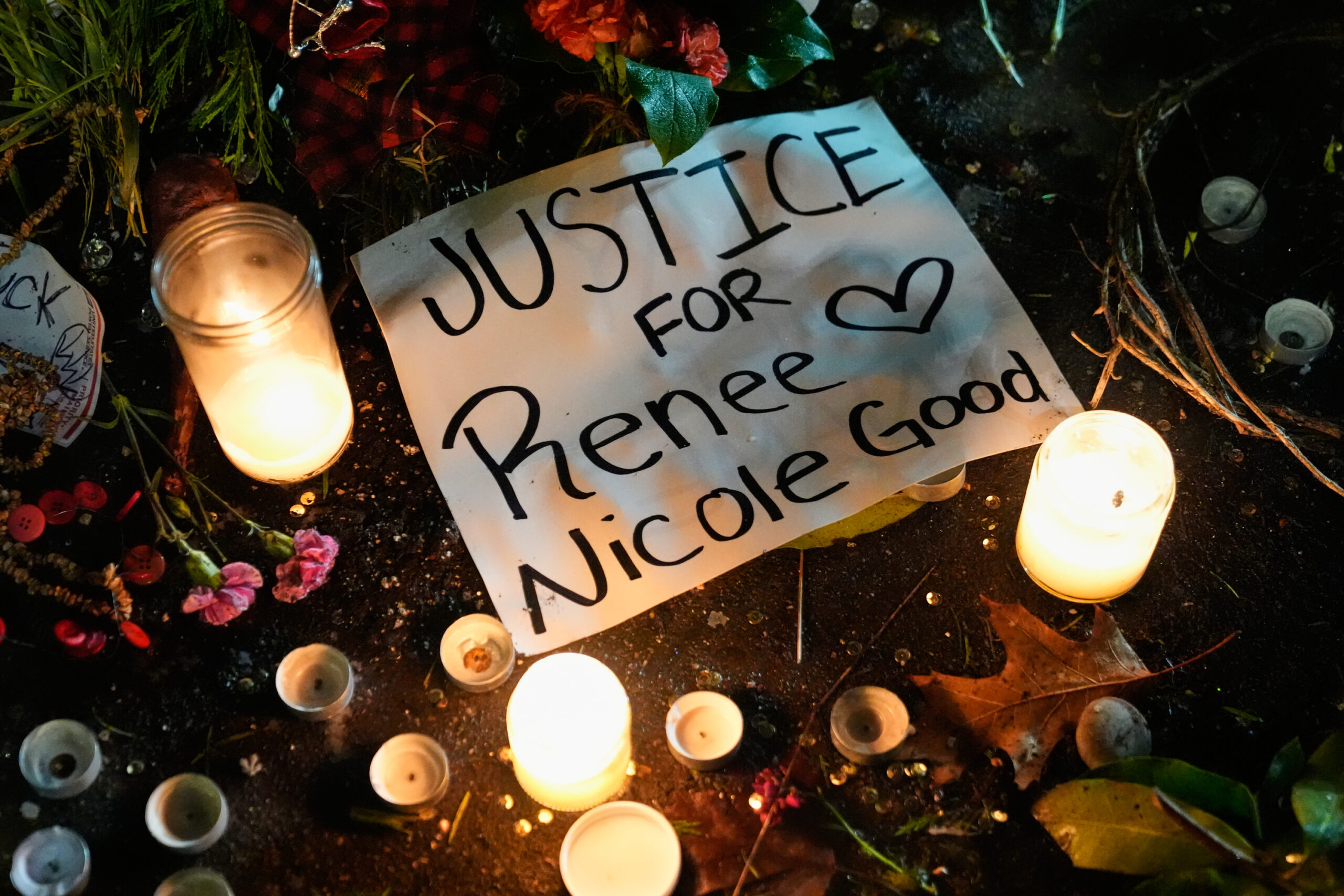
    A sign for Renee Good, who was fatally shot by an ICE officer in Minneapolis earlier in the week, is seen on the ground alongside candles as people gather outside the U.S. Immigration and Customs Enforcement facility Friday, Jan. 9, 2026, in Portland, Ore.

    The women they tried to banish to the kitchen have taken to the streets and to other acts of resistance, joining a host of vulnerable people with every reasonable excuse to avoid the fray.

    “Hope has two daughters,” wrote St. Augustine of Hippo. “Their names are Anger and Courage.”

    Hope is a mother, it seems. And she is introducing DHS to her kids.

    Gwen Snyder is a professional organizer and longtime Philadelphia activist.

  • Trump won’t create safeguards for AI, so Pa. legislators must

    Trump won’t create safeguards for AI, so Pa. legislators must

    Artificial intelligence is here to stay, and its influence across nearly every industry and aspect of society is expanding at a breathtaking pace.

    While AI offers clear benefits for business, government, and personal life, there is currently a troubling lack of safety protocols and consumer protections. Our country has learned hard lessons from allowing business and industry to regulate themselves. We cannot afford to take a wait-and-see approach when it comes to the absence of meaningful guardrails for AI technology.

    The revolutionary potential of AI and its impact on business, government, and society is undeniable. This is a transformation on the scale of the automobile or refrigeration, and comparable to the technological revolutions brought by the internet and social media.

    These innovations have delivered remarkable benefits: fresh strawberries in January in wintry Pennsylvania were once unimaginable before refrigerated trucks; today, virtual business presentations save both time and money by eliminating hours of travel for participants.

    On the flip side, we have building safety codes, automobile seat belt laws, and prohibitions on using cell phones while driving for very good reasons. Similarly, with social media, it has taken two decades for society to reckon with the lessons we wish had been taken more seriously from the start.

    Just because we can do something doesn’t always mean we should. This is precisely why safety regulations are critical.

    To put the scale of AI companionship technology — commonly referred to as chatbots — into perspective, a comprehensive study conducted by the Wheatley Institute found that nearly one in three young adult men and nearly one in four young adult women have interacted with an AI companion, with 29% of those young men and 17% of those young women saying they prefer these digital relationships to human ones.

    A recent Pew Research study found that 16 in 25 teens use chatbots, with 16% reporting they interact with them several times a day. Another study, by Common Sense Media, revealed that 17% of teens (approximately 2.94 million) use AI programs for romantic relationships or friendships, while 12% (about 2.08 million) turn to them for emotional and mental support.

    In today’s digital age, people are seeking companionship in new places. Many are turning to chatbots to fill an emotional void, but no amount of programming can replace genuine human interaction and intervention. AI chatbots currently operate without adequate safety guardrails, a gap that has tragically contributed to several deaths. Wrongful death lawsuits claim these AI systems failed to prevent harm and, in some cases, may have even encouraged it.

    Examples of intentional government oversight and consumer protections exist across every industry and innovation. We’ve learned painful lessons from lead in paint, the importance of smoke alarms in public buildings, and toxic chemicals in our food and water supply.

    Thanks to regulations, substances like chalk and embalming fluids are no longer found in the milk at your local grocery store. As AI technology continues to advance, society is reaching a bipartisan consensus: Government must step up to protect citizens.

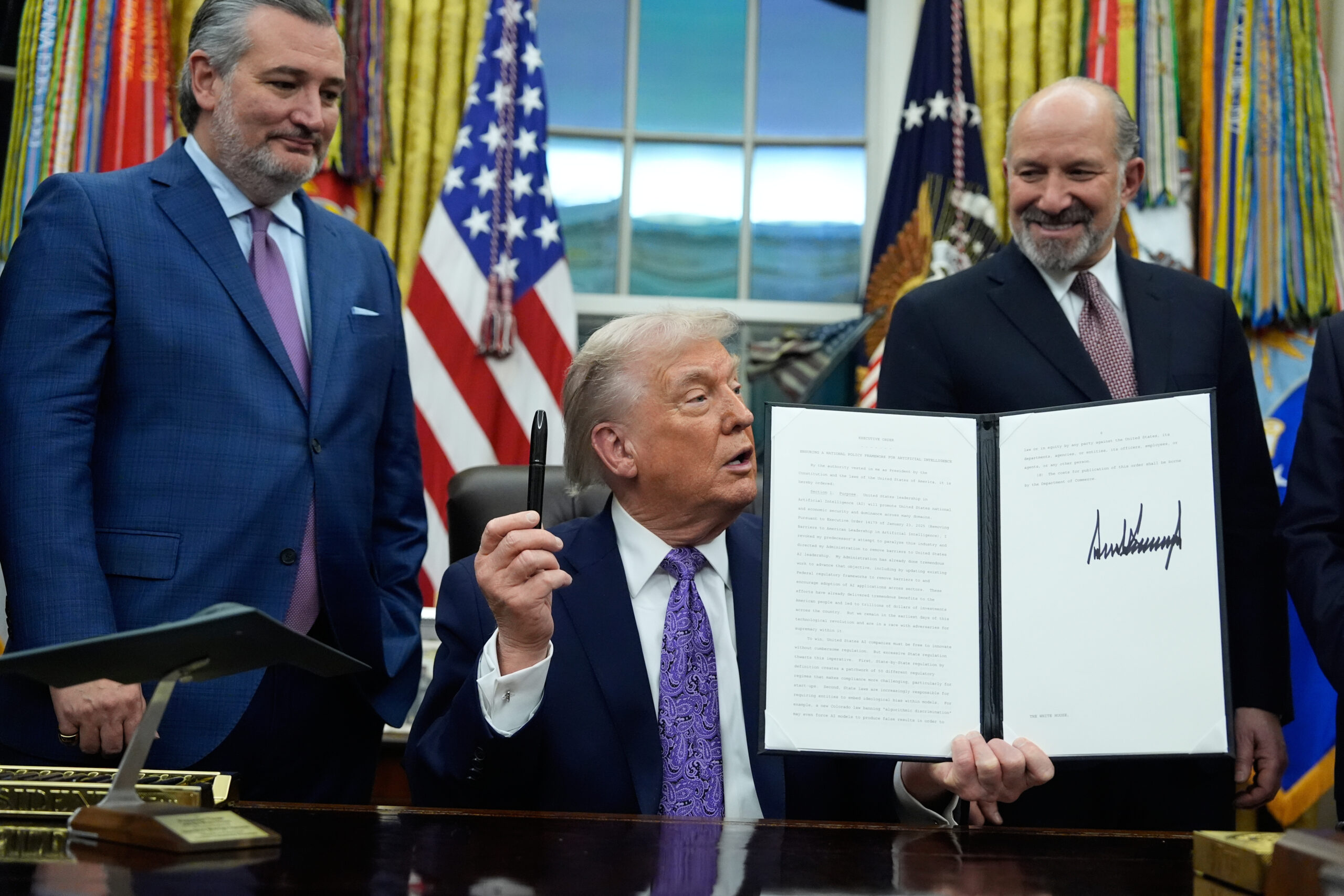
    President Donald Trump signed an “AI initiative” on Dec. 11 that would limit states’ ability to regulate artificial intelligence.

    Last month, President Donald Trump issued an executive order attempting to prevent states from enacting their own AI regulations. While he claims state-level oversight will stifle innovation, this raises the question of whether his priority is American citizens or big corporations. Innovation and consumer protection are not mutually exclusive; we can and must achieve both.

    Yet, the president is ignoring the urgent need for commonsense federal safeguards in what some are calling the “Wild West” of AI. In the absence of federal action, state legislators must step in to fill the gap. We have heard the call. And we are taking action.

    For my part, I’m currently working in the Pennsylvania House of Representatives on three AI technology bills:

    While many people are finding helpful ways to incorporate AI companionship chatbots into their daily routines, far too many children and adults are forming unhealthy emotional attachments and experiencing alarming interactions.

    My proposed safety protocols would require, among other measures, referrals to mental health and suicide resources, and clear reminders that AI companions are not real humans.

    My bill on AI and mental health will ensure AI cannot be used as a substitute for professional therapy. Regarding consumer protections, I am committed to guaranteeing that residents of our commonwealth benefit from transparency and strong privacy safeguards for their data.

    Pennsylvania has long been a leader in state-level consumer financial protection and technological innovation. Now, as AI rapidly advances, I am determined to step up and provide commonsense safety guardrails. I urge my fellow state legislators to join me — our residents are counting on us.

    Melissa L. Shusterman is a Democratic member of the Pennsylvania House of Representatives for the 157th District, located in Chester County. She was elected in 2018.

  • How the Irish helped shape Philadelphia — and the United States

    How the Irish helped shape Philadelphia — and the United States

    Philadelphia was the first place many early Irish immigrants saw when their long journey ended. The Port of Philadelphia was the gateway to their new world.

    Between 1717 and 1775 alone, a staggering quarter of a million immigrants arrived from Ireland to the 13 colonies.

    By 1776, those same immigrants were deeply involved in the creation of the new republic. Three of the signatories of the Declaration of Independence, signed in Philadelphia on the Fourth of July, were born on the island of Ireland. Another Irishman, John Dunlap of County Tyrone, printed the first copies of that declaration on the night of July Fourth.

    Irish people continued to shape the American Experiment from those earliest days. Nowhere is that story more evident than in Philadelphia and Pennsylvania, now home to more than 1.8 million Pennsylvanians who proudly claim Irish heritage.

    Irish workers built Pennsylvania’s canals, its railroads, and its industries. Irish families helped shape its neighborhoods and the civic institutions where they found their home. Irish solidarity and resilience became part of the life fabric of Philadelphia.

    Mayor Cherelle L. Parker and State Sen. Sharif Street wear green during the annual Philadelphia St. Patrick’s Day Parade on March 16.

    The exchange was truly two-way: Ireland’s journey toward independence was inspired by the ideals expressed in the Declaration of Independence. Our 1916 Proclamation of the Irish Republic recognized the support of Ireland’s “exiled children in America.”

    This transatlantic exchange of ideas continues to define our relationship and enrich our two countries to this day.

    Ireland and the United States now share one of the world’s most dynamic relationships: economically, culturally, and politically. Across the 50 states, more than 780 Irish-founded companies employ over 200,000 people, bringing skills, entrepreneurship, and a global outlook to local economies nationwide. In Pennsylvania alone, 29 Irish companies support 12,000 jobs. Foreign direct investment from Ireland into Pennsylvania is growing across critical sectors, including pharmaceuticals, business services, and industrial equipment.

    Today, the United States remains Ireland’s largest trading partner and its leading source of investment. American companies have long recognized Ireland as a trusted partner in Europe and a place where global businesses can thrive, innovate, and access the barrier-free single European Union market of 450 million consumers.

    As Ireland’s 19th ambassador to the United States, I am proud to represent a country whose people have helped shape this nation for 250 years.

    My hope is that America 250 will not only commemorate the past but will inspire the future, encouraging new generations of Irish Americans to continue to weave this rich transatlantic tapestry.

    Geraldine Byrne Nason is the ambassador of Ireland to the United States.

  • Affordable housing strengthens communities and local economies

    Affordable housing strengthens communities and local economies

    Many households that are cost-burdened are not high-income earners paying for luxury housing — they are low-income residents with limited affordable housing options. As a result, many low-income families spend more than half of their income on rent, making other necessities like food and healthcare difficult to support. High demand, low inventory, and rising costs have created an affordable housing crisis and a growing unmet demand for quality affordable housing.

    In Philadelphia, there is a deep, structural gap between the number of very low-income households and the supply of housing they can afford. As in many American cities, housing affordability is a significant issue in Philadelphia, and the Philadelphia Housing Authority, in partnership with the city, is boldly addressing this issue head-on with its plan to preserve housing for its current housing stock that provides housing to nearly 80,000 Philadelphians while creating new opportunities for the tens of thousands of residents who are waiting far too long for a home.

    The benefits of preserving and expanding affordable housing extend well beyond simply providing a place to live. Affordable housing investments support wage growth by creating quality jobs in construction and related industries while also giving families more financial stability to advance in the workforce.

    Every dollar invested in affordable housing generates construction jobs, supports local contractors, and strengthens the tax base. PHA’s $6.8 billion Opening Doors Initiative is preserving existing housing and creating new affordable housing communities that generate widespread economic benefits. A recent economic impact study by Econsult Solutions Inc. demonstrates that PHA’s efforts are providing a significant boost to Philadelphia’s economy.

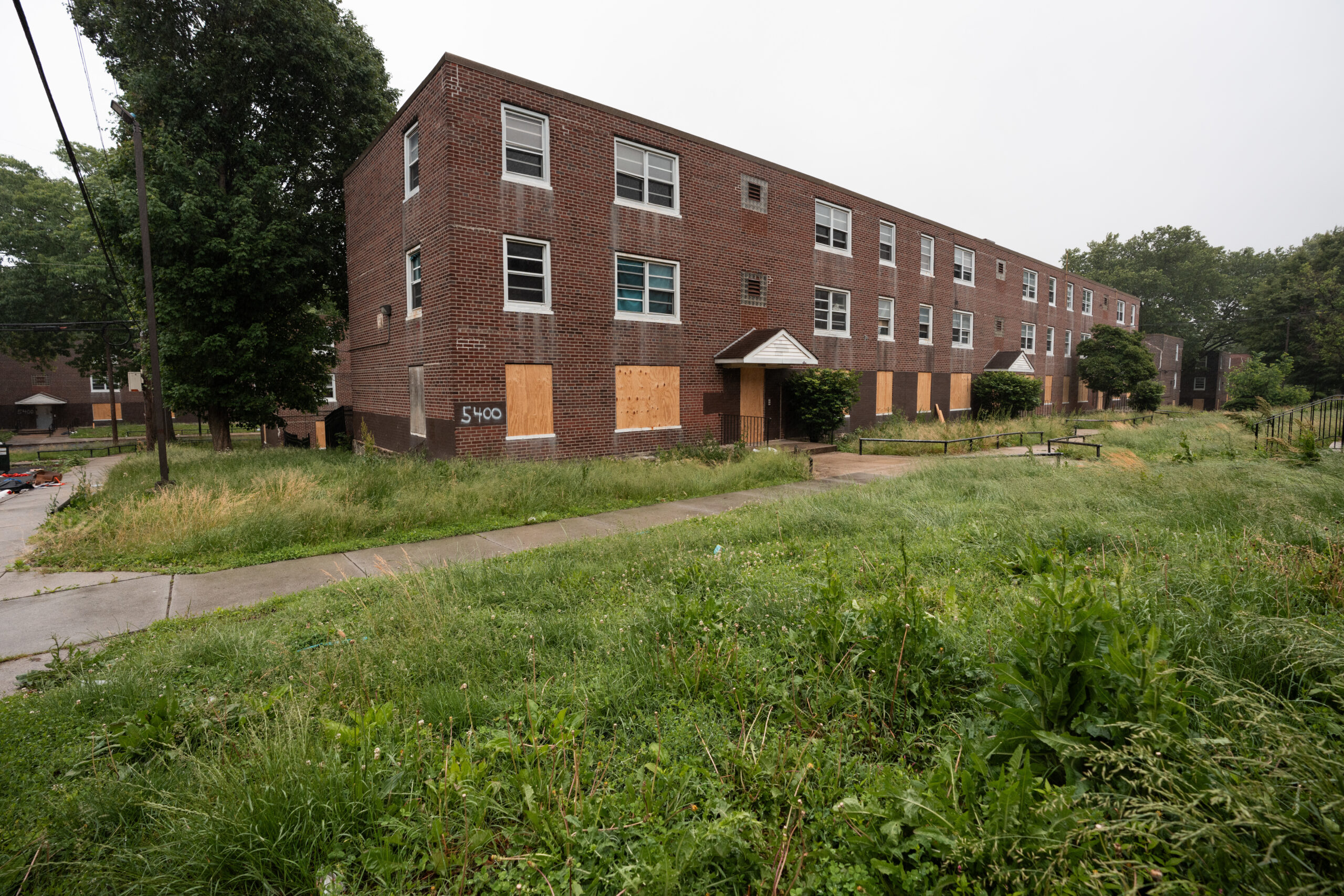
    PHA is working to renew 5404 Gibson Dr., an old public housing development. It’s among many projects the agency is investing in.

    PHA’s completed and anticipated investments to preserve, acquire, or build 20,000 affordable housing units from 2023 to 2030 will generate a significant cumulative impact on the local and state economies. Locally, capital investments from PHA’s planned developments are estimated to produce almost $10 billion in cumulative economic impact, supporting more than 3,700 full-time jobs, generating $2.7 billion in employee compensation in Philadelphia. Statewide, these investments are projected to produce a total of $11.3 billion in cumulative economic impact, supporting 4,700 full-time equivalent job years and $3.2 billion in employee compensation during the period of construction.

    Creating opportunities

    These capital investments are also creating new opportunities for PHA’s skilled labor partners who help build high-quality, professionally managed housing communities. Those workers, in turn, will spend a portion of their salaries and wages within our local economy, catalyzing the procurement of a wide range of goods and services, as well as new economic opportunities for local vendors. Along with expanding the labor workforce, the maintenance and operation of new and rehabbed developments will generate more than $100 million in new tax revenue for the city of Philadelphia.

    To complete all these investments, PHA must reduce operating expenses in line with lender and bond issuance requirements, potential federal public housing funding reductions, and multifamily industry staffing norms. In addition, PHA must also take action to streamline its property management functions to better service residents on-site while also decentralizing some management operations to procure qualified third-party property managers to realize millions of dollars in annual savings.

    PHA’s recently announced restructuring and rightsizing plan achieves these requirements. Through engaging the Building and Construction Trades Council to modify its collective bargaining agreement, PHA will be better able to sustain and preserve its newly developed and repositioned housing portfolio. Once fully implemented, PHA will generate an estimated $28 million in annual operating savings, which will be redirected to preserve its housing stock, provide enhanced services to residents, and expand housing opportunities to the tens of thousands of Philadelphians on its waiting list.

    This is a proactive approach to repositioning and strengthening PHA’s housing portfolio for the benefit of the families who depend on PHA. Decisions like this are never easy, but they are necessary to protect residents’ needs and to ensure the financial sustainability of PHA’s new and repositioned housing assets.

    PHA remains committed to opening doors to new affordable housing opportunities and creating a sustainable future for Philadelphia’s housing needs.

    Kelvin A. Jeremiah is the president and CEO of the Philadelphia Housing Authority.