Category: Real Estate

  • Saks Fifth Avenue in Bala Cynwyd is closing

    Saks Fifth Avenue in Bala Cynwyd is closing

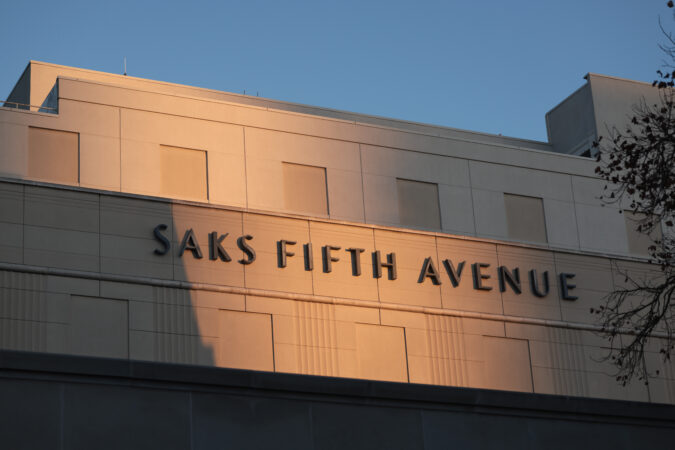
    Saks Fifth Avenue will be closing its Bala Cynwyd location.

    Saks Global, which owns Saks Fifth Avenue and Neiman Marcus, announced the impending closure in a news release Tuesday, a month after the luxury clothing retailer filed for Chapter 11 bankruptcy.

    After decades in business, the expansive store along City Avenue is expected to close in April, according to a Saks Global spokesperson, who said decisions were based on several factors, including store performance and “lease economics.”

    Fifty workers at the Bala Cynwyd Saks Fifth Avenue will lose their jobs effective April 11, according to a WARN Act filing with the Pennsylvania Department of Labor and Industry. Another 155 workers at a Wilkes Barre fulfillment center will be laid off, according to a separate filing.

    As part of the company’s restructuring, it will shutter seven other Saks Fifth Avenue stores, including at the American Dream mall in North Jersey, as well as a Neiman Marcus in Boston.

    “Saks Global is refining its store footprint to focus on profitable locations with the highest growth potential,” company executives wrote on its website, adding that the nine closures represented “the first phase of this ongoing review.”

    The move will make the company “better positioned to deliver exceptional products, elevated experiences and highly personalized service across all channels,” CEO Geoffroy van Raemdonck said in a statement.

    Over the years, the Saks Fifth Avenue in Bala Cynwyd has become the brand’s only physical outpost in the region. It is referred to as “Saks Philadelphia” on the company’s website, despite being located across the city line in a freestanding building at Bala Plaza.
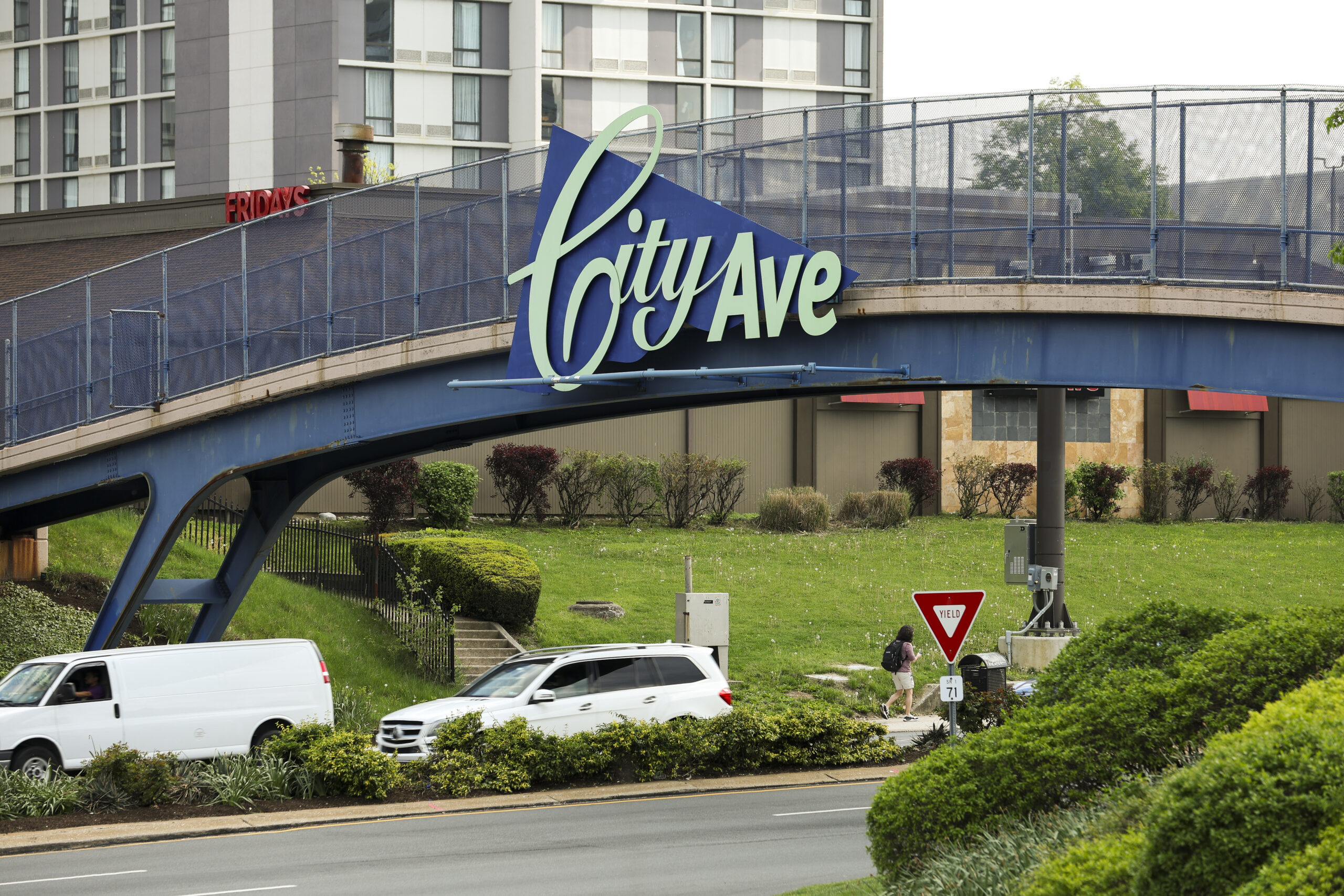
    City Avenue is shown in April 2024. The Saks Fifth Avenue along the busy thoroughfare is closing in April.

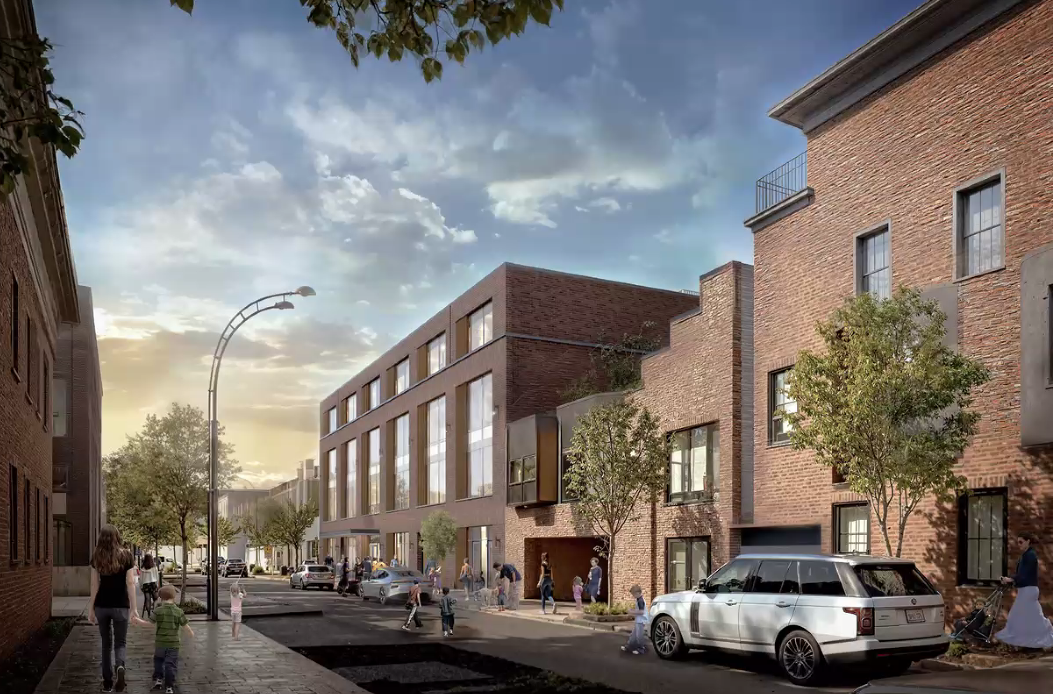
    The aging shopping center is in the process of being revamped into what developers are advertising as a “sanctuary for work, life and play,” with hundreds of new residential units.

    Nearby on City Avenue, a standalone Lord & Taylor, which closed in 2021 amid the department store’s bankruptcy, is being converted into an apartment building.

    Until recently, the longstanding Saks Fifth Avenue appeared primed to be part of the area’s future: In 2024, City Ave District, the nonprofit business development agency that straddles Lower Merion and Philadelphia, reported that business at the store was so strong that it had resisted offers to move to King of Prussia.

    Once the Bala Cynwyd Saks Fifth Avenue closes, the nearest location will be in New York.

    Saks Global also operates a Neiman Marcus at the King of Prussia Mall, which is not on the list of stores to close.
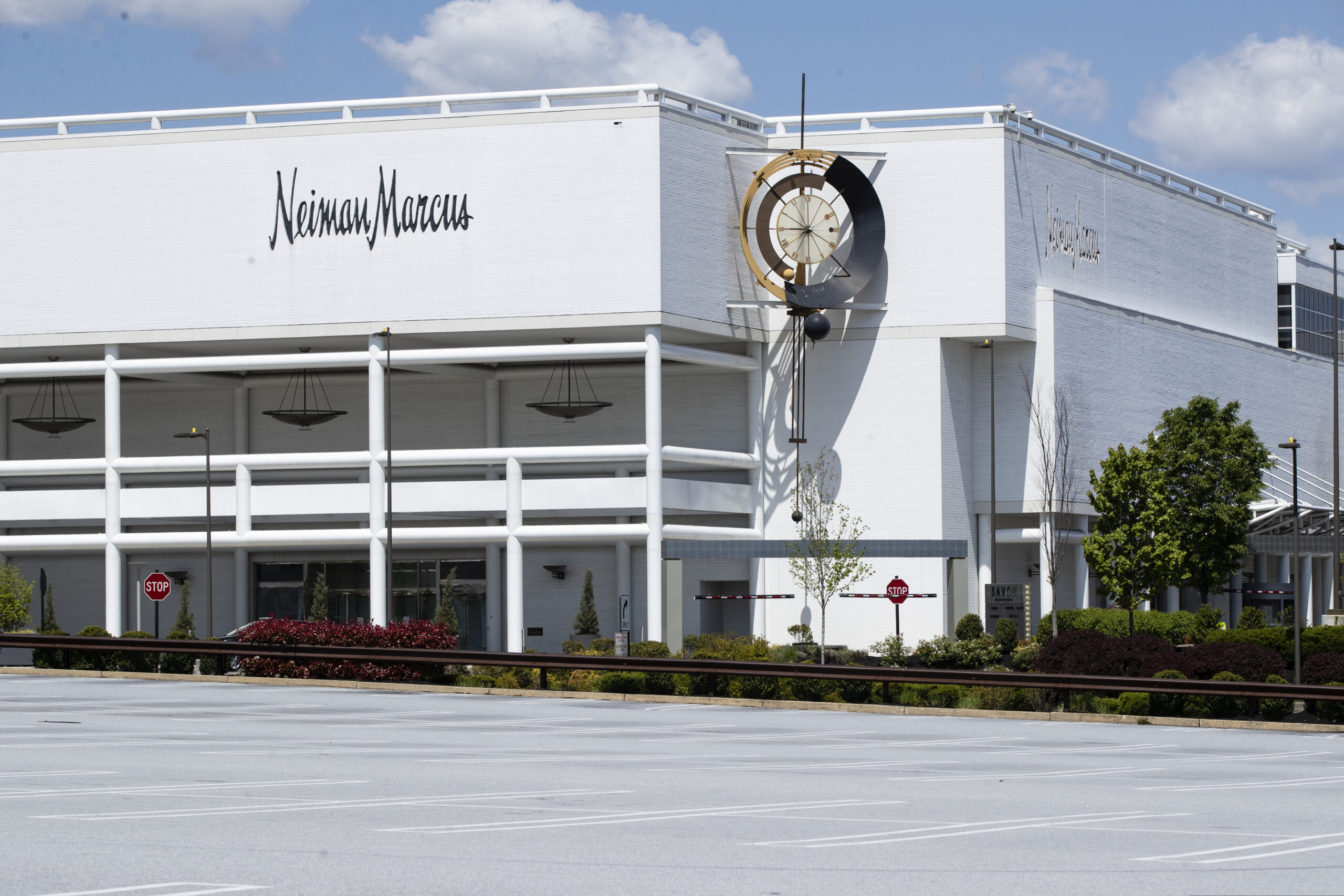
    The Neiman Marcus at the King of Prussia Mall, pictured in 2020, will remain open.

    Saks Off 5th discount outlets at the Franklin Mall in Northeast Philadelphia and at the Metroplex shopping center in Plymouth Meeting recently closed. The winding down of those stores was announced before the bankruptcy filing, as was reported by several news outlets, including the Philadelphia Business Journal.

    Elsewhere in the country, Saks Global is closing the majority of its standalone Fifth Avenue Club personal styling suites, the company said Tuesday.

    In New York, Bergdorf Goodman, which Saks also owns, will remain open.

    What Philly-area Saks customers should know
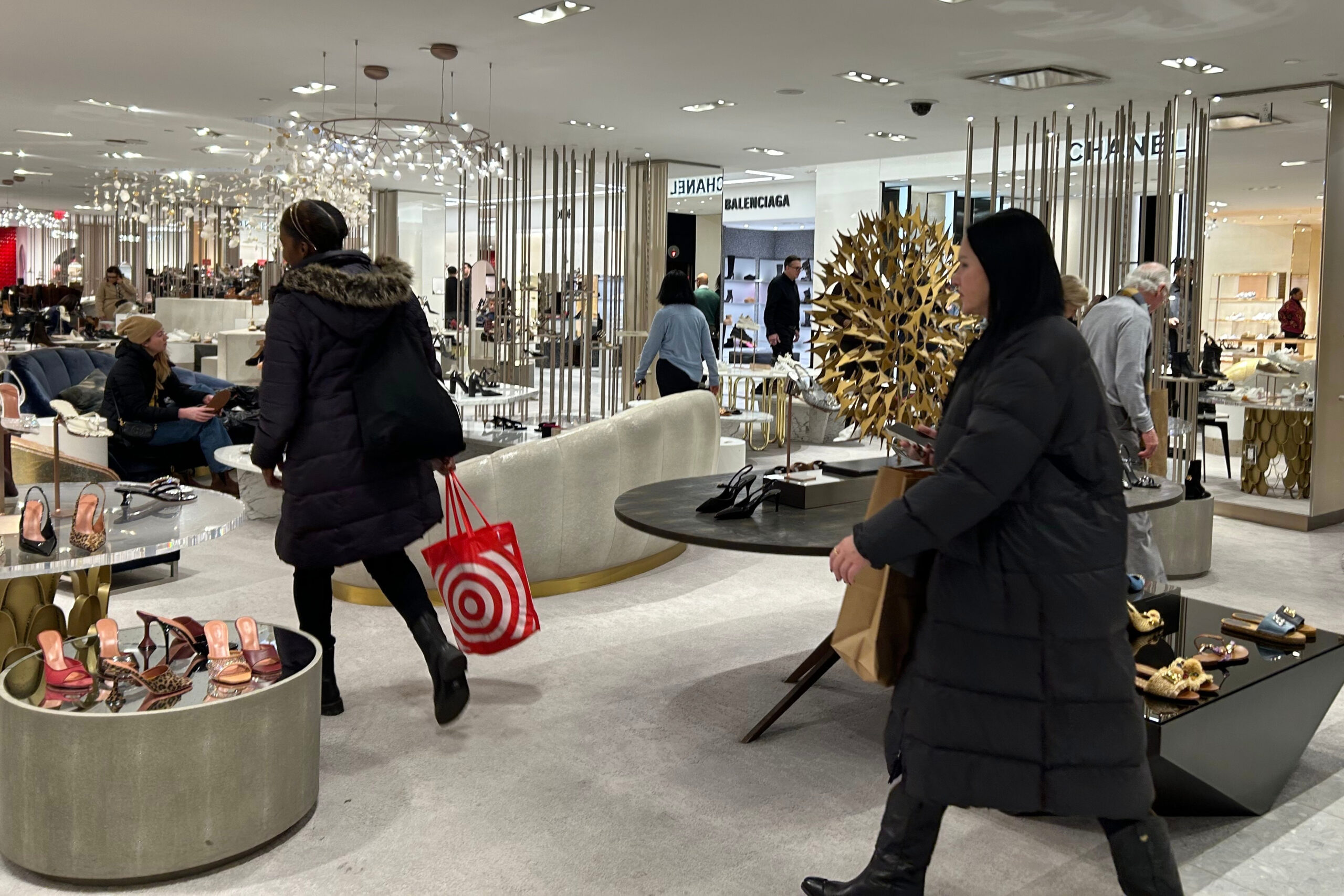
    Shoppers walk through Saks Fifth Avenue in New York in January.

    Shoppers at the Bala Cynwyd store will no longer be able to buy gift cards in person, according to Saks, and will have 15 days from the start of the closing sale to use existing gift cards.

    Items that were bought before the closing sale can be returned or exchanged as usual, the company said, but purchases made during it will be final. Merchandise bought during the closing sale will also be ineligible for return or exchange at stores that are remaining open.

    SaksFirst credit cards will still be accepted, according to the company, and customers with those credit cards will still earn points for purchases made in store. Shoppers will no longer be able to make in-person credit card payments or apply for credit cards at the Bala Cynwyd store.

    At other Saks locations, including the King of Prussia Neiman Marcus, the company says the customer experience will remain unchanged.
  • What makes someone love their grocery store? Ask the Philadelphians who are already missing their Amazon Fresh.

    What makes someone love their grocery store? Ask the Philadelphians who are already missing their Amazon Fresh.

    When Justin Burkhardt heard that his neighborhood grocery store was closing, just months after it had opened, he felt a pang of sadness.

    The emotion surprised him, he said, because that store was the Northern Liberties Amazon Fresh.

    “Amazon is a big corporation, but [with] the people that worked there [in Northern Liberties] and the fact that it was so affordable, it actually started to feel like a neighborhood grocery store,” said Burkhardt, 40, a public relations professional, who added that he is not a fan of Jeff Bezos, Amazon’s billionaire owner.

    The e-commerce giant announced last month that it was closing all physical Amazon Fresh stores as it expands its Whole Foods footprint. In the Philadelphia area, the shuttering of six Amazon Fresh locations resulted in nearly 1,000 workers being laid off. Local customers said their stores closed days after the company’s announcement.

    “I don’t feel bad for Amazon,” said Burkhardt, who spent about $200 a week at Amazon Fresh. “I feel bad for the workers. … I feel bad for the community members.”

    Burkhardt said he and his wife have been forced to return to their old grocery routine: Driving 20 minutes to the Cherry Hill Wegmans, where they feel the prices are cheaper than their nearby options in the city.

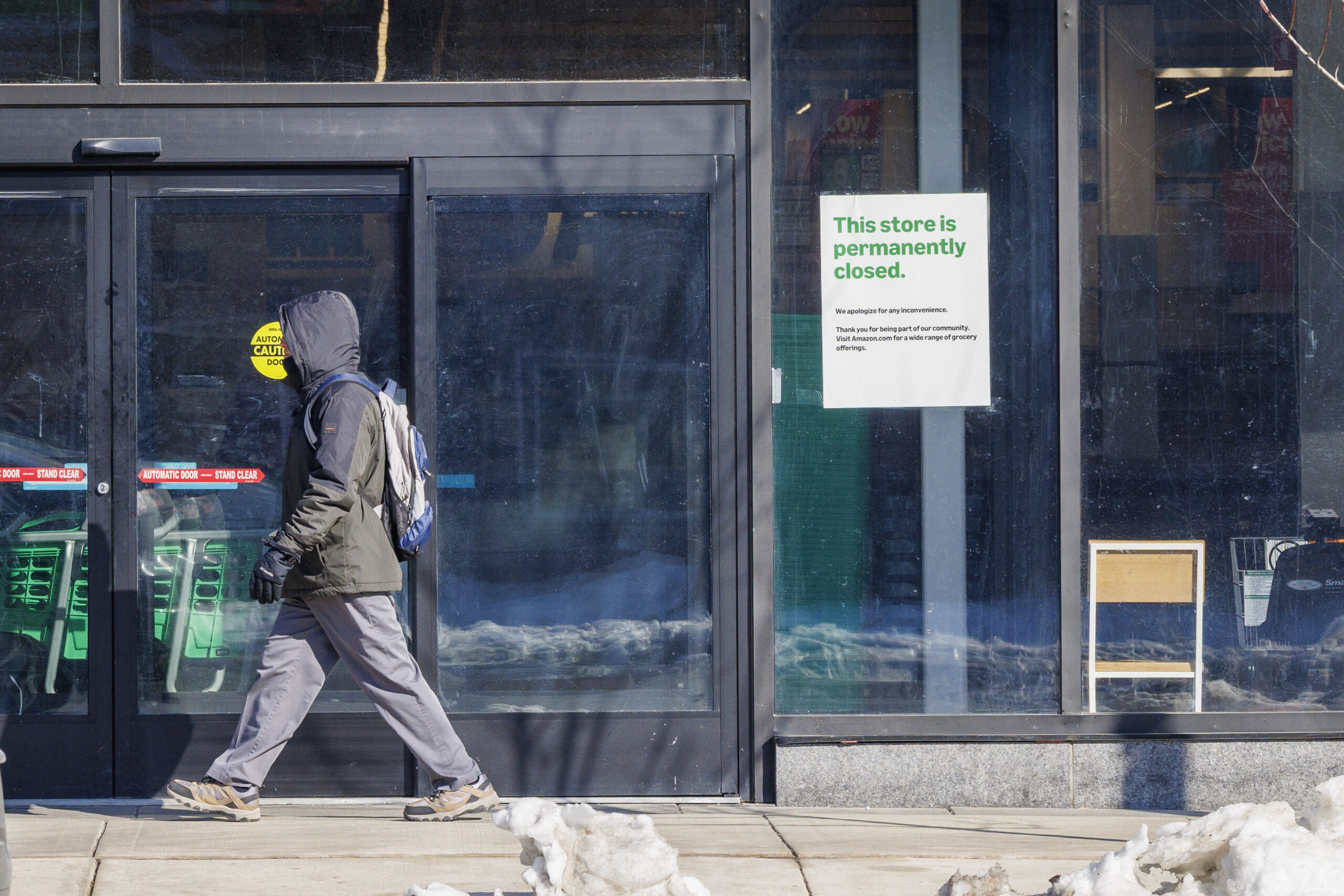
    Last week, signs informed customers that the Northern Liberties Amazon Fresh was permanently closed.
    In Philadelphia and its suburbs, many former Amazon Fresh customers are similarly saddened by the closure of neighborhood stores where they had developed connections with helpful workers. Several said they are most upset about the effects on their budgets amid recent years’ rise in grocery prices.

    “I wasn’t happy about it closing for the simple fact that it was much cheaper to shop there,” said Brandon Girardi, a 30-year-old truck driver from Levittown (who quit a job delivering packages for Amazon a few years ago). Girardi said his family’s weekly $138 grocery haul from the Langhorne Amazon Fresh would have cost at least $200 at other local stores.

    At the Amazon Fresh in Broomall, “they had a lot of organic stuff for a quarter of the price of what Giant or Acme has,” said Nicoletta O’Rangers, a 58-year-old hairstylist who shopped there for the past couple years. “They were like the same things that were in Whole Foods but cheaper than Whole Foods.”

    She paused, then added: “Maybe that’s why they didn’t last.”

    In response to questions from The Inquirer, an Amazon spokesperson referred to the company’s original announcement. In that statement, executives wrote: “While we’ve seen encouraging signals in our Amazon-branded physical grocery stores, we haven’t yet created a truly distinctive customer experience with the right economic model needed for large-scale expansion.”

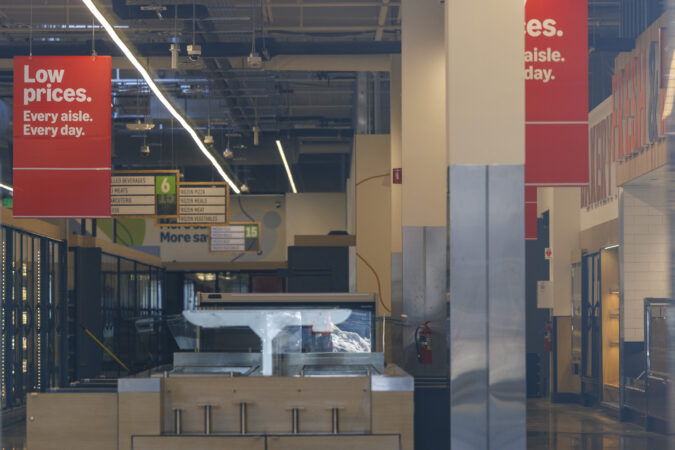
    Workers could be seen inside the closed Amazon Fresh in Northern Liberties last week.

    What makes a Philly shopper loyal to a grocery store?

    Former Amazon Fresh customers say they’re now shopping around for a new grocery store and assessing what makes them loyal to one supermarket over another.

    Last week, one of those customers, Andrea “Andy” Furlani, drove from her Newtown Square home to Aldi in King of Prussia. The drive is about an hour round trip, she said, but the prices are lower than at some other stores. Her five-person, three-dog household tries to stick to a $1,200 monthly grocery budget.

    As she drove to Aldi, she said, she’d already been alerted that the store was out of several items she had ordered for pickup. That’s an issue Furlani said she seldom encountered at the Amazon Fresh in Broomall, to which she had become “very loyal” in recent years.

    “It was small, well-stocked,” said Furlani, 43, who works in legal compliance. “I don’t like to go into like a Giant and have a billion options. Sometimes less is more. And the staff was awesome,” often actively stocking shelves and unafraid to make eye contact with customers.

    “Time is valuable to me,” Furlani said. At Amazon Fresh, “you could get in and out of there quickly.”
    Shoppers learned how to use the Amazon Dash Cart at an Amazon Fresh in Warrington in 2021.
    Girardi, in Levittown, said he is deciding between Giant and Redner’s now that Amazon Fresh is gone. The most cost-effective store would likely win out, he said, but product quality and convenience are important considerations, too.

    “We used to do Aldi, but Amazon Fresh had fresher produce,” Girardi said. “I used to have a real good connection with Walmart because my mom used to work there. But I don’t see myself going all the way to Tullytown just to go grocery shopping.”

    Susan and Michael Kitt, of Newtown Square, shopped at the Broomall Amazon Fresh for certain items, such as $1.19 gallons of distilled water for their humidifiers and Amy’s frozen dinners that were dollars cheaper than at other stores.

    But Giant is the couple’s mainstay. They said they like its wide selection, as well as its coupons and specials that save them money.

    “I got suckered by Giant on their marketing with the Giant-points-for-gas discounts. I figured if I’m going to a store I may as well get something out of it,” said Michael Kitt, a 70-year-old business owner who has saved as much as $2-per-gallon with his Giant rewards. “I really at the time didn’t see that much of a difference between the stores.”

    How Whole Foods might fare in Amazon Fresh shells

    The Whole Foods store on the Exton Square Mall property is shown in 2022.

    If any of these local Amazon Fresh stores were to become a Whole Foods, several customers said they’d be unlikely to return, at least not on a regular basis.

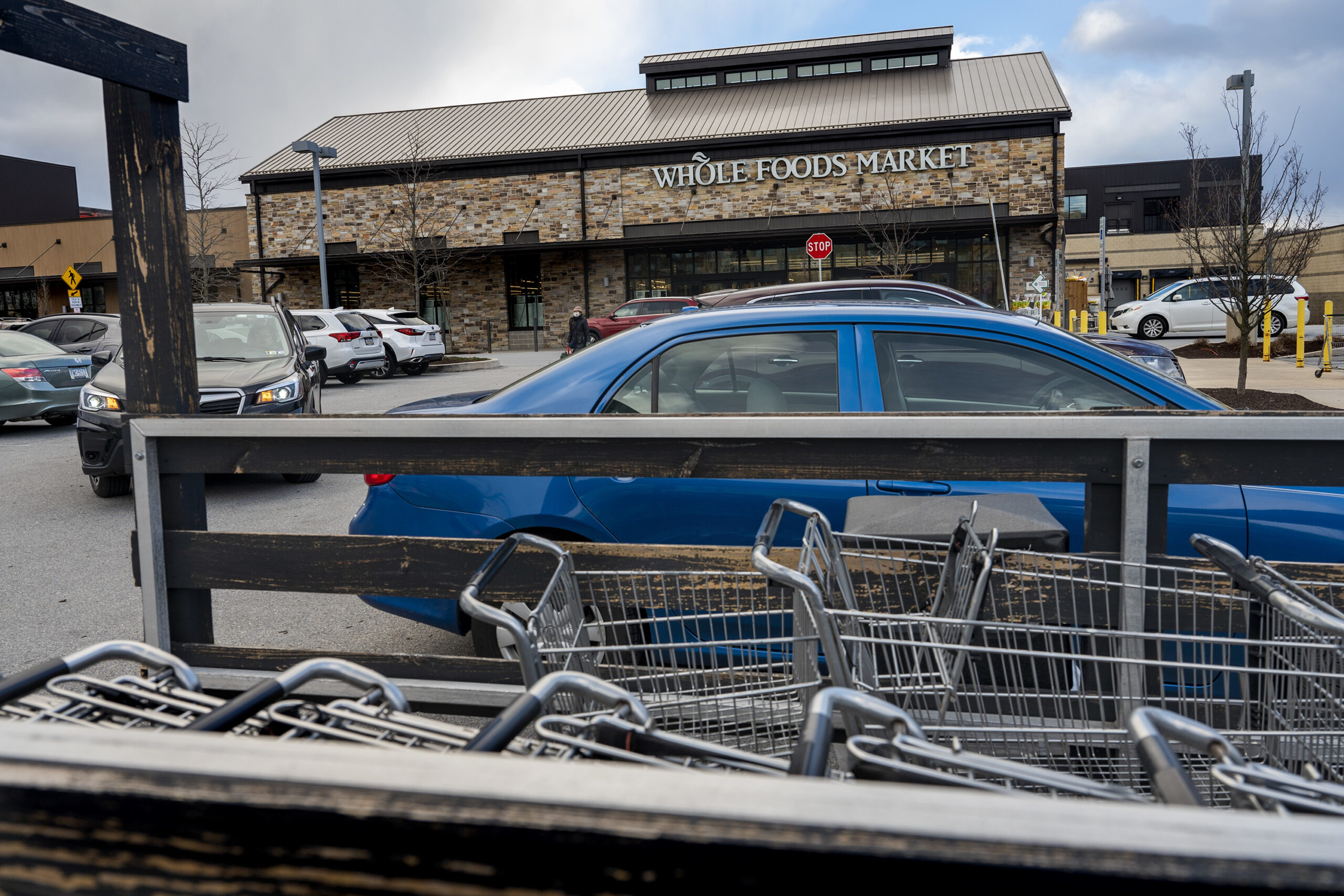
    Amazon said last month that it plans to turn some Amazon Fresh stores into Whole Foods Markets, but did not specify which locations might be converted.

    Amazon bought Whole Foods in 2017. The organic grocer is sometimes referred to as “Whole Paycheck,” but the company has been working to shed that reputation for more than a decade.

    Some Philly-area consumers, however, said Whole Foods prices would likely be a deterrent.

    Natoya Brown-Baker, 42, of Overbrook, said she found the Northern Liberties Amazon Fresh “soulless,” and she didn’t “want to give Jeff Bezos any more money.” But the prices at Amazon Fresh were so low, she said, that she couldn’t resist shopping there sometimes.

    Brown-Baker, who works in health equity, said she came to appreciate that it represented an affordable, walkable option for many in the neighborhood, including her parents, who are on a fixed income.

    If a Whole Foods replaces the store at Sixth and Spring Garden Streets, which was under construction for years, Brown-Baker said the area would be “back at square one.”

    Burkhardt, who also lives in the neighborhood, noted that Northern Liberties has a mix of fancy new apartment complexes and low-income housing.

    “The grocery store should be for everyone,” he said. Whole Foods “doesn’t feel like it’s for the neighborhood. It feels like it’s for a certain class of people.”

  • House of the week: A mid-century modern home in Drexel Hill for $729,900

    House of the week: A mid-century modern home in Drexel Hill for $729,900

    “I hate to leave it,” said Stephanie Tauman, “but it’s just too big for me.”

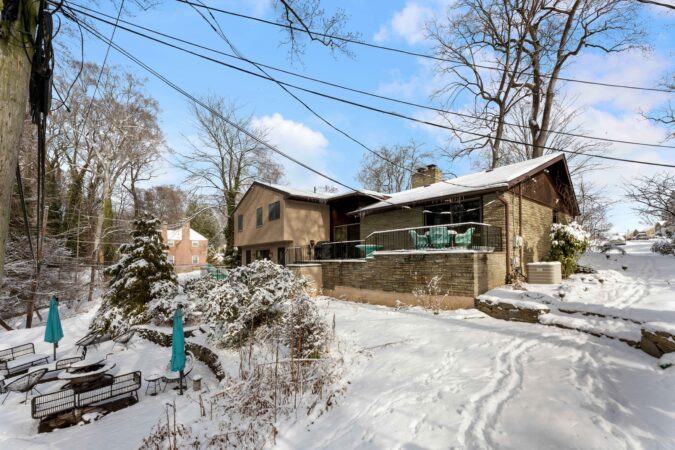
    Tauman has spent six years in her four-bedroom, 3½-bathroom 1957 mid-century modern home in Drexel Hill. She bought the house sight unseen in 2019 after viewing it online.

    But now, at 3,314 square feet, “it has gotten very big,” so she is planning to move to a smaller home. Tauman, an artist and art teacher, hopes to settle in Philadelphia.

    Living room

    She does not know who originally commissioned the split-level house. She already owned some mid-century modern furniture and other items when she bought it.

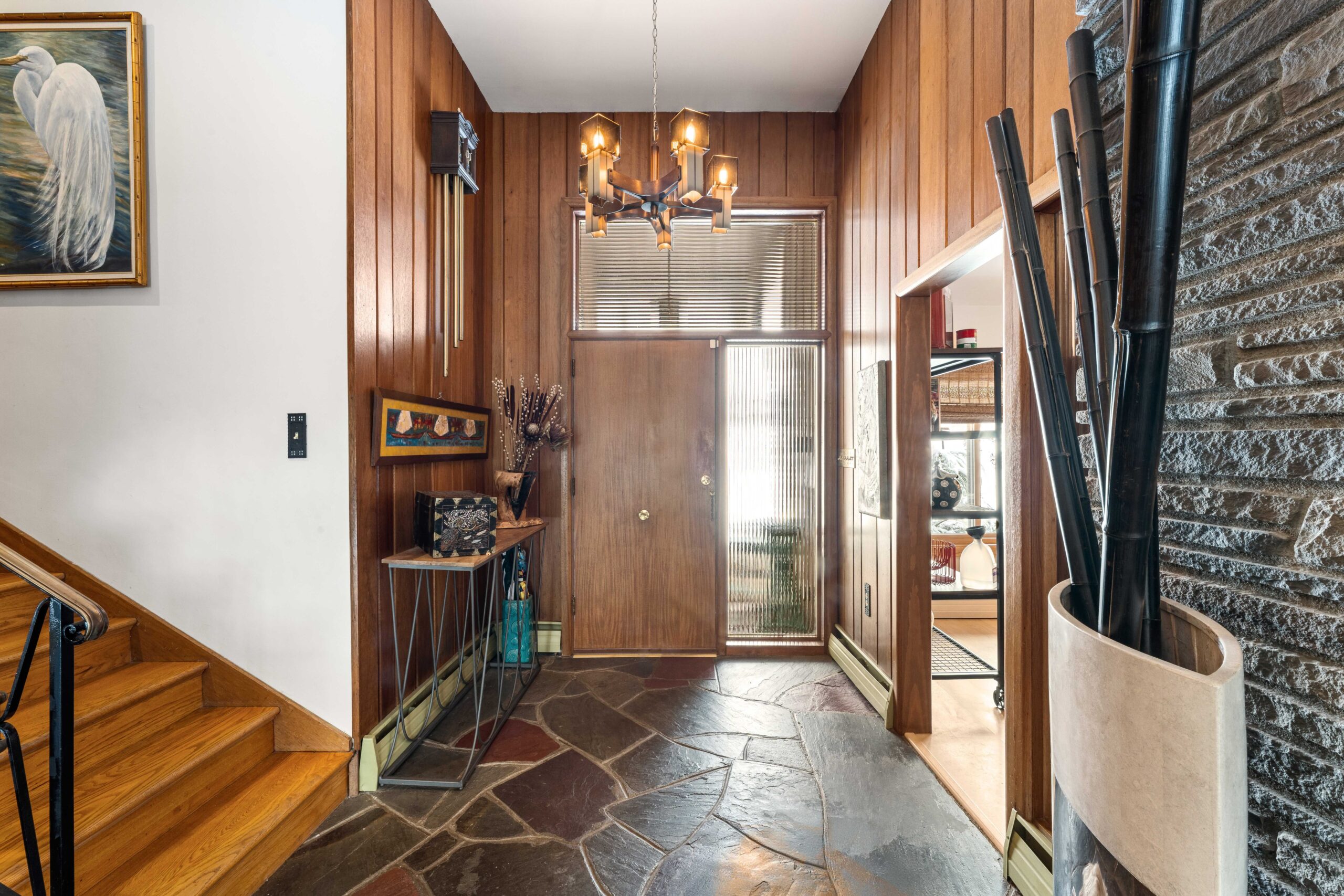
    The approach to the house is along a slate walkway with arts and crafts style light fixtures. The exterior is stone and mahogany, and the foyer has a slate and mahogany theme.

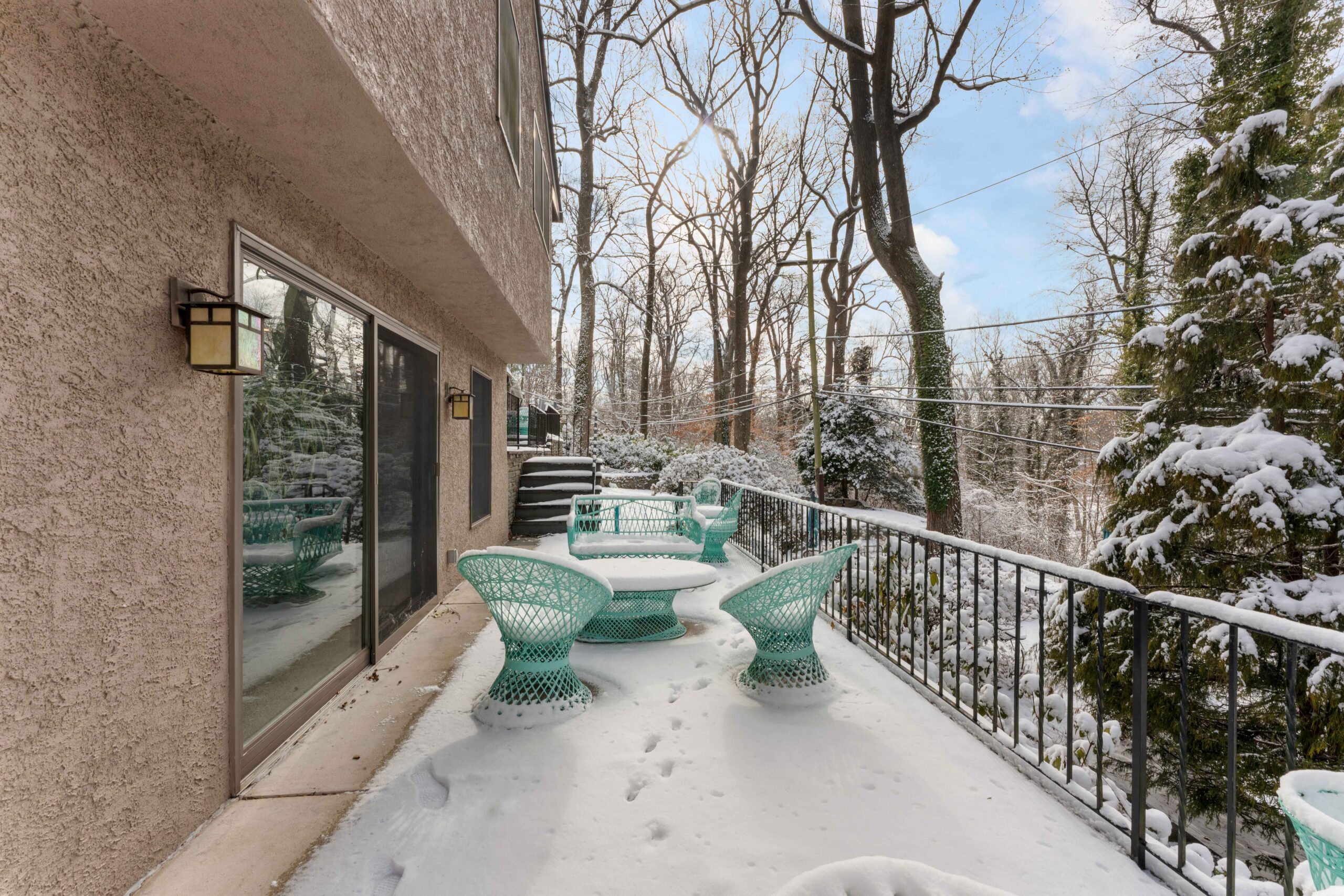
    The four bedrooms are on the top level, and there are three terraces connecting to the outdoors.

    Kitchen

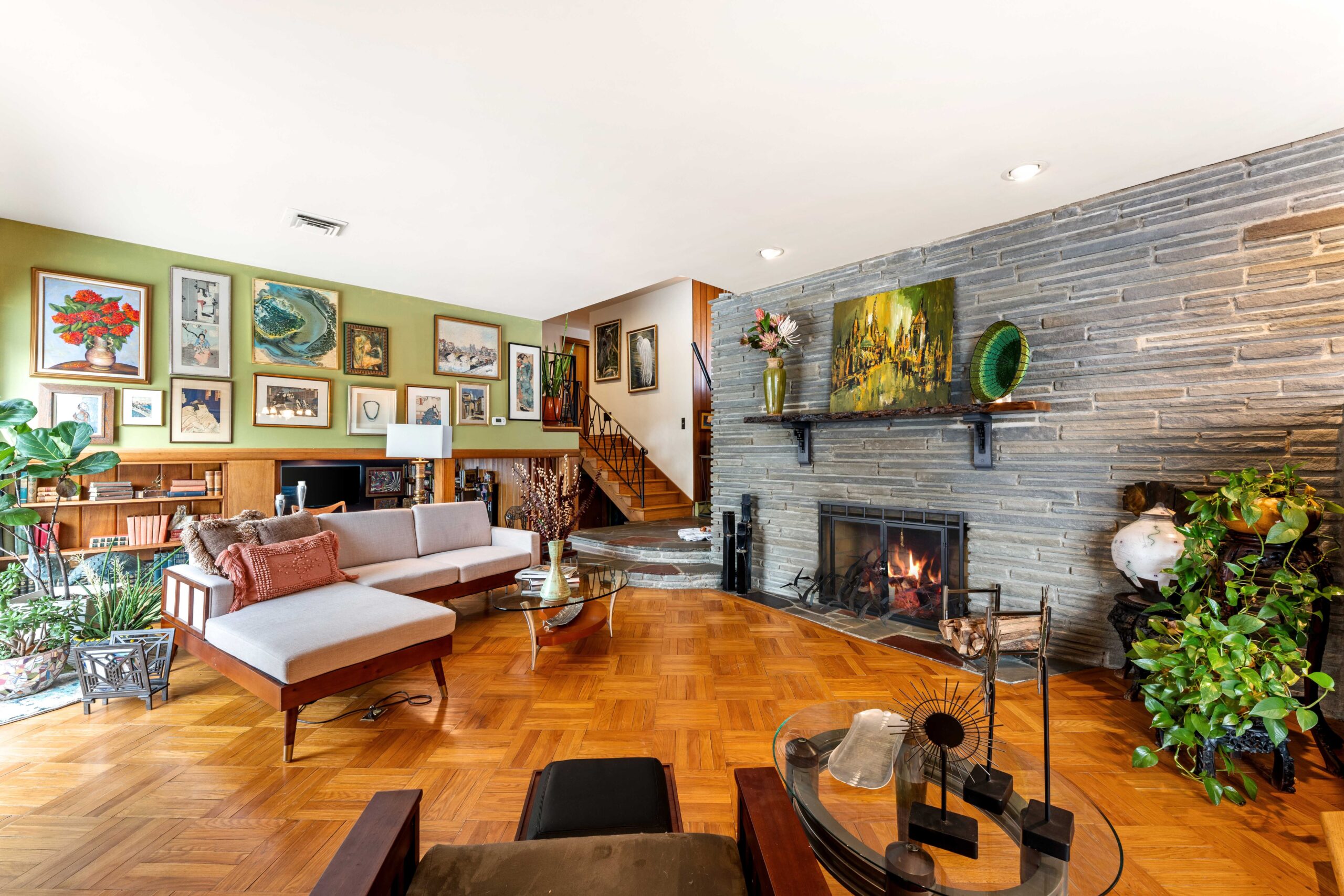
    The middle level has the foyer, dining room, kitchen, and sunken living room, which includes a working gas fireplace.

    The first level has the family room, powder room, and two-car garage with a heated workroom.

    The finished basement has Tauman’s art studio.

    Front hall

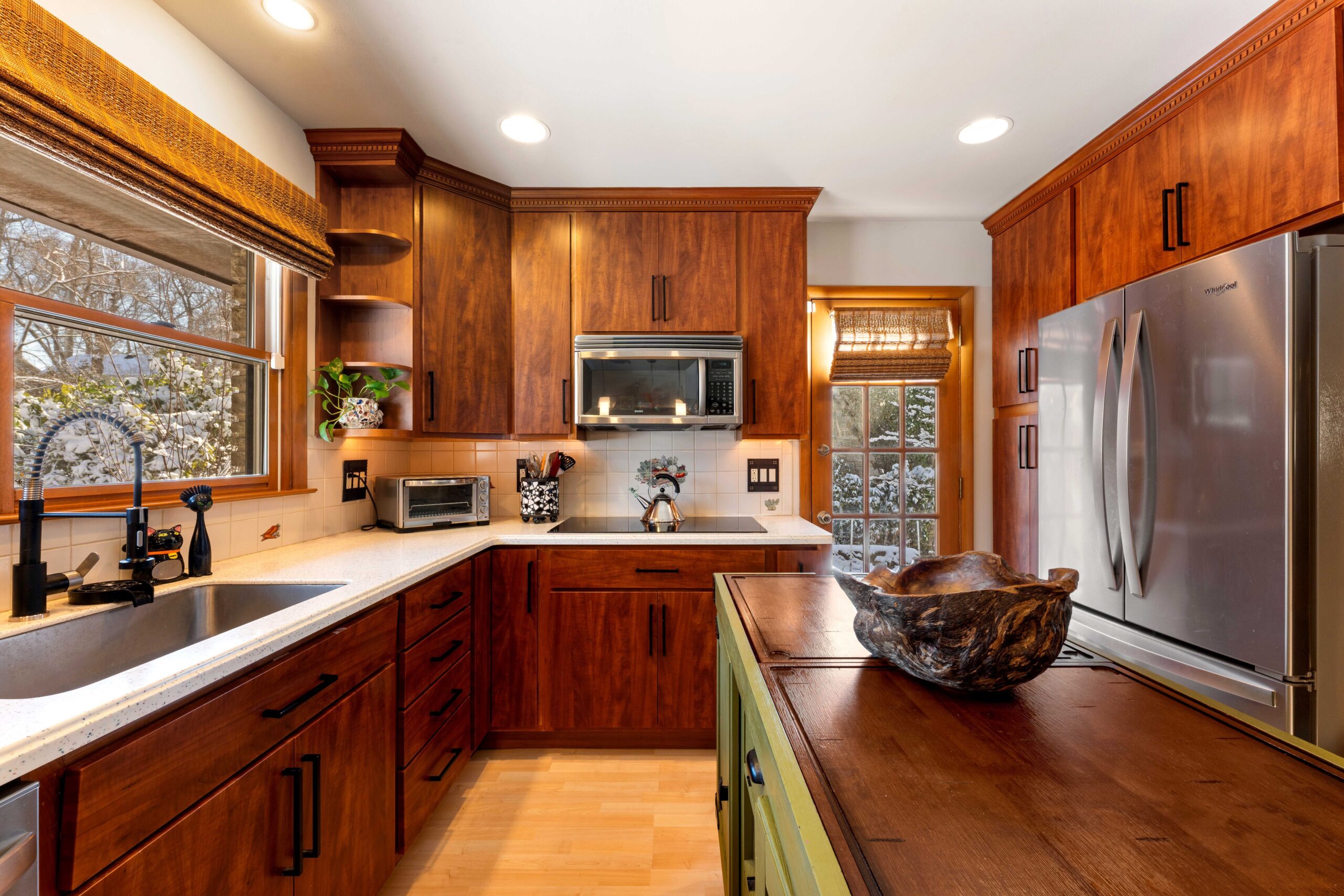
    The eat-in kitchen has a 36-inch cooktop, double convection wall ovens, Corian countertops, and refaced cabinetry.

    The family room has a wet bar with sink and second dishwasher.

    Terrace

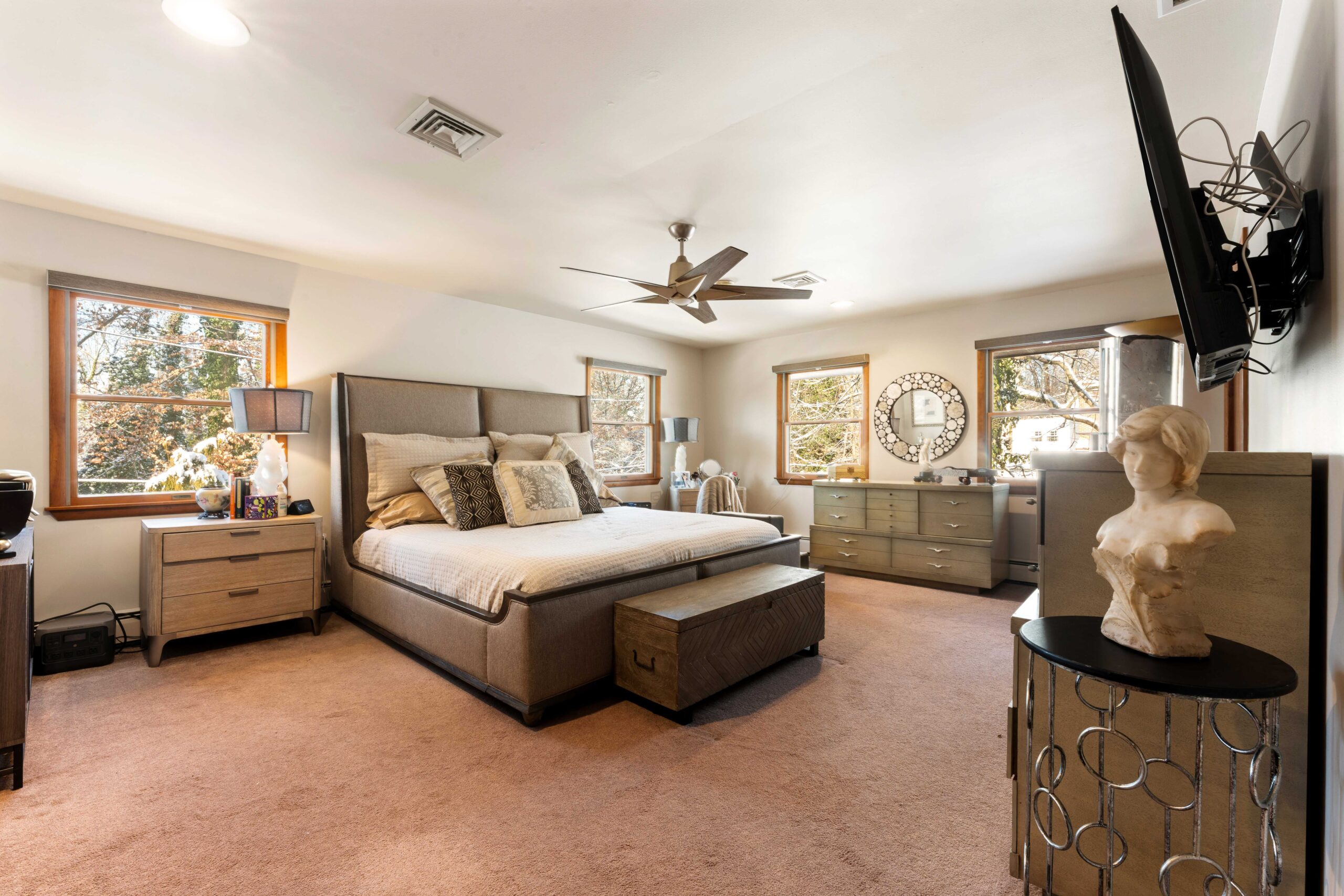
    The primary bedroom has an en suite bathroom with whirlpool tub, stand-up shower, walk-in closet, and views of Pilgrim Park.

    Another bedroom has mahogany built-ins and could serve as a nursery or study. The hall bath has a large corner bathtub.

    Primary bedroom

    There is a high-capacity water heating system and landscape lighting.

    The house is listed by Joseph Bograd of Elite Realty Group for $729,900.

  • A K-8 Jewish day school is proposed for Washington Square West

    A K-8 Jewish day school is proposed for Washington Square West

    A long vacant parking garage at 510-28 S. Eighth St. sits between some of Philadelphia’s most desirable neighborhoods, and Rabbi Yochonon Goldman hopes it could soon be the site of Center City’s only Jewish day school.

    It all depends on how the Zoning Board of Adjustment rules.

    The four-story, almost 36,000-square-foot plan for the building is the third iteration of the proposed K-8 school. Goldman, who is rabbi of B’nai Abraham Chabad, and developer Masada Custom Builders are seeking neighborhood support for the project.

    The proposal has stirred controversy for its height, size, and the inclusion of several apartments. The project needs seven variances from the city’s Zoning Board of Adjustment, largely because the garage is zoned for multifamily rowhouse development, just like most of the surrounding blocks.

    The plan is more likely to succeed at a zoning hearing if it has the support of local neighborhood groups, chiefly the Washington Square West Civic Association.

    “I truly believe that this educational institution will enhance our neighborhood,” Goldman said at a neighborhood meeting last week. “It will be a tremendous asset to all residents of the neighborhood, whether you’re Jewish or not.”

    Goldman’s synagogue runs a successful nearby pre-kindergarten program at the synagogue on 527 Lombard St., and many parents are frustrated by the lack of a Jewish elementary school in the area.

    But the Lombard Mews homeowners association, which borders the site to the west, has organized to negotiate with the development team and hired veteran zoning attorney Paul Boni.

    Immediate neighbors say they are most concerned with the proposed building’s size and height, which in early iterations was five stories. They are skeptical of plans to build three apartments on top of the school, saying the apartments would bulk up the structure.

    Speakers from Lombard Mews included Aren Platt, who served as one of Mayor Cherelle L. Parker’s top advisers during her election campaign and the first year of her administration. He reiterated that his neighbors’ chief concern was with height and size, not the idea of a school in this location.

    Two of the apartments above the school would be small studios for interns who join the faculty and will need affordable nearby residences. The largest would be for the rabbi’s family: a bi-level condo with a private elevator and roof deck.

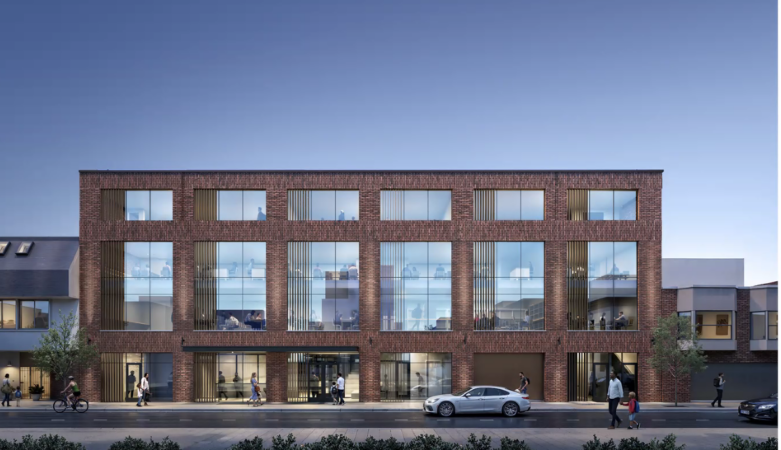
    A rendering of the Jewish day school planned for the Washington Square West neighborhood.

    At the meeting, the design team noted that the current version of the building is 52½ feet, down from over 70 feet originally. The team reduced the ceiling height of each floor and eliminated one story from the plans.

    Still, critics argued against the apartments — especially given that the classrooms have shrunk to meet neighbor demands but the living units remained intact.

    “We’re puzzled as to why the proposal includes three luxury dwelling units on the top,” Boni said at the meeting. “Eliminating that square footage would seem to go a long way toward meeting our requested building envelope.”

    Goldman argues that the apartments atop the school are essential to the project’s success.

    “A rabbi’s home is not just a private residence; it’s a communal space which builds strong relationships among community members who become like an extended family, sharing meals with the rabbi’s family,” Goldman said in an email. “It’s all part of the educational model which we envision for the school.”

    Goldman also says that having a responsible and active presence on site 24/7 will be a positive for the school building. But most important to him, the close proximity will aid in the religious practice of his community.

    “This space is not just a home. It is a vehicle for hospitality and connection,“ he said. ”Beyond the academics offered in the classroom, the school is a place where the values of Judaism come to life.”

    Some opponents thought the school should be rejected entirely for its attempt to bypass the property’s zoning. The proposal provides only 12 parking spaces, while the zoning requires twice that, and a roof deck is not allowed under current land-use rules.

    Regarding parking and potential congestion from the plan — a fear expressed by some nearby small business owners — the development team said their traffic study showed that 50% to 60% of students would walk to school, as they already do to the pre-K program. Supporters noted that many Jewish families who do not drive on Shabbat and certain holidays would prefer to live within walking distance to school.

    “Right now, we have 75 kids, and at least 60 from those kids are walking,” said Isaac Ohayon of Masada Custom Builders. “They live in the neighborhood. … They’re all no more than 10 to 15 blocks away.”

    The Washington Square West Civic Association will vote Tuesday on whether to support or oppose the project when it goes before the zoning board March 4.

  • As a hotel looms, a tiny Ocean City neighborhood behind the old Gillian’s fears losing its small-town feel — and its sunrise

    As a hotel looms, a tiny Ocean City neighborhood behind the old Gillian’s fears losing its small-town feel — and its sunrise

    OCEAN CITY, N.J. — Marie Crawford was immediately charmed in 2021 when she and her soon-to-be-surfer husband Rich moved into their historic house in the literal shadow of Gillian’s Wonderland Pier.

    They’d come from Blue Bell, Pa., to live year-round by the ocean, and landed with an amusement park right up the street.

    “The ball drop, that was what we heard from my house,” she said, referring to the 130-foot-high Drop Tower ride. “It was, ‘Ah, ah, ahhhhhhhh,‘” she said, imitating the screams she would sometimes hear.

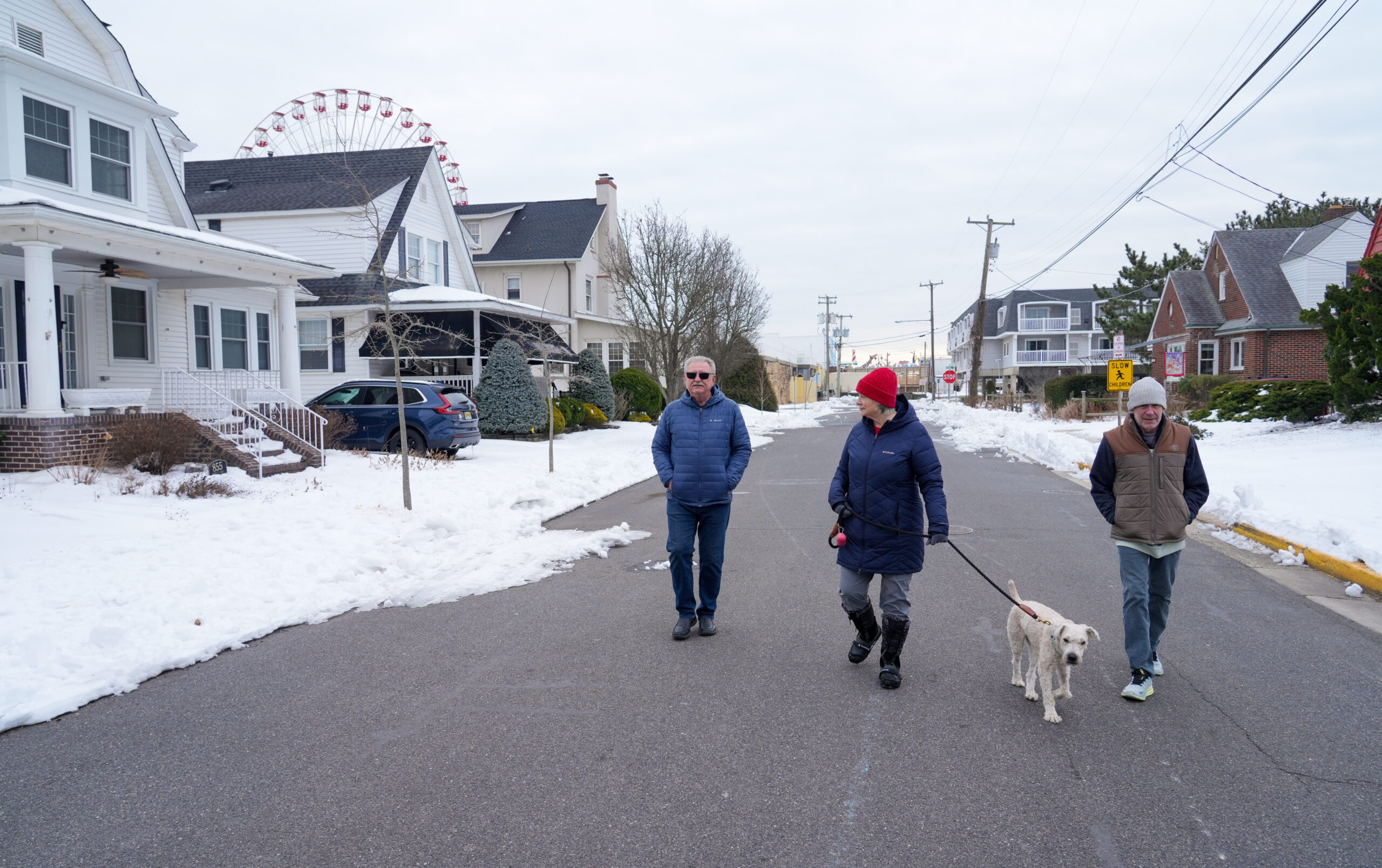
    Jack Gutenkunst, left, Marie Crawford and her husband Richard with Shiloh, a 9-year-old soft coated wheaten terrier, walk along Plaza Place, in Ocean City, Tuesday, Feb. 3, 2026.

    “It was so beautiful and romantic. On our porches, we would hear the ocean, not the amusement park. There were families, babies in strollers, coming up the street, flowing up to Wonderland. We were kind of ambassadors.”

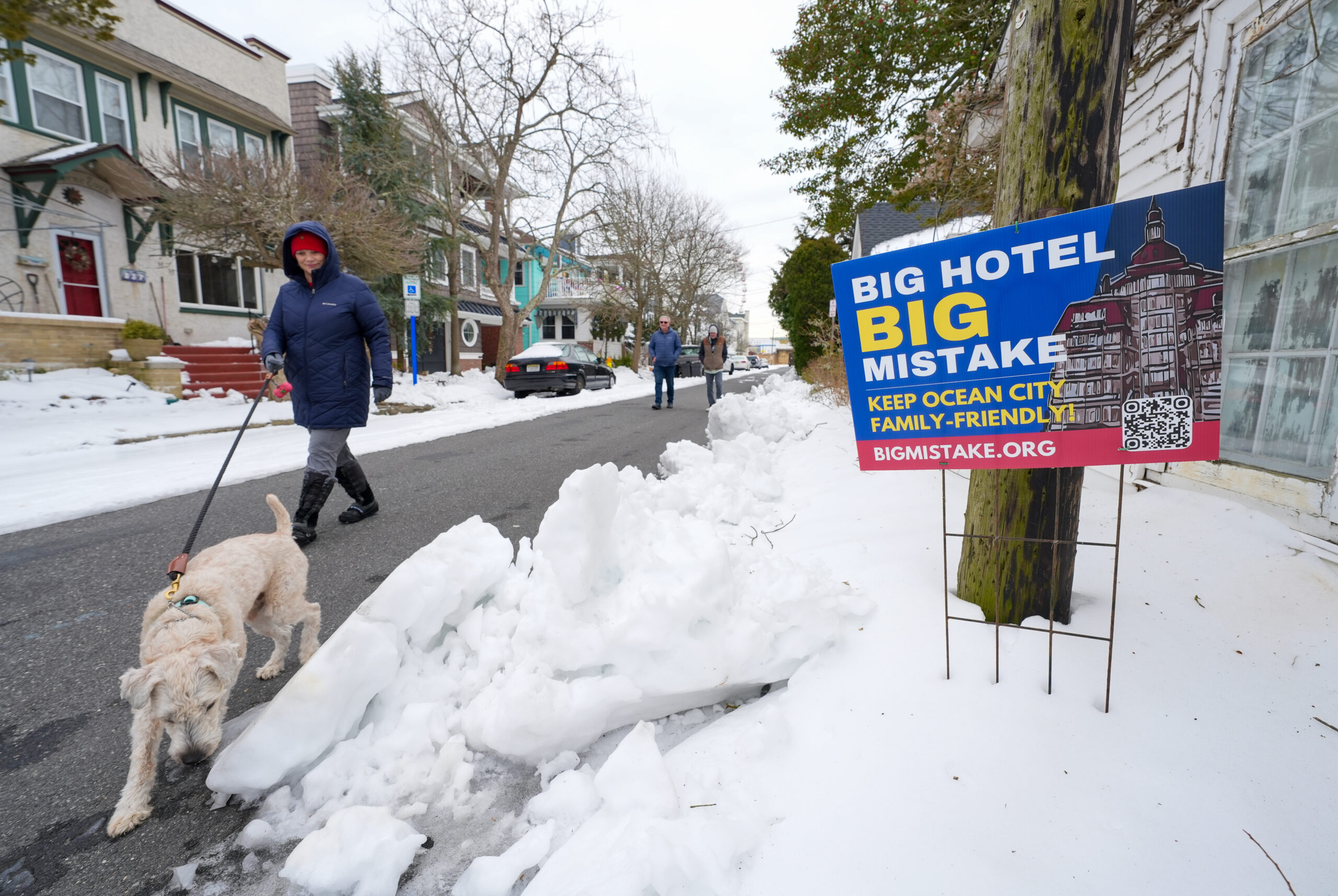
    Now, more than a year after the closing of Gillian’s, the residents are faced with the possibility of a seven-story hotel they fear will block their sun, bring traffic to their streets, and threaten the small-town charm they found in their little pocket of Ocean City.

    “It’s just another example of maximizing, pushing,” said Rich Crawford, Marie’s husband, who programs music for his family’s Christian radio station, WDAC, located in Lancaster, Pa. In his 60s, Rich fell in with Ocean City’s surfing crowd and unexpectedly grew to love his little community.

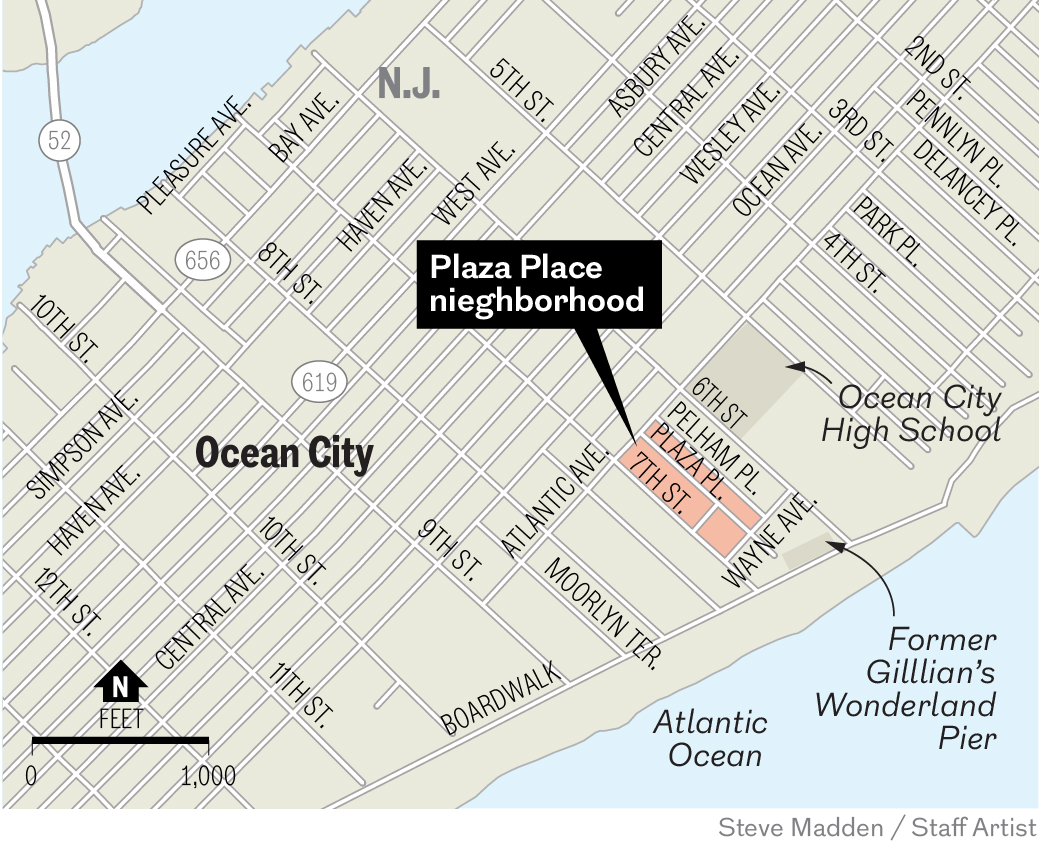
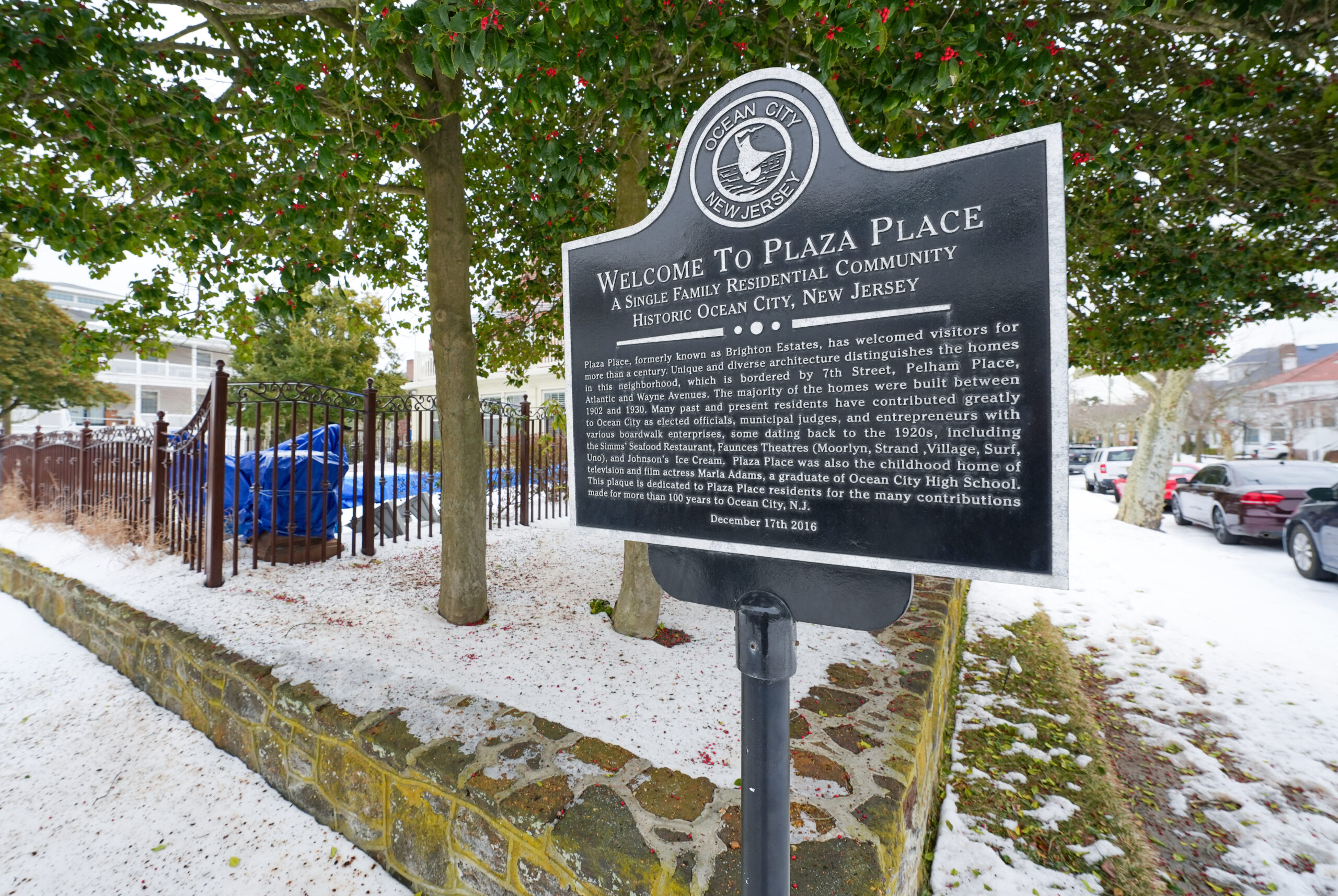
    The Crawfords’ neighborhood of 100-year-old homes and 153 trees is called Plaza Place, which is one block each of Pelham Place, Plaza Place, and the north side of Seventh Street, between Wayne Avenue and Atlantic.

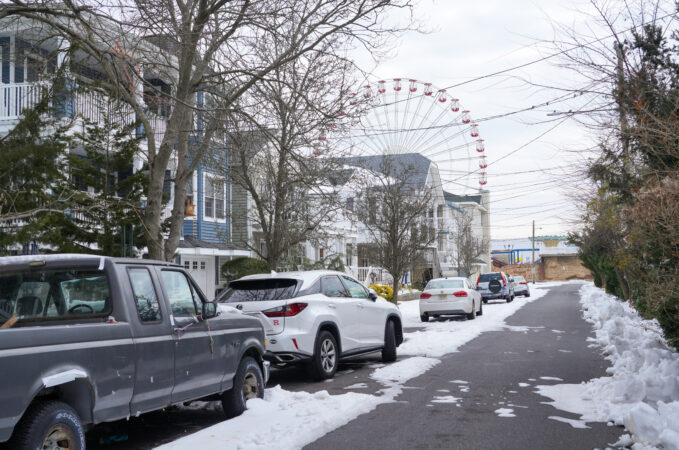
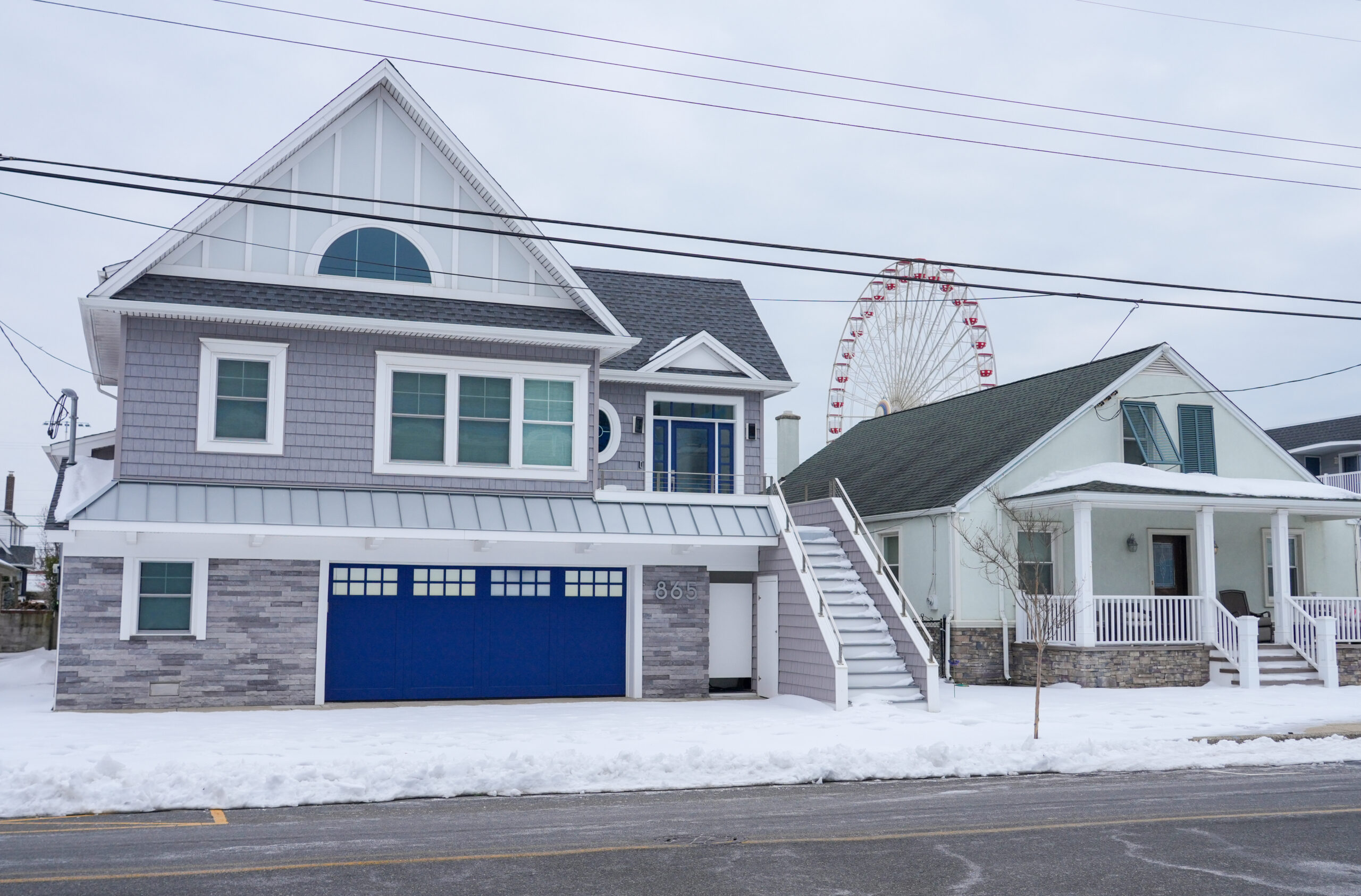
    Across Wayne Avenue, toward the ocean, was Wonderland. On a clear day, a red ball of sun creeps up above the boardwalk and peeks into their little neighborhood.

    On Pelham Place, residents each also own a two-foot- wide stretch of land across the street from their houses, a quirk of their deeds originally designed to prevent the rooming houses on Plaza Place that backed up against Pelham Place from using Pelham as an alleyway for their trash. There are dedicated gardeners on the streets who turn those strips into showpieces.

    The sun sets behind the Ferris wheel on the final day for the beloved Wonderland Pier in Ocean City Sunday, Oct. 13, 2024.

    Neighbor Barb Doctorman, whose family owns the Islander store on the boardwalk, said she used to take her children up on the Ferris wheel and peer down at their neighborhood. So lush, it looked like a forest, she said.

    “I looked up the impact of a high-rise,” said Doctorman. “We’re going to lose some sun. The airflow is going to be totally changed from what it was. There’s a heat radiant that comes off it.”

    Her husband, Doc, said: “We want something up there, but we know there could be more of a draw to that boardwalk than just the hotel.”

    Marie Crawford (left) holds the leash of Shiloh, a 9-year-old soft-coated wheaten terrier, while standing with her husband Richard (center) and neighbor Jack Gutenkunst at the end of Pelham Place in Ocean City.

    The land is owned by developer Eustace Mita, who has proposed Icona in Wonderland, a 252-room hotel that would preserve the Ferris wheel, carousel, and some kiddie rides.

    So far, the city has not declared the site in need of rehabilitation, as Mita has requested, or otherwise moved to rezone the area to allow a hotel.

    Merchants have begged the city to allow the hotel, and described how their businesses have suffered since the closure of Wonderland. Some residents have clung to the idea that an amusement park can return, though those numbers are dwindling.

    Marie Crawford, her husband Richard, right, along with Shiloh, a 9-year-old soft coated wheaten terrier, and their neighbor Jack Gutenkunst, walk past a sign against the development of a hotel at the site of the old Wonderland Pier on the boardwalk in Ocean City, Tuesday, Feb. 3, 2026.

    In Plaza Place, the opposition is less sentimental, more practical. They fear traffic, and the shadow from a neighboring seven-story hotel. Like residents in other towns who fought dunes, they fear the loss of the ocean breeze, or a shift in wind patterns that will affect surfing at the popular Seventh Street Beach.

    “It’s got that old feel to it, and everybody’s house is different,” said Marie Crawford, who bought her Craftsman Colonial on the north side of Pelham for $905,000 in 2021. She estimates it’s worth $2.5 million now. There are about 60 homes in the Plaza Place civic association.

    The association is one of several groups that are prepared to go to court if the city tries to change the zoning to allow a hotel, without going through a thorough master plan process, said Jack Gutenkunst, the Plaza Place Association president.

    While Wonderland brought thousands of people on a summer night, the pier itself had no parking. So people parked elsewhere and excitedly walked through their neighborhood on their way to the rides. People on their porches called out, “Have a blessed evening,” and chatted the night away, said Crawford. The hotel proposal calls for parking underneath the structure.

    A sign stands near the historic neighborhood behind the old site of the Wonderland Pier in Ocean City, Tuesday, Feb. 3, 2026. Residents are against the development of a hotel at the boardwalk site.

    Crawford stressed that it’s not a case of selfish NIMBY, Not In My Backyard. Despite Ocean City’s decades-old pattern of replacing single-family homes with duplexes, there are nearly 1,400 homes over 100 years old still left in Ocean City, said Bill Merritt, president of Friends of OCNJ History & Culture.

    Being a block from the boardwalk, and living in a beach town, does not mean the neighborhood’s purpose is primarily hospitality, said Crawford. Its distinct, increasingly rare Jersey Shore character deserves to be valued, she said.

    “It’s height. It’s chaos. It’s the change in culture,” she said, when asked what specifically worries her about the hotel. “It’s a transient population coming through here for three nights at a time. That’s in the hospitality district. We are not the hospitality district.”

    The neighborhood behind the old Wonderland Pier site on the boardwalk in Ocean City, Tuesday, Feb. 3, 2026. Residents are against the development of a hotel at the boardwalk site.

    The demolish-and-rebuild mania that took over a lot of the rest of the island has mostly left Plaza Place alone, though residents acknowledge that is also a threat to their way of life. They also fear a hotel will prompt Plaza Placeans to sell.

    “It’s a Norman Rockwell painting, it just is,” Councilman Keith Hartzell says in the documentary Plaza Place: The Enigmatic Street, a locally made short film about the neighborhood. “It’s right here in Ocean City, and you kind of don’t expect it, when there’s two streets away a bunch of duplexes.”

    Hartzell, who is running for mayor against incumbent Jay Gillian, the former owner of Wonderland who sold to Mita, says he hopes to negotiate with Mita over height, parking, and other issues before considering any kind of zoning allowance or rehabilitation designation. A city council-appointed subcommittee tasked with assessing the boardwalk’s usage as a whole is holding a public meeting at 10 a.m. on Feb. 7 at the city’s library.

    The residents of Plaza Place worry about the survival of the hidden little neighborhood by the beach they fell in love with. “The neighborhood is so beautiful and so old,” said Marie Crawford. “If the hotel goes in, the dramatic change that will be for all of us with the traffic, the tone of the neighborhood — you’re going to see people sell. That threatens the neighborhood. The people won’t want to stay.”

  • It only took one day to buy their West Philly dream home | How I Bought This House

    It only took one day to buy their West Philly dream home | How I Bought This House

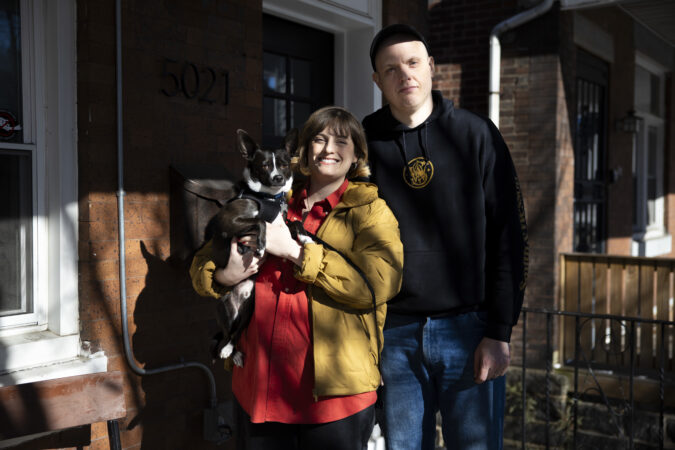
    The buyers: Malcolm Critcher, 32, creative director; Rhiannon Critcher, 32, communications analyst

    The house: A 1,590-square-foot rowhouse in West Philly with three bedrooms and two bathrooms, built in 1925.

    The price: listed for $425,000; purchased for $410,000

    The agent: Benjamin Camp, Elfant Wissahickon

    Rhiannon and Malcolm Critcher bought their West Philly home after a very short search. They saw only two other homes.

    The ask: After a few years in Tucson, Ariz., Malcolm and Rhiannon Critcher knew they wanted to return to the East Coast. They tested a few cities first. Washington felt “a little too nerdy,” Malcolm Critcher said. New York swung too far in the other direction: “a little too main character.” Philadelphia felt just right. “It was a Goldilocks situation,” Critcher said. “We both came here and instantly fell in love.”

    They moved in 2023 and rented in Center City for a year to get their bearings and explore neighborhoods. They fell in love with South and West Philly, but the latter’s parks and tree-lined streets ultimately won them over. They wanted to start a family soon, and West Philly‘s “green, verdant life,” Critcher said, “just felt like a really cool place to be a kid.”

    Their must-have list was short but specific: a kitchen meant for hosting, an open-concept floor plan, and a basement big enough for Critcher, who is 6-foot-4, to stand in.

    The search: One morning in November 2024, after getting breakfast in West Philly, they decided to walk to nearby open houses. They saw three houses. The third was a recently renovated semi-detached twin with light pouring in from multiple sides.

    One of three bedrooms in Malcolm and Rhiannon Critcher’s home.

    They both wanted to buy it right away, but worried they were being impulsive, so they decided to test the walk to the train. The couple doesn’t have a car and relies heavily on public transportation. It took less than five minutes. On the ride home, they realized they weren’t interested in delaying for the sake of process. “If you find the perfect thing early on, it’s still the perfect thing,” Critcher said.

    Having previously bought and sold three houses, Critcher had the confidence to move quickly. “I know what I’m looking for and what I want,” he said. They called their agent and made an offer that afternoon.

    The appeal: The layout was the first draw. The open first floor flowed naturally from the living room to the kitchen, making it feel larger than its footprint. Then there was the renovation. Unlike the gray-floored, hastily flipped houses they had seen elsewhere, this one felt considered, as if the sellers had remodeled it for themselves, not for resale. They liked the finishes, the flow, and little design choices like the kitchen backsplash. “My wife walked into the kitchen and was just like, ‘Wow, this is my favorite kitchen I’ve ever been in,’” Critcher said.

    The couple wanted a kitchen that would be great for hosting.

    For him, the basement stole the show. It was finished, spacious, and didn’t require him to duck.

    The deal: The house was listed at $425,000 — the very top of the couple’s budget. It had been on the market for just one day when they saw it. They decided to offer $25,000 below the asking price, but they promised to take it as-is, as long as the inspection didn’t reveal anything concerning. The sellers agreed to the terms but requested $410,000, which the couple agreed to.

    Light pours in from multiple sides of the Cratchers’ semi-detached twin.

    The inspection came back spotless. The appliances had all been replaced in 2018. The sewer line had recently been redone. There were no structural issues. “Literally the most perfect housing inspection possible,” Critcher said.

    The money: All told, Critcher and his wife brought a little over $100,000 to closing. Most came from the sale of their previous home in Tucson. They bought that house in early 2020 for $179,000 and sold it in 2024 for $300,000. The proceeds went straight into a high-yield savings account and remained untouched until the couple was ready to buy again.

    The couple’s dog, Pablo, likes to hang out in the second bedroom.

    The down payment on their new house came in just under 20% — about $82,000 — and closing costs were $26,000.

    For Critcher, the exact breakdown mattered less than the total. He approached the purchase with a fixed pot of money and trusted their lender and agent to structure the details responsibly.

    The couple loved the open floor plan on the first floor.

    The move: The couple closed in mid-December 2024 while they were out of town. A notary in Arizona helped them file the necessary paperwork. The move itself happened in mid-January. Compared to moving across the country a year earlier, moving from Center City to West Philly wasn’t too bad. They hired movers to load a U-Haul from their sixth-floor apartment, then unloaded it themselves at the new house. Packing took about a week. The move took two days. Unpacking stretched on for a month.

    Any reservations? Critcher wouldn’t recommend their approach to first-time homebuyers. “It was very impulsive,” he said. “But we both just fell deeply in love with it.”

    Life after close: They’ve kept things simple since moving in. They haven’t undertaken any major renovations or upgrades. “We’re just kind of floating,” Critcher said.

    Did you recently buy a home? We want to hear about it. Email acovington@inquirer.com.

  • A stadium district mega-development opposed by the Phillies, Eagles, and Comcast Spectacor appears to be dead

    A stadium district mega-development opposed by the Phillies, Eagles, and Comcast Spectacor appears to be dead

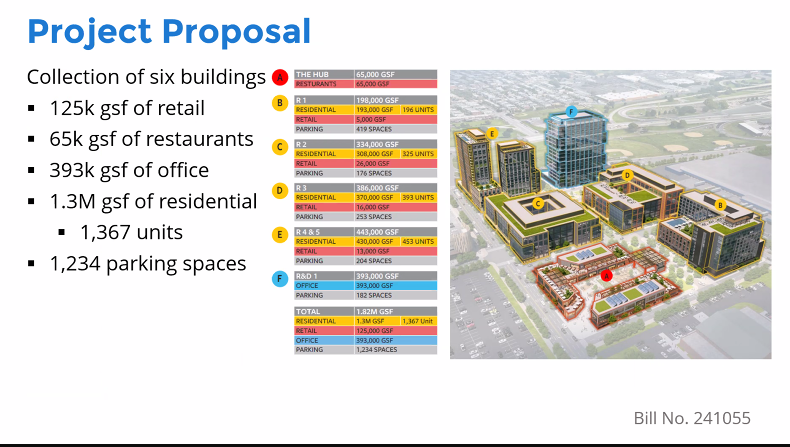
    A major development project that would have brought 1,367 residential units to South Philadelphia’s stadium district seems to have fallen apart since the real estate partnership behind the project ended last summer.

    The project was revealed in 2024 and would have been a collaboration between Hines, an international development company, and the King of Prussia-based Philadelphia Suburban Development Corp. (PSDC), which owns the land.

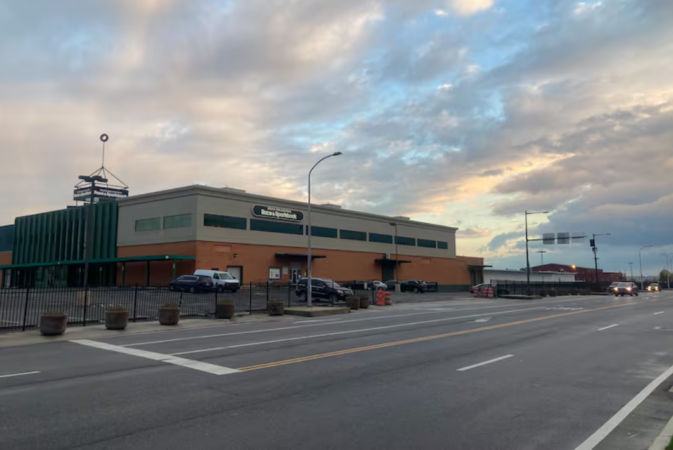
    It would have constructed six buildings, including an office tower and entertainment complex, to the east of the Live! Casino & Hotel where Parx Casino’s South Philadelphia Race & Sportsbook and Packer Avenue Foods once stood.

    Council President Kenyatta Johnson, who represents the area, has moved to repeal several zoning ordinances that he had passed to enable the project, despite protests from PSDC president Mark Nicoletti, who says the move will kill the project.

    “Hines withdrew from the project last summer,” Johnson said in a statement. “Since the plans that were presented to me at the outset of the partnership with Hines and PSDC have significantly changed, I feel it is in the best long-term interest of the residents … to introduce new legislation this year that repeals the original 2024 zoning legislation.”

    Johnson advanced his repeal legislation at an early February hearing of City Council’s Rules committee. A final vote could come as soon as next week.

    Nicoletti says PSDC could have developed the project without Hines, but only if the zoning legislation had remained in place.

    “I’m honestly scratching my head. This makes no sense,” Nicoletti said Tuesday after the City Council hearing. “What happened today was random and inexplicable and unfortunately killed thousands of jobs and a very important economic development project.”

    The project proved controversial early on, with representatives of the Phillies, Eagles, and Comcast Spectacor — which owns the Flyers — expressing concerns at a 2024 City Council hearing.

    Earlier in 2024 those three organizations shared plans of their own for a mixed-use development of their own at the sports complex.

    The release occurred as debate raged around a plan from the 76ers to leave the sports complex and build an arena in Center City — an effort the team ultimately aborted.

    But Nicoletti says his company met with local community organizations and the major sports teams about the proposal.

    “We presented comprehensive plans from a top architectural firm at a dozen meetings with community groups and the teams,” Nicoletti said. “We worked through any concerns the Planning Commission had to win their support.”

    But Nicoletti says the two developers went separate ways last summer because Hines did not exercise an option to buy all or part of the property from the PSDC.

    Hines declined to comment.

    An overview of what Hines and PSDC are planning for the stadium district.

    Johnson’s legislation contained a sunset clause for the zoning overlay he created to aid the project, which would have repealed itself later this year. But he decided to act sooner.

    Johnson also repealed a change in the underlying zoning from industrial to land use rules that allow mixed commercial and residential use.

    If he had left that mixed-use zoning in place, the land value would have increased even without the project moving forward.

    “I look forward to hearing new proposals from anyone, including PSDC, concerning new development plans for the former South Philadelphia Race & Sportsbook location at 700 Packer Ave.,” Johnson’s statement read.

    Johnson emphasized that any new proposal would need to be presented to neighborhood groups and get their support before he introduces any new zoning legislation.

    The Hines and PSDC collaboration promised to create thousands of construction jobs, but the exit of the international developer is seen by union leadership as the catalyst for the project’s death.

    “Hines stepped away from the project, and that caused the Council president to look at it with a new set of eyes,” said Ryan Boyer, who leads the Philadelphia Building and Construction Trades Council and the Laborers District Council.

    “The Council president has approved correct development, but he wants the community to have a say — as is his right,” Boyer said. “But I also think that [Johnson] and Mark [Nicoletti] are both reasonable people and reasonable men will come to a resolution for both of them, and for the building trades.”

  • An architect who designs Shore homes | Real Estate Newsletter

    An architect who designs Shore homes | Real Estate Newsletter

    Imagine a warm, sunny day at the Jersey Shore. You can hear the waves and feel the sand. And you can probably picture the houses.

    Mark Asher is the architect whose style gave modern Jersey Shore homes their look.

    Meet the man behind these properties.

    Keep scrolling for that story and more in this week’s edition:

    — Michaelle Bond

    If someone forwarded you this email, sign up for free here.

    Architect of the Shore

    Mark Asher has been designing homes from Cape May to the Philly suburbs for more than 40 years.

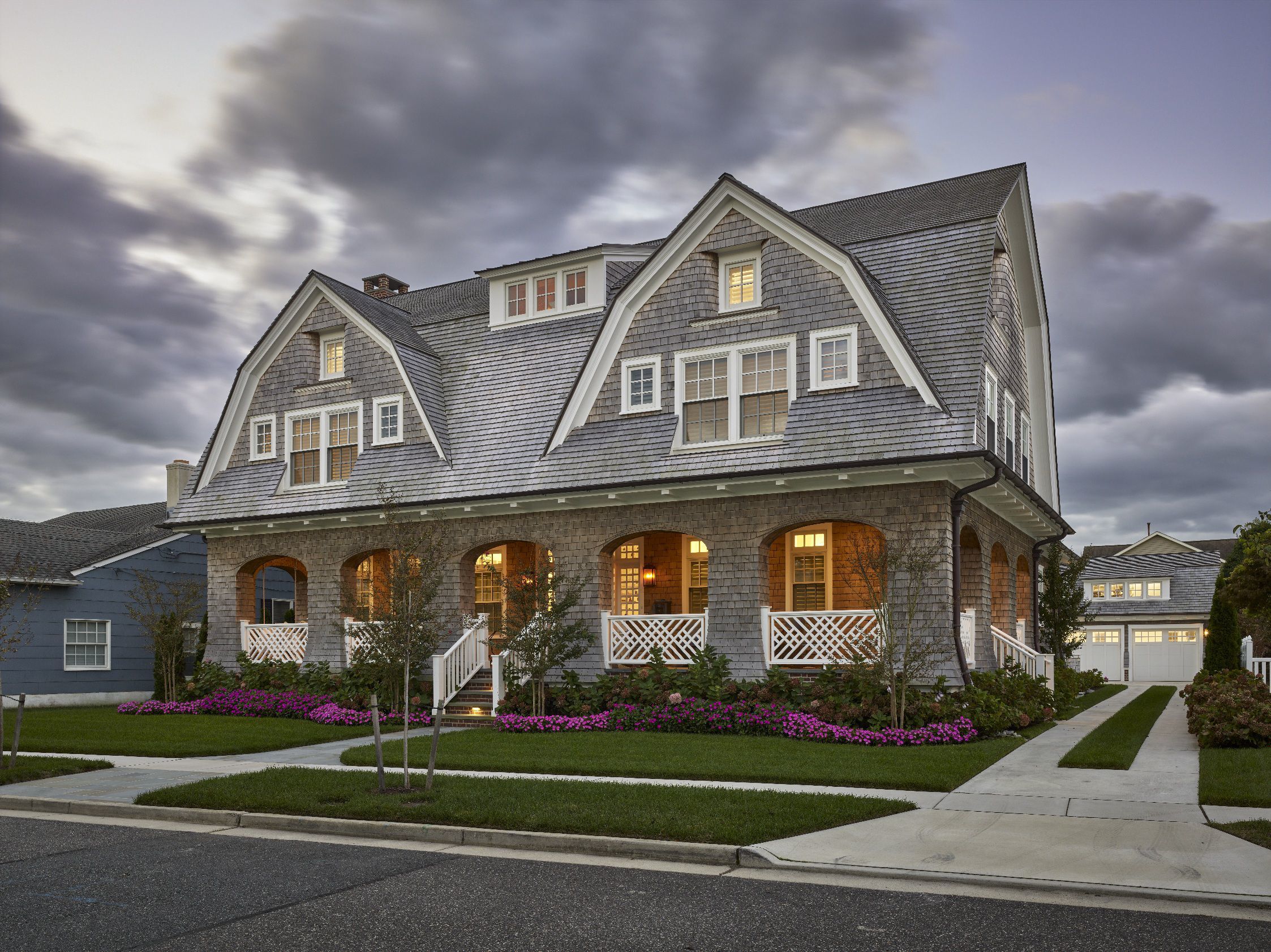
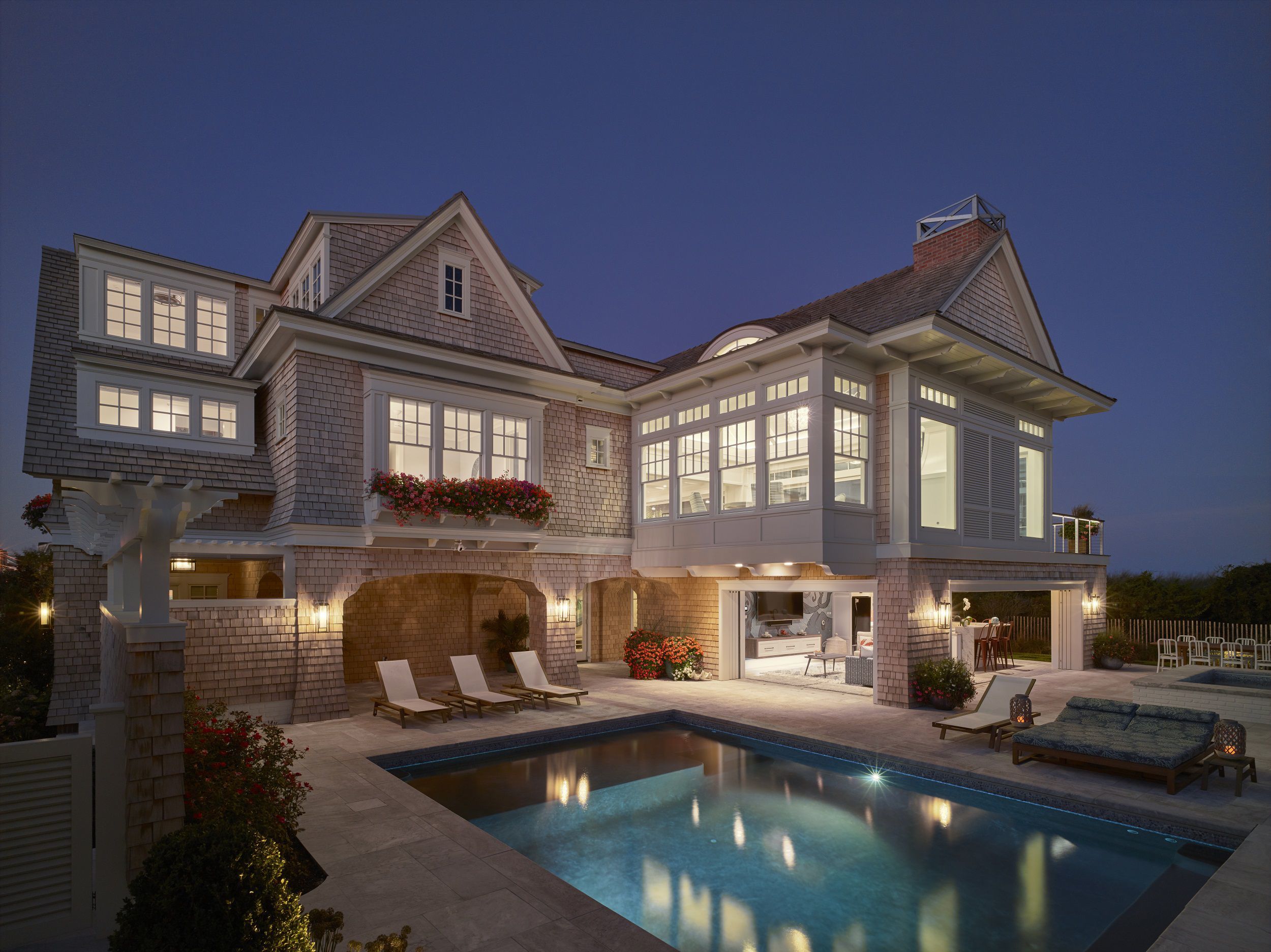
    When you’re at the Jersey Shore and see homes with cedar siding, wooden gambrel roofs, and indoor spaces that flow into outdoor patios and pools, you’re seeing Asher’s influence.

    The first house he designed was in the ‘80s for his parents. It was an 1,800-square-foot Cape Cod in Ocean City.

    Asher, who’s now based in Jenkintown, has since designed for yacht clubs and for families. His designs have evolved over the years to keep up with his clients’ changing needs.

    Do you have strong feelings about rocks vs. grass at Shore properties? Asher does. The architect brought in green lawns. “The stones were hot in the summer, cold in the winter, and ugly all year round,” he said.

    Keep reading to learn about Asher’s work and see some examples of homes he’s designed.

    Suspicious sales near Temple

    In December, my colleagues Ryan W. Briggs and William Bender told us about a mystery surrounding the sale of properties around Temple University.

    Clients of real estate agent Patrick C. Fay were paying almost double the asking price for properties that had been sitting on the market. The sales looked suspicious.

    But Fay didn’t handle transactions alone. In a follow-up investigation, my colleagues found that more than two dozen Philly-area real estate agents helped arrange $45 million worth of questionable deals involving student rentals.

    The prices recorded on deeds and other official documents were much higher than what sellers actually received, which was closer to the original listing price. One appraiser said agents tried to pressure him to raise the valuation of a property.

    As a former assistant U.S. attorney told my colleagues, “If you don’t present an accurate picture to the financial institution that is financing the loan, you’ve got problems.”

    The Inquirer’s reporting on this possible mortgage fraud has led to investigations by at least two organizations: Coldwell Banker, Fay’s former employer; and Temple, which is looking into possible impacts on student renters.

    Keep reading to learn more about the real estate deals at the center of my colleagues’ investigation and see the signs of trouble that are brewing in the neighborhood around Temple.

    The latest news to pay attention to

    Home tour: East Mount Airy rowhouse

    Cooper Lee Kidd celebrated a milestone birthday in a big way.

    He bought his first home one day before he turned 30. He wanted more indoor and outdoor space after living in small apartments in Queen Village and Rittenhouse Square.

    He purchased a 900-square-foot rowhouse in East Mount Airy. It was actually the first home he toured during his home search.

    The house has tall ceilings and gets lots of natural light. Kidd decorated with his photography, turned the second bedroom into an office, and cleared out the trash in the backyard to make room for a garden.

    The previous owner left some furniture that Kidd was happy to have.

    Peek inside Kidd’s birthday present to himself and learn the many reasons why he loves his neighborhood.

    📷 Photo quiz

    Do you know the location this photo shows?

    📮 If you think you do, email me back.

    Last week’s quiz featured a photo taken at the mini golf course in Franklin Square.

    Props to Lars W. for getting that right.

    Enjoy the rest of your week.

    By submitting your written, visual, and/or audio contributions, you agree to The Inquirer’s Terms of Use, including the grant of rights in Section 10.

  • This developer wants to revive one of South Jersey’s deadest malls. But it’s not a done deal.

    This developer wants to revive one of South Jersey’s deadest malls. But it’s not a done deal.

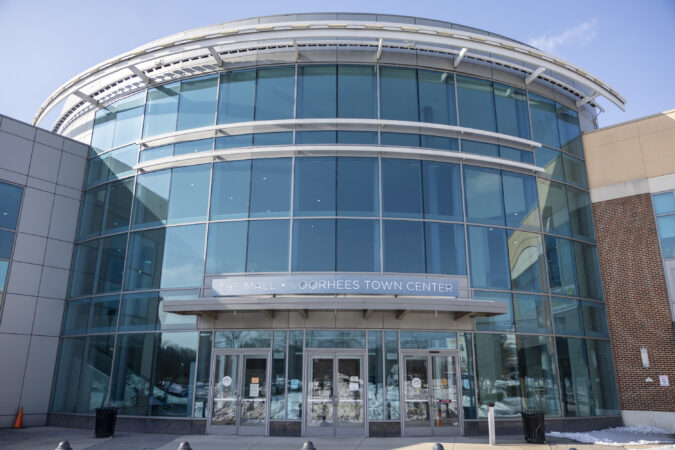
    A North Jersey developer has plans to finally transform the long-dead Echelon Mall, saying he’d spend more than $250 million to create a “regional destination” with high-end restaurants, entertainment venues, sports retailers, housing, and perhaps even an “upscale supermarket.”

    “We’re going to try to make it Voorhees’ main street” inside the old mall building, said George Vallone, president of the Hoboken Brownstone Co. “Just sort of reinvent the whole thing.”

    The project, which would include townhouses, apartments, a parking garage, and community spaces, was unanimously approved by the Voorhees Township Committee in October.

    But Vallone said his plans aren’t set in stone: The revitalization of the former mall, now called the Voorhees Town Center, depends on whether Hoboken Brownstone can get financial help from the state.

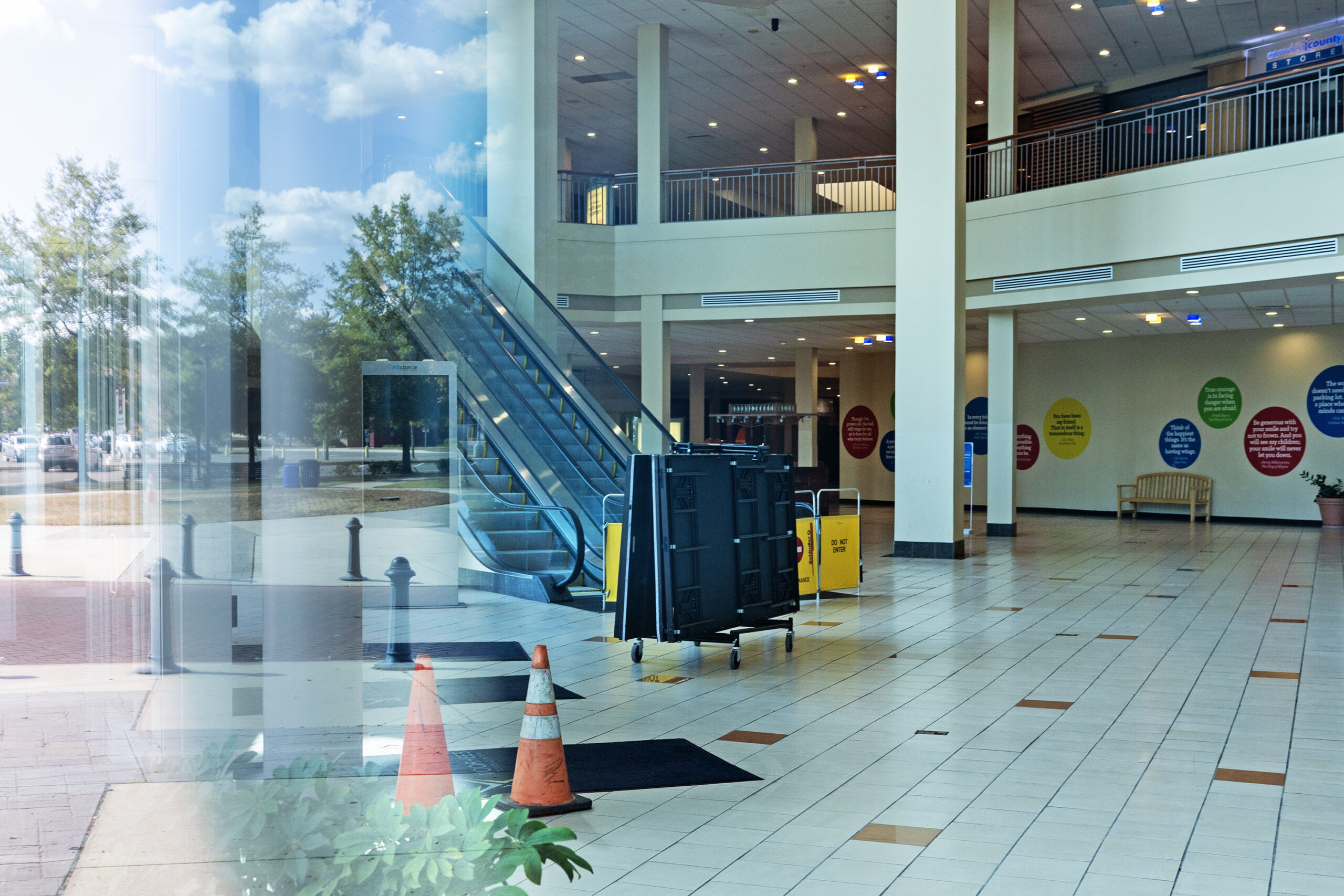
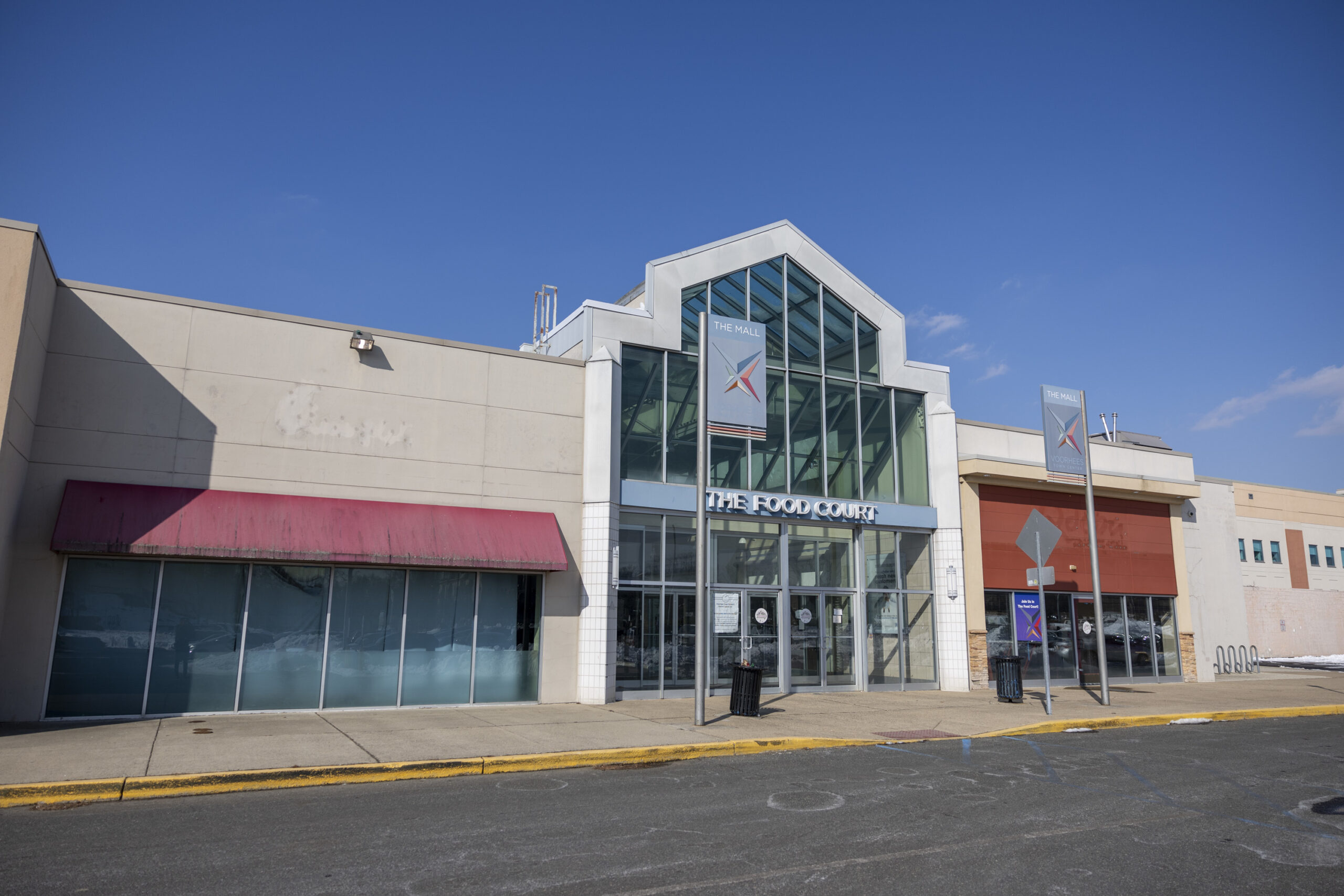
    The entrance to the food court at the Voorhees Town Center, which has been closed for nearly two years after a fire.

    Vallone said his company is applying for a $90 million tax credit for development projects and expects to hear in the coming months whether it is approved. If not, he said, “we walk.”

    Vallone made similar statements in a Philadelphia Business Journal report earlier this week.

    Voorhees Township Mayor Michael Mignogna said he supports “the thoughtful redevelopment of the former Echelon Mall site” as proposed by Hoboken Brownstone.

    “Throughout the process, the township has worked collaboratively with Hoboken Brownstone and Namdar in their private transaction to advocate for the rejuvenation of Town Center, specifically a strong business and retail presence that will restore the site as the center of Voorhees tradition and community,” Mignogna said in a statement.

    He noted that a state tax credit would not affect the developer’s local tax responsibilities.

    The uncertainty represents the latest hurdle in the long quest to revive the sprawling complex off Somerdale Road. Over the years, the 400-acre property, one of the Philadelphia region’s many lifeless malls, has been redeveloped in fits and starts under multiple owners.

    Recently, transformations have begun at nearby malls, including Moorestown and Burlington Center, as the old Echelon Mall languishes.

    What $250 million could do for dead Voorhees mall

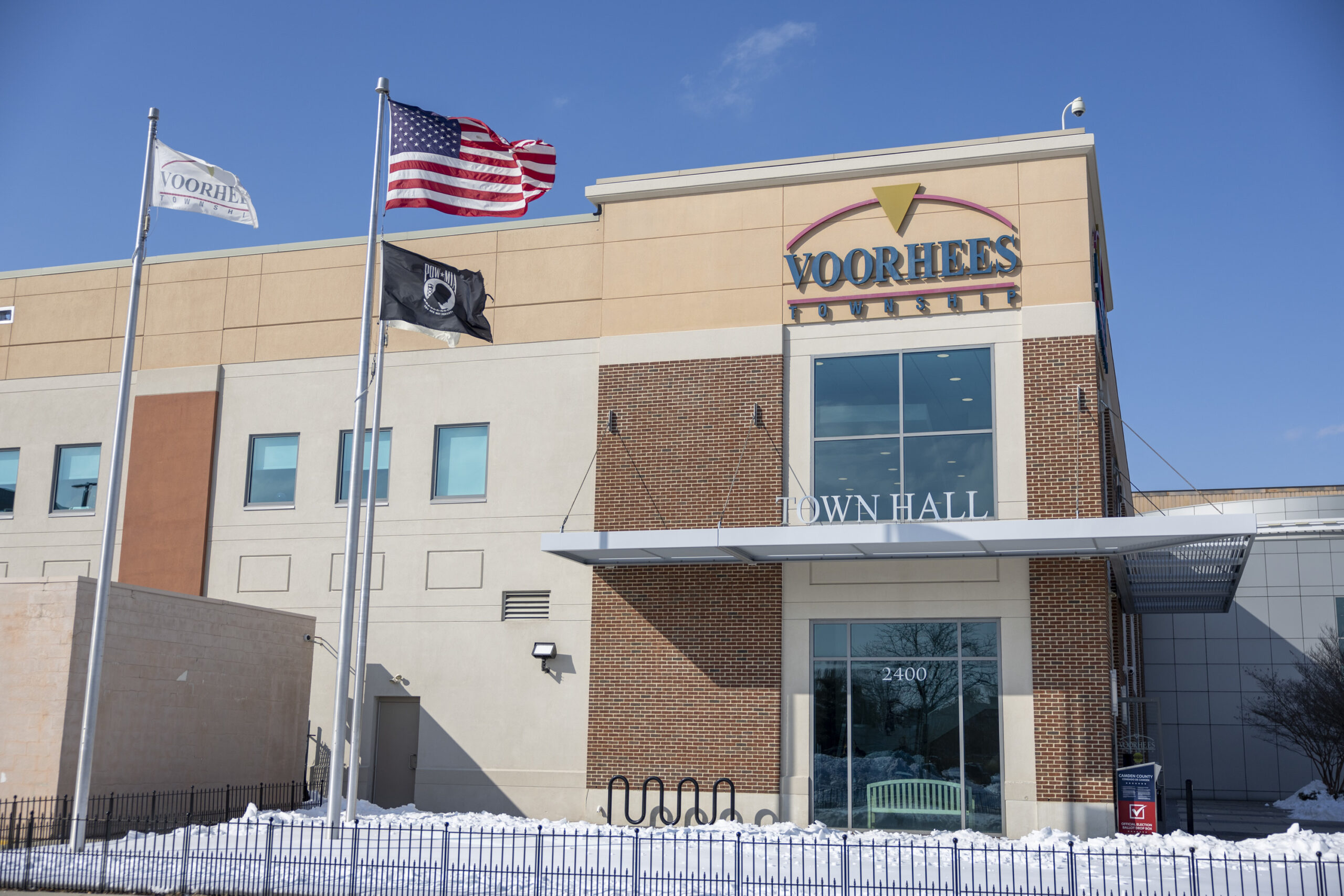
    The Voorhees Township Town Hall would not be included in a potential sale of the closed mall building.

    Voorhees officials, including Mignogna, have been talking about the troubled mall’s revival for two decades.

    Built in the 1970s, the once-bustling Echelon Mall has been struggling with vacancies since the early 2000s.

    In an attempt to turn the mall around, it was partially demolished, and a Main Street-style mixed-use development was built on part of the property in 2008. After this makeover, which cost an estimated $150 million, the complex was rebranded as the Voorhees Town Center.

    Namdar Realty Group, which is known to scoop up distressed malls, bought the property from PREIT for $13.4 million in 2015, but the situation did not improve. Retailers continued to flee. Customers followed. In 2024, a two-alarm fire damaged the inside of the building. It has not reopened since.

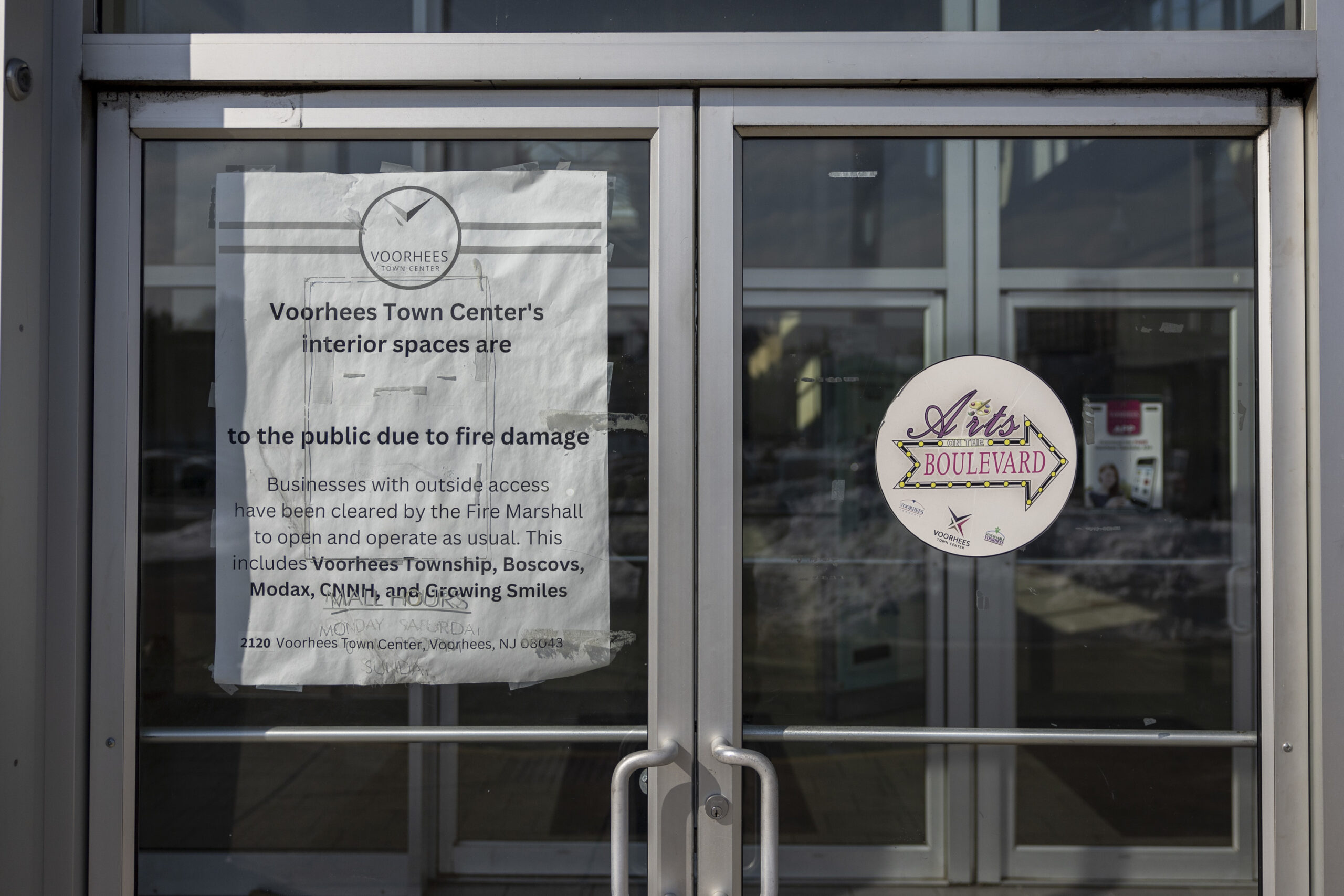
    A sign on the door of the Voorhees Town Center, which has been closed for nearly two years due to fire damage.

    Hoboken Brownstone plans to buy the mall building from Namdar in a pending sale, dependent on the tax break, Vallone said. He declined to disclose how much he would pay for the property, and Namdar executives could not be reached.

    The sale would not include the Voorhees Town Hall, which occupies 22,000 square feet of the mall and cost the township $5.5 million.

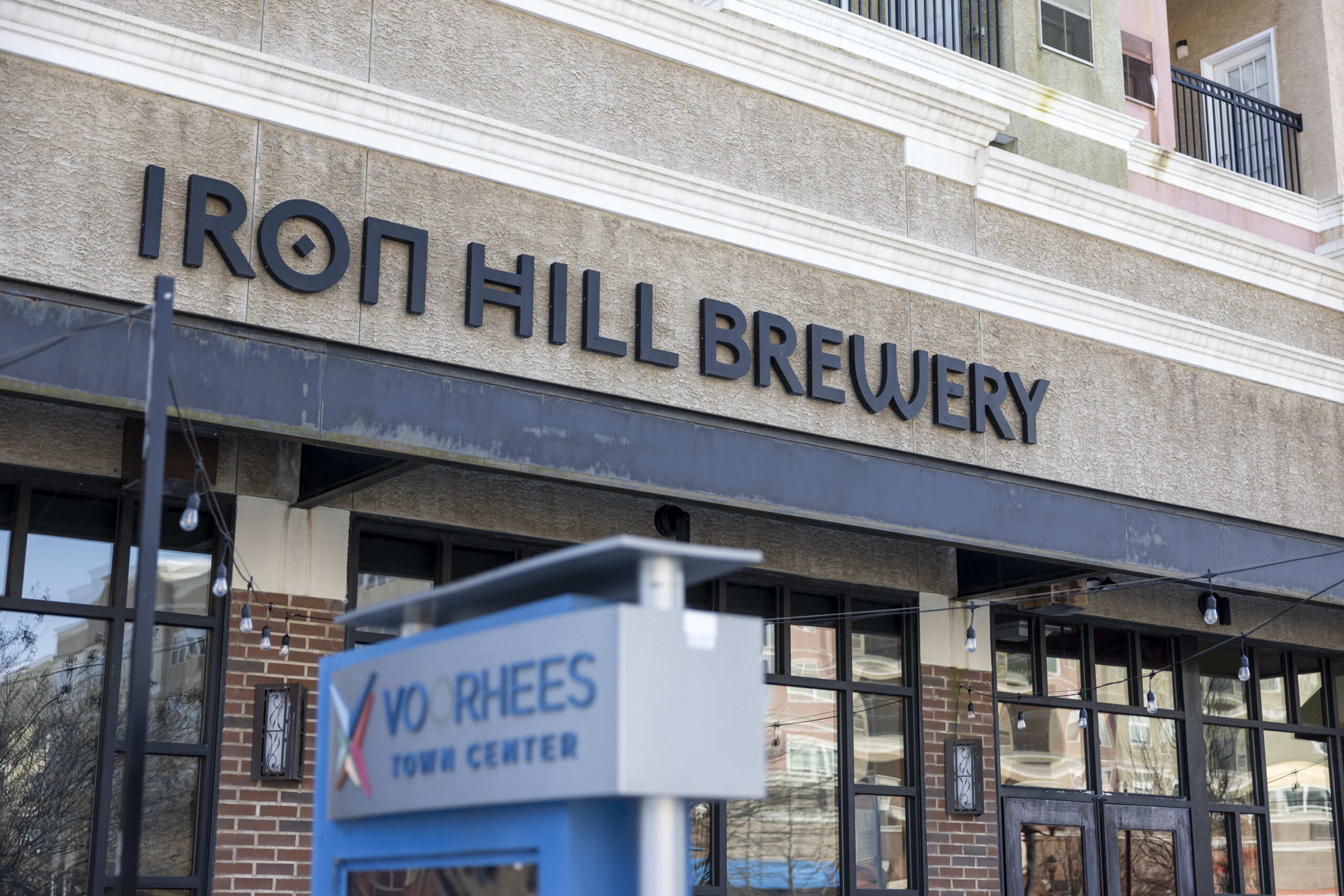
    Nor would it include the property’s existing mixed-use section, Boulevard Shoppes, which had been home to an Iron Hill Brewery until the company filed for bankruptcy and closed all locations this fall. (Township administrator Stephen Steglik said Voorhees hasn’t heard anything from Namdar about what’s next for the Iron Hill space.)

    Voorhees Township officials are in the dark about the future of the closed Iron Hill Brewery.

    Boscov’s, the site’s sole department store, would also be excluded from the sale, and executives have said it would remain open.

    If the sale goes through, Vallone said, construction could begin in early 2027.

    The company plans to build more than 200 market-rate townhouses; more than 100 units of affordable housing, including for-sale townhouses and rental apartments; and a parking garage with at least 1,300 spaces.

    As for the retail space inside the mall, “we’re going to invest a lot of money because there has been very little maintenance done on that thing for the last 20 years,” Vallone said. The mall building will not be torn down, he said, and may look largely the same from the outside.

    Why this developer invests in dead New Jersey malls

    The former Echelon Mail, as seen through a window in October 2024, after a fire damaged the building. The mall has not reopened since.

    In Voorhees, Hoboken Brownstone’s plan differs from its other major mall redevelopment in New Jersey.

    In Flemington, Hunterdon County, Vallone said they’re demolishing Liberty Village, considered the country’s first outlet center, and turning it into a mixed-use complex that will also include townhouses and apartments.

    After buying Liberty Village from Namdar, Vallone said he reached back out to the real estate company to inquire about other mall properties for sale. That’s how he became interested in the Voorhees Town Center.

    Vallone said he believes dead and dying malls can make good investments.

    “Here we have a substantial amount of infrastructure that is feeding the mall,” including plumbing and electric, Vallone said. “That de-risks the project quite a bit.”

    And he said he thinks customers will come to malls-turned-town-centers if they are developed thoughtfully.

    After all, retailers like Amazon can’t deliver everything same-day, Vallone said, and shopping online doesn’t offer the same experience as browsing at a store.

    In-person entertainment, fine dining, and even grocery shopping are also hard to replicate at home, he said: “Certain things, you have to go somewhere to do.”

  • Meet the architect whose style defined modern Jersey Shore homes

    Meet the architect whose style defined modern Jersey Shore homes

    Coastal homes featuring wooden gambrel roofs, cedar siding, covered porches, and inside spaces that flow out to patios and pools are mainstays of Jersey Shore properties. The architect who brought that look to the area, arguably, is Mark Asher.

    For more than four decades, Asher has left his imprint on homes from Cape May to Rumson to the Philly suburbs, everything from 1,200-square-foot cottages to 15,000-square-foot mansions.

    Now principal of Asher Slaunwhite + Partners in Jenkintown, Asher has come a long way since designing his first house in 1986: an 1,800-square-foot Cape Cod in Ocean City for his parents.

    “I suppose my parents were looking for a return on their investment,” Asher said. “The house was serviceable. It stood up and didn’t leak, which puts me well ahead of most architects’ first-house experience.”

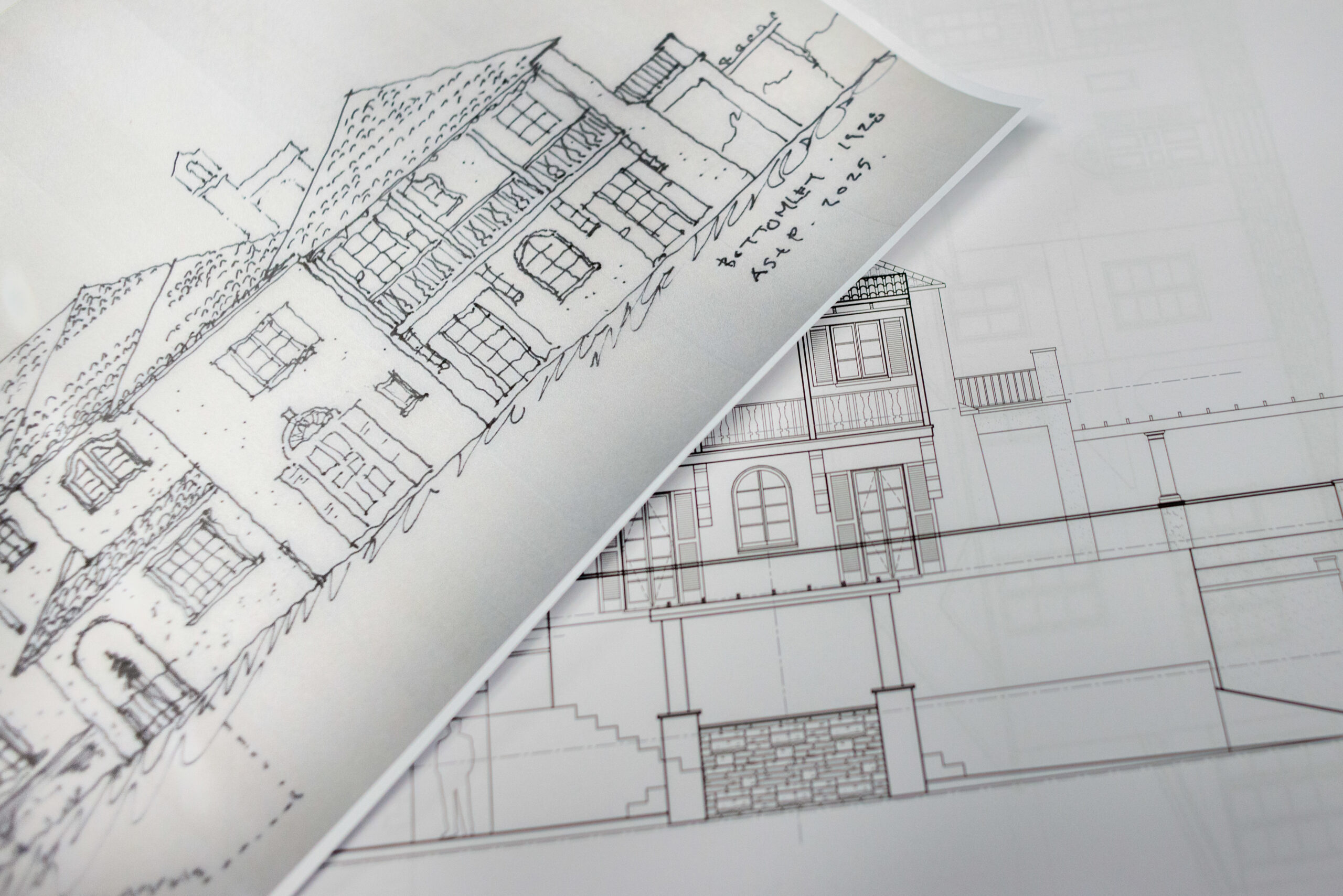
    Architectural blueprints in Asher’s office.

    That first solo experience taught him many lessons, mostly “that there was a lot to learn,” he said.

    One of those lessons he acquired along the way was that many cultural myths about architects exist, beginning with the notion that architects are generalists who know a little bit about a lot of things. In fact, he said, the reality is that you have to become very, very good at many, many things.

    “We are balancing the skills in land use, regulatory environment, technology, budget, and design,” Asher said. “And of course, client relationships. The house — the finished product — is the tip of an enormous iceberg.”

    Those relationships have been the cornerstone of his business. He has a long list of repeat customers and takes pride in designing homes for the children of former clients.

    Early in his career, Shore homes on Seven Mile Island, home to Avalon and Stone Harbor, were his bread and butter. Today, about 60% of his work comes from the Shore, and the rest from coastal clients who hire him for their inland homes.

    Steve and Nancy Graham had Asher design two homes: their Avalon beach house in 2003, and their primary home in Wayne a year later. Nancy had worked for a builder at the time, and was a true collaborator during the design process.

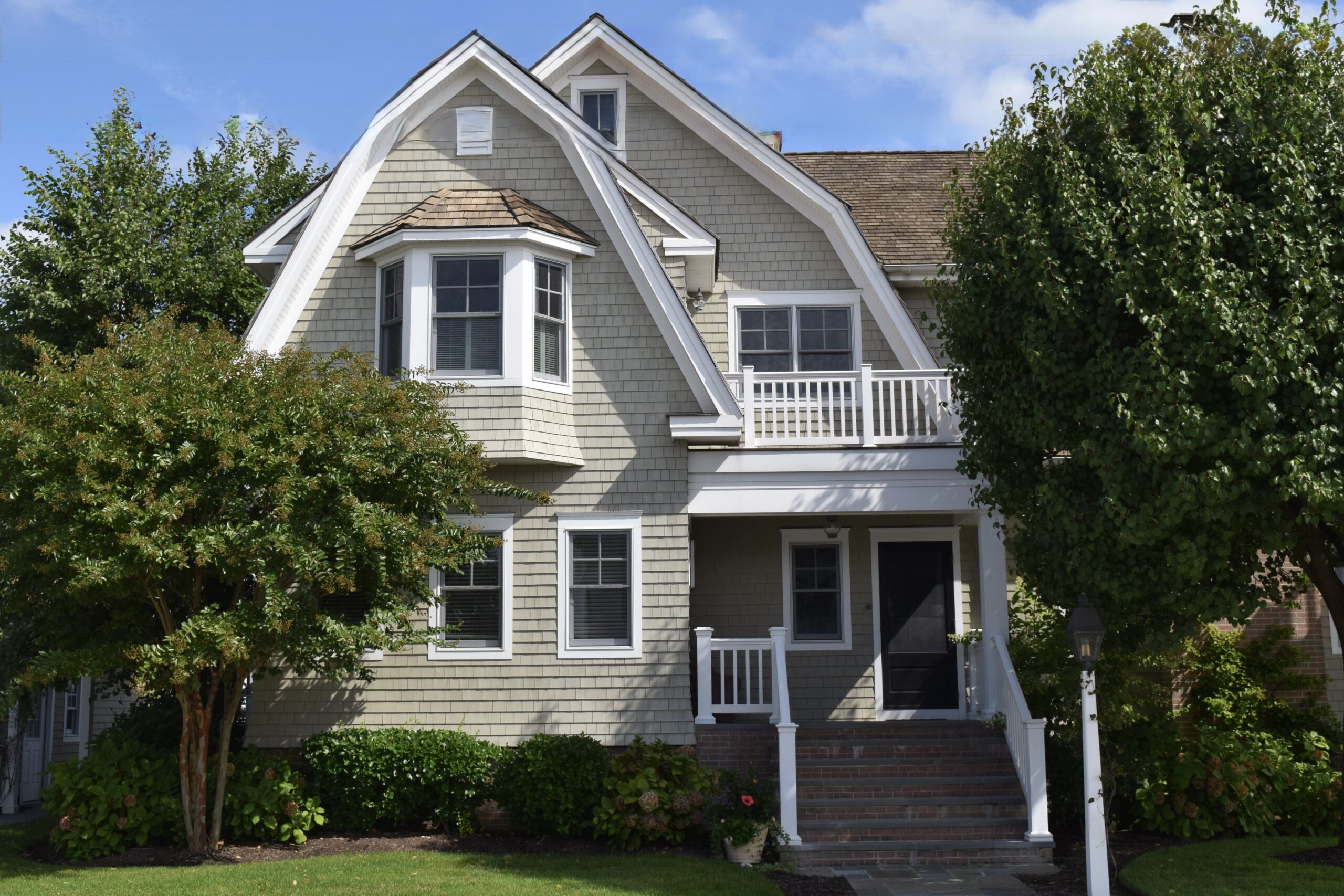
    The house of Steve and Nancy Graham in Avalon, which architect Mark Asher designed for the family in 2003.

    They razed an existing cottage, replacing it with a two-story, 4,000-square-foot, six-bedroom vacation home for their family, which at the time included their three children. Now, eight grandchildren make memories there.

    The Graham’s Shore house was nothing like the Wayne house he designed for them, which replicated that house’s traditional, historical neighbors. Their Avalon property was Asher’s first foray into designing Shore homes and included a gambrel roof, cedar siding, and a covered porch.

    “I had designed many houses like this before anyone built one, but I kept getting shot down,” Asher said. “Once it was done, it was like a hit song, and it was all people wanted.”

    A childhood passion

    As early as he can remember, Asher loved to sail. Spending his summers at the Shore, he’d tool around in a small dinghy, hugging the Jersey coast from Brigantine to Cape May.

    “The sights and sounds, the feel, and even the smells of these coastal towns became etched in my memory,” Asher said. “So when I started to work in the various beach towns, it was really just going back to a place I’d already been.”

    He had a similar passion for architecture at an early age, curious about old houses. He’d park himself on the curb, sketch pad in hand, and draw the houses he found most interesting. Those were his Architecture 101 lessons.

    (From left) Laura Glantz, Jeanine Snyder, Mark Asher, and Deborah Slaunwhite chat in the office of Asher Slaunwhite + Partners in Jenkintown.

    “I grew up in old houses, warts and all,” he recalled. “They were constantly being worked on. Saturday mornings invariably meant a trip to the lumberyard or the hardware store. And I love old houses still — their history and their stories.”

    After graduating from Virginia Tech School of Architecture in 1982, he worked at various architecture firms, learning the subtleties of his profession. In 1992, the Ocean City Yacht Club hired Asher for a redesign, and in 1995 the Avalon Yacht Club followed suit.

    “This was pre-computer, pre-Internet, so the OCYC project was drawn by hand,” he recalled. “Hard work and passion will cover the sins of inexperience.”

    Building for today’s family dynamic

    Asher’s first home design came in 2000, a relatively small two-coastal cottage that cost about $125 per square foot to build. Today, that same house would cost about eight times that, outpacing the inflation rate by 1,200%, Asher said.

    His designs have evolved along with the needs of his clients. Shore houses today are often designed for three generations of living.

    “Now you need areas for people to come together, but also to separate under the same roof,” said Michael Buck, president of Buck Custom Homes in Avalon and Ocean City, who has worked with Asher on about 30 projects.

    A home in Ocean City designed by architect Mark Asher.

    Although homes previously housed multiple generations, they weren’t purposefully designed to accommodate the needs of extended families. In many cases, homes are shifting to a more contemporary style, with five en-suite bedrooms, an elevator, and dedicated HVAC closet.

    “Mark’s plans capture a certain simplicity of the coastal environment of the home,” Buck said. “His architecture speaks to a classic, thoughtful approach to how a house blends in with its environment on a micro and macro level.”

    Asher’s entry into coastal building brought a greater emphasis on the home’s exterior, both in beauty and function.

    “When Mark came to town, the shift toward second homes from purely rental properties had already begun,” said Jack Binder Sr., broker at Ferguson Dechert Real Estate in Avalon. “The affluent, personal-use buyer wanted to express themselves through custom housing that stood apart from the rest and featured high-end amenities.”

    “Mark married functional interior space that flowed to exterior entertaining areas allowing his clients to enjoy their home to the max,” Binder said.

    One of the homes designed by Mark Asher in Avalon.

    Asher’s home interiors are thoughtfully designed, said Allison Valtri, principal of Allison Valtri Interiors in Avalon.

    “His windows are very carefully placed so that the light comes in in a way that is unexpected,” Valtri said. “Some of my favorite windows are ones that are capturing the sky. That fulfilling moment of peace is very thoughtful.”

    Asher also brought a desire for lush, green lawns to replace the stones that had previously filled the yards. “The stones were hot in the summer, cold in the winter, and ugly all year round,” he said.

    “When I began, I was working in a very traditional architectural palette,” he said. “The ’70s and ’80s were not very kind to beach architecture — think big hair and shoulder pads or stucco and a fondness for inexplicable round windows. So I was on a sort of reclamation project.”

    If it’s true that imitation is the sincerest form of flattery, Asher should feel quite proud.

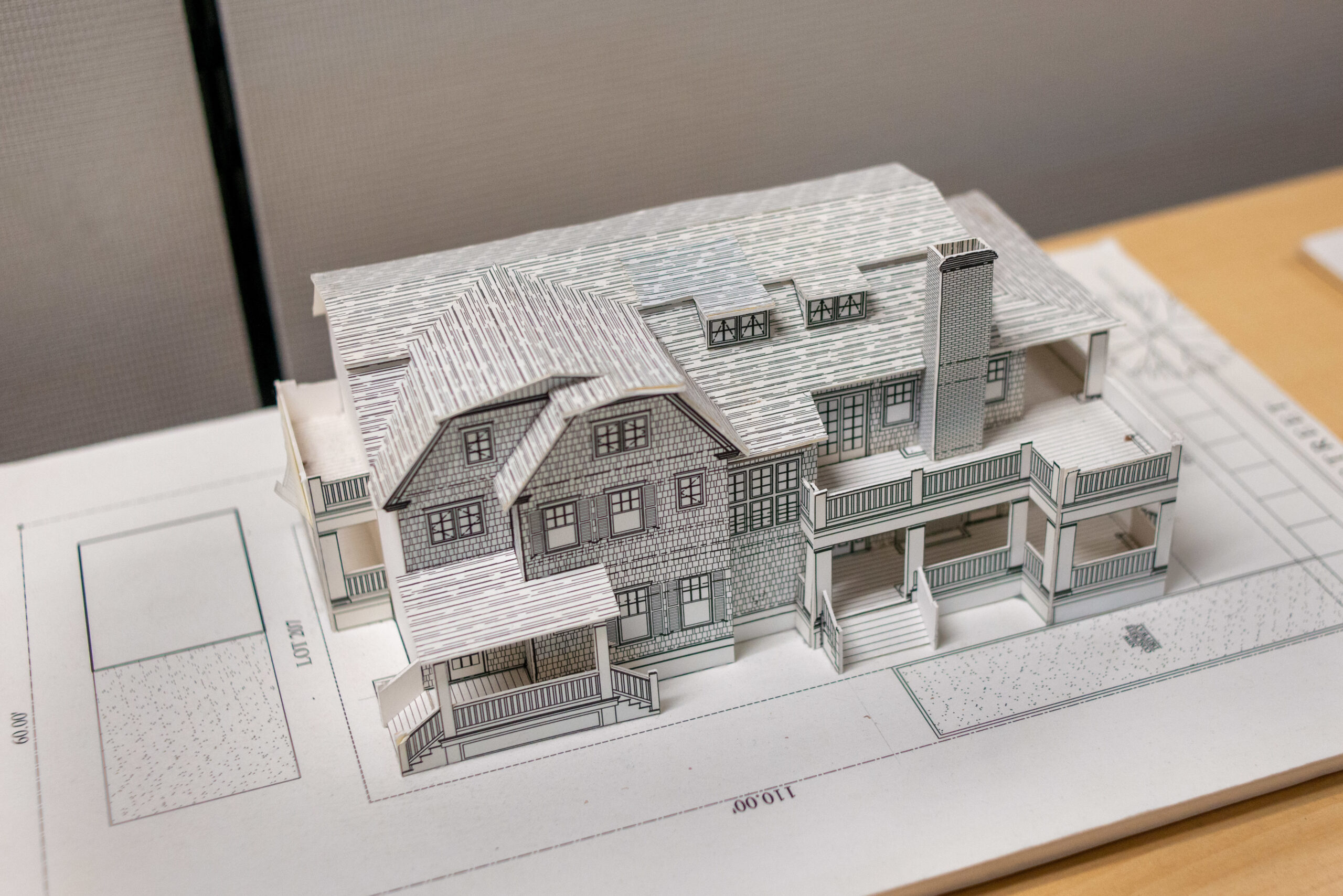
    An architectural model at the offices of Asher Slaunwhite + Partners.

    “He elevates and then watches everyone else catch up,” Buck said. “For example, not long ago, a wood roof was an anomaly, but now it’s mainstream.”

    But Asher sees it differently. Imitation just means he needs to challenge himself to find something better.

    He shares credit for his successes with those who have helped and inspired him, including his wife and longtime collaborator, Susan Asher, as well as his architect partners, Deborah Slaunwhite and Laura Glantz, and his business partner Jeanine Snyder. He also enjoys mentoring young architects.

    “Any profession has a responsibility for the generation that comes after it,” Asher said. “And I’ve often believed that my own start was a little rockier than it might have been. Some early guidance would have been helpful. So you pay it forward.”