Category: Business Wires

  • Wall Street CEOs warn Trump: Stop attacking the Fed and credit card industry

    Wall Street CEOs warn Trump: Stop attacking the Fed and credit card industry

    NEW YORK — Up until this week, Wall Street has generally benefited from the Trump administration’s policies and has been supportive of the president. That relationship has suddenly soured.

    When President Donald Trump signed the One Big Beautiful Bill into law in July, it pushed another significant round of tax cuts and also cut the budget of the Consumer Financial Protection Bureau, at times the banking industry’s nemesis, by nearly half. Trump’s bank regulators have also been pushing a deregulatory agenda that both banks and large corporations have embraced.

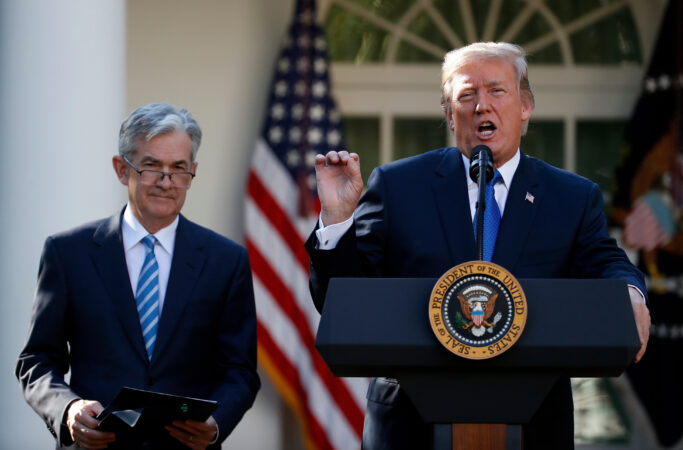
    But now the president has proposed a one-year, 10% cap on the interest rate on credit cards, a lucrative business for many financial institutions, and his Department of Justice has launched an investigation into Federal Reserve Chair Jerome Powell that many say threatens the institution that is supposed to set interest rates free of political interference.

    Bank CEOs warned the White House on Tuesday that Trump’s actions will do more harm than good to the American economy.

    BNY CEO Robin Vince told reporters that going after the Fed’s independence “doesn’t seem, to us, to be accomplishing the administration’s primary objectives for things like affordability, reducing the cost of borrowing, reducing the cost of mortgages, reducing the cost of everyday living for Americans.”

    “Let’s not shake the foundation of the bond market and potentially do something that could cause interest rates to actually get pushed up, because somehow there’s lack of confidence in the Fed’s independence,” Vince added.

    The Federal Reserve’s independence is sacrosanct among the big banks. While banks may have wanted Powell and other Fed policymakers to move interest rates one way or another more quickly, they have generally understood why Powell has done what he’s done.

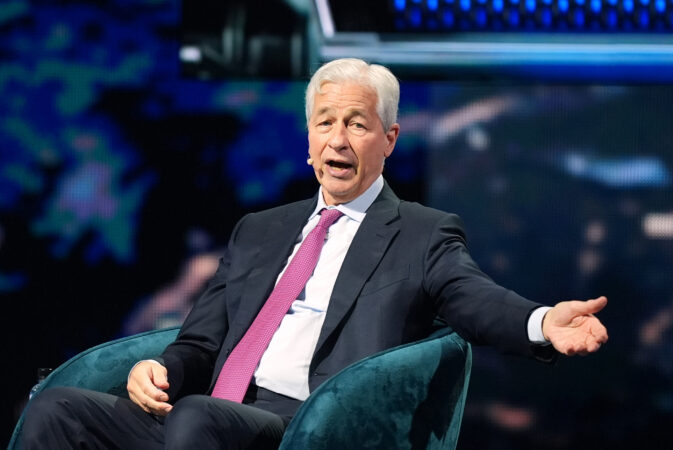
    “I don’t agree with everything the Fed has done. I do have enormous respect for Jay Powell, the man,” JPMorgan Chase CEO Jamie Dimon told reporters Tuesday.

    Dimon’s message did not seem to resonate with President Trump, who told journalists that Dimon is wrong in saying it’s not a great idea to chip away at the Federal Reserve’s independence by going after Powell.

    “Yeah, I think it’s fine what I’m doing,” Trump said Tuesday in response to a reporter’s question at Joint Base Andrews after returning from a day trip to Michigan. He called Powell “a bad Fed person” who has “done a bad job.”

    Along with the attacks on the Fed, President Trump is going after the credit card industry. With “affordability” likely to be a key issue in this year’s midterm elections, Trump wants to lower costs for consumers and says he wants a 10% cap on credit card interest rates in place by Jan. 20. Whether he hopes to accomplish this by bullying the credit card industry into just capping interest rates voluntarily, or through some sort of executive action, is unclear.

    The average interest rate on credit cards is between 19.65% and 21.5%, according to the Federal Reserve and other industry tracking sources. A cap of 10% would likely cost banks roughly $100 billion in lost revenue per year, researchers at Vanderbilt University found. Shares of credit card companies like American Express, JPMorgan, Citigroup, Capital One, and others fell sharply Monday as investors worried about the potential hit to profits these banks may face if an interest rate cap were implemented.

    In a call with reporters, JPMorgan’s chief financial officer, Jeffrey Barnum, indicated the industry was willing to fight with all resources at its disposal to stop the Trump administration from capping those rates.

    “Our belief is that actions like this will have the exact opposite consequence to what the administration wants in terms of helping consumers,” Barnum said. “Instead of lowering the price of credit, it will simply reduce the supply of credit, and that will be bad for everyone: consumers, the broader economy, and yes, for us, also.”

    Trump seemed to double down on his attacks on the credit card industry overnight. In a post on his social media platform Truth Social, he said he endorsed a bill introduced by Sen. Roger Marshall (R., Kansas) that would likely cut into the revenue banks earn from merchants whenever they accept a credit card at point-of-sale.

    “Everyone should support great Republican Senator Roger Marshall’s Credit Card Competition Act, in order to stop the out of control Swipe Fee ripoff,” Trump wrote.

    The comments from Wall Street are coming as the major banks report their quarterly results. JPMorgan, the nation’s largest consumer and investment bank, and The Bank of New York Mellon Corp., one of the world’s largest custodial banks, both reported their results Tuesday with Citigroup, Bank of America, Wells Fargo, and others to report later this week.

  • Family budgets are stretched, and bargain grocer Aldi seizes the moment in a rapid expansion

    Family budgets are stretched, and bargain grocer Aldi seizes the moment in a rapid expansion

    The discount grocery chain Aldi is expanding rapidly and plans to open more than 180 U.S. stores this year as more Americans skip nights out at restaurants and cook at home due to anxiety over the nation’s economy.

    The chain, with U.S. operations based outside of Chicago, went on an expansion tear soon after inflation began to spike in 2021 and opened a record number of new stores last year.

    Food inflation has slowed, but it was still up 2.4% last year, according to U.S. data, and has soared about 25% since the pandemic. On Tuesday, the U.S. Labor Department said that grocery prices jumped 0.7% in December from the previous month, and that price hikes accelerated faster in 2025 than they had in the previous two years.

    Last month beef and veal prices climbed 1% from November, and are up 16.4% from last year. Coffee prices increased 1.9% in a month and are up almost 20% over a year. Egg prices dropped 8.2% in December, continuing to fall after surging last year after a bird flu outbreak.

    The vast majority of U.S. adults say they’ve noticed higher than usual prices for groceries and electricity in recent months, according to a survey from the Associated Press-NORC Center for Public Affairs Research.

    Aldi has sought to snap up market share as more families trade down, meaning they are changing where they shop to cut costs.

    Americans are dropping trusted name brands for cheaper store-brands and swapping out the places they’ve shopped for years in favor of discount or thrift stores. It’s been a boon for national bargain stores chains such as Dollar General and Dollar Tree.

    That shift had begun before President Donald Trump’s trade war began, but appears to have accelerated over the past year.

    Aldi said in 2024 that it planned to open 800 new stores by 2028 as inflation worries spread. It announced plans to open a record 225 locations last year in the U.S.

    Aldi said Tuesday that it will add new distribution centers in Florida, Arizona, and Colorado, and is still committed to investing $9 billion in the U.S. through 2028. The company is also looking to open more than 50 stores in Colorado within the next five years and plans to double its Las Vegas store count by 2030.

    The expansion will give Aldi almost 2,800 stores by the end of the year, which gets its closer to its goal of 3,200 stores by 2028.

    Traditional grocers are under pressure from bargain chains, massive retailers like Walmart, and also relatively new players like Amazon.com. In December, Amazon said same-day perishable grocery delivery had been expanded to more than 2,300 cities and towns, and the online giant said it has more expansion plans for this year.

  • Trump visits a Ford pickup truck factory, aiming to promote his efforts to boost manufacturing

    Trump visits a Ford pickup truck factory, aiming to promote his efforts to boost manufacturing

    DETROIT — President Donald Trump offered a full-throated defense of his sweeping tariffs on Tuesday, traveling to swing-state Michigan to push the case that he’s boosted domestic manufacturing in hopes of countering fears about a weakening job market and still-rising prices that have squeezed American pocketbooks.

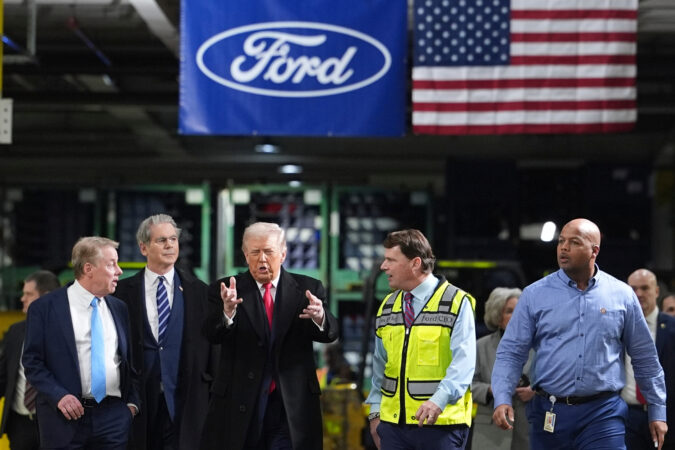
    Trump visited the factory floor of a Ford plant in Dearborn, where he viewed F-150s — the bestselling domestic vehicle in the U.S. — at various stages of production. That included seeing how gas and hybrid models were built, as well as the all-gas Raptor model, designed for off-road use.

    The president chatted with assembly line workers as well as the automaker’s executive chairman, Bill Ford, a descendent of Henry Ford. “All U.S. automakers are doing great,” Trump said.

    He later gave a speech to the Detroit Economic Club that was meant to be focused on his economic policies but veered heavily to other topics as well. Those included falsely claiming to have won Michigan three times (he lost the state in 2020 to Joe Biden) and recalling the snakes that felled workers during U.S. efforts to build the Panama Canal more than a century ago.

    “The results are in, and the Trump economic boom has officially begun,” the president said at the MotorCity Casino. He argued that “one of the biggest reasons for this unbelievable success has been our historic use of tariffs.”

    Trump insists tariffs haven’t increased costs

    The president said that tariffs were “overwhelmingly” paid by “foreign nations and middlemen” — even as economists say steep import taxes are simply passed from overseas manufactures to U.S. consumers, helping exacerbate fears about the rising cost of living.

    “It’s tariffs that are making money for Michigan and the entire country,” the president said, insisting that “every prediction the critics made about our tariff policy has failed to materialize.”

    But voters remain worried about the state of the economy. Tuesday’s visit — his third trip to a swing state since last month to talk about his economic policies — followed a poor showing for Republicans in November’s off-year elections in Virginia, New Jersey, and elsewhere amid persistent concerns about kitchen table issues.

    The White House pledged after Election Day that Trump would hit the road more frequently to talk directly to the public about what he is doing to ease their financial fears. The president tried to drive that home on Tuesday, but only amid lengthy asides.

    “I go off teleprompter about 80% of the time, but isn’t it nice to have a president who can go off teleprompter?” he said, before mocking Biden, suggesting his predecessor gave short speeches and doing an impression that included a dramatic clearing of his throat.

    Trump promised to unveil a new “health care affordability framework” later this week that he promised would lower the cost of care. He also pledged to soon offer more plans to help with affordability nationwide — even as he blamed Democrats for hyping up the issue.

    “One of our top priorities of this mission is promoting greater affordability. Now, that’s a word used by the Democrats,” Trump said. “They’re the ones who caused the problem.”

    Trump eased some auto tariffs

    Despite cheering tariffs, Trump has actually backed off the import taxes when it comes to the automobile sector. The president originally announced 25% tariffs on automobiles and auto parts, only to later relax those, seeking to provide domestic automakers some relief from seeing their production costs rise.

    Ford nonetheless announced in December that it was scrapping plans to make an electric F-150, despite pouring billions of dollars into broader electrification. That followed the Trump administration slashing targets to have half of all new vehicle sales be electric by 2030, eliminated EV tax credits and proposed weakening the emissions and gas mileage rules.

    While touring the assembly line, Trump suggested that a major North American trade agreement he negotiated during his first term, the United States-Mexico-Canada trade pact, was irrelevant and no longer necessary for the United States — though he provided few details.

    The pact, known as the USMCA, is up for review this year.

    Trump largely sidesteps Powell probe

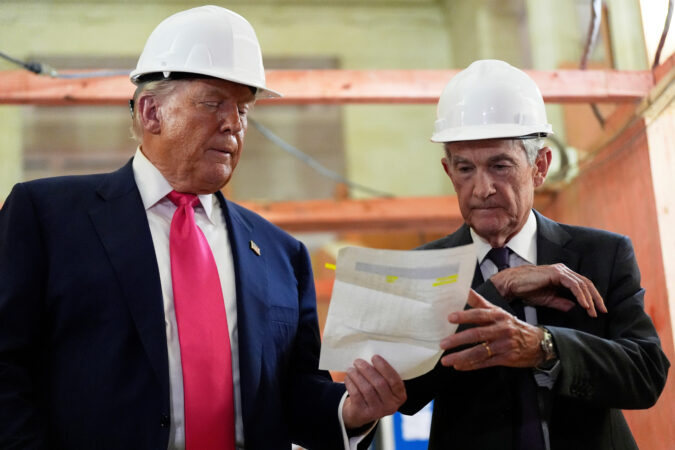
    The president’s attempt to shift national attention to his efforts to spur the economy comes as his Department of Justice has launched a criminal investigation into Federal Reserve Chair Jerome Powell, a move that Powell says is a blatant endeavor to undermine the central bank’s independence in setting interest rates.

    Critics of the move include former Fed chairs, economic officials and even some Republican lawmakers. During the Michigan visit, Trump lobbed his often-repeated criticisms of Powell but offered little mention of the investigation.

    Some good economic news for Trump arrived, though, before he left Washington, with new data from December showing inflation declined a bit last month as prices for gas and used cars fell — a sign that cost pressures are slowly easing. Consumer prices rose 0.3% in December from the prior month, the Labor Department said, the same as in November.

    “We have quickly achieved the exact opposite of stagflation, almost no inflation and super-high growth,” he said in his speech.

    Other economic policy speeches

    The Michigan stop follows speeches Trump gave last month in Pennsylvania — where his gripes about immigrants arriving to the U.S. from “filthy” countries got more attention than his pledges to fight inflation — and North Carolina, where he also insisted his tariffs have spurred the economy, despite residents noting the sting of higher prices.

    Like in Michigan, Trump also used a casino as a backdrop to talk about the economy in Pennsylvania, giving his speech there at Mount Airy Casino Resort in Mount Pocono.

    Trump carried Michigan in 2016 and 2024, after it swung Democratic and backed Biden in 2020. He marked his first 100 days in office with a rally-style April speech outside Detroit, where he focused more on past campaign grudges than his administration’s economic or policy plans.

    Democrats seized on Trump’s latest visit to the state to recall his visit in October 2024, when Trump, then also addressing the Detroit Economic Club, said that Democrats’ retaining the White House would mean “our whole country will end up being like Detroit.”

    “You’re going to have a mess on your hands,” Trump said during a campaign stop back then.

    Michigan Democratic Party Curtis Hertel said in a statement that “Trump’s speech showed just how out-of-touch he is with reality, claiming that affordability is ‘fake’ as Michiganders have less money in their pocketbooks because of the Republicans’ price-hiking agenda.”

  • Russia launches another major strike on Ukraine’s power grid in freezing temperatures

    Russia launches another major strike on Ukraine’s power grid in freezing temperatures

    KYIV, Ukraine — Russia launched a second major drone and missile bombardment of Ukraine in four days, officials said Tuesday, aiming again at the power grid amid freezing temperatures in an apparent snub to U.S.-led peace efforts as Moscow’s invasion of its neighbor approaches the four-year mark.

    Russia fired almost 300 drones, 18 ballistic missiles and seven cruise missiles at eight regions overnight, Ukrainian President Volodymyr Zelensky said on social media.

    One strike in the northeastern Kharkiv region killed four people at a mail depot, and several hundred thousand households were without power in the Kyiv region, Zelensky said.

    The daytime temperature in Kyiv, which has endured freezing temperatures for more than two weeks, was about 10 degrees, with streets covered in ice and the rumble of generators heard throughout the capital.

    Kyiv has grappled with severe power shortages for days, although Mayor Vitali Klitschko said Monday night’s strikes caused the biggest electrical outage the city has faced so far.

    Kyiv residents huddle for warmth

    More than 500 residential buildings remained without central heating Tuesday. Throughout the city, bare trees were weighed down with icicles and snow was piled up next to sidewalks.

    Olena Davydova, 30, charged her phone at what is called a “Point of Invincibility” shelter in Kyiv’s Dniprovskyi district. The government-built temporary installations, often large tents on the sidewalk, provide food, drinks, warmth and electricity.

    Davydova said she had been without power for nearly 50 hours. That forced her to adopt some new routines: sleeping in one bed with her child and two cats, storing fresh food on the balcony, and using candles after dark.

    She says she is taking the changes in stride. “I still have enough patience. I’m not reacting to this in a very emotional way,” she told The Associated Press.

    Elsewhere, friends and relatives gathered in apartments still with power or hot water, at least temporarily, to charge their phones, take showers, or share a warm drink.

    Klitschko ordered the city to provide one hot meal per day to needy residents. He also announced that workers in the city’s water, heating and road maintenance services would receive bonuses for working “day and night” to restore critical infrastructure.

    U.S. calls out ‘inexplicable’ Russian escalation

    Four days earlier, Russia also sent hundreds of drones and dozens of missiles in a large-scale overnight attack and, for only the second time in the war, it used a powerful new hypersonic missile that struck western Ukraine in what appeared to be a clear warning to Kyiv’s NATO allies that it won’t back down.

    On Monday, the U.S. accused Russia of a “dangerous and inexplicable escalation ” of the fighting at a time when the Trump administration is trying to advance peace negotiations.

    Tammy Bruce, the U.S. deputy ambassador to the United Nations, told an emergency meeting of the U.N. Security Council that Washington deplores “the staggering number of casualties” in the conflict and condemns Russia’s intensifying attacks on energy and other infrastructure.

    Russia has sought to deny Ukrainian civilians heat and running water over the course of the war, hoping to wear down public resistance to Moscow’s full-scale invasion, which began on Feb. 24, 2022. Ukrainian officials describe the strategy as “weaponizing winter.”

    The attack in Ukraine’s Kharkiv region also wounded 10 people, local authorities said.

    In the southern city of Odesa, six people were wounded in the attack, said Oleh Kiper, the head of the regional military administration. The strikes damaged energy infrastructure, a hospital, a kindergarten, an educational facility and a number of residential buildings, he said.

    2025 deadliest year for Ukrainian civilians

    Last year was the deadliest for civilians in Ukraine since 2022 as Russia intensified its aerial barrages behind the front line, according to the U.N. Human Rights Monitoring Mission in the country.

    The war killed 2,514 civilians and injured 12,142 in Ukraine — 31% higher than in 2024, it said.

    “The sharp increase in long-range attacks and the targeting of Ukraine’s national energy infrastructure mean that the consequences of the war are now felt by civilians far beyond the front line,” Danielle Bell, the agency’s head, said in a statement Monday.

    Zelensky said Ukraine is counting on quicker deliveries of agreed upon air defense systems from the U.S. and Europe, as well as new pledges of aid to counter Russia’s latest onslaught.

    Meanwhile, Russian air defenses shot down 11 Ukrainian drones overnight, Russia’s Defese Ministry said Tuesday. Seven were reportedly destroyed over Russia’s Rostov region, where Gov. Yuri Slyusar confirmed an attack on the coastal city of Taganrog, about 24 miles east of the Ukrainian border, in Kyiv’s latest long-range attack on Russian war-related facilities.

    Ukraine’s military said its drones hit a drone manufacturing facility in Taganrog. The Atlant Aero plant designs, manufactures and tests Molniya drones and components for Orion unmanned aerial vehicles, according to the General Staff of the Armed Forces of Ukraine. Explosions and a fire were reported at the site, with damage to production buildings confirmed, the General Staff said.

    It wasn’t possible to independently verify the reports.

  • Israel’s recognition of breakaway Somaliland brings uproar and threats to a volatile region

    Israel’s recognition of breakaway Somaliland brings uproar and threats to a volatile region

    JERUSALEM — Israel’s recognition of Somaliland has thrust the breakaway territory into the international spotlight, causing an uproar in the Horn of Africa and the Middle East as a surprise new factor in regional power struggles.

    For Israel, the decision reignites questions about the contentious proposal raised last year by American and Israeli officials for Somaliland to take in Palestinians displaced from Gaza. Israel also could use Somaliland as a base to more closely respond to attacks from Iran-backed Houthis rebels in Yemen, just across the Gulf of Aden.

    Israel also would get a diplomatic win. Somaliland’s foreign minister told The Associated Press that it aims to join the Abraham Accords, bilateral agreements between Israel and Arab and Muslim-majority countries.

    “It is a mutually beneficial friendship,” Abdirahman Dahir Adan said in an interview. In return, “Somaliland gains open cooperation with Israel in trade, investment and technology.”

    But the first international recognition of Somaliland as an independent nation also could make it a target. Analysts warn that its ties with Israel could become a rallying cry for Islamic extremists, destabilizing an already volatile region in which Somaliland has prided itself as an oasis of relative calm.

    Al-Qaeda affiliate al-Shabab, based in Somalia and the key challenge to that country’s stability, is already making threats. The group has rarely carried out attacks in Somaliland, which broke away in 1991 as Somalia collapsed into conflict.

    “Members of the movement reject Israel’s attempt to claim or use parts of our land. We will not accept this, and we will fight against it,” al-Shabab spokesperson Sheikh Ali Mohamud Rageal said in an audio message posted on one of the group’s sites.

    Strategic location

    Somaliland sits along one of the world’s busiest maritime corridors. It has drawn interest from foreign investors and military powers who see it as a potential alternative to neighboring Djibouti, which is home to the premier African bases for the American and Chinese militaries, and those of several other nations.

    Somaliland lies fewer than 100 miles from Yemen, where the Houthis have been targeting commercial and other ships in response to the Israel-Hamas war. The attacks have upended shipping in the Red Sea, through which about $1 trillion of goods pass annually. The Houthis also fired scores of missiles and drones at Israel during the war in Gaza, triggering long-range strikes by Israel’s air force.

    “If you are trying to watch, deter or disrupt Houthi maritime activity, a small footprint (in Somaliland) can provide disproportionate utility,” said Andreas Krieg, a military analyst at King’s College London.

    Shortly after Israel’s recognition, the Houthis threatened Somaliland.

    ‘No limits’ to cooperation

    Israeli Foreign Minister Gideon Saar visited Somaliland last week, and Somaliland’s president is expected to visit Israel soon.

    “This is a natural connection between democratic countries — both in challenging regions,” Saar said in defending Israel’s recognition.

    Israel and Somaliland have said their new ties would include defense cooperation, but officials declined to elaborate. Somaliland’s foreign minister said that details would follow his president’s visit to Israel.

    “There are no limits as to what areas we can work with,” Adan said.

    He expressed hope that Israel’s recognition would bestow new legitimacy on Somaliland and prompt others to recognize its sovereignty, even as Somalia has angrily rejected it.

    “Before Israel’s recognition, we were worried so much that other powers like Turkey and China would squeeze us,” Adan said, mentioning two of Somalia’s top benefactors. “I’m very hopeful that in the near future there will be many other countries that will follow Israel.”

    But the foreign minister insisted there has been no discussion with Israel about taking in Palestinians from Gaza. U.S. and Israeli officials told the AP last year that Israel had approached Somaliland about the proposal.

    Warnings of violence

    Israeli recognition of Somaliland has pushed the region into uncharted waters, said Mahad Wasuge, director of Somali Public Agenda, a think tank.

    “It could increase violence or bring proxy wars, particularly if the Israelis want to have a presence in the port of Berbera to counter threats in the Red Sea,” he said, referring to Somaliland’s largest port.

    The 57-nation Organization of Islamic Cooperation, and the African Union continental body, have condemned Israel’s recognition.

    Somali President Hassan Sheikh Mohamud has said it threatens his country’s sovereignty. He said that Somalis wouldn’t accept their nation being used by a foreign power accused of harming civilians — meaning Palestinians in Gaza — and warned that the establishment of foreign military bases would further destabilize the region.

    Somali territory “cannot be divided by a piece of paper written by Israel and signed by (Israeli Prime Minister Benjamin) Netanyahu,” Mohamud said in a televised address.

    Adan dismissed the criticism from Mogadishu, calling Somalia a “failed state.”

    Great power rivalries

    Already, Israel’s recognition has rocked the balance of powers in a region where rich Gulf countries and others have a growing interest.

    On Monday, Somalia annulled its security and defense agreements with the United Arab Emirates, a key regional ally of Israel that has long invested in Somaliland’s Berbera port, saying it was meant to safeguard “unity, territorial integrity, and constitutional order.”

    For the UAE, the area is important for its proximity to Sudan, where it has been accused of funding and arming the paramilitary Rapid Support Forces in that country’s civil war. And last week, Saudi Arabia accused the UAE of using Somaliland as a transit point to smuggle the leader of a separatist group out of southern Yemen.

    Asher Lubotzky, an analyst with Israel’s Institute for National Security Studies, said that Somaliland is one of several examples of the emerging alliance between Israel and the UAE, which have sought to align with U.S. foreign policy and shown a willingness to eschew international norms while countering extremist groups.

    “We know the Israeli interest is with the Houthis, but Somaliland also has an interest in some kind of an external protection,” he said.

    Others put on alert by Israel’s recognition are Turkey, Somalia’s largest investor and a rival to Israel, and China, which has long viewed Somaliland with suspicion over its ties with Taiwan. A rare visit to Somalia by China’s foreign minister, Wang Yi, set for last week did not occur as the Chinese embassy cited “scheduling reasons.”

    Closer to home, landlocked Ethiopia, Africa’s second-most populous country, sees Somaliland next door as a key route to the sea. It has remained silent on Israel’s recognition — perhaps scrambling, like many other countries, to understand what might come next.

  • Trump cancels meetings with Iranian officials and tells protesters ‘help is on its way’

    Trump cancels meetings with Iranian officials and tells protesters ‘help is on its way’

    WASHINGTON — President Donald Trump said on Tuesday that he’s cutting off the prospect of talks with Iranian officials amid a protest crackdown, telling Iranian citizens “help is on its way.”

    Trump did not offer any details about what the help would entail, but it comes after the Republican president just days ago said Iran wants to negotiate with Washington after his threat to strike the Islamic Republic, where the death toll from nationwide protests has spiked to more than 2,000, according to human rights monitors.

    But Trump, with his latest message on social media, appeared to make an abrupt shift about his willingness to engage with the Iranian government.

    “Iranian Patriots, KEEP PROTESTING – TAKE OVER YOUR INSTITUTIONS!!!” Trump wrote in a morning post on Truth Social, which he later amplified during a speech at an auto factory in Michigan. “Save the names of the killers and abusers. They will pay a big price. I have cancelled all meetings with Iranian Officials until the senseless killing of protesters STOPS. HELP IS ON ITS WAY.”

    Trump, in an exchange with reporters during the factory visit, demurred when asked what kind of help he would provide.

    “You’re going to have to figure that one out,” he said.

    He also said he didn’t have accurate numbers on the death toll in Iran but added: “I think it’s a lot. It’s too many, whatever it is.”

    The president has repeatedly threatened Tehran with military action if his administration found the Islamic Republic was using deadly force against antigovernment protesters. Trump on Sunday told reporters he believed Iran is “starting to cross” that line and has left him and his national security team weighing “very strong options” even as he said the Iranians had made outreach efforts to the U.S.

    And on Monday, the president’s team offered guarded hope that a diplomatic solution could be found.

    “What you’re hearing publicly from the Iranian regime is quite different from the messages the administration is receiving privately, and I think the president has an interest in exploring those messages,” White House press secretary Karoline Leavitt told reporters Monday. “However, with that said, the president has shown he’s unafraid to use military options if and when he deems necessary, and nobody knows that better than Iran.”

    Also on Monday, Trump said he would slap 25% tariffs on countries doing business with Tehran “effective immediately,” but the White House has not provided details on that move. China, the United Arab Emirates, Turkey, Brazil and Russia are among economies that do business with Tehran.

    Vice President JD Vance, Secretary of State Marco Rubio and key White House National Security Council officials began meeting Friday to develop options for Trump, ranging from a diplomatic approach to military strikes.

    Iran, through the country’s parliamentary speaker, has warned that the U.S. military and Israel would be “legitimate targets” if Washington uses force to protect demonstrators.

    More than 600 protests have taken place across all of Iran’s 31 provinces, the Human Rights Activists News Agency reported Tuesday. The activist group said about 1,850 of the dead were protesters and 135 were government-affiliated. It said more than 16,700 people had been detained.

    Understanding the scale of the protests has been difficult. Iranian state media has provided little information about the demonstrations. Online videos offer only brief, shaky glimpses of people in the streets or the sound of gunfire.

    Iranian state television appeared to acknowledge the high death toll on Tuesday. A TV report said the country had ‘a lot of martyrs’ in the nationwide protests and quoted Ahmad Mousavi, the head of the Martyrs Foundation.

    The anchor read a statement that laid blame on “armed and terrorist groups, which led the country to present a lot of martyrs to God.”

    Trump’s push on the Iranian government to end the crackdown comes as he is dealing with a series of other foreign policy emergencies around the globe.

    It’s been just over a week since the U.S. military launched a successful raid to arrest Venezuela’s Nicolás Maduro and remove him from power. The U.S. continues to mass an unusually large number of troops in the Caribbean Sea.

    Trump is also focused on trying to get Israel and Hamas onto the second phase of a peace deal in Gaza and broker an agreement between Russia and Ukraine to end the nearly four-year war in Eastern Europe.

    But advocates urging Trump to take strong action against Iran say this moment offers an opportunity to further diminish the theocratic government that’s ruled the country since the Islamic revolution in 1979.

    Russia’s Foreign Ministry on Tuesday called the threats “categorically unacceptable.”

    The ministry warned in a statement that any such strikes would have “disastrous consequences” for the situation in the Middle East and global security. It also criticized what it called “brazen attempts to blackmail Iran’s foreign partners by raising trade tariffs.”

    The statement noted that the protests in Iran had been triggered by social and economic problems resulting from Western sanctions. It also denounced “hostile external forces” for trying to “exploit the resulting growing social tension to destabilize and destroy the Iranian state” and charged that “specially trained and armed provocateurs acting on instructions from abroad” sought to provoke violence.

    The ministry voiced hope that the situation in Iran will gradually stabilize and advised Russian citizens in the Islamic Republic not to visit crowded places.

    The demonstrations are the biggest Iran has seen in years — protests spurred by the collapse of Iranian currency that have morphed into a larger test of supreme leader Ayatollah Ali Khamenei’s repressive rule.

    Iran appeared to ease some restrictions on its people and, for the first time in days, allowed them to make phone calls abroad via their mobile phones on Tuesday. It did not ease restrictions on the internet or permit texting services to be restored as the death toll from days of bloody protests against the state rose to at least 2,000 people, according to activists.

    Although Iranians were able to call abroad, people outside the country could not call them, several people in the capital told The Associated Press.

    The witnesses, who spoke on condition of anonymity, said SMS text messaging still was down and internet users inside Iran could not access anything abroad, although there were local connections to government-approved websites.

    It was unclear if restrictions would ease further after authorities cut off all communications inside the country and to the outside world late Thursday.

    United Nations officials said Tuesday that the more than 500 U.N. staff members in Iran are safe and accounted for as of Monday.

    Stephane Dujarric, the U.N. spokesperson, told reporters that many staff were working from home given the unrest that has spread throughout the country and killed hundreds of protesters.

    The U.N. country team in Iran has 46 international staff and 448 national staff.

  • Fewer Americans sign up for Affordable Care Act health insurance as costs spike

    Fewer Americans sign up for Affordable Care Act health insurance as costs spike

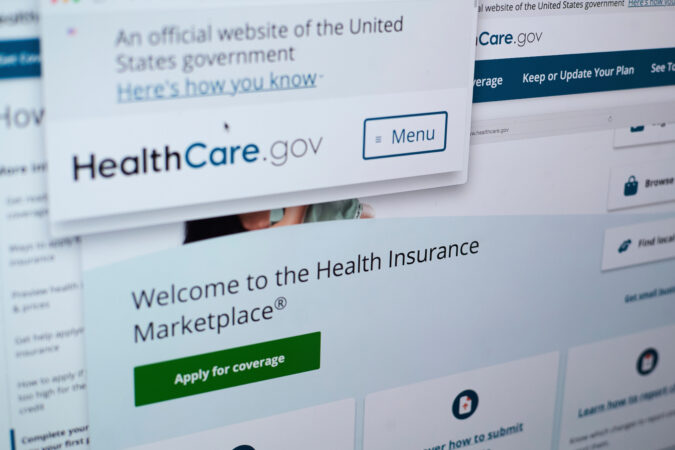
    NEW YORK — Fewer Americans are signing up for Affordable Care Act health insurance plans this year, new federal data shows, as expiring subsidies and other factors push health expenses too high for many to manage.

    Nationally, around 800,000 fewer people have selected plans compared to a similar time last year, marking a 3.5% drop in total enrollment so far. That includes a decrease in both new consumers signing up for ACA plans and existing enrollees re-upping them.

    The new data released Monday evening by the Centers for Medicare and Medicaid Services is only a snapshot of a continuously changing pool of enrollees. It includes sign-ups through Jan. 3 in states that use Healthcare.gov for ACA plans and through Dec. 27 for states that have their own ACA marketplaces. In most states, the period for shopping for plans continues through Jan. 15 for plans that start in February.

    But even though it’s early, the data builds on fears that expiring enhanced tax credits could cause a dip in enrollment and force many Americans to make tough decisions to delay buying health insurance, look for alternatives or forgo it entirely.

    Experts warn that the number of people who have signed up for plans may still drop even further, as enrollees get their first bill in January and some choose to cancel.

    Healthcare costs at the center of a fight in Congress

    The declining enrollment comes as Congress has been locked in a partisan battle over what to do about the subsidies that expired at the start of the new year. For months, Democrats have fought for a straight extension of the tax credits, while Republicans have insisted larger reforms are a better way to root out fraud and abuse and keep costs down overall. Last week, in a remarkable rebuke of Republican leadership, the House passed legislation to extend the subsidies for three years. The bill now sits in the Senate, where pressure is building for a bipartisan compromise.

    Up until this year, President Barack Obama’s landmark health insurance program had been an increasingly popular option for Americans who don’t get health coverage through their jobs, including small business owners, gig workers, farmers, ranchers and others.

    For the 2021 plan year, about 12 million people selected an Affordable Care Act plan. Enhanced tax credits were introduced the following year and four years later enrollment had doubled to over 24 million.

    This year’s sinking sign-ups — sitting at about 22.8 million so far — mark the first time in the past four years that enrollment has been down from the previous year at this point in the shopping window.

    The loss of enhanced subsidies means annual premium costs will more than double for the average ACA enrollee who had them, according to the healthcare research nonprofit KFF. But extending the subsidies would also be expensive for the country. Ahead of last week’s House vote, the nonpartisan Congressional Budget Office estimated that extending the subsidies for three years would increase the nation’s deficit by about $80.6 billion over the decade.

    Americans begin looking for other options

    Robert Kaestner, a health economist at the University of Chicago, said some of those who abandon ACA plans may have other options, such as going on a partner’s employer health plan or changing their income to qualify for Medicaid. Others will go without insurance at least temporarily while they look for alternatives.

    “My prediction is 2 million more people will lack health insurance for a while,” Kaestner said. ”That’s a serious issue, but Republicans would argue we’re using government money more efficiently, we’re targeting people who really need it and we’re saving $35 billion a year.”

    Several Americans interviewed by The Associated Press have said they’re dropping coverage altogether for 2026 and will pay out of pocket for needed appointments. Many said they are crossing their fingers that they aren’t affected by a costly injury or diagnosis.

    “I’m pretty much going to be going without health insurance unless they do something,” said 52-year-old Felicia Persaud, a Florida entrepreneur who dropped coverage when she saw her monthly ACA costs were set to increase by about $200 per month. “It’s sort of like playing poker and hoping the chips fall and try the best that you can.”

  • Trump says Iran wants to negotiate as the death toll in protests rises to at least 646

    Trump says Iran wants to negotiate as the death toll in protests rises to at least 646

    DUBAI, United Arab Emirates — U.S. President Donald Trump said Iran wants to negotiate with Washington after his threat to strike the Islamic Republic over its crackdown on protesters in nationwide demonstrations that activists said Monday had left at least 646 people dead.

    Iran had no direct reaction to Trump’s comments, which came after the foreign minister of Oman — long an interlocutor between Washington and Tehran — traveled to Iran this weekend. It also remains unclear just what Iran could promise, particularly as Trump has set strict demands over its nuclear program and its ballistic missile arsenal, which Tehran insists is crucial for its national defense.

    Iranian Foreign Minister Abbas Araghchi, speaking to foreign diplomats in Tehran, insisted “the situation has come under total control” in remarks that blamed Israel and the U.S. for the violence, without offering evidence.

    “That’s why the demonstrations turned violent and bloody, to give an excuse to the American president to intervene,” Araghchi said, in comments carried by Al Jazeera. The Qatar-funded network has been allowed to report live from inside Iran, despite the internet being shut off.

    However, Araghchi said Iran was “open to diplomacy.” Iranian Foreign Ministry spokesperson Esmail Baghaei said that a channel to the U.S. remained open, but talks needed to be “based on the acceptance of mutual interests and concerns, not a negotiation that is one-sided, unilateral, and based on dictation.”

    Meanwhile, pro-government demonstrators flooded the streets on Monday in support of the theocracy, a show of force after days of protests directly challenging the rule of 86-year-old Supreme Leader Ayatollah Ali Khamenei. Iranian state television aired chants from the crowd, which appeared to number in the tens of thousands, who shouted “Death to America!” and “Death to Israel!”

    Others cried out: “Death to the enemies of God!” Iran’s attorney general has warned that anyone taking part in protests will be considered an “enemy of God,” a death-penalty charge.

    On Monday, the U.S. State Department and the U.S. Virtual Embassy Iran issued an urgent warning to U.S. citizens in Iran to “leave now,” citing the surge in violence and communications blackout.

    Trump acknowledges proposal for talks

    Trump and his national security team have been weighing a range of potential responses against Iran, including cyberattacks and direct strikes by the U.S. or Israel, according to two people familiar with internal White House discussions who weren’t authorized to comment publicly and spoke on condition of anonymity.

    “The military is looking at it, and we’re looking at some very strong options,” Trump told reporters on Air Force One on Sunday night. Asked about Iran’s threats of retaliation, he said: “If they do that, we will hit them at levels that they’ve never been hit before.”

    Meanwhile, Trump announced Monday that countries doing business with Iran will face 25% tariffs from the United States. Trump announced the tariffs in a social media posting, saying they would be “effective immediately.”

    It was the first direct action from the president, who believes exacting tariffs can be a useful tool in prodding friends and foes on the global stage to bend to his will.

    Brazil, China, Turkey, the United Arab Emirates, and Russia are among economies that do business with Tehran.

    The White House did not immediately offer any further details on the new tariffs.

    Trump said that his administration was in talks to set up a meeting with Tehran, but cautioned that he may have to act first as reports of the death toll in Iran mount and the government continues to arrest protesters.

    “I think they’re tired of being beat up by the United States,” Trump said. “Iran wants to negotiate.”

    Iran, through the country’s parliamentary speaker, warned Sunday that the U.S. military and Israel would be “legitimate targets” if Washington uses force to protect demonstrators.

    More than 10,700 people also have been detained over the two weeks of protests, said the U.S.-based Human Rights Activists News Agency, which has been accurate in previous unrest in recent years and gave the latest death toll early Tuesday. It relies on supporters in Iran crosschecking information. It said 512 of the dead were protesters and 134 were security force members.

    With the internet down in Iran and phone lines cut off, gauging the demonstrations from abroad has grown more difficult. The Associated Press has been unable to independently assess the toll. Iran’s government hasn’t offered overall casualty figures.

    Those abroad fear the information blackout is emboldening hard-liners within Iran’s security services to launch a violent crackdown. Protesters flooded Tehran’s streets on Saturday night into Sunday morning. Online videos purported to show more demonstrations Sunday night into Monday, with a Tehran official acknowledging them in state media.

    At 2 p.m. Monday, Iranian state television showed images of demonstrators thronging Tehran toward Enghelab Square, or “Islamic Revolution” Square, in the capital. It had been airing statements all morning from Iranian government, security, and religious leaders to attend the demonstration.

    It called the rally an “Iranian uprising against American-Zionist terrorism,” without addressing the underlying anger in the country over the nation’s ailing economy. State television aired images of such demonstrations around the country, trying to signal it had overcome the protests.

    Fear pervades Iran’s capital

    In Tehran, a witness told the AP that the streets were empty at the sunset call to prayers each night. By the Isha, or nighttime prayer, the streets are deserted.

    Part of that stems from the fear of getting caught in the crackdown. Police sent the public a text message that warned: “Given the presence of terrorist groups and armed individuals in some gatherings last night and their plans to cause death, and the firm decision to not tolerate any appeasement and to deal decisively with the rioters, families are strongly advised to take care of their youth and teenagers.”

    Another text, which claimed to come from the intelligence arm of the paramilitary Revolutionary Guard, also directly warned people not to take part in demonstrations.

    The witness spoke on condition of anonymity due to the ongoing crackdown.

    The demonstrations began Dec. 28 over the collapse of the Iranian rial currency, which trades at more than 1.4 million to $1, as iran’s economy is squeezed by international sanctions in part levied over its nuclear program. The protests intensified and grew into calls directly challenging Iran’s theocracy.

    Video shows corpses outside capital

    Meanwhile, video circulating online purports to show dozens of bodies in a morgue on the outskirts of Iran’s capital.

    People with knowledge of the facility and the U.S.-based Human Rights Activists News Agency said Monday that the video shows the Kahrizak Forensic Medicine Center.

    In the footage, people are seen walking by dozens of bodies in bags laid out in a large room, attempting to identify those there. In some cases, bodies can be seen lying outside on blue tarps. A large truck can be seen in part of the footage.

  • Why the Federal Reserve has historically been independent of the White House

    Why the Federal Reserve has historically been independent of the White House

    WASHINGTON — The Justice Department has threatened the Federal Reserve with a criminal indictment over the testimony of Fed Chair Jerome Powell this summer regarding its building renovations, Powell said over the weekend.

    It is a major escalation by the administration after repeated attempts by President Donald Trump to exert greater control over the independent institution.

    Trump has repeatedly attacked Powell for not cutting its short-term interest rate, and even threatened to fire him. Powell’s caution has infuriated Trump, who has demanded the Fed cut borrowing costs to spur the economy and reduce the interest rates the federal government pays on its debt. That anger has not subsided even after the Fed cut interest rates in three of the final four months of 2025.

    Trump has also accused Powell of mismanaging the U.S. central bank’s $2.5 billion building renovation project. In a sharp departure from his previous responses to attacks by Trump, Powell described the threat of criminal charges as simple “pretexts” to undermine the Fed’s independence when it comes to setting interest rates.

    Trump is already seeking to fire Federal Reserve Governor Lisa Cook over unproven allegations that she committed mortgage fraud. The allegation was made over the summer by Bill Pulte, a Trump appointee to the Federal Housing Administration.

    Here are some reasons why the independence of the U.S. Federal Reserve is guarded so closely.

    Why the Fed’s independence matters

    The Fed wields extensive power over the U.S. economy. By cutting the short-term interest rate it controls — which it typically does when the economy falters — the Fed can make borrowing cheaper and encourage more spending, accelerating growth and hiring. When it raises the rate — which it does to cool the economy and combat inflation — it can weaken the economy and cause job losses.

    Economists have long preferred independent central banks because they can more easily take unpopular steps to fight inflation, such as raise interest rates, which makes borrowing to buy a home, car, or appliances more expensive.

    The importance of an independent Fed was cemented for most economists after the extended inflation spike of the 1970s and early 1980s. Former Fed Chair Arthur Burns has been widely blamed for allowing the painful inflation of that era to accelerate by succumbing to pressure from President Richard Nixon to keep rates low heading into the 1972 election. Nixon feared higher rates would cost him the election, which he won in a landslide.

    Paul Volcker was eventually appointed chair of the Fed in 1979 by President Jimmy Carter, and he pushed the Fed’s short-term rate to the stunningly high level of nearly 20%. (It is currently 3.6%, the lowest it has been in nearly three years.) The eye-popping rates triggered a sharp recession, pushed unemployment to nearly 11%, and spurred widespread protests.

    Yet Volcker didn’t flinch. By the mid-1980s, inflation had fallen back into the low single digits. Volcker’s willingness to inflict pain on the economy to throttle inflation is seen by most economists as a key example of the value of an independent Fed.

    Investors are watching closely

    An effort to fire Powell would almost certainly cause stock prices to fall and bond yields to spike higher, pushing up interest rates on government debt and raising borrowing costs for mortgages, auto loans, and credit card debt. The interest rate on the 10-year Treasury is a benchmark for mortgage rates.

    All major U.S. markets slid Monday at the opening bell, bond yields edged higher, and the value of the U.S dollar declined.

    Most investors prefer an independent Fed, partly because it typically manages inflation better without being influenced by politics, but also because its decisions are more predictable. Fed officials often publicly discuss how they would alter interest rate policies if economic conditions changed.

    If the Fed was more swayed by politics, it would be harder for financial markets to anticipate — or understand — its decisions.

    While the Fed controls a short-term rate, financial markets determine longer-term borrowing costs for mortgages and other loans. And if investors worry that inflation will stay high, they will demand higher yields on government bonds, pushing up borrowing costs across the economy.

    In Turkey, for example, President Recep Tayyip Erdogan forced the central bank to keep interest rates low in the early 2020s, even as inflation spiked to 85%. In 2023, Erdogan allowed the central bank more independence, which has helped bring down inflation, but short-term interest rates rose to 50% to fight inflation, and remain high.

    Fed’s independence doesn’t mean it’s unaccountable

    Fed chairs like Powell are appointed by the president to serve four-year terms and have to be confirmed by the Senate. The president also appoints the six other members of the Fed’s governing board, who can serve staggered terms of up to 14 years.

    Those appointments can allow a president over time to significantly alter the Fed’s policies. Former President Joe Biden appointed four of the current seven members: Powell, Cook, Philip Jefferson, and Michael Barr. A fifth Biden appointee, Adriana Kugler, stepped down unexpectedly on Aug. 1, about five months before the end of her term. Trump has already nominated his top economist, Stephen Miran, as a potential replacement, though he will require Senate approval. Cook’s term ends in 2038, so forcing her out would allow Trump to appoint a loyalist sooner.

    Trump will be able to replace Powell as Fed chair in May, when Powell’s term expires. Yet 12 members of the Fed’s interest-rate setting committee have a vote on whether to raise or lower interest rates, so even replacing the chair doesn’t guarantee that Fed policy will shift the way Trump wants.

    Congress, meanwhile, can set the Fed’s goals through legislation. In 1977, for example, Congress gave the Fed a “dual mandate” to keep prices stable and seek maximum employment. The Fed defines stable prices as inflation at 2%.

    The 1977 law also requires the Fed chair to testify before the House and Senate twice every year about the economy and interest rate policy.

    Could Trump fire Powell before his term ends?

    The Supreme Court last year suggested in a ruling on other independent agencies that a president can’t fire the chair of the Fed just because he doesn’t like the chair’s policy choices. But he may be able to remove him “for cause,” typically interpreted to mean some kind of wrongdoing or negligence.

    It’s a likely reason the Trump administration has zeroed in on the building renovation, in hopes it could provide a “for cause” pretext. Still, Powell would likely fight any attempt to remove him, and the case could wind up at the Supreme Court.

  • DOJ investigation of Fed Chair Powell sparks backlash, support for Fed independence

    DOJ investigation of Fed Chair Powell sparks backlash, support for Fed independence

    WASHINGTON — The Trump administration’s criminal investigation of Federal Reserve Chair Jerome Powell appeared on Monday to be emboldening defenders of the U.S. central bank against the efforts of President Donald Trump to control the Fed.

    The backlash reflected the bigger stakes of a contest about the fate of the Fed’s independence, the balance of power within the federal government, and the path of the U.S. economy. Trump has long publicly lashed out against Powell for not slashing the Fed’s benchmark interest rates to his liking, but the prospect of a criminal indictment was a step too far for an institution that has an outsized influence on both inflation and the job market.

    Several Republican senators have condemned the Department of Justice’s subpoenas of the Fed, which Powell revealed Sunday and characterized as “pretexts” to pressure him to sharply cut interest rates as Trump has demanded. Powell also said the Justice Department has threatened criminal indictments over his June testimony to Congress about the cost and design elements of a building renovation.

    Republican Sen. Dave McCormick of Pennsylvania objects to the Justice Department’s investigation of Powell.

    “I think the Federal Reserve renovation may well have wasted taxpayer dollars, but the proper place to fix this is through Congressional oversight,” McCormick said in a statement.

    He said he believes strongly in an independent Fed, and he also agrees with Trump that Powell “has been slow to cut interest rates.”

    But, he said, “I do not think Chairman Powell is guilty of criminal activity.”

    Trump has repeatedly used investigations — which might or might not lead to an actual indictment — to attack his political rivals, including Fed governor Lisa Cook, New York Attorney General Letitia James, and James Comey, the former FBI director.

    White House press secretary Karoline Leavitt told reporters that Trump did not direct his Justice Department to investigate Powell.

    “One thing for sure, the president’s made it quite clear, is Jerome Powell is bad at his job,” Leavitt said. ”As for whether or not Jerome Powell is a criminal, that’s an answer the Department of Justice is going to have to find out.”

    A bipartisan group of former Fed chairs and top economists on Monday compared the Trump administration’s actions to moves made in more impoverished countries. Some analysts said that the financial market’s muted response reflects a widespread belief that Powell could successfully fend off the allegations that his description to lawmakers of the Fed’s $2.5 billion project was criminal.

    “I think this is ham-handed, counterproductive, and going to set back the president’s cause,” said Jason Furman, an economist at Harvard and former top adviser to President Barack Obama. It could also unify the Fed’s interest-rate setting committee in support of Powell, and it means “the next Fed chair will be under more pressure to prove their independence.”

    The subpoenas apply to the price tag of renovating Fed buildings, including its marble-clad headquarters in Washington, D.C. They come at an unusual moment when Trump was teasing the likelihood of announcing his nominee this month to succeed Powell as the Fed chair, after Trump last summer played down the idea that the Fed’s renovation costs were a fireable offense.

    While Powell’s term as chairperson ends in May, he has a separate term as a Fed governor until January 2028. Trump’s moves could make it more likely that Powell will stay on the Fed’s governing board after his term as chairperson ends in May in order to defend the Fed’s independence from politics in making its decisions on interest rates, Furman said.

    While an interest-rate cut was already considered unlikely at the Fed’s next meeting in about two weeks, the news of the Justice Department investigation likely means that the Fed would avoid cuts at the next meeting in order to send the message that it cannot be pressured by politics, economists said.

    Powell quickly found a growing number of defenders among Republicans in the Senate, who will have the choice of whether to confirm Trump’s planned picks for Fed chair.

    Sen. Thom Tillis, a North Carolina Republican and member of the Senate Banking panel, said late Sunday in response to the subpoenas that he would oppose any of the Trump administration’s nominees for the Fed, including to replace Powell.

    “If there were any remaining doubt whether advisers within the Trump Administration are actively pushing to end the independence of the Federal Reserve, there should now be none,” Tillis said.

    Sen. Lisa Murkowski, an Alaska Republican, backed Tillis’ approach Monday.

    “After speaking with Chair Powell this morning, it’s clear the administration’s investigation is nothing more than an attempt at coercion,” Murkowski said. She voted against the White House’s nomination of Stephen Miran to the Fed’s board in September, which was barely approved by a 48-47 vote. Miran continues to be Trump’s chairperson of the White House Council of Economic Advisers, although he is on leave due to his post at the Fed.

    Trump has for the past year sought to pressure Powell into having the Fed slash its benchmark interest rates — a move that reflects a fundamental break over whether inflation still poses any risk to the U.S. economy.

    Powell maintains that inflation is still elevated in the aftermath of Trump’s tariffs and has moved cautiously, whereas Trump claims that inflation is no longer a worry and rates should be dramatically slashed.

    “I have carried out my duties without political fear or favor, focused solely on our mandate of price stability and maximum employment,” Powell said in a Sunday night video disclosing the subpoenas. “Public service sometimes requires standing firm in the face of threats.”

    If Powell stays on the board after his term as chair ends in May, the Trump administration would be deprived of the chance to fill another seat on the board.

    Powell has declined at several news conferences to answer questions about his plans.

    Asked on Monday by reporters if Powell planned to remain a Fed governor, Kevin Hassett, director of the White House National Economic Council and a leading candidate to become Fed chair, said he was unaware of Powell’s plans.

    “I’ve not talked to Jay about that,” Hassett said.

    Powell, jettisoning the cautious approach he has taken since Trump began attacking him last year for not cutting rates sharply enough, said on Sunday the subpoenas were a “pretext” to force the Fed to cut its key short-term interest rate.

    Sen. Kevin Cramer, a Republican from North Dakota and a frequent Powell critic, said Monday that he does not think that the Fed chair is “a criminal” and said he hopes that “this criminal investigation can be put to rest quickly,” according to CNBC.

    The bipartisan group of former Fed chairs and top economists said in their Monday letter that the White House’s legal actions and the possible loss of Fed independence could hurt the broader economy.

    “This is how monetary policy is made in emerging markets with weak institutions, with highly negative consequences for inflation and the functioning of their economies more broadly,” the statement said. “It has no place in the United States whose greatest strength is the rule of law, which is at the foundation of our economic success.”

    The statement was signed by former Fed chairs Ben Bernanke, Janet Yellen, and Alan Greenspan, as well as former Treasury Secretaries Henry Paulson and Robert Rubin.

    Still, Trump’s pressure campaign had been building for some time. The president relentlessly criticized and belittled Powell, attempting to blame him for some of the discontent over the economy that followed the president’s own tariff announcements.

    Trump appeared to preview the shocking news of the subpoenas at a Dec. 29 news conference. The president said his administration would “probably” sue Powell for “gross incompetence” on the cost of renovations, calling it the “highest price of construction per square foot in the history of the world.”

    “He’s just a very incompetent man,” Trump said. “But we’re going to probably bring a lawsuit against him.”