Category: Washington Post

  • With tensions high, Israel and Iran secretly reassured each other via Russia

    With tensions high, Israel and Iran secretly reassured each other via Russia

    Days before protests erupted in Iran in late December, Israeli officials notified the Iranian leadership via Russia that they would not launch strikes against Iran if Israel were not attacked first. Iran responded through the Russian channel that it would also refrain from a preemptive attack, diplomats and regional officials with knowledge of the exchange said.

    The communications between Israel and Iran — and the role Russia played as the intermediary — were unusual given the hostility between the two Middle Eastern rivals, which engaged in a 12-day war in June.

    But the contacts reflected Israel’s desire to avoid being perceived as escalating tensions toward Iran or spearheading any new attacks against it at a time when Israel was preparing a significant military campaign against Hezbollah, the Iran-aligned militia in Lebanon, according to the diplomats and regional officials. The private reassurances contrasted with Israel’s public rhetoric late last year, when its officials openly hinted at the possibility of carrying out renewed strikes on Iran to roll back what they said was the country’s rapidly replenishing ballistic missile stockpile.

    Although Iranian officials responded positively to the Israeli outreach, they were wary of Israel’s intentions, said two officials with knowledge of the message exchange. Iran believed that even if the Israeli assurances were genuine, they left open the possibility that the U.S. military would carry out attacks on Iran as part of a campaign coordinated by the two allies, while Israel was training its firepower strictly on Hezbollah, the officials said.

    Still, “for Iran, it was a good deal” to stay out of any Israel-Hezbollah clash, said a senior official in the region who, like others interviewed for this report, spoke on the condition of anonymity to discuss sensitive communications. U.S. officials have said that Iran’s substantive support for Hezbollah, in any case, has already decreased as Tehran grapples with domestic upheaval.

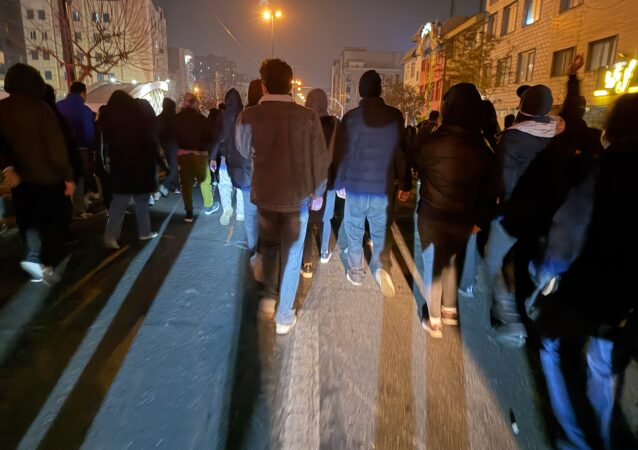
    It’s not clear now how the furious protests in Iran in recent weeks, which have challenged the government’s grip on power, have changed Israel’s and Iran’s calculations and whether the two countries will still abide by their private agreement. President Donald Trump has been weighing attacks against Iranian regime targets in response to the crackdown on the protest movement, and any strikes could provoke Iran to retaliate against Israel, a U.S. ally, analysts say.

    A senior Iranian official told Reuters that if attacked, Iran would retaliate against U.S. military bases in the Middle East, the news agency reported Wednesday, without mentioning Israel as among the potential targets.

    Nor is it clear whether Israeli officials would renege on their December reassurances and join in a U.S.-led attack if they sensed an opportunity to topple the Iranian government. As protests flared in Iran, Israeli officials described their military preparations as defensive in nature, and Israeli government and security officials have avoided overtly bellicose language. In June, Israel launched an elaborate surprise attack against Iran even as nuclear negotiations between the United States and Iran were underway.

    “Israel is giving the U.S. the leading role [in any potential strikes against Iran], but there is no question Israel would love to see regime change because that would change the Middle East — as well as Hezbollah,” said Sima Shine, a senior researcher at the Institute for National Security Studies in Tel Aviv and a former head of research at the Israeli intelligence agency Mossad. “But Israel could be a target for the Iranian response, and therefore Israel has already taken a lot of steps to be better defended and prepared.”

    For Israel, the outreach to Iran was designed to keep Tehran on the sidelines and leave Hezbollah isolated if Israel were to attack. The “same logic” may hold today, with Israel seeking to prevent the two countries from trading direct blows, at least initially, an Israeli official said. The official added that a military campaign against Hezbollah was not off the table, regardless of what transpires with Iran. Israel has warned that it continues to face a threat from Hezbollah because the group has not disarmed.

    “The [Lebanon] campaign will take place, and Hezbollah will be heavily targeted,” the official added. “The question is if it’s during or after the Iran war.”

    The most recent exchange of messages between Israel and Iran came in late December, shortly after Iranian Foreign Minister Abbas Araghchi visited Moscow, the senior regional official said. It was not the first time that Russia has sought to serve as an intermediary between the two countries or bolster its standing with Trump as a mediator to win concessions in negotiations over the war in Ukraine.

    The Kremlin previously raised to Trump the idea of serving as an intermediary between Israel and Iran, according to a Russian academic close to senior Russian diplomats. Trump declined the offer, this person said, telling the Russians “to deal with Ukraine first.” It’s not clear whether the December exchanges took place with Washington’s knowledge or participation.

    The Israeli public broadcaster KAN reported last week that Prime Minister Benjamin Netanyahu had recently asked Russian President Vladimir Putin to relay messages to Iran that Israel did not intend to attack it.

    A spokesman in Netanyahu’s office and Kremlin spokesman Dmitry Peskov did not respond to requests for comment.

  • Trump claims killing of Iran protesters ‘has stopped’ even as Tehran signals executions ahead

    Trump claims killing of Iran protesters ‘has stopped’ even as Tehran signals executions ahead

    WASHINGTON — President Donald Trump said Wednesday that he’s been told “on good authority” that plans for executions in Iran have stopped, even as Tehran has indicated fast trials and executions ahead in its crackdown on protesters.

    The president’s claims, which were made with few details, come as he’s told protesting Iranians in recent days that “help is on the way” and that his administration would “act accordingly” to respond to the Iranian government. But Trump has not offered any details about how the U.S. might respond and it wasn’t clear if his comments Wednesday indicated he would hold off on action.

    “We’ve been told that the killing in Iran is stopping — it’s stopped — it’s stopping,” Trump said at the White House while signing executive orders and legislation. “And there’s no plan for executions, or an execution, or executions — so I’ve been told that on good authority.”

    The president on Tuesday consulted with his national security team about next steps after telling reporters he believed the killing in Iran was “significant.”

    Vice President JD Vance, Secretary of State Marco Rubio, and key White House National Security Council officials began meeting last Friday to develop options for Trump, ranging from a diplomatic approach to military strikes.

    The Iranian security force crackdown on the demonstrations has killed at least 2,586, the U.S.-based Human Rights Activists News Agency reported.

    On Wednesday, Iranian officials signaled that suspects detained in nationwide protests would face fast trials and executions while the Islamic Republic promised a “decisive response” if the U.S. or Israel intervene in the domestic unrest.

    The threats emerged as some personnel at a key U.S. military base in Qatar were advised to evacuate by Wednesday evening following Trump’s escalated warnings of potential military action over the killing of peaceful demonstrators.

    Mohammad Pakpour, commander of Iran’s paramilitary Revolutionary Guard, reiterated Iranian claims, without providing evidence, that the U.S. and Israel have instigated the protests and that they are the real killers of protesters and security forces who have died in the turmoil, according to Iran’s semiofficial Tasnim news agency.

    He added that those countries will “receive the response in the appropriate time.”

    Earlier Wednesday, Gholamhossein Mohseni-Ejei, Iran’s judiciary chief, said the government must act quickly to punish more than 18,000 people who have been detained through rapid trials and executions. Mohseni-Ejei’s comments about rapid trials and executions were made in a video shared by Iranian state television online.

    “If we want to do a job, we should do it now. If we want to do something, we have to do it quickly,” he said. “If it becomes late, two months, three months later, it doesn’t have the same effect. If we want to do something, we have to do that fast.”

    The comments stand as a direct challenge to Trump, who warned Iran about executions in an interview with CBS aired Tuesday. “If they do such a thing, we will take very strong action,” Trump said.

    “We don’t want to see what’s happening in Iran happen. And you know, if they want to have protests, that’s one thing. When they start killing thousands of people, and now you’re telling me about hanging — we’ll see how that works out for them. It’s not going to work out good.”

    One Arab Gulf diplomat told the AP that major Mideast governments had been discouraging the Trump administration from launching a war with Iran, fearing “unprecedented consequences” for the region that could explode into a “full-blown war.” The diplomat spoke on condition of anonymity because he wasn’t authorized to speak to journalists.

    Satellite internet service offer

    Iran’s government cut off the country from the internet and international telephone calls on Jan. 8.

    Activists said Wednesday that Starlink was offering free service in Iran. The satellite internet service has been key in getting around the internet shutdown. Iran began allowing people to call out internationally on Tuesday via mobile phones, but calls from people outside the country into Iran remain blocked.

    “We can confirm that the free subscription for Starlink terminals is fully functional,” said Mehdi Yahyanejad, a Los Angeles-based activist who has helped get the units into Iran. “We tested it using a newly activated Starlink terminal inside Iran.”

    Starlink itself did not immediately acknowledge the decision.

    Security service personnel apparently were searching for Starlink dishes, as people in northern Tehran reported authorities raiding apartment buildings with satellite dishes. While satellite television dishes are illegal, many in the capital have them in homes, and officials broadly gave up on enforcing the law in recent years.

    Death toll continues to rise

    The Human Rights Activists News Agency said 2,417 of the dead were protesters and 147 were government-affiliated. Twelve children were killed, along with 10 civilians it said were not taking part in protests.

    More than 18,400 people have been detained, the group said.

    Gauging the demonstrations from abroad has grown more difficult, and the AP has been unable to independently assess the toll given the communications being disrupted in the country.

  • These prosecutors spent years on cases. Then Trump granted pardons.

    These prosecutors spent years on cases. Then Trump granted pardons.

    Melanie Smith pulled grueling hours alongside FBI agents and other prosecutors as she prepped dozens of witnesses to prove that a Virginia sheriff had accepted $75,000 in bribes from wealthy business owners and undercover agents. Just over a year ago, the jury returned a guilty verdict against former Culpeper County sheriff Scott Jenkins in an astounding 90 minutes.

    V. Grady O’Malley built one of the most complicated cases of his 47-year Justice Department career to prove that a New York businessman who owned a chain of nursing homes had failed to pay more than $38 million in employment taxes, then laundered the money by bouncing it from account to account. The defendant, Joseph Schwartz, pleaded guilty.

    Just months after the defendants were sentenced, President Donald Trump pardoned them as he wielded his executive power to grant clemency to a host of convicts — many of them politically connected — outside of the traditional pardon-application process.

    Jenkins was pardoned the day before he was set to begin his prison sentence, his entire punishment erased and the restitution he owed taxpayers wiped out.

    “The president has the authority to grant a pardon, but when you have a strong case, and it is a good case, and you are holding elected officials accountable for wrongdoing, it is frustrating,” Smith said in an interview. “You put a lot of time and energy into these cases. It was a righteous case. The fact that the pardon happened before he went to prison, it undermines one of the purposes of the criminal justice system.”

    White-collar and public corruption cases are among the most resource-intensive for the Justice Department to pursue. Prosecutors, FBI agents, and other specialists often work for years to build such cases, following money trails and interviewing scores of witnesses before they even file an indictment.

    More than half a dozen experienced prosecutors interviewed for this story, some of whom spoke on the condition of anonymity because they feared retaliation, said Trump’s clemency acts have eroded faith among current and former Justice Department employees that the cases they devote years to prosecuting will lead to accountability.

    Calculating the amount of government resources poured into prosecuting a single case is next to impossible. But the cost can often run to millions of dollars when factoring in salaries and travel expenses, prosecutors said. On top of that, witnesses might require transportation to court and accommodation for the duration of the trial, paid for by taxpayers, the prosecutors noted.

    Some complex cases can take years to investigate before charges are filed, with prosecutors interviewing dozens of witnesses before grand juries to build their cases. Years typically pass before those cases reach a trial date.

    And once the trial arrives, prosecutors can spend upward of 80 hours a week preparing witnesses and getting exhibits ready. A long trial can involve more than 1,000 exhibits that need to be prepped and reviewed.

    “To bring a case to trial is just an incredible effort and use of department resources,” said John Keller, the former acting head of the Justice Department’s Public Integrity Section. “There’s an intensity of experience and effort and emotion that doesn’t come at any other stage of the case. It’s the pinnacle of the practice.”

    During Trump’s two terms, multiple defendants whose cases Keller has tried and supervised have received pardons. He said the pardons sting, but prosecutors are focused on their cases and trials, and do not allow a potential presidential act of clemency to influence how they approach a case.

    “There’s a feeling that, if a jury or judge has reached a verdict after hearing all the evidence, it’s even more of a slap in the face to have clemency handed down,” he said.

    During the first year of his second term, Trump has pardoned some of the most high-profile public corruption and white-collar defendants prosecuted during President Joe Biden’s administration, as well as some prosecuted during his own first term and some under earlier administrations.

    Among them: former Republican congressman George Santos of New York, Democratic Rep. Henry Cuellar of Texas, former Tennessee state senator Brian Kelsey, and Trevor Milton, the former executive chairman of electric trucking company Nikola. One of the defining acts of Trump’s return to office has been his sweeping pardons of more than 1,500 people convicted in connection with the riot at the U.S. Capitol on Jan. 6, 2021, including those who assaulted police officers.

    Trump has defended his use of the pardons, saying the people to whom he granted clemency had been pursued by what he considers a corrupt and overzealous Justice Department under Biden. But the attorneys interviewed said they investigated each case scrupulously and apolitically to ensure a fair prosecution.

    “It’s personally upsetting because of how much time I invested in this case — the time traveling, the late nights looking through documents and prepping for witness interviews,” said Jacob Steiner, a former Justice Department employee who prosecuted the Santos case. “Beyond and more important than the personal aspect, it’s really disheartening that someone who lied to the public and stole a lot of money just gets to walk free and not have to pay back his victims.”

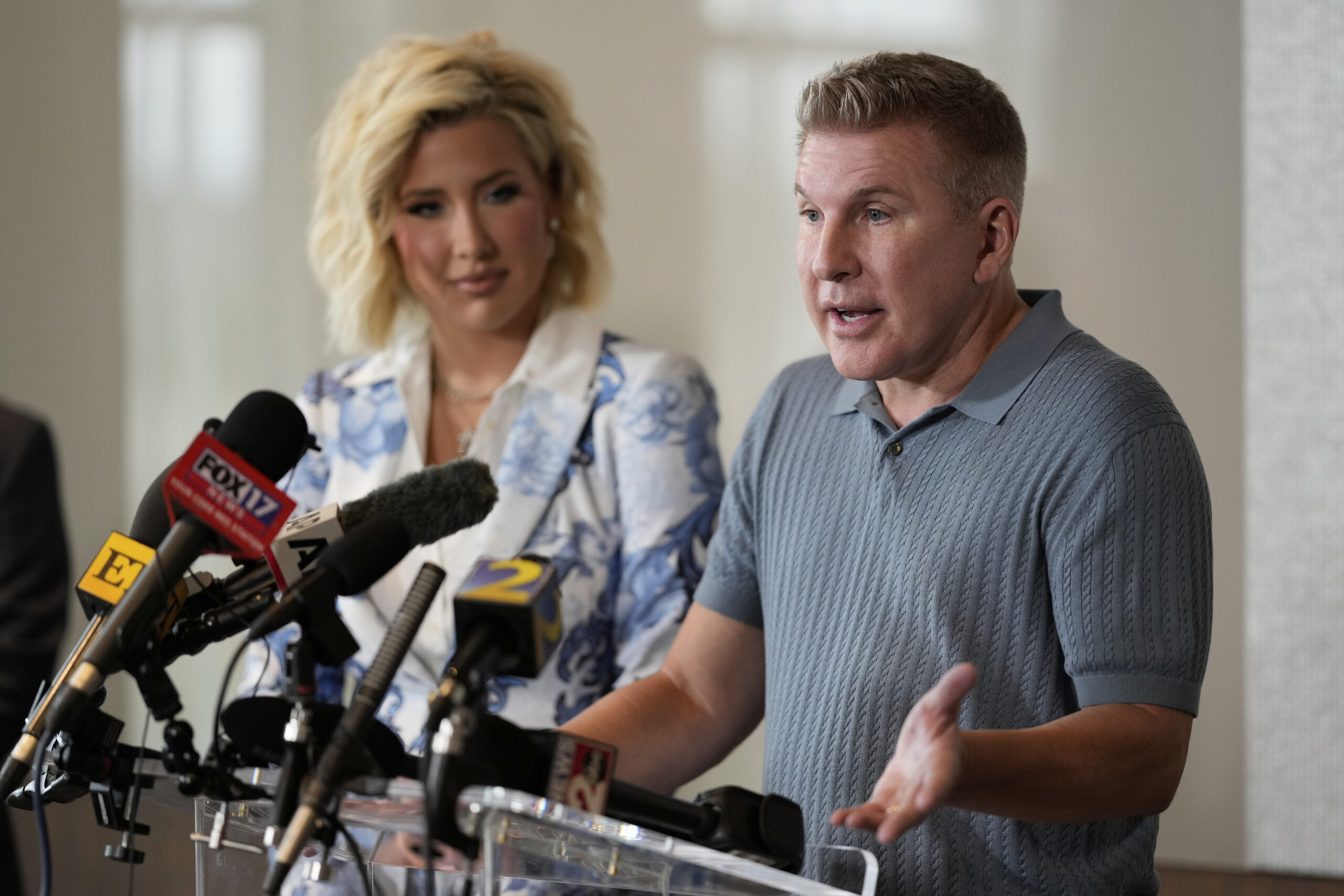
    Reality television star Todd Chrisley speaks as his daughter Savannah Chrisley looks on during a news conference on May 30, 2025, in Nashville. Todd Chrisley and his wife, Julie, were pardoned in May after being convicted in 2022 of bank fraud and tax evasion.

    In Atlanta, prosecutors and federal agents spent years investigating reality stars Todd and Julie Chrisley. The couple were found guilty of bank fraud and tax evasion in 2022 after a nearly three-week jury trial. The Justice Department then defended the conviction during appeals. But after a public campaign from the Chrisleys’ daughter, who spoke at the Republican National Convention and socialized at Trump’s Mar-a-Lago Club, the president granted the reality stars a pardon in May.

    In New York, prosecutors and federal agents spent roughly two years investigating the online black market Silk Road before indicting its creator, Ross Ulbricht, on charges related to the sale of drugs and other illegal goods on the platform. It took another two years before the case went to trial in 2015, resulting in convictions on seven counts and a sentence of life in prison. Trump pardoned Ulbricht on his first full day in office.

    “I couldn’t believe it was a complete and total pardon,” said one law enforcement official who worked on the Silk Road case.

    Santos, the Chrisleys, Ulbricht, and others who received pardons from Trump have said they deserved forgiveness because they were prosecuted at the hands of a corrupt Justice Department or were innocent and wrongly convicted.

    Every recent president has exercised the pardon power to benefit his allies, but legal experts say that Trump’s use of clemency has bucked every norm of a largely undefined process. Typically, Justice Department employees vet tens of thousands of applications, only recommending to the president people who have completed their sentences and showed contrition. Trump, however, has pardoned criminals without any such vetting, people familiar with the process said, sometimes granting clemency to convicts who have not started their sentences or admitted wrongdoing. Trump and his allies have pointed to Biden’s pardoning of his son Hunter as an example of how Trump’s predecessors politicized the pardon.

    O’Malley, who retired in 2023 and described himself as a supporter of the president, said he was flummoxed over Trump’s pardoning of Schwartz, the nursing home magnate. He said that sifting through the more than 100 accounts Schwartz set up to evade taxes had required a lot of effort, and that the prosecutors and agents assigned to the case did “yeoman’s work.”

    The Washington Post reported that Schwartz paid two lobbyists, right-wing provocateurs Jack Burkman and Jacob Wohl, $960,000 to help secure a pardon from Trump. (Schwartz must still complete a sentence on state charges in an Arkansas prison.)

    “I think the president was misled as to the reasons why [Schwartz] should be pardoned,” O’Malley said. “I can’t see anyone accepting an application and alleging that he somehow deserves to be pardoned unconditionally and completely in this case. Something had to be said to the president. Whether he was paying attention to it or not, I don’t know.”

    O’Malley continued: “I was stunned and angered. The $5 million in restitution was vacated. It was a strong case. I do not indict cases on a wing and a prayer.”

    In December — less than a month after Trump pardoned Schwartz — the Internal Revenue Service decided to present O’Malley with an award for his work on the Schwartz case. O’Malley said he declined to attend.

  • She made a Facebook comment about her mayor. Then the police arrived.

    She made a Facebook comment about her mayor. Then the police arrived.

    Raquel Pacheco began recording on her phone Monday as she opened her front door to the pair of police officers standing outside.

    They told her they had questions about a Facebook comment she had written.

    “Is that your account?” one officer asked. The other held out his phone, showing a message Pacheco had written days earlier about the mayor of Miami Beach, where she lives.

    Pacheco had left the comment about a post from Mayor Steven Meiner, calling his city a “safe haven for everyone.” Meiner, who is Jewish, contrasted Miami Beach with “places like New York City,” where he accused officials of discriminating against Jews and “promoting boycotts” of Jewish and Israeli-owned businesses.

    In a series of replies, Pacheco called him racist and criticized his actions toward a number of communities, including Palestinians and LGBTQ people. She said she felt his words of welcome were superficial.

    At her door, the officers told Pacheco they were looking for the commenter because that person’s words could “probably incite somebody to do something bad,” her video shows. Pacheco refused to answer their questions without an attorney present, and the officers left within minutes.

    Heart racing, Pacheco shut her door and texted her recording of the exchange to three friends who practice law. She struggled to comprehend why the officers were sent to question her – a private citizen who once ran for elected office, knew the mayor and other local officials, and had deep faith in American values. Where the officers saw a comment that could incite violence, Pacheco saw an expression of her right to free speech, she said.

    “If we can’t hold this line, we are screwed,” Pacheco, 51, told The Washington Post.

    The Miami Beach Police Department on Tuesday evening told The Post that detectives had “conducted a brief, consensual encounter” to make sure there was no safety threat to the mayor or the community. They assessed the social media posting, the department said, to be cautious, citing “recent national concerns regarding antisemitism.”

    Meiner said in a statement Tuesday evening that the situation was “a police matter,” adding that he was “a strong supporter of the State of Israel” and its “right to defend its citizens.”

    “Others might have a different view and that is their right,” Meiner wrote. “In this situation, our police department believed that inflammatory language that is false and without any factual basis was justification for follow-up to assess the level of threat and to protect the safety of all involved.”

    The now-public tussle over Pacheco’s Facebook comment, which was first reported by the Miami Herald, is another salvo in a battle between activists across the country and authorities whom they accuse of stifling speech about divisive political topics, all against the backdrop of political violence that has rocked the country. In recent years, people have faced suspensions, firings and other punishments for social media posts about the Israel-Gaza war, the assassination attempts against President Donald Trump and the killing of Charlie Kirk.

    Pacheco, who has lived in Miami Beach since 2004 and has run for local elected office three times as a Democrat, said she voted for Meiner in 2023. But she started speaking out against the mayor when he began addressing issues such as crime and homelessness by taking a page from “the Trump playbook,” using measures that she saw as laden with cruelty, Pacheco said. Her criticism often took the form of Facebook posts and comments, alongside advocacy work in the community.

    Miami Beach voters elected Meiner to his office, which is nonpartisan, a month after the Oct. 7, 2023, Hamas-led attack on Israel in which about 1,200 people were killed. Since then, the city has experienced a deepening rift among residents, including between Meiner and his constituents.

    In March, the mayor tried to end the lease of a local cinema after it screened “No Other Land,” a movie made by Palestinian and Israeli filmmakers that shows Israelis bulldozing a town in the West Bank. Meiner described the documentary at the time as a “false one-sided propaganda attack on the Jewish people.” He backpedaled his efforts against the theater after a fraught, nine-hour city commission meeting.

    Pacheco referenced the incident in the comment that led police to her doorstep.

    On Jan. 6, Meiner’s official Facebook account published the post about Miami Beach being a welcoming place. It featured a photo of the mayor with the following text: “Miami Beach is a safe haven for everyone. We will always stand firm against any discrimination.”

    Pacheco replied: “‘We will stand firm against any discrimination’ – unless you’re Palestinian, or Muslim or you think those people have a right to live.” She added: “Careful your racism is showing.”

    The next day, the mayor’s post was shared on a community Facebook page, where Pacheco again responded.

    “The guy who consistently calls for the death of all Palestinians, tried to shut down a theater for showing a movie that hurt his feelings, and REFUSES to stand up for the LGBTQ community in any way (even leaves the room when they vote on related matters) wants you to know that you’re all welcome here,” she wrote, alongside three clown emojis.

    It was this comment that police showed her when she opened her door Monday, Pacheco said.

    “This is freedom of speech, this is America, right? I’m a veteran,” she told the officers, according to her recording of the two-minute conversation.

    “And I agree with you 100 percent,” one officer responded. “We’re just trying to see if it’s you, because if we’re not talking to the right person, we want to go see who the right person is.”

    Pacheco, who said she served in Connecticut’s Army National Guard from 1993 to 1999, said the officers told her she was not going to jail and that they were “just here to have a conversation.” Later in the video, an officer tells Pacheco: “I would think to refrain from posting things like that, because that can get something incited.”

    After the brief exchange, Pacheco sat in disbelief.

    “There were cops at my door because of something I said,” Pacheco told The Post on Tuesday. “It felt like such a foreign, alien feeling.”

    In the day since the officers’ visit, she has retained an attorney and made public records requests about the situation. Should it escalate, she said she was “prepared to sue.” While she described herself as progressive, she said she is “conservative when it comes to the Constitution,” a document she had come to revere since moving to the United States from Portugal in the 1980s. She said she strongly sees Monday’s interaction at her home as a violation of the rights guaranteed by it.

    “I’m not one to stand down,” Pacheco said. “I don’t do well with bullies.”

    And the next time she sees a social media post from her mayor, or other elected officials for that matter, Pacheco said she knows what she will do: open the comment section, type her thoughts and hit send.

  • Scientists are inventing treatments for devastating diseases. There’s just one problem.

    Scientists are inventing treatments for devastating diseases. There’s just one problem.

    This past spring, a biotech company announced the first use of a new gene-editing technology in people to fix an errant gene that causes a severe immune disorder. In June, a baby born with a life-threatening metabolic disorder was allowed to leave the hospital after a six-month sprint by scientists to create a bespoke treatment for him. And increasingly, a generation of “bubble babies” born without immune defenses are nearing their teenage years after receiving a one-time experimental gene therapy in early childhood.

    Therapies that target genetic illnesses at their root are no longer on the horizon. They are here. More are coming. But even as a growing suite of gene therapy tools are changing individual patients’ lives, many are getting stuck in a medical purgatory because they don’t fit the model for turning breakthroughs into accessible treatments.

    Donald Kohn, a pediatric bone marrow transplant physician at the University of California at Los Angeles, has successfully rebuilt children’s immune systems with gene therapy in the clinic for over a decade, but it has not yet become a medicine.

    “There are several dozen rare diseases in a similar situation, where there is a therapy that looks good in academic clinical trials. But getting to the end zone of an approved drug is very challenging,” Kohn said.

    The potential public health impact may appear small individually, but it is massive collectively. Rare diseases are estimated to afflict 300 million people globally, and around 70% of them trace to genetic causes.

    Typically, drug development is a relay race. Academic labs, backed by federal funding, often do the early, basic research. Companies run the next leg to turn those insights into drugs. While scientists can now utilize an expanding arsenal of gene therapy technologies to start the race against potentially thousands of diseases, finding someone to pick up the baton is challenging when any individual therapy may help a handful of patients ― or even just one.

    That limbo has led scientists to experiment with new business models and more efficient ways of testing new therapies to fill a market gap. They are building biotech companies that don’t rely on maximizing profits, launching nonprofits, and fashioning new kinds of clinical trials. The Trump administration has also weighed in to help.

    In November, the Food and Drug Administration outlined a path forward for getting certain treatments of rare diseases with a clear biological cause to market.

    “Unfortunately, FDA has heard from patients, parents, researchers, clinicians, and developers, that current regulations are onerous, unnecessarily demanding, provide unclear patient protection, and stifle innovation. We share this view,” top FDA officials wrote in the New England Journal of Medicine. “Nearly 30 years after the sequencing of the human genome, bespoke therapies are close to reality.”

    Lifesaving cures that ‘ebb and flow’

    For several decades, scientists have tried to use cell and gene therapies to fix illnesses at their roots. A few dozen have been approved for diseases, such as sickle cell anemia and spinal muscular atrophy. Even as new tools have expanded this potential over the last decade, risks also exist. Patients have died after receiving gene therapies, showing the tension between encouraging innovation and guarding patient safety.

    Perhaps no case highlights the opportunity — and the challenge — better than an experimental gene therapy designed to rebuild the immune systems of babies who were born without one. The disease, called severe combined immunodeficiency (SCID), has more than a dozen different genetic causes, but the same result: Babies are born without immune defenses.

    The condition is rare, affecting 40 to 80 children in the United States each year, but was popularized by the story of David Vetter, featured in the 1976 movie The Boy in the Plastic Bubble.

    In 2014, Jeffrey and Caroline Nachem’s newborn daughter, Eliana, developed a cough that wouldn’t go away. A blood test delivered a shocking result — a white blood cell count so low that the doctor ordered it to be run again, thinking it might be a fluke.

    It wasn’t. The Nachems learned their daughter had a subtype called adenosine deaminase deficiency-SCID (ADA-SCID). They lived in Fredericksburg, Va., near the woods, but couldn’t open the windows because mold spores could float in. They found new homes for their pets. They wiped down every surface and changed clothes after coming home from the outside world, to protect Eliana from germs.

    With a matched bone marrow transplant, the disease can be effectively treated, but the best option is from a sibling, and Eliana was the Nachem’s first child. Scientists had been developing gene therapies that turn a patient’s own cells into a possible cure, requiring a lower dose of chemotherapy and fewer immune-related complications.

    Researchers remove bone marrow cells, use a harmless virus to insert a corrected version of the ADA gene, and then reinfuse the cells. At 10 months old, Eliana received an experimental gene therapy — and it worked. As her immune system rebuilt itself, doctors gave her parents the clearance to give her a kiss or bring her outside. When she was 18 months, the Nachems pushed her around in a shopping cart at the grocery store.

    In a recent study in the New England Journal of Medicine, Kohn and colleagues reported the long-term follow-up of 62 children with ADA-SCID who were treated with a one-time gene therapy, including Eliana. Nearly all of them have had their immune systems fully rebuilt, going strong after an average of nearly eight years.

    Eliana is now in sixth grade. “She is incredible. She has attitude, she is artistic, she is the commander of the world. Nothing gets in her way,” Caroline Nachem said.

    The therapy, however, has been stuck.

    A biotechnology company, Orchard Therapeutics launched a plan to develop the therapy in 2016, but stopped investing in it a few years later. Orchard returned the therapy to its academic inventors in 2022.

    Researchers in Kohn’s lab spun out Rarity Public Benefit Corporation to turn it into a medicine. Now the bottleneck is developing the commercial manufacturing.

    “I saw the ebb and flow of this therapy,” said Paul Ayoub, chief executive of Rarity. “The therapies work, but they stop at this academic stage … We wanted to put it in our own hands — take the proven science to the finish line.”

    Meanwhile, families are waiting. Maria Thianthong, who lives in Los Angeles, is one of them. Her 3-year-old daughter, Eliyah, has been on the waiting list for the therapy since birth. Children with this form of SCID can live with injections of a replacement enzyme therapy, though it is considered a stopgap.

    “Three years is a lot of time for them to figure out something with the funding,” Maria said. “We’re just a little impatient.”

    A new era of ‘genetic surgery’

    For scientists, the SCID example is a gold standard, but also a cautionary tale.

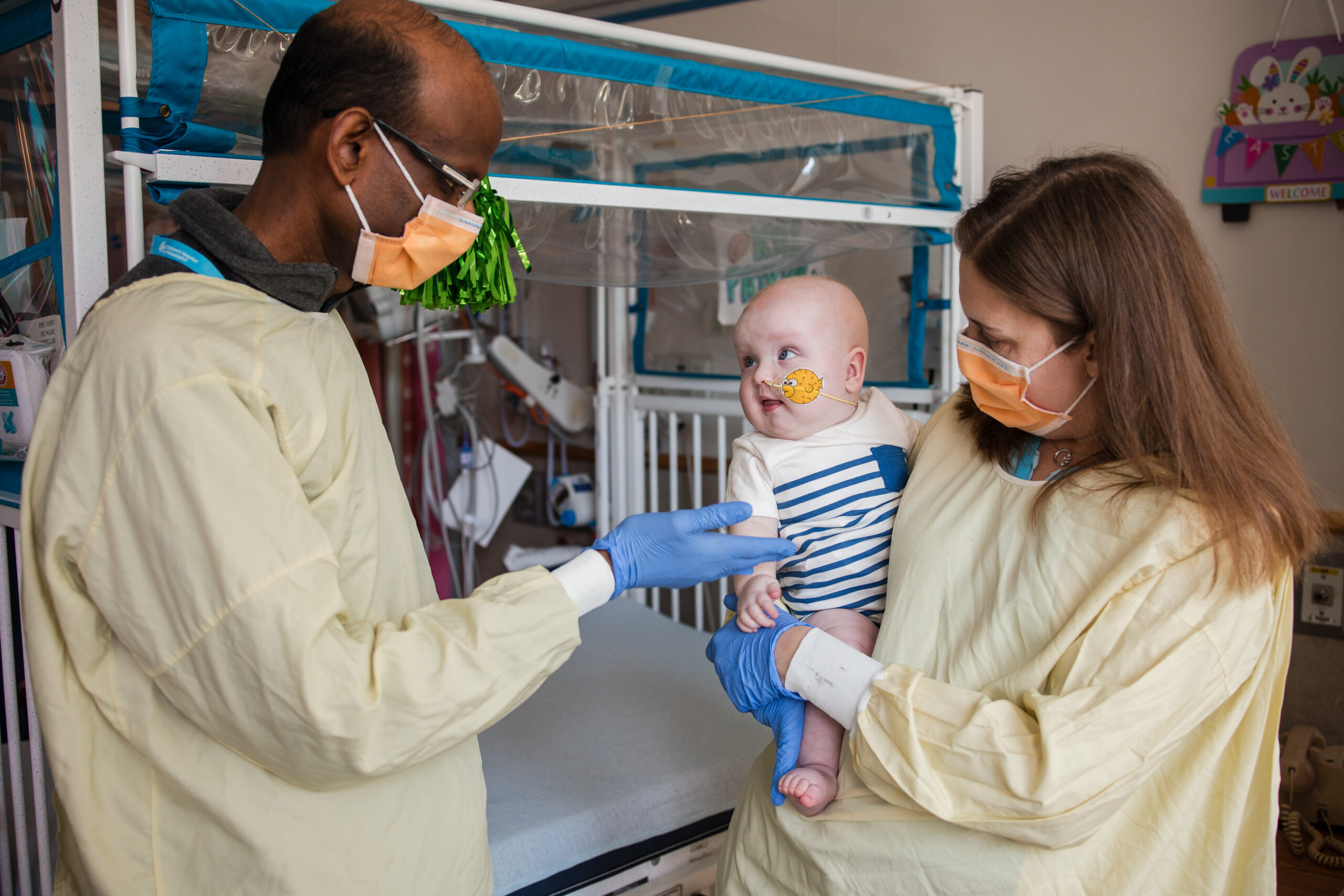
    Cardiologist Kiran Musunuru and pediatric geneticist Rebecca Ahrens-Nicklas hold KJ Muldoon after he received an infusion of a drug custom-made for him. MUST CREDIT: Children’s Hospital of Philadelphia

    Running a trial with dozens of patients for a decade is a “Herculean effort” said Kiran Musunuru, a cardiologist at the University of Pennsylvania’s Perelman School of Medicine. He hopes that federal rules can be streamlined to speed up the process. Otherwise, many cures may never be made.

    The beauty of modern gene-editing tools, many of which build off the Nobel Prize-winning CRISPR technology, is that cures become programmable. Instead of inventing a new medicine for each disease, scientists in theory can write a bit of code to address a patient’s unique mutation for multiple diseases.

    David Liu, a biochemist at the Broad Institute and one of the field’s leaders, recently showed that a one-size-fits-all therapy could, with a single edit, treat multiple diseases in human cell and mouse models of disease. He’s also working with colleagues to create a nonprofit Center for Genetic Surgery to advance cures “that are not likely to be served by industry anytime soon, because their disease is so rare.”

    A company he co-founded, Prime Medicine, announced promising early results last year in treating two patients with a rare, inherited immune deficiency called chronic granulomatous disease. But it announced that it would deprioritize the program to focus on other diseases.

    The company is continuing to explore possible paths to federal approval with the current data set, rather than treating more patients.

    Paving the way for the future is the case of “Baby KJ” Muldoon, an infant who received a custom gene-editing therapy for a rare metabolic disorder last year at Children’s Hospital of Philadelphia.

    KJ celebrated his first birthday at home this summer, is learning to walk and is meeting developmental milestones. But he is one patient. Other children also suffer from similar disorders, called urea cycle disorders, that are caused by different mutations in multiple different genes. KJ’s treatment team is working on an “umbrella” clinical trial, in which five other children will be treated. They’ll use the same basic approach they used for KJ, but tailor the treatment to different genes and mutations.

    The hope is the evidence, pooled together, could be used to support the treatment’s approval. Musunuru’s team recently published a step-by-step guide to their interactions with regulators in the American Journal of Human Genetics. He and other researchers, who have been encouraged by the FDA’s recent announcement about a new pathway, await more specific guidance on how it would operate.

    “We’re kind of taking the stance, there are many patients like KJ who need therapies now,” Musunuru said. “The clock is ticking and we know we can do it now.”

  • Top prosecutors in D.C., Minneapolis leave amid turmoil over shooting probe

    Top prosecutors in D.C., Minneapolis leave amid turmoil over shooting probe

    Multiple senior prosecutors in Washington and Minnesota are leaving their jobs amid turmoil over the Trump administration’s handling of the shooting death of a Minneapolis woman.

    The departures include at least five prosecutors from the U.S. Attorney’s Office in Minneapolis, including the office’s second-in-command, according to emails obtained by The Washington Post and people familiar with the matter.

    Their resignations followed demands by Justice Department leaders to investigate the widow of Renée Good, the 37-year-old woman killed last week by an Immigration and Customs Enforcement officer who shot into her car, according to a person familiar with the resignations who spoke on the condition of anonymity out of concern for retaliation. Good’s wife was protesting ICE officers in the moments before the shooting.

    Five senior prosecutors in the criminal section of the Justice Department’s Civil Rights Division also said they are leaving, according to four people familiar with the personnel moves, who spoke on the condition of anonymity to discuss personnel matters.

    In another development, Deputy Attorney General Todd Blanche said in a statement that “there is currently no basis for a criminal civil rights investigation.” The statement, first reported by CNN, did not elaborate on how the department had reached a conclusion that no investigation was warranted.

    Federal officials have said that the officer acted in self-defense and that the driver of the Honda was engaging in “an act of domestic terrorism” when she pulled forward toward him.

    The departures wipe both the Civil Rights Division’s criminal section and U.S. Attorney’s Office in Minnesota of its most experienced prosecutors. The moves are widely seen as a major vote of no-confidence by career prosecutors at a moment when the department is under extreme scrutiny.

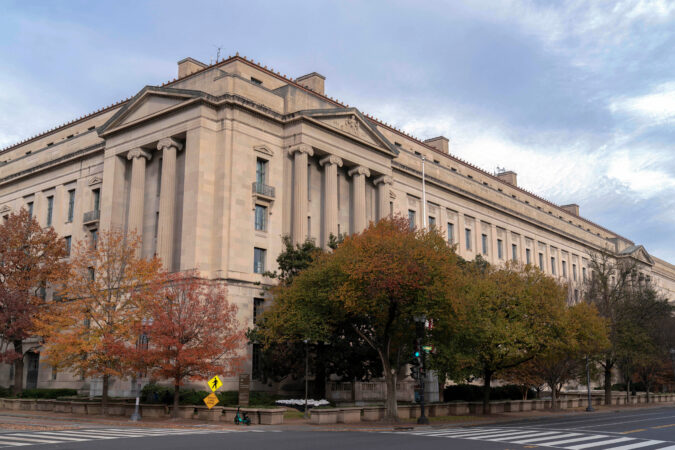
    The criminal section of the Civil Rights Division is the sole office that handles criminal violations of the nation’s civil rights laws. For years, the Justice Department has relied on the section to prosecute major cases of alleged police brutality and hate crimes. The departures followed the administration’s highly unusual decision to not include the Civil Rights Division in the initial investigation of the shooting.

    The Civil Rights Division departures include the criminal section’s longtime chief and deputy — Jim Felte and Paige Fitzgerald — career attorneys who served in their positions during President Donald Trump’s first administration and through President Joe Biden’s administration. Three other supervisors and senior litigators are also leaving.

    The prosecutors in Minnesota did not immediately respond to requests for comment. Felte and Fitzgerald also did not immediately respond to requests for comment Monday evening.
    The Civil Rights prosecutors informed their colleagues of their resignations Monday. People familiar with the section, who spoke on the condition of anonymity to discuss personnel matters, said the lawyers who are leaving did not attribute their decisions to the Minnesota investigation.

    The department has been offering voluntary early retirement packages to certain sections, and some of the departing civil rights prosecutors qualified for that option. Some indicated to their colleagues before the Minnesota shooting that they were considering the retirement packages.

    “Although we typically don’t comment on personnel matters, we can confirm that the Criminal Section Leadership gave notice to depart the Civil Rights Division and requested to participate in the Department of Justice’s Early Retirement Program well before the events in Minnesota. Any suggestion to the contrary is false,” a Justice Department official said in a statement.

    Deputy Attorney General Todd Blanche released a statement saying: “There is currently no basis for a criminal civil rights investigation” into the shooting.

    Trump’s appointees at the Justice Department pushed out and transferred many of the section heads and deputies in the Civil Rights Division in the early days of the administration. But the leadership of the criminal section was largely left intact.

    For months, however, frustration has been growing within the section, according to people familiar with the division who said that further resignations are likely. Many lawyers in the office have said they feel the administration has prevented prosecutors from doing their work. The administration has repeatedly reversed positions on cases that the section has spent years litigating.

    In July, for example, the Civil Rights Division told a judge that the Biden administration should not have prosecuted the Louisville police officer convicted in connection with a raid that resulted in Breonna Taylor’s death — and asked that the officer receive one day in jail. In November, the administration successfully pushed to dismiss a police brutality case in Tennessee, which was set to go to trial that month. The Civil Rights Division had been litigating that case for more than two years.

    Within the Justice Department, the Civil Rights Division typically experiences the sharpest swings in priorities between Republican and Democratic administrations. But several former officials interviewed by The Washington Post described the shifts implemented so far under the Trump administration as more intense than anticipated.

    In the first Trump administration, former Justice Department officials said, the division was largely left intact. The section did not pursue actions against police departments in the way that Democratic administrations had, but it prosecuted police brutality cases and continued to focus on prosecuting hate crimes, protecting disability rights and enforcing employment laws.

    During the current administration, the division has dramatically changed its mission. A majority of its nearly 400 attorneys left in 2025 as a result. The head of the Civil Rights Division, Harmeet Dhillon, changed mission statements across the sections to focus less on racial discrimination and more on fighting diversity initiatives. The division has also aggressively pursued cases alleging antisemitism and anti-Christian bias.

    After conservative activist Charlie Kirk was killed in September at a public event at Utah Valley University, the Civil Rights Division launched a hate-crime probe. The investigation is examining whether hate-crime charges can be pursued against the suspect because of anti-Christian bias, according to a person familiar with the probe.

    Prosecutors have also explored whether it would be possible to pursue hate-crime charges against the suspect, Tyler Robinson, if evidence shows motivation because of Kirk’s stance on transgender individuals — a move that would be a novel use of hate-crime laws. Robinson’s romantic partner was undergoing a gender transition at the time of the shooting, his mother told police.

    Dhillon has said she welcomes people to leave if they do not agree with the new direction for the department. Dhillon told conservative podcaster Glenn Beck in April that she intended to send a new message to her staff.

    “These are the president’s priorities,” Dhillon said on the podcast. “This is what we will be focusing on. Govern yourself accordingly.”

    MS NOW reported the civil rights resignations late Monday night.

    Dhillon has also said that her office is being flooded with applicants to fill vacant roles. But people familiar with the division said that just a fraction of the open roles have been filled, a process impeded by a lack of qualified candidates and bureaucratic delays. Some of the sections within the division are so understaffed that they cannot effectively complete their workloads.

    “This exodus is a huge blow signaling the disrespect and sidelining of the finest and most experienced civil rights prosecutors,” said Vanita Gupta, the head of the division during the Obama administration and the associate attorney general during the Biden administration. “It means cases won’t be brought, unique expertise will be lost, and the top career attorneys who may be a backstop to some of the worst impulses of this administration will have left.”

    The Civil Rights Division was established in 1957 as part of that year’s Civil Rights Act, which focused on fighting racial discrimination. Since its launch, the division has been tasked with upholding “the civil and constitutional rights of all people in the United States, particularly some of the most vulnerable members of our society,” according to the Justice Department’s website.

    The office has 12 sections that aim to combat discrimination in educational opportunities, housing, employment, voting and more.

    A Justice Department official also said that ICE has been conducting its own investigation of the Minnesota shooting.

    “As with any officer-involved shooting, each law enforcement agency has an internal investigation protocol, including DHS. As such, ICE OPR has its own investigation underway. This runs parallel to any FBI investigation,” the official said, referring to the Office of Professional Responsibility.

    This article includes information from the Associated Press.

  • More Americans are surviving cancer — even the deadliest ones

    More Americans are surviving cancer — even the deadliest ones

    More Americans diagnosed with cancer are now surviving the disease — marking a positive trend that experts say reflects the effectiveness of early prevention and detection strategies, and advancements in treatment and care.

    New findings from the American Cancer Society’s annual report released Tuesday show for the first time that the five-year survival rate for all cancers has reached 70%, with the most notable survival gains occurring among people diagnosed with more fatal cancers such as myeloma (a blood cancer), liver cancer, and lung cancer.

    “Seven in 10 people now survive their cancer five years or more, up from only half in the mid-70s,” Rebecca Siegel, senior scientific director of surveillance research at ACS and lead author of the report, said in a news release. “This stunning victory is largely the result of decades of cancer research that provided clinicians with the tools to treat the disease more effectively, turning many cancers from a death sentence into a chronic disease.”

    Living longer

    The cancer mortality rate has continued to decline through 2023, averting 4.8 million deaths since 1991, according to the report. In 2026, the United States is expected to see upward of 2 million new cancer cases and more than 626,000 deaths related to the disease. Cancer incidence and mortality generally appears to be higher among men than women, the report found.

    Improvements in survival rates can largely be attributed to less tobacco use, better ways to detect cancers early, and the development of more effective treatments, said William Dahut, chief scientific officer for ACS. Importantly, he noted, advancements in cancer care, such as novel therapies, that have led to people living longer would not have been possible without funding research.

    In early 2025, the Trump administration slashed millions in health research grants, including money that had been earmarked for cancer studies.

    “The thing to focus on is really the importance of scientific funding and scientific discovery to really drive improvements in five-year survival,” said Dahut, who added that the trends being observed in patients with metastatic cancer, in which the disease has spread to other parts of the body, are “particularly striking.”

    The survival rate for people with metastatic rectal cancer, for instance, increased from 8% in the mid-1990s to 18%. Meanwhile, the percentage of patients who survive a diagnosis of metastatic lung cancer is up to 10% from 2%.

    “Overall, the findings in this report are highly encouraging and demonstrate that meaningful progress has been made in the fight against cancer,” said Sharon Giordano, chair of breast medical oncology at the University of Texas MD Anderson Cancer Center, who was not involved in the research.

    More to learn

    Experts emphasized that there is still work to be done to better understand different types of cancers and how to treat them.

    “Decades of research and work in this area have led to longer, better lives for millions of Americans with cancer,” said Cardinale Smith, chief medical officer at Memorial Sloan Kettering Cancer Center, who was not involved in the report. “This continued progress also depends on the sustained investment that we’ve had in the research that has gotten us here.”

    Despite reductions in smoking, the report found that lung cancer is expected to cause the most cancer deaths in 2026. While smoking continues to be the main driver of lung cancer cases, more people who have never smoked are also being diagnosed, and scientists are working to understand why. Some experts have called for changes to lung cancer screening guidelines that would increase the number of people who can be screened.

    The report also highlighted that racial disparities continue to exist.

    Native American people have the highest cancer mortality and are two times more likely than white people to die of kidney, liver, stomach, and uterine cervix cancers. Young people who are Alaskan Natives are most likely to be diagnosed with colorectal cancer, Dahut said, adding that rates of the disease in this population are “the highest in the world.”

    Cancer survival is lower among Black people than white people for nearly every cancer type, the report notes. Researchers largely attributed the gap to less access to high-quality care from prevention to diagnosis and treatment.

    Supporting survivors

    While better survival rates should inspire hope in people, Dahut said there is a critical need to improve care for the growing number of survivors.

    As of January last year, there were more than 18.6 million cancer survivors in the United States — a figure that is projected to exceed 22 million by 2035, according to ACS.

    “In our current medical system, we don’t really have a great model for who’s best to follow cancer survivors,” Dahut said. Many primary care providers don’t have expertise in survivorship and cancer recurrence, he added.

    “Having more and more survivors is great,” he said. “But I think we’re going to have to come up with strategies in order to ensure that they’re cared for in a way that’s consistent across the country.”

  • A $2,500 full body scan said he was healthy. Then he had a catastrophic stroke.

    A $2,500 full body scan said he was healthy. Then he had a catastrophic stroke.

    In July 2023, a 35-year-old Manhattan man decided to undergo a full-body health scan, a celebrity-endorsed trend aimed at people anxious about their body’s secrets and moneyed enough to afford the knowledge.

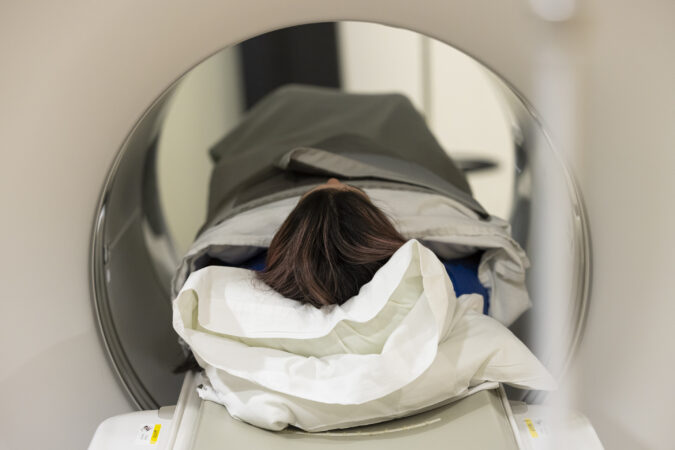
    The industry advertises that the MRI scans can detect hundreds of treacherous health conditions such as cancers and aneurysms before they become catastrophic. While the scans have been criticized as an extravagance within U.S. healthcare, proponents say they can offer peace of mind.

    Sean Clifford had his scan done by Prenuvo, one of the most prominent companies in the field. Kim Kardashian has described its screenings as “life saving.” The company’s website says a 45-minute whole-body scan, now priced at $2,500, “can detect subtle changes early” and “spot potential issues before they become serious.”

    The report based on Clifford’s scan indicated no major problems, according to a copy sent to him. But eight months later, he suffered a debilitating stroke, leaving him with paralysis in his left hand and left leg, according to a lawsuit he filed against Prenuvo and the doctor contracted to interpret the scan. He alleges that the company overlooked signs of trouble that appeared in the scans of his cerebral arteries.

    The Prenuvo defendants “should have reasonably known about the safety hazards or risks of injury presented by the misinterpretation of the Prenuvo MRI scans by its machines,” according to Clifford’s lawsuit filed in September 2024. According to a radiologist cited in the lawsuit, Clifford’s health report “was an obvious miss. His cerebral and cerebellar vasculature were incorrectly described as normal.”

    Clifford’s attorney, Neal Bhushan, said the family asked for privacy and declined further comment. The court records include a copy of Clifford’s Prenuvo report and other documentation, but his allegations, which the company has denied in court filings, have not been fully litigated. A judge’s decision last month allowed the case to move forward.

    Prenuvo declined to comment on the litigation, but it said in a company statement that “we take any allegation seriously and are committed to addressing it through the appropriate legal process. Our focus remains on delivering safe, high quality, proactive care to the patients who place their trust in us every day.”

    The lawsuit represents another aspect of the controversy over full-body scans, which have been criticized for detecting minor abnormalities that provoke unnecessary follow-up testing and for being overly broad. The use of MRI to conduct a full-body scan on healthy patients is a departure from its more common uses for targeted diagnoses and monitoring.

    Amid burgeoning interest in personal health data, these concerns are sometimes overwhelmed by publicity from the technology’s high-profile advocates. Prenuvo has drawn a slate of investors including supermodel Cindy Crawford; the CEO of 23andMe Anne Wojcicki; and the investment firm Steel Perlot, whose chairman is Eric Schmidt, the former Google chief executive.

    On her Instagram account, Crawford has posted a picture of herself and her husband with one of the Prenuvo scanners. “The couple that scans together, stays together,” she wrote.

    Paris Hilton also endorsed the company, writing on Instagram she was “impressed” with her fast results. “I encourage every single one of you to go get a scan and make sure you are taking care of yourselves,” she wrote.

    Among the skeptics are experts at the American College of Radiology, which warns in a statement on its website that “there is no documented evidence that total body screening is cost-efficient or effective in prolonging life.” The group said it is concerned that the scans could “lead to the identification of numerous nonspecific findings that will not ultimately improve patients’ health but will result in unnecessary follow-up testing and procedures, as well as significant expense.” Insurance rarely pays for the scans.

    While much of the criticism of the scans has focused on the potential for false alarms, the Clifford lawsuit focuses on the converse ― the possibility that the scans may miss critical problems.

    The company suggests as much in the patient consent agreement that Clifford signed, noting “as with any medical test … there are limitations which make it impossible to detect all malignancies and conditions,” according to court documents.

    Clifford’s legal complaint argued that a doctor contracted to review his Prenuvo scan missed clues to an imminent stroke.

    An image of Clifford’s brain by Prenuvo shows that one of his cerebral arteries had dangerously narrowed, according to the lawsuit. Another image, taken after his stroke, shows a blockage at that point.

    Clifford “sustained a catastrophic stroke on March 7, 2024, in the same exact area of the brain where he had the Prenuvo scan on July 15, 2023,” according to a radiologist’s report submitted by the plaintiffs. Had he known of the potential for a stroke, Clifford might have been treated with drugs, lifestyle changes, stents, or “other minimally invasive measures, thereby eliminating and preventing the catastrophic stroke,” according to the lawsuit.

    Mirza Rahman, a former president of the American College of Preventive Medicine, has been one of the foremost critics of the scans, arguing that the service exemplifies a problem in American healthcare: “The wealthy get too much of it and the poor do not get enough.”

    Even the wealthy ought to be wary of what they are getting from the scans, Rahman said, questioning whether the service may overlook some conditions because of the time and attention needed to review them.

    “Do the radiologists have sufficient time to carefully look at the bones, the vessels, the organs, and all the other information that is generated by such scans?” Rahman said. “That is a question that needs to be answered.”

    Just as troubling, Rahman said, is that the possibility of missing a dangerous condition could provide a patient with a “false sense of reassurance and that they continue with lifestyle choices that may be detrimental.”

    The company’s chief executive Andrew Lacy has boasted of its focus on accuracy.

    “This is the only thing that we do ― it’s not a side business,” Lacy said in a 2024 interview with Faces of Digital Health. “We are 100% focused on making sure that we have the best hardware, best software, best [artificial intelligence], and best radiologists so these exams are as accurate as they can be.”

    Doctors typically use MRIs to focus on just one area of the body where a problem is suspected ― not the entire body, said Max Wintermark, a doctor who is past president of the American Society of Neuroradiology and editor-in-chief of the American Journal of Neuroradiology.

    “MRI is not generally recommended for patients without symptoms,” he said. “When I have a patient, I tailor the MRI to answer specific questions. You can’t image all body parts together in great detail without making the MRI scan more than 60 minutes.”

  • U.S. plane used in boat strike was made to look like civilian aircraft

    U.S. plane used in boat strike was made to look like civilian aircraft

    The Trump administration’s first deadly strike on an alleged drug smuggling boat, in early September, was conducted by a secretive military aircraft painted to look like a civilian plane, multiple officials confirmed to The Washington Post on Monday.

    The crewed aircraft did not have any weapons showing when the attack occurred, two officials said, speaking, like some others, on the condition of anonymity to discuss a sensitive matter. Instead, the munitions were fired from a launch tube that allows them to be carried inside the plane, not mounted outside on the wing.

    Use of the plane prompted legal debate after the Sept. 2 operation over whether the concealment of its military status amounted to a ruse that violated international law, said current and former officials familiar with the matter. Eleven people were killed, including two who survived the initial attack by U.S. forces but died in a controversial follow-on strike.

    Feigning civilian status and then carrying out an attack with explicit intent to kill or wound the target is known as “perfidy” under the law of armed conflict, a war crime, according to legal experts.

    “If you arm these aircraft for self-defense purposes, that would not be a violation” of the law of war, said Todd Huntley, a former military lawyer who advised U.S. Special Operations forces for seven years at the height of the Pentagon’s counterterrorism campaign that followed 9/11. “But using it as an offensive platform and relying on its civilian appearance to gain the confidence of the enemy is.”

    The Trump administration has claimed that its lethal strikes on alleged drug boats in the waters around Latin America are lawful because President Donald Trump has determined the United States is in an “armed conflict” with drug cartels. That contention is widely disputed by legal experts, who say the U.S. is not at war with drug traffickers and that killing suspected criminals in international waters is tantamount to murder. Several analysts and former national security officials have said the entire campaign is, at its foundation, unlawful.

    “This isn’t an armed conflict,” said Huntley, director of the national security law program at Georgetown Law. “But what makes this so surprising is that even if you buy their argument, it’s a violation of international law.”

    The Pentagon did not immediately respond to requests for comment. A spokesperson for U.S. Special Operations Command, which carried out the Sept. 2 operation, declined to comment.
    The New York Times first reported the plane’s civilian paint scheme earlier Monday.

    The Sept. 2 military strike was the first of almost three dozen to date. The attacks have killed more than 100 people.

    The initial strike raised questions — among Democrats and law of war experts, principally — about whether a crime was committed when U.S. forces returned to the boat wreckage after the first strike to fire again and kill the two survivors as they clung to the hull.

    While the “double tap” to kill the survivors has drawn scrutiny on Capitol Hill, the military has closely guarded specifics of the aircraft involved in the operation.

    According to multiple officials, the plane is part of a fleet of crewed U.S. Air Force aircraft painted in civilian schemes and used in situations where it would not be advantageous for the military’s typical gray paint scheme to be seen. One official said the plane was already painted to look like a civilian aircraft before the Sept. 2 operation — it was not painted specifically for the boat strike, this person said.

    Firing on the alleged drug boat from an aircraft that looked like a civilian plane and had no visible weapons on it raised debate among some Pentagon officials after the strike, as well as concern that a classified capability was being “burned” in an operation targeting “civilians in a boat who pose no threat,” a former official said.

    “It’s not like they’re infiltrating downtown Tehran to kill some IRGC leader or something,” said the former official, referring to Iran’s military, the Islamic Revolutionary Guard Corps.

    Those familiar with the matter said the aircraft was broadcasting as a military aircraft. However, unless the men on the boat had technology on board to receive those transmissions, they would not have known it was a U.S. military plane.

    The Post reported late last year that Defense Secretary Pete Hegseth gave his approval ahead of the Sept. 2 operation to kill the passengers, sink the boat and destroy the drugs it was suspected of carrying. As the two survivors clung to the wreckage, Adm. Frank M. Bradley, the strike commander, determined they were still viable targets and, after consulting with a military lawyer, ordered a second strike that killed them, people familiar with the matter said.

    Shortly before the second strike, real-time surveillance video showed the two men waving their arms and looking skyward, people who saw the footage told The Post in December. But Bradley explained to lawmakers scrutinizing the operation that it was unclear why they were doing so, people familiar with his account said then.

    During multiple meetings with lawmakers after news of the double tap surfaced, Bradley said he looked for signs the men were surrendering, such as waving a cloth or holding up their arms, people familiar with his account have said. The admiral noted that he saw no such gesture, and did not interpret their wave as a surrender, people familiar with his interviews have said.

  • Democrats seek answers on donor access tied to Trump’s White House ballroom

    Democrats seek answers on donor access tied to Trump’s White House ballroom

    Senate Democrats are asking the nonprofit group that is managing donations to the White House ballroom to explain how much money has been raised and whether donors have been promised any special access or influence in exchange for supporting the estimated $400 million project, a top priority of President Donald Trump.

    “You owe Congress and the public answers about your role in managing funds for President Trump’s ballroom,” Sen. Elizabeth Warren (D., Mass.) and colleagues wrote in a letter Tuesday to the Trust for the National Mall that was shared with the Washington Post. The lawmakers gave the group two weeks to respond.

    Democrats say limited public disclosure has made it impossible to assess whether safeguards are in place to prevent donors from gaining access or influence through the project. The concerns are heightened, they argue, by Trump’s personal involvement in both the project’s design and fundraising.

    The White House has said private donors will entirely cover the ballroom addition’s cost but has declined to share basic details about the value of those gifts, or whether donors were offered meetings, access or other consideration in return. Publicly identified donors, such as Amazon, Google and Lockheed Martin, collectively have billions of dollars in contracts before the administration. (Amazon founder Jeff Bezos owns the Washington Post.)

    The Trust for the National Mall, which has managed past fundraising campaigns to restore the Washington Monument and other projects, has largely referred questions to the White House and the National Park Service since its role in the ballroom project was announced last year. The group also is expected to retain a small percentage — about 2.5% — of donations to the ballroom project for its own use, Democrats wrote. The Trust did not immediately respond to a request for comment.

    Administration officials have said the Trust could receive hundreds of millions of dollars in donations tied to the ballroom project, placing the group at the center of a fundraising effort unlike any it has previously managed.

    Trump administration officials have shared few details about the project, the most significant change to the White House grounds in decades, including the building’s final design. The lack of disclosure has also drawn legal scrutiny. Historic preservationists last month sued the Trump administration, arguing that the ballroom construction is illegal because the project did not undergo required review by two federal panels and Congress did not appropriate funding. The White House has denied the allegations. A hearing in the case is tentatively scheduled for Jan. 29 in U.S. District Court in Washington.

    Trump administration officials made their first public presentation on the ballroom Thursday, justifying their rapid teardown of the White House’s East Wing annex last fall as a financial decision.

    “The cost analysis proved that demolition and reconstruction provided the lowest total cost ownership and most effective long-term strategy,” Joshua Fisher, a senior White House official who is helping manage the project, said at a meeting of the National Capital Planning Commission, a review board set to weigh in on the ballroom’s design.

    Trump has also steadily increased the project’s planned seating capacity and estimated cost since announcing the ballroom in July. Officials now say the ballroom will seat about 1,000 people.

    “I started off with a building half of the seats … and then it just kept growing and growing, and the money kept pouring in and pouring in,” the president told the New York Times last week, adding that he would make the ballroom “bigger” if he could.

    Shalom Baranes, the architect Trump tapped to lead the project, told the National Capital Planning Commission last week that the ballroom would not grow further.

    In their letter to the Trust for the National Mall, Warren and her colleagues asked the group to explain whether it has internal controls or has undertaken other steps to ensure that donors are not given preferential treatment by the Trump administration.

    “This leaves open the question of whether the Trust is being misused to facilitate special-interest access and influence,” the senators wrote. They also asked whether Meredith O’Rourke, a longtime Trump fundraiser who has been coordinating donations, is employed by the Trust or otherwise affiliated with the group. O’Rourke referred questions about her role with the Trust to the White House, which did not immediately respond.

    Warren’s office also shared letters the senator received from companies that have donated to the project, which offered varied explanations for how they expected their gift to be used. Comcast, for instance, said its donation “included no specific limitations or conditions,” while Microsoft said its gift would go toward construction. Trump has also said several companies have pledged to cover specific aspects of the project, such as Carrier offering to cover an estimated $17 million in air-conditioning and heating costs.