Category: Washington Post

  • New acting intel czar Bill Pulte starts trimming staff as Trump urged

    New acting intel czar Bill Pulte starts trimming staff as Trump urged

    Acting director of national intelligence Bill Pulte, installed Friday by President Donald Trump, has at Trump’s urging begun trimming his organization, which coordinates the nation’s 18 spy agencies.

    This week Pulte fired a half-dozen political appointees and notified several dozen career officers on loan to the Office of the Director of National Intelligence that they were being sent back to their home agencies.

    Pulte’s immediate predecessor, Tulsi Gabbard, had already culled hundreds of personnel, boasting that she had slashed the staff by 40%. Trump has long been distrustful of what he calls the “deep state” intelligence community, and the cuts by Pulte are the latest in a series of shocks that have roiled the ODNI.

    Gabbard, who left office last week, had a stormy tenure, falling in and out of favor with Trump’s White House. Current and former officials criticized as ham-handed her release of files related to President John F. Kennedy’s assassination. She selectively declassified data on Russia’s interference in the 2016 U.S. election and other matters that supported Trump’s views.

    In recent months, the ODNI has seen a number of high-level resignations and a roller coaster of leadership announcements by Trump.

    The agency “is being so hollowed out that its new name might become DNR — do not resuscitate. It’s on life support already,” said Beth Sanner, a former ODNI deputy director who served as Trump’s intelligence briefer in his first administration.

    While a number of current and former intelligence officials note that there are merits to shrinking the ODNI, the Trump administration, they say, has gone about it in a haphazard way that could undermine the intelligence coordination that Congress created the agency to do.

    “Reasonable people can debate ODNI’s size and mission, but sacking dozens of seasoned officers in your first week isn’t reform — it’s performative firing to please a president who treats his own intelligence community as the enemy within,” said Julia Curlee, who served as a director for intelligence programs in Trump’s White House until last year and recently resigned from the CIA after 20 years as an analyst.

    Pulte asked program heads for a rank-ordered list of personnel to guide decisions on who could be let go, according to former intelligence officials, who spoke on the condition of anonymity for fear of retribution.

    One apparent casualty of the personnel moves that began under Gabbard is the National Intelligence Council, which was staffed primarily by career officers on loan from other agencies, such as the CIA. The NIC is considered the most authoritative intelligence analysis unit, producing in-depth reports on key topics for top government officials using information gathered by multiple spy agencies.

    About 20 NIC personnel have been removed or have chosen to leave, including several senior officers who oversaw the production of analysis on Russia, China, and Europe.

    The deputy director for mission integration, Will Ruger, who effectively led the council, was placed on administrative leave, according to three former intelligence officials.

    It is unclear whether and to what extent the vacancies will be filled. When the principal deputy intelligence officer for Russia left last year, the position was kept open.

    Trump told the Wall Street Journal this month that he’d like to see a “smaller” ODNI. “I think there are a lot of people in there that shouldn’t be there,” Trump said, noting that he was referring to holdovers from the Biden and Obama administrations.

    Senate Intelligence Committee Chairman Tom Cotton said on the Senate floor Wednesday that “mass firings” were not taking place. He said Pulte told him that “a small handful of front-office personnel” were leaving, “which is not at all uncommon when a senior leader leaves an agency or one comes into an agency.” He added that “around 45 or 50 career officers” were returning to their home agencies.

    “I think that’s a step in the right direction,” said Cotton, who has long called for shrinking the ODNI and last year proposed legislation that would cap its full-time staff at 650.

    Some agency insiders have heard that there could be subsequent rounds of cuts and that keeping each round relatively small will help avoid congressional blowback, according to one former intelligence official.

    Trump’s appointment of Pulte, who has no intelligence or national security experience, has alarmed Democratic lawmakers, as well as some Republicans. Some current and former intelligence officials fear he will use the post to further Trump’s agenda, including weaponizing intelligence against the president’s enemies.

    As head of a federal mortgage regulation agency, Pulte has launched mortgage fraud probes of people Trump considers adversaries, including Sen. Adam Schiff (D., Calif.) and Federal Reserve Board member Lisa Cook.

    Government reorganization efforts under Trump have been marked by chaos and missteps, such as when Elon Musk’s Department of Government Efficiency last year dismantled the U.S. Agency for International Development and conducted mass firings at the State Department and other agencies.

    The Office of the Director of National Intelligence was created by Congress in the wake of the September 2001 terrorist attacks, after investigations found that the CIA, the FBI and other agencies had failed to share critical information about al-Qaeda plots.

    The ODNI had a little more than 2,000 employees at the start of Trump’s second term. By the time Gabbard left last week, the number had shrunk to 1,300, according to congressional aides.

    Morale was shaken last year when Gabbard dismissed the chair and vice chair of the NIC after it produced a report that found that the Venezuelan government was most likely not directing the activities of Tren de Aragua, a criminal gang that Trump has vilified. The finding contradicted his rationale for invoking the Alien Enemies Act and deporting alleged Venezuelan gang members without due process.

    “Getting [the agency] smaller makes sense, but this isn’t the way to do it,” said John Sipher, a 28-year veteran CIA operations officer and former Moscow station chief, who has argued that the ODNI should be dismantled.

    Sipher said the ODNI’s problem is that it suffers not just from bureaucratic bloat, but from political interference. “The office that was meant to safeguard intelligence from fragmentation has become another perch from which intelligence can be politicized and bent toward partisan narratives,” he wrote in the Bulwark.

    This week’s cuts do not appear to have significantly affected the agency’s largest component, the National Counterterrorism Center, which was set up by Congress to be the government’s primary organization for analyzing international terrorism and which in its heyday had more than 1,000 personnel, according to former senior intelligence officials.

    Trump has nominated Jay Clayton, U.S. attorney and former Securities and Exchange Commission chairman, to be the permanent director of national intelligence.

    But last week, Trump abruptly froze Clayton’s nomination, prompting the Senate to postpone a confirmation hearing, in a fit of pique over lawmakers’ failure to pass unrelated election legislation.


  • Ibuprofen vs. acetaminophen: Which pain reliever should you use?

    Ibuprofen vs. acetaminophen: Which pain reliever should you use?

    Most of us have woken up with a headache, achy back, or a low-grade fever and rummaged through the medicine cabinet looking for an over-the-counter solution. And you’ve probably had more than one to choose from, including acetaminophen (the active ingredient in Tylenol) and ibuprofen (the active ingredient in Advil and Motrin). But which one is the right choice for your health issue?

    While both medications can relieve pain and reduce fevers, the science suggests there are times when one may have an advantage over the other. We spoke to health experts and looked at current research to help you decide.

    Acetaminophen capsules. (AP Photo/Chris Carlson)

    If you have a headache

    Both acetaminophen and ibuprofen can be used to treat headaches.

    But the two medications have different mechanisms of action. Ibuprofen is a nonsteroidal anti-inflammatory drug (NSAID), a class that includes naproxen (Aleve) and aspirin. These medications block enzymes that produce prostaglandins, which are pain- and inflammation-causing compounds released by the body in response to injury.

    So in addition to treating pain and fever, ibuprofen is a better choice for pain accompanied by inflammation and swelling.

    Acetaminophen works better for pain that is not primarily caused by inflammation, such as headaches.

    And because it generally has fewer cardiovascular, gastrointestinal, and kidney-related side effects and fewer drug interactions than ibuprofen, it may be a better option for some older people, those with certain cardiovascular or gastrointestinal conditions or those taking certain medications, said Gabriel Gavrilescu, chair of internal medicine and geriatrics at Cleveland Clinic in Florida.

    Adults can take 650 mg of regular-strength acetaminophen every four to six hours as needed or 1,000 mg of extra-strength acetaminophen every six hours, not to exceed 4,000 mg per day. However, some experts recommend a maximum limit that’s lower. “For the elderly or people of lower weight, probably 2,000 to 3,000 milligrams would be a safer limit,” Gavrilescu said.

    Acetaminophen is generally safe for most people if you stick with the recommended amounts. However, taking too much — more than 4,000 mg per day — can cause severe liver damage, even liver failure. It should not be combined with heavy alcohol use, and people taking medications that affect liver function should check with their doctor before using it.

    If you have muscle aches

    Because it helps reduce inflammation, ibuprofen may be more effective for muscle aches, toothaches, joint pain or acute injuries such as sprains and strains, said Amber Borucki, an anesthesiologist and pediatric pain medicine specialist at Stanford Medicine Children’s Health.

    Adults can take 200 to 400 mg of ibuprofen — preferably with food — every four to six hours, not to exceed up to 1,200 mg per day.

    To manage more severe or persistent pain, it can also be combined with acetaminophen for short-term use (typically less than a week), with each medication taken every 6 hours and staggering so that a dose of one or the other is taken every three hours, Borucki said.

    And for acute pain — such as pain after surgery — the combination of acetaminophen and ibuprofen can provide more effective pain control than taking either one alone, research shows.

    In some cases, healthcare providers may prescribe higher doses of ibuprofen. Both ibuprofen and acetaminophen can be used longer-term to manage chronic pain, with close monitoring by a provider. But in general, experts recommend using the lowest effective dose for the shortest duration possible.

    If you have joint pain

    Some studies have found that NSAIDs, including ibuprofen, may provide greater pain relief than acetaminophen for some people with osteoarthritis, the most common type of arthritis, which often occurs with aging and causes joint pain.

    In cases of chronic inflammatory pain that requires ongoing treatment — such as osteoarthritis or rheumatoid arthritis, an autoimmune condition — a doctor may recommend a selective NSAID, which is a prescription medication such as celecoxib that selectively blocks the COX-2 enzyme involved in inflammation. This may reduce pain and inflammation while also potentially lowering the risk of gastrointestinal side effects, such as ulcers, compared with traditional NSAIDs, Borucki said. Selective NSAIDs carry other risks, however, including cardiovascular events and other potential complications for some people with certain medical conditions.

    Gavrilescu said he also recommends topical NSAIDs such as diclofenac (which can be applied to the skin in a patch, gel, spray, or cream) for chronic joint pain because they may reduce the risk of systemic side effects compared with oral NSAIDs, and he often encourages people to address the underlying cause of persistent pain and discomfort with physical therapy or other nonmedicinal treatments.

    If you have a cold or flu

    Both acetaminophen and ibuprofen can help relieve symptoms related to a cold, COVID, flu, or any other respiratory infection. However, one medication may work better than the other, depending on your symptoms.

    Ibuprofen is often preferred for sore throats to help reduce pain associated with throat swelling. For fevers and related body aches, on the other hand, either acetaminophen or ibuprofen can be taken alone or together, alternating them to help control fever and pain while reducing the need for high doses of either medication, Gavrilescu said.

    Keep in mind that many other over-the-counter pain relievers, cold and flu medications, and even opioids also contain acetaminophen. When taking acetaminophen along with combination drugs intended to treat nasal congestion, cough, and fever, for instance, people may accidentally take more than the 4,000 mg daily limit without realizing it, increasing the risk of severe liver damage, said C. Michael White, a pharmacologist and pharmacist and chair of pharmacy practice at the University of Connecticut.

    If you have cramps

    Although either acetaminophen or ibuprofen can reduce pain from menstrual cramps, some research suggests that NSAIDs such as ibuprofen may provide slightly better pain relief because they reduce the production of prostaglandins, which trigger the uterine contractions that cause cramping.

    If you have dental pain

    Both medications can treat dental pain, but ibuprofen can help target inflammation or swelling associated with some dental issues.

    Combining the two can be effective as well, particularly for more severe pain. A 2025 study found that a combination of acetaminophen and ibuprofen after dental surgery for impacted wisdom teeth provided better pain control than a prescription opioid combined with acetaminophen.

    If you are pregnant

    Ibuprofen is not recommended during pregnancy because NSAIDs have been linked to fetal complications, particularly later in pregnancy, Borucki said. Acetaminophen is generally considered the preferred first-line treatment for pain and fevers during pregnancy, according to the American College of Obstetricians and Gynecologists (ACOG).

    Amid federal health concerns about Tylenol in pregnancy, the Food and Drug Administration announced last year that it was initiating the process for a label change “to reflect evidence suggesting that the use of acetaminophen by pregnant women may be associated with an increased risk of neurological conditions such as autism and ADHD in children.” The World Health Organization (WHO) stated, however, that there is no conclusive evidence confirming a possible link. And in separate statements, ACOG, the American Academy of Pediatrics, the American College of Medical Toxicology and the Society for Maternal-Fetal Medicine said acetaminophen remains appropriate for treating fever and pain during pregnancy when used as directed.

    Avoiding the medication when it is needed to treat fever could lead to potential harm as “there is a significant risk with uncontrolled fever, both to the mother and to the fetus,” Gavrilescu said.

    If you have certain health conditions or are taking certain medications

    People who have liver disease, are heavy alcohol consumers, or taking certain medications that affect liver function should consult their doctor before taking acetaminophen. As we mentioned, exceeding the maximum daily dose of 4,000 mg can lead to severe liver damage, including liver failure.

    In people with high blood pressure, a history of heart attack or stroke or heart failure, NSAIDs such as ibuprofen can increase the risk of serious cardiovascular events. NSAIDs can also raise the risk of gastrointestinal complications, including bleeding, especially in people with a history of stomach ulcers. And because they can reduce blood flow to the kidneys, people with kidney disease should consult a doctor before taking ibuprofen, White said.

    Ibuprofen can interact with certain medications, as well. It can increase bleeding risk when taken with blood thinners such as warfarin, and it can interfere with some blood pressure medications, including angiotensin-converting enzyme (ACE) inhibitors, angiotensin receptor blockers (ARBs), beta blockers and diuretics, potentially making them less effective, White said.

    Although both acetaminophen and ibuprofen “can be very helpful, use them judiciously. And when you’re able to come off of them, definitely wean yourself off of them,” Borucki said.

  • France reports first Ebola patient as cases in Africa surge above 1,000

    France reports first Ebola patient as cases in Africa surge above 1,000

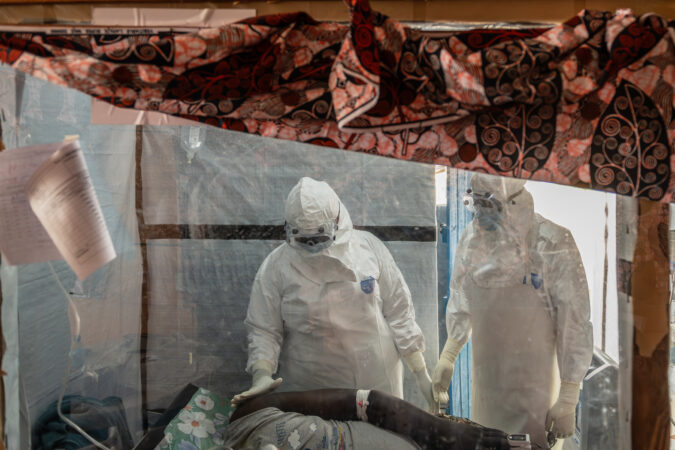
    NAIROBI, Kenya — Reported Ebola cases have surged above 1,000 in the Democratic Republic of Congo, and health experts are warning this could be one of the worst outbreaks, rivaling the largest on record, which killed 11,365 people in West Africa from 2014 to 2016.

    On Wednesday, French officials announced the country’s first case of Ebola from this outbreak — a doctor who had traveled to Congo on a humanitarian mission. The doctor was being treated at a special medical facility and was reported to be in stable condition, according to a statement from the French Health Ministry.

    With more than 250 confirmed deaths in Africa, the World Health Organization said Tuesday that the current outbreak, first reported in May, has the largest number of confirmed cases during the first month of any Ebola outbreak in Africa.

    There have been 17 outbreaks since the discovery of the virus in 1976, involving three strains. The current strain, Bundibugyo, has been seen only twice before, in 2007 in Uganda and in 2017 in Congo. There is no specific treatment or vaccine for it.

    “None of those previous outbreaks had the magnitude of the volume of cases and geographical spread that we are seeing today,” said Manuel Albela, an epidemiologist with Doctors Without Borders who is working with the Ebola response team.

    “And even that comparison — again, one month into the declaration of the outbreak — it falls short, because we have never seen almost 900 confirmed cases just after one month of the declaration of the outbreak,” Albela said. “Going back to the comparison with the outbreak in West Africa, it’s a very similar situation because we don’t have a specific treatment for this specific virus.”

    Diagnosing Bundibugyo is complicated, because there is no specific test kit for the rare strain and this is one reason the strain initially spread fast without detection.

    Red Cross workers prepare to bury Vanisa Anifa, a 6-month-old orphaned girl who died of Ebola, at the Bigo Cemetery, in Bunia, Congo, on Friday.

    The virus is now present in at least three eastern provinces in Congo. Ituri province, the epicenter, has recorded 954 confirmed cases, with 91 more in North Kivu province and three in South Kivu province, according to government data released Sunday, with 267 people reported dead.

    In neighboring Uganda, 20 infections and two deaths have been reported.

    Misinformation and distrust about the virus have complicated the response, leading many infected people to refuse treatment.

    Health workers have been attacked during contact tracing and when relatives are denied access to the infected bodies of their loved ones.

    On Friday, in the Mambangu neighborhood of Beni, angry residents attacked workers who went to disinfect the home of someone who died of Ebola, according to said Serge Kambale, 39, a doctor who spoke to the Washington Post by phone from the city.

    During the incident, two workers were injured when the locals started throwing stones at them. Fabrice Kavono, a witness, said that the crowd attacked the health workers and accused them of fabricating the disease for material gain.

    “It is the second time Ebola is in Beni, but they say it’s in Bunia and Mongbwalu only and that they are making it up here to make money,” Kavono said.

    Another witness told the Post that people with relatives in Mongbwalu, the mining town in Ituri province at the center of the outbreak, were fleeing in droves to relatives in parts of North and South Kivu — spreading the virus as they traveled.

    Onesphore Bangenza, the leader of the Ebola Response Team in Bunia for Mercy Corps, a nonprofit group, said that burials in which relatives insisted on washing bodies of loved ones and touching them were still happening, and that residents were not adhering to distancing guidelines.

    “We have motor taxis transporting more than three people,” Bangenza said. “There are people who do not want to be tested. The scale of the outbreak could be larger.”

    In May, 30 people who had exhibited Ebola-like symptoms died at a displacement camp in Kigonze that hosts families fleeing conflict in the region, Reuters reported.

    Two aid workers confirmed that 13 deaths had been reported at the camp within 48 hours and that more 30 total deaths were expected.

    “The constant movement and overcrowding of refugees in camps is causing fear that this virus could spread even more and the scale of the outbreak may grow” Bangenza said, adding that conditions in the camps were abysmal. “No water, no latrines,” he said. “The hygiene condition is very, very bad.”

    New Ebola cases have been reported in cities such as Beni where an ISIS-affiliated rebel group, the Allied Democratic Forces, has waged attacks, prompting families to flee their homes.

    At a local hospital in Beni, a patient admitted with malaria asked to be discharged early because he feared that others at the hospital would have Ebola and infect him, he told the Post. While he was in the hospital, the ADF attacked an area near the hospital, killing seven people.

    “First, I was afraid that because I exhibited malaria symptoms, which are similar to Ebola, I would be assimilated with people with Ebola,” the patient said, speaking on the condition of anonymity to discuss private health matters. “In the small hospital, there is no clear follow-up, so anything can happen. Then, the attack scared me more.”

    Congo has been besieged by years of conflict especially in the mineral-rich eastern regions of the country, which boast the world’s largest deposits of coltan and cobalt, used to manufacture electronics.

    Cycles of violence have also weakened health systems in the region.

    Just last week, protests broke out in Kinshasa, Congo’s capital, after people learned of a proposal to change the constitution to allow an extension of term limits, which would allow President Félix Tshisekedi to stay beyond his current term, which was supposed to be his last.

    The Rwanda-affiliated M23 rebel group was working with health teams after two cases of Ebola were discovered in Goma, a city that M23 controls, the group’s deputy spokesperson, Oscar Balinda, told The Post. M23 controls large swaths of territory in eastern DRC.

    The United States has sent $375 million in aid, so far, to contain this latest Ebola outbreak, Trump said during a recent Group of Seven meeting in France.

    Experts say more must be done contain the outbreak.

    “One of the key factors to try to control an outbreak of Ebola is to decentralize as much as possible the testing capacity, so that the tests can be done in the places where the cases are,” said Abela, the epidemiologist. “And I think that this, little by little, is happening. But, as usual, we want things to happen yesterday.”

    Abela also said that contact-tracing is crucial but not enough is being done. “At the moment, I think there are 70 percent of the contacts being followed up when the target is normally 95 percent, according to the DRC authorities.”

    He added: “This is clearly one of the gaps.”

  • Why Trump’s algae problem is much bigger than the Reflecting Pool

    Why Trump’s algae problem is much bigger than the Reflecting Pool

    In his battle to clean the murky waters of the Lincoln Memorial Reflecting Pool, President Donald Trump has tried draining, painting, hydrogen peroxide, and what the Interior Department describes as “high-tech nanobubble ozone technology.” But he has seemingly overlooked two of the most important factors that experts say are driving unsightly — and sometimes dangerous — profusions of algae: pollution and climate change.

    Algae thrive in warm, still waters, causing populations to explode as global temperatures rise, said environmental engineer Steve Chapra, an emeritus professor at Tufts University.

    Meanwhile, rampant human development has increased the amount of fertilizer and sewage produced by farms and cities, and severe storms intensified by the warmer atmosphere are causing more of these pollutants to run off into local waterways — providing algae with the nutrients they need to grow.

    In a 2017 study, Chapra and his colleagues projected that climate change would cause a more than fivefold increase in the number of days when U.S. water bodies are affected by harmful algal blooms.

    Short-term measures like those Trump has pursued may temporarily reduce algae populations in some water bodies, Chapra said. But unless they grapple with warming and nutrient pollution, any efforts to address these blooms in the Reflecting Pool and elsewhere are doomed to fail in the long run.

    The consequences could be profound, because the problems presented by blooms go far beyond aesthetics, he added. They can disrupt aquatic food chains, deplete oxygen in water bodies and even produce deadly toxins.

    “It’s probably the biggest water quality problem in the world,” Chapra said. “The Reflecting Pool is the canary in the coal mine.”

    A spokesperson for the Interior Department did not respond to questions about whether the department had considered nutrient pollution or water temperature in planning the pool’s refurbishment. In an email, the agency reiterated that the National Park Service is using hydrogen peroxide and ozone nanobubbles, which break up algae by damaging their cells.

    The Reflecting Pool has been beset by algae blooms, as seen Monday.

    The root causes of blooms

    Algal blooms have long thrived in the Reflecting Pool, thanks to stagnant, shallow water enriched by pollution and warmed by sweltering D.C. summers.

    Since 2012, the pool has been filled from the Tidal Basin, which in turn is fed by the Potomac River. Both water bodies contain excessive amounts of nitrogen and phosphorous — the nutrients most loved by algae — and are designated as “impaired” by the Environmental Protection Agency, meaning they don’t meet basic water quality standards for swimming, fishing, and supporting aquatic life.

    Trump said his $14 million renovation this spring would clean the pool’s algae-clouded waters by sealing leaks and painting the bottom “American flag blue.”

    But the refurbishment didn’t address the pollution that is the root cause of algal growth, said Hans Paerl, an aquatic ecologist at University of North Carolina at Chapel Hill. The pool was refilled on June 4 using the same nutrient-rich Tidal Basin water as before.

    The spate of warm, sunny days that followed — June so far has been about 2 degrees Fahrenheit hotter than normal, according to the National Weather Service — provided ideal conditions for the photosynthetic creatures to multiply. Those high temperatures may have been exacerbated by the pool’s new dark blue coating, which absorbs more heat than its previous gray finish, Chapra said.

    Within days, satellite data showed that the Reflecting Pool contained more algae than at any recorded point in June for at least five years.

    The bloom that turned the pool green shortly after it was refilled was likely caused by a single-celled organism called cyanobacteria, Paerl said. Pictures of the pool showed a characteristic bright green scum coating the surface of the water.

    Cyanobacteria blooms are the most dangerous, Paerl said, because they produce toxic compounds that can cause rashes, vomiting, and neurological problems in people who touch or ingest them.

    After the Interior Department treated the pool with hydrogen peroxide, which breaks down cyanobacteria’s cell membrane and disrupts photosynthesis, the cyanobacteria bloom seemed to wane.

    But the water’s sickly green sheen remains. Aquatic ecologist Rosalina Christova, a George Mason University researcher who acquired a sample from the Reflecting Pool on June 15, found that the water had been colonized by a genus of multicellular green algae called Desmodesmus. In an email, she called the population “very dense.”

    The green algae are more resistant to the effects of hydrogen peroxide, and they were likely able to capitalize on the nutrients released from the disintegrating bodies of the slain cyanobacteria, Paerl said.

    “This created a niche for another player, so to speak,” he said. “Nutrients keep cycling through there and feed whatever blooms.”

    A growing global threat

    Though the administration’s concerns about algae in the Reflecting Pool are in part cosmetic, the proliferation of blooms in waterways across the planet pose a significant — and growing — threat, said Joaquim Goes, a biogeochemist at Columbia University.

    By studying satellite images of the ocean, he found that microalgae scums — caused by the same tiny organisms as those afflicting the Reflecting Pool — have expanded at a rate of 1% per year since 2003. The phenomenon has disrupted food chains and created oxygenless “dead zones” where fish can’t survive.

    “It is spreading like wildfire all over the world,” Goes said. “And there is no question that temperature is playing a role.”

    Blooms are also increasing in freshwater bodies that supply people’s drinking water, research shows.

    A 2022 EPA assessment found that 49% of U.S. lakes showed excess amounts of chlorophyll a, the photosynthetic compound that indicates presence of cyanobacteria and green algae. Detections of microcystins, a class of toxin produced by cyanobacteria, increased by almost 30 percentage points since the previous assessment was conducted five years earlier.

    Massive cyanobacteria blooms have poisoned important fisheries, such as in Lake Erie. They can imperil important ecosystems, like the Everglades below Florida’s Lake Okeechobee. They have been linked to the deaths of dogs, cattle and, in rare cases, humans.

    Even green algae, which do not produce toxins, can clog filtration systems and disrupt drinking water supplies. When they die, the decomposition of their bodies depletes oxygen in the surrounding water, killing other aquatic life.

    The National Office for Harmful Algal Blooms, funded by the National Oceanic and Atmospheric Administration, estimates that phenomenon causes an average $50 million in damage to the U.S. economy each year. Individual severe events can cause even greater harm: An unprecedented “red tide” cost roughly $2.7 billion in decreased tourism revenue when it forced the closure of beaches across southern Florida in 2018.

    Lasting solutions

    Theories about the persistence of the Reflecting Pool algae abound.

    The Interior Department has blamed residual organisms that remained in supply lines after the renovation. Some have speculated that the recent blooms are a product of liberal “sabotage.”

    The Trump administration has said it plans to drain the pool again to address algae growth and paint that is peeling from its bottom.

    But those measures are unlikely to prevent algae from reemerging, said environmental engineer Victor Bierman, a retired water quality consultant and former EPA scientist.

    As summer heat continues to ramp up, he worries the green algae could be replaced by cyanobacteria, which have no predators and readily outcompete other microbes at high temperatures.

    “You can get rid of an existing bloom, but if you don’t change the underlying conditions … you’re going to grow more algae,” Bierman said.

    Officials could stymie growth by increasing the flow of water through the pool, but that would disrupt the still surface needed for it to be reflective, he added. A better option would be installing an enhanced filtration system that removes nutrients from the Tidal Basin water before it is pumped into the pool.

    Ultimately, said Chapra, algae blooms will continue to plague the Reflecting Pool and countless other water bodies until people address the human-made problems of nutrient runoff and climate change.

    “If you don’t follow the science, then you think it’s magic or espionage, and it’s not,” Chapra said. “This is basic biology.”

  • CDC’s chief blocked a COVID vaccine study. Now it’s in a top medical journal.

    CDC’s chief blocked a COVID vaccine study. Now it’s in a top medical journal.

    A COVID vaccine study that the CDC’s chief halted this spring over methodological concerns was published Tuesday in JAMA Network Open, a leading peer-reviewed medical journal.

    The analysis used the same methodology that CDC’s interim director had criticized when the paper was not allowed to be published in the weekly scientific report of the Centers for Disease Control and Prevention.

    The study, which had been slated for publication in March in the CDC’s Morbidity and Mortality Weekly Report, found that the COVID-19 vaccine reduced the risk of emergency department visits and hospitalizations among healthy adults by about half last winter. The findings were consistent with what researchers have found in past years, that the vaccine can help reduce the risk of severe illness in adults even after accounting for immunity from prior vaccination or infection.

    “Science was never the issue,” said Michelle Barron, one of the study’s authors and senior medical director of infection prevention and control for UCHealth, a nonprofit health system in Colorado. “Certainly it was within [the CDC’s] purview to keep it out, for whatever reason, but it was clearly not for scientific reasons that the study was withheld from publication in the MMWR.”

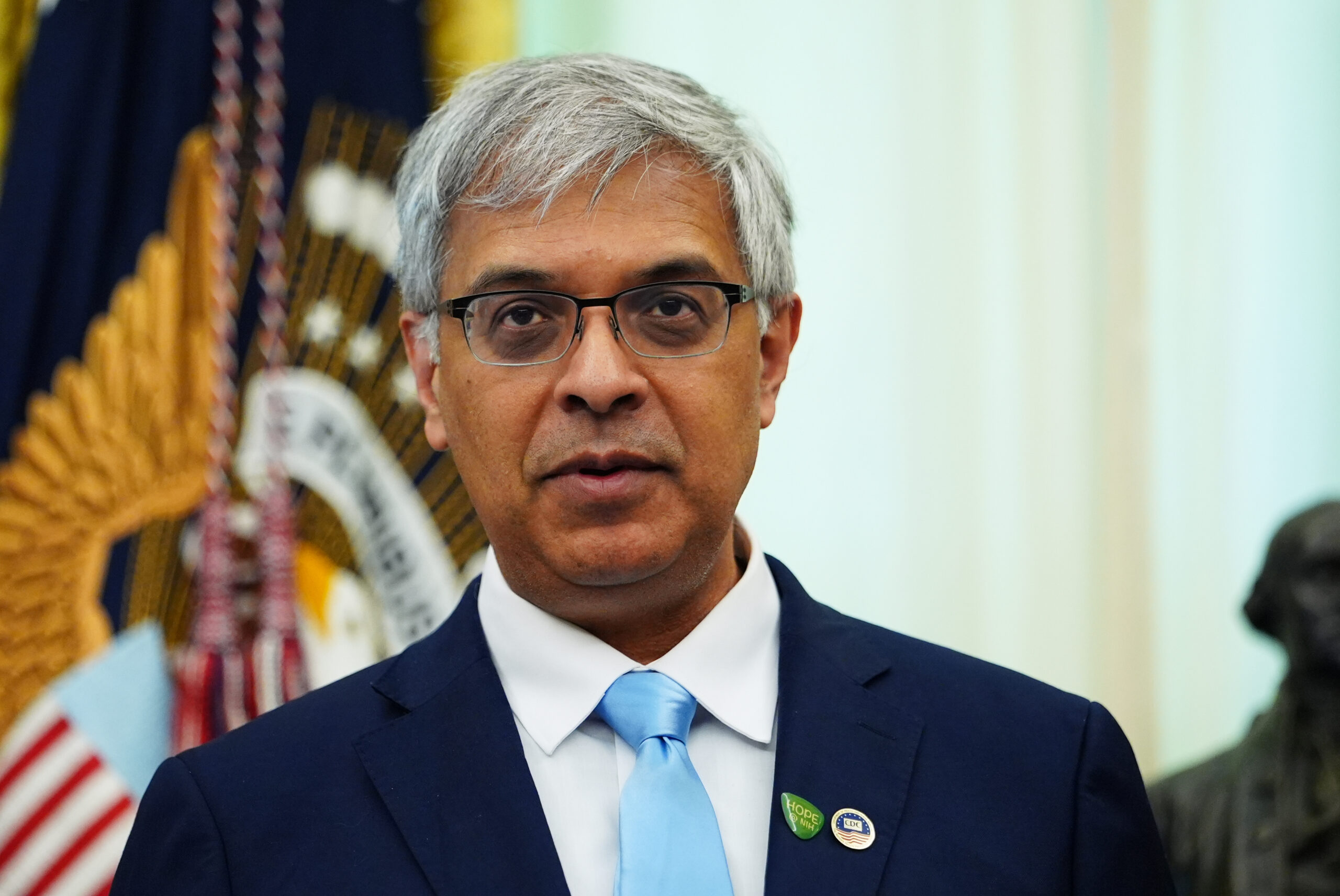
    Jay Bhattacharya questioned the study’s methodology. (AP Photo/Julia Demaree Nikhinson)

    Jay Bhattacharya, CDC’s interim director, delayed publication of the study before it was subsequently not published in the MMWR at all, The Washington Post previously reported. Bhattacharya had concerns about the methods used to calculate vaccine effectiveness, a Health and Human Services spokesman said at the time.

    Barron said she believed the study was not published because the findings did not support Health Secretary Robert F. Kennedy Jr.’s agenda that wants to limit the use of COVID vaccine specifically.

    Kennedy, the founder of a prominent anti-vaccine group, has been an outspoken critic of COVID shots, once referring to them as the “deadliest vaccine ever made.”

    A spokeswoman for the Health and Human Services Department did not directly address the author’s allegation Tuesday that the paper was withheld because it conflicted with the administration’s vaccine agenda. Spokeswoman Emily Hilliard said the CDC evaluates studies using rigorous scientific methods and reviews methodological concerns before publication.

    “The CDC does not make scientific determinations based on predetermined conclusions,” Hilliard wrote in an email. “We evaluate the weight of evidence using rigorous methods, communicate uncertainty and limitations, and subject our work to scientific scrutiny before publication.”

    A commentary accompanying Tuesday’s JAMA Network Open report said the methodology in question, known as test negative design, has limitations, like any study. But those shortcomings are well understood, actively studied, and outweighed by the method’s practicality for routine vaccine-effectiveness monitoring, wrote Natalie Dean, associate professor of biostatistics and epidemiology at Emory University’s Rollins School of Public Health.

    “This is not a controversial study design — this is [the] same design that has been churning out vaccine results for a long time,” Dean wrote in an email. “And from a highly experienced group — CDC plus a network of top vaccine researchers across the country. They are a well-oiled machine.”

    She added: “There was no scientific reason to reject this paper. It had undergone internal review, and it clearly meets the standards of peer-reviewed science. It makes my colleagues on edge to see political interference in the scientific process.”

    Dean said the methodology is being “unfairly maligned” and worried that efforts to discard it could weaken the nation’s vaccine surveillance system. “Then we’ll be flying blind with respect to influenza, COVID, and RSV vaccine monitoring,” she said.

    Between September and December last year, healthy adults who received the COVID-19 vaccine reduced their likelihood of emergency department and urgent care visits by 50% and cut the likelihood of COVID-associated hospitalizations by 55%, compared with those not receiving a 2025-26 vaccine dose, the report found.

    Researchers analyzed data from a CDC-funded surveillance network to compare data on adults who sought medical care for COVID-like symptoms and compared outcomes between those who received the updated 2025-26 vaccine and those who had not.

  • Trump dismisses Iran’s rejection of nuclear inspections

    Trump dismisses Iran’s rejection of nuclear inspections

    President Donald Trump accused Tehran of making “false statements” on Tuesday, after an Iranian official said his government had not agreed to allow international inspectors access to their country’s damaged nuclear facilities, despite U.S. claims.

    Trump claimed that Iran had already agreed to the inspections for an indefinite period of time and suggested it was one of many points of progress in recent days. “If they did not agree to this, there would be no further negotiations!” Trump posted on Truth Social.

    The clashing accounts suggested that there may still be considerable distance between the parties on the current terms of the negotiations. And it may be one of many still in dispute: Iranian officials also pushed back on other reported details regarding deliberations over Tehran’s ballistic missile program and how its government could use billions of dollars in unfrozen funds it expects to receive as a result of the peace talks.

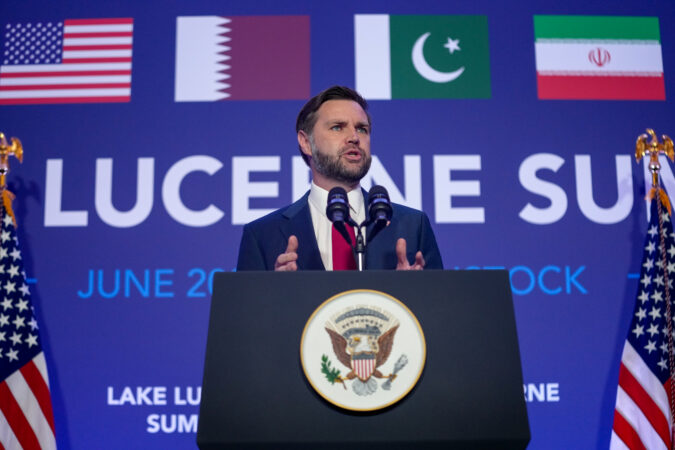
    The dispute over inspections was sparked Monday, when Vice President JD Vance said Iran had agreed to grant the International Atomic Energy Agency access to its nuclear sites, telling reporters in Switzerland that it was a “major milestone for the American people, and the first step in permanently denuclearizing or permanently ending a nuclear weapons program in Iran.”

    Iran, however, rejected the claim the following day, with Foreign Ministry spokesperson Esmaeil Baqaei saying there was no plan for IAEA inspections of its nuclear facilities damaged by the war and that officials had not met with the director general of the nuclear watchdog.

    “There is simply no established procedure for this matter,” Baqaei said in comments reported by state media, adding that Iran would “adhere to the standard procedures, which are already well-defined and transparent.”

    U.S. officials, including Vance, have repeatedly said that Iran is being misleading in its account of the ongoing talks. Secretary of State Marco Rubio told reporters Tuesday that Iranian statements were driven by “domestic politics.”

    “We know what they agreed to do, and now they’ll either do it or they won’t,” Rubio said as he arrived in Abu Dhabi, United Arab Emirates, to see Arab Gulf allies. “If they do, the process moves forward, and if they don’t, the president will have some decisions to make.”

    Iran had been subject to regular inspections under the Nuclear Nonproliferation Treaty and agreed to more intensive monitoring under the Obama nuclear deal that Trump has frequently condemned. After Trump terminated that agreement in 2018, Iran blocked IAEA access to some sites, while some inspections continued.

    Since June 2025, Iran has prohibited the inspectors from visiting sites bombed by the U.S. and Israel.

    Ali Bahreini, Iran’s ambassador to the United Nations, told reporters in Geneva on Tuesday that discussion of Iranian nuclear activities is set for the next stage of talks. The ceasefire memorandum that Trump signed at the Palace of Versailles on June 17 gave the U.S. and Iran 60 days to resolve their hardest disputes, including over the fate of Iran’s uranium stockpile and the Strait of Hormuz.

    In a news conference Monday at the Bürgenstock resort in Switzerland, Vance said conversations with inspectors from the IAEA could happen as soon as that day.

    Baqaei’s contradictory comments Tuesday highlighted the difficulty of turning the fragile ceasefire into a more comprehensive peace agreement.

    Baqaei also said Iran would be free to use unfrozen assets or revenue from oil sales as it sees fit, after Vance said that such funds, if unfrozen, would be subject to oversight and could benefit American farmers. “The important point is that Iran’s previously blocked assets are now available and can be used freely by Iran in accordance with its own priorities,” Baqaei said, according to Iranian state media.

    The spokesperson also pushed back on reports that Pakistan’s prime minister, Shehbaz Sharif, had said that talks would involve discussion of Iran’s ballistic missile program. Baqaei said that the program was “not part of the negotiations” with the U.S., state media reported.

    Iranian President Masoud Pezeshkian traveled to Pakistan on Tuesday to meet with officials there who have been mediating the negotiations with the U.S. “The effectiveness of the talks depends on full commitment to the agreed obligations and their precise implementation,” he said in a post on X, in an apparent acknowledgment of the broad-brush nature of the 14-point memorandum of understanding.

    “Statements outside the agreed text do not help advance the negotiations,” he added.

    The ceasefire called for an end to Israeli attacks in Lebanon, which resumed over the weekend, again testing the fragile deal. Israeli Prime Minister Benjamin Netanyahu’s government has criticized the deal and is not formally a party to the agreement. The Washington Post previously reported that U.S. intelligence warned the Trump administration that Netanyahu would probably work to undermine it by continuing the attacks. On Sunday, Trump accused Iran-backed Hezbollah militants of “causing trouble” in Lebanon.

    Overnight, Netanyahu, Defense Minister Israel Katz, and Israel Defense Forces Chief of the General Staff Eyal Zamir issued a joint statement saying the IDF would “continue to act with determination in order to neutralize threats” and maintain what it calls a “security zone” in southern Lebanon.

    The Israeli and Lebanese governments are currently holding direct negotiations brokered by the U.S. in Washington. A State Department official, speaking on the condition of anonymity to brief the media, said Monday that the shared goal for all parties was the ending the “cycle of violence for good.”

    Though the Trump administration had initially rejected calls to formally include Lebanon in talks with Iran, Lebanese President Joseph Aoun said that he had held a call with Vance and Rubio on Tuesday in which they had agreed to set up a joint U.S.-Lebanese-Iranian cell to help “solidify” the ceasefire in Lebanon.

    Rubio told reporters in Abu Dhabi that while the Lebanon talks were separate from the Iranian talks, Tehran played a critical role in that conflict due to “their support and sponsorship of Hezbollah.”

  • Trump supporter’s company pledges $1 million to fix White House lawn after UFC event

    Trump supporter’s company pledges $1 million to fix White House lawn after UFC event

    A private company run by a supporter of President Donald Trump has pledged to restore the grass on the South Lawn of the White House after it was destroyed by the Ultimate Fighting Championship event held there earlier this month.

    The White House announced last week that ScottsMiracle-Gro, an Ohio-based company, will commit $1 million to restore the South Lawn after the UFC event held on Trump’s 80th birthday left it heavily damaged. The company said it is donating “a combination of monetary and product support,” including re-sodding the South Lawn and then creating a “custom turf grass blend” with which to reseed it.

    It is unclear whether the commitment includes restoring the grass on the White House Ellipse, which was similarly damaged after the event. Aerial photos taken over the weekend by Reuters showed a large, circular expanse of dirt where the verdant Ellipse had been.

    The National Park Service, which typically handles White House lawn maintenance, directed inquiries Monday to the White House. Representatives for the White House said that ScottsMiracle-Gro had offered a private donation to the National Park Service to go toward lawn care, and that no taxpayer dollars would be used.

    But Citizens for Responsibility and Ethics in Washington, or CREW, a nonprofit government watchdog, said the arrangement raises ethics questions, particularly following the recent failed repairs at the Lincoln Memorial Reflecting Pool, which were done under a no-bid contract awarded to a Trump ally.

    “Major corporations generally don’t do things out of the goodness of their heart. It’s generally — they do things for the government because they want something from the government,” CREW vice president Jordan Libowitz told the Washington Post.

    Libowitz noted that ScottsMiracle-Gro markets and distributes the herbicide Roundup, whose active ingredient, glyphosate, has been the subject of lawsuits alleging that it causes cancer. In February, Trump signed an executive order calling glyphosate “crucial to the national security and defense” of the country, a move that angered part of his base. The Supreme Court is currently considering whether to block lawsuits that allege Roundup causes cancer.

    ScottsMiracle-Gro CEO James Hagedorn is a longtime Trump supporter who has advised the president on a different kind of grass: He lobbied for marijuana to be reclassified from a Schedule I drug — the most strictly regulated — to a Schedule III drug, and praised Trump when he signed an executive order late last year doing so.

    Tom Matthews, a ScottsMiracle-Gro spokesperson, said the company only markets the consumer brand of Roundup, which does not contain glyphosate, and pushed back on suggestions that there was a conflict of interest.

    “The special blend we’ve created for the White House is for the White House lawn regardless of who’s president,” he said, adding that it would also not be available to consumers. “We’re not commercializing it. We don’t have commercial business with the federal government and we don’t plan to.”

    Libowitz said it is not unusual for American presidents to boost American businesses, though usually they are not singled out in the way Trump has before — by including Palantir’s stock ticker, for example, in a social media post that touted the defense company.

    Last week, the official White House social media accounts announced ScottsMiracle-Gro’s donation in a post that seemed “just a little off” and like an ad, Libowitz added, particularly since the company was one of the sponsors of the UFC event.

    “It’s not just like ‘I support American businesses.’ It’s ‘I want you to put money behind the businesses supporting me,’ ” Libowitz said of Trump’s posts promoting private companies.

    “It seems to be this whole [UFC] event was an opportunity for different corporations to advertise in front of the president,” he added.

    Organizers of the UFC event had anticipated the grass would be destroyed when planning the event. Last year, UFC CEO Dana White told the Sports Business Journal that they were allocating $700,000 to replace the grass “because we’re going to f— up the South Lawn.”

    White and the UFC did not immediately return requests for comment Monday about whether the UFC would still be paying for any portion of the repairs to the South Lawn or to the Ellipse.

    As America approaches its 250th birthday, the grassless Ellipse and South Lawn — paired with the algae-filled Reflecting Pool and demolished East Wing of the White House — have drawn partisan criticism.

    “In the 250th year anniversary of USA the @WhiteHouse and surroundings looks so terrible … is so sad to see …” José Andrés, a chef and vocal Trump critic, wrote on X.

    According to ScottsMiracle-Gro, Trump personally selected a blend of tall fescues and Kentucky bluegrasses to restore the South Lawn.

    “The president knows a lot about grass. I think his history and past with golf courses,“ Nate Baxter, ScottsMiracle-Gro chief operating officer, told Fox Business.

    Grass experts said it would be more cost effective to reseed the lawn, rather than to lay down new sod and then reseed, but it would have taken several weeks for grass seed to germinate and establish itself.

    Matthews, the ScottsMiracle-Gro spokesperson, said the best time to grow grass from seed is the spring and fall because of the cooler nighttime temperatures.

    “To replenish the lawn in a quicker fashion, the sodding is the solution for it. … Then the overseeding will help thicken it and strengthen it and create stronger roots systems,” he said.

    The White House did not address questions about why they opted to resod and whether the new sod would be laid in time for July 4.

    “To replace it with sod, you’re talking a pretty significant financial expenditure or impact,” said Steve Mercogliana, director of operations at the Philadelphia-based Four Seasons Total Landscaping.

    Mercogliana, whose business went viral after it inexplicably hosted a 2020 news conference for Rudy Giuliani and other members of Trump’s legal team, said organizers could have also spared large swaths of grass by building a small platform to keep people off the lawn. He said he watched a little bit of the UFC fight “here and there,” but couldn’t help doing so through a landscapers’ lens.

    “I was curious. I looked at it and I thought, ‘Oh man, I wonder what that ground’s going to look like when all these people leave the premise? What’s the impact of that?’ And here we are,” he said.

  • New photos show first look at Kennedy Center facade without Trump’s name

    New photos show first look at Kennedy Center facade without Trump’s name

    New photos show that President Donald Trump’s name is indeed off the Kennedy Center, offering the first public look at the performing arts venue’s facade since crews removed the letters by court order.

    The images were taken last week inside the tarp-covered scaffolding that has hidden the title of the John F. Kennedy Center for the Performing Arts for the nine days since crews removed Trump’s name. The images were first provided to the Washington Post by the activist group Hands Off the Arts before being independently obtained and verified by the Post.

    “This is the picture the Trump administration does not want anyone to see, so it’s all the more important … that people have an opportunity to witness when they’re winning,” said Mallory Miller, co-founder of Hands Off the Arts.

    On June 12, a 14-member crew erected scaffolding to comply with a court-ordered deadline to remove Trump’s name. The workers missed the deadline, taking down the letters around 3 a.m. Saturday. The Kennedy Center’s lawyers confirmed in a court filing later that morning the work was done.

    But the center left the scaffolding and tarps in place. For nine days, barricades manned by security guards have kept people from approaching and blocked any view of the exterior.

    The new photos show two rows of blank square panels, with black lettering just visible below. In older photos, Trump’s name occupied the bottom of the two blank rows.

    In a statement last week, Kennedy Center spokesperson Roma Daravi said the tarps and scaffolding “will remain up as crews address maintenance needs of the marble and soffit panels.”

    On Friday, lawyers for Rep. Joyce Beatty (D., Ohio), an ex officio board member whose lawsuit led to the removal, accused Trump and his allies on the board of “willfully sabotaging Kennedy Center’s iconic façade to assuage Defendants’ vanity or massage broken egos.”

    The trustees “appear to be actively undermining the restoration of the Kennedy Center’s name, in a petty act of defiance,” they wrote.

    On Monday night, House Democrats on the Transportation and Infrastructure Committee, which oversees the Kennedy Center and other federal buildings, said the center should take down “the shame scaffolding.”

    “Now that the Courts have compelled President Trump to take his name off another man’s Memorial,” they said in an X post, “it’s time for a return to normalcy.”

  • Supreme Court says Rastafarian can’t sue prison officials over shorn dreadlocks

    Supreme Court says Rastafarian can’t sue prison officials over shorn dreadlocks

    The Supreme Court on Tuesday ruled a Rastafarian can’t pursue a lawsuit against prison officials who forcibly sheared his dreadlocks in violation of a court order while he was incarcerated at a facility in Louisiana.

    In a 6-3 ruling along ideological lines, the justices found Damon Landor could not sue prison officials as individuals under a 2000 federal law that requires states to protect the religious rights of prisoners in state institutions.

    Justice Neil M. Gorsuch, who wrote the majority opinion, found prison officials could not be held personally liable in most instances for violations of religious rights under the Religious Land Use and Institutionalized Persons Act (RLUIPA). The ruling centered on the technicalities of the law.

    “Under the Spending Clause, Congress lacks regulatory authority to impose liability on them directly and must depend instead on consent,” Gorsuch wrote of the prison officials. “And because they never agreed to answer suits like this one, Mr. Landor’s case cannot proceed against them any more than a breach of contract action might proceed against a defendant who never formed a contract.”

    The ruling came over the objections of the court’s liberals, who said barring a remedy for a violation would render the law toothless.

    “Prisoners like Landor who suffer violations of their religious freedom in state prisons — no matter how blatant — will often be left remediless,” Justice Ketanji Brown Jackson wrote for the liberals. “And encroachments on prisoners’ statutory rights are likely to happen with fair frequency, as state-empowered prison officials will have little incentive to abide by federal law, even if it is handed to them on a piece of paper.”

    She added: “We took this case to address whether Landor can seek money damages from the officials who ignored the law, held him down, and ‘uncrowned him before God.’”

    The ruling dealt with the question of who can be held liable under the RLUIPA but departed from a series of decisions by the Supreme Court expanding religious freedoms in recent terms, including allowing religious parents to opt their children out of lessons featuring LGBTQ+ books, permitting a football coach to pray on a field at a public high school, and protecting a Christian web designer who did not want to serve same-sex couples.

    That trend has pushed up against another set of court decisions limiting the ability of prisoners to obtain compensation for ill treatment in custody.

    Landor’s case began in 2020, when he arrived at the Raymond Laborde Correctional Center to serve out a term for drug possession. The two previous facilities in which Landor was incarcerated allowed him to keep his dreadlocks, a symbol of his religious devotion that he had grown for roughly 20 years and that reached nearly to his knees.

    At Laborde, Landor told a prison guard about his faith and presented him a copy of a court decision that found RLUIPA prevented Louisiana prisons from forcing Rastafarians to cut their hair.

    The guard threw the ruling in the trash.

    Despite pleading with the warden, Landor was handcuffed to a chair and held down by two correctional officers, who trimmed his dreadlocks. Landor was devastated, because lengthy dreadlocks are seen as a physical embodiment of Rastafarians’ religious commitment to God.

    After Landor finished his term, he sued under RLUIPA. He also filed claims in state court for negligence, infliction of emotional distress, and violation of the Louisiana Constitution.

    Congress enacted RLUIPA under the Constitution’s spending clause, requiring state corrections departments to comply with the law’s provisions in order to receive federal money. The law includes a provision that allows individuals to sue to enforce the law’s requirements.

    Landor’s case raised the issue of whether the law also allows people to sue prison officials for damages in their personal capacity. In 2011, the Supreme Court ruled it did not authorize claims against state prison officials in their official capacities, so the one remaining avenue for Landor to collect damages in federal court for his treatment was to sue officials personally.

    Zack Tripp, an attorney for Landor, told the justices during arguments in November that allowing suits such as Landor’s would be an effective deterrent to prevent the abuse of prisoners’ rights. If defendants cannot collect damages, he said, prison officials “can treat the law like garbage.”

    “It is the poster child for RLUIPA violation,” Tripp said of Landor’s case.

    In filings, Landor’s lawyers also pointed out that the Supreme Court held in 2020 that a “sister statute” of RLUIPA, employing the same language, does allow a plaintiff to sue a government official in his or her individual capacity for damages for religious discrimination.

    The Louisiana attorney general and Department of Public Safety and Corrections wrote in briefs that the state “condemns” in “the strongest possible terms” what happened to Landor. They said they have changed grooming policy in response to the incident.

    The state argued that allowing suits for damages, however, could open the door to lawsuits being filed against individual government officials in other areas of federal law, such as Title IX, the landmark statute that prohibits sex discrimination in education.

    A federal judge and an appeals court ruled against Landor, finding the law did not allow him to sue officials for damages in their individual capacities. All other federal courts that have examined the issue have come to the same conclusion.

    Landor is still able to pursue his claims in state court.

  • Clive Davis, recording executive and star-maker, dies at 94

    Clive Davis, recording executive and star-maker, dies at 94

    When Clive Davis showed up at the Monterey Pop Festival in 1967, he was a 35-year-old New York corporate lawyer and the newly appointed head of Columbia Records. Knowing “nothing about music,” he said, had not disqualified him from running the staid record company best known for classical recordings, Mitch Miller sing-along pop novelties, and Broadway cast albums.

    Grainy film footage from the festival shows him in the crowd, with his black glasses, receding hairline, and a white V-neck tennis sweater. Amid the long-haired, tie-dyed “Summer of Love” hippies, “I was the one who looked weird,” Mr. Davis said in a 2017 Netflix documentary about his life. “I was blown away.”

    The second act on the stage that day was Big Brother and the Holding Company, a San Francisco rock band fronted by Janis Joplin. “She was hypnotic,” Mr. Davis recalled of the then little-known singer. “I felt my spine tingle, my arms vibrate. I was overcome with emotion. This wasn’t just a social revolution, this was a musical revolution.”

    Mr. Davis persuaded Joplin to sign a contract with Columbia, then politely declined her offer for a celebratory sexual encounter, he wrote in an autobiography. She became the first of a legion of artists he would launch or rejuvenate into superstardom over a five-decade career in entertainment. The roster included Barry Manilow, Simon & Garfunkel, Bob Dylan, Johnny Cash, Aretha Franklin, Bruce Springsteen, Billy Joel, Aerosmith, Barbra Streisand, Miles Davis, the Grateful Dead, Patti Smith, Whitney Houston, Alicia Keys, and Carlos Santana.

    Mr. Davis, 94, an unlikely tastemaker who stoked the star-making machinery longer and more successfully than most of his rivals and became one of the most powerful executives in the recording industry, died June 22, his family posted on social media.

    “To the world, our father was the iconic music legend whose vision, instincts, and relentless pursuit of excellence shaped the soundtrack of countless lives,” Mr. Davis’ family wrote on Facebook. “He discovered, mentored, and championed the greatest artists in modern music history, leaving an indelible mark on culture that will endure for generations.”

    A winner of multiple Grammy Awards and inductee of the Rock and Roll Hall of Fame, Mr. Davis ran Columbia Records and later Arista Records, the latter a small label he built into an industry powerhouse. During his 25 years at Arista, he guided 200 singles to No. 1 on the Billboard charts. In 2000, his final year at Arista before being pushed aside, the company had more than $1 billion in revenue.

    Eye for musical talent

    Mr. Davis had an uncanny knack for spotting and adopting musical trends and embracing emerging young talent. “He has the mind of a banker and the ears of a teenager,” Manilow once said.

    Jann Wenner, founder of Rolling Stone magazine, said in an interview for this obituary that Mr. Davis “was instrumental in bringing modern white rock of my generation to the forefront” and developed a remarkable ear for music.

    “Clive once told me that he would take all the records in the top 100 home every weekend, and he listened to every single one of them,” Wenner said. “I never heard of anybody doing that so methodically. He kept abreast of everything commercial that was going on. He just loved it.”

    Music was decidedly not in his blood, Mr. Davis readily admitted in his 2013 autobiography, The Soundtrack of My Life, co-authored with Anthony DeCurtis. His taste in high school ran toward Bing Crosby and Frank Sinatra, and rock and roll had no appeal at all. He credited his visit to the Monterey Pop Festival as a turning point. Going there, he wrote, “I didn’t realize at all that I possessed skills that might ultimately distinguish me: the ability to recognize and nurture new artists; to help those artists create their best work; to bring that work to the marketplace and have it make a powerful impact.”

    He was instrumental in turning 19-year-old Houston into an international star after signing her in 1983, and he shepherded her career until her accidental drowning in a hotel bathtub, in 2012, on the day of Mr. Davis’ annual pre-Grammy party in Los Angeles. She had been a close friend — and was his most successful protégé, even though drug addiction and the pressures of fame undermined her career — and her death affected Mr. Davis deeply.

    Mr. Davis’ detractors criticized his obsession with hits and chart-topping singles, which they said he sometimes pursued at the cost of artistic considerations.

    “His energy, his testosterone, all his hormones were ignited by having the biggest No. 1 records,” singer-songwriter Carly Simon, an Arista artist who generally lauded Mr. Davis’s talents, told the New York Times in 2017. “He is on the side of the winner at all costs, and the cost can be very high.”

    At Columbia, Mr. Davis turned the company into a premier rock label and brought millions of dollars in revenue to CBS, the parent company. He was stunned when, in 1973, he was called into the office of Arthur R. Taylor, then CBS president, and fired for allegedly using $94,000 in corporate money to renovate his Central Park West apartment and for his son’s bar mitzvah.

    Mr. Davis denied the allegations. He accused a personal assistant of forging signatures, falsifying invoices, and committing other misdeeds involving his corporate account without his knowledge. His ouster coincided with housecleaning at CBS amid a larger grand-jury probe of payola and drugs — “drugola” — in the record business.

    In 1976, Mr. Davis pleaded guilty in U.S. District Court in Manhattan to one count of tax evasion for having failed to report $8,800 that the record company had paid for non-business-related trips. Other charges were dismissed, and he received a suspended sentence and paid a $10,000 fine. He later called the experience “the most humiliating moment of my life.”

    Mr. Davis staged a comeback by writing (with journalist James Willwerth) Clive: Inside the Record Business (1974), a best-selling account of his time in the music industry. That same year, he was lured to the failing Bell Records division of Columbia Pictures (no relation to Columbia Records).

    He rechristened the company Arista, the name of his Brooklyn high school honor society, and set out to build a top-notch team of industry veterans to grow the label. He signed artists such as Gil Scott-Heron, Lou Rawls, and Melanie, holding on to only two entertainers in Bell’s lineup — Melissa Manchester and the talented but still largely undiscovered Manilow.

    Mr. Davis embarked on an ultimately successful effort to remake Manilow into a defining pop star of the 1970s. This undertaking involved persuading Manilow to record songs that he hadn’t written but that could be propelled into hit singles. Among them was “Brandy” — soon renamed “Mandy” — that charted in 1975.

    In a key moment in their sometimes contentious relationship, Mr. Davis handed Manilow a number called “I Write the Songs.” Manilow, who considered it ludicrous to record a song with such a title when he had not written it, initially refused. His resentment festered and eventually led to an argument that ended with Mr. Davis declaring, “Well, if you were Irving Berlin, we would know it by now!”

    Even Manilow conceded Mr. Davis’s inerrant judgment when it came to matching a voice to music. “Clive believed it would be a number one record for me, that it would be a signature song,” he told Newsday in 1990. “And he was right.”

    Profound loss

    Clive Jay Davis was born in Brooklyn on April 4, 1932. His father was an electrician and, later, a traveling tie salesperson. His mother, with whom Mr. Davis was extremely close, died of a cerebral hemorrhage at 47 when Mr. Davis was 18 and a scholarship student at New York University.

    “It was the most profound loss of my life,” he wrote in his memoir. Eleven months later, his father died at 56 after a heart attack. Mr. Davis later said that losing both parents at such a young age left him with the sense that anything he loved and embraced in life could be taken away in an instant. But those losses also served to propel Mr. Davis’s career, leaving him with a resilient survivor’s instinct to push forward.

    After graduating from NYU in 1953, Mr. Davis received a scholarship that enabled him to attend Harvard Law School. He completed his law degree in 1956 and briefly worked at a New York law firm whose clients included CBS and its then-chairperson, William S. Paley. Mr. Davis joined Columbia Records in 1960 as an in-house counsel.

    In his autobiography, Mr. Davis revealed that he was bisexual and, later in life, had been in a long monogamous relationships with male partners.

    In an industry replete with ego and massive financial rewards, Mr. Davis’ longevity was remarkable. At Arista, he reinvigorated R&B singer Franklin’s stalled career, branched into rap and hip-hop, and launched Patti Smith when she was a young poet. He also survived the uproar that ensued when it was discovered that the German R&B duo Milli Vanilli hadn’t done the singing on its debut album and had lip-synced songs during TV and concert appearances.

    “Clive just seems to be ever-growing,” said Franklin in a 1996 Los Angeles Times interview. “He loves the music and appreciates his artists. He’s not just kicking back somewhere counting his money. He is a consummate record man who is constantly involved.”

    But in 2000, Mr. Davis was unexpectedly replaced by the head of BMG Music, Arista’s parent company, to make room for a younger leader. Mr. Davis refused to take a secondary role and threatened to leave. Startled at the thought of losing him, the head of BMG’s North American operations immediately offered to let Mr. Davis launch his own label with an initial investment from BMG of $150 million.

    Mr. Davis would get 50% of the profits, and he could take five major Arista artists with him. He founded J Records (after his middle name). In 2008, Mr. Davis became chief creative officer for Sony Music Entertainment.

    He liked to point out that he hadn’t dreamed of a career in music, especially one with such an extraordinary outcome. A 2001 Washington Post profile noted that he never stopped feeling “ravenous” for winning singles. “It’s always like the first day,” he said, “and it’s always like the first year. It’s not a chore, it’s just a particular mental attitude. I take none of this for granted.”