Blog

  • A Homeland Security shutdown seems certain as funding talks between White House and Democrats stall

    A Homeland Security shutdown seems certain as funding talks between White House and Democrats stall

    WASHINGTON — A shutdown for the Department of Homeland Security appeared certain Thursday as lawmakers in the House and Senate were set to leave Washington for a 10-day break and negotiations with the White House over Democrats’ demands for new restrictions had stalled.

    Democrats and the White House have traded offers in recent days as the Democrats have said they want curbs on President Donald Trump’s broad campaign of immigration enforcement. They have demanded better identification for U.S. Immigration and Customs Enforcement and other federal law enforcement officers, a new code of conduct for those agencies and more use of judicial warrants, among other requests.

    The White House sent its latest proposal late Wednesday, but Trump told reporters on Thursday that some of the Democratic demands would be “very, very hard to approve.”

    Democrats said the White House offer, which was not made public, did not include sufficient curbs on ICE after two protesters were fatally shot last month. The offer was “not serious,” Senate Democratic Leader Chuck Schumer of New York said Thursday, after the Senate rejected a bill to fund the department.

    Americans want accountability and “an end to the chaos,” Schumer said. “The White House and congressional Republicans must listen and deliver.”

    Lawmakers in both chambers were on notice to return to Washington if the two sides struck a deal to end the expected shutdown. Sen. Patty Murray, the top Democrat on the Senate Appropriations Committee, told reporters that Democrats would send the White House a counterproposal over the weekend.

    Impact of a shutdown

    Senate Majority Leader John Thune, R-S.D., said after the vote that a shutdown appeared likely and “the people who are not going to be getting paychecks” will pay the price.

    The impact of a DHS shutdown is likely to be minimal at first. It would not likely block any of the immigration enforcement operations, as Trump’s tax and spending cut bill passed last year gave ICE about $75 billion to expand detention capacity and bolster enforcement operations.

    But the other agencies in the department — including the Transportation Security Administration, the Federal Emergency Management Agency, the Secret Service and the Coast Guard — could take a bigger hit over time.

    Gregg Phillips, an associate administrator at FEMA, said at a hearing this week that its disaster relief fund has sufficient balances to continue emergency response activities during a shutdown, but would become seriously strained in the event of a catastrophic disaster.

    Phillips said that while the agency continues to respond to threats like flooding and winter storms, long-term planning and coordination with state and local partners will be “irrevocably impacted.”

    Trump defends officer masking

    Trump, who has remained largely silent during the bipartisan talks, noted Thursday that a recent court ruling rejected a ban on masks for federal law enforcement officers.

    “We have to protect our law enforcement,” Trump told reporters.

    Democrats made the demands for new restrictions on ICE and other federal law enforcement after ICU nurse Alex Pretti was shot and killed by a U.S. Border Patrol officer in Minneapolis on Jan. 24. Renee Good was shot by ICE agents on Jan. 7.

    Trump agreed to a Democratic request that the Homeland Security bill be separated from a larger spending measure that became law last week. That package extended Homeland Security funding at current levels only through Friday.

    Schumer and House Democratic leader Hakeem Jeffries of New York have said they want immigration officers to remove their masks, to show identification and to better coordinate with local authorities. They have also demanded a stricter use-of-force policy for the federal officers, legal safeguards at detention centers and a prohibition on tracking protesters with body-worn cameras.

    Democrats also say Congress should end indiscriminate arrests and require that before a person can be detained, authorities have verified that the person is not a U.S. citizen.

    Thune suggested there were potential areas of compromise, including on masks. There could be contingencies “that these folks aren’t being doxed,” Thune said. “I think they could find a landing place.”

    But Republicans have been largely opposed to most of the items on the Democrats’ list, including a prohibition on masks.

    Sen. Eric Schmitt, R-Mo., said Republicans who have pushed for stronger immigration enforcement would benefit politically from the Democratic demands.

    “So if they want to have that debate, we’ll have that debate all they want,” said Schmitt.

    Judicial warrants a sticking point

    Thune, who has urged Democrats and the White House to work together, indicated that another sticking point is judicial warrants.

    “The issue of warrants is going to be very hard for the White House or for Republicans,” Thune said of the White House’s most recent offer. “But I think there are a lot of other areas where there has been give, and progress.”

    Schumer and Jeffries have said DHS officers should not be able to enter private property without a judicial warrant and that warrant procedures and standards should be improved. They have said they want an end to “roving patrols” of agents who are targeting people in the streets and in their homes.

    Most immigration arrests are carried out under administrative warrants. Those are internal documents issued by immigration authorities that authorize the arrest of a specific person but do not permit officers to forcibly enter private homes or other nonpublic spaces without consent. Traditionally, only warrants signed by judges carry that authority.

    But an internal ICE memo obtained by The Associated Press last month authorizes ICE officers to use force to enter a residence based solely on a more narrow administrative warrant to arrest someone with a final order of removal, a move that advocates say collides with Fourth Amendment protections.

    Far from agreement

    Thune, R-S.D., said were “concessions” in the White House offer. He would not say what those concessions were, though, and he acknowledged the sides were “a long ways toward a solution.”

    Schumer said it was not enough that the administration had announced an end to the immigration crackdown in Minnesota that led to thousands of arrests and the fatal shootings of two protesters.

    “We need legislation to rein in ICE and end the violence,” Schumer said, or the actions of the administration “could be reversed tomorrow on a whim.”

    Simmering partisan tensions played out on the Senate floor immediately after the vote, as Alabama Sen. Katie Britt, the chairwoman of the Senate Appropriations subcommittee that oversees Homeland Security funding, tried to pass a two-week extension of Homeland Security funding and Democrats objected.

    Britt said Democrats were “posturing” and that federal employees would suffer for it. “I’m over it!” she yelled.

    Connecticut Sen. Chris Murphy, the top Democrat on the Homeland spending subcommittee, responded that Democrats “want to fund the Department of Homeland Security, but only a department that is obeying the law.”

    “This is an exceptional moment in this country’s history,” Murphy said.

  • Inflation measure falls to nearly five-year low, but consumer prices are still about 25% higher

    Inflation measure falls to nearly five-year low, but consumer prices are still about 25% higher

    WASHINGTON — A key measure of inflation fell to nearly a five-year low last month as apartment rental price growth slowed and gas prices fell, offering some relief to Americans grappling with the sharp cost increases of the past five years.

    Inflation dropped to 2.4% in January compared with a year earlier, down from 2.7% in December and not too far from the Federal Reserve’s 2% target. Core prices, which exclude the volatile food and energy categories, rose just 2.5% in January from a year ago, down from 2.6% the previous month and the smallest increase since March 2021.

    Friday’s report suggests inflation is cooling, but the cost of food, gas, and apartment rents have soared after the pandemic, with consumer prices still about 25% higher than they were five years ago. The increase in such a broad range of costs has kept “affordability,” a topic that helped shape the most recent U.S. presidential election, front and center as a dominant political issue.

    And on a monthly basis, consumer prices rose 0.2% in January from December, while core prices rose 0.3%. Core inflation was held down by a sharp drop in the price of used cars, which fell 1.8% just in January from December.

    “Inflation continues to decelerate and is not threatening to move back up, and that will enable more rate cuts by the Fed,” said Luke Tilley, chief economist at Wilmington Trust.

    There were signs in the report that retailers are passing on more of the costs of President Donald Trump’s tariffs to consumers for goods such as furniture, appliances, and clothes. But those increases were offset by falling prices elsewhere. In other areas, Trump has delayed, scrapped, or provided exemptions to his duties.

    Furniture prices jumped 0.7% in January from the previous month and are up 4% from a year ago. Appliances rose 1.3% in January though are only slightly more expensive than a year earlier. Clothing price rose 0.3% in January from December and have increased 1.7% in the past year.

    Some services prices also rose: Airline fares soared 6.5% just in January, after a 3.8% jump in November, though they rose only 2.2% from a year earlier. Music streaming subscriptions increased 4.5% in January and are 7.8% higher than a year ago.

    Yet those increases were largely offset by price declines, or much slower price growth, in other areas, including many that make up a greater share of Americans’ spending.

    The cost of used cars, for example, plunged 1.8% in January, the biggest decline in two years. Gas prices fell 3.2% last month, the third drop in the past four months, and are down 7.5% from a year earlier. Grocery prices rose just 0.2% in January, after a big 0.6% rise in December, and are up 2.1% from a year ago. Hotel prices ticked down 0.1% in January and have fallen 2% from last year.

    Rental prices and the cost of owning a home, which make up a third of the inflation index, both rose just 0.2% in December, while rents increased only 2.8% from a year earlier. That is much lower than during the pandemic: Rents rose by more than 8% in 2022.

    The tariffs have increased some costs and many economists forecast companies will pass through more of those increases to consumers in the coming months. A study released Thursday by the Federal Reserve Bank of New York found that U.S. companies and consumers are paying nearly 90% of the tariffs’ costs, echoing similar findings in studies by Harvard and other economists.

    Yet the increases haven’t been as broad-based as many economists feared.

    Tilley said that the higher tariffs have pulled some consumer spending away from other services, which has forced companies to keep those prices a bit lower as a result.

    “We don’t think consumers are in a place to take on price increases across the board, so you’re not seeing those price increses,” he said. Hiring was particularly weak last year, slowing wage growth, and many Americans remain gloomy about the economy.

    Some economists note that the rental figures were distorted by October’s six-week government shutdown, which interrupted the Labor Department’s gathering of the data. The government plugged in estimated figures for October which economists say have artificially lowered some of the housing costs.

    Companies are still grappling with the higher costs from Trump’s duties, though some have benefited from tariffs being delayed or scrapped.

    Arin Schultz, chief growth officer at Naturepedic, which makes organic mattresses in Cleveland, breathed a sigh of relief when Trump postponed import duties on upholstered furniture until 2027. They would have substantially pushed up the cost of the headboards the company imports.

    Schultz welcomed the decision to lower tariffs on imports from India to 18%, from 50%. Naturepedic sources a lot of the cotton fabrics and bedding that it sells from India. When that reduction kicks in, he said, the company could even cut some prices.

    Still, Naturepedic’s costs jumped because of duties on imports from Vietnam and Malaysia, where it sources its organic latex, which can’t be grown in the United States. Naturepedic makes its mattresses in the United States at a factory in Cleveland and employs about 200 workers.

    “We’re paying more now for that,” he said, and the company raised its prices about 7% last year as a result. “Tariffs are awful. We are less profitable now as a company because of tariffs.”

    If inflation gets closer to the Federal Reserve’s target of 2%, it could allow the central bank to cut its key short-term interest rate further this year, as Trump has repeatedly demanded. High borrowing costs for things like mortgages and auto loans have also contributed to a perception that many big-ticket items remain out of reach for many Americans.

    Inflation surged to 9.1% in 2022 as consumer spending soared as supply chains snarled after the pandemic. It began to fall in 2023 but leveled off around 3% in mid-2024 and remained elevated last year.

    At the same time, measures of wage growth have declined as hiring has cratered. With companies reluctant to add jobs, workers don’t have as much leverage to demand raises.

  • A sneak peek inside the Franklin Institute’s new Universal theme parks experience

    A sneak peek inside the Franklin Institute’s new Universal theme parks experience

    The Franklin Institute has welcomed its newest exhibit with the world premiere of “Universal Theme Parks: The Exhibition.”

    The 18,000-square-foot exhibit — which opened Saturday — takes visitors behind the scenes of the country’s billion-dollar theme-park industry through an expansive collection of costumes, immersive photo opportunities, and park props.

    The exhibit has eight galleries, 20 interactive components, and 100 theme park-related artifacts ranging from actor show props to model roller coasters.

    Young Lachlan McMahon poses for a photo at the Franklin Institute’s newest exhibit, “Universal Theme Parks: The Exhibition,” on Thursday.

    At an early showcase Thursday, those behind the exhibit touted it as a “first-of-its-kind look” that would “[immerse] guests in the creative process that brings Universal’s most iconic experiences to life.”

    “At the institute, I think we are really a leader in bringing exhibitions that educate, but they do it while entertaining,” said Larry Dubinski, president and CEO of the Franklin Institute.

    “We wanted to create an exhibit in which we could teach some interesting things about engineering, design, jobs that are in a booming business, like theme parks, and [inspire] that curiosity and creativity.”

    Kyra Zamborsky (left) and Jade Beasley at the Franklin Institute’s new exhibit that pays homage to Universal’s theme parks, in Philadelphia, on Feb. 12, 2026.

    Among the goals of the exhibit was to package science and technology learning in an accessible way.

    “History and science and technology — these things need to be wrapped in a layer of immersion that gets today’s kids excited,” said Dan Picard, owner and chief creative officer of creative design firm MDSX. “Because they don’t want to walk through a place that’s boring. … If you do not have a vibe, you’re not going to sell tickets, you’re not going to connect with kids, and you’re not going to have a shot to create that spark that makes them curious about these topics.”

    Created in partnership between the Franklin Institute and Comcast NBCUniversal, the exhibit opens with a video featuring legendary filmmaker Steven Spielberg that uses archival footage to take visitors through the history of Universal’s theme parks.

    From there, visitors will find a collection of galleries showcasing all aspects of the theme-park universe. There is a station on the science of roller-coasters, including models of real-life coasters, as well as costumes worn by park workers.

    Among the most popular stops on Thursday was a station that allowed users to program the movements of an animatronic figure from DreamWorks Animation’s How to Train Your Dragon. (The exhibit features other Universal attractions, including Jaws, The Wizarding World of Harry Potter, and Jurassic World.)

    Sprinkled throughout the exhibit are video interviews with those who make Universal’s theme parks tick — from costume designers to storyboard artists and creative directors.

    “There’s so many opportunities for interactivity and creative storytelling,” said Abby Bysshe, chief experience and strategy officer at the Franklin Institute, of the draw to creating a theme park-related exhibit. “It was about kind of curating all these parts and pieces, and talking with their team members and finding ways to really highlight what makes Universal theme parks so special.”

    At the new exhibit at the Franklin Institute that pays homage to Universal’s theme parks, in Philadelphia on Feb. 12, 2026.

    “At the end of the day, our mission is to inspire and educate,” said Dubinski. “And here, people are going to be inspired, they’ll be educated — and they’ll have a great time as they go through.”


    “Universal Theme Parks: The Exhibition,” runs through Sept. 7, 9:30 a.m. to 5 p.m. daily. Daytime tickets range from $41 for children to $47 for adults and include admission to the Franklin Institute.

    Evening tickets, available from Thursday through Saturday, are $25 and limited to the Universal exhibit. Tickets at fi.edu, (215) 448-1200.

  • MLB’s RBI program has begun to revive baseball among children in cities. In Philadelphia, it lacks diversity.

    MLB’s RBI program has begun to revive baseball among children in cities. In Philadelphia, it lacks diversity.

    In the 1980s, baseball scout John Young noticed a declining share of Black or Latino draft prospects in his hometown of Los Angeles. With funding from Major League Baseball, he started a youth program dubbed “Reviving Baseball in Inner Cities” (RBI) to address the disparity in 1989.

    RBI has since spread across the country, including Philadelphia, as baseball’s preeminent youth outreach program. The Phillies say their RBI program serves more than 6,000 children in the city and the surrounding region by providing organized baseball and softball leagues, free equipment, and game tickets to youth participants.

    But contrary to RBI’s founding mission, Philadelphia’s program mostly serves the city’s predominantly white, middle-class neighborhoods in the Northeast.

    “The programs we have in North Philadelphia are programs that save at-risk kids,” said Dave Fisher, who runs Tioga United Baseball. “The programs that they have in the Northeast are programs to evaluate and elevate the talent of their kids.”

    Among nearly 200 teams across 35 programs listed on the Phillies RBI’s registration website, about two-thirds were located in Northeast Philadelphia and 15% in New Jersey. Only about a dozen teams were in North or West Philadelphia, where the city’s highest share of Black residents reside.

    Neither the Phillies nor Major League Baseball returned requests for comment.

    The distribution of RBI teams reflects Philadelphia’s unequal youth sports landscape, confirmed by a recent city-funded study that found neighborhoods with more white residents had more fields, amenities in better shape, and more youth sports programs compared to other areas. In Northeast Philadelphia, there is simply more baseball: The Philadelphia Parks & Recreation Baseball league reflects a similar disparity of Northeast teams as the Phillies’ RBI leagues.

    Several North Philadelphia coaches are part of Phillies RBI and say they have benefited from the league’s free equipment and clinics. But they say the program is a better fit for well-established teams that already have foundational needs met. Teams working against the tide of economic inequality, lower parental involvement, and children not being exposed to baseball early cannot recruit enough to play in the RBI league.

    “You’ll find more parents who are financially able and culturally able to give baseball to their children at such a younger age of 6, 7, or 8,” said Fisher, who participates in RBI. “Kids at that age are groomed through baseball to be able to have batting coaches, pitching coaches, hitting coaches, fielding coaches.”

    Phillies RBI offers noncompetitive leagues that introduce children ages 5 to 12 to baseball and softball as well as competitive leagues for children 13 and older. The program’s website says teams “must be located in an area that serves children who are unable to afford to play in an organized baseball league without assistance.”

    David Lisby, who coaches the North Philly Camelots in Strawberry Mansion, was part of Phillies RBI but withdrew after six years because of a lack of players on his team. This past season, he was able to recruit only 15 children from three age brackets to make a single team.

    Children ages 7 to 12 played in the inaugural season of the Catto Youth Baseball League, an offshoot of Phillies RBI.

    “With the Phillies RBI program, I wasn’t seeing them coming down to really get the kids involved,” Lisby said.

    Amos Huron, the executive director of the Anderson Monarchs in South Philadelphia — which does not participate in Phillies RBI — said the RBI program is more focused on areas where baseball is already played rather than introducing the sport to new players.

    “There’s such wide swaths of the city where kids are never getting exposed to the game, and there’s only one entity in the city that has the baseball credibility and financial capacity to create a system that spreads across the city, and I think it’s a shame that they are not doing that,” he said.

    Coaches on ways to improve

    Running a community baseball or softball program in Philadelphia is a grind. Coaches — many of whom are volunteers — maintain their own fields, recruit players, and take care of all the logistics in running a nonprofit on top of their on-field duties.

    They say the Phillies could help with that.

    “I did a lot of stuff on my own, a lot of stuff. Field stuff, cutting trees down,” said Tyrone Young, who founded and leads the Heritage Baseball League in North Philadelphia. “Anybody that didn’t have the drive that I have will probably get frustrated and give up if they didn’t have more support. More support can help.”

    Young, who endorses the Phillies RBI program, also said it could sponsor more events and clinics to teach children baseball in North Philadelphia.

    Phillies RBI offers noncompetitive leagues that introduce children ages 5 to 12 to baseball and softball as well as competitive leagues for those 13 and older.

    Josh Throckmorton, a coach with Give and Go Athletics in Brewerytown and director of program development with the Philadelphia Youth Sports Collaborative, said coaches at smaller programs could benefit from off-field support, such as help with securing insurance and background checks.

    “I think administrative support would be huge,” he said. “I think providing some training to help coaches for these really small programs market their programs and manage registration, I think that could be huge.”

    This year, a small group of teams in North and West Philadelphia, organized by Germantown’s Urban Youth Kings and Queens and supported by the Phillies, formed a separate RBI group aimed at children ages 7 to 12. The subleague benefited programs like Throckmorton’s, which withdrew from the larger RBI league after finding its first-time players mismatched against other teams, he said.

    The four teams in the league played eight games in the spring and some of the teams continued practicing into the summer. This spring, league organizers are seeking to double the number of teams and serve an additional 100 or more children between the ages of 6 and 9.

    “We’ve already gotten outreach from families asking us when baseball season is going to start again,” Throckmorton said. “It did exactly what we were hoping for.”

    Playing Fields, Not Killing Fields is an Inquirer collaboration with Temple’s Claire Smith Center for Sports Media and the Logan Center for Urban Investigative Reporting, to produce a series examining the current state of Philadelphia’s youth recreation infrastructure and programs. The project will explore the challenges and solutions to sports serving as a viable response to gun violence and an engine to revitalize city neighborhoods.

  • Mani Sajid takes ‘no off days.’ Now he’s etched his name in Plymouth Whitemarsh hoops history.

    Mani Sajid takes ‘no off days.’ Now he’s etched his name in Plymouth Whitemarsh hoops history.

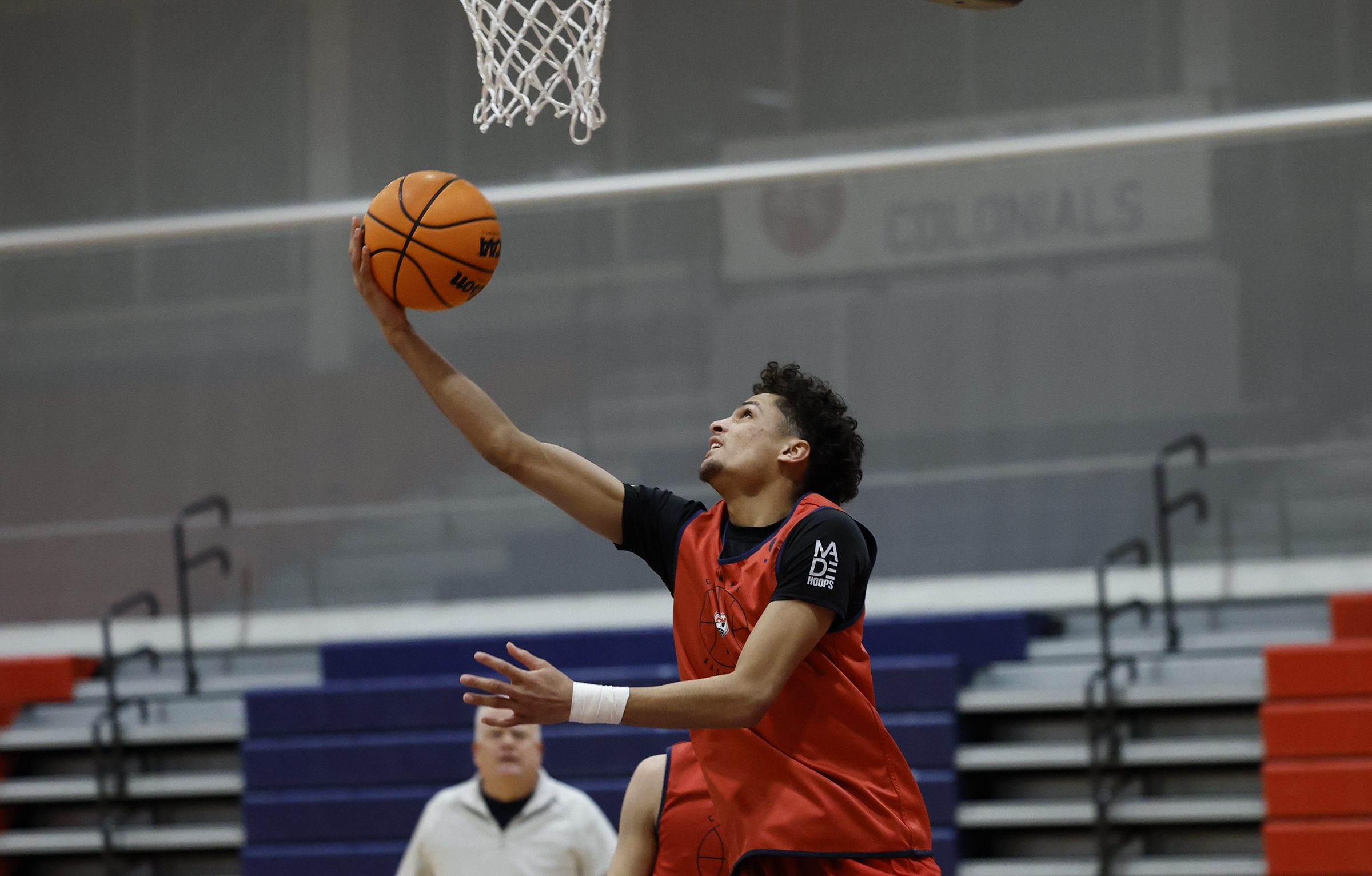
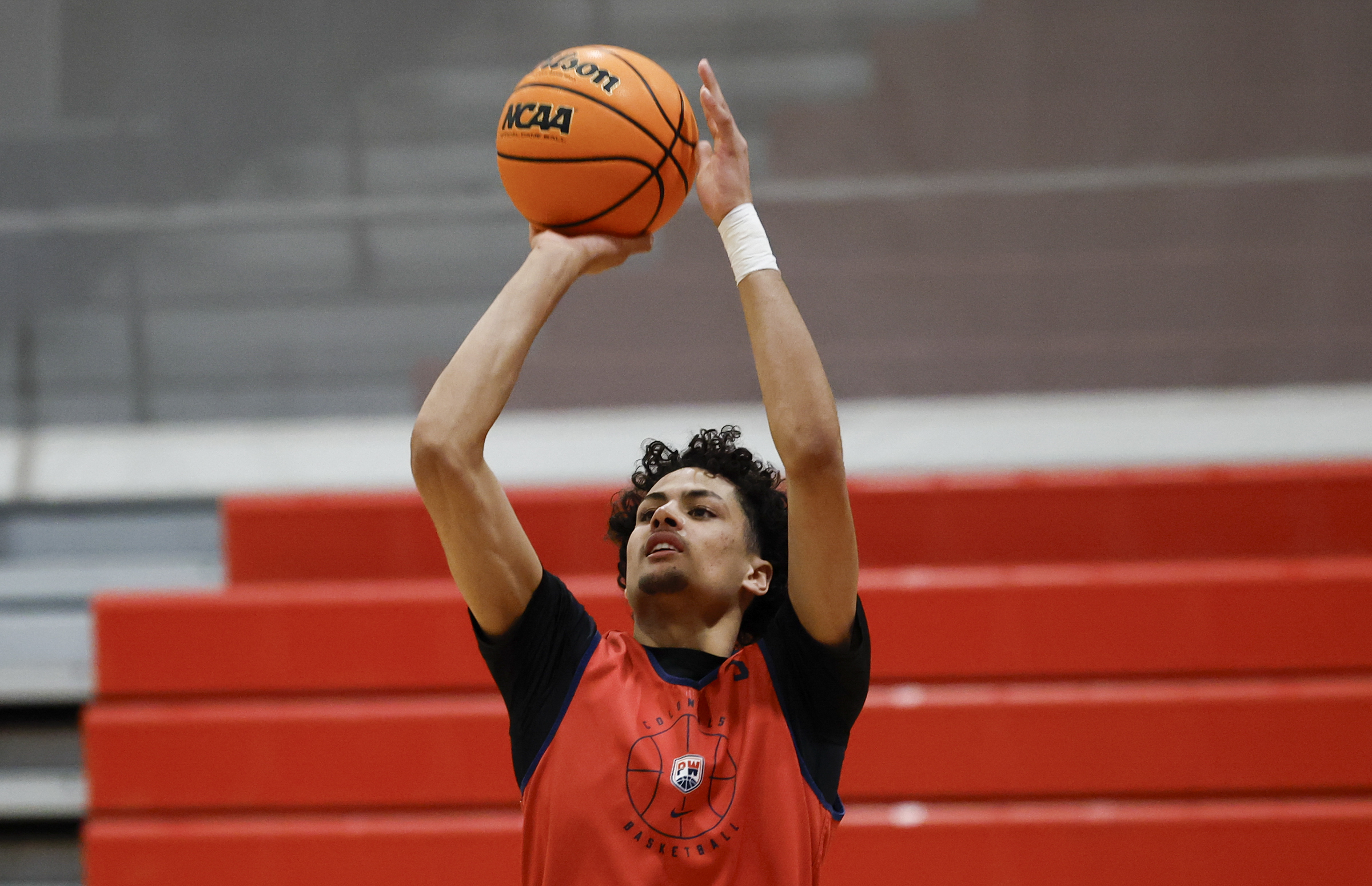
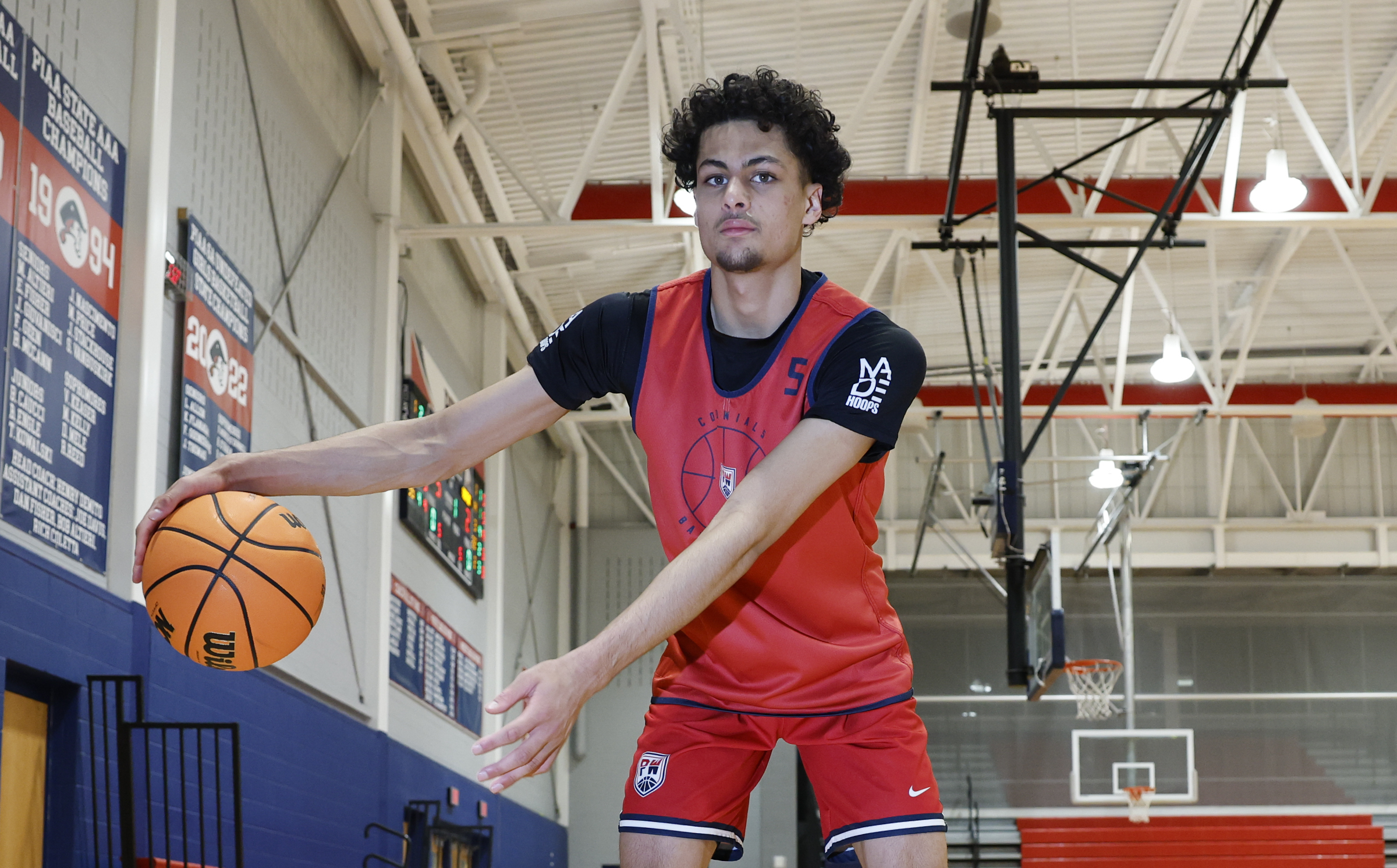
    In over three decades years of coaching basketball at Plymouth Whitemarsh High School, Jim Donofrio had to convince one player to take a day off.

    That’s Mani Sajid, now a 6-foot-4 senior shooting guard.

    His resumé can attest to it. He has led the Colonials to an 19-5 record and the top seed in the District 1 Class 6A tournament. Plymouth Whitemarsh will host the winner of Friday’s game between Downingtown West and Central Bucks East on Tuesday.

    Sajid also became Plymouth Whitemarsh’s all-time leading scorer, finishing with 1,686 points in the regular season, and is committed to play at Towson, where he will enroll early.

    Donofrio said the coaches there will be lucky if they can get Sajid out of the gym.

    “His natural work ethic is as high as any kid I’ve coached in 35 years,” Donofrio said. “His work ethic and drive is at that special level.”

    Sajid recognizes that becoming the program’s all-time scoring leader is a great achievement, but he also wants to experience postseason success. The Colonials reached the district final last season, where they fell to Conestoga in overtime.

    “I did have a chance for the scoring record, but that wasn’t my main goal,” Sajid said. “That just came as we played. [We are] just trying to win everything. Districts and state titles are our main goal as a team and the main goal for me.”

    Plymouth Whitemarsh’s postseason did not start off as anticipated. The Colonials were upset, 45-43, by rival Upper Dublin in the semifinals of the Suburban One League tournament. But the Colonials were still the top-seeded team in the District 1 Class 6A bracket when it was revealed last Sunday.

    The right ingredients

    Chuck Moore Jr., an assistant with Plymouth Whitemarsh, has known Sajid since he was a middle schooler. Moore was a 1,500-point scorer at Plymouth Whitemarsh and graduated with Sajid’s father, Ayyaz, in 1997.

    Moore, who runs an AAU program with his younger brother, Penn assistant Ronald Moore, would see Sajid’s father at tournaments and showcases. Every time the old classmates met, Ayyaz would try to convince Moore to train his son. Moore finally agreed the third time Ayyaz asked and arranged a session with Sajid at the Plymouth Whitemarsh gym.

    “Right away, you could see the skill set,” Moore said. “He was already a long, lanky kid with long arms.”

    He developed quickly in a year. By the time Sajid finished his eighth grade season and was entering high school, Moore knew his spot on PW’s scoring leaderboard was in jeopardy.

    “I said, ‘Yeah, he’s going to be the all-time leading scorer one day,’” Moore said. “I could see it in him at that early age.”

    Mani Sajid helped Plymouth Whitemarsh earn the No. 1 seed in the District 1 6A playoffs.

    Donofrio confirmed that his assistant called Sajid’s ascent to the top.

    “Chuck Moore, he predicted it when [Sajid] was a freshman,” Donofrio said. “He goes, ‘That’s the all-time leading scorer.’ I remember him saying it. Mani had the right stuff. He had the right ingredients.”

    No time off

    Those ingredients — a long, lanky frame and a natural shooting ability — do not guarantee success. They need to be combined with a solid work ethic. Sajid’s coaches say that the senior has that in abundance.

    When Donofrio told Sajid to take a day off during the offseason, he ignored his coach’s order.

    “I had to call his dad up a couple of summers ago and say, ‘He has to take a day off,” Donofrio said. “I said, ‘Please, take Sunday.’ It was in the summertime. And then I find out, not only did he not take Sunday off, he worked out twice that day.”

    Sajid likes being in the gym as much as possible, which should benefit him as he transitions to Towson.

    “It’s hard to get me out of the gym, man,” Sajid said. “I’m a guy that likes to go seven days a week, especially in the offseason. There really are no off days.”

    Plymouth Whitemarsh assistant coach Chuck Moore Jr., said “right away” Mani Sajid had a strong skill set.

    After last season’s run to the district final, Donofrio challenged Sajid to share the ball with his teammates more effectively.

    “You’re going to score 26 points the hard way or the easy way,” Donofrio said. “If you get rid of the ball, you’re still scoring 26 points, only we’re going to win a lot more.”

    It took Sajid some time to accept that piece of coaching, but once he did, he began to develop his skills as a passer.

    “I think I just grew up more as a player, grew up more as a person,” Sajid said. “Just being able to trust those guys. I know that they always have my back, and I always have their backs. I trust them a lot.”

    Transition to Towson

    After emerging as a contributing piece for the Colonials as a sophomore, Sajid started to draw some attention from colleges. He fielded offers from Albany, St. Joseph’s, Temple, La Salle, East Carolina, Bryant, Penn State, and Towson before committing in July to play for the Tigers.

    Sajid said he chose Towson for its coaching staff.

    “They’ve just been really consistent,” he said. “They’ve been a great coaching staff. They hit me up often and always check up on me, and that’s what I like.”

    Sajid, a three-star recruit, is the highest-ranked player of three signees in the Tigers’ class of 2026. Towson’s 2026 class also includes Neumann Goretti guard Stephon Ashley-Wright, the younger brother of BYU guard Robert Wright III.

    Sajid hopes to see minutes early at Towson, which competes in the Coastal Athletic Association.

    “That is my goal, to step on there freshman year and play,” Sajid said. “But I’ve got to work for that spot.”

    Donofrio believes the most crucial part of Sajid’s college development is adding weight. He weighs about 170 pounds and will need to put on muscle to keep up with college players, especially on defense.

    “He’s going to have to want to get more physical,” Donofrio said. “That’s his next challenge for this summer, into the fall. And he loves the weight room now, and he loves strength training and agility, conditioning. Hopefully he still loves Franzone’s pizza, because he should eat a lot of that to get about 8 to 10 more pounds on him.”

    Mani Sajid looks to earn a district and state crown for Plymouth Whitemarsh.

    His coach isn’t worried, though. Donofrio said Sajid could be a major talent at the next level.

    “It would not surprise me at all if, by the end of his first college season, a lot of coaches are punching themselves in the head,” Donofrio said. “I’ve coached a lot of talented guys, and, trust me, the ceiling on him has got a ways to go.”

  • As nonprofits face growing pains, the city must be careful with taxpayer money | Editorial

    As nonprofits face growing pains, the city must be careful with taxpayer money | Editorial

    Amid the surge in murders and shootings that plagued Philadelphia following the pandemic, City Hall directed millions of dollars to dozens of nonprofits to try to stem the violence.

    But an Inquirer investigation in 2023 found the city’s $22 million anti-violence program devolved into a politicized process that steered funding to nascent nonprofits that were unprepared to manage the funds. A city controller’s report the following year backed the reporting.

    Now, along comes another Inquirer investigation, this time detailing the rapid rise and financial struggles of a nonprofit that received millions in taxpayer funds from the same program.

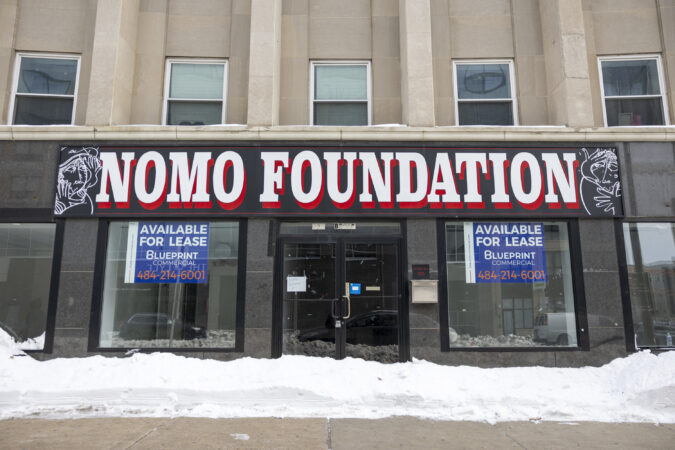
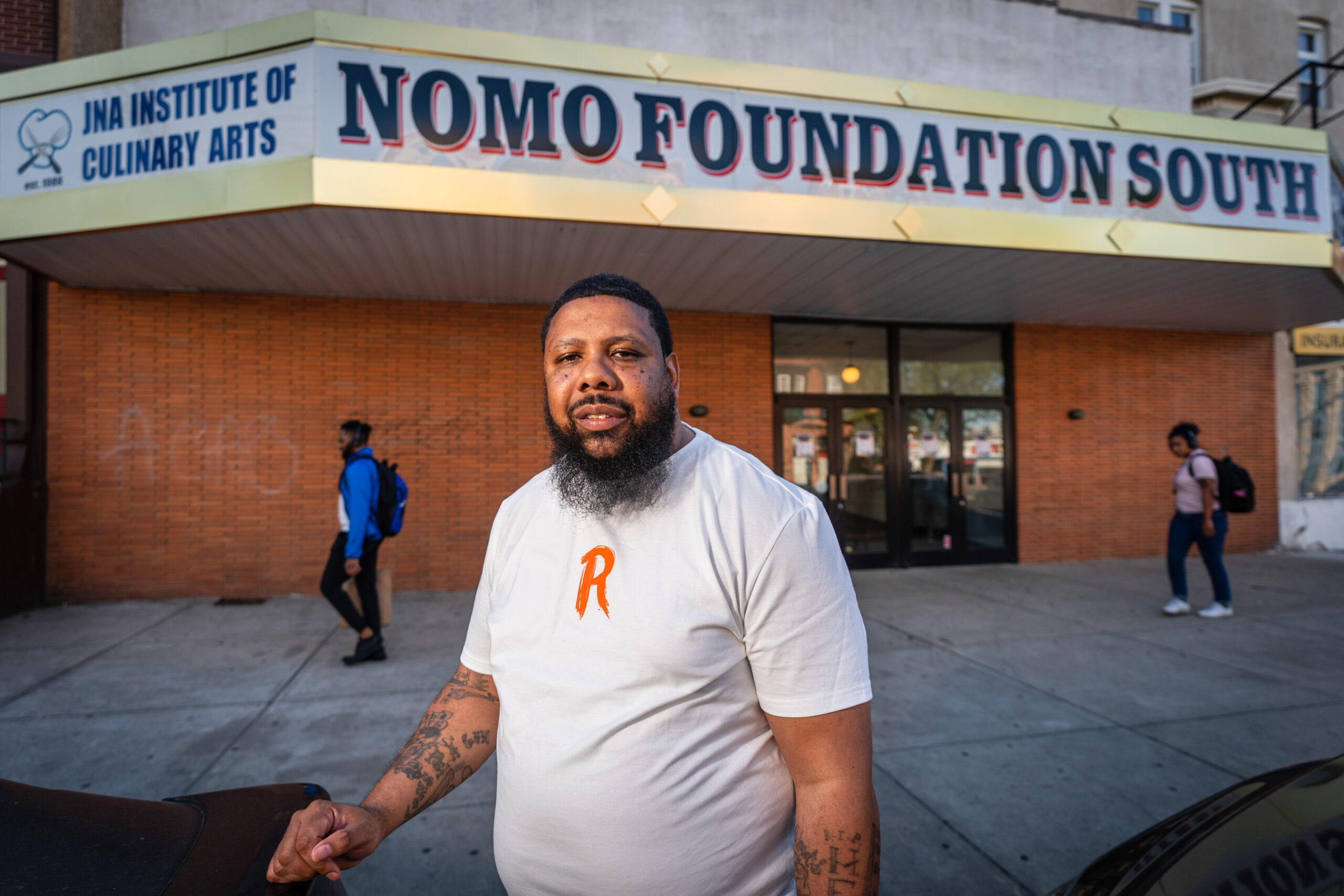
    Soon after the nonprofit New Options More Opportunities, known as NOMO, received a $1 million grant to combat gun violence in 2021, city grant managers raised red flags about the lack of financial records and controls, the recent investigation by Inquirer reporters Ryan W. Briggs and Samantha Melamed found.

    The story detailed a number of issues surrounding NOMO, including multiple eviction filings, an IRS tax lien, and five lawsuits regarding unpaid rent. But even as problems mounted, money from city, state, and federal sources continued to flow.

    In a lengthy statement to the Editorial Board, Rickey Duncan, NOMO’s executive director, denied any wrongdoing. He said that NOMO “faced difficulties” several years ago, but they have been addressed. He stressed that all the funds received by his organization had been properly spent.

    Rickey Duncan, the CEO and executive director of the nonprofit New Options More Opportunities, or NOMO, on South Broad Street, in 2023.

    Since 2020, NOMO has received roughly $6 million in city, state, and federal funds. Duncan’s salary has increased from $48,000 to $145,000. His profile grew, as well: In November 2023, Mayor-elect Cherelle L. Parker named Duncan, a former volunteer at NOMO before he began leading the group, to her transition team.

    According to The Inquirer investigation, NOMO was one of only two organizations in 2021 to get the maximum grant of $1 million, which was roughly triple its operating budget. The report found that a nonprofit the city contracted to manage the grant program raised immediate concerns that NOMO provided no balance sheet or audited financial statement.

    Over the years, NOMO expanded its gun violence prevention efforts to include youth after-school programs and a short-lived affordable housing initiative.

    At one point, NOMO leased an apartment complex near Drexel University’s campus at a cost of more than $500,000 a year. But it appears no one questioned how the housing plan fit with the organization’s core anti-violence mission, according to The Inquirer report.

    In fact, the city tried to give NOMO more money. Last year, the city wanted to award NOMO a $700,000 contract for homelessness prevention, but the organization couldn’t meet the conditions, so the funds were not disbursed.

    In January 2025, the city drew the line when Duncan tried to get reimbursed $9,000 for season tickets to the Sixers. He said the tickets were “an innovative tool for workforce development.”

    But a grant program manager responded: “Season tickets to the Sixers are not an acceptable programmatic expense.”

    From left, Rickey Duncan, Dawan Williams, and Rasheed Jones discuss a T-shirt design during a workshop on how to create clothing designs hosted at the NOMO Foundation in October 2021.

    The entire saga may underscore the need for stronger vetting and oversight of fledgling organizations that are well-intended but lack the practical experience to manage a program entrusted with hundreds of thousands of taxpayer dollars.

    Adam Geer, Philadelphia’s chief public safety director, stressed in an interview with the Editorial Board that the Parker administration has implemented stronger oversight and support systems that did not exist when the initial anti-violence grants began.

    He said those safeguards helped flag problems and put a stop to some of the spending that concerned city officials. Geer conceded there were “growing pains” when the anti-violence program launched, but he argued that nonprofits like NOMO played a key role in the steep drop in shootings in Philadelphia.

    Duncan defended his organization’s anti-violence track record.

    “There’s a reason why the city has continued to support the work NOMO is doing,” he wrote. “We are having a real, positive impact on people’s lives.”

    Indeed, gun violence prevention programs can work — but the organizations charged with putting them in place must have the proper screening, support, and oversight.

  • Harrisburg just can’t quit the sketchy tax revenue from skill games

    Harrisburg just can’t quit the sketchy tax revenue from skill games

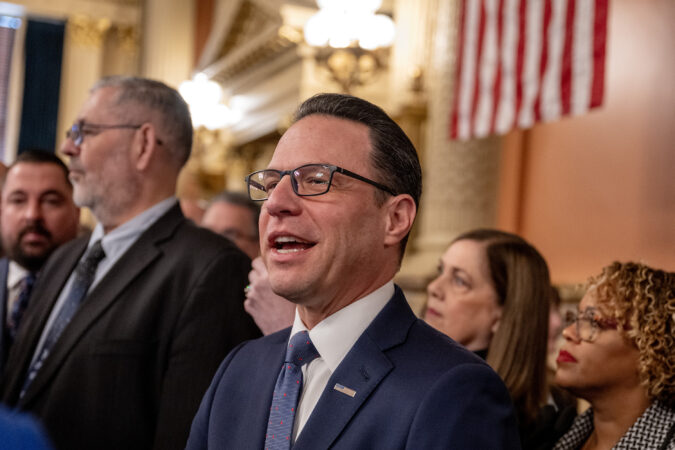
    When Josh Shapiro first ran for state attorney general in 2016, I asked him during a meeting with The Inquirer Editorial Board what he thought about the spread of legalized gambling in Pennsylvania.

    He gave a thoughtful and passionate response detailing the reasons why he hated gambling and thought it was bad public policy. It was music to my ears, which is why I still remember it nearly 10 years later.

    So it is sad to see now-Gov. Shapiro roll out another state budget that proposes taxing skill games. For two decades, lawmakers in Harrisburg have turned to new ways to boost gambling tax revenues.

    Funding the government with billions of dollars in gambling losses from individuals is beyond scuzzy. And of all the exploitative and predatory forms of gambling that exist, skill games are among the scuzziest.

    Shapiro said as much years ago, but Harrisburg is hooked on gambling. It is a problem Shapiro inherited, but now he’s helping to fuel more gambling. Last year, Shapiro signed a bill designed to grow the lottery, and an agreement that allowed online poker players in Pennsylvania to compete with those in other states.

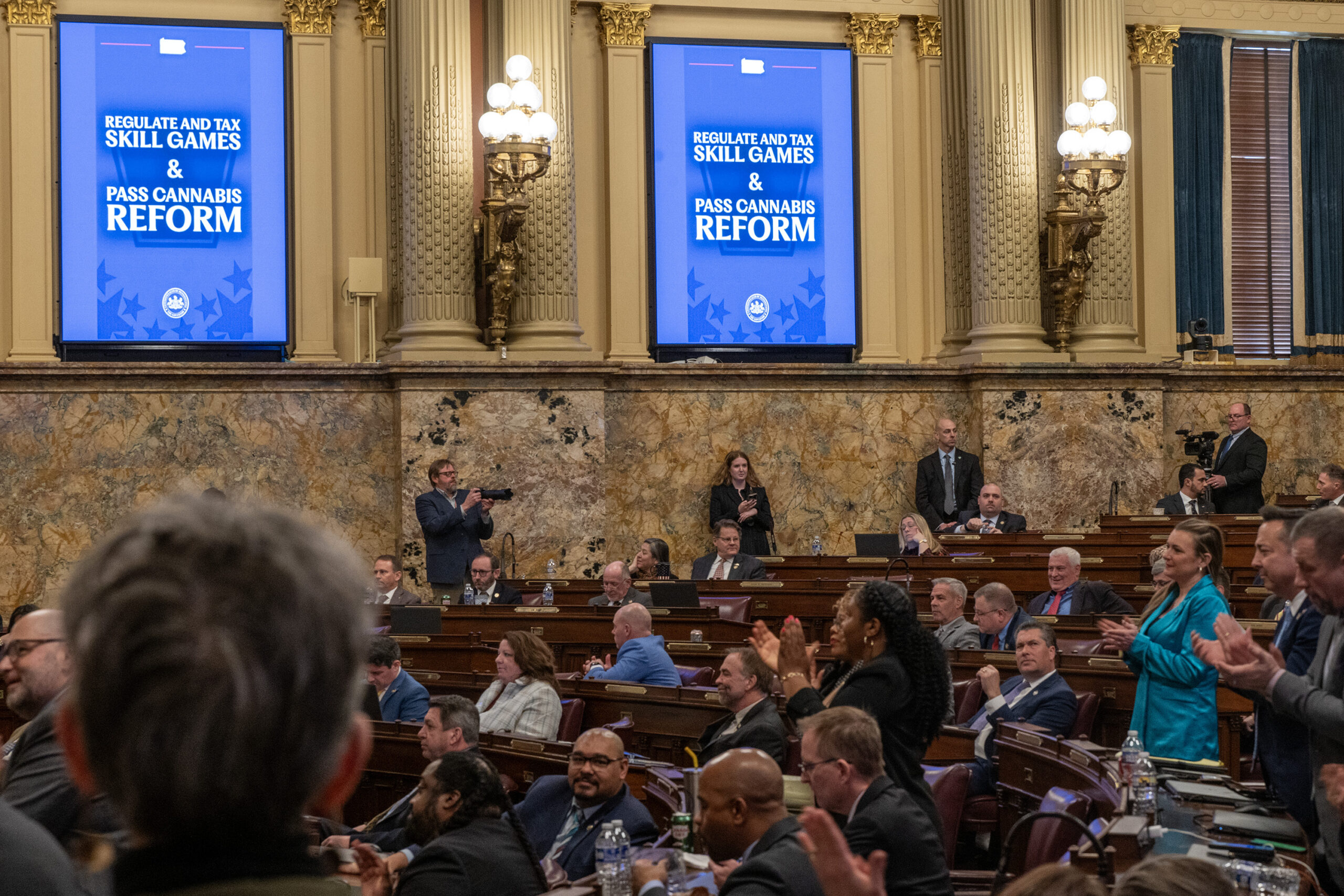
    Screen shows skill games and cannabis regulation and reform as Gov. Josh Shapiro makes his annual budget proposal in the state House chamber in Harrisburg Tuesday, Feb. 3, 2026.

    Here is why the gambling monster keeps growing: Gambling interests are among the biggest donors in Harrisburg and hold huge sway over lawmakers. Meanwhile, lawmakers reluctant to raise taxes find it easier to bleed more gamblers.

    The latest golden goose is skill games.

    Despite the name, there is not a lot of skill involved. The games are similar to slot machines, but only worse because of how they disproportionately target poor and working-class communities.

    Like slots, skill games can be addictive. The Pennsylvania Council on Compulsive Gambling has received more than 400 calls about skill games since 2021, including from many already enrolled in casino self-exclusion programs, according to Josh Ercole, the gambling council’s executive director.

    Skill games operate in a gray area. They are not taxed or regulated, but they have proliferated to nearly every corner of the state.

    Unregulated gaming devices known as “skill games” in a gas station connivence store in Philadelphia in August.

    There are more than 70,000 skill game machines in Pennsylvania. They can be found in bars, restaurants, gas stations, truck stops, VFW halls, and even at the end of a food aisle in a convenience store. By comparison, Pennsylvania has about 25,000 slot machines in 17 casinos.

    The tax rate on slot machine revenues is 54%. Shapiro proposed a 52% tax on skill game revenues, while Senate Republican leaders backed a plan to tax skill games at 35% of gross revenue.

    It is mind-boggling that Harrisburg is trying to tax and regulate skill games after allowing them to spread across the state. If lawmakers cared about protecting vulnerable communities, a better policy would be to ban skill games. That is what Kentucky did in 2023.

    But Harrisburg has long turned a blind eye to the unsavory aspects of gambling.

    Some of the initial slots licenses were awarded to politically connected operators who had never run casinos, including one man who had pleaded guilty to fraud and was later charged with lying about ties to mob figures. The charges were dropped.

    Meanwhile, skill games have been allowed to operate in the shadows, even as they attract crime that has led to killings and a recent police shooting. Philadelphia City Council banned skill games in 2024, but the court lifted the measure while it is on appeal.

    Pace-O-Matic, the leading developer of skill games, spends millions of dollars lobbying lawmakers in Harrisburg. The company’s former compliance director, who was also an ex-state police corporal, recently pleaded guilty to accepting hundreds of thousands of dollars in kickbacks in return for quashing complaints about illegal gaming machines.

    Despite the sleaze and legal trouble, Harrisburg remains addicted to gambling. Since 2004, the state has legalized more and more gambling, starting with slot machines, then adding table games in 2010, and online gambling, sports betting, and mini casinos in 2017.

    Pennsylvania rakes in more tax revenue from gambling than any other state in the country. In the last fiscal year, Harrisburg collected a record $6.4 billion from gambling.

    The state celebrates the record tax haul as if it were a public good. The sad reality is that people lost billions of dollars. State lawmakers helped make their constituents poorer.

    Casinos add little value to the local economy. In fact, they subtract dollars that could be spent on other goods and services.

    Las Vegas, at least, attracts tourists who spend money on other things. Most of the gambling losses in Pennsylvania come from locals. Few tourists plan getaways to the casino in Chester or King of Prussia.

    But here is the worst part: The business model for all forms of gambling largely depends on addiction. Casual players are not the target audience.

    Casinos actively try to lure customers back with incentives, from free meals to free play certificates. Slot machines, which generate the majority of profits for casinos, are designed to addict users, research professor Natasha Dow Schull found.

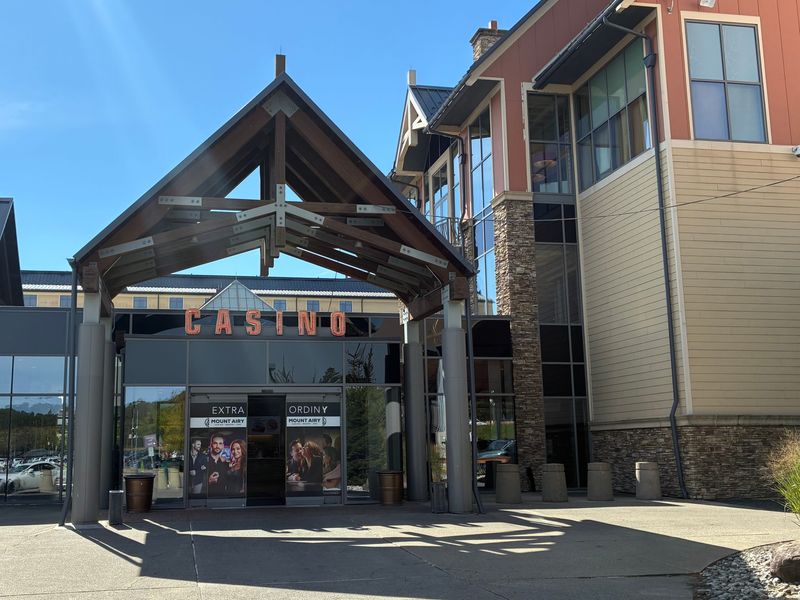
    A study in Massachusetts found 90% of casino revenues came from problem and at-risk gamblers. The industry argues addiction rates are low, but that is for the general population, not the customer base.

    An entrance at Mount Airy Casino Resort in Mount Pocono, Pa. One study found that 90% of casino revenues came from problem and at-risk gamblers.

    Years ago, an executive at the Parx Casino in Bensalem boasted that many of its customers visited more than 200 times a year — or five times a week.

    That is quaint compared with online gambling. Smartphones allow people to bet 24/7. Gambling sites are engineered with sophisticated and predatory techniques, including frequent notifications, designed to keep users betting.

    This has resulted in a surge of addicted gamblers, including many young people. The rise in sports betting has led to efforts to fix games, which has tarnished the integrity of sports.

    The Philadelphia region is the No. 1 market for online gambling companies, topping Las Vegas and New York. Since 2021, the number of calls about online gambling problems has increased 180% in Pennsylvania and 160% in New Jersey.

    Harrisburg lawmakers are too busy counting the tax revenues and campaign contributions to consider the lives destroyed by legalized gambling.

    Tragic stories abound.

    An executive who helped run a large Black fraternity headquartered in Philadelphia pleaded guilty in 2022 to charges after embezzling nearly $3 million to fuel his gambling addiction.

    That same year, a bookkeeper at the Delaware River Waterfront Corp. was sentenced to more than four years in prison for stealing more than $2.6 million to pay for her gambling addiction and trips.

    A former judge in Chester County pleaded guilty in 2021 to stealing thousands of dollars in campaign funds to fuel a “six-figure” gambling habit at area casinos.

    An attorney at a major Philadelphia firm who had a gambling problem was convicted in 2019 of stealing $100,000 from an 88-year-old client. A priest in Delaware County was sentenced to eight months in prison in 2018 after stealing $500,000 from a fund to care for aging priests that was used to cover gambling losses and pay for trips.

    Most stories don’t make the police blotter, as thousands of other gamblers struggle in silence. Studies show that gambling problems lead to increased bankruptcies, suicide, and divorce.

    The state Gaming Control Board website has a special section dedicated to the hundreds of people a year who leave their kids locked in cars or hotel rooms while they gamble for hours at a time. That is not entertainment; that is a problem.

    Has anyone in Harrisburg ever wondered if the tax dollars are worth the harm?

    Obviously, each person is responsible for their actions. But state lawmakers take an oath to protect the citizenry. Yet, they enabled the proliferation of gambling that has ruined many lives.

    The same goes for the online sites and casinos that actively market to keep people gambling.

    Just listing a toll-free number for people to call to get help is as disingenuous as the latest effort to tax predatory skill games.

  • WWII-era Philadelphia comes back to life in Count Basie tunes, Strawbridge’s, and South Philly block parties

    WWII-era Philadelphia comes back to life in Count Basie tunes, Strawbridge’s, and South Philly block parties

    When we first meet Bok High graduate Ozzie Phillips — one of three protagonists in Sadeqa Johnson’s latest novel, Keeper of Lost Children — a block party on South Philadelphia’s Ringgold Street is just winding down. In between the last dollops of creamy potato salad and sips of clear corn liquor, Ozzie’s friends and family wish the young serviceman a bon voyage.

    The year is 1948 and 18-year-old Ozzie is headed to Germany to join hundreds of thousands of military men occupying post-World War II Germany.

    He spends the last few weeks with his girlfriend, Rita, picnicking at the Lakes in FDR Park and walking through Center City department stores like Wanamaker’s and Strawbridge’s. One night the couple go to Ridge Avenue’s Pearl Theater to see Pearl Bailey perform.

    The next morning, Ozzie’s Uncle Millard picks him up in a Vagabond-blue Oldsmobile and the two cruise down Broad Street, Count Basie tunes playing on WHAT AM. Uncle Millard circles City Hall, depositing Ozzie at Reading Terminal Station, where he hops on a train to Trenton’s Fort Dix Army Base before embarking on a steam boat to Germany.

    It’s Ozzie’s time in Germany that fuels the plot of the sentimental historical novel.

    “It’s such a joy for me to write the Philly scenes,” Johnson said, during a recent video chat. The book publicist turned New York Times best-selling author was born in South Philadelphia, grew up in North, and graduated from George Washington Carver High School of Engineering and Science. Today, the married mom of three writes from her home in Virginia, right outside Richmond.

    “I left Philly when I went to Marymount Manhattan College in New York,” Johnson said. “But where you grow up is always in your DNA. Philly is in my soul. When I sit down and paint pictures of historical moments in Philadelphia, I get to go home.”

    Cover art for Sadeqa Johnson’s 2026 novel, “Keeper of Lost Children” One of the main characters, Ozzie Ozbourne grew up in 1940s South Philadelphia.

    Johnson has six books out in the world. She self-published her first, Love in a Carry-On Bag, in 2012.

    Her books center young Black women in old-school and modern times trying to do the best with what they got. But in most of her works — especially the captivating historical fiction novels through which she’s made a name for herself on BookTok, podcasts, and traditional bestseller lists — her heroines face overwhelming odds.

    Take the Yellow Wife’s Pheby Delores Brown. Set in antebellum Virginia, Brown’s story is based on the harrowing real-life experience of enslaved woman Mary Lumpkin, who is forced into a relationship with her enslaver for whom she bears five children.

    It was a 2022 finalist for the Hurston Wright Legacy Award. It was also named one of NPR’s Best Books of the Year in 2021.

    “I have this propensity to tell the story of young women 15, 16, 17, who are in a situation that feels insurmountable,” said Johnson, who, until 2023, taught creative writing in Drexel University’s master’s of fine arts program. “And I really love developing those stories that show how those young women get to the other side.”

    The House of Eve, a 2023 New York Times bestseller and a Reese Witherspoon Book Club of the Month pick centers 1950s North Philadelphia teen Ruby Pearsall who falls in love with a Jewish boy whose family runs a corner store. In the book, Ruby must choose between a free ride to Cheyney University and motherhood.

    “I love the research,” Johnson said. “I love learning interesting things about this city that I was brought up in.”

    In Keeper — released this month by 37 INK, a division of Simon & Schuster — Ethel Gathers, a journalist and wife of an Army officer, also stationed in post World War II Germany, is the central character. There, she chances upon a group of multiracial children who she learns are the offspring of Black servicemen and German women.

    Gathers, whose story is based on the life of journalist Mabel Grammer, adopts eight of the “Brown Babies” and starts an adoption agency, ultimately placing hundreds of the children with Black families in the United States. In the book, Grammer visits Philadelphia from her Washington home and books a room at the Divine Lorraine, the country’s first fully racially integrated hotel.

    “I stumbled upon Ms. Grammer while researching The House of Eve,” Johnson said. “And in that moment, I knew I wanted to tell that story.”

    Johnson breathes life into her fictional characters through extensive research, adding vivid details that take the readers back in time and thrust them into the rich tapestry of her story. Fans will often find connections to characters from previous books where they least expect it.

    Ozzie’s military time and South Philly swag is based on Johnson’s great-uncle, 94-year-old Edgar Murray, who, like Ozzie, grew up in South Philly and spent the latter part of the 1940s in Germany. (For the record, Johnson said, her uncle didn’t suffer with alcoholism like Ozzie does in the book.)

    It was Murray who suggested Ozzie live on Ringgold Street and take his date to the Pearl Theater.

    “I like the factual things she puts in there,” said Murray, who lives with family in Denver, Colo. “It makes it more interesting.”

    Philadelphia readers with an eye for history will enjoy seeing the city unfold through Ozzie’s eyes after his 1952 return.

    He leafs through The Philadelphia Inquirer, reading detailed accounts of white veterans securing “large mortgages and moving out to lofty suburbs” on the GI bill that he too applied for. He works a job at the Navy Yard, gets married at Tasker Baptist Church, and experiences a miracle at West Philly’s Mercy-Douglass Hospital.

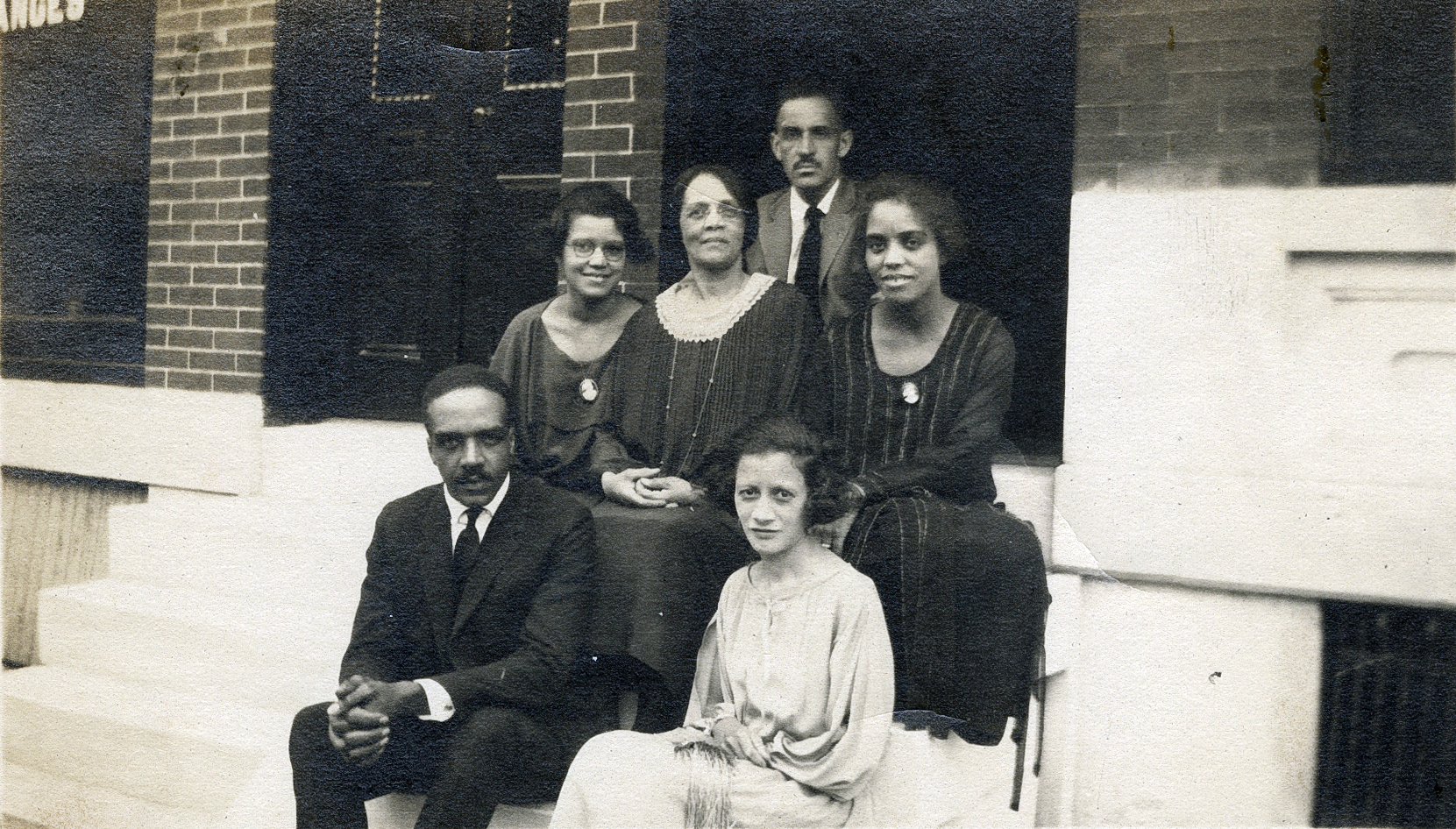
    Tanner family members gather on the front steps of the Tanner House, at 2908 W. Diamond St. in Philadelphia, in this photo taken circa 1920. They are: Bottom row (l-r) Aaron A. Mossell Jr., and his wife, Jeanette Gaines Mossell; Middle row (l-r): Sadie T. M. Alexander, her mother, Mary L. Tanner Mossell, and Sadie’s sister, Elizabeth Mossell Anderson. Top row: Page Anderson, Elizabeth Anderson’s husband.

    Halfway through Keepers, Ozzie attends a party thrown by elite Civil Rights husband-and-wife-team Raymond Pace Alexander and Sadie Tanner Mossell Alexander at their swanky home at 17th and Jefferson.

    Attorneys John Francis Williams and Lewis Tanner Moore Sr., cofounder of the Pyramid Club and whose son, art collector Lewis Tanner Moore Jr. died in 2024 — shoot the breeze about an NAACP fundraiser and Buddy Powell, a 1940s jazz musician who was so severely beaten by the Philadelphia railroad police that he ended up in an asylum.

    “In The House of Eve, I got to dig around in my mom’s memory for Ruby,” Johnson said. “This time around I got to dig around in my dad and Uncle Edgar’s head to get South Philly down. Let’s see what happens in the next book.”

    Sadeqa Johnson will give an author’s talk at the Philadelphia Ethical Society, 1906 Rittenhouse Square, Friday, Feb. 13, 6:30 p.m. to 7:30 p.m. Tickets are $35 and include a copy of “Keeper of Lost Children”

  • Clergy abuse survivors await justice | Morning Newsletter

    Clergy abuse survivors await justice | Morning Newsletter

    It’s Friday the 13th, Philly, but perhaps today’s sun means better luck is on the way.

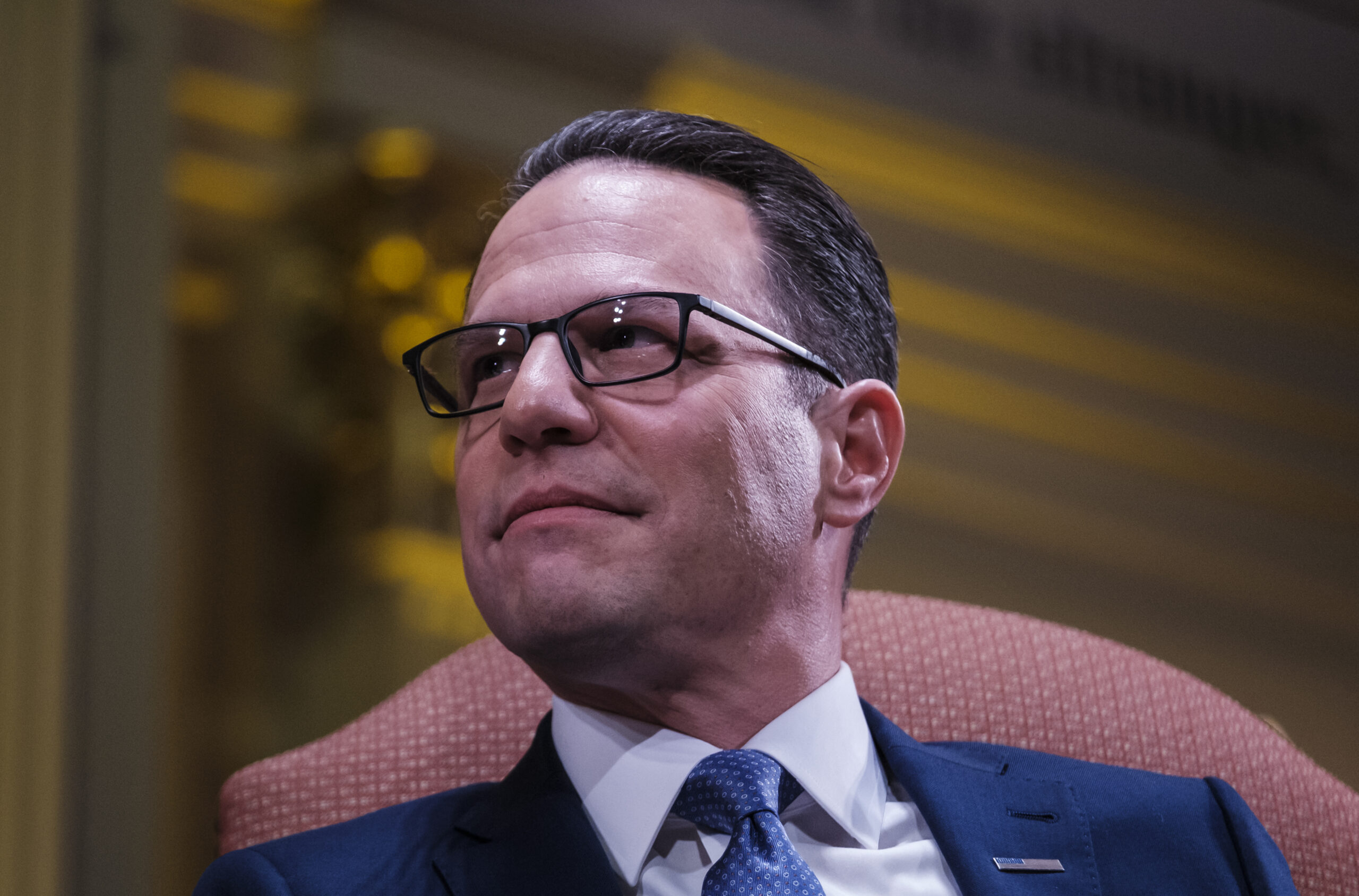
    Gov. Josh Shapiro’s clergy abuse investigation boosted his reputation in Pennsylvania and beyond. Years later, some survivors feel he abandoned them.

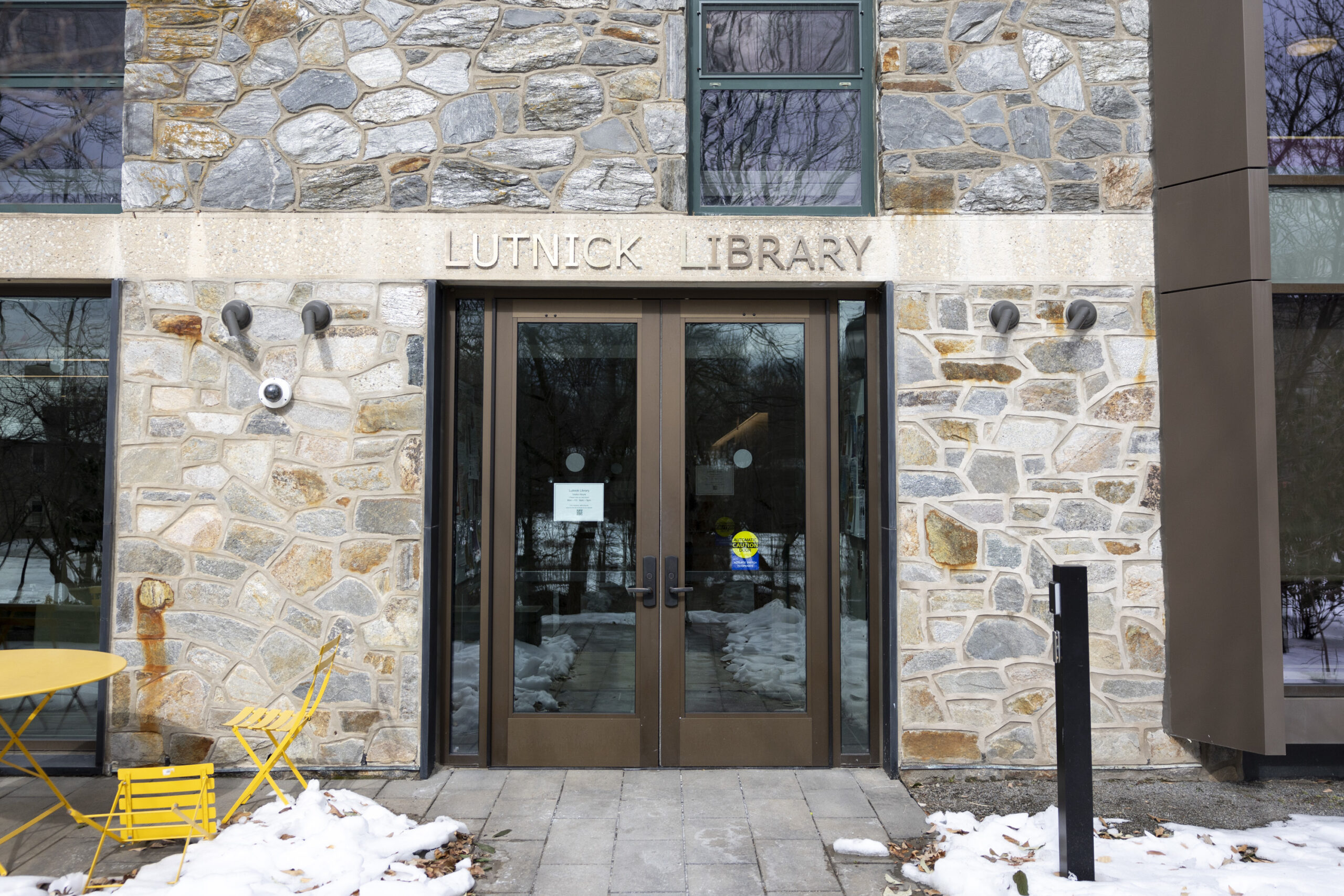
    And U.S. Commerce Secretary Howard Lutnick’s name is on the library at Haverford College. Will that change after his appearance in the Epstein files?

    — Julie Zeglen (morningnewsletter@inquirer.com)

    P.S. Yesterday’s newsletter included two broken links. Here are those stories again:

    If someone forwarded you this email, sign up for free here.

    ‘Now he’s forgotten’

    As Pennsylvania attorney general in 2018, now-Gov. Josh Shapiro oversaw the release of a bombshell grand jury report that revealed thousands of cases of abuse by priests across the state.

    The nearly 900-page report was lauded as the most comprehensive review of clergy abuse across a single state and prompted new laws clarifying penalties for failure to report and allowing survivors more time to pursue criminal or civil cases against their abusers.

    But a key step in delivering justice to those survivors — establishing a two-year window for the filing of lawsuits over decades-old abuse that falls outside the statute of limitations under existing law — remains unfinished.

    Nearly a dozen interviews with survivors, their family members, and advocates reveal a deep frustration with the inaction in Harrisburg. Some question whether Shapiro has done enough to use his power as governor to advocate for them.

    Could progress come this year? Politics reporter Katie Bernard investigates.

    More on Shapiro:

    A college’s ties in question

    Haverford College is grappling with its connection to Commerce Secretary Howard Lutnick after his appearance in the Epstein files.

    Lutnick is a 1983 graduate of the Main Line school and a mega-donor who also served as the former chairman of the university’s board. According to the files, he had contact with Jeffrey Epstein as recently as 2018, long after the financier pleaded guilty to obtaining a minor for prostitution.

    The commerce secretary maintains he had limited interactions with Epstein and has not been accused of wrongdoing. Since the Epstein documents were released, Lutnick has faced bipartisan calls to resign.

    In light of the documents, some students are asking the school to cut ties with Lutnick and to remove his name from the Haverford library building, to which he donated millions for upgrades. If school leadership pursues the renaming, the process could take years and would involve a review process with university stakeholders.

    Higher education reporter Susan Snyder has more.

    What you should know today

    Plus: Is Philly dumping snow in the Schuylkill?

    Welcome back to Curious Philly Friday. We’ll feature both new and timeless stories from our forum for readers to ask about the city’s quirks.

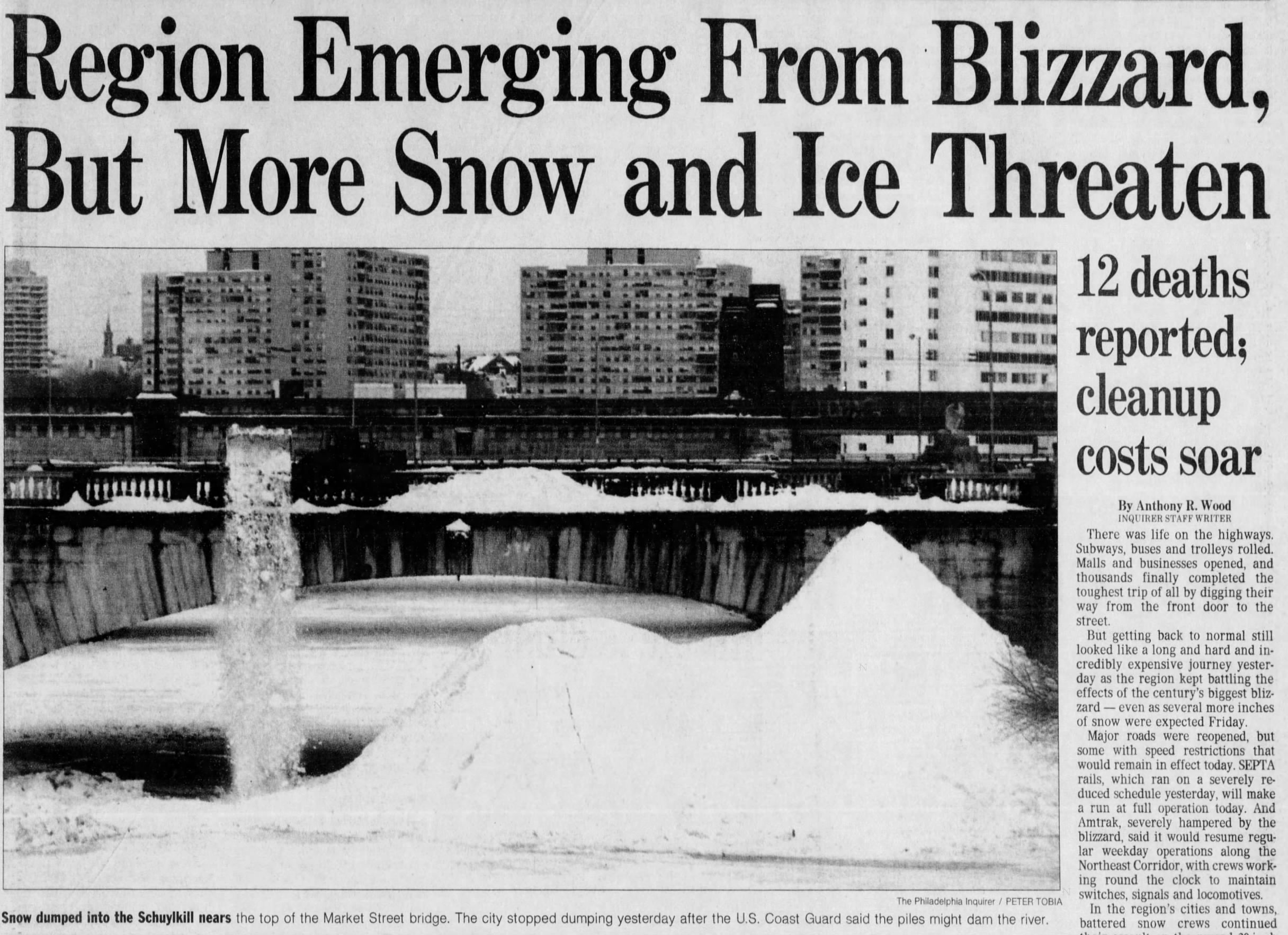
    This week, we have an explainer from reporter Nick Vadala on a possible solution for getting rid of all this icy slush still piled in mounds. Couldn’t the city just toss it in the Delaware River or the Schuylkill?

    While it’s been done in the past — including after the blizzard of ’96, when around 500 tons were dumped — the practice is now seen as an environmental hazard. Here’s the full story.

    Have your own burning question about Philadelphia, its local oddities, or how the region works? Submit it here and you might find the answer featured in this space.

    🧠 Trivia time

    Just two blocks from Independence Hall, Carpenters Hall is where Pennsylvania declared its independence from Britain in June 1776. To celebrate America’s 250th birthday, what will be installed outside of Carpenters Hall in June?

    A) A bronze Benjamin Franklin statue

    B) A historical marker

    C) A time capsule

    D) An outdoor stage

    Think you got it? Test your local news know-how and check your answer in our weekly quiz.

    What we’re …

    🏈 Remembering: When the inaugural NFL draft was held at the Ritz-Carlton Hotel.

    Looking back on: The newly released Nick Castellanos’ most memorable Phillies moments.

    📖 Reading: About World War II-era Philadelphia in Sadeqa Johnson’s latest book.

    🥃 Not sure about: $100 for a single shot.

    🗳️ Considering: How the SAVE Act would change how Americans vote.

    🧩 Unscramble the anagram

    Hint: _ Township in Montgomery County

    MILK RICE

    Email us if you know the answer. We’ll select a reader at random to shout out here.

    Cheers to Luke Coulter, who solved Thursday’s anagram: P.J. Whelihan’s. The Haddon Township restaurant chain is officially moving into Newtown’s shuttered Iron Hill Brewery.

    In other business news: West Chester-based home shopping company QVC may file for bankruptcy. Saks Fifth Avenue will be closing its Bala Cynwyd location. The operator of Eddie Bauer filed for bankruptcy and is liquidating its stores in New Jersey and beyond. And 17 months after Taylor Chip came to Philadelphia with cookies, ice cream, and hype, it’s gone, with bankruptcy on the way.

    Photo of the day

    Students walk out of Motivation High School in protest on Monday, as their school in Southwest Philadelphia is one of 20 that have been tagged for closure.

    🎒 One last motivated thing: Students staged a walkout this week over plans to close Southwest Philadelphia magnet school Motivation High. They have the backing of Pennsylvania House Speaker Joanna McClinton.

    Thanks for ending your week with The Inquirer. Paola has you covered this weekend. ’Til we meet again in your inbox, be well.

    By submitting your written, visual, and/or audio contributions, you agree to The Inquirer’s Terms of Use, including the grant of rights in Section 10.

  • Inaugural NFL draft was held at the Ritz-Carlton Hotel on this week in Philly history

    Inaugural NFL draft was held at the Ritz-Carlton Hotel on this week in Philly history

    More than 20 men crowded into a hotel room at the Ritz-Carlton on South Broad Street in the winter of 1936.

    They faced a blackboard listing 90 names of college football players from around the country.

    They took seats on the bed and on the bureau and passed around bottles as they kicked off the first draft in NFL history.

    Philly’s other famous Bell

    Bert Bell pulled the defunct Frankford Yellow Jackets out of bankruptcy, and started a new NFL franchise in Philadelphia in 1933.

    His wife, actress Frances Upton Bell, paid her husband’s share of $2,500 (more than $60,000 in today’s money) to seal the deal.

    Bell spotted a billboard for Franklin D. Roosevelt’s New Deal, which included the insignia of a bald eagle, and decided this new team should be called the Philadelphia Eagles.

    The NFL back then was a nine-team league. And for players it was a free market. The best and brightest could join whichever team they saw fit.

    Teams in Green Bay, Chicago, New York, and Washington were the winningest franchises, so that’s where the best players usually signed.

    The Eagles were the worst. And in 1935, Bell tried to sign Stan Kostka, a 6-foot-2 fullback from the University of Minnesota. After failing to close the deal, he decided there had to be another way.

    Bell came up with an idea whereby each team had a fair shot at the top players. His solution was a draft, in which teams would select from a pool of new players entering the league.

    And the key idea: The order of player selection would be in reverse order of the previous year’s standings. So the worst-performing franchise would pick first, and the league champions would pick last.

    They called it “the selection of players.” And the first iteration would be held during the owners’ meetings, Feb. 8 and 9, 1936.

    It made sense to hold the event in Philadelphia. It was a midway point among the nine cities, and Bell’s father owned the hotel.

    On the clock

    The Eagles held the first-ever pick in the NFL draft.

    They selected Jay Berwanger, Heisman Trophy-winning halfback from the University of Chicago. But his salary demands were high, reported at $1,000 per game. (That would be $25,000 per game today.)

    So immediately the team traded him to the Bears for veteran tackle Art Buss.

    Berwanger, unimpressed with the Bears’ contract offer, took a job with a rubber company instead.

    He never played a minute in an NFL game.

    In that hotel room, the nine owners drafted 81 players over nine rounds, kicking off what would become an industry unto itself and the league’s third marquee event, behind the NFL’s opening weekend and the Super Bowl.