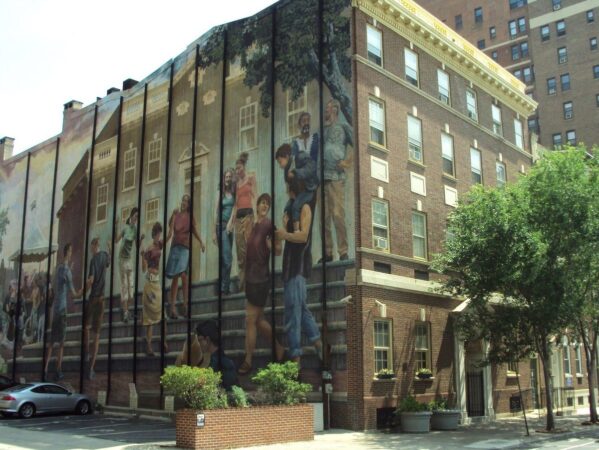
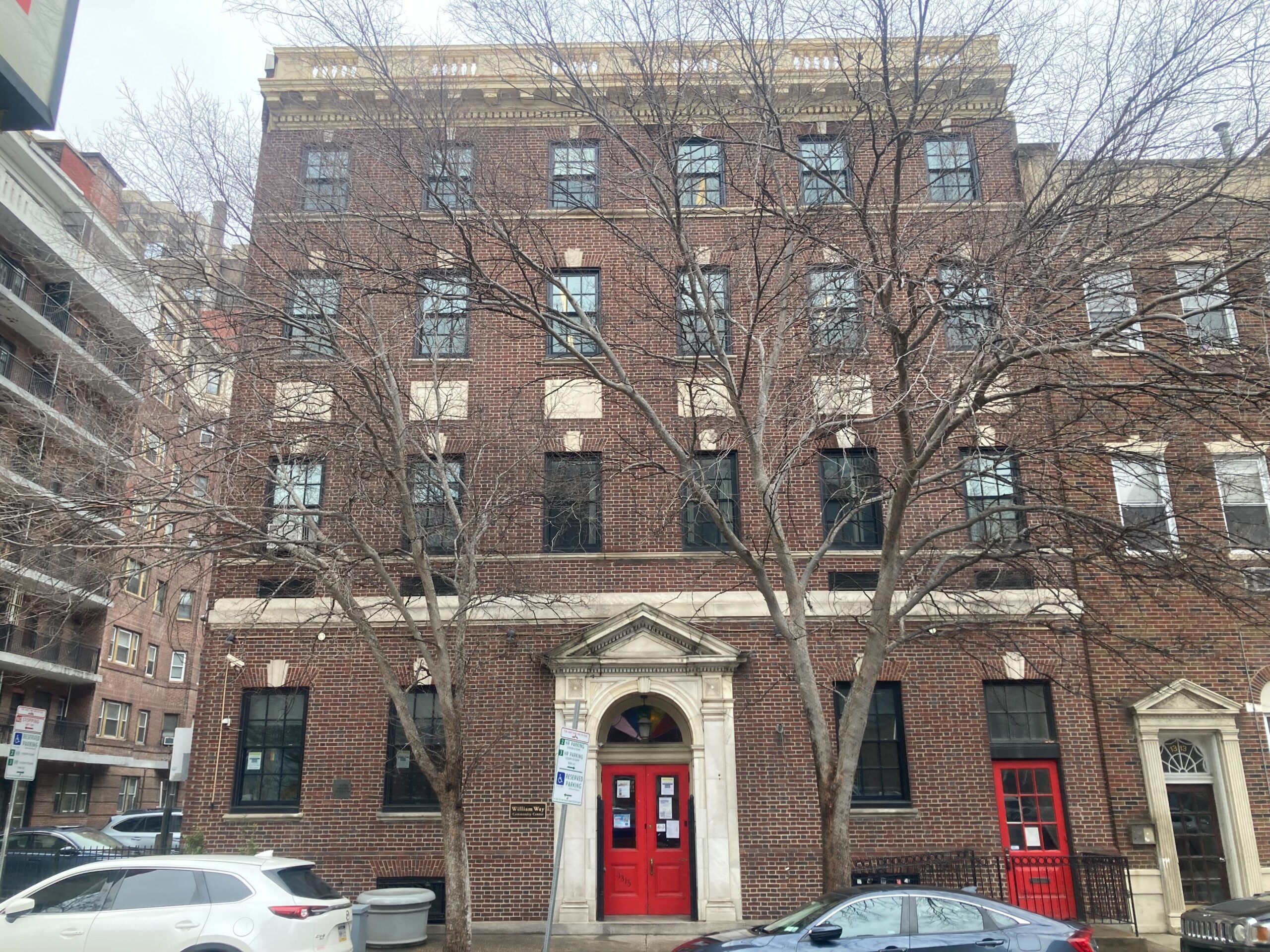
The first time people openly referred to the pocket of Center City between Jefferson University and Broad Street as the “Gayborhood” was 1995. Within a year, the William Way LGBT Community Center made it official by purchasing a stately, Georgian-style clubhouse at Juniper and Spruce. The building has been a refuge for Philadelphia’s LGBTQ+ community ever since.
Sadly, that groundbreaking haven is now closed. It was shuttered in December to address maintenance issues, including an outbreak of black mold. At the time, the board said it was gearing up for a major renovation and would temporarily relocate its core services to St. Luke’s church on 13th Street.
Just three months later, William Way’s board abruptly changed course and revealed the center would be demolished to build subsidized housing aimed at LGBTQ+ seniors.
The announcement came not from William Way’s board, but from Mark Segal, a longtime activist who founded the Philadelphia Gay News and oversees a nonprofit that has built affordable housing, the dmhFUND. The timing was noteworthy: The plan was made public a few days after a Common Pleas Court judge overturned the neighborhood’s historic district protections.
Segal’s announcement stunned William Way regulars, including many former board members. Sure, COVID-19 had scrambled the organization’s finances, as it did for many Philadelphia nonprofits. Revenue and donor gifts fell precipitously. The center laid off nearly a third of its staff in 2024, and its longtime director, Chris Bartlett, retired soon after.
The building was known to be in poor condition. But total demolition? Nothing suggested that the building was unsalvageable, including a major facilities assessment by Metcalfe Architecture & Design in late 2024.
While there is no doubt that the building requires extensive renovations, demolition is the wrong solution. It would rob all of Philadelphia — not just its LGBTQ+ community — of a major cultural touchstone.
A civil rights landmark
Although the William Way center has called 1315 Spruce St. home for only three decades, its presence has transformed the 19th-century building — originally a private club for engineers — into a civil rights landmark.
This is where Philadelphia’s LGBTQ+ community fought to address the AIDS crisis, advance marriage equality, and be accepted into the mainstream of American life. It’s where they attended cabarets in the elegant ballroom and art exhibits in the wood-trimmed parlor. The building’s visibility makes it the architectural equivalent of being out.
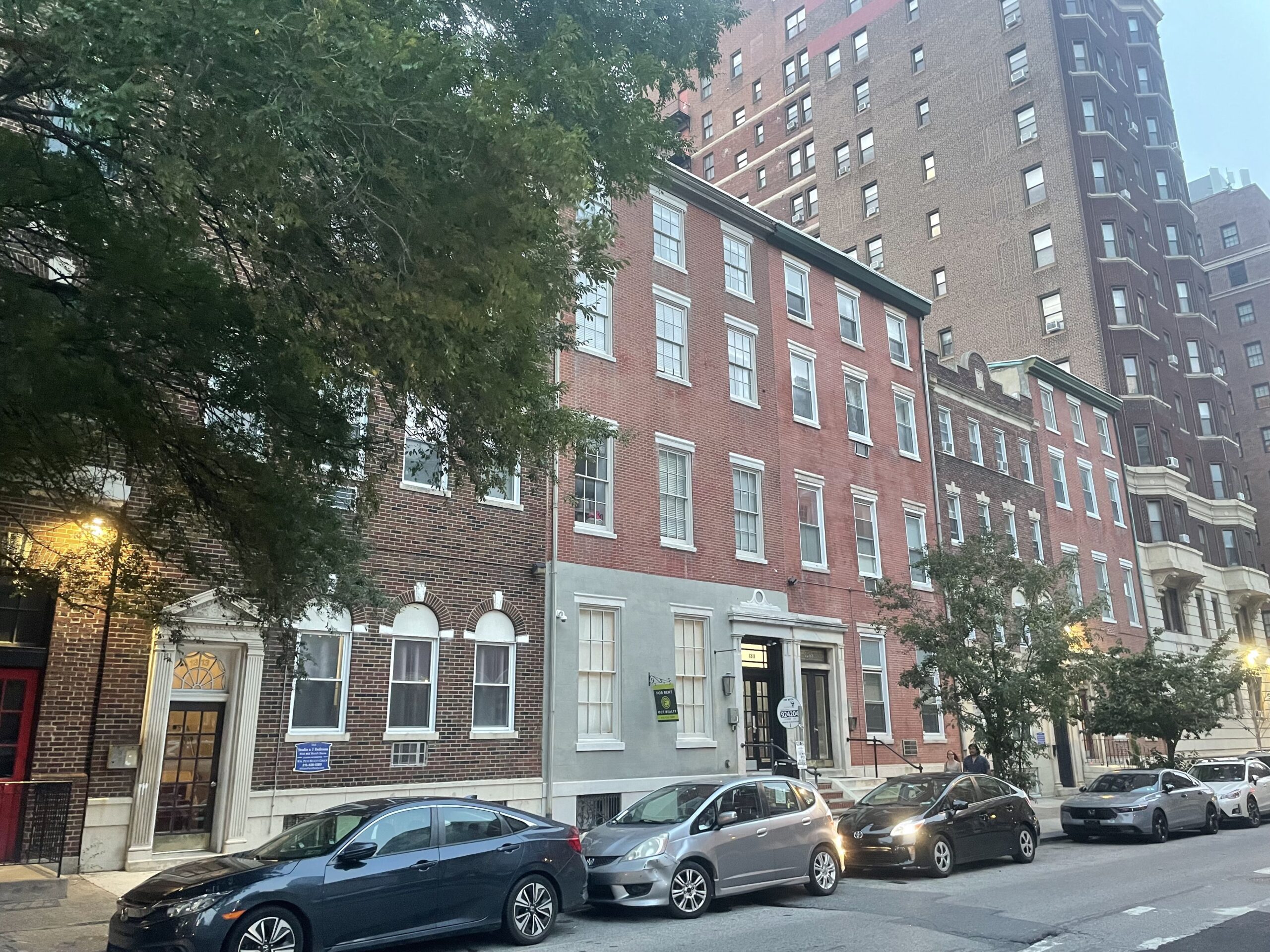
Beyond losing a place with profound cultural resonance, the demolition would break up the historic 1300 block of Spruce Street, a stretch that is still remarkably intact despite the presence of two unsightly parking lots at the Juniper Street corners.
Although the block’s large townhouses, which were built for lawyers and doctors in the 1840s, have been divided into apartments, the row retains most of its original architectural features and reads as a single ensemble. The William Way building, which was created in 1929 by fusing two townhouses behind a single facade, was designed to blend in with its neighbors.
No one would consider demolishing other community anchors, such as Christ Church in Old City, Mother Bethel A.M.E. Church in Center City, Rodeph Shalom synagogue in Spring Garden. So why is this one being written off so casually?
I couldn’t get any of William Way’s board members or employees to answer that question. A communications consultant did provide written responses to several queries, but eventually directed me to Segal.
He told me that the financially strapped nonprofit had reached out to him because of his development experience, as well as his long association with the center. The second-floor ballroom is named in his honor.
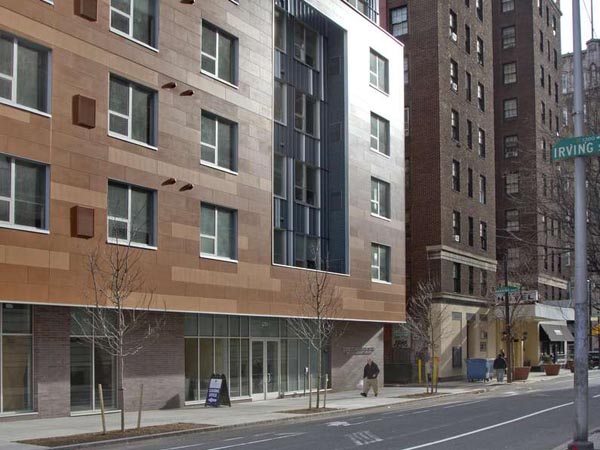
Segal was also the guiding force behind the John C. Anderson Apartments on 13th Street, the first subsidized housing in the United States marketed to low-income LGBTQ+ seniors. After the building opened to raves in 2014, Segal began searching for another Gayborhood site for a second affordable project. But land prices in the desirable Washington Square West neighborhood were just too high.
A new plan for William Way
William Way’s troubles provided a solution.
Segal told the board he could replace its 180-year-old clubhouse with a mid-rise building that would include both subsidized apartments and a new home for William Way. The board chairs, Dave Huting and Laura Ryan, readily accepted the deal and signed a letter of intent with the dmhFUND earlier this year. In exchange for providing the land, William Way would be given a condo space large enough to accommodate its programs for a dollar.
Completing that project won’t be easy, however. To raise money for the apartments, Segal and the dmhFUND will have to cobble together a mix of federal, state, city, and private grants. Most affordable housing projects rely heavily on Low Income Housing Tax Credits from Washington, and there is stiff competition for those funds. Any new construction on the site would also require Philadelphia Historical Commission approval, even though the historic district is currently in limbo.
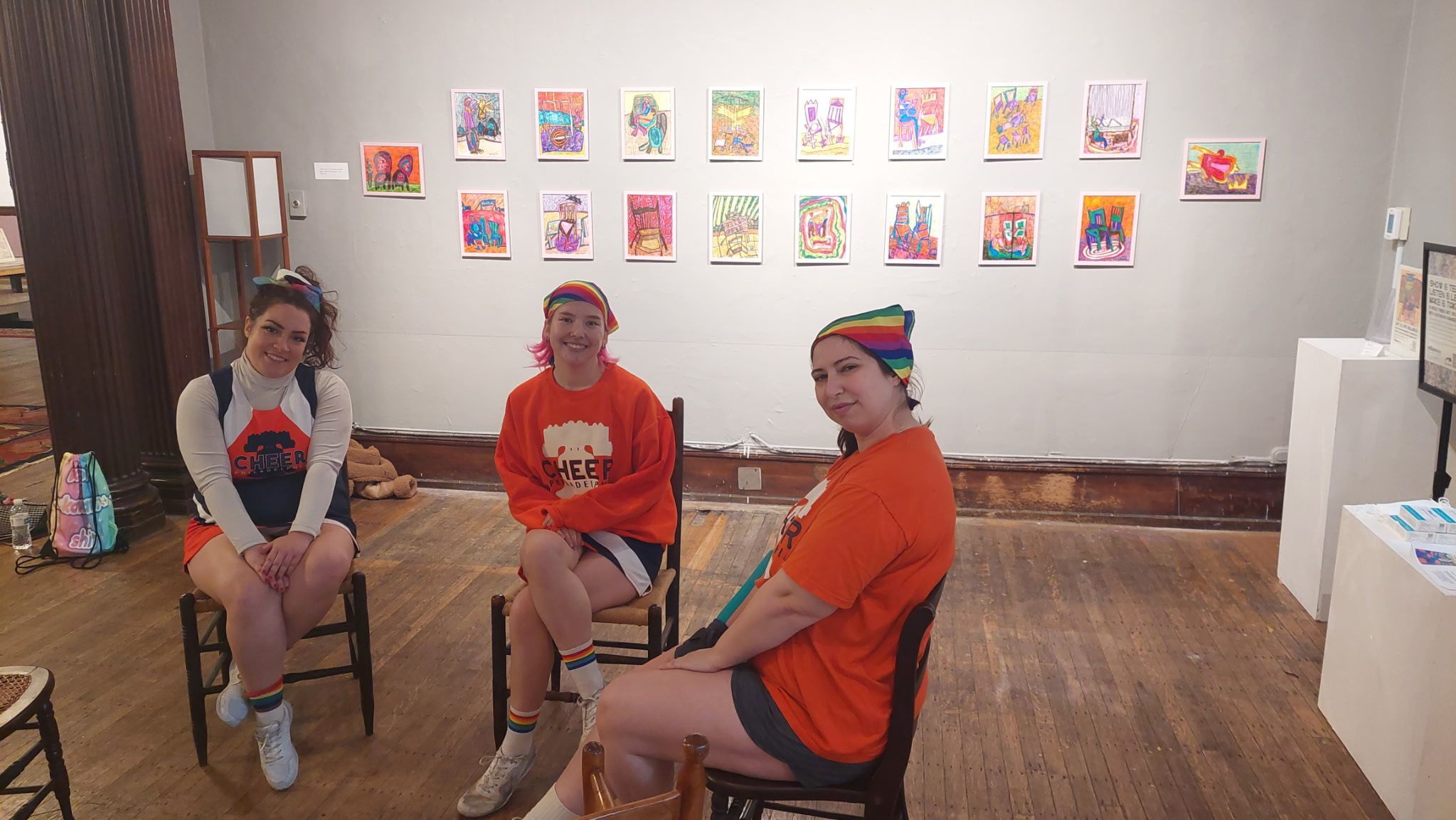
Because of those hurdles, Segal told me, it could take five to seven years to complete the apartments. During that time, William Way would be without a permanent home. And once it moves back to Spruce Street, it’s unlikely the new space will have the same level of visibility as the existing building.
Segal says he is undaunted by the challenge. “People told me John C. Anderson was impossible,” he said. “People told me all the things I’ve fought for were impossible.”
Despite the Metcalfe report’s conclusions and a more upbeat assessment from J&M Preservation Studio, Segal maintains that the building is too far gone to be saved at a reasonable price. In his view, William Way must now choose between saving itself or saving the building.
Alternatives to demo?
It’s hard to believe the situation is that binary. Several people who have been involved in the center’s programs told me that the decision to go with Segal’s plan was made by a small circle of board members, without consulting the larger William Way community and its longtime donors.
Demolition “wasn’t even mentioned” as an option at the organization’s 50th anniversary gala celebrations in February, held just a week before the arrangement with Segal became public, noted Paul Steinke, executive director of the Preservation Alliance for Greater Philadelphia and a former William Way board member.
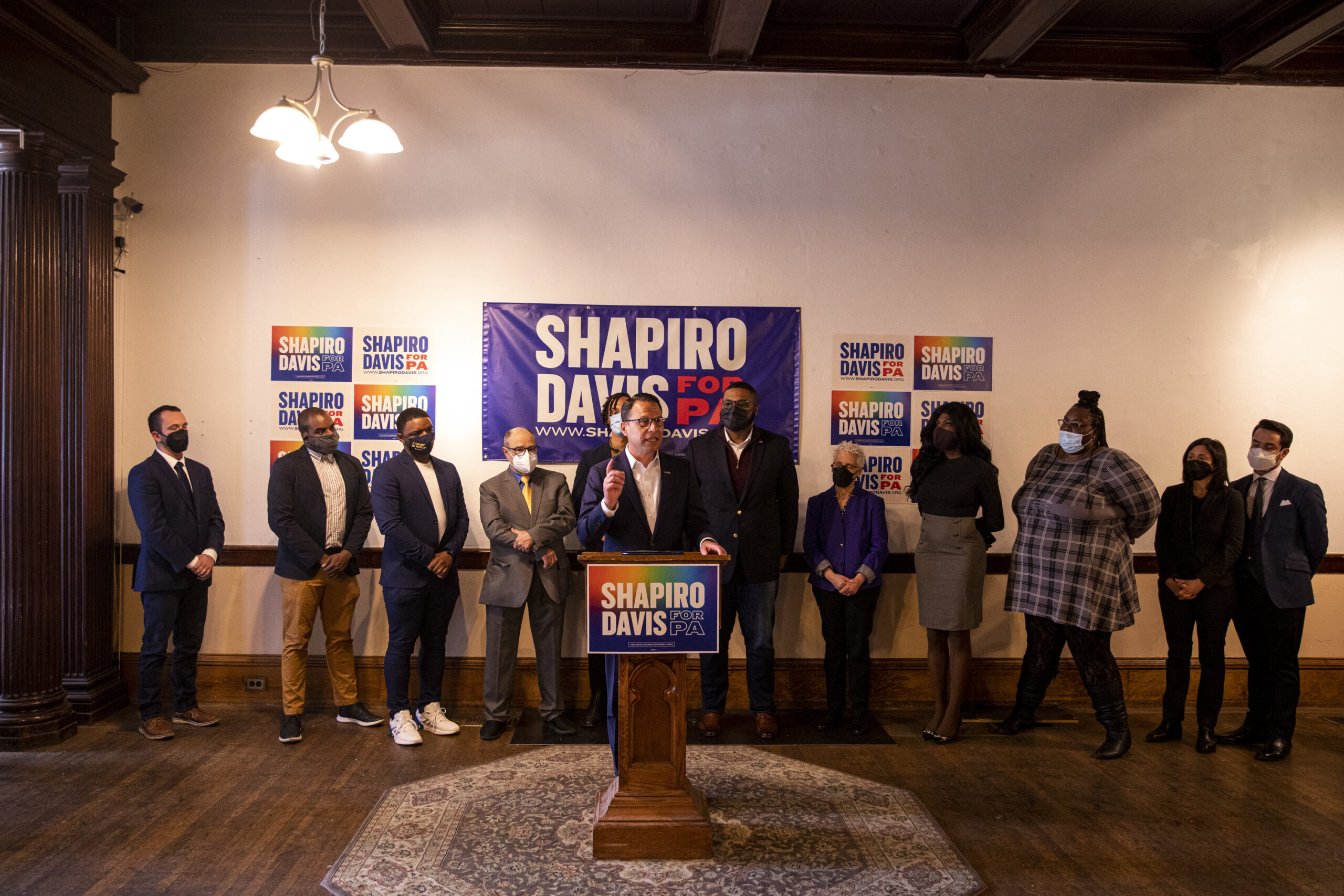
In a guest essay published last month in the Philadelphia Gay News, Steinke and a group of activists urged the board to hold a community meeting where the issues could be aired and debated. Segal has responded by forming an advisory board composed of a handpicked group of William Way staff, activists, elected officials, and neighborhood residents.
Before COVID interfered, the board had been working on a design to reconfigure the building to address longstanding circulation issues. The plan called for slicing off the back of the structure and inserting a small tower with space for offices or apartments. The arrangement would have preserved the facade and the two most important ceremonial rooms, the ballroom and the large lobby area.
Why not use that idea to create affordable housing?
Segal argues that it would be difficult to insert two separate entrances — one for the William Way center, the other for the apartments. But there are plenty of narrow rowhouses in Philadelphia that have separate entrances serving apartments. I know it’s heresy in progressive circles to say this, but how about partnering with a market-rate developer who could finish the overbuild in less than five years?
An even faster option? Renovate the existing building. It can be done in stages so the center could move back sooner.
Building affordable housing in Center City, close to transit, is a noble goal, and Segal deserves praise for making it a priority. But there is something seriously wrong when we demolish a building rich in Philadelphia history, while leaving the surface parking lots that flank it in place.
Since COVID, Philadelphia has lost a series of legacy cultural institutions that shaped the city’s identity. The Painted Bride. The Atwater Kent history museum. And, most painful of all, the University of the Arts.
William Way worked too hard for visibility to now be erased.
Leave a Reply