Tag: UniversalPremium

  • Orion Kerkering has faced his NLDS error head-on, and with a little humor: ‘I’m not going to let it define me’

    Orion Kerkering has faced his NLDS error head-on, and with a little humor: ‘I’m not going to let it define me’

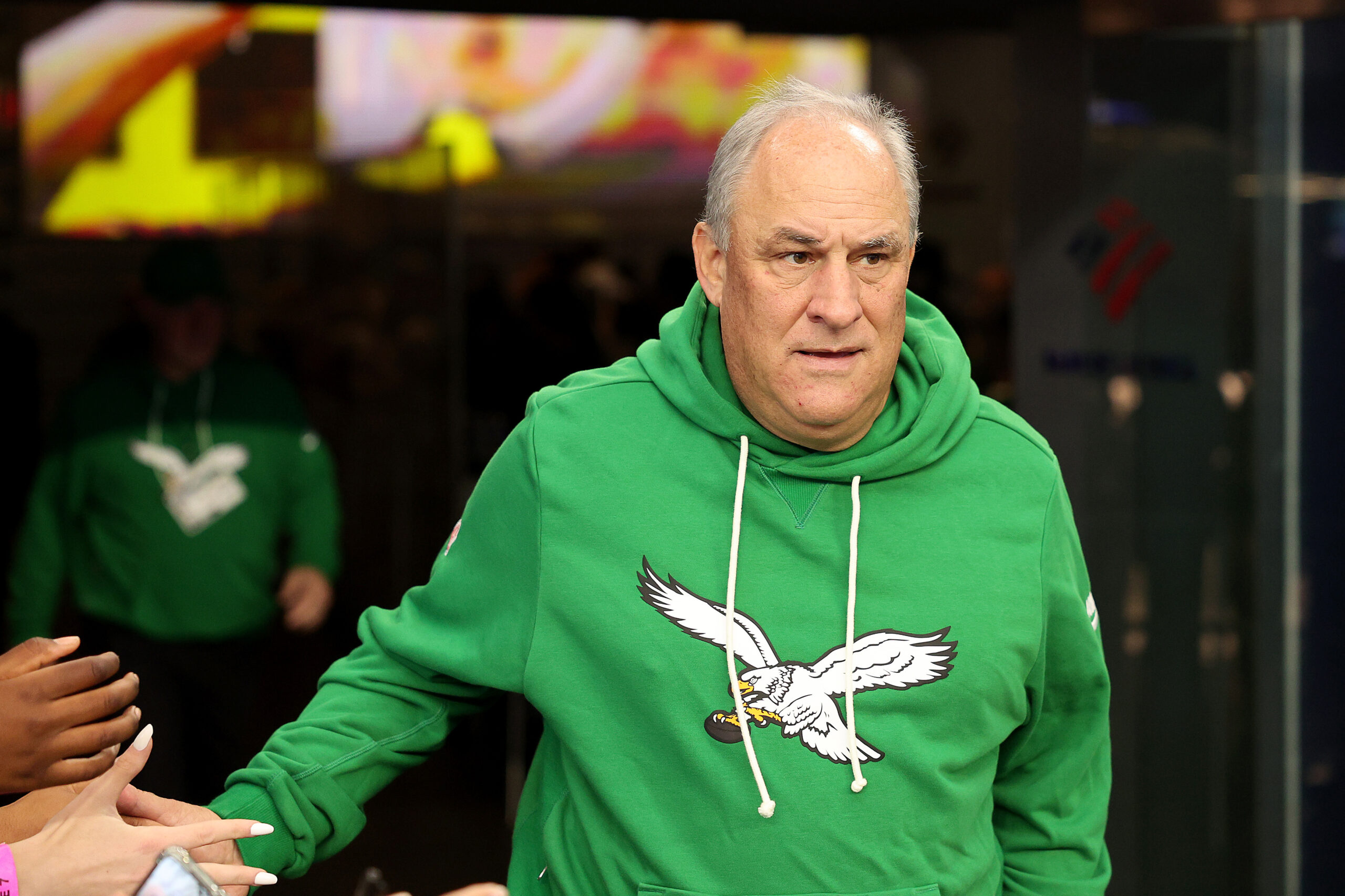
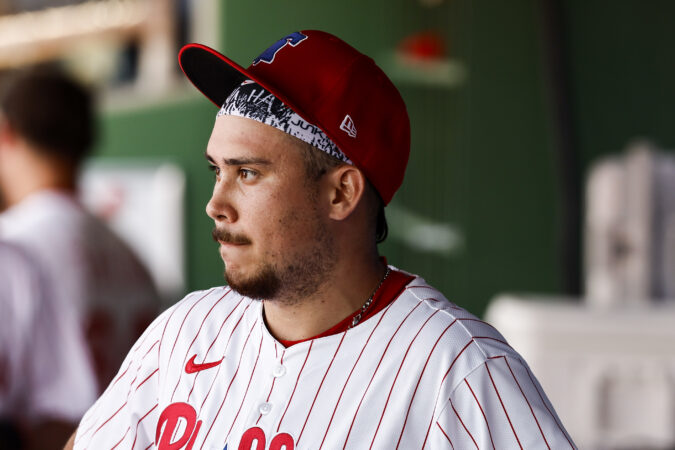
    Orion Kerkering and J.T. Realmuto were talking the other day after working out at the Phillies’ spring-training complex.

    “You know,” Kerkering said, “technically it wasn’t my fault.”

    He tried to keep a straight face.

    “Your hands were up … so, I’m going to throw it home.”

    Kerkering smiled. They had a good laugh.

    And the healing continued.

    How do you live down a mistake that will stick with you for, well, probably forever? Laughing at yourself isn’t a bad place to start, at least after all the initial feelings and impulses — anger, disappointment, self-flagellation — washed over you.

    When Phillies pitchers and catchers hold their first official workout Wednesday in Clearwater, Fla., it will have been 125 days since Kerkering bobbled a comebacker at his feet, tried to get an out at home instead of at first base, and lobbed it over Realmuto’s outstretched mitt, ending the Phillies’ season in the 11th inning of the fourth game of the division series.

    It wasn’t the reason they lost to the Dodgers. It probably wasn’t even among the top 10 reasons. But it was only the second time ever that a playoff series ended on an error, and in the age of social media, clips of Kerkering’s blunder were everywhere.
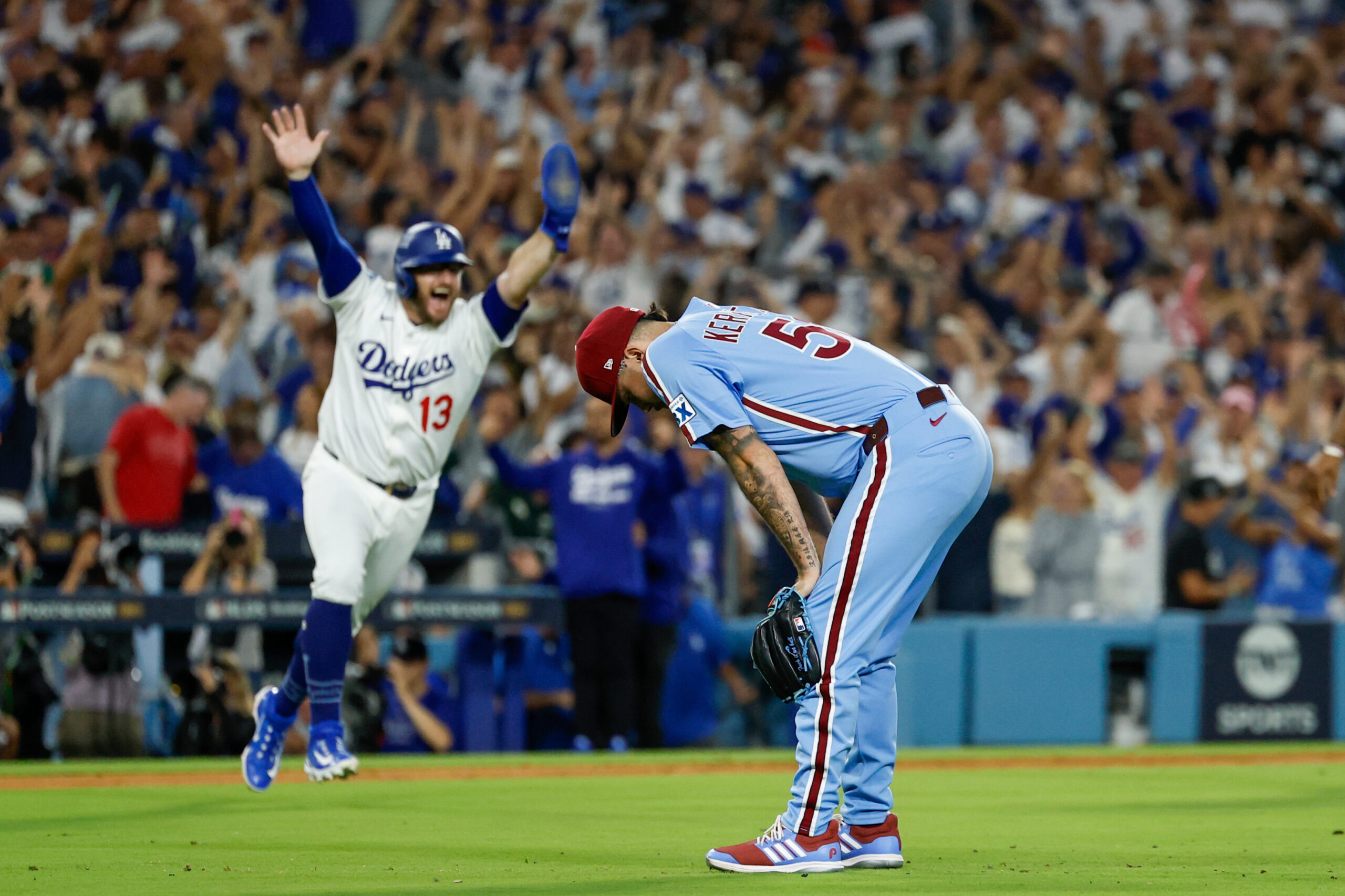
    Orion Kerkering’s errant throw to home plate ended the Phillies’ playoff run in Game 4 of the divisional round last season.

    “No matter what you do, whether it’s the internet, just basic browsing — even looking up a recipe or something — it’s going to be there. It’s like the first thing,” Kerkering said this week on The Inquirer’s Phillies Extra podcast. “It’s going to always be brought up. You can’t get around it. It’s always going to be stuck there.

    “But I don’t want it to like define who I am as a ballplayer in the future.”

    It shouldn’t define Kerkering, who has already made 136 appearances in the majors despite not turning 25 until April. But relievers, like football kickers, tend to be remembered for their missteps. Ask Mitch Williams. Brad Lidge, too.

    Kerkering faced his head-on. After the game, he stood before a wall of cameras and, with red and swollen eyes, broke down what happened. Then, rather than jetting off to an island in the middle of the ocean to get a respite from seeing his errant throw over and over, he stayed in South Jersey until the week before Thanksgiving.

    “I thought it was just important to kind of embrace what happened a little bit and just try to be in the area and not run away from your problems,” Kerkering said. “Just trying to understand why everything happened and try to digest everything in that moment.”

    Kerkering didn’t know how people who recognized him in Wawa or at the gym would react. He found it to be quite the opposite of Williams, who received death threats after the Joe Carter homer in 1993, and recently deposed Eagles offensive coordinator Kevin Patullo, whose South Jersey house was egged in the midst of a December losing streak.

    “It was just like, ‘Hey, you’re all good; we believe in you,’ and stuff like that,” Kerkering said. “What kind of took me off-guard is how many people, they know you messed up, they know you can do better next time, but how kind of supportive they are.”

    Support came from other sources. Dave Dombrowski said the Phillies would offer the pitcher “whatever assistance he needs,” and Kerkering said the team’s mental health staff checked in on him. He heard from friends and former teammates and coaches.

    At first, Kerkering avoided looking at his phone. But his dad, a sniper for 20 years in the Marines before becoming the emergency manager for the police department in Sarasota, Fla., has a saying that resonated.

    “You’ve got to rip the Band-Aid off,’” Kerkering said. “It’s going to hurt, obviously. But the slower you do it, the more it’s going to be painful.”

    After a week, Kerkering rewatched the play. He realizes now that he had more time than he thought after bobbling the ball and should’ve taken the easier out at first base. He has been told that he tends to rush things on the mound. It’s a flaw. It’s also correctable.

    Lidge reached out, too, almost immediately. Although he and Kerkering hadn’t previously met, Lidge could relate. Three years before throwing the clinching pitch of the 2008 World Series for the Phillies, while with the Astros he gave up a crushing playoff homer to Albert Pujols. In 2009, he blew a save in the World Series against the Yankees.

    “We had a good conversation, just kind of him explaining his experiences,” Kerkering said. “Everyone takes their time of getting over that hump. Some days are good, some days are bad. It’s how you get over that hump, even just in regular day-to-day life where it’s like, ‘What can you do to get over it?’

    “Because it’s going to linger no matter what. But how can you internally fix it or fix that mindset moving forward?”
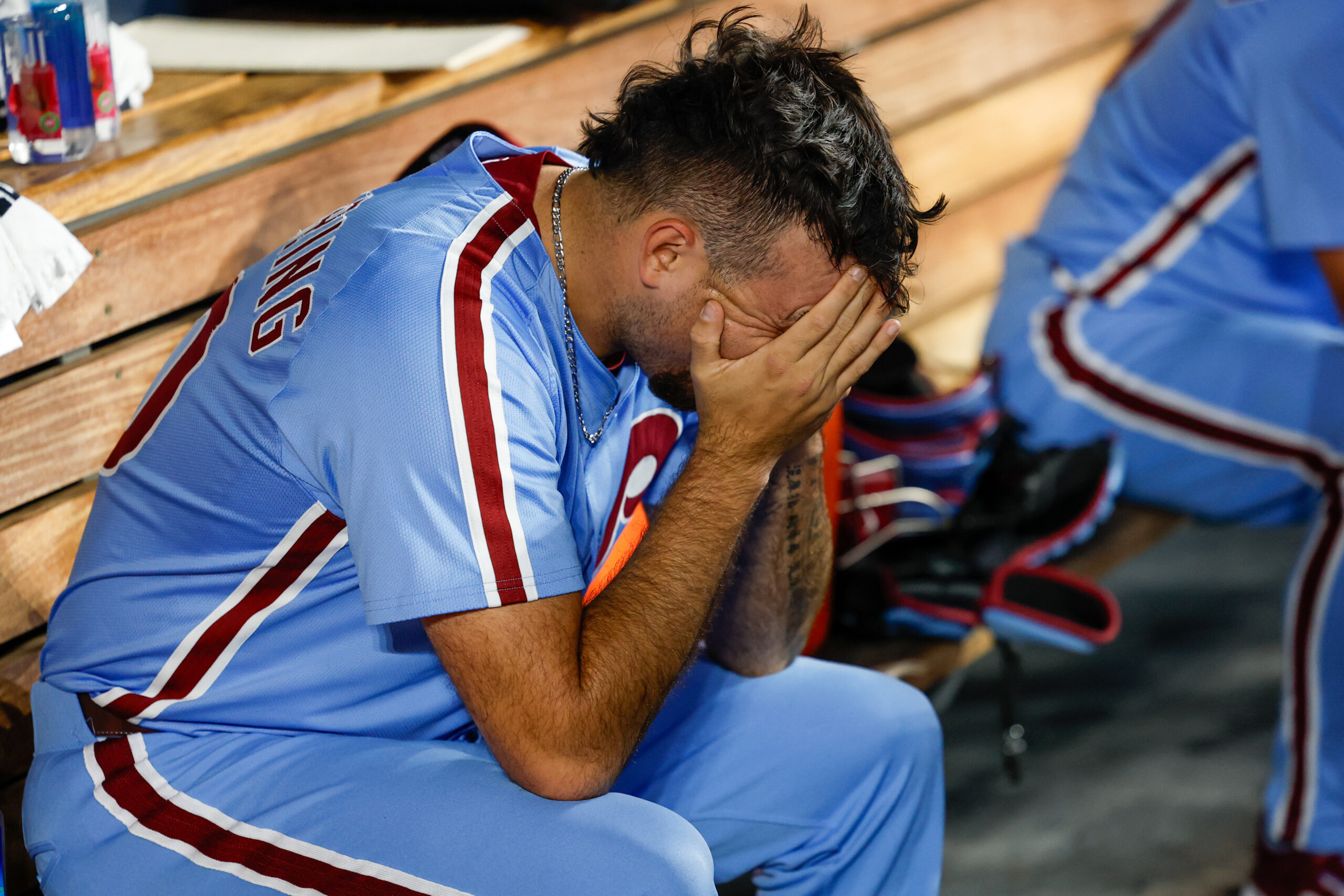
    “We’ve all made mistakes. Mine just so happened to be in front of whatever, 10 million people,” says Orion Kerkering.

    The Phillies brought back the core of the roster, including free agents Kyle Schwarber and Realmuto. But they gave the bullpen a makeover, notably signing free-agent right-hander Brad Keller and trading away veteran lefty Matt Strahm.

    But Kerkering remains. He dominated in May and June, looking like a future closer. But the Phillies traded for star closer Jhoan Duran at the deadline in July, and Kerkering struggled through the summer. He regained his mojo late in the season and appeared in all four playoff games against the Dodgers.

    “I don’t think I really had that good of a year,” said Kerkering, who finished with a 3.30 ERA in 60 innings. “It’s like, be more consistent with the heater, be more consistent with the sinker, get the sweeper back to what it was in ’23, ’24, how dominant it was, and kind of get more guys to swing.”

    Team officials believe in Kerkering’s stuff. As important, they believe in his head.

    Kerkering is aware of his reputation within the clubhouse as “a goofy kind of kid.” Former Phillies reliever Jeff Hoffman once described him as having “no filter” and keeping everyone on their toes with what comes out of his mouth next.

    Teammates say Kerkering takes his job seriously, but not himself. So, rather than dwelling on a season-ending mistake, he’s intent on learning from it — and occasionally making light of it.

    “You just kind of live and forget with it,” Kerkering said. “We’ve all made mistakes. Mine just so happened to be in front of whatever, 10 million people, between watching it, hearing about it around the whole country. However you want to look at it, it [stinks].

    “But I think, just overall, it’s like, if that’s how someone wants to define you, then let them. But I’m not going to let it define me.”


  • A quarter-century-old zoning law threatens to block a restaurant and bar in Fishtown

    A quarter-century-old zoning law threatens to block a restaurant and bar in Fishtown

    A plan to revitalize a neglected building at 2043 Frankford Ave. with a ground-floor burger restaurant and second-floor cocktail bar is facing stiff opposition in Fishtown.

    Because of an over-25-year-old zoning overlay — which applies to the east side of Frankford Avenue and not the west side — the Slider Co.’s plans have been hung up for months awaiting a hearing from the city’s Zoning Board of Adjustment (ZBA).

    On Wednesday, the board ruled in the Slider Co.’s favor, but the saga has cost the business owners at least $40,000 and almost six months of waiting for a hearing.

    And that’s if opponents of the project don’t appeal the ZBA ruling to the Court of Common Pleas — adding at least another nine months and more legal costs to the project, probably killing it.

    “We were expecting to have a straightforward project, and then all of a sudden all hell breaks loose,” zoning attorney Alan Nochumson, who represents Slider Co.’s William Johnson and Anesha Garrett, said at a late January ZBA hearing.

    The principal opponent of the project is Ashley Gleason, who owns the clothing shop Vestige next door at 2041 Frankford Ave. She hired a zoning attorney to fight the case. At a Fishtown Neighbors Association (FNA) meeting last year, a narrow majority (36-30) voted to recommend that the zoning board deny the application.

    “Our block is not like the lower part of Frankford. It doesn’t have the bars and restaurants,” Gleason said at the ZBA hearing. “It is mostly residential and retail. So it [the proposal] is out of character for this block.”

    (function() {
    var l2 = function() {
    new pym.Parent(‘fishtownburger’,
    ‘https://media.inquirer.com/storage/inquirer/projects/innovation/arcgis_iframe/fishtownburger.html’);
    };
    if (typeof(pym) === ‘undefined’) {
    var h = document.getElementsByTagName(‘head’)[0],
    s = document.createElement(‘script’);
    s.type = ‘text/javascript’;
    s.src = ‘https://pym.nprapps.org/pym.v1.min.js’;
    s.onload = l2;
    h.appendChild(s);
    } else {
    l2();
    }
    })();

    The property at 2043 Frankford Ave. is a faded two-story building at the end of the row, and it’s been in rough shape for years.

    Unusually for a restaurant application, the case has stirred up allies in the community who submitted a petition in support of Johnson and Garrett, who already have a presence in the neighborhood.

    The former president of FNA, Ashlei Tracy, spoke in support of their application at the zoning board, noting bars and restaurants on the blocks of Frankford to the north and south of this one.

    “A constant complaint that we hear is that Fishtown is becoming very corporate,” Tracy said in an interview after the hearing. “A part of that is that it’s so expensive to even go through this [zoning] process.”

    The cases can also stir neighborhood tensions. January’s ZBA hearing on the matter saw lengthy testimony, weeping, and accusations of racial discrimination. Johnson and Garrett are Black, and Fishtown is an overwhelmingly white neighborhood.

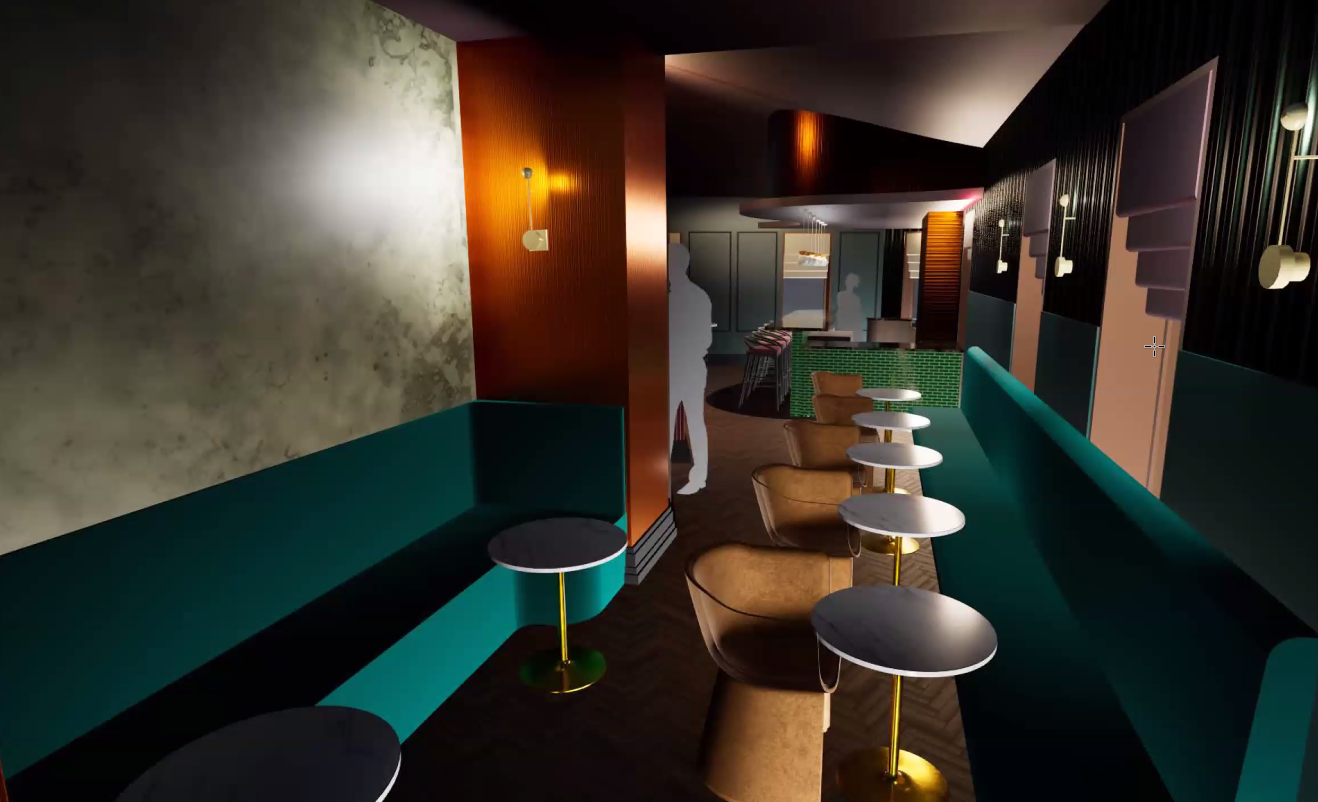
    An interior rendering of the burger place planned by the Slider Co. The Coke machine is a hidden entrance to the upstairs speakeasy.

    The wrong side of the street

    The complexities of the Slider Co.’s attempt to open a new restaurant and bar in one of Philadelphia’s hottest culinary neighborhoods is an effect of a 1990s-era zoning law to address rowdy nightclubs along the Delaware River.

    The “North Delaware Avenue overlay district,” which covers much of Northern Liberties and Fishtown, bans entertainment businesses from the area it covers while requiring food and beverage businesses to secure approval from the ZBA to open.

    The overlay extends from the Delaware River to the east side of Frankford Avenue and from Lehigh Avenue down to Spring Garden Street.

    The law was largely successful in its initial aims, stemming the creation of new nightclubs in the area. The Delaware riverfront is now known for its surplus of rental apartments, not for rowdy nightlife.

    “Everyone agrees that the original purpose of the overlay no longer needs to be served,” said Matt Ruben, a longtime civic activist in Northern Liberties who has been involved with zoning and planning issues in the area — including negotiations around this overlay — for years.

    “Where there is disagreement, and shifting views within some neighborhoods, is on the more subtle question of whether there should be some kind of zoning to help regulate everyday operational nuisances and negative impacts that can come from them,” Ruben said. “Even from operators who are not bad actors at all.”

    Many overlays linger on for decades, long after the politicians who created them are retired because they empower neighborhood groups to stave off changes in their community.

    An interior rendering of the upstairs speakeasy proposed by Slider Co.

    In this case, Councilmember Mark Squilla, who represents the area, says he is open to rewriting or scaling back the overlay, but only if there is unanimity among neighborhood and business groups in Fishtown and Northern Liberties.

    Currently, the Fishtown Neighbors Association (FNA) is in favor of the zoning overlay, which it argues gives residents of Frankford Avenue and the surrounding blocks a say in the restaurant boom.

    The community group says new restaurants and bars have affected quality of life — such as when eateries implement late-night private trash collection that can wake up people who live nearby.

    “I have not seen any interest in our community to get rid of” the zoning overlay, said John Scott, president of FNA. “It’s not seen as a detriment. It’s seen as a way to mitigate some of the impact of the food establishments.”

    Johnson and Garrett fear the old zoning law has given opponents of their project a way to wage legal warfare against their proposal.

    “We have never previously faced opposition to opening a new restaurant,” said Johnson, who has opened numerous culinary businesses in Delaware and Philadelphia.

    “An appeal to the Court of Common Pleas would likely put the project in jeopardy due to the financial strain and delays it would impose on the property owner,” Johnson said.

    Gleason’s lawyer declined to comment, and the property owner, Jordan Claffey, did not respond to a request for comment.

    Staff writer Michael Klein contributed to this article.

  • Philly biotechs are getting a small funding boost from a new city program, but it doesn’t replace ‘America’s seed fund’

    Philly biotechs are getting a small funding boost from a new city program, but it doesn’t replace ‘America’s seed fund’

    Philadelphia biotechs are worried about losing a key source of federal funding for early-stage innovation.

    Known as “America’s seed fund,” the Small Business Innovation Research (SBIR) and Small Business Technology Transfer (STTR) programs help small companies develop innovative technologies. In recent years, they’ve allocated $4 billion annually to more than 4,000 businesses nationwide. However, after Congress failed to reauthorize the decades-old programs last fall, their funding officially expired in September.

    The fallout has affected more than a dozen local life sciences companies, raising concerns about whether they can maintain staffing and make up for the delay in funds promised months ago, said Heath Naquin, senior vice president of innovation and new ventures at University City Science Center, a nonprofit commonly known as the Science Center that provides startup support.

    For many, staffing and financing plans could be disrupted by funding shortfalls, as companies either haven’t gotten their payment yet or can’t get their funding for next year approved, he said.

    An exact figure is unknown, but Naquin estimated that some affected companies could be short up to a million dollars for the year.

    At the same time, the city of Philadelphia launched last spring a new program that provides additional funding to those who have already earned SBIR/STTR grants. The 21 awardees who will share $450,000 from the city were announced publicly in January.

    The city money is earmarked for technical assistance, such as the cost of attorneys, marketing, and anything else needed for commercialization, while SBIR/STTR money normally goes toward research and development.

    “There is no overnight solution to SBIR right now,” said Tiffany Wilson, chief executive officer of the Science Center, which is partnering with the city to implement the program. “It’s just another layer of uncertainty that we’ve got to navigate through.”

    New city-led program

    Pennsylvania is not one of the dozens of states that offer matching programs to supplement the federal SBIR/STTR funds.

    To fill that gap, Philadelphia launched its new city-level program, which is one of the first in the nation and the only one of its kind in the state.

    The idea was to boost companies already vetted by the federal government that could still benefit from smaller amounts of money.

    “Life science companies need millions of dollars, but this was a way that we could help Philadelphia-based companies thrive,” said Rebecca Grant, who runs the program and serves as senior director of life sciences and innovation for the city.

    This year, the city offered funding to all eligible applicants.

    The $450,000 is doled out in three tiers: companies with the earliest stage grants received $20,000 while those in the next phase received $40,000. Those whose grants were no longer active received $2,500.

    The program is still a pilot, and city leaders hope to run it on an annual basis, Grant said.

    Naquin has heard from at least three companies in the last six months that are formally considering moving to Philadelphia as a result of the program’s existence.

    Pivoting

    The SBIR/STTR grants are valuable to early-stage biotechs for two reasons: They provide funding without asking for ownership or equity in return, and signal to potential investors that the company is less risky, Wilson explained.

    The programs traditionally have been reauthorized every few years without major lapses. However, recent debates over reforms have created a deadlock.

    Policymakers from both parties want to address companies that are repeatedly going back for more funding, concerns over foreign involvement, and how to better support commercialization, Naquin said.

    “We’re still in a waiting game,” he said, adding that the programs were not reauthorized in the latest government funding bill passed this week.

    With the SBIR/STTR pipeline stalled, the Science Center has had to pivot. Federal support for science has been particularly precarious under President Donald Trump’s second administration, with widespread cuts and pauses to millions of dollars worth of programs and grants.

    Late last year, the center launched an initiative to help startups figure out which agencies still have available funding opportunities.

    The aim is to help them better shop around for the grants that they can apply to, Wilson said.

  • Jeff Stoutland exits as Vic Fangio pondered retirement: Eagles drama never ends

    Jeff Stoutland exits as Vic Fangio pondered retirement: Eagles drama never ends

    At this time a year ago, as he celebrated his second Super Bowl title as the Eagles’ offensive line coach, Jeff Stoutland was being hailed as the greatest assistant coach in franchise history. His only real competition: Vic Fangio, whose arrival as coordinator the previous offseason saw the team turn its defense from its greatest weakness to its greatest strength.

    Now, a year later, one considered going and the other now is gone.

    Stoutland announced Wednesday evening on his Twitter/X feed that he had decided “My time coaching with the Eagles has come to an end.”

    Meanwhile, after weeks of rumors and reports, there was still no definitive news regarding Fangio and his annual contemplation of retirement.

    The Eagles and Fangio finally indicated that he will return as the DC. They did so a little more than an hour after this column published Wednesday evening, painting them as a team in disarray.

    Granted, we haven’t yet reached Super Bowl Sunday, but teams that win a Super Bowl within a calendar year and then return to the playoffs usually remain more stable than the Eagles have been the past few weeks.

    It certainly seems like a team in disarray.

    The departure of Stoutland was a seismic development. Since arriving with Chip Kelly in 2013 from the college ranks, Stoutland has become a cult figure in NFL circles and a demigod in football-crazed Philadelphia. His demanding coaching style, dubbed “Stoutland University” by Jordan Mailata, a giant converted rugby player who was his most prized pupil, turned Mailata, Jason Kelce, and Lane Johnson into Hall of Fame candidates and helped several other linemen perform beyond expectation.

    However, the offensive line in 2025 struggled. There was a cascade of injuries, but as the season collapsed, whispers regarding Stoutland’s effectiveness began to circulate.

    He’d also been passed over. Stoutland was not considered a viable candidate to replace offensive coordinator Kellen Moore last year when Moore became the head coach in New Orleans, nor was he considered a viable candidate to replace recently demoted OC Kevin Patullo.

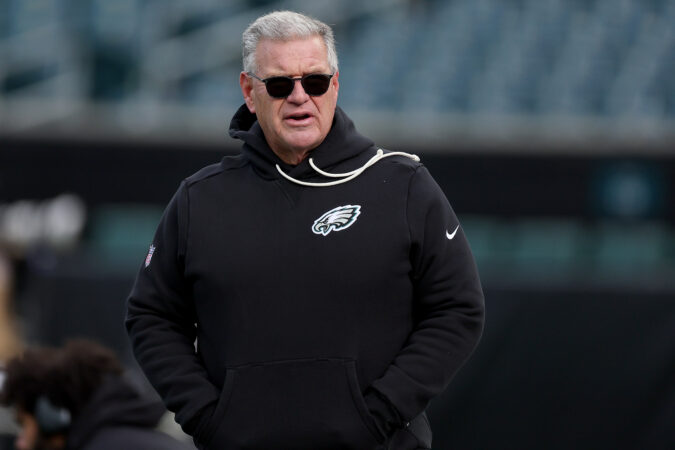
    Eagles defensive coordinator Vic Fangio will return next season, ending talks of retirement.

    During the season, Stoutland, who had been serving as running game coordinator, was stripped of those responsibilities by head coach Nick Sirianni.

    After the Eagles hired Sean Mannion as OC last week, all offensive assistants were put on notice that Mannion might alter the staff. Quarterbacks coach Scot Loeffler was expected to be the first casualty.

    Instead, Stout was out.

    Stoutland is 63, and is contemplating both retirement and remaining with the Eagles in an advisory position, although, given his strong personality and his 13-year tenure, his shadow likely would be too much of a distraction. His status will remain in limbo for the time being.

    For weeks, the same was true of Fangio

    I heard 2½ weeks ago that Fangio, 67, was contemplating retirement, and that it might hinge on a reunion with offensive coordinator candidate Mike McDaniel, under whom Fangio worked as defensive coordinator in Miami in 2023. I couldn’t get it confirmed in the Eagles building, so I didn’t write it, and then PhillyVoice.com broke the story over the weekend.

    The most intriguing parts of that story concerned the news that not only was Fangio so close to retirement that the Eagles alerted possible candidates, but also that one of those possible candidates was former Eagles defensive coordinator Jonathan Gannon, who was generally despised by Eagles fans when he left for the Cardinals’ head coaching job.

    At any rate, my league sources said Fangio decided to not retire last week, which was one reason Gannon went ahead and took the DC job in Green Bay. Then, on Monday, The Inquirer reported that Fangio was still dithering … but the next day, @PHLY_sports reported that Fangio was expected to stay. Which was true. By Wednesday night, anyway.

    As prime candidates to replace Fangio keep getting hired by other teams, Fangio was holding the Eagles hostage.

    Just one more chapter in the story of a very strange workplace.

    The team, with its high-maintenance players, its impulsive head coach, and its eclectic collection of front-office characters, often gets frustrated by the way it is covered.

    This is the sort of behavior that casts the organization as dysfunctional.

    Vic Fangio’s Eagles defense has been dominant for two seasons.

    Sirianni taunts fans, including his own. Diva wide receiver A.J. Brown complains about the offense for three seasons, reads books on the sideline, calls the offense a “[bleep] show” online, and has to be reprimanded by owner Jeffrey Lurie. Defensive tackle Jalen Carter spits on Dak Prescott before the first snap of the season and somehow gets himself ejected and suspended from the same game.

    Fangio likes to golf and fish and watch the Phillies, but as a defensive coordinator, he gets to do that just one month per year.

    There were plenty of reasons besides age that Fangio might’ve wanted to step away.

    First, while the Eagles win, the NovaCare Complex isn’t exactly an easy place to be. Howie Roseman operates with more autonomy than most other GMs, who are more beholden to their coaching staff, especially their coordinators. Additionally, the best defenders will soon be receiving lucrative extensions, which could change the dynamic in the building. It might be a lot more pleasant coaching young, hungry talent like Jordan Davis, Quinyon Mitchell, Nolan Smith, and Cooper DeJean than coaching those same guys minus the financial incentive.

    Fangio has won a title. He has made millions. Maybe, as he ages, he doesn’t want to babysit a well-paid, overweight, under-motivated Jalen Carter.

    The way things go at the NovaCare facility, I can’t say that I‘d blame him.

  • Trading Jared McCain is a big risk, unless something bigger is in play

    Trading Jared McCain is a big risk, unless something bigger is in play

    Curious.

    Suggestive.

    Dangerous.

    Most of all, unfortunate.

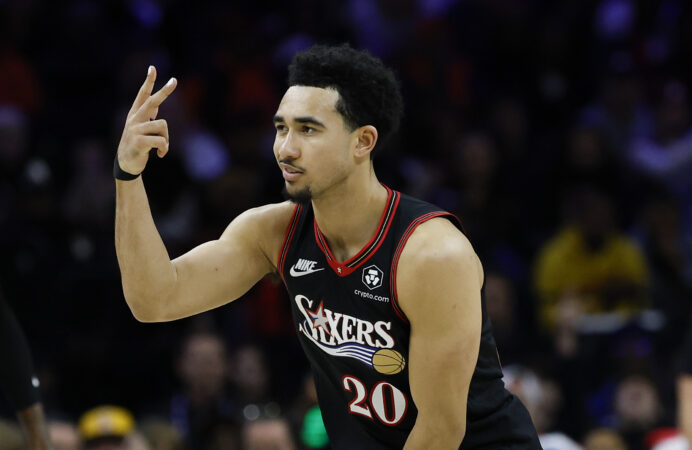
    Those are the only sorts of words you can use right now when evaluating the Sixers’ decision to trade Jared McCain to the Thunder on Wednesday afternoon in exchange for a 2026 first-round pick and some ancillary draft capital.

    To judge the move in more definitive terms would be irresponsible given the amount of time that still remains between now and Thursday’s NBA trade deadline. The final verdict depends on what happens next. If nothing happens next, then, yeah, the Sixers’ decision to jettison their promising 2024 first-round pick will rank somewhere on a spectrum between “underwhelming” and “foolish.” If their primary motivation was to duck below the luxury tax yet again, it will be a level beyond foolish. It will be criminal.

    That being said, there are a lot of other ifs in play, many of them more plausible than Daryl Morey viewing a legitimate asset as a cost-savings vehicle. The NBA’s in-season hot stove is sizzling right now. The Mavericks traded All-Star center Anthony Davis to the Wizards, thereby finalizing their aggregate return for Luka Doncic at a grand total of three first-round picks, each of which is more likely to be closer to No. 30 than to No. 1. Trade rumors continue to circulate around Bucks superstar Giannis Antetokounmpo, with suitors like the Timberwolves and Heat jockeying to present Milwaukee with an offer that will convince it to strike a deal now rather than wait for the offseason. There are a lot of dominoes left to fall, and the Sixers could easily end up toppling one — or being one.

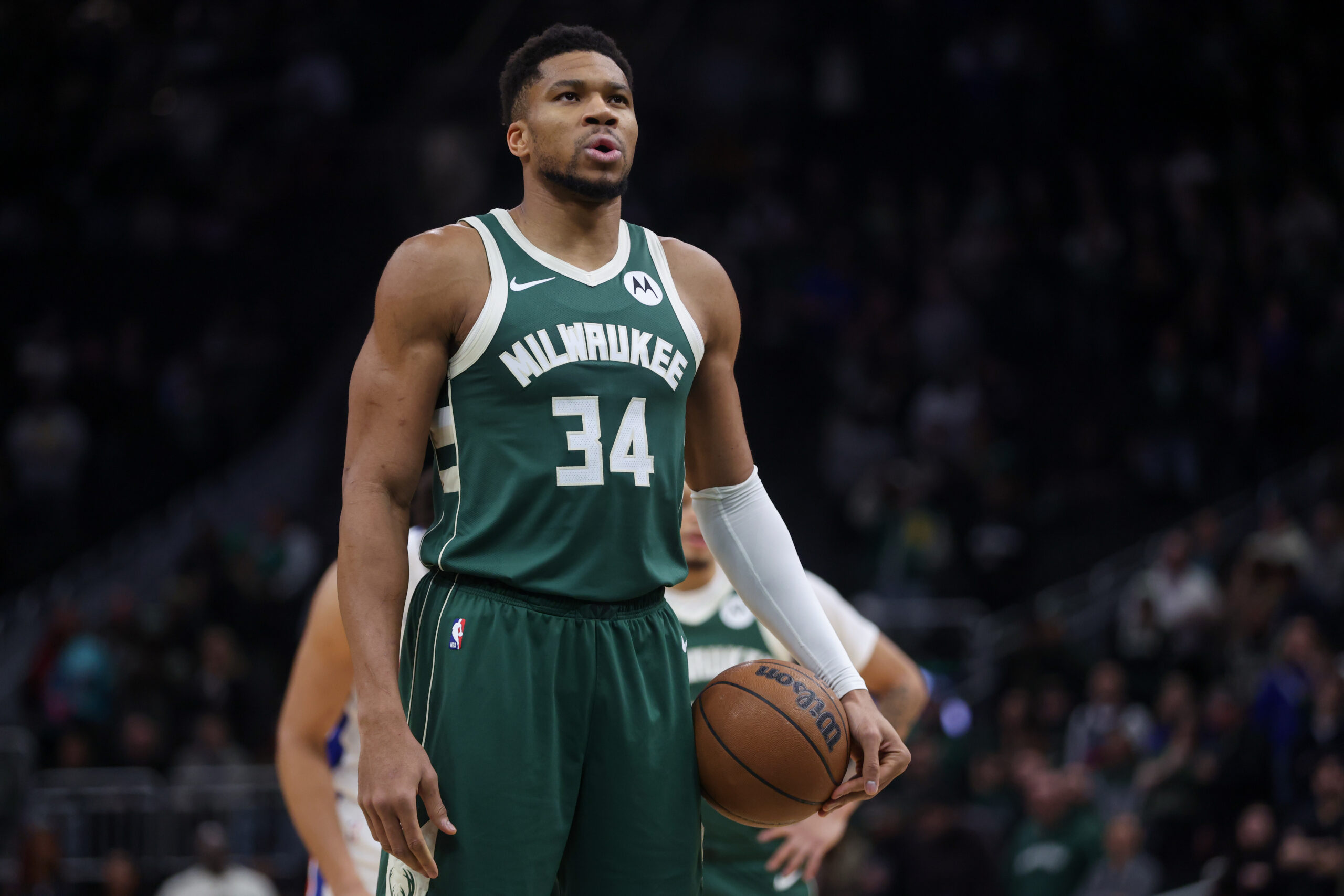
    The Bucks’ Giannis Antetokounmpo remains the big prize at the NBA trade deadline.

    As of Wednesday night, there were no indications that the Sixers were gearing up to make a legitimate run at acquiring Giannis, who was previously reported to be intrigued by the possibility of teaming up with Tyrese Maxey and the Sixers. Such a move would almost certainly require the Sixers to part with rookie star V.J. Edgecombe. That’s a move they almost certainly will not do.

    But the Sixers could easily end up involved on the periphery of the Giannis talks. If Minnesota is determined/desperate to add Giannis, then it would presumably need to be desperate/determined to acquire the first-round picks that the Bucks would require (the Timberwolves don’t have much in the way of draft capital to trade). Minnesota’s determination/desperation creates some intriguing possibilities for a third team that does have first-round picks it can trade. The dream scenario would be someone like young sweet-shooting big man Naz Reid becoming available. A more realistic opportunity could come in the form of former Villanova-turned-Knicks-turned-Timberwolves grinder Donte DiVincenzo.

    I’m throwing those names out there mostly as for-instances. The world remains Morey’s oyster until the clock strikes 3 p.m. EST on Thursday.

    What we can say right now is that trading McCain is a risk. We’re barely a year removed from the 21-year-old guard looking like one of the best players in his draft class. His star has dimmed quite a bit since a season-ending knee injury put the kibosh on his rookie season after 23 games. But remember what we saw in those 23 games: 15.3 points, a .383 three-point percentage, promising toughness and defense. It’s hard to believe that those things were mirages, especially when you consider the track record that the Thunder have in identifying undervalued young talent. If Sam Presti wants to trade for your player, it’s a good reason not to trade him.

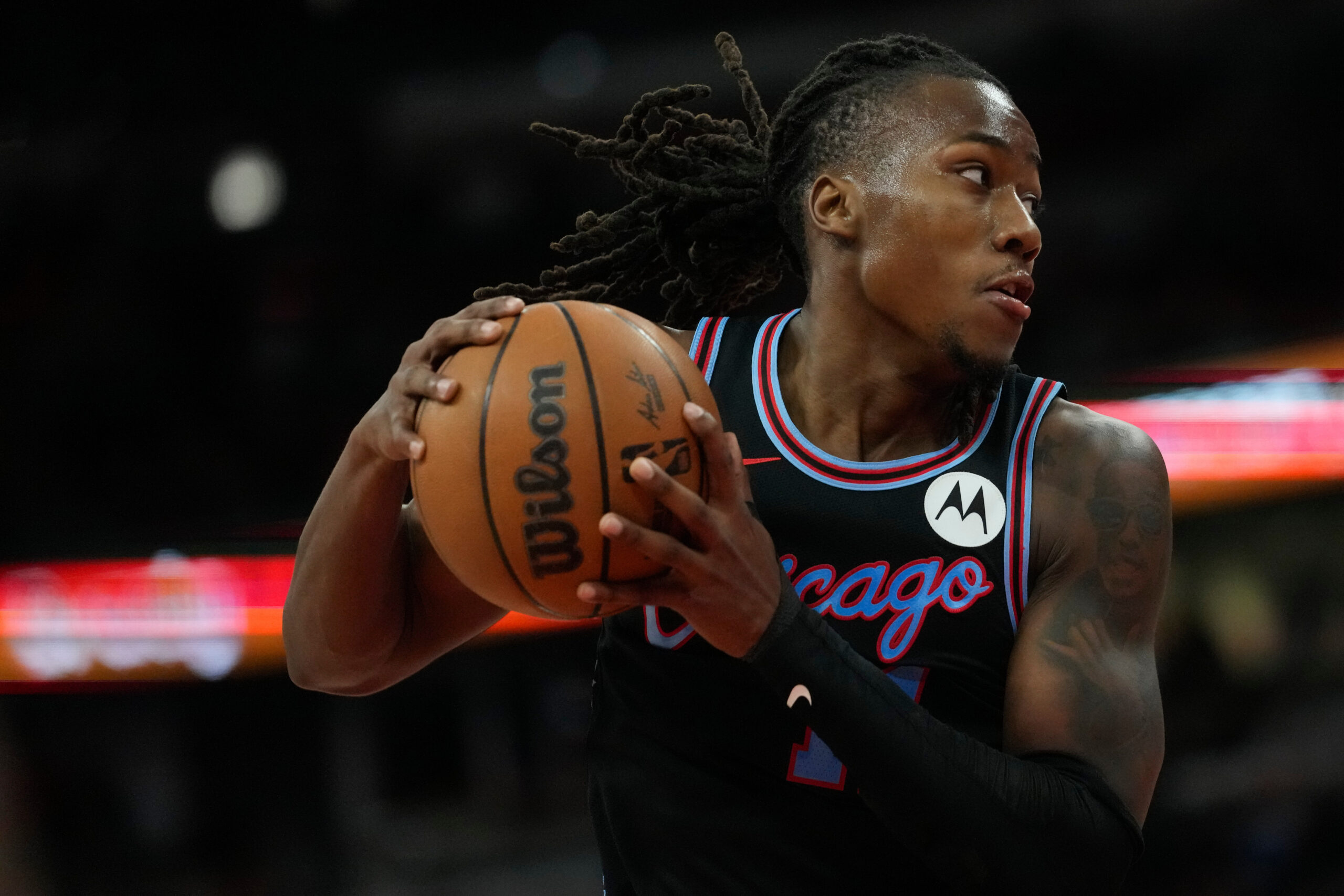
    Adding a young guard like the Bulls’ Ayo Dosunmu would help the Jared McCain trade make sense.

    The Sixers surely know this. That’s a good enough reason to give them until the trade deadline before deciding how we feel. The reality on the ground has changed a lot since McCain burst onto the scene early last year. The fit with Edgecombe isn’t an ideal one. McCain is averaging just 16.8 minutes this season. But he was hardly in danger of becoming a sunk cost. The hope here is that the draft capital the Sixers acquired from the Thunder will help them add a player who brings more certainty to go with his youth. The Bulls’ Ayo Dosunmu is just one example of a player who would make all the sense in the world to swap in for McCain.

    Until then, we wait.

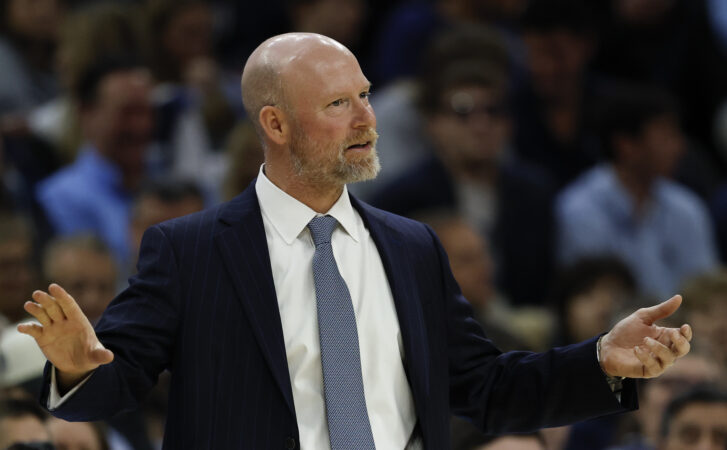
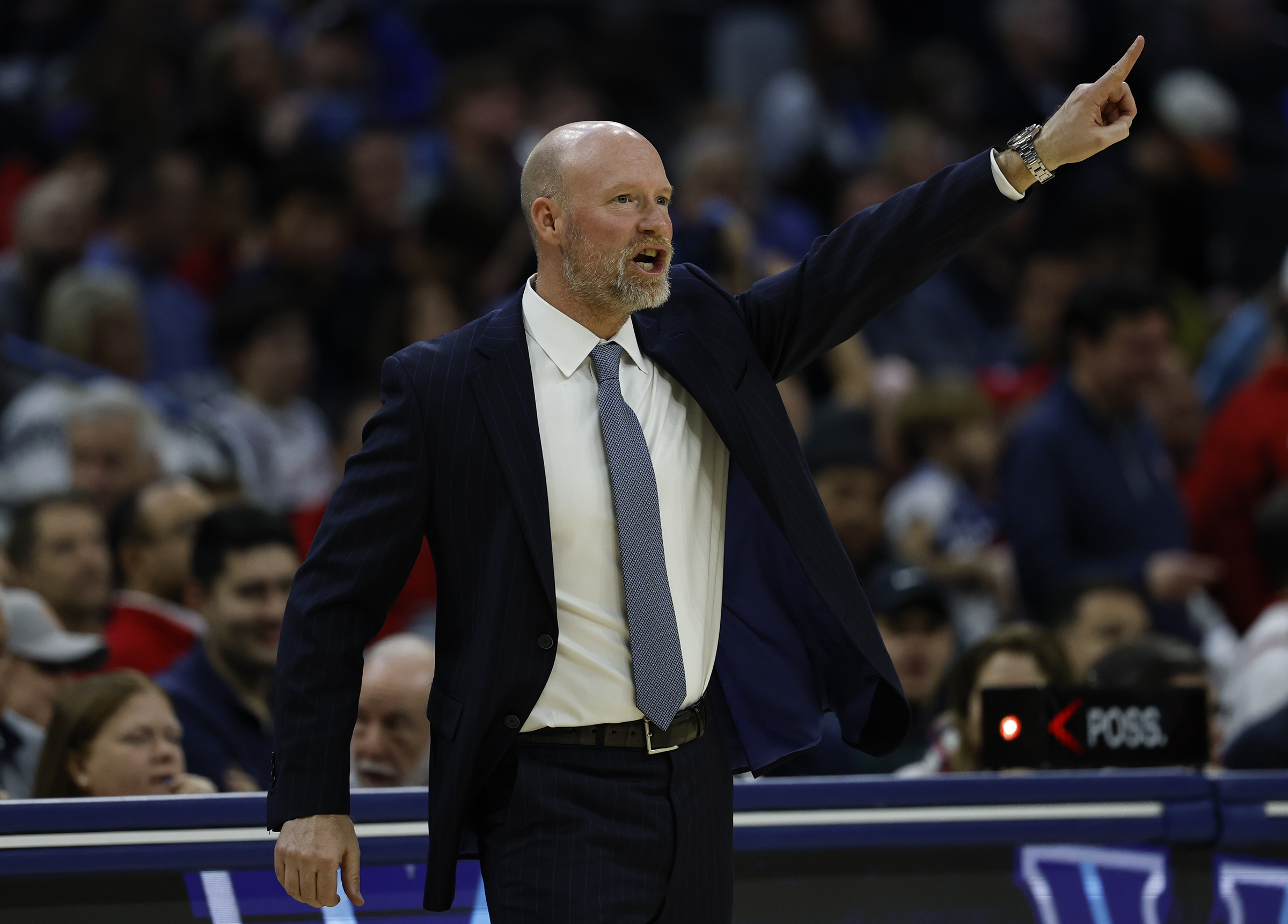
  • Kevin Willard wants to push Villanova into the future — without casting Jay Wright into the past

    Kevin Willard wants to push Villanova into the future — without casting Jay Wright into the past

    Over his 12 years coaching at Seton Hall and against Jay Wright, Kevin Willard figured that he knew Villanova as well as any outsider could, especially one who would eventually become the university’s men’s basketball coach. His next-door neighbors in Westfield, N.J., were ’Nova alumni, as were three of his golfing buddies at Plainfield Country Club, and there were all those Big East battles between his teams and Wright’s at the Finneran Pavilion, at the Prudential Center in Newark, and at Madison Square Garden in March.

    Then he went to Maryland. Maryland wasn’t the northeast. It wasn’t Jersey. It wasn’t Philly. It wasn’t even the Main Line. It was the Big Ten. The Big Ten has big-time football, and more importantly, it has football money and a football mindset, even for its basketball programs. The Big Ten also has 18 member schools, so Willard stopped watching Big East basketball altogether. He had 17 conference opponents to study, after all. Then he returned to the Big East this season, replacing Kyle Neptune at Villanova.

    He doesn’t feel comfortable there yet, he said. Too much to do. Too much change so quickly. Too much of a whirlwind.

    “The comfort won’t happen until Year 3,” he said. “When I came, I definitely had rose-colored glasses. I had a perception of what this was, not remembering it had been three years since Jay had left.”

    The Wildcats are 17-5 following their 72-60 victory Wednesday night over Willard’s former team, Seton Hall. And Villanova’s strong season so far might allow its donors and alumni to regard the last three years as just a blip — a small stint in purgatory before Willard got the program back to where those who support it presumed it should and would always be. During an hourlong interview in his office late Tuesday afternoon, though, Willard made it clear where he comes down on Villanova’s future … and its recent past.

    No matter Wright’s intentions, his tenure and presence loomed over Neptune as an ever-present reminder of his 21 years as head coach and nerve center, of two national championships and four Final Fours and the status as the top program in the country. Neptune, who had a single season at Fordham as a head coach and had spent 12 years at Villanova on Wright’s staff, couldn’t escape that shadow or the comparisons, and he couldn’t win enough to buy himself more time. Willard doesn’t want to fall into the same trap, and he thinks he knows how to avoid it, believing his three years at Maryland and in the Big Ten, that experience elsewhere, will be vital to understanding how Villanova has to evolve.

    “It’s so important,” he said. “My 12 years at Seton Hall, I did it my way. You get very isolated, and Jay was here for so long, and they were winning. But it was Jay. And I know this because I went against him. It was Jay. It was Jay’s way. It was the way it was. They didn’t need to change anything. They didn’t need to worry about anything because they had Jay. Once Jay left, you need to go, ‘All right, what’s everyone else doing? Where has everyone else made gains where maybe this place didn’t because they had Jay?’”

    Kevin Willard doesn’t want to erase all of the Wildcats’ basketball history, rather use it as a valuable resource.

    For Willard, the caution and smaller-time approach that worked under Wright — that worked because of Wright, and because Villanova was operating in a pre-NIL/transfer portal/pay-for-play world — won’t fly anymore. It would be foolish for Willard to try. He’s a Villanova outsider still, rougher around the edges than Wright, than the man who was the most polished coach in the country, and the circumstances in this wild, wild west era of college hoops are different and more challenging.

    The luxury of redshirting players such as Mikal Bridges and Donte DiVincenzo, for instance, allowing them to get acclimated and mature, won’t necessarily be available to Willard. The way to make up for Wright’s departure isn’t to operate as if his successors will be able to replicate his methods or even his culture. It’s to pay the cost of acquiring big-time players and tout their skills as part of social-media branding campaigns and recognize that this isn’t anything like amateur basketball anymore.

    “It’s like growing up in a small town and going to their amusement park, and then you go to Disney World,” Willard said. “You can’t say, ‘We just need to make the roller coaster better.’ Everything’s got to get better, bigger — fairy dust everywhere. It’s not even a money thing or a structural thing. It’s more about a mentality. Jay was monstrous. Jay was Villanova basketball. But we don’t have Jay anymore. …

    “Everyone else is being Disney World. We can’t be the small, little amusement park. We’re not the small, little amusement park, but the mentality a little bit is. ‘We can do it like this because we’ve always done it that way.’”

    Willard insisted he doesn’t intend to erase all of the Wildcats’ basketball history, that he can’t ignore or disregard what Villanova is as a university or how Rollie Massimino, Steve Lappas, Wright, and Neptune did their jobs and why. “If you just go against 60 years of tradition,” he said, “you’re going to get [expletive] blown out of the water.” So he views Wright’s presence as an asset, his knowledge and success as valuable resources.

    Kevin Willard said he won’t feel comfortable coaching on the Main Line until year three.

    “If I was in my third year of coaching, I wouldn’t feel the same way,” he said. “I’m 20 years a head coach. I’m not cocky, but I feel pretty confident that I know what I’m doing at this point. I love the fact [that] I have Jay around. It’s only going to help. If I was younger and was coming here after three years at Seton Hall, I would be like, ‘What the [hell]? Why is he at the game? This is [expletive] crazy.’ But I love that he comes to practice. I love that he’s at games. I love that I can text him or call him or go out to dinner with him because he built this. He knows this place better than anybody.”

    He likely always will. It’s a standard, though, that Kevin Willard doesn’t have to exceed or even meet yet. It’s still just Year 1 for him. Check back in Year 3. He doesn’t have to know Villanova as well as Jay Wright did. He just has to do his part in this new time of college basketball. He just has to know it well enough.

  • Follow the money to find the secret to the 2026 Phillies roster

    Follow the money to find the secret to the 2026 Phillies roster

    When it comes to the 2026 Phillies, the three most meaningful words in the human language ring true once again.

    Follow the money.

    Read the menu from right to left. There, you will find the players who will make the Phillies the team they need to be. Or, you will find the players who will deserve the blame if the Phillies prove not to be that team.

    Zack Wheeler is making $42 million, which is the same amount the Mets will pay newcomer Bo Bichette. Kyle Schwarber is making $30 million, the same amount the Cubs will pay newcomer Alex Bregman. Aaron Nola is making $24.5 million, which is about $2.5 million less than the Blue Jays gave Dylan Cease and right in line with what the Padres gave Michael King. Bryce Harper and Trea Turner are combining to make about $52.5 million, which is about $5 million less than the Dodgers have agreed to pay Kyle Tucker over the next four years.

    Ok, that last one is absurd. But the Phillies are one of 29 teams who can’t compare to the Dodgers.

    Anywhere east of Tinseltown, there is no room for excuses. The Phillies are on track to arrive at opening day with a payroll that is $21 million higher than the Braves, $52 million higher than the Cubs, $63 million higher than the Padres, and a whopping $157 million higher than the Brewers. They are a near lock to finish the season with one of the top five payrolls in the game. No, they aren’t the Dodgers ($387 million) or Mets ($363 million). But neither are the Yankees these days ($304 million).

    The criticism must feel good to John Middleton, in a strange way. Two decades ago, he was part of an ownership consortium that oversaw one of MLB’s most underfunded rosters relative to market size/potential. His power play into a majority stake was motivated in large part by his desire to operate like a true economic powerhouse. The fan base has been thrilled to adjust its expectations upward. The way folks are questioning Middleton’s billionaire bona fides, you’d think he spent the offseason picking up shifts in the gig economy. It’s worth stating for the record that the Phillies have signed $227 million worth of new guaranteed contracts at an average annual value of $66 million, or nearly 25% of their payroll.

    John Middleton’s Phillies will have one of the most expensive payrolls in the game.

    I’m not licking any boots here. I understand that the criticism levied toward the Phillies is as much a function of makeup as money. The majority of the Phillies’ outlays this offseason have gone to incumbents, with Schwarber re-signing for five years and $150 million and J.T. Realmuto for three years and $45 million. The same was true last offseason, and the season before, when Nola and Wheeler both signed nine-figure deals. After two straight postseason one-and-dones, the impression is of a poker player doubling down while drawing dead.

    One of the difficult parts of being a personnel executive is that a fan base is rarely careful what it wishes for. Middleton’s partiality to the familiar makes plenty of sense when you consider the Phillies’ recent history. The last time they bowed to the wishes of those chanting, “Blow it up,” the result was a lost decade. Creative destruction is a fine idea. But it had better be creative.

    The Schwarber and Realmuto contracts are perfect examples. Would the Phillies have really been better off if they’d given Schwarber’s money to Bregman or Bichette? You can certainly make the argument. If the Phillies had non-tendered Alec Bohm and let Schwarber walk, they could have signed Bregman to play third base and then given Eugenio Suarez the one-year, $15 million deal he signed with the Reds to play designated hitter. Maybe then they don’t feel the need to pay $10 million for Adolis Garcia’s right-handed power bat and instead sign Luis Arraez (one-year, $12 million) or Ryan O’Hearn (two years, $29 million) and convince Harper to return to the outfield. Or maybe they sign Josh Naylor to play first base and let Realmuto walk.

    So, yeah, there were options. Bregman, Suarez, and Naylor will earn about $65 million in AAV in 2026. Schwarber, Realmuto, Bohm, and Garcia will earn about $65 million in AAV in 2026.

    Would the Phillies have been better off?

    Maybe. But, man, there’s a whole lot of risk baked into maybe. Enough risk that it’s worth stepping back and asking what they’d be trying to accomplish. Neither combination is going to stack up to the Dodgers on its own. Just so happens the first combination has helped the Phillies improve their win total in each of the last four years while also winning 96 games and a division title in 2025. Neither combination will mean much if Harper takes another step backward, or if Wheeler doesn’t return from his blood clot as the same pitcher he was, or if Nola is the same pitcher he was last season, or if Turner is still something less than a guy who deserved $300-plus million.

    The story of this offseason was the money the Phillies spent in previous offseasons. The incumbents are the ones who need to do the heavy lifting. That’s how it should be when the incumbents’ wallets are as heavy as the Phillies’. There is plenty of potential upside in the form of Justin Crawford, Andrew Painter, Aidan Miller, Gabriel Rincones Jr., even Otto Kemp. The floor will be set by the known commodities. This year more than ever, Harper and Co. need to make themselves known.

  • Philly’s Don Bitterlich scored the first points in Seahawks history. But he made his name playing the accordion.

    Philly’s Don Bitterlich scored the first points in Seahawks history. But he made his name playing the accordion.

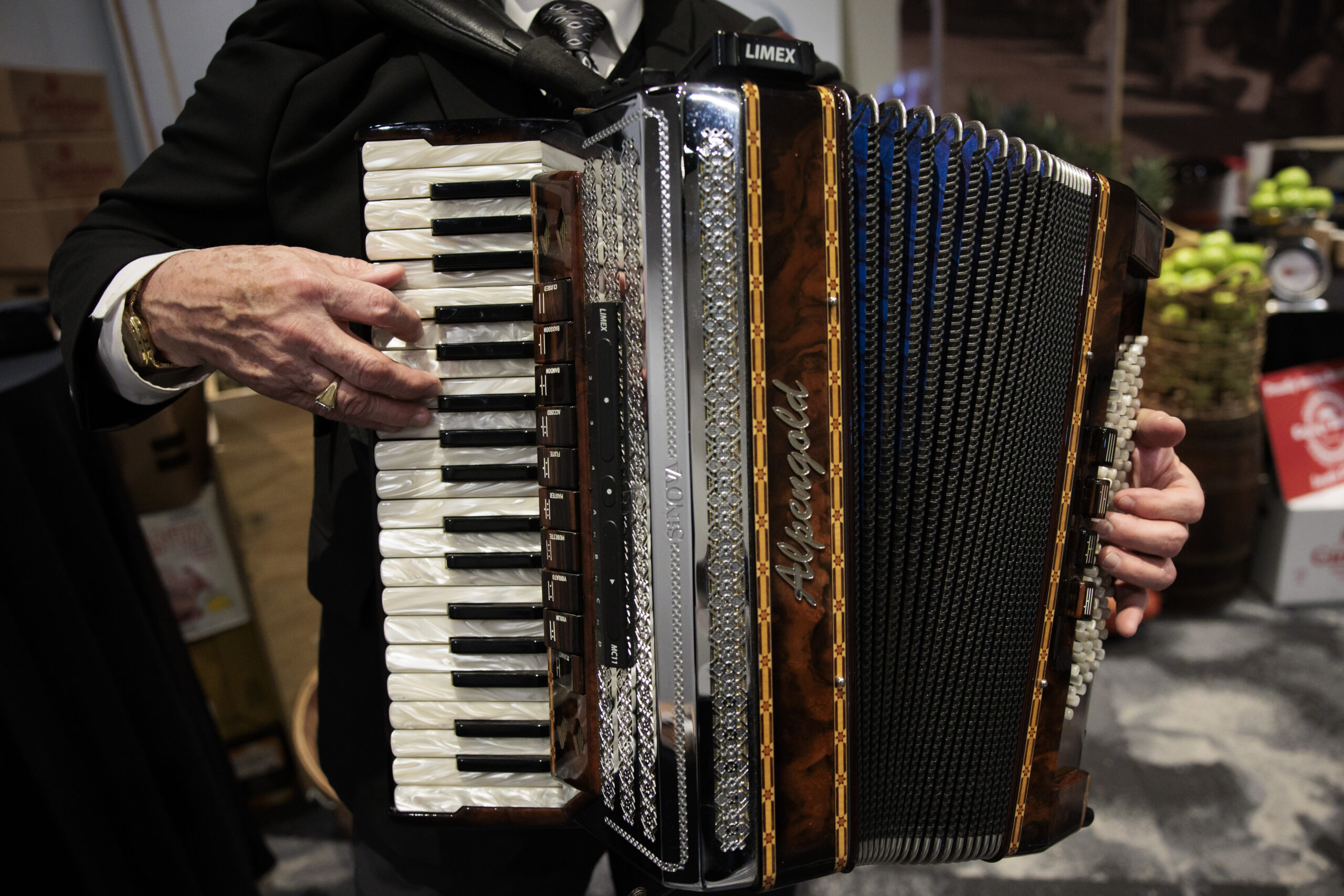
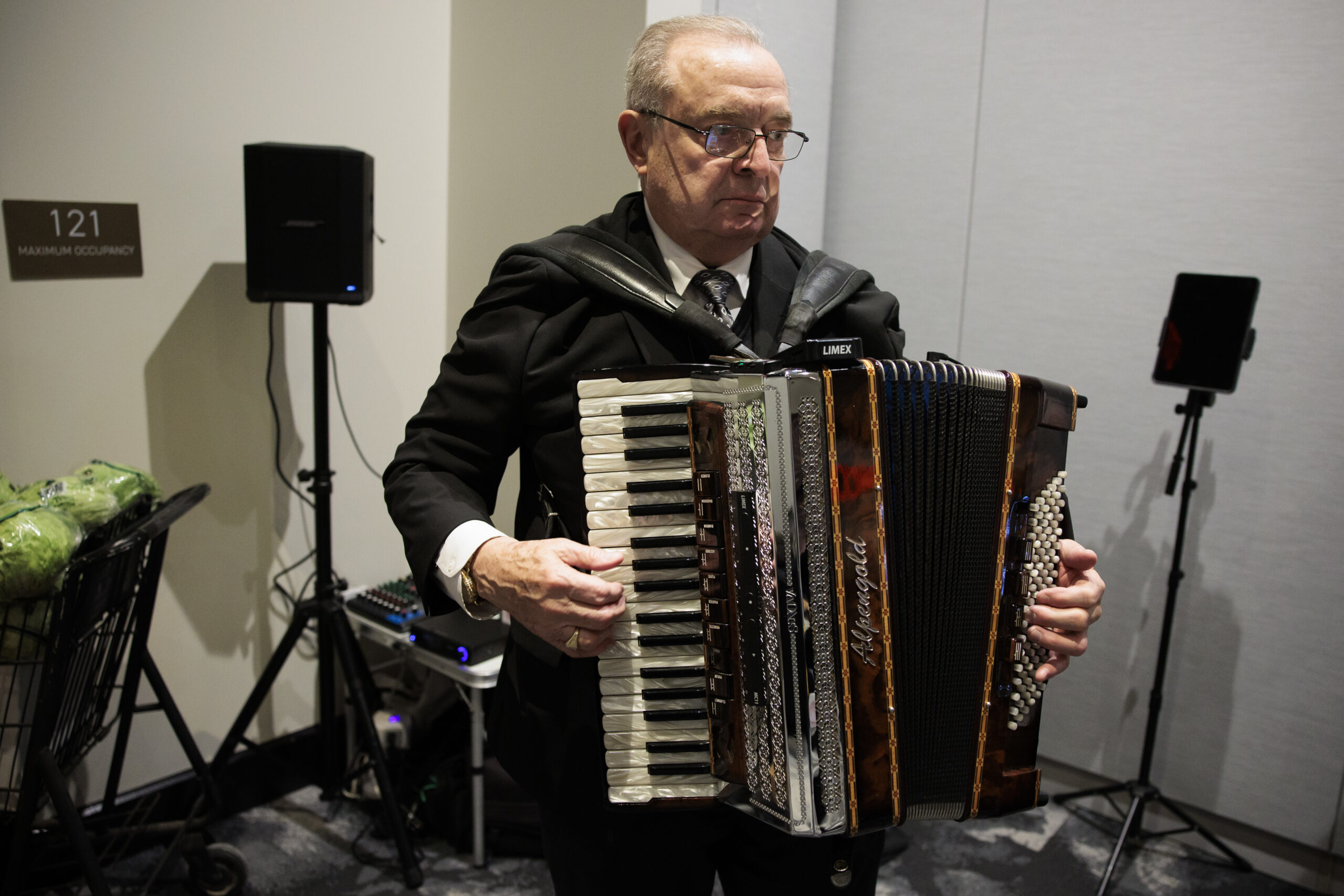
    Don Bitterlich’s Chevy Caprice was loaded with everything he needed for his gig that night at an Italian restaurant in Northeast Philly: an accordion, a speaker, and a pair of black slacks.

    He learned to play the accordion as a 7-year-old in Olney after his parents took him to a music shop on Fifth Street and he struggled to blow into a trumpet. His father pointed to the accordion, and Bitterlich played it everywhere from his living room on Sixth Street to Vitale’s on Saturday nights.

    The owner of Vitale’s — a small restaurant with a bar near Bustleton and Cottman Avenues — paid Bitterlich $175 every Saturday. It was a lot of money for a college student in the 1970s. First, he had to finish football practice.

    Bitterlich went to Temple on a soccer scholarship before football coach Wayne Hardin plucked him to be the placekicker. He never even watched a football game, but soccer coach Walter Bahr — the father of two NFL kickers — told Hardin that Bitterlich’s powerful left leg was fit for field goals.

    Bitterlich went to football camp in the summer of 1973, while also playing soccer for Bahr and trying to keep up with his accordion. He had yet to officially make the football team that August, so there was no use in canceling his 10 p.m. Saturday gig at Vitale’s. Bitterlich was due to play there in 90 minutes, but the Owls had yet to include their kicker in practice. He was hoping to leave practice by 8:45 p.m., and it was almost time.

    “I’m watching the clock,” Bitterlich said.

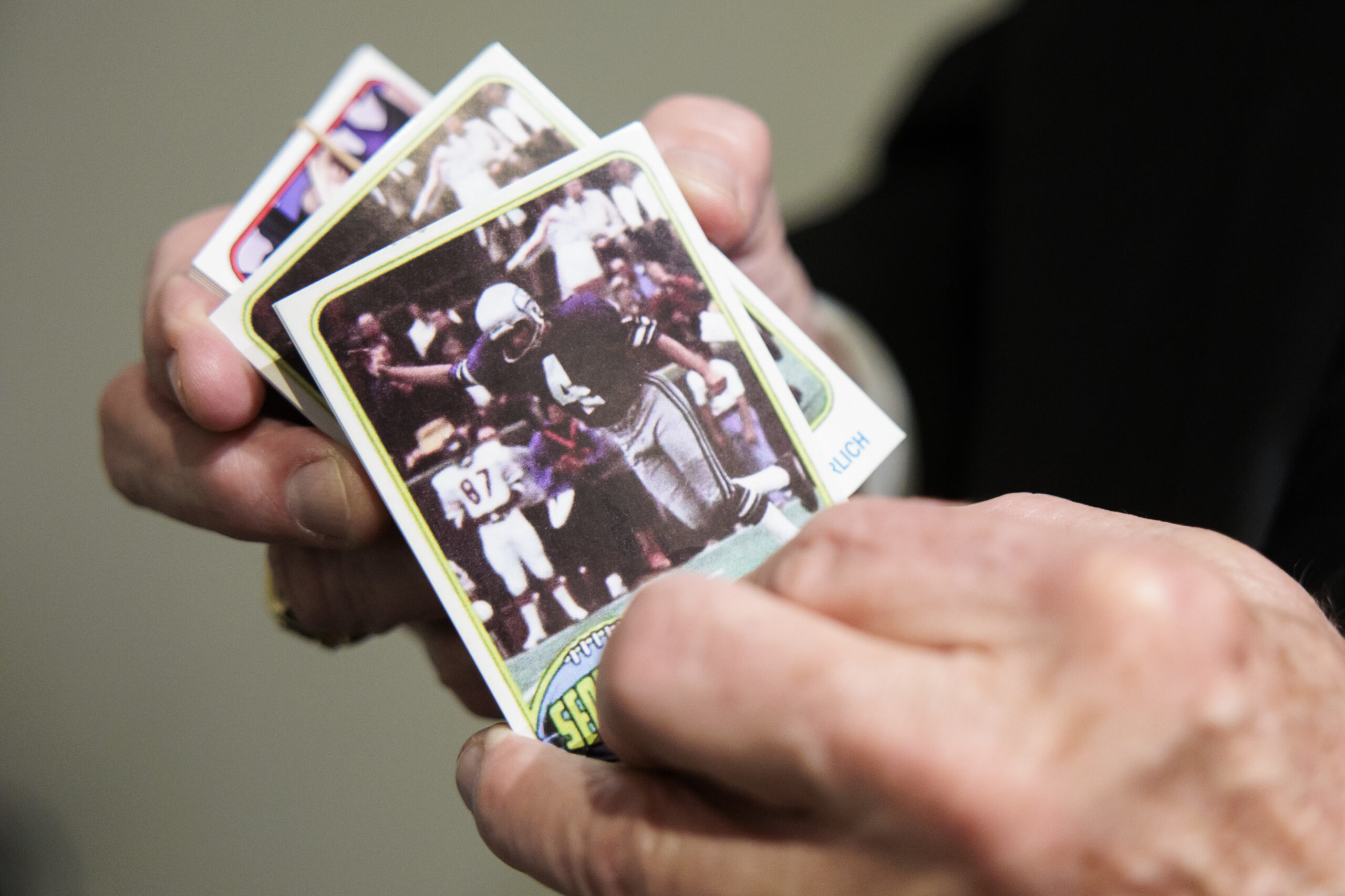
    Don Bitterlich holds his Seahawks football card. He scored the first points in Seahawks history as a kicker.

    He asked an assistant coach if the team was going to kick, and the coach shrugged him off. A half-hour later, he asked again. He had to go, Bitterlich said.

    “He said, ‘Go where?’” Bitterlich said.

    Bitterlich set records at Temple, played in an all-star game in Japan, was in his dorm when he was selected in the 1976 NFL draft, and scored the first-ever points for the Seattle Seahawks, who play Sunday in Super Bowl LX against the New England Patriots.

    He made it to the NFL despite knowing little about football until he became Temple’s kicker. It was a whirlwind, he said.

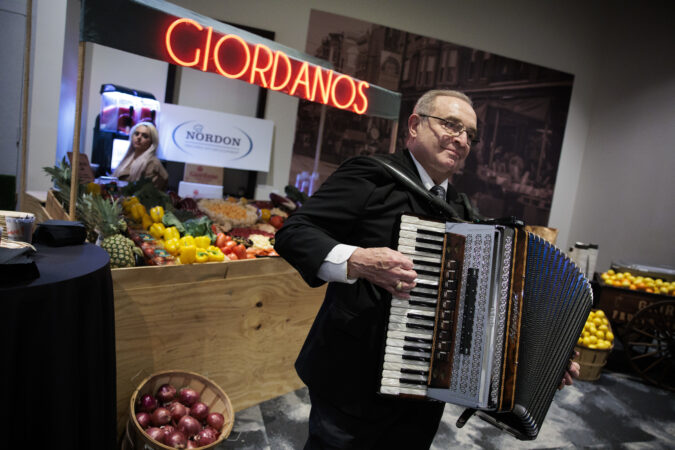
    He really made his name with the accordion, the instrument he’s still playing more than 50 years after he had to rush to a gig from football practice.

    He has long been a regular at German festivals, restaurants, banquets, and even marathons. A German club in the Northeast called Bitterlich “the hardest working accordion player in the world.” He played a gig on Sunday night in South Philly and another on Monday morning near Lancaster.

    Bitterlich, 72, who worked as a civil engineer until retiring last year, said he played more than 100 gigs in 2025. Football stopped years ago, but the show rolls on.

    “These days,” he says, “most people around hear me playing the accordion, and they don’t know that I kicked in the NFL.”

    Becoming a kicker

    Bitterlich was home in Warminster — his family moved from Olney just before his freshman year at William Tennent High — when Bahr called. The Temple soccer coach had been a star on the U.S. team that upset England in the 1950 World Cup and was one of the best players to come out of Philadelphia.

    “He had this raspy voice,” Bitterlich said. “He smoked cigars during practice and basically chewed and ate half of it as well. He always called me ‘Bitterlich’ but called me ‘Donald’ if I screwed up.”

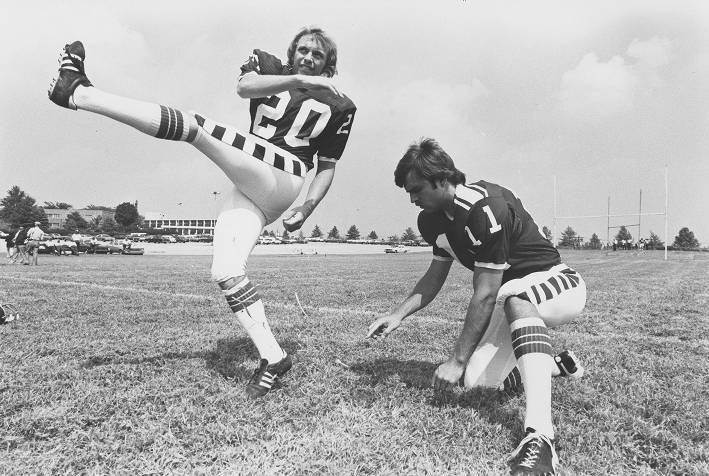
    Don Bitterlich (20) at Temple, likely during the 1975 season.

    So Bitterlich figured he was in trouble when his coach called him “Donald” on the phone.

    Bahr asked Bitterlich whether he knew who Hardin was. Yes, he said. Bahr said he had just talked to the football coach and told him Bitterlich could kick. The coach had watched Bitterlich since he played soccer for Vereinigung Erzgebirge, a German club his grandfather founded off County Line Road. He told Bitterlich he could do it.

    “So I said, ‘No soccer?,’” said Bitterlich, who was also the mascot at basketball games in the winter. “‘No, you’re my starting left midfielder.’ I was thinking, ‘How is this going to work?’”

    Bahr told Bitterlich to call the football office, get a bag of balls, and start kicking. He kicked every day at the German club and tried to figure it out. He was soon splitting his day between football camp in Valley Forge and soccer camp at the old Temple Stadium on Cheltenham Avenue in West Oak Lane. Each sport practiced twice a day and Bitterlich found a way to make them all.

    He played a soccer game that season in Pittsburgh, flew home with the team, and then took a taxi from the airport to Temple Stadium to kick for the football team. He was studying civil engineering and balancing two sports plus his accordion.

    It eventually became too much. Hardin told Bahr that he would give the kicker a full scholarship to play football. That was it.

    “With the football scholarship, I got room and board,” Bitterlich said. “So I was living on campus after commuting from Warminster. It was insane. I was so worn out.”

    Making history

    Bitterlich kicked a game winner in October 1973 against Cincinnati as time expired, made three kicks at Temple longer than 50 yards, and was the nation’s top kicker in 1975. The soccer player made a quick transition.

    “Coach Hardin always said, ‘If I yell ‘field goal,’ I expect three points on the board,’” said Bitterlich, who was inducted into the Temple Hall of Fame in 2007. “He expected that. The point of that was that he trusted you. That was his way of saying, ‘I’m not asking you to do anything that I don’t think you can do.’”

    Don Bitterlich performs with his accordian on Sunday during The Tasties at Live! Casino.

    The coach helped Bitterlich understand the mental side of kicking, challenging him in practice to focus on the flagpole beyond the uprights. Try to hit the flag, he said.

    “That had a huge mental impact on me,” Bitterlich said. “You have that image, and then when you do your steps back and you’re set, that’s all you can see. It made all the difference in the world for me. Once you have that image, you zone out any of the noise. You’re just focused on that image.”

    It helped him focus in September 1976 when the Seahawks opened their inaugural season at home against the St. Louis Cardinals. They drafted Bitterlich five months earlier in the third round. The Kingdome’s concrete roof made the stadium deafening, but Bitterlich felt like he was back in North Philly practicing at Geasey Field as he focused the way Hardin taught him to.

    He hit a 27-yard field goal in the first quarter, registering the first points in franchise history. The Seahawks had quarterback Jim Zorn and wide receiver Steve Largent, but it was the soccer player who scored first.

    Bitterlich’s NFL career didn’t last long, as the Seahawks cut him later that month after he missed three field goals in a game. He tried out for the Buffalo Bills, but a blizzard hindered his chances. He signed with the Eagles in the summer of 1977, missed a field goal in a preseason game, and was cut.

    He landed a job as a civil engineer in Lafayette Hill. He received a call on his first day from Eagles coach Dick Vermeil, who said the San Diego Chargers wanted to try him out. Bitterlich flew to California the next day but turned down a three-year NFL contract that would pay him only slightly more than his new job back home.

    “Plus, the real reason I turned down their offer was that they couldn’t hold for a left-footed kicker,” Bitterlich said. “Their holder just couldn’t get the ball down. I didn’t want to sign that contract. ‘What’s going to happen in two days when that guy can’t get the ball down?’”

    A week later, the San Francisco 49ers called. He flew back to California, tried out against another kicker, and was told he won the job. But the 49ers decided to sign Ray Wersching, who had been cut the previous season by the Chargers. Bitterlich turned down the chance to replace Wersching in San Diego, and now Wersching was swooping in for the job Bitterlich wanted in San Francisco.

    “I went back home and said, ‘That’s enough,’” said Bitterlich, who played three NFL games. “It started to get disappointing.”

    “I love to play,” Bitterlich says of his accordion. “I usually don’t take breaks. Most bands will play 40 minutes on, 20 minutes off. I just play through.”

    Still playing

    His NFL journey was hard to imagine that day at practice as he watched the clock at Temple Stadium and thought about how long it would take to drive to Vitale’s. Bitterlich told the assistant coach that it was almost time to play his accordion. That, the coach said, was something he would have to talk to Hardin about. Fine, Bitterlich said.

    “I didn’t know if I was going to make the team or not, and I knew I was going to play soccer,” Bitterlich said. “So I just went over and told Coach.”

    Hardin heard his kicker say he had to leave football practice to play the accordion and laughed.

    “He said, ‘Yeah, I heard something about that,’” Bitterlich said.

    The coach stopped practice and let Bitterlich get in the mix. He nailed six field goals and the other kicker shanked a few. The job felt like his. He hit a 47-yarder and looked over at Hardin.

    “He’s like, ‘Yeah, yeah. Go ahead. Go,’” Bitterlich said.

    Bitterlich was soon in his Chevy Caprice, heading down Cottman Avenue on his way to Vitale’s. He wasn’t late to his accordion gig that night. His football career would end a few years later, but the music has yet to stop.

    “I enjoy it,” Bitterlich said. “I love to play. I usually don’t take breaks. Most bands will play 40 minutes on, 20 minutes off. I just play through. I really don’t take a break. I love it.”

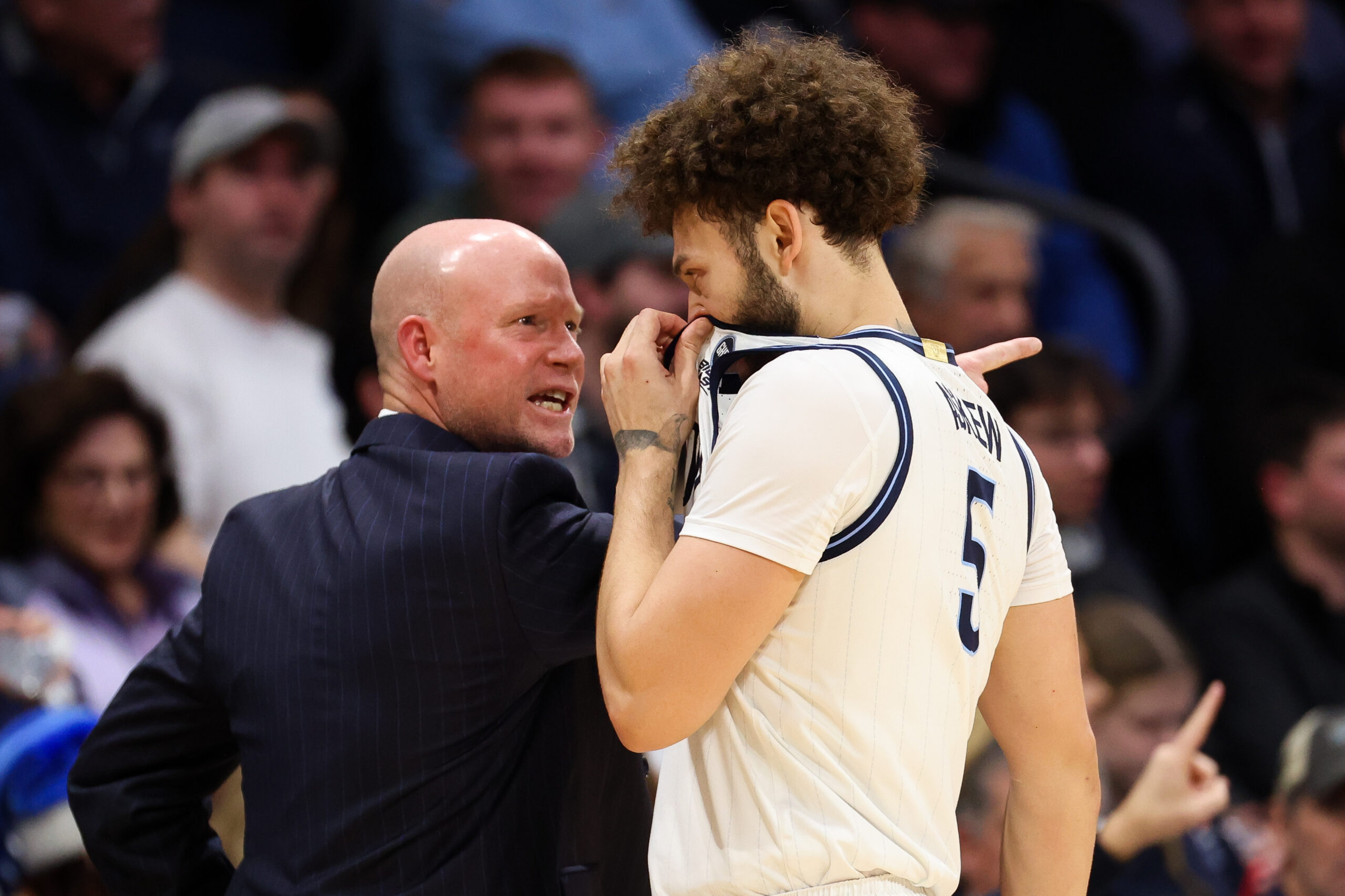
  • Villanova recruited Devin Askew in high school. Six years and five schools later, he’s fueling the Wildcats.

    Villanova recruited Devin Askew in high school. Six years and five schools later, he’s fueling the Wildcats.

    Devin Askew was covered in sweat when he sat down in a room inside the practice facility at Villanova on Monday, fresh off an on-court workout with development coach JayVaughn Pinkston that followed a weightlifting session.

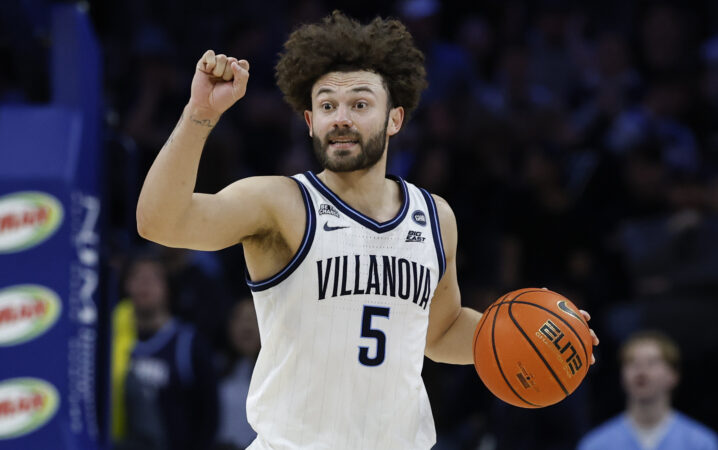
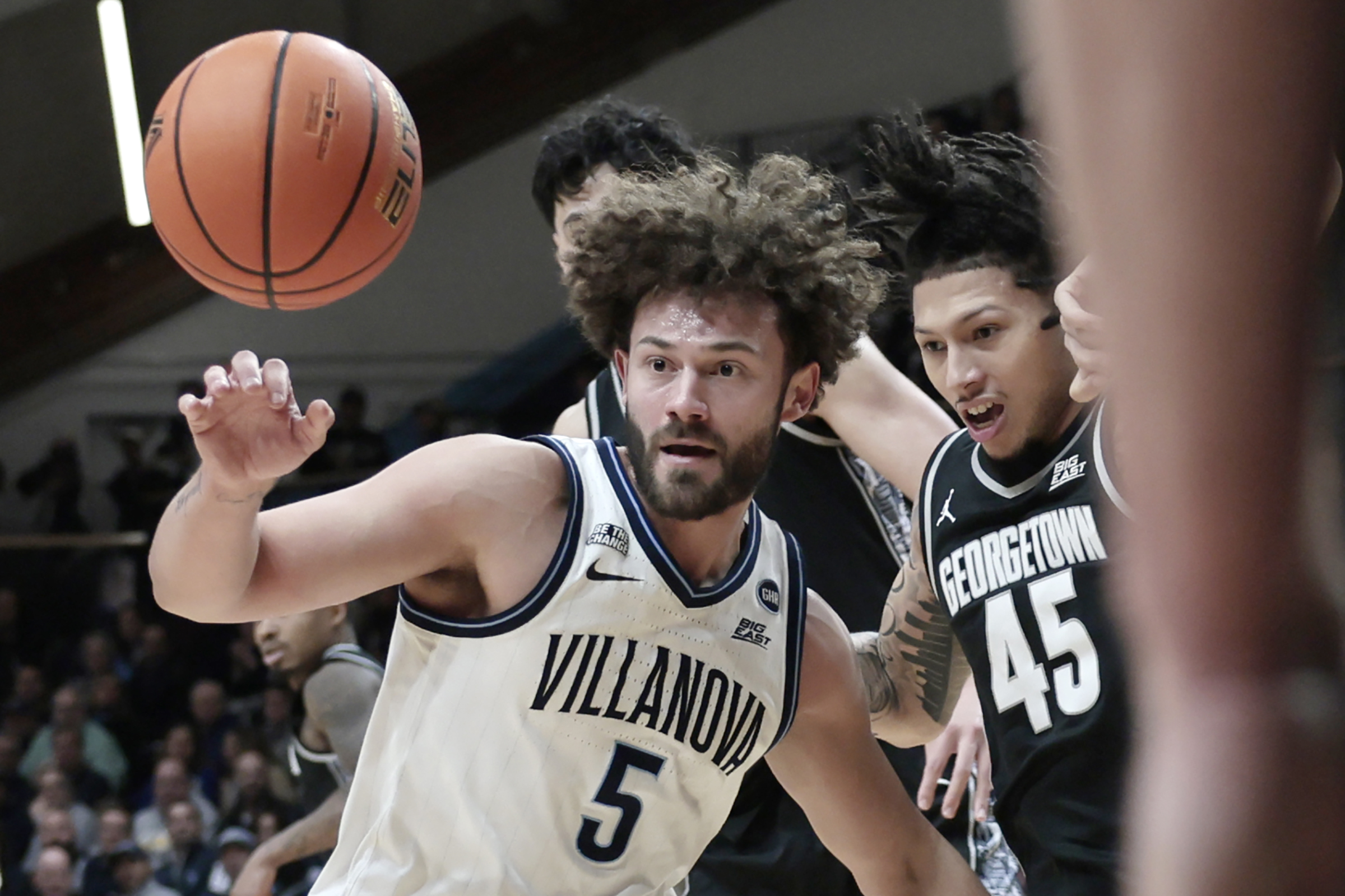
    Askew, Villanova’s sixth man, is on a tear as of late, averaging 15.8 points during a six-game stretch in which the 23-year-old guard has made 17 of 29 three-pointers. Sessions with Pinkston, a former Villanova player, have helped. Pinkston’s role is exactly that, to do the little things to get the most out of every player. But with Askew, Pinkston’s presence also is a reminder of the past and the winding journey Askew has traveled to put himself in the running for Big East Sixth Man of the Year.

    There are few connections remaining to the Villanova program of old, and Pinkston, who played for the Wildcats from 2011 to 2015, is one of them. Which gives him the right to playfully rib Askew about 2019, when, as a top recruit in the class of 2020 from California, he chose Kentucky over Villanova (and others).

    “He’ll always tell me I should have been here five years ago,” Askew said. “I should’ve always been a Villanova Wildcat.”

    Devin Askew is making a strong case for Big East sixth man of the year.

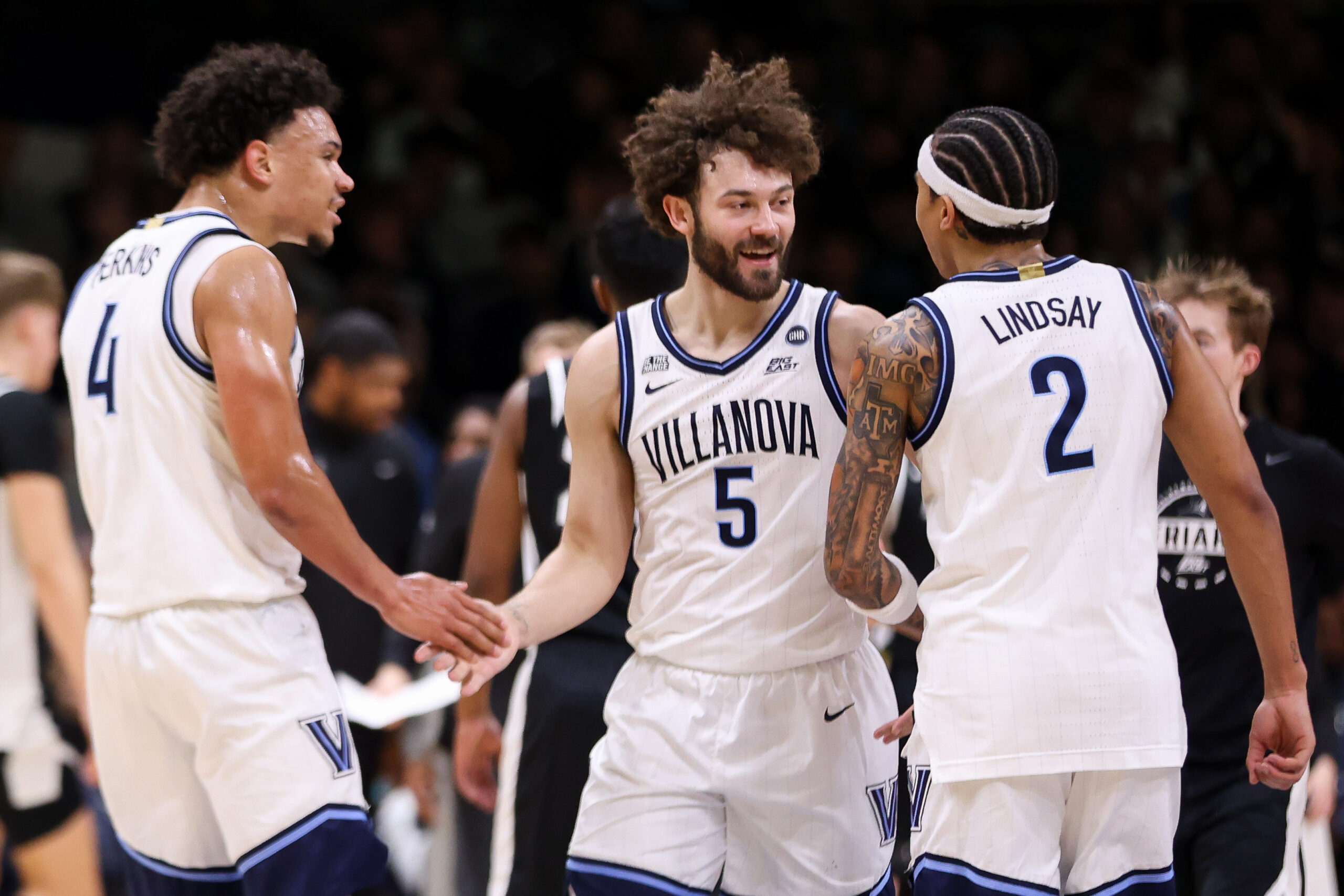
    He is here now almost by accident. His college journey has traveled more than 8,000 miles from Mater Dei High School in California to Lexington, Ky., to Austin, Texas, to Berkeley, Calif., to Long Beach, Calif., and, finally, to the Main Line. Five schools in six years. Which made him just another sign of the times when Kevin Willard plucked him out of the transfer portal to give his roster a much-needed experienced ballhandler and shooter.

    He was, to the outside world, another mercenary college basketball player passing through a random place on a map and collecting a paycheck to bridge his way to wherever professional hoops takes him.

    But for Askew, his time at Villanova has been a “full-circle” experience. Like in most people, his past explains the present, and it’s fitting the journey ends here, where his future is being determined during a critical turning-point season for him and Villanova.

    ‘It’s why we brought him here’

    This recent stretch is what Willard imagined when Villanova recruited Askew this time around. It’s a young Villanova roster, especially at guard. Freshman Acaden Lewis and sophomore Bryce Lindsay have had breakout seasons with the Wildcats, but Askew lately has been a steady presence, and his experience has allowed him to compete on both ends during the physical demands of a Big East schedule.

    Before the last six games, Askew reached double figures just three times in 15 contests. It took a little bit longer for it all to come together because he suffered a knee injury during the lead-up to the season. His injury history followed him. A sports hernia injury ended his junior season at California after 13 games, and a foot injury ended his following season, the 2023-24 campaign, after just six.

    That injury gave him a redshirt season, but also extra perspective to get through his first few months at Villanova, when he missed nearly two months of practice and was not 100% when the season started.

    “I’m tough, and I’m not going to quit,” Askew said when asked what he has learned about himself along his college journey.

    Were past versions of him not as tough?

    “The true test of knowing that is to go through something,” he said. “I’m willing to go through it and deal with anything that comes to me because I love the game, I love the sport of basketball. I don’t want to stop playing.”

    Villanova has needed Askew to be a stabilizing force at times, and it also has needed him to take over games offensively, like against St. John’s and Connecticut, two of the more experienced teams in the conference.

    “I don’t view it as they need me to take over,” Askew said. “There are so many things going on within a game, taking over a game could be a defensive stop.”

    Devin Askew scored a team-high 20 points off the bench against Providence on Friday.

    Willard credited a recent run of strong practices after Askew made five three-pointers and scored 20 points in Friday’s win over Providence. The coach has talked recently about how critical it is to have Askew’s experience. He’s a big reason the Wildcats are 16-5 overall and 7-3 in the Big East as they head into Wednesday night’s home game vs. Seton Hall.

    “It’s why we brought him here,” Willard said. “This is the type of player he is. When you go into the portal, you really have to evaluate and watch film and see what he has. When he was on his visit, I think the best part about it was I just loved his maturity. He’s a terrific, terrific person.

    “He’s getting rewarded for being a hard worker and a terrific person.”

    A piece from all the places

    There is a part of every stop that make up the player and person Askew is.

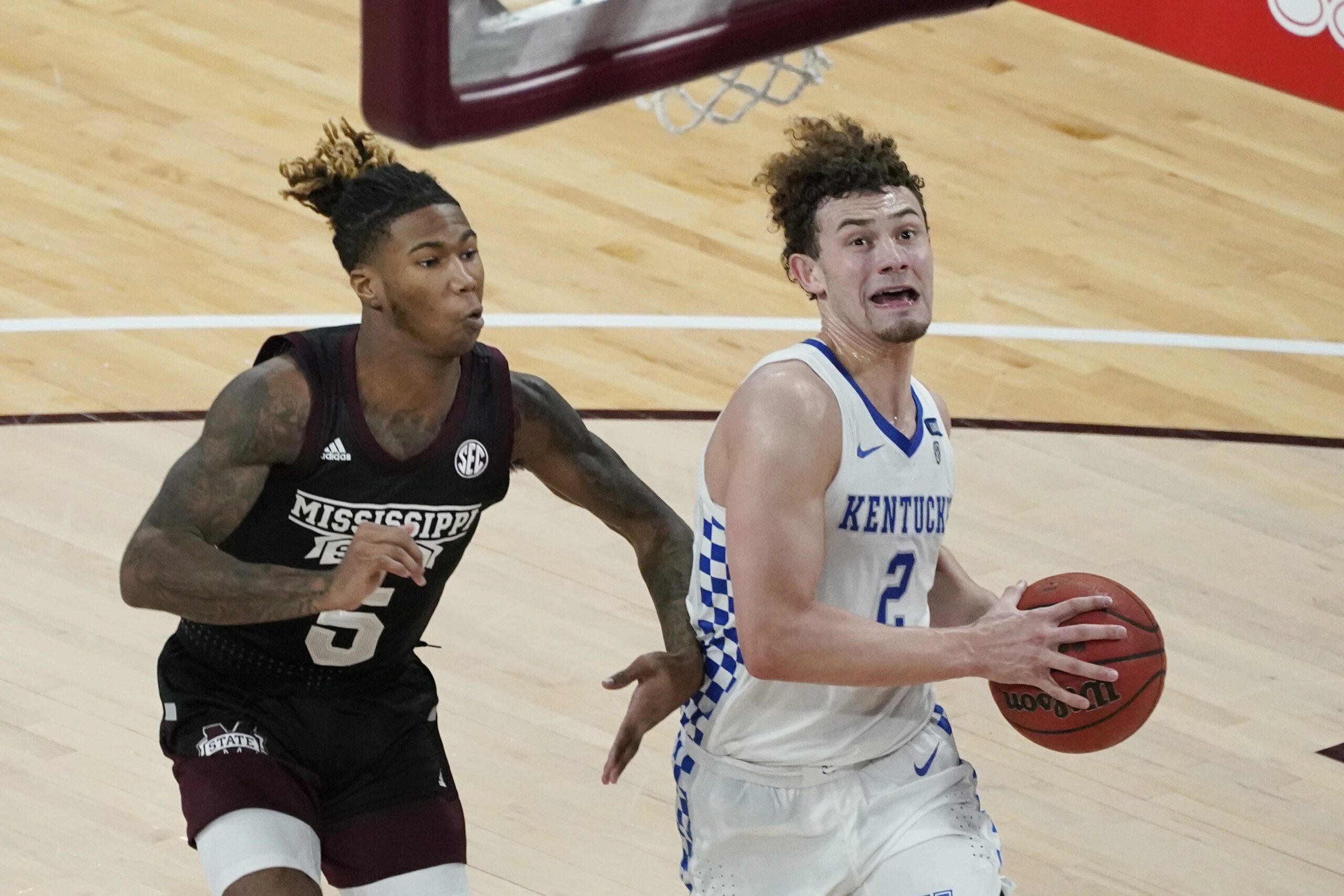
    He chose Kentucky as a 17-year-old top-40 prospect because who wouldn’t want to play for John Calipari and follow in the footsteps of top guards like Shai Gilgeous-Alexander and Tyrese Maxey?

    What did he learn from each stop? Askew went through them one by one.

    Devin Askew said his time at Kentucky “taught me patience and to be even-keeled.”

    At Kentucky, he learned how to go from being the guy on a high school team to being one really good player on a team of other really good players. It wasn’t an easy learning experience. “It actually taught me patience and to be even-keeled,” he said. “There’s going to be ups and downs, and you can’t get too high or too low. I was just an emotional kid.” He had high expectations for himself and didn’t meet them. He started losing his love of basketball.

    Enter Texas, which may be the most important stop of the five. “That brought back all that love for me,” Askew said. “No, you still love this game. Chris Beard and that coaching staff saved my career.” Askew averaged 14.9 minutes off the bench and was a role player on a team that reached the NCAA Tournament. He fell back in love with basketball, but he wanted a place where he could start, so he went back home to California.

    At Cal, it was time to “go show it,” Askew said. “I was ready. And the seasons just got cut short to injuries both years, and that’s where we kept learning and kept growing. … This is the life we chose.”

    Cal allowed him to be closer to his family. He has leaned heavily on his two brothers and his parents over the years. Cal also gave him his undergraduate degree in interdisciplinary studies. But entering the 2024-25 season, he was an oft-injured journeyman with two seasons of eligibility left — one redshirt year, one COVID year — looking to prove he could still play. To the portal, and to Long Beach State, he went.

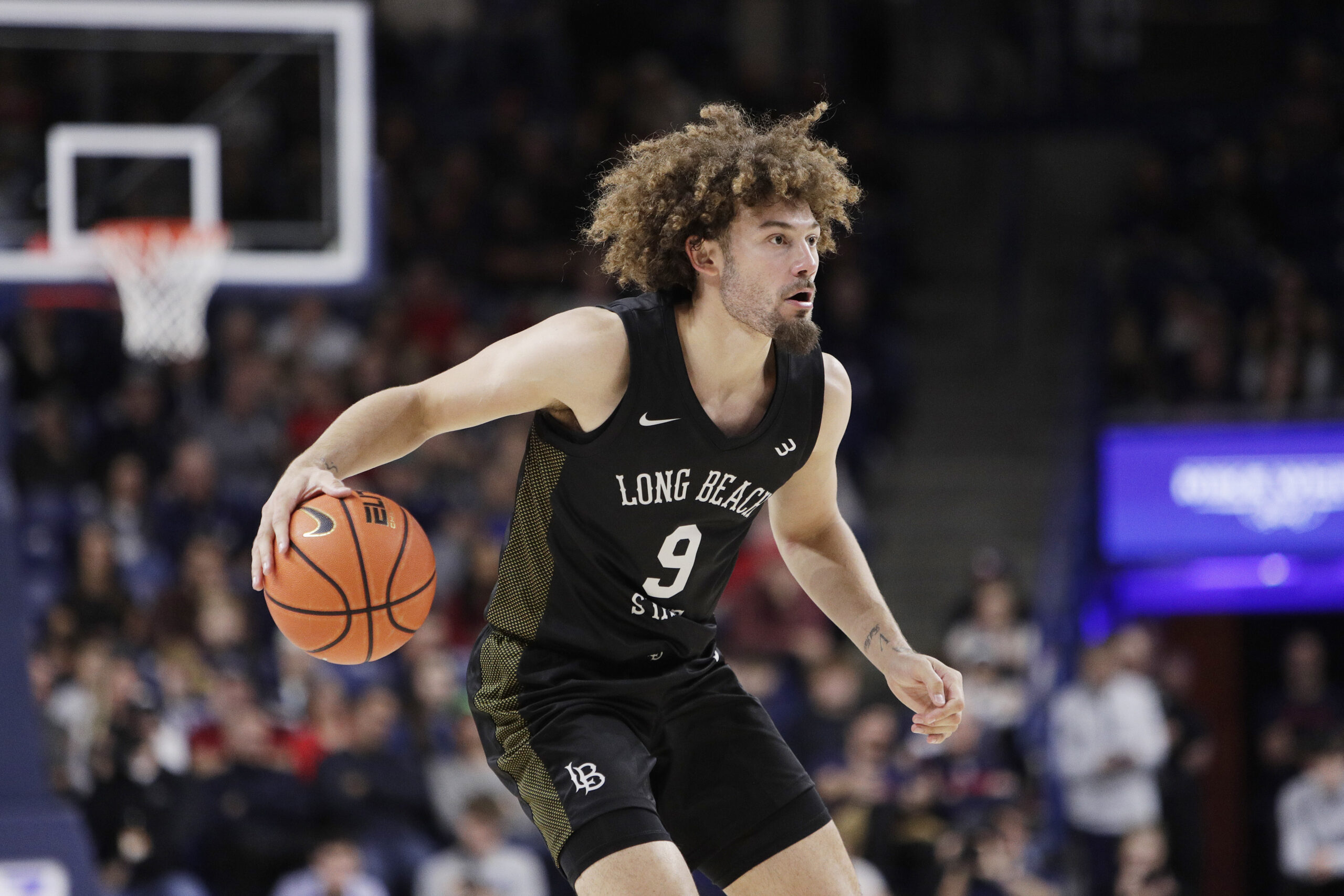
    “Go do it,” Askew said of Long Beach. “It wasn’t go show everyone, because I wasn’t into showing everyone. But it was prove to yourself again.” He scored 18.9 points per game and shot 37.6% from three-point range on a team that won seven games and ended the season by losing its last 15.

    At Long Beach State, Devin Askew averaged 18.9 points.

    “Not a lot of people believed in me and believed I could play still,” Askew said. “They gave me the platform to show what I could still do.”

    He found a believer in Willard, who needed another guard in late April to fill out his roster. Villanova, Askew said, is the place to put all of those experiences together.

    There are a lot of reasons to gripe about the state of college basketball, and a player going to five schools in six years is one of them. Askew is, in a sense, a one-year rental who helped Willard get Villanova back on track in his first season.

    Off the court, Askew is taking classes toward a master’s certificate in Villanova’s public administration program, a year after earning a certificate in communications at Long Beach. On the court, Askew is helping Villanova get back to the NCAA Tournament.

    When the topic of the tournament came up, Askew shook his arms and said he got chills.

    “That would mean everything to me,” he said. “I kind of get emotional thinking about it. As a kid you always want to play in the tournament. You go to college and want to play college basketball to make the tournament.”

    A continuation of his current form will go a long way toward making that possible, and helping him raise his own profile. The NBA probably isn’t in his future, but there is a country or league out there for a lot of players like him.

    “I don’t know what this year will do for me,” Askew said. “And I don’t like to hope, because what will happen will happen. I’m just thankful wherever this game takes me, thankful and grateful.”

    Sometimes it takes you to the place where maybe you were always supposed to be.

  • Jefferson Health plans to boost capacity at the Abington Hospital emergency department

    Jefferson Health plans to boost capacity at the Abington Hospital emergency department

    Jefferson Health is boosting emergency department capacity at Abington Hospital to enable it to receive 100,000 visits annually, up from 80,000 now, the nonprofit health system said Tuesday.

    The department, which is also a Level II trauma center, will be named the Goodman Emergency Trauma Center in honor of an unspecified donation from Montgomery County residents Bruce and Judi Goodman. Bruce Goodman is a commercial real estate developer and a longtime Abington board member, Jefferson said.

    Jefferson, which acquired Abington in 2015, described the Goodman gift as the cornerstone of a $30 million ongoing fundraising campaign for the hospital’s emergency department.

    The project will reconfigure more than 24,000 square feet of existing clinical space and reallocate 10,000 additional square feet from a courtyard and a gift shop to the ED to expand capacity from 80 to 116 treatment spaces, Jefferson said.

    In November, Jefferson said it had closed Abington’s inpatient behavioral health unit to accommodate extra patients in its emergency department.

    Also last year, Jefferson announced $19 million in upgrades to the emergency department at Thomas Jefferson University Hospital in Center City. The system also added a 20-bed observation unit in the ED at Jefferson Einstein Philadelphia.