I spoke with a Friends School class this week, primarily about my photos decades ago of unhoused men in Center City. It was part of their week working with PhotoVoice, a research method where participants photograph their own lives to highlight community strengths and challenges, and advocate for social change.
After the class, and following many thoughtful questions from the middle schoolers about how in general I approach people before I photograph them, and specifically people in vulnerable situations, a student came up to ask me a more practical question: “How do you take pictures in bad weather?”
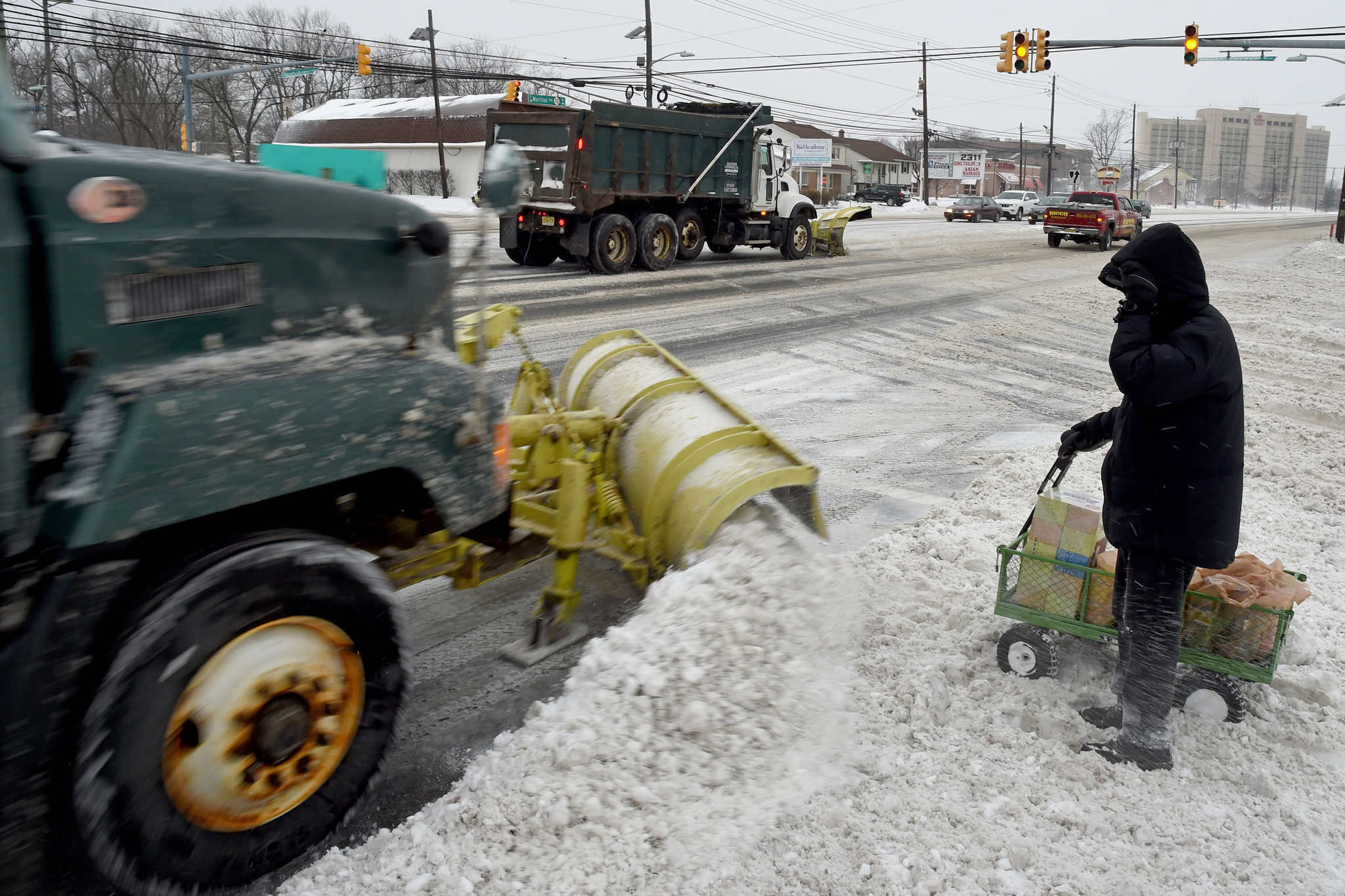
Pedestrians and plows on Rt. 70 in Cherry Hill in Januiary, 2018.
I don’t have an all-weather, sealed camera, so besides dressing as best I can for the conditions (and always having a spare pair of thick, dry wool socks in my car) keeping my camera protected is the biggest priority. I not only need to stave off mechanical/electronic breakdown, but have to keep my lens clear of the elements.
I told him I do have a dedicated rain sleeve but I’ve only used it once or twice at rainy sporting events (they’re priced from $2 each up to $200).
Mostly I use plastic bags or a large umbrellas (watching that I not catch the edges in my frame). I also try to find dry areas to stand in — while watching and photographing others out in the elements. I seek cover under a roof, awning, or doorway. I go into parking garages or subway entrances.
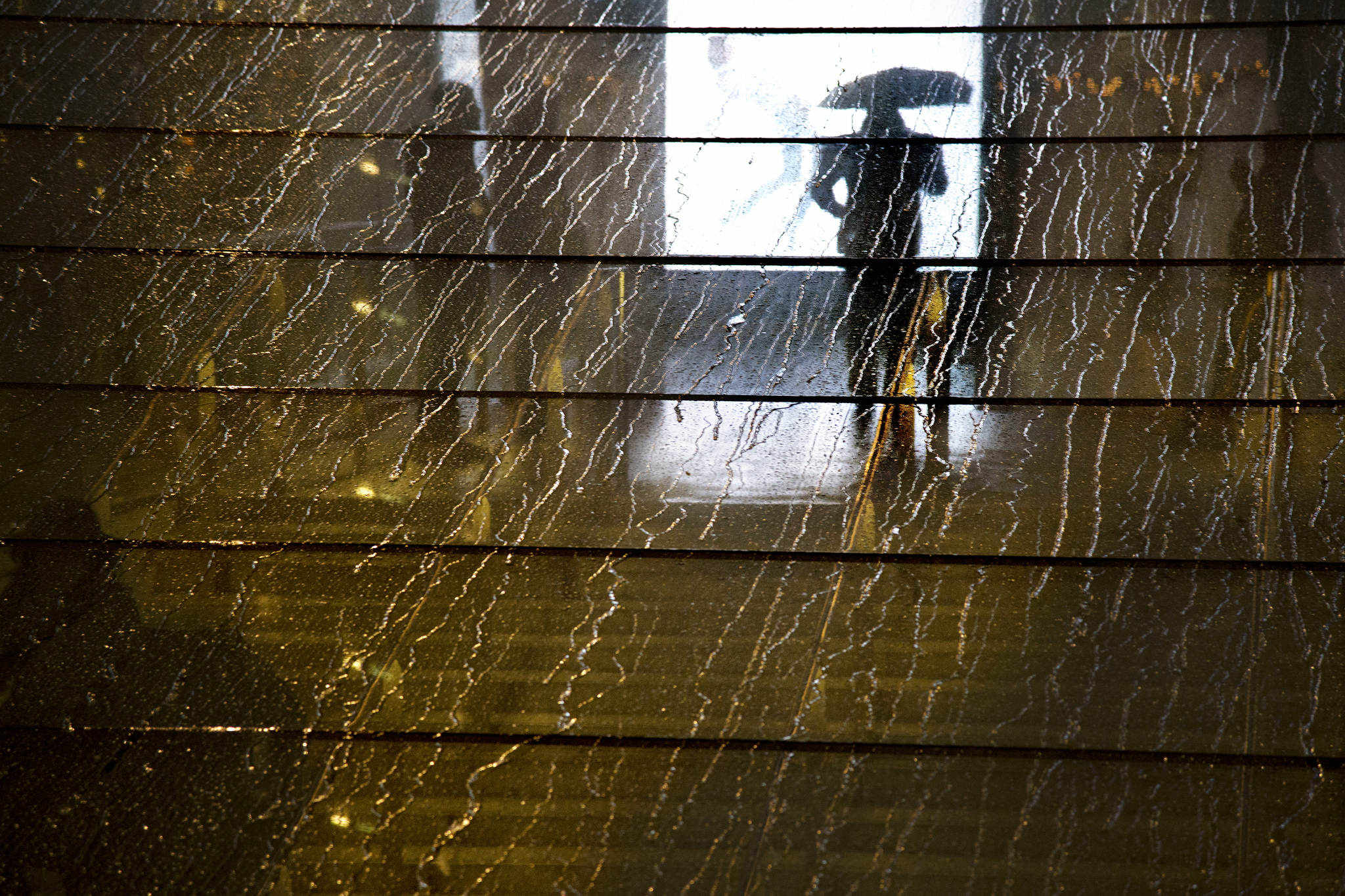
The glass entrance to SEPTA’s underground concourse at Dilworth Park by City Hall.
Sometimes I safely park my car where I can briefly open my leeward (downwind!) window. Other times the rain or snow on glass can even be an effective way to portray the “dab” weather. It can be in or out of focus to create a bokeh-like effect or blurred to convey mood. Your choice of a fast shutter or slow shutter can either stop the drops or show their movement.
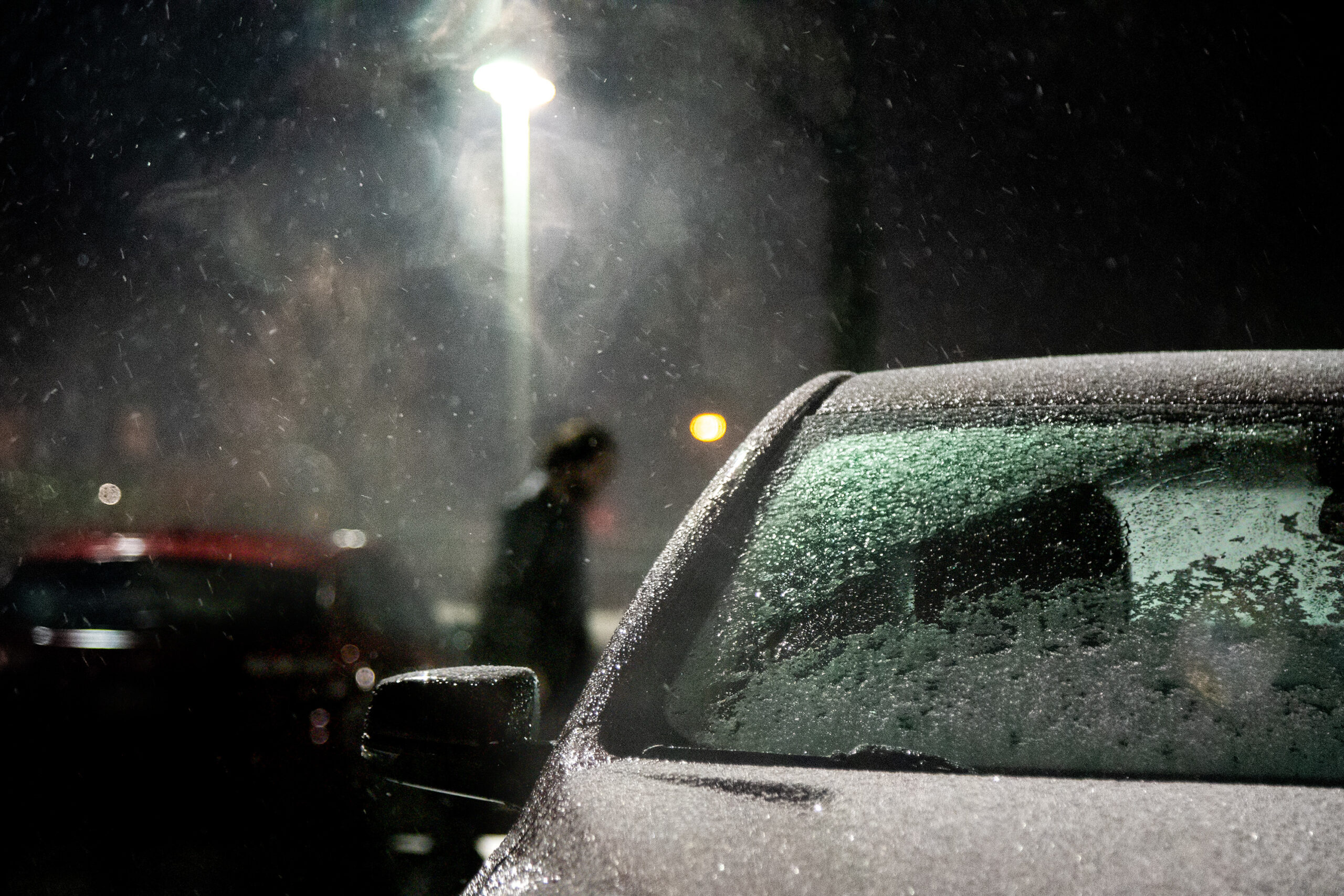
Precipitation — some snow and some rain — falls on cars in a parking lot on City Avenue.
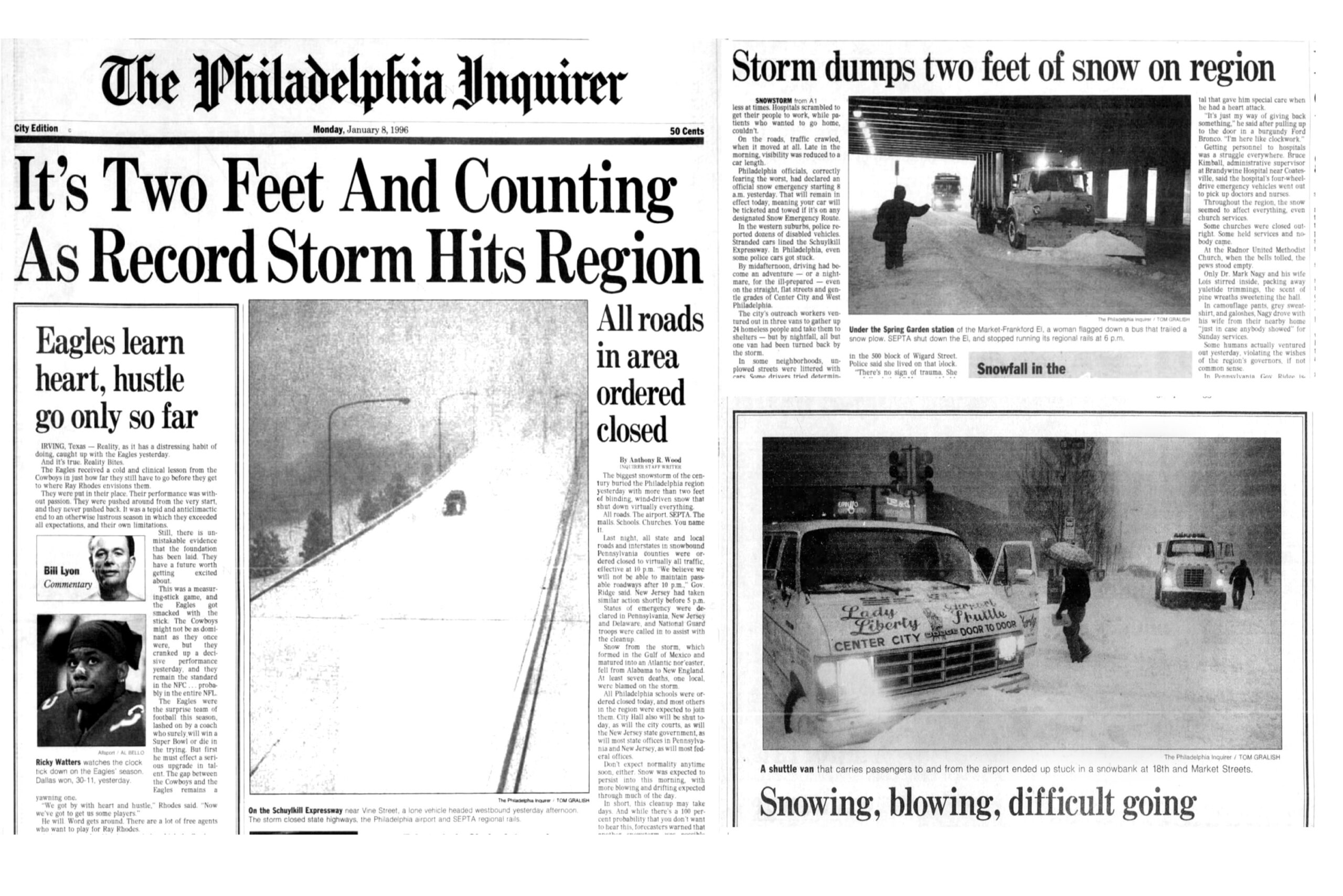
I’ve covered all of the biggest storms of the past few decades, including the historic “Blizzard of the Century” thirty years ago this month.
Front page and inside photos from The Philadelphia Inquirer. January 8, 1996.
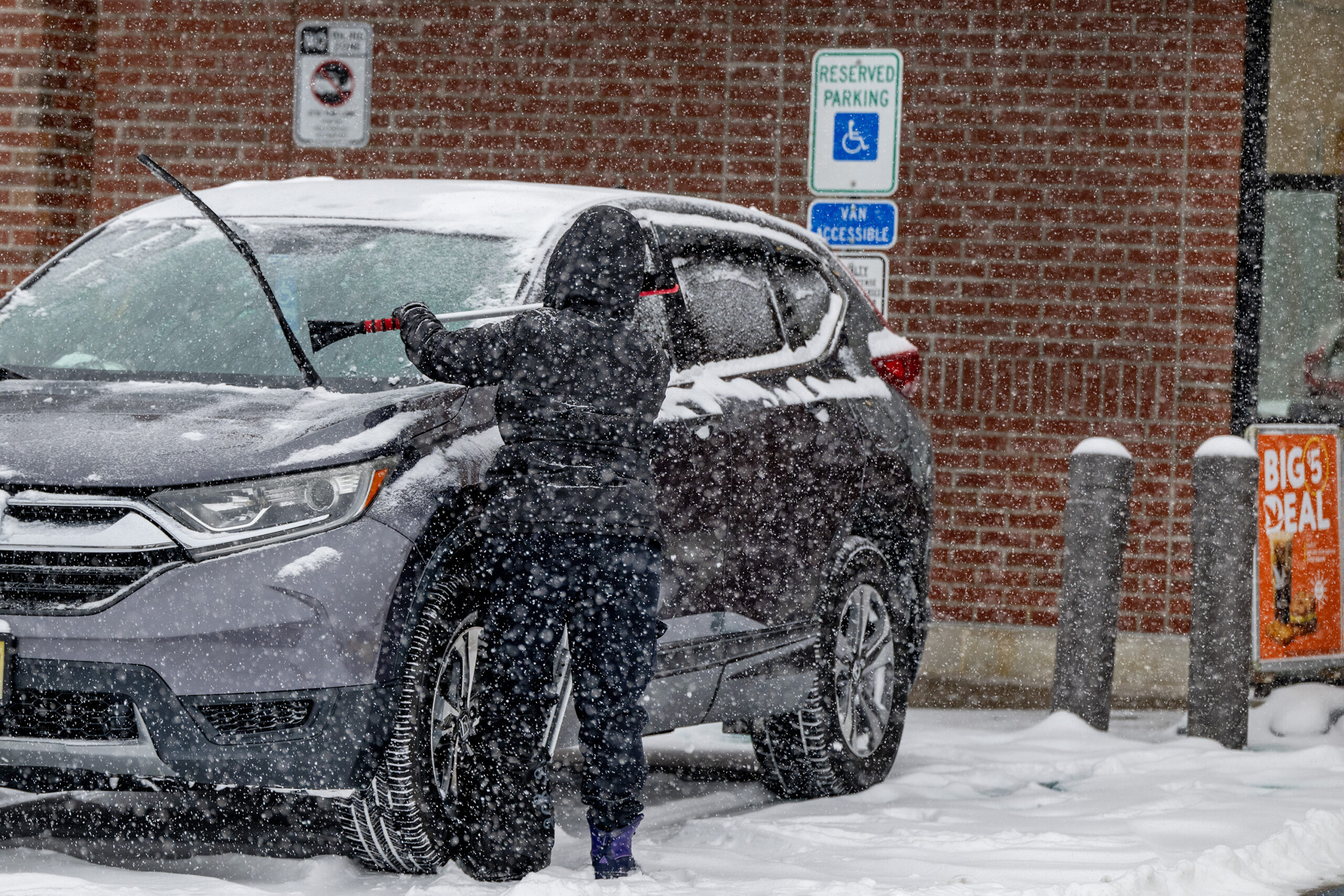
So, I took my own advice while preparing to go out last Sunday. Knowing the roads would get worse as the day went on, I drove out of my South Jersey neighborhood while an early pass of the plows left main arteries somewhat passable, and headed straight to the nearest Wawa that I knew would have a clear-ish parking lot.
Stepping out from under the overhang — I made a few photos before walking out into on the wide street to get the few passing cars and plowing crews in a nearby shopping center.
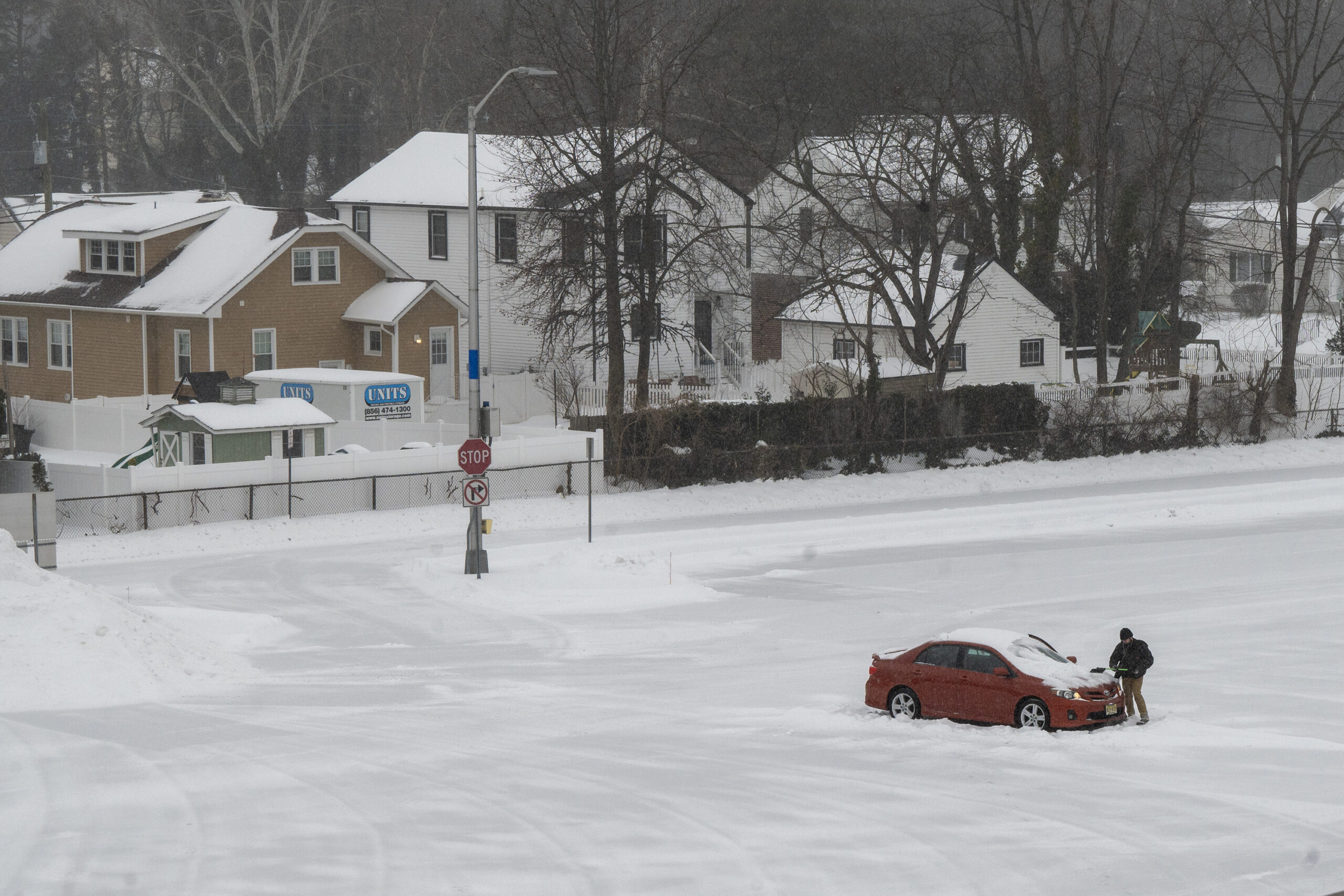
Carmen Roman clears snow off her car at a Cherry Hill Wawa early Sunday morning, Jan. 25, 2026, as heavy snow bands move through the region generating snowfall rates of 1 to 2 inches an hour.
From there, confirming my fears the roads would be more difficult to drive on, I headed the Westmont PATCO station, finding a safe place to park even as workers were hard at it, clearing the lot.
I made photos from the elevated platform before taking a train to Collingswood, where — standing on the leeward side of the stairwell shelter — I took more pictures then walked into downtown.
Haddon Avenue was plowed and relatively empty of cars, but the sidewalks were impassible. I sent in my best photo of people walking along the middle of the downtown street.
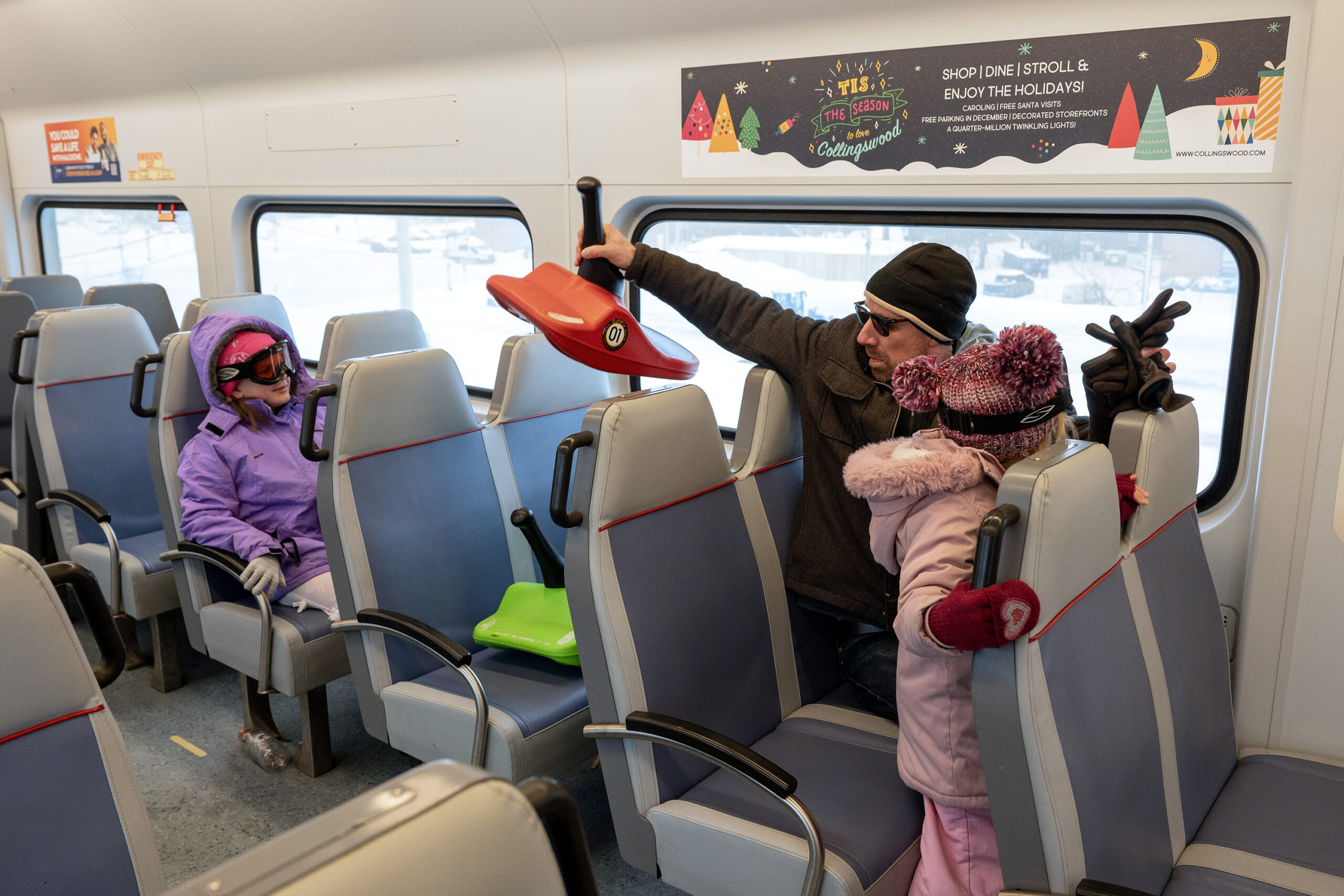
It was then I saw Mike Doveton and his daughters. Not wanting to repeat my earlier image, I asked if they were headed to or from sledding.
They were walking to the PATCO station to sled in Haddonfield, so I tagged along.
On the train headed to sled.
I went with them to their destination, but didn’t want another kids-on-a-hill photo, so I got back on the train returning to the Westmont station, and my car, calling it a day. Until I saw someone digging out their car — the same one I had photographed hours earlier. I got as close as I could to the spot on the platform and made an “after” photo.
Before and after in the Westmont PATCO station parking lot.
Luis Nova had left his car there on Friday, and was in Philadelphia all weekend helping friends move and going to a goodbye party. He spent the morning sledding with friends in Clark Park in West Philadelphia. Like me, he had experience with storms. “I spent four years in Rochester [NY],” he told me. “So I knew what I was signing up for and was ready. I left all my equipment to get myself out.”
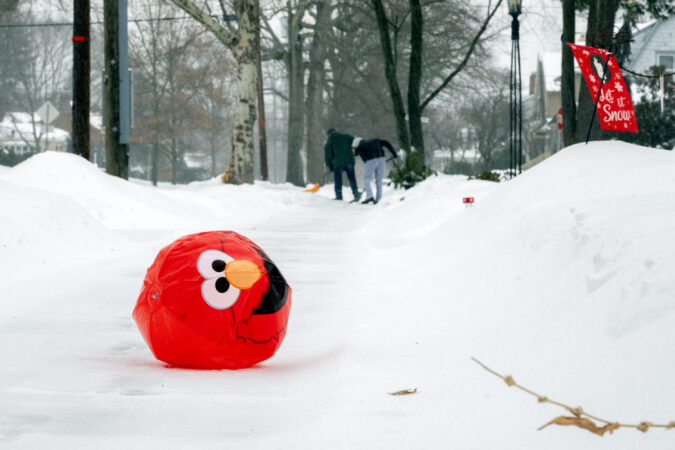
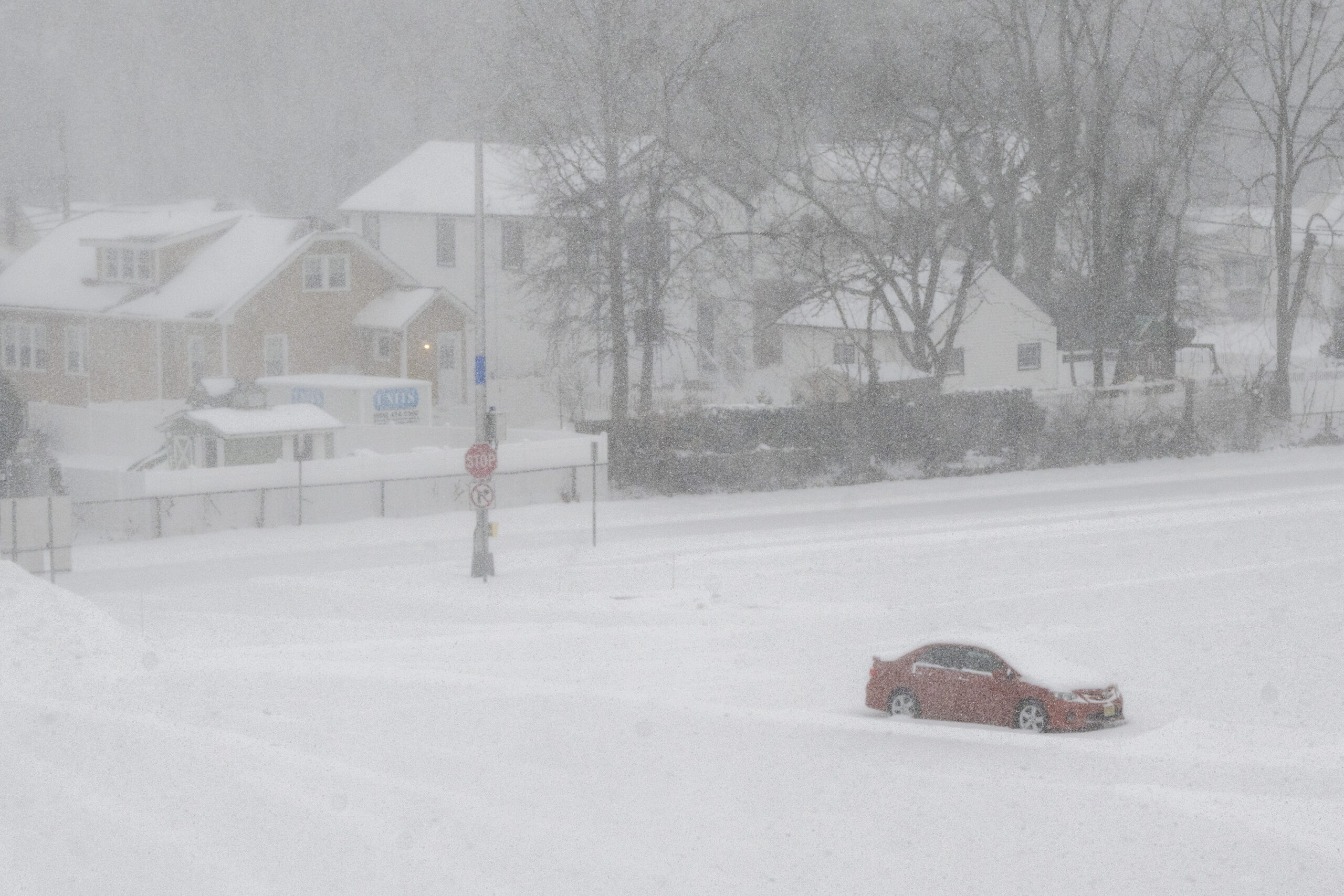
But the highlight of the day was at the very end, as I headed for home as the snow was turning to sleet. Two hours earlier, in the middle of the storm my grandson snapped a photo out our front window of an Elmo head in the middle of the street before the wind blew it away, and shared the picture with our family. As I approached my house, I see a red ball rolling fast down the street toward me. I almost drove into a snow bank laughing.
Not really, but I did pull into the driveway, grab a camera, jump out of my car and go chasing after it. The wind was really moving it, and I couldn’t see where it was, which was hard to imagine, being as the road and everything else was all white. I came up to a couple of guys shoveling and asked, “Did you see an Elmo head come this way?” They had, and said it went up a driveway and jumped onto the sidewalk. I found it and just as I was lining up my photo the wind took it again and it started spinning.
Since 1998 a black-and-white photo has appeared every Monday in staff photographer Tom Gralish’s “Scene Through the Lens” photo column in the print editions of The Inquirer’s local news section. Here are the most recent, in color:
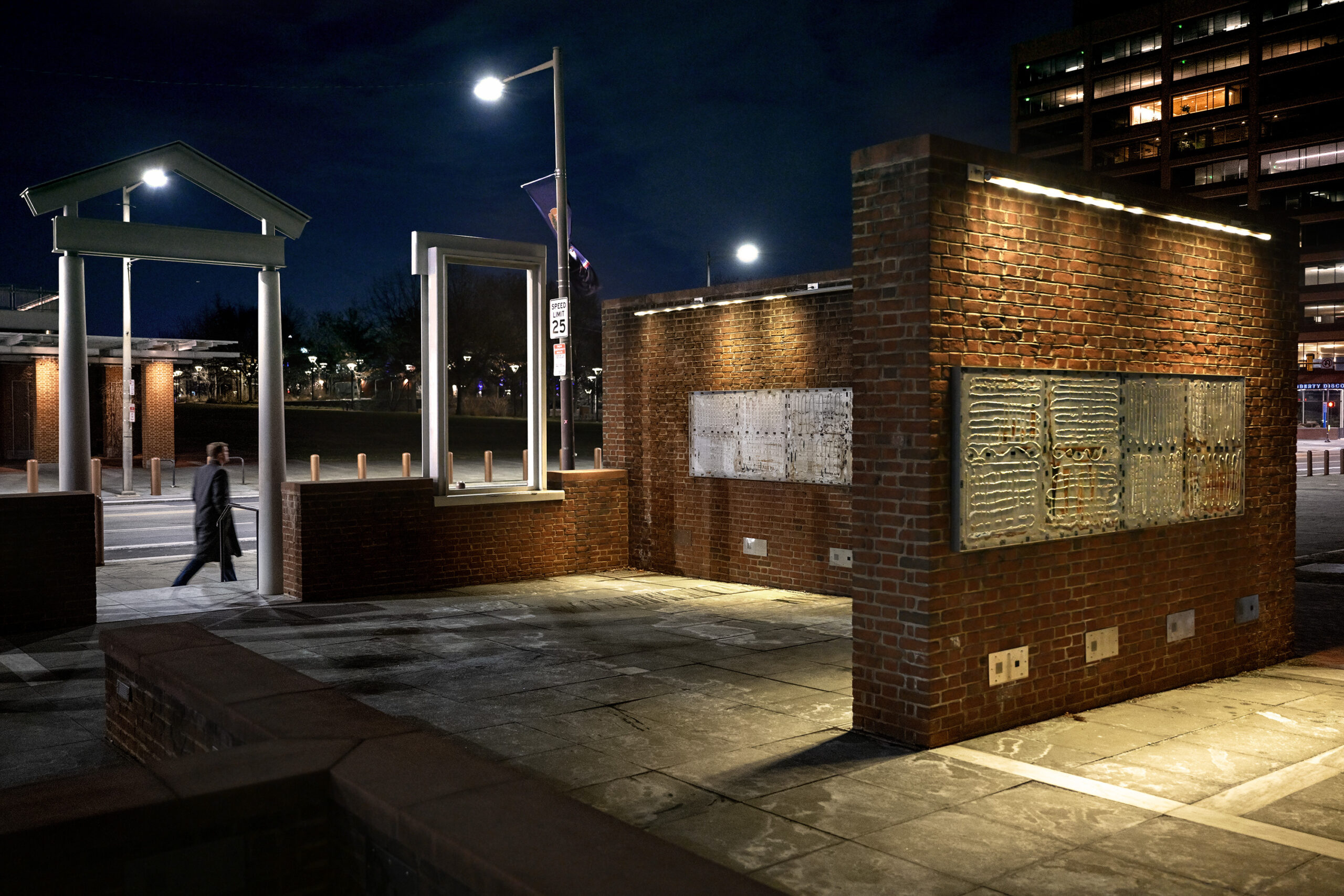
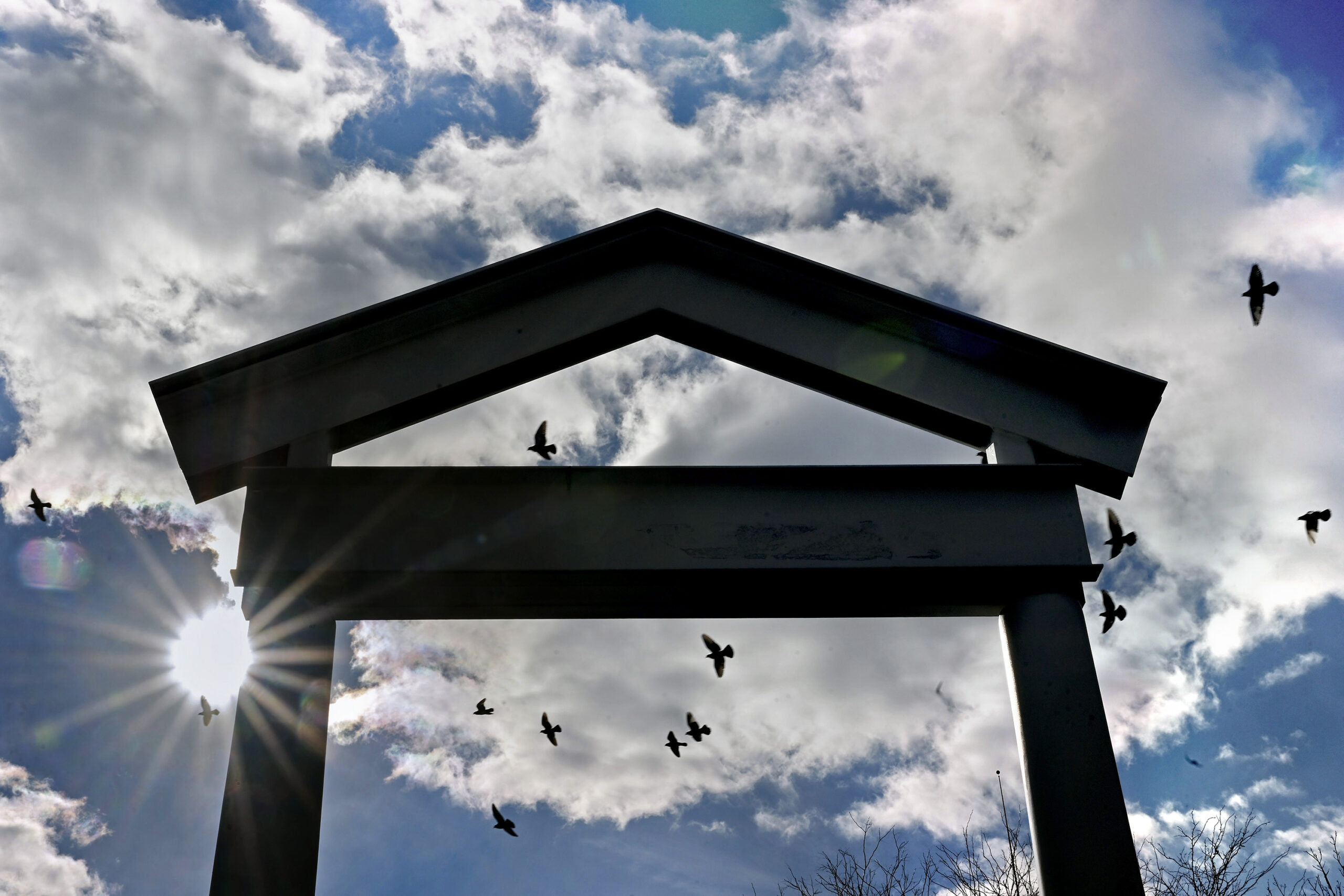
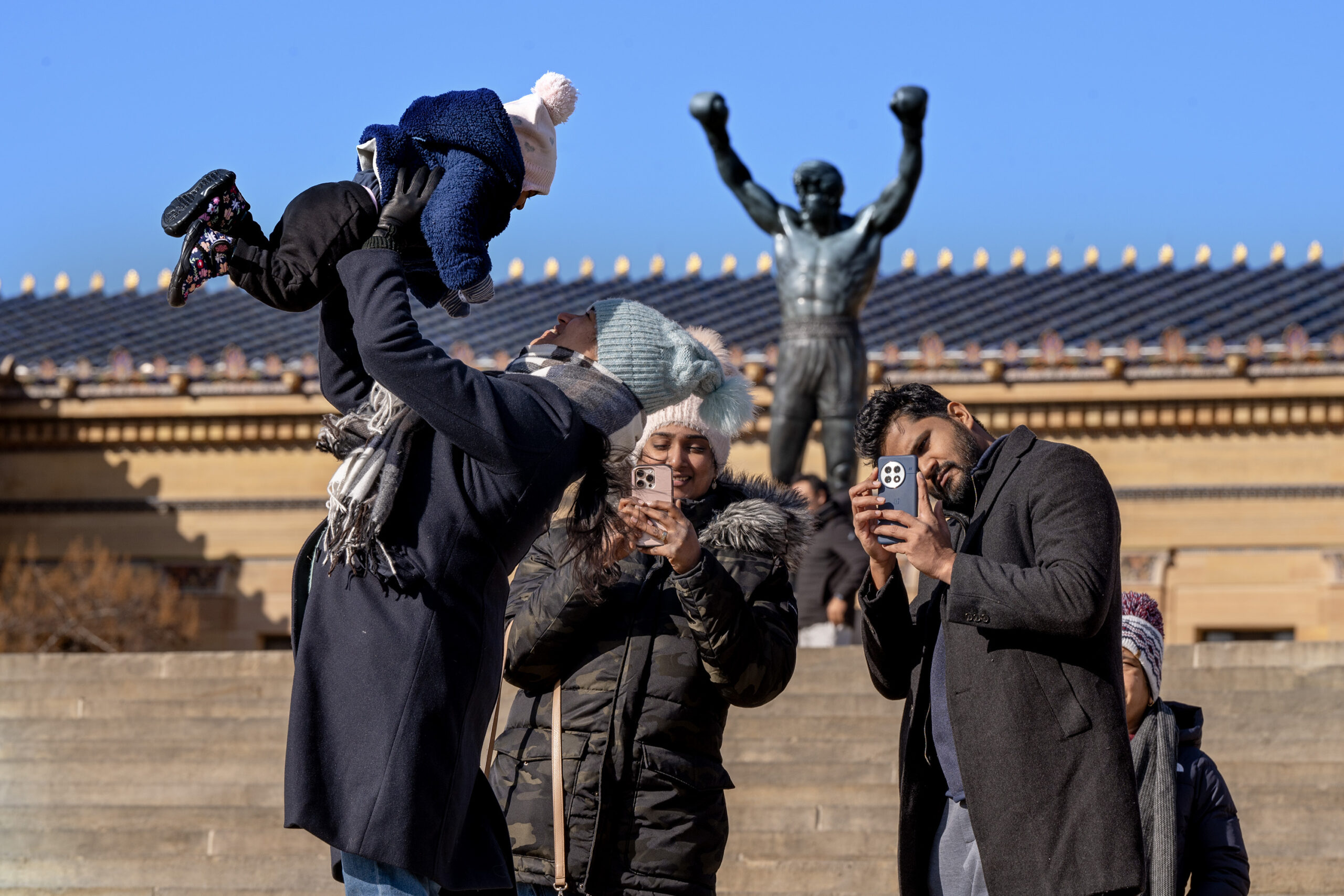
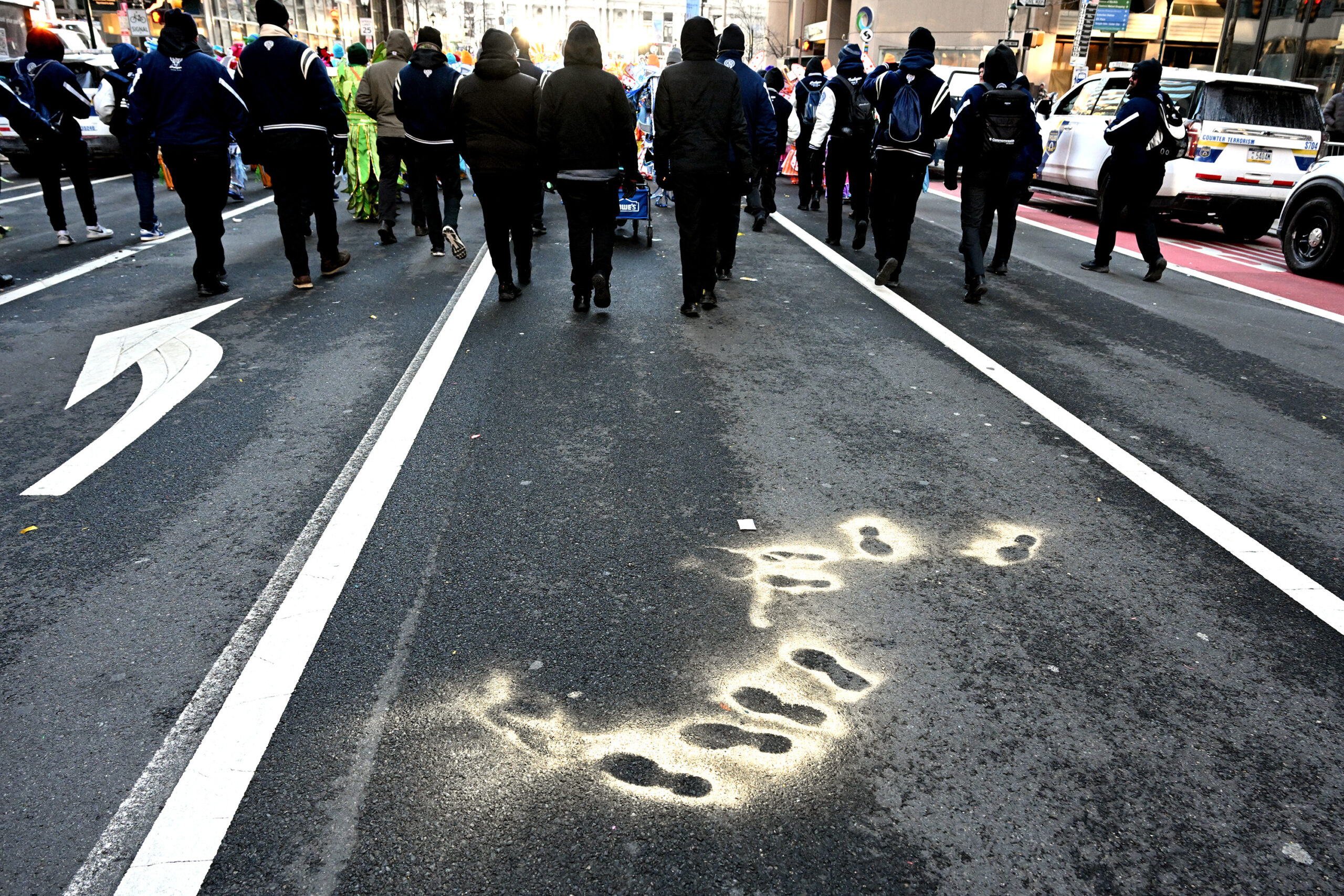
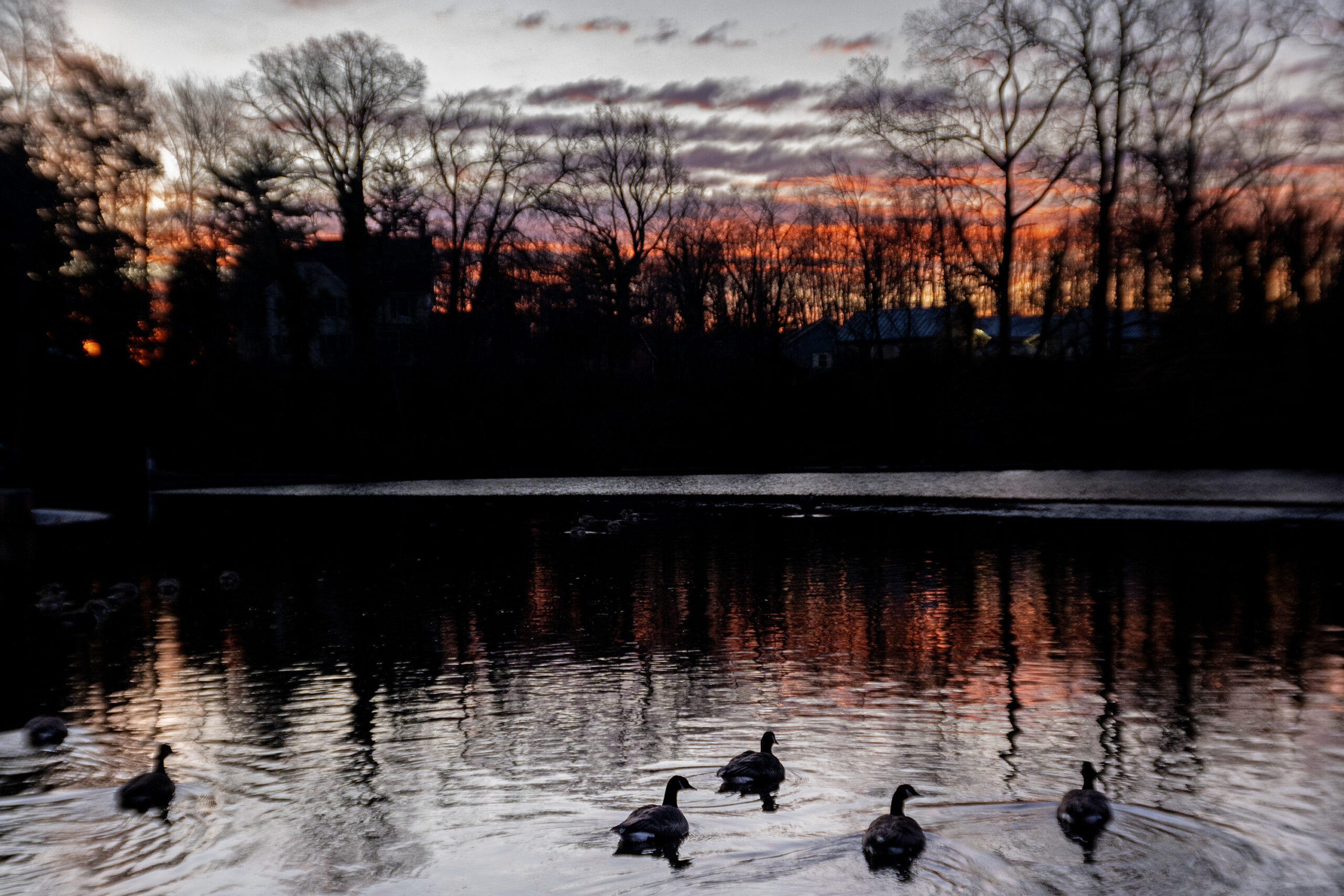
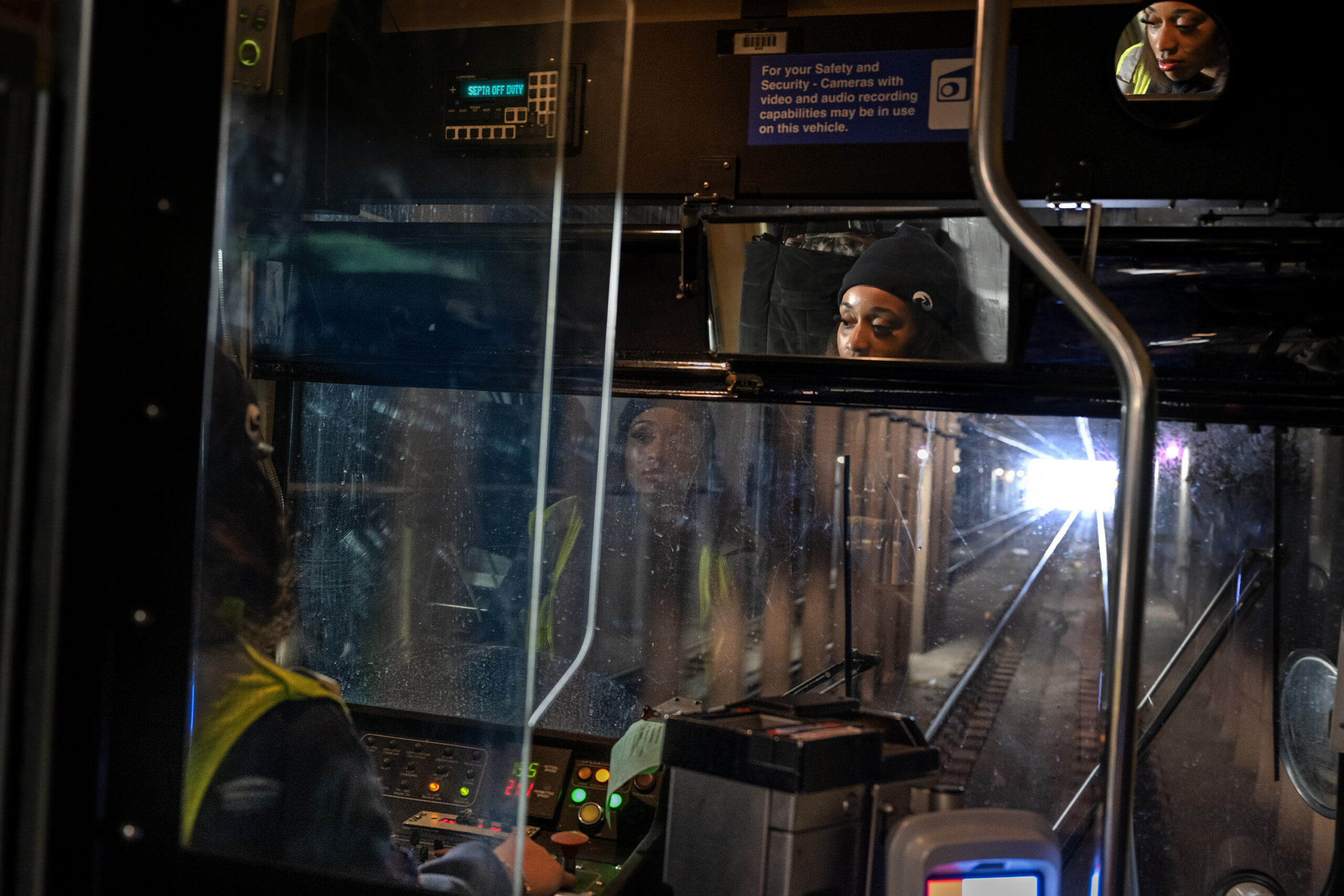
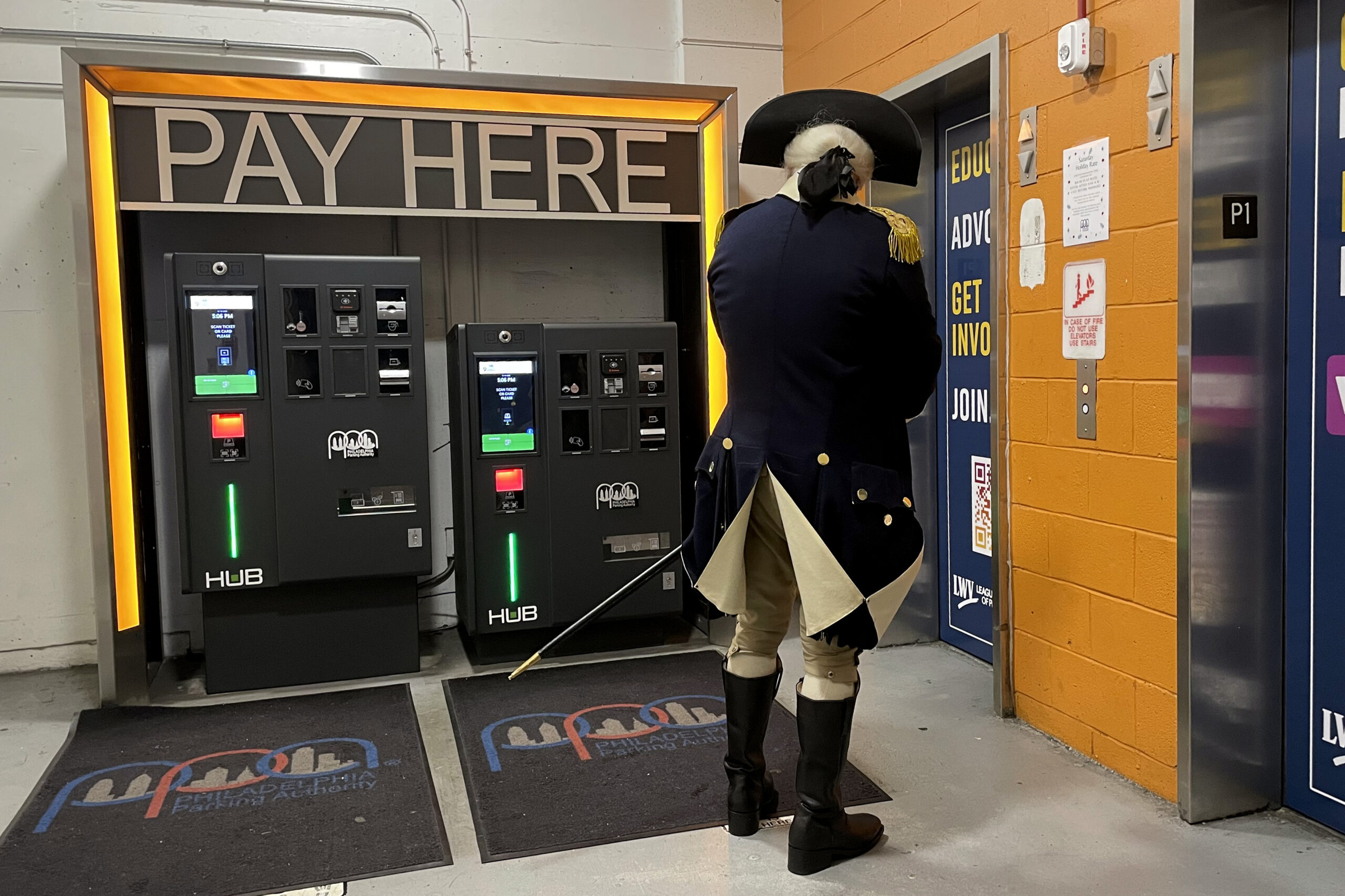
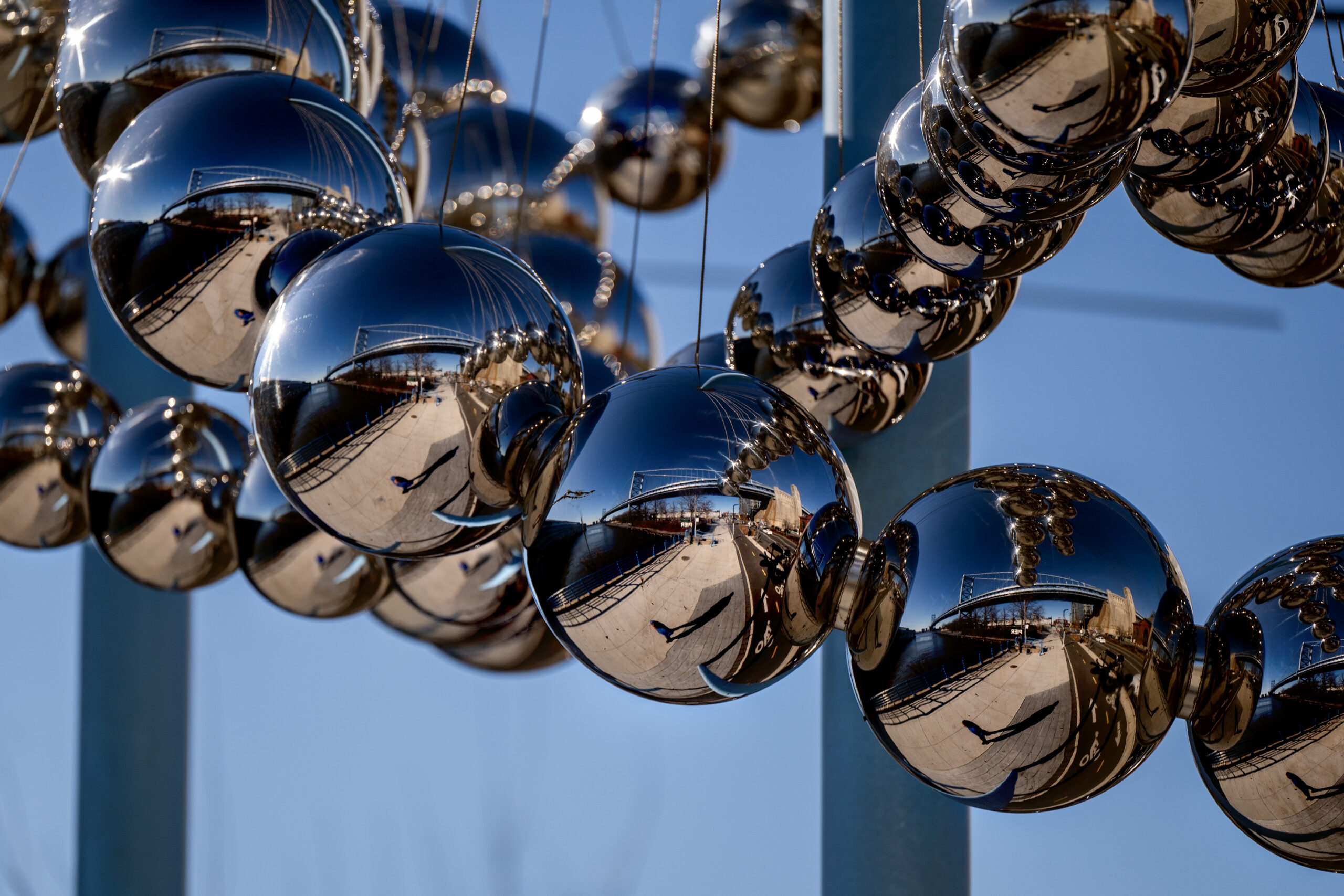
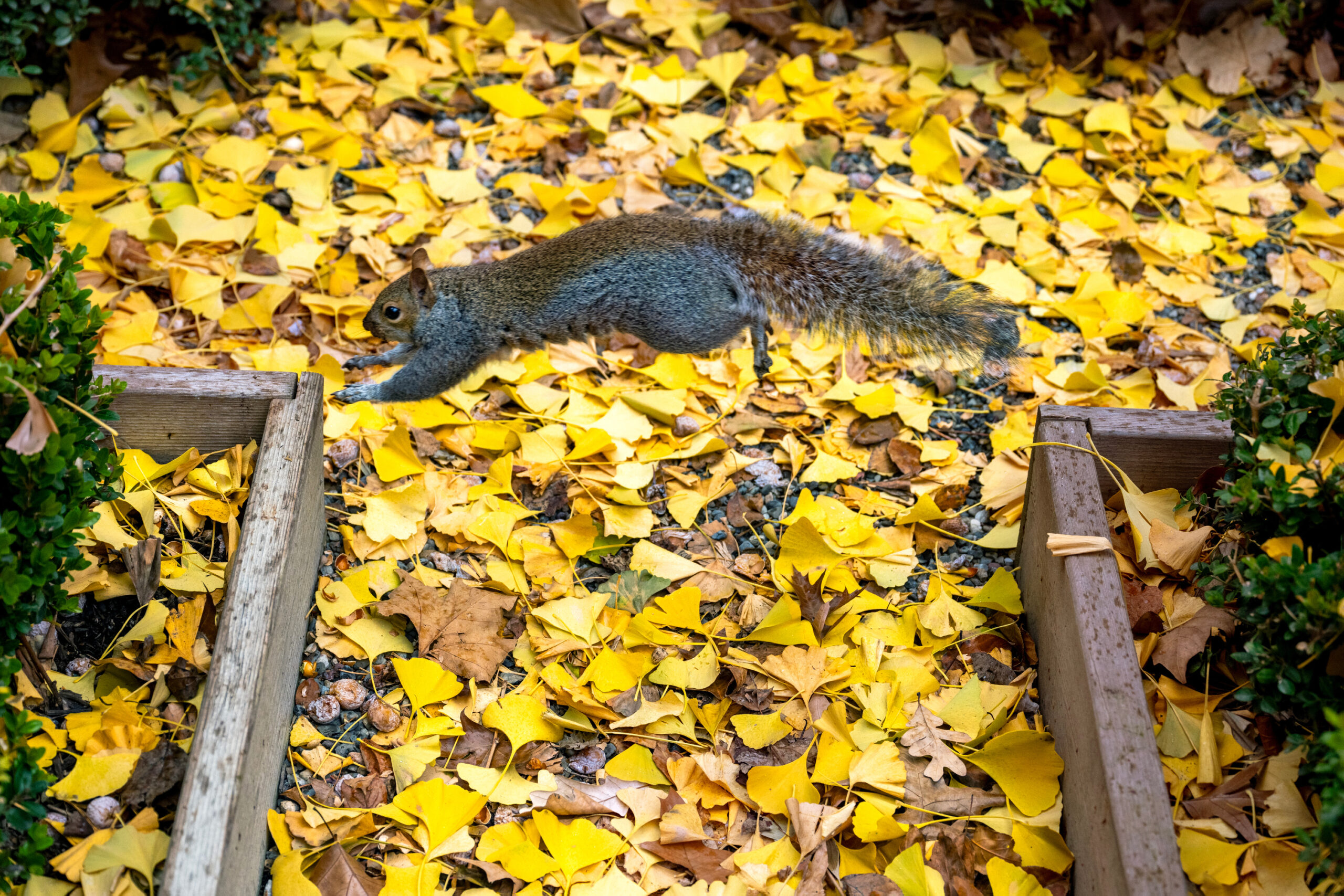
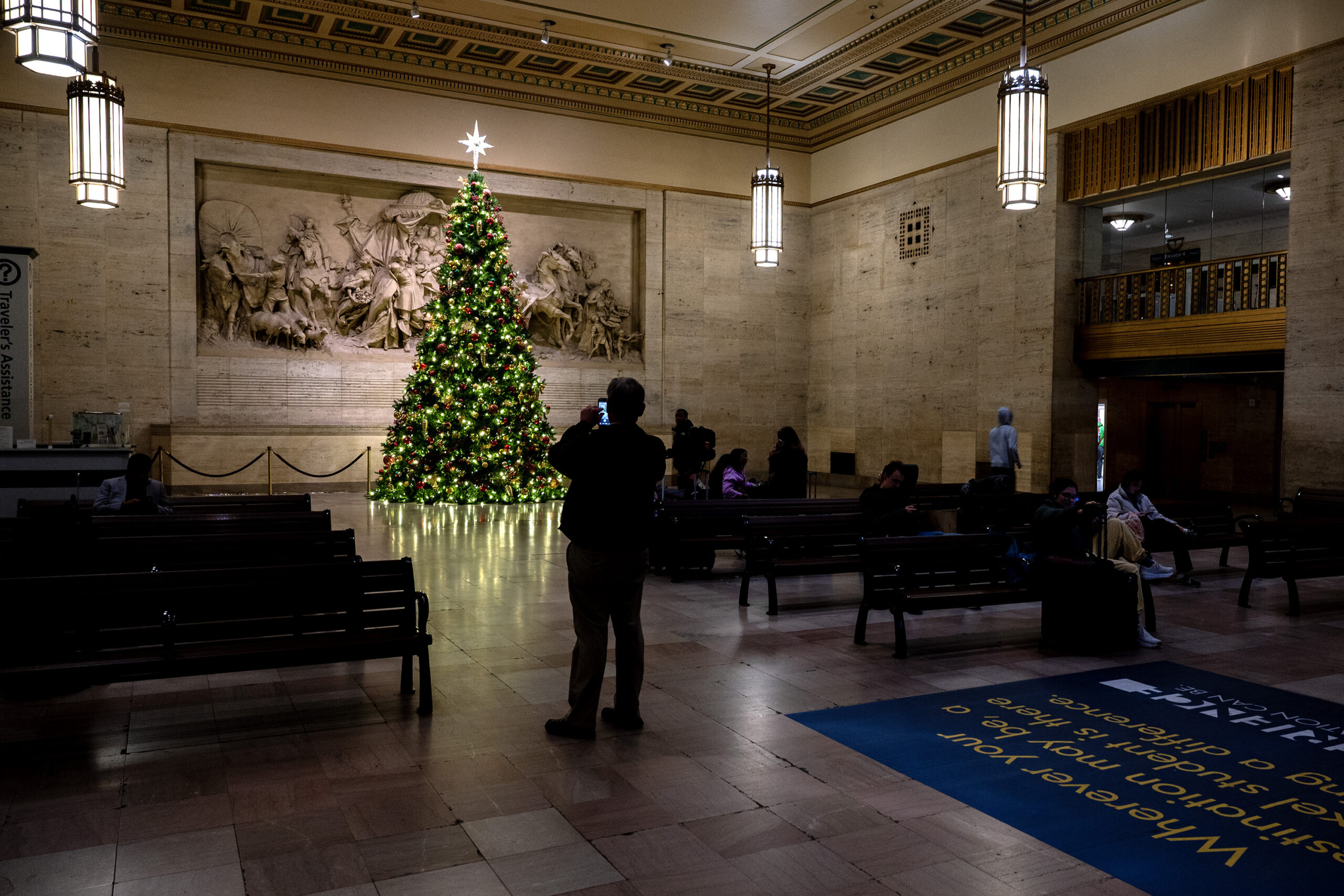
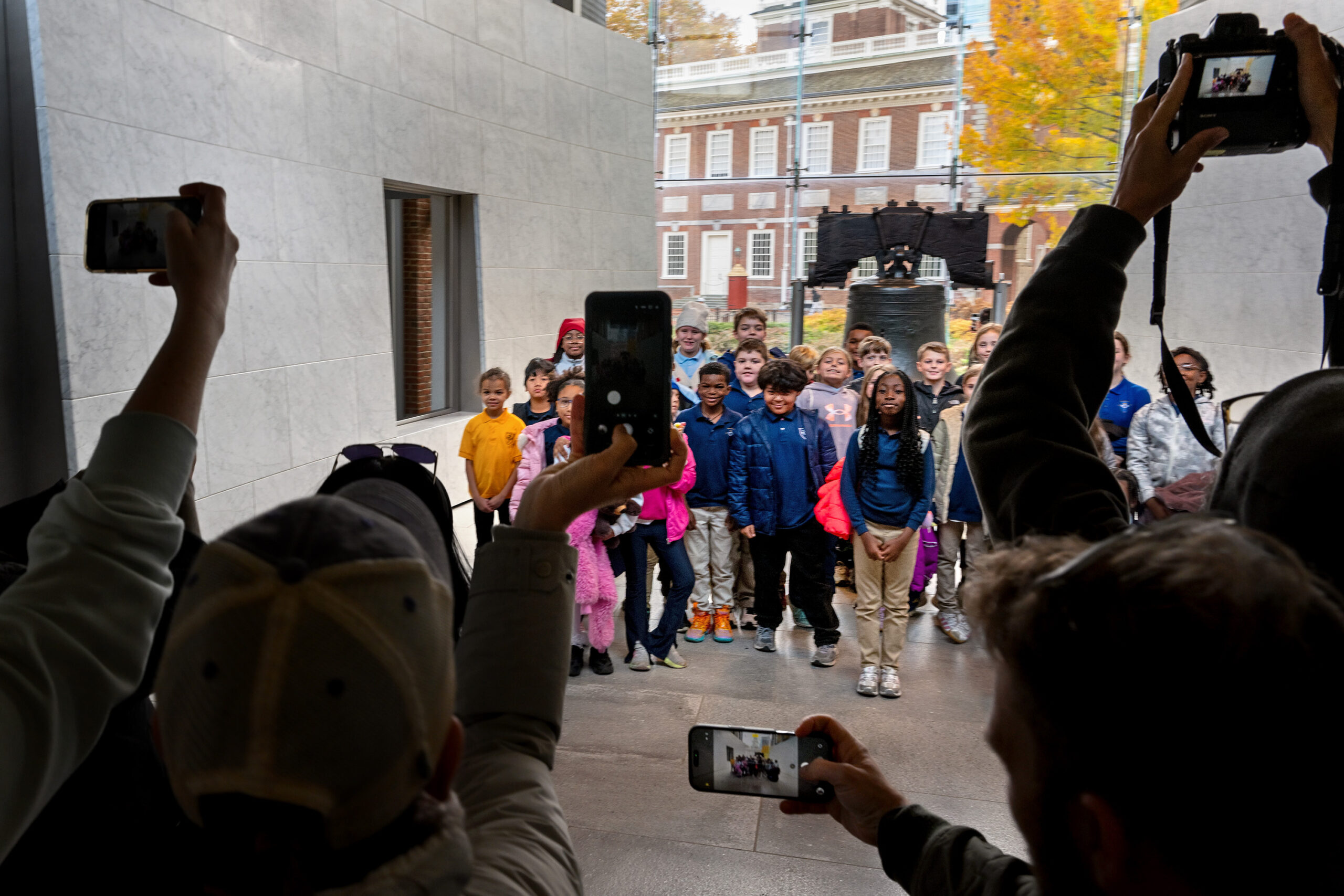
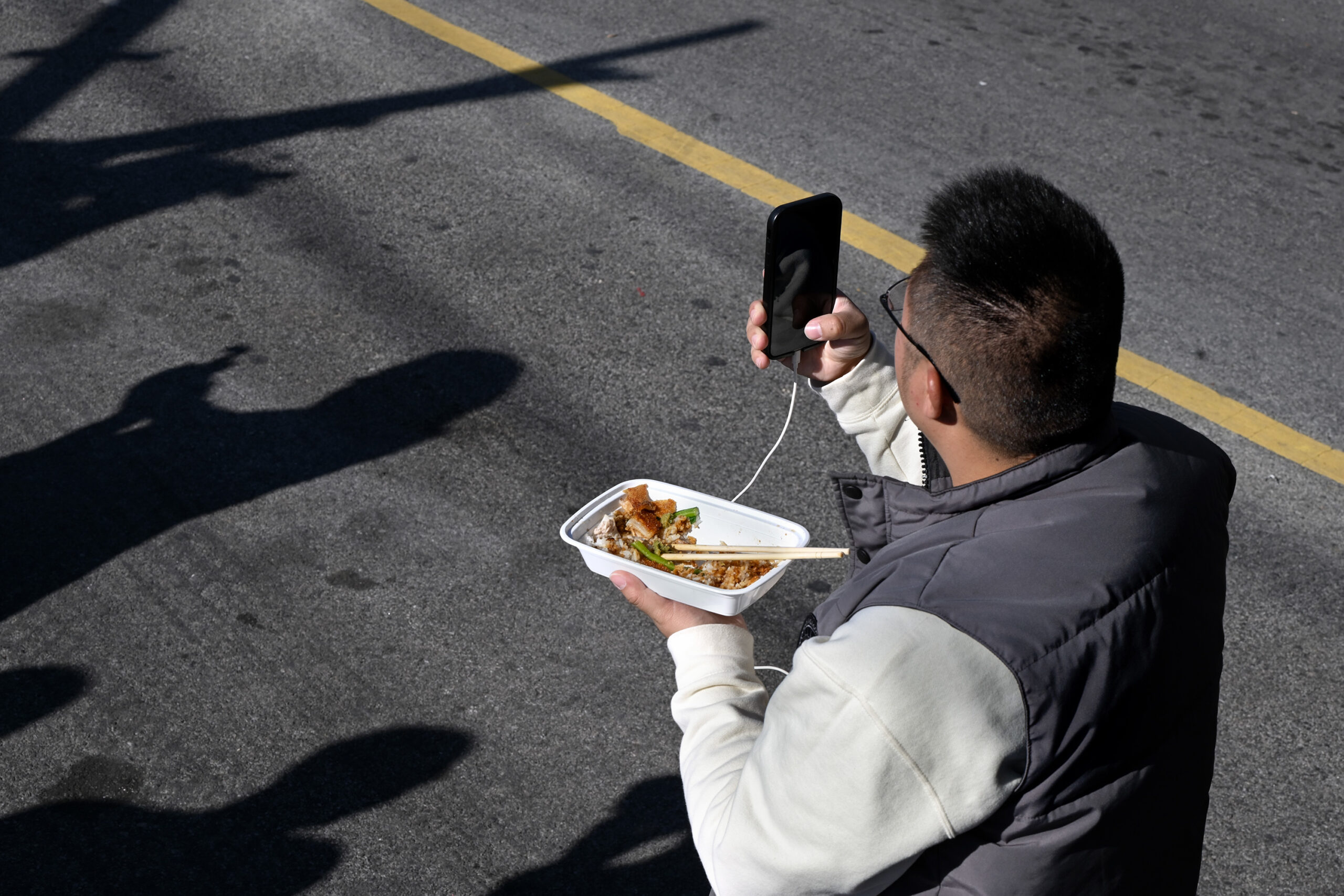
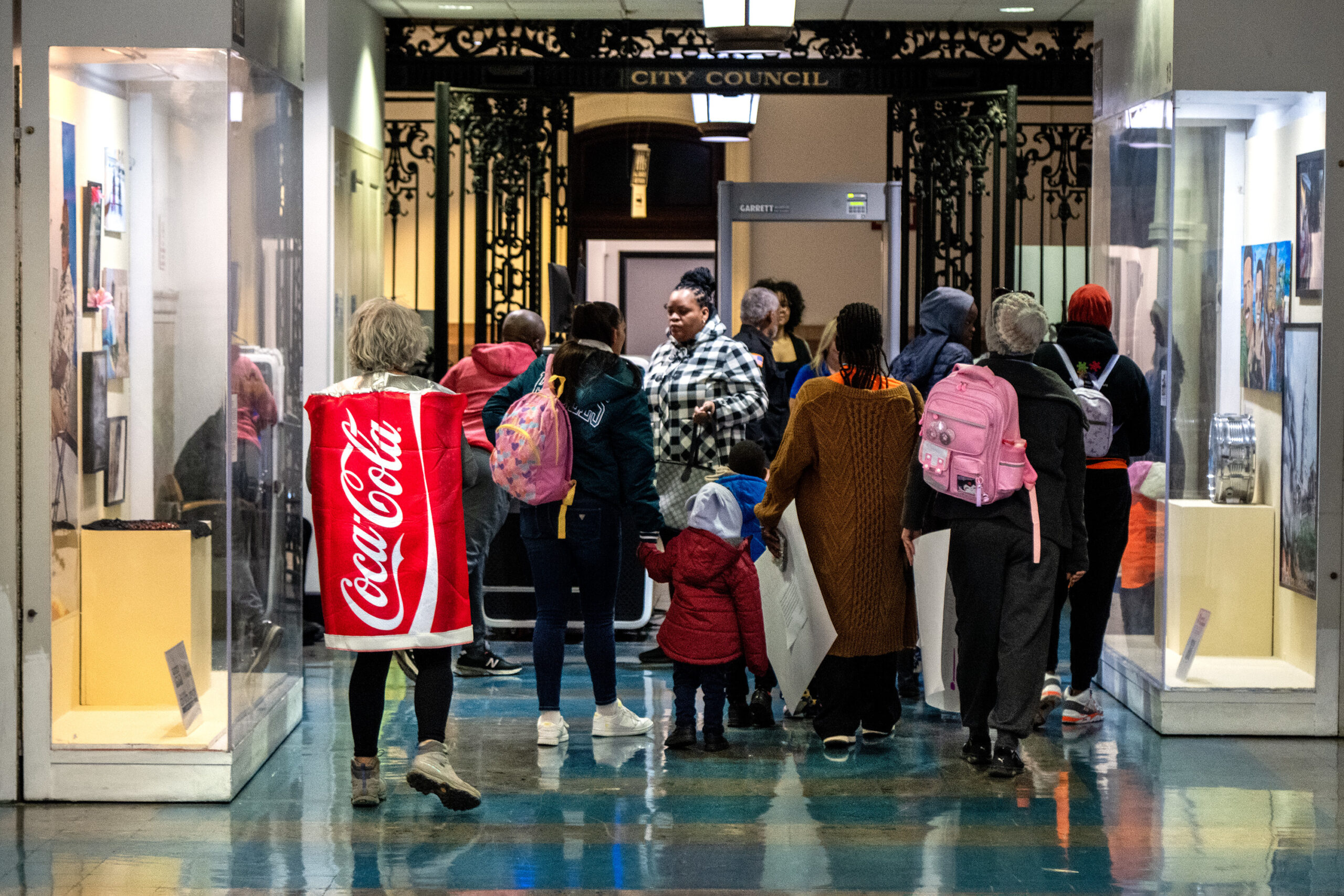
January 26, 2026: The President’s House in Independence National Historical Park hours Jan, 22, after all historical exhibits were removed following President Trump’s Executive Order last March that the content at national parks that “inappropriately disparage” the U.S. be reviewed. The site, a reconstructed “ghost” structure titled “Freedom and Slavery in the Making of a New Nation” (2010), serves as a memorial to the nine people George Washington enslaved there during the founding of America.January 19, 2026: A low-in-the-sky winter sun is behind the triangular pediment of the “front door” of the open-air President’s House installation in Independence National Historical Park. The reconstructed “ghost” structure with partial walls and windows of the Georgian home known in the 18th century as 190 High St. is officially titled, “Freedom and Slavery in the Making of a New Nation” (2010). It is designed to give visitors a sense of the house where the first two presidents of the United States, George Washington and John Adams, served their terms of office. The commemorative site designed by Emanuel Kelly, with Kelly/Maiello Architects, pays homage to nine enslaved people of African descent who were part of the Washington household with videos scripted by Lorene Cary and directed by Louis Massiah. Deepika Iyer holds her niece Ira Samudra aloft in a Rockyesque pose, while her parents photograph their 8 month-old daughter, in front of the famous movie prop at the top of the steps at the Philadelphia Art Museum. Iyer lives in Philadelphia and is hosting a visit by her mother Vijayalakshmi Ramachandran (partially hidden); brother Gautham Ramachandran; and her sister-in-law Janani Gautham who all live in Bangalore, India.January 5, 2026: Parade marshals trail behind the musicians of the Greater Kensington String Band heading to their #9 position start in the Mummers Parade. Spray paint by comic wenches earlier in the day left “Oh, Dem Golden Slippers” shadows on the pavement of Market Street. This year marked the 125th anniversary of Philly’s iconic New Year’s Day celebration.Dec. 29, 2025: Canada geese at sunrise in Evans Pond in Haddonfield, during the week of the Winter Solstice for the Northern Hemisphere. December 22, 2025: SEPTA trolley operator Victoria Daniels approaches the end of the Center City Tunnel, heading toward the 40th Street trolley portal after a tour to update the news media on overhead wire repairs in the closed tunnel due to unexpected issues from new slider parts.December 15, 2025: A historical interpreter waits at the parking garage elevators headed not to a December crossing of the Delaware River, but an event at the National Constitution Center. General George Washington was on his way to an unveiling of the U.S. Mint’s new 2026 coins for the Semiquincentennial, December 8, 2025: The Benjamin Franklin Bridge and pedestrians on the Delaware River Trail are reflected in mirrored spheres of the “Weaver’s Knot: Sheet Bend” public artwork on Columbus Boulevard. The site-specific stainless steel piece located between the Cherry Street and Race Street Piers was commissioned by the City’s Public Art Office and the Delaware River Waterfront Corporation and created and installed in 2022 by the design and fabrication group Ball-Nogues Studio. The name recalls a history that dominated the region for hundreds of years. “Weaver’s knot” derives from use in textile mills and the “Sheet bend” or “sheet knot” was used on sailing vessels for bending ropes to sails. November 29, 2025: t’s ginkgo time in our region again when the distinctive fan-shaped leaves turn yellow and then, on one day, lose all their leaves at the same time laying a carpet on city streets and sidewalks. A squirrel leaps over leaves in the 18th Century Garden in Independence National Historical Park Nov. 25, 2025. The ginkgo (Ginkgo biloba) is considered a living fossil as it’s the only surviving species of a group of trees that existed before dinosaurs. Genetically, it has remained unchanged over the past 200 million years. William Hamilton, owner the Woodlands in SW Phila (no relation to Alexander Hamilton) brought the first ginkgo trees to North America in 1785.November 24, 2025: The old waiting room at 30th Street Station that most people only pass through on their way to the restrooms has been spiffed up with benches – and a Christmas tree. It was placed there this year in front of the 30-foot frieze, “The Spirit of Transportation” while the lobby of Amtrak’s $550 million station restoration is underway. The 1895 relief sculpture by Karl Bitter was originally hung in the Broad Street Station by City Hall, but was moved in 1933. It depicts travel from ancient to modern and even futuristic times. November 17, 2025: Students on a field trip from the Christian Academy in Brookhaven, Delaware County, pose for a group photo in front of the Liberty Bell in Independence National Historical Park on Thursday. The trip was planned weeks earlier, before they knew it would be on the day park buildings were reopening after the government shutdown ended. “We got so lucky,” a teacher said. Then corrected herself. “It’s because we prayed for it.” November 8, 2025: Multitasking during the Festival de Día de Muertos – Day of the Dead – in South Philadelphia.November 1, 2025: Marcy Boroff is at City Hall dressed as a Coke can, along with preschoolers and their caregivers, in support of former Mayor Jim Kenney’s 2017 tax on sweetened beverages. City Council is considering repealing the tax, which funds the city’s pre-K programs. October 25, 2025: Austin Gabauer, paint and production assistant at the Johnson Atelier, in Hamilton Twp, N.J. as the finished “O” letter awaits the return to Philadelphia. The “Y” part of the OY/YO sculpture is inside the painting booth. The well-known sculpture outside the Weitzman National Museum of American Jewish History was removed in May while construction continues on Market Street and has been undergoing refurbishment at the Atelier at the Grounds for Sculpture outside of Trenton.

Leave a Reply