Dien has accepted a consulting opportunity and was not available for an interview on Tuesday. The museum had no further details to share, a spokesperson said.
The change is the first in the senior executive team since veteran museum and nonprofit leader Daniel H. Weiss was brought in as director and CEO about eight weeks ago.
The museum is currently mulling whether to keep or alter the rebrand, Weiss said in a recent interview.
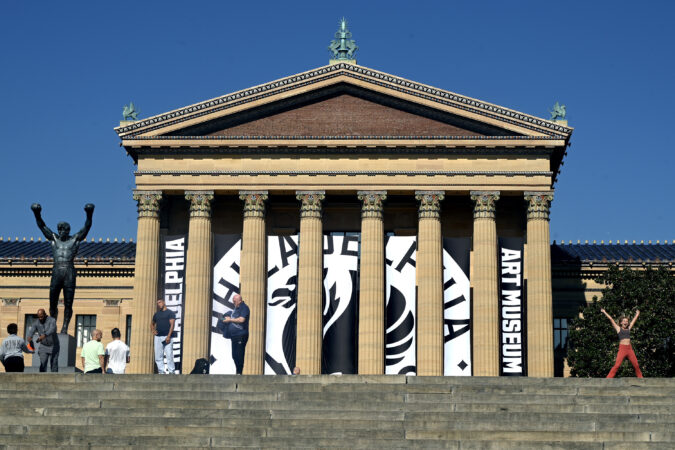
Dien, who was previously vice president of advancement and partnerships at the Grammy Museum in Los Angeles, oversaw the Art Museum’s name change and new visual identity. He and Suda had hoped the museum’s rebrand would revive sagging attendance after its unveiling in early October.
“It’s going to bring people in and help put us more clearly on the map,” Suda said at the time.
“We have so much research that shows there is this brand perception that we’re the castle on the hill,” Dien said last November, during the rebrand’s rollout. “And so my job right now is [to ask], ‘How do we come down the steps and meet people where they’re at?’”
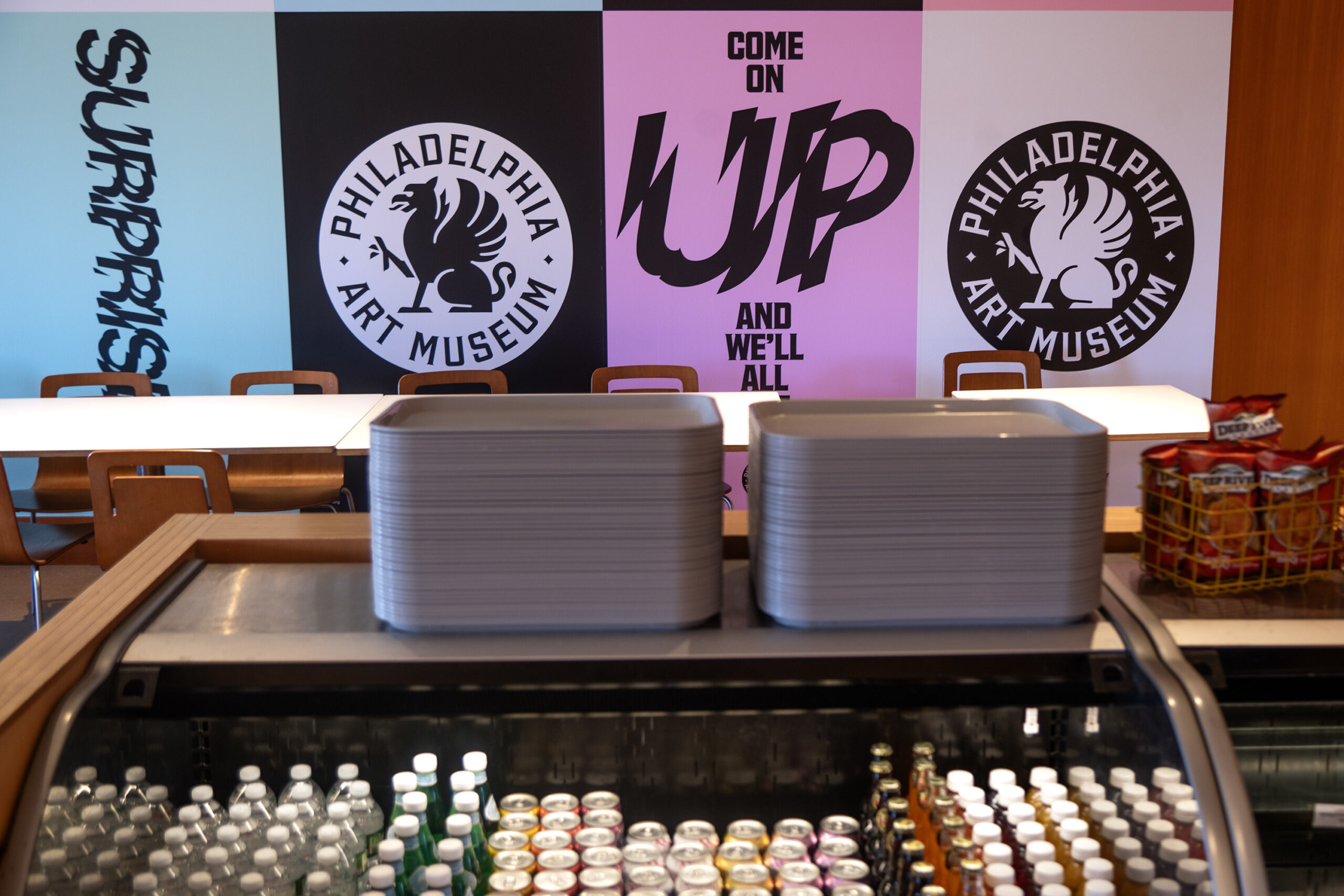
New signage in the Art Museum’s cafe, Oct. 6, 2025.
But the campaign was widely — though not universally — mocked.
A Hyperallergic story carried the headline: “People Really Hate the Philadelphia Art Museum Rebrand.”
A review in trade blog Brand New praised the rebrand, saying that it infused the museum with a “much needed, new, distinct, and energetic identity that was sorely missing.”
The rebrand, designed by Brooklyn-based branding and design firm Gretel, came with a name change for the institution, from Philadelphia Museum of Art to Philadelphia Art Museum, as well as a shorthand moniker — PhAM, which the museum has used for its new web address, visitpham.org, and in some marketing materials.
That drew an unfortunate joke moniker from wags — PhArt.
“We are an amazing museum with an amazing collection, amazing curators, and an amazing experience, and it’s really a shame, the jokes and negative reaction to the rebranding,” said museum trustee Yoram (Jerry) Wind a few weeks after the rebrand was introduced.
Another board member, Jennifer Rice, expressed support for it shortly after its launch.
“I do like it. I love the tagline ‘Wall to Wall Art for All.’ I like that it feels fresh and feels new and feels like it would connect with the audience we’ve had trouble connecting with,” Rice said
Some critics complained that a new logo inspired by the griffin figures adorning the building’s roofline looked less like that of an art museum and more reminiscent of a beer label or soccer team emblem.
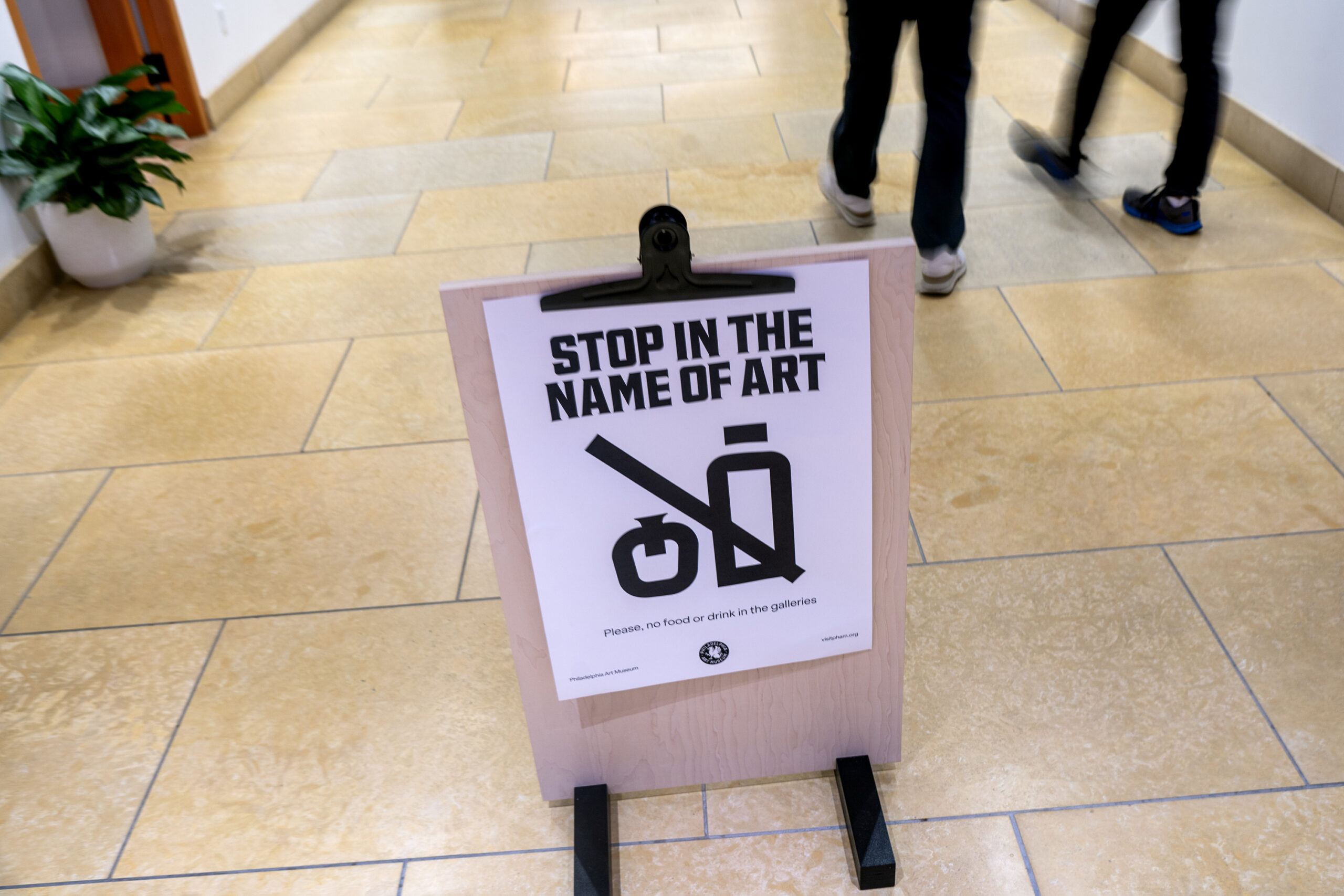
“Please no food or drink in the galleries” sign outside the cafe at the Philadelphia Art Museum, Oct. 6, 2025, showing the museum’s rebrand graphics.
The rebrand, including the name change, new logo, and bolder graphics, also comprises a series of punchy taglines, like “Made You Look” and “Revolutionary Since 1876.”
Weiss has set up a task force of board and staff to evaluate the rebranding to “take a look at how it’s playing, what works, what doesn’t work, to do some analytical work around that and get a sense of how our various constituencies are perceiving it, recognizing that almost any rebrand is controversial at first,” he said. “The question is whether we’re in the territory of a rebrand that is counterproductive to our ambition or not.”
Their findings will be presented to the board for discussion on whether “we stay as it is now or make changes.”
Suda was ousted as director and CEO in November, three years into her five-year contract. She filed a wrongful-dismissal lawsuit against the museum about a week later.
In a small fictional town in Louisiana, the six women centered in Steel Magnolias have forged a community among — and an ever-deepening relationship with — each other. In a real town in southeastern Pennsylvania, a group of women who have worked together for decades are bringing those characters and those deep bonds to life at People’s Light in Malvern.
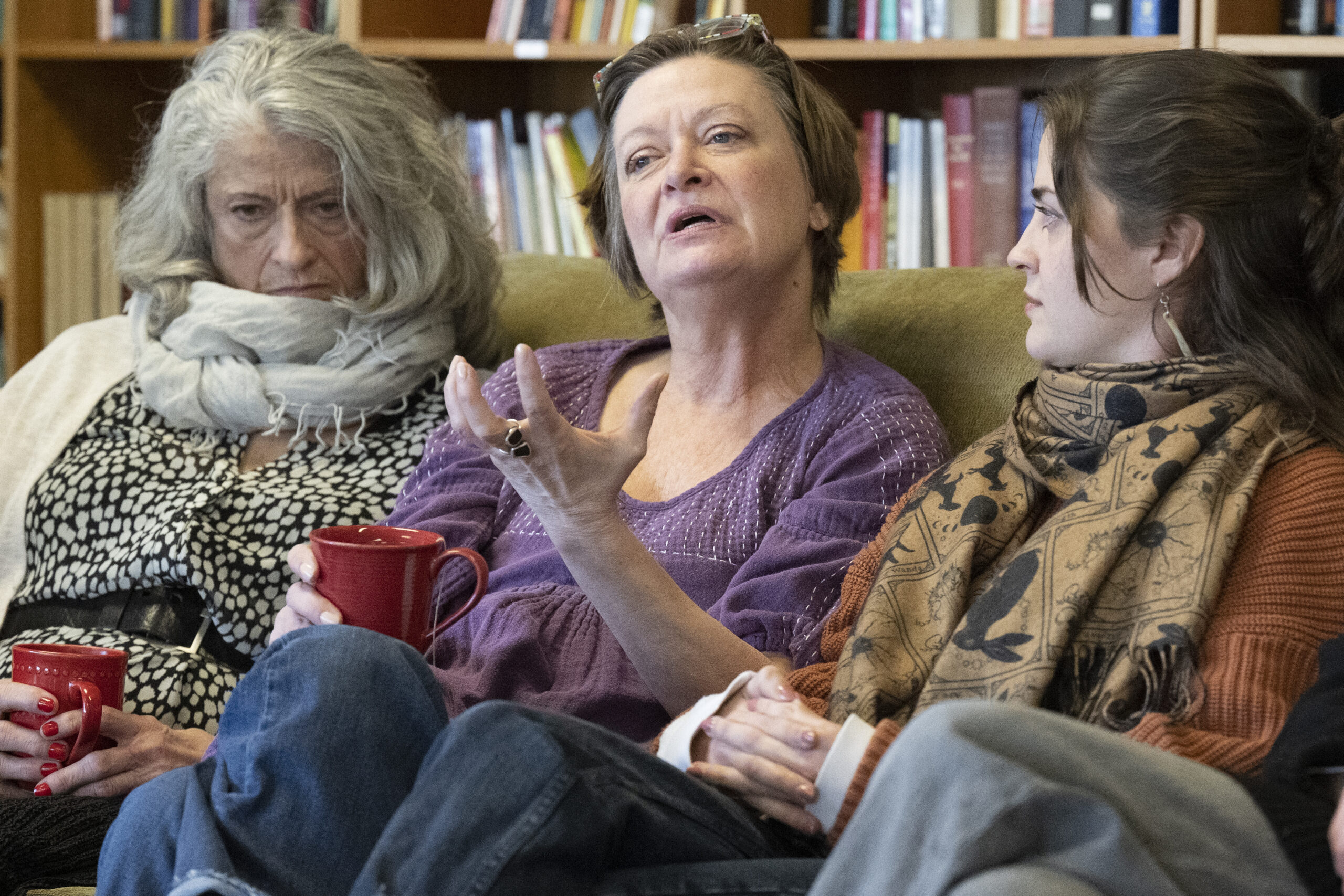
“You don’t have to worry about if that familiarity is there,” said Janis Dardaris, who portrays Clairee, the widow of the town mayor. “You just sit on the stage and it’s there. There’s no working at it. I sometimes wonder, what would it be like doing this play with completely different people that I didn’t know?”
As the women portray lifelong friendships, they have been able to find that depth and heart because of their own close connections. They’ve known each other for decades through their work in the arts — up to 50 years, in some cases, with some combination of them overlapping in at least a dozen shows in recent years.
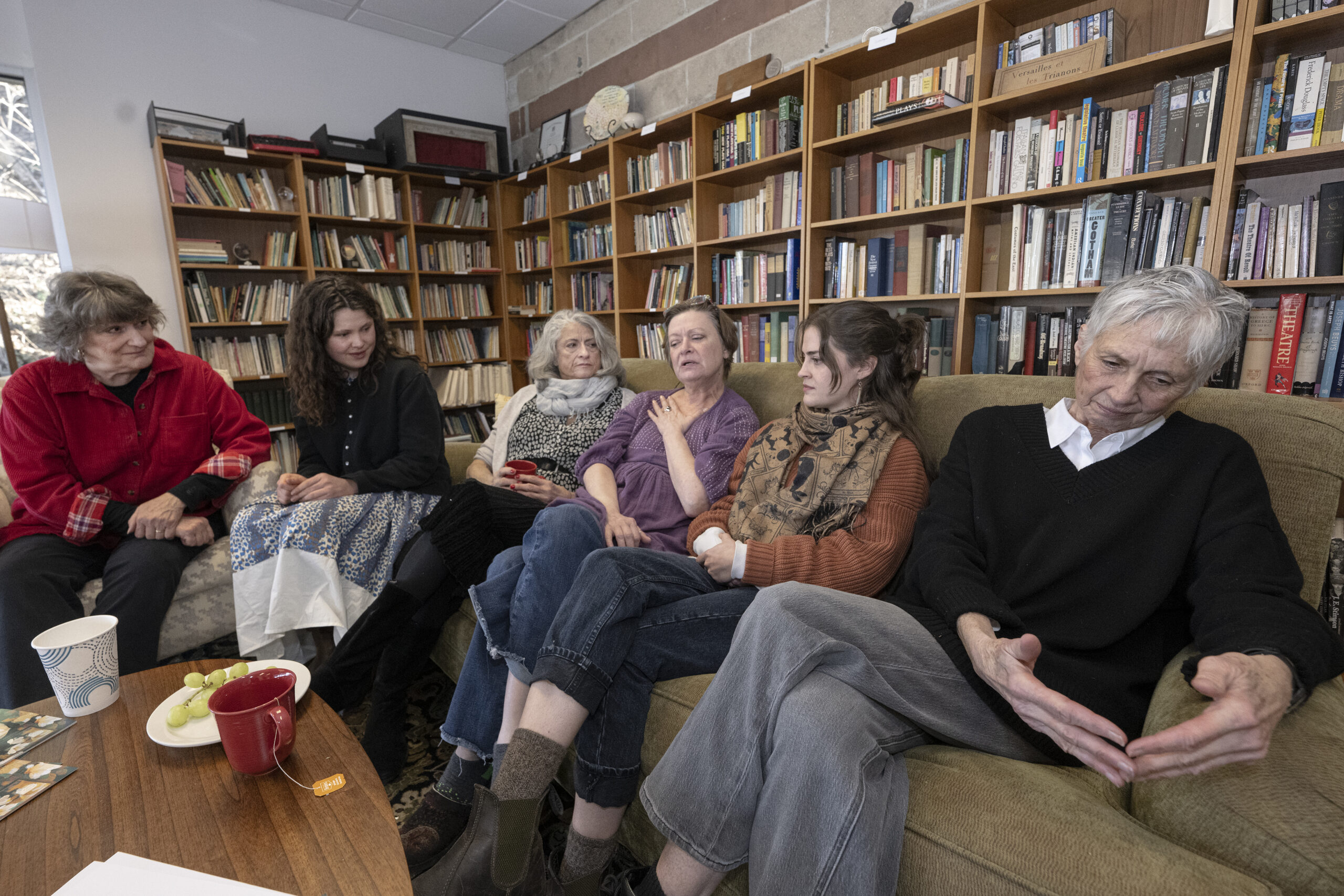
Talking together in a room at the theater days before the Sunday opening, they occasionally finished each other’s sentences, extrapolating thoughts for each other.
Abigail Adams, the production’s director who has directed the women in several other performances, has a sense of how each of them works — how much time it takes for them to process, when to ask for something in their performance and when to hold back.
Claire Inie-Richards, who plays young nurse and newlywed Shelby, and Susan McKey, who plays her mother, M’Lynn, have portrayed a mother-daughter duo three times over 20 years.
Though with each role they learn each other anew, “There’s no substitute for time,” Inie-Richards said.
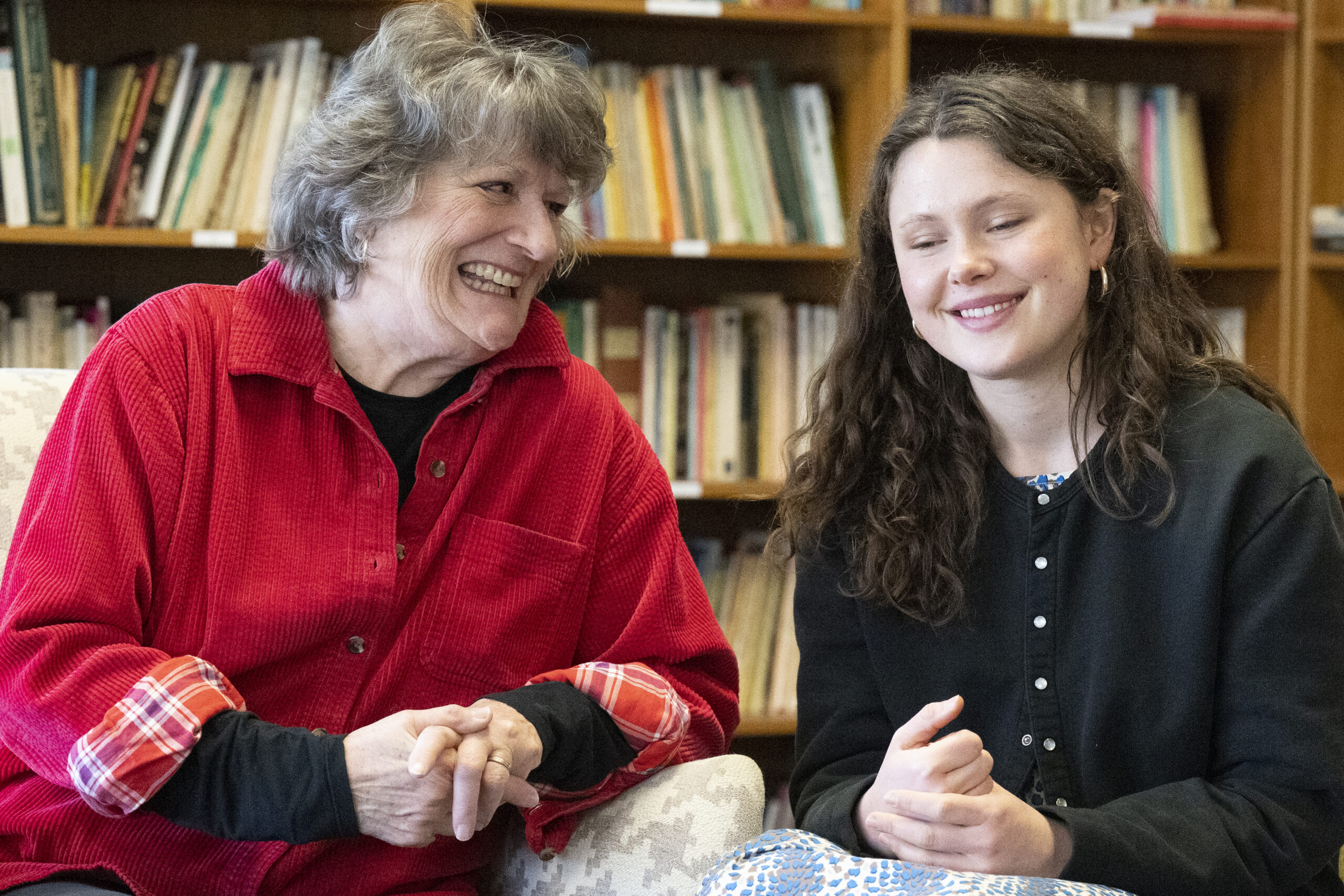
Marcia Saunders (left) and Brynn Gauthier are part of an all-women ensemble performing “Steel Magnolias.”
Brynn Gauthier, who makes her People’s Light debut in her portrayal of Annelle, is the new addition to a group of women whose history stretches back decades.
At first she thought it might be intimidating to work with people who have known each other and worked together for so long, but it felt like she got to be part of the journey of the cast getting to know each other in a new way through this show.
That familiarity is not without its challenges, though. Marcia Saunders sometimes feels “Marcia” surface in place of “crusty” Ouiser.
“That’s been challenging because of my relationship with these people and this institution, which is like a home to me,” she said.
Told as a series of moments in the women’s life within the safe confines of Truvy’s in-home hair salon, the play opens with Truvy and newcomer Annelle preparing Shelby for her wedding. Shelby and mother M’Lynn discuss wedding preparations, while local grouch Ouiser gripes about their property line.
Clairee arrives, windswept, from a dedication ceremony honoring her late mayor husband. Annelle, originally reluctant to give any information at all about herself, breaks down, admitting to the women that her husband has disappeared — with her money, her car, and her jewelry. She finds immediate support.
It’s just the start of how the relationships evolve and deepen in Robert Harling’s play, set in a southern town in the 1980s.
From left, Janis Dardaris, Susan McKey, and Claire Inie-Richards, members of an all-women ensemble performing “Steel Magnolias,” speak about working together for decades — some for more than 50 years — during an interview at People’s Light in Malvern.
Even though the viewer slowly learns more about the women’s external lives and pressures — confronting joys and tragedies — the play never leaves the salon.
“I love how this play – it’s about these women. It’s about this place. It’s about us. And I just think that makes for such a strong story, and I think more poignant than the movie,”McKey said.
Gauthier observed that there’s something inherent to women’s friendships in how they can discern when to tiptoe and when to confront in their care for each other.
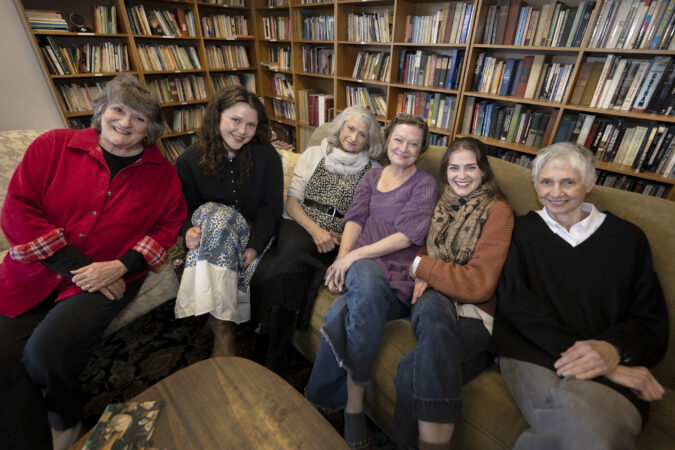
Marcia Saunders (from left), Brynn Gauthier, Janis Dardaris, Susan McKey, Claire Inie-Richards, and Abigail Adams speak of their performing “Steel Magnolias” at People’s Light in Malvern.
“Truvy’s place is the place where they can be fully themselves, and they really can’t be fully themselves in their domestic arrangements, not in the same way,” Adams said. “They can’t be as outrageous, and they can’t be as vulnerable.”
It’s the vulnerability, that unyielding support for each other despite personal differences, that the women think today’s audiences will connect with. Though the story — popularized by a film adaptation released in 1989 starring Julia Roberts, Sally Fields, and Dolly Parton — is often thought about as a sentimental tearjerker, it’s injected with lightness, Gauthier said. .
“It’s kind of like the best episode of like Friends or a TV show you really love, where you just are spending time with these people,” she said.
“There’s always going to be intrigue and interest and drama, but there’s an element of just sitting with these people that you really enjoy and getting to experience them really fully,” Gauthier said. “It’s really nice to just have these characters that are so easy to fall in love with.”
“Steel Magnolias” continues through Feb. 15 at People’s Light, 39 Conestoga Rd. in Malvern. Information: peopleslight.org or 610-644-3500.
I drank in the glamorous high-pitched cattiness of Netflix’s soapy reality TV series Members Only: Palm Beach — starring four women with Philadelphia ties — like a bottomless carafe of mimosas, finishing the eight 45-minute episodes in less than two days.
Members Only debuted in the final days of 2025 on Netflix’s Top 10 list. It gives old-school Housewives vibes and throws a spotlight on the women who live in and around President Donald Trump’s 20-acre oceanfront Mar-a-Largo estate.
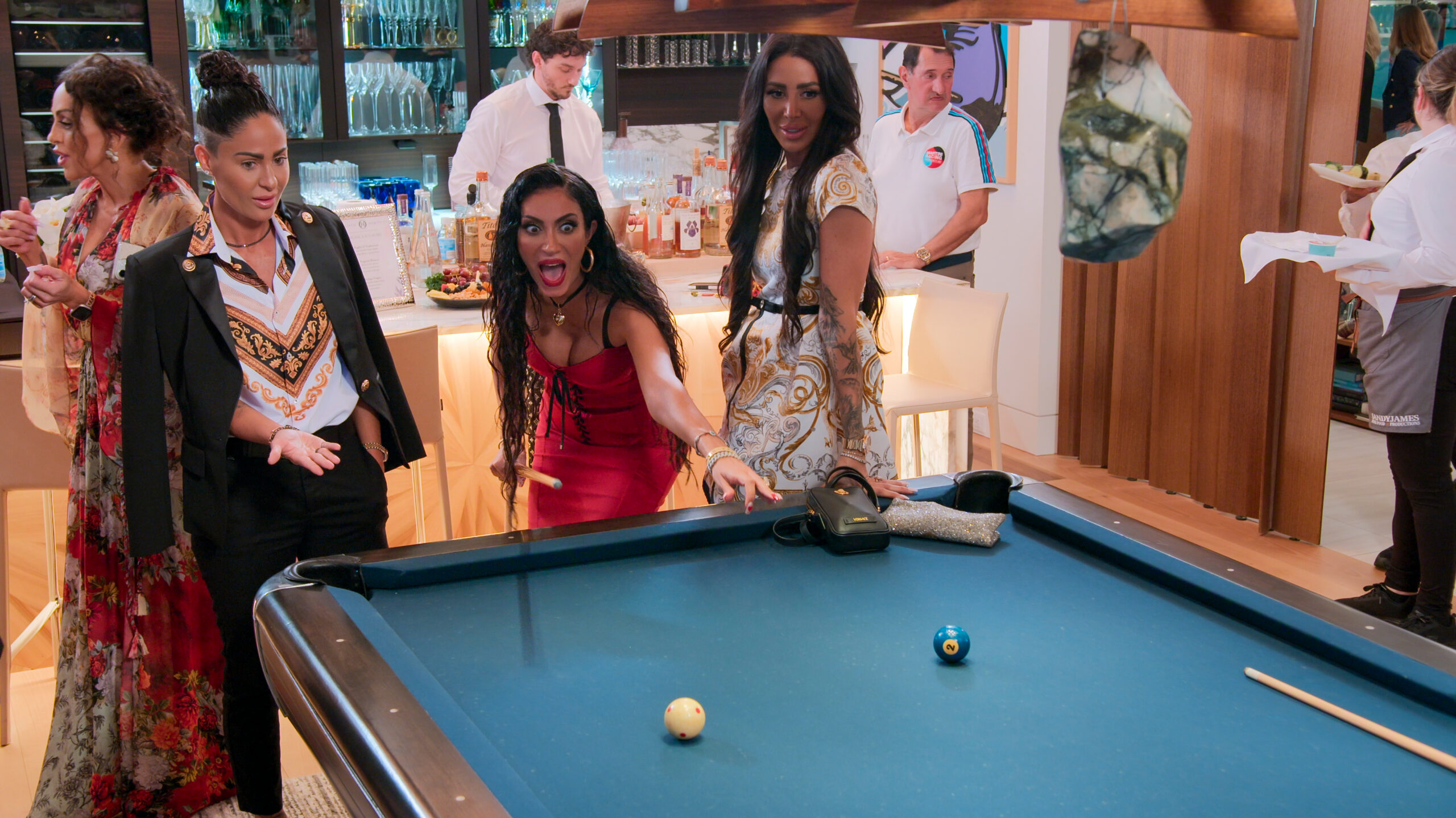
Maria Cozamanis and Romina Ustayev in episode 101 of “Members Only: Palm Beach.”
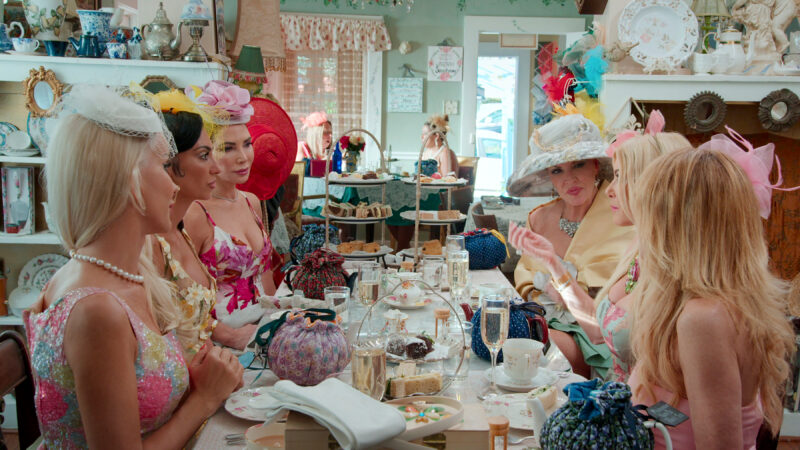
The gaudy maxi dresses, overfilled lips, horrible lace front wigs, and the backstabbing. It’s all a hot mess.
Members Only is if Jersey Shore ran into a train wreck. But instead of getting caught up in the mean girl shenanigans of 20-somethings, I was gobsmacked by the ugly behavior of 50+ women acting like petty middle schoolers in the name of preserving high society.
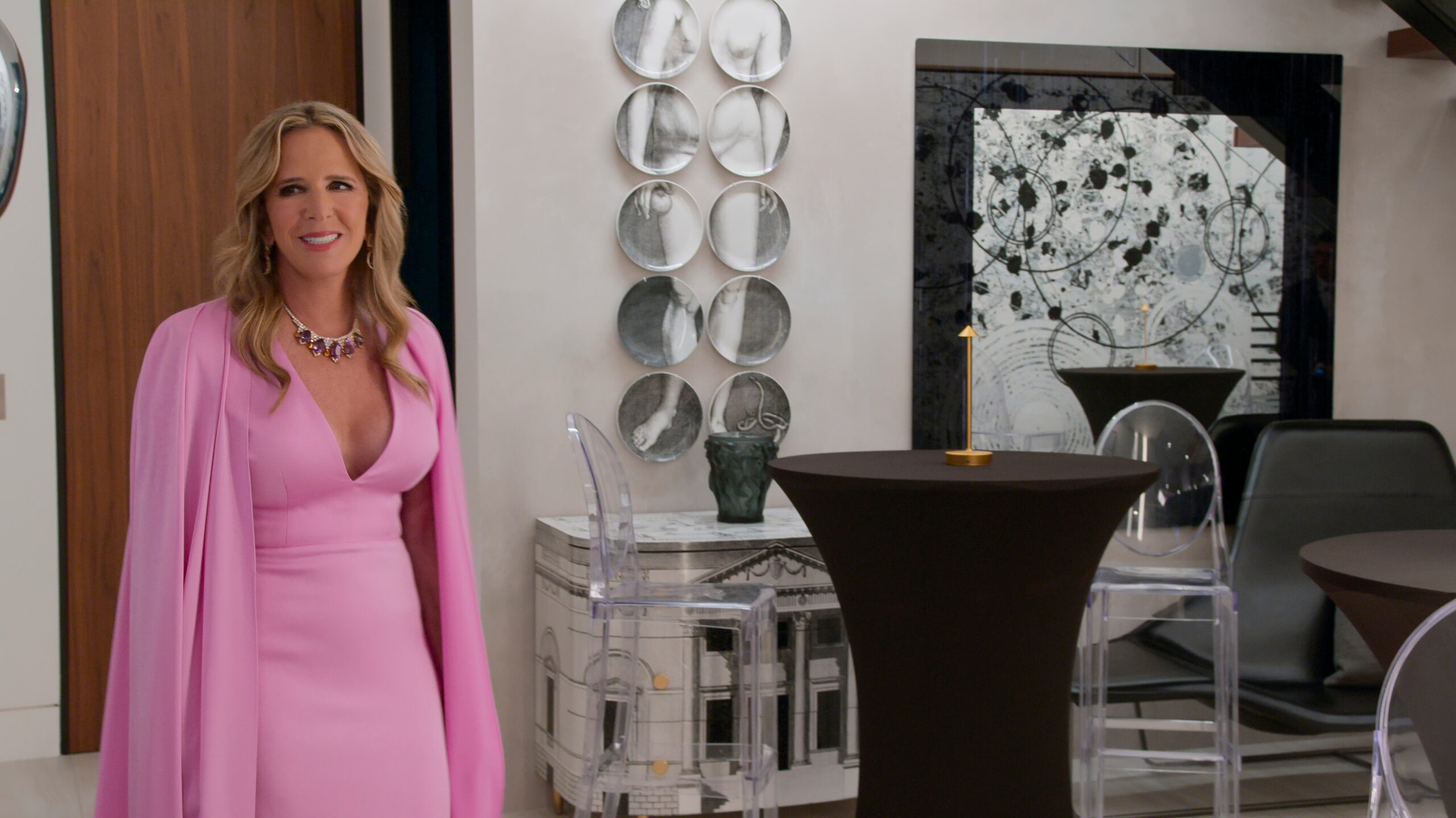
Former Bryn Mawr interior decorator and real estate mogul Hilary Musser, whose fifth wedding to a doorman is one of the ostentatious affairs featured, is the Queen Bee.
Musser now sells million-dollar waterfront mansions in Palm Beach and it’s rumored she joined the rest of the relatively unknown cast to help sell her properties.
Hilary Musser in episode 101 of “Members Only: Palm Beach.”
She holds steadfastly to Palm Beach’s strict dress codes. (It’s improper to show cleavage and leg in the same ensemble as a Palm Beach rule). Four-letter words offend her. Crying in public is a no-no. She’s nice only to New Yorker-turned-wellness-entrepreneur Taja Abitbol, partner of former MLB pitcher David Cone and the only non-Philly-affiliated woman in this core group.
The rest of the Philly-connected ladies smile in Musser’s face and grumble behind her haltered and tanned back.
Maria Cozamanis ad Romina Ustayev in episode 101 of “Members Only: Palm Beach.”
They are: Maria Cozamanis, a DJ who moved from Philadelphia to Florida. As DJ Tumbles, she worked her way onto the Palm Beach society scene DJing lavish charity events at Mar-a-Largo. Roslyn Yellin is a former Bucks County Zumba teacher and grandmother with Cinderella ambitions. “My morals and values start at home with my family and husband,” she said in the first episode, as if reading from Vice President JD Vance’s family value cue cards.
And finally, there’s Yellin’s frenemy, Romina Ustayev, an Uzbeki immigrant and former home care business and fashion line owner in Philadelphia. She calls herself the Kim Kardashian of Palm Beach.
“I love going to Mar-a-Largo and being in the same room as the president and Elon Musk,” she said, near hysterically, in one episode. “You feel like, ‘Oh my God. You’ve made it.’”
Maria Cozamanis and Romina Ustayev in episode 101 of “Members Only: Palm Beach.”
I knew going in that Members Only’s garish opulence and prettied up gluttony was a gold-trimmed Trump fever dream, one where he sits at the center of all things tacky, loud, expensive, and hurtful. (He never makes an appearance in the show, but his name is uttered several times in awe and admiration.)
But the moment Ustayev — an immigrant who is not quite as white as Trump’s favored Norwegian and Danish immigrants — stepped in, I knew I was watching the latest piece of Trump propaganda.
Romina Ustayev, Maria Cozamanis, and Taja Abitbol in episode 101 of “Members Only: Palm Beach.”
Members Only is Trump’s ideal vision of America where obscene wealth is valued and the rest of America can eat cake.
Why is this show in our binging rotation now? Perhaps because Netflix is in the midst of finalizing a merger with Warner Bros. Discovery. The merger, which will give Netflix more than half the streaming market share, needs regulatory approval from the Trump administration.
Thanks to Members Only, the Mar-a-Largo face doesn’t just appear in the context of the White House. Think Attorney General Pam Bondi, Secretary of Homeland Security Kristi Noem, and White House spokeswoman Karoline Leavitt, their plump lips, and heavily Botoxed and made-up faces.
Romina Ustayev and Maria Cozamanis in episode 101 of “Members Only: Palm Beach.”
Now we see these faces as we try to relax and binge-watch trash television. There is no escaping.
Members Only‘s arrival on Netflix is the next logical step in the White House’s messaging and shaping of America’s image. Trump started dismantling America’s diverse optics immediately after he took office and proceeded to remove photos of President Barack Obama from prominent places in the White House in an effort to erase evidence of the first Black president’s existence.
In advance of last Thanksgiving’s travel season, Transportation Secretary Sean Duffy unveiled the Golden Age of Travel campaign, urging airline travelers to dress natty when flying. At the center of the campaign are black and white pictures of white travelers gussied up like the fictional Main Liners in Katharine Hepburn’s 1940 filmPhiladelphia Story.
Rosalyn Yellin in episode 101 of “Members Only: Palm Beach.”
And then last summer, Department of Homeland Security used Norman Rockwell paintings in its social media marketing. The images — denounced by Rockwell’s family — show mid-20th-century suburban whites living a blissful white picket fence existence paired with the administration’s anti-immigration slogans “Protect our American way of life” and “DEFEND your culture.”
During a tense moment on the show, Ustayev shares with Yellin and her mentor, New York socialite and Palm Beach grand dame Gale Brophy, that Palm Beach society did not respect her culture, which includes asking for money at birthday parties and eating with her fingers. (Clutching my pearls.)
Brophy’s response: “Go back to your country.”
The inclusion of this kind of xenophobia into pop culture is better than anything Fox News can drum up.
Johnny Gould, founder and president of Superluna Studios and the executive producer of Members Only, insists his show is not political.
He admitted Mar-a-Largo is in the zeitgeist. “After all it is the winter White House,” he said. But he made Members 0nly because he was intrigued with Palm Beach society’s social hierarchy, one of the last in America.
The heart of Members Only, Gould said, is its “private club culture and B & T [Bath & Tennis] Boca Beach Resort, Breakers, and Mar-a-Largo [which] are at the center of social circles and drive societal rules and expectations,” Gould said. “That’s what connects these five ladies.”
Romina Ustayev, Rosalyn Yellin in episode 103 of “Members Only: Palm Beach.”
The Philadelphia connection, Gould said, was a coincidence.
“I didn’t set out to make a show about Palm Beach featuring Philadelphia society women,” Gould said.
(Good thing, because except for Musser, some of the Philly ladies-who-lunch crowd say they have no idea who these women are, nor do they want to.)
“It was about the chemistry,” Gould continued. “For example, when I went to Hilary’s house and she came sweeping down the stairs in a beautiful gown on a Tuesday, immediately, I was intrigued.”
Romina Ustayev and Hilary Musser in episode 101 of “Members Only: Palm Beach.”
Everything else, Gould said, “fell into place.”
“[Members Only] is not about curing cancer,” he said. “It’s about pouring yourself a glass of wine [and taking] a really fun ride in a place that none of us will ever have access to and a lifestyle none of us will get a chance to experience.”
That’s true.
Of course, these women don’t care about curing cancer. (Trump’s secretary of health, Robert F. Kennedy Jr., is shutting down clinical trials that are meant to find cancer treatments.)
The show sells viewers an “aspirational” lifestyle in Trump’s image. And if Trump has his way, soon we will be living in a society where there will be even more haves and have nots, completely robbing the poor — and the middle class— of upward mobility.
Despite recent cuts and an uncertain future, the National Endowment for the Humanities has awarded about $3 million in new grants to Philadelphia groups. The local awards are part of $75.1 million in new grants announced this month by the NEH for 84 projects across the nation.
The biggest local award went to the Museum of the American Revolution, which is receiving $2,247,435 for the planning and production of a conference, podcast series, exhibition catalog, digital interactive, and activities related to the museum’s current exhibition about the Declaration of Independence, “The Declaration’s Journey.”
The NEH’s latest round of grants reflects the federal agency’s ongoing ideological shift to align with President Trump’s agenda. In April, the NEH announced that “future awards will, among other things, be merit-based, awarded to projects that do not promote extreme ideologies based upon race or gender.” Critics say grants canceled by the Trump administration last year were revoked because they represented viewpoints such as diversity, equity, and inclusion.
U.S. Rep. Chellie Pingree (D., Maine) raised the concern in a November letter to acting NEH chairman Michael McDonald that the agency is now making awards in some cases without peer review, giving “massive grants through questionable non-competitive processes.”
“Moving forward,” the NEH’s April statement said, the agency is “especially interested in projects on the nation’s semiquincentennial and U.S. history more generally.”
That directive connects to projects of all six of the new recipients in Philadelphia.
The Conservation Center for Art and Historic Artifacts is receiving $349,927 over two years to fund its preservation field services for small- to mid-sized organizations around the country. The program provides assessments and education to groups like museums, libraries, archives, and historical societies — as well as individuals — on how to care for their collections.
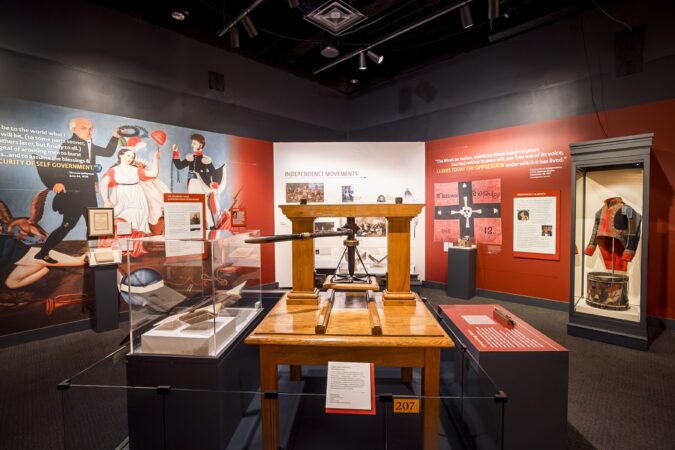
A $200,210 NEH grant to the American Philosophical Society will help fund “These Truths: The Declarations of Independence,” an exhibition at the society’s museum opening in April. It explores the first 50 years of the document and its evolution from “a pronouncement of news, [to] political tool, [to] national symbol,” says an exhibition description.
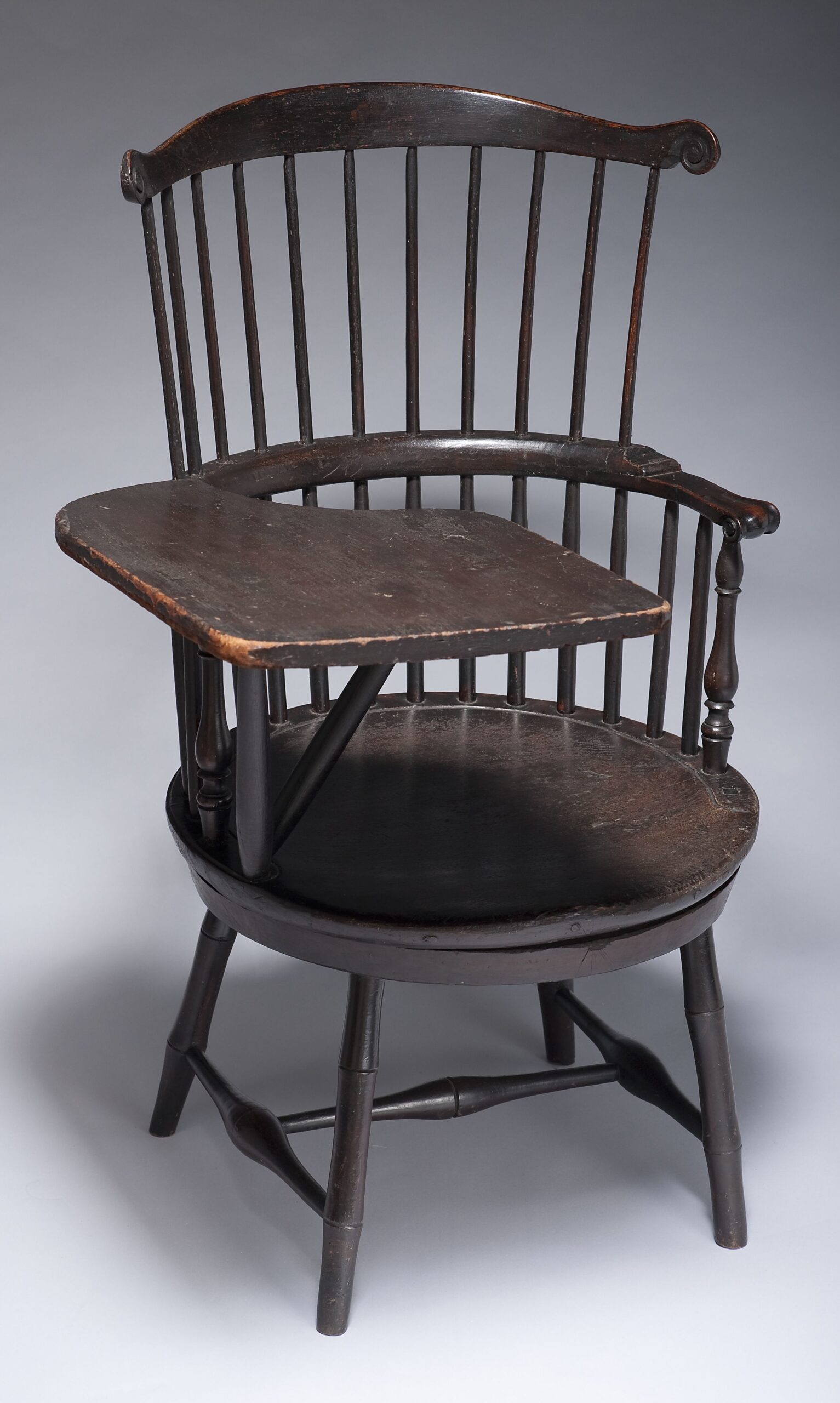
The Windsor chair Thomas Jefferson used while drafting the Declaration of Independence at the 7th and Market Sts. house he was renting.
The show includes 19 early printings of the Declaration from 1776 through 1824 and the Windsor chair in which Thomas Jefferson sat while writing the document. The NEH grant will go toward the exhibition, its catalog, and a related conference in June.
The NEH was among the federal agencies whose budgets and staffs were slashed last year by the Department of Government Efficiency, headed by billionaire Elon Musk. Arts and culture groups in Philadelphia and across the country had grants revoked from the NEH, National Endowment for the Arts, and Institute for Museum and Library Services.
Some grants were restored without explanation. A $750,000 IMLS grant to the Woodmere Art Museum was rescinded, and, a little more than a week after the Woodmere filed a lawsuit against the Trump administration, was reinstated.
In this new round of funding, three other NEH grants were awarded locally, each for $100,000: to Eastern State Penitentiary, the National Liberty Museum, and the Weitzman National Museum of American Jewish History.
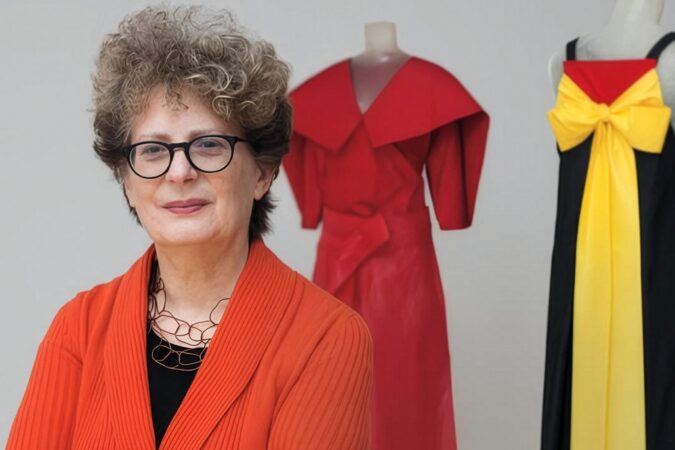
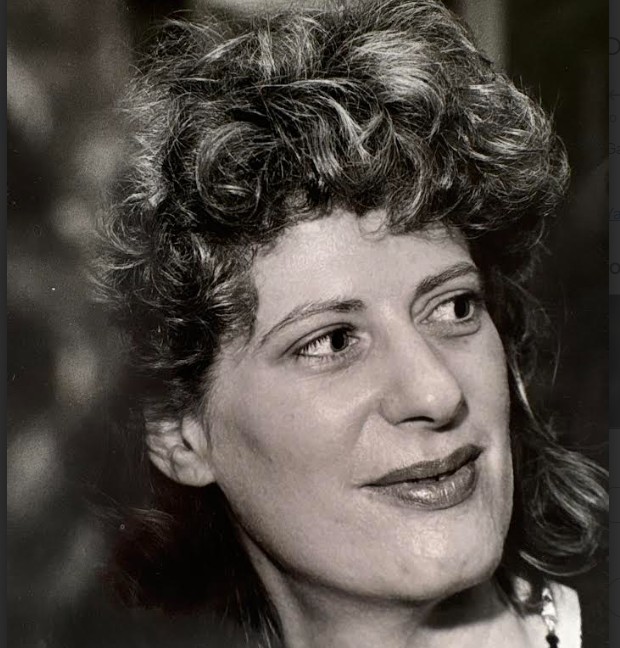
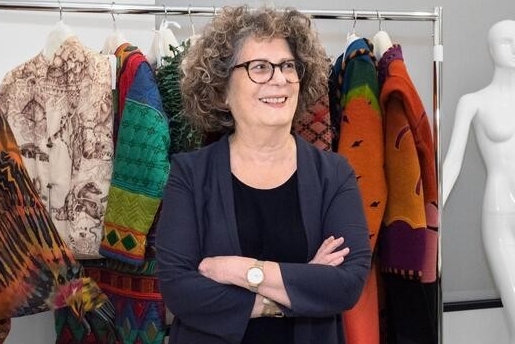
Dilys E. Blum, 78, of Philadelphia, senior curator emeritus of costume and textiles at the Philadelphia Art Museum, author, lecturer, mentor, and world traveler, died Saturday, Dec. 27, of complications from cancer at Thomas Jefferson University Hospital.
For 38 years, from 1987 to her retirement in 2025, Ms. Blum served as the museum’s curator of costume and textiles. In that role, she organized the museum’s vast treasure trove of textile artifacts, traveled the world to research noted fashion designers and eclectic collections, and created more than 40 memorable exhibitions about Renaissance velvets, contemporary fashion, Asian textiles, carpets, African American quilts, and dozens of other curios.
She was cited as the world’s foremost authority on avant-garde Italian fashion designer Elsa Schiaparelli, and her 2003 exhibition “Shocking! The Art and Fashion of Elsa Schiaparelli” drew 83,000 visitors. Francesco Pastore, the heritage and cultural projects manager at the House of Schiaparelli in Paris, said: “Her remarkable research, her generosity in sharing knowledge, and her contribution to fashion studies have deeply enriched our field.”
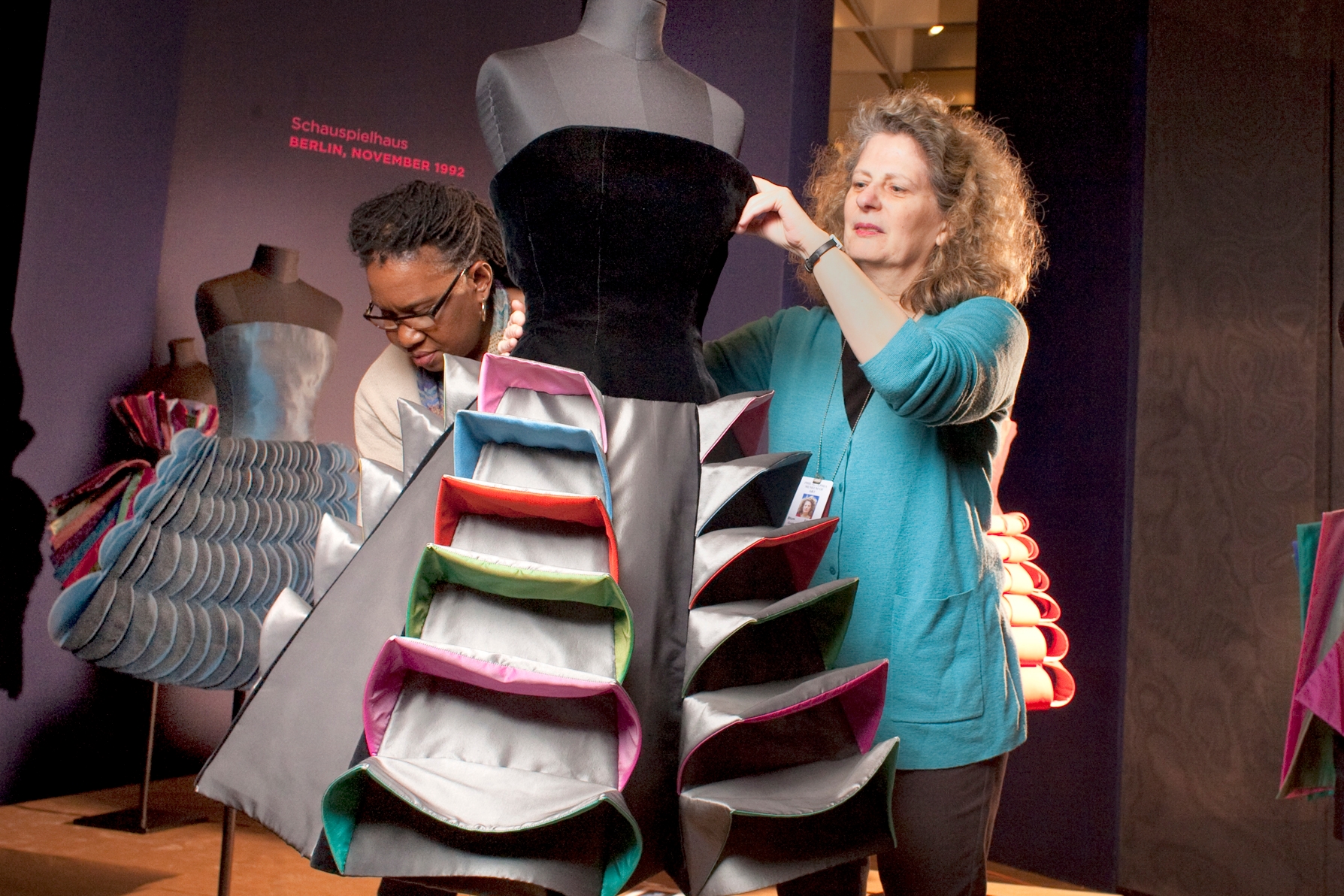
Ms. Blum (right) and colleague Monica Brown tend to a museum exhibit in 2011.
In a recent tribute, former museum colleagues marveled at her “technical expertise and cultural insight,” and credited her for reinvigorating the once-neglected textiles collection. Daniel Weiss, director and chief executive officer of the museum, said: “She transformed this museum’s costume and textiles department into a program respected around the world.”
She told The Inquirer in 1990: “We wanted to remind them that we were here.”
Before Philadelphia, Ms. Blum was a textile conservator at the Chicago Conservation Center and the Brooklyn Museum, and senior assistant keeper of the costume and textile department at the Museum of London. She earned a bachelor’s degree in art history at Connecticut College and studied afterward at the University of Manchester in England and the Courtauld Institute of Art at the University of London.
“She was fearless in her pursuit of perfection in her work,” said her sister Galen. Her sister Sydney said: “She was dedicated to her craft and scholarship.”
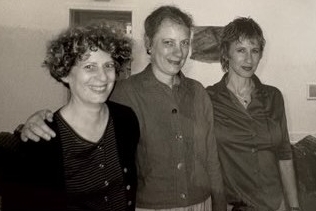
Ms. Blum (left) was close to her sisters Sydney (center) and Galen.
An avid reader and writer, Ms. Blum wrote and cowrote several books about textiles and designers, and 2021’s Patrick Kelly: Runway of Love, coauthored with former colleague Laura L. Camerlengo, earned a 2023 honorable mention publication award from the Costume Society of America. She also wrote essays for exhibition catalogs, served on editorial boards for journals, lectured around the world, and was active with the International Council of Museums, the Association of Art Museum Curators, and other groups.
In 2025, to celebrate Ms. Blum’s retirement, Camerlengo praised her “deep knowledge, creative vision, and contagious passion for the field.” She said: “Dilys is one of the most influential figures in the world of fashion and textile arts.”
Ms. Blum’s work and fashion viewpoints were featured often in The Inquirer. In 1997, she said: “People don’t dress up anymore.” In 1999, she said: “I think we’ve lost the joy in dressing. There’s this trend away from clutter in dress and decorating. It’s pared down to the point of visual boredom.”
In 2001, she said it was easy to differentiate between New Yorkers and Philadelphians. “New Yorkers,” she said, “will invariably be wearing the accessory of the moment, a pashmina shawl, a Kate Spade bag, a Prada loafer.”
Ms. Blum left “an enduring legacy woven through the art museum and the generations of scholars and visitors who now see costumes and textiles as central to the story of art,” former museum colleagues said.
Dilys Ellen Blum was born July 11, 1947, in Ames, Iowa. She and her parents moved to Hamilton, N.Y., when she was 1, and the family traveled with her father, an economics professor at Colgate University, on teaching sabbaticals abroad. When she was 12, Ms. Blum spent a year with her parents and sisters living in Norway and touring Europe in a Volkswagen Beetle.
Her mother was an artist and seamstress, and she and Ms. Blum spent many nights poring over clothes patterns on their dining room table. She enjoyed reading murder mysteries and traveling the world in search of new museum-worthy artifacts.
She lived in South Philadelphia, was diagnosed with cancer three years ago, and talked often with her sisters on the telephone. “I admired her seriousness and humility,” Sydney said. Galen said: “From my perspective, I was in awe of her.”
In addition to her sisters, Ms. Blum is survived by a niece, Juniper, and other relatives.
A memorial service is to be held later.
Former museum colleagues said Ms. Blum’s writing “consistently amplified the makers and wearers of extraordinary objects, and their intertwined relationships.”
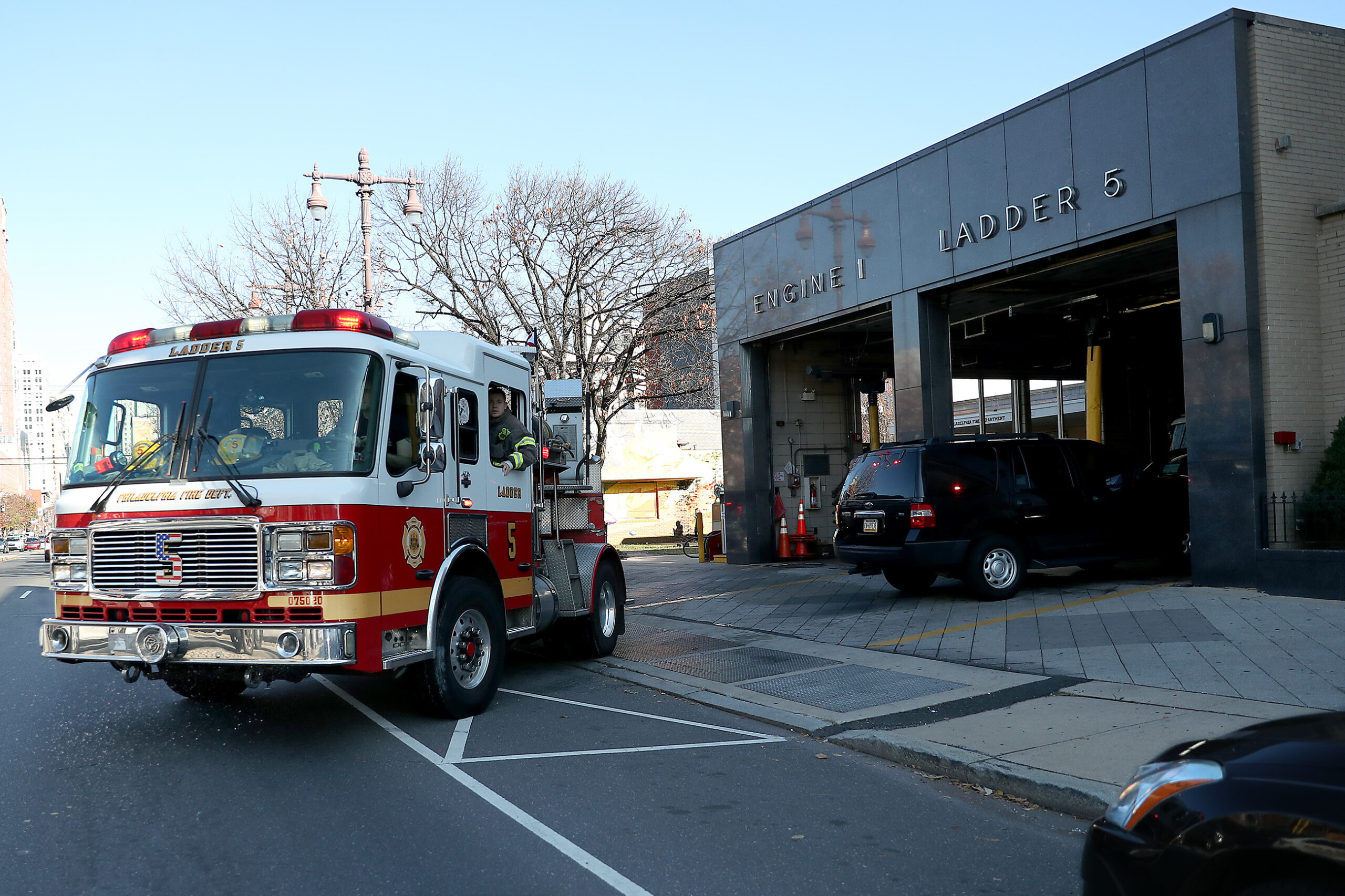
Colonial Philadelphia — a community of wooden dwellings and businesses along the Delaware River back in the 1700s — was under constant threat of burning to the ground. Fires could and did start from the haphazard fling of a cigarette, or burning the soot out of chimneys, or sometimes the accidental drop of a lantern.
By 1730, the city had just one fire engine — a steam-powered box car — and dozens of buckets for carrying water to extinguish flames. When a fire that year on Fishbourne Wharf nearly destroyed the city, causing 5,000 pounds in property damage, Ben Franklin took notice.
The incident prompted him to advocate for fire prevention in his newspaper, The Pennsylvania Gazette, coining the still-used fire safety mantra, “An ounce of prevention is worth a pound of cure.”
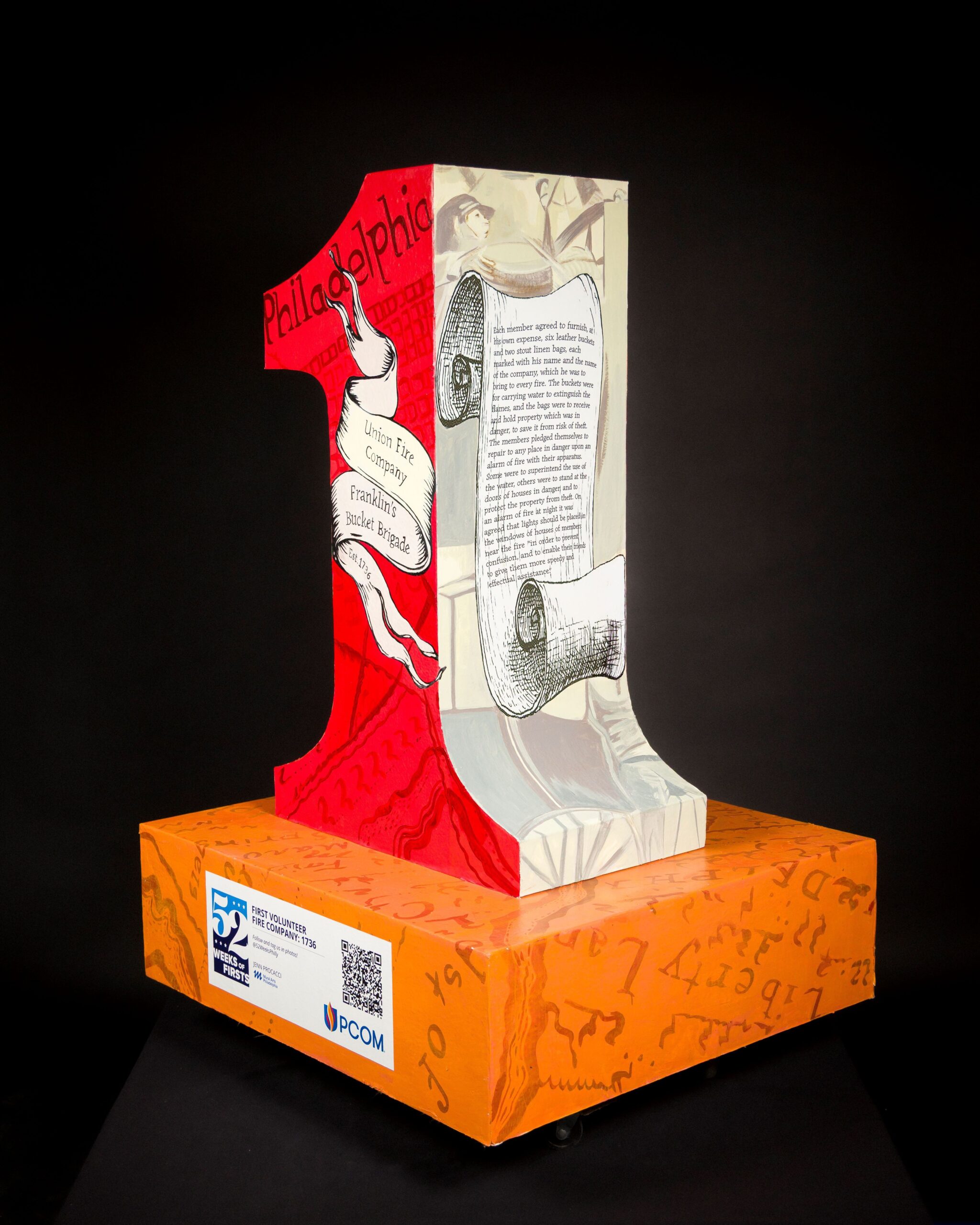
On Dec. 7, 1736, Franklin and 24 other prominent Philadelphians established the Union Fire Company.
The formation of the Union Fire Company will be remembered Saturday at the Firstival to be held at Fireman’s Hall Museum. Firstivals are the Philadelphia Historic District’s weekly day parties celebrating historic events that happened in Philadelphia before anywhere else in America, and often the world. They are part of a yearlong celebration of America’s 250th birthday.
Artist Jenn Procacci’s sculpture incorporates maps of 1700s Philadelphia highlighting routes volunteer firefighters would take to extinguish blazes.
The Union Fire Company, also called the Bucket Brigade, was modeled after mutual aid firefighting organizations in Boston. In its early years, the company only helped its members put out fires in their homes or properties.
In 1742, the members voted to help any Philadelphian whose home or property was ablaze.The fact that they helped all Philadelphians, not just members, made the company America’s first volunteer fire department.
Within the decade, Philadelphia had eight volunteer fire companies.
These early volunteer fire companies were elite organizations that capped their memberships at about 30, explained Carol Smith, curator and archivist at Fireman’s Hall Museum. Members provided their own equipment: buckets for carrying water to put out fires and bags to salvage items from being destroyed. Companies had several meetings a year and members were fined for absence or tardiness.
As the home of the country’s first volunteer firefighting outfit, Philadelphia was progressive when it came to fighting fires — they were among the first companies in the country to experiment with innovative hoses. The city also was unique in establishing ways to support Philadelphia residents impacted by fire.
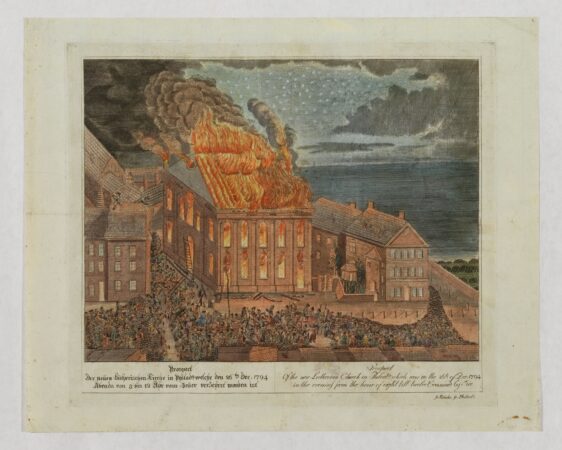
Philadelphia’s early network of volunteer firefighters stopped major fires, like the 1794 burning of Zion Lutheran Church, and prevented extensive fire damage to the city.
“A lot of it was because of the advances in firefighting technology like updated hoses,” Smith said. “Our volunteer fire departments were very proactive.”
Today’s fire houses are descendants of Ben Franklin’s Union Fire Company.
The Union Fire Company housed its equipment on Old City’s Grindstone Alley and was active through the early 1800s, disbanding in 1843. Its remaining members joined the Vigilant Engine Company, that, in 1871 became Engine 8, one of the city’s first municipal fire stations.
Several Philadelphia-connected entertainers have been nominated for the 57th NAACP Image Awards.
The nominees, announced Monday, include Philly-based filmmaker Chisom Chieke and WURD Radio.
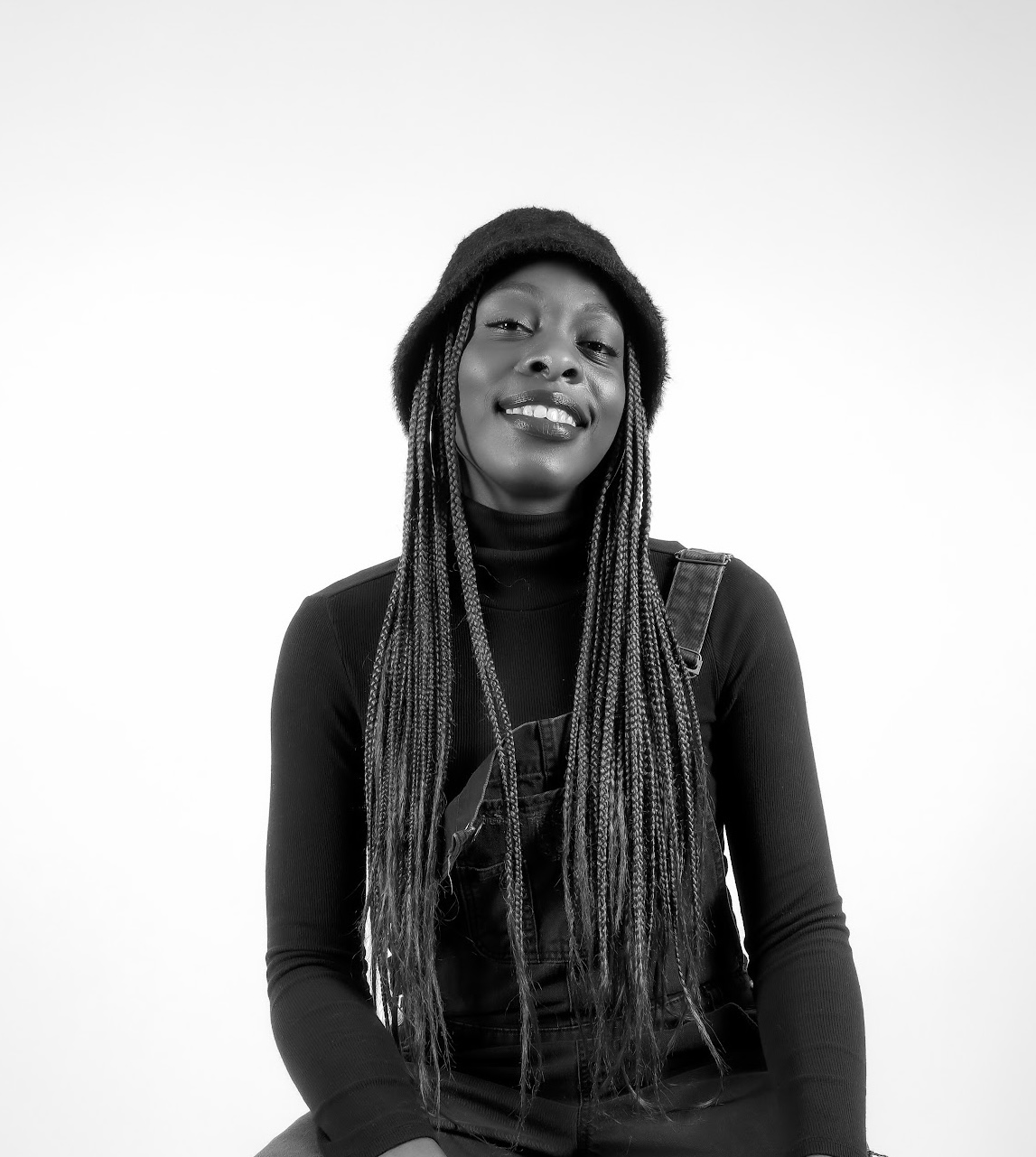
Chieke, whose projects explore romance and identity across Black diasporic communities, earned a nomination for outstanding short form (live action) for her film,Food for the Soul.
“Receiving this nomination is indescribable,” Chieke said. “I’m so grateful to BlackStar for giving me the opportunity and trusting the vision. They really are the foundation of the project. I’m doubly grateful for my crew, the support I got from Philly, and just being able to grow my network of collaborators.”
“Food for the Soul” by Chisom Chieke, who is based in Philly, is up for an NAACP Image Award. The film won the award for favorite short narrative at the 2025 BlackStar Film Festival.
“We’re in a category that has some real heavy hitters, but we’re telling the story of everyday Philadelphians who have overcome extraordinary barriers and obstacles, and still are,” WURD president and CEO Sara Lomax said.
The podcast series, hosted by author, consultant, and educator James Peterson, highlights the experiences of wrongfully incarcerated people and the support they draw from their own communities.
The series also spotlights the work of the Pennsylvania Innocence Project, which has secured the release of more than 30 people and provides reentry support and advocacy.
Peterson said the nomination is a credit to Lomax and others’ hard work, but also to the Philadelphians who have supported the station over the years.
“It’s validation for the people who listen to WURD when they wake up in the morning and until they go to sleep at night,” he said. “And there’s a level of dedication from some of our listeners that sets the bar for what we’ve done throughout the years. It’s a team win and team effort, but it’s really a community win.”
WURD’s podcast series, “Exonerated: The Cost of Wrongful Conviction,” is nominated for a 2026 NAACP Image Award.
Other Philly-connected nominees include Temple University graduate Jalen Blot, whose film, Before You Let Go, was also nominated for outstanding short form (live action). Also competing in the same category is Ella, starring Jill Scott, who’s affectionately called “Jilly from Philly.”
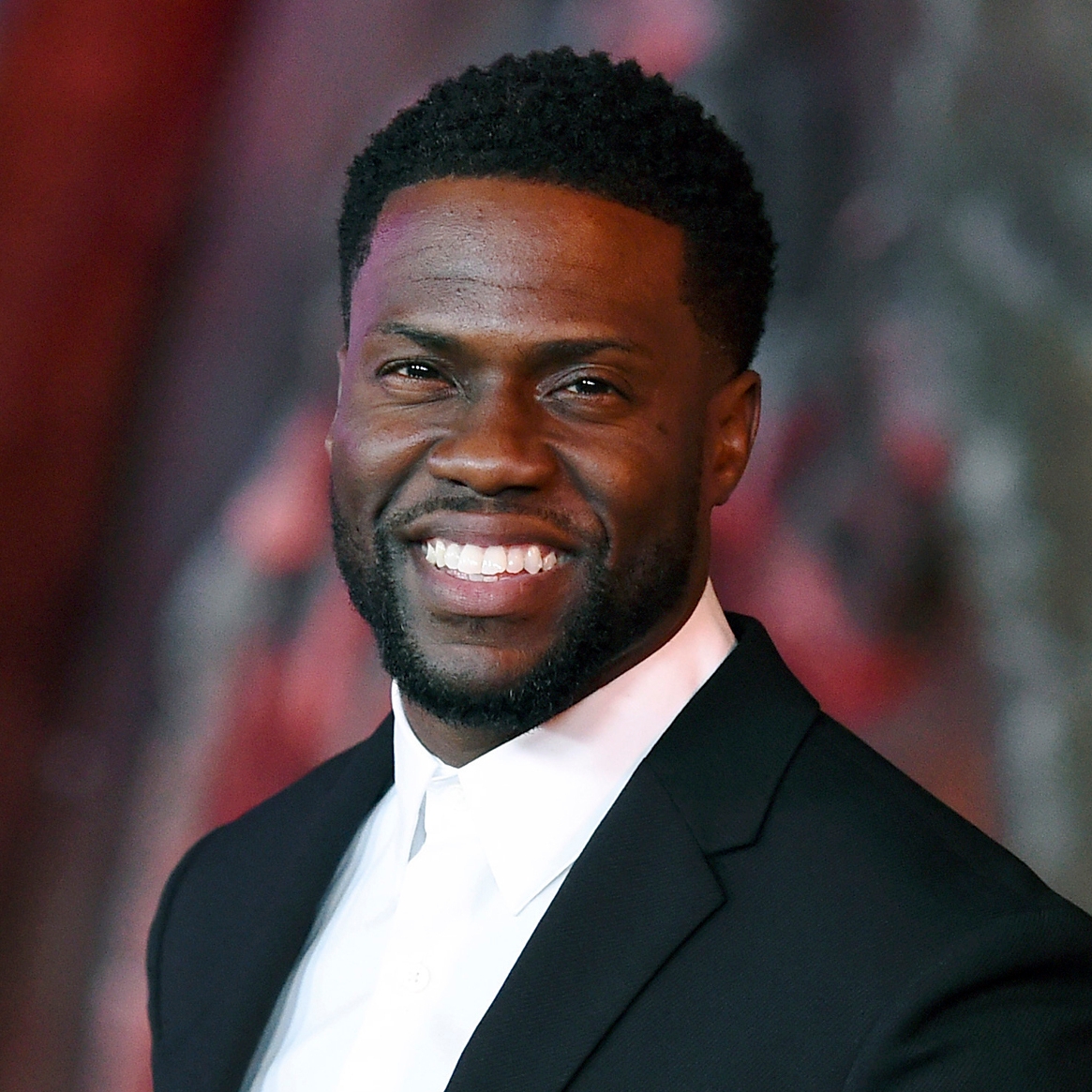
The Kevin Hart-produced Kingsland was nominated in the outstanding podcast category. Also, Hart, who grew up in North Philadelphia, stars in the animated sitcom Lil Kev, which was nominated for outstanding animated series.
Philly native Kevin Hart, seen here in 2017, has two NAACP Image Award nominations, for outstanding podcast (“Kingsland”) and outstanding animated series (“Lil Kev”).
Other Philly-linked nominees include Colman Domingo for outstanding directing in a comedy series for Netflix’s The Four Seasons. And Boyz II Men’s Shawn Stockman, whose podcast Shawn Stockman’s on That Note, was nominated in the outstanding podcast — arts, sports, and entertainment category.
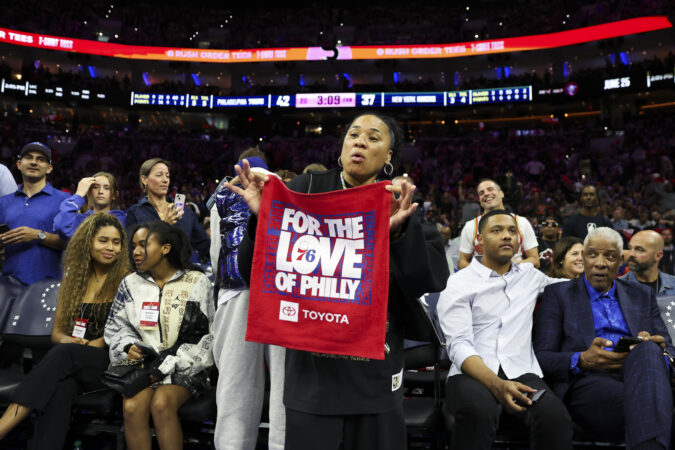
Philly’s own Dawn Staley received a nod for outstanding literary work — biography/autobiography for her memoir, Uncommon Favor: Basketball, North Philly, My Mother, and the Life Lessons I Learned From All Three.
The winners will be announced Feb. 28. Public voting is available through early February.
The 57th NAACP Image Awards will be telecast live on BET and CBS on Feb. 28.
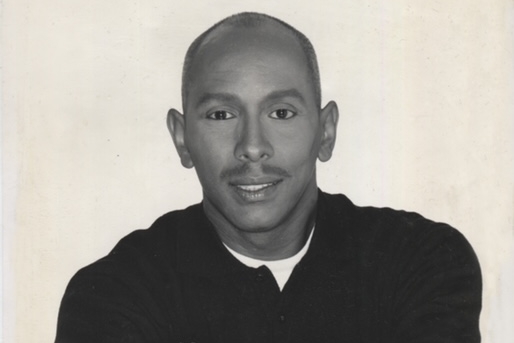
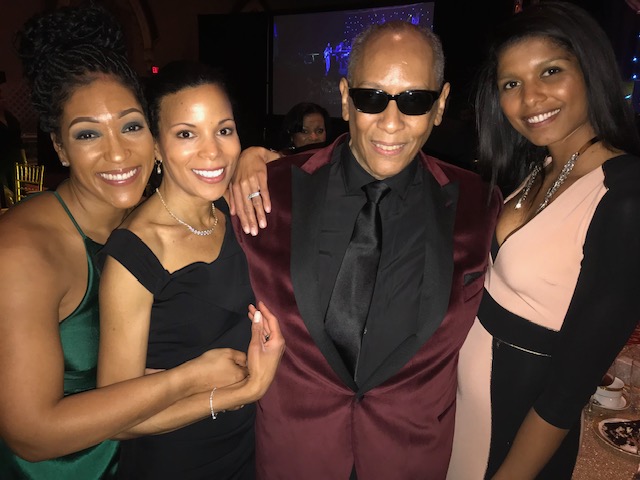
Jeffrey A. Woodley, 71, formerly of Philadelphia, internationally celebrated celebrity hairstylist, scholar, youth track and field star, mentor, and favorite uncle, died Wednesday, Dec. 10, of complications from acute respiratory distress syndrome at Mount Sinai West Hospital in Manhattan.
Reared in West Philadelphia, Mr. Woodley knew early that he was interested and talented in hairstyling, beauty culture, and fashion. He experimented with cutting and curling on his younger sister Aminta at home, left Abington High School before his senior year to attend the old Wilfred Beauty Academy on Chestnut Street, and quickly earned a chair at Wanamakers’ popular Glemby Salon at 13th and Chestnut Streets.
He went to New York in the mid-1970s after being recruited by famed stylist Walter Fontaine and spent the next 30 years doing hair for hundreds of actors, entertainers, models, athletes, and celebrities. He styled Diahann Carroll, Whitney Houston, Aretha Franklin, Anita Baker, Angela Bassett, Halle Berry, and Tyra Banks.
He worked with Denzel and Pauletta Washington, Eddie Murphy, Jasmine Guy, Lynn Whitfield, Pam Grier, Melba Moore, Jody Watley, and Karyn White. His hairstyles were featured in GQ, Vanity Fair, Ebony, Jet, Essence, Vibe, Vogue Italia, and other publications, and in advertising campaigns for L’Oréal and other products.
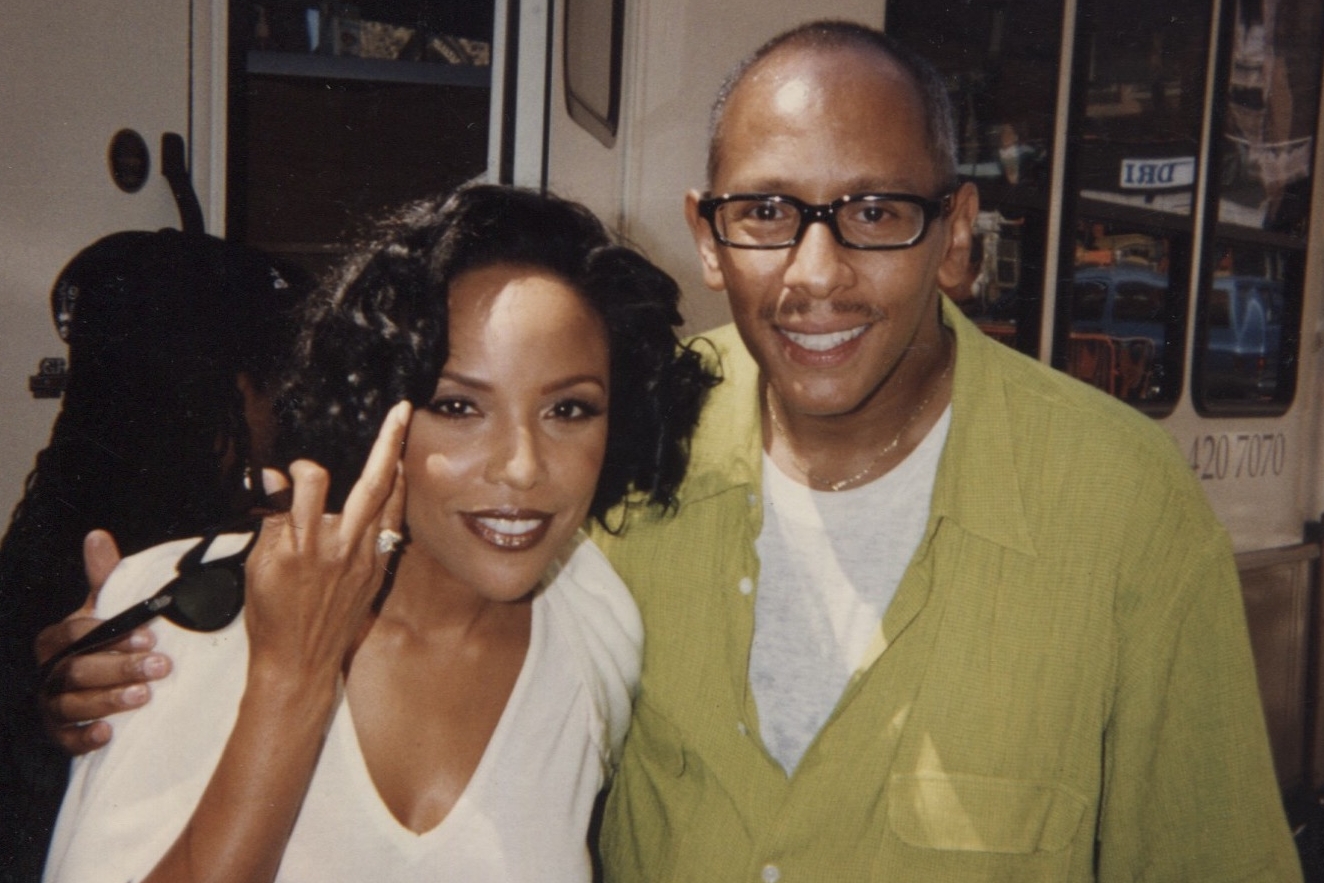
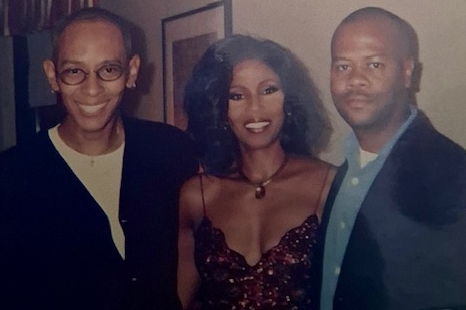
Mr. Woodley poses with actor Lynn Whitfield.
For years, actor Terry Burrell said, “He was the go-to hair stylist for every Black diva in New York City.” Pauletta Washington said: “He was responsible for so much of who I became as an artist and a friend.”
Mr. Woodley worked for Zoli Illusions in New York, Europe, Africa, and elsewhere around the world, and collaborated often with noted makeup artists Reggie Wells and Eric Spearman. Model Marica Fingal called Mr. Woodley “uber talented” on Instagram and said: “He was one of the most skilled artists, creating stunning, innovative styles for models and celebs alike.”
Friendly and curious, Mr. Woodley told Images magazine in 2000 that learning about the people in his chair was important. “A woman’s hairstyle should take into account the type of work she does, her likes, her dislikes, and her fantasies,” he said. “I’m a stylist, but I never impose hair styles on any client. When we arrive at our finished style, it’s always a collaboration.”
His hairstyles appeared on record albums and at exhibitions at the Philadelphia Art Museum and elsewhere. He was quoted often as an expert in coiffure and a fashion forecaster. In 1989, he told a writer for North Carolina’s Charlotte Post: “Texture is the key. … Cut will still be important, but the lines will be more softened and much less severe.”
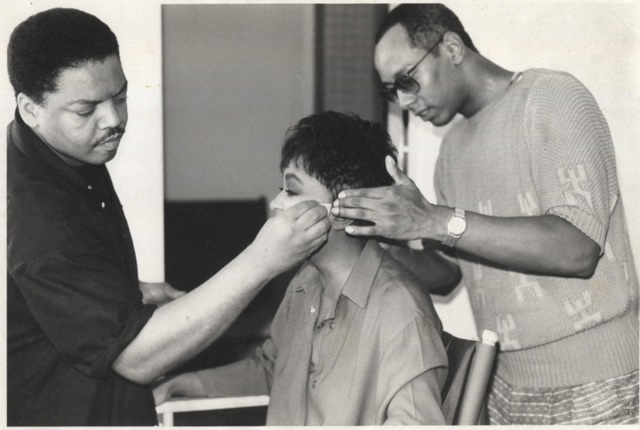
Mr. Woodley (right) handles hair styling for singer Anita Baker while makeup artist Reggie Wells attends to her face.
In 2000, he told Images that “low maintenance is the way of the future.” He said: “Today’s woman is going back to school. She has the corporate job. She has children that she needs to send off to school. She doesn’t have time anymore to get up and spend 35 to 40 minutes on her hair. She wants something she can get up and go with.”
He retired in 2005 after losing his sight to glaucoma. So he earned his General Educational Development diploma, attended classes at the Borough of Manhattan Community College, and studied literature, Black history, and spiritual writing.
“The entirety of his life was inspired by an insatiable thirst for knowledge,” said his friend Khadija Kamara.
He was working on his memoir and still taking classes when he died. “He lived life on his own terms,” Burrell said, “and my respect and admiration for his determination will forever be inspiring.”
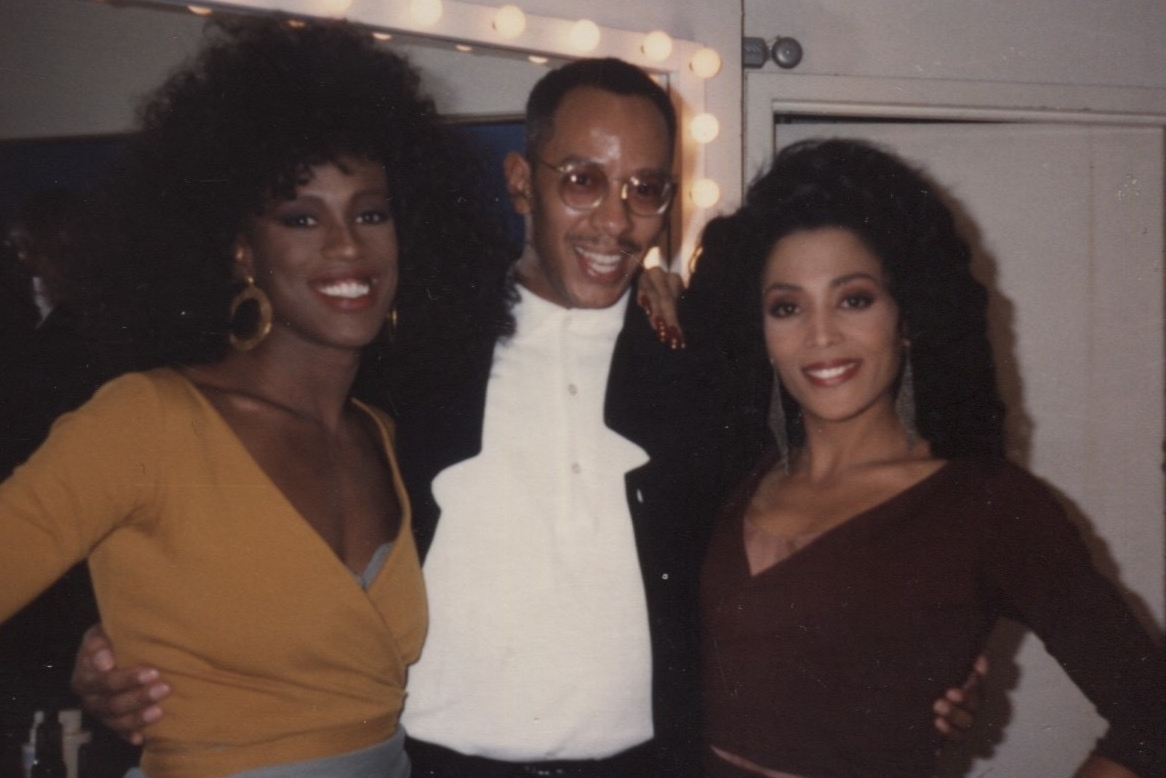
Mr. Woodley smiles with track stars and celebrities Jackie Joyner-Kersee (left) and Florence Griffith Joyner.
As a youth, Mr. Woodley excelled in sprints, relays, and the high jump at St. Rose of Lima Catholic School and Abington High School, and for the Philadelphia Pioneers and other local track and field teams. He ran on Abington’s 440-yard relay team that won the PIAA District 1 championship race at the 1970 Penn Relays and helped set a meet record in the four-lap relay at a 1971 Greater Philadelphia Track and Field Coaches Association indoor meet.
Family and friends called him authentic, generous, and proud of his Philadelphia roots. He mentored his nieces and nephews and hosted them on long visits to his home in New York.
“He was one of the most talented people around and always a lot of fun,” a friend said on Facebook. “A beautiful soul and spirit who made others beautiful.”
Jeffrey Alan Woodley was born May 30, 1954, in Philadelphia. He had an older brother, Alex, and two younger sisters, Aminta and Alicia, and ran cross-country as well as track in high school.
Mr. Woodley (left) worked with actor and musician Pauletta Washington and makeup stylist Eric Spearman.
He was always an avid reader and loved dogs, especially his guide dog Polly. He was a foodie and longtime member of the Abyssinian Baptist Church choir in Harlem. His close family and friends called him Uncle Jeff.
“He was a fun-loving, spirited, and passionate individual,” his brother said. “Uncle Jeff loved the Lord and poured his heart into his work as well as family.”
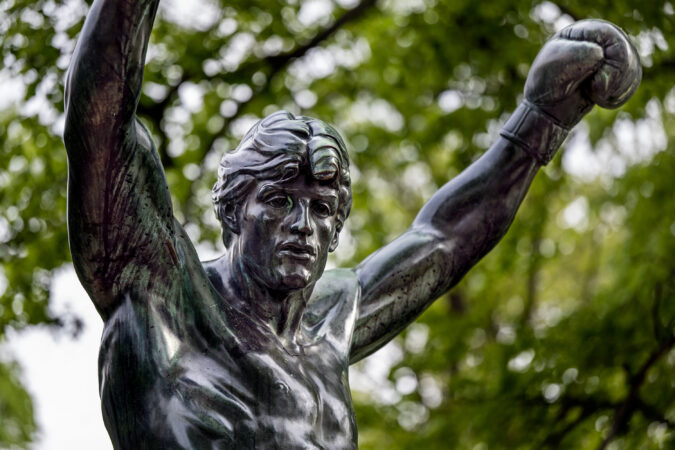
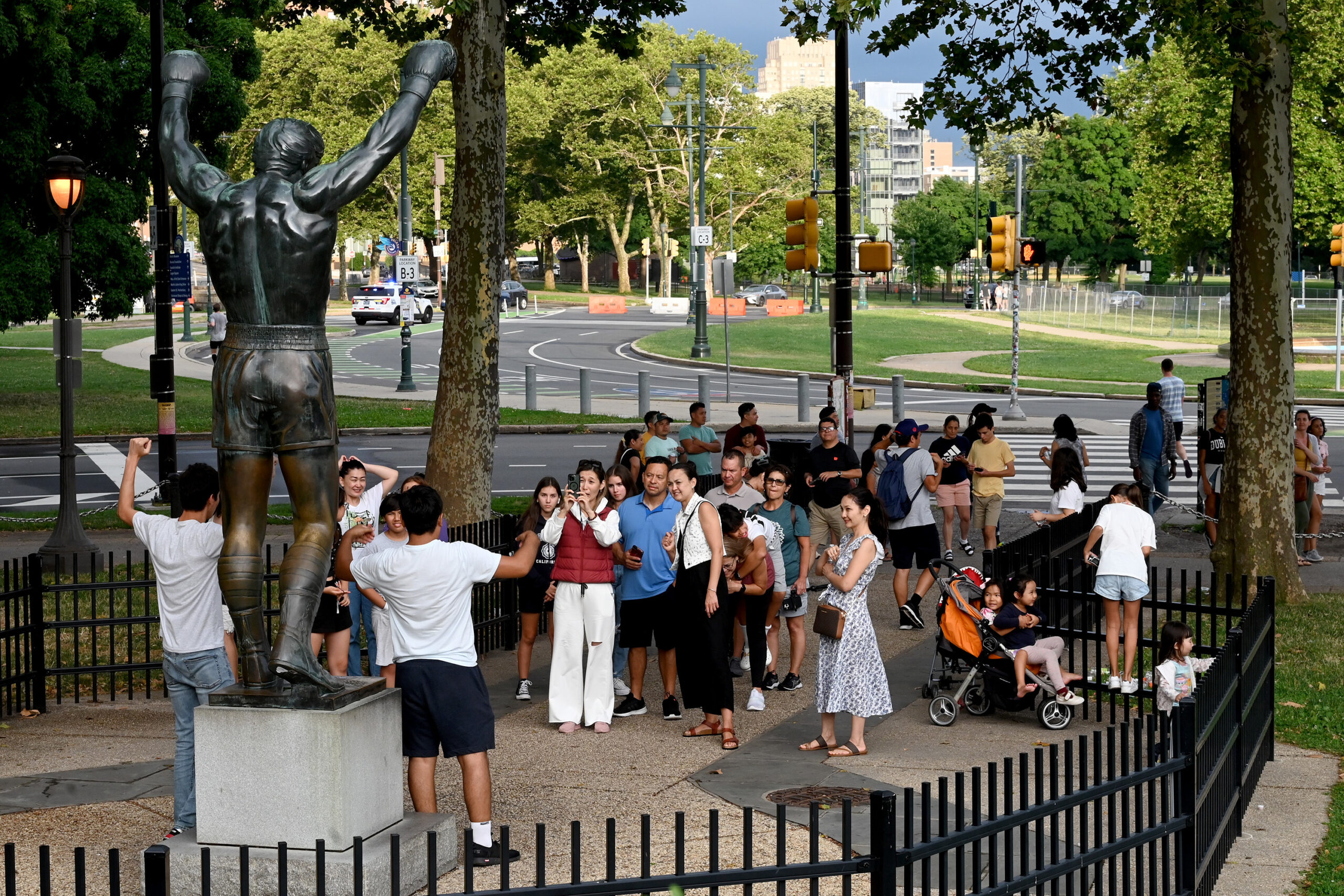
The city’s famed Rocky statue has been cleared for installation atop the Philadelphia Art Museum’s iconic steps later this year following an Art Commission vote Wednesday. Four commissioners voted to approve the move, while one disapproved and one abstained.
With final approval granted, Creative Philadelphia, the city’s office for the creative sector, can move forward with its recently proposed plan to once again place the statue in one of the city’s most prominent locations. Since 2006, the statue has sat at the base of the museum’s steps, attracting an estimated 4 million visitors per year, agency officials have said.
“I think people come not because they’re told to — they come because it already belongs to them, and that kind of cultural legitimacy cannot be manufactured,” said commissioner Rebecca Segall at Wednesday’s meeting. “And by that measure, I believe it’s one of Philadelphia’s most meaningful monuments, and I believe we should just get him out of the bushes and put him up top.”
Now, Philly’s original Rocky statue — commissioned by Sylvester Stallone for 1982’s Rocky III and used in the film — will do just that sometime in the fall, per Creative Philadelphia’s plan. Its move to the top of the steps will come following its exhibition in “Rising Up: Rocky and the Making of Monuments,” an Art Museum program slated to run from April to August that will see the statue displayed inside the museum building for the first time.
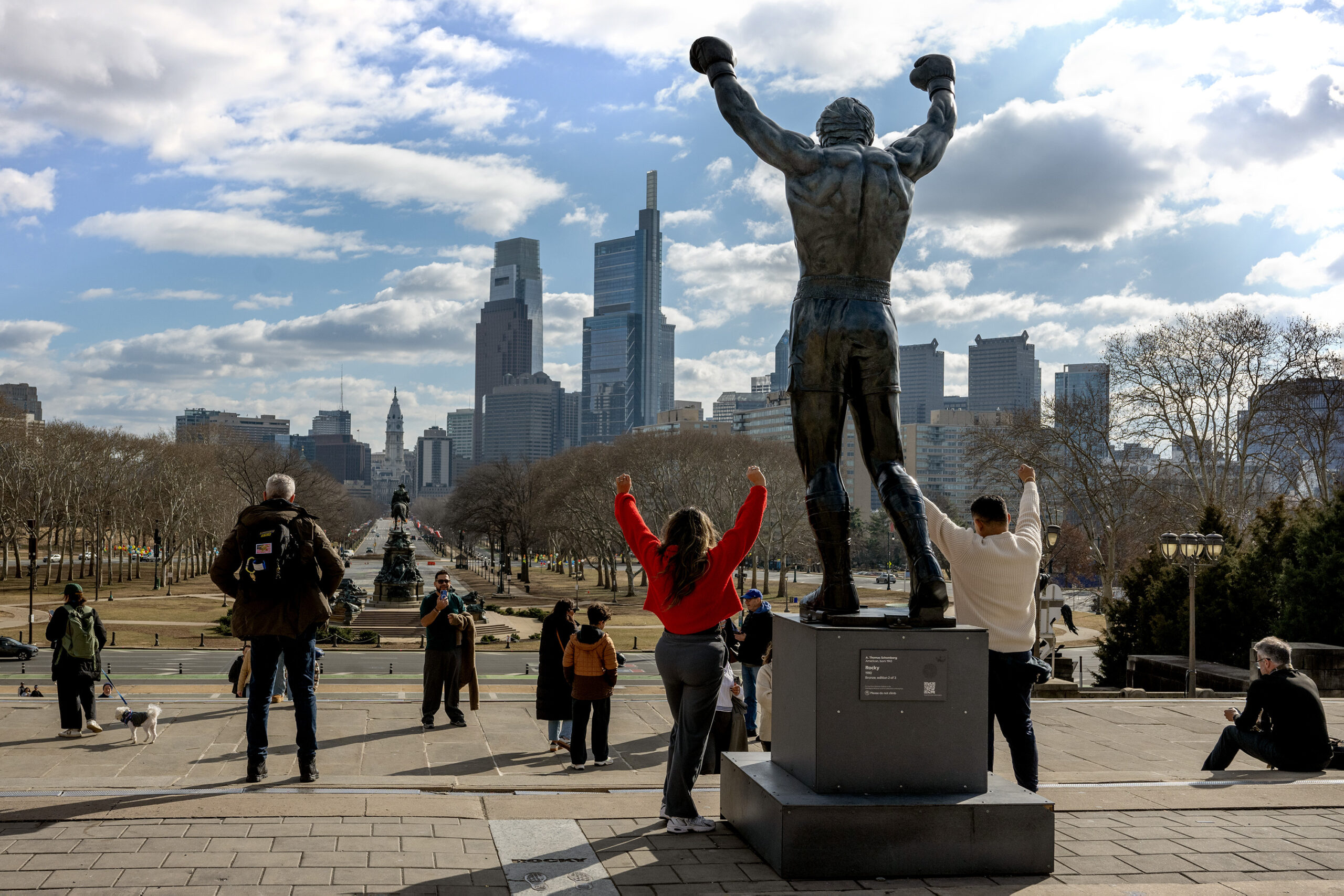
Sylvester Stallone’s “second casting” of the Rocky statue version atop the museum steps Jan. 7, 2026. It will return to the actor’s collection once the original statue is relocated.
Another statue will be installed at the bottom of the Art Museum’s steps, though what statue that will be has not yet been determined. Last month, chief cultural officer Valerie V. Gay said the spot would not be filled with another Rocky statue, leaving Philadelphia with sculptures of the Italian Stallion at both the top of the Art Museum steps, and in Terminal A-West of Philadelphia International Airport.
As part of the original statue’s installation in the fall, Creative Philadelphia plans to develop a shuttle service for visitors with mobility limitations that will take passengers from the bottom of the steps to the top. The service, referred to as the “Rocky Shuttle,” will be run by the Philadelphia Visitor Center, and will operate similarly to the Philly Phlash bus service, which arrives at 15-minute intervals, Creative Philadelphia officials said.
Additionally, the statue will be placed on a pedestal roughly 14 feet back from the edge of the top step, next to where a small installation depicting Rocky’s shoe prints is currently embedded in the museum’s stone walkway, Marguerite Anglin, the city’s public art director, said Wednesday. The project has a budget of $150,000 to $250,000, though final costs were not available, she added. In its proposal last month, Creative Philadelphia indicated the project would cost about $150,000.
Wednesday’s vote came following about an hour of discussion, during which some Art Commission members raised concerns over whether moving the statue would strengthen the relationship Philadelphians have with art or increase attendance at the museum. Commissioner Pepón Osorio said many visitors have indicated they were coming to see the statue because it represents Rocky, and not because it is a work of art.
“I don’t think that people see it as a work of art,” he said. “People see it as an iconic structure.”
Debate over the statue’s merits has been going on since before it first arrived in town for the filming of Rocky III in 1981. In 1980, local artist and then-Art Commission member Joseph Brown referred to the statue as “unnecessarily strident,” and indicated the Rocky franchise didn’t lend any particular cachet to Philadelphia’s cultural standing. Inquirer columnist Tom Fox, meanwhile, in 1982 called the statue a “monument to schlock, chutzpah, and mediocrity.”
Public opinion has also been divided. In a September Inquirer poll, 46% of respondents said no Rocky statue belongs at the top of the steps, but the one at the bottom should stay. Roughly 20% said the city should not have a Rocky statue at all.
Now, however, with the installation plan approved, it appears the debate can continue with Rocky once again atop the Art Museum’s steps. As part of approval, Creative Philadelphia agreed to undertake community engagement efforts examining the public’s interpretation of the statue.
“This really isn’t, for us, about getting the statue up there and then we move on,” Gay said. “This really opens the door to how public art can be used in civic discourse, in the ethos of our city right now, to think about both contemporary [times] and the past, as well as how we think about the future.”
Tourists pose with the original Rocky statue in July 2022. The statue will move to the top of the steps in the fall.
Lush landscaping and public art will soon line Broad Street, impromptu performances may pop up, and vehicular traffic will be calmed with a new Avenue of the Arts south streetscape about to take shape.
The project — estimated to take $150 million and a decade to realize — will begin modestly.
The groundbreaking ceremony was held Wednesday morning in front of the Kimmel Center and was attended by more than 200 dignitaries, including Mayor Cherelle L. Parker, City Council President Kenyatta Johnson, and other members of City Council, state representatives, and officials from groups along the Avenue of the Arts.
The actual construction is slated to start at the end of January on a small portion of the project: remaking the median strip between Spruce and Pine Streets. That phase is expected to be completed by June.
In 2027, after the end of an anticipated swell in tourism and street activity during the Semiquincentennial, sidewalk beautification will begin on both the east and west sides of that block.
Eventually, pending funding, all of the blocks between City Hall and Washington Avenue will be remade.
Looking north toward City Hall, a rendering shows the completed first phase of a South Broad Street streetscape project slated to break ground in January 2026.
The current streetscape of planters, pavers, and retro light fixtures was designed and installed more than three decades ago. In addition to the wear and tear of the existing scheme, the thinking around public space has evolved since then, said Carl Dranoff, board chair of Avenue of the Arts, Inc., which is overseeing the project.
“It’s become somewhat aged and dog-eared,” said Dranoff. “In 1993 you didn’t need to have outdoor cafes. We need to activate the street, not just make it palatable. We have the opportunity to really elevate the Avenue of the Arts into one of the world’s great streets.”
The project was announced in July 2024 at $100 million, but inflation and a more detailed cost analysis has now put the total price tag at about $150 million — $15 million per block. These numbers include not just the planters, lighting, public art, street furniture, and aesthetic elements, but also infrastructure work beneath the surface, said Dranoff.
“A lot of it is things you don’t see. There’s a lot of underground construction,” he said. “Right now water is leaking from the median strip into the subway concourse. One of the reasons we got support from SEPTA and PennDot and [the Philadelphia] Streets [Dept.], is as we are building the median strips, we are improving deficiencies in the street in each block.”
In addition, some utilities will have to be moved. One PECO relocation, for instance, will cost the project $250,000, he said.
Dranoff has a vested interest in the vitality of the Avenue of the Arts. He has led several development projects on South Broad Street, including Arthaus, which is on the same block as the first phase of the new streetscape, and, one block south, Symphony House. He compares the investment in the new streetscape to the ones made in the Pennsylvania Convention Center, Philadelphia Navy Yard, Kimmel Center, and Schuylkill River Trail.
“If we don’t make investments in the future, which are going to increase revenue and population, we are relegating ourselves to second-place status.”
The new $15 million streetscape in the block from Spruce to Pine, which includes a $1 million endowment fund to underwrite maintenance, native-species plants, a rainwater-collection cistern, lighting, curved raised planting beds, public art, seating, way-finding devices, and artist-designed banners.
Of the $15 million needed, $5 million has been raised so far: $3 million from the city over two budget years, $1 million from the state, and $1 million from private donors. Other funding requests are pending, which planners call “very promising.”
A sidewalk garden on the east side of Broad Street between Pine and Spruce Streets is planned for installation in 2027 as part of a new Avenue of the Arts streetscape.
Dranoff says that construction of the median between Spruce and Pine — which is the block occupied by the Kimmel Center and defunct University of the Arts — won’t cause “a lot of disruption. They’re only working business hours, not on weekends.” Any blocked lanes will be reopened after work is done for the day, he said.
The next block to be redesigned hasn’t been decided, but it will likely be north of Spruce Street, Dranoff said. “Part of it will depend on funding. If we get a donor, someone whose offices are near the Academy of Music and is donating $15 million for that block to be next, we might accommodate that,” he said.
Funding for the entire project is expected to be a mix of public money, corporate and individual donations, and foundation support, he said.
The goal isn’t to have the mile-plus between City Hall and Washington Avenue end up with a streetscape that looks uniform, Dranoff said. Instead, design firms Gensler and OJB Landscape Architecture may come up with different ideas for different blocks.
“You don’t need a master plan that’s set for 10 blocks. Every block is different, the institutions are different. It lends itself to block-by-block planning tied together by a common theme.”
Dranoff said once the block from Spruce to Pine is done, it will show the potential, which he expects will spur fundraising to complete the streetscape for the entire Avenue of the Arts south.
“The difference between now and the first block being finished is, you’re going to be driving down a tree-lined boulevard.”
The article has been updated with details from the groundbreaking ceremony.