Category: Business

Business news and market updates

  • Thousands of Penn graduate student workers could soon strike

    Thousands of Penn graduate student workers could soon strike

    Graduate student workers at the University of Pennsylvania have voted to strike if their union calls for it, as they work toward a first contract with better pay and benefits.

    The graduate students, who research and teach at the university, voted to unionize last year, after two decades of organizing attempts.

    The union’s total membership is about 3,400, and 2,416 participated in the strike vote. Of them, 92% voted in favor of calling a strike if needed to reach an agreement.

    “As the city of Philadelphia’s largest employer and a world-class research institution, Penn must do better by the workers that ensure its continued success,” Katelyn Friedline, a bargaining committee member and Ph.D. student, said at a news conference earlier this month.

    The union, Graduate Employees Together-University of Pennsylvania (GET-UP) is part of the United Auto Workers (UAW), which represents groups of university workers across the country, including Penn postdoctoral researchers and research associates who voted to unionize in July.

    The strike vote comes amid a wave of labor actions across Penn and other campuses. During contract negotiations in 2023, Temple University graduate workers went on strike for 42 days. The same year, Rutgers University educators, researchers, and clinicians walked off the job for a week.

    Since 2023, resident assistants at Penn, Temple, Drexel University, and Swarthmore College have also unionized. This month, graduate student workers also voted to form a union at Pennsylvania State University.

    GET-UP has been bargaining with Penn since October 2024, but sticking points include wages, healthcare coverage, and more support for international student workers.
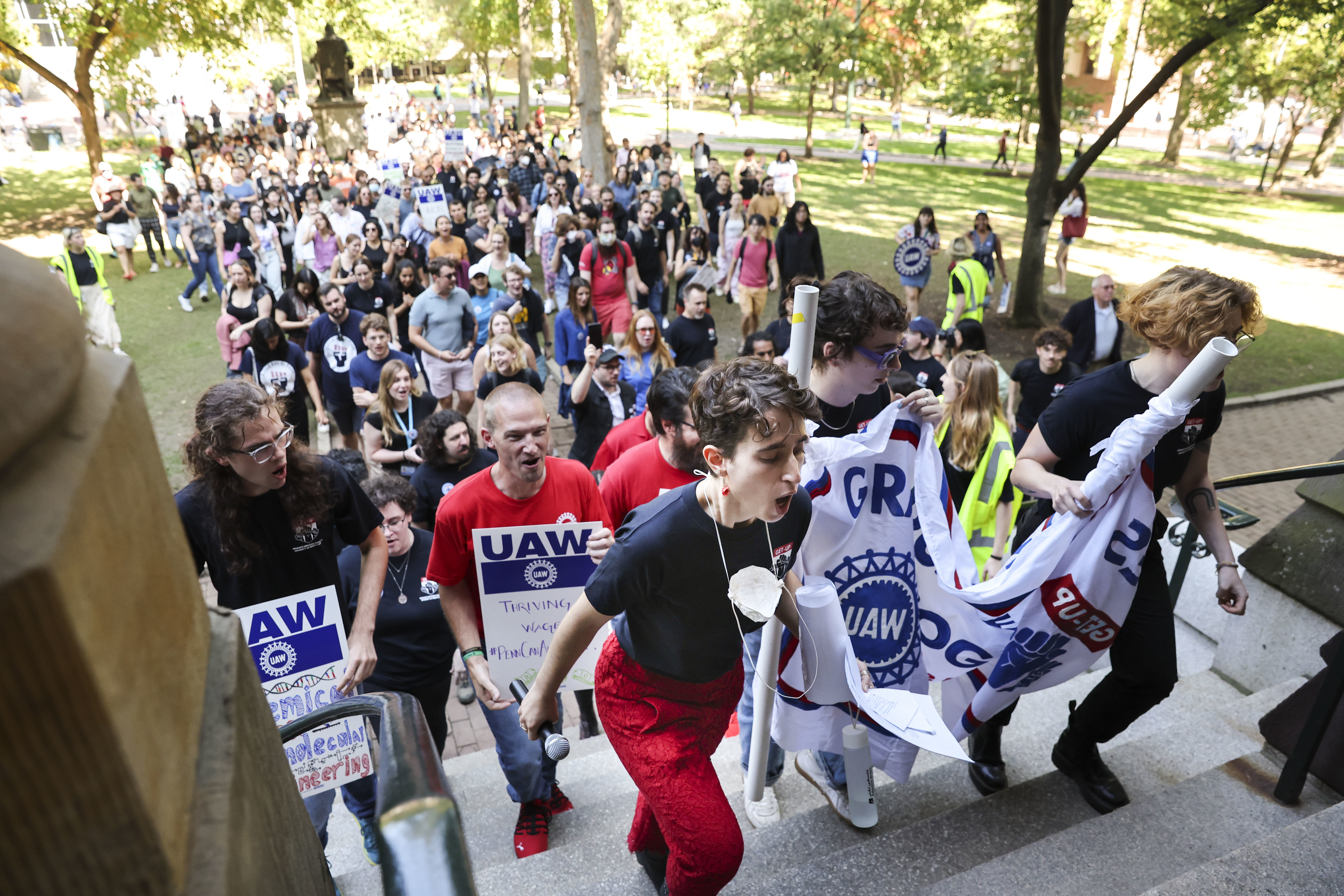
    Hilah Kohen, a Ph.D. student in comparative literature, and hundreds of supporters march into College Hall during a GET-UP rally in October 2023.

    A strike would be disruptive, said Sam Schirvar, a Ph.D. candidate in history and sociology of science, and would be a “last resort” for the union.

    “A work stoppage would really inhibit the basic teaching and research functions of Penn, and would make it very difficult for it to operate as it does as an academic institution,” said Schirvar, who has been organizing with the union for over five years.

    A university spokesperson, Ron Ozio, said via email on Thursday that Penn has been bargaining in good faith with the union.

    “We believe that a fair contract for the union and Penn can be achieved without a work stoppage, but we are prepared in the event that the union membership votes to authorize a strike,” said Ozio.

    What are graduate workers asking for?

    “There’s still a lot of room between the kinds of things that we’re calling for and the kinds of things that management is proposing,” said Schirvar.

    Wages

    The majority of the bargaining unit is made up of Ph.D. students who are paid an annual stipend, while workers pursuing master’s degrees receive hourly pay.

    Stipend workers make a minimum of about $39,000 annually, and hourly workers have no university minimum, Schirvar said.

    In its most recent proposal, the university offered $19 an hour for hourly employees and a minimum of $44,000 for the annual stipend starting in July 2026. The union is asking for a minimum wage of $37 an hour for those paid hourly and $55,500 for those on an annual stipend upon ratification of the contract.

    “While we’re asking for these things because it would make meaningful and life changing differences in our own individual lives, it also helps keep Penn a competitive, world-class institution,” said Friedline.

    Healthcare improvements

    The union is asking for the university to cover the full cost of health insurance for graduate student workers including dental, vision, and dependent coverage. The university already pays full healthcare benefits for graduate student workers, and some dental reimbursements depending on their department, said Friedline.

    Support for international students

    The union is also asking for more protections for international student workers on visas, who represent roughly a third of the bargaining unit, said Friedline. That support is important at this time, Friedline said, “amidst a national anti-immigrant political climate.”

    The union wants Penn to reimburse up to $3,000 of immigration expenses, bar immigration enforcement agents from entering nonpublic areas of campus unless legally required to, and alert the union if access is granted for a search or arrest warrant.

    Guruprerana Shadadi, a second-year Ph.D. student in the computer science department and an international graduate worker from India, said he had to cover the costs of moving to the U.S. before getting his first paycheck from the university, which included visa expenses.

    “I was lucky enough to be able to afford this, but I know several international graduate workers who found it extremely hard to go through this process,” he said. “Receiving a livable wage and higher stipends would go a long way for international students who literally have to start from zero to set up their lives here when they move to the United States.”
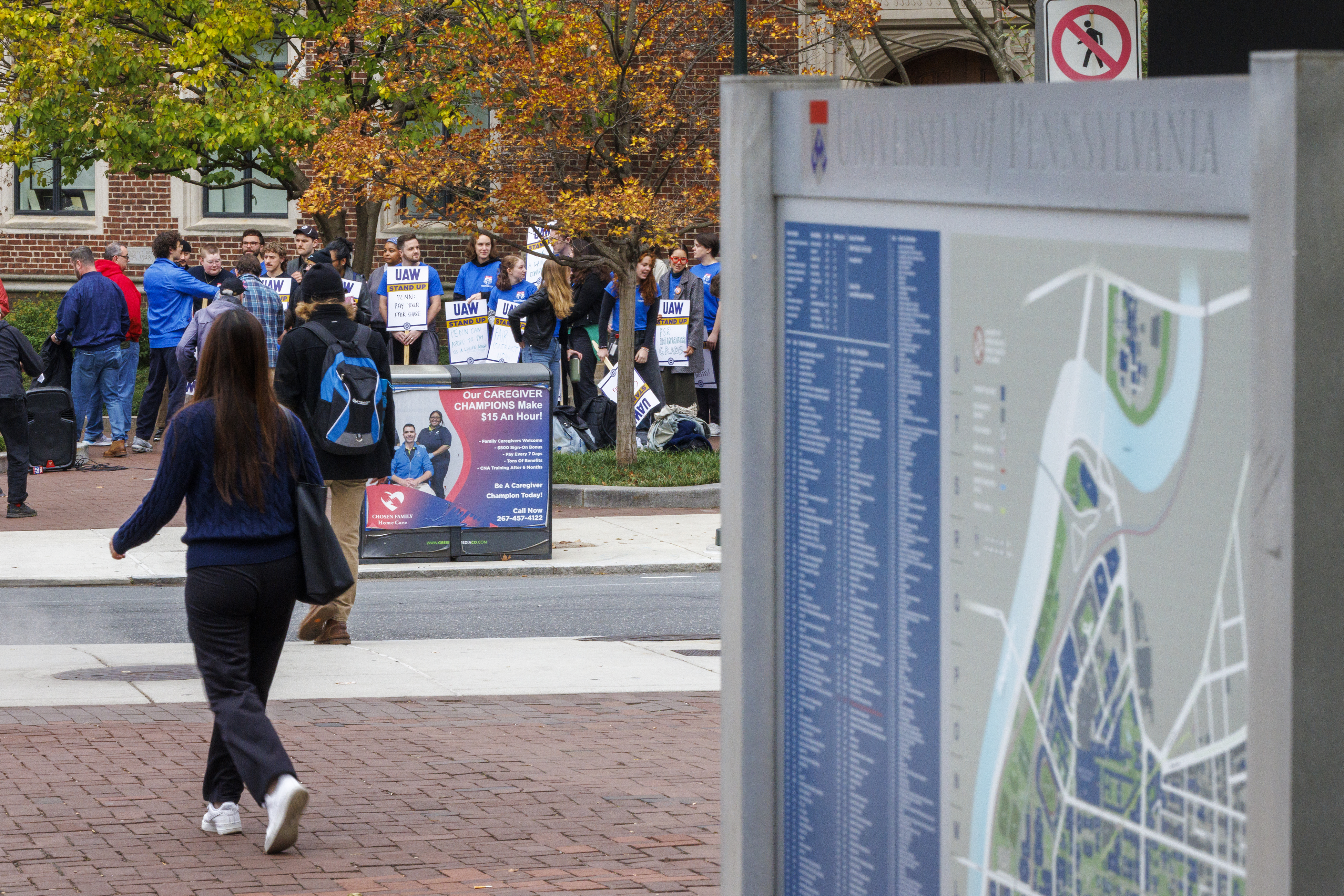
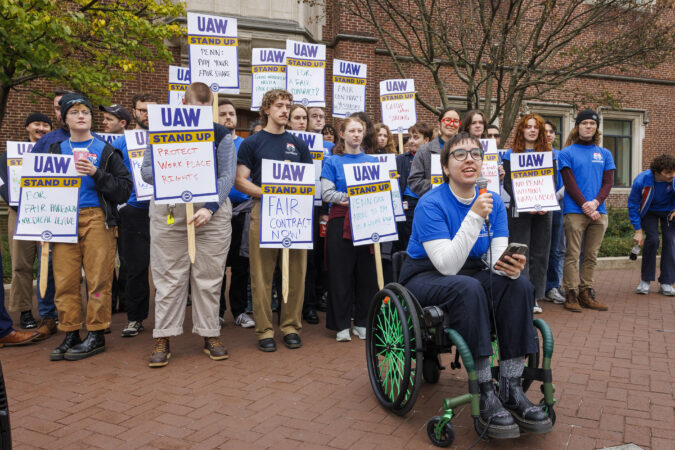
    University of Pennsylvania graduate students held a news conference and rally calling for a strike vote Nov. 3.

    Vacation days

    The union is asking for 20 paid vacation days and 20 sick days in a year. University leadership has said that this proposal exceeds what full-time staff get in their first few years. The university has proposed five paid days off per fiscal year and noted in a proposal that workers can “request flexibility in scheduling” when sick.

    Penn doesn’t currently have a centralized paid time-off policy for graduate student workers, and employees may be grading student work, preparing teaching materials, or working in a lab during the university’s academic breaks, said Schirvar.

    Why are graduate students organizing now?

    The academic job market has changed in recent decades, said Adrienne Eaton, a distinguished professor in the Rutgers School of Management and Labor Relations. In the past, graduate student workers might have been more willing to get paid less, knowing that time would ensure they could get good jobs later on.

    “You could kind of sacrifice those wages, that salary for a while, because you were pretty sure that when you finished, you were going to be able to get a tenure track job — and that just hasn’t been true, probably more like 20 years, depending on what field you’re in,” she said.

    Meanwhile, the cost of living has risen, said Eaton. “Those stipends that used to be kind of OK, I think, have gotten to be viewed as much more inadequate.”

    Whether or not Penn graduate workers actually strike, Eaton noted that passing a strike authorization vote typically sends a message.

    “It’s a leverage tool in bargaining to kind of let the employer know we’re serious about this, and you need to be serious about what you’re doing at the bargaining table,” she said.

  • Advocacy groups urge parents to avoid AI toys this holiday season

    Advocacy groups urge parents to avoid AI toys this holiday season

    They’re cute, even cuddly, and promise learning and companionship — but artificial-intelligence toys are not safe for kids, according to children’s and consumer advocacy groups urging parents not to buy them during the holiday season.

    These toys, marketed to kids as young as 2 years old, are generally powered by AI models that have already been shown to harm children and teenagers, such as OpenAI’s ChatGPT, according to an advisory published Thursday by the children’s advocacy group Fairplay and signed by more than 150 organizations and individual experts such as child psychiatrists and educators.

    “The serious harms that AI chatbots have inflicted on children are well-documented, including fostering obsessive use, having explicit sexual conversations, and encouraging unsafe behaviors, violence against others, and self-harm,” Fairplay said.

    AI toys, made by companies including Curio Interactive and Keyi Technologies, are often marketed as educational, but Fairplay says they can displace important creative and learning activities. They promise friendship but disrupt children’s relationships and resilience, the group said.

    “What’s different about young children is that their brains are being wired for the first time, and developmentally it is natural for them to be trustful, for them to seek relationships with kind and friendly characters,” said Rachel Franz, director of Fairplay’s Young Children Thrive Offline Program. Because of this, she added, the amount of trust young children are putting in these toys can exacerbate the harms seen with older children.

    Fairplay, a 25-year-old organization formerly known as the Campaign for a Commercial-Free Childhood, has been warning about AI toys for years. They just weren’t as advanced as they are today. A decade ago, during an emerging fad of internet-connected toys and AI speech recognition, the group helped lead a backlash against Mattel’s talking Hello Barbie doll that it said was recording and analyzing children’s conversations.

    This time, though AI toys are mostly sold online and are more popular in Asia than elsewhere, Franz said some have started to appear on store shelves in the U.S. and more could be on the way.

    “Everything has been released with no regulation and no research, so it gives us extra pause when all of a sudden we see more and more manufacturers, including Mattel, who recently partnered with OpenAI, potentially putting out these products,” Franz said.

    It’s the second big seasonal warning against AI toys since consumer advocates at U.S. PIRG last week called out the trend in its annual Trouble in Toyland report that typically looks at a range of product hazards, such as high-powered magnets and button-sized batteries that young children can swallow. This year, the organization tested four toys that use AI chatbots.

    “We found some of these toys will talk in-depth about sexually explicit topics, will offer advice on where a child can find matches or knives, act dismayed when you say you have to leave, and have limited or no parental controls,” the report said. One of the toys, a teddy bear made by Singapore-based FoloToy, was later withdrawn, its CEO told CNN this week.

    Dana Suskind, a pediatric surgeon and social scientist who studies early brain development, said young children don’t have the conceptual tools to understand what an AI companion is. While kids have always bonded with toys through imaginative play, when they do this they use their imagination to create both sides of a pretend conversation, “practicing creativity, language, and problem-solving,” she said.

    “An AI toy collapses that work. It answers instantly, smoothly, and often better than a human would. We don’t yet know the developmental consequences of outsourcing that imaginative labor to an artificial agent — but it’s very plausible that it undercuts the kind of creativity and executive function that traditional pretend play builds,” Suskind said.

    Beijing-based Keyi, maker of an AI “petbot” called Loona, didn’t return requests for comment this week, but other AI toymakers sought to highlight their child safety protections.

    California-based Curio Interactive makes stuffed toys, like Gabbo and rocket-shaped Grok, that have been promoted by the pop singer Grimes. The company said it has “meticulously designed” guardrails to protect children, and the company encourages parents to “monitor conversations, track insights, and choose the controls that work best for their family.”

    In response to the earlier PIRG findings, Curio said it is “actively working with our team to address any concerns, while continuously overseeing content and interactions to ensure a safe and enjoyable experience for children.”

    Another company, Miko, based in Mumbai, India, said it uses its own conversational AI model rather than relying on general large language model systems such as ChatGPT in order to make its product — an interactive AI robot — safe for children.

    “We are always expanding our internal testing, strengthening our filters, and introducing new capabilities that detect and block sensitive or unexpected topics,” said CEO Sneh Vaswani. “These new features complement our existing controls that allow parents and caregivers to identify specific topics they’d like to restrict from conversation. We will continue to invest in setting the highest standards for safe, secure and responsible AI integration for Miko products.”

    Miko’s products are sold by major retailers such as Walmart and Costco and have been promoted by the families of social media “kidfluencers” whose YouTube videos have millions of views. On its website, it markets its robots as “Artificial Intelligence. Genuine friendship.”

    Ritvik Sharma, the company’s senior vice president of growth, said Miko actually “encourages kids to interact more with their friends, to interact more with the peers, with the family members etc. It’s not made for them to feel attached to the device only.”

    Still, Suskind and children’s advocates say analog toys are a better bet for the holidays.

    “Kids need lots of real human interaction. Play should support that, not take its place. The biggest thing to consider isn’t only what the toy does; it’s what it replaces. A simple block set or a teddy bear that doesn’t talk back forces a child to invent stories, experiment, and work through problems. AI toys often do that thinking for them,” she said. “Here’s the brutal irony: When parents ask me how to prepare their child for an AI world, unlimited AI access is actually the worst preparation possible.”

  • U.S. employers added a surprisingly solid 119,000 jobs in September, the government said in a delayed report

    U.S. employers added a surprisingly solid 119,000 jobs in September, the government said in a delayed report

    WASHINGTON — U.S. employers added a surprisingly solid 119,000 jobs in September, the government said, issuing a key economic report that had been delayed for seven weeks by the federal government shutdown.

    The increase in payrolls was more than double the 50,000 economists had forecast.

    Yet there were some troubling details in the delayed report.

    Labor Department revisions showed that the economy lost 4,000 jobs in August instead of gaining 22,000 as originally reported. Altogether, revisions shaved 33,000 jobs off July and August payrolls. The economy had also shed jobs in June, the first time since the 2020 pandemic that the monthly jobs report has gone negative twice in one year.

    And more than 87% of the September job gains were concentrated in two industries: healthcare and social assistance and leisure and hospitality.

    “We’ve got these strong headline numbers, but when you look underneath that you’ll see that a lot of that is driven by healthcare,’’ said Cory Stahle, senior economist at the Indeed Hiring Lab. ”At the end of the day, the question is: Can you support an economic expansion on the back of one industry? Anybody would have a hard time arguing everybody should become a nurse.”

    The unemployment rate rose to 4.4% in September, highest since October 2021 and up from 4.3% in August, the Labor Department said Thursday. The jobless rate rose partly because 470,000 people entered the labor market — either working or looking for work — in September and not all of them found jobs right away.

    The data, though late, was welcomed by businesses, investors, policymakers and the Federal Reserve. During the 43-day shutdown, they’d been groping in the dark for clues about the health of the American job market because federal workers had been furloughed and couldn’t collect the data.

    The report comes at a time of considerable uncertainty about the economy. The job market has been strained by the lingering effects of high interest rates and uncertainty around Trump’s erratic campaign to slap taxes on imports from almost every country on earth. But economic growth at midyear was resilient.

    Healthcare and social assistance firms added more than 57,000 jobs in September, restaurants and bars 37,000, construction companies 19,000 and retailers almost 14,000. But factories shed 6,000 jobs — the fifth straight monthly drop. The federal government, targeted by Trump and billionaire Elon Musk’s DOGE cost cutters, lost 3,000 jobs, the eighth straight monthly decline..

    Average hourly wages rose just 0.2% from August and 3.8% from a year earlier, edging closer to the 3.5% year-over-year increase that the Federal Reserve’s inflation fighters like to see.

    The latest reading on jobs Thursday makes a rate cut by the Fed officials at their next meeting in December less likely. Many were already leaning against a cut next month, according to minutes of their October meeting released Wednesday. Steady hiring suggests the economy doesn’t need lower interest rates to expand.

    The September jobs report will be the last one the Fed will see before its Dec. 9-10 meeting. Officials are split between those who see stubbornly high inflation as the main challenge they need to address by keeping rates elevated, and those who are more concerned that hiring is sluggish and needs to be supported by rate reductions.

    Hiring has been strained this year by the lingering effects of high interest rates engineered to fight a 2021-2022 spike in inflation and uncertainty around Trump’s campaign to slap taxes on imports from almost every country on earth and on specific products — from copper to foreign films.

    Labor Department revisions in September showed that the economy created 911,000 fewer jobs than originally reported in the year that ended in March. That meant that employers added an average of just 71,000 new jobs a month over that period, not the 147,000 first reported. Since March, job creation has fallen farther — to an average 59,000 a month.

    With September numbers out, businesses, investors, policymakers and the Fed will have to wait awhile to get another good look at the numbers behind the American labor market.

    The Labor Department said Wednesday that it won’t release a full jobs report for October because it couldn’t calculate the unemployment rate during the government shutdown.

    Instead, it will release some of the October jobs data — including the number of jobs that employers created last month — along with the full November jobs report on Dec. 16, a couple of weeks late.

    The 2025 job market has been marked by an awkward pairing: relatively weak hiring but few layoffs, meaning that Americans who have work mostly enjoy job security – but those who don’t often struggle to find employment.

    Megan Fridenmaker, 28, lost her job last month as a writer for a podcast network in Indianapolis. She’s applied for at least 200 jobs and landed just one interview. “I am far from the only unemployed person in my friend group,’’ she said. “Where the job market’s at right now – people will apply for hundreds and hundreds (of jobs) before getting one interview.’’

    “Out of everything I’ve applied for, I get a response from maybe a quarter of them,’’ she said. “And the vast majority of the responses are the automated – ‘Thank you so much, but we’ve gone with another candidate.’ ‘Thank you so much, but we’ve already filled the position.’

    “The whole job-hunting experience has felt so cold and so distant and so removed from who we are as humans.”

  • Bayada Home Health Care has appointed Bryony Winn as next CEO

    Bayada Home Health Care has appointed Bryony Winn as next CEO

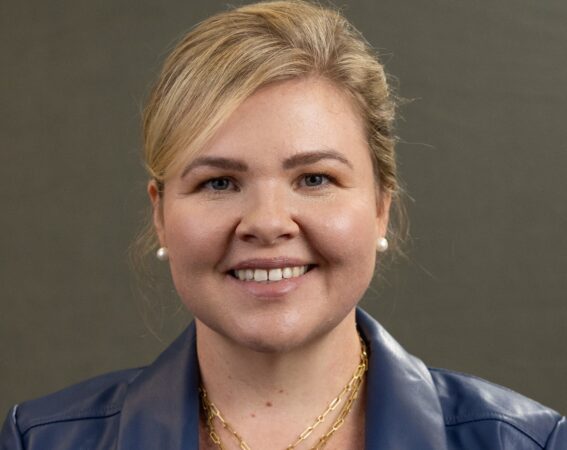
    Bayada Home Health Care, a Moorestown nonprofit that is one of the nation’s largest providers of home health and related services, appointed Bryony Winn as its next CEO, Bayada announced Thursday.

    When she takes over March 2, Winn will be the first outside CEO of the organization that was founded in 1975 by entrepreneur J. Mark Baiada. He turned the company into a nonprofit in 2019.

    Winn will succeed the founder’s son, David, who has been CEO for eight years.

    Until this month, Winn was president of Caralon, a unit of health insurer Elevance that provides assorted services, including prior authorizations, to other health plans. Before that, she worked at Blue Cross Blue Shield of North Carolina and as a consultant at McKinsey & Co.

    “Leading an organization like Bayada is the opportunity of a lifetime,” Winn said. “It’s a special organization that makes a real, tangible impact on people and health worldwide. I can’t wait to get started.”

    Until Winn arrives, David Baiada will remain CEO, and then will join the organization’s board of directors and act as an adviser to Winn.

    Bayada had roughly $2 billion in annual revenue last year, the organization said. In addition to traditional home healthcare, Bayada offers private-duty nursing and hospice care.

    In June, Bayada laid off about 10% of the staff in its Pennsauken offices, where back-office and other services are provided for the entire company. Bayada employs more than 30,000 people.

  • Plymouth Meeting Mall slated to be sold to Philly developer

    Plymouth Meeting Mall slated to be sold to Philly developer

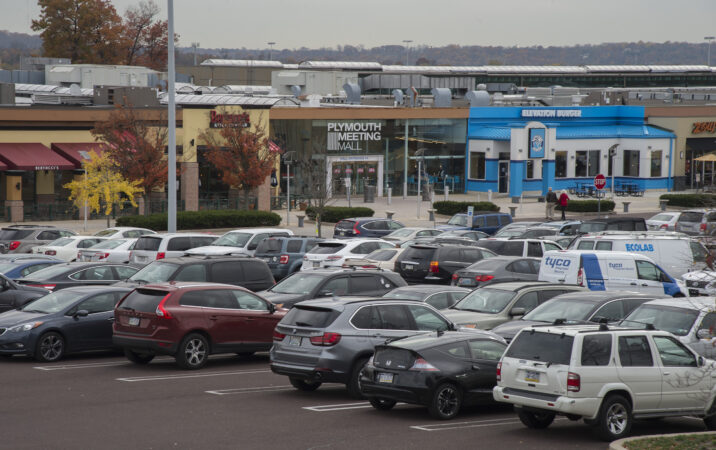
    The Plymouth Meeting Mall may soon change hands.

    The mall’s current owner, PREIT, plans to sell the property to LA Partners, previously known as Lubert Adler Real Estate Funds, PREIT leadership confirmed Thursday, noting that the sale is still pending. PREIT did not disclose the price of the sale.

    PREIT, which is based in Philadelphia, also sold the Exton Square Mall to Abrams Realty & Development in March. PREIT also owns the Cherry Hill and Moorestown Malls.

    LA Partners executive chairman Dean Adler told the Philadelphia Business Journal, which first reported on the pending sale, that he expects to invest over $100 million to redevelop the mall. Early plans include adding residences.

    PREIT CEO Jared Chupaila said in a statement that the sale reflects the company’s “commitment to disciplined balance sheet management and liquidity generation.”

    “We believe LA Partners is uniquely positioned to build on the multipurpose hub we have laid the groundwork for, which has long served as a central part of Plymouth Township and the surrounding communities,” said Chupaila.

    PREIT has faced financial challenges in recent years. The business has filed for bankruptcy twice since 2020, and most recently emerged from bankruptcy as a private company in 2024 helmed by a group of investment firms.

    The Plymouth Meeting Mall, for its part, has tried to undergo a makeover in the last few years, following the 2017 closure of its anchor, a 215,000 square-foot Macy’s. Amid PREIT’s plans to “diversify the tenant mix” at the mall, nearly half the tenants there were either dining or entertainment businesses in 2018.

    Lubert Adler’s other properties include the Bellevue in Center City, which recently underwent extensive renovations, and the Battery, a former power plant in Fishtown redeveloped into a multipurpose complex.

    A spokesperson for LA Partners did not immediately respond to a request for comment Thursday.

    Peter Abrams, managing partner for Elkins Park-based Abrams Realty & Development, said the Plymouth Meeting Mall site “is the best-located large parcel of real estate in the Delaware Valley.”

    “There’s a lot of dead and dying malls in this country, and some of us, like myself and Dean Adler, understand the opportunity and aren’t afraid of the challenges, which are many,” said Abrams, who is behind proposed development plans at the Exton Square Mall.

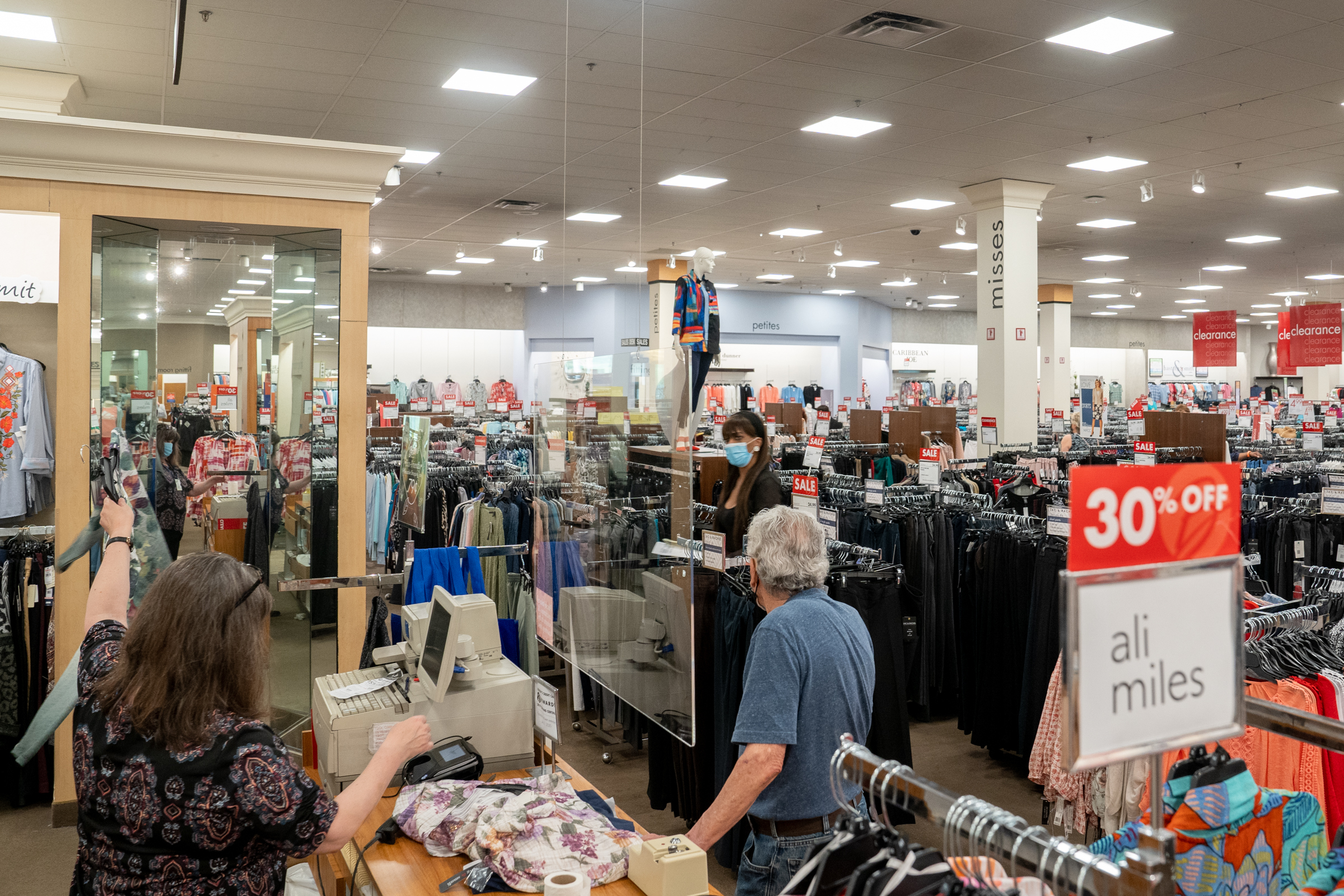
    Boscov’s at Plymouth Meeting Mall on June 6, 2020.

    How did PREIT get here?

    At the time of PREIT’s bankruptcy filing in 2020, the business managed 4.7 million square feet of space in the region as the largest mall owner in the Philadelphia area.

    Consumers had already been shifting toward e-commerce before the pandemic. But as COVID forced nationwide shutdowns in 2020, some of PREIT’s tenants were forced to close, couldn’t pay rent, or didn’t want to, intensifying issues for the mall owner.

    Prior to the pandemic, PREIT sold off malls and tried to transform others by adding supermarkets, movie theaters, and apartments.

    Through the most recent bankruptcy process, PREIT shed $800 million in debt and gave up its stake in the Fashion District in Center City. When it emerged from bankruptcy last year, PREIT owned 13 malls across Pennsylvania, New Jersey, Maryland, and Virginia.

    It’s a time of struggle and transition for many malls across the country, including several in the region that have survived beyond their heyday. In the Philadelphia suburbs, plans are in the works to redevelop mall sites including the Exton Square Mall and the former Echelon Mall in Voorhees.

  • How Delaware helped keep OpenAI from turning into a typical for-profit company

    How Delaware helped keep OpenAI from turning into a typical for-profit company

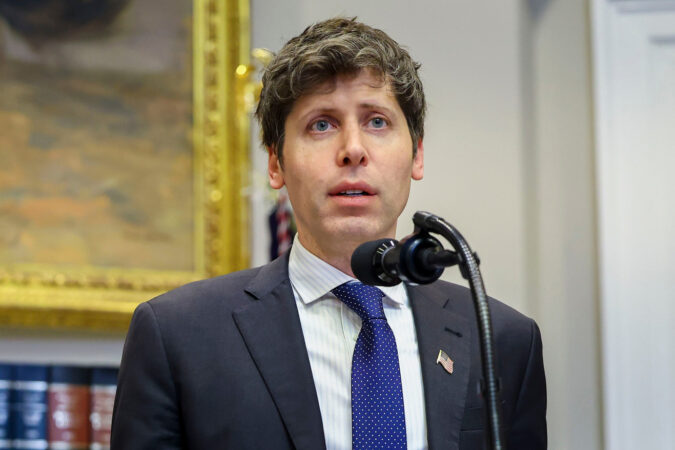
    It’s been 10 years since OpenAI was set up as a nonprofit by Sam Altman, Elon Musk, and other software developers and investors, friends, and rivals who didn’t quite trust each other to run a traditional for-profit business with explosive potential.

    Chartered in business-friendly Delaware like most big corporations, OpenAI laid out its public purpose in a mission statement: “to ensure that artificial general intelligence — AI systems that are generally smarter than humans — benefit all of humanity.”

    A decade later, its best-known product, ChatGPT, claims more than 700 million weekly users.

    Delaware officials who monitor the state’s nonprofits took a particular interest as OpenAI became so valuable, and so contentious, that the San Francisco-based startup ballooned into an enterprise requiring multibillion-dollar investments and sought to restructure as a for-profit company.

    “We realized building [artificial general intelligence] will require far more resources than we’d initially imagined,” the company wrote in an open letter last year, explaining its plans. In fact, OpenAI had set up for-profit affiliates at least as far back as 2019.

    But the company said it needed more corporate flexibility if it was to bring in the billions needed to fund high-speed data centers full of Nvidia chips and other systems that could withstand intense AI searches and commands.

    Recent investments have boosted OpenAI’s value to around $500 billion. That’s more than Musk’s SpaceX or Jeff Yass-backed ByteDance (which owns TikTok) or any other private firm — underscoring the bonanza potential and the returns investors hope to realize.

    So it wasn’t surprising last year when OpenAI, which Altman runs, announced plans to raise billions of new dollars by ending its previous limits on investor profits — or that Musk, now owner of a competitor, X.AI, and others, promptly sued, challenging terms of their plan.

    That’s when Delaware Attorney General Kathy Jennings, and California Attorney General Rob Bonta, stepped up.

    Jennings and Bonta filed court papers challenging the proposed business structure — not to stop it, as Musk wanted, but to ensure that the public interest was somehow protected, so OpenAI wouldn’t stray from what the company has called its “save the world” mission.

    Critics, including some in Congress, have worried that ChatGPT is prone to surveillance abuse, crime and encouraging self-harm.

    The final plan, as OpenAI posted it last month, preserves the original company as the nonprofit OpenAI Foundation but moves its businesses to a new, largely investor-owned Delaware “public-benefit corporation.”

    A public-benefit corporation is a for-profit company but does not have the usual legal obligations to enrich investors before anything else, freeing directors to act in favor of public goals even if it hurts sales or profits.

    A public-benefit corporation provides “a clear and durable vehicle” for companies whose goals go beyond shareholder gains, says Lawrence Cunningham, who runs the Weinberg Corporate Governance Center at the University of Delaware. “I like seeing it used in that way here.”

    State intervention at the corporate-charter level “does not happen often” and usually involves questions about nonprofit hospitals’ business activities, said Mat Marshall, spokesperson for Delaware AG Jennings.

    Jennings hired lawyers from Manhattan-based Pillsbury Winthrop Shaw Pittman and financial analysts from Moelis & Co. to buttress the state’s fraud and consumer protection director, Owen Lefkon, in talks with OpenAI.

    Delaware Attorney General Kathy Jennings at a December 2024 press conference.

    What changes for OpenAI

    At first, OpenAI planned to pay off its nonprofit obligations by leaving those to a large charitable foundation and then move forward as a typical for-profit company, still professing public goals but responsible to private investors.

    Lawyers for the two states argued that the company’s public mission had to survive the restructuring.

    OpenAI “is the world leader in the artificial intelligence industry,” but it needs guidelines as it funnels massive information about science, medicine, and communities to private, commercial, and government users, and power to “hold OpenAI accountable” for the safety of those whose information is raw material for AI, Jennings said in a statement.

    The foundation also needed some way to keep control over the company, alongside its powerful new for-profit investors. The nonprofit has kept the power to name and remove board members for the business.

    OpenAI’s Safety and Security Committee will remain in place, with “authority to oversee and review the safety and security processes and practices of OpenAI” and the companies it controls, even halting new AI systems if it finds them dangerous, or taking time to resolve ambiguities.

    Zico Kolter, professor of machine learning at Carnegie Mellon University in Pittsburgh, will continue to head the safety committee, attend the corporation’s board meetings, and receive “all director information regarding safety and security.”

    And the states will be given “advance notice of significant changes” in governance.

    In a statement praising the new structure, OpenAI chair Bret Taylor, creator of Google Maps and a former Facebook and Twitter officer, acknowledged changing the plan in discussion with Delaware and California.

    He said the parent, now called the OpenAI Foundation, will own around one-quarter of the business group. Outside investors include Microsoft, Japanese investor Softbank, company employees, and other investors, with room for more.

    Besides keeping the business subordinate to the foundation’s mission, Taylor wrote that the foundation will set aside $25 billion: for “open-sourced and responsibly-built” health data sets to speed up diagnostics, treatments and cures; and to fund AI security to protect power grids, banks, governments, companies and individuals” from AI abuse.

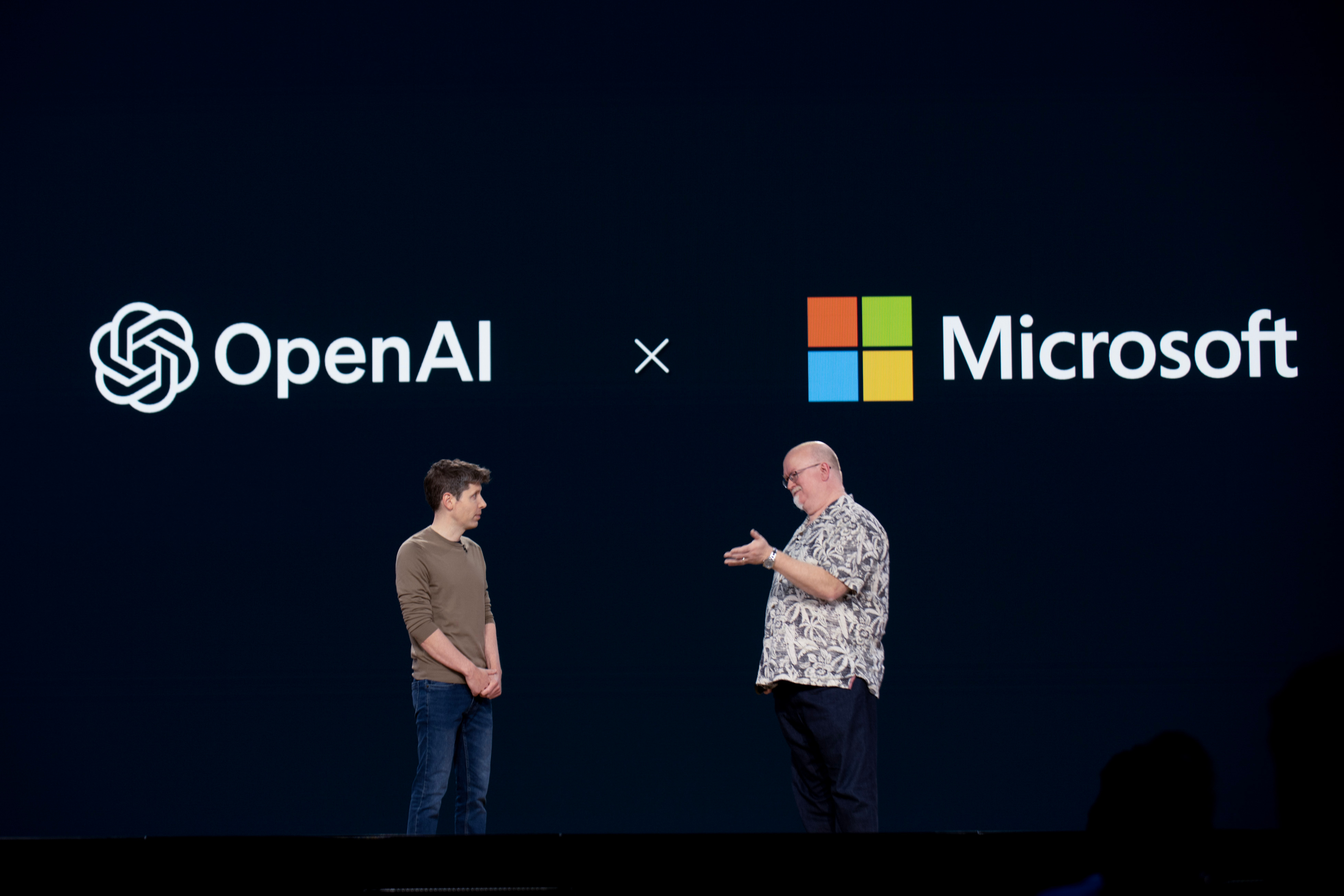
    Microsoft Chief Technology Officer of Microsoft Kevin Scott, right, and OpenAI CEO Sam Altman at the Microsoft Build event in Seattle in 2024.

    Microsoft shows its power

    Since the restructuring, Microsoft has revealed new details of its already-lucrative agreement with OpenAI, the noted Philadelphia-based accounting professor and researcher Francine McKenna and her investigative partner Olga Usvyatsky wrote last week in McKenna’s newsletter, The Dig.

    Microsoft has invested $11.6 billion in OpenAI over several years (and promised at least $1.4 billion more).

    Thanks to exploding OpenAI sales and additional private investments, Microsoft says its investment is now worth $135 billion. That’s more than 10 times what the company paid. Microsoft is the largest OpenAI shareholder, with around 27%. .

    Under a recent agreement following the restructuring, Microsoft said, OpenAI promises to buy another $250 billion in Microsoft Azure cloud networking and other services but also gains the right to form more partnerships with other companies.

    The companies also enjoy a revenue-sharing agreement — the first time that’s been disclosed, according to McKenna and Usvyatsky — though details will have to wait for future disclosure.

  • Philly-area federal workers are finally getting paid again. But they fear another shutdown.

    Philly-area federal workers are finally getting paid again. But they fear another shutdown.

    The longest ever federal government shutdown is now in the rearview mirror, but not for federal workers.

    With their jobs back to normal, some local federal employees said worries created by the shutdown remain — one said their credit score suffered, others noted their Thanksgiving tables will be less festive. And for many, another shutdown in a matter of weeks is a real concern.

    Federal employees — whether furloughed or required to work during the shutdown — missed paychecks during the 43-day lapse in federal appropriations, the longest ever in United States history. Workers sought out food pantries, delayed payments on bills, and tried to make ends meet for their families ahead of the holidays.

    “I will be paycheck to paycheck for the next couple of months maybe, before I can start accumulating my savings again,” said a Philadelphia Veterans Benefits Administration employee, who was working without a paycheck during the shutdown.

    The Inquirer agreed to withhold the names of federal employees interviewed due to their fear of retaliation for speaking out. Despite workers beginning to receive retroactive paychecks from the shutdown, they spoke of lingering financial damage and worries that yet another lapse in funding could happen in just a couple of months.

    The bill to end the shutdown, signed into law by President Donald Trump on Nov. 12, funds the government through Jan. 30. It includes protections for federal employees such as reversing layoffs that took place during the shutdown, and ensures back pay for all government workers throughout that time, which had been put into question by the Trump administration. And certain government agencies, such as Veterans Affairs, the Department of Agriculture, and the Food and Drug Administration, have been allocated a year’s worth of funding.

    But after Jan. 30, if lawmakers once again fail to agree on keeping the government open, some federal workers could once again face a lapse in their pay.

    “We’re bracing for Jan. 30,” said Philip Glover, national vice president of the American Federation of Government Employees District 3, the union that represents federal employees in Pennsylvania.

    The recent shutdown and the possibility of another are among a series of obstacles that government workers have faced this year. The Trump administration’s efforts to shrink and reshape the federal workforce have included layoffs, pushing employees to resign, and the dismantling of collective bargaining agreements. When government funding lapsed in October, the Trump administration used it as an opportunity for more firings.

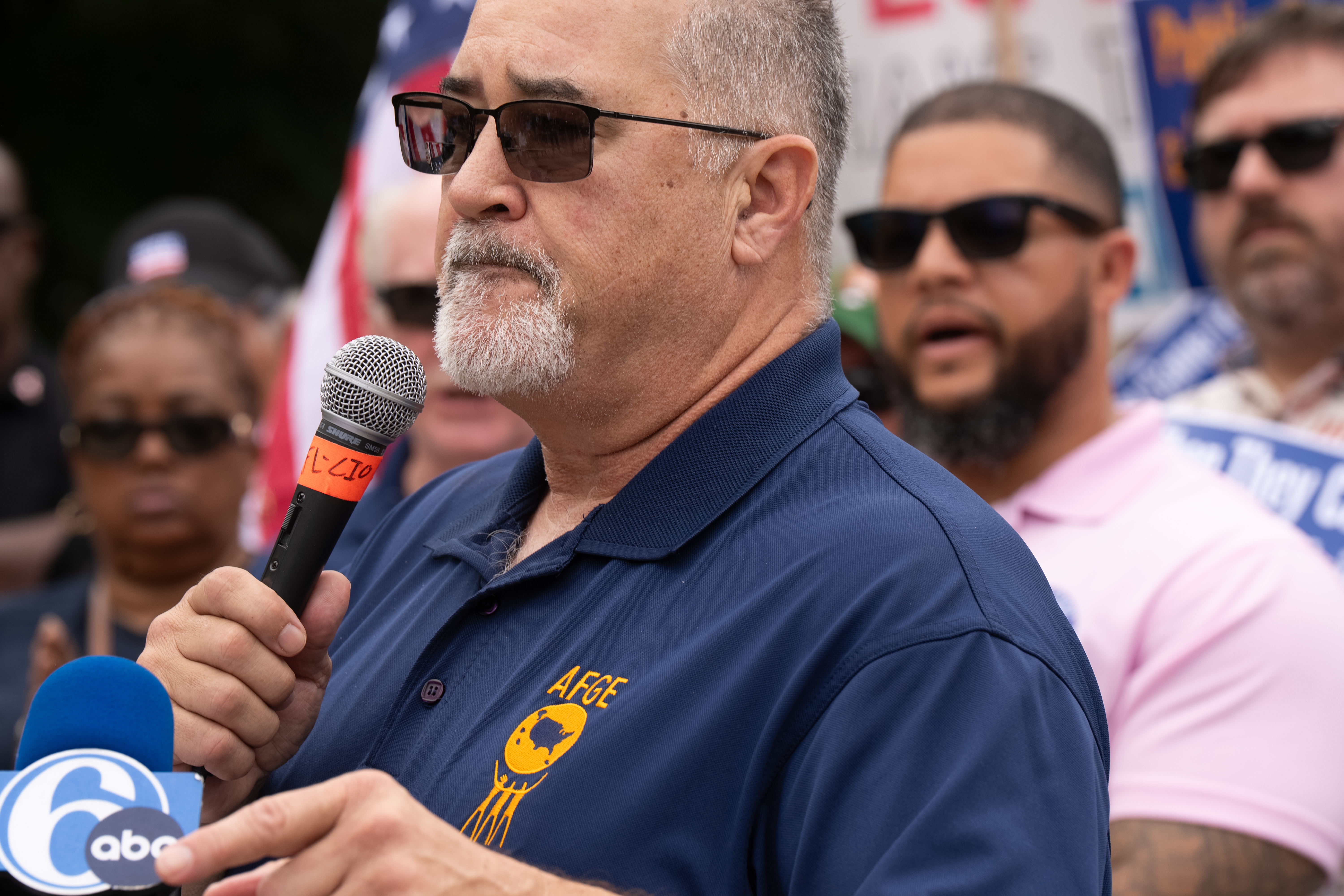
    Philip Glover, AFGE District 3 national vice president, speaks at a news conference focused on federal workers amid the government shutdown, near the Liberty Bell on Oct. 7.

    Federal workers have been “dealing with a layer cake of trauma,” said Max Stier, founding president and CEO of the Partnership for Public Service, a federal government management organization.

    “This is not simply one incident, but it’s one on top of a bunch of them that this administration has put in their way,” Stier said.

    The financial strain

    At the Social Security Administration in Philadelphia a benefit authorizer said Monday that she and her coworkers had started getting their back pay, but she had already felt the impact of missing checks.

    “We assumed we could just call and everybody would place everything on hold, and that was not the case,” said the Social Security employee.

    The benefit authorizer had put her mortgage and car payments on hold, but some banks and utility companies weren’t as accommodating, and she accumulated overdraft fees from a credit union.

    Her role required her to work through the shutdown without pay. (In Pennsylvania, furloughed workers may apply for unemployment benefits, but those who continue to work, even without pay, may not.) The benefit authorizer looked for additional work, unsure how long the shutdown would last. Some of her colleagues in Philadelphia picked up gigs with Uber, DoorDash, and Instacart, she said.

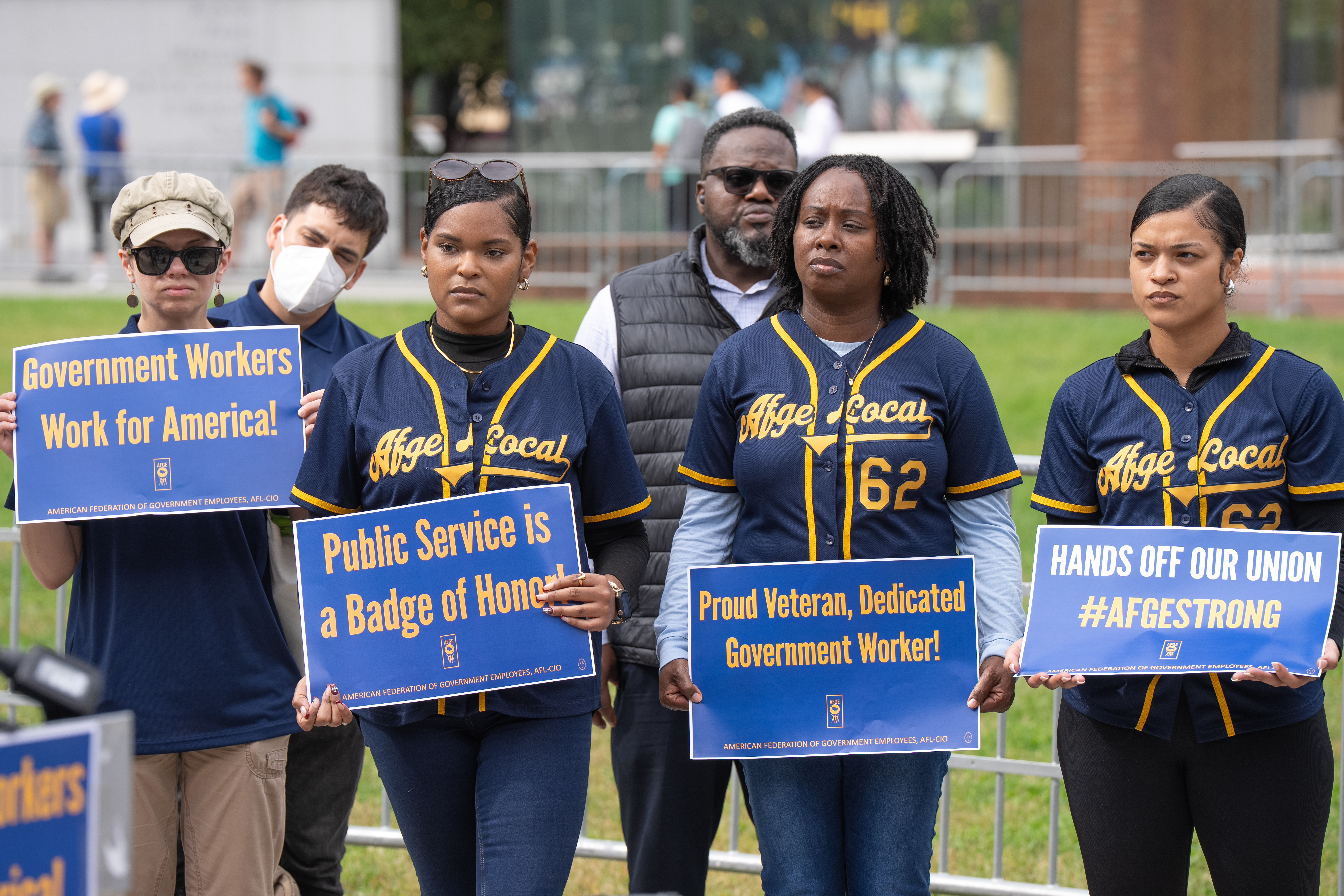
    Union officials from AFGE gathered on Oct. 7 in front of Independence Hall to protest the government shutdown.

    Another Philadelphia Social Security employee, who has been with the agency for 15 years, noted that some colleagues picked up night shifts at Amazon or work in home healthcare.

    “People living paycheck to paycheck, they needed something to pay those bills that were absolutely essential that they had to pay,” the 15-year Social Security employee said.

    For one federal employee from Central Jersey, 2025 already came with an unexpected career turn when they lost their job at U.S. Housing and Urban Development, as part of a mass layoff of probationary employees. They found a job at the U.S. Department of Commerce, in Virginia, which allowed them to support their mother and three kids back in New Jersey.

    Wary of permanently moving to Virginia during such a volatile time in the federal workforce, the Commerce employee commutes eight hours by Amtrak twice a week and stays in a $200 per night hotel on workdays.

    During the federal shutdown, the Commerce employee had to work without a paycheck. They used up their savings paying for the commute, hotel, and other expenses. Ultimately, they took out a bank loan to cover their expenses.

    The government shutdown exemplifies a lack of stability in the workforce, the Commerce employee said. “To be honest, you feel unsafe all the time, and you feel like you’re not deserving that.”

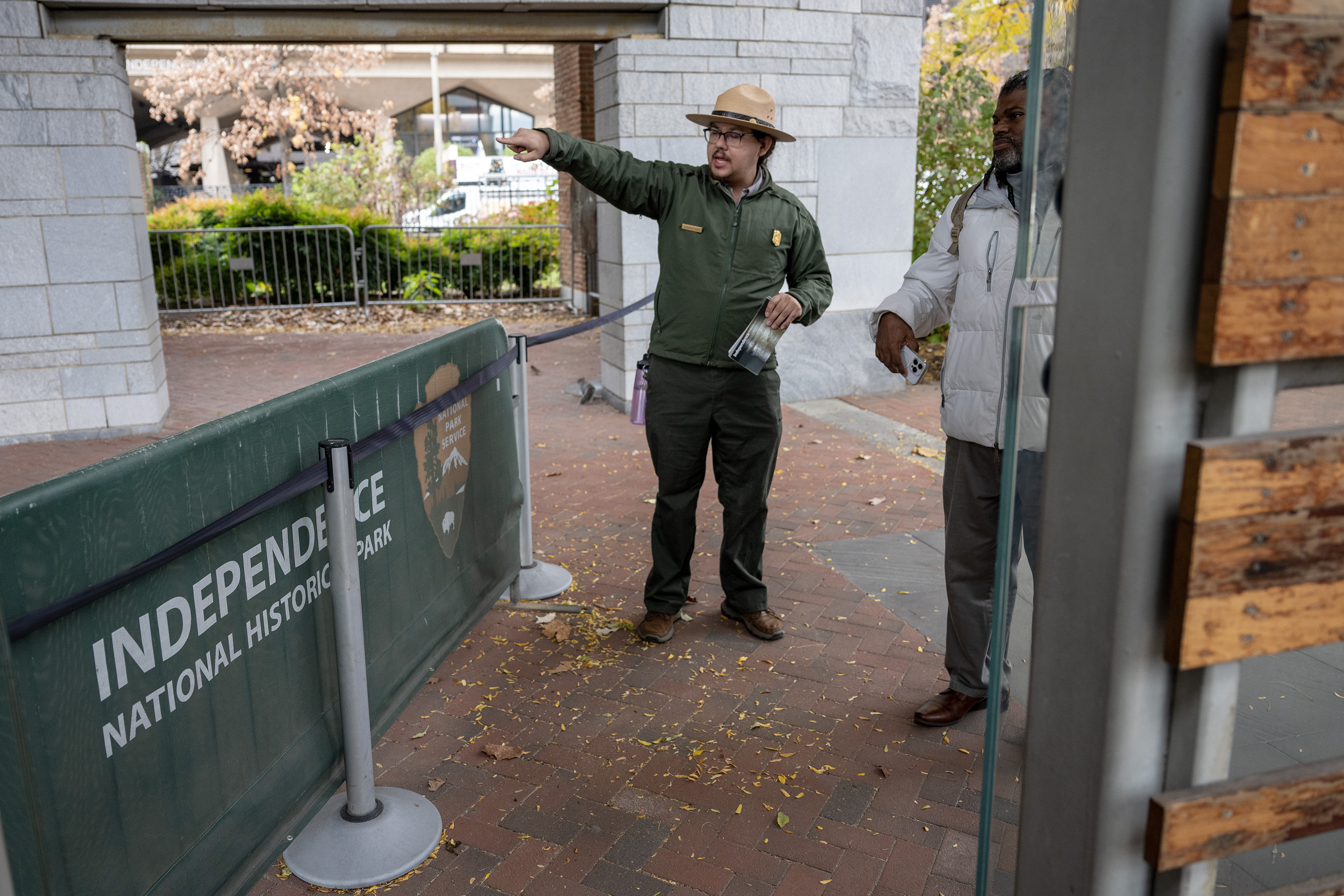
    National Park Service ranger Christopher Acosta talks with tourists outside the Liberty Bell Center on Nov. 13 after returning to work from the shutdown.

    Worries remain ahead of the holiday season

    The Philadelphia VBA employee, who worked without pay during the shutdown, received their back pay Monday. The single parent said they were one more missed paycheck away from turning to food pantries and living off credit cards.

    “Usually I’m the one donating around this time,” the employee said last week. “I usually adopt a family and provide them with the meal and then their gifts and stuff from our local community churches and outreach programs.”

    Thanksgiving is the time they “splurge,” but now the shutdown has made them contemplate their finances. “I haven’t even thought about the process of even having a Thanksgiving dinner on the table because I didn’t want to spend the money,” the VBA employee said. By Christmas, they hope to be caught up on payments.

    It’s a similar story for one Philadelphia VA Medical Center employee who worked without pay through the shutdown. Speaking days before the shutdown’s end, the employee said their credit score had taken a hit. They reached out to creditors and got some of their payments deferred, but relief won’t set in until the employee can catch up on their water, electric, gas, mortgage, and car bills.

    A “big feast” for Thanksgiving is off the table. “You can’t do that now because you don’t have the funds,” they said.

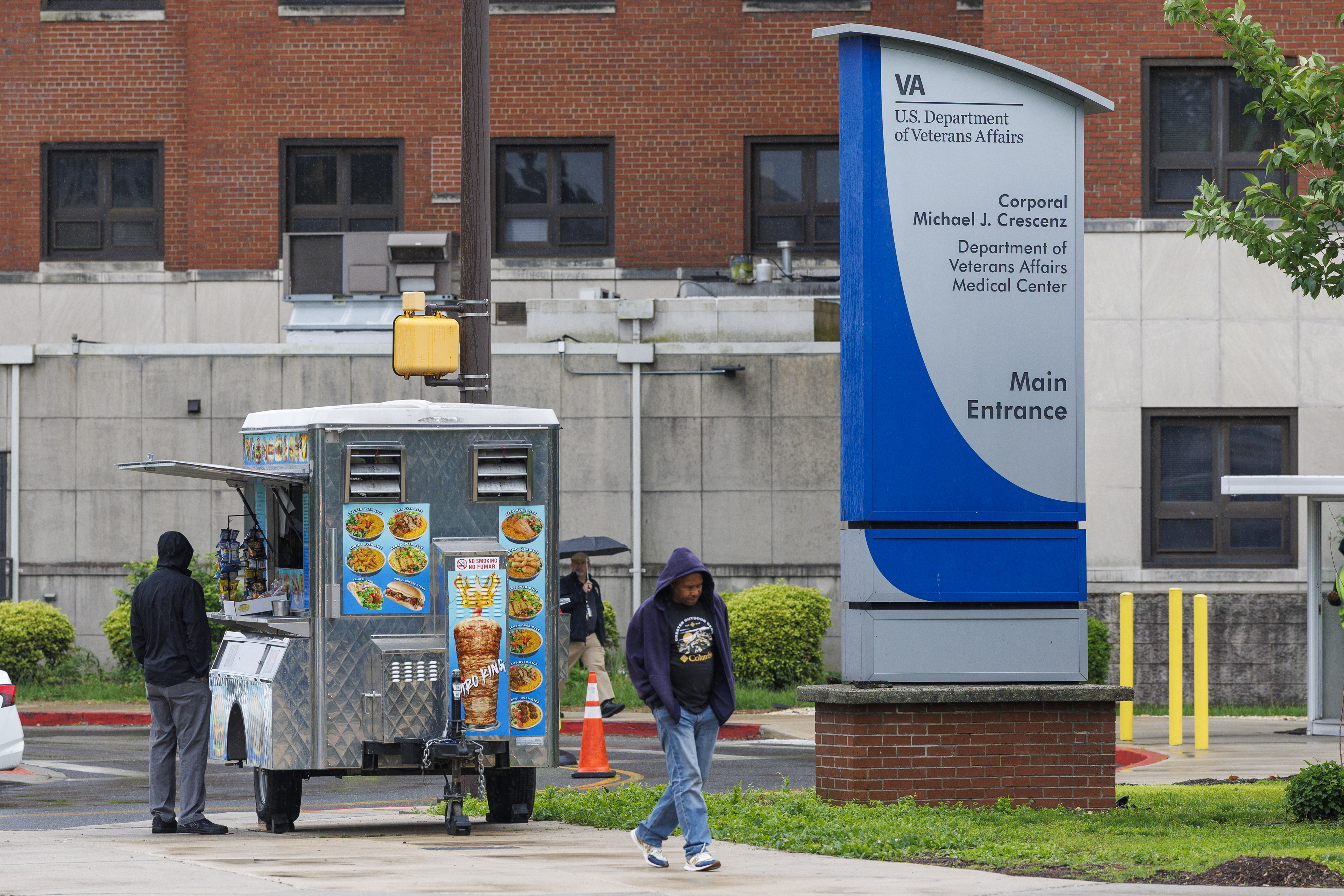
    The Corporal Michael J. Crescenz Department of Veterans Affairs Medical Center in Philadelphia.

    ‘Fear of what’s to come’

    Throughout the funding impasse, Philadelphia’s federal workers turned to each other for assistance.

    At the VBA, supervisors set up a small food pantry several weeks into the shutdown. The VBA employee said that didn’t feel especially helpful. “That was our second paycheck missed, and that was the best that they could come up with,” the employee said.

    “It’s business as usual in the eyes of the VA, and they expect us to work like nothing’s going on in our real lives.”

    At the Social Security Administration, workers banded together to start an impromptu food pantry, the Philadelphia benefit authorizer said.

    “Everything was taken. People needed it. People were really pinching pennies,” she said.

    The national office of AFGE, the largest federal workers’ union, backed the deal to end the government shutdown. “Government shutdowns not only harm federal employees and their families, they also waste taxpayers’ dollars and severely diminish services depended on by the American people,” AFGE national president Everett Kelley said in a statement on Nov. 10.

    But some thought it should have ended differently.

    In the days leading up to the deal, dozens of AFGE Local 3631 members, who are employed at the Environmental Protection Agency, said in a local union survey that they did not want their local to support budget legislation such as what passed. Their concerns were with an expected rise in healthcare expenses across the country.

    The union local had polled members at the end of October, according to local union officer Hannah Sanders. The survey got more than 100 responses, and over 85% said the local should only support a deal if it preserved subsidies for Affordable Care Act healthcare plans and avoided cuts to Medicaid.

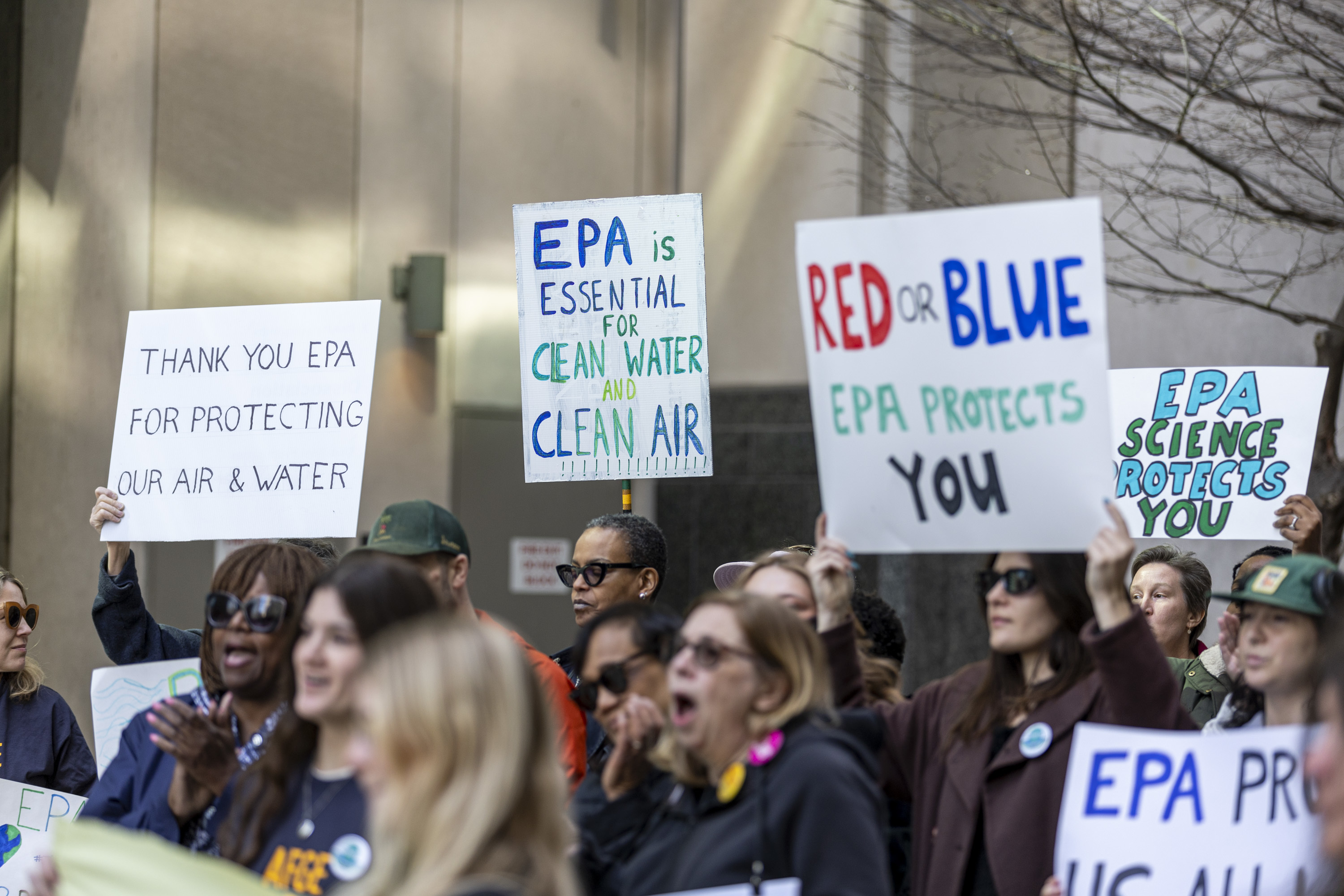
    EPA workers and supporters gathered outside their office for a solidarity march around Philadelphia’s City Hall in March.

    In Washington, most Senate Democrats held out, only supporting a vote on an appropriations bill that would extend ACA subsidies. But eight senators, including Sen. John Fetterman (D., Pa.), crossed party lines to back the Republican bill that omitted the subsidies.

    Sanders said there are few changes between the recently passed deal and the bill that could have averted the shutdown back in September. “We would have not had this shutdown, and people wouldn’t have, you know, gone without pay or gone without SNAP benefits and all these things. So it’s super frustrating to see that this is how it all resolved,” said Sanders.

    Now, the benefit authorizer at the Social Security Administration says, people are concerned that another shutdown could be on the horizon come Jan. 30.

    “We are in complete fear of what’s to come,” she said.

  • The cost of Thanksgiving dinner dropped this year, agriculture group says

    The cost of Thanksgiving dinner dropped this year, agriculture group says

    Here’s one thing to be grateful for this holiday season: A typical Thanksgiving dinner is more affordable this year than last, according to the American Farm Bureau Federation.

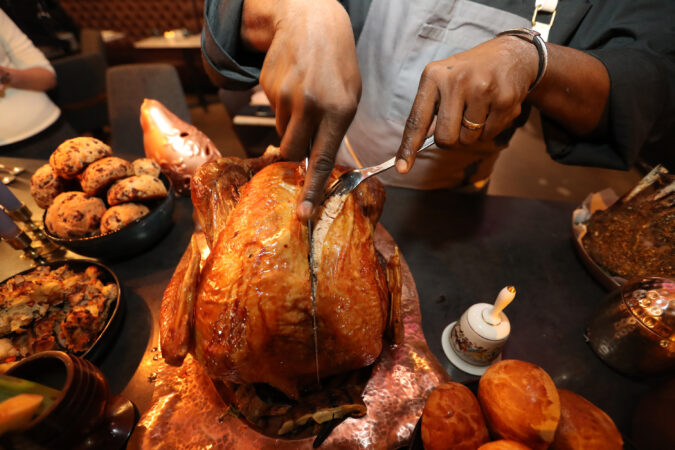
    The average cost of a Thanksgiving feast for 10 people — including turkey, stuffing, sweet potatoes, rolls, peas, cranberries, a veggie tray, and pumpkin pie with whipped cream — will cost $55.18, or $5.52 per person, the group found.

    That number varies by region. The Thanksgiving grocery haul was cheapest in the South, at $50.01, and most expensive in the West, at $61.75.

    This is the third year in a row the price has declined after reaching a historic high of $64.05 in 2022.

    The farm group, which has tracked Thanksgiving meal prices for 40 years, compiled data from grocery stores in all 50 states and Puerto Rico. It did not take into account promotional coupons or deals found online or in-store.

    The star of Thanksgiving — the turkey, of course — helped bring down the overall cost of dinner this year. The average price of a 16-pound frozen bird decreased by 16 percent from last year to $21.50, or $1.34 per pound. The report said that its volunteers tracked prices during the first week of November but noted that grocery stores have been featuring Thanksgiving deals to draw in customers and are likely to lower prices further ahead of the holiday.

    “Farmers are still working to rebuild turkey flocks that were devastated by avian influenza, but overall demand has also fallen,” Faith Parum, an economist at the American Farm Bureau Federation, said in a statement. “The combination will help ensure turkey will remain an affordable option for families celebrating Thanksgiving.”

    Low wheat prices helped bring down the cost of items requiring flour, such as dinner rolls, stuffing mix and frozen pie crusts. But the cost of vegetables shot up, the farm group found. A a one-pound veggie tray of carrots and celery increased more than 60 percent, while sweet potatoes increased by 37 percent. The AFB attributed those increases to hurricane damage in North Carolina, the country’s largest producer of sweet potatoes, and possible supply-chain disruptions, such as from weather or labor shortages.

    The Thanksgiving holiday comes right after more than 41 million people were left without food stamps this month because of the government shutdown. Many Americans are reporting higher grocery prices, while also feeling the financial pinch from increases in electricity bills and housing costs.

  • Energy Department loans $1B to help finance the restart of nuclear reactor on Three Mile Island

    Energy Department loans $1B to help finance the restart of nuclear reactor on Three Mile Island

    HARRISBURG — The U.S. Department of Energy said Tuesday that it will loan $1 billion to help finance the restart of the nuclear power plant on Pennsylvania’s Three Mile Island that is under contract to supply power to data centers for tech giant Microsoft.

    The loan is in line with the priorities of President Donald Trump’s administration, including bolstering nuclear power and artificial intelligence.

    For Constellation Energy, which owns Three Mile Island’s lone functioning nuclear power reactor, the federal loan will lower its financing cost to get the mothballed plant up and running again. The 835-megawatt reactor can power the equivalent of approximately 800,000 homes, the Department of Energy said.

    The reactor had been out of operation for five years when Constellation Energy announced last year that it would spend $1.6 billion to restart it under a 20-year agreement with Microsoft to buy the power for its data centers.

    Constellation Energy renamed the functioning unit the Crane Clean Energy Center as it works to restore equipment, including the turbine, generator, main power transformer, and cooling and control systems. It hopes to bring the plant back online in 2027.

    The loan is being issued under an existing $250 billion energy infrastructure program initially authorized by Congress in 2022. Neither the department nor Constellation released terms of the loan.

    The plant, on an island in the Susquehanna River just outside Harrisburg, was the site of the nation’s worst commercial nuclear power accident, in 1979. The accident destroyed one reactor, Unit 2, and left the plant with one functioning reactor, Unit 1.

    In 2019, Constellation Energy’s then-parent company Exelon shut down the functioning reactor, saying it was losing money and Pennsylvania lawmakers had refused to subsidize it to keep it running.

    The plan to restart the reactor comes amid something of a renaissance for nuclear power, as policymakers are increasingly looking to it to shore up the nation’s power supply, help avoid the worst effects of climate change, and meet rising power demand driven by data centers.

  • 2026 Audi S3: Looks fun, sounds fun, drives fun, but keep it casual

    2026 Audi S3: Looks fun, sounds fun, drives fun, but keep it casual

    2026 Audi S3 Prestige vs. 2026 BMW 228 xDrive Gran Coupe: Battle of the little racers.

    This week: Audi S3

    Price: The 2025 starts at $48,700, according to the window sticker of the test model; the 2026 starts at $52,000.

    Conventional wisdom: Car and Driver likes the “entertaining handling, responsive powertrain, sophisticated and luxurious interior.” They were less fond of the “limited trunk space,” that there was “some road noise at higher speeds,” and that it was “not quite as raucous as the RS3.”

    Marketer’s pitch: “Upgrade the everyday.”

    Reality: It depends where all you go every day.

    What’s new: We’ve been exploring efficiency over the last two weeks with the Accord Hybrid and Prius Plug-In. The Prius had some kick, but the Audi and BMW really pack a punch.

    The little Audi sedan (which the EPA surprisingly classifies as “midsize”) is the souped-up version of the A3. That’s not to be mistaken for the super souped-up version, the RS3. Just think of the abbreviations as “Speedy” and “Really Speedy.”

    The sedan got a power boost and handling improvements for 2025. The 2026 carries on fairly unchanged.

    Competition: In addition to the BMW 2 Series, there are the Acura Integra, Cadillac CT4, and Mercedes-Benz CLA.

    The interior of the Audi S3 is comfortable when you’re riding up front, but not so much in the back row. The trunk helps teach how to travel light.

    Driver’s Seat: At first sit, the S3 started off strong. I hopped inside and felt instantly smitten with the no-nonsense black Dynamica faux leather interior, the firm but mostly comfortable seat, the narrow fonts in the typeface.

    Then I fired it up and heard the throaty exhaust recording that generally comes with Audi. But could this love last?

    Up to speed: The S3 certainly can get a move on. It’s powered by a 2.0-liter turbocharged four-cylinder engine that creates 328 horsepower, a lot for a small sedan, which kicks it to 60 mph in 4.4 seconds, according to Audi.

    Shifty: Audi has progressed even beyond its groundbreaking shift toggle switch and now has a shiny small shift mouse, for lack of a better term. Hold two fingers over it and push forward for Reverse and back for Drive. Kinda cool.

    You can shift the 7-speed automatic through the paddles, but with a vehicle as quick as the S3 you need to be in second gear before you finish rounding the corner at an intersection, so good luck finding the toggle. Here’s where a gearshift would come in handy.

    On the road: The S3 dazzles. It corners impressively and takes on country roads with a sense of wild abandon. What’s to prevent everyone from racing around the world like maniacs in this sedan?

    But what the Quattro all-wheel-drive system giveth, the suspension taketh away. The S3 starts to lose its charm on the highways; road seams and pocked road surfaces really jolt the little sedan abruptly. Be sure to check your dental plan before purchasing.

    Friends and stuff: You won’t squeeze much of either inside, friends nor stuff, not with this leg room, that hump, or the trunk. Feet and legs are pretty smushed.

    Farther back, the trunk seemed to identify as bigger but it’s rated at a snug 8.3 cubic feet, closer to a Miata (4.59) than a Civic (14.8). The rear seat does fold down, making things a little better.

    Play some tunes: Sound from the Sonos premium sound system is awesome — an A+. There’s a heavy echo in the surround sound, but I decided to live with it, as it only interfered with a few songs.

    Operation is all through the touchscreen. In a depressing application of function following form, the forward-reverse-volume controls live on a little round button on the console that matches the engine Start button. Beautiful to look at; disturbing to operate.

    I always love the Google Earth feature in Audi maps; it makes driving around quite scenic. Although so is looking at the actual road.

    Keeping warm and cool: The heater features a row of toggles that you push to lower and pull to raise. Somehow, though I’ve seen various toggles in different vehicles and they worked well, these black toggles felt hard to operate and distracting from the road.

    The blowers are also right in the driver’s face, which I was less enthusiastic about; there was no real way to send the air away from me.

    Fuel economy: I averaged about 24 mpg in a lively week of testing; every red light was an acceleration test. About 100 of those miles were there before me.

    Where it’s built: Ingolstadt, Germany. Just over half the parts hail from Germany as well (51%), and a mere 1% come from the U.S. or Canada.

    How it’s built: The less-fun A3 rates a 3 out of 5 from Consumer Reports for reliability, so that likely applies to the S3 as well.

    In the end: If your every day involves lots of highway, maybe this isn’t the choice.

    Next week: Let’s see how the BMW 228 compares.