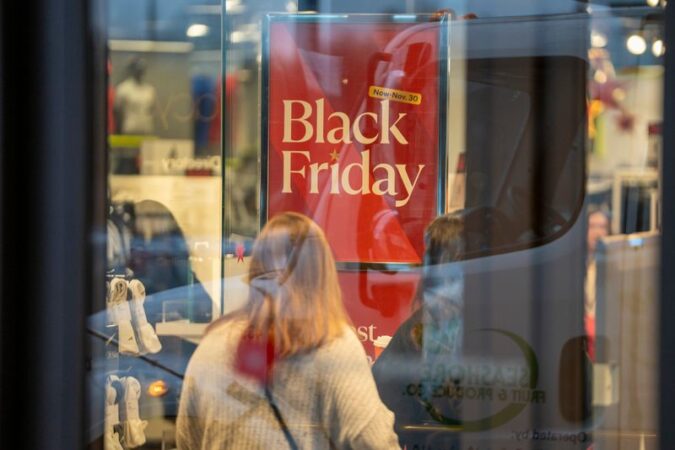
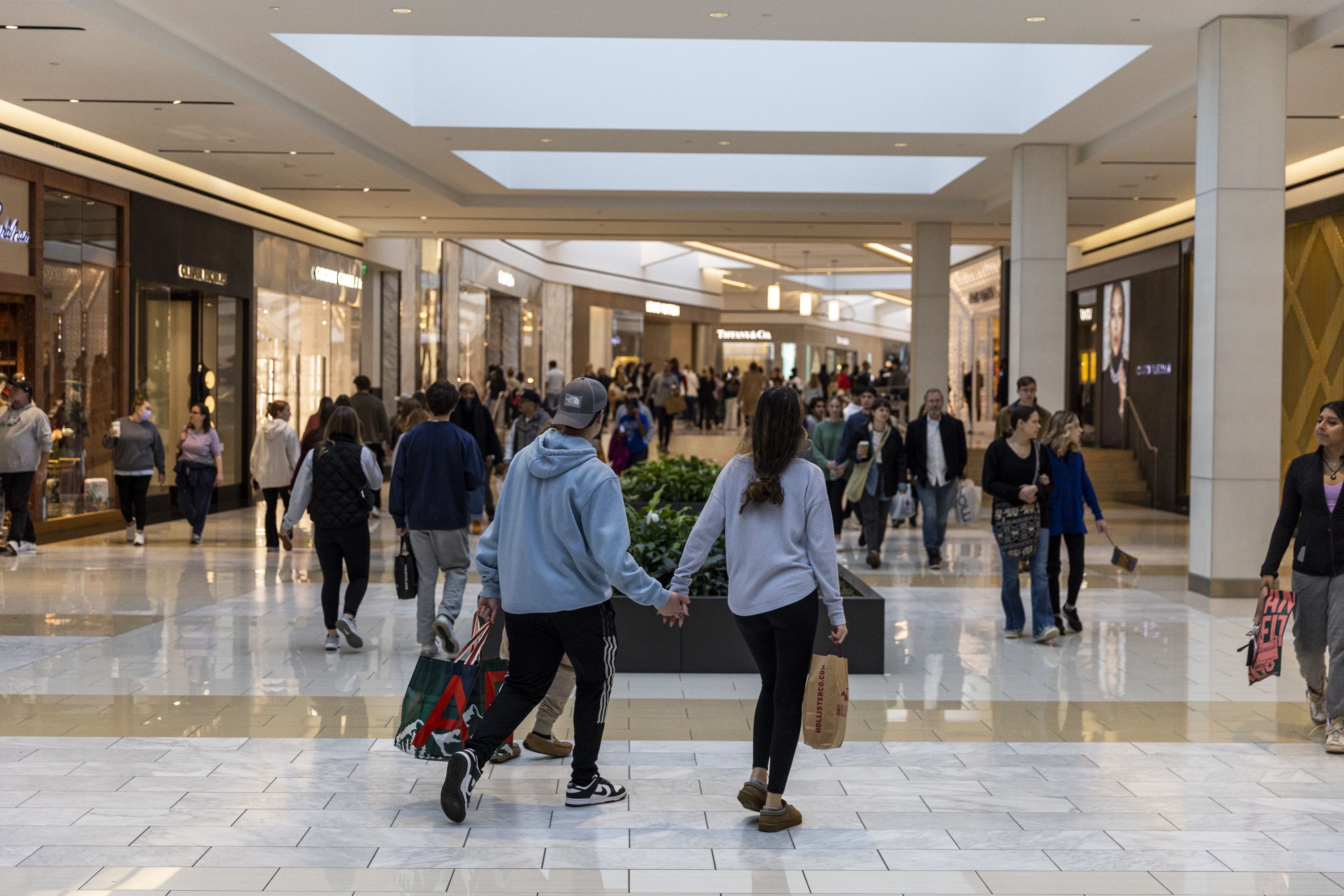
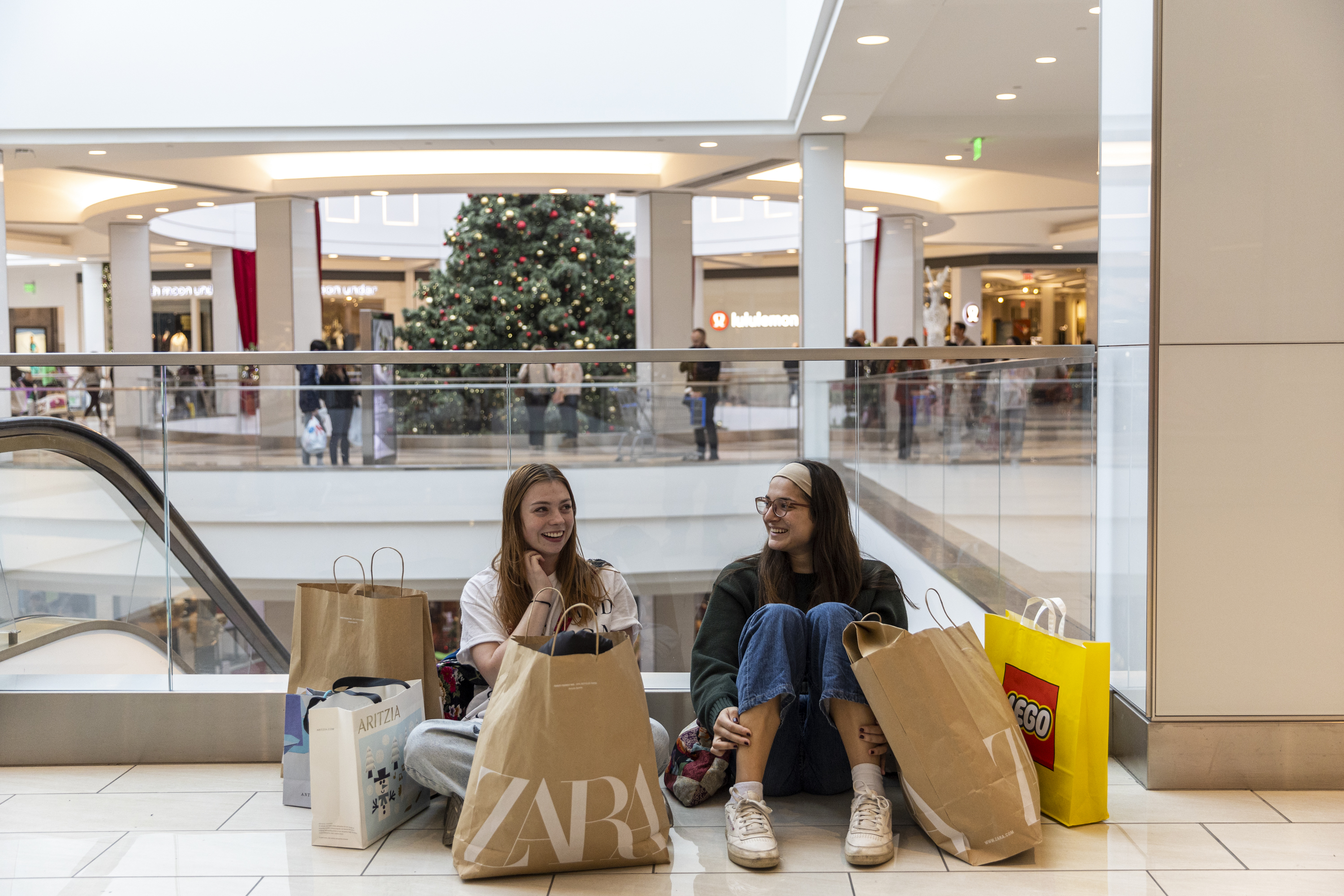
NEW YORK — Unprecedented numbers of Americans are expected to hit stores this Black Friday, but they are likely to curtail their spending as they find fewer bargains from tariff-hit retailers.
Marking the biggest turnout ever for the five-day stretch between Thanksgiving and Cyber Monday, 186.9 million people will shop, up from 183.4 million last year, the National Retail Federation projects. But sales growth for the last two months of the year, crucial for retailers, is expected to slow.
“Everything seems to be way more expensive” at malls, said Kate Sanner, a New Yorker who runs an online aggregator for secondhand listings. Last year, Sanner, 33, spent around $500 on gifts, but this season she plans to trim her budget to $300, eschewing most Black Friday discounts for targeted deals on specific products.
Thanksgiving falls on Nov. 27 this year, giving retailers an extra day in the holiday window, which typically accounts for a third of annual profits. Retailers have launched early promotions to lock in sales: Walmart’s began on Nov. 14 and will run in three phases through Dec. 1, with Walmart+ members getting early access. Amazon started its Black Friday deals week on Thursday, while Macy’s has opened a dedicated Black Friday portal.
Sales in November and December — in physical stores and online — are forecast to top $1 trillion for the first time, rising between 3.7% and 4.2%, but are likely to grow at a slower pace than last year’s 4.8% gain, NRF projections show.
Shoppers avoid dipping into savings for purchases
While the sticker shock alone could deter some buyers, others are budgeting for the increased costs of other necessities.
“Knowing that our healthcare premium bill is going to jump astronomically in 2026 … all of our discretionary spending has dropped significantly,” said Liz Sweeney, founder of marketing agency Dogwood Solutions, who lives in Boise, Idaho.
“While we spent close to $2,000 on gifts in 2024, our 2025 budget is $750,” said 52-year-old Sweeney, who is skipping electronics and big buys this year, sticking to shoes, books, and kitchenware.
Shoppers still have plenty in the bank, with households across all income levels holding more deposits than they did in 2019, before the COVID-19 pandemic, November data from Bank of America data shows. Consumers were also not using a significant portion of their savings, the data showed.
“Consumers are sentimentally weak and fundamentally sound,” said Mark Mathews, the NRF’s chief economist. “U.S. household balance sheets are still strong.”
The federation estimates average spending on gifts and seasonal items such as decorations, cards, food and candy will reach $890 per person, slightly less than last year’s $902. Nearly two-thirds of the 8,427 consumers polled say they will wait for Thanksgiving weekend deals, up from 59% in 2024, with older shoppers driving the trend.
‘Definitely seen fewer promotions’
“Knowing when is the right time to buy this year is more difficult,” said Edgar Dworsky, founder of Consumer World, who tracks holiday pricing. “With so many pre-Black Friday sales, there are no assurances the same deals will be offered again on the real Black Friday or that popular items will still be in stock.”
Historically, Dworsky said, stores such as Kohl’s, JC Penney, and Macy’s offered small kitchen appliances for as little as $5 after some combination of sales prices, percentage-off coupons, and mail-in rebates, but many of those discounts have disappeared. Kohl’s, for instance, is offering toasters, blenders, and electric frying pans for $9.99 without a rebate but with a coupon for 15% off this year, he said.
“I’ve definitely seen fewer promotions this year both in-store and online. The first two weeks of November usually bring some activity — though in recent years the discounts haven’t been very deep — but this year there’s been very little and much more full price,” said Jessica Ramirez, who runs brand consultancy the Consumer Collective.
“When promotions do show up, they’re spot promotions, meaning they aren’t set and don’t last long,” she added.
While some retailers appear to be pulling back on promotions, Walmart is teasing some aggressive price cuts for Black Friday.
Some of Walmart’s featured deals include an 85-inch TCL Roku TV, originally priced at $678, marked down to $498 for Black Friday, according to a Reuters review of the retailer’s website. Last year, Walmart highlighted a $120 discount on a 75-inch Vizio TV. This year’s lineup also features a Blackstone outdoor grill offered at $157, reduced from its list price of $224.
Temple University Health System‘s medical malpractice expenses have surged in the two years that ended June 30 as part of a campaign to reduce financial risk by settling old cases.
The hope is that “aggressively” settling cases will pay off over the next few years by reducing medical malpractice expenses, Michael DiFranco, the health system’s chief accounting officer, told investors during a conference call last week on the health system’s fiscal 2025 financial results.
Temple’s annual medical malpractice expenses increased nearly fourfold, to $117.8 million in fiscal 2025 from $31.6 million two years ago. Over the same period, it cut its reserves for future expenses by $88 million, or 22%. Temple’s reserves peaked at $402.9 million in 2023.
Rising medical malpractice costs are reverberating throughout healthcare. Tower Health recently boosted its reserves after its auditor decided they should be higher to deal with anticipated claims. Lifecycle Wellness, a birth center in Bryn Mawr, blamed its decision to stop delivering babies in February in part on rising medical malpractice costs.
The average number of medical malpractice lawsuits filed in Philadelphia every month has risen from 34 and 35 in the two years before the pandemic to 51 last year and 52 so far this year, according to the Philadelphia Court of Common Pleas.In additional to lawsuits against hospitals, the tally includes litigation against physicians, nursing homes, and other healthcare providers.
Contributing to the increase was a rule change at the beginning of 2023 that allowed more cases to be filed in Philadelphia rather than the county where an injury occurred. Malpractice lawyers say they like to file in Philadelphia because the system for trying cases is efficient. Health systems often note that Philadelphia juries sometimes award large verdicts.
A ‘wake-up call’ at Temple
Temple Health started rethinking its medical malpractice strategy after John Ryan started as general counsel in January 2022. A month before he started, The Inquirer published an article about three suicides at Temple Episcopal Hospital in 2020. At least two of the families sued Temple.
“That was a wake-up call,” Ryan said in a recent interview on his approach to handling malpractice cases.
Then in May 2023, a Philadelphia jury hit Temple with a $25.9 million verdict in a case involving a delayed diagnosis of a leg injury leading to an amputation.
After that loss, Temple changed the kinds ofoutside lawyers it hiresto defend it in malpractice cases, Ryan said, swapping medical malpractice specialists for commercial litigators from firms like Blank Rome, Cozen O’Connor, and Duane Morris. Such lawyers cost more, but it’s paying off, he said.
“The settlements we’re getting from the plaintiff lawyers, because they can see that we’re serious, are much better,” Ryan said. The two Episcopal cases were settled this year for undisclosed amounts, according to court records. A birth-injury lawsuit against Temple University Hospital in federal court settled for $8 million this month.
In 2024, a jury awarded $45 million to a teen who was shot in the neck and suffered brain damage from aspirating food soon after his release from Temple. Temple appealed and the judge who oversaw the original trial ordered a new one. That case then settled at the end of October for an undisclosed amount.
The new approach has helped Temple reduce the number of outstanding cases at any one time to 65 or so now compared to 110 three years ago, according to Ryan.
Temple is using the money it is saving on malpractice costs to invest in better and safer care, Ryan said. “That’s not a byproduct of all we’re trying to do as the lawyers. It’s the goal,” he said.
Inquirer staff reporter Abraham Gutman contributed to this article.
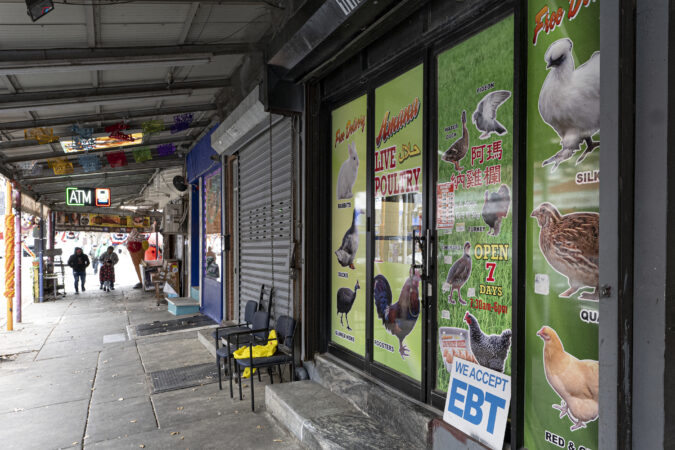
The sounds of clucks and tiny eyes looking through metal cages are part of the Italian Market background, as some stores sell live poultry.
Citywide, chickens, ducks, quails, and other animals are kept alive until purchase, only leaving the store when becoming someone’s food source.
Struggling to understand the dynamics of the live poultry business, a reader asked Curious Philly, The Inquirer’s forum for questions about the city and region: Who is buying these live chickens, where do they come from, and where are they slaughtered?
The Pennsylvania Department of Agriculture oversees what is called the live bird marketing system, a structure that involves farms, distributors, and stores.
About 500,000 birds weekly are sent to live poultry stores across Pennsylvania, New York, and New Jersey, according to an article published in the Delaware Journal of Public Health in 2021.
Statewide there are 17 live bird markets, according to the Pennsylvania Department of Agriculture. Most are in the Philly area, but there is no state registry of the markets.
In the city, the health department licenses and inspects these facilities. The birds are subjected to the same regulations to curb the transmission of avian influenza as all poultry producers in Pennsylvania, a spokesperson for the Pennsylvania Department of Agriculture said.
Alex Lemus, 29, and Juan Amador work at one of South Philadelphia’s live poultry stores. They weren’t authorized to speak for their workplace, but said they put effort into making the chickens feel as comfortable as they can.
“We take good care of them; we give them corn, and they grow up free-range,” said Lemus, who has been working in the live poultry industry for seven years.
The birds sell fast, hesaid, pointing to 16 long metal cages, each with at least 10 chickens and ducks inside. “At least 80 people per day come to buy, mostly Asian and Latino, and that is not counting the holidays,” Amador said.
Among quacks and clucks, longtime customer Nu Aing walked into the store. Stepping over a lone feeder and some light brown liquid residue on the floor, she selected six chickens.
As one worker swept the floor, another weighed the chosen chickens and placed them into a box for Amador to take to the back room. The chickens clucked loudly.
Aing drove an hour and a half from the suburbs because, she said, the chickens here are tender and better for recreating her family’s Vietnamese cuisine.
“Meat is better than the grocery store for soup, but they are good in anything,” Aing said. Around the Vietnamese New Year,“a lot of people are here; the line is long.”
In the back room, the chickens were killed and their bodies plucked and placed in white plastic bags, at Aing’s request.
“It is killed inside in 30 seconds,” Lemus said. “This part of the job was horrible when I started, but you get used to it over time.”
Within 20 minutes, the store is packed with at least 15 people waiting for their orders.
Guatemalan native Carlos Baten, 42, sent pictures of the birds to his family to help him pick the best option. He asked for his chicken to be cut into pieces for a chicken and vegetable soup that would feed three people.
“The freshness of the meat is unmatched,” Baten said. “They just feel like they are healthier and fed with fewer chemicals.”
The idea of eating a healthier type of meat also brought Guatemalan native Mayra González, 35, to the store with her 2-year-old daughter. But as soon as González placed her order, she fled to wait outside.
“I don’t like the scent inside, it smells like chicken feed,” González said. But the meat is “way better than the one at the grocery store,” she said.
To her, live poultry meat feels “silky,” and can feed more people for less. The cost of each chicken depends on the weight, but two chickens are enough to feed 11 people, González said.
“I feel bad for them, but since you can’t see when they are sacrificed, it’s the same as when you buy them at the grocery store,” González said.
Thanksgiving is almost here, and whether you’re putting the turkey in early, running out for last-minute butter, or realizing you forgot to buy wine (again), knowing what’s open — and what’s not — can save you a scramble.
From grocery stores and pharmacies to transit, trash pickup, and big-box retailers, here’s what’s open and closed in the Philadelphia region on Thanksgiving.
Grocery stores
Acme Markets
✅ Acme Markets locations will be open from 7 a.m. to 4 p.m. Check your local store’s hours at local.acmemarkets.com.
Whole Foods
✅ Most Whole Foods locations will be open on Thanksgiving from 7 a.m. to 1 p.m. Check your local store’s hours at wholefoodsmarket.com/stores.
For more detailed information about route detours, check SEPTA’s System Status Page at septa.org.
PATCO
✅ PATCO will be running on a holiday schedule, which you can view at ridepatco.org.
Pharmacies
CVS
✅ All non-24-hour CVS locations will close early on Thanksgiving. Call your local store before visiting or view hours at cvs.com/store-locator/landing.
Walgreens
❌ All non-24-hour Walgreens locations will be closed for Thanksgiving Day. Check your local store’s hours at walgreens.com/storelocator.
Trash collection
❌ There is no trash or recycling pickup during Thanksgiving or Black Friday. Trash pickup will resume two days later than scheduled. To find your trash and recycling collection day, go to phila.gov.
Big-box retail
Costco
❌ Costco will be closed on Thanksgiving Day, but reopen at 9 a.m. on Black Friday. Check your local Costco for Black Friday hours.
Target
❌ Target will be closed on Thanksgiving Day, but reopen at 6 a.m. on Black Friday.
Lowe’s
❌ Lowe’s stores will be closed on Thanksgiving Day, but reopen at 6 a.m. on Black Friday.
Home Depot
❌ Home Depot locations will be closed on Thanksgiving Day, but reopen at 6 a.m. on Black Friday.
Walmart
❌ Walmart locations will be closed on Thanksgiving Day, but reopen at 6 a.m. on Black Friday.
Shopping malls
❌ The Shops at Liberty Place will be closed on Thanksgiving and reopen at 7 a.m. on Black Friday.
❌ Fashion District Philadelphia won’t be opening on Thanksgiving, but will reopen on Black Friday at 10 a.m.
❌ Franklin Mall, King of Prussia Mall, and Cherry Hill Mall will be closed on Thanksgiving. On Black Friday, Franklin Mall will open at 10 a.m., King of Prussia Mall will open at 6 a.m., and Cherry Hill Mall will open at 7 a.m.
Every day, millions of people across the U.S. turn to ChatGPT and other AI tools, searching for answers.
Some of their questions are mundane: What should they make for dinner with these four ingredients? What other movies was this actor in? Where could they go on a weekend getaway for under $1,000?
Others use AI in life-saving research and for society-changing innovations.
How these tools work — and at what cost — is at the heart of the ongoing debate over the rapid construction of data centers.
At some proposed sites in the Philadelphia region, neighbors are rallying in opposition, saying the community’s health, safety, and quality of life are at stake. Meanwhile, developers, elected officials, and other proponents tout economic benefits.
If you’re trying to make sense of all the buzz about AI data centers, here’s what three human reporters think you should know.
What is a data center?
A data center is a building or campus that handles cloud-storage and computing needs of Amazon, Google, Microsoft, Meta, and the like. People, hospitals, banks, businesses, and governments rely on the cloud to store and retrieve vast troves of records, videos, and pictures.
Generative artificial intelligence (AI) has exponentially increased demand for specialized data centers powerful enough to execute ever more complex requests in the form of text, code, images, audio, or video.
A single AI query consumes multiple times the power of an ordinary search engine query, resulting in the need for additional servers to handle the load when multiplied across millions of queries.
window.addEventListener(“message”,function(a){if(void 0!==a.data[“datawrapper-height”]){var e=document.querySelectorAll(“iframe”);for(var t in a.data[“datawrapper-height”])for(var r,i=0;r=e[i];i++)if(r.contentWindow===a.source){var d=a.data[“datawrapper-height”][t]+”px”;r.style.height=d}}});
Newer hyperscale data centers can reach 1 million square feet or larger. For comparison, the Cherry Hall Mall is 1.3 million square feet.
Where are data centers in Pennsylvania and New Jersey?
window.addEventListener(“message”,function(a){if(void 0!==a.data[“datawrapper-height”]){var e=document.querySelectorAll(“iframe”);for(var t in a.data[“datawrapper-height”])for(var r,i=0;r=e[i];i++)if(r.contentWindow===a.source){var d=a.data[“datawrapper-height”][t]+”px”;r.style.height=d}}});
Not all of these properties are AI data centers: Comcast’s facilities, for example, connect thousands of local customers to internet, cable, and phone services, and have been doing so for decades.
Where are new data centers being built in Pa. and N.J.?
In East Vincent Township, Chester County, a 1.3-million-square-foot data center is proposed at the former Pennhurst State School and Hospital, now a popular Halloween attraction.
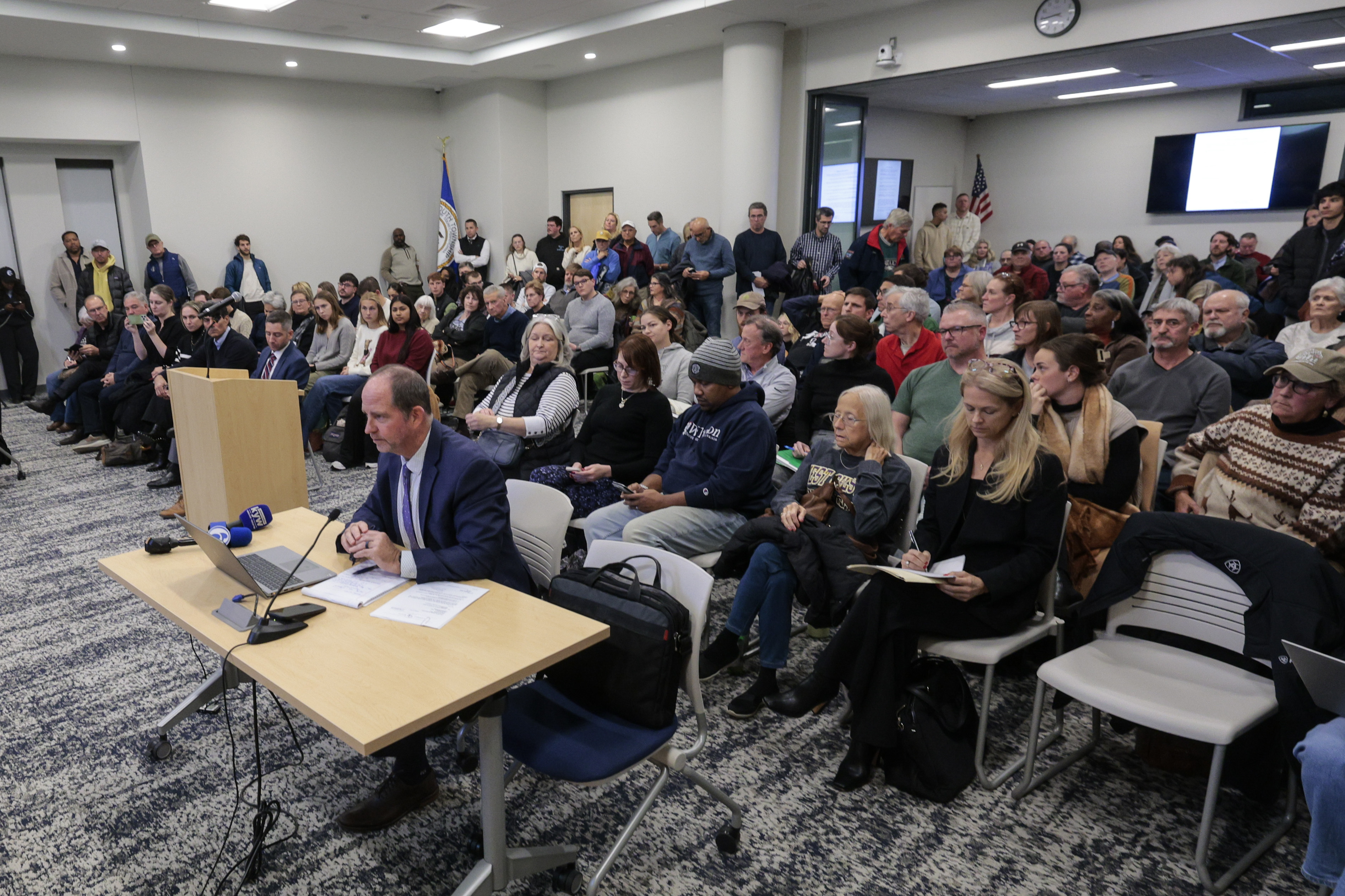
Less than a mile from downtown Conshohocken, Main Line developer Brian O’Neill wants to build a 2-million-square-foot data center at a shuttered steel mill. Last week, O’Neill’s team was forced to withdraw the application due to legal issues. However, they can resubmit another proposal at any time.
Edmund J. Campbell, attorney for Main Line developer Brian O’Neill, speaks to the Plymouth Township zoning hearing board on Monday Nov. 17 before abruptly withdrawing his client’s application over legal issues.
Unlike residential redevelopment, data centers don’t increase demands on local schools or EMS services, data center proponents say. Nor do they bring in added traffic like fulfillment warehouses or other industrial uses.
Opponents of data centers worry about pollution, noise, power and water use, and the impact another data center could have on their electric bills. In some areas, they decry the loss of open space and express broader concerns about whether the AI boom is a bubble that could burst before all this data-center investment pays off.
How are data centers impacting my electric bill?
Generative AI tools like ChatGPT and DALL-E are major drivers behind the dramatic increase in energy demand. Every ChatGPT query, for example, is estimated to use five times more electricity than a simple web search.
An average query uses about the power that an oven would use in a little over one second or a high-efficiency light bulb would use in a couple of minutes, according to Sam Altman, CEO of OpenAI, the company behind ChatGPT.
In 2023, U.S. data centers consumed about 4.4% of total U.S. electricity, compared to 15% for all residential use. Data center demand is expected to rise, potentially consuming 6% to 12% of total U.S. electricity by 2028, according to a 2024 report by Lawrence Berkeley National Laboratory.
window.addEventListener(“message”,function(a){if(void 0!==a.data[“datawrapper-height”]){var e=document.querySelectorAll(“iframe”);for(var t in a.data[“datawrapper-height”])for(var r,i=0;r=e[i];i++)if(r.contentWindow===a.source){var d=a.data[“datawrapper-height”][t]+”px”;r.style.height=d}}});
When energy demand rises without a proportional increase in supply and capacity, experts say, consumers see higher bills. Although it’s possible prices would lower with increased demand as long as there is sufficient existing capacity in place, say some experts.
“There’s a variety of factors, but it isn’t really transparent when you look at your electricity bill,” said John Quigley, senior fellow at the University of Pennsylvania’s Kleinman Center for Energy Policy.
What are some environmental concerns regarding data centers?
Water: Data centers require significant amounts of water to cool servers and IT equipment. Some cooling systems are more efficient than others.
A Virginia legislative audit report said 11 data center buildings each used over 50 million gallons, including one building that used 243 million gallons in 2023. While some data centers use substantial amounts of water, most use similar or less than other large commercial and industrial water users, Virginia found.
Based on available data, most data centers use about 6.7 million gallons of water a year, about the same as an average large office building.
Land use: Some proposals would require substantial clearing for forested or unused land, as in a 1,000-acre proposal in Covington and Clifton Townships in the Poconos. Residents in East Vincent Township in Chester County have mobilized to save the rolling hills, farms, and rural character near the proposed Pennhurst site.
Air pollution: The electricity that powers data centers comes from a grid powered by plants that run on natural gas, a fossil fuel that emits pollutants such as nitrogen oxides, fine particulate matter, and a precursor to smog. The plants also release carbon dioxide, a greenhouse gas. Backup generators are often fired by diesel. Amazon and Microsoft have plans to tap nuclear power, which does not produce air pollutants, though it does produce toxic waste.
Noise: Data centers sometimes emit hums and vibrations produced by servers, whirring fans, HVAC systems, and other sources.
What kinds of jobs do data centers create?
Construction of a data center requires hundreds of temporary tradespeople, such as masons, electricians, plumbers, and HVAC technicians.
Once open, data centers typically need very few full-time employees. Even the largest usually employ fewer than 150 people, sometimes as few as 25. Permanent positions can include IT specialists, data analysts, electricians, maintenance workers, and security personnel. Sometimes certain employees can work remotely.
Developers of some data centers currently proposed in Pennsylvania estimate hiring between 30 and 70 permanent workers. Data center technician jobs at Amazon’s Salem Township facility come with starting salaries between $50,000 and $152,000 a year, according to job listings on Indeed.com.
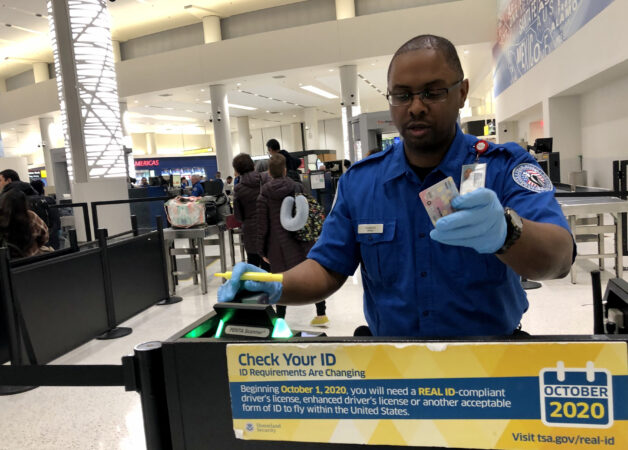
A new program from the Transportation Security Administration will charge travelers $18 to pass through airport security if they are not carrying valid identification, such as Real ID or a passport.
According to the agency, the fee will cover the cost of a “modernized alternative identity verification program” that relies on biometrics instead of documents or interviews.
A Federal Register notice posted Thursday explained the new initiative. Travelers who arrive at the airport without correct identification can choose to use the automated biometric kiosk. The $18 fee, which will “address the government-incurred costs,” is nonrefundable and valid for 10 days. Even with payment, entry into the secured area is not guaranteed, the register noted.
The memo did not mention a timeline for the installation and deployment of the kiosks, which airports will participate in the program, or how people will submit their payment. According to the notice, TSA will open registration for the identity-verification program before it begins collecting fees.
“This notice serves as a next step in the process in REAL ID compliance, which was signed into law more than 20 years ago and finally implemented by Secretary Noem as of May 2025,” the TSA said in a statement. “Additional guidance will be announced in the coming days.”
The majority of travelers are ID-compliant — around 94%, according to the TSA. However, Caleb Harmon-Marshall, a former TSA officer and founder of the travel newsletter Gate Access, said people are still showing up at security unprepared.
“Travelers arriving at TSA checkpoints without proper ID is very common,” Harmon-Marshall said. “It’s so common that now the government can capitalize off of it.”
Gary Leff, founder of the travel blog View From the Wing, said a few hundred people a day are subjected to alternative screening because they lack proper ID.
“When you don’t have ID, they don’t send you away,” Leff said. “There’s a process where they get commercially available information about you and have you verify your identity with questions like what addresses have you had in the past, where have you worked, and what car have you owned.”
Leff said the biometric kiosk will replace this more time-consuming method, an advantage echoed by the TSA.
“The current alternative identity verification process is time and resource intensive, limiting the number of individuals for whom TSA can provide the service,” the Federal Register post said.
The TSA noted that the $18 fee falls under a congressional directive that allows the agency to “impose a fee for any registered traveler program undertaken by the Department of Homeland Security.” The amount cannot “exceed the aggregate costs associated with the program.”
According the Federal Register memo, the fee will cover such expenses as information technology infrastructure and services; software development; identity verification and validation; mobile computing; data infrastructure, integration, security and compliance; program management; and customer service and administrative expenses.
The TSA said it will publish the fees on its website and may “update” the program’s amount and availability in the Federal Register.
Warner Bros. Discovery has received preliminary buyout bids from rivals Paramount Skydance, Philadelphia-based Comcast, and Netflix, a source familiar with the matter said on Thursday, kicking off a potential sale of the century-old Hollywood studio.
The bids set the stage for a significant consolidation in the media industry and will determine the future of prized assets such as HBO, the Warner Bros. film library, and the DC Comics universe.
Paramount is expected to bid for all of Warner Bros. Discovery, including its cable television networks. Paramount’s bid is backed by the studio’s controlling shareholder, billionaire Oracle co-founder Larry Ellison, who is among the world’s richest men. The potential combination would enhance Paramount’s presence in movie theaters, giving it a 32% share of the North American theatrical market, according to Comscore, and strengthen its streaming service by combining HBO Max with Paramount+.
Reuters exclusively reported that Warner Bros. Discovery’s board rejected a mostly cash offer of nearly $24 a share for the company, valuing it at $60 billion, and publicly announced it would evaluate strategic options for the studio.
NBCUniversal’s corporate parent, Comcast, is interested in Warner Bros.’ film and television studios and HBO, whose characters, including Superman and Batman, would strengthen its theatrical and streaming business and its theme parks. The merged studios’ share of the North American theatrical market would exceed 43%, according to Comscore.
Netflix is also courting Warner Bros.’ studio and streaming businesses, aiming to gain access to Warner Bros.’ extensive film library and established entertainment franchises, such as Harry Potter and Lord of the Rings. Warner Bros. Discovery previously announced plans to split into two publicly traded companies, separating its studios and streaming business from its fading cable networks.
Warner Bros. Discovery did not immediately respond to Reuters’ request for comment. Comcast and Paramount Skydance declined to comment. Netflix could not be reached for comment. The New York Times first reported the development.
At the King of Prussia Mall, you can add some slime (the fun kind) to your holiday shopping experience this year.
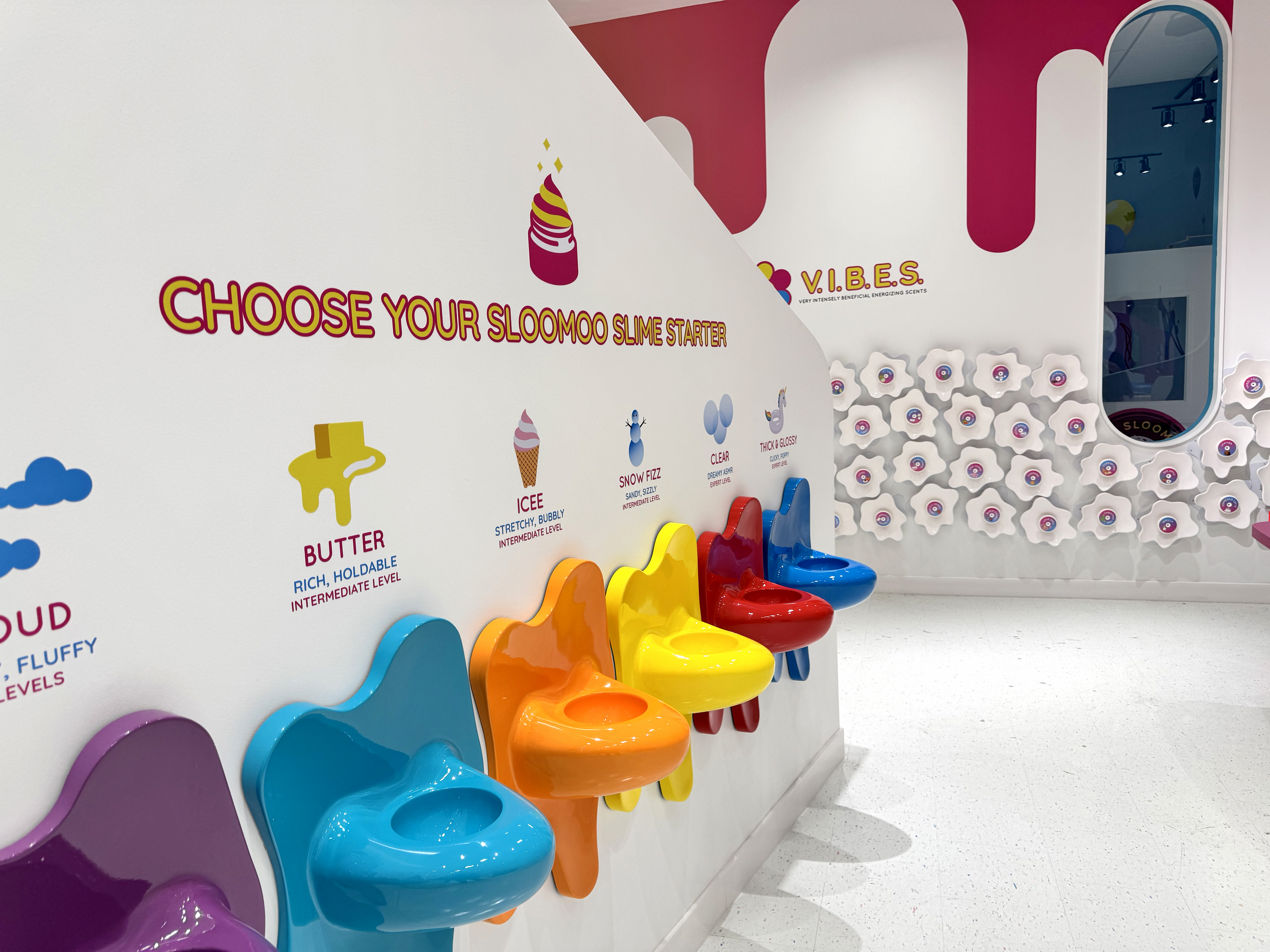
Fresh off the opening of the first-ever Netflix House, the Montgomery County mall this week welcomed the Sloomoo Institute’s first Philly-area location. The sensory slime experience’s latest outpost is called a Sloomoo MiniMoo, and it’s a scaled-down, 3,000-square-foot version of its flagship stores.
For between $24 and $26 a person, King of Prussia Sloomoo customers can design their own slime, choosing from different textures, colors, scents, and charms. They can also smush slime onto the wall, send it flying through the air with a slingshot, go elbow-deep in vats of slime, and take slime-making classes.
Guests can also browse slime toys and other squishy, sensory gifts at the Sloomoo retail store, no ticket required.
“King of Prussia is a playground for families,” cofounder Sara Schiller said in a statement, “and we’re bringing a world of slime designed to spark curiosity and pure, unfiltered joy.”
Customers play with slime at another Sloomoo Institute location. The King of Prussia Mall opened a Sloomoo MiniMoo experience this week.
They opened their first location in New York in 2019, went viral on TikTok during the pandemic, and then expanded nationwide, opening outposts in Atlanta, Chicago, Houston, and Los Angeles. A Sloomoo MiniMoo also recently opened in Boston.
Earlier this year, the founders told CNBC that Sloomoo brings in as much as $4.3 million a month in revenue from ticket sales alone.
A look inside the King of Prussia Mall’s Sloomoo MiniMoo experience, which opened this week ahead of Black Friday and the holiday shopping season.
At King of Prussia, Sloomoo MiniMoo welcomed its first customers last weekend, but it will celebrate its grand opening this Saturday, when the first 200 ticketed customers will receive a complimentary hot chocolate and “limited-edition Philly Cheesesteak-themed slime,” according to company officials. The first 100 guests on Saturday will get a bag charm.
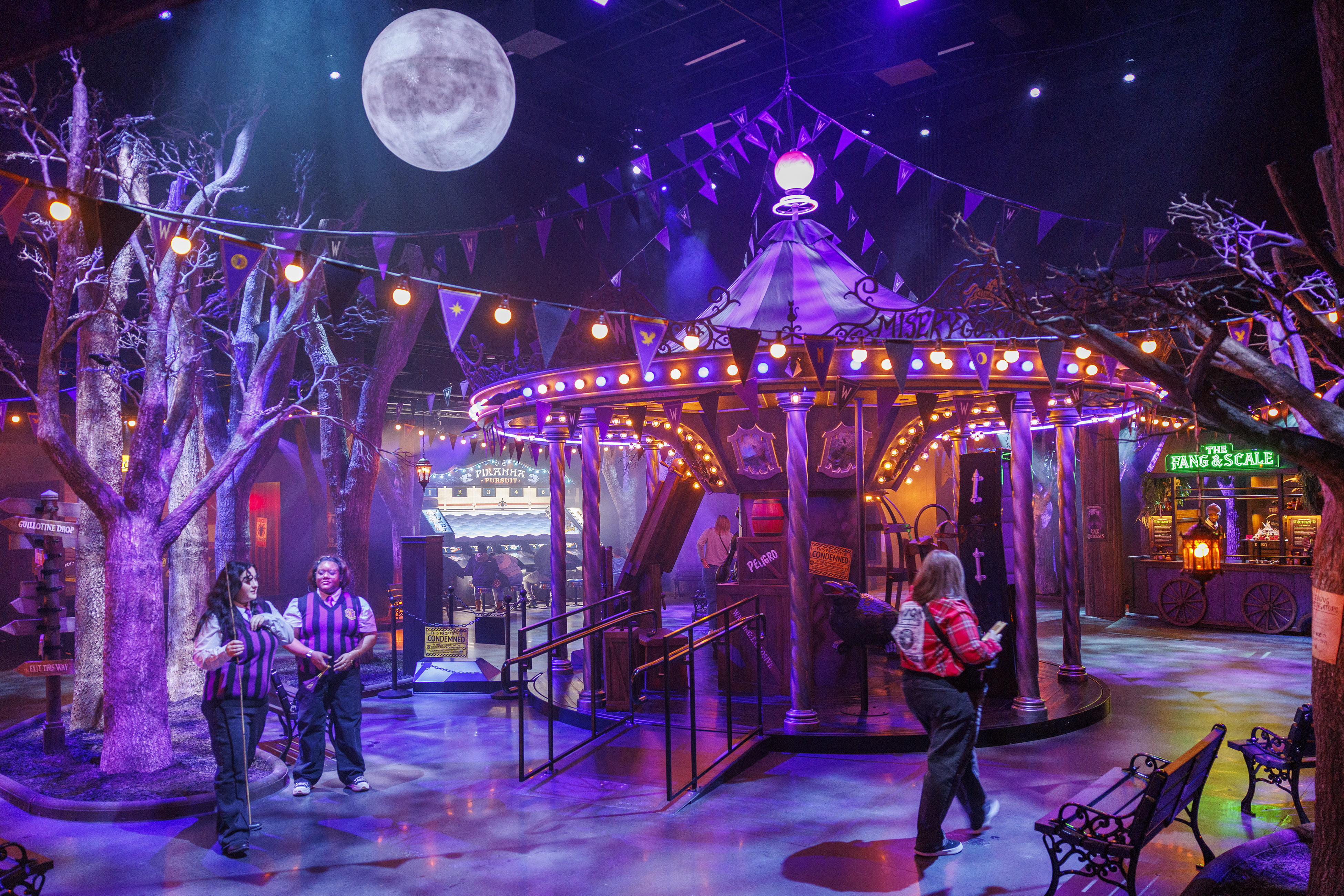
Aside from Sloomoo, the mall has welcomed several other new stores, restaurants, and interactive experiences since August. A few retailers, including Lululemon, Abercrombie & Fitch, and Mejuri, have also expanded or relocated.
As holiday shopping season kicks into high gear, customers can check out the following new additions:
Shoppers sit with their bags at the King of Prussia Mall on Black Friday 2022.
If you’re doing holiday shopping later in the season, or taking a trip to the mall between Christmas and New Year’s, you might be able to visit the following stores. All of them are set to open their first Philadelphia-area locations this December:
In early 2026, Adidas and Columbia Sportswear are set to open stores in the King of Prussia Mall. Exact locations for those stores have yet to be announced.
U.S. Rep. Brian Fitzpatrick, a Republican, introduced a bill Thursday with a Democratic co-sponsor to modernize pipelines and emergency responses in the wake of a leak of a Sunoco pipeline detected this year in Bucks County.
The bill is named after the Wojnovich family, whose well was tainted with 12½ feet of jet fuel.
It would set aside $500 million in grants spread over five years to replace or upgrade high-risk hazardous liquid lines, “to facilitate the improved safety and modernization of hazardous liquid distribution infrastructure.”
In addition, it would require that prospective homeowners be made aware of nearby pipelines, what fuel they carry, any history of incidents, and who operates the lines.
Fitzpatrick introduced the bill, H.R. 6187, the Wojnovich Pipeline Safety Act of 2025, with U.S. Rep. Tom Suozzi, a Democrat from New York.
Fitzpatrick is up for reelection in 2026 in the 1st Congressional District, which includes all of Bucks County and a sliver of Montgomery County. As the last remaining Republican representing the Philadelphia suburbs in the U.S. House, Democrats believe he is vulnerable.
Fitzpatrick — as well as other federal, state, and local elected officials — has been involved since January, when a jet fuel leak from the Sunoco Twin Oaks pipeline was detected.
He and others have called for the line to be shut down. Fitzpatrick has called for independent testing of wells and “complete remediation” in the Mt. Eyre Manor neighborhood where the leak was detected.
“What families endured during this leak exposed areas where the state response was not fully equipped to meet the moment,“ Fitzpatrick said Friday in an email, ”which is why I have called on the responsible state agencies to produce a codified and consistently enforced plan that will guarantee clean water and long-term protections.”
He credited a neighborhood task force from Mt. Eyre with helping him write the bill,“from the ground up.”
The Wojnoviches live in the suburban Bucks County neighborhood near the popular Delaware Canal State Park towpath and only a few thousand feet from the Delaware River. Theirs was one of six wells thattested above state maximum contaminant levels. Other wells tested positive for contaminants, but under those levels.
Kristine Wojnovich at home in the Mt. Eyre neighborhood in Washington Crossing, Bucks County on Nov. 7, 2025. Just out of view, is the top of a 400 foot drinking water well contaminated after a Jan. 2024 jet fuel leak was detected in Sunoco’s Twin Oaks pipeline.
The family began noticing a petroleum odor in their tap water as far back as September 2023 and reported it to Sunoco, which is owned by Energy Transfer. However, the company initially informed the Wojnoviches that their water simply had bacteria.
It wasn’t until an inspection by the state Department of Environmental Protection in late January 2025 that a leak was confirmed.
“Every page of this bill is shaped by what Upper Makefield families lived through,” Fitzpatrick said in the release, noting, “the gaps in testing, the delays in information, the uncertainty about their water, and the absence of clear standards for communication and emergency response.”
Specifically, the bill would also require:
That real estate contracts include disclosure of any hazardous liquid pipeline easements within one-half mile of a property, whether the line has undergone repairs in the past 10 years, and a list ofany leaks or failures.
Overhaul of the U.S. Department of Transportation’s and the Pipeline and Hazardous Materials Safety Administration’s current online pipeline viewer so that leak, inspection, and remediation data are readily available.
Updates to local emergency alert systems and response plans.
Pipeline operators to conduct in-person tests of water, soil, or air for potential pipeline leaks or failures.
Penalties for leaks, failures, and delayed reporting, ranging from $2.5 million to $5 million.
The reimbursement of fire departments and EMS for equipment, overtime, and cleanup costs.
Establishing an Office of Public Engagement and regular federal reporting.
Kristine Wojnovich said she’s honored by the bill’s introduction, and credits both Fitzpatrick and the neighborhood task force that’s pushed for legislation.
“Aging pipelines and outdated leak detection methods are all over this country,” Wojnovich said. “And the leak and contamination that happened in our community could have happened anywhere. This legislation is a meaningful step forward.”
Clean Earth, based in King of Prussia, serves manufacturers such as Boeing, Merck, computer-chip makers, and hospitals. Veolia operates local water utilities in towns across the U.S., including a slice of Delaware County and northern Delaware.
Clean Earth employs around 1,800, and already uses Veolia incinerators to burn hazardous medical waste and other refuse. Enviri bought that business for $625 million in 2019. Veolia says it plans to cut $120 million in spending as it integrates Clean Earth, to make the deal more profitable.
Combined with Veolia’s existing hazardous-waste business, Veolia says it will be among the largest businesses of its kind. Veolia also bought medical-waste companies in New England and California earlier this year, and it has incinerators in Texas, Illinois, and Arkansas.
Clean Earth includes tar-contaminated soil collection treatment centers on the Schuylkill in Southwest Philadelphia; in Morrisville, Bucks County; and New Castle, Del.; and a hazardous-waste and chemical disposal site in Hatfield, Montgomery County, among 82 waste-management and 19 federally-permitted treatment sites, along with hundreds of trucks. Veolia has industrial facilities in Bridesburg and Pennsauken, among other area locations.
Veolia will pay cash worth around $15.50 a share, or $1.3 billion, to Enviri shareholders for Clean Earth; plus $1.35 billion to pay down some of Enviri’s debt load; and around $400 million to help finance Enviri as it restructures as a smaller company and issues new shares. Both boards have approved the deal, pending a vote by Enviri shareholders next spring.
The price to shareholders is a premium to Enviri’s recent share value, and triple what it was worth at its recent low in March. But it’s also less than the stock was worth as recently as 2022, before the company changed its name from Harsco and moved from central Pennsylvania to Philadelphia, where its leaders said it’s easier to recruit engineers and managers.
The sale leaves Enviri with two remaining business lines: steel-mill slag management and railroad track equipment and maintenance. The latter business faces large environmental expenses, and Enviri had earlier tried to sell it.
After selling Clean Earth to Veolia and reducing management costs, Enviri will spin off the remaining businesses into a new company, under the same name.
Announcing the deal, Enviri chief executive F. Nicholas Grasberger also said he’ll be stepping down from the company’s top job, to be succeeded by Russell Hochman, a ten-year Enviri veteran who already serves as the company’s senior vice president, top lawyer, and compliance officer.
F. Nicholas Grasberger, chairman & CEO of Enviri, at the company’s Philadelphia headquarters in 2023. He will be stepping down as the company sells its hazardous-waste division to France’s Veolia.
The restructured Enviri will have more cash to invest in its businesses and lower finance costs, Grasberger said in a statement. He praised successor Hochman’s “deep business acumen and proven ability to navigate mergers and acquisitions, regulatory matters, and transformation efforts.”
The boost in Enviri’s capital “will create enhanced opportunities” for both slag and rail, Hochman said in a statement.