Category: Health

  • Baby KJ’s father returns to CHOP as a construction worker, building its new patient tower

    Baby KJ’s father returns to CHOP as a construction worker, building its new patient tower

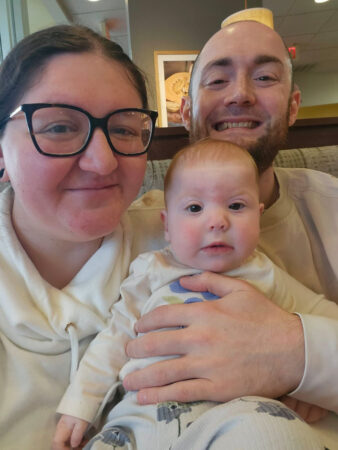
    Inside a heated tent on the Children’s Hospital of Philadelphia campus, 17-month-old KJ Muldoon wiggled around in his mother’s arms, smiling and clinging to a multicolored toy.

    This time, the toddler who has been called one of the top 10 people who helped shape science in 2025 was not here for a medical appointment.

    He was there to celebrate a 26-story patient tower at CHOP that his father, Kyle Muldoon, a longtime construction worker, is helping build. Called Roberts Children’s Health, the new inpatient complex is set to launch in 2028 and significantly expand the number of beds available for patients at CHOP’s main campus.

    Kyle Muldoon had joined the project back in December 2024, when KJ was still hospitalized at CHOP, where his life-threatening genetic condition was successfully treated with a first-of-its-kind personalized gene-editing therapy.

    But in the months before the treatment developed by doctors at CHOP and the Hospital of the University of Pennsylvania sparked international attention, KJ’s father was recently unemployed. The Clifton Heights father of four had accepted a layoff to focus on his sick son.

    When he was connected with the person running the $2.6 billion construction project at CHOP, he asked for a job and explained he would “essentially be living next door.”

    Muldoon joined the crew in December 2024, allowing him to stay close by during KJ’s 307-day stay and contribute to a project that feels meaningful to him.

    “Every day when I get up, I know what I’m doing this for,” Muldoon said.

    KJ Muldoon, left, and his father Kyle Muldoon, right, at a news conference at CHOP.

    His son KJ was born in August 2024 with a metabolic disorder that puts babies at risk of severe brain damage and is fatal in half of cases. Called severe carbamoyl phosphate synthetase 1 (CPS1) deficiency, it prevented KJ’s liver from being able to process protein.

    Doctors Kiran Musunuru and Rebecca Ahrens-Nicklas used a gene-editing technology known as CRISPR to create a personalized drug that would fix the genetic mutation that was driving KJ’s disease. After receiving three doses, he was able to go home last June.

    “This pipe dream that sounded like it came from a sci-fi movie became a reality,” Muldoon said.

    The medication is not a cure, but it has dramatically improved KJ’s liver function and made the effects of his disease milder.

    The treatment approach has been hailed for its potential for rare-disease drug development. The U.S. Food and Drug Administration in the fall announced a new approach to clinical trials to test novel drugs like the one designed for KJ, who was called “a trailblazing baby” by the British scientific journal Nature when it named him to its year-end list of the top 10 influential people.

    With dietary restrictions and daily medication to keep his ammonia levels down, the toddler has been able to meet milestones, like walking and saying some words (currently a lot of “mama” and “dada”).

    These days, KJ likes playing catch, eating, and chasing his siblings around.

    “Sometimes you got to sit back and take it all in, because we never knew if that was going to be a possibility,” Muldoon said.

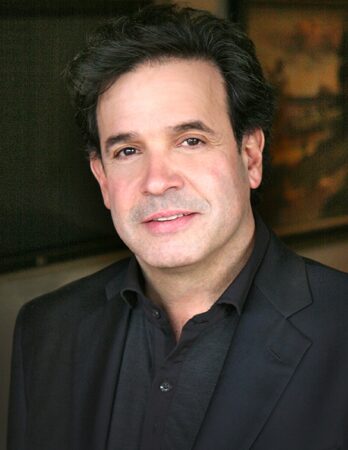
    The new tower’s construction is funded in part by a $125 million donation from Comcast CEO Brian Roberts and his wife, Aileen, whose name will be on the new building.

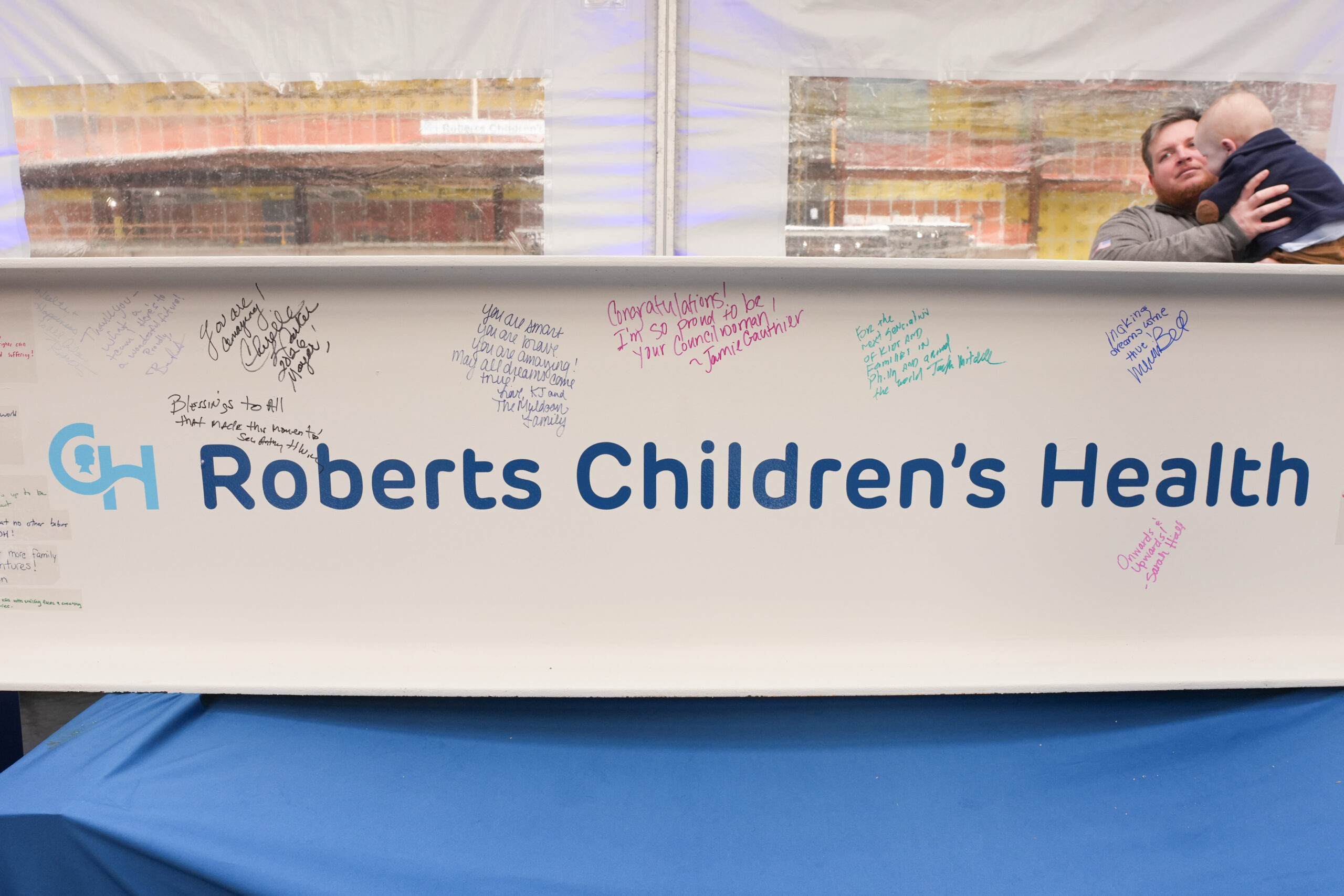
    Wednesday’s event included signing and raising the final structural beam of the building’s frame.

    The event included signing and raising the final structural beam of the building. It was signed by patients at CHOP in Philadelphia.

    On the beam were colorful messages from patients at CHOP who were asked to write down their dreams.

    Brian Roberts read some of their notes at the event. One girl said she wanted to become a nurse anesthetist so she “can help people and own a Porsche.” Another said, “My wish is that every kid that goes to Roberts Children’s Health comes out better and stronger.”

    Roberts read aloud messages from patients at CHOP that were signed onto the beam.

    Editor’s note: This story was updated to clarify the message a child wrote on a building beam and shared at the event.

  • Safety board releases initial findings in Bristol nursing home explosion that killed three people

    Safety board releases initial findings in Bristol nursing home explosion that killed three people

    Peco responded to the smell of gas at the Bristol Health & Rehab Center more than two hours before an explosion that killed three people and injured at least 20 others just days before Christmas. Yet in initial findings released Wednesday, federal investigators said the public utility company did not fully stop the gas flow to the facility until an hour and a half after the catastrophic blast.

    According to an investigative summary released by the National Transportation Safety Board, a maintenance director at the nursing home reported the odor coming from the basement boiler room around 11 a.m. A technician with Peco responded by 11:50 a.m. and identified the source — a leak in the gas meter valve.

    The technician called for backup to assist with the repair, and a meter services technician arrived about 1:20 p.m. The explosion occurred less than an hour later, at 2:15 p.m. A Peco emergency crew fully isolated the gas at 3:50 p.m., as first responders were pulling victims from the rubble.

    The NTSB’s initial findings provide the most concrete timeline yet of what happened in the lead-up to the Dec. 23 tragedy that rattled Lower Bucks County and raised questions about the actions of both the public utility company and the nursing home’s operator.

    Peco spokesperson Candice Womer said in a statement Wednesday that the company has begun reevaluating response protocols and prioritizing the movement of indoor gas meters to the outdoors, in an effort to meet “the highest standards of safety and reliability.”

    The initial findings do not fault or exonerate any parties in the blast, and NTSB officials said the investigation remains ongoing.

    Investigators work the scene at Bristol Health & Rehab Center the day after the explosion

    Carin O’Donnell, an attorney with Stark & Stark who is representing victims in a lawsuit, said the initial findings demonstrated that Peco gambled with everyone’s safety by not shutting off the flow of gas to the facility sooner.

    “Clearly, Peco knew there was a leak, and rather than terminate the gas, they sent their repairmen in while the gas line was still pressurized,” O’Donnell said. “It’s like sending them in with a lit cigarette and a match.”

    At least two separate lawsuits alleging negligence have been filed against Peco and Saber Healthcare Group, the Ohio-based nursing home operator that runs the facility.

    Residents and staff told The Inquirer they had detected a heavy gas odor inside the 174-bed facility early that morning, yet no building-wide evacuation order was given to residents.

    During interviews, NTSB officials heard from people in the facility that the smell could be detected from the basement up to the second floor of the building.

    The safety board did not address whether an evacuation should have been done. Investigators noted the Peco foreman and the meter services technician had “had less than 1 year of experience in their current roles.”

    Zachary Shamberg, chief of government affairs at Saber, cast the NTSB’s initial findings as exculpatory. He said in a statement that facility staff “acted promptly” while “Peco technicians unsuccessfully attempted to repair their gas line.”

    In the aftermath of the tragedy, Peco initially reported arriving at the facility around 2 p.m. and later changed the timeline to “hours” before the blast that occurred just after 2:15 p.m.

    First responders encountered chaos. People ran from the partially collapsed nursing home, many bleeding and injured. Police and firefighters helped others escape from the wreckage while contending with a second blast and fire that ignited after the initial explosion.

    Two people were pronounced dead in the aftermath of the blast: Muthoni Nduthu, 52, of Bristol, who worked at the facility as a nurse for over a decade, and a resident at the facility whom police identified as Ann Ready. Another resident, 66-year-old Patricia Merro, died two weeks later from her injuries.

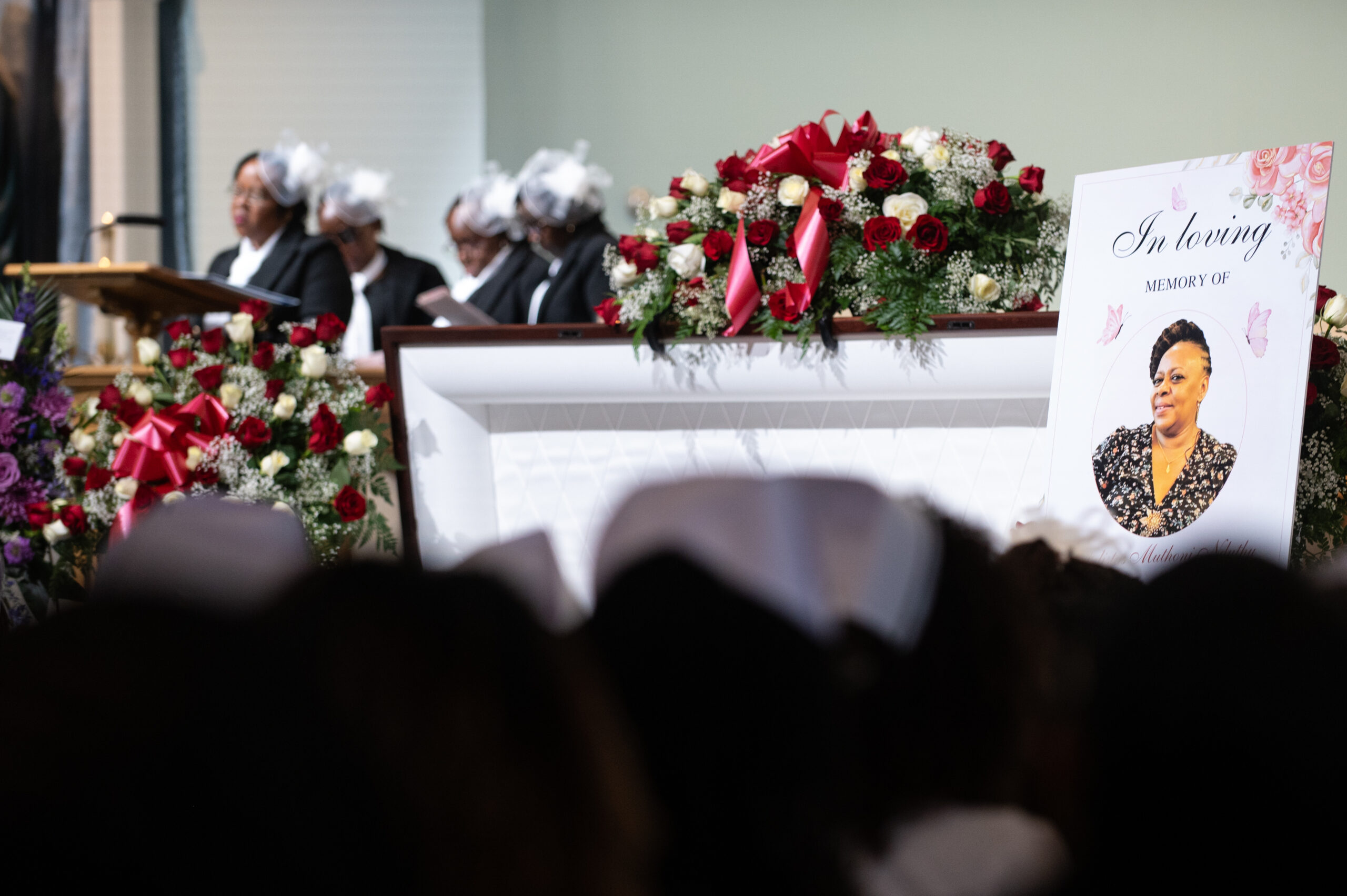
    The sisters of Felistus Muthoni Nduthu-Ndegwa speak at her funeral at St. Ephrem Church in Bensalem. The 52-year-old nurse was killed in an explosion at Bristol Health and Rehab.

    The nursing home, previously known as Silver Lake, had been acquired by Saber Healthcare Group and renamed Bristol Health & Rehab Center three weeks before the explosion.

    Under the facility’s previous operator, the Cincinnati-based CommuniCare Health Services, the nursing home had been cited repeatedly for substandard care and facility management.

    Federal regulators gave the facility a one-star rating, and CommuniCare was fined more than $418,000 in 2024, records show, due to ongoing violations. Two months before the explosion, state inspectors cited the facility for lacking a fire safety plan, failing to maintain extinguishers, and having hallways and doors that could not contain smoke.

    A representative for Saber said last month the company had begun addressing those problems after taking over the facility in early December.

    After the blast, Peco tested the ground outside the nursing home and detected gas in the ground. The safety board said it continues to analyze physical evidence gathered from the scene and did not provide a timeline on delivering a final report.

  • Bucks County parents of deaf and blind infants are worried about losing a ‘lifeline’ as early intervention contract ends

    Bucks County parents of deaf and blind infants are worried about losing a ‘lifeline’ as early intervention contract ends

    Julia Hess was on the precipice of discovering the extent of the hearing loss in her 9-month-old daughter Jasmine’s right ear, when she learned that crucial support services for her baby and other visually or hearing impaired children in Bucks County would be cut off next week.

    Jasmine, affectionately known as Jazzy, is a smiley infant who has maintained a “sweet and sassy” personality even as she’s been diagnosed with Smith-Lemli-Opitz syndrome, a developmental disorder, and undergone three surgeries.

    “We can see it in her face in the way that she continues to try even when her body is exhausted and her muscles won’t move anymore,” said Hess, 29, a mental health therapist.

    Jazzy has been receiving early intervention services since she was 2 months old from the Bucks County Intermediate Unit, a county-level education agency, including hearing and communication services due to hearing loss in both ears and other developmental delays. Once a week, an instructor travels to Hess’ home and teaches Jazzy how to communicate with the world around her.

    The 9-month-old has made significant progress, but could face setbacks starting this Saturday when the Bucks County IU will cease services for hearing and visually impaired babies and toddlers ages 0-2, citing funding and staffing challenges. And it’s unclear where parents will find services next.

    “It’s really scary to feel like we are kind of just wandering in the dark,” Hess said.

    In Pennsylvania, children with developmental delays and disabilities are eligible to receive services through a state-backed early intervention system — a right grounded in federal special education law.

    But officials with the Bucks IU say they’ve been losing money on the program for hearing and visually impaired infants and toddlers, which currently serves 49 kids. While the state reimburses the county for early intervention services, it doesn’t cover “indirect” service time, officials said. That means the IU can’t bill for the time incurred by therapists driving between appointments, documenting services, and preparing a child’s program.

    Last year, the gap between what the state reimbursed and what the IU paid to deliver the services was $200,000, officials said.

    At the same time, the demand for services for older children also served by the intermediate unit — both preschool and school-age — has been growing, officials said. And with shortages of special education teachers plaguing school districts statewide, ending services for babies and infants allows the unit to redirect its limited supply of teachers for the deaf and visually impaired to serving older children — a group the IU has primary responsibility for serving.

    “I think what we’re experiencing is what happens when you have a severe shortage, a growing number of kids that need the support, and antiquated models of funding that haven’t kept up,” the intermediate unit’s executive director, Mark Hoffman, said Jan. 20 at a meeting of the unit’s board, which is made up of school board members from districts across Bucks County.

    A Pennsylvania Department of Human Services spokesperson said Monday that provider rates would soon be increased as the result of a $10 million boost in this year’s state budget.

    Revised rates “are still being finalized based on this increase and are expected in the coming weeks,” and will be retroactive to July, said the spokesperson, Brandon Cwalina, who said the change would also allow the state to access more federal money.

    It was unclear whether the increase would change the situation in Bucks County. Officials with the IU said Tuesday they hadn’t been informed of any funding increases.

    Families dependent on services from the intermediate unit are unsure what will happen once the contract expires Saturday.

    “They’ve been a lifeline to us … We haven’t had anybody in our family with this,” said Ali Tirendi, 32, of Warrington, noting that service providers not only help kids, but also educate parents, too.

    Nine-month-old Jasmine receives early intervention services, that are set to be disrupted, from the Bucks County IU.

    Grappling with staffing and funding shortages

    Just 24 days before these crucial services were set to be disrupted, families received correspondence from the Bucks County Department of Behavioral Health/Developmental Programs notifying them that “your current hearing/vision support provider may no longer be available,” according to a Jan. 7 letter from Patricia Erario, county early intervention director, reviewed by The Inquirer.

    One of those providers is BARC Developmental Services, a nonprofit agency that provides services to individuals with intellectual disabilities and autism, and uses teachers from the Bucks intermediate unit to carry out its services.

    Mary Sautter, executive director of BARC, said the Bucks IU informed BARC on Dec. 8 that they would be terminating their contract with the developmental services agency, ending a partnership that’s existed for decades. She said stakeholders are planning to have a meeting this week to discuss next steps.

    “Our hope is that we can find a resolution that minimizes disruption to these vital services so that children can continue to thrive,” said Sautter, adding that BARC is also dealing with staff shortages making it difficult to use their own personnel as providers.

    They have one contractor that services 14 kids, but Sautter said they’re looking to expand the contractor’s caseload.

    “It’s a very unfortunate situation,” Sautter said.

    Erario said that the department would work with agencies to find solutions for families, including virtual options, changing the date or time, or finding an alternative provider if necessary.

    Bucks County spokesperson Jim O’Malley said the county “will be working with our partners in the community to restore access to those affected.”

    Given staffing shortages, Jill Waldbieser, a Neshaminy school board member who serves on the intermediate unit’s board, said she was extremely skeptical the county would find replacement teachers.

    “There’s absolutely no way they’re going to find providers,” said Waldbieser, whose 11-year-old son is deaf.

    Waldbieser’s son went without an interpreter for a year in violation of his individualized education plan.

    “Even if it’s a day or week” that children go without services, “you can never get that time back,” said Waldbieser, who has been pressing officials for a solution.

    Early intervention is valuable for families, and a gap in services could be detrimental, said Casey James, 35, of Warminster, whose 19-month-old has a hearing impairment.

    “What families like mine are concerned about are service gaps, delays, being forced into a fragmented system with multiple providers,” James said.

    Ashley Dats said it “took us as a shock” to learn services for her 21-month-old daughter, who has severe hearing loss, would soon be interrupted.

    “We’re worried,” said Dats, who lives in Doylestown. Her daughter gets a weekly hourlong session with a teacher of the deaf, who works to help her understand spoken language — narrating actions during play, and encouraging her to mimic words — and catch up to her normal-hearing peers.

    Even if a new provider is identified, Dats doesn’t know when that will be, or how her daughter will fare with the change. It took two months for her daughter to reengage after a previous switch in teachers, she said.

    “There are milestones we’re looking to hit, to show us her brain is processing and understanding” words, said Dats, who worried about losing momentum as a result of the service interruption.

    “We don’t want them to get left behind because of funding issues.”

  • I let ChatGPT analyze a decade of my Apple Watch data. Then I called my doctor.

    I let ChatGPT analyze a decade of my Apple Watch data. Then I called my doctor.

    ChatGPT now says it can answer personal questions about your health using data from your fitness tracker and medical records. The new ChatGPT Health claims that it can help you “understand patterns over time — not just moments of illness — so you can feel more informed.”

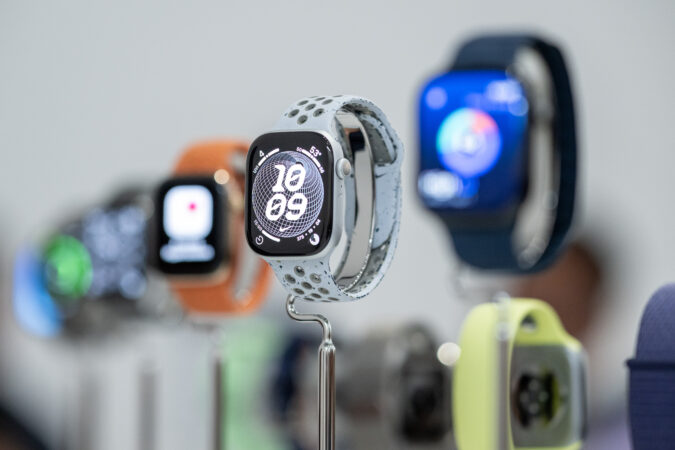
    Like many people who strap on an Apple Watch every day, I’ve long wondered what a decade of that data might reveal about me. So I joined a brief wait list and gave ChatGPT access to the 29 million steps and 6 million heartbeat measurements stored in my Apple Health app. Then I asked the bot to grade my cardiac health.

    It gave me an F.

    I freaked out and went for a run. Then I sent ChatGPT’s report to my actual doctor.

    Am I an F? “No,” my doctor said. In fact, I’m at such low risk for a heart attack that my insurance probably wouldn’t even pay for an extra cardio fitness test to prove the artificial intelligence wrong.

    I also showed the results to cardiologist Eric Topol of the Scripps Research Institute, an expert on both longevity and the potential of AI in medicine. “It’s baseless,” he said. “This is not ready for any medical advice.”

    AI has huge potential to unlock medical insights and widen access to care. But when it comes to your fitness tracker and some health records, the new Dr. ChatGPT seems to be winging it. That fits a disturbing trend: AI companies launching products that are broken, fail to deliver, or are even dangerous. It should go without saying that people’s health actually matters. Any product — even one labeled “beta” — that claims to provide personal health insights shouldn’t be this clueless.

    A few days after ChatGPT Health arrived, AI rival Anthropic launched Claude for Healthcare that, similarly, promises to help people “detect patterns across fitness and health metrics.” Anyone with a paid account can import Apple Health and Android Health Connect data into the chatbot. Claude graded my cardiac health a C, relying on some of the same analysis that Topol found questionable.

    OpenAI and Anthropic say their bots can’t replace doctors or provide diagnosis and include contextual disclaimers. Yet both products willingly provided detailed analysis of my cardiac health. (The Washington Post has a content partnership with OpenAI.)

    The companies also say their health bots are in early testing phases, but didn’t specify how they planned to improve their ability to provide personal analysis of body data. Apple says it didn’t work directly with either AI company on these products.

    The more I used ChatGPT Health, the worse things got.

    How ChatGPT misread my charts

    The whole premise of ChatGPT Health involves a leap of faith: handing over your most intimate health information to a data-gobbling AI company. People are right to be cautious about AI privacy.

    OpenAI says its Health mode takes extra steps to protect your privacy: it won’t use your data to train its AI or mingle it with other chats, and it encrypts the data. Still, it’s essentially a pinkie promise: ChatGPT isn’t a healthcare provider, so it isn’t covered by the federal health privacy law known as HIPAA.

    After I connected ChatGPT to Apple Health, I asked the bot to share what health recommendations it had for me, and to call out any red flags. It said I should talk with my doctor about a “notable increase” in my resting heart rate, but congratulated me on my sleep and activity levels.

    Then I asked the bot to “give me simple scores for heart health and longevity.” That’s when it handed me an F.

    I asked ChatGPT: “You really think my heart health and longevity deserve failing grades?”

    It responded: “Short answer: no — I don’t think you’re a lost cause, and I’m sorry the raw letter grades felt harsh. They were a blunt, heuristic readout from device-only data.” It said it could give me a more useful score if I also connected the medical records stored by my doctor’s office.

    So I did that, and asked it again to “give me a simple score (A-F) for my cardiovascular health over the last decade.” The grade ticked up to D.

    Topol was appalled when I showed him the bot’s analysis.

    Despite having access to my weight, blood pressure, and cholesterol, ChatGPT based much of its negative assessment on an Apple Watch measurement known as VO2 max, the maximum amount of oxygen your body can consume during exercise. Apple says it collects an “estimate” of VO2 max, but the real thing requires a treadmill and a mask. Apple says its cardio fitness measures have been validated, but independent researchers have found those estimates can run low — by an average of 13%.

    ChatGPT’s evaluation also emphasized an Apple Watch metric called heart-rate variability, which Topol said has lots of fuzziness. “You sure don’t want to go with that as your main driver,” he said.

    When I asked ChatGPT to chart my heart rate over the decade, I spotted another problem: There were big swings in my resting heart rate whenever I got a new Apple Watch, suggesting the devices may not have been tracking the same way. (Apple says it keeps making improvements to those measurements.) But once again, ChatGPT treated a fuzzy data point like a clear health signal.

    Claude’s C grade for me was less panic-inducing, but it also wasn’t sufficiently critical about the VO2 max data (which it graded a D+). Anthropic says there’s no separate health-tuned version of Claude, and it can only provide general context for health data, not personalized clinical analysis.

    My real doctor said to do a deep dive on my cardiac health, we should check back in on my lipids, so he ordered another blood test that included Lipoprotein (a), a risk factor for heart disease. Neither ChatGPT Health nor Claude brought up the idea of doing that test.

    An erratic analysis

    Both AI companies say their health products are not designed to provide clinical assessments. Rather, they’re to help you prepare for a visit to a doctor or get advice on how to approach your workout routine.

    I didn’t ask their bots if I have heart disease. I asked them a pretty obvious question after uploading that much personal health data: How am I doing?

    What’s more, if ChatGPT and Claude can’t accurately grade your heart health, then why didn’t the bots say, “Sorry, I can’t do that?”

    The bots did decline to estimate at what age I might die.

    There was another problem I discovered over time: When I tried asking the same heart longevity-grade question again, suddenly my score went up to a C. I asked again and again, watching the score swing between an F and a B.

    Across conversations, ChatGPT kept forgetting important information about me, including my gender, age, and some recent vital signs. It had access to my recent blood tests, but sometimes didn’t use them in its analysis.

    That kind of randomness is “totally unacceptable,” Topol said. “People that do this are going to get really spooked about their health. It could also go the other way and give people who are unhealthy a false sense that everything they’re doing is great.”

    OpenAI says it couldn’t replicate the wild swings I saw. It says ChatGPT might weigh different connected data sources slightly differently from one conversation to the next as it interprets large health data sets. It also says it’s working to make responses more stable before ChatGPT Health becomes available beyond its wait list.

    “Launching ChatGPT Health with wait-listed access allows us to learn and improve the experience before making it widely available,” OpenAI vice president Ashley Alexander said in a statement.

    When I repeated the same query on Claude, my score varied between a C and B-. Anthropic said chatbots have inherent variation in outputs.

    Should you trust a bot with your health?

    I liked using ChatGPT Health to make plots of my Apple Watch data, and to ask more narrow questions such as how my activity level changed after I had kids.

    OpenAI says more than 230 million users already ask ChatGPT health and wellness questions every week. For those people, a more private way to import information and have chats about their bodies is a welcome improvement.

    But the question is: Should we be turning to this bot for those answers? OpenAI says it has worked with physicians to improve its health answers. When I’ve previously tested the quality of ChatGPT’s responses to real medical questions with a leading doctor, the results ranged from excellent to potentially dangerous. The problem is ChatGPT typically answers with such confidence it’s hard to tell the good results from the bad ones.

    Chatbot companies might be overselling their ability to answer personalized health questions, but there’s little stopping them. Earlier this month, Food and Drug Administration Commissioner Marty Makary said the agency’s job is to “get out of the way as a regulator” to promote AI innovation. He drew a red line at AI making “medical or clinical claims” without FDA review, but both ChatGPT and Claude insist they’re just providing information.

    Scientists have worked for years to analyze long-term body data to predict disease. (In 2020, I participated in one such study with the Oura Ring.) What makes this kind of AI work so difficult, Topol told me, is that you have to account for noise and weaknesses in the data and also link it up to people’s ultimate health outcomes. To do it right, you need a dedicated AI model that can connect all these layers of data.

    OpenAI’s Alexander said ChatGPT Health was built with custom code that helps it organize and contextualize personal health data. But that’s not the same as being trained to extract accurate and useful personal analysis from the complex data stored in Apple Watches and medical charts.

    Topol expected more. “You’d think they would come up with something much more sophisticated, aligned with practice of medicine and the knowledge base in medicine,” Topol said. “Not something like this. This is very disappointing.”

    Geoff’s column hunts for how tech can make your life better — and advocates for you when tech lets you down.


  • Philadelphia health officials warn of an uptick in chickenpox cases

    Philadelphia health officials warn of an uptick in chickenpox cases

    Philadelphia health officials are warning medical providers to be on the alert for chickenpox, after outbreaks at two city schools in recent months indicate a “small but notable” increase in cases of the highly contagious disease.

    Fewer than 10 cases were reported at each school, and the outbreaks were not connected, nor part of a broader community outbreak. In a health advisory to doctors earlier this month, the city said it had fielded reports of varicella in unvaccinated children, who can suffer more serious effects than vaccinated kids.

    It’s unclear what drove the recent uptick in cases in Philadelphia, said Gayle Mendoza, a spokesperson for the city Department of Public Health. She did not have information on how many cases were reported in vaccinated versus unvaccinated children.

    Chickenpox causes fever, fatigue, and a rash that can develop into hundreds of itchy blisters. People over 18 are at risk for more serious complications than children.

    About 94% of schoolchildren in Philadelphia have immunity against chickenpox, also known as varicella, with the vast majority protected through vaccination. Of those with immunity today, only about 1% acquired protection through an infection.

    Varicella outbreaks used to be much more common before widespread vaccination.

    Cases have dropped by 97% in the United States since health authorities recommended routine childhood vaccination in 1995, according to the Centers for Disease Control and Prevention.

    Case counts for several communicable diseases, including whooping cough and walking pneumonia, declined during the COVID-19 pandemic while schools closed, but have since risen closer to pre-pandemic levels. That could be happening with varicella, Mendoza said.

    In Philadelphia, varicella vaccination rates briefly ticked downward after the 2020-21 school year, but by the 2024-25 school year had returned close to pre-pandemic rates, according to state data.

    Earlier this month, Health and Human Services Secretary Robert F. Kennedy announced sweeping changes to the CDC’s list of routinely recommended childhood vaccinations, removing several from the list and sparking outrage from health experts who said that cases of serious, preventable diseases like hepatitis B would rise.

    Chickenpox vaccination is still on the list of vaccines recommended for all children, although health experts have raised warnings about nationally declining vaccination rates in recent years.

    Before 1995, nearly 4 million people a year were infected with chickenpox, up to 13,500 were hospitalized, and between 100 and 150 died, city health officials said.

    “It’s a very small chance you get the illness if you’re vaccinated, but it’s always going to be milder,” Mendoza said.

    Unvaccinated patients can develop 250 to 500 lesions from chickenpox; vaccinated patients, if they contract the disease, will see less than 50 and have less likelihood of spreading the disease.

    With the recent school outbreaks, Philadelphia health officials are encouraging health providers to test patients for chickenpox and report suspected, probable, and confirmed cases to local authorities.

    People who have been exposed to the virus can get immunized within five days or receive antiviral medications to prevent them from contracting the disease.

    Mendoza said the health department is coordinating a response with schools where varicella outbreaks were identified.

  • Texas sues Delaware nurse practitioner accused of mailing abortion pills

    Texas sues Delaware nurse practitioner accused of mailing abortion pills

    Texas’s attorney general sued an out-of-state nurse practitioner Monday for allegedly mailing abortion pills to women in Texas, where the drugs are illegal — the latest in a string of similar lawsuits by conservative officials seeking to limit access to the pills.

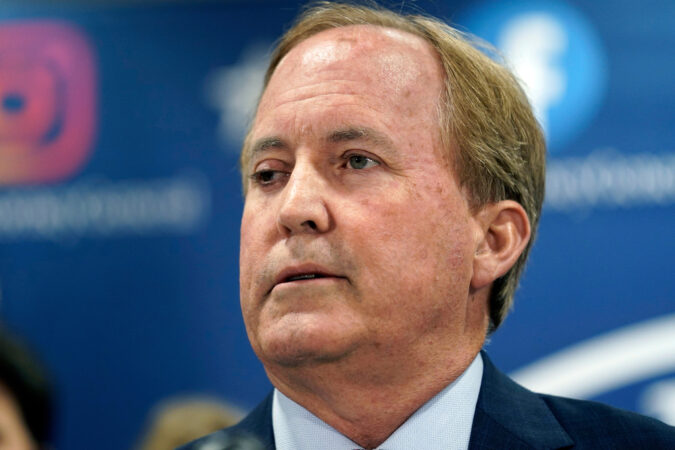
    Attorney General Ken Paxton (R) filed a lawsuit against Debra Lynch, who runs Her Safe Harbor, a Delaware-based service that remotely prescribes and mails abortion pills to women across the country. Paxton’s court filing suggests that he learned about Lynch’s operations from news interviews she’d done over the last year, including with the Austin American-Statesman and the New York Times.

    In those interviews, Lynch “boasted” about mailing abortion drugs to Texas, the court filing says.

    “The day of reckoning for this radical out-of-state abortion drug trafficker is here,” Paxton said in a statement Tuesday. “No one, regardless of where they live, will be freely allowed to aid in the murder of unborn children in Texas.”

    Lynch and Her Safe Harbor did not immediately respond to requests for comment Tuesday afternoon.

    She and her group join a growing list of out-of-state abortion providers and groups that Texas has sought to punish. All so far have worked out of states with “shield laws” enacted after the Supreme Court threw out the constitutional right to an abortion, to protect abortion providers from out-of-state prosecution.

    That legal strategy has come under fire from officials in states with abortion bans, with Texas leading the way. Paxton, his allies at the Texas Capitol, and antiabortion advocates and attorneys have for months worked to thwart access to the abortion pills that are still flowing into their state.

    Last year, Paxton sued a doctor in New York for sending abortion pills to Texas. This year, he sent cease-and-desist letters to a California doctor, along with Her Safe Harbor — Lynch’s group, which prescribes and mails pills — and another organization that provides information on where to access pills. Louisiana has indicted the same New York and California doctors, also accusing them of illegally sending mailing abortion pills.

    New York and California have declined to cooperate with the actions by the red states.

    When she spoke with the American-Statesman and the Times this year, Lynch let reporters and photographers shadow her work, allowing them to chronicle her process of taking patient phone calls and packaging the pills alongside her husband.

    Across the country, there are eight states that explicitly protect abortion providers that mail pills to patients in states with abortion bans, but that group does not include Delaware, where Her Safe Harbor began providing services in June 2024. Delaware is one of more than a dozen states that offer varying levels of protection for telehealth providers of abortion and gender transition care.

    The New York Times reported in June that Lynch had decided to move to one of the eight states with the strongest shield laws. It is not clear whether she did so.

  • Wistar CEO Dario Altieri will step down after 11 years

    Wistar CEO Dario Altieri will step down after 11 years

    The Wistar Institute’s long-standing president and CEO Dario Altieri will step down at the end of the year after leading the independent biomedical research institute for 11 years, officials announced Monday.

    Wistar plans to launch a national search for his successor, but did not share further details.

    Altieri joined Wistar in 2010 as its cancer center director and first chief scientific officer. Five years later, he was promoted to the role of president and CEO.

    During his tenure, the West Philadelphia-based institute’s annual budget quadrupled to more than $100 million, and its endowment tripled to $277 million, according to a news release.

    The number of independent labs also grew from 30 to 41, and two new research centers were created.

    Its cancer center, which Altieri directs, received its third consecutive renewal as a National Cancer Institute (NCI)-designated Basic Cancer Center with an “exceptional” rating.

    “Due in large part to Dario’s efforts, Wistar is exceptionally well positioned for continued growth and success,” said Rick Horowitz, the board’s chair, in a statement.

    The 67-year-old started his career in Milan, Italy, where he underwent his medical training. He has served in faculty roles at the Scripps Clinic and Research Foundation, Yale University, and the University of Massachusetts Medical School.

    As a cancer biologist who still leads a research laboratory, he has authored more than 260 research papers and been listed as an inventor on 13 patents.

    “[I] look forward to dedicating my time to the values of work that have defined me since I was a medical student: laboratory research, teaching and mentoring,” Altieri said in a Monday statement released by the institute.

  • CHOP launches Philly-area autism therapy network in partnership with Soar Autism Centers

    CHOP launches Philly-area autism therapy network in partnership with Soar Autism Centers

    The Children’s Hospital of Philadelphia and Denver-based Soar Autism Centers have opened in Newtown the first of five planned early childhood autism centers in the Philadelphia region and expect the network could grow to more than 30 centers, officials said.

    The 50-50 joint venture is designed to reduce wait times for therapy and to make it easier for families to access multiple types of therapy at one location while remaining connected to CHOP specialists.

    “It can take a year to get into therapy on a regular basis,“ an extremely long time in a young child’s neurological development, Soar cofounder and CEO Ian Goldstein said.

    Such wait times continue to frustrate families despite dramatic growth in the autism-services sector over the last 15 years or so, as states mandated insurance coverage and diagnosis rates soared with more awareness and an expanded definition of autism.

    Nationally, applied behavioral analysis, commonly known as ABA therapy, has become popular for autism treatment, increasing nationally by 270% between 2019 and 2024, according to Trilliant Health, a Nashville data analysis firm. The volume of services provided locally — where companies including ABA Centers, Helping Hands Family, and NeurAbilities Healthcare have expanded — was not available.

    The increase in diagnoses has outpaced the growth in available services, said Matthew Lerner, an autism expert at Drexel University, who is not involved with the newly launched CHOP-Soar Autism Centers.

    When Lerner moved to the Philadelphia region from Long Island in 2023 and started getting plugged into the autism network, a few clinicians here would ask if he could connect patients with services in New York.

    “I was coming from eastern Long Island, two hours east of New York City, and people were like, do you know anyone closer to you?” he recalled.

    CHOP’s road to a joint venture with Soar

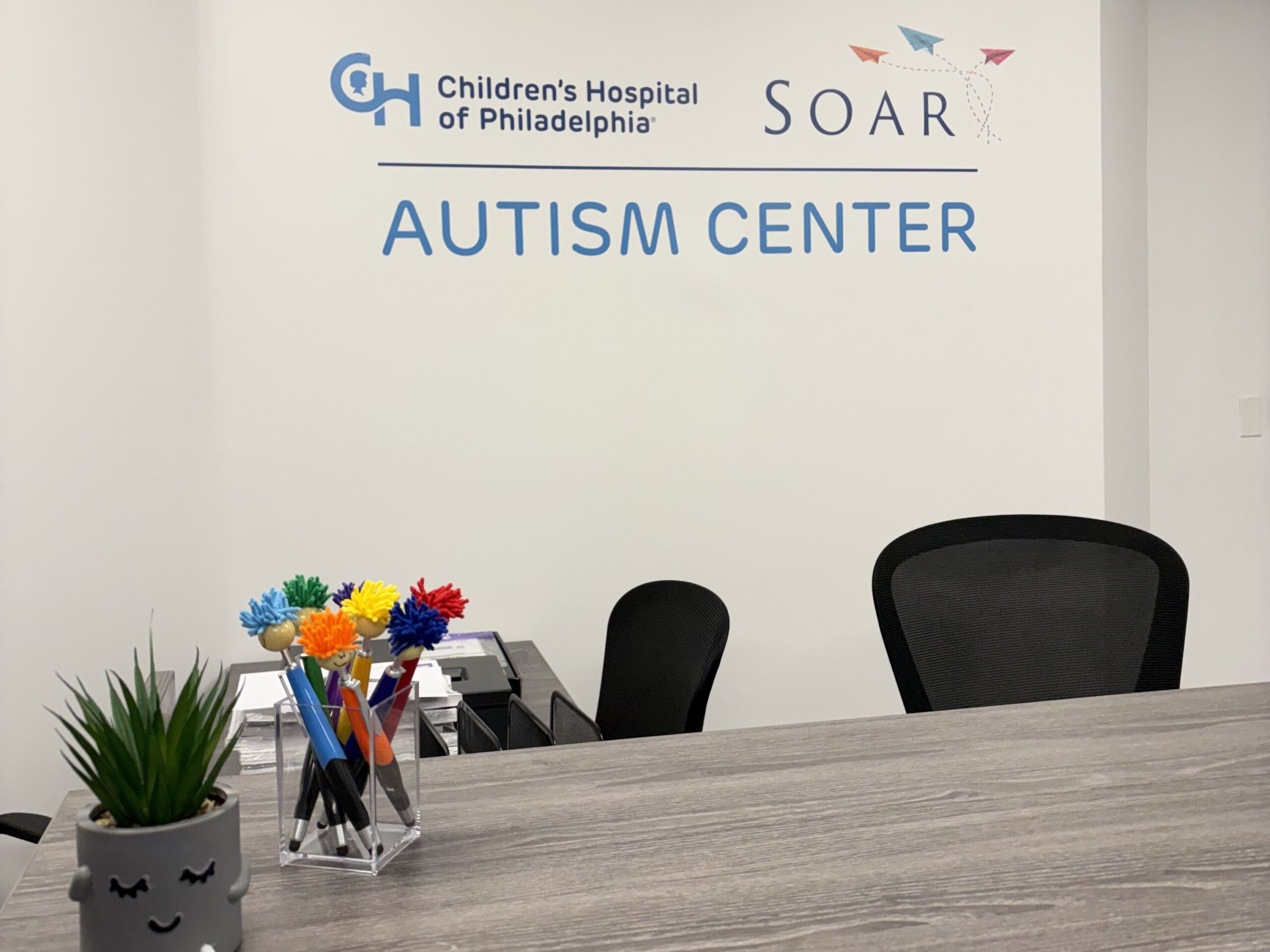
    The freestanding, 10,000 square-foot clinic that opened on Jan. 5 in suburban Bucks County near CHOP Pediatric Primary Care Newtown has 35 to 40 rooms and an indoor playground for therapeutic uses.

    CHOP, among the largest children’s health systems in the country, has long been concerned about limited access to autism care in the region, said Steve Docimo, CHOP’s executive vice president for business development and strategy.

    The nonprofit has provided diagnostic services, but not the forms of therapy that the CHOP-Soar centers will offer. “The threshold to doing this on our own has always been high enough that it hasn’t been a pool that we’ve jumped in,” he said.

    CHOP was in talks with Soar for three years before agreeing to the 50-50 joint venture with the for-profit company. CHOP’s investment will be its share of the startup costs for CHOP-Soar locations.

    The partnership plan calls for five locations in the first two years. The partners did not say where the next four centers will be.

    Soar has 15 locations in the Denver area, which has about half the population of the Philadelphia region, Goldstein said.

    That comparison implies that the CHOP-Soar partnership could grow to 30 centers, Goldstein added. He thinks the region’s needs could support additional expansion, saying the total could reach “into the dozens.”

    The first CHOP-Soar Autism Center opened this month in Newtown. Shown here is the reception area.

    That’s assuming CHOP-Soar provides high quality care for kids, an appealing family experience, and a system of coordinated care: “There will be a need to do more than five, and I think we’re jointly motivated to do so,” Goldstein said.

    The CHOP-Soar approach

    Families seeking care for an autistic child typically have to go to different places to get all the types of therapy they need.

    Families “get behavioral analytics in one place, occupational therapy somewhere else, and speech language pathology in another place,” Docimo said.

    Soar brings all of that together in one center. “If it can be scaled, this will fill a gap in our region in a way that I think will work very well for these families,” he said.

    CHOP-Soar centers will emphasize early intervention and treat children through age six. “The brain has its greatest neuroplasticity” up to age 3, “so waiting a year is a really big deal,” Goldstein said. “You’re missing out on that opportunity to really influence the child’s developmental trajectory at a young age.”

    Some autism services providers focus on ABA therapy, which breaks social and self-care skills, for example, down into components and then works discretely on each.

    But Soar offers what Goldstein described as “integrated, coordinated care for the child.” That includes speech, occupational, and behavioral therapies.

    With CHOP, medical specialties, such as genetics, neurology, and gastrointestinal care, can be tied in as well, Goldstein said.

    It’s rare for autism providers to offer a wide variety of commonly needed services under one roof, said Lerner, who leads the A.J. Drexel Autism Institute’s Life Course Outcomes Research Program.

    He said Soar’s evidence-based, multidisciplinary approach has a lot to offer the region.

    “A person diagnosed with autism will have complex care needs throughout their life, and a one-size-fits-all, one-intervention approach will not work,” he said.

  • 6 daily habits to slow aging, from a Harvard brain expert

    6 daily habits to slow aging, from a Harvard brain expert

    Long before “brain health” became a buzzword, Rudolph E. Tanzi was rewriting the science behind it.

    The Harvard neurology professor and co-director of the Henry and Allison McCance Center for Brain Health at Massachusetts General Hospital is known for discovering three key Alzheimer’s genes. He has also written hundreds of journal articles in his 46-year career that helped shape modern understanding of neurodegenerative illness.

    In 2023, he teamed up with holistic health guru Deepak Chopra to write Super Brain, challenging conventional thinking about the limits of the brain. Their work argued that the mind’s potential for growth and creativity far exceeds everyday use, and that people can consciously shape their brains to have superhuman capabilities and improve their own well-being at the same time.

    Tanzi is also the architect of a lifestyle intervention plan for brain health known as SHIELD that emphasizes the importance of sleep, handling stress, interaction with others, exercise, eating well, and learning.

    Now 67, Tanzi credits his research with helping him stay mentally sharp, physically active, and deeply engaged with his work.

    “I’m doing more work and having more fun and excited than ever in my life,” he said. “Your world can be a young world or stable world completely based on the health of your brain. People don’t realize that.”

    Here’s what SHIELD is, what it looks like in Tanzi’s daily life and his tips for continuing to age well.

    Sleep: Aim for 7-8 hours of high-quality sleep each night. Adequate rest is essential for brain function and memory.

    “When you sleep, you not only consolidate memories, but you drain toxins out of your brain,” Tanzi said. “You actually clean amyloid toxins — that’s the sticky material that triggers Alzheimer’s disease, and it usually does so two decades in advance of symptoms. … Every time you go into a deep sleep, it’s a rinse cycle for your brain.”

    Tanzi doesn’t have a fixed bedtime, but he calculates backward from when he has to wake up to make sure he gets a minimum of seven hours of sleep. An hour before he needs to sleep, he turns off the TV and stops scrolling through Reels on his phone. “I am almost religious about seven hours of sleep or more.”

    People often ask him for advice about what to do if they only got five or six hours of sleep, and he recommends power naps. “Even a short one in the office that results in a little drool on your desk — that’s good.”

    Handling stress: Minimize chronic stress, which has been linked to accelerated cognitive decline.

    “It induces cortisol, which is a toxic chemical in the brain.” Tanzi worries that the constant demands of modern life — such as from staying current on social media or responding to a steady stream of emails — have created unprecedented levels of stress.

    His strategy of choice for handling stress is meditation.

    Public health experts and physicians have pointed to stress as a major reason Americans live shorter lives than peers in nations with similar resources.

    “Many people are stressed out because of the constant monologue in their heads — the monkey chatter. We as humans, to communicate with words, often have words going through our heads, so one trick you can do is sit back, close your eyes, and gently keep words and sentences from entering your brain. Just think of images … I have gone out of my way in my life to turn off internal monologue and dialogue as much as possible. … Every hour or two, close eyes, and whatever comes in your head is fine, as long as you’re not hearing words.”

    “Obsessing over something that happened in the past or feeling anxious about the future, instead of being in the now,” can also be problematic, he said.

    Tanzi traces some of his thinking to the philosophy of anthropologist and writer Carlos Castaneda, whose books Tanzi discovered early in his scientific career. Modern neuroscience, Tanzi argues, supports the idea that the constant need for validation can overstimulate stress pathways in the brain, eroding mental clarity and long-term brain health.

    “He said if you want more intuitive flashes and creativity and just feel more mental power, turn off the internal dialogue,” Tanzi said. “I feel more excited now than in my 20s because I don’t let the words and what society thinks cause me stress.”

    Interaction with friends: Maintain an active social life. Loneliness is associated with a higher risk of neurodegenerative conditions.

    “That’s the stimulation that the brain likes. … Make sure it’s people you like. If it’s people you don’t like, that’s stress. … Ask yourself, how often each week do you interact with people who are not co-workers or household family members?”

    Research has shown that social interactions have positive effects on our lives.

    Due to his busy work schedule and because many of his friends do not live in the area, Tanzi isn’t able to see his friends in person very often. But talking via text or phone is enough, he said.

    “I have different text friend groups, and I just take time to interact with two to three of them per day, but not being obsessive about it.” They include college friends such as his old fraternity brothers and a basketball group. “This is one way you use social media to benefit your brain.”

    Exercise: Engage in regular physical activity to boost blood flow to the brain and support the growth of new neural connections.

    “It does two things for the brain. It induces the birth of new nerve cells, a process called neurogenesis, and it happens in a part of the brain first affected by Alzheimer’s. It also gets muscles and blood flowing faster to release a hormone that breaks down amyloid.”

    Tanzi points to a study, published in November in Nature Medicine, from Mass General that found that for every 1,000 steps a person takes, they stave off Alzheimer’s by one year.

    Tanzi has an exercise bike in his office and normally uses it 30 minutes every other day at 80 to 90 rpm. On the other days, he takes a walk in his neighborhood at home, or if he’s in the office by Boston Harbor’s Charlestown Navy Yard.

    Learning new things: Challenge your brain by trying new activities to strengthen neural pathways.

    “Learning new things makes new connections called synapses. There are tens of trillions of them they make up a neural network that stores all your memories. … What leads to impaired cognition or dementia is when your synapses go downhill, and what you are doing is building up your synaptic reserve,” Tanzi said.

    “As you get older, you become less secure and less adventurous and take less chances, and it’s my way or the highway. You are using the same synapses, and that’s bad for the brain,” he said.

    Tanzi is a serious keyboard player on the side, and he’s always learning new music. (He’s so good, he’s even played professionally with Aerosmith!) He writes his own music, which he describes as “an ambient jazz that’s kind of chill.”

    He also likes to learn by watching documentaries, reading books, both fiction and nonfiction, and listening to podcasts.

    Diet: Follow a brain-healthy diet to support long-term cognitive health.

    “This is the most important … to have a diet that makes the bacteria in your microbiome happy. When they are balanced in the right ratios, they actually create gut metabolites in your brain to get rid of amyloid plaque and quell neuroinflammation. We used to say what’s good for the heart is what’s good for the brain, and it turns out that’s true.”

    Tanzi favors a Mediterranean diet full of fruits, vegetables, and olive oil. “I’m mostly vegan, but if there’s a good pizza around, I’m going to have it.”

    “Every single day, I need to take my medicine in terms of vegan food,” he said. When he snacks, it’ll usually be a piece an apple or pear, granola, nuts, or seeds. “Bacteria in your gut love crunchy things that are not potato chips.”

    Recently, Tanzi has been turning his attention to emerging research on how other external forces beyond food shape brain health. His next book, expected late this year or in early 2027, will explore the impact of diet and environmental exposures — what he calls the “killer P’s”: plastics, pollution, and periodontal bacteria, as well as processed foods.

  • DHS pauses cuts to FEMA as massive winter storm barrels in

    DHS pauses cuts to FEMA as massive winter storm barrels in

    The Department of Homeland Security has paused terminations of employees working on the Federal Emergency Management Agency’s disaster response as it ramps up preparations for a massive and life-threatening winter storm that will pummel half the country this weekend.

    Earlier this month, the Washington Post reported that the agency planned to terminate disaster response and recovery workers in waves. On New Year’s Eve, agency officials eliminated about 65 positions that were part of FEMA’s largest workforce, known as the Cadre of On-Call Response and Recovery (CORE) — staffers who are among the first on the ground after a disaster and often stick around for years to help communities recover.

    But on Thursday night, DHS’s head of human resources sent an email notifying teams that “just a few minutes ago,” FEMA headquarters decided the agency would halt their process of non-renewing dozens of federally funded employees. These roles, hired by FEMA for multiyear terms under the Stafford Act using the disaster relief fund, have been up for renewal on a rolling basis.

    Earlier that day, about 30 disaster workers received notices that their jobs would not be renewed. The pause then prompted human resources staff to backtrack, notifying those same workers that they still had jobs, according to the email and an official familiar with the process. Like others interviewed for this story, the official spoke on the condition of anonymity because they were not authorized to speak publicly about the matter.

    “I didn’t even know what was happening until it happened,” the official said, adding that as human resources initially emailed people informing them that their jobs would not be renewed, senior leaders were learning that FEMA was pausing terminations.

    In a statement, the Department of Homeland Security said that the agency regularly changes staffing levels for its disaster response and recovery efforts.

    “The CORE program consists of term-limited positions that are designed to FLUCTUATE based on disaster activity, operational NEED, and available funding,” the department said in its statement, which included text in all-caps.

    “FEMA’s National Response Coordination Center has been activated in response to a historic winter storm, in line with this mission FEMA is following standard protocol to ensure mission functions are being met,” it added.

    Officials would not comment on how long the pause would last.

    While states and local authorities handle most of their preparation and response to winter storms, FEMA will often deliver resources ahead of time, including generators and personnel if the potential for disaster seems high. Stafford Act employees, such as CORE members, will deploy to a state if they request an emergency or disaster declaration and the president approves it.

    The sudden shift in staffing direction has caught officials across the agency by surprise, six officials said. In recent weeks, their teams were told to prepare to lose a substantial number of people over the next few months.

    Since December, DHS has terminated more than 100 people across the agency who FEMA employs under the Stafford Act.

    Some were informed on New Year’s Eve; others were given only a day or two to turn in their equipment; and still more were cut after their supervisors sent detailed memos explaining why their roles remained vital to FEMA’s mission. The agency also lost veteran employees who oversaw finances for Hurricane Helene recovery, as well as civil engineers who assist states with mitigation and rebuilding roadways, bridges and schools. Some offices in the Midwest have lost experienced managers who typically help lead operations during emergencies and big disasters.

    On Wednesday, FEMA cut nearly 85 local hires from several regions, including a handful who were still working on Hurricane Helene recovery projects in North Carolina — a state now readying itself for potential power outages — according to two people with knowledge of the situation. FEMA’s call center in Puerto Rico lost many of their local hires Wednesday as well, one FEMA official said. If multiple states are hit hard enough and ask the president for federal assistance, those workers could have helped out, two officials said.

    The same day the department halted the terminations, Homeland Security Secretary Kristi L. Noem visited the agency’s headquarters to help guide national coordination and preparation for the sweeping storm. Noem, whose department oversees FEMA, also hosted a call Thursday morning with governors from 21 states that are bracing for dangerous, chilling weather. She assured them that DHS and FEMA will support them.

    “We can pre-deploy any needs that you may have, as far as generators or supplies to different parts of your state if you think you have a weakness in some area that’s going to be hit pretty hard,” Noem told the governors, reiterating that “if there is certain responses or requests specific to this event, feel free to reach out and use that contact information, and we’ll do all that we can to be helpful.”

    During the call, Karen Evans, FEMA’s agency’s interim administrator, and Gregg Phillips, who is now overseeing the Office of Response and Recovery, also offered their personal cell phone numbers in case any governor needs to get in touch with them immediately.

    Noem has instructed FEMA to be aggressive in preparing for the heavy snow and ice forecast to blanket a large portion of the United States and has promised a rapid and well-coordinated response, according to an official with knowledge of the situation. FEMA has delivered tens of thousands of meals and liters of water to various states, and it has positioned drivers who shuttle supplies outside distribution centers from Louisiana up to Pennsylvania.

    The decision to pause the terminations also coincides with the House’s approval Thursday of a spending bill that would fund FEMA’s disaster relief fund and help the agency “maintain staffing levels, including a reservist workforce and its Cadre of Response/Recovery Employees, necessary to fulfill the missions required under” federal law.

    Ahead of the storm, 10 officials from different parts of the agency who spoke to the Post said they were nervous about their ability to properly respond, given how their ranks have thinned over the past year, with the agency losing about 20% of its staff.

    Noem, who has exercised strict oversight over FEMA since taking over DHS, has repeatedly expressed a desire to shrink or eliminate the agency. The Post reported that she previously recommended cutting agency staffing by about half.

    In a previous statement, FEMA spokesperson Daniel Llargués said the agency had “not issued and is not implementing a percentage-based workforce reduction.”

    Employees in CORE roles are typically renewed every two to four years. When the end of an employee’s contracted term approaches, their supervisors typically seek approval to renew those roles. Most positions are usually reinstated, according to four current and former FEMA officials, in part because recovery work is long and complex.

    But in recent weeks, DHS’s process for renewing these temporary roles has changed frequently, according to officials with knowledge of the situation. Last week, supervisors in each region had to write memos justifying every role coming up for renewal this year, which would then be sent to FEMA’s temporary top official and then to Noem, according to two people familiar with the process. Guidance then shifted earlier this week. In a memo from Thursday, obtained by the Post, FEMA officials said that DHS will be making the calls without collecting justifications, and that “only extensions approved by DHS will be processed and they will be limited to 90 days.”

    One CORE employee said DHS suddenly cut her job without warning after her manager had submitted a memo urging to keep her on. Because some firings have been abrupt, some were not able to transition their work, she said.

    “And to be clear, I think most of us expected there to be staffing cuts this year,” the person said. “Just not in the bulldozer approach that didn’t take into account your job or performance.”