Category: National Politics

  • Public release of Epstein records puts Maxwell under fresh scrutiny amid her claims of innocence

    Public release of Epstein records puts Maxwell under fresh scrutiny amid her claims of innocence

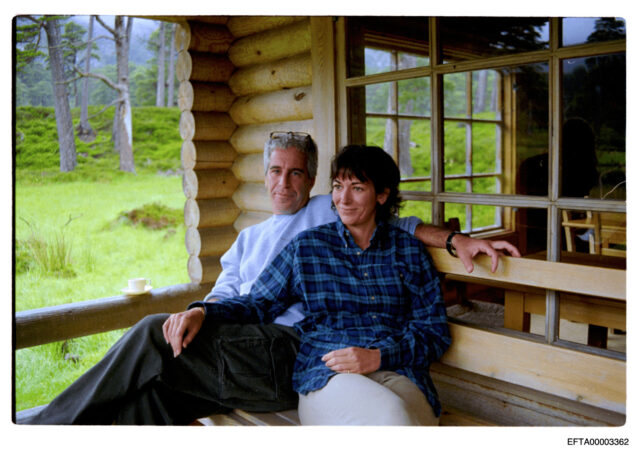
    NEW YORK — Days after Ghislaine Maxwell asked a judge to immediately free her from a 20-year prison sentence, the public release of grand jury transcripts from her sex-trafficking case returned the spotlight to victims whose allegations helped land her behind bars.

    The disclosure of the transcripts as part of the Justice Department’s ongoing release of its investigative files on Maxwell and the late sex offender Jeffrey Epstein exposed how an FBI agent told grand jurors about Maxwell’s critical role in Epstein’s decades-long sexual abuse of girls and young women.

    Maxwell, a British socialite and publishing heir, was convicted of sex trafficking in December 2021 after four women told a federal jury in New York City about how she and Epstein abused them in the 1990s and early 2000s. Epstein never went to trial in that case. He was arrested in July 2019 on sex-trafficking charges and killed himself a month later in his cell at a Manhattan federal jail.

    Two weeks ago, as the Justice Department prepared to begin releasing what are commonly known as the Epstein files, Maxwell filed a habeas petition, asking a federal judge to free her on grounds that “substantial new evidence” has emerged proving that constitutional violations spoiled her trial.

    Maxwell claimed that exonerating information was withheld and that witnesses lied in their testimony. She filed the petition on her own, without the assistance of a lawyer.

    This week, the judge, Paul A. Engelmayer, scolded Maxwell for failing to remove victim names and other identifying information from her court papers. He said future filings must be kept sealed and out of public view until they have been reviewed and redacted to protect victims’ identities.

    Victims fear Maxwell will be pardoned

    Epstein accuser Danielle Bensky said the release of records has only sharpened the focus on Maxwell’s crimes among their victims. Bensky said she has been involved in daily discussions with about two dozen other victims that make clear Maxwell “is a criminal who was 1,000% engaged in sexual acts.”

    “I’ve heard things that would make your blood curdle. I just had a conversation with a survivor last night who said she was the puppeteer,” Bensky said.

    Bensky said she was sexually abused by Epstein two decades ago. She said she was never personally abused by Maxwell.

    Delayed and heavily redacted files

    The transcripts of grand jury proceedings that resulted in Maxwell’s indictment were released this week in accordance with the Epstein Files Transparency Act, a law enacted last month after months of public and political pressure.

    The Justice Department has been posting records periodically after acknowledging it would miss last Friday’s congressionally mandated deadline to release all records. It blamed the delay on the time-consuming process of obscuring victims’ names and other identifying information.

    On Wednesday, the department said it may need a “few more weeks” to release the full trove after suddenly discovering more than a million potentially relevant documents. It was a stunning development after department officials suggested months ago that they had already accounted for the vast universe of Epstein-related materials.

    Some of the Epstein and Maxwell grand jury records were initially released with heavy redactions; a 119-page document marked “Grand Jury-NY” was entirely blacked out. Updated versions were posted over the weekend.

    FBI agent testifies Maxwell manipulated young girl

    An FBI agent’s grand jury testimony, describing interviews conducted with Epstein victims, foreshadowed trial testimony a year later from four women who described Maxwell’s role in their sexual abuse from 1994 to 2004.

    The agent told of a woman who described meeting Maxwell and Epstein as a 14-year-old attending a Michigan summer arts camp in 1994. Flight logs showed Epstein and Maxwell went to the school sponsoring the camp because Epstein was a donor.

    According to the agent, whose name was redacted from the transcript, the girl had a chance encounter with Epstein and Maxwell one day. After learning that the girl was from Palm Beach, Fla., Epstein mentioned that he sometimes gave scholarships to students and they requested her phone number, the agent said.

    Once home, the girl visited Epstein’s estate with her mother for tea and the mother was impressed when Epstein said he provided scholarships, enough so that the mother said Epstein was like a “godfather,” the agent said.

    The agent said the girl began regularly going to the estate as Epstein and Maxwell “groomed” her with gifts and trips to the movies, and Epstein began paying for voice lessons and giving her money that he said she should give to her struggling mother.

    The agent said the girl thought her relationship with Epstein and Maxwell was strange, “but Maxwell normalized it for her. She was like a cool, older sister and made comments like, ‘This is what grownups do.’”

    Eventually, the agent testified, the girl saw Maxwell topless at the pool. After the girl revealed that she hoped to be an actor and a model, Epstein told her that he was best friends with the owner of Victoria’s Secret and that she would have to learn to be comfortable in her underwear and not be a prude, the agent said.

    Then, the agent said, the girl asked Epstein what he meant by that and the financier pulled her into his lap and masturbated. After that, the agent added, the girl’s encounters with Epstein began to include sexual contact, particularly in his massage room.

    Maxwell was sometimes there with other girls, the agent said. One of the girls would begin massaging Epstein and Maxwell would tease the girls, the agent said.

    “She’d grab the girl’s breasts, and she would direct the girls on what to do,” the agent said, relaying the girl’s account. Maxwell’s attitude during the encounters was ”very casual; she acted like this was normal,” the agent said.

    The released testimony appeared to reflect the testimony at Maxwell’s 2021 trial by a woman who testified under the pseudonym “Jane.”

    At trial, Jane said Maxwell also participated in group sessions between multiple females and Epstein that usually began with Epstein or Maxwell leading them all into a bedroom or a massage room at the Palm Beach residence.

  • Wage garnishment for defaulted student loans to resume early next year

    Wage garnishment for defaulted student loans to resume early next year

    The Trump administration will begin seizing the pay of people in default on their student loans early next year, marking the first wave of new wage garnishments since the pandemic, the Education Department confirmed this week.

    Starting the week of Jan. 7, the department told the Washington Post, it will notify about 1,000 defaulted borrowers of plans to withhold a portion of their wages to pay down their past-due debt. After that, the department said, notices will be sent to larger numbers of borrowers each month.

    There were about 5.3 million borrowers who had not made a payment on their federal student loans for at least 360 days as of June 30, according to the latest available data from the Education Department. Many of them were in default before the federal government stopped collecting defaulted loans because of the pandemic nearly six years ago.

    In May, the Trump administration resumed seizing tax refunds and Social Security benefits to recoup past-due student loan debt. At the time, the administration said wage garnishments would restart in the summer.

    While the Education Department started the process over the summer, department spokesperson Ellen Keast said turning on the system after it was dormant for five years took more time than expected. She said the record-long government shutdown further delayed the process.

    There are several steps involved in wage garnishment, including identifying and verifying a borrower’s employer, who is ultimately responsible for withholding the money. By law, the Education Department must notify people in default 30 days before garnishing their wages. During that time, borrowers can request a hearing to challenge the order, pay the balance, or negotiate repayment terms to avoid garnishment.

    The department can withhold up to 15% of a borrower’s disposable, or after-tax, income. The garnishment continues until the defaulted loans are paid off in full or the borrower takes action to get out of default.

    Roughly 6 million people were at least 60 days late on their student loan payments as of August, according to an analysis of credit reporting data by the think tank Urban Institute.

    The rise in delinquencies corresponds with the end of a 12-month grace period, known as the on-ramp, that allowed borrowers to ease their way back into repayment after a pandemic-related pause that lasted more than three years. Since the Biden administration’s policy ended Sept. 30, millions of borrowers have fallen behind on payments. And many of them could wind up in default.

    Student loan borrowers have been spared from the most severe consequences of default since the early days of the pandemic. Back then, President Donald Trump instituted a moratorium on the collection of defaulted student loans that Congress later codified and extended in the 2020 stimulus package.

    President Joe Biden’s administration extended the moratorium several times as part of the broader suspension of student loan payments. Under pressure from liberal lawmakers and student advocates, Biden allowed anyone in default on a federal loan held by the Education Department to rehabilitate the debt through an initiative called Fresh Start. While a portion of borrowers resolved their debt through the initiative, many remained in default.

    Education Secretary Linda McMahon has called Biden’s policies irresponsible and blamed his administration for giving borrowers false hope of loan forgiveness that led to a rise in delinquencies.

    When the Education Department announced the resumption of involuntary collection in April, McMahon said in a statement that “the Biden Administration misled borrowers: the executive branch does not have the constitutional authority to wipe debt away, nor do the loan balances simply disappear.”

    Instead of promoting debt cancellation, McMahon said, the Trump administration will help borrowers return to repayment — “both for the sake of their own financial health and our nation’s economic outlook.”

  • After missing deadline, DOJ says it may need a ‘few more weeks’ to finish release of Epstein files

    After missing deadline, DOJ says it may need a ‘few more weeks’ to finish release of Epstein files

    WASHINGTON — The Justice Department said Wednesday that it may need a “few more weeks” to release all of its records on the late sex offender Jeffrey Epstein after suddenly discovering more than a million potentially relevant documents, further delaying compliance with last Friday’s congressionally mandated deadline.

    The Christmas Eve announcement came hours after a dozen U.S. senators called on the Justice Department’s watchdog to examine its failure to meet the deadline. The group, 11 Democrats and a Republican, told acting Inspector General Don Berthiaume in a letter that victims “deserve full disclosure” and the “peace of mind” of an independent audit.

    The Justice Department said in a social media post that federal prosecutors in Manhattan and the FBI “have uncovered over a million more documents” that could be related to the Epstein case — a stunning 11th hour development after department officials suggested months ago that they had undertaken a comprehensive review that accounted for the vast universe of Epstein-related materials.

    In March, Attorney General Pam Bondi told Fox News that a “truckload of evidence” had been delivered to her after she ordered the Justice Department to “deliver the full and complete Epstein files to my office” — a directive she said she made after learning from an unidentified source that the FBI in New York was “in possession of thousands of pages of documents.”

    In July, the FBI and Justice Department indicated in an unsigned memo that they had undertaken an “exhaustive review” and had determined that no additional evidence should be released — an extraordinary about-face from the Trump administration, which for months had pledged maximum transparency. The memo did not raise the possibility that additional evidence existed that officials were unaware of or had not reviewed.

    Wednesday’s post did not say when the Justice Department was informed of the newly uncovered files.

    In a letter last week, Deputy Attorney General Todd Blanche said Manhattan federal prosecutors already had more than 3.6 million records from sex trafficking investigations into Epstein and his longtime confidant Ghislaine Maxwell, though many were copies of material already turned over by the FBI.

    The Justice Department said its lawyers are “working around the clock” to review the documents and remove victims names and other identifying information as required by the Epstein Files Transparency Act, the law enacted last month that requires the government to open its files on Epstein and Maxwell.

    “We will release the documents as soon as possible,” the department said. “Due to the mass volume of material, this process may take a few more weeks.”

    The announcement came amid increasing scrutiny on the Justice Department’s staggered release of Epstein-related records, including from Epstein victims and members of Congress.

    Republican Rep. Thomas Massie, of Kentucky, one of the chief authors of the law mandating the document release, posted Wednesday on X: “DOJ did break the law by making illegal redactions and by missing the deadline.” Another architect of the law, Rep. Ro Khanna (D., Calif.), said he and Massie will “continue to keep the pressure on” and noted that the Justice Department was releasing more documents after lawmakers threatened contempt.

    “A Christmas Eve news dump of ‘a million more files’ only proves what we already know: Trump is engaged in a massive cover-up,” Senate Minority Leader Chuck Schumer (D., N.Y.) said after DOJ’s announcement. “The question Americans deserve answered is simple: WHAT are they hiding — and WHY?”

    The White House on Wednesday defended the Justice Department’s handling of the Epstein records.

    “President Trump has assembled the greatest cabinet in American history, which includes Attorney General Bondi and her team — like Deputy Attorney General Blanche — who are doing a great job implementing the President’s agenda,” spokeswoman Abigail Jackson said in a statement.

    After releasing an initial wave of records on Friday, the Justice Department posted more batches to its website over the weekend and on Tuesday. The Justice Department has not given any notice when more records might arrive.

    Records that have been released, including photographs, interview transcripts, call logs, court records, and other documents, were either already public or heavily blacked out, and many lacked necessary context. Records that hadn’t been seen before include transcripts of grand jury testimony from FBI agents who described interviews they had with several girls and young women who described being paid to perform sex acts for Epstein.

    Other records made public in recent days include a note from a federal prosecutor from January 2020 that said Trump had flown on the financier’s private plane more often than had been previously known and emails between Maxwell and someone who signs off with the initial “A.” They contain other references that suggest the writer was Britain’s former Prince Andrew. In one, “A” writes: “How’s LA? Have you found me some new inappropriate friends?”

    The senators’ call Wednesday for an inspector general audit comes days after Schumer introduced a resolution that, if passed, would direct the Senate to file or join lawsuits aimed at forcing the Justice Department to comply with the disclosure and deadline requirements. In a statement, he called the staggered, heavily redacted release “a blatant cover-up.”

    Republican Sen. Lisa Murkowski of Alaska joined Sens. Richard Blumenthal (D., Conn.) and Jeff Merkley (D., Ore.) in leading the call for an inspector general audit. Others signing the letter were Democratic Sens. Amy Klobuchar of Minnesota; Adam Schiff of California; Dick Durbin of Illinois; Cory Booker and Andy Kim, both of New Jersey; Gary Peters of Michigan; Chris Van Hollen of Maryland; Mazie Hirono of Hawaii; and Sheldon Whitehouse of Rhode Island.

    “Given the (Trump) Administration’s historic hostility to releasing the files, politicization of the Epstein case more broadly, and failure to comply with the Epstein Files Transparency Act, a neutral assessment of its compliance with the statutory disclosure requirements is essential,” the senators wrote. Full transparency, they said, “is essential in identifying members of our society who enabled and participated in Epstein’s crimes.”

  • 19 states and D.C. sue the U.S. Department of Health and Human Services over a move that could curtail youth gender-affirming care

    19 states and D.C. sue the U.S. Department of Health and Human Services over a move that could curtail youth gender-affirming care

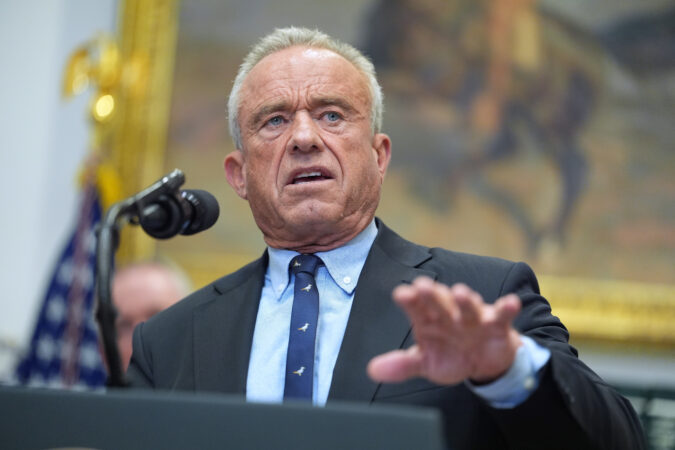
    NEW YORK — Pennsylvania and New Jersey, along with 17 other states and the District of Columbia, on Tuesday sued the U.S. Department of Health and Human Services, its secretary, Robert F. Kennedy Jr., and its inspector general over a declaration that could complicate access to gender-affirming care for young people.

    The declaration issued last Thursday called treatments like puberty blockers, hormone therapy and surgeries unsafe and ineffective for children and adolescents experiencing gender dysphoria, or the distress when someone’s gender expression doesn’t match their sex assigned at birth. It also warned doctors that they could be excluded from federal health programs like Medicare and Medicaid if they provide those types of care.

    The declaration came as HHS also announced proposed rules meant to further curtail gender-affirming care for young people, although the lawsuit doesn’t address those as they are not final.

    Tuesday’s lawsuit, filed in U.S. District Court in Eugene, Ore., alleges that the declaration is inaccurate and unlawful and asks the court to block its enforcement. It’s the latest in a series of clashes between an administration that’s cracking down on transgender healthcare for children, arguing it can be harmful to them, and advocates who say the care is medically necessary and shouldn’t be inhibited.

    “Secretary Kennedy cannot unilaterally change medical standards by posting a document online, and no one should lose access to medically necessary healthcare because their federal government tried to interfere in decisions that belong in doctors’ offices,” New York Attorney General Letitia James, who led the lawsuit, said in a statement Tuesday.

    The lawsuit alleges that HHS’s declaration seeks to coerce providers to stop providing gender-affirming care and circumvent legal requirements for policy changes. It says federal law requires the public to be given notice and an opportunity to comment before substantively changing health policy — neither of which, the suit says, was done before the declaration was issued.

    A spokesperson for HHS declined to comment.

    HHS’s declaration based its conclusions on a peer-reviewed report that the department conducted earlier this year that urged greater reliance on behavioral therapy rather than broad gender-affirming care for youths with gender dysphoria.

    The report questioned standards for the treatment of transgender youth issued by the World Professional Association for Transgender Health and raised concerns that adolescents may be too young to give consent to life-changing treatments that could result in future infertility.

    Major medical groups and those who treat transgender young people have sharply criticized the report as inaccurate, and most major U.S. medical organizations, including the American Medical Association, continue to oppose restrictions on transgender care and services for young people.

    The declaration was announced as part of a multifaceted effort to limit gender-affirming healthcare for children and teenagers — and built on other Trump administration efforts to target the rights of transgender people nationwide.

    HHS on Thursday also unveiled two proposed federal rules — one to cut off federal Medicaid and Medicare funding from hospitals that provide gender-affirming care to children, and another to prohibit federal Medicaid dollars from being used for such procedures.

    The proposals are not yet final or legally binding and must go through a lengthy rulemaking process and public comment before becoming permanent. But they will nonetheless likely further discourage healthcare providers from offering gender-affirming care to children.

    Several major medical providers already have pulled back on gender-affirming care for young patients since Trump returned to office — even in states where the care is legal and protected by state law.

    Medicaid programs in slightly less than half of states currently cover gender-affirming care. At least 27 states have adopted laws restricting or banning the care. The Supreme Court’s recent decision upholding Tennessee’s ban means most other state laws are likely to remain in place.

    Joining James in Tuesday’s lawsuit were Democratic attorneys general from California, Colorado, Connecticut, Delaware, Illinois, Maine, Maryland, Massachusetts, Michigan, Minnesota, New Jersey, New Mexico, Oregon, Rhode Island, Vermont, Wisconsin, Washington and the District of Columbia. Pennsylvania’s Gov. Josh Shapiro also joined.

  • Supreme Court keeps Trump’s National Guard deployment blocked in the Chicago area, for now

    Supreme Court keeps Trump’s National Guard deployment blocked in the Chicago area, for now

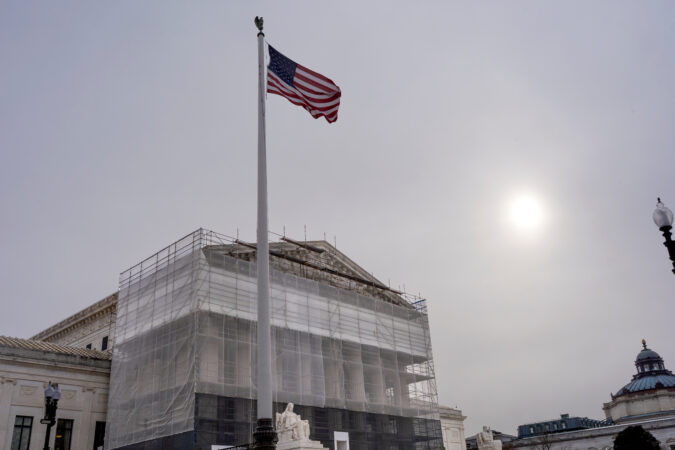
    WASHINGTON — The Supreme Court on Tuesday refused to allow the Trump administration to deploy National Guard troops in the Chicago area to support its immigration crackdown.

    The justices declined the Republican administration’s emergency request to overturn a ruling by U.S. District Judge April Perry that had blocked the deployment of troops. An appeals court also had refused to step in. The Supreme Court took more than two months to act.

    Three justices, Samuel Alito, Clarence Thomas and Neil Gorsuch, publicly dissented.

    The high court order is not a final ruling but it could affect other lawsuits challenging President Donald Trump’s attempts to deploy the military in other Democratic-led cities.

    The outcome is a rare Supreme Court setback for Trump, who had won repeated victories in emergency appeals since he took office again in January. The conservative-dominated court has allowed Trump to ban transgender people from the military, claw back billions of dollars of congressionally approved federal spending, move aggressively against immigrants and fire the Senate-confirmed leaders of independent federal agencies.

    The administration had initially sought the order to allow the deployment of troops from Illinois and Texas, but the Texas contingent of about 200 National Guard troops was later sent home from Chicago.

    The Trump administration has argued that the troops are needed “to protect federal personnel and property from violent resistance against the enforcement of federal immigration laws.”

    But Perry wrote that she found no substantial evidence that a “danger of rebellion” is brewing in Illinois and no reason to believe the protests there had gotten in the way of Trump’s immigration crackdown.

    Perry had initially blocked the deployment for two weeks. But in October, she extended the order indefinitely while the Supreme Court reviewed the case.

    The U.S. Immigration and Customs Enforcement facility in the west Chicago suburb of Broadview has been the site of tense protests, where federal agents have previously used tear gas and other chemical agents on protesters and journalists.

    Last week, authorities arrested 21 protesters and said four officers were injured outside the Broadview facility. Local authorities made the arrests.

    The Illinois case is just one of several legal battles over National Guard deployments.

    District of Columbia Attorney General Brian Schwalb is suing to halt the deployments of more than 2,000 guardsmen in the nation’s capital. Forty-five states have entered filings in federal court in that case, with 23 supporting the administration’s actions and 22 supporting the attorney general’s lawsuit.

    More than 2,200 troops from several Republican-led states remain in Washington, although the crime emergency Trump declared in August ended a month later.

    A federal judge in Oregon has permanently blocked the deployment of National Guard troops there, and all 200 troops from California were being sent home from Oregon, an official said.

    A state court in Tennessee ruled in favor of Democratic officials who sued to stop the ongoing Guard deployment in Memphis, which Trump has called a replica of his crackdown on Washington, D.C.

    In California, a judge in September said deployment in the Los Angeles area was illegal. By that point, just 300 of the thousands of troops sent there remained, and the judge did not order them to leave.

    The Trump administration has appealed the California and Oregon rulings to the 9th U.S. Circuit Court of Appeals.

  • Controversial ’60 Minutes’ segment on Trump immigration policy leaks online

    Controversial ’60 Minutes’ segment on Trump immigration policy leaks online

    A news segment about the Trump administration’s immigration policy that was abruptly pulled from 60 Minutes was mistakenly aired on a TV app after the last minute decision not to air it touched off a public debate about journalistic independence.

    The segment featured interviews with migrants who were sent to a notorious El Salvador prison called the Terrorism Confinement Center, or CECOT, under President Donald Trump’s aggressive crackdown on immigration.

    The story was pulled from Global Television Network, one of Canada’s largest networks, but still ran on the network’s app. Global Television Network swiftly corrected the error, but copies of it continued to float around the internet and pop up before being taken down.

    “Paramount’s content protection team is in the process of routine take down orders for the unaired and unauthorized segment,” a CBS spokesperson said Tuesday via email.

    A representative of Global Television Network did not immediately respond to a request for comment.

    In the story, two men who were deported reported torture, beatings, and abuse. One Venezuelan said he was punished with sexual abuse and solitary confinement.

    Another was a college student who said guards beat him and knocked out his tooth upon arrival.

    “When you get there, you already know you’re in hell. You don’t need anyone to tell you,” he said.

    The segment featured numerous experts who called into question the legal basis for deporting migrants so hastily amid pending judicial decisions. Reporters for the show also corroborated findings by Human Rights Watch suggesting that only eight of the deported men had been sentenced for violent or potentially violent crimes, using available ICE data.

    The decision to pull a critical account of the Trump administration was met with widespread accusations that CBS leadership was shielding the president from unfavorable coverage.

    The journalist who reported the story, Sharyn Alfonsi, said in an email sent to fellow 60 Minutes correspondents that the story was factually correct and had been cleared by CBS lawyers and its standards division.

    CBS News chief Bari Weiss said Monday that the story did not “advance the ball” and pointed out that the Trump administration had refused to comment for the story. Weiss said she wanted a greater effort made to get its point of view and said she looked forward to airing Alfonsi’s piece “when it’s ready.”

    The dispute put one of journalism’s most respected brands — and a frequent target of Trump — back in the spotlight and amplified questions about whether Weiss’ appointment is a signal that CBS News is headed in a more Trump-friendly direction.

  • Millions of dollars for homeless services in Bucks and Montgomery Counties are at risk under new Trump administration plan

    Millions of dollars for homeless services in Bucks and Montgomery Counties are at risk under new Trump administration plan

    Millions of dollars in federal funding for homeless services are at risk after the Trump administration on Friday moved forward with a plan to cut support for most long-term housing programs that serve people otherwise without stable shelter, according to officials in Bucks and Montgomery Counties.

    The plan, which is still being fought in court after the Department of Housing and Urban Development released an earlier iteration of the policy shift in November, seeks to upend the way communities across the nation, including Philadelphia, treat people experiencing homelessness and would reroute the spending of $3.9 billion in grants for a program called Continuum of Care that localities rely on to fund housing programs.

    The latest development came Friday night, when HUD appeared to respond to a judge’s ruling in the legal battle by issuing a new set of rules to apply for the federal awards. The new HUD document reduced the amount of funding available for permanent housing by two-thirds, a drastic decrease, said Kayleigh Silver, administrator of the Montgomery County Office of Housing and Community Development.

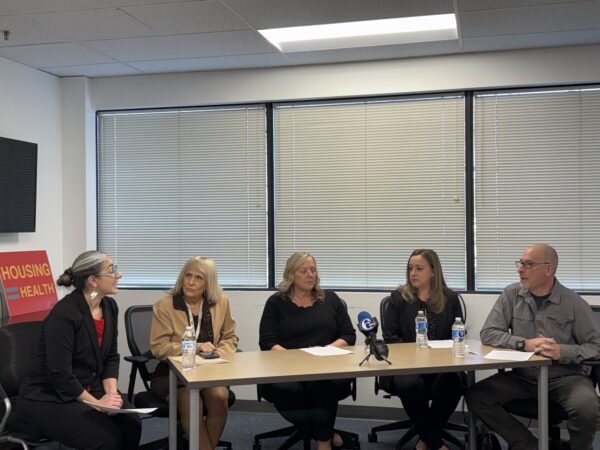
    The new plan “we believe will worsen homelessness and destabilize communities, not improve them,” said Kristyn DiDominick, executive director of the Bucks-Mont Collaborative, at a news conference Monday in Warminster. The nonprofit fosters resource sharing between the two counties.

    Officials said hundreds of people in the counties, including families, veterans, and people with disabilities, could lose access to housing as a result of the funding shift. Nationwide, the HUD plan could displace 170,000 people by cutting two-thirds of the aid designated for permanent housing, advocates say. In Philadelphia, tens of millions of dollars used to fund the city’s 2,330 units of permanent supportive housing are at risk, city officials said in November

    Bucks County Commissioner Diane Ellis-Marseglia, a social worker by trade, said HUD broke its “promise” to continue providing support to programs.

    “If we can’t trust HUD, how are we supposed to get the people we work with to trust us?” said Ellis-Marseglia, a Democrat.

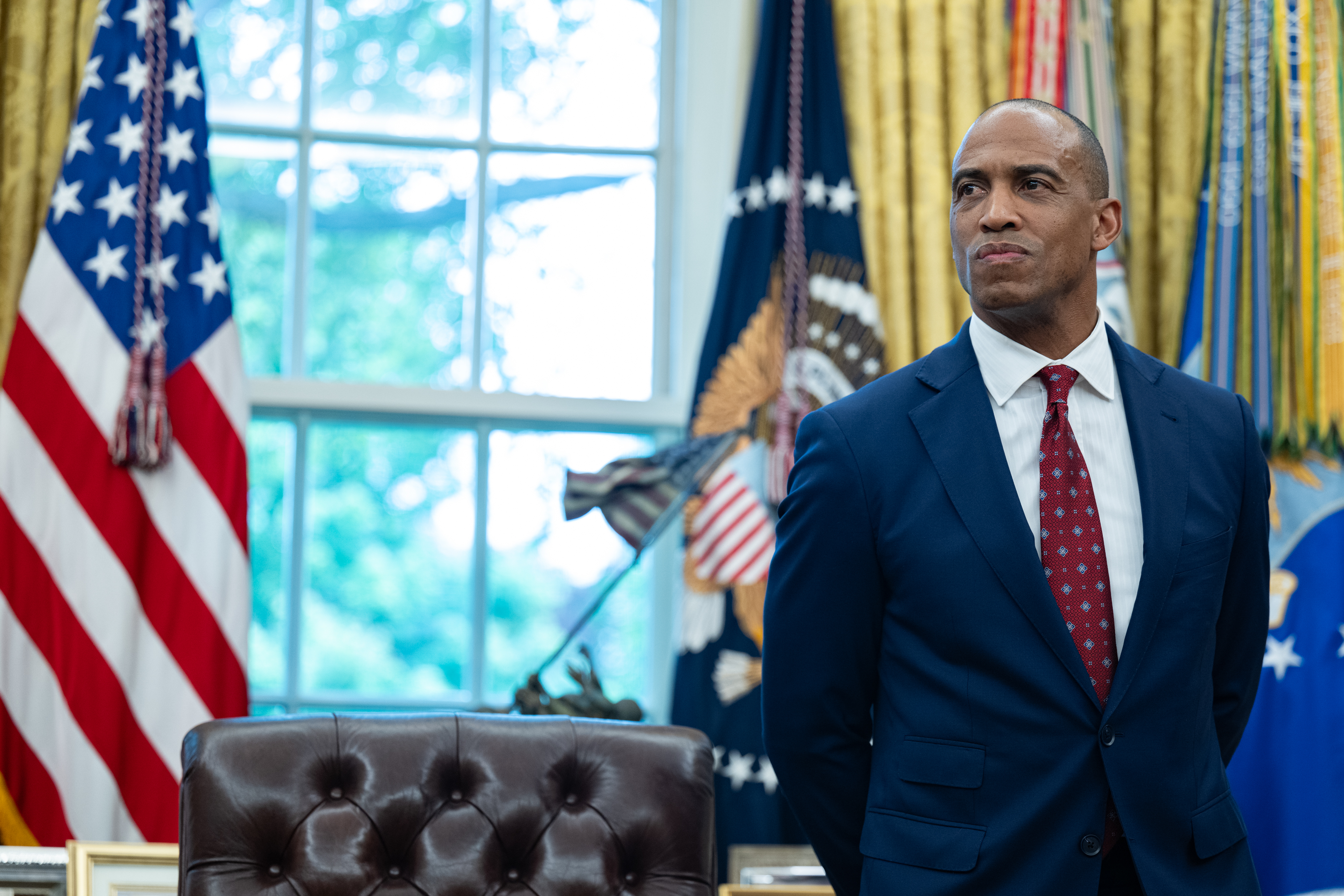
    Secretary of Housing and Urban Development Scott Turner in the Oval Office on May 5.

    The HUD announcement followed two lawsuits, including one from Pennsylvania Gov. Josh Shapiro and 20 other states’ attorneys general and governors, against President Donald Trump’s administration over the cuts included in the November draft of the plan.

    The earlier plan gave HUD the authority to restrict funding for groups that recognize the existence of transgender and nonbinary people, populations that face greater risks for homelessness. County officials are still seeking clarification on whether that provision remains in the new plan.

    HUD temporarily rescinded the controversial plan on Dec. 8, just hours before a hearing on the lawsuits, citing an intent to revise it. On Friday, U.S. District Judge Mary S. McElroy, who presided over the hearing, issued a preliminary injunction blocking HUD’s efforts until a new funding notice is issued. It remained unclear to local advocates and service providers the differences between the new plan posted later that night and the original.

    “HUD will continue working to provide homelessness assistance funding to grantees nationwide. The Department remains committed to program reforms intended to assist our nation’s most vulnerable citizens and will continue to do so in accordance with court orders,” a spokesperson for the department said in a statement to The Inquirer.

    The confusing standoff marks the latest obstacle that nonprofits have had to endure after a lengthy federal government shutdown and Pennsylvania’s state budget impasse, both of which contributed to funding delays and instability.

    It also signifies a turn away from the “Housing First” mindset, which prioritizes giving permanent housing to people who are homeless as a foundation for bettering their quality of life, according to the National Alliance to End Homelessness. In a post on X on Saturday, HUD Secretary Scott Turner called the strategy “failed.”

    Bucks and Montgomery County service providers and advocates at Monday’s news conference handed out literature that said “Chaos isn’t a strategy” and called on Congress to step in, noting that the funding process is months behind.

    The impacts “land on real people,” DiDominick said.

    Housing is also an important resource for survivors of domestic violence, said Stacy Dougherty, executive director of Laurel House, a domestic violence organization in Montgomery County.

    “For victims of domestic violence, access to safe housing can be the difference between staying in an abusive relationship and being able to leave, and sometimes even the difference between life and death,” Dougherty said.

    Erin Lukoss, CEO of the Bucks County Opportunity Council, added that “housing is the foundation,” a backbone for the entire system that tries to address poverty and food insecurity. A lack of clarity on this funding is another stressor for service providers and those who benefit from the resources

    “What makes this moment especially concerning is not just the potential reduction in funding, it’s the instability of the rules themselves,” Lukoss said.

  • Second big batch of Epstein files includes many mentions of Trump

    Second big batch of Epstein files includes many mentions of Trump

    Three days after releasing a large tranche of Jeffrey Epstein documents that contained few mentions of President Donald Trump, the Justice Department disclosed thousands more files that included wide-ranging references to the president.

    The documents show that a subpoena was sent to Mar-a-Lago in 2021 for records that pertained to the government’s case against Ghislaine Maxwell, Epstein’s accomplice in sex trafficking. They include notes from an assistant U.S. attorney in New York about the number of times Trump flew on Epstein’s plane, including one flight that included just Trump, Epstein, and a 20-year-old woman, according to the notes.

    The newly released documents also include several tips that were collected by the FBI about Trump’s involvement with Epstein and parties at their properties in the early 2000s. The documents do not show whether any follow-up investigations took place or whether any of the tips were corroborated.

    In a statement Tuesday morning, the Justice Department said: “Some of these documents contain untrue and sensationalist claims made against President Trump” that it characterized as “unfounded and false.”

    “Nevertheless, out of our commitment to the law and transparency, the DOJ is releasing these documents with the legally required protections for Epstein’s victims,” the statement said.

    The documents were available for several hours Monday afternoon and evening on the Justice Department website but appeared to have been taken down around 8 p.m. The Washington Post downloaded the full set of files while they were accessible. The department reposted the files on its website shortly before midnight Monday night. It was not immediately clear whether officials had done any further redactions of the documents before posting.

    The department did not immediately respond to questions about why the documents had been posted and then apparently removed. The White House also did not respond to requests for comment about the newly released documents.

    Being mentioned in a mass trove of investigatory documents does not demonstrate criminal wrongdoing. Trump has not been accused of being involved in Epstein’s criminal activities. It has long been known that Trump had a years-long friendship with Epstein that ended in the early 2000s.

    The president has said he did not know about Epstein’s criminal behavior, and his spokesperson has said he kicked Epstein out of his Mar-a-Lago Club for being a “creep.”

    Epstein, a wealthy financier and convicted sex offender, died in 2019 while in federal custody awaiting trial on sex-trafficking charges. His death was ruled a suicide.

    The files include correspondence among prison officials about Epstein’s psychological assessments, with discussions about holding him in a special housing unit about two weeks before he died.

    “We have supporting memorandums from the responding officers who indicated they observed inmate Epstein with a makeshift noose around his neck,” one of the emails stated.

    At one point, the documents indicate, prison officials planned to house Epstein in a cell with Cesar Sayoc, a fanatical supporter of Trump’s who in 2019 was sentenced to 20 years in prison after he mailed explosive devices to prominent Democrats and media figures.

    The Federal Bureau of Prisons did not respond to requests for comment about Epstein’s incarceration.

    Also included in this batch of files are a large number of documents related to objections filed by Epstein’s victims in 2008 after Alex Acosta, the U.S. attorney in Miami, reached an agreement not to prosecute Epstein on federal charges in return for his pleading guilty to less-serious state charges of soliciting prostitution from a minor.

    There is a 22-page memo from the criminal division of the Justice Department to authorities in the United Kingdom, seeking to interview “material witness PA,” a reference to Prince Andrew. It outlines what has been uncovered about him and seeks a voluntary interview. Andrew Mountbatten-Windsor, the brother of King Charles III, was recently stripped of his royal titles, including that of prince, because of his links to Epstein.

    The files are being released in compliance with a law passed by Congress last month that mandated the disclosure of Epstein-related documents. Trump signed the measure into law, but on Monday, he repeated some of his long-standing objections to the disclosures.

    Asked about the Justice Department’s release on Friday of photos of former President Bill Clinton with Epstein, Trump, who has called on the department to investigate Clinton and other Democrats, suggested that he had some sympathy for the former president.

    “I don’t like the pictures of Bill Clinton being shown. I don’t like the pictures of other people being shown. I think it’s a terrible thing,” he told reporters during an event at Mar-a-Lago. “Bill Clinton’s a big boy. He can handle it, but you probably have pictures being exposed of other people that innocently met Jeffrey Epstein years ago. Many years ago. And they’re, you know, highly respected bankers and lawyers and others.”

    Trump was responding to questions about Epstein at an event at Mar-a-Lago on Monday at which he announced he would be overseeing the development of a new class of Navy battleship named after himself.

    “Everybody was friendly with this guy, either friendly or not friendly,” Trump said. “But I mean, he was around. He was all over Palm Beach and other places. The head of Harvard was his best friend — Larry Summers — and Bill Clinton was a friend of his, but everybody was. I actually threw him out of Mar-a-Lago.”

    The wave of files released Friday had few documents that mentioned Trump, even while administration officials have acknowledged that the president’s name is included multiple times throughout the files.

    The initial batch, however, included a number of photographs of Clinton, who appeared in a swimming pool and a hot tub, as well as in more formal settings or posing with Michael Jackson.

    Clinton spokesman Angel Ureña suggested Monday that the administration had engineered the releases to shield Trump, something Deputy Attorney General Todd Blanche has denied. On Monday, Ureña issued a statement on X demanding that all photographs and documents related to Clinton be released immediately.

    “What the Department of Justice has released so far, and the manner in which it did so, makes one thing clear: someone or something is being protected,” Ureña said in the statement. “We do not know whom, what or why. But we do know this: We need no such protection.”

    The new documents at times provide a window onto what federal prosecutors had been examining, as well as their awareness of ties that Epstein had with Trump.

    In January 2020, during Trump’s first term, for example, an assistant U.S. attorney in the Southern District of New York wrote an internal email about a review of flight records the day before as part of the government’s case against Maxwell, who was convicted in 2021 of sex trafficking.

    “For your situational awareness, wanted to let you know that the flight records we received yesterday reflect that Donald Trump traveled on Epstein’s private jet many more times than previously has been reported (or that we were aware), including during the period we would expect to charge in a Maxwell case,” the email states.

    There were at least eight flights, the prosecutor wrote, between 1993 and 1996 in which Trump was a passenger. On at least four of those flights Maxwell was also present.

    In some cases, the prosecutor wrote, there were passengers who could be called as possible witnesses in a case against Maxwell.

    “We’ve just finished reviewing the full records (more than 100 pages of very small script) and didn’t want any of this to be a surprise down the road,” the prosecutor wrote.

    The full reason for the subpoena to Mar-a-Lago was not immediately clear, but an assistant U.S. attorney had been seeking past employment records from Trump’s club that were relevant in the case against Maxwell.

    “I have not been able to locate anyone who recalls [redacted] working at Mar a Lago in 2000,” the federal prosecutor wrote in an internal email.

    The subpoenas issued to Mar-a-Lago were also included in the latest documents. Attached to one of the subpoenas was a letter dated Feb. 12, 2015, on Mar-a-Lago letterhead, in which officials of the club indicate that they don’t have the employment records from 1999 to 2001 that federal agents are seeking. They found an employee by the name they were seeking on a 2000 spreadsheet but could not confirm it was the same person without more identifying information.

    Trump on Monday also grew annoyed with reporters who asked him about Epstein.

    “What this whole thing is with Epstein is a way of trying to deflect from the tremendous success that the Republican Party has,” he said. “Like, for instance, today we’re building the biggest ships in the world, the most powerful ships in the world, and they’re asking me questions about Jeffrey Epstein. I thought that was finished.”

  • Former Trump national security adviser H.R. McMaster says Americans should ‘have a say’ on strikes against Venezuelan boats

    Former Trump national security adviser H.R. McMaster says Americans should ‘have a say’ on strikes against Venezuelan boats

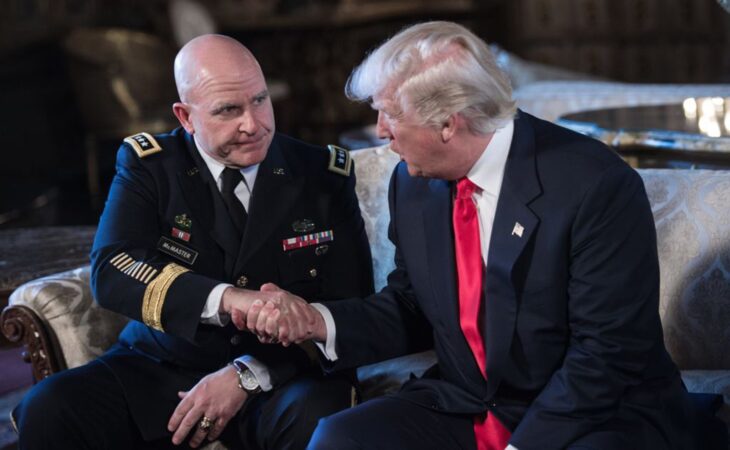
    Americans should “have a say” in the Trump administration’s unilateral decision to use military force against Venezuelan boats, according to H.R. McMaster, former national security adviser during the first Trump administration, and a retired lieutenant general who grew up in Roxborough.

    Being honored Jan. 16 at the Museum of the American Revolution’s 320th birthday celebration of Benjamin Franklin, McMaster was interviewed by The Inquirer last week. He offered a brief but wide-ranging discussion on foreign policy and military matters. McMaster will be named the 2026 Franklin Founder honoree during the annual Philadelphia event that celebrates the life and legacy of Franklin. McMaster is scheduled to speak about the role of the military in a democracy.

    “A comprehensive explanation for bombing boats is lacking,” McMaster said in the interview, referencing the attacks on vessels allegedly carrying drugs that find their way to the United States, which have resulted in around 100 deaths since early September. “The American people should have a say through Congress.” The Trump administration has said it has complete authority to conduct the attacks.

    McMaster said certain questions must be answered, such as whether the strikes are a “just cause,” and whether the right to conduct the missions is within the purview of presidential power under Article II of the U.S. Constitution.

    McMaster didn’t discuss the ongoing controversy about whether U.S. forces were justified in killing two survivors of a Sept. 2 attack on a Venezuelan boat. Defense Secretary Pete Hegseth is refusing to release video showing the killing of two men clinging to wreckage in the Caribbean Sea.

    McMaster, 63, is a historian and senior fellow at the conservative Hoover Institution at Stanford University who served 457 days in the Trump administration, from February 2017 to April 2018. He left after disagreements with Trump over foreign policy and internal dynamics.

    Trump considered using force against drug smuggling during his first term, McMaster said, when the president asked his staff, “Why don’t we just bomb the drugs?” coming out of Mexico.

    Military intervention was avoided, McMaster said, after he “huddled a team” and won “unprecedented cooperation” with the Mexican government to fight the flow of drugs.

    Addressing other military matters, McMaster discussed the widely reported meeting of military commanders called by Hegseth in September.

    One of Hegseth’s main messages was there’s no place for “wokeness” in the military, saying too many uniform leaders were being promoted “for the wrong reasons — based on their race … gender quotas [and] based on historic so-called firsts.” He added he wants “no more … DEI programs or dudes in dresses. No more climate change worship.”

    While he agrees with much of what Hegseth said, McMaster explained, the secretary was speaking to the wrong people: “There are no woke generals and admirals,” McMaster said. “They had been following unwise directives from senior civilian officials pushing an extreme social agenda in the Biden administration.” Under Biden, McMaster concluded, the military had come to “valorize victimhood.”

    Civilian guidance on so-called woke matters isn’t needed in a self-policing entity such as the military, McMaster said: “Yes, there have been criminals and sexists in the military, but hell, we threw them out ourselves.”

    McMaster also said he doesn’t have a problem with the Trump administration deploying National Guard troops to U.S. cities such as Los Angeles; Chicago; Memphis; Washington, D.C.; and Portland, Ore. “It’s the president’s right to do so, allowing local law enforcement to enforce the law,” he said. “Regrettably,” he said, local authorities have resisted guard placement, especially in Oregon and California, where Democratic governors are in charge. “This is an example of how partisan politics can undermine our ability to work together,” he said.

    As a former insider in a Trump-led administration, McMaster has said in previous writing that he’d witnessed the machinations of the White House, including “exercises in competitive sycophancy” among officials in Oval Office meetings. McMaster didn’t comment on the atypically blunt revelations by Trump chief of staff Susie Wiles in Vanity Fair.

    He’s written that Trump is a “flawed commander in chief: mercurial, inconsistent, and easily distracted.” But, he added, Trump’s erratic course reversals can be helpful, because they make him unpredictable to our adversaries.

    This cover image released by Harper shows “At War with Ourselves: My Tour of Duty in the Trump White House” by H.R. McMaster.

    Despite his time in the inner sanctum of the Trump administration, McMaster would write in his book, At War With Ourselves: My Tour of Duty in the Trump White House, that he’d been unable to foresee Trump’s “persistent false claims of widespread election fraud [in 2020] and his encouragement of a mob [on Jan. 6] to conduct the most significant attack on the U.S. Capitol since August 1814,” when British troops set fire to the White House.

    The partisanship that helped spur the attack is a continued threat to the republic, McMaster said in the interview with The Inquirer, referencing Franklin, “who feared factionalism.”

    Each year, the Franklin celebration highlights a theme that connects Franklin’s work to current social issues and concerns. In receiving the Franklin Founder Award, McMaster joins company with others from a wide variety of fields:

    John Mather, an astrophysicist who won a Nobel Prize, was the 2025 winner. He helped develop the James Webb Space Telescope, connecting with Franklin who uncovered important principles in electricity, marine oceanography, magnetism, and aeronautics.

    In 2020, the centennial anniversary of Congress’ act to grant women the right to vote, awards went to Linda Greenhouse for her coverage of the Supreme Court for the New York Times, as well as to Cokie Roberts, political commentator and author.

    The 2016 award went to pediatrician Paul Offit from Children’s Hospital of Philadelphia as well as the Perelman School of Medicine. Offit is the co-inventor of the rotavirus vaccine, and an author and public speaker. This topic was closely aligned with Franklin, whose civic involvement included creation of the first public hospital. Offit has frequently sparred with Health Secretary Robert Kennedy Jr. over the issue of vaccines.

    McMaster is a graduate of Norwood-Fontbonne Academy (formerly Norwood Academy for Boys, and Fontbonne for girls), a private Catholic school in Chestnut Hill. He also graduated from Valley Forge Military Academy, which will be closed in the spring (it doesn’t affect Valley Forge Military College, which shares a campus with the academy in Wayne).

    McMaster went on to the U.S. Military Academy at West Point, and was a U.S Army Officer for 34 years. His career included combat service in the Gulf War. Afterward, he returned to teach history at West Point and earned a Ph.D. in history from the University of North Carolina-Chapel Hill.

  • Heritage staffers walk out amid latest strife at MAGA institution

    Heritage staffers walk out amid latest strife at MAGA institution

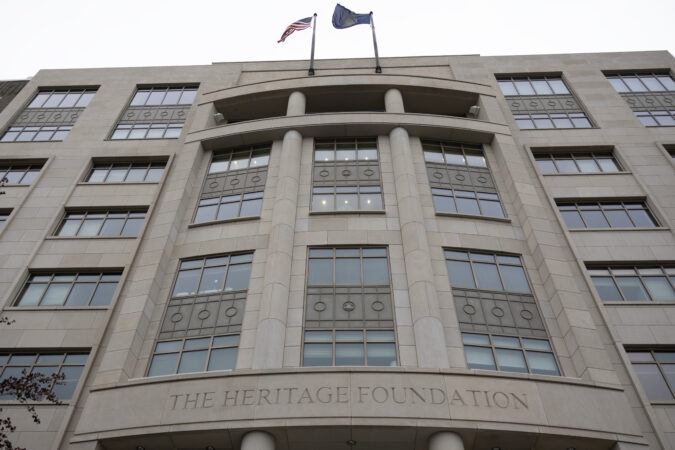
    More than a dozen employees of the Heritage Foundation walked away from their jobs over the weekend as the right-wing think tank struggles with allegations of antisemitism and as the conservative movement grapples with its post-Trump future.

    “This weekend, most of our staff, from our legal and economic centers, are departing immediately,” Heritage President Kevin Roberts wrote in a Sunday night email to staff obtained by the Washington Post. “We wish them well, though the manner of their departures speaks volumes.”

    Heritage has been wrapped in controversy for more than a month after Roberts defended former Fox News host Tucker Carlson’s interview of Nick Fuentes, a white supremacist who routinely espouses antisemitic views.

    Roberts has explained that he was trying to appeal to Fuentes’s followers, who might be open to adopting Heritage’s worldview. After several apologies last month, he said the foundation would cut ties with Carlson, though he said the podcaster remains a personal friend.

    The Wall Street Journal first reported the departures.

    In a statement, Heritage Foundation chief advancement officer Andy Olivastro said the departing staff members were disloyal. He said two of the departing employees had been terminated for “conduct inconsistent with Heritage’s mission and standards.”

    “Heritage has always welcomed debate, but alignment on mission and loyalty to the institution are nonnegotiable,” Olivastro said. “Their departures clear the way for a stronger, more focused team.”

    Three board members, including two last week, have also resigned in protest.

    It’s unclear how many staffers left the organization over the weekend. Thirteen former employees, including three in leadership posts, were hired at Advancing American Freedom, a competing policy and advocacy group founded by former Vice President Mike Pence. The group said it raised more than $10 million to fund the hires.

    Pence’s group defines its ideological tenets as free markets, limited government, and the rule of law — staking out a claim to ground that the Heritage Foundation once occupied.

    Historically, institutions such as Heritage and the American Conservative Union served to guard the party’s flank against extremists and fringe figures who could undermine electoral appeals to middle-of-the-road Americans.

    But in the Trump era, those groups have transformed to more closely match the nationalism, isolationism, and economic populism of the MAGA movement, sparking new controversies over what views that banner should or should not tolerate.

    John Malcolm was Heritage’s vice president at its Institute for Constitutional Government and led the think tank’s Meese Center for Legal and Judicial Studies. Former attorney general Edwin Meese III said in a news release that his eponymous center would relocate to Advancing American Freedom.

    Richard Stern ran Heritage’s economic policy group, and Kevin Dayaratna was Heritage’s chief statistician; both also departed for Pence’s group.

    Advancing American Freedom announced that 10 additional policy associates had joined the organization from Heritage.

    Pence, in a statement, called the newcomers “principled” and said they bring “a love of country, and a deep commitment to the Constitution and Conservative Movement.” But Roberts, in his all-staff email, emphasized obedience.

    “Heritage has always been home to voices within the conservative movement, but alignment on mission and loyalty to senior leadership are nonnegotiable,” he wrote.

    Josh Blackman, who edited the Heritage Guide to the Constitution, also resigned Sunday. In his resignation letter published by the libertarian magazine Reason, Blackman said Roberts made the think tank’s brand “toxic” and caused judges to say they would no longer speak at Heritage events or recommend their clerks to its programs.