Category: Real Estate

  • House of the week: A historic five-bedroom house in Media for $785,000

    House of the week: A historic five-bedroom house in Media for $785,000

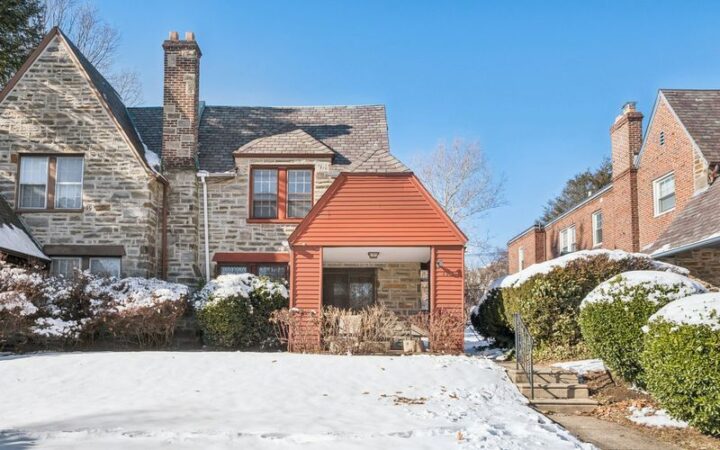
    Kai Lu and Edward Mendez had expected to spend many years in the spacious Media home, enjoying the easy access to Center City by SEPTA Regional Rail, the good schools for their two-year-old son and the second on the way, and its aura of history.

    But in the words of Lu, who is in data analytics for a major communications company, “life intervened.”

    Mendez landed his dream job as a data analyst for the Miami Marlins baseball team, and the couple are headed to Florida after two years in the house.

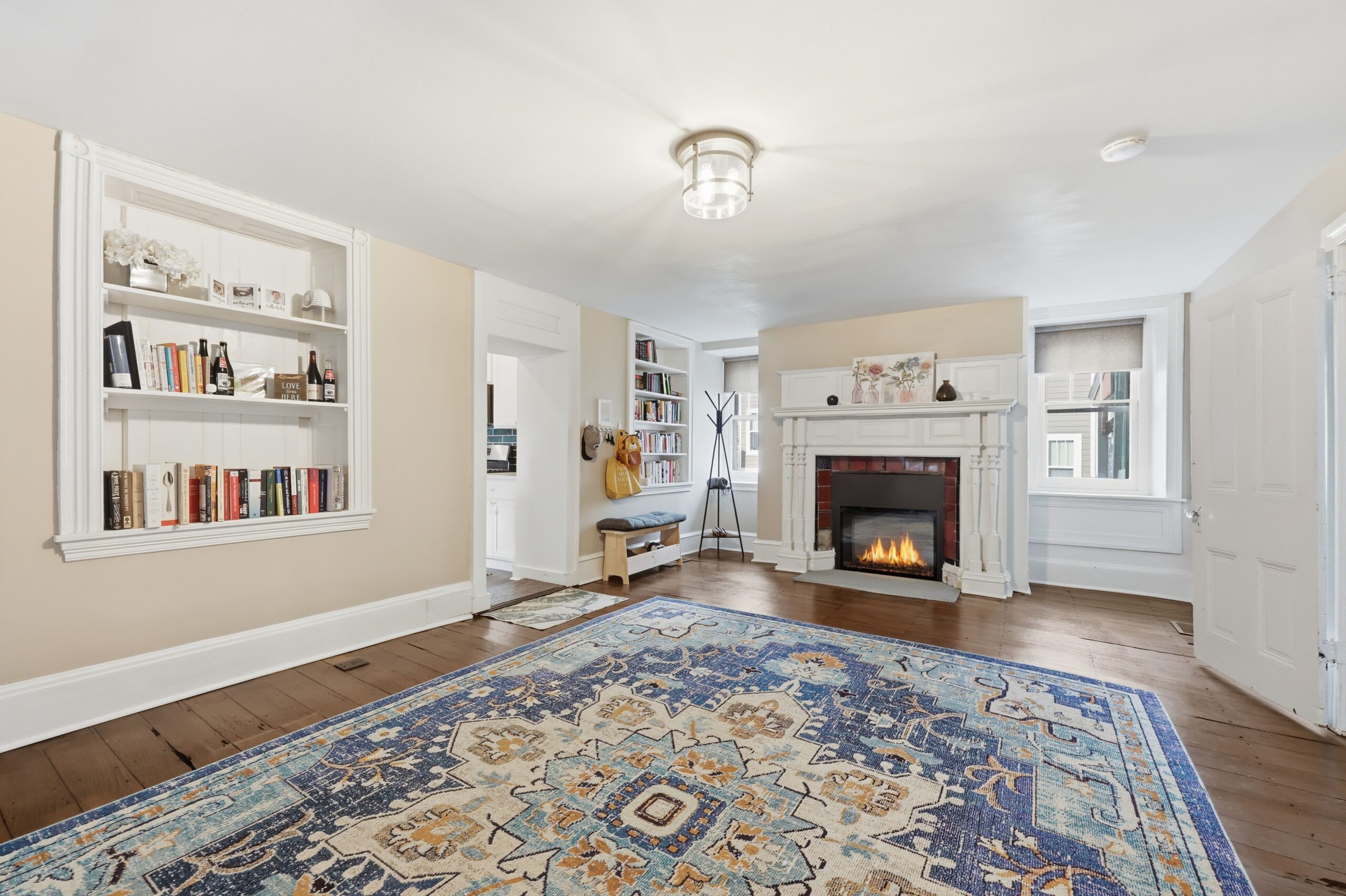
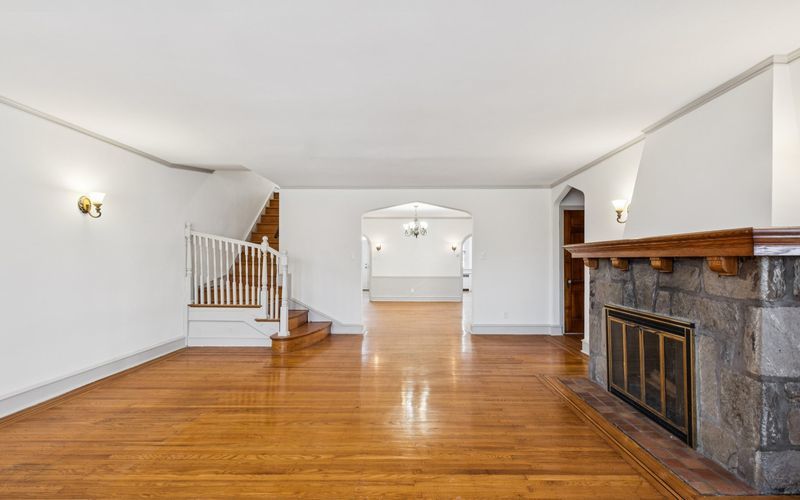
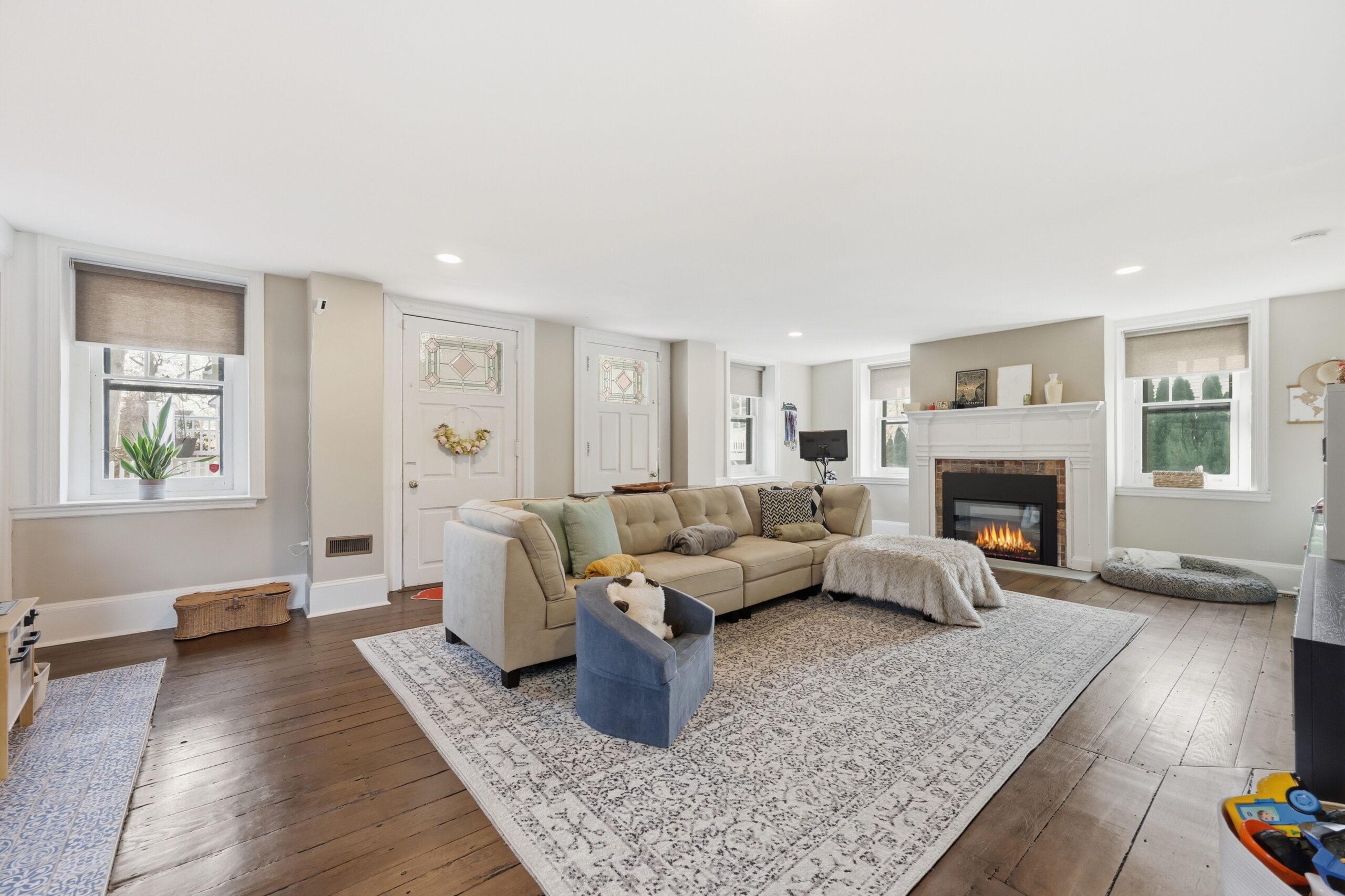
    The living room. The home has four working fireplaces.

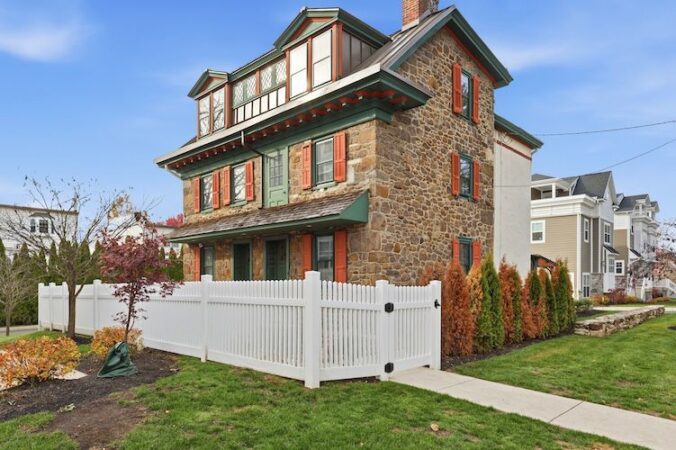
    The five-bedroom, 4½-bathroom home was once the general store of Providence Village, and Lu says she doesn’t know when the changeover came.

    The earliest part of the house dates to the 18th century, with some 19th-century additions.

    The 4,334-square-foot house has three floors of living space plus an unfinished basement, and four working fireplaces powered by electric inserts.

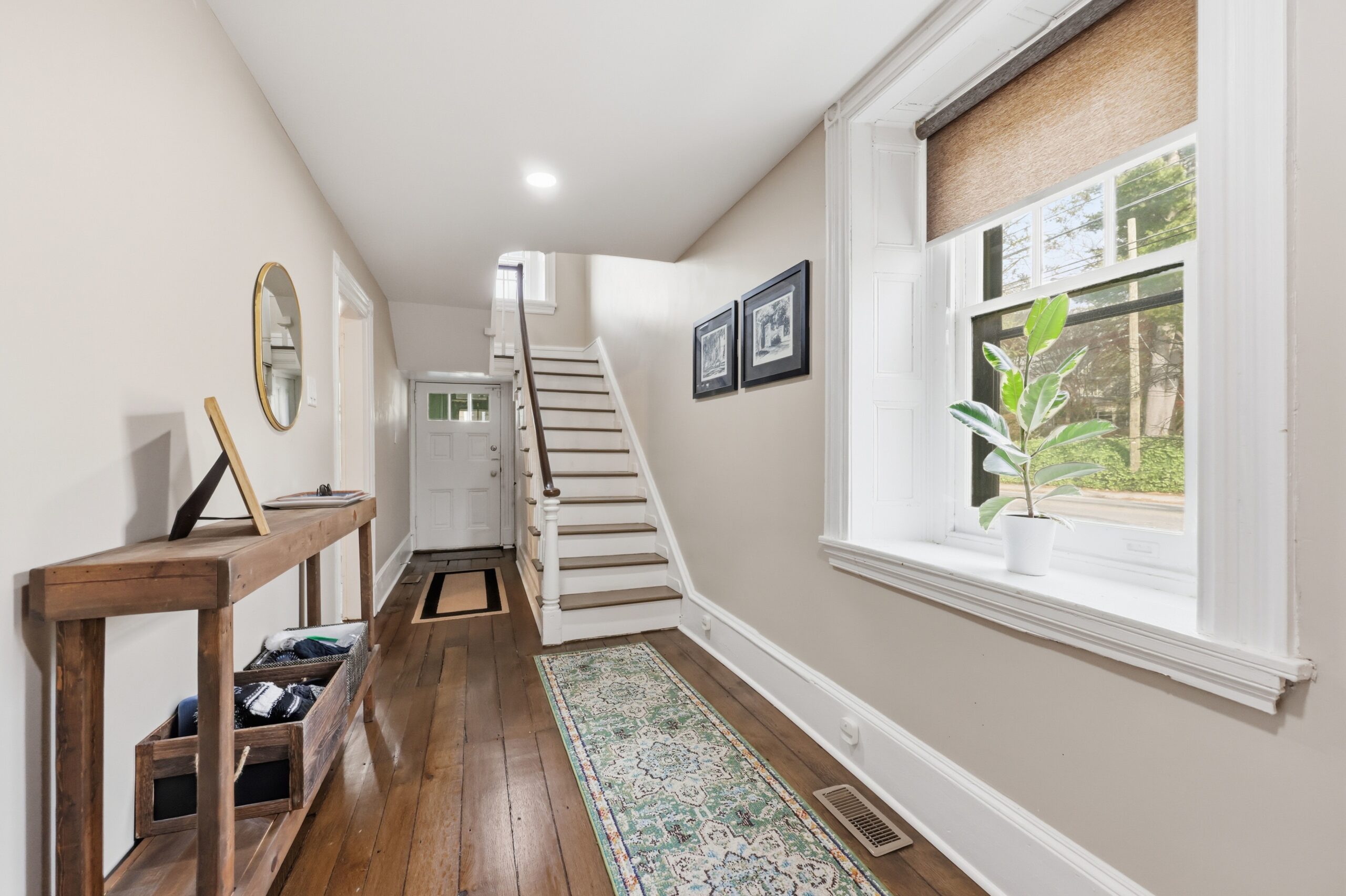
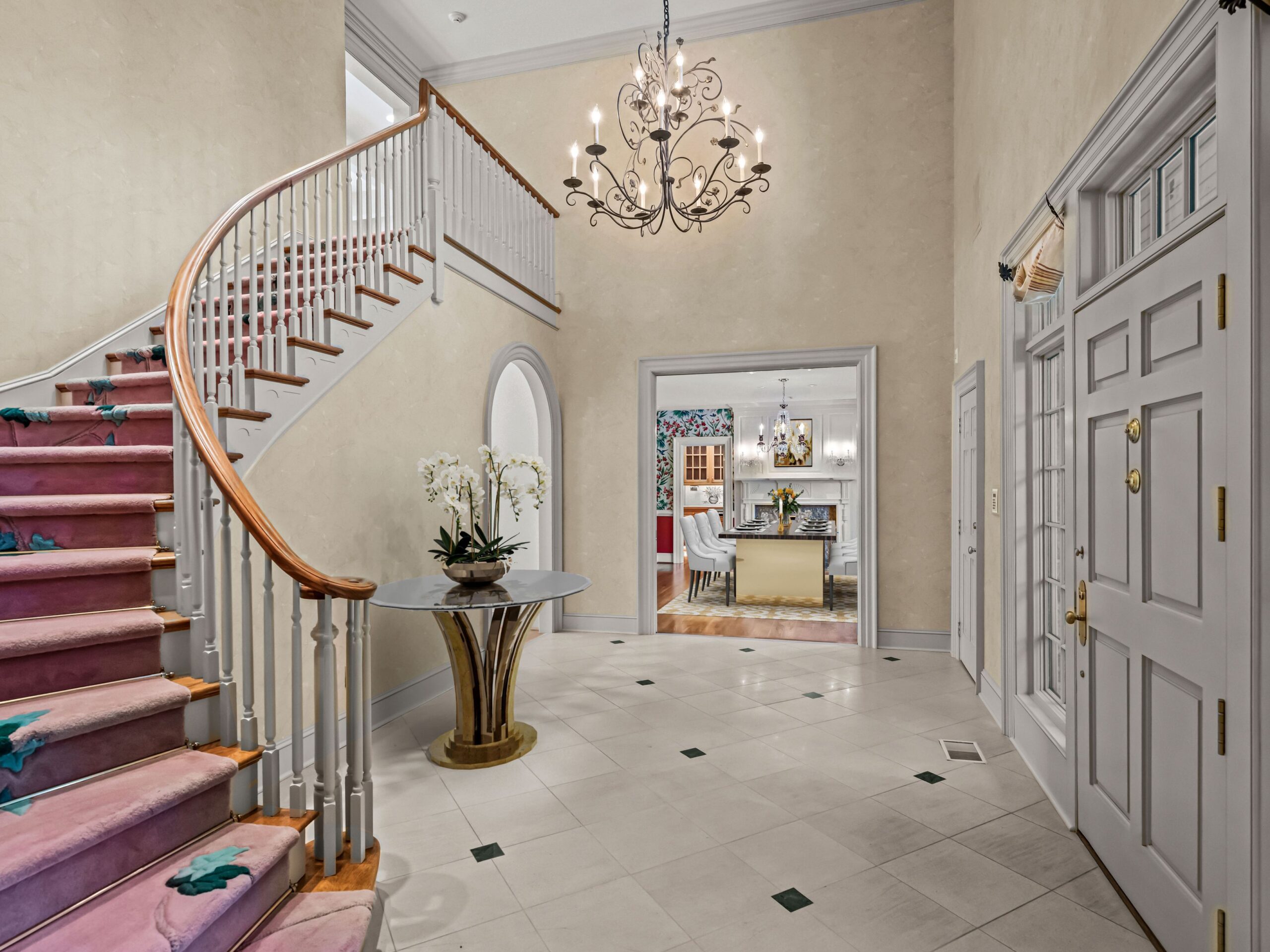
    Front hall

    The home has its original hardwood floors and a two-zone thermostat system with central air and forced heat.

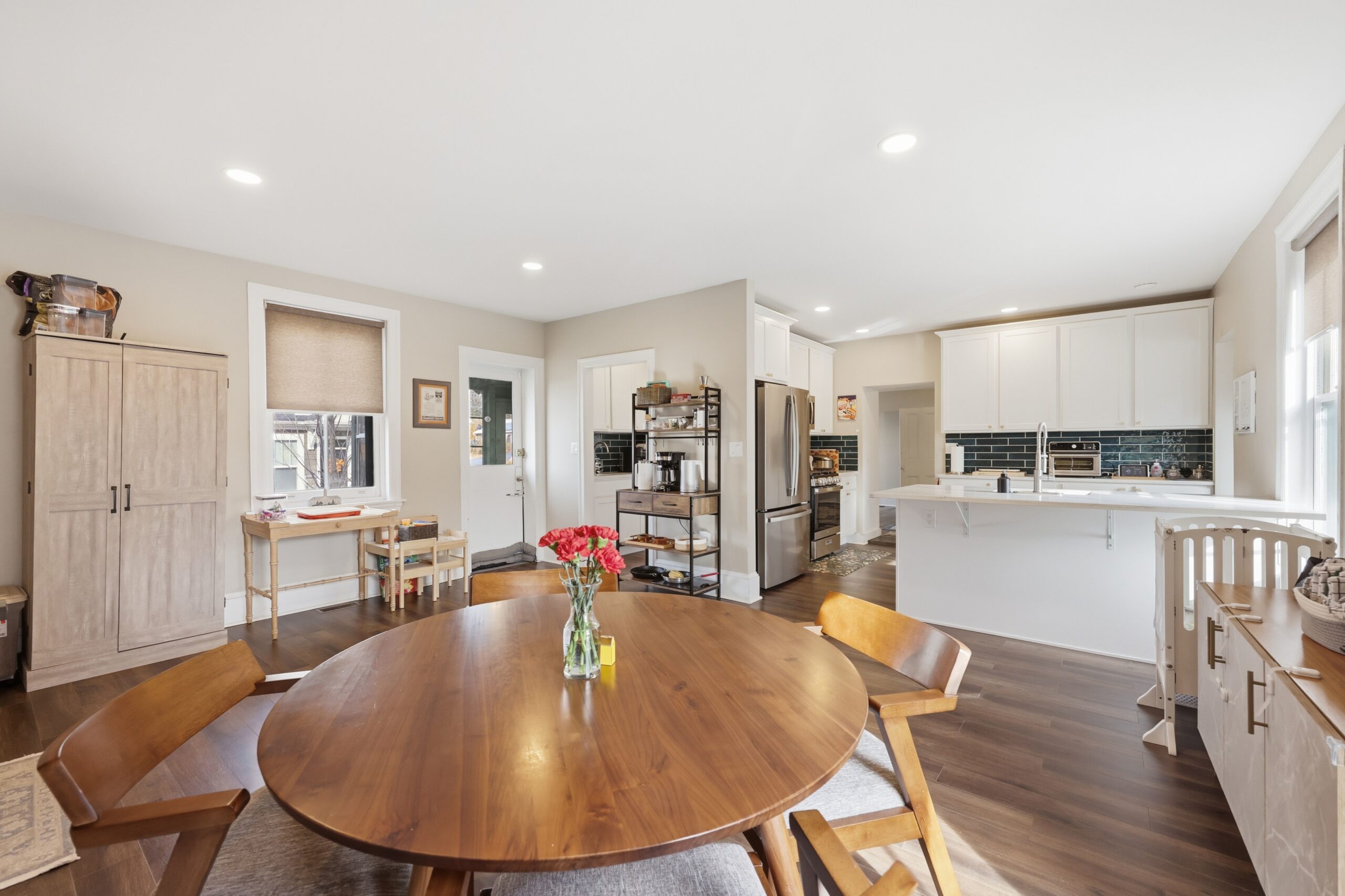
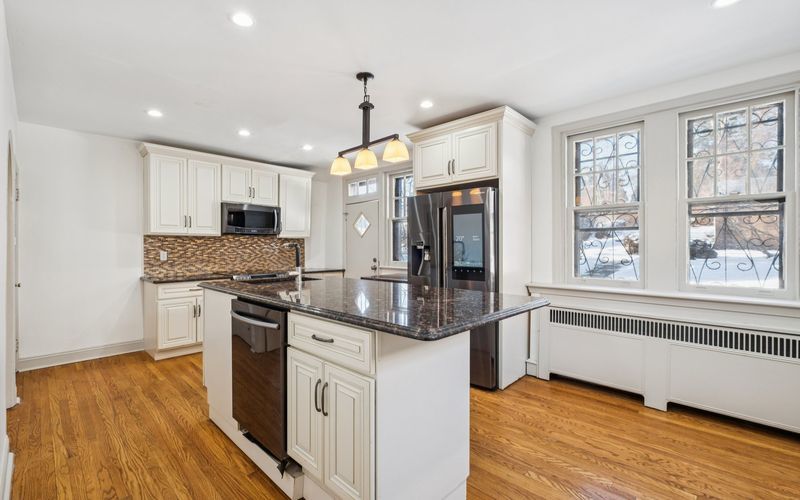
    The newly renovated kitchen has quartz countertops, stainless steel appliances, gas cooking, a separate coffee bar and pantry area, and an adjacent sunroom.

    The formal dining room has built-in shelves and a fireplace.

    The kitchen, which includes a dining area.

    The primary bedroom and another bedroom are on the second floor, along with a laundry room.

    The third floor has three additional bedrooms — one of which serves as an office — two full bathrooms, and a full-sized cedar closet.

    The formal dining room has built-in shelves.

    Updates by the current owners include partial roof replacement, resurfacing and staining the hardwood floors, new flooring in the kitchen, exterior stone repointing, custom window treatments, and a new sewer line.

    The house is in the Rose Tree Media School District.

    It is listed by Amanda Terranova and Adam Baldwin of Compass Realty for $785,000.

  • Take a look inside Muhammad Ali’s former Cherry Hill mansion that’s now back on the market

    Take a look inside Muhammad Ali’s former Cherry Hill mansion that’s now back on the market

    Muhammad Ali’s former Cherry Hill mansion, once fit for one of sports’ greatest icons, is back on the market.

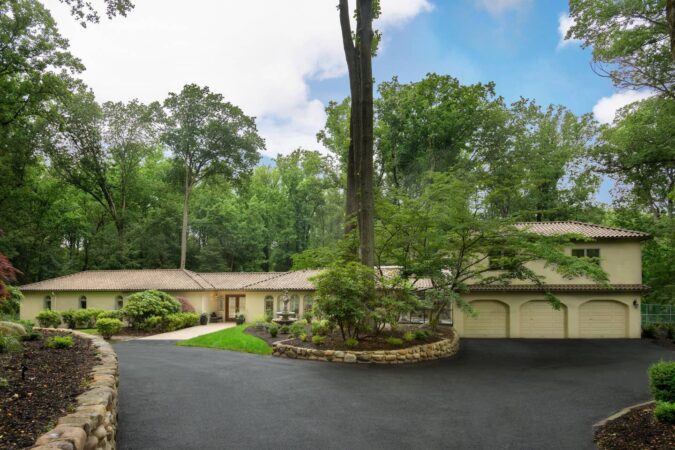
    The 6,688-square-foot Mediterranean-style ranch house, located at 1121 Winding Dr., is listed for sale for $1.9 million, $100,000 more than it was previously listed for three years ago.

    Muhammad Ali plays with his 3-year-old daughter Maryum at his home in Cherry Hill, N.J., on Monday, June 14, 1971.

    Sitting on 1.5 acres, the six-bedroom, five-bathroom estate features a kitchen with a large center island and custom cabinetry, a sun-filled greenhouse room, a spacious living area, and an in-ground pool and hot tub, with adjacent basketball and tennis courts. On the lower level of the home is a personal gym and a 12-foot wet bar.

    Ali, who died in 2016, lived in Cherry Hill with his family from 1971 to 1973. “I made a little mansion out of it. I’ve got a lot of land,” Ali told Philadelphia magazine in the 1970s

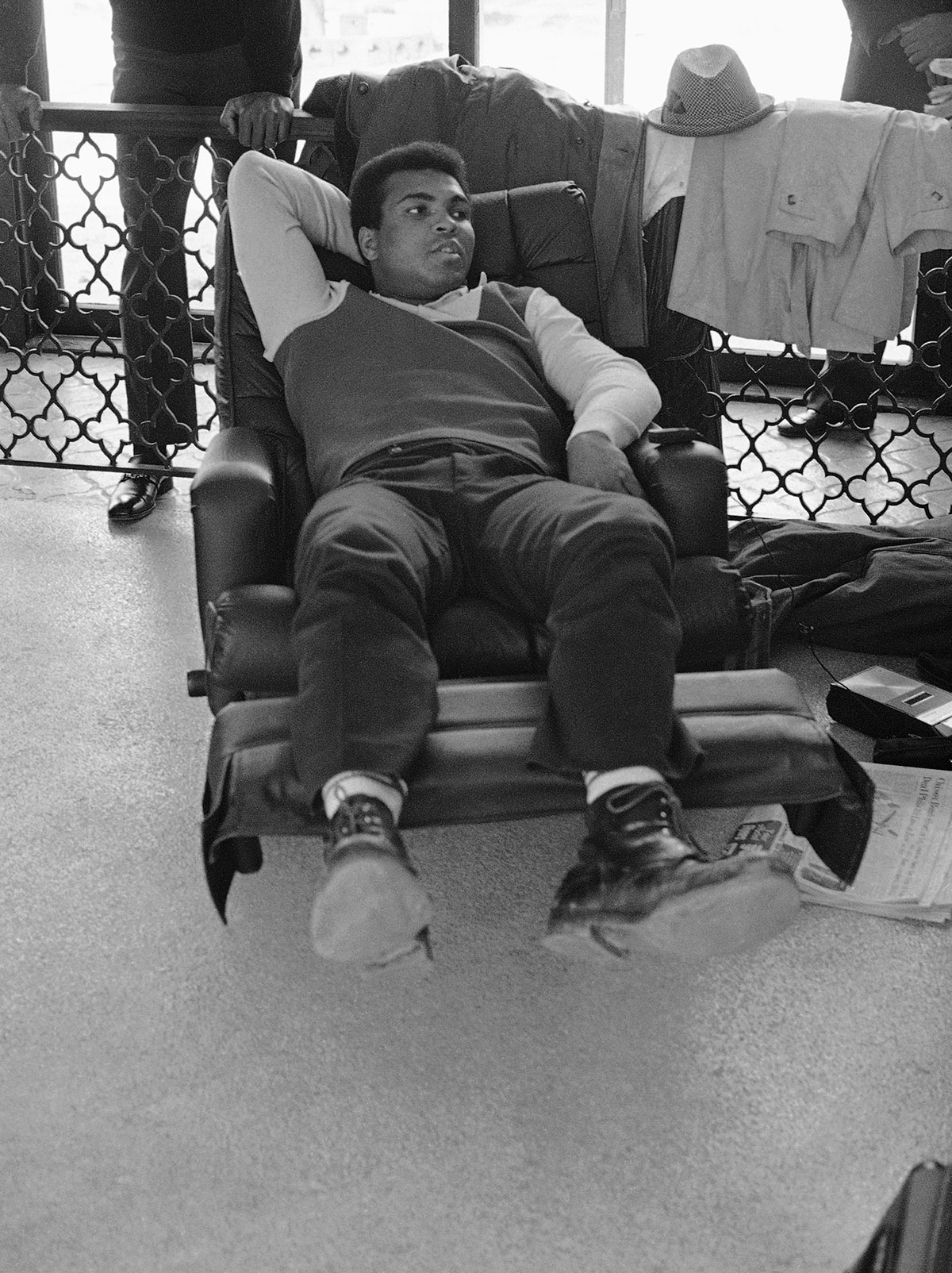
    Muhammad Ali, who was defeated by heavyweight champion Joe Frazier, leans back in a reclining chair in his new home in Cherry Hill, N.J., March 10, 1971, as he answered Frazier’s promise to fight Ali again. “Good, we got a rematch, maybe in seven months, might be sooner,” Ali said.

    The Champion bought the home for $103,000 in 1971. He moved to Chicago a few years later, according to the New York Times, after his friend, Camden power broker Major Coxson, was shot and killed in his home down the road from Ali’s. A major franchisee of local McDonald’s bought the home from Ali for $175,000.

    Before living in Cherry Hill, Ali lived in a West Philadelphia home in Overbrook that was later sold to Kobe Bryant’s grandparents.

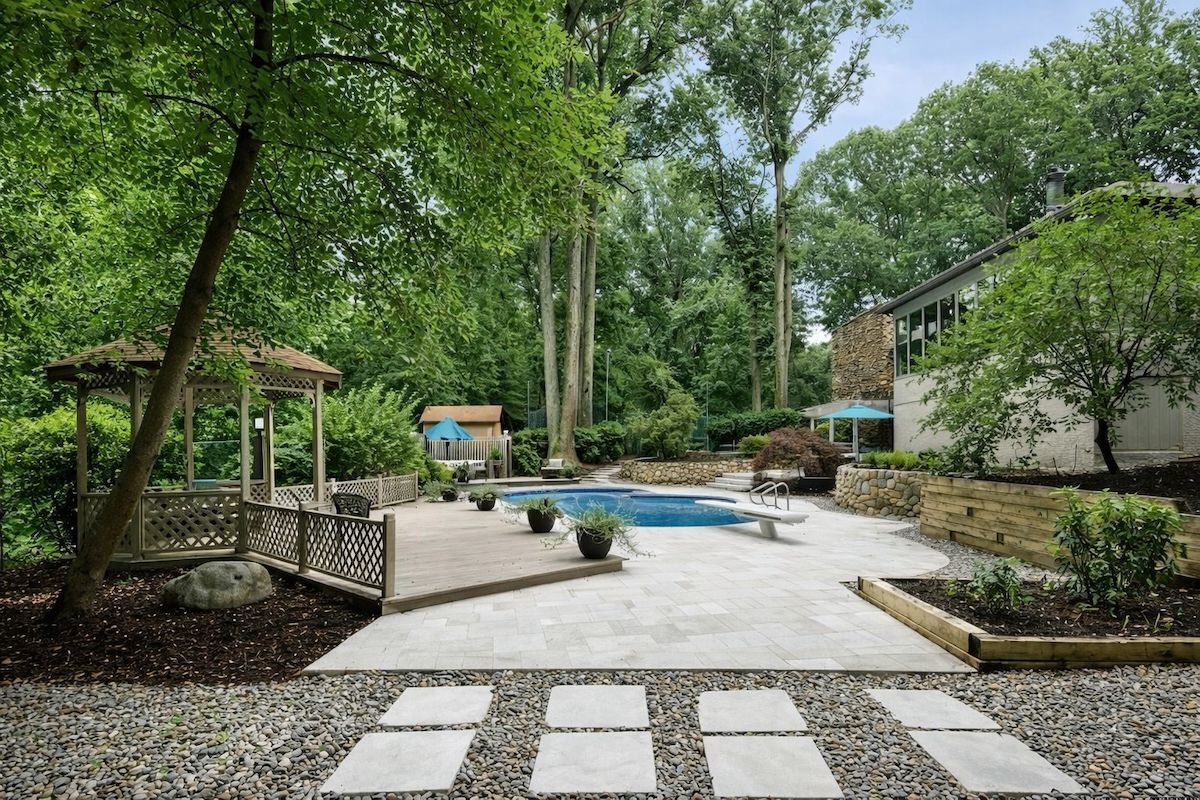
    The backyard and pool area of 1121 Winding Dr. in Cherry Hill, the former home of prizefighter Muhammad Ali from 1970 to 1973. It’s now up for sale for $1.9 million in 2026.

    The current owners, who purchased the Cherry Hill home in 2014, traded in the 1970s decor and design for a modern look, converting Ali’s koi pond into a centerpiece courtyard and fire pit. However, the home retains Ali’s prayer room, which can be found in the lower level, lined with bookshelves.

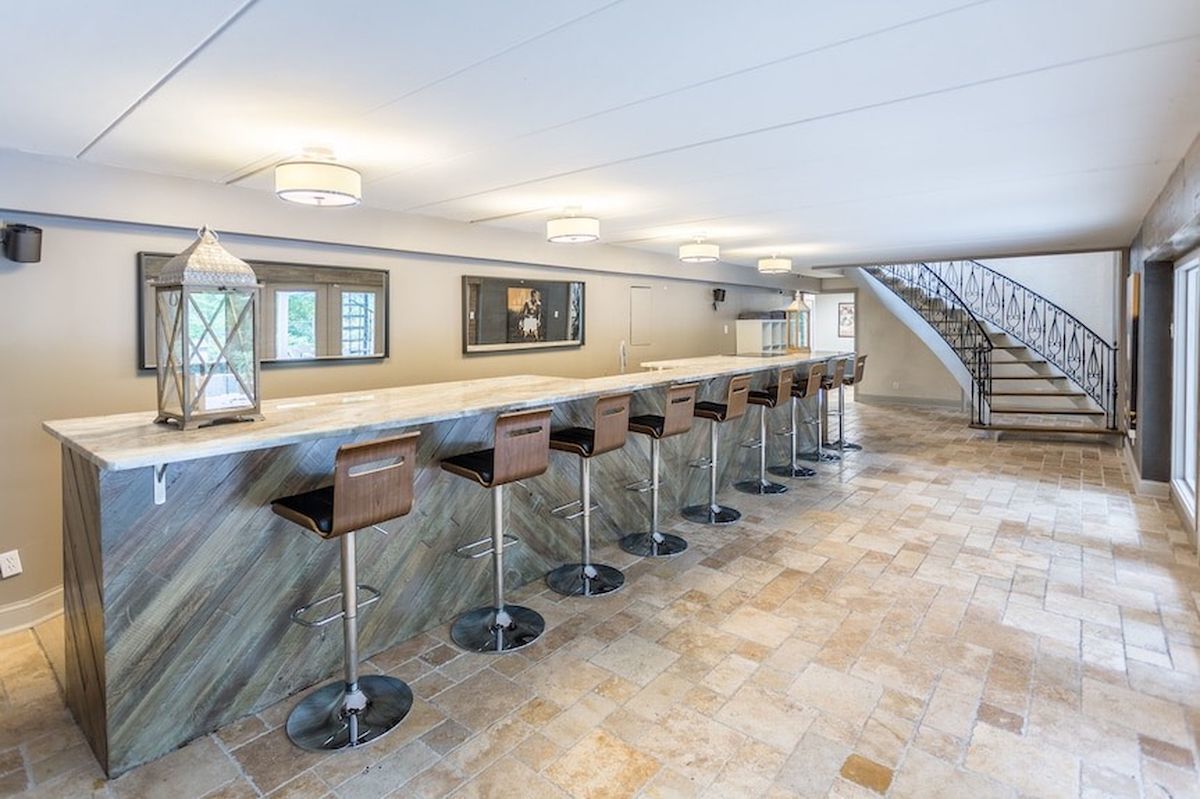
    The main draw is the ample entertainment spaces, including the basement bar.

    The downstairs bar area at 1121 Winding Dr. in Cherry Hill, the former home of Muhammad Ali from 1970 to 1973. It’s now up for sale for $1.9 million in 2026.

    “There’s a spiral staircase from the main level to downstairs and you walk right into this large bar area, with tables, chairs, and a large TV setup,” Nicholas Alvini of Keller Williams said. “It really is a great entertaining house.”

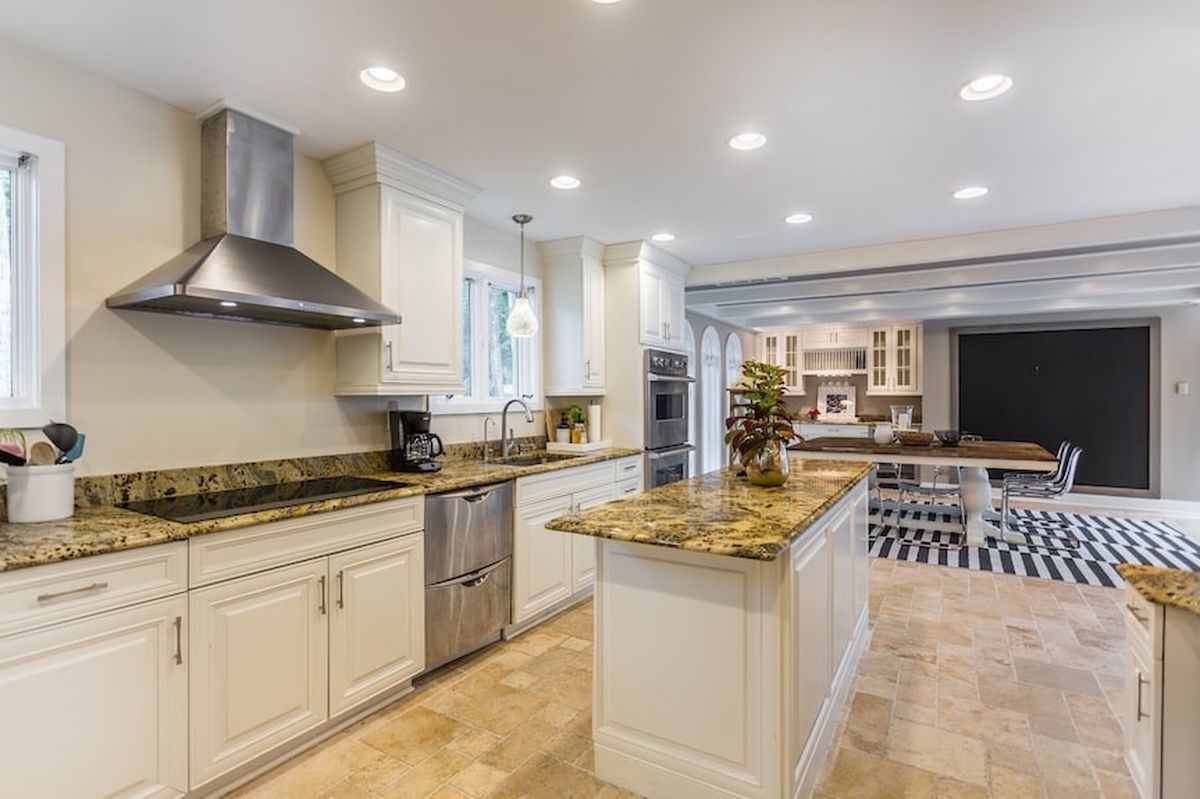
    The kitchen, including a large island, at 1121 Winding Dr. in Cherry Hill, the former home of prizefighter Muhammad Ali from 1970 to 1973. It’s now up for sale for $1.9 million.

    In recent years, the home has been used for short-term rentals, and “wild parties” led police to visit the home 97 times between 2018 and 2019, according to an Inquirer report. In response, Cherry Hill township council almost adopted a ban on Airbnb rentals before eventually tabling the idea after community members spoke against it.

  • The cost of housing in Pa. is too high. Here’s what Josh Shapiro will need to overcome to fix it.

    The cost of housing in Pa. is too high. Here’s what Josh Shapiro will need to overcome to fix it.

    Spotlight PA is an independent, nonpartisan, and nonprofit newsroom producing investigative and public-service journalism that holds power to account and drives positive change in Pennsylvania. Sign up for our free newsletters.

    HARRISBURG — Rents are soaring, homelessness is rising, and homeownership is out of reach for many families in Pennsylvania. As the state grapples with a serious housing shortage and affordability dominates the national political conversation, Gov. Josh Shapiro is preparing to release a long-awaited plan to tackle the crisis.

    The plan, first announced in late 2024, will draw on months of outreach to advocates, developers, and local officials. Supporters hope it will offer a clear path forward and build momentum around proposals that can win support in Pennsylvania’s politically divided legislature. But significant obstacles stand in the way.

    “The housing crisis has risen to the level such that none of the four caucuses can ignore it,” said Deanna Dyer, director of policy at Regional Housing Legal Services, a nonprofit law firm.

    The housing shortage is a nationwide problem, but Pennsylvania has been particularly slow to build new units. The shortfall leaves families squeezed by rising costs, pushes recent graduates to take jobs in other states, and makes it harder for companies to expand.

    Other states are passing laws to loosen local zoning restrictions and encourage new development — despite often fierce opposition from groups representing local governments.

    Similar efforts in Harrisburg have not yet gained traction, although more lawmakers are exploring solutions, said State Rep. Lindsay Powell, a Democrat representing Pittsburgh who cochairs the House Housing Caucus.

    “Pennsylvania has an opportunity to really push itself forward here.”

    Falling behind

    Underlying Pennsylvania’s housing crunch is the law of supply and demand.

    Between 2017 and 2023, the number of households in Pennsylvania grew by 5%, according to a recent report from Pew Charitable Trusts, a think tank. Over the same period, local governments issued only enough building permits to increase the state’s housing stock by 3.4%.

    That left Pennsylvania ranked 44th out of 50 states on the rate of housing built.

    “The most important driver of affordability is whether there are enough homes for everyone,” said Alex Horowitz, Pew’s director of housing policy.

    High demand for existing units, combined with a lack of new supply, gives landlords more leverage to raise rents and drives up house prices, Horowitz said.

    “The shortage is what is causing housing to get so expensive right now.”

    The problem is not spread evenly across the state. Costs have risen the most in areas with growing populations that have not added enough housing, including the Philadelphia suburbs, Northeastern Pennsylvania, and cities like Harrisburg, York, and Lancaster.

    To keep up with the demand, state officials estimate, Pennsylvania needs to build 450,000 units by 2035 — a 70% increase in new construction.

    In September 2024, Shapiro signed an executive order directing the Pennsylvania Department of Community and Economic Development to create a statewide plan to increase the supply of housing, and to review the effectiveness of existing programs. The executive order also requires the Pennsylvania Department of Human Services to conduct a separate review of policies to address homelessness.

    “We don’t have enough housing, the cost of housing is going up, and the housing we do have is getting older and is in need of more repairs,” Shapiro said, announcing the plan.

    Since then, DCED has received feedback from almost 2,500 people and organizations, and held 15 listening sessions across the state, a spokesperson said.

    A draft was due to be submitted to the governor’s office in September, according to the executive order, but the details have not yet been made public.

    Zoning headaches

    In roundtables and written feedback, state officials heard about problems small and sweeping. One issue came up repeatedly, according to interviews with participants and a review of hundreds of pages of written recommendations obtained through the state Right-to-Know law: To build more housing, Pennsylvania needs to change local zoning rules that stifle new construction.

    There are a number of ways the state could approach this. Many municipalities reserve most of their land zoned residential for single-family homes. Pennsylvania could allow apartment buildings on land currently zoned for commercial use, or near public transit, or legalize accessory dwelling units, like backyard cottages and granny flats.

    Changes like these would require revising the municipal planning code, the state law that gives local governments authority over land-use decisions.

    These changes would also make it easier to address rising demand for smaller units, as the average household size falls and more people live alone.

    Any attempt to change zoning laws, however, will likely face strong opposition from groups representing Pennsylvania’s municipalities. They argue that local governments know their communities best and should retain control over decisions about land use. They also say the focus on zoning overlooks other factors contributing to the housing shortage, like the rising cost of construction materials and supply-chain disruptions.

    Municipal zoning laws are “often scapegoated” as the culprit for a lack of affordable housing, Logan Stover, director of policy and legislative affairs at the Pennsylvania State Association of Boroughs, told Spotlight PA in a statement.

    In October, a senior Shapiro staffer working on the housing plan told a local group in Lancaster the plan would focus on “incentives rather than mandates,” with a points-based system to give communities that adopt pro-housing policies priority for state funding. Communities with policies that restrict new development could be disqualified, he said.

    At least six states — including California, Massachusetts, and New York — have already created incentive programs, which vary in design and enforcement mechanisms.

    These efforts have not proven as effective as broader statewide zoning changes, said Horowitz, the Pew researcher.

    “States that tried that early on didn’t see the supply response,” he said.

    The state plan will also likely focus on how to simplify and speed up local permitting processes, which can delay construction with time-consuming paperwork and unpredictable outcomes. Streamlining state permitting has already been a major focus for Shapiro.

    Focus on preservation

    Pennsylvania doesn’t just need to build more housing — it also needs to help people stay in their current homes, state officials heard.

    Groups that provide free legal services to low-income residents say there has been a dramatic increase in the number of people seeking help with evictions, foreclosures, and similar problems. In 2024, legal aid providers said, housing made up a third of all their cases — the single largest category.

    They also urged state officials to keep pushing to seal eviction records in some cases, which Shapiro has said he supports but would require changing state law.

    Another common thread was the need for a permanent source of funding to help low-income homeowners with repair costs. The state has some of the oldest housing stock in the U.S.; more than 60% of houses were built before 1970.

    Investing in home repairs is broadly popular but has proven politically challenging.

    In 2022, the state legislature agreed to spend $125 million in federal pandemic aid to create a new home repair program.

    Demand was overwhelming: Some counties were able to take applications only for a few days and thousands of homeowners ended up on wait lists. The program was widely praised for its flexibility, which allowed administrators to help homeowners who would not have been able to get help from other programs, although some counties ran into administrative difficulties.

    The program was created with bipartisan support, but efforts to continue it with state funding in 2023 and 2024 were unsuccessful. Last year, Shapiro proposed $50 million for a new, rebranded repair program, but the money didn’t make it into the final budget deal.

    Looking ahead

    Although Shapiro could make some changes through executive action, many of the suggested policy goals would require legislation.

    Housing has proven to be an issue that can cut through political divides in Harrisburg, where Democrats control the state House and the governor’s mansion while Republicans hold a majority in the state Senate.

    In recent years, lawmakers have agreed to a series of funding increases for a grant program to build and repair affordable housing. They also supported Shapiro’s proposal for a major expansion of a program that gives older and disabled residents a partial refund on their rent and property tax payments. The changes, which took effect in 2024, made more Pennsylvanians eligible and boosted the value of the rebates.

    Between July 2024 and June 2025, more than 25 states passed legislation aimed at increasing the supply of housing, according to an analysis by the Mercatus Center, a libertarian think tank. Pennsylvania was not one of them, although lawmakers in both chambers have unsuccessfully introduced bills to loosen zoning requirements.

    More recently, lawmakers from both parties have circulated proposals that echo some of the recommendations floated during the outreach for Shapiro’s housing plan. Republicans who control the state Senate say addressing the housing shortage will be a “key focus” for their caucus this year.

    State Sen. Joe Picozzi (R., Philadelphia), chair of his chamber’s Urban Affairs and Housing Committee, plans to introduce legislation that would offer grants to local governments that work with developers to build housing near centers of employment. “To qualify, communities must show they are committed to smart housing policies — like updating zoning, faster permitting processes, or preparing development-ready land,” according to a legislative memo.

    Picozzi and other Republican senators also want to extend property tax abatements for new development and create a “pre-vetting” system for housing plans to simplify local approvals.

    This year represents a real opportunity to make progress on the housing shortage, said State Rep. Jared Solomon, a Democrat representing Northeast Philadelphi,a who has sponsored several pieces of legislation aimed at adding more housing.

    “We’re all seeing the same thing in our neighborhoods — we all know we have to be proactive about it,” Solomon said.

    BEFORE YOU GO… If you learned something from this article, pay it forward and contribute to Spotlight PA at spotlightpa.org/donate. Spotlight PA is funded by foundations and readers like you who are committed to accountability journalism that gets results.
  • He was ‘particular but not picky’ about a two-bedroom in Norris Square| How I Bought This House

    He was ‘particular but not picky’ about a two-bedroom in Norris Square| How I Bought This House

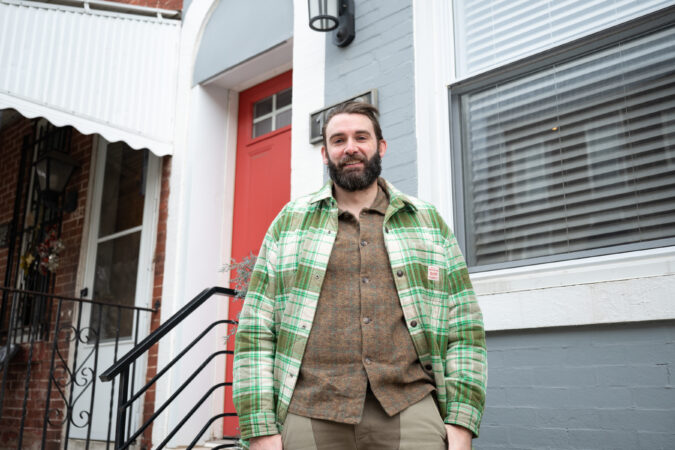
    The buyers: Evan Todtz, 35, urban designer

    The house: A 960-square-foot townhouse in Norris Square with two bedrooms and one bath, built in 1920.

    The price: Listed for $255,000; purchased for $255,000

    The agent: Kate McCann, Elfant Wissahickon

    Todtz saw potential in the house’s flexible floor plan.

    The ask: Evan Todtz was tired of commuting from Baltimore to Washington, D.C. He didn’t want to live in the latter, and he couldn’t find work in the former, so he considered the next-closest big city: Philadelphia.

    “I’ve always really loved Philly and wanted to spend more time in it,” Todtz said. When his company approved a transfer to its Philadelphia office, Todtz moved north and rented an apartment in Norris Square. A year later, he was ready to make it official. “I felt like I was getting into a groove in Philly,” he said, “and I wanted to invest in a place and make this my home.”

    Transit access was Todtz’s top priority. He frequently travels along the east corridor for work, so being close to the Market-Frankford line, which could take him directly to 30th Street Station in the “wee hours of the morning,” was a nonnegotiable. He wanted two bedrooms, enough space to host visitors, and an outdoor space. Everything else was flexible. “I’m particular, but I’m not picky,” he said.

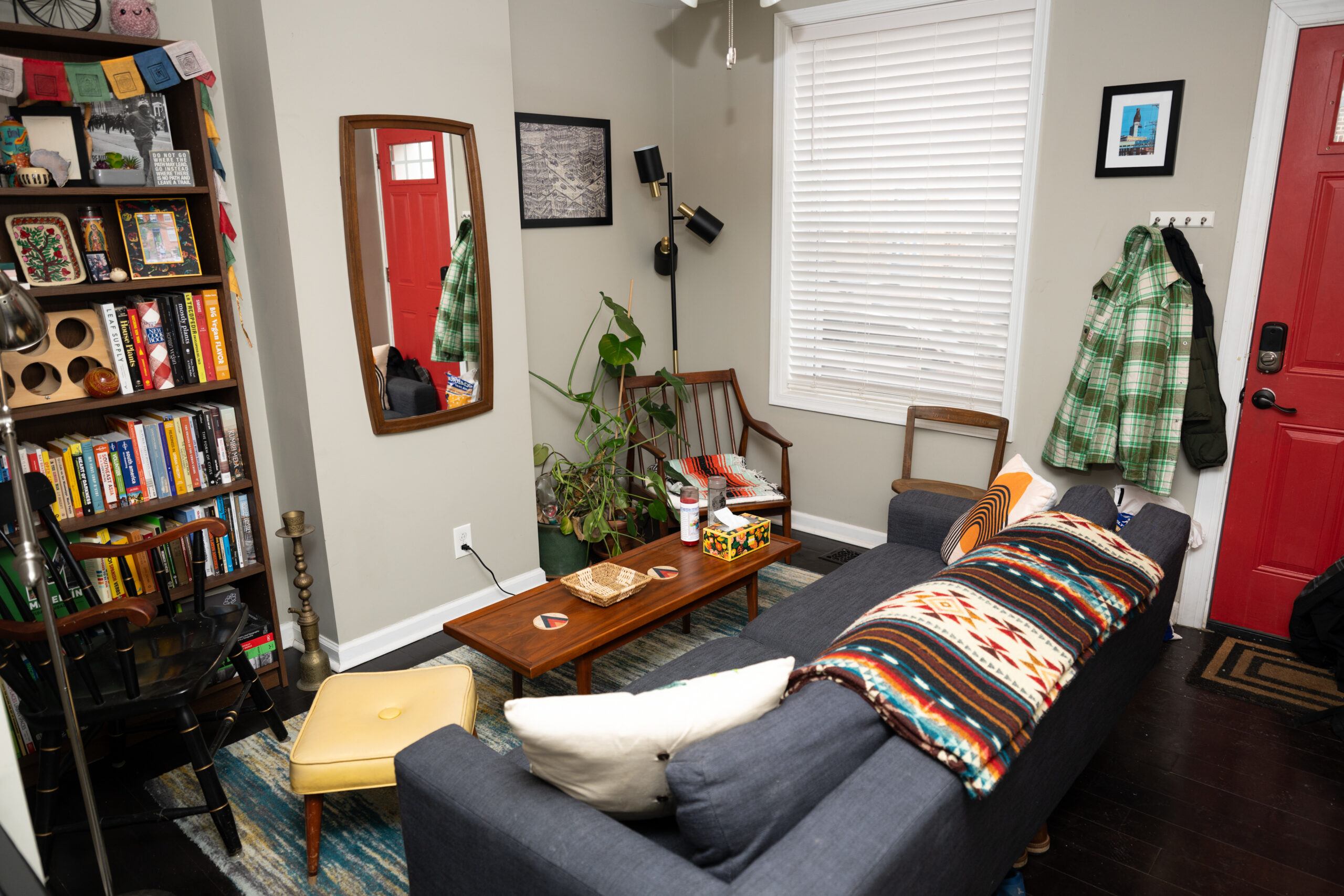
    Todtz liked the living room’s tan walls and dark floors. They made the room feel cozy.

    The search: Todtz began looking seriously at the end of 2023, after attending a first-time homebuyers workshop hosted by Philly Home Girls. Over a month, he saw several homes on weekends and evenings. He saw the house he would eventually buy early in his search, but it felt out of reach. Originally listed at $280,000, it hovered just above what he felt comfortable paying. He put it on a mental “maybe” list and kept looking. One month later, the price dropped to $255,000. “That’s when it felt within striking distance,” Todtz said. “It was closer to comps in the market.”

    The appeal: Todtz immediately noticed the quality of the renovation. The house looked polished but not flashy, neat but not boring. “There weren’t super high-end finishes I wasn’t going to appreciate,” Todtz said, “and there wasn’t the gray-washed millennial nothingness design that so many new houses have.”

    Instead, the house felt solid and lived-in, with dark wood floors and warm-colored walls. “It was very cozy and pretty,” Todtz said. He also liked the flexible floor plan and could see “potential in the footprint,” he said. Mostly, he liked that there wasn’t anything glaringly wrong with it. “It just felt very manageable,” he said. “It didn’t feel like I was taking on a massive project that I didn’t know how to start.”

    Todtz said he would be happy with any kind of outdoor space.

    The deal: By the time the price dropped to $255,000, the house had been sitting on the market for months. Todtz and his agent sensed the seller was “eager to get it off his books,” so they offered the asking price and requested a 3% seller’s assist. The seller agreed. “That was a huge win,” Todtz said. It effectively lowered the price to $247,000.

    The inspection turned up only minor issues. The silver coating on the roof was wearing, and the seller, a small-time developer from Queens, N.Y., offered to address it without hesitation. “He was very chill,” Todtz said. “It was great to work with him.”

    The money: All in, Todtz spent about $21,000 on closing costs and upfront expenses. Todtz’s mortgage is through the Keystone Home Loan Program, which required only a 3.5% down payment, provided he paid mortgage insurance. The money came primarily from his long-term savings.

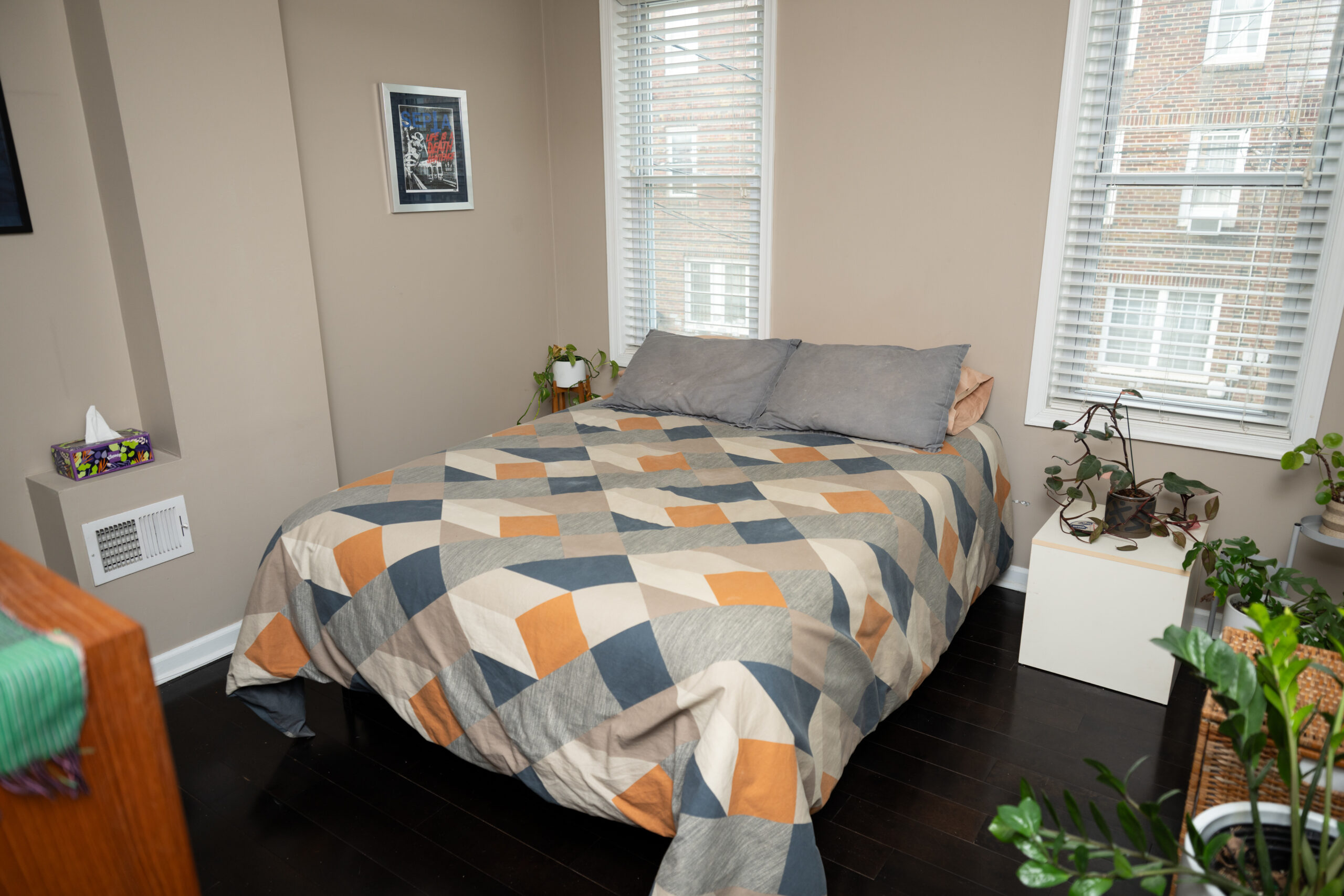
    One of two bedrooms in Evan Todtz’s house.

    “Every paycheck since graduating from undergrad, I’ve been putting money away,” Todtz said. “However modestly, whether it was 50 bucks or 100 bucks.” Eventually, he transferred some of those savings into a mutual fund that he let grow for a decade. He put the rest in a high-yield savings account. He also received a few thousand dollars from his grandmother’s estate.

    The move: Todtz closed on April Fools’ Day, which he feared was a bad omen. His agent reassured him it wasn’t. He spent the next month moving small items in his car, then hired movers to handle the bulk of the work over a weekend in May. He didn’t ask his friends to help him move. “I want to keep my friends,” Todtz said. ”I don’t want to make them stop talking to me.”

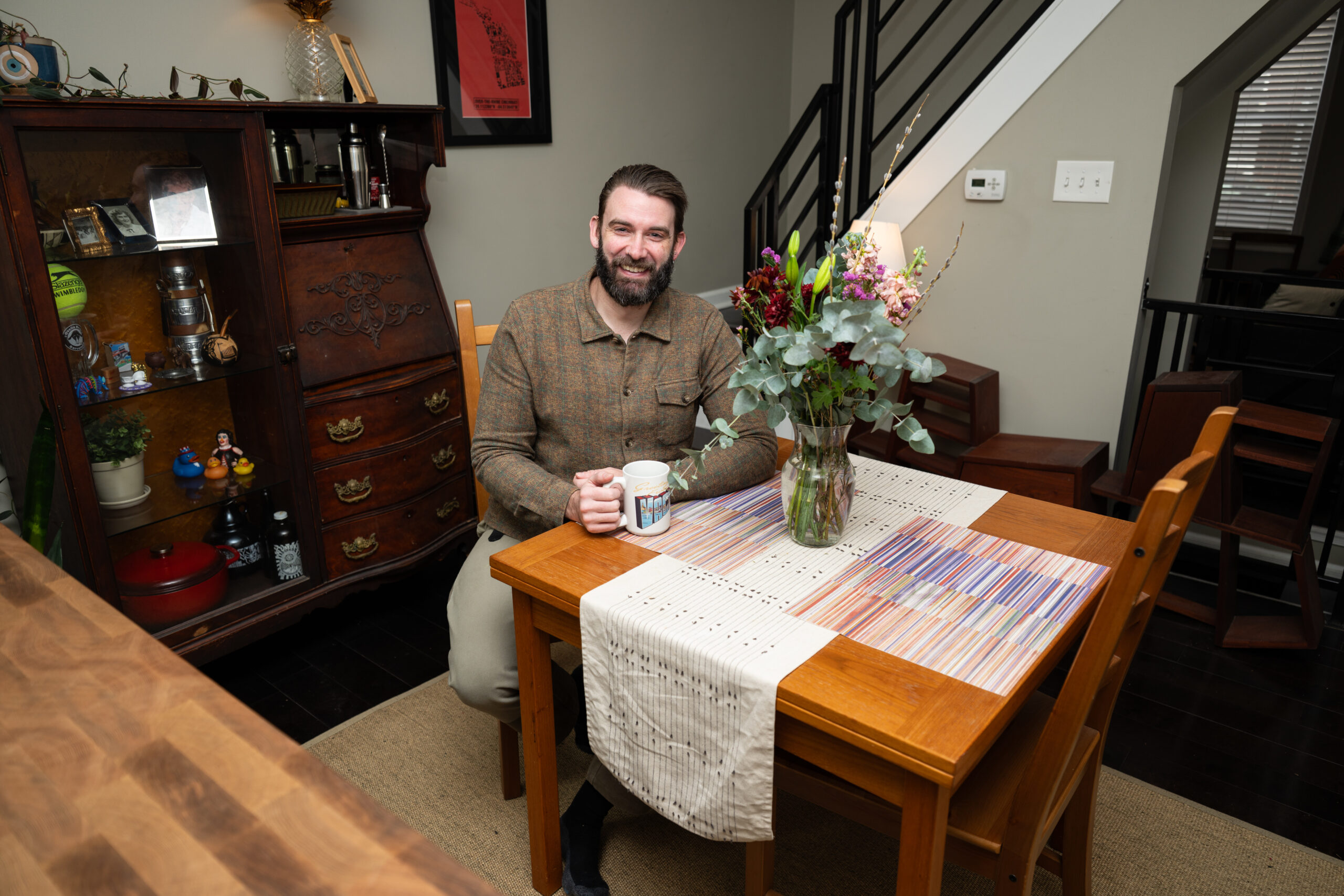
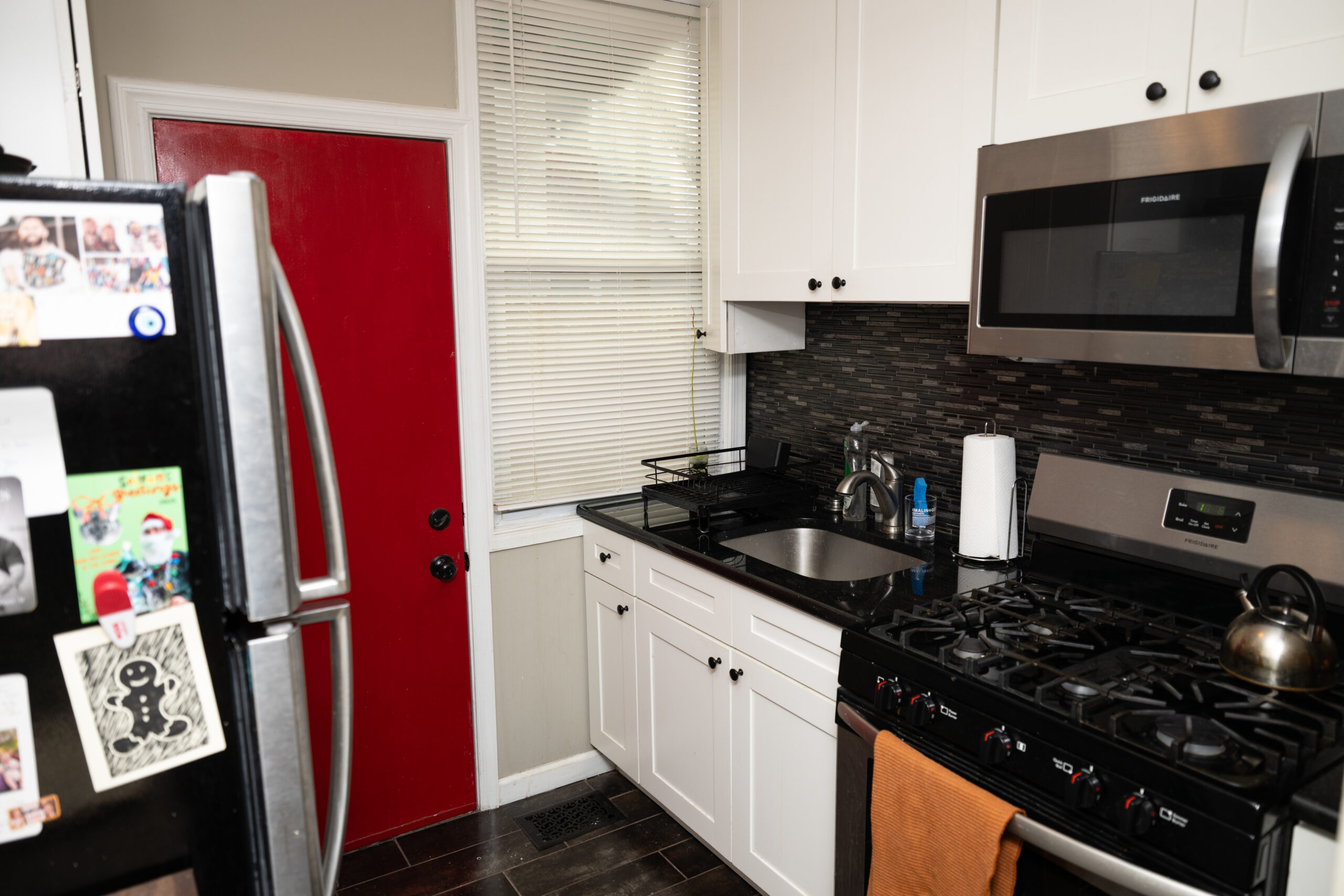
    Todtz loves his kitchen even though it’s “a little small,” he says.

    The move was mostly smooth, except for one casualty: a box spring that couldn’t fit up the new house’s narrow staircase.

    Any reservations? Todtz doesn’t regret buying, though he acknowledges that homeownership comes with new anxieties. Given the current state of the economy, “renting and being able to flee is kind of attractive,” he said.

    Still, he’s glad he made the leap. “I’m happy to own,” he said, “and I feel comfortable learning as I go.”

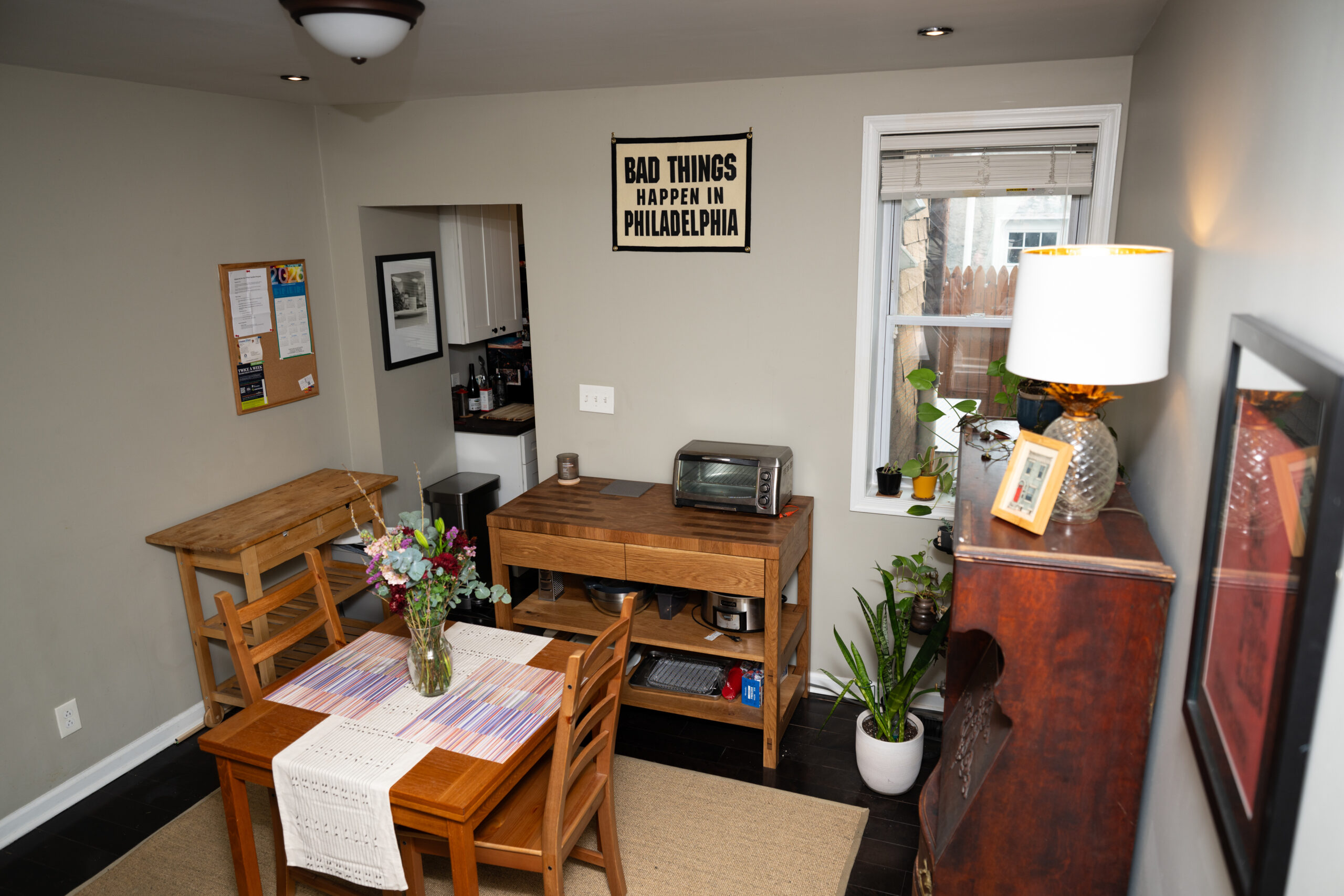
    The custom wood butcher block Todtz built with the help of the Philadelphia Table Co.

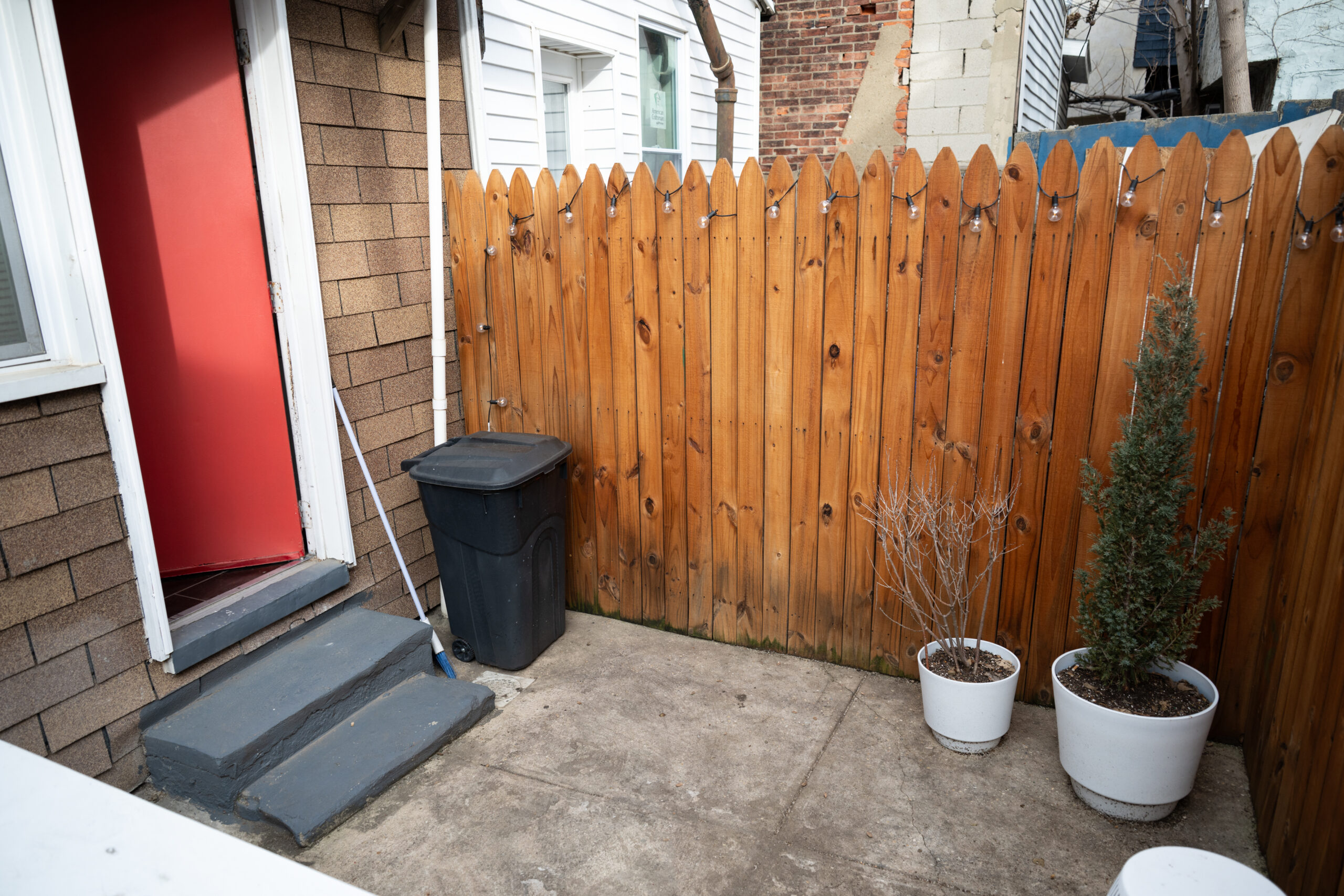
    Life after close: Most of the changes Todtz has made have been cosmetic. “I didn’t want to bite off more than I could chew,” he said. He tackled the patio first, pressure-washing the concrete, re-staining the fencing, and adding cafe lights. After that, he partnered with Philadelphia Table Co. to build a custom wood butcher block that has doubled the counter space in his kitchen.
    He has a couple of larger projects he plans to tackle next year, such as a full HVAC upgrade, but for now, he’s focused on rebuilding his savings. “I’m happy with the investment,” he said, “but I’m very much in a house-poor moment right now.”
    Did you recently buy a home? We want to hear about it. Email acovington@inquirer.com.
  • Turnpike-fueled development | Real Estate Newsletter

    Turnpike-fueled development | Real Estate Newsletter

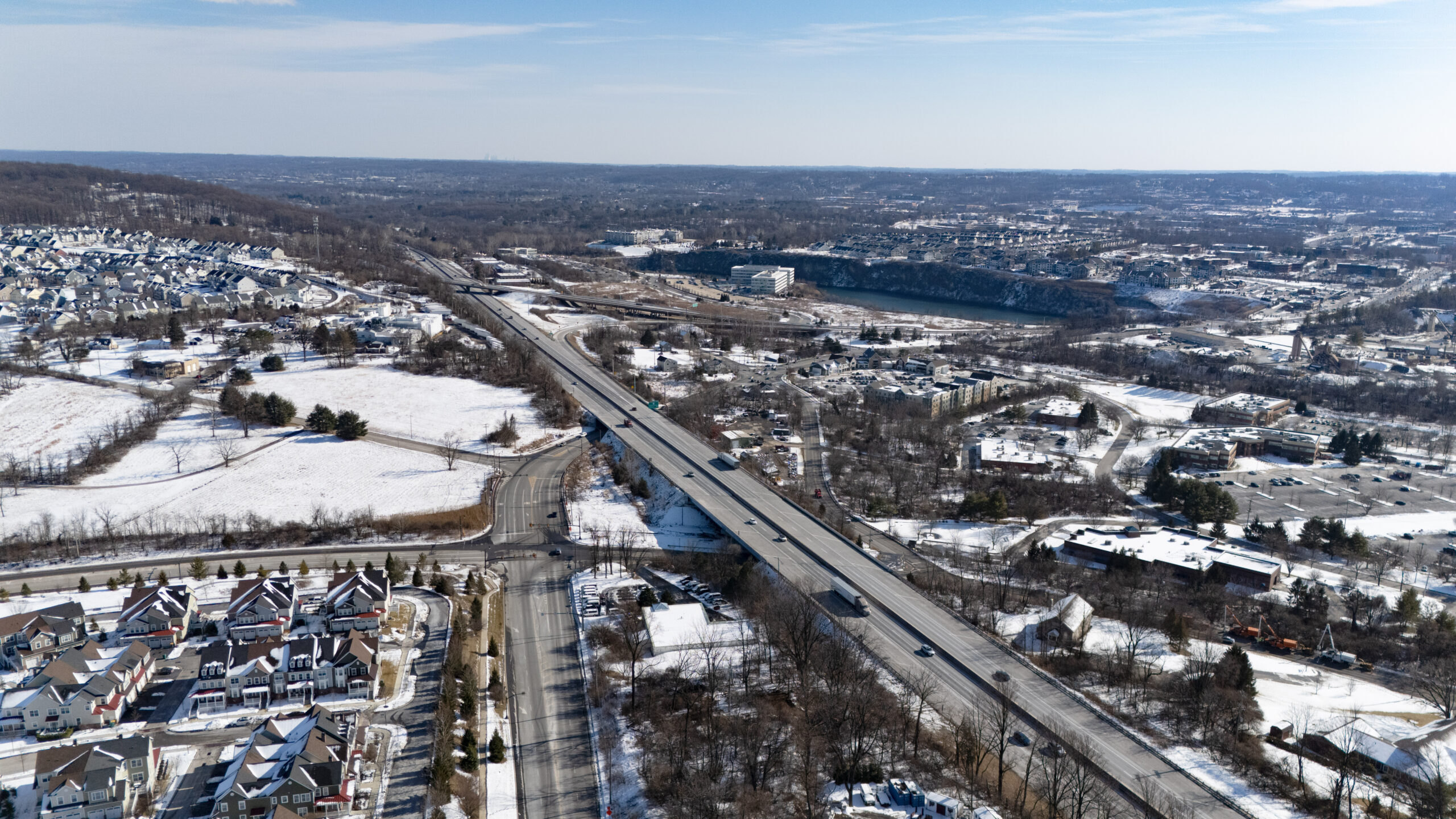
    What difference does a turnpike ramp make? In tiny Malvern, an E-ZPass interchange helped pave the way for billions of dollars in commercial and residential development in Chester County’s Great Valley.

    The Pennsylvania Turnpike opened Exit 320 in December 2012. The Route 29 ramp has since transformed businesses and communities in the region.

    And now, as the demand for offices has slowed, the area is seeing another rise in residential projects.

    Keep scrolling for that story and more in this week’s edition:

    — Michaelle Bond

    If someone forwarded you this email, sign up for free here.

    A residential wave

    Chester County’s Great Valley has a lot going for it, which helps explain why it’s grown so much. One of its assets is the Pennsylvania Turnpike’s Exit 320.

    After it opened, corporate office parks popped up and expanded, and thousands of people moved in, drawn by new jobs and suddenly easier commutes to Philly and the wider region.

    In the last few years, the real estate landscape has shifted, and there’s less demand for offices. That’s led to a new rise in residential development.

    • A 10.3-acre property on Swedesford Road is headed for demolition so it can be transformed into hundreds of apartments and thousands of square feet of dining and retail space.
    • A developer just turned an empty office building in Exton into “hotel-apartments.”
    • A 111-acre office park off Route 29 is for sale and is being marketed as a redevelopment opportunity.

    The residential shift isn’t a surprise. There’s more demand for homes than there is supply, and families are looking for anything they can afford.

    Keep reading to learn about other residential projects underway and find out why a project manager says he sees “a runway for more.”

    A church for a home

    Coming up with $2.5 million in cash actually seems like it was the easy part of the home search for Carrita Thomas and Jake Stein.

    When they started, they had one child and were expecting twins, so the family needed more space.

    Thomas and Stein loved Society Hill and wanted to stay in the neighborhood, but there weren’t many rowhouses for sale that had at least six bedrooms, on-site parking, and outdoor space. Houses that could work sold in a blink.

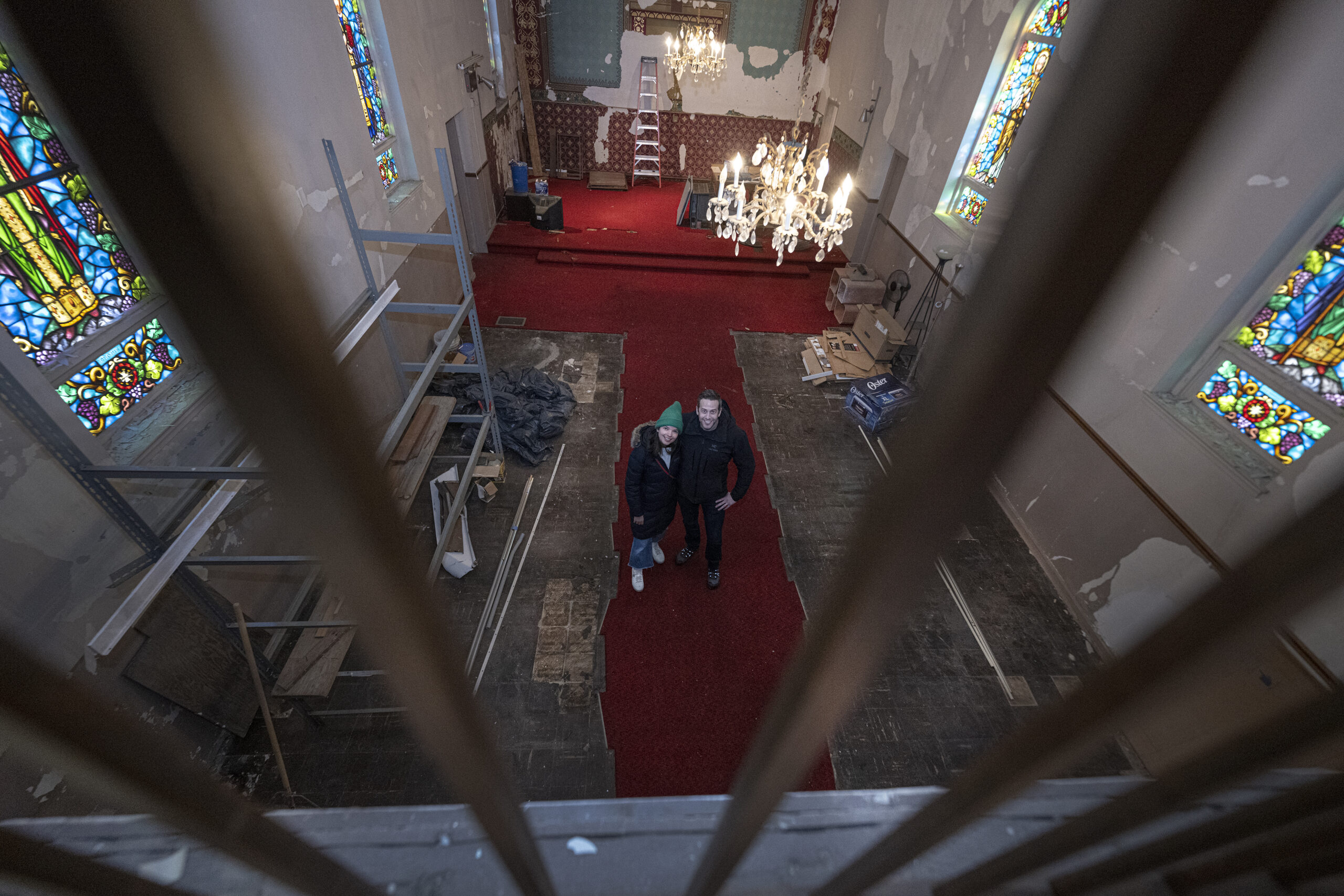
    Then they saw a for-sale sign on a long-vacant church two blocks from their home.

    They originally hadn’t wanted a fixer-upper, but they ended up with their neighborhood’s most glaring example.

    Keep reading to find out why the sale was difficult, what the church looks like now, and how the couple is approaching renovations.

    The latest news to pay attention to

    Home tour: Office turned apartment

    17 Market West was the first major project in Philly to turn offices into apartments in the post-pandemic era.

    Allison Levari and Frank DiMeo were some of the first tenants to move in last June.

    The couple’s 1,200-square-foot apartment has two bedrooms, two bathrooms, and an open layout. The corner unit gets lots of natural light through large windows that Levari likes to open to let in fresh air and city sounds.

    Light and views help define the transformed building, a property manager said. Alterra Property Group replaced old office windows when it converted the former Morgan Lewis building into a 299-unit apartment building.

    There’s a yoga studio and pickleball and basketball courts. The rooftop has a saltwater pool, sauna, and cold plunge. The lounge includes a chef’s prep kitchen.

    Peek inside Levari and DiMeo’s home and see whether you can tell it used to be office space.

    📷 Photo quiz

    Do you know the location this photo (from a friendlier snowfall) shows?

    📮 If you think you do, email me back. You and your memories of visiting this spot might be featured in the newsletter.

    Last week’s quiz featured a photo of the “Staircases and Mountaintops: Ascending Beyond the Dream” mural on the Martin Luther King Jr. Recreation Center at 22nd Street and Cecil B. Moore Avenue.

    That answer evaded everyone except super reader Lars W. I remember stumping him only once or twice in the three years that I’ve been writing this newsletter.

    Enjoy the rest of your week.

    By submitting your written, visual, and/or audio contributions, you agree to The Inquirer’s Terms of Use, including the grant of rights in Section 10.

  • House of the week: A three-bedroom twin in Mount Airy for $600,000

    House of the week: A three-bedroom twin in Mount Airy for $600,000

    For Cheryl and Jesse Jacobs, the three-bedroom, 2½-bathroom twin in Mount Airy had it all: friendly neighbors, good schools, nearby parks, and a short walk to the Sedgwick SEPTA Regional Rail station.

    And for Jesse, a finished basement he called “my man cave,” where he played with the couple’s son.

    The house had been in their family a long time. Cheryl grew up there. When her father died in 2013, they decided to make major renovations.

    The home’s living room. There are working wood-burning fireplaces on the first level and in the basement.

    They opened up the kitchen on the lower floor, reworked the primary bathroom to enlarge the shower, installed recessed lighting, and replaced the water heater and home heating system.

    Now the Jacobs family — he’s a retired facilities manager for large corporations; she’s a semi-retired HR consultant — are downsizing to a home in South Jersey and planning to winter in Florida with their son.

    The Mount Airy house, built in the 1920s, is 2,062 square feet and has a brick-and-stone facade.

    The kitchen.

    The main level has a large living room with hardwood floors, and the dining room has the original plaster detailing. Arched French doors lead into the kitchen, which has stained glass windows.

    There are working wood-burning fireplaces on the first level and in the basement.

    The three bedrooms are on the second level.

    The basement could serve as a home office, media room, or in-law suite.

    One of the home’s bathrooms.

    The house has a covered front porch, a two-car garage with extra storage space, two green outdoor areas, and a rear patio.

    Mount Airy Playground, Pleasant Playground, and Benjamin L. Johnston Memorial Stadium are all easily accessible.

    The house is in the Henry H. Houston School catchment area.

    It is listed by Cherise Wynne of Compass Realty for $600,000.

  • A plan to redevelop Gladwyne has residents split on their town’s future. What happens next?

    A plan to redevelop Gladwyne has residents split on their town’s future. What happens next?

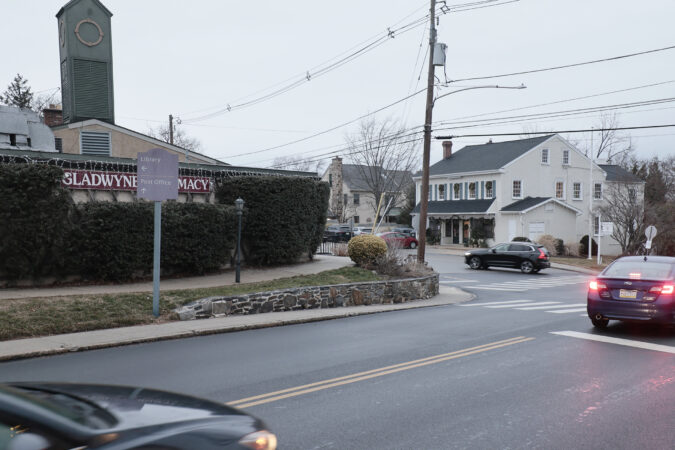
    Three weeks after developers unveiled a sweeping plan to revitalize much of downtown Gladwyne, the affluent Main Line community has been abuzz with excitement, and skepticism, about the village’s future.

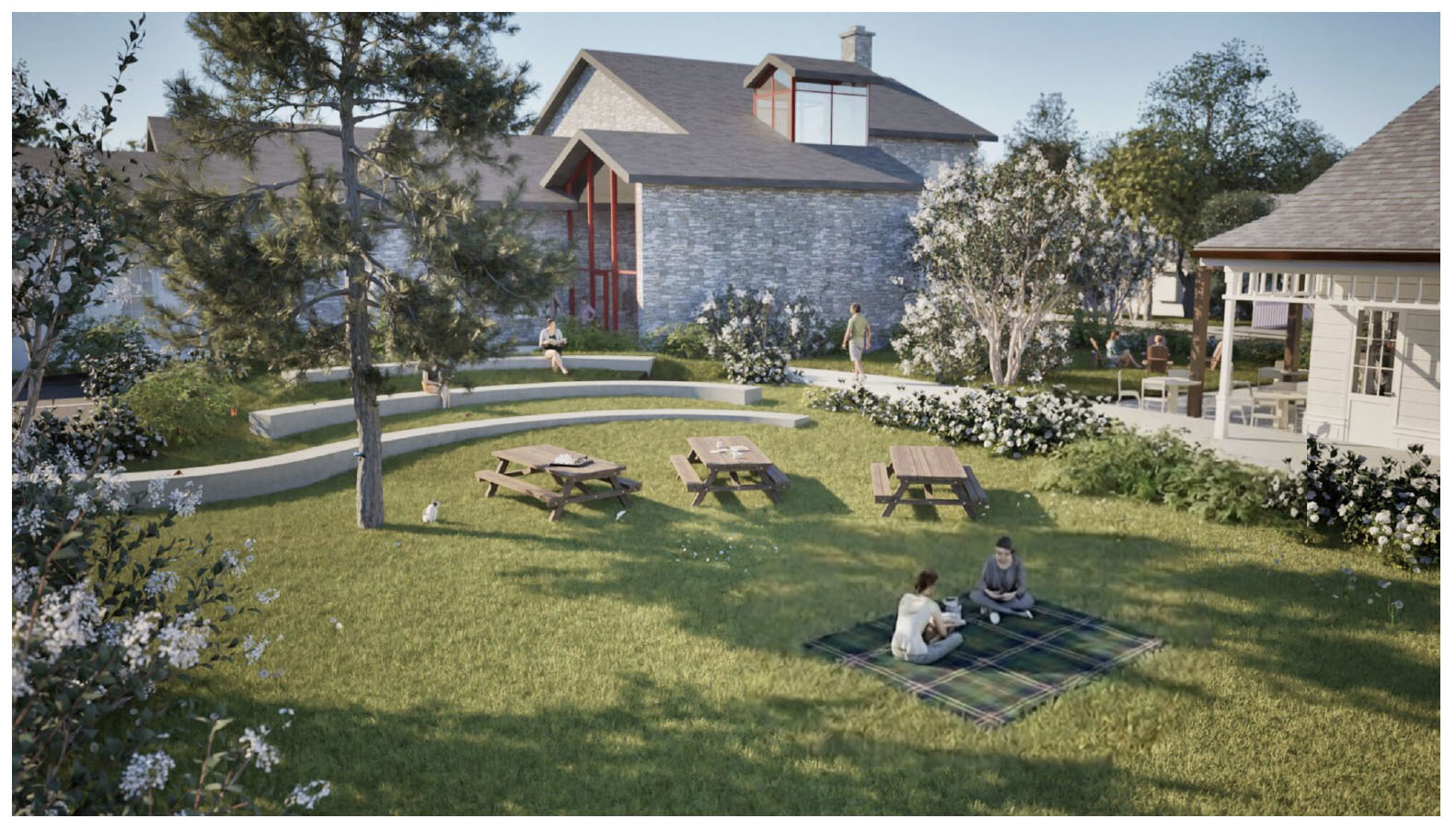
    On Jan. 8, Andre Golsorkhi, founder and CEO of design firm Haldon House, presented plans for a revitalized town center, complete with historic architecture, green spaces, and businesses that “fit the character” of the area. Golsorkhi told a packed school auditorium that Haldon House plans to bring in boutique shops, open an upscale-yet-approachable restaurant, and create spaces for communal gathering.

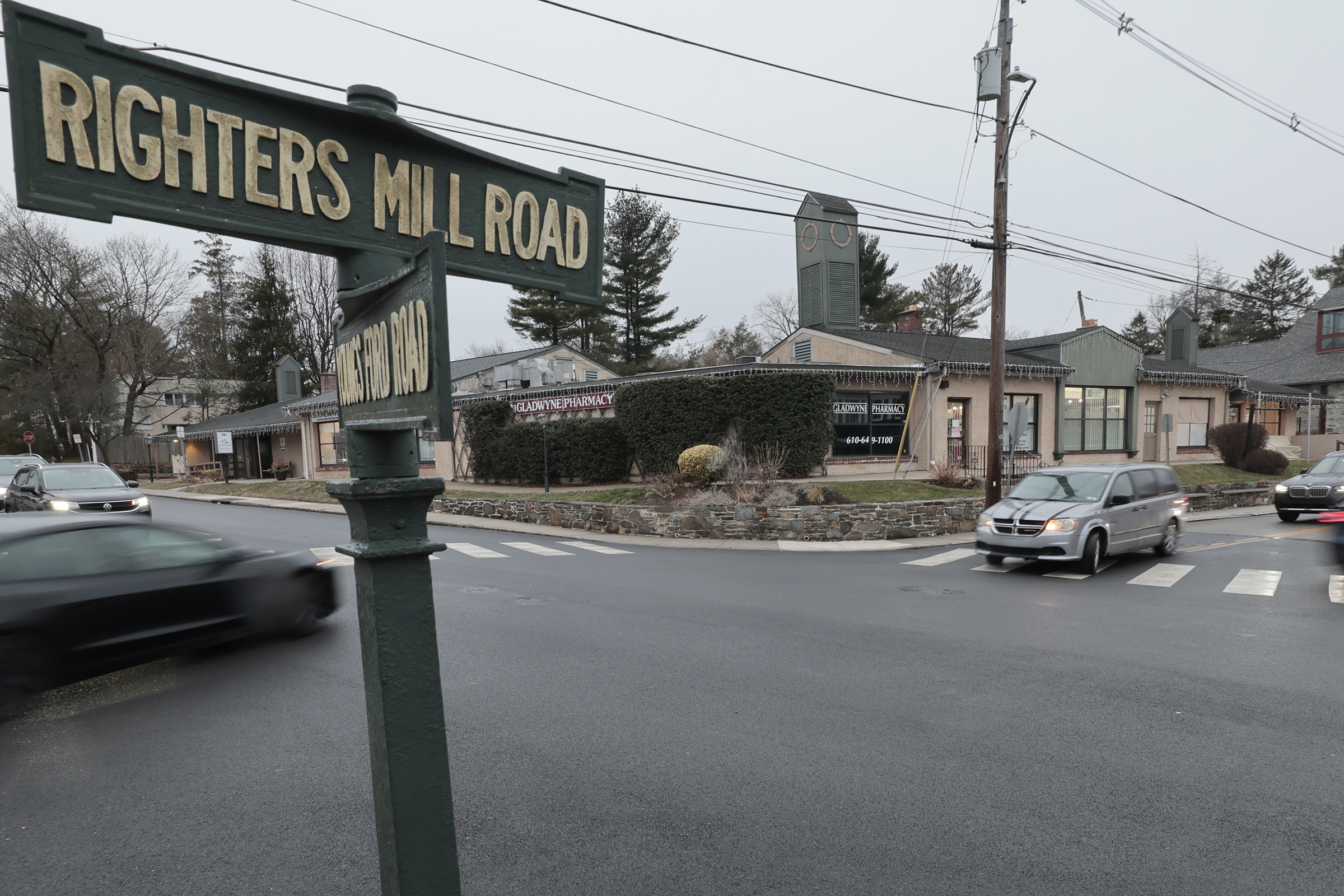
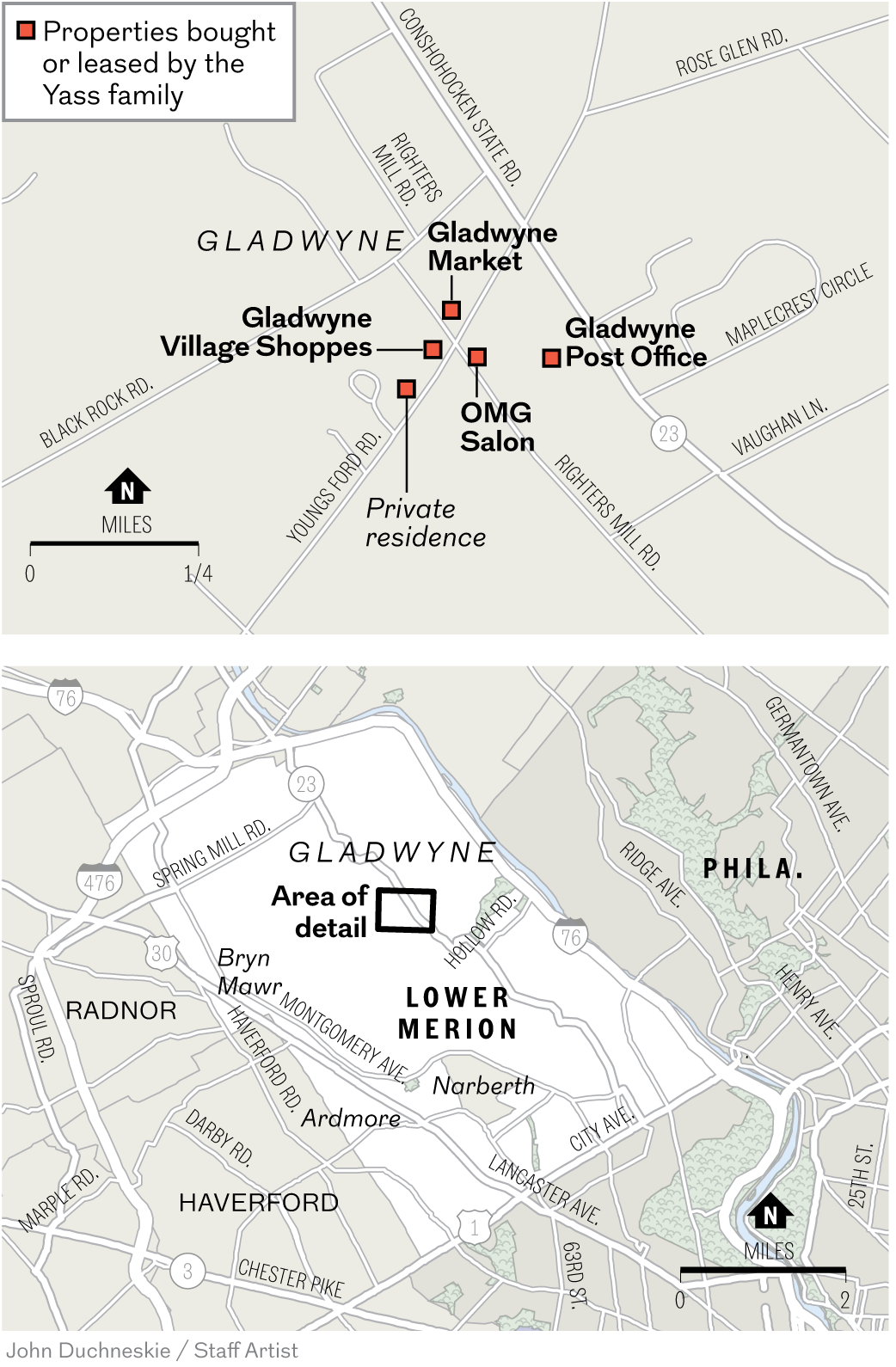
    At the meeting, Golsorkhi also revealed that the project was backed by Jeff Yass, Pennsylvania’s richest man, and his wife, Janine. Golsorkhi said the Yasses want to revitalize Gladwyne as part of a local “community impact project.” Haldon House and the Yasses, who live near Gladwyne, have spent over $15 million acquiring multiple properties at the intersection of Youngs Ford and Righters Mill Roads.

    The news drew a flurry of social media posts — and a write-up in a British tabloid. While some praised the proposal, others protested the changes headed toward their quaint community, and the conservative donor financing them.

    Renderings of a proposed revitalization project in Gladwyne, Pa. Design firm Haldon House is working with billionaire Jeff Yass to redevelop the Main Line village while preserving its historic architecture, developers told Gladwyne residents at a Jan. 8 meeting.

    What is, and isn’t, allowable?

    For some residents, one question has lingered: Is one family allowed to redevelop an entire village?

    A petition calling on Lower Merion Township to hold a public hearing and pass protections preventing private owners from consolidating control of town centers had gathered nearly four dozen signatures as of Friday.

    Around 4,100 people live in the 19035 zip code, which encompasses much of Gladwyne, according to data from the 2020 U.S. Census.

    “Residents deserve a say before their town is transformed. No one family, no matter how wealthy, should unilaterally control the civic and commercial core of a historic Pennsylvania community,” the petition reads.

    Yet much of Haldon House’s plan is allowable under township zoning code, said Chris Leswing, Lower Merion’s director for building and planning.

    Plans to refurbish buildings, clean up landscaping, and bring in new businesses are generally permitted by right, meaning the developers will not need approval from the township to move forward. Gladwyne’s downtown is zoned as “neighborhood center,” a zoning designation put on the books in 2023 that allows for small-scale commercial buildings and local retail and services. The zoning code, which is currently in use in Gladwyne and Penn Wynne, ensures commercial buildings can be no taller than two stories.

    The developers’ plans to open a new restaurant in the former Gladwyne Market and renovate buildings with a late-1800s aesthetic, including wraparound porches and greenery, are generally within the bounds of what is allowed, once they obtain a building permit.

    The Village Shoppes, including the Gladwyne Pharmacy, at the intersection of Youngs Ford and Righters Mill Roads in Gladwyne on Friday, Jan. 9, 2026.

    More ambitious plans, however, like converting a residential home into a parking lot or burying the power lines that hang over the village, would require extra levels of approval, Leswing said.

    The developers hope to convert a residential property on the 900 block of Youngs Ford Road into a parking lot. Lower Merion generally encourages parking lots to be tucked behind buildings and does not allow street-facing parking, a measure designed to avoid a strip mall feel, Leswing said. In order to turn the lot into parking, the developers would need an amendment to the zoning code, which would have to be approved by the board of commissioners.

    Various approvals would also be needed to put Gladwyne’s power lines underground, an ambitious goal set by the Haldon House and Yass team.

    Leswing clarified that no official plans have been submitted, making it hard to say how long the process will take. It will be a matter of months, at least, before the ball really gets rolling.

    Leswing added the developers have been “so good about being locked into the community” and open to constructive feedback.

    Golsorkhi said it will be some time before his team can provide a meaningful update on the development, but expressed gratitude to the hundreds of residents who have reached out with questions, support, and concerns.

    Map of properties in Gladwyne bought or leased by the Yass family.

    From ‘110% in favor’ to ‘a tough pill to swallow’

    Fred Abrams, 65, a real estate developer who has lived in Gladwyne for seven years, said he and his wife are “110% in favor” of the redevelopment, calling it an “absolute no-brainer.”

    Many Gladwyne residents live in single-family homes that keep them in their own, sometimes isolating, worlds, his wife, Kassie Monaghan Abrams, 57, said.

    “Here’s an opportunity for being outside and meeting your neighbors and, to me, getting back to spending time with people,” she said of the proposal to create communal gathering areas.

    “I think it’s a very thoughtful, beautiful design,” Monaghan Abrams added.

    Some social media commenters called the proposal “charming” and “a fantastic revitalization.”

    Others were more skeptical.

    Ryan Werner, 40, moved to Gladwyne in 2012 with his wife, who grew up in the town.

    “One of the things I’ve kind of fallen in love with about Gladwyne is the sense of community,” said Werner, who has a background in e-commerce sales and is transitioning to work in the mental health space.

    Werner is not necessarily opposed to the renovations (although he loved the Gladwyne Market). Rather, he said, it’s “a tough pill to swallow” that Yass is promoting a community-oriented project while supporting President Donald Trump’s administration and Trump-affiliated groups.

    “I’m less opposed to just the commercial side of it and more grossed out by the involvement of certain people in it,” Werner said.

    Gladwyne is a Democratic-leaning community that voted overwhelmingly for former Vice President Kamala Harris in the 2024 election.

    On social media, some griped about the changes.

    “The Village will be just like Ardmore and Bryn Mawr. Can’t undo it once they build it,” one commenter wrote in a Gladwyne Facebook group.

    Golsorkhi said in an email that the “enthusiasm, excitement and support” from the community have been “overwhelming.”

    This suburban content is produced with support from the Leslie Miller and Richard Worley Foundation and The Lenfest Institute for Journalism. Editorial content is created independently of the project donors. Gifts to support The Inquirer’s high-impact journalism can be made at inquirer.com/donate. A list of Lenfest Institute donors can be found at lenfestinstitute.org/supporters.

  • How Malvern’s Pa. Turnpike ramp sparked billions in economic development

    How Malvern’s Pa. Turnpike ramp sparked billions in economic development

    Michael Chain Jr. once had to exit the Pennsylvania Turnpike at Downingtown and drive a zigzag pattern on State Routes 100, 113, 401, and 29 to reach his hotel.

    So did his customers.

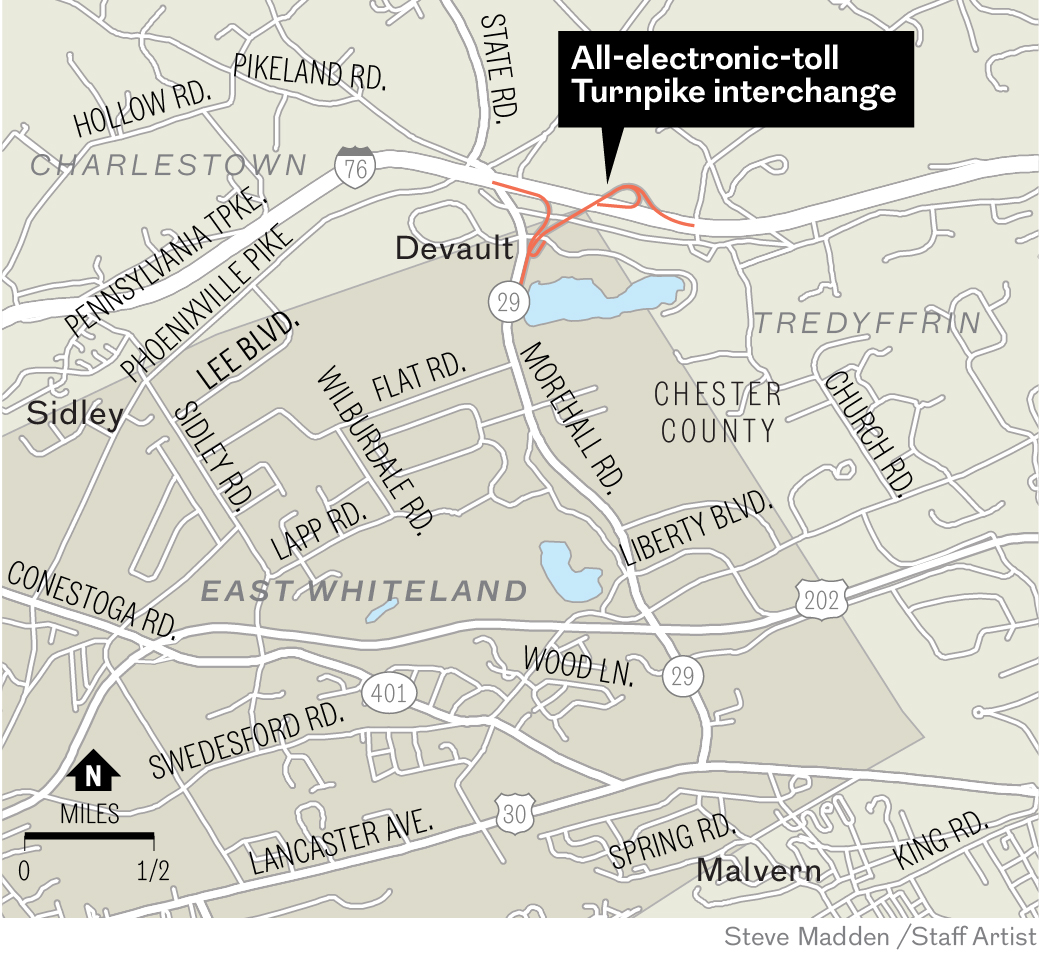
    But then the turnpike built Exit 320, an all E-ZPass interchange that connects to Route 29 and brings traffic right to the family-owned Hotel Desmond Malvern, a DoubleTree by Hilton.

    “It would easily take 20 minutes,” said Chain, general manager of the property. “Now you cut that in half, if not more.”

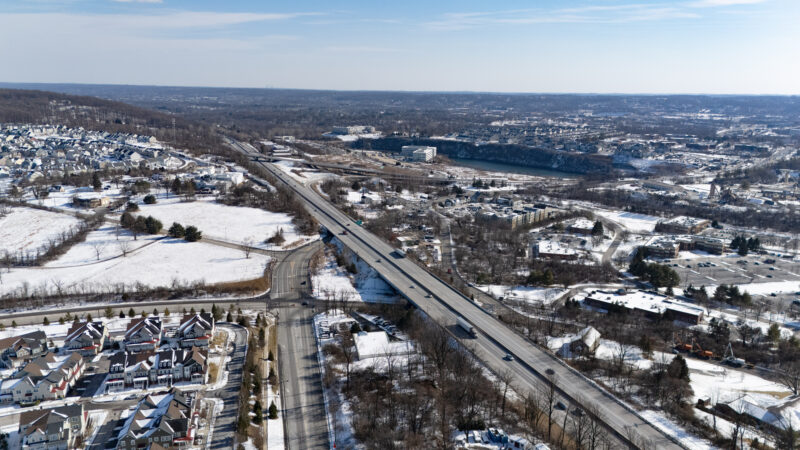
    When it opened in December 2012, the interchange helped spur billions in new commercial and residential development in Chester County’s Great Valley.

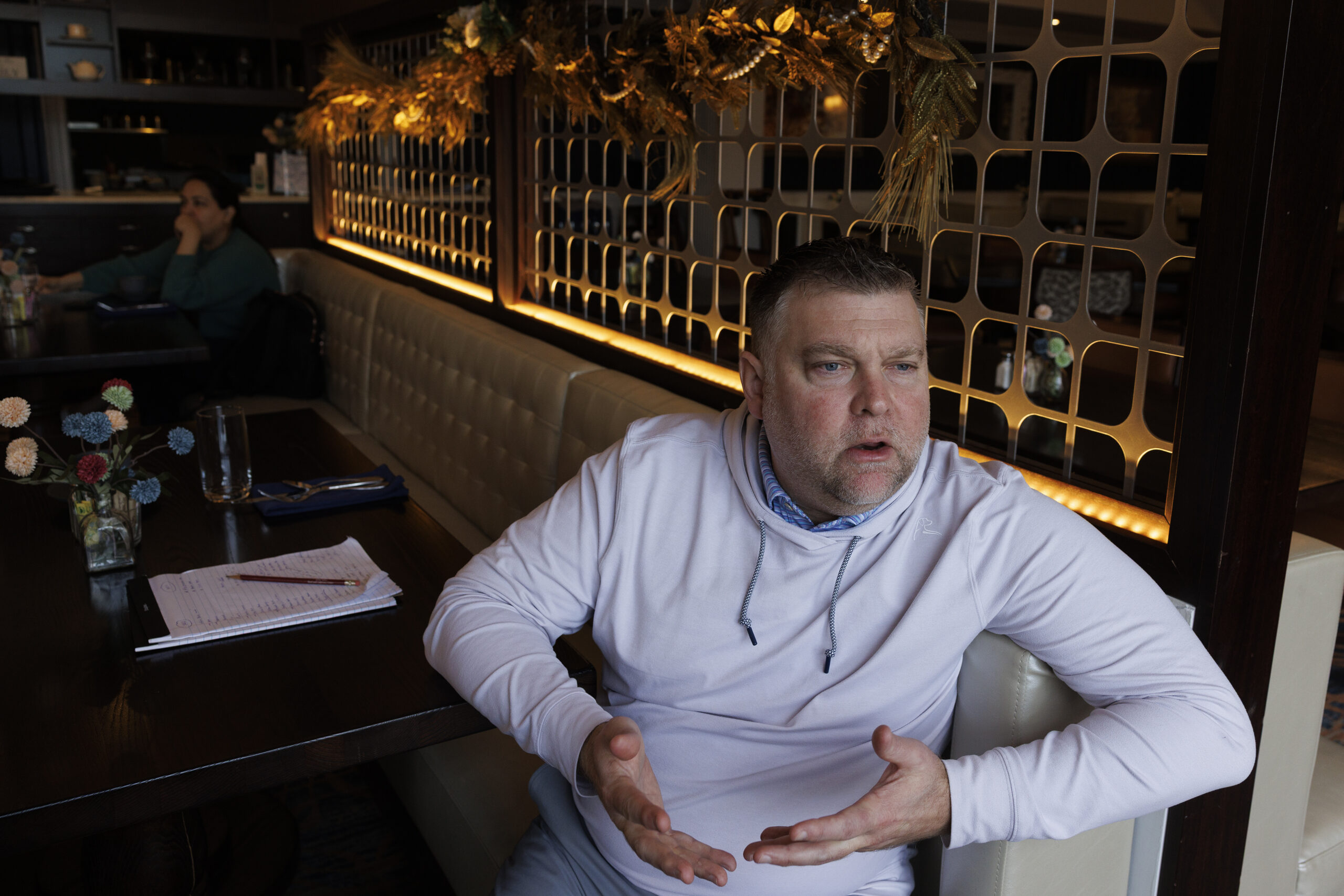
    Michael Chain, general manager at a hotel in Great Valley, says the Route 29 ramp has transformed his business.

    Corporate office parks expanded and new ones sprouted. Vanguard relentlessly expanded its campus for its 12,000 workers. Pharmaceutical and biotech companies moved there. Pfizer, Johnson & Johnson, Teva, and other pharmaceutical companies planted offices and research laboratories there.

    Thousands of people moved in to take advantage of the new jobs or a suddenly more convenient commute to Philadelphia and its inner-ring suburbs, Berks County, Lancaster, or even Harrisburg.

    More than 10 years later, the effects of the turnpike’s project are evident, but the real estate market is evolving to meet a lower post-pandemic demand for traditional office space and a higher demand for more housing.

    Through American history, transportation and development have been yoked. Towns and cities have grown around navigable rivers, post roads, national highways, railroads, interstates, turnpikes, and public transit.

    “This new interchange was explosive in terms of the economic impact in that particular region in a way I’m not even sure we had anticipated,” said Craig R. Shuey, chief operating officer of the Pennsylvania Turnpike.

    The key to success

    Experts caution it would be a mistake to attribute too much of the growth in the Great Valley solely to the turnpike exit.

    The area’s transition from agricultural and industrial to commercial mixed-use was already well underway when it opened. Real estate developers Rouse & Associates acquired land in 1974 and began building the Great Valley Corporate Center, a 700-acre business park.

    As the Pennsylvania 29 interchange was under construction, the U.S. 202 widening project occurred, helping ease the flow of traffic, although it still gets congested at peak hours.

    The Route 29 electronic toll interchange.

    The exit “plays well with an improved Route 202,” said Tim Phelps, executive director of the Transportation Management Association of Chester County.

    It’s also served by SEPTA Regional Rail Service and Amtrak, and there’s a connection to the 18.6-mile Chester Valley trail for biking, running, and walking.

    “The key is all the multimodal access to the area from different points,” Phelps said. “You move goods and freight along corridors and people to jobs; transportation is economic development.”

    New rise in residences

    Growth hasn’t been linear.

    ”Since COVID the office market has been struggling everywhere, and a couple of years ago the funding for biotech became harder to get,“ said John McGee, a commercial real estate broker and developer. ”Both of these events had a negative impact on demand for [office] space in Great Valley.”

    He and partners have turned an empty Exton office building into the Flats on 100, 24 studio and eight one-bedroom apartments, marketed to consultants and visitors who need to stay awhile while working with local companies.

    Other signs of a softer market in commercial space:

    • Malvern Green, a 111-acre office park owned by Oracle, is up for sale, marketed as a redevelopment opportunity. It has 759,000 square feet in four buildings on Valley Stream Parkway, off Route 29.
    • A 10.3-acre office property on Swedesford Road is slated to be demolished and turned into a mixed-use campus, with 250 apartments and about 6,700 square feet of retail and dining.

    With the pandemic rewriting the rules of work beginning five years ago, residential development has picked up, driven by housing scarcity and lack of affordability.

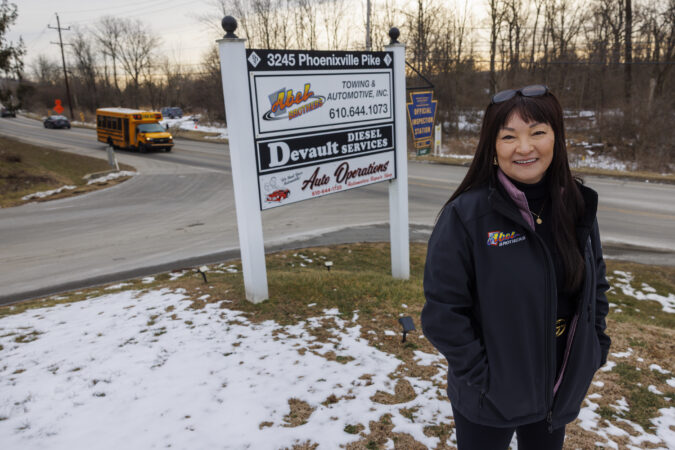
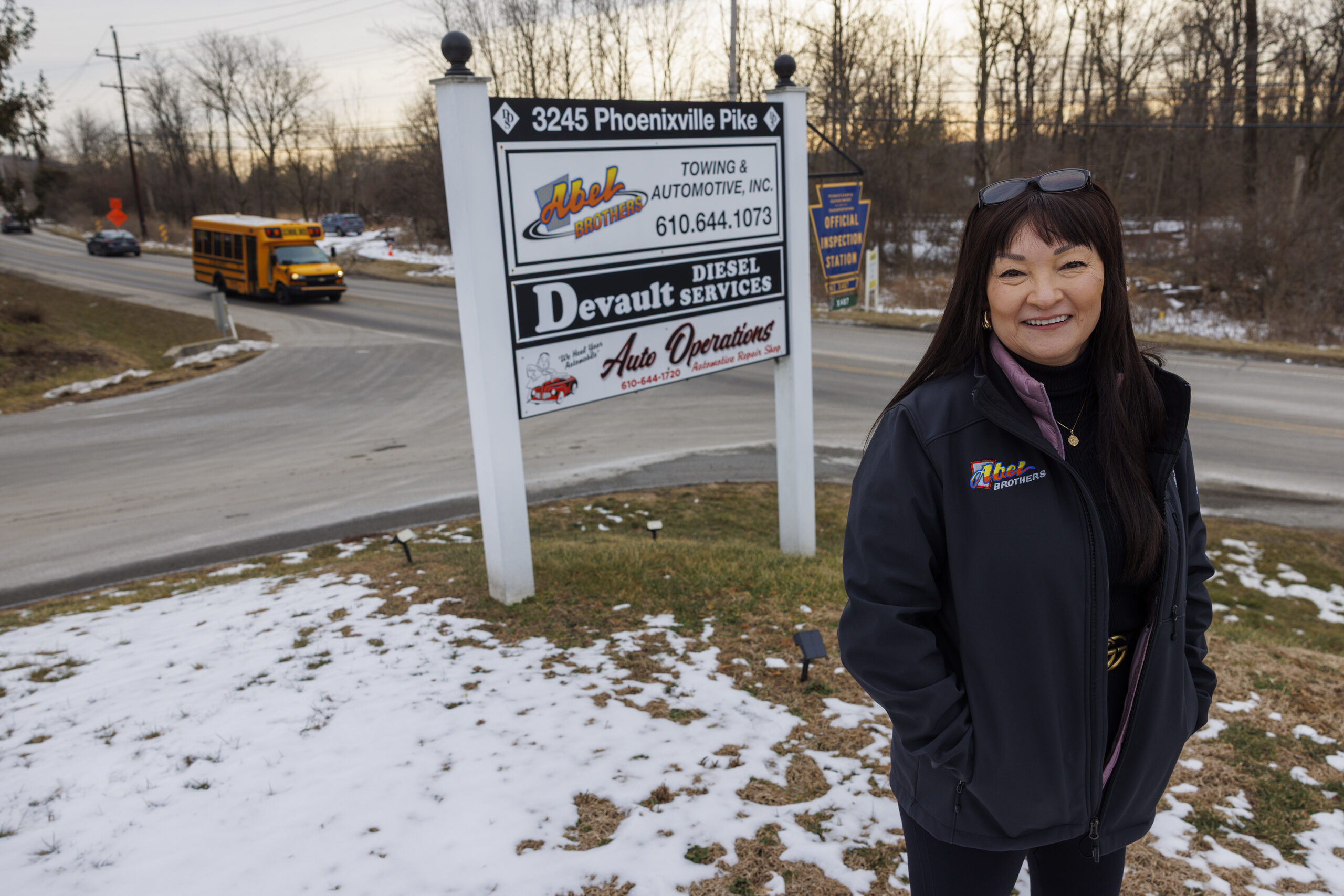
    Deb Abel, president of Abel Brothers Towing & Automotive, has seen the area evolve from her position as chair of the East Whiteland Planning Commission and as a member of the Chamber of Business & Industry.

    Deb Abel, chair of the East Whitefield Planning Commission, says workforce development is key to the area’s growth.

    “We talk all the time about workforce development,” Abel said. “People don’t want to come to work where they can’t afford to live.”

    More — and more affordable — housing is key both for current and future staffing needs. Workers shouldn’t have to commute from other areas with more housing options, Abel said.

    ‘A tangible asset’

    To Chain, the hotelier, travel time saved by the interchange is a tangible asset.

    “It improves the quality of life on a personal level, and [in business] I’m a beneficiary of people staying on the turnpike,” he said.

    As corporate travel budgets waxed and waned in the Great Recession and pandemic years, the Hotel Desmond beefed up other lines of business. An events space at the resort-like hotel now provides about half the revenues, Chain said.

    The interchange has helped him draw conference business from statewide associations, most of them in Harrisburg.

    And in recent years, youth sports travel teams from New York and New Jersey attending weekend tournaments in the region have filled rooms while using the interchange for easy access. Hockey teams are big.

    ‘A natural progression’

    A new multifamily project for Greystar Real Estate Partners is rising next to Route 29 on undeveloped land.

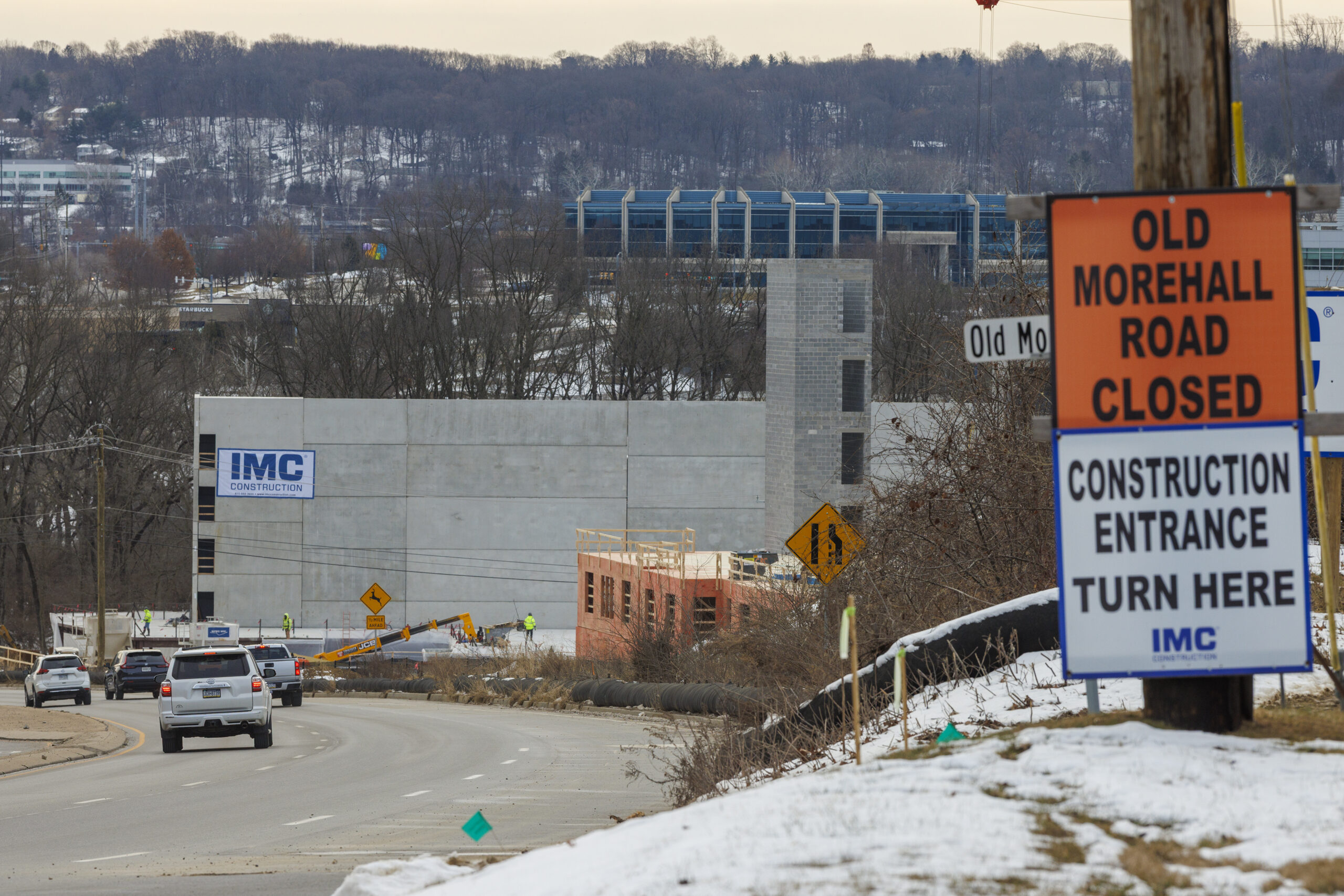
    IMC Construction is building a five-story, 267-unit apartment building featuring a rooftop lounge, fitness center, coworking space, pool courtyard, grilling stations, and more.

    IMC Construction signs and traffic markers along North Morehall Road in Malvern.

    A 133-unit “active adult” apartment building for people who are 55 and older is also under construction.

    Project manager Bob Liberato grew up in the area when Route 29 was a country road with one traffic light between Phoenixville and Route 30.

    It seems ironic now, but he remembers a petition circulating among fellow students at Great Valley High School to oppose the turnpike’s interchange proposal. Pretty much everybody signed.

    “We wanted to stop the turnpike because we liked our life,” Liberato said. “It was open, mostly fields and trees. Being able to go outside, have parties in the woods — all of that was great.”

    So what he’s doing now is, in a way, part of the circle of life.

    “We’re seeing a shift toward more residential projects, and there is a runway for more in the Great Valley,” said Liberato. With a scarcity of new development, ”it’s a natural progression in a lot of Philly suburbs.”

  • A Gladwyne estate that can be split into three lots is for sale for $8.5 million

    A Gladwyne estate that can be split into three lots is for sale for $8.5 million

    The possibilities are what make a Gladwyne estate for sale on Country Club Road “a significant property,” said listing agent Lisa Yakulis.

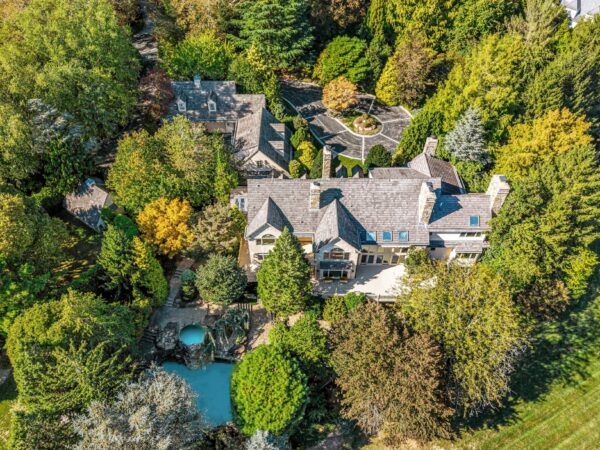
    It spans 12.76 “very private” acres, said Yakulis, a broker associate at Kurfiss Sotheby’s International Realty. “It’s hard to find that size of a property in that area.”

    The 9,166-square-foot home sits on about four acres. A future owner could subdivide the lower part of the property to create two roughly four-acre lots. An existing easement would provide access to the additional lots.

    The property is on the market for $8.5 million.

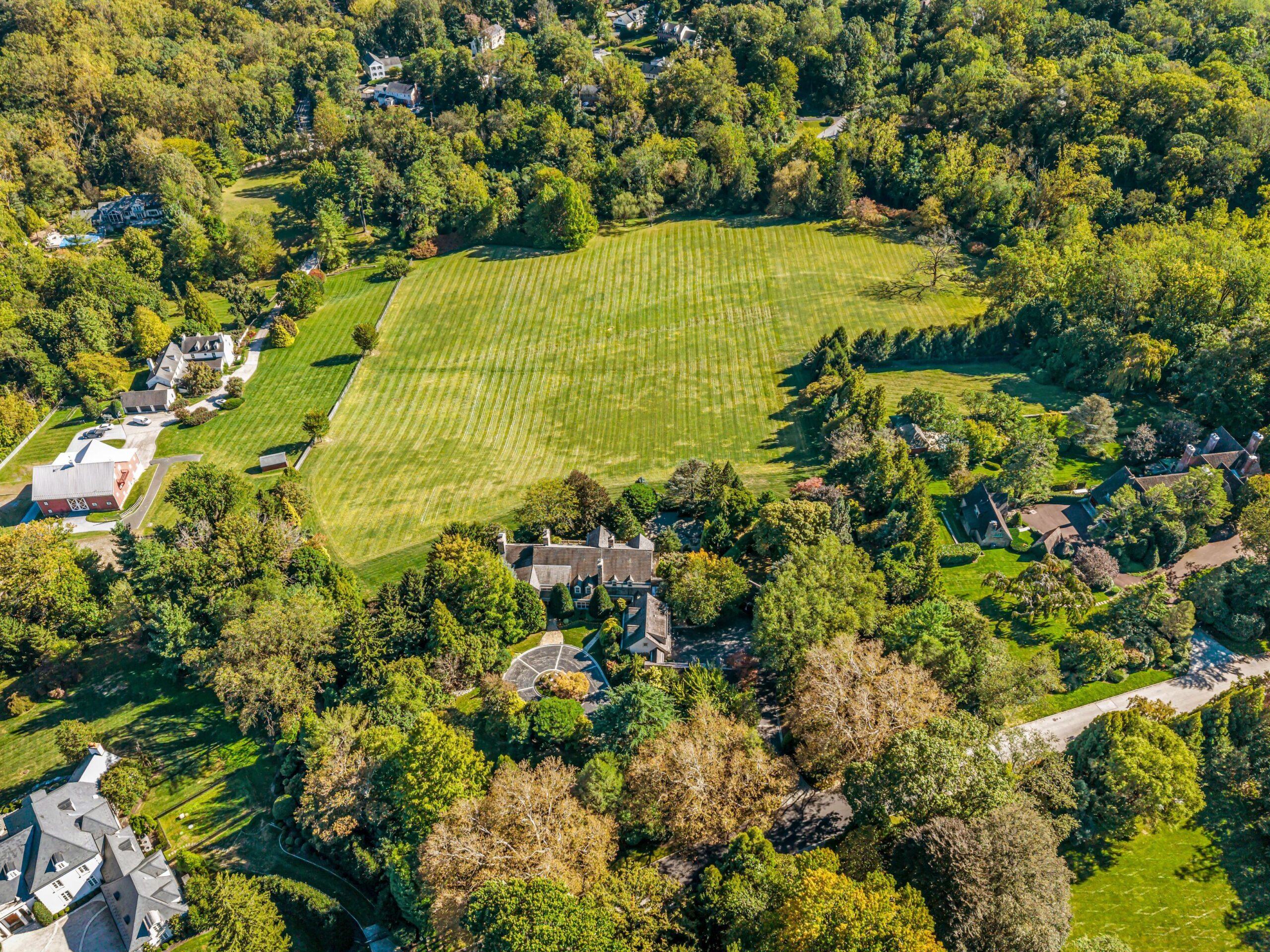
    The home for sale on Country Club Road in Gladwyne sits on almost 13 acres, which can be broken into separate lots.

    Yakulis said she’s seen that on the Main Line in the years since the pandemic, “desirable building lots with that kind of acreage are, No. 1, very hard to find, and No. 2, there’s a fairly large buyer pool out there that’s looking for land in that location to build exactly what they want to build vs. buying a resale home.”

    The home on the property was custom built in 1993, and its floor plan is more open than homes of that time. It was designed to host the owners’ family and friends, which it has done for the last three decades.

    The house has six bedrooms, eight full bathrooms, and three half bathrooms. Many large windows provide panoramic views of the property. The home has an elevator, six fireplaces, a library, two laundry rooms, and flexible living spaces.

    The front door of the home opens to a chandelier and winding staircase.

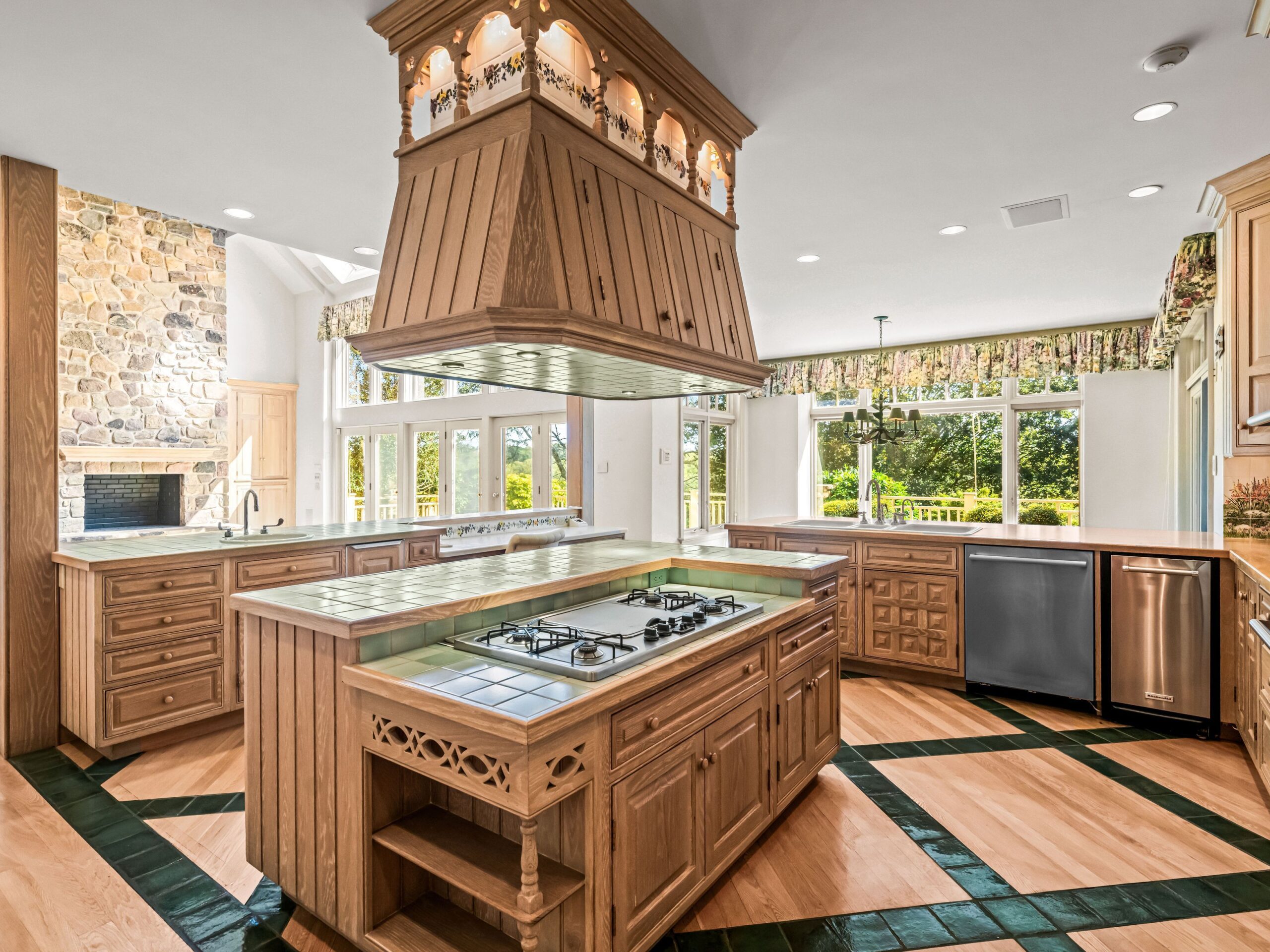
    The primary suite has two separate bathrooms and large dressing rooms. The main kitchen includes two ovens, a large island with a stove, bar seating, and a refrigerator that can be concealed behind sliding wooden panels.

    The property has a total of three guest suites on the lower level, in a private section of the main level, and above one of two oversized two-car garages.

    The home’s lower level includes another large kitchen, a sauna, entertainment space, and a walk-in safe.

    The main kitchen includes three sinks, two ovens, and a large island with a stove.

    The property features stone terraces, a pool, landscaped grounds, and acres of open land. A cottage-like utility building equipped with a half bathroom is where the owners cleaned their dogs. But it also could be used as a gardening shed or workshop.

    Potential buyers who have toured the home said they like the privacy, views, and location. The Main Line property is near preserved open space, the Schuylkill Expressway, and Philadelphia Country Club. Yakulis said the home is on a quiet street with plenty of space between neighbors.

    The property has attracted people of various ages, including empty nesters who like the elevator and the guest suites that offer spaces for visiting children and grandchildren.

    “I get the comment when people come through that it’s a happy house, and it’s true,” Yakulis said. “You walk in there and the light pours in, and you can just tell that it’s a happy house. It has a good vibe.”

    The property was listed for sale in October.

    A gate opens to the circular driveway in front of the home.
  • Upper half of West Market Street office building will be converted into 273 apartments

    Upper half of West Market Street office building will be converted into 273 apartments

    Ten floors of the 27-story Ten Penn Center at 1801 Market St. will be converted from office space to 273 apartments, according to a zoning permit issued Tuesday.

    The building was purchased by PMC Property Group last summer for $30 million, less than half the price it was the last time it changed hands in 2006. At that time, it sold for $75 million, or roughly $144 million in today’s dollars, according to the Bureau of Labor Standards’ inflation calculator.

    The recent transaction is part of a trend of deeply discounted office building sales since the COVID-19 pandemic and the rise of hybrid work.

    PMC is one of Philadelphia’s largest apartment developers and has distinguished itself in the post-pandemic push to convert underused office space into apartments. PMC previously converted half of the 20-story Three Parkway building at 1601 Cherry St. In that case, the lower levels were turned into 143 apartments.

    According to Ten Penn Center’s sales listing last summer, 65% of the offices in the building were occupied with much of the vacancy being concentrated in the upper levels. The building is effectively divided in half by the 16th floor, which is largely mechanical.

    The downtown residential market has remained robust during the societal and economic turmoil over the last six years, with 3,500 new apartments opening between Pine and Vine Streets and the rivers since 2023 alone, according to Center City District.

    “The apartment market remains really healthy, across the entire city, but in Center City specifically,” said Clint Randall, vice president of economic development at Center City District.

    Despite fears of an apartment glut, especially along the Delaware River and in Northern Liberties, demand for multifamily living has remained resilient in much of Philadelphia. (Occupancy rates in Center City are at 92%.)

    The pipeline of office-to-residential conversions has been relatively robust as well, despite the fact that so many of Philadelphia’s older industrial and commercial buildings had already been turned to multifamily use pre-pandemic.

    In Center City, 673 apartments have been created in former office space since the COVID-19 pandemic, according to the Center City District.

    “There was an assumption that it would take longer to to eat up all of the supply, but it’s not taking as long as anybody thought,” Randall said. “Because of that, you’re able to move forward and get financing for new deals because you can prove that when there are good products available, it leases.”

    PMC Property Group did not respond to a request for comment.