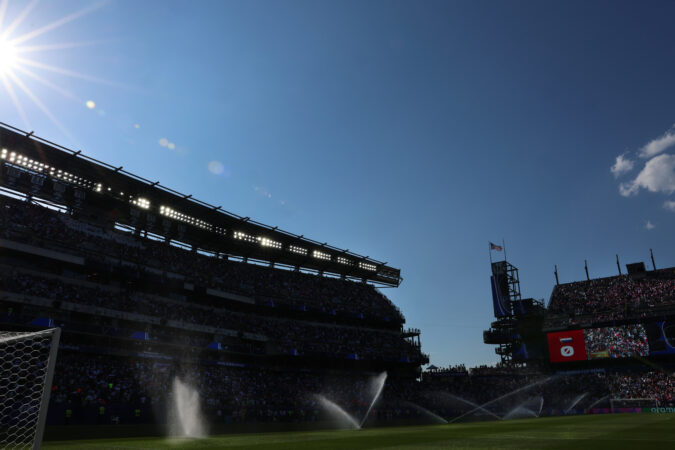
The crowds came to Philadelphia on the 4th.
Philadelphia hotels reached nearly 90% occupancy on July 4, according to exclusive new data released Friday by Visit Philadelphia. The number represents the highest average daily rate since the agency began tracking July 4th data in 2007.
The previous high was 60% occupancy on July 4, 2016.
“The July 4 holiday gave us an early glimpse of what’s possible this year,” said Angela Val, president & CEO of Visit Philadelphia, the nonprofit that serves as the city’s official leisure-tourism marketing organization “Hotels were nearly full, and the strong demand we’re seeing is a great sign for the months ahead.”
City hotels generated nearly $6 million in revenue alone on July 4th, the data showed. Overall, Philadelphia County hotels reaped over $7 million.
The average city hotel daily room rate soared to $459 on July 4 — more than double last year, Val said. Philadelphia County room rates reached $413.
“We’re only halfway through 2026,” Val said. “There are still major events and celebrations to come and we’re focused on making this a year that inspires people to come back to Philadelphia again and again.”
Those numbers come just as the Philadelphia Convention and Visitors Bureau announced Friday that Philly hotel revenue jumped more than 50% during the city’s six FIFA World Cup matches, the Philadelphia Convention and Visitors Bureau also announced on Friday.
“Philadelphia thrives when our city, business community, and hospitality industry come together to welcome the world and showcase all that our city has to offer,” said Gregg Caren, president and CEO of the PHLCVB. “We anticipate the FIFA World Cup will inspire not only future international travel to the city but serve as a shining example of how we can successfully execute major global events, drawing key future business to Philadelphia.”
In June, officials from the Greater Philadelphia Hotel Association expressed concern that some of Center City’s 14,500 hotel rooms were still available on match days, hosted at Philadelphia Stadium from June 14 to July 4.
On Friday, John Frickle, chair of the GPHA, said the crowds came.
“We’re fortunate that our city and hotel team are used to welcoming guests during major events in Philadelphia,” Frickle said in a statement. “But the FIFA World Cup was something truly unique. Hearing guests share how much they enjoyed Philadelphia’s history, neighborhoods, food and their overall experience was incredibly rewarding — it was a proud moment for us, and a great reminder of why hospitality is so special.”
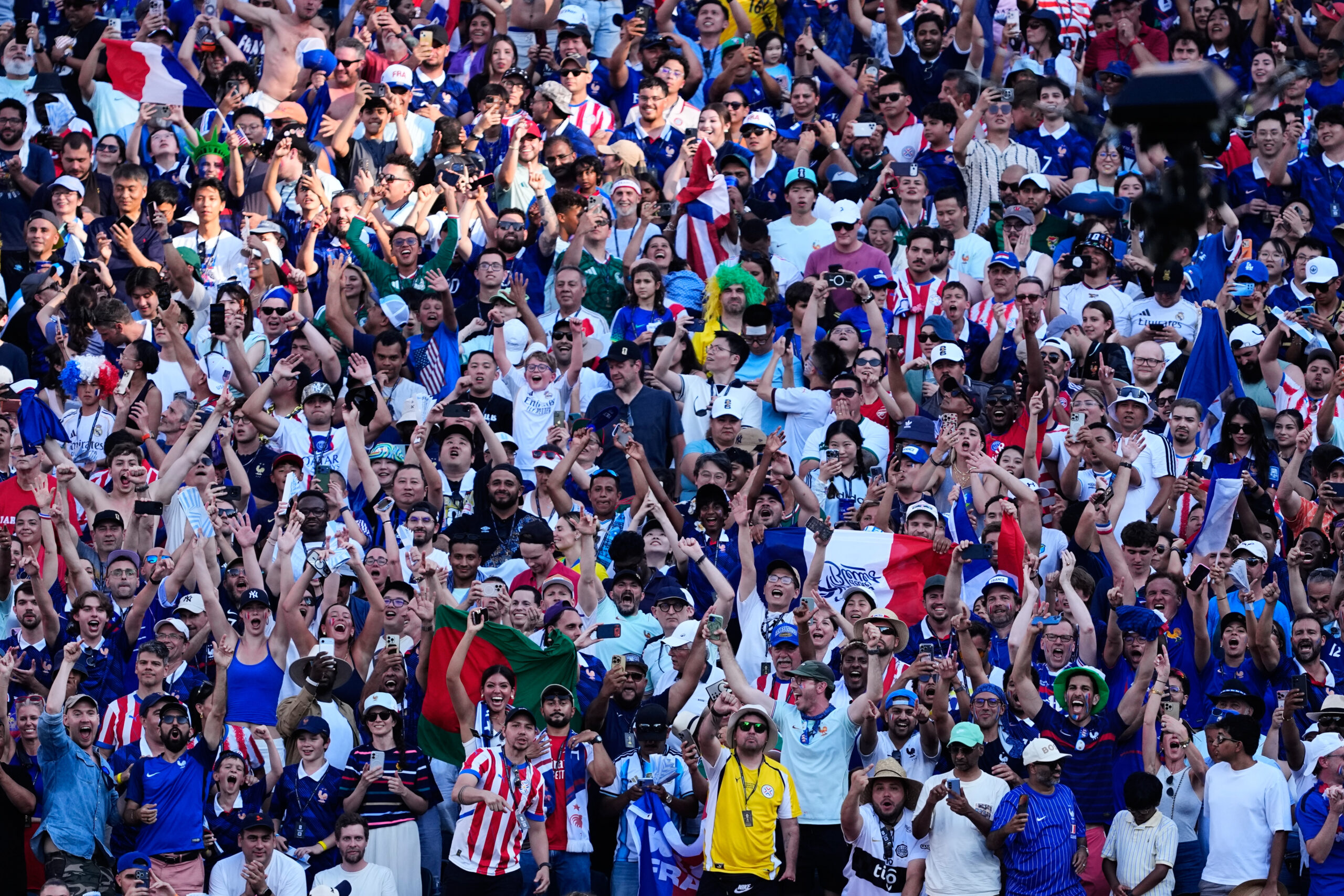
More than 400,000 fans from 190 countries attended the matches, while crowds of 250,000 packed into the FIFA Fan Festival at Lemon Hill, according to the Philadelphia Convention & Visitors Bureau.
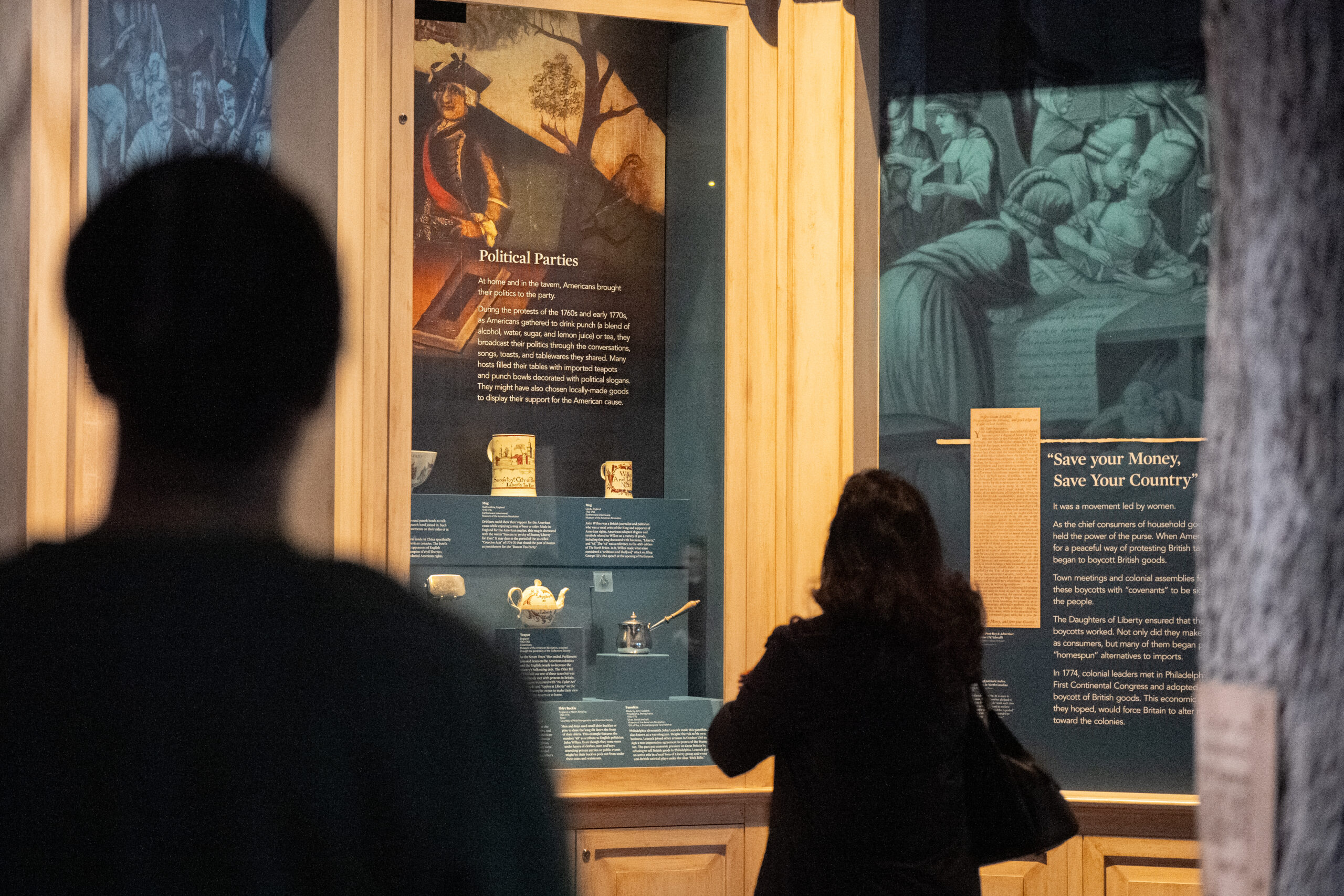
Philadelphia cultural institutions also reported historic numbers, with more than 12,000 people visiting the National Constitution Center and the Museum of the American Revolution during Independence Week, according to data released by the city.
The Revolution museum hosted 8,000 visitors over the holiday weekend alone, its highest three-day attendance ever.
“The 1st to the 5th was the biggest week we’ve had,” said Scott Stephenson, president and CEO of the museum, which opened in 2017. “July 3rd was our biggest payday since the museum opened.
The museum was nearly at capacity on July 3rd and 4th, said Stephenson, who spent hours letting long lines of guests into the museum’s grand theater exhibit featuring George Washington’s original field tent, which ran every 15 minutes instead of once an hour.
And it wasn’t the crowds. It was the vibe that was special, Stephenson said.
“I was just so positive,” he said. “It was just a lot of pride and optimism. People were chatting with each other and having such a great time together really celebrating our country.”
“You know we wondered in the years leading up to this if there still was an impulse for families to come to Philadelphia for the 250th,” he said. “The question was, ‘Well, are they going to come?’ And boy they came.”
Leave a Reply