Blog

  • What’s a billion-dollar loan really worth? For private credit funds, it depends on who’s counting

    What’s a billion-dollar loan really worth? For private credit funds, it depends on who’s counting

    As pension funds and other investors have cut back new private equity investments after years of poor returns, Wall Street private equity managers such as Apollo Global, Blackstone, and KKR have moved more heavily into corporate lending.

    They compete with banks to make loans but aren’t bound by the rules that govern banks. The managers bundle the loans into private credit funds and offer them to investors as an alternative.

    “Everyone has shifted to private credit,” which should make investors extra careful, warns Richard Vague, chairman of Pennsylvania’s $80 billion school pension system, PSERS.

    Scholars at Yale Law School cite estimates that private credit funds are approaching $2 trillion in assets, up from $300 billion in 2010, and they’re on track to double in the next two years.

    As private credit funds have grown, analysts warn that limited information about the loans makes it hard to know what the credit funds are worth or how they would respond to a slowing economy.

    For example, Philadelphia-based FS KKR Capital Corp., one of the largest and oldest private credit funds, and two of its rivals have won unwelcome attention for posting very different prices for their investments in the same Silicon Valley private-equity takeover loan.

    Such ambiguity doesn’t exist in publicly traded securities such as stocks, where investor assumptions are reflected in the market price at any given time. The conflicting private-credit valuations suggest analysts aren’t certain about how likely the private credit funds are to get their money back or to lose money if loans default.

    “Risk is on the move. We’re talking trillions‚” Mark Pinto, head of private credit at Moody’s Investors Service, told clients in a recent report.

    Different from banks

    While banks have rules for measuring and publicly reporting loan losses and late payments — and private credit managers say they, too, apply strict internal standards — Moody’s analysts in that report called private credit loan reporting “opaque.” They cited private credit risk as a rapidly growing area of concern to financial systems.

    The rapid growth is new, but private credit has long history.

    FS KKR was set up as a publicly traded business development company and opened to investors in 2009 by Future Standard (formerly Franklin Square), a Philadelphia-based investment firm headed by Michael Forman and cofounded by college-housing baron and Sixers co-owner David J. Adelman.

    That fund is marketed by FS, but its investments are managed by staff at FS’s partner, private-equity giant KKR. It invests about $20 billion of FS’s total $86 billion in client assets, FS reported last year.

    While FS KKR paid shareholder dividends of 70 cents a share — or most of its profits in recent quarters — shares have lately traded around $15, down from the low $20s last year, a sign that investors are concerned about prospects in a slowing economy.

    In a widely reported example that points out the difficulty of measuring the value of the loans in these funds, FS KKR’s share of a loan to finance the 2021 purchase of Medallia, a Silicon Valley-based customer-service software company, was listed on KKR’s books last fall at 91 cents on the dollar, a discount of 9% to its original value, as confirmed in an SEC filing. A discount implies FS KKR has some doubt the borrower will pay its loans on time.

    But a rival Apollo Global fund listed the same loan at a 23% discount, as if Apollo saw a significantly higher risk that Medallia wasn’t going to pay.

    SEC records show a third private credit fund run by real estate giant and private-credit pioneer Blackstone listed the Medallia loan at an 18% discount.

    How can the same loan have three different values?

    Detailed public reporting on Medallia’s finances had almost stopped since yet another private-equity and private-credit investor, Chicago-based Thoma Bravo, paid $6.1 billion in 2021 for the company. Thoma Bravo took Medallia private and borrowed from FS KKR, Apollo, Blackstone and others to help fund the deal, Leyla Kunimoto, a former KPMG auditor noted in a post on her credit review platform, Accredited Investor Insight.

    That leaves investors trying to glean intelligence from limited information or trusting fund managers with their differing views and valuations.

    So what’s the loan really worth?

    KKR partner Daniel Pietrzak, who is both president and chief investment officer for FS KKR Capital Corp. and head of Global Credit at KKR, said pricing differences “can arise naturally” for loans that aren’t publicly traded.

    Factors include “variations in valuation providers, timing, policy nuances and available information,” he added in a statement. So, for example, one of the investors might know something others don’t.

    Pietrzak said KKR pays “independent third-party valuation providers as part of a robust and consistent process, which helps ensure valuations fairly represent asset value across our portfolio.”

    These specialized loan-value estimators include firms such as Lincoln International LLC in Chicago, Valuation Resource Corp. (VRC) in New York, and an affiliate of the Duff & Phelps advisory group.

    The Medallia loan totaled $1.8 billion at 6.5% interest. Many of the other loans in the funds are smaller and are used to finance midsized businesses, potentially spreading the risk if a few borrowers go broke, or compounding it in case of a widespread financial recession.

    FS KKR, like some other private-credit funds, “should incorporate higher discount rates for stressed credits,” including lower valuations for loans by companies with other outstanding loans that aren’t getting paid on schedule, said Rob Dubitsky, a former Credit Suisse managing director and Moody’s analyst who now heads The People’s Economist, a financial-analytics start-up.

    “These valuation and disclosure issues are not unique” to the FS KKR fund but are reflected in private credit funds’ recent weak share performance and low credit ratings from Moody’s and other agencies, Dubitsky wrote in a recent article.

    FS KKR was rated Baa3 by Moody’s last year and BBB- by Fitch. Those are the lowest investment-grade ratings above junk bonds. Lower ratings are for entities analysts expect are more likely to default, which would discourage many investors.

    While Moody’s analysts and other observers expect private credit funds to continue their recent rapid growth, investors watch their opportunities closely, and may shift course.

    For example, private equity has generally “underperformed” compared to public investments for most of the past five years, PSERS chief investment officer Ben Cotton told trustees at the board’s annual reorganization meeting Jan. 9. So he said he’s thinking it may be time to consider new private equity investments: “We are getting to where we may have opportunities and want to be ready.”


  • A homegrown and scrappy beauty boom is taking shape right here in Philadelphia

    A homegrown and scrappy beauty boom is taking shape right here in Philadelphia

    On a recent wintry evening at Queen Village’s Moon and Arrow, a group of 10 women poured essential oils into beakers, mixing them with carrier oils.

    They’d gathered for a workshop led by Tasha Gear, founder of local brand Linear Beauty, who instructed as they created a formula for body oils.

    The 10 women took a whiff of each other’s potions, commented on their notes, and took in the smells.

    Here was a perfect picture of Philadelphia’s beauty scene, which is having a moment — not the glossy, influencer-backed boom of coastal cities, but something scrappier, smarter, and deeply local.

    Across the city, indie founders are hand-batching serums, mixing skincare in one-kilogram beakers, and designing products meant to withstand SEPTA, summer humidity, and long work shifts.

    Leila McGurk (left) laughs with Leah Antonia at a DIY body oil workshop organized by local skincare brand Linear Beauty at Moon and Arrow, a boutique in Queen Village on Thursday, Dec. 4, 2025.

    They are united by a commitment to science, transparency, and community,

    At the center of this shift is Indie Shelf in Grays Ferry and Malvern, where cosmetic scientist Sabeen Zia helps customers navigate an often confusing clean-beauty landscape.

    “Clean beauty goes beyond ingredient lists,” the Main Line resident said. “It’s how a product is developed, packaged, and the values behind it.” Zia doesn’t draw up fear-based “toxic ingredient” lists. Instead, she relies on science-backed safety standards and direct conversations with product founders.

    “People come in because they want to support small businesses, but they stay because they’re stunned by the changes in their skin,” she said.

    Sabeen Zia runs Indie Shelf, which stocks a bunch of indie beauty brands. She also runs a brand called Muskaan that she sells at the store, in Philadelphia, December 11, 2025.

    Before opening the shop in 2019, Zia ran her own makeup line, Muskaan Beauty, which was cruelty-free, vegan, gluten-free, and halal. It struggled to get visibility — a challenge she realized many indie founders shared. “Philly didn’t have many clean beauty shops at the time,” she said. “It felt like a real gap in the market.”

    A gap that Indie Shelf aims to fill.

    Other local founders, too, swear by that community-first ethos.

    A former professor of English at Stockton University, Adeline Koh of Sabbatical Beauty, hand-batches high-concentration, K-beauty–inspired products, often using ingredients from neighborhood businesses, like Câphe Roasters and Baba’s Brew.

    “I wanted formulas that actually deliver what they promise,” she said. “Philly has so much pride in Philly-owned businesses. That made me feel this would be a really good market to build in. People here show up for their community.” She’s based in the Bok building.

    As for what feels uniquely “Philly” in Sabbatical Beauty’s identity, she doesn’t hesitate when asked.

    “We’re unapologetic about who we are, and that shows up in our emphasis on diversity: skin tones, body sizes, age. We want to expand what beauty means, not narrow it.”

    Sabeen Zia runs Indie Shelf, which stocks a bunch of indie beauty brands. She also runs a brand called Muskaan that she sells at the store, in Philadelphia, December 11, 2025.

    The brand is sold at local shops and spas.

    Sabbatical Beauty also pours back into the city’s maker ecosystem — donating masks and sanitizer during COVID, hosting holiday toy drives, running small-business markets, and partnering with the Equitable Skincare Project to fund donation facials for the trans community.

    It’s a similar story with brow artist Tara Giorgio.

    When the Lancaster native grew frustrated by the discontinuation of her favored brow beauty products, she created Brow Gang — her line of high-pigment brow mousse and powders that are, as she says, made “for real life.”

    Her products are sold in her two salons — in West Chester and Northern Liberties — and online.

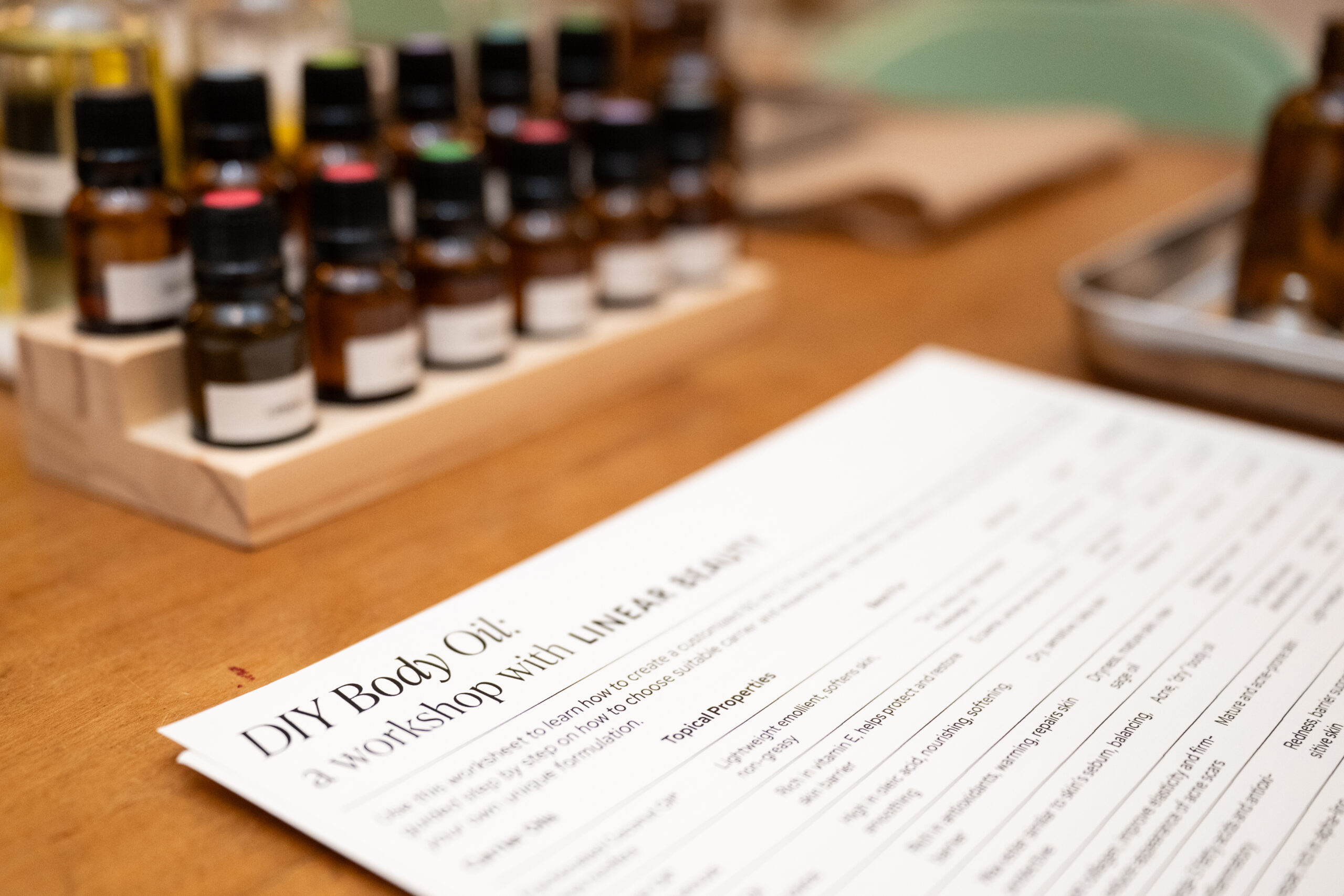
    Essential oils and an instruction sheet are pictured before Linear Beauty’s DIY body oil workshop at Moon and Arrow, a boutique in the Queen Village section of Philadelphia, on Thursday, Dec. 4, 2025. Linear Beauty is an independent Philadelphia-based botanical skincare brand founded by Tasha Gear.

    Philly’s beauty customers, she said, are unique because this city is “a true melting pot — all cultures, all backgrounds, all brow textures, all lifestyles. We don’t like fluff in Philly and we want things that work and are priced reasonably.”

    People here are busy and “they want products that make their lives easier — fast routines, long-lasting wear, and formulas that hold up through humidity, work shifts, SEPTA, the gym, real everyday life.”

    Cosmetic chemist Tina D. Williams feels “there’s still a real lack of handmade, natural skincare” in the local market to feed that need.

    Her Center City-based DVINITI Skincare crafts small-batch, food-grade blends of natural oils like argan, jojoba, and almond, which are designed for customization. Her philosophy, too, is rooted in the city: “The first ingredient in every DVINITI product is love — and this City of Brotherly Love is the perfect home for a brand built on self-care.”

    Williams, who grew up in the Olney area and graduated from the Philadelphia High School for Girls, is all too familiar with the city’s cold winters and hot summers. “I grew up here, so I understand the kind of skincare [Philly] people need,” she said. She also sees the city’s scientific backbone as a natural fit for a chemistry-driven brand. “Philly is a tech hub and a leader in research and development. DVINITI is positioned well to scale and grow with the local resources here to support our clients’ needs.”

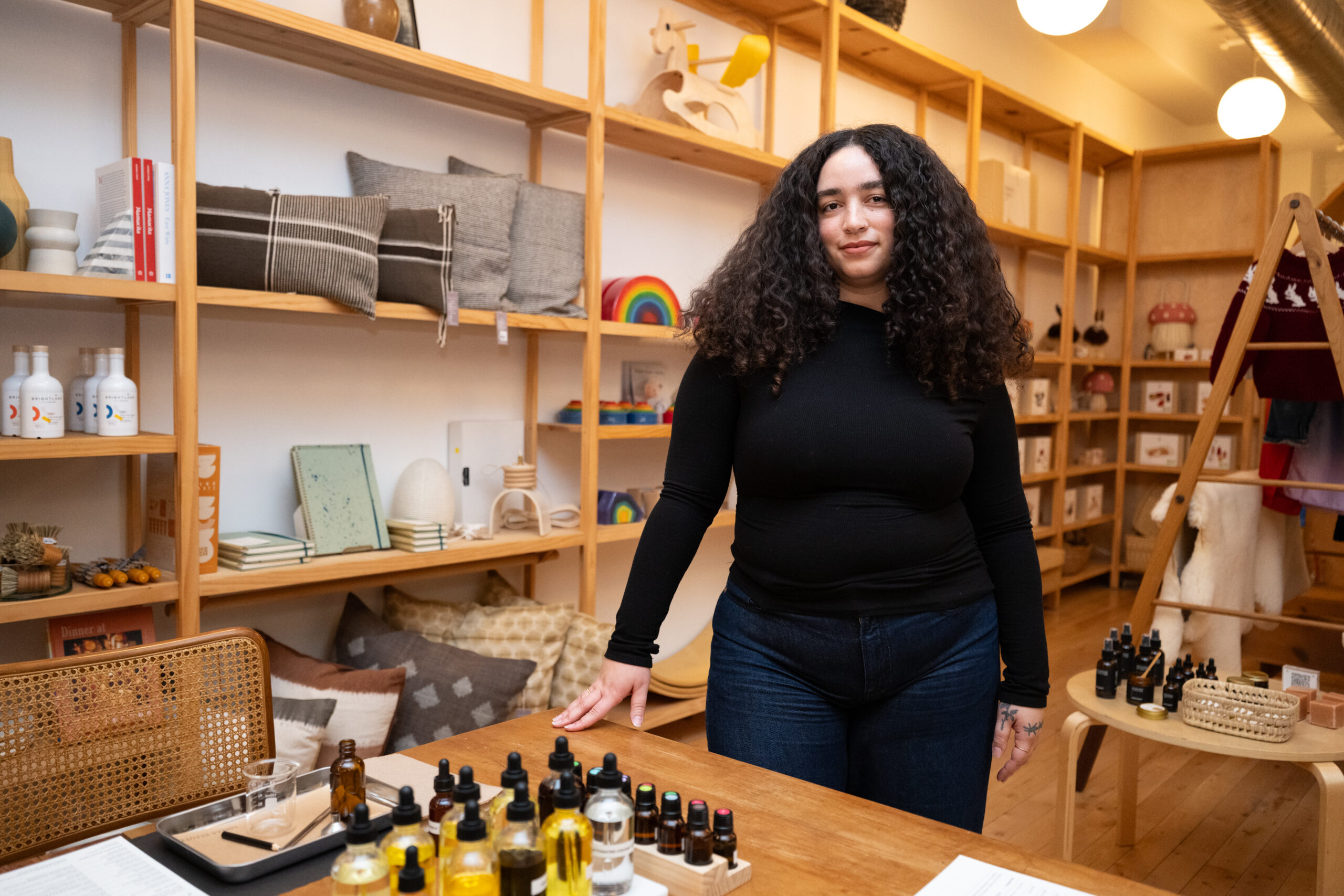
    Linear Beauty founder Tasha Gear poses for a portrait at a DIY body oil workshop hosted by the beauty brand at Moon and Arrow, a boutique in the Queen Village section of Philadelphia, on Thursday, Dec. 4, 2025.

    Another brand shaping the city’s beauty identity is Haiama Beauty, a Black woman–owned haircare line built in Philadelphia “because I love this city wholeheartedly,” said founder Allison Shimamoto.

    Haiama’s Grow & Strengthen Elixir takes four months to make and uses premium, organic argan oil — not because it’s the most profitable, but because it’s the right way to make it.

    Small-batch production allows the brand to source intentionally from BIPOC, LGBTQIA+, and women-owned suppliers and to design products that work across all curl patterns— from the Leona red-light scalp stimulator to the multipurpose Everything Cream.

    What resonates with her Philly consumers, Shimamoto said, is connection. “People here want to know who’s behind the brand.”

    Linear Beauty products are pictured at a DIY Body Oil Workshop hosted by the brand at Moon and Arrow, a boutique in the Queen Village section of Philadelphia.

    Markets like Made@Bok and Art Star have helped Haiama meet customers face-to-face, build community, and grow within the city’s tight-knit maker ecosystem.

    Philadelphia’s indie founders agree that the city’s beauty identity is defined by three traits: creative, authentic, community driven.

    “The passion for high-quality products and supporting small business truly sets Philly brands apart,” said Zia. Even small details — easy drop-offs, quick restocks, face-to-face conversations with founder-formulators — become part of the city’s distinctive customer experience.

    Local customers meet founders in person, pick up their products, return for refills, and show up at pop-ups and farmers markets.

    Products at Indie Shelf, which stocks a bunch of indie beauty brands.

    Despite challenges like tariffs, supply-chain delays, and seasonal slowdowns, Zia remains hopeful. Her dream? “For Philly to be known as the city for indie beauty — a place where founders can scale without losing their authenticity.”

    Gear, who moved to Philadelphia in 2019 after spending a decade working in New York City’s Package Free Shop, agrees.

    “Philly is a pretty no-B.S. city,” she said. “That shows up in everything I make.”

  • Black and low-income patients face disparities in access to genetic testing, Penn study finds

    Black and low-income patients face disparities in access to genetic testing, Penn study finds

    At Penn Medicine’s clinic where adults receive genetic counseling and testing, about 9% of patients are Black.

    By contrast, one in four patients at the cardiology and endocrinology clinics located in the same facility in West Philadelphia are Black, while nearly 40% of city residents are. Those from low-income neighborhoods are also less likely to be seen at the genetics clinic, yet more likely to have positive results when tested, a recent Penn study found.

    These findings line up with what Theodore Drivas, a clinical geneticist and the study’s senior author, had long suspected about the impact of racial disparities based on his own experience seeing patients at Penn’s clinic.

    The study, published this month in the American Journal of Human Genetics, found that Black patients were also less likely to be represented at adult genetics clinics at Mass General Brigham, a Harvard-affiliated health system in Massachusetts.

    There’s no biological reason why rates of testing should differ, Drivas said. The overall rate of genetic disease should be similar regardless of race, even though certain diseases are more prevalent in some populations.

    “Genetic disease doesn’t favor one group or another,” he said.

    That means if one group isn’t getting tested as much, they’re probably missing out on key diagnoses.

    Racial disparities are an ongoing concern in medicine and have been attributed to a wide range of causes, including socioeconomic factors, unequal access to care, implicit bias, and medical mistrust due to historic injustices.

    In a study published last August, Drivas’ team found that the chances of a genetic condition being caught varied widely by race. Among patients admitted to intensive care units across the Penn health system, 63% of white patients knew about their genetic condition, compared to only 22.7% of Black patients.

    To address these disparities, Drivas is calling for changes to how the medical field approaches genetic testing, such as by integrating testing into standard protocols and improving national guidelines.

    “It’s not just a Penn problem or a Harvard problem. It’s a genetics problem in general,” Drivas said.

    Diving into the disparities

    Drivas’ team analyzed data from 14,669 patients who showed up at adult genetics clinics at Penn and Mass General Brigham between 2016 and 2021. The findings are limited to the two major academic centers on the East Coast, which tend to see sicker patients compared to community medical centers.

    Black patients were 58% less likely to be seen at Penn’s genetics clinic than would be expected based on the overall University of Pennsylvania Health System patient population.

    At Mass General Brigham, Black patients were 55% less likely than would be expected based on that system’s population.

    Some literature has suggested that Black patients and others from minority groups are less likely to agree to genetic testing because of an inherent distrust in the medical system due to historic injustices. “But we don’t see that in our data,” Drivas said.

    Once evaluated at Penn’s clinic, Black patients were 35% more likely to have testing ordered than white individuals.

    His team also found disparities affecting lower-income individuals. Each $10,000 increase in the median household income of a person’s neighborhood was associated with a 2% to 5% higher likelihood of evaluation at a genetics clinic.

    Meanwhile, patients from neighborhoods with lower median socioeconomic status were more likely to get positive results from testing than those from wealthier neighborhoods.

    “We’re relatively over-testing the people from higher socioeconomic brackets and under-testing the people from lower socioeconomic brackets,” Drivas said.

    The solution is not to stop testing the wealthier people, he clarified, but to improve access to testing for others.

    Undoing disparities

    People who want to get a genetic diagnosis often have to go to major medical centers.

    The University of Pennsylvania health system comprises seven hospitals across Pennsylvania and New Jersey. Its Perelman Center for Advanced Medicine, adjacent to the Hospital of the University of Pennsylvania in West Philadelphia, is the only one that has an adult genetics clinic.

    Drivas has many patients who drive two or three hours to be seen for genetic testing.

    The current wait time at his clinic is around three or four months, which he said is “pretty good” compared to others.

    He thinks part of the solution to reducing disparities requires expanding the size and diversity of the genetics workforce so more patients can be seen.

    Geneticists also need to better educate doctors in other fields about when to refer patients, he said. Creating better guidelines would help.

    Notably, Black patients in the study were more likely to be evaluated than white individuals for genetic risk factors of cancer — an area where there are clear clinical practice guidelines recommending genetic testing.

    They need to come up with similar guidelines for other conditions, such as cardiovascular and kidney diseases, he said.

    Another idea he had was to make genetic testing more integrated into standard care in the hospital.

    His earlier study found a surprising number of adults in ICUs at Penn had undiagnosed genetic conditions. Such testing is now widely available and often costs as little as a few hundred dollars.

    “It costs money, but I think there are cost savings and life-saving interventions that can come from it,” Drivas said.

  • Four of the five Mar-a-Largo-faced women on ‘Members Only’ are from Philly. Why are we watching this?

    Four of the five Mar-a-Largo-faced women on ‘Members Only’ are from Philly. Why are we watching this?

    I’m embarrassed.

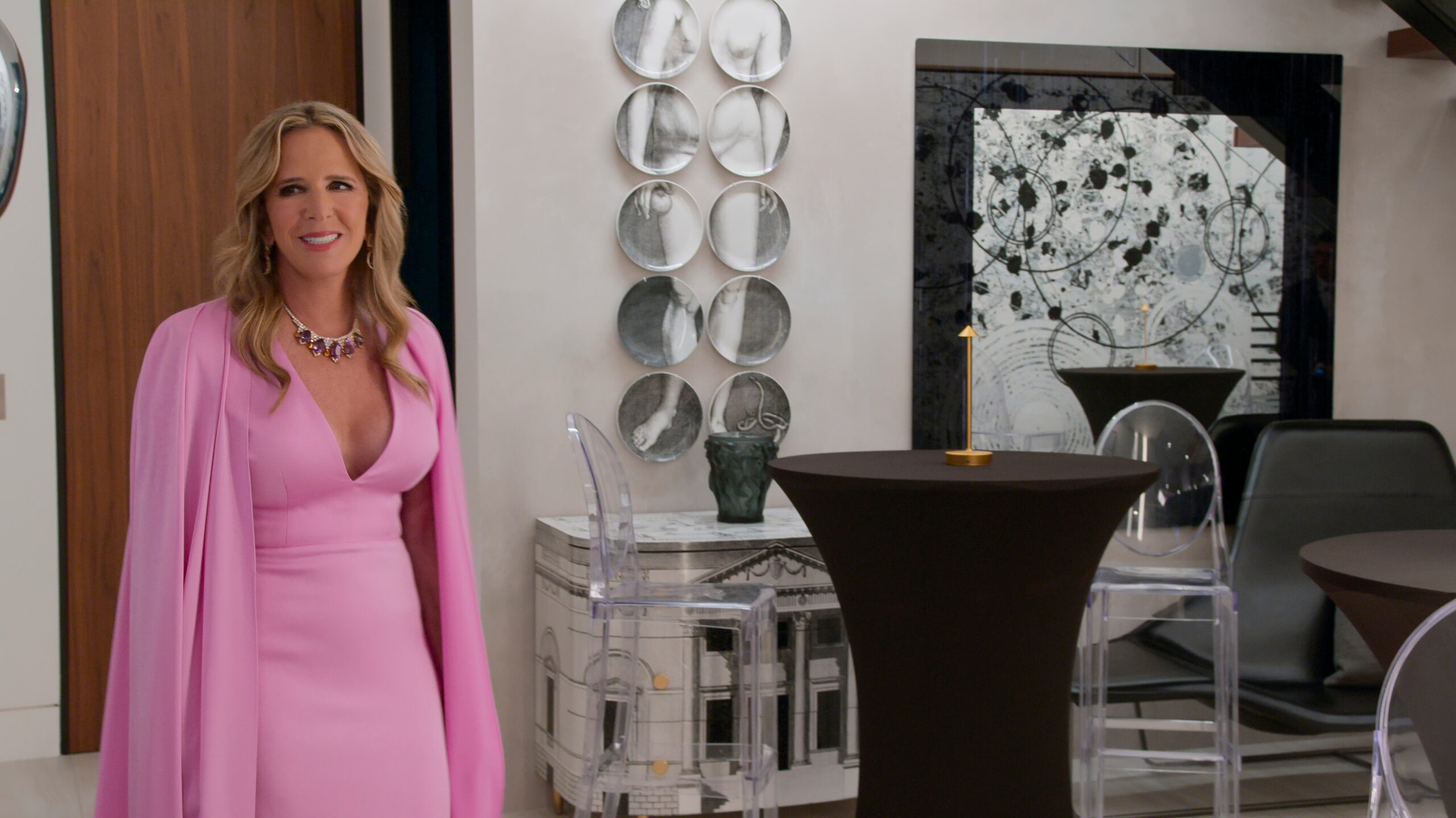
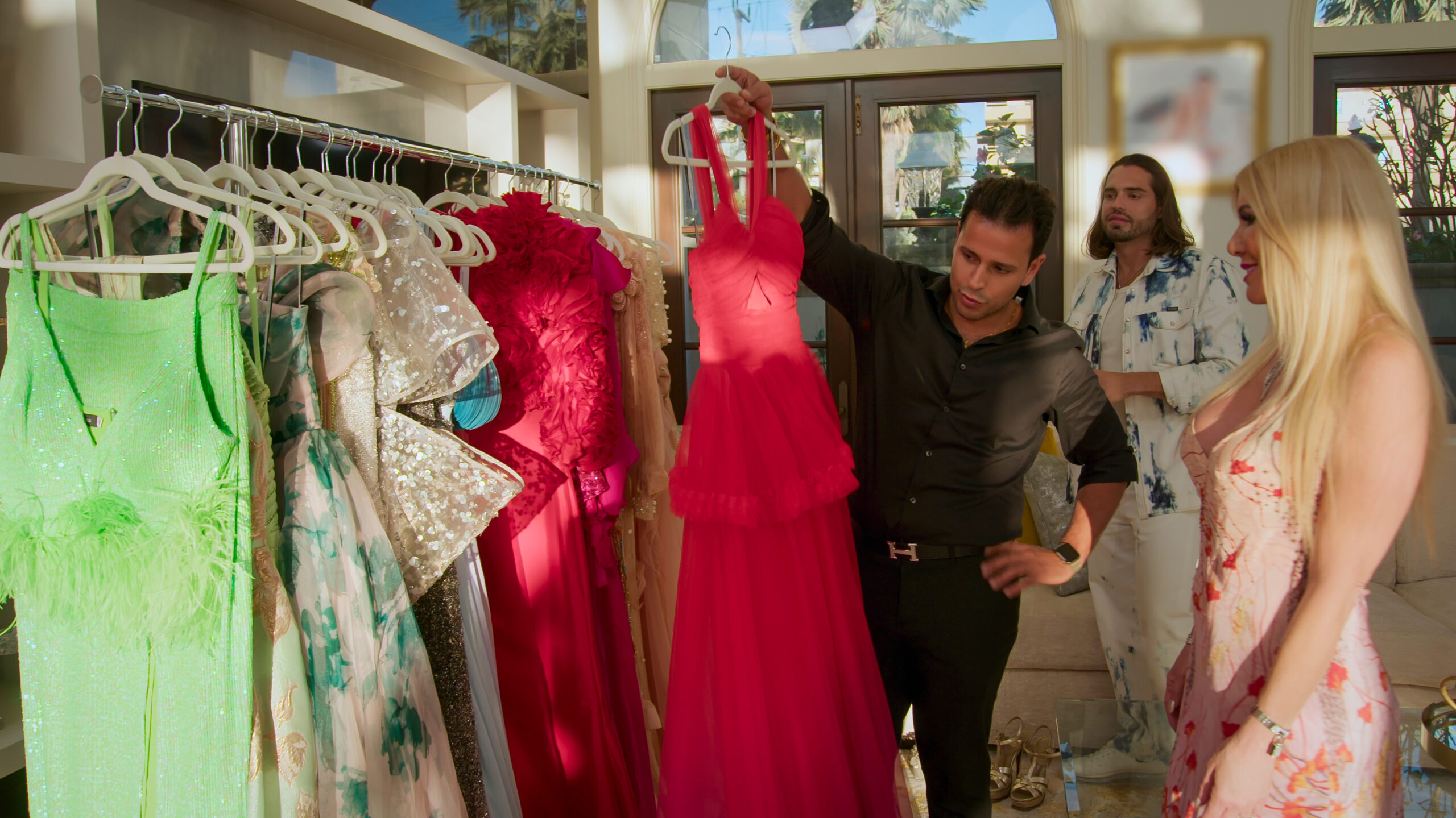
    I drank in the glamorous high-pitched cattiness of Netflix’s soapy reality TV series Members Only: Palm Beach — starring four women with Philadelphia ties — like a bottomless carafe of mimosas, finishing the eight 45-minute episodes in less than two days.

    Members Only debuted in the final days of 2025 on Netflix’s Top 10 list. It gives old-school Housewives vibes and throws a spotlight on the women who live in and around President Donald Trump’s 20-acre oceanfront Mar-a-Largo estate.

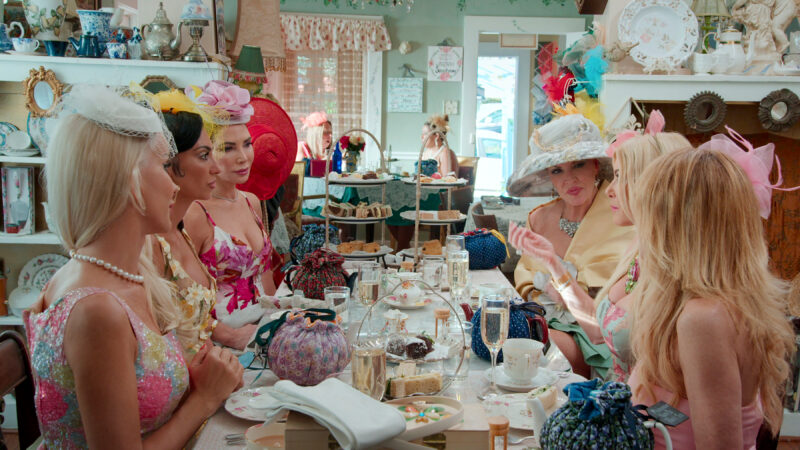
    Maria Cozamanis and Romina Ustayev in episode 101 of “Members Only: Palm Beach.”

    The gaudy maxi dresses, overfilled lips, horrible lace front wigs, and the backstabbing. It’s all a hot mess.

    Members Only is if Jersey Shore ran into a train wreck. But instead of getting caught up in the mean girl shenanigans of 20-somethings, I was gobsmacked by the ugly behavior of 50+ women acting like petty middle schoolers in the name of preserving high society.

    Former Bryn Mawr interior decorator and real estate mogul Hilary Musser, whose fifth wedding to a doorman is one of the ostentatious affairs featured, is the Queen Bee.

    Philadelphians will remember Musser’s 2005 divorce from late billionaire Pete Musser, whom she married in 1995 when she was 29 and he was pushing 70. (Some people are still talking about it.)

    Musser now sells million-dollar waterfront mansions in Palm Beach and it’s rumored she joined the rest of the relatively unknown cast to help sell her properties.

    Hilary Musser in episode 101 of “Members Only: Palm Beach.”

    She holds steadfastly to Palm Beach’s strict dress codes. (It’s improper to show cleavage and leg in the same ensemble as a Palm Beach rule). Four-letter words offend her. Crying in public is a no-no. She’s nice only to New Yorker-turned-wellness-entrepreneur Taja Abitbol, partner of former MLB pitcher David Cone and the only non-Philly-affiliated woman in this core group.

    The rest of the Philly-connected ladies smile in Musser’s face and grumble behind her haltered and tanned back.

    Maria Cozamanis ad Romina Ustayev in episode 101 of “Members Only: Palm Beach.”

    They are: Maria Cozamanis, a DJ who moved from Philadelphia to Florida. As DJ Tumbles, she worked her way onto the Palm Beach society scene DJing lavish charity events at Mar-a-Largo. Roslyn Yellin is a former Bucks County Zumba teacher and grandmother with Cinderella ambitions. “My morals and values start at home with my family and husband,” she said in the first episode, as if reading from Vice President JD Vance’s family value cue cards.

    And finally, there’s Yellin’s frenemy, Romina Ustayev, an Uzbeki immigrant and former home care business and fashion line owner in Philadelphia. She calls herself the Kim Kardashian of Palm Beach.

    “I love going to Mar-a-Largo and being in the same room as the president and Elon Musk,” she said, near hysterically, in one episode. “You feel like, ‘Oh my God. You’ve made it.’”

    Maria Cozamanis and Romina Ustayev in episode 101 of “Members Only: Palm Beach.”

    I knew going in that Members Only’s garish opulence and prettied up gluttony was a gold-trimmed Trump fever dream, one where he sits at the center of all things tacky, loud, expensive, and hurtful. (He never makes an appearance in the show, but his name is uttered several times in awe and admiration.)

    But the moment Ustayev — an immigrant who is not quite as white as Trump’s favored Norwegian and Danish immigrants — stepped in, I knew I was watching the latest piece of Trump propaganda.

    Romina Ustayev, Maria Cozamanis, and Taja Abitbol in episode 101 of “Members Only: Palm Beach.”

    Members Only is Trump’s ideal vision of America where obscene wealth is valued and the rest of America can eat cake.

    Why is this show in our binging rotation now? Perhaps because Netflix is in the midst of finalizing a merger with Warner Bros. Discovery. The merger, which will give Netflix more than half the streaming market share, needs regulatory approval from the Trump administration.

    Thanks to Members Only, the Mar-a-Largo face doesn’t just appear in the context of the White House. Think Attorney General Pam Bondi, Secretary of Homeland Security Kristi Noem, and White House spokeswoman Karoline Leavitt, their plump lips, and heavily Botoxed and made-up faces.

    Romina Ustayev and Maria Cozamanis in episode 101 of “Members Only: Palm Beach.”

    Now we see these faces as we try to relax and binge-watch trash television. There is no escaping.

    Members Only‘s arrival on Netflix is the next logical step in the White House’s messaging and shaping of America’s image. Trump started dismantling America’s diverse optics immediately after he took office and proceeded to remove photos of President Barack Obama from prominent places in the White House in an effort to erase evidence of the first Black president’s existence.

    In advance of last Thanksgiving’s travel season, Transportation Secretary Sean Duffy unveiled the Golden Age of Travel campaign, urging airline travelers to dress natty when flying. At the center of the campaign are black and white pictures of white travelers gussied up like the fictional Main Liners in Katharine Hepburn’s 1940 film Philadelphia Story.

    Rosalyn Yellin in episode 101 of “Members Only: Palm Beach.”

    And then last summer, Department of Homeland Security used Norman Rockwell paintings in its social media marketing. The images — denounced by Rockwell’s family — show mid-20th-century suburban whites living a blissful white picket fence existence paired with the administration’s anti-immigration slogans “Protect our American way of life” and “DEFEND your culture.”

    During a tense moment on the show, Ustayev shares with Yellin and her mentor, New York socialite and Palm Beach grand dame Gale Brophy, that Palm Beach society did not respect her culture, which includes asking for money at birthday parties and eating with her fingers. (Clutching my pearls.)

    Brophy’s response: “Go back to your country.”

    The inclusion of this kind of xenophobia into pop culture is better than anything Fox News can drum up.

    Johnny Gould, founder and president of Superluna Studios and the executive producer of Members Only, insists his show is not political.

    He admitted Mar-a-Largo is in the zeitgeist. “After all it is the winter White House,” he said. But he made Members 0nly because he was intrigued with Palm Beach society’s social hierarchy, one of the last in America.

    The heart of Members Only, Gould said, is its “private club culture and B & T [Bath & Tennis] Boca Beach Resort, Breakers, and Mar-a-Largo [which] are at the center of social circles and drive societal rules and expectations,” Gould said. “That’s what connects these five ladies.”

    Romina Ustayev, Rosalyn Yellin in episode 103 of “Members Only: Palm Beach.”

    The Philadelphia connection, Gould said, was a coincidence.

    “I didn’t set out to make a show about Palm Beach featuring Philadelphia society women,” Gould said.

    (Good thing, because except for Musser, some of the Philly ladies-who-lunch crowd say they have no idea who these women are, nor do they want to.)

    “It was about the chemistry,” Gould continued. “For example, when I went to Hilary’s house and she came sweeping down the stairs in a beautiful gown on a Tuesday, immediately, I was intrigued.”

    Romina Ustayev and Hilary Musser in episode 101 of “Members Only: Palm Beach.”

    Everything else, Gould said, “fell into place.”

    [Members Only] is not about curing cancer,” he said. “It’s about pouring yourself a glass of wine [and taking] a really fun ride in a place that none of us will ever have access to and a lifestyle none of us will get a chance to experience.”

    That’s true.

    Of course, these women don’t care about curing cancer. (Trump’s secretary of health, Robert F. Kennedy Jr., is shutting down clinical trials that are meant to find cancer treatments.)

    The show sells viewers an “aspirational” lifestyle in Trump’s image. And if Trump has his way, soon we will be living in a society where there will be even more haves and have nots, completely robbing the poor — and the middle class— of upward mobility.

  • Letters to the Editor | Jan. 20, 2026

    Letters to the Editor | Jan. 20, 2026

    F for Ford

    Donald Trump was at a Ford factory last week to continue his lies about the great state of the economy. As the president shuffled through, employee TJ Sabula called Trump a “pedophile protector.” Our illustrious leader replied with an expletive and flipped Sabula the bird. The company then suspended Sabula because Ford has a “core value of respect and values its policy against anything inappropriate … within our facilities.” Facts are stubborn things. Based on the facts of the incident, it was Trump, not Sabula, who should have been escorted from the factory floor. But facts do not exist in Trump World. The PR team for the tired, old, thin-skinned, wannabe king issued a statement saying that “a lunatic was wildly screaming expletives.” On that much we agree.

    Jim Lynch, Collegeville

    Hate the sin

    Much has been written by Donald Trump’s supporters alleging that his detractors are afflicted with Trump Derangement Syndrome: an extreme, negative, and hateful reaction to the sitting president. While there are many folks from the progressive (and moderate) side of the political aisle who may detest the man, I would suggest that the number of voters who abhor his policies, declarations, edicts, tweets, and contemptible rhetoric far outnumber those who irrationally “hate” him. Separating the man from his (un)presidential actions will be necessary if the nation is to begin the process of extracting itself from bipartisan discord.

    While it is not our right to judge any person as moral, amoral, or immoral — that determination rests solely with the Creator — it is our responsibility, as citizens living in a democratic republic, to voice concerns and criticisms when elected leadership fails to lift up the human condition. Christians are instructed explicitly and frequently to love all people at all times, but that axiom does not prohibit disapproval of deeds and words that fall short of righteous norms. Blind followership and ad hominem attacks are counterproductive to achieving that elusive more perfect union. A more judicious approach is to avoid hate and embrace critical analysis of executive decision-making.

    James L. DeBoy, Lancaster

    Fair’s fair

    I appreciate the update regarding just how much the violent crime rate has decreased in Philadelphia and other cities since DNA and a willingness to put the guilty in prison rather than “convenient suspects.” The slap on the wrist for the retired officers who lied about DNA evidence and helped send a man to prison for a crime he did not commit is yet another example of the brutality and disrespect for the people. These past practices have caused crime rates to stagnate, and “defunded” families of justice, people of their freedom, and taxpayers of their dollars. Maybe the call to defund the police would be better stated by saying they defunded us first.

    Mara Obelcz, Hatfield

    Living with pain

    I am writing in response to the recent op-ed by Ira Cantor regarding the growing crisis in pain management. As a patient with chronic pain, I can attest that responsibly prescribed opioid medication has allowed me to function, work long hours on my feet, and participate meaningfully in family life. Before receiving proper care, pain controlled every aspect of my day. Since beginning treatment, my quality of life has improved dramatically, without misuse, impairment, or adverse effects. Unfortunately, increasing restrictions and pharmacy shortages now threaten that stability, leaving responsible patients fearful of withdrawal and a return to debilitating pain.

    Abuse of any medication should be addressed, but eliminating access for everyone is neither compassionate nor medically sound. Patients who follow their treatment plans shouldn’t be punished for the actions of a minority. I believe pain medication, when practiced carefully and ethically, restores dignity and functionality. That should be protected, not dismantled.

    Shea Roggio, Phoenixville

    Move on

    Regarding “Murphy’s veto may doom N.J. town’s Groundhog Day.” When Pennsylvania’s Groundhog Day began in 1887, women couldn’t vote. People could be jailed for insolvency. The Prohibition movement was active and strong. Times change, as they should. It is long overdue for the good folks of Milltown to recognize the evolving public sentiment about forcing animals to participate in gratuitous spectacles. Using any animal as a marketing tool should be relegated to the dustbin of history. Groundhogs are shy, solitary animals. Their burrows are engineering marvels, going many meters deep with multiple rooms for specific purposes, like nesting and waste. Although they like to wander, they can climb trees and are good swimmers. It’s time to stop exploiting animals for “entertainment.”

    Jennifer O’Connor, senior writer, PETA Foundation, Norfolk, Va.

    Plain truth

    It’s both terrifying and a shame that President Donald Trump and minions all think their job is to protect the MAGA brand at all costs. Even in the face of a murderous shooting, their first instinct was to go public with easily discreditable lies about what occurred. They did so because they needed to inform the MAGA cult how to think about the killing of Renee Good in Minneapolis, even before seeing the various videos themselves. That’s their instinct. Not to show leadership to the whole country and calm the situation.

    If you saw the videos — saw Good say, “Dude, I’m not mad at you,” saw the shooter look her in the eye with his own camera while also holding a gun, saw her vehicle turning away from the shooter (not into), saw the shooter walk over 100 feet back to his vehicle without a hint of a limp or injury — and still believe the shooting was justified, then you are part of the cult. In the final passage of 1984, George Orwell wrote, “The Party told you to reject the evidence of your eyes and ears.” That’s why Trump et al. spoke out before the body was cold. Maybe this will become Trump’s Kent State moment.

    Richard Golomb, Philadelphia

    Power of suppression

    The sudden cancellation of a 60 Minutes segment about Donald Trump’s immigration policy and El Salvador’s notorious Terrorism Confinement Center is just the latest example of the suppression of news perceived as critical of this administration. It seems like every day another media outlet or news source is being compromised, co-opted, or crushed by the powerful, unrelenting forces opposed to independent, objective reporting. I must express my gratitude and appreciation to the owners and editors of The Inquirer for their steadfast commitment to fair and accurate coverage of what is truly a sad and frightening state of affairs in this country.

    I hope my fellow Philadelphians realize just how fortunate we are to still have this voice speaking truth to power when so many others have been silenced. Thanks especially to The Inquirer’s opinion and editorial writers, who every day demonstrate that there is still integrity and ethics in journalism, and who give me hope we will get through this dark period and that our republic may yet endure for another 250 years.

    Arthur Meckler, Philadelphia

    Join the conversation: Send letters to letters@inquirer.com. Limit length to 150 words and include home address and day and evening phone number. Letters run in The Inquirer six days a week on the editorial pages and online.

  • Horoscopes: Tuesday, Jan. 20, 2026

    ARIES (March 21-April 19). You’ve been a bit detached, which has served you well. Think of it as protection. But today, nothing feels stormy or overwhelming. The emotional climate is gentle enough to set your defenses down and experience things more directly.

    TAURUS (April 20-May 20). The majority won’t get it, and that’s actually a good thing. Relish your moment. Originality makes the world go round. Better to be truly seen as yourself by one person than to blend into the background.

    GEMINI (May 21-June 21). Your high standards aren’t just about turning in good work or making lifestyle choices. You extend your expectations to matters of character and attitude. You seek the company of those who are considerate, fair and compassionate, like you.

    CANCER (June 22-July 22). Even though you know intellectually that feelings are neutral — not wrong, not right, just information — you still judge yourself for having certain emotions. Instead of analyzing your process, just give yourself credit for having one.

    LEO (July 23-Aug. 22). The one you care for could get attention from different directions, but there is no care quite like yours, and this will become increasingly obvious. Let it be a source of pride to you. You will keep the relationship in balance by never forgetting the value of your love.

    VIRGO (Aug. 23-Sept. 22). Achievements will magically spill over from one domain to another because the way progress is made stays consistent. Skills grow through sequencing, patience and repetition. Break it into manageable pieces and build them one at a time.

    LIBRA (Sept. 23-Oct. 23). Scorekeeping turns giving and receiving into an accounting job instead of a spiritual or pleasurable gesture. Share without worrying about who gave what. The real benefit happens inside your heart as you give.

    SCORPIO (Oct. 24-Nov. 21). You’ll gather insight and construct a few stronger boundaries, not to keep people or experiences out of your life but to protect yourself from their effects the way a wetsuit allows the diver to explore depths.

    SAGITTARIUS (Nov. 22-Dec. 21). You are loyal to the ones who are loyal to you. You are also loyal to the ones who are (SET ITAL)not(END ITAL) loyal to you. Because to you, loyalty is a value, and the rules do not change when circumstances do.

    CAPRICORN (Dec. 22-Jan. 19). It’s hard enough to resist the influence you can feel. But what about the influence that is so much a part of the culture, you don’t even notice it? Awareness keeps you in charge. Ask, “What am I missing?”

    AQUARIUS (Jan. 20-Feb. 18). People react well when they understand the full scope of the situation. Many just don’t have the experience to know the layers and depths in play. This is why it’s important to have the right mentor. Such a person is coming into your life.

    PISCES (Feb. 19-March 20). We change. We are changed by one another. To interact with someone is to change them, and to change yourself. Today, you make extra efforts to be sure people are lighter, brighter and better for knowing you.

    TODAY’S BIRTHDAY (Jan. 20). Life buzzes with fresh experiences in this Year of Firsts — some are on your list, and many drop out of the blue to delight you beyond anything you could have planned. Close relationships are your treasure. More highlights: You’ll break ground and pour the foundation for a project you’ll keep building on for years. You’ll be proud of how you earn money, and you’ll have adventures in foreign territory. Leo and Taurus adore you. Your lucky numbers are: 3, 10, 31, 8 and 21.

  • Dear Abby | Daughter concerned about parents’ heavy screen time

    DEAR ABBY: My young daughter and I had the pleasure of spending three months with my parents while my husband was deployed. We had a lovely visit, but over the course of our stay, I noticed my parents were spending more time on their phones than previously. Both are retired and in their mid-60s.

    I’m glad they are keeping up with technology, but I’m also concerned that their phone use may have a negative impact on their social health, behavioral health and mental acuity as they age. Growing up, we never had the TV or computers in our main living space, and screen time was limited. We ate dinner together every night, and socialization and conversation was an expectation.

    During my stay, my parents brought their phones to the dinner table and grabbed them midmeal to answer messages or search things on the internet. Throughout the days, I’d look up from what I was doing and see them glued to their screens. This new behavior is so different from the way they raised me. How can I speak to them about my concerns and encourage them to consider decreasing their phone usage?

    — NOTICED THE CHANGE IN WASHINGTON

    DEAR NOTICED: Yes, many things have changed since the time when you were raised. But if you think the day has arrived for you to parent your parents, forget about it. It not only won’t work, but it could also cause resentment because they are adults and not impressionable teenagers being educated about social interaction.

    ** ** **

    DEAR ABBY: My college roommate and I became close friends. I always thought he was a little bit arrogant. When I caught him getting upset that a girl liked me and not him, I realized he has always been about comparing and competing.

    At age 30, after we ended up working for the same company, we had a falling-out. I’m sure he has his complaints about me, but I am no longer interested in being his friend. We’re 36 now and still involved in our fantasy football league, so we see each other from time to time. We’re generally civil to each other, especially for the sake of the league.

    Well, he now wants to rekindle the friendship and keeps asking me to hang out. I’ve made excuses so far, and I wish he would take a hint, but I’m afraid I’m going to have to eventually tell him (again) that I’m not interested in hanging out. I don’t want to hurt his feelings any more than I have to. Please help.

    — NOT FEELING IT IN KANSAS

    DEAR NOT FEELING IT: You are not obligated to have anything more to do with this person than you wish. If the only time the two of you interact is during the fantasy football season, he shouldn’t be too hard to avoid. When he asks to hang out, continue doing what you have been, which is to say you are busy. Eventually, he may take the hint.

  • Indiana completes undefeated season and wins first national title, beating Miami 27-21 in CFP final

    Indiana completes undefeated season and wins first national title, beating Miami 27-21 in CFP final

    MIAMI GARDENS, Fla. (AP) — Fernando Mendoza bulldozed his way into the end zone and Indiana bullied its way into the history books Monday night, toppling Miami 27-21 to put the finishing touch on a rags-to-riches story, an undefeated season, and the national title.

    The Heisman Trophy winner finished with 186 yards passing, but it was his tackle-breaking, sprawled-out 12-yard touchdown run on fourth-and-4 with 9 minutes, 18 seconds left that defined this game — and the Hoosiers’ season.

    Indiana would not be denied.

    “I had to go airborne,” said Mendoza, who had his lip split and his arm bloodied by a ferocious Miami defense that sacked him three times and hit him many more. “I would die for my team.”

    Mendoza’s touchdown gave turnaround artist Curt Cignetti’s team a 24-14 lead — barely enough breathing room to hold off a frenzied charge by the hard-hitting Hurricanes, who came to life in the second half behind 112 yards and two scores from Mark Fletcher but never took the lead.

    The College Football Playoff trophy now heads to the most unlikely of places: Bloomington, Indiana — a campus that endured a nation-leading 713 losses over 130-plus years of football before Cignetti arrived two years ago to embark on a revival for the ages.

    “Took some chances, found a way. Let me tell you: We won the national championship at Indiana University. It can be done,” Cignetti said.

    Indiana finished 16-0 — using the extra games afforded by the expanded 12-team playoff to match a perfect-season win total last compiled by Yale in 1894.

    In a fitting bit of symmetry, this undefeated title comes 50 years after Bob Knight’s basketball team went 32-0 to win it all in that state’s favorite sport.

    That hasn’t happened since, and there’s already some thought that college football — in its evolving, money-soaked era — might not see a team like this again, either.

    Players like Mendoza — a transfer from California who grew up just a few miles away from Miami’s campus, “The U” — certainly don’t come around often.

    Two fourth-down gambles by Cignetti in the fourth quarter, after Fletcher’s second touchdown carved the Hurricanes’ deficit to three, put Mendoza in position to shine.

    The first was a 19-yard-completion to Charlie Becker on a back-shoulder fade those guys have been perfecting all season. Four plays later came a decision and play that wins championships.

    Cignetti sent his kicker out on fourth-and-4 from the 12, but quickly called his second timeout. The team huddled on the field and the coach drew up a quarterback draw, hoping the Hurricanes would be in a defense they had shown before.

    “We rolled the dice and said, ‘They’re going to be in it again and they were,’” Cignetti said. “We blocked it well, he broke a tackle or two, and got in the end zone.”

    Not known as a run-first guy, Mendoza slipped one tackle, then took a hit and spun around. He kept his feet, then left them, going horizontal and stretching the ball out — a ready-made poster pic for a title run straight from the movies.

    Maybe they’ll call it “Hoosiers.” This was a program so bad that a coach once stopped the game early to take a picture of the scoreboard when it read “Indiana 7, Ohio State 6.” The Hoosiers lost 47-7.

    This year, though, they beat Ohio State in the Big Ten title game on their way to the top seed in the playoff.

    Indiana quarterback Fernando Mendoza celebrates after scoring against Miami during the second half of Monday’s CFP title game.

    They won their first two games by a combined score of 94-25 and Mendoza threw more touchdown passes (eight) than incompletions (five).

    This one was nowhere near as easy.

    Fletcher was a one-man force, hitting triple digits for the third time in four playoff games and turning a moribund offense into something much more.

    It ended as a one-score game, and the ’Canes — the visiting team playing on their home field — moved into Indiana territory before Carson Beck’s heave got picked off by Jamari Sharpe, a Miami native who made sure the only miracle in this season would be Indiana’s.

    “Did I think something like this was possible? Probably not,” Cignetti said. “But if you keep your nose down and keep working, anything is possible.”

  • Sixers takeaways: More urgency needed, Tyrese Maxey’s rising ceiling, and more from win over the Pacers

    Sixers takeaways: More urgency needed, Tyrese Maxey’s rising ceiling, and more from win over the Pacers

    The 76ers must play with a sense of urgency against bad and/or undermanned teams.

    Tyrese Maxey is a newly minted Eastern Conference NBA All-Star starter. But the Sixers point guard, and coach Nick Nurse, believe he has more to give.

    And the Sixers need more production from their bench.

    These things stood out in Monday’s 113-104 victory over the Indiana Pacers at Xfinity Mobile Arena.

    Lack of energy

    Maxey and Joel Embiid’s play, especially late in the game, enabled the Sixers (23-18) to avoid an embarrassing loss to the Pacers (10-34).

    Maxey scored 14 of his 29 points in the fourth quarter. The 6-foot-2, 200-pounder also had four assists and four steals while playing 10 minutes, 35 seconds in the quarter.

    In the quarter, Maxey was able to get to the paint more frequently and finish at the rim.

    “We kind of opened the court up a little bit,” he said. “Me and Joel didn’t play a lot of two-man game. So it’s kind of like just getting him the ball, coming off screens, and doing that.”

    But before Embiid reentered the game with 5:01 remaining, Maxey was paired with Quentin Grimes, Jabari Walker, Kelly Oubre Jr., and Adem Bona.

    “And with that unit, I know I have to be ultra-aggressive for myself, for my teammates as well, getting to the paint, kicking it out, generating threes. That’s what I tried to do. Got a couple of corner threes with that group, and that’s good offense for us.”

    For the game, Maxey made 12 of 24 shots to go with eight assists, four rebounds, a career-high eight steals, and one block.

    “I was just trying to be aggressive, you know, make plays for my teammates,” Maxey said of his steals. “I think it gets us going when we get out in the open court [after stealing the ball] and get some easy baskets.”

    Meanwhile, Embiid scored nine of his 30 points in the fourth quarter. The center also finished with nine rebounds and four assists.

    But it was like the Sixers fell into a deep slumber against the Pacers before they took over.

    Sixers center Joel Embiid poured in 30 points in a combeack win Monday over Indiana.

    At the start of the game, they looked like a well-oiled machine.

    Embiid had 10 points on 5-for-5 shooting. Oubre, who started in place of Paul George, had six points on 3-for-3 shooting. And Dominick Barlow had the other two points on 1-for-2 shooting, as the Sixers had an 18-15 lead with 6:19 remaining in the first quarter. They had made 9 of 12 shots at the time.

    They couldn’t shake the Pacers and clung to a 33-30 lead heading into the second quarter. And things only got worse for the Sixers in the second. They shot 26.3% and trailed by as many as 10 points against the NBA’s second-worst team. Much of the defending Eastern Conference champions’ struggles are down to injuries.

    On Monday, they were without Tyrese Haliburton (right Achilles tendon tear), Bennedict Mathurin (sprained right thumb), and Obi Toppin (right foot stress fracture).

    The Sixers struggled through 3-for-13 three-point shooting over the first three quarters. They ended up making 5 of 17.

    But struggling against an undermanned squad isn’t uncommon.

    On Jan. 5, they put forth an inexcusable effort against a Denver Nuggets team playing without its entire starting lineup and three key reserves.

    This time, the Sixers woke up from their slumber and escaped with a nine-point victory. But they need to do a better job of putting teams away that have no business competing with them.

    Maxey just scratching the surface

    Maxey impacted the game in many ways on Monday. But the belief is that the sixth-year veteran is just scratching the surface.

    “I think I’m most definitely nowhere close to where I could be, as far as basketball-wise,” Maxey said. “I feel like I can keep getting better. And my thing is I just want to be better. You know what I’m saying, for my teammates, for this organization, my family. And I know I have a coach, an organization, and teammates who believe in me. And when you have that, it kind of pushes you to be even better than what you are.”

    Right now, he must do a better job of adjusting when teams trap him. But Maxey is most proud of his leadership and the strides he’s made on defense. He was a good defender growing up. But he’s found that the transition to the NBA has been more challenging.

    Sixers guard Tyrese Maxey had a career-high eight steals in Monday’s win.

    “I feel like I figured it out a little bit on how to be impactful,” he said, “and impact the game on the [defensive] end of the floor.”

    But even though he needs to regain his rhythm, Maxey is in the midst of a career season.

    He is third in the league in scoring (30.2 points per game), second in steals (2.1), and 15th in assists (6.7). He is also fourth in made three-pointers (140), and has scored at least 30 points in 19 of 39 games.

    “We’re trying to give him every opportunity to be aggressive and go do his thing,” Nurse said. “And he’s very talented. And I keep saying there’s still a lot of room for growth, which I think is exciting.”

    More needed from Sixers bench

    The Sixers were outscored 35-14 in bench points, and even that was misleading. They only had eight heading into the fourth quarter.

    Grimes had five points on 1-for-7 shooting. Walker had five while making 2 of 5 shots. He was, by far, the most productive reserve, finishing with six rebounds and four steals. Bona (two points, 1-for-2 shooting) and Trendon Watford (two points, 1-for-4 shooting) were the other bench scorers.

    Justin Edwards and Jared McCain didn’t attempt a shot after playing only the final 47 seconds. But the Sixers must get more production out of their bench if they expect to remain competitive.

  • Travis Konecny scores twice, Flyers snap six-game losing streak with 2-1 win at Vegas

    Travis Konecny scores twice, Flyers snap six-game losing streak with 2-1 win at Vegas

    LAS VEGAS ― The Flyers put all their chips in.

    And it paid off.

    The Flyers snapped their losing streak at six games with a 2-1 victory on Monday against the Vegas Golden Knights. They ended the Golden Knights’ seven-game winning streak in the process.

    After allowing at least five goals in the past five games, the Flyers were stingy, allowing just one goal for the first time since Sam Ersson stopped 20 of 21 shots against the Chicago Blackhawks on Dec. 23.

    Vegas gave it their all to tie it up during a gut-wrenching end as Owen Tippett was called for delay of game with 1 minute, 33 seconds left in regulation. But Nick Seeler made a big block on Shea Theodore, and Sam Ersson stopped a slap shot by Jack Eichel with 23 seconds left on the clock. Golden Knights forward Pavel Dorofeyev was blocked twice, by Cam York and Travis Sanheim, as Vegas had six shot attempts in a final flurry.

    Travis Konecny played his cards right and scored both Flyers goals. He gave the Flyers a 1-0 lead 3:46 into the game

    Skating just inside the Flyers’ blue line, Vegas forward Tomáš Hertl was getting pressured by York and tried to feed a pass to his defenseman as he crossed in front of him.

    The Flyers winger poked the puck away from Kaedan Korczak and took off. He skated in one-on-one with goalie Adin Hill and beat him glove side.

    Konecny then gave the Flyers a 2-1 lead in the third period on a similar play — this time while shorthanded.

    Eichel carried the puck across the Flyers’ blue line and passed it backward, thinking the Knights had numbers. Instead, it went right to Konecny, who outraced the defense for a breakaway. After beating Hill glove side, he went blocker side this time for the Flyers’ fourth shorthanded goal this season.

    Asked postgame if he went blocker side on the second goal to switch it up, Konecny said with a smile, “No, that’s just more about, I’m just trying to mess with his head a little bit,” he said. Konecny knows Hill and his dad, as the Flyers forward spends his summers in Calgary, where the Golden Knights’ goalie grew up. The two also won gold at the 4 Nations Face-Off last February together.

    Konecny now has 17 goals and 43 points in 47 games this season. He missed one game with an upper-body injury.

    The first goal by Konecny came 42 seconds after Ersson made a spectacular save on Alexander Holtz. Ersson’s Swedish countryman got behind Sean Couturier and Emil Andrae for a tip-in chance off a centering pass by Cole Reinhardt.

    It was one of several big-time saves by Ersson in the first period as Philly was outshot 11-4. He also read the play perfectly and stopped Hertl from the bumper during a Vegas power play. In his 18th start, it was the fifth first period this season that he did not allow a goal.

    In the second period, he got some help when Seeler made a fantastic play on a two-on-one. Skating alone after Noah Juulsen pinched, Seeler stayed up as Mark Stone tried to go back to Ivan Barbashev and knocked the puck away.

    The Flyers’ penalty kill, which allowed eight goals in 21 opportunities during the six-game losing streak, looked good across the first three power plays for Vegas. But if you keep giving the NHL’s fourth-best power play (26.5%) chance after chance, it is going to strike.

    So on the fourth one, they did. Hertl, making up for his mistake earlier, glided through the slot and deflected in the shot-pass by Eichel past Ersson.

    Ersson stopped 24 of 25 shots to earn his first win since Dec. 23.

    Breakaways

    The Flyers’ penalty kill went 6-for-7, and the power play went 0-for-2. … Konecny had his first multi-goal game of the season. … Center Lane Pederson made his Flyers debut after being recalled from Lehigh Valley of the American Hockey League on Sunday. He played 8:38. … Winger Bobby Brink returned after missing six games with an upper-body injury. He played 13:28 and had one shot, two missed shots, and blocked two more. …

    Up next

    The Flyers head to Utah to take on the up-and-coming Mammoth on Wednesday (9 p.m., NBCSP+).