Mark Tyler, historiographer and executive director of research and scholarship of the African Methodist Episcopal Church, often wonders: What if Christians stood up in the 1780s and challenged the articles of the U.S. Constitution that said Black people were not whole human beings?
What if the American branch of the Methodist church followed the teachings of its founder, John Wesley, who taught that slavery was a violation of Christian mercy? What if the ushers of Old City’s St. George’s Methodist Church didn’t kick formerly enslaved congregants Richard Allen and Absalom Jones out of the general congregation and force them to worship in segregated pews?
“We would have avoided the Civil War,” Tyler said. “We would have avoided Jim Crow. We would have avoided the moment in history we are in now.”
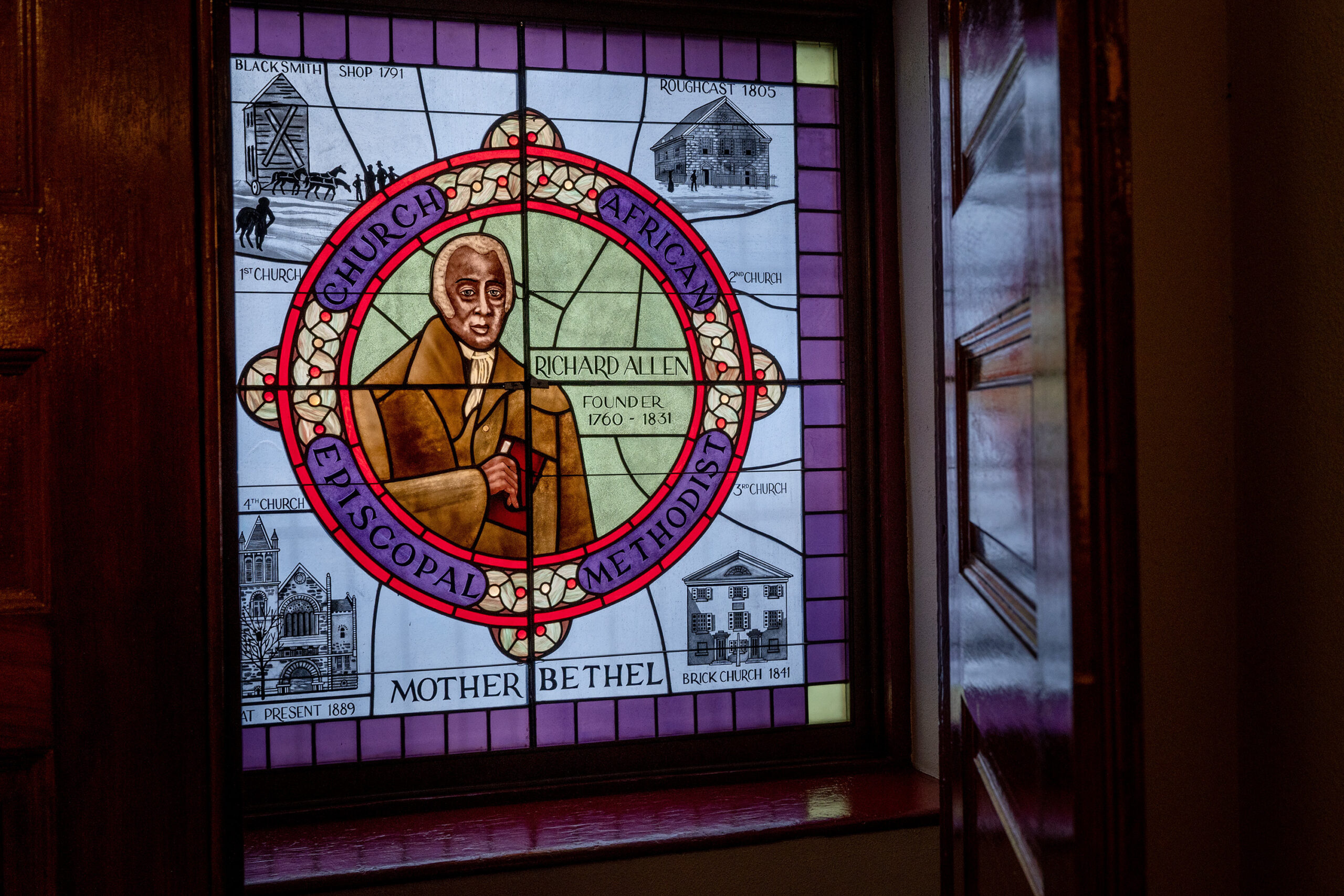
A stained glass window of founder Richard Allen and Mother Bethel AME Church’s previous homes is at entrance of the church.
Instead, American Methodists sided with southern landholders who relied on cost-free Black labor to build their empires. Evangelical churches, Tyler said, were among the first institutions to practice segregation.
Allen and Jones went on to start their own churches.
Allen established Mother Bethel African Methodist Episcopal Church, regarded as America’s — and the world’s — first AME congregation.
Mother Bethel will celebrate this history at the Philadelphia Historical District’s weekly “firstival,” part of a yearlong celebration of America’s 250th birthday. Each Saturday in 2026, the historic district is hosting a daytime shindig honoring an event that happened in Philadelphia before anywhere else in America and often the world.
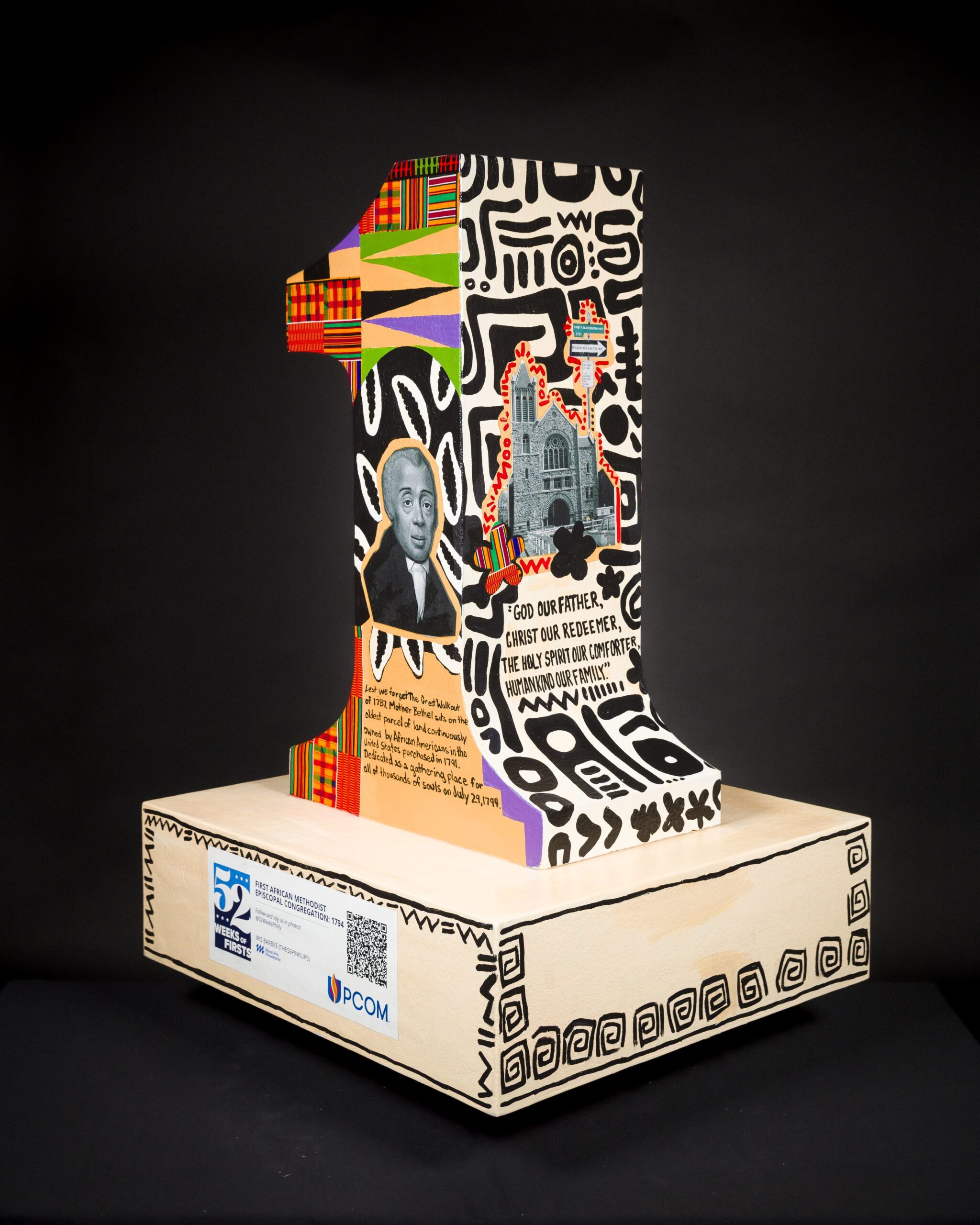
Iris Barbee Bonner is a fashion designer and graphic artist who brought her experience growing up in the AME Church to this 52 Weeks of Firsts No. 1
Allen was born into slavery in Philadelphia in 1760. He bought his freedom from his enslaver, a devout Methodist who converted many of the people he enslaved, in 1783. Allen answered the call to preach and traveled the mid-Atlantic for a few years evangelizing freed and enslaved people.
In 1786, he returned to Philadelphia, joined St. George’s, and started a 5 a.m. worship service. He led the service for a year-and-a-half before walking out in November of 1787.
“Certainly there had been moments of resistance in colonial Black communities,” Tyler said. “But this walkout was significant because it led to the emergence of the first American institutions by and for Black people,” Tyler said.
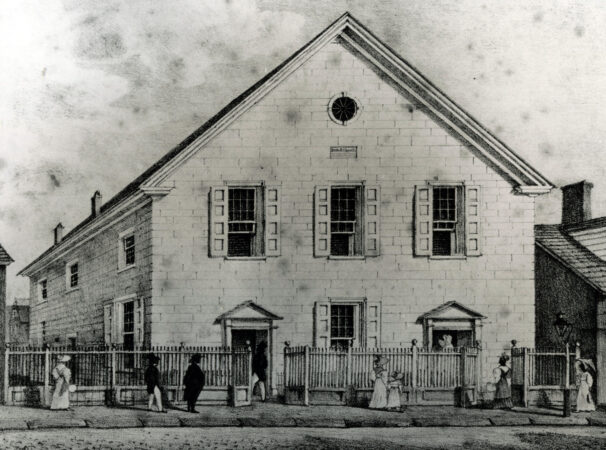
Allen bought land at Sixth and Lombard Streets — where Mother Bethel sits now — on Oct. 10, 1791. Mother Bethel’s first building, a repurposed blacksmith shop, was dedicated on July 29, 1794, by Bishop Francis Asbury.
A second building was erected in 1805, a third in 1841, and the current building was completed in 1890.
“We are the oldest independent denomination founded by people of color in the United States,” said the Rev. Carolyn C. Cavaness, pastor of Mother Bethel. “Our church sits on the oldest parcel of land continuously owned by African Americans.”
In 1816, 30 years after Allen established Mother Bethel, he invited delegates of Black Methodist churches in Pennsylvania, Baltimore, Maryland, Delaware, and New Jersey to a conference, establishing the AME Church as its own denomination.
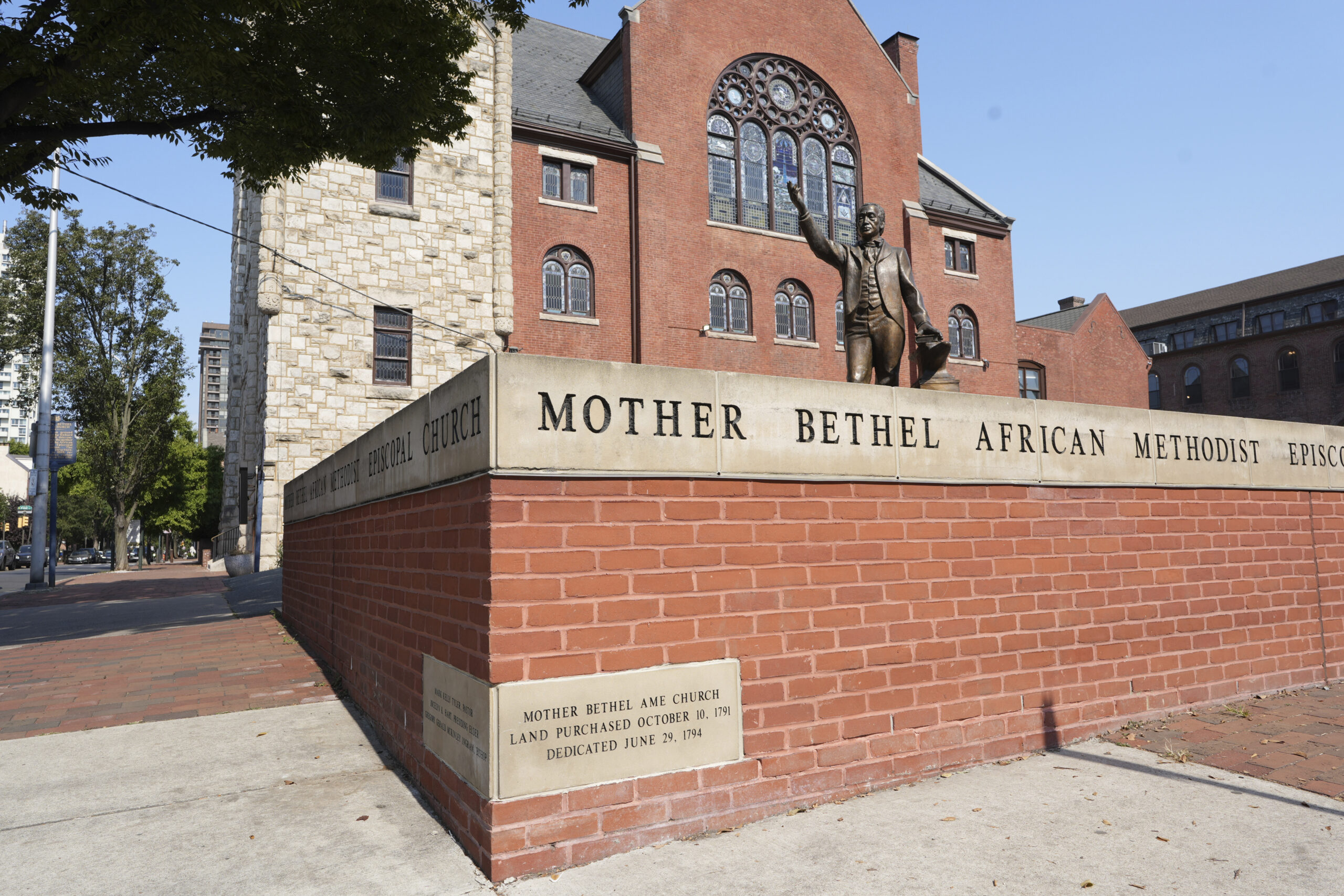
A statue of Mother Bethel AME Church founder Richard Allen stands on the oldest parcel of land continuously owned by Black Americans in Philadelphia on Oct 13, 2024. (AP Photo/Luis Andres Henao)
Mother Bethel has stood at the center of civil rights for centuries, from serving as a station on the Underground Railroad to uniting interfaith clergy who questioned $50 million of community benefits slated to go to the Sixers arena in 2024.
“We are the Mother Church,” Cavaness said. “ … the foundation of so much Philadelphia history, so much American history. It’s an honor to be the sacred caretaker of this history.”
This week’s Firstival is Saturday, Feb. 7, 11 a.m.-1 p.m., at Mother Bethel, 419 S. Sixth St. The Inquirer will highlight a “first” from Philadelphia Historic District’s 52 Weeks of Firsts program every week. A “52 Weeks of Firsts” podcast, produced by All That’s Good Productions, drops every Tuesday.
The doors of Independence Hall had been flung open, and the British were coming.
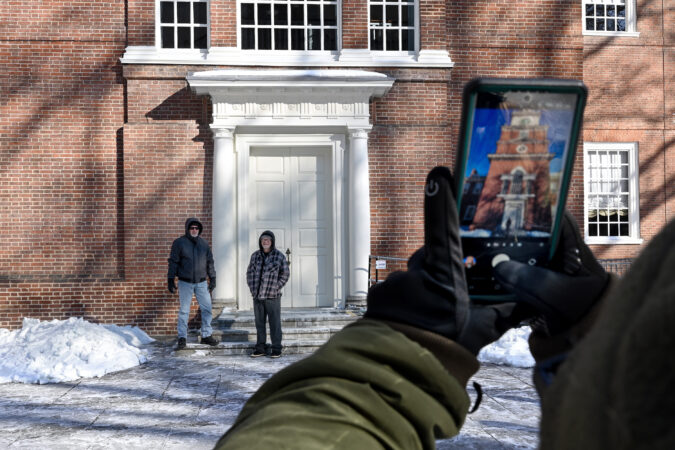
More specifically, English tourists Chadi Rahim and his daughter, Sophia Rahim, 18, shivered in their parkas Thursday, awaiting one of the first tours of Independence Hall since its 119-day closure.
The historic state house, where American democracy was born in 1776, had been closed to the public since Oct. 1 — a temporary pause of access, stretching through the federal government shutdown and weeks of planned preservation work ahead of Philadelphia’s Semiquincentennial celebrations this year. The revamp included restoration of wood, masonry, plaster, and metal, historically accurate paint finishes, and the construction of accessibility ramps. The work would ensure that Independence Hall would continue as a “beacon of American freedom,” the National Park Service had said.
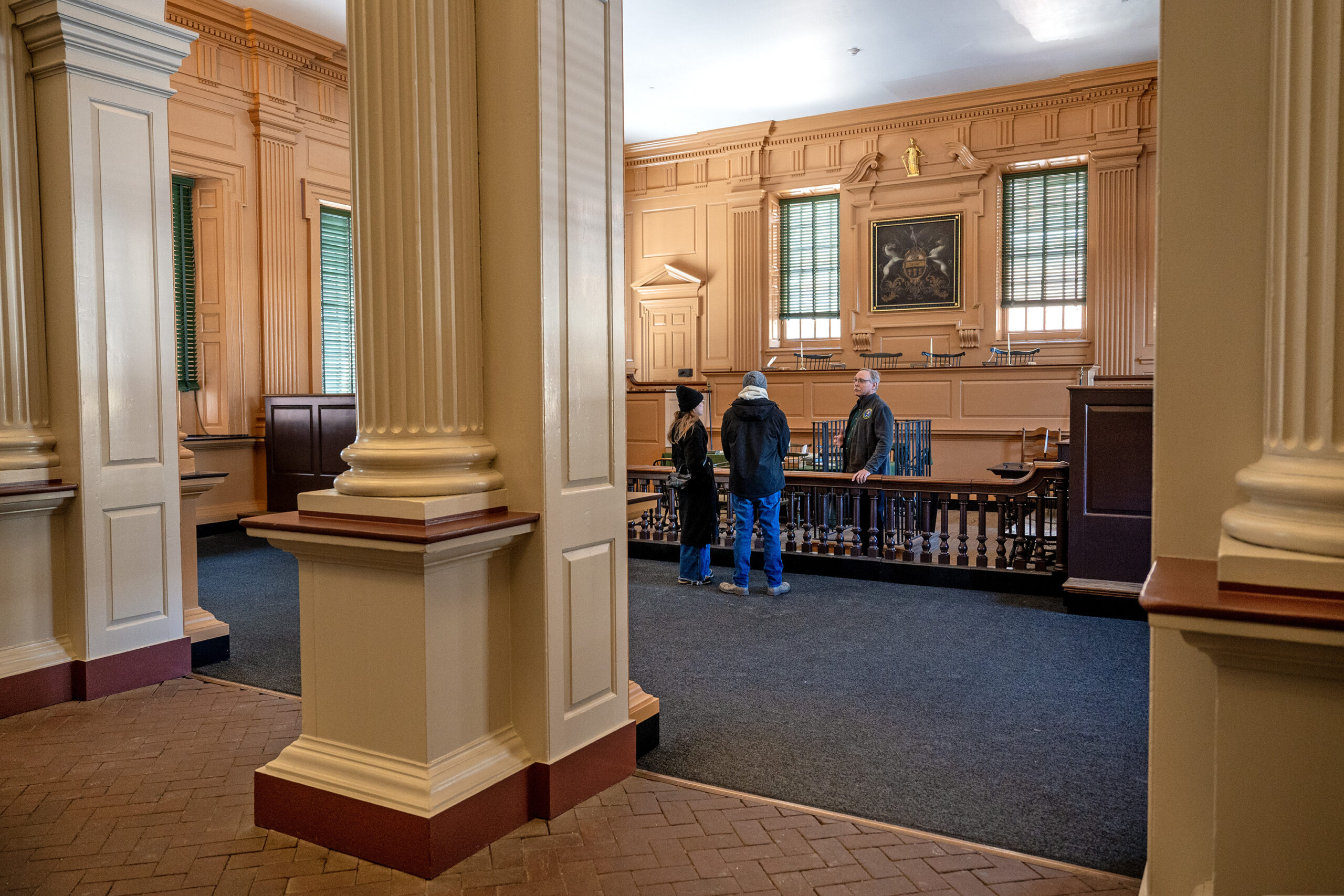
Tourists Jenna Lippert and Brandon Camperlino from Syracuse, NY listen as park service volunteer Bill Rooney (right) gives a tour in the Pennsylvania Supreme Court Chamber in Independence Hall Thursday, Jan. 29, 2026.
As part of the Independence Square Improvement Project, similar repairs were planned for Congress Hall and Old City Hall, which are part of the Independence Hall complex.
“Wear and tear,” National Park Ranger Hugh Evans assured 14 visitors assembled for the 11:30 a.m. tour.
All morning, a steady trickle of travelers trekked to the redbrick building in Old City where the Founding Fathers staked their necks on the promise of a freer and more perfect future.
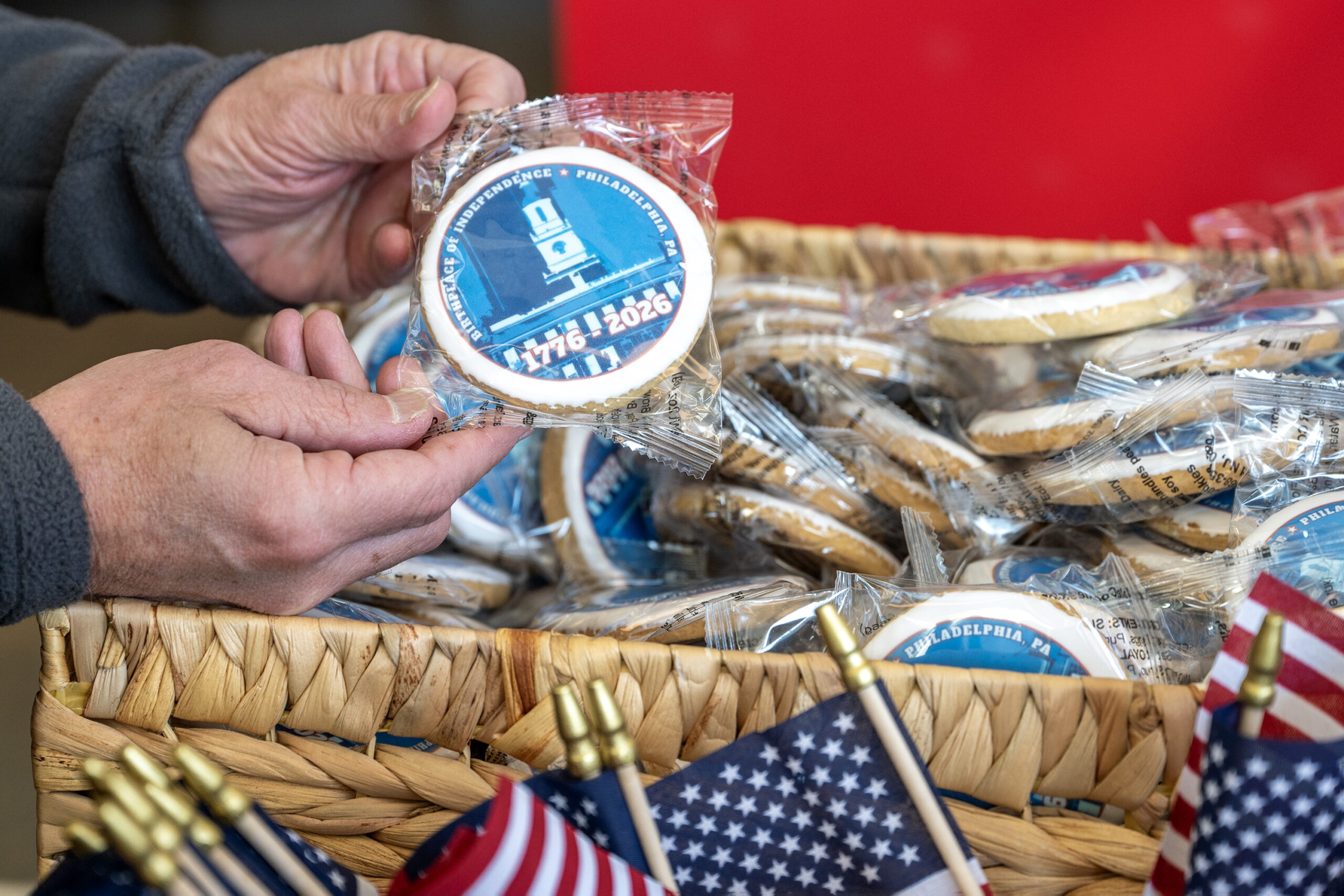
Independence Visitor Center information desk host Woody Rosenbach displays a free Independence Hall cookie offered to the first 250 visitors on Thursday.
In Thursday’s cold, the tourists came from the rocky coasts of Oregon and the sunlit shores of California, from small towns and big cities, from red states and blue states. And their presence on such an auspicious day was completely by chance. None of the more than a dozen pilgrims to American democracy who braved frozen temps and icy footpaths said they had been aware that Independence Hall had only just reopened.
The site where the Declaration of Independence was signed 250 years ago, the building is one of Independence National Historic Park’s central attractions. The Liberty Bell Center, which was also closed during the shutdown, reopened in November. Officials expect that more than five million people will visit Independence Hall in 2026 for the national milestone.
Learning that their visits had fallen on the reopening of the historic site only lent more power, visitors said.
Rahim, a business owner with the sturdy frame of a Victorian boxer, said he and his daughter had decided on a Philadelphia holiday for shopping and relaxation and Rocky (Sophia is also a fan of National Treasure, a 2005 Nicolas Cage history caper that was filmed at Independence Hall and other historic district sites). But also because of the story only Philadelphia can tell about America’s founding.
And especially now, when the future of American democracy feels more at stake than ever.
“We know the story about independence,” Rahim said, buttoning up against the cold. But he and his daughter had wanted to experience it up close. “Sometimes stuff gets in the way. But if you see the history, it makes you realize what people went through to get us where we are now.”
During the 11 a.m. tour, National Park Ranger David Powers welcomed a half-dozen visitors into the stately, Georgian state room, where the Founders first passed independence. Walls and floors in the rooms where it happened reflected a new polish, while some painting could still use touching up.
After four months of closure and renovations, guided tours resumed every half hour Thursday. Security staff said they did not encounter crowds of guests seeking to stroll the sun-streaked confines where profound compromises of democracy were hashed out 2½ centuries ago.
Rather, on the day of the building’s reopening, many of the visitors represented just normal Americans, looking for signs of hope in uncertain times.
Rachel Lawson of Bend, Ore., and Amanda Shapiro of Southern California, colleagues in town for a work event, admired the simple elegance of the original woodwork design inside Congress Hall, home of the U.S. Congress from 1790 to 1800.
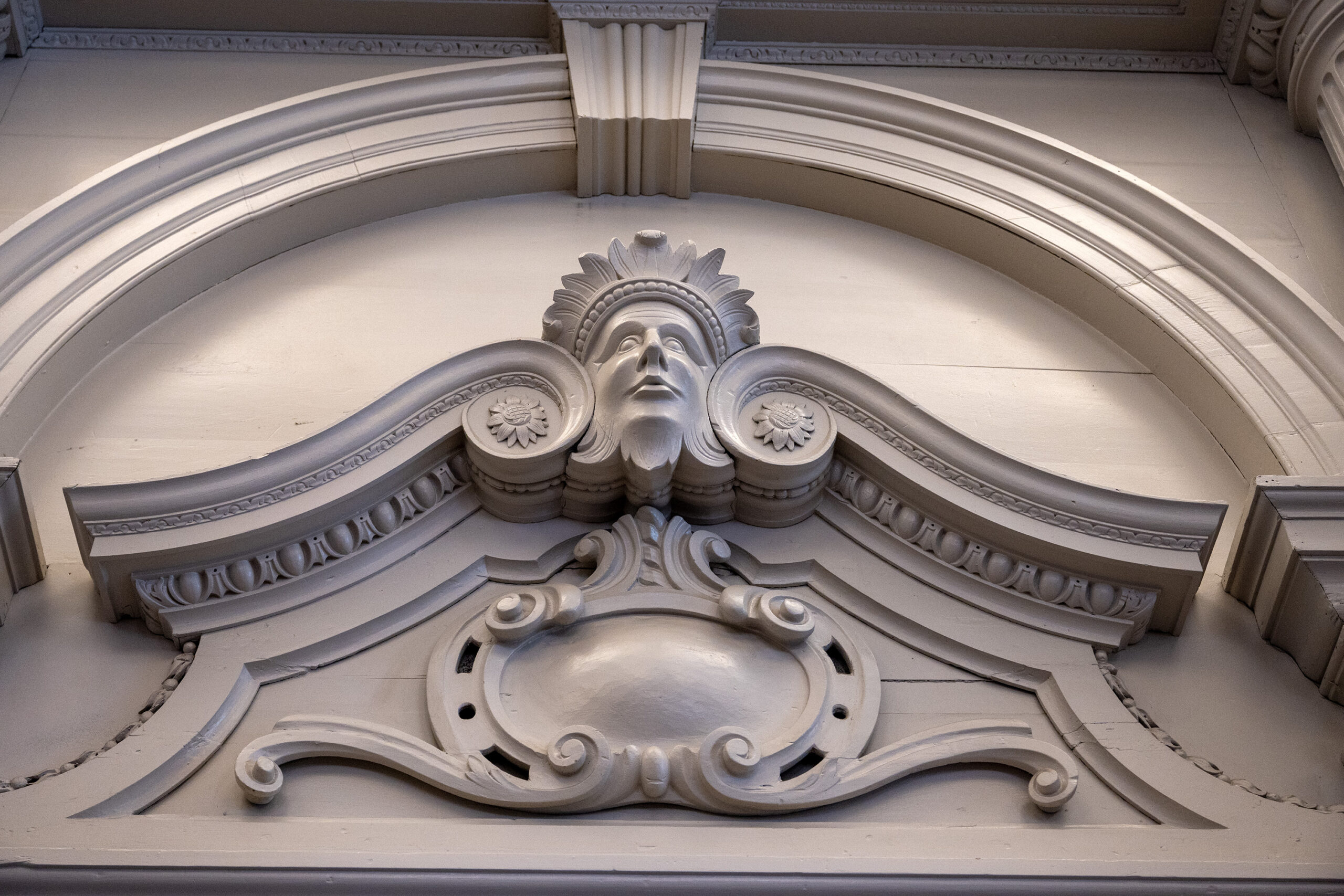
A newly painted pediment above a doorway in Independence Hall on Thursday, Jan. 29, 2026.
“The attention to detail, the thoughtfulness, the regal energy,” she said.
Nearby, Luke Morris, a 20-something political podcaster from Washington, had planned his visit to Independence Hall as a reminder that Americans are still fighting for that promised future amid all the pain and turmoil.
“We are still fighting for what we think is right,” he said.
Sinners, Ryan Coogler’s vampiric period film starring Michael B. Jordan, made Academy Award history on Thursday when it was nominated for 16 Oscars, more than any other film in the history of the award ceremony’s 98-year run.
It toppled the 14 nominations previously received by All About Eve (1950), Titanic (1997), and La La Land (2016). In addition to Michael B. Jordan’s best actor nomination and Coogler’s best director nod, Sinners Oscar-winning costume designer, Ruth E. Carter, was also nominated for for her work on the film. It’s her fifth overall Oscar nomination.
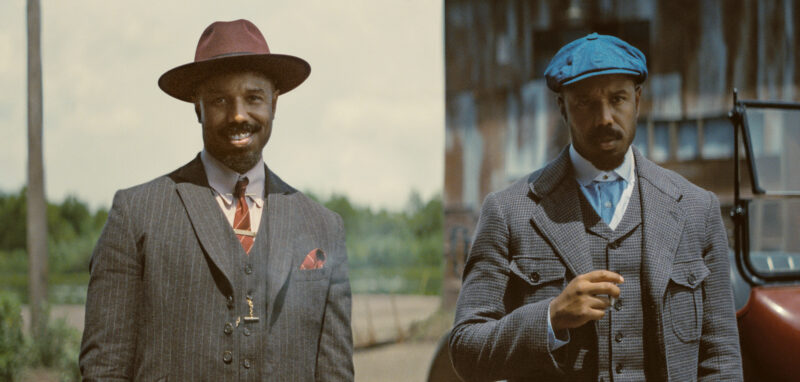
That includes Smoke and Stack’s (twins played by Jordan) memorable 1930s-era three-piece suits, with complementary fedora and newsboy cap, timepieces, and tiepins.
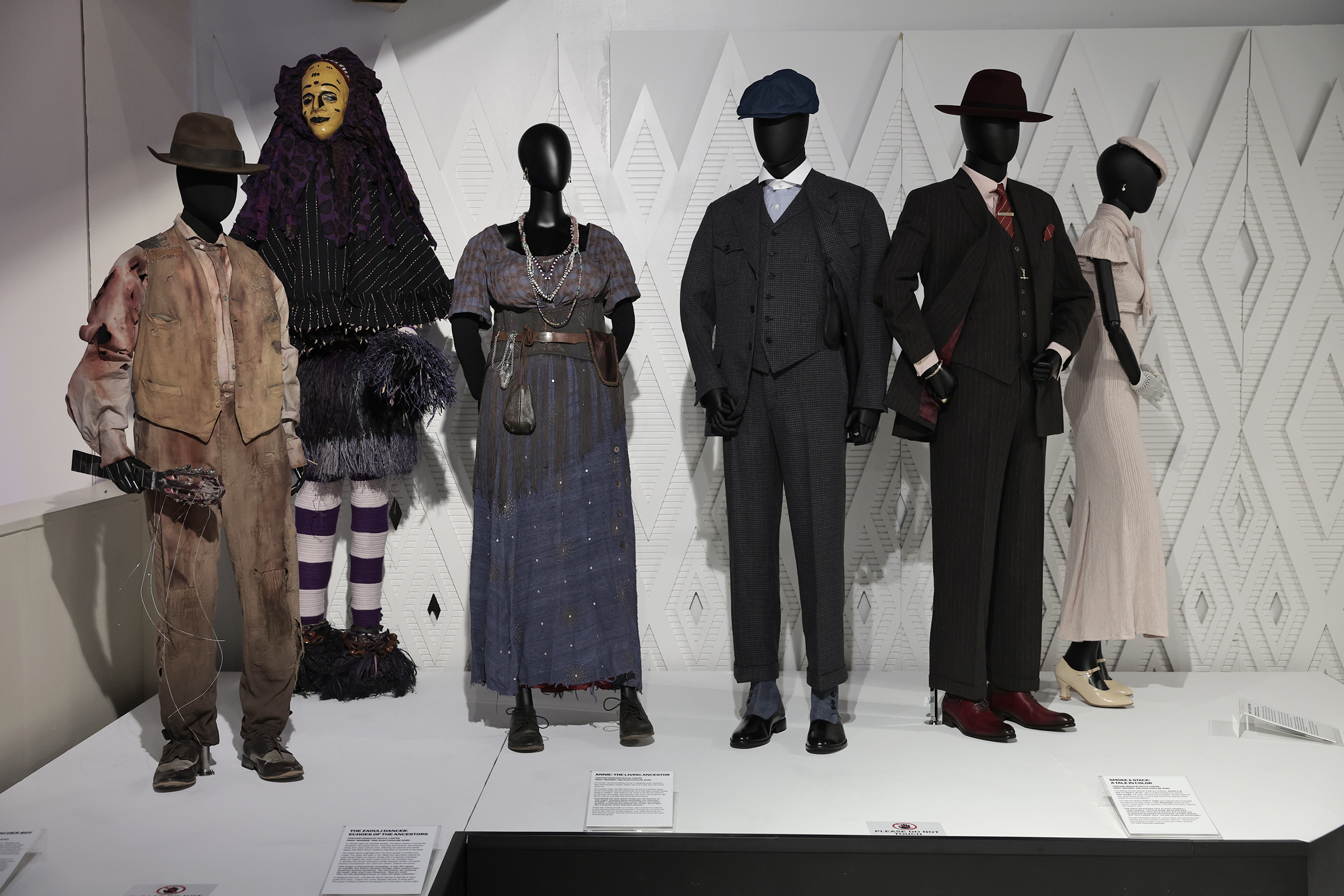
Ruth E. Carter’s Oscar-nominated costumes from “Sinners” starring Michael B. Jordan as twins Smoke and Stack.
Coogler’s only direction to Carter was to dress Smoke in blue and Stack in red, she told The Inquirer in November.
Carter, not one to fret long, dove into her arsenal of research. By the time she began the fittings, she’d amassed an array of blue and red looks befitting of the 1930s sharecroppers-turned-bootleggers and juke joint owners.
“[And] when I put that red fedora on him, Ryan flipped out and said, ‘That’s it!’,” Carter said. “We wanted people to resonate with their clothing and it did.”
The Smoke and Stack effect went beyond Sinners. This Halloween there were tons of social media posts of revelers dressed as the mysterious twins.
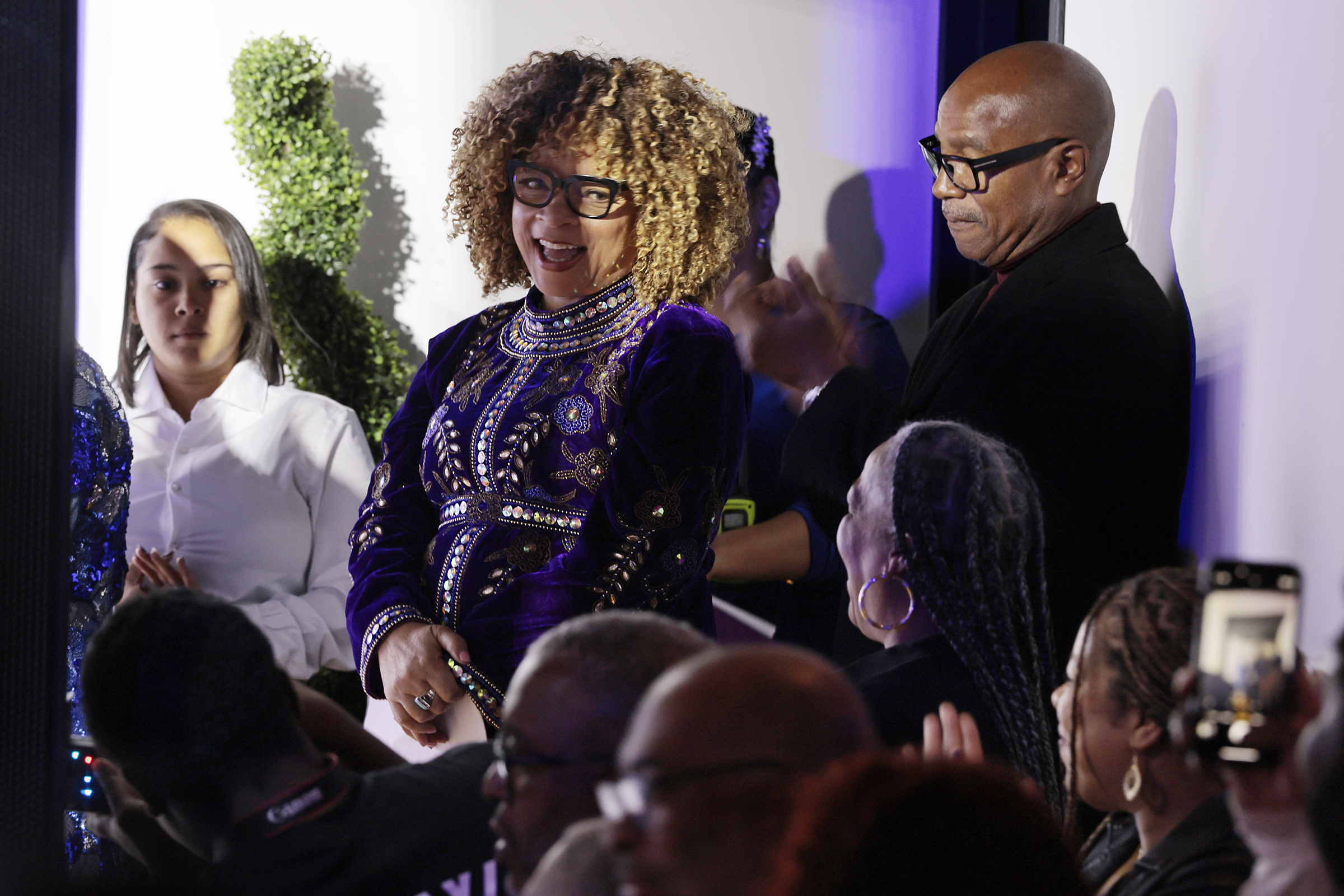
Ruth E. Carter during the “Ruth E. Carter: Afrofuturism in Costume Design” opening gala at the African American Museum in Philadelphia on Saturday, Nov. 1, 2025.
Also a part of AAMP’s Sinners display is the flowy earthy dress that best supporting actress nominee Wunmi Mosaku wore in her role as Annie. Annie is Smoke’s lover and a root woman who discovers the vampires in their Clarksdale, Miss., town.
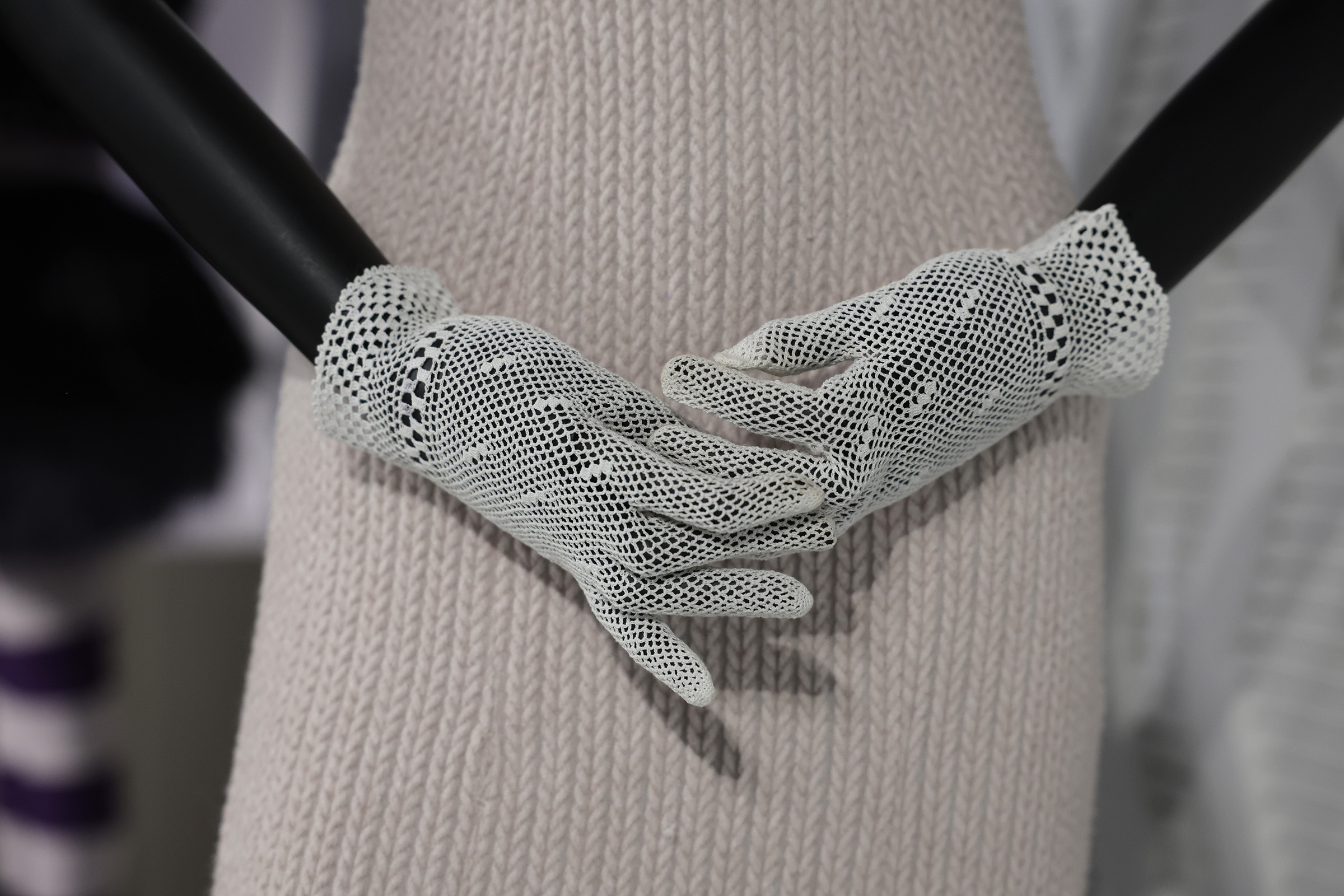
Cornbread’s (Oscar Miller) tattered sharecropper outfit is on the dais along with Mary’s (Hailee Steinfeld) blush knit dress with its short-sleeved bodice and pussy bow accent. Her matching knit beret and pearls are also on display. In the film, Mary is Stack’s childhood friend, turned girlfriend, turned vampire.
“I immerse myself in the mind, body, and soul of my characters,” said Carter. “Then I see them in my mind, how they move and with research, I come up with a look that I feel is unique to them.”
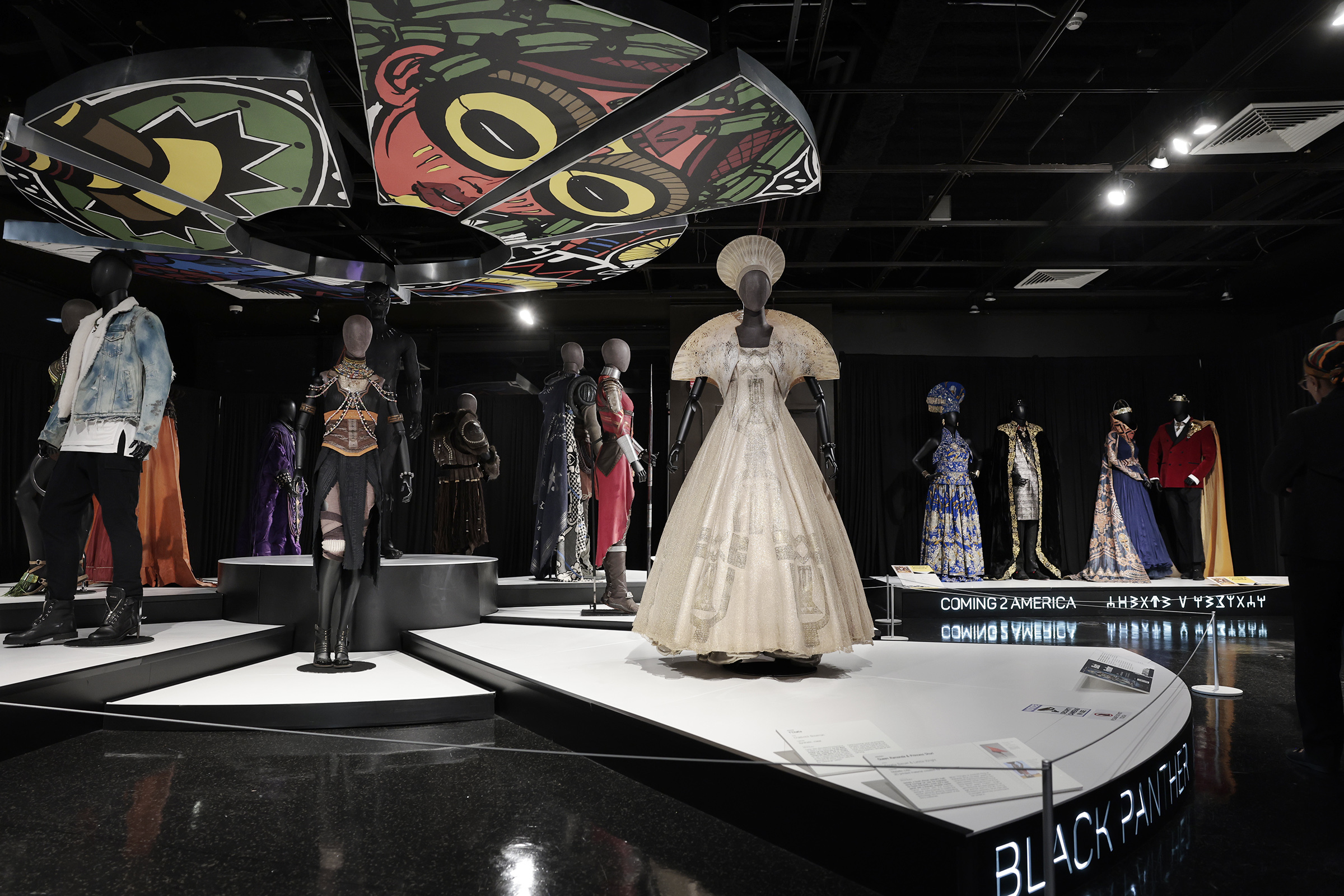
The Sinners pieces are among the more than 80 looks featured in the “Afrofuturism” exhibit, joining outfits from The Butler (Lee Daniels), and from Malcolm X, Coming 2 America, Black Panther, and its sequel, Black Panther: Wakanda Forever.
The show, headlining the African American Museum’s celebration of the nation’s Semiquincentennial, will be on display through September.
Lace gloves and knit dress detail of Mary (Hailee Steinfeld) costume from sinners.
During her five decades in the movie business, Carter has worked on more than 60 big-screen documentations of where Black Americans have been, who they are at the given moment, and who they dream of becoming.
Her work has shaped how the world sees African Americans.
In the 2010s, a friend of hers suggested she plan a museum exhibit around her costumes. After Black Panther, she partnered with Marvel, and in 2019, “Afrofuturism in Costume Design” debuted at the Savannah College of Art and Design’s Atlanta Campus.
The “Ruth E. Carter: Afrofuturism in Costume Design” exhibit at the African American Museum in Philadelphia on Saturday, Nov. 1, 2025.
Philadelphia is the exhibit’s ninth — and longest — stop. It’s also the first stop for the Sinners costumes.
“I am a griot,” Carter said. “[Throughout my career,] I’ve developed a knowledge base that embraces our culture and speaks to all of us in a positive way.”
“Ruth E. Carter: Afrofuturism in Costume Design” will be on view through Sept. 6. at the African American Museum in Philadelphia, 701 Arch St., Thursday through Sunday, 10 a.m. to 5 p.m. Tickets are $20 for adults, $10 for children.
Philadelphia City Council’s first meeting of 2026 on Thursday comes as tensions rise over President Donald Trump’s immigration crackdown and as Mayor Cherelle L. Parker continues to sidestep that conversation while focusing on advancing her signature housing initiative.
They will also tackle the city’s waste-disposal practices, a long-standing law requiring Council members to resign before campaigning for higher office, and the city budget.
Meanwhile, events largely outside Council’s control, including potential school closings and Philly’s role in the nation’s 250th birthday, are also expected to prompt responses from lawmakers.
Here’s what you need to know about Council’s 2026 agenda.
‘Stop Trashing Our Air’ bill up for vote
The first meeting of a new Council session rarely features high-profile votes, but this year could be different.
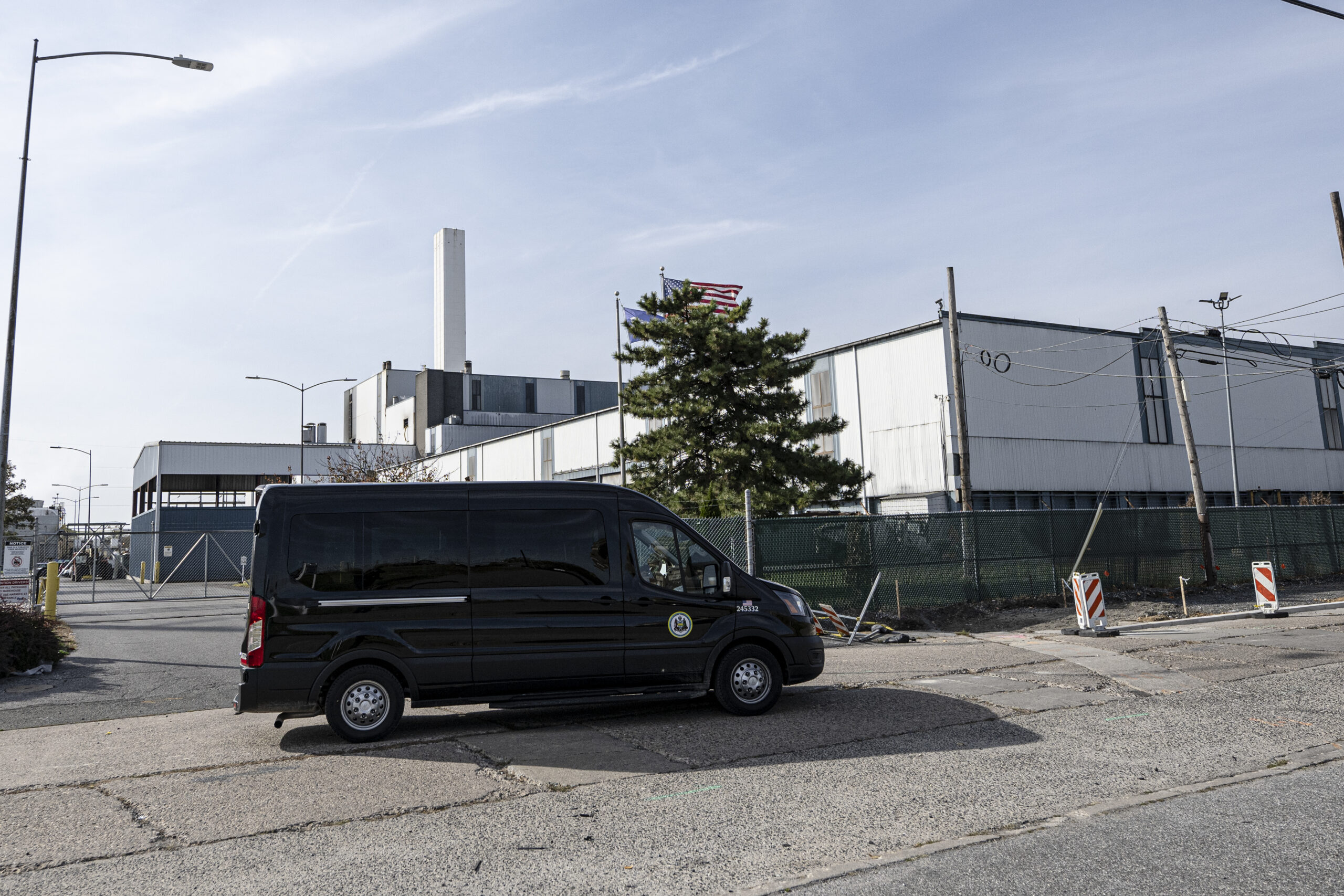
Currently, the city government sends about a third of the trash it collects to the Reworld trash incinerator in Chester, with the rest going to landfills. Those waste-disposal contracts expire June 30, and Gauthier is hoping to take incineration off the table when new deals are reached.
The Reworld incinerator in Chester, Pa., on Friday, Nov. 7, 2025.
“Burning Philadelphia’s trash is making Chester, Philadelphia, and other communities around our region sick,” Gauthier has said, pointing to elevated rates of asthma and other ailments and a legacy of “environmental racism” in Chester. The low-income and majority-Black city downriver from Philly has been home to numerous heavy industrial facilities.
Reworld has said its waste-to-energy facility, which produces some electricity from burning trash, is a “more sustainable alternative to landfilling.”
At a hearing last year, Parker administration officials said the city is including language in its request for proposals for the next contracts that will allow the city to consider environmental impacts. But they asked lawmakers not to vote for a blanket ban on incineration to allow the city to study the issue further.
Parker waiting for Council to reapprove $800 million in bonds for her H.O.M.E. plan
The biggest agenda item left hanging last month when lawmakers adjourned for the winter break was a bill to authorize the Parker administration to issue $800 million in city bonds to fund her H.O.M.E. initiative.
Parker had hoped to sell the bonds last fall, and Council in June initially authorized the administration to take out new debt. But lawmakers made significant changes to the initiative’s first-year budget, especially by lowering income thresholds for some programs funded by the H.O.M.E. bonds to prioritize the lowest-income residents.
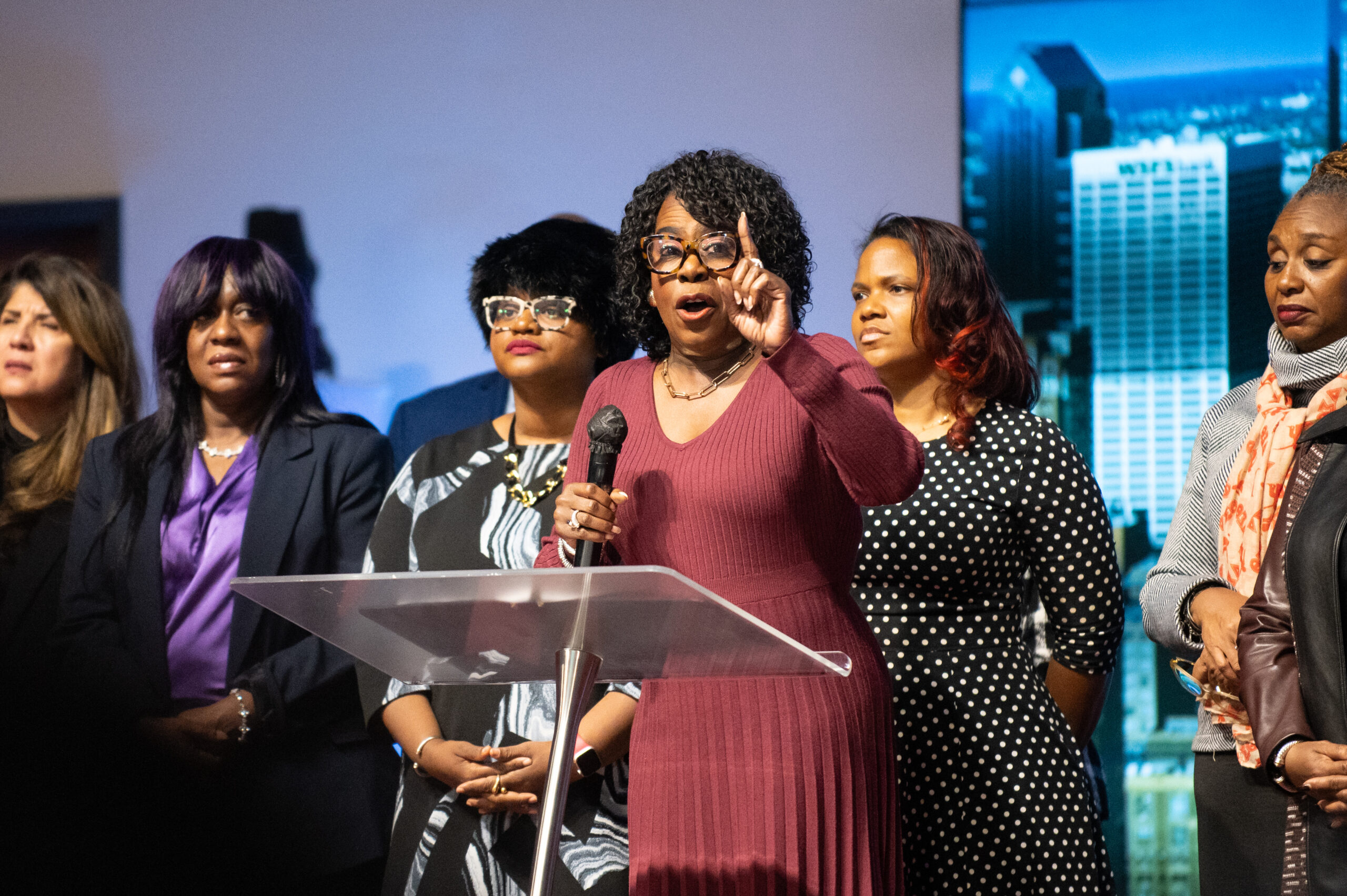
Mayor Cherelle L. Parker speaks to the crowd at The Church of Christian Compassion in the Cobbs Creek neighborhood of West Philadelphia on Sunday, Dec. 7, 2025. Parker visited 10 churches in Philadelphia on Sunday to share details about her H.O.M.E. housing plan.
“Council members have always been supportive of the H.O.M.E. initiative,” Johnson said. “H.O.M.E. advances City Council’s goals to expand access to affordable homeownership for Philadelphians … and to ensure that city housing investments deliver long-term benefits for families and neighborhoods alike.”
Currently, Council members and other city employees are required to quit their jobs to run for higher office. Lawmakers have tried several times over the last 20 years to repeal the law, but they have been unsuccessful. Changing the rule requires amending the city’s Home Rule Charter, which a majority of voters would have to approve through a ballot question.
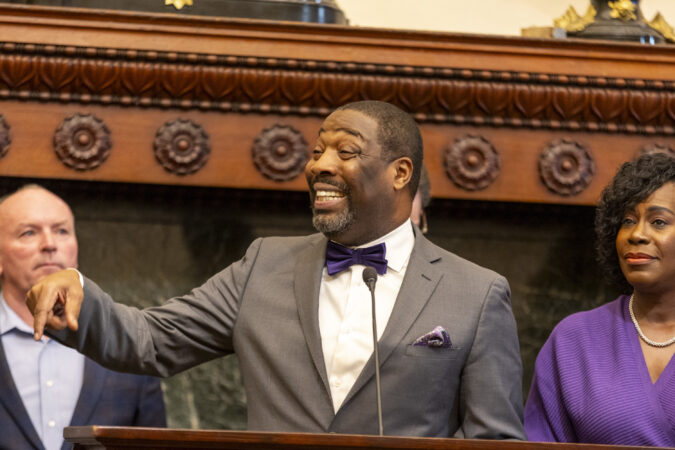
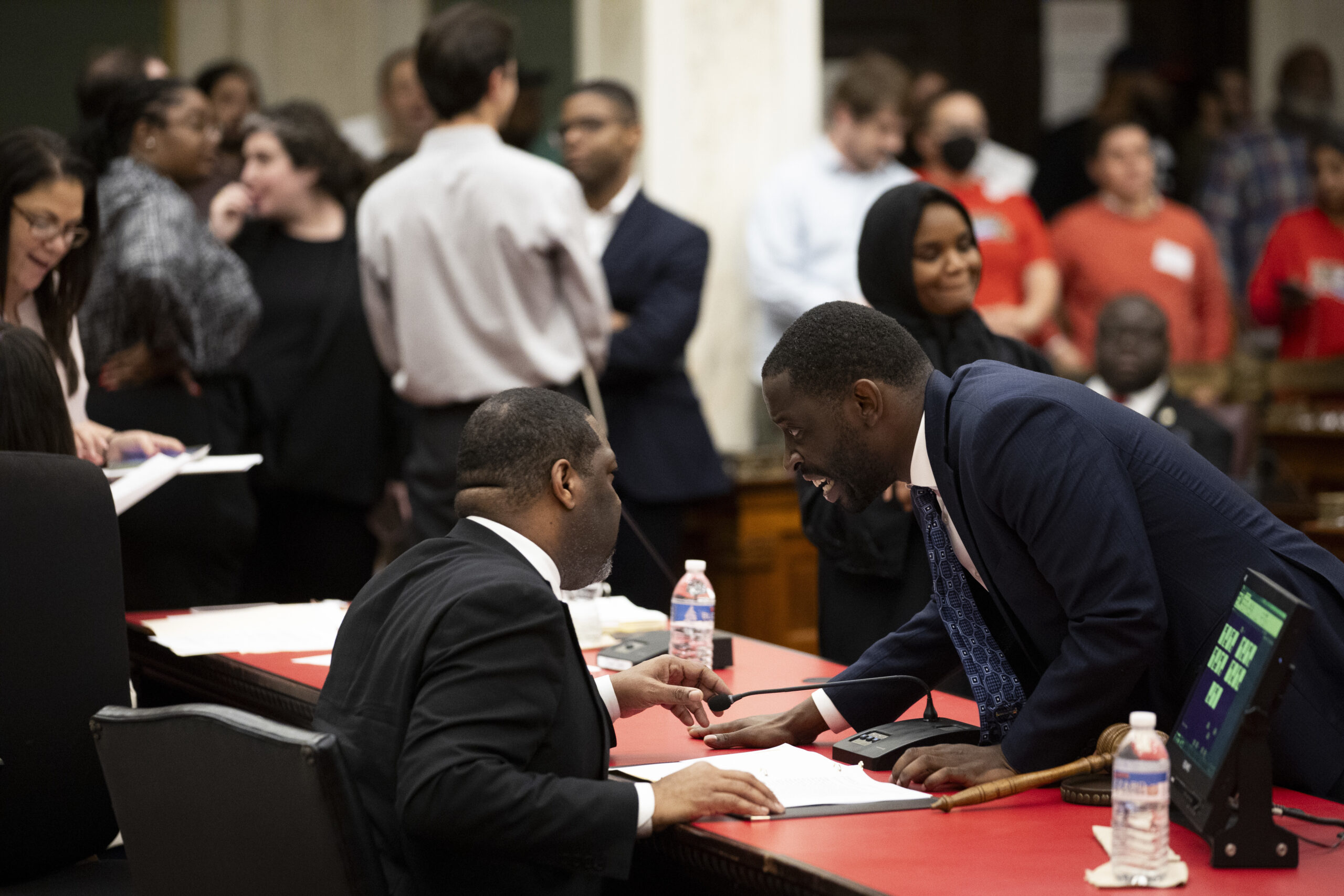
Council President Kenyatta Johnson talks with Councilmember Isaiah Thomas at City Hall on Wednesday, Dec. 11, 2024 in Philadelphia.
The latest attempt, spearheaded by Councilmember Isaiah Thomas, would not entirely repeal the resign-to-run law, but instead would narrow it to allow elected officials to keep their seats only if they are seeking state or federal office, such as in Congress or the state General Assembly. Council members who want to run for mayor would still have to resign.
Thomas, a Democrat who represents the city at-large and is rumored to have ambitions of running for higher office, plans to make minor amendments to the legislation this spring, a spokesperson said, before calling it up for a final vote. The goal, Thomas has said, is to pass the legislation in time for a question to appear on the May primary election ballot.
The mayor, however, cannot control what other local elected officials say about national politics, and Trump’s immigration crackdown appears to be stirring stronger local reaction heading into his second year in office.
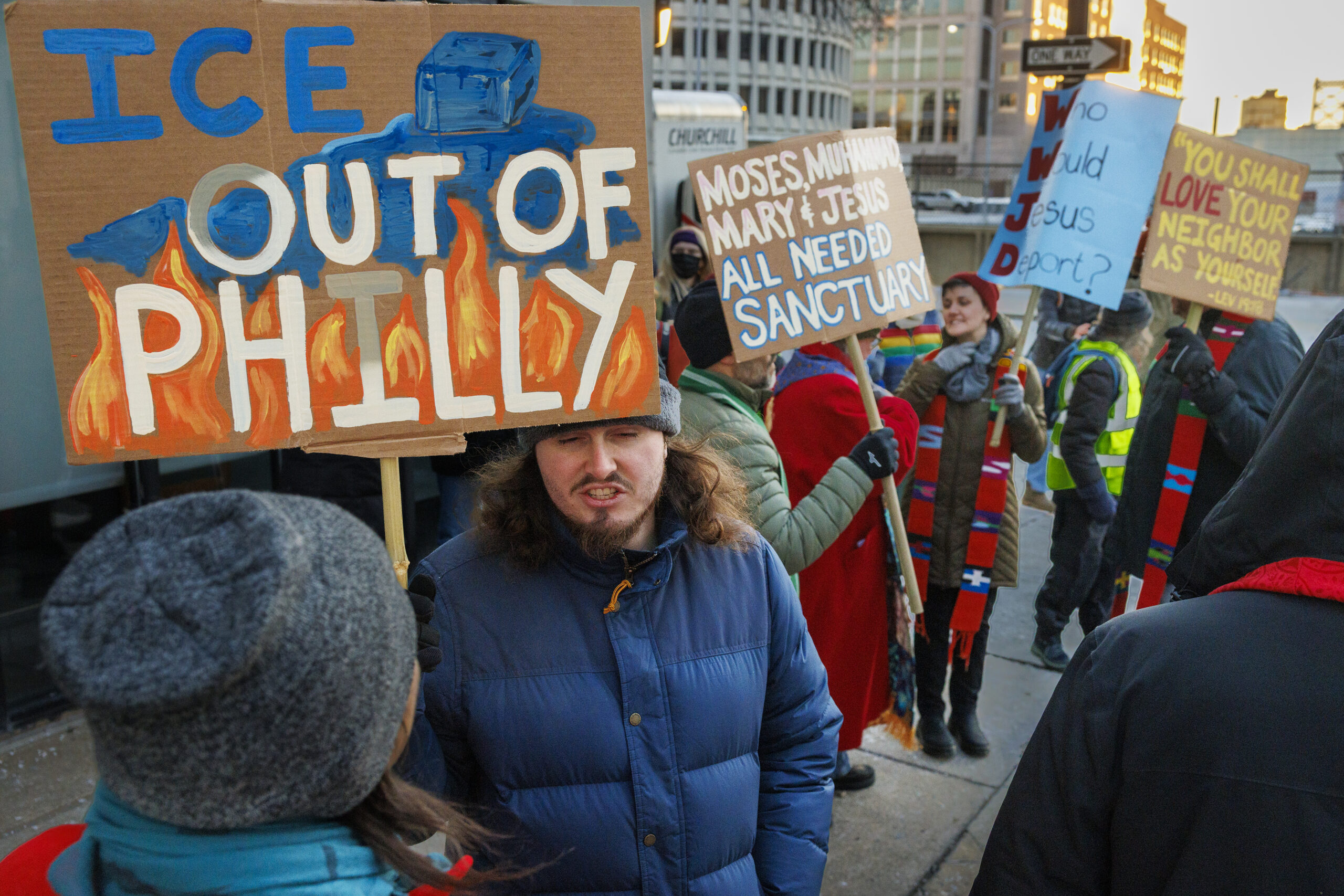
Meanwhile, progressive Councilmembers Rue Landau and Kendra Brooks this year are expected to introduce legislation aimed at constricting ICE operations in Philadelphia.
Demonstrators from No ICE Philly gathered to protests outside the U.S. Immigration and Customs Enforcement, office at 8th and Cherry Street, Philadelphia, Tuesday, Jan. 20, 2026.
It is not yet clear what the lawmakers will propose. But Brooks, who has called on Parker to take a firmer stand against Trump, recently criticized the Philadelphia courts for allowing agents to seize suspects leaving the Criminal Justice Center. She said officials who in her view have failed to stand up to ICE are engaged in “complicity disguised as strategic silence,” and she vowed to force those who “cooperate with ICE in any way” to testify in Council.
“Cities across the country are stepping up and looking at every available option they have to get ICE out,” Brooks said at a news conference earlier this month. “In the coming days, you will hear about what my office is doing about city policy. These demands must be met or face the consequences in Council.”
Landau added Philly cannot allow “some masked, unnamed hooligans from out of town [to] come in here and attack Philadelphians.”
“We are saying, ‘ICE out of Philadelphia,’” she said.
Parker has said her administration has made no changes to the city’s immigrant-friendly policies, but she continues to be tight-lipped about the issue.
The Pennsylvania Office of Open Records last week ruled in favor of an Inquirer appeal seeking to force Parker’s administration to disclose a September letter it sent the U.S. Department of Justice regarding local policies related to immigration.
The administration still has not released the document. It has three more weeks to respond or appeal the decision in court.
South Philly arena proposal still in the works
After the 76ers abandoned their plan to build a new arena in Center City a year ago, the team announced it would partner with Comcast Spectacor, which owns the Flyers, to build a new home for both teams in the South Philadelphia stadium complex.
The teams announced last fall they have selected an architect for the new arena, which is scheduled to replace the Spectacor-owned Xfinity Mobile Arena, formerly the Wells Fargo Center, in 2031.
If the teams are still planning to open the new arena on their previously announced timeline, legislation to green-light the project could surface as soon as this spring. But so far, there has been no sign of movement on that front.
“There is currently no timeline for introducing legislation to build a new Sixers arena in South Philadelphia,” said Johnson, whose 2nd District includes the stadium complex. “At the appropriate time, my legislative team and I will actively collaborate with Mayor Cherelle L. Parker’s administration on drafting any legislation related to the Sixers arena before it is introduced in City Council.”
School closings and 2026 celebrations also on the horizon
In addition to its legislative agenda, Council this year will likely be drawn into discussions over school closings and the high-profile gatherings expected to bring international attention to Philly this summer.
Johnson said his agenda includes “making sure Philadelphia has a very successful celebration of America’s 250th Birthday that results in short and long-term benefits for Philadelphia.”
Staff writers Jake Blumgart, Jeff Gammage, and Kristen A. Graham contributed to this article.
On Dec. 1, 1898, about 1,000 people gathered at a court in Textile Hall — today’s Kensington neighborhood. They were there to watch the Philadelphia Hancock Athletic Association play the New Jersey Trenton Nationals in America’s first professional basketball game.
According to an article in the following day’s Philadelphia Times, the game got a late start because referees were still ironing out the rules of the world’s newest professional sport.
But once the game got underway, it was fast and furious.
Hancock “started with a rush, scoring two field goals before the players had become warmed up to their work,” the story reads.
“Throughout the entire first half, the home team had the better of the argument, taking advantage of every opportunity finishing the half in the lead by a score of 11 to [0].”
In the end, Philadelphia lost by two points, a disappointment Philly sports fans know all too well, even in these modern times.
The final score: 21 to 19.
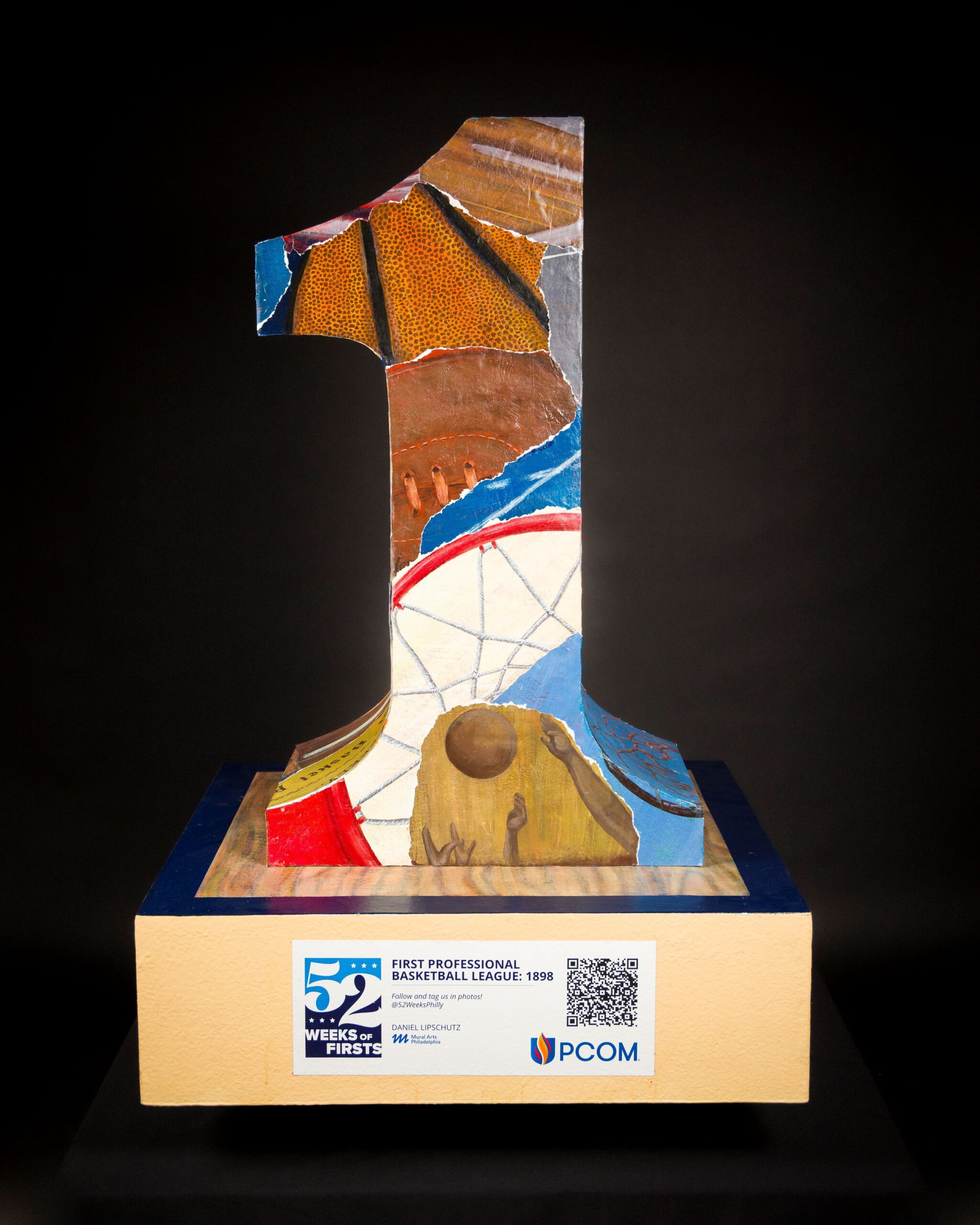
Daniel Lipschutz blended history into his love of the modern day sport for this sculpture.
That first game of the National Basketball League will be feted this Saturday at a Firstival at Xfinity Mobile Arena. Firstivals are the Philadelphia Historic District’s weekly day parties celebrating events that happened in Philadelphia before anywhere else in America, and often the world. They are part of a yearlong celebration of America’s 250th birthday.
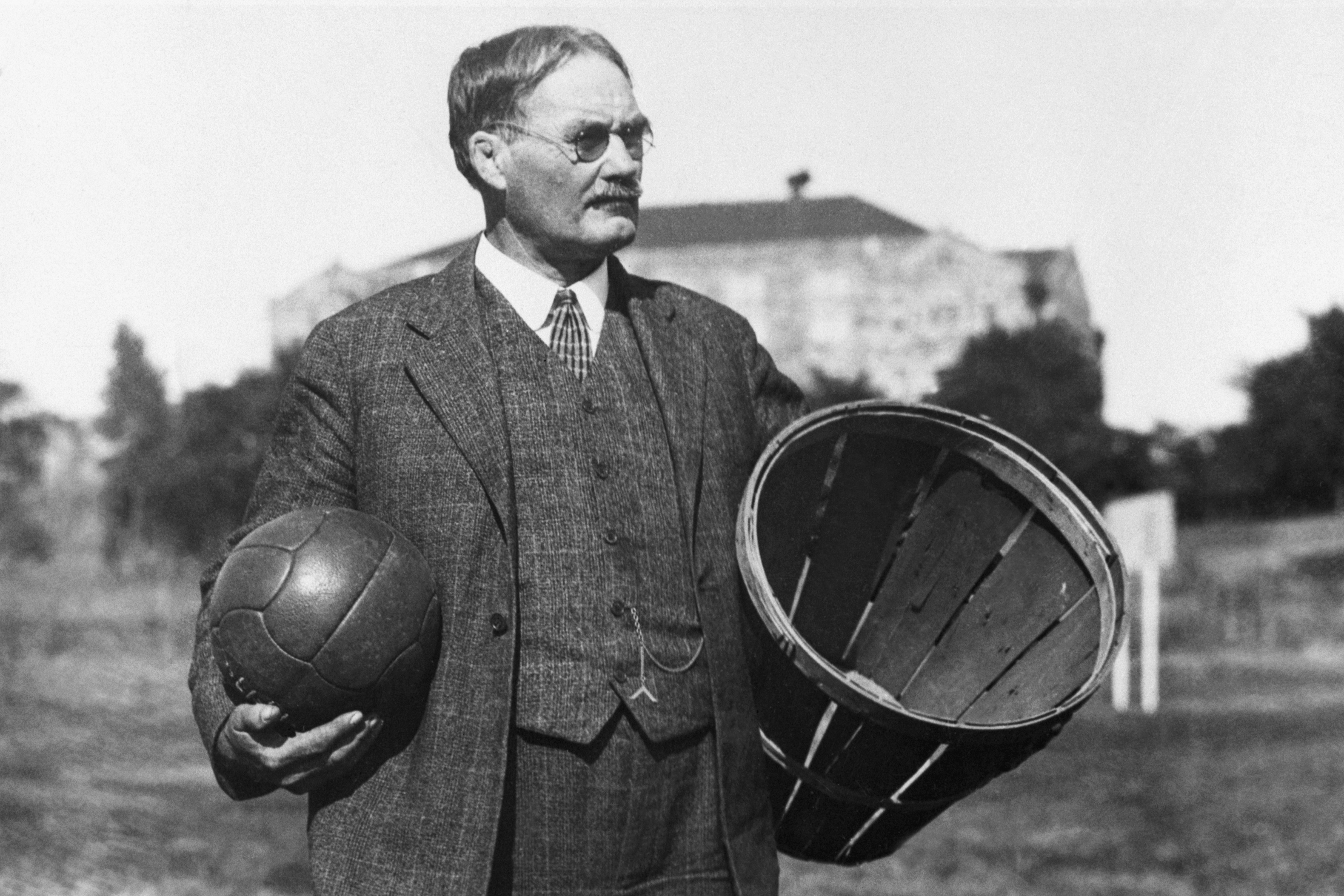
James Naismith, a YMCA coach in Springfield, Mass., invented basketball in 1891 to keep kids active during winter months. The sport incorporated elements of rugby, lacrosse, and soccer. Instead of throwing balls into a bottomless net to score, players threw balls into peach baskets.
(In other words, there was no such thing as a rebound.)
James Naismith, inventor of basketball, with a ball and a basket.
Basketball quickly became popular with college students and in 1898, Naismith was recruited to coach the University of Kansas basketball team.
That same year, Horace Fogel, sports editor of the Philadelphia Public Ledger, organized the first professional basketball league with three teams from Philadelphia and three from South Jersey.
A 12-foot chain-link cage separated players from the fans. Ropes replaced these iron cages in the 1920s.
Fogel’s National Basketball League lasted just five years, folding in 1904 because of quick player turnover eating into profits. A second league was formed in 1937 and was sponsored by Goodyear. In 1946, the Basketball Association of America was established.
And in 1949, the BAA and NBL merged to create today’s NBA.
“This really goes to show that Philadelphia is a sports city,” said Shavonnia Corbin Johnson, vice president of civic affairs for the 76ers. “When people talk about Philadelphia sports rooted in history, tradition, and passion, it’s true, but now we know that America’s true love of sports can trace its roots right back here.”
This week’s Firstival is Saturday, Jan. 24, 11 a.m. — 1 p.m., at Xfinity Mobile Arena, 3601 S. Broad St., Philadelphia, Pa. Premium Access Entrance on the Broad Street side, near Lot C. The Inquirer will highlight a “first” from Philadelphia Historic District’s 52 Weeks of Firsts program every week.
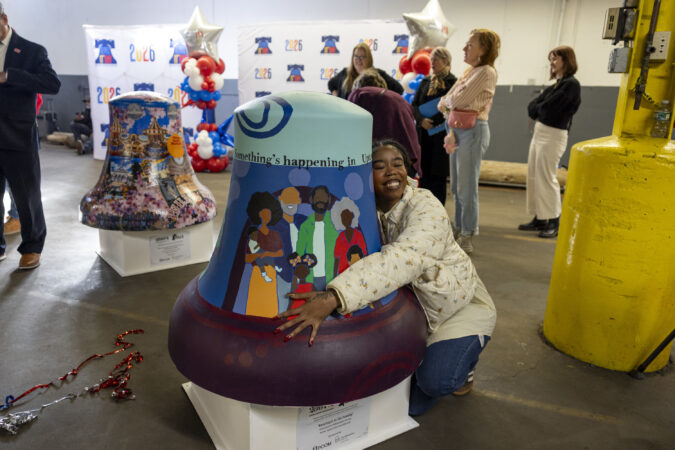
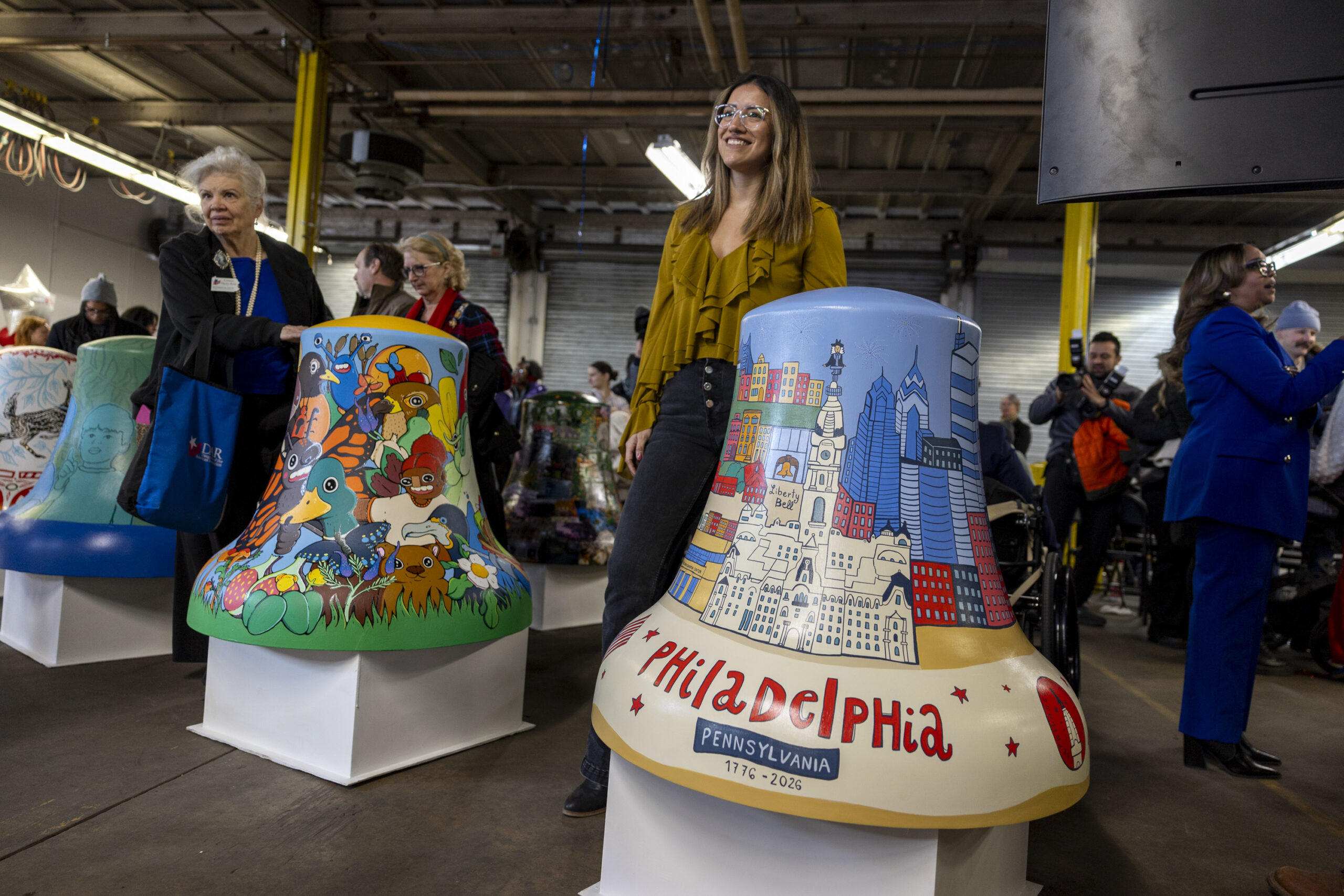
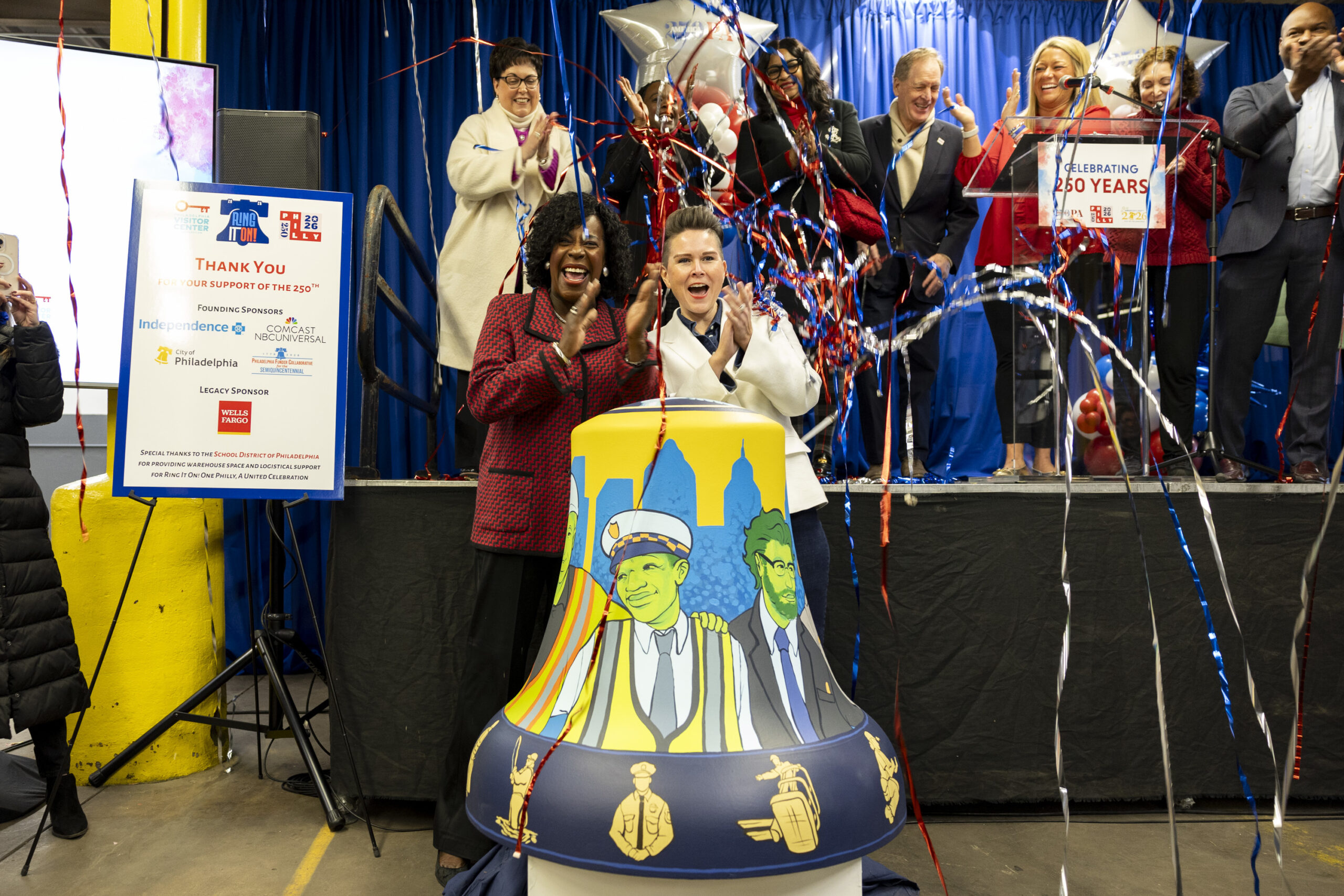
On Friday, the city revealed the 22 large replica Liberty Bells that will decorate Philly neighborhoods this year for the celebrations of America’s 250th anniversary. Officials also released a list of locations where the painted bells will soon be installed. The program announced two special replica bells for the Independence Visitor Center and the Convention Center.
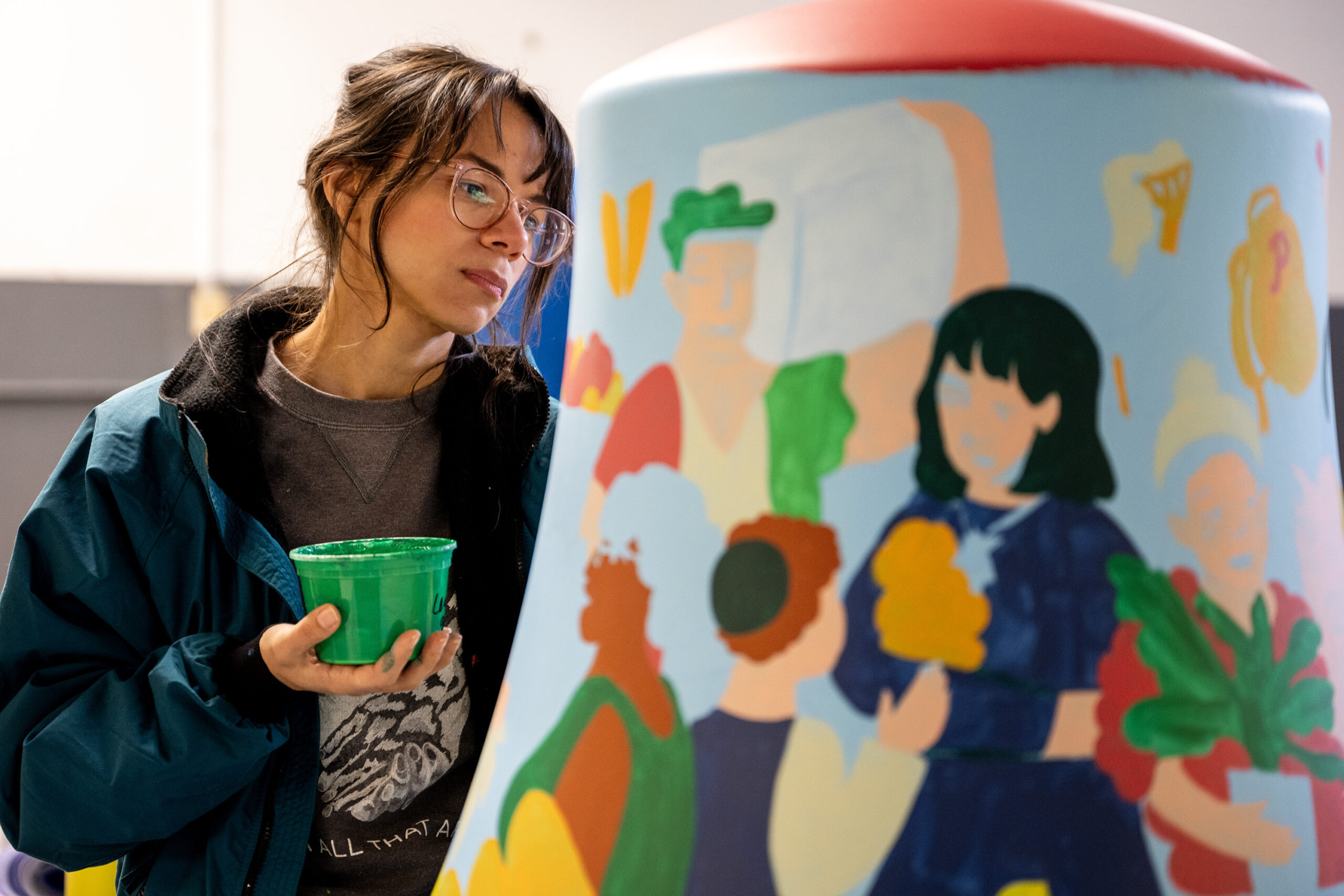
Designed by 16 local artists selected through Mural Arts Philadelphia — and planned for commercial corridors and public parks everywhere from Chinatown and South Philly to West Philly and Wynnefield — the bells depict the histories, heroes, cultures, and traditions of Philly neighborhoods.
<iframe title="‘Bells Across Pa.’ Locations in Philadelphia" aria-label="Locator map" id="datawrapper-chart-UZW3N" src="https://datawrapper.dwcdn.net/UZW3N/1/" scrolling="no" frameborder="0" style="width: 0; min-width: 100% !important; border: none;" height="665" data-external="1"></iframe><script type="text/javascript">window.addEventListener("message",function(a){if(void 0!==a.data["datawrapper-height"]){var e=document.querySelectorAll("iframe");for(var t in a.data["datawrapper-height"])for(var r,i=0;r=e[i];i++)if(r.contentWindow===a.source){var d=a.data["datawrapper-height"][t]+"px";r.style.height=d}}});</script>
“Philadelphia has always been a city of neighborhoods, each with its own story to tell,” said Mayor Cherelle L. Parker during an unveiling of the bells in Olney. “That’s why our communities and these talented artists came together to tell these stories.”
As part of the state nonprofit America250PA’s “Bells Across PA” program, more than 100 painted bells will be installed across Pennsylvania throughout the national milestone, also known as the Semiquincentennial.
For weeks, artists had toiled on their bells inside a makeshift studio behind the Widener Memorial School, each telling a different story of neighborhood pride.
Ana Thorne, of Center City, 37, is next to their bell they made during the Bells Across PA event in celebration of America’s 250th Birthday in Philadelphia, Pa., on Friday, Jan. 16, 2026.
An Italian Market bell depicts scenes of the bustling produce stands, flickering fire barrels, and smiling old- and new-school merchants. An El Centro de Oro bell is painted with images of the neighborhood’s historic Stetson Hats factory, the iconic Latin Music store Centro Musical, and popular iron palm tree sculptures. A Glen Foerd bell is decorated with paints mixed with water from the Delaware River.
“Our goal is to create a Semiquincentennial celebration that meets every Philadelphian where they are,” said Kathryn Ott Lovell, president and CEO of the Philadelphia Visitor Center Corp. and Philadelphia250.
Local artist Cindy Lozito works on her South Philadelphia bell, one of 20 painted replicas of the Liberty Bells representing different neighborhoods Tuesday, Dec. 9, 2025. The bells will decorate parks and public spaces in every corner of the city during America’s 250th birthday.
Planners said they expect the bells to draw interest and curiosity similar to the painted donkeys that dotted Philly neighborhoods during the 2016 Democratic National Convention. Those painted decorations became the focus of scavenger hunts and countless selfies.
Organizers expect to install the bells sometime in March, once the weather warms.
Mayor Cherelle L. Parker and Pennsylvania Deputy Secretary of Tourism Anne Ryan, reveals one of the bells called “Philly Workforce: Celebrating Our Past, Building the Future” made by artist Akira Gordon during the Bells Across PA event in celebration of America’s 250th Birthday in Philadelphia, Pa., on Friday, Jan. 16, 2026.
“I am asking all Philadelphians and everyone who visits our city in 2026 to see the bells,” Parker said.
Below is a full list of Philadelphia’s Bells Across PA installations, artists, and locations:
Neighborhood: Chinatown
Artist: Chenlin Cai, Xingzi Liang
Bell Title: “It Takes a Village”
Bell Location: 10th Street Plaza (10th and Vine Streets)
Neighborhood: City Hall/Center City
Artist: Akira Gordon
Bell Title: “Philly Workforce: Celebrating Our Past, Building the Future”
Bell Location: Municipal Services Building, 1401 John F. Kennedy Blvd.
Neighborhood: El Centro de Oro
Artist: Symone Salib
Bell Title: “El Centro de Oro”
Bell Location: 2739 N. Fifth St.
Neighborhood: Fox Chase
Artist: Sean Martorana
Bell Title: “Heartbeat of the Fox”
Bell Location: Lions Park, 7959 Oxford Ave.
Neighborhood: Germantown
Artist: Emily Busch
Bell Title: “Who’s Your North Star?”
Bell Location: Joseph E. Coleman Northwest Regional Library, 68 W. Chelten Ave.
Neighborhood: Hunting Park
Artist: Andrew Daniels
Bell Title: “United Hunting Park”
Bell Location: Hunting Park
Neighborhood: Logan Square
Artist: Cindy Lozito
Bell Title: “Connection Between the Stars”
Bell Location: Franklin Institute, 222 N. 20th St.
Neighborhood: Mayfair
Artists: Alana Bogard, Madeleine Smith
Bell Title: “Celebrate Mayfair”
Bell Location: 7343 Frankford Ave.
Neighborhood: Mount Airy
Artist: Parris Stancell
Bell Title: “A Tapestry of Hidden History”
Bell Location: United Lutheran Seminary, 7301 Germantown Ave.
Neighborhood: Ogontz
Artist: Tykira Octaviah Mitchell
Bell Title: “Keeping It In the Family”
Bell Location: 7182 Ogontz Ave.
Neighborhood: Olney
Artist: Joanne Gallery
Bell Title: “Where Global is Local”
Bell Location: Greater Olney Library, 5501 N. Fifth St.
Neighborhood: Parkside
Artist: Parris Stancell
Bell Title: “Fun Facts and Historical Treasures of Fairmount Park”
Bell Location: Memorial Hall, 4231 Avenue of the Republic
Neighborhood: Point Breeze
Artist: Symone Salib
Bell Title: “The Promise of What’s to Come”
Bell Location: 1336 S. 21st St.
Neighborhood: Roxborough
Artist: Meghan Turbitt
Bell Title: “19128: A Place With Roots”
Bell Location: Roxborough Pocket Park, 6170 Ridge Ave.
Neighborhood: South Philadelphia
Artist: Cindy Lozito
Bell Title: “Open Everyday”
Bell Location: Piazza DiBruno, 914 S. Ninth St.
Neighborhood: Southwest
Artist: Michele Scott
Bell Title: “A Diagram of Value”
Bell Location: Bartram’s Garden, 5400 Lindbergh Blvd.
Neighborhood: Torresdale
Artist: Bob Dix
Bell Title: “Nature to Industry to Nature Again”
Bell Location: Glen Foerd, 5001 Grant Ave.
Neighborhood: University City
Artist: Sean Martorana
Bell Title: “The Ringing Railroad”
Bell Location: William H. Gray III 30th Street Station, 2955 Market St.
Neighborhood: West Philadelphia
Artist: Akira Gordon
Bell Title: “Lancaster Living Legacy”
Bell Location: 3952-54 Lancaster Ave.
Neighborhood: Wynnefield
Artist: Abigail Reeth
Bell Title: “Stories Tolled”
Bell Location: 5320 City Ave.
In addition to the bells listed above, there will be additional Liberty Bell replicas in Philadelphia as part of America250PA’s Bells Across PA program. These bells are in partnership with Mother Bethel African Methodist Episcopal Church, the Philadelphia Convention and Visitors Bureau, and Visit Philadelphia.
Neighborhood: Center City
Artist: Tara Jacoby
Bell Title: “We The People”
Bell Location: Independence Visitor Center
Bell Sponsors: Visit Philadelphia, Philadelphia Visitor Center Corp.
Artist: Ana Thorne
Bell Title: “Colorful Independence”
Bell Location: Convention Center
Bell Sponsors: Philadelphia Convention and Visitors Bureau, Convention Center
Colonial Philadelphia — a community of wooden dwellings and businesses along the Delaware River back in the 1700s — was under constant threat of burning to the ground. Fires could and did start from the haphazard fling of a cigarette, or burning the soot out of chimneys, or sometimes the accidental drop of a lantern.
By 1730, the city had just one fire engine — a steam-powered box car — and dozens of buckets for carrying water to extinguish flames. When a fire that year on Fishbourne Wharf nearly destroyed the city, causing 5,000 pounds in property damage, Ben Franklin took notice.
The incident prompted him to advocate for fire prevention in his newspaper, The Pennsylvania Gazette, coining the still-used fire safety mantra, “An ounce of prevention is worth a pound of cure.”
On Dec. 7, 1736, Franklin and 24 other prominent Philadelphians established the Union Fire Company.
The formation of the Union Fire Company will be remembered Saturday at the Firstival to be held at Fireman’s Hall Museum. Firstivals are the Philadelphia Historic District’s weekly day parties celebrating historic events that happened in Philadelphia before anywhere else in America, and often the world. They are part of a yearlong celebration of America’s 250th birthday.
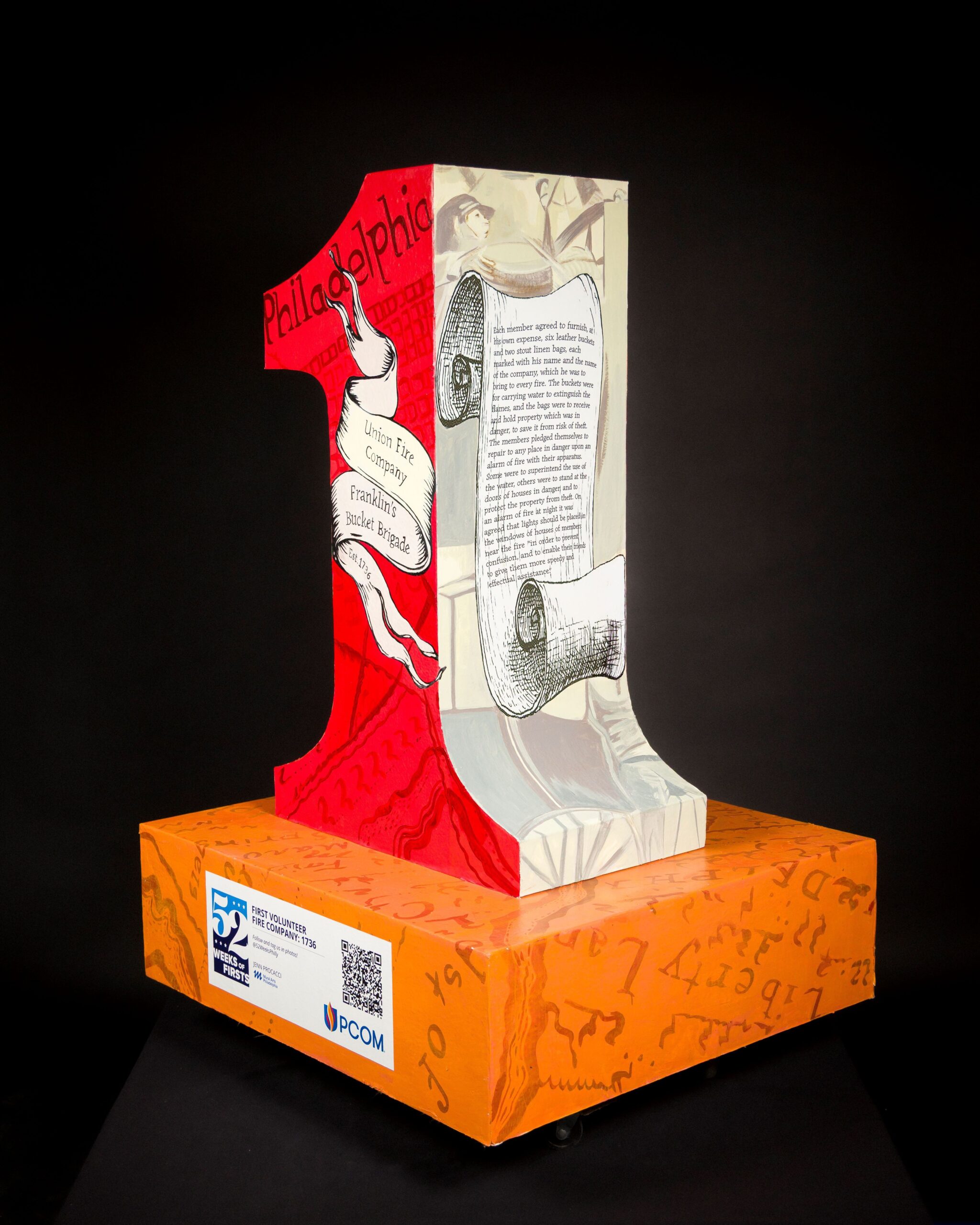
Artist Jenn Procacci’s sculpture incorporates maps of 1700s Philadelphia highlighting routes volunteer firefighters would take to extinguish blazes.
The Union Fire Company, also called the Bucket Brigade, was modeled after mutual aid firefighting organizations in Boston. In its early years, the company only helped its members put out fires in their homes or properties.
In 1742, the members voted to help any Philadelphian whose home or property was ablaze.The fact that they helped all Philadelphians, not just members, made the company America’s first volunteer fire department.
Within the decade, Philadelphia had eight volunteer fire companies.
These early volunteer fire companies were elite organizations that capped their memberships at about 30, explained Carol Smith, curator and archivist at Fireman’s Hall Museum. Members provided their own equipment: buckets for carrying water to put out fires and bags to salvage items from being destroyed. Companies had several meetings a year and members were fined for absence or tardiness.
As the home of the country’s first volunteer firefighting outfit, Philadelphia was progressive when it came to fighting fires — they were among the first companies in the country to experiment with innovative hoses. The city also was unique in establishing ways to support Philadelphia residents impacted by fire.
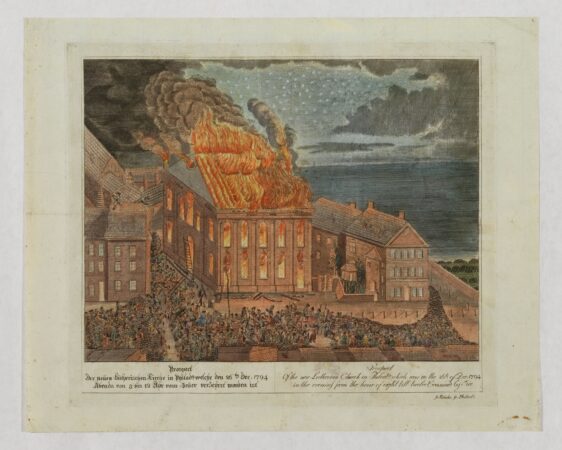
Philadelphia’s early network of volunteer firefighters stopped major fires, like the 1794 burning of Zion Lutheran Church, and prevented extensive fire damage to the city.
“A lot of it was because of the advances in firefighting technology like updated hoses,” Smith said. “Our volunteer fire departments were very proactive.”
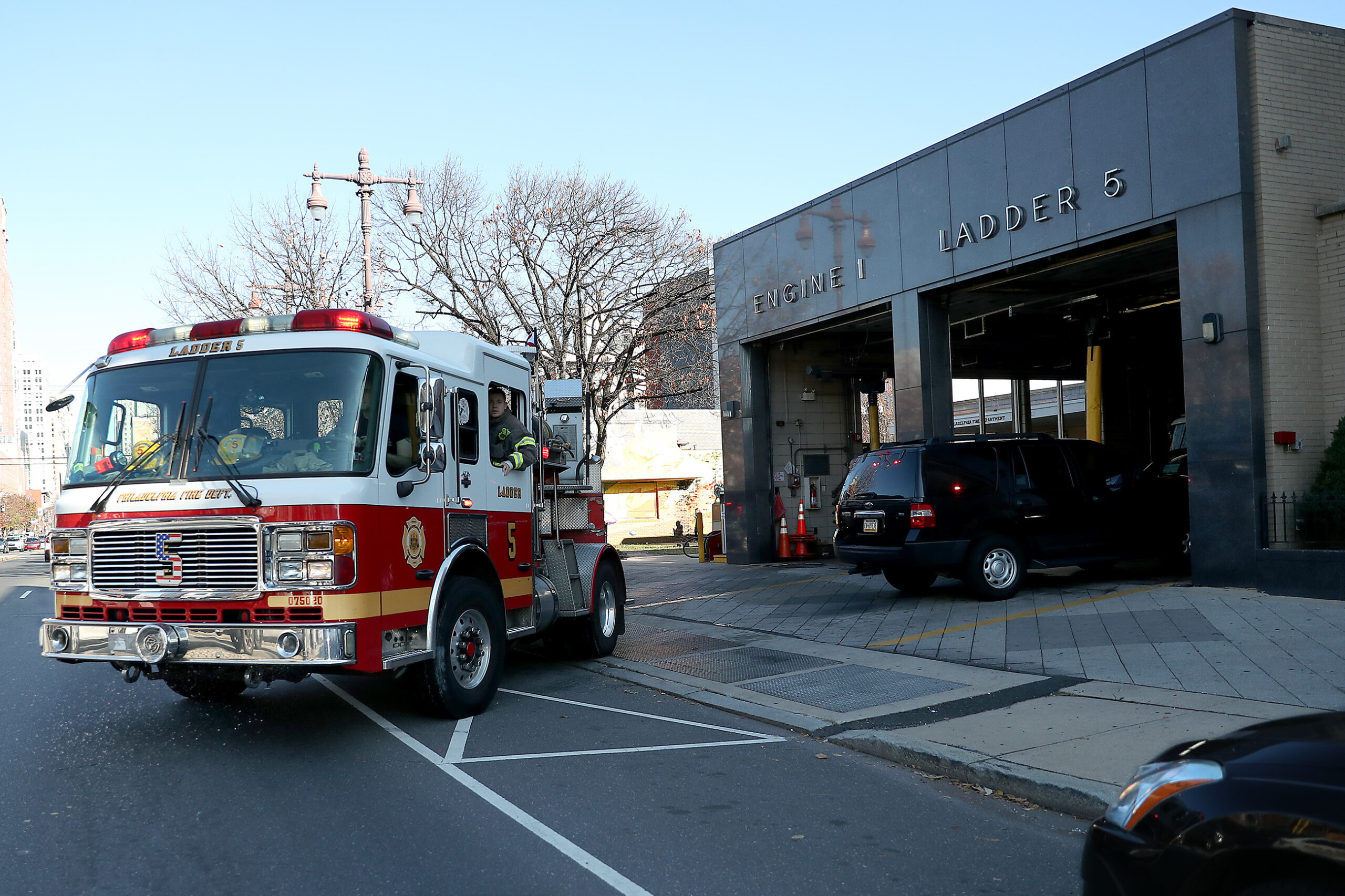
Today’s fire houses are descendants of Ben Franklin’s Union Fire Company.
The Union Fire Company housed its equipment on Old City’s Grindstone Alley and was active through the early 1800s, disbanding in 1843. Its remaining members joined the Vigilant Engine Company, that, in 1871 became Engine 8, one of the city’s first municipal fire stations.
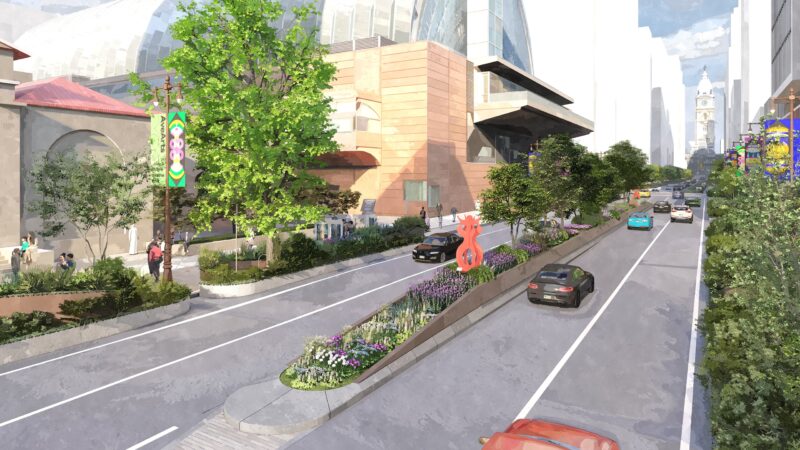
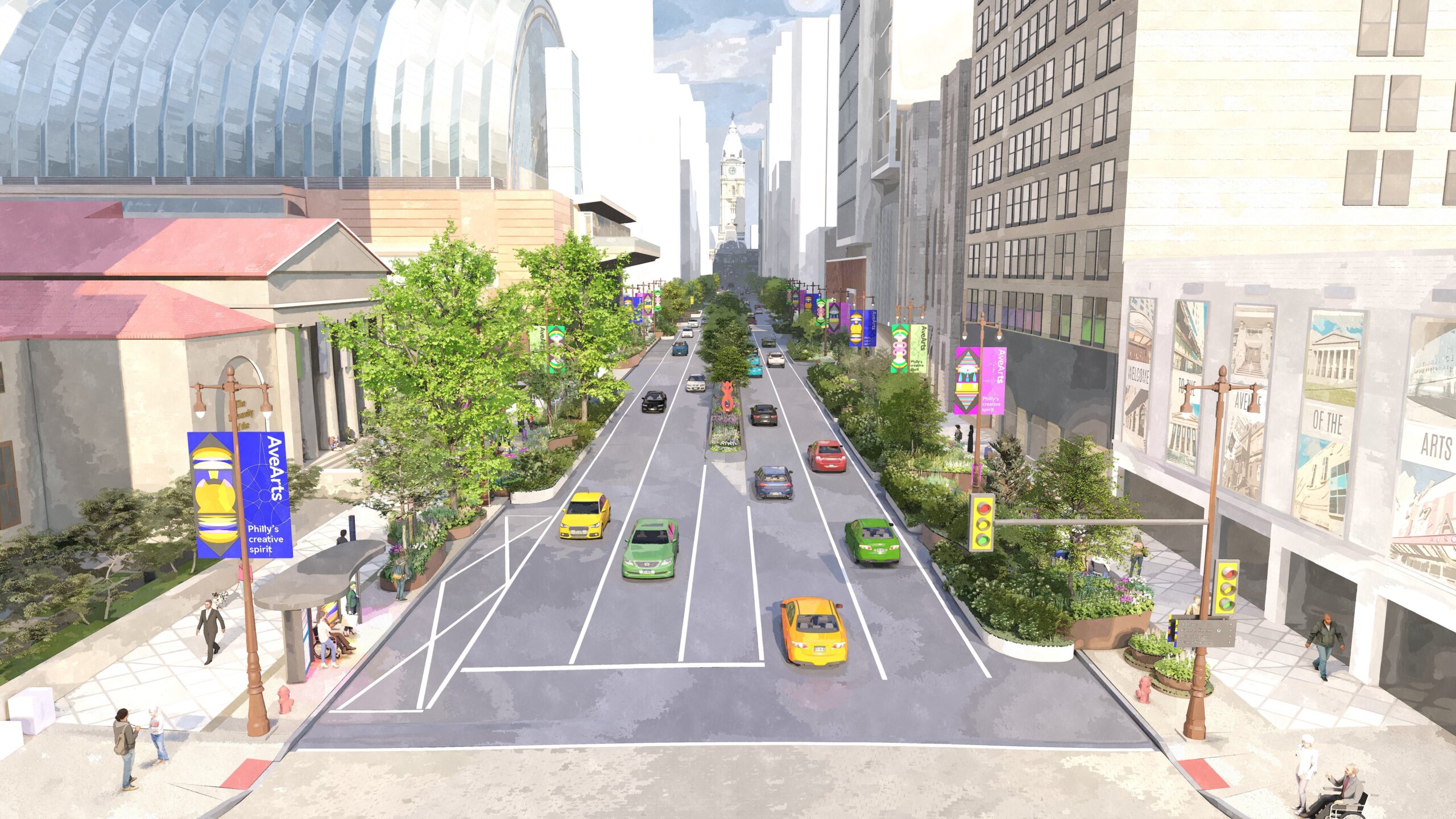
Lush landscaping and public art will soon line Broad Street, impromptu performances may pop up, and vehicular traffic will be calmed with a new Avenue of the Arts south streetscape about to take shape.
The project — estimated to take $150 million and a decade to realize — will begin modestly.
The groundbreaking ceremony was held Wednesday morning in front of the Kimmel Center and was attended by more than 200 dignitaries, including Mayor Cherelle L. Parker, City Council President Kenyatta Johnson, and other members of City Council, state representatives, and officials from groups along the Avenue of the Arts.
The actual construction is slated to start at the end of January on a small portion of the project: remaking the median strip between Spruce and Pine Streets. That phase is expected to be completed by June.
In 2027, after the end of an anticipated swell in tourism and street activity during the Semiquincentennial, sidewalk beautification will begin on both the east and west sides of that block.
Eventually, pending funding, all of the blocks between City Hall and Washington Avenue will be remade.
Looking north toward City Hall, a rendering shows the completed first phase of a South Broad Street streetscape project slated to break ground in January 2026.
The current streetscape of planters, pavers, and retro light fixtures was designed and installed more than three decades ago. In addition to the wear and tear of the existing scheme, the thinking around public space has evolved since then, said Carl Dranoff, board chair of Avenue of the Arts, Inc., which is overseeing the project.
“It’s become somewhat aged and dog-eared,” said Dranoff. “In 1993 you didn’t need to have outdoor cafes. We need to activate the street, not just make it palatable. We have the opportunity to really elevate the Avenue of the Arts into one of the world’s great streets.”
The project was announced in July 2024 at $100 million, but inflation and a more detailed cost analysis has now put the total price tag at about $150 million — $15 million per block. These numbers include not just the planters, lighting, public art, street furniture, and aesthetic elements, but also infrastructure work beneath the surface, said Dranoff.
“A lot of it is things you don’t see. There’s a lot of underground construction,” he said. “Right now water is leaking from the median strip into the subway concourse. One of the reasons we got support from SEPTA and PennDot and [the Philadelphia] Streets [Dept.], is as we are building the median strips, we are improving deficiencies in the street in each block.”
In addition, some utilities will have to be moved. One PECO relocation, for instance, will cost the project $250,000, he said.
Dranoff has a vested interest in the vitality of the Avenue of the Arts. He has led several development projects on South Broad Street, including Arthaus, which is on the same block as the first phase of the new streetscape, and, one block south, Symphony House. He compares the investment in the new streetscape to the ones made in the Pennsylvania Convention Center, Philadelphia Navy Yard, Kimmel Center, and Schuylkill River Trail.
“If we don’t make investments in the future, which are going to increase revenue and population, we are relegating ourselves to second-place status.”
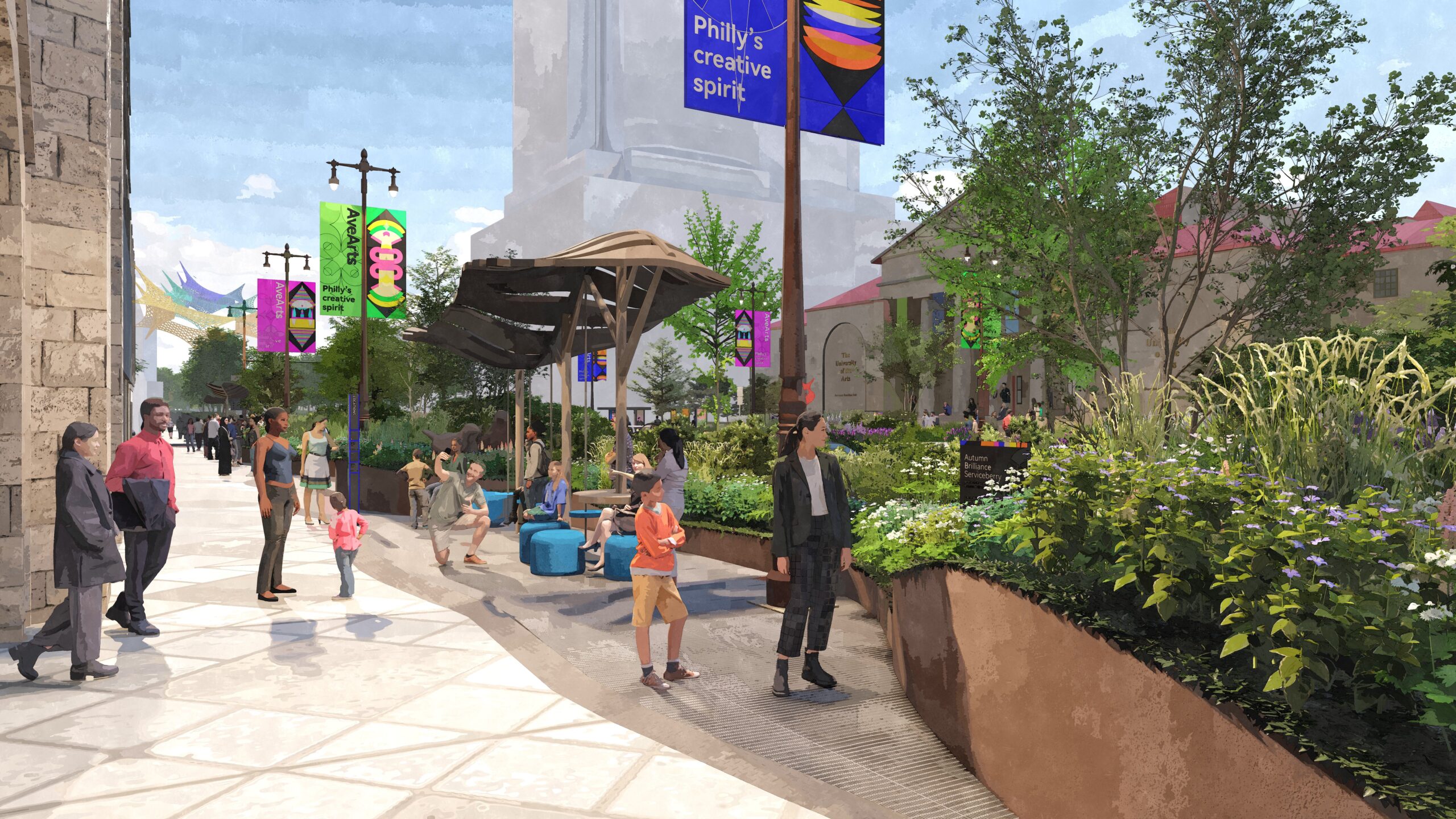
The new $15 million streetscape in the block from Spruce to Pine, which includes a $1 million endowment fund to underwrite maintenance, native-species plants, a rainwater-collection cistern, lighting, curved raised planting beds, public art, seating, way-finding devices, and artist-designed banners.
Of the $15 million needed, $5 million has been raised so far: $3 million from the city over two budget years, $1 million from the state, and $1 million from private donors. Other funding requests are pending, which planners call “very promising.”
A sidewalk garden on the east side of Broad Street between Pine and Spruce Streets is planned for installation in 2027 as part of a new Avenue of the Arts streetscape.
Dranoff says that construction of the median between Spruce and Pine — which is the block occupied by the Kimmel Center and defunct University of the Arts — won’t cause “a lot of disruption. They’re only working business hours, not on weekends.” Any blocked lanes will be reopened after work is done for the day, he said.
The next block to be redesigned hasn’t been decided, but it will likely be north of Spruce Street, Dranoff said. “Part of it will depend on funding. If we get a donor, someone whose offices are near the Academy of Music and is donating $15 million for that block to be next, we might accommodate that,” he said.
Funding for the entire project is expected to be a mix of public money, corporate and individual donations, and foundation support, he said.
The goal isn’t to have the mile-plus between City Hall and Washington Avenue end up with a streetscape that looks uniform, Dranoff said. Instead, design firms Gensler and OJB Landscape Architecture may come up with different ideas for different blocks.
“You don’t need a master plan that’s set for 10 blocks. Every block is different, the institutions are different. It lends itself to block-by-block planning tied together by a common theme.”
Dranoff said once the block from Spruce to Pine is done, it will show the potential, which he expects will spur fundraising to complete the streetscape for the entire Avenue of the Arts south.
“The difference between now and the first block being finished is, you’re going to be driving down a tree-lined boulevard.”
The article has been updated with details from the groundbreaking ceremony.
Jeffrey Rosen has stepped down as president and CEO of the National Constitution Center after 12 years of leading the private, nonprofit institution.
The center made the announcement Friday on the social media platform LinkedIn.
Rosen will remain as CEO emeritus. Vincent Stango, who has been serving as executive vice president and chief operating officer, has assumed the role as interim president and CEO. The center will conduct a national search for the top leadership position, a spokesperson said Monday.
“It has been an honor to serve the National Constitution Center and to work alongside such an extraordinary board and staff in advancing this mission,” Rosen said in a statement.
“As we approach America’s 250th anniversary, I am proud to pass the baton to Vince and our exceptional leadership team who are fully ready to guide the Center’s next chapter,” Rosen said.
“As CEO Emeritus, I’m looking forward to devoting more time to scholarship, writing, and public engagement around the enduring ideas of the Constitution and the American experiment. This seems like the right time to do that given the exciting programs we have in place for America 250,” Rosen added.
The National Constitution Center is known for awarding the annual Liberty Medal, which has been given to such notable figures in recent years as Volodymyr Zelensky, the president of Ukraine; legendary boxer Muhammad Ali; and then-Supreme Court Justices Ruth Bader Ginsburg and Anthony M. Kennedy.
The center, located at the north end of Independence Mall, was the stage for the only 2024 presidential debate between Kamala Harris and Donald Trump, and has held talks with Supreme Court justices, including in September with Amy Coney Barrett.
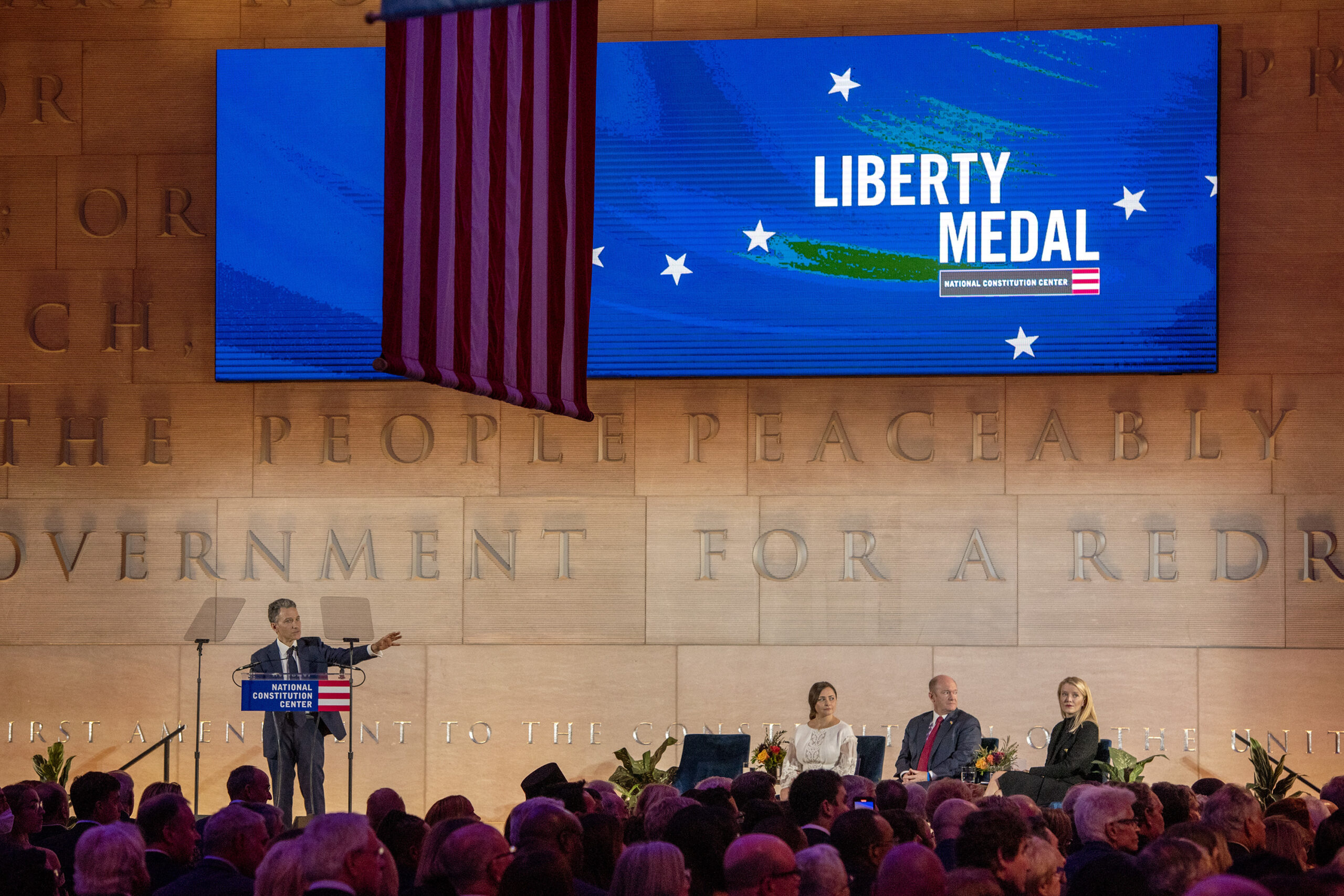
Jeffrey Rosen (left), then-president and CEO of the National Constitution Center, speaking during ceremonies as Ukraine President Volodymyr Zelensky was awarded the 2022 Liberty Medal.
Stango has been with the National Constitution Center for 26 years.
“I’m grateful for the trust our Board of Trustees has placed in me, privileged to work with colleagues whose dedication and talents I admire tremendously, and enormously thankful to Jeffrey Rosen for his 12 years of extraordinary service and the legacy he leaves behind,” Stango said in a statement.
In a 2014 Inquirer interview, Doug DeVos, a board member and president of Amway, said Rosen was picked for the job because of his background as a constitutional scholar and his network of friends at the highest legal levels, including Ginsburg.
“He had the skills to engage people in conversation, and really that was the piece that set him apart. He doesn’t do it in a way that says: ‘Hey, I am really smart. Let me tell you everything I know. It’s more like, ‘Let’s talk,’” DeVos said.
Rosen graduated from Harvard University and earned a Juris Doctor degree from Yale Law School. He served as a law clerk for Chief Judge Abner Mikva of the U.S. Court of Appeals for the District of Columbia Circuit.
He was legal affairs editor at the New Republic and found himself interviewing members of the Supreme Court. Rosen was an early advocate for Ginsberg, and she credited him with helping her get the 1993 nomination from President Bill Clinton to the high court.
He is the author of several books, most recently “The Pursuit of Liberty: How Hamilton vs. Jefferson Ignited the Lasting Battle Over Power in America.“
You can’t turn around these days in Philly without someone telling you this is going to be a big year for the city, including me. You get it, things are happening, people are coming, but I bet you mostly just want to know how you can either join in on the parties or figure out how much they’re going to annoy you.
I usually try to temper my expectations — one, because I’ve learned a few things in 18 years here and two, because I like to be pleasantly surprised. But I’ve recently found myself imagining what the big moments will be like: the NCAA Division I men’s basketball tournament in March; the PGA Championship in May; the FIFA World Cup and MLB-All Star games this summer; and the yearlong celebrations marking the 250th anniversary of the signing of the Declaration of Independence.
Antoine Watts, back left, and Michael Clement, front center, participate in the Red, White, and Blue To-Do Pomp & Parade at Independence Hall in 2024.
I have big hopes and some worries for Philadelphia, just like I do for everything I love.
And while the stuff above is a lot, it’s not everything going on here this year, not even close. So if you’re seeking alternatives to the big to-dos, looking to keep your calendar full all year long, or just hoping to run into Mark Ruffalo, here are 14 more Philly happenings to look forward to this year.
(Dates are subject to change. Check related websites for updates.)
Jan. 30: Philly is Unrivaled
The first big event features incredible athletes you won’t see in any of the major sporting events I mentioned above: women.
Unrivaled, a three-on-three format women’s basketball league, is holding a doubleheader at Xfinity Mobile Arena to kick off its first tour later this month.
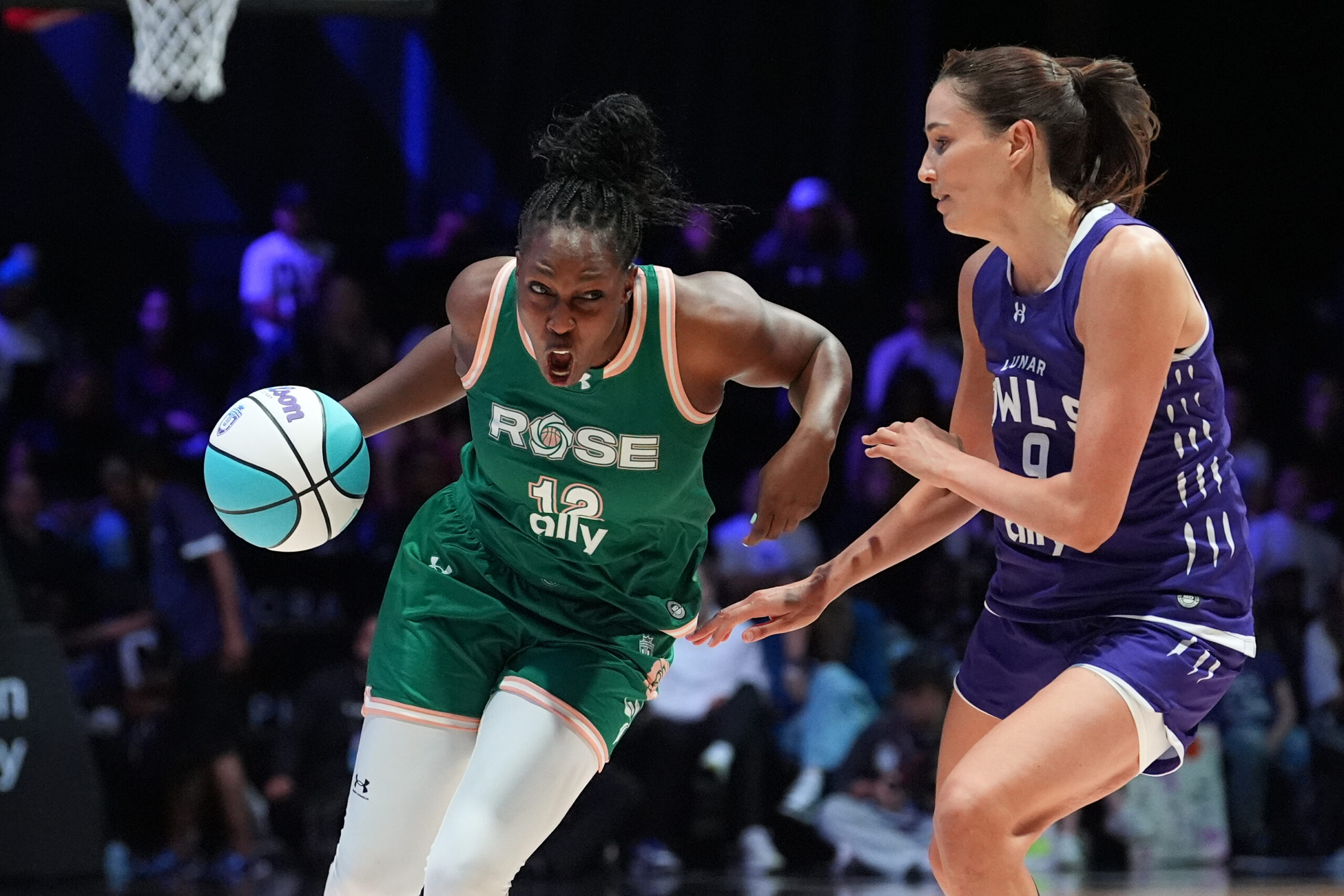
Rose BC guard Chelsea Gray (12) drives past Lunar Owls wing Rebecca Allen (9) in their Unrivaled 3-on-3 basketball game Jan. 5 in Medley, Fla.
The games will undoubtedly hype up fans for when Philly gets its own WNBA expansion team in 2030 and prove to any doubters that Philly is a women’s sports town (we even have a shirt that says it).
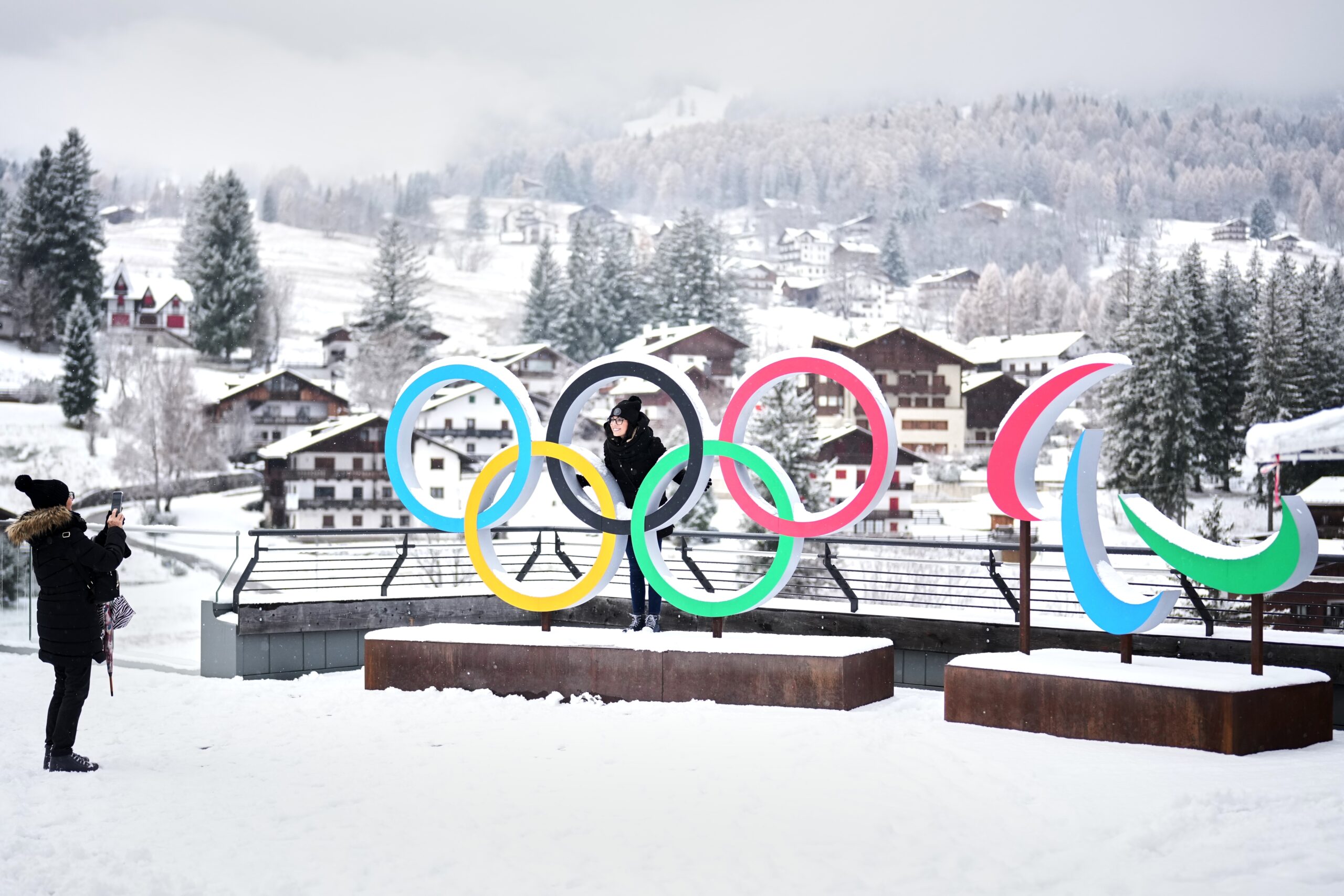
The Milano Cortina 2026 Winter Olympics in northern Italy will feature a host of local athletes and at least one famous Philly podcaster. Watching it also doesn’t require you to leave your house, so win-win.
Four Philadelphia Flyers will be playing Olympic hockey: Travis Sanheim for Canada, Rasmus Ristolainen for Finland, Dan Vladar will represent Czechia, and Rodrigo Abols will take the ice for Latvia.
People take photos in front of the Milan Cortina Winter Olympics and Paralympics rings, in Cortina D’Ampezzo, Italy.
Other local athletes will undoubtedly qualify, but I don’t have a full list yet so don’t email me asking why I didn’t mention your cousin-in-law on the U.S. Curling Team.
Kylie Kelce will also serve as a digital content creator for NBCUniversal’s Creator Collective and she’ll have on-the-ground access to the games to produce social media content.
Go Birds. Go Team U.S.A.
Feb. 14: ‘Universal Theme Parks: The Exhibition’
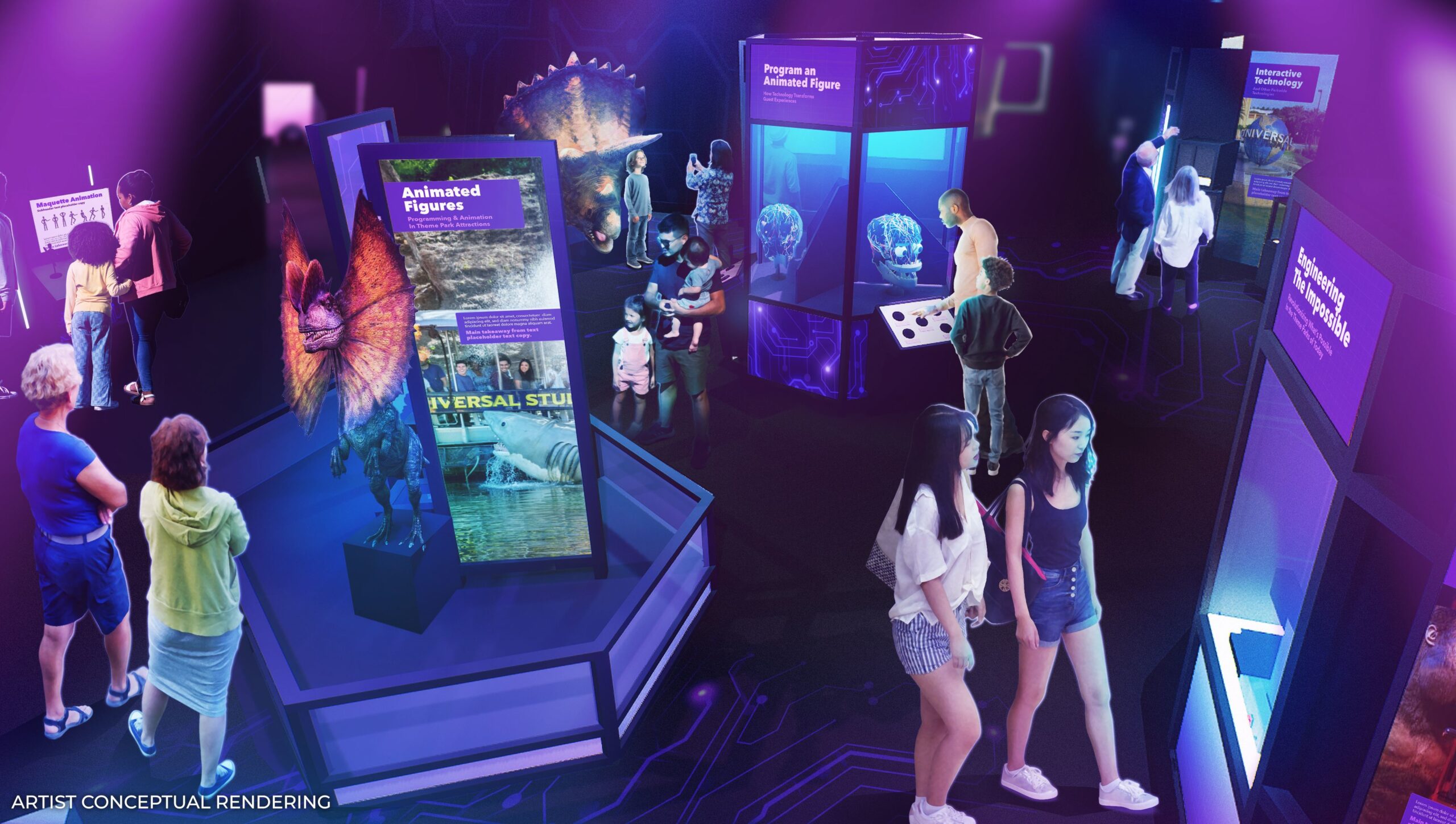
How much fun can learning about theme parks be without the roller coaster rides, immersive lands, or concession stands? Philly will find out next month when the Franklin Institute premieres: “Universal Theme Parks: The Exhibition.”
An artists’ conceptual rendering of the Franklin Institute’s “Universal Theme Parks: The Exhibition,” which is slated to open Feb. 14.
The new exhibit spans eight galleries and tracks the history and world-building of Universal’s theme parks. It was created by the team at the Franklin, who hope it will introduce young visitors to science and tech careers in the theme park industry.
I’m hoping there’s a section about whatever alien incantation protects the E.T. Adventure ride, which opened in 1990 and is the last remaining original ride at Universal Studios Florida. The high-tech stuff is awesome, but there’s nothing that beats the nostalgia of that flying bicycle ride and the flashlight-fingered alien.
March 14: Ministry of Awe opens
The more I hear about the Ministry of Awe the less I understand it, and the more intrigued I become.
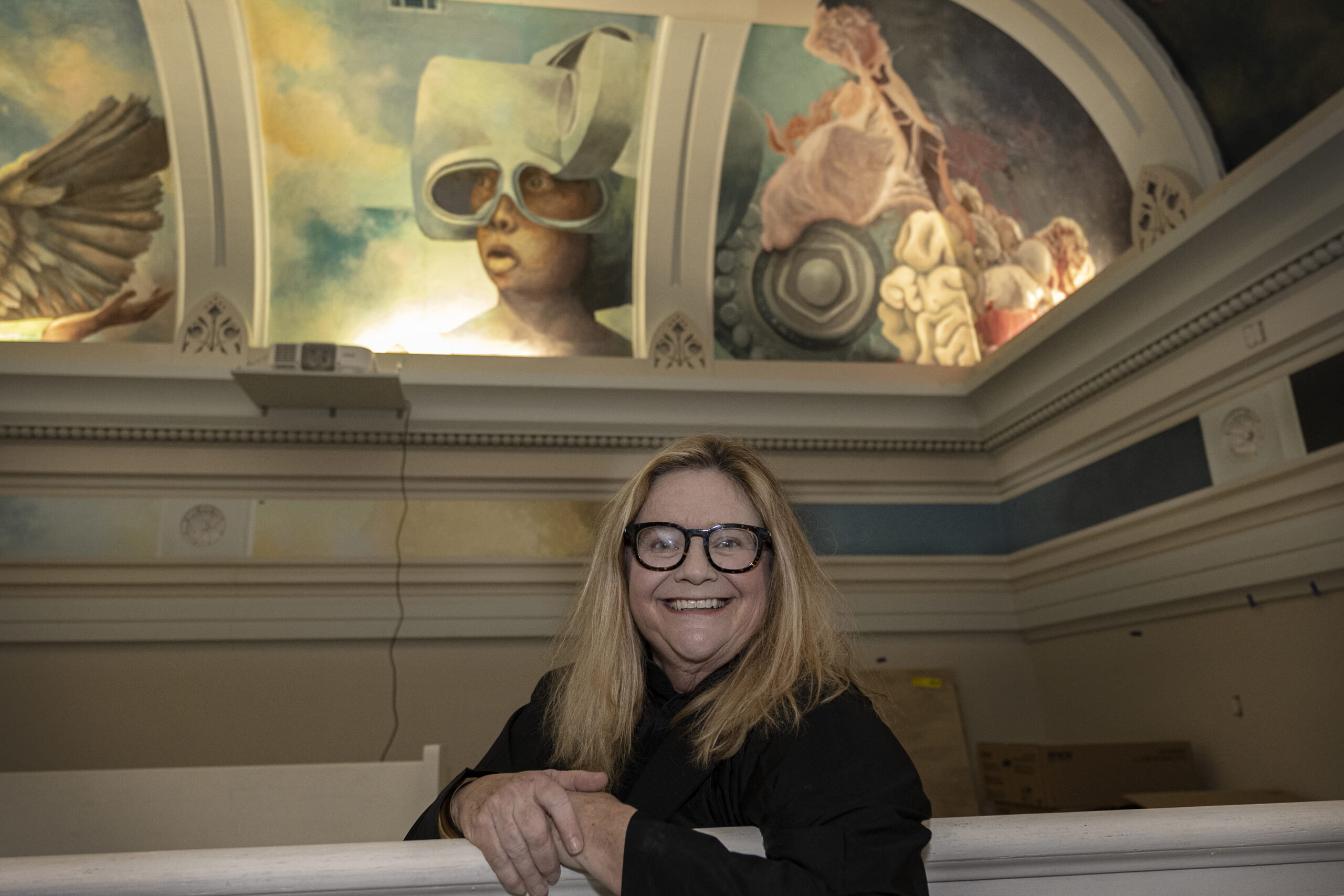
The permanent, six-story immersive art experience helmed by Philly muralist Meg Saligman inside of Manufacturers National Bank in Old City “transforms an abandoned 19th-century bank into a fantastical, seemingly impossible institution that trades in the many enigmatic facets of humanity,” according to its website.
Guests will be encouraged to question what they value and to wander the multimedia art space, which will lean into a banking theme and includes a room for counterfeiting. Actors will be on hand to enliven their experiences.
Muralist Meg Saligman inside of the still-under-construction Ministry of Awe in November. Opening date is March 14.
“There’s a teller that smells you. You will walk through and be delighted and surprised along the way,” Saligman told The Inquirer.
The Ministry of Awe says we all already have accounts open there and one thing is for certain, my interest rate is sky-high.
April 14 — May 31: ‘1776 The Musical’
There are not many musicals set in Philadelphia and the one thing you can say about 1776 is that it’s one of them.
The production about the events that led to the signing of the Declaration of Independence never became a juggernaut like Hamilton and didn’t produce any smash songs. But after rewatching the film version last Independence Day, I can safely say it’s still a pretty good musical. Especially if you hate John Adams, or love watching people hate on him.
While it would have been epic if this production could have been staged at Independence Hall this year, seeing it at the Walnut Street Theatre — the country’s oldest theater, which opened just 32 years after 1776 — is a close second.
April 16: Cruise ships begin sailing out of Philly
For the first time in nearly two decades, cruise ships will return to the region this spring, offering locals a chance to seas the day with an aquatic trip abroad.
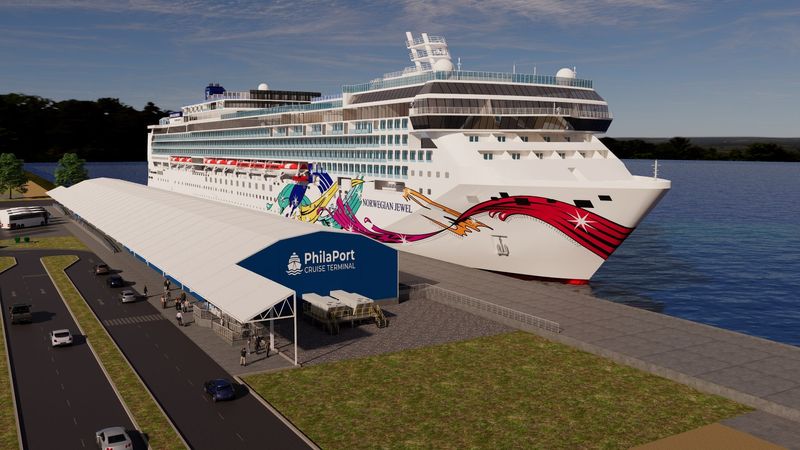
Construction of the Port of Philadelphia (PhilaPort) Cruise Terminal began last month in Tinicum Township, Delaware County, at a site adjacent to the Philadelphia International Airport that was formerly known as the Hog Island Dock Terminal Facility.
(How’s that for a local word salad — a Philly port in Delco at a dock named after the place that may have inspired the word hoagie.)
A conceptual rendering of the future PhilaPort Cruise Terminal, a 16-acre site adjacent to Philadelphia International Airport.
Norwegian Cruise Lines has exclusive rights to sail out of the PhilaPort Cruise Terminal through March 2033. According to its website, the first voyage will be a seven-day round-trip to Bermuda.
Fear not the Bermuda Triangle, my fair Philadelphians, for we’ve weathered far stranger things here following Super Bowl wins, and on an average Tuesday.
April 18: Monster Jam at the Linc
If you think the Birds are beasts on their home turf, buckle up, because 12,000-pound trucks are coming to Lincoln Financial Field this spring as part of Monster Jam’s Stadium Championship Series.
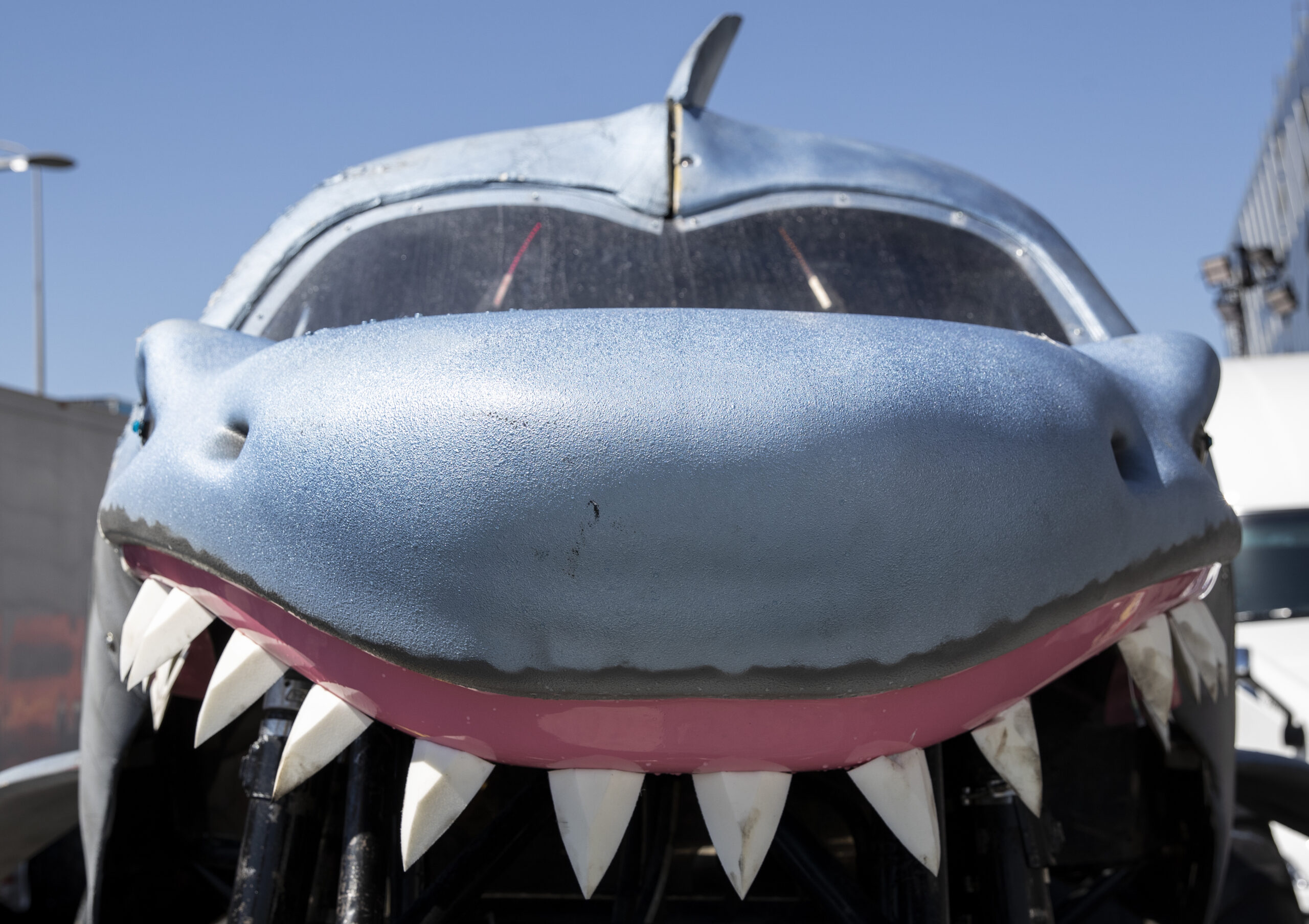
Foam teeth line the front of the Megalodon monster truck at Monster Jam at Lincoln Financial Field in 2023.
When I hear Monster Jam my first thought is “It’s probably boysenberry,” or “I wonder if it’s as fun as a mash?” but if you have little ones who love things that go vroom — or you do — this auto be wheelie good time.
May: The Greyhound station reopens
Slated to come back from the dead this spring like it was Kenny or Jon Snow will be Philly’s intercity bus terminal, formerly known as the Greyhound station.
The Philadelphia Parking Authority will operate the terminal on behalf of the city, which has gone more than two years without a facility since Greyhound left the terminal at 10th and Filbert Streets in 2023 after 35 years.
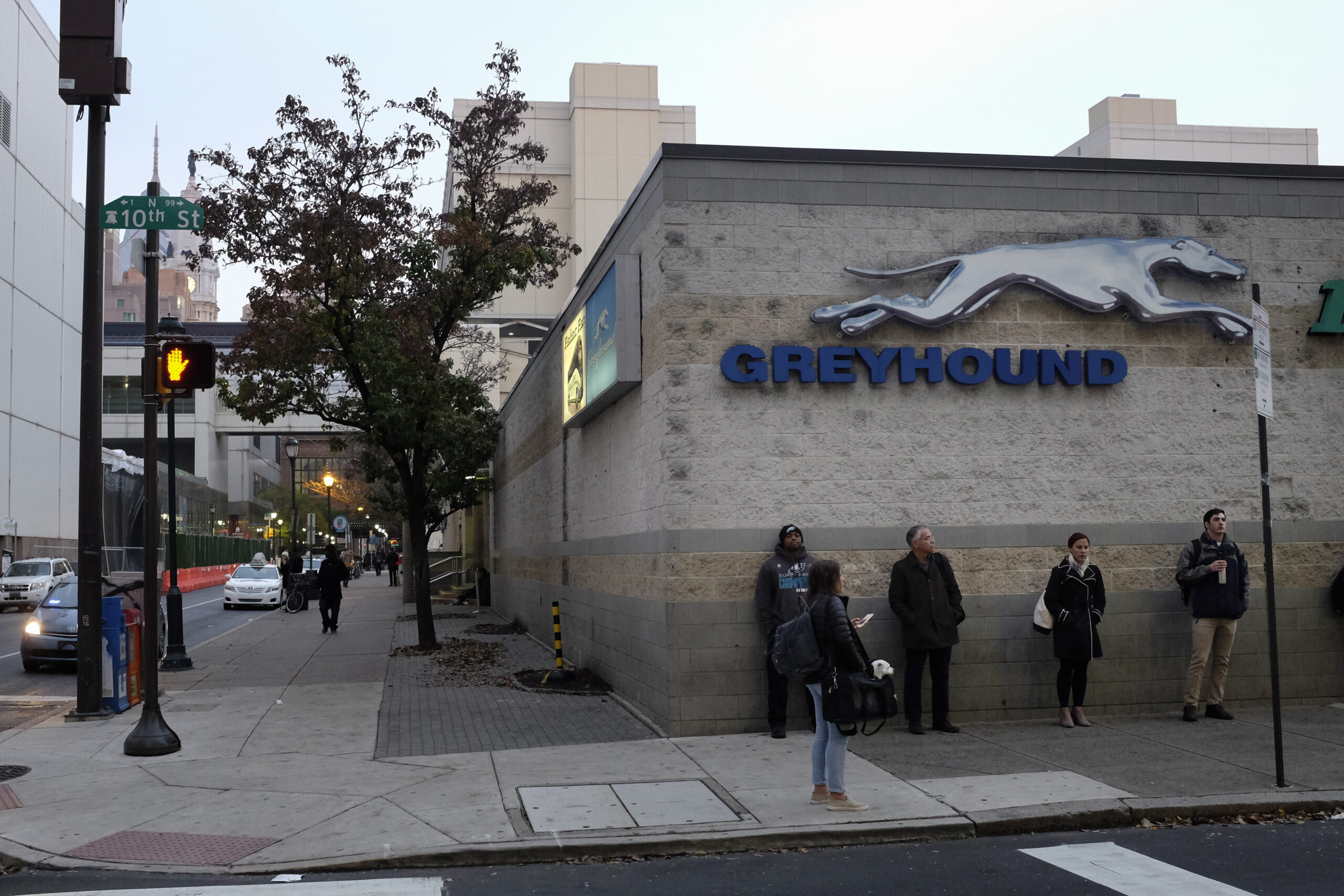
Corner of the former Greyhound station at North 10th and Filbert Streets in 2018.
In the aftermath, buses used public street curbs to pick up travelers, who were forced to wait outdoors in the elements and had very little access to basic amenities, like bathrooms. The whole situation was bus-ted and I’ll be glad to see it fixed.
June 12: ‘Disclosure Day’ premieres
Filmed in parts of South Jersey last year and featuring Philly’s own Colman Domingo, Disclosure Day is an alien thriller from director Steven Spielberg that I can’t wait to get my tentacles on.
I love good sci-fi and this one has a screenplay by David Koepp, who also wrote the screenplay for Jurassic Park, one of my favorite movies of all time. The trailer for Disclosure Day is intriguing, unsettling, and reveals little about the plot, but I already find the movie authentic: If aliens were to land anywhere, South Jersey seems like a fitting place.
At the end of the trailer, a nun says “Why would He make a vast universe yet save it only for us?” which hearkens to a famous Carl Sagan quote:“The universe is a pretty big place. If it’s just us, seems like an awful waste of space.”
Aug. 30: Philadelphia Cycling Classic returns
If there’s one thing Philadelphians love doing, it’s partying while watching other people exercise and this year they’ll get to do it again at the Manayunk Wall when the Philadelphia Cycling Classic returns after a 10-year hiatus.
Held for 30 years before it was canceled in 2016 due to lack of sponsorship, the race follows a 14.4-mile course from Center City to Manayunk, where cyclists must climb the “Manayunk Wall,” a stretch of Levering Street with a 17% gradient.
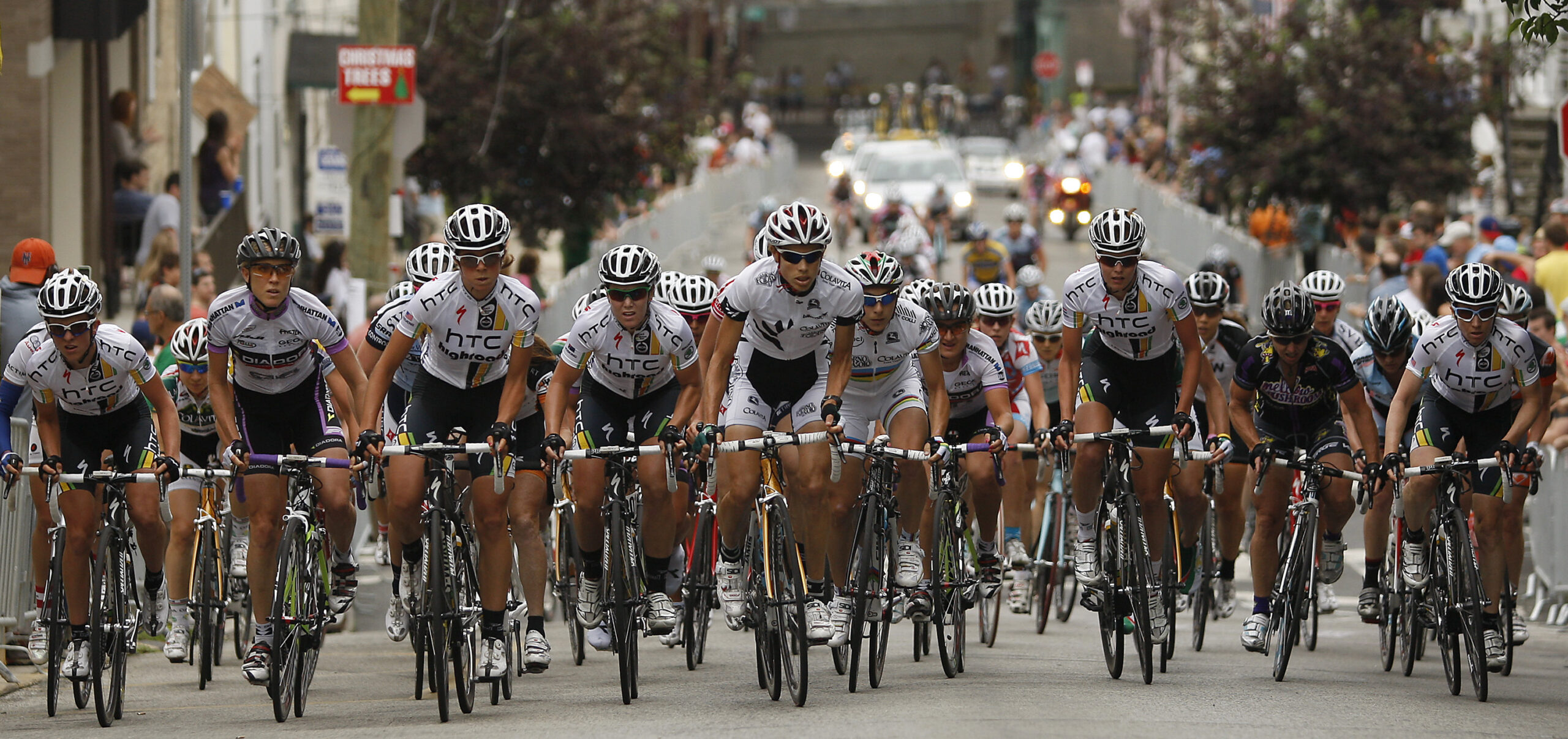
Women cyclists pedal up Levering Street, aka the “Manayunk Wall,” during the Liberty Classic TD Bank International Championship race in 2011. The race is returning this year as the Philadelphia International Cycling Classic.
Back in the day, people partied like it was Two Street on New Year’s along the route in Manayunk, particularly at the Wall. As bikers cycled through the course, spectators cycled through kegs and cowbells, with some folks on Levering Street charging admission to their house parties and others hanging beer banner ads on their porches for a fee.
Also slated in 2026, but dates remain unknown:
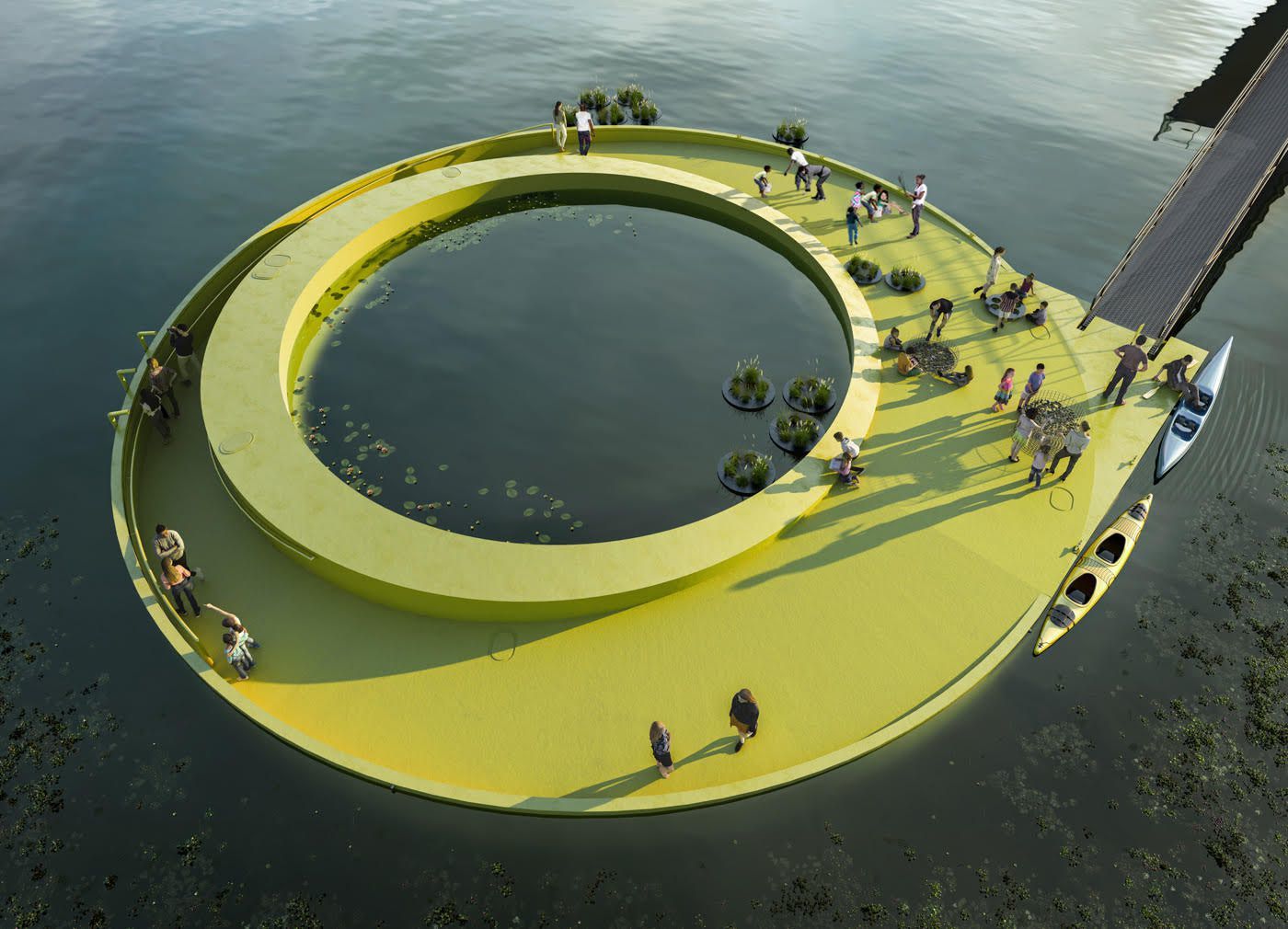
A conceptual rendering of FloatLab, set to be installed at Bartram’s Garden on the Schuylkill in 2026.
Opening of Mural Arts’ FloatLab: Located in the Schuylkill at Bartram’s Garden, FloatLab is a 75-foot installation and environmental center that will be “a convergence of art, architecture, and nature,” according to its creator, J. Meejin Yoon. The sloped, ADA-compliant circular platform, which allows visitors to look eye-level at the river while standing in it, will serve as both an educational and artistic space.
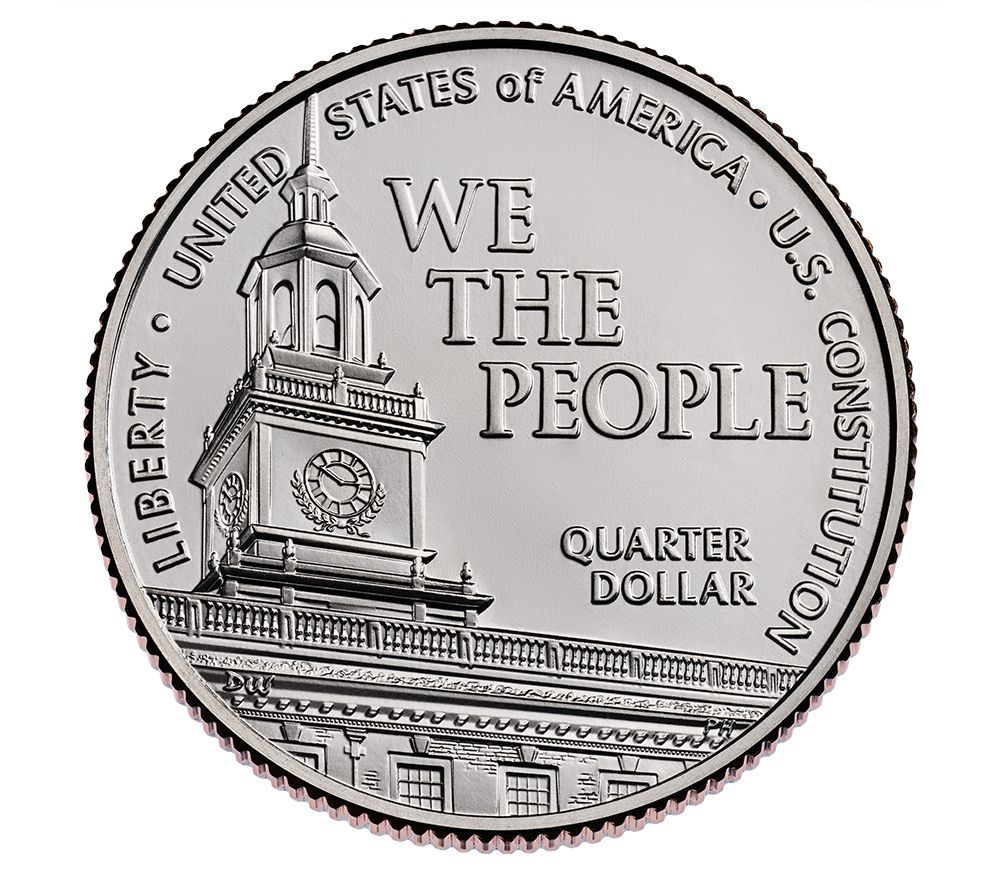
Gimme my Philly money: To mark the nation’s 250th, the U.S. Mint is releasing quarters with Independence Hall and the Liberty Bell on them this year and I’m going to need some of those for my piggy bank. Just to be clear, this does not change the fact that I’m still salty at the Mint for stopping penny production. What will people put in their loafers? How will Penny from Pee-Wee’s Playhouse see? It’s just cents-less.
This new design for the quarter commemorates the U.S. Constitution and depicts Independence Hall in Philadelphia, where the Declaration of Independence and U.S. Constitution were signed. The other side of this quarter has a depiction of President James Madison.
Rumored in 2026, but in no way confirmed:
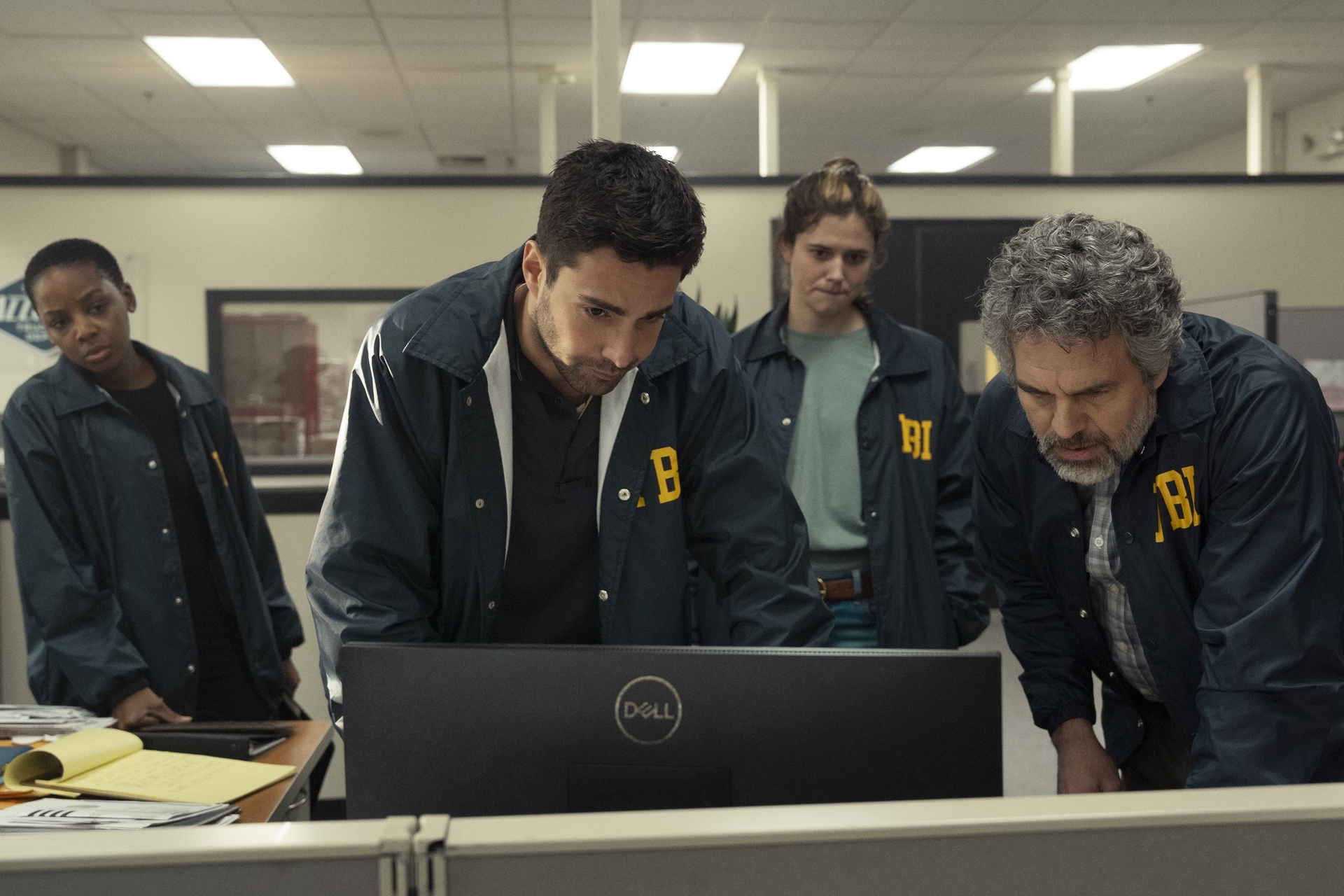
From left: Thuso Mbedu (Aleah Clinton), Fabien Frankel (Anthony Grasso), Alison Oliver (Lizzie Stover), and Mark Ruffalo (Tom Brandis) in “Task.”
Task season 2: The Delco-set HBO thriller starring Mark Ruffalo was renewed for a second season and I’m hoping they start filming around Philly’s weirdest suburb this year (though creator Brad Ingelsby may have to write the script first). While it’s unclear if Ruffalo will reprise his role as FBI agent Tom Brandis, one of my resolutions this year is to frequent more local hoagie shops in the hopes of running into him, but also because I love hoagies.
Stranger Things spinoff?: Philly was named-dropped in the finale of the beloved sci-fi show, which got fans hypothesizing that the home of one of the greatest urban legends of all time — the Philadelphia Experiment — might be the setting for one of the confirmed spinoffs. Or it could just be subliminal advertising for Netflix House Philadelphia (which is actually in King of Prussia). An Instagram post from the show and Netflix on Wednesday only fueled rumors, with its caption: “meet me in philly.”