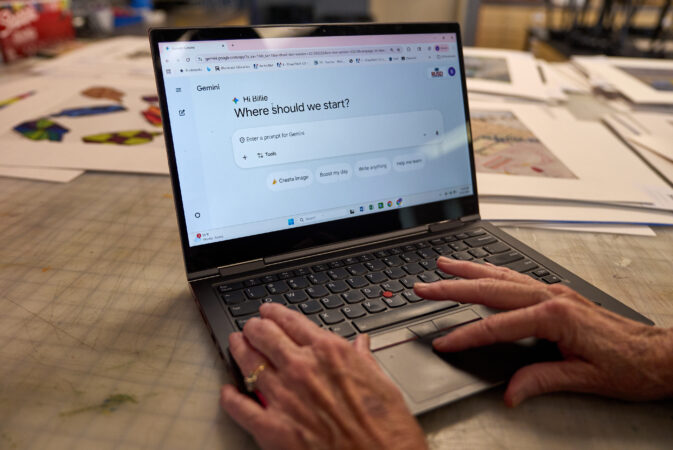
Is it déjà vu all over again? The massive flow of capital into the AI sector looks a lot like the incredible level of investments in dot-com companies during the 1990s.
That raises the question: When the arms race for AI supremacy settles down and the inevitable shakeout occurs, will earnings be significant enough to justify those investments, or will firms crash and burn again?
In the second half of the 1990s, the only thing investors could think of was how to make the next million off the next dot-com stock. I used to “joke” that investors assumed if they bought a stock in the morning, by the afternoon they could buy their dream foreign sports car, or if they waited a day, they could buy a new house.
Unfortunately, most dot-com stocks turned out to be “rice cakes”: Something that appeared to have form and substance until you bit into them and discovered there was nothing there.
When the bubble burst, there was widespread pain.
This time is different
Since it took relatively modest capital to create browser software, small companies could get into the competition.
Ultimately, there was one big winner: Google Chrome, which now has nearly 70% of the global search market. In second place, Apple Safari, which lags well behind at 15.5%.
In contrast, AI software developers require immense investments in data centers filled with ever-increasing computer capacity needed to run the software and continue the “learning process.”
Consequently, returns to the tech investment in AI have to cover not only the cost of the software development, but also the build-out of the data centers to keep the software at the cutting edge.
On top of that, they need lots of capital to outbid competitors for the consumer-oriented products that will inevitably be created by independent software developers.
Put simply, we are not talking about a world where StanfordUniversity students Sergey Brin and Larry Page could receive a $100,000 influx of capital and develop Google in a garage.
Only the wealthiest tech companies have the financial wherewithal to compete in this market.
If the AI sector consolidates similar to the web search sector, the returns to the “Google of AI” will be well worth the expenditures.
But for the others, much of their spending could yield little.
If the market is fractured, the profitability outlook for almost every top-end investor is still uncertain.
With a variety of survivors and a relatively even distribution of the market share, intense competition is likely. Margins would be constantly under pressure.
In addition, as we have seen with the software industry over the past 25 years, independent entrepreneurs are capable of creating products that readily compete in smaller ways with the big firms. That puts additional pressure on profits.
Unless there are only very few winners, profitability in the AI sector is not a given.
Regardless, there are likely to be a significant number of firms whose huge bets go bust.
AI is driving the economy
The latest data on the economy’s economic performance, the GDP report, was released recently. While activity moderated in the fourth quarter of 2025, the 2.2% increase for the year was in line with what economists call trend growth.
What was eye-opening in the report was how much AI likely added to overall growth.
AI spending affects a number of different segments of the economy. Given the massive demand for data centers, their construction is one obvious area.
But that isn’t the major place where we see AI powering growth. It is what goes into those buildings that really makes a difference. Purchases of information processing equipment added the most to growth.
Software and research and development are two other sectors where spending is booming.
When you add those four components together, AI may have created about 40% of the GDP growth in 2025.
But there is a caveat: Not all spending is created equal.
Nvidia, the chief supplier of computer chips to AI firms, manufactures most of its chips in South Korea. In GDP accounting, those chips are imports, which reduce growth.
To the extent that computer products used in the data centers are imported, the spending doesn’t directly affect United States demand, making it somewhat unclear how much the sector truly powers growth.
Unless U.S. chip and computer hardware manufacturing expands dramatically, the positive impacts from the sector may be disappointing.
As with any industrial build-out, the race to build new data centers will ultimately slow. When that river of cash flowing into developers and local governments peaks is unclear, but I wouldn’t be surprised if it is in the next couple of years.
As for the stock markets, in 2025, the so-called Magnificent Seven (Alphabet, Amazon, Apple, Meta, Microsoft, Nvidia, Tesla) contributed roughly 40% of the S&P 500’s total return.
To maintain their robust valuations, the AI companies have to start showing soon that the returns from those investments are real.
The future has already arrived
AI is rapidly becoming embedded in all sectors of the economy. And with that, the risks and opportunities are becoming concerning.
What the AI economy will finally look like, who it will benefit or hurt the most, and what ups and downs the economy will endure remain open questions.
But there is no turning back.
Full disclosure: AI developer Anthropic was sued for training its AI product on copyrighted materials without permission. A book Joel Naroff coauthored, “Big Picture Economics,” was part of the suit, and he is part of the settlement.
Could the white E-ZPass transponder on your windshield become a relic?
Well, not yet.
But New Jersey Turnpike officials will soon test out E-ZPass stickers in turnpike authority fleet vehicles, spokesperson Tom Feeney said Wednesday. The New Jersey Turnpike Authority also operates the Garden State Parkway.
“If there are no problems,” Feeney added, “we will make a plan to introduce them to NJ E-ZPass customers.”
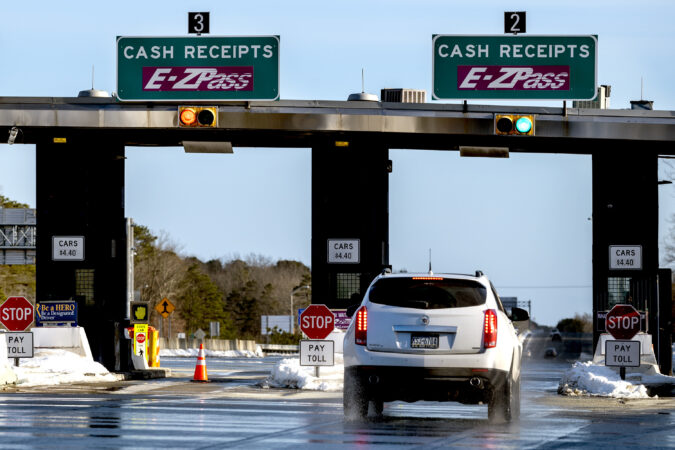
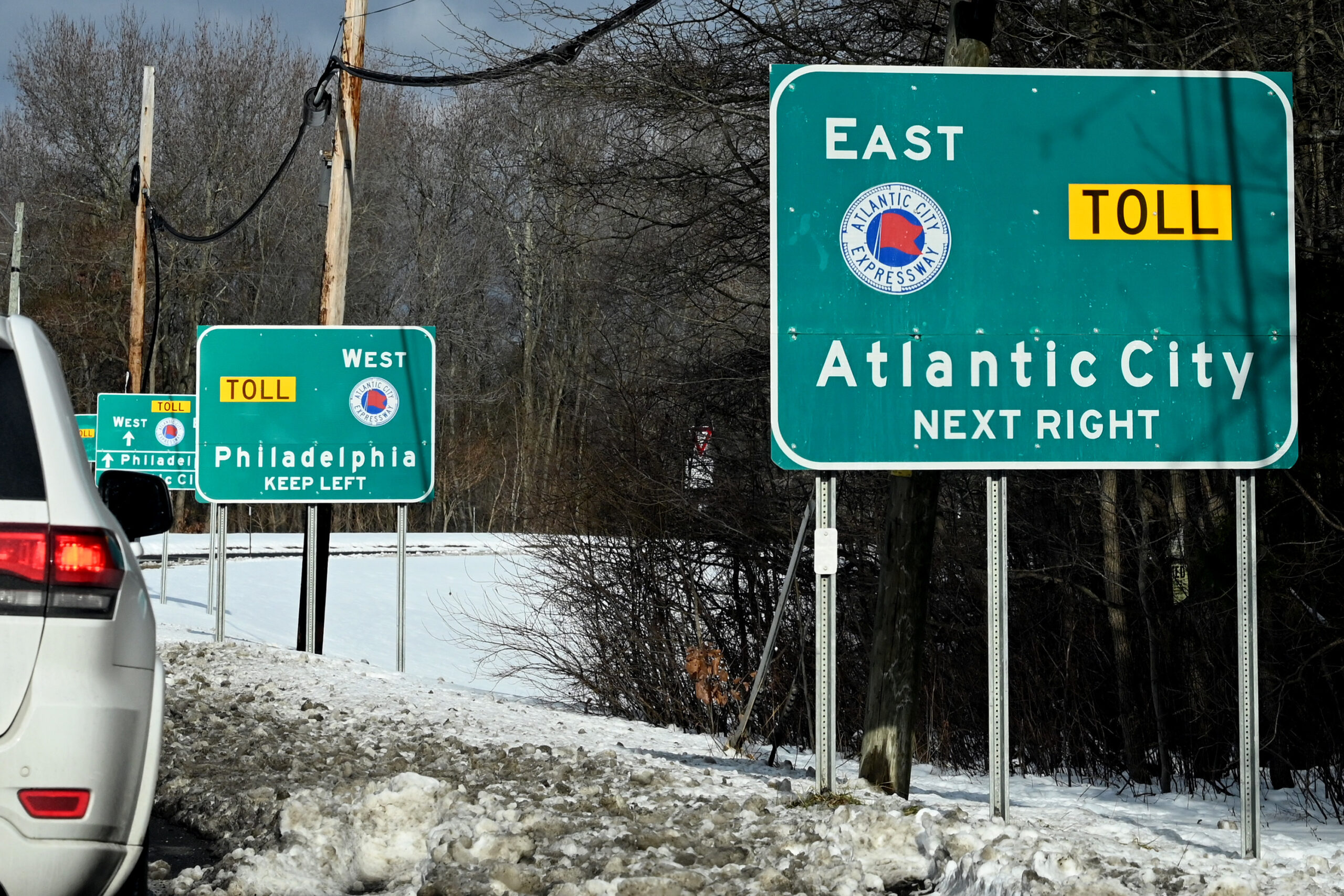
Drivers approach the Williamstown entrance ramp to the Atlantic City Expressway in 2022.
Both devices are equipped with digital chips, which are read by overhead gantries on the highways. The technology allows drivers to keep moving and be digitally charged for tolls.
This week, the Massachusetts Department of Transportation rolled out E-ZPass stickers, free of charge for new customers and those who need to replace their transponders, according to several local news reports.
Massachusetts officials estimate the switch will save the state more than $7 million a year, since the stickers’ production cost is a fraction of the cost of the transponders, according to a recent report from WBUR, the Boston NPR affiliate.
In New Jersey, officials spent $8.4 million in 2022 to replace the batteries of 920,000 E-ZPass transponders, according to NJ.com.
News of the Garden State’s E-ZPass sticker test comes two months after the Atlantic City Expressway went cashless, with the Garden State Parkway and the New Jersey Turnpike set to follow. Across the river, the Pennsylvania Turnpike has been cashless since 2020.
Jefferson Health Plans added nearly 12,000 new customers to its Medicare Advantage plans during the open enrollment period for coverage this year, the biggest annual gain ever for the insurance arm of Thomas Jefferson University.
About half of Jefferson’s enrollment gains were in Philadelphia, Montgomery, and Bucks Counties. Still, Jefferson remained the sixth largest provider of private Medicare plans in Southeastern Pennsylvania. The Inquirer compared February 2025 with last month.
Philadelphia-based Independence Blue Cross was leader, with one-third of the region’s 383,000 Medicare Advantage customers. National companies Aetna, UnitedHealthcare, Humana, and Cigna occupied the next four spots.
“This was the strongest Medicare Advantage enrollment period in Jefferson Health Plans’ history,” Jefferson Health Plans president Krista Hoglund said in an email.
“That level of growth signals a clear gap in the market for coverage that is anchored in the local community, easier to use, and closely connected with the doctors and hospitals they know and trust,” she said.
window.addEventListener(“message”,function(a){if(void 0!==a.data[“datawrapper-height”]){var e=document.querySelectorAll(“iframe”);for(var t in a.data[“datawrapper-height”])for(var r,i=0;r=e[i];i++)if(r.contentWindow===a.source){var d=a.data[“datawrapper-height”][t]+”px”;r.style.height=d}}});
New Jersey has been a harder market for Jefferson. Enrollment more than doubled this year, but the eight counties in South Jersey where Jefferson sells plans still account for less than 10% of its members.
Jefferson gained about 2,400 members in Lehigh Valley counties served by Lehigh Valley Health Network, which Jefferson acquired in 2024. Jefferson’s ownership of an insurer was a key reason why Lehigh Valley chose to become part of Jefferson, health system officials said at the time.
Jefferson’s gains in the Lehigh Valley came amid a contract dispute with United HealthCare, leading to LVHN going out of network in January for UnitedHealthcare Medicare Advantage plans. Jefferson had warned in October that the contract was expected to end.
United said then that the timing of the warning during the Medicare Advantage open enrollment period looked like a “negotiating tactic” that could lead United customers to choose other plans.
The two Pennsylvania counties where United had the biggest percentage declines were Lehigh and Northampton, where LVHN has substantial operations.
The biggest gains, however, went to Capital Blue Cross, of Harrisburg.
2026 Honda CR-V Hybrid AWD Sport Touring vs. Kia Sportage Hybrid SX-Prestige AWD: A challenger for the hybrid crown?
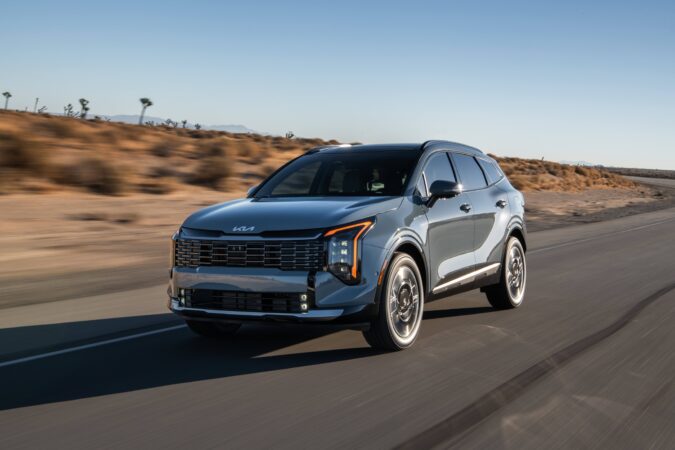
This week: Kia Sportage Hybrid
Price: $41,985 as tested
What others are saying: “Highs: Better acceleration than nonhybrid variant, well-mannered ride, plenty of space for people and cargo inside. Lows: Fuel economy isn’t as frugal as expected, not particularly entertaining to drive, exterior design isn’t for everyone,” says Car and Driver.
What Kia is saying: “Show up, show off.”
Reality: A hybrid challenger? There was much that was challenging about the Sportage Hybrid.
What’s new: The Sportage gets a new look, and some interior features. It comes in gasoline, hybrid, and plug-in models.
Up to speed: The Sportage Hybrid was a mostly pleasant companion to move about in. There were some hesitant moments as I pulled out and adjusted to hills over the first couple days, but those were on me. A last day trip to University City from West Chester was all smoothness and ease, both on the highways and in stop-and-go traffic. Eco mode was about the best all around, although I did pick Sport mode when I was really worried about cutting into traffic.
It takes 7.4 seconds for the 232-horsepower Sportage Hybrid to get to 60 mph, according to Car and Driver. That’s not stellar from the 1.6-liter turbocharged hybridized powertrain, but not too poky, and it’s faster than the 187-horsepower gasoline-powered 2.5-liter four-cylinder model.
A last-day pullout from 0-40 startled me with its quickness, so overall I’d say this midsize SUV is a peppy companion.
Shifty: The dial shifter works nicely, counterclockwise for Reverse and clockwise for Drive. Paddle shifters shift the 6-speed automatic transmission directly.
The transmission selection is what killed Sport mode for me. Many vehicles hold lower gears for a while in this mode, but the Sportage Hybrid always felt like it was stuck in 2nd when I’d be looking for 4th or 5th. Definitely less than ideal.
On the road: The handling in the Sportage Hybrid was not quite as enjoyable as the acceleration. Eco, Sport, or My Drive mode, nothing brought out the goose bumps as nicely as the S selection in the CR-V Hybrid.
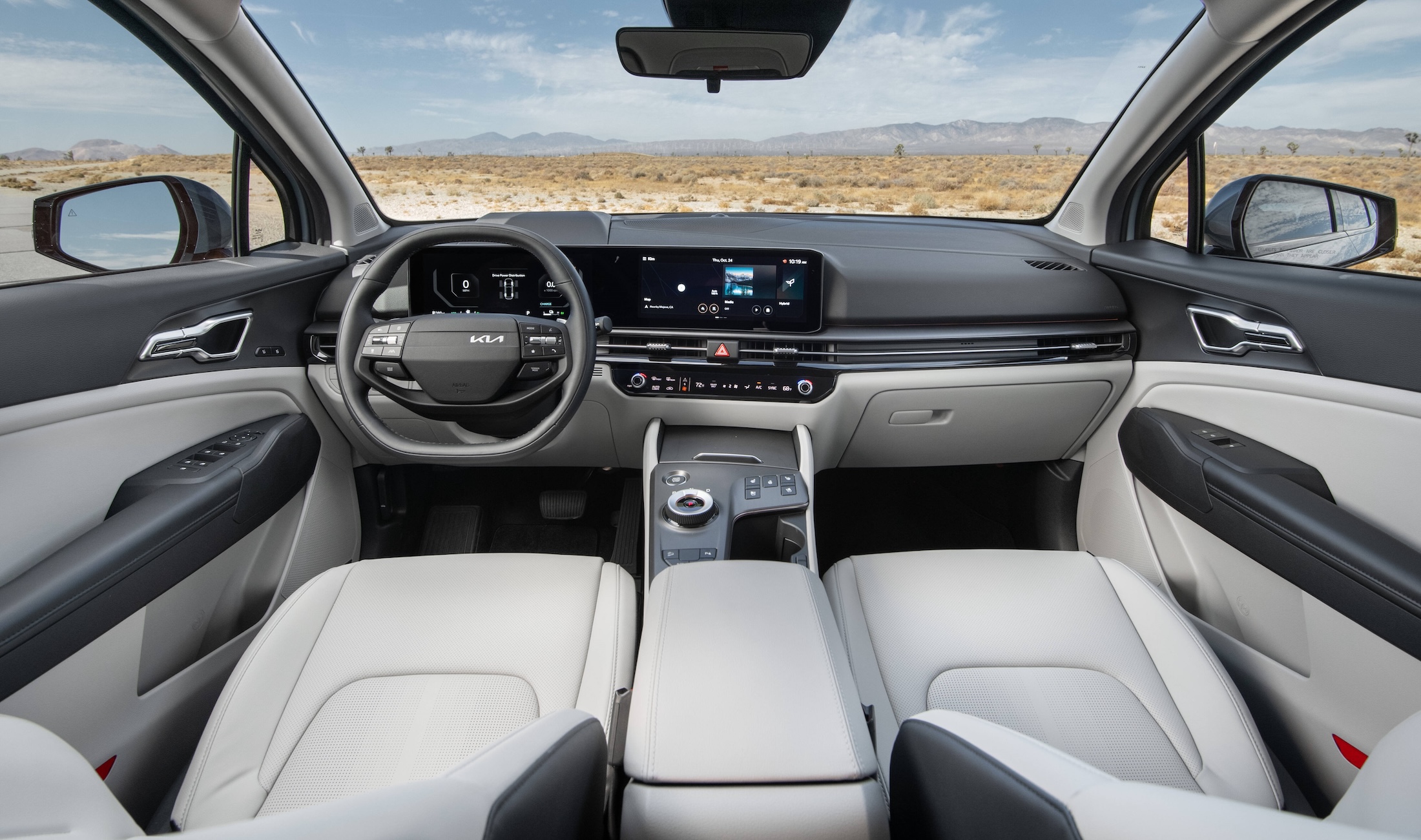
The interior of the 2026 Kia Sportage Hybrid is comfortable and the controls mostly easy to follow, except for the infotainment-HVAC button switch.
Driver’s Seat: Mr. Driver’s Seat put a lot of miles on the vehicle, and he never felt tired or sore.
The dashboard is standard issue Kia, which is clear and easy to set to your favorite info.
Friends and stuff: The rear seat in the Sportage Hybrid offers a comfortable place for passengers to ride. It’s fixed in place, but there’s plenty of legroom and foot room provided. The headroom is about the same as the CR-V, where my head is an inch away from the ceiling.
The Kia also offers several recline positions, as did the Honda.
Cargo space is 39.5 cubic feet in the rear and 73.7 with the rear seat folded, right in between the CR-V’s numbers.
In and out: The height of the Sportage matches the CR-V; it’s great for people who like to ride up high but not for people facing sore knees.
Play some tunes: The Harman Kardon stereo is an also-ran, like Kia audio systems tend to be. The clarity was fine for some songs and off for others, but the sound itself seemed just off throughout. Too much rattling bass and everything seemed to be in a minor key or something. B+.
The 12.3-inch touchscreen handles most of the controls well. You can use the dials, but you have to hit the switch to change them from HVAC controls. Kia thinks it’s clever or something with this system, because you can just take your eyes off the road to switch, right? What’s wrong with this picture?
The switch itself is very small and part of a touch pad, so it’s hard to pinpoint and unresponsive. So you make what you think are your adjustments, and then the stereo remains too loud, but you start feeling colder.
Keeping warm and cool: At least Kia has decided to let the controls default to HVAC. I’ve had other models where it stayed in the most recent selected, and I was always hitting the wrong thing. Owners may have their own perspective on this.
Dials control temperature, and the ebony touch pad handles everything else. Really, though, only the toggle between stereo and HVAC seemed to be the weak link.
Fuel economy: Speaking of weak links, the Sportage Hybrid fuel economy disappoints. Over the course of 400+ miles that include another driver — one who’s no doubt less inclined to race at stoplights — I could barely get this over 30 mpg. It’s disappointing, period. But it’s also no match for the CR-V Hybrid’s 35-plus. I’d averaged 35 in a 2023 Sportage Hybrid, so the upgrades are thirsty.
Where it’s built: Gwangju, South Korea. Ninety percent of parts come from South Korea, and less than 1% are from the U.S. or Canada.
How it’s built: The Sportage Hybrid gets a reliability rating of 3 out of 5 from Consumer Reports.
In the end: If you’re buying a hybrid to, you know, save fuel, then it’s CR-V Hybrid all the way. Consumer Reports claims to have gotten mid-30s, but Car and Driver and Mr. Driver’s Seat not so much.
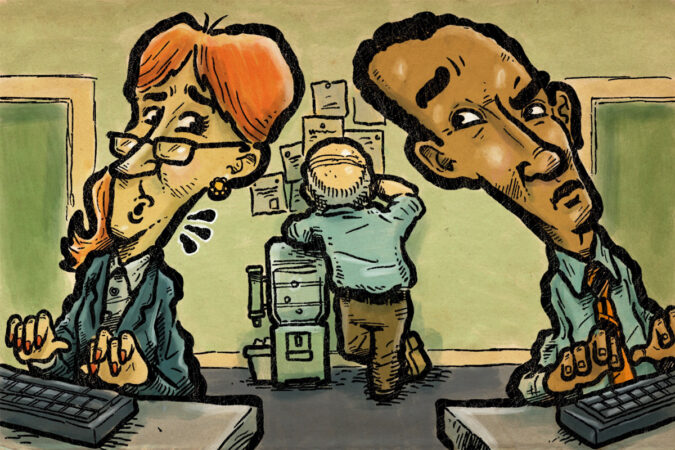
It can be seen as frivolous or hurtful, and not typically encouraged.
Still, “there seems to be something about it that makes people a little bit giddy, or excited to be gossiping,” says Rebecca Greenbaum, a professor at Rutgers University School of Management and Labor Relations.
In a recent study, Greenbaum and co-authors focused on the role of gossiping in the workplace. They found that talking about the boss behind their back can present a benefit: bonding among colleagues, and more cooperation. Their findings were recently published in the Journal of Business Ethics.
The study surveyed hundreds of participants who were asked to report if they had gossiped about the boss that day and how they acted afterward. Colleagues of some of the participants were also surveyed.
The study results show that on days when employees talked about the boss, they were likely to experience negative feelings such as guilt or shame, and avoid the boss. After gossiping, employees also reported feeling more of a sense of belonging with their colleagues.
“It doesn’t necessarily mean we’re saying ‘go out and gossip’ because we want you to feel closer to one another,” said Greenbaum. “It’s just that it provides one explanation for why people probably do engage in gossip, because they are getting this benefit from feeling closer to one another.”
This conversation has been edited for length and clarity.
What role has gossip typically played in the workplace? Is it positive? Negative?
In most of the research [until now] … oftentimes it was just looked at more negatively, or it was [discussed] much more in terms of being the victim of gossip. So if I found out someone was speaking poorly about me, how would I feel? I would probably feel angry. I’d feel hurt, I’d feel sad.
But where [we] really took this in a different direction was focusing much more on the person engaging in the gossip. From that standpoint, not as much research had been done in terms of how people react to their own behavior. So for example, do people really see it as bad? That was one thing we were curious about.
What do you hope people will take away from the study?
Keep in mind the boss is someone who can give you rewards, they can punish you — so it’s a little bit more high-stakes to talk badly about a boss compared to maybe just you talking bad[ly] about a coworker or neighbor or something like that.
We have these emotional reactions sometimes because they serve to protect us. So if you feel … shame and guilt, [for example], it’s telling you that you need to course correct.
We not only need to protect ourselves individually, but we have this relational need that has to do with our survival too. When people gossip, and then they respond to that gossip by feeling emotionally closer, and like they belong with their group a bit more, that can also facilitate a person’s sense of survival.
If you have this common enemy, like a boss who’s a jerk to you and he’s mean, sometimes it can feel even better for your sense of belonging to gossip about him.
Why does it matter if colleagues feel connected to one another?
Oftentimes people have to engage in teamwork. You need to cooperate, collaborate, come up with creative ideas together, advance some type of project. Even if you aren’t necessarily working together, there’s another big aspect of what we do in organizations, which is not engaging in counterproductive behaviors towards one another. [A colleague might say], “I have a kid at home who’s sick, I was supposed to give this presentation. Can you give it?” If we feel closer with one another, we might be more willing to cooperate with some of those requests that come our way.
What if you and colleagues like the boss? How do you build that sense of bonding?
If we have leaders who are good to us, we’re more willing to help them out. There’s basically a role modeling effect where people within the workforce end up treating each other with more dignity and respect too. So if you have a good boss, that’s actually the best scenario, because you don’t have to gossip and experience some of those negative types of emotions.
Are there any other benefits of having a bad boss?
I’m asked about this a lot, because I’ve been studying dysfunctional leadership for so long. I know there’s some research out there that shows that, for example, if you do have an abusive boss — that boss who might yell at you, ridicule you, tell you you’re stupid, whatever it may be — sometimes it can get people behaving better, performing better, but it’s short-lived.
George Ball stood at the W. Atlee Burpee & Co. booth at the Philadelphia Flower show last week and lifted the company’s artfully designed 150th anniversary seed collection from a wooden rack.
Ball, 74, traced a finger down the list of nine packets of “Historic Breakthroughs” and told stories about some of them: Iceberg lettuce (1894). Big Boy tomatoes (1949). Snowbird sugar snap peas (1978).
Golden Bantam sweet corn (1902) wasn’t an instant hit, Ball noted, despite its sweet, buttery flavor. Americans were accustomed to white corn.
“This is the first yellow sweet corn. Before that, yellow corn was hog feed. The kernels were hard,” Ball said. “This yellow corn was a totally new taste. It’s delicious. But for two years, nobody bought it because to them it was hog feed.”
Only when an assistant coined the phrase “Looks like butter, tastes like butter” did the variety take off.
Burpee’s display at this year’s Philadelphia Flower Show highlighted the brand’s historical roots.
Burpee has been rooted in the Philadelphia area since its founding by W. Atlee Burpee in 1876. Now, more than a century later, having once teetered on the brink, it’s again thriving and positioned for the future with seed, plant, and product sales in big box stores and online.
“We’re celebrating our 150th” and still selling those same seeds, Ball said.
Regrowing Burpee
When Ball came to buy Burpee in the 1980s, the company was in serious financial trouble, and its staying power was anything but certain.
“Burpee was going to be padlocked,” Ball recounted. It had fallen 240 days behind on payments, some of which were owed to his family’s company, Ball Horticultural.
Ball had become president of PanAmerican Seed, a Ball Horticultural company, by the mid-1980s and was breeding plants in Costa Rica. When he returned to the United States, he read a story in the Wall Street Journal that industry giant Burpee was teetering.
Sensing an opportunity, Ball moved to buy the historic brand for a fraction of its value, or as he phrased it, for “kind of a poem.”
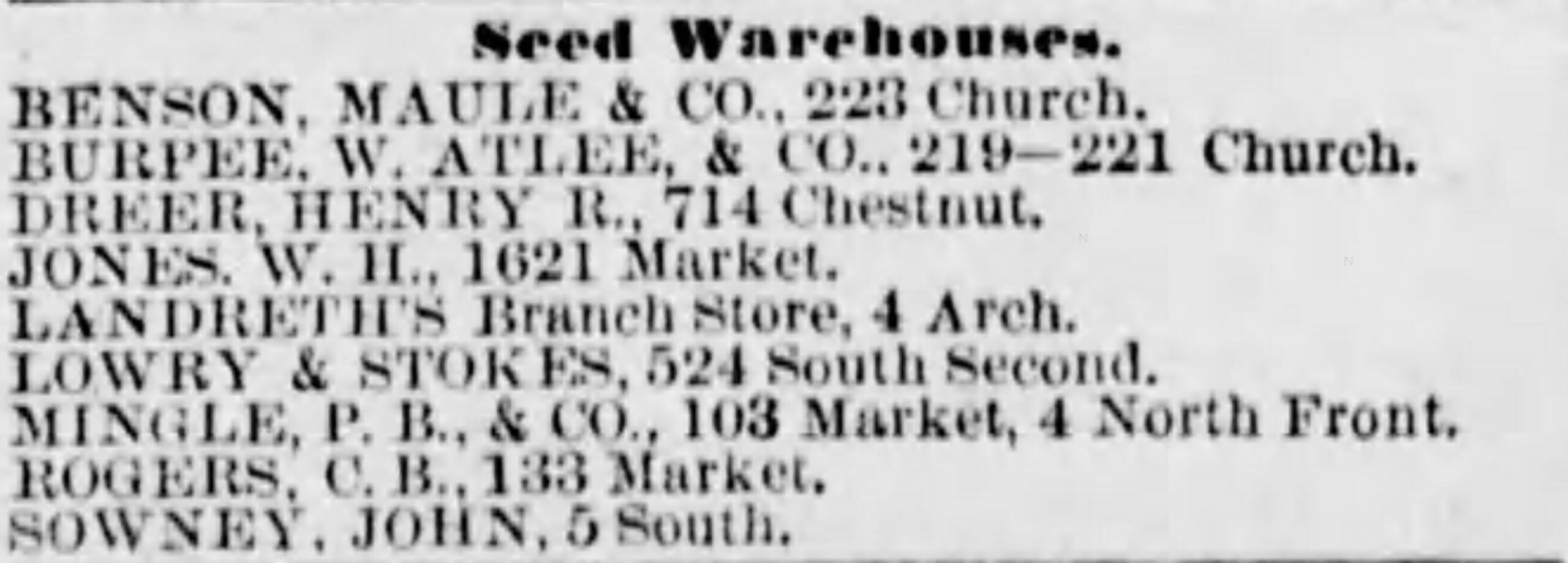
More than a century before that,W. Atlee Burpee, scion of a prominent Philadelphia medical family, started his seed company in 1876, the same year he visited the Centennial Exposition in Philadelphia. It featured robust agricultural and horticultural displays. By 1881, a notice for the company’s Old City warehouse appeared in The Inquirer.
The first mention of W. Atlee Burpee & Co. in The Philadelphia Inquirer on Jan. 3, 1881.
Burpee seized on the emerging power of mail-order catalogs — the era’s version of the internet — and the catalog became a rural household staple since most of his customers were originally farmers.
In 1888, Burpee bought a farm on New Britain Road in Doylestown. He named it Fordhook and transformed it into the company’s experimental garden and began conducting thousands of seed trials. The 60-acre property still opens to the public once a year.
Burpee died in 1915, leaving the business to his 22-year-old son, David, who expanded the company’s flower offerings and cemented a reputation for innovation. The company soon found a market for its seeds with home gardeners.
Christopher DeMairo, a former archivist for the Smithsonian Institution and the author of a book on the history of Burpee, calls W. Atlee Burpee, “a really fascinating man, and one of the most prolific businessmen in American history.”
DeMairo credits David Burpee as a visionary who steered the company through the turbulent 20th century when many competitors went bankrupt. Under David’s leadership, Burpee pushed hard on innovation, pioneering hybrid vegetables through controlled pollination experiments.
“Even if you may not know Burpee now, your ancestors certainly did,” DeMairo said. “It is still really important when you think of where agriculture and gardening are today.”
In 1970, David Burpee sold to General Foods, and the corporate headquarters moved from Philadelphia to Warminster, where it remains.
Eventually, ownership passed to a private equity firm,and the company fell into financial trouble.
Then Ball, who views himself as a turnaround specialist, stepped in to save Burpee,officially becoming its sole owner in 1991. He’s run the companyever since and still lives at Fordhook Farm.
The Creekbed Garden at Fordhook Farm in Doylestown in 2024. The seed barn is second building from the right.
“I was very interested in the basic virtues and values of life,” Ball said, and felt that the nursery business fit with that essence.
DeMairo, the archivist, believes the founding Burpee family would be relieved to know the company is privately held by Ball, who has no plans to sell.
“I can almost say for a fact that both David and Atlee would be very happy to know that the company is in the hands of a true gardener,” DeMairo said, “and not a boardroom.”
Burpee today
Under Ball’s leadership, Burpee expanded into retail aisles and into the digital age.
When COVID-19 hit in 2020, Burpeeexperienced a surge in demand, CEO Jamie Mattikow said, and the companyhas retained much of that momentum.
He declined to share financial details or an employee count. But, he said, consumers spent $242 million on Burpee products last year, a 120% jump from 2019. Growth, he added, is in the “mid-single digits.”
“Fortunately, seeds have proven to be a recession-resistant type of category,” Mattikow said, “so the growth is pretty steady.”
Burpee president and CEO Jamie Mattikow (left) with owner George Ball at the Burpee Seed display at this year’s Philadelphia Flower Show.
Burpee has long focused on home gardeners. Its products appear in major chains including Walmart, Target, Home Depot, and Tractor Supply.
Mattikow describes Burpee as a full-service “gardening company” rather than simply a seed supplier, offering live plants and supplies like soil and cages. Online sales through Burpee.com and Amazon continue to expand.
The company also maintains a niche business sellingseeds to small growers who supply farmers markets and restaurants.
The company has leveraged social media to reach younger customers. It has about 725,000 followers across Meta’s Facebook and Instagram platforms, and offers advice such as “the easiest tomatoes to grow for beginner gardeners.”
Burpee relies on its own horticulturists and traditional seed breeders to adapt to changing customer preferences.
For example, a seven-year breeding process resulted in the company’s new line of “garden sown” tomatoes and peppers — seeds hardy enough to be planted in ground after the last frost, bypassing indoor tray-starting.
That painstaking breeding process has been with the company since the beginning. In his history of Burpee, DeMairo cites a Life magazine article describing the painstaking work behind developing seed varieties.
The company, the article noted, “hired 60 girls from Vassar, Smith, Bryn Mawr and other colleges to spend the summer with tweezers and brushes” to control pollination and create new hybrids.
Mattikow said Burpee faces typical challenges such as supply chain issues, tough competition, and tariffs.
“We do a great balance of holding on to a loyal base of customers, and every year we bring in new customers,” Mattikow said.
A Florida developer who is building data centers in Pennsylvania. A Chicago crypto trader whose company was sued by the Biden administration. And a Southwestern Pennsylvania coal magnate whose firm received a permit from state regulators last year to expand operations — and is now seeking approval to open a new mine.
Shapiro’s gubernatorial campaign raised at least $8.5 million last year from nearly 240 CEOs, founders, business owners, and other top executives, according to an Inquirer analysis of campaign-finance records that were made public last month.
That includes the single biggest donation to the campaign: $2.5 million from billionaire and former New York City Mayor Michael Bloomberg. Shapiro’s haul from top executives represents 50.8% of the $16.8 million he raised from donors who listed their occupation in campaign finance filings.
window.addEventListener(“message”,function(a){if(void 0!==a.data[“datawrapper-height”]){var e=document.querySelectorAll(“iframe”);for(var t in a.data[“datawrapper-height”])for(var r,i=0;r=e[i];i++)if(r.contentWindow===a.source){var d=a.data[“datawrapper-height”][t]+”px”;r.style.height=d}}});
During his first three years in office, Shapiro, 52, has sought to build a profile as a pragmatic, business-friendly governor, focusing on speeding the permitting process and promoting economic development through government grants and tax breaks.
At the same time, the governor has proven adept at raising campaign cash from people who have business interests before state government in Harrisburg. Those include a skill game developer who staved off a major policy defeat this year and a waste coal power plant owner who gave $100,000 to Shapiro two days before the governor pulled out of a multistate program that requires such facilities to pay for their greenhouse gas emissions.
It’s a contrast with the rising populism on both the left and right, marked by a “Fighting Oligarchy” tour by progressive leaders and the MAGA movement’s deep suspicion of elites.
It’s not unusual for corporate executives to make contributions to candidates from both parties. But the practice could invite scrutiny for Shapiro in a White House run — particularly among voters and activists who are dismayed by the role of money in politics.
“We are concerned about any elected leaders taking monetary donations from corporate interests, regardless of who they are,” said Ashley Funk, executive director of the Mountain Watershed Association, a nonprofit that opposes a Shapiro donor’s coal mining expansion.
“I think that it influences decision-making,” she said.
‘The speed of business’
For now, Shapiro’s pledge to make Pennsylvania’s government run “at the speed of business” appears to have won over many executives, helping him build a massive fundraising advantage in his reelection bid. Shapiro raised $23.2 million overall in 2025, compared with the $1.5 million reported by his likely Republican opponent, State Treasurer Stacy Garrity.
“I’ve long admired the way the commonwealth approaches economic development and innovation, and I have deep respect for Gov. Shapiro’s leadership,” said Bob Clark, executive chairman and founder of Clayco, a Chicago-based real estate and construction firm that is redeveloping a site at the industrial hub known as the Bellwether District in South Philadelphia.
Clark gave Shapiro’s campaign $100,000 last year. “I consider him both a trusted colleague and an effective leader,” he said.
In recent weeks, the governor has celebrated pledges by pharmaceutical companies to invest billions of dollars in new facilities in Montgomery County and the Lehigh Valley, secured with tens of millions of dollars in state incentives. And last year, Amazon said it would spend $20 billion in Pennsylvania to build two new artificial intelligence data centers, in what officials called the single largest private investment in state history.
Shapiro’s allies say he stands up to big business, too, highlighting how he successfully prodded PJM Interconnection LLC — the Valley Forge-based regional electric grid operator whose voting members largely consist of companies in the electricity industry — to impose and extend a price cap. He has also received support from organized labor.
Shapiro argues that the way to restore faith in institutions is not by railing against billionaires but by showing that the government can fix real problems — “get s— done,” in his parlance.
Garrity, the Republican state treasurer, says Shapiro’s actions don’t live up to the hype.
“Liberal national donors may be investing in Josh Shapiro’s political vanity project, but hardworking Pennsylvanians are seeing nothing in return,” she said in a statement.
Garrity received nearly $380,000 from more than 60 CEOs and other top business executives. That figure represents about 41% of her contributions from donors who listed their occupation in campaign-finance filings.
Shapiro’s campaign said his coalition is “reflective of a governor who is delivering for all Pennsylvanians — and of a campaign that is fighting to win up and down the ballot.”
window.addEventListener(“message”,function(a){if(void 0!==a.data[“datawrapper-height”]){var e=document.querySelectorAll(“iframe”);for(var t in a.data[“datawrapper-height”])for(var r,i=0;r=e[i];i++)if(r.contentWindow===a.source){var d=a.data[“datawrapper-height”][t]+”px”;r.style.height=d}}});
The governor has “focused on growing our economy and creating jobs, and he has delivered — creating tens of thousands of jobs, winning major deals, and building the only growing economy in the Northeast,” campaign spokesperson Manuel Bonder said in a statement.
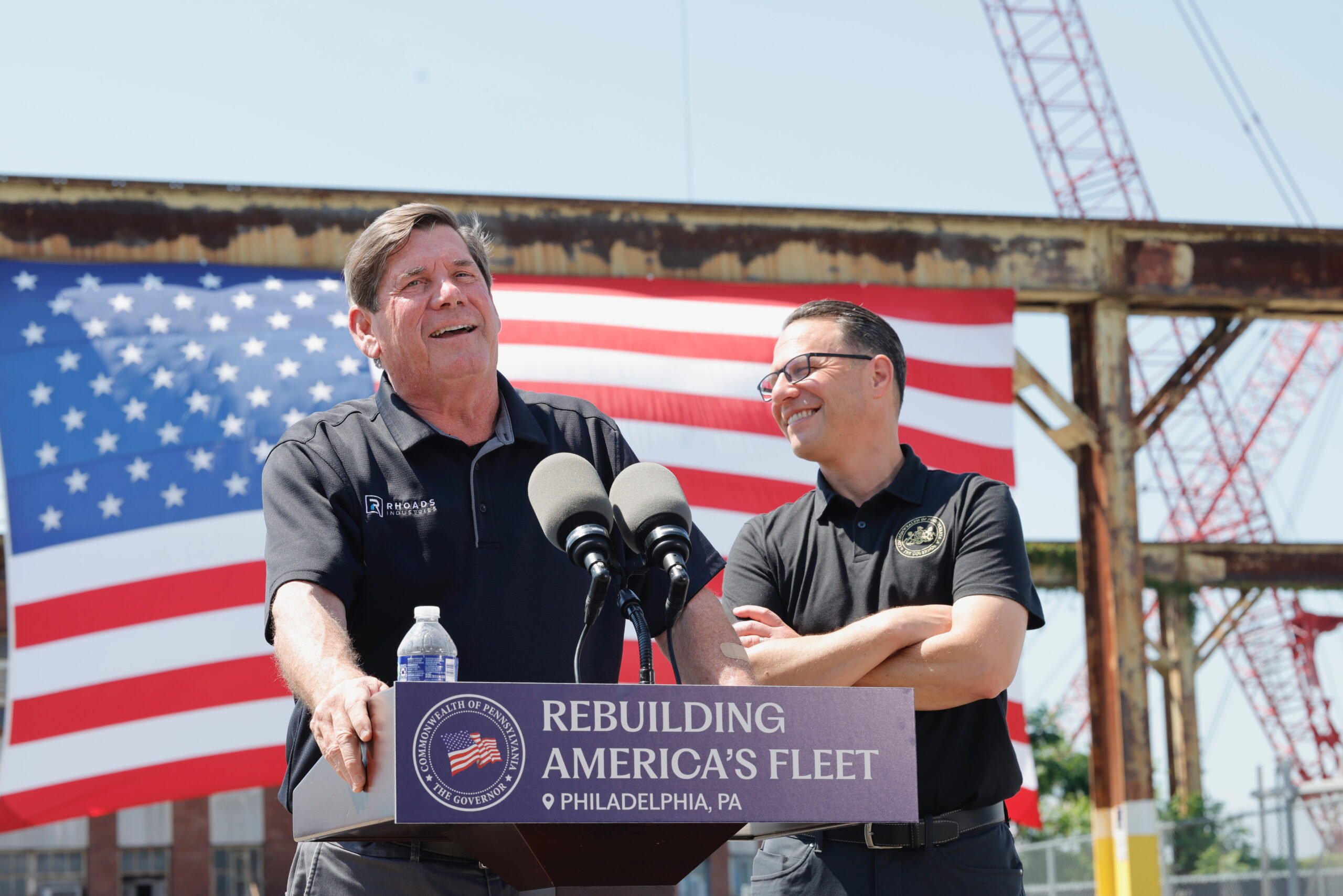
Shapiro highlighted one such deal in July, when he appeared alongside executives at defense contractor Rhoads Industries at the Navy Yard in South Philly to announce the firm’s $100 million plan to build a new manufacturing facility, create 450 jobs, and boost production of submarine parts.
“One of the things that Rhoads is known to do is get things done. … We want to turn out product; we want to turn it around; we want to get it done,” president Mike Rhoads said.
Looking toward Shapiro, he said, “Somebody standing to my left has the kind of same attitude.”
Gov. Josh Shapiro (right) with Rhoads Industries CEO Dan Rhoads in July 2025 at the Navy Yard.
Taking his turn at a lectern that read “Rebuilding America’s Fleet,” Shapiro said Rhoads’ investment — with help from the state — would “ensure the future of submarine manufacturing, shipbuilding, and all things important to securing our freedom is going to run right through the Philadelphia Shipyard.”
Three months later, in October, CEO Dan Rhoads contributed $10,000 to Shapiro’s campaign — the single largest donation he made to a candidate for state office in the last decade, records show. Rhoads did not respond to requests for comment.
Data centers and ‘skill games’
Shapiro donors’ business interests include everything from data center construction to state regulation of slot machine-style games and approvals for a nuclear reactor.
Dan Hilferty, CEO of Philadelphia-based Comcast Spectacor — which owns the Flyers and the Xfinity Mobile Arena in South Philly — gave $40,000. A political action committee affiliated with parent company Comcast also gave $50,000. Comcast Spectacor and the 76ers are building a new arena at the South Philadelphia sports complex, and Shapiro last year did not rule out offering state incentives. Hilferty, a former CEO of Independence Blue Cross, previously gave Shapiro’s campaigns $27,500 over the last decade. Other Comcast Spectacor executives contributed about $95,000 during that period.
Top executives at Pace-O-Matic, the Georgia-based developer of so-called skill games that have proliferated across convenience stores and bars, gave $50,000. Operators for Skill, a PAC affiliated with the firm, contributed $10,000. The company successfully fended off a push in 2025 by Shapiro and lawmakers to tax the games at a level the industry considered too high. The governor has renewed a push to regulate the games, which some Philadelphia lawmakers say they would prefer to see banned. Pace-O-Matic contributes to both parties and remains “committed to fighting for fair regulation and taxation of Pennsylvania skill games,” said Mike Barley, chief public affairs officer for Pace-O-Matic.
Joseph Dominguez, president of Baltimore-based Constellation Energy, gave $25,000. The company is seeking to restart a nuclear reactor at Three Mile Island, just outside Harrisburg, and needs state and federal approvals. The plant would supply power to Microsoft to support the tech company’s data centers. “Constellation executives contribute to policymakers on both sides of the aisle who, like Gov. Shapiro, prioritize results and pragmatic solutions over politics,” a company spokesperson said.
Brian Patten, CEO of Next Generation Land Co. LLC, gave $10,000. He is a Florida data center developer who says he is pursuing projects in Pennsylvania. Data centers that power companies’ cloud storage and computing needs have drawn backlash across the U.S. over fears of rising electricity rates. In his February budget address, Shapiro said he wants data centers to supply their own energy and pay for any new generation they need. He has also said the U.S. needs to win the AI race against China.
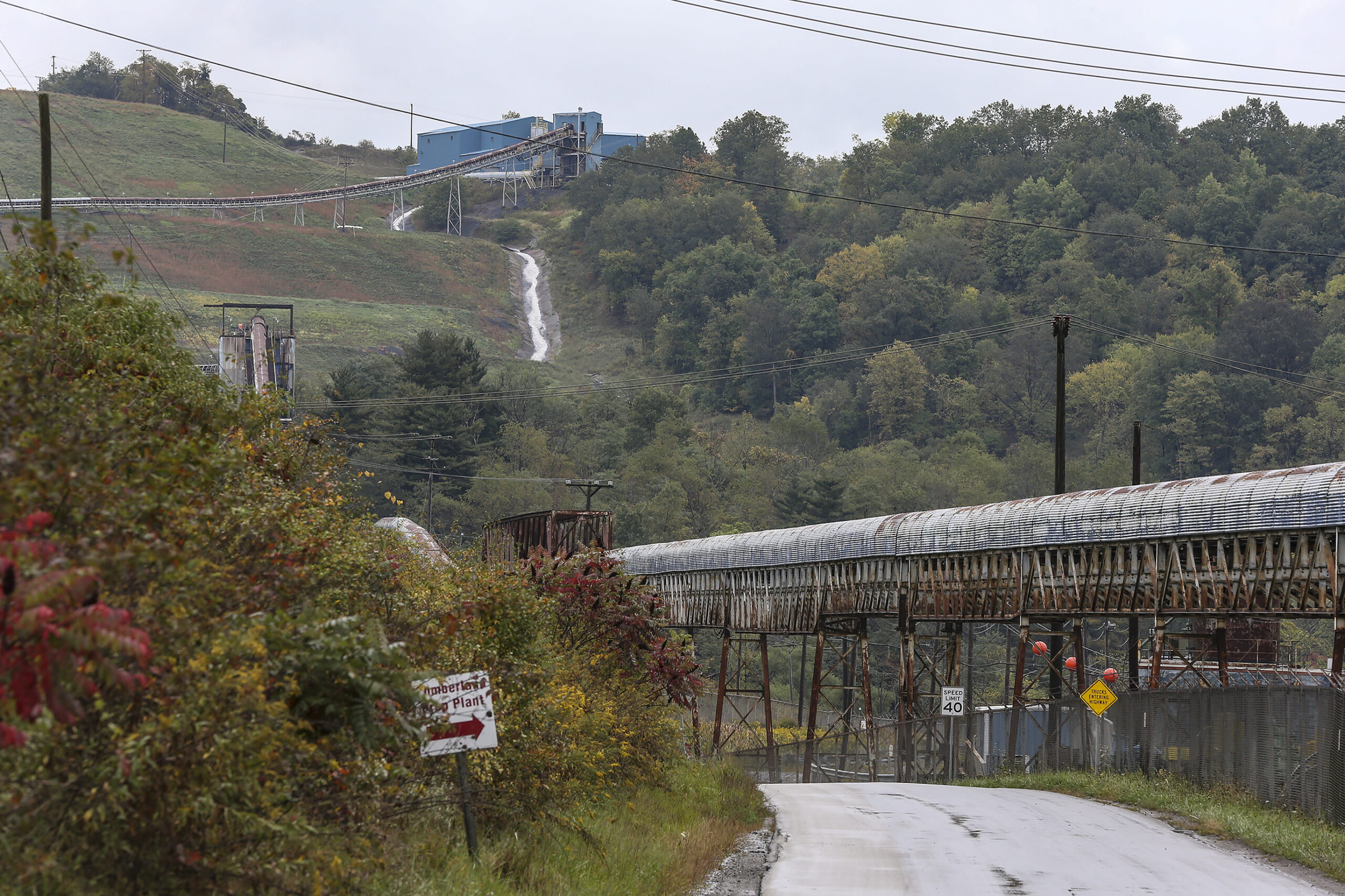
Justin Thompson, CEO of Iron Senergy, a coal operator, gave $10,000. His firm owns the Cumberland Mine in Greene County. When Pennsylvania applied to the U.S. Environmental Protection Agency for a $400 million grant, it mentioned several firms — including Iron Senergy — that could use the money for decarbonization projects, the Pittsburgh Post-Gazette reported in 2024. The EPA awarded the grant, and the Pennsylvania Department of Environmental Protection is tasked with administering it. The state is now reviewing applications, which it says are confidential.
The Cumberland Coal Mine in Greene County seen in 2020.
Local and national donors
Shapiro drew on a mix of executives from local and national firms. In Pennsylvania, he raised money from health system CEOs (Joseph Cacchione of Thomas Jefferson University, $10,000), bankers (Richard J. Green of Philly-based Firstrust Bank, $125,000), and a home remodeler (Asher Raphael of Power Home Remodeling in Chester, $100,000). Josh Kopelman — founder of First Round Capital and chairman emeritus of The Inquirer’s board of directors — and his wife, Rena, each gave $50,000.
There were private equity investors (San Francisco billionaire John Pritzker, cousin of Illinois Gov. JB Pritzker, $50,000), Hollywood producers (Jimmy Miller of talent management and production firm Mosaic, $75,000), professional sports team owners (telecom billionaire Robert Hale, minority owner of the Boston Celtics, $50,000), and a Massachusetts sports betting executive (Jason Robins of DraftKings, $10,000).
For his part, Bloomberg is “a big fan of Gov. Shapiro and a big believer in his leadership, and thinks he’s done a great job for Pennsylvania,” adviser Howard Wolfson told Axios.
At least one donor had ties to President Donald Trump, whom Shapiro often criticizes.
Don Wilson Jr., CEO of Chicago-based trading firm DRW Holdings LLC, gave $10,000 to Shapiro in September.
The Securities and Exchange Commission filed civil charges against a unit of Wilson’s firm while President Joe Biden, a Democrat, was in office. The SEC accused it of operating as an unregistered cryptocurrency dealer.
Biden-era regulators said that firms were dodging that rule by claiming crypto was a commodity, not a security. The enforcers argued this exposed investors to extra risks associated with digital currencies.
Then last March, a couple of months after Trump took office, the new administration dropped the charges against Wilson’s firm. Nine weeks later, Wilson invested $100 million into a Trump bitcoin project, the Financial Times reported.
The company told the newspaper it engages in a “variety of strategies in the crypto ecosystem” and saw value in holding bitcoin. “This transaction was viewed purely through that lens,” it said.
Trump denies having conflicts of interest.
That didn’t stop the Democratic National Committee from flagging the news on its “CORRUPTION WATCH” page.
The Trump administration, the Democrats’ post said, “now appears to be engaged in blatant pay-to-play politics.”
Power plants and coal mines
Among corporate executives, two of the eight biggest donors to Shapiro’s campaign last year were the father-and-son owners of privately held Robindale Energy Services, which owns about 20 companies involved in waste coal reclamation, power generation, mining, and logistics. Robindale’s assets include multiple power plants fueled by waste products from abandoned coal mines.
CEO Scott Kroh and his son Judson, the Latrobe-based company’s president, gave a total of $271,000.
That included a $100,000 contribution from Scott Kroh two days before Shapiro signed the annual budget, which came after a monthslong stalemate. The deal with Senate Republicans included language pulling the state out of the Regional Greenhouse Gas Initiative, a multistate effort to generate cleaner power that Robindale had vocally opposed.
Robindale’s executives did not respond to requests for comment.
In June 2023, Judson Kroh spoke out against RGGI at a public hearing, telling Pennsylvania lawmakers that Robindale’s power plants have enough capacity to power 500,000 homes. “Our main concern is you’ll see a significant decrease in power exports out of the state due to RGGI, as well as a significant decrease in coal production,” Kroh said.
Other energy industry firms, Republican lawmakers, and building trades unions have also long opposed the initiative, which requires power plants to buy allowances to cover their carbon emissions. They call it a job killer and an electricity tax. Environmental groups say it has reduced pollution and led to investments in clean energy in other states.
Shapiro had for years expressed concerns about the greenhouse gas initiative, which Pennsylvania joined under his predecessor but never implemented due to litigation. Shapiro said in 2021 during his first run for governor that “it’s not clear to me” that the program protected jobs, addressed climate change, or ensured energy reliability.
The Kroh family donated a total of $55,000 to his 2022 campaign and $21,000 the following year. Judson Kroh was among the more than 300 people who served on Shapiro’s transition team.
Many of Robindale’s operations are regulated by the state, and the company spent $150,000 lobbying state government officials last year, records show. Company executives in recent years have largely donated to Republicans in Harrisburg, though they have also supported some Democrats, including Shapiro.
window.addEventListener(“message”,function(a){if(void 0!==a.data[“datawrapper-height”]){var e=document.querySelectorAll(“iframe”);for(var t in a.data[“datawrapper-height”])for(var r,i=0;r=e[i];i++)if(r.contentWindow===a.source){var d=a.data[“datawrapper-height”][t]+”px”;r.style.height=d}}});
In addition to its power generation business, Robindale owns coal mines that are subject to state inspections and oversight. When two people died in a Somerset County mine operated by subsidiary LCT Energy, DEP required the company to update its safety protocols. The deaths in 2022 and 2023 came during a time in which there were 20 coal mining fatalities nationwide, according to federal data.
Johnstown-based LCT is currently expanding.
About 30 miles west of Maple Springs, LCT opened another mine in 2018 in Westmoreland County called Rustic Ridge 1, which produces 600,000 tons of coal a year.
The state renewed the permit for the 2,800-acre underground mine in January last year, and from that month through March, the Kroh family donated $70,000 to Shapiro’s campaign.
In April, after a yearslong review, the Pennsylvania Department of Environmental Protection approved a permit authorizing LCT to expand its operations there, adding 1,400 acres under the Pennsylvania Turnpike — the equivalent of 93 Lincoln Financial Fields. The permit allows LCT to mine coal up to 600 feet underground. The company sells the coal for production of steel.
The nonprofit Mountain Watershed Association is appealing the DEP’s approval to the Pennsylvania Environmental Hearing Board — whose judges are appointed by the governor, subject to confirmation by the state Senate — arguing that the expansion could harm groundwater and streams.
Others say the mine supports jobs and helps the local economy. Before opening, the company said in 2014 that it would invest $50 million to develop the mine, according to local news reports.
The state budget Shapiro signed in November expanded a program for expedited permitting involving approvals from the DEP, which reviews 40,000 permits a year. Introduced in 2024, the program is currently available for eligible permits such as air quality, dam safety, and oil and gas erosion and sediment control.
The budget legislation — cheered by Shapiro and GOP lawmakers — added more permit types, including one for mining, “which DEP is in the process of adding to the program,” a department spokesperson said.
Funk — the executive director of the watershed association, which has spent millions of dollars over the last 30 years repairing the environmental damage of legacy coal mining — said she is concerned the Krohs’ political giving “might be having an influence over Shapiro and his administration as we work to permit some of Robindale’s projects such as LCT Energy.”
Shapiro says permitting reform reflects his governing ethos.
“When you think about getting stuff done … it requires focus and speed,” he said in December at a National Governors Association event. “We’ve gotta be speedier as a country.”
Anthropic’s moral stand on U.S. military use of artificial intelligence is reshaping the competition between leading AI companies but also exposing a growing awareness that maybe chatbots just aren’t capable enough for acts of war.
Anthropic’s chatbot Claude, for the first time, outpaced rival ChatGPT in phone app downloads in the United States this week, a signal of growing interest from consumers siding with Anthropic in its standoff with the Pentagon, according to market research firm Sensor Tower.
The Trump administration on Friday ordered government agencies to stop using Claude and designated it a supply chain risk after Anthropic CEO Dario Amodei refused to bend his company’s ethical safeguards preventing the technology from being applied to autonomous weapons and domestic mass surveillance. Anthropic has said it will challenge the Pentagon in court once it receives formal notice of the penalties.
And while many military and human rights experts have applauded Amodei for standing up for ethical principles, some are also frustrated by years of AI industry marketing that persuaded the government to apply the technology to high-stakes tasks.
“He caused this mess,” said Missy Cummings, a former Navy fighter pilot who now directs the robotics and automation center at George Mason University. “They were the No. 1 company to push ridiculous hype over the capabilities of these technologies. And now, all of a sudden, they want to be for real. They want to tell people, ‘Oh, wait a minute. We really shouldn’t be using these technologies in weapons.’”
Anthropic didn’t immediately respond to a request for comment. The Defense Department declined to comment on whether it is still using Claude, including in the Iran war, citing operational security.
Cummings published a paper at a top AI conference in December arguing that government agencies should prohibit the use of generative AI “to control, direct, guide or govern any weapon.” Not because AI is so smart that it could go rogue, but because the large language models behind chatbots like Claude make too many mistakes — called hallucinations or confabulations — and are “inherently unreliable and not appropriate in environments that could result in the loss of life.”
“You’re going to kill noncombatants,” Cummings said in an interview Tuesday with the Associated Press. “You’re going to kill your own troops. I’m not clear whether the military truly understands the limitations.”
Amodei sought to emphasize those limitations in defending Anthropic’s ethical stance last week, arguing that “frontier AI systems are simply not reliable enough to power fully autonomous weapons. We will not knowingly provide a product that puts America’s warfighters and civilians at risk.”
Anthropic, until recently, was the only one of its peers to have approval for use in classified military systems, where it has partnered with data analysis company Palantir and other defense contractors. President Donald Trump said Friday, around the same time he was approving Saturday’s military strikes on Iran, that the Pentagon would have six months to phase out Anthropic’s military applications.
Cummings, a former Palantir adviser, said it’s possible that Claude has already been used in military strike planning.
“I just fundamentally hope that there were humans in the loop,” she said. “A human has to babysit these technologies very closely. You can use them to do these things, but you need to verify, verify, verify.”
She said that’s a contrast to the messaging from AI companies that have suggested that their technology is evolving to the point where it is “almost sentient.”
“If there’s culpability here, I’d say half is Anthropic’s for driving the hype and half is the Department of War’s fault for firing all the people that would have otherwise advised them against stupid uses of technology,” Cummings said.
One social media commentator this week described Anthropic’s government problems as a “Hype Tax” — a message that was reposted by President Donald Trump’s top AI adviser, David Sacks, a frequent critic of the company.
And while it has caused legal hassles that could jeopardize Anthropic’s business partnerships with other military contractors, it has also bolstered its reputation as a safety-minded AI developer.
“It’s applaudable that a company stood up to the government in order to maintain what it felt were its ethics and were its business choices, even in the face of these potentially crippling policy responses,” said Jennifer Huddleston, a senior fellow at the libertarian-leaning Cato Institute.
Consumers have already spoken, leading to a surge of Claude downloads that made it the most popular iPhone app starting on Saturday and for all phone systems in the U.S. on Monday, according to Sensor Tower. That’s come at the expense of OpenAI’s ChatGPT, which saw its consumer reputation damaged when it announced a Friday deal with the Pentagon to effectively replace Anthropic with ChatGPT in classified environments.
In the Apple store, the number of 1-star reviews — the worst rating — of ChatGPT grew by 775% on Saturday and continued to grow early this week, forcing OpenAI to do damage control.
“We shouldn’t have rushed to get this out on Friday,” OpenAI CEO Sam Altman said in a social media post Monday. “The issues are super complex, and demand clear communication. We were genuinely trying to de-escalate things and avoid a much worse outcome, but I think it just looked opportunistic and sloppy.”
Altman was planning to gather employees for an “all-hands” meeting on Tuesday to discuss next steps.
“There are many things the technology just isn’t ready for, and many areas we don’t yet understand the tradeoffs required for safety,” Altman said. “We will work through these, slowly, with the [Pentagon], with technical safeguards and other methods.”
Pennsylvania insurance regulators fined CVS Health’s Aetna health insurance subsidiary $550,000 for violating rules meant to ensure that mental health services are as accessible as medical or surgical care, the state Insurance Department said Tuesday.
Regulators foundthat Aetna applied standards of review for certain autism therapies and inpatient opioid addiction treatment services that were more stringent than those applied broadly to medical claims submitted to the insurer. The result was limits on the scope and duration of the treatments that violated parity rules.
The department said Aetna would have to fix its practices within a year and repay affected customers. It did not specify how much money Aetna needs to repay, or how that process would work.
“Aetna has long been an advocate of the Mental Health Parity and Addiction Equity Act. Aetna has received the results of the market conduct exam from the Pennsylvania Insurance Department and will implement, as appropriate, any corrective actions,” the company said in an email.
The violations were found during a regular periodic review of insurers’ practices. The Aetna exam covered the period from October 2021 through Dec. 2022. Aetna and regulators signed a consent order in January.
The insurance department fined Aetna $190,000 in 2019 for similar violations of the Mental Health Parity and Addiction Equity Act, a federal law passed in 2008.
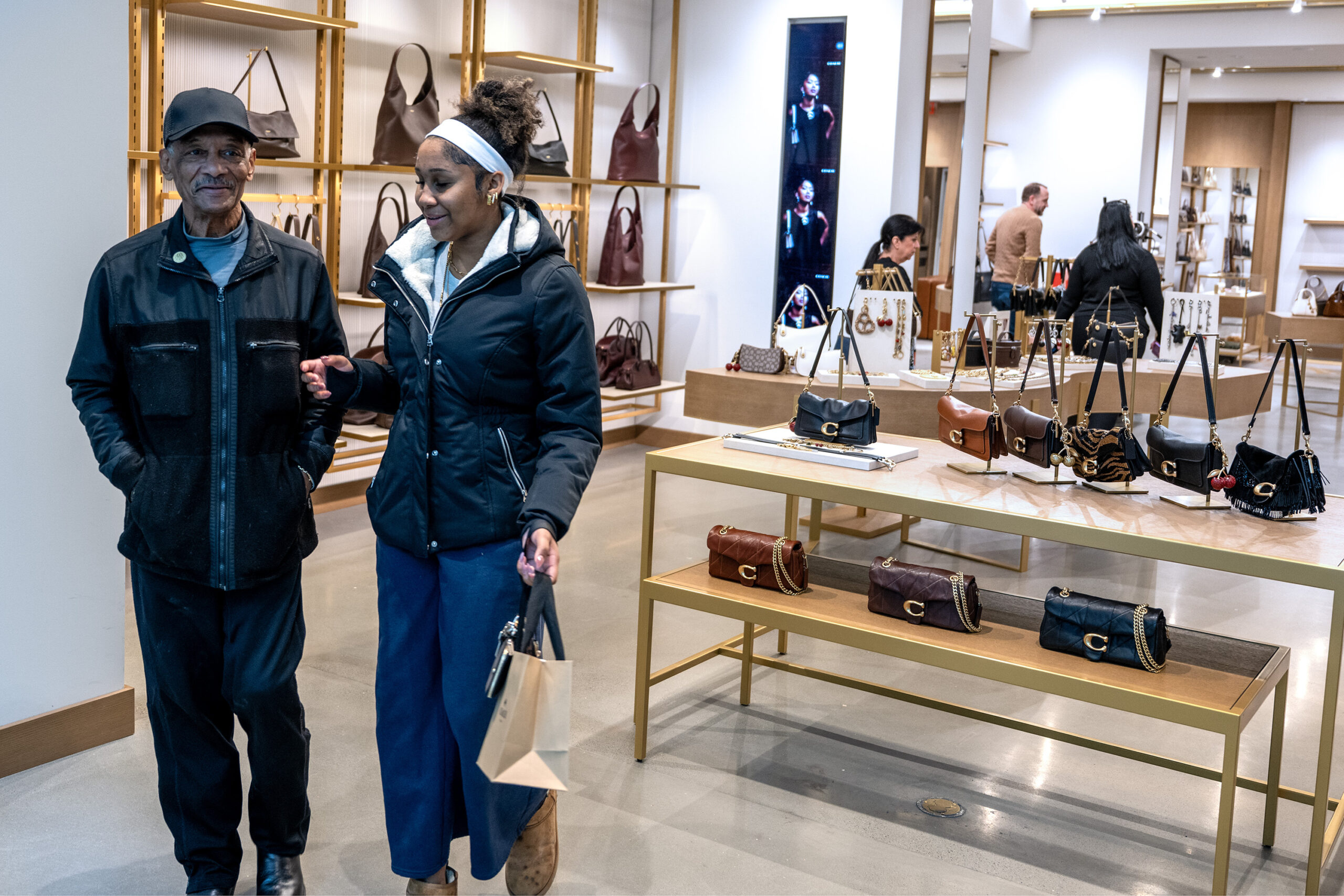
When Coach opened a store at the Cherry Hill Mall in November, mall executives were ecstatic — even though it’s been 85 years since the high-end retailer was founded.
Coach is as hot as ever. And its new shop in Cherry Hill is just another sign of the South Jersey mall’s success, according to leaders with Pennsylvania Real Estate Investment Trust (PREIT), which owns the complex.
“Cherry Hill is clearly a dominant fashion property,” Paula Charles, PREIT’S first vice president of leasing, said in a recent interview.
In the competitive Philadelphia market, “the better retailers have gravitated toward the better assets,” including Cherry Hill, added Joe Aristone, PREIT’s chief revenue officer.
They noted that top-tier retailers increasingly include legacy brands — long-established companies like Coach, Zara, and Levi’s, that are making a nostalgic, social media-fueled comeback with younger consumers.
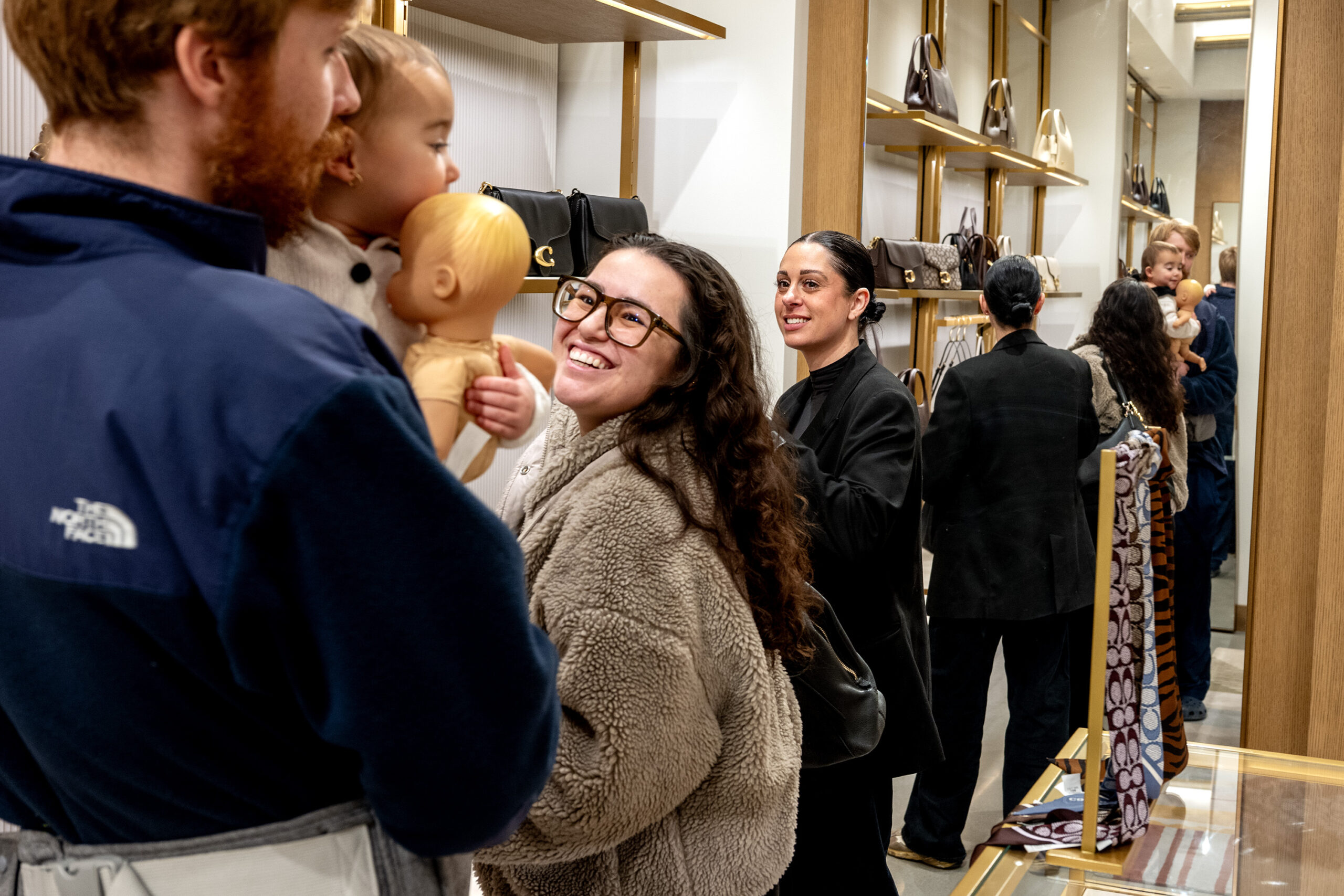
Employee Alex Costa (right) assists Alessandra Bruno as she shops for purses with husband, Luke Baur, and their 20-month-old daughter, Rosalina, at the Coach store at the Cherry Hill Mall.
In the Philadelphia area, these retailers have maintained a presence along shopping corridors in Center City and at higher-performing malls like Cherry Hill and King of Prussia, which is owned by Simon Property Group.
Prior to the Cherry Hill opening, Coach operated shops in King of Prussia and Marlton, as well as off-price locations at the Philadelphia Premium Outlets near Pottstown, the Gloucester Premium Outlets in Blackwood, and the Tanger Outlets in Atlantic City. The brand also has an outpost at the Philadelphia International Airport.
Coach spokespeople did not return requests for comment about their investment in the region.
PREIT executives declined to comment on sales so far at their new Coach store, but said brand and mall executives are pleased with how the store is doing — and what that means going forward.
“Coach has had a strategy to make sure that they capture Gen Z,” a demographic that PREIT executives also want to attract and retain as they age, Charles said.
Why Gen Z and millennials love Coach
Joe Williams, of Magnolia, N.J., buys a handbag for his daughter, Samantha Williams, at the Coach store at the Cherry Hill Mall.
About two years ago, Breana Stringer, now 26, noticed that many of her friends were going out with Coach bags. And when she’d open TikTok, she said, the platform’s algorithm showed her videos of other users’ Coach collections.
Up until that point, the Fishtown resident had been an accessory minimalist: “I was very much an ‘if it doesn’t fit in my pocket, I’m not bringing it’” type of person.
But Stringer said she was influenced by her friends and TikTok to start buying Coach bags, mostly secondhand (though she has received new Coach bags as gifts). She has come to enjoy styling them with her outfits.
To Stringer, Coach’s appeal to Gen Z consumers is simple, she said: “They’re affordable in terms of a luxury name brand, and they’re vintage styles.”
New Coach bags start at $95 for a short shoulder bag, while larger purses can cost $500 or more. At outlet stores and secondhand shops, prices are lower.
In South Philly, Stephanie Gonzalez, 33, has restored and resold dozens of vintage Coach bags, mostly to Gen Z and millennial women.
She said these women see the Coach brand as “timeless.”
For Gen Z, “what is happening is they are really into Y2K, late-’90s, early-’90s nostalgia,” Gonzalez said. “TikTok has been a big hub for people” to share their love of Coach and brands that were popular in those years.
As for other legacy brands, Stringer said some of her Gen Z friends have also started wearing Cartier rings, which have been around since the mid-1800s and can cost more than $1,000. It’s a trend Stringer has yet to get behind, she said, because she has a tendency to lose small accessories: “I’m less likely to lose a bag.”
How legacy brands are boosting Philly-area malls
Products are displayed at the Coach store at the Cherry Hill Mall.
Cherry Hill Mall isn’t the only local shopping center to have welcomed new legacy retailers recently.
In the past six months, Abercrombie & Fitch, Columbia Sportswear, Lacoste, and New Balance have opened new stores at the King of Prussia Mall, and an Adidas outpost is also set to open there soon.
At the Philadelphia Premium Outlets, Hugo Boss, Marc Jacobs, and New Balance have opened stores in the past year, while the Gloucester Premium Outlets in Blackwood have added New Balance and Columbia locations. Like the King of Prussia Mall, both outlet malls are owned by Simon Property Group.
Typically, these re-energized brands are attracted to places where other similar companies have already set up shop, say the PREIT executives who help shape the tenant mix at the Cherry Hill Mall.
And they said this cyclical effect further cements the region’s dominant retail centers as shopping destinations.
“There is so much media out there as it relates to closed malls,” said Aristone, the chief revenue officer. Many of the surviving malls, however, are thriving, he said, thanks in part to these legacy brands.