Tag: Cherelle L. Parker

  • What we know and what we don’t know about Philly school closings

    What we know and what we don’t know about Philly school closings

    Superintendent Tony B. Watlington Sr. on Thursday presented the Philadelphia School District’s long-awaited facilities master plan to board members, with revisions leaving two fewer schools slated to close than initially proposed.

    Plans now included 18 closures and six other co-locations, as well as one new school building and other investments.

    Here’s what we know so far:

    What’s happening to the district’s buildings?

    Of the district’s 307 buildings, most schools — 159 in all — would be modernized under the proposed plan. The district in January pointed to Frankford High, which closed for two years because of asbestos issues and just reopened in the fall with $30 million worth of work to spruce it up, as an example of modernization.

    An additional 122 schools would fall into a “maintain” category, meaning they would receive regular upkeep. And six facilities would be co-located, meaning two separate schools would be housed under one roof, each with its own principal and team.

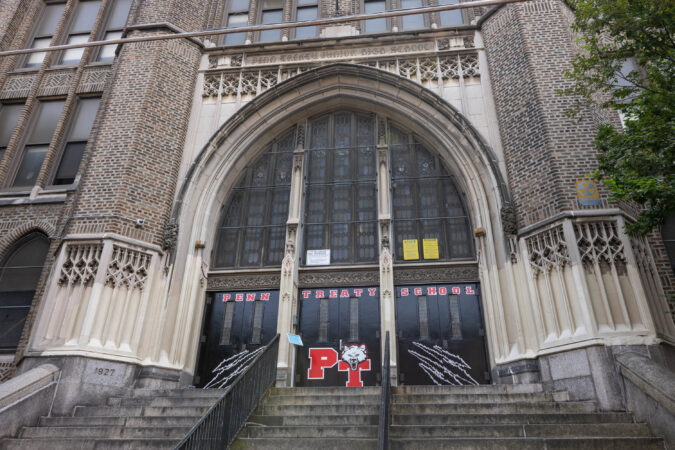
    Finally, 18 schools would be recommended for closure. Among them is Penn Treaty, now a 6-12 school, which would close in its current form, but go on to house the current Bodine High School, a magnet in Northern Liberties. Bodine’s building would become the home of Constitution High, which now occupies a rented space in Center City.

    As proposed, Watlington’s plan would cost $2.8 billion over 10 years. The district would put up $1 billion via capital borrowing during that time — leaving $1.8 billion unaccounted for that the superintendent said would need to be covered by state money or philanthropic support. If the district doesn’t get all or some of that amount, the plan would have to be amended.

    Will some schools definitely close? Which ones?

    Right now, the closures are just a proposal, and the school board is slated to have the final say. They could adopt all, some, or none of Watlington’s recommendations.

    If the closures are approved, no school would be shuttered before the 2027-28 school year. And should some schools close, no job losses are expected, Watlington said last month.

    Initially targeted for closure were Conwell Middle School in Kensington and Motivation High in Southwest Philadelphia, but both have since been spared. Both magnet schools accept students citywide, and their proposed closures saw opposition from powerful allies including several City Council members and Pennsylvania House Speaker Joanna McClinton.

    That change, Watlington said, was not due to politics, and came after the district “poured through thousands of feedback loops from a number of Philadelphians.”

    The board, meanwhile, is expected to vote in the coming weeks, though no date has been set.

    What will happen to students who attend closing schools?

    Every affected student would be routed to a new school. A new transition office would work closely with impacted communities to make sure academics, attendance, and social-emotional needs don’t suffer, Watlington said.

    “These families will get gold-standard, red-carpet treatment directly from the superintendent’s office,” he pledged.

    Why are these changes necessary?

    The district hasn’t had a facilities master plan in more than a decade. It has 70,000 empty seats citywide, with some schools overcrowded and others with entire unused floors. It’s also got a lot of aging buildings — the average district school is nearly 75 years old — and many have environmental and/or significant systems issues.

    Officials said they want to solve district-wide disparities: Some schools have art, music, and ample space for physical education, plus extracurricular activities, and some have few of those things.

    How were school buildings’ fates determined?

    Watlington said there was no formula to determine his recommendations. But four factors entered into the decision: building condition, utilization, the school’s ability to offer robust programming, and neighborhood vulnerability — a new measure that considers things like poverty and whether the area has lived through prior school closings.

    The district formally launched the final phase of its facilities master planning process in late 2024. Since then, officials have hosted 47 community conversations and received 13,700 survey responses from people in every zip code in the city. Officials heard from a project team of 30 members and received feedback from nine advisory groups composed of more than 170 members.

    However, some of those members, and others, are skeptical of the process, saying they feel like their input was performative. In the fall, a grassroots coalition urged the district to pause the process, focus more on investments, and promise no closures.

    Community conversations took place throughout February. Officials are also accepting input via the facilities planning process website.

    How long did it take officials to get to this point?

    The draft plan has been years in the making, and comes following a previous attempt to make one that ended before it went anywhere.

    Watlington launched this final phase of the planning process in the fall of 2024. Decisions were originally promised by the end of 2025, but that was pushed off when officials said they needed more time to gather feedback.

    The district later launched surveys to gain more input, with the topline result being that Philadelphians didn’t want their local schools closed. Many respondents outlined fears about potential hardships that closing schools could create, such as longer walks to school or tough bus rides in unfamiliar or unsafe areas.

    And they flagged worries about merging schools and having large grade spans in a single building.

    When did the district last close schools?

    Mass school closures last happened in 2012 and 2013, when 30 schools shut.

    That process hit economically disadvantaged neighborhoods disproportionately, did not yield substantial savings, and generally led to worse academic outcomes and attendance for students.

    The mistakes of 2012 informed this go-round, officials said. They have promised better services for schools, students and families affected by any coming transitions.
  • Five Philly police officers sue over DEI, backed by a Trump-aligned legal team

    Five Philly police officers sue over DEI, backed by a Trump-aligned legal team

    Five police officers say in a new federal lawsuit they were skipped over for promotions because of a Philadelphia policy change to promote diversity, equity, and inclusion in the municipal workforce.

    The officers — Christopher Bloom, Kollin Berg, Joseph Musumeci, Marc Monachello, and Leroy Ziegler — claim they were victims of an “illegal and discriminatory” policy change adopted by City Council and Philadelphia voters in the aftermath of Black Lives Matter protests that swept the nation.

    The lawsuit is a proposed class action on behalf of “all white male employees” of the Philadelphia Police Department who were passed over for promotions since 2021 in favor of a candidate with lower exam scores. The complaint was filed by a team of attorneys affiliated with President Donald Trump who have sued the city previously over diversity initiatives.

    The change at the heart of the latest lawsuit is related to the so-called rule of two that required city managers to choose between the two candidates with the highest Civil Service exam scores. The rule was an often-cited reason for the limited diversity in the city workforce.

    Voters got rid of the requirement through a ballot question in 2021, giving the city more discretion to tailor the number of finalists for a position.

    The five officers sought promotions in November, three from lieutenant to captain and two from sergeant to lieutenant. All were “passed over for one of these promotions on account of their race and sex,” the suit says.

    The complaint, filed Wednesday in the Eastern District of Pennsylvania, quotes from legislative documents and statements from politicians to argue that the rule change was racially motivated.

    A 2022 resolution calling on then-Mayor Jim Kenney to study the impact of the rule change “repeatedly bemoans the fact that white men were obtaining too many promotions under the city’s merit-based promotion system,” the suit says, calling it “one of the many examples of the city of Philadelphia’s determination to impose illegal DEI practices that consciously and intentionally discriminate against white men.”

    Another example cited in the lawsuit is a statement by Mayor Cherelle L. Parker, a Council member at the time, who championed the change. She is quoted as saying that “for too long, the Rule of Two has held back Black and Brown employees.”

    The suit is the latest filed by a team of conservative lawyers against Philadelphia over efforts to address racial inequity. The attorneys include Pennsylvania’s self-described “go-to” lawyer for Republicans, Wally Zimolong; Jonathan Mitchell, the former Texas solicitor general who is credited as the legal mind behind that state’s abortion ban; and attorneys from American First Legal, an organization formed by Trump adviser Stephen Miller.

    In October, the group settled a lawsuit that claimed the city violated the Constitution by forcing bidders to sign agreements that included diverse workforce goals. The city agreed to pay $417,000 in attorneys’ fees and clarify that diversity benchmarks in project agreements were aspirational goals, not mandatory quotas.

    Parker’s administration ended a Philadelphia policy prioritizing businesses owned by women or people of color in city contracting shortly after the settlement.

    And earlier this month, the U.S. Court of Appeals for the Third Circuit revived a lawsuit brought by Philadelphia School District parents challenging admission-policy changes to selective schools as racially motivated.

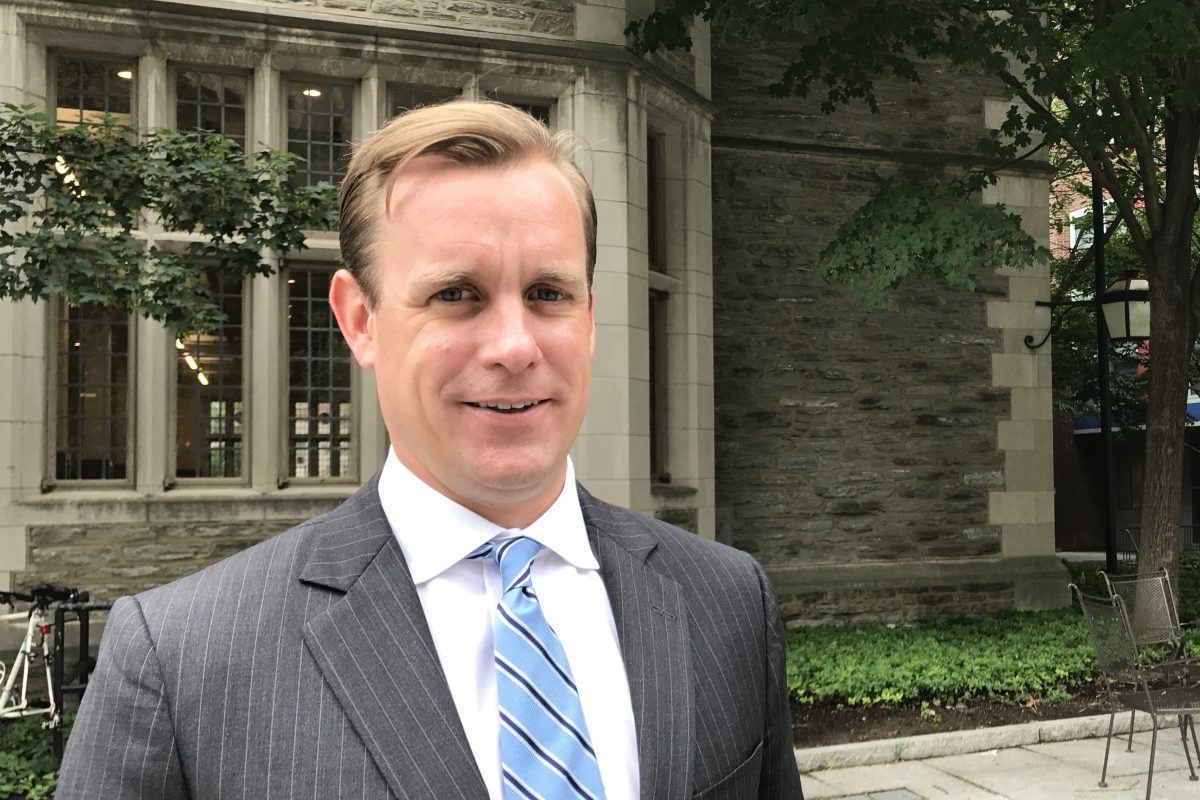
    Delaware County-based attorney, Wally Zimolong, has been filing lawsuits challenging Philadelphia’s programs to increase diversity, equity, and inclusion in hiring and schools.

    The attorneys are not targeting Philadelphia, according to Zimolong.

    “Philadelphia just so happens to habitually enact policies that violate the United States Constitution,” he said.

    Zimolong declined to comment on the current lawsuit, as did the city’s law department.

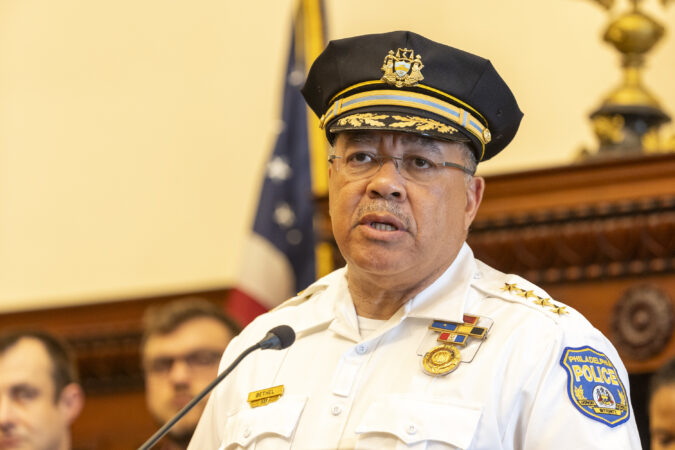
    The complaint names as defendants the city, the police department, Police Commissioner Kevin Bethel, Deputy Commissioner Krista Dahl-Campbell, and Philadelphia Chief Human Resources Officer Candi Jones. It asks a judge to order the promotion of the officers and declare that the city’s current hiring policies are unlawful because they consider race and gender.

    Passed over

    Police lieutenants Bloom, Berg, and Musumeci sought promotions in fall 2025. There were 10 available positions, and the trio ranked eighth, 11th, and 13th, respectively, on the “captain eligibility” list based on exam scores.

    After interviews, six candidates were passed over in favor of those with lower scores, according to the complaint. Five of those six were white males.

    The lawsuit alleges a similar pattern when the department decided not to promote sergeants Monachello and Ziegler.

    “Monachello and Ziegler were passed over for promotion in favor of lower-ranked female or minority candidates with lower scores on the civil-service examination,” the suit says.

    The Fraternal Order of Police Lodge 5 blasted the police department in a statement following the November promotions, saying the union filed grievances and was considering other actions against “unfair DEI practices in law enforcement.” The FOP also sent a letter asking the U.S. Department of Justice asking to review the promotion criteria, the suit says.

    The police department workforce is 50% white, 34% Black, 12% Hispanic, and 3% Asian, according to data from the city. Nearly 40% of new hires this fiscal year have been Black, compared with 33% white.

    In comparison, the city’s population is 44% white, 42% Black, 16% Hispanic, and 9% Asian, according to the Census Bureau.

    The department has faced racial discrimination lawsuits from employees, including regarding promotions. But usually the candidates allege they were passed over for a white candidate.

    For example, in October, an Asian officer sued after not getting promoted to captain, noting in the complaint that “no person of Asian descent has been promoted to the rank of Captain since 1976.”

    Leslie Marant, the department’s first DEI chief, was fired after less than two years and has filed a suit alleging she became a victim of the systemic sex discrimination she was tasked with fixing.

  • City will pay $2,000 toward Philly homicide victims’ funerals in new program

    City will pay $2,000 toward Philly homicide victims’ funerals in new program

    Families of people killed in Philadelphia will be eligible to receive up to $2,000 to help cover funeral costs under a new city program announced Wednesday.

    The initiative, called the Homicide Victim Funeral Assistance (HVFA) Program, will be available to families whose loved ones are killed on or after March 1, city officials said. The money will be paid directly to funeral service providers, with applications reviewed within 48 hours, they said.

    “Grief is not a bill you should have to carry alone,” said Adam Geer, the city’s chief public safety director, during a news conference unveiling the program.

    The program will be administered by the city’s Office of the Victim Advocate, a division of its Office of Public Safety created last year and led by Adara Combs.

    Combs said the initiative grew out of conversations with families who found themselves planning funerals while still in shock, and struggling financially.

    “This program is born out of listening,” she said.

    The average funeral costs $9,100 in Philadelphia, according to data collected by the Senior Rate Registry. When a loved one is murdered, that expense can arrive suddenly and without warning, Geer said.

    To qualify for aid, families must show their loved one was killed in the city and that their death was ruled a homicide, Combs said.

    The city’s program is meant to be a supplement to existing state aid. Families may also apply for up to $6,500 reimbursement through the state’s Victims Compensation Assistance Program, she said.

    The announcement comes as homicides in Philadelphia have fallen sharply in recent years. After peaking at 562 killings in 2021, the city recorded 255 murders last year — its lowest number in 60 years, according to police data. As of Tuesday, 15 people had been killed so far this year.

    Mayor Cherelle L. Parker said the program is a way for the city to move beyond platitudes.

    “I get so tired of telling people that … our thoughts and prayers are with you,” she said. “We’re sending thoughts and prayers, but they’re literally looking at funeral bills, and they’re trying to figure out, in the midst of this loss, how will we pay?”

    “I am proud that we have been able to come together and use government as a tool to help families in need,” she said.

    To receive additional information or apply after March 1, call 215-686-2115 or email OVAfuneralfund@phila.gov.

  • Philly school officials want to close Lankenau High and give it to the city. A 1970s legal agreement may snarl that deal.

    Philly school officials want to close Lankenau High and give it to the city. A 1970s legal agreement may snarl that deal.

    Could a 1973 legal agreement help save Lankenau High?

    The Schuylkill Center for Environmental Education hopes so.

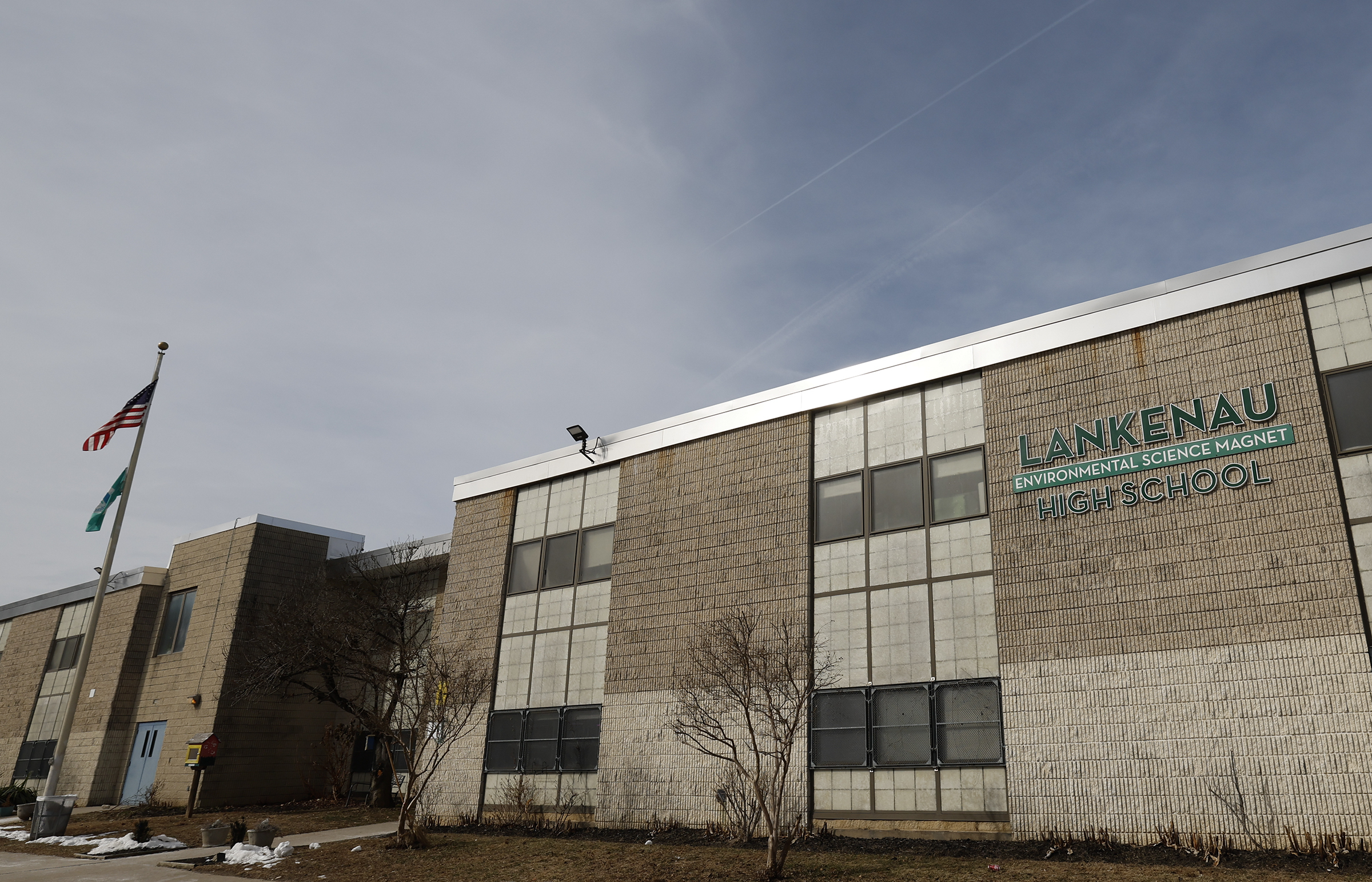
    The Philadelphia School District has proposed closing Lankenau, the city’s environmental science magnet school, and giving it to the city to help further Mayor Cherelle L. Parker’s affordable-housing goals, or for job creation.

    But the Schuylkill Center, Lankenau’s neighbor, believes it’s prohibited from doing so, and just notified Superintendent Tony B. Watlington Sr.

    The Schuylkill Center “holds a right to repurchase the property in the event that it is transferred or conveyed or used for any purpose other than school purposes, pursuant to a restriction in the October 4, 1973 deed by which [the Schuylkill Center] conveyed the property to the Lankenau School,” a lawyer for the environmental center wrote in a letter sent to the district Monday.

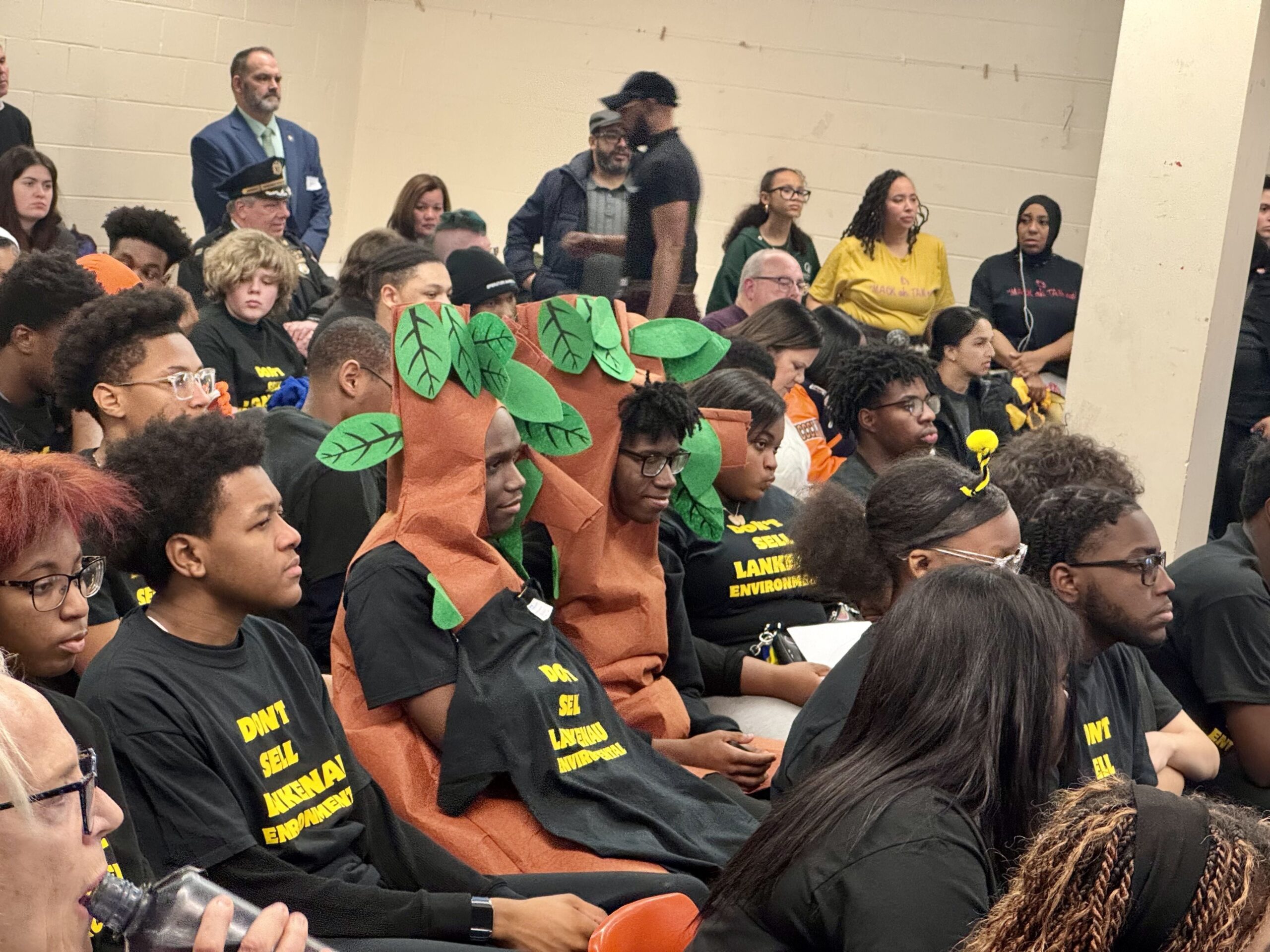
    Students, staff, and community members who support Lankenau High School – including some dressed as trees – packed a recent community meeting at the school about its proposed closure.

    If the district is “considering a sale of the property or using the property for any purposes other than continued use as a school, this letter serves as written notice of [the Schuylkill Center’s] right to repurchase,” lawyer Sean T. O’Neill wrote to Watlington, “The school district must provide [the Schuylkill Center] with reasonable advance notice of any potential conveyance or change in use and allow [the Schuylkill Center] the opportunity to exercise its right to repurchase.”

    The center, which touts itself as “one of the first urban environmental education centers in the country,” was founded in 1965. It has trails and a visitors’ center and runs educational programs and a wildlife clinic.

    District officials had no immediate comment.

    Lankenau’s history

    Lankenau sits amid 400 wooded acres adjacent to the Schuylkill Center. The 17-acre parcel Lankenau High now sits on was originally the site of the private Lankenau School for Girls; after that school closed, the Philadelphia School District purchased the land.

    What is now Lankenau High was first a program of Saul High and then Germantown High, but in 2005, it became a standalone school as part of then-CEO Paul Vallas’ small schools initiative.

    Since then, Lankenau has soared as a diverse, hands-on magnet with a 100% graduation rate in a location like no other.

    News that Lankenau landed on the district’s closure list infuriated students, parents, community members, and elected officials, who have mounted a robust campaign to fight plans to shut the school and relocate it as an honors program inside Roxborough High.

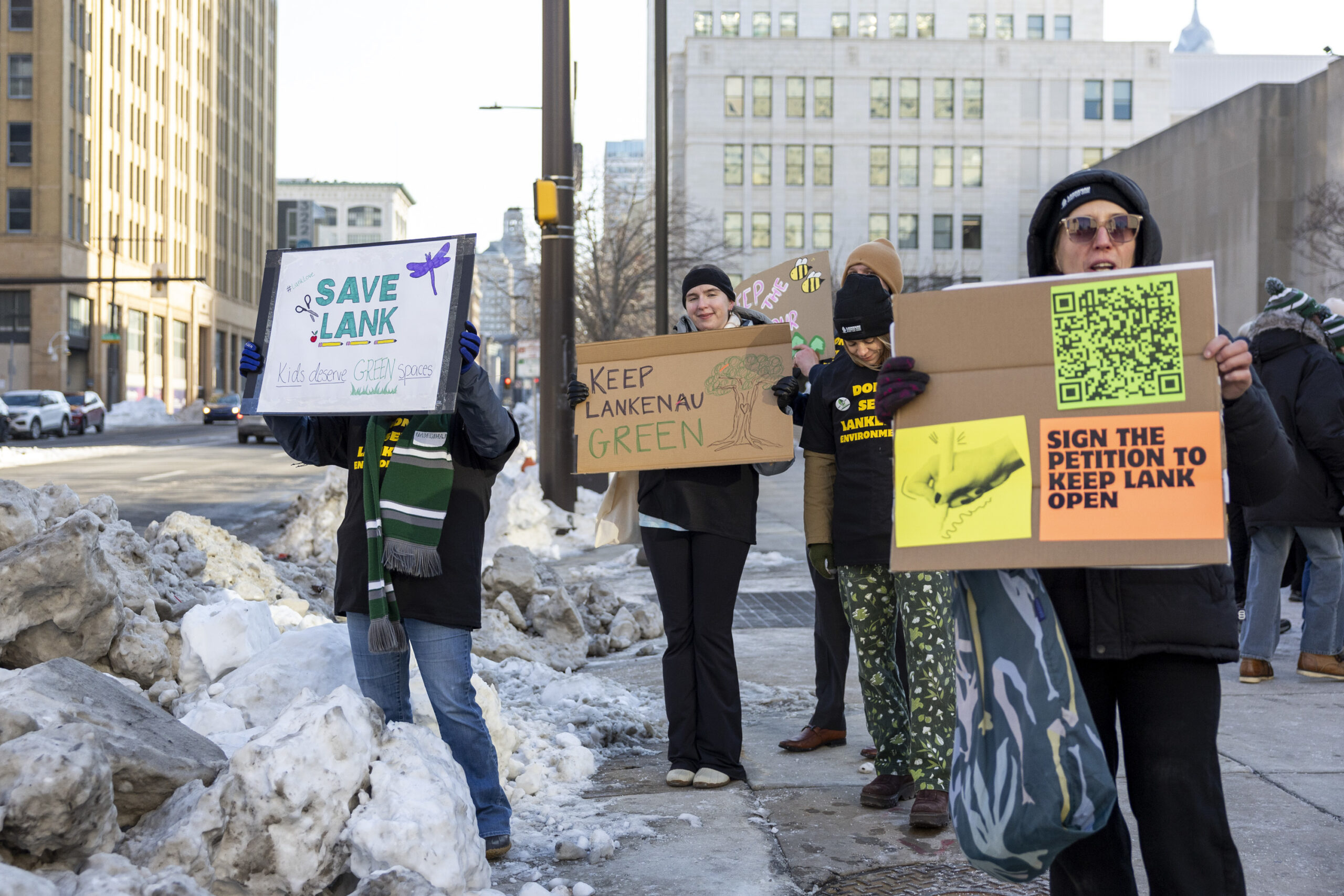
    Teachers, students, and community members from Lankenau High School rally outside a Philadelphia school board meeting in January.

    They’re particularly alarmed that Lankenau’s small size, used to justify its closing, came as enrollment shrank after the school system ordered changes to its special-admissions policy.

    The Schuylkill Center’s first priority is for Lankenau to remain as it is, said Erin Mooney, executive director of the 60-year-old organization, which now partners closely with Lankenau.

    “We are in opposition to Lankenau’s closing,” said Mooney, “but should something change with Lankenau, we want to ensure that the site continues to be used to teach people about nature.”

    Mooney, who has been public in the Schuylkill Center’s support for the school, discovered the language giving the Schuylkill Center right of first refusal if the property ever ceases being a school in the 1973 agreement.

    Watlington is scheduled to present his sweeping facilities plan — which as of January included 20 closures, six co-locations and 159 modernizations — at a school board meeting Thursday.

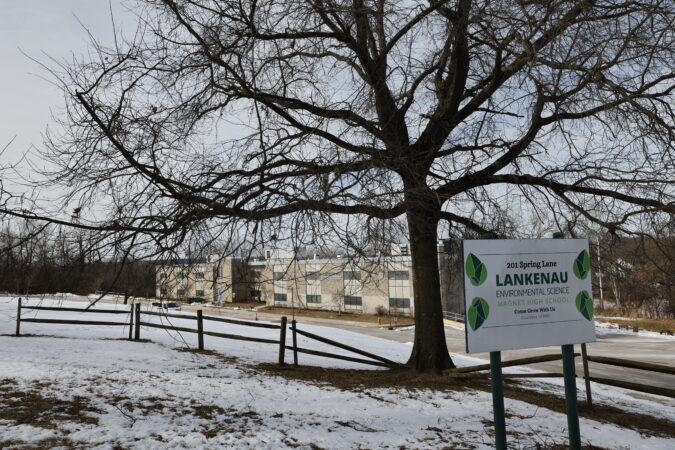
    The Lankenau Environmental Science Magnet High School in Roxborough on Saturday, January 24, 2026.

    But the superintendent has said what he presents to the board may include some tweaks to his initial recommendations.

    Mooney hopes the information the Schuylkill’s lawyers sent Monday helps Lankenau come off the closing list.

    “We want Lankenau to stay,” she said, “and I wanted the school board to have this information as part of its decision-making.”

    Watlington’s recommendations are just that; the school board has ultimate say. It has not given a date for the final vote on school closings, but said no vote will happen Thursday.

  • Philly got its biggest snow in 10 years. This time nature will help with the cleanup.

    Philly got its biggest snow in 10 years. This time nature will help with the cleanup.

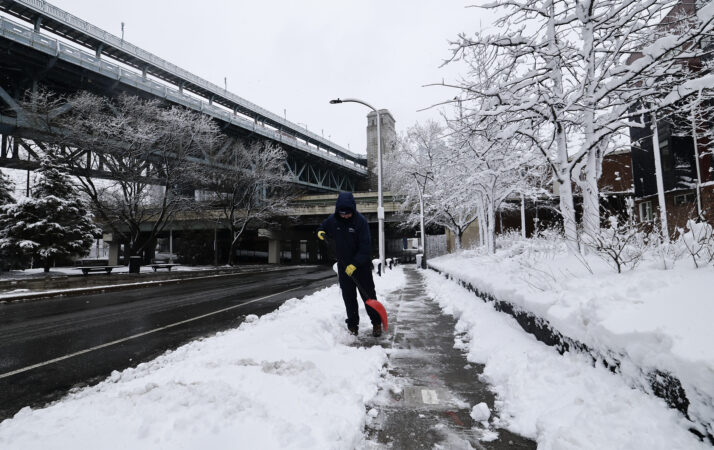
    If it wasn’t an actual blizzard, Philly’s biggest snowfall in a decade sure acted like one, and the weather the rest of this week isn’t expected to be particularly pleasant.

    But in terms of disruption — not to mention aesthetics — this was in a wholly different category from the Jan. 25 siege of snow and ice. And the aftermath should not be anywhere near as punitive and burdensome.

    Although the 14 inches measured officially at Philadelphia International Airport, dwarfed the 9.3 inches of snow and sleet that accumulated in last month’s storm, Zach Schwartz, 33, was among those who found the picturesque snow more palatable than the attack of ice balls and an Arctic freeze.

    “The last snowstorm was a tough time for everyone,” said Schwartz, who was at a Point Breeze playground helping a friend build an igloo for their kids, “and I think the city was kind of in shock a little bit.”

    The most recent storm, which left as much as 20 inches of snow in parts of South Jersey and southeastern Bucks County, did cause some issues.

    More than 130,000 households lost power at some point. Scores of trees came down as the snow, heavy and wet at the start, glommed onto branches that took beatings from the winds that gusted past 40 mph.

    The storms closed schools to the chagrin of hundreds of thousands of learning-eager children, and museums on Monday. It disrupted SEPTA services and airport operations.

    At least 87 trees across the city were downed as a result of the storm as of Monday afternoon, and the city was working to determine which ones to prioritize clearing first, Parks and Recreation commissioner Susan Slawson said.

    Mayor Cherelle L. Parker advised Philadelphians to avoid unnecessary travel as crews worked to clear the streets.

    Yet early fears that the snowfall would reach what the National Weather Service called “potentially historic” levels didn’t quite materialize, and it was not known if the storm had met “blizzard” criteria. Stopping short of “historic,” New Jersey Gov. Mikie Sherrill called it “a generational storm.”

    This one likely won’t have the staying power of last month’s storm

    While the volume of snow is formidable, road crews throughout the region now have a tremendous ally — the late-February sun.

    The city did adjust its response after the prior storm cleanup left many residents chock-full of complaints. Director of Clean and Green Initiatives Carlton Williams said Monday instead of one snow melter, the city secured three, with two already on the road Monday, despite the much shorter notice of the storm.

    But the big melter is in the sky.

    The amount of solar energy beaming toward Philadelphia is more than 35% stronger than it was on Jan. 25, according to NASA’s figures, and blacktop is great absorber of sunlight. Plus the region now is getting an hour more of daylight.

    Plus, instead of an Arctic freeze, it is forecast to be moderately cold this week, with highs in the low 30s Tuesday, and in the 40s Wednesday and Thursday.

    A weak clipper could produce an inch or less of snow early Wednesday, but, sorry kids, that won’t be another school-closer. More light rain or snow or a mix is possible Thursday.

    Computer models on Monday were seeing a potential for more snow early next week, but they may well sober up come Tuesday.

    After the Jan. 25 storm, Philly had 18 consecutive days of at least 3 inches on the ground officially at the airport, the longest stretch in 65 years. That streak won’t be challenged this time around.

    One other huge difference: Those 14 inches didn’t include a speck of ice, which, as we learned, is amazingly melt-resistant.

    Why snow totals varied tremendously

    The nor’easter that generated the snow did qualify as a “bomb cyclone,” said Tom Kines, senior meteorologist with AccuWeather Inc. The technical criteria aside, a bomb cyclone is particularly powerful storm.

    In fact, the storm’s intensity, based on a measure of its central pressure, was equal to that of a Category 1 hurricane, he added.

    Fortunately, the Shore escaped major flooding, but the winds circulating around the storm’s center over the ocean hurled back snow far inland.

    window.addEventListener(“message”,function(a){if(void 0!==a.data[“datawrapper-height”]){var e=document.querySelectorAll(“iframe”);for(var t in a.data[“datawrapper-height”])for(var r,i=0;r=e[i];i++)if(r.contentWindow===a.source){var d=a.data[“datawrapper-height”][t]+”px”;r.style.height=d}}});

    South Jersey locations received the most, along with areas in southeastern Bucks County. However, totals backed off precipitously to the west.

    “There was a really tight gradient,” said Amanda Lee, a weather service meteorologist in Mount Holly. All areas in Philly’s neighboring Pennsylvania counties did report at least several inches of snow.

    Within that broad east-west divide, however, amounts varied considerably from place to place, due in part to “banding,” in which narrow corridors of snow, caused by rapidly rising air, migrate from place depositing rapidly accumulating snow to areas underneath.

    Conversely, areas on either side of the band are snow-deprived.

    As to whether this qualified as Philadelphia’s first blizzard in 33 years, that is a verdict deferred.

    By the National Oceanic and Atmospheric Administration’s decree, a blizzard requires “frequent winds of 35 mph or higher with considerable falling and/or blowing snow that frequently reduces visibility to 1/4 of a mile or less. These conditions are expected to prevail for a minimum of 3 hours.”

    That’s a lot to ask for a snowstorm, and it is going to take considerable forensic work of poring through observations to determine whether those conditions were met in Philadelphia or elsewhere in the region, said Nick Guzzo, a weather service meteorologist in Mount Holly.

    Another big difference between this and the January storm

    Whatever else it is called, this was the most spectacularly beautiful snowfall of the season, thanks to the snow’s remarkable adhesive power.

    On the morning of Jan. 26 the trees were bare, as though they wanted no part of the snow and ice-ball assault.

    On Monday this time around, snow enchanted the branches and uncannily worked its way into architectural details.

    Cape May Mayor Zack Mullock said his town, famous for its Victorian buildings, “looks beautiful” covered in the foot of snow that had fallen.

    Said Mullock, “It looks like a snow globe.”

    Staff writers Ximena Conde, Kristen A. Graham, Michelle Myers, Amy S. Rosenberg, Henry Savage, and Nick Vadala contributed to this article.

  • Yes, the slavery exhibits have been returned to the President’s House — but I’m still waiting for the other shoe to drop

    Yes, the slavery exhibits have been returned to the President’s House — but I’m still waiting for the other shoe to drop

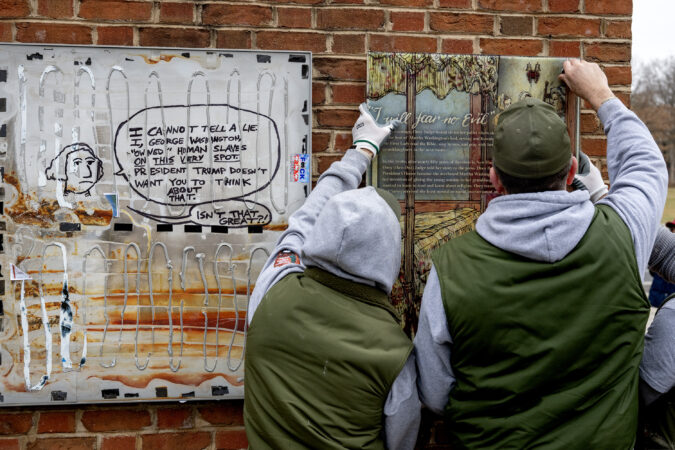
    Late Thursday morning, when the National Park Service began restoring the panels commemorating nine people enslaved by George Washington at the President’s House at Sixth and Market, it should’ve been a time of jubilation.

    Instead, it left many activists waiting for the other shoe to drop.

    The National Park Service, which removed the panels from the site in late January to comply with an executive order by President Donald Trump, was successfully sued by Mayor Cherelle L. Parker’s administration. U.S. District Judge Cynthia Rufe ordered the NPS to restore the display, but the agency appealed.

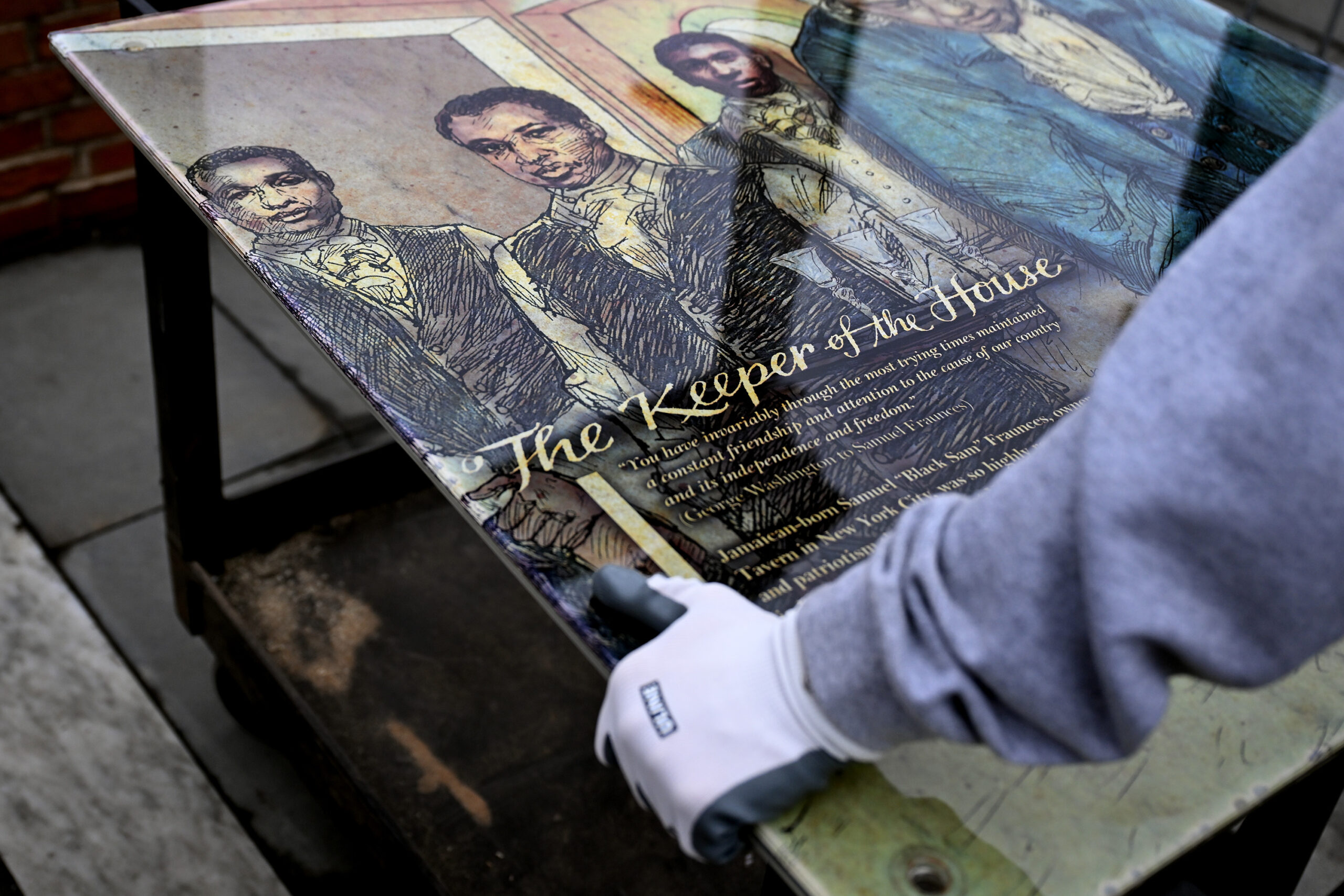
    A worker carries one of the slavery-related exhibits, “The Keeper of the House,” before rehanging it at the President’s House in Independence National Historical Park on Thursday.

    So yes, the federal government complied with the judge’s order, but only for the moment.

    Friday morning, Judge Rufe denied the government’s motion for an emergency stay of the order, but the Trump administration’s appeal is ongoing, thus continuing the fight to remove the panels for good.

    It was yet another dramatic turn in a month in which I’ve lived the joys and pains of Black history.

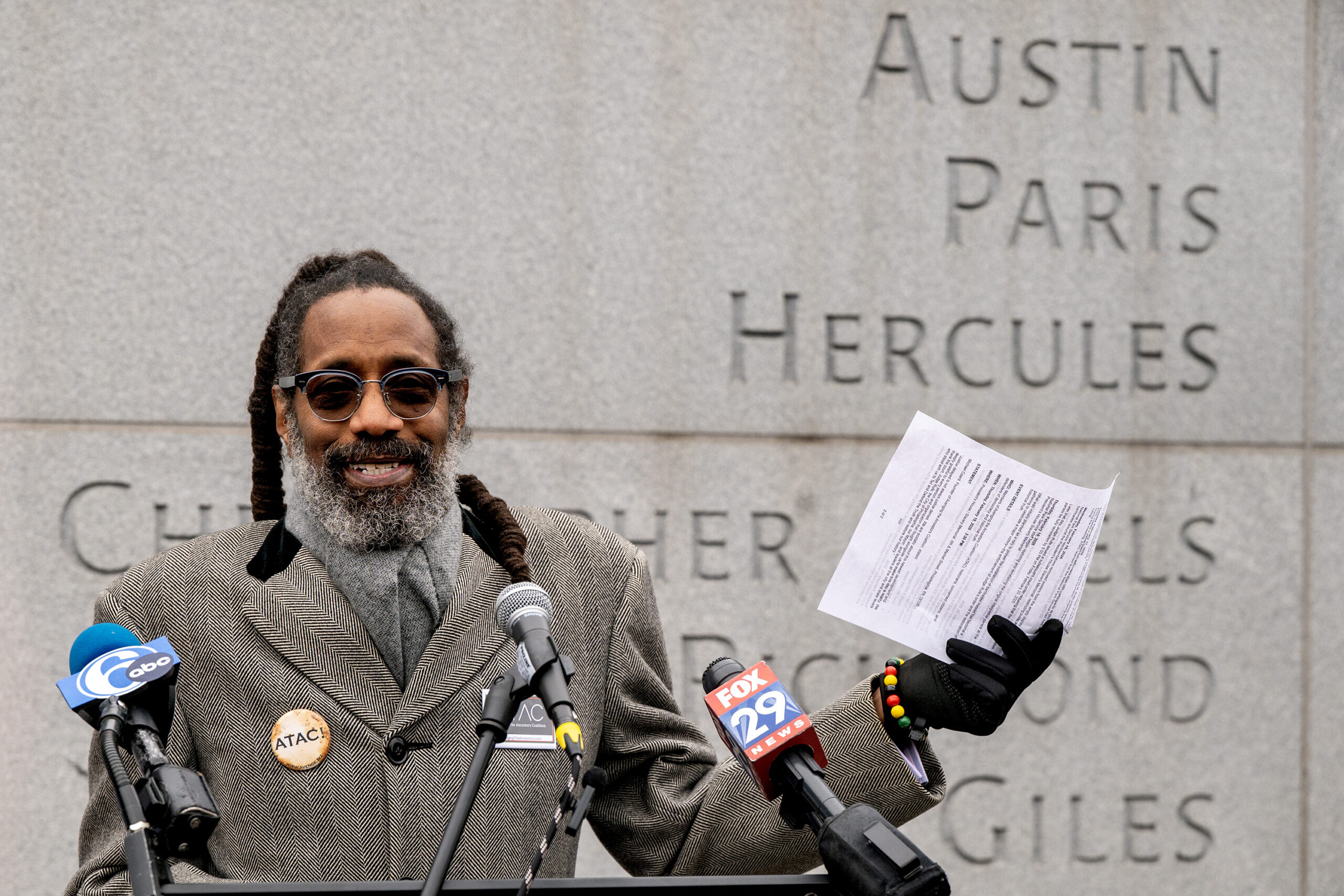
    I was there when Judge Rufe took lawyers into the National Constitution Center to inspect the materials the Trump administration pried from the walls with crowbars. I spoke at a rally where the Avenging the Ancestors Coalition (ATAC) demanded the restoration of the slavery memorial. I listened as ATAC founder Michael Coard announced that Judge Rufe had ordered the panels to be restored.

    Like so many in Philadelphia, I have watched the fight for the President’s House unite people of all stripes. I’ve experienced the emotional victories and defeats.

    Attorney Michael Coard, leader of the Avenging the Ancestors Coalition, speaks during a rally at the President’s House in Independence National Historical Park on Thursday, after the return of some of the slavery exhibits the National Park Service removed last month. The names of nine enslaved people who lived and worked in the household of George Washington, engraved in stone behind him, were not among those removed by the NPS.

    But even with the restoration of the panels, we are all left teetering on the razor-thin edge that separates celebration from grief, and elation from rage. We cannot stay there. We must continue to fight for the truth.

    In Philadelphia, a city that frequently hosted civil rights leader Jesse Jackson, who died this week after a life spent fighting for justice, we fight.

    Here, in the place where the story of enslavement lived side by side with the struggle for freedom, we fight.

    Here, in a place where a new generation of combatants joins a centuries-old battle for the truth, we fight.

    More rallies will come, and in the shadow of Independence Hall, where wealthy white men declared their own freedom while withholding liberty from my ancestors, a new American Revolution will take shape from the same war of ideas Jackson fought. It will be based on the rhetoric of America’s founders.

    If indeed all men are created equal, our history should be equally told. That idea cannot be contained by metal barriers. We’ll see if it can be enforced in the courts.

    Still, truth is not about legalities or displays.

    The truth of slavery in Philadelphia exists in the names of our neighborhoods, our streets, and even our schools. It exists in the very fabric of who we are.

    The neighborhood of Logan is named for James Logan, who served as secretary to William Penn. He also enslaved people.

    Chew Avenue is named for the Chew family, who lived in an estate called Cliveden, which is also the name of a street. The Chews enslaved people at Cliveden.

    Mayor Cherelle L. Parker visits the President’s House as workers return the slavery exhibits at the site on Thursday. Parker thanked them, and one replied, “It’s our honor.”

    Front and Market, home to the London Coffee House, once hosted a market of a different kind. People were sold there. It was a key element of the business of slavery.

    Girard Avenue is named for Stephen Girard. He was a very rich man with a very complicated legacy, and yes, he was also an enslaver.

    Perhaps that’s why I was so angry when I went to the President’s House in the days after the Trump administration pried truth from the walls.

    It was almost like someone had taken something that belonged to me, and in truth, they did. They took my history, but as I stood in that barren space on a cold afternoon, it was as if my ancestors were all around me — like the great cloud of witnesses from Scripture — telling me all they had endured.

    Perhaps the Trump administration will ultimately achieve its goal and remove the panels from the site. Or maybe the truth will prevail.

    But our fight is about more than the nine people Washington enslaved. This is about all of us, and it will take all of us to win.

  • What Mayor Cherelle Parker’s administration told the DOJ about Philly’s ‘sanctuary’ policies in a letter the city tried to keep secret

    What Mayor Cherelle Parker’s administration told the DOJ about Philly’s ‘sanctuary’ policies in a letter the city tried to keep secret

    Mayor Cherelle L. Parker’s administration last August told the U.S. Department of Justice that Philadelphia remains a “welcoming city” for immigrants and that it had no plans to change the policies the Trump administration has said make it a “sanctuary city,” according to a letter obtained by The Inquirer through an open-records request.

    “To be clear, the City of Philadelphia is firmly committed to supporting our immigrant communities and remaining a welcoming city,” City Solicitor Renee Garcia wrote in the Aug. 25, 2025, letter. “At the same time, the City does not maintain any policies or practices that violate federal immigration laws or obstruct federal immigration enforcement.”

    Garcia sent the letter last summer in response to a demand from U.S. Attorney General Pam Bondi that Philadelphia end its so-called sanctuary city policies, which prohibit the city from assisting some federal immigration tactics. Bondi sent similar requests to other jurisdictions that President Donald Trump’s administration contends illegally obstruct immigration enforcement, threatening to withhold federal funds and potentially charge local officials with crimes.

    Although some other cities quickly publicized their responses to Bondi, Parker’s administration fought to keep Garcia’s letter secret for months and initially denied a records request submitted by The Inquirer under Pennsylvania’s Right-To-Know Law.

    The city released the letter this week after The Inquirer appealed to the Pennsylvania Office of Open Records, which ruled that the Parker administration’s grounds for withholding it were invalid.

    The letter largely mirrors Parker’s public talking points about immigration policy, raising questions about why her administration sought to keep it confidential.

    But the administration’s opaque handling of the letter keeps with the approach Parker has taken to immigration issues since Trump returned to office 13 months ago. Parker has vowed not to change immigrant-friendly policies enacted by past mayors, while avoiding confrontation with the federal government in a strategy aimed at keeping Philadelphia out of the president’s crosshairs as he pursues a nationwide deportation campaign.

    Although U.S. Immigration and Customs Enforcement officers operate in the city, Philadelphia has not seen a surge in federal agents like the ones Trump sent to Minneapolis and other jurisdictions.

    A spokesperson for the Justice Department did not respond to a request for comment.

    Immigrant advocates have called on Parker to take a more aggressive stand against Trump, and City Council may soon force the conversation. Councilmembers Rue Landau and Kendra Brooks have proposed a package of bills aimed at further constricting ICE operations in the city, including a proposal to ban law enforcement officers from wearing masks. The bills will likely advance this spring.

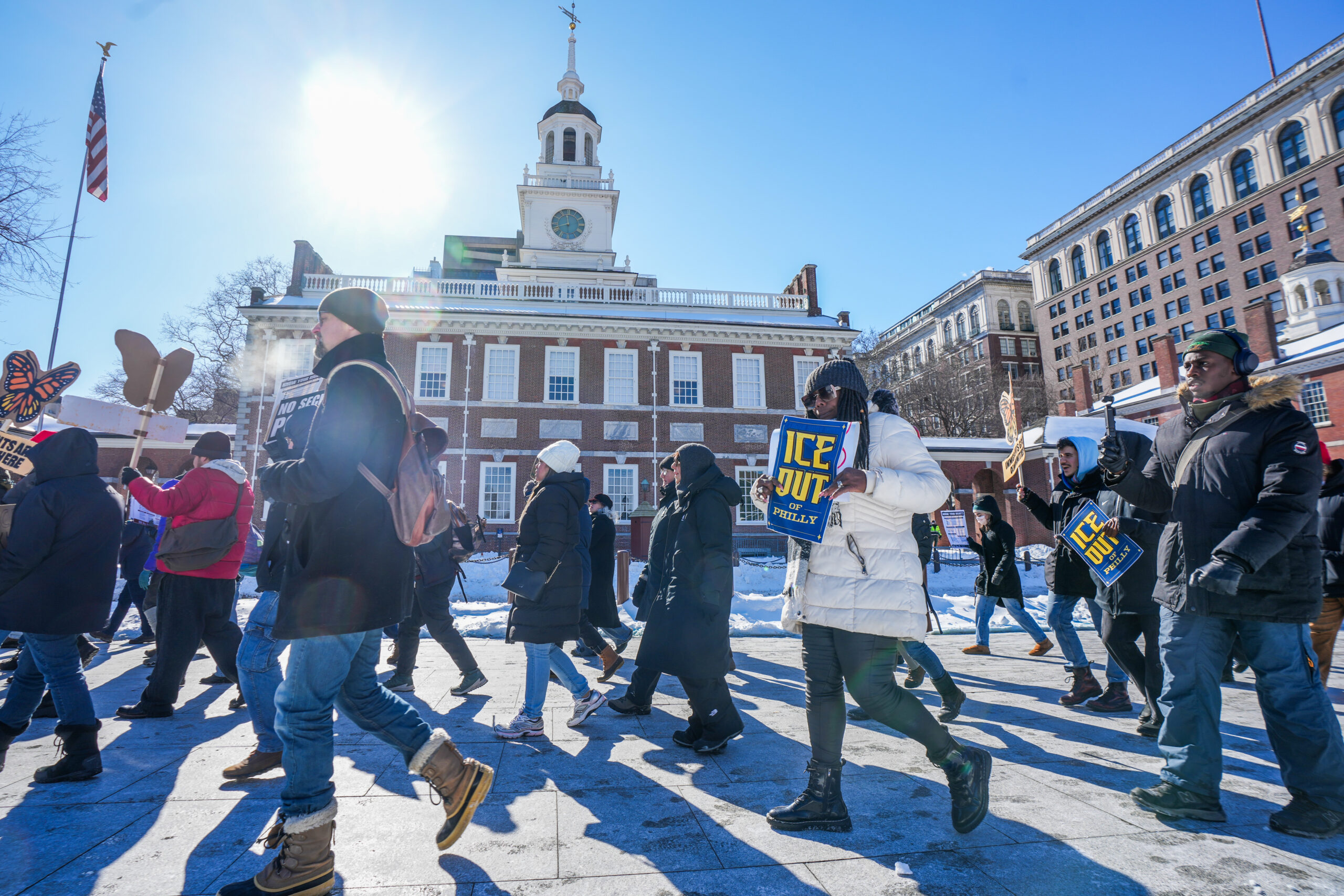
    Advocates and protesters call for ICE to get out of Philadelphia in Center City on January 27, 2026.

    Parker’s delicate handling of immigration issues stands in contrast to her aggressive response to the Trump administration’s removal last month of exhibits related to slavery at the President’s House Site on Independence Mall.

    The city sued to have the panels restored almost immediately after they were taken down. After a federal judge sided with the Parker administration, National Park Service employees on Thursday restored the panels to the exhibit in a notable win for the mayor.

    ‘Sanctuary’ vs. ‘welcoming’

    Bondi’s letter, which was addressed to Parker, demanded the city produce a plan to eliminate its “sanctuary” policies or face consequences, including the potential loss of federal funds.

    “Individuals operating under the color of law, using their official position to obstruct federal immigration enforcement efforts and facilitating or inducing illegal immigration may be subject to criminal charges,” Bondi wrote in the letter, which is dated Aug. 13. “You are hereby notified that your jurisdiction has been identified as one that engages in sanctuary policies and practices that thwart federal immigration enforcement to the detriment of the interests of the United States. This ends now.”

    “Sanctuary city” is not a legal term, but Philadelphia’s policies are in line with how the phrase is typically used to describe jurisdictions that decline to assist ICE.

    Immigrant advocates have in recent years shifted to using the label “welcoming city,” in part because calling any place a “sanctuary” is misleading when ICE can still operate throughout the country. The newer term is also useful for local officials hoping to evade Trump’s wrath, as it allows them to avoid the politically hazardous “sanctuary city” label.

    Philly’s most notable immigration policy is a 2016 executive order signed by then-Mayor Jim Kenney that prohibits city jails from honoring ICE detainer requests, in which ICE agents ask local prisons to extend inmates’ time behind bars to facilitate their transfer into federal custody. The city also prohibits its police officers from inquiring about immigration status when it is not necessary to enforce local law.

    Renee Garcia, Philadelphia City Solicitor speaks before City Council on Jan 22, 2025.

    Garcia wrote in the August letter that Kenney’s order “was not designed to obstruct federal immigration laws, but rather to clarify the respective roles of the Police Department and the Department of Prisons in their interactions with the Department of Homeland Security when immigrants are in City custody.” The city, she wrote, honors ICE requests when they are accompanied by judicial warrants.

    Immigration enforcement is a federal responsibility, and — in a case centered on Kenney’s order — the Philadelphia-based U.S. Court of Appeals for the Third Circuit ruled in 2019 that cities do not have to assist ICE.

    The court, Garcia wrote, “held that the federal government could not coerce Philadelphia into performing immigration tasks under threat of federal repercussions, including the loss of federal funds.”

    City loses fight over records

    In Pennsylvania, all government records are considered public unless they are specifically exempted from disclosure under the Right-To-Know Law. In justifying its attempt to prevent the city’s response to the Trump administration from becoming public, the Parker administration cited two exemptions that had little to do with the circumstances surrounding Garcia’s letter.

    First, the administration argued that the letter was protected by the work product doctrine, which prevents attorneys’ legal work and conclusions from being shared with opposing parties. Given that the letter had already been sent to the federal government — the city’s opponent in any potential litigation — the doctrine “has been effectively waived,” Magdalene C. Zeppos-Brown, deputy chief counsel in the Pennsylvania Office of Open Records, wrote in her decision in favor of The Inquirer.

    “Despite the [city’s] argument, the Bondi Letter clearly establishes that the Department of Justice is a potential adversary in anticipated litigation,” Zeppos-Brown wrote.

    Second, the city argued that the records were exempted from disclosure under the Right-To-Know Law because they were related to a noncriminal investigation. The law, however, prevents disclosure of records related to Pennsylvania government agencies’ own investigations — not of records related to a federal investigation that happen to be in the possession of a local agency.

    “Notably, the [city] acknowledges that the investigation at issue was conducted by the DOJ, a federal agency, rather than the [city] itself,” Zeppos-Brown wrote. “Since the DOJ is a federal agency, the noncriminal investigation exemption would not apply.”

    Garcia’s office declined to appeal the decision, which would have required the city to file a petition in Common Pleas Court.

    “As we stated, the City of Philadelphia is firmly committed to supporting our immigrant communities as a Welcoming City,” Garcia said in a statement Wednesday after the court instructed the city to release the letter. “At the same time, we have a long-standing collaborative relationship with federal, state, and local partners to protect the health and safety of Philadelphia, and we remain [in] compliance with federal immigration laws.”

    Staff writers Anna Orso and Jeff Gammage contributed to this article.

  • A three-year ban on puppy breeding in Philly is likely to become law | City Council roundup

    A three-year ban on puppy breeding in Philly is likely to become law | City Council roundup

    A three-year ban on puppy breeding in Philadelphia is likely to become law after City Council members on Thursday passed a bill to relieve overcrowded animal shelters.

    Lawmakers unanimously approved legislation to institute a three-year moratorium on puppy breeding in the city, a ban that applies to all breeders except those that have a state kennel license or are breeding service dogs.

    The bill now heads to Mayor Cherelle L. Parker’s desk. If she signs the bill and it becomes law, the moratorium will take effect 90 days later.

    Also on Thursday, a Council member amended his legislation that would allow lawmakers to keep their jobs while running for another office — but there are exceptions.

    Here’s what happened during Thursday’s meeting.

    What was today’s highlight?

    Tightening the leash on backyard breeders: The bill was authored by Councilmember Cindy Bass, a Democrat who represents parts of North and Northwest Philadelphia.

    Bass was sick and absent from Council on Thursday, but she has previously said that her bill is aimed at limiting people from breeding more puppies than they can sell.

    “Every litter means more dogs in our shelter, more cost for taxpayers, and more suffering that we can prevent,” Bass said last year. “This isn’t about punishment; it’s about compassion and responsibility.”

    Under the bill, it would be illegal to sell puppies or post ads to sell them within city limits. Breeders who violate the moratorium could face a $1,000 fine, with the proceeds going to the city’s Animal Care and Control Team, also known as ACCT Philly. The animal control agency would also enforce the ban.

    Sammi Craven, a local animal welfare advocate, testified Thursday about overcrowding at ACCT Philly’s North Philadelphia shelter. She named the dogs that were recently euthanized or are scheduled to be put down: Stella, Cheese Burrito, Luna, and Muffin, among others.

    “Philadelphia’s current animal welfare policy is ineffective,” Craven said, “and infrastructure and prevention have not kept pace with intake.”

    In this 2022 file photo, Brian Martin, 31, and Vanessa Green, 29, look at their new dog they plan to adopt while Green holds Autumn, 1, at ACCT Philly, which was hosting a pet adoption event.

    Critics of the moratorium say it will be challenging to enforce and could harm smaller, responsible breeders as opposed to those already operating illegally.

    Charley Hall, a government relations official with the American Kennel Club, called on Council to hold the bill and establish a working group to draft new regulations.

    “Working together, we can stop the flow of irresponsible breeders and improve animal welfare and fewer dogs ending up in Philadelphia’s shelters,” Hall said. “The question is how to achieve that goal in a way that is effective, fair, and legally sound.”

    What else happened today?

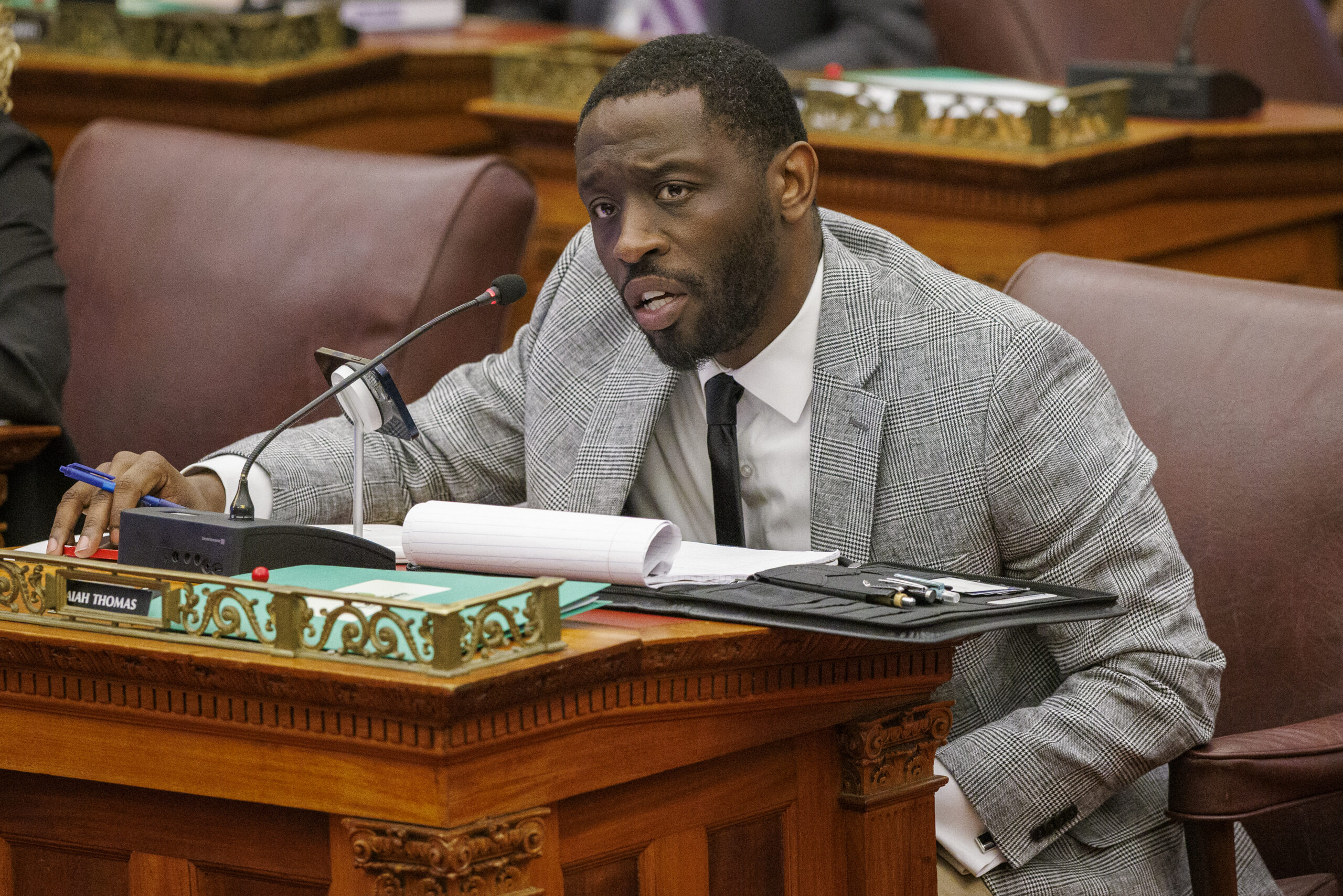
    Resign to run gets amended: City Councilmember Isaiah Thomas has been trying for more than a year to pass legislation amending a rule that requires city employees quit their jobs to run for higher office.

    He’s attempting to amend the rule so that city officeholders can keep their jobs only if they are running for a state or federal office. That means Council members running for mayor would still have to give up their seats.

    Councilmember Isaiah Thomas makes a statement at the start of a hearing last week.

    But Thomas has run into roadblocks, including opposition from the city’s Board of Ethics, which asked him to make changes to the legislation in December, just before it appeared poised to pass.

    On Thursday, he introduced an amendment that made a series of tweaks, including clarifying that sitting city officeholders may only run for one public office in any election.

    Jordana Greenwald, general counsel for the city’s Board of Ethics, testified that the board still has concerns and requested more amendments, including prohibiting certain forms of politicking in the workplace.

    She also said the legislation should clarify that the mayor can’t run for another office while serving as the city’s chief executive, a rule that is already enumerated elsewhere in the city charter.

    However, making additional amendments could require Thomas re the legislation entirely. He said he would prefer for the bill to be called up for a final vote next week.

    Amending the resign-to-run rule requires changing the city’s Home Rule Charter, meaning voters would have to approve it through a ballot question. Voters have rejected earlier attempts to repeal resign-to-run.

    Codifying the youth watchdog: Council members also approved legislation to make the city’s Office of the Youth Ombudsperson permanent.

    The office was created through an executive order signed by former Mayor Jim Kenney and is responsible for monitoring child welfare, juvenile justice, and behavioral health residential placement facilities in the city.

    Making the office permanent also requires an amending the charter. A ballot question is likely to appear in the May primary election.

    Quote of the week

    Councilmember Jim Harrity in Council Chambers in September 2025.

    That was Councilmember Jim Harrity, an Irish Catholic who in a speech Thursday honored the sacrifices made during the Muslim holy month of Ramadan.

  • State Rep. Chris Rabb isn’t running for reelection to Harrisburg as he goes ‘all in’ for Congress

    State Rep. Chris Rabb isn’t running for reelection to Harrisburg as he goes ‘all in’ for Congress

    State Rep. Chris Rabb announced Thursday he will not seek reelection to Harrisburg this year while he runs for a seat in Congress.

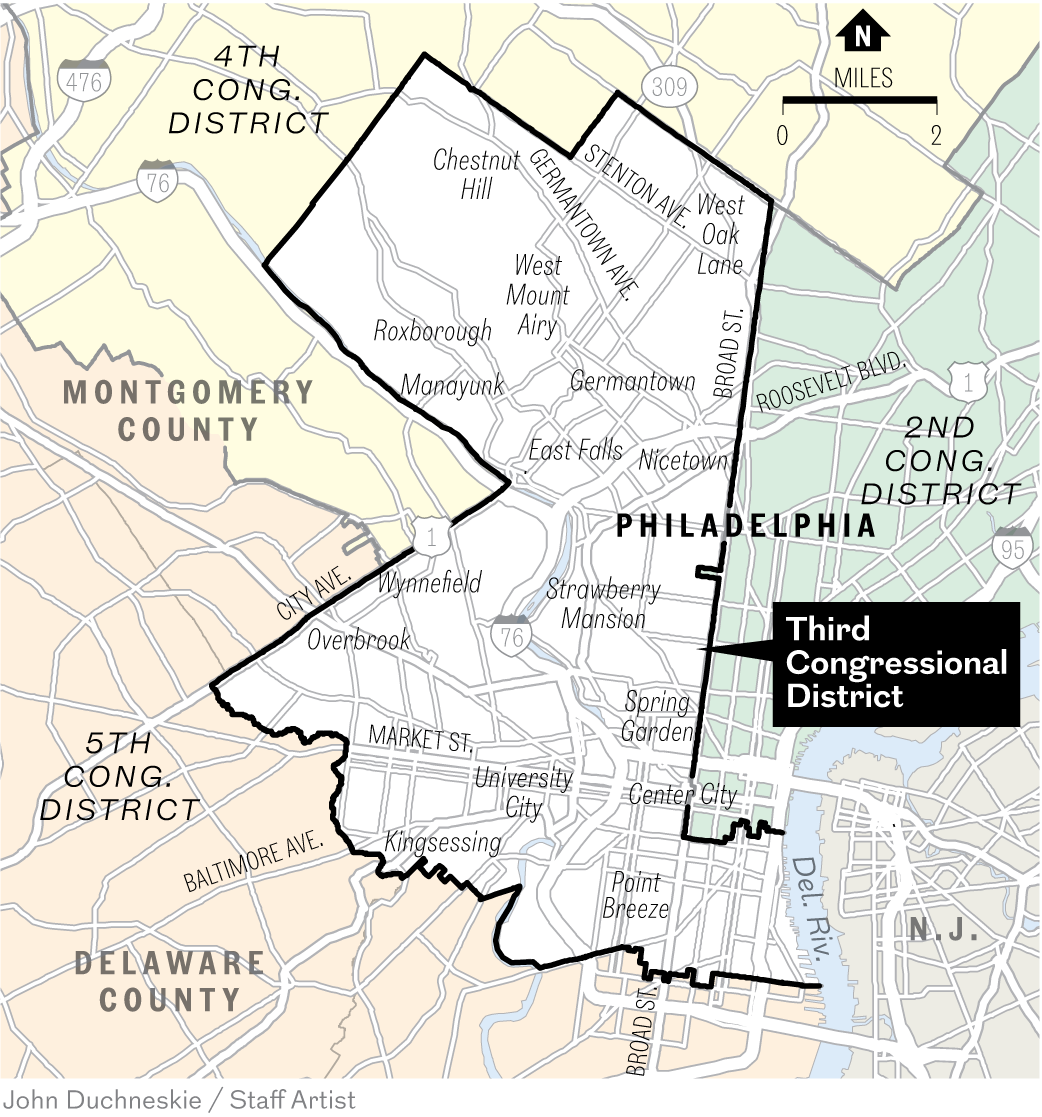
    State lawmakers are allowed to simultaneously run for two offices. But Rabb, a Democrat, said he is fully committed to his campaign for Pennsylvania’s 3rd Congressional District, which covers roughly half of Philadelphia and is, by some measures, the most Democratic district in the nation.

    “I’m so inspired and overwhelmed by the tremendous outpouring of support we are seeing all across the city, and today I want to send a message loud and clear: I am all in on this race for Congress,” Rabb said in a statement.

    Rabb served five terms in the Pennsylvania House’s 200th District in Northwest Philadelphia, a seat once held by Mayor Cherelle L. Parker. A progressive who often operates as a political lone wolf, Rabb has frequently clashed with the city’s Democratic establishment, especially Parker and her allies in the Northwest Coalition political organization.

    In his first election, Rabb in 2016 defeated Tonyelle Cook-Artis, Parker’s close friend who now serves as an aide in the mayor’s office. Two years later, he bested Melissa Scott, who is now the Parker administration’s chief information officer. In 2022, redistricting forced Rabb to run against fellow incumbent State Rep. Isabella Fitzgerald, and he won again.

    Two other state lawmakers from Philadelphia are running in the crowded Democratic primary for the 3rd Congressional District, which is being vacated by retiring U.S. Rep. Dwight Evans (D., Philadelphia).

    Map of Pennsylvania’s Third Congressional District.

    State Sen. Sharif Street, of North Philadelphia, is not up for reelection this year, meaning he will keep his seat in Harrisburg if he loses the congressional race without having to run two campaigns. Street last year resigned as chair of the Pennsylvania Democratic Party after facing questions about whether his congressional campaign would conflict with his party leadership role.

    State Rep. Morgan Cephas, who chairs the Philadelphia delegation in the state House and represents a West Philadelphia district, is up for reelection this year. Her campaign on Thursday said she intends to simultaneously run for another term while vying for the congressional seat.

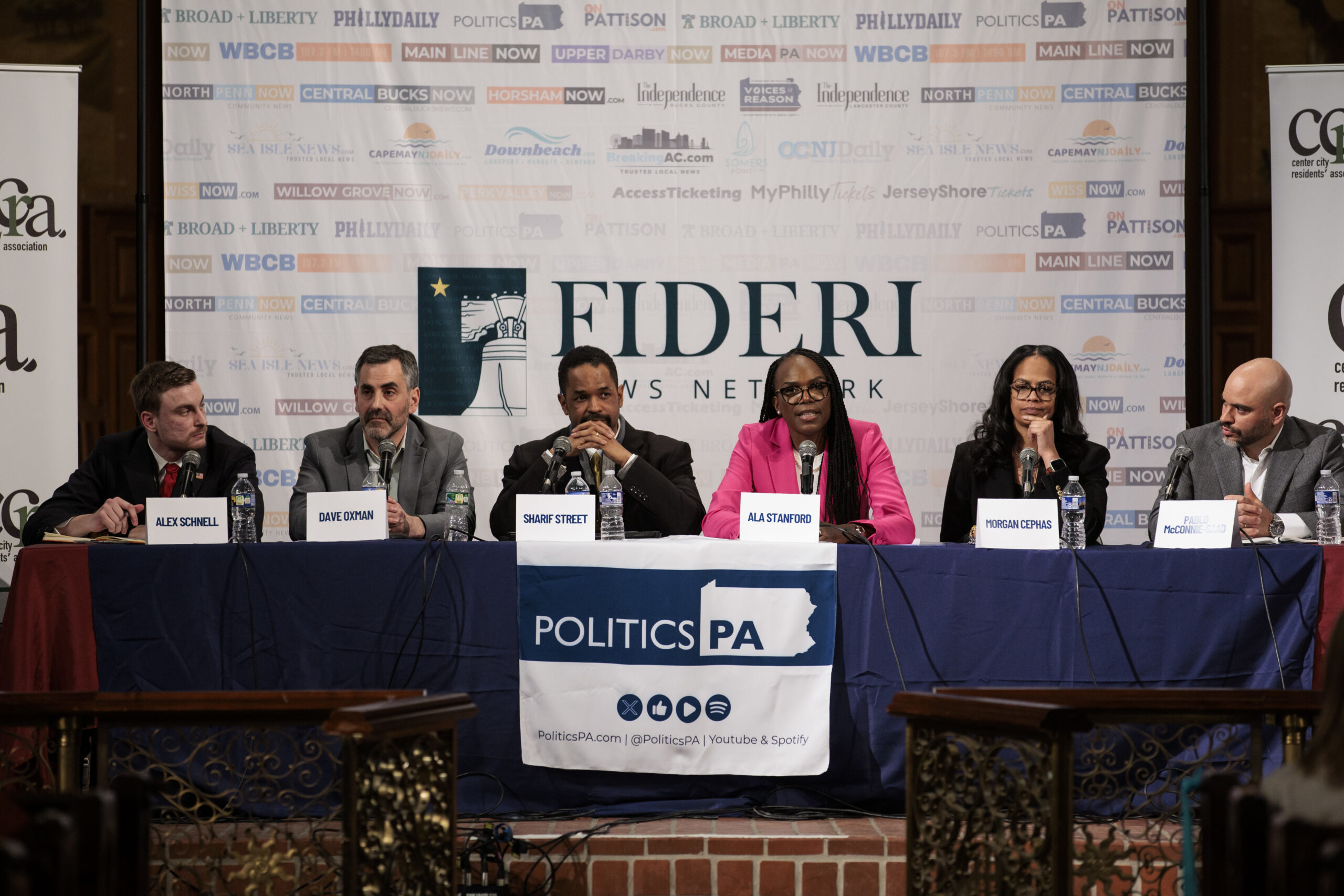
    (left to right) Alex Schnell, physician Dave Oxman, State Sen. Sharif Street, physician Ala Stanford, State Rep. Morgan Cephas, and Pablo McConnie-Saad appear during a candidate forum for the 3rd Congressional District seat at Church of the Holy Trinity on Monday, Feb. 9, 2026 in Philadelphia. The seat vacancy comes from Rep. Dwight Evans’ retirement.

    It is common for state legislators to run two simultaneous campaigns while seeking federal office. Their reelection bids often require little effort, as incumbents rarely face serious challenges. (Rabb’s career as an anti-establishment legislator in the backyard of one of Philadelphia’s most powerful political factions, however, has made him an outlier in that regard.)

    Rabb’s decision to fully commit to the congressional race follows the revelation last week that he let go of his campaign treasurer, Yolanda Brown, and reported her to federal authorities after she made “unauthorized withdrawals” from his campaign bank account.

    He declined to say how much money went missing. In his most recent campaign finance report, Rabb reported raising $127,000 in the last three months of 2025 and entering the year with $99,000 in cash on hand, which at the time represented the fifth-largest reserve among the 3rd District hopefuls.

    Rabb’s decision not to run for reelection means the Northwest Coalition now has its best opportunity in a decade to recapture the 200th District state House seat. Northwest Philadelphia’s liberal voter base, however, also opens the door for another progressive to follow in Rabb’s footsteps.

    “It has been the honor of a lifetime to serve Philadelphia families across the 200th House District for the past 10 years and I look forward to seeing the great candidates who will run,” Rabb said. “In the coming weeks, I’m committed to working with my fellow progressive leaders and advocates across this district to ensure that this seat continues to be held by a true champion for Philadelphia’s working families.”

    Anyone hoping to succeed Rabb in Harrisburg will have to act quickly. Candidates must submit petitions to appear on the ballot. The window to gather signatures opened this week and closes March 10.

    Rabb said Wednesday that his congressional campaign collected the required 1,000 signatures in just 12 hours, which he said makes him the first candidate in Pennsylvania to submit qualifying petitions and shows that his campaign “continues to build strong grassroots support across Philadelphia.”

  • Philly launches real-time public air quality monitoring network

    Philly launches real-time public air quality monitoring network

    Philadelphia residents can now consult a new online dashboard to gauge outdoor air quality before heading out to a park, going for a run, or cycling through the city.

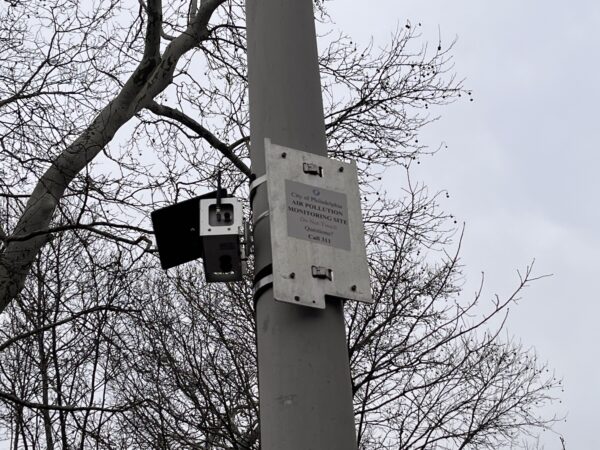
    The city unveiled a real-time air quality network that collects data from solar-powered sensors at 76 strategic locations, blanketing every neighborhood. The system can warn residents when pollution spikes — for instance, if a junkyard fire sends particulate levels surging.

    “Starting now, every resident in Philadelphia will be able to see, almost in real time, the air quality in their own neighborhood,” said Philadelphia Mayor Cherelle L. Parker.

    What does the system measure?

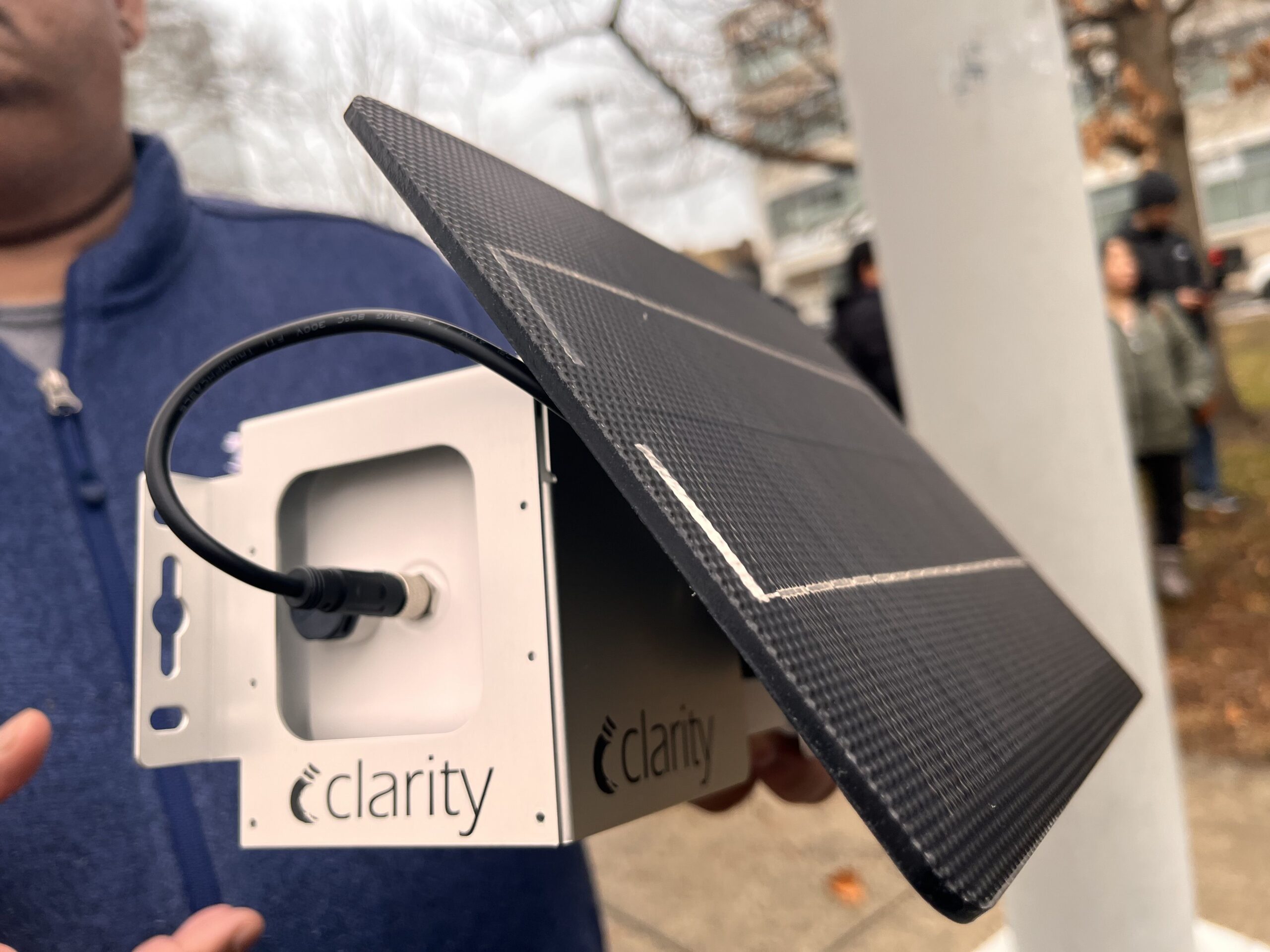
    The weatherproof sensors, bolted to utility poles at 1.5-mile intervals, track two primary pollutants:

    • Fine particulate matter (PM2.5), tiny particles that can penetrate deep into the lungs and cause respiratory issues.
    • Nitrogen dioxide (NO2), a component of ozone.

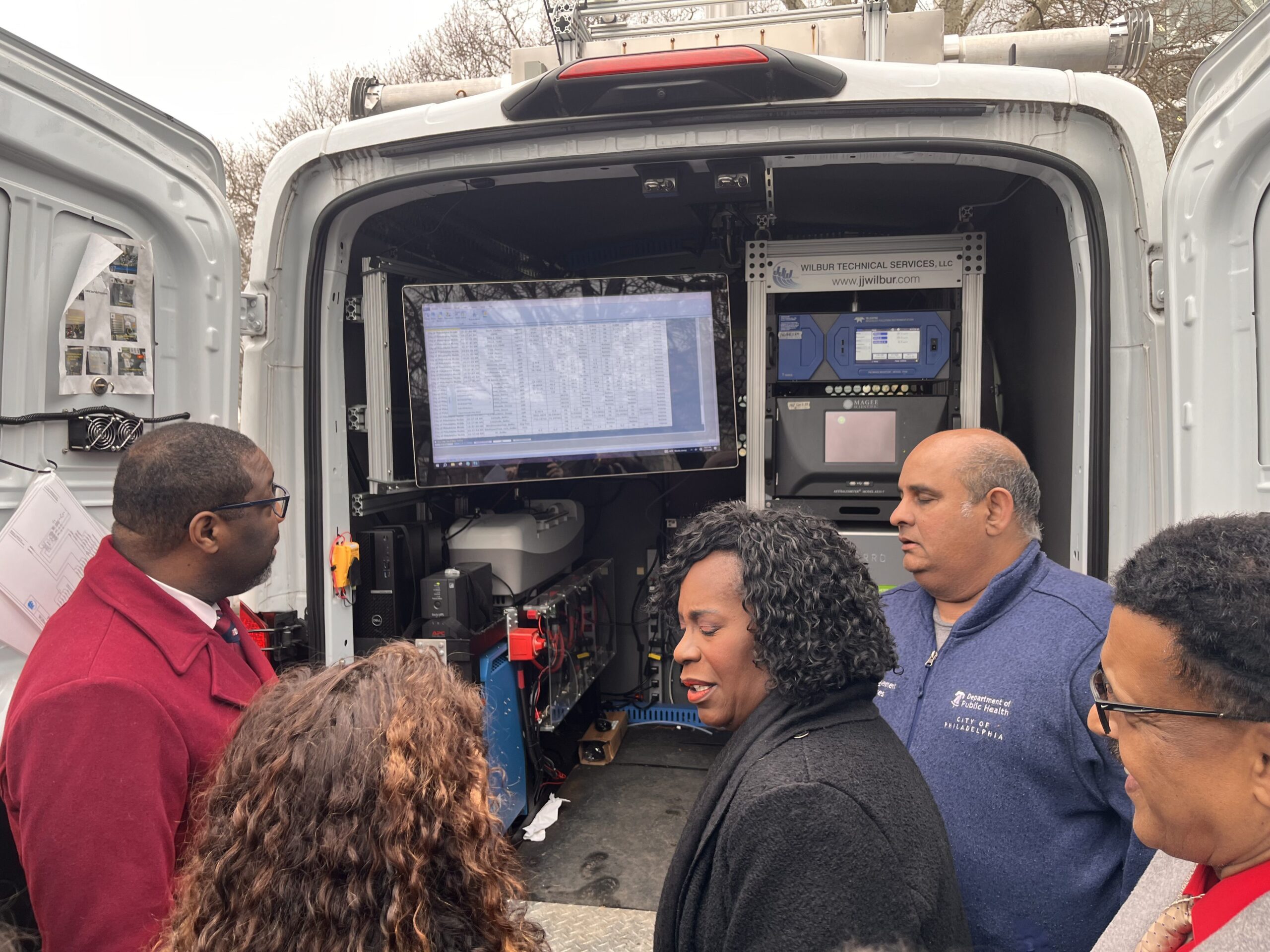
    Parker, along with City Council members and officials from the Philadelphia Department of Public Health’s Air Management Services (AMS), introduced the Breathe Philly initiative Wednesday at Stinger Square Park in Grays Ferry.

    The monitoring system, manufactured by Clarity Movement Co., will cost the city $90,000 annually. It is currently funded through the nonprofit Philadelphia City Fund.

    The new network operates independently from the city’s existing 10‑sensor system that supplies data to the U.S. Environmental Protection Agency.

    Parker said it represents a significant step toward environmental justice, especially in neighborhoods that previously lacked adequate monitoring. Some of the sensors will begin monitoring for ground-level ozone as soon as spring.

    Ozone is a potent pollutant formed from chemical reactions between vehicle, power plant, and industrial emissions in the presence of sunlight.

    “You can check it on your phone, your tablet, your computer,” she said. “You can access up-to-date information about the air that you and your family are breathing right where you live.”

    Paresh Mehta (right), an engineer with Philadelphia’s Air Management Services, explains to City Council President Kenyatta Johnson (left) and Mayor Cherelle L. Parker how air quality data is collected.

    ‘We knew right away’

    Palak Raval-Nelson, the city’s health commissioner, said the new air monitoring network has been in the works for years. The project is overseen by the health department’s AMS.

    “It’s amazing to finally see that it’s here,” she said.

    The system detected the air quality as poor during a fire last week, Raval-Nelson said.

    “The monitor went off, and we knew right away that we needed to communicate information,” Raval-Nelson said.

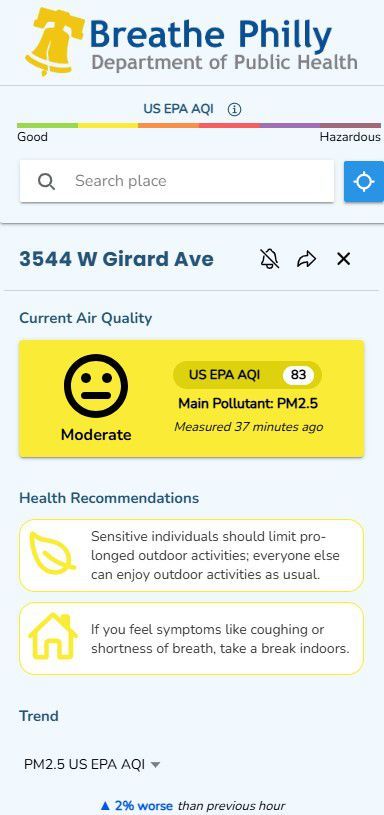
    The monitor displays colored circles and squares indicating the air quality at each monitor. Colors range from green, the best, to purple and mauve, the worst.

    A sample of the Breathe Philly online dashboard that gives residents real-time data on air pollution from 76 sensors placed around the city.

    The sensors detect levels of particulate matter, which are tiny particles in the air that can cause health risks. PM2.5 is the result of the burning of fossil fuels, such as by vehicles or power plants. They sensors also measure NO2, a gas also emitted by burning fossil fuels.

    Both chemicals can cause respiratory issues.

    “It is a concrete step to help keep all of us and our loved ones safe,” Raval-Nelson said of the new sensor system.

    Council President Kenyatta Johnson, who grew up in Point Breeze, said the system will help provide real-time information in the event of a disaster, such as the PES Refinery explosion and fire in 2019.

    And it will help those with breathing issues like asthma decide whether it is safe to go outside for extended periods.

    One of 76 solar-powered sensors made by Clarity Movement Co. for a new network of real time air quality data available for Philadelphia residents.

    A new layer of safety

    Alex Bomstein, executive director of the nonprofit advocacy group Clean Air Council, said the network adds a new layer of safety for city residents.

    “You can’t go very far in the city without encountering a monitor, which is wonderful, because that means that everybody in the city is being protected,” Bomstein said.

    He fears pollution will worsen in the future as the administration of President Donald Trump continues to roll back environmental rules and regulations, such as those governing vehicle tailpipe emissions.

    Sean Wihera, a vice president with Clarity Movement Co., said the company was founded in 2014 as a start-up at the University of California, Berkley. Similar systems have been installed in Los Angeles and Chicago, he said.

    The company owns the sensors and is responsible for them if they break or are stolen. The sensors are upgraded after three years for the latest technology. Wihera said it is possible that Philly’s system could monitor for benzene in the future.

    “We’ve been working now in 85 different countries, hundreds of cities,” Wihera said. “But this is one of the most successful integrations that we’ve seen.”