Tag: Eds & Meds

  • Penn’s medical school received an $8 million gift to redesign the way it trains doctors

    Penn’s medical school received an $8 million gift to redesign the way it trains doctors

    The University of Pennsylvania has received an $8 million gift to redesign how it trains doctors at the Perelman School of Medicine, Penn officials announced Thursday.

    Incorporating technology, AI, and data to create customized learning pathways for Penn medical students is an overarching goal. The effort comes at a time when increasingly easy access to medical information and changes in care delivery are leading medical schools nationwide to revamp their curricula.

    The gift to Penn is from New York-based RTW Foundation, a philanthropy associated with the life sciences investment firm founded by Perelman School graduate and Penn Medicine board member Rod Wong. Penn said the gift from Wong, and his wife, Marti Speranza Wong, is the largest single donation to support curriculum innovation at the medical school, which dates back to 1765.

    At a news conference announcing his donation Thursday, Wong recalled his time at the medical school right after its last major overhaul of the curriculum in 1998. One update under Penn’s “Curriculum 2000” revamp was recording and making lectures available online — a relatively innovative move at the time (YouTube wouldn’t be created for another several years).

    “Technology has changed, and obviously we’re at this same inflection point because of AI and data science,” said Wong, who is managing partner and chief investment officer at RTW Investments LP.

    Penn alumnus Rod Wong (center) sits with dean of Perelman School of Medicine Jonathan A. Epstein (left) after signing the gift agreement.

    The vast majority of the $8 million gift will go toward hiring data scientists and engineers, supporting faculty, and building and acquiring the platforms needed to deliver the new curriculum.

    Technology will be incorporated into new training techniques, such as by using augmented or virtual reality to assist in learning anatomy, developing knowledge needed to diagnose illnesses and develop treatment plans, and mastering clinical skills such as IV placement and suturing.

    For example, students can practice taking a person’s medical history or doing a physical exam on a virtual patient, while an AI agent is there to give feedback in real time.

    “It’s really adaptive to the individual learner, but you do it at your own pace, on your own time,” said Lisa Bellini, executive vice dean of the medical school and a leader on the project.

    The redesign will take place over the next three years as school leaders consult with stakeholders and work on building the platform.

    Some of Wong’s gift will be used to create a biannual endowed lecture in business and entrepreneurship that will bring leaders in medicine and healthcare innovation to campus. The gift will also establish the Roderick Wong Entrepreneurship Pathway, which will provide mentorship, workshops, and project-based learning to students with business interests.

    “We really need to incorporate the fundamentals of how best to use technology responsibly within the practice of medicine and create something incredibly enduring, because you’re not going to go through this exercise every three years,” Bellini said.

    The Perelman School of Medicine is embarking on its curriculum revamp at a time when medical education is evolving at many schools.

    Some medical schools have concentrated the traditional two years spent learning science into one year to give students more time to learn how to interact with patients and collaborate with other medical professionals.

    A three-year medical school option is offered at institutions such as the Pennsylvania State University College of Medicine to speed doctors into the clinic and reduce students’ debt loads.

    Jennifer Kogan, vice dean for undergraduate medical education at the Perelman School of Medicine, is a leader in the curriculum revamp.

    Faster, flexible learning

    Like most medical schools, Perelman has a standard curriculum where students take foundational science courses for a stretch of time and then transition to the hospital to gain clinical experience.

    This can lead to some students repeating courses that they already mastered in college.

    “If you were a biochemistry major as an undergrad, do you really have to take biochemistry again?” said Jennifer Kogan, vice dean of undergraduate medical education and a leader on the redesign project. “How could you better use that time to achieve whatever your career goals are?”

    Leaders at Penn want to give students the flexibility to adjust their timelines based on their skill sets and goals.

    Instead of setting a fixed time for how long a class or rotation will take, a student who masters a skill more quickly should be able to move on and devote their time to other interests, such as research or entrepreneurship.

    Many students at Penn pursue dual degrees or research fellowships that end up adding a fifth year of medical school. Penn leaders hope adding flexibility to the curriculum could enable students to instead finish in four years or “maybe even three,” Kogan said. (The possibility of a three-year path is not yet guaranteed but will be explored.)

    “It will be better set up to support students like me who have had to use significant federal loans to finance their way through medical school and might have benefited from the condensed training timeline,” said Alex Nisbet, a fourth-year medical student at Perelman who spoke at the signing event.
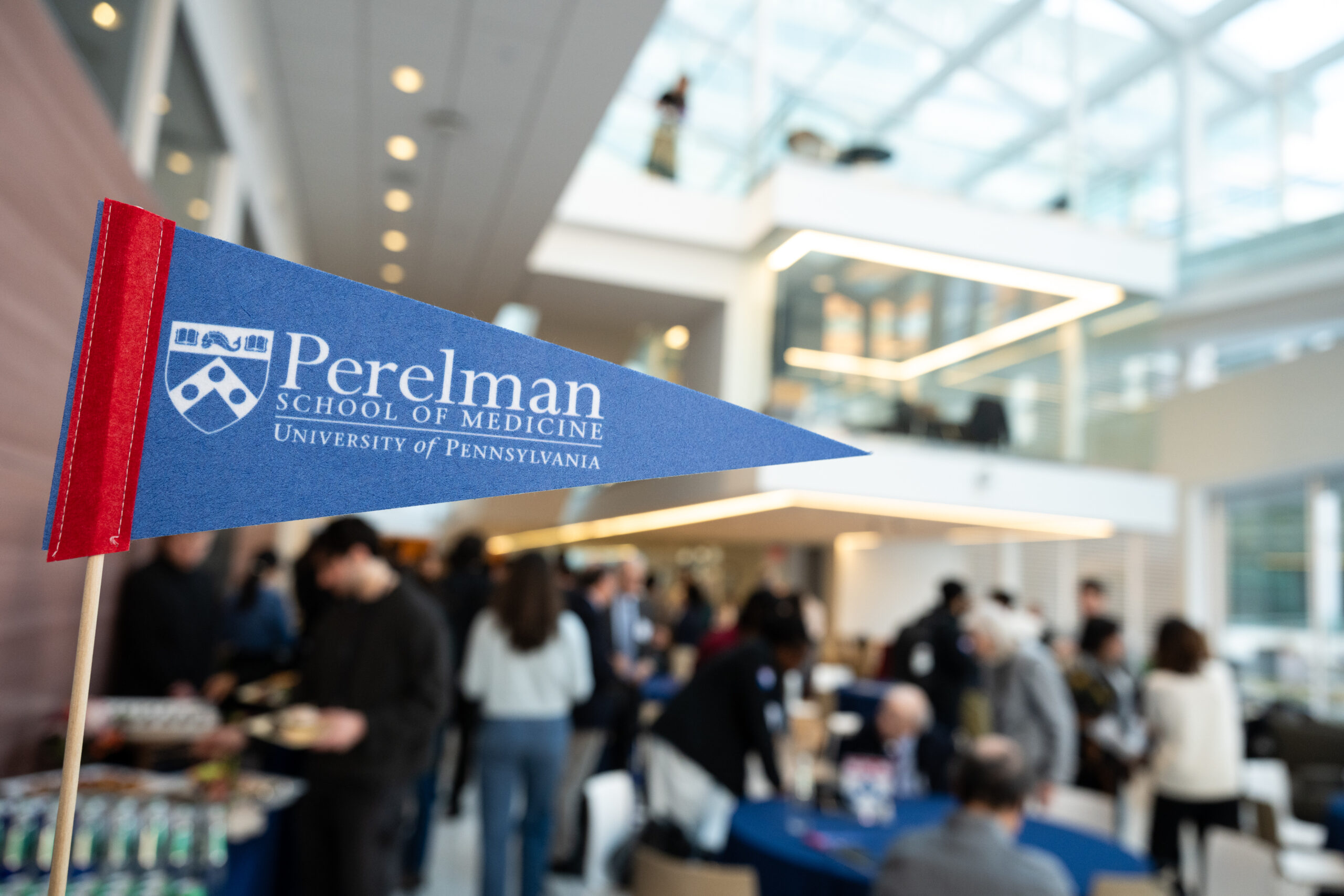
    An attendee holds a pennant flag representing the Perelman School of Medicine.

    The school will leverage data and AI to assess how individual students are progressing in what they’re calling a “precision education model.”

    Though parts of the program will be piloted over the next three years, the first class to see the full implementation of the curriculum will be in the fall of 2029.
  • The new owner of Crozer-Chester Medical Center wants to restore hospital and emergency services

    The new owner of Crozer-Chester Medical Center wants to restore hospital and emergency services

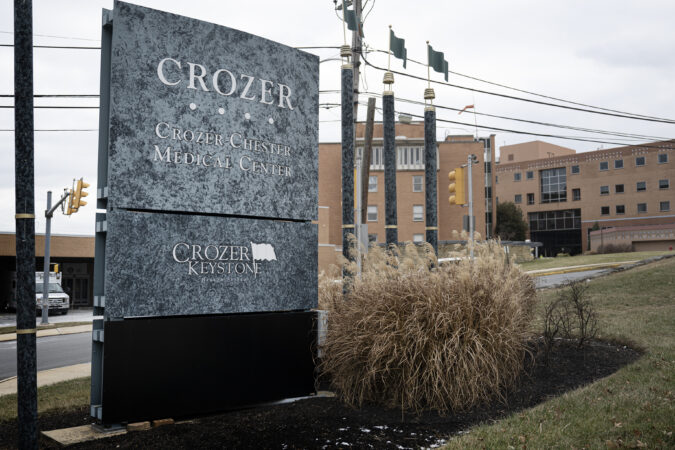
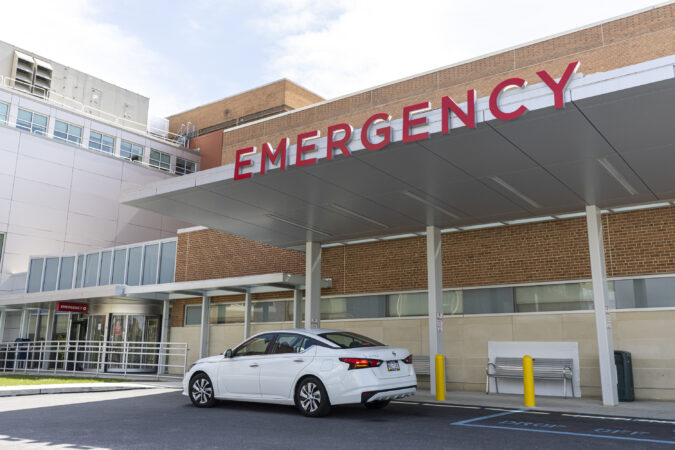
    The new owner of the defunct Crozer-Chester Medical Center wants to restore hospital and emergency services to the 64-acre campus that straddles Chester and Upland Township in Delaware County.

    Newly formed Chariot Equities completed the $10 million purchase Wednesday. The for-profit entity said it expected within six months to have an agreement with a health system that would operate a “right-sized” hospital and emergency department at the facility that had been the county’s largest provider of those services before closing last year.

    The idea is then to open the first phase within two years, Chariot said in a statement.

    Chariot did not say how much it would spend on refurbishing Crozer-Chester, which had suffered from years of neglect under its two previous owners.

    Chariot’s partner at Crozer-Chester is Allaire Health Services, a Jackson, N.J.-based for-profit operator of nursing homes.

    The partners said they are in talks with regional and national nonprofit health systems regarding an operating partnership, but provided no details. The amount of money needed for the project would likely depend on what prospective tenants would want to do at the property.

    “Our belief in Delaware County’s future, and the community’s need for sustainable healthcare access, made this an effort worth committing to well before the finish line,” said Yoel Polack, Chariot’s founder and principal.

    Little is known about the new owners. Polack worked in healthcare real estate in the New York City area before setting his sights on redeveloping Crozer-Chester.

    Federal records list Allaire’s CEO Benjamin Kurland as an owner of 20 nursing homes, including three in the Philadelphia area. Chariot’s statement said Allaire owns a total of 29 facilities in five states.

    Philadelphia-area facilities associated with Kurland are the Center For Rehab & Nursing Washington Township, which was acquired from Jefferson Health; Riverview Estates Rehab & Senior Living Center in Riverton; and West Park Rehabilitation & Nursing Center in West Philadelphia.

    Local interest?

    Main Line Health has been involved in discussions about reopening emergency services at three former Crozer hospitals — Crozer-Chester Medical Center, Springfield Hospital, and Taylor Hospital — at the request of state lawmakers and the property owners, Ed Jimenez, CEO of Main Line Health, said Wednesday at a Riddle Hospital event.

    Jimenez said he would “entertain the concept” of restoring emergency services at one of the hospitals as part of a partnership with other health systems, but only if it can be done on a break-even basis.

    All three of the former hospital buildings visited by Main Line officials are in poor condition and were stripped of medical equipment after the closures. Main Line’s experts estimated it would cost between $15 million and $20 million just to make the emergency department at Taylor functional, Jimenez said.

    ChristianaCare, Delaware’s largest health system, considered acquiring Crozer in 2022. Instead, it took a different path to expansion in Southeastern Pennsylvania. It is planning to open two micro-hospitals in Delaware County. The nonprofit system also took over five former Crozer outpatient locations. Its credit rating was recently downgraded by one notch because of lower profitability.

    The importance of Crozer-Chester

    Crozer-Chester closed in early May during the bankruptcy of owner Prospect Medical Holdings Inc., a for-profit company based in California, and after the failure of government-supported efforts to form a new nonprofit owner for Crozer-Chester and other Crozer Health facilities.

    Crozer-Chester was particularly important as a safety-net provider for a low-income area of Delaware County that has few other nearby options. The Crozer system, which had four hospitals, was the county’s largest health system and largest employer for many years.

    Two local Democratic officials, State Rep. Leanne Krueger and Delaware County Council member Monica Taylor, said they were encouraged by the approach being taken by Chariot and Allaire.

    At Taylor Hospital, the other Crozer hospital that closed last year, new owners are also looking for healthcare tenants. Local investors bought the Ridley Park facility for $1 million. It is less than four miles from Crozer-Chester.

    The same group agreed last week to pay $1 million for Springfield Hospital, another facility that had previously shut down under Prospect ownership.

  • Riddle Hospital receives $4M in state funding to expand healthcare access in Delaware County

    Riddle Hospital receives $4M in state funding to expand healthcare access in Delaware County

    Two Delaware County hospitals are getting $6 million in additional funding to help them address a sharp increase in patients after Crozer Health, the county’s largest hospital and busiest emergency department, closed last year.

    About $5 million of the funding had previously been allocated to Crozer Health under a program that supports hospitals that care for a high portion of low-income patients with Medicaid. About $3 million of that money was redistributed to Riddle Hospital in Media; Mercy Fitzgerald Hospital in Darby $2 million. Local lawmakers secured an additional $1 million for Riddle.

    “They really have stepped up to fill a big void, and we want to make sure they have the resources they need,” said Rep. Lisa Borowski, a Delaware County Democrat.

    The additional funding will allow Riddle, part of the nonprofit Main Line Health system, to hire more staff, said Ed Jimenez, Main Line Health’s CEO.

    When there aren’t enough nurses or other clinicians to cover the hospital’s needs, Riddle has had to turn to staffing agencies, which charge three to four times the rate Main Line pays staff providers, he said.

    Main Line executives and local lawmakers marked the funding announcement at Riddle Wednesday with a check presentation ceremony and roundtable discussion about ongoing regional healthcare challenges.

    Rep. Gina Curry, a Delaware County Democrat, urged hospital executives to continue trying to connect with patients who may be without doctors after Crozer was closed by its bankrupt for-profit owner, Prospect Medical Holdings, based in California.

    Crozer-Chester Medical Center in Upland and its sister hospital, Taylor Hospital in Ridley Park, served a disproportionately low-income population in Chester and other densely populated communities outside Philadelphia with high rates of chronic health problems, such as asthma and heart disease.

    “You’re working very hard inside here to try to help, but how are you including the community to let them know that Main Line Health is wrapping around them,” Curry said.

  • Lehigh Valley Health Network will go out of network for UnitedHealthcare’s Medicare Advantage plans Monday

    Jefferson Health’s Lehigh Valley Health Network will go out of network Monday for members of UnitedHealthcare’s Medicare Advantage plans.

    That means about more than 20,000 people who get care at LVHN facilities could experience disruptions in their care. Two years of negotiations failed to result in a new contract, Jefferson said in a statement Wednesday.

    Jefferson also said that United reduced payments to LVHN by nearly 40% since 2021, reducing the nonprofit health system’s revenue by more than $100 million over four years.

    “When an insurer stops paying agreed‑upon rates and refuses to negotiate, patient access is put at risk. Jefferson and LVHN will not stand by while an insurer prioritizes its own margins over fair contracts and sustainable care,” said Jeffrey Price, a Jefferson senior vice president involved in managed care and payer relations.

    LVHN patients who have UnitedHealthcare plans through their employers will remain in-network at the nonprofit system through most of April 25, Jefferson said.

    United said that negotiations continue on those contracts, but noted that LVHN wanted a 20% price increase in the first year.

    The dispute does not affect Philadelphia-area Jefferson patients with insurance from UnitedHealthcare, the nation’s largest health insurer.

    Jefferson first warned in October that its LVHN facilities would start going out of network this month.

    At the time, United suggested that Jefferson’s announcement during the Medicare Advantage annual enrollment period was a negotiating tactic designed to put pressure on United.

    United said Wednesday that its “top priority is providing people continued access to the care they need through our broad network of providers who collaborate with us to provide quality, affordable care.”

    The company noted that it recently signed a multiyear contract with LVHN’s biggest competitor, St. Luke’s University Health Network. That contract covers employer-sponsored plans as well as Medicare and Medicaid plans.

    By going out of network with United Medicare Advantage plans, LVHN joins other well-known systems to have done so in the last year. They include Johns Hopkins Medicine and Mayo Clinic.

    Last March, Jefferson went out of network with Cigna Health for a few weeks during a similar impasse in negotiations. Jefferson and Cigna quickly reached a deal after the termination.

  • Black and low-income patients face disparities in access to genetic testing, Penn study finds

    Black and low-income patients face disparities in access to genetic testing, Penn study finds

    At Penn Medicine’s clinic where adults receive genetic counseling and testing, about 9% of patients are Black.

    By contrast, one in four patients at the cardiology and endocrinology clinics located in the same facility in West Philadelphia are Black, while nearly 40% of city residents are. Those from low-income neighborhoods are also less likely to be seen at the genetics clinic, yet more likely to have positive results when tested, a recent Penn study found.

    These findings line up with what Theodore Drivas, a clinical geneticist and the study’s senior author, had long suspected about the impact of racial disparities based on his own experience seeing patients at Penn’s clinic.

    The study, published this month in the American Journal of Human Genetics, found that Black patients were also less likely to be represented at adult genetics clinics at Mass General Brigham, a Harvard-affiliated health system in Massachusetts.

    There’s no biological reason why rates of testing should differ, Drivas said. The overall rate of genetic disease should be similar regardless of race, even though certain diseases are more prevalent in some populations.

    “Genetic disease doesn’t favor one group or another,” he said.

    That means if one group isn’t getting tested as much, they’re probably missing out on key diagnoses.

    Racial disparities are an ongoing concern in medicine and have been attributed to a wide range of causes, including socioeconomic factors, unequal access to care, implicit bias, and medical mistrust due to historic injustices.

    In a study published last August, Drivas’ team found that the chances of a genetic condition being caught varied widely by race. Among patients admitted to intensive care units across the Penn health system, 63% of white patients knew about their genetic condition, compared to only 22.7% of Black patients.

    To address these disparities, Drivas is calling for changes to how the medical field approaches genetic testing, such as by integrating testing into standard protocols and improving national guidelines.

    “It’s not just a Penn problem or a Harvard problem. It’s a genetics problem in general,” Drivas said.

    Diving into the disparities

    Drivas’ team analyzed data from 14,669 patients who showed up at adult genetics clinics at Penn and Mass General Brigham between 2016 and 2021. The findings are limited to the two major academic centers on the East Coast, which tend to see sicker patients compared to community medical centers.

    Black patients were 58% less likely to be seen at Penn’s genetics clinic than would be expected based on the overall University of Pennsylvania Health System patient population.

    At Mass General Brigham, Black patients were 55% less likely than would be expected based on that system’s population.

    Some literature has suggested that Black patients and others from minority groups are less likely to agree to genetic testing because of an inherent distrust in the medical system due to historic injustices. “But we don’t see that in our data,” Drivas said.

    Once evaluated at Penn’s clinic, Black patients were 35% more likely to have testing ordered than white individuals.

    His team also found disparities affecting lower-income individuals. Each $10,000 increase in the median household income of a person’s neighborhood was associated with a 2% to 5% higher likelihood of evaluation at a genetics clinic.

    Meanwhile, patients from neighborhoods with lower median socioeconomic status were more likely to get positive results from testing than those from wealthier neighborhoods.

    “We’re relatively over-testing the people from higher socioeconomic brackets and under-testing the people from lower socioeconomic brackets,” Drivas said.

    The solution is not to stop testing the wealthier people, he clarified, but to improve access to testing for others.

    Undoing disparities

    People who want to get a genetic diagnosis often have to go to major medical centers.

    The University of Pennsylvania health system comprises seven hospitals across Pennsylvania and New Jersey. Its Perelman Center for Advanced Medicine, adjacent to the Hospital of the University of Pennsylvania in West Philadelphia, is the only one that has an adult genetics clinic.

    Drivas has many patients who drive two or three hours to be seen for genetic testing.

    The current wait time at his clinic is around three or four months, which he said is “pretty good” compared to others.

    He thinks part of the solution to reducing disparities requires expanding the size and diversity of the genetics workforce so more patients can be seen.

    Geneticists also need to better educate doctors in other fields about when to refer patients, he said. Creating better guidelines would help.

    Notably, Black patients in the study were more likely to be evaluated than white individuals for genetic risk factors of cancer — an area where there are clear clinical practice guidelines recommending genetic testing.

    They need to come up with similar guidelines for other conditions, such as cardiovascular and kidney diseases, he said.

    Another idea he had was to make genetic testing more integrated into standard care in the hospital.

    His earlier study found a surprising number of adults in ICUs at Penn had undiagnosed genetic conditions. Such testing is now widely available and often costs as little as a few hundred dollars.

    “It costs money, but I think there are cost savings and life-saving interventions that can come from it,” Drivas said.

  • How Penn helped to rescue RHD’s Family Practice health clinics after a nonprofit ownership change

    How Penn helped to rescue RHD’s Family Practice health clinics after a nonprofit ownership change

    A year ago, leaders of Family Practice & Counseling Network feared their health clinic, which has served low-income Philadelphians for more than 30 years, wouldn’t survive past June.

    The clinic was part of Resources for Human Development, a Philadelphia human services agency that a fast-growing Reading nonprofit called Inperium Inc. had acquired in late 2024.

    As a federally qualified health clinic since 1992, the clinic had received an annual federal grant, higher Medicaid rates, and other benefits.

    But federal rules prohibited the clinic from continuing to retain that status and those benefits under a parent company. That meant Family Practice & Counseling Network had two options: close or spin out into a new entity that would reapply to be a federally qualified clinic.

    “We had to figure it out,” the organization’s CEO Emily Nichols said in a recent interview.

    At the time, the organization’s three main locations had 15,000 patients. They are “very underserved, low-income people that deserve good healthcare,” she said.

    Thanks to $9.5 million in financial and operational support from the University of Pennsylvania Health System, a new legal entity took over the clinics in July. They now operate under the tweaked name, Family Practice & Counseling Services Network, and without the federal status.

    “Penn allowed us to survive,” Nichols said.

    Still in a precarious position

    The nonprofit, with its name now abbreviated as FPCSN, remains in a precarious position.

    Because of the corporate change, the $4.2 million annual grant that Family Practice had been receiving through RHD had to be opened up for other applicants under federal law. FPCSN applied but won’t find out until March the result of the competition.

    Natalie Levkovich, CEO of the Health Federation of Philadelphia, a nonprofit that supports community health centers in Southeastern Pennsylvania, expressed confidence that the clinic will regain the funding, which helps cover the cost of caring for people who don’t have insurance.

    “FPCSN is a well-run, well-regarded, well-supported health center that has an established, high-functioning practice in multiple locations,” Levkovich said. The clinic received letters of support from all the other federal clinics in the area, she said.

    In addition to the grant, other key benefits of being a federally qualified health center — the status the clinic had for 33 years — are receiving medical malpractice insurance through the federal government and enhanced Medicare and Medicaid rates.

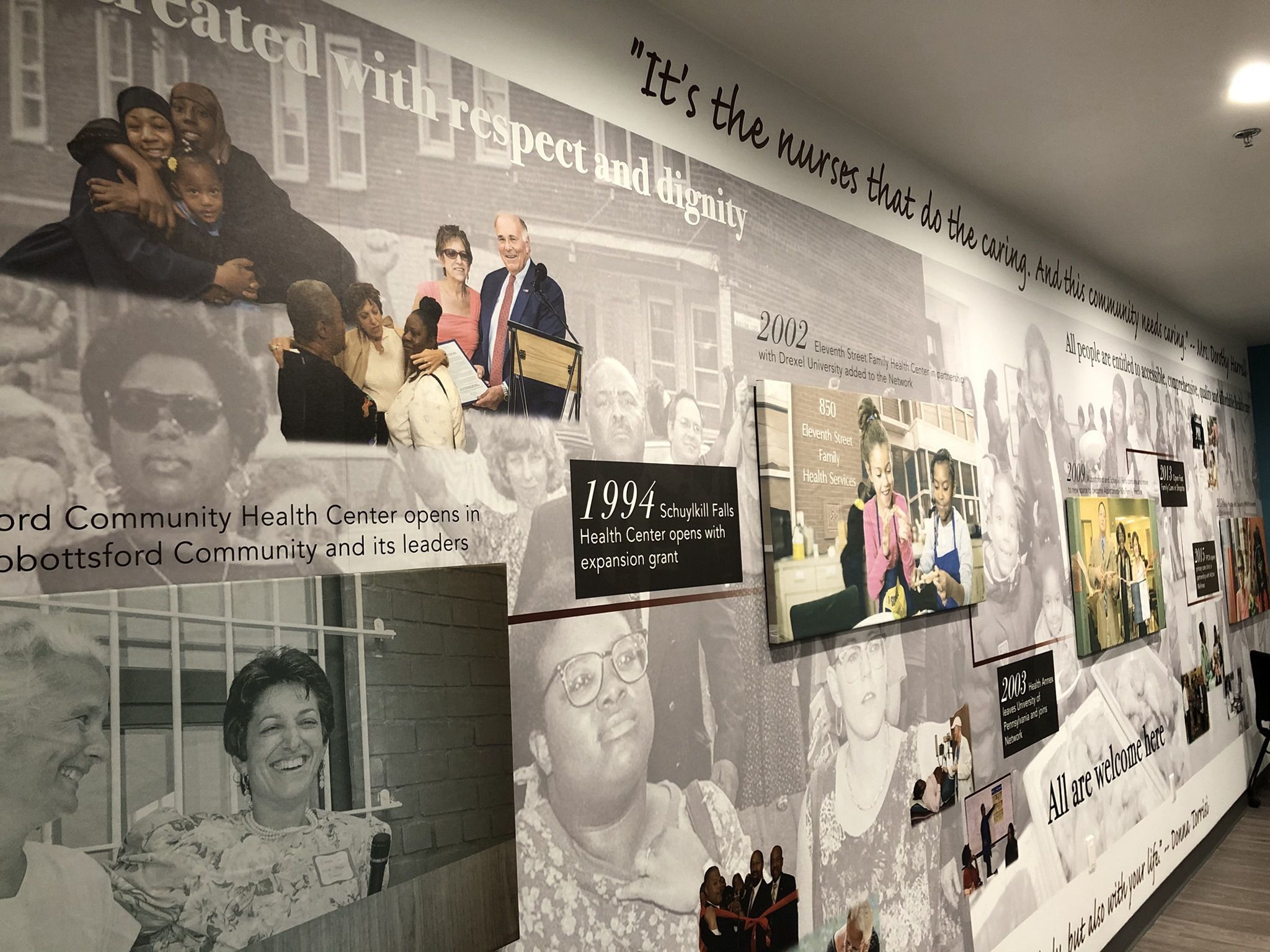
    A mural in a conference room at Family Practice & Counseling Services Network’s headquarters in Nicetown shows a timeline of the agency’s history since its founding in 1992.

    In return, federally qualified clinics have to accept all patients, including people without insurance. The insurance mix of FPCSN’s patient population is about 60% Medicaid, 20% uninsured, 10% Medicare, and 10% commercial, Nichols said.

    Also, half of a federal clinic’s board members have to be patients at the clinic. FPCSN has three main locations, in Southwest Philadelphia, on the western edge of North Philadelphia, and in the West Poplar neighborhood. Its revenue in fiscal 2025 was $31 million.

    During the past year, 55 FPCSN staff members have left, leaving 140 employees still at the organization, including 16 nurse practitioners who provide the primary care. The departures may have contributed to a decline in the number of patients seen to 13,500 last year, compared to 15,000 the year before, Nichols said.

    Why Penn helped FPCSN

    Federally qualified health centers form the core safety net in Philadelphia and across the nation, said Richard Wender, who chairs Family Medicine and Community Health at Penn, which had a longstanding relationship with RHD’s clinics.

    Under contract, Penn family practice physicians were providing prenatal care to 400 pregnant patients at the clinics that would have closed abruptly at the end of June if Penn hadn’t provided support. “We wanted them to be able to continue to take care of the patients that they were taking care of,” Wender said.

    The money from Penn helped pay startup costs for the new entity and bridged the period until FPCSN was able to secure new contracts with insurance companies.

    Penn also didn’t want the clinic’s patients showing up in its already busy emergency departments for basic care. “That adversely affects their health because it’s not a good place to get preventive care,” he said.

    But it was important to Penn that there was a pathway back to federal clinic status. “We feel as optimistic as we can,” Wender said.

    Wender and Nichols credited Kevin Mahoney, CEO of Penn’s health system, with the preservation of FPCSN’s services for low-income Philadelphians by throwing his full support behind the effort.

    “You have to have a CEO, a leader in your health system, who understands that this is the responsibility of large academic health centers,” Wender said.

  • Riddle EMS rebranded as Main Line Health EMS

    Riddle EMS rebranded as Main Line Health EMS

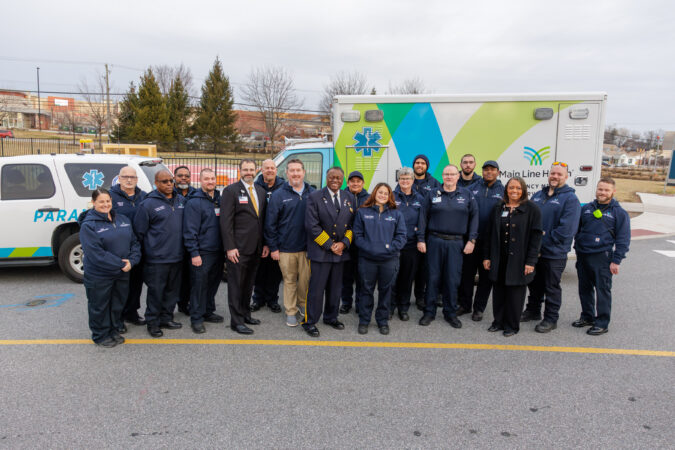
    Main Line Health on Wednesday announced that emergency medical services at Riddle Hospital in Media would be rebranded as Main Line Health EMS.

    The seven-ambulance fleet has been known as Riddle EMS for the past 40 years. It employs 77 paramedics and EMTs and provides emergency response services for Main Line’s four-hospital system.

    In addition to Riddle Hospital, Main Line Health includes Paoli Hospital, Lankenau Medical Center, and Bryn Mawr Hospital.

    The rebranding gives Main Line’s emergency services team a name that matches its system-wide mission, and “strengthens the team’s ability to meet the expanding needs of the community, while preserving the trusted service delivered for decades,” according to a statement from Main Line.

    Main Line’s hospitals, and in particular Riddle, have been strained by the closure of Crozer Health, which operated the largest emergency department and highest level trauma center in Delaware County.

    Riddle and Mercy Fitzgerald Hospital, in Darby, are the next closest hospitals for people who would previously have turned to Crozer for emergency care.

  • St. Christopher’s Hospital for Children announced its third leadership change in less than two years

    St. Christopher’s Hospital for Children announced its third leadership change in less than two years

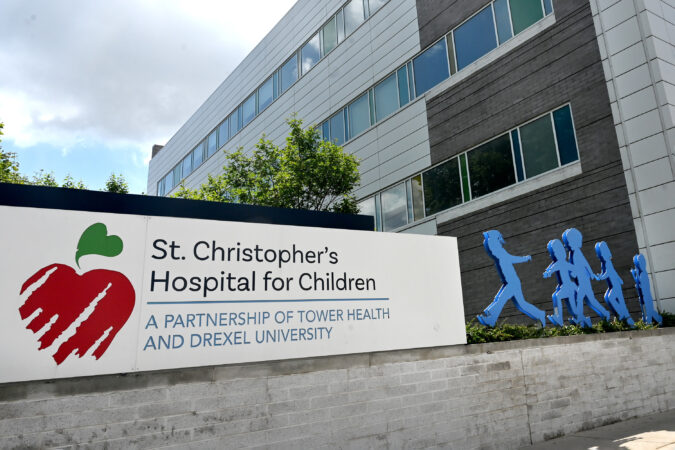
    St. Christopher’s Hospital for Children, a key safety-net provider in North Philadelphia, on Wednesday announced its third leadership change in less than two years.

    Claire Alminde, the hospital’s chief nursing officer and a 37-year veteran of the institution, is St. Chris’ new acting president.

    She is the third interim or acting executive appointed to the top management position at the nonprofit hospital since February 2024 and its fourth leader since 2020. Drexel University and Tower Health have owned St. Chris in a 50-50 joint venture since 2019.

    “Claire is firmly committed to St. Christopher’s mission and exemplifies the compassion, expertise and steadfast commitment that define this hospital and the care we provide to children and families across our region,” St. Chris said in an e-mailed statement.

    St. Chris’ chief nursing officer Claire Alminde has been named acting president of the North Philadelphia safety-net provider.

    There are no immediate plans for a national CEO search. “Right now, Tower’s focus is on helping Claire onboard successfully and lead the organization forward. We are grateful that Claire has committed to serving in this position as long as necessary,” Tower said.

    Alminde is replacing Jodi Coombs, who was appointed interim president and CEO last April. Coombs’ previous position was executive vice president at Children’s Mercy Kansas City, in Missouri. Before that, she worked in Massachusetts.

    Coombs replaced Robert Brooks, who was named president and interim CEO in February 2024 following the announcement that the institution’s last permanent CEO, Don Mueller, was departing for a job in Chattanooga, Tenn., closer to his family.

    Mueller took the job at St. Christopher’s in the summer of 2020, about seven months after Tower and Drexel University bought the facility, but did not permanently move to Philadelphia.

    State health officials in 2023 blamed safety lapses at the hospital on Mueller’s absence and ordered him to be in Philadelphia five days a week.

    Tower oversees day-to-day management of the facility, where about 85% of patients have Medicaid insurance for low-income people. That’s an extremely high rate.

    St. Chris, which has received significant financial support from other local healthcare institutions in recent years, has not published its financial results for the year that ended June 30, 2025. In fiscal 2024, St. Chris had a $31.6 million operating loss.

  • Jefferson and Temple join wide-ranging litigation over high insulin pricing

    Jefferson and Temple join wide-ranging litigation over high insulin pricing

    Temple University Health System and Jefferson Health are the latest area health systems to sue pharmaceutical companies and pharmacy benefit managers over high insulin pricing.

    The move follows similar lawsuits filed in recent years by the University of Pennsylvania, the city of Philadelphia, Philadelphia District Attorney Larry Krasner, and Bucks County, as well as hundreds of other municipalities, companies, and unions around the country.

    Temple filed its suit last week, and Jefferson sued just before the new year.

    Eli Lilly, CVS Caremark, and Sanofi are among the major companies named in the suits, which accuse drugmakers and pharmacy benefit managers, or PBMs, of conspiring to drive up profits on diabetes drugs.

    PBMs work with drug manufacturers, insurers, and pharmacies, negotiating prices and developing formularies — lists of prescription drugs that are available on a given insurance plan.

    The health systems and other plaintiffs say drugmakers inflate prices for their insulin products in order to secure lucrative placements on formularies. Then, they pay a portion of the resulting profits back to PBMs, according to the lawsuits.

    Jefferson and Temple officials said they are paying more for employees’ insulin as a result, impacting the health systems’ budgets and hurting their ability to “provide necessary services […] to the larger Philadelphia community.”

    Representatives from both health systems declined to comment.

    Eli Lilly has worked for years to reduce out-of-pocket costs for insulin, the company said in a statement, noting that some plaintiffs filing the lawsuits are choosing higher-priced medications over more affordable options.

    Lilly capped insulin prices at $35 per month, the statement said, and in 2024 the average monthly out-of-pocket cost for its insulin was less than $15.

    CVS Caremark said pharmaceutical companies “alone are responsible” for pricing their drugs in its latest statement, released after Philadelphia officials joined the litigation last month. The company said it would welcome lower prices on insulin.

    “Allegations that we play any role in determining the prices charged by manufacturers for their products are false, and we intend to vigorously defend against this baseless suit,” they wrote in an email.

    A statement from Sanofi said that the company has always complied with the law when it comes to drug prices and works to lower prices. PBMs and insurers sometimes negotiate savings on drugs, but those are “not consistently passed through to patients in the form of lower co-pays or coinsurance,” the statement read.

    “As a result, patients’ out-of-pocket costs continue to rise while the average net price of our insulins declines.”

  • The Trump administration is targeting ultra-processed foods. A Penn researcher explains why that might be complicated. | Q&A

    The Trump administration is targeting ultra-processed foods. A Penn researcher explains why that might be complicated. | Q&A

    On the same day President Donald Trump’s administration targeted ultra-processed foods in its new federal nutrition guidelines, Penn researcher Alyssa Moran published an academic journal article explaining why they’re hard to regulate.

    For starters, there’s no consensus on how policymakers should define the term, she and two coauthors said in a Nature Medicine commentary piece. (The publication timing was a coincidence, but she welcomed the attention to an underestimated challenge.)

    Ultra-processed foods are generally understood to be those with industrially produced ingredients not found in home cooking, but experts have long debated how best to classify the foods for regulation. The wording would need to encompass all the possible variations, without being so rigid that the industry finds loopholes.

    The U.S. Food and Drug Administration and the Agriculture Department have said they are working on developing a federal definition to provide “increased transparency to consumers about the foods they eat.” It’s a key goal of the nation’s top health official, Robert F. Kennedy Jr., who blames ultra-processed foods for the United States’ “chronic disease epidemic.”

    Roughly 60% of an American child’s daily calorie intake is estimated to come from ultra-processed foods, which comprise up to 70% of the U.S. food supply. Studies have linked their consumption to a higher risk of obesity, diabetes, cancer, heart disease, and other harms.

    This is the first time U.S. dietary guidelines have explicitly called out ultra-processed foods, also called highly processed foods, and told Americans to limit consumption, Moran said. The guidance was part of a broader update by the Trump administration the first week of January that flipped the longstanding food pyramid on its head to promote consumption of whole foods, proteins, and some fats.

    Though health experts questioned changes, such as the vague guidance on drinking alcohol, the crackdown on ultra-processed foods mirrors what many health organizations and consumer advocacy groups have been saying for years.

    “I thought it was a bold move, and I was glad to see it,” she said.

    Moran talked with The Inquirer about what people should know about ultra-processed foods and the challenges that remain in regulating the products.

    This conversation has been lightly edited for length and clarity.

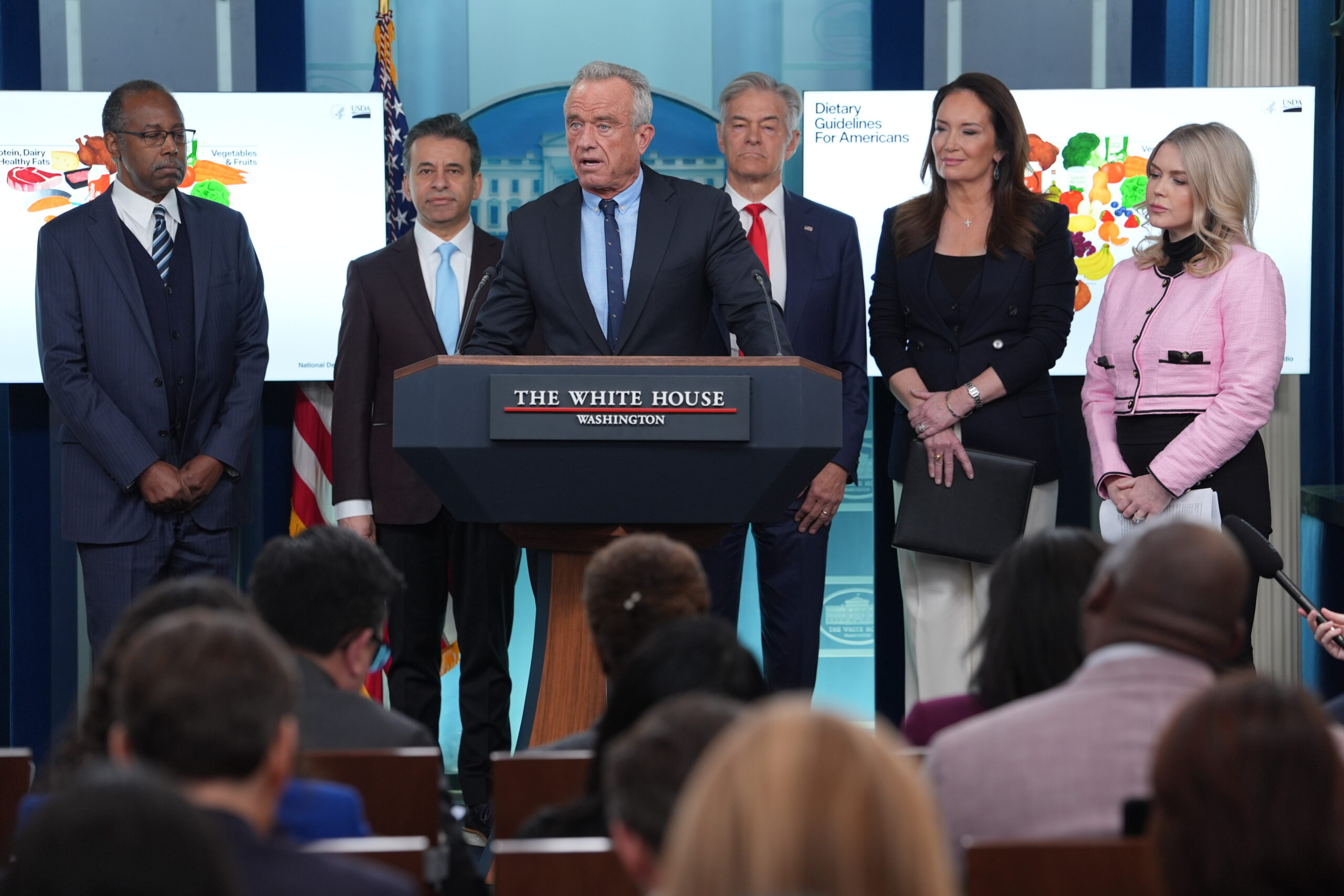
    Health & Human Services Secretary Robert F. Kennedy Jr. speaks during a press briefing with leading health officials and nutrition advisors at the White House in early January.
    What are ultra-processed foods?

    It’s a term that’s been used for decades and has been used, I think, interchangeably with ‘the Western diet’ or ‘junk foods’ or ‘highly processed foods.’

    Most foods are processed in some form, whether it’s physical processing, like slicing fruit before you eat it, or adding some chemical preservatives to foods that increase food safety. What changes with ultra-processing is the intent of the processing.

    With ultra-processing, the intent isn’t just to make the food safer or to extend shelf-life. It is to make it more cosmetically appealing and more likely to be overconsumed by individuals. They’re formulated in a way that makes them addictive, and they’re also aggressively marketed.

    What does it mean to make a food ‘cosmetically appealing’?

    It’s the overall sensation of eating the product.

    Companies are manipulating levels of highly palatable ingredients like sugar, salt, and fat to be at levels that are not naturally occurring and that are extremely palatable to consumers.

    They also add additives that enhance the naturally rewarding properties of things like sugar, salt, and fat. Some additives are added to food, for example, to mask a bitter flavor or prevent an aftertaste. They also add emulsifiers to change the mouth feel of a product. They pay attention to how the product sounds — even the crunch of a product when you’re chewing it — and add dyes to make them more visually appealing, especially to kids.

    There are all kinds of strategies that can take advantage of all of the senses to make the product almost irresistible.

    Why is there so much debate over how to define the products?

    The current administration has talked more than any prior administration about potentially limiting the production, marketing and sale, and availability of ultra-processed products. So, to be able to formulate policy to limit intake of these products, we have to be able to identify them.

    Many people have proposed going down the route of defining ultra-processed foods according to a list of additives. And there are many reasons why I don’t think that’s a good approach.

    What are the reasons?

    We need to really be thinking about how companies are going to respond to whatever definition we create.

    If we use a list of specific additives that makes something ultra-processed, companies are going to look at that list and they’re going to say, ‘How can we get around this. How can we skirt regulation?’ They’re either going to increase their use of additives that exist already but aren’t on that list, or they’re going to create new additives with very similar structures and functions as the existing additives.

    We see this happen all the time with commercially regulated products. When policies tax sugar, we see that companies increase their use of non-nutritive sweeteners, so the food supply is just as sweet, if not more. When Red Dye No. 2 was banned (in 1976), companies created Red Dye No. 3, which is almost identical and was also banned (in 2025), but 50 years later.

    Plus, we have hundreds of thousands of products on the marketplace and there are constantly new ones being added. And currently under FDA policy, companies don’t even need to notify the FDA when they add new ingredients to the food supply. So we don’t even have a complete list of every single additive in the food supply right now.

    What approach did you propose in your Nature article on this topic?

    Right now, it has been proposed to use a list of ingredients that would make a food ultra-processed. Everything else is non-ultra-processed.

    Our recommendation is really to flip that.

    We would say, ‘Here are all of the ingredients that make a food non-ultra-processed. Everything else is ultra-processed.’

    There are very few additives that make a food non-ultra-processed. The purpose (of the additive) would have to be for food safety or preservation, and that’s one reason why this is also a much simpler approach. Our approach is saying, for example, your yogurt is considered non-ultra-processed if it contains things like milk, live cultures, fruit, nuts, seeds, and honey, as well as some preservatives, vitamins, and minerals.

    If it has anything else, it’s an ultra-processed food and is in scope for regulation. Then, if companies introduce new additives, they’ll still be considered ultra-processed because they still fall into the ‘everything else’ bucket.

    Are there any other challenges that you see in terms of regulating the industry?

    The biggest one is the pushback from the food industry. They spend a lot of money fighting against policies to regulate production, marketing, and sale. We see it with sweet and beverage taxes that have been enacted in Philadelphia and other places. We see it with front-of-package labeling, which the FDA had been trying to pass.

    The lack of resources at our federal agencies is another barrier. This administration, early on, really dismantled the FDA, which I think would be the main regulatory body involved in creating this definition and potentially developing policy to regulate these products.

    If we don’t have people at those agencies, and they don’t have the resources they need to do their work, you could have a law on the books, but it’s not going to go anywhere.

    What are your tips for consumers?

    Shop on the grocery store perimeter and avoid the center aisles. Avoid ingredients that aren’t familiar to you.

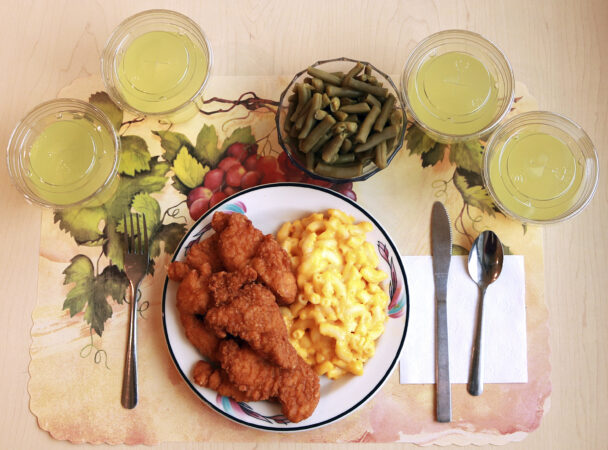
    Classic examples of ultra-processed foods are box macaroni and cheese, many frozen pizzas or frozen prepared meals, and many boxed cookies, candies, cakes, and packaged foods.

    I would never tell consumers in this environment that you have to avoid every single ultra-processed food to be healthy. These products are everywhere. They’re cheap. They’re super convenient. Many people don’t have access to minimally processed whole foods.

    That’s why I think policy is so important — policies that both put limits on ultra-processed foods, but also promote and incentivize the production and sale and marketing of non-ultra-processed products.